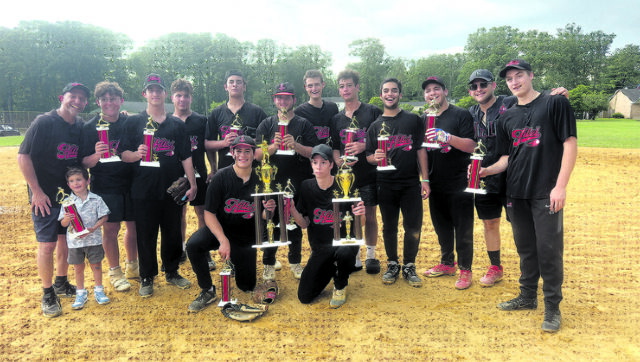
Hillel Heat 2025 Roster: Eli Braha, Maurice Chehebar, Jonathan Cohen, Elliot Dweck, Joe Dweck, Bruce Epstein, David Hakim,
Joe Kassin, Max Rishty, Bobby Salem, Momo Solomon, James Tawil, Abraham Tobias
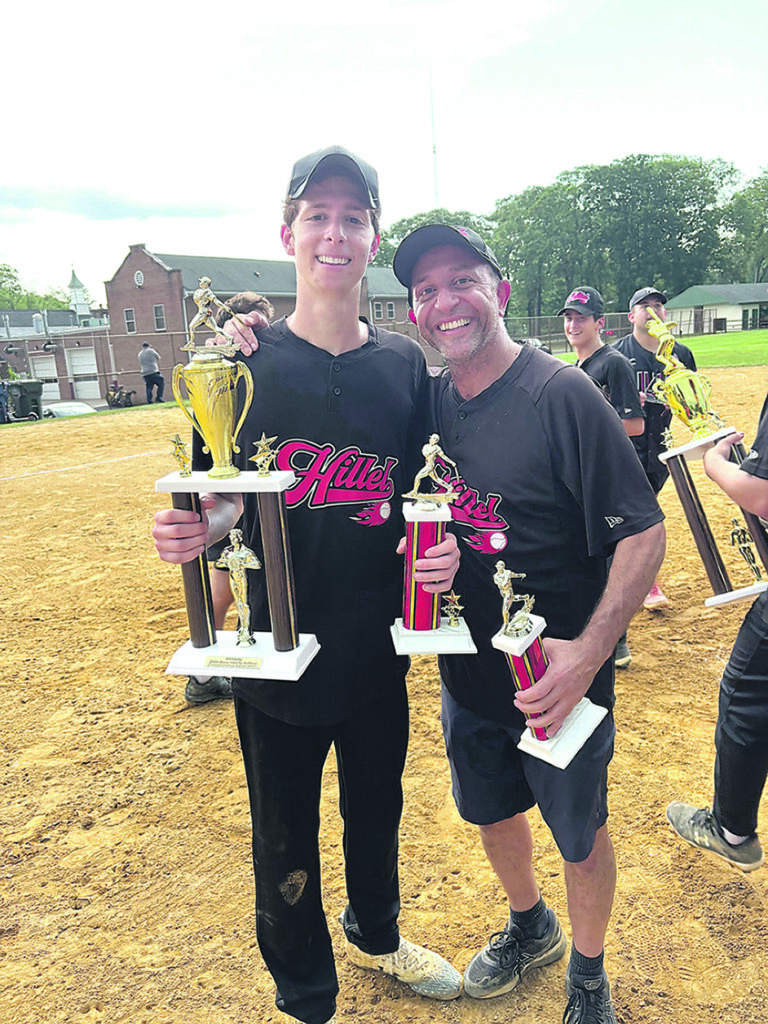
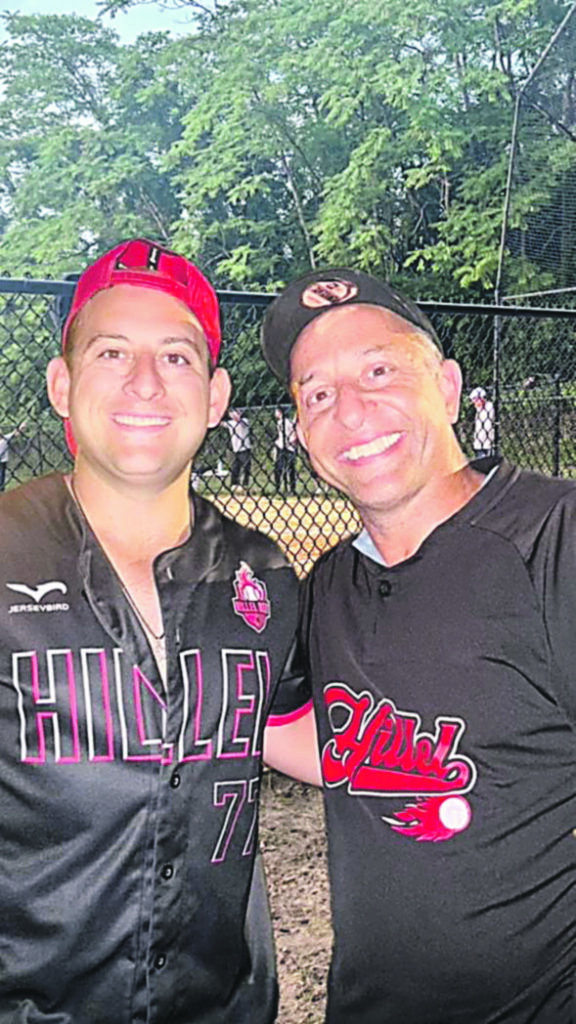
The Hillel Heat have reclaimed the title with a 3–1 victory over the Netzach Knights! Hillel has enjoyed an impressive run at the varsity level, winning five of the last ten MYHSAL softball championships. With Coaches Jackie Ashkenazi and Elliot Saka at the helm, this year’s young and talented team carried the torch of excellence established by retired Hillel legend, Coach Jackie Picciotto.
On June 19, 2015, Robert Tobias led Hillel to a championship victory over MAY, 1–0. Exactly ten years later, on June 19, 2025, his brother Abraham Tobias delivered another title, adding a new chapter to the family legacy. Hillel closed out the regular season strong with a 9–4 win over a solid YDE team to secure the #1 seed for the playoffs. In the first round, they faced the gritty MAY Eagles and eked out a thrilling 2–1 win. Trailing 1–0 in the bottom of the sixth, Eli Braha came through with a clutch single to tie the game. In extra innings, Abraham Tobias delivered a walk-off triple that brought home Joe Kassin and sealed the victory. In the semifinals, Hillel squared off against the DRS Wildcats, with Yeshiva League basketball MVP Joe Aaron taking the mound. Hillel struck early with a triple from Elliot Dweck that sparked the scoring. Key hits by Bobby Salem, Maurice Chehebar, and David Hakim built momentum and secured an 11–4 win, punching Hillel’s ticket to the championship against the defending 2024 champs, the Netzach Knights. The championship game was played under cloudy skies with the threat of thunderstorms, but Hillel came out swinging. Bruce Epstein opened the scoring with a triple to give the Heat a 1–0 lead. Netzach threatened with the bases loaded in the fourth inning, but Eli Braha turned the tide with a perfect throw to Max Rishty at home plate to preserve the tie. In the fifth, Abraham Tobias struck again with a go-ahead triple to make it 2–1, and Momo Solomon added an insurance run for a 3–1 lead. In the seventh, Tobias shut the door with a strong finish on the mound, securing the victory and earning well-deserved MVP honors. Hillel thanks Commissioner Seth Gordon for his leadership in running the league, Coach Yossi Davidson and the Netzach team for a competitive and respectful championship matchup, and our devoted supporters: Rabbi Saul Kassin, Rabbi Beitler, Norman Jemal, Sammy Saka, and all the fans who came out to cheer us on. GO HEAT!!!
Readers may recall the Ice Bucket Challenge, a stunt that went viral on social media in 2014. The Challenge involved pouring a bucket of ice water over your head after being dared to do so by a family member, friend, or colleague. The goal was to raise funds for researching treatments for the disease known as Amyotrophic Lateral Sclerosis, or ALS (also known as Lou Gehrig’s disease). And it was wildly successful—according to the ALS Association, the Challenge raised $115 million in 2014 alone, thereby enabling the organization to increase its annual funding for ALS research around the world by 187 percent.
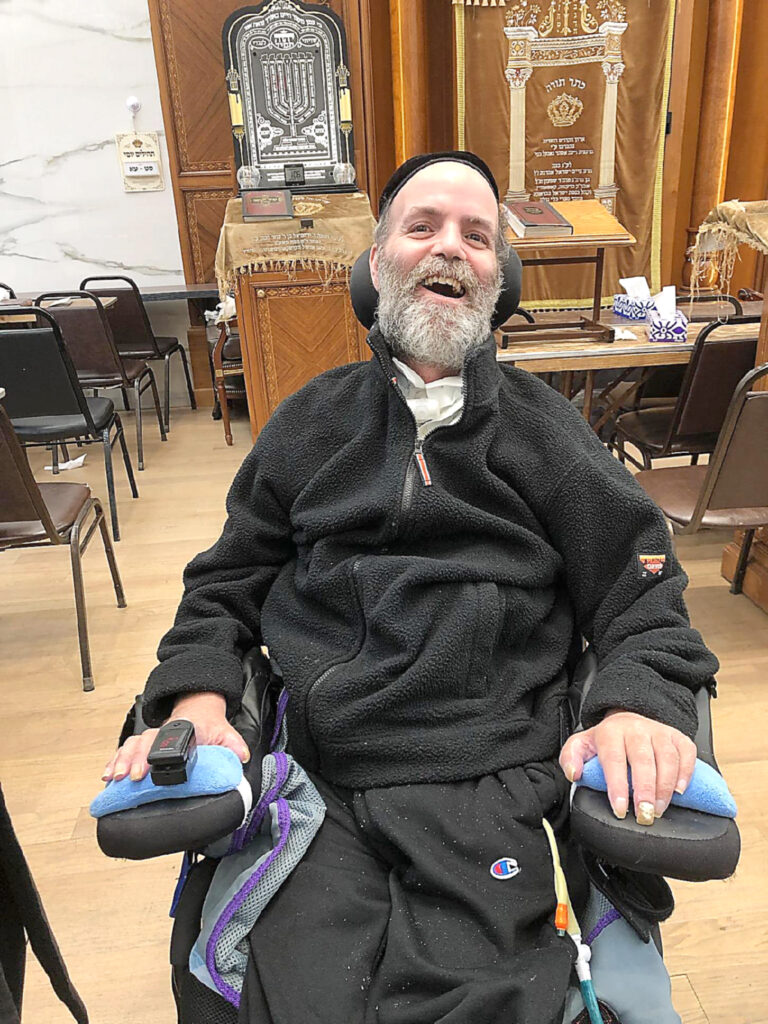
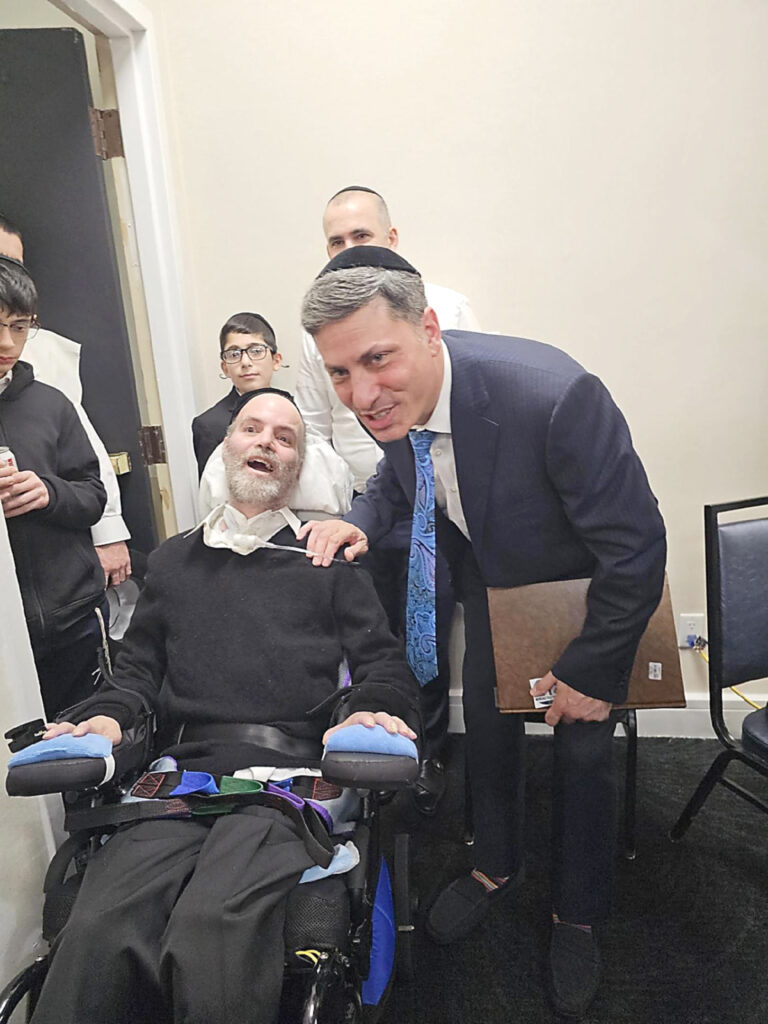
Zelig Nirenberg is all smiles at his local shul.Zelig Nirenberg joins Rabbi Eli Stefansky at gala siyum for Baba Basra at the Armon Hotel in Connecticut, on Motzei Shabbat, December 21, 2024.
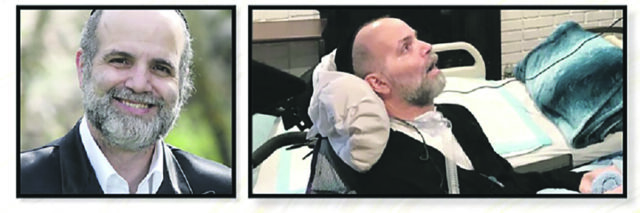
Since then, people have moved on to the next viral sensation. But for families with a spouse, parent, or other relative afflicted with ALS, the challenges remain—attending 24/7 to a loved one who can no longer care for their own needs, as well as consulting with medical professionals, evaluating treatment options, and making end-of-life decisions. The tragedy of ALS is difficult to fathom—until it hits close to home. For the Airmont community in Monsey, New York, that moment came in 2022 when our dear friend and neighbor, Zelig Nirenberg, was suddenly afflicted with ALS and quickly lost the use of virtually all of his muscles. This article shares Zelig’s story—it is heartbreaking, but also an opportunity for the broader Jewish community to share in the ultimate chesed: saving the life of a fellow Jew. Forty-six years ago, Zelig received a computer as a Bar Mitzvah gift. From that point onward, his enthusiasm for technology only grew. At the same time, his religious commitment intensified, and he embarked on a journey of spiritual growth alongside the development of his IT skills. After Zelig met his wife, Aviva, they made aliyah together with their three children. With his computer expertise, Zelig worked for several startup companies in Israel while still managing to devote many waking hours to studying Torah. In Israel, Zelig encountered the emerging field of cybersecurity. He became a specialist and, after returning to the United States with his family, Zelig (known as Curt professionally) worked as a private contractor for the Department of Defense and other government agencies. But studying Torah remained Zelig’s priority—despite his heavy workload, he took the Dirshu exams every month and scored in the 90s each time. He also kept fit and trim by maintaining a daily routine of jogging and other exercises. A true Renaissance man, he eventually became fluent in seven languages. By all counts, Zelig was blessed with extraordinary talents and was in the prime of his life and in the best of health. But then tragedy struck in March 2022, when Zelig was shockingly diagnosed with ALS (precipitated by a tick-borne infection, as the family later learned). Aviva and their children—and their friends in the Airmont community of Monsey—were devastated. For the first nine months after his diagnosis, Zelig was confined to a nursing home, which was ill-equipped to provide the specialized level of care that he needed and to address the emergencies that arose with increasing and alarming frequency. Moreover, the facility was situated a considerable distance from Zelig’s neighborhood and offered limited visiting hours, which posed a challenge for Zelig’s friends who wanted to visit; stopping by on Shabbat was certainly not a possibility. Deprived of the social interaction that was so vital for his recovery, Zelig’s health and spirits rapidly declined and his condition deteriorated. The situation also became unbearable for his wife, Aviva. A therapist with 20 years of experience, Aviva’s passion is helping individuals and families cope with life’s many challenges. But now she had her own. With their children living in Israel, Baltimore, and San Diego—and no relatives living nearby—Aviva rushed back to the nursing home every day after finishing work. A decision was made: to save his life, Zelig had to return home. Fortunately, Aviva was not alone. Spurred to action, the couple’s friends and neighbors rose to the challenge, and in January 2023, Zelig returned home to a virtual hospital that had been painstakingly equipped by Aviva with help from local donors. Zelig’s prognosis remained bleak, but then Aviva learned of a study comparing Lyme disease symptoms to those of ALS. Zelig was tested, and the results came back positive for several tick-borne infections. Such infections can mimic the neurological symptoms of ALS, such as muscle weakness and fatigue. But unlike ALS, Lyme disease is usually treatable with antibiotics. Zelig commenced treatment with massive doses of antibiotics against his tick-borne infections. Boruch Hashem (thank G-d), the result was what Aviva, their children, and the Airmont community had prayed for: Zelig began showing increased movement in his hands and legs. Only time will tell how effective the current antibiotic protocol will be. In the meantime, caring for Zelig at home remains the only option. Rabbi Chaim Shabbes, a renowned posek and rav of Congregation Knesses Yisroel in Monsey, has ruled that keeping Zelig at home is a matter of pikuach nefesh (preserving human life), and that sending him back to a facility would mean certain death. The basis for that pesak is simple. At home, Zelig’s dedicated nursing team attends to his medical needs 24/7 (such as regular suctioning, because Zelig is unable to clear his throat—something every healthy person takes for granted). Zelig’s home environment is also completely tailored to provide him with opportunities for intellectual stimulation. For example, a large TV screen enables Zelig to participate in Rabbi Stefansky’s daily daf yomi shiur broadcast from Israel. Another device playing music can be activated by Zelig’s gaze. Finally, Zelig’s friends and neighbors can stop by at any time during the day—whether on weekday mornings to put tefillin on Zelig and pray with him, on Friday nights to form a minyan and recite Kabbalat Shabbat, or on Shabbat afternoons to sing zemirot and share divrei Torah. Were Zelig forced to leave his home and return to a facility because of cost considerations, all of these opportunities for social interaction would evaporate. “With Hashem’s help,” shares Aviva, “it’s possible that the antibiotic treatment will enable Zelig to experience a full recovery. But we are not an affluent family, and thus need monthly support to keep Zelig at home and alive, since the unreimbursed costs of medical care—including doctors, nurses, therapists, tests, medicines, and other expenses not covered by government assistance—are astronomical. We are reaching out to individuals who are able to commit to contributing on a monthly basis, or even to make a one-time contribution, in whatever amount they are comfortable with. Such contributions will relieve the fundraising burden that constantly threatens the viability of the homecare arrangement necessary for Zelig to remain alive and hopefully improve.” Please consider becoming a monthly partner in facilitating a refuah sheleimah for Zelig Nirenberg (Zelig Refael ben Sara). For further information and to contribute, please visit http://www.keepzelighome.org. You may also contact keepzelighome@gmail.com or call 845-200-3362 with any questions. Checks can be made payable to “Rockland Chesed Network” and mailed to: 335 Spook Rock Road, Building E, Unit 303, Suffern, NY 10901 (memo: Family15 Zelig). Thank you, and tizku l’mitzvot (may you be rewarded with mitzvot).
Summer is calling—and DSN Beach Club has answered with its most dynamic season yet! As the Beach Club’s General Manager Keith Acker states, “We continue to rise to the occasion, surpassing expectations and delivering an unforgettable summer filled with meaning, fun, and heart.”
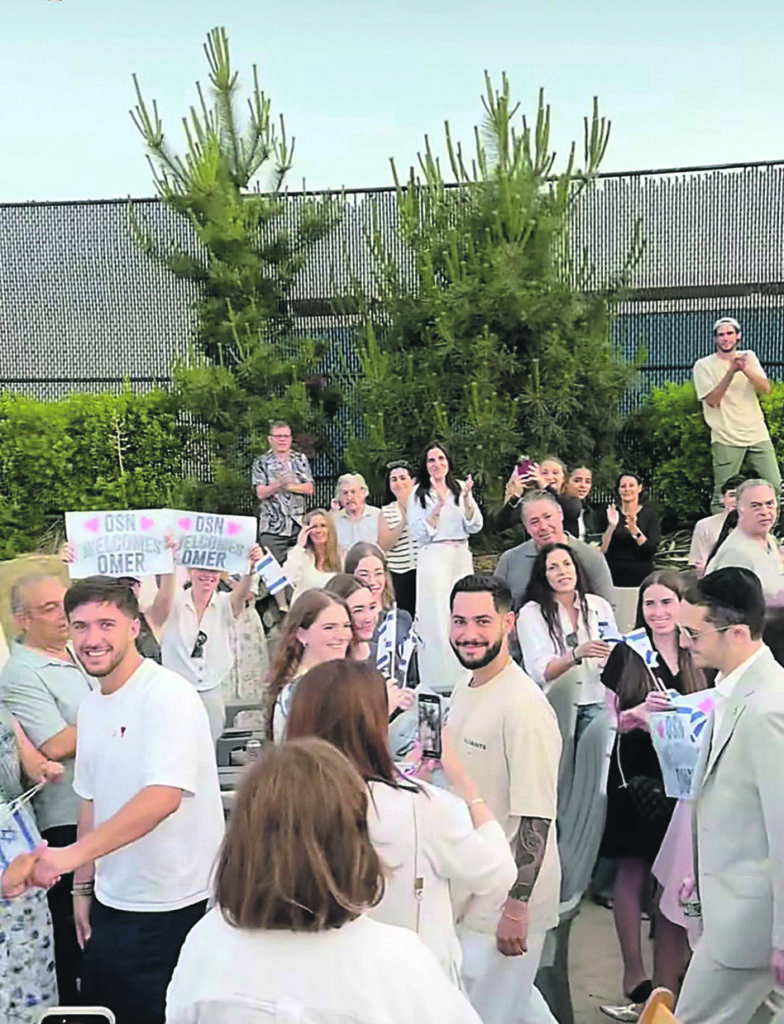
A warm DSN welcome for released hostage Omer Shem Tov.
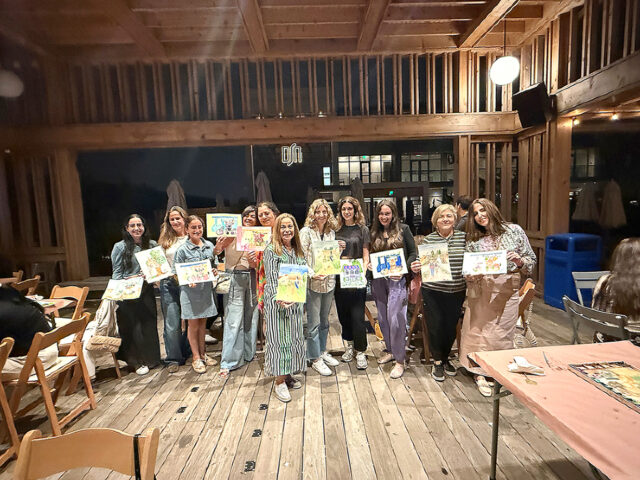
As school wrapped and families from Brooklyn and Manhattan made their way to the Jersey Shore, DSN officially kicked off its summer programming in full force. From the start, it was clear this would be the most memorable season to date. On Sunday, June 22, DSN launched its summer season by hosting an impactful event by the Michael Kameo Foundation. That night, a powerful and emotional program unfolded with released hostages Omer Shem Tov and Eliya Cohen, drawing nearly 700 community members to hear their incredible stories, with an introduction by Isaac J. Kassin. These moments set the tone for a season that blends inspiration with celebration. Family programming has brought smiles across generations, from the magical movie night screening of Wicked to the first-ever Marielody Live event featuring beloved children’s performer Mariel Dweck. Laughter, music, and memories filled the air—and the season was just getting started. DSN continues to proudly open its doors to non-profit partnerships, welcoming organizations like Levi Avi, SBH Hoops 4 Hesed, and a moving evening of art appreciation with Israeli Art in the Heart, in collaboration with King David Galleries. Jennifer Sasson, DSN’s Non-Profit Events Coordinator, has been the liaison to the community. “It’s an honor to work with community organizations and to host them at our beautiful Beach Club.” For the women of DSN, arts and creativity have taken center stage. The season began with a vibrant Ladies’ Night Kickoff featuring watercolor painting with Jill Levy, followed by a unique resin art class with Effie Harary, where participants created stunning Shabbat trays and candlestick holders. These artistic gatherings have sparked joy and connection throughout the community. Music and entertainment continue to be a major highlight. The crowd enjoyed Captain Jack, a Billy Joel tribute band that had everyone excited. Then just one week later, a wonderful audience came together for the unforgettable Nobeh night featuring Jack Hamra, Victor Esses, and ensemble—a DSN summer tradition that never fails to delight. DSN’s Nobeh Chairperson Abie Shiloach was excited to see the Beach Club come alive with the celebration of our heritage, culture, and community. “Arabic music has always been a part of who we are. It reminds us of where we come from and brings us together like nothing else. It was more than a night—it was a reminder of who we are.” One of the most buzzed-about evenings was DSN’s first-ever Ladies’ Night Boutique Show in the breathtaking DSN Beach Park. Over 50 community vendors participated in an evening market, with local musician Quincy Mumford setting the perfect tone and ambiance. Vendor KK Vintage already asked when the next show will be. Amanda Zeitoune of the Mini Mister Shop said, “The show was so much fun and my business did great!” The event was a true celebration of local talent, community spirit, and summer magic. DSN’s Beach Club Chairperson Victoria Sutton has been elated watching her vision become reality. “It never gets old. Every time I walk into our beautiful Beach Club building, I still can’t believe my eyes. G-d bless our community. From the incredible concerts, events, and programs, to members dining at Teva, Jeli’s, and Outpost, to the amazing beach service run by our dedicated community beach boys, from singles and newlyweds lighting up Teva on Saturday nights, to our impactful non-profits and Sunday tournaments—it’s all truly incredible! B”H, seeing it all come together and watching everyone enjoy it makes all the planning and hard work of the Executive Board and our talented staff so worth it.” With so many more events on the summer horizon, DSN Beach Club continues to shoot for the stars. Program Director Caleigh Silvera emphasizes that “DSN is the heartbeat of summer at the Jersey Shore—bringing people together, elevating experiences, and creating memories that will last long after the season ends. The message is simple—summer is here. DSN is ready. And the best is yet to come.”
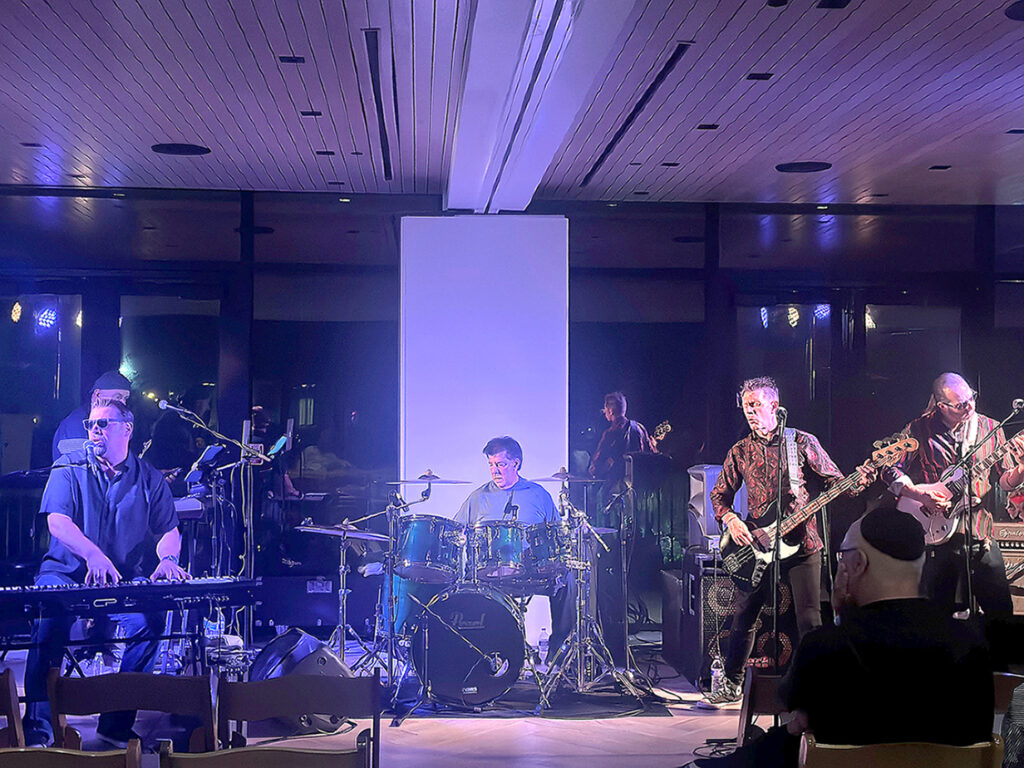
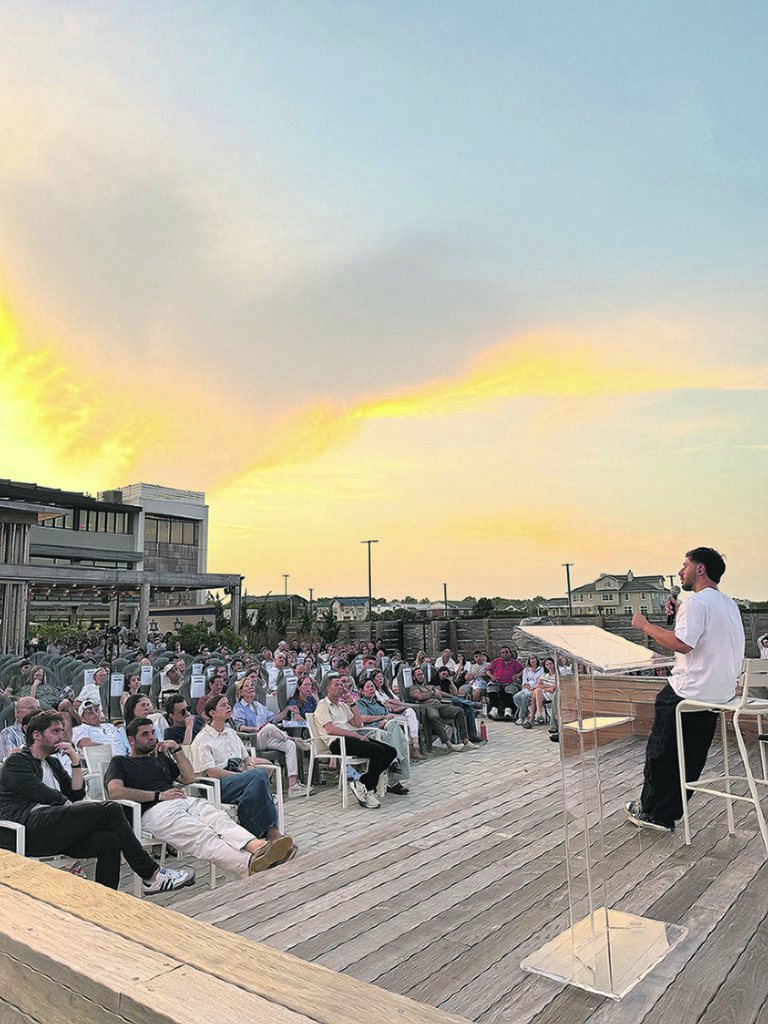
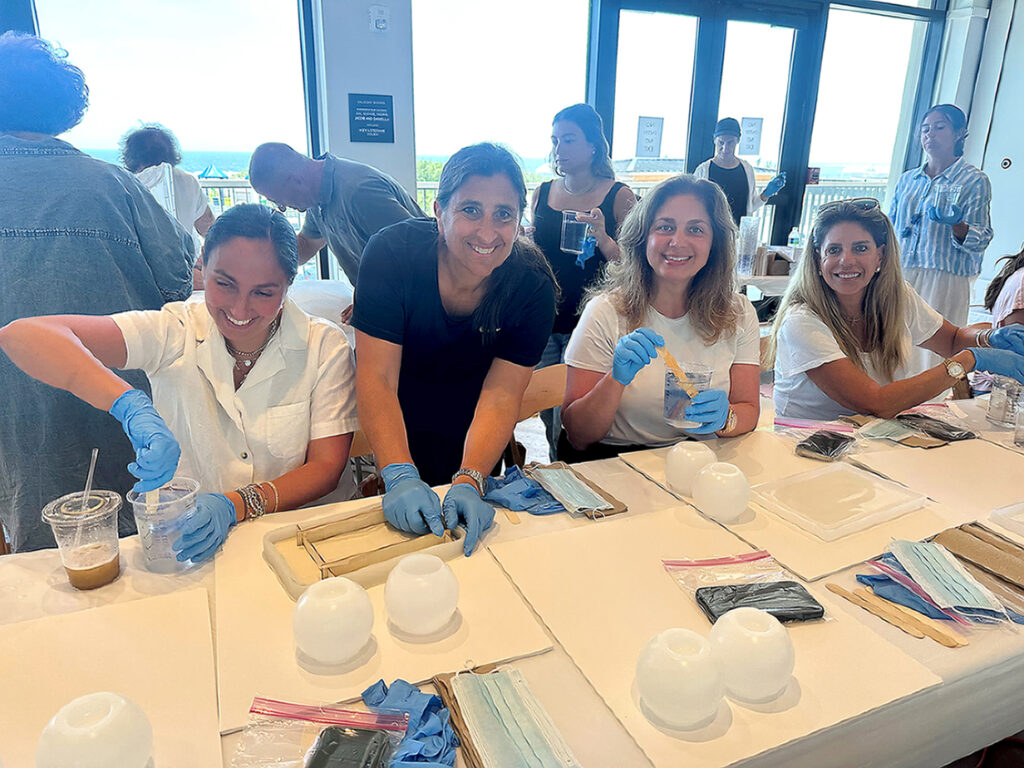
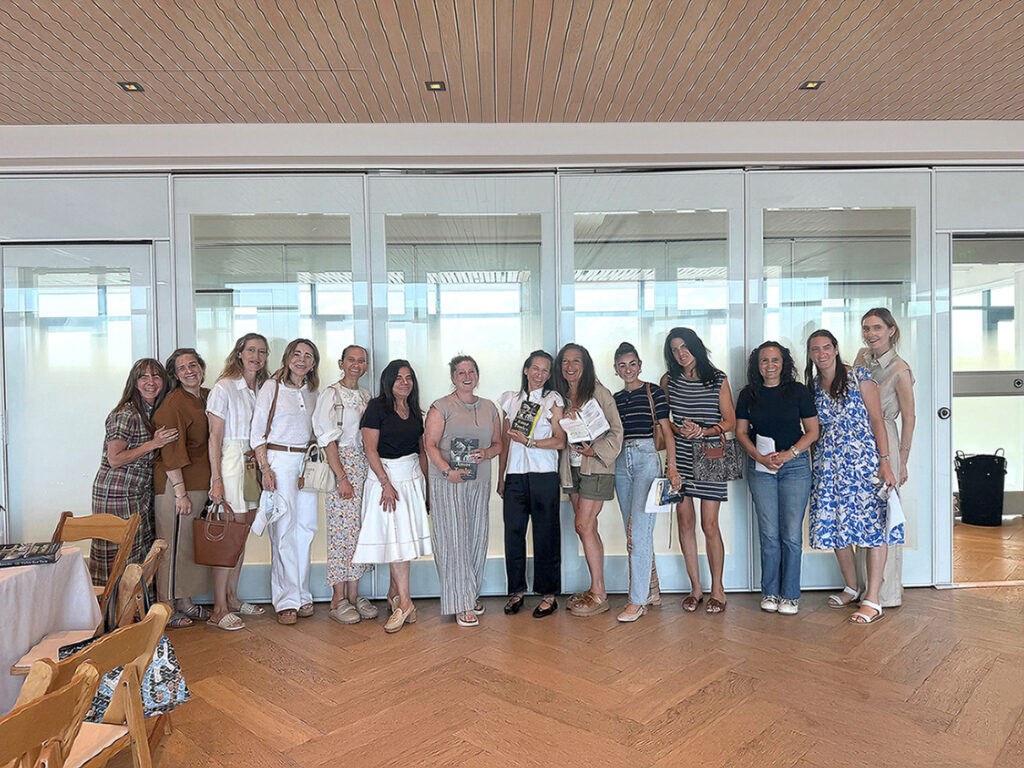
Captain Jack rocks the Beach Club crowd.Marielody Live delights DSN’s youngest fans.Nobeh Night lights up the DSN stage.Community gathers to hear Omer Shem Tov’s story of survival.Ladies’ Night resin art with Effie Harary.Book club night with Jennifer Aboudi and Sally Tawil.
Chess made from USA, EU and China flags on a world map. China, Europe Union and United States of America trade, duty and tariffs war
Ari Baum, CFP®
When you hear the word “tariffs,” you might think of political debates, trade wars, or headlines that don’t really seem to apply to your everyday life. But make no mistake: tariffs can quietly show up in places you might not expect. From the price of a car to the cost of a new pair of sneakers, these taxes on imported goods can have a lasting effect on how much you spend—and how much your investments grow.
So, how exactly do tariffs work? And why should investors keep them on their radar? Let’s follow the ripple effect from the moment a tariff is announced all the way to your wallet and your portfolio.
Tariffs 101 What They Are—and Why They Matter At their core, tariffs are taxes placed on products coming into the country. Governments use them for a variety of reasons: to protect local industries, raise revenue, or put pressure on foreign trading partners. When a tariff is set—say, 50% on imported aluminum—companies bringing that material into the U.S. have to pay more at the border. That added cost doesn’t just stay on paper. It travels down the supply chain and usually ends up in the price tag you see in stores or the costs companies pass on to consumers. This can create both problems and possibilities for investors. Supply Chains Where Tariffs First Leave a Mark Once tariffs go into effect, supply chains often feel the pressure first. Imagine a U.S. manufacturer that depends on Chinese aluminum. Overnight, the price of that material jumps because of a new tariff. Now the company has to make a choice: pay the higher cost and absorb the hit to profits, pass the cost on to customers, or look for new suppliers—maybe closer to home. None of these options are simple, and all can lead to delays, increased spending, and production slowdowns. In some industries, businesses might even have to redesign their products or rethink entire workflows to stay competitive. For investors, this means keeping a close eye on companies in vulnerable industries—especially those with global supply chains and thin profit margins. Winners and Losers How Industries React Tariffs don’t hit all sectors the same way. Some benefit—at least temporarily. U.S. companies that produce goods similar to those being taxed may suddenly look more attractive. They can raise prices slightly without losing customers and enjoy a boost in demand. Others aren’t so lucky. Industries that rely on global parts or materials may see production costs soar. Agriculture, construction, and retail often find themselves squeezed in these moments. Take the recent 50% tariffs on steel and aluminum. Domestic metal producers saw a modest bump in business. But automakers and construction firms? Many faced higher costs and shrinking profits. For investors, that kind of shift can mean one sector surges while another stumbles.
Your Portfolio Where the Ripples Land All these changes—from shifting suppliers to rising prices—eventually make their way to your investments. If you own stocks in a company struggling with tariffs, you could see those shares dip. If you’re invested in a sector that benefits, you might see a short-term gain. But here’s the tricky part: markets don’t just respond to reality—they respond to expectations. Even the rumor of a new tariff can send shockwaves through Wall Street. That’s why volatility often spikes when tariffs are in the news. This is where a diversified portfolio shines. If you’ve spread your investments across industries and regions, you’re less likely to feel every bump in the road. The Bigger Picture What Tariffs Teach Us About Planning Understanding tariffs isn’t about predicting every government move. It’s about being prepared for change and understanding how global policies can affect your day-to-day life and your long-term financial plans. If a single policy can ripple from a port in China to a factory in Michigan to your 401(k), then it makes sense to pay attention—not to panic, but to plan. That might mean reviewing your portfolio with a professional, being aware of how your favorite brands source materials, or simply staying informed about economic trends. Tariffs remind us that no investment exists in a vacuum. Everything is connected. The more you understand those connections, the better prepared you’ll be to make smart, timely decisions. When the next round of trade headlines hits, don’t just skim and scroll. Consider what they could mean for your financial goals. Being curious today might help you stay confident tomorrow. q The content is developed from sources believed to provide accurate information. Investing involves risk including the potential loss of principal. No investment strategy can guarantee a profit or protect against loss in periods of declining values. Past performance does not guarantee future results. Consult with a financial professional regarding your specific situation.
Ari Baum, CFP® is the Founder and CEO of Endurance Wealth Partners, with over 25 years of experience in the Financial Services industry. He brings his in-depth experience to Conceive. Believe. Achieve. for his clients. Securities and Advisory services offered through Prospera Financial Services Inc. Member FINRA/SIPC. Brokerage and Advisory accounts carried by Wells Fargo Clearing Services LLC.
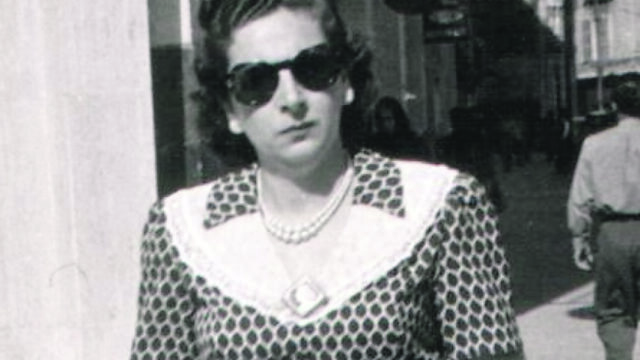
In the heart of Beirut, behind the quiet face of a homemaker and mother of seven, lived one of Israel’s most daring spies. Shulamit Cohen-Kishik led a double life that blended domestic grace with astonishing courage. Known simply as “The Pearl,” her actions saved thousands of lives, shaped the course of Jewish history, and stood as a testament to the quiet heroism often hidden in plain sight.
Shulamit was born in 1917 in Buenos Aires, Argentina, and immigrated with her family to Jerusalem in 1924 when their business began to fail. At just 16, she married Yosef Cohen-Kishik, a fabric merchant from a respected Lebanese Jewish family who had come to Israel searching for a bride from the Holy City. The couple moved to Beirut in 1936, where Shulamit quickly became part of both the Jewish elite and Christian Phalangist social circles. Her life seemed to follow a traditional path—she was described as a model housewife who knitted, embroidered, cooked, and lovingly raised seven children: Yaffa, Avraham (Berti), Meir, Arlette, Itzhak, Carmela, and David. But behind her calm and capable exterior, Shulamit was leading a second, secret life. As tension grew in the region, she overheard a conversation at a social event between Arab leaders discussing a coordinated attack on the soon-to-be-established Jewish state. Shulamit felt an immediate and powerful need to act. Unable to send mail or messages openly, she crafted a letter using invisible ink and managed to smuggle it across the border to Haganah headquarters in Metula. Her bravery caught the attention of Shai, the pre-state Jewish intelligence agency, and in 1947—before Israel’s founding—she began her journey as a spy. For the next fourteen years, Shulamit carried out covert operations, feeding Israel with high-level political and military intelligence. Her fluent Arabic, graceful demeanor, and strong relationships with Lebanese officials made her an ideal operative. She helped thousands of Jews escape hostile Arab nations through a vast smuggling network, using cover stories and complicated travel routes. Her home became a haven for frightened families fleeing from Syria, Iraq, and other countries. She coordinated their transfers through Tyre, Sidon, or Metula, depending on border conditions. Every time one group made it to safety, another would arrive, and she would spring back into action with barely a moment to rest.
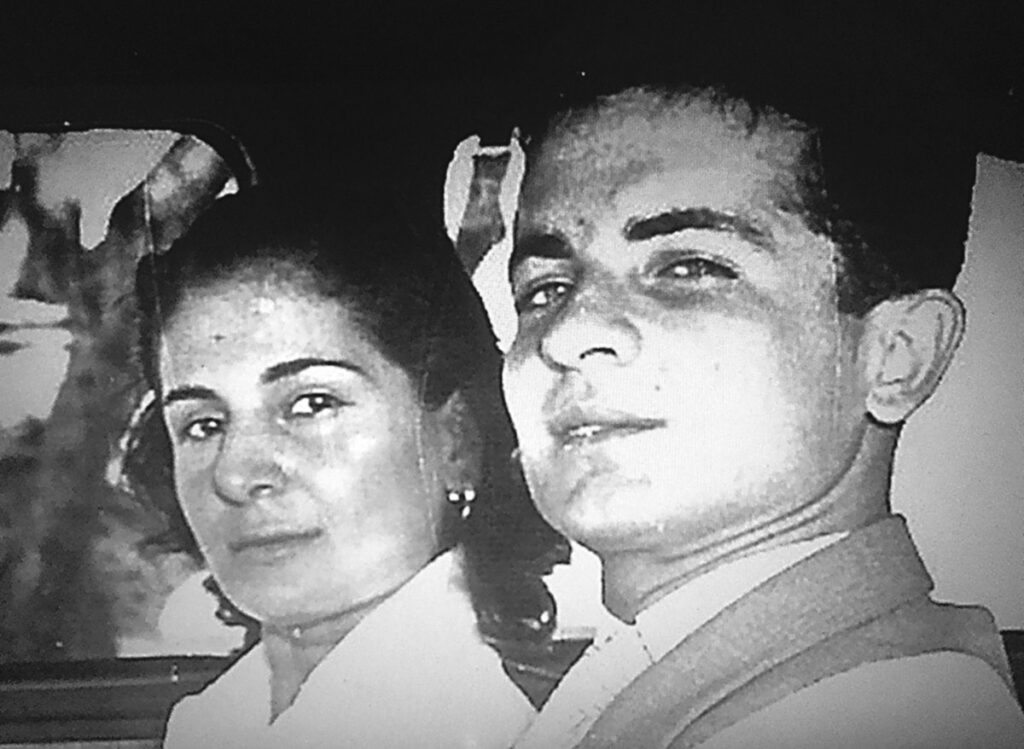
Shulamit, Long After BeirutShula Kishik-Cohen with Lebanese intelligence agent.
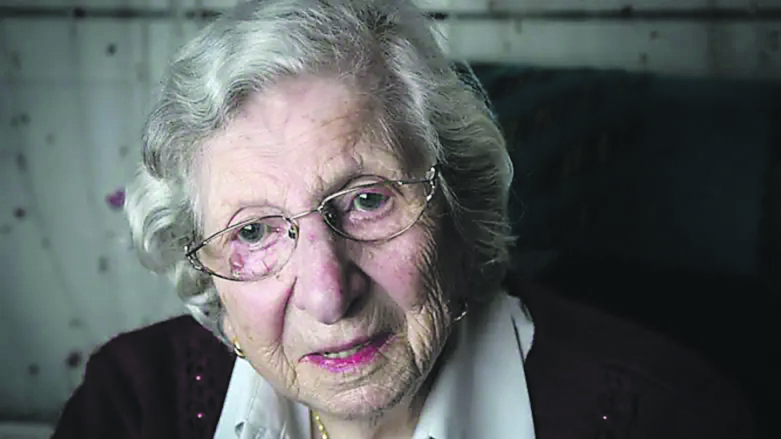
Her ingenuity and boldness were legendary. During one operation, Shulamit was helping dozens of Jewish children prepare to escape when she noticed Russian and Arab agents monitoring the area. Thinking quickly, she dashed to a nearby shop and bought every candle in stock. Handing them out to the children, she led them through the streets in a fake Hanukkah parade—singing traditional songs and waving candles. The agents, convinced it was merely a holiday celebration, lost interest and left. The moment they were gone, she loaded the children onto waiting buses and smuggled them safely to Israel. It was this type of quick thinking that made her one of Israel’s most valuable operatives. Shulamit’s devotion wasn’t just professional—it was deeply personal. She sent her two eldest sons to Israel for safety in 1949, and later her daughter, Yaffa, during Lebanon’s civil unrest. Eventually, only four of her children remained with her in Beirut. Even then, her work continued undeterred. Each time she crossed into Israel for a mission, she stopped in Tiberias to pray at the grave of Rabbi Meir Baal HaNes, placing coins in a tzedakah box and whispering prayers for protection. In 1961, a critical mistake nearly cost her everything. While returning from Israel through Turkey, her passport was accidentally stamped with an Israeli seal—something that could not be explained away. After a brief delay in Europe, she returned to Beirut and was immediately arrested. With irrefutable proof of her espionage, the authorities sentenced her to death. On appeal, her sentence was reduced to twenty years, but her time in prison was nightmarish. She endured six years of torture, including the pulling of fingernails, beatings, electrocution, and the loss of sight in one eye. Guards mocked her by comparing her to Eli Cohen, another famous spy who had been executed. Despite this, Shulamit never gave up hope. She prayed constantly, fasted twice a week, and recited Psalms from memory. She told herself that if she had been captured while saving thousands of Jewish lives, then her suffering had meaning. She believed that her fate rested in G-d’s hands—and that one day she would be reunited with her children. That day came in 1967, following Israel’s victory in the Six-Day War. In a sudden and dramatic prisoner exchange, she and her family were airlifted to Israel via Cyprus. At last, she was free. Though her body had been broken, her spirit remained strong. She lived the rest of her life quietly, volunteering, speaking, and inspiring generations with her story. She never sought fame, yet her bravery and humility earned her the deep respect of the nation. Shulamit Cohen-Kishik passed away in 2017 at the age of 100. She left behind a large family, including grandchildren and great-grandchildren who carry forward her legacy. Through every moment of fear and courage, she stayed true to her mission. She wasn’t just a spy—she was a mother, a protector, and a fierce believer in the power of one person to make a difference.
Joy, Growth, and Giving at The Special Children’s Center
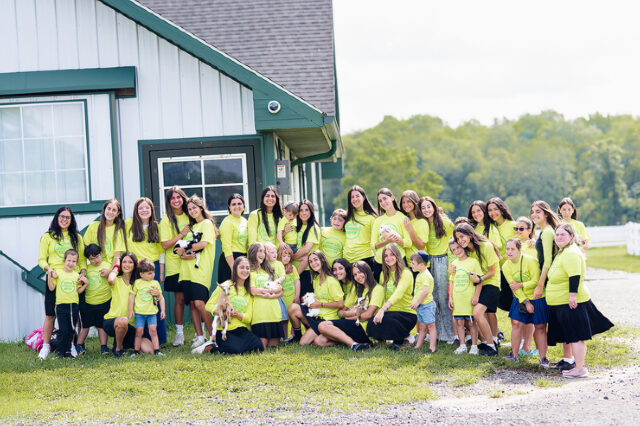
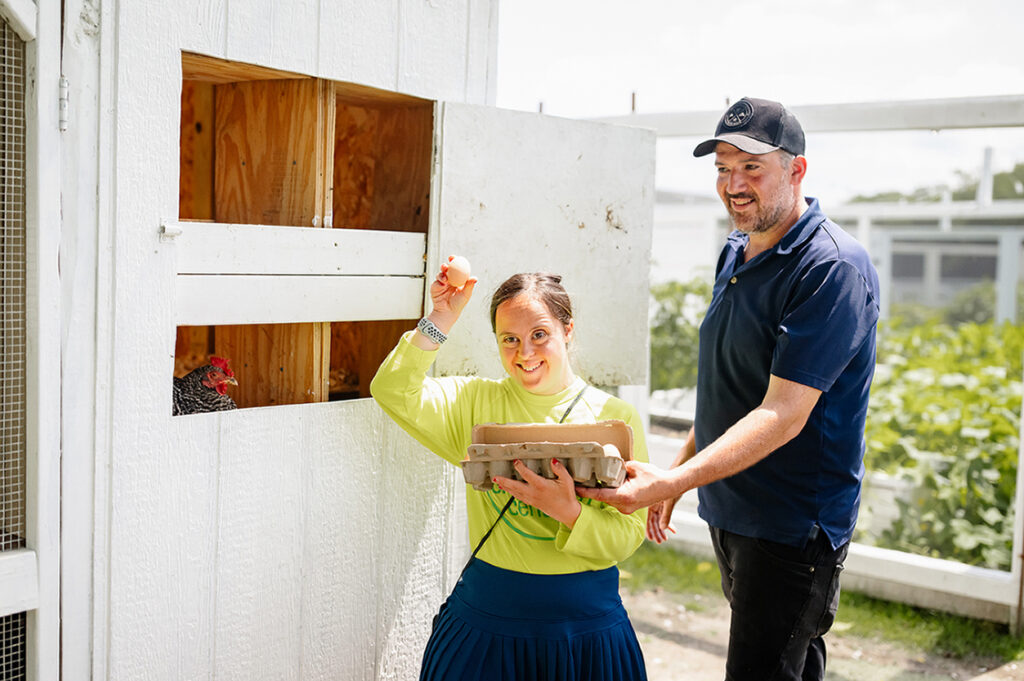
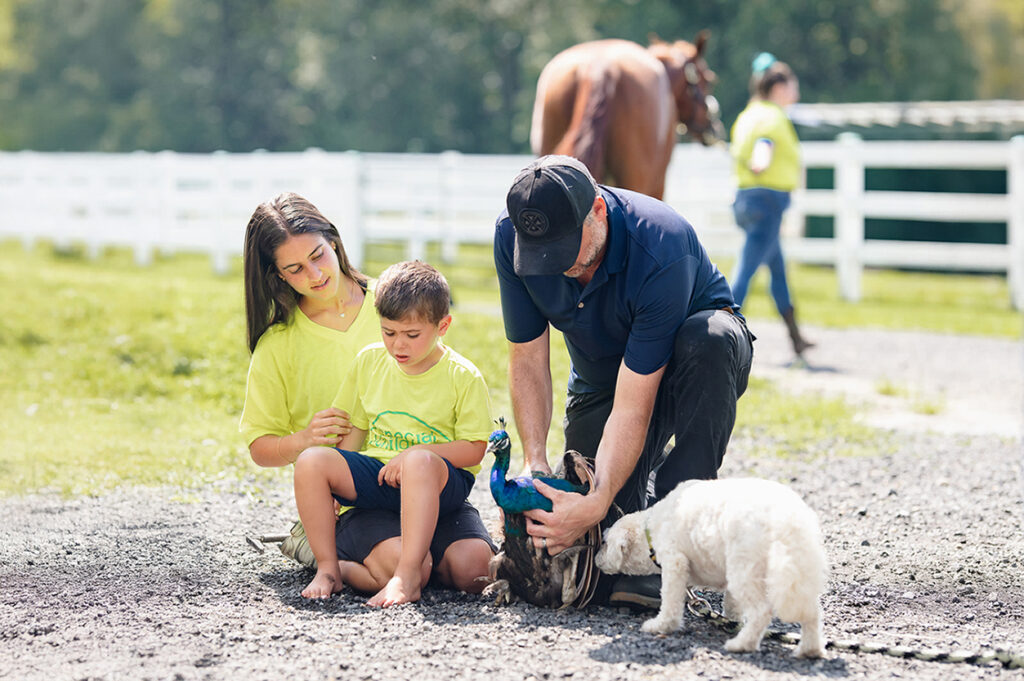
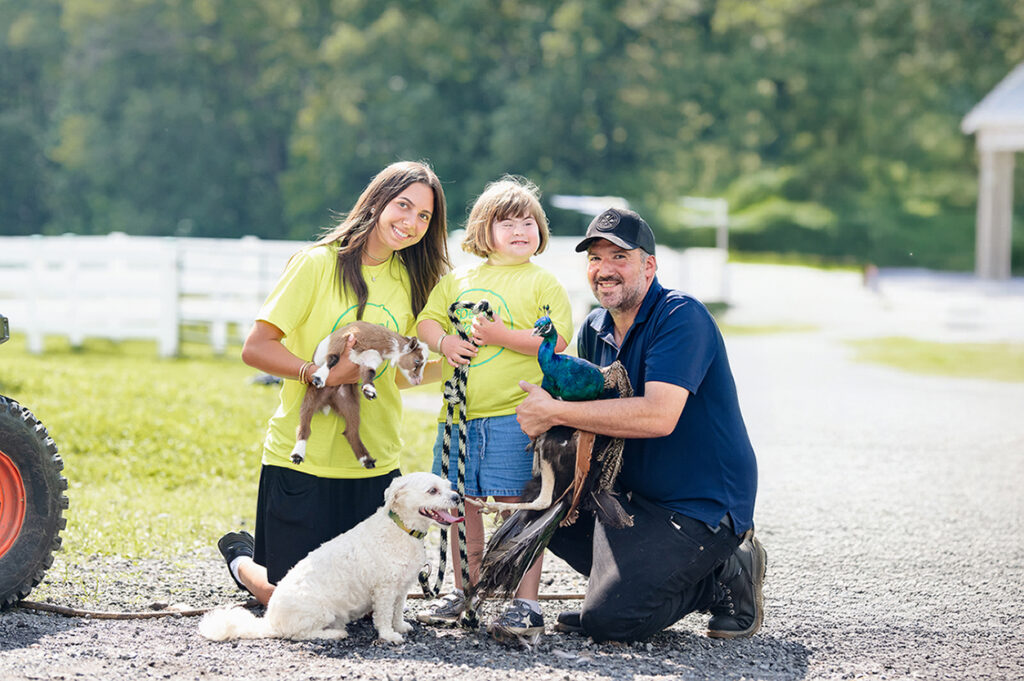
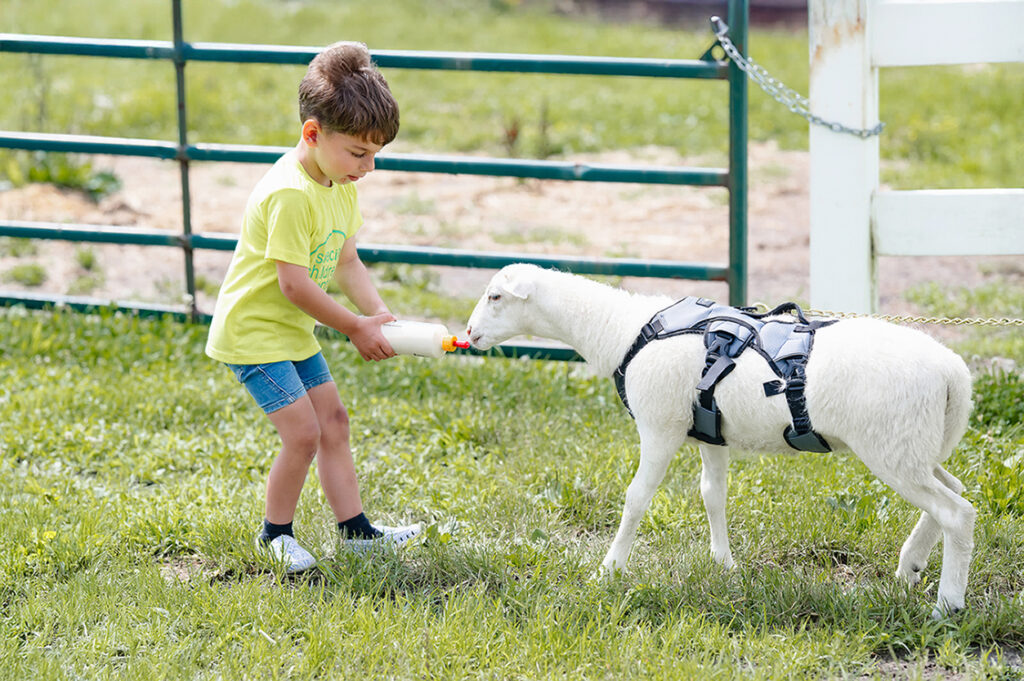
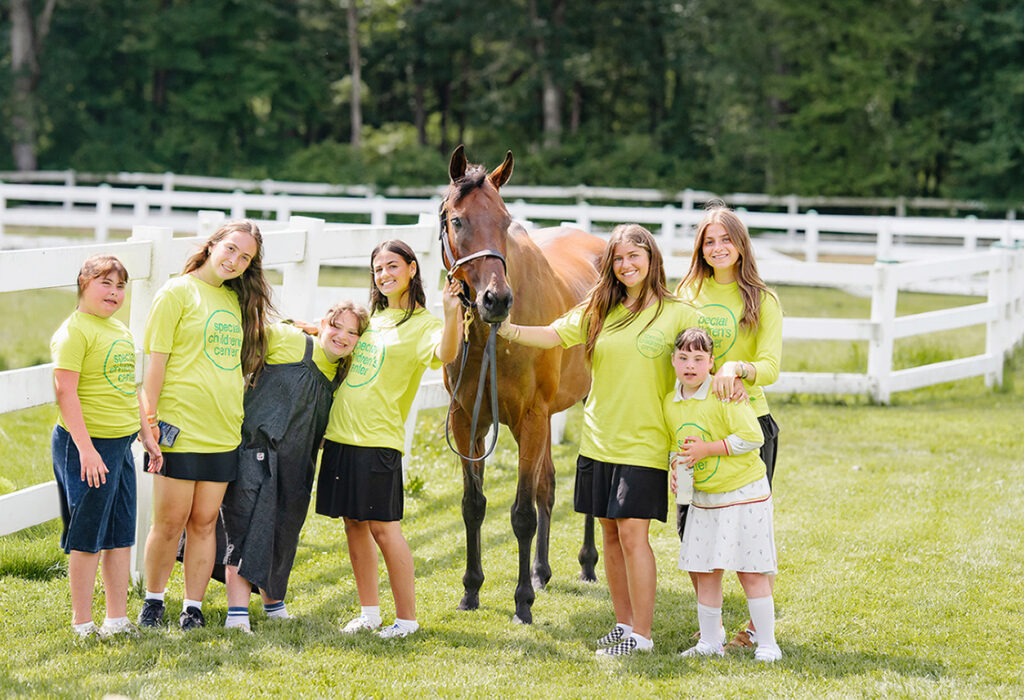
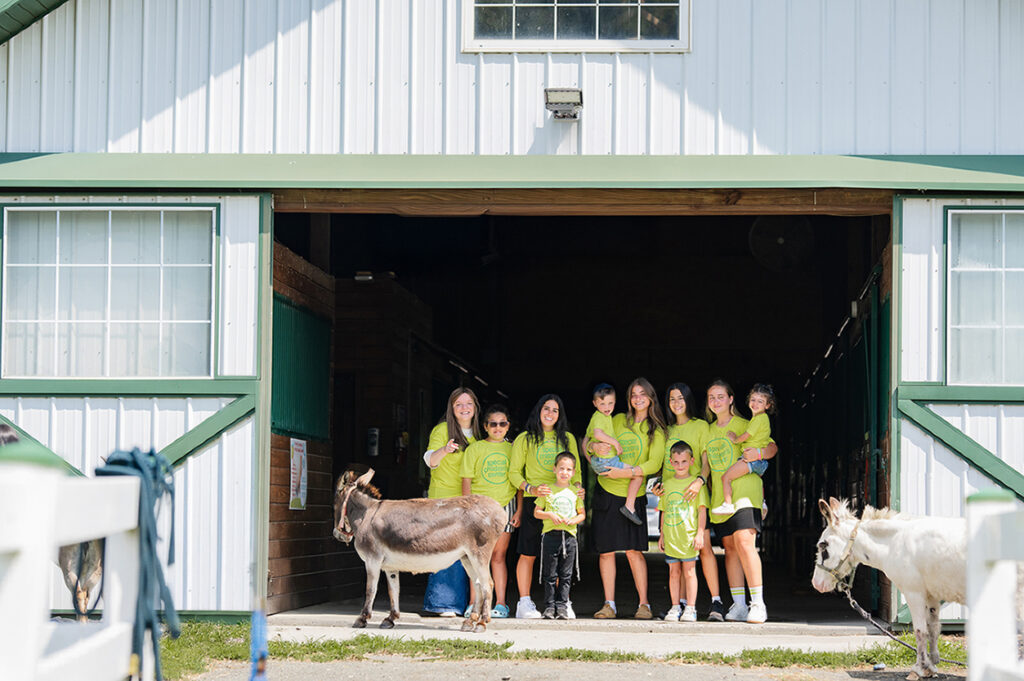
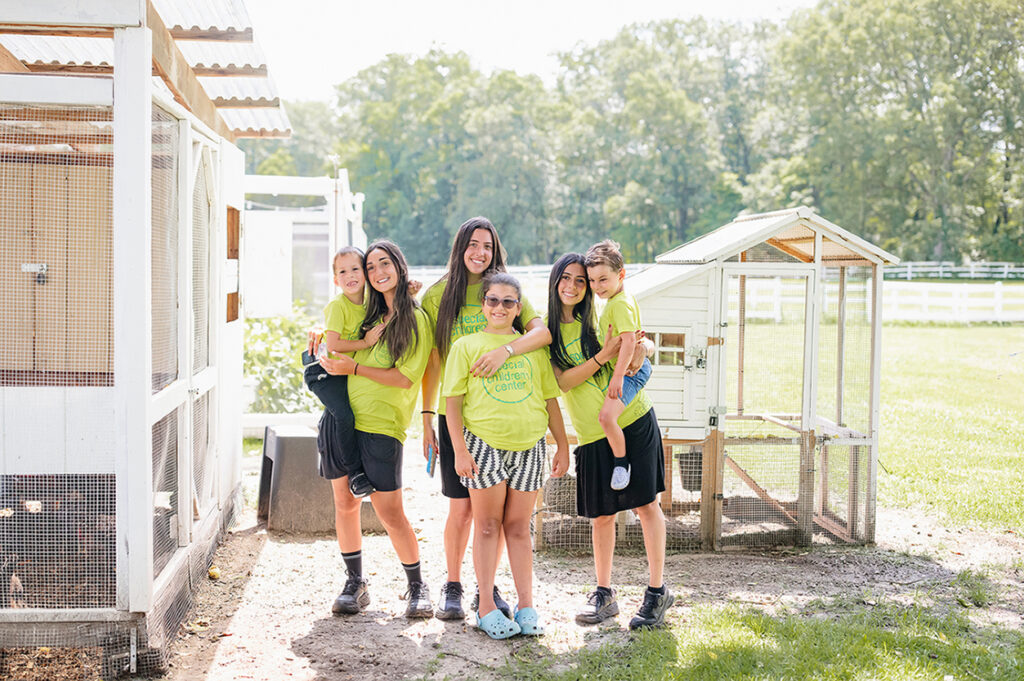
This summer, something extraordinary is unfolding at The Special Children’s Center Deal Camp, and it’s all happening at our breathtaking new Center Farm. Just 20 minutes from Deal, this 30-acre oasis has become a place of healing, discovery, and joy.
At the Center, we’ve always believed in going above and beyond for our children. This summer, with the help of our devoted hosts and an unbelievably supportive community, we’ve taken that dream to a whole new level.
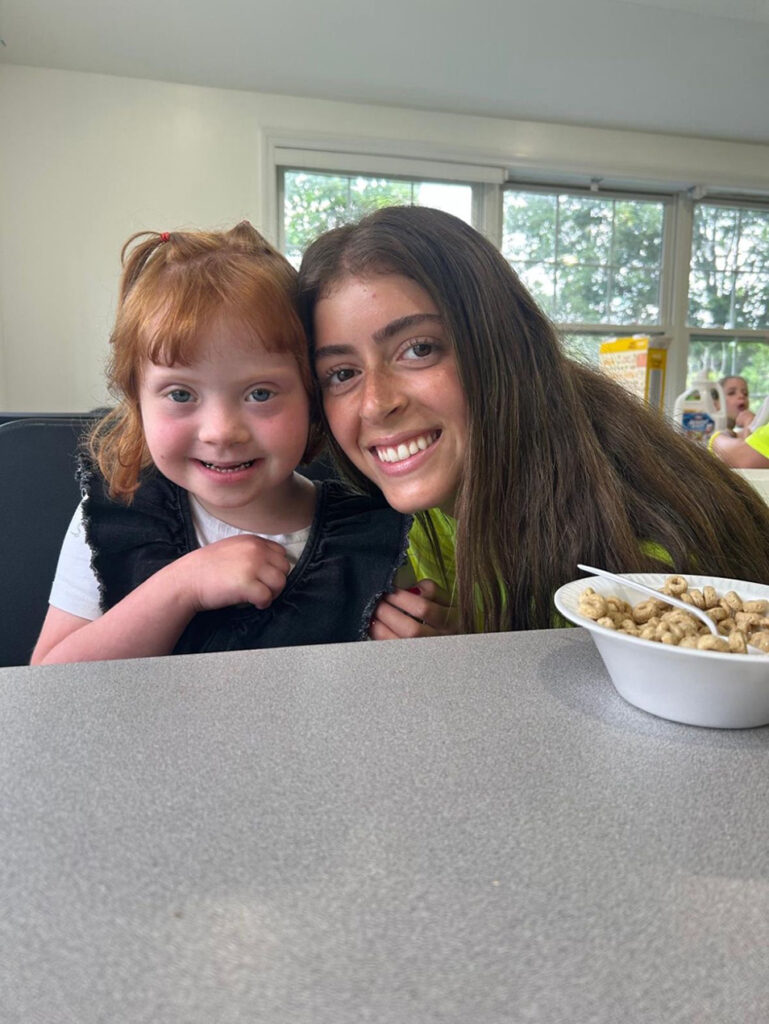
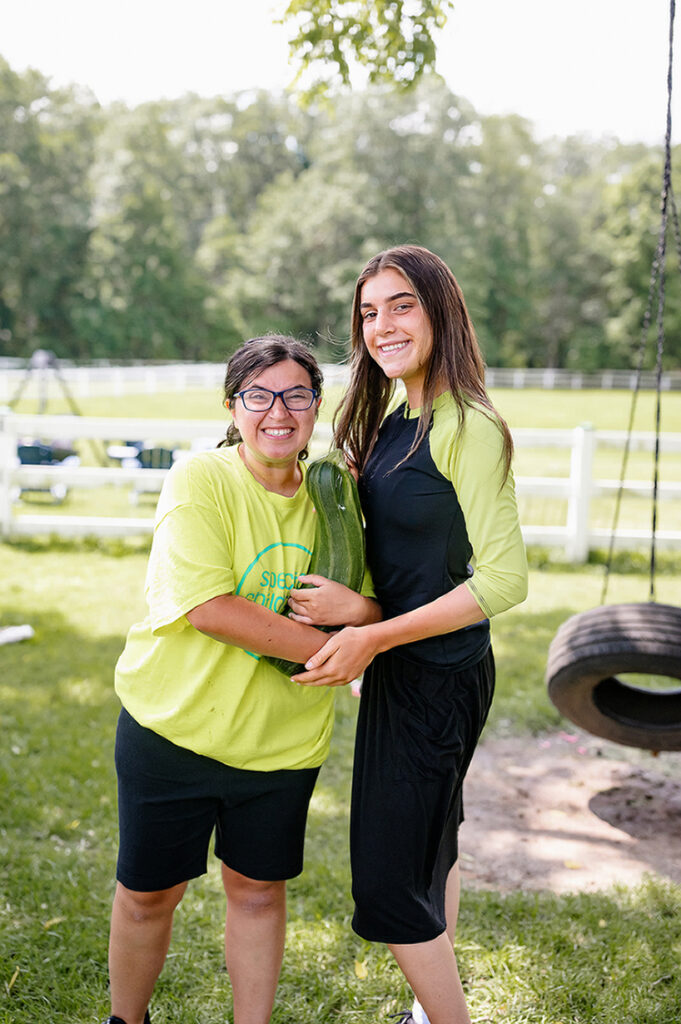
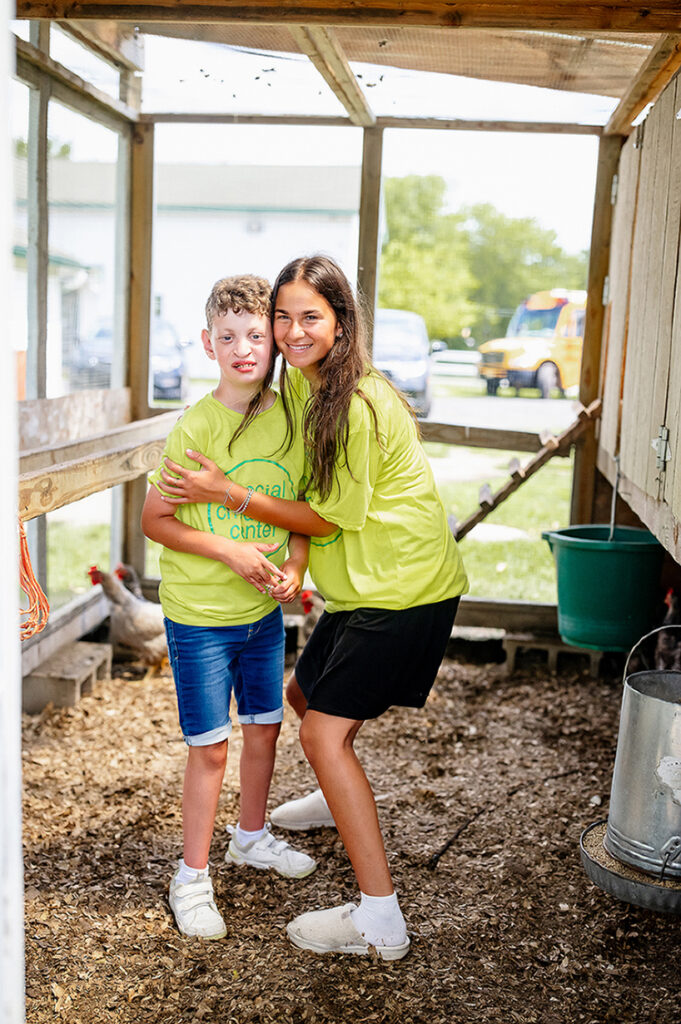
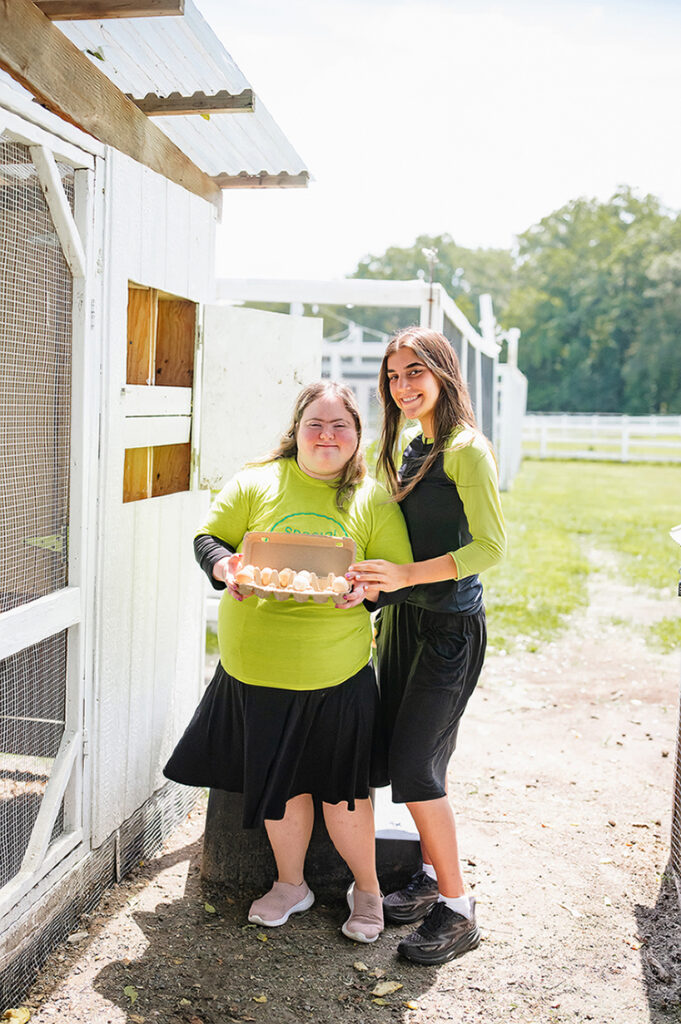
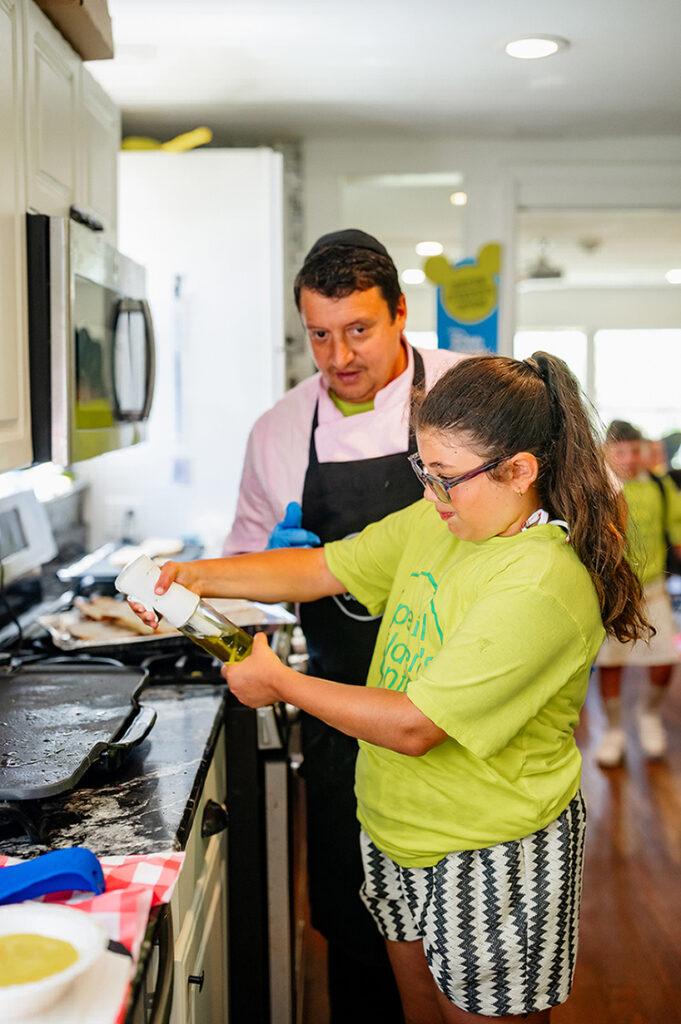
A Place to Grow, A Place to Shine The Center Farm is simply transformational. From the moment you arrive, you can feel the calm in the air and the excitement on the kids’ faces. With wide open spaces and animal friends at every turn, it’s the kind of place where kids can be free to explore, to express themselves, and to just be. Animal care has become a daily delight. Whether it’s brushing ponies, feeding chickens, or cuddling soft, snuggly bunnies, these gentle, hands-on moments have sparked something special in our campers. And of course, there’s horseback riding. Each ride is a moment of confidence and connection, where kids feel strong, steady, and in control. An extra special highlight is the gourmet breakfast prepared daily by our very own Chef David. It’s a truly delicious start to each incredible day.
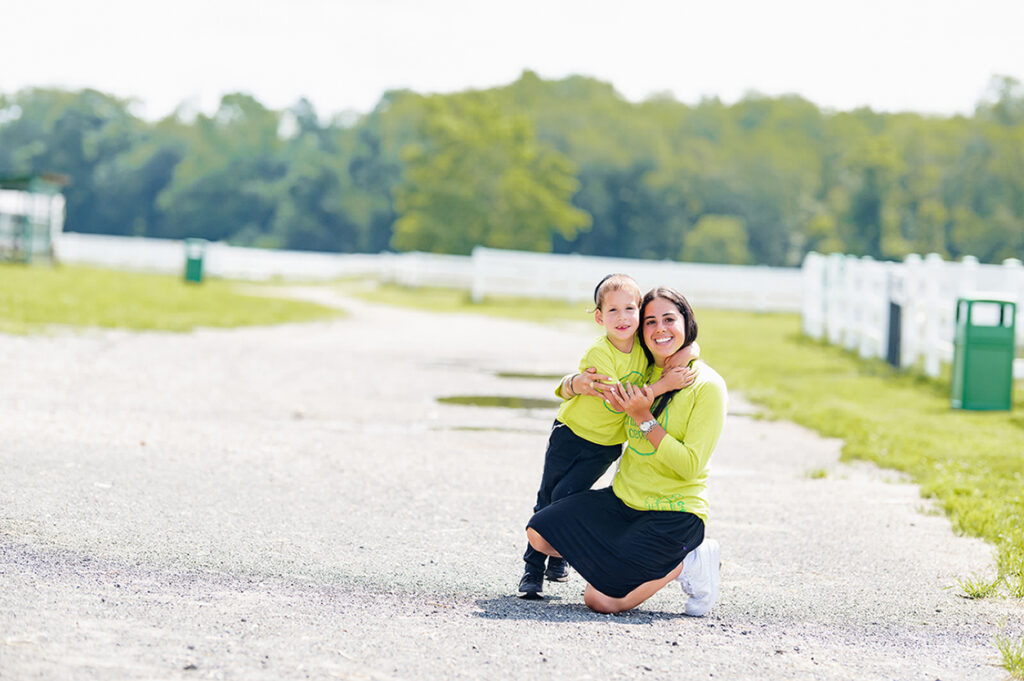
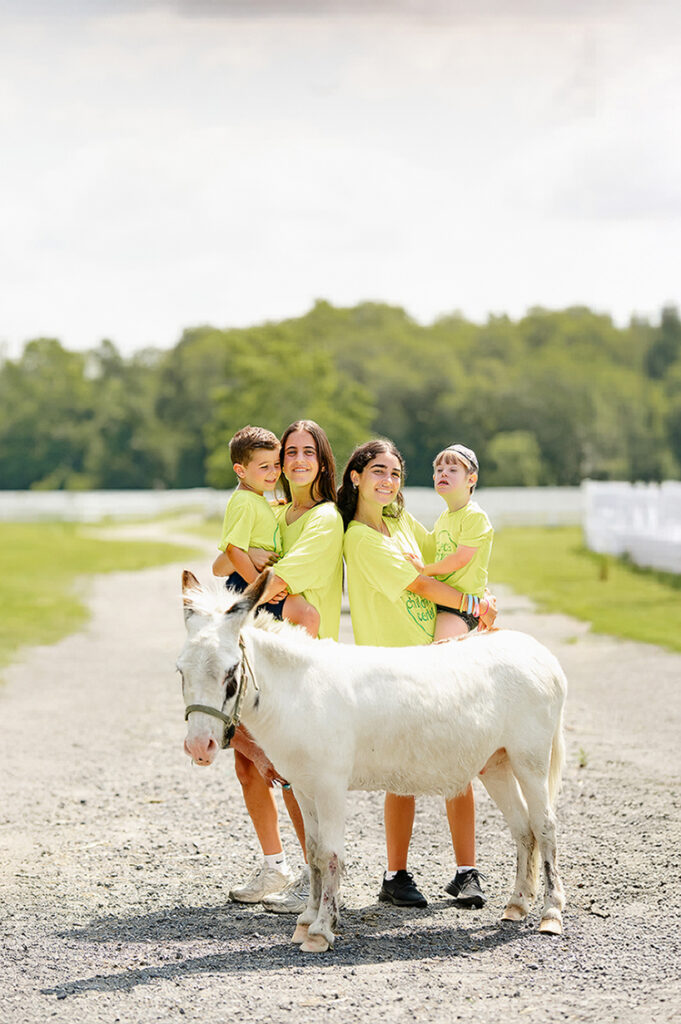
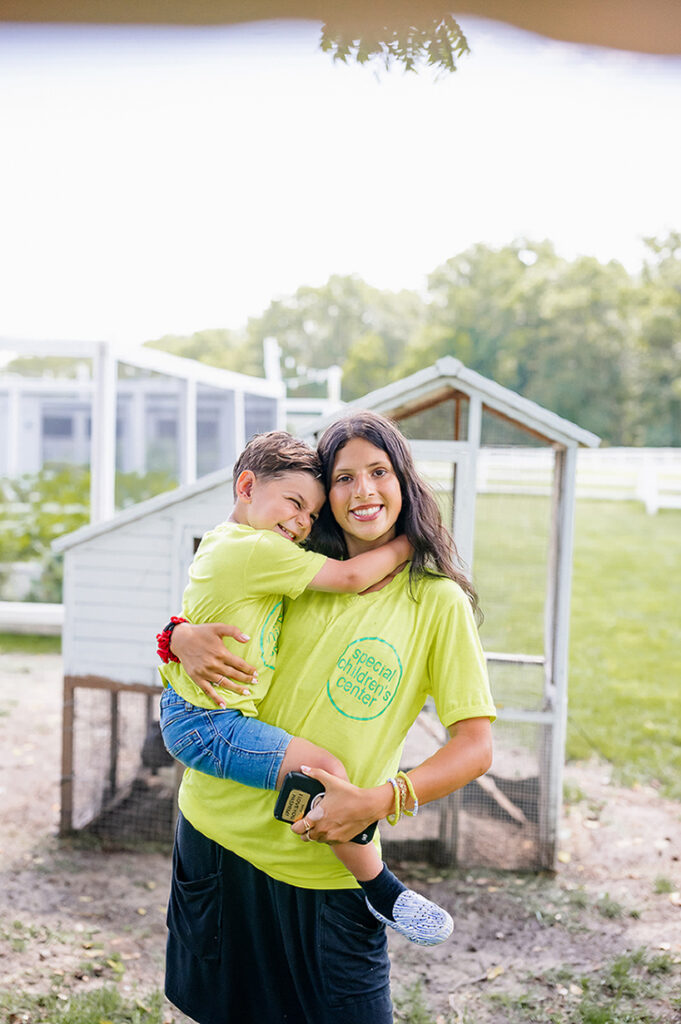
The Power of People But what truly makes the magic happen? Our unbelievable counselors. These incredible young women show up every day with energy, warmth, and love that knows no limits. They’re all in. Whether they’re helping a child navigate a new experience or bursting into spontaneous dance parties, they bring joy and security to every corner of the farm. They’re not just staff, they’re family. And our campers feel it.
A Community That Cares None of this would be possible without the amazing community that surrounds us. Our devoted hosts have opened their hearts and homes to our children, welcoming them with warm smiles, fun, and love. Their kindness overwhelms us every single day. From the families who give us their daughters to be our devoted counselors, to the donors who go above and beyond to make dreams come true, you are all part of this mission. This community doesn’t just support us, it walks with us every single day. You believe in our kids, and together we create the magic they deserve.
Summer Smiles, Center Style
Sunshine, Support, And So Much Love
Annual Breakfast
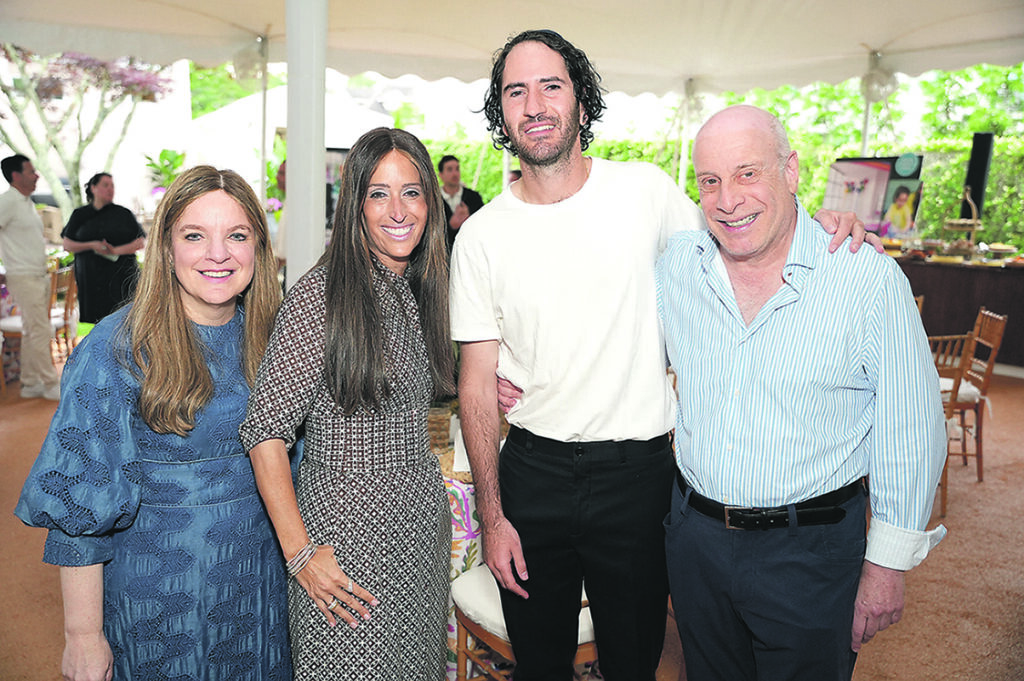
Our annual breakfast, hosted by Kim and Amin Cayre, was a day to experience. It was a morning of togetherness, support, and shared purpose. We have no words to thank our hosts who went above and beyond to make our breakfast the wonderful experience that it was. Richie Dweck opened the morning as always with his words, “There’s no place that does what the Center does, for the kids and for the parents.” He then welcomed Harry Adjmi, whose heart and soul have been behind the Center day in and day out, helping make it the extraordinary place it is. A special Tallit was presented to Richie, Harry, Elliot Tawil, Elliot Tamir, and Amin, embroidered with the names of all the hostages. Then Yaakov took the stage and sang his moving song, dedicated to those who lost their lives al kiddush Hashem. As Yaakov’s voice filled the air, everyone stood united, coming together to make dreams come true. To everyone who invested so much effort to make the breakfast happen, especially Harry Adjjmi, Richie Dweck, and Elliot Tawil, and Lydia Cohen who together with her amazing mom Norma makes the breakfast the incredible experience it is. And to every single person who came, participated, and gave from the heart, it means so much to have you with us.
The Special Ride
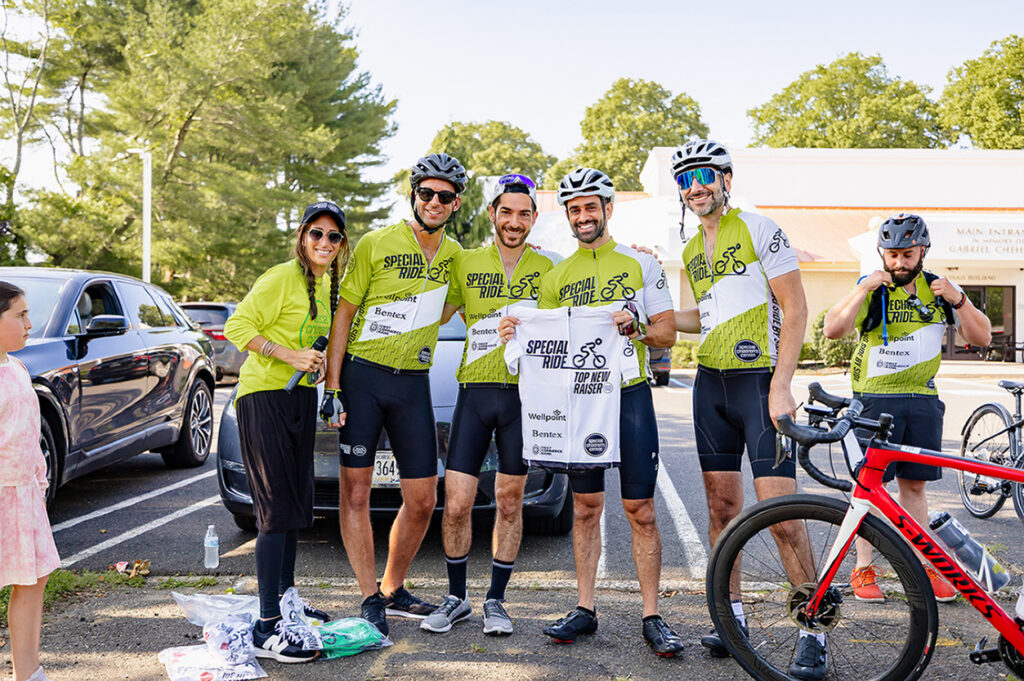
The Special Ride was a real highlight this year! The Ride is the stunning brainchild of Sam Sutton and his beautiful family, created in honor of their very special son and brother, Robbie. With endless dedication, Mike Sutton, Elliot Tawil, Dan Rusinowitz, and Lawrence Pahuskin worked hand-in-hand all year long to make this year’s Ride the incredible success it was. Over 100 riders came together to raise vital funds, and to have an amazing time doing it. Huge thanks to our amazing riders for making the ride such a special success, and a special thank you to CO Dessler for making the logistics and safety look effortless.
Giving Children Wings
Everything we do, every acre of the farm, every moment of programming, every smile from a counselor, is about giving our children wings. At the Center Deal Camp Farm, they are not defined by their challenges; they are lifted by love, laughter, and limitless potential. And it doesn’t stop at summer. The Center provides services to over 1,000 children all year long, offering a full range of programming designed to meet every need we can think of. From our after-school program, to Center Respite House, to Between Camp, legal holiday programs, and more, we’re here to make life with a special needs child not only manageable, but beautiful. Each day at the Special Children Center, whether it’s at camp on the farm or in our building, reminds us again and again: when children are given the right environment, the right support, and unconditional love, they soar. This summer, they are flying high at Center Deal Camp. And we are all better for it. Reach out today to find out how you can get involved. Email chaya@thecenternj.org or call (732) 367-0099.
We met twice: once at a rally for Prime Minister Benjamin Netanyahu—before the world was set on fire on October 7—and again more recently for drinks, the sound of war in the background, and history unfolding in real time.
Between those two meetings, something major happened: President Donald J. Trump appointed Tila Falic Levi to his Holocaust Education Board. It didn’t happen by default: it happened deliberately. At a time when Jewish memory is under assault, and Jewish survival is being questioned in public squares across the globe, Trump chose a woman who isn’t reading from a script—he chose one who’s living the mission. “I didn’t come here for war,” Tila told me. “But I’m not running from it either.” She flew to Israel this summer with her three younger children. Her three older ones were planning to join—but before they could, the skies shut and the missiles came. Friends messaged: “You got stuck.” Her answer? “I’m not stuck. I’m exactly where I’m supposed to be.” Tila’s Zionism isn’t Instagram-deep. It’s multigenerational. Her family—the Falics—are pillars of Jewish education, Holocaust remembrance, and philanthropic muscle that spans continents. But Tila doesn’t coast on legacy. She builds on it. “I carry the torch,” she told me. “But I use it to light new fires.” She’s raising six Jewish children in a world where being Jewish is suddenly political again. Her older children are already outspoken Zionist leaders. “Now I’m shaping the younger ones,” she said. “That’s the real mission.” Her appointment to the Trump Holocaust Education Board came recently—after the October 7 massacre, and in the wake of a global surge in antisemitism. She’s not there for optics. She’s there to speak plain truth. “There’s no comparison to the Holocaust. But when the hatred that fueled it starts resurfacing—cheered on by mobs and ignored by elites—it’s time to stop making excuses and start taking action.” Her work on the board won’t be passive. She’s not interested in panel discussions. She’s interested in powerfully educating a generation that’s being taught lies—about Jews, about Israel, and about the very meaning of Never Again. Tila’s life in Israel right now isn’t curated. It’s real. She’s spent nights in bomb shelters, comforting her children under the sound of sirens and airstrikes. Yet each day begins with Modeh Ani—the Jewish prayer of gratitude. “When you say Modeh Ani in Israel, it lands in your bones,” she said. “You don’t just say thank you. You say, ‘I made it. Again.’” She’s watched Israelis weep and celebrate in the same breath, bury friends in the morning and dance at weddings by night. “This is the only place in the world where death and joy sit at the same table. That’s Israel. That’s what makes us unbreakable.” “October 7 didn’t change me,” Tila said. “It revealed everything. It showed us who we are—and who our enemies always were.” She sees it clearly now: a dividing line between those who hide behind nuance and those who stand without flinching. “We now know who’s on the right side of history—and who never was.” To young Jews afraid to speak out, her message is simple and sharp: “Know who you are. Own your history. Speak with strength. And stop apologizing for being a Jew.” Her loyalty to President Trump is just as firm. “He understands antisemitism. He understands history. And he never backed down from defending Israel—not when it was hard, not when it was unpopular. I’m proud to serve under his leadership.” Tila Falic Levi is not a pundit. She’s not a performance piece. She’s a mother of six raising Zionist children under rocket fire. She’s a Trump-appointed board member shaping how the world remembers the Holocaust. She’s a woman with legacy in her blood, and leadership in her bones. She doesn’t whisper. She doesn’t wait. And she sure as hell doesn’t ask for permission to be proud. In a time of moral fog and cowardice disguised as diplomacy, Tila stands as a lighthouse—unapologetically Jewish, defiantly free, and fully awake. And I’m proud—deeply proud—to call her a friend, a sister-in-arms, and one of the fiercest Zionists of our time.
Linda Argalgi Sadacka is a writer, political strategist, community organizer, and Jewish activist dedicated to combating antisemitism. A delegate for the ZOA in the WZO elections, she works to protect Jewish interests worldwide. Known for her impactful advocacy, media presence, and writing, she actively mobilizes communities and fights for Israel.
The Israeli National Flag against the Kotel Wailing Western Wall empty at night in Jerusalem, Israel.
Rabbi Lord Jonathan Sacks ZT”L
The month of Av is the saddest in the Jewish year, and Tisha b’Av is the saddest day. On it the two Temples were destroyed, the first in 586 BCE by the Babylonians, the second in 70 CE by the Romans. It is also the day on which Betar – the last stronghold of the Bar Kochba rebellion – fell in 135 CE, and on which, one year later, the Roman emperor Hadrian rebuilt Jerusalem as a pagan city, Aelia Capitolina. In 1492, Tisha b’Av was the day on which Jews were finally exiled from Spain.
How did Jews survive these tragedies? That is one of the most enthralling questions about Judaism. It is an iron law of history that civilizations rise, achieve greatness and appear indestructible, but in the end they fail and fall. Only Jews and Judaism have experienced catastrophe after catastrophe, exile after exile, but have endured. Each new defeat inspired resilience. Jews wept, but then rebuilt their lives, often in new and strange places. More remarkably still, each tragedy inspired a new burst of creativity. After the destruction of the first Temple came the renewal of Torah under Ezra and the returning exiles. After the loss of the second Temple came the great literature of the sages: Midrash, Mishnah and the two Talmuds. The Crusades gave birth to the spirituality of the Hassidei Ashkenaz; the Spanish expulsion to the mysticism of Sfat. The greatest tragedy of all in human terms, the Holocaust, was followed a mere three years later by the single greatest collective affirmation of life in 2000 years – the rebirth of the State of Israel. There is something remarkable about this story, unparalleled in the history of any other nation. I remember the moment when I first stood on Mount Scopus – today the site of the Hebrew University – looking down on the old city of Jerusalem, and realized that it was here that Rabbi Akiva and his colleagues stood, contemplating the ruins of what had been Judaism’s holiest place. While the others wept, Rabbi Akiva smiled. “Why do you weep?” asked Rabbi Akiva. They replied “How can we not weep, when we see a fox walking through the ruins where our Holy of Holies once stood. The question is, how can you smile?” Rabbi Akiva replied: “The prophets foresaw Jerusalem’s destruction and they also foresaw its rebuilding. I have seen the first prophecy come true. Now I know the second will also come true.” Rabbi Akiva shared with the prophets the courage to hope. Hope is not a mere instinct. It is born in faith – the faith that G-d exists, that He keeps His promises and that He forgives. That hope is contained in the very name tradition gave to this month: Menachem Av, the month of consolation as well as tragedy. A people that never loses hope cannot be defeated. The Jewish people kept hope alive. Hope kept the Jewish people alive.
Rabbi Lord Jonathan Sacks ZT”L was an international religious leader, and philosopher. The author of over 30 books, Rabbi Sacks received multiple awards in recognition of his work. Sadly, he passed away in November 2020.
As of June 11th, 2025, New York City’s new Fairness in Apartment Rental Expenses (FARE) Act has changed how broker fees are handled. Now landlords are responsible for paying broker fees when they hire an agent to represent their property, unless the tenant chooses to hire a broker for their own representation.
While this may sound like a simple win for tenants, renting in NYC remains complicated. After decades helping people navigate this market, I’ve seen how even well-meaning renters and landlords can run into avoidable problems without proper guidance.
Why Brokers Still Play a Vital Role Just because you know someone from the community doesn’t mean you know they’re qualified as a tenant. Most homeowners and landlords don’t want to handle the daily work involved in renting a property. Reviewing financial documents, checking credit, contacting prior landlords, and screening applicants requires time, resources, and experience. These steps help ensure that tenants are not only financially qualified but also a good fit for the property. Brokers handle these responsibilities every day, protecting both landlords and tenants and making sure everyone enters the rental with confidence.
Homeowners, Brokers Are Still Your Best Protection For property owners, the FARE Act hasn’t eliminated the need for experienced help. In fact, it makes professional guidance even more important. The true work of renting lies in carefully vetting tenants, identifying red flags, and ensuring long-term stability. A broker takes on the paperwork, tenant communications, legal compliance, and due diligence that many landlords aren’t equipped to manage alone. In today’s market, trying to handle everything independently often leads to unnecessary risks and costly mistakes.
Navigating NYC’s Screening Requirements One of the most complicated aspects, especially for property owners with multiple apartments, is staying compliant with New York City’s screening regulations. While brokers like myself do everything possible to properly screen applicants, there is still a legal obligation on the property owner to ensure tenant selection follows all local, state, and federal fair housing laws. For many landlords, navigating these regulations without professional guidance can lead to unintended liabilities. Representation That Protects Tenants While tenants aren’t required to hire brokers, many still benefit greatly from representation. From finding the right apartment and preparing strong applications to reviewing lease terms, brokers help renters avoid costly errors that could impact them for years. For landlords, broker involvement means every applicant has been properly screened. Employment, income, credit, and references are all reviewed carefully, reducing the risk of problems down the line. Stable tenancies protect the property, the building, and the surrounding community.
The FARE Act in Practice While the law shifts who pays the broker, it hasn’t simplified the rental process. Landlords will continue to rely on brokers to fill vacancies, and many tenants will still seek professional guidance. The industry expects landlords to raise rents to offset the costs they’re now absorbing. While tenants may save on broker fees upfront, these costs will likely be reflected in higher rent, clearly detailed and amortized over the term of the lease. NYC’s rental market remains competitive and full of fine print. Without expert help, both tenants and landlords face risks they may not see until it’s too late.
The Bottom Line The FARE Act brings new rules but doesn’t change the value of thoughtful, experienced guidance. Whether you’re a landlord looking for the right tenant or a renter searching for the right home, working with a broker offers protection, knowledge, and peace of mind. My goal has always been to help both sides navigate this process smoothly, with stability and confidence for the long term. q
This article is for informational purposes only and does not constitute legal advice. Readers should consult qualified professionals regarding specific questions or situations.
Melanie Kishk is a top-performing, full-time real estate broker and the owner of Century 21 MK Realty, proudly serving Brooklyn and its surrounding communities.
Iwish I would have spent more time in college figuring out my life goals instead of figuring out where I wanted to go to graduate school. I wish I would have had the courage to look honestly at myself instead of looking at other people. I wish I would have tried to find my own core values instead of searching the world for meaning. I wish I would have learned more and studied a little less. I wish I would have treasured my friends instead of taking them for granted. I wish I would have somehow known the following ten things.
If it doesn’t challenge you, it won’t change you. When I first graduated college, I thought that if something didn’t come easily to me, it meant that something was wrong. Every challenge looked like an obstacle instead of an opportunity. I wish I would have known then that nothing worthwhile is easy.
The secret to having it all is believing that you already do. I wish I would have known then how to be grateful for everything that I had, to be happy even while striving to reach new goals, instead of telling myself “I’ll be happy when…” because “when” never comes since we always want more. I wish I would have known that the time to be grateful is now.
A negative mind never gives you a positive life. I wish I would have known how important it is to believe in yourself and to look at life through an optimistic lens. I wish I would have known how much complaining is a waste of time and energy and how powerful positive thoughts can be in creating a happy life.
If plan ‘A’ fails, remember there are 25 more letters. I wish I would have known how many different ways there are to succeed, that there are many unique paths and solutions to reach the same goal. I wish I would have understood that real persistence means being open to new strategies when the old ones no longer work.
Nothing goes away until it teaches us what we need to know. I wish I would have known that every situation and person that I would encounter was sent to teach me something. Pain is a lesson and the faster I learned its message, the quicker it would pass.
Start where you are. Use what you have. Do what you can. I wish I would have known that I was already in a position to give, to teach, to change the world, that no one is ever “ready” to try something new, and that successful people don’t wait until they feel ready.
If it is important to you, you will find a way. If not, you will find an excuse. I wish I would have known that I could accomplish extraordinary things if I wanted them badly enough. Putting off dreams is like giving up on them because “someday” never really arrives.
The sign of a beautiful person is that she sees beauty in others. I wish I would have known then not to focus so much on how others perceived me and to instead focus on seeing the beauty in others.
If you focus on results, you will never change. If you focus on change, you will get results. I wish I would have known that we can’t always see the results of our work immediately. The important thing to remember is to believe in change itself and to keep growing. If you’re patient, you will eventually see the results of your efforts.
Your life is the result of the choices you make. If you don’t like your life, it is time to start making better choices. I wish I would have known then that I was – and would always be – responsible for my own happiness. If my life isn’t working out the way I want it to, I can start making different choices today.
Core Values word cloud, business concept
Debbie Gutfreund is an OCD and trauma therapist. She holds a BA in English from the University of Pennsylvania and an MA in Family Therapy from the University of North Texas. In her free time, she is a competitive runner and skier. She lives in Parkland, Florida with her husband and children.
Picture this: It’s a hot summer day. You’re walking with friends or family, and someone suggests stopping for ice cream. It’s casual, fun, and spontaneous—the kind of memory summers are made of. But for some, a moment like this isn’t just simple. It’s complicated.
That small cone might spark a spiral of guilt, overthinking, or the urge to “make up for it later.” The voice inside says, “You didn’t earn this,” or “This is going to ruin everything.” If you’ve ever felt that inner tension around food—especially when it’s something sweet, “bad,” or “extra”—this message is for you.
Treats Are Part of a Full Life Summer is full of connection: barbecues, beach snacks, late-night s’mores, weddings, parties. Food isn’t just fuel—it’s part of how we celebrate, connect, and enjoy the moment. When we start labeling certain foods as “bad” or “off-limits,” we take away the joy and turn them into a source of stress. But having a treat doesn’t mean you’ve lost control—it means you’re living with balance. Reframing the Thought: It’s Just Food Try this gentle shift: Instead of “I shouldn’t be eating this,” try “This is part of my day, and it’s okay.” Instead of “I need to make up for this later,” try “My body knows how to handle this.” Treats aren’t rewards or punishments. They’re just food. Sometimes we eat for nourishment, and sometimes we eat for joy. Both are valid.
Common Summer Triggers (and How to Stay Grounded) The season brings a mix of wonderful things—and also potential challenges:
Wearing lighter clothing may increase body awareness or discomfort.
Unstructured schedules or spontaneous outings may feel overwhelming.
Social meals may lead to pressure or comparison. When those moments hit, try this:
Take a deep breath and remind yourself that you are safe and allowed to eat.
Ground yourself in the moment. Look around, notice the people, the place, the purpose. Remember that comparison to others is the thief of joy.
Bring in self-compassion. Flexibility is strength—not failure.
For Parents and Supporters: Lead with Love If you’re around kids, teens, or anyone who’s learning how to feel okay around food, your words matter.
Avoid labeling foods as “bad” or “junk.”
Don’t praise restraint. Instead, praise presence, confidence, and connection.
Say yes to the treat without disclaimers. A child watching you enjoy food without guilt learns to do the same.
Final Thought: You Don’t Have to Earn a Treat You don’t need to justify your slice of cake or your second scoop of ice cream. It doesn’t cancel out a good day or undo progress. It doesn’t require explanation. It’s just a treat—and you’re allowed to enjoy it. Can you picture going the rest of your life without your favorite snack? That’s like holding your breath. How long can you really stick to it? Eventually, you need to breathe. So stop holding your breath, and give yourself permission to enjoy the treats that make you feel good. Have a safe and wonderful summer.
Laura Shammah MS, RDN specializes in eating disorders but has clientele that run the gamut from people dealing with PCOS, infertility hypertension, high cholesterol, Crohn’s disease, diabetes and cancer. She also helps clients who run in marathons, are pregnant and those who would like to lose or gain weight in a healthy way.
There’s nothing quite like the enticing aroma of food sizzling on a grill on a warm summer afternoon. For many families, backyard barbecuing isn’t just about cooking outdoors—it’s about community, tradition, and enjoying delicious food together. With the right techniques and flavors from expert chefs and pit masters, you can elevate your grilling skills and become the star of your next barbecue gathering.
Whether you’re a seasoned griller or a novice, mastering some expert secrets can transform your barbecue experience. Here are professional tips and mouth-watering recipes to enhance your kosher grilling repertoire, impress your guests, and create memorable meals that everyone will savor. Great grilling begins with preparation. Experts advise investing in high-quality meats. The quality of your meat significantly impacts your final dish. For the best results, choose meats with good marbling, such as ribeye or brisket, to ensure juicy, flavorful results. Allowing meat to reach room temperature before grilling ensures even cooking and a perfectly grilled exterior, helping you avoid tough or undercooked results. Once your meat is prepped, seasoning is key. Here is an essential dry rub that enhances almost any grilled dish by creating a flavorful crust, sealing in the juices, and adding layers of depth:
Variety of spices and herbs on kitchen
Classic BBQ Dry Rub (Serves 8–10)
2 tablespoons kosher salt
2 tablespoons brown sugar
1 tablespoon paprika
1 tablespoon garlic powder
1 tablespoon onion powder
1 teaspoon black pepper
½ teaspoon cayenne pepper Instructions: Mix all ingredients thoroughly. Rub generously over meat and let sit at least 30 minutes before grilling to allow flavors to fully penetrate the meat.
Marinating is another powerful way to enhance your grilling. Marinades not only infuse flavor but also tenderize tougher cuts, making them succulent and enjoyable. This citrus-infused marinade tenderizes meats beautifully while adding a fresh, zesty kick that balances smoky grill flavors:
Citrus and Herb Marinade (Serves 6–8)
Juice and zest of 2 lemons
Juice and zest of 1 orange
¼ cup olive oil
3 cloves garlic, minced
2 tablespoons fresh parsley, chopped
2 tablespoons fresh rosemary, chopped
Salt and pepper to taste Instructions: Combine ingredients in a bowl. Marinate meat in the refrigerator for at least 2 hours, ideally overnight. Drain excess marinade before grilling to avoid flare-ups.
Grilling isn’t just about meats. Side dishes are equally important to round out your meal and can bring delightful contrast and balance to your barbecue. Here’s a crowd-pleasing Grilled Vegetable Medley, offering smoky sweetness and vibrant flavors:
Grilled Vegetable Medley (Serves 6–8)
2 zucchini, sliced thick
1 red onion, cut into wedges
2 bell peppers, sliced
2 cups mushrooms
3 tablespoons olive oil
2 teaspoons balsamic vinegar
1 teaspoon garlic powder
Salt and pepper to taste Instructions: Toss vegetables with olive oil, vinegar, garlic powder, salt, and pepper. Grill in a grilling basket or directly on the grate until tender and charred, about 10–15 minutes. Grilling intensifies their natural sweetness and adds delightful smoky notes.
Complement your grilled dishes with an irresistible potato salad, an iconic summer staple with a refreshing twist:
Herbed Potato Salad (Serves 8)
3 pounds small red potatoes, boiled and halved
½ cup mayonnaise
¼ cup Dijon mustard
3 tablespoons fresh dill, chopped
2 tablespoons fresh chives, chopped
1 teaspoon garlic powder
Salt and pepper to taste Instructions: Combine mayonnaise, mustard, dill, chives, garlic powder, salt, and pepper. Gently fold dressing into potatoes, ensuring even coating. Refrigerate until chilled before serving, allowing flavors to meld beautifully.
Experienced pitmasters also emphasize temperature control, noting that “maintaining consistent heat ensures even cooking and prevents flare-ups.” Understanding your grill’s hot spots and rotating your food accordingly prevents uneven cooking. Additionally, always have a reliable meat thermometer handy. Ensuring meats reach safe internal temperatures not only keeps your meals delicious but safe too. Grilling is an art form, and with practice and these expert tips and recipes, you’ll quickly become known for your fantastic barbecues. Each gathering around your grill will become an opportunity to celebrate good food, warm weather, and cherished traditions, creating memories that linger long after the embers have cooled.
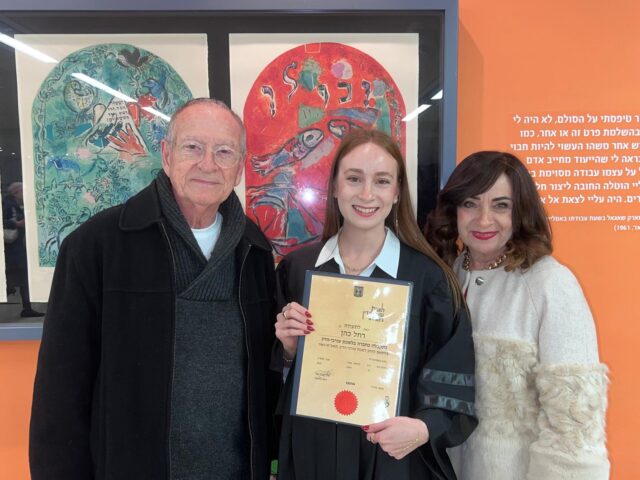
Jacob and Tuni with daughter Rachelee as she gets her law degree
Life in Israel Was Meant to Be
She saved her babysitting money for a whole year to take a teen trip to Israel. It was summer, and very hot. Tuni Betesh visited the Kotel and placed her cheek on the cool stone wall. She felt a strong urge rushing through her body and felt she should be living in Israel. At that moment, Tuni knew she wanted to come back. “I feel gifted and special to have that zachut,” said Tuni.
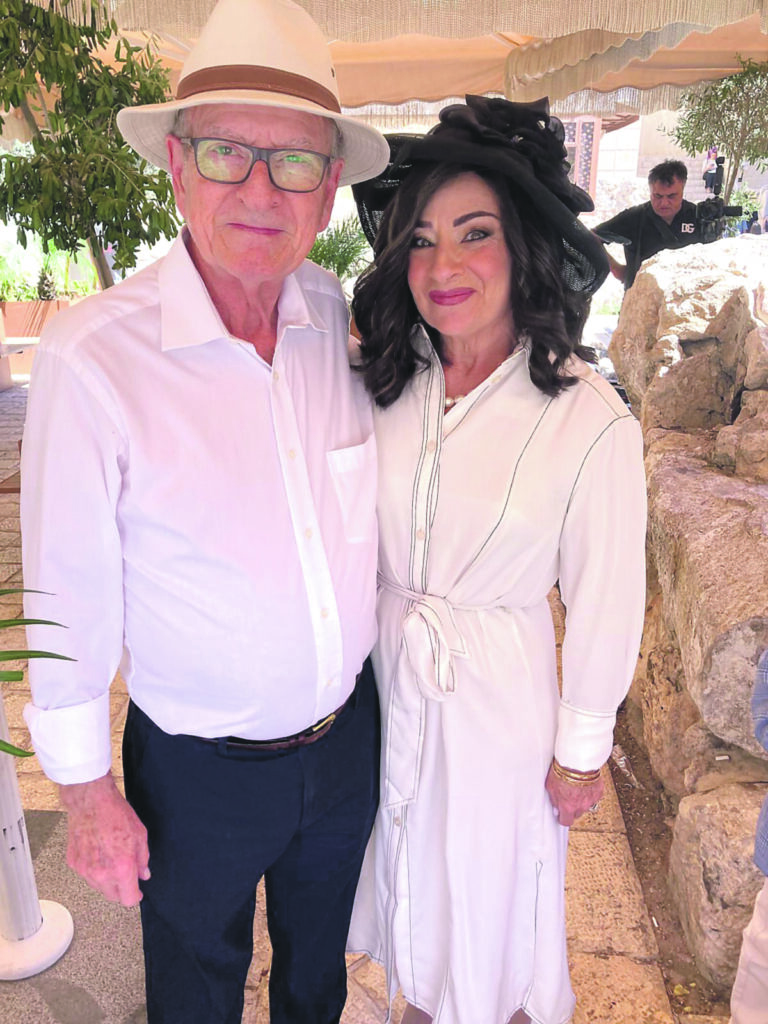
Jacob and Tuni Cohen
Tuni Cohen, nee Betesh, was married about six years when she moved to Israeli with her Israeli-born husband Jacob. The youngest of three children of David and Esther Betesh (nee Jemal), Tuni was a child of the community. Meeting Jacob was bashert. After his army service, Jacob came to New York and stayed with Dave E. a”h and Regina Cohen a”h, Jacob’s father’s cousins. It was Regina who suggested the couple meet in October 1985. The couple hit it off and began dating. A few weeks later, the Cohens had a family wedding and Jacob, not knowing the social implications, asked Tuni to join him as his plus one. The couple was engaged in January and married just before Passover 1986. Tuni and Jacob moved in 1991, with their four sons – twins Shaul and David, Jamie a”h, and Aaron. Their daughter Rachelee was born in Israel. Jacob is an only child and when he decided to live in New York, his parents joined them. Dave E. Cohen had been to Israel and walked into the Cohen store on Allenby Street and immediately recognized his cousins. Jacob’s parents developed real estate in Israel and began the same business in New York. But after 12 years, they wanted to go back to Israel and tend to their business there. Jacob and Tuni decided to go as well as he was needed in the family business. It was a difficult adjustment for her and the children. The twins were six, Jamie was five, and Aaron was seven months old. They started in Rishon Leshion and planned on staying one year to try it out. They ended up settling in Harnof, a neighborhood of Jerusalem. “I came from a Syrian environment, and it took a while for us to find a synagogue close enough that we felt comfortable in. The boys went to a religious school, but one that allowed for Army service,” she said. “All my children served in the Israeli Defense Forces and were in elite units. Rachelee is the sabra of the family, as she was born in Israel.” Tuni believes that Hashem meant for her to live in Israel and that the family benefits from his plan. Her son Aaron lives in the south on a moshav by Gaza. When the October 7 attack happened, they were sent to a safe room. Sirens are a frequent occurrence near Gaza but on that day, the sirens went off with unusual frequency. As it happened, Aaron’s daughter was diagnosed with cancer and was scheduled for surgery to remove her kidney on October 8. At the same time, his wife, who is a nurse, was eight months pregnant. They had two other children, ages three and 18 months. They were told not to leave, that Hamas was close by and it was unsafe. They had to keep their phones with them and turned on for the notifications. Hamas was headed for the moshav when an IDF helicopter flew overhead, was shot down and landed near the moshav. The soldiers all survived and were able to kill the Hamas attackers and save the moshav. On October 8, the day after the attack, Aaron knew he had to get his daughter to the hospital for the scheduled surgery. The IDF soldiers did not want them to leave, so they took their lives in their hands, trusted in Hashem, and got to the hospital safely. After the attacks, most people in the south were relocated to hotels and stayed whole families in one room. After the surgery, his daughter needed chemotherapy and other treatments. Luckily a community member allowed them use of their home in Tel Aviv. Aaron’s wife gave birth to a son and they had a brit milah. Eight months later, they were able to move back to the moshav. Unfortunately, there was cancer in the child’s other kidney as well. The family decided to go to New York for treatment at Memorial Sloane Kettering Hospital where she had stem cell treatment and is now recuperating. “If my son didn’t have to be with his daughter that day, he would have been in combat,” said Tuni. “My granddaughter’s illness, terrible as it was, saved his life.” Tuni is thankful and loves her life in Jerusalem. She works with preschool children and loves to exercise. She feels the exercise gives her the energy to run after the toddlers. She loves sitting on her patio, looking out over the hills of Jerusalem, seeing the thriving forests, the military cemetery and overlooking Yad Vashem.” I am surrounded by Israel’s history,” she said. Sadly, they lost their son Jamie to a rare disease years ago. Tuni traveled extensively with her Jamie a”h for surgeries and treatments to Belgium, Arizona, Florida, Iowa, and to the National Institutes of Health in Bethesda where they participated in a clinical study. On each visit, she spent a few days in Brooklyn, catching up with family and friends. Despite the distance, Tuni is still close to all her relatives and childhood friends. Often people also came to Israel to visit or for a bar mitzvah. Tuni still has trouble with her Hebrew language skills and does not think she is fluent, although she gets by. Her children all speak Hebrew and English, and her husband Jacob is also fluent in Arabic. Their children are all accomplished professionals. Tuni and Jacob are proud grandparents.
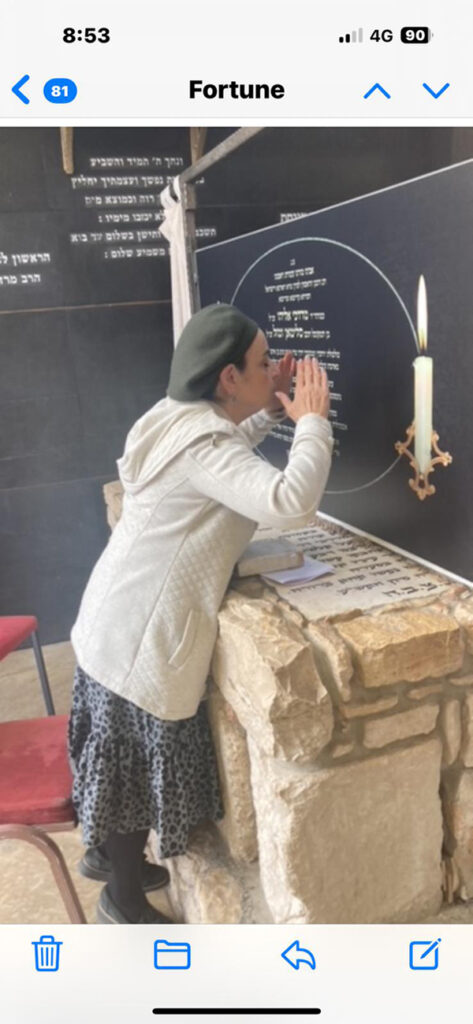
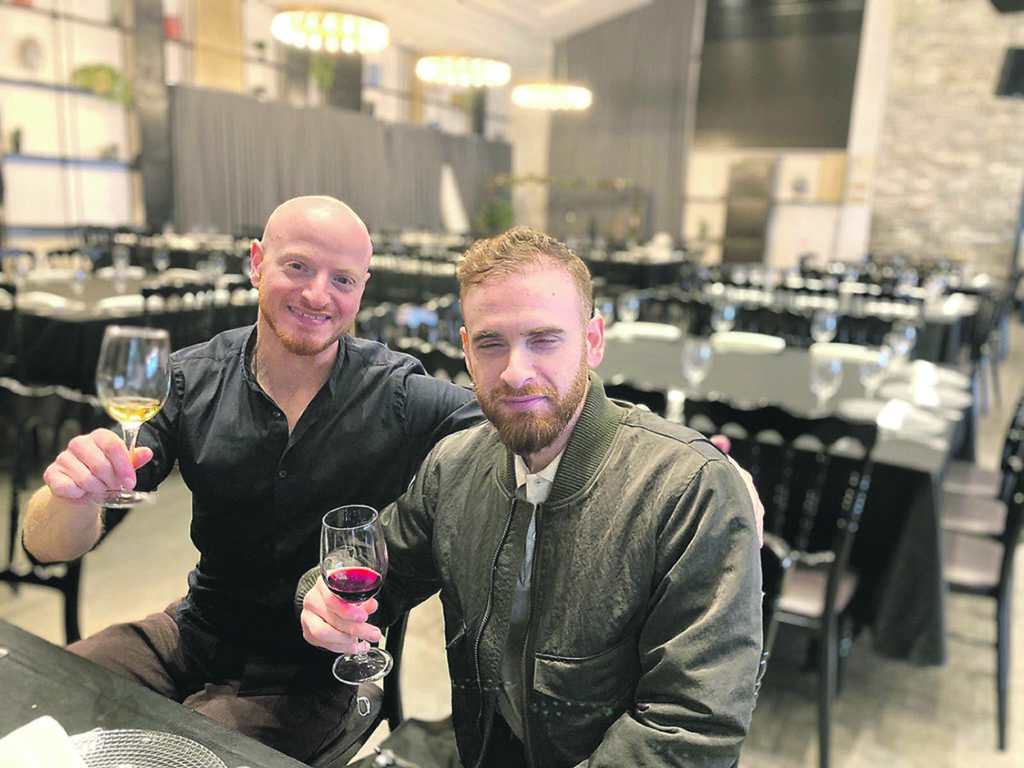
View from the Cohen patio of the Jerusalem ForestTuni praying for her granddaughter’s recovery.Shaul and Jamie Cohen a’h