Read Jewish Image Magazine Online – September 2025


Is Short-Term or Long-Term Real Estate
More Profitable?
Choosing between short-term and long-term rental investments is one of the biggest decisions real estate investors face. While each option offers its own path to profits, understanding the risks, responsibilities, and returns can make all the difference in finding what fits best for you. Whether you’re drawn to high-turnover vacation stays or dependable monthly tenants, it’s important to weigh the benefits and challenges of each approach before investing.

In today’s real estate market, rental property remains a top choice for building wealth. But deciding how to rent—short-term or long-term—can change your experience as an investor. Short-term rentals, like those listed on Airbnb or Vrbo, have surged in popularity, especially in vacation hot spots. At the same time, long-term leases continue to offer steady income with fewer demands. Which is more profitable? The answer depends on location, lifestyle, and how involved you want to be.
Short-term rentals often deliver higher income potential. A well-located vacation property can earn in a single month what a long-term lease might bring in all season. Pricing can be adjusted for holidays or local events, and bookings can be turned on or off as needed. But this flexibility comes with added work and costs. These properties require regular cleaning, guest communication, supply restocking, and constant maintenance. If you don’t live nearby, you’ll need to hire a cleaning and maintenance team—which quickly eats into your profits.
Another issue is guest behavior. Short-term renters may not treat the home with the same respect as long-term tenants. Parties, damages, and wear-and-tear can be more frequent. Unlike someone living there full-time, a vacationer has less personal investment in the property’s condition. And while most booking platforms offer host protections, they also charge fees—usually between 3% and 15%—cutting into your bottom line.
Managing short-term rentals also requires strong computer skills. You’ll need to handle online listings, respond quickly to messages, manage calendars, set competitive pricing, and maintain top ratings. A few bad reviews can drop your visibility and reduce bookings. If you’re not tech-savvy, you may have to hire someone to help, which again lowers your net income.
Long-term rentals offer more stability and fewer surprises. You collect rent on a fixed schedule, usually with a lease agreement in place. There are fewer turnovers, no need for constant cleaning, and less time spent answering messages or updating listings. Most landlords can manage one or two long-term rentals without much help. This makes it easier for people with full-time jobs or other responsibilities to stay involved without being overwhelmed.
However, long-term rentals typically have lower income ceilings. You can’t raise rent as easily or adjust pricing week to week. Tenants may also stop paying or break the lease, leading to legal costs or vacancies. Still, the overall effort is lower, and the risks are more predictable—especially if you screen tenants well and keep the property in good shape.
Choosing between the two strategies often comes down to location. Short-term rentals perform best in vacation destinations, near hospitals, universities, or city centers. Long-term units are better suited for suburban neighborhoods, school districts, and towns with stable job markets. Before deciding, investors should research local laws—some cities are cracking down on short-term rentals—or even banning them altogether.
It’s also important to consider your personality. Are you hands-on and detail-oriented? Do you enjoy managing people and solving problems in real time? Short-term rentals demand hustle, while long-term investing is slower but steadier. Some landlords prefer to blend the two strategies—renting short-term during peak seasons and switching to long-term tenants in off months—but that approach requires strong planning and adaptability.
Upfront costs differ too. Short-term rentals need full furnishings, smart locks, guest amenities, and décor that stands out online. Long-term rentals can get by with basic appliances and may not need to be furnished at all. The start-up budget for a short-term rental is often much higher—and the return can be great, but only if managed well.
Both paths can be profitable with the right plan. Start with one property and get to know the process. Speak with local agents, research your market, and track your numbers carefully. With smart choices and realistic expectations, either rental strategy can help you build income and long-term value—on your terms.

Move over, plain vanilla—homemade frozen treats are stepping into the spotlight. With just a few pantry staples and a little creativity, you can whip up refreshing and surprising sweets that go way beyond the ice cream truck. Whether you’re looking for healthier options or show-stopping desserts, these recipes will help you cool off and impress your guests all summer long.
Making frozen desserts at home isn’t just about saving money—it’s about fun, flavor, and knowing exactly what goes into your food. From creamy to fruity, dairy-free to indulgent, the frozen treats below are simple to prepare and perfect for all ages. Get ready to stock your freezer with these unique, crowd-pleasing creations.




Homemade frozen treats don’t have to be complicated. With just a few ingredients and a bit of prep, you can fill your freezer with healthier, more flavorful versions of your favorite summer snacks. Plus, the ability to customize ingredients means these recipes can suit nearly any dietary need or flavor preference. So the next time the temperature climbs, skip the store-bought options and grab a spoon—or a popsicle stick—and enjoy a treat made by you.
Sarina Roffé

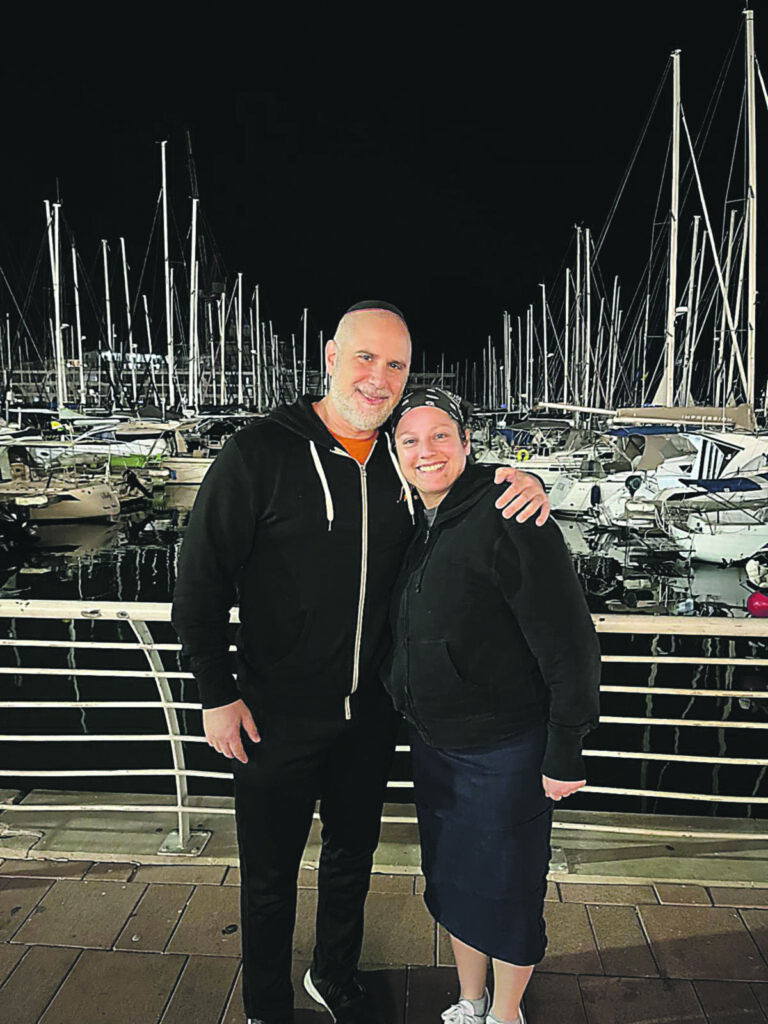
When the war with Hamas began on October 7, 2023, David and Tracy Zeit never once thought of moving back to New York from Efrat. They had been living in Israel, at the time, for 15 years – and David was living his dream as a tour guide – with most of his clients from the community.
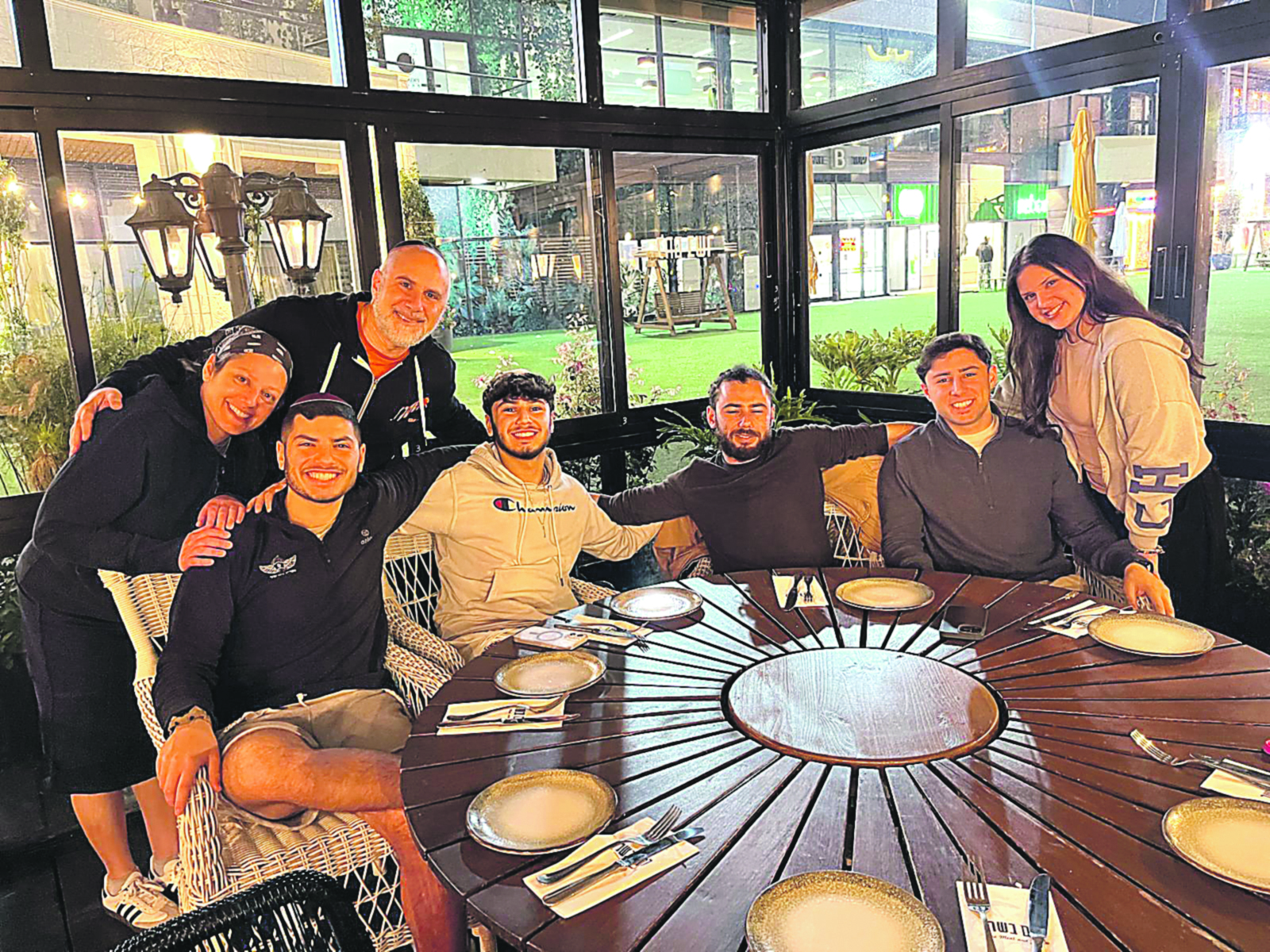
“My two oldest sons are in the Israel Defense Forces (IDF) and both fought in Gaza as combat soldiers when they were called for reserve duty. Ezra is in the Multi-Dimensional Unit, a commando unit, created by the IDF Chief of Staff. Jesse is in Givati Special Forces. Joey, my third son, is in basic training with the Kfir Brigade. Michael will go into the IDF next year. Marcelle is in high school.”
“For Jewish existence to be complete, we need the Jewish People in the Jewish Homeland observing the Torah,” said David. “It is a triangle – the people, the land and the observance of Torah. All three are needed for a complete Jewish existence. I believe this is where I belong and where all the Jewish People should be.
“The war further entrenched my family and our commitment to living in Israel. We are not fighting overseas; we are fighting for our homeland. Having my sons serve in the IDF is a great privilege for me as a father. My sons are heroes, and they are protecting our homeland and fighting for our way of life.”
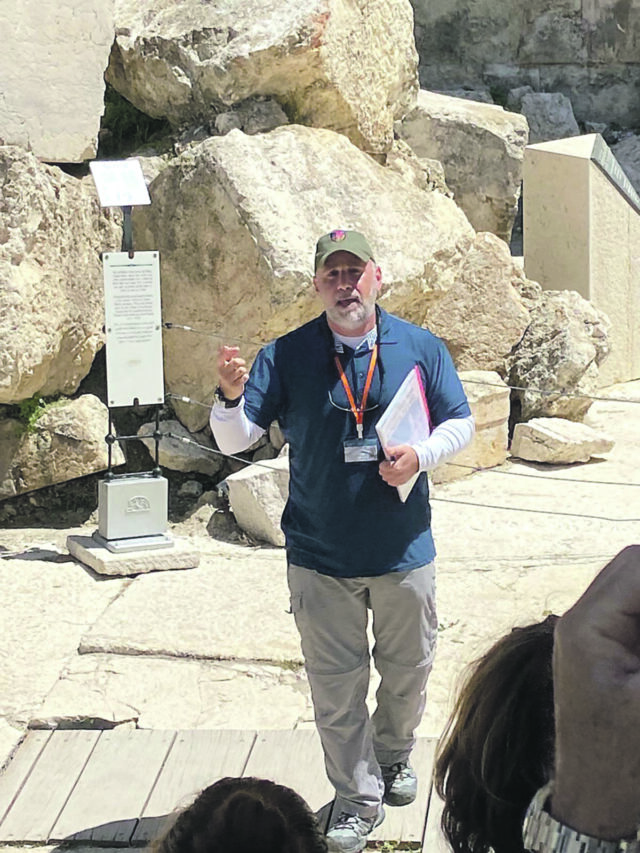
As a tour guide, David shares his love for Israel’s history, living the history, and loving the land our ancestors lived in. With 90 percent of his clients being visitors to Israel from the Brooklyn and Deal communities, David is thrilled to apply his talent as a teacher to the tour guide experience.
David was born in Bridgeport, Connecticut to Egyptian-born parents Marcelle Soffer and Caesar Zeit – at the time, an engineer for General Electric. The family uses the surname Zeit (Hebrew for Olive), while his paternal uncles kept the original Zeitouni. The Zeits moved their three children (David has two older sisters – Terry Franco and Rachel Safdieh) to Brooklyn in 1978. David was five years old at the time and attended Yeshiva of Flatbush graduating from high school in 1991. He fell in love with Israel as a child but further entrenched his commitment to Israel during his gap year after high school. Back in New York, he graduated from Yeshiva University with a degree in Business Management from YU’s Sy Syms School of Business.
David’s community involvement as an active volunteer kept him thriving and helped his dream career as a tour guide for Israel. As a young adult, David made friends with many people at Sephardic Bikur Holim’s youth program serving as its president. They visited the sick, had a Big Sister/Big Brother program and delivered Shabbat and holiday packages for the homebound. He made friends and connections through Young Shaare Zion, summers at Camp David, leading the Young Adult Minyan at Bnei Yitzhak, and as the director of Camp Esh for several years.
Married in June 1996 to Tracy Kopyt (daughter of Paul Kopyt and Shelly Sarway), the couple settled in Brooklyn and had four sons. David had several jobs over the years, each of them contributing to his current work as a tour guide. Along the way he received his semicha–although he prefers not to use the title–so he could work at Hillel Yeshiva High School.
David and Tracy made aliya in August 2008 with their four sons, Ezra (10), Jesse (8), Joey (4) and Michael (1), when very few families were there. Their daughter, Marcelle was born, fittingly, on Yom Ha’Atzma’ut 2010. They made a few trips to Israel to see where they wanted to live and decided on Efrat. In Brooklyn, their children attended Barkai Yeshiva, which adopted a methodology from the school their sons would now attend in Efrat. It seemed like the best fit for their family.
“We felt that the future of the Jewish people is in Israel,” said David. “There was no material reason for me to leave New York. I had a promising career. Everyone knew me and I was a ‘somebody’. In Israel, no one knew me and I went from a ‘somebody’ to a ‘nobody’.”
It took a while for David to get grounded in his current career. There were fits and starts to identify a good job.
“Since I made Aliyah, I wanted to be a tour guide,” said David. “It’s a two-year course and then you have to take a written and oral exam. I was so happy when I passed, and then Covid hit and the tourism industry dried up. Thankfully, it’s back on track now, even with the war. I had instant business with our community, largely from all those connections and friends I made while living in Brooklyn. This job is very fulfilling. I consider the job an ambassadorship to the State of Israel.
“Sometimes I go to New York to teach and make speaking appearances. This past year, I travelled to New York several times to teach the students of Magen David Yeshiva High School about the history of Israel and speak in several other schools, shuls and businesses about what it was like as a parent to send my sons off to war.
“In Israel, you live Judaism as part of your daily life without realizing it. For example, early on in our Aliyah, I was listening to the radio one day and heard the soccer scores. I don’t follow soccer. But this particular game ended in a tie. In modern Hebrew a tie game is called a teykoo. This is actually a legal term from the Gemarah, when two rabbis argue a halacha and there is no resolution to their debate. The Gemarah calls this impasse a teykoo. I love how such an ancient religious expression is used in modern parlance.”
“Another example is that a moving violation ticket in Israel is called a “doch.” That is also a term from the Talmud. The context it is used in is that after 120 years, one goes to heaven and gives an accounting of his / her life (Doch is an acronym for “Din VeHeshbon” the aforementioned “accounting”). We take ancient terms from our code of law and use them in modern slang. This is Israel. This is living Judaism.”
“Where else can you take a city bus on a Friday afternoon and the driver says “Shabbat Shalom” as you get off? Even the most secular people who don’t observe will have a Friday night meal with their family. We are living our religion. Holidays are a national celebration and you feel it in everything you do, every day.”
David has many close personal and professional relationships with friends and family from the community. The presence of Syrian Jews in Israel is growing and David is an excellent ambassador.
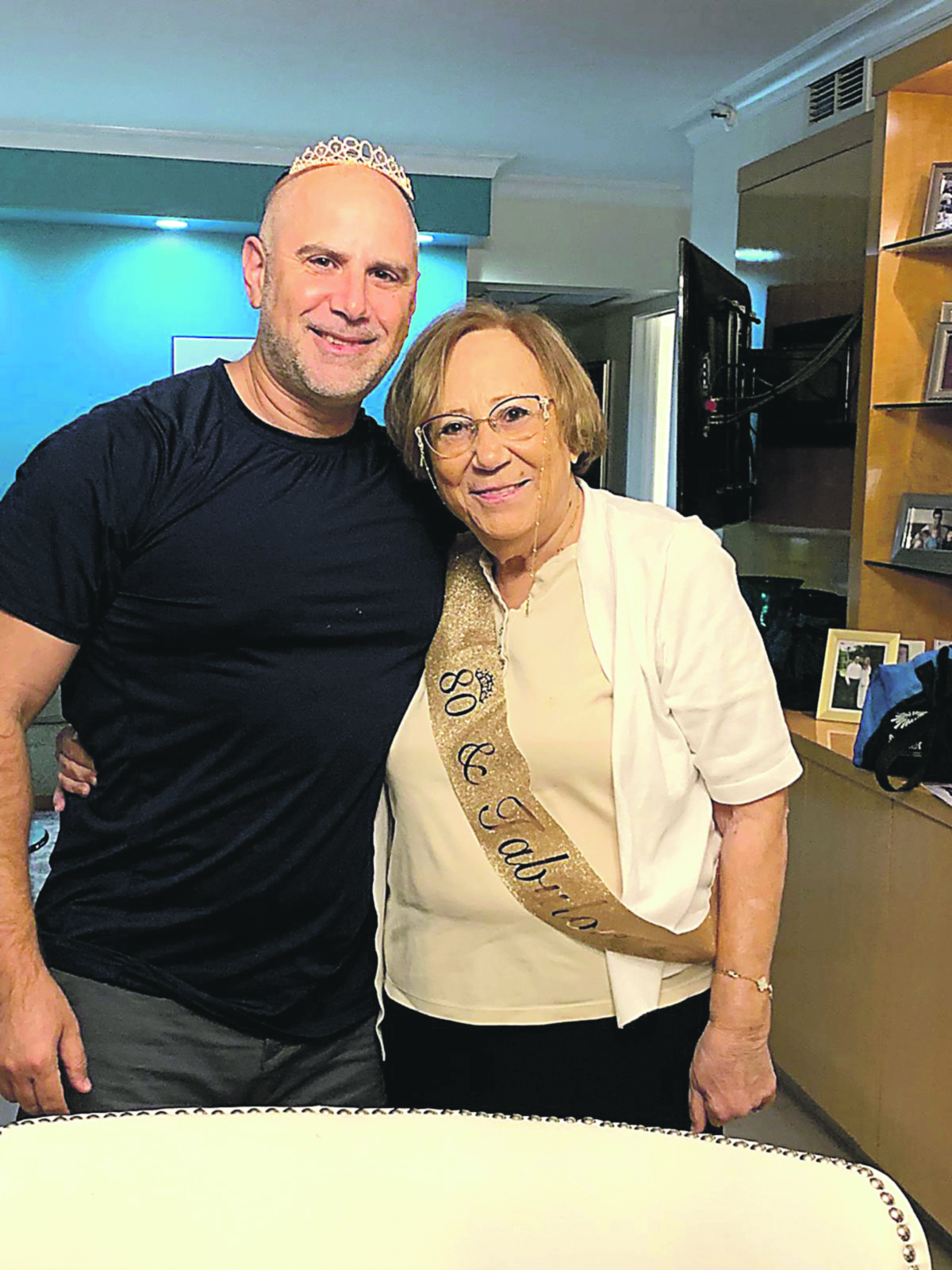

A genealogist and historian, Sarina Roffé is the author of Branching Out from Sepharad (Sephardic Heritage Project, 2017). She is researching a new book: Syria – Paths to Freedom. Sarina holds a BA in Journalism, an MA in Jewish Studies and an MBA.

You’re not broken—you’re evolving. Here’s how to support your body without going to war with it
Laura Shammah, MS, RDN
You hit your 40s or 50s, and suddenly your body feels like a stranger. You eat like you always have—maybe even healthier—but the weight creeps up. You’re exhausted but can’t sleep. Your favorite jeans don’t zip, and no amount of spinach or spin class seems to help.

Let’s get one thing straight: this isn’t failure. It’s not weakness. And your metabolism didn’t just pack up and leave. What you’re experiencing is real—but it’s also manageable once you understand what’s happening.
What’s Actually Going On —
Hormones in Transition
Menopause isn’t a single moment—it’s a gradual shift. Here’s what your body is navigating behind the scenes: Estrogen and progesterone begin to drop, affecting everything from mood and appetite to fat distribution and sleep. Cortisol may spike, as poor sleep, hot flashes, and midlife stress can all raise this hormone, encouraging belly fat storage. Insulin resistance can increase, making you more sensitive to carbohydrates and sugar. And muscle mass naturally declines, which slows metabolism and increases your risk of injury.
Weight Gain Isn’t Inevitable —
But It Is Understandable
On average, women gain five to ten pounds during perimenopause and menopause. But it’s not always just fat—inflammation, fluid shifts, and muscle loss play a big role too. This isn’t simply about food; it’s about hormones, stress, sleep, and aging.
Why Dieting Doesn’t Work —
and What to Do Instead
Extreme restriction or over-exercising can make things worse. Your body is already under stress—it needs nourishment and stability. Instead, focus on what works: Prioritize protein to preserve lean muscle, stabilize blood sugar, and boost satiety. Incorporate strength training to support metabolism and bone health. Balance blood sugar by including healthy fats, fiber, and slow-digesting carbohydrates like beans and lentils. And don’t neglect sleep and stress—magnesium-rich foods, evening routines, and consistent sleep schedules can help.
It’s Not Just Physical — It’s Emotional Too
Watching your body change can be emotional. You might grieve the body you used to have—and that’s okay. This is a time to soften, not criticize. Shift from chasing a number to nurturing your body. Wear the jeans that fit. Move in ways that feel good.
You Deserve Support
Menopause doesn’t need to be survived in silence. Talk to your friends. Build a support team. There’s no medal for struggling alone.
Ask Questions & Get Help
It’s wise to see a gynecologist who specializes in menopause. Ask about hormone therapy if you’re a candidate. Ensure that you’re eating enough and not skimping on key nutrients. If you’re unsure, a registered dietitian can help you tune in to what your body truly needs.
Grace Over Grit
Your body deserves compassion, nourishment, and care—not shame or blame. You’re not broken. You’re not lazy. Menopause is an invitation to listen more deeply, support more wisely, and treat yourself with the grace and patience you’ve always deserved.
Laura Shammah MS, RDN specializes in eating disorders but has clientele that run the gamut from people dealing with PCOS, infertility hypertension, high cholesterol, Crohn’s disease, diabetes and cancer. She also helps clients who run in marathons, are pregnant and those who would like to lose or gain weight in a healthy way.

A Day of Fun, Faith, and Community
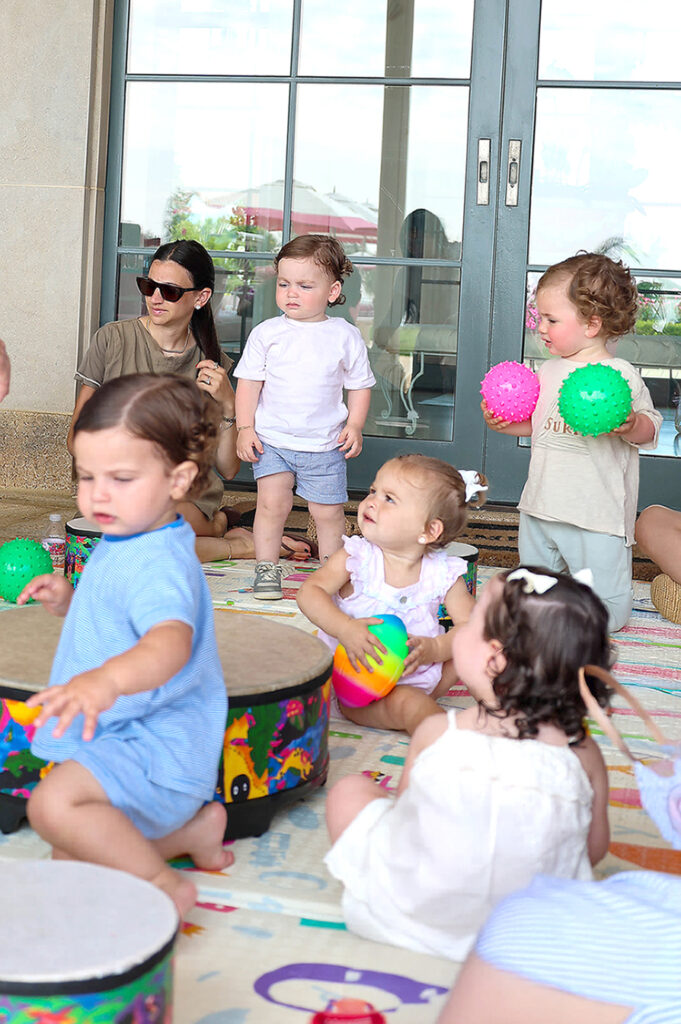




The MDY PTA kicked off the season with their annual summer auction and card tournament. Held at the home of Ester and Joe Jerome and hosted by Ruth and Joseph Hamway, the event was a beautiful gathering of community spirit.
The day began with a fun-filled exercise class led by Raquel Benun. Our youngest students, the babies, laughed and sang during Morah Rena Goldman’s music class and had the opportunity to sit for portraits with talented photographer Lisa Richter. Nearly 200 ladies enjoyed the ocean breeze as they competed in mahjong and canasta under a crisp white tent—a scene full of laughter, connection, and camaraderie.
Motivational and captivating speaker Bianca Benisti Kaffash gave an inspiring talk about transforming pain into power and strengthening our faith in Hashem. Her ability to connect with the women in attendance was truly magical. What a treat to have her with us!
Bianca then had the privilege of introducing one of her heroes to the crowd: our own rabbinical leader, Rabbi Eli Mansour, who shared uplifting words of inspiration with the group.
As always, the auction did not disappoint, with prizes that were better than ever before. Guests refreshed themselves with offerings from Crawford’s coffee bar and were treated to a delicious gourmet lunch, followed by desserts lovingly prepared by MDY PTA moms. A flower bar featuring gorgeous bouquets from Andree Braha and Rachel Bawabeh of Garden to Table added a charming touch to the afternoon.
It was heartwarming to see teachers, administrators, and parents come together for an incredible day in such a magnificent setting. The MDY PTA is grateful to everyone who supported and participated in this memorable event.
A Day of Chesed, Community & Connection
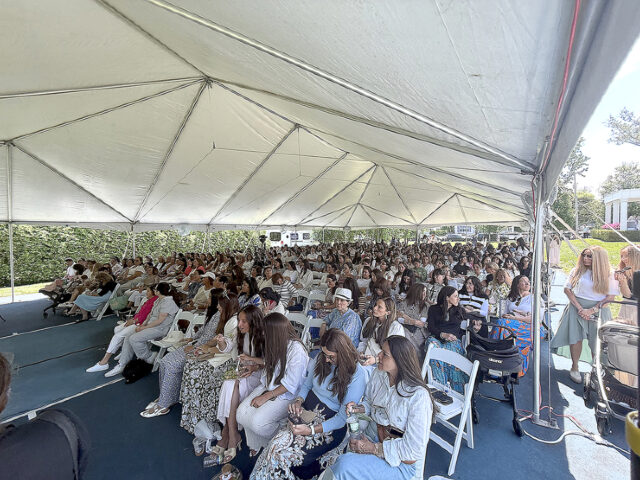
On Wednesday, July 16th, more than 3,000 women gathered for an inspiring day of unity, generosity, and purpose at the third annual summer event benefiting Habayit. Graciously hosted at the home of Rochelle and Elliot Franco, the event was held in loving memory of Lesley Kassin, A”H—a woman remembered for her warmth, grace, and unwavering kindness. Her legacy of compassion added a deep and emotional layer to the day.

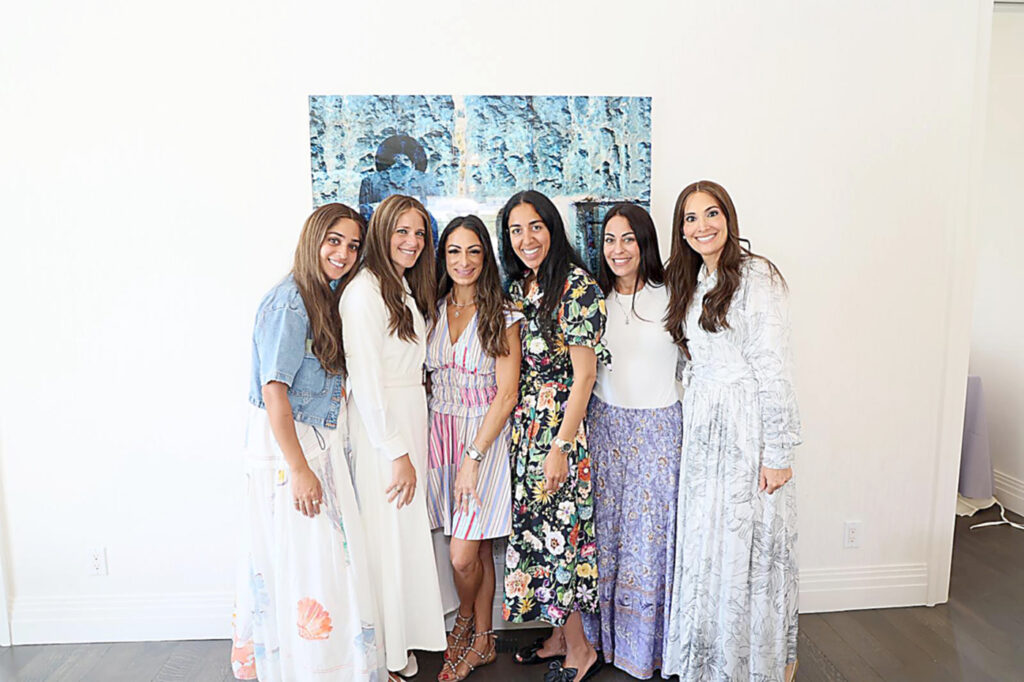


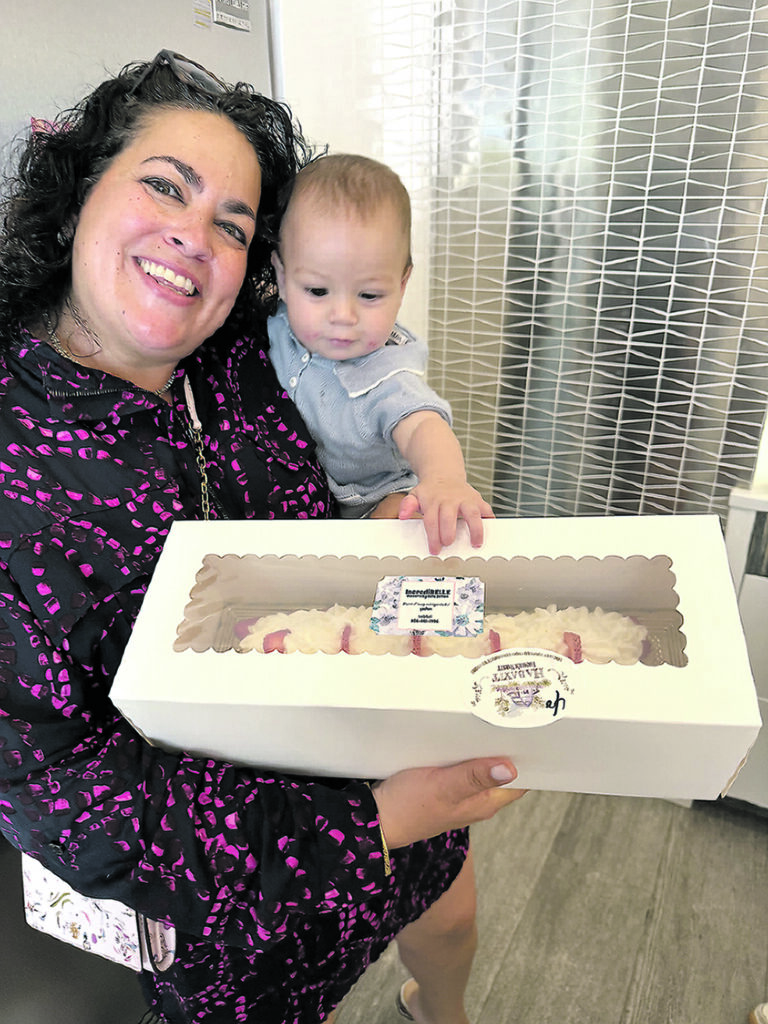

From the moment guests arrived, the atmosphere was electric. A lively farmers market lined the venue, overflowing with donated goods—from baked treats and freezer-ready meals to skincare, Judaica, and more. Hundreds of community vendors generously donated their products, and every table quickly sold out. A heartfelt thank-you goes out to each and every vendor who contributed—your generosity and community spirit helped make the day unforgettable and directly supported families in need.
Lunch was a standout moment, with generous contributions from some of the community’s most beloved food establishments. Guests enjoyed a delicious variety of offerings from Very Juice, Kardio&Kale, Jus by Julie, Kitchen1912 by Jaclyn Hanan, Khasky’s, Down to Earth, Ouris, Mazza by Stephanie Esses, Sunflower Cafe, Avenue P Appetizer, Fuji Hana, Freddy’s Market, Fine Catering by Bella Betesh, Savour by Grace Esses, Nicole’s Kitchen, We-Bru Matcha, and Brewology. Their generosity fed thousands and exemplified the power of giving through food.
The event featured powerful speeches that touched every heart in the crowd. Rabbi Joey Haber and Mrs. Jackie Bitton each delivered moving words about the beauty of chesed and the importance of standing by one another through life’s most difficult times. A particularly emotional highlight came when Matan Alkoubi made a special trip from Canada to speak about how Habayit supported his family while his beloved mother, Keren Alkoubi, A”H, stayed in a Habayit apartment during her medical treatments in New York. His message was personal, heartfelt, and deeply inspiring.
A dynamic Chinese Auction added excitement to the day, with incredible prizes and enthusiastic community participation. Thank you to all the generous sponsors who donated to both the event and the auction—your support made a tangible difference and brought hope to those who need it most.
Behind the scenes, an extraordinary team brought it all to life. Special thanks to Eva Matut for flawless party planning, Rachel Safdeye for stunning graphics and print work, and Joey Akivah for seamless audio and video production. And a standing ovation goes to the entire Habayit team and the many volunteers who poured their hearts into every detail—running errands, setting up, managing logistics, packing, promoting, and supporting every corner of the event with love and dedication.
At the core of it all is Habayit, an organization providing chesed apartments in New York City for individuals and families traveling for medical care. Whether it’s a parent with a sick child, a patient undergoing treatment, or a couple seeking fertility care, Habayit provides more than a place to stay—it offers peace, support, and dignity in life’s most trying moments.
The need is still great. Anyone with an apartment near Sloan Kettering, Cornell, NYU, or Mount Sinai who would consider donating or renting it to Habayit is encouraged to contact Eva S. at 917-579-2564. To join the growing team of volunteers, reach out to Beth at 580-HABAYIT.
May the memories of Lesley Kassin, A”H, and Keren Alkoubi, A”H, continue to inspire acts of kindness, healing, and hope. This community is not just providing shelter—they’re offering love.

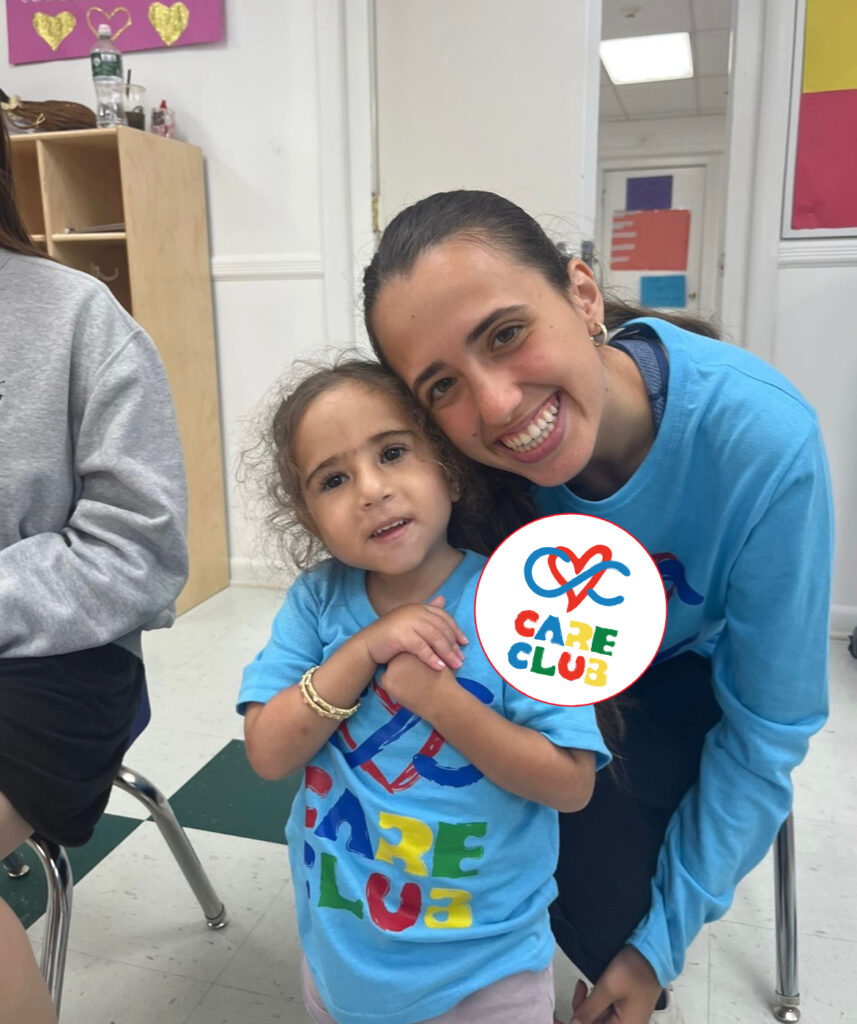
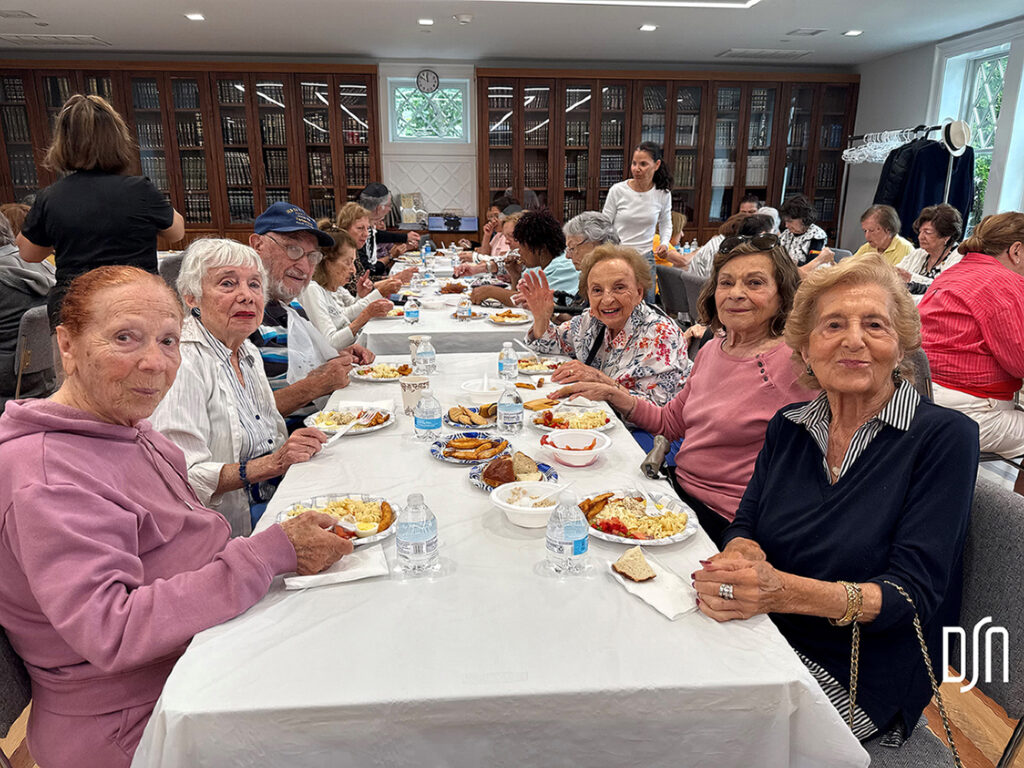
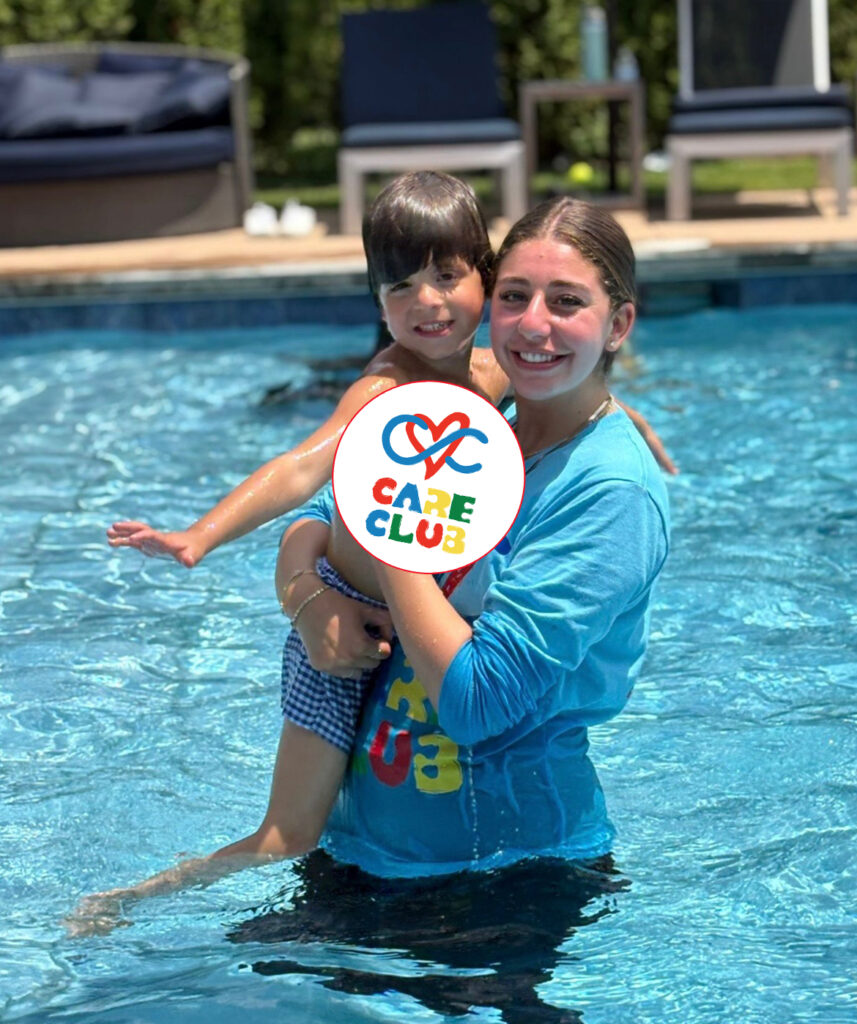
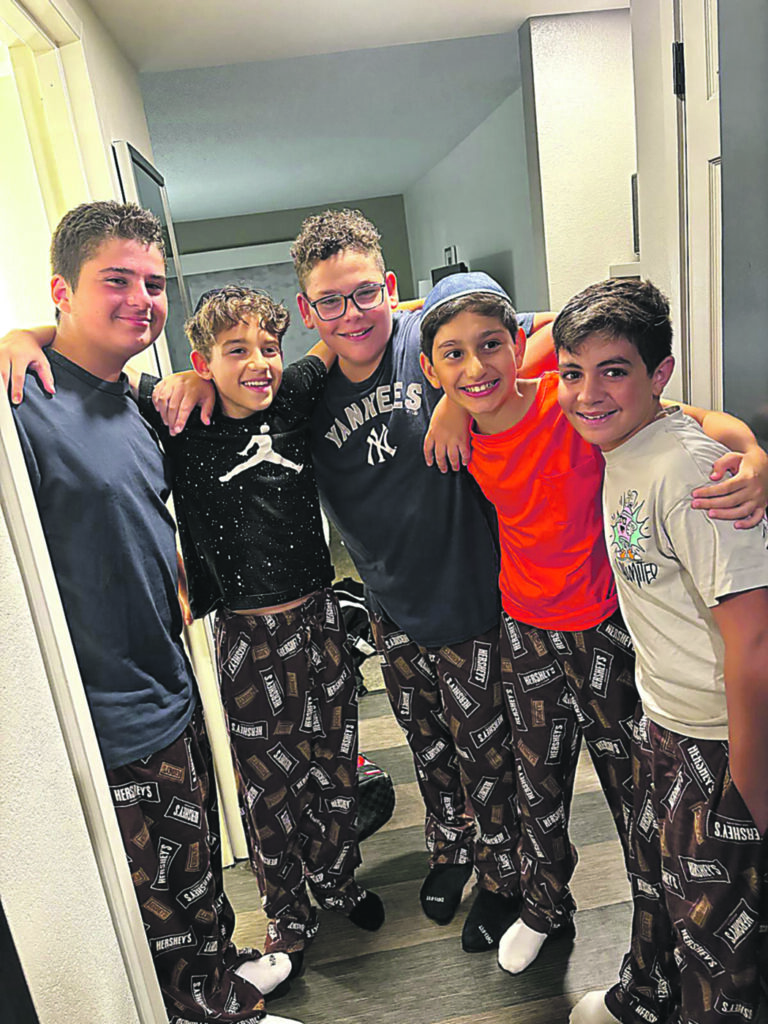
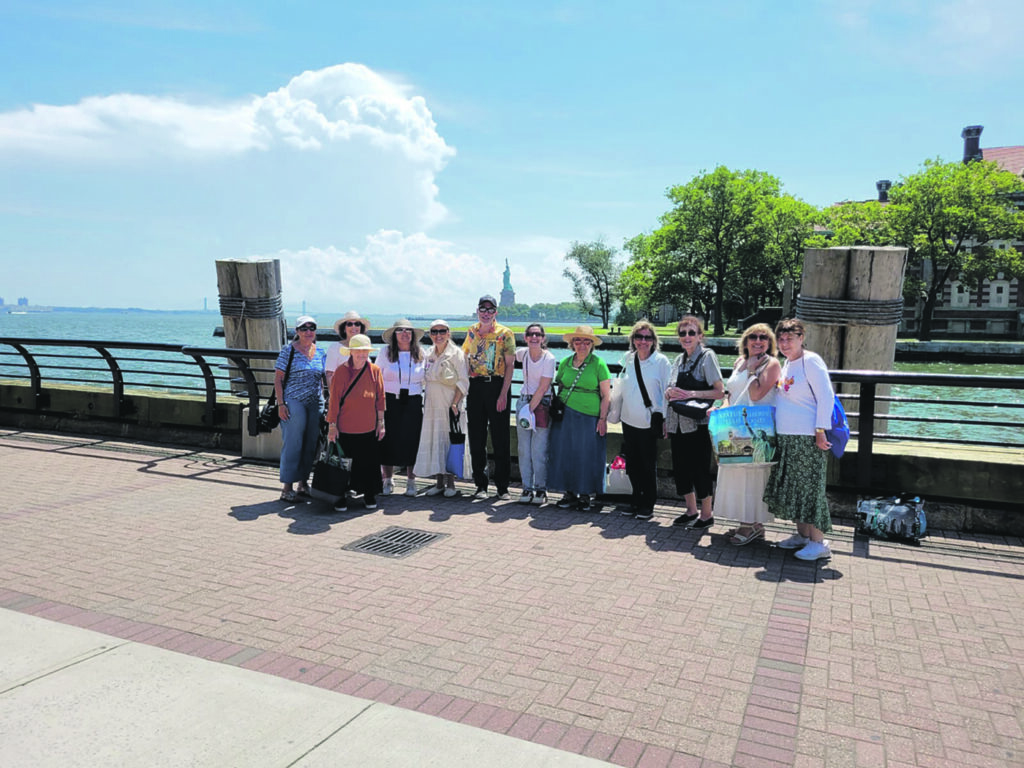
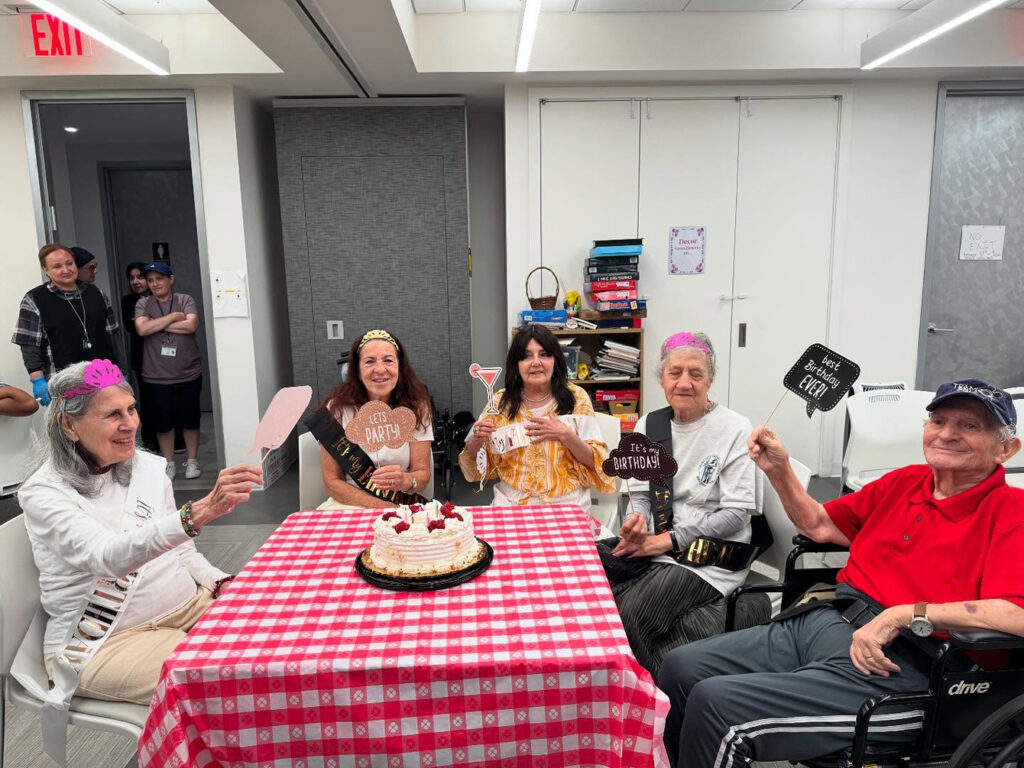
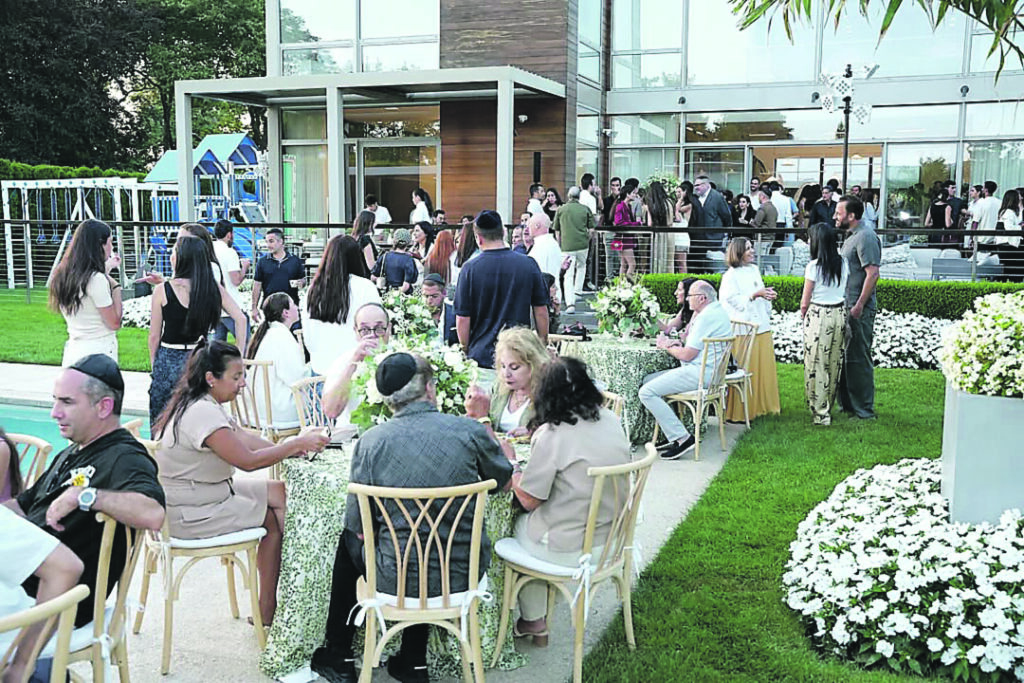
This month’s Community Photo Album captures the vibrant spirit of summer across our schools, camps, and organizations. From sizzling BBQs to spirited tournaments, from sunny trips to heartwarming fundraisers, our community made the most of every moment. These photos showcase more than just events—they highlight the joy of coming together, the bonds that grow stronger in shared experiences, and the beauty of making memories that will last long after the season ends. Whether it was a beach day, block party, or chesed initiative, every snapshot reflects the energy, unity, and warmth that define our summer.









Nutrition and Habits for a Healthy School Year
As the school year begins and kids head back to classrooms, cafeterias, and carpools, staying healthy becomes a top priority. With increased exposure to germs, stress, and busy schedules, children are more vulnerable to getting sick—especially during the fall and winter months. But with a few smart habits and some expert-approved nutrition tips, you can help support your child’s immune system all year long.

While there’s no magic food or supplement that can guarantee perfect health, pediatricians and dietitians agree that a strong immune system begins with a healthy foundation. That means plenty of sleep, physical activity, good hygiene, and most importantly—proper nutrition. Children who eat a variety of whole foods, especially fruits and vegetables, tend to get sick less often and recover faster.
One of the most important building blocks of immunity is vitamin C, which helps the body fight infection. Fortunately, it’s found in many kid-friendly foods like oranges, strawberries, kiwi, bell peppers, and broccoli. Including at least one vitamin C–rich food in each day’s lunchbox can make a big difference. Another key player is zinc, a mineral that supports white blood cell function. Pumpkin seeds, beans, eggs, and whole grains are excellent sources of zinc and easy to add to everyday meals.
Probiotics also play a vital role in keeping the gut healthy—and since much of the immune system resides in the gut, this matters more than many people realize. Yogurt with live cultures, kefir, miso soup, and even fermented pickles or sauerkraut (for adventurous eaters) can help nourish beneficial bacteria in the digestive system. For picky eaters, a high-quality probiotic supplement made specifically for children may be worth considering, but it’s always best to check with a healthcare provider first.
Hydration is another often-overlooked factor. When kids are even mildly dehydrated, their bodies can struggle to flush out toxins and maintain healthy mucous membranes—both essential for fighting off viruses. Encouraging regular water breaks, especially during and after physical activity, helps support overall wellness. Herbal teas like chamomile or rooibos can also be a comforting, immune-friendly option for older kids, especially when served warm in the evening.
While nutrition is essential, habits matter too. Quality sleep allows the body to rest, repair, and regulate immune responses. According to the American Academy of Pediatrics, school-age children need 9 to 12 hours of sleep per night, depending on age. That means establishing a consistent bedtime—even on weekends—and creating a wind-down routine that limits screen time and promotes calm, such as reading, stretching, or listening to quiet music.
Regular exercise is another crucial element. It doesn’t have to mean organized sports or structured workouts—bike rides, playground time, family walks, and after-school dance parties all count. Movement helps circulate immune cells throughout the body, making them more efficient at spotting and eliminating threats. Physical activity isn’t just good for the heart and muscles—it actually boosts immune surveillance.
Of course, teaching kids the basics of hygiene can’t be overlooked. Proper handwashing—with soap and water for at least 20 seconds—before eating, after using the restroom, and when coming home from school is one of the simplest and most effective ways to prevent illness. Keeping tissues and hand sanitizer in backpacks can help reinforce these habits, especially for younger children.
When it comes to supplements, parents should proceed with care. While a daily children’s multivitamin can help fill nutritional gaps, it shouldn’t replace a balanced diet. Vitamin D is especially worth paying attention to, particularly during the colder months when sun exposure drops. Studies suggest that vitamin D plays a critical role in immune regulation, and deficiencies are common in children who spend most of their day indoors. A pediatrician can help determine whether a supplement is necessary and what dosage is appropriate.
As the seasons shift and schedules pick up, the best protection we can offer our children is a well-rounded approach to wellness. That means nourishing their bodies, encouraging healthy routines, and modeling good habits ourselves. A strong immune system isn’t built overnight, but with steady, thoughtful effort, families can set the stage for a healthier, happier school year—one meal, one bedtime, and one handwash at a time.

Tips to ease anxiety, manage stress, and build emotional strength at any age
The back-to-school season brings more than new backpacks and sharpened pencils. It often comes with a heavy mix of emotions—excitement, nervousness, even fear. Whether your child is starting kindergarten, switching schools, or heading into middle or high school, these transitions can stir up a whirlwind of feelings. Supporting their mental well-being during these moments is one of the most important things you can do as a parent.

Each stage of childhood presents unique challenges, but transitions are often when anxiety spikes. Experts say the key is to create a sense of safety and routine while giving your child the tools to face change with confidence.
Begin by opening a dialogue well before the first day. Ask open-ended questions such as, “How are you feeling about the new school year?” or “What are you excited—or nervous—about?” Listen without jumping to fix the problem. Often, just being heard can help a child feel more in control. Child psychologists suggest that naming emotions gives children a sense of power over them. It helps to validate your child’s feelings, even if they seem small. Rather than dismissing worries with “It’ll be fine,” try saying, “I understand why that might feel scary. Let’s talk about it together.”
Establishing routines early also helps reduce uncertainty. Start waking up and going to bed on a school schedule a week or two before school starts. For younger children, practicing the walk to school or doing a “pretend drop-off” can ease first-day jitters. For older kids, helping them organize supplies, set up a workspace, and map out their class schedule can bring a sense of preparedness that lessens anxiety. Children of all ages feel safer when they know what to expect.
Some kids worry about social dynamics, especially if they’re entering a new school or grade level. Encourage them to reconnect with old friends before school starts or attend school-sponsored meet-and-greets. If socializing is difficult, role-play possible scenarios and responses. Practicing how to introduce oneself or ask to join a group at lunch can make a big difference.
For children dealing with perfectionism or academic pressure, it’s especially important to focus on effort rather than outcomes. Celebrate hard work, resilience, and learning from mistakes. Remind them that one test or grade does not define their worth. Mental health professionals point out that stress around achievement often starts earlier than many parents realize. You can protect your child’s emotional well-being by making sure your home remains a safe place where love is unconditional.
Watch for signs that your child may be struggling more than expected. Changes in appetite, sleep habits, or mood, excessive clinginess in younger kids, or withdrawal in teens can be red flags. If your child refuses to go to school or shows signs of panic, don’t hesitate to reach out to a school counselor or mental health professional. Early support can prevent bigger problems later on.
Teaching kids how to cope with stress is just as important as helping them avoid it. Introduce simple tools like deep breathing, journaling, or mindfulness apps made for children. Encourage physical activity, which is known to reduce anxiety and improve mood. Even a short walk after school can help children process the day’s events and reset emotionally.
Transitions are also an opportunity to build emotional resilience. Praise your child when they show bravery, even in small ways—like walking into class with a smile or speaking up when something feels wrong. Share your own stories of school transitions and how you handled nerves or challenges. Children feel stronger when they know others have struggled and grown from it.
The most powerful thing you can do is be present. Your consistent support, patience, and calm will send a clear message: “Whatever happens at school, I’m here for you.” Life doesn’t stop throwing changes at us—but with the right foundation, our kids can learn to face them with strength, confidence, and hope.

Tools that boost learning in math, literacy, language, and time management
In today’s fast-moving world, students need more than just textbooks and pencils to succeed—they need smart, engaging tools that support how they learn best. Fortunately, educational apps have come a long way, offering interactive lessons, real-time feedback, and personalized study tools that work for learners of all ages. And the best part? Parents can join in, too—whether to monitor progress, support homework, or learn something new themselves.
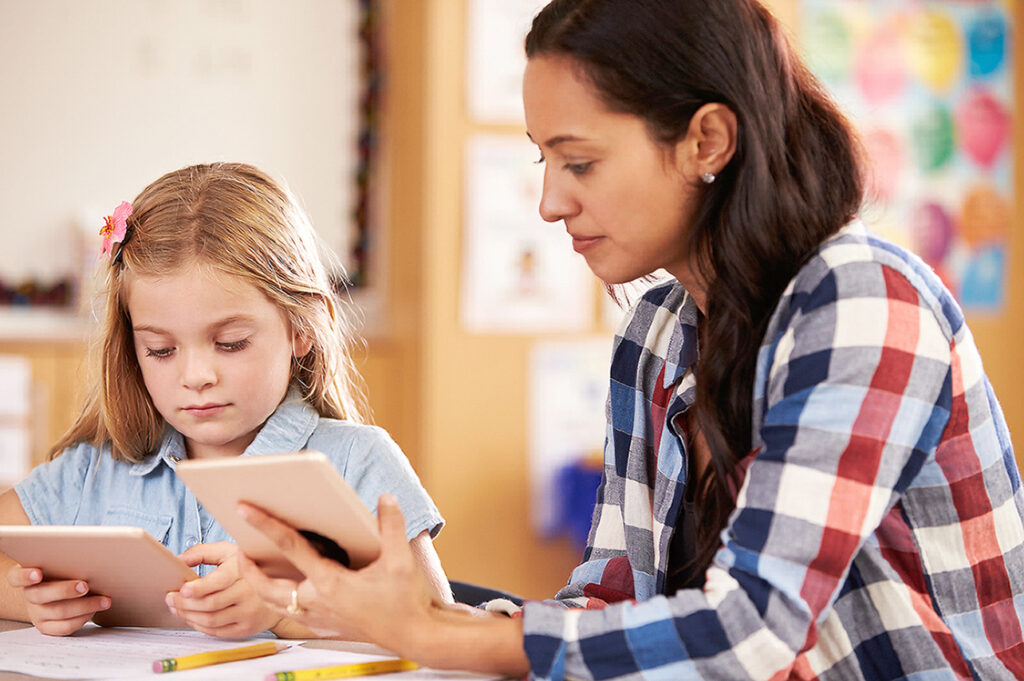
From helping kindergartners learn to read to coaching high schoolers through algebra or AP exams, this year’s top educational apps are designed to be intuitive, effective, and even fun. With the right app, screen time can become learning time, and daily routines—like bedtime, car rides, or afterschool downtime—can turn into brain-building opportunities. Whether your child struggles with focus or just needs a little academic boost, there’s an app that can make a real difference.
One of the biggest standouts this year is Khan Academy Kids, a free app that blends storybooks, phonics games, math practice, and creative activities for children ages 2 to 8. It’s backed by early childhood experts and feels more like a colorful adventure than a curriculum. Parents can track progress and download offline lessons for screen-free practice. For older students, the main Khan Academy platform remains one of the best all-around apps for math, science, and test prep—complete with video lessons and self-paced quizzes that feel more like tutoring than traditional homework.
For students who need extra help in math, Photomath is a top pick. Kids (and parents) can snap a photo of a tricky equation and instantly see a step-by-step breakdown of how to solve it. While some worry this might be used as a shortcut, many educators now encourage it as a tool for learning the process, not just the answer. The premium version offers explanations in multiple ways so students can find the approach that clicks for them.
Language learning has also gotten a big upgrade in 2025. Duolingo, already popular for its game-like lessons, now offers deeper progress tracking and customized feedback for school-aged learners. Kids can learn French, Hebrew, Spanish, or even Japanese in just a few minutes a day. Meanwhile, Lingokids provides a more playful approach for preschool and early elementary kids, focusing on basic vocabulary and conversational skills through songs and stories. Parents love the gentle, no-pressure design that turns language learning into a daily habit without it feeling like a chore.
When it comes to building stronger reading skills, Epic! remains a favorite. With thousands of age-appropriate eBooks, audiobooks, and learning videos, it’s like a library in your pocket. Teachers often assign reading through Epic, but parents can use it at home to encourage independent reading—especially on weekends or during school breaks. Kids can browse topics they love, from animals and adventure to biographies and science fiction, which helps build not only literacy but also curiosity and self-confidence.
Organization is another key area where educational apps can help students and parents alike. MyHomework Student Planner is ideal for middle and high schoolers juggling multiple assignments, deadlines, and test dates. It syncs across devices, sends reminders, and keeps everything in one digital space. For students who struggle with executive function or time management, tools like this can be a lifesaver. Parents can even use it to check in and support their child’s planning without hovering or nagging.
Another emerging trend in 2025 is mindfulness and emotional wellness in education. Apps like Smiling Mind or Headspace for Kids are designed to help children regulate emotions, improve focus, and build healthy study habits. A few minutes of guided breathing or a short meditation before homework can make a noticeable difference in how kids handle frustration and stay engaged with their learning. Parents can try these exercises, too—it’s a great way to model calm and create a more peaceful home routine.
Finally, for students preparing for standardized tests, Quizlet has become even more powerful. In addition to digital flashcards, it now includes adaptive quizzes, AI-generated practice questions, and games that reinforce memory. Teachers can create class sets, but students can also build their own decks and study on the go. Whether it’s SAT vocab or chemistry formulas, Quizlet brings repetition and recall into the palm of your hand.
As technology evolves, so do the ways we learn—and 2025 is shaping up to be a year where education and innovation meet in exciting ways. Whether your child is just starting their learning journey or gearing up for graduation, the right apps can turn their phone or tablet into a powerful tool for growth. And with so many parent-friendly features, these apps can help families learn—and succeed—together.

As technology moves faster than ever, artificial intelligence (AI) has started making its way into schools—and into your child’s learning experience. From smart tutoring tools to writing assistants, AI is changing how students study, how teachers teach, and how parents stay involved. But with all the excitement comes some confusion, especially for parents trying to keep up.

Let’s take a closer look at what AI really means in an educational setting, what it can and can’t do, and how you can guide your child to use it wisely.
First, it’s important to understand that AI in education isn’t about robots replacing teachers or machines grading every test. At its core, AI is a computer program that can learn from data and make predictions or offer suggestions. In school, this might look like a math app that adjusts to your child’s skill level in real time, or a reading program that helps improve vocabulary by tailoring content to a student’s interests. It can also help teachers by grading quizzes, identifying students who need extra help, or even suggesting ways to improve lesson plans.
Some schools are using AI-powered learning platforms like Khanmigo (from Khan Academy), Sora for audiobooks, or adaptive testing programs that provide instant feedback. Students might also encounter writing tools that check for grammar, spelling, or even tone—tools that were once only available to professional writers. These programs don’t just correct mistakes; they can explain why something is wrong and help students get better over time. However, they don’t always understand the full context or deeper meaning of a student’s work, which is why human teachers are still essential.
For parents, the challenge is making sure AI tools help rather than harm. One common concern is cheating. With apps that can generate essays or solve complex problems instantly, it’s tempting for students to use AI to do the work instead of learning the material. That’s why it’s important to have regular conversations with your child about honesty and effort. Explain that these tools are meant to be used like a calculator—not to replace thinking, but to support it.
Another important issue is privacy. AI tools often collect data to improve performance. Parents should ask questions like: What kind of data is being collected? How is it stored? Who has access to it? It’s okay to reach out to your child’s school and ask what AI platforms are being used and how they protect student information. Schools should be transparent, and parents should be informed partners in the process.
It also helps to model healthy tech habits at home. Encourage your child to explore educational tools but set limits on screen time and monitor their use. When they use an AI-powered app, sit with them and ask questions about what they’re learning. This not only builds trust but also helps you understand what these tools can and can’t do. Not every app is a good one, and not every suggestion made by AI is correct.
Experts recommend focusing on AI tools that promote thinking and creativity, rather than shortcuts. For example, apps that encourage students to write multiple drafts or explain their reasoning can boost learning. Some tools ask follow-up questions, guiding students to explore topics more deeply instead of just giving answers. These types of AI programs can be valuable allies for both struggling and advanced learners.
Parents should also be aware that AI is changing the skills students will need in the future. Critical thinking, problem-solving, and understanding how to use technology responsibly are quickly becoming just as important as reading and math. Helping your child grow in these areas now will prepare them for the careers and challenges of tomorrow.
It’s okay if you don’t have all the answers. You don’t need to be a tech expert to support your child’s learning. Ask teachers how they’re using AI in the classroom. Talk to other parents. Look for family-friendly guides and videos that explain how different tools work. And most importantly, stay involved. The more connected you are to your child’s schoolwork, the more prepared you’ll be to help guide their use of new technology.
AI in the classroom is here to stay. Used wisely, it can be a powerful tool to support education. But like any tool, it’s only as helpful as the person using it. With your guidance and support, your child can learn to use AI in smart, safe, and meaningful ways—giving them the edge they’ll need to succeed in school and beyond.
Fifth-Seeded Hillel Girls’ Softball Team
Claims Championship
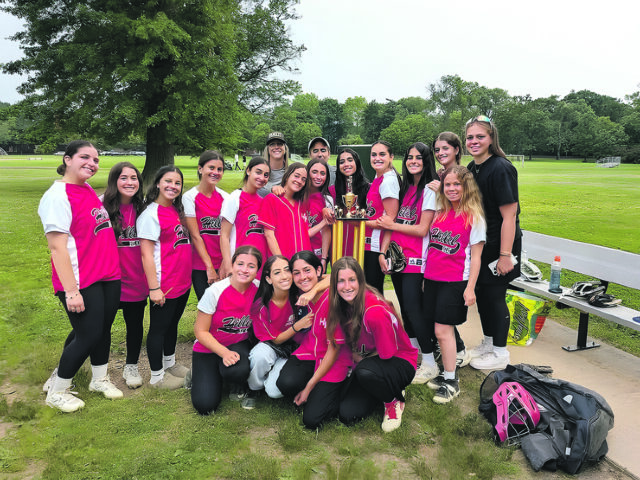
In an electrifying season filled with grit, determination, and teamwork, the fifth-seeded Hillel Heat Girls’ softball team defied the odds to capture the championship title under the new leadership of Jen Ruland and JT Truhan. This remarkable victory was powered by a balanced blend of experience and youthful energy, featuring six seniors: Norma Shamah, Arlyne Stein, Esther Safdieh, Shelley Massry, Rachel Saada, and Grace Bijou. They were joined by a talented group of underclassmen, including junior pitcher Marcelle Torkieh and standout sophomore shortstop Ruby Shalom, who all played crucial roles in the team’s success. Shalom was named the World Series MVP not only for her grand slam, which gave the team a comfortable lead, but also for her outstanding defensive efforts.
From the start, the team faced tough competition. They lost early on to Maayonot—undefeated going into the playoffs—and to Naaleh, who kept them scoreless in their first matchup. However, their resilience and unity kept them moving forward. The seniors brought leadership and poise, guiding the younger players through intense moments on and off the field. Meanwhile, the underclassmen contributed impressive performances, with Torkieh consistently dominating on the mound and freshman Jacqueline Ades delivering a key hit in the semifinals, helping them move past Maayonot. This was a moral victory for the entire team, who had lost to Maayonot not only earlier in the season but also in last year’s semifinals.
Throughout the playoffs, the team’s chemistry shone as they executed smart plays, strong defense, and clutch hitting. The infield, consisting of Dalia Sigoura (third base), Shalom (shortstop), Shamah (second base), and Saada, who stepped up to play first for the injured sophomore Charlotte Saka, was errorless in the postseason. The outfield, featuring Massry, Bijou, Stein, and Leah Rishty, held big hits to singles through strong communication and smart fielding.
As they approached the field for the championship game, the girls noticed that the trophies had been placed on Naaleh’s bench. They entered the game determined to make sure those trophies ended up where they belonged—on Hillel’s bench—and they did exactly that. This championship win was not just a triumph for the current roster, as they avenged an early-season loss, but also a foundation for continued success.
This year’s senior players are truly irreplaceable, but with such a talented mix of underclassmen, the team’s future looks incredibly promising. With star pitcher Torkieh returning, along with junior Rowena Kassin, as well as three starters—Rishty, Sigoura, and Shalom—and underclassmen Saka, Joy Zalta, Cookie Seruya, and Brenda Cohen, the Heat are already poised to chase another championship title.
This season would not have been as successful without the guidance and support of Rabbi Beitler, Rabbi Sadigh, Rabbi Kassin, and Sammy Saka. The girls also drew strength from the encouragement of their families and friends, who showed up and brought energy to the championship game. The coaches are truly thankful for the opportunity to lead such a wonderful group of girls and honored to be a small part of this amazing accomplishment.
Go Heat!
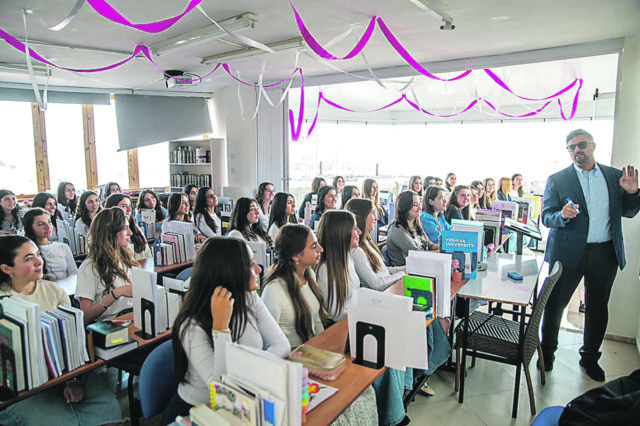
“Powerful.” “Unforgettable.” “Inspiring.” “Home Away from Home.” “Life-Changing.” These are just a few of the words Eshel graduates use to describe their experience. This past June, 40 young women from across the community and around the world completed an extraordinary year of growth—living, learning, and discovering just steps from the Kotel. As Joyce Zeitounie of Flatbush High School put it, “This year at Midreshet Eshel I learned how much life and this world has to offer. Opportunities and new starts are endless—and never forget the beauty of the journey itself!”
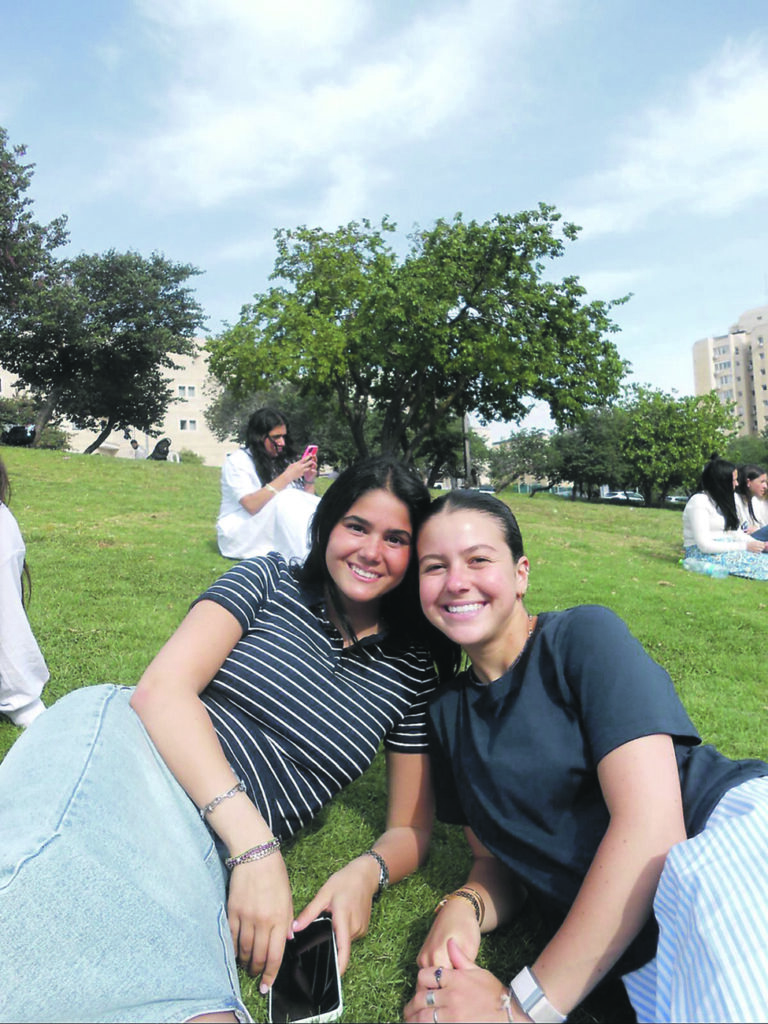

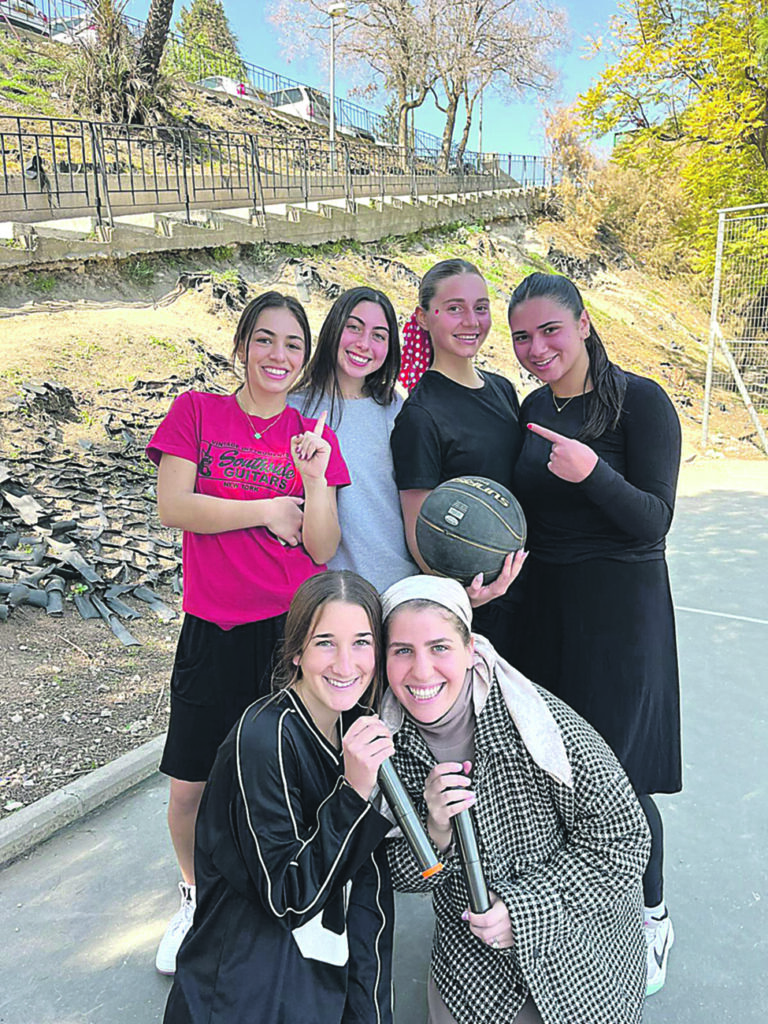
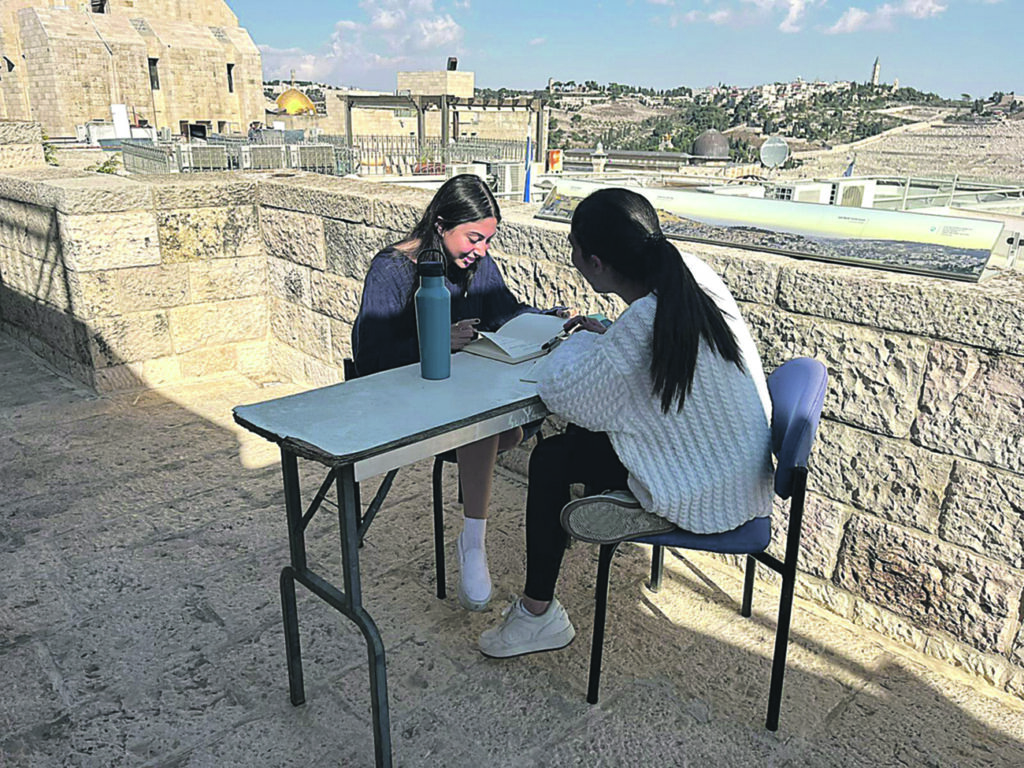

Mrs. Ilana Alouf has helped build the Midrasha since its inception 16 years ago. As both a therapist and a teacher of popular courses such as Group Dynamics and Growth Through Art, Mrs. Alouf observes: “During this critical developmental stage when students are forming their identity, the Midrasha helps them grow into mature, healthy individuals—as they develop deep connections to Torat Yisrael, Am Yisrael, and Eres Yisrael.”
The environment at Midreshet Eshel encourages students to develop themselves spiritually and personally. “They become confident, self-assured, and deeply connected to who they are—all while developing a real, loving relationship with Hashem,” says Alicia Dweck, a former student who now serves as a teacher and Student Activities Coordinator. Yola Matalon of Flatbush High School enthused: “At Eshel I felt I received the support, guidance, and confidence I needed to introspect and establish the compass of my life.”
One of the key components of the program at Eshel is chesed, which takes place once a week through volunteering with various organizations such as Shalva, OneFamily, and Friendship Circle. This year, the Midrasha’s chesed projects also included visiting wounded soldiers in hospitals and helping wives whose husbands had been called to serve in the army. “Eshel gave me the tools I needed to be able to look outside of myself and notice others in need,” said Danielle Kraeim of Flatbush High School. “The more I gave, the more I wanted to keep giving.”
Students come from community schools such as Flatbush, Magen David, Hillel, and Ilan, as well as from cities across the globe—Los Angeles, Seattle, Florida, Boston, Montreal, London, Gibraltar, Argentina, Mexico, Brazil, and Panama. Vicky Antebi was part of a group of ten students who came from Panama to study at Eshel.“My experience at Midreshet Eshel was truly life-changing. The classes were inspiring and full of depth, and the location couldn’t have been better—being just minutes from the Kotel allowed me to connect spiritually every single day. It was an unforgettable journey that shaped who I am, and I wouldn’t trade it for anything in the world.” “The year is filled with such a beautiful variety of students who have come together to learn more about their heritage and history,” explains Dr. Hilla Aboody, teacher and em bayit. In particular, following the devastation of October 7th, “being part of the Jewish people’s rebuilding from tragedy gave the year an extra depth and meaning for the students.”
Dynamic courses in Limudei Kodesh and personal development are taught by a talented and dedicated staff of rabbis and teachers at both advanced and regular levels. Younger educators from the community—including Victoria Chabot Berman, Alicia Matsas Dweck, and Merle Cohen Idy—have joined veteran staff members such as Rabbanit Ilana Alouf, Rabbi Haim Levy, and Dr. Hilla Aboody. “The professionalism of our staff is matched by their passion and commitment to give each student what she needs to develop her true potential,” observes Miriam Tawil, Founder and Director. “We are blessed to work together as a team truly unified in vision and driven to great achievements.”
This coming year, expansion is underway as Midreshet Eshel is expecting an even larger group of 57 students in September. A women’s trip is also in the works, offering mothers and grandmothers the opportunity to experience some of the magic that is Eshel.
As the campus grows to welcome more students, opportunities remain for both internal and external dedications. For more information, please contact: office@midresheteshel.org