
Home Blog Page 27

SUMMER SAFETY GUIDE

THERE ARE SO MANY FUN SUMMER ACTIVITIES FOR KIDS AND ADULTS. HOWEVER, SOME OF THEM CAN BE DANGEROUS. THAT’S WHY IT’S IMPORTANT TO FOLLOW SAFETY RULES. ONE OF THE BEST WAYS YOU CAN KEEP YOUR FAMILY AND OTHERS SAFE IS TO LEARN CPR. WE WANT EVERYONE TO HAVE A WONDERFUL SUMMER, SO WE PUT TOGETHER THIS SAFETY GUIDE.


Summer Heat Safety Tips
Stay hydrated: Drink plenty of water throughout the day, and avoid alcohol and caffeine which can dehydrate you. Make sure your children are well hydrated, too.
Dress appropriately: Wear loose, lightweight clothing and a hat to protect yourself from the sun.
Stay indoors during the hottest part of the day: If possible, stay from 11 A.M. to 3 P.M. Plan activities for the late afternoon.
Use sunscreen: Apply sunscreen with an SPF of at least 30, and reapply every two hours or after swimming or sweating.
Know the signs of heat stroke: Symptoms of heat stroke include high body temperature, headache, nausea, and confusion. If you or someone else experiences these symptoms, seek medical attention immediately.

Swimming Safety Tips
Supervise children at all times: Always designate a responsible adult to keep a close eye on children in and around the water.
Never swim alone: Never let kids swim alone, even if there’s a lifeguard on duty. Always make children swim with a buddy. This is very good advice for adults as well.
Know your limits: Don’t push yourself too hard, and only swim in areas that are safe and appropriate for your skill level.
Follow pool rules: Follow all rules at public pools, beaches and water parks, and be aware of any potential hazards.

Beach Safety
Swim near lifeguard stations: Choose swimming spots with lifeguards close by and ensure your family members swim within a designated area that’s visible to both you and lifeguards.
Learn rip current awareness: Educate yourself and your family about rip currents and how to identify and escape them.
Be cautious of tides: Be mindful of rising rides, as they can change rapidly and pose a risk to swimmers.
Supervise children at all times: Always designate a responsible adult to keep a close eye on any children in or around the water, even when there are lifeguards on duty.
Pool Safety
Install barriers: If you own a pool, secure it with fences or barriers to prevent unsupervised children from accessing the water.
Assign a water watcher: Designate a responsible adult to supervise children in or around the water. This adult should provide their undivided attention to this task to prevent accidents and emergencies.
Use safety equipment: Always keep life-saving equipment like a shepherd’s hook and a life preserver near the pool. Ensure that little ones wear a properly fitted flotation device if they are unable to swim on their own.
Encourage swimming lessons: Fewer accidents happen when everyone knows how to swim. It’s an essential life skill that increases pool and water safety.

Bicycle Safety
Always wear a helmet: Always wear a properly fitted helmet that meets safety standards while riding a bicycle. Helmets save lives and are essential for everyone — children and adults.
Follow traffic rules: Obey traffic laws, signals and signs. Ride with the flow of traffic and use hand signals when stopping and turning.
Use reflective gear: Ensure that you and your family are visible by wearing reflective clothing and adding reflective accessories to bicycles.
Check bike condition: Regularly inspect your bicycle to ensure proper brake function, tire pressure and reflectors.
Stay alert: Encourage family members to stay focused and avoid distractions while riding. Do not let anyone use a phone or wear headphones while riding.

Boat Safety
Wear a life jacket: Make sure everyone on your boat always wears a properly fitted and approved life jacket.
Check the weather: Monitor the forecast before embarking on any boating excursion and avoid going out during possible inclement weather conditions.
Maintain a proper speed: Follow speed limits and adjust your speed based on water and weather conditions.
Assign a designated watcher: Assign a responsible adult to keep a close eye on children to prevent accidents.
Educate your family and passengers: Familiarize everyone with basic boating safety rules like always keeping hands and feet inside the boat and avoiding all reckless behavior.
Do not consume alcohol. It is not safe or legal to operate a boat while drinking. Boating while intoxicated can impair your judgement, reaction time, coordination and ability to safely navigate the waters, which increases the risk of accidents, injuries and even death. For both drivers and passengers, alcohol intensifies the effects of sun, wind and motion on the water, leading to diminished decision-making abilities.

Theme Park Safety
Dress appropriately: Wear comfortable clothing and footwear suitable for walking and being active for many hours. Dress children in bright, easy to recognize clothes so they’ll be easy to spot should they wander off.
Follow height and age restrictions: Adhere to posted height and age restrictions for rides and attractions. These restrictions are in place for safety reasons and should be respected to prevent accidents.
Stay hydrated: Drink plenty of water throughout the day.
Establish a meeting point: Select a central meeting point in case anyone in your family gets separated. Teach children how to identify park staff or security so they can easily find help if they get lost.
Follow ride instructions: Listen attentively to ride instructions from the park staff and follow them carefully. Observe all safety guidelines including the proper use of restraints and seat belts.
Sun protection: Apply high-SPF sunscreen before entering the park and re-apply every two hours throughout the day. Use hats, sunglasses and seek shade often to protect yourself and your family from the sun.
Grilling Safety
Keep children away from grill. Keep kids occupied while you grill so they won’t accidentally wander over to you and get burned.
Place your grill away from your home. Barbecue grills are often placed just outside the back door or on the back deck against a railing. You should avoid placing your grill in these areas because it can pose a potential fire hazard. Grills that are placed too close to the house or other wood structures can heat up adjacent materials and cause a fire. Be sure to keep your grill at least 10 feet from your home or other structures.
Never leave your grill unattended while in use. You should never walk away from your barbecue while it’s in use. Barbecues use high heat and open flames to cook food, and when left unattended can become a safety and fire hazard. If you must leave the grill, ask another adult to watch the grill for you.
Make sure your grill is located on a flat, level surface. Grills that are placed on slopes or other uneven surfaces can tip over easily and cause a fire.
Always clean your grill after use. Barbecuing regularly causes grease to build-up on the grill plates and collect inside the grease tray. If not cleaned, the build-up can then act as fuel and catch fire while the grill is in use. Clean your grill after each use with a grill brush and empty the grease tray when it begins to fill up.
Don’t leave food out too long. The summer heat and humidity is a breeding ground for bacteria. Never leave food out of refrigeration for over two hours.
Wear appropriate clothing. Long sleeves can catch fire easily when too close to an open flame. When grilling make sure your sleeves are far away from the fire. Use long handled tools.

Tick/Mosquito Protection
Avoid using scented soaps/lotions/products. Certain bugs are attracted to these scents.
Dress your child appropriately. When going into tall grass or areas where you know insects will be dress your child in long pants, a lightweight long-sleeved shirt, socks, and closed shoes. A broad-brimmed hat can help to keep insects away from the face. Mosquito netting may be used over baby carriers or strollers in areas where your baby may be exposed to insects.
Use kid-safe insect repellent. Do not use repellents on children younger than two months old. Insect repellents containing DEET have been tested and approved as safe for babies older than 2 months. Choose the lowest effective amount of DEET. For example, 10% DEET is effective for two hours. Apply products in a well-ventilated area to prevent breathing them in.
Do not use products that combine DEET with sunscreen. The DEET may make the sun protection factor (SPF) less effective. These products can overexpose your child to DEET because the sunscreen needs to be reapplied often.
Only apply insect repellents on the outside of your child’s clothing and on exposed skin. Use just enough repellent to cover your child’s clothing and exposed skin. Using more doesn’t make the repellent more effective. Avoid reapplying unless needed. When your children return indoors, wash their skin with soap and water to remove any repellent, and wash their clothing before they wear it again.

fireworks are illegal
In Brooklyn and New Jersey it is illegal to possess fireworks. If not handled properly, fireworks can cause burns and eye injuries in kids and adults. The best way to protect your family is not to use any fireworks at home — period. Attend public fireworks displays, instead.

driving safety tips
We drive all year round and it may seem silly to put driving safety tips on this list, however, car accidents are the leading cause of injury and death in the summer.

Watch out for distracted drivers. Whether it’s families on vacation or students heading toward the beach, summer roads are filled with drivers who are more distracted than usual. While distracted drivers are already a threat on the roads, summer can bring more distractions than usual, so watch out for drivers who aren’t watching out for you.

Have your brakes, engine and tires checked. Extreme heat takes a toll on vehicles. It can lead to tire blowouts and can affect your vehicle’s braking ability. It causes your engine to overheat more easily and places increased stress on just about every mechanical function your vehicle performs.
Paying extra attention to tire pressure and tread, checking the brakes frequently and making sure that your vehicle’s cooling system has all the proper fluids can help keep vehicles from being sidelined during the summer months.
Keep an eye on the calendar. Some days are more dangerous than others. Weekends and certain holidays are associated with an increase in drinking and driving. So, for drivers who are behind the wheel during that time, it requires more attention to the surrounding hazards.
July 4th is particularly deadly, both in terms of motorcycle fatalities and passenger vehicles. On the weekends, the highest number of fatal crashes happen between 3 and 7 P.M. so be aware of increased risk when you’re behind the wheel — and take extra safety precautions as needed.

Be aware of glare. Driving can be hard on the eyes, period, but during summer months, when the sun is out in full force, there’s also an increased amount of sun glare coming off the road and other vehicles.
This can be particularly dangerous during the early morning and when the sun is setting, so invest in a good pair of polarized sunglasses. They’ll help protect your eyes from fatigue and damage, cut down on glare and make it easier to see clearly.

Increase following distance.
Increasing your following distance can help offset the dangers brought by heavier traffic, construction zones and vacationing drivers who are traveling in unfamiliar areas.

Respect the effects of heat. Finally, it’s easy to dismiss just how much the sun can affect us, but it’s important to pay attention to how it affects both drivers and vehicles. Heat exhaustion can make drivers drowsy.
Be smart, be aware and be careful, so your entire family can have a wonderful summer.


SUMMERIN THE CITY 2025

THINGS TO DO IN BROOKLYN & MANHATTAN

IF YOU LOVE SPENDING BEAUTIFUL SUMMER DAYS (AND NIGHTS) OUTDOORS, THERE ARE MANY WONDERFUL THINGS TO DO IN NY AND BROOKLYN, INCLUDING FREE CONCERTS AND MOVIES. THERE ARE ALSO MUSEUMS AND FUN RAINY DAY ACTIVITIES. HERE ARE THE BEST PLACES TO SPEND YOUR SUMMER DAYS.

pickleball at the wollman rink
Pickleball can be played at the iconic Wollman Rink seven days a week from 8 A.M. to 9 P.M. There are 14 brand new permanent pickleball courts. All levels welcome. You do have to reserve a court at www.city-pickle.com/locations/wollman-rink. It will be an expensive game, as at off peak hours, the court costs $80 an hour and on peak it is $120. To find out more, visit www.centralpark.com and check out their event calendar.

Bryant Park
There is so much going on at Bryant Park. Every Monday night, you can grab a blanket, your family and friends for a movie. The lawn opens at 5 and films begin at 8 P.M. Another great way to enjoy the park is through its incredible picnic performances. Which, like the movies, are always free. It’s the easiest way to experience NYC’s extraordinary arts and culture. As if that were not enough, there’s Broadway in Bryant Park where you can see performances from today’s top shows, and there’s always something fun going on for children, including story time, juggling and magic shows. To see all of the amazing activities, visit bryantpark.org/calendar.

Lincoln Center Events
Whether you’re interested in dance, film, opera, theater, jazz, popular music, classical music, or workshops, it’s happening this summer at Lincoln Center. Visit lincolncenter.org/lincoln-center-at-home/calendar to see its eclectic list of events.

the museum of jewish heritage
The Museum of Jewish Heritage, located in Battery Park City in Manhattan, is a living memorial to those murdered in the Holocaust. The museum has received more than 2 million visitors since opening in 1997. For programs and exhibit information visit www.mjhnyc.org.
The Jewish Museum
The Jewish Museum is an art museum committed to illuminating the complexity and vibrancy of Jewish culture for a global audience. Through distinctive exhibitions and programs that present the work of diverse artists and thinkers, the museum shares ideas, provokes dialogue, and promotes understanding. It’s located at 1109 5th Ave & East 92nd St, New York. For more information visit thejewishmuseum.org/.

The Brooklyn JEWISH Children’s Museum
Children will have fun as they learn about Jewish history and culture. Activities this summer include a paint workshop, an outer space adventure where kids learn the Hebrew alphabet and a variety of Jewish movies. The museum is located at 792 Eastern Parkway.

little island
Little Island is a beautiful 2.4-acre elevated park that sits above the Hudson River on Manhattan’s west side. The venue hosts a range of free events, all summer long, for visitors of every age. There’s music, comedy, dance and more. Visit www.littleisland.org/events/for more information.

coney island FREE MOVIE NIGHTS
The Flicks on the Beach series brings movie magic to the shoreline. On select Thursday nights throughout the summer, beachgoers can enjoy free film screenings under the stars. For the full schedule and movie lineup, visit www.coneyislandfunguide.com/event-calendar.

Shipwrecked miniature golf
Mini golf and arcade games make Shipwrecked a great place to spend the day. With tons of fun things to do indoors it’s also perfect for a rainy day. Located at 621 Court Street, Brooklyn, reservations are required. For more info visit www.shipwreckednyc.com.
Chelsea Piers Sports &
Entertainment Complex
This sports complex is situated on 28 acres on three piers of the Hudson River. It has a driving range, a bowling alley, an ice skating rink and if you want to take it easy, there’s a pool, as well.

Kids ‘N Action
This is an amusement park with go carts, a roller coaster, an arcade and a toddler section. Take your kids for the day and you’ll be the coolest parents around, located at 1149 McDonald Avenue.

Adventurers Amusement Park
This is a small amusement park in Bensonhurst. It has go karts, bumper cars, little rides, miniature golf and more. Kids will love it. It’s located at 1824 Shore Parkway. For more information visit adventurerspark.com.

The NY Aquarium
Located in Coney Island, this is another great place to spend the day. Admission is free on Wednesdays after 3 P.M. If you want to visit on a Wednesday, purchase your ticket on Monday at 3 P.M. Located at 602 Surf Ave, Brooklyn. Call for reservations: 718.265.3474.

The Brooklyn Botanic Garden
The Brooklyn Botanic Garden is a 52 acre botanical garden within Brooklyn’s Prospect Park.

tHE BRONX ZOO
The Bronx Zoo is world-renowned for its large and diverse animal collection, and its award-winning exhibitions. There are more than 6,000 species that call the Bronx Zoo home. If you have a little one — or a big one — who loves animals, the Bronx Zoo is the perfect place to spend the day. For address, hours and anything else you’d like to know, visit bronxzoo.com.

MEKUDESHET

Bringing our community together, one match at a time….

Sophia Franco

When I was a teenager, back in the early 1980’s the only opportunities for singles to meet were over the summer, in the Deal Casino, and at the parties that followed later in the evenings. The community was small, and basically, everyone knew everyone. The crisp summer air put us in a good mood, everyone was invited, and there was always someone to hang out with in Aisle A, or years later, at the beach. It was daylight, no alcohol involved, and no music blasting. It was high pressure then, too, don’t get me wrong- endless laps around parties and weddings were the norm, and often we’d still go home alone, but it was also very innocent. We’d get real dates then, and some of my friends would juggle two or three guys at a time. I’m smiling just thinking about it. We’d get one more chance over the high holidays when we dressed up for shul and saw the guys once again, but after that, aside from a few events, it was quiet until June rolled around once more.
Today, so much has changed. Baruch Hashem, the community has grown wings, and changes by leaps and bounds, every day. Along with the thousands of “mainstream” people, there are more observant and less observant, Persians and Lebanese, Israelis, Mexicans, Panamanians and more. Everybody does NOT know everybody, and sometimes I find myself at a wedding recognizing no one at all. It’s beautiful to behold the magnificence of our growth, but many singles today would not even attend a party with mixed dancing. Those that would, find themselves mingling among the same crowds, repeatedly. Even the most successful parties are depressing for so many.
People are calling it a dating crisis. We are 80,000 strong now as a community. Harry Adjmi recently said, “We have so many weddings, but really, we should have so many more.” I don’t want to sound all doom and gloom, but there are thousands of singles, and the same names are mentioned repeatedly. Others are simply forgotten and fall through the cracks. I believe that every person reading this knows a single, or two, or ten, waiting to get married. Whether single and young, single and old, divorced, widowed, with kids, or without kids; everyone has someone they wish they could help, but how?
In 2019, while opening a post-high school seminary called Shalshelet under the leadership of Rabbi David Ozeri, Kim Dabah began to see the bigger picture — so many incredible young people, both in and beyond the seminary world, were struggling to find their match.
“My ‘why’ became clear: I wanted to help more singles get married,” says Kim. “I didn’t want to just guide them; I wanted them to feel noticed, supported, and get matched. It wasn’t about one demographic or background. It was about building a platform that could serve the full scope of the community.”
With Rabbi Ozeri’s guidance, Kim connected with leaders of other successful initiatives, including Rabbi Moshe Pogrow of the NASI Project who was very helpful. Drawing from their best practices and the community’s unique needs, she envisioned something new.
That vision became Mekudeshet. When she shared her plan with Rabbi David Ozeri, Rabbi Meir Yedid, Rabbi Joey Haber, Rabbi Raymond Haber, and Rabbi Shaul Haber, they didn’t hesitate —parents were pleading for help at every turn, and alone, they couldn’t help them all. They saw the same need she did and formed its rabbinical board. Singles were waiting. It was time.
The word Mekudeshet means, sanctified and betrothed, and was the perfect name for this new and improved gateway to help so many. The Mekudeshet app was launched in August 2023 and in July of 2024 the first fundraiser was held in Jennifer and Isaac Sitt’s home, introducing the concept to the community at large. The app has been building and evolving, and today, there are over 3,500 community singles on the Mekudeshet app, aged 19-99.
Rabbi Shaul Haber, the overseeing rabbi, explains, “For a hundred years, what we were doing was working, but now the community is so big, unfortunately hundreds of people are getting lost in the shuffle and it’s discouraging. If a young man sees a girl, all he knows is what’s in front of him. He doesn’t know anything about her family or background. This organization is changing everything. In the first year we had 94 matches. Today we have 220! That’s more than double; about one engagement, every third day. There used to be stigmas about matchmakers, but today, they are known to be sensitive and intuitive; a lifeline for many. Initially we had 40 matchmakers working on this. Now, we have 80.
We are providing an atmosphere for them to pool their ideas while giving them guidance, tools, and incentive for success. With Hashem’s help, it’s working.”
So, how does the Mekudeshet app work? It’s simple. It starts with the click of a button. Visit mekudeshet.org from your phone or computer. Press, “add a single,” and enter your information. You can add yourself or your child, or even someone you know who could use a little push. Our staff monitors the site, and if you enter yourself, you become one of our “private clients,” and get the first line of attention. Once you are approved as a community member, you can expect a call soon. You’ll be assigned a matchmaker based on demographic, and she/he will talk with you about your likes and dislikes, your wants and needs. Your “I can’t live without” and your “I can’t live with.” Once that is out of the way, your matchmaker can get to work.
Margo Braha, a Mekudeshet matchmaker, loves the tech savviness of the app. She explains, “It is so well tailored and organized. I can filter by age, school, location and yes, even by height. It even highlights clearly if someone is a ‘Cohen,’ (because for a divorced girl, that’s a no-no). Everyone is vetted and has a reliable reference. It’s sleek, efficient and easy to maneuver. And rest assured, this is not a dating app, and there is no swiping left. Only the matchmakers can view the profiles.
“Privacy is a huge priority. Every matchmaker and team member signs an NDA. We follow the highest standards of confidentiality and are super mindful of every person on the app. The most intimidating part of this process for singles is that someone will get their information, but honestly, it’s impossible. They’ve adopted the latest bank technology so that a matchmaker cannot even take a screenshot to send to someone. If they try to, it appears black. If someone tries to take a photo with another device, a watermark appears on it with their name, so the Mekudeshet team knows who’s sharing it. The app also allows us to make our own private notes, so if we come across a new single, or a friend suggests a match, we can be reminded to investigate later. I really believe we are making more connections because of the process.”
Rabbi Shaul continues, “To be a matchmaker, you must be a “ba’al chesed,” a person looking to help others and do good. Everyone on the team here has one objective. How can we do better and pair up more of our singles? We have matchmakers who were around before Mekudeshet, and new matchmakers, too. They meet in small groups and connect daily to network and trade names. It seems obvious, but kindness is a quiet yet essential part of how our matchmakers are encouraged to engage with singles. It’s very important; we want to make things less stressful, not more.
“Sometimes it’s all about perspective. A fresh pair of eyes may be all that’s needed to see the possibilities. Mekudeshet also provides counseling to our singles, if needed. It may be a therapist, rabbi, or dating coach. We ask, why aren’t their dates working? How can we help? It’s important to be sensitive to everyone’s needs. Baruch Hashem, there is also something we call, ‘The Mekudeshet Effect.’ Somehow when we bring up names, things happen for them; I’m sure Hashem is listening, too.”
Renee Shalom Husney was one of the first mainstream brides to have been set up by a matchmaking service 18 years ago. She’s modern, and it was unusual for her to take that route, but her friends pushed her, and it worked. When she heard that Mekudeshet was open to new matchmakers she jumped at the chance. She explains, “My goal is for these young men and women to feel respected, heard and confident. I know how hard it is out there, and I get it. I love the team; everyone is embracing and helpful and brings something new to the table. We bounce ideas off each other, and each of us brings a different energy or technique. At one meeting alone I was able to arrange dates for four different clients. I have such respect for everyone involved. We are changing people’s lives.”
The Mekudeshet app is a beautiful tool and simply, it helps the matchmakers to make better matches, more often. Rabbi Joey Haber explains, “The world has just gotten too complicated to meet people the old-fashioned way. The opportunities are not there, and young girls and boys are feeling desperate much sooner than they ever did before. There’s not one school or demographic that’s immune, no matter their religiosity, financial status or friend group. Their loneliness is the same. This organization is about hope. We want every community single to know, we do have your back, we do care about you.”
The key is for EVERYONE to sign up. Kim explains, “We have 50-100 people adding themselves every month, and 80 couples dating on the app as we speak. We are a demanding community, but we have the most dedicated matchmakers in the world, on call no matter what time of day or where they are. They are unspoken heroes doing holy work, because it’s not all about profiles and resumes. Ultimately, we all know that Hashem makes the matches.”
Mekudeshet is helping both matchmakers and singles find success. You sit near someone in shul or a class, you chat with your friends throughout your day, and everyone is praying for their kids to get happily married and to bring us grandchildren. It’s what we pray for most. Matchmakers are not the little old ladies from Fiddler on the Roof anymore. It’s a new world. Mekudeshet’s mission is to match everyone in our community, and it should be your mission too.
I know that I’ve already gotten six singles to add themselves, so I implore you, tell a friend. Mekudeshet is
changing the game.

Good afternoon! I would like to tell the whole team of Mekudeshet that a very prominent rabbi said to have Hashem’s (hashgacha peratit), first we need to do our hishtadlut (our due diligence) and only then Hashem’s intervention takes over.
Hakadosh Baruch Hu wants us to become a partner with Him and make matches!
I just want to thank you so so much for helping us and the community in this important work!
I saw a name of a girl on Mekudeshet, I called her mother… suggested a boy… she was floored and so happy that someone called her. She was so appreciative—she said she hardly gets calls! She’s going out this week!
Thank you so much again…
A proud Mekudeshet matchmaker

Dear Mekudeshet,
I’m a community father with four children. My third daughter was divorced early in her marriage and truly believed she’d never get remarried. We had no idea how to get her on a date now; specially after we lost my wife- it felt like we were all alone.
I called my rabbi who thought for a minute and suggested we add my daughter to Mekudeshet.
Quickly, quietly, without making a big deal, you stepped in. We got a call and a few weeks later she was matched at first with someone that didn’t work out but she was able to see herself getting married! She had hope and some confidence. Third time was a charm! She was matched with someone who understood her, respected her, and didn’t judge her for her past. It wasn’t instant, and it wasn’t simple—but the matchmakers she worked with didn’t forget about her.
You kept following up, even when we weren’t sure what to hope for.
When things finally started moving, the dating went as smoothly as one would pray for. And now, Baruch Hashem, she’s married to a good man my wife a’h would be proud of.
Thank you for being there when we didn’t even realize how much we needed the support through the process.
You made a difference in our lives.

With gratitude,
Anonymous

Make Good Easy & Bad Hard

The Endurance Approach to Wealth

Ari Baum, CFP®

WHAT IF BUILDING WEALTH DIDN’T REQUIRE MASSIVE DISCIPLINE OR GENIUS-LEVEL IQ? WHAT IF IT COULD BE AS EASY AS MAKING YOUR BED OR BRUSHING YOUR TEETH? BEHAVIORAL SCIENTISTS HAVE SHOWN THAT THE KEY TO LASTING CHANGE OFTEN LIES NOT IN WILLPOWER, BUT IN FRICTION—OR MORE PRECISELY, THE LACK OF IT. MAKE THE GOOD PATH EASY TO TAKE AND MAKE THE BAD ONE A LITTLE MORE ANNOYING. THAT’S WHERE THE MAGIC HAPPENS.

In personal finance, we often look for the “big move”—the next big investment, the right stock pick, the perfect budgeting app. But wealth isn’t usually built in leaps. It’s stacked brick by brick through repeatable, easy actions. The trick is to make those actions so easy they become second nature.

Behavior Follows Design
You’re more likely to work out in the morning if your running shoes are already by the door. You’re less likely to eat junk food if there’s none in your pantry. These small setup decisions nudge you toward better choices without requiring constant internal debates. In finance, the same principle applies.
When spending is too easy—just a swipe or tap—it invites trouble. That’s one reason why some financial gurus recommend using cash. Physically handing over dollars is a lot more painful than casually tapping a phone. It’s a mental speed bump that gives your brain time to say, “Wait…do I really need this?”
Now, some folks might argue, “I track every expense on my spreadsheet, so I’m good.” And hey, kudos to you. But the data still shows we tend to spend less when using cash or debit versus credit. It’s not about being irresponsible—it’s about being human.

Small Shifts, Big Results
We often overestimate what we can do in a week and underestimate what we can do in a year. That’s why focusing on small, low-effort habits can have a bigger long-term impact than chasing big, high-effort wins. This is where financial psychologist Dr. Daniel Crosby’s advice shines: Automate. Simplify. Remove.

Automate: Put It on Autopilot
The best financial decision is often the one you don’t have to make every month. Setting up automatic transfers to your investment accounts takes the emotion out of it. It also reduces decision fatigue. Whether it’s a weekly transfer to a Roth IRA or monthly contributions to your 401(k), automation builds momentum quietly.
Think about it: if money leaves your checking account before you even see it, you’re less likely to spend it. That’s forced scarcity working in your favor—and it’s a powerful wealth-building tool.

Simplify: Fewer Accounts,
Less Mental Clutter
Too many people have money scattered across old bank accounts, overlapping investment platforms, and forgotten 401(k)s. It’s not only inefficient—it’s stressful. Simplifying your financial life helps you stay organized and focused.
Consolidate where possible. Use one app to track everything. Establish simple spending guidelines instead of hyper-detailed budgets. Make your system so simple that you stick to it even on your busiest day. Complexity invites avoidance; simplicity invites action.

Remove: Make the Wrong Choice
Just a Bit Harder
Impulse spending is often just a click away. One suggestion? Delete the apps that encourage mindless spending. Amazon, DoorDash, or your favorite fast-fashion store—remove the shortcut. If you have to open your browser, type in the URL, and log in…you might pause long enough to change your mind.
And if you want to take it a step further, consider keeping your credit cards out of reach—or out of your wallet entirely. The easier it is to spend, the more you will. Conversely, if you make spending just a little more annoying, you’ll likely spend less.

Design Your Financial Environment
We tend to over-rely on motivation. But motivation fades—systems stick. Designing your environment so that the “good” financial choice is the easiest one sets you up for success. Want to read more and scroll less? Move your phone across the room and put a book on your pillow. Want to save more and spend less? Automate your savings and delete the Amazon app.
This isn’t about restriction. It’s about alignment. Aligning your habits, tools, and environment with the life you want to build—financially, physically, and emotionally.
The fact is that wealth isn’t built overnight. It’s built quietly, in the background, by systems that favor the good and discourage the bad. So set yourself up wisely. Because when good is easy and bad is hard, success becomes almost effortless. q

The content is developed from sources believed to provide accurate information. Investing involves risk including the potential loss of principal. No investment strategy can guarantee a profit or protect against loss in periods of declining values. Past performance does not guarantee future results. Consult with a financial professional regarding your specific situation.

Your choice concept, hand finger thumb up and down

Ari Baum, CFP® is the Founder and CEO of Endurance Wealth Partners, with over 25 years of experience in the Financial Services industry. He brings his in-depth experience to Conceive. Believe. Achieve. for his clients. Securities and Advisory services offered through Prospera Financial Services Inc. Member FINRA/SIPC. Brokerage and Advisory accounts carried by Wells Fargo Clearing Services LLC.

How to Plan a Birthday Party for Your Child with Special Needs

Screenshot

Victoria Safdieh

Birthdays, bar mitzvahs, and bat mitzvahs are occasions that most children look forward to for months in advance. As a parent of a child with special needs, you always want your child to experience as many of the usual childhood pleasures as possible. When you think of birthdays, you think balloons, cake, ice cream, friends, presents, and music—right? Those are all wonderful traditions, but what happens when a child with special needs isn’t able to tolerate all those “good things” going on around them?

Planning a party for a child with special needs can be extra tricky—but it can absolutely be done. Don’t worry about what everyone else is doing. Focus on what your child enjoys. A party doesn’t have to follow a preset agenda. Have enough planned to fill the time, but if an activity runs long and everyone is enjoying it, be flexible.
Invitations – Bigger isn’t always better. You don’t have to invite every single one of your child’s friends for it to be a success. Sometimes, a large group can cause sensory overload and make it harder for your child to focus and enjoy. Remember, the party is all about your child. When writing the invitations, make it clear if you expect parents to stay and assist their children. It’s also helpful to ask parents to share any dietary restrictions or other accommodations their child might need.
Food – While many parties revolve around food, yours doesn’t have to. Many children with special needs have dietary restrictions or use feeding tubes. Don’t center the party around the cake. You can still sing “Happy Birthday,” but it doesn’t have to be the focal point.
Time – If your child can’t tolerate long events, there’s nothing wrong with planning a one-hour party—or whatever time frame works best. Choose the time of day based on your child’s energy and mood patterns. If they’re happier in the afternoon, that’s when the party should be. When your child is comfortable, everyone will have a better time. If things get overwhelming, let your child take a break. Giving them a few quiet moments can prevent a full meltdown and keep the celebration on track.
If you’re hosting the party at home, hiring an entertainer can take pressure off parents. Clowns and magicians are popular with children with special needs, but it’s important to find someone who is comfortable and experienced with kids of varying abilities. Give the entertainer some background about your child—what they like, what they struggle with, and how they best engage. Also, let them know what to expect from the rest of the group.
For an outdoor party, consider renting a bouncy house or ball pit. These are fun, active options that many kids love and can enjoy for hours. Another great idea is bringing a farm to your backyard. Kids love feeding, petting, and walking the animals—and a pony ride is always a hit!
If a home party isn’t an option, a bowling party is a great alternative. It accommodates a wide range of abilities. As long as a child can push a ball off a ramp—even gently or with assistance—they can participate. If some of the children use wheelchairs, choose a spacious bowling alley and confirm that it has ramp access to the lanes. Let the staff know about your needs in advance, and consider reserving more than one lane depending on your group size.
Parties are a lot of work. Whatever you decide to do, let go of the guilt and accept what’s realistic for your child and your family. You know what works best. Sometimes the most successful celebrations are the simplest. Celebrate the fact that you and your child have made it through another year of growth and progress. Have fun! When you look back at the photos, you’ll see how many beautiful memories were made.

America Bombs Iran

Defanging the Persian Bear

Rabbi Shraga Simmons

Iran crossed the red line. Israel and America responded and the world watches a new dawn. In a spectacular military operation, the U.S. dropped bunker-busting bombs and launched cruise missiles at Fordo, Natanz and Esfahan – Iran’s three main nuclear facilities. The sites were, in Trump’s words “completely and totally obliterated.”

This was not merely military and political news. This is a spiritual moment, the fulfillment of decades-long prayers. A turning point in Jewish and world history. President Trump, in announcing the U.S. strike, choked up as he thanked G-d and said, “We love You, G-d.”

The Bear is Back
The biblical prophet Daniel describes a vision of four beasts, representing four empires that oppress Israel. The “bear” symbolizes Persia, modern-day Iran. The Talmud explains that the Persian Empire – aggressive, irrational, unruly – “have no rest like bears.”
In our days, ancient prophecy came to life when the mad mullahs of Iran roared into the nuclear age with the same raw aggression noted by the Talmudic Sages. Their goal: Launch an apocalyptic war that ushers in a “messianic era” of global domination under the most extreme form of Islamic Sharia law.
For decades, Iran’s jihadi death cult preached “Death to America!” and “Death to Israel.” Not as mere slogans, but as policies. For decades, Iran funded terror proxies – Hamas, Hezbollah, Houthis, etc. – attacking Israel, murdering innocents, and fomenting instability in the Mideast and beyond. The West suffered from Iranian atrocities, whether 241 Marines slaughtered by Hezbollah, or militants storming the U.S. Embassy in Tehran, holding 52 people hostage for 444 days. For decades, faced with the irreversible nightmare of a nuclear-armed jihadist state, the West kicked the can down the road, employing a tepid mix of diplomacy and sanctions, never enough to scare the bear. Iran would never stop its quest for the bomb – until forced to stop.
Israel’s Moment
For decades, Netanyahu sounded the alarm in global halls of diplomacy. Ten days ago, Iran crossed Israel’s final red line, creating an existential threat to Israel. With his entire legacy on the line, Netanyahu authorized a preemptive strike. His justification? Talmudic moral arithmetic: “If someone comes to kill you, rise early to kill him first.” Yet he understood that such a burden is too heavy for any one person to carry alone. On the eve of the attack, he went to the Western Wall – Israel’s eternal heart – and prayed that the mission succeeds.
For nine days, IDF jetfighters pummeled Iran with waves of precision strikes, establishing full command of Iranian airspace – and clearing the path for America’s historic Saturday night attack. The campaign against Iran echoes the Six-Day War in its precision, daring, and historical consequence – and a clear demonstration of G-d’s guiding hand. We are living a moment that will be remembered forever. Finally, the bear is defanged.

Pharaoh & Death Cults
We’ve seen this script before. In the Torah, Pharaoh had ten chances to surrender. He could have spared his nation ruin, freed the Jews, and saved his throne. Instead, Pharaoh chose stubbornness. At each stage, Egypt bled a bit more, until the final plague of the death of the firstborn. The logic of evil prefers martyrdom to surrender.
So too with Iran. No amount of diplomacy, sanctions, or warnings could dissuade the apocalyptic Ayatollah from his goal of nuclear weapons. Only crushing military pressure can override cultural and psychological barriers to surrender. With the Israeli and American strikes on Iran, Israel and the free world is for now, freed from the specter of a nuclear Iran.
The Rising Lion
Israel named its military operation with psychological and biblical weight, based on Bilaam’s description of the Jewish people as “rising like a lion” (Numbers 23:24). The lion symbolizes courage and strength. The lion attacks with purpose, and only when provoked.
After October 7, Hamas discovered the consequences of waking the sleeping lion. Iran has now made the same grave mistake. We declare in the Passover Haggadah: “In every generation, they rise up to destroy us – but G-d saves us from their hand.”
This is such a moment: Israel, with supernatural strength and backed by Divine justice, fulfilling its biblical destiny to defeat evil that seeks our annihilation. Israeli deterrence has been firmly established. We are now more secure within our borders than ever before.
Jewish unity and pride has never been stronger. A great weight has lifted from our hearts. Yet this war is not over. The bear is wounded, yet still dangerous. Iran still has 1,000 ballistic missiles and is now threatening to close the Strait of Hormuz, the world’s most important oil chokepoint. Plus Iranian terror cells are planted worldwide waiting to be activated.
As the psalmist King David wrote, the G-d of Israel neither sleeps nor slumbers. G-d is with us in this war and is waiting for our prayers. Pray for the protection of our brave soldiers. Pray for the safety of the home front. The bear has roared. But the rising lion of Judah – a voice of truth and justice – roars eternally louder.

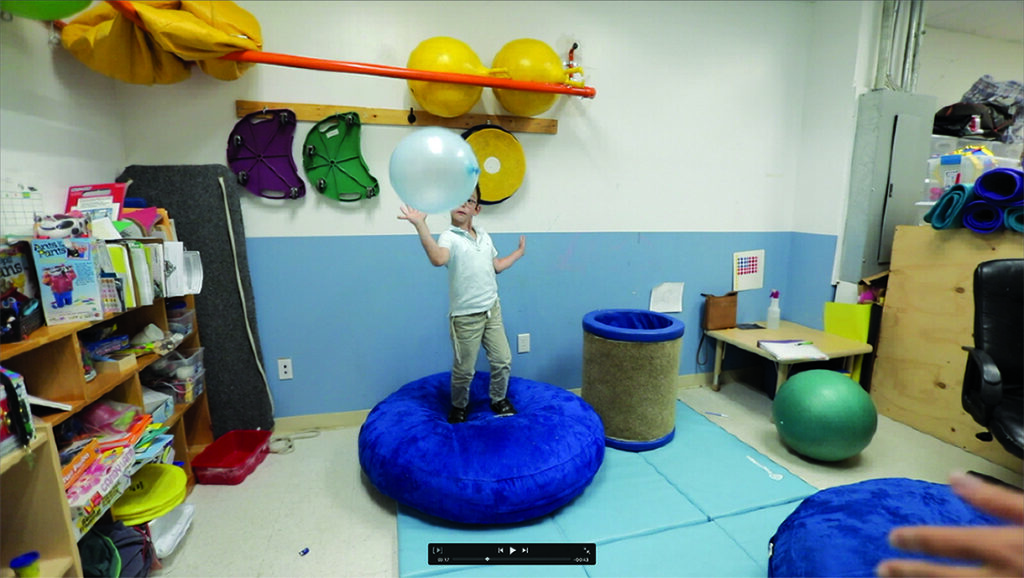
Bridge Linx Therapy

Guiding Students Toward Success with Therapy and Support

“We see so much progress in Jacob in the few weeks since he’s started therapy. He’s more social and coming over to express his needs. I’m amazed” —Pre-K Teacher
“I just want you to know how happy I am with the therapists working with Ralph. They really get him and communicate so well with me and the teachers so that we are all part of the process.” —Parent
“Bridge is like my right arm and my right leg. We would not be able to meet the needs of our students without them” —School Director
These are just a glimpse of the feedback we get on a regular basis. At Bridge Linx, our goal is to help every student thrive and meet their goals through our professional and experienced therapy program.
Our Yeshivot do a great job setting curriculums and educating our children. However, classes can be large, demands high, and for many students the expectations are out of reach. Many smart students have specific deficits that can make their learning experience very challenging. In NJ, the options for support and therapy through the education system are very limited. The NJ education system does not provide individual therapy for students. Any student that needs therapy must seek help outside of school at high private costs. This system left most students without the therapy and support they needed as it was too taxing or too expensive on the parents.
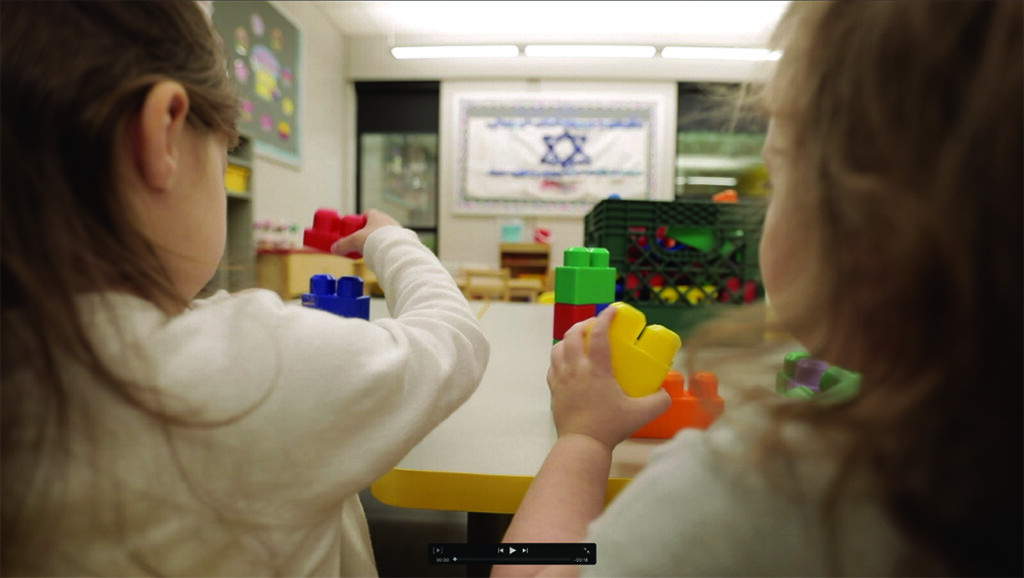
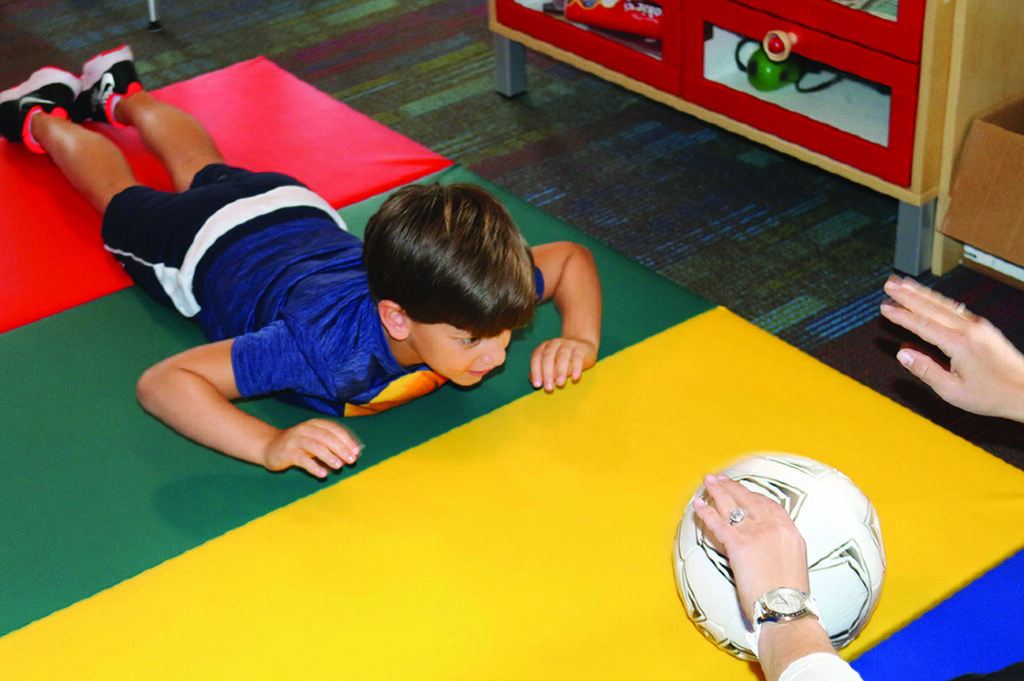
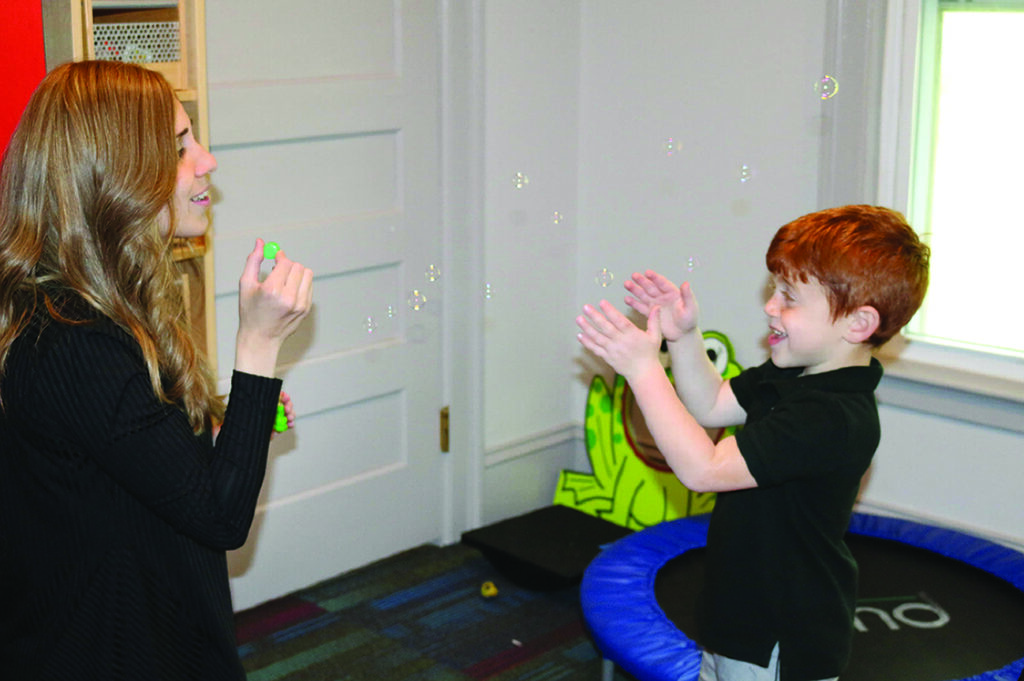
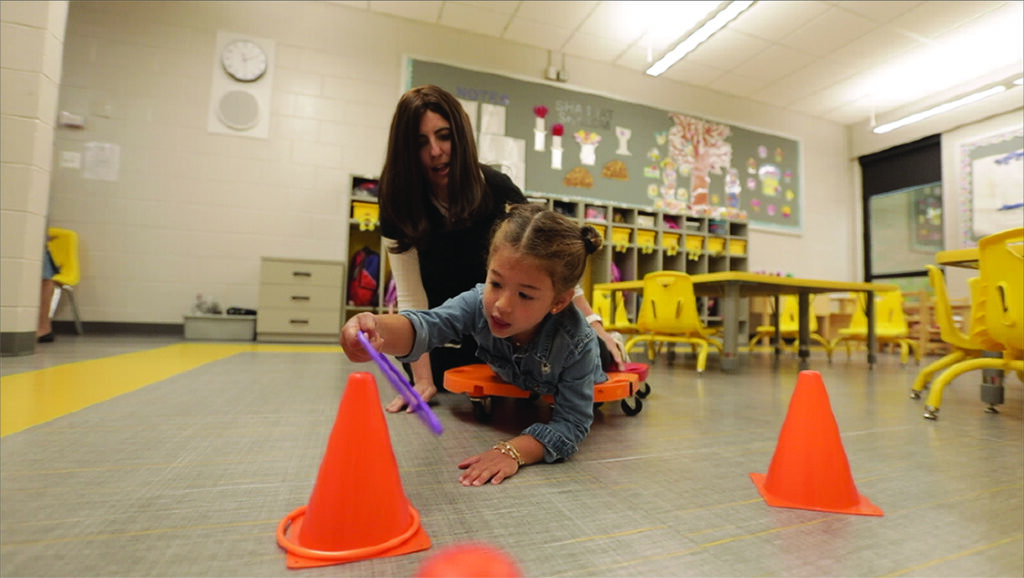
Bridgelinx works in partnership with the local yeshivot, servicing the students with Speech, Occupational Therapy and Social Behavior Services. Our therapists are there to guide and collaborate with teachers and administrative staff to ensure carryover and success in the classroom. Our team evaluates, sets goals and provides on-site therapy to students. Through personalized therapy and unwavering encouragement, we help students grow into their brightest selves.
Bridgelinx is unique in its non-profit model, working with many insurances, and offering scholarships for those in need. We are now servicing over 200 students in 4 local yeshivot with the needs and numbers continuing to grow.

Listed below are examples of some specific goals that each therapy targets.

Speech and Language
Auditory processing
Articulation
Following directions
Expressive language
Listening comprehension
Language skills

Occupational Therapy
Sensory integration
Fine motor strengthening
Core strengthening
Body awareness
Motor coordination
Hand-eye coordination

Social Behavior Therapy
Emotional Regulation
Executive Function
Organization
Social Skills
Following
Class Routine

Israel’s Historic Strike on Iran

A Bold Move to Defend the Future

For years, tensions between Israel and Iran have simmered just below the surface. But in a moment that reshaped the region’s balance of power, Israel launched a stunning, successful strike against Iran’s nuclear and military infrastructure. The operation, carried out with absolute precision, was not just a military maneuver—it was a statement of resolve and a reaffirmation of Israel’s commitment to protect its people and its future.

Israel’s Prime Minister Benjamin Netanyahu has long warned that Iran’s nuclear ambitions pose an existential threat—not just to Israel, but to global stability. For over a decade, he has sounded the alarm on international stages, presenting maps, documents, and intelligence evidence to support his claim that Iran was secretly working toward a nuclear weapon. World powers signed agreements and imposed sanctions, but Netanyahu remained firm in his message: Iran cannot be trusted. While some dismissed these warnings as political posturing, recent intelligence reports revealed just how close Iran had come. Their enrichment capabilities had advanced, secret facilities were discovered, and Israeli security services confirmed that the regime was within striking distance of developing a functional nuclear warhead.
Faced with the harsh reality that time was running out, Israel made its move. The surprise attack was swift, coordinated, and deeply rooted in world-class intelligence gathering. Behind the scenes, Israel’s Mossad and IDF worked together to identify the most critical targets, analyze Iranian defense patterns, and prepare for every possible outcome. In classic Israeli fashion—quiet, focused, and deliberate—the operation struck at the very heart of Iran’s nuclear network. Explosions rocked known and previously unknown facilities, paralyzing Iran’s nuclear progress and sending a clear message across the globe.
The brilliance of the mission wasn’t only in its execution, but in the secrecy and surprise that defined it. Iran’s military was caught completely off guard. Reports from the region indicate that radar systems were bypassed, communications were jammed, and defenses were neutralized before they had a chance to respond. Some officials in Tehran tried to minimize the damage in public statements, but satellite images and independent analysis confirmed otherwise: the operation was a resounding success.
This was not an act of aggression, but a necessary strike rooted in defense. Iran’s leadership has openly called for the destruction of Israel, funded terror organizations across the region, and pushed for dominance through fear and force. No sovereign nation could ignore such a threat, especially one that has survived multiple wars, suicide bombings, and rocket attacks. For Israel, acting preemptively wasn’t just a choice—it was an obligation.
Mossad’s role in the operation reminded the world why Israel’s intelligence agency is among the most respected and feared. Years of groundwork—tracking scientists, intercepting communications, planting surveillance devices—paid off. The operation was a masterclass in coordination and information warfare. And while Israel rarely comments on such missions publicly, the confidence shown by its leaders in the aftermath speaks volumes. This wasn’t just a blow to Iran’s ambitions—it was a reminder that Israel, even when surrounded by enemies, will never be a passive observer when its security is at stake.
Despite the injuries, loss of civilian life, damage to neighborhoods, and the ongoing threat of ballistic missile retaliation, citizens across Israel responded with pride and a renewed sense of unity. In cities like Tel Aviv, Haifa, and Jerusalem, there was a clear and widespread understanding: the government had acted decisively to prevent a far greater catastrophe. Parents tucked their children into bed with a bit more hope for the future. Soldiers stood taller, knowing their service had made a difference. Even within the often-divided Knesset, opposition parties set politics aside to publicly praise the government’s successful operation. And from around the world, both Jewish and non-Jewish supporters recognized the bravery it took to act when so many others remained silent.

F-15s have been Israel’s air force’s strike fist for many years

While the coming weeks may bring political debates and international posturing, Israel’s message is simple and clear: it will never allow another Holocaust. The Jewish people, scattered and slaughtered for generations, now have a homeland that stands up, speaks out, and acts when necessary. This mission wasn’t just about planes and bombs—it was about history, legacy, and the right to live in peace.
The future remains uncertain, and challenges lie ahead. But with this operation, Israel reminded the world that courage, clarity, and conviction still have a place in international affairs. Backed by unmatched intelligence, guided by a deep sense of responsibility, and driven by love for its people, Israel stood alone and stood strong—and history will remember it.

Seven Principles for Maintaining Jewish Dialogue

Using the Fast of Tammuz and the Three Weeks to Repair What Divides Us

Rabbi Lord Jonathan Sacks ZT”L

The Fast of Tammuz marks the beginning of the period of mourning in the Jewish calendar called the Three Weeks, leading up to the saddest day in the year, the Ninth of Av.

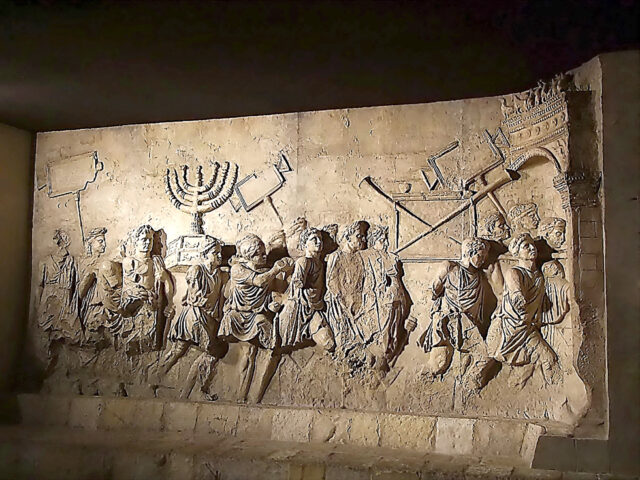
Twice Israel suffered defeat and exile. The first – the conquest of the northern kingdom followed a century and a half later by the destruction of the First Temple and the Babylonian exile – was a direct consequence of the division of the kingdom into two after the death of Solomon. The second – defeat at the hands of the Romans and the destruction of the Second Temple – was the result of intense factionalism and internal strife, sinat chinam.
Today, across the Jewish world, there remains much internal conflict. When individual Jews or groups of Jews have disagreements, as inevitably happens, we have to find ways to overcome them respectfully, to ensure we continue to thrive as a people.
To that end, I have set out below what I regard as seven of the key principles for maintaining Jewish dialogue. I hope some, or all of them, speak to you.
PRINCIPLE 1:
Keep talking,
even when you disagree.
The more you talk, the more you are likely to eventually find a way to work together.

PRINCIPLE 2:
Listen deeply to
one another.
Hear what your opponent is saying. Listening is profoundly therapeutic. It is also deeply spiritual. The good news about the Jewish people is that we’re among the world’s best speakers. The bad news is that we’re among the world’s worst listeners. This has to change. Shema Yisrael, the great command, means, “Listen, Israel.”
PRINCIPLE 3:
Always be humble and modest by striving to understand the point of view with which you disagree.
That was the way of Hillel. It remains the first rule of conflict management.

PRINCIPLE 4:
Never seek victory.
Never ever seek to inflict defeat on your opponents. If you seek to inflict defeat on your opponent, your opponent – such is human psychology – will seek to retaliate by inflicting defeat on you. The end result will be that even if you win today, you will lose tomorrow, and, in the end, everyone will lose. Don’t think in terms of victory and defeat. Think in terms of what is best for the Jewish people.

PRINCIPLE 5:
If you show contempt for other Jews, they will show contempt for you.
If you show respect for other Jews, they will show respect for you. If you seek respect, give respect.

PRINCIPLE 6:
Remember that the ultimate basis of Jewish peoplehood is “Kol Yisrael arevim zeh bazeh”, “All Jews are responsible for one another”.
We may not agree on anything, but we remain a single extended family. If you disagree with a friend, tomorrow he or she may no longer be your friend. But if you disagree with a family member, tomorrow he or she is still part of your family. Being a family is what keeps us together. We don’t need to agree with each other, but we do need to care about each other.

PRINCIPLE 7:
G-d chose us as a people.
He didn’t choose only the righteous; He chose all of us. It is as a people we stand before G-d, and it is as a people we stand before the world. The world doesn’t make distinctions, anti-Semites don’t make distinctions. We are united by a covenant of shared memory, shared identity, and shared fate, even if we have differing perspectives on our faith.
The Sages said that the Torah was given to make peace in the world. How can we, the Jewish people or the State of Israel, be at peace with the world if we are unable to live at peace with ourselves? Bear this in mind the next time you are tempted to walk away from some group of Jews that you think has offended you. We are each called on to make some effort, some gesture, to listen to one another, to forgive one another, and to stay together as an extended, almost infinitely varied family. That is the only ultimate tikkun for the echoing grief of the Three Weeks that has haunted our history, and reverberates still.

Rabbi Lord Jonathan Sacks ZT”L was an international religious leader, and philosopher. The author of over 30 books, Rabbi Sacks received multiple awards in recognition of his work. Sadly, he passed away in November 2020.

Read Jewish Image Magazine Online – July 2025

July 2025 Jewish Image Magazine

FROM SURFSIDE TO SUNNY ISLES

High angle view of Sunny Isles Beach city at sunset with expensive highrise hotels and condo buildings over beachfront on Atlantic shore. American tourism infrastructure in coastal southern Florida.

NAVIGATING FLORIDA’S REAL ESTATE WAVE

Roberta Gordon Esquenazi

Thousands of buyers have been flocking to South Florida for its warm weather, beautiful beaches, affordable homes, and lack of state income tax—especially since the pandemic. There’s been tremendous growth in both residential and business sectors. Interest from those seeking second homes or investment properties is at an all-time high.

At the same time, condos are struggling. Inventory is at an all-time high, and costs throughout South Florida are being driven up by stricter building regulations. Following the 2021 Surfside collapse, many long-neglected repairs are finally being addressed, with a proactive focus on safety. Monthly costs are escalating, and maintenance fees and insurance premiums are sky-high, causing some owners to sell. With inventory peaking and the post-pandemic boom fading, prices are beginning to soften.
That said, price corrections are not necessarily negative—they’re often a healthy way for the market to rebalance. Sellers are now more motivated due to increased inventory and the burden of elevated insurance costs. The buying frenzy has slowed sharply as mortgage rates remain high, which means more options and bargaining power for buyers.
So, is now a good time to buy? You might be able to take advantage of current pricing as sellers adjust to rising costs. Since demand drivers remain strong, lower prices may be short-lived—making this an ideal opportunity to invest in the property you’ve been considering.
Miami is evolving, and with that evolution comes a new wave of promising investment zones across South Florida. Here are a few standout neighborhoods currently capturing attention:
Surfside is becoming a rising star among buyers seeking charm, walkability, and a strong Jewish community. Elegant new developments, an abundance of kosher restaurants, and easy beach access offer a high quality of life for both families and seasonal residents.
Bal Harbour, long known for its exclusivity, is experiencing a new wave of interest with the upcoming arrival of the Magen David Sephardic Synagogue, set to become a central anchor for the community. With the Shops at Bal Harbour, five-star resorts, and luxury buildings, the area attracts buyers looking to combine faith and beachfront sophistication.
Sunny Isles Beach, sometimes called the “Florida Riviera,” is a stretch of oceanfront high-rises that offers dramatic views and luxury living. It’s perfect for international buyers, snowbirds, and those seeking the wow factor.
Aventura is a highly desirable, upscale neighborhood with a strong sense of community. Known for its beautifully maintained landscaping, world-class golf course, great restaurants, top-tier shopping, proximity to beaches, and the Safra shul, Aventura remains a popular choice for families.
With interest rates stabilizing and buyer confidence growing, there’s a window right now—a sweet spot—for serious investors and future homeowners to get in before the next price surge. Developers are scaling back on new projects due to rising construction costs, which could make existing luxury units even more valuable in the coming years.

WHY WORK WITH ME?
In a market as nuanced as Miami, experience isn’t optional—it’s essential. I’ve spent the last 40-plus years helping clients like you find not just properties, but smart investments. I know every floor plan in every building, ensuring the right view and the right fit for your goals. My network, insight, and negotiation skills can save you time, money, and stress.
Whether you’re looking for a vacation condo, a permanent move, or a high-return investment, I bring an insider’s advantage to every client interaction. If you’d like to learn more or schedule a consultation, feel free to call me at (305) 332-4440 or email me at Robertarealty@aol.com—I’m always happy to help. q

Aerial view of Miami Beach skyline.

Roberta Gordon Esquenazi, is a Realtor with over 40 years of experience specializing in luxury condos, home sales and rentals. Originally from Brooklyn, she’s passionate about South Florida living since 1982. Her goal is pairing people with the right property.

Summer Salads

Fresh, Flavorful, and Easy to Make

When the weather heats up and the days grow longer, heavy meals lose their appeal. Summer calls for fresh, vibrant, and satisfying dishes that are easy to prepare and a joy to eat. Salads—far from being just a side dish—can take center stage as a refreshing lunch, a light dinner, or a colorful starter that steals the show.

What makes a great summer salad? It starts with seasonal produce, bold flavors, and a balance of textures. Whether you’re hosting a backyard gathering, packing lunch for the office, or just craving something crisp and cool, these four standout recipes offer something for everyone. Each dish is made with care and highlights the clean, simple ingredients that make summer eating so satisfying.

Watermelon Cucumber Mint Salad
This hydrating salad is as cool as it gets.
Ingredients:

  • 4 cups diced seedless watermelon
  • 2 Persian cucumbers, sliced thin
  • ¼ cup chopped fresh mint
  • 2 tablespoons olive oil
  • Juice of 1 lime
  • Pinch of salt
  • 2 tablespoons roasted sunflower seeds (optional)
    Instructions:
    In a large bowl, combine the watermelon, cucumbers, and mint. In a small bowl, whisk together olive oil, lime juice, and salt. Drizzle the dressing over the salad just before serving and toss gently. Sprinkle with sunflower seeds for added crunch. Serve cold.

Roasted Chickpea and Corn Salad
Hearty enough for a main course, this salad is packed with fiber and flavor.
Ingredients:

  • 1 (15 oz) can chickpeas, rinsed and drained
  • 2 teaspoons olive oil (for roasting)
  • ½ teaspoon paprika
  • ½ teaspoon garlic powder
  • ¼ teaspoon ground cumin
  • 2 ears corn, husked
  • 1 cup cherry tomatoes, halved
  • ¼ small red onion, thinly sliced
  • ¼ cup chopped parsley
    Instructions:
  1. Preheat oven to 425°F. Line a baking sheet with parchment paper.
  2. In a shallow dish, mix Parmesan cheese, breadcrumbs, salt, and pepper.
  3. Brush flounder fillets lightly with olive oil.
  4. Coat fillets evenly with the Parmesan mixture, pressing gently to adhere.
  5. Bake for 12-15 minutes or until golden and flaky. Serve hot with lemon wedges.
Vegetarian avocado and beet salad in plate. Healthy vegan food.

Roasted Beet and Avocado Salad
Elegant, colorful, and filled with nutrients.
Ingredients:

  • 3 medium beets
  • 2 ripe avocados
  • 4 cups arugula or baby greens
  • ¼ cup toasted walnuts
  • ¼ cup pomegranate seeds
    Dressing:
  • 3 tablespoons olive oil
  • 1 tablespoon balsamic vinegar
  • 1 teaspoon maple syrup
  • ½ teaspoon Dijon mustard
  • Salt and pepper to taste
    Instructions:
    Preheat oven to 400°F. Wrap each beet in foil and roast for 45–60 minutes, until tender. Let cool, then peel and cut into wedges. Slice avocados and arrange on a platter with beets and greens. Sprinkle with walnuts and pomegranate seeds. In a small jar, shake together olive oil, balsamic vinegar, maple syrup, mustard, salt, and pepper. Drizzle over the salad just before serving.

Each of these salads offers a burst of freshness and creativity that feels just right for summer. Whether you lean toward sweet and juicy or smoky and savory, there’s something here to suit your table—and the season.

fresh israeli salad in bowl

Citrus Israeli Salad
A fresh twist on a classic favorite.
Ingredients:

  • 2 medium tomatoes, diced
  • 2 Persian cucumbers, diced
  • 1 red bell pepper, diced
  • ¼ small red onion, finely chopped
  • 1 tablespoon chopped fresh dill
  • Juice of ½ orange
  • Juice of ½ lemon
  • 2 tablespoons extra virgin olive oil
  • Salt and pepper to taste
    Instructions:
    In a large bowl, mix the tomatoes, cucumbers, bell pepper, onion, and dill. In a small bowl, whisk together the orange juice, lemon juice, olive oil, salt, and pepper. Pour the dressing over the salad and toss to combine. Let sit for 10 minutes before serving to allow the flavors to blend.

Trump Blew Openthe Overton Window

Linda Argalgi Sadacka

For decades, American presidents tiptoed around the Israeli-Arab conflict, recycling the same tired talking points about a “two-state solution,” pretending the Palestinian Authority was a legitimate peace partner, and turning a blind eye to the corruption, incitement, and terror coming out of Gaza. Then came Donald J. Trump—and the Overton Window shattered.

In case you’re unfamiliar, the Overton Window is a political theory that defines the range of acceptable discourse in public policy. What can be talked about. What can be considered. What’s “mainstream” and what’s “radical.” For decades, even to suggest that Gaza might one day be demilitarized or that the Palestinians could be absorbed by other Arab states was considered taboo. The Overton Window was tightly shut, bolted, and guarded by the foreign policy establishment, media elites, and the usual “peace process” parrots. Trump changed all that.
From Embassy to Abraham:
Trump’s Historic Recalibration
Let’s be clear: Trump didn’t just move the window. He blew it wide open and threw out the stale furniture. He started by doing what every president promised but never delivered: moving the U.S. Embassy to Jerusalem. The foreign policy class screamed it would spark World War III. It didn’t. It sent a message instead: America recognizes reality, and Jerusalem is Israel’s eternal capital.
Then came the Abraham Accords. One by one, Arab states began normalizing relations with Israel—not because of some pie-in-the-sky peace pipe dream, but because of strength, shared security interests, and economic opportunity. Trump demonstrated that peace in the region didn’t require bending over backwards to appease Hamas, the Palestinian Authority, or the terror-supporting infrastructure of Gaza.
He effectively sidelined the Palestinians—not out of malice, but out of clarity. You can’t build peace with people who glorify murder, raise their children to hate, and refuse to recognize your right to exist. Trump treated the Middle East like the real world, not a State Department simulation. And the region responded in kind.

The Gaza Wake-Up Call and the “Unthinkable” Conversation
Fast forward to October 7, 2023. Hamas—the terror government of Gaza—launched the most horrific massacre of Jews since the Holocaust. Babies burned alive. Women raped and paraded through the streets. Families executed in their homes. And yet, astonishingly, many in the West still clung to the fantasy of “Palestinian liberation” as a noble cause.
But for millions of people around the world, something clicked. The mask came off.
And suddenly, things that were once “unthinkable” are being openly discussed.

  • That Gaza should be cleared of Hamas permanently — with no “day after” scenario that includes putting the Palestinian Authority back in charge.
  • That the residents of Gaza—most of whom voted for Hamas and support terrorism—might need to be resettled in other Arab states.
  • That maybe, just maybe, the so-called “Palestinian cause” has been a decades-long political weapon wielded by the Arab world to delegitimize Israel and destabilize the region.
    This conversation would have been impossible ten years ago. Even five. But Trump’s presidency, his unapologetic support for Israel, and his willingness to treat the region like the strategic chessboard it is—not a fantasy novel—paved the way.

Arab States: No Longer Buying the Palestinian Myth
Here’s the kicker: some Arab nations are now more openly expressing what they used to only whisper behind closed doors—that the Palestinians have been given chance after chance, and instead of building, they’ve destroyed. Instead of peace, they’ve chosen terror.
And while leftist Western elites cry crocodile tears for Hamas, many Arab countries are showing a different calculus: they’d rather focus on progress, not perpetual war. The Abraham Accords were the beginning. What’s coming next could be even more transformative—if the window stays open.

Trump’s Doctrine: Clarity Through Strength
Trump’s gift wasn’t just policy—it was permission. He gave Americans—and the world—permission to say what they knew deep down was true: that Israel is the moral actor in the Middle East, that peace doesn’t come from appeasing terrorists, and that national sovereignty and unapologetic strength are not only acceptable—they’re necessary.
He forced the conversation out of the shadows and into the light. He normalized what was once off-limits. And while the D.C. class clutched their pearls, the world began to move on—from the broken Oslo frameworks, from empty U.N. resolutions, and from the lie that Israel is the obstacle to peace.

The Path Forward
As we watch new alliances form and old myths crumble, we owe it to ourselves to keep the Overton Window wide open. Trump made it possible to talk about real solutions to an intractable conflict—and one of those solutions may very well include encouraging Arab states to finally take responsibility for the decades-long political pawn that is the Palestinian cause.
The road ahead won’t be easy. But if we want a safer, saner Middle East, we can’t go back to the old rules. Thanks to President Trump, we don’t have to.

Linda Argalgi Sadacka is a political strategist, writer, and CEO of the New York Jewish Council. She serves as lead strategist for World Likud and is a candidate in the ZOA Coalition for the World Zionist Congress elections. A passionate advocate for Jewish and conservative causes, she is also the founder of Chasdei David, a nonprofit. Follow her on Instagram @lindaadvocate

Why It’s Time to Make Fiberthe Main Character in Your Health Journey

Vintage photo, Inscription fiber and crunchy muesli containing natural vitamins and minerals, concept of healthy lifestyle, food and nutrition

Laura Shammah MS, RDN

Walk down any grocery store aisle, and it’s clear: protein is the star of the show. From high-protein yogurts to protein-packed waffles and bars, it seems everywhere you turn, you’re reminded to eat more. And while protein is absolutely important for building muscle, boosting immunity, and keeping you energized, there’s another powerhouse nutrient quietly waiting for its moment: fiber.

High Fiber Foods. Healthy balanced dieting concept. Top view

It’s time to give fiber the spotlight it deserves — because your gut, your heart, your blood sugar, and even your longevity depends on it.

Fiber vs. Protein:
Why the Shift Matters
Don’t get me wrong: protein is critical. But the truth is, most people are already overachievers when it comes to protein, often exceeding daily needs without even trying. On the flip side, fiber intake is alarmingly low: about 90% of women and 97% of men aren’t meeting the recommended daily amount (25 grams for women, 38 grams for men).
That’s not just a small miss — it’s a big health red flag.Fiber supports gut health, digestion, blood sugar regulation, cholesterol levels, and even longevity.

How to Tell If You’re Running Low on Fiber
If you’re like most people, you might not even realize your body is begging for more fiber. Some signs include:

  • Constipation or irregular digestion
  • Frequent bloating or GI discomfort
  • Blood sugar highs and crashes
  • Higher cholesterol levels
  • Feeling hungry again soon after eating
    And even if you don’t feel any symptoms, chances are, you’re still not hitting your fiber goals. The good news? It’s easier to fix than you might think.

Easy High-Fiber, High-Protein Meals
You’ll Love
Upping your fiber doesn’t mean sacrificing your beloved protein — the two can work beautifully together. Here’s a day’s worth of inspiring meal ideas:

Breakfast: Smoothie with Greek yogurt, frozen blueberries (4g fiber), spinach (5g), tahini (1g), and flaxseed meal (2g).

High-Fiber Power Bowl
Base:

  • ½ cup steel-cut oats, cooked (4–5g fiber)
  • 1 tbsp chia seeds (5g fiber)
  • 2 tbsp ground flaxseed (4g fiber)
    Toppings:
  • ½ cup raspberries (4g fiber)
  • ½ sliced banana (1.5g fiber)
  • 1 tbsp almond butter (2g fiber)
  • Dash of cinnamon
    Optional:
  • Add 1 tbsp hemp seeds or a scoop of plant-based protein powder
  • Use unsweetened almond milk for moisture

Lunch: Quinoa bowl with chickpeas (3g), roasted broccoli (4g), walnuts (1g), and grilled chicken.
Or build a power salad with greens, two cups of veggies, beans, avocado, and a protein of your choice to get 15+ grams of fiber in one meal.

Snack: Crisp apple (4g) with creamy almond butter (2g).

Dinner: cauliflower (3g) Grilled salmon with roasted potatoes (3g) – eat carbs last 
Build a power salad with greens, two cups of veggies, beans, avocado, and a protein of your choice to get 15+ grams of fiber in one meal.

Simple Tips
to Boost Your Fiber Naturally
Adding more fiber doesn’t have to be overwhelming. Start with a few small changes:
Add at least one plant-based food to every meal.
Embrace variety: fruits, veggies, legumes, nuts, seeds, and whole grains are all fiber-rich heroes.
Swap refined grains (like white bread) for whole grains (like farro, bulgar, and quinoa).
Read labels and aim for 5g or more of fiber per serving whenever you can.

A Word to the Wise: Take It Slow
If you’re ramping up your fiber intake, be kind to your digestive system. Increase fiber gradually and drink plenty of water to help fiber move smoothly through your system so you avoid bloating or discomfort.

The Bottom Line
Protein and fiber are both essential to a healthy, thriving body — but chances are, fiber needs more of your attention right now. By making fiber a main character in your meals, you’ll unlock better digestion, steadier energy, improved heart health, better blood sugar control, and greater satisfaction with every bite.
In a world that’s obsessed with protein, choosing fiber is a powerful, quiet rebellion — one that could just transform your health for the better.
Give fiber the star treatment. Your body will thank you.

Laura Shammah MS, RDN specializes in eating disorders but has clientele that run the gamut from people dealing with PCOS, infertility hypertension, high cholesterol, Crohn’s disease, diabetes and cancer. She also helps clients who run in marathons, are pregnant and those who would like to lose or gain weight in a healthy way.