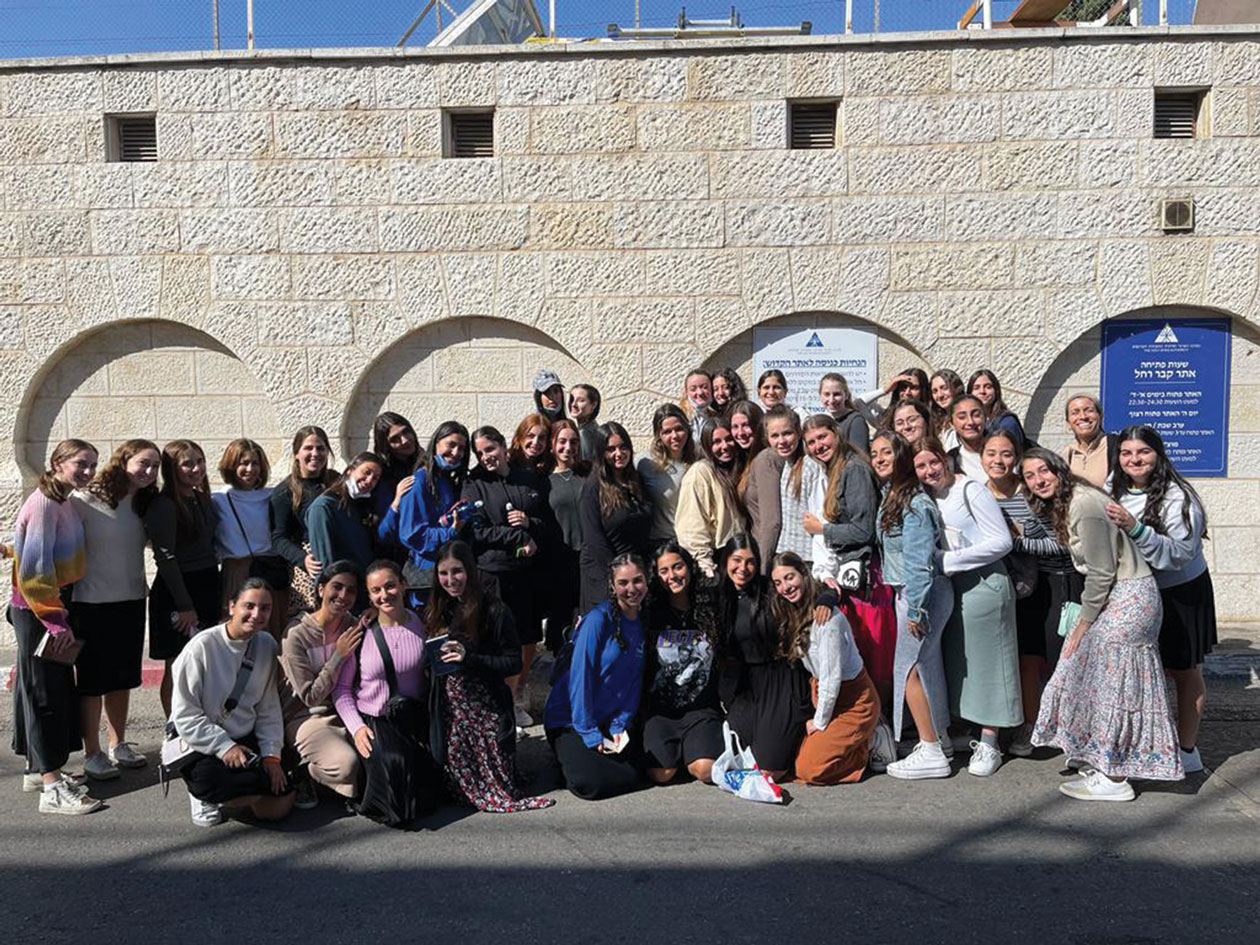
NOW IN ITS 13TH YEAR, MIDRESHET ESHEL IS LITERALLY BURSTING AT THE SEAMS! WE BEGAN THE YEAR WITH 40 STUDENTS JOINING US FROM NY, NJ, MIAMI, LOS ANGELES, DALLAS AS WELL AS LONDON, GIBRALTAR, MEXICO, BRAZIL, VENEZUELA, AND OTHER PLACES AROUND THE WORLD. WHILE THE STUDENTS COME FROM A VARIETY OF PLACES THEY SHARE A COMMON GOAL: TO LEARN, GROW AND DEVELOP INTO THEIR BEST SELVES!
Tucked away in the picturesque alleyways of the Old City, just a few minutes walk from the Kotel, stands the impressive Midrasha building with breathtaking views overlooking Har HaBayit, Har HaZeitim and Midbar Yehuda. Through the generosity of community members Ezra Ashkenazi, Harry Adjmi, Harold Shamah and Stanley Chera A”H, the Midrasha was able to purchase the building they have called home for the last 11 years.
“So far my experience at Eshel has been full of growth, new friendships and a stronger connection with Hashem,” said Ruthy Dwek, graduate of Flatbush. “In just two months I already feel the impact Eshel has had on me.”
Students challenge themselves on a daily basis to explore, clarify, and solidify their understanding of—and commitment to—Torah and mitzvot. Subjects such as Tanakh, Tefila, Halacha and Jewish Philosophy are complemented by classes on Character Development and Healthy Communication. “All classes in the Midrasha are based on three fundamental relationships,” explained Miriam Tawil Founder and Director of the Midrasha. “The relationship the student has with G-d, with others, and with herself.”
Rita Scaba, another Flatbush graduate described her experience there, “Eshel is helping me grow so much as a person and as a Jew. I feel like I’ve already come so far in such a short time and can’t wait to continue!”
Away from the familiar comforts of home, Dr. Hila Aboody nurtures and supports students as their Em Bayit (house mother) while stimulating them intellectually with classes such as Mishlei, Living Inspired, and Marriage. “Both inside and outside the classroom it is truly wonderful seeing how these young women transform from high school students to independent young women. They have learned so much about themselves and how to positively impact their families and communities,” Dr. Aboody observed.
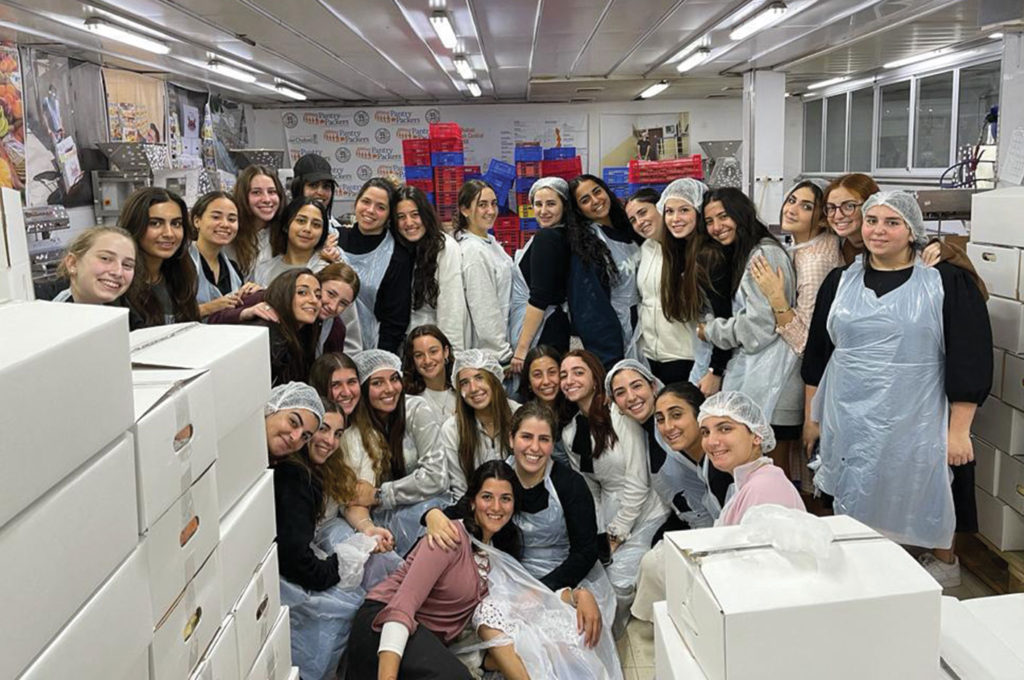
Alongside the rigorous learning schedule which runs Sunday through Thursday, from 9 a.m. to 9 p.m., students are given the opportunity to volunteer to do various hesed projects. “I’m so grateful for the opportunity to volunteer at the One Family Fund,“ stated Sarita Esses. She continued, “The kids are amazing and so excited when we come. I love seeing the smiles on their faces when we get there.”
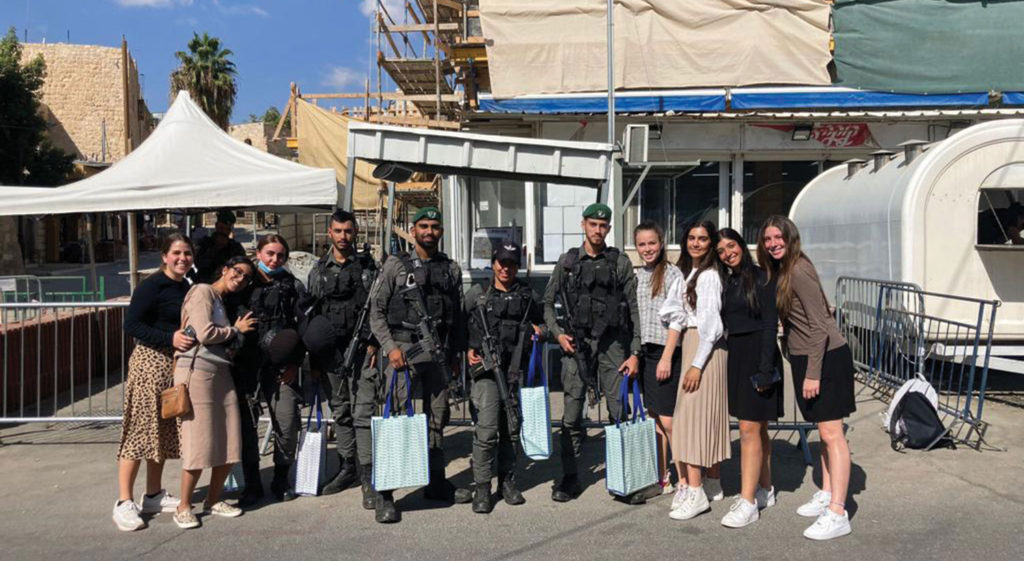
The program at Midreshet Eshel would not be complete without the many hikes and day trips taken throughout the country. Students have enjoyed hiking in Yad Kennedy, Ein Gedi and swimming in Nachal Hakibbutzim. Community expert tour guides Adele (Chabot) Tawil and Rabbi David Zeit have led walking tours in the Jewish Quarter, The City of David, and Hebron. Monthly Shabbatonim spent with teachers in cities all over the country such as Sefat, Teveria, Mizpe Ramon and the Golan are a definite highlight of the program.
This year, a shana bet (second year) program for returning students, has been created to take our students to a whole new level. Students in the first year program benefit from the experiences of second year students, while second year students begin to actualize their leadership skills, as they learn one-on-one and in small groups. They are able to initiate and lead student activities. Alicia Matsas enthused, “My first year at Eshel was so meaningful I decided to return for shana bet. The learning and deep friendships I have formed with first year students have been so inspiring and mutually impactful.”
Alumni feel the impact of their experience long after it is over. According to Sarah Frastai, “Being in Eshel taught me that my life has a purpose. Eshel was the biggest life changing experience for me—and I will never forget it.” Mazal Zami of Ilan continues to maintain her deep connection to the Midrasha, stating, “Eshel is my home in Israel.”
Recruitment for September 2022 is well underway as applications have started amassing. One Israeli advisor already warned, “It’s time to expand again!”
It is our hope that more students from the community, as well as from Sephardic communities around the world, come and discover “the magic of Eshel.”
For more information please visit www.sephardicseminary.org.
Experienced educator, administrator, wife and mother. Mrs. Miriam Tawil is a caring and passionate educator. MS Jewish Philosophy, Revel Yeshiva University. MS Jewish Education Azrieli, Yeshiva University. Past Chair Jewish Philosophy Dept. Magen David Yeshivah H.S. and Executive Director of Barkai Yeshivah.
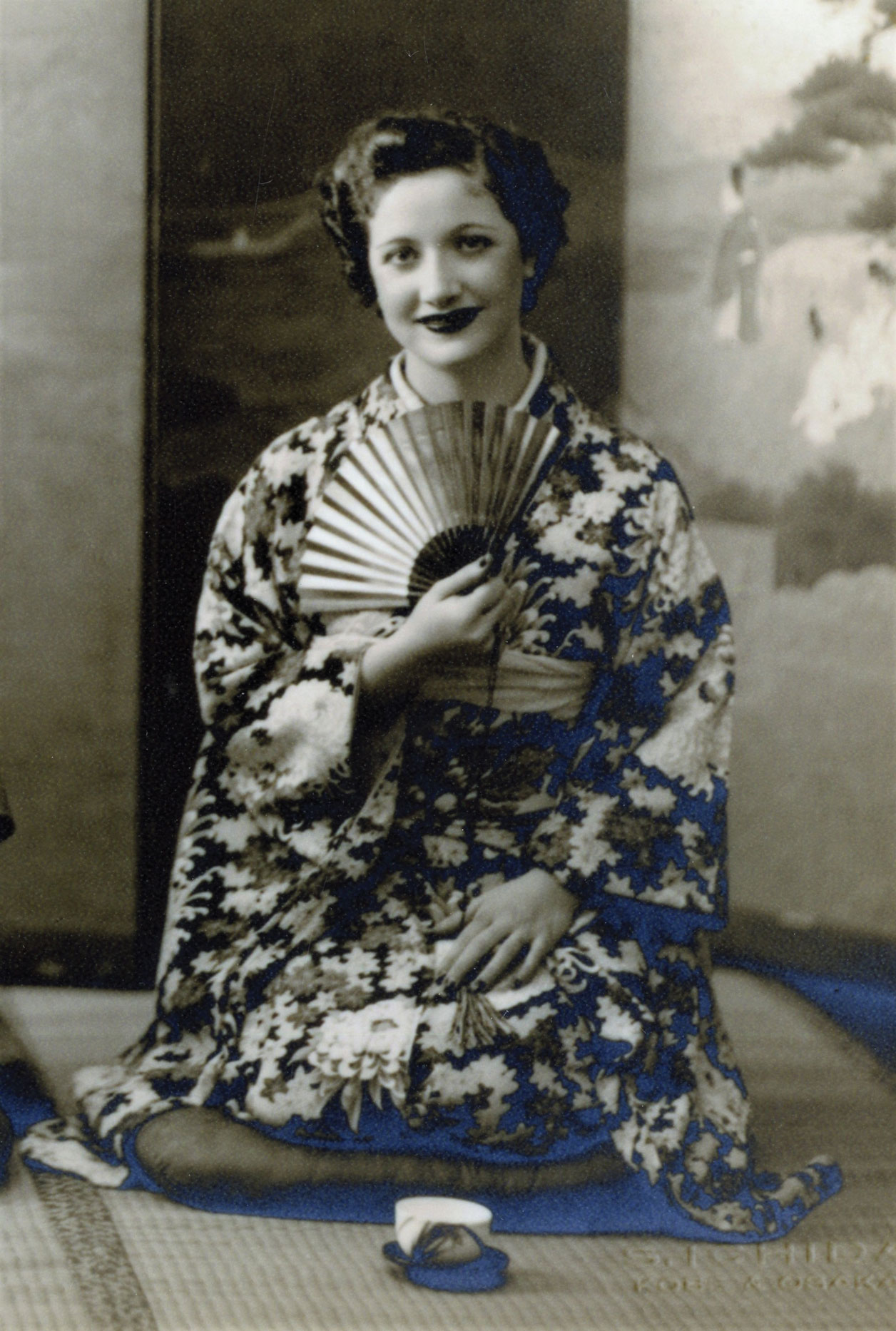
HAD YOU SEEN LUCIE CHOUEKE FROM ALEPPO, SYRIA ENTERTAINING THOUSANDS OF JAPANESE GUESTS ON A TYPICAL SUNDAY IN KOBE, SHE WOULDN’T HAVE APPEARED OUT OF PLACE. IN FACT, AFTER 84 YEARS IN JAPAN, MANY OF HER STRONGEST FRIENDSHIPS WITH PEOPLE OF DIFFERENT NATIONALITIES AND FAITHS BEGAN THERE BEFORE WORLD WAR TWO. WOMB OF DIAMONDS: A TRUE ADVENTURE FROM CHILD BRIDE OF SYRIA TO CELEBRITY BUSINESSWOMAN OF JAPAN TELLS THE STORY OF A UNIQUE PERSON SHAPED BY MANY CULTURES.
According to Lucie’s grandson, Ezra Choueke, he didn’t write this book to alleviate boredom or to assuage feelings of guilt. Lucie was in her mid-eighties and he was in his early thirties but they actually had a lot in common. She was operating three very profitable businesses and even Tony Soprano would have called her a “good earner.” Ezra was in China, working in manufacturing, and was incredibly stressed after a few years of 90 plus hour work weeks. As he barely had time for vacations, the short trip between Shenzhen and Kobe was a welcome distraction. She could tell Ezra had a lot on his mind. Therefore, after her usual questions confirming the health of the company, she changed the subject.
Most have questions about their grandparents and Ezra was no different. But in his case, there were a few glaring questions that even the most apathetic grandchild would have a difficult time ignoring. Why wasn’t Tetta (grandmother) a Syrian or Japanese citizen? Since Japan was a member of the Tri-Partite pact during World War Two, why wasn’t she killed? Why did thousands of people visit Tetta every week and why was she in those magazines? As the questions continued, the answers got more circuitous. They discussed much more than the obvious, like how to efficiently remove bugs from rationed rice, how to run a profitable black market enterprise, how expats honorably left their cheating spouses or untangled friends from difficult relationships, how only a woman can really appreciate an eight millimeter pearl, and the real reason many young bachelors were sent to Japan.
Lucie discussed how she came of age in the 1930s Jewish community of Aleppo, and at thirteen years old worked beside Muslims, Armenian Christians, and the French military. She fondly related how chickpeas were used instead of wedding invitations, where their pistachios were dried, indiscreet tales of the bathhouse, the magical properties of the souk, and tests for her marriage value involving goats and other barometers. She explained how she was tricked into an engagement with a 29 year-old man, as well as all the drama and emotional scarring that accompanied it.
Lucie detailed her introduction to Japanese culture in 1936, while she excelled as a partner in a dynamic international trading business. Soon however, with the arrival of World War II, everything she had built was threatened by American bombs, clever spies, Nazi sympathizers, food shortages, and snakes. She was unable to withdraw from the pressures though, as the Jewish community of Kobe needed to work together to save thousands of refugees from Europe.
Later in her life, Lucie became a very successful businesswoman and loved nothing more than to help others start their own enterprises. She doesn’t communicate this knowledge with the vaguery of a hedge fund manager on CNBC. Rather, she tells you how “roasting a chicken in its own fat” applies to property management. She uses humorous stories from Syria and Japan to explain how things get done.
While this book is about Lucie’s adventures, it is also the story of many Sephardic grandmothers born around this time period. It touches on the difficulties of being a woman in Arab cultures, the joys of the simplicity of life, and the amazing transformations many women underwent after their migrations to more open societies.
The appendices of the book follow the story of the Jews of Japan for the last ninety years. Lucie, as the last remaining Japan resident of the former Sephardi community of Kobe, adds her remembrances to the written record.
As for Ezra, the 15 years of Sundays they worked on this book, gave him a new appreciation of her strength. There were many times he was skeptical of what he was hearing. At one point, he took a break from their interviews and researched various historical subjects to fact check the details of their discussions. Ezra’s research only confirmed her stories.
Eventually, it came time for them to take separate journeys, but the anecdotes, lessons, history, and laughter are recorded in this book. They hope it reminds readers of the days Jews loved Aleppo. They hope it communicates the good intentions of their Japanese friends, but most of all, they hope it helps a few understand where they came from. As for Ezra, after writing this book, he understands why he was so drawn to Lucie’s story, why thousands of people visited her each week, and he cherishes every moment they spent together.
THE AMAZING PEOPLE BEHIND THE SCENES HELPING SINGLES MEET
SARINA ROFFÉ
“MATCHMAKER, MATCHMAKER MAKE ME A MATCH, FIND ME A FIND…” THE WORDS FROM THE FIDDLER ON THE ROOF SONG, ALTHOUGH BRILLIANT, PROJECT THE FEELING THAT MATCHMAKING IS AN OLD-FASHIONED, OUT-OF-SYNC WAY FOR SINGLES TO MEET. THE STEREOTYPE IS FAR FROM THE TRUTH.
An army of about 70 volunteer matchmakers in the community, empowered by Instagram posts that have made matchmaking cool not only among the more religious, but for everyone, are unsung heroes toiling to help people meet. People—young, old, single or divorced, religious or modern—are using the skills of trained matchmakers in the community.
This public stance about matchmaking—helping people who want to be married find their soulmates—has given Odette Rishty and others like her, more couples to help. With each matchmaker handling hundreds of cases, there has been overwhelming demand.
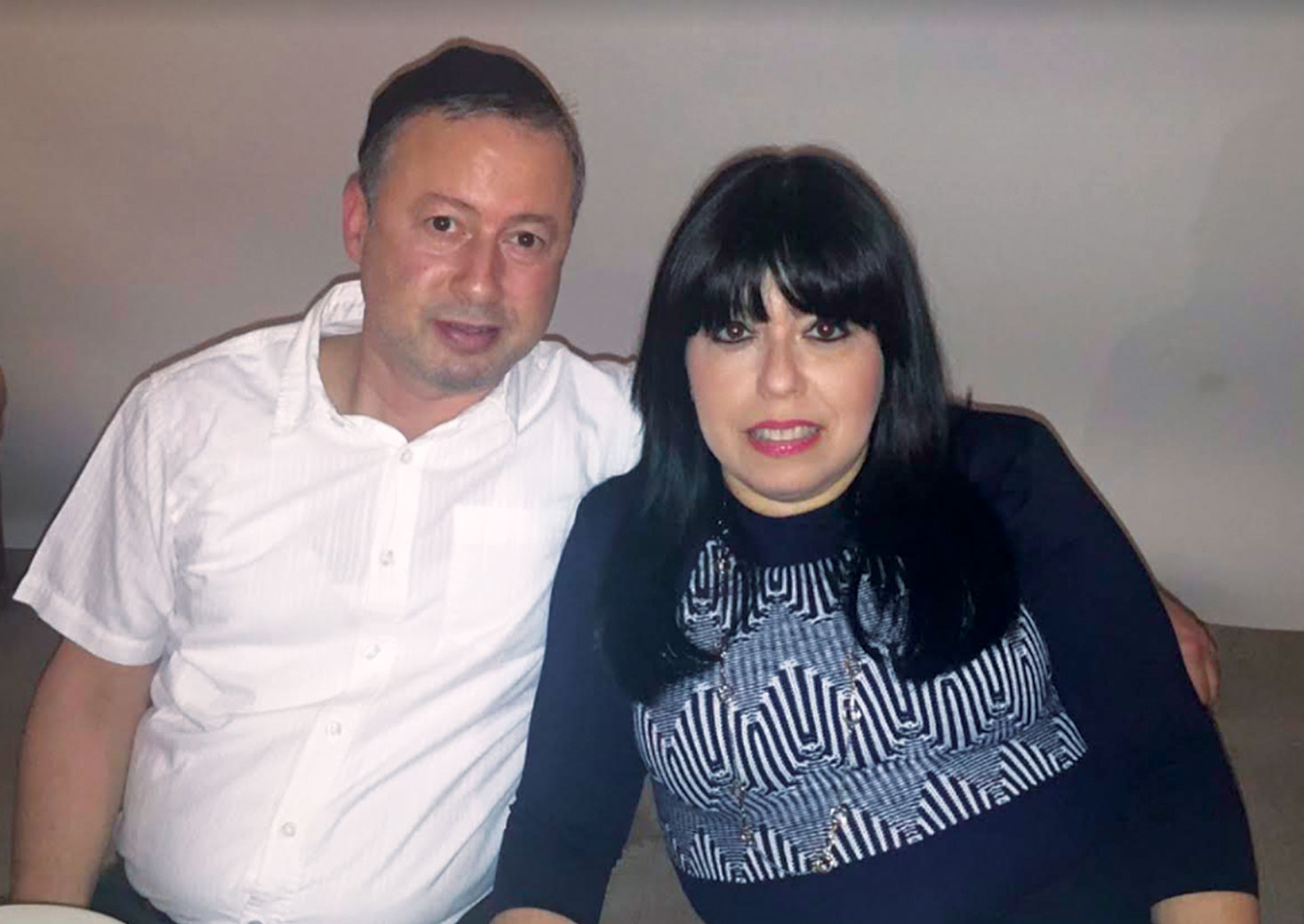
Now working behind the scenes for about 25 years, Odette’s hesed has helped more than 40 couples meet and marry. She connects with people on her Instagram account @itsallagift, on the phone and in person. Singles reach out to Odette and the other matchmakers by emailing shaarezionconnect@gmail.com.
Odette described one couple she interviewed and helped. “These were two modern Orthodox 22-year-olds in jeans and leather jackets. Joe (fictitious name) wanted my help and his friend said he only came along for moral support, but asked to be interviewed once he saw Odette’s style of welcome and getting to know them. It took a few introductions, and Joe met his nasseeb (soulmate).
”As it turned out Joe’s friend let’s call him B said he had someone he was interested in. Months went by and suddenly Odette found out that B had broken it off with the girl over a religious infraction. Odette realized B had a more serious side to his personality than was visible through the intake interview. She got a call from another matchmaker about an intelligent educated girl. She called B, to ask if he would meet her and he agreed. Before she knew it, they married. You never know!
“I think of it as gourmet dating,” said Odette, who is an excellent listener, gets to know each person well, and comes to understand what they are looking for in a life partner. She even makes date suggestions. Ultimately the match is coming from Hashem and sometimes Odette gets some insight that allows her to be a partner in the process of helping two people find each other.
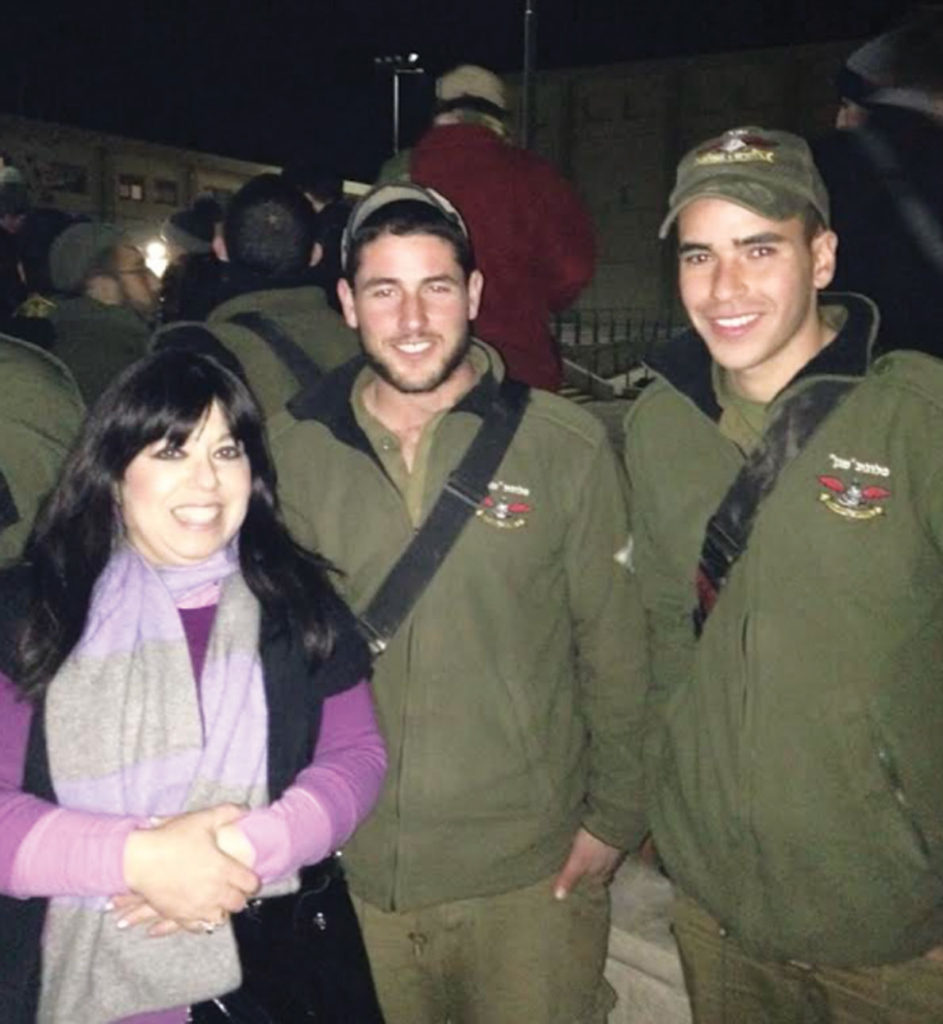
Odette brings Israeli soldiers food
“There are many singles in the community who want to be married. We are here for them, and it is the only reason I do what I do,” she said. “There are thousands more singles than there are matchmakers. We work with each individual no matter what is going on in our own lives. We don’t tell the person we are answering their call from a hospital bed, or from a family vacation, or while spending time with our own children.”
Odette’s style developed under the guidance of several rabbis who influenced her life—Rabbi David Cohen, Rabbi Shlomo Churba, Rabbi David Ozeri, Rabbi Moshe Kuessous A”H, Rabbis Max and David Maslaton. “The continuing guidance of community rabbis is needed to understand the needs of some couples,” she said. “The rabbis including Hakham Baruch A”H and Rabbi Shaul Kassin A”H always extended themselves above and beyond to me personally for the singles. This impressed upon me early on the chashivoot (importance) of the matter.”
Relationships can best flourish when they are based on shared values and vision. The matchmakers help people identify their values and meet a like-minded soulmate. Sometimes the person has a personal issue that hinders the process, and the matchmakers help the person identify and overcome the issue. The more open the person is, the easier it is to help them find a match.
The community matchmakers have their own network. They meet, they speak on the phone, they keep a database of singles, of their likes, their dislikes, and information about them that will help other matchmakers put people together. Each of them is a volunteer, helping couples in their spare time. They each have families and some also work full time.
Odette began matchmaking by accident when she was married with two children. Then in her mid-20s, she had a single friend. “In those days no one went to a matchmaker, except the more religious.” She heard about a meeting for matchmakers and went, towing her son along in his car seat. All she wanted to do was describe her friend and get her on their radar.
“As I sat there, I heard them describing people and then I realized I knew a guy for one of the girls they were speaking about. They had a list, but they didn’t know the people I knew. At the time, I was more modern so the people I knew were not on their radar,” said Odette. “I knew people who would never go to a matchmaker. So, they told me I had to keep coming.”
That couple got married and then the other matchmakers ‘trained’ her on how to interview people and other nuances, such as not setting up a Cohen with a divorced girl. “There was a lot to think about,” she said. “It took time. They were patient and loved that I had names of people they didn’t have. A new name is exciting to someone who is single. Before I knew it, I was making match after match.”
Odette, like the other matchmakers in the community, spends hours on the phone, interviewing potential mates and trying to find the right fit for each person. They want to give people hope that when they call, tthey will have a date that takes into account at least some of their ‘wants.’
Odette visiting her son in Israel and taking his yeshivah friends out to dinner
“When I meet a person, I listen to them and make sure they know I hear everything they say, it validates what is on their list and encourages them. The client needs to think that I want for them what I want for my own child,” she said. “I want people to know I am thinking of them and not to give up, no matter how old they are. I’ve literally matched many in the older age groups who had felt like it was never going to happen.”
Respect for them is important to me, and I always work from that point of view. If I begin a communication in a text, I always ask how they are, if they are seeing someone and then speak to them. I don’t give them another suggestion if they are seeing someone because that really could cause confusion,’’ she said.
Some of the matchmakers deal with specific age groups, or religious levels; some have a bigger list, while others are younger and in training. Sometimes Odette might host a mixer for people to meet. Odette even found matches for two of her four children!
Odette does other volunteer work as well. She was a captain for Sephardic Bikur Holim, taking on a family in need and working side-by-side with the social worker to be sure they got what they needed to get on their feet. She is also a Mitzvah Man volunteer, visiting Holocaust survivors and the sick. Working with David Assis in the new community organization, Osehshalom.world, Odette tries to make peace between people who are not speaking to each other.
When she was asked where her drive to help others came from, she said “My parents, Ezra and Adela Tebele A”H, who were giving people and taught us to look out for others’ needs and help people. “Many times, when I was a child, and walking with my father in Manhattan, we saw a homeless guy on the street. My father would buy him a hot chocolate and a sandwich and put it next to him. It made a big impression on me and taught me not to fear people who were different from me. My mother had the warmest personality; everyone who came close to her was mothered. I learned from their example that giving was everything!
Odette’s biggest cheerleader is her husband of three decades, Elliot Rishty. Along the way Elliot made his own match! One night, he watched Odette interview a girl and after she left, said she’d be perfect for the brother of someone at his synagogue. The rest was history!
Odette helps Elliot and his partner in their jewelry and gift business. One of her tasks is handling the Instagram posts which she says isn’t such a task but more a labor of love. Because connecting with people in a heartfelt way is a part of her. Instagram has helped forge many more warm connections.
“I guess it’s important to tell Image readers that I have matched every religious level and type but I connect especially well with mainstream singles or ones who grew religiously more recently, because I grew up just like them and understand how difficult it is to even fathom needing a matchmaker’s help,” she said.
“It’s a nice feeling to be appreciated for what we do or when we make a match, but the best feeling is when I watch our community’s young and mature adults walk down the aisle with that beaming smile.”
A genealogist and historian, Sarina Roffé is the author of Branching Out from Sepharad (Sephardic Heritage Project, 2017), Sarina holds a BA in Journalism, and MA in Jewish Studies and an MBA.
LUCKILY, A BEAUTIFUL DAY DAWNED ON SUNDAY OCTOBER 3, 2021, WHICH WAS JUST PERFECT FOR THE NEW AND INNOVATIVE HILLEL YESHIVA CARNIVAL ON THE BOARDWALK. THE PTA WANTED TO BEGIN THE YEAR WITH AN ACTIVITY THAT WOULD BE EXCITING AND FUN. THE PLANNERS BRAINSTORMED AND CREATED A BOARDWALK DAY. OVER 250 FAMILIES FROM DEAL, BROOKLYN AND OTHER SHORE COMMUNITIES JOINED THE FESTIVITIES AT THE JCC OF THE JERSEY SHORE.
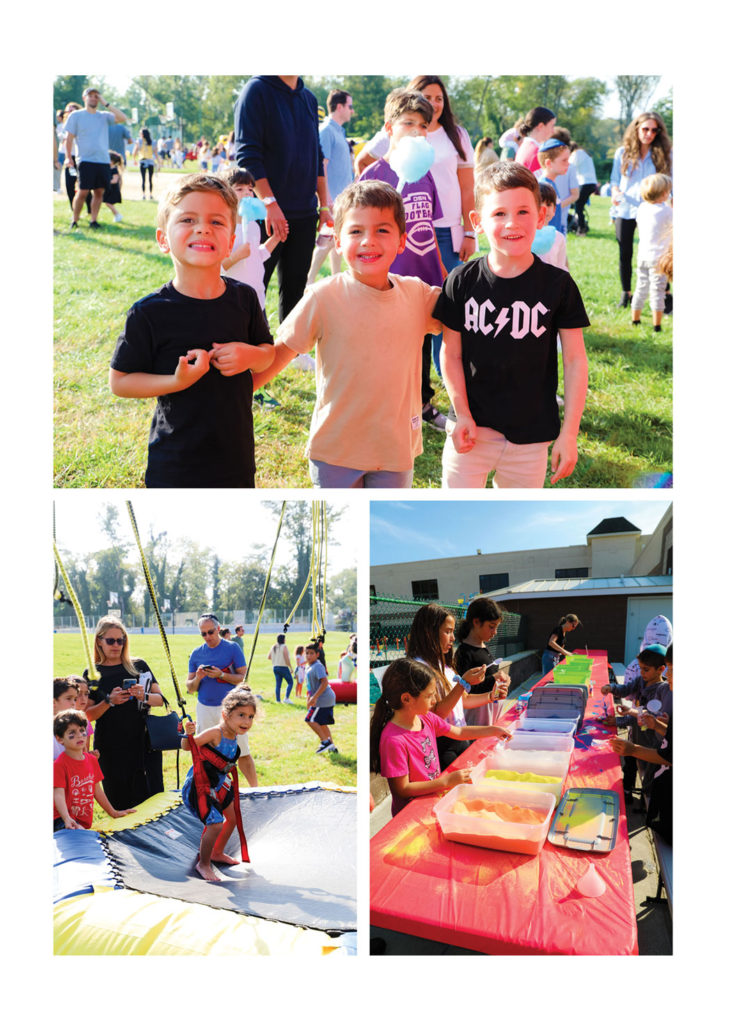
The atmosphere was electric as more and more families arrived to participate in the games and crafts. There was an activity for every age from trampoline bungee jumping, bouncy obstacle courses, a blow-up soccer field, velcro kickball, a mini train, face painting, sand art, carnival games and more. A DJ kept the crowd jumping with upbeat music.
A Hillel Yeshiva Middle School Knockout Basketball Tournament preceded the event. The winners were excited to receive prizes and all the students were thrilled to be able to enjoy the boardwalk activities before the crowds arrived.
The PTA would like to thank Rena Golden of Bashes By Rena for organizing the event, Rabbi Avi Bodlander, Assistant Principal of Hillel Yeshiva Elementary and Middle School, who acted as DJ, for making sure the music was electrifying, and the JCC for their generosity in donating their facility.
Hillel Yeshiva’s PTA is known for creating friendly and exciting programming that brings parents together as active participants in the school. As defined by the PTA President, Nina Safdieh, “the main goal of PTA is to build strong relationships among parents, teachers and the community in support of our students.” They achieve this goal by planning creative programs and events that encourage school spirit.
Their programs are well-attended and have included parenting classes, summer color war organized by Lynda Levy, and monthly challah baking with the delicious baked loaves donated to the SBH Food Pantry. Of course it would be remiss to omit the wonderful, highly anticipated Mishloach Manot Purim Project. Planning for this project begins a year in advance and the result is highly anticipated and definitely worth the effort.
Thank you to PTA President Nina Safdieh and Vice Presidents Tunie Deutsch and Aileen Nasar for their outstanding dedication and leadership. What a great way to start the year! Everyone is looking forward to all the exciting programming ahead.
IN DECEMBER, WHEN WILSON JACOME CHECKED INTO MONMOUTH MEDICAL CENTER IN LONG BRANCH WITH COVID-19, HE HOPED TO BE OUT IN A FEW DAYS—IT DIDN’T HAPPEN. THE 57-YEAR-OLD ASBURY PARK RESIDENT TOOK A TURN FOR THE WORSE AND SPENT THE WINTER HOLIDAYS ISOLATED FROM HIS FAMILY.
But he wasn’t alone. “I had an angel,” he said. “An angel with no wings.” That was Yve Massre, a nurse who showered him with kindnesses. Massre called Jacome’s daughter to learn his favorite meal—steak and vegetables—then purchased an order from Jack’s Goal Line Stand sports bar in Long Branch and served it to him. She also gifted Jacome with a blanket and two sets of pajamas.
Massre, a 40-year-old mother of five who lives in West Long Branch, purchased all of this out of pocket. “The patients had nobody but us; we were their family,” Massre said. “It’s something you would do for a family member.”
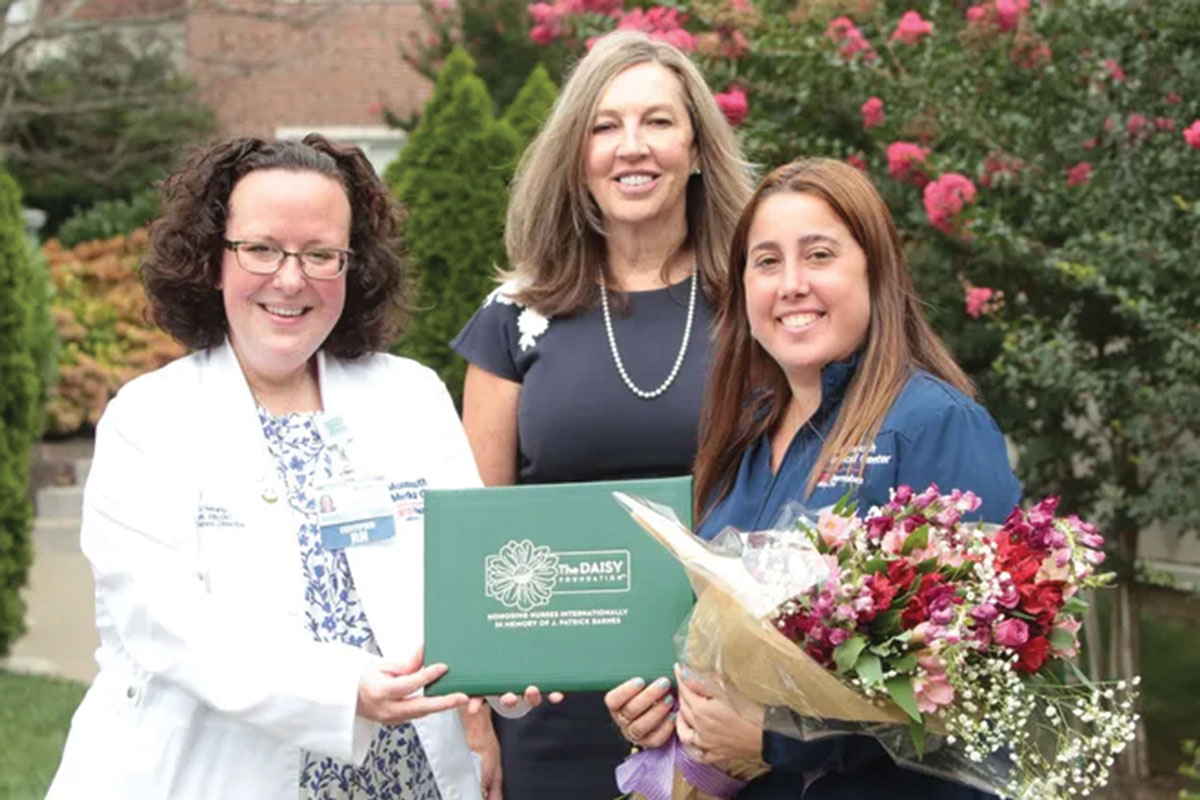
Such gestures did not go unnoticed. In late August Massre earned a DAISY Award, which is national recognition for nursing excellence. The quarterly distinction has been awarded to dozens of New Jersey nurses so far this year, and Massre’s story shines a light on this most essential of professions.
“She just has an amazing spirit—powerful, caring and loving,” said Lauren Russo, a fellow nurse and the director of patient care for Massre’s unit. “She’s always going above and beyond, not only for her patients but for the team.”
POSITIVITY DURING A VERY DARK TIME
A stay-at-home mom for 15 years, Massre went back to school in her mid 30s, graduating from Brookdale Community College and New Jersey City University before landing a job at Monmouth Medical Center four years ago.
“I always wanted to help people and make people happy,” she said.
In March of 2020 her unit, Greenwall 5, became the hospital’s first COVID wing. “It was a really rough time, draining. Everyone was scared. There was no hiding the fear. Most of us were probably more afraid of bringing it home to our loved ones than getting it ourselves,” she said.
Trying to boost morale, Massre baked a steady stream of desserts for colleagues and handed out customized ID badges that resembled the coronavirus molecule.
“I did it for solidarity—to remind us what we’re fighting for,” she said. “That we’re fighting together.”
Russo added, “Things like that kind of unified her team with a lot of positivity in a very dark time.”
For her patients, Massre purchased and distributed small gifts based on their interests—crossword books, puzzles, cards and other knickknacks.
“She always took the time to wash my hair,” Jacome said. “When you’re sick and you have really nice people like Yve helping you, it is a motivation. It helps with your recuperation.”
Massre said the simplest things, like presenting a toothbrush or a pencil, moved some patients to tears. She added, “you might not think twice about it, but on that day, in that place, with the situation they’re in, the smallest act can be huge.”
Many people in her line of work are dealing with some form of post-traumatic stress disorder, Massre said, but the success stories remain the best medicine. Like when Jacome recovered and got discharged.
“I don’t know if he realized, but he sort of saved me,” she said. “When he got better and got discharged it was at a time when I needed to see something like that, because there was so much of the opposite.”
Nine months later, they remain in touch. “She has goodness and compassion,” Jacome said. “I say, ‘Thank you, G-d, for giving me Yve.’”
A DAUGHTER IN HER FOOTSTEPS
Massre’s children range in age from 8 to 21. She credits her husband Isaac’s support as she balances the demands of her profession with those of parenthood. Perhaps the surest sign of her devotion is that their oldest, Michelle, is a patient care assistant at Monmouth Medical Center.
“It shows Yve is an inspiration to her family as well,” Russo said. “He daughter is interested in pursuing health care because of the positive impact her mom makes.”
Massre attached a note with a quote that, in her estimation, tells the story of her unit during the pandemic.
“Crisis doesn’t create character. It reveals it.”
With the DAISY Award comes a small sculpture known as “Healer’s Touch,” which is hand-carved in Zimbabwe from Serpentine, a mineral rock. Massre had a replica made and placed it prominently at the nursing station on her hospital floor.
“I wanted to share it,” she said. “Everybody I’ve worked with deserved this recognition. The nursing excellence I’ve seen in the past year-and-a-half has been off the charts.
AFTER A LIFETIME OF RAISING THEIR FAMILIES, WORKING AND CONTRIBUTING TO THE SUCCESS OF OUR COMMUNITY, OUR SENIORS DESERVE WHAT WE ARE GIVING THEM AND MUCH MORE. THIS IS THE LEAST WE CAN DO FOR THESE HEROES.
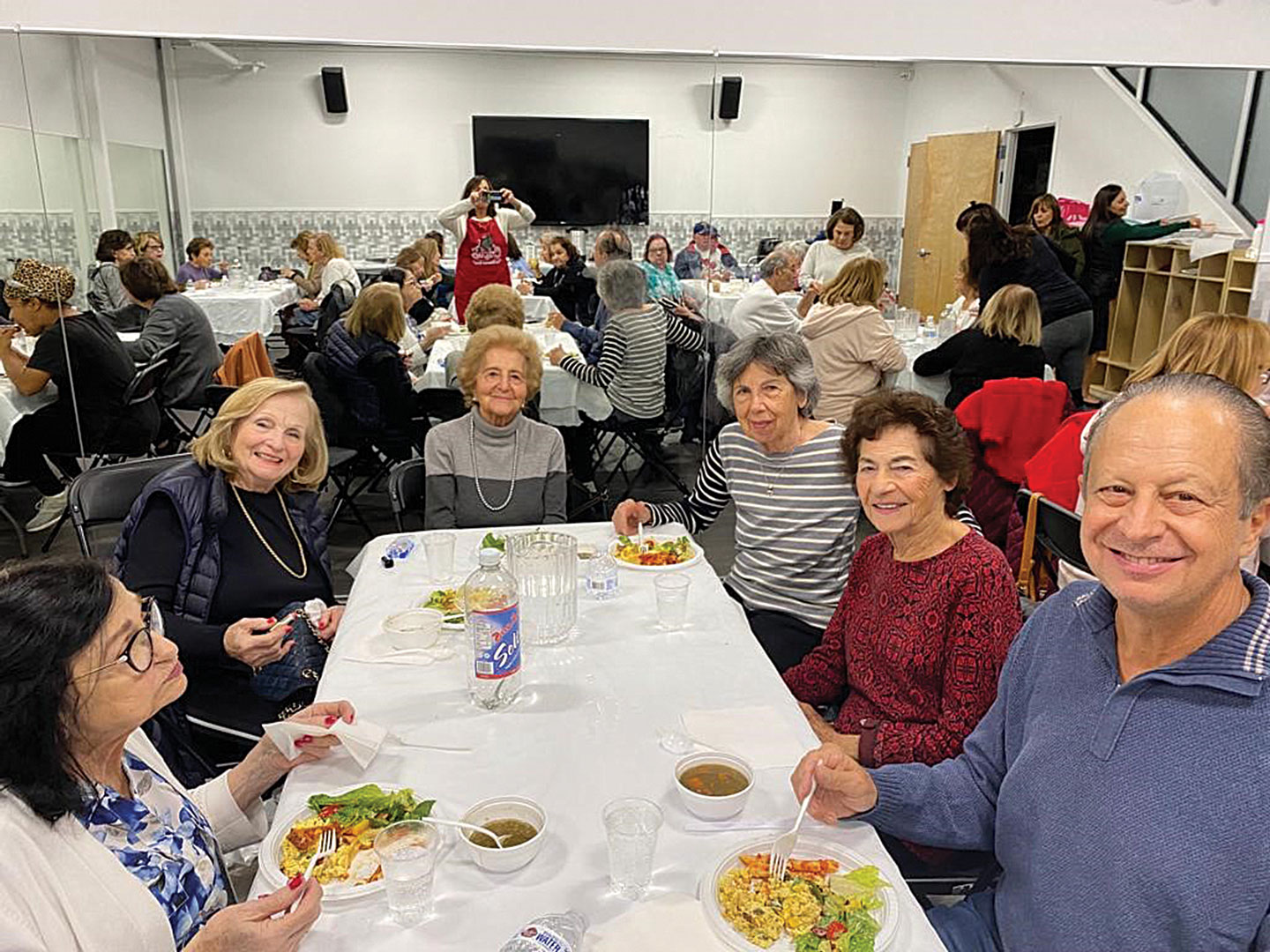
The Seniors program at DSN recently had a much-anticipated grand reopening. Over 50 seniors excitedly attended, many having not seen each other since early 2020. Smiles and laughter filled the air, as each one of them shared how much they missed DSN and each other.
Vicky Shamah, daughter-in-law of Ann Shamah A”H, who founded the program a few years back, commented on the good feelings DSN provides. “Speaking of being welcomed back, it is clear how wonderful DSN is for our seniors because everyone involved, even the security guards, make our seniors feel so at home. They are warmly welcomed each and every time they enter the building. The crowd keeps getting bigger and bigger and our seniors are so comforted and happy.”
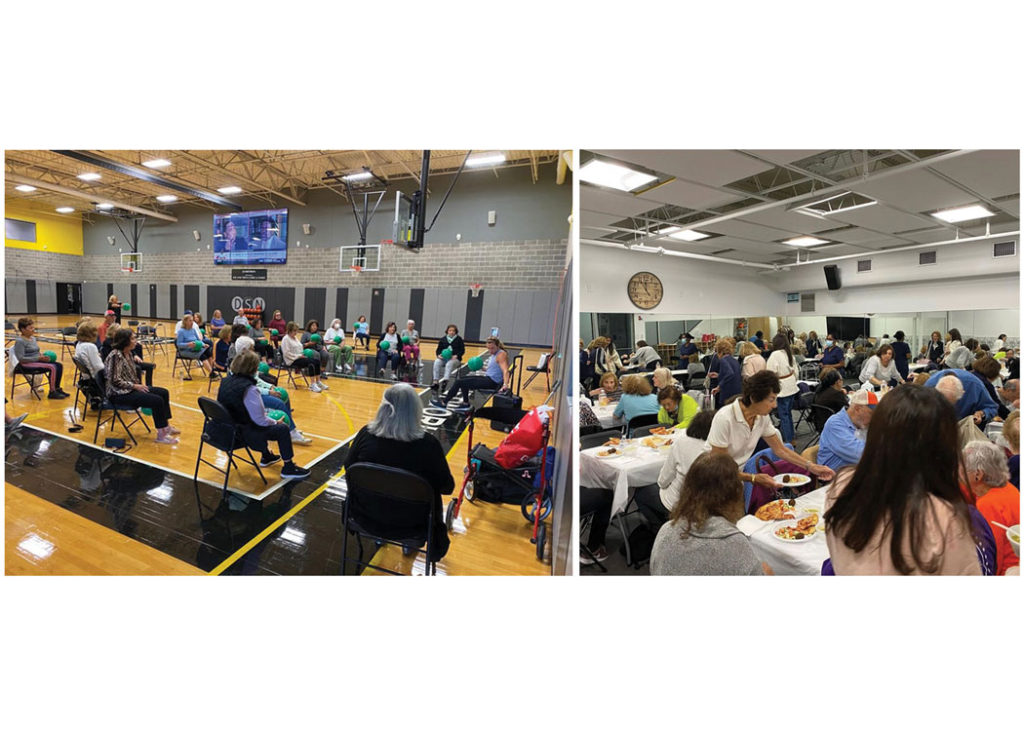
DSN’s Seniors program is offered four days per week and is very structured: 11 a.m. to 11:45 a.m. is chair exercise led by a professional instructor, followed by lunch from 11:45 a.m. to 12:30 p.m., and then a special activity from 12:30 to 2 p.m.
Stevie Nasar came into DSN, walked around, looked into the seniors’ room and said, “Wow, is this what happens every day?” He saw all his parents’ friends and got emotional. “I feel like I am looking at an all-star baseball team. These are the all-stars of my community sitting and eating and enjoying themselves.”
DSN’s role in caring for our community’s all-stars represents one of life’s most significant values. This is the best investment and responsibility to give to those who have given so much and made possible all that we enjoy today.
Emma Schneider, an everyday senior attendee loves the exercise portion. “The exercise is the best thing that ever happened to us. Even if we only had exercise for the seniors, it would be more than enough!” Lorraine Stessler added, “DSN is doing a wonderful job in simply providing lunch for us. It is always so delicious, and I am really enjoying it.”
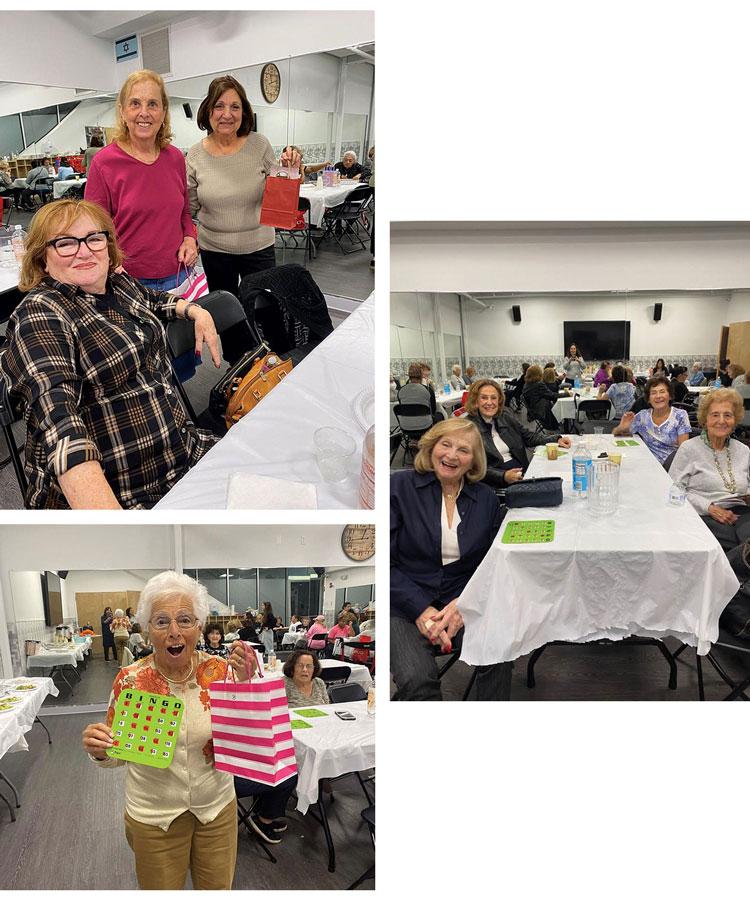
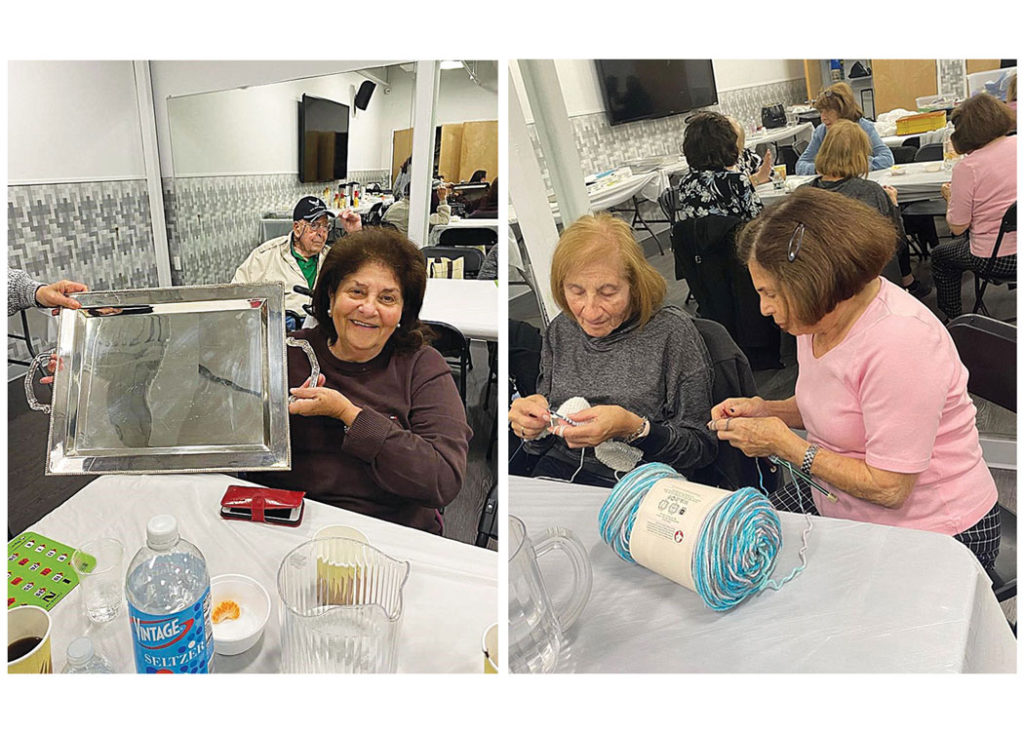
But it’s in the DNA of DSN to go above and beyond. DSN strives for greatness—to do better and do more. The seniors get involved in the diverse activities offered after exercise and lunch. There is cooking for the food pantry. The seniors make sambusak, apple turnovers and pizzas. Paulette Rishty, a DSN senior enthusiast, spoke about donating food to the pantry, stating “It’s so nice to see how people love to cook for the food pantry. We all leave feeling that we did something worthwhile and meaningful.” The seniors have also been knitting baby hats, blankets and scarves. They had a day of Bingo with prizes, along with board games and Connect 4. One particularly exciting day included a Beracha Party, “Amen with Friends,” with Rebbetzin Ronit Nahum. DSN provided all different types of food, and everyone made berachot in honor of different people in the community.
Other activities have been art with Elizabeth Hindin and a therapy dog visit with Adele Saka. The seniors were excited when Sally Cohen talked about Sephardic heritage and the life and history of Isaac Shalom.
Stephanie Massry and Vicky Schreiber, DSN’S Senior Program Coordinators, expressed, “We are so happy to be back. We have missed this program so much and are delighted to spend time with the seniors. This role is a true gift for us.”
Sammy Sitt, DSN’s Executive Director, summarized. “Our Seniors program is invigorating the lives of our most respected and honored community members. Each of them has a rich personal history that is worthy of a book. What we offer them is a drop in the bucket compared to what they have done for our community. It’s our pride and honor to have them in our building each day. We love them all. May Hashem bless our seniors with health and happiness.“
HAVE YOU BEEN MAKING GOOD USE OF THE RECENT TAX CODE CHANGES TO LEGALLY REDUCE THE AMOUNT OF TAXES THAT YOU PAY EACH YEAR? MANY AMERICANS PAID LESS DUE TO CHANGES IN MARGINAL TAX BRACKETS AND OTHER REVISIONS. HOWEVER, SOME OF THE TAX CODE CHANGES ARE SCHEDULED TO EXPIRE IN 2025, AND IT’S ENTIRELY POSSIBLE THAT THEY WILL DISAPPEAR BEFORE THEN.
In other words, there is potentially an extremely limited opportunity to leverage current laws. The 2021 tax year may be the last chance to take advantage of these rules.
With such a limited amount of time, it’s important to act quickly. It’s reasonable to assume that the tax environment will be less favorable going forward, so locking the advantages in while you still can is critical.
Some of these hidden possibilities are more urgent than others, because you may need to make adjustments before December 31 to maximize them. Not all are available on a fiscal basis or can be delayed until you file. Make sure that you don’t lose the chance to benefit by running out of time to make decisions.
The current tax rates might be the lowest you’ll see for the rest of your life, and I want you to make the most of them. All of the following options are actions you can take right now to potentially lower your taxes this year and in the years to come. I strongly recommend that you take this list, along with your tax return, to your CPA and financial professional to see which tax reduction opportunities offer you the most benefit. If seizing these opportunities sounds good to you, keep reading.
HIDDEN OPPORTUNITY 1 BUNDLE UP!
Recent tax changes nearly doubled the standard deduction and did away with many write-offs, removing the tax benefit of itemizing deductions for many taxpayers. Given that the tax laws could be very different for the 2022 tax year, 2021 is a good time to optimize your deductions by “bunching” them to get over the standard deduction threshold. You can then take the standard deduction the following year—potentially maximizing your tax savings multiple years in a row.
For example, if your property taxes for 2022 are assessed in 2021, pay them in 2021 and take the deduction this year, too. In addition, you can make several years of charitable contributions this year, instead of making your usual annual contributions.
Do you have major medical-related expenses coming up? Potentially maximize your tax deduction by prepaying your out-of-pocket medical expenses for the year to help rise above the standard deduction amount. Make sure you bundle enough to meet the 7.5% AGI threshold for medical expenses. You might even get a discount for paying up front!
What kind of medical expenses qualify? A surprising number, including unreimbursed doctor fees, long-term care premiums, certain Medicare plans, and some home modifications such as wheelchair access.
HIDDEN OPPORTUNITY 2 CHARITY BEGINS AT YOUR IRA
Although 72 is now the age where you must start your required minimum distributions from your pre-tax retirement accounts, you still have the right to make Qualified Charitable Distributions (QCDs) directly from your IRA to a qualifying charity once you’re 70½.
The QCD allows you to exclude up to $100,000 from your gross income (with certain restrictions). You benefit from the tax reduction at the same time as you provide money to a cause that’s near and dear to you. It’s not clear what the fate of the QCD will be in the future, so act now to make sure that you take advantage of it while you still can.
HIDDEN OPPORTUNITY 3 CONVERT IN MODERATION
A Roth conversion is a great way to permanently lower your taxable income in retirement. It allows you to convert tax-deferred assets into tax-free assets and pay taxes on the conversion in an optimal tax year. Depending on changes in tax legislation, future tax brackets are unlikely to be as low as they are today. Converting some of your pre-tax money in 2021 not only allows you to lock in today’s beneficial bracket, but also to reduce the amount of money subject to Required Minimum Distributions in the future.
If the current brackets don’t expire until 2025, you can potentially continue to convert each year. If laws change, however, this could be the last year that a Roth conversion makes sense—especially if you’re still working. Convert only a bit at a time, so that you don’t accidentally push yourself into a higher tax bracket by converting too much.
The days when you could reverse a Roth conversion (called recharacterization) and eliminate the tax bill are gone, meaning once you convert that Traditional IRA to a Roth, you don’t get a do-over. So you really have to look at all the variables and pick the right time for the move.
HIDDEN OPPORTUNITY 4 OPTIMIZE INVESTMENT FEES
An itemized deduction that’s no longer available for American taxpayers is the one on investment fees, which often covered assets under management. Yet there’s still a way to pay fees with pre-tax dollars if they make sense in light of your overall financial goals and investment performance.
Qualified retirement accounts are permitted to pay their own expenses. Although many investors may not have been aware of this, the IRS allows for pre-tax money to be pulled from the applicable account.
Paying for advice fees with pre-tax money is in effect its own tax deduction. Ask your tax professional to run the numbers with you to try to maximize the potential after-tax return on your investments—not just the market return.
HIDDEN OPPORTUNITY 5 PUT THE RIGHT INVESTMENTS IN THE RIGHT PLACE AT THE RIGHT TIME
The most important step you can take right now to potentially reduce your taxes this year may be to review how and where you’re making retirement contributions. Why? Because you may be missing out on critical tax savings (and investment growth) if you’re not optimizing your contributions.
Depending on how close you are to retirement and your overall financial picture, you might be better off splitting contributions between retirement accounts. Or even diverting your contributions elsewhere to reduce debt, such as mortgage interest that is no longer deductible if you claim the standard deduction.
Looking at your overall portfolio and determining the optimal type, amount, and placement of contributions and savings could potentially make a big difference in how tax-efficient it is going forward into the future. You may need to do more planning than usual this year to ensure that you are squeezing out all the juice from the rules that are in place today.
MAKE THE MOST OF TAX OPPORTUNITIES THAT MAY EXPIRE AFTER THIS TAX YEAR
You’ve probably heard of FOMO: fear of missing out. In this case it might actually be helpful because it can help you take action.
Don’t lose a tax advantage to inertia, especially when it could be permanently expiring soon. While everyone must pay taxes, not everyone pays the same amount. The tax opportunities that could be most beneficial to you this year depend entirely on your personal financial situation. However, the complexity of the tax code means that in order to think through your options and make smart choices, you’ll likely need a professional to help you.
If you are currently working with a financial professional, are they looking at your tax return? They should be. If they’re not talking to your CPA, neither professional has a full picture of your finances.
You may be missing opportunities to make the most of your hard work and to potentially pay less in taxes. You’ve already taken the first step to seize these tax opportunities simply by reading through this article. While many of your peers are scrolling through social media, you already know some of the techniques that could potentially lower your taxes now and in the future.
This article is for informational purposes only. It has been compiled from data considered to be reliable, but we do not make any guarantees regarding accuracy, adequacy, or completeness. This information is not intended to be a substitute for specific individualized tax advice. We suggest that you discuss your specific tax issues with a qualified tax professional.
Ari Baum, CFP® is the founder and CEO of Endurance Wealth Partners, with over two decades of experience in the Financial Services industry. He brings his in-depth experience to Conceive. Believe. Achieve. for his clients.
Brokerage and Advisory accounts carried by Wells Fargo Clearing Services, LLC. Securities and Advisory services offered through Prospera Financial Services Inc. Member FINRA/SIPC.
WHILE MANY JEWS BEGAN TO LEAVE SYRIA AFTER WW I, SOME CHOSE TO STAY. IT WAS THE LIFE THEY KNEW, AND THEY WERE HAPPY. ASIDE FROM A FEW ANTI-SEMITIC ACTS, MOST FAMILIES THERE WERE THRIVING. THEY OWNED SUCCESSFUL BUSINESSES, ATTENDED JEWISH SHULS AND SCHOOLS, AND THE CHILDREN LEARNED SECULAR STUDIES IN FRENCH AND ARABIC, AND TORAH STUDIES AS WELL.
Yomtob was born in Aleppo in 1921 to Eliyahu and Zekieh Cohen, the second of nine children; seven boys and two girls. Unfortunately, his father died young from an illness, but Yomtob stepped up and took responsibility for his mother and siblings, making sure they had everything they needed.
Yomtob became a leader, not only for his family, but for the entire community. He was magnanimous, righteous, and kind. He loved people, and took great care of his friends. He was strong, well spoken, and reliable. While most Jews stayed quiet in Syria, under the radar, Yomtob was brave and unafraid to deal with the government. His belief in Hashem guided his every move.
On November 29, 1947, the historic day when the United Nations voted in favor of partitioning Palestine, everything changed. The very next day, riots became widespread in many Arab countries. In Aleppo and Damascus, anti-Jewish rebels ran through the streets with gas and torches, screaming, “Death to the Jews,” as they set many homes, businesses, shuls, and schools on fire, including a major portion of The Great Synagogue of Aleppo, which dates back to the time of David Hamelech.
The Jews went into hiding that day, fearing for their lives. Some hid by kind Christian or Armenian neighbors, and others joined family members in safer areas. To be clear, this was not the government acting against the Jews. These were rebels—armed with anger and frustration and anything they could get their hands on. Still, the police did nothing to stop them; in fact, many joined in the destruction.
Yomtob was only 26 years old at the time, but he had already made a name for himself in Aleppo. He managed business disputes, guided young men and women away from marrying out of the faith, and as a successful textiles merchant, he also lent money, as banks did not exist in Syria until much later on. When the riots calmed down, the police asked Yomtob to drive around in a police car with a bullhorn and let everyone know it was safe to come out. The very next day many Jews began to flee.
By 1948, when Israel announced their independent state, seven Arab countries had waged war against the Jews of Palestine. They attempted to wipe the new Jewish state out, but with Hashem’s help, Israel was able to defeat them. The 10,000 Jews of Syria suddenly became enemies of the state, hated by the government and the rest of the population. New restrictions on travel, importing and exporting went into effect, which made conducting business, and life, extremely difficult. More Jews were leaving the country underground, going through Turkey or Lebanon. It was scary though; those who left did so with only the clothes on their back and whatever they could carry. If they were caught attempting escape, they were imprisoned. Those who stayed, tried to rebuild, but were forced to live under the laws of the land, which were not in their favor.
In the mid-fifties a new governor gave the Jews permission to leave the country legally, on the condition they leave all their belongings, real estate and businesses behind. They also had to pay the government a large sum of money, which most people did not have. Yomtob played a big role in this.
In the USA and abroad, Sephardic communities collected donations to send to Syria. They needed a trustworthy person to handle these funds, and Yomtob was the perfect choice. He received the money, kept it safe, and used it to pay the government and get his community members out. He also helped friends and family with the approval application, which was a long and difficult process. Yomtob was sort of a liaison between the government and the community. His friends came to him with their issues, and he was not afraid to help, no matter the consequences.
Mr. Joseph Assa, who was in Syria at the time, tells this story vividly, “When Yomtob would come to Damascus he would visit my father, Rabbi Zaki Assa A”H, to get a beracha. My father was concerned about a family with nine young girls who were working in Muslim factories. Their father did not want to go to Israel, as he was accustomed to life the way it was, but the rabbi worried that the girls were in a dangerous predicament and could be easy targets for intermarriage. He asked Yomtob if he could help them get safely to Israel. Yomtob started the paperwork without the father knowing, and finally got them to Turkey, and then Israel. Today, these girls have children and grandchildren in Israel, thanks to Yomtob’s bravery.”
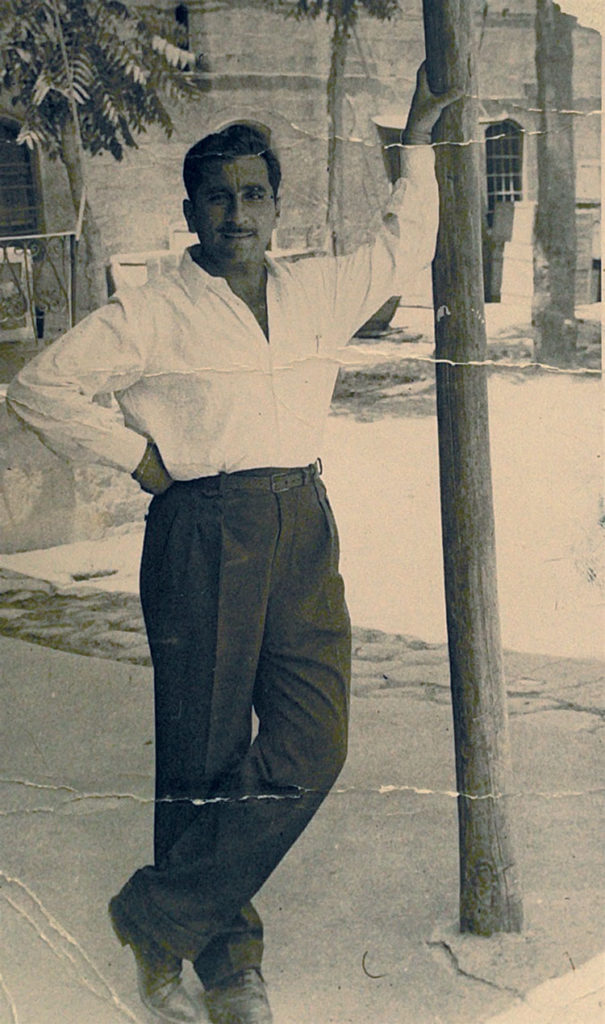
Yomtob in the 1950s in a place called Elgemrog
This legal exit for the Jews was short lived, but Yomtob continued secretly helping his people flee the country illegally. He was detained at one point, and when the investigator reported him to his superior, he bragged that they caught the “ring leader.” They suspected that Yomtob was involved in helping over 350 families escape to the “enemy” country of Israel. He and a few other Jewish men were jailed for 40 days, where they were beaten and tortured, but the extent of their involvement was never determined. It was a miracle they came out alive.
In 1956, Yomtob married Rosette Salman, daughter of Margalit and Haskel Salman. She was young, beautiful and educated, from a respected family in Iraq. After a grand ceremony in the shul, they returned to their home where they danced and enjoyed a festive celebration. For the first two years they lived with his family, as was customary, and started a family of their own. They had a daughter first, Ketty, and then Elie, Haskel and Margo.
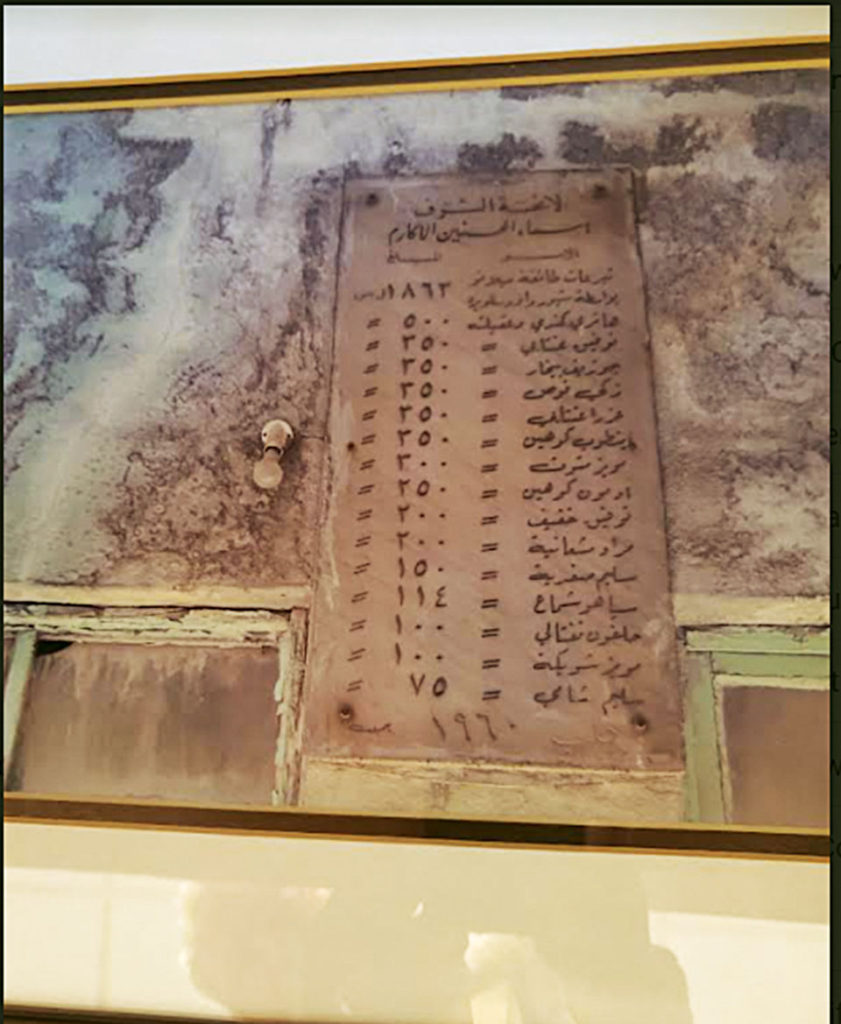
Yomtob was strong and fearless, and he lifted weights to maintain that strength. In 1955, when the highly respected Rabbi Mose Mizrahi A”H passed away, he organized the funeral and made sure the school kids all attended and paid their respects properly. In 1960 when the community school ran out of space and needed to expand, Yomtob was among the first group to donate money for that purpose. His name was on a plaque there, among many other philanthropists of the community.
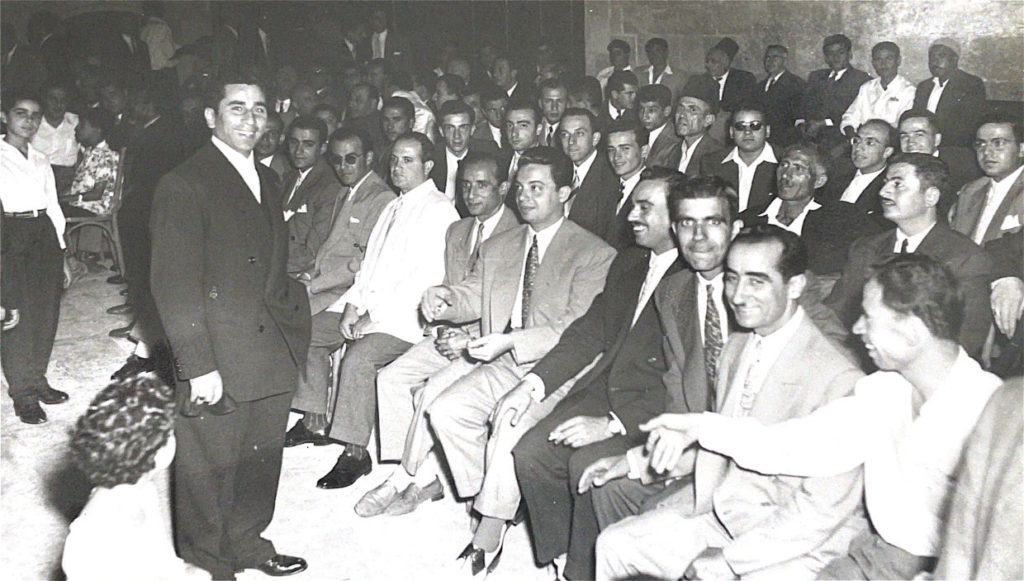
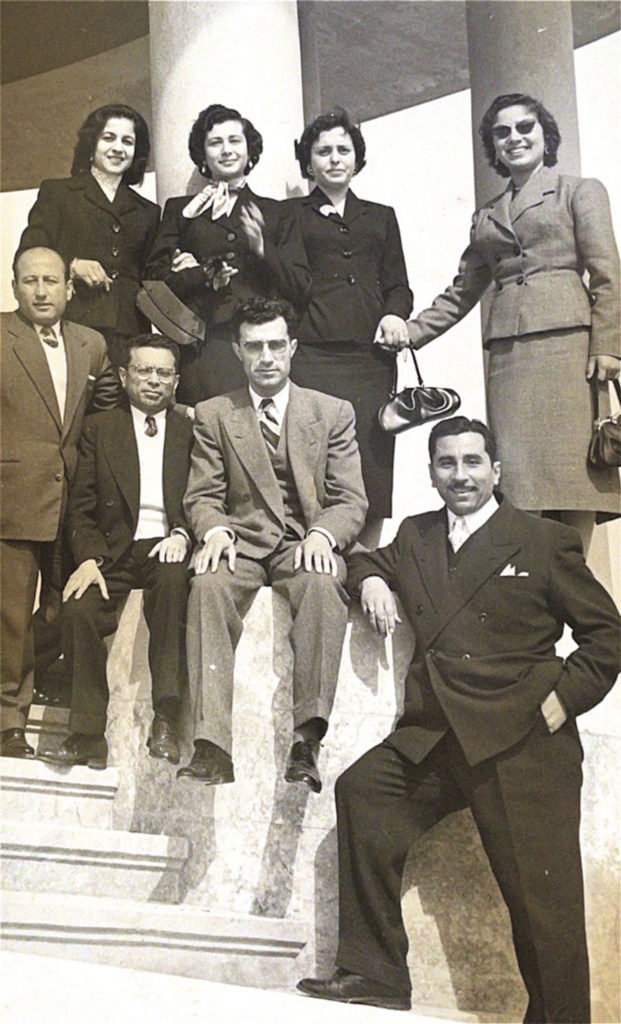
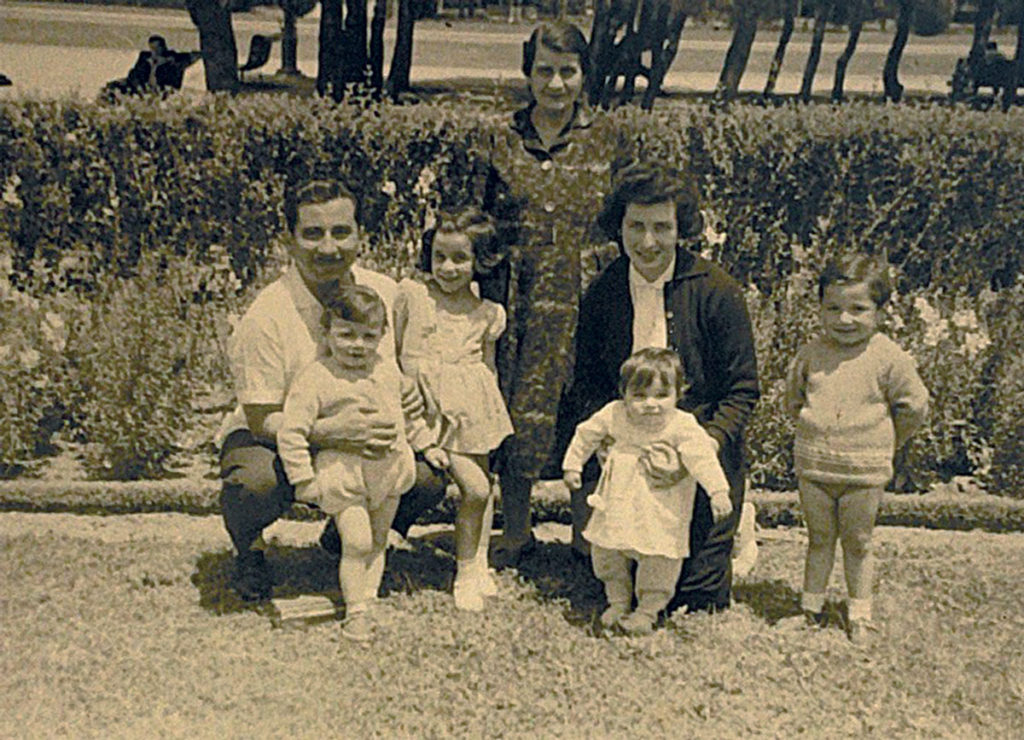
Yomtob and the men of the community in the Hall of the Talmud Torah, where all the weddings took placeRosette and Yomtob with friends in Aleppo in the late 50s.The Cohen family, 1962, in Mashal, (l-r) Yomtob holding Haskel, Ketty, Teta Zekieh (standing), Rosette holding Margo, and Elyahu
In another story, Yomtob saw a girl being attacked and raped by some Muslim men. While trying to save her, he was stabbed near the heart. He helped her escape to Israel as soon as he could. He also found a group of girls who had been kidnapped and arranged for their escape as well.
In yet another story, Zekieh Bawabeh applied for a special permit to leave the country, but became pregnant and had a baby daughter before the papers came through. When she attempted to cross the border, they told her she had to leave the baby in Syria because she did not have the proper papers for her. Her mom, Mrs. Sammouch A”H, asked Yomtob for help. Yomtob went to Bab Al-hawa, the Syrian border of Turkey, with Mr. Salim Farhi A”H, to bribe the guard and get them both to the other side safely. He was very sensitive, and always strived to help every person he could.
In 1962, there was still much chaos and many restrictions for Jews in Syria. While a young Murad Guindi was curiously watching a fleet of tanks gather in the square—a place he was forbidden to be—he was called to the police station for investigation. It was two days before his wedding, and his mom, Mrs. Lattouf Guindi A”H, went to Yomtob’s home begging him for help. Yomtob was known to be a good talker. He went with Murad to the police and said to them, “You called Murad here? Good! Because he wants to invite you to his wedding!” The police were not fooled. “Why were you in the square?” They asked Murad—you are forbidden!” With Yomtob by his side, they let Murad go, and he was married a couple of days later.
These stories are just a few of many. Times were very hard in Syria, but Yomtob and a few others stood their ground to try and help. They dreamed of a better life for their families in Israel or America, but he did not have a chance to see it.
Yomtob was partners with his brother in a fabric store, but often was out doing business in nearby villages or around the town. On October 31, 1963, he got into a taxi with three other people to travel to another village. The trip should have taken one hour, but tragically, Yomtob Cohen A”H, did not come home that day.
The family was informed that the car had flipped over, and when Yomtob tried to crawl out, he hit his head. The other passengers were unharmed. They were devastated, as you can imagine. Later on, Yomtob’s brother Ezra found almost $36,000 in his possession. While Ezra was not involved in these affairs, he knew this money belonged to the community and returned it to a committee member as his brother would have wanted, to continue the work of getting as many people out as possible. There is speculation about this accident, but nothing was ever proven. Was the Syrian government trying to get rid of him? Were they afraid of him, angry with him, or was it just an accident, as it seemed to be? We will never know. Yomtob was 42 years old.
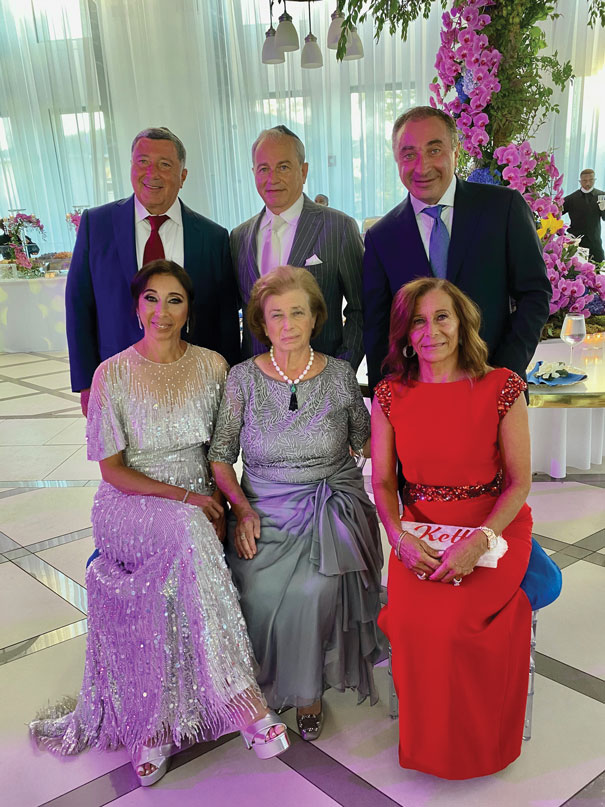
This plaque honors Yomtob Cohen and the first group of donors to support the Yeshiva in AleppoRosette devoted her life to her children, pictured here (standing l-r,) Elie, Joe (Haskel) and Toby Cohen, (sitting l-r,) Margo, Rosette and KettyThe entire Cohen family, today
His wife, Rosette was pregnant at the time, and when she gave birth to their son, she named him Toby, after his father whom he would never meet. Despite the hurt and pain of losing her husband, Rosette looked at her kids with hope for the future. She worried about every detail of their lives, including their education, food, clothing, vacations, and the friends they chose. She didn’t want them to feel that they were missing anything. Yomtob’s mother, Teta Zekieh, stayed with his wife and children, taking on a strong role in their upbringing. The children remember her as an eshet hayil, who prayed and gave them blessings at every opportunity, saying that everything they touched should turn to gold. She was known to never speak a word of lashon hara, no matter how hard she was coaxed. She taught the children to continue on, because life continues on.
One by one, the family made their way to America during the 1980s. When they arrived, they were without homes or jobs, they didn’t speak the language and didn’t understand the culture, but they followed in their father’s footsteps, holding onto their mesoret (traditions). They had good work ethics and they had each other. The brothers recall, “It was hard work but it was easy because we had a goal to succeed for our children.” They encourage their children to be patient, as nothing good comes easy. “Be proud of your family and community, and be honest—that will give you strength to be successful and build a good business. If you have money you must help people, and if not with money, then with time and advice. Our mother worked very hard, and because of her, we had everything. She is the rock of the family, still, and constantly reminds us that family is everything. Raising us without a father was difficult, but we never missed a thing. We are so appreciative and grateful, and from her experience, we can learn what life is about. Nothing was easy; we had to roll up our sleeves and get it done, but it did get done, so don’t panic, everything will be okay.”
Like their father, the Cohen family learned to rely on themselves. They were so proud of their father’s accomplishments, and gloried in the knowledge that every time someone spoke of Yomtob, they would say he was a great man who was fully respected and well-loved by the entire community. Mr. Assa continued, “When Rabbi Yakov Beracha came to Brooklyn from Israel to collect money for a yeshivah, I went with him to Elie Cohen. On my way there I remembered Elie’s father, and what he did for the community. I told the rabbi, ‘we need to name the school after this great man.’ That rabbi made a speech in a ceremony celebrating the grand opening of the Yeshivah. He spoke about Yomtob and all the people he helped get to Israel. “In this merit,” he said, “the name of the yeshivah will be Shaare Yomtob.” That is how the Shaare Yomtob Yeshivah started in Israel, in his memory. There are now more than 300 students there learning in the zechut (merit) of Yomtob Cohen.”
His children recall, “He was there for everybody. We constantly hear people saying, ‘I knew your father! He helped my family escape!’” His legacy lives on in his children, grandchildren, and great grandchildren, as they continue to grow, as proud members of this community, keeping their traditions strong, and helping in every way they can.
Sophia Franco has been feeding her love of reading and writing for as long as she can remember through poetry, community journalism, and songwriting.
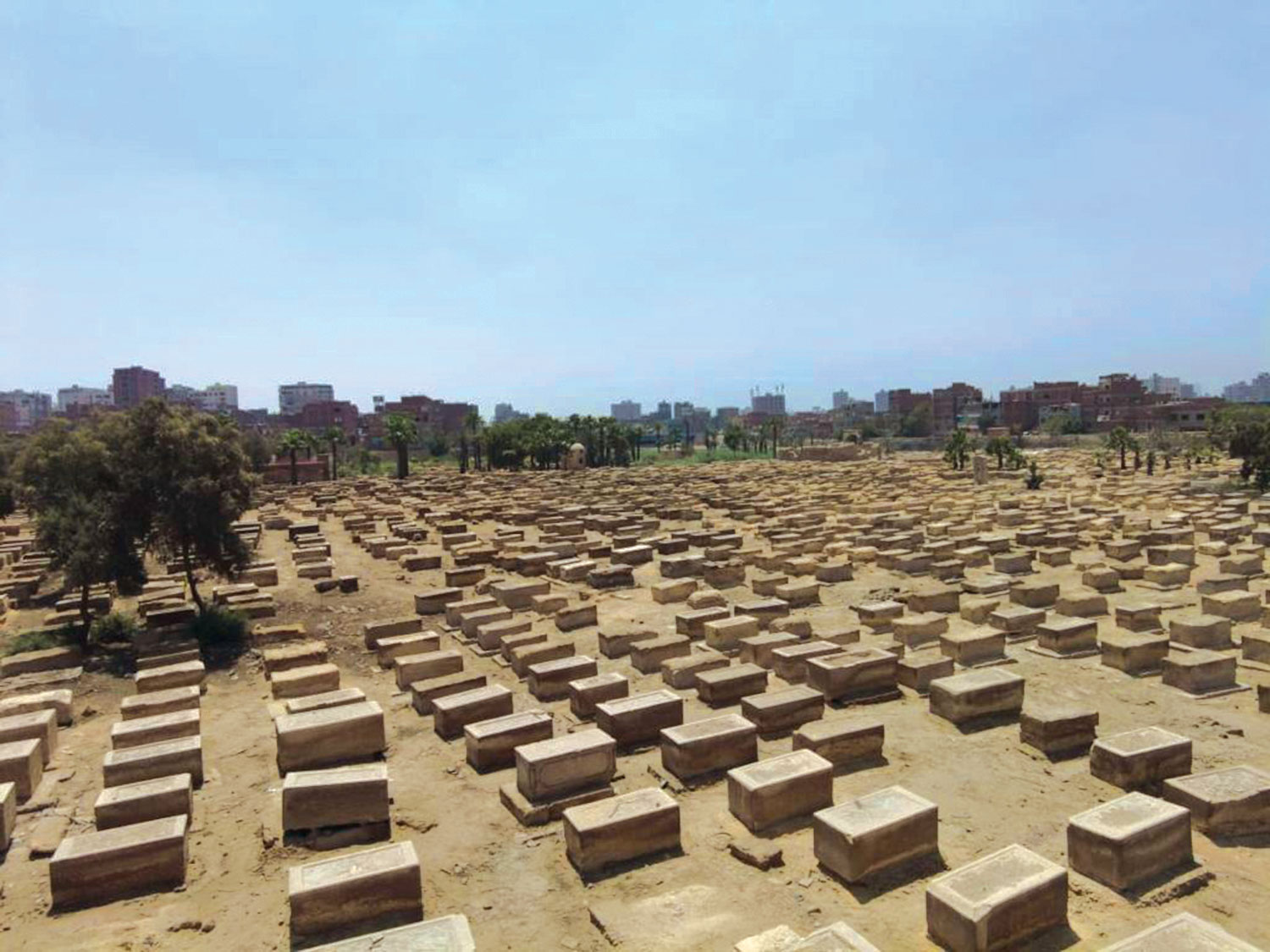
HASHEM HAS A VERY EFFICIENT AND WELL EXECUTED PLAN FOR US TO FULFILL. IN 1993 WHEN ITS RESTORATION WAS COMPLETED, EL BASSATINE, THE JEWISH CEMETERY IN CAIRO, WAS IN PERFECT CONDITION—COMPLETE WITH WALLS AND GATES THAT WERE NON-EXISTENT PRIOR AND A COMPLETED SUSPENSION BRIDGE CONNECTING THE ROAD AROUND CAIRO.
Our cemetery was safe and well-protected. I gave the keys and the responsibility to Carmen Weinstein, the then–President of the Jewish community of Cairo, Egypt.
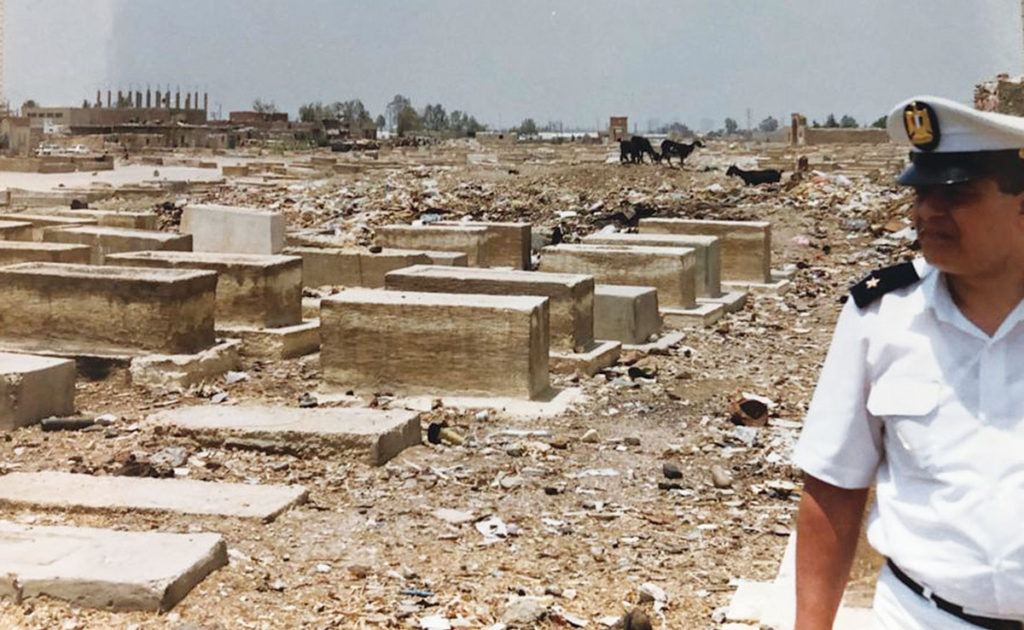
In early 2019 I received a video from Egyptian TV in which an anchor woman was showing a video of El Bassatine Cemetery completely covered with garbage and debris and giving off an awful stench. The stone walls that were built were breached and the five huge steel gates had been stolen. She was bringing this hazardous situation to the attention of the government and demanding that they eliminate the cemetery because it was a severe health hazard to the community.
I immediately investigated and discovered that Mrs. Weinstein had passed away several years earlier and there was no one taking care of the cemetery.
The value of this property consisting of 6.5 acres in the heart of Cairo is very precious today and worth several hundred million dollars. I realized that many unscrupulous developers were vying for this property. They built makeshift inexpensive buildings surrounding the cemetery which was illegal. They also bypassed government regulations and dumped their sewer lines onto the grounds of the cemetery creating the stench that was emanating from it and covered the sewer lines with garbage and debris and encouraged the residents in the neighborhood to use the cemetery as a dumping ground to hide their criminal acts.
It broke my heart to see the devastation of the cemetery where my grandparents and many relatives were buried. Now I am 80 years old with limited funds and no government connections to save this cemetery. So, I prayed to the Almighty to help me once again as he had done before, and He listened. A few days later, I received a call from Mr. Joseph Douek, a commissioner from Brooklyn, who knew of my work for the El Bassatine Cemetery. He informed me that he was going to Egypt as part of a Jewish mission to meet with Egypt’s President Abdel Fatah El Sissi and asked if I would like him to deliver a message to the President.
I informed Mr. Douek of the present situation at the El Bassatine Cemetery and what I had done 30 years earlier and that President Hosni Mubarak had agreed to the reclamation of this holy ground. I informed him that this cemetery was deeded to the Jewish people of Egypt in the 7th century on land that was originally located 50 miles away from Cairo in the desert but the city expanded so much since then that the cemetery was now located in the heart of Cairo and is a very expensive and valuable property. Every developer is vying to own it and to build on it. Many of our ancestors were buried in this holy ground and they have earned the right to rest in peace.
Mr. Douek left on the mission with my information and my prayers to the Almighty to help him. He conveyed my message to President El Sissi who in turn ordered the return of this precious land to its rightful owners, the Jewish community and ordered his government to allow us to complete this second restoration.
The Almighty listened to my supplication and handed a great victory to the Jews of Egypt by safeguarding the resting place of our ancestors. I called Asra Kadisha, a dedicated organization that saves and protects all Jewish cemeteries and spoke to the Vice President, Rabbi Chizkiya Kalmanowitz, and connected him to the Vice President of the Jewish community in Egypt, Sammy Ibrahim. I told them to start replacing the breached walls and the five double steel gates around the cemetery. Then they proceeded to remove the garbage and debris. That’s when they discovered the hidden sewer lines. We needed to restore this precious holy ground. We needed an enormous amount of money, approximately half a million dollars, to restore the cemetery to its original condition.
Rabbi Kalmanowitz of Asra Kadisha is an expert on Jewish cemeteries. He went to Egypt with Sammy Ibrahim and they estimated that the work would take at least 18 months for cleaning and restoration. We sent several rabbis to oversee this huge task. They needed hotels, kosher food, airline tickets, transportation and workers. Each day we hired approximately 40 workers and rented trucks, bulldozers, and forklifts.
I started asking friends for donations, which we sent to Asra Kadisha. We needed to raise an enormous of money, enough to restore the cemetery to its original condition. The best approach to raise the additional funds was suggested by my brother, Bobby Soffer. He recommended that I approach the President of Ahaba Ve Ahva, a Jewish Egyptian congregation, Solomon Barnathan and his committee and ask them to raise the additional funds. The project was fully supported and endorsed by their Rabbi, Shimon Alouf, Eli Harari and Isaac Chehebar and their entire executive board to encourage the community to disburse the money needed directly to Asra Kadisha.
I received weekly videos, pictures and communications showing the progress of this huge task. While cleaning, graves belonging to many great rabbis were discovered. The mausoleum of the Chief Rabbi of Egypt, Haim Nahum Effendi zt’l was discovered and an illustrious Rabbi, Yehudah Maslaton zt’l was buried there in 1934. He was brother to the honorable Rabbis Mordechai Maslaton zt’l grandfather of our Rabbi Shaul Maslaton.
Another great miracle occurred when one of the rabbis while searching for plans and surveys of El Bassatine at the government office was told of the existence of another very old Jewish cemetery called Fostat, as old as El Bassatine and slightly smaller in size and also located in the heart of old Cairo. I had no idea of its existence as it had been closed many centuries earlier because it was filled to capacity. I immediately asked the rabbis in Egypt to check on it.
Unfortunately, it was in the same devastating condition as El Bassatine, so we took it upon ourselves to build walls and gates that had been non-existent in Fostat cemetery. That work is being accomplished as I am writing these words. We are removing tons of garbage and debris and I have assigned a second crew with trucks, bulldozers, and forklifts.
Cairo’s summer heat averages 110˚ and these rabbis deserve our utmost gratitude and appreciation for their courage and devotion and expertise to do this entire project according to Din Halacha at great personal sacrifice and to work in Egypt under this enormous heat.
A great Hazak u Baroukh to Solomon Barnathan and the executive board of Ahaba Ve Ahva for their full financial support, to Rabbi Shimon Alouf for his support, Eli Harari and Isaac Chehebar, to Joseph Douek for his accomplishment with President El Sissi and to President El Sissi to whom we are grateful for his respect in honoring our ancestors, and to my brother, Bobby Soffer for his guidance and advice. May Hashem bless all Am Israel.
When Am Israel unites great accomplishments and miracles can happen. We always need to stand up and be counted on to help all our brethren, alive or more so if they are dead. Amen Ken Yehi Ratzon (may it be His will).
Clement Soffer was expelled from Egypt in 1957 and came to the USA by himself. He was sponsored by Mirrer Yeshiva. He was instrumental in building Ahavah ve Ahva, as well as synagogues in Florida. He helped secure the freedom of 4,500 Jews from Syria and has salvaged Jewish Egyptian cemeteries, as well as other cemeteries around the world.
GROWING UP IN THE SYRIAN COMMUNITY, WE’RE LEFT UNEXPOSED TO ANTI-SEMITISM UNTIL IT MANIFESTS CLOSE TO HOME. ONCE EXPOSED, MANY OF OUR COMMUNITY’S YOUNG ADULTS FEEL OVERWHELMED AND UNPREPARED. AS SAID BY FRIEDA COHEN, “I NEVER THOUGHT THIS WOULD HAPPEN TO ME, ON MY CAMPUS. IT JUST WASN’T POSSIBLE.”
After Michael Harary reached out to Ronnie Kassin and Frieda Cohen, they aligned a team of young adults ages 18 to 21 aiming to combat this issue of anti-Semitism. The committee felt frustrated and attacked and could no longer stand on the sidelines and watch our own nation be dangerously targeted. Instead, they decided to gather the resources necessary to combat anti-Semitism in all environments. This team is now known as Enough is Enough (EIE).
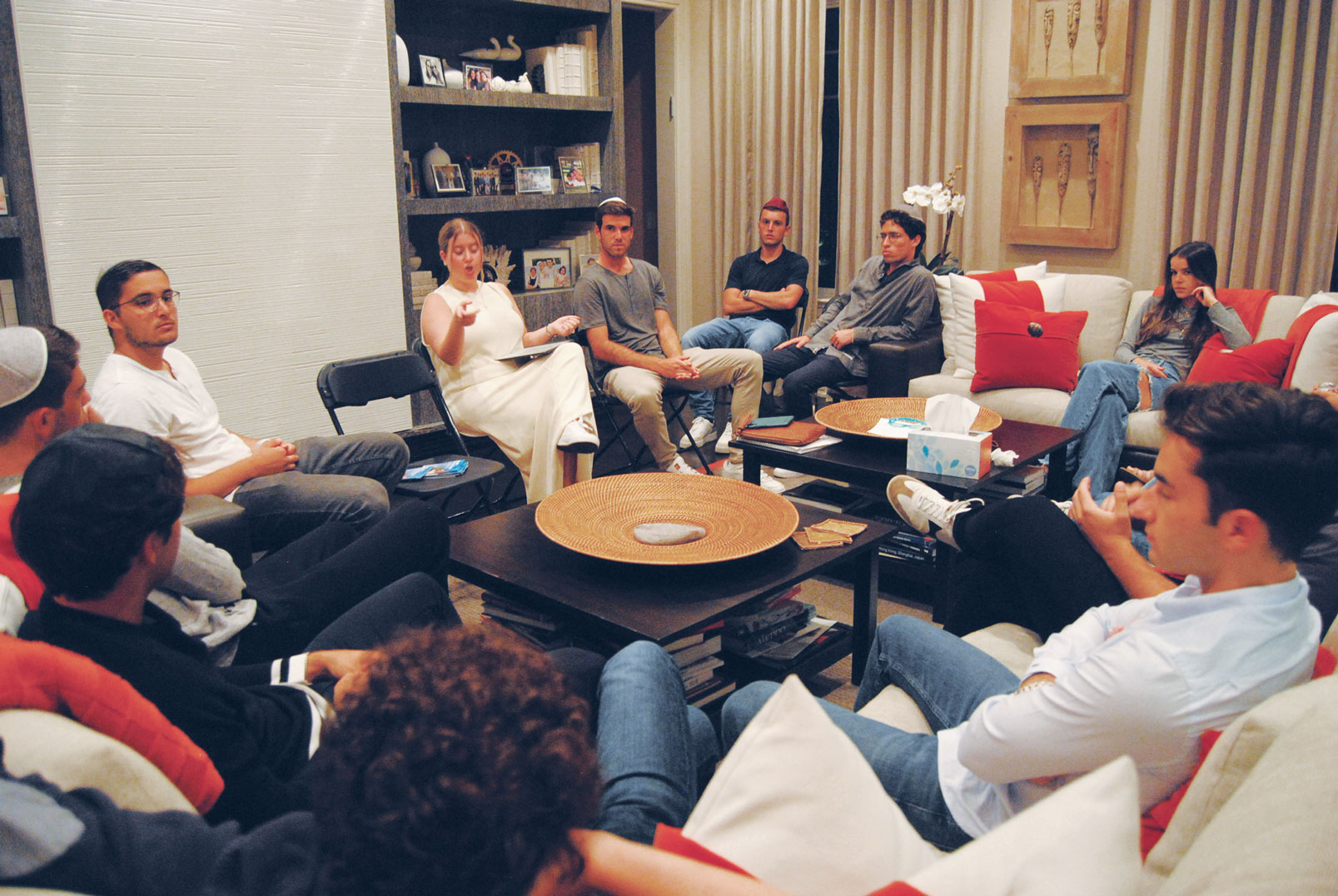
By empowering Jewish identity, implementing interactive education, and raising awareness amongst young adults, Enough is Enough will create a platform aiming to unite the community, build Jewish pride, and provide educational resources to fight against anti-Semitism. They plan to educate and empower students on why they must respond and how to properly respond to anti-Semitism. This starts with our high school students. It is our job to instill confidence and information within their minds so they will speak up in the face of adversity.
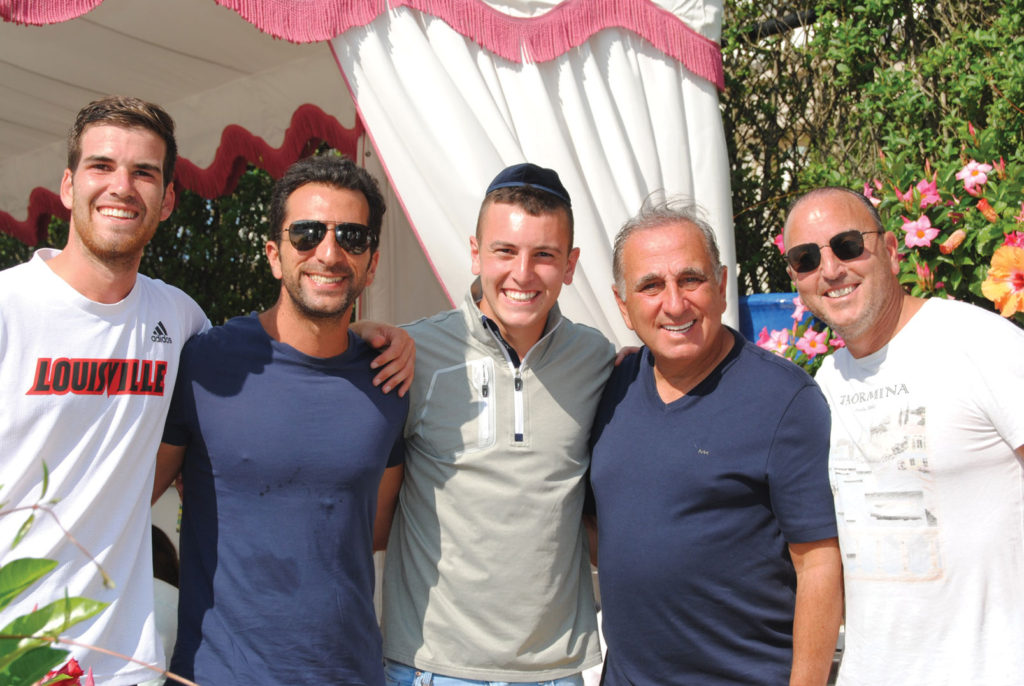
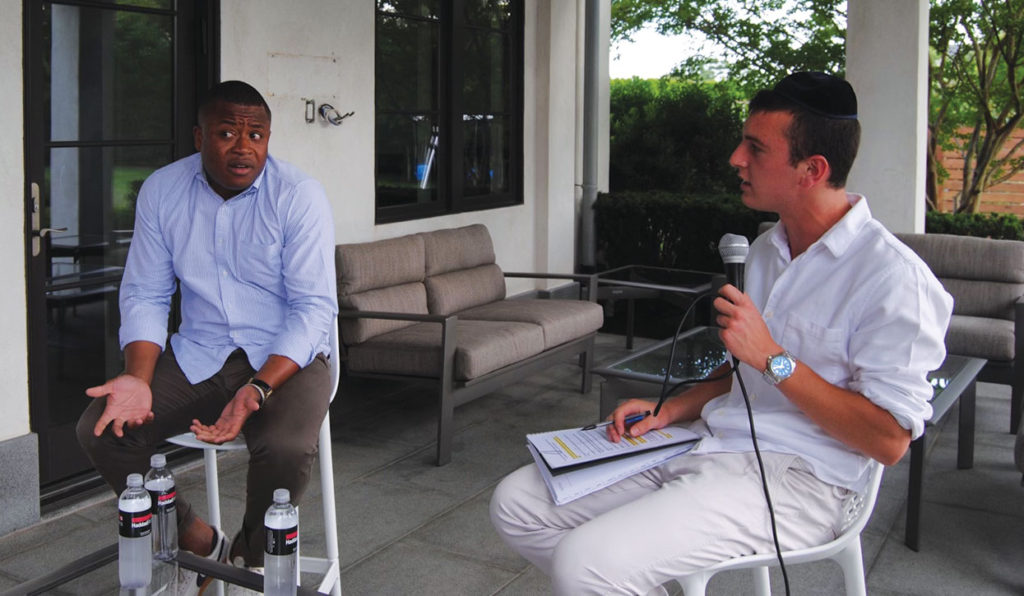
This past summer, EIE ran four inspiring and impactful events which attracted over five hundred participants. They collaborated with AIPAC and The SCC to conduct “Stoop Talk,” a moderated discussion with Julian Coakley, hosted by Monique and David Haddad. Coakley is a Christian man from the Bahamas who eventually became a valued member of AIPAC, and advocates for Israel. He stressed the importance of coexisting and the impact of having individual conversations to combat hate. After Stoop Talk, EIE put together a fundraising tennis match hosted by Ester and Joey Jerome with our very own David Mizrahi. Mizrahi spoke about his experiences and challenges while being away from home. “We have to realize that when we step into the real-world people are watching us. You are representing more than just yourself; you are representing an entire Jewish nation.”
Additionally, EIE held an exclusive interactive discussion for youth community leaders, in which they reflected upon the current situation in America and how the community can better prepare each other to be leaders as they enter adulthood. The young adults were able to showcase their inner thoughts while motivating each other to learn and do more. Their most recent event was held in partnership with StandWithUs. Together EIE, along with StandWithUs professionals, set up a variety of workshops where they went over specific tactics on how to respond to hate. Today, EIE is an SCA and StandWithUs affiliate, and is planning on partnering with many other successful organizations.
Their mission doesn’t stop there. There’s still a major lack of education regarding anti-Semitism that Enough is Enough intends to confront. As StandWithUs professional Avi Posnick said, “Anti-Semitism is a virus and EIE is creating the vaccine.” EIE plans on bringing interactive skill building and educational workshops to high school students across our community. From there they hope to expand into college campuses and beyond. Additionally, EIE is currently running a book club for young adults to further broaden their knowledge on the history of Jew hatred.
They would like to thank our incredible community that stands strong with Israel and supports organizations such as EIE, so they are able to make a difference. EIE is eager to do its part in combating one of the longest standing forms of hate the world has ever seen. We are Jews. We are proud. Enough is Enough.
Barbara Melamed is a freelance writer currently studying as an English major at Brooklyn College. She joined the Enough is Enough team eager to make a difference and stand in the fight against antiSemitism.
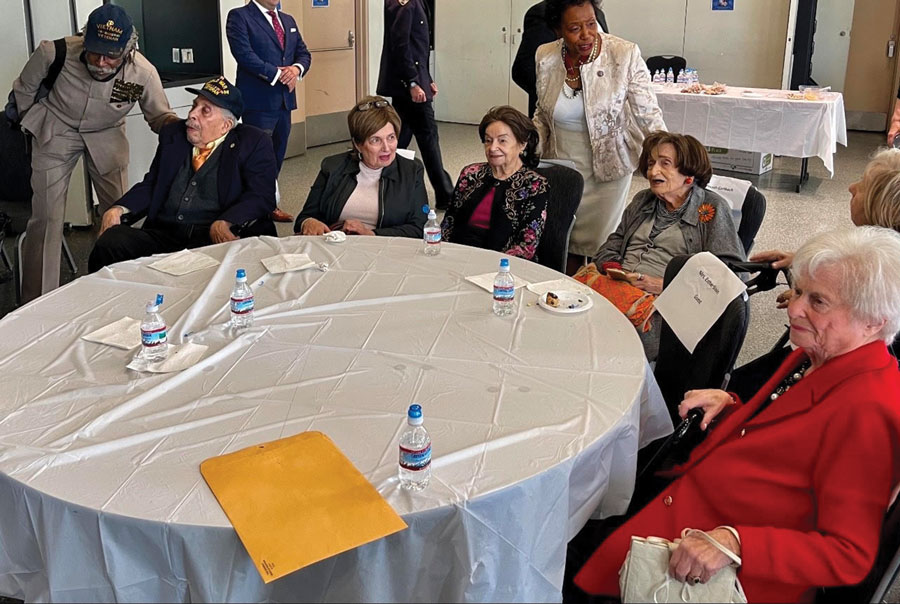
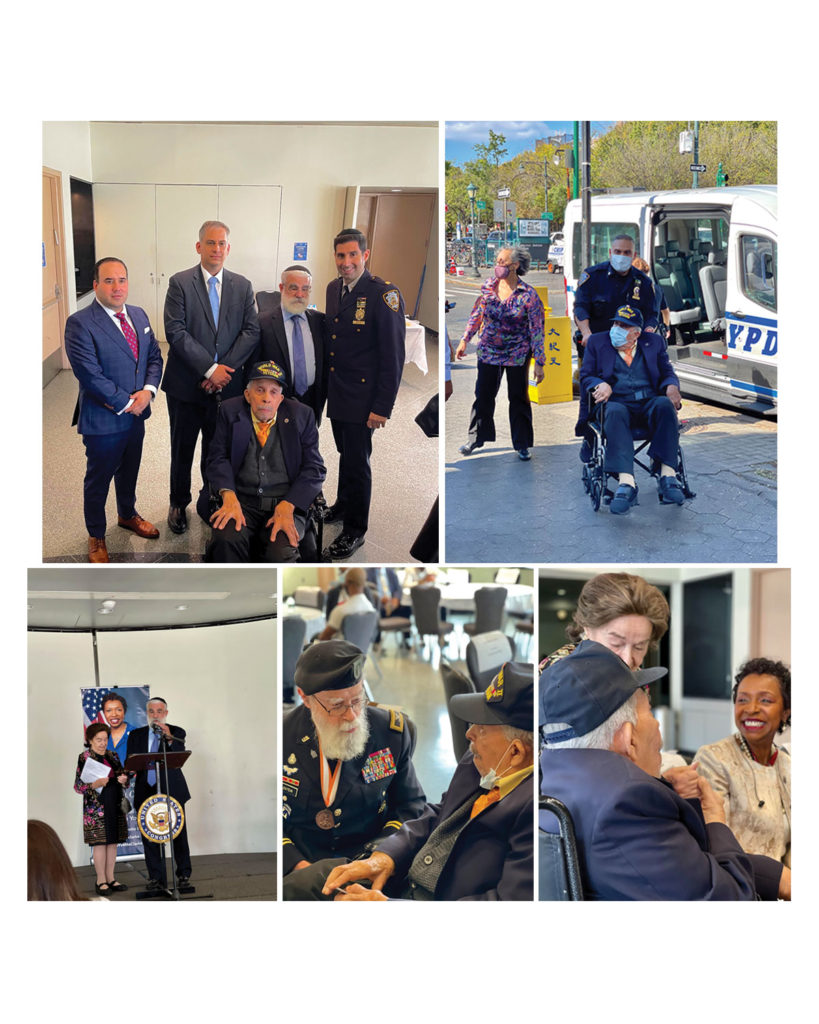
A HISTORIC CEREMONY HONORING 99 YEAR OLD WORLD WAR II VETERAN AND HERO OSCEOLA “OZZIE” FLETCHER, HOSTED BY CONGRESSWOMAN YVETTE CLARKE, WAS RECENTLY HELD AT THE JEWISH CHILDREN’S MUSEUM.
Mr. Fletcher, a longtime resident of Crown Heights, finally received his long-deserved Purple Heart this past June in Washington, DC, after his heroic service went unrecognized for eight decades.
After being injured in an explosion, Fletcher was not awarded the Purple Heart, “due to the US Army’s policy against Black soldiers,” Congresswoman Clarke related in her remarks. “During that time they were often overlooked and deliberately denied the Purple Heart.”
After the war, Fletcher returned to New York and made Crown Heights his home. He has been married for 72 years and has 5 children, 7 grandchildren, and 3 great-grandchildren. He served in the NYPD for 26 years, was a teacher for 14 years, and worked as a community relations specialist in the District Attorney’s Office for 24 years.
“Ozzie, you are indeed an inspiration to us all,” Congresswoman Clarke said as she presented a proclamation to him, “in recognition of your service to our country, fighting to uphold human rights and aiding in the efforts to save Holocaust survivors.”
Distinguished attendees included Israeli Deputy Consul General Israel Nitzan, JCM Founder Devorah Halberstam, 71st Precinct Commanding Officer Inspector Joseph Hayward, Community Affairs Commanding Officer Deputy Inspector Richie Taylor, NYPD Clergy Liaison and Flatbush COJO Board Member David Heskiel, Jewish Liaison to Congresswoman Clarke, Eli Slavin, 71st Precinct Community Affairs Detective Mike Baratta, Marine Park JCC President Shea Rubenstein, Crown Heights JCC Executive Director Rabbi Eli Cohen, and Flatbush COJO CEO Louis Welz.
Congresswoman Clarke invited numerous Holocaust survivors to attend the event. They all expressed Hakaras Hatov (appreciation) to Private First Class Fletcher.
EMPTY NESTERS, SINGLES AND THOSE LOOKING FOR NEW IDEAS MAY WANT TO TRY THESE EASY RECIPES. TYPICALLY, I AM PREPARING FOR A LARGE FAMILY. I KNOW THAT LOTS OF FOLKS HAVE A HARD TIME GOING FROM RECIPES THAT FEED 6, 8 OR EVEN 10 PEOPLE TO RECIPES THAT FEED 2.
Often, I would prepare a meal for the whole family just to find out it was just me and my husband. When this happened, I’d have a ton of leftovers. When I know it’s just going to be hubby and me, I whip up these recipes in 30 minutes and it’s a great dinner or lunch for two. Sometimes I will prepare one of these and take it for lunch in the office for me and my office mate. Try them, they are vegetarian, easy to make and delicious too!
MEDITERRANEAN BOWL WITH PISTACHIO RICE
Ingredients
• 1 red onion, half diced and half in wedges • 2 cloves garlic, minced • 3 sprigs parsley, chopped • 1 lemon, zested • 8 to 10 grape tomatoes, halved • ½ cup basmati rice • 1 tablespoon butter or olive oil • 2 tablespoons pistachios, finely chopped • 1 14 oz can chickpeas, drained and rinsed • 2 teaspoons shwarma spice • 4 tablespoons sour cream
Directions
Preheat oven to 400˚. In 1 quart pot, melt butter over medium heat, add the diced red onion, half the pistachios, half the garlic and 1 teaspoon shwarma spice. Cook and stir for 2 minutes, add ¾ cup water. Bring to a boil, then reduce heat to low and cook 15 min until rice is tender.
On a baking sheet, toss red onion wedges with tomatoes, chickpeas with large drizzle of olive oil Mix in 1 teaspoon shwarma spice, salt and pepper. Roast in oven for 15 minutes. Remove from oven and toss with lemon zest.
Optional: Mix sour cream with remaining garlic and salt. Stir in 1 teaspoon water and mix to drizzling consistency. Fluff rice and add cilantro and 1 tablespoon butter (optional). Spoon into 2 bowls. Top with vegetables and chickpeas. Sprinkle with juice from lemon. Drizzle with garlic sauce, if desired. Tip: if you’d like to make your own shwarma spice, mix equal parts: cumin, garlic powder, paprika, coriander, black pepper, and allspice.
TUNISIAN BULGHUR CARROT BOWLS WITH ORANGE PARSLEY VINAIGRETTE, FETA AND ALMONDS
Ingredients
• 3 carrots, peeled and sliced on angle • ½ cup bulghur • 4 sprigs parley, finely chopped • 5 teaspoons red wine vinegar • 3 oz fresh spinach • ½ oz slivered almonds • 1 tablespoon Tunisian spice • ½ orange, zested, juice half orange and peel and dice the other half • 2 teaspoons Dijon mustard • Olive oil • Salt and pepper • ½ teaspoon sugar • ½ cup feta cheese • 1 oz dried apricots, diced
Directions
Preheat oven to 400˚. On baking sheet, drizzle carrots with olive oil, salt and ½ teaspoon Tunisian spice. Roast on top rack for 18 minutes. In 1 quart saucepan, combine apricots, bulghur, salt and 1 cup water. Boil, reduce to simmer and cover. Cook until water is absorbed, about 10 to 12 minutes. Remove from heat, uncover and cool slightly.
Make vinaigrette: add vinegar, mustard, half of the parsley, 2 tablespoons olive oil, ½ teaspoon sugar, salt and pepper. Whisk.
Place spinach in bowl and drizzle with half the vinaigrette. Toss well. Fluff bulghur and add to spinach with half the feta. Toss to combine.
Spoon bulghur salad into 2 bowls. Top with carrots, almonds, diced orange and remaining feta. Sprinkle with parsley and chili flakes (optional, as it adds heat).
Tip: If you would like to make your own Tunisian spice, combine ½ teaspoon garlic powder, ½ teaspoon smoked paprika, ¼ teaspoon turmeric, ½ teaspoon chili powder, 2 tablespoons ground coriander, 2 teaspoons ground caraway, ¼ teaspoon cayenne pepper, ¼ teaspoon cinnamon and ½ teaspoon black pepper.
TAGINE – APRICOT, ALMOND AND CHICKPEA WITH BASMATI RICE
Ingredients
• 1 onion, diced • 2 cloves garlic, minced • 1 can chickpeas, drained and rinsed • 4 dried apricots, diced in small pieces • 1 oz sliced almonds • ½ cup basmati rice • 1 zucchini • 1 tablespoon Tunisian spice • 1 lemon, zested and juiced • 4 sprigs parsley, finely chopped • Butter • 4 tablespoons sour cream • Salt and pepper
Directions
In 1 quart saucepan, drizzle olive oil over medium heat. Add ½ of the onion and saute until softened, about 4 minutes. Add ¾ cup rice, and ¼ teaspoon salt. Bring to a boil, lower heat to simmer, cover and cook until water is evaporated, about 12 minutes.
In fry pan, heat drizzle of olive oil. Halve the zucchini lengthwise and slice crosswise into half moons. Add to pan with remaining onion and sauté until slightly browned, about 8 minutes. Add 1 teaspoon Tunisian spice, remaining garlic and salt to taste. Cook 2 more minutes.
Add 1/3 cup water to pan with chickpeas. Bring to simmer and let liquid reduce slightly. Add 1 tablespoon butter, juice from lemon, salt and pepper to taste.
Fluff rice and stir in 1 tablespoon butter; add salt and pepper to rice. Spoon rice into 2 bowls. Top with vegetables, almonds, and apricots. Sprinkle with parsley.
Optional: combine sour cream, salt and lemon zest. Mix and add 1 teaspoon of water at a time to get desired drizzle consistency. Drizzle over tagine.
Sarina Roffé is author of Backyard Kitchen: Mediterranean Salads and Backyard Kitchen: The Main Course. as well as Branching Out from Sepharad, available on Amazon. Her recipes have appeared in the NY Times, NY Times Jewish Cookbook as well as Joan Nathan’s Jewish Cooking in America. Sarina also wrote the “Food and Drink: Modern Period, Syria.” Her recipes can also be found at sephardiccuisine.com.