Home Blog Page 7

10 Ways to Get a Grip on Worry

Rebbetzin Chana Heller

Here are some of the most effective anti-worry tools.

Many of us feel saturated with a boatload of worry. How do we conquer it? Here are 10 of the best anti-worry tools.

  1. Know how bad worry is for you.
    Worry cripples us. It can even be paralyzing. At best, it’s a huge waste of our emotional energy. Worry is associated with all types of physical and emotional illnesses and even though we know this we still spend considerable time ruminating about all the things that could go wrong in our lives. Why do we do this? Somehow, we think that if we worry about something enough, we will gain control over it. But the opposite happens. The more we obsess about something the more it gains control over us.
  2. Talk to somebody about your worries.
    This may seem obvious, but so many people don’t do it! Sometimes just talking to someone helps us realize that things aren’t as worrisome as we are making them out to be. We are making a mountain out of the proverbial molehill. Talking to someone helps us gain perspective, be more objective, think about the situation differently and prevents worry from building up so much that it becomes overwhelming. Who in your life is your go-to person for your worries?
  3. Change what you can and
    let the rest go.

    Worries can be divided into two categories: things we can do something about and things we can’t. If you can do something, do it! If you can’t, convince yourself that your mental health is more important than obsessing over something you can’t change.
  4. Cut down the amount of time you
    spend watching the news.

    Do we even realize how much stress and negativity we stream into our life every day? It is seriously bad for our emotional health to be too plugged in. The news needs to sell, so everything is a crisis. We all want to be informed but we have a responsibility to ourselves and our families to thoughtfully manage how much airtime we are giving to the news, the commentaries on the news and the commentaries on the commentaries.
  5. Include some of your best
    stress-relieving activities in your day.

    Make a list of things that take your mind off of worry: exercise, calming music, meditation, prayer, cooking, talking to a friend, writing, painting, taking a walk, gardening, getting a massage, or soaking in a hot bath. Do something good for yourself today!
  6. Forget your worries by becoming
    interested in others and creating a little happiness for them.

    Delivering food to front-line workers, cooking a meal for someone who is alone, or checking in with someone who has had a big loss are all ways to relieve our own anxiety because we are getting out of ourselves. We are reminding ourselves that we are not the only ones who struggle. Additionally, doing good adds up to feeling good.
  7. Ask yourself: What’s the worst
    thing that could happen?

    Dale Carnegie, in his book How to Stop Worrying and Start Living, says whenever you are worried about something, ask yourself: what‘s the worst thing that could happen? What would you do if you lost your job? Visualize yourself working through the situation and calmly preparing yourself for how you would deal with the worst scenario. Once you accept the possibility in your mind and you can see yourself having the resources to cope you will find yourself much calmer. And remember, most of the things we worry about will never happen.
  8. Focus on gratitude.
    Gratitude is a huge antidote to worry. Write in a gratitude journal every day. Talk about things that you are grateful for with your family. Notice and share that the things that are going right in your life outweigh the things that are not. It is hard to be a grateful person and a worrywart at the same time.
  9. Cultivate Emuna (Faith) and
    Bitachon (Trust).

    Judaism’s greatest anti-worry solutions are cultivating faith in an all-powerful G-D who is guiding the world and our life with compassion and love. We don’t understand His ways but we trust that all G-D does is for our good and our growth. Faith and trust in G-D enables us to have the courage to live with the uncertainty of life, to live with our own lack of control and understanding and to know that life is not at all random. Emuna is being able to say every day “Everything I need I have, and everything I have I need.”
  10. Turn your worry into a prayer.
    Prayer lets us know we have an address for our worries and reminds us that G-D can do anything. Even if the answer is “no” or “not right now” just verbalizing our worries to G-D can have a huge calming effect. And, while you’re at it, make sure to ask Him to help you not worry so much!


Fresh Ways to Do Summer Salads

Summer meals tend to shift naturally toward lighter food, simple prep, and ingredients that can handle the heat. A good salad can work as lunch, dinner, a side dish, or something to bring to a gathering without much stress. The key is balance. Fresh vegetables, enough texture, and dressings that add flavor without overwhelming the ingredients.

These recipes focus on practical home cooking. They use familiar ingredients, straightforward techniques, and combinations that work well for weekday meals, Shabbat lunches, and summer get togethers.

Mediterranean
Chickpea Salad

Parve
Yields: About 8 cups
Serves: 6 to 8

Ingredients

  • 2 cans chickpeas, drained and rinsed
  • 1 pint cherry tomatoes, halved
  • 1 cucumber, diced
  • 1 red bell pepper, diced
  • 1 small red onion, finely chopped
  • 1 cup chopped parsley
  • 1/2 cup sliced black olives
  • 3 tbsp olive oil
  • 2 tbsp fresh lemon juice
  • 1 tsp garlic powder
  • 1 tsp salt
  • 1/2 tsp black pepper
    Instructions
  1. Place the chickpeas, tomatoes, cucumber, red pepper, onion, parsley, and olives into a large bowl. In a small bowl, whisk together the olive oil, lemon juice, garlic powder, salt, and pepper.
  2. Pour the dressing over the salad and toss well until evenly coated. Refrigerate for at least 20 minutes before serving so the flavors can blend together. Serve cold.

Grilled Chicken and Corn Salad
Meat
Yields: About 10 cups
Serves: 4 to 6

Ingredients

  • 2 boneless chicken breasts
  • 4 ears corn, husks removed
  • 1 romaine lettuce heart, chopped
  • 4 cups mixed greens
  • 1 avocado, diced
  • 1 pint cherry tomatoes, halved
  • 1/4 cup thinly sliced red onion
  • 3 tbsp olive oil
  • 2 tbsp red wine vinegar
  • 1 tsp Dijon mustard
  • 1 tsp salt
  • 1/2 tsp black pepper

Instructions

  1. Heat a grill or grill pan over medium high heat. Brush the chicken and corn lightly with oil. Grill the chicken for about 6 to 7 minutes per side, until fully cooked.
  2. Grill the corn until lightly charred on all sides. Let the chicken and corn cool slightly. Slice the chicken into strips and cut the corn kernels from the cob.
  3. Place the lettuce, mixed greens, avocado, tomatoes, onion, corn, and chicken into a large serving bowl.
  4. Whisk together the olive oil, vinegar, mustard, salt, and pepper. Pour the dressing over the salad just before serving and toss lightly.

Cold Sesame Noodle Salad
Parve
Yields: About 9 cups
Serves: 6

Ingredients

  • 12 ounces spaghetti or lo mein noodles
  • 1 red bell pepper, thinly sliced
  • 2 carrots, shredded
  • 3 scallions, sliced
  • 1 cucumber, julienned
  • 1/4 cup sesame oil
  • 3 tbsp soy sauce
  • 2 tbsp rice vinegar
  • 1 tbsp honey
  • 1 tsp grated fresh ginger
  • 1 tsp sesame seeds
    Instructions
  1. Cook the noodles according to package directions. Drain and rinse under cold water until completely cool.
  2. Place the noodles into a large bowl with the red pepper, carrots, scallions, and cucumber.
  3. In a small bowl, whisk together the sesame oil, soy sauce, rice vinegar, honey, and ginger.
  4. Pour the dressing over the noodles and toss well.
  5. Sprinkle with sesame seeds before serving. Refrigerate until ready to serve.

Watermelon
and Feta Salad

Dairy
Yields: About 8 cups
Serves: 6 to 8

Ingredients

  • 6 cups cubed watermelon
  • 1 cup crumbled feta cheese
  • 1 cucumber, diced
  • 1/4 cup fresh mint leaves, chopped
  • 2 tbsp olive oil
  • 1 tbsp fresh lime juice
  • 1/4 tsp salt
  • 1/4 tsp black pepper

Instructions

  1. Place the watermelon, feta cheese, cucumber, and mint into a large serving bowl.
  2. In a small bowl, whisk together the olive oil, lime juice, salt, and pepper.
  3. Pour the dressing over the salad and toss gently so the watermelon stays intact. Serve chilled.

Jewish Holidays of Memory and Celebration

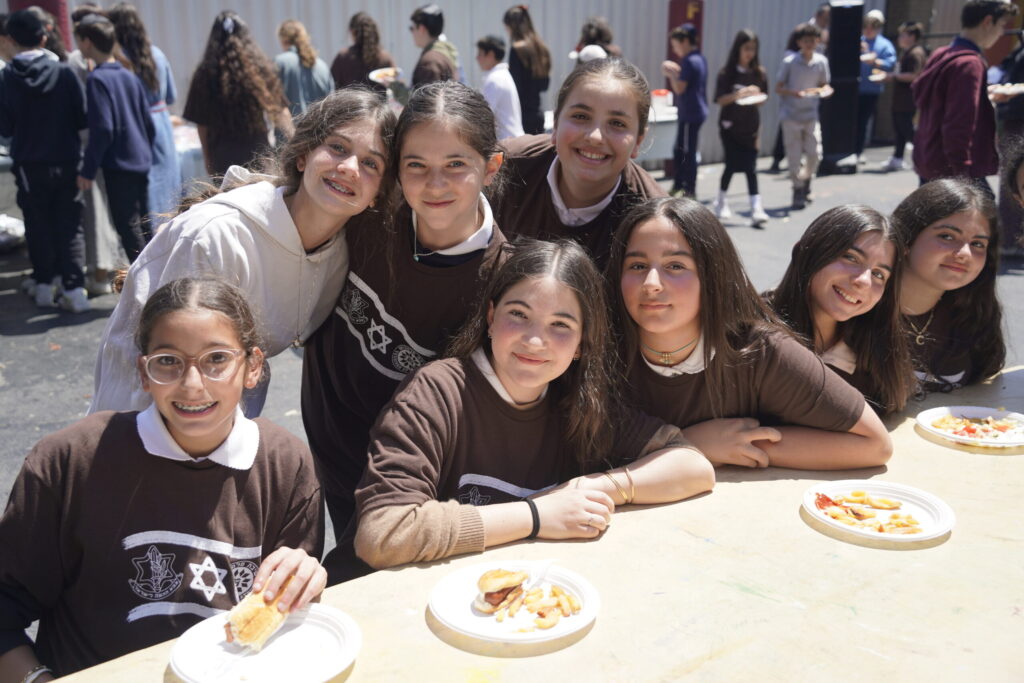
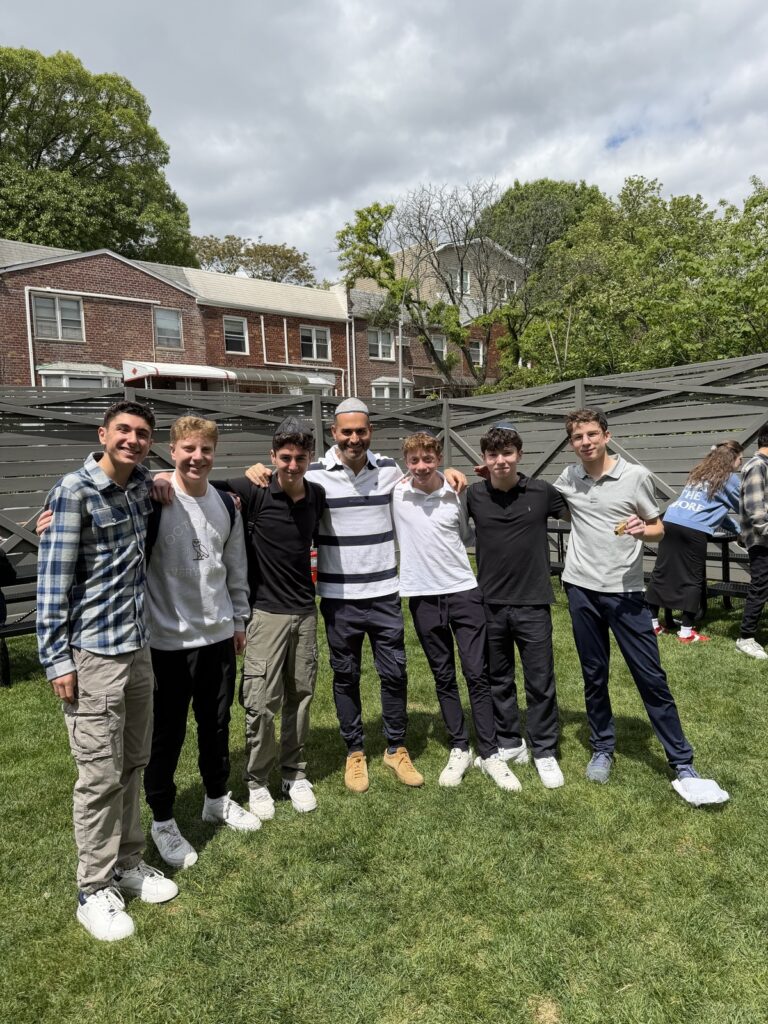
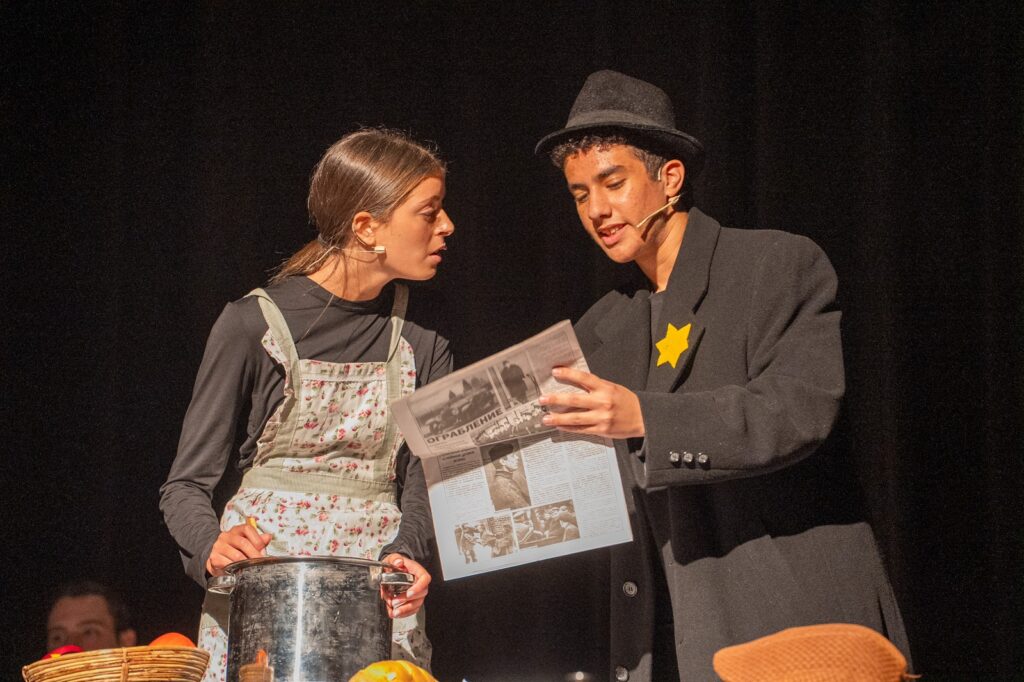
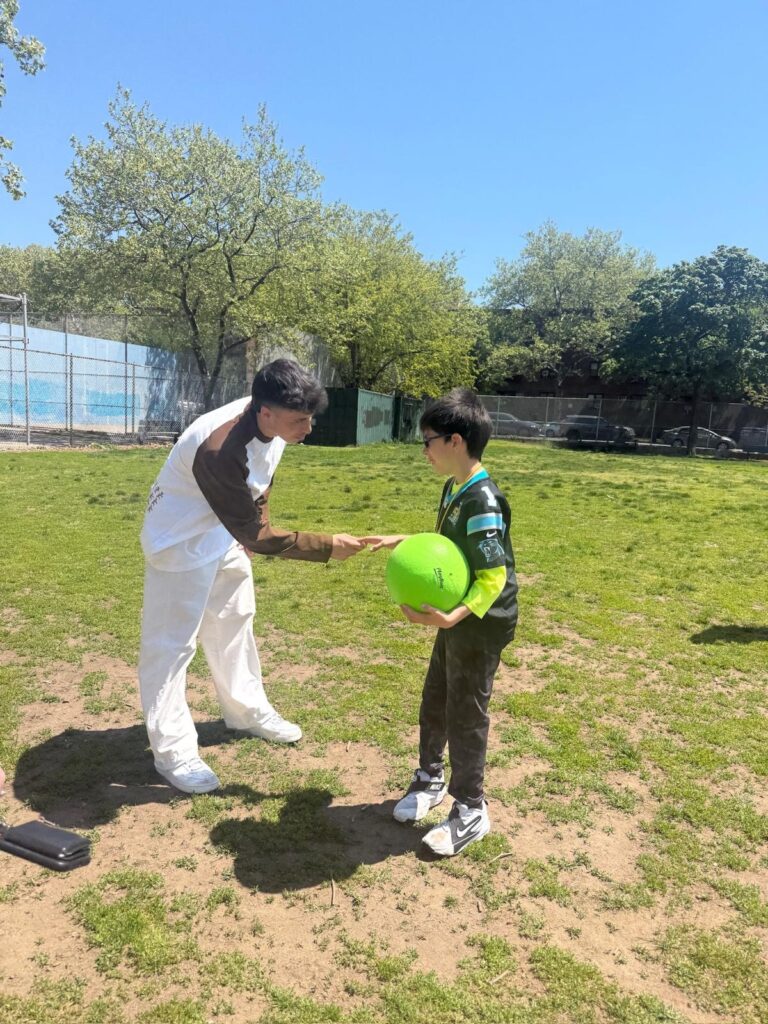
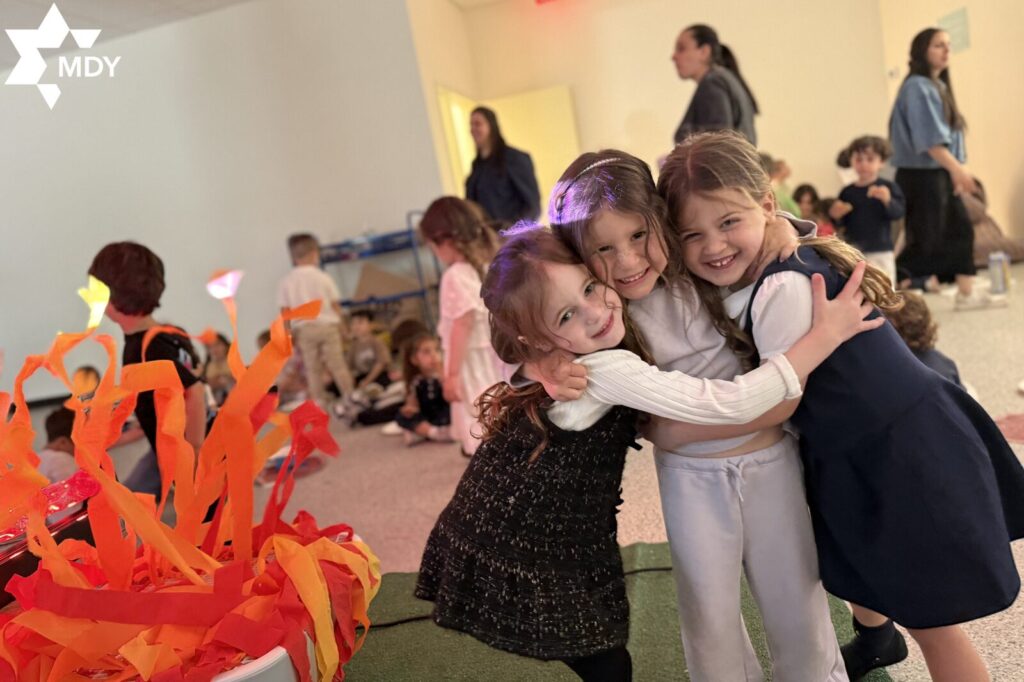
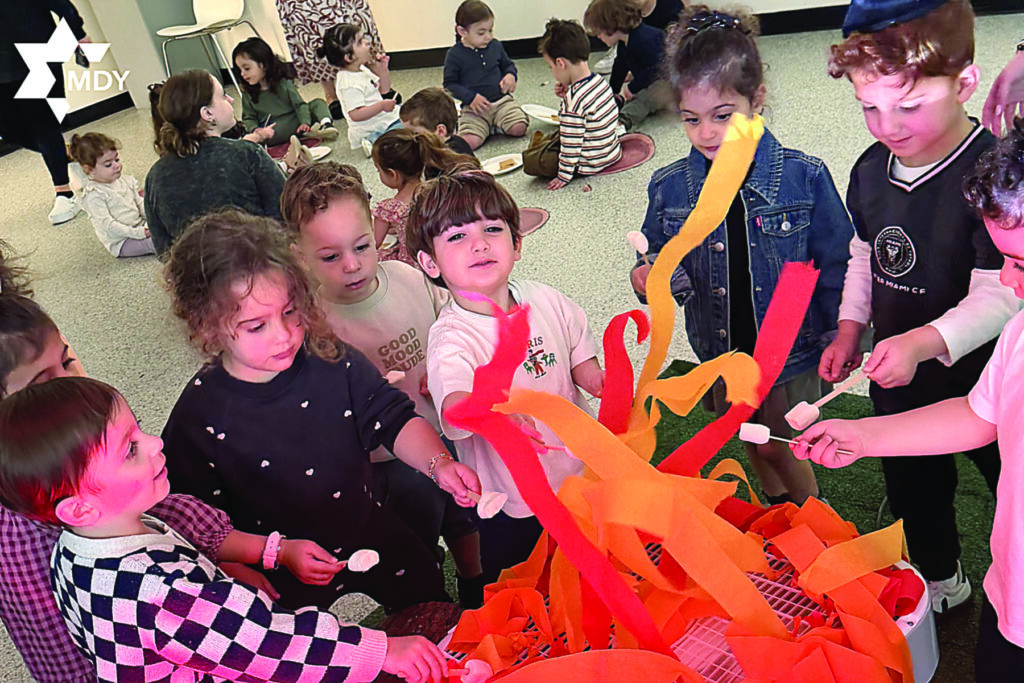
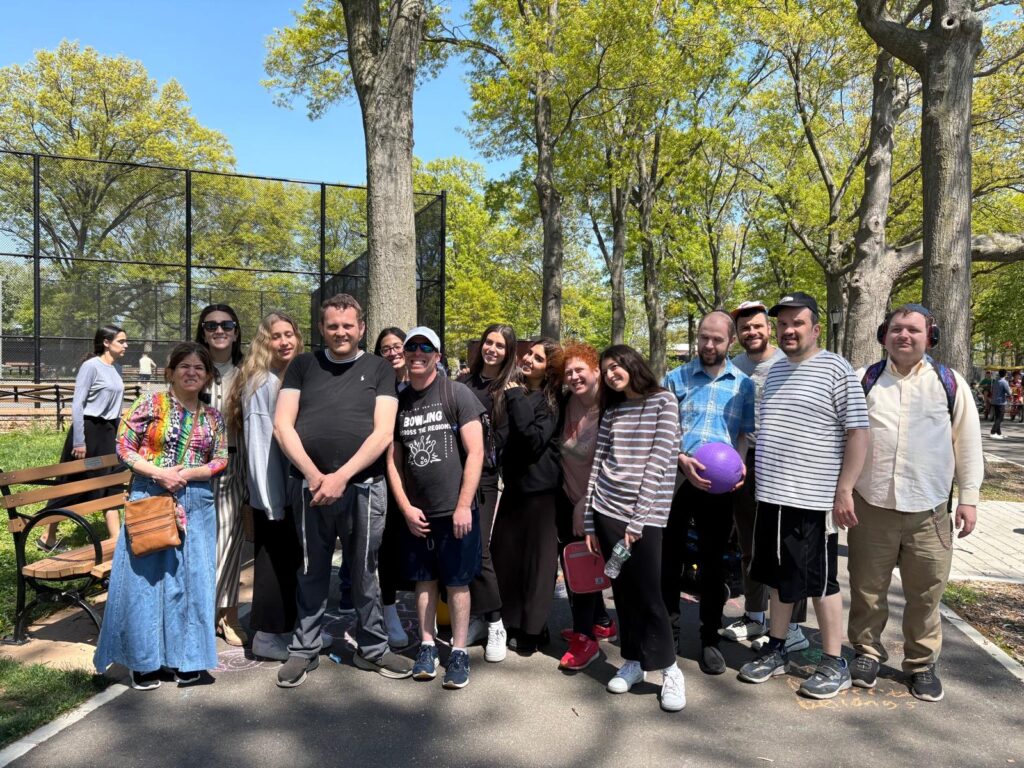
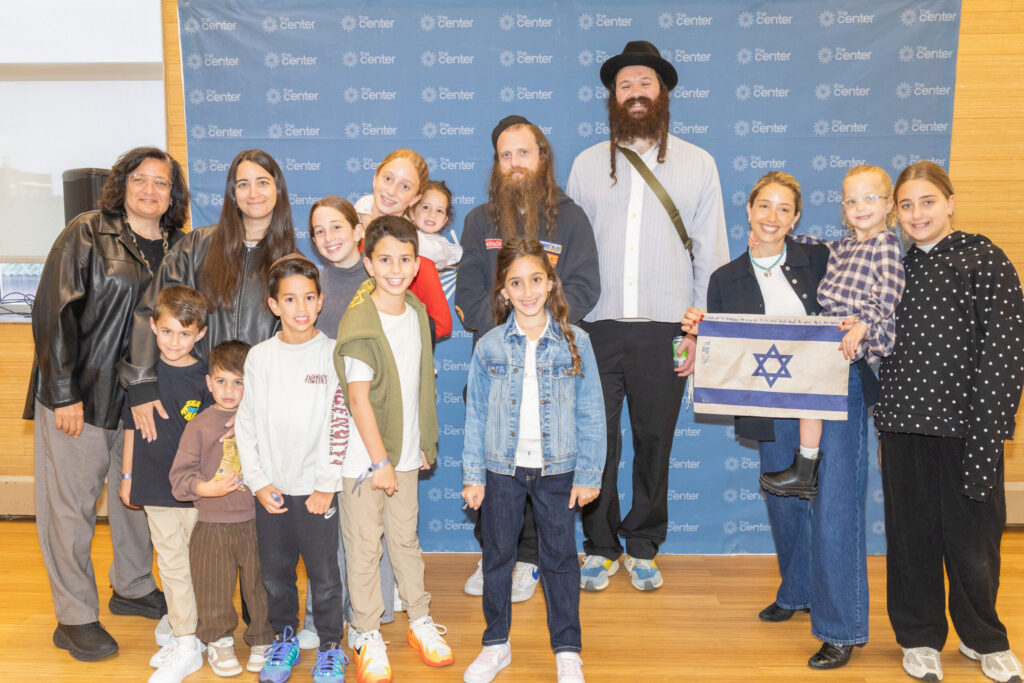
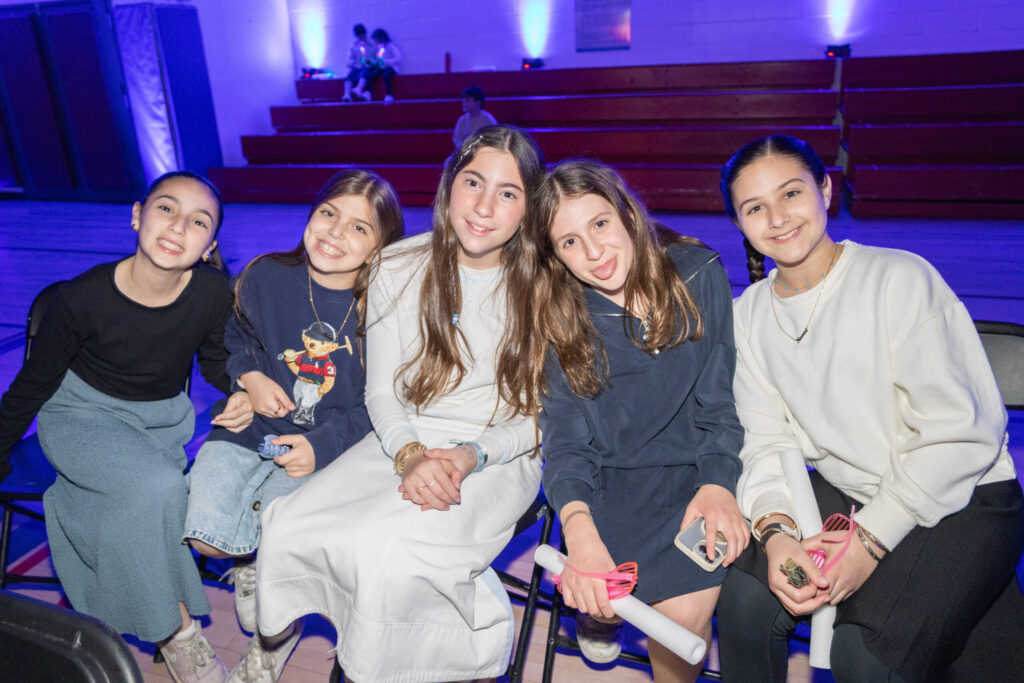
This month’s Community Photo Album highlights a spring season of Jewish memory and celebration. Our schools and organizations came together with meaningful programs, ceremonies, projects, and celebrations that brought people of all ages together. The photos capture Yom HaShoah programs, Yom HaZikaron commemorations, Yom HaAtzma’ut celebrations, Lag BaOmer events, school projects, assemblies, bonfires, and the many special moments that define this meaningful time of year.

Things My Father Taught Me

Sarina Roffé

The third Sunday of June each year is Father’s Day. Families get together with barbecues as it is the start of the summer. This special day was established in 1909 by Sonora Smart Dodd to honor her father, a Civil War veteran. It became a national holiday to honor fathers, celebrate paternal bonds, and recognize the influence of fathers in our lives. For me, it was the hour in the summer when he taught me to swim or to fish, or the times he took us to Coney Island on rides. They were special times. We asked people in the community to share with us things their fathers taught them.

Abe Salem a’h
By Steve Salem

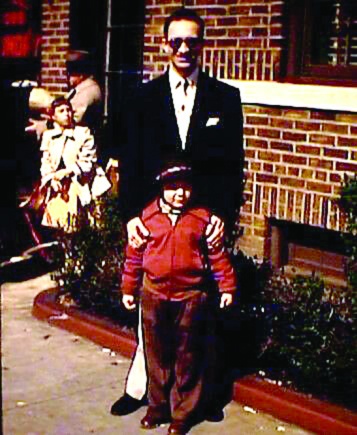
In 1956, my parents, Abe and Estelle Salem, bought a small house in Brighton Beach. It was a major “fixer-upper.” My dad spent a year renovating the house before we could move in. Every day, he came home from work, ate dinner, and went to the house to work on renovating the whole place. On weekends he would bring me along. We’d go to the home improvement or lumber store to get supplies and tools. I remember him saying, “You have to have the right tool for the job, or you’ll mess it up.”
I watched him work and learned. I guess he learned out of necessity to DIY. We weren’t rich. When the major projects were done, we finally moved in. And as we lived there, he kept going with new DIY projects. And I learned more. I picked up his skills and used them when my wife Julie a’h and I bought our house in 1975, trying to emulate my dad with DIY projects. Thankfully my sons picked this up too. I am grateful for the experience. Also, Dad said, “Never go into an empty restaurant.”

Mara Attie with her father Mark Antar

Mark Antar
By Mara Attie

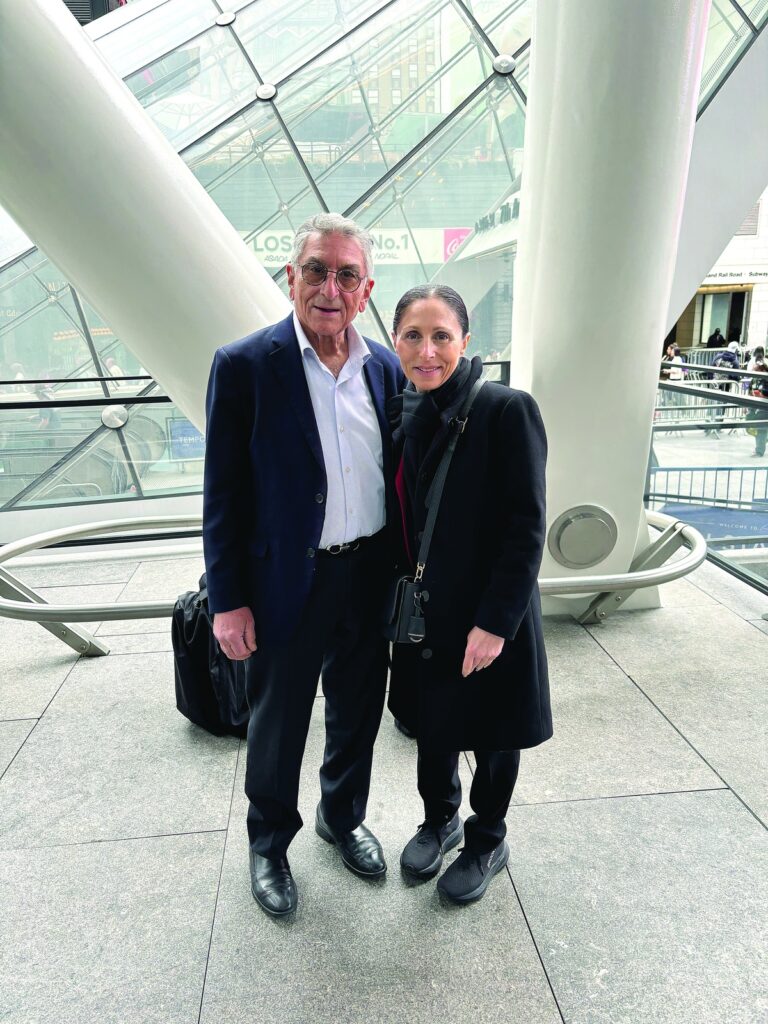
Growing up, my father instilled in me the importance of family, preserving traditions, humility, and treating others with honesty and integrity. He taught me that hard work and strong Torah-based values are the foundation of a meaningful life. Watching the way he carries himself each day taught me more than words or advice ever could. The values he lives by continue to guide me in every part of my life.

Jack Falack with Michelle Saad

Jack Ezra Falack
By Michelle Saad

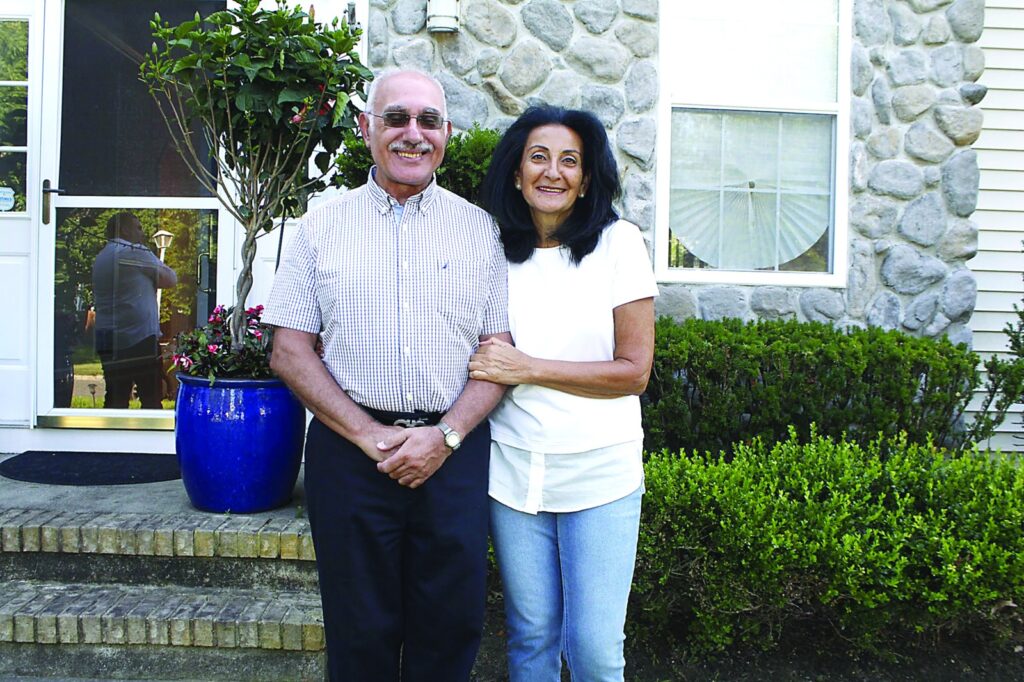
My dad, Jack Ezra Falack, gave me a siddur for a bat Israel. He also gave me High Holiday machzors with my name engraved on them. My dad teaches me never to give up. Now that I think of it, he has given me the tools physically and spiritually to have faith in G-D!

Harriet and David Roffé

David Roffé
By Harriet J. Roffé

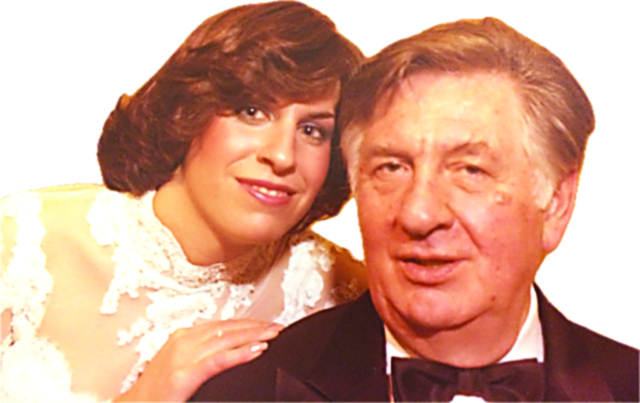
My father always taught me never to laugh at someone else’s misfortune. He also taught me that if I am unhappy with my job because of a supervisor situation, but my boss likes me, there is no reason to leave, because ultimately, it’s the boss whose opinion matters. He also taught me not to live in fear.

Clement Dana and Viviane Darwish

Clement Dana
By Viviane Darwish

My father is my go-to person for advice! He taught me that Hashem is always first, to work hard, stay humble and move in silence with no ego. He also said that when people show you who they are the first time, believe it!

Sally Cohen and Laurie Mizrachi with their dad
Charlie Saka a’h

Charlie Saka a’h
By Sally Cohen and Laurie Mizrachi

Our dad, Charlie Saka, was a leader and visionary in our family and community. He inspired us and those around him to get involved, work hard, and make sure the job gets done, no matter what. He believed deeply in giving back, always leading with kindness, being charitable, and having respect for others. He carried with him the wisdom and values of those who came before him, honoring them through the life he lived every day. Our family proudly carries his lessons and legacy in everything we do.

Henry, Stephen, Mark and Eddie Shalam

Mark Shalam
By Eddie, Stephen and Henry Shalam

Our father no doubt has taught us many things, but from a very young age he taught us to always treat people the way you want to be treated. He also taught us to be conscientious, hardworking and to do things right the first time. He taught us to be humble and to appreciate whatever we had. These are just a few of the life lessons we were taught, and they have always served us well.

Karen Cohen and her dad, Abe Missry a’h

Abe Missry a’h
By Karen Cohen

As a family, we spent our summers in a small town called Watch Hill, Rhode Island. My parents had a resort store there named Harvey’s and it was only open in the summers. From when I was a little girl, my siblings and I worked in the store and one of the things my father taught me was how to count out change to a customer at the register. First, we always put the money on top of the register, so there was no discrepancy. And we would always count out the change to the customer. We always counted up from the price of the sale to the dollar amount of money we were given. Counting out each penny, nickel, dime, quarter and dollar we gave back. For example, if the sale was $1.06 and we got a $5 bill. We would count each penny 7, 8, 9, 10 then the dime 20, then the nickel 25, then the three quarters $2, then each dollar 3, 4 and 5. Then we would put the $5 bill into the register drawer. It was a great lesson in math, courtesy, respect and professionalism.

Joseph and Louis Shamie a’h

Louis Shamie a’h
By Joseph Shamie

My father taught me many lessons but most importantly, he taught us to be respectful, to be kind and to be generous. He taught by example. His motto was, “Work hard, play hard, and enjoy life.” He taught me never to hold a grudge. Many of the things he did for others did not come to light until after his death. He believed everyone deserved a chance to succeed. Countless former employees told us how he employed them, treated them with dignity, gave them bonuses at holiday time, so they could have a good holiday with their families. They said, “Louis Shamie is the father I never had.” Most importantly, my father valued family, kept us all close, and loved my mother, Lorraine, with all his heart. He is my hero.

Isadore a’h and Harold Shamah

Isadore Shamah a’h
By Harold Shamah

Of all the gifts my father possessed, the ones that defined him most were his boundless compassion and his unwavering desire for peace. He never carried bitterness, no matter the circumstance. Instead, he met people with understanding, feeling their pain as if it were his own, and doing whatever he could, big or small, to ease their burden. I strive every day to follow the example he set.

Kimi with her father Sami Mandil a’h

Sami Mandil a’h
By Kimi Mandil

My father taught me the importance of hard work and perseverance. He came from Beirut not speaking a word of English. He knew the value in learning the language and what it would do to help him provide for his family down the line. These are some of the traits that he instilled in me and I am forever grateful.

Sarina E. (age 18) with her father Simon D. Roffé

Simon D. Roffé
By Sarina E. Roffé

My dad taught me the importance of independence. He always taught me to be able to live on my own by teaching me things like using a map and keeping up with him on busy sidewalks. He taught me how to be empathetic and put myself in someone else’s shoes, and he taught me how to be resilient no matter how bad your cards are. Lastly, he taught me that the world doesn’t owe you anything. We’ve all just got to make the best with what we’ve got, and that there is tremendous value in succeeding when the odds are against you. And he taught me how to hang a TV.

Susan Shamie with her father Jack Cattan

Jack Cattan
By Susan Shamie

My dad taught me to be honest and to help others through charity. He believes in working hard and doing the right thing, but he also understands the importance of enjoying life. He taught me that there is a time for work and a time for play and that balance is an important part of living well. Most of all, he taught me that family is very important and should always be valued, supported, and cherished. His kindness, generosity and community work have earned him the respect and admiration of many people while playing tennis, soccer, watching hockey or simply spending time with his family and friends. He continues to inspire us with his energy and spirit. I am proud to say my dad is wonderful. I wish him a long life filled with health, happiness and many beautiful moments together with my mom, his partner for life.

Victor Samuel Franco and his son Samuel V. Franco

Victor Samuel Franco
By Samuel V. Franco

My father, Victor, taught me that integrity isn’t something you announce. It’s something you live quietly, every day, in the way you treat people when no one is watching. He comes from a big, sprawling family, and he carried them all with him, honoring his father’s memory and caring for his mother with the same pride, loyalty, and love. But what I remember most vividly is his friendships: the laughter, the stories, the lifelong bonds that showed me friendship is something you earn, build, and protect. My father’s example is not only in what he has accomplished but in how deeply he loves, how faithfully he shows up, and how many people feel seen and cared for because he has been in their lives. I love you, Dad.

How Online Filing Services Are Changing Business Formation

Ben G. Matsas

Starting a business today is easier than ever, but it wasn’t always that way. Starting a business often meant dealing with complex paperwork, confusing government requirements, and costly delays before a company could even open its doors. Entrepreneurs often had to visit state offices in person or hire expensive attorneys just to properly set up an LLC or corporation. Each state had different rules, and even small mistakes could lead to delays or rejected filings. For many business owners, the process was time-consuming, stressful, and costly before the business even began.

Today, everything has changed with the rise of the internet and modern technology. Business formation is now accessible to anyone with a laptop or phone. Online platforms guide entrepreneurs step by step through the setup process, making it simpler, faster, and more affordable than before. Automation tools help generate documents, reduce filing errors, and simplify the process for new business owners who may not know where to begin. Whether forming an LLC, corporation, or other entity type, entrepreneurs can now complete filings much more efficiently without the delays and complications that once made starting a business overwhelming.
Another important advantage in today’s business environment is flexibility and privacy. Entrepreneurs are no longer limited to forming a business only in their home state. It is now possible to form companies in any U.S. state, depending on an entrepreneur’s business needs and preferences. In addition, many business owners choose to use a registered agent service, which provides a legal mailing address in the state where the business is formed. This is especially useful for those who want added privacy and a professional business presence, since the registered agent receives official government notices and legal documents on behalf of the business. This system allows entrepreneurs to keep their personal address off public records while helping business owners stay organized with important business documents and notices. It also makes it easier to manage multi-state businesses without physically being located in every jurisdiction.
At the same time, online business formation has become much more affordable. Instead of paying high legal fees, entrepreneurs can now complete their business setup at a fraction of the cost. This allows business owners to focus more on building their company instead of spending valuable time dealing with paperwork and filing requirements.
At Liberty Filing (libertyfiling.com), entrepreneurs can form a business in any state and obtain registered agent services when needed, giving them flexibility, privacy, and support throughout the filing process. The company helps entrepreneurs handle the filing process more efficiently and avoid many of the common mistakes that can delay business formation. Whether starting a first business or expanding into another state, Liberty Filing offers entrepreneurs a simple and affordable way to handle the filing process with greater ease and convenience. Business formation services are currently available for a special price, giving entrepreneurs an affordable and convenient way to get their business started without unnecessary delays or confusion. Visit libertyfiling.com to learn more and get started.

The information above is provided for general informational purposes only and should not be considered legal, tax, or financial advice. LibertyFiling.com provides document preparation and filing coordination services only and does not provide legal, tax, or financial advice.

The 5 Best Father’s Day Gifts

Slovie Jungreis Wolff

The most memorable gifts you can give your father this Father’s Day.

1.The Gift Of Acknowledgement
A father can feel like an invisible parent as children grow. Behind the scenes he has supported, cared, and been concerned, while mom handled the day to day goings on. A most incredible way of expressing love is recognizing the good that we have been given. Especially to one who is used to being overlooked. Jewish wisdom calls this ‘hakarat hatov’-literally ‘recognizing the good’. Beyond simply seeing, it means we take a moment to contemplate and acknowledge.
This Father’s Day show your dad that you really see him and don’t take him for granted. Think back to all the trips taken, footballs thrown, nighttime snacks shared, whatever you can think of from your youth that remain etched in your mind. Acknowledge scenarios of your father’s patience, encouragement, and attention to help you attain your goals. Today is your chance to give the gift of recognition.

2.The Gift Of Uninterrupted Time
Undiluted, pure, simple moments together are a gift. We are given the opportunity to bond, share conversation and experiences. Once the moment passes we can never get it back again.
Plan a trip or take your father out, and do whatever it is he loves to do. Be patient. Be kind. Turn off your device. Sometimes we think we are present but emotionally, we are absent.
When you are together, take the time to celebrate your dad. Recreate memories. Share thoughts that show your love. This is your opening to tell your father, “I’m so happy you are my dad” or “You’ve shown me how to get through the hard stuff and climb a mountain. Thank you, Dad.” The words may be hard to say, but you’ll be so happy you said them.

3.The Gift Of Relevance
As years pass, a father may sense that he has become irrelevant. The child who used to ask for help is now the one called upon to figure out a new gadget. Instead of waiting by the window for daddy to come home, it’s Dad who is anticipating a child’s return.
A father has much life wisdom to offer. Judaism teaches, “Ask your father and he will tell you.” With years come experience, heartbreak, loss, insight, and understanding. Seek out your father’s words, discover what life has allowed him to learn. “Dad, if you could meet yourself at my age, what would you say?” Listen. Don’t be snarky. Open your heart and mind. It’s not just about success and finances. We can learn, too, from all the mess-ups and disappointments. Dad has much to give. It is up to us to receive.

4.The Gift Of Peace
When children get together, old rivalries tend to erupt. Arguing, fighting, divisions, and put downs between sisters and brothers sap the joy out of family time. Shalom, peace in Hebrew, is one of the most meaningful gifts you can give your father.
Peace isn’t merely an absence of war. It is a sense of security, well-being and unity. Shalom is related to the Hebrew word shalem – wholeness. Because when we have peace we are whole. Complete human beings who love others as we love our very selves.
Make an effort to create an atmosphere of peace as a tribute to your dad. Hold off from anger, bitterness, and resentment. Whether it is peace with your family, or even peace with your father, you will know that you have brought joy to your dad with your very presence.

5.The gift of forgiveness
Most dads have tried their very best. Sure, mistakes were made. Perhaps there were hurts, missed opportunities, and nights that you found yourself crying in bed. But know that if your dad could, he would erase all those moments, go back, and try again. Life is too short to carry the heavy load of bitterness and resentments. We are all simply human beings. We fail. We fall. We want to love and to be loved. Forgiveness brings with it healing and serenity. Dig deep and draw upon your power of compassion and tolerance. It is time to walk a new path.
Give your father a smile. Show him that you are glad to have this time together. That smile will be your gift that gives your father fortitude and spirit to face life’s storms.
Approach this Father’s Day with the words of Rabbi Jonathan Sacks setting your path: “Love transforms us. It makes us beautiful in the eyes of those who love us. It makes us real.”
Allow love to transform your relationship with your dad. Appreciate the blessing you’ve been given, the blessing of having a father in your life.

The Manna Problem

Why we still complain even when we have everything, and how to reset the way we see things

Jeff Sitt

You ever notice how easy it is to focus on what’s missing, even when things are actually going pretty well? A deal falls through, and suddenly everything feels off. One tough conversation at home, and the whole day is shot. A rough patch in business, and it’s like nothing is working. Nothing catastrophic happened. But your experience shifts instantly.

It’s not new. In Parashat Beshalach, in the Book of Exodus, shortly after leaving Egypt, the Israelites are in the desert, sustained daily by manna, exactly what they need, exactly when they need it. No farming, no supply chain or logistics issues, no uncertainty about the next meal. And yet, they complain. Not because they had nothing, but because they lost sight of what they had.
That’s easy-to-read past. But it should hit close. The manna wasn’t just food, it was a daily reset on how to see what was already there. And maybe that’s the point. Not just what they were given, but how they were meant to see it. Because most of us aren’t lacking, we’re just not resetting how we see things.
Today, most of us have more access, more opportunity, and more comfort than ever before. We have businesses, jobs, families, friends, homes, food, technology, our health, and options our grandparents couldn’t have imagined. And still, we can feel like something is lacking. The issue isn’t the situation. It’s the way we’re seeing it.
We’re wired to look for problems. That’s useful. It helps us survive and solve. But when it runs unchecked, it becomes the default. The mind filters everything through what’s wrong, what’s missing, what’s not enough. So even when things are steady, it doesn’t feel that way. That’s the manna problem. Having what you need, but not experiencing it.
And when you live from that place, you don’t just feel worse, you react differently. You tighten up. You rush. You speak before thinking. It’s like someone thrashing in the ocean, convinced they’re drowning, when in reality, they’re standing in 12 inches of water. The reaction is real. The danger isn’t.
This isn’t about ignoring problems. Business is hard. Life is demanding. People are complicated. But when your focus is locked on what’s missing, you lose clarity, energy, and perspective, the very tools you need to handle those problems well. Instead of operating from solutions, you get hijacked by survival mode.
You perform better when you see things clearly. Get this right, even a little, and you start to respond instead of react. Try this. Take three minutes. When things feel off, pause and ask: What’s actually working right now? What do I already have that I’m not noticing? What am I overlooking?
That’s it. Most of the time, you’ll realize things aren’t as bad as they feel. There’s movement. There’s support. There are pieces in place. That doesn’t remove problems, but it puts them in perspective and proportion. And that changes everything.
When you operate from a clear head instead of lack, you think better. You react less. You make better decisions. You show up better at work and at home. Same situation, different experience. That’s the shift.
The Israelites didn’t need more manna. They needed a different way of seeing what was already there. And it’s just as true now. If you change the way you look at things, the things you look at change. Sometimes the difference between stuck and steady isn’t a new opportunity. It’s seeing what’s already in front of you, clearly.

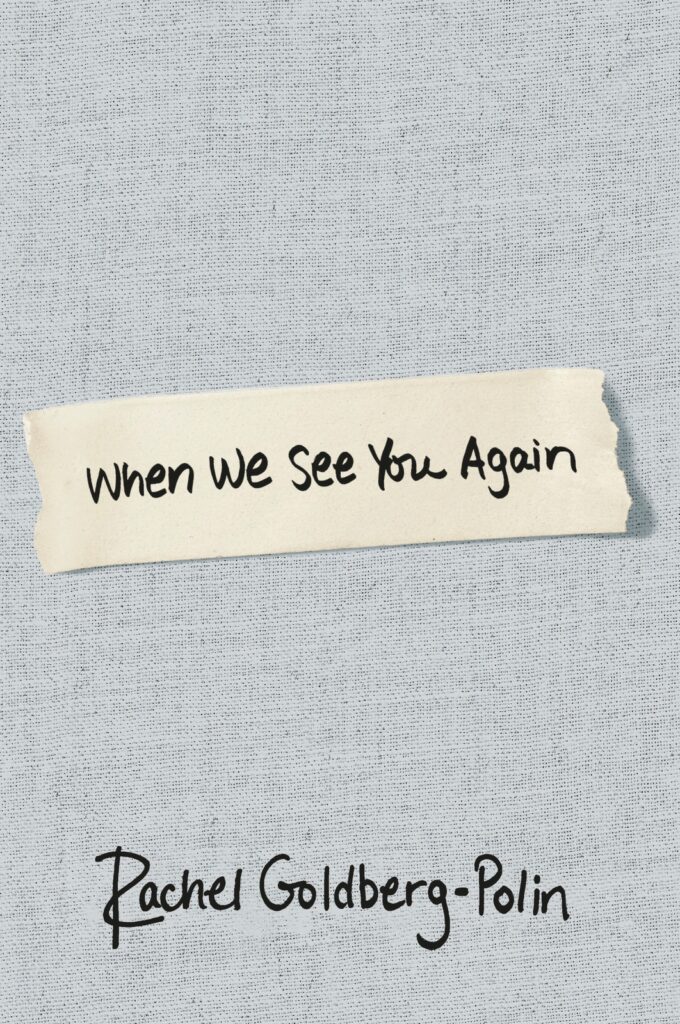
WHEN WE SEEYOU AGAIN

Rachel Goldberg-Polin’s Powerful Story of a Mother’s Fight to Bring Her Son Home

On the morning of October 7th, 2023, Rachel Goldberg-Polin’s beloved twenty-three-year-old son, Hersh, was stolen from a music festival billed as a celebration of unity and love and, in that moment, her life was forever separated into The Before and The After.

Over the next eleven months, she and her husband, Jon, would work tirelessly, in public and behind the scenes, to secure the hostages’ release, to breathe some humanity into the situation while they were experiencing relentless emotional and psychological torment. The power of her raw and fervent pleas soon made her the face of the hostage crisis. And when Hersh and five other captives were executed after surviving 328 days of violence and cruelty, she would also become the face of its ultimate cost.
Goldberg-Polin pours her pain, love, and longing onto paper. WHEN WE SEE YOU AGAIN is a vital historical document and an unflinching chronicle of maternal heartbreak. “Now my prayer, my pursuit and quest, more than any other, is still Hope,” says Goldberg-Polin. “Hope to succeed on the protracted, forever-road ahead.” WHEN WE SEE YOU AGAIN offers the most complete account to date of Goldberg-Polin’s saga, as she worked to secure the release of her son and all of the hostages. Most powerfully, Goldberg-Polin brings readers alongside her as she processes her own grief. Reading it is an act of bearing witness. It gives voice to the broken among us, and reminds us that even when the world feels choked with darkness, light exists in a different way. How do we find it?
“There are days when I break completely,” she writes. “I have cried for an entire day straight. I didn’t think it was physically possible, but the weeping never let up. That is a very long time to cry. I kept hoping I would run out of tears. And then there are days when there is a whisper of sun. Not out there in the sky. In me. In us.”

BOWL NIGHT

Where Strikes, Stories, and Brotherhood Collide

Joey Baghdadi

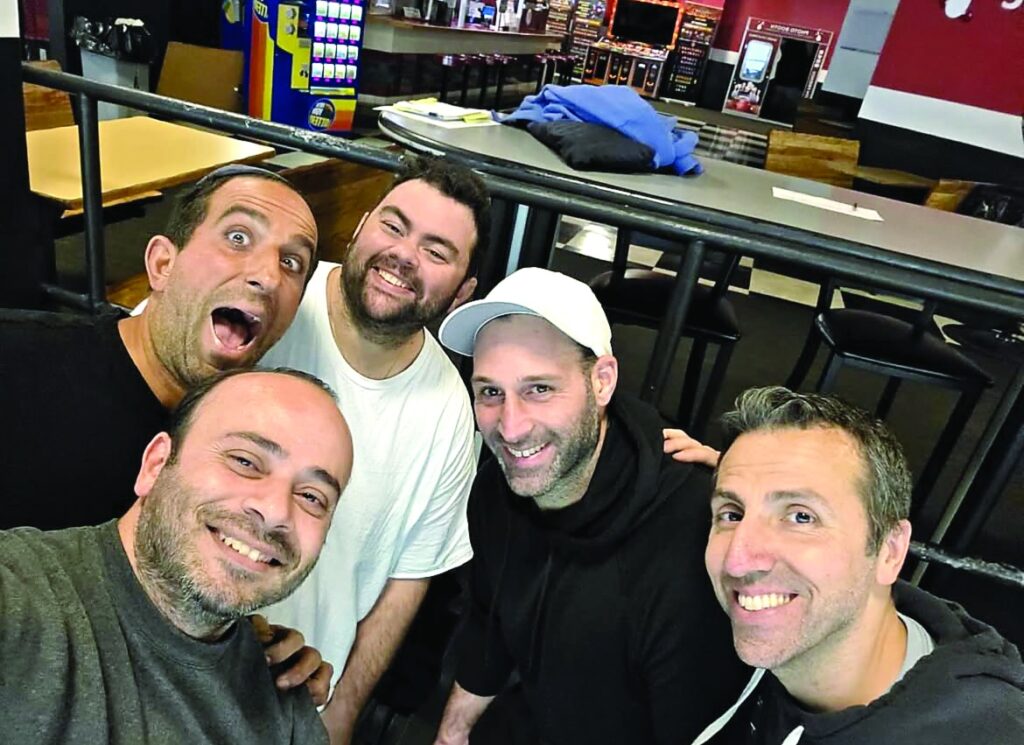
Every Tuesday night at Fun Fest, something special is happening, and it’s not just the sound of pins crashing. It’s BOWL NIGHT.

What began as a simple bowling league has quickly grown into one of the most energetic, competitive, and enjoyable weekly meetups in the SY community. Thirty-six players strong (and growing), ranging from ages 13 to over 60, lace up each week not just to bowl, but to compete, connect, and be part of something bigger than the game itself.
The spring 2026 season has perfectly captured what makes BOWL NIGHT unique. Twelve three-man teams battle through a 10-week regular season, bowling three games each Tuesday night, with only the top eight teams advancing to the playoffs. As the season entered its final weeks, each player truly realized how every frame mattered.
What truly separates the league, however, is its 85% handicap system, the great equalizer. A bowler averaging in the 80s can compete directly with someone rolling 180s and legitimately win. That structure creates rare, meaningful competition across generations and skill levels. Everyone has a chance. Everyone stays engaged. And that’s where the magic happens.
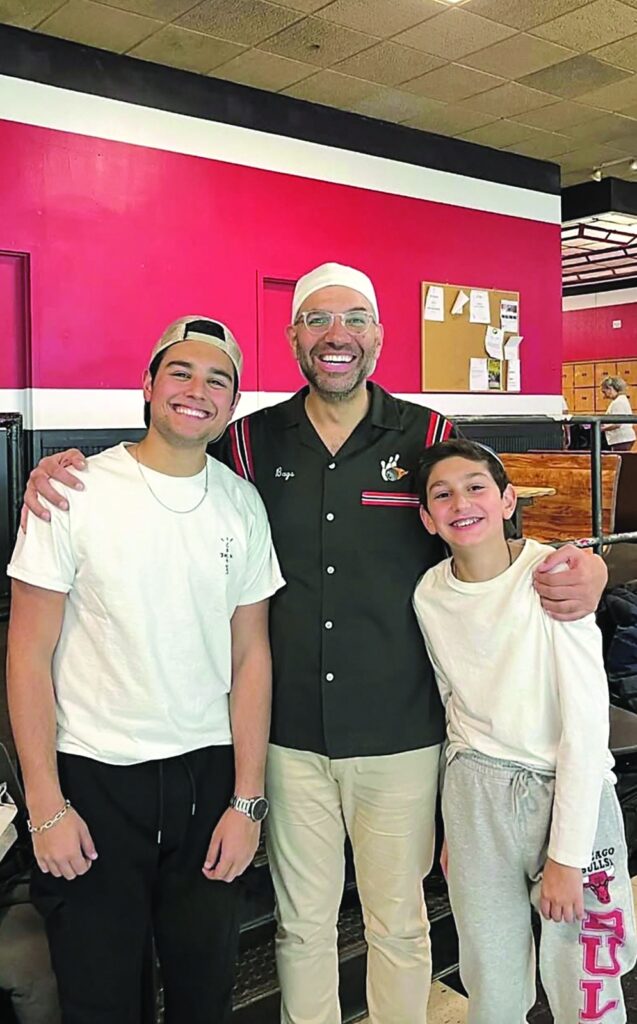
Because BOWL NIGHT isn’t really just about bowling. It’s about people. It’s fathers and sons sharing a lane, something I personally cherish each week while bowling alongside my two sons. It’s lifelong friends reconnecting, new friendships forming, and personalities colliding in the best possible way. There’s laughter after gutter balls, celebrations after strikes, and just enough friendly trash talk to keep things entertaining. Add in our three weekly prize winners, awarded to those who bowl highest above their average, and the excitement only grows.
Off the lanes, the league has developed its own pulse. Our WhatsApp chat is active daily with recaps, reactions, standings talk, and endless banter. Our Instagram page, Instagram (@BowlNightSY), showcases weekly photos and videos from the alley, while detailed stats keep everyone updated on standings, averages, and schedules.
For me, this league is especially meaningful. Years ago, I ran another community league called the SBL, which lasted over a decade and was even featured in IMAGE Magazine back in 2008. When it ended in the early 2010s, I always hoped something like it would return.
In fall 2025, it did. The response has been incredible, and now we’re looking ahead toward expanding from 12 teams to 16+ for the fall 2026 season beginning this September.

Whether you’re a seasoned bowler or haven’t touched a bowling ball in years, there’s a place for you here. Because at its core, BOWL NIGHT is about community, camaraderie, competition, and showing up for something positive every single week. Grab a ball. Bring your game. Join the movement.

The Power of Asking Questions

How MDY Teaches Students to Think for Themselves

In the bustling classrooms of MDY, a quiet revolution is taking place, one that replaces the traditional “sit and listen” lecture with a dynamic, ancient practice known as the Socratic method.

Named after the Greek philosopher Socrates, this approach is essentially the art of asking instead of telling. Rather than feeding students facts to be memorized, our teachers act as guides, using a series of targeted questions to peel back the layers of a concept like an onion. This cooperative dialogue challenges students to examine their own assumptions and move past the surface of a topic.
The benefits of this method are profound. By training students not to take information at face value, we help them develop sharp critical thinking skills. They learn to poke holes in arguments, including their own, which fosters a sense of intellectual humility. In a Socratic lesson, the goal shifts from “winning” an argument to a collective search for the truth. Furthermore, because students reach their own “aha!” moments through logic rather than being told what to think, they retain the information much longer. It even helps uncover “unconscious biases,” proving that many of our beliefs are based more on habit than on sound reasoning.
We see this in action across all middle school grade levels. In sixth grade, students didn’t just study Alexander the Great; they put him on trial, debating whether he was truly “Great” or simply a power-hungry tyrant. Meanwhile, seventh graders became historical investigators, analyzing document-based questions (DBQs) to see how factory owners and families viewed the Temperance Movement differently. Even the most difficult topics are tackled head-on, such as when our eighth graders engaged in a heated debate over the heinous crimes of the communist regime and the KKK. By defending different positions, these students aren’t just learning history. They are learning how to think for themselves. At MDY, we aren’t just teaching kids what to learn; we’re teaching them how to wonder.

A New Future for Imagine Academy

For twenty years, Imagine Academy has transformed the lives of children with autism and developmental disabilities while supporting the families who love them. What began in 2005 as a small school created by determined parents has grown into one of the most respected neurodiverse education programs in New York City. Now, the school is preparing for its next and most important chapter yet: a new building designed to meet the growing needs of the community.

Imagine Academy currently operates out of an outdated facility in Brooklyn. Every inch of space is utilized, yet the school continues to face a growing waiting list of families seeking services for their children. Leaders say the need for a larger facility has become urgent.
“Our community has outgrown the current location,” explained founder David Jemal. “A new facility would allow us to expand our programs, serve more children, and continue providing the highest level of professional care and education.”
The new building would dramatically enhance the student experience. School leaders envision a future campus featuring a full-sized gymnasium, outdoor recreation areas, expanded therapy suites, larger classrooms, dedicated sensory spaces, and a cafeteria with a teaching kitchen, all of which would allow Imagine to serve even more students and families. Plans also include expanded after-school services, vocational training opportunities, and programs for students over age 21.
Assistant Principal Raquel Savdie emphasized how important the environment is to education. “We are bursting at the seams,” she said. “A larger, purpose-built space would allow our students to thrive socially, emotionally, and academically in ways we simply cannot accommodate right now.”
What started as a dream among a small group of parents has become a lifeline for countless families. With a new building, Imagine Academy hopes to continue creating happy minds and bright futures for generations to come.
For more information about our new building or available naming opportunities, please contact Elisa Chrem at echrem@imagineacademy.com or 718-376-8882, ext. 127.

How to Get Along With Extended Family This Summer

Summer has a way of bringing families closer, sometimes much closer

Parents, adult children, grandchildren, siblings, cousins, and in-laws may share a summer home, a bungalow, a hotel suite, or a vacation rental. The hope is simple. More time together, more memories, more connection. But when different routines, budgets, parenting styles, and personalities meet under one roof or on one trip, tension can build quickly.

Family time works best when people understand the setting. Moving in together for the summer is one kind of challenge. Traveling together is another. Both can be meaningful, but each requires planning, patience, and a little humility from everyone involved.
When extended family moves in together, the pressure usually comes from daily life. A house that feels relaxed to one person may feel crowded to another. One family wakes early. Another sleeps late. One parent wants children outside all day. Another needs quiet time for a baby to nap. One person expects shared meals every night. Someone else thought the arrangement would be more casual.
The best time to avoid resentment is before everyone settles in. Families should talk about the basics early. Who is paying for groceries? Who is cooking? Is there cleaning help, and who is covering it? Are guests allowed to come for meals, Shabbat, or overnight stays? Which rooms are private? These conversations may feel uncomfortable, but unclear expectations usually create more discomfort later.
A summer home may feel informal, but it is still someone’s home. Adult children should not assume every cabinet, closet, refrigerator shelf, or bedroom is open. They should ask before inviting guests, replace supplies they use, and offer to contribute toward food, cleaning, or household costs. Even when the host refuses the money, the offer shows respect.
Hosts also need to make space for the adults their children have become. Married children and young families may have routines of their own. They may parent differently, keep different hours, or need time alone. Advice may come from love, but too much advice can feel like criticism. A safety issue should be addressed. A different snack choice or bedtime routine may not need a comment.
The kitchen is often where summer tension shows up first. Food touches everything. Children’s schedules, budgets, diets, cleanliness, and family habits all meet there. A practical plan helps. Families can assign meals, divide shelf space, label food when needed, and agree that everyone cleans up after themselves. No one should feel like the unpaid housekeeper while everyone else is on vacation.
Children add joy to a shared summer home, but they also add noise, mess, and conflict. Cousins may love being together and still fight over toys, snacks, rooms, and attention. Adults should avoid comparing children. Comments about who behaves better, eats better, listens faster, or helps more can sting. Children hear those remarks, and so do their parents.
Space is not a sign of distance. It is often what allows closeness to continue. Not every meal, errand, swim, walk, or outing needs to include the whole family. Some people recharge by talking. Others need quiet. Children need rest. Adults need privacy. A few hours apart can make the next few hours together much warmer.
Traveling together brings a different kind of pressure. A family trip can sound simple while everyone is planning from home. Once flights, hotels, rental cars, restaurant reservations, tickets, tired children, and weather delays enter the picture, small differences can become big frustrations.
Before booking, families should be honest about the kind of trip they want. Some people want a quiet vacation with late mornings and slow meals. Others want a full schedule and every major attraction covered. Neither approach is wrong, but mixing the two without discussion can create tension. A person who wants to rest may feel pushed. A person who wants activities may feel held back.
Budget should be handled clearly and respectfully. Extended families do not always have the same comfort level with spending. One family may want a nicer hotel, private transportation, and restaurant dinners. Another may need to keep costs down. The goal is not to make anyone embarrassed. The goal is to plan in a way that people can join without pressure. When one person wants an upgrade, that person can pay the difference or make a separate arrangement.
Food, transportation, and timing matter even more when children are involved. A long day may look fine on paper, but not with toddlers, strollers, car seats, skipped naps, and hungry children. Families traveling together should plan with the least flexible person in mind, often the baby, the elderly grandparent, or the child who needs structure. When the most vulnerable person is considered, the whole group usually does better.
One of the healthiest rules for family travel is permission to skip. Not everyone has to join every dinner, tour, beach day, shopping trip, or late-night outing. Skipping an activity should not be treated as an insult. A family trip becomes easier when people can say, “That does not work for us today,” without creating drama.
In-laws may feel the pressure most. They are often entering a family system with its own jokes, habits, rules, and history. A little kindness can make a major difference. Include them in plans, but do not force closeness. Give them room to participate without feeling watched. When people feel accepted, they usually relax.
When conflict happens, it helps to keep the conversation small. One disagreement should not become a trial about every old family issue. “Can we make a plan for tomorrow morning before everyone goes to sleep?” will usually work better than a broad complaint about how the family never plans. Specific problems can be solved. Big accusations usually leave a mark.
Extended family time will rarely be perfect. It may be loud, crowded, delayed, and full of opinions. It can also become one of the memories children carry for life. They may not remember every meal or every outing, but they will remember cousins, shared rooms, late nights, grandparents, and the feeling of being part of something larger.
Getting along does not mean everyone agrees. It means people choose respect before pride, patience before reaction, and family before being right. That choice can turn a crowded summer home or a complicated family trip into something worth repeating. q

Linda Ebani Recognized for a Legacy of Community Service

Senator Sutton Honors Her as a Woman of Distinction in the New York State Senate

Eddie Esses and Sari Setton

For decades, Linda Ebani has quietly but powerfully helped shape the civic fabric of South Brooklyn. A lifelong Brooklyn resident, Linda has become synonymous with grassroots leadership, neighborhood revitalization, and civic engagement, a trusted community advocate whose work has touched thousands of lives across the community.

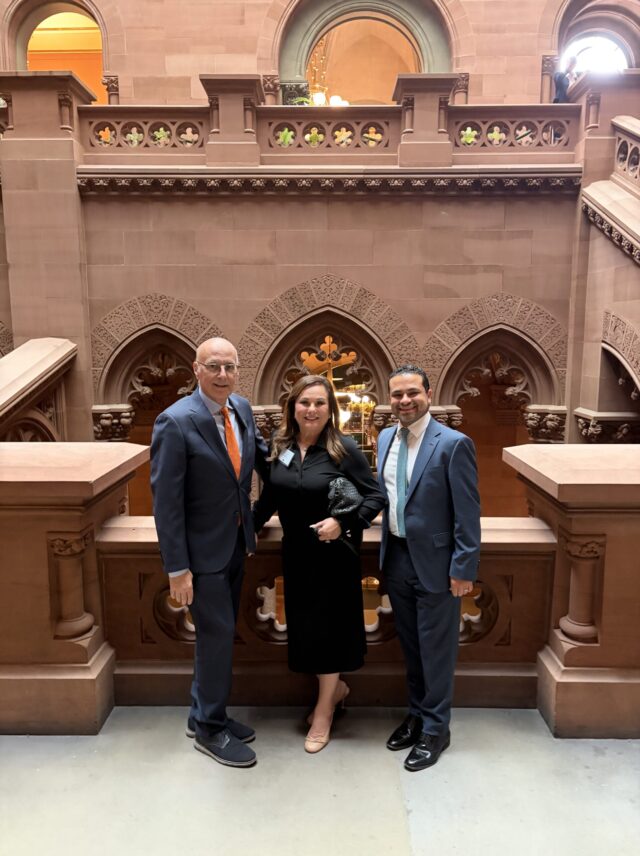
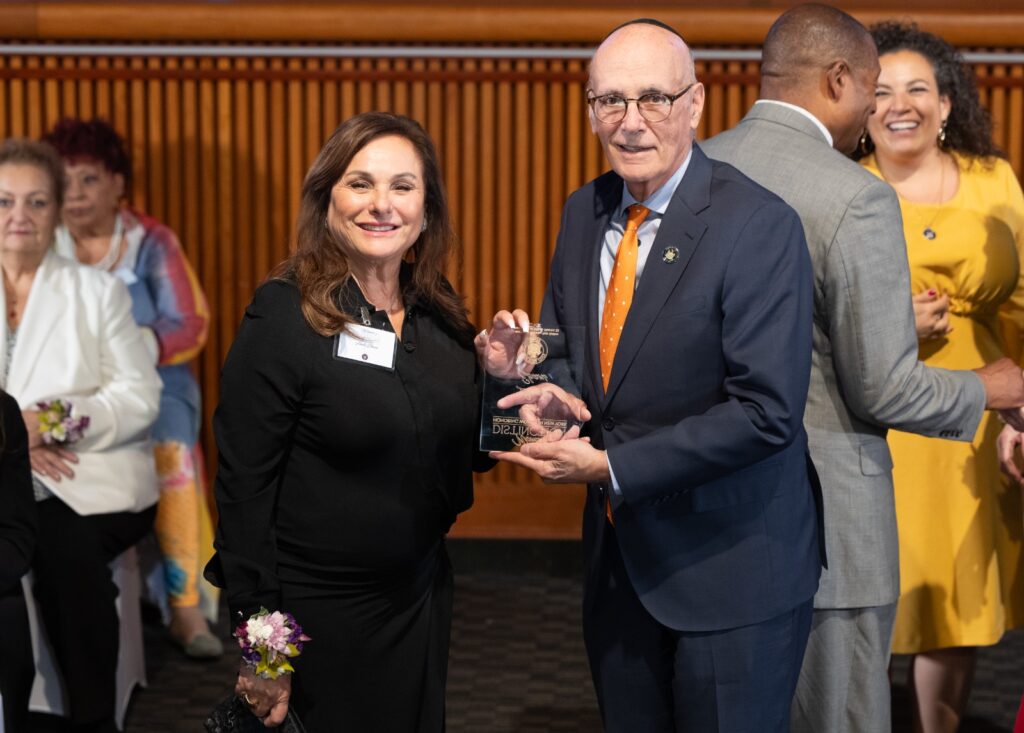
That dedication was recognized in a major way recently when New York State Senator Sam Sutton honored Linda as a Woman of Distinction on the floor of the New York State Senate in Albany. Surrounded by supporters, community leaders, and members of the Senator’s team, Linda received one of the state’s most meaningful recognitions for community leadership and public service.
“Today, I had the immense pleasure to recognize and honor our very own Linda Ebani as a Woman of Distinction on the floor of the New York State Senate,” the Senator said in a statement. “Linda’s nomination as a Woman of Distinction is a fitting tribute to her decades of visionary leadership, tireless service, and unwavering dedication to the people of Brooklyn. Her legacy of empowerment, civic engagement, and community stewardship continues to inspire others and exemplifies the profound impact of committed grassroots leadership.”
The honor reflected not only years of visible accomplishments, but a lifetime commitment to improving the neighborhoods Linda proudly calls home.

A Driving Force Behind Community Revitalization
As a founder and leading force behind the Kings Highway Beautification Association, Linda helped create an organization that transformed the appearance and vitality of one of Brooklyn’s most important commercial corridors.
What began as a focused effort to improve Kings Highway evolved into a broader movement that is now working to revitalize retail corridors throughout the surrounding community. Through collaboration with local businesses, residents, and elected officials, the organization successfully secured millions of dollars in funding for beautification projects, infrastructure improvements, parks, and public spaces.
Under Linda’s leadership, Kings Highway has also seen dramatic improvements in cleanliness, landscaping, lighting, and overall neighborhood appearance, helping restore civic pride and strengthen local commerce. The organization’s impact eventually expanded well beyond Kings Highway itself, bringing similar enhancements to additional major shopping and retail corridors across our community. One of the most significant achievements connected to Linda’s advocacy was securing critical funding for the McDonald Avenue Playground, transforming it into a modern, welcoming recreational space for local children and families. The project became a symbol of her belief that strong communities are built around safe, vibrant public spaces and the impact that engaging civically with our elected officials can have.

Championing Civic Engagement
While Linda’s work on beautification projects has reshaped the physical landscape of Brooklyn neighborhoods, her civic engagement efforts have reshaped the community politically as well.
A steadfast believer in democratic participation, Linda spent years organizing and leading large-scale voter registration initiatives designed to empower underrepresented residents and encourage civic involvement. As Chair and organizer of a volunteer committee of more than 40 women, she helped build a grassroots network that registered many thousands of new voters throughout the community.
Those efforts did not stop at registration drives. Linda and her teams also worked tirelessly on voter outreach and turnout operations during election seasons, helping mobilize residents and ensuring community voices were heard at the ballot box.
Her ability to bring together volunteers, community groups, and civic leaders has earned her widespread respect throughout South Brooklyn and established her as one of the most effective grassroots organizers.

A Well-Deserved Honor
The Women of Distinction recognition in Albany served as a fitting tribute to Linda’s decades of service and leadership.
Senator Sutton was honored to formally recognize Linda’s contributions in the State Senate and highlighted her impact on South Brooklyn communities. Joey Saban, the Senator’s Chief of Staff, helped arrange and coordinate the recognition, helping ensure that Linda’s years of dedication received the statewide acknowledgment they deserved.
For many in our community who know Linda, the honor came as no surprise. Her legacy is visible across the community: in revitalized streets and parks, in stronger civic participation, and in the thousands of residents she inspired to become more engaged in their community.
More than anything, Linda Ebani’s story is one of grassroots leadership at its finest: neighbors helping neighbors, block by block, voter by voter, and community by community.

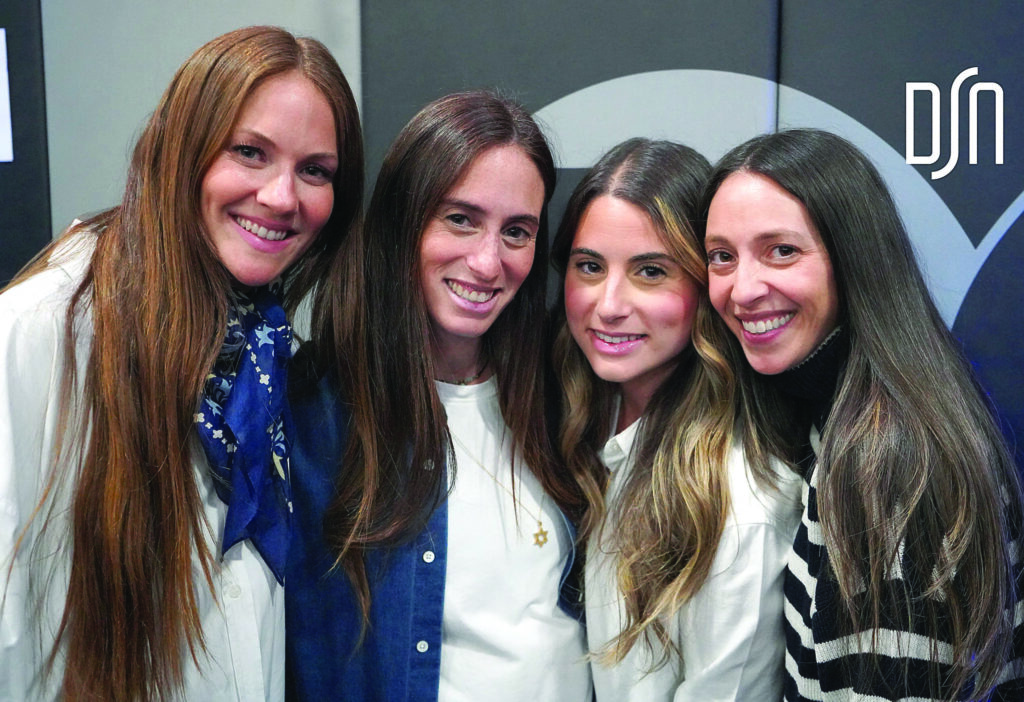
DSN AND the Jersey Shore Community Comes Together forYom Hazikaron and Yom Ha’atzmaut

DSN marked two deeply meaningful occasions with heartfelt community-wide events honoring both Yom Hazikaron and Yom Ha’atzmaut. Through remembrance, unity, celebration, and prayers for Israel, community members gathered to commemorate these important days.

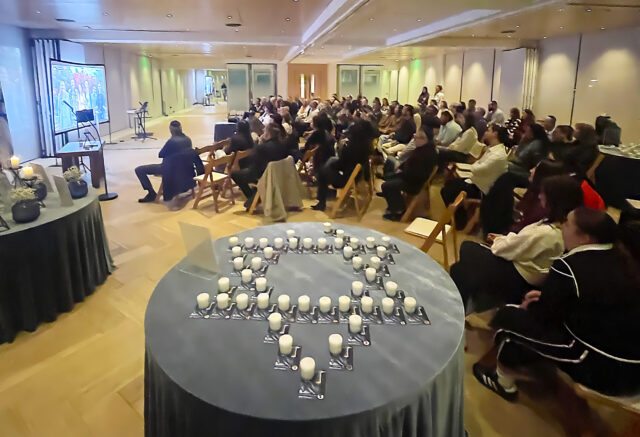
Yom Hazikaron was observed on Monday, April 20 at the DSN Beach Club, where nearly 200 attendees came together for a powerful and emotional evening dedicated to remembering Israel’s fallen soldiers and victims of terrorist attacks. The event was organized with the help of dedicated volunteers including Ayelet Maman, Yoav Maman, Ilay Maman, Yael and Tomer Ohayon, Daniella Benun, Adi Bersano, and injured IDF soldier Tamir Dudi.
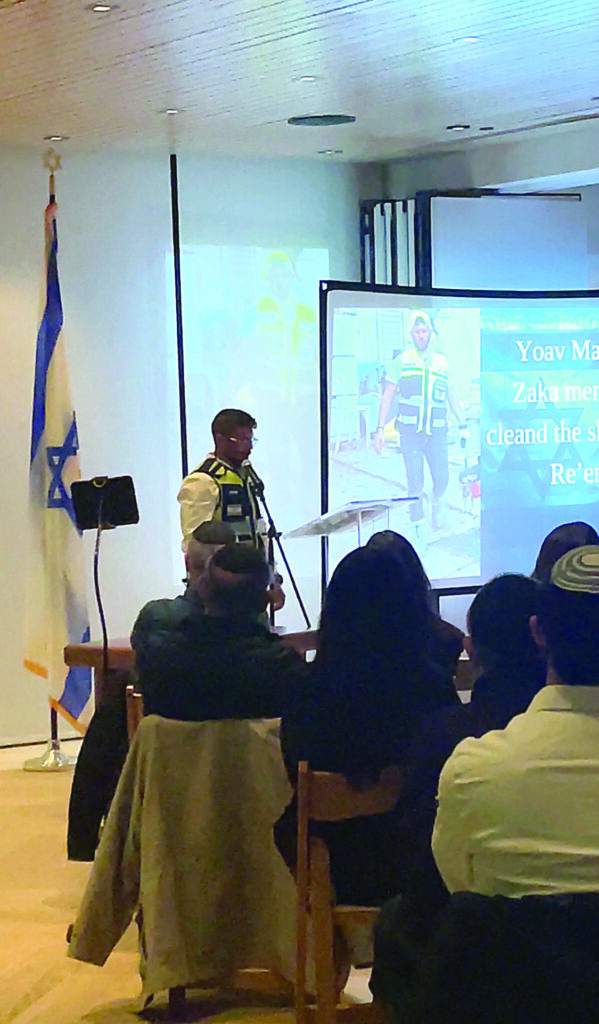
Guests heard moving remarks from a ZAKA volunteer on October 7th, sharing firsthand experiences from the tragic scenes he witnessed and spoke candidly about the emotional journey of healing. IDF soldier Tamir Dudi also addressed the audience, reflecting on the many friends and fellow soldiers he lost during his service. He reminded attendees that every fallen soldier was more than a name, they were fathers, mothers, sons, daughters, brothers, sisters, and heroes deeply loved by those around them.
Rabbi Joseph Dana and Rabbi David Tawil led heartfelt prayers for Israel’s soldiers and recited Yizkor memorial prayers. The evening concluded with attendees lighting memorial candles and singing an especially emotional rendition of Hatikva, Israel’s national anthem. Each participant was given a memorial candle bearing the name of a fallen soldier to light again at home, continuing the remembrance beyond the evening itself.
DSN Event Coordinator Jennifer Sasson reflected on the significance of the gathering, saying, “Yom Hazikaron was a night filled with such meaning for our community. Everyone came together to remember those who have fallen. It was a night filled with incredible depth, unity, and meaning.”
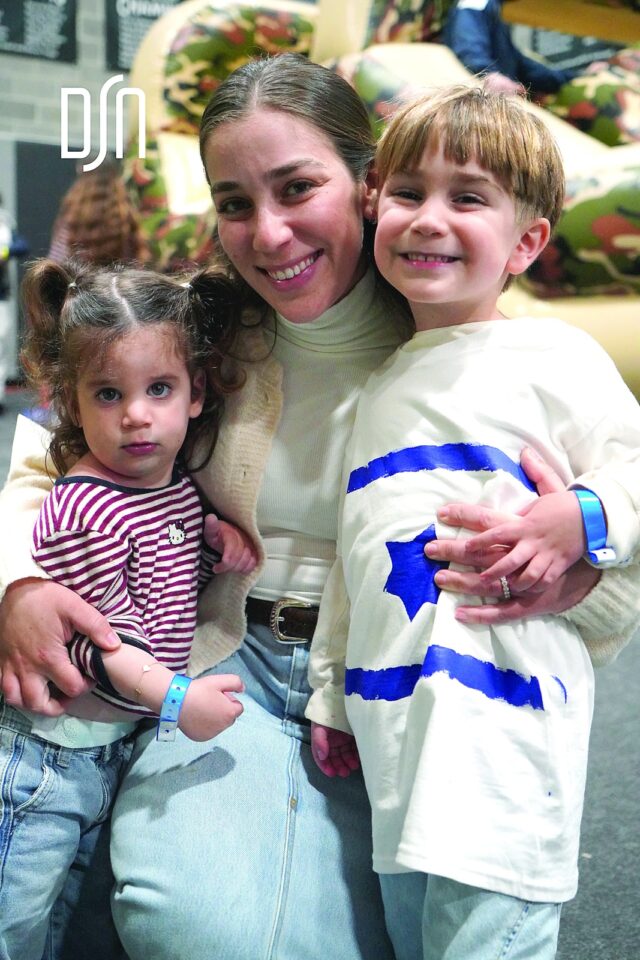
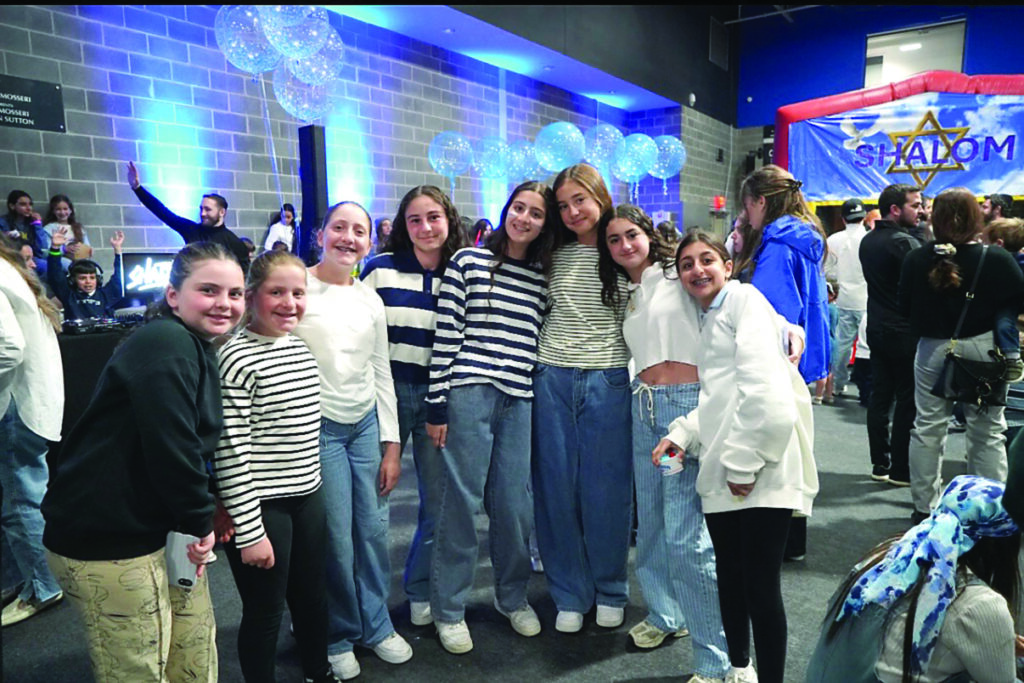
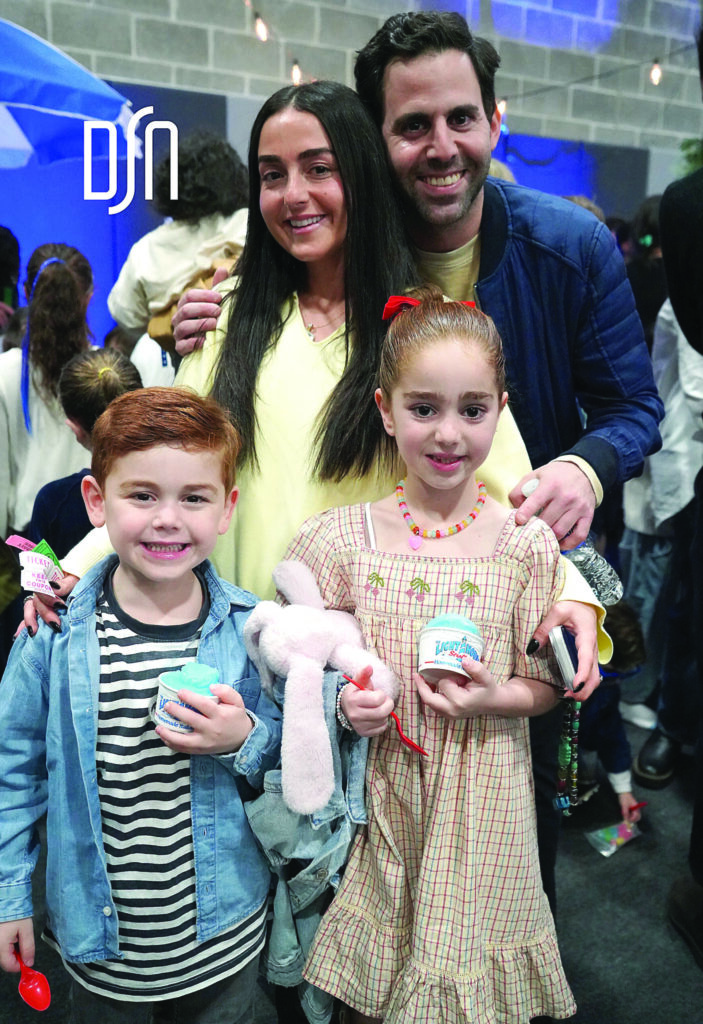
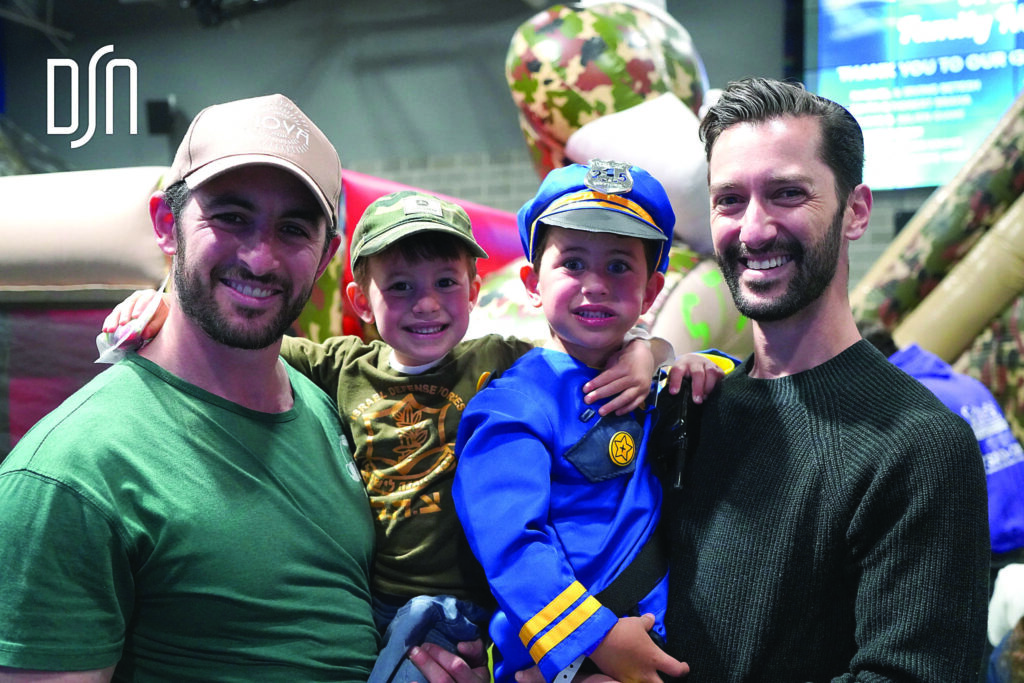
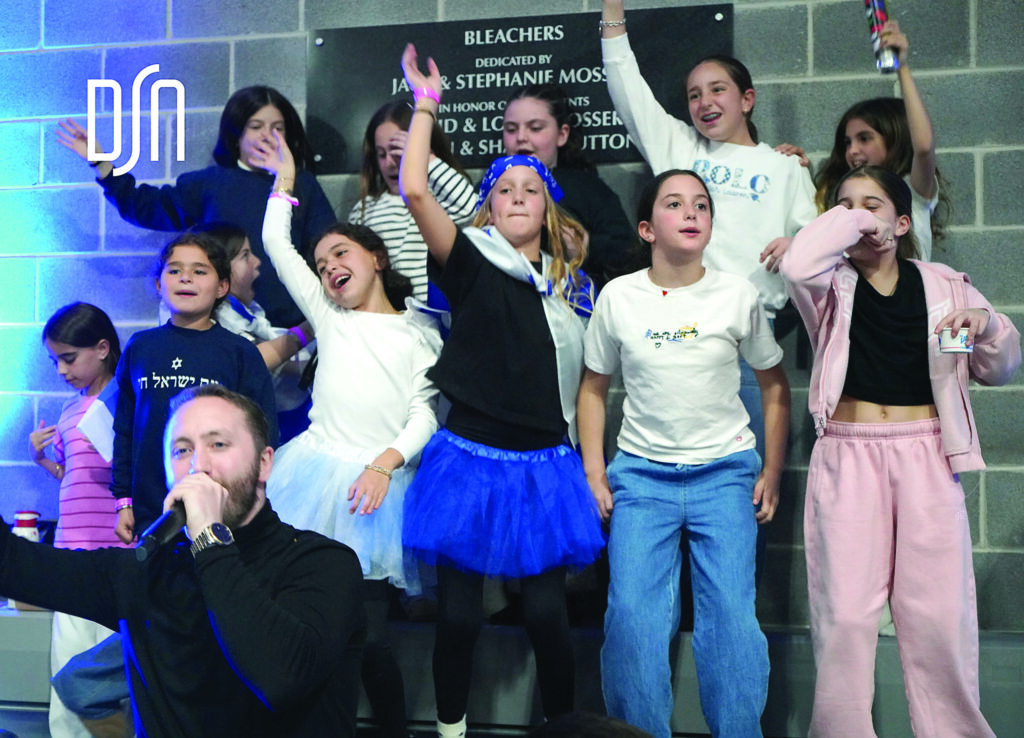
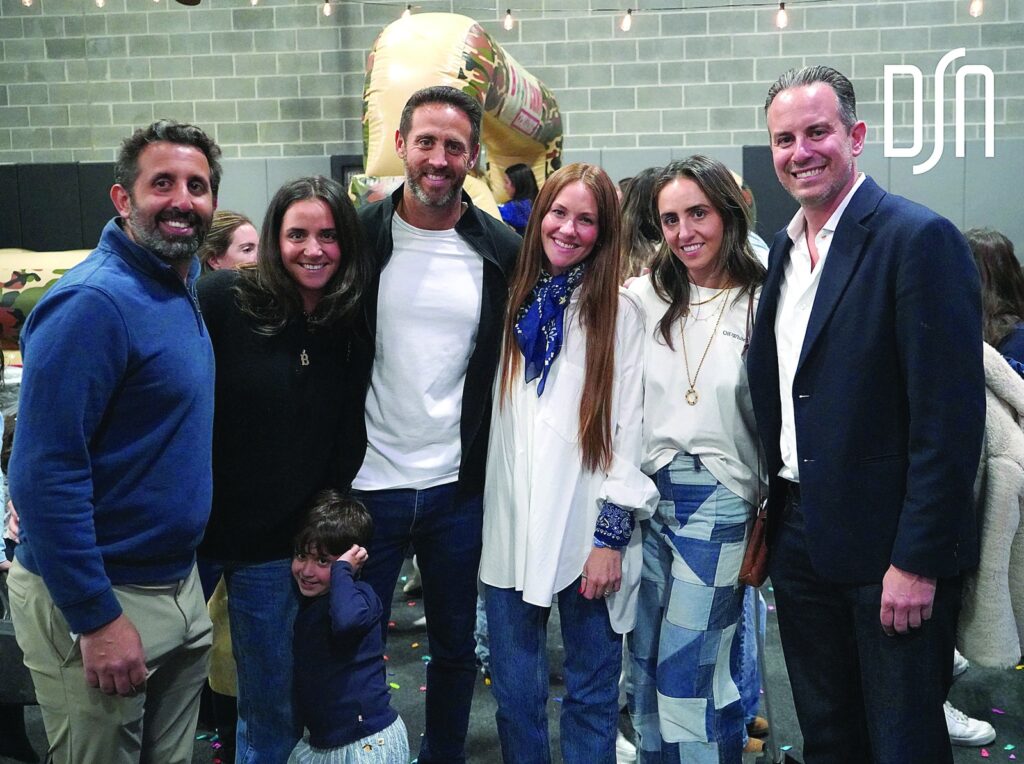
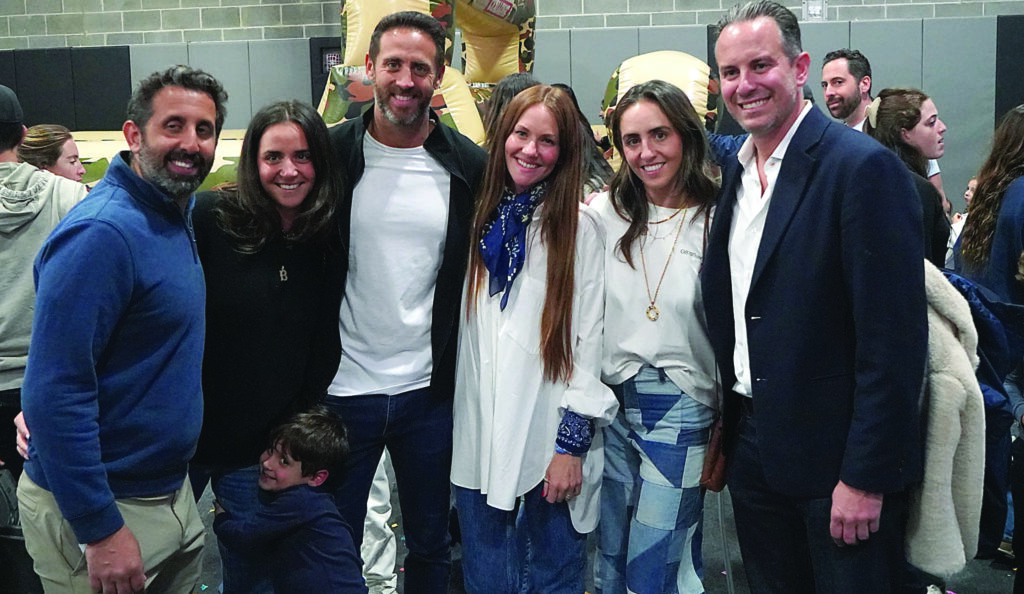
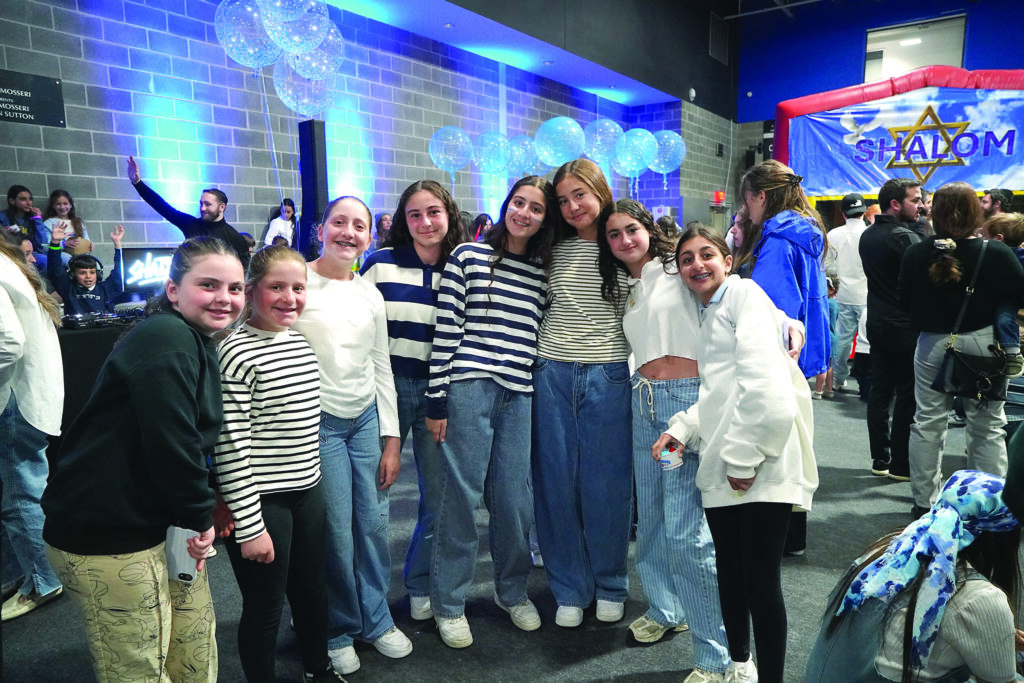
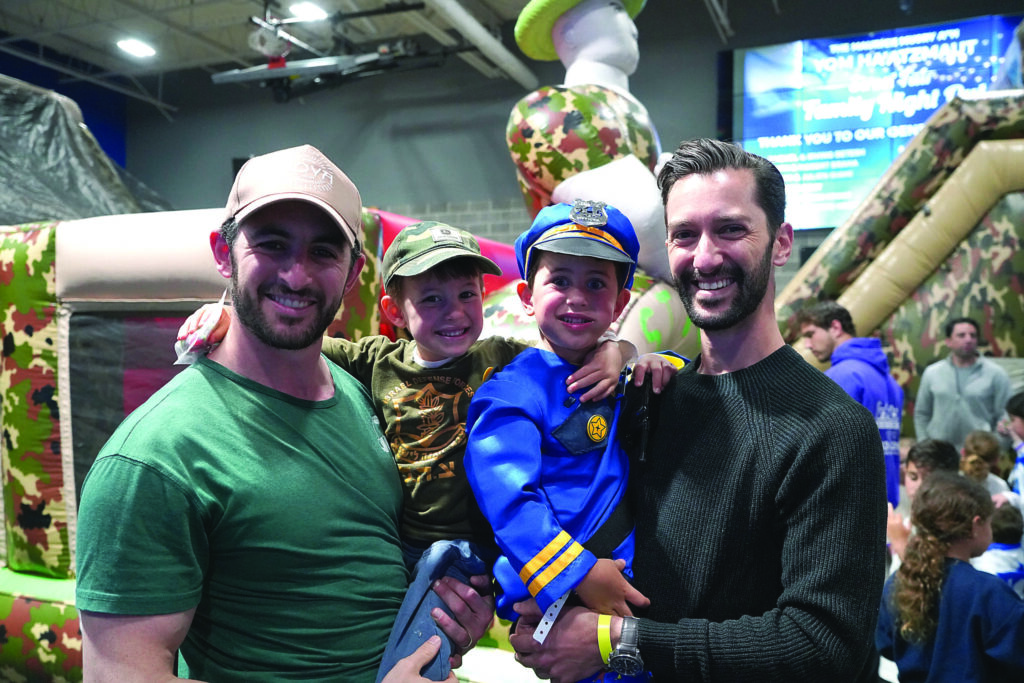
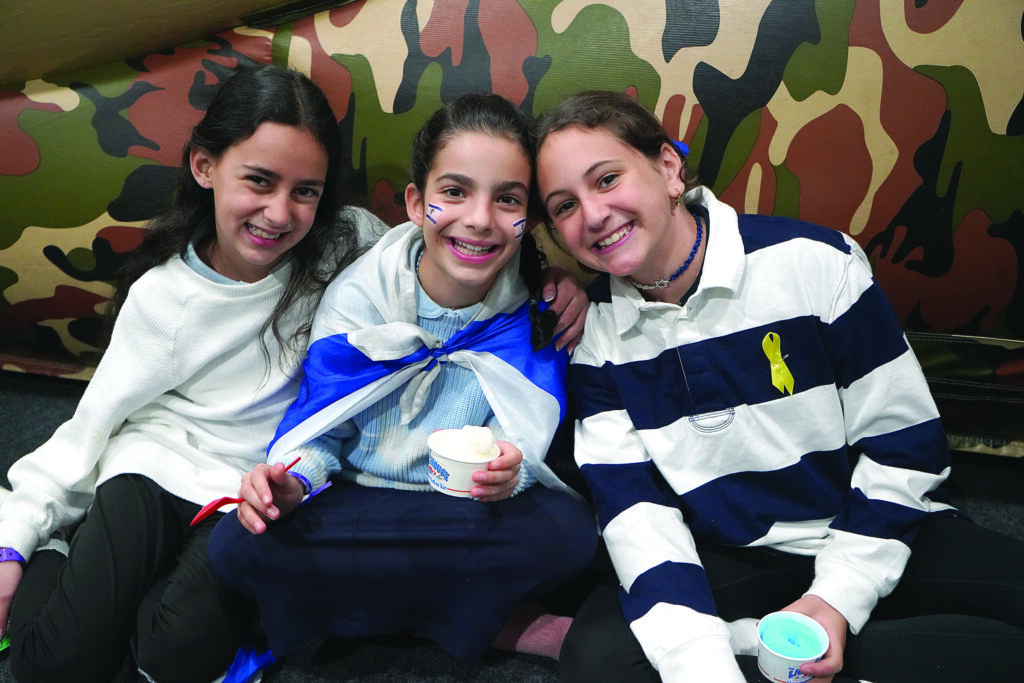
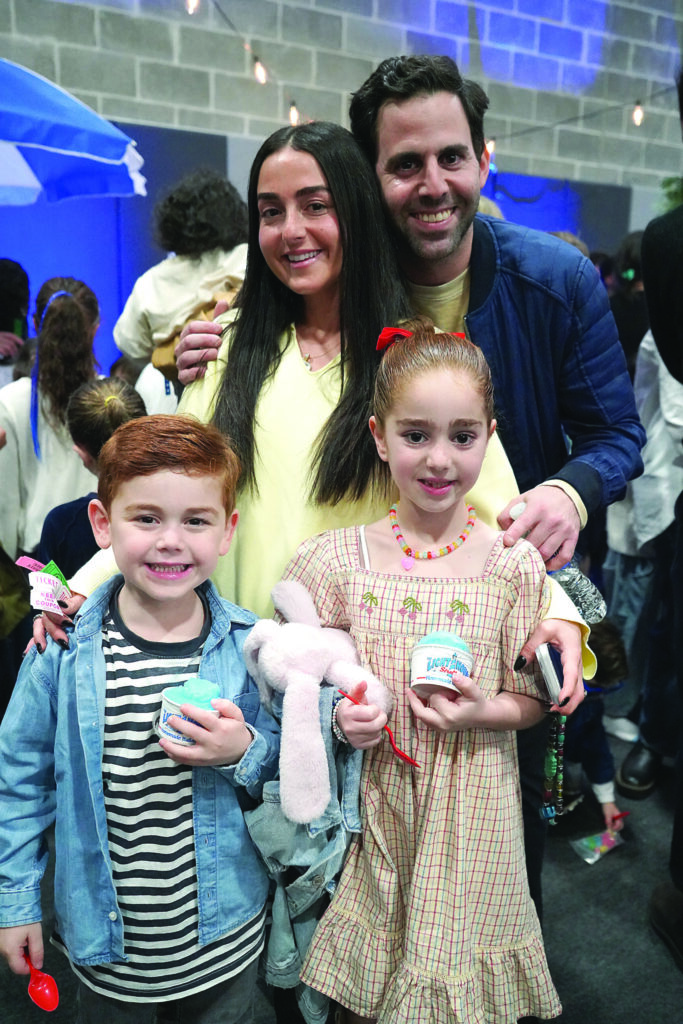
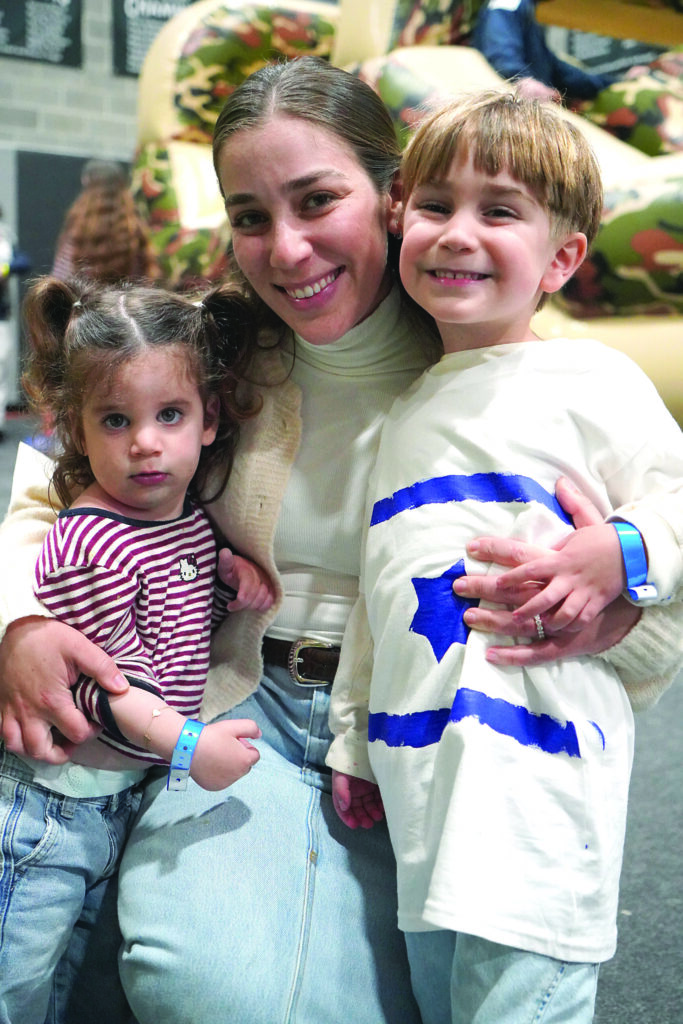
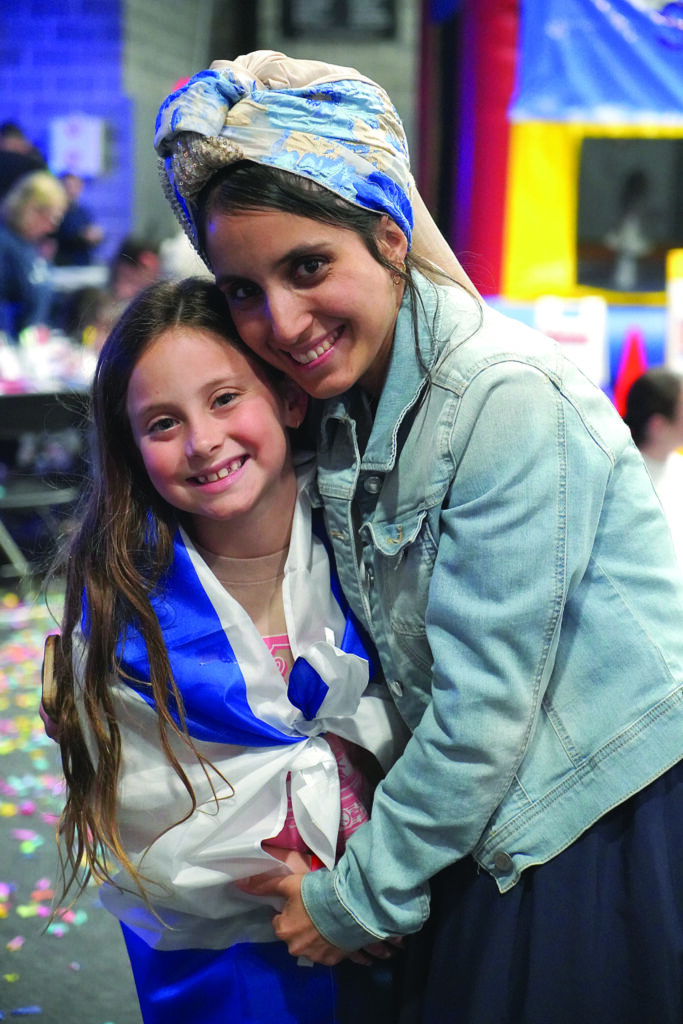
Just two days later, on Wednesday, April 22, the community shifted from solemn remembrance to joyful celebration as the DSN Community Center hosted a vibrant Yom Ha’atzmaut family event attended by over 1,000 people. The gymnasium was transformed into a lively Israeli-inspired street fair, complete with a mock shuk, marketplace, festive music, food attractions, and interactive activities for children and families.
The event was made possible through the hard work and dedication of volunteers, including Honey Dayan and Jacqueline Musry. The celebration was held in memory of Jacqueline’s father-in-law, Maurice Musry a”h, whose life was deeply dedicated to Israel and whose love and passion for Israel left a lasting impact on all who knew him.
Guests enjoyed dinner by Nicole’s Kitchen, along with favorite treats from Lighthouse and Sylvia’s Candy. DJ Shatz kept the energy high as attendees danced proudly with Israeli flags waving in the air. Children enjoyed army-themed inflatable attractions and participated in a meaningful activity by writing letters to IDF soldiers.
Frieda Shamah, DSN Youth Director, shared, “Seeing our community come together to celebrate Israel with such incredible energy, pride, and unity was beyond anything we imagined. The overwhelming love and support for Israel could be felt throughout the entire event, making the night truly unforgettable.”
Jacqueline Musry reflected on the evening, saying, “Yom Ha’atzmaut this year was one of our best yet. Seeing everyone coming together to celebrate the State of Israel brought me to tears. It was true achdut, unity! Different schools, shuls, and area codes didn’t matter, we were all there together, united in happiness and pride, celebrating the Land of Israel and Am Yisrael, the people of Israel. It was an event I will never forget.”
DSN’s Executive Director Sammy Sitt summarized the impact of the two events. “These events beautifully reflected our community’s deep connection to Israel, first by honoring those who made the ultimate sacrifice, and then by celebrating the miracle of a Jewish state. I am proud that DSN continues to stand at the forefront of Israel-related programming, which remains an integral part of our mission.”