Home Blog Page 6

Shlomo Salim Argalgi
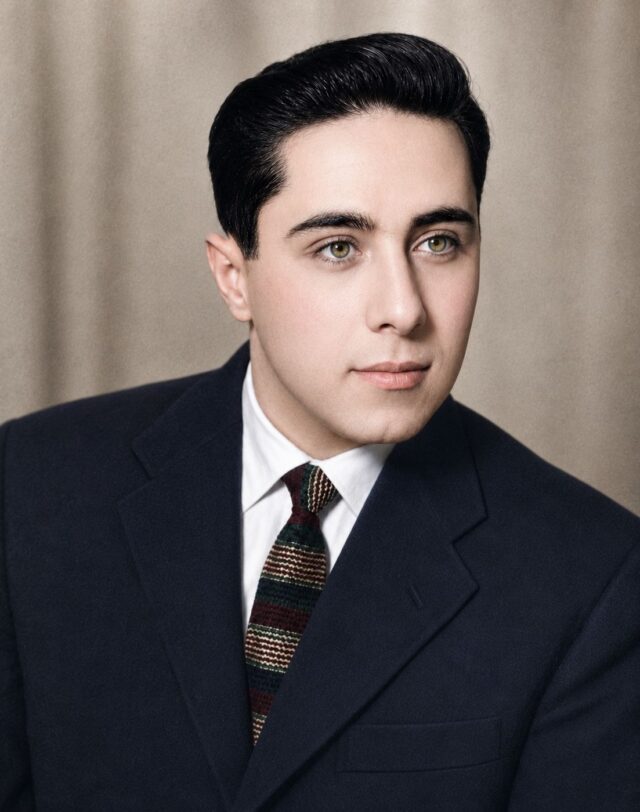
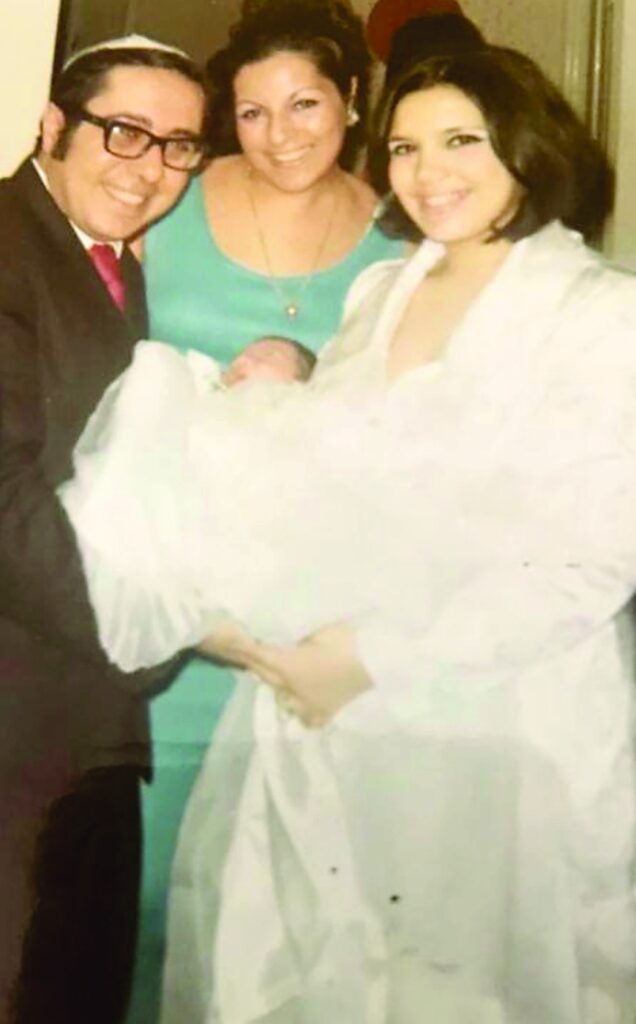
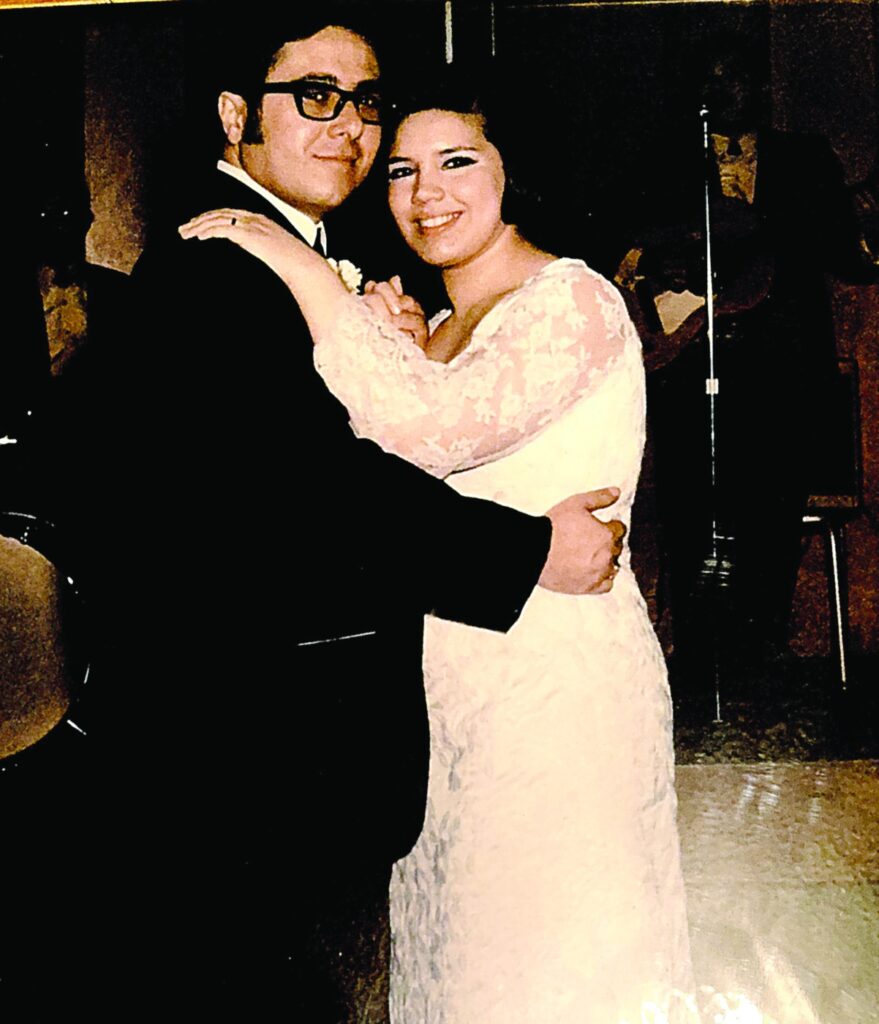
Shlomo Salim Argalgi as a young man.

The Measure of a Life

Linda Argalgi Sadacka

“Do you think I should do it?” It was a question no thirteen-year-old boy should ever have been asked. His mother was preparing to undergo a delicate operation for a brain tumor. Medical options were limited, certainty was impossible, and before entering surgery she turned to her eldest child and asked for his opinion. He told her yes.
She never came home. For the rest of his life, my father carried that conversation with him. Not because anyone blamed him. Not because he was responsible. He was only a child. Yet grief does not always obey reason. Long after he became a husband, a father, a grandfather, a businessman, and eventually the patriarch of a large family, that memory remained one of the deepest sorrows of his life. In many ways, the operation ended his childhood.
Shlomo Salim Argalgi was born in Beirut, Lebanon, in December 1938, into a vibrant Jewish community that had existed for generations. Long before Montreal, before the jewelry business, before children, grandchildren, and great-grandchildren, he was simply a boy growing up in a world that would soon ask far more of him than any child should be required to bear. The loss of his mother changed everything.
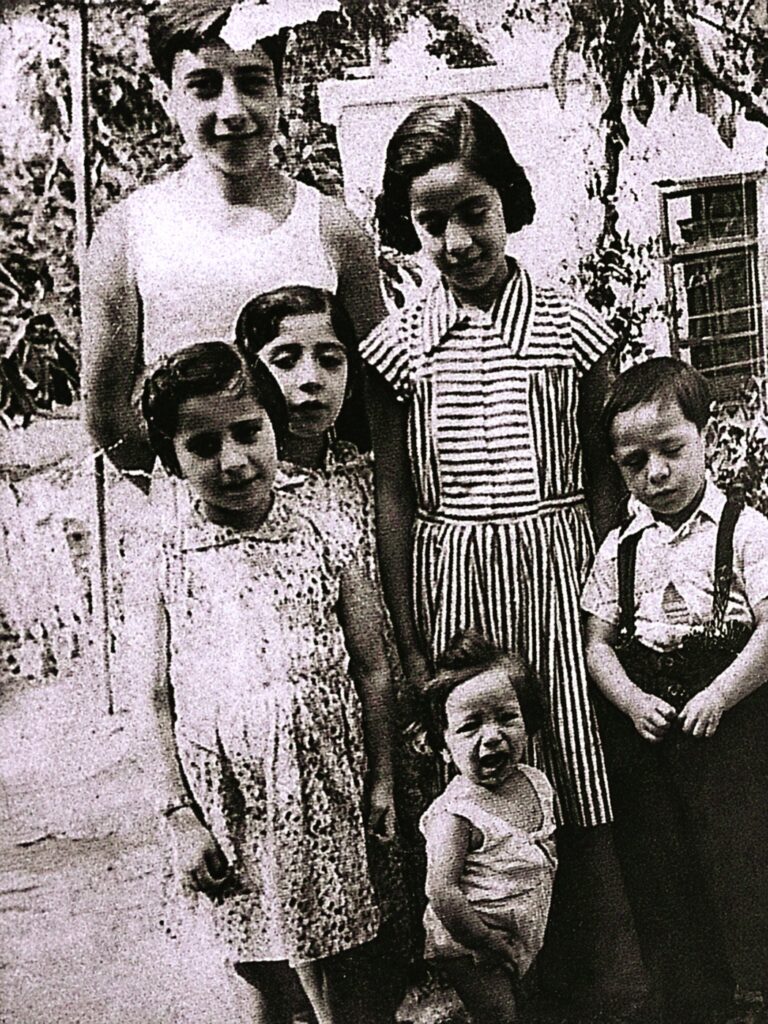
As the eldest child, he suddenly felt responsible not only for himself but also for his younger siblings: Sophie (Ballas), Esther (Aghai) a”h, Allegra (Aboud) a”h, Albert, and David. The absence of his mother created a void that could never truly be filled. His grandmother, overwhelmed by grief after losing her daughter, could barely bring herself to enter the family home. The pain was simply too great.
He remembered being pushed backward in school because it was easier for those making decisions. A child in more ordinary circumstances might have had someone fighting for him. My father was growing up in a home still reeling from loss, and there was simply no one available to advocate on his behalf. The experience stayed with him. Not because it made him bitter. Because it taught him something about human dignity.
Throughout his life, he became fiercely sensitive to injustice. He could tolerate hardship. He could tolerate disappointment. What he could not tolerate was seeing people treated unfairly or taken advantage of. If there is one lesson he passed on to me more than any other, it was this: never look away when something is wrong.
Yet what makes my father’s story remarkable is not what happened to him. It is what he chose to become. Many people emerge from hardship hardened. My father emerged from hardship determined to build. He left Beirut and arrived in Montreal in 1967, carrying very little in the material sense but possessing the qualities that would come to define his life: courage, intelligence, faith, humor, and a work ethic that did not know how to quit. Like so many immigrants of his generation, he did not arrive to comfort. He arrived to possibility. Whatever future he would have, he would have to build himself.
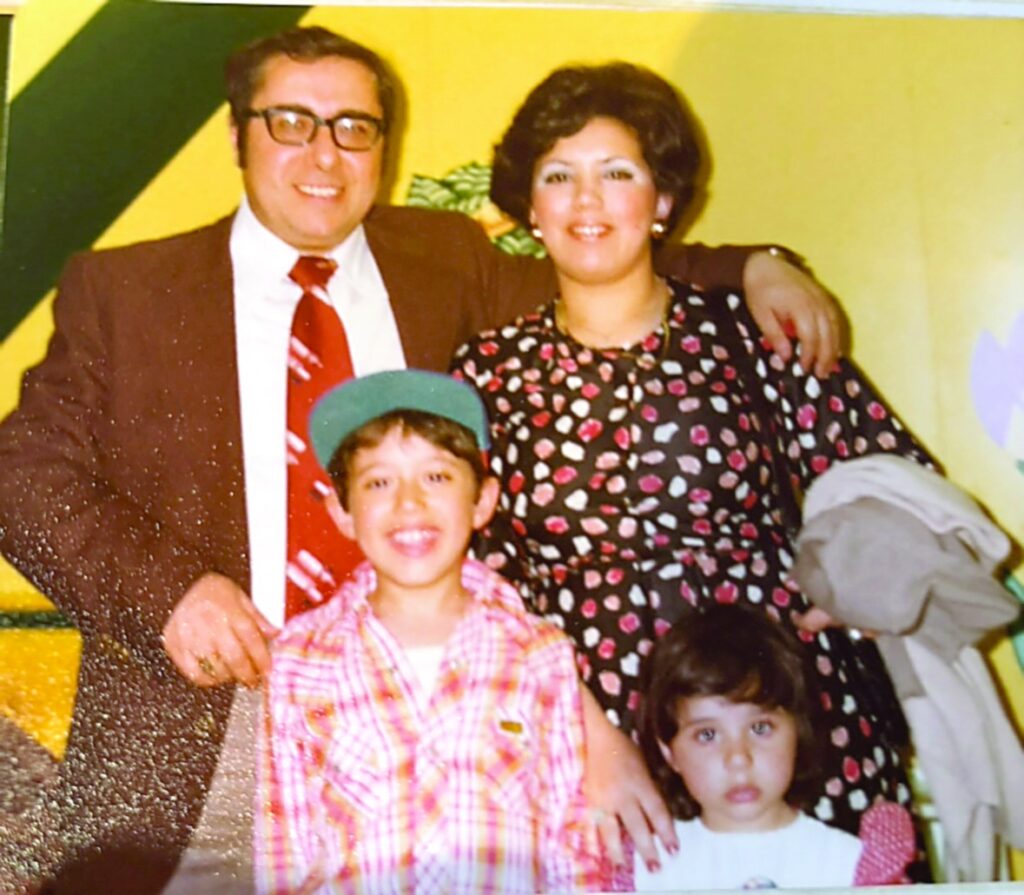
Shlomo Salim Argalgi with his wife, his son Morris, and his daughter Linda, the author, before the birth of the twins.

It was in Montreal that he met my mother, Gladys, who came from a family of Egyptian descent and had arrived through Milan, Italy. From the day he met her, he was completely taken with her. I do not know the details of how he proposed, but I know the more important truth: he was madly in love with her from the beginning.
For fifty-seven years, he treated her like the queen he believed she was. He loved dressing her beautifully, adorning her with diamonds and jewelry, and taking pride in the life they built together. But the deeper beauty of their marriage was not found in the jewelry he gave her. It was found in the loyalty, partnership, respect, and devotion that carried them through every chapter of life.
Together they built a family. Their eldest child was Morris, followed by me, Linda, and later their twin daughters, Cara and Edna. My father loved the surprise of twins. To him, it was not double the responsibility; it was double the fun and double the blessings. He was a father who loved deeply, laughed easily, and made his children feel that family was the center of the world.
The early years in Montreal were not easy. One story remained part of our family’s foundation. Morris was still a newborn baby when my mother called my father and told him there was no money left to buy milk. For a young husband and father desperate to provide, it was heartbreaking. That day, my father turned to Hashem, in his own words. My father poured out his heart and prayed. He asked G-D not to punish his innocent wife and child. He begged for help.
When he finished praying, he noticed a jewelry store nearby. Carrying merchandise that had sat unsold for some time, he decided to try one more door. The owner purchased everything. My father never forgot that moment, not because of the sale itself, but because to him it confirmed something he always believed: prayer matters.
In Arabic, prayer is sali, and for my father, sali was not a side part of life. It was the rhythm of life. He knew his prayers by heart. He prayed faithfully, wrapped tefillin, went to synagogue, and taught us that a Jew speaks to Hashem not only in crisis, but constantly.
From that modest beginning, he built a successful jewelry business. What started in 1967 eventually grew into Importex and David Edouard, a respected family enterprise with an atelier, more than twenty employees, and a clientele that included prominent figures and celebrities. Yet the true story was never simply that he succeeded. It was how he succeeded. He built through hard work, perseverance, intelligence, and integrity.
He was brilliant despite limited formal education. The same boy who had been pushed back in school later taught himself English, French, and Chinese, in addition to Arabic and Hebrew. His mind was vast. He loved history and had the memory of an intellectual. He could speak about politics, ancient civilizations, Lebanese Jewish history, world events, and almost any subject with depth and confidence. He was self-taught, but never uneducated. He learned from life, from people, from business, from travel, and from an endless curiosity about the world Hashem created.
His honesty was legendary. In the early years of business, a supplier named Plotkin mistakenly sent him a hundred more pearls than he had ordered. Money was tight. Every item mattered. No one would have known if he had remained silent. But my father could not live that way. He immediately called Mr. Plotkin and told him there had been a mistake. The extra pearls were returned.
Years later, a Muslim businessman accidentally left behind a very valuable bag of gold in my father’s office. Again, no one else knew. Again, no one would have questioned him had he said nothing. But my father contacted the owner and returned everything.
The detail matters because it shows that his integrity was not selective. He did not have one standard for those close to him and another for strangers. He did not have one standard for Jews and another for non-Jews. He had one standard for himself: do what is right. That was why dishonesty wounded him so deeply.
At one point, a worker whom he had trusted and treated like family called him “Baba,” father. My father, with his generous heart, believed in him. When that trust was abused and the man stole from him, the pain was not only financial. What hurt most was the betrayal. Money could be replaced. Trust could not.
My father hated injustice because he had experienced it. He understood what it meant to be vulnerable, overlooked, and taken advantage of. He taught us that a person’s word should mean something. He taught us not to look away when something is wrong. That lesson became part of me.
One story from his travels captures his soul perhaps better than anything else. While traveling through Bulgaria, he encountered a man stranded in a remote area who desperately needed a ride. The man offered to pay him. My father refused. He told him, in essence, “I don’t want your money. I am Jewish. One day, if a Jew is ever in need, remember this moment and help him.” That was my father.
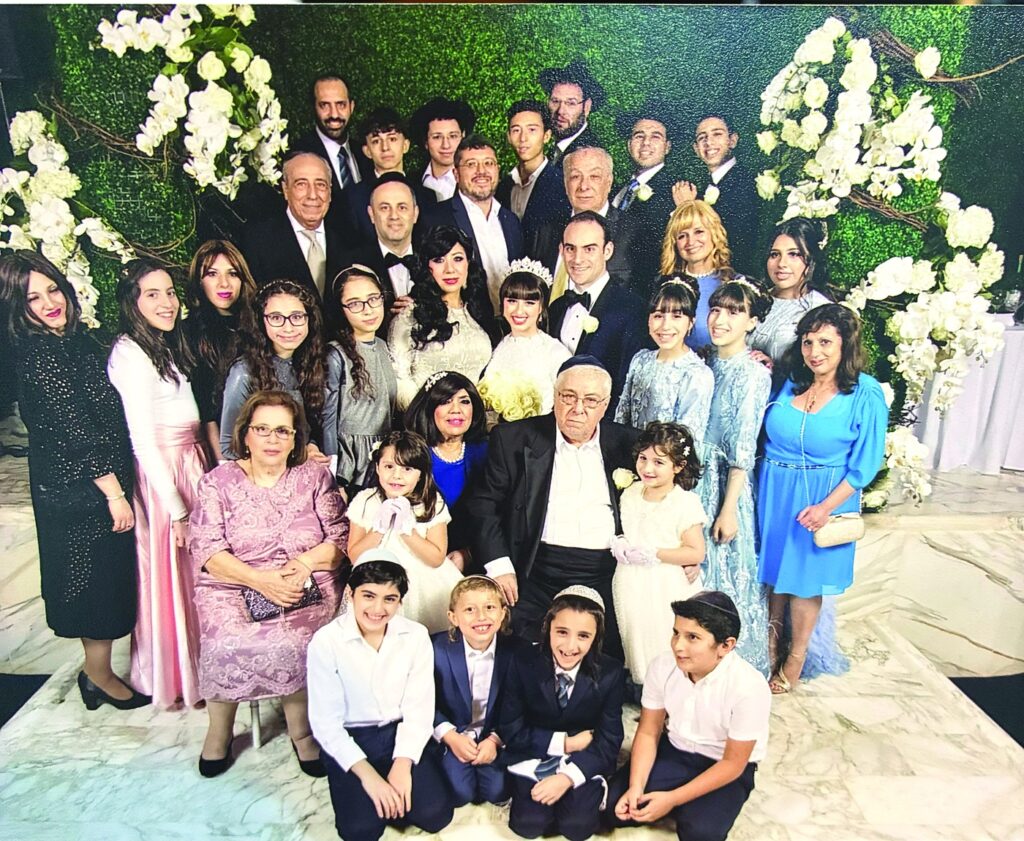
A treasured family photograph from the wedding of Sarah Sadacka and David Haddad. Seated in the center is
Shlomo Salim Argalgi, z’l, the beloved patriarch.

He did not think only about himself. He thought about the Jewish people, about the image of a Jew in the world, and about kindness as something that could ripple forward long after the original act was forgotten. For all of his seriousness, integrity, and responsibility, he was also one of the most joyful people one could ever meet.
Everything with him became an experience. A simple trip to the grocery store became an outing. A visit to our favorite chocolate shop in Montreal felt like an adventure. He danced. He joked. He smiled easily. He had a sharp wit and a hilarious personality. People loved being around him because he made life feel bigger, brighter, and more alive.
He also had an extraordinary sense of wonder. Everyone who knew him knew his phrase: “Subhan Allah.” He would say it when looking at a beautiful fruit, the sky, the sun, or anything in nature that moved him. In English, it expressed his awe at Hashem’s greatness. He saw creation and wanted us to see it too. He did not simply eat fruit; he admired it. He did not simply notice the rain; he marveled at it. He lived with gratitude, and his gratitude was contagious.
Even his face carried something unforgettable. His eyes were green with striking flecks of gold and yellow, eyes that people remembered long after meeting him. When friends from his youth later saw me, they would stop and say how unbelievable it was that I looked so much like him. I used to hear those comments and smile. Today, they feel like another form of inheritance, not only resemblance, but connection.
By the time illness entered his life in a serious way, my father had already built more than a business. He had built a home, a family, a reputation, a name, and a way of living. He had taught us that faith mattered, that honesty mattered, that family mattered, that prayer mattered, and that every human being had to answer for the way he treated others. Then came the stroke.
Fourteen years before his passing, my father’s life changed in an instant. He suffered a devastating stroke. The prognosis was not discouraging. It was devastating. The doctors did not tell us he might never recover. They told us he would not. We were told in no uncertain terms that he would never eat normally again. He would never drink. He would never swallow. He would never walk. He would never talk.
There was no optimism. There was no encouragement. There was no expectation that he would ever return to the life he had known. But by that point, our family was already deeply rooted in faith. We respected the doctors. Their responsibility was to tell us what medicine could see. Our responsibility was to do everything within our power and place the rest in the hands of Hashem.
At the center of that effort was my brother Morris. Refusing to accept that nothing more could be done, Morris realized the head surgeon spoke Arabic. The doctor did not know that Morris was Jewish. Speaking to him in fluent Arabic, he pleaded with him to reconsider and give our father a chance. Eventually, the surgery was performed. What followed left an impression not only on our family but on many of the medical professionals who witnessed it.
The man who was not expected to swallow swallowed. The man who was not expected to eat ate. The man who was not expected to drink drank. The man who was not expected to speak spoke. The man who was not expected to walk walked. One prediction after another fell away. My father fought. Our family prayed. And Hashem carried the rest. The recovery was extraordinary.
Several members of the medical team who had openly identified themselves as atheists witnessed what unfolded over the following months. By the time my father left the hospital, some of those same individuals openly acknowledged that the experience had changed the way they viewed the world.
After the successful surgery, but before his remarkable recovery, I asked my father to strengthen his commitment to Shabbat. He was already a believing Jew who prayed faithfully, attended synagogue, wrapped tefillin, and maintained a kosher home. But Judaism teaches that growth never ends, and I believed that strengthening Shabbat would bring additional blessing into his life. I drafted a simple commitment and asked him to sign it. He did.
What happened next became one of those things our family would never stop marveling at. My father lived another fourteen years. Fourteen. Twice seven. Seven is the number that represents Shabbat, the day that reminds us every week that the world has a Creator and that our lives have purpose beyond ourselves.
We do not pretend to understand Heaven’s calculations, nor do we claim to know why one person receives one blessing and another receives something different. But as a family, we could not help but see those fourteen years as a remarkable gift. Years filled with Torah. Years filled with grandchildren and great-grandchildren. Years filled with family celebrations. Years filled with opportunities to continue serving Hashem. Those years were not simply added time. They were added purpose.
As he grew older, his commitment to Torah deepened even further. He loved listening to Rabbi Uri Lati’s Torah classes in Arabic and to Rabbi Eli Mansour. Torah classes played constantly in the background of his life. Learning brought him joy. Prayer brought him comfort. Growth never stopped.
Even when walking became painful, he made every effort to attend synagogue. Community members later told us how inspiring it was to see him slowly make his way forward, one determined step at a time. What many people would have viewed as an excuse became an opportunity for him to demonstrate commitment. Prayer had sustained him when there was no money for milk. Prayer sustained him through recovery. Prayer sustained him until the very end.
The final eleven months of his life revealed the values he had spent decades teaching. My mother, Gladys, rarely left his side. For fifty-seven years, they had built a life together. Through success and hardship, health and illness, she remained devoted to him. During those eleven months, she was there day after day, morning until night. It was impossible to witness without being moved.
Yet perhaps the most remarkable thing about those months was not simply her devotion. It was how many people showed up. My father was rarely alone. If my mother was not there, one of his children was. If one of his children was not there, a grandchild was. Family members rotated constantly around him. People prayed. People hoped. People fought for him.
In many ways, those months revealed the culture my parents had spent a lifetime creating. For decades, my paternal grandfather had lived in our home. Caring for elderly parents was never viewed as a burden. It was simply what family did. We learned that lesson not through speeches but through observation.
Years later, when my father’s health declined, we found ourselves following the example our parents had set. Today I see that same devotion reflected in the way children, grandchildren, nieces, and nephews continue caring for my mother. Values are rarely taught through lectures. They are taught through example.
Even in the hospital, my father’s legacy continued to ripple outward. During his hospitalization, Morris became friendly with a nearby family facing a heartbreaking situation. After the passing of a Jewish woman, it became clear that her family lacked the means for a proper Jewish burial and was considering cremation. Morris could not allow that to happen. He made calls. He connected people. He helped secure support and resources. Through his efforts, she received a proper Jewish burial.
To me, that story belongs in my father’s story. Because children are part of a parent’s legacy. The kindness my brother showed did not appear out of nowhere. It was planted decades earlier by the values our parents lived every day.
Several months before my father’s passing, around Hanukkah, I received a gift that I will carry with me forever. My father was still cognizant. Still aware. Still present. I sat beside him and said everything I needed to say. I thanked him for the sacrifices I had only come to understand as an adult. I thanked him for his kindness, his guidance, his generosity, and his example. I apologized for moments when I may have taken him for granted, as children sometimes do. Most importantly, I told him how deeply I loved him.
Tears filled his eyes. He puckered his lips and kissed me. Then he squeezed my hand. He heard everything, and he understood. That moment gave me a kind of peace many people never receive. I left knowing I had said everything. And I left knowing he had heard it.
When the time finally came for him to leave this world, he did so surrounded by family and accompanied by something he loved deeply. A Torah class was playing in his room. The same Torah that had guided him. The same Torah that had comforted him. The same Torah that had become increasingly central to his life.
At his funeral, a respected dayan, rabbinic judge, remarked that, because of his role, he had to be careful about the words he used. He could not simply say something nice because the moment called for it. Then he described my father as a zaken kasher v’shalem, an upright and complete elder. Those words brought our family enormous comfort because they captured exactly who he was.
Not a perfect man. A good man. An honest man. A man whose word meant something. A man who loved his wife. A man who loved his children. A man who loved Hashem. A man who loved the Jewish people.
Today, when people speak about my father’s accomplishments, they often mention the business he built, the employees he supported, the languages he taught himself, and the success he achieved. Those accomplishments mattered. But they were not his greatest achievement. His greatest achievement was the family he built.
The thirteen-year-old orphan from Beirut who once felt he had no one to advocate for him left this world surrounded by generations who would do anything for him. Children. Grandchildren. Great-grandchildren. People committed to Torah and mitzvot, commandments. People who value honesty because he valued honesty. People who care for family because he cared for family. People who stand up against injustice because he stood up against injustice.
Those are the true jewels he leaves behind. Far more precious than any diamond that ever passed through his hands. He spent a lifetime building them. And through them, his legacy continues to shine.
May the memory of Shlomo Salim Argalgi forever be a blessing, and may his neshamah, soul, continue to have an aliyah, spiritual elevation, through the Torah, mitzvot, kindness, faith, and family devotion carried forward by the generations who proudly call him their father, grandfather, and great-grandfather.
The Road to the Qualifying Round

How the MDY Robotics Team Engineered a Strong Season

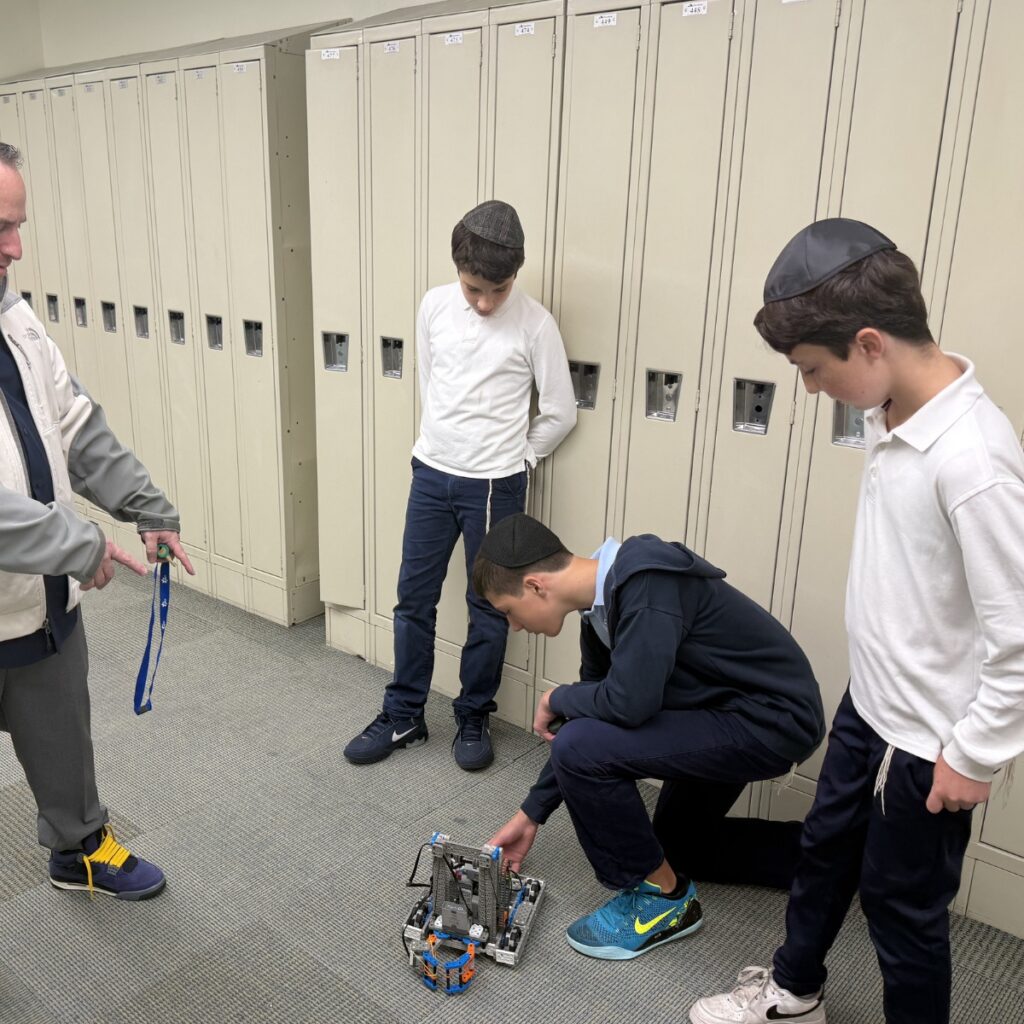
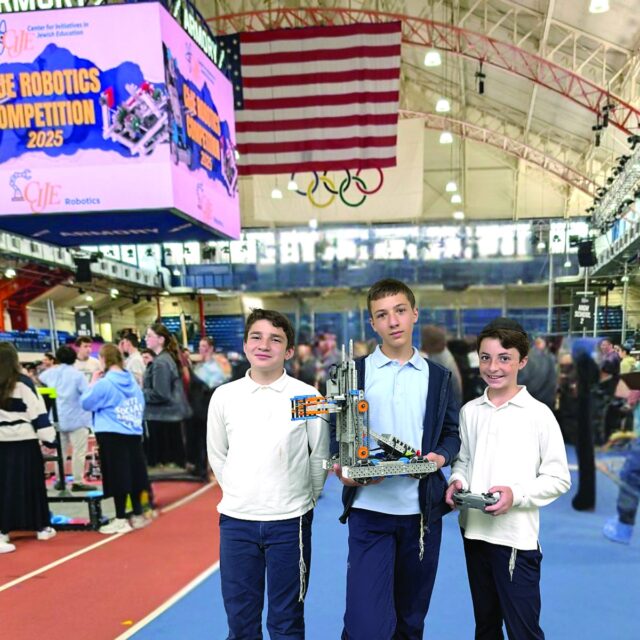
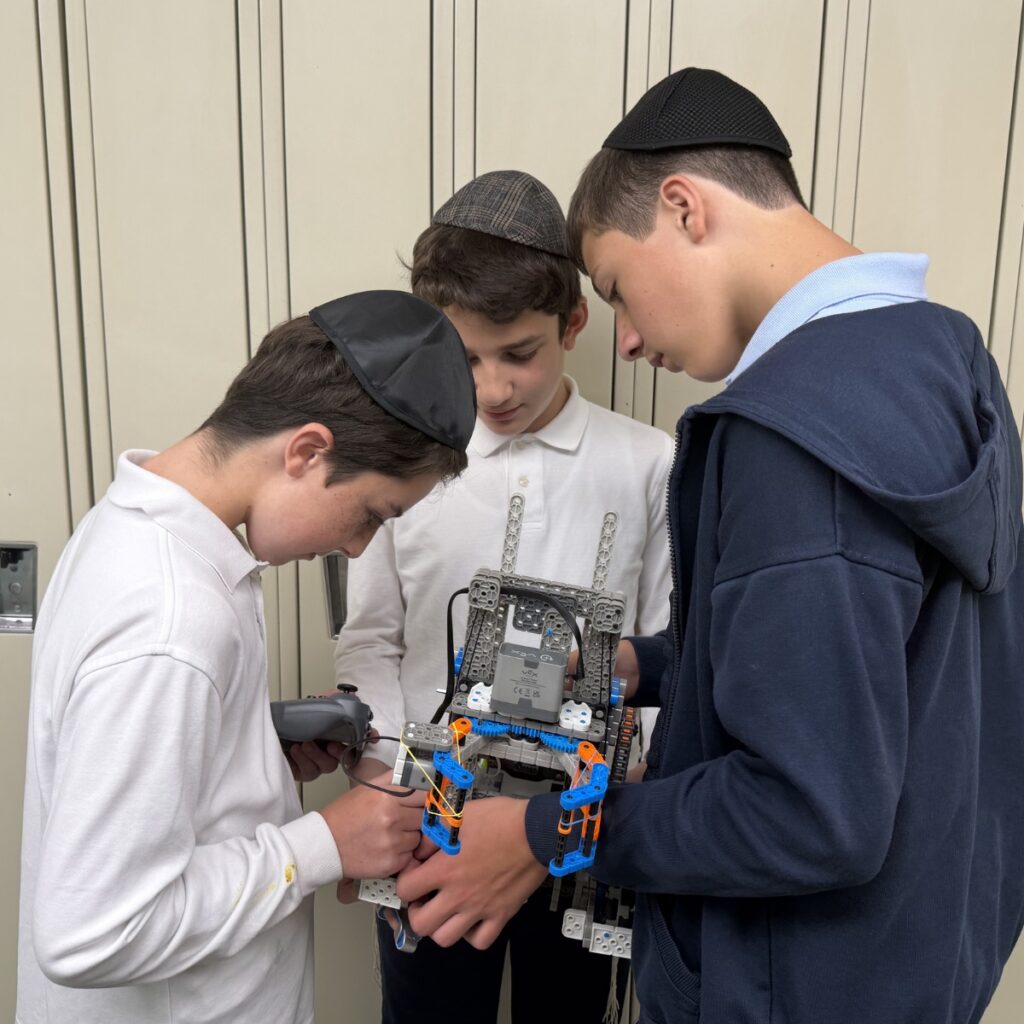
The journey began back in October when the MDY robotics team received this year’s official robot objective. Faced with a complex challenge, the students demonstrated true engineering skills. Utilizing the Center for Initiative and Jewish Education (CIJE) program, they brainstormed, debated, and analyzed various robot designs, ultimately selecting the blueprint they felt would best meet their goals.

For the students, stepping into the role of a creator was half the excitement. “I love building. It’s so fun to be like an engineer,” one team member shared, capturing the hands-on spirit that defined the early months of the season. Once the design was chosen, the real work began, with students spending numerous hours engineering the robot, coding its movements, and practicing for upcoming competitions.
Their first true test came in February. While that first competition showed them they still had work to do, it provided a valuable learning experience. Seeing what the competition was up to proved to be an eye-opener. As one student noted, “It was interesting to go against the other schools and see what they built.”
The team took those lessons learned in the heat of competition, put their heads together, and began tweaking and refining not only their design but also their overall strategy to improve performance. All that hard work and willingness to adapt paid off during their most recent competition in April at the Manhattan Armory. Facing tough opposition, our students executed their strategy and made it to the qualifying round for the first time. Beyond the success on the scoreboard, the event was a thrilling experience for the kids. “Going to the competition was the best. It was so fun to compete,” remarked one student.
Making it to the qualifiers was a wonderful milestone for our program, and we are so proud of the MDY Robotics Team’s dedication and growth. We cannot wait to see what success they achieve in the year ahead.

Colel Chabad’s Together We Rise Concert

One night in Deal can turn music into hesed and meals for families across Israel

On Thursday, July 30, the community will gather for the annual Colel Chabad Deal Concert, An evening of family and music that turns generosity into hesed, meals, groceries, and care for families, seniors, widows, orphans, and children across Eretz Yisrael. Last year’s “Am Yisrael Chai” concert showed how much one night can do. This summer, the community is coming together to do it again.

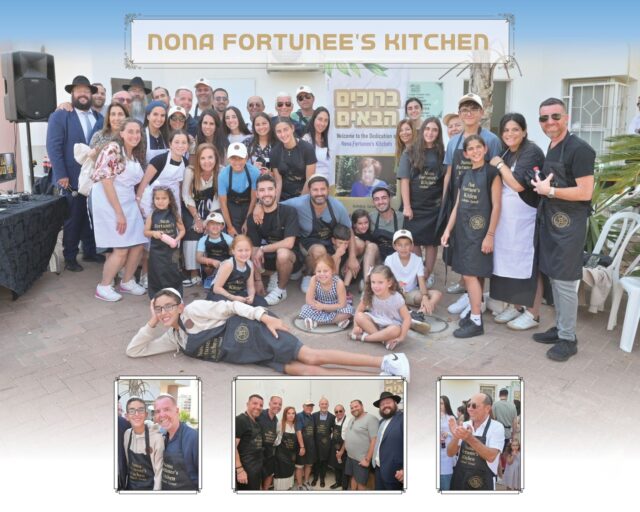
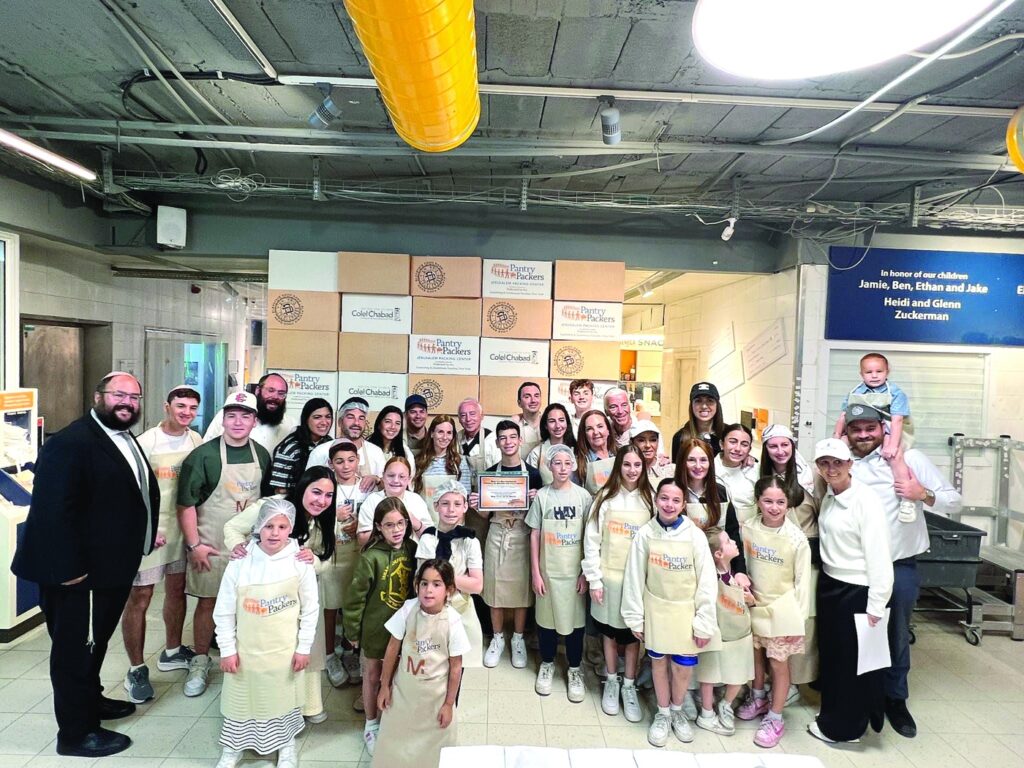
To understand what that support makes possible, consider a single kitchen in Ashdod. It began when Albert and Claudette Savdie visited Colel Chabad’s Pantry Packers with their family and asked the organization’s director, Rabbi Sholom Duchman, a simple question: was there something they could help with? There was.
A small soup kitchen in Ashdod was feeding about a hundred people a day, and with the right support, it could feed five hundred. Albert shared the need with his family, and within an hour, the entire amount was donated. Today, that kitchen carries the name of the grandmother whose Shabbat table they all grew up around, Nona Fortunee, and it serves hundreds of hot meals each day.
“Every dollar you give to Colel Chabad, every check you write, is spent beautifully,” Albert says. “It’s going where it needs to go.”
Nona’s Kitchen is one story among thousands. Founded in 1788, Colel Chabad is Israel’s oldest continuously operating charity, and it now supports 42,000 families through monthly food assistance. As sirens sounded across Israel throughout the year, that same network reached the most vulnerable within days, delivering hot meals to thousands of homebound Holocaust survivors and turning empty daycare centers in sixteen cities into overnight shelters where elderly residents could eat, rest, and feel safe.
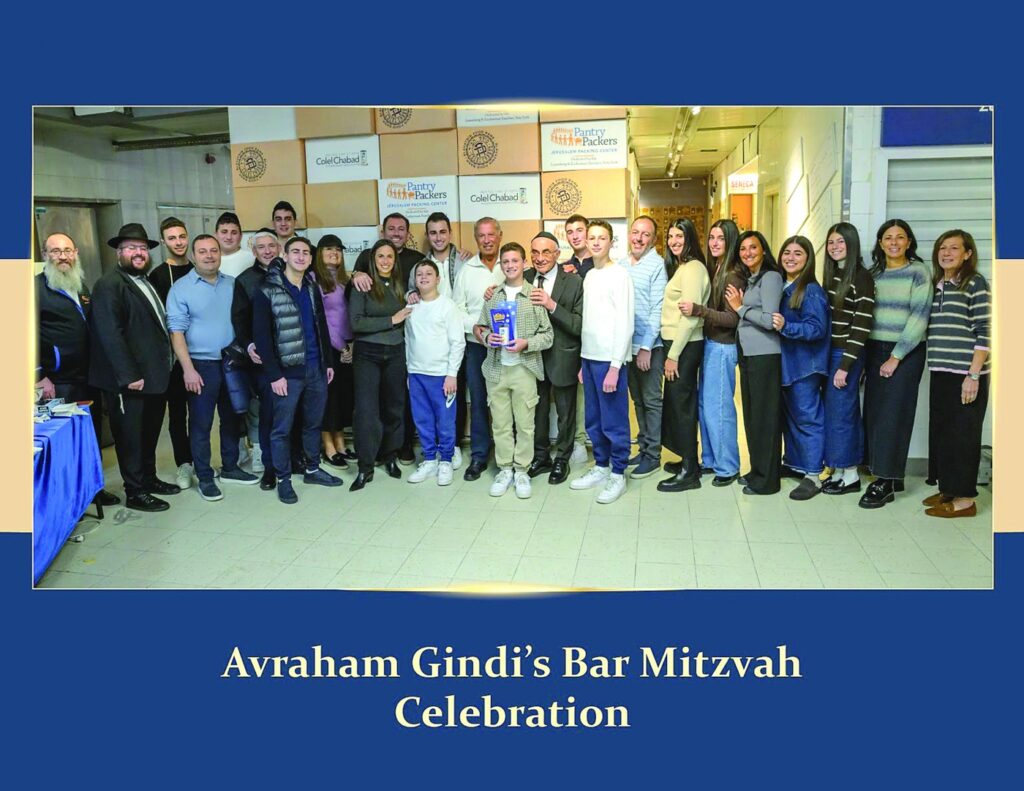
Many families in the Syrian community first met Colel Chabad through Pantry Packers, where volunteers pack essentials for families and seniors throughout Israel. The work is simple, and its impact is lasting. Few say it better than Eli Braha of West Long Branch, who packed food there for his Bar Mitzvah project. “Don’t be afraid to raise money. Ask many people, and you’ll be surprised by what you get,” he says. “Everyone wants to help. They just need that opportunity.”
That instinct to help is something the Syrian community has long been known for. When there is a need, they respond. The Edelstein Family, the Zaytoune Family, Mayor Sam Cohen, Commissioner David Simhon, and many others have made this work possible. They are part of something every family here can take pride in. It is a tradition of giving where generosity comes naturally, family and faith come first, and helping another Jew is simply who we are.
That is what Thursday, July 30, is really about. The music and the energy fill one beautiful evening, but the impact is felt far beyond it, in the home of an elderly person receiving a hot meal, in the kitchen of a family that now has food for Shabbat, in the heart of a widow who feels remembered, and in the life of a child who feels cared for.
Mark your calendars for Thursday, July 30, and join Colel Chabad for an evening that turns music into meals and brings warmth from Deal to homes across Eretz Yisrael.
To purchase tickets for the Colel Chabad Deal Concert, visit www.colelchabad.events/img or scan the QR code. For sponsorship opportunities, contact Rabbi Efraim Duchman at 718-676-8109.

Top Professionals Build the Future of Imagine Academy

Elisa Chrem

Over the past 20 years as the Clinical Director at Imagine Academy, a special education school, I have learned many valuable lessons about what truly makes a program successful. More importantly, I have learned what families need and deserve when they entrust a school with their child’s education, development, and well-being.

One of the most important lessons I have learned is the value of continuous professional growth. While I believe Applied Behavior Analysis (ABA) provides an excellent framework for teaching and skill development, I also know that truly exceptional programs extend far beyond any single methodology. I believe staff must be equipped not only to teach academic and functional skills, but also to build meaningful relationships, support emotional development, navigate challenging behaviors thoughtfully, and communicate effectively with families.
For this reason, our team has made ongoing professional development a cornerstone of our program. Over the past eight years, we have engaged in advanced training and mentorship with leading experts in child development, psychology, and education. This commitment to continuous learning ensures that our entire staff is equipped with the most current, research-informed practices and allows us to provide the highest level of support for our students and families. Most recently, our team participated in intensive training focused on supporting children through moments of crisis and emotional dysregulation, strengthening our ability to respond with compassion, understanding, and individualized care. These experiences continue to shape a school culture where every professional is learning, growing, and working together to help each child reach their fullest potential.
Another important consideration I discuss with families is the benefit of keeping children within their local community whenever possible. In my experience, long commutes can add unnecessary stress to both students and their families, often impacting energy, engagement, and overall quality of life. I have found that community-based programs offer something invaluable: a deep understanding of the families they serve.
As a member of the Sephardic community, I am proud that Imagine Academy is part of that community as well. I understand the values, traditions, and priorities that are important to the families I serve. This shared understanding allows me to build stronger partnerships with parents and create a more connected and supportive educational experience. I have seen firsthand how comforting it can be for families to know that their child’s school understands their culture, speaks their language, and is invested in the long-term success of the community.
I also take tremendous pride in the professionals who make up our clinical team. I have worked hard to recruit, train, and mentor therapists who have achieved advanced levels of expertise and who have played significant roles in supervising and supporting professionals throughout our community. Their knowledge and experience contribute to a level of service that is both comprehensive and highly individualized.
Another lesson I have learned is the importance of having a clearly defined mission. I believe that a successful program must understand exactly who it serves and be intentional in creating an environment that meets those students’ needs. At Imagine Academy, I carefully consider each child’s profile to ensure that the program is the right fit and that I can provide the support, structure, and opportunities necessary for meaningful growth. My focus has never been on filling seats; it has always been on delivering exceptional outcomes for the students entrusted to my care.
My experience has also taught me that the highest-quality special education programs are multidisciplinary in nature. I believe effective support requires a deep understanding of education, communication, behavior, social-emotional development, and mental health. When I bring together professionals from multiple disciplines and encourage true collaboration, I am able to view each child through a comprehensive lens and provide the greatest opportunity for success.
Choosing a school is one of the most important decisions a family can make. I am honored that so many families place their trust in me and in Imagine Academy. I remain committed to providing the highest level of professional expertise, compassionate care, and individualized support for every child who walks through our doors.
Choose experience. Choose expertise. Choose a school that is deeply invested in your child’s success. For more information, a tour, or simply a conversation about your child’s needs, please contact me at echrem@imagineacademy.com.

Elisa Chrem is a licensed School Building Leader with master’s degrees in Educational Leadership and Speech-Language Pathology, as well as certification as a Teacher of Students with Speech and Language Disabilities. She also holds an Expert Training Certificate in DIR® (Developmental, Individual-Difference, Relationship-Based Therapy) and has advanced training in PROMPT and DTTC. Throughout her career, Elisa has remained committed to expanding her knowledge and expertise in order to provide the highest level of support to children, families, and professionals in the field of special education.

Your Children Will Inherit More Than Your Money

The Wealth Transfer No One Talks About

Ari Baum, CFP®

Most people think of wealth transfer as a financial event. They think about investment accounts, real estate, trusts, and tax strategies. Those things matter. But after nearly three decades of helping families build, preserve, and transfer wealth, I have come to believe that the most important things passed from one generation to the next often have nothing to do with money. They are the values, habits, and lessons that made the wealth possible in the first place.

A few weeks ago, I was out on a long training ride preparing for an upcoming race. Somewhere during the ride, my thoughts drifted from power numbers and pacing strategies to a conversation I had with a client earlier that week. The client had done everything right. He built a successful business, accumulated significant assets, and had updated estate planning documents. From the outside, it looked like the perfect financial picture. Then I asked a simple question. “What do you hope your children inherit from you besides your money?” The room became quiet.

The Finish Line Is Not the Story
One of the reasons I love endurance sports is that they reveal an important truth about success. People see the finish line. They don’t see the preparation. They don’t see the 5:00 a.m. alarms, the workouts completed in the dark, in the rain, or in the cold, when the motivation never showed up but commitment did. They don’t see the days when progress felt slow and the temptation to quit felt real. What spectators celebrate on race day is simply the visible result of thousands of decisions made long before the event began. Family wealth often works the same way.
When people look at a successful family, they see the outcome. They see the investment portfolio, the business, the vacation home, or the financial security. What they rarely see are the decades of sacrifice, disciplined decision-making, calculated risks, and consistent behavior that created those assets. The wealth is visible. The character that built it is not.

Why Wealth Often Disappears
One of the most surprising lessons I have learned throughout my career is that wealth is not usually lost overnight. More often, it slowly fades over time. Not because markets fail. Not because the family lacked resources. But because the next generation inherited assets without inheriting the knowledge and mindset required to manage them.
A child may inherit a portfolio without understanding patience. A grandchild may inherit a business without understanding sacrifice. A beneficiary may inherit opportunity without understanding responsibility. Money can be transferred with a signature. Wisdom cannot.
The habits that create wealth are usually developed over decades. They are learned through mistakes, setbacks, perseverance, and experience. When those lessons are never shared, future generations are left to figure things out on their own.

The Conversations That Matter Most
Many families spend years discussing investments but very little time discussing values. They meet with advisors. They review statements. They update legal documents. Yet some of the most important conversations never happen. What does money mean to our family? What responsibilities come with financial success? What opportunities should wealth create? What values do we want future generations to preserve?
The families that tend to sustain wealth across multiple generations are usually the ones willing to have these conversations. They share family stories. They talk openly about mistakes. They explain not only what they built, but how they built it. They teach stewardship instead of entitlement. In many cases, these conversations become more valuable than the financial assets themselves because they provide context. They help younger generations understand that wealth is not simply something to enjoy. It is something to manage responsibly.

Legacy Is Built Every Day
Many people think legacy planning begins later in life. I think it begins much earlier. Legacy is built in everyday decisions. Children watch how their parents respond to adversity. They notice how money is discussed. They observe whether success creates gratitude or entitlement. They learn from actions far more than they learn from lectures. Long before assets are transferred, examples are being set.
Whether we realize it or not, our lives are constantly teaching lessons. The question is whether those lessons are intentional. Because one day, our children and grandchildren may forget the details of our investment accounts. They may never know the exact value of our estate. But they will remember how we lived.

Your Greatest Inheritance
At the end of that client meeting, after a few moments of reflection, he finally answered my question. He didn’t mention his business. He didn’t mention his portfolio. He didn’t mention a dollar amount. Instead, he said: “I hope they inherit the work ethic that built it all.” I have thought about that answer many times since.
One day, your family may inherit your assets. They may inherit your home, your investments, your business interests, and your financial resources. But they will also inherit something much more powerful. They will inherit your example.
The most successful family legacies are not measured solely by the dollars that change hands. They are measured by whether the wisdom, discipline, character, and values that created those dollars continue to influence future generations.
Because true wealth is not measured by what passes from one generation to the next. It is measured by what continues long after the transfer is complete.

This article is for informational and educational purposes only and should not be considered legal, tax, or investment advice. Estate planning strategies should be reviewed with qualified legal, tax, and financial professionals based on your individual circumstances.

DSN Partners with Local Emergency Organizations to Bring Smiles to Jersey Shore Youth

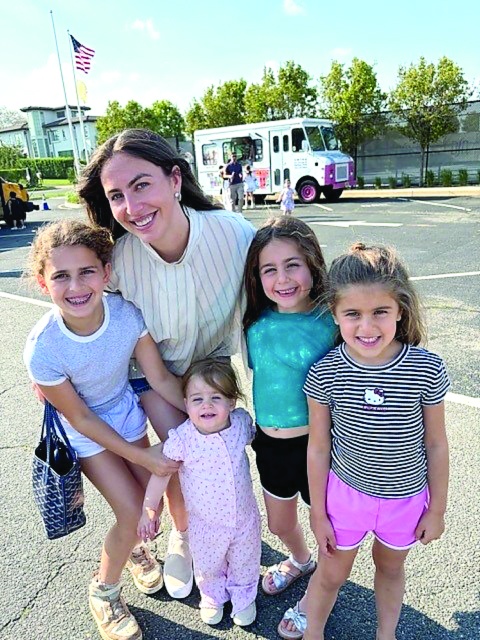
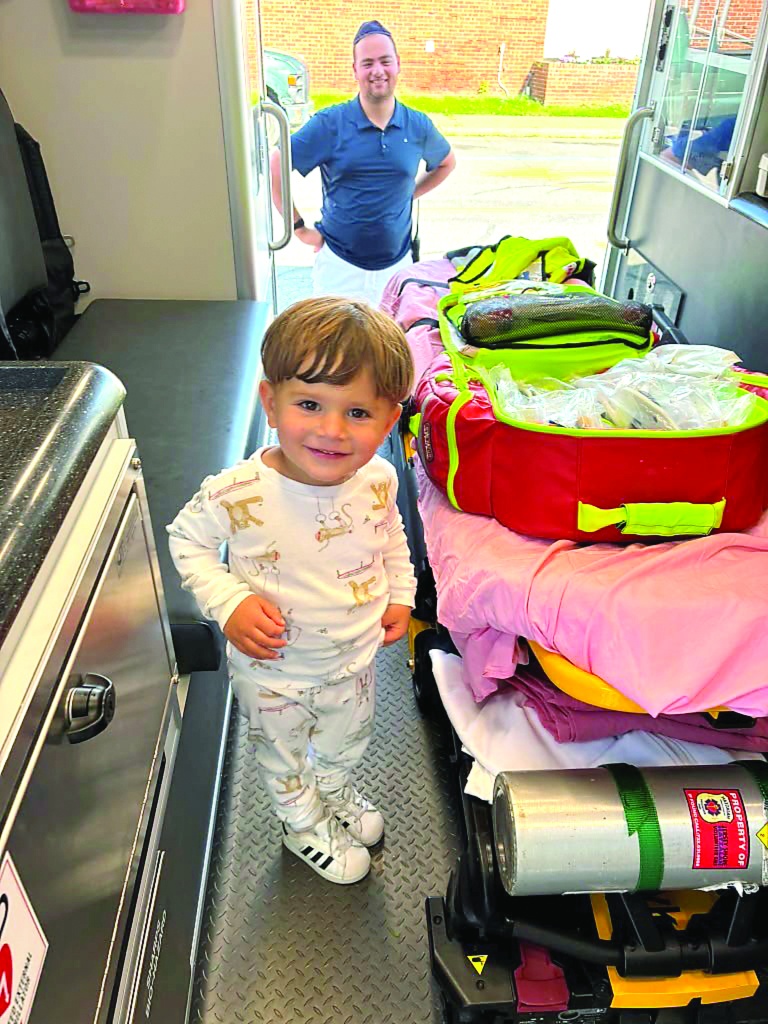
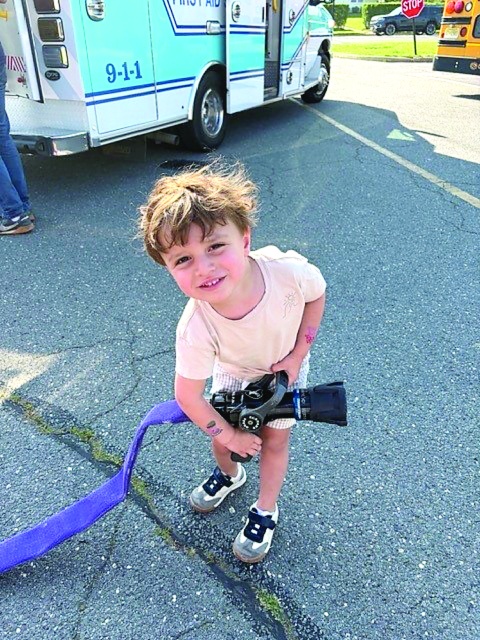
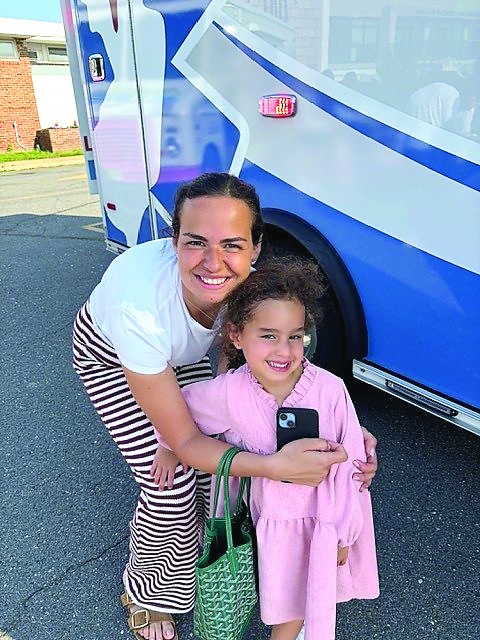
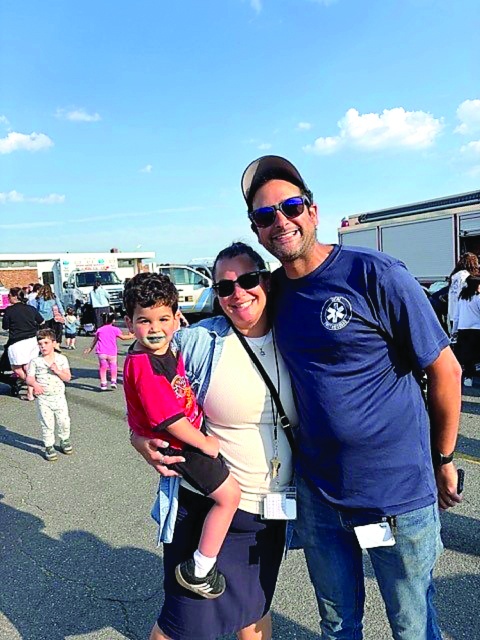
On Tuesday, May 19, Jersey Shore families gathered for an exciting Touch-A-Truck experience designed especially for children ages zero to six, creating a memorable afternoon filled with fun, learning, and appreciation for the community heroes who keep our neighborhoods safe.

The event was organized by DSN Youth Director Frieda Shamah, who emphasized the organization’s gratitude for local emergency personnel. “We are incredibly grateful to the police officers, firefighters, EMTs, and first aid volunteers who work tirelessly to protect our community every day of the year. We wanted our children to have the opportunity to meet these heroes, learn about what they do, and develop an appreciation for their service.”
With beautiful weather and endless excitement, children spent the afternoon exploring an impressive lineup of vehicles. They climbed aboard a fire truck, checked out a police car, toured ambulances from Hatzalah and Deal First Aid, and even got a firsthand look at a Seman Tov school bus. Each stop offered new discoveries, hands-on experiences, and plenty of smiles.
One of the afternoon’s highlights was the opportunity for children to interact with local firefighters and police, who generously spent time answering questions, handing out high-fives, and creating lasting memories for our youngest guests. Their warmth and engagement reflected the strong partnership and mutual respect that DSN enjoys with local emergency service organizations throughout the community.
The fun extended far beyond the vehicles. Families enjoyed delicious pizza and noodles generously provided by La Riva, followed by complimentary ice cream from the ice cream truck, a crowd favorite among children and parents alike. The joy on everyone’s faces spoke volumes about the success of the event.
Set against the beautiful backdrop of the DSN Beach Club, the afternoon featured perfect weather and an atmosphere filled with laughter, friendship, and community spirit. Children ran from vehicle to vehicle, enjoyed time with friends, and created memories that will last long after the summer season.
The excitement was perhaps best captured by the children and parents themselves. Sarah Mamiye, daughter of Brenda Mamiye, shared, “It was the best day ever! I had so much fun and loved getting ice cream and going in the fire truck.” Parents echoed that enthusiasm. Shelly Saka said, “My kids had the best time. They look forward to Touch-A-Truck every year!” Frieda Kassin added, “Touch-A-Truck is a DSN highlight. I love seeing how excited the children are as they run around with their friends and, of course, enjoy the ice cream truck.”
Seeing the wonder, excitement, and happiness on the faces of the children reminded everyone why Touch-A-Truck remains one of DSN’s most cherished traditions. From the flashing lights and impressive vehicles to the delicious food, ice cream, and beautiful beach club setting, this year’s event was truly one for the books.

Sammy Sitt, DSN’s executive director, summarized the good feelings. “DSN extends its sincere appreciation to all the police officers, firefighters, EMS personnel, first aid volunteers, and all the other volunteers whose participation helped make this year’s event such a tremendous success. Their dedication to serving others, both in times of emergency and through community engagement, helps make our Jersey Shore community a special place to live and raise families.” DSN looks forward to welcoming everyone back next year for another unforgettable Touch-A-Truck experience.

Living for Our Why

IN CONVERSATION WITH RACHEL GOLDBERG-POLIN AND JOHN POLIN AT MDYHS

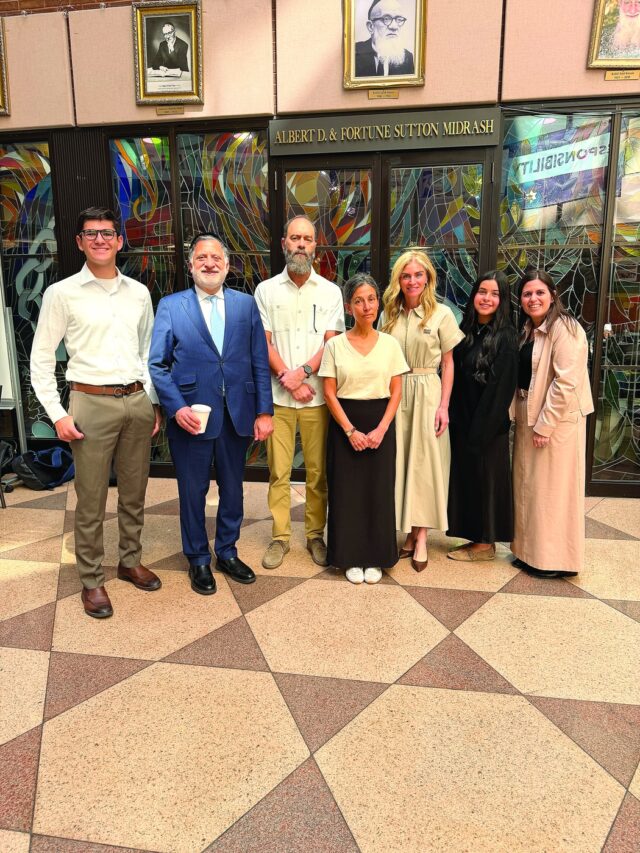
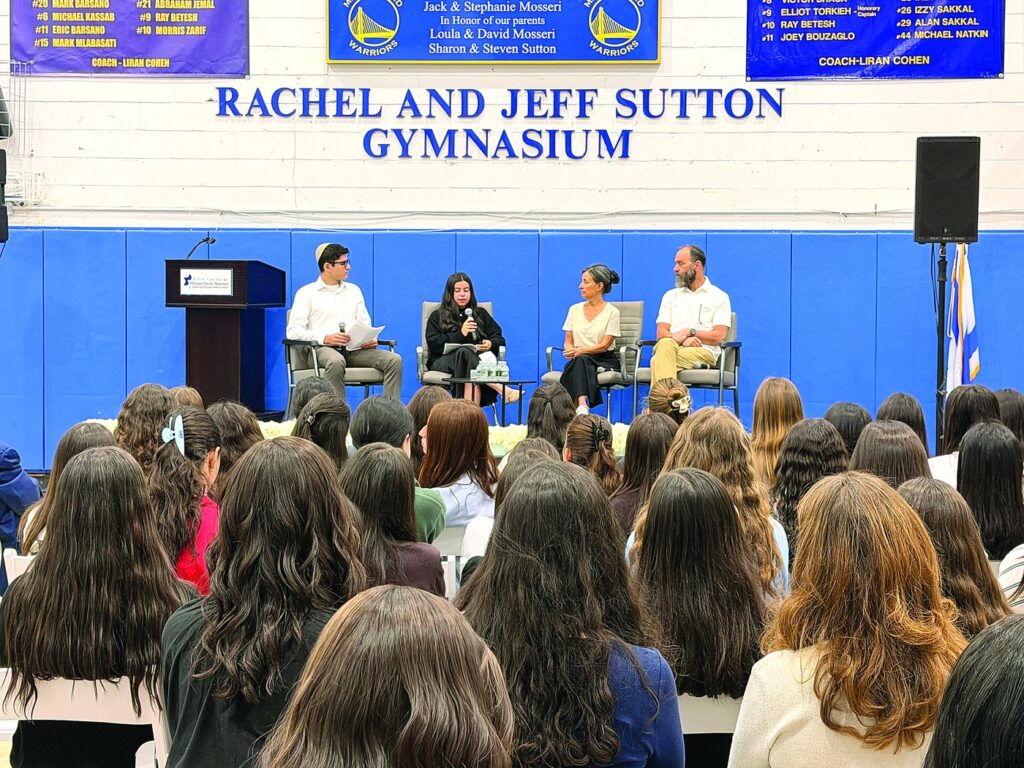
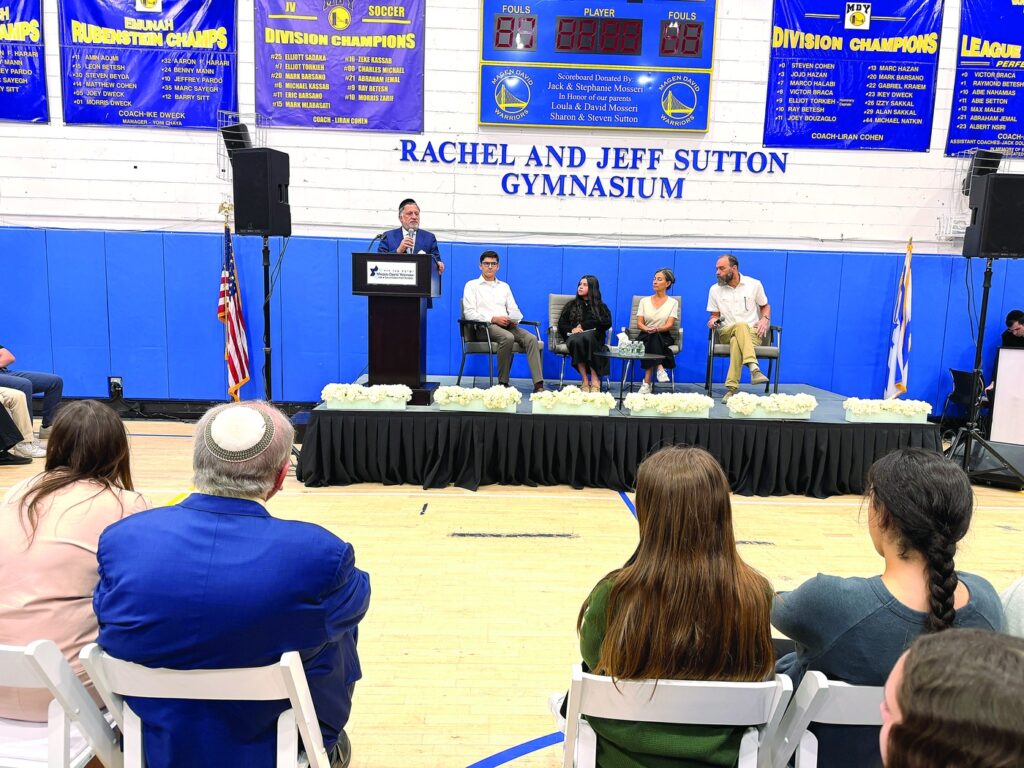
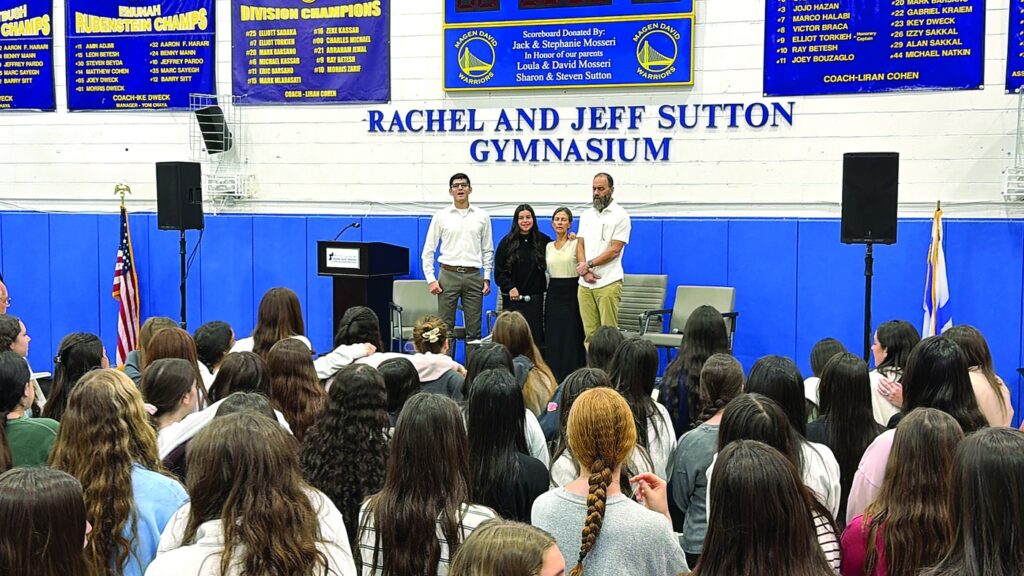
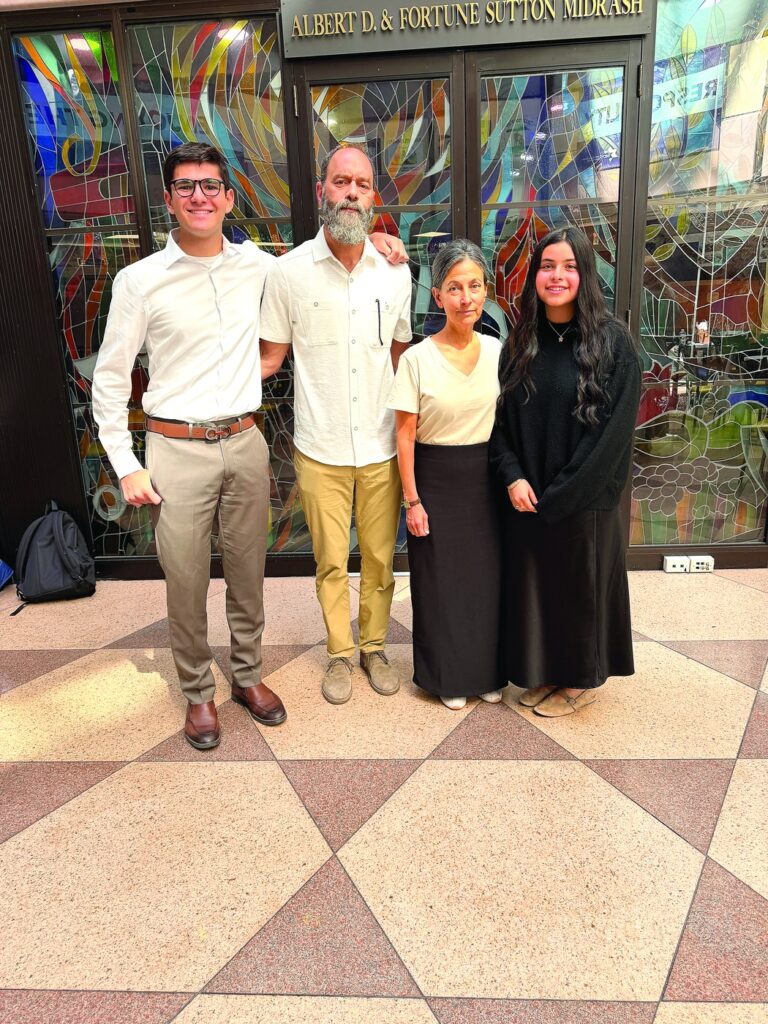
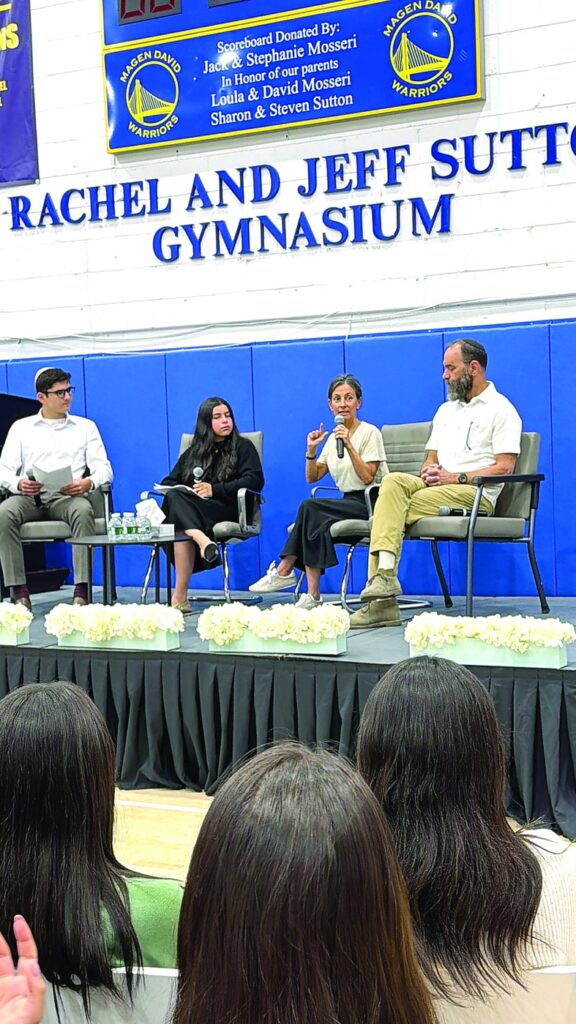
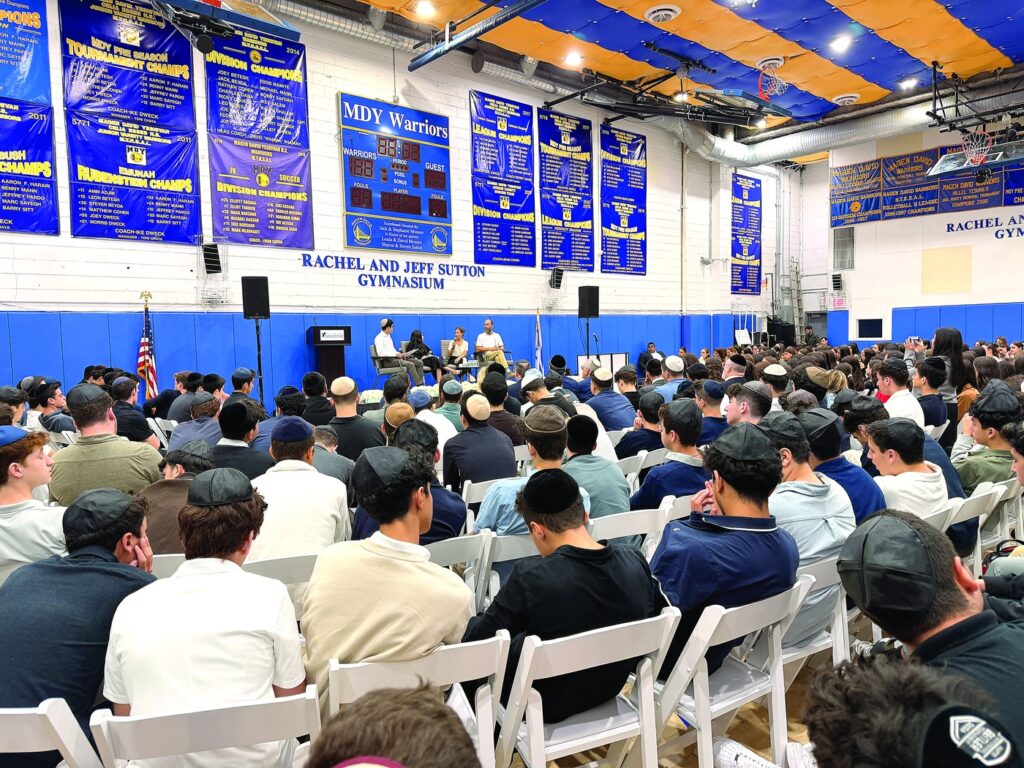
Magen David Yeshivah High School had the profound privilege of welcoming Rachel Goldberg-Polin and Jon Polin for a powerful and deeply moving conversation about grief, resilience, faith, and the enduring legacy of their son, Hersh Goldberg-Polin z”l.

Thoughtfully moderated by juniors Sandra Sassoon and Jason Waknin, the discussion explored themes from Rachel’s book, When We See You Again, including navigating “the before” and “the after,” finding purpose through pain, and the ways our Jewish heritage sustains us through life’s greatest challenges. Jon reflected on his experiences meeting Jewish communities around the world over the past many months, while Rachel shared how Shabbat continues to anchor her and how the tape she wore each day, marked with the number of days the hostages were held captive, became a simple yet powerful symbol that allowed Jews around the world to carry the hostages with them wherever they went.
Introduced by Rabbi Eli Mansour and Mrs. Stefanie Cohen, who spoke movingly about how Rachel’s book helped guide her own grief journey following the loss of her brother, Sammy Harari, HY”D, the program resonated deeply with everyone in attendance.
Rachel explained that she chooses to speak to students because she believes they are the generation that will carry these lessons forward. She encouraged our students to place these messages “in their pocket” and draw upon them as they navigate the challenges, complexities, and realities of the current climate facing the Jewish people. Her message was both timeless and urgent: everything we need can be found within our beautiful heritage, and it is our responsibility to carry those values with us wherever we go.
In one of the most powerful moments of the afternoon, Rachel thanked the audience for carrying “a molecule” of their family’s pain and for standing with them throughout this unimaginable journey. Her words reminded us that even the smallest acts of empathy, solidarity, and remembrance matter.
It was a special honor to host Rachel and Jon at MDYHS, and we extend our sincere gratitude to Ricky Novick for helping make this meaningful visit possible. May Hersh’s legacy continue to inspire us to live with purpose, resilience, and faith, and to always live for our why.

Bridge Linx Therapy

The Deal community resource for school-based therapy and support

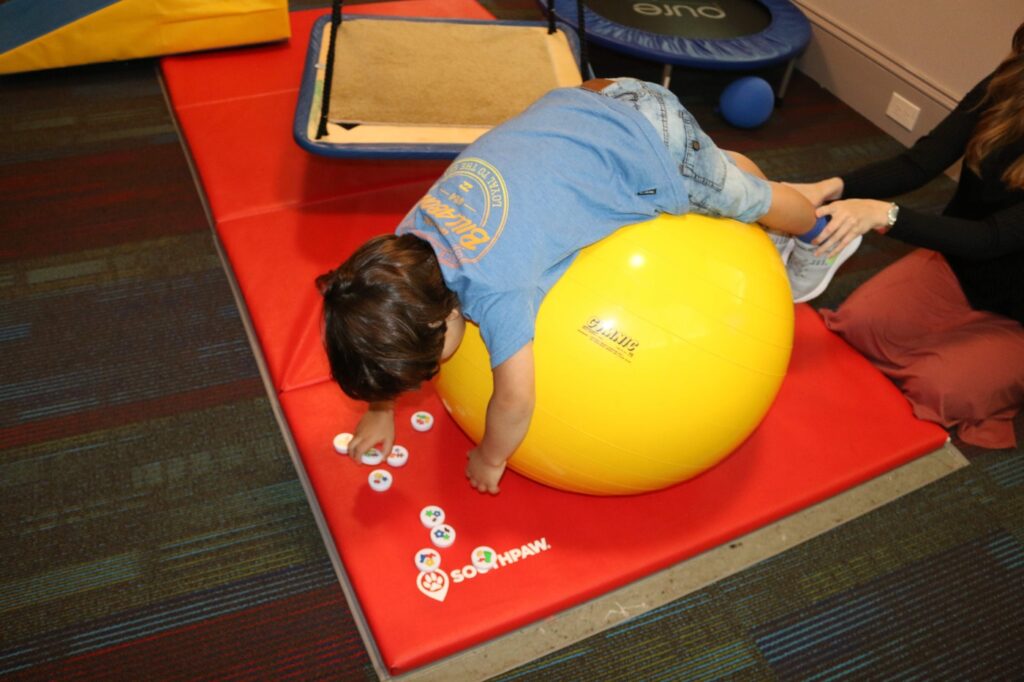
Bridge Linx is an organization that partners with community mainstream schools to offer therapy and support to children to help them thrive. Bridge Linx Therapy Center offers speech therapy, occupational therapy, and social behavior therapy in specially designed rooms in mainstream schools. We assist children so that they will receive the support they need to succeed and thrive in their everyday lives and activities.
Bridge Linx currently serves over 200 students weekly through its unique nonprofit therapy model, which offers scholarships for those in need. Our experienced, professional team offers a high-quality, individualized therapy program, partnering with principals, teachers, and parents.

A Parent’s Point of View
Before getting connected to Bridge Linx, I wanted to avoid my son’s parent-teacher conferences. It didn’t matter that there were new teachers every year, the message was always the same. They told me, “Sammy is a bright boy, but he struggles in class.” They told me he appears to listen, but when asked to respond to a question, his answers are incorrect and his notes are disorganized. Sammy was leaving out important information and therefore not performing well on tests.
I remember turning to my husband with tears streaming down and asking, “What are we doing wrong? No amount of studying seems to help our son.” As a mother, I saw the disappointment in Sammy’s eyes when he came home with another bad grade. When he would cry in frustration, I sometimes cried with him. Finally, Bridge Linx was able to give him the proper support that he so desperately needed.
After the first phone call with Bridge Linx, I was immediately put at ease. They set up a meeting to have Sammy evaluated. The Bridge team of therapists sent me to an audiologist to get further information. Finally, we had a diagnosis. My son had difficulty with auditory processing. Within a few short weeks, he was able to implement the strategies taught to him by his speech therapist to actively listen.
He showed a major improvement in his notes. In therapy, they worked on following directions, responding to questions, listening, and retelling stories. I can’t begin to tell you what a difference it has made. I will never forget the day Sammy came home with the highest grade on his test! Tears once again filled my eyes. This time, they were tears of happiness and joy. My son was on his way to academic success!

Partnering with Bridge Linx
The Teacher’s Point of View

As a teacher of a mainstream class, students present many different challenges in the classroom. As an instructor, I need to take the number of students I teach and my limited resources into account. I do my best to help each student succeed. That has its own challenges. Partnering with Bridge Linx Therapy Center has made a tremendous difference in my ability to help my students.
Bridge Linx evaluates the students to assess the source of their issues. They then take the step of making recommendations that I can immediately implement in the classroom. I have seen amazing results from the therapy and partnership with Bridge Linx. Most of all, I feel empowered having a resource of professionals to turn to for help and advice.
A Therapist’s
Point of View
Working as an occupational therapist for Bridge Linx in our community school, it is so gratifying and inspiring to see the progress and growth coming from our students. It is clear that there is a team approach which includes input from the teachers and therapists, as well as communication with the parents, creating and implementing goals which make a real impact on the students. The quality of the therapists and the treatment delivery model truly develop a well-rounded student.

Bridge Linx: We’re Here for Our Community
Bridge Linx provides speech therapy, occupational therapy, and social behavior therapy. Listed below are examples of specific goals that each therapy targets.

Speech Therapy
Auditory processing • Expressive language • Articulation • Following directions • Listening comprehension skills • Language skills

Occupational Therapy
Sensory integration • Fine motor strengthening • Motor coordination • Hand-eye coordination • Core strengthening • Body awareness

Social Behavior
Positive self-image • Communication skills • Emotional regulation • Executive function skills

At Bridge Linx, we believe in the potential of every child. Please help us help them. Please call our office at (732) 493-3670 to see how Bridge Linx can help you.

Senator Sutton Wins Landmark Victory for Synagogue Safety

New York Passes Buffer Zone Legislation to
Help Protect Jewish Congregants from Harassment and Intimidation

Eddie Esses

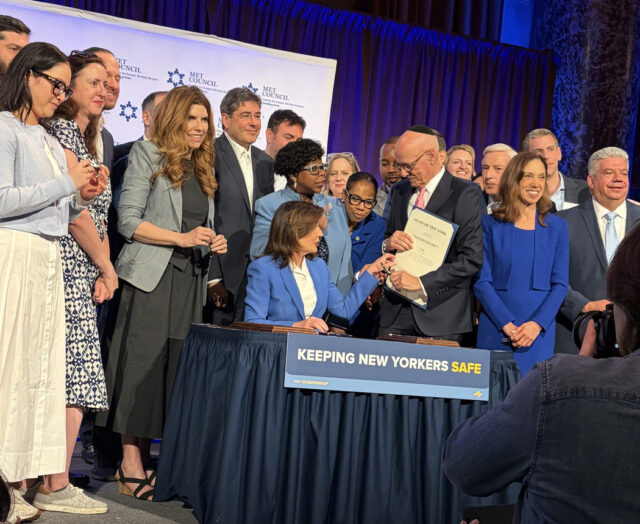
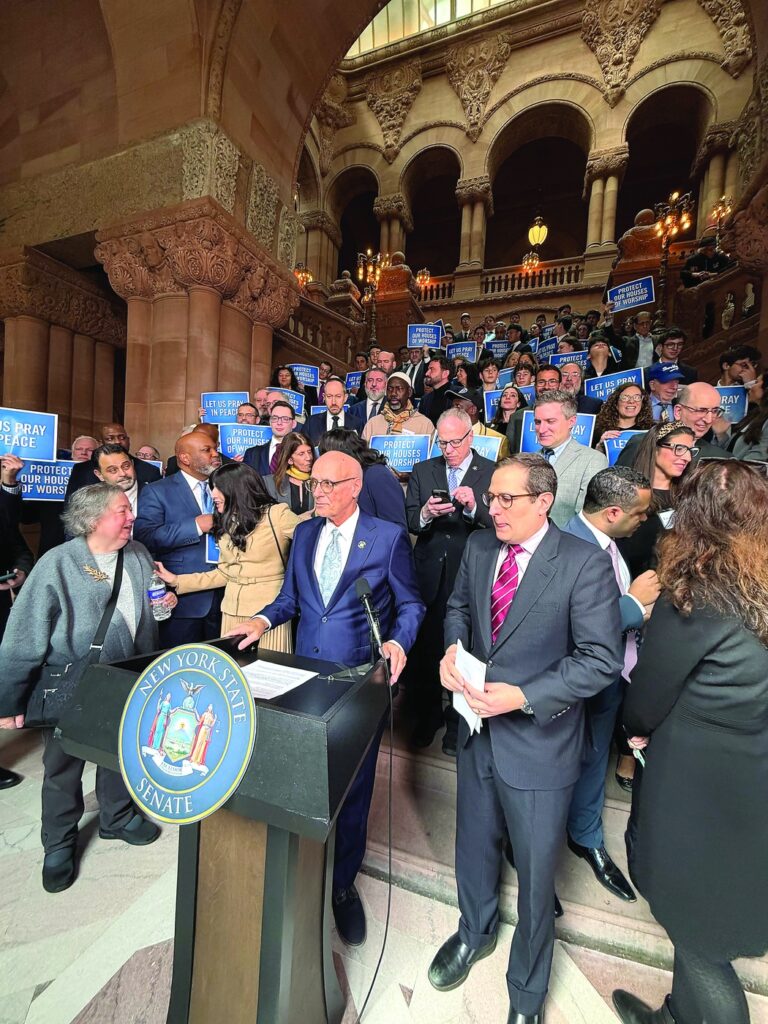
The inclusion of Senator Sutton’s buffer zone legislation in the New York State budget by Governor Kathy Hochul represents a landmark moment for Jewish New Yorkers, the culmination of months of sustained advocacy, coordination, and civic engagement. The legislation establishes a 50-foot buffer zone around synagogues, religious schools, and JCCs to help protect congregants and students from protests intended to harass or intimidate, and it is being widely described by community leaders as the most consequential piece of legislation for Jewish New Yorkers in recent memory.

The origins of the bill trace back to an immediate and urgent response following the November Park East Synagogue incident. Senator Sutton, Joey Saban, and Eddie Esses immediately convened a meeting in Sam’s office to confront the question of what meaningful protections could be put in place. Out of that initial discussion came the decision to draft and introduce what would become the buffer zone legislation.
From that point forward, the process was defined by seven months of intense behind-the-scenes work. Senator Sutton and Joey Saban engaged in a relentless schedule of meetings with Senate leadership, Assembly counterparts, staff, and stakeholders across government. Throughout the process, there were many setbacks, shifting dynamics, and difficult negotiations. At various points, the legislation appeared stalled or uncertain, only to be revived again through persistent advocacy and renewed negotiations.
A critical moment came when Governor Hochul chose to personally adopt the legislation as part of her executive budget proposal. The Governor not only embraced the bill, but actively fought for its inclusion, elevating it within the broader budget negotiations. Senator Sutton was told directly by Governor Hochul that the issue was a “red line” priority for her, underscoring the level of commitment behind ensuring its passage.
This moment highlights the extraordinary role our community’s increased civic participation has had in making major change. In particular, it highlights the incredible impact that the election of Senator Sutton has truly made. This achievement demonstrates what becomes possible when a community organizes, votes, and places trust in one of its own to carry its voice into the halls of power. The passage of the buffer zone legislation is the direct result of that engagement, illustrating how sustained participation translated into tangible policy outcomes.
Significant credit deserves to be given to key legislative partners who helped navigate the bill through both chambers. Assemblymember Simcha Eichenstein served as Senator Sutton’s negotiating counterpart in the Assembly. He, along with the full Jewish delegation in the Assembly, helped guide the legislation through negotiations, strengthening the bill significantly. Assemblymember Micah Lasher, the original Assembly sponsor of the bill alongside Sutton, played a foundational role in shaping and advancing the legislation from its earliest stages.
Activism on the ground played a key role as well. The consistent and vocal activism of Abie Hamra was critical, whose online petition and sustained advocacy rallied the public in favor of the idea of buffer zones. After the bill was introduced, UJA-Federation of New York coalesced support among elected officials and interfaith leaders across New York State and coordinated a major online campaign to increase support in both chambers of state government.
Ultimately, the passage of the buffer bill is both a policy victory and a broader civic lesson. It reflects what can be achieved when we as a community move beyond concern and into action by voting, organizing, and engaging directly in the political process. If this level of participation and engagement can yield such significant results, then just imagine what even greater achievements are within reach. The message that emerges from this victory is clear: when the community shows up, organizes, and participates fully in civic life, it has the power to shape history and deliver meaningful change for generations to come.

The Power of Hope

A Thought for Tisha b’Av

Rabbi Lord Jonathan Sacks zt”l

The month of Av is the saddest in the Jewish year, and Tisha b’Av is the saddest day. On it the two Temples were destroyed, the first in 586 BCE by the Babylonians, the second in 70 CE by the Romans. It is also the day on which Betar, the last stronghold of the Bar Kochba rebellion, fell in 135 CE, and on which, one year later, the Roman emperor Hadrian rebuilt Jerusalem as a pagan city, Aelia Capitolina. In 1492, Tisha b’Av was the day on which Jews were finally exiled from Spain. How did Jews survive these tragedies? That is one of the most enthralling questions about Judaism.

It is an iron law of history that civilizations rise, achieve greatness and appear indestructible, but in the end they fail and fall. Only Jews and Judaism have experienced catastrophe after catastrophe, exile after exile, but have endured. Each new defeat inspired resilience. Jews wept, but then rebuilt their lives, often in new and strange places. More remarkably still, each tragedy inspired a new
burst of creativity.
After the destruction of the first Temple came the renewal of Torah under Ezra and the returning exiles. After the loss of the second Temple came the great literature of the sages: Midrash, Mishnah and the two Talmuds. The Crusades gave birth to the spirituality of the Hassidei Ashkenaz; the Spanish expulsion to the mysticism of Sfat. The greatest tragedy of all in human terms, the Holocaust, was followed a mere three years later by the single greatest collective affirmation of life in 2,000 years, the rebirth of the State of Israel. There is something remarkable about this story, unparalleled in the history of any other nation.
I remember the moment when I first stood on Mount Scopus, today the site of the Hebrew University, looking down on the old city of Jerusalem, and realized that it was here that Rabbi Akiva and his colleagues stood, contemplating the ruins of what had been Judaism’s holiest place. While the others wept, Rabbi Akiva smiled.
“Why do you weep?” asked Rabbi Akiva. They replied, “How can we not weep, when we see a fox walking through the ruins where our Holy of Holies once stood? The question is, how can you smile?”
Rabbi Akiva replied: “The prophets foresaw Jerusalem’s destruction and they also foresaw its rebuilding. I have seen the first prophecy come true. Now I know the second will also come true.”
Rabbi Akiva shared with the prophets the courage to hope. Hope is not a mere instinct. It is born in faith, the faith that G-D exists, that He keeps His promises and that He forgives. That hope is contained in the very name tradition gave to this month: Menachem Av, the month of consolation as well as tragedy. A people that never loses hope cannot be defeated.
The Jewish people kept hope alive. Hope kept the Jewish people alive.

Read Jewish Image Magazine Online – July 2026

Pulitzer Prize Shame

Dr. Yvette Alt Miller

Joseph Pulitzer, a Jewish immigrant from Hungary who prospered in America as journalist and newspaper owner, endowed the Pulitzer Prize to recognize excellence in journalism.

Today, the Pulitzer Prize committee is damaging its illustrious legacy by awarding journalists who slander Israel and Zionists. Its 2026 prizes honor figures who propagate falsehoods about the Jewish state.

Saher Alghorra
Misleading Photographs

Saher Alghorra, a twenty-eight-year-old independent freelancer living in Gaza, won the 2026 Pulitzer Prize for Breaking News Photography. The Pulitzer committee says it is rewarding “his haunting, sensitive series showing the devastation and starvation in Gaza resulting from the war with Israel.” In reality, they are rewarding highly misleading photos taken with the blessing of and in cooperation with Hamas.
Alghorra’s most famous shot, published on the front page of the New York Times on July 24, 2025, was quickly exposed as a lie. It shows a young, nearly naked boy, Mohammed Zakaria al-Mutawaq, being cradled by his mother. His spine and ribs protrude through his skin. Mohammed’s appearance is horrifying; he is clearly very ill and underweight. “Mohammed…was born healthy but was recently diagnosed with severe malnutrition,” the New York Times asserted in its caption. Elsewhere in the article, the New York Times asserted that “Gazans are dying of starvation,” placed the blame for hunger in Gaza entirely on Israel, and reported that: “Hollow-eyed, skeletal children languish on hospital beds…” with Mohammed illustrating this terrible phenomenon.
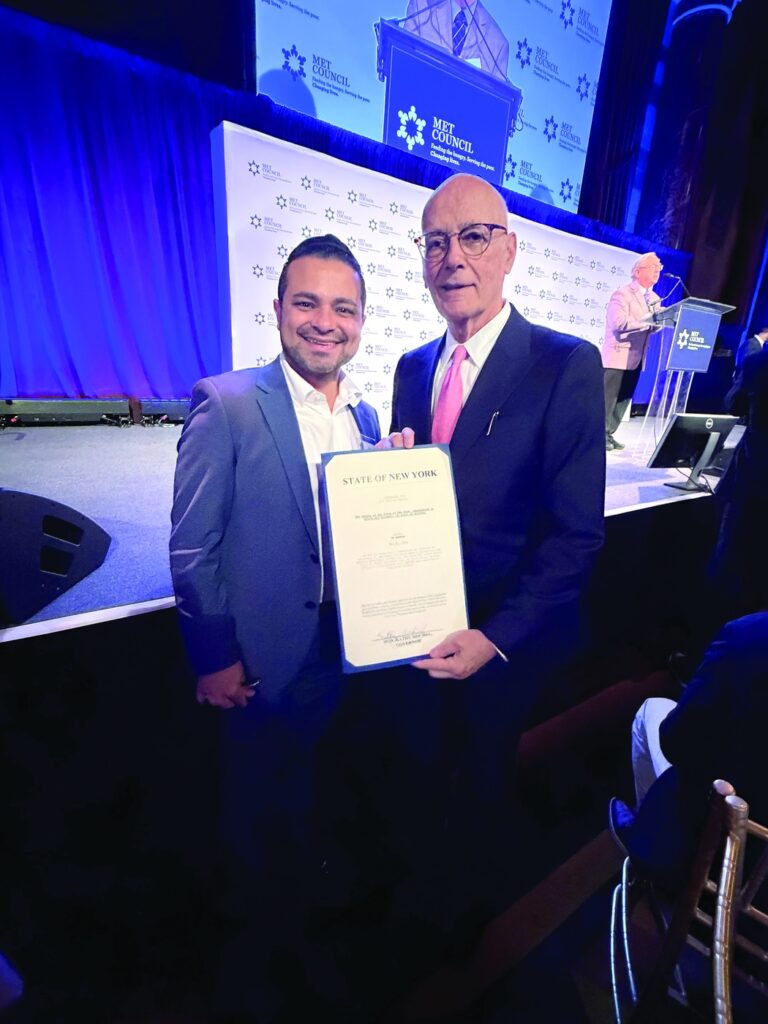
Within days, readers noted that posts about the family existed elsewhere online, describing Mohammed not as starving but as suffering from a degenerative muscle disorder which contributed to his emaciated state. This should have been obvious to Alghorra and his editors. In one of Alghorra’s photos of Mohammed that was not published by the New York Times, Mohammed’s older brother, who does not appear malnourished, appears standing in the background. The entire photograph seemed designed to promote a misleading narrative about the severity of food shortages in Gaza. Why?

Operating with Permission from Hamas
Every journalist operating inside Gaza today, including photographers like Saher Alghorra, does so with the express permission of Hamas. One of the most cogent descriptions of the condition for journalists inside Gaza comes from Bret Stephens, who has covered the region for decades for the Wall Street Journal and the New York Times, and notes that journalists inside Gaza function as mouthpieces for Hamas propaganda.
He writes: “The Palestinian territories… are republics of fear, fear of the Palestinian Authority in the West Bank and Hamas in Gaza. Palestinians are neither more nor less honest than people elsewhere. But, as in any tyrannical or fanatical regime, those who stray from the approved line put themselves at serious risk.”
Take another one of his Pulitzer Prize-winning photographs, of Hamas soldiers carrying the remains of a murdered Israeli hostage to an exchange point to hand over the remains to Israel. The photo is incredible: Alghorra was directly in front of the Hamas fighters when he snapped the photo, at what was obviously an important and sensitive moment. This picture could only have been taken with Hamas’ permission; it’s unthinkable that a truly independent photographer would have been granted such access to Hamas’ elite fighting units.
Indeed, a perusal of Alghorra’s Instagram feed shows how embedded he is in a number of terrorist groups in Gaza, including Hamas, the fearsome “Lions Den” terrorist group, the Popular Front for the Liberation of Palestine (PFLP), and Islamic Jihad. Over the past few years, he’s photographed militants with all these organizations up close and with seeming permission from their leaders.
Saher Alghorra might be a talented photographer with an eye for artistic composition. He is also an extension of Hamas and its allied terrorist groups, granted access to their inner workings in exchange for parroting their propaganda. Despite this, he’s won awards for his propaganda masquerading as independent journalism. The Pulitzer committee just awarded a Pulitzer Prize to Hamas’ lies.

M. Gessen
Useful Idiot

At least Saher Alghorra has the excuse of living under Hamas’ tyrannical rule to excuse his lies about Israel. M. Gessen, who has won a Pulitzer Prize in Opinion Writing for a series of articles in the New York Times, has no such excuse.
A Jewish journalist from Moscow, M. Gessen has had a distinguished journalistic career, and has seemed to abandon all journalistic caution in one of their prize-winning essays, “How to Be a Good Citizen When Your Country Does Bad Things,” which singles out Israel among the world’s nations for opprobrium. Gessen describes both Israel and the United States as showing a “monster” face to the world. Spoiler alert: when it comes to Israel, Gessen’s answer to how to remain a “good” person is simple: leave Israel entirely. The Jewish state is supposedly too bad for “good” people to live in any more. Anyone who does is “implicated” in its “crimes.”
Gessen baselessly asserts that Israel has “all but dropped any pretense of democracy.” No mention is made of the many Arab members of Parliament, judges, teachers, doctors, police officers, etc. inside of Israel, nor of the fact that Arab citizens of Israel participate fully in Israeli democracy just as Jews and others do. Gessen explains they didn’t interview any non-Jews for their prize-winning piece, presumably because it’s only Jewish Israelis who need to be taught to be “good.”
One of Gessen’s interviewees rails against Jewish Israelis: “I know how bad he smells,” she says of one. No similar criticism is directed at non-Jews, who are depicted as peaceful.
Gessen quotes at length two Israelis who’ve left the country. “I had to get away,” one explained, saying he and his family moved to Italy. A second interviewee spends most of her time in an Arab town under the jurisdiction of the Palestinian Authority. Assiduously left out of Gessen’s prize-winning essay is any background about the wider situation in which Israel finds itself, with Hamas continuing to launch missiles, drones, and even incendiary kites into Israel on a regular basis and Hezbollah in Lebanon raining missiles down on Israeli communities.
Gessen quotes Israelis who want the rest of the world to boycott, sanction, and isolate Israel, treating it as an international pariah. It’s only by destroying Israel, Gessen’s piece implies, that Jewish Israelis can be called “good.” This isn’t journalism; it’s Hamas propaganda, which would see the entire world turn against Israel and side with Hamas in aiming to destroy it.

Pulitzer Shame
The Pulitzer Prize’s descent into reflexive anti-Israel advocacy is a serious blow for Western journalism. By rewarding openly biased, misleading, pro-Hamas, and antisemitic articles and photographs, they are chipping away at journalistic standards, and at our ability to distinguish robust, independent journalism from propaganda.
This year’s Pulitzer Prizes are a reminder that we all have to be vigilant in scrutinizing the media we consume.

The Hantavirus Scare

Why Experts Say the Public Risk Remains Low

For many Americans, the phrase “hantavirus” entered the public conversation the same way unfamiliar diseases often do now, through alarming headlines and viral social media posts that quickly sparked comparisons to COVID-19. A deadly virus. A cruise ship outbreak. International quarantines. Within hours, people were asking whether another global health crisis was beginning. The concern intensified because the outbreak involved the Andes strain of hantavirus, the only known hantavirus strain capable of limited human-to-human transmission. That detail immediately drew attention from public health officials and a public still shaped by the pandemic years.

The current outbreak is linked to the MV Hondius, a Dutch expedition cruise ship that carried passengers through Antarctica and the South Atlantic. According to the World Health Organization and the Centers for Disease Control and Prevention, 11 confirmed cases and three deaths have been reported so far, while additional passengers and contacts continue being monitored by health authorities. Although the ship was carrying roughly 147 passengers and crew members, only 11 confirmed cases have been identified so far, a detail health officials say reinforces how difficult the virus is to spread through casual contact.
Hantavirus is a family of viruses carried mainly by rodents, with different strains found around the world. People are usually infected after breathing in airborne particles contaminated by rodent droppings, urine, or saliva, often while cleaning enclosed spaces where rodents have nested. In North and South America, infection can lead to hantavirus pulmonary syndrome, a severe respiratory illness that affects the lungs and can become life threatening. Health investigators believe the MV Hondius outbreak likely began with exposure before boarding the ship, possibly involving infected rodents in South America, where the Andes strain of hantavirus circulates naturally. What makes the Andes strain unusual is that, unlike most hantavirus strains, limited person-to-person transmission can occur through prolonged close contact. Even so, public health agencies continue to emphasize that the virus does not spread easily through casual everyday interaction, and the overall risk to the public remains very low.
Still, the outbreak triggered a major international response because passengers had already begun traveling home across multiple countries before the virus was fully identified. Passengers disembarked in Tenerife, Spain, before beginning repatriation efforts coordinated by governments and health agencies. Many passengers are now being monitored for up to 42 days, or longer depending on national health guidance, because the Andes strain of hantavirus can have a long incubation period. Several American passengers were transferred to the University of Nebraska Medical Center for quarantine and observation, while others continue being tracked and monitored in Atlanta and additional facilities abroad.
The images associated with the outbreak naturally stirred anxiety. Quarantine facilities, medical transport teams, and reports of international monitoring immediately brought back memories of the early COVID period. For many people, the emotional reaction arrived before the medical facts did. That response is understandable. COVID permanently changed the way many Americans process public health news. Before 2020, most people rarely paid attention to outbreaks occurring outside their immediate area. Today, even a relatively contained virus can dominate online discussion within hours.
Social media has amplified that shift. Headlines about a “deadly virus outbreak” spread quickly because fear and uncertainty generate attention. In many cases, the details that matter most arrive later, after public assumptions have already formed. In the case of hantavirus, the most important detail is also the least dramatic. The virus does not spread easily between people. COVID became a global crisis because it moved efficiently through ordinary daily interaction. The Andes strain behaves very differently. Health officials continue to stress that widespread community transmission is considered highly unlikely.
That distinction matters because public anxiety can distort risk perception. The average American is far more likely to encounter seasonal influenza, RSV, or common respiratory infections than hantavirus. Most people living normal daily lives in cities and suburbs face extremely low risk. Public health guidance surrounding hantavirus remains focused primarily on preventing rodent exposure inside homes, garages, sheds, and workplaces. Health officials recommend sealing holes and gaps where rodents can enter, placing traps around the home, and removing exposed food sources that may attract mice or rats. If rodent droppings are found, experts advise against sweeping or vacuuming them dry because that can push contaminated particles into the air. Instead, the area should be ventilated first and cleaned carefully using disinfectant, gloves, and paper towels. In cases of larger infestations, professional exterminators or pest control services are often recommended to reduce ongoing exposure risks safely.
The broader story surrounding the MV Hondius outbreak may reveal as much about modern public psychology as it does about the virus itself. Americans now live in a constant cycle of alerts, breaking news banners, and viral commentary. Every health story arrives with urgency attached to it. That environment makes it harder for people to separate a serious but limited outbreak from a widespread societal threat. It also creates fatigue. Many people want to stay informed without feeling trapped in permanent alarm.
The hantavirus outbreak aboard the MV Hondius is serious, especially for the families directly affected and the passengers now under monitoring. It deserves careful investigation and a coordinated public health response. At the same time, global health authorities continue to say the risk of widespread transmission remains very low. That balance between awareness and perspective is easy to lose online, but it remains the reality experts continue to emphasize.

This article is intended for general informational purposes only and is based on publicly available information and health guidance available at the time of publication. Because public health information and official guidance may change as new developments emerge, readers should consult current updates from relevant health authorities.

IS THE PRESSURE TO HAVETHE “PERFECT SUMMER BODY”MAKING YOU MISERABLE?

Laura Shammah, MS, RDN

Every year, as the weather gets warmer, something shifts emotionally for many women. The sweatshirts come off. Ads for diets become louder. Social media fills with “summer body” transformations, detoxes, before-and-after photos, and messages about getting “back on track.” Conversations suddenly revolve around carbs, bloating, fasting, shrinking your stomach, and how quickly someone can “fix” their body before vacation season begins. And quietly, many women begin to panic.
Some start cutting out foods they normally enjoy. Others skip meals all day only to feel out of control at night. Some become afraid of social events involving food. Others stare at photos of themselves and pick apart every detail before even allowing themselves to enjoy the summer ahead. What is supposed to be a joyful season slowly becomes another opportunity for self-criticism.
The truth is, many women are not actually trying to achieve health before summer. They are trying to achieve worthiness. Worthiness to wear the bathing suit. Worthiness to go on vacation confidently. Worthiness to be photographed. Worthiness to feel accepted in their own bodies. Somewhere along the way, women were taught that summer is something their body must “earn.”


What makes this especially painful is that the pursuit of the “perfect summer body” often leaves women feeling physically and emotionally worse, not better.
Extreme dieting increases food obsession. Under-eating during the day often leads to intense cravings and overeating later at night. Over-exercising can elevate stress hormones, worsen fatigue, increase inflammation, disrupt sleep, and make women feel even more disconnected from their bodies.
For many women, especially during midlife and menopause, the body is already undergoing hormonal shifts that affect weight distribution, water retention, sleep, hunger, and metabolism. Yet instead of responding with compassion and support, many women respond by becoming more restrictive, more critical, and more ashamed.
Social media has intensified this pressure dramatically. Women are constantly exposed to filtered images, edited bodies, unrealistic standards, and unrealistic routines that often do not reflect real life. Comparison becomes exhausting. A woman can have a beautiful family vacation planned and still spend the weeks leading up to it consumed by anxiety over how her stomach looks in a bathing suit. That is not wellness.
Ironically, the women who often look and feel healthiest long term are usually not the ones punishing themselves seasonally. They are the women who focus on consistency instead of extremes. They nourish themselves regularly. They move in ways that feel supportive rather than punishing. They sleep. They hydrate. They eat dessert sometimes without spiraling emotionally afterward. They understand that health is built through patterns, not panic.
Feeling physically better for the summer is not a bad goal. Wanting more energy, strength, confidence, or improved health is valid. But there is a major difference between caring for your body and constantly fighting against it.
A healthier approach to summer may look less dramatic than the internet promises. It may mean:
• Eating balanced meals consistently instead of skipping meals
• Adding more protein, fiber, fruits, and hydration instead of eliminating entire food groups
• Exercising to feel stronger and more energized rather than to “undo” eating
• Buying clothes that fit your current body instead of punishing yourself into smaller ones
• Spending less time body-checking and more time participating in your actual life
Most importantly, it may mean refusing to let your body determine whether you deserve to enjoy the summer.
No one looks back on their life and remembers the summer they finally had completely flat abs. But people do remember the summers they were fully present. The trips they enjoyed. The laughter. The beach days. The dinners with family. The memories they almost missed because they were too busy criticizing themselves. Your body is not a problem to solve before June arrives. And perhaps the healthiest thing women can do this summer is stop waiting to feel “perfect” before allowing themselves to live. q