For anyone operating an e-commerce store, consulting business, real estate investment company, or any business, choosing where to establish an LLC is one of the most important early business decisions. While every state offers business formation options, Wyoming has quietly built a reputation as one of America’s leading destinations for entrepreneurs seeking privacy, affordability, and simplicity.
The reason is straightforward. Wyoming was designed to welcome business. Perhaps the state’s most compelling advantage is privacy. In an age when personal information is increasingly available online, many business owners are surprised to learn that forming an LLC in their home state may place their names and addresses in publicly searchable records. Wyoming may offer an alternative. When properly structured with a registered agent, business owners may be able to keep their personal names and home addresses out of certain public state filings, which can help provide a valuable level of privacy that many entrepreneurs find increasingly important. Wyoming also understands that businesses should spend their money building their companies rather than paying unnecessary government fees. The state offers relatively modest formation and annual report fees, which may make it especially attractive for startups, side businesses, and growing companies watching every dollar. The advantages do not stop there. Wyoming is known for liability and creditor-protection provisions that can help preserve the legal separation between business obligations and personal assets. Combined with the absence of both a state corporate income tax and a personal state income tax, Wyoming may offer a favorable business climate. Business owners should keep in mind that forming in Wyoming may not eliminate tax, filing, registration, or reporting obligations in other states where they live or conduct business. It is no surprise that entrepreneurs from New York to California, and even business owners living overseas, continue to consider Wyoming as the home for their American companies. At a time when regulation and compliance continue to grow in complexity, Wyoming may remain an appealing option because of its relatively modest state fees, privacy options, liability and creditor-protection provisions, business-friendly laws, and straightforward online filing process. For many entrepreneurs, the question is no longer whether to form an LLC in Wyoming. The question is why they would choose anywhere else. For business owners considering a Wyoming LLC, LibertyFiling.com can help simplify the process. They provide LLC formation services, registered agent services, EIN filing assistance, and ongoing filing support across the United States. Visit LibertyFiling.com to learn more and begin the formation process.
The information above is provided for general informational purposes only and should not be considered legal, tax, or financial advice. LibertyFiling.com provides document preparation and filing coordination services only and does not provide legal, tax, or financial advice.
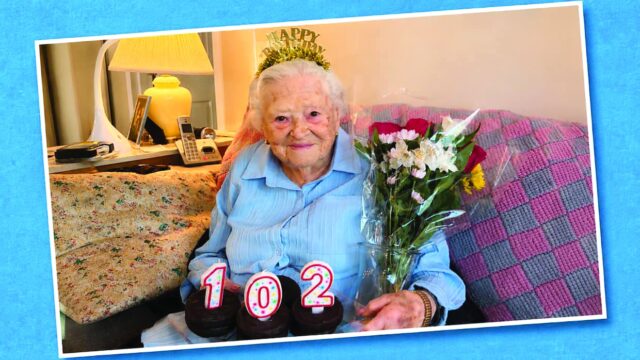
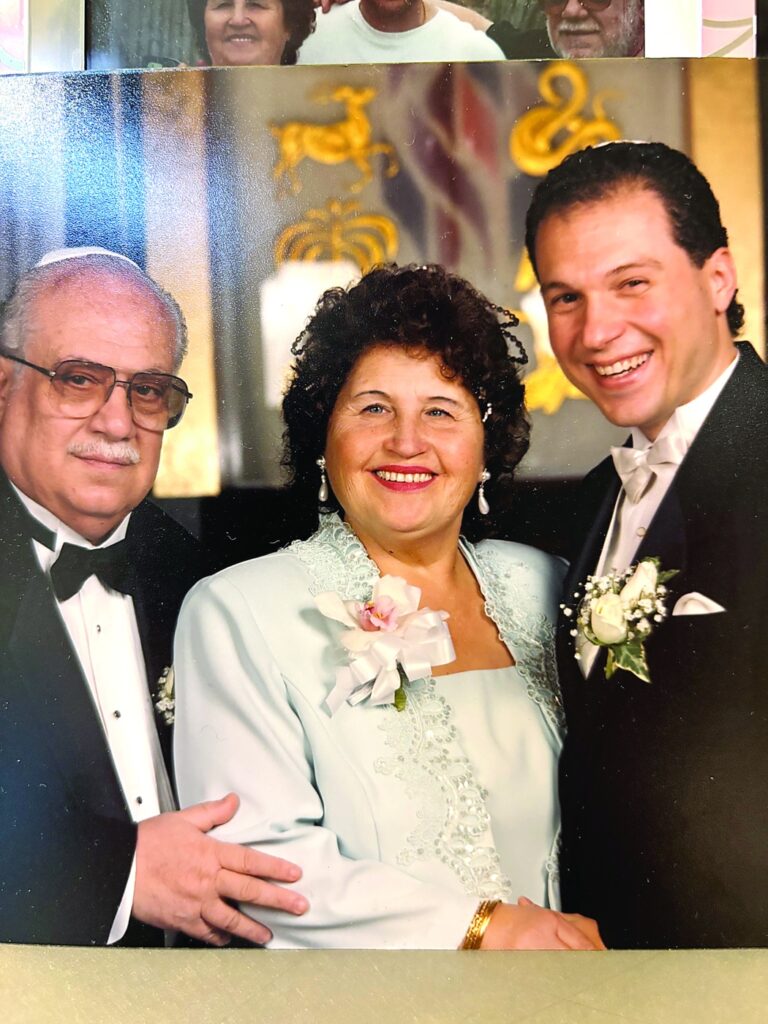
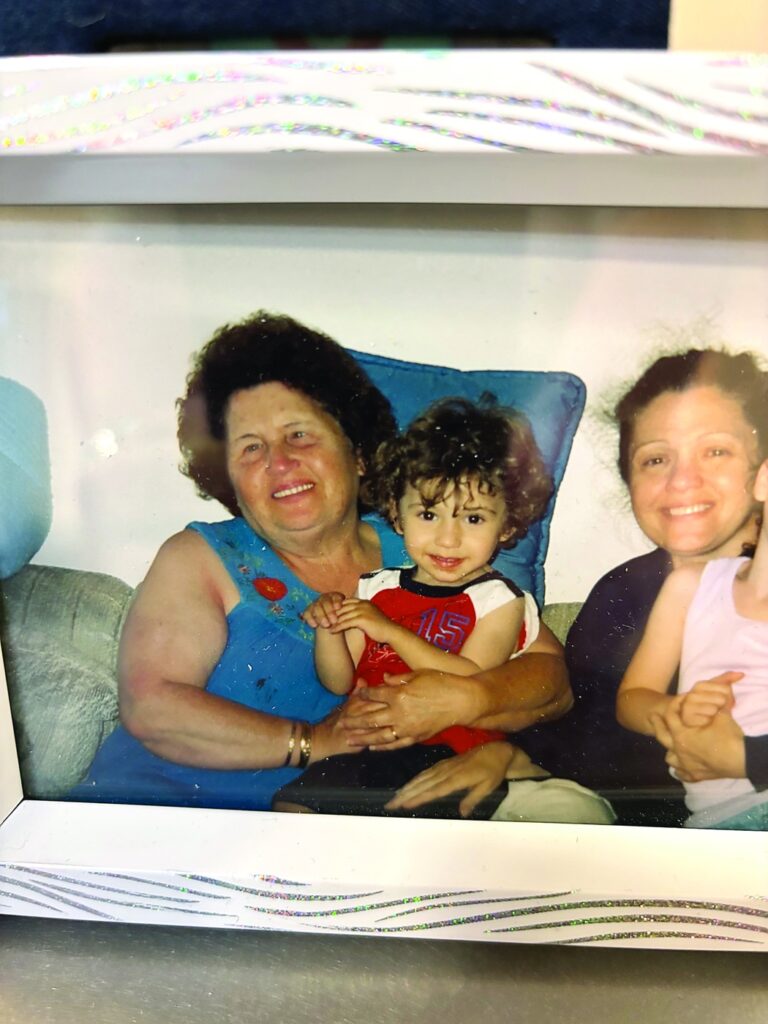
Pearl Hinda just turned 102 years old, survived the Holocaust, and rebuilt her life from nothing. Here are the seven lessons she wants you to know.
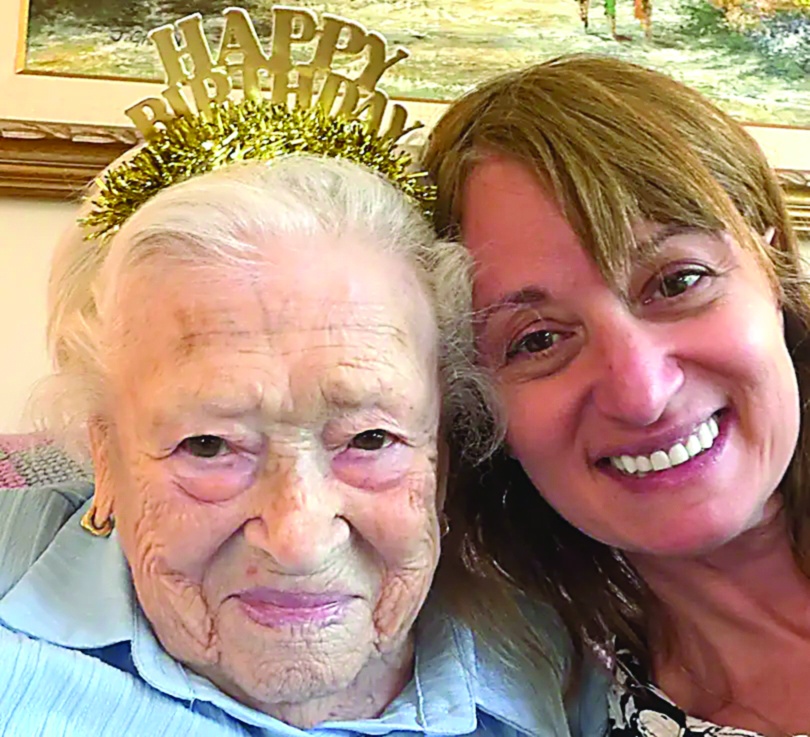
The author with Pearl Hinda
Born in 1924, Pearl Hinda Nagel endured unimaginable suffering. She lost her father as a child and her mother in the Lodz Ghetto. She survived forced labor, hunger, and the concentration camps, and then rebuilt a family and a life from nothing. Having witnessed both the worst and the best of humanity, she believes that kindness is the greatest legacy any person can leave behind. As Pearl Hinda celebrates her 102nd birthday and begins her 103rd year of life, she offers timeless wisdom earned through resilience, faith, and a lifetime of rebuilding.
Hope is a decision. Pearl Hinda had every reason to surrender to despair. Instead, she chose hope every day. Even in the labor camp, she believed G-D had not abandoned her. Hope became the strength that carried her through the darkest moments.
Kindness costs nothing but can save everything. Despite living with constant hunger, she shared her soup with another girl who needed it even more. After experiencing horrific cruelty, she refused to let it define her.
Don’t let your past become your destination. After the war, Pearl Hinda returned to her old apartment building. The janitor’s wife gently urged her not to go upstairs because it would pull her back into the past. She carried her memories with her, but she chose to build a future instead of remaining trapped by yesterday.
Faith can sustain you when nothing else remains. Orphaned, alone, and surrounded by death, Pearl Hinda maintained an unwavering connection to G-D. Her faith became an anchor when everything else had been taken away.
The best revenge is a life fully lived. The Nazis tried to wipe out the Jewish people and erase Jewish life. Pearl Hinda answered by marrying, raising children, welcoming grandchildren and great-grandchildren, and passing on her faith and values. Every new generation became her greatest victory.
Time is life’s most precious gift. As she begins her 103rd year, Pearl Hinda says she understands the value of time more than ever. Life is precious because no one knows how much of it we are given. Cherish your loved ones, do good while you can, and never take a single day for granted.
Joy is possible after unfathomable pain. Suffering does not have to define the rest of your life. After losing nearly everything, she still speaks about gratitude, family, and hope. While you cannot choose every chapter of your life story, you can choose how to write the continuation of the story. Pearl Hinda reminds us that purpose does not retire with age. As long as you are alive, you have something to give, someone to inspire, and a responsibility to make the world a little kinder than you found it. Pearl shares this final thought: “I have tried to teach my children and grandchildren to be proud Jews and proud Americans. Unfortunately, the free world has not learned the lessons of the past and continues to support those who seek our destruction. I want my children and grandchildren to understand the gifts Jews and Israel continue to give to the world. However, it is not wise to ignore the rampant antisemitism which is worldwide. But we have an amazing Jewish state. As proud, resilient people, we will never again have a Yad Vashem erected to our memory.” Happy 102nd birthday, Pearl Hinda!
Summer sandwiches and wraps can be more than turkey, tuna, and lettuce. The right filling can make them feel fresh, bright, and a little unexpected, while still keeping them simple enough for a weekday meal. These recipes use familiar ingredients in more interesting combinations, with sauces, herbs, crunch, and texture doing most of the work. Each one is designed to hold up well and feel like a complete summer meal. They are good for lunch, travel, beach days, or an easy dinner when no one wants to sit down to something heavy.
Za’atar Chicken Wrap with Pickled Onions and Herbed Tahini Meat Yields: 4 wraps Serves: 4
Ingredients 4 large wraps or laffa style wraps 1 pound boneless, skinless chicken cutlets 2 tbsp olive oil 2 tsp za’atar 1 tsp garlic powder 1 tsp paprika 1 tsp salt 1/4 tsp black pepper 2 cups shredded romaine 1 cup diced cucumber 1/2 cup pickled red onions 1/2 cup chopped fresh parsley 1/3 cup tahini 3 tbsp lemon juice 2 tbsp water, plus more as needed 1 small garlic clove, grated 1/4 tsp salt
Instructions
Place the chicken in a bowl. Add the olive oil, za’atar, garlic powder, paprika, salt, and black pepper. Toss until evenly coated.
Heat a grill pan or skillet over medium high heat. Cook the chicken for 4 to 5 minutes per side, or until cooked through.
Let the chicken rest for 5 minutes, then slice it into thin strips.
In a small bowl, whisk together the tahini, lemon juice, water, garlic, and salt. Add a little more water if needed, until the sauce is smooth and pourable.
Lay the wraps flat. Divide the romaine, cucumber, pickled onions, parsley, and sliced chicken among them.
Drizzle with the herbed tahini.
Fold in the sides, roll tightly, and slice in half.
Ingredients 4 sturdy rolls or pita breads 1 large eggplant, cut into thin strips 8 ounces mushrooms, sliced 3 tbsp olive oil 2 tsp shawarma spice blend 1 tsp garlic powder 1/2 tsp salt 1/4 tsp black pepper 1 cup shredded lettuce 1 tomato, sliced 1/2 cup pickles, sliced 1/3 cup tahini 2 tbsp lemon juice 2 tbsp water, plus more as needed 1 small garlic clove, grated 1/4 tsp salt
Instructions
Heat the oven to 425 degrees.
Place the eggplant and mushrooms on a baking sheet. Add the olive oil, shawarma spice, garlic powder, salt, and black pepper. Toss well and spread into an even layer.
Roast for 20 to 25 minutes, stirring once, until the vegetables are browned and tender.
In a small bowl, whisk together the tahini, lemon juice, water, garlic, and salt. Add more water as needed until smooth.
Split the rolls or pita breads.
Fill each one with lettuce, tomato, pickles, and the roasted eggplant and mushrooms.
Drizzle with tahini and serve warm or at room temperature.
There aren’t enough superlatives to describe my Aunt Rachel Hakim. It is with a heavy heart that I try to write this tribute to her. She was a beloved mother, grandmother, great-grandmother, sister, and aunt. She was a true matriarch, the glue that kept the immediate and extended family together.
She possessed a radiant smile and a pure soul. Above all, she was compassionate, generous, and charitable. Aunt Rachel loved her family and loved keeping the Jewish holidays and traditions. She had the rare capacity to bring joy to all she encountered. I was fortunate enough to experience first-hand her charm. When I was a precocious three-year-old kid in Egypt, my Uncle Victor was dating her. He often was stuck babysitting me and would take me on their dates. In order to placate me, they would often take me to the zoo. She would weave wonderful stories about the animals in order to amuse me. Much to my contentment, I was always fed ice cream afterward. I believe I fell in love with her then and wanted to be like her, and I couldn’t wait until their next date. Rachel’s family came from Turkey, initially from Spain. They settled in Egypt where she was the youngest of five siblings. They spoke Ladino in their home as well as French, Arabic, and Hebrew. Aunt Rachel met my Uncle Victor under dangerous circumstances. At the height of political upheaval in Egypt in the 1950s, when Jews were targeted, my uncle was involved with a clandestine group of volunteers to try to help Jews, especially kids, leave Egypt and go to Israel. One of the houses he went to in his crusade to convince Jews to go to Israel was hers. It was believed to be love at first sight. They dated briefly and were soon married. Nationalism was on the rise in Egypt. Nasser came into power and Jews were targeted. Synagogues were burned down, property was confiscated, and Jews were placed in detention camps. It was dangerous to be a Jew in Egypt. My uncle had seen the writing on the wall earlier and tried to help families leave. Her family secured visas to Israel. My uncle’s family went to the U.S.A. With two kids in tow, Rachel and my uncle were bound for Brooklyn where his family was settling. In America, they faced new hardships, a different culture, language, and employment. My Uncle Victor was enterprising and intelligent, and with Rachel’s help and G-D, they created the foundation for a flourishing life in Brooklyn. Two more kids followed. It was hard work, but they worked hand in hand in establishing a business. Not only did she work, but she was also responsible for raising the kids and handling the household chores. She also upheld all the holiday traditions. Aunt Rachel did everything that was necessary with zest and joy. Her home was always warm and welcoming to family members and strangers alike. She always kept the Jewish holidays in grand style. We were often invited for Passover seders, Rosh Hashanah, and Shabbat. It was always a wonderful feast of traditional delicacies that we encountered. She would have many visitors from Israel, Mexico, and the U.S.A. Aunt Rachel was a superb cook. She would take a traditional recipe and carry it a step further, making it her own. She would often visit my mom and grandmother. Together they would sit and drink Turkish coffee and watch an old Arabic movie and reminisce about their lives. I remember how happy they all were. That image and memory sustains me to this day. I miss her, our phone calls, and her wonderful laugh. She was a gift from G-D and a blessing in all our lives.
A few months ago, I was talking with a rabbi who told me something that has stayed with me. He said, “Bruce, people aren’t just worried anymore. They’re exhausted.” Exhausted from wondering if their kids will be safe wearing a Star of David on campus. Exhausted from opening electric bills that seem to climb every month. Exhausted by headline after headline of antisemitic hate crimes. He was right.
Over the last few years, I’ve heard that same concern from people across New York, not just rabbis, but parents worried about their children’s future, business owners struggling to keep their doors open, Holocaust survivors who never imagined feeling unsafe here, young couples wondering if they can afford to build a life in the state they love, and grandparents who feel like the New York they helped create is slipping away. Those conversations, and the people behind them, are why I decided to run for governor of New York. The greatest challenge facing New York today isn’t just crime or antisemitism. It’s affordability. Families are doing everything right and still falling behind. In fact, after billions in new taxes from Kathy Hochul, New Yorkers now pay the highest taxes in the nation. As governor, I will deliver the largest middle-class income tax cut in state history and eliminate the state income tax on the first $50,000 earned by single filers and the first $100,000 earned by married couples filing jointly. I trust hardworking New Yorkers to spend their money better than Albany does. I’m committed to cutting utility bills in half. Today, New Yorkers pay about 70 percent more for electricity than the rest of the country. Much of that isn’t because electricity costs more to produce. It’s because Kathy Hochul piled taxes, mandates, and fees onto every bill. I’ll put a stop to Hochul’s energy taxes and explore all forms of affordable energy as governor, while protecting the environment. I also believe parents, not politicians, should have the final say in their children’s education. That’s why I support expanding education tax credits to help families who sacrifice to send their children to yeshivas and other nonpublic schools. Every parent deserves the freedom to choose the education that best reflects their values without being punished financially for doing so. As Nassau County’s first Jewish County Executive, protecting the Jewish community has never been a political issue for me. It’s personal. When masked protesters targeted Jewish communities and hid their identities while intimidating others, I wasn’t interested in issuing another carefully crafted statement. We acted, prohibiting masks used to conceal identity during threatening or criminal conduct. We also prohibited demonstrations immediately outside houses of worship because no family should have to walk past angry protesters to pray. Leadership means acting before it’s popular, not after it’s safe. Unfortunately, too many Jewish New Yorkers no longer feel that same sense of urgency from Albany. Instead of confronting antisemitism with moral clarity, Governor Kathy Hochul has too often stood in lockstep with the political forces that have excused it, minimized it, or looked the other way. Many lifelong Democrats tell me they no longer recognize the party they grew up supporting. They feel abandoned by leaders who are more concerned about appeasing activists than protecting families. At the end of our conversation, the rabbi left me with words I’ve carried ever since: “Be that little bit of light to dispel much of the darkness.” This campaign isn’t about left versus right. It’s about whether New York remains a place where families can afford to live, worship freely, raise their children safely, and believe the next generation will have a brighter future than the last. That’s the New York I believe in. And that’s the New York I’m fighting to restore. I’m Bruce Blakeman, and I hope to earn your support this Election Day.
Why Smart Leaders Get Stuck in a Cycle of Constant Urgency
Jeff Sitt
Have you ever noticed how some of the smartest, hardest-working leaders still feel stuck? They’re the first ones in and the last ones out. They solve problems, answer every call, make every decision, rescue employees, and spend their days putting out fires. Yet despite working harder than almost everyone around them, they often end the day exhausted, wondering why they’re still not where they want to be.
The problem usually isn’t a lack of intelligence. It’s a trap. I call it The Fireman Trap. Many business owners unknowingly spend most of their day in what leadership experts call Quadrant One, which includes work that is both urgent and important. Deadlines, emergencies, customer issues, employee problems, and last-minute surprises consume their attention. Quadrant One is unavoidable, but it was never meant to become your permanent address. The more time you spend putting out fires, the less time you have to build a fire-resistant business. Great leaders don’t spend their lives carrying bigger buckets of water. They build sprinkler systems. They invest in better communication, better training, better systems, and better people. They spend time preventing tomorrow’s fires instead of reacting to today’s. Unfortunately, constant urgency becomes addictive. After a while, your mind begins operating in a constant state of brace for impact. Before one problem is solved, you’re already anticipating the next. Every ringing phone feels urgent. Every email feels important. Every interruption feels like another emergency. Over time, that becomes your normal. If you’re not careful, you’ll begin to suffer from decision fatigue. After making hundreds of decisions throughout the day, your mental energy begins to fade. Your patience gets shorter. Your thinking becomes less strategic. You begin reacting instead of leading. Eventually, urgency stops being something you manage. It becomes your identity. You become the fireman, the go-to person, the answer man. At first it feels rewarding. People need you. They depend on you. You’re the one who saves the day. But without realizing it, you may also be creating the very environment that’s exhausting you. When every decision comes through you, every employee waits for your answer, and every problem lands on your desk, you stop developing leaders and start creating dependence. This is not because your people aren’t capable, but because you’ve unintentionally trained them to see you as the fastest solution. Here’s a simple leadership tool that can begin changing that immediately. The next time someone walks into your office with a problem, don’t solve it for them. Instead, ask them to bring three options: their best solution, their second-best solution, and, if they’re truly stuck, the honest answer, “I don’t know.” Be genuinely open to their ideas. Don’t criticize imperfect thinking. Coach it, refine it, and help them think better. Every time you solve a problem for someone instead of helping them think it through, you unintentionally teach them to bring the next problem back to you. But when you coach someone to think critically, weigh options, and make better decisions, you build confidence, ownership, and leadership. A problem may be solved once. People who learn how to solve problems keep solving them long after you’re gone. That’s leadership. The Torah offers the same leadership lesson. When Moshe became overwhelmed by trying to personally resolve every issue among the people, his father-in-law, Yitro, advised him to appoint capable leaders, delegate responsibility, and trust others to share the burden. Great leadership isn’t measured by how indispensable you become. It’s measured by how many other people grow because of you. There’s another hidden cost to living in constant urgency. By the end of the day, you’ve answered dozens of questions, made countless decisions, solved everyone else’s problems, and carried the weight of the business on your shoulders. Then your wife calls with a scheduling question, your child wants to tell you about their day, or someone needs five minutes of your attention. By then, you’ve spent the entire day solving everyone else’s problems. The tragedy isn’t that you stopped caring. It’s that you’ve become so mentally exhausted that the people who matter most no longer receive the best of you. Too often, our clients get our best thinking. Our employees get our best leadership. Our families get what’s left. That’s the real cost of The Fireman Trap. The goal is not to eliminate emergencies, because every business will have them. The goal is to spend more of your leadership time in Quadrant Two, where you focus on what is important before it becomes urgent. Develop your people. Build better systems. Create the sprinkler system your business needs. The strongest leaders aren’t remembered because they put out the most fires. They’re remembered because they built organizations where fewer fires started, not because they worked harder, but because they developed stronger leaders. Firefighters solve today’s emergency. Leaders prevent tomorrow’s. Maybe that’s what’s keeping so many smart leaders stuck. It is not a lack of effort or ability, but too much time spent fighting today’s fires and not enough time preventing tomorrow’s.
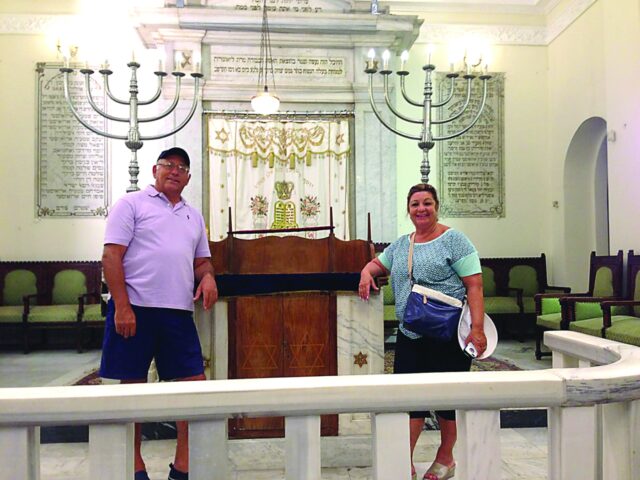
Ben-Gurion and Rachelle Matsas inside the historic synagogue in Salonika, Greece.
A family journey through Greece and the enduring legacy of Greek Jewry
Ben-Gurion Matsas
This summer when I returned to Greece with my wife, Rachelle, my son Steven, and my grandson Ben, I was not simply visiting the country where I was born. I was bringing three generations of my family back to the streets, homes, and communities where MY story began. Together, we visited places we had previously known only through family stories and memories.
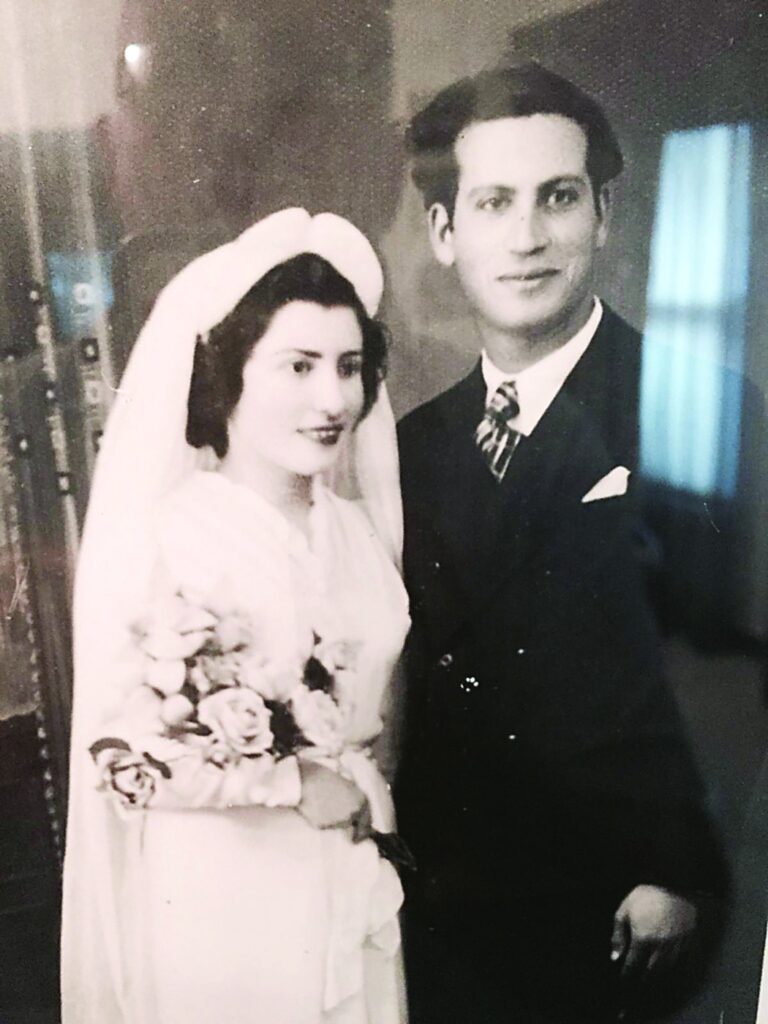
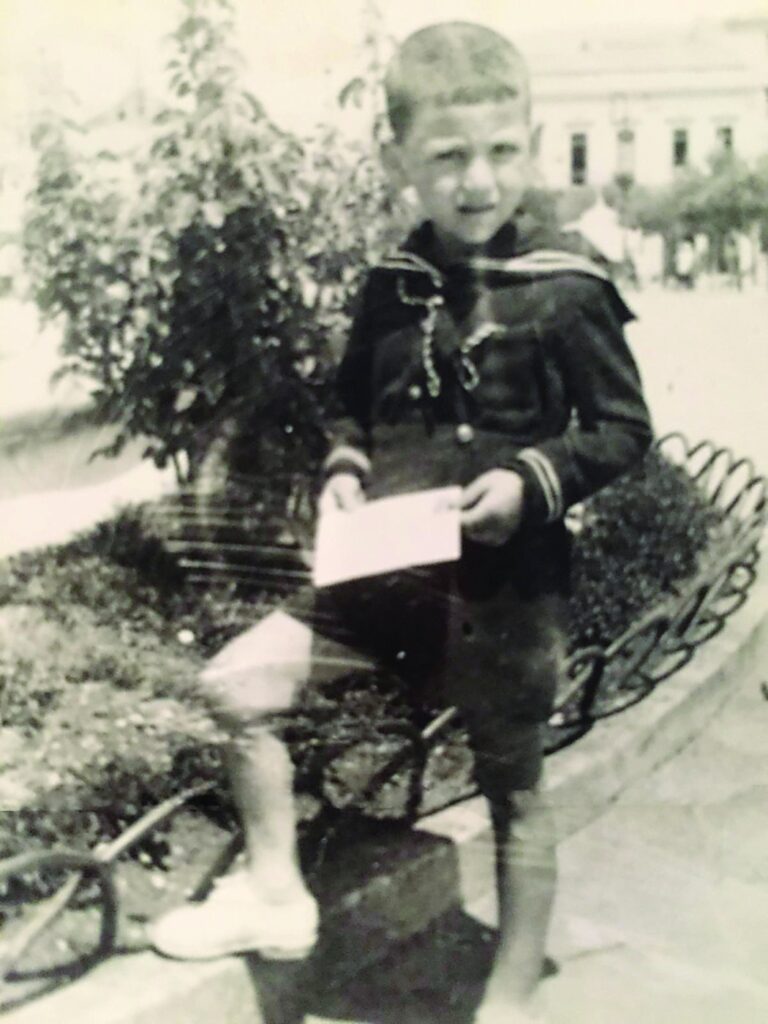
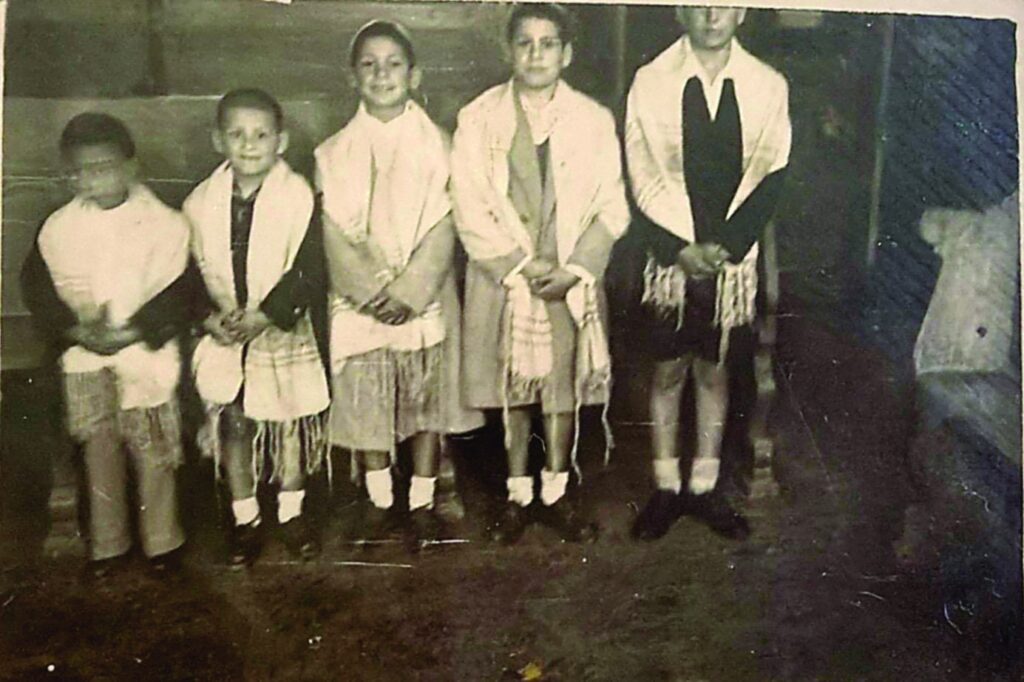
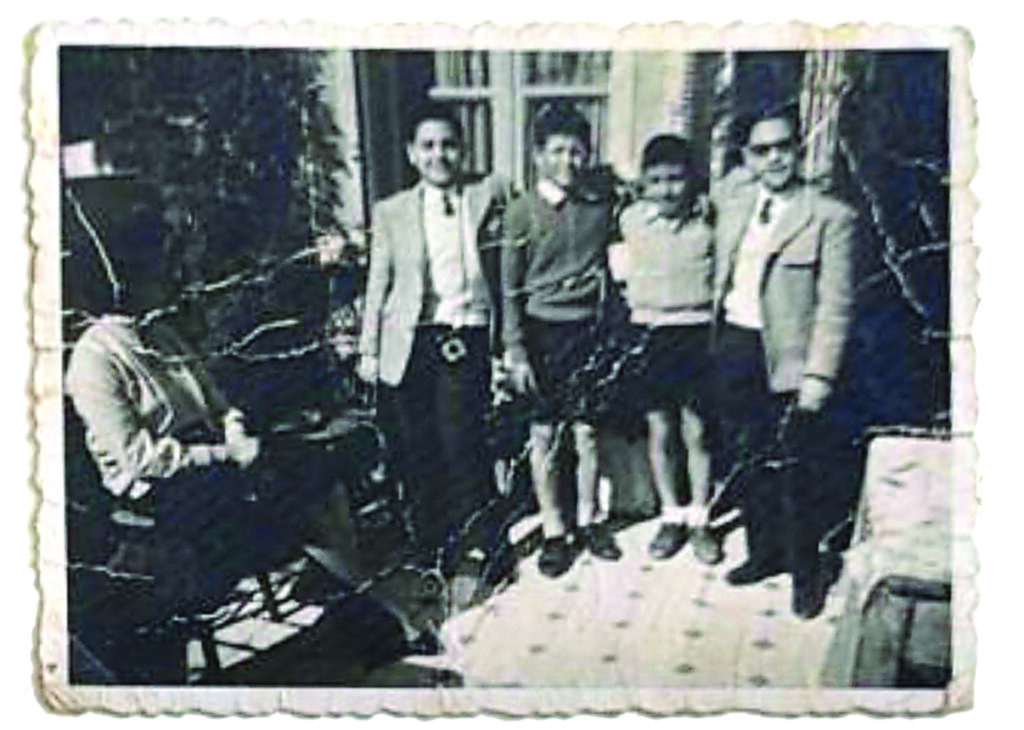
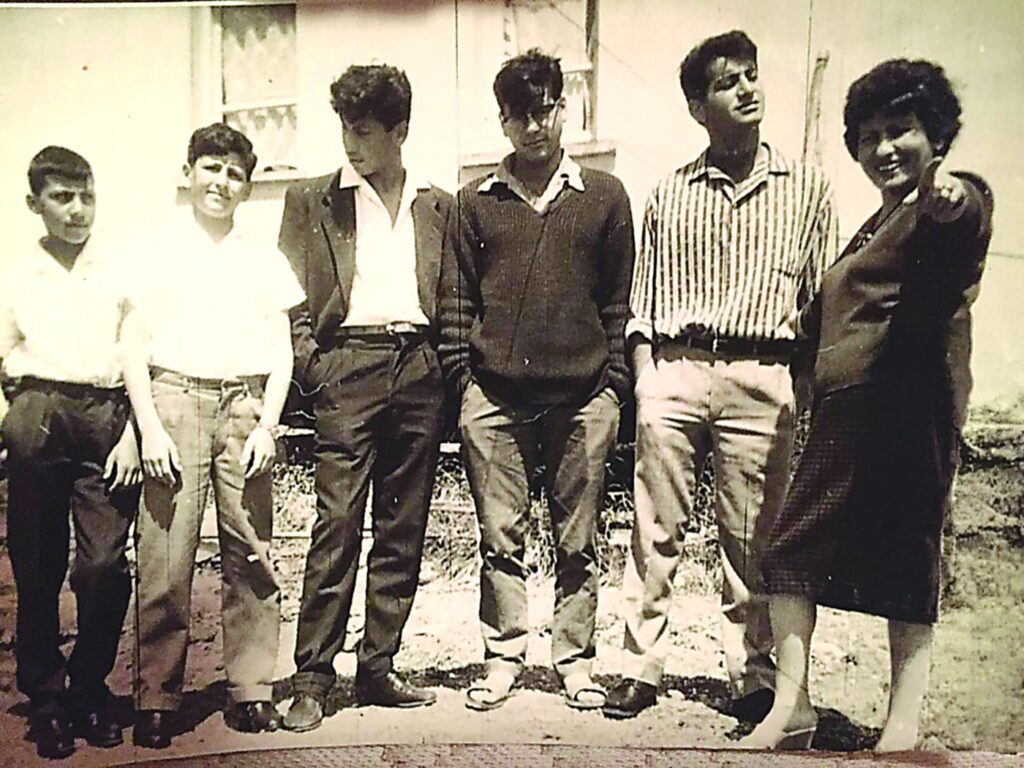
Ben-Gurion’s parents Isaac Matsas and Rachel Iohanas on their wedding day in Patras, Greece in 1939.Ben-Gurion Matsas as a child in Patras, holding a letter from Israeli Prime Minister David Ben-Gurion thanking his parents for naming their son after him.The Matsas brothers, from left, Abraham, Ben-Gurion, Yochanan, Daniel, and Joseph, inside the synagogue in Patras, Greece.
I was born in Patras, a port city with deep ties to the Mediterranean. Although my life later took me to Israel and the United States, my connection to Greece never disappeared. Its food, music, language, traditions, and landscapes remained a part of me. I carried those memories quietly for many years. We began our trip in Athens, where we met cousins and other relatives who still live in Greece. Spending time with family in the present gave us a natural starting point before we began exploring the past. From Athens, we traveled through Salonika, Ioannina, Arta, Preveza, and finally Patras, following both our family’s history and the broader story of Greek Jewry. The Jewish presence in Greece is among the oldest in the world outside of Israel, reaching back more than two thousand years. Romaniote Jews developed distinct customs and religious traditions through centuries of life in Greece. After the Jews were expelled from Spain in 1492, many Sephardic Jews settled in Salonika, bringing Ladino and their own cultural and religious traditions. In Salonika, we encountered traces of what had once been one of the great centers of Jewish life in Europe. Before World War II, the city was known as the Jerusalem of the Balkans and was home to the largest Jewish community in Greece. We visited Liberty Square, where thousands of Jewish men were forced to gather in July 1942. They were publicly humiliated, beaten, registered, and assigned to forced labor. Standing in that square made the history feel immediate. It was no longer simply an event described in a book. We were standing where it had happened. We also visited the port, which was largely run by the Jewish community and closed on Shabbat, reflecting how central Jewish life was to the commerce of Salonika. We then visited the Holocaust memorial honoring the city’s murdered Jews.
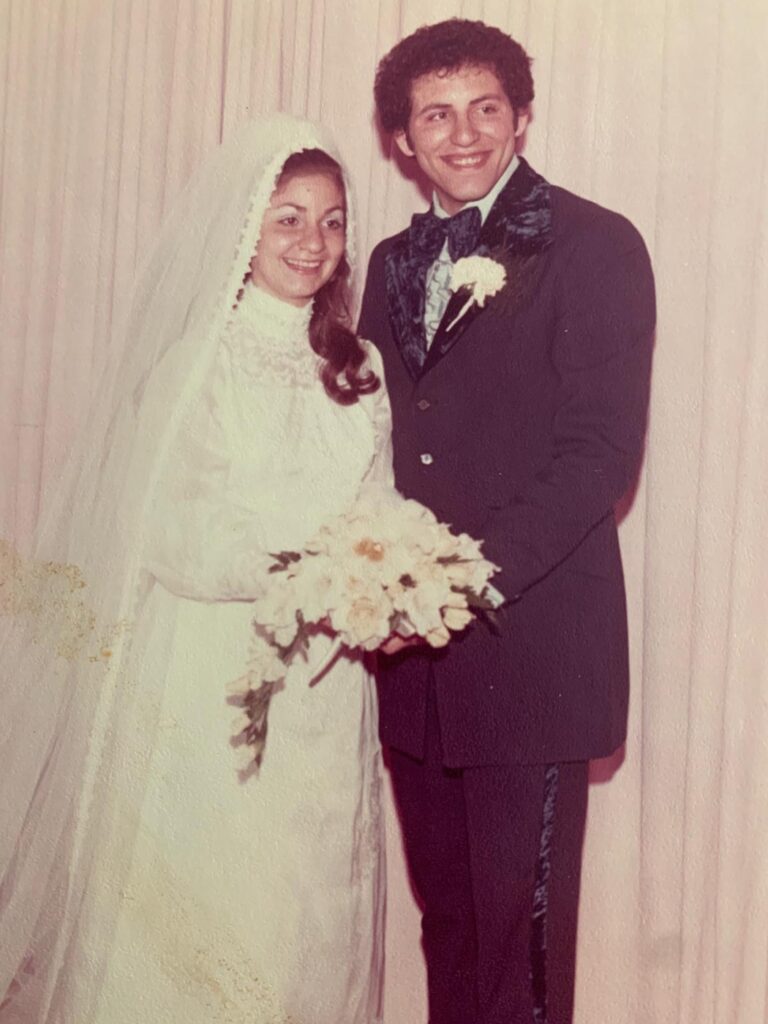
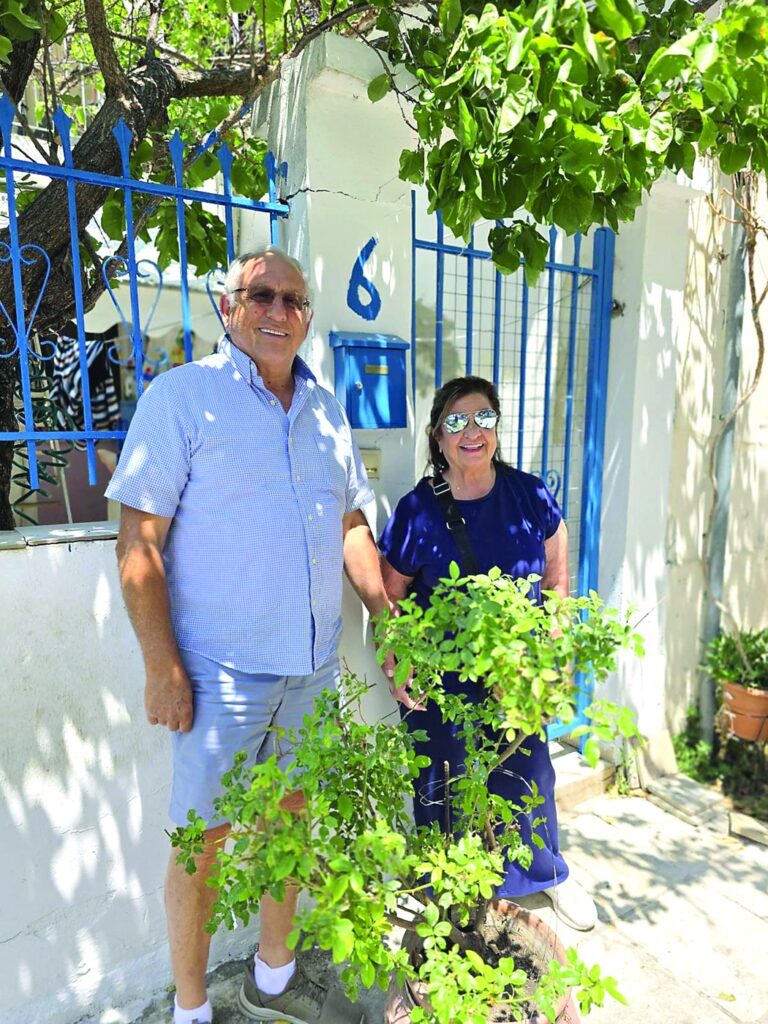
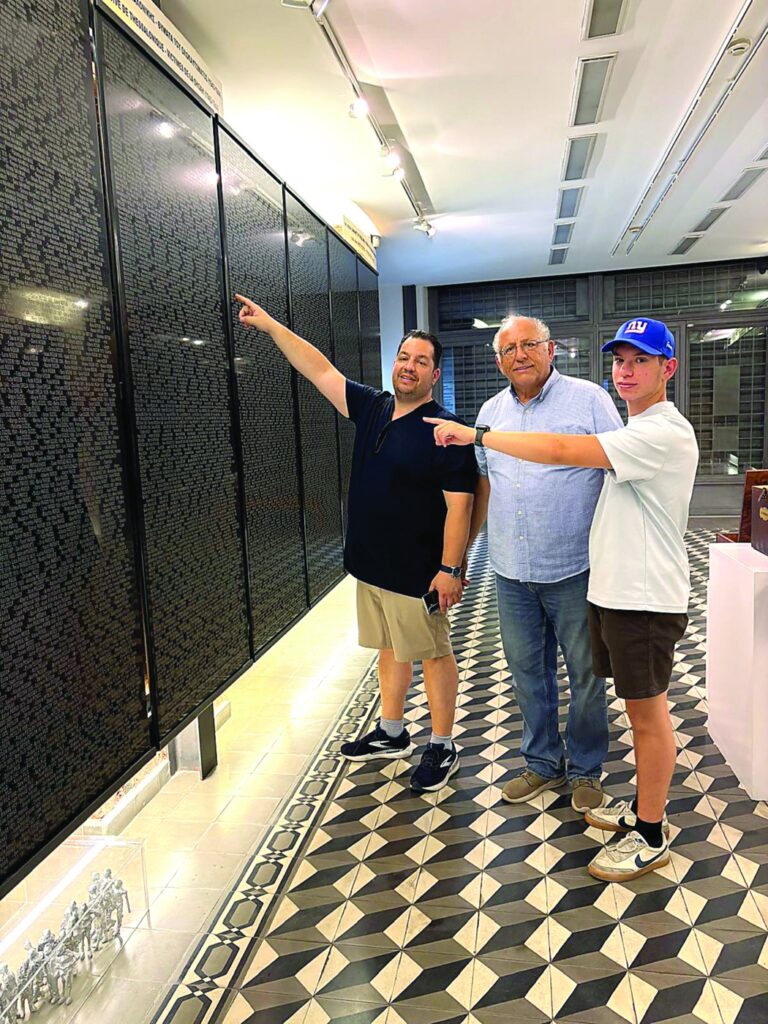
Starting their new life, Ben-Gurion Matsas and Rachelle Fallas on their wedding day in New York.Ben-Gurion, second from left, with his brother, cousins, and mother in the front yard of his childhood home in Patras, Greece.Ben-Gurion and Rachelle Matsas outside Ben-Gurion’s childhood home in Patras, Greece.Ben-Gurion Matsas, center, with his son Steven, left, and grandson Ben, right, finding the names of Matsas family members on the memorial wall at the Jewish Museum of Salonika.
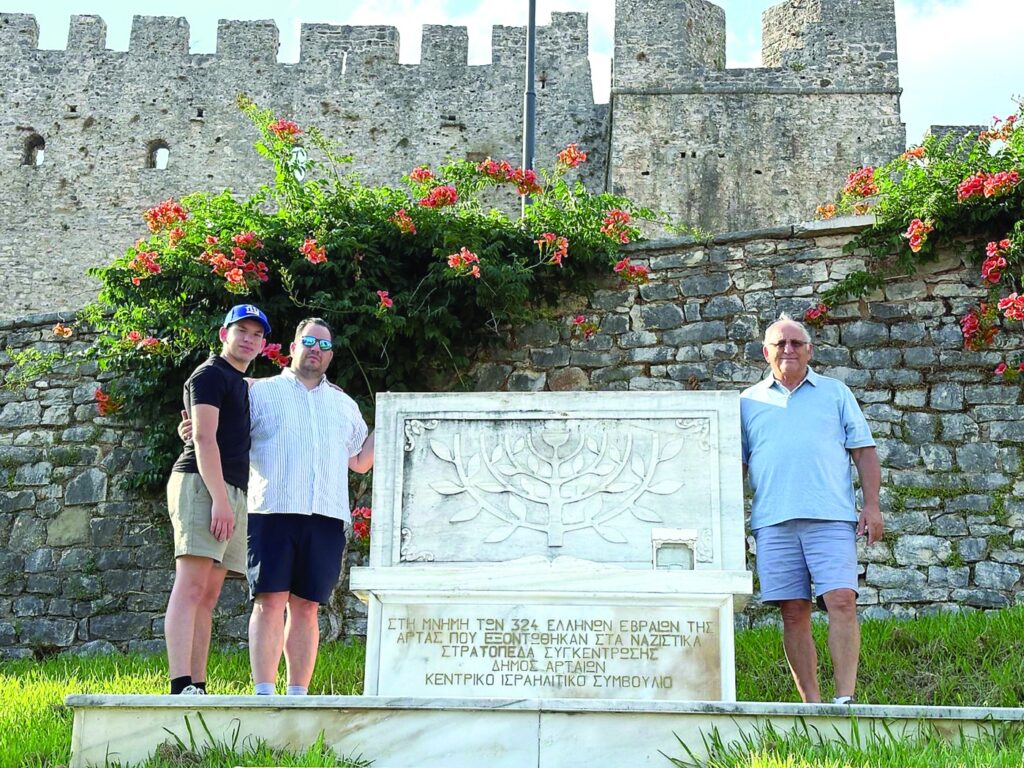
At the Jewish Museum of Thessaloniki (Salonika), we saw the names of members of the community who were taken away and murdered. Among them were members of the Matsas family, distant relatives of mine. Seeing the names of my own family on that list made the loss deeply personal. Each name represented a person, a family, and a part of a thriving community that was almost completely erased. At the time of the German occupation, about 50,000 Jews lived in Salonika. Between March and August 1943, the Germans deported more than 45,000 of them to Auschwitz-Birkenau, where most were murdered shortly after arrival. Approximately 96 percent of Salonika’s Jewish community was murdered during the Holocaust, one of the highest rates of destruction suffered by any major Jewish community in Europe. Fewer than 2,000 Jews lived in the city after the war. The destruction was not limited to Salonika. Jewish communities across Greece, including Ioannina, Arta, Preveza, Athens, Patras, and many other cities and islands, faced arrest, deportation, and death. Some Jews escaped to the mountains or survived in hiding. Members of my own family hid in attics and basements in Athens, in barns in the countryside, and in forests, while others were deported and never returned. Traveling through these places made the history deeply personal. We were walking through communities where our relatives had lived, hidden, fled, and been lost. From Salonika, we traveled to Ioannina, where the Romaniote tradition felt especially close. The Jewish community there preserved customs reaching back nearly two thousand years, connecting it to one of the earliest Jewish communities in Greece. That heritage continues in New York through Kehila Kedosha Janina on Broome Street. Descendants of Greek Jews still gather there and preserve the Romaniote traditions their families carried to America. The synagogue remains a bridge between the historic community of Ioannina and the Jewish life its descendants built in New York. We continued to Arta, where my mother, Rachel Iohanas, was born, and then to Preveza, the birthplace of my father, Isaac Matsas. These towns were no longer only names mentioned in family conversations. Standing in the places where my parents began their lives gave new meaning to the stories I had heard about them and their families.
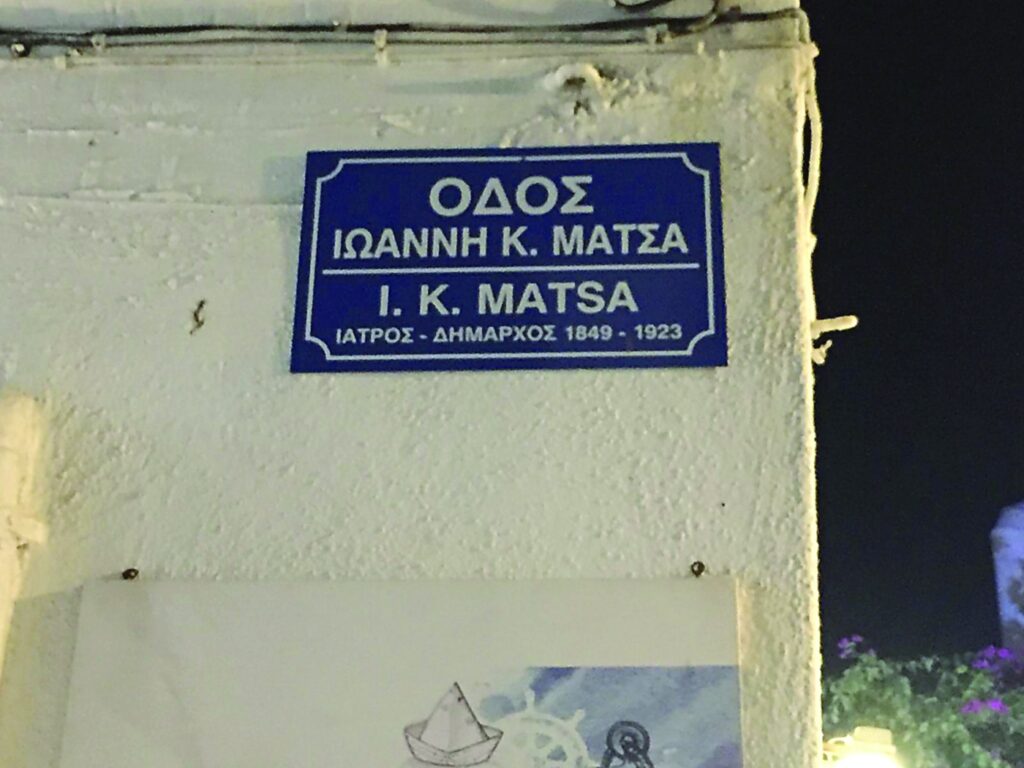
The Matsas name found across Greece. Left, the Matsa Windmill. Right, a street named for Ioannis K. Matsa, a physician and mayor. These landmarks reflect the family’s long-standing presence in Greek communities.The Matsas name found across Greece. Left, the Matsa Windmill. Right, a street named for Ioannis K. Matsa, a physician and mayor. These landmarks reflect the family’s long-standing presence in Greek communities.The Matsas brothers (left to right): Abraham, Ben-Gurion, Yochanan, Daniel, and Joseph, with their mother, Rachel Matsas, shortly after arriving in Israel in 1960.
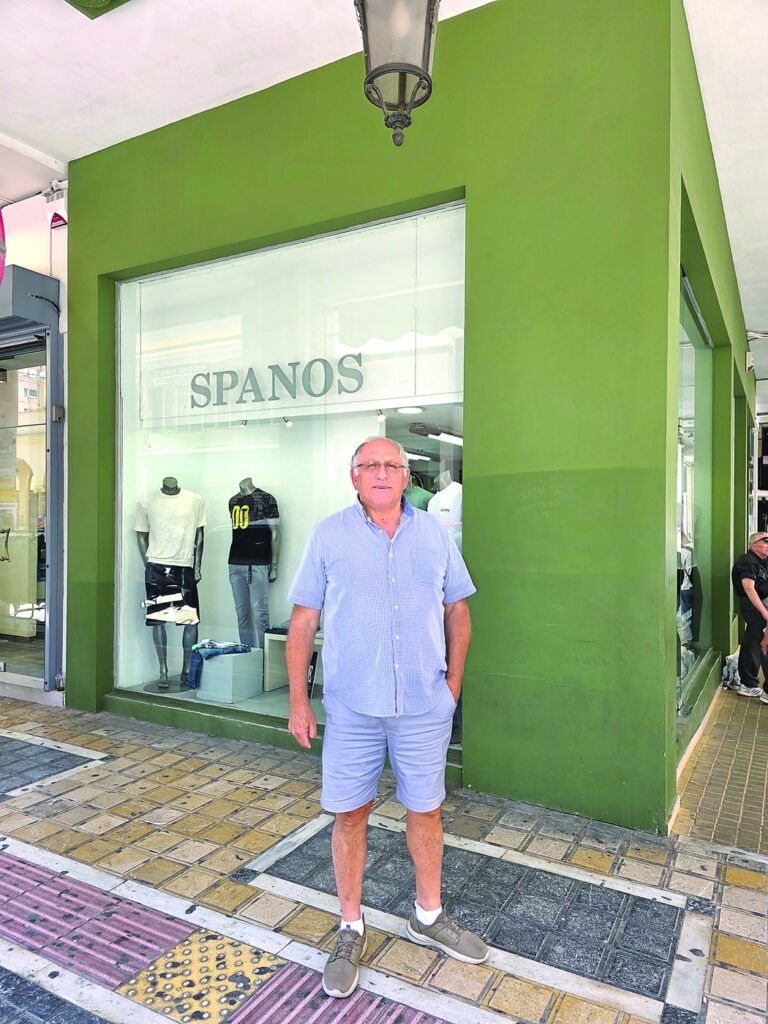
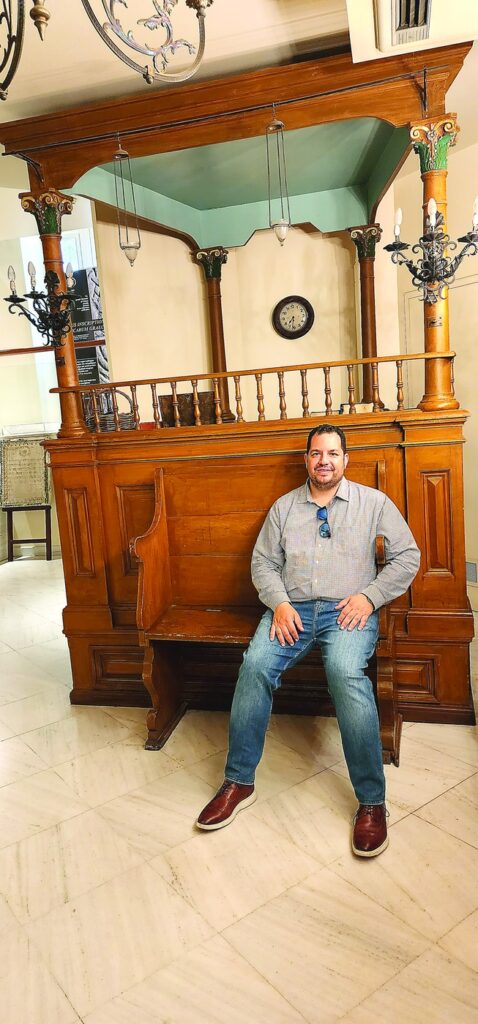
Along the way, we spoke with residents and community members who shared stories about Jewish families, merchants, synagogues, and neighborhoods. Some reflected the richness of Jewish life before the war. Others carried the sadness of communities that were lost. Our final stop was Patras, the city where my own life began. It was the most emotional part of the journey. I stood in front of the home where I was born and walked through the neighborhoods where my family once lived. We visited the sites of the stores where my father, grandfather, and uncles sold textiles and fabrics. We also spoke with people who knew the area and remembered how it had changed. The streets seemed smaller than I remembered. Buildings had changed, businesses had come and gone, and many years had passed. Still, something felt familiar. Looking toward the Mediterranean Sea, where I once swam as a child, I imagined my parents and grandparents walking through those same streets, visiting neighbors, gathering in cafés, and going about their daily lives. For a brief time, the distance between past and present seemed to disappear. I was no longer visiting Patras only as a traveler. I was showing my wife, son, and grandson where our family’s journey began. Patras was also the setting for some of the most difficult chapters in my parents’ lives. Rachel gave birth to their first son, Joseph, at the beginning of World War II while German forces were bombing the city. As the war progressed, news reached Patras about what was happening to the Jews of Salonika. My parents understood that they were in danger and needed to flee. They hid in mountain villages where partisan forces were active and the Nazis were less likely to find them. While the family was in hiding, Rachel gave birth to their second son, Daniel, alone in a barn. Daniel’s brit milah was delayed until after the war, when he was three years old. My parents eventually had five sons, Joseph, Daniel, Yochanan, me, and Abraham. I was born in 1948, only a few months after the establishment of the State of Israel. My father was a committed Zionist and named me Ben-Gurion in honor of David Ben-Gurion, Israel’s first prime minister. The Jewish life of Patras also remains connected to Athens. As the Jewish population declined after the war and community members moved away, the Jewish Community of Patras was eventually dissolved. In 1984, the interior furnishings, textiles, and ritual objects from the former Patras synagogue, where I prayed as a child, were transferred to the Jewish Museum of Athens and incorporated into a permanent exhibit. Among the items on display are the bench where I sat with my brothers each Shabbat and on holidays, and the oil chandeliers and wall sconces my father and I filled with oil and lit before each Shabbat. The exhibit also includes the synagogue’s bimah, the ark, and the Torah scrolls. I remember my brothers reading their bar mitzvah portions from those Torah scrolls, and as a child, I danced with them on Simchat Torah. Seeing these objects preserved in Athens is deeply personal. They are more than artifacts. They are part of my childhood and a physical link to the Jewish community of Patras that once prayed, celebrated, and gathered together. When I was 12, my father’s dream was fulfilled when our family made aliyah to Israel. There, I matured, became independent, began my university studies, and experienced the growth of the Jewish homeland. I later moved to New York to continue my education. There, I met my wife, Rachelle Fallas, who came from the Syrian Sephardic community. Together, we built a life, raised four children, and were blessed with ten grandchildren.
Ben-Gurion Matsas, right, with his son Steven, center, and grandson Ben, left, at the Holocaust memorial in Arta, Greece.Ben-Gurion Matsas visiting the former site of his father’s textile shop in Patras, Greece.Steven Matsas sitting on the bench where his father once sat in the Patras synagogue, now preserved as part of the synagogue exhibit at the Jewish Museum of Greece in Athens.
Each country shaped a different part of me. Greece gave me my roots. Israel gave me independence, responsibility, and a deeper connection to the Jewish people. America gave Rachelle and me the opportunity to build a business, raise our family, and become part of the Sephardic community. These parts of my identity belong together. I am a Greek Jew by birth, connected to Israel through the years I lived there and the experiences that shaped me, and an American through the life Rachelle and I built in New York. The most meaningful moments of the trip were not always found at famous landmarks. They came in quiet streets, family conversations, and the knowledge that we were standing where our ancestors once stood. Watching my grandson Ben walk through the same towns where earlier generations of our family lived gave the journey its deepest meaning. We returned to New York with more than photographs. We brought home a clearer understanding of where we came from and a renewed responsibility to pass that history to our children and grandchildren. The trip began as a return to Greece, my birthplace. It became a way to ensure that our family’s past remains part of its future.
ALEPPO TO BROOKLYN, THE JOURNEY OF A BELOVED HAZAN
Sarina Roffé
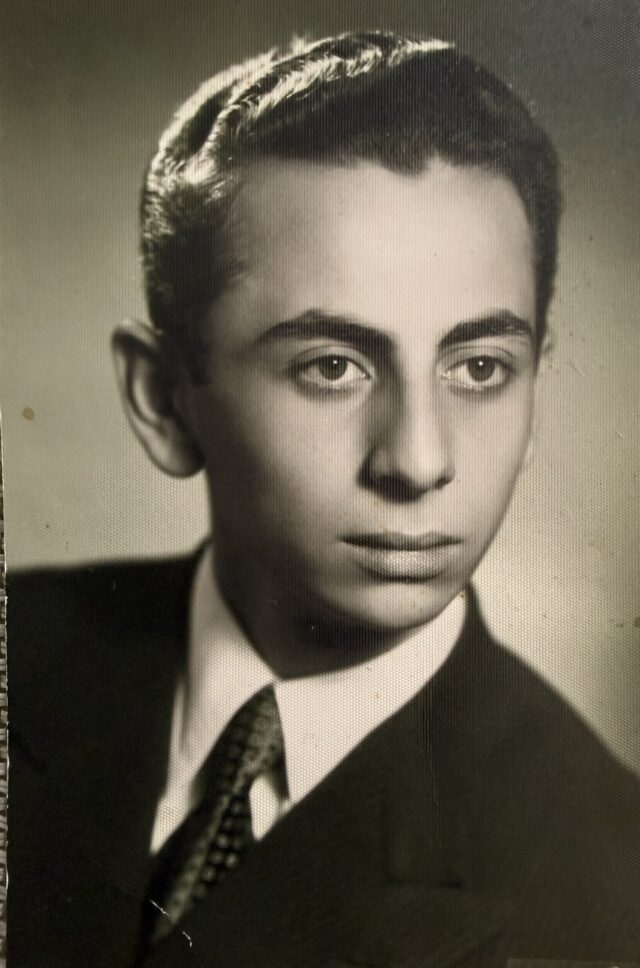
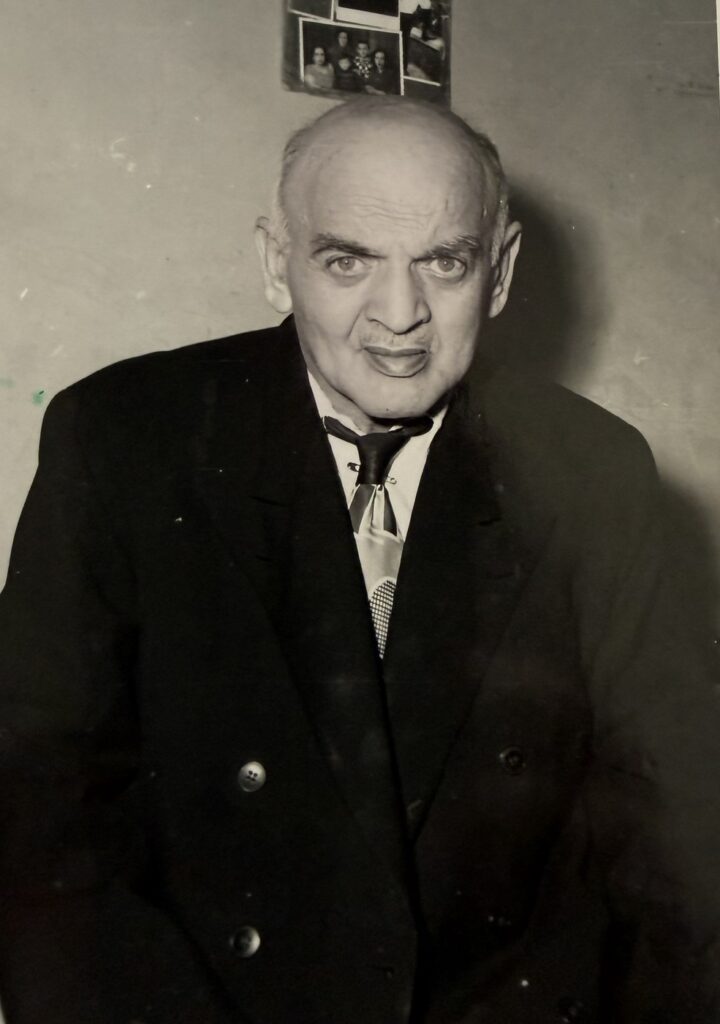
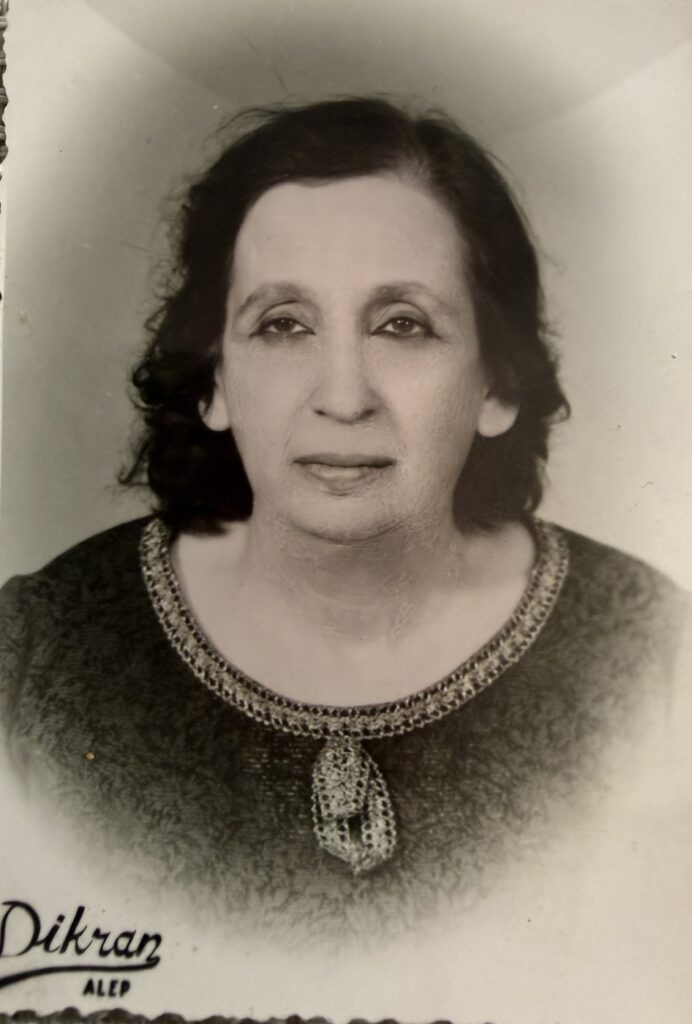
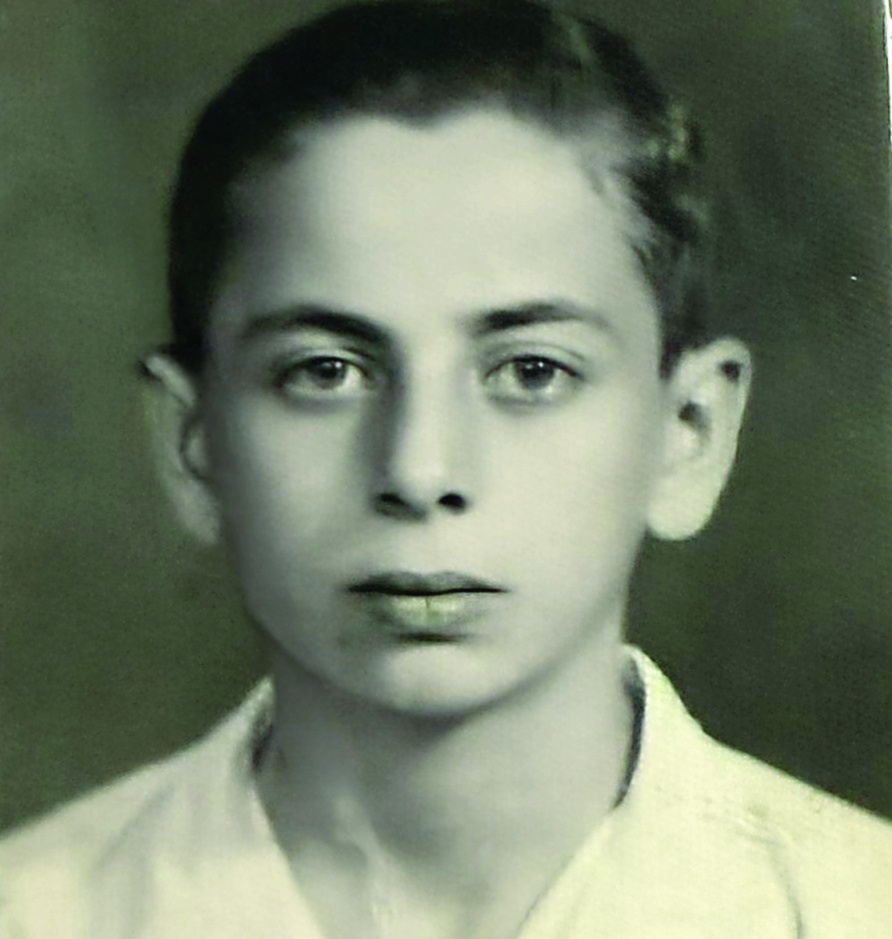
Eduardo Farhi, uncle of Rabbi Isaac Farhi, went from Syria to Beirut to Rio de Janeiro to New York. Now almost 90, he knows six languages and served as hazan (cantor) at Congregation Shaare Zion for 43 years.
David FarhiSara FarhiEduardo as a child in Aleppo
The son of David and Sarah Farhi, Eduardo was the fifth of their seven children. David Farhi was the only Jewish lawyer in Aleppo. Eduardo grew up in Aleppo attending the Talmud Torah and later the Alliance de Israelite School. In high school he attended the Lycée Franco Arab school. Although he was never persecuted himself, he felt that conditions were not good for the Jewish community and he had no future in Syria. He managed to escape to Beirut in the summer of 1955.
Shari, Edward and Raphael Farhi (the youngest son)
Escaping SyriaEscaping Syria Eduardo left his home at 5:30 a.m. and, with a Catholic acquaintance, took a bus to Homs. He did not tell his family he was leaving. From there they walked several hours to the border where they waded through a dirty river and crossed into northern Lebanon. After walking a few more hours, they took a taxi toward Tripoli (Treblos). The taxi driver wanted to be paid in Lebanese money but he had only Syrian lira. The driver threatened to report him and he begged the driver not to turn him in. Finally, out of desperation, when the taxi slowed down, he jumped out of the car and ran. He had to walk another hour to get to Tripoli. There he met the Catholic friend and they walked a few hours and got tickets to go by bus to Beirut. They arrived at midnight. Eduardo knew he couldn’t go to a hotel as the authorities would catch him. He hid in the hotel attic until morning and went to Maghen Abraham Synagogue for 8 a.m. prayers. He told them his name and that he had escaped Syria. There, he met fellow Jews from Aleppo, including his friend Mark Shasho, who welcomed him into his home, gave him a place to sleep, and provided him with fresh clothing. He quickly got a job as a salesman at a bargain store and made a good salary. Eduardo remained in Beirut for six months. He wrote to his uncle Leon Farhi in Brazil. His uncle sent money to the community for him to get a visa to go to Brazil and paid for his ship ticket from Beirut. The first leg of the trip was from Beirut to Marseille. In Marseille, he waited a week for the ship to take him to Rio de Janeiro. The hotel manager was Jewish and helped him get food. Then he bought cans of sardines and tuna to eat on the 15-day ship voyage to Brazil.
Eduardo and Rose Farhi with Sara, Denisse and baby David, May 1972
Rio de Janeiro Eduardo arrived in Rio de Janeiro on December 24, 1955, and two of his aunts were waiting on the dock for him. He went to his uncle Leon Farhi and lived with him for two years. Leon Farhi was wealthy and president of the Aleppo Jewish community there and helped them build the Tui Synagogue (Templo União Israel) in the Tijuca neighborhood. While in Rio, Eduardo taught himself Portuguese by buying an Arabic-Portuguese dictionary. Then he went to live with his uncle Jacobo Haber (his mother’s brother) who taught him to sell clothing door-to-door as a peddler. His uncle wanted him to marry and he was introduced to a woman. Although her mother allowed them to get engaged, she canceled the marriage as Eduardo still did not have enough income.
“family May 1972.jpg”
Mexico City In July 1965, Eduardo got a visa to visit New York. He went to Congregation Shaare Zion and saw many friends from Syria. He stayed with Maurice Zafrani for six months and then rented a room for $100 a month with breakfast. He went to work for Eli Tobias on Fifth Avenue as a salesman to tourists because he knew so many languages. He studied music and became a hazan because he had a magnificent voice. In 1966, he was hired to go to Panama to be the High Holiday hazan. From there he went to Mexico City to see his family. He had a 30-day visa and stayed with his uncle Moises Haber. While in Mexico City, he was introduced to Rose Harari and they dated for two weeks. He really liked her but in order to stay in the country he had to marry. Although her parents objected, Rose insisted on marrying him. The couple had a civil marriage, which allowed him to remain in the country past the 30 days. A few months later, a Jewish marriage was performed on January 29, 1967. Their first child Sara was born nine months later. Eduardo remained the hazan for the Magen David community (Aleppan community) for four years. Then he was offered a job by the Monte Sinai community (Damascus Jews), where he remained for a decade. He sang at all weddings and helped bar mitzvah boys prepare for their big day. He also taught Spanish and Hebrew in the yeshiva, was a mashgiach (kosher supervisor) at the kosher supermarket, and served on the Hebra Kadisha (burial society). In 1970, he went to Caracas and was the High Holiday hazan. Back in Mexico City, his second daughter Denisse was born and a few years later his son David was born. For more than 20 years, he had no contact with the family left behind in Syria. Eduardo had contact with a brother and two sisters who had escaped Syria in 1958 and gone to Israel. Over the years, Eduardo acted as a conduit for letters between family members in Israel and Syria. People would send him letters and photos, and he sent them to Syria. Then people sent return letters from Syria to him, and he sent them to Israel. This continued for years. In 1976, he was able to get a visa to go to Syria and see the remaining family. In Damascus, he asked for a visa for his mother to come to New York and she was able to come with his brother Selim. From Damascus, Eduardo went to Istanbul and then to Israel. From the airport, he was taken to the Knesset to testify about conditions in Syria and the Jewish community there.
Making a Life in New York Eduardo stopped in New York on the way home. Shaare Zion President Abe Cohen offered him a job as hazan at Shaare Zion. His wife in Mexico City agreed, and he resigned his position in Mexico City, sold his apartment in Polanco, and moved to Brooklyn. His youngest son Raphael was born in 1984 and is the only one of his children born in the United States. Eduardo served as cantor at Congregation Shaare Zion for 43 years. He also taught in Magen David Yeshivah and later in Yeshiva of Flatbush. He taught in the hazanut program at Yeshiva University for 16 years. He worked with over a dozen prominent rabbis at the synagogue including Rabbi Jacob S. Kassin, Rabbi Shaul Kassin, Rabbi Abraham Hecht, Rabbi Baruch BenHaim, Rabbi Sion Maslaton, Rabbi Zevulun Lieberman, and many, many others. Now retired, Eduardo and Rose are proud of their children and their large extended family.
A few months ago, as I was walking out of synagogue, I mentioned to a member of our congregation how excited I was about our upcoming communal siyyum on Shulhan Arukh, Orah Haim. I thought he would say something like, “Yes, that is exciting,” or “What a beautiful accomplishment.” But instead, he asked me a very simple question: “Why?”
I was not expecting that, and I was honestly a little taken aback. I had not really thought much about the “why.” To me, the excitement was intuitive. I had not fully articulated it, even to myself, so I did not yet have a full answer. My gut reaction was that this was not done through hour-long classes, but rather through a few minutes every day at minyan, on Shabbat before we take out the Torah, and at Seuda Shelisheit. As I thought more about it, I realized that was one aspect, but not the core of my excitement. The scope and content of Shulhan Arukh, Orah Haim, make its completion a real accomplishment. It comprises 697 simanim (sections) and covers the halakhot from the moment a person opens their eyes in the morning through tefillah berakhot, Shabbat, holidays, and the entire rhythm of daily and yearly Jewish life. But I have finished sefarim before, both on my own and with others, without making a siyyum. Usually, when I finish something, I move on to the next, without much celebration. So, why was this so uniquely exciting for me? Because I was watching a culture take shape. I realized this one morning when our minyan was running a few minutes late. I was preparing to wish everyone a great day and respect their time. Then a member of the minyan stopped me and said, “Rabbi, no halakha today?” This was from a person who, just a year or two ago, had not been coming to daily minyan. And yet, the daily halakha had become part of his daily rhythm. It was not only that we had learned halakhot. It was that the learning had become anticipated. It had become missed when it was absent. This was the cultural shift I had been watching unfold over seven years, Torah study becoming part of the rhythm of our minyan, day after day, Shabbat after Shabbat. That is what I wanted to celebrate. And I think that is what a siyyum is really about. One of the earliest sources that gives us a window into the meaning of a siyyum is the statement of Abaye in the Talmud (Shabbat 118b). His statement appears in a series of teachings in which different rabbis describe the misva they were especially careful with, and for which they hoped to receive reward. The list includes Seuda Shelisheit, tefillin, and sisit. Then Abaye says, “May reward come to me, for when I would see a young Torah scholar complete his masekhet, I would make a yom tov for the rabbis.” Abaye does not say, “When I finished learning.” He says, “When I saw someone else finish learning.” And, as Rashi notes, the “rabbis” for whom he made the celebration were his students. He was teaching the whole yeshiva what deserves to be celebrated. Why? Because what we celebrate, what we prize, what we platform, and what we rally around in joy and excitement teaches people what to aspire to, what to value, and what to cherish. That is why we have a siyyum. That is why the celebration of a siyyum can exempt those in attendance from fasting during the Fast of the Firstborn on the eve of Pesah, and why it can override the practice of not eating meat during the Nine Days. A siyyum takes Torah learning, which could remain behind the scenes, and brings it into the center of communal life. It says, this is not only something someone learned. This is something we honor and celebrate together. And that is how culture is created, by what we visibly celebrate. We see this in schools all the time. When a team wins a championship, the excitement in the building can be palpable. When the Knicks were in the playoffs, for example, some schools encouraged students to wear jerseys or team colors. It is because schools understand that shared excitement creates energy, a sense of belonging, and culture. When something is celebrated publicly, students absorb that it matters. So if Torah study and Torah observance are among a school’s central values, if those are the values the school wants to become part of its students’ inner world, then it has to create visible excitement around them too. What happens when a child comes back from summer vacation and says, “I finished a book of Tanakh,” or “I completed a masekhet,” or “I went to minyan every morning”? Does the room recognize that something significant happened? Does the school, or the student body, celebrate the win? I have seen this done beautifully. I will never forget seeing a class erupt in joy when they completed a book of the Humash, as if they had just won a championship. And that is exactly the point. What we celebrate makes an impression on people. It teaches them what to admire. It teaches them what to strive for. The same is true in our families and in our personal lives. What we celebrate, what we honor, and what we schedule everything else around, those are the values we actually express. Those are the values that shape the culture of our homes. And those are the values by which we will be remembered. As we enter Elul, on the road toward the High Holidays, we are asked to make an honest accounting, not only of what we believe or what we say we value, but of what actually receives our time, our attention, our energy, and our excitement. We should ask ourselves, what do we celebrate?
An evidence-based guide to skin cancer, sunscreen, and what actually matters, from a board-certified dermatologist
Skin is the body’s largest organ. It’s also the only one we walk around showing to the world, the one that gets the most photographs taken of it, and the place where most cancers in the United States are diagnosed. As a dermatologist, the questions I’m asked most often haven’t really changed in years: What should I look for? What’s the deal with sunscreen? What about my kids? Can I really get melanoma if I tan easily? Here are the honest answers, the ones I’d give in the exam room.
Why should I be worried about skin cancer? Because I see it every single day. Skin cancer is the most common cancer in the United States, with more cases each year than all other cancers combined. It comes from two patterns of exposure: intermittent, intense sun, such as beach days and vacations, and cumulative, long-term exposure, such as outdoor work, gardening, daily walks, and sports. Most of what we catch is treatable when found early. The challenge is finding it. Most patients I treat with significant skin damage tell me the same thing: They didn’t know. So the real answer isn’t to be worried. It’s to be checked.
Who is most at risk? There’s a common assumption that only people with very fair skin, blond hair, and light eyes need to worry. That’s wrong. People of every skin tone, including darker, Mediterranean, and Middle Eastern complexions, can develop skin cancer, including melanoma. People with darker skin often catch their cancers later because neither they nor their doctors are expecting it. If you have skin, you can get skin cancer.
What should I look for when checking my own skin? Use the ABCDEs of moles: • Asymmetry: one half doesn’t match the other • Border: irregular, scalloped, or blurred edges • Color: multiple colors or uneven coloration • Diameter: larger than a pencil eraser, about six mm • Evolving: changing in size, shape, or color over weeks or months Any new or changing mole that doesn’t look like your others, the “ugly duckling,” is worth getting checked. When in doubt, get it looked at. That’s exactly what we’re here for.
How often should I see a dermatologist? For most adults, an annual full-body skin check is the right baseline. If you have a personal history of skin cancer, a strong family history, many moles, or significant past sun exposure, more frequent visits may be appropriate, and your dermatologist will guide you. Many of the cancers I find are on patients who came in for something else entirely, often something they were almost embarrassed to mention. The visit takes about fifteen minutes. The value of finding something early is real.
At what age should I start protecting my children’s skin? From day one. Most of the sun damage I treat on adults was done when they were children and teenagers, and the data on this is sobering: five or more sunburns as a teenager roughly doubles the risk of melanoma later in life. Your skin has a long memory. For babies under six months, shade, hats, and clothing are the priority. For children over six months, use mineral sunscreen on exposed areas, apply it generously, and reapply it every two hours. As your children grow into teenagers, the message has to keep being said: A base tan is sun damage, and the choices made at sixteen show up decades later. They will roll their eyes. Tell them anyway. We were teenagers too. We get it.
What’s the single most important thing I can do for my skin? Daily, broad-spectrum sunscreen. Nothing else comes close. It prevents most skin cancers, prevents most premature wrinkles and sunspots, and helps keep conditions like melasma and rosacea under control. If you only do one thing, wear sunscreen every morning. Even on cloudy days. Even in winter. Even if you’ll only be inside, near a window. Yes, the kitchen or car window counts. UVA passes through glass.
Mineral vs. chemical sunscreen: What should I use? Both work. If you have no concerns, either is fine. If you’re worried about chemical sunscreens absorbing into the body, a question we haven’t fully resolved in the research, use mineral: zinc oxide and titanium dioxide. These sit on top of your skin, physically block UV, and have decades of safety data. The most important thing is that you actually wear sunscreen and apply enough: about a teaspoon for your face and neck, and a shot glassful for the whole body. Most people use about a quarter of that, which is why patients walk into my office tan or burnt and tell me, “But I put on sunscreen.”
I keep seeing claims that sunscreen causes cancer. Is that true? No. Sunscreen prevents skin cancer, including melanoma. The internet has gotten a little weird about this lately. The misinformation circulating online comes largely from misreading studies about chemical sunscreens absorbing in small amounts into the bloodstream. What that means long-term is still being studied. What is not in question: UV radiation causes skin cancer, and sunscreen blocks UV. If you’re concerned about chemical filters, use mineral. But not using sunscreen at all is the worse choice by far.
Is there a safe way to tan? No. A tan, any tan, is your skin’s reaction to UV damage. The skin produces melanin to try to protect itself after the fact. There is no “safe” tan from the sun or a tanning bed. The “base tan” myth, the idea that getting a tan first will protect you later, is also wrong. A base tan gives you about SPF 3, which is not meaningful protection. What worries me most are the trends I see among teenagers tracking the UV index to plan tanning sessions at peak hours. Because skin has a long memory, those choices show up decades later. The teenagers chasing UV 9 now will be the patients I see in twenty years. If you want color, self-tanner is safe and effective. If you want protection, that is sunscreen. Both are at the drugstore. Neither requires a prescription.
What if I just want to take care of my skin without a 25-step routine? Good news: You don’t need one. Your wallet will thank you. For most people, real dermatologic skin care comes down to four things:
A gentle cleanser, morning and night
A moisturizer suited to your skin type
Broad-spectrum sunscreen every morning
A retinoid at night, added gradually once your skin tolerates it If you have a specific concern, such as acne, melasma, hair loss, or a stubborn rash, see a dermatologist. The 25-step routine isn’t dermatology. It’s marketing. Excellent marketing, but still marketing. To connect with a dermatologist and schedule a skin cancer screening, call the Morris I. Franco Cancer Center – MedStar Medical Referral Service at 718-787-1800.
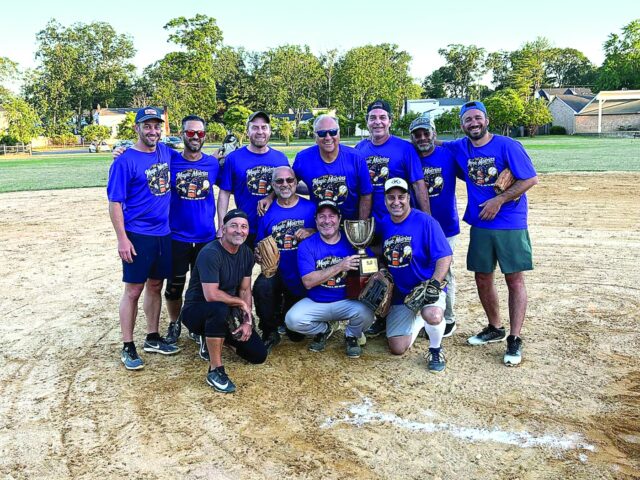
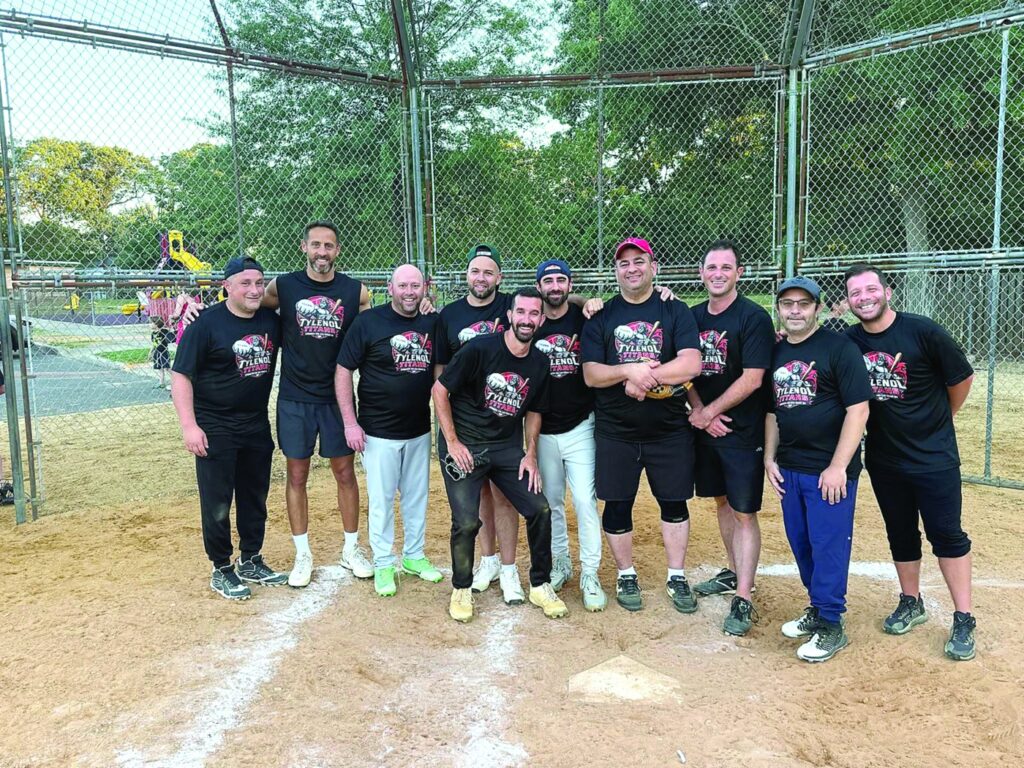
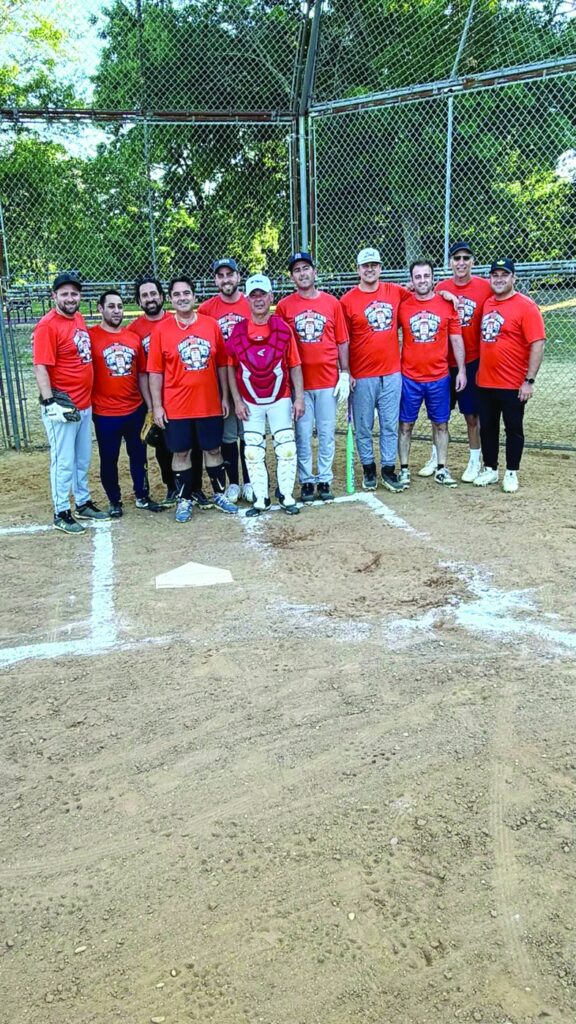
DSN’s Adult Softball League concluded its exciting season with the World Series championship game on Wednesday, July 8, bringing another memorable year of competition, camaraderie, and community spirit to a close.
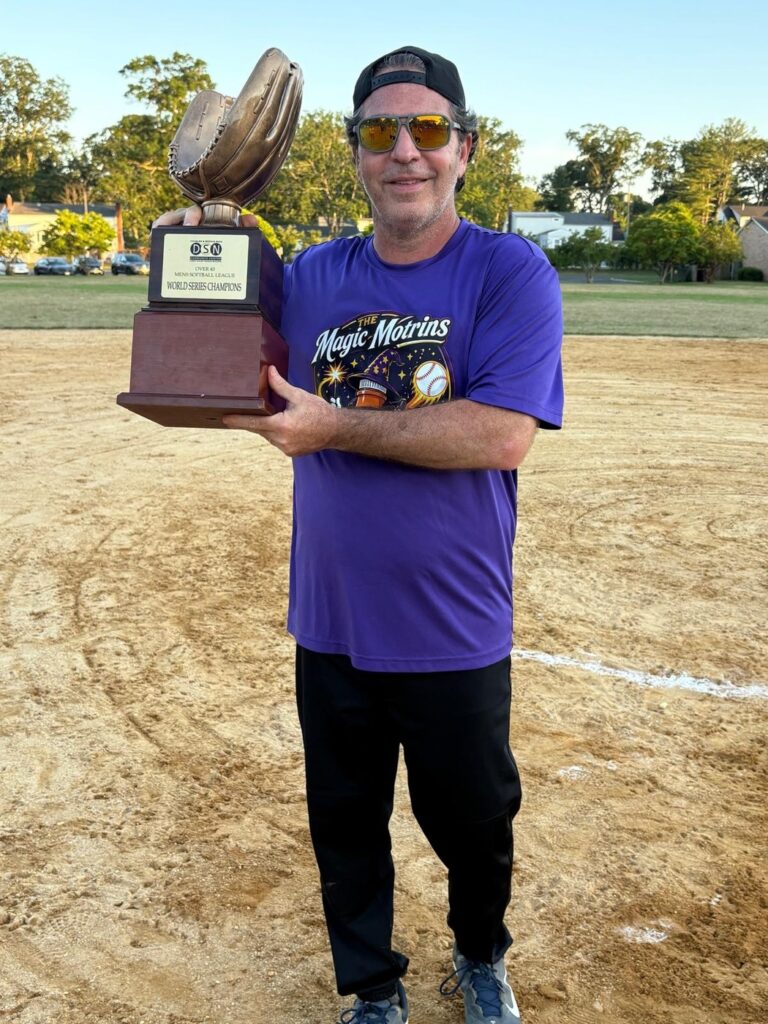
Running from May through early July, the league featured four teams of 12 players each, creating the perfect balance between friendly competition and a welcoming atmosphere. The league continues to provide adults with an opportunity to stay active, connect with friends, and enjoy the game alongside family members and fellow community members. Each season, DSN adds a fun twist by selecting a creative theme for its team names. This year, with a playful nod to the players’ ages, the teams were named after popular pain relievers. They were the Magic Motrins, Advil Avengers, Tylenol Titans, and IbuPROfens. The lighthearted theme added to the fun and helped make the season even more memorable. Leading the league is Commissioner Eddie Anzarouth, who has been organizing successful adult leagues in the community for more than two decades. In addition to overseeing the men’s league, Eddie also runs women’s leagues, helping provide quality recreational opportunities for adults throughout the summer. This year’s championship belonged to the Magic Motrins, captained by Charlie Cytryn. The Motrins defeated Jon Entel’s Tylenol Titans by a score of 10 to 4 to capture the title. The championship game drew an incredible turnout, with family members, friends, and supporters filling the sidelines to cheer on the teams and celebrate another successful season. Charlie reflected on the experience, saying, “Joining the over-40 men’s league reminded me that while we may not run as fast as we used to, we can still play the game, and have a blast doing it! The best part was reconnecting with teammates and friends I hadn’t shared a field with in years. Being the captain of our championship team made the season one I’ll never forget!” Sports continue to play a vital role at DSN, and the adult softball leagues are no exception. While DSN is widely recognized for its outstanding youth programming, its adult leagues have become a thriving part of the organization’s offerings. The league reflects DSN’s commitment to serving all ages by creating opportunities for exercise, recreation, and meaningful community connections. DSN Executive Director Sammy Sitt praised the players and the continued growth of the league: “One of the greatest strengths of DSN is our ability to create meaningful experiences that bring people together at every stage of life. The success of our over-40 adult softball league is a testament to the commitment of our players and staff who make these programs so special. Congratulations to all of the players on an outstanding season, and a special congratulations to the Magic Motrins on their championship victory.”
There is a moment in every long race when you know a decision needs to be made. You feel the shift before you see it. Your legs are heavier than they should be. Your pace is slipping. The nutrition you should have taken twenty minutes ago is still in your pocket. You tell yourself you’ll handle it at the next aid station. Then the next one. By the time you finally act, the damage is already done, and the last ten miles become a very different race than they needed to be.
I have thought about that feeling often in my work because the same thing happens in financial planning. The decision we postpone is often the one that ends up costing us the most. One of the most expensive financial decisions I see people make isn’t choosing the wrong investment. It isn’t buying at the top of the market or selling at the bottom. More often than not, it’s deciding to wait. Financial setbacks rarely stem from one dramatic mistake. More often, they grow from delayed decisions, important conversations, thoughtful planning, or simple actions that were pushed off until “later.” The challenge is that “later” has a way of arriving much sooner than we expect. Waiting often feels like the safest choice. Ironically, it can be one of the riskiest. When markets are volatile, tax laws seem uncertain, or life is unusually busy, delaying a decision can feel responsible. But doing nothing is still making a choice, and every choice carries consequences.
Waiting Is Still a Decision Many people believe waiting is the safe choice. In reality, doing nothing is still a decision, and every decision carries a cost. I remember a client who held a highly appreciated stock position for years because he didn’t want to trigger capital gains taxes. Avoiding the tax felt responsible. What he didn’t see was that the position had quietly grown to represent more than half of his net worth. The tax he was trying to avoid became a much larger risk than he ever intended to take. I also worked with a family who meant to update their estate documents “someday.” Then an unexpected illness arrived first, and difficult decisions had to be made in a hospital hallway rather than at a kitchen table. Neither of these outcomes came from a lack of intelligence or resources. They came from underestimating the cost of waiting.
Progress Beats Perfection One of the biggest misconceptions in financial planning is that every decision must be perfect before it is made. Very few decisions are actually permanent. Investment allocations can be adjusted. Insurance can be revisited. Estate plans should evolve as families grow and circumstances change. A thoughtful decision made today, based on the best information available, is almost always more valuable than the perfect plan that never gets implemented. The families I have watched build lasting wealth are rarely the ones who made flawless choices. They are the ones who made steady choices, and revisited them over time.
Compounding Goes Beyond Investments Most people associate compounding with investment returns. But compounding reaches far beyond a portfolio. Tax efficiency compounds. Healthy financial habits compound. Consistent investing compounds. Honest family conversations compound across generations. Each small decision builds on the last. And the earlier those decisions are made, the more room they have to grow. The reverse is also true. Delay compounds. Uncertainty compounds. Avoidance compounds. Every year a decision is postponed, the ground you need to make up gets a little steeper.
Small Steps Create Lasting Results One of the greatest lessons I’ve learned from endurance sports is that success rarely comes from one extraordinary effort. It comes from consistently making small, intentional decisions day after day. Building wealth follows the same principle. You don’t need to predict the next market move. You don’t need every answer before taking action. And you certainly don’t need the perfect financial plan before getting started. You simply need to take the next thoughtful step. At Endurance Wealth Partners, we believe financial planning is about more than growing wealth. It’s about helping families make informed decisions, adapt as life changes, and create a framework that supports the future they envision. The hardest step is rarely finding the perfect answer. It’s deciding to begin. Because when it comes to protecting your family, preserving your wealth, and building a lasting legacy, the cost of waiting is often far greater than the cost of getting started. q The content is developed from sources believed to provide accurate information. Investing involves risk including the potential loss of principal. No investment strategy can guarantee a profit or protect against loss in periods of declining values. Past performance does not guarantee future results. Consult with a financial professional regarding your specific situation.
MDY Learning, Connecting, and Growing All Summer Long
Even when the school doors are closed for the season, our vibrant MDY community never stops coming together. This summer, through the warmth and generosity of host families across Deal and beyond, we proved that learning, unity, and shared values aren’t confined to the school year. They are a year-round way of life.
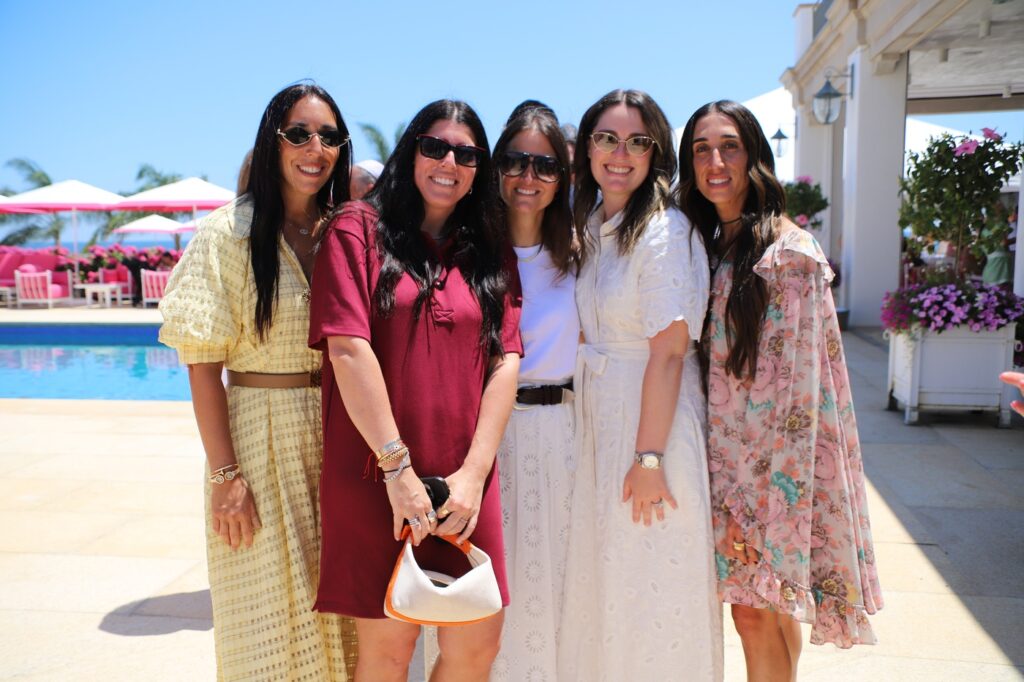
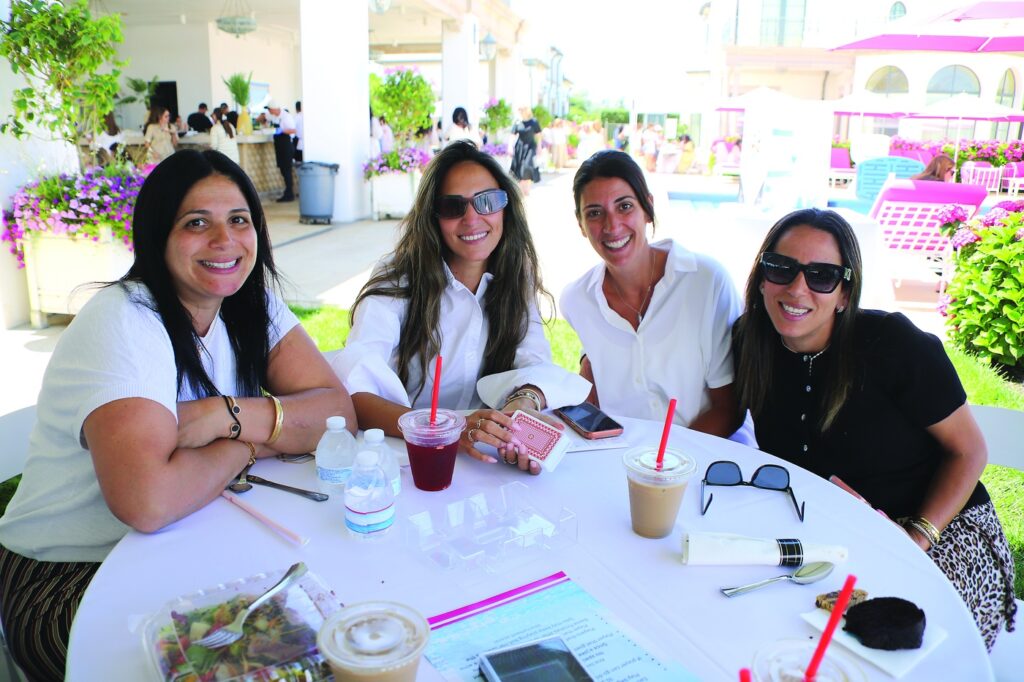
Summer Tournament and Auction Our MDY PTA hosted the annual Summer Tournament and Auction, bringing hundreds together for an unforgettable day of connection and style. Guests enjoyed a gourmet lunch, spirited card tournaments, inspirational classes, and an exclusive pop-up shopping experience featuring Roxanne Assoulin. A heartfelt thank you to our gracious hosts, Ester and Joey Jerome and Ruth and Joseph Hamway, for opening their doors for this beautiful event.
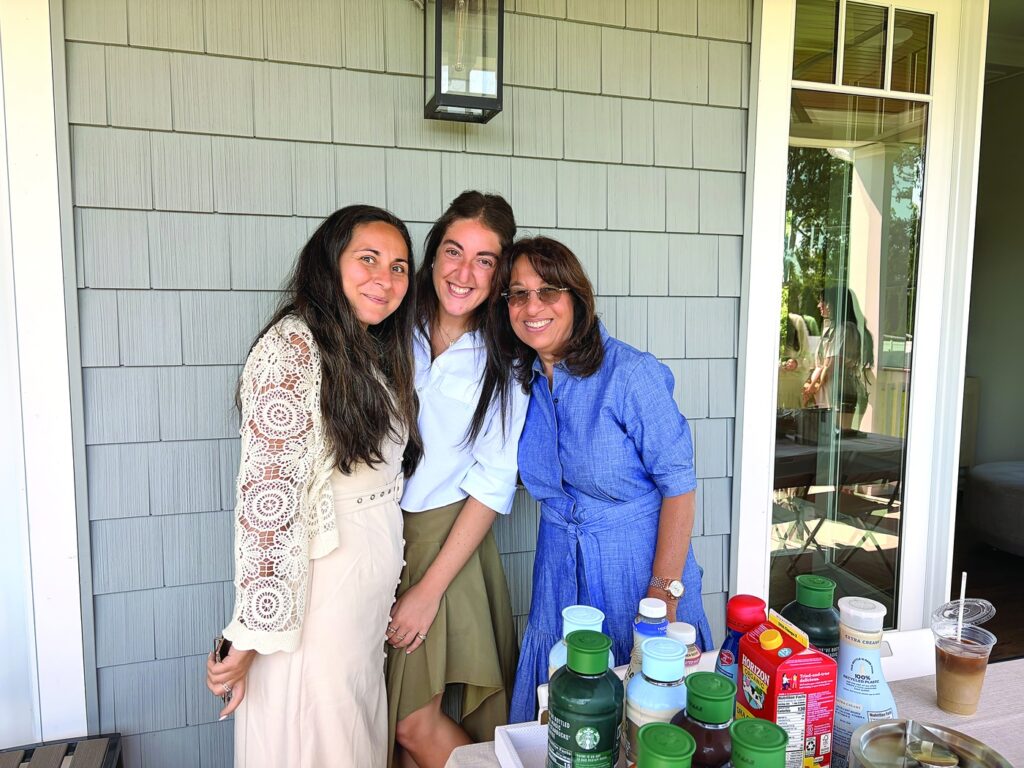
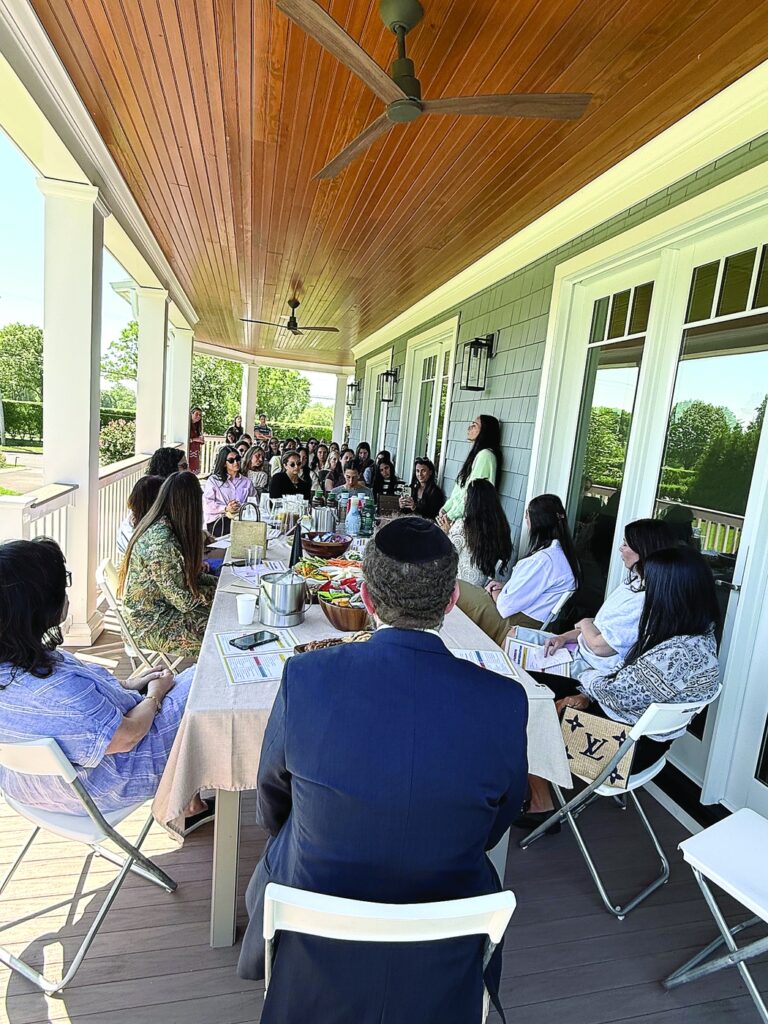
First Grade “Coffee and Conversation” Incoming first-grade parents gathered on Mrs. Helene Palacci’s beautiful porch for an insightful “Coffee and Conversation” session focused on setting our newest students up for long-term success. The discussion, led by our esteemed administration and team of first-grade teachers, centered on building independence, practical readiness tips, and healthy habits for the academic journey ahead. Thank you to Helene for hosting and to all the parents who brought such thoughtful questions and energy to the morning.
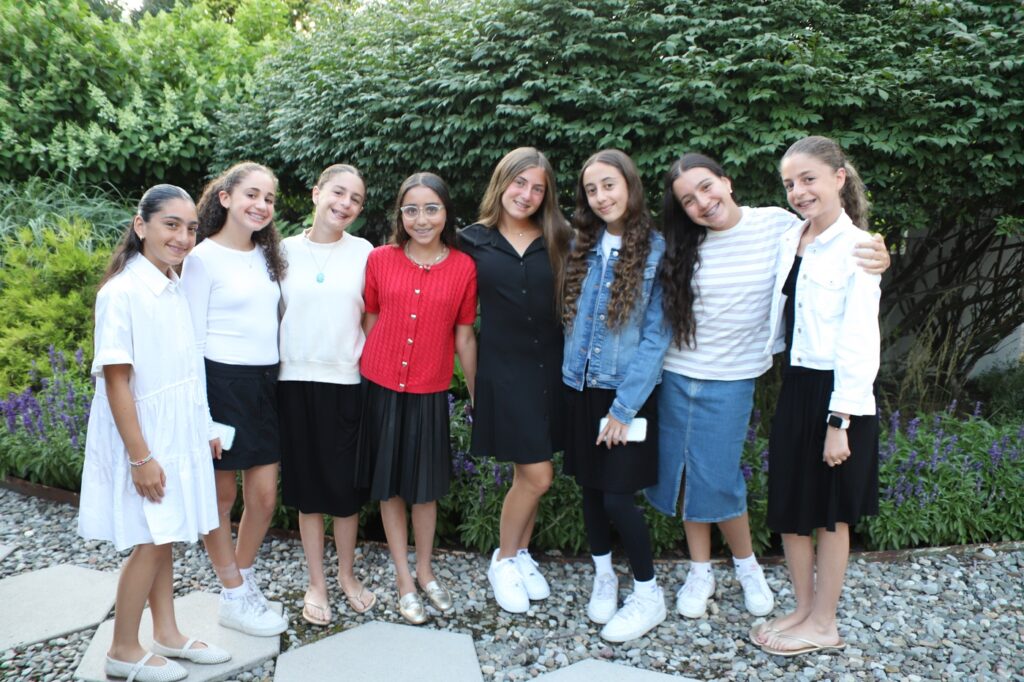
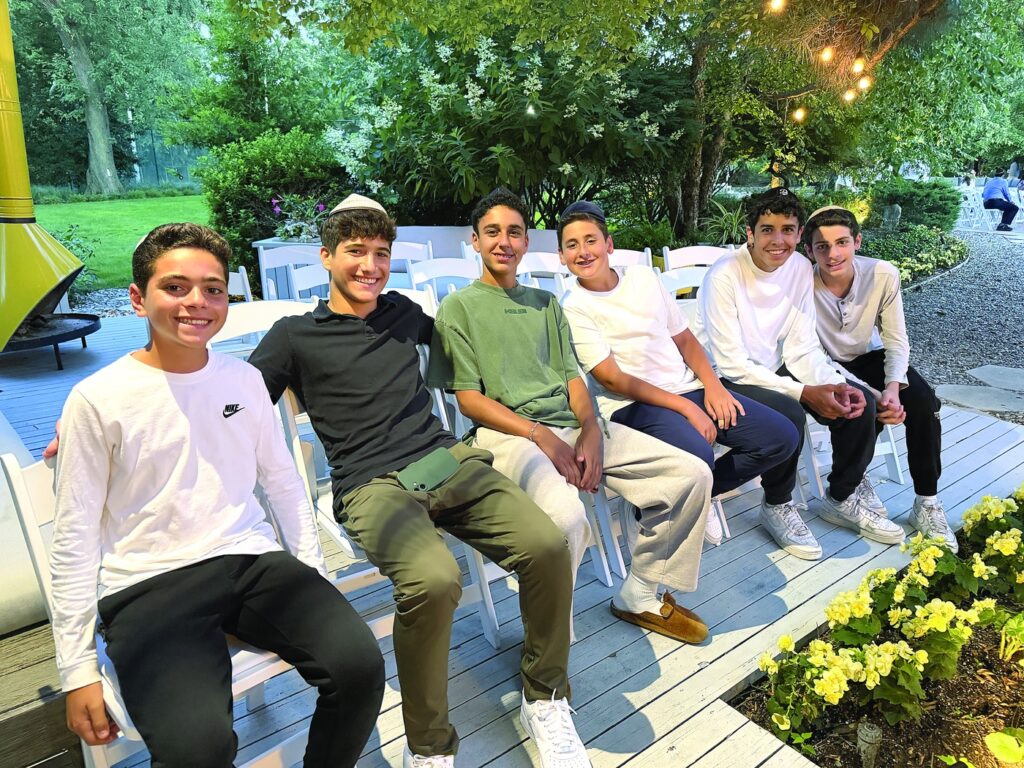
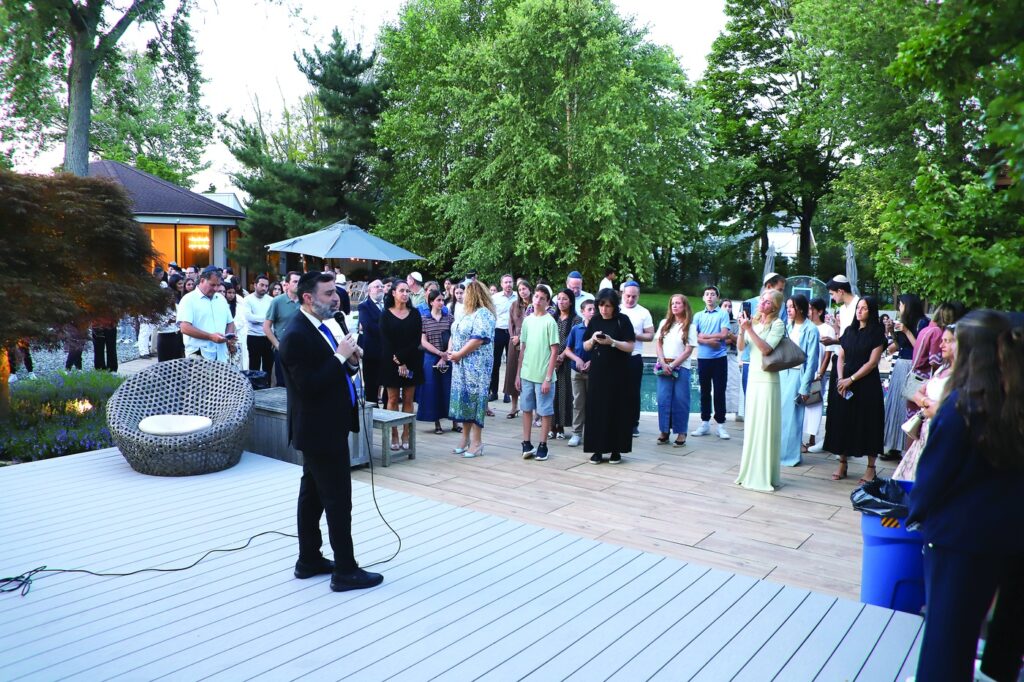
High Heat The summer heat had nothing on the energy at High Heat, our annual flagship fundraising event! Under perfect summer skies, athletes of all ages showcased their hard work, competitive drive, and team spirit across every sport imaginable. Alongside the high-stakes games, the community stepped up for our annual Blood Drive, proving once again that our strongest muscle is our shared commitment to helping others. Night of Learning and Unity During the Nine Days, a season dedicated to reflection and togetherness, our annual Night of Learning and Unity brought the community together for a series of uplifting classes led by MDY faculty and rabbis. It was truly inspiring to see so many students choose to spend a summer evening engaged in Torah study, with their teachers. We extend our deepest gratitude to Marshall and Jeannie Mizrahi for opening their magnificent home for this meaningful evening.
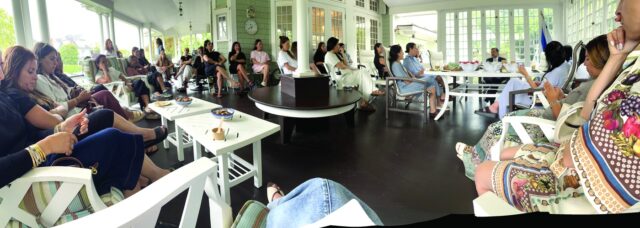
Tuesday Ladies’ Class Pop-Up in Deal Rabbi Cohen-Saban’s weekly Tuesday Ladies’ Class made a special summer pop-up stop in Deal, NJ, bringing together dedicated regular attendees and eager new faces alike. Drawing timeless wisdom from the weekly Parasha, Rabbi Saban offered a profound Torah perspective on modern parenting and guiding our children according to their own instruction manual. Thank you to Reggie Tawil for hosting such a warm and inspiring gathering.
The debate that followed Zohran Mamdani’s declaration that Prime Minister Benjamin Netanyahu should be arrested if he came to New York missed the point entirely. For days, lawyers argued over whether a mayor has the authority to arrest a visiting foreign leader. Constitutional scholars debated jurisdiction. Commentators parsed international law. The discussion became a seminar on legal procedure. But the law was never the story. The symbolism was.
Politicians choose their words carefully because they understand that words are more than expressions of opinion. They are signals. They communicate priorities. They tell voters who deserves sympathy, who deserves condemnation, and what causes should occupy the public conscience. That is why the real question has never been whether a mayor could arrest Israel’s prime minister. Mamdani knew he couldn’t. The question is why Zohran Mamdani elevated an arrest he knew he had no legal power to carry out into a defining political statement. Every September, world leaders from across the globe gather in New York for the United Nations General Assembly. They include presidents, prime ministers, kings, and dictators. Among them are leaders whose governments have been accused of imprisoning dissidents, persecuting religious and ethnic minorities, and committing some of the world’s most serious human rights abuses. Yet the foreign leader Zohran Mamdani chose to single out repeatedly in his public rhetoric was Benjamin Netanyahu, the democratically elected prime minister of Israel. That choice deserves scrutiny. This is not an article about whether one supports Benjamin Netanyahu. Israelis debate him with extraordinary passion. They criticize him, vote for him, vote against him, protest him, and defend him. That is what democracies do. Nor is this an argument that criticism of Israel is somehow beyond the bounds of legitimate political discourse. It is not. The concern is something different. There is a profound difference between criticizing a government’s policies and making the criminalization of its elected leader into a defining political symbol. One invites debate. The other communicates something far more consequential. That distinction matters because New York is not just another American city. It is home to the largest Jewish population outside the State of Israel. For Jewish New Yorkers, discussions about Israel are rarely confined to foreign policy. Unfairly, the distinction between Israel and Jews often disappears in public discourse. Jewish students find themselves questioned about Israeli military operations. Jewish professionals are expected to defend decisions made by a government they did not elect. Jewish institutions become targets whenever conflict erupts thousands of miles away. This is the reality in which Mamdani chose his rhetoric. And it is a reality that cannot be ignored. Words do not merely reflect culture; they shape it. Political leaders decide which prejudices are stigmatized and which are legitimized. At a moment when antisemitism is already surging across New York, Zohran Mamdani has repeatedly chosen language and symbols that, in my view, embolden hostility toward Jews and deepen the sense among many Jewish New Yorkers that their fears are being minimized rather than confronted. No responsible person should claim that one speech explains one assault. Criminal responsibility belongs to those who commit crimes. But it is equally irresponsible to pretend that political rhetoric exists in isolation. Leadership is not exercised only through legislation. It is exercised through moral language. Public officials influence what becomes fashionable, what becomes acceptable, and what society increasingly tolerates. That is why context matters. Jewish schools throughout New York invest enormous resources in security. Synagogues employ guards and hardened protections that would have seemed unimaginable a generation ago. Many visibly Jewish New Yorkers think twice before displaying outward signs of their faith. These are not abstract fears. They are daily realities. Against that backdrop, political symbolism carries extraordinary weight. Questions about judgment did not end with rhetoric alone. Mamdani’s administration faced scrutiny after his commissioner for international affairs, Ana María Archila, arranged a meeting with Iran’s ambassador to the United Nations that was later canceled following intervention by the U.S. State Department. Mamdani said he had not authorized the meeting and described it as an internal mistake that led to new procedures. Readers can judge that explanation for themselves. But leadership is measured not only by speeches. It is measured by priorities, by appointments, by the judgment exercised inside an administration, and by whether those choices inspire confidence among the communities a mayor is sworn to serve. That is why this debate is bigger than Benjamin Netanyahu. It is about whether New York’s political leadership appreciates the reality confronting one of its oldest and largest communities. When Jewish New Yorkers hear the leader of the Jewish state repeatedly portrayed as uniquely deserving of arrest, they do not hear those words in a vacuum. They hear them while walking past armed security at their children’s schools. They hear them while attending synagogues protected by concrete barriers and security personnel. They hear them in a city where antisemitic incidents have become a persistent concern rather than isolated exceptions. Their concerns deserve to be taken seriously, not dismissed as political overreaction. But this article is not ultimately about Zohran Mamdani. It is about us. For years, I have argued that we misunderstand how New York politics works. We pour our energy into general elections while treating primaries as an afterthought, even though, in many districts and citywide races, the primary effectively decides who will govern. We discuss politics around our Shabbat tables, share articles across WhatsApp groups, and lament the direction of our city, yet too often fail to show up when our votes have the greatest influence. Democracy does not reward outrage after Election Day; it rewards participation before it. If we believe that public rhetoric matters, if we believe leadership shapes the civic culture of our city, then our responsibility begins at the ballot box, not only in November but in the primaries that so often determine November’s choices. We cannot continue acting surprised by outcomes that reflect elections in which too many people chose not to participate. The next chapter of New York will not be written by those who complain the loudest after the votes are counted. It will be written by those who understand that the most important election is often the one too many people ignore.