Home Blog Page 32

The Power of Brown Fat: A Key to Longevity and Enhanced Exercise Performance

Understanding Brown Fat and Its Benefits

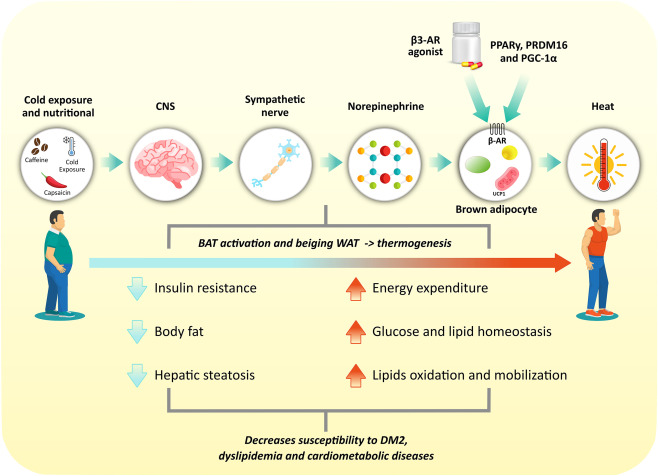
Unlike white fat, which primarily stores energy, brown fat is a special type of fat that burns calories to generate heat. Found in small amounts in adults, brown fat has been linked to improved metabolism, better blood flow, and enhanced energy levels. Recent research suggests that increasing brown fat levels could significantly impact longevity and exercise performance.

The Breakthrough Study: How Brown Fat Enhances Performance and Lifespan

A team of scientists studied the effects of brown fat using genetically modified mice that lacked the RGS14 protein. This modification resulted in an increase in brown fat, leading to remarkable improvements in both physical performance and lifespan:

  • 30% Improvement in Exercise Capacity: Mice with more brown fat showed significantly higher endurance and strength than normal mice.
  • 20% Longer Lifespan: The modified mice lived 20% longer, with females experiencing even greater longevity—a pattern also observed in humans.

These findings suggest that brown fat plays a crucial role in physical endurance and longevity, reinforcing the idea that metabolic health directly influences aging and overall well-being.
Brown Fat’s Impact on Metabolism and Health

1. Burns Calories Efficiently

Brown fat converts stored energy into heat, helping to increase metabolism and promote weight loss.

2. Enhances Blood Flow to Muscles

By improving circulation, brown fat ensures that muscles receive more oxygen and nutrients, boosting endurance and recovery after exercise.

3. Potential to Combat Age-Related Diseases

Researchers believe that increasing brown fat levels could be an effective approach to treating obesity, diabetes, and metabolic disorders.

Future Implications: A Brown Fat-Based Medication?

With these promising results, the research team aims to develop a drug that mimics the effects of brown fat in humans. Such a breakthrough could provide an innovative solution for:

  • Aging-related conditions such as frailty and muscle loss.
  • Obesity management, by naturally increasing calorie burning.
  • Diabetes prevention, by improving glucose metabolism.

Conclusion: The Future of Brown Fat Research

Brown fat is emerging as a powerful tool in enhancing physical performance, extending lifespan, and improving metabolic health. If researchers succeed in harnessing its benefits through medication, it could revolutionize treatments for age-related diseases, offering a new approach to healthy aging and longevity.

With further studies and advancements, we may soon see a world where boosting brown fat levels becomes a key strategy for living longer, healthier lives.


US Strikes Houthi Rebels in Yemen

231019-N-GF955-1113 RED SEA (Oct. 19, 2023) The Arleigh Burke-class guided-missile destroyer USS Carney (DDG 64) defeats a combination of Houthi missiles and unmanned aerial vehicles in the Red Sea, Oct. 19. Carney is deployed to the U.S. 5th Fleet area of operations to help ensure maritime security and stability in the Middle East region. (U.S. Navy photo by Mass Communication Specialist 2nd Class Aaron Lau)

US Military Launches Airstrikes on Houthi-Controlled Areas

President Donald Trump has authorized airstrikes targeting Houthi-controlled regions in Yemen, aiming to deter the group from attacking merchant vessels in the Red Sea. The USS Harry S. Truman strike group played a key role in the operation, marking a significant escalation in US military involvement in the region.

Impact and Casualties

According to initial reports, the strikes have resulted in at least 31 fatalities and 101 injuries. The full extent of the damage remains under assessment, with concerns about potential civilian casualties and the broader impact on Yemen’s ongoing conflict.

Trump’s Warning and Military Stance

In a strong statement following the attack, President Trump vowed to use “overwhelming lethal force” until the Houthi rebels cease their aggression against commercial shipping. The administration has signaled that further military action remains on the table should the Houthis continue targeting vessels in the region.

Iran’s Role and US Warning

The United States has issued a stern warning to Iran, a key ally and supporter of the Houthi movement. Washington has urged Tehran to cease its financial and military assistance to the rebels or face potential consequences. The nature of these consequences has not been specified, but they could include economic sanctions, diplomatic actions, or military responses.

The Houthi Movement’s Attacks on Shipping

The Houthi rebels, who have controlled much of Yemen for over a decade, have been increasingly active in the Red Sea, a vital global trade route. Since late 2023, they have reportedly targeted over 100 merchant ships, raising concerns over international trade disruptions and regional security threats.

Global Reactions and Strategic Concerns

Regional and International Response

  • Saudi Arabia and the UAE, long-time adversaries of the Houthis, have expressed support for the US strikes, viewing them as a necessary step to ensure maritime security.
  • The United Nations has called for restraint, urging all parties to seek diplomatic solutions to prevent further escalation.
  • Russia and China, while condemning attacks on shipping, have also warned against increased military action that could destabilize the Middle East further.

Economic and Trade Implications

The Red Sea is a critical passage for global trade, particularly oil shipments. Prolonged instability and continued attacks could lead to increased shipping costs, higher oil prices, and economic disruptions worldwide.

Next Steps

With tensions escalating, the future of US engagement in Yemen remains uncertain. The Pentagon has stated that further military action will depend on Houthi behavior and Iran’s response. Meanwhile, diplomatic efforts continue behind the scenes to find a peaceful resolution to the crisis.

Conclusion

The US airstrikes on Houthi rebels mark a pivotal moment in Middle Eastern security dynamics. As the Houthis persist in targeting commercial vessels, the US has made clear that it will take military action to protect international trade and regional stability. However, the risk of further escalation remains high, particularly with Iran’s involvement and the broader geopolitical ramifications of US intervention in Yemen.

Senate Advances GOP Spending Bill

WASHINGTON, DC - MARCH 13: Senate Minority Leader Chuck Schumer (D-NY) leaves the Democratic caucus lunch at the U.S. Capitol on March 13, 2025 in Washington, DC. On Wednesday Senate Democrats, not in line with the continuing resolution passed by House Republicans providing a six-month funding extension to avert a government shutdown, proposed an alternate plan that would fund the government in the short term through April 11. (Photo by Kayla Bartkowski/Getty Images)

Senate Passes Republican-Led Spending Bill to Fund Government Through September

The U.S. Senate has approved a Republican-led spending bill aimed at funding the government through the end of the fiscal year in September. The measure passed with a 54-46 vote, receiving bipartisan support from two Democratic senators while one Republican, Senator Rand Paul, opposed it. The bill now moves to the House of Representatives for further deliberation.

Bipartisan Support and Procedural Vote

Before its final passage, the bill overcame a procedural vote with a 62-38 majority, surpassing the 60-vote filibuster threshold required in the Senate. This step necessitated support from several Democratic senators. Senate Minority Leader Chuck Schumer led a group of nine Democratic senators who broke ranks with their party to advance the measure. Schumer defended his decision, arguing that allowing a government shutdown would ultimately strengthen former President Donald Trump and DOGE (a possible reference to the Department of Government Expenditures or a political term related to spending policies).

Key Provisions of the Spending Bill

The spending bill includes significant changes to federal funding allocations:

  • Military Spending Increase: The legislation provides a $6 billion increase in defense-related expenditures, a key priority for Republican lawmakers who emphasize national security and military readiness.
  • Cuts to Non-Military Programs: The bill reduces non-military spending by $13 billion, a move that Democrats argue could negatively impact social programs, healthcare, and education initiatives.
  • Funding Restrictions for Washington, D.C.: The bill blocks $1 billion in federal funds from being allocated to Washington, D.C., a measure that has sparked criticism from local officials and Democratic lawmakers who argue it undermines the city’s autonomy.

Political Reactions and Implications

Republican Perspective

Republican lawmakers have lauded the bill as a necessary step toward fiscal responsibility and national security enhancement. They argue that the spending cuts reflect a commitment to reducing government overreach while bolstering the military’s capabilities.

Democratic Concerns

Many Democrats have criticized the bill, warning that the reductions in non-defense spending could harm critical government programs and public services. However, the nine Democratic senators who supported the measure justified their stance as a pragmatic decision to prevent a government shutdown, which could disrupt federal operations and essential services.

Rand Paul’s Opposition

Despite being a Republican, Senator Rand Paul opposed the bill, citing concerns over excessive government spending. Paul, a longtime advocate for reduced federal expenditures, argued that even with the non-military spending cuts, the bill does not go far enough in curbing federal debt and deficit growth.

Next Steps

With Senate approval secured, the bill now moves to the House of Representatives, where it is expected to face further debate and potential amendments. If the House approves the measure, it will proceed to President Biden for final signing into law.

Conclusion

The passage of the GOP-led spending bill marks a significant moment in ongoing budget negotiations. While it successfully prevents a government shutdown, the bill’s emphasis on military funding and cuts to non-military programs has fueled debate across party lines. The final outcome will depend on House negotiations and potential adjustments before it reaches the President’s desk.

How Poor Rest Impacts Brain Health

The Critical Role of Sleep in Brain Function

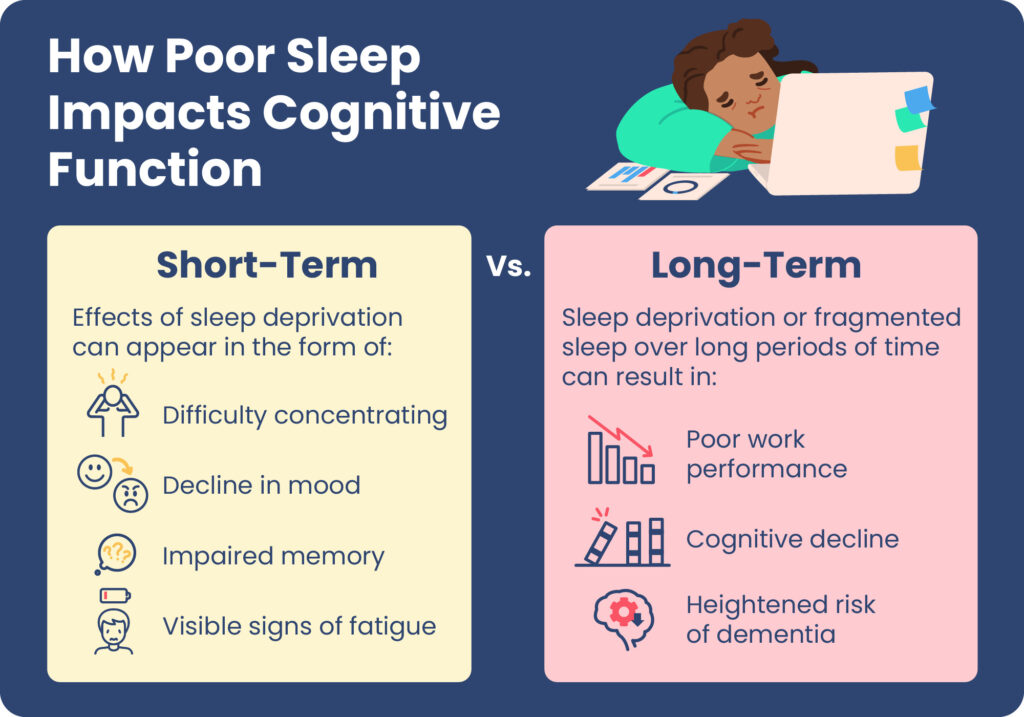
Sleep is essential for maintaining cognitive health and overall brain function. Recent research has revealed that disrupted or inadequate sleep significantly hampers the brain’s glymphatic system, the specialized network responsible for clearing out waste and toxins. Without proper rest, harmful proteins accumulate, increasing the risk of neurodegenerative diseases and memory decline.

Understanding the Glymphatic System

The glymphatic system is the brain’s unique waste disposal network, functioning similarly to the lymphatic system in the rest of the body. It is most active during deep sleep, utilizing cerebrospinal fluid (CSF) to flush out metabolic waste, including beta-amyloid and tau proteins, which are associated with Alzheimer’s disease. When sleep is disrupted, this process is impaired, leading to toxin buildup and increased susceptibility to cognitive decline.

The Consequences of Poor Sleep

1. Increased Risk of Neurodegenerative Diseases

Studies indicate that inadequate sleep heightens the risk of Alzheimer’s, Parkinson’s, and other neurodegenerative conditions. The accumulation of toxic proteins accelerates neuronal damage, ultimately affecting memory, decision-making, and cognitive function.

2. Memory Decline and Cognitive Impairment

Deep sleep is crucial for memory consolidation. Poor sleep reduces the brain’s ability to process and store information effectively, leading to forgetfulness, difficulty concentrating, and slower cognitive performance.

3. Mental Health Challenges

Sleep deprivation is linked to increased levels of stress, anxiety, and depression. Chronic sleep disturbances can exacerbate mood disorders and hinder emotional regulation.

The Impact of Sleeping Pills on Brain Cleaning Mechanisms

While some individuals turn to sleep aids like zolpidem to combat insomnia, recent studies highlight potential drawbacks. A functional MRI study of 72 participants revealed that zolpidem reduced the brain’s natural cleaning mechanisms by 50%, further hindering the glymphatic system’s ability to remove toxins. Over time, dependence on sleep medications may do more harm than good, potentially increasing the risk of neurological disorders.

How to Improve Sleep and Support Brain Health

To optimize brain function and maintain cognitive health, consider implementing the following sleep hygiene practices:

  1. Prioritize Deep Sleep: Aim for 7-9 hours of quality sleep each night to ensure the glymphatic system functions properly.
  2. Follow a Consistent Sleep Schedule: Going to bed and waking up at the same time every day helps regulate the body’s internal clock.
  3. Create a Restful Environment: Keep your bedroom dark, quiet, and cool to promote uninterrupted sleep.
  4. Limit Blue Light Exposure: Reduce screen time before bed to prevent disruptions in melatonin production.
  5. Avoid Sleeping Pills When Possible: Opt for natural sleep aids like magnesium, chamomile tea, or mindfulness meditation instead of relying on medication.
  6. Stay Physically Active: Regular exercise improves sleep quality and overall brain function.
  7. Manage Stress: Practice relaxation techniques such as deep breathing, yoga, or journaling to reduce anxiety-induced sleep disturbances.

Conclusion

The connection between sleep and brain health is undeniable. Poor rest disrupts the glymphatic system, leading to harmful toxin buildup and increasing the risk of neurological diseases. Additionally, reliance on sleeping pills may further impair the brain’s natural cleansing process. Prioritizing sleep hygiene and adopting healthy lifestyle habits can help protect cognitive function, ensuring long-term mental well-being.

Cybersecurity Alert: Medusa Ransomware

FBI and CISA Warn About the Medusa Ransomware Campaign

Cybersecurity agencies, including the Federal Bureau of Investigation (FBI) and the Cybersecurity and Infrastructure Security Agency (CISA), have issued an urgent warning regarding the Medusa ransomware campaign. This sophisticated malware uses phishing scams and software vulnerabilities to infiltrate systems, encrypt files, and demand exorbitant ransoms from victims.

Medusa Ransomware: A Growing Threat

The Medusa ransomware is a highly dangerous variant that has increasingly targeted individuals, businesses, and government entities. The attackers behind this campaign leverage phishing emails and exploit software weaknesses to gain unauthorized access to systems. Once inside, they deploy AES-256 encryption to lock files, rendering them inaccessible unless a ransom is paid.

Key Threats Posed by Medusa Ransomware

  • Phishing Scams: Cybercriminals use deceptive emails that appear to be from legitimate sources to trick users into clicking malicious links or downloading infected attachments.
  • Exploitation of Software Vulnerabilities: Outdated software and unpatched security flaws allow attackers to gain entry into networks.
  • Data Encryption: Medusa ransomware encrypts files using AES-256 encryption, preventing access until a ransom is paid.
  • Data Leak Threats: If victims refuse to pay, attackers threaten to publicly leak sensitive data, leading to financial and reputational damage.

More Than 1.8 Billion Gmail Accounts at Risk

Security experts have identified that over 1.8 billion Gmail accounts are at risk due to Medusa’s ability to infiltrate email accounts using social engineering tactics. The campaign relies on fake login pages and malicious attachments to steal credentials and access email-based networks.

FBI and CISA Recommendations for Protection

To mitigate the risk of Medusa ransomware, the FBI and CISA have issued the following security recommendations:

  1. Enable Two-Factor Authentication (2FA): Implement 2FA for webmail, VPNs, and other critical systems to add an extra layer of security.
  2. Keep Software and Systems Updated: Regularly update operating systems, applications, and security software to patch vulnerabilities.
  3. Use Strong, Unique Passwords: Ensure passwords are long, complex, and unique for different accounts to reduce the risk of credential theft.
  4. Be Cautious with Emails and Links: Avoid clicking on links or downloading attachments from unknown or unexpected emails.
  5. Implement Multiple Data Backups: Store backups in multiple locations, including offline and cloud-based storage, to protect against data loss.
  6. Monitor Network Activity: Keep an eye on unusual login attempts or system behaviors that may indicate a breach.
  7. Train Employees on Cybersecurity Best Practices: Organizations should educate their employees on recognizing phishing attempts and other social engineering tactics.

What to Do If Infected by Medusa Ransomware

If your system is compromised by Medusa ransomware, the FBI advises against paying the ransom, as this does not guarantee file recovery and may encourage further criminal activity. Instead:

  • Isolate the infected system to prevent the spread of the ransomware.
  • Report the incident to the FBI’s Internet Crime Complaint Center (IC3) or CISA.
  • Attempt to restore files from secure backups if available.
  • Consult cybersecurity professionals for forensic investigation and remediation.

Conclusion

Medusa ransomware represents a significant cybersecurity threat, particularly through phishing scams and software vulnerabilities. Organizations and individuals must remain vigilant by implementing robust security measures, such as two-factor authentication, regular software updates, and comprehensive backup strategies. By following the FBI and CISA’s guidelines, users can mitigate the risks associated with this destructive ransomware campaign and safeguard their sensitive data from cybercriminals.

Putin’s Ceasefire Talks: A Path to Peace or a Tactical Move?

Russian President Vladimir Putin has signaled conditional support for a proposed 30-day ceasefire in Ukraine, stating that any temporary halt in fighting must serve as a foundation for lasting peace. His remarks come amid shifting dynamics on the battlefield, where Russian forces claimed to have retaken Sudzha in the Kursk region. Ukrainian troops now hold less than 200 square kilometers of territory, a sharp decline from the 1,300 square kilometers they controlled in 2024.

Ceasefire with Strings Attached

Putin emphasized that the core issues behind the conflict must be addressed, particularly Ukraine’s relationship with NATO. “A ceasefire is only meaningful if it leads to a resolution of fundamental security concerns,” Putin stated during a press briefing with Belarusian President Alexander Lukashenko. While the Kremlin has not outright rejected the U.S.-brokered truce, it remains firm that negotiations must include discussions on Ukraine’s neutrality and NATO expansion.

U.S. Lawmakers Demand Tougher Measures

In Washington, Senate Republicans have urged President Donald Trump to increase economic pressure on Russia should it refuse the ceasefire deal. Senator Mike Rounds insisted, “Putin deserves more pressure than Ukraine. If he’s serious about peace, he needs to show it with actions, not words.”

Echoing this sentiment, Senator Lindsey Graham announced plans to introduce a new sanctions package targeting the Kremlin and Russia’s energy sector. “We cannot allow Putin to manipulate peace talks as a delay tactic while continuing his aggression,” Graham stated, warning against letting Moscow use negotiations as a smokescreen.

Ukraine’s Skepticism

Ukrainian President Volodymyr Zelenskyy remains doubtful of Putin’s intentions, accusing him of stalling to regroup and launch further offensives. “Russia has a history of using ceasefires to reposition its forces and prepare for future attacks. We will not fall for empty promises,” Zelenskyy declared in a national address.

While international pressure mounts for a de-escalation, analysts remain divided on whether Putin’s endorsement of a ceasefire is a genuine effort toward peace or a calculated move to strengthen Russia’s position. As negotiations continue, the world watches closely to see whether this truce will bring a breakthrough—or another chapter in the ongoing war.

Trump Tightens Pressure on Russia by Allowing Energy Financing License to Expire

FILE PHOTO: A model of a pump jack is seen in front of the displayed word "Sanctions," U.S. and Russia flag colours in this illustration taken March 8, 2022. REUTERS/Dado Ruvic/Illustration/File Photo

The administration of President Donald Trump has raised economic pressure on Russian President Vladimir Putin by allowing the expiration of a key license that previously permitted energy transactions with Russian financial institutions. The decision is aimed at strengthening Ukraine’s position in negotiations while limiting Russia’s ability to finance its war efforts.

Expiration of General License 8L

The U.S. Treasury confirmed that General License 8L expired as scheduled at 12:01 a.m. EDT on Wednesday. Originally issued by the Biden administration on January 10 as part of its most stringent sanctions against Russia’s oil and gas revenues, the license allowed for the winding down of energy transactions with major Russian banks, including Sberbank, VTB, and the Central Bank of the Russian Federation. With its expiration, these banks are now blocked from accessing U.S. payment systems, dealing a significant blow to Russia’s financial sector.

Sanctions and Their Impact

The Biden administration initially issued the license shortly after Russia’s February 2022 invasion of Ukraine to mitigate potential spikes in global oil prices. However, U.S. Treasury Secretary Scott Bessent has criticized these sanctions as ineffective, arguing that they were overly focused on maintaining stable oil prices rather than exerting maximum financial pressure on Moscow.

By allowing the license to lapse, the Trump administration seeks to leverage economic sanctions as a key tool in ending the war and facilitating peace negotiations. A Treasury spokesperson stated that “sanctions remain one of the levers to facilitate these goals.”

Broader Sanctions on Russian Energy Firms

The expiration of General License 8L is part of a broader strategy to cripple Russia’s energy sector. The U.S. has also prohibited dollar transactions with major Russian energy firms, including Gazprom Neft and Surneftegas. Additionally, the sanctions target 183 vessels involved in transporting Russian oil, including many in the so-called shadow fleet—aging tankers operated by non-Western companies.

ClearView Energy Partners, a leading energy policy research group, has warned that the expiration of the license could complicate and potentially halt petroleum purchases by third countries. Meanwhile, the U.S. Treasury Department is reportedly considering additional sanctions against Russian oil majors and oilfield service companies, further deepening the economic pressure on Moscow.

Geopolitical Implications

The Trump administration’s move underscores its commitment to ending hostilities and fostering negotiations to bring the war to a close. With Russia now facing heightened financial restrictions, its ability to sustain prolonged military operations may be significantly weakened. The global energy market, however, remains a key factor in the effectiveness of these sanctions, with experts closely monitoring potential disruptions and economic ramifications.

As geopolitical tensions continue to evolve, the expiration of General License 8L marks a critical shift in the U.S. approach toward Russia, signaling a renewed focus on leveraging economic sanctions as a diplomatic tool.

Meta’s Community Notes: A New Era of User-Driven Fact-Checking

Meta is set to roll out its Community Notes feature across Facebook, Instagram, and Threads in the U.S. starting March 18. This move represents a significant shift in how content is moderated and contextualized, as it allows users themselves to contribute and evaluate notes on posts rather than relying solely on traditional fact-checking organizations.

How Community Notes Work

The system enables users to write and rate short notes on content, helping to provide additional context, corrections, or clarifications. These notes will be capped at 500 characters and must include a supporting link to verify the information provided.

Meta is adopting an open-source algorithm, originally pioneered by X (formerly Twitter), to determine which notes are most useful. Unlike standard comment sections, Community Notes will only appear on posts if contributors from different perspectives agree that they add value to the discussion. This approach is meant to reduce perceived bias in moderation while improving the accuracy and reliability of information.

Who Can Participate?

Meta has already signed up 200,000 users to contribute to the feature. These users will be responsible for writing notes and rating the helpfulness of existing ones. Over time, the system is expected to expand to include more participants as it refines its credibility assessment model.

Language and Accessibility

At launch, Community Notes will support six languages:

  • English
  • Spanish
  • Mandarin
  • Vietnamese
  • French
  • Portuguese

Meta aims to introduce additional languages in the future, ensuring a broader reach and inclusivity across different regions.

Meta’s Vision for Transparent Moderation

Meta CEO Mark Zuckerberg highlighted that the goal of Community Notes is to reduce concerns about bias in fact-checking by decentralizing moderation and giving users more control over contextualizing content. By allowing a diverse range of contributors to provide additional insights, the system seeks to counter misinformation while maintaining a balanced approach.

Challenges and Future Outlook

While Community Notes offer a promising new way to tackle misinformation, challenges remain. Critics point out potential issues such as coordinated manipulation, echo chambers, and biased participation. However, Meta is confident that its cross-viewpoint agreement system will minimize these risks.

As Community Notes roll out, the tech world will be watching closely to see if Meta’s new approach can successfully balance free speech, accuracy, and transparency in an era of increasing digital misinformation.

Would you trust a fact-checking system run by everyday users? Share your thoughts!

Pancreatic Cancer’s Secret Weapon: The Role of Extrachromosomal DNA

Pancreatic cancer is one of the deadliest forms of cancer, with a five-year survival rate of only 13%. Its aggressive nature, resistance to treatment, and rapid metastasis make it particularly challenging for researchers and clinicians. However, new findings have uncovered a hidden factor contributing to the disease’s lethality: extrachromosomal DNA (ecDNA).

The Role of ecDNA in Pancreatic Cancer

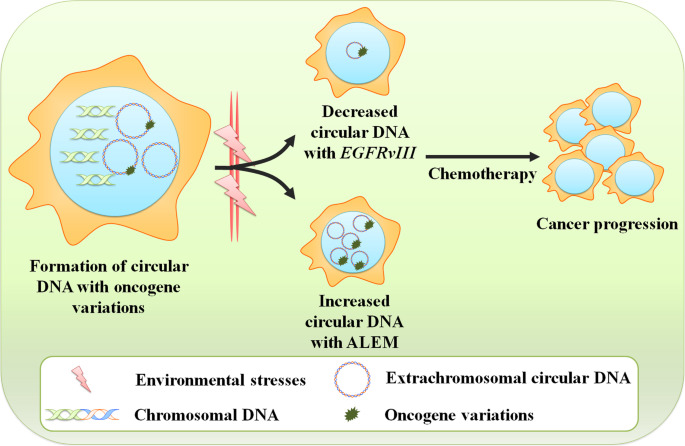
Extrachromosomal DNA (ecDNA) is a circular form of DNA found outside the traditional chromosomal structure of a cell. Unlike normal chromosomal DNA, ecDNA does not follow the usual rules of genetic inheritance and can rapidly evolve within tumor cells. Research has shown that approximately 15% of pancreatic cancer patient samples contain ecDNA, which plays a pivotal role in the cancer’s aggressiveness.

One of the most critical aspects of ecDNA is its ability to help tumor cells adapt to environmental stress. This adaptability provides cancer cells with a significant advantage, allowing them to survive in hostile conditions, resist therapy, and proliferate at alarming rates. The presence of ecDNA allows tumor cells to bypass normal growth controls and become self-sufficient, increasing their survival chances.

MYC Amplification and Tumor Growth

One of the key genes associated with ecDNA in pancreatic cancer is MYC, a well-known oncogene that drives cell proliferation and survival. Researchers found that cancer cells containing ecDNA exhibit high variability in MYC copy numbers, with some cells harboring dozens or even hundreds of copies. This variation gives tumors the ability to quickly adjust their genetic profile, making them more resilient to treatment and more aggressive in their spread.

High levels of MYC lead to several critical structural changes in tumor cells, including:

  • Increased Growth Rate: Cells with multiple MYC copies replicate at a much faster pace, allowing tumors to expand rapidly.
  • Altered Metabolism: Tumor cells become less dependent on external growth signals, enabling them to thrive in nutrient-deprived environments.
  • Enhanced Drug Resistance: The genetic flexibility provided by ecDNA makes tumors more capable of evading targeted therapies.

Implications for Treatment and Future Research

The discovery of ecDNA’s role in pancreatic cancer opens new avenues for treatment strategies. Targeting ecDNA-driven genetic instability could be a game-changer in slowing disease progression and improving patient outcomes. Researchers are exploring ways to:

  • Develop drugs that target ecDNA formation and function.
  • Use precision medicine to identify and counteract MYC amplifications.
  • Create therapies that disrupt the adaptive capabilities of tumor cells.

Understanding how ecDNA contributes to pancreatic cancer not only deepens our knowledge of the disease but also provides hope for more effective treatment options in the future. With further research, scientists may be able to exploit this vulnerability, turning the cancer’s secret weapon against itself.

IDF Claims Hamas ‘Cynically’ Sent 4-Year-Old Boy to IDF Post in Gaza

The Israel Defense Forces (IDF) reported that Hamas allegedly sent a 4-year-old Palestinian boy toward an Israeli military post in Gaza, calling it a deliberate exploitation of children for terror-related purposes.

According to the IDF’s statement, soldiers spotted the child approaching their post in a security zone. The military claims that when questioned, the child stated that Hamas had sent him. However, no additional details were provided to verify how the child knew this information.

Troops returned the boy safely to Gaza through coordination with international humanitarian organizations. The military accused Hamas of “cynically using civilians and children to advance its terrorism,” a tactic that has drawn repeated international condemnation.

Hamas has not publicly responded to the IDF’s claims. The incident underscores ongoing tensions in the Gaza conflict, where civilian populations—including children—often find themselves caught in the crossfire.

The use of human shields and child exploitation in warfare is widely condemned under international humanitarian law, and the incident raises concerns over the ethical and strategic dimensions of the conflict. However, the full context and circumstances surrounding the event remain unclear.

China’s Deep Ocean Expansion: Strategic Gains and Rising Tensions

China is aggressively expanding its deep-sea exploration capabilities, deploying a fleet of advanced research vessels to map the ocean floor and gather crucial intelligence. While officially framed as scientific research, this initiative is raising geopolitical concerns, with neighboring countries questioning Beijing’s true motives.

China’s Growing Ocean Fleet

China has rapidly increased its deep-sea exploration capabilities, with a fleet of high-tech research vessels operating across the Pacific and Indian Oceans. Some of the most notable vessels include:

  • Xiang Yang Hong 01 – A state-of-the-art ship involved in deep-sea mapping and marine biodiversity research.
  • Dong Fang Hong 3 – A research vessel conducting surveys in disputed waters.

These ships, along with others in China’s fleet, provide Beijing with valuable data on undersea geography, resources, and potential military advantages.

Military Implications and Regional Concerns

Despite being labeled as scientific missions, China’s oceanic endeavors have drawn scrutiny. Reports indicate that over 80% of China’s research vessels are linked to military objectives, raising alarms about possible dual-use operations. Some key concerns include:

  • Naval Expansion – By mapping the ocean floor, China enhances its submarine navigation and warfare capabilities, crucial for projecting power in contested regions.
  • Exclusive Economic Zone (EEZ) Incursions – In February 2025, Chinese vessels entered India’s 200-nautical-mile EEZ, prompting strong diplomatic protests.
  • Tensions with Japan and India – Both nations have expressed unease over China’s growing maritime presence, with Japan closely monitoring activities near the Senkaku Islands.

Deep-Sea Mining and Resource Ambitions

China’s expansion extends beyond military interests—it also involves the pursuit of deep-sea minerals. The country has set its sights on seabed mining in international waters, sparking fresh concerns over environmental impacts and geopolitical power plays.

  • Cook Islands Agreement – Beijing has secured a partnership for oceanographic research in a vast 700,000-square-mile zone. New Zealand and other Pacific nations fear this could be a front for mineral exploration.
  • Strategic Resource Acquisition – China’s research efforts align with its ambitions to dominate rare earth metal extraction, critical for global technology and defense industries.

The Global Response

As China pushes forward with its deep-sea expansion, the international response is mixed. Some nations view the initiative as a legitimate scientific effort, while others see it as a strategic maneuver to expand influence over vital maritime regions.

  • India and Japan have increased naval surveillance and diplomatic protests.
  • The U.S. and its allies are strengthening their presence in the Indo-Pacific to counterbalance China’s growing maritime activities.
  • Environmental groups are warning against potential ecological damage from deep-sea mining operations.

Conclusion

China’s deep-sea expansion is more than just scientific exploration—it’s a multi-faceted strategy encompassing military intelligence, resource acquisition, and geopolitical influence. With regional tensions escalating, the world will be closely watching how Beijing’s maritime ambitions unfold in the years ahead.

Rising US Budget Deficit: A Growing Concern for Fiscal Stability

The United States is facing a significant rise in its budget deficit, highlighting ongoing fiscal challenges. In February 2025, the budget deficit reached $307 billion, marking a 4% increase or $11 billion compared to the previous year. Notably, this monthly deficit was nearly 2.5 times higher than the deficit recorded in January 2025, signaling accelerating spending concerns.

Key Fiscal Metrics for February 2025

  • Total Receipts: $296 billion (9% increase or $25 billion from February 2024)
  • Total Outlays: $603 billion (6% increase or $36 billion year-over-year)
  • Net Deficit: $307 billion (4% increase from last year)

Fiscal Year 2025: Deficit Trends Worsen

For the first five months of fiscal year 2025, the total budget deficit climbed to $1.147 trillion, reflecting a 38% increase or $318 billion compared to the same period last year. Additionally, the year-to-date deficit has surged by 17% compared to fiscal 2024, raising concerns among policymakers about long-term financial sustainability.

Key Drivers of the Deficit Growth

  1. Rising Interest Payments on Public Debt
    • The Treasury’s interest costs on public debt reached $478 billion, marking a 10% increase over the previous year.
    • These costs now exceed military spending, which stood at $380 billion.
  2. Higher Social Security Expenditures
    • Social Security payments climbed 8% year-over-year, reaching $663 billion.
    • This increase reflects demographic shifts and rising entitlement costs.
  3. Federal Spending Growth
    • Government spending outpaced revenue growth, despite the 9% rise in tax receipts.
    • The $603 billion in federal outlays underscores increasing allocations for defense, social programs, and debt servicing.

Economic and Policy Implications

The growing budget deficit presents both economic risks and policy challenges for lawmakers. Rising interest costs on public debt limit the government’s flexibility in addressing economic downturns or funding new initiatives. Additionally, concerns over long-term fiscal health could lead to increased scrutiny from global investors and credit rating agencies.

Possible Solutions and Future Outlook

To manage the widening deficit, policymakers may consider:

  • Spending Cuts: Reducing discretionary spending in non-essential areas.
  • Tax Reforms: Implementing tax policy adjustments to boost revenue without stifling economic growth.
  • Entitlement Program Adjustments: Modifying Social Security and Medicare structures to ensure long-term sustainability.
  • Debt Management Strategies: Refinancing public debt to lower interest costs.

Conclusion

The rising US budget deficit highlights the urgent need for fiscal discipline and strategic policy decisions. With interest payments surpassing military spending and entitlement costs continuing to rise, the government faces mounting pressure to balance economic growth with responsible debt management. As fiscal 2025 unfolds, policymakers will need to navigate these challenges to ensure long-term financial stability while maintaining essential services and economic competitiveness.

Google Unveils Advanced Robotics AI Models: Gemini Robotics and Gemini Robotics-ER

Google DeepMind has taken a significant leap in artificial intelligence-driven robotics with the introduction of two new AI models: Gemini Robotics and Gemini Robotics-ER. These advanced models are designed to redefine how robots perceive, analyze, and interact with the physical world, enhancing their adaptability and efficiency in real-time scenarios.

Gemini Robotics: Vision-Language-Action Integration

The Gemini Robotics model integrates vision, language, and action capabilities, allowing robots to process complex environmental cues and execute corresponding actions with increased precision. Unlike traditional robotic AI models that rely on static programming, Gemini Robotics continuously observes its surroundings, interprets information, and dynamically adjusts its behavior.

Key advancements include:

  • Enhanced Generalization: Gemini Robotics has demonstrated twice the performance efficiency in generalization tasks compared to existing AI models.
  • Real-Time Adaptation: The model can react to changes in its environment instantly, improving response times and reducing errors in execution.
  • Intuitive Task Management: With its advanced vision-language-action framework, Gemini Robotics enables machines to understand and perform instructions with natural human-like comprehension.

Gemini Robotics-ER: Mastering Spatial Reasoning

While Gemini Robotics excels in multi-modal understanding, Gemini Robotics-ER focuses on spatial reasoning—a critical component in robotic dexterity and autonomous navigation. This model has been engineered to enhance robots’ ability to grasp objects, calculate movement strategies, and optimize their physical interactions with the environment.

Notable breakthroughs of Gemini Robotics-ER:

  • Autonomous Grip and Motion Planning: The AI autonomously determines the best strategies for gripping and maneuvering objects.
  • Superior Control Efficiency: It exhibits a 2x-3x improvement over Gemini 2.0 in robotic control tasks, drastically reducing failure rates in complex movements.
  • Advanced Learning Mechanisms: By processing vast amounts of spatial data, the model refines its understanding of object placement, orientation, and interaction.

ASIMOV Dataset: Setting a New Standard for Robotic Safety

In addition to the unveiling of the Gemini Robotics models, DeepMind is also introducing ASIMOV, a new dataset designed to assess and mitigate robotic safety risks. This dataset will be instrumental in training AI systems to operate safely in dynamic and unpredictable environments, reducing potential hazards associated with autonomous robots.

Implications for the Future of Robotics

The introduction of Gemini Robotics and Gemini Robotics-ER marks a major step forward in AI-powered robotics. These models pave the way for more intuitive, adaptable, and intelligent robotic systems that could revolutionize industries such as manufacturing, healthcare, logistics, and personal assistance.

With the combination of enhanced real-time processing, superior spatial reasoning, and improved safety assessments, Google DeepMind is shaping the future of AI-driven automation. The coming years will likely see these technologies integrated into a broad range of applications, making robots more efficient partners in both industrial and everyday settings.

As these advancements continue to evolve, one thing is certain—Google’s latest innovation is set to push the boundaries of what robots can achieve in the real world.

Ukraine Accepts US-Backed Ceasefire Proposal Amid Escalating Conflict

In a significant development, Ukraine has agreed to a 30-day ceasefire proposal put forth by the United States. This decision comes after eight hours of intensive negotiations in Jeddah, Saudi Arabia, where the Trump administration announced the resumption of military aid and intelligence-sharing with Kyiv.

A Turning Point in US-Ukraine Relations

The US had previously suspended military assistance to Ukraine just one week prior following a tense Oval Office meeting between President Donald Trump and Ukrainian President Volodymyr Zelenskyy. However, the resumption of aid signals a renewed commitment to supporting Ukraine amid ongoing hostilities with Russia.

US Secretary of State Marco Rubio emphasized the urgency of the ceasefire proposal, stating, “The ball is now in Russia’s court. The United States is committed to facilitating peace, but we need Moscow to engage constructively.”

Intensified Drone Warfare

The ceasefire talks occur against the backdrop of the largest drone offensive in the ongoing war. Russian air defenses intercepted over 300 Ukrainian drones in what has been described as the most extensive aerial assault on Russian territory in the past three years.

Simultaneously, Russia launched 126 drones and a ballistic missile targeting multiple Ukrainian cities, escalating the conflict further. The tit-for-tat attacks have intensified hostilities, raising concerns about further destabilization in the region.

Potential Outcomes and Next Steps

With Ukraine on board, the next step involves the United States formally presenting the ceasefire proposal to Moscow. The Kremlin’s response remains uncertain, as Russian leadership has yet to comment on the development. Analysts suggest that Russia may use the ceasefire window to regroup strategically while gauging Western commitments to Ukraine.

Despite the ongoing military confrontations, diplomatic efforts continue behind the scenes. International mediators, including Saudi Arabia, France, and Germany, are expected to play a crucial role in persuading both sides to adhere to the ceasefire terms.

The coming days will be pivotal in determining whether this proposal can bring temporary relief to the war-torn region or if the conflict will escalate further. As Ukraine awaits Russia’s response, global attention remains fixed on the unfolding situation.