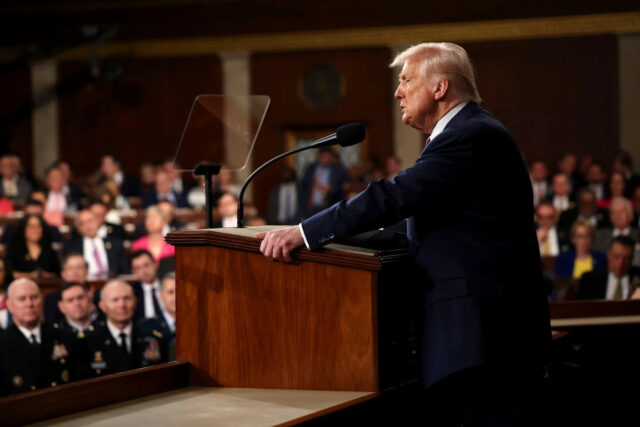
In a critical move to prevent a partial government shutdown, the U.S. House of Representatives has passed a stopgap funding bill with a narrow 217-213 vote. The bill, which aims to keep federal agencies operational through September 30, now moves to the Senate, where Republicans will require support from at least eight Democratic senators to advance it to President Donald Trump for approval.
Key Provisions of the Stopgap Bill
The newly passed legislation introduces a $13 billion reduction in non-defense spending while simultaneously boosting defense funding by $6 billion. This shift reflects a continued prioritization of national security under the Trump administration. Additionally, the bill grants the administration broader discretion in allocating funds, a move that has sparked heated debates between both parties.
Republican and Democratic Reactions
While the GOP largely rallied behind the measure, only one Republican dissented, underscoring the internal divisions within the party. Democratic leaders, meanwhile, have strongly criticized the bill, arguing that it undermines essential social programs and gives the administration excessive authority over federal funding allocations.
House Speaker Mike Johnson praised the bill as a responsible measure to ensure government stability while upholding conservative fiscal priorities. However, Senate Democrats have signaled strong opposition, warning that the bill disproportionately affects domestic initiatives such as education, healthcare, and social services.
What’s Next?
With the Senate now set to deliberate, the bill’s fate remains uncertain. If an agreement isn’t reached soon, the government faces the risk of a partial shutdown starting Saturday. The coming days will be crucial in determining whether lawmakers can broker a deal to prevent disruptions to government services and federal programs.
Stay tuned as the Senate prepares for a high-stakes vote that could shape the next phase of government funding and fiscal policy.
Meta has taken a significant step toward self-sufficiency in artificial intelligence (AI) hardware with the launch of its first in-house AI chip, the MTIA series. This move signals a strategic shift away from its heavy reliance on Nvidia’s GPUs, a dominant force in the AI computing landscape. By developing its own AI processors, Meta aims to optimize performance, reduce costs, and strengthen its long-term AI infrastructure.
The MTIA Series: A Game Changer for Meta’s AI Operations
The Meta Training and Inference Accelerator (MTIA) series is designed to improve AI workloads, particularly in power efficiency, when compared to traditional GPUs. AI models, especially those used in recommendation systems and content ranking, require immense computational power. The MTIA chips are tailored for these needs, offering significant improvements in processing AI-driven algorithms with lower energy consumption.
Key Specifications of MTIA:
Manufactured by TSMC – The chips are developed in partnership with Taiwan Semiconductor Manufacturing Company (TSMC), leveraging advanced fabrication technology.
Optimized for AI Training – The first deployment of MTIA will focus on training AI models for Meta’s recommendation systems.
High Computational Power – Operating at 800 MHz, the MTIA chip delivers 102 TOPS (Tera Operations Per Second) of integer accuracy, a critical factor in AI processing.
Energy Efficiency – The chip is engineered for improved power efficiency, addressing a major challenge in large-scale AI computing.
Meta’s Strategic Shift Away from Nvidia
Meta’s decision to develop its own AI hardware aligns with broader industry trends where tech giants seek greater control over their computing resources. Nvidia’s GPUs have long been the go-to solution for AI training and inference, but soaring demand and costs have led companies like Meta to explore alternative solutions.
For 2025, Meta has projected its expenses to be between $114 billion and $119 billion, with around $65 billion dedicated to AI infrastructure. This investment underscores the company’s commitment to building an AI ecosystem that is less dependent on third-party chipmakers.
With growing competition in AI hardware, Meta joins the ranks of Google (with its Tensor Processing Units) and Amazon (with its AWS Trainium chips) in developing custom silicon for AI workloads. This transition not only reduces dependency on external vendors but also allows Meta to design chips specifically optimized for its AI-driven services, including Facebook, Instagram, and WhatsApp.
Future Prospects: Broader Applications and Industry Impact
While the MTIA chip’s initial use case is focused on recommendation systems, Meta plans to expand its applications by 2026. Future iterations of the MTIA series could extend to generative AI models, natural language processing, and computer vision, further integrating AI across Meta’s vast digital ecosystem.
This development also raises questions about the broader AI semiconductor industry. Nvidia’s dominance is being challenged as more companies explore in-house chip production. If Meta’s strategy proves successful, it could pave the way for other tech firms to follow suit, further diversifying the AI hardware landscape.
Conclusion
Meta’s introduction of the MTIA chip represents a pivotal moment in the AI industry. By reducing its reliance on Nvidia and investing heavily in AI infrastructure, the company is positioning itself for long-term technological and financial sustainability. As AI continues to evolve, custom-built chips like MTIA could redefine the way AI applications are trained and deployed, offering better efficiency, scalability, and performance.
The coming years will be crucial in determining whether Meta’s bet on AI hardware pays off, but one thing is clear—AI chip development is becoming an essential strategy for tech giants looking to shape the future of artificial intelligence.
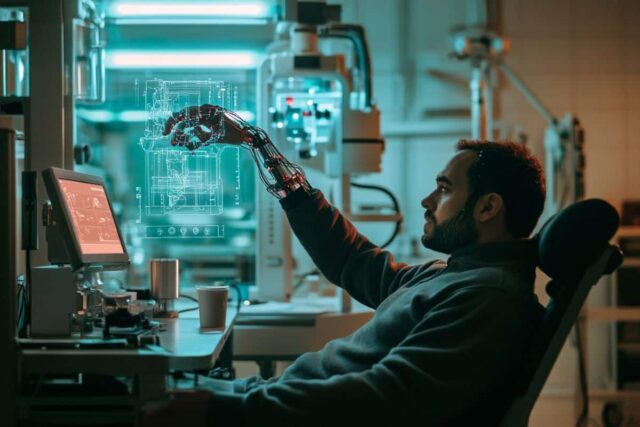
For decades, individuals with paralysis have faced significant challenges in regaining motor function. However, recent advancements in brain-computer interface (BCI) technology have opened new possibilities. Researchers at the University of California, San Francisco (UCSF) have developed an AI-powered BCI that enabled a paralyzed man to control a robotic arm using his thoughts for seven months—a groundbreaking improvement over previous systems that typically functioned for only one or two days.
How the AI-Powered BCI Works
This revolutionary device relies on a combination of implanted brain sensors and artificial intelligence. The process begins with the implantation of tiny electrodes onto the participant’s motor cortex, the region of the brain responsible for movement. These electrodes detect neural signals that correspond to imagined movements, such as grasping or reaching.
The BCI then translates these neural signals into real-time commands for a robotic arm. By simply visualizing movements, the participant could perform essential tasks like picking up blocks, opening a cabinet, and retrieving a cup.
The Key Innovation: AI Adaptation
One of the biggest challenges in BCI technology is maintaining long-term accuracy. The human brain’s representation of movement shifts slightly day by day, making it difficult for traditional BCIs to maintain reliable performance without frequent recalibration.
To address this issue, UCSF researchers integrated an AI-driven model that continuously adapted to changes in brain activity. This innovation significantly improved the BCI’s longevity and usability. Unlike previous systems that required frequent recalibration, this AI-powered interface remained effective for seven months, requiring only a brief 15-minute recalibration session after months of use.
Implications for the Future
This study marks a major step forward in assistive technology for individuals with severe mobility impairments. The long-term stability of this AI-powered BCI suggests a future where paralyzed individuals can regain independence with minimal daily recalibration.
Furthermore, this advancement could pave the way for more sophisticated applications, such as restoring speech, enabling more precise motor functions, and even integrating BCIs with smart home technology. As researchers refine AI-driven BCIs, the possibility of mind-controlled prosthetics and assistive devices becoming mainstream is rapidly approaching.
Conclusion
The UCSF study represents a milestone in neural interface technology, demonstrating that AI-powered BCIs can offer long-term, reliable control for individuals with paralysis. With further development, this technology has the potential to significantly enhance the quality of life for millions worldwide, ushering in a new era of human-machine integration that could redefine mobility and independence for those with severe disabilities.
In a groundbreaking development, Syria’s interim President Ahmad al-Sharaa and Mazloum Abdi, commander of the Kurdish-led Syrian Democratic Forces (SDF), have signed a historic agreement aimed at reshaping the future of the war-torn nation. This deal marks a significant step toward integrating the SDF into the Syrian state while affirming long-overdue rights for the Kurdish population.
Key Provisions of the Agreement
One of the most pivotal aspects of the deal is the transition of control over key strategic assets to the central government. By the end of the year, border crossings, airports, and oil fields in northeastern Syria will be handed over to Damascus. This shift represents a major political and military realignment in a region long contested by various factions, including foreign-backed militias and extremist groups.
In addition to military and territorial adjustments, the agreement includes provisions for broader political representation. The deal pledges to grant all Syrians, regardless of religion or ethnicity, a role in the country’s governance, addressing longstanding grievances, particularly among the Kurdish population. For decades, Syria’s Kurds have faced systemic discrimination, including denial of citizenship and political marginalization. This agreement signals a potential turning point in their fight for recognition.
Challenges and Risks
Despite the promising framework, the deal comes amid ongoing violence and deep-rooted tensions. Concerns persist about possible retaliatory attacks, especially against the Alawite community, which was closely associated with the Assad regime. Recent clashes have resulted in 1,300 casualties, including 1,068 civilians, underscoring the fragile security situation. The violence erupted in Latakia when gunmen loyal to former President Bashar al-Assad targeted police forces, triggering widespread unrest.
Additionally, questions remain about the extent of the Kurdish role in Syria’s governance moving forward. While the agreement acknowledges Kurdish autonomy within a unified Syria, it remains unclear how much political power Kurdish leaders will hold in the long term.
Geopolitical Implications
The deal is expected to have significant regional and international ramifications. Turkey, which views Kurdish militias as a threat to its national security, may see this agreement as a challenge to its influence in Syria. Meanwhile, the United States and Russia—both key players in the Syrian conflict—will be closely monitoring the implementation of the agreement, as it may alter power dynamics in the region.
A Path Forward?
As Syria takes tentative steps toward reintegration and reconciliation, this historic deal has the potential to redefine the nation’s political landscape. If successfully implemented, it could pave the way for long-term stability and inclusivity. However, with lingering hostilities and external pressures, the road ahead remains uncertain. Only time will tell whether this agreement will bring lasting peace or if it will be yet another chapter in Syria’s complex and turbulent history.
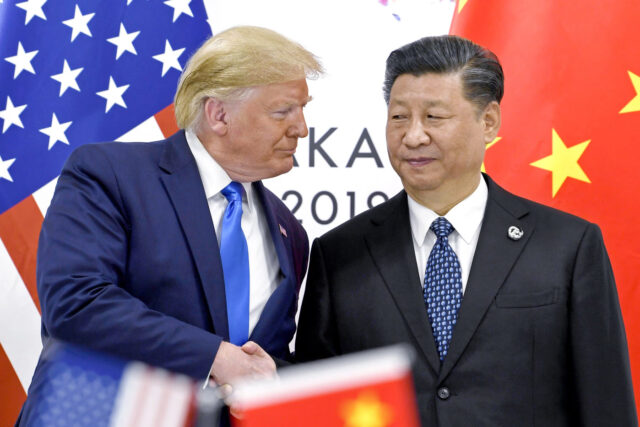
The United States and China are planning a high-stakes summit in June 2025, potentially marking a turning point in diplomatic relations between the two superpowers. Dubbed the “birthday summit”—as it coincides with Chinese President Xi Jinping’s 72nd birthday—the meeting with U.S. President Donald Trump is expected to address escalating trade tensions, geopolitical competition, and economic cooperation.
Background: Escalating Trade War
The upcoming summit follows a series of tit-for-tat economic measures that have strained U.S.-China relations. On March 4, the Trump administration raised tariffs on Chinese imports to 20%, citing concerns over unfair trade practices and intellectual property theft. In response, China imposed a 15% tax on key American agricultural products, including chicken, pork, soybeans, and beef.
The economic fallout has been significant. U.S. farm exports to China have plummeted, dropping from a record high of $38 billion in 2022 to just $25 billion in 2024. The decline has accelerated in 2025, with a staggering 56% year-over-year drop in January alone. Farmers and businesses across the United States are feeling the pinch, increasing pressure on Washington to negotiate better trade terms.
What’s at Stake?
Both nations have much to gain—or lose—depending on the outcome of the summit. For China, stabilizing trade relations with the U.S. is crucial as it faces slowing economic growth and weakened global demand. Meanwhile, the Trump administration is eager to reduce the impact of retaliatory tariffs on American farmers and manufacturers while maintaining a tough stance on China’s trade policies.
Beyond economics, the summit is expected to cover broader geopolitical concerns, including:
Taiwan: Tensions over U.S. support for Taiwan remain a major sticking point.
Technology & AI: Restrictions on semiconductor exports and China’s push for self-sufficiency in key technologies will likely be discussed.
South China Sea: Continued maritime disputes could feature prominently on the agenda.
Can the Summit Deliver?
While past meetings between Trump and Xi have led to temporary ceasefires in the trade war, lasting agreements have been elusive. Analysts remain skeptical about whether this summit will yield concrete results, but both leaders have incentives to de-escalate tensions. For Trump, securing a trade win could bolster his administration’s economic credentials ahead of the 2026 midterm elections. For Xi, stabilizing relations with the U.S. could help navigate China’s economic challenges and maintain domestic stability.
With economic stakes at an all-time high and global markets watching closely, the world will be waiting to see if the Trump-Xi summit in June can pave the way for a new chapter in U.S.-China relations.
The CHIPS and Science Act, a landmark $52.7 billion initiative aimed at bolstering U.S. semiconductor production, is facing a new challenge as former President Donald Trump has proposed its cancellation. The move has sparked a heated debate in Washington, with concerns over economic and national security implications.
A Critical Investment in U.S. Technology
Passed with bipartisan support in 2022, the CHIPS Act was designed to reduce America’s reliance on foreign semiconductor manufacturing, particularly from China and Taiwan. The initiative has already allocated $30.6 billion in grants to 19 semiconductor companies, with the expectation of creating approximately 145,000 jobs in the U.S. semiconductor industry. These investments are seen as crucial to maintaining technological leadership and ensuring a stable supply of chips for industries ranging from defense to consumer electronics.
Trump’s Call for Repeal and Its Political Fallout
During a recent campaign event, Trump announced his intention to cancel CHIPS Act funding if re-elected, citing concerns over government spending and skepticism about its effectiveness in revitalizing domestic manufacturing. However, repealing the act would require congressional approval, a move that could prove unpopular among Republicans, many of whom represent states benefiting from the funding.
Several Republican senators have expressed surprise and concern over Trump’s comments, highlighting their previous support for the legislation. The act received bipartisan approval in 2022, with 24 House Republicans voting in favor. Many lawmakers argue that rolling back the funding could undermine years of effort to strengthen America’s semiconductor industry and counter China’s dominance in the sector.
Economic and Legal Ramifications
A repeal of the CHIPS Act could have far-reaching economic consequences. With billions already allocated and projects underway, many semiconductor companies could face significant financial uncertainty. Experts warn that rescinding funding may not only halt production expansion but also lead to potential lawsuits from companies that have already made substantial investments based on promised government support.
Additionally, international competitors, particularly in Asia and Europe, have been aggressively investing in their semiconductor industries. Scaling back U.S. investments could place the country at a disadvantage in a critical global market.
Industry Response and National Security Concerns
The semiconductor industry has largely supported the CHIPS Act, viewing it as essential for securing a robust domestic supply chain. Industry leaders argue that reducing dependence on foreign chipmakers is a national security priority, particularly as geopolitical tensions continue to rise. Many defense systems rely on advanced semiconductors, making domestic production a strategic necessity.
What’s Next?
Trump’s proposal has added uncertainty to the future of U.S. semiconductor policy. While it remains to be seen whether Congress would support a repeal, the debate underscores the broader discussion about the role of government incentives in fostering technological innovation.
With the semiconductor industry at a crossroads, policymakers will need to weigh the economic benefits of continued investment against concerns over federal spending. hangs in the balance. The outcome of this legislative battle will shape America’s position in the tech industry for years to come.
Researchers have unveiled a next-generation CAR-T cell therapy known as ALA-CART, designed to enhance the immune system’s ability to target and eliminate resistant cancer cells. This innovative approach holds significant promise, particularly for patients battling acute lymphocytic leukemia (ALL), a form of blood cancer that remains difficult to treat with conventional methods.
What is ALA-CART?
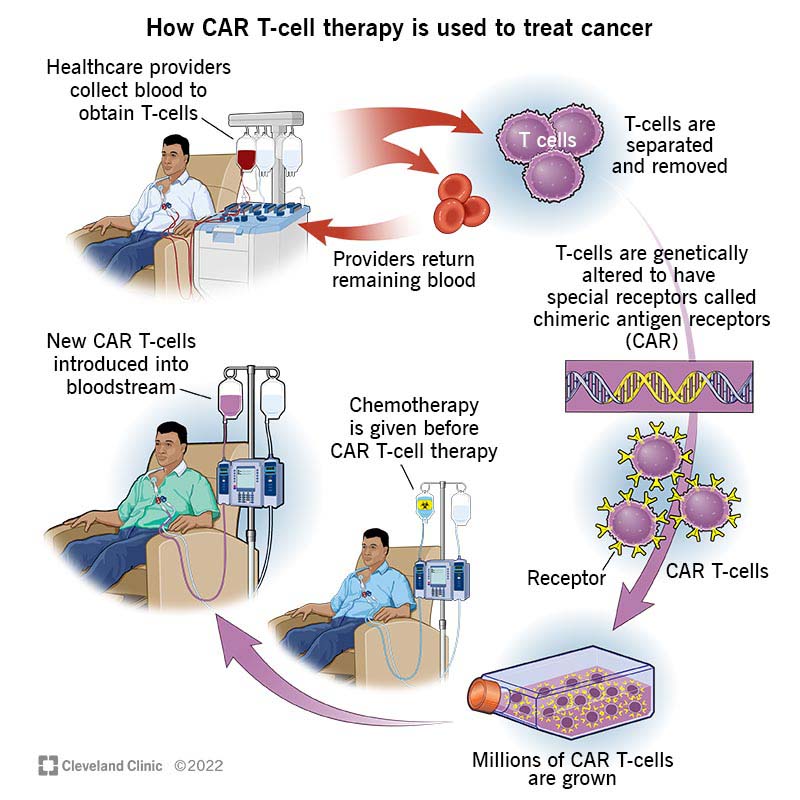
ALA-CART represents an advanced version of chimeric antigen receptor T-cell (CAR-T) therapy, which harnesses the body’s own immune cells to fight cancer. Traditional CAR-T therapy modifies a patient’s T-cells to recognize and attack cancer cells, but many tumors develop resistance, evading immune detection. ALA-CART improves T-cell effectiveness by enhancing their ability to detect and destroy cancer cells that conventional therapies often miss.
How Does ALA-CART Work?
The therapy works by engineering T-cells with improved targeting mechanisms, increasing their ability to find cancer cells that have evolved to escape immune surveillance. In preclinical studies using human T-cells and leukemia cells in mouse models, ALA-CART demonstrated superior effectiveness compared to existing CAR-T treatments.
Key advantages of ALA-CART include:
Enhanced Targeting: Increased precision in recognizing resistant cancer cells.
Longer-Lasting Results: Improved persistence of T-cells within the body, leading to sustained cancer-fighting activity.
Reduced Side Effects: Lower incidence of immune overreactions such as cytokine release syndrome (CRS), a common complication of CAR-T therapy.
Potential Applications Beyond ALL
While the initial focus of ALA-CART is on acute lymphocytic leukemia, researchers believe its potential extends to other challenging cancers. The research team aims to expand clinical applications to include:
Acute Myeloid Leukemia (AML): Another aggressive form of blood cancer that has proven resistant to many treatments.
Multiple Myeloma: A cancer of plasma cells that often relapses despite available therapies.
Next Steps: Clinical Trials on the Horizon
Encouraged by the promising preclinical results, researchers plan to initiate human clinical trials within the next two years. The trials will assess the safety and efficacy of ALA-CART in patients with refractory leukemia and other hard-to-treat cancers.
If successful, ALA-CART could revolutionize cancer immunotherapy, offering a more effective, longer-lasting, and safer alternative to current treatments. As advancements in CAR-T therapy continue, this breakthrough represents a significant step toward more personalized and precise cancer care, bringing hope to patients worldwide.
Ensuring The Lifelong Success of Each Student Is More Than Just A Motto
FROM THE OUTSIDE, THE BEAUTIFUL BRICK BUILDING ON LOUISIANA AVENUE IN BROOKLYN MAY LOOK LIKE A TYPICAL AREA SCHOOL, BUT IT IS WHAT TAKES PLACE INSIDE THE CLASSROOMS AT BE’ER HAGOLAH INSTITUTE THAT REALLY SETS THE SCHOOL APART.
Be’er Hagolah has become synonymous with educational excellence of a higher caliber. With an education system that is tailored to the individual needs of each student, every child is given the tools to be able to utilize his/her strengths and talents. Numerous enrichment courses, set on a solid bedrock of core learning, allows each child to prosper and thrive.
“Caring for and educating the children that are entrusted to us is a sacred mission,” Rabbi Mordechai German, dean of Be’er Hagolah, shares. “When parents enroll their child in Be’er Hagolah, that child becomes a part of the family, and all of us stand firmly committed to providing an excellent secular and Judaic education for each one of our students.”
In conjunction with their focus on providing an unparalleled education, Be’er Hagolah maintains a strong focus on ensuring that both the atmosphere and the curriculum at school are wholesome and safe, so that young minds can thrive without any of the contemporary distractions that are so prevalent in many secular schools. Be’er Hagolah is known for its warm and protective environment, with separate boys and girls divisions, devoid of the influences and drama that have become insurmountable challenges to today’s adolescents. In addition, teaching the tenets of traditional Jewish values gives students a moral compass as they transition into adulthood. By keeping the classroom free of both ideological and physical pitfalls, children can reach their potential and grow into leaders of their communities and professions.
The results of Be’er Hagolah’s unwavering commitment is evident in its alumni. Graduates are accepted into the universities and colleges they aspired to be a part of, as they use the fundamentals learned in school to achieve success at whatever they set their minds to. Each graduating class includes students who enter medicine, dentistry, law, accounting, nursing, and many of the other prominent fields of employment. The focus on educational excellence and the timeless Jewish values became the springboard for so many of Be’er Hagolah’s alumni to chart a course of financial stability and spiritual contentment throughout their lives.
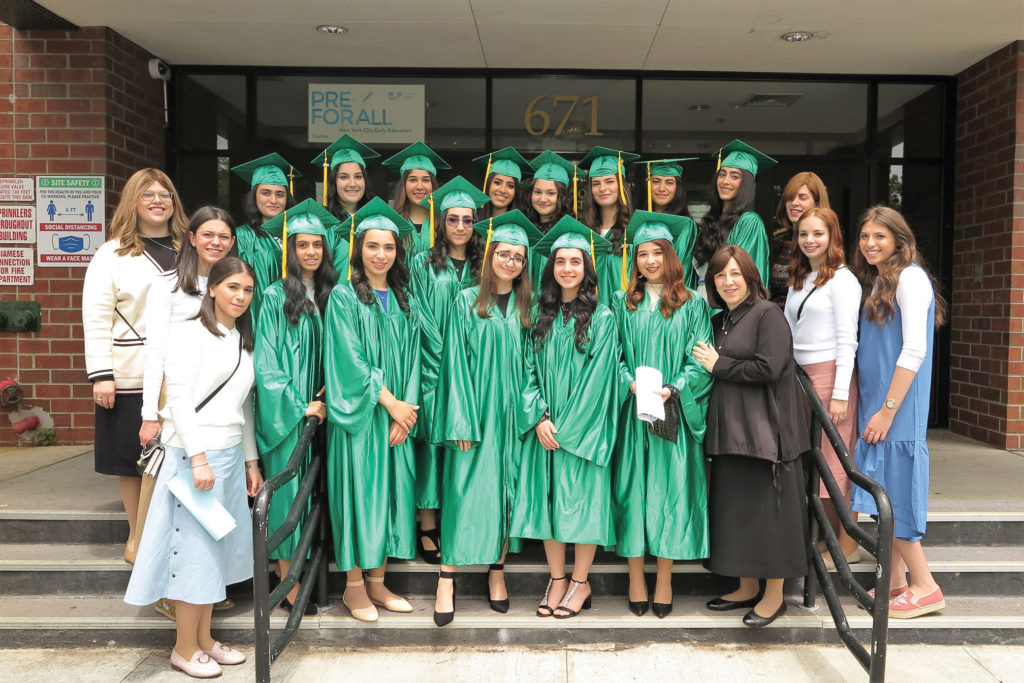
One such student is Leah Devorah Yegutkin, who graduated this year. She looks back on her years in Be’er Hagolah with pride, regarding her teachers as more than just mentors, but as family. They stood by her throughout her journey, always there for her in every way, and she always felt comfortable asking them for help when she needed it. She is prepared to go to college and make a career, and she feels happy, alive, connected to her heritage, and excited to move on to the next stage in life. The many college credits she accrued through Be’er Hagolah’s high-caliber education programs will give her a head start with her college education, and she feels poised for success in her future endeavors.
She’s a product of Be’er Hagolah, and she wears that label with distinction. She, and the many others like her, stand ready to make their mark on the world.
“From the day a child enters kindergarten, I consider it my personal mission to ensure their lifelong success,” Rabbi German asserts. “We take achrayut (responsibility) – for every student, for the education and wellbeing of each one. Our faculty members are extremely devoted to the students, caring for them throughout their formative years and helping them get into the best colleges and universities when they graduate.”
Despite the exorbitant costs of providing a top-tier education, Rabbi German is hesitant to pass along the financial burden to parents, so the school exerts much effort to try to defray the cost as much as possible. A team of devoted fundraisers, led by Rabbi Zvi Belsky, work diligently to find generous donors who are willing to invest in the educational future of members of their community, thereby allowing parents to pay only a fraction of the price usually paid for education of that caliber.
“Thanks to our gracious donors, we have the flexibility to work with parents and ascertain a tuition cost that is within their means,” notes Director of Financial Aid & Tuition at Be’er Hagolah, Rabbi Dovid.
Be’er Hagolah has been at the forefront of Jewish education for more than 40 years, but as a new group of eager kindergarten students enter the halls for the first time, the school’s unwavering commitment to their success is still front and center.
“Be’er Hagolah is a place where true chinuch takes place,” says Rav Dovid Yosef, son of Chacham Rav Ovadia Yosef zt”l, who is a member of the rabbinic board of Be’er Hagolah. “Only with care and devotion can one really educate a child for success. And Be’er Hagolah truly cares about each Jewish child.”
For more information or to register your child call 718-642-6800.
Russian forces have made significant territorial gains in the Kursk region, capturing three settlements—Malaya Lokhnya, Cherkasskoye Porechnoye, and Kositsa. This advancement is part of Russia’s efforts to reclaim territory lost to Ukraine in August 2024, when Ukrainian forces seized approximately 1,300 square kilometers (500 square miles) of Russian-controlled land during a surprise offensive.
Strategic Advances and Tactical Movements
Reports indicate that Russian special forces employed an unconventional approach by utilizing a gas pipeline to stealthily move into Ukrainian-held territory near Sudzha. According to military sources, Russian troops infiltrated approximately 15 kilometers (9 miles) inside the pipeline before launching a surprise attack. This tactic allowed them to bypass Ukrainian defensive positions and strike with minimal warning.
Encirclement and Resistance
Former Russian President Dmitry Medvedev has stated that Ukrainian forces in the region are now on the verge of being encircled. However, Ukrainian military officials dispute this claim, asserting that their troops have successfully repelled at least 15 Russian assaults in the past 48 hours. The intensity of the conflict suggests that Ukraine is mounting a strong resistance despite the recent Russian advances.
Military and Political Implications
The latest developments in Kursk could have significant military and political consequences for both nations. Russia’s ability to reclaim lost ground may boost morale among its forces and leadership, while Ukraine’s resilience in repelling attacks could galvanize international support. The ongoing battle for control in the region underscores the volatility of the conflict and the evolving nature of warfare on the eastern front.
Looking Ahead
As fighting continues, both Russian and Ukrainian forces are likely to intensify their efforts. The situation remains fluid, and further developments are expected in the coming days. The international community is closely monitoring the conflict, with analysts predicting that the outcome of these battles could shape the broader trajectory of the war.
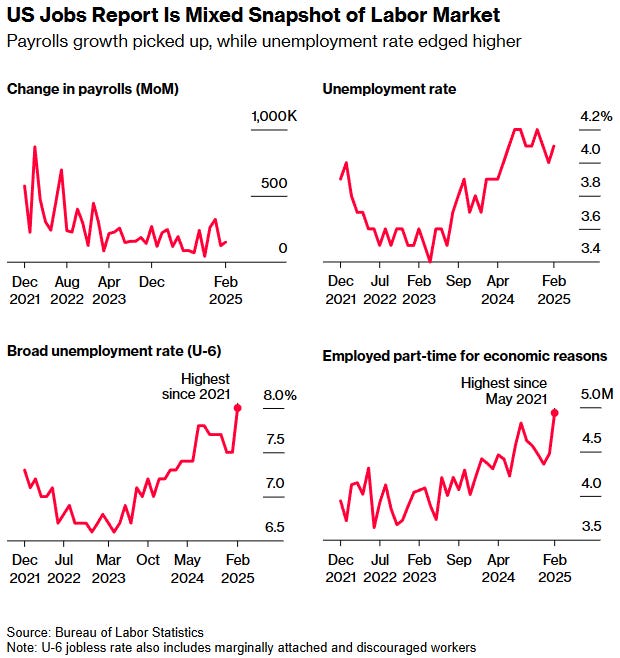
The U.S. labor market added 151,000 jobs in February, falling short of economists’ expectations of 160,000. This marks a slowdown in job growth compared to previous months, sparking discussions on the state of economic recovery and workforce dynamics.
Unemployment Rate Rises
The unemployment rate ticked up to 4.1%, a slight increase from January’s 4%. While the increase remains modest, it reflects a trend that could impact consumer confidence and spending. Compared to the first two months of the previous year, this marks a 19% decline in employment growth.
Sectoral Trends: Federal Job Cuts and Wage Growth
One of the notable shifts in February was the decline in federal government employment, which saw a reduction of 10,000 jobs. This decline comes amid budgetary adjustments and restructuring within various federal agencies. In contrast, the private sector continued to expand, although at a slower pace than earlier in the recovery period.
Despite the slowdown in job growth, average hourly earnings increased by 0.3% from January, contributing to a 4% rise on a year-over-year basis. Wage growth remains a critical indicator of economic stability, reflecting the balance between inflationary pressures and consumer purchasing power.
Declining Labor Force Participation
The labor force participation rate showed a concerning trend, with 546,000 individuals exiting the job market in February. This decline suggests a growing number of people are either retiring, facing barriers to re-entering the workforce, or opting out due to shifting economic conditions. A shrinking labor force can tighten the job market, potentially influencing future wage growth and hiring patterns.
Federal Reserve’s Outlook
Federal Reserve Chair Jerome Powell commented on the report, stating that the economy is “in a good place,” despite the mixed signals from job data. The Fed continues to monitor employment trends, wage growth, and inflationary pressures to determine future monetary policy adjustments. While the labor market remains resilient, policymakers may need to assess whether slowing job growth is a temporary fluctuation or a sign of broader economic cooling.
Conclusion
The February jobs report presents a nuanced picture of the U.S. economy. While job growth persists, the pace has slowed, and rising unemployment signals potential challenges ahead. The Federal Reserve and policymakers will likely continue to navigate these shifts carefully, balancing economic growth with inflation concerns. The coming months will be crucial in determining whether this slowdown is a temporary adjustment or part of a longer-term labor market trend.
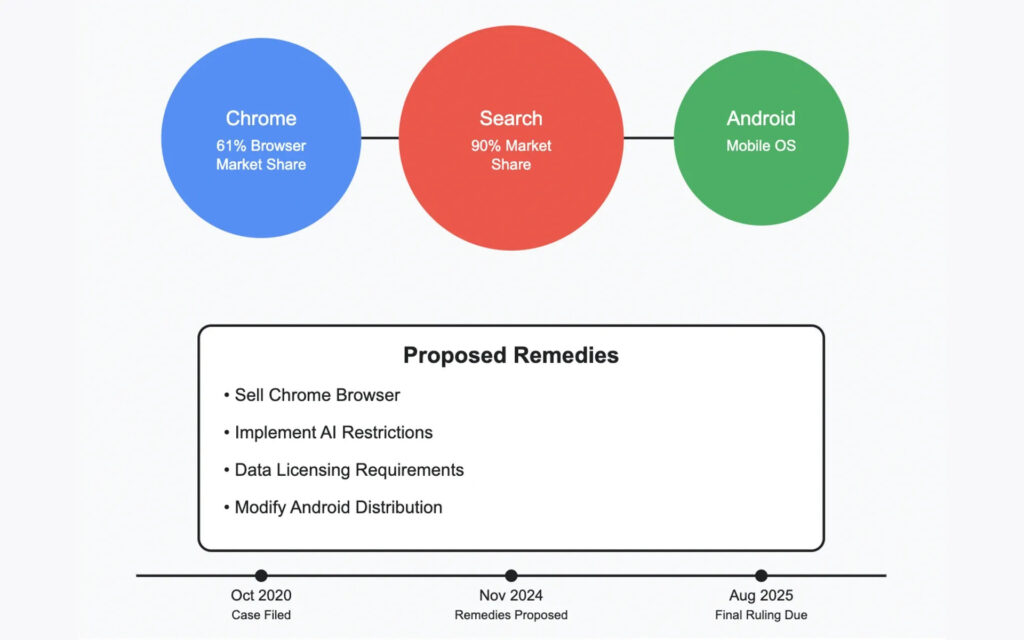
The United States Department of Justice (DOJ) has made significant adjustments to its antitrust case against Google, revising its initial demands while maintaining a strong stance on the tech giant’s search dominance.
Key Changes in the DOJ’s Approach
In a surprising move, the DOJ has dropped its requirement for Google to divest from its artificial intelligence (AI) investments, including its notable stake in Anthropic, an AI research company. This decision marks a shift in strategy, possibly reflecting the growing recognition of AI’s competitive and rapidly evolving landscape.
Despite this concession, the DOJ continues to press Google to divest from its Chrome web browser, citing concerns over the company’s alleged monopoly in search. The DOJ argues that Google’s control over Chrome allows it to reinforce its search engine’s dominance, making it difficult for competitors to gain a foothold in the market.
Google’s Response and Proposed Compromises
Google has strongly opposed the DOJ’s demand to sell Chrome, signaling its intent to appeal any ruling that mandates such a move. The company argues that Chrome’s integration with its search engine does not constitute an illegal monopoly, but rather an effort to provide users with a seamless browsing experience.
As an alternative, Google has proposed offering more flexibility in its default search engine agreements with major partners like Apple. Under this proposal, users would have greater freedom to choose their preferred search engine, potentially addressing some of the DOJ’s competition concerns without requiring a forced divestiture.
Additional Measures to Increase Competition
Beyond the divestiture demands, the DOJ has also introduced measures designed to prevent Google from further solidifying its market dominance. One such provision requires Google to notify the government before making future AI investments, ensuring regulatory oversight over its expanding influence in the AI sector. This move aligns with broader governmental efforts to regulate AI technologies and prevent tech giants from monopolizing the field.
Legal and Industry Implications
The upcoming trial, scheduled for April, will be presided over by U.S. District Judge Amit Mehta. The case has drawn significant attention, with a coalition of 38 state attorneys general and the Alphabet Workers Union-CWA expressing their support for stricter regulations on Google.
If the DOJ succeeds in enforcing its antitrust measures, it could set a precedent for how tech giants operate in both the search and AI markets. A forced divestiture of Chrome would represent one of the most aggressive antitrust actions in recent years, potentially reshaping the competitive landscape of the internet.
Conclusion
The DOJ’s modified approach to its antitrust case against Google reflects a balance between addressing monopolistic concerns and adapting to the complexities of AI investment. With Google preparing to fight back, the outcome of this legal battle will have lasting consequences for the tech industry and digital market competition.
As the trial date approaches, all eyes will be on Washington to see how this case unfolds and whether it will redefine the boundaries of competition in the digital era.
For decades, the X chromosome has fascinated geneticists, particularly because females carry two copies while males have only one. One of these X chromosomes in females is largely inactivated during development, a process known as X-inactivation. However, new research suggests that this so-called “silent” chromosome may not remain entirely dormant throughout life. In fact, aging appears to awaken specific genes on the inactive X chromosome, particularly in the hippocampus—the brain’s center for learning and memory. This revelation could have profound implications for understanding longevity, cognitive decline, and even neurodegenerative diseases.
The Unexpected Reactivation of Silent Genes
A recent study involving mice has shed light on the phenomenon of age-related gene reactivation. Researchers discovered that as female mice aged—reaching an equivalent of 65 human years—around 20 genes on their inactive X chromosome began to express themselves. This unexpected genetic reawakening suggests that the inactivation of the X chromosome is not as permanent as previously believed.
Among these reactivated genes, one in particular stood out: PLP1. This gene is responsible for producing proteolipid protein 1, a critical component in myelin production. Myelin is the insulating layer around nerve fibers that enhances the speed and efficiency of neural communication. The reactivation of PLP1 could help explain why women tend to experience slower cognitive decline and outlive men on average.
The Role of PLP1 in Cognitive Performance
To explore the significance of PLP1 further, researchers boosted its levels in both male and female mice. The results were striking—both groups exhibited marked improvements in cognitive performance. These findings align with previous studies on human brain tissue, which revealed that older women tend to have higher PLP1 expression than men. This could suggest a natural protective mechanism against age-related neurodegeneration, offering new insights into why women generally retain cognitive function for longer periods.
Implications for Human Health
This study opens up exciting avenues for research into aging and brain health. If scientists can find ways to stimulate PLP1 expression, particularly in individuals at risk for neurodegenerative diseases like Alzheimer’s, it could pave the way for new therapies. Additionally, the study challenges long-held assumptions about genetic silencing, suggesting that the X chromosome retains a latent power that emerges with age.
Looking Ahead: Future Research and Potential Therapies
The next steps in this field will involve understanding what triggers the reactivation of X-linked genes in aging brains. Is it hormonal changes, environmental factors, or an intrinsic genetic clock? If researchers can pinpoint these mechanisms, it could lead to novel treatments aimed at enhancing cognitive resilience in both men and women.
Ultimately, the silent X chromosome is proving to be far more dynamic than once thought. As scientists continue to unlock its mysteries, we may one day harness its hidden power to combat cognitive decline and extend healthy brain function well into old age.
At the top of the sloping, green hill, the round castle looms dramatically against the sky. To the casual observer, the scene might just be another picturesque tourist attraction. But here at Clifford’s Tower in 1189, in York, England, a tragic, but little-known event in Jewish history took place.
It was the Third Crusade, and religious riots had broken out against the Jews of London, Lincoln and other cities across the country. In York, in the northern part of England, the entire Jewish population was attacked. In desperation, the city’s 500 Jews took refuge in the royal castle as they watched their homes pillaged by mobs, and their property looted.
In a significant trade policy decision, President Donald Trump has announced a temporary suspension of 25% tariffs on most imports from Mexico and Canada, extending the deadline until April 2. This pause applies to goods covered under the United States-Mexico-Canada Agreement (USMCA), though a 10% tariff on specific energy products remains in place.
Scope of the Tariff Suspension
Under the USMCA, nearly half of Mexican (50%) and Canadian (45%) exports to the U.S. entered duty-free in 2024. However, about 40% of imports from these neighboring countries do not fall within the trade agreement’s provisions, leaving them vulnerable to tariffs if the pause is lifted next month.
Trump’s Justification for Tariffs
The Trump administration has linked the tariffs to broader national security concerns, particularly efforts to combat illegal immigration and fentanyl trafficking. The President has emphasized that trade policies must align with the country’s security needs, using economic pressure to influence border security and drug enforcement measures.
Response from Canada and Mexico
The tariff decision has drawn mixed reactions from U.S. trading partners. In response, Ontario’s Premier Doug Ford announced a 25% electricity export tax on power supplied to New York and Michigan, a move that could signal further economic retaliation if tariffs are reinstated in April.
Mexican officials have yet to announce any countermeasures but have urged continued dialogue to ensure stable trade relations. Industry leaders in both countries have warned that prolonged tariff uncertainty could disrupt supply chains and raise costs for consumers.
Looking Ahead
As the April 2 deadline approaches, businesses and policymakers will closely monitor the administration’s stance on trade with its North American partners. The decision to reinstate or further delay tariffs could have significant implications for regional economies and diplomatic relations.
For now, the temporary reprieve provides a brief window of stability—but uncertainty looms on the horizon.