Tesla has issued a massive recall affecting 46,100 Cybertrucks produced between November 13, 2023, and February 27, 2025, following a safety warning from the National Highway Traffic Safety Administration (NHTSA). The recall is prompted by a faulty stainless steel trim panel that can detach while driving, creating a potential hazard for other motorists.
The Issue: Loose Trim Panels
According to NHTSA’s report, the adhesive securing the cant rail trim panels is prone to environmental embrittlement, meaning temperature changes and weather conditions can weaken the bond, causing the panel to loosen or detach. Tesla has received 151 warranty claims related to the issue, but no injuries or crashes have been reported so far.
Tesla’s Response and Fix
To resolve the problem, Tesla will reinforce the affected trim panels with a stronger adhesive and a more secure assembly. Owners will be notified and can schedule a free repair at Tesla service centers.
What Cybertruck Owners Should Do
If you own a 2023-2025 Cybertruck, check Tesla’s recall website or the NHTSA database for recall details. Tesla service centers will conduct free repairs to ensure vehicles meet safety standards.
This recall highlights the challenges of Tesla’s stainless steel design and the importance of quality control in high-performance electric vehicles. Stay tuned for further updates on Cybertruck safety and reliability!
For decades, scientists believed that infants have limited memory retention due to infantile amnesia—the inability to recall early-life experiences. However, groundbreaking research now suggests that infants as young as 12 months can encode and store memories, challenging previous assumptions about brain development in early childhood.
The Study: How Infants Form Memories
A team of researchers conducted an experiment involving 26 infants between the ages of 4 to 25 months. During the study, the babies were shown a series of images while undergoing functional magnetic resonance imaging (fMRI) to track brain activity.
Key Findings:
Infants older than 12 months displayed significant activity in the hippocampus, a brain region essential for memory formation.
This activity suggests that infants can encode and store memories, even if they later struggle to retrieve them.
Younger infants (under 12 months) showed less hippocampal engagement, suggesting that memory encoding develops over time.
Why Don’t We Remember Our Infancy?
While infants can form memories, retrieving them later in life is difficult due to the rapid restructuring of neural pathways in early childhood. As the brain matures, the way memories are stored and accessed evolves, making early experiences inaccessible in adulthood.
This study offers a new perspective on early brain development, with implications for understanding learning, cognitive growth, and even disorders affecting memory retention in later life.
Could these findings revolutionize our understanding of early childhood learning and memory? Read more to explore the science behind infant memory.
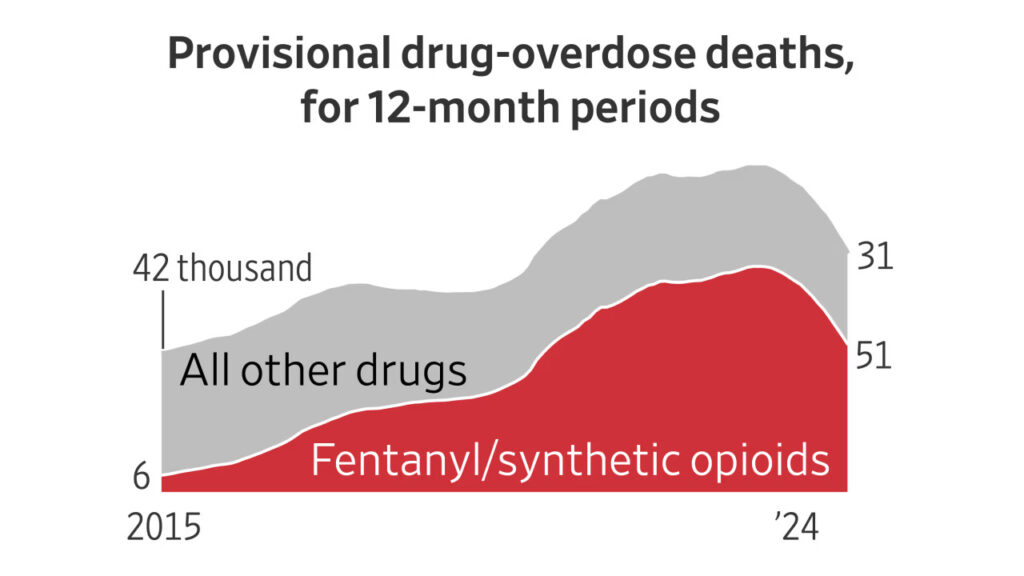
The United States has witnessed a significant decline in drug overdose deaths, marking a potential turning point in the ongoing opioid crisis. According to recent data, from October 2023 to October 2024, drug overdose fatalities dropped by 24%, with approximately 87,000 deaths recorded—a stark improvement from previous years. This decline equates to an estimated 70 lives saved each day.
Key Factors Driving the Decline
1. Decrease in Synthetic Opioid Fatalities
One of the most notable shifts is the reduced number of deaths involving synthetic opioids, particularly fentanyl. While fentanyl has been a major contributor to overdose deaths in the past decade, efforts to curb its impact are showing promising results. Increased public awareness, targeted law enforcement actions, and advancements in substance monitoring have contributed to this downward trend.
2. Expanded Access to Naloxone
The widespread distribution of naloxone, a life-saving overdose reversal drug, has played a crucial role in reducing fatalities. Federal and state initiatives have made naloxone more accessible to first responders, community organizations, and even individuals at risk of overdose. By quickly reversing the effects of opioid overdoses, naloxone has saved thousands of lives across the country.
3. Improved Treatment Availability
Access to effective treatment options such as methadone and buprenorphine has significantly improved. These medications, part of Medication-Assisted Treatment (MAT), help individuals struggling with opioid addiction by reducing cravings and withdrawal symptoms. Increased federal funding and policy changes have expanded access to these treatments, particularly in underserved areas.
4. Shifts in Drug Supply and Usage Trends
Analysts have observed changes in the illicit drug market, with some users opting for less potent substances. This shift may be due to increased education on the dangers of fentanyl-laced drugs, as well as efforts to regulate and intercept illicit drug supplies before they reach communities.
Regional Impact and Nationwide Trends
Data indicates that 45 states reported a reduction in overdose deaths, highlighting the effectiveness of nationwide efforts to combat the crisis. However, despite this positive trend, drug overdose remains the leading cause of death for Americans aged 18 to 44. This underscores the importance of continued investment in prevention, treatment, and harm reduction strategies.
Challenges and the Road Ahead
While the recent decline in overdose deaths is encouraging, experts caution that sustained efforts are necessary to maintain and further this progress. Challenges remain, including the emergence of new synthetic drugs, barriers to treatment access in rural areas, and the need for ongoing education and prevention programs.
The Biden administration, public health agencies, and community organizations continue to push for long-term solutions, focusing on a comprehensive approach that includes stricter regulations on illicit drug distribution, enhanced mental health support, and expanded harm reduction strategies.
Conclusion
The 24% drop in US drug overdose deaths marks a hopeful shift in the fight against the opioid epidemic. With continued efforts in harm reduction, treatment accessibility, and public awareness, the nation may be on the path to a sustained decline in overdose fatalities. However, ongoing vigilance and proactive policies will be essential to ensure that these gains are not temporary, but rather a lasting step toward overcoming the crisis.
The European Union has unveiled an ambitious defense initiative aimed at mobilizing up to €800 billion for military spending, marking one of the most significant shifts in European defense policy in recent history. This move signals the bloc’s intent to strengthen its military capabilities amid growing geopolitical tensions and increasing security concerns.
Key Aspects of the Defense Plan
“Buy European” Mandate
At the core of the EU’s defense strategy is a “Buy European” policy, ensuring that 65% of defense project components must be sourced from within the EU or Ukraine. This initiative aims to reduce reliance on foreign suppliers, boost Europe’s military-industrial complex, and support Ukraine amid its ongoing war with Russia.
€150 Billion in Joint Procurement Loans
The plan includes €150 billion in loans available to EU member states for joint procurement of defense materials. This initiative is designed to encourage collaboration among European nations, streamline military acquisitions, and foster a more integrated defense strategy across the continent.
Exclusion of the US and UK
Notably, the United States and the United Kingdom are excluded from the partnership for now. This decision underscores the EU’s determination to establish strategic autonomy in defense production and procurement, reducing reliance on non-EU allies.
Increased Military Spending Beyond Budget Limits
To accelerate military investments, the EU is encouraging member states to exceed current budget limits by 1.5% of GDP for a period of four years. This temporary adjustment would allow European countries to boost their defense capabilities while maintaining financial stability.
Implications for Europe’s Security and Defense Industry
Strengthened European Defense: By increasing military spending and prioritizing domestic production, the EU seeks to enhance its collective security and reduce dependency on foreign powers.
Boost to European Defense Industry: The initiative provides a significant economic stimulus for European arms manufacturers, fostering technological innovation and job creation within the sector.
Support for Ukraine: The inclusion of Ukrainian defense companies in the procurement framework signals ongoing EU support for Ukraine in its conflict with Russia.
Strained Relations with Non-EU Allies: The exclusion of the US and UK from procurement opportunities could create diplomatic tensions, potentially impacting transatlantic defense cooperation.
Conclusion
The EU’s €800 billion defense initiative represents a historic shift in European military strategy. By emphasizing self-sufficiency, joint procurement, and increased defense spending, the bloc aims to reinforce its strategic autonomy and collective security. While the plan presents opportunities for economic and military strengthening, it also raises geopolitical questions about the future of EU-NATO relations and the broader global defense landscape.
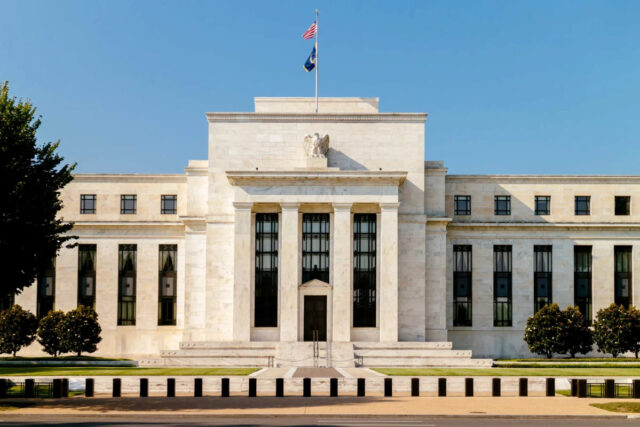
The Federal Reserve has opted to maintain its benchmark interest rates unchanged at 4.25%-4.50%, signaling a cautious approach as inflation pressures persist. The decision reflects ongoing concerns about economic growth, unemployment, and financial stability in the face of uncertain market conditions.
Inflation Projections Rise
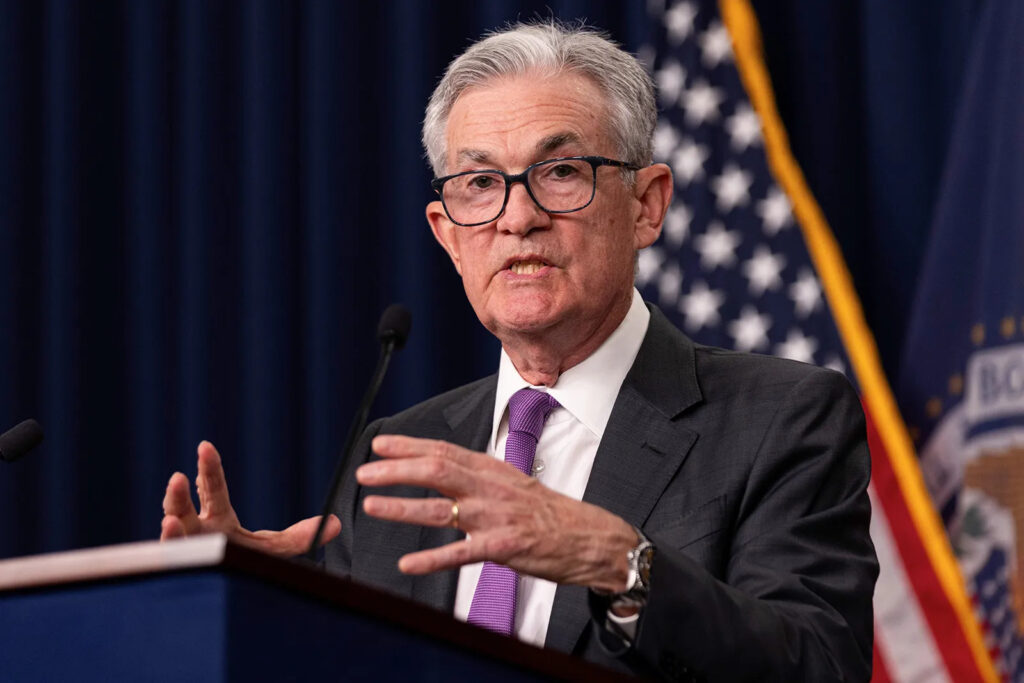
Fed Chair Jerome Powell acknowledged that inflation remains elevated, prompting an upward revision in inflation forecasts for 2025 from 2.5% to 2.7%. The central bank continues to target a long-term inflation rate of 2%, but Powell warned that external factors, such as tariff policies and supply chain disruptions, could slow progress toward that goal.
Economic Growth and Unemployment Outlook
The Fed downgraded its 2025 GDP growth forecast from 2.1% to 1.7%, suggesting a slowing economy. Simultaneously, unemployment is expected to rise from 4.1% to 4.4% by the end of the year. This modest increase indicates potential labor market cooling, which the Fed views as necessary to ease wage-driven inflation pressures.
Rate Cuts Expected, But Timing Uncertain
Despite keeping rates steady, Powell indicated that the Fed still expects to implement two rate cuts by the end of 2025. However, he cautioned that these adjustments will depend on economic data, labor market conditions, and inflation trends. Investors and policymakers will closely watch upcoming inflation reports and job market indicators to gauge when the Fed might start easing rates.
Balance Sheet Reduction Slows
In an additional move, the Fed announced it will slow the pace of its balance sheet reductions. Instead of allowing $25 billion in Treasury securities to mature monthly, the central bank will now allow only $5 billion, aiming to stabilize long-term interest rates and support economic growth.
Market Reactions and Future Implications
The decision to pause rate changes comes as financial markets remain volatile. Investors have been anticipating rate cuts, but Powell’s cautious tone suggests the Fed is prioritizing inflation control over immediate economic stimulus. The policy outlook will likely remain data-dependent, with the Fed ready to adjust its strategy based on inflation reports, employment figures, and global economic trends.
As 2025 unfolds, businesses, investors, and consumers will be closely watching the Fed’s next moves. The balance between economic growth, inflation management, and financial stability will shape interest rate policies in the months ahead.
The AI Infrastructure Partnership (AIP) is taking a massive leap forward as Elon Musk’s xAI and Nvidia officially join forces with Microsoft, BlackRock, and MGX in a groundbreaking collaboration. This expanded alliance aims to revolutionize AI infrastructure by investing a staggering $100 billion into the development of next-generation data centers and energy solutions across the United States.
A $100 Billion Bet on AI’s Future
The partnership is focused on tackling the surging demands of artificial intelligence, requiring powerful computing resources, energy-efficient infrastructure, and cutting-edge data centers. The investment will be channeled into: ✅ Next-Gen AI Data Centers – High-performance computing hubs designed to handle the growing AI workload. ✅ Sustainable Energy Solutions – BlackRock’s Global Infrastructure Partners, GE Vernova, and NextEra Energy will spearhead initiatives in renewable energy, nuclear power, and battery storage to support AI-driven facilities. ✅ Advanced Semiconductor Technology – Nvidia will contribute its industry-leading AI chips and computing power to accelerate AI advancements.
A Transformative Shift in the AI Landscape
Industry leaders stress that AI’s rapid evolution is reshaping entire sectors, from healthcare and finance to automation and cybersecurity. Nvidia CEO Jensen Huang, Microsoft CEO Satya Nadella, and BlackRock CEO Larry Fink highlighted the critical role of AI infrastructure in shaping the future global economy.
This ambitious investment will not only drive innovation but also boost job creation, economic growth, and US competitiveness in the global AI race.
The Road Ahead
With AI adoption skyrocketing, data centers must scale up at an unprecedented pace. By aligning cutting-edge AI technology with sustainable energy solutions, the AI Infrastructure Partnership aims to build the backbone of future industries while ensuring energy efficiency and environmental responsibility.
Slush drinks are a favorite treat among children, offering a refreshing, icy burst of flavor on hot days. However, new research from Ireland and the UK has uncovered serious health risks associated with these colorful beverages. A study investigating 21 cases of children falling ill after drinking slushies has raised alarms among health experts and parents alike.
A Startling Pattern of Illness
The study found that 93% of the affected children became sick within an hour of consuming a slushy. Their symptoms ranged from mild to severe, with hypoglycemia (low blood sugar) occurring in 95% of cases and reduced consciousness in 94% of cases. Many also showed signs of metabolic acidosis, a condition where the body produces too much acid, disrupting normal bodily functions.
Each of the children required emergency medical intervention, including IV glucose treatment, to stabilize their condition. The rapid onset of symptoms and the severity of their reactions suggest a direct link between slushie consumption and these alarming health effects.
The Hidden Culprit: Glycerol Intoxication Syndrome
One of the key findings of the study was the role of glycerol, a common ingredient in slushies used to prevent ice crystallization and enhance texture. Researchers identified that excessive consumption of glycerol in young children can lead to “glycerol intoxication syndrome,” a condition previously rare but now directly associated with slushie drinks.
Glycerol, while generally recognized as safe in small amounts, can have adverse effects on young children, particularly those with lower body weights. When consumed in large quantities, it disrupts glucose metabolism, lowers blood sugar levels, and affects brain function, leading to symptoms such as confusion, dizziness, and loss of consciousness.
Who Is at Risk?
Medical experts warn that certain groups of children are particularly vulnerable to the effects of glycerol in slush drinks:
Children under four years old: Due to their smaller body size and lower ability to metabolize excess glycerol, they face the highest risk.
Kids between five and ten years old: While less vulnerable, excessive slushie consumption can still cause health complications, particularly in those with underlying conditions such as diabetes or metabolic disorders.
Recommendations for Parents and Schools
Given these findings, doctors and public health officials recommend the following precautions:
Children under four should avoid slush drinks entirely.
Kids aged five to ten should consume no more than one slush per day.
Parents should be aware of the symptoms of glycerol intoxication, including dizziness, confusion, nausea, and extreme fatigue.
Schools and daycare centers should limit access to slushies and educate staff on the potential risks.
The Need for Stricter Regulations
As concerns grow, there are calls for tighter regulations on the sale and marketing of slush drinks to children. Health advocates argue that manufacturers should be required to clearly label the glycerol content and provide warnings about potential health risks for young consumers.
Additionally, governments may consider setting limits on the amount of glycerol allowed in children’s beverages, much like existing restrictions on caffeine and artificial sweeteners.
Conclusion: A Wake-Up Call for Parents and Policymakers
The research on slush drink-related illnesses is a stark reminder that even seemingly harmless treats can pose unexpected dangers. While slushies may remain a popular summer refreshment, parents should be mindful of their children’s consumption and recognize the signs of glycerol intoxication.
With increased awareness and possible regulatory changes, the goal is to ensure that kids can enjoy their favorite frozen drinks without risking their health.
In a high-stakes diplomatic move, President Donald Trump and Russian President Vladimir Putin have reached a partial ceasefire agreement, focusing specifically on halting attacks on Ukraine’s energy infrastructure for the next 30 days. The agreement marks a significant but limited step in addressing the ongoing war in Ukraine, with major points of contention still unresolved.
Key Terms of the Agreement
The ceasefire agreement between Trump and Putin includes:
✅ A 30-day halt on strikes targeting Ukraine’s energy grid, including power plants, substations, and oil depots. This aims to prevent further blackouts and humanitarian crises as Ukraine battles harsh winter conditions.
❌ No agreement on a broader 30-day ceasefire, despite US and Ukrainian efforts to secure a temporary pause in hostilities. Putin refused to endorse a full ceasefire, maintaining that Ukraine must first stop receiving foreign military aid.
🔄 A planned exchange of 175 prisoners of war, expected to take place today. This marks one of the largest swaps between the two sides in recent months.
🌊 Future talks on a maritime ceasefire in the Black Sea, a vital trade route for both Ukraine and Russia. The negotiations could determine safe passage for grain exports and commercial shipping.
Ukraine’s Response
Ukrainian President Volodymyr Zelenskyy acknowledged the energy ceasefire as a positive step but firmly rejected Putin’s demand to halt foreign military aid. “Ukraine will not negotiate under pressure,” Zelenskyy stated, reaffirming his country’s reliance on Western support to counter Russian advances.
Western allies, including the United States and NATO members, have also dismissed Russia’s demand, calling it an unrealistic precondition that would leave Ukraine vulnerable.
Geopolitical Implications
The agreement reflects Trump’s diplomatic strategy of direct negotiations with world leaders, seeking limited but tangible gains rather than comprehensive peace deals. His willingness to engage Putin contrasts sharply with previous US administrations, which focused on supporting Ukraine militarily rather than negotiating directly with Moscow.
However, Putin’s refusal to expand the ceasefire beyond energy infrastructure suggests that Russia is not prepared to make major concessions. The Kremlin continues to push for conditions that weaken Ukraine’s defense capabilities, while using temporary agreements to ease international pressure.
Meanwhile, European leaders are discussing the possibility of deploying peacekeepers to monitor ceasefire violations and ensure stability, though such a move could escalate tensions with Russia.
What Comes Next?
✅ Monitoring of the ceasefire agreement to determine whether Russia abides by the 30-day pause on energy strikes.
✅ Execution of the prisoner exchange, which could serve as a trust-building measure for future negotiations.
✅ Further discussions on a potential Black Sea ceasefire, which could impact global food markets due to Ukraine’s key role in grain exports.
✅ Continued Western military aid to Ukraine, despite Russian objections.
Conclusion
While the partial ceasefire offers temporary relief, it is far from a lasting solution to the war. With Putin standing firm on territorial demands and Ukraine refusing to compromise on military support, the path to broader peace remains uncertain. The coming weeks will reveal whether this limited agreement paves the way for further negotiations—or simply serves as another short-term truce in a prolonged conflict.
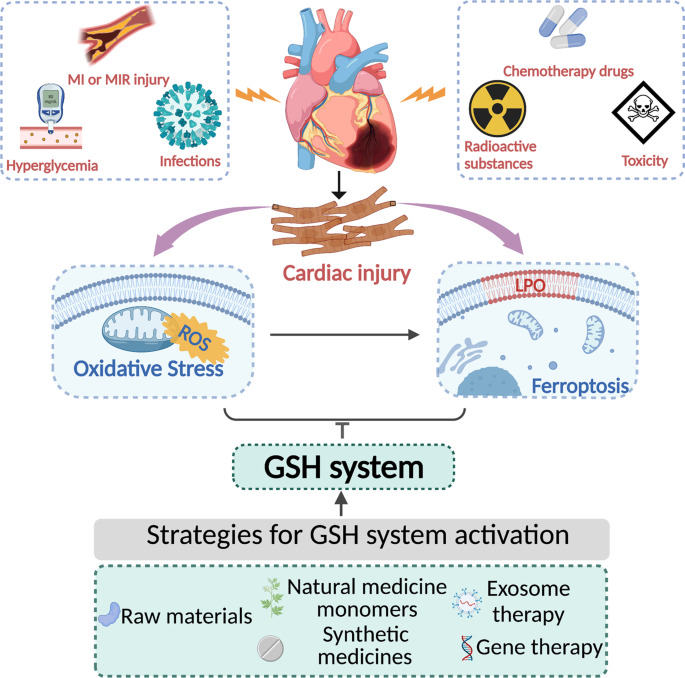
Heart failure remains one of the leading causes of death worldwide, with ischemic heart disease being a primary contributor. However, new research suggests that oxidized glutathione (GSSG) could provide a novel protective mechanism for heart tissue, potentially paving the way for groundbreaking therapies.
How GSSG Protects the Heart
GSSG plays a crucial role in preventing ischemic sulfide catabolism, a process linked to heart failure. Researchers discovered that GSSG modifies dynamin-related protein 1 (Drp1) at cysteine 644, triggering S-glutathionylation—a key biochemical reaction that helps maintain mitochondrial health.
One of the biggest challenges in heart failure is mitochondrial dysfunction, which leads to excessive fragmentation, known as mitochondrial hyperfission. This phenomenon accelerates cellular aging (senescence) and tissue damage after periods of low oxygen (hypoxia). GSSG appears to counteract this process by inhibiting Drp1-mediated mitochondrial hyperfission, thereby improving overall myocardial function.
Why This Matters
Prevents Mitochondrial Breakdown: By stabilizing mitochondria, GSSG helps heart cells resist damage from oxygen deprivation.
Supports Energy Production: Healthy mitochondria maintain ATP levels, crucial for sustaining heart function.
Reduces Cell Death: GSSG’s modification of Drp1 reduces excessive mitochondrial fragmentation, lowering the risk of heart cell loss.
Future Implications
The findings suggest that GSSG-based therapies could be a game-changer for ischemic heart failure patients, offering an alternative to current treatments that primarily manage symptoms rather than addressing the root cause of mitochondrial dysfunction.
With ongoing research into how GSSG enhances resilience against hypoxic stress, scientists are optimistic about its therapeutic potential. Could this be the key to preventing heart failure progression? Stay tuned as this exciting field of cardiology continues to evolve.
The US economy witnessed significant growth in both homebuilding and manufacturing in February, reflecting a strong rebound after winter disruptions.
Housing Market Sees a Surge in Construction
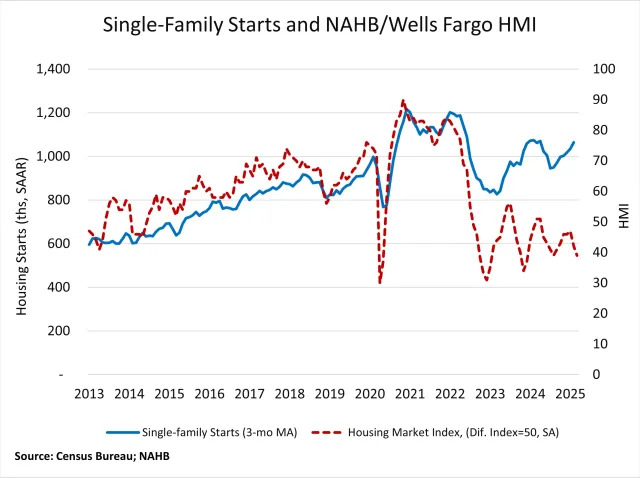
Single-family housing starts soared 11.4% to a seasonally adjusted 1.108 million units, marking a robust recovery from previous weather-related slowdowns. The Northeast and South, which had experienced construction setbacks due to harsh winter conditions, led the resurgence.
Despite the uptick in housing starts, building permits—a key indicator of future construction—fell slightly by 0.2% to an annualized rate of 992,000 units. This suggests potential challenges ahead in the housing sector, including rising interest rates and material costs.
Manufacturing Sees Strong Growth, Driven by Auto Industry
Manufacturing output increased 0.9%, with the auto sector playing a crucial role. Motor vehicle production spiked by 8.5%, reflecting strong consumer demand and supply chain improvements.
On a year-over-year basis, factory production rose by 0.7%, reinforcing the steady recovery of the sector. Overall, manufacturing accounts for 10.3% of the US economy, making this growth a crucial driver of economic stability.
What This Means for the Economy
The February surge in home construction and manufacturing highlights resilience in key economic sectors. However, challenges such as supply chain issues, fluctuating interest rates, and policy shifts could influence future trends.
Economists will closely monitor whether this momentum continues into spring, shaping expectations for GDP growth, job creation, and inflation trends in the coming months.
After an unexpected 286-day mission, NASA astronauts Butch Wilmore and Suni Williams have finally returned to Earth. Originally set for just eight days, their journey aboard the International Space Station (ISS) became an extended stay due to persistent technical failures in Boeing’s Starliner spacecraft.
A Mission That Took an Unexpected Turn
Wilmore and Williams launched on June 5, 2024, aboard the Boeing Starliner for what was meant to be a short-duration test flight. However, due to multiple malfunctions and safety concerns, their return was continuously delayed. NASA and Boeing engineers worked tirelessly to diagnose and fix propulsion and thruster issues, but ultimately, Starliner was deemed unfit for the astronauts’ return journey.
As a result, NASA made the unprecedented decision to transfer the astronauts to a SpaceX Dragon capsule, a move that showcased the increasing reliability of SpaceX’s technology in comparison to Boeing’s troubled Starliner program.
A Safe Return to Earth
On re-entry, the SpaceX capsule successfully splashed down off Florida’s Gulf Coast at 5:57 PM ET, marking the conclusion of an unexpectedly extended mission. Recovery crews quickly retrieved the astronauts, who appeared in good health despite their prolonged time in microgravity.
What They Accomplished in 286 Days
During their nearly ten-month stay, Wilmore and Williams: 🚀 Completed 4,576 orbits around Earth 🌍 Traveled an astonishing 121 million miles (195 million kilometers) 🔬 Conducted numerous scientific experiments, including research on the effects of long-duration spaceflight on human health 🛠️ Performed critical maintenance and upgrades on the ISS
What’s Next?
NASA officials emphasized the importance of this mission for the future of commercial space travel. While Starliner’s technical failures raise concerns, the agency remains committed to diversifying spacecraft options for safe human spaceflight. Boeing, meanwhile, faces increased scrutiny and must address these engineering setbacks before Starliner can be used for future crewed missions.
As for Wilmore and Williams, they will now undergo post-flight medical evaluations and rehabilitation to readjust to Earth’s gravity. Despite the unexpected extension, their mission provides invaluable insights into the challenges of prolonged space travel.
Final Thoughts
Their safe return marks both a triumph for human resilience and a reminder of the complexities of space exploration. As NASA pushes toward its Artemis missions to the Moon and beyond, each mission—whether smooth or troubled—adds to the growing body of knowledge needed for humanity’s future in space.
Early Tuesday, Israel resumed airstrikes across Gaza, marking the collapse of the fragile ceasefire that had been in place. The renewed attacks targeted multiple locations, including Rafah, Khan Younis, and Gaza City.
Breakdown of Ceasefire Talks
The ceasefire ended after Hamas refused to release hostages, prompting Israeli Prime Minister Benjamin Netanyahu to order a renewed military offensive. Despite intensive diplomatic efforts to extend the truce, the deadlock persisted, leading to the resumption of hostilities.
The Hostage Crisis
One of the critical issues at the heart of the ceasefire collapse is the hostage situation. According to reports:
A total of 59 hostages remain in captivity.
Only 24 are believed to be alive.
Among them is one American soldier, Edan Alexander.
Israel has made it clear that securing the release of hostages remains a top priority, contributing to the decision to resume military action.
Expanding Military Operations
While the initial response involved airstrikes, the Israeli military has indicated that its offensive will expand beyond aerial bombardment. Ground operations could follow, further intensifying the conflict.
International Reactions and Humanitarian Concerns
The collapse of the ceasefire has raised alarms internationally. Humanitarian organizations warn of escalating civilian casualties and worsening conditions for Gaza’s residents. The United Nations and key global powers have called for renewed diplomatic efforts to prevent further bloodshed.
What’s Next?
As military operations continue to escalate, the likelihood of another ceasefire remains uncertain. With ongoing hostilities, hostage negotiations, and mounting international pressure, the situation in Gaza remains highly volatile.
Stay updated as new developments unfold in this escalating conflict.
President Donald Trump is set to engage in direct peace talks with Russian President Vladimir Putin today, as the world watches closely. With tensions between Russia and Ukraine persisting, Trump has emphasized that “a lot of work” was done over the weekend to lay the groundwork for these discussions.
The US Push for a Ceasefire
One of the key objectives of the meeting is the US proposal for a 30-day ceasefire in Ukraine. However, this proposal has already been rejected by Russia, which is pushing for a more permanent peace agreement. Moscow demands full control over 18% of Ukrainian territory, an area roughly the size of Virginia, which it currently occupies.
Territorial Disputes and Key Discussion Points
Ukraine’s Territorial Integrity: Russia insists on maintaining control over the occupied regions, while Ukraine remains firm on reclaiming its land.
Zaporizhzhia Nuclear Power Plant: The largest nuclear facility in Europe remains under Russian control, raising concerns over safety and energy security in the region.
European Peacekeeping Efforts: Should a ceasefire be agreed upon, European allies are prepared to deploy peacekeepers to monitor and enforce stability.
Global Reactions and Implications
The upcoming dialogue between Trump and Putin could set the tone for future diplomatic relations between the West and Russia. European leaders have expressed cautious optimism, while Ukraine remains wary of any agreement that might cement Russian occupation of its territory.
What’s Next?
The world is watching as Trump and Putin navigate one of the most critical negotiations of the decade. Will a ceasefire be reached, or will tensions continue to escalate? Stay tuned as the details unfold.
Condominium owners across the United States are facing an increasingly dire financial crisis due to a secret mortgage blacklist maintained by Fannie Mae. This list, which includes properties deemed risky due to inadequate insurance or significant repair needs, has made it nearly impossible for buyers to secure mortgages in these developments.
The Growing Scope of the Blacklist
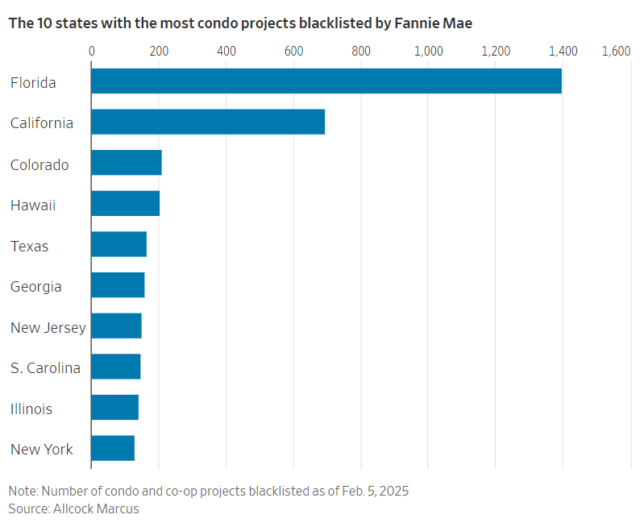
As of January 2025, the blacklist had expanded to 5,175 properties, leaving thousands of condo owners and prospective buyers in financial limbo. Among the most affected states are:
Florida – Over 1,400 developments blacklisted, exacerbating an already fragile real estate market.
California – Numerous condos, such as Shadow Ridge, have been blacklisted due to rising insurance costs and repair issues.
Texas & Colorado – Facing growing challenges due to natural disasters and escalating insurance premiums.
How the Blacklist Affects Condo Owners and Buyers
For many condo owners, their property represents their largest financial asset. However, once a development is blacklisted:
Buyers cannot obtain federally backed mortgages, limiting their purchasing options to cash buyers or private lenders with higher interest rates.
Property values plummet, leaving current owners unable to sell their units.
Condo associations struggle to secure funding for repairs and maintenance, further deteriorating property conditions.
The Role of Natural Disasters and Insurance Costs
Florida, California, Texas, and Colorado are among the hardest-hit states due to hurricanes, wildfires, and rising insurance premiums. In these areas:
Many insurance providers have either increased rates significantly or withdrawn coverage altogether, leaving condos uninsured or underinsured.
Structural repairs and safety requirements have become more stringent, leading to increased maintenance costs that associations often cannot afford.
What Can Condo Owners Do?
With the growing impact of this secret blacklist, homeowners and condo associations are demanding greater transparency from Fannie Mae. Here are some potential solutions:
Increased government oversight – Ensuring that Fannie Mae provides clear criteria for blacklisting and reinstatement.
Insurance reform – Addressing the skyrocketing costs of property insurance, particularly in disaster-prone regions.
Alternative financing options – Encouraging state and private lenders to offer competitive mortgage solutions for blacklisted properties.
Conclusion: A Crisis in Need of Reform
As the number of blacklisted properties continues to grow, the financial future of thousands of homeowners hangs in the balance. Without significant reform in lending policies, insurance regulations, and property maintenance funding, many condo developments could face long-term financial instability.
📢 Are you affected by the blacklist mortgage crisis? Stay informed, advocate for change, and explore alternative financing options to protect your investment!