Home Blog Page 28

The 5 Best Father’s Day Gifts

event design concept - top view of fathers day layout with man hand hold handwriting calligraphy white greeting card, ribbon kraft gift box on cork board background, copy space for mock up

Slovie Jungreis-Wolff

The most memorable gifts you can give your father this Father’s Day.

  1. The gift of acknowledgement
    A father can feel like an invisible parent as children grow. Behind the scenes he has supported, cared, and been concerned, while mom handled the day to day goings on. A most incredible way of expressing love is recognizing the good that we have been given. Especially to one who is used to being overlooked. Jewish wisdom calls this ‘hakarat hatov’-literally ‘recognizing the good’. Beyond simply seeing, it means we take a moment to contemplate and acknowledge.
    This Father’s Day show your dad that you really see him and don’t take him for granted. Think back – all the trips taken, footballs thrown, nighttime snacks shared, whatever you can think of from your youth that remain etched in your mind. Acknowledge scenarios of your father’s patience, encouragement, and attention to help you attain your goals. Today is your chance to give the gift of recognition.
  2. The gift of uninterrupted time
    Undiluted, pure, simple moments together are a gift. We are given the opportunity to bond, share conversation and experiences. Once the moment passes we can never get it back again.
    Plan a trip or take your father out and you do whatever it is he loves to do. Be patient. Be kind. Turn off your device. Sometimes we think we are present but emotionally, we are absent.
    When you are together, take the time to celebrate your dad. Recreate memories. Share thoughts that show your love. This is your opening to tell your father, “I’m so happy you are my dad” or “You’ve shown me how to get through the hard stuff and climb a mountain. Thank you, Dad.” The words may be hard to say, but you’ll be so happy you said them.
  3. The gift of relevance
    As years pass, a father may sense that he has become irrelevant. The child who used to ask for help is now the one called upon to figure out a new gadget. Instead of waiting by the window for daddy to come home, it’s Dad who is anticipating a child’s return.
    A father has much life wisdom to offer. Judaism teaches, “Ask your father and he will tell you.” With years come experience, heartbreak, loss, insight, and understanding. Seek out your father’s words, discover what life has allowed him to learn. “Dad, if you could meet yourself at my age, what would you say?” Listen. Don’t be snarky. Open your heart and mind. It’s not just about success and finances. We can learn, too, from all the mess ups and disappointments. Dad has much to give. It is up to us to receive.
  4. The gift of peace
    When children get together, old rivalries tend to erupt. Arguing, fighting, divisions, and put downs between sisters and brothers sap the joy out of family time. Shalom, peace in Hebrew, is one of the most meaningful gifts you can give your father.
    Peace isn’t merely an absence of war. It’s is a sense of security, well-being and unity. Shalom is related to the Hebrew word shalem – wholeness. Because when we have peace we are whole. Complete human beings who love others as we love our very selves.
    Make an effort to create an atmosphere of peace as a tribute to your dad. Hold off from anger, bitterness, and resentment. Whether it is peace with your family, or even peace with your father, you will know that you have brought joy to your dad with your very presence.
  5. The gift of forgiveness
    Most dads have tried their very best. Sure, mistakes were made. Perhaps there were hurts, missed opportunities, and nights that you found yourself crying in bed. But know that if your dad could, he would erase all those moments, go back, and try again. Life is too short to carry the heavy load of bitterness and resentments. We are all simply human beings. We fail. We fall. We want to love and to be loved.
    Forgiveness brings with it healing and serenity. Dig deep and draw upon your power of compassion and tolerance. It is time to walk a new path. Give your father a smile. Show him that you are glad to have this time together. That smile will be your gift that gives your father fortitude and spirit to face life’s storms.

Approach this Father’s Day with the words of Rabbi Lord Jonathan Sacks zt”l setting your path: “Love transforms us. It makes us beautiful in the eyes of those who love us. It makes us real.” Allow love to transform your relationship with your dad. Appreciate the blessing you’ve been given – the blessing of having a father in your life.

Millie and Ricky Schweky

Ricky and Millie Schweky

Living the Dream in Israel

Sarina Roffé

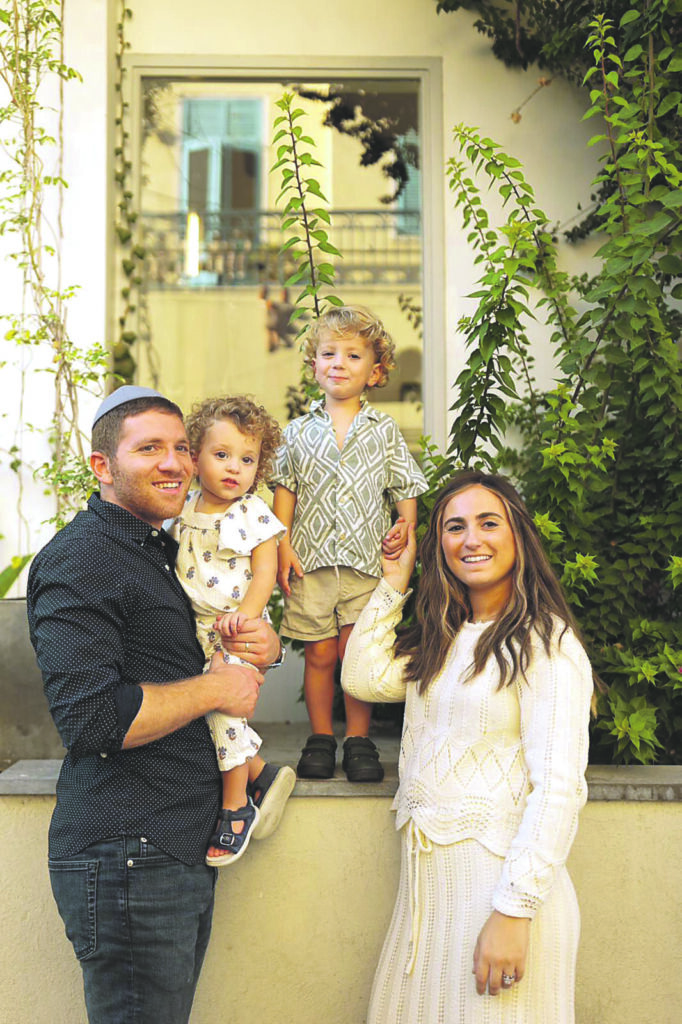
From the time she was a young girl, Millie Schweky nee Marcus always dreamed of living in Israel. An ardent Zionist, Millie feels there is no other place she would rather live than Israel. She feels she is living in the history of the land.

Ricky Selene Jacob and
Millie Schweky

The oldest of four children, born to Sandra and Brian Marcus, Millie graduated from Yeshiva of Flatbush High School and spent a gap year in Israel. She then earned a bachelor of arts in psychology from Brooklyn College and then attended Touro University where she earned a doctorate in physical therapy, specializing in pelvic health.
Millie met Ricky Schweky during their college years and married in 2017. Ricky attended Baruch College and became a software engineer. Settling on Brooklyn, they chose not to buy a house as they kept talking of moving to Israel. “It was always part of our conversation,” said Millie.
The clincher came when Millie went on an ILEAD trip with Sephardic Community Alliance and saw Israel from a different perspective. “All Jewish history is here and I needed to give my two kids the gift of this land,” she said.
Millie and Ricky chose to explore living in Israel and spent six weeks looking at places to live. When they went to Ra’anana, they loved the social scene, the Syrian synagogue, the amenities, the shopping and that they could walk everywhere so they decided to make this city their home.
Ricky works his old job in New York remotely from Israel. Millie had a private practice in Brooklyn and when she moved to Israel, she had to take the licensing exam in English, yet studied for it from poorly translated Hebrew
They moved in June 2023, with their 2-year-old son Jacob and 5-month-old daughter Selene, just months before the October 7 attack. Encouraged by family and friends to return to New York, the couple stuck it out in Israel. They learned to use the shelter when the sirens went off and outfitted their safe room with toys and snacks.
“It was a scary time, but I never thought of coming back. I am hard core. To me leaving was the opposite of what to do. Soldiers were flying in to help. I had a lot of family pressure, and phone calls. I had to stop answering calls. I never even had a thought to go back. We said that if we feel like our lives are in danger we will look into options.
We used the safe room about twice a week for about five months, then things quieted down. We went to Deal for the summer. I saw clients in Deal and Ricky caught up with his employees.
We came back to Israel. One night we had to go in the shelter at 4 am and it was crazy. Another night we were eating dinner on Simcha Torah, the kids were playing outside, and the siren went off. We went inside to the safe room. It turned out that a piece of shrapnel had landed where kids had previously been playing. It was scary. We used the room a lot and the kids associate it with eating Bamba. I have to protect their innocence.
Each of us had a different reason to move. Mine was religious Zionism. For Ricky, it was for a more meaningful life and the values you can get here that you can’t get anywhere else. We just celebrated Yom Haatzmaut and it’s such a collective feeling being here in the country.
There were soldiers on my block that were killed in Gaza. We waved our flags and and stood our ground on our own land. Here you see different Israelis and you feel bigger than yourself. You are part of a nation, and every person is part of it and you are part of Jewish history. My kids are young and appreciate it, they come home with flags and so proud we live here” said Millie.
She also had to make adjustments to the way she cooked and what they ate. Millie said “Israel does not import produce, so everything is seasonal. You always get the freshest off the land, the land knows your needs. The fruit we can get changes based on the time of year.”
Millie works Sunday to Wednesday. Thursdays she is off and that’s when she cooks for Shabbat and takes a class. She loves that she is 15 minutes from the beaches at Herzliya. Friday is family day and they take the kids to the beach for a hike or to a park.
The couple has made many friends, some of them are parents of her Brooklyn friends. Millie loves the new friends she made in Israel, plays tennis and goes to classes. She hosts people for Shabbat, has networking events and conducts workshops. She speaks on college campuses and grew professionally.
“The Syrian crew from shul are my adopted aunts. I rely on them for help or to do an errand,” she said. Millie and Ricky love to go skiing in Europe and they love that they have people to rely on to keep an eye on their children.
“Israel is very kid friendly. The whole country revolves around raising the next generation. The Israeli school system teaches values such that you contribute to society and be a team player. Israel is home to me. I could never leave.”

Millie, Ricky, and Jacob Schweky, Sandy
and Brian Marcus holding Selene
Selene, Millie and Jacob at the beach.

A genealogist and historian, Sarina Roffé is the author of Branching Out from Sepharad (Sephardic Heritage Project, 2017). She is researching a new book: Syria – Paths to Freedom. Sarina holds a BA in Journalism, an MA in Jewish Studies and an MBA.

Vintage Revival

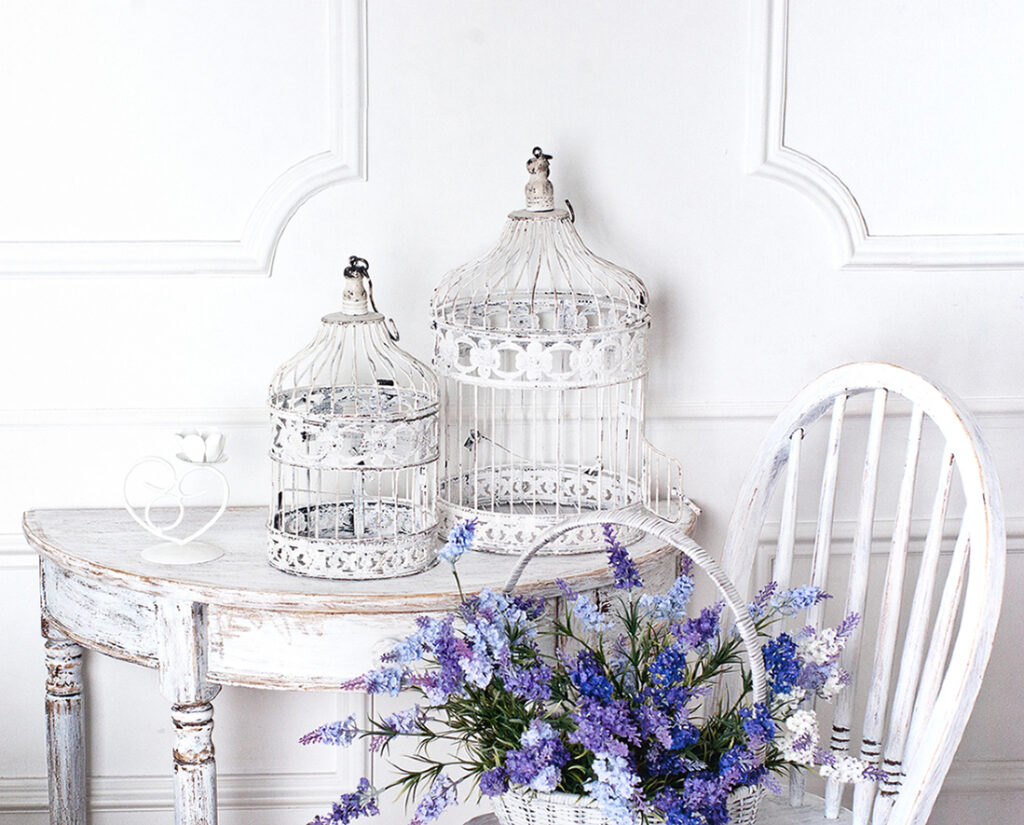
How to Mix Antiques with Modern Style in 2025

There’s something special about decorating with pieces that have a story. Whether it’s a grandmother’s sideboard, a flea market mirror, or a set of mid-century lamps found at a yard sale, vintage items bring warmth, charm, and character into any space. In 2025, designers and homeowners alike are embracing the beauty of mixing old and new, creating homes that feel curated rather than cookie-cutter.

Blending antiques with modern design doesn’t mean giving your home a museum feel. Instead, it’s about finding balance—pairing timeless treasures with clean lines, neutral palettes, and purposeful accents to create a space that feels both personal and current. A growing number of homeowners are leaning into this vintage-modern mix, not only for the visual interest but also because it supports sustainable living. Reusing and repurposing vintage pieces helps reduce waste and gives new life to quality craftsmanship that stands the test of time.
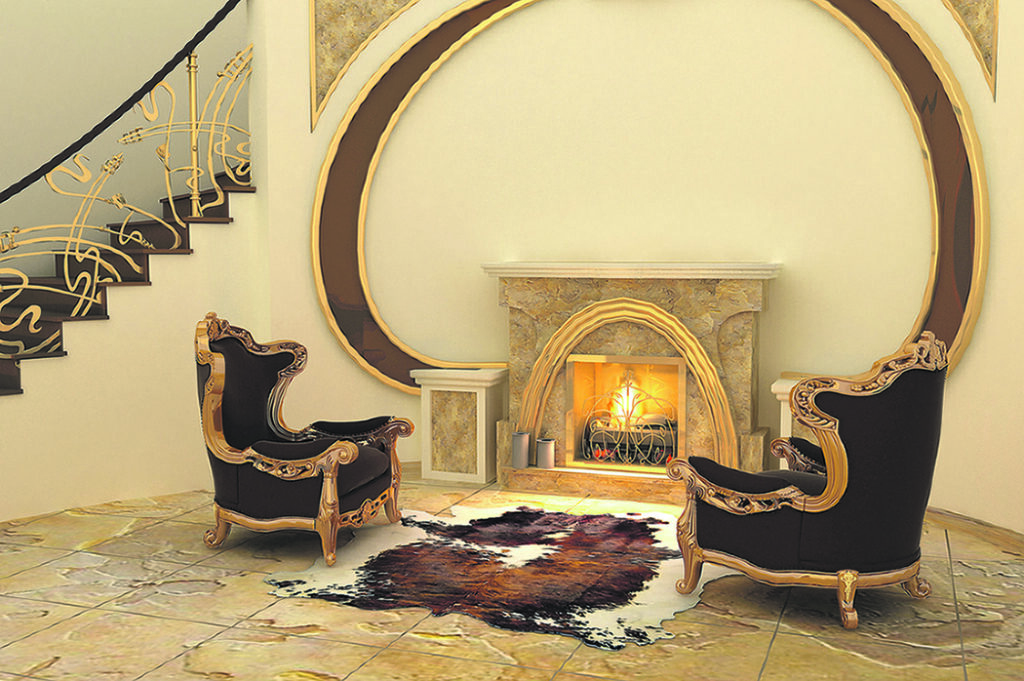
Start by identifying a few statement antique pieces that you love. It might be a carved wood dining table, a Victorian armchair, or an Art Deco dresser. Let these items anchor the room. From there, build around them with modern elements—sleek sofas, simple lighting, or minimalist rugs—to keep the overall look clean and uncluttered. The contrast between old and new creates depth and makes each item stand out.
Color plays a big role in tying the two styles together. Warm woods, brass, and faded textiles blend beautifully with today’s earthy tones like olive green, terracotta, and soft beige. If your vintage pieces are brightly colored or patterned, consider using them as a pop against a more subdued backdrop. A floral antique armchair, for example, will shine when paired with a matte black coffee table and cream-colored walls. And don’t be afraid to mix woods—dark walnut, honey oak, and painted finishes can live together harmoniously if the surrounding room is balanced and intentional.
Scale is another important consideration. A heavy antique armoire can overwhelm a small room if everything else is dainty and modern. To avoid this, mix in items of similar visual weight. A vintage chandelier pairs well with a contemporary marble dining table. A large ornate mirror looks at home above a sleek floating vanity. The key is to make sure each item has enough space to breathe and isn’t competing for attention.
Layering textures can also help bridge the gap between styles. Woven baskets, velvet pillows, metal frames, and aged leather work together to soften harsh lines and introduce cozy, tactile elements. Don’t hesitate to reupholster old furniture in modern fabrics or repaint vintage frames in fresh colors—small updates can make vintage items feel right at home in a 2025 interior.
When hunting for vintage treasures, think beyond the antique store. Estate sales, flea markets, online auctions, and even your own attic can yield pieces with potential. Look for quality materials and craftsmanship—dovetail joints, solid wood, real marble, and hand-blown glass are telltale signs of lasting value. You don’t need a house full of antiques; a few well-placed pieces can tell a beautiful story and become meaningful conversation starters.
Finally, allow your space to evolve. Decorating with a mix of modern and vintage styles is not about matching or following strict rules—it’s about creating a layered, lived-in look that reflects your personality. As you collect, shift, and reimagine pieces over time, your home will take on a rich, soulful character that can’t be bought in a showroom.
In 2025, design is moving toward the thoughtful and the personal. The vintage revival trend encourages us to slow down, find beauty in the past, and celebrate a style that feels authentic and alive. Whether it’s a hand-me-down lamp or a century-old cabinet with chipping paint, these pieces bring history into the present, reminding us that good design is always timeless.

Hardware Matters

Faucets, Handles & Knobs That Transform a Room

It’s often the little things that make the biggest difference. While countertops and cabinets get most of the attention in kitchen and bathroom design, it’s the hardware—those subtle yet essential touches like faucets, handles, and knobs—that quietly shape the entire mood of a space. In recent years, finishes like brass, matte black, and mixed metals have moved from trendy to timeless, proving that detail-driven design never goes out of style.

As homeowners look for ways to refresh their interiors without a full renovation, switching out hardware has become a go-to solution. It’s a quick, budget-friendly upgrade that instantly elevates a room’s look and feel. Whether you’re leaning toward a warm vintage charm, a sleek modern edge, or something boldly in between, the finish and style of your hardware are powerful tools in creating your desired aesthetic.
Brass has made a strong comeback, but not in the shiny, dated version you might remember from decades past. Today’s brass is softer—brushed or satin finishes lend a warm, inviting glow that works beautifully in both traditional and modern spaces. Brass pairs especially well with white cabinetry and marble countertops, offering a gentle contrast that feels both luxurious and grounded. In a bathroom, a brass faucet can serve as a striking centerpiece, especially when echoed in mirror frames or lighting fixtures.
Matte black is the darling of contemporary design. It’s bold, clean, and surprisingly versatile. Black hardware can make a striking statement against lighter backgrounds, offering dramatic contrast and a sense of high-end minimalism. It also hides fingerprints and water spots better than many other finishes, making it as practical as it is stylish. Matte black looks particularly sharp in bathrooms with monochrome or stone tile schemes, and in kitchens where open shelving and clean lines define the layout.
Mixed metals, once considered a design faux pas, are now encouraged by top interior designers. The key is intentional balance—pairing a brushed nickel faucet with brass cabinet pulls, or matte black lighting with chrome handles. This layered approach adds visual interest and depth to a space, especially when echoed in accessories like soap dispensers, picture frames, or drawer liners. A good rule of thumb is to choose one dominant metal and use a secondary finish to accent and highlight. This keeps the room cohesive, rather than chaotic.
Beyond finishes, the shape and style of the hardware play a role too. Sleek, linear pulls offer a more modern touch, while rounded knobs and ornate handles can lend vintage or farmhouse appeal. Hardware with texture—knurled, ribbed, or hammered finishes—is also gaining popularity. These tactile elements bring a handcrafted quality to both kitchens and bathrooms, offering a touch of artistry in the everyday.
Experts recommend choosing hardware that not only complements your existing décor but also aligns with how you use the space. For example, in high-traffic kitchens, sturdy handles with a comfortable grip make a practical and stylish choice. In bathrooms, consider water-resistant materials and finishes that won’t tarnish over time. Consistency across elements—like matching the faucet finish with showerheads, towel bars, and drawer pulls—creates a unified and polished effect.
When selecting new hardware, it helps to gather samples and view them in your actual space before committing. Lighting can change the way a finish looks, and what appears warm and golden in the showroom may feel too yellow in your kitchen. Many hardware brands now offer sample kits so you can test different options side-by-side at home.
Ultimately, hardware is where style meets function. It’s the handshake of your home—the first thing your fingers touch when opening a drawer, turning on a tap, or reaching for a towel. These small details tell a story about your taste, your attention to comfort, and the atmosphere you want to create. Whether you’re refreshing a space or starting from scratch, choosing the right faucets, handles, and knobs can transform the ordinary into something truly inspired.

2025 Wallpaper Trends

Texture, Murals, and Metallics Making a Comeback

Once dismissed as old-fashioned or too bold, wallpaper is making a major comeback in 2025. But this time, it’s not just about florals or stripes. This year’s wallpaper trends are all about texture, dramatic murals, and luxurious metallic finishes that add both style and personality to your space.

As homeowners look for more ways to make their interiors stand out, wallpaper is being embraced as a key design element—not just a background. Whether you’re revamping a single wall or reimagining an entire room, this new wave of wallpaper offers fresh possibilities to transform your home.
One of the most exciting trends this year is textured wallpaper. Instead of flat, printed designs, we’re seeing materials that you can actually feel—like grasscloth, linen, faux suede, and even cork. These tactile finishes bring warmth and dimension to a room, making them ideal for creating cozy reading nooks, calming bedrooms, or elegant dining spaces. Texture doesn’t just look beautiful; it adds depth, catches the light in unique ways, and even helps to absorb sound, making it both stylish and functional.
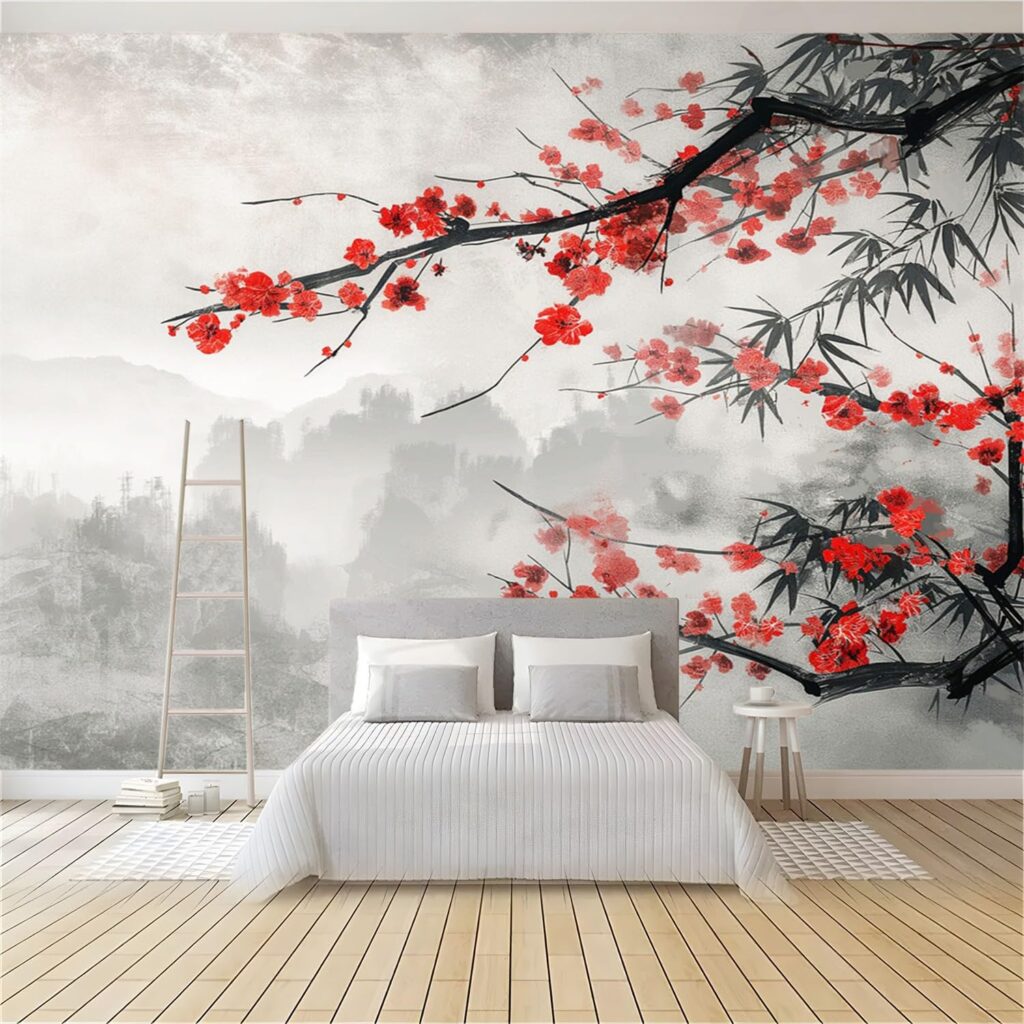
Another standout trend is the return of wall murals, but not the kind you remember from the 1980s. Today’s murals are sleek, artistic, and often custom-designed to reflect personal taste. Think hand-painted scenes, oversized florals, abstract landscapes, or even photographic prints stretched across an entire wall. Murals create an instant focal point and can turn a simple room into an immersive experience. Designers are also using murals in unexpected places—like entryways or powder rooms—to surprise and delight guests.
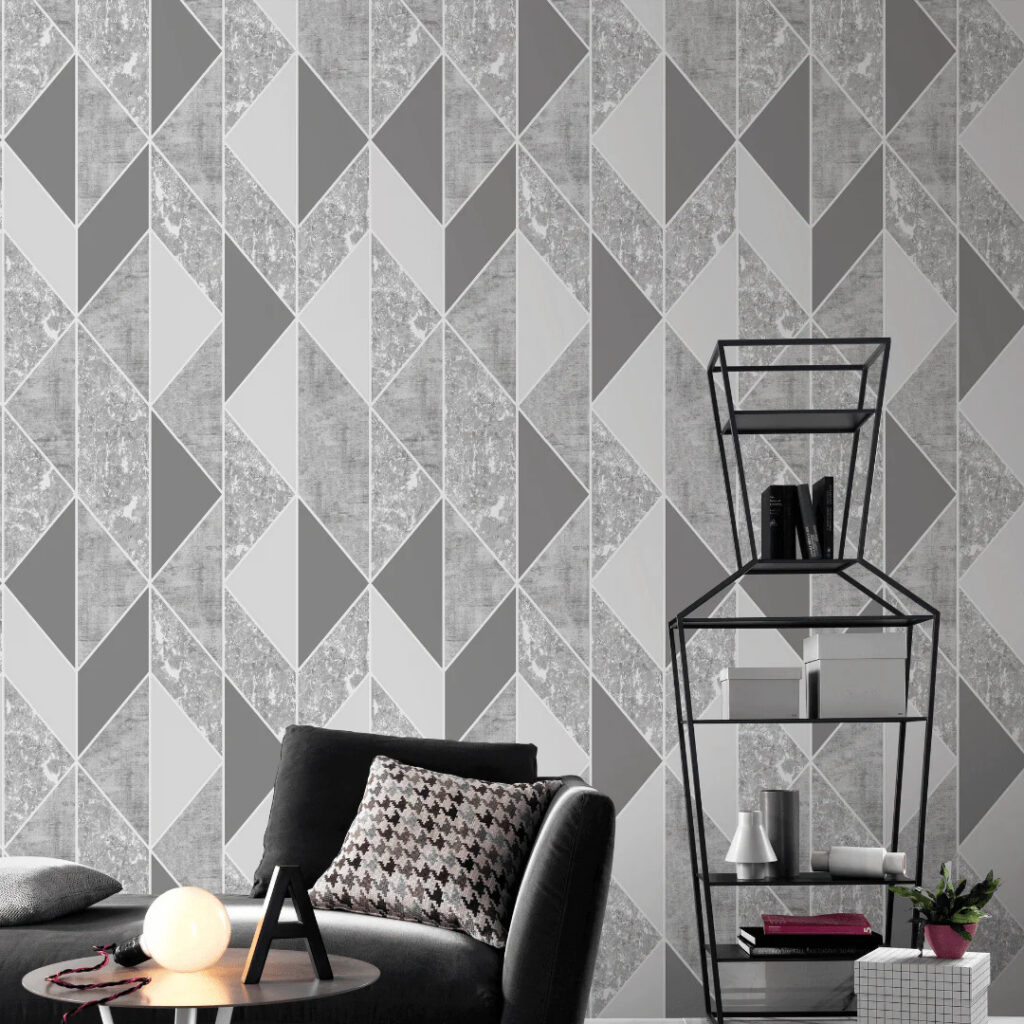
For those who love a touch of glamour, metallic wallpapers are also shining bright this year. Gold, silver, bronze, and even iridescent finishes are being used to elevate both traditional and modern spaces. When paired with the right lighting, metallic wallpapers create a shimmering effect that brings movement and sophistication to the walls. They work particularly well in smaller rooms or areas that could use a bit of extra drama, like behind a headboard or inside built-in shelving.
Color is playing an important role in these trends as well. While neutrals still dominate in many homes, wallpaper is allowing more people to experiment with bold tones in a manageable way. Deep emeralds, navy blues, and rich terracottas are being used to make statements, often balanced with soft creams or grays. Meanwhile, nature-inspired hues like sage green and soft sand continue to be favorites for those who want a more grounded, earthy feel.
If you’re thinking about diving into the world of wallpaper, experts suggest starting with a single feature wall. This lets you test a bold pattern or texture without overwhelming the space. Peel-and-stick options are also growing in popularity and make it easier than ever to try out a design without a long-term commitment. Many brands now offer removable wallpapers that look just as high-end as traditional versions but can be changed out seasonally or when your taste evolves.
Installation has also come a long way. Professional installers use new tools and techniques that reduce air bubbles and misalignments, and many wallpapers now come pre-pasted or with easy adhesive systems. That said, hiring a professional can still be a worthwhile investment—especially for intricate patterns or murals that require perfect alignment.
Beyond aesthetics, wallpaper is also being used to add personality and story to a home. Some people choose designs that reflect their heritage, travels, or favorite artists. Others are turning to wallpaper as a sustainable choice, with eco-friendly inks and recycled materials becoming more widely available. This personalization trend allows homeowners to create spaces that feel truly unique and meaningful.
In short, wallpaper in 2025 is bold, elegant, and full of character. It’s not just about decoration—it’s about expression. Whether you’re drawn to soft textures, eye-catching murals, or metallic drama, today’s wallpaper offers an inspiring way to breathe new life into your home. With a little creativity and guidance, your walls can become works of art that reflect who you are and how you live.

Outdoor Style, Indoor Comfort

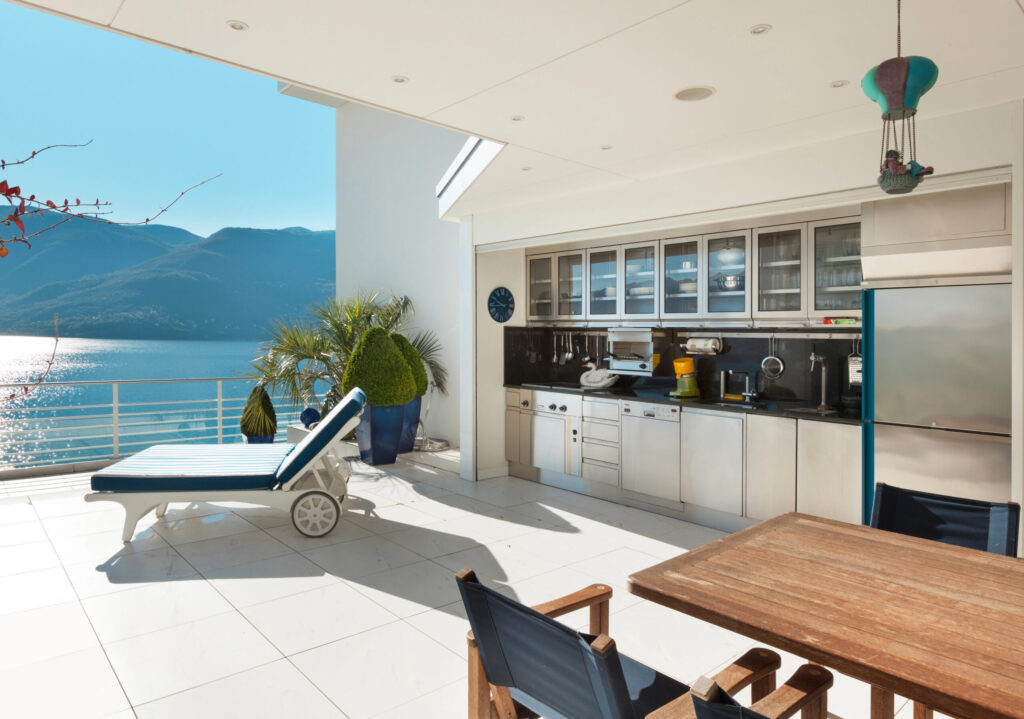
House exterior with sunloungers on patio by swimming pool

Blurring the Line Between Inside and Out

As more people embrace the joys of home life, the boundary between indoors and outdoors is quickly disappearing. The newest trend in design isn’t just about creating beautiful interiors or stylish patios—it’s about merging the two into one seamless living experience. Homeowners are turning to retractable walls, oversized sliding glass doors, and full outdoor kitchens to extend the comforts of their homes into the open air.

The appeal of this blended lifestyle is easy to understand. Natural light, fresh air, and a connection to the outdoors are proven to lift mood and boost well-being. Meanwhile, modern innovations in architecture and materials mean you don’t have to sacrifice comfort to enjoy nature. Today’s homeowners are designing their spaces to be flexible—cozy in the colder months and wide open to the breeze when the weather warms up.
One of the most dramatic features driving this trend is the retractable wall. These motorized glass systems, which can fold or slide away completely, make entire walls vanish at the push of a button. In an instant, a living room can become part of the backyard, or a kitchen can open directly onto a deck. Unlike traditional patio doors, which frame the outdoors from a distance, retractable walls remove the boundary altogether, offering uninterrupted sightlines and a true indoor-outdoor feel.
Oversized sliding doors offer a similar effect, with large panels that glide along tracks and create broad, walk-through openings. Many of these are designed with energy-efficient, double- or triple-glazed glass, making them practical year-round. When closed, they let in sunlight and scenic views while keeping the weather out. When open, they transform the atmosphere completely, drawing the outdoors in and letting gatherings flow freely between spaces. This style works beautifully for kitchens and great rooms that border patios, pools, or gardens.
Alongside these architectural features, the outdoor kitchen has taken center stage as a must-have for homeowners who love to entertain. Far beyond a simple grill, today’s outdoor kitchens include built-in ranges, pizza ovens, beverage fridges, sinks, and even dishwashers. With ample counter space, lighting, and shelter, these setups are fully equipped to handle anything from casual family dinners to large holiday barbecues. Materials like stainless steel, stone, and weather-treated wood ensure durability and easy cleaning, while layout choices mirror indoor design—keeping everything within reach and easy to navigate.
But it’s not just about walls and appliances. The entire aesthetic of outdoor design is shifting to reflect indoor comfort. Plush, weather-resistant sofas, outdoor rugs, and cozy throw pillows have turned patios into lounges. Fire pits and overhead heaters extend the season for outdoor enjoyment, while dimmable lighting, surround sound, and even televisions are being integrated into exterior walls or furniture. Outdoor living is no longer limited to sunny afternoons—it’s now an option for nearly any time of day or year.
Homebuilders and renovators are also paying attention to flow and continuity. Using similar flooring, color palettes, or materials inside and out helps tie the spaces together. For example, porcelain tile that runs from the kitchen onto the patio, or matching wood beams in the ceiling and pergola, creates a visual connection that feels intentional and upscale. Glass walls and minimal thresholds reduce visual barriers and encourage movement between spaces without interruption.
For those on a tighter budget or with limited space, there are still simple ways to embrace the indoor-outdoor lifestyle. A folding glass door, a pass-through kitchen window, or a covered patio can make a huge difference. Even just placing a dining table near a wide-opening door or adding an outdoor bar cart can expand how a home is used and enjoyed. The key is to think of the backyard, balcony, or terrace not as separate zones, but as extensions of daily life.
This blending of indoor style with outdoor living is more than a design choice—it reflects a growing desire for homes that support connection, relaxation, and natural beauty. Whether you’re planning a full renovation or just looking for inspiration to enhance your space, there’s never been a better time to rethink the walls between inside and out. With a little creativity and the right upgrades, the outdoors might just become your favorite room in the house.

Pathways to Success

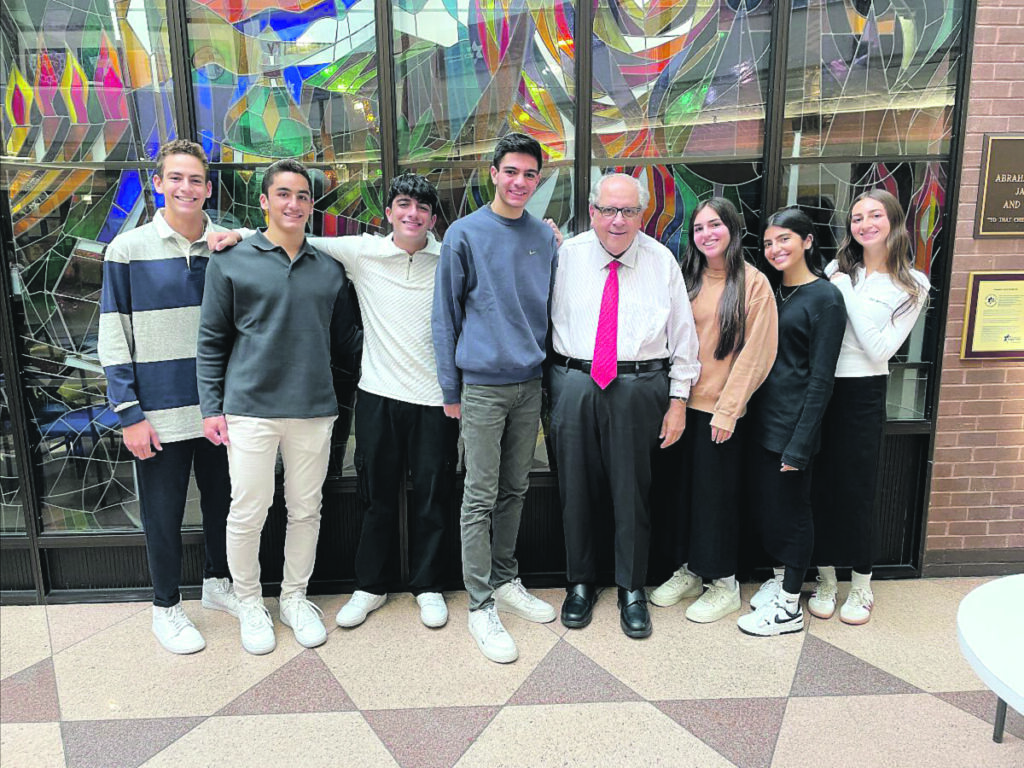
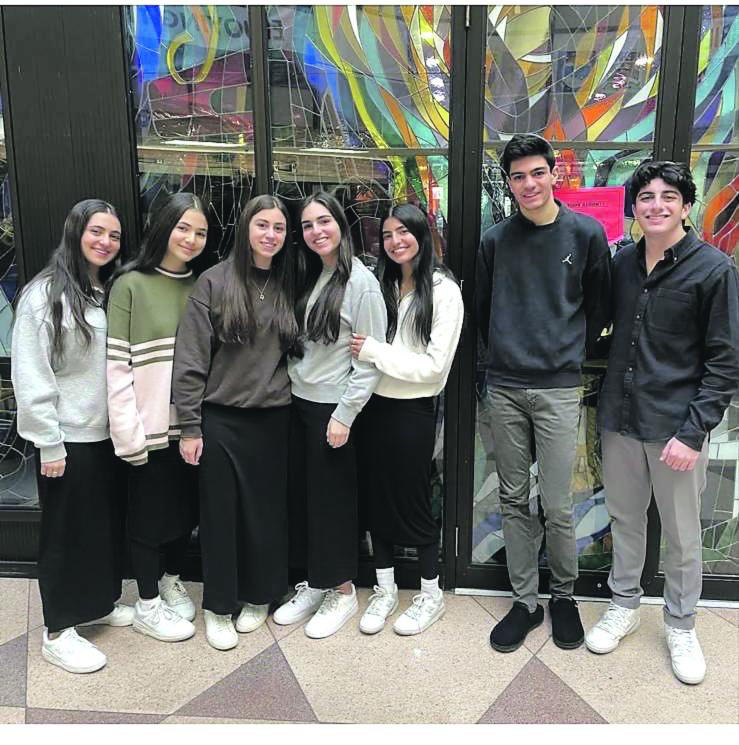
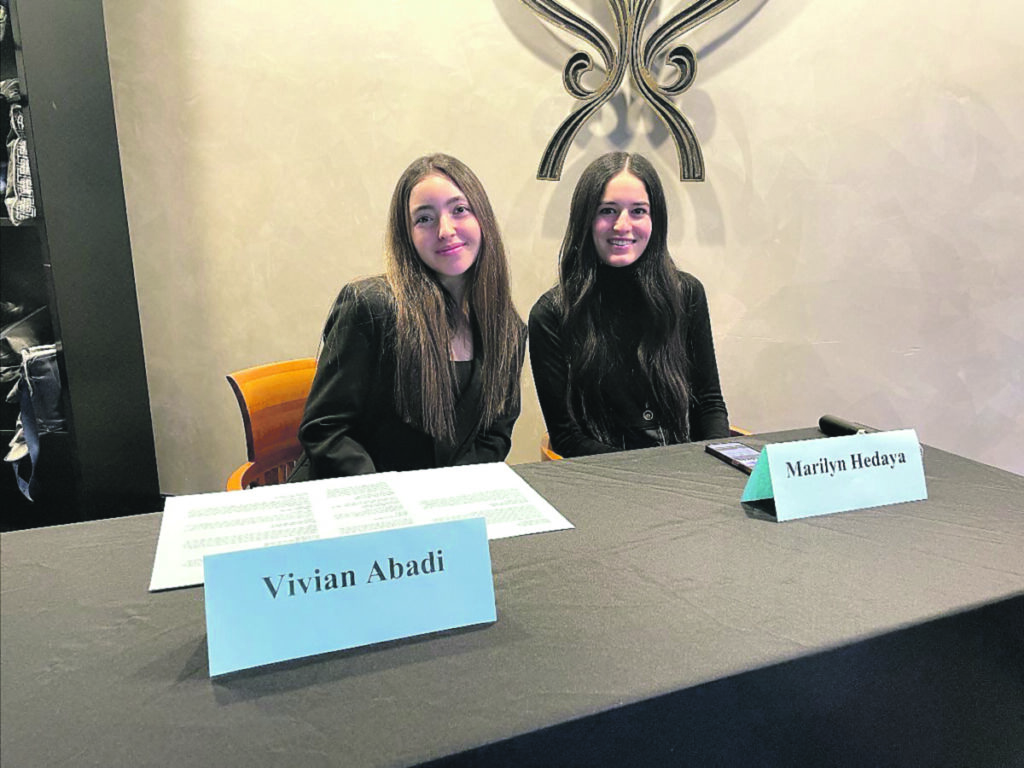
Magen David High School’s Personal Approach to College Guidance

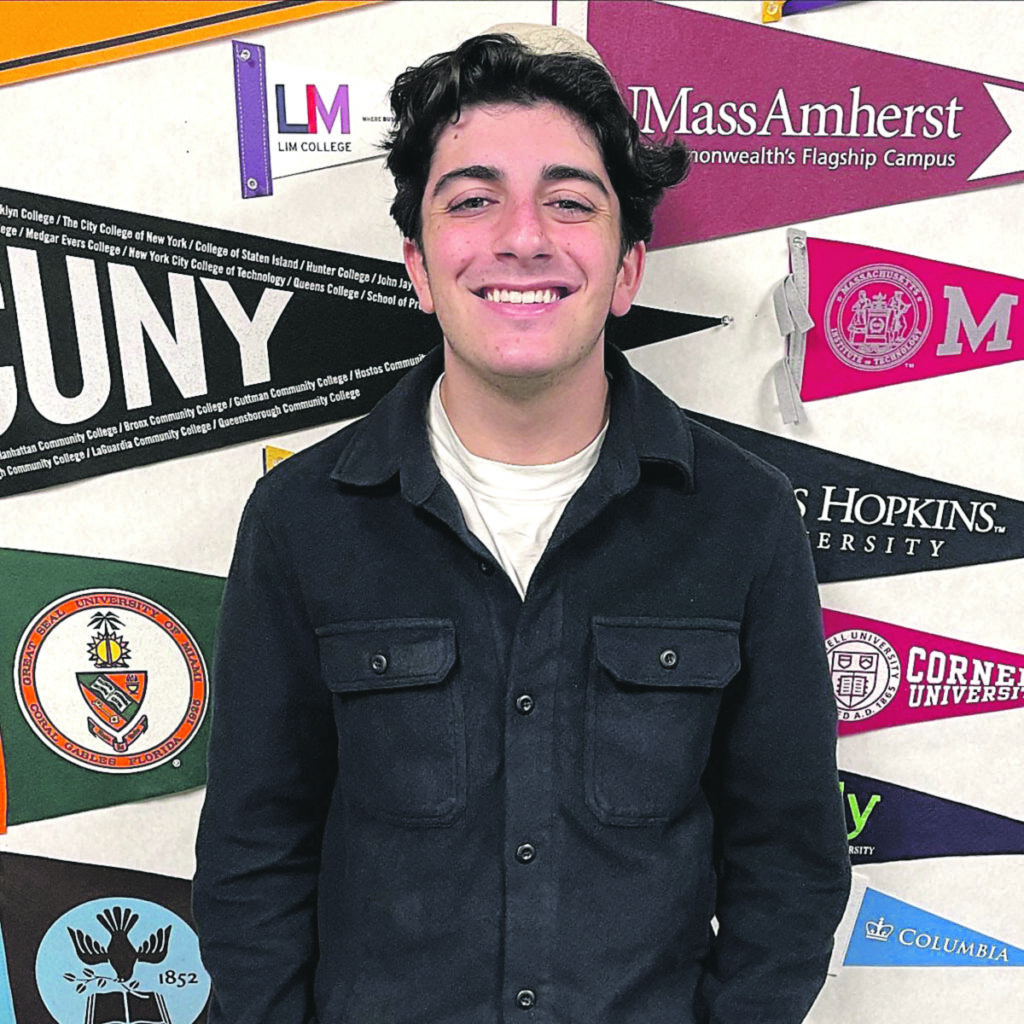
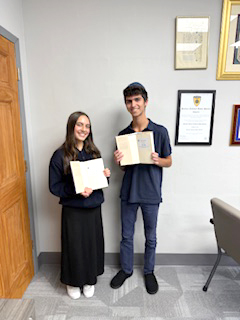
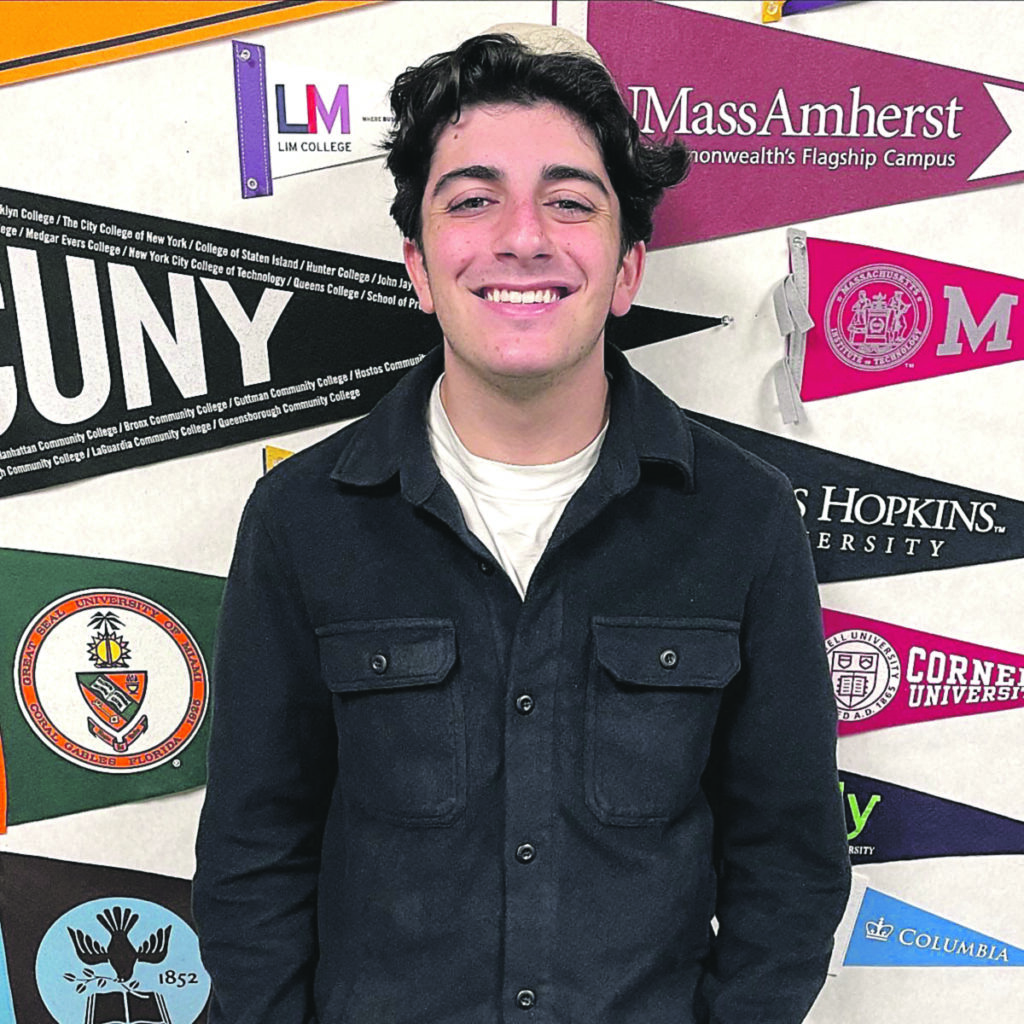
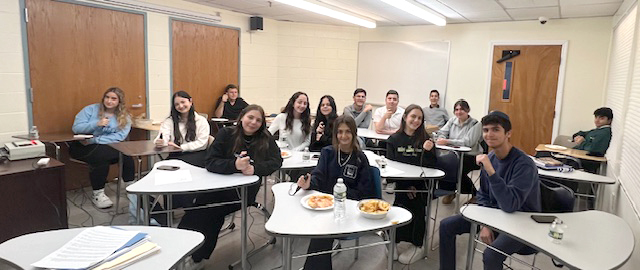
Adelphi, Baruch, Binghamton, Brooklyn, Columbia, Cornell, Drexel, Duke, FIT, Fordham, Hunter, Johns Hopkins Business School, LIU, Marymount, NYU, Pace, Penn, Princeton, Rutgers, Sophie Davis, Parsons, Touro, Yale, Yeshiva University are familiar names we recognize as some of the most diverse and prestigious colleges in the country. But this list was not thrown together haphazardly to display a high school senior’s options– these universities and colleges are among several that Magen David Yeshivah High School (MDYHS) graduates will be attending in Fall 2025.
“College Guidance is the nerve center of the school,” said Dr. Daniel J. Vitow, Head of School of MDYHS. He explained that Laura Miller, Director of College Guidance at MDYHS, sets the tone for rigor and academic excellence for all students, irrespective of their college or career aspirations. Ivy League bound or not, “We treat everybody with the same respect. Our job is to help students get accepted to the schools that are the best fit for them,” said Dr. Vitow.
And how does one discover the best fit? Some students have that strong pull from early on, like MDYHS Senior Jacob Hamui who was accepted into both Sophie Davis School of Biomedical Education and the Coordinated B.A.-M.D. Program in Brooklyn College. Jacob knew he was destined to be a doctor from the start of high school. He jump-started his journey by enrolling in AP courses beginning sophomore year and participating in the highly competitive nationwide Regeneron Science Talent Search with nearly 2,500 entrants, offered to MDYHS seniors. He submitted an independent research paper regarding stress as a causative factor in pupil dilation, all while working on essays for his college applications.
Nowadays, more students are entering college as ‘undecided’ majors. MDYHS Senior Sarah Bukai is interested in both nutrition and interior design, two vastly different fields. She felt compelled to apply to several colleges, necessitating several separate application essays. One day she sat in the college guidance office from 9:00am until 4:30pm, feeling extremely overwhelmed as she rushed to meet the application deadline for Brooklyn Scholars. Simultaneously, her portfolio for her FIT application required 16 pieces, and some of her 3-D models were incomplete. Sarah was on the verge of tears assuming she’d miss the deadlines, but Mrs. Miller encouraged her to focus and tackle her work, reassuring her it will get done. “She’s like our mom in school, not just helping us with applications but also with any issues,” said Sarah. Students are also taught how to craft resumes prior to college in preparation for MDYHS NEXT Internship Program, where seniors intern at workplaces for hands-on experience before entering the college or the workforce.
“You’re making a decision that could affect your whole life,” said Jacob. The process should be more stressful, but thanks to MDYHS he felt supported throughout and as if his entire foundation was laid out for him. At the height of application season when he often couldn’t sleep he’d email Mrs. Miller questions throughout the night, even at 2 a.m., and receive prompt responses. “I remember going through the process with my sons and understand what it is as a mom,” said Mrs. Miller. “These are all my kids. I’m their counselor but there’s also the mom in me that doesn’t want them to feel like they’re going through a process that’s anxiety-inducing.”
A plethora of AP courses, extracurricular activities, internship opportunities, and incredible role models in both Judaic and secular studies stimulate Magen David students to exert themselves and aspire to achieve their goals. Try catching Jacob for a quick conversation in between his eye care internship through MDYHS and Sundays at SMC, a project of his own volition. “I like getting experience in the different fields of medicine, as it gives me a small taste of what med school rotations will be like,” said Jacob.
While College Guidance generally begins in 11th grade, the college process in MDYHS begins much earlier. Sophomore College Night often features former Magen David graduates or current seniors speaking to sophomores. “You don’t have to be a senior to go to the college guidance office,” said Jacob, when he spoke at Sophomore College Night. “You could go in 9th grade, it doesn’t matter what age. I never felt for a second that I didn’t have support.” Mostly, he appreciated the simple process. All it took was a quick email to Mrs. Miller to get the ball rolling. And best of all, she’s part of the Magen David family, right down the hall. No complicated interviews or lengthy protocols to go through.
A professional with 26 years of experience behind her, Mrs. Miller definitely knows how to write a killer recommendation letter. But it is her ability to motivate students that sets her apart. Ultimately, her care and dedication to every student lifts a weight off their shoulders and makes the college application process much more meaningful and less aggravating. “We want our students taking ownership and being excited about the process,” she said. “It’s not about hand holding – it’s about empowering them every step of the way.”
Whatever road they choose, students concur that Magen David preps them thoroughly and provides them with the tools they need for success in the world post high school. “It’s a simple formula,” said Dr. Vitow. “We don’t have any shares in a particular college. We present intelligent options and the children decide.”

A Historic Victory

Sam Sutton Elected to State Senate with Overwhelming Community Support

Eddie Esses and Sari Setton

In a historic moment for the Sephardic Jewish Community, Sam Sutton was elected to the New York State Senate in the 22nd District with a commanding 67-32% margin—making him the first Sephardic Jew ever elected to the NY State Senate. This victory is not only for Sam; it is a transformative milestone for a community that has steadily grown in strength, unity, and civic engagement.

What made this victory even more extraordinary was the community’s turnout. Special elections in non-presidential years often see minimal participation and voter turnout, but the Sephardic Community turned out in force. Building on the momentum of Joey Saban’s groundbreaking campaign for New York State Assembly just one year ago, the community once again demonstrated that it is organized, motivated, and ready to be taken seriously by elected officials at every level. Borough Park, Midwood, and Flatbush voters also came out strong for Sam by a wide margin, contributing to a diverse and powerful coalition.
The election night celebration reflected the joy and meaning of this historic achievement. Sam gathered with close friends, campaign team members, and a host of dignitaries and elected officials. Former New York Governor Andrew Cuomo, Deputy Majority Leader Michael Gianaris, Senator Andrew Gounardes, and Brooklyn Democratic Chair Assemblymember Rodneyse Bichotte Hermelyn all called in to congratulate Sam, and addressed the crowd virtually. Manhattan Borough President Mark Levine, NYS Assemblymember Jenifer Rajkumar and NYC Councilmembers Justin Brannan, Susan Zhuang, and Julie Menin took the microphone to offer heartfelt remarks, reflecting on their past work with Sam and highlighting his long standing reputation as a thoughtful, effective, and principled leader. Ronnie Tawil, Sam’s fellow co-founder of the Sephardic Community Federation, gave a moving tribute, speaking of Sam’s unwavering devotion to the community and his decades of quiet yet impactful leadership.
In his remarks that evening, Sam made sure to thank everyone who made the victory possible—but he gave special thanks to his wife, Nancy, a community leader in her own right. Sam acknowledged how much of his communal involvement was inspired and shaped by Nancy’s tireless work, and how grateful he is for her support, wisdom, and example.
Sam’s leadership has deep roots. A lifelong community leader, he has spent decades shaping key community institutions. He served over 30 years at SBH, including five as president, helping it grow into a comprehensive social service powerhouse. He co-founded and still chairs Teach NYS, which secured a $330 per-child education tax credit and opened the door for yeshivot to receive Title I services from culturally appropriate third-party providers. As a founding board member of the SAFE Foundation, a trustee at NYU Langone Hospital, and a former CUNY Board of Trustees member, Sam has spent his life using institutional roles to deliver tangible results for our community.
Behind the scenes, the campaign ran on passion, dedication, and a clear vision. Campaign manager Joey Saban, whose own run for office catalyzed a wave of civic engagement in the community last year, worked nonstop for months to line everything up for a potential campaign and then once launched, ensured every detail of the campaign strategy was executed with heart and precision. That same energy carried through to Election Day, where Sephardic Community voters sent a clear and powerful message: we are no longer on the sidelines—we are shaping the future.
In a statement released after the victory, Sam said, “I’m humbled that the voters of the 22nd Senate District confidently voiced their support, and entrusted me to represent and fight for our community in Albany and in South Brooklyn as their State Senator.” He went on to call the win “a unified voice calling for positive change across our diverse district,” and affirmed his commitment to tackling antisemitism, supporting economic development, and improving public safety across the board.
Looking ahead, Sam is eager to begin his work in Albany. He has pledged to bring more state resources to our community organizations, fight vigorously for the needs of our yeshivot, push back on rising crime, and be a steadfast advocate for the full range of legislative priorities that matter to us.
This was more than an election—it was a moment of long-overdue recognition. The Sephardic community has shown that it is organized, active, and ready to build lasting influence with government. And with Sam Sutton in the State Senate, our voice is finally where it belongs: at the table.

Eddie Esses has been civically engaged in the community for many years, working closely with Joey Saban. He is an active board member of the SCF and owns several retail franchise stores.
Sari Setton is the executive director of the Sephardic Community Federation.

Learning to Thrive

Helping Children with Learning Differences
Reach Their Full Potential

Rabbi Dr. Rafi Cashman

Albert’s parents (pseudonym) came to us last year feeling overwhelmed by the challenges their child was facing in the mainstream first grade classroom. He was not progressing in learning to read relative to his peers, and was struggling overall with his academics. His parents got him tutors to help him keep up with his class level work, but he kept falling further behind. As the year progressed, his increased time with tutors outside of school only raised the level of stress for Albert and his parents alike. Over time, the happy Albert they knew was becoming increasingly distant, reactive, and anxious.

Following the school’s recommendations, his parents pursued multiple assessments, including speech and language evaluations, and a neuropsych. Albert was diagnosed with a language-based learning disability. Following these results, the school provided as many of the accommodations as they were able. However, it didn’t lead to the progress they had hoped for. Instead, frustration continued to build—for Albert, his parents, and his teachers. His parents thought keeping him in a mainstream school was the right decision, afraid of pulling him away from existing friendships, even though they frayed as a result of the increased stress Albert was feeling. The extra tutors and supports drained Albert so much that there was even less time for fun activities and after school sports. Something had to change.
We hear a version of this story over and over again at Gesher Yehuda (which will be re-named Yeshivah Prep Elementary next year). The prospective parent isn’t quite ready to commit to moving their child out of the mainstream. They wonder (and hope): Maybe he’ll just grow out of it – can’t we wait just one more year? But what’s underneath and unstated is often as much of a struggle: What will people say about our family if we put our child in a “different” type of school? How will he keep his friends in the community? And, will he ever get back into the mainstream? In reality, each extra year in the wrong environment sets the child back at a critical time of their growth and development. The delay also creates an emotional and social burden that increases over time and makes the child more frustrated and anxious.
While speaking with a group of parents, they opened up about their transition to our school and all expressed a similar sentiment: “We are thrilled and I’ve never seen my child happier!” And then, “It’s changed our lives as parents.” Thank G-d we have a great school. But the reason for their response goes deeper. This is the first time in their lives that their children are getting what they need: a small class with attention to their individual learning needs; specialists in language, OT, PT, speech and counselling to help them with their still-developing skills; a curriculum that helps build the skills they need; and incredible love and patience. When a child is in the right place, parents see the difference it makes in their home and family.
A learning difference isn’t something one grows out of, and it’s certainly something a child can learn to manage. But it can also be a gift when students at our school learn skills of self–advocacy, organization, and communication that mainstream students only learn later, and often by osmosis. They develop a resilience that other students would be lucky to have at such a young age, and do so in an environment that sees them not just as academic subjects, but whole people.
Gesher Yehuda/Yeshivah Prep is a community school. It means we teach our students about Sephardic culture, pizmonim, tefilah, keriyah, parasha, and everything else we want to be true for our children in the most holistic way. We are a school that wants to see each child discover something that they excel at and find meaningful to them. We want to find ways for them to thrive and exercise curiosity so they can feel competent and successful, even as they struggle with very real academic challenges.
Having a language based learning disability or ADHD can often be supported in a mainstream school, and our community schools put in enormous resources to do so. But sometimes more support is needed, and that’s why Gesher Yehuda/Yeshivah Prep Elementary exists. Don’t let your child struggle when they don’t need to.
So what should you do? Make sure you know what you’re dealing with. Get a neuropsychological evaluation early. The information from this assessment is critical to getting the right support. Then you can start to get your child the services they need and deserve. Although this can be costly, it is an investment to ensure that your child has the learning skills they need. Not addressing these issues early on can lead to even more expensive and challenging interventions down the road. Make sure to ask the experts (a psychologist, a speech and language therapist) what they think is the best learning environment for your child. They have seen a version of your child’s profile throughout their career, and have a pretty good idea about what they need. Finally — remember that your child is whole and wonderful.
Albert did join us at Yeshivah Prep and has made enormous progress. He’s successful academically, can advocate for his learning needs, and is much happier. When we spoke to mom, she told us about the brilliant and positive aura Albert walks around with. He has time for leagues at the Center, and prays with his dad on Shabbat. She may be even happier than he is.

Rabbi Dr. Rafi Cashman is the Head of School at Gesher Yehuda/Yeshiva Prep in Brooklyn, a school for students with language learning disabilities. He is also a mentor in the Day School Leadership Training Institute at Prizmah. He holds a Masters of Education from Yeshiva University, a PhD in Education from OISE at the University of Toronto, and received Semicha in Toronto.

DSN Dance Academy Brings Rhythm, Joy, and Community to the Stage

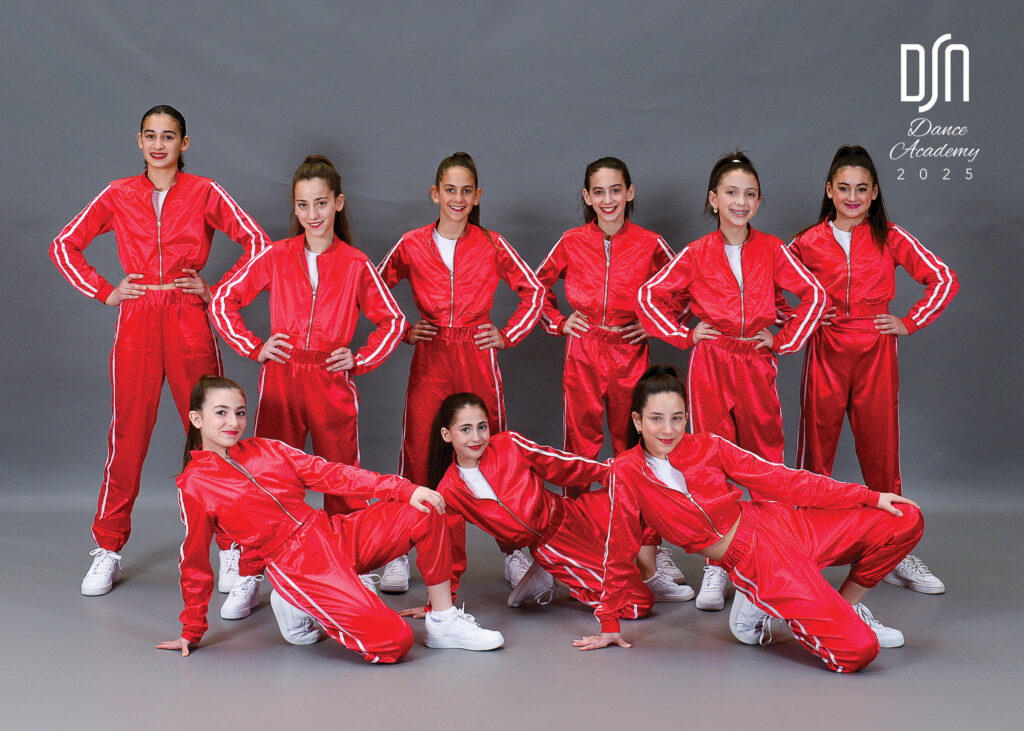
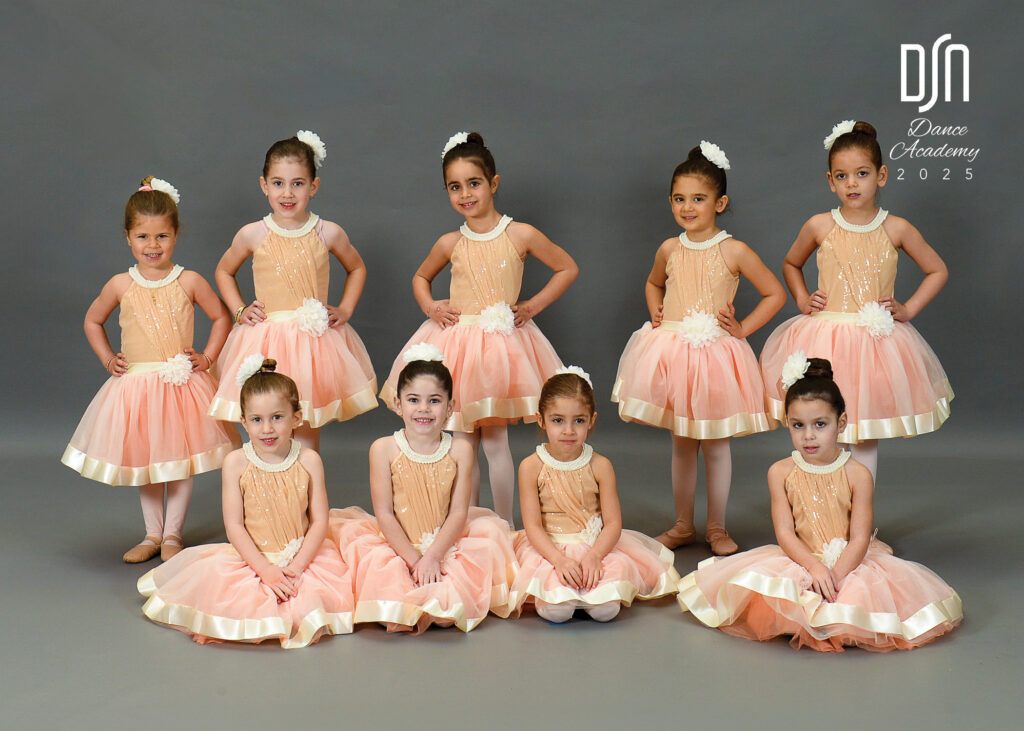
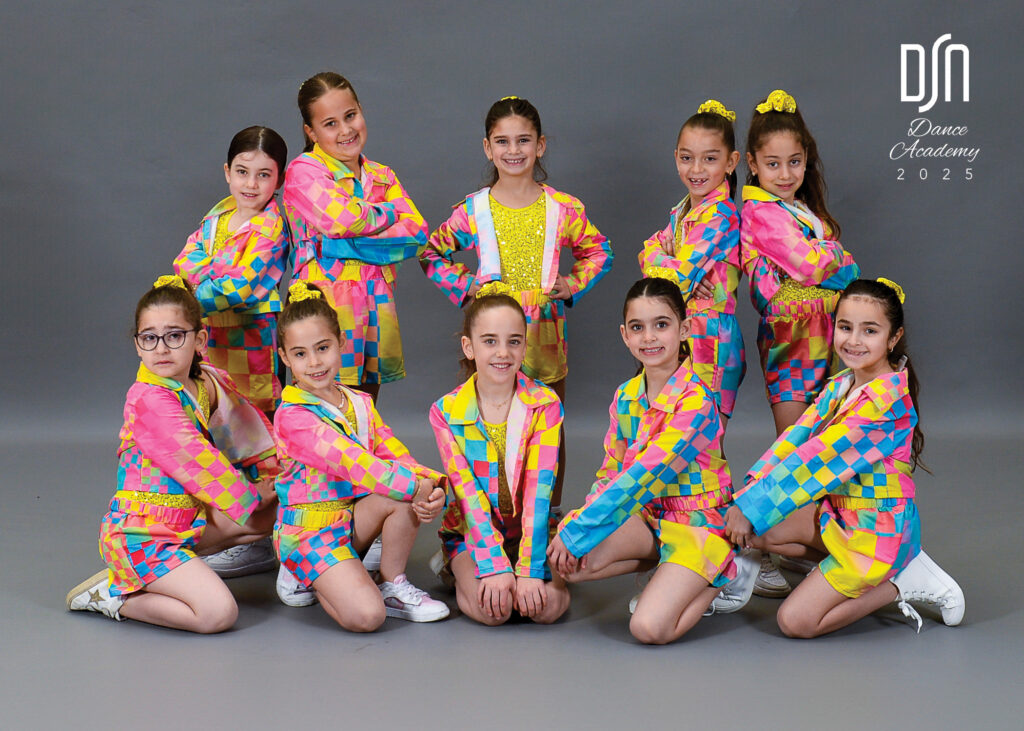
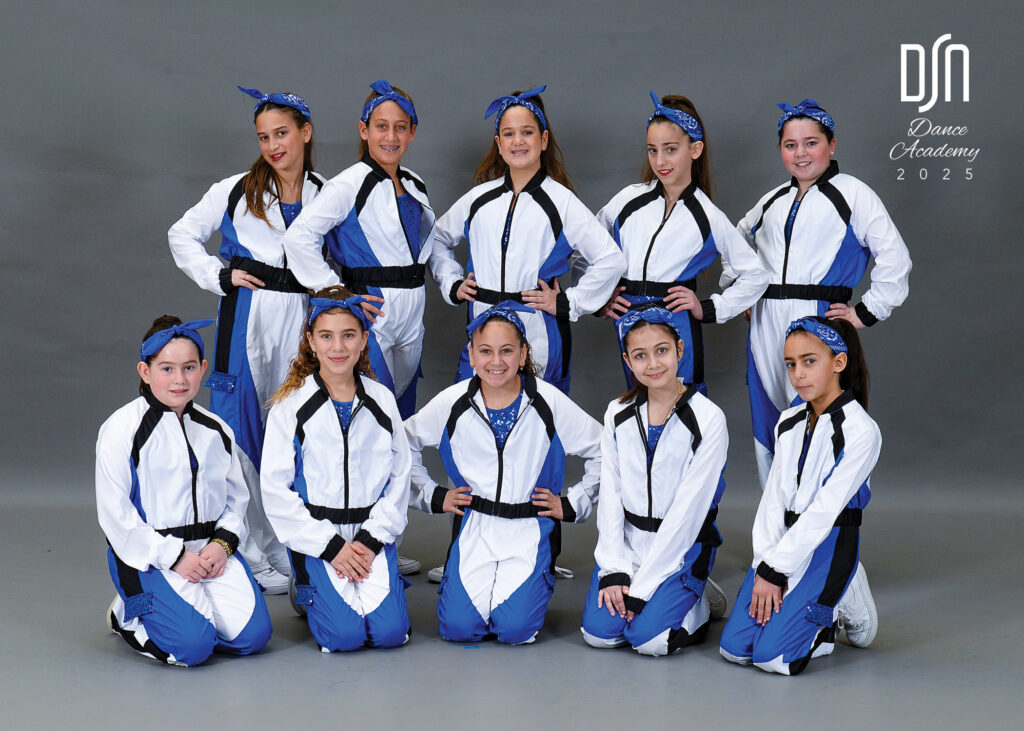
Each year, DSN Dance Academy dazzles the Jersey Shore community audience with a recital that’s more than a performance — it’s a vibrant celebration of talent, growth, passion, and togetherness. This spring, DSN truly outdid itself with its high-energy, heart-filled show, themed “Dancing in the Streets”, under the direction of directors Danielle Hanan and Sari Abraham.

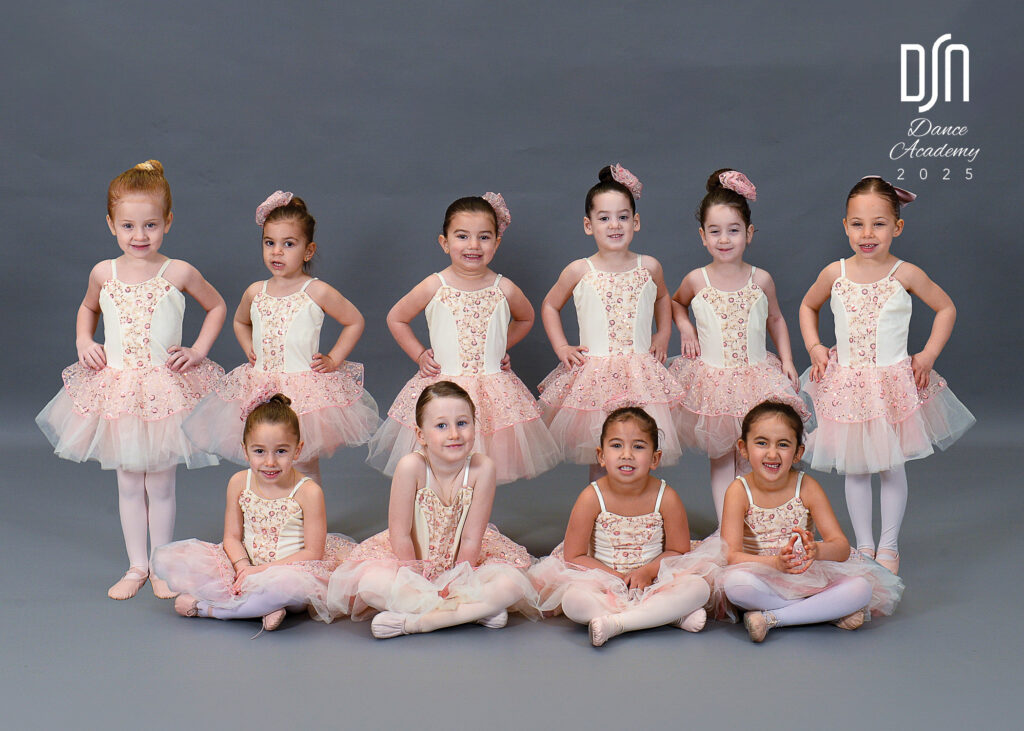
From the moment the curtains opened at the historic Count Basie Center for the Arts in Red Bank on April 6, the DSN parents were transported to a world where city streets pulsed with music, movement, and meaning. The recital was the grand finale of a program that began in September, uniting 254 female dancers, ages 3 to 16, across 33 different dance groups. With styles ranging in ballet, tap, hip hop, jazz funk, and contemporary, each number captured the soul of urban life through the lens of dance.
Danielle Hanan, DSN Dance Director, summed up the spirit of the show beautifully, stating “Our dance recital is more than just a showcase, it’s a celebration of passion, creativity, and community. This year’s theme was all about bringing the energy and rhythm of the streets to the stage- where every corner told a story, and every movement had a heartbeat. From our tiniest 3-year-olds to our seasoned teens, our dancers poured their hearts into every style. DSN Dance Academy students embraced the spirit of each city and turned it into something magical through dance. I couldn’t be prouder of how they’ve come together to turn the ‘streets’ into their stage.”
Assistant Director, Sari Abraham, added “This dance season has been nothing short of incredible. Watching each dancer grow, shine, and bring their passion to the stage has filled us with so much pride. Every year, we’re reminded why we love what we do—and we can’t wait to see what the future holds for this amazing group.”
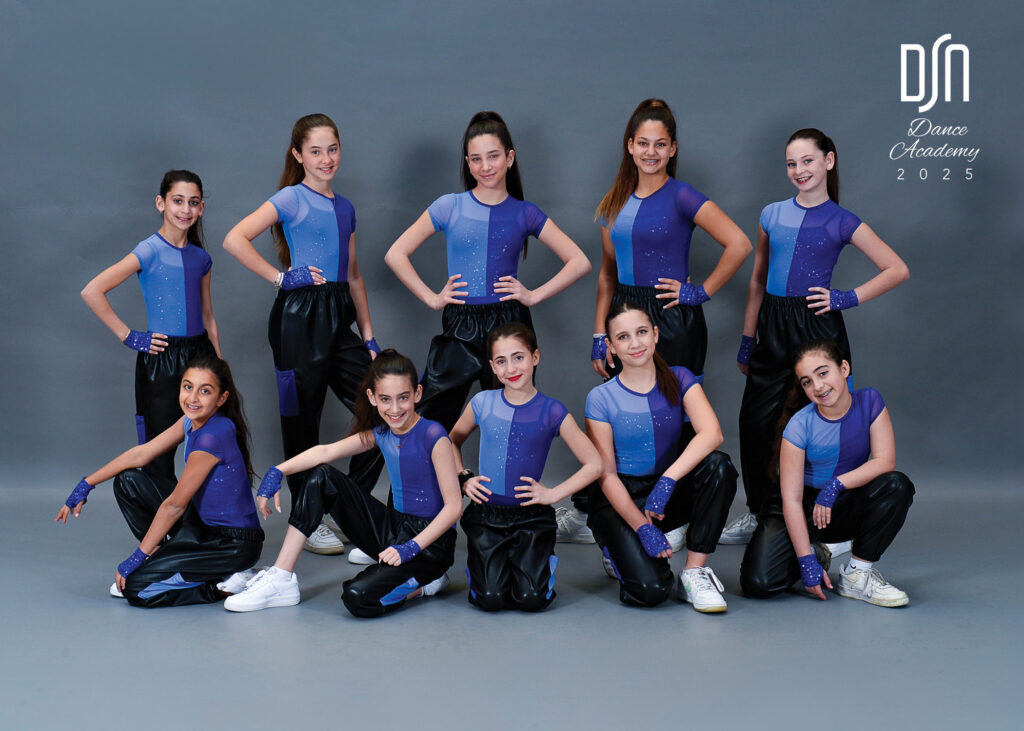
A highlight of this year’s program was the debut of the Junior Dance Team, featuring dancers in 5th and 6th grade, performing alongside the Senior Dance Team, composed of dancers from 7th grade through high school. These talented groups wowed the audience with dynamic routines that showcased not just technical skill, but creativity and unity.
DSN’s Youth Director, Frieda Shamah, emphasized the impact the recital has year after year: “Our annual dance recital is truly the event of the year. With over 250 girls participating, the energy and excitement they bring to the stage is electric. Our dedicated teachers and directors pour countless hours of hard work into every choreography and detail, and watching their efforts come to life alongside these talented dancers makes it one of the most fun and rewarding experiences of the year.”
The 2025 faculty included an exceptional team of instructors who guided and inspired the dancers: Sari Abraham, Nicole Fera, Gianna Forgione, Melissa Haskell, Paulette Ashkenazi Ozer, Cynthia Pearsall, Katrina Portagalo, Amy Trapasso, and Claire Whitmore. Their dedication helped shape a season filled with growth, confidence, and unforgettable moments.
As DSN Dance Academy continues to grow, so does its impact — not only as a place to learn dance but as a vibrant community that celebrates each child’s unique journey. This year’s theme turned every step into a story and every dancer into a shining light, reminding us all that joy and rhythm can be found in every corner of life — especially when we dance together.

More Than a Purim Carnival

THE CARE DIFFERENCE

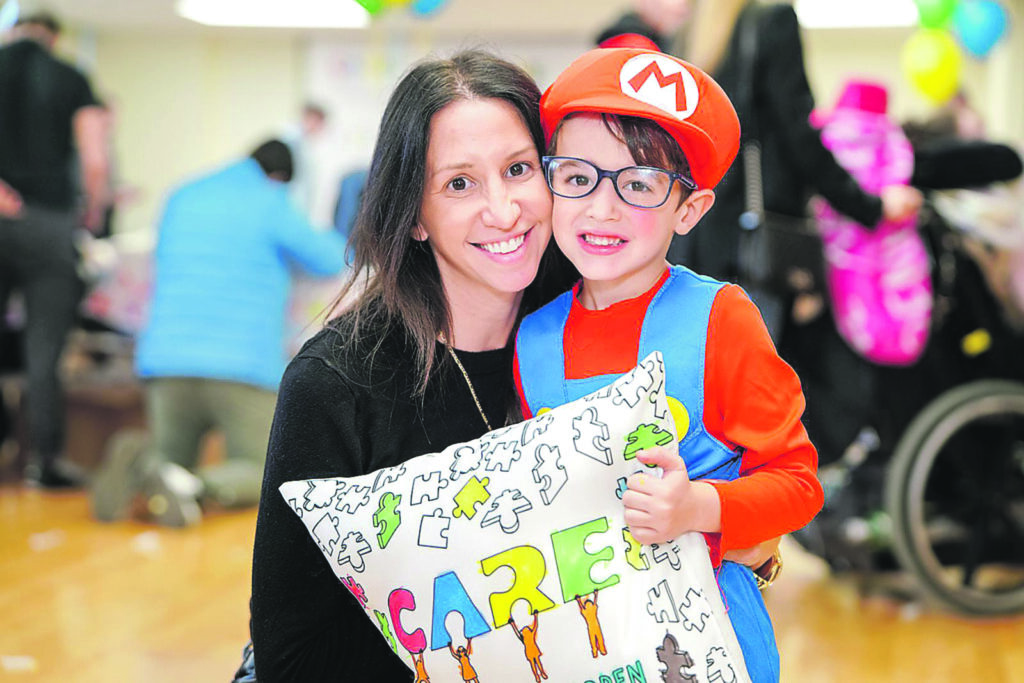
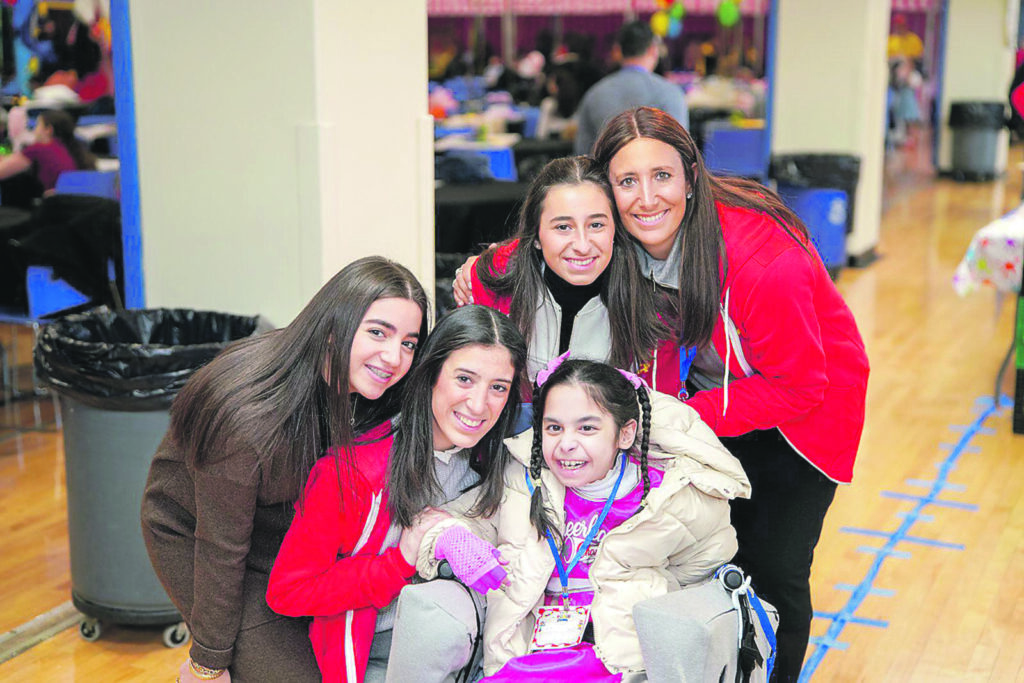
Every year, CARE brings the spirit of Purim alive with a carnival that is especially designed to cater to families of children with special needs. This year, over 600 children came sporting their adorable Purim costumes, ready for a day filled with fun! From stilt walkers and magicians to bounce houses, face painting, pillowcase decorating, and more — there was something for everyone to enjoy! The event was far more than just a carnival. It was a day that allowed families to experience the pure joy of the holiday despite the hardships of their everyday lives. The feelings of warmth and support from the community allowed them to truly relax and enjoy themselves.

Once again, the CARE Purim Carnival displays the organization’s exceptional ability to organize meaningful and successful events that bring families of children with special needs in our community together.
What is it that draws hundreds of parents to CARE? How is the experience unique? What elevates the CARE organization over others that serve children with special needs?
Founded by parents who deeply understand the challenges of raising a child with special needs, CARE offers not only direct support for children but also comprehensive guidance for the entire family. From the moment they begin their journey, CARE empowers parents, helping them navigate the emotional and practical complexities of raising a special child. CARE advisors are beside them every step of the way, ensuring they never feel alone.
By connecting families to essential services, therapies, schools, and specialists, CARE has become a lifeline within the special needs community. Beyond individual support, CARE fosters a sense of belonging through special events where parents and families can connect, share, and feel understood. With in-house social workers and a dedicated therapy clinic, CARE provides both emotional and practical support under one roof.
CARE blends compassion with advocacy, love with services, and provides hope–because every child deserves a beautiful life. Today, CARE is the heart of the special needs community, the central resource families turn to for comprehensive, ongoing support.
DSN Hosts UnforgettableYom Ha’atzmaut Celebration Honoring Israel

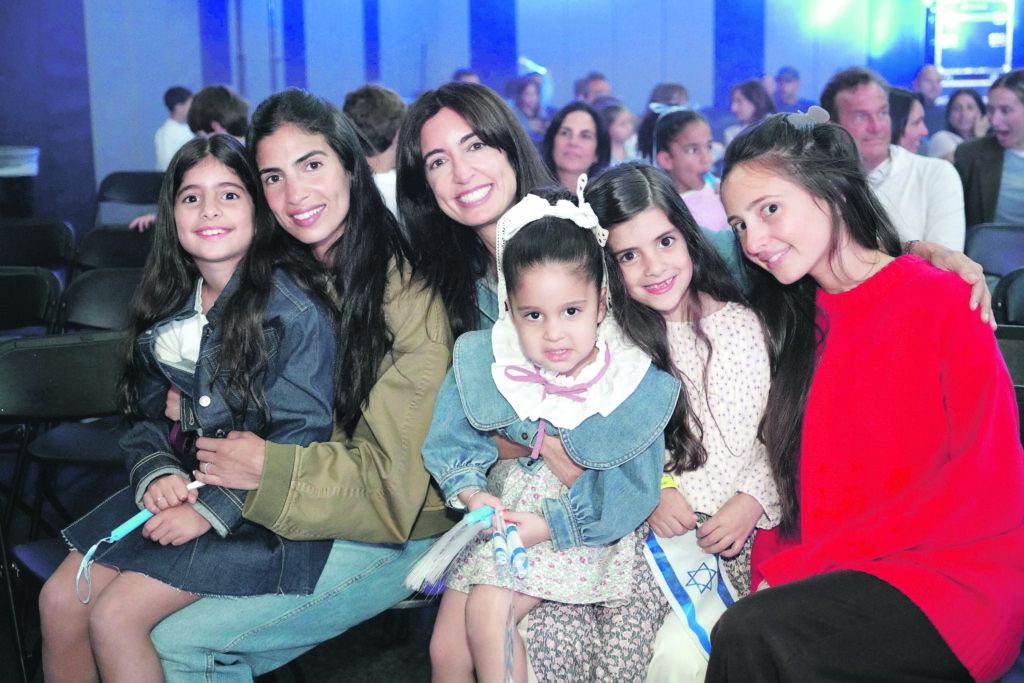
On Wednesday, April 30, DSN held a vibrant celebration of unity, resilience, and pride as over 500 people gathered in the Community Center to honor Yom Ha’atzmaut.

The evening began with a solemn and powerful tribute to the 59 remaining hostages. As the crowd stood in silence, 59 individuals held candles while each hostage’s name was read aloud. It was a poignant moment that captured the heartbreak and gravity of the current moment in Israel. The ceremony was followed by the Israeli national anthem, “Hatikvah,” movingly sung by IDF soldier, Rav Tomer.
Rabbi David Tawil of the Larchwood Synagogue shared heartfelt words of Divrei Torah offering inspiration for the community’s hope and steadfast support for Israel. Committee chairs Honey Dayan and Jacqueline Musry followed with brief remarks, expressing deep gratitude for the community’s involvement and unwavering spirit.
What began with somber reflection soon transitioned into an unforgettable evening of music, dancing, and celebration — true to Israeli spirit, where sorrow and joy so often dance together. On a dazzling stage lit with wild lighting effects, headliner Nechemia Katz delivered a breathtaking performance that had the audience on their feet for hours. With a voice described by many as “magnificent” and “unbelievable,” Katz’s energy was infectious. At one point, he brought children on stage to sing alongside him, creating an atmosphere of unity and hope that spanned generations.
“The Deal community is where it’s at!” said Jacqueline Musry. “Each year DSN puts on an explosive celebration, and this year, Nechemia Katz truly brought the house down. His passion was evident from our very first conversation, and after tonight, we were left absolutely speechless.”
Adding to the excitement, the evening featured glowing accessories, festive décor, Israeli flags and glow-in-the-dark strobe sticks. “It was a night my children and I will never forget,” said Honey Dayan. “DSN made our dream a reality!”
Committee member Pauline Assa reflected on the deeper impact of the night: “It was so meaningful–something that will truly leave a lasting imprint on the hundreds of people who were in that room.”
DSN’s annual Yom Ha’atzmaut celebration continues to grow each year, strengthening the bonds of the community while honoring Israel’s past, present, and future. From solemn candlelight ceremonies to jubilant song and dance, the night was a moving tribute to resilience, unity, and the enduring spirit of Am Yisrael.
Sammy Sitt, DSN’s Executive Director, summarized. “What a night! DSN has been displaying its fervent support of Israel over the past 18 months with event after event, many of them somber ones reflecting on October 7th. But tonight was different. Tonight, our community came out to celebrate the fact that we have a Jewish state, a place that we will always love and treasure. We are very fortunate to have volunteers and staff who are passionate about Israel in putting this event together. May Hashem continue to bless DSN to provide more celebrations and happy occasions.”

Is Your Investment Strategy Working for You or Against You?

Ari Baum, CFP®

WHAT WOULD YOU DO DIFFERENTLY IF YOU HAD FULL CONFIDENCE IN YOUR INVESTMENT PLAN? WOULD YOU INVEST MORE? STAY CALM DURING MARKET DIPS? STOP SECOND-GUESSING EVERY MOVE? These questions get to the heart of something many investors quietly struggle with: uncertainty.
Some aren’t sure if they have the right strategy. Others don’t have a strategy at all. In a world overwhelmed by breaking news, market noise, and well-meaning advice from friends, staying focused has never been more difficult.

The strongest investment plans are not necessarily the most complex, they’re the most purposeful. They’re designed to support your goals, your timeline, and your comfort level with risk. Whether you’re just getting started or refining a plan you’ve had for years, the key is choosing an approach that aligns with your life—not just the markets.

Buy and Hold — For the Patient Investor
If you’re someone who values simplicity and believes in long-term growth, the “buy and hold” strategy might be your sweet spot. This approach involves investing in high-quality assets—like stocks, ETFs, or mutual funds—and holding them through market ups and downs.
The goal is to avoid emotional decisions, ignore short-term noise, and let compounding do the heavy lifting over time. For investors who are in it for the long haul, this strategy offers calm in a sea of market turbulence.
Asset Allocation — For the Balanced Investor
This strategy is about building a mix of investments that reflect your unique balance of risk and reward. By spreading your assets across stocks, bonds, and cash, you create a diversified portfolio that adapts as your life evolves.
Younger investors may tilt toward stocks for growth, while those nearing retirement might shift to bonds for income and stability. Asset allocation is flexible by design, helping smooth out volatility while keeping you aligned with your long-term goals.

Dollar Cost Averaging — For the Consistent Investor
This strategy is all about discipline. With dollar cost averaging, you invest a set amount of money at regular intervals—monthly, for example—regardless of market conditions.
This strategy reduces the risk of bad timing, removes emotion from the process, and takes advantage of market dips by buying more shares when prices are low. Over time, it builds momentum—and confidence—without the pressure of guessing when to jump in.

Growth Investing — For the Ambitious Investor
Growth investing is for those who are comfortable with a little more volatility in exchange for potentially greater returns. This strategy focuses on companies and sectors with strong future potential—like tech, clean energy, or healthcare innovation.
Yes, growth investing may involve sharper ups and downs. But for long-term investors who believe in the future of innovation, the rewards can be worth the ride. The key is staying focused on your end goal and not panicking during the bumps.

Income Investing — For the Cash-Flow-Focused Investor
Sometimes the goal isn’t growth—it’s income.
Income investing prioritizes regular, reliable payouts from sources like dividend-paying stocks, municipal or government bonds, annuities or REITs (real estate investment trusts).
It’s often the go-to strategy for retirees or those wanting financial flexibility without selling off assets. If peace of mind and predictable income are high on your list, this may be the path forward.

Bonus Insight: Tax-Efficient Investing — For the Strategic Investor
No matter which strategy you choose, smart tax planning is essential. Without it, taxes can quietly chip away at your returns.
Strategies like using tax-advantaged accounts (think Roth IRAs or 401k’s), harvesting investment losses, or making well-timed Roth conversions can help you keep more of what you earn. It’s not about avoiding taxes—it’s about managing them intentionally.

From Uncertainty to Clarity
Investing without a plan is like setting off on a road trip without a map, you might eventually get somewhere, but it will likely take longer and cause more stress. A clear strategy helps you stay grounded during uncertainty, filter out distractions, and move forward with purpose.
Whether you’re planning to invest more this year, rebalance your portfolio, or simply feel more in control of your financial future, the first step is aligning your investments with your goals and mindset.
Your investments should support your life—not the other way around. When you invest with purpose, the results go far beyond your portfolio. q

The content is developed from sources believed to provide accurate information. Investing involves risk including the potential loss of principal. No investment strategy can guarantee a profit or protect against loss in periods of declining values. Past performance does not guarantee future results. Consult with a financial professional regarding your specific situation.

Ari Baum, CFP® is the Founder and CEO of Endurance Wealth Partners, with over 25 years of experience in the Financial Services industry. He brings his in-depth experience to Conceive. Believe. Achieve. for his clients. Securities and Advisory services offered through Prospera Financial Services Inc. Member FINRA/SIPC. Brokerage and Advisory accounts carried by Wells Fargo Clearing Services LLC.

MDY Celebrates 75 Years Through Historic Museum Exhibit and Book

Kelly Jemal Massry
Photos Courtesy of Shula Mann Photography

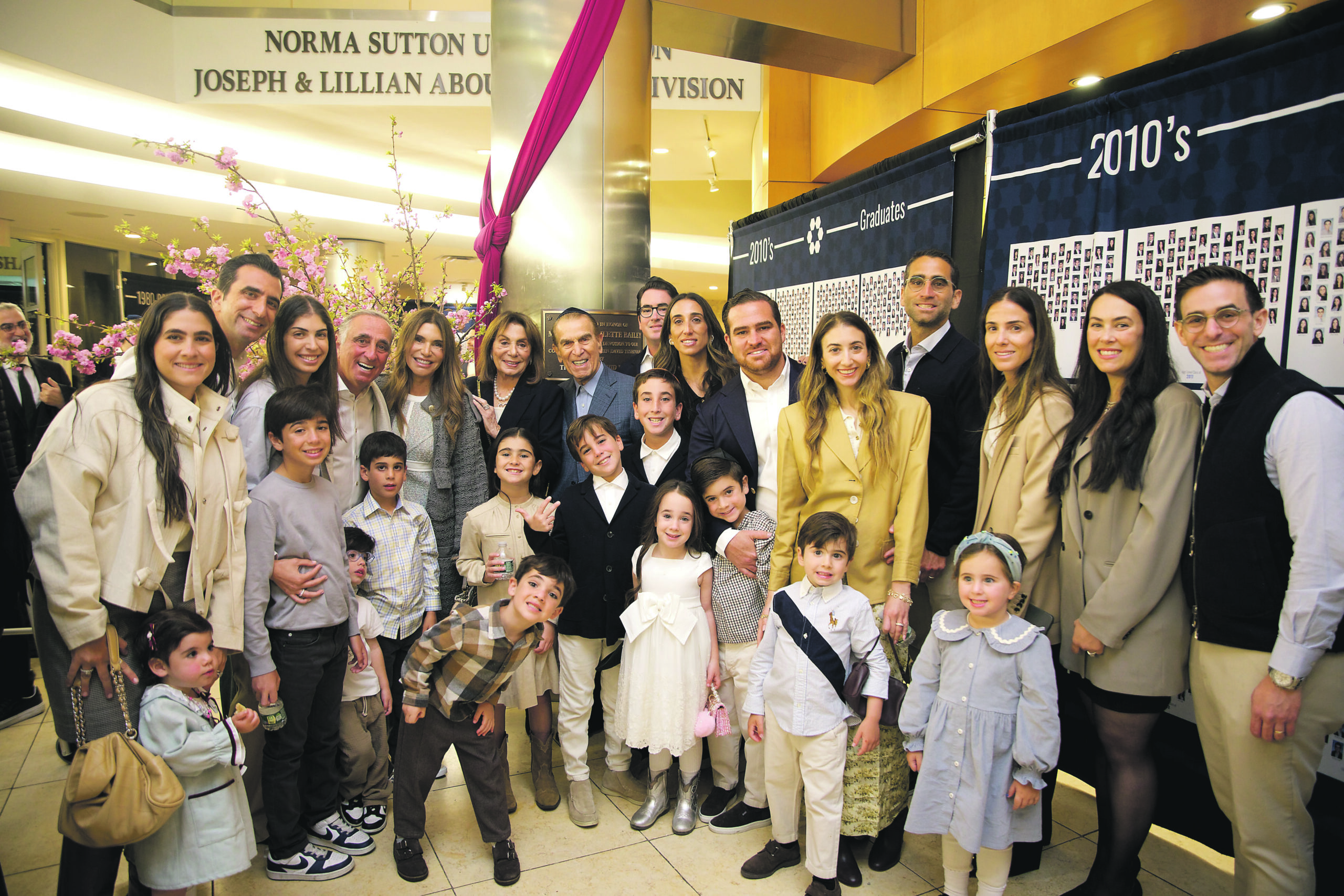
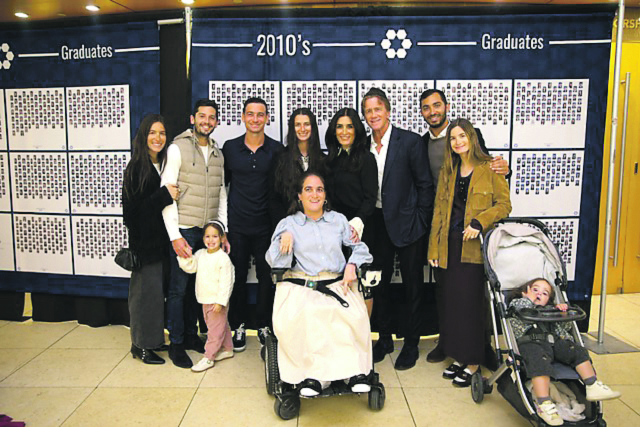
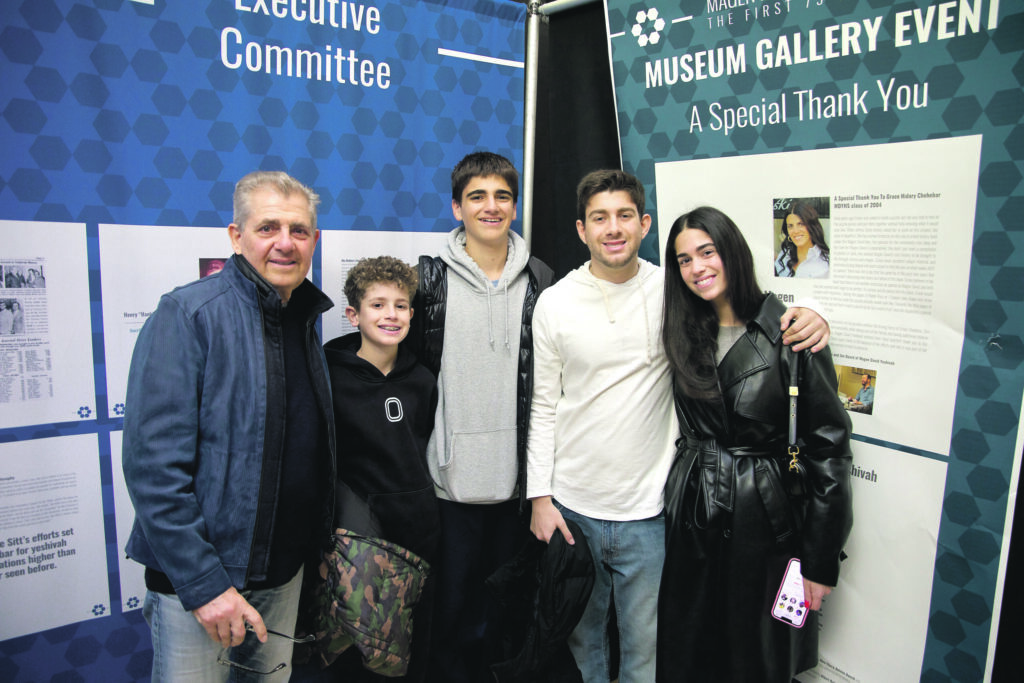
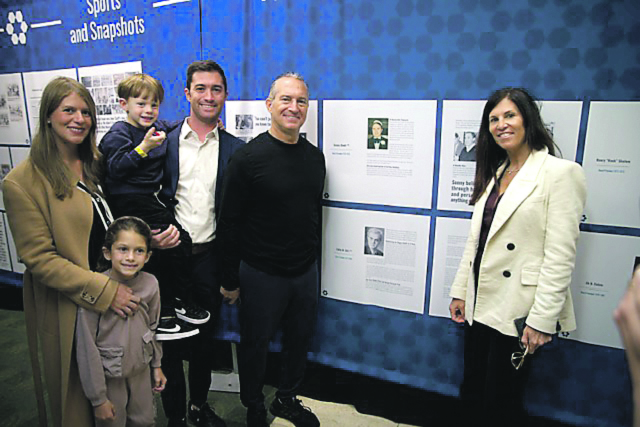
On April 27th and 28th 2025, Magen David Yeshivah invited our community to experience a one-of-a-kind exhibit entitled: Magen David Yeshivah, The First 75 Years. Nostalgic highlights, key figures and telling quotes were displayed on the walls of the school, bringing to life the pivotal moments and the crucial individuals that were central to founding MDY, maintaining its mission and educating its students.

Spanning from 1946 to the present, this two-day event, set up to mimic the interior of a museum gallery, took viewers through the decades as the school began, flourished and expanded. Encapsulating it all was a gorgeous 834-page book filled with thousands of photos, articles and interviews. Taken together, the tome is a historic record piecing together how Magen David Yeshivah came to be the premier institution for Sephardic Jewish education in Brooklyn. The book took 10 years to complete and is truly a collector’s item to be shared for generations. As the community came to see the exhibit in droves, many took home several copies of this work of art to share with family members.
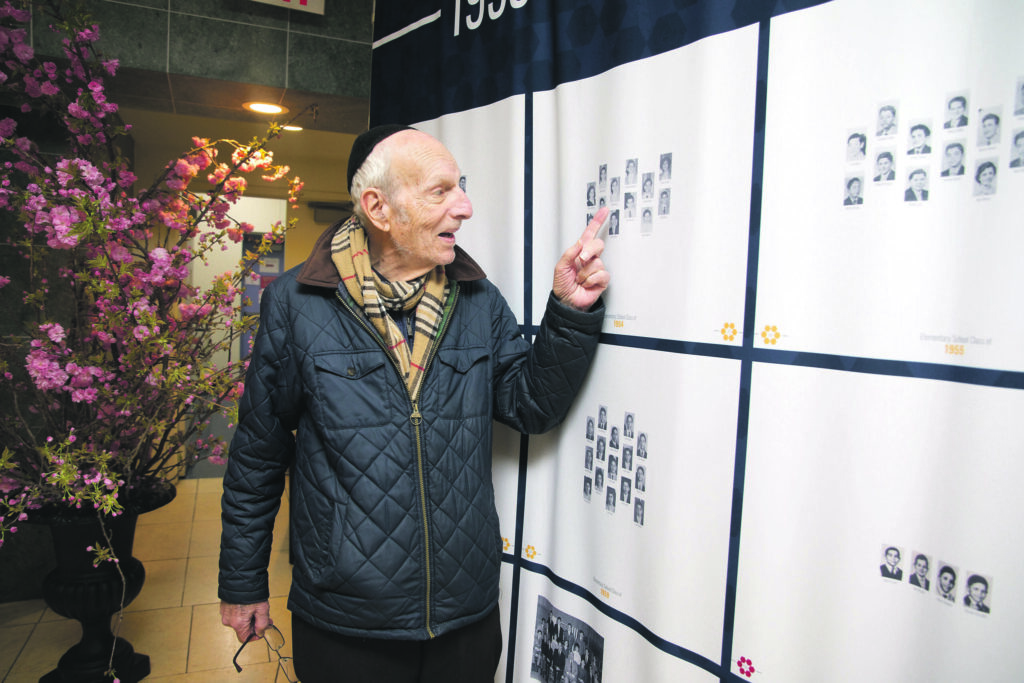
On this special day, whose planning was years in the making, the heart and soul of Magen David Yeshivah was lovingly put on display in visuals that caught the eye. As attendees walked through the exhibit, they took a trip down memory lane, revisiting old teachers, spotting old friends, and paying homage to the visionaries who shaped their beloved school. “When we started the project 10 years ago, we thought it would be the history of MDY, but we quickly learned it was the history of the Syrian community in Brooklyn and the Yeshivah that anchored them and kept their traditions, said Marshall Mizrahi, Chairman of the book and the museum. “ As the book went to print, I realized we needed a large way to share all the amazing details we learned about the prior generations. Everyone in the community has some relation to the founders of Magen David, and I wanted the museum experience to bring those images to Life.”
Central to Magen David Yeshivah’s pedagogical focus was an appreciation for their rich traditions and heritage, as well as forming relationships with rabbinical leaders that would have lasting effects on how they, as graduates, continued to raise their own families. Those tenets held strong back then and still remain in effect today. Because of this very intentional effort, an impact was felt by all who attended Magen David Yeshivah since its inception. The prevailing sentiment felt by every alumni who was asked to share his or her thoughts was gratitude – thanks to a school that regulated them in a Jewish way of life, that infused within them a sense of propriety and purpose and that gave them the ability to both face and inspire the outside world. Because each Magen David graduate means just as much to the administration, the yearbook photo of every person to matriculate from the elementary and high school since their beginnings was given a place on the walls and in the keepsake book. What a magnificent way to pay tribute to this pioneer of a yeshivah and its leaders, teachers, and students.
We thank project chairman Marshall Mizrahi, Editor-in-Chief Grace Hidary Chehebar, Associate Editor Kelly Jemal Massry, Chief Advisor Jeffry Gindi, Associate Advisor Rochelle Beyda, Designer and Publisher Omri Golan and Albert Hakim, and countless others on the research committee for their help in bringing this masterpiece to fruition. Though the museum event has ended, Magen David Yeshivah’s 75-year anniversary book can be purchased by visiting www.magendavidyeshivah.org/75th-anniversary-book.
Own a piece of community history today and delve through the pages that tell the story of a singularly important institution.
“Today was a truly historic day for the Magen David Yeshivah community and family,” said its current elementary school principal Rabbi Ezra Cohen-Saban at the conclusion of the event. “Seventy-five years of memories, achievements and milestones – lovingly collected over the past decade – were brought to life for the entire community to experience. This was a once- in-a-generation celebration of our shared legacy and an unforgettable moment in time.”
*Back by popular demand, the museum will be featured in Lawrence Avenue Shul on July 28th.

Kelly Jemal Massry holds a B.A. from Barnard College, an MFA from Sarah Lawrence College and an Ms. Ed from Bank Street College. She is a writer, reading specialist and bookstore owner.