Home Blog Page 21

Houthis Announce “Comprehensive Aerial Blockade” on Israel, Threaten to Target Airports
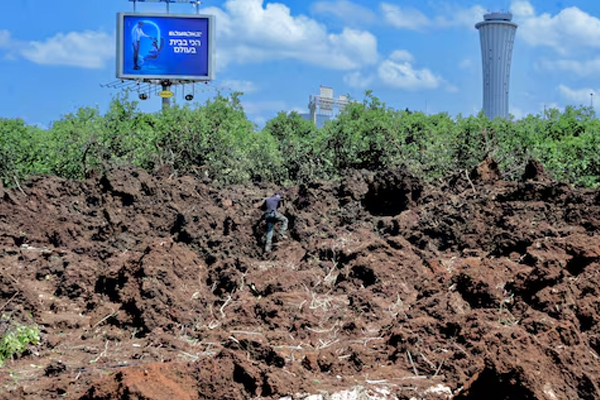
Yemen’s Houthi rebels have declared a new phase in their campaign against Israel, announcing on Sunday that they will impose a “comprehensive aerial blockade” by targeting Israeli airports with missiles and drones. The move, they say, is in retaliation for Israel’s intensified military operations in Gaza and is part of their broader stance of solidarity with the Palestinian people.

In a statement released by the Houthi-run Humanitarian Operations Coordination Center, the Iran-aligned group claimed responsibility for a missile strike on Sunday that reportedly landed near Ben Gurion International Airport — Israel’s main international gateway. The Houthis warned that Ben Gurion would remain their “top target” and urged international airlines to immediately suspend flights to Israeli airports.

“We call upon all international airlines to take this announcement into serious consideration and cancel all flights to the airports of the criminal Israeli enemy, in order to safeguard the safety of their aircraft and passengers,” the statement read.

According to the Houthis, an official email communicating this intent was sent to the International Air Transport Association (IATA) and the United Nations’ International Civil Aviation Organization (ICAO), signaling the group’s desire to publicly warn civil aviation authorities and the international community.

A Growing Threat from Yemen’s Skies

While most previous Houthi missile and drone attacks have been intercepted by Israel’s sophisticated air defense systems, Sunday’s strike near Ben Gurion Airport marks a significant development. It is the first successful impact of a projectile launched from Yemen since the group resumed such attacks in March.

Though no casualties or damages were reported, the incident has raised alarm over the Houthis’ growing missile capabilities and the risks posed to Israeli civilian infrastructure and international air traffic. A drone launched by the group previously struck Tel Aviv in 2023, though it caused only minor damage.

Israel Vows Retaliation

Israeli Prime Minister Benjamin Netanyahu responded swiftly to the latest escalation, vowing to retaliate. “We will not allow threats to our airports or civilians to go unanswered,” Netanyahu said in a brief statement. Israel has yet to formally disclose what military or diplomatic steps it intends to take in response.

Israeli defense officials have previously warned that attacks from Houthi-held areas in Yemen represent a significant strategic challenge, particularly when coordinated with Iran-backed forces in Syria, Lebanon, and Iraq.

Backdrop: Gaza War and Widening Regional Tensions

The Houthi escalation comes at a time when Israel is preparing to expand military operations in the Gaza Strip, following the breakdown of ceasefire talks and mounting international frustration over the humanitarian situation.

Since the end of a temporary truce in March, Israeli forces have been carving out extensive buffer zones in Gaza, compressing the enclave’s 2.3 million residents into increasingly smaller areas. Aid agencies report severe restrictions on humanitarian aid deliveries, raising fears of a full-scale famine.

Israel’s military campaign — launched in response to the October 7, 2023 Hamas attack that left 1,200 Israelis dead and over 250 taken hostage — has devastated much of Gaza. According to health officials in the enclave, over 52,000 people have been killed since the offensive began.

The Houthis, who control much of northern Yemen and are backed by Iran, have positioned themselves as defenders of Palestinian rights. They have carried out repeated drone and missile attacks targeting what they claim are Israeli-linked commercial ships in the Red Sea and Gulf of Aden, further complicating regional maritime security and drawing U.S.-led military responses.

International Concerns

The latest threats against Israeli airports mark a dangerous new dimension in the ongoing regional escalation, as international civil aviation authorities weigh the implications for flight safety. If followed through, such actions could severely disrupt international air travel to and from Israel and place civilian passengers and commercial airlines at risk.

Neither IATA nor ICAO have publicly responded to the Houthi warning as of Monday. Aviation analysts caution that while the Houthis lack the technological capacity for sustained precision strikes, even isolated successful attacks can undermine airline confidence and pose a serious safety threat.

What Happens Next?

The situation remains fluid, with fears of further regional spillover if retaliatory strikes are carried out or if additional Houthi attacks successfully breach Israeli air defenses. Analysts say that continued attacks on airports — typically considered red lines in armed conflicts — could provoke a broader Israeli military response inside Yemen, further destabilizing the region.

With ceasefire negotiations in Gaza stalled and no sign of de-escalation from the Houthis, the risk of regional war broadening through proxy actors like the Houthis, Hezbollah, and Iran-backed militias remains high.
Yemen’s Prime Minister Ahmad bin Mubarak Resigns Amid Deepening Power Struggles

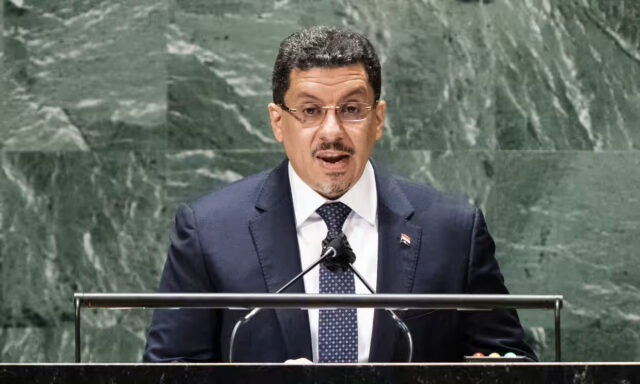
Ahmad bin Mubarak, the Prime Minister of Yemen’s internationally recognised government, has resigned from his post, citing his inability to exercise constitutional powers and implement needed reforms. His departure marks a significant shift in the leadership of a government already fragmented by years of internal disputes, foreign influence, and an ongoing civil conflict.

In a statement posted on X (formerly Twitter) over the weekend, Bin Mubarak announced he had met with Rashad al-Alimi, chairman of the Saudi-backed Presidential Leadership Council (PLC), and submitted his resignation. The move ends his brief tenure as premier, which began on February 5, 2024.

“I could not exercise my constitutional powers and take the necessary decisions to reform government institutions or implement rightful governmental changes,” Bin Mubarak stated in his resignation letter, which he made public online.

A Turbulent Tenure Marked by Political Infighting

Multiple sources within Yemen’s government, speaking on condition of anonymity to AFP, confirmed that Bin Mubarak had been embroiled in protracted disputes with Alimi and other top officials. The disputes were largely over the prime minister’s efforts to expand his authority beyond the boundaries of his office, as well as his attempts to enforce anti-corruption measures, including the suspension of several ministerial budgets — notably the defence ministry.

Analyst Mohammed al-Basha of the US-based Basha Report Risk Advisory told AFP that Bin Mubarak had increasingly sought powers akin to those of the presidency, straining his relationships with other members of the PLC. “His drive for greater power – viewed by many as fuelled by personal ambition – led to repeated confrontations with key ministers and most council members,” Basha said. “Over time, this power struggle eroded trust.”

Despite these tensions, Bin Mubarak claimed a number of achievements during his short time in office, including fiscal and administrative reforms, and steps toward curbing widespread corruption.

Background and Political Significance

Ahmad bin Mubarak, a long-time critic of the Iran-backed Houthi rebels, previously served as Yemen’s ambassador to the United States, its envoy to the United Nations, and foreign minister. His political career has been shaped in part by personal confrontation with the Houthis, who abducted him in 2015.

His resignation comes at a time of heightened regional instability. The Houthi movement, which seized Yemen’s capital Sana’a in 2014 and continues to control the country’s most populous regions, is waging a missile and drone campaign targeting Israeli interests and international shipping routes in the Red Sea and Gulf of Aden. The group claims the attacks are acts of solidarity with Palestinians amid the ongoing war in Gaza.

Though the civil war in Yemen has de-escalated since a United Nations-brokered truce in 2022, the country remains deeply divided. The Saudi-led coalition, which intervened in 2015 in support of the ousted Yemeni government, has struggled to achieve lasting military or political success.

Analysts view Bin Mubarak’s departure as potentially stabilising for the internationally recognised government. “His resignation should ease internal tensions and reduce the deep divisions that have plagued Yemen’s leadership — a necessary and positive step toward restoring cohesion,” Basha noted.

Looking Ahead

No successor has been formally named at the time of writing, and it remains unclear how Bin Mubarak’s resignation will affect the ongoing diplomatic efforts to end Yemen’s protracted conflict. The international community, particularly the UN and Gulf states, continues to urge all Yemeni factions to pursue dialogue and avoid further fragmentation.

The resignation underlines the fragile nature of Yemen’s governance, where political rifts within the anti-Houthi coalition often hinder efforts toward peace, recovery, and humanitarian relief in one of the world’s most devastated regions.

New York Lawmakers Move to Weaken Oversight of Religious Schools, Sparking Outcry

In the final days of negotiations over New York State’s $254 billion budget, lawmakers and Governor Kathy Hochul are weighing a contentious proposal that would significantly roll back state oversight of private religious schools. The measure—backed by leaders of the Hasidic Jewish community and their political representatives—has alarmed education experts and child‐advocacy groups who warn it could leave thousands of students without access to even a basic secular curriculum in English, math, and science.

Proposal Details and Legislative Context

Under current law, private schools—including religious institutions—must demonstrate “substantial equivalency” to public schools by teaching core academic subjects. The budget‐negotiation proposal under discussion would:

  • Lower the threshold schools must meet to prove compliance with secular‐education requirements.
  • Delay or eliminate penalties for schools found out of compliance, even if they accept taxpayer dollars through vouchers or state aid.
  • Potentially remove routine inspections by the State Education Department (SED), placing enforcement into a reactive, complaint‐based model.

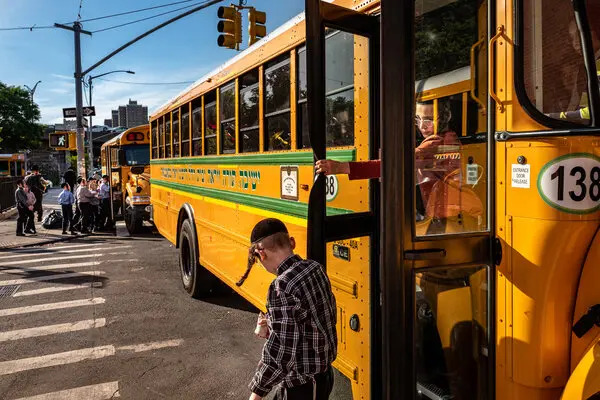
Although the changes would ostensibly apply to all private schools in New York, their most immediate beneficiaries would be Hasidic yeshivas, which often conduct instruction primarily in Yiddish and Hebrew and have been cited in recent years for failing to teach adequate English literacy and math skills.

Opposition from Education Authorities

State Education Commissioner Betty A. Rosa condemned the proposal as a “travesty” for the children it affects. In an interview, Rosa warned that diluting the “substantial equivalency” standard would compromise students’ futures by denying them foundational skills necessary for higher education and the workforce.

“We would be truly compromising the future of these young people,” Rosa said. “As the architect of education in this system, how could I possibly support that decision?”

Rosa noted that while religious instruction is a vital part of cultural identity, it must be balanced with a secular education that equips all students to participate fully in American society.

Political Calculations and Community Pressure

The push to ease oversight has been driven by years of lobbying from Hasidic community leaders, who argue that the state’s requirements infringe on religious freedom and parental rights. Hasidic yeshiva advocates point to their right to manage their own schools under the U.S. Constitution’s Free Exercise Clause.

Legislative leaders and Hochul’s office have so far declined to release detailed language of the proposal, but insiders confirm that it remains a central bargaining chip in the budget talks. Governor Hochul, who on Monday announced a broad budget agreement, acknowledged that private‐school oversight is among the “many particulars still being hashed out.”

“We want to respect religious autonomy while ensuring every child gets a fair chance,” Hochul said. “We’re working to find the right balance.”

Concerns Over Educational Equity

Child‐advocacy groups fear that weakening oversight will exacerbate educational inequities already evident in certain religious‐school sectors. A 2023 state audit found that in some Hasidic schools, fewer than half of students in tested grades scored proficient in English language arts or mathematics.

Advocates for Children of New York issued a statement calling the proposal “a step backward” that would leave vulnerable students behind and undermine decades of progress in raising statewide academic standards.

What’s Next

With the state budget deadline fast approaching, the fate of the oversight rollback remains uncertain. If included in the final budget, the changes could take effect as soon as July 1. The SED and the State Board of Regents will then face the challenge of implementing revised regulations and ensuring that all New York students—not just those in religious schools—receive the education they need to succeed.

Meanwhile, civic groups are preparing legal challenges, arguing that the modifications violate the state Constitution’s guarantee of a “sound, basic education” for every child. The coming weeks promise intense debate in Albany—and potentially in the courts—over how New York balances religious liberty with its responsibility to all students.

Wall Street Rallies as Job Market Surpasses Expectations Despite Trade Tensions

Wall Street posted strong gains Friday as investors cheered a better-than-expected U.S. jobs report, easing some concerns over the country’s economic resilience amid ongoing tariff tensions and inflationary pressures.

The S&P 500 climbed 1.3%, on track for its ninth consecutive day of gains, continuing its longest winning streak since late 2021. The Dow Jones Industrial Average jumped 449 points, or 1.1%, while the Nasdaq composite advanced 1.4%, buoyed by gains in technology and financial stocks.

Tech and Financial Stocks Lead Gains

Big tech stocks led the way, with Microsoft up 2.1% and Nvidia rising 2.6%. Investors have been leaning into large-cap tech companies amid expectations of continued earnings strength and innovation in AI and cloud computing.

However, Apple shares dropped 3.3% after the company revealed it could face $900 million in additional costs due to U.S. tariffs, especially from ongoing trade frictions with China. The company’s warning underlined broader concerns among multinationals grappling with shifting global trade policies.

Banks and other financial institutions also rallied, with JPMorgan Chase rising 2.1% and Visa up 1.6%, on renewed confidence in consumer spending and solid job growth.

April Jobs Report: Better Than Expected

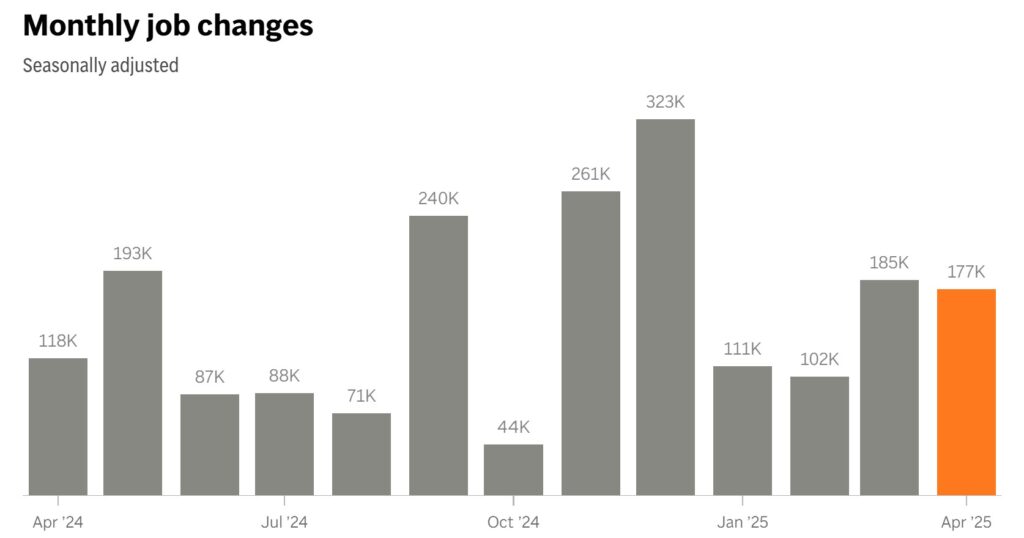
The Labor Department reported that 177,000 jobs were added in April, a modest slowdown from March but still stronger than the 150,000 economists had forecast. The solid hiring data helped ease fears of a significant economic cooldown, especially amid tighter credit conditions and geopolitical uncertainties.

However, economists noted that the effects of President Trump’s latest tariffs were not yet reflected in these figures. Many of the tariffs originally scheduled to take effect in April have been delayed by 90 days, except those on Chinese goods, which remain in force.

Tariff Tensions Cloud Outlook

“Unless the administration changes direction when the pause ends in July, we’ll likely see another period of volatility similar to what we saw in early April,” warned Chris Zaccarelli, chief investment officer at Northlight Asset Management.

Earlier this month, markets were rattled when the S&P 500 dropped 9.1% in one week after Trump’s announcement of sweeping new tariffs. While some of that ground has since been regained thanks to strong earnings and hopes for de-escalation with China, uncertainty remains high.

The first quarter of 2025 saw a 0.3% annual contraction in U.S. GDP, largely driven by a surge in imports as businesses tried to get ahead of tariff implementation. The ripple effects are showing in weakened business confidence, supply chain adjustments, and lower forward guidance.

Corporate Earnings Paint a Mixed Picture

While Friday was quieter for earnings, Exxon Mobil and Chevron both reported their lowest first-quarter profits in years, dragged down by falling crude oil prices. U.S. crude oil has dipped 18% this year, falling below $60 a barrel—below the breakeven point for many producers.

Meanwhile, Block Inc., the parent company of Cash App, tumbled 21.9% after posting a steep decline in Q1 profit, citing reduced consumer discretionary spending, especially in travel and entertainment.

Treasury Yields Rise

The bond market saw yields increase on the back of the strong jobs data. The 10-year Treasury yield rose to 4.30% from 4.22% late Thursday, indicating growing investor expectations for continued economic momentum and possibly fewer rate cuts than previously expected.

Looking Ahead

While the job market’s resilience has offered Wall Street a shot of optimism, investors remain cautious as they await July’s decision on the paused tariffs. With inflation still sticky and geopolitical risks evolving, markets are likely to remain sensitive to new developments in trade and fiscal policy.

Bottom Line: Wall Street’s rally reflects confidence in the U.S. job market and corporate earnings—but looming tariffs and global uncertainty mean that this momentum could be tested in the months ahead.

Israel’s Airstrikes in Syria Escalate Regional Tensions After Deadly Clashes Near Damascus

In a dramatic escalation of regional tensions, Israeli forces launched targeted airstrikes near Syria’s presidential palace in Damascus following violent clashes that left 22 people dead, including 16 Syrian security personnel. The strikes, reportedly intended to defend Syria’s Druze community, mark one of the most direct Israeli interventions in recent years and underscore the volatile dynamics gripping the region.

Background of the Clashes

The immediate trigger for the violence was a controversial religious comment made by a prominent Druze cleric, which ignited fierce fighting between Druze fighters and pro-government gunmen in and around the Syrian capital. The confrontation, lasting roughly 15 hours, resulted in widespread destruction and casualties, plunging the already-fragile area into deeper unrest.

The Syrian government deployed military units in an effort to regain control, leading to intense gunfire and shelling that drew the attention of international observers. Local sources report that the battle left residential buildings damaged and displaced dozens of families from the conflict zone.

Israel’s Response

Citing a need to protect the Druze minority, which shares cultural and familial ties with Israel’s own Druze citizens, the Israeli military launched a precision air operation near strategic Syrian government sites. According to military analysts, the strikes were aimed at disrupting the movement of Syrian and Iranian-backed militias that posed a direct threat to the Druze community and potentially to Israel’s northern borders.

Israeli Prime Minister Benjamin Netanyahu addressed the public shortly after the strikes, stating, “We will not stand by as our Druze brothers and sisters are targeted. Israel remains committed to defending all minorities against tyrannical aggression and ensuring regional stability.”

Sectarian Fallout and Regional Implications

The clashes and subsequent airstrikes have deepened Syria’s sectarian divides. Sheikh Hikmat Al-Hijri, the spiritual leader of Syria’s Druze population, condemned the Syrian government’s actions as a “genocidal attack” and accused President Bashar al-Assad’s regime of deliberately instigating conflict to suppress minority dissent.

“This is not just a military confrontation,” Al-Hijri said in a televised address. “This is a deliberate effort to erase our people and silence our voice.”

The Syrian government, however, has denied accusations of targeted aggression and instead blamed “external agitators” for fueling the unrest.

International Response

Global reactions to the escalating conflict have been mixed. While the U.S. State Department expressed concern over the sectarian violence and urged all parties to de-escalate, Russia, a key ally of the Assad regime, criticized the Israeli strikes as a violation of Syrian sovereignty.

The United Nations has called for an emergency meeting to address the crisis, fearing that the growing conflict could destabilize neighboring Lebanon and Jordan, both of which have significant Druze populations.

Strategic Outlook

This latest development underscores the complexity of the Syrian conflict, now entering its 14th year. What began as a civil uprising has evolved into a multifaceted war involving domestic, regional, and international actors.

Israel’s direct military engagement, especially near the symbolic and politically sensitive area of the presidential palace, signals a significant policy shift and a broader strategic intent to counter Iranian influence and protect minority communities across its borders.

As the situation remains fluid, analysts warn that further escalations could drag regional powers into a broader confrontation unless swift diplomatic interventions take place.

Trump’s FY 2026 Budget Proposal Prioritizes Defense, Slashes Domestic Spending

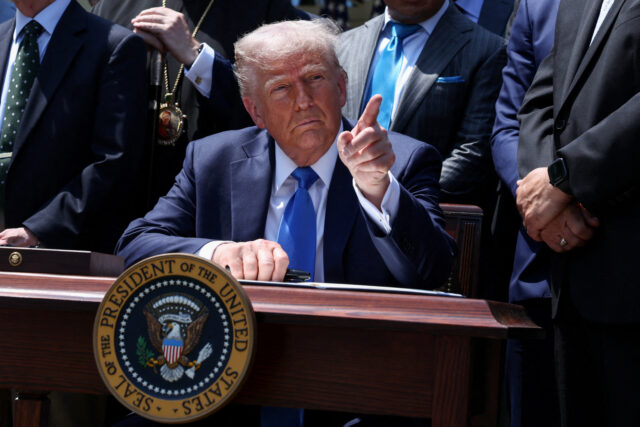
FILE PHOTO: U.S. President Donald Trump points, surrounded by faith leaders, during an executive order signing ceremony on the National Day of Prayer, in the Rose Garden at the White House in Washington, D.C., U.S., May 1, 2025. REUTERS/Evelyn Hockstein/File Photo

President Donald Trump’s proposed Fiscal Year 2026 budget reflects a sharp pivot toward military and national security spending while drastically cutting domestic and social programs. The proposal, submitted to Congress for review and approval, outlines a $1.01 trillion allocation for national security—a 13% increase—while reducing non-defense discretionary spending by $163 billion, or 22.6%, to $557 billion.

A Shift in Fiscal Priorities

Trump’s 2026 budget underscores his administration’s intent to reshape the federal government’s role by prioritizing defense, immigration enforcement, and law and order, while trimming or eliminating spending on social programs, environmental initiatives, and foreign aid.

Key elements of the budget include:

  • $1.01 trillion for national security, encompassing the Department of Defense, Homeland Security, and the nuclear weapons programs under the Department of Energy.
  • $163 billion in cuts to non-defense discretionary spending, affecting a wide range of domestic programs.

Agencies Facing Major Cuts

The Environmental Protection Agency (EPA) and Department of Education are among the agencies slated for the steepest reductions. The budget calls for:

  • Deep cuts or elimination of climate-related and renewable energy programs.
  • Defunding of environmental justice initiatives.
  • Streamlining or dismantling the U.S. Agency for International Development (USAID), with international development assistance either reassigned to other departments or terminated altogether.

Emphasis on “America First”

The budget aligns with Trump’s longstanding “America First” agenda, favoring defense, border security, and domestic manufacturing, while deprioritizing global partnerships and federal involvement in social policy. According to the administration, the proposed reductions aim to eliminate what it views as “wasteful” or “ideologically driven” programs.

Critics argue that the budget would:

  • Undermine the nation’s climate response capabilities.
  • Erode support for vulnerable communities.
  • Diminish U.S. influence in global development and diplomacy.

Political Battle Ahead

Congress, which holds the constitutional power of the purse, will ultimately determine the fate of the budget proposal. Given the political divisions between parties and the contentious nature of some proposed cuts, significant revisions are expected during the legislative process.

Democrats and some moderate Republicans are likely to push back against what they consider excessive cuts to education, environmental protection, and public health initiatives. Defense hawks, however, may support the proposed increases in military spending, while fiscal conservatives might applaud the overall reduction in federal outlays.

Looking Forward

Trump’s FY 2026 budget is not just a fiscal plan—it’s a political statement. With the 2026 midterm elections on the horizon, the proposal will serve as a key talking point for Republicans rallying around national security and fiscal restraint, and for Democrats defending social and environmental programs.

As the budget process unfolds, it will provide a window into the nation’s priorities and political will—shaping not only policy, but the national debate heading into the next election cycle.

Race for Senate District 22 Heats Up With Key Endorsements

The race for New York State Senate District 22 is heating up ahead of the special election scheduled for May 20, 2025. This contest will determine who fills the seat vacated by Simcha Felder, who resigned after winning a City Council position. The district encompasses parts of southern Brooklyn, including Midwood, Flatbush, Borough Park, Madison, Marine Park, Gerritsen Beach, Gravesend, and Sheepshead Bay .

Sam Sutton: Democratic Nominee

Sam Sutton, a seasoned nonprofit leader and prominent figure in Brooklyn’s Sephardic community, has secured the Democratic nomination. With over three decades of experience at Sephardic Bikur Holim and involvement with organizations like the Sephardic Community Federation and NYU Langone Medical Center, Sutton has been a steadfast advocate for community services and healthcare initiatives .

His campaign has garnered significant support from key Democratic figures, including Senate Deputy Majority Leader Michael Gianaris, Brooklyn Democratic Party Chair Assemblymember Rodneyse Bichotte Hermelyn, State Senators Jessica Scarcella-Spanton and Andrew Gounardes, Assemblymembers Simcha Eichenstein, Kalman Yeger, and Nily Rozic, Councilwomen Susan Zhuang and Farah Louis, and former Assemblymember Helene Weinstein. This broad coalition underscores Sutton’s deep roots and influence within the Democratic establishment.

“Given our community’s growth and challenges, we need a representative who is deeply rooted in our community and understands its dynamics,” Sutton stated, emphasizing his commitment to addressing local concerns.

Nachman Caller: Republican Challenger

Opposing Sutton is Nachman Caller, a Republican district leader and attorney known for his previous political endeavors, including a 2014 bid for the State Assembly. Caller’s campaign is bolstered by endorsements from former State Senators David Storobin and Carl Kruger, as well as Assemblymember Lester Chang.

Voters are encouraged to participate in the special election on May 20, 2025, to have their voices heard in shaping the future representation of Senate District 22.

Israel’s Population Surpasses 10 Million for the First Time on Eve of 77th Independence Day

In a historic demographic milestone, Israel’s population has officially surpassed 10 million for the first time, according to figures released by the Central Bureau of Statistics (CBS) on Tuesday. The announcement comes on the eve of the country’s 77th Independence Day, marking a significant growth twelvefold since Israel’s founding in 1948.

Key Population Statistics

As of May 2025, Israel’s population stands at approximately 10.1 million. This reflects a growth of 1.4% — or about 135,000 people — over the previous year. The CBS report breaks down the population into several major categories:

  • 7.7 million (77.6%) are classified as Jewish or “other,” a newly merged category that includes non-Arab Christians and those with no registered ethnicity. Many in this group are eligible for citizenship through the Law of Return due to Jewish ancestry or marriage.
  • 2.1 million (20.9%) are Arabs — including Muslims, Christians, and Druze.
  • Approximately 250,000 (2.5%) are foreign workers, international students, and undocumented immigrants who do not fall into the above categories.

The CBS noted that 174,000 babies were born in Israel over the past year, 28,000 people immigrated, and 50,000 residents passed away. The net gain points to Israel’s steady growth despite a global slowdown in population increases.

A Young Nation

Israel continues to boast a young demographic profile, with 27% of the population under the age of 18 and only 13% aged 65 and older. This is in contrast to aging trends seen in much of the developed world.

While the global population grew by 0.9% last year (to just over 8 billion, per World Bank data), Israel’s growth rate outpaced the global average, though it slowed slightly from the previous year’s 1.9% increase.

Immigration Trends

Immigration remains a major driver of Israel’s population expansion. Since the establishment of the state in 1948, about 3.5 million people have immigrated to Israel. Notably, nearly 48% of them arrived since 1990, following the dissolution of the Soviet Union which enabled mass Jewish emigration.

The CBS also highlighted that:

  • 45% of the world’s Jewish population now lives in Israel, a dramatic shift from previous generations.
  • 80% of Jewish Israelis were born in Israel, showcasing a maturing, homegrown society.

However, a 24% drop in immigration over the past year, as reported by the Aliyah and Integration Ministry, may have slightly dampened the pace of growth.

Israeli Citizens Abroad

An estimated 56,000 Israeli citizens currently live abroad, a number that has reportedly declined, although the CBS did not provide specific figures on the decrease.

A Nation Prepares to Celebrate

As Israel approaches its 77th Independence Day, the population milestone offers a moment for reflection and celebration. The national holiday begins Wednesday evening, immediately following Yom Hazikaron (Memorial Day), which honors fallen soldiers and victims of terrorism.

The transition from solemn remembrance to joyous celebration is a unique hallmark of Israel’s national calendar — a poignant reminder of the sacrifices that have paved the way for the state’s survival and growth.

At 8 p.m. Tuesday, sirens will mark a national moment of silence to commence Memorial Day. By Wednesday night, the country will shift into celebration mode, honoring its remarkable journey from a fledgling state of 806,000 people in 1948 to a thriving and diverse nation of over 10 million today.

Israel Brings Massive Blaze Near Jerusalem Under Control After Fierce Battle

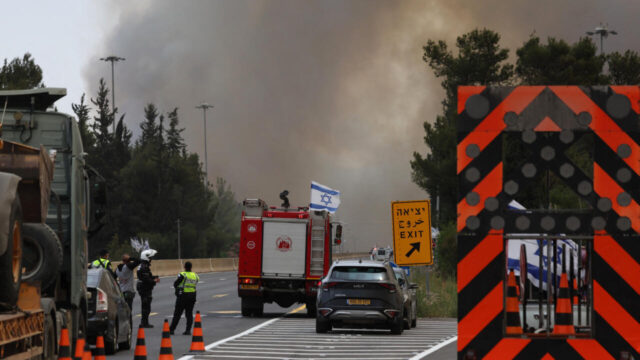
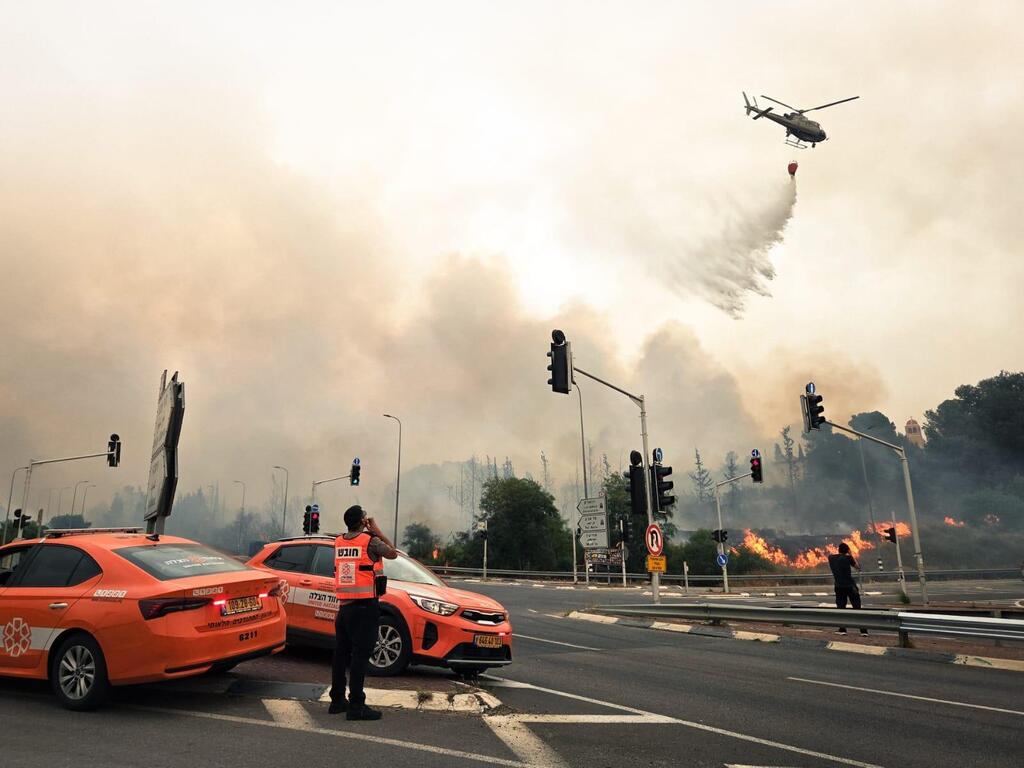
After one of the most destructive wildfires in over a decade threatened communities and critical infrastructure near Jerusalem, Israeli emergency services announced Thursday that the blaze has been brought under control. The fire, which broke out along the key Jerusalem–Tel Aviv highway on Wednesday, prompted large-scale evacuations, road closures, and an urgent national response.

“This is under control,” stated Shlomi Harush, a senior official from the firefighting service, while cautioning that lingering hotspots and strong winds could reignite the flames. “All teams remain deployed across the affected areas.”

Massive Mobilization to Contain the Inferno

At the height of the emergency, Israel deployed 163 firefighting ground crews and 12 aircraft to battle the fire, which scorched an estimated 13,000 hectares of forest. Prime Minister Benjamin Netanyahu had declared the situation a “national emergency,” warning that the flames could reach the outskirts of Jerusalem itself.

In the village of Abu Ghosh, near the hotspot of Latrun, residents like Ahmad Ibrahim used home hoses and street taps to support firefighters. “We acted out of concern for the community,” he said, “trying to stop the fire from spreading and endangering homes.”

The Israeli military also joined the effort, dispatching engineering equipment to create firebreaks, while the air force supported aerial suppression missions. About 50 firetrucks were engaged in affected regions.

Roads Reopened, Evacuated Residents Return

By Thursday, police confirmed that all major roads — including the Jerusalem-Tel Aviv corridor — had been reopened. Residents of Mavo Horon, one of the evacuated communities, were allowed to return, and authorities began facilitating the safe return of others.

While most Independence Day celebrations were postponed on Wednesday, events resumed Thursday even as firefighting efforts continued.

Human Toll and International Aid

The Magen David Adom rescue service reported treating 23 individuals for injuries related to the fire, mostly due to smoke inhalation and minor burns. Public broadcaster Kan said 17 firefighters were injured during the emergency response.

Help was on the way from abroad as well. The foreign ministry confirmed that firefighting aircraft and helicopters from France, Croatia, Italy, Romania, Spain, Cyprus, and Serbia were en route to assist.

Suspicions of Arson

Adding a darker twist to the crisis, National Security Minister Itamar Ben Gvir suggested arson may have been involved. Prime Minister Netanyahu confirmed suspicions, stating, “Authorities are holding 18 suspects, one of whom was caught in the act.”

Although wildfires in Israel are not uncommon during the warmer months, events of this scale are rare and usually localized. Many have criticized the preparedness of the authorities despite known weather risks. “We knew the weather, we knew this could happen,” said Yuval Aharoni, an evacuee. “They weren’t ready enough.”

As Israel begins to recover from the devastation, questions around preparedness and prevention are likely to dominate public discourse in the weeks to come.

Mayor Eric Adams Eyes Reelection with ‘EndAntiSemitism’ Ballot Line in 2025 NYC Race

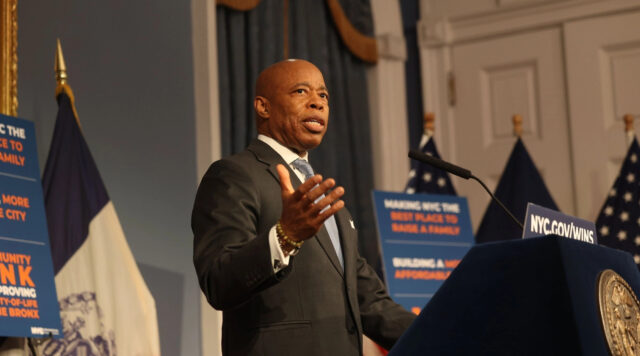
New York City Mayor Eric Adams is taking a bold and unprecedented step in his bid for reelection — running on an independent ballot line named “EndAntiSemitism.” The move, reported by Politico, marks a strategic shift for Adams, who earlier this month announced his intent to seek reelection outside the Democratic Party.

The “EndAntiSemitism” line is part of a dual-ballot effort by the mayor’s campaign, which is also petitioning for a second independent line called “Safe&Affordable.” To appear on the general election ballot on November 4, Adams must collect 3,750 valid signatures from registered voters by May 27.

This approach underscores Adams’ desire to double down on one of his most loyal voter bases: the Orthodox Jewish communities in Brooklyn. These communities played a key role in Adams’ narrow victory in the 2021 Democratic mayoral primary and remain among his most consistent supporters. The decision also comes as former Governor Andrew Cuomo, a leading Democratic contender in the 2025 race, attempts to rebrand himself as a strong opponent of antisemitism — a move Adams appears intent on countering directly.

Cuomo, who resigned in 2021 following multiple allegations of sexual harassment, has been vigorously campaigning on the issue of antisemitism. In a recent speech at the West Side Institutional Synagogue, he labeled it “the most serious and most important issue” in both the mayoral race and the national political landscape. He also launched Never Again, NOW!, a political initiative focused on fighting antisemitism, and joined Israeli Prime Minister Benjamin Netanyahu’s legal team amid war crimes allegations — all efforts seemingly designed to gain traction with Jewish voters.

However, Cuomo’s past complicates his current messaging. His administration faced criticism from Haredi Orthodox Jews over COVID-era restrictions they felt targeted religious practices. He also courted controversy during a campaign stop in a Jewish neighborhood when he allegedly made an offensive remark about Sukkot — an allegation he has denied.

In contrast, Adams has maintained strong relationships with Jewish leaders since his time as Brooklyn borough president. As mayor, he has been vocal in condemning antisemitism and steadfast in his support of Israel, especially following the Hamas attacks on October 7, 2023. At a Hanukkah celebration last year, Adams even called himself a “modern-day Maccabee,” a nod to Jewish resilience and defiance.

Despite this, not all Jewish voters are embracing Adams’ or Cuomo’s positioning. Critics argue that the use of antisemitism as a campaign issue risks turning a deeply painful and personal issue into a political football.

“Jews in New York are tired of antisemitism being politicized,” said Phylisa Wisdom, executive director of the New York Jewish Agenda. “When they go to the polls, they should be informed about the varying positions that each candidate has, no matter who they are, beyond politicizing our very real pain.”

Still, the stakes are high. Polls show Cuomo leading the Democratic primary with over 38% of first-choice votes, followed by candidate Zohran Mamdani — a city council member who would be New York’s first Muslim mayor — at 16%. If Cuomo secures the Democratic nomination, Adams will need to outperform him in key neighborhoods during the general election. An independent line like “EndAntiSemitism” may give Adams a unique edge in communities that care deeply about the issue.

New York City allows candidates to appear on multiple ballot lines, with all votes counted toward their total. The city’s Board of Elections limits party names to 15 characters, explaining the lack of spacing in “EndAntiSemitism.”

As the 2025 race heats up, Adams’ ballot strategy will test the boundaries of identity politics, community loyalty, and the proper place of social issues in local elections. Whether voters will embrace or reject this framing remains to be seen — but one thing is clear: antisemitism will be front and center in New York’s next mayoral battle.

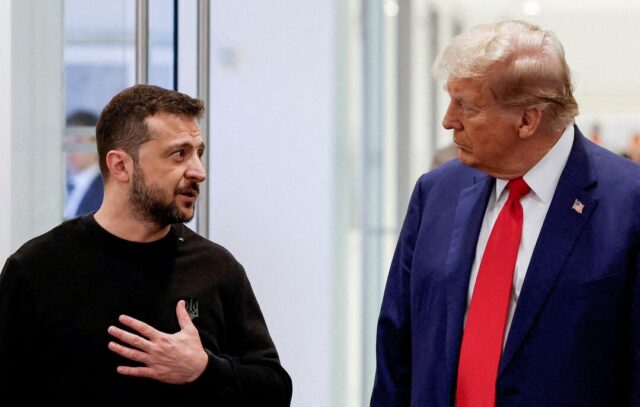
U.S. and Ukraine Sign Landmark Mineral Access Deal to Boost Security and Economic Recovery

In a strategic move that links economic recovery with military and geopolitical cooperation, the United States and Ukraine have signed a landmark agreement granting the U.S. preferential access to Ukraine’s critical mineral resources. The pact is a major milestone in strengthening bilateral relations amidst the ongoing war with Russia, with far-reaching implications for energy security, defense manufacturing, and Ukraine’s aspirations to join the European Union.

What the Deal Entails

The agreement centers on the creation of the United States–Ukraine Reinvestment Fund, a joint investment platform aimed at rebuilding Ukraine’s war-torn economy. One of the key pillars of the agreement is preferential U.S. access to Ukraine’s rich deposits of strategic minerals, including lithium, titanium, rare earth elements, and other materials crucial to modern defense and technology industries.

These resources are vital for manufacturing everything from electric vehicle batteries to advanced weaponry and semiconductors—areas where both the U.S. and EU seek to reduce dependence on China and Russia. While the U.S. will benefit from access, Ukraine retains full ownership of its subsoil and maintains sovereign control over decisions regarding extraction, development, and partnerships.

Strategic Goals

The agreement serves multiple purposes:

  • Military Support Linkage: Continued U.S. military aid, which has totaled over €64 billion since the Russian invasion in 2022, is tied to deeper economic cooperation and infrastructure investment. The mineral agreement is seen as an essential component of future security assistance packages.
  • Post-War Recovery: The Reinvestment Fund aims to funnel foreign capital into critical sectors of Ukraine’s economy, accelerating recovery while reinforcing transparency and accountability in rebuilding efforts.
  • EU Accession Pathway: By aligning more closely with the U.S. and Western industrial frameworks, Ukraine positions itself as a more attractive and stable candidate for European Union membership, a longstanding strategic goal.

Addressing Global Supply Chains

The deal also addresses broader concerns about global supply chain vulnerability. The U.S. has been actively seeking alternatives to Chinese-dominated supply chains for critical minerals. Ukraine’s largely untapped mineral wealth could provide a powerful alternative, especially if backed by Western technology, regulation, and security guarantees.

Security Implications

In addition to economic gains, the partnership has clear military and strategic significance. The minerals covered in the agreement are vital to modern defense systems, including precision-guided munitions, drones, aircraft, and missile systems. Ensuring access to these resources—particularly in a region on the frontline of NATO’s eastern flank—gives the U.S. a stronger foothold in Europe’s security architecture.

Forward Outlook

While the agreement stops short of direct U.S. involvement in mining operations for now, it opens the door to American companies and public-private partnerships in Ukraine’s resource sector. It also signals that economic diplomacy will be central to Western support going forward, blending financial tools with hard-power alliances to counter authoritarian influence and support democratic resilience.

As Ukraine fights for its territorial sovereignty and democratic future, this mineral access agreement marks a shift in how aid and investment are structured—favoring mutual benefit and long-term development alongside immediate security needs.

In the words of Ukrainian officials, the deal is “not just about minerals, but about building the foundations of victory, recovery, and sovereignty.”

The U.S. Army’s Drone Revolution: A $36 Billion Transformation for the Future of Warfare

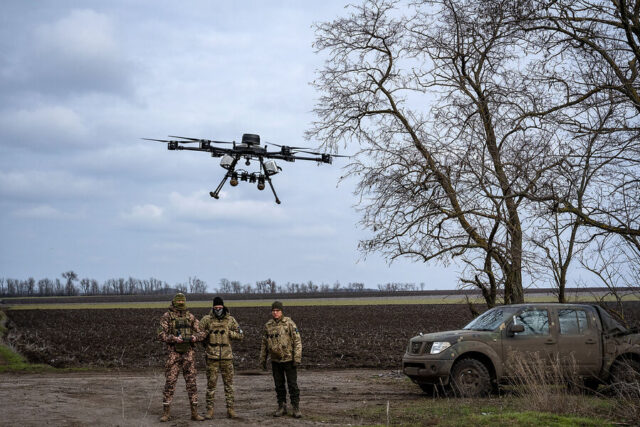
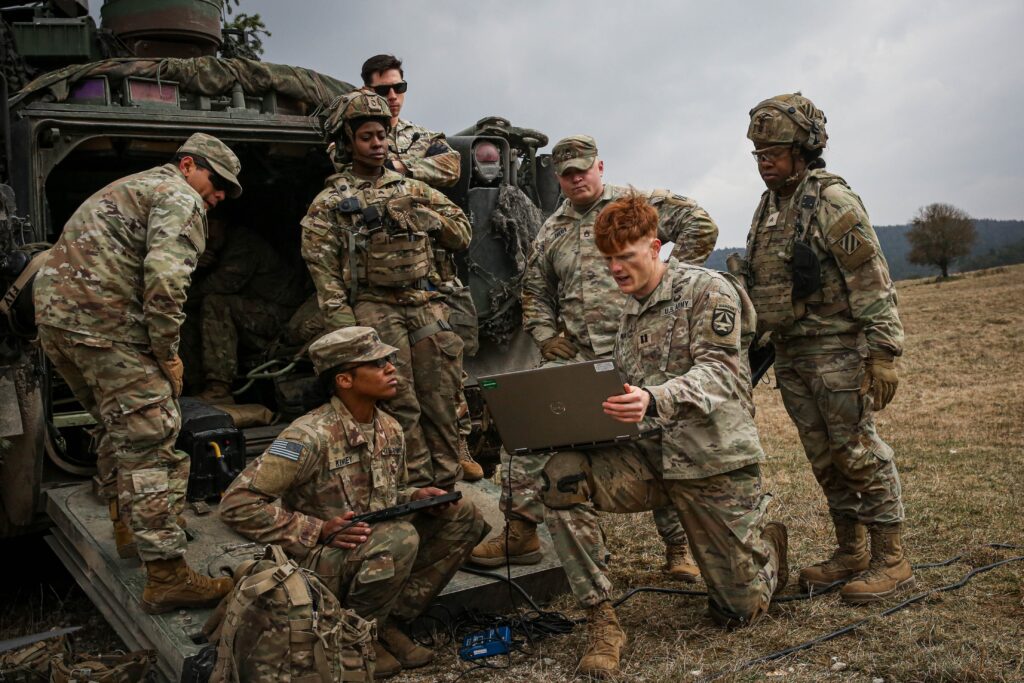
In a historic overhaul of its battlefield capabilities, the U.S. Army is launching a $36 billion initiative to usher in a new era of warfare dominated by unmanned aerial systems. The sweeping transformation will outfit each of the Army’s 10 active-duty combat divisions with approximately 1,000 drones, signaling a decisive move away from aging Cold War-era equipment and toward a more agile, technologically advanced fighting force.

Why Drones—and Why Now?

The shift is heavily influenced by modern combat lessons drawn from the war in Ukraine, where both Russian and Ukrainian forces have demonstrated the strategic effectiveness of drones in surveillance, targeting, logistics, and direct offensive operations. The U.S. military is now accelerating efforts to replicate and expand upon those tactics, integrating drone fleets into every level of command and combat structure.

What’s Changing?

  • Drones at the Core: Each combat division will receive hundreds of drones for various purposes, including:
    • Surveillance to detect threats before they emerge
    • Logistics support for resupplying soldiers in hard-to-reach zones
    • Offensive strikes with precision targeting to reduce risks to troops
  • Legacy Systems Phased Out: In tandem with drone adoption, the Army will halt further procurement of Humvees and begin retiring legacy Apache helicopters. These changes underscore a broader shift away from ground-heavy, manned operations toward lighter, unmanned, and smarter platforms.
  • Speed of Implementation: Unlike traditional multi-decade weapons programs, this drone overhaul is designed to be rapid. Within two years, all 10 Army divisions are expected to be fully equipped and trained in drone operations.

Electronic Warfare and Counter-Drone Defense

Recognizing the vulnerabilities that come with widespread drone deployment, the Army’s plan includes robust investment in:

  • Electronic warfare systems to jam or deceive enemy drones
  • Counter-drone technologies to protect U.S. personnel and infrastructure from similar threats
  • AI-enhanced communication networks to maintain real-time coordination among soldiers, drones, and command centers

Early Adopters and Field Tests

Three Army brigades are already piloting the use of drones in combat exercises, experimenting with tactical deployments and refining operational doctrines. Feedback from these units will directly inform how drones are used across the broader Army.

Strategic Implications

This modernization effort is not just about efficiency or cost—it’s about geopolitical preparedness. The U.S. sees this initiative as crucial in deterring near-peer adversaries such as Russia and China, both of whom are investing heavily in drone and AI-based warfare.

With the battlefield evolving rapidly, the Army’s drone revolution represents a critical pivot in ensuring the U.S. maintains its military edge. The next conflict may be fought not only by boots on the ground—but also by swarms in the sky.

Remembering the Fallen: Israel Marks Yom Hazikaron with Solemn Ceremonies and National Reflection

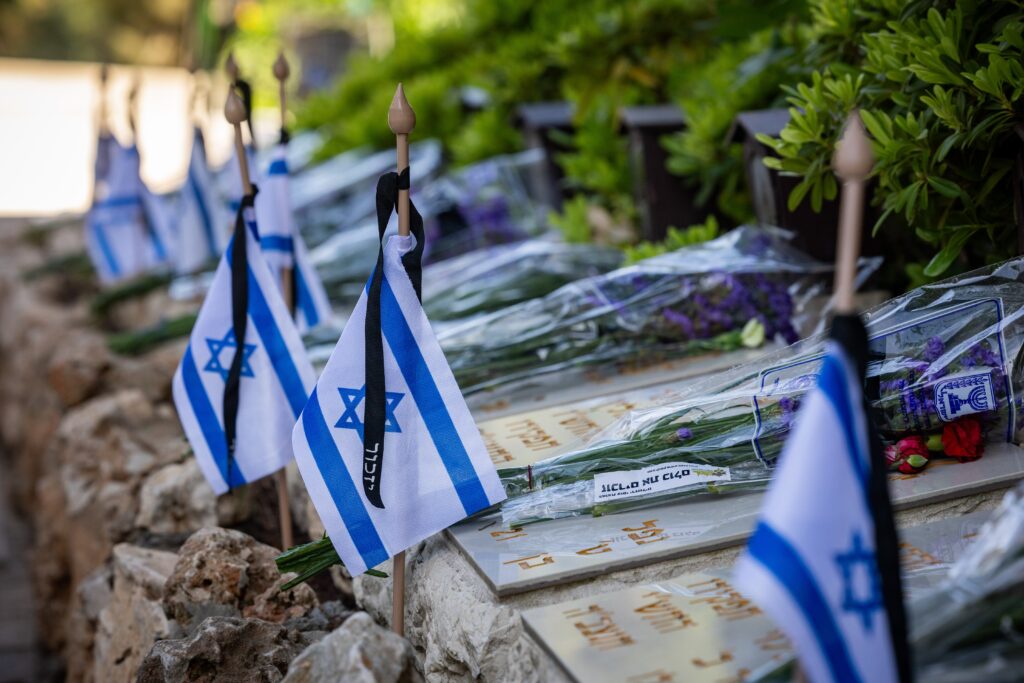
As dusk falls over Israel on Tuesday evening, sirens will pierce the air, ushering in Yom Hazikaron—Israel’s official Memorial Day for fallen soldiers and victims of terrorism. The nation pauses in solemn remembrance of the more than 24,000 Israeli soldiers and thousands of civilians who have lost their lives defending the country or as victims of attacks.

A Nation Remembers

Yom Hazikaron is a deeply emotional day on the Israeli calendar, observed this year from Tuesday evening through Wednesday evening. It commemorates those who made the ultimate sacrifice to safeguard the nation’s existence and security. The first siren, lasting one minute, will sound nationwide at 8 p.m. Tuesday, halting all activity in streets, homes, and businesses as Israelis stand in silence. The second siren, lasting two minutes, will follow at 11 a.m. Wednesday, marking the start of nationwide memorial services.

The solemnity of the day will be reflected in official ceremonies, including the state ceremony at the Western Wall Plaza in Jerusalem, attended by President Isaac Herzog, Defense Minister Israel Katz, and IDF Chief of Staff Lt. Gen. Eyal Zamir. Prime Minister Benjamin Netanyahu will participate in the opening ceremony earlier Tuesday at Yad LaBanim, honoring fallen soldiers.

Throughout the country, thousands will visit military cemeteries to attend local services, recite prayers, and lay wreaths on the graves of loved ones. A musical tribute titled “Songs in Their Memory” will be held in the Knesset Tuesday evening.

Why Were the Dates Moved?

This year, the Hebrew calendar date for Yom Hazikaron and Independence Day (Iyar 4–5, 5785) falls on a Friday–Saturday. In accordance with Israeli law and tradition—designed to avoid Sabbath desecration due to public rehearsals and security arrangements—the days have been moved forward. This ensures that the dignity of the Sabbath and the honor of the fallen are both preserved.

What’s Closed and When?

On Tuesday evening, the eve of Memorial Day, public entertainment venues must close by law. Theaters, cafes, restaurants, and cinemas will remain shut from 7 p.m. until 6 a.m., fostering a reflective atmosphere. Television and radio programming are replaced with documentaries, biographies, and tributes to the fallen.

Schools and kindergartens will operate on reduced schedules Wednesday morning, often ending by noon to allow participation in ceremonies. No classes will be held on Independence Day (Wednesday evening through Thursday), and normal education schedules will resume on Friday.

The Transition to Independence Day

The contrast between Yom Hazikaron and Independence Day—from mourning to celebration—is intentional and symbolic. Israel’s 77th Independence Day begins immediately after Memorial Day ends, highlighting the sacrifices that made statehood possible.

The transition will be marked with a state closing ceremony at 7:45 p.m. Wednesday on Mount Herzl, where the traditional torch-lighting ceremony will launch national celebrations. This unique back-to-back observance, where grief gives way to joy, underscores the resilience and unity of the Israeli people.

Full Schedule of Key Events

Tuesday, April 29 (Yom Hazikaron Eve):

  • 4:30 p.m.: Opening ceremony at Yad LaBanim, Jerusalem
  • 8:00 p.m.: Nationwide one-minute siren
  • 8:01 p.m.: State ceremony at the Western Wall Plaza
  • 9:15 p.m.: “Songs in Their Memory” musical tribute at the Knesset

Wednesday, April 30 (Yom Hazikaron):

  • 8:30 a.m.: Name reading of the fallen at Mount Herzl
  • 11:00 a.m.: Nationwide two-minute siren
  • 11:02 a.m.: IAF flyover and main memorial service at Mount Herzl
  • 1:00 p.m.: Ceremony for terror victims at Mount Herzl
  • 7:45 p.m.: Transition and state ceremony launching Independence Day

As Israel pauses to remember its heroes, Yom Hazikaron offers a moment of collective mourning and gratitude. It’s a time to reflect not only on the cost of freedom but also on the spirit and unity of a nation that continues to stand strong against all odds.

President Trump’s First 100 Days: Cruelty, Chaos, and a Human Rights Emergency

As President Donald Trump concludes his first 100 days in office during his second term, Amnesty International has issued a scathing report that paints a grim picture of human rights in the United States and abroad. In its report titled Chaos & Cruelty: 10 Compounding Assaults on Human Rights, Amnesty outlines the Trump administration’s systematic erosion of democratic norms, aggressive authoritarian tactics, and unprecedented disregard for human rights.

Suppressing Dissent and Fostering Fear

According to Amnesty International, President Trump’s administration has consistently weaponized the government against those who challenge or criticize him. Tactics more commonly associated with authoritarian regimes—such as suppressing dissent, bypassing the rule of law, and attacking the judiciary—have now become standard practice.

Paul O’Brien, Executive Director of Amnesty International USA, stated, “One hundred days into his second term, President Trump has led with cruelty and chaos, creating a human rights emergency that has affected millions of people.”

Attacks on Immigration and Asylum

Among the administration’s most alarming policies are its sweeping crackdowns on immigrants and asylum seekers. These include family separations, deportations under the Alien Enemies Act, and a near-total dismantling of the asylum system—violating international laws and forcing many into precarious, fear-driven existences.

Crackdowns on Free Expression

The Trump administration has also severely undermined the right to protest and freedom of expression. Students protesting in support of Palestinian rights have been detained and threatened with deportation, with non-citizen students particularly vulnerable. One such case is Mahmoud Khalil, a Palestinian student lawfully residing in the U.S., who was detained and placed into deportation proceedings simply for participating in a peaceful protest.

Erosion of Legal Norms and Judicial Independence

Amnesty International warns that Trump’s continued disregard for judicial rulings, threats against judges, and pressure on legal institutions reflect deep erosion of checks and balances. These actions form the foundation of an anti-rights agenda that is authoritarian in nature and dangerous in scope.

Undermining the Free Press

President Trump’s antagonism toward the press has escalated, with lawsuits against media outlets, threats to withdraw funding for global press freedom initiatives, and regulatory crackdowns that compromise the independence of journalism. These measures threaten the foundation of informed public discourse essential to democracy.

Discrimination Against Marginalized Groups

The administration has also launched targeted attacks against women, LGBTQIA+ individuals, and racial minorities. From anti-trans executive orders to attempts to restrict abortion access and eliminate Diversity, Equity, and Inclusion programs, these policies further marginalize vulnerable communities.

Global Human Rights Setbacks

Trump’s human rights violations are not confined to U.S. borders. The administration’s foreign policy shifts have had global repercussions:

  • Abrupt cuts to foreign aid programs, threatening international public health, human rights, and peacekeeping efforts.
  • Withdrawal from key global organizations like the Human Rights Council, WHO, and Paris Climate Agreement.
  • Rolling back civilian harm mitigation measures and military accountability.
  • Weakening anti-corruption efforts and empowering unregulated corporate activity.

Tech platforms, emboldened by a lack of accountability, have further enabled authoritarian practices. Trump’s apparent alliance with billionaire Elon Musk has raised eyebrows, especially amid concerns over misuse of sensitive personal data and financial manipulation.

The Bigger Picture: A Global Trend Toward Authoritarianism

Erika Guevara-Rosas, Amnesty International’s Senior Director for Research, Policy, Advocacy and Campaigns, emphasized the global implications: “We are witnessing an alarming escalation of state-sponsored repression and abandonment of human rights norms around the world.”

Amnesty International is calling on civil society, international institutions, and global leaders to resist these authoritarian trends. It urges collective action to defend civic space, uphold international human rights law, and ensure future generations are not led into deeper oppression.

Conclusion

As the Trump administration’s first 100 days in its second term come to a close, the picture painted by Amnesty International is bleak. The cumulative effect of policies enacted and rights violated is nothing short of a human rights emergency. The challenge for the American people—and for the global community—is to confront and reverse these dangerous trends before they become permanently embedded in the national and international order.