Home Blog Page 22

‘National Emergency’: Raging Wildfires Near Jerusalem Prompt Massive Response, International Aid Requests

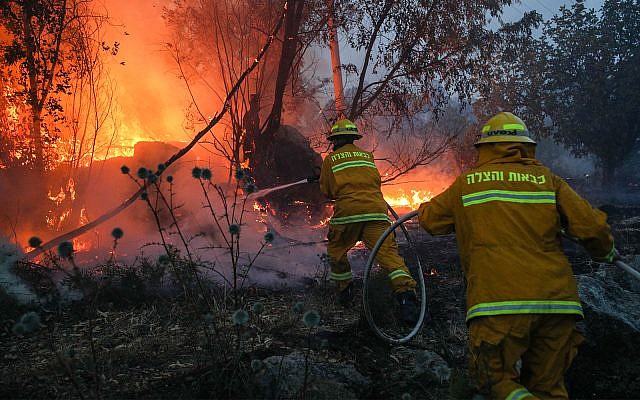
A state of emergency has been declared in areas surrounding Jerusalem as massive wildfires continue to rage uncontrollably, prompting Israel to mobilize military and civil resources while urgently seeking international assistance. The blazes, fanned by dry weather and strong winds, have consumed large tracts of forest and rural land, forcing evacuations and prompting the cancellation of several Independence Day events nationwide.
Military and Emergency Forces Deployed

In response to the escalating disaster, the Israeli Defense Forces (IDF) announced the deployment of C-130J Super Hercules aircraft—known locally as Shimshon planes—to join the firefighting effort. These heavy transport aircraft are being outfitted with aerial firefighting systems capable of releasing up to 18,000 liters (4,755 gallons) of flame-retardant material per mission.

In addition to air support, the IDF has mobilized ground units from several airbases to help contain the flames. Israel’s elite Search and Rescue Unit 669 is conducting aerial reconnaissance and coordination missions using helicopters and a Beechcraft King Air utility aircraft to track the spread of fires and direct response teams.

Civilian and Military Coordination Intensifies

The Home Front Command has also activated emergency protocols, deploying 70 firefighters, two fire engines, three water tankers, two heavy construction vehicles for clearing access routes, and multiple teams of cadets trained in search and rescue operations.

Meanwhile, the Technological and Logistics Directorate has supplemented the effort with several specialized firefighting vehicles and massive water containers holding over 100,000 liters of reserve supply to help sustain operations around the clock.

Independence Day Events Cancelled

Due to the severity of the fires and the redirection of national resources, several planned Independence Day celebrations have been canceled or scaled down across the country, particularly in the Jerusalem District. Authorities have urged the public to avoid affected areas and to follow emergency instructions as containment efforts continue.

Calls for International Assistance

As the fires stretch domestic capabilities, Israeli officials have reached out to allied nations for aerial and technical assistance. The scale and unpredictability of the fires have overwhelmed local firefighting capacities, and officials fear worsening weather conditions could further complicate the situation.

What’s Next?

Emergency services continue working around the clock to prevent the fires from encroaching on more densely populated areas. The government has promised full support and has not ruled out additional national or international reinforcements.

While no fatalities have been reported so far, the threat to infrastructure, natural reserves, and civilian populations remains high.

Coalition Forces Strike Houthi Drone Operations in Yemen Amid Rising Maritime Threats

U.S. and British forces launched a coordinated nighttime operation in Yemen, targeting Houthi drone production and storage facilities near the capital city of Sanaa. The precision strikes were aimed at crippling the group’s growing drone capabilities, which have been increasingly used to threaten international shipping lanes in the Red Sea and Gulf of Aden.

According to military sources, the strikes were part of a broader escalation in coalition efforts to secure vital maritime routes in the region. The operation marks one of the most aggressive efforts in recent months to directly neutralize the Houthi threat at its source.

A Strategic Target: Drone Manufacturing Sites

The targeted sites were believed to be central to the Houthis’ ability to produce and deploy unmanned aerial vehicles (UAVs). Intelligence reports suggest the facilities have been involved in building, modifying, and storing drones used in attacks on commercial vessels and military assets.

“These strikes were necessary to reduce the operational capabilities of the Houthis, who continue to pose a risk to maritime security,” a U.S. defense official said. “We remain committed to protecting global commerce and freedom of navigation.”

Intensifying U.S. Airstrikes Since March

The latest operation is part of an ongoing campaign that has seen a sharp uptick in U.S. airstrikes since March. Pentagon officials report that over 800 targets have been hit in the last two months, including weapons depots, radar stations, and launch sites.

U.S. Central Command (CENTCOM) has stated that these operations have significantly degraded Houthi capacity to strike regional and international assets. While the coalition did not release casualty numbers for this most recent strike, prior operations have reportedly resulted in dozens of Houthi militants killed or injured.

Civilian Casualties Raise Alarm

Tensions escalated further after Houthi-aligned media outlets reported that a U.S. airstrike had hit a migrant detention center in northern Yemen, allegedly killing 68 people. While the U.S. has not confirmed this claim, officials acknowledged the report and said a full investigation is underway.

“We take all allegations of civilian casualties seriously and are actively reviewing the details of the reported incident,” a CENTCOM spokesperson said. “If confirmed, this would be a tragic outcome and contrary to our mission objectives.”

Global Implications

The Red Sea and Gulf of Aden are among the busiest and most strategic shipping corridors in the world. Disruption caused by Houthi drone and missile attacks has sparked concern among global trade stakeholders and maritime insurers, leading to increased security measures aboard commercial vessels.

The coalition’s continued military pressure on the Houthis aims to not only safeguard these routes but also send a message of deterrence to regional actors and militias aligned with Iran.

Looking Ahead

As the conflict in Yemen persists, and with diplomatic efforts still stalled, the U.S. and UK appear poised to continue their military campaign. Officials emphasized that future actions would be measured and intelligence-driven, but they also warned of potential retaliation by Houthi forces.

The operation underscores the complexity of balancing military necessity with humanitarian responsibility in a volatile theater of operations. The coming days will likely bring more clarity regarding both the strategic success of the strike and the fallout over alleged civilian casualties.

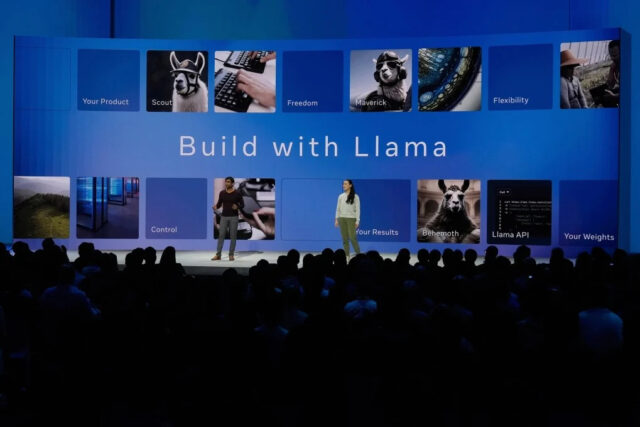
Meta Launches Llama API to Woo AI Developers and Challenge Industry Leaders

Meta has officially launched its Llama API, marking a significant step in its evolution from a foundational model provider to a full-scale AI service platform. This move positions Meta to directly compete with other tech giants such as Microsoft, OpenAI, and Google, who currently dominate the generative AI ecosystem.

Aimed at Developers, Focused on Speed

Currently available in limited preview, the Llama API is designed to simplify the development process for AI-powered products. By minimizing the amount of code needed, Meta aims to make it easier for developers — from startups to enterprise teams — to integrate its Llama models into applications.

The API supports the latest Llama 4 models, which Meta claims can process over 2,600 tokens per second. That’s a notable benchmark that puts Meta’s offering on par with — or faster than — some of the leading alternatives. In fact, Meta reports that its API can deliver up to 18x the speed of traditional GPUs, thanks to its custom hardware stack and backend optimizations.

Customization and Monetization

A key selling point of the Llama API is extensive customization. Developers can tweak model behavior, prompt handling, and output formatting, enabling fine-tuned results tailored to specific business needs or user experiences.

Meta is also taking a page from OpenAI’s playbook by selling tokens for AI computations, signaling a shift in business model. Until now, Meta has focused largely on open-source releases of Llama models. With this API, the company is embracing the service-provider approach — offering computation as a paid utility.

Over 1 Billion Downloads and Counting

The launch builds on the explosive popularity of the Llama model family, which has been downloaded over 1 billion times across platforms since its debut. Llama models have gained strong traction among developers, researchers, and AI enthusiasts due to their open licensing and robust performance across natural language tasks.

Competing in a Crowded Market

By entering the hosted API space, Meta is making a direct challenge to entrenched players like:

  • OpenAI, whose ChatGPT and API services have become the gold standard for many AI developers;
  • Google, which recently launched Gemini and offers its own AI APIs through Google Cloud;
  • Microsoft, which integrates OpenAI’s models deeply into its Azure ecosystem and productivity tools.

Meta’s differentiator may lie in open architecture, performance, and speed, along with its reputation for pushing the boundaries of large language model research.

Looking Ahead

If the Llama API gains widespread adoption, Meta could carve out a significant share of the growing enterprise AI services market. While details about general availability, pricing, and feature tiers are still emerging, the early signals suggest that Meta is serious about staking its claim in the AI-as-a-service landscape.

For developers, this new API offers another powerful tool — and for the industry, it raises the stakes in the ongoing battle for dominance in generative AI.

Iberian Blackout: Massive Power Outage Paralyzes Spain and Portugal, Cause Still Under Investigation

A sudden and massive power failure plunged large parts of Spain and Portugal into darkness on Sunday evening, in one of the most significant blackouts to hit the Iberian Peninsula in recent history. The disruption left millions without electricity, halted critical infrastructure, and raised questions about the stability of the region’s power grid.

What Happened?

At approximately 6:45 p.m. local time, Spain abruptly lost 15 gigawatts of power within five seconds, sending shockwaves through the national grid and triggering widespread outages that spilled into neighboring Portugal. Officials described it as a cascading failure that crippled both countries’ energy systems.

Though 92% of power had been restored across affected areas by Monday morning, the fallout from the blackout is still being felt, with transport delays, hospital disruptions, and ongoing investigations into the root cause.

Massive Disruption to Daily Life

The blackout’s impact was immediate and far-reaching:

  • Public Transport Chaos: Subway systems in Madrid, Barcelona, Lisbon, and Porto ground to a halt. Approximately 35,000 train passengers were stranded mid-journey and had to be evacuated by emergency responders.
  • Flight Cancellations: Over 200 flights were cancelled or delayed, mostly due to airport infrastructure losing power or associated air traffic control issues.
  • Traffic and Safety Concerns: Major cities reported traffic gridlock due to inoperative traffic lights. Emergency services were stretched thin managing intersections, providing medical assistance, and ensuring security in darkened neighborhoods.
  • Hospitals Under Pressure: While no loss of life has been reported due to the outage, several hospitals had to rely on backup generators to continue surgeries and emergency care. Some patients were temporarily relocated to facilities with more stable power supplies.

Initial Theories and Investigation

Early analysis suggests that instability within Spain’s electrical system, possibly involving automated fail-safes that disconnected it from the wider European power grid, triggered the domino effect.

Experts are examining whether a technical failure, overloading, or human error caused the disconnection. However, government sources confirmed that there is no evidence of a cyber attack, a concern that was quickly raised given recent global tensions involving energy infrastructure.

Response from Authorities

Spanish Energy Minister Clara Gutiérrez said in a press briefing Monday morning:

“The scale and speed of the outage were unprecedented. We are launching a full investigation in coordination with European energy regulators to determine what happened and how we can prevent it from recurring.”

Portuguese Prime Minister Duarte Silva echoed those sentiments, praising emergency services and utility workers for the swift restoration efforts:

“Our systems are resilient, and our people responded quickly. However, we must understand what went wrong.”

Economic and Political Fallout

The economic impact remains to be assessed, but the blackout is expected to cost millions in lost productivity, transportation refunds, and emergency responses. Questions have already been raised about grid modernization and energy independence, especially as the Iberian Peninsula continues to increase its reliance on renewables.

Opposition parties in both countries have called for independent reviews and greater investment in energy infrastructure. Meanwhile, EU regulators are monitoring the situation closely to ensure broader grid stability is not at risk.

What’s Next?

A preliminary report from Red Eléctrica de España (REE), Spain’s national grid operator, is expected later this week. Until then, authorities are urging citizens to report any residual outages or safety hazards and to remain prepared for possible rolling blackouts if stability issues persist.

This event has served as a stark reminder of the delicate balance modern energy systems require—and the far-reaching consequences when that balance is disrupted.

Auto Tariff Relief: Trump Moves to Ease Pressure on U.S. Car Makers Amid Industry Strains

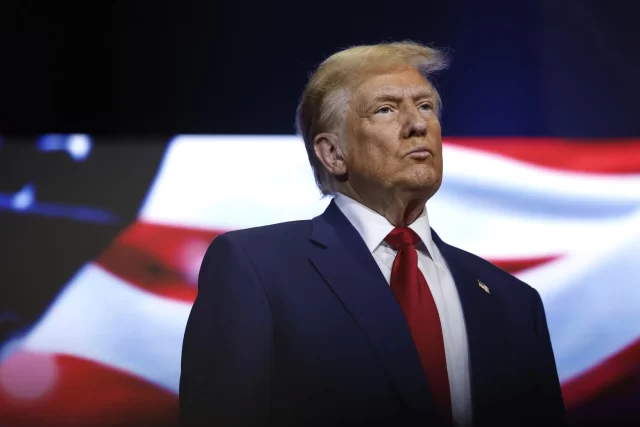
In a major policy shift aimed at bolstering the domestic auto industry, President Donald Trump has announced a new plan to ease auto tariffs on U.S. car manufacturers. The move is being welcomed by industry leaders and is expected to provide relief to a sector that has faced mounting cost pressures from high import duties.

Key Policy Changes

Under the new plan, the Trump administration will eliminate several additional tariffs on imported cars and foreign auto parts that were previously implemented during past trade disputes. However, in an effort to maintain pressure on foreign suppliers while supporting domestic industry, the administration will introduce a targeted 25% tariff on auto parts starting May 3, 2025.

To ease the transition, automakers will be eligible for reimbursement programs, allowing them to recover some of the additional costs incurred by sourcing parts from outside the U.S. Details on how these reimbursements will be administered are expected to be released in the coming days.

Industry Applauds the Move

Major automakers have expressed support for the announcement, citing the burden that previous tariffs placed on production costs and vehicle pricing.

“This is a smart and welcome decision that helps American manufacturers remain competitive while protecting jobs,” said Mary Barra, CEO of General Motors.

“Tariff relief combined with predictability in supply chains allows us to keep investing in U.S. innovation and production,” added Jim Farley, CEO of Ford Motor Company.

Auto industry groups had warned that high tariffs could lead to price increases for consumers, lower sales, and potential layoffs, particularly as automakers continue to recover from pandemic-era disruptions and global chip shortages.

Political Context and Timing

President Trump is expected to formally announce the changes at a campaign rally in Michigan, a key battleground state with deep ties to the auto industry. The timing of the move appears strategic, coming amid his 2024 re-election campaign and amid growing concerns from voters over inflation and the rising cost of vehicles.

The policy revision also addresses complaints from midwestern auto suppliers and labor unions, who argued that the previous tariff regime disproportionately hurt domestic operations rather than leveling the playing field.

Broader Economic Impact

While the 25% tariff on auto parts may still impact certain supply chains, the option for reimbursements is designed to soften the blow and incentivize automakers to keep operations in the U.S. Economists suggest the policy could strike a balance between protectionism and competitiveness, especially as trade negotiations with countries like China and Mexico continue.

The White House has indicated it may review additional tariffs in the coming months to ensure continued support for American industries while managing inflation and maintaining global trade relations.

As the May 3 implementation date approaches, automakers and suppliers are racing to assess how the policy shift will affect their operations. Meanwhile, political analysts are watching closely to see how this move might influence voters in Rust Belt states central to Trump’s electoral strategy.

Canadian Election Results: Mark Carney’s Liberals Secure Fourth Term Amid Trade Tensions and Voter Surge

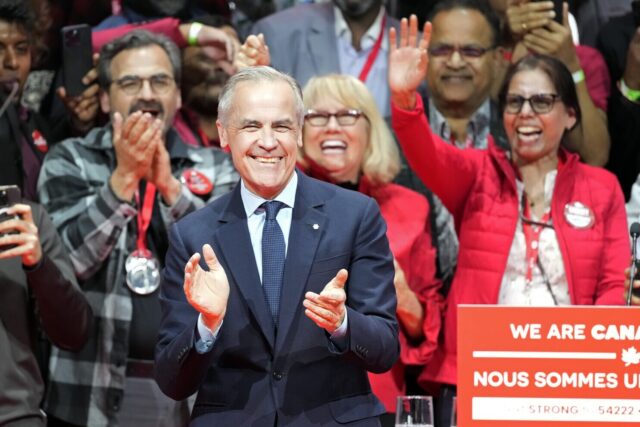
In a stunning political comeback, the Liberal Party of Canada, now under the leadership of Mark Carney, has secured its fourth consecutive federal election victory, defying early projections that placed the party 20 points behind its rivals just three months ago. The victory marks a significant turning point in Canadian politics, driven by a surge in voter turnout and widespread concern over economic issues, particularly trade tensions with the United States.

Election Results and Political Landscape

The Liberals are projected to win 161 of 343 seats in the House of Commons—short of the 172 seats required for a majority government. While falling short of a majority, the result nonetheless positions the Liberals as the dominant political force in Canada, outpacing the Conservative Party, which is expected to capture 137 seats. The New Democratic Party (NDP) is anticipated to secure 28 seats, while the Bloc Québécois, Green Party, and independents fill the remainder.

A Remarkable Comeback

Political analysts have hailed the Liberal win as a comeback few could have predicted at the start of 2025. In January, the party trailed significantly in national polling, suffering from voter fatigue, economic anxiety, and a leadership transition from outgoing Prime Minister Justin Trudeau to Mark Carney, the former Governor of the Bank of Canada and Bank of England.

Carney’s technocratic image and economic credentials, however, proved to be an asset in the campaign’s final stretch. Voters gravitated toward his platform, which focused on restoring economic stability, investing in domestic industries, and protecting Canadian jobs from the impact of newly imposed U.S. tariffs on key exports, including steel, lumber, and automotive components.

Key Issues: Cost of Living and Trade Tensions

The rising cost of living emerged as the top election issue. Carney promised immediate action to lower inflation, cap grocery and utility prices, and implement new housing affordability measures. Meanwhile, escalating trade tensions with the U.S. cast a long shadow over the campaign. Carney vowed to take a firm stance in upcoming negotiations with Washington, while also unveiling plans for a $12 billion fund to support Canadian workers and businesses affected by the tariffs.

What’s Next: Governing in a Minority

With only 161 seats, the Liberals will need to form alliances or agreements with smaller parties—most likely the NDP or Greens—to pass legislation. Early indications suggest that Carney is open to a confidence-and-supply agreement with the NDP, which could provide stability while avoiding a formal coalition.

Speaking to supporters in Toronto, Carney stated:

“Canadians have chosen a path of unity, resilience, and bold solutions. We will build a government that reflects their values, responds to their challenges, and delivers real results in the face of global uncertainty.”

NDP leader Jagmeet Singh, while cautious, said his party would “work constructively” to ensure progress on climate action, affordable housing, and healthcare.

International Implications

The election results are being closely watched in Washington, Brussels, and Beijing, as Canada reassesses its trade partnerships and foreign policy. Carney’s global experience and credibility with international financial institutions may shape Canada’s response to global economic volatility and shifting alliances.

Conclusion

The 2025 Canadian federal election marks not only the continuation of Liberal governance but the emergence of a new era under Mark Carney. Facing both domestic and international challenges, the incoming government must now navigate minority rule, economic headwinds, and rising global tensions—all while delivering on promises that re-energized a once-weary electorate.

ICC Chief Prosecutor Warned Against Publicizing New Arrest Requests for Israeli Officials: Report

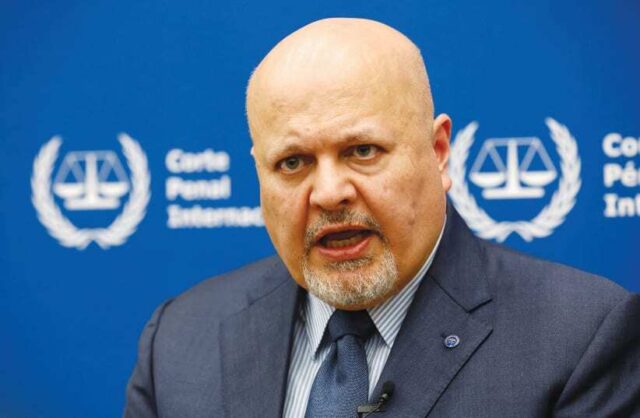
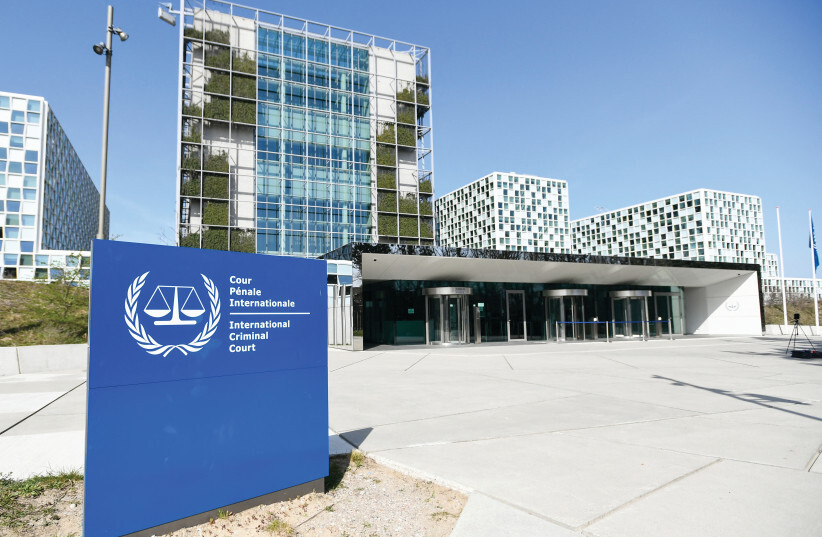
The Chief Prosecutor of the International Criminal Court (ICC), Karim Khan, has reportedly been warned against publicly announcing any new arrest warrant requests targeting Israeli officials, according to a report by The Guardian published Tuesday. The warning comes amid rising tensions between the ICC and the Israeli government, as well as international pressure surrounding the Court’s investigation into alleged war crimes in Gaza and the West Bank.

Ongoing Legal Battles and Political Pressures

The Guardian cited two anonymous sources familiar with internal proceedings at the ICC who said Khan had been preparing to issue additional arrest warrant requests for Israeli suspects involved in military and government operations. These new warrants would follow previous legal actions targeting top Israeli leaders, including Prime Minister Benjamin Netanyahu and former Defense Minister Yoav Gallant.

In January 2025, Prosecutor Khan formally objected to Israel’s appeal of war crimes warrants previously approved by the ICC’s Pre-Trial Chamber in November 2024. These warrants had drawn sharp criticism from Israeli officials, who denounced the ICC’s actions as politically motivated and an overreach of jurisdiction.

Israel appealed the Pre-Trial Chamber’s ruling to the ICC’s Appeals Chamber—the Court’s highest judicial authority—seeking to reverse the warrant approvals. That appeal is still pending.

Concerns Over Political Fallout

The warning to Khan not to publicize further warrants reportedly stems from concerns over political fallout, especially given the geopolitical sensitivity of the Israel-Palestine conflict and its global ramifications. The report suggests that unnamed parties may fear a backlash from allies of Israel, including Western governments, who have criticized the ICC for what they view as a disproportionate focus on democratic nations.

Khan, known for his assertive approach to pursuing international justice, is said to be navigating increasing pressure from both internal court sources and external governments, weighing the legal imperative to act against the potential consequences of international diplomatic tensions.

Context of the ICC’s Investigation

The ICC launched its formal investigation into possible war crimes committed in the Palestinian territories in 2021, covering events dating back to June 2014. The investigation includes allegations against both Israeli and Palestinian actors, including Hamas. However, the recent warrants for Israeli officials have significantly intensified scrutiny of the Court’s processes.

Israel is not a signatory to the Rome Statute, the treaty that established the ICC, and does not recognize its jurisdiction. Nonetheless, the ICC maintains that it has authority over crimes committed in Palestinian territories following Palestine’s accession to the Rome Statute in 2015.

Broader Implications

This development highlights the growing tension between international legal institutions and sovereign states. It also raises concerns about the politicization of global justice mechanisms and the difficult balance the ICC must maintain between impartial enforcement of international law and navigating the pressures of global diplomacy.

For Prosecutor Khan and the ICC, the path forward appears fraught with complexity. As the Appeals Chamber considers Israel’s objection, the outcome could set a significant precedent for how the ICC handles future cases involving high-level officials from powerful or non-member states.

In Summary:

  • ICC Chief Prosecutor Karim Khan has been warned not to publicize new Israeli arrest warrant requests.
  • He previously issued war crimes warrants for Netanyahu and Gallant, which Israel has appealed.
  • The case highlights international tensions over ICC jurisdiction and the challenges of enforcing international justice amid political resistance.

Tragedy Strikes Vancouver: Festival Crash Leaves 11 Dead, Dozens Injured

A joyous community event turned into a scene of devastation late Saturday evening when a black Audi SUV barreled through a crowd attending the Lapu Lapu Day festival in Vancouver, leaving at least 11 people dead, including children, and injuring dozens more.

A Night of Celebration Turns to Horror

The tragedy unfolded around 8:14 PM, as families and festival-goers gathered near a line of food trucks to celebrate Lapu Lapu Day — a cultural event honoring Filipino heritage and heroism. Witnesses reported hearing the roar of an engine moments before the SUV accelerated into the densely packed area without warning.

First responders arrived within minutes, but the scale of the carnage was overwhelming. Paramedics, police officers, and volunteers rushed to aid the injured, while others desperately tried to revive victims on the scene.

“We were laughing and eating,” said one attendee, “and then it was like a nightmare — screaming, people running, people on the ground.”

Suspect in Custody

The driver, identified as 30-year-old Kai-Ji Adam Lo, was immediately apprehended after crashing into a nearby barrier while attempting to flee on foot. Lo now faces multiple counts of first-degree murder, attempted murder, and aggravated assault.

Authorities stated that early investigations suggest Lo was acting alone and that terrorism has been ruled out as a motive. However, officials are looking closely at his mental health history as a potential contributing factor.

“We believe this was an isolated incident,” Vancouver Police Chief Anita Gill said during a press conference. “But that makes it no less tragic. This was a senseless act that stole innocent lives.”

Court records reveal that Lo had previous minor offenses, but nothing indicating a pattern of violence. His family has reportedly been cooperating with investigators.

Mourning and Support

The shock of the incident has rippled across Vancouver and beyond. Local leaders, including Mayor Sophia Chung and British Columbia Premier Lisa Morgan, expressed condolences and pledged full support for the grieving community.

“Our hearts are broken,” Mayor Chung said during a candlelight vigil on Sunday evening. “We stand with every family shattered by this tragedy. Vancouver will heal, but we will never forget the lives lost here tonight.”

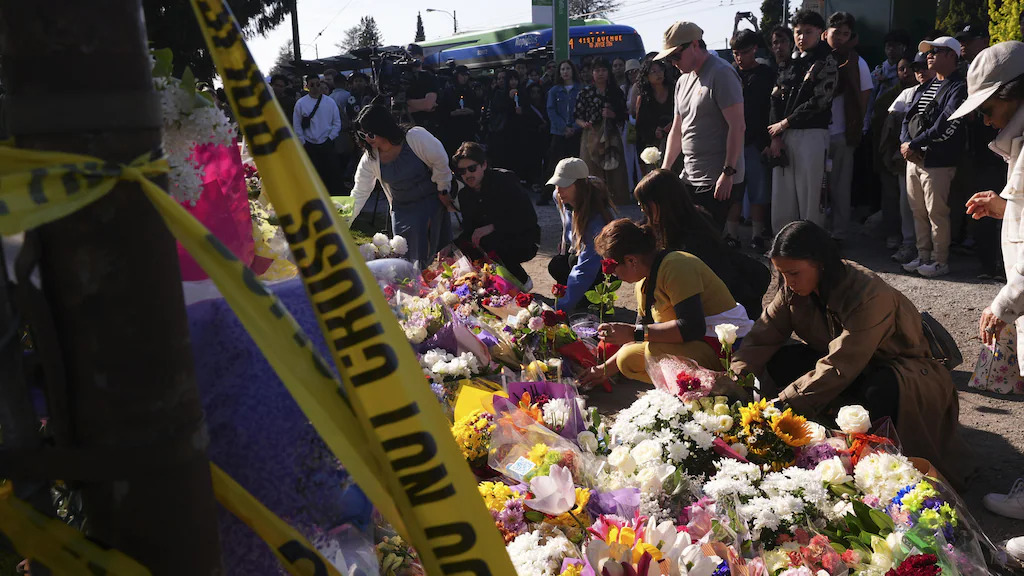
Vigils and memorials quickly sprang up across the city, with hundreds gathering to honor the victims. Flowers, candles, and handwritten notes lined the festival grounds, now cordoned off by police tape.

Emergency Response and Investigation

Hospitals across Vancouver treated dozens of people for injuries ranging from broken bones to critical trauma. Authorities have confirmed that some of the injured remain in intensive care, and the death toll could rise.

Investigators are conducting a full reconstruction of the crash scene, reviewing CCTV footage, and interviewing witnesses. Police have also seized Lo’s vehicle and electronic devices for forensic analysis.

Community Impact

The Lapu Lapu Day festival has been a cherished event in Vancouver’s multicultural calendar for over two decades, drawing thousands of attendees annually. This year’s event was particularly significant as it marked a return to full celebrations following years of pandemic restrictions.

“This was supposed to be a celebration of courage and resilience,” said festival organizer Marilou Santos. “Now it’s marked by grief. We will honor those we lost by staying strong.”

Counseling services have been offered to survivors, witnesses, and affected families. City officials announced the creation of a relief fund to support medical expenses and funeral costs.

Massive Colorado Springs Nightclub Raid Nets Over 100 Migrant Arrests, DEA Says

In one of the largest immigration enforcement actions under the Trump administration, the U.S. Drug Enforcement Administration (DEA) announced on Sunday that more than 100 immigrants were arrested during a federal raid at a nightclub in Colorado Springs. The operation, part of an intensified crackdown on illegal immigration, highlights the administration’s hardline stance on border security and domestic enforcement.

By the Numbers

DEA officials reported that 114 individuals were apprehended during the raid. The nightclub, described as an “underground” establishment, had more than 200 patrons inside when agents stormed the building. Of those, 114 were determined to be in the United States without legal authorization. Those arrested were immediately transported via bus to processing centers, where authorities say they will face proceedings likely leading to deportation.

The raid marks one of the highest numbers of immigration-related arrests stemming from a single enforcement operation since President Donald Trump assumed office on January 20. Trump’s administration has made immigration enforcement a hallmark issue, pledging to identify and deport undocumented immigrants swiftly.

What Authorities Are Saying

U.S. Attorney General Pam Bondi took to social media platform X (formerly Twitter) to highlight the results of the raid.

“This morning, DEA apprehended over 100 illegal aliens at an underground nightclub frequented by Tren de Aragua and MS-13 terrorists. Cocaine, meth, and pink cocaine were seized. Two people were also arrested on existing warrants,” Bondi stated.

While Bondi’s comments mentioned notorious gangs like Venezuela’s Tren de Aragua and El Salvador’s MS-13, she stopped short of explicitly confirming whether any of the individuals arrested were actual gang members. However, the heavy emphasis on gang ties suggests that the operation was part of a broader federal strategy to disrupt potential criminal networks.

The DEA separately noted that law enforcement issued multiple warnings to the nightclub’s occupants before making forcible entry.

A Broader Crackdown

This latest operation follows a pattern of increased immigration enforcement activity across the country. Just a day before the Colorado Springs raid, U.S. Immigration and Customs Enforcement (ICE) announced that nearly 800 individuals had been arrested over a four-day sweep in Florida. Officials described that action as a “massive, multi-agency immigration enforcement crackdown.”

Since taking office, President Trump’s administration has significantly ramped up resources dedicated to identifying, apprehending, and deporting undocumented immigrants. Raids such as the one in Colorado Springs are becoming more frequent and larger in scale, underscoring the administration’s commitment to what it calls restoring the rule of law.

Community Reaction and Next Steps

The Colorado Springs community has reacted with a mix of concern and approval. Immigration advocates warn that mass raids instill fear and instability among immigrant communities, potentially discouraging cooperation with law enforcement on unrelated matters. Civil rights organizations are calling for investigations into how the raid was conducted and whether proper legal procedures were followed.

On the other hand, some local leaders and residents praised the operation, citing safety concerns related to the alleged gang presence and the reported drug seizures.

For now, the 114 arrested individuals await immigration court proceedings. The DEA has pledged to continue similar operations across the country, signaling that enforcement efforts will only intensify in the months ahead.

Brooklyn Woman Attacked by Mob After Being Mistaken for Protester at Israeli Minister’s Speech

A neighborhood woman said she feared for her life Thursday night after being chased, kicked, and pelted with objects by a mob of Orthodox Jewish men near the Chabad-Lubavitch headquarters in Crown Heights. The group, mistaking her for a protester against visiting Israeli security minister Itamar Ben-Gvir, targeted her in a shocking display of violence caught on video.

The woman, a resident in her 30s who asked to remain anonymous out of safety concerns, told The Associated Press that she had only gone outside after hearing police helicopters overhead and was not part of the protests. Upon approaching the scene around 10:30 p.m., she covered her face with a scarf to avoid being filmed — a move that inadvertently made her a target.

“I Had Nowhere to Go”

“As soon as I pulled up my scarf, a group of 100 men came over immediately and encircled me,” the woman said. “They were shouting at me, threatening to rape me, chanting ‘death to Arabs.’ I thought the police would protect me, but they did nothing to intervene.”

With tensions escalating, a single police officer attempted to escort her to safety. However, the mob followed them for several blocks, jeering and hurling insults in both English and Hebrew. Video footage shows the woman being kicked, struck by a traffic cone, and assaulted with a trash can.

“This is America. We got Israel. We got an Army now,” one man can be heard shouting in the background of the footage.

Cornered against a building at one point, the woman said she was consumed by fear. “I realized at that point that I couldn’t lead this mob of men to my home. I didn’t know what to do. I was just terrified.”

Eventually, the police officer managed to get her into a police vehicle, though not before a man shouted “Get her!” and the crowd cheered as she was driven away.

The woman suffered bruises and severe emotional distress from the incident, stating she now feels unsafe in her own neighborhood, where she has lived for a decade.

Police Investigation Underway

The New York Police Department confirmed that one person was arrested and five summonses were issued following Thursday night’s clashes, but it remains unclear if any were related to the assault on the woman.

Mayor Eric Adams addressed the violence, condemning it unequivocally. “Let me be clear: None of this is acceptable, in fact, it is despicable,” Adams said. “New York City will always be a place where people can peacefully protest, but we will not tolerate violence, trespassing, menacing, or threatening.”

According to Adams, police are investigating multiple incidents related to the protest, including injuries sustained by a pro-Palestinian woman who was also attacked by counterprotesters.

Rising Tensions Over Ben-Gvir Visit

The appearance of Israeli security minister Itamar Ben-Gvir — known for his hardline stances and previous conviction for racist incitement — triggered heated protests in Brooklyn. His visit has been controversial due to his rhetoric promoting Jewish power and calls for confrontations with Palestinians.

Jewish groups condemned the anti-Ben-Gvir protesters for allegedly targeting a religious site, while others expressed concern over the violence committed by local youths against bystanders.

A Chabad-Lubavitch spokesman, Rabbi Motti Seligson, denounced both sides: “We condemn the crude language and violence of the small breakaway group of young people; such actions are entirely unacceptable and wholly antithetical to the Torah’s values.”

“The fact that a possibly uninvolved bystander got pulled into the melee further underscores the point,” he added.

A Painful Reminder of the Past

The incident reawakens painful memories of the 1991 Crown Heights riots, where long-standing tensions between Black and Jewish communities exploded into violence after the death of a Black child struck by a Jewish motorcade.

Though decades have passed since that unrest, Thursday night’s events highlight the deep divisions and volatility that remain — and the challenges of maintaining peace in a community with a complex, often fraught history.

For the woman caught in the chaos, the consequences are personal and immediate. “I’m afraid to move around the neighborhood where I’ve lived for a decade,” she said. “It doesn’t seem like anyone in any position of power really cares.”

Huawei Takes on Nvidia with New AI Chip

In a bold move that could reshape the AI hardware landscape, Huawei has announced the launch of its latest AI processor, the Ascend 910D, targeting direct competition with Nvidia’s market-dominating AI chips. The new processor is expected to be available for sampling by late May 2025, signaling Huawei’s growing ambitions to lead in AI computing — despite continued geopolitical and technological headwinds.

Challenging the AI Titan

Nvidia currently holds a commanding position in the AI accelerator market, with its H100 chip setting performance benchmarks across industries ranging from data centers to autonomous vehicles. Huawei’s Ascend 910D, however, is designed to rival — and possibly exceed — the H100’s capabilities.

According to early technical disclosures, the Ascend 910D boasts improvements in computing power, energy efficiency, and multi-node cluster performance, putting it in a strong position to attract attention from enterprises, researchers, and government sectors, particularly within China and allied nations.

If Huawei’s claims hold true, the 910D could represent a major milestone not only for the company itself but for China’s broader efforts to develop domestic alternatives to critical foreign technologies.

Resilient Production Amid U.S. Restrictions

Huawei’s technological progress is all the more remarkable given the significant U.S. export controls that have been imposed over the past several years. Despite restricted access to advanced manufacturing tools, such as extreme ultraviolet (EUV) lithography equipment, Huawei has managed to maintain — and even ramp up — production of its AI chips.

In 2025 alone, Huawei has reportedly shipped over 800,000 units of its earlier Ascend 910B and 910C chips, establishing a strong foundation for its AI ecosystem. The Ascend 910D is expected to build upon these successes, offering even greater performance for AI model training and inference tasks.

Huawei’s aggressive production and innovation pace align with China’s national strategy to achieve tech self-sufficiency and reduce reliance on Western technologies in critical sectors.

Challenges Remain

However, Huawei’s AI ambitions face significant hurdles.

The company is still constrained by the limited availability of cutting-edge fabrication processes, relying largely on domestic foundries that are yet to fully match the capabilities of industry giants like TSMC and Samsung. This limitation could affect the efficiency, scalability, and cost competitiveness of Huawei’s chips over the longer term.

Additionally, without access to the latest U.S.-made EDA (Electronic Design Automation) tools, Huawei engineers must innovate within tighter technological boundaries, potentially slowing the rollout of future generations of AI hardware.

CloudMatrix 384 System Gains Upgrades

In parallel with the Ascend 910D announcement, Huawei revealed upgrades to its CloudMatrix 384 system — a critical component of its AI computing infrastructure.

The new CloudMatrix system offers enhanced cluster performance, faster interconnectivity between chips, and improved AI workload optimization. These improvements are aimed at building hyperscale AI training clusters, offering an in-house alternative to the types of GPU server farms that currently run on Nvidia hardware.

By strengthening both its chips and supporting systems, Huawei is strategically positioning itself as a full-stack AI solution provider, not just a chipmaker.

What’s Next?

As the Ascend 910D becomes available for sampling in late May 2025, industry analysts and competitors will be watching closely.

If Huawei successfully delivers performance metrics comparable to — or better than — Nvidia’s H100, it could ignite a new wave of competition in the global AI chip market, particularly in regions looking to diversify away from U.S. technology.

For Huawei, the path forward is steep, but its determined efforts — underpinned by national support and growing technical prowess — suggest that the battle for AI chip supremacy is far from over.

Trump Claims Xi Called, Hints at Trade Deal — China Denies Talks Are Happening

In a statement that sent ripples through global markets, former President Donald Trump said Chinese President Xi Jinping personally called him and that the United States and China are engaged in active trade negotiations, according to an interview published by Time Magazine on Friday. However, China’s Foreign Ministry has swiftly denied any such discussions, exposing a stark divide between Trump’s assertions and Beijing’s official position.

🔹 Trump’s Statement: “Deals Coming Soon”

During the Tuesday interview with Time, Trump said he expected trade deals to be announced within “the coming three or four weeks.” He portrayed Xi’s outreach as a signal of cooperation rather than weakness.

“I don’t think that’s a sign of weakness on his behalf,” Trump said of Xi. “I think we’re going to live together very happily and ideally work together.”

Trump’s tone on China has noticeably softened in recent days. While he maintained that high tariffs were a necessary tool to secure fairer trade deals, he also hinted they could be substantially reduced soon—just not to zero.

🔹 China Responds: “No Consultations Are Taking Place”

China wasted no time in issuing a denial. On Thursday, Chinese Foreign Ministry spokesperson Guo Jiakun firmly stated:

“As I have learned, China and the U.S. are not having consultations or negotiations on tariffs, still less reaching a deal.”

In a follow-up on Friday, Guo reiterated the stance:

“The U.S. should stop creating confusion.”

This public contradiction raises fresh questions about the state of U.S.-China relations and casts doubt on the credibility of Trump’s claims, especially amid ongoing geopolitical tensions and a fragile global economic climate.

🔹 Markets React: Hope or Hype?

Despite conflicting reports, Trump’s remarks offered a glimmer of optimism for investors. The stock market responded with slight gains as hopes rose for a possible easing of trade tensions between the world’s two largest economies.

Tim Waterer, Chief Market Analyst at KCM Trade, told the Associated Press:

“Markets will continue to listen out for the latest White House rhetoric on tariffs. Direction will more likely than not continue to be dictated by Trump’s latest whims regarding trade.”

U.S. Treasury Secretary Scott Bessent added to the speculative optimism, telling private investors that the ongoing trade war with China was “unsustainable” and suggesting that de-escalation could be on the horizon.

🔹 Background: Tariffs and Trade War Pressures

Since his presidency, Trump has relied heavily on tariffs to force changes in trade dynamics. His administration imposed a 125% tariff on Chinese imports—plus a 20% tariff related to China’s role in the fentanyl trade, and additional duties under Section 301. China retaliated in kind, escalating the trade war and disrupting global supply chains.

Notably, despite the public confrontations, there have been reports of quiet waivers issued by Chinese customs on certain U.S. tech imports, such as semiconductors—signs that economic interdependence may still trump political rhetoric.

🔹 What’s Next: Wait and Watch

Trump said trade announcements could come in the next three or four weeks. But with China’s categorical denials and an absence of formal negotiations, observers are left uncertain whether the U.S. is on the brink of a new agreement or simply witnessing another episode in a long saga of tariff-fueled diplomacy.

For now, businesses, economists, and foreign policy experts will keep a close eye on developments, hoping that talk translates into action—or at least some clarity.

Itamar Ben-Gvir in NYC: Defiant, Controversial, and Pitching Trump’s Gaza Plan

Israeli National Security Minister Itamar Ben-Gvir made headlines this week during his trip to New York City, presenting himself as a changed man while defending a hardline vision for Gaza — inspired by former President Donald Trump’s plan. His visit, filled with controversy and protest, became a flashpoint in the broader debate over Israel’s current leadership, the Gaza war, and the limits of free speech in political forums.

A Firebrand Minister, Rebranded?

Ben-Gvir, once a disciple of extremist Rabbi Meir Kahane, attempted to distance himself from his incendiary past while speaking at the Wall Street Grill in Manhattan’s Financial District.

“When I was young, I thought we’d have to expel all of the Arabs. Now, I think the reality is more complex,” he told an audience that included both supporters and vocal critics. “I’ve done many things that always began from, and came to, one thing: love of Israel.”

The 48-year-old minister, once convicted of inciting racism, now claims evolution. But critics remain unconvinced — especially as he continues to push policies such as increasing arms for Israeli civilians, toughening prison conditions for Palestinian detainees, and promoting Jewish prayer on the volatile Temple Mount.

Promoting Trump’s Vision for Gaza

Ben-Gvir’s headline message: he wants the U.S. to adopt Trump’s Gaza Plan — which he interprets as depopulating the Palestinian enclave and potentially handing administrative control over to the U.S. “I want more and more and more activism,” he declared. “I want a more forceful war.”

He went so far as to defend previous comments advocating bombing Gaza food warehouses and cutting off power — ideas swiftly denounced by the U.S. State Department as contradictory to American policy.

Fierce Opposition and Street-Level Protests

Despite tight security and secrecy around his NYC appearance, protesters still found him. Demonstrators from UnXeptable, a U.S.-based Israeli anti-Netanyahu group, lined the streets outside his event. Among them were prominent New York Jewish leaders including Rep. Jerry Nadler, NYC Comptroller Brad Lander, and rabbis representing liberal and reform Jewish values.

“He is committing human rights violations, and it’s completely inconsistent with the values of both a democratic Israel and New York City,” said Lander. Protesters waved signs branding him a fascist and chanted “Shame!” and “Criminal!” in Hebrew.

Divisive Even in the Room

The atmosphere inside the Wall Street Grill was no less contentious. One former Israeli pilot, Guy Benjamin, confronted Ben-Gvir directly: “I left Israel because of people like you.” A supporter immediately fired back, “Knock it off, you’re insulting him!”

Even Nava Greenfield, who introduced Ben-Gvir on behalf of the hosting group Shabtai, admitted, “Not a single position spoke to me, and many truly upset me.”

Still, a Loyal Following

Ben-Gvir’s support base remained steadfast. Attendee Phillip Jacobs stated, “He could use a filter, but 90% of what he says is correct.” Despite Benjamin’s criticisms, Ben-Gvir addressed him with hope rather than anger: “I want to cause your kids and you to come back to Israel. You don’t have to love me.”

Conclusion: A Defiant Diplomatic Tour

Ben-Gvir’s U.S. visit was less about winning over critics and more about amplifying his message — a message that resonates with Israel’s far-right and unsettles many American Jews. While he claimed to have matured, his promotion of forceful tactics and refusal to compromise on hostages or humanitarian aid continue to ignite fierce debate.

Whether his pitch to “implement the Trump plan” will find traction in policy circles remains uncertain. But one thing is clear — Itamar Ben-Gvir has no intention of fading quietly from the global stage.

Google’s Blowout Quarter: Record Profits, AI Momentum, and a $70 Billion Buyback

Alphabet Inc., the parent company of Google, reported a spectacular first-quarter performance for 2025, stunning Wall Street with stronger-than-expected revenue and profits. The earnings report not only highlights Google’s dominance in digital advertising and cloud computing but also reflects its growing strength in artificial intelligence.

📊 Stellar Financial Results

Alphabet posted Q1 2025 revenue of $90.23 billion, far exceeding analyst forecasts and marking a significant year-over-year increase. The company also reported net income of $34.54 billion, which translated to earnings of $2.51 per share, well above the expected $2.01.

🚀 Ad Revenue and Cloud Growth

  • Advertising revenue — still Google’s core business — surged 8.5% to $66.89 billion, outperforming the predicted 7.7% growth. The company attributed this rise to resilient spending in search, YouTube, and retail advertising sectors.
  • Google Cloud, the tech giant’s rapidly expanding enterprise arm, delivered an impressive 28% growth, generating $12.26 billion in revenue. This marks continued strong demand for cloud services, particularly from large enterprises investing in digital transformation and AI-driven infrastructure.

💰 Investor Confidence and Market Reaction

Alphabet’s earnings sent investors into a frenzy. Following the report’s release, Alphabet shares climbed 4%, boosting the company’s market capitalization by a staggering $75 billion in a single trading session.

Further signaling strong investor confidence, Alphabet announced a massive $70 billion stock buyback plan, reinforcing its commitment to shareholder returns. Additionally, the company increased its dividend by 5%, continuing to attract income-focused investors.

🤖 AI and User Engagement Milestones

CEO Sundar Pichai emphasized the company’s commitment to AI innovation during the earnings call. He noted that Google’s AI Overviews product now serves over 1.5 billion monthly users, underscoring how deeply integrated AI has become in the everyday Google Search experience.

Pichai also hinted at expanded AI tools for creators, enterprises, and cloud customers, suggesting more announcements are likely in the upcoming Google I/O conference.

🧠 Strategic Focus: AI, Cloud, and Ecosystem Expansion

Alphabet’s latest quarter reaffirms its position at the forefront of both consumer tech and enterprise solutions. With continued investments in AI, data infrastructure, and digital tools, the company is evolving beyond just a search engine.

The results reinforce Alphabet’s strategy: leveraging its massive user base, advertising platform, and cloud infrastructure to deliver AI-powered services across industries.

📈 Looking Ahead

As global tech firms navigate a highly competitive landscape, Alphabet’s Q1 2025 earnings send a clear message: the company is not only weathering market shifts — it’s defining them. With robust advertising gains, booming cloud revenue, and a confident leap into AI, Alphabet appears well-positioned to dominate the next era of digital transformation.

Stay tuned for developments from Google I/O, where more on Alphabet’s AI vision and product roadmap is expected to be unveiled.