Home Blog Page 16

Energy-Boosting Breakfasts for Cold Mornings

Cold mornings have a way of slowing everything down. The alarm rings, but the bed feels warmer than usual, and stepping into the day takes a little extra effort. Winter has a rhythm of its own, and our bodies feel that shift. A warm breakfast becomes more than a meal. It becomes a small comfort that helps you wake up, gather your energy, and move forward with a clearer mind.

People often look for breakfast ideas that offer both comfort and steady fuel once the temperatures drop. Hot dishes feel especially appealing because they warm you from the inside and keep you satisfied longer. Nutrition experts often point to a simple formula for winter mornings. Combine complex carbs for slow-burning energy, protein for fullness, and healthy fats for staying power. This balance can help you avoid the mid-morning crash and stay focused through school, work, or errands.
Many winter ingredients naturally fit this approach. Sweet potatoes provide steady energy and natural sweetness. Eggs offer reliable protein and pair well with vegetables. Warm grains like quinoa become a filling base when mixed with fruit or nuts. Even classic vegetables take on a cozy feel when cooked in the morning. These ingredients hold up well in colder months, and they can be prepared in simple ways that do not require much time.
What people appreciate most during winter is ease. Mornings tend to feel busy, so practical recipes become important. A tray of roasted sweet potatoes can double as breakfast for several days. A scramble or frittata can be made in minutes and customized for different tastes in the family. A warm quinoa bowl works well for adults and teens who want something lighter but still filling. These dishes can be flavored with spices, fruit, or leftover vegetables, which makes them both flexible and appealing.
Warm breakfasts also do something calming. Studies show that hot meals help the body relax and ease into the day. There is comfort in holding a warm bowl or plate, especially when the air outside feels sharp. That small routine shifts your mood and gives you a sense of grounding. When you choose ingredients with fiber and protein, you get that comfort without feeling weighed down. You simply feel ready. To help bring this idea into your kitchen, here are four recipes that work well for cold mornings.

Sweet Potato and Cinnamon Breakfast Bake
Parve
Serves: 4

Ingredients:

  • 2 large sweet potatoes, peeled and cubed
  • 2 tbsps olive oil
  • 2 tbsps maple syrup
  • 1 tsp cinnamon
  • ½ tsp salt
  • ¼ tsp black pepper
  • ½ cup chopped pecans or walnuts (optional)

Instructions:
Preheat the oven to 400°F. Toss the sweet potato cubes with olive oil, maple syrup, cinnamon, salt, and pepper. Spread them on a baking sheet lined with parchment. Roast for about thirty minutes, stirring halfway, until the potatoes are tender and lightly browned. Sprinkle nuts on top if you want extra crunch. Serve warm as a hearty, naturally sweet winter breakfast.

Mushroom Spinach Scramble
Dairy
Serves: 2

Ingredients:

  • 4 eggs
  • 1 cup sliced mushrooms
  • 1 cup fresh spinach
  • 2 tbsps butter
  • ¼ tsp salt
  • ¼ tsp pepper
  • ¼ cup shredded mozzarella or feta

Instructions:
Melt the butter in a pan over medium heat. Add the mushrooms and cook until they soften and start to brown. Add the spinach and stir until it wilts. In a bowl whisk the eggs with salt and pepper. Pour the eggs into the pan and cook gently, stirring until they set. Sprinkle in the cheese at the end and cook just long enough for it to melt. Serve warm with toast or a whole grain side.

Warm Quinoa Breakfast Bowl with Fruit
Parve
Serves: 2

Ingredients:

  • 1 cup cooked quinoa
  • ½ cup almond milk or water
  • 1 tbsp honey
  • 1 tsp vanilla
  • ½ cup fresh berries or diced apple
  • ¼ cup chopped almonds
  • Small pinch of salt
    Instructions:
    Place the cooked quinoa in a small pot with the almond milk, honey, vanilla, and salt. Warm over low heat until heated through and slightly creamy. Divide into two bowls and top with fruit and almonds. This bowl offers steady energy without feeling heavy.
Savory Potato and Onion Frittata
Parve or Dairy (depending on whether you add cheese)
Serves: 4

Ingredients:

  • 6 eggs
  • 1 large potato, peeled and diced
  • 1 small onion, diced
  • 2 tbsps olive oil
  • ½ tsp salt
  • ¼ tsp pepper
  • Optional: ½ cup shredded cheese for dairy version

Instructions:
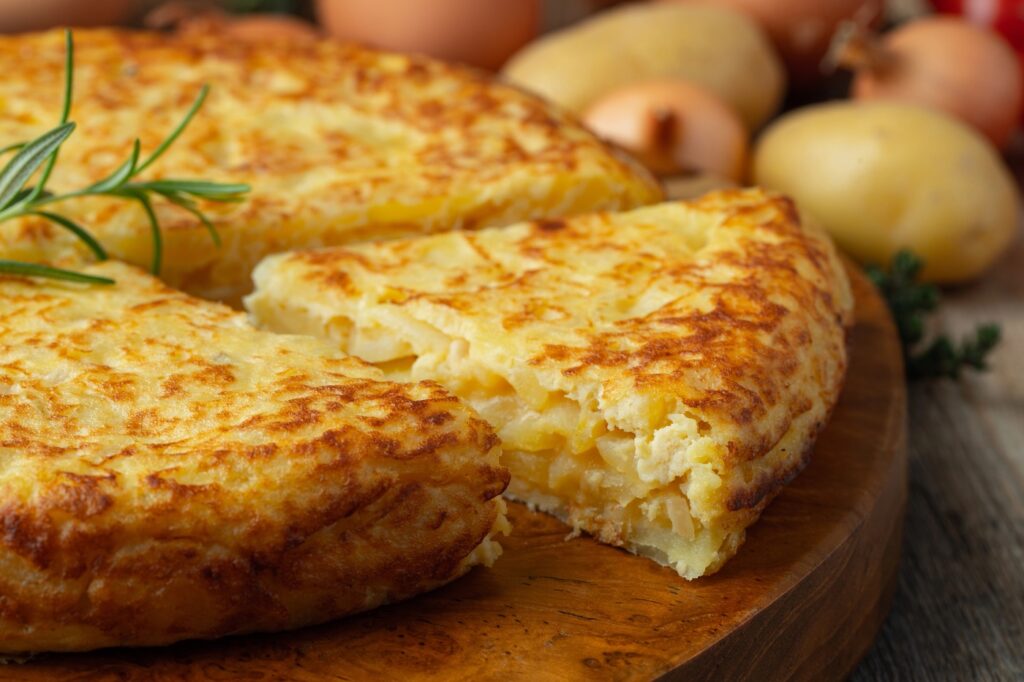
Preheat the oven to 375°F. Heat the olive oil in an oven-safe pan. Add the potatoes and cook until they begin to soften. Add the onions and cook until everything is golden. In a bowl whisk the eggs with salt and pepper. Add cheese if you want a dairy version. Pour the egg mixture over the potatoes and onions. Let it cook for a minute on the stove, then place the pan in the oven. Bake for about fifteen minutes until the frittata is set. Allow it to cool for a few minutes before slicing.

A warm breakfast does more than fill you up. It gives you a calm moment before the day begins and the steady energy you need to face the cold. Even small changes in your morning routine can make winter feel a little brighter and a lot more manageable.
Yom Kippur in the Hospital

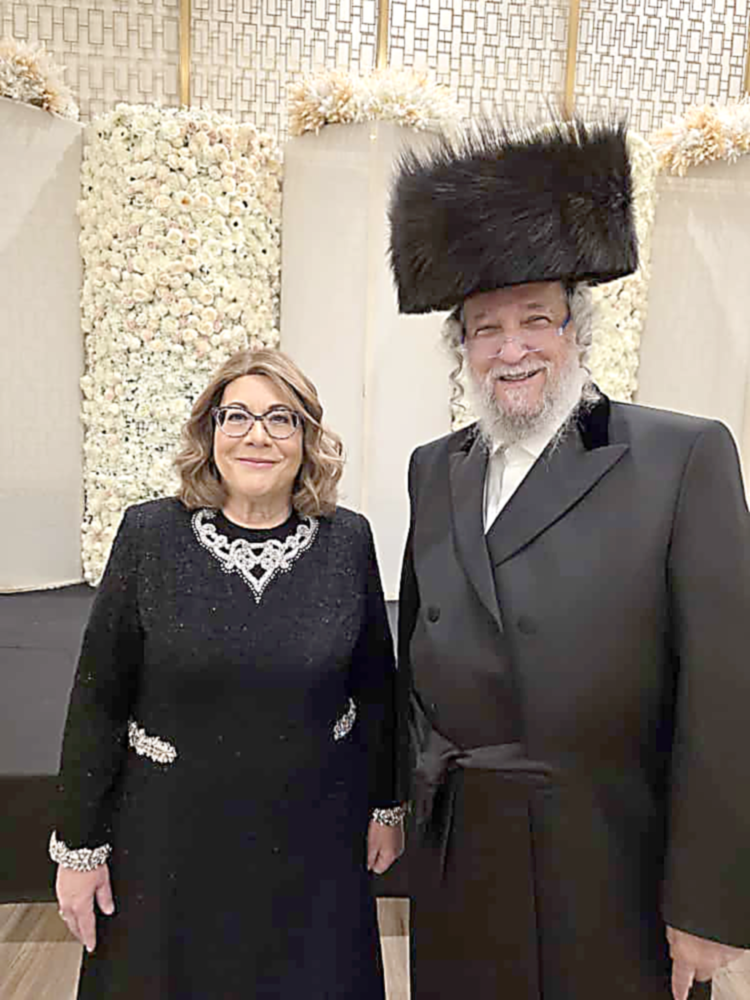
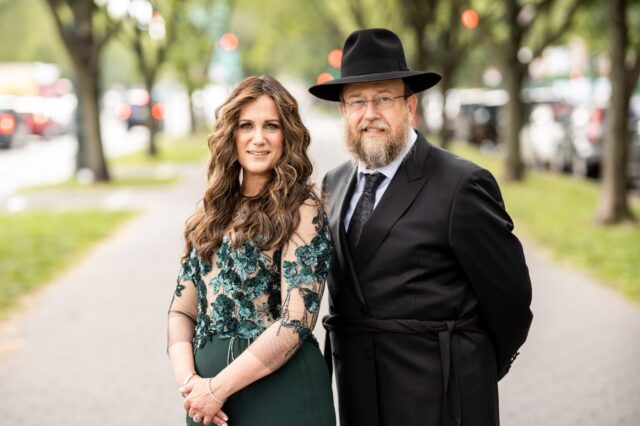
Rabbi Meir Chaim ZT”L and Rivkah Brikman

A Bond Beyond Backgrounds, when a Hospital Room Became a Chabad House

It was Yom Kippur night in a New York hospital. The sterile walls, the steady beeping of monitors, and the dim fluorescent lights seemed an unlikely place for holiness. Yet for those gathered, the space slowly transformed into a sanctuary.

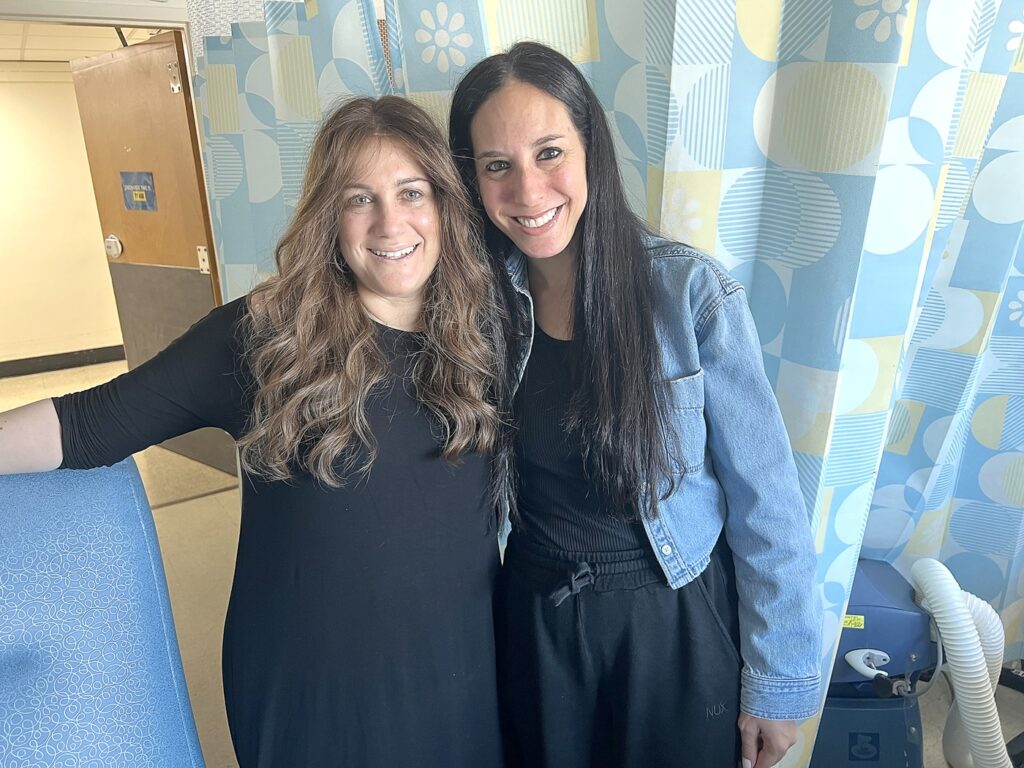
A week before Rosh Hashanah, Rabbi Meir Chaim and Rivkah Brikman, Chabad Shluchim in Seagate/Coney Island, found themselves in Boro Park’s Maimonides Hospital. By Yom Kippur, the Rabbi remained admitted for medical care. At his side sat his devoted Rebbetzin, his wife, who never left him for a moment.
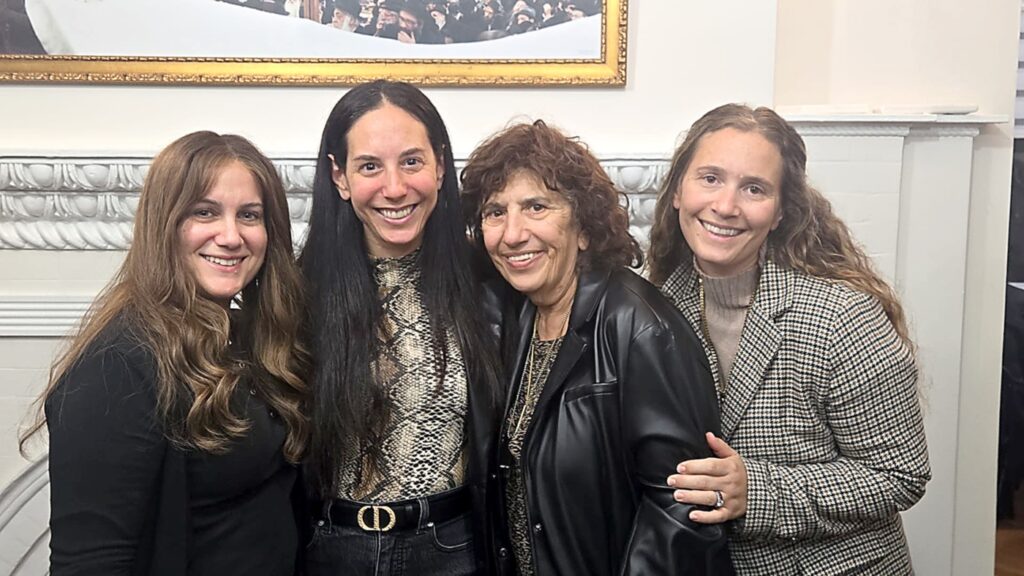
Into this setting came Chaya and her husband Yoshi, who had traveled from South Jersey to be with them. While they stayed at a daughter’s home nearby, their true destination was the Rabbi’s bedside, where they brought warmth, companionship, and the atmosphere of the holiest day of the year into the hospital ward. Yoshi, more brother than friend, and Chaya, more sister than friend, stood at the Rabbi’s side, determined to help fill the room with strength and spirit.
Across the hall, another family, the Yaron family, kept vigil. A Sephardic wife and mother together with her two daughters attended to their husband and father through his own medical struggle. Their accents were different, and their prayers carried Sephardic melodies. Their minhagim (customs) belonged to another tradition entirely. Yet none of that mattered. It was Yom Kippur, the day of unity, forgiveness, and shared hope that the G’zar Din (Heavenly decree) might be sweetened.
Soon, the walls of difference began to dissolve. The two families crossed the corridor, sharing whispered wishes for healing, trading stories, and offering one another comfort. The Rebbetzin’s soft words gave the mother strength, while Chaya and Yoshi brought moments of lightness that eased the daughters’ fears. The Rabbi, though weak, joined in the tefillos (prayers), showing what true perseverance in prayer looks like.
Then the Rebbetzin’s brother, Leiby, walked in from Crown Heights. He opened a Machzor (High Holiday prayer book) and began leading the Yom Kippur Mincha (afternoon prayer) with familiar Chabad songs. The sound carried down the hallway, mingling with Sephardic responses and the quiet “Amens” of those who gathered. What should have been an ordinary hospital ward became something else entirely, a sanctuary alive with prayer and song.
By the time the Neilah (closing prayer) was finished and the fast drew to a close, everyone had gathered in the room for the sounding of the shofar (ram’s horn). In that moment, the transformation was complete. Two families from two different worlds had become one. The hospital corridor had witnessed the true essence of Yom Kippur, forgiveness, unity, and the stripping away of all barriers.
That small hospital room, with IV bags, monitors, and whispered prayers, had turned into something remarkable. It had become a mini Chabad House, where Jews of different backgrounds discovered brotherhood, comfort, and the presence of the Shechinah (Divine Presence).
Meir ben Lina and Rabbi Meir Chaim ben Baruch Bentzion have now passed. They left their families with a beautiful friendship that began in the hospital and continues to blossom, together with Yoshi and Chaya Wolhendler.

Presence Over Product

The Jewish Heritage Museum. Yad and scroll of the Book of Esther. Padua. Italy.

The Value of Showing Up

Rabbi Meyer Laniado

At a Sephardic Rabbinical Conference this summer, I noticed a former congregant sitting across the room. I wondered why he was there. He wasn’t a rabbi, and he wasn’t on the panel or the program. During lunch, he approached me with a bright smile and said, “Rabbi, you won’t believe this…” I could not imagine what he was about to say.

I remembered that he once asked me if he could read the Torah, as it was his Bar Mitzvah perasha that week. His reading, while musical, was imprecise. The next time he asked to read the Torah, I told him he would first need to invest in improving his reading. I offered to work on it with him if he came early on Shabbat afternoon. He hesitated at first, but ultimately accepted the offer. Week after week, he practiced and improved. Eventually, I invited him to lead Minha, and later, he became a semi-regular reader of the Torah in our minyan, reading beautifully and accurately. Then he had a baby, and moved to the suburbs.
A few months later, I received the following message from him:
“I wanted to let you know, the minyanim are really starting to turn to me to read Torah and lead prayers. We’re not as knowledgeable, but it’s slowly getting better, and I seem to be playing a role in that. Thank you for teaching me the right way. Our rabbis keep telling me how amazed they are at my precision.”
If the story ended there, that would already be meaningful: a full-circle story that exemplifies the impact I always hope to have. But the story continued, to this very moment at the conference, where he came over to me and said: “You won’t believe this, but my community asked me to teach Qeri’at haTorah in the elementary school!” My primary intention was to help this one person learn how to read accurately. To me, that was the point.
The temptation is to evaluate human interactions using the tools we borrow from business and management: productivity, scalability, and measurable outcomes. These tools and modes of thought are effective in business, but have crept into how we think about our human interactions. And so, we tend to judge impact by volume, how many showed up. But, if someone had asked me, ‘How many people came that Shabbat afternoon?’ The answer would have been one, and it would have sounded insignificant, unimpressive, and maybe even seen as a bad investment of time and resources. But, we should not evaluate whether to engage, support, or be present with another based on return on investment. That would have been a mistake.
Each human being is not just part of the whole of humanity; they are, in and of themselves, an entire world. The Mishnah makes this point by noting that Adam was created alone, so that no single life that emerged from him could ever be dismissed as marginal or insignificant. As the Mishnah states: “Anyone who sustains a single soul is considered as though they sustained an entire world” (Mishnah Sanhedrin 4:5). Once a single life already carries the weight of a world, human encounters can no longer be evaluated by quantity or scale. When a person stands before us, there is already a whole world present, and that alone is enough to demand our attention.
Our forefather, Abraham, did not first evaluate whether to show up for another based on projected impact or effective use of resources. When three ‘men’ appeared at his tent, Abraham ran to serve them. He had no information about who these men were, what they represented, or whether anything would come from the encounter.
He even personally selected the choicest of the cows. And then, he stayed with these guests, with presence, as they ate, veHu omed alehem tahat haEs vaYokhehlu (Beresheit 18:8). Abraham had hundreds of servants that he could have sent to serve these individuals. But, for him, serving these individuals was of the utmost priority and importance, and so he ran forward to serve them himself.
With Abraham, the Torah text tells us nothing about how he influences them, nothing about what he gains from the encounter. Only presence: veHu omed alehem, he stands with them. Whatever else may later emerge is not part of the calculation. The presence, in and of itself, is the value.
I care deeply about human transformation. I often evaluate my work through stories of growth, change, and impact, and those matter. But I am also realizing that these cannot be the only lens. Presence itself has value, even when nothing measurable follows. Hearing what became of this young man was deeply moving to me. But, even if there had been no transformation beyond those Shabbat afternoons, showing up for him would still have been worthwhile. If we truly believed this, we would stop explaining ourselves when only “one person came.”

Hanukkah Moments Across Our Community

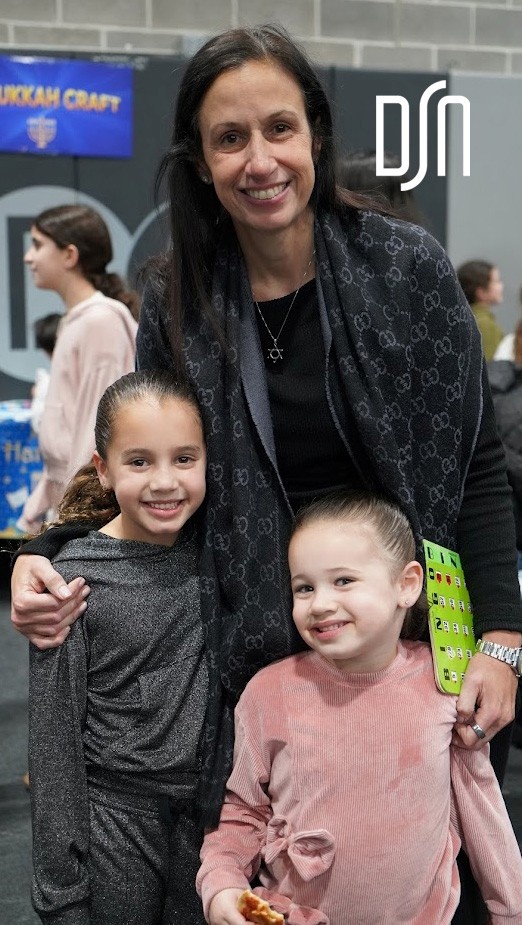
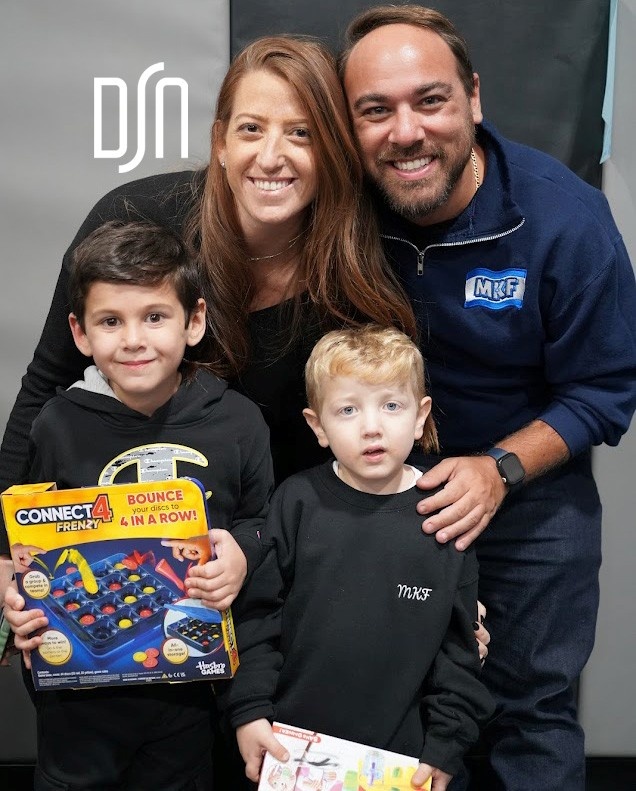
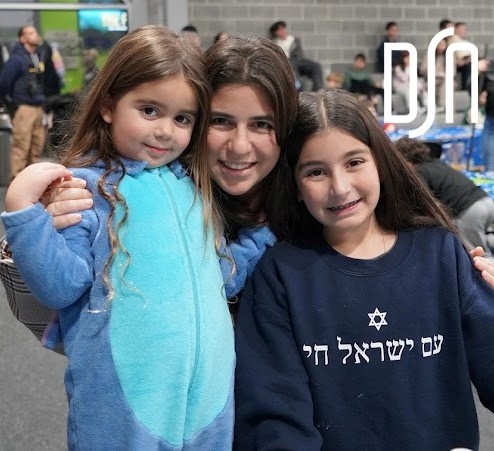
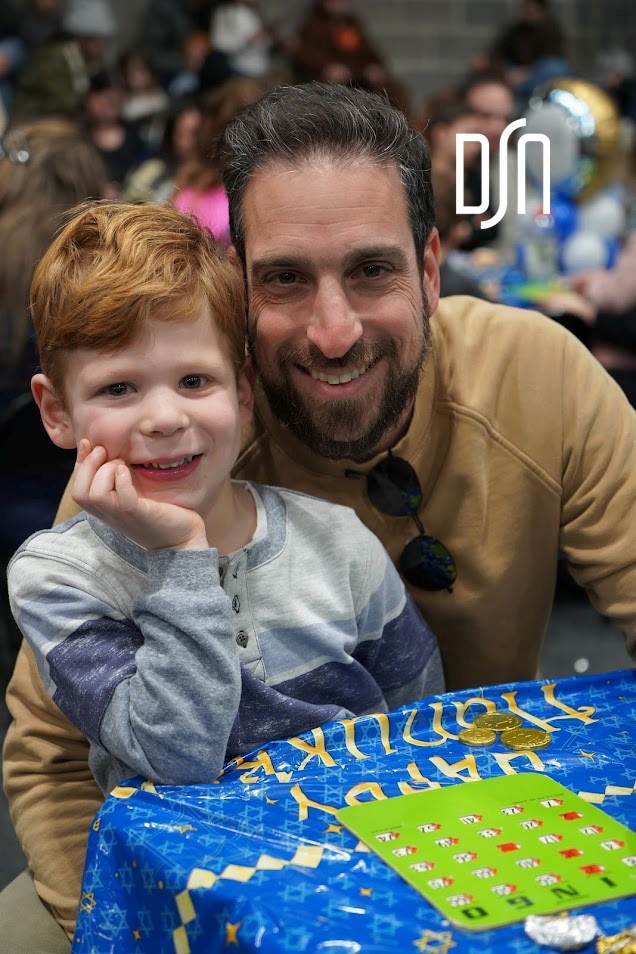
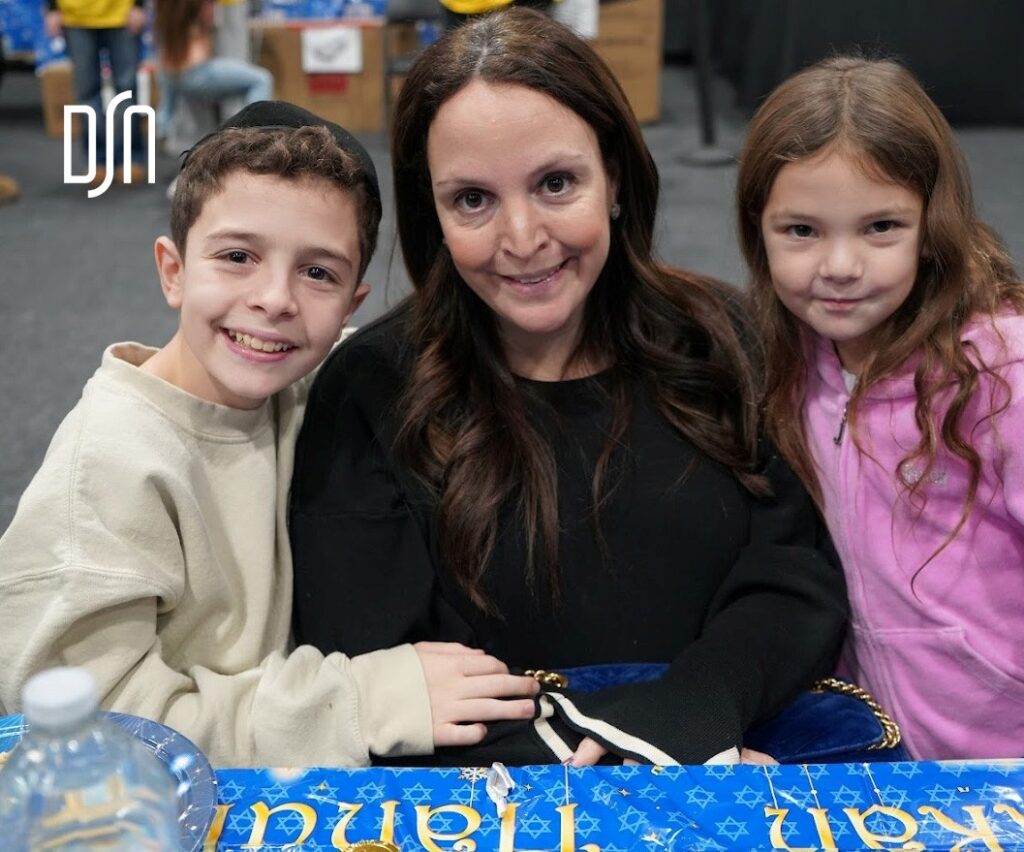
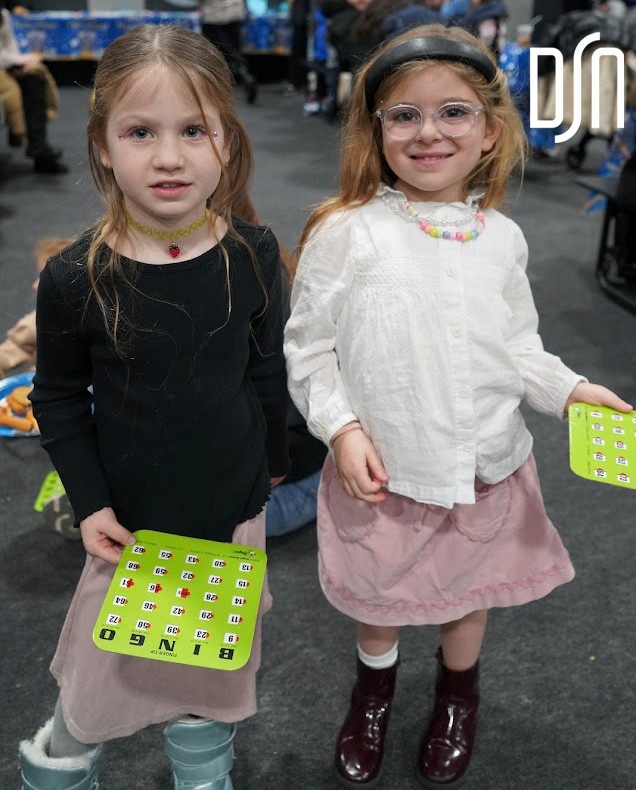
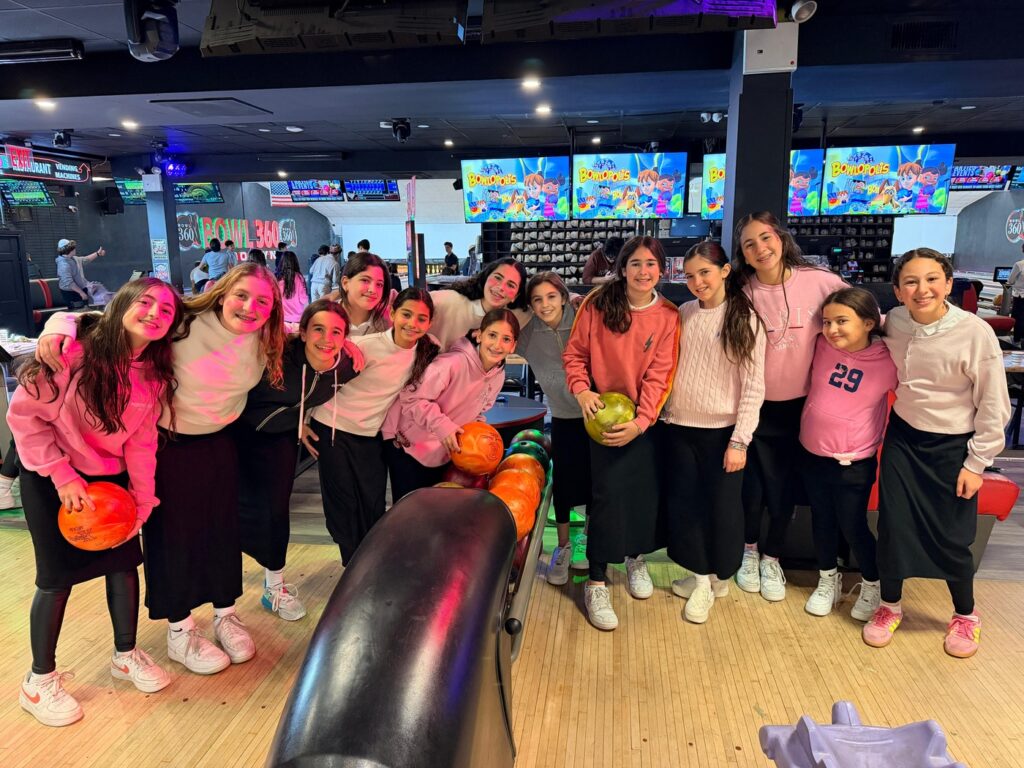
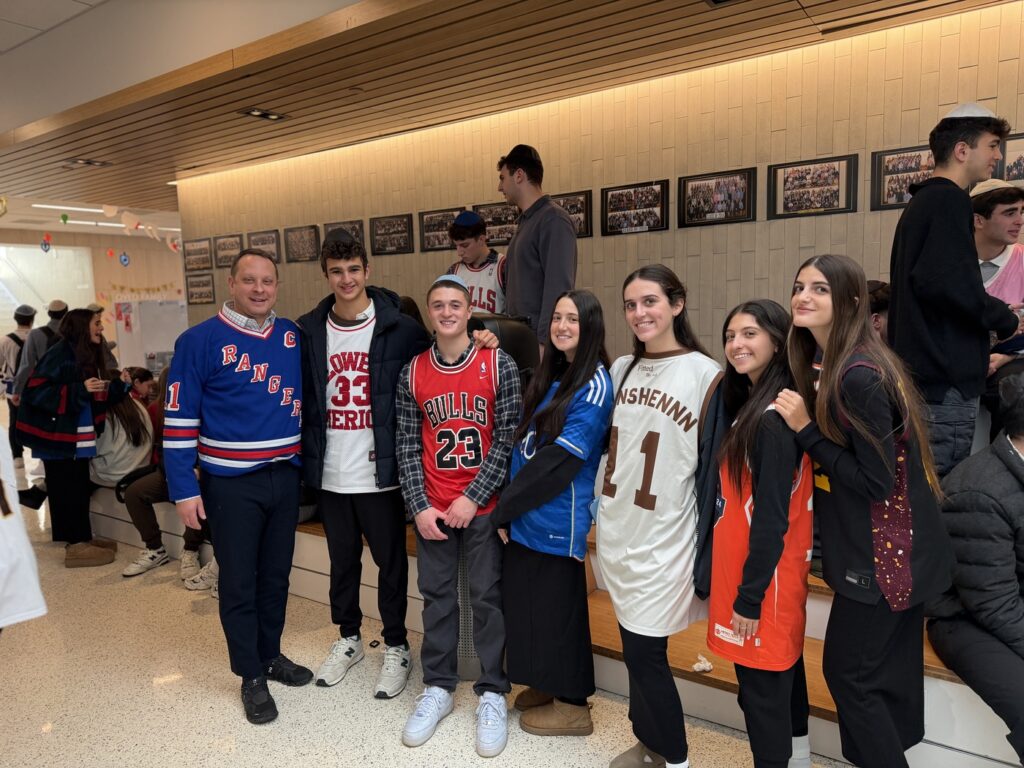
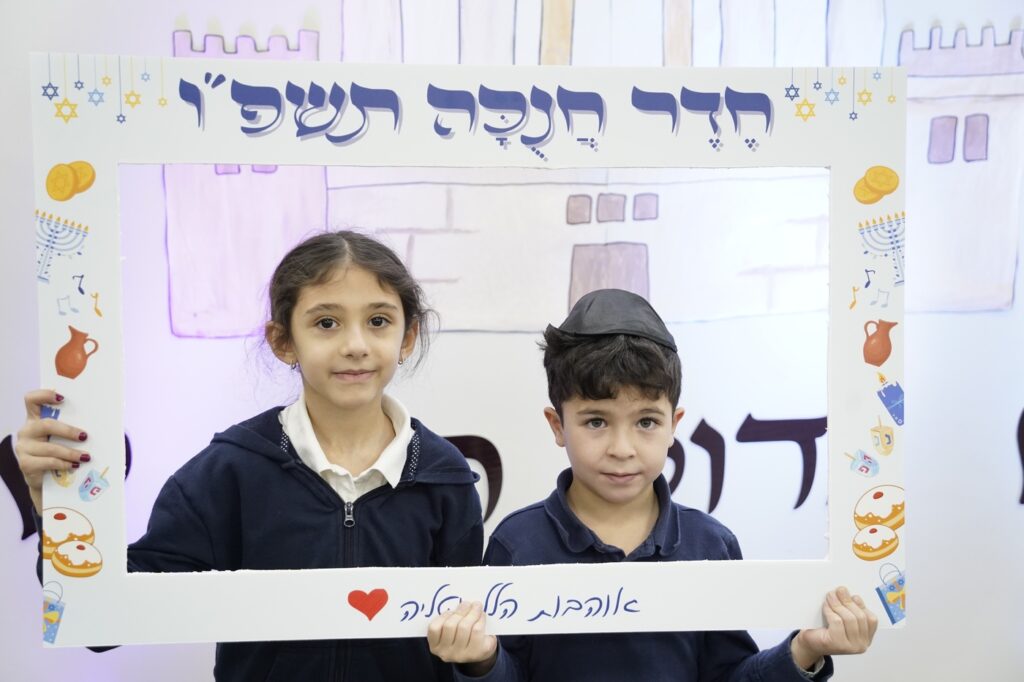
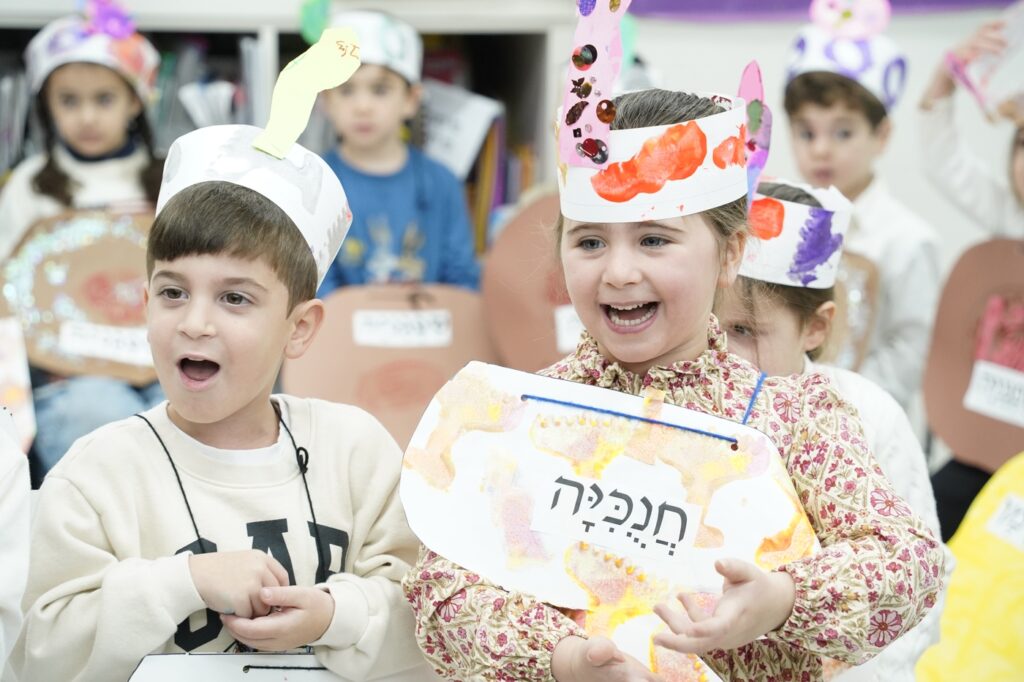
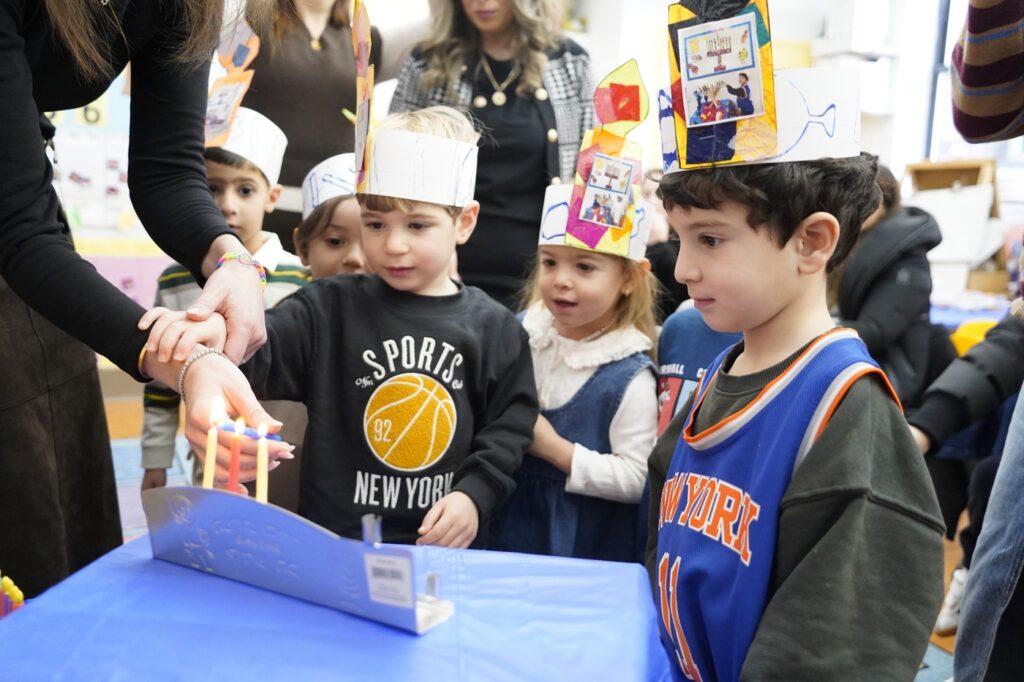
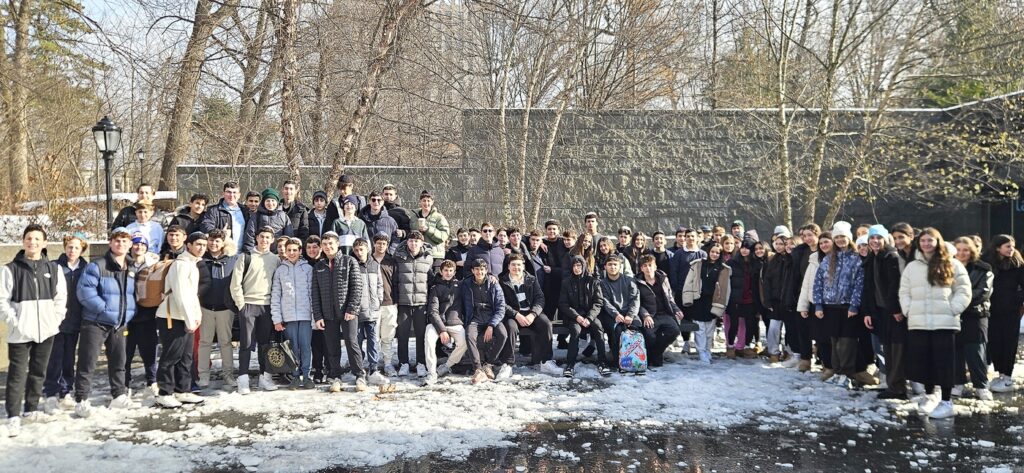
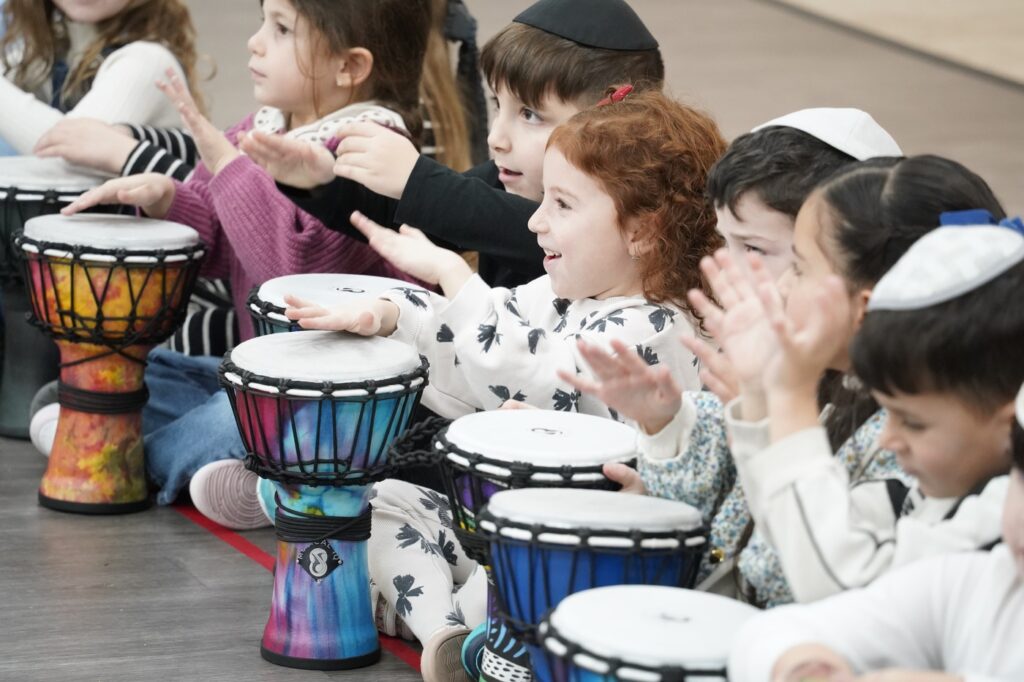
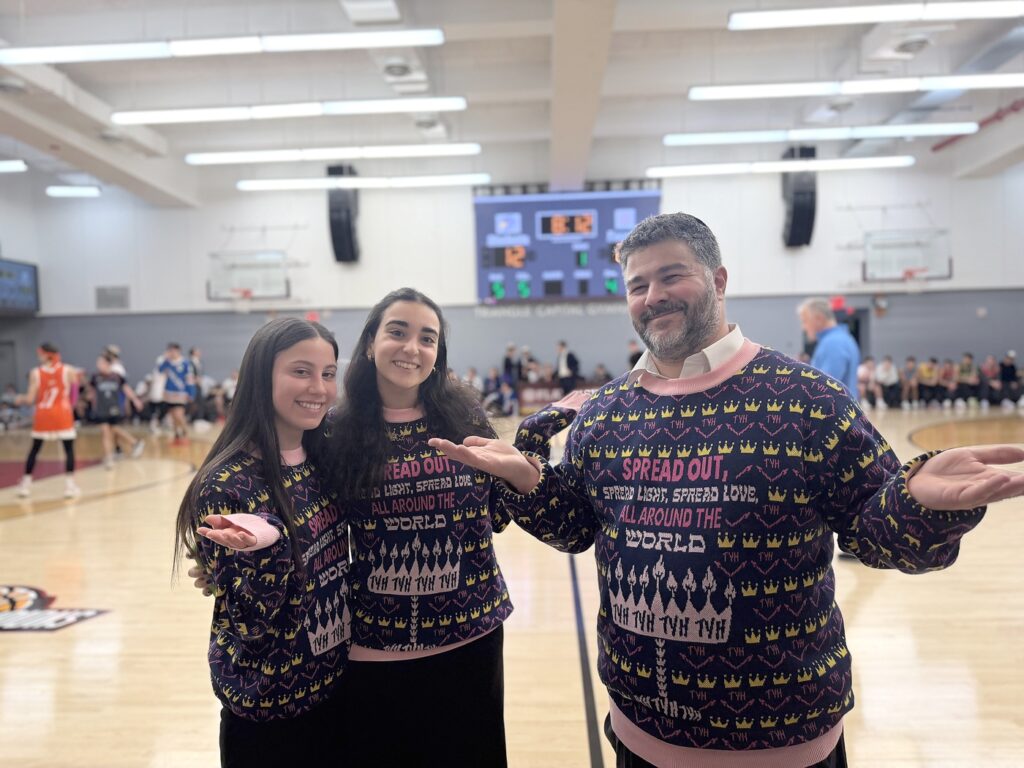
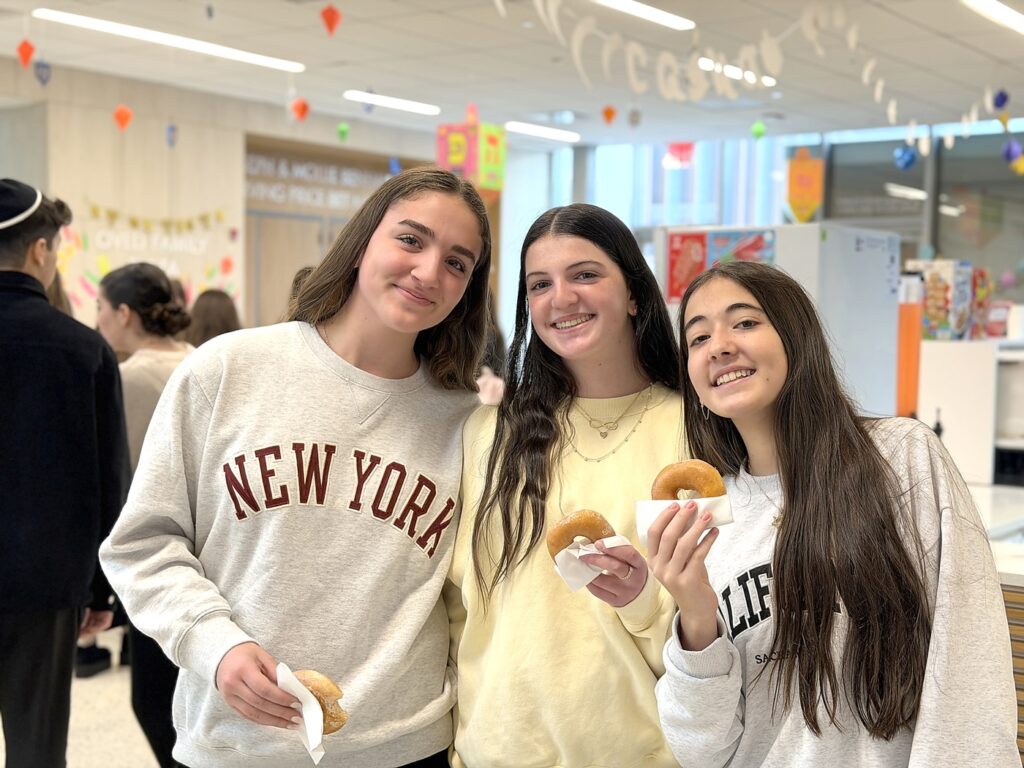
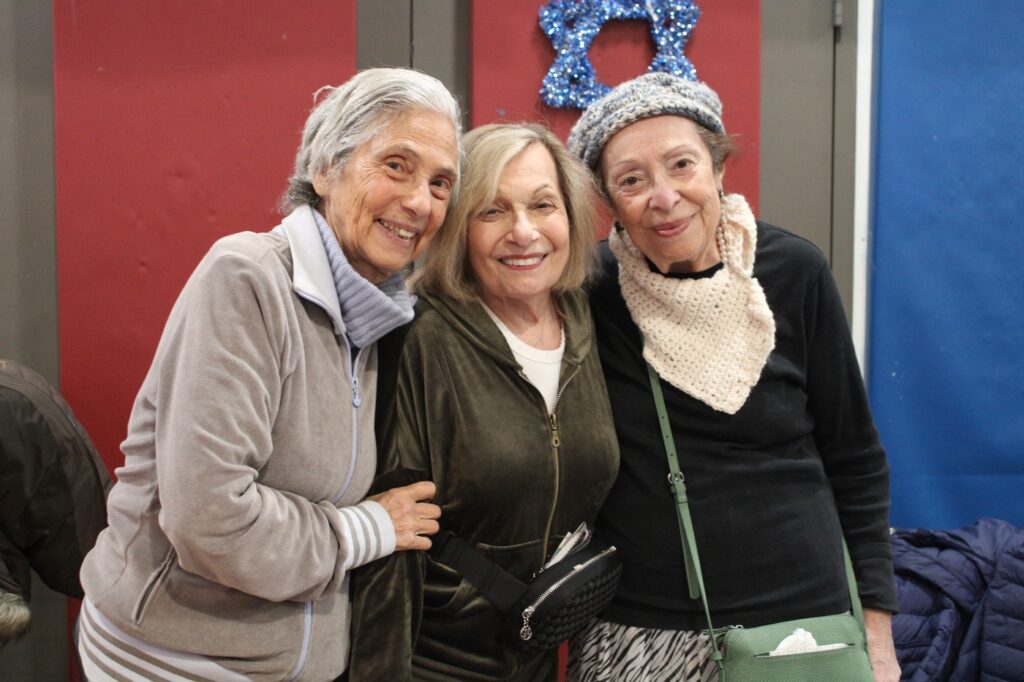
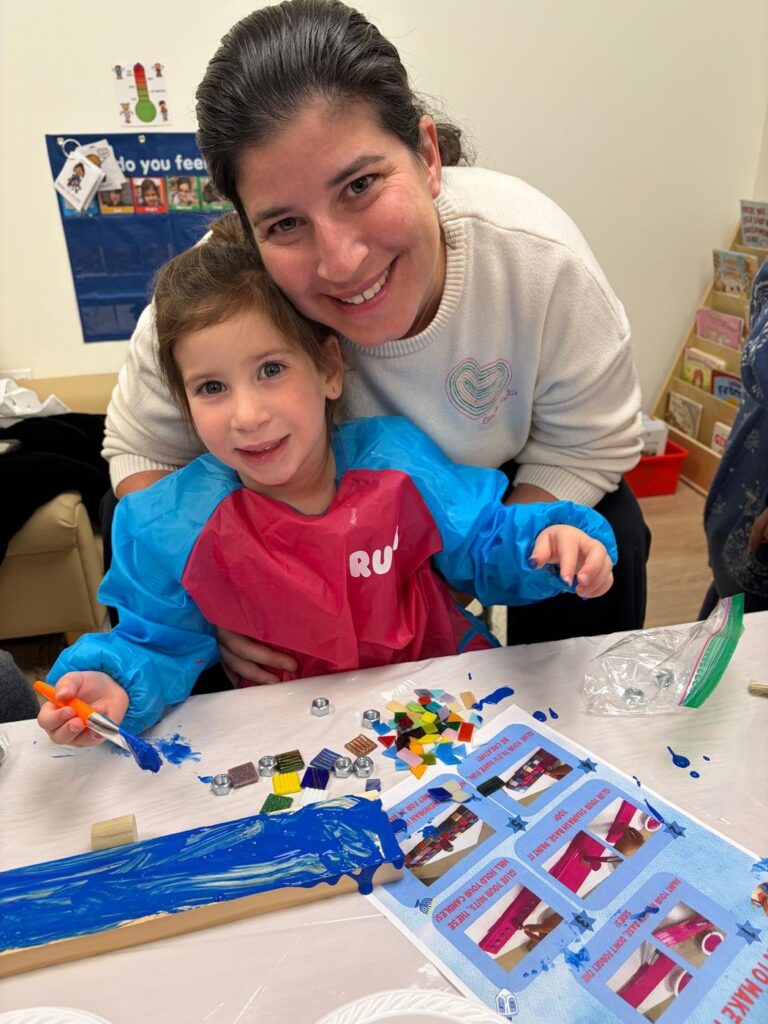
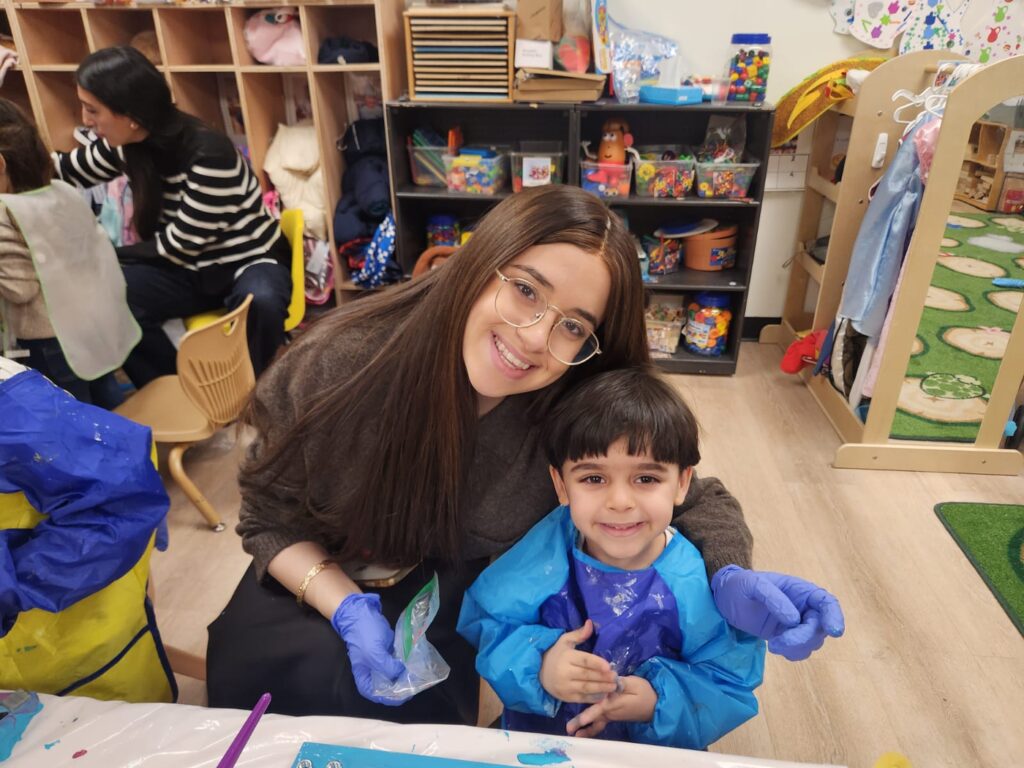
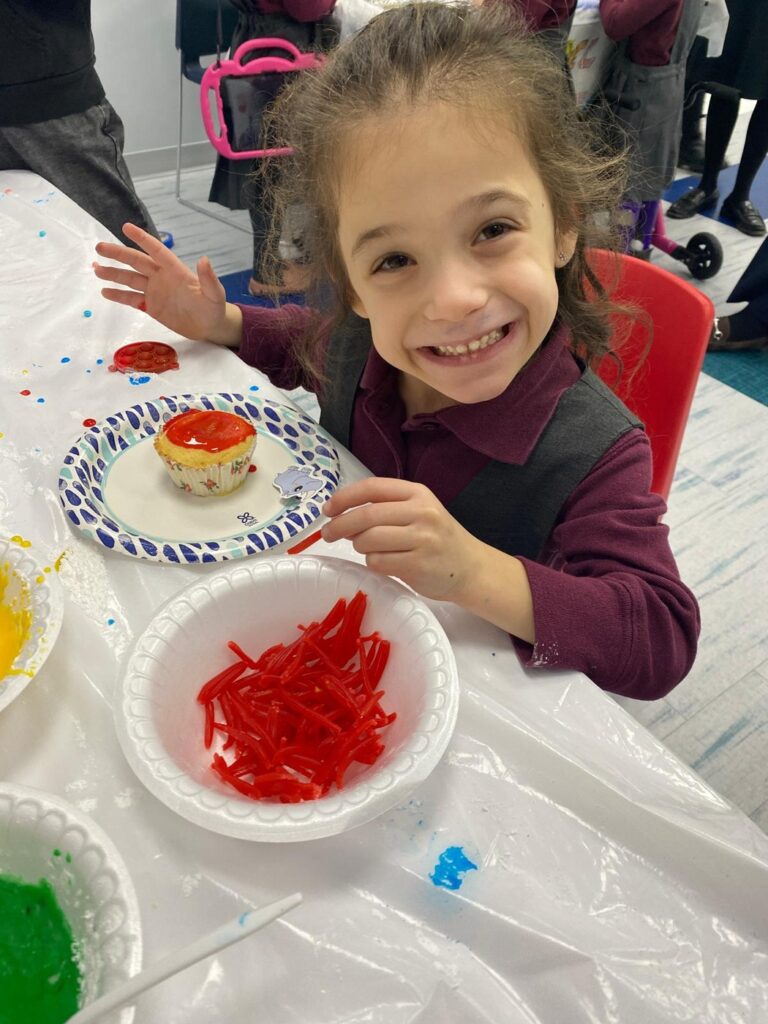
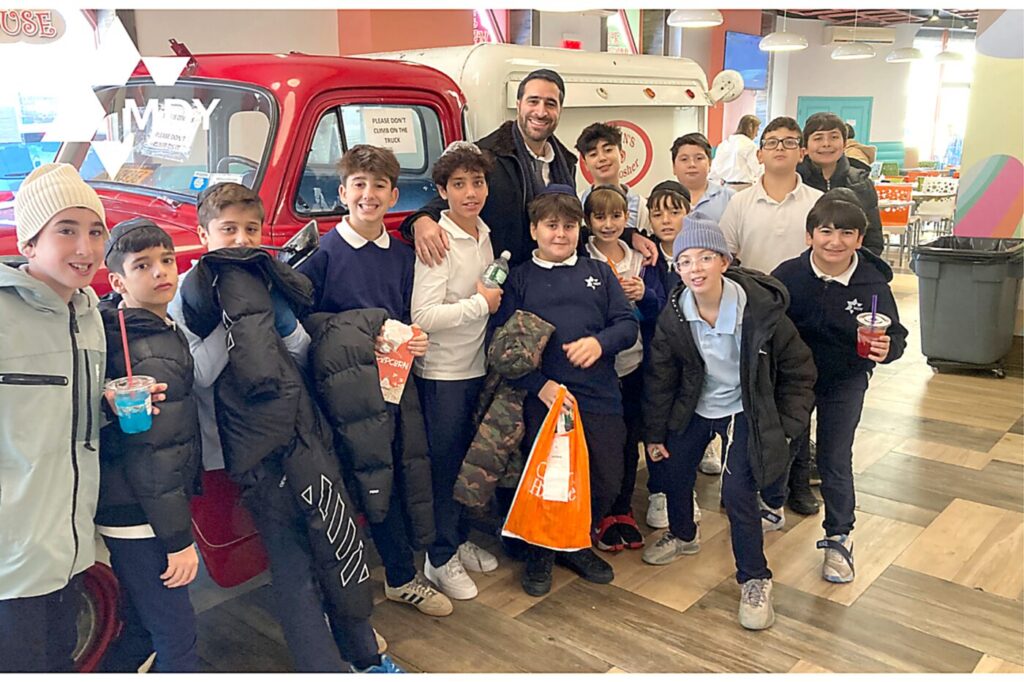
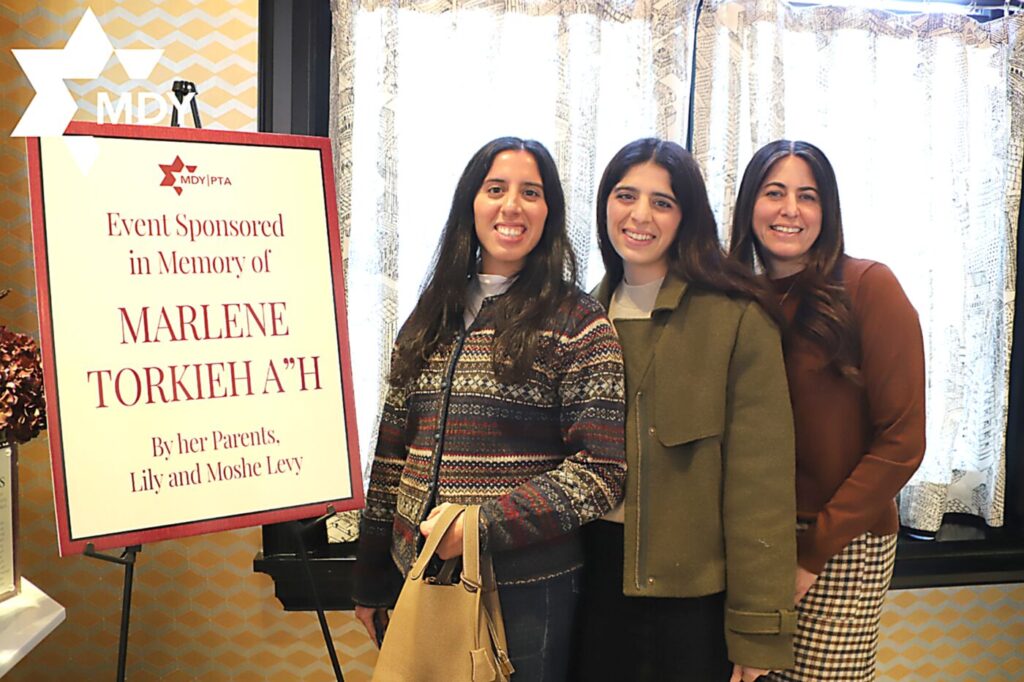
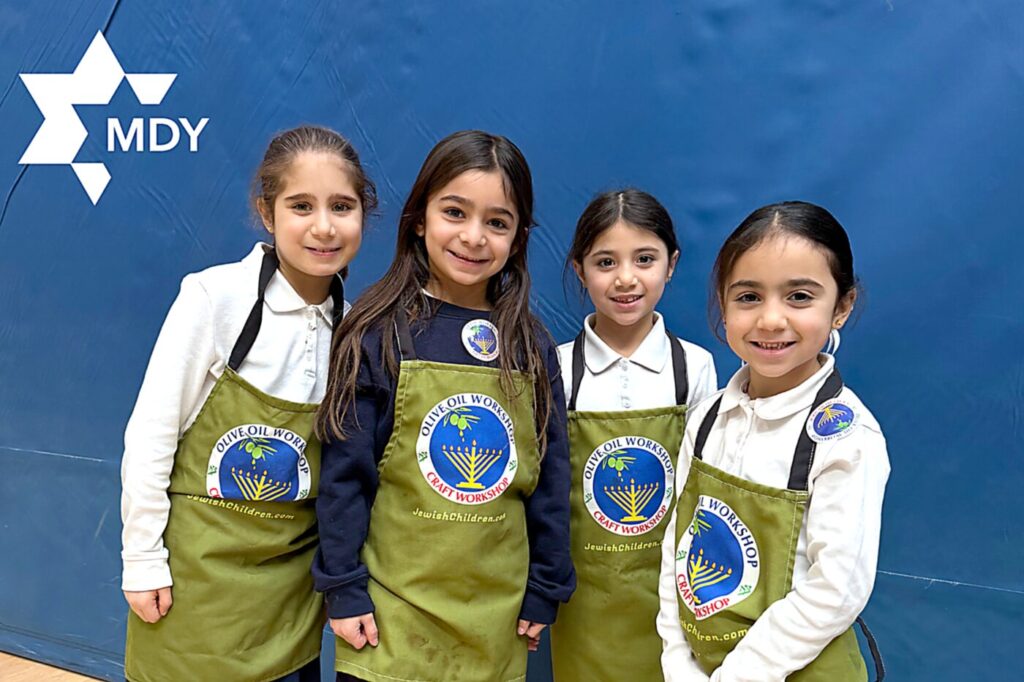
This month’s Community Photo Album shines a light on the warmth and joy of Hanukkah throughout our community. From lively classroom celebrations and school activities to meaningful gatherings at our community centers, these moments reflect the heart of the holiday. As the candles were lit each night, students joined in hands-on projects, music, and special programs that filled the holiday with meaning and fun. Each photo captures a sense of togetherness, pride, and light, reminding us that Hanukkah is not only about tradition, but about sharing those moments with one another.

Riding With Purpose

Community cyclists unite to support Israel’s amputee community

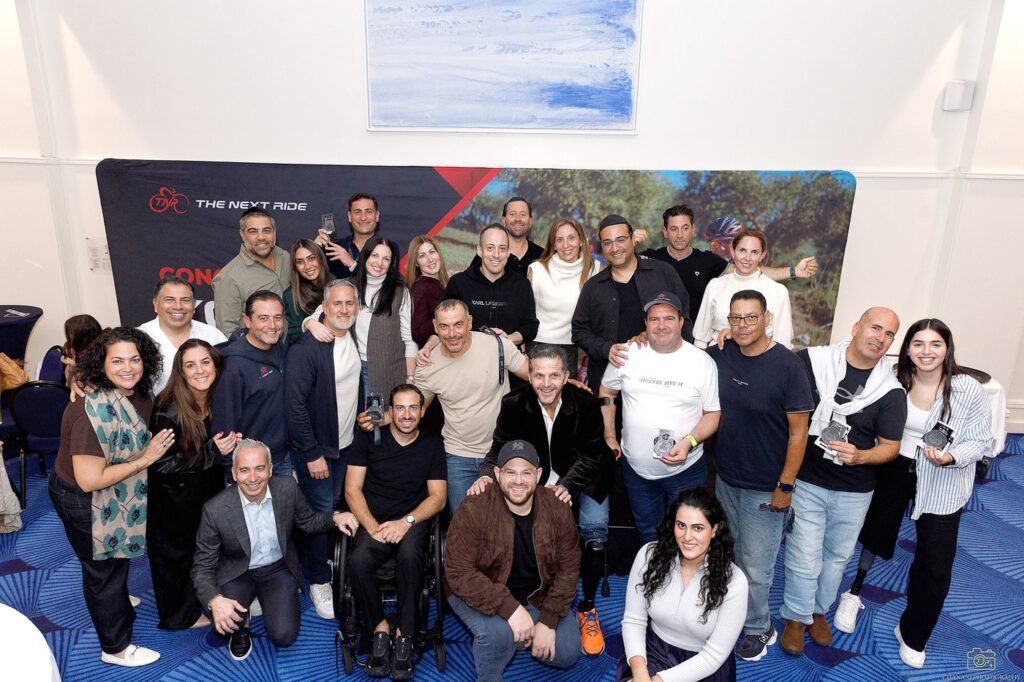
This is not a story about a vacation. And it is not a story about cycling through picturesque roads in the South of France. This is a story about how, through cycling, The Next Step and The Next Ride (TNR/TNS) raise critical funds to care for individuals who have suffered limb loss or were born with limb differences, and how they are actively building a future to serve the entire amputee community of Israel.

TNR has just wrapped up its tenth ride in the South of France, and many are calling it one of the most extraordinary experiences in the organization’s history. Not because of where the riders traveled, but because of who they rode for and what this growing movement continues to build.
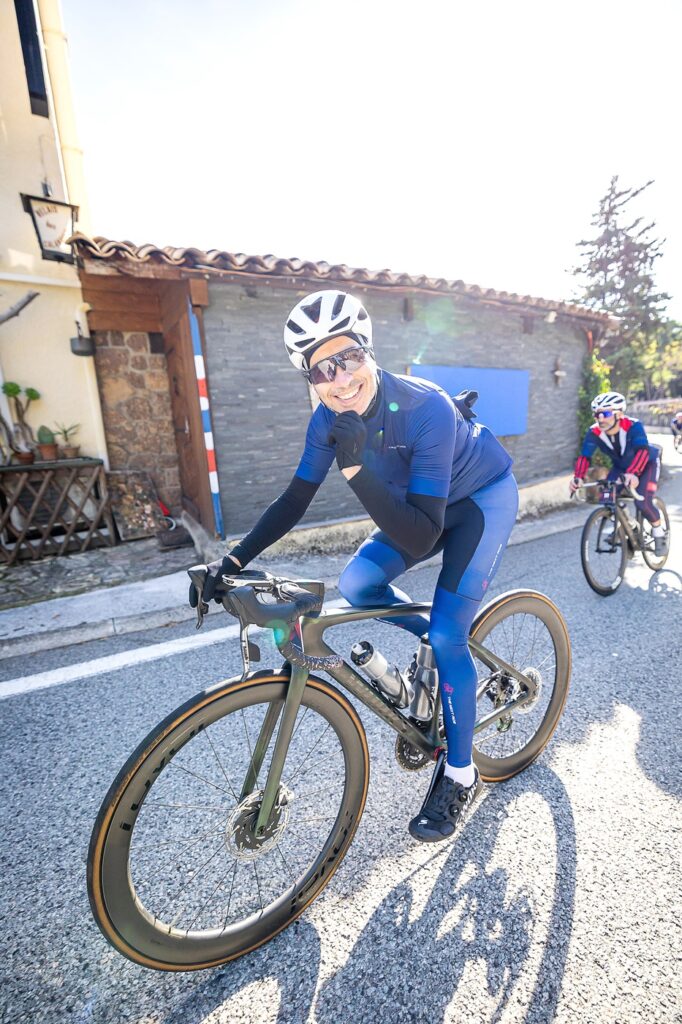
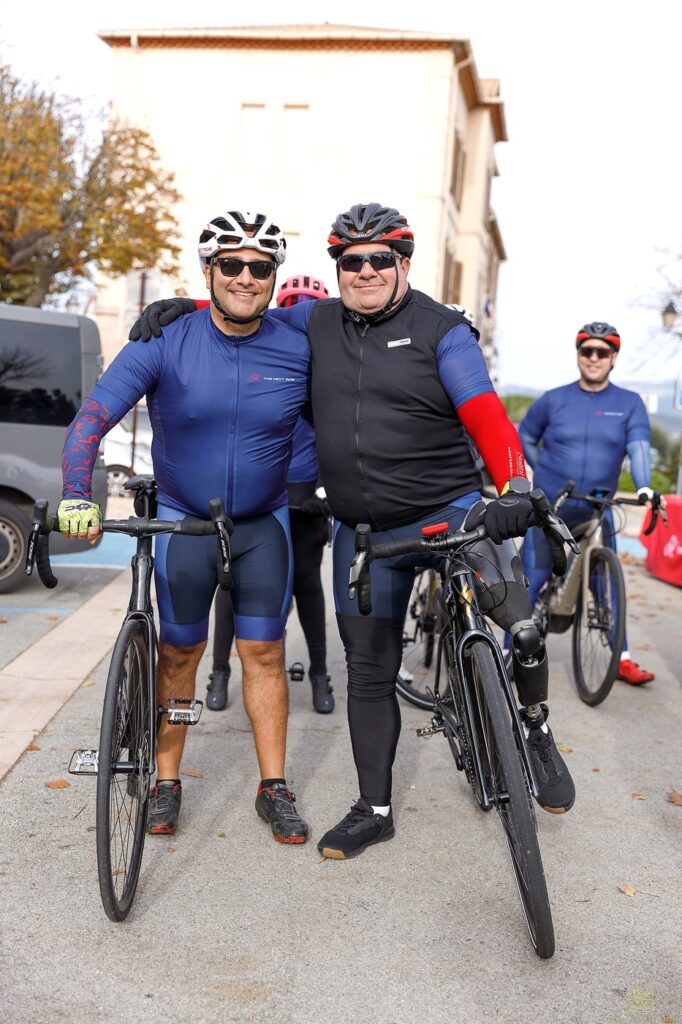
Among the nearly 150 riders and supporters were members of the Sephardic community who participated alongside cyclists from across the Jewish world. Representing the community were Vicki and Jack Aini, Sima and Ari Baum, Korine and Ezra Castro, Yoel Dweck, Adele and David Khaski, Zaki Salame, Stella and Ovadia Setti, Olga and Elliott Shwekey, and Grace and Elliot Simhon. Together, they helped raise critical funds in support of The Next Step’s life-changing work for Israel’s amputee community.
“It was an amazing trip and the programming was incredible. Hazak u’baruch!” shared community member Jack Aini. “Thank you for such a wonderful trip. We had a great time meeting new people and learning about this amazing organization and all the good it does. It’s been very uplifting knowing we are helping our brothers in Israel who need us now more than ever,” added Yoel Dweck.
The journey began as riders and staff arrived jet-lagged, energized, and united by purpose. While the group toured the historic Villa Ephrussi de Rothschild overlooking the Mediterranean and later gathered at the Hotel Martinez, these moments were not about sightseeing. They were about connection, community, and recommitting to a shared mission.
The opening ceremony, led by David Farhi, set the tone for the week ahead. This was a ride driven by responsibility to those whose lives were forever changed by injury, trauma, or birth, and who rely on organizations like The Next Step to reclaim independence and dignity. Reflecting on the organization’s growth and vision, David Farhi, U.S. Managing Director, said, “This may be our tenth ride, but we are really just getting started. Working for this organization is like a marathon, and we are still in the first few miles. The opening of the Empowerment Center is a defining moment, cementing The Next Step as the home for amputees in Israel and, with G-d’s help, a cornerstone for the Jewish world.”
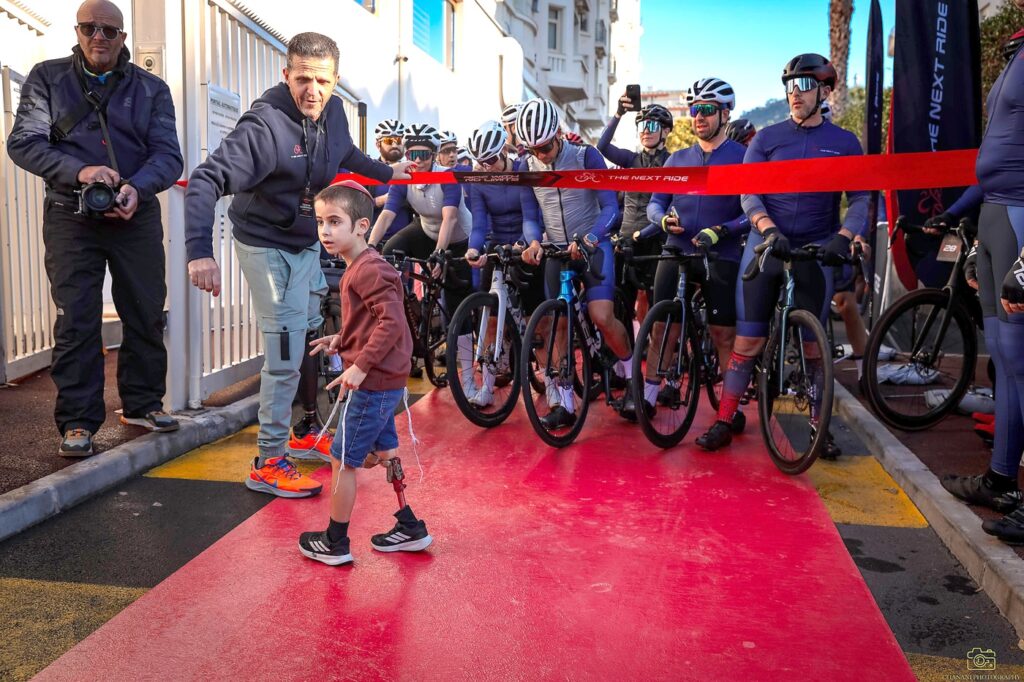
Over the course of three powerful days on the road, riders took on the rugged coastline of L’Esterel–Saint-Raphaël, the demanding climbs of the Gourdon mountains, and the winding routes through Tanneron. Lined up each morning were riders like Shloimie Shachar, Kobe Gerbi, and Saar Shamir, athletes riding alongside the group not as symbols, but as equals. Each of them once faced the uncertainty of whether walking would even be possible. Through The Next Step’s support, including prosthetic care, rehabilitation, physical training, and community, they are not only walking again, but riding strong.
These moments are living proof of why this work matters. Steven Shamosh, Chairman of the Board, thanked the community riders for their efforts and for the continued support of the Sephardic community in this holy mission.
And yet, this ride is not just about what exists today. It is about what comes next.
TNR is in the process of building The Next Step Empowerment Center, a permanent home that will serve the entire amputee community of Israel. This center will be a comprehensive hub providing physical therapy and rehabilitation, mental health support, social workers and case managers, patient advocates, government and benefits advocacy, and community programming with long-term care coordination. It will be a place where no amputee, whether soldier, civilian, or child, is left to navigate recovery alone.
This is what The Next Step rides represent. Not a trip. Not a vacation. But a movement, powered by miles, fueled by purpose, and dedicated to building a stronger future for Israel’s amputee community and, with G-d’s help, the wider Jewish world.
MDY 8th Grade Hesed Day

A Day of Service, and Community

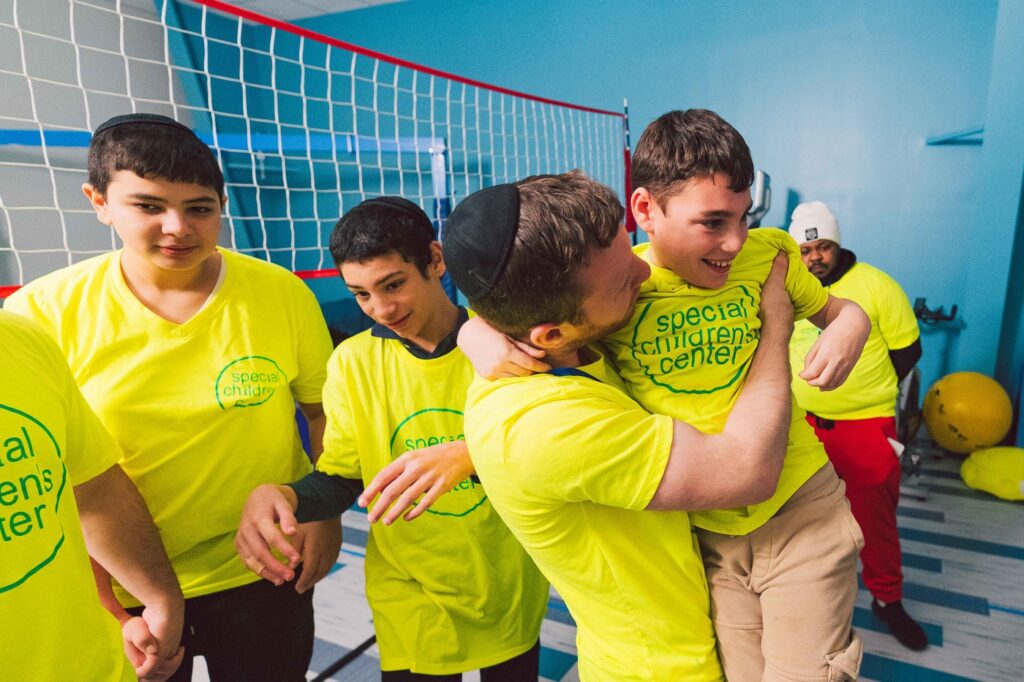
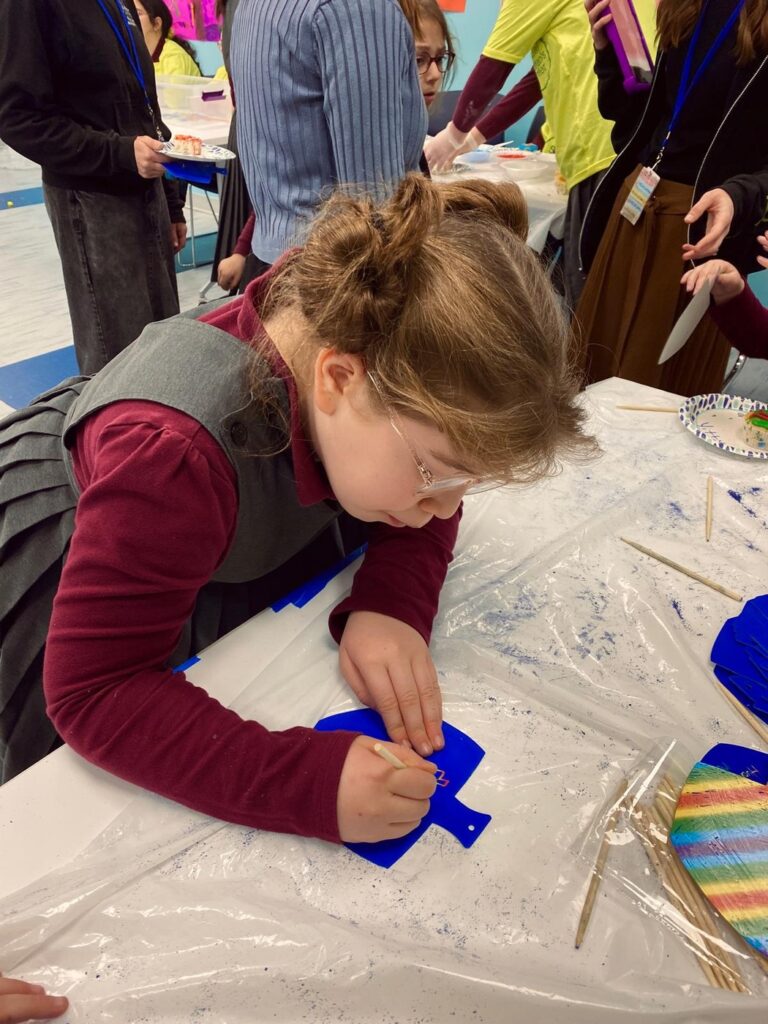
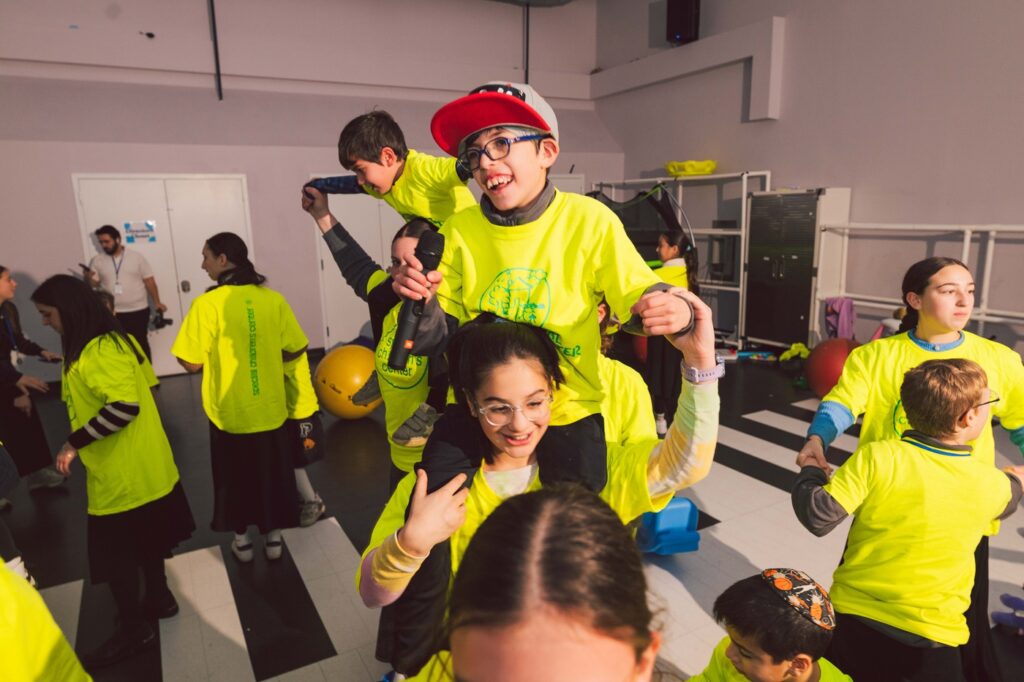
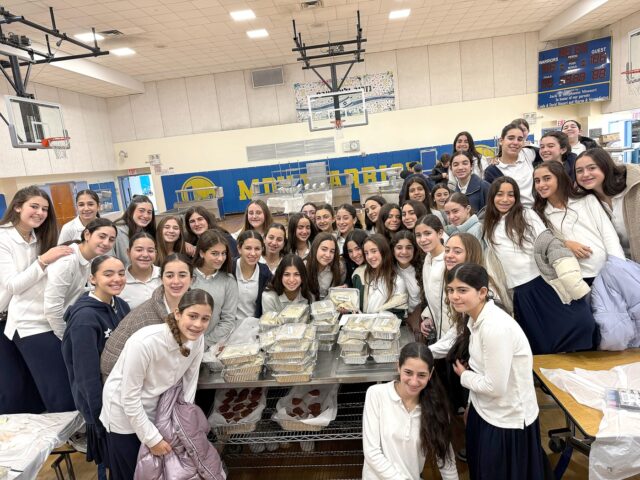
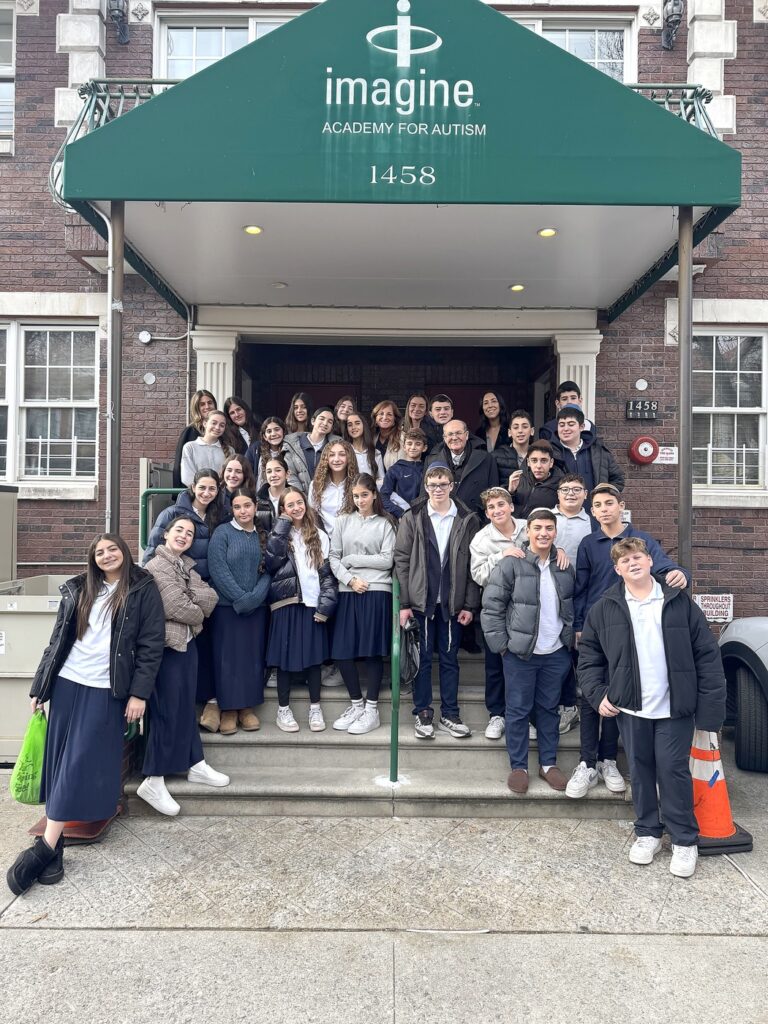
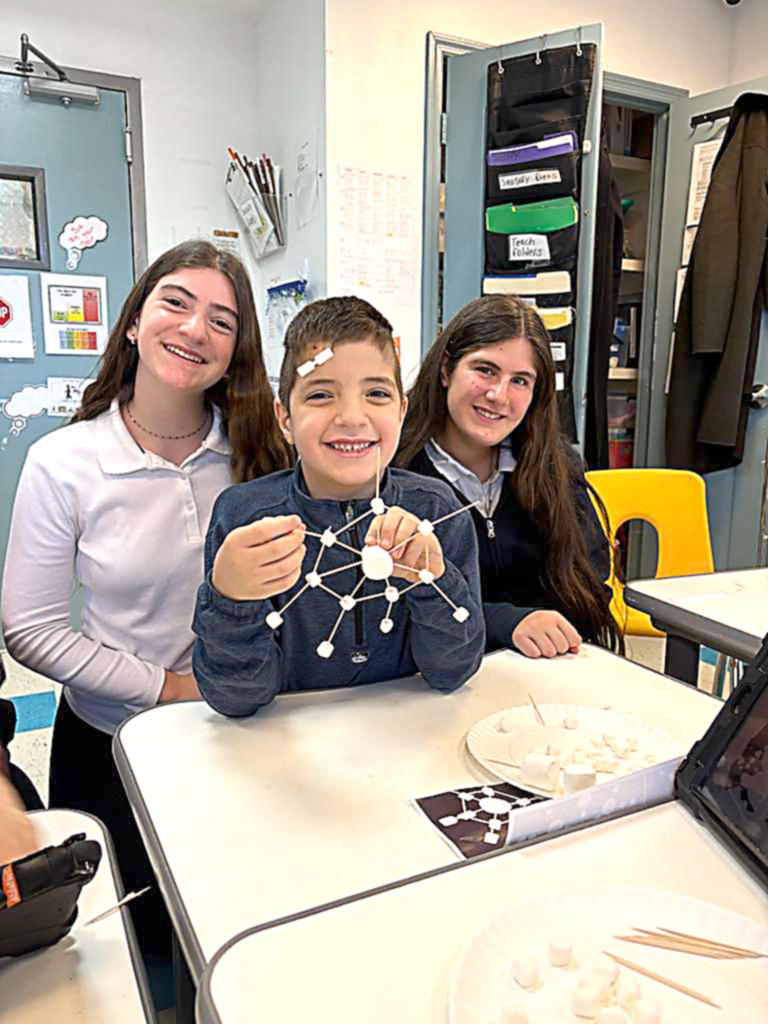
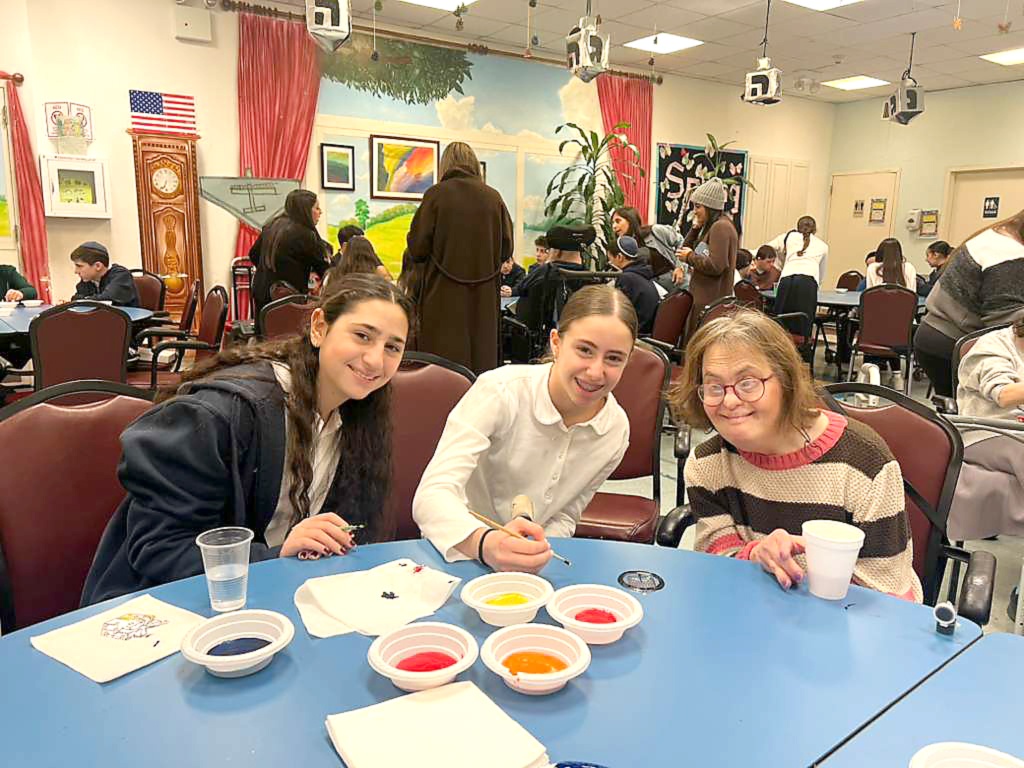
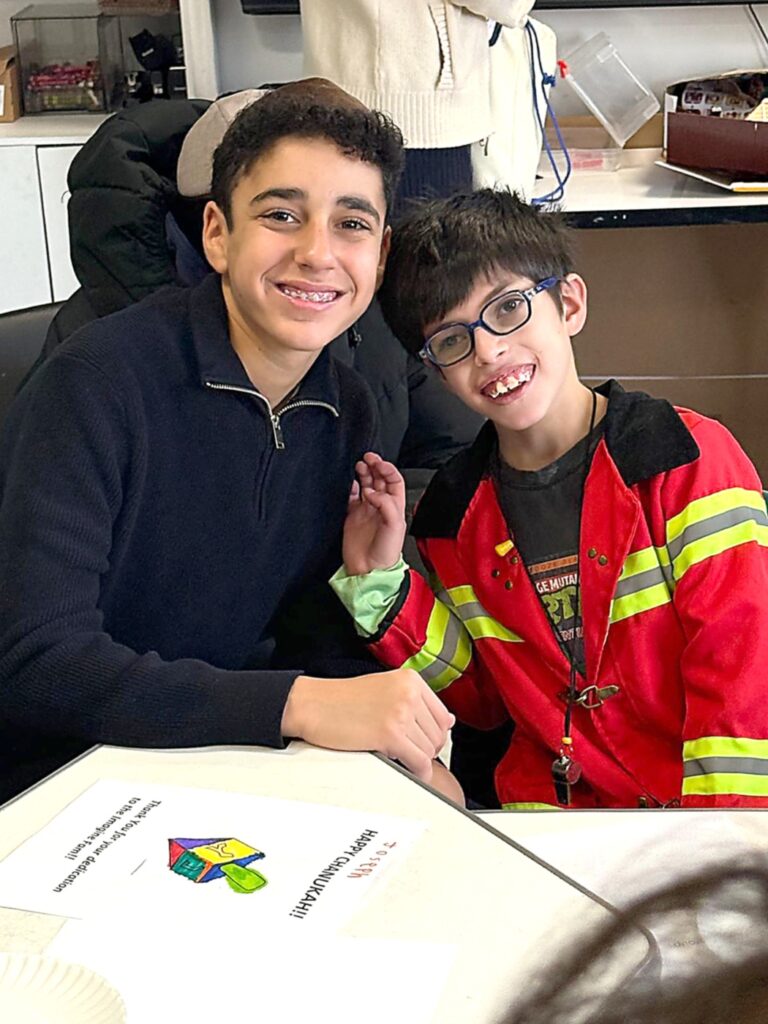
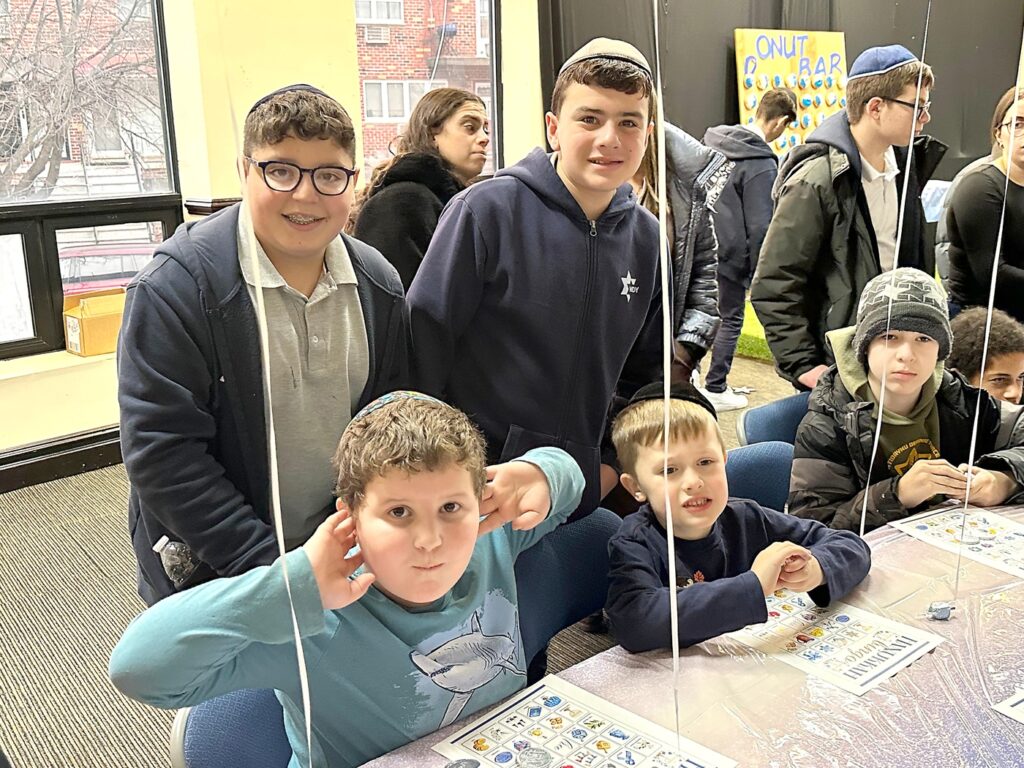
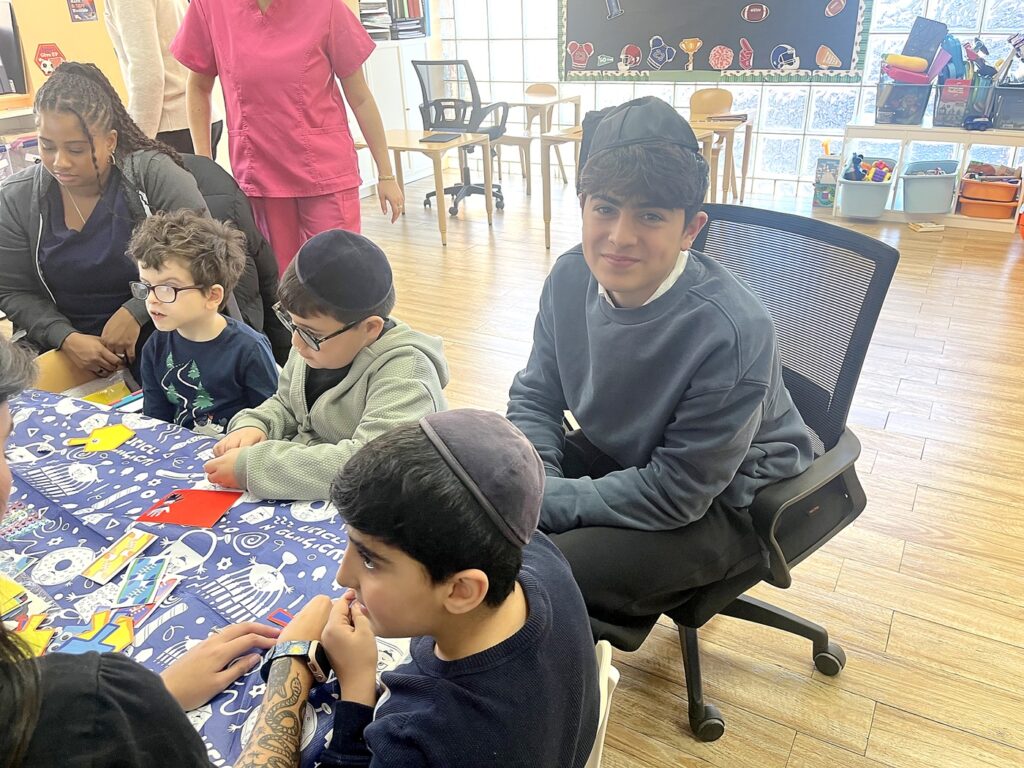
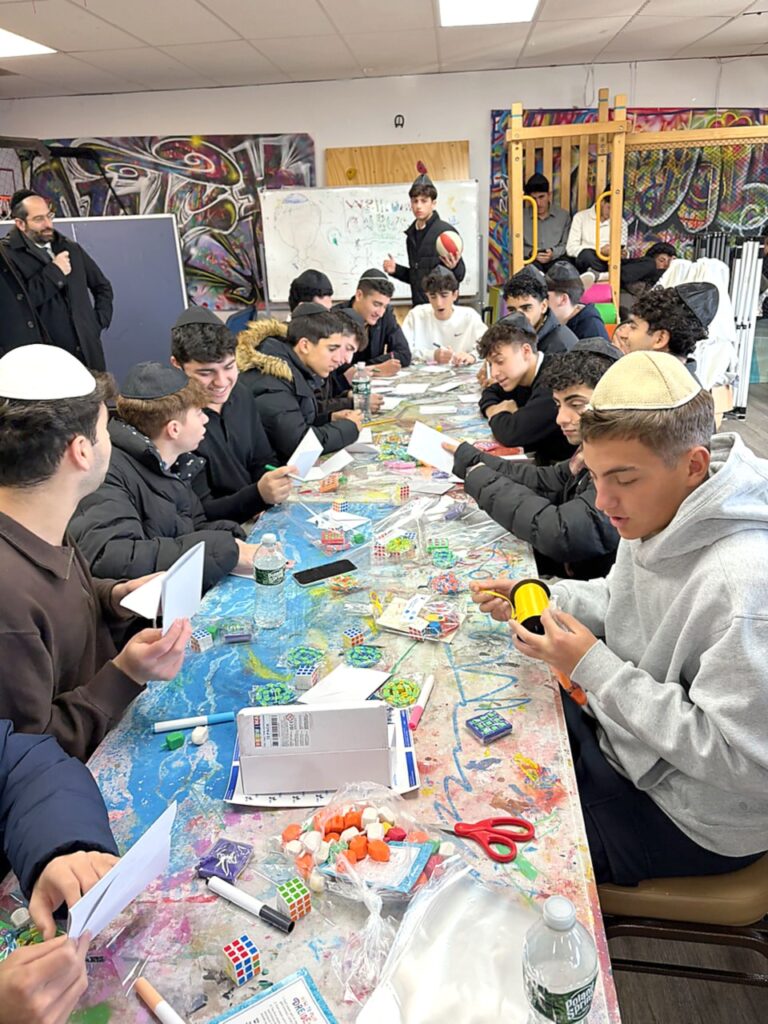
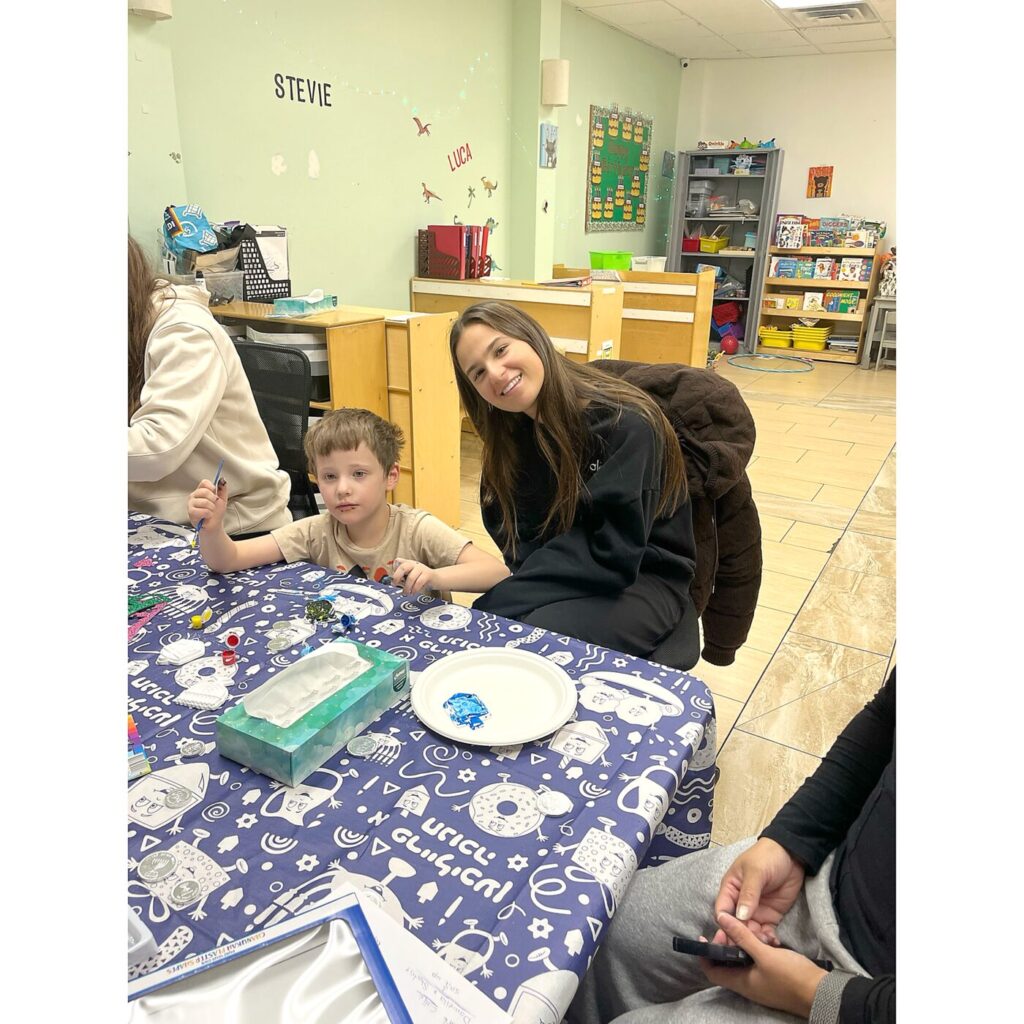
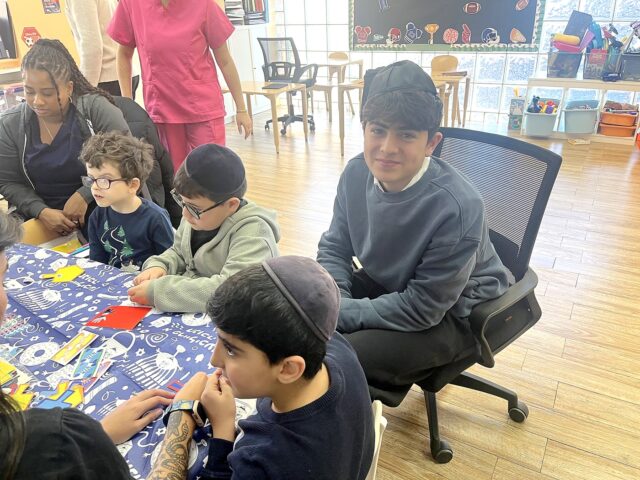
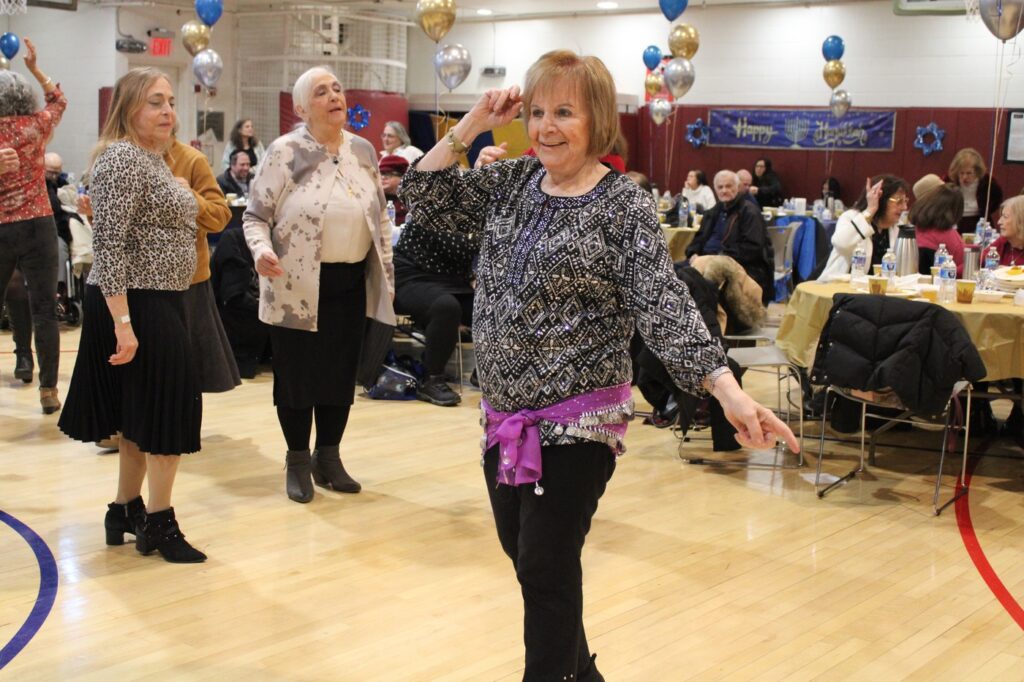
As a culmination of the Hesed lessons they have learned since Playgroup, our MDY 8th graders devoted an entire day to a memorable Hesed Mission, and their kindness shone throughout. Students visited individuals with disabilities, connecting, dancing, and learning to read the quiet cues of those around them, who needed a laugh, who wanted to join in, and who preferred calm companionship. They engaged with autistic children through hands-on projects, gaining a deeper understanding of how every child communicates in their own unique way.

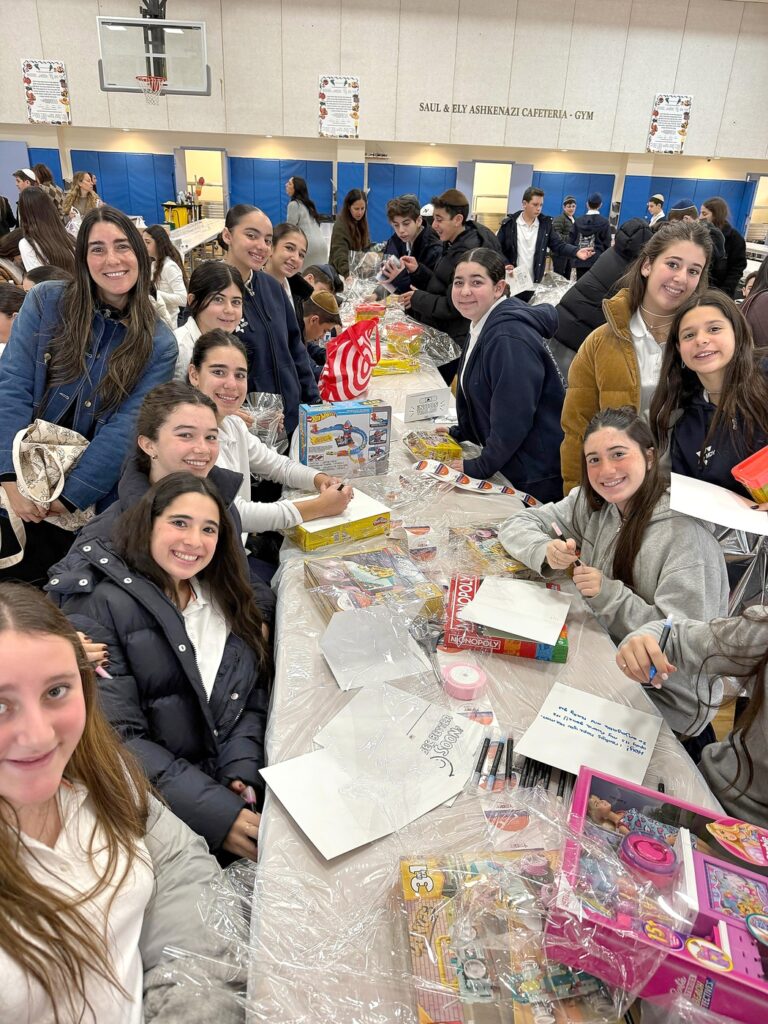
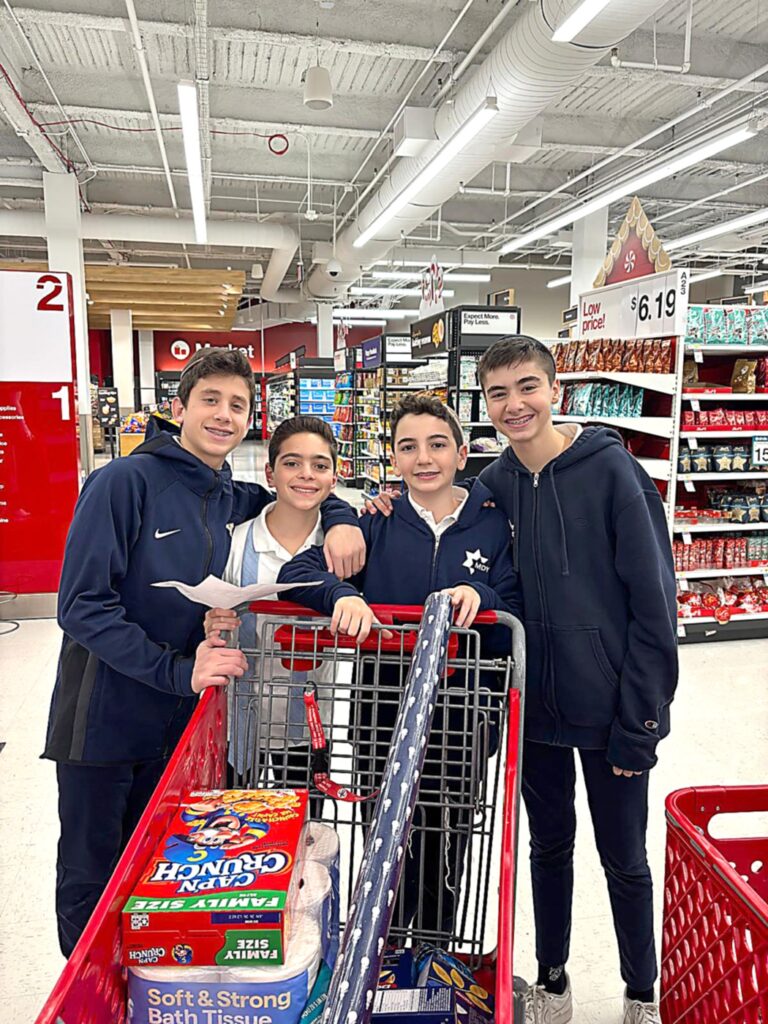
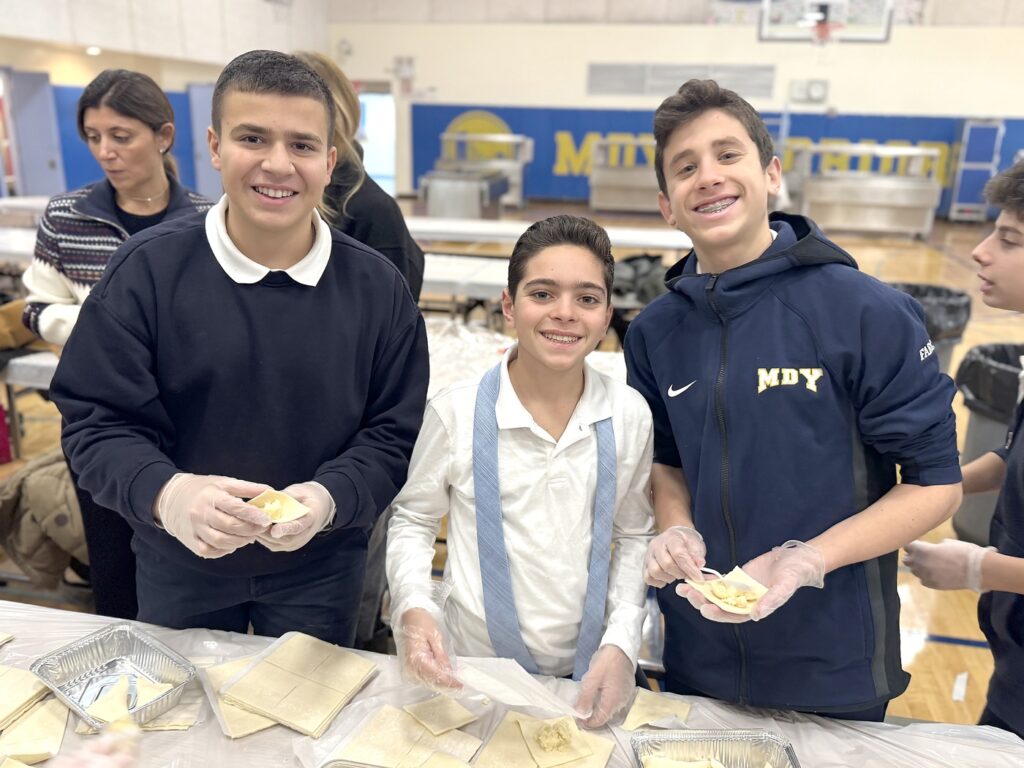
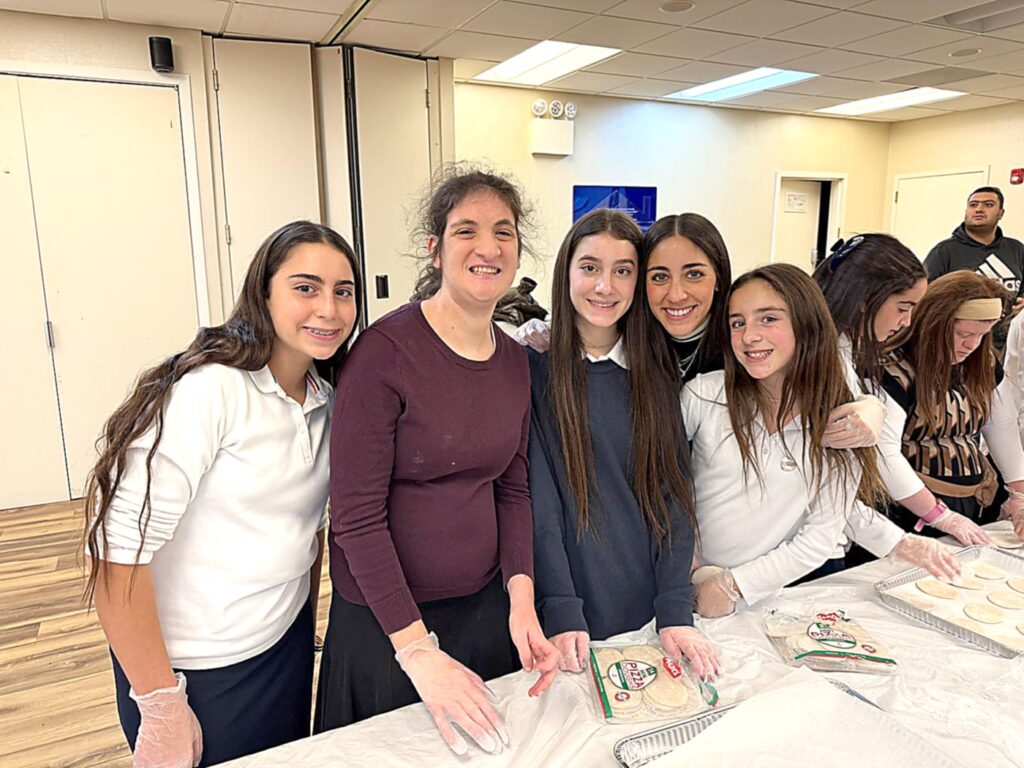
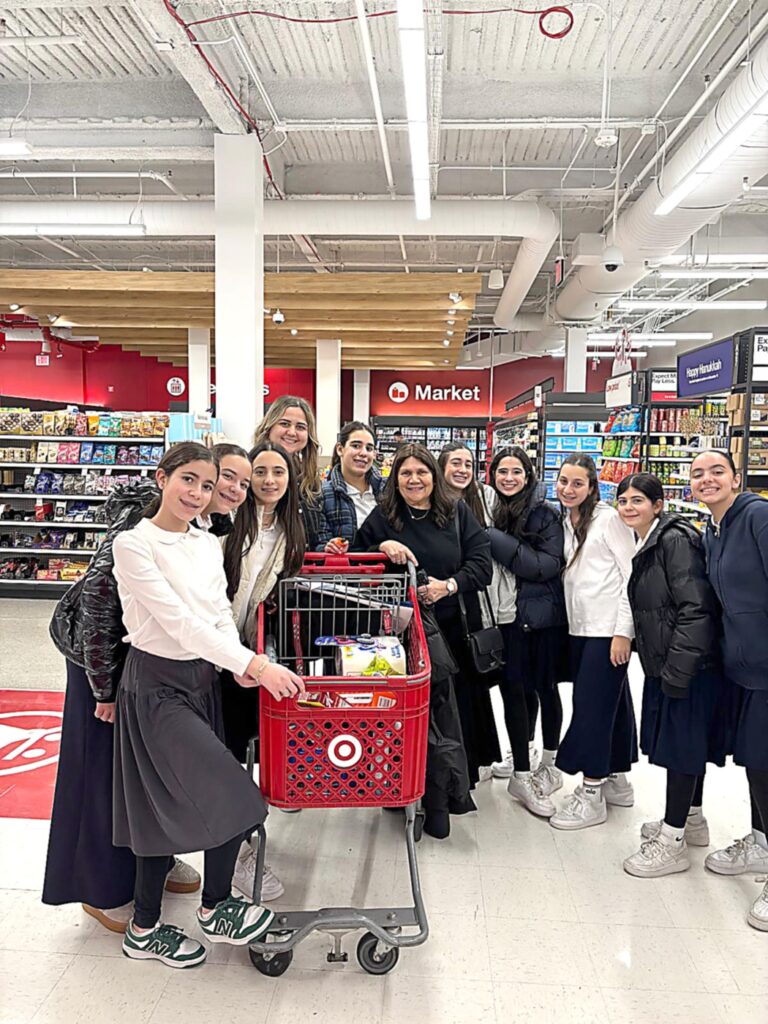
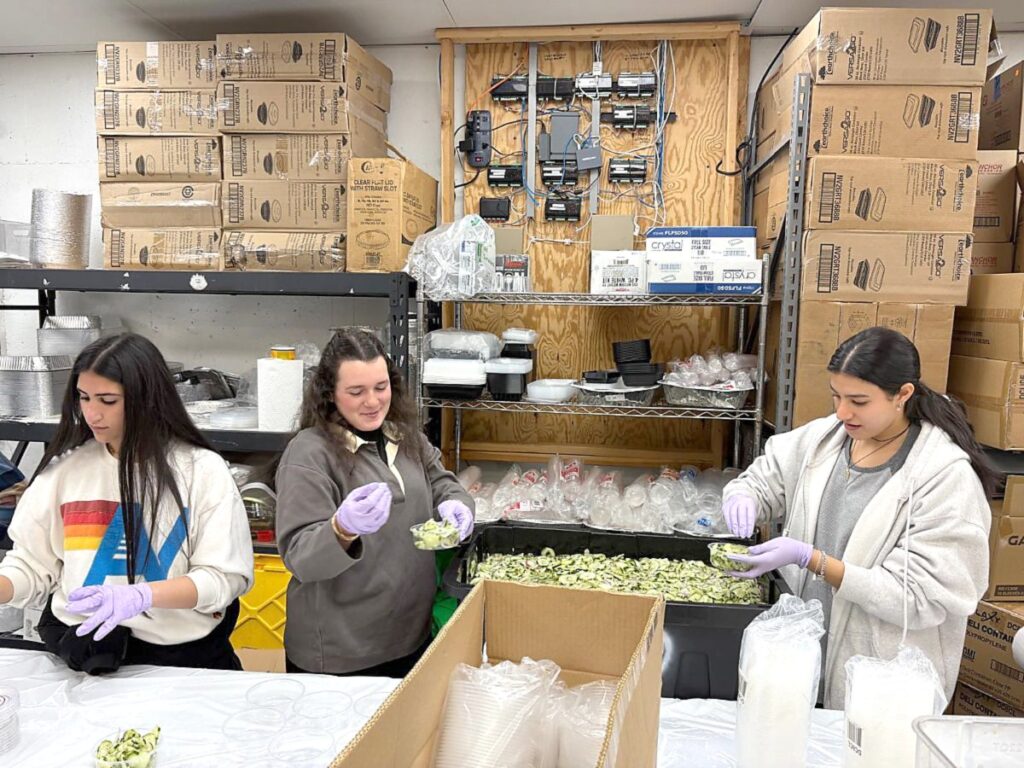
Our MDY students also rolled up their sleeves in support of families in our community. In partnership with Toys for Hospitalized Children, they wrapped toys and personalized festive cards, inspired by the belief that “happy kids heal faster.” They joined a Target scavenger hunt for essential items used by families who rely on our SBH Food Pantry. Using traditional ingredients, they prepared trays of Mazza appetizers to be distributed to those in need.
At lunchtime, the grade was uplifted by inspirational words from MDY Rabbinical Leader, Rabbi Eli J. Mansour, and Mrs. Sophia Cohen, founder of Urban Pops, who encouraged them to carry the spirit of Hesed into their lives long after graduation. Their messages added meaning and reflection to an already powerful day.
Back at school, students participated in team-building activities led by Dina Kraiem, reinforcing connection, cooperation, and the shared purpose they had built through their Hesed work.
None of this would have been possible without the dedication of our parent volunteers, led by our 8th grade captains, Michelle Arakanchi and Jenny Levy. Their example showed our children what Hesed looks like in real life, and the leadership of our MDY PTA volunteers reinforced that giving, caring, and supporting others are values lived at home as well as at school.
Throughout the day, our 8th graders showed extraordinary empathy, teamwork, and awareness. Host organizations shared glowing feedback about their warmth and maturity. We could not be prouder.


The day concluded with a recap slideshow, giving students the chance to see the impact of their efforts and to take pride in the good they brought into the world. They ended the day uplifted, inspired, and eager to continue doing Hesed beyond the walls of MDY.

My Experience at the Youth Zionist Congress in Budapest

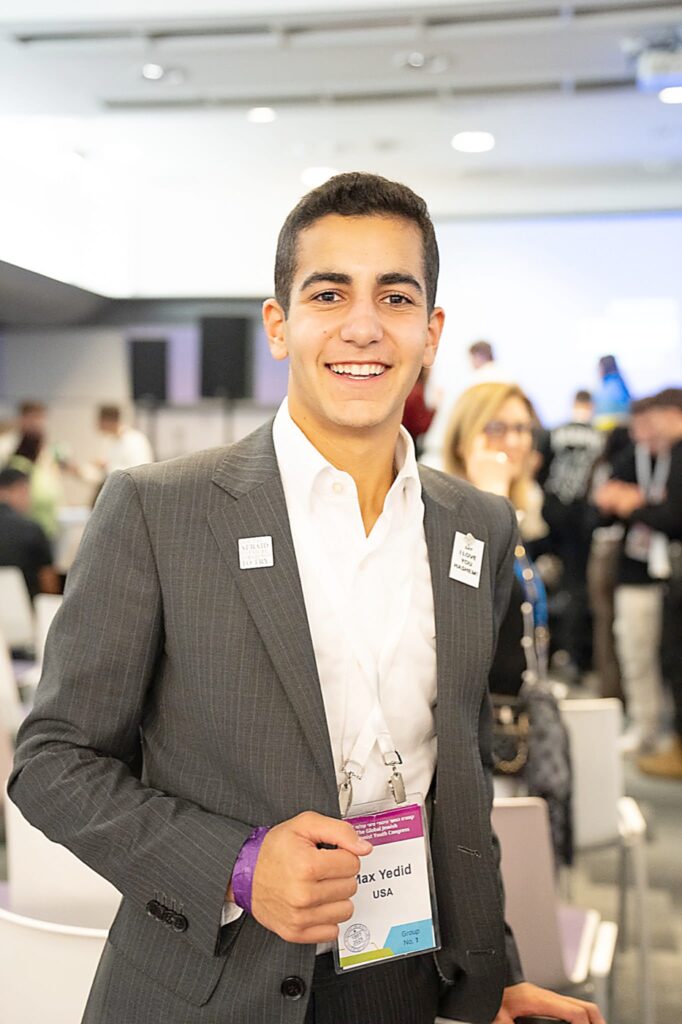
Max Yedid

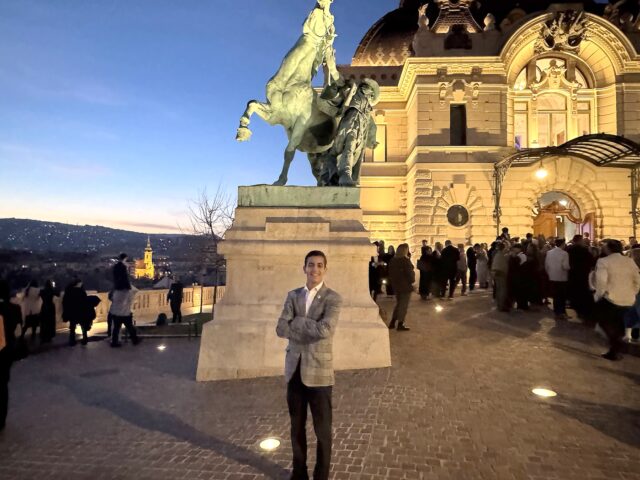
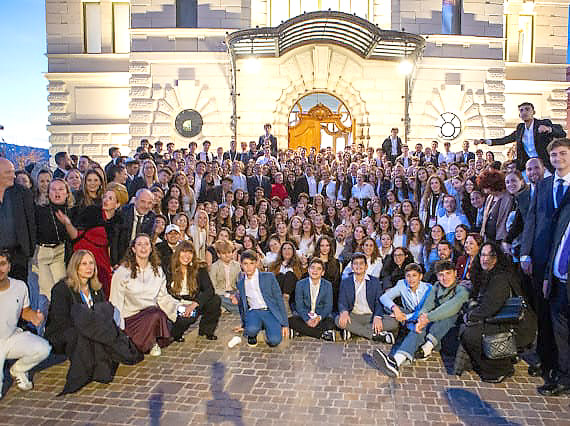
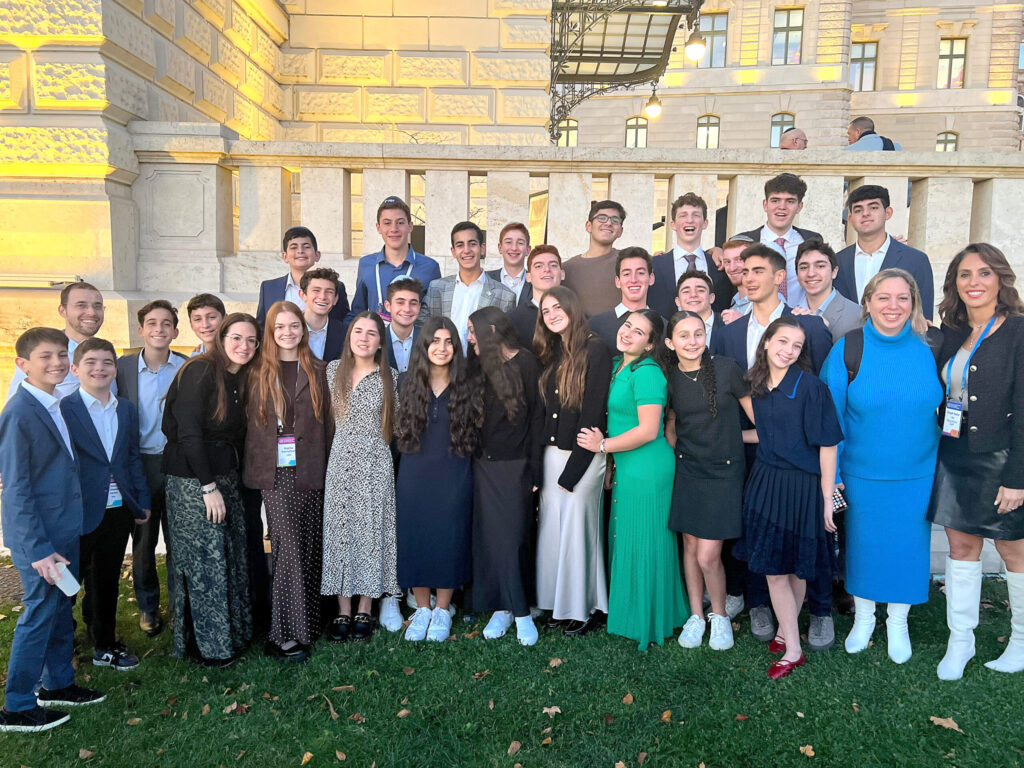
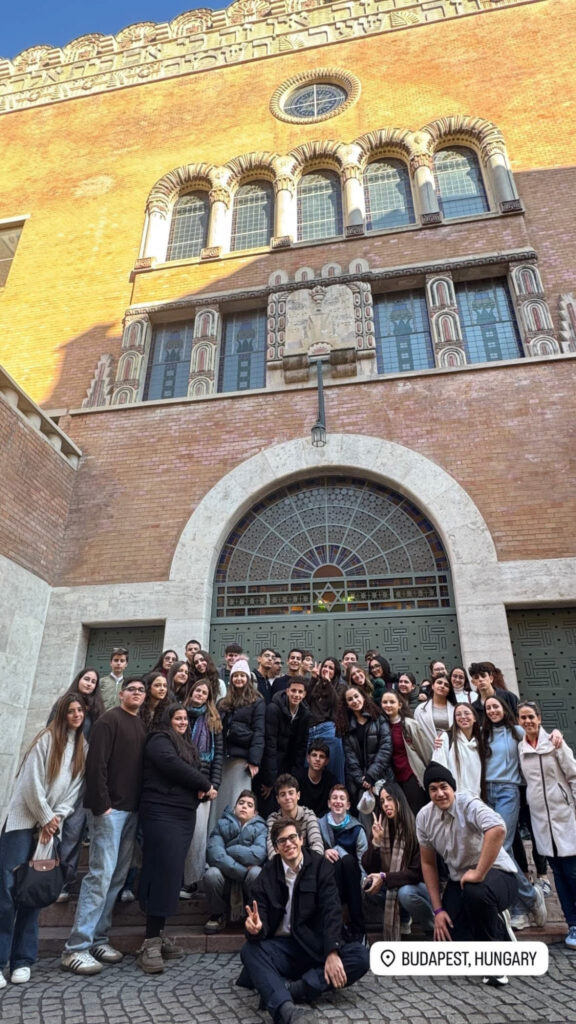
I recently returned from Budapest, Hungary, after taking part in the Youth Zionist Congress, a reenactment of Theodore Herzl’s 1897 First Zionist Congress, and I can honestly say it was one of the most meaningful Jewish experiences I’ve ever had.
From the moment we arrived, it felt like we were stepping into history. Standing in the city where Herzl was born and where he first imagined a Jewish State gave the entire experience a sense of purpose and authenticity. But what made this congress truly powerful wasn’t only reenacting what Herzl did, it was realizing that WE are the ones writing the next chapter.
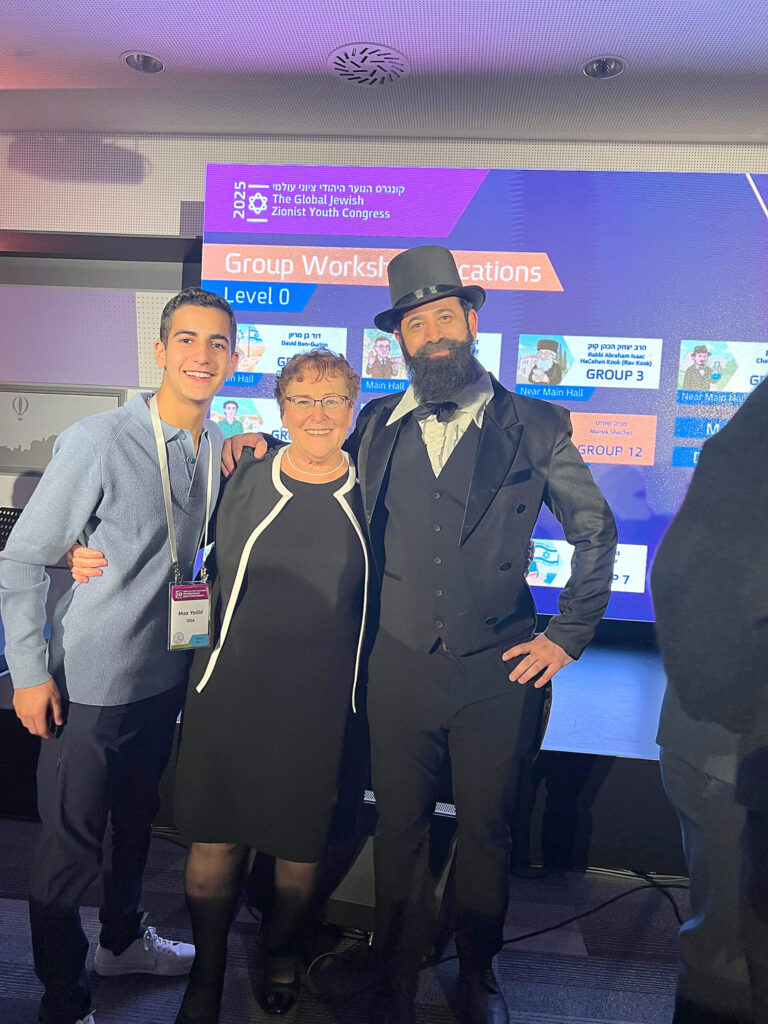
Our opening ceremony set the tone. Being welcomed by a charismatic “Herzl” actor who brought the history to life and then hearing the Israeli Minister of Education, Sar Hahinuch–Yoav Kisch, speak about the future of global Jewry, made all of us feel that we were part of something bigger than ourselves.
On the second day, the real work began. Delegates from across the world debated pressing issues facing the Jewish people today. Together we drafted, refined, and voted on our own modern Zionist charter, our generation’s vision for how to strengthen Jewish identity, connection, and global unity. We also played fun Israeli games in a park across the street, continued learning sessions, and ended the night with an unforgettable dance party that brought everyone closer together.


By the third day, our group felt like a family. We toured Budapest, took part in deeper sessions, and ended with a gala in a castle. Surrounded by hundreds of Jewish teens from every corner of the world, I felt the kind of pride and a sense of belonging that I know will stay with me forever. We wrapped up late that night, and by early morning, we were already boarding flights home, feeling empowered, emotional, and inspired.
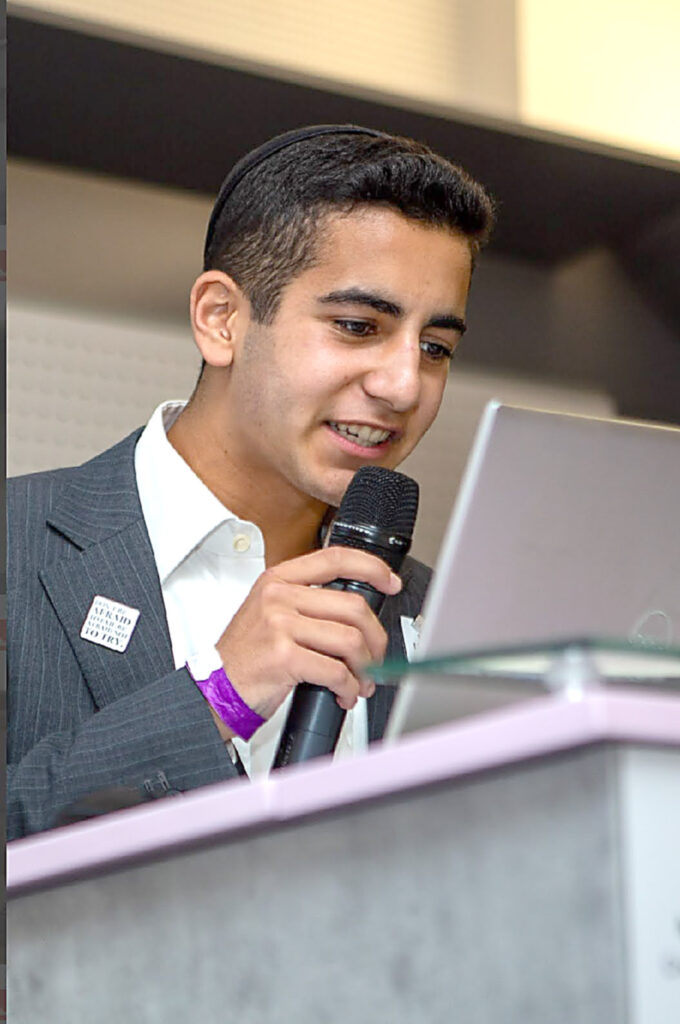
One of the most meaningful parts of the congress was the elections for the Youth Zionist Congress Council (CC). I’m incredibly honored to have been elected as a representative from the USA, and even more humbled to have been chosen as the Spokesperson of Hasbara. Knowing that the congress doesn’t end in Budapest but continues throughout the year makes this responsibility even more meaningful. With Hashem’s help, we will keep meeting, collaborating, creating initiatives, and strengthening the global Jewish network we built together.
Being surrounded by Jewish teens from so many different countries and continents, South America, Europe, Israel, Africa, Australia, and everywhere in between, was eye-opening. Even though we all grew up with different customs, languages, and approaches to Judaism, the sense of achdut was immediate. Hearing their challenges and hopes gave me a deeper understanding of what it means to be a Jew and a Zionist today: global, diverse, passionate, resilient, and united.
What I’m bringing home with me is more than memories. It’s a mission, our people’s mission.
I want to share what I experienced and learned with my friends in school and in my community, to get more teens to think seriously about their Jewish identity, and show them that Zionism isn’t just something from a history book. It’s something living; it is something we’re responsible for continuing, shaping, and strengthening.
The friendships I made in Budapest feel like the beginning of something long-term. We’re already staying in touch, planning projects, sharing ideas, and counting down until we meet again next year in Yerushalayim Habenuayah. I know that these connections will last far beyond this program.


Thank you to Gesher and all our incredible partners for making this possible, for creating a program that didn’t just teach history, but allowed us to live it and carry it forward. And finally, I want to thank my school, Magen David Yeshivah High School, for giving me this incredible opportunity and for supporting me throughout this unforgettable experience. I’m proud of what we accomplished together in Budapest, and even prouder of what our generation is going to build next. Change, is coming… and with Hashem’s help, it’s coming faster than the blink of an eye–יְשׁוּעַת ה’ כְּהֶרֶף עַיִן!

A Surprise Hanukkah Concert with Mordechai Shapiro Lights Up MDY!

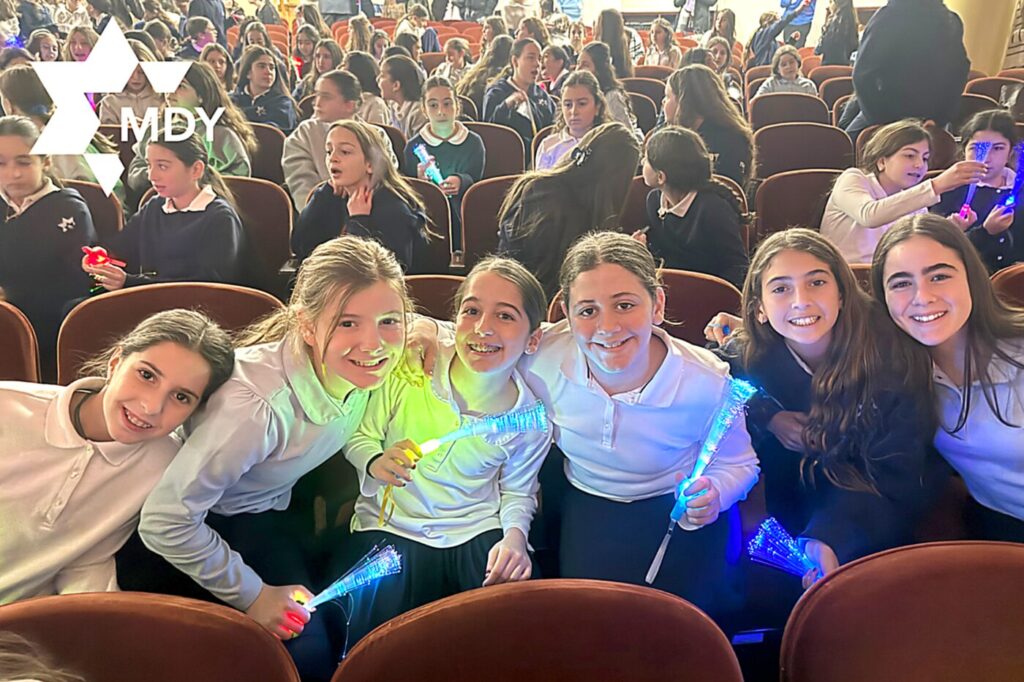
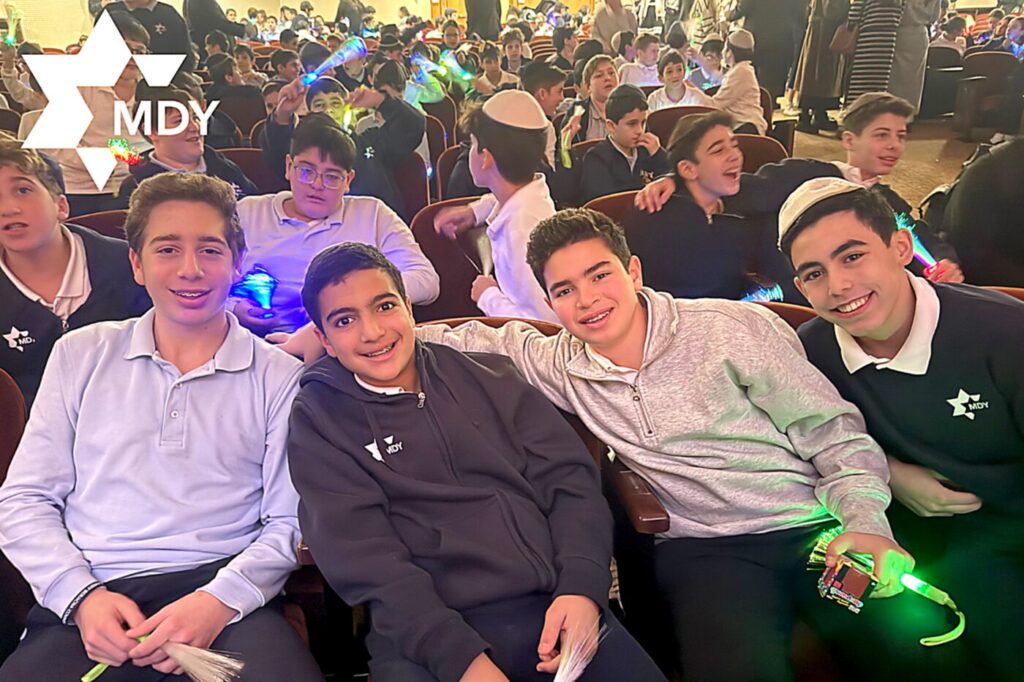
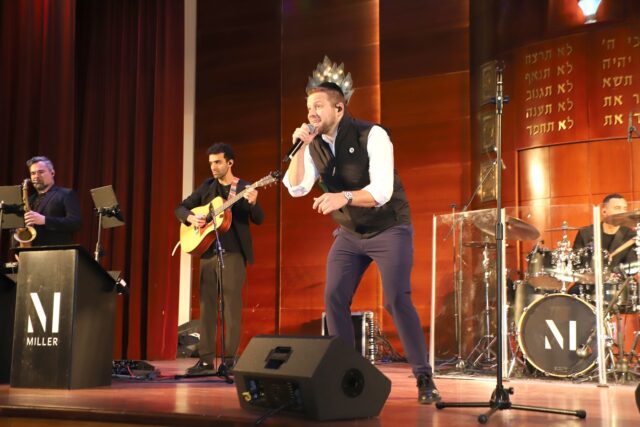
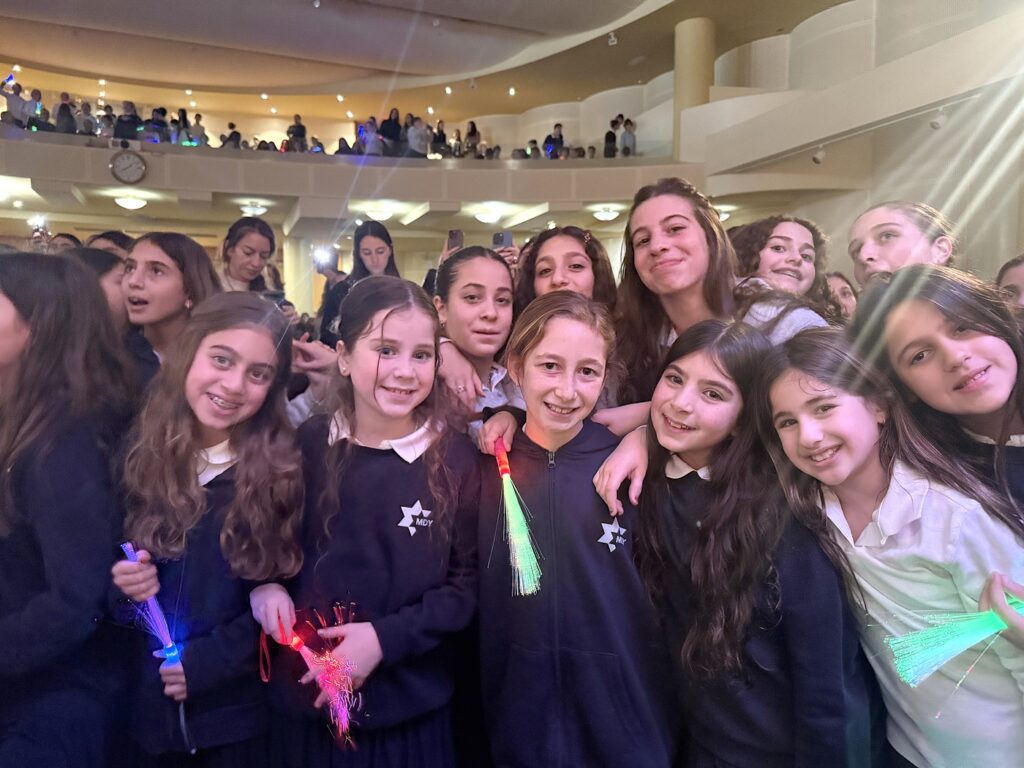
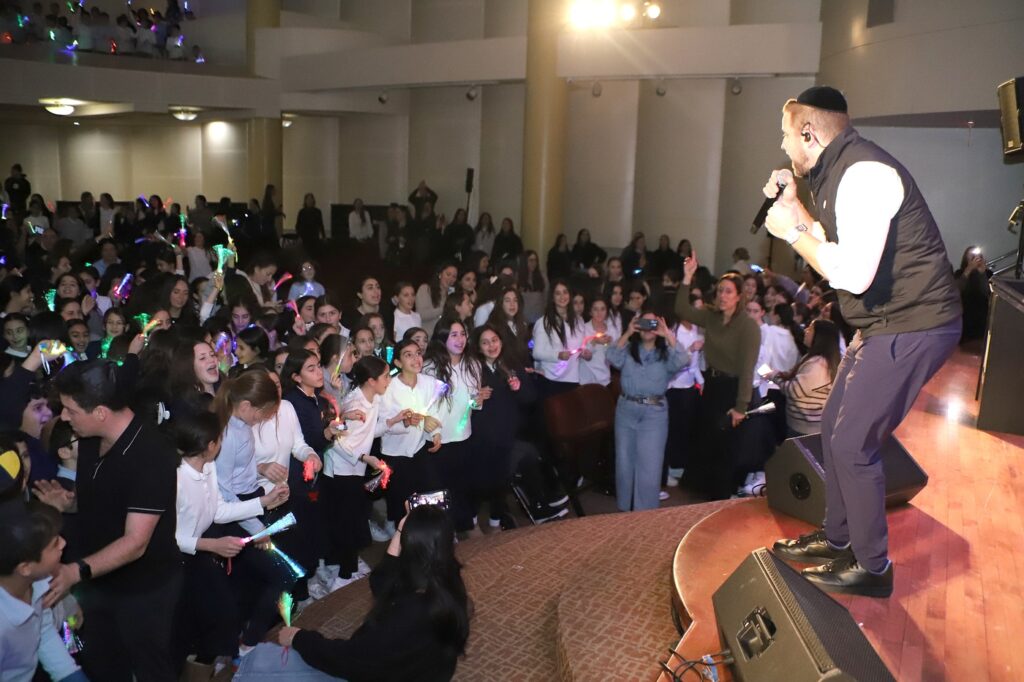
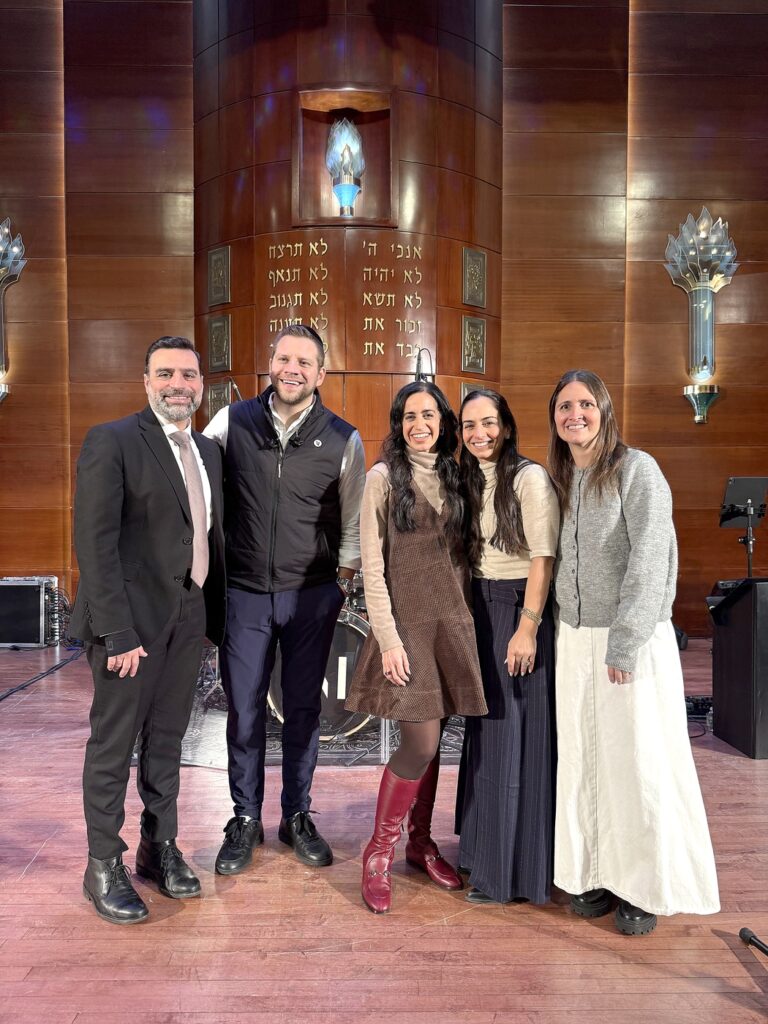
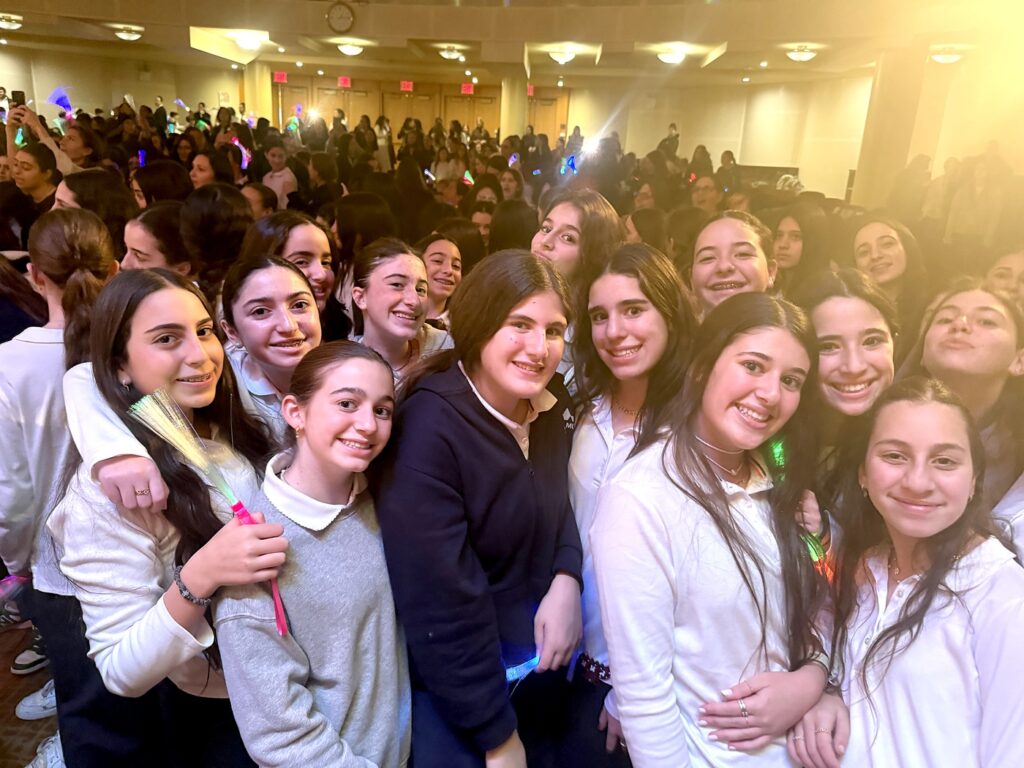
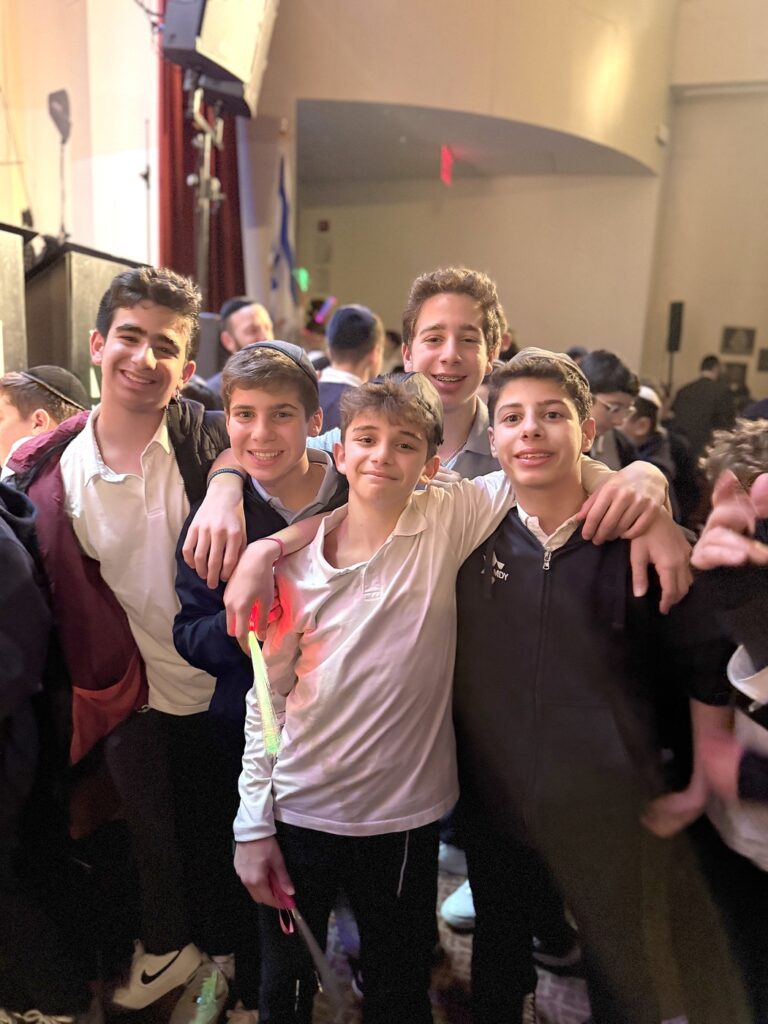
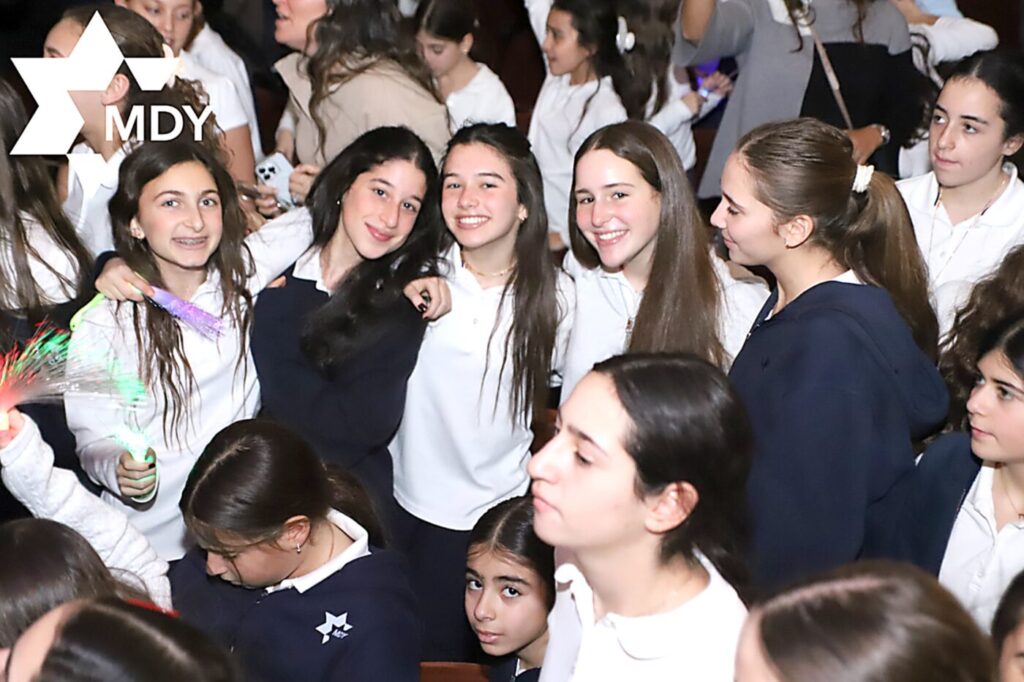
Our MDY PTA kept an incredible secret. They brought world-famous singer and performer Mordechai Shapiro for a school-wide Hanukkah concert. The energy was electric as students sang along, danced with their friends, and soaked up every moment of the unforgettable performance.

When the announcement was made that it was concert time, students exchanged excited and slightly bewildered looks, was this really happening? It was the perfect way to kick off the holiday week, launching our festivities with joy, unity, and celebration.
Through his music, Mordechai shared powerful messages of unity, friendship, emunah, and pride in being Jewish, values we deeply cherish here at Magen David. To ensure every student could fully experience the excitement, Mordechai performed two back-to-back concerts, accommodating all students from Pre-K through eighth grade.
Midway through the program, Rabbi Saban joined Mordechai on stage to remind us that even in moments of joy, we hold our IDF soldiers close in our hearts. Together, they led the entire room in a moving rendition of Mi Sheberach creating a powerful and meaningful moment.
The celebration reached its peak when Mordechai closed the show with an exhilarating Hanukkah medley, leaving students cheering and beaming. We are still on a high from watching our children sing every word of their favorite songs while enthusiastically waving their light sticks to the beat.
A huge thank you to our dedicated PTA for their thoughtful planning and care, and to our generous sponsors for helping make this event such a remarkable success. What a fun, enjoyable, and inspiring day for our entire MDY family.

Midreshet Eshel

A Sephardic Midrasha in the Old City

Miriam Kairey

Every rising senior in any community high school faces the same question: spend the next year studying in Israel or not? For some students, the answer is a definitive yes or no. Others spend quite a bit of time in discussions with their parents trying to figure out what the best choice is for them.

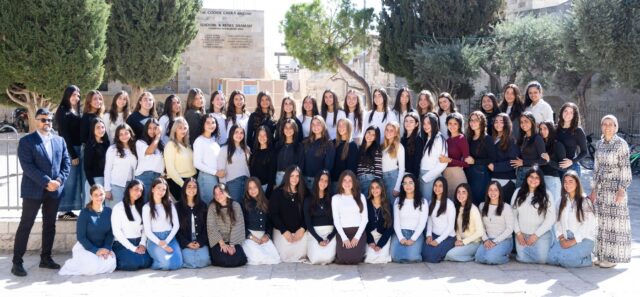
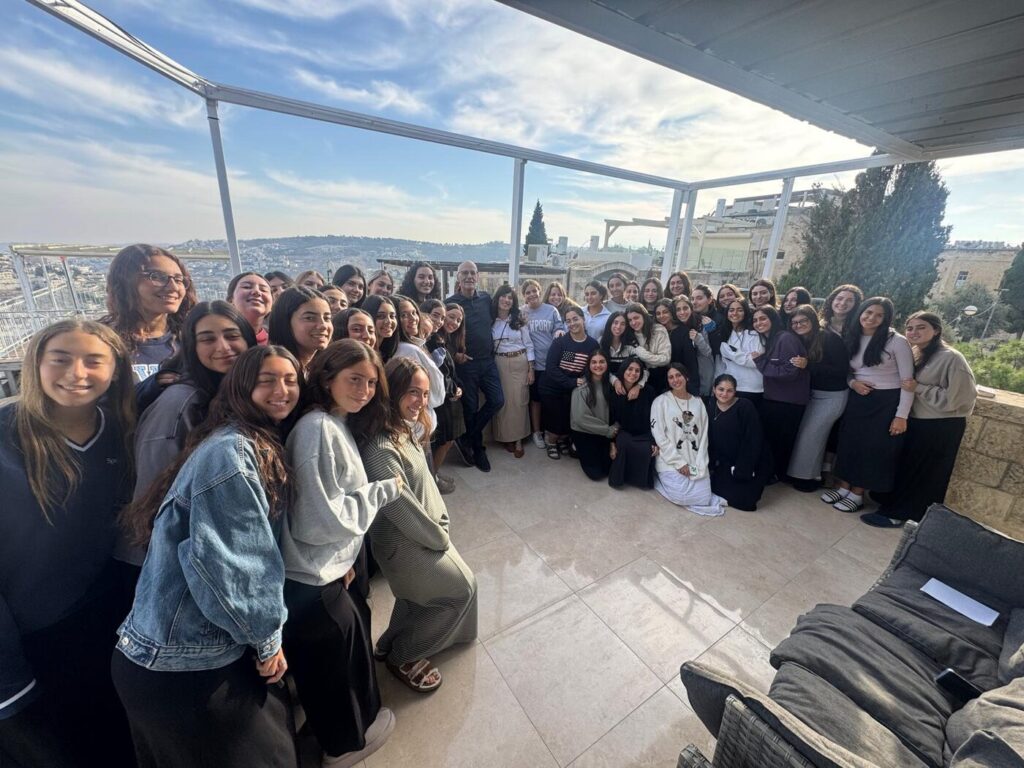
Sam and Nancy Sutton with Eshel students today

For many decades, male high school graduates have been attending yeshivot in Israel, bolstering their religious practices and spiritual strength. The number of young women who attended seminary was much lower.
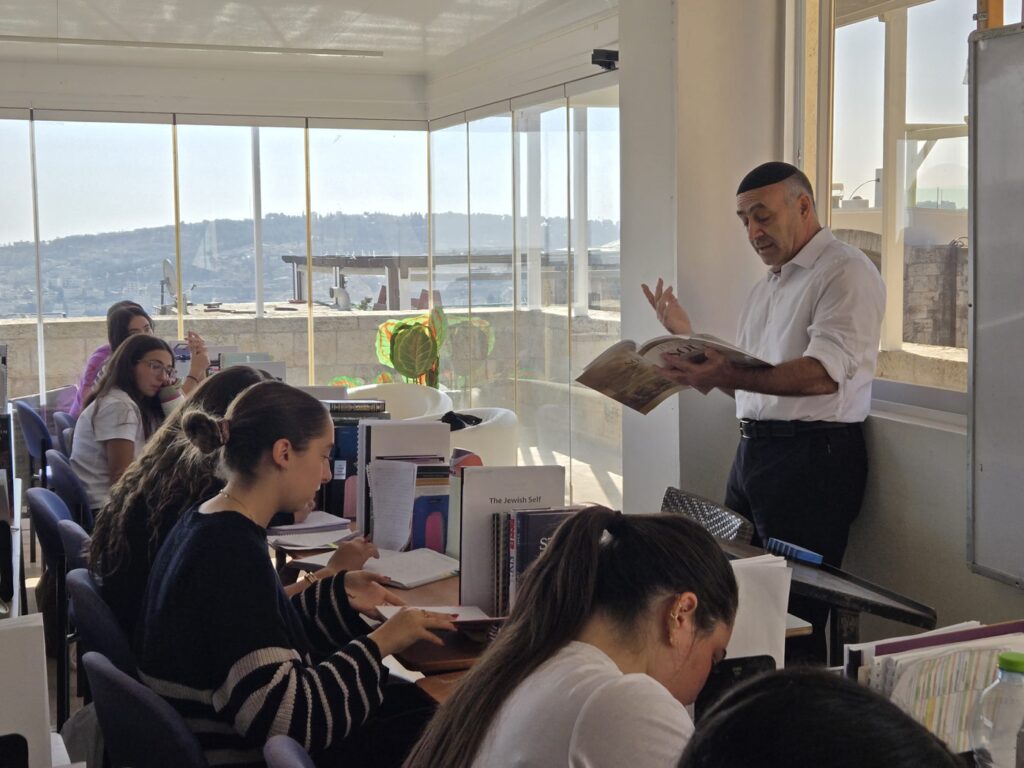
Baruch Hashem, the gap is narrowing. The turning point occurred in 2007. Miriam Abott Tawil (Flatbush HS 88) had recently made Aliyah with her husband and children and was teaching in gap year programs in Yerushalayim. While these schools were terrific for young women, the Sephardic aspect of Judaism was absent. This led to a meeting with pioneering seminary students Adele Chabot, Rochelle Salem, Denise Zami, and Lenore Mizrachi. While they all loved their studies in Israel, they agreed that there was a need for a Sephardic Midrasha (a house of Torah study for women).
According to Adele Chabot Tawil, “I think Midreshet Eshel answers a big need. Girls who wouldn’t otherwise come to Israel come to Eshel. Girls like that it is small and warm. Most seminaries are huge.” She added that the six-month option made this school attractive because most places only offer a one-year program.
“Studying Tanach in the place where the events happened pulls all their learning together,” Miriam Tawil says about the young women who choose to study at ME. She added that they become part of the Jewish People rebuilding their Homeland and come to see Israel as their spiritual home. They learn from role models like Mrs. Ilana Alouf, her daughter Hilla Aboody, her daughter-in-law Mariyah Alouf, Victoria Chabot Berman, Alicia Matsas Dweck, Merle Cohen Idy, and Deborah Heffes Azerad, who guide the women at a developmentally appropriate time, enabling them to reach their potential.
“I find the students start the year unsure of themselves and where they are going,” Miriam explained. “It is a beautiful thing to see when it all clicks in, and the student becomes confident in who she is and where she wants to go in life. Here they learn WHY they should live a life of Torah, and why learning is a value that they want to practice moving forward.” Miriam has furthered her own education, earning a doctorate in Education from Yeshiva University.
But what about the practicality of living in Yerushalayim? “We take security very seriously,” Miriam states. “There is a system here. The rules are not negotiable. We are connected to all the community agencies charged with keeping us safe. Overwhelmingly, the girls behave responsibly.”

As the Midrasha grew, it became apparent that a permanent home was needed. Board members Ezra Ashkenazi, Harry Adjmi, Harold Shamah, and Rabbi Ricky Cohen came to the rescue. With their help, and the assistance of so many donors, the beautiful and unique building in the Jewish Quarter of the Old City, with views of Har Habayit (the Temple Mount), was purchased. It was the realization of a dream. With Hashem’s help, many generations of Sephardic women will be educated here.

A School Built on Hesed

How MDYHS Students Bring Light to Our Community All Year Long

At Magen David Yeshivah High School, Hesed is not an extracurricular activity, it’s a way of life. It shapes our students, strengthens our community, and defines who we aspire to be. From ongoing partnerships with local organizations to large-scale grade-wide initiatives, MDYHS students consistently step forward with a genuine desire to make a difference and give back.

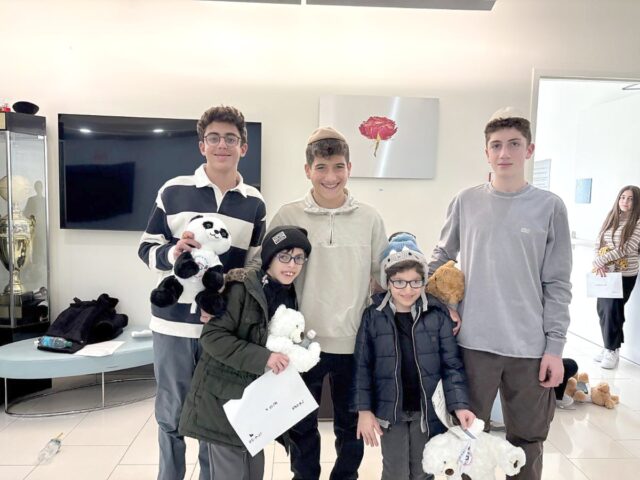
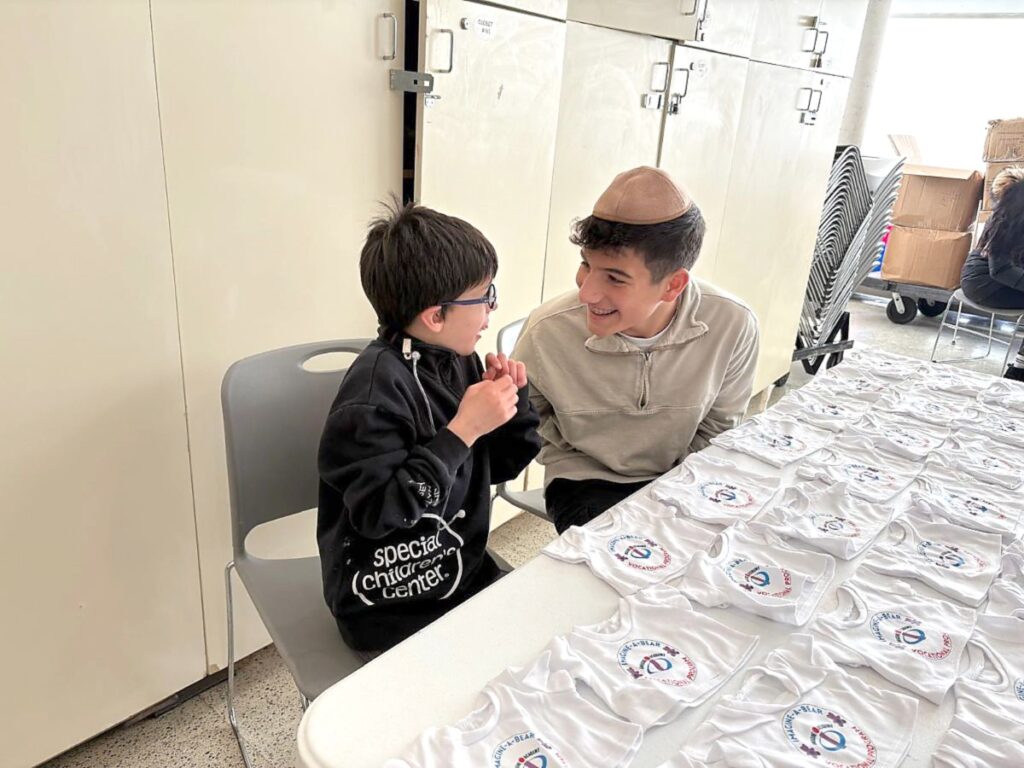
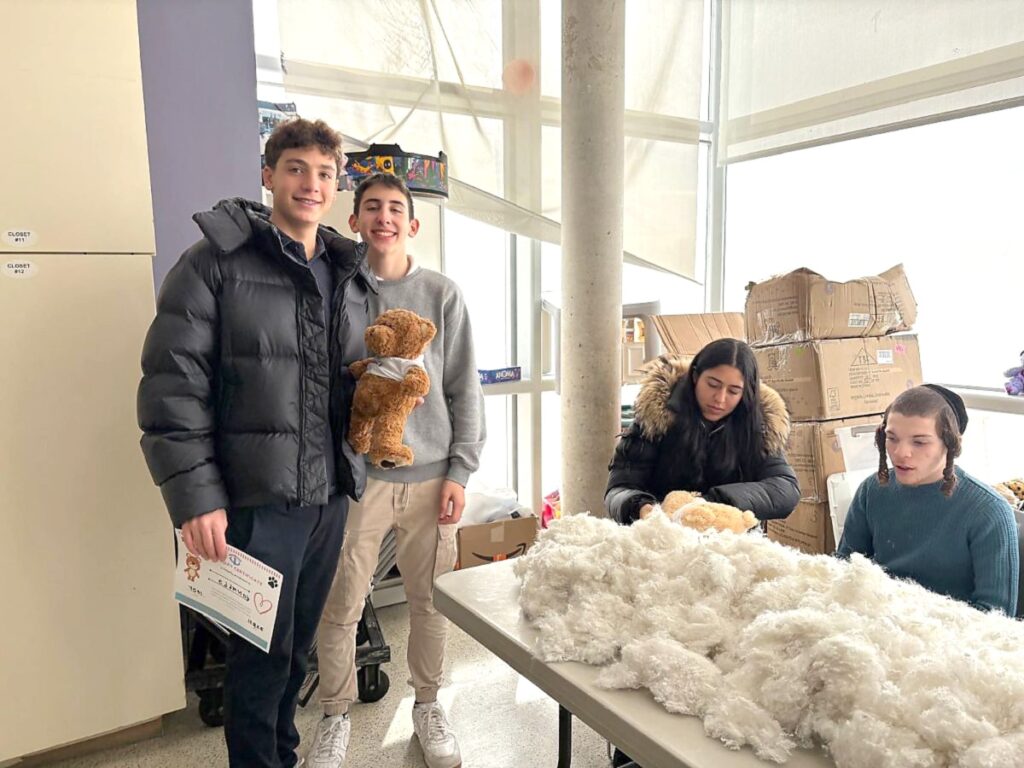
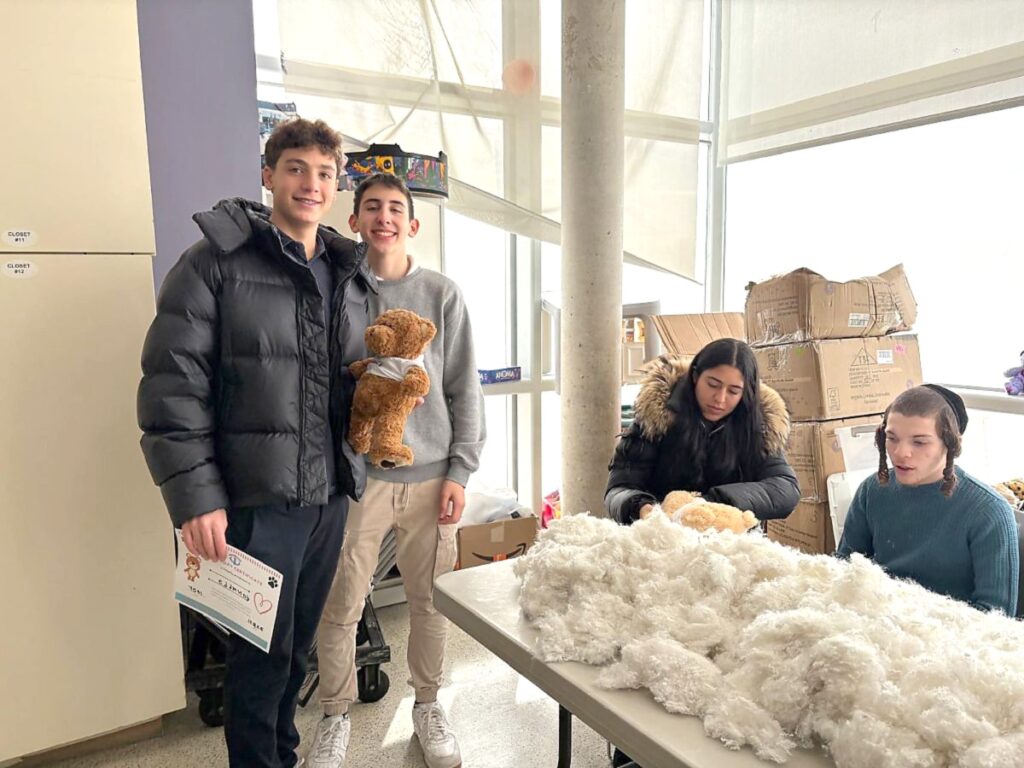
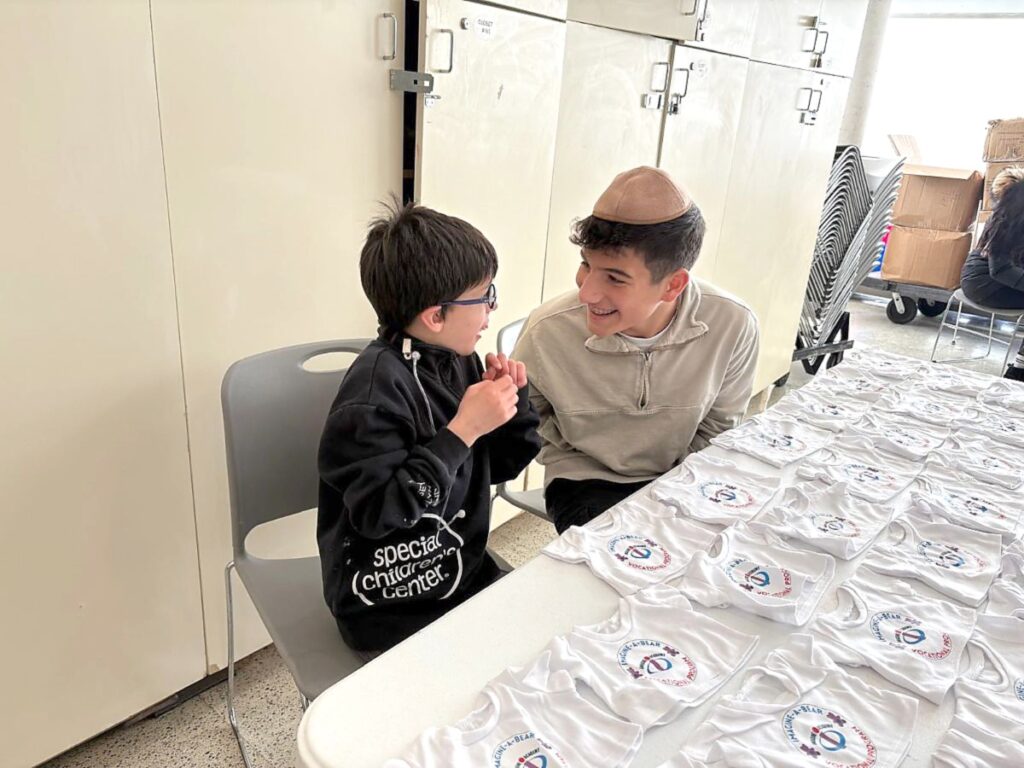
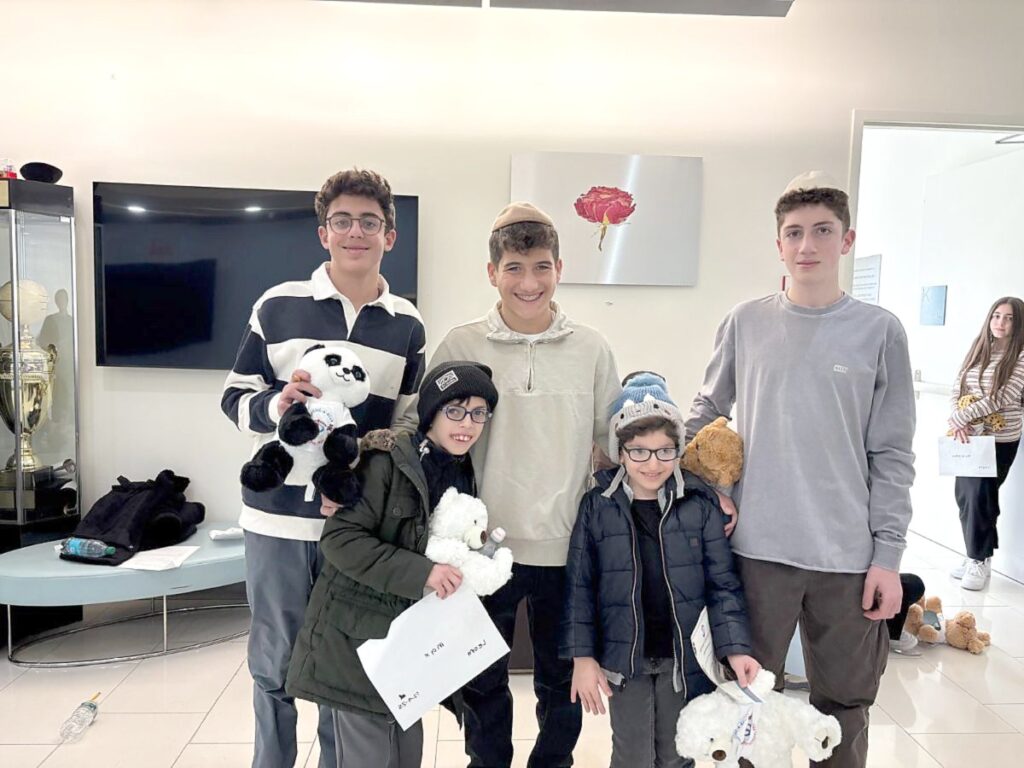
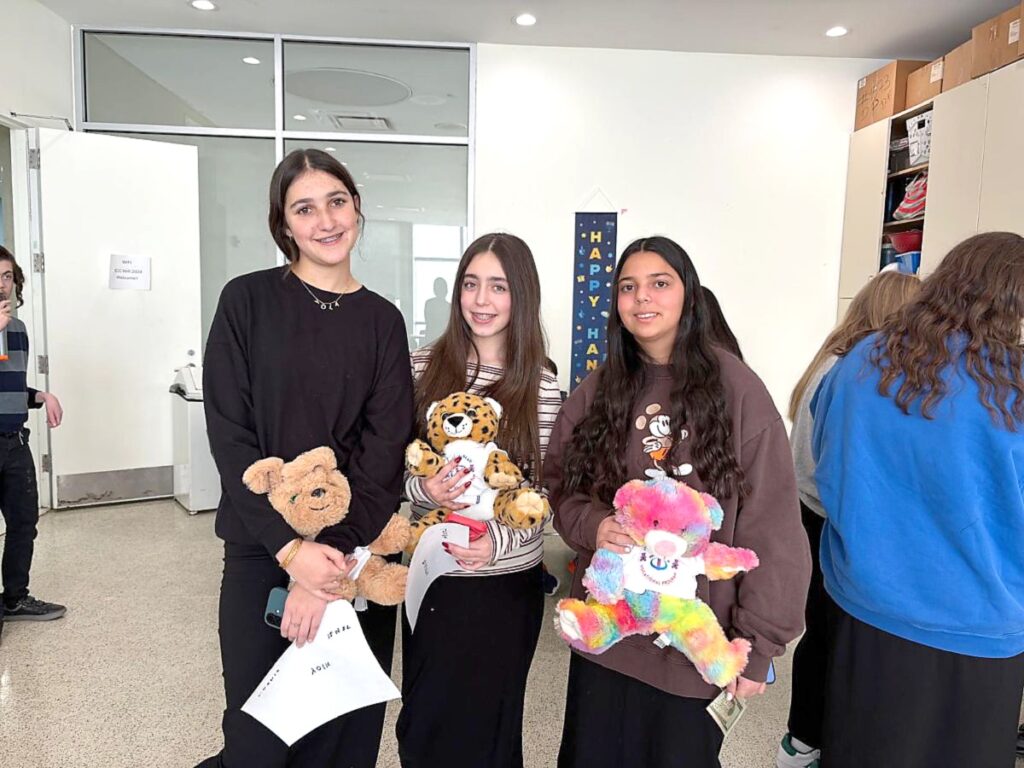
One of the most valued ongoing Hesed experiences is our monthly partnership with the Sephardic Community Center and Imagine Academy. Each month, MDYHS students meet Imagine students for a Build-A-Bear workshop, where the Imagine students take the lead as “staff,” guiding their new friends through the bear-building experience. The joy in the room is unmistakable. Our students, along with the students from Imagine, look forward to these visits with excitement, and their interactions are full of laughter, encouragement, and warmth. It has become increasingly clear that this experience benefits everyone involved.
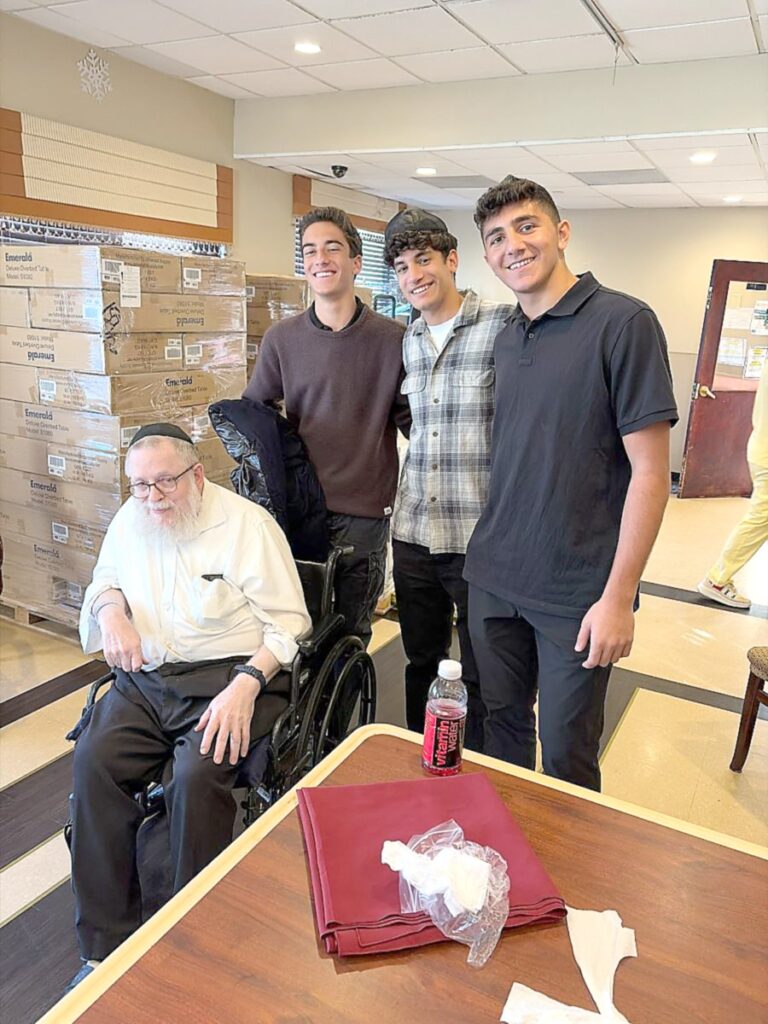
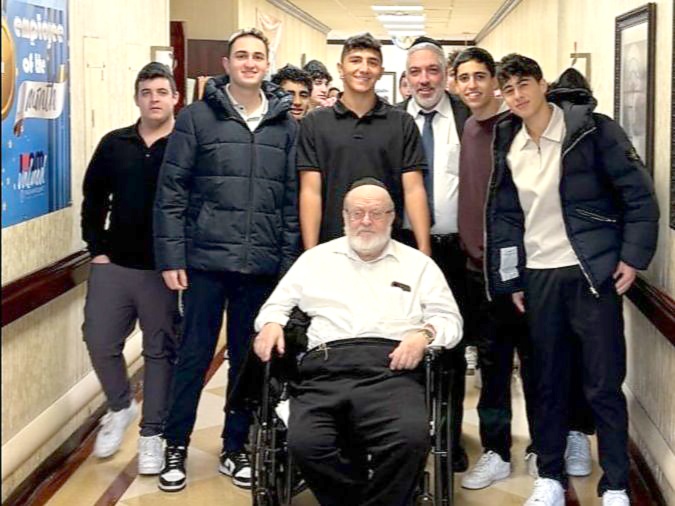
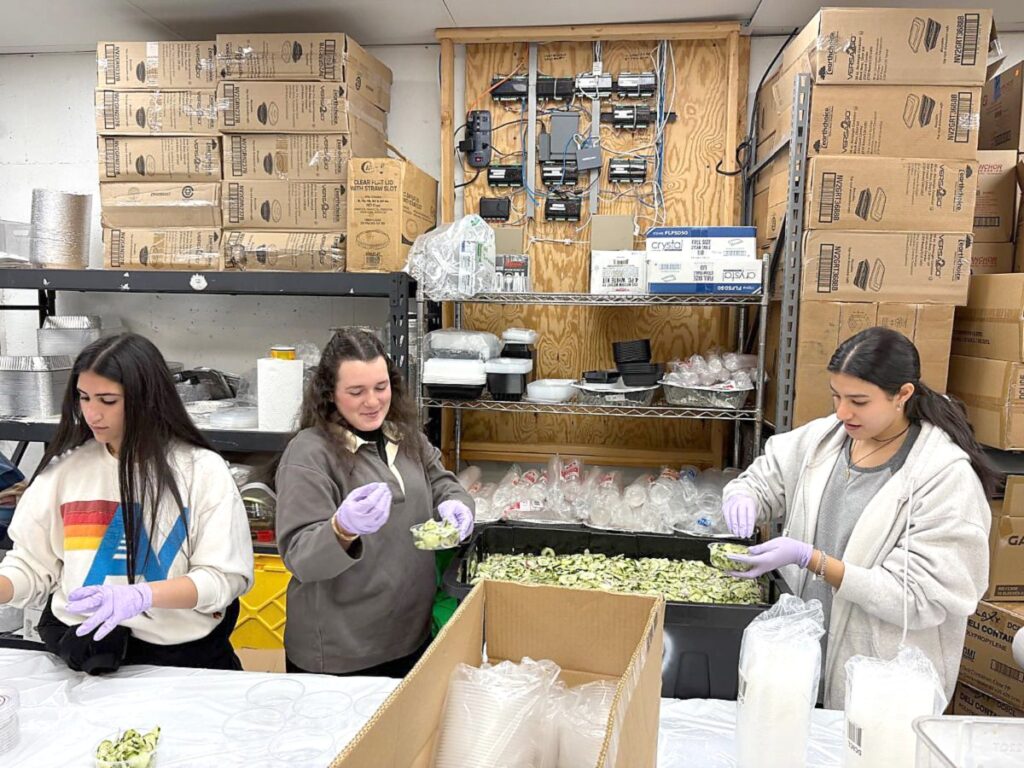
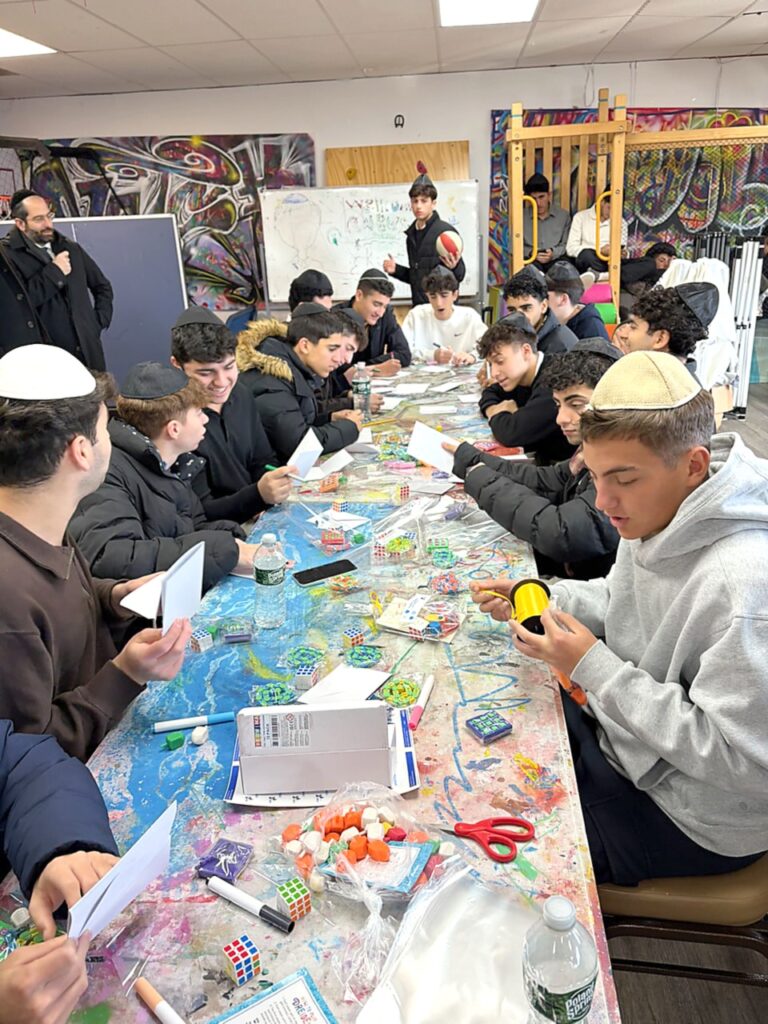
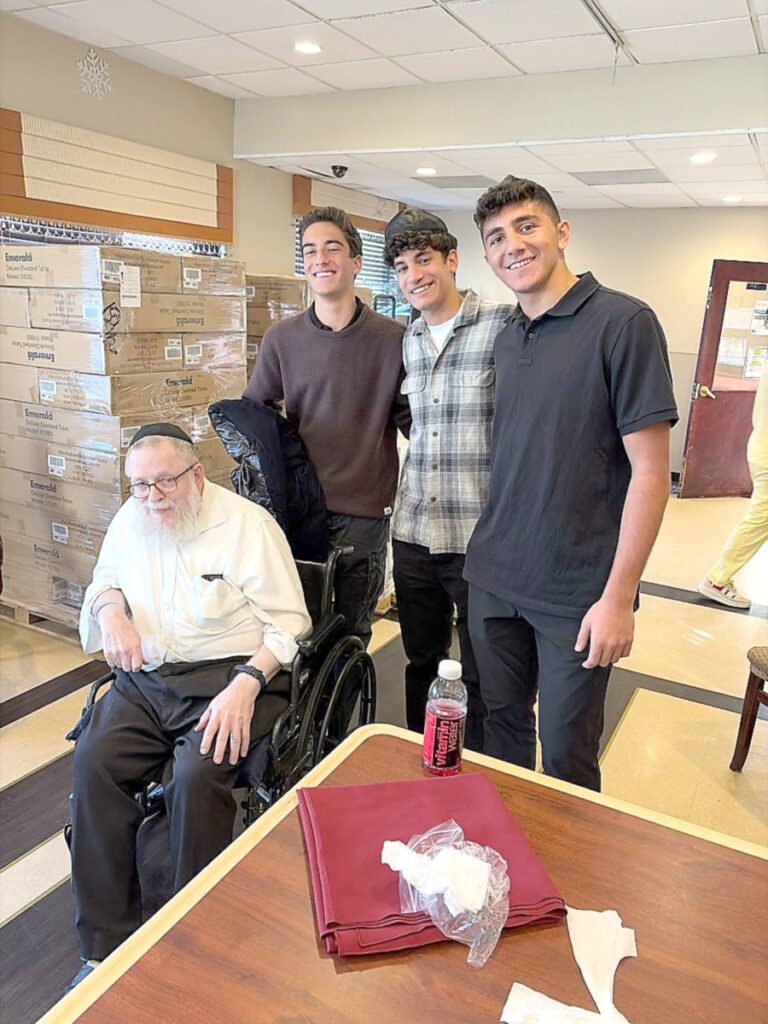
Recently, the entire 12th grade traveled to Lakewood for Senior Hesed Day, devoting an entire day to giving back. The boys began at Chai Lifeline, assembling gift packages for children to receive on Hanukkah. The girls visited Bikur Holim, preparing Shabbat meals for hospital rooms throughout New Jersey. Both groups toured the facilities and learned about the life-changing services these organizations provide, from medical referrals to housing near hospitals to vital equipment rentals.
The boys continued their day at Tomchei Shabbos, breaking down boxes and helping organize the warehouse, while the girls headed to Chai Lifeline, where they joined in packaging care packages for families in need.
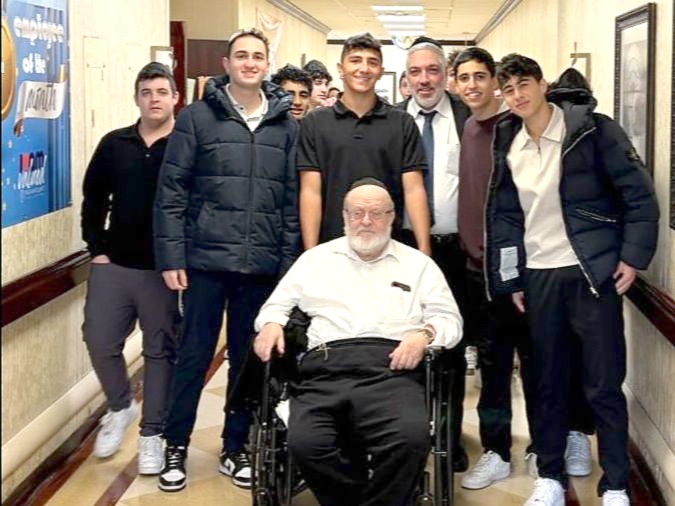
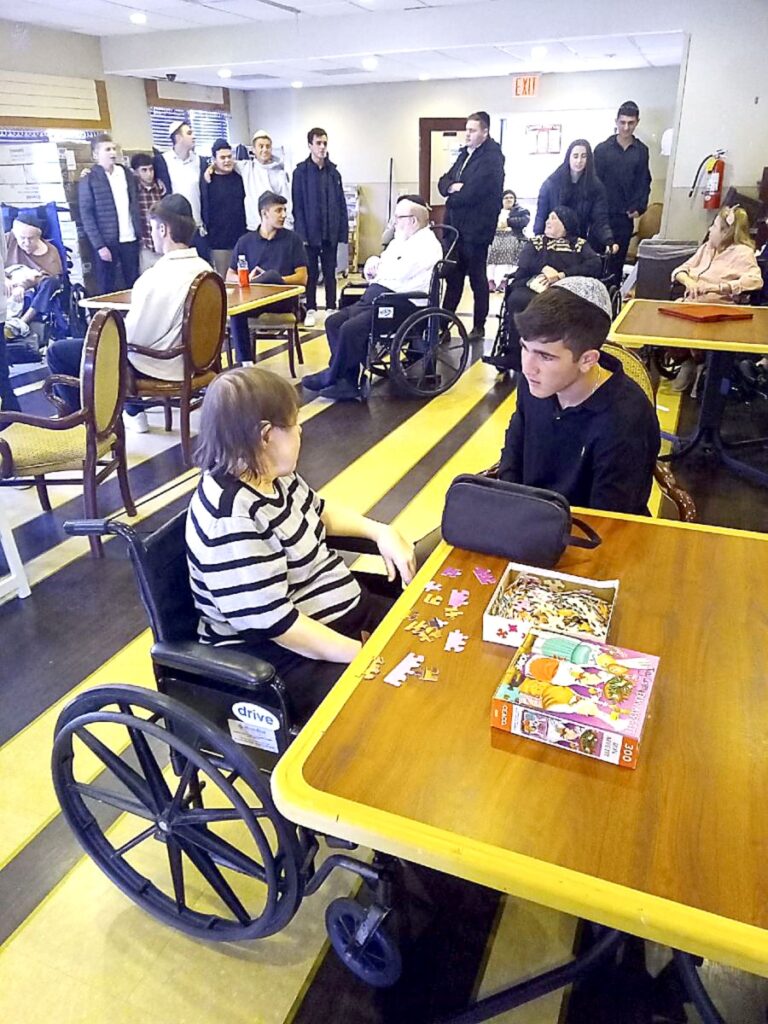
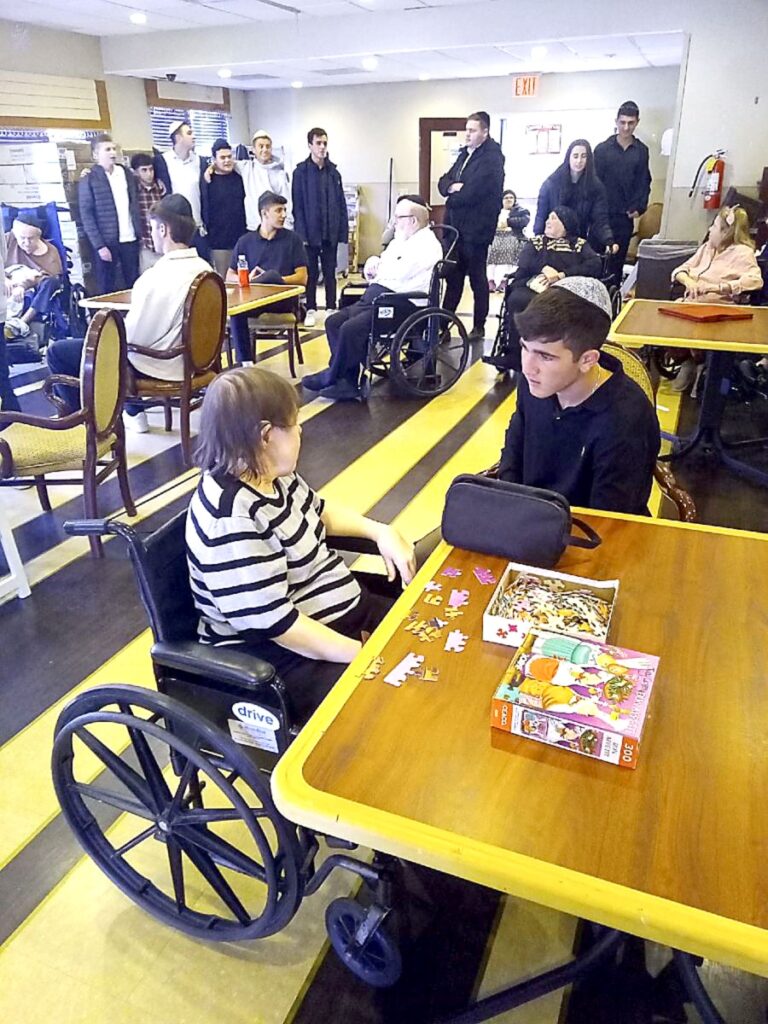
The day culminated at Leisure Chateau, a rehab center and nursing home. There, our seniors brought music, dancing, warmth, and connection to the residents, lighting up the room with their presence.
We are incredibly proud of our seniors, who represented our school with dignity, kindness, and enthusiasm at every stop. Their efforts were deeply appreciated by the organizations and individuals they touched.
There were other Hesed opportunities this month as well. A group of MDYHS students had the privilege of joining Reach for the Stars for a special Hanukkah celebration. The celebration featured a reptile farm, a bubble show, and festive Hanukkah-themed art projects. Our students embraced the opportunity to connect, celebrate, and create lasting memories with the children.
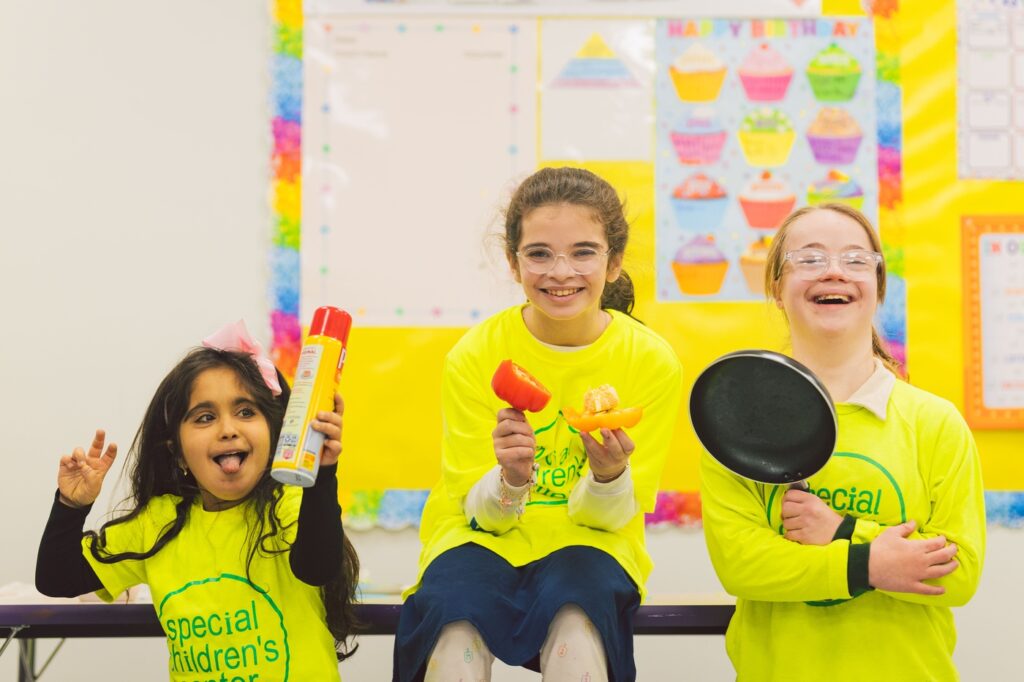
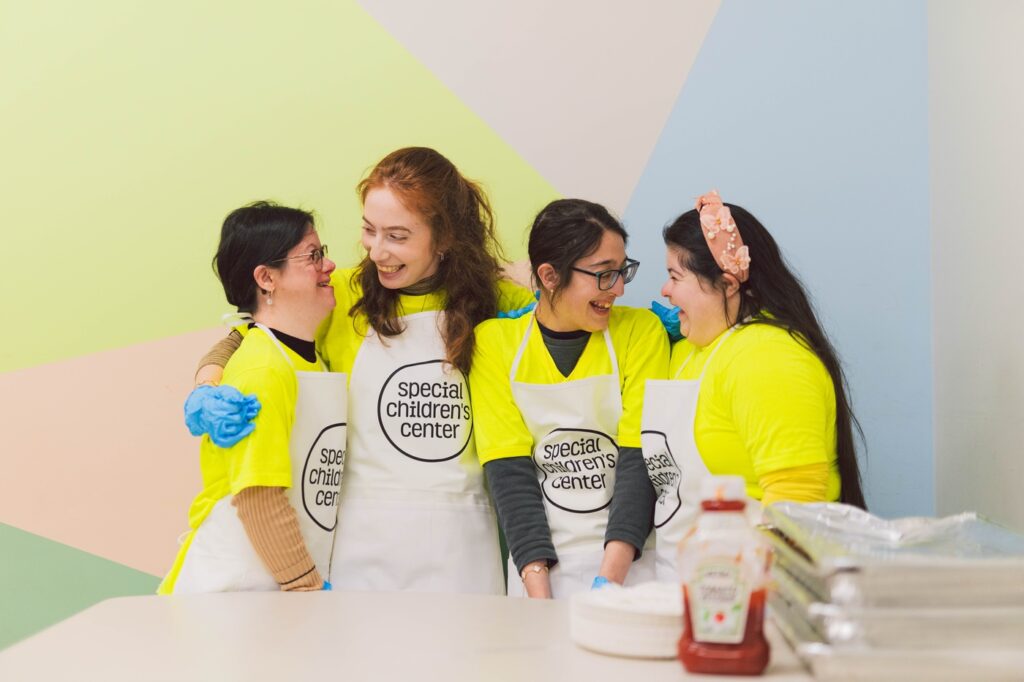
Right before Thanksgiving, when an early dismissal might have sent most teens home for the afternoon, six MDYHS girls chose differently. They spent their free time at the Special Children’s Center, visiting the Little Explorers Play House and giving their energy, attention, and heart to the children there.
Their choice reflects the very essence of MDYHS values, seeing others, showing up, and making a difference when it matters most. What unites all these moments, from monthly Build-A-Bear partnerships, to grade-wide service days, to individual acts of compassion, is the unwavering belief that every student can impact the world for the better. At MDYHS, our students don’t just do Hesed, they live it, embody it, and elevate everyone around them through it.
Tizku l’mitzvot (may you merit many mitzvot) to all of our students. Your actions bring light to our community and beyond.

UNITED HATZALAH AND THE GINDI FAMILYDISTRIBUTE HUNDREDS OF KIDS’ BOOKS

“90 SECONDS: FOR YOUNG READERS” teaches young readers about selflessness, sacrifice, bravery, and the profound impact that caring for others can have on their own lives. Through an engaging and accessible narrative, the book tells the story of Eli Beer, who founded the world’s largest volunteer EMS organization to ensure that anyone in need of emergency medical aid in Israel receives fast, free help.

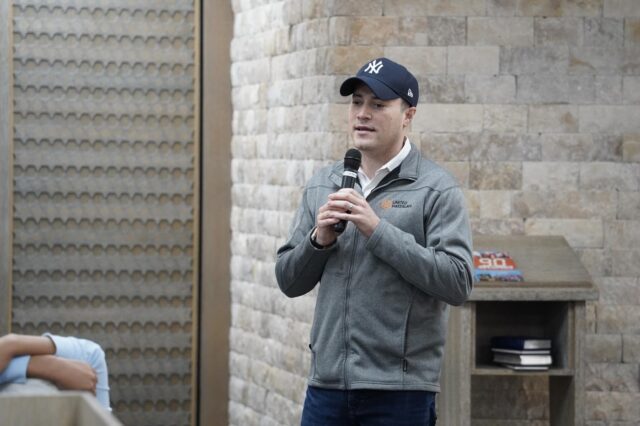
On October 29th, Gavy Friedson, a United Hatzalah volunteer EMT who has responded to more than 10,000 emergency calls in Israel, spoke to 6th graders at Yeshivah of Flatbush and Magen David Yeshivah, sharing life-saving stories from the field and distributing these books to hundreds of enthusiastic students.
500 copies of 90 Seconds were generously sponsored by Raymond and Elizabeth Gindi, along with Al and Chantal Gindi, to distribute to children at these schools and throughout the Syrian Jewish community to inspire the next generation toward getting involved in tzedakah and United Hatzalah’s life-saving mission.
“The Syrian community has always stood by United Hatzalah. We are deeply grateful for the Gindi family’s selfless philanthropic leadership and effort to share their values of hesed and education through these books,” said Marcelle Farhi, Senior Development Associate at United Hatzalah.
The books are well suited for 6th graders, many of whom begin seeking impactful organizations for their bar and bat mitzvah projects. As they prepare for these moments, many children begin to understand that they can personally and directly make a difference by helping others in need.
When selecting their bar and bat mitzvah projects, kids can join United Hatzalah’s Leight Legacy Heroes program at www.israelrescue.org/heroes to raise $180 to sponsor an oxygen tank in Israel that bears their name. Their oxygen tank is then used by United Hatzalah medics in real, lifesaving missions, giving each child a tangible connection to the impact of their philanthropy.
For more information about United Hatzalah, or to receive a copy of 90 Seconds: For Young Readers and arrange a speaker for your school, please contact Marcelle Farhi at MarcelleF@israelrescue.org or visit IsraelRescue.org/heroes.

MACHON LEV & MACHON TAL VISITTHE DEAL COMMUNITY

In the recent months, Rabbi Shlomo Anapolle, Director of the International Programs at Machon Lev accompanied by Rabbi Moshe Tessone visited Deal, New Jersey, where they met with a group of Syrian students to share insights about Machon Lev College for Men and Machon Tal College for Women and its unique educational opportunities. They were warmly welcomed by Rabbi Harold Sutton and a group of his learning cohorts in the Deal community.

During their visit, they spoke about the value of spending a gap year in Israel and how studying at Machon Lev for Men (and Machon Tal for Women) allows students to continue growing both spiritually and academically. The students expressed enthusiasm about learning in Jerusalem, strengthening their connection to Eretz Yisrael, and preparing for meaningful careers rooted in Torah values.
The visit underscored how Machon Lev and Machon Tal and their mission deeply resonates with young Sephardic Jews seeking to integrate their heritage with modern professional achievement and with a strong connection to the land of Israel and Jerusalem. The campuses are centrally located in Jerusalem.
For Sephardic young men and women seeking a meaningful and transformative educational experience, studying in Israel offers not only academic growth but also spiritual and cultural enrichment. Among the many institutions of higher learning in Israel, the Machon Lev (for men) and Machon Tal (for women) stands out as an ideal choice, especially for students who value a strong balance between Torah learning and cutting-edge professional education. With a proud commitment to religious values and academic excellence, Both Machon Lev and Machon Tal offer Sephardic students an environment where their heritage is respected, their potential is nurtured, and their future is bright.
Founded in 1969, Machon Lev and Machon Tal are part of JCT which is known for its integrated approach, combining rigorous Torah study with high-level programs in engineering, business management, health sciences, computer science, and more. Unlike many secular universities and colleges in Israel, JCT is deeply rooted in Jewish tradition, offering separate men’s and women’s campuses and schedules that allow students to maintain a full yeshiva-style learning program alongside their degree studies. This dual focus reflects the ideals of Sephardic Jewry — a community that historically has emphasized both religious devotion and active participation in society.
For Sephardic students, Machon Lev and Machon Tal offer a welcoming and inclusive atmosphere. The college is home to a diverse student body, including many from Sephardic backgrounds — whether from Israel, France, Latin America, North Africa, or the United States. The staff, rabbanim and faculty are sensitive to Sephardic minhagim and halakhic rulings, and Sephardic students will find rabbis and peers who share their traditions and outlook. From tefillot according to Sephardic nusah to shiurim that reflect Sephardic halakhic perspectives, students are empowered to grow in their own heritage while engaging with a wider Torah world.
Academically, both Machon Lev and Machon Tal are highly respected in both the Israeli and international job markets. Graduates have gone on to successful careers in hi-tech, finance, management, cybersecurity, biomedical engineering, and other fields that are vital to Israel’s economy and global innovation. With its close ties to the leading Israeli companies and startups, both Machon Lev and Machon Tal students benefit from internships, mentorship, and job placement opportunities that open doors to meaningful careers — all while maintaining a strong Torah identity.
For Sephardic families considering higher education options, the affordability at Machon Lev and Machon Tal is also an important factor. Tuition is often significantly lower than comparable institutions abroad, and scholarships are available for international students.
Moreover, the experience of living and learning in Yerushalayim — the eternal capital of Am Yisrael — is priceless. Walking the streets of Jerusalem, praying at the Kotel, and being part of the vibrant religious life of the city is something no classroom can replicate.
In short, Machon Lev and Machon Tal offer a unique opportunity for Sephardic students to combine Torah, tradition, and professional success. It is a place where you can honor your past, build your future, and take your place as a proud and capable member and leader of Klal Yisrael.
For more information, please email israelproject2023@gmail.com.

Hanukkah Bake Sale and Auction BENEFITING Toys for Simcha

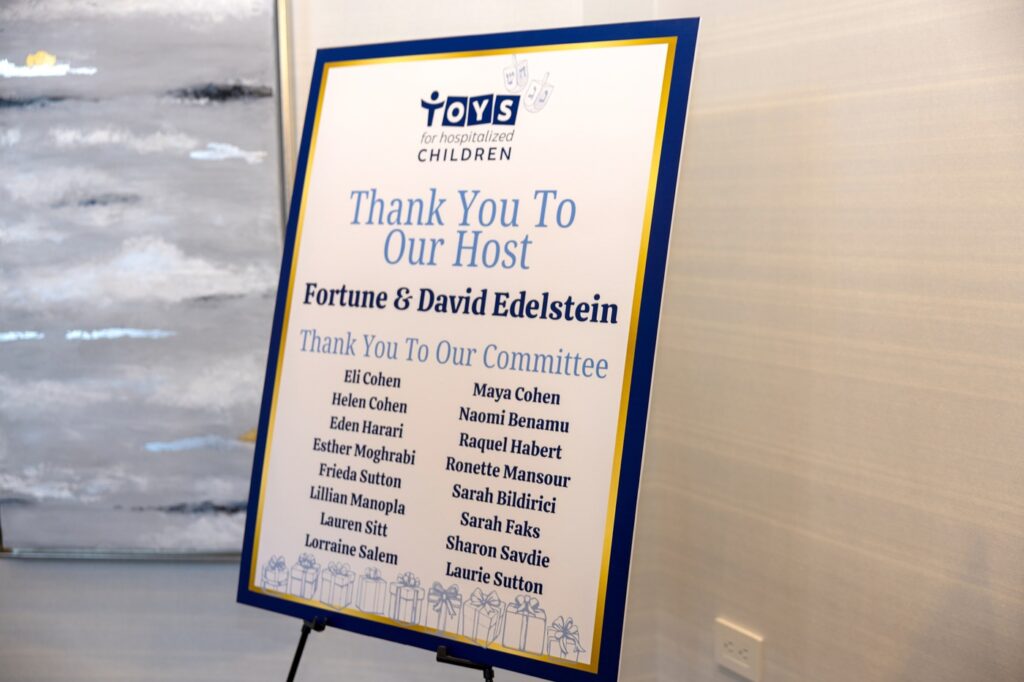
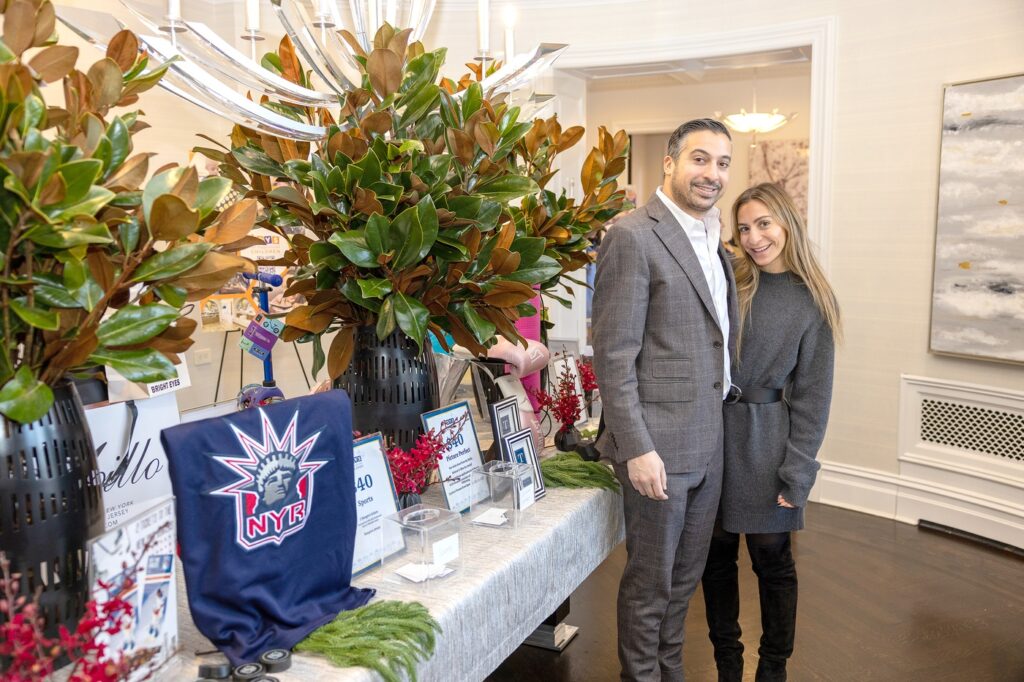
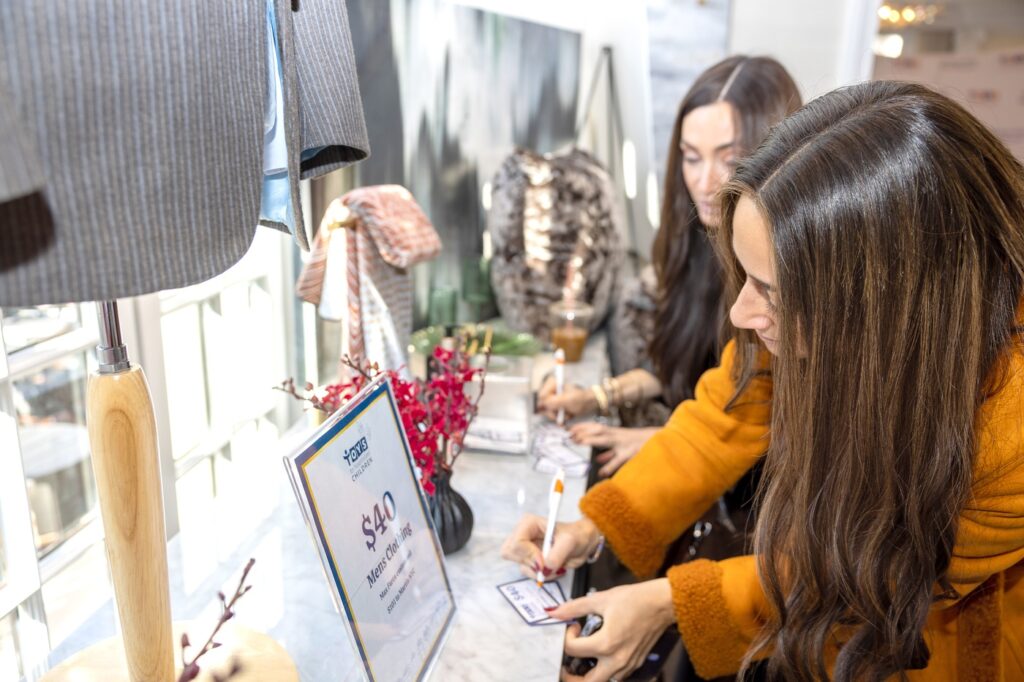
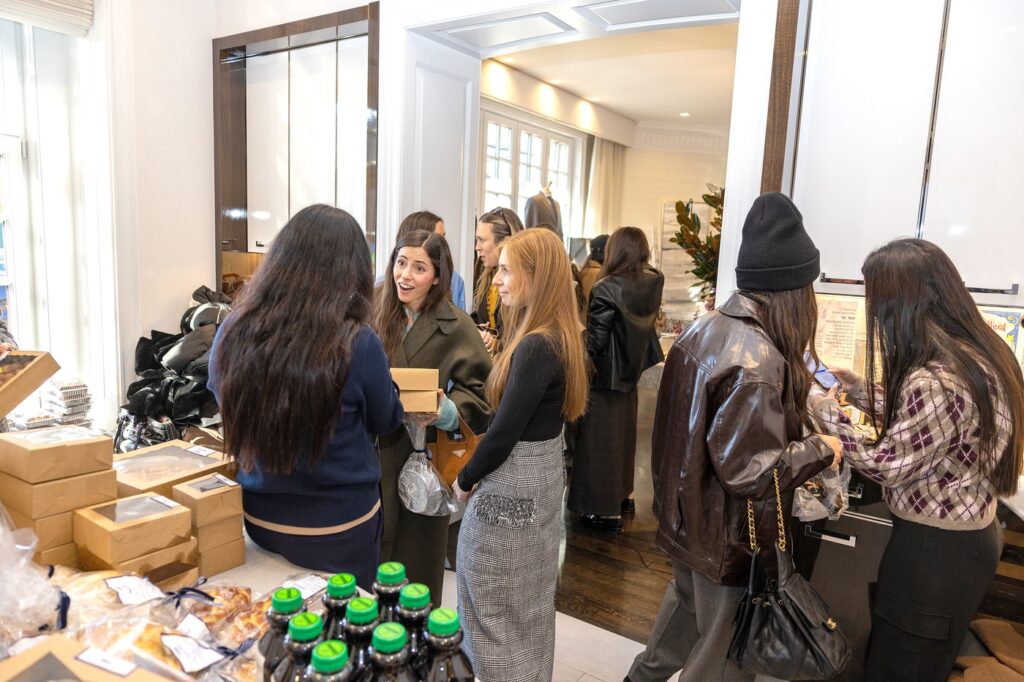
On a crisp Hanukkah morning in Flatbush, the home of Fortune and David Edelstein buzzed with excitement as Toys for Simcha hosted a festive bake sale and auction.

Guests were greeted by the irresistible aroma of freshly baked treats. The bake sale featured delectable fresh challah, sufganiyot, chocolate chip cookies, brownies, and more. The auction offered an array of packages for everyone, including jewelry, sports tickets, Judaica, and men’s clothing. Thank you to the generous sponsors for helping make this stunning auction possible.
Attendees heard from Chaya Recu, mom of an adorable and energetic five year old boy with a complex heart condition. “When a child is in the hospital, your world shrinks,” shared Chaya. “The only thing you focus on or care about is getting your child better. Toys for Simcha adds breathing space. They give kids the opportunity to be a kid and be happy.”
“Our family recently attended the Toys for Simcha Hanukkah party,” she continued. “It was incredibly fun. We had time just to enjoy being a family and going to a party like families do. When Ariel lit a candle in the menorah, he was beaming. It felt so good watching my son’s face light up. During the magic show, he got called up by Magic Al as a participant. He was laughing so hard. I’m so grateful for that moment of seeing him beyond happy. I couldn’t stop thinking, thanks to this organization for giving joy and healing.” Her words resonated deeply with everyone present, a heartfelt reminder of how the organization brings comfort, joy, and moments of normalcy to children facing medical challenges.
Mrs. Chani Shelby delivered an engaging Torah class for the women in attendance, in her encouraging and inspirational style.
Special thanks to the chairman of Toys for Simcha, Mr. Eli Cohen, and his dedicated wife, Helen, who worked tirelessly to bring this event to fruition.


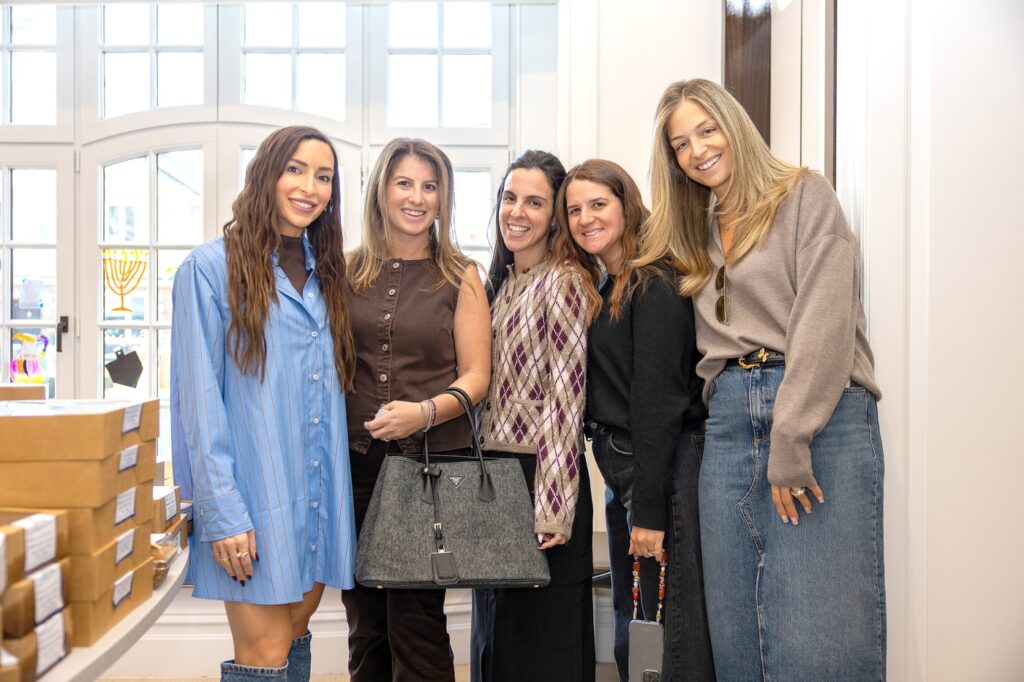
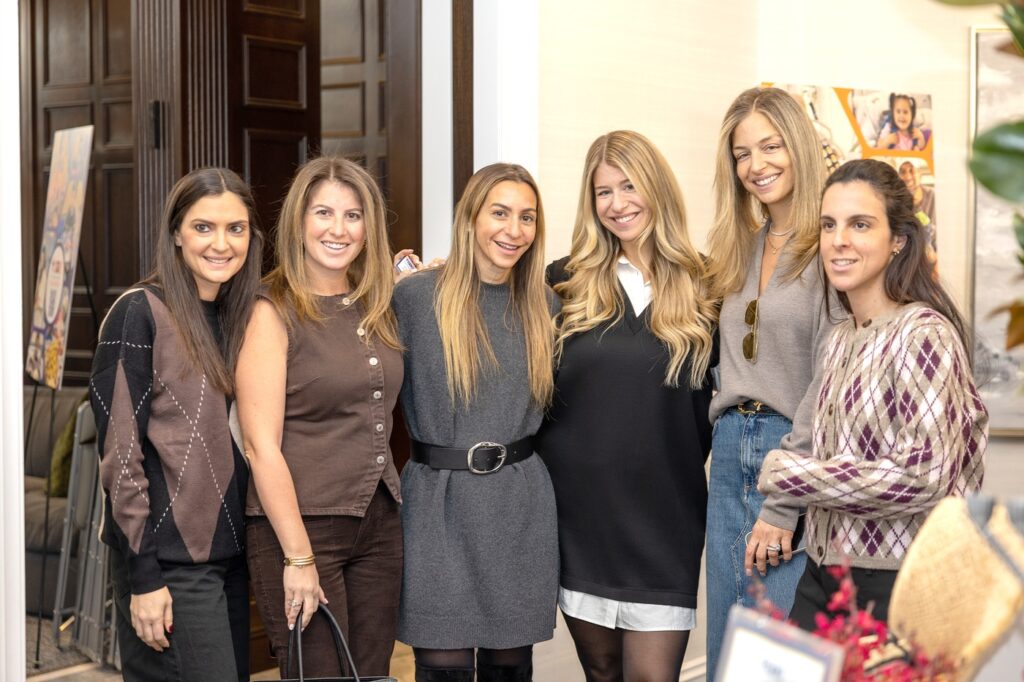
The bake sale created awareness in the community about Toys for Simcha and our mission to bring happiness and healing to sick children. Many new women were excited to get involved and volunteer, and it also enabled us to connect with new families who need our services. We are grateful to bring happiness and healing to the children who need it most.
We are deeply grateful to our extraordinary event committee, whose dedication made this event a great success, including Maya Cohen, Helen Cohen, Naomi Benamu, Eden Harari, Raquel Habert, Esther Moghrabi, Ronette Mansour, Frieda Sutton, Sarah Bildirici, Lillian Manopla, Sarah Faks, Lauren Sitt, Sharon Savdie, Lorraine Salem, and Laurie Sutton.
A house full of women, coming together to make sure no child feels alone in their hardest moments. This Hanukkah bake sale was more than a fundraiser. It was a reminder that joy brings healing and that even the smallest moments of happiness can light the darkest days for a hospitalized child. Because Happy Kids Heal Faster!

MDYHS Career Connections Day

Empowering Students to Explore Their NEXT Steps

Career Connections Day at MDYHS was more than a special event. It was a purposeful step toward helping students understand themselves, their strengths, and the countless possibilities ahead of them.

This year’s program built upon weeks of preparation, beginning with an interest survey administered schoolwide. Every student answered questions designed to illuminate which fields, work environments, and types of occupations best align with their personalities, talents, and long-term goals.
Using those results, students were given a curated list of 28 professional fields represented in this year’s program. These ranged from law, medicine, and finance, to digital media, entrepreneurship, real estate, culinary arts, and more. In advance of the event, they selected the sessions that most excited them, allowing each student to craft a personalized morning of career exploration tailored to their unique interests.
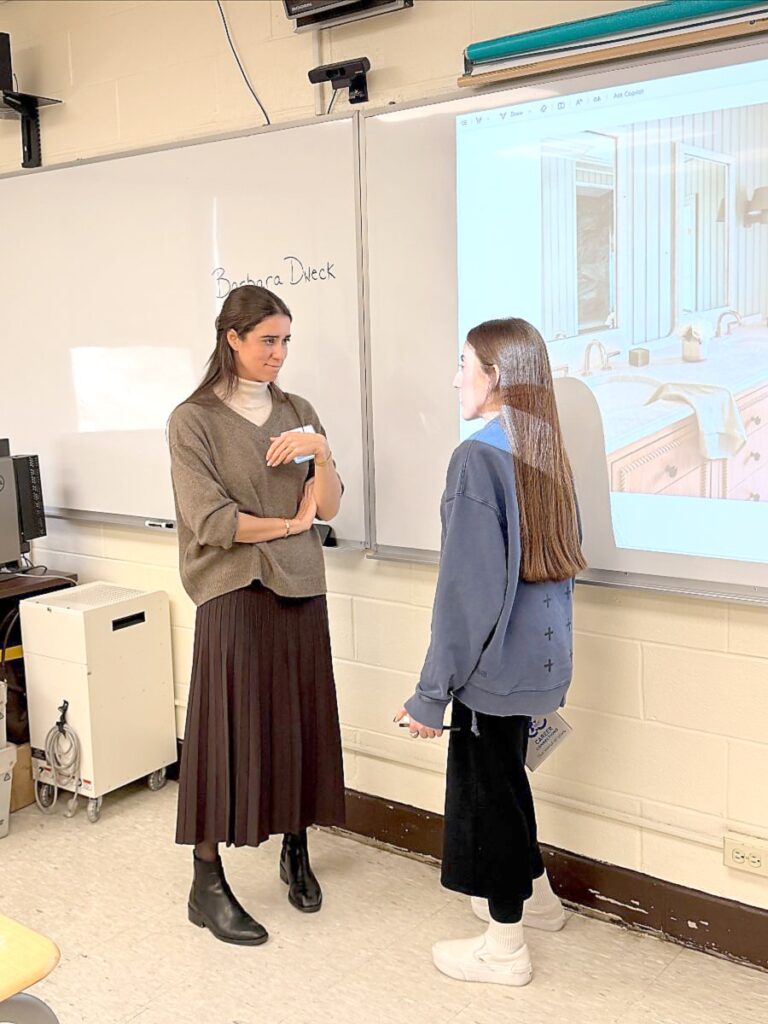
When Career Connections Day arrived, the building was full of energy, anticipation, and purpose. Students attended small-group sessions led by inspiring guest professionals, many of them alumni or community members, who generously shared their stories, challenges, accomplishments, and real-world insights. These conversations gave students an authentic window into a range of career paths and helped them see how their passions and skills might translate into meaningful work.
Throughout the morning, students asked thoughtful questions, learned about the realities of different industries, and began imagining future pathways with greater clarity. Every session reinforced one of our most important goals, helping students recognize their own potential and the many ways they can contribute to the world.


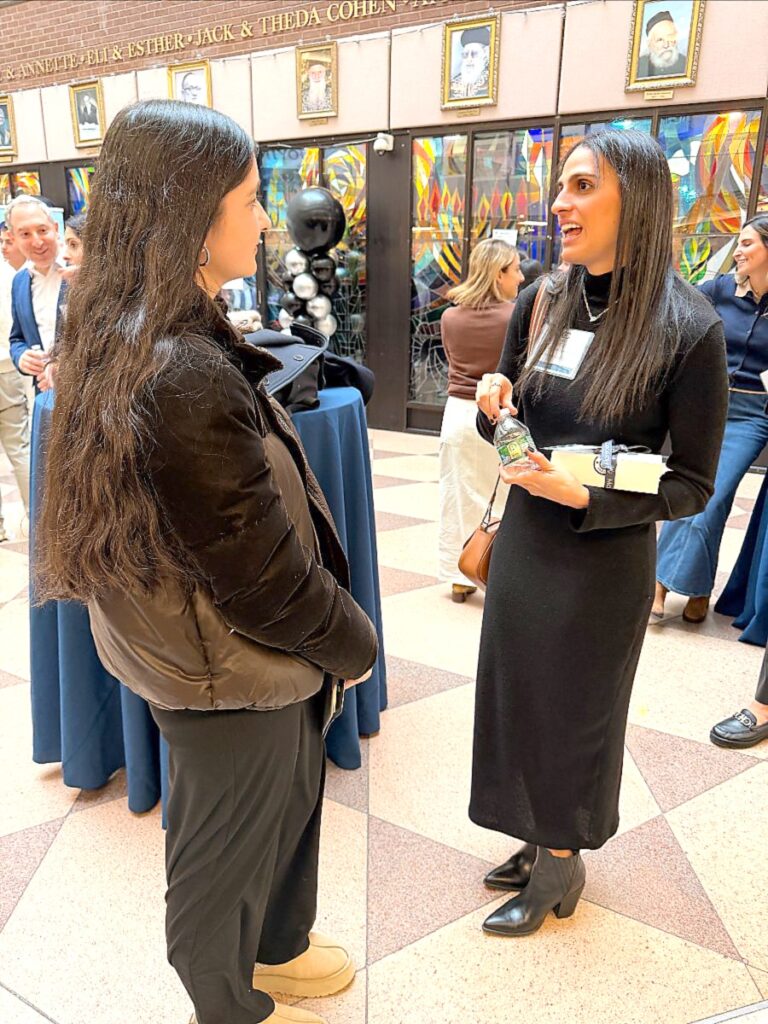
The day concluded with a dynamic networking reception in the atrium, where senior students had the opportunity to mingle with presenters in a more personal, informal setting. These connections were more than inspirational. They may lead directly to placements for the students’ NEXT Senior Internship Program in May. As seniors began exploring where they hoped to spend their internship experience, many left the event with new contacts, new mentors, and new possibilities to pursue.
Career Connections Day reflects the very core of who we are at MDYHS. We are a school that values relationships, believes deeply in possibility, and empowers students to take confident, meaningful steps toward their future. It is learning that extends beyond the classroom, rooted in curiosity, guided by real-world experience, and strengthened by the support of our community.
A heartfelt thank you to our students and the exceptional professionals who shared their time, expertise, and wisdom. Together, you made this year’s Career Connections Day an inspiring and transformative success.