
Read Jewish Image Magazine Online – April 2026


The Power of the “Lady Bird Deed”
Ben G. Matsas
For many people, a home or condo in Florida is more than just a place to live. It often represents long-term planning, stability, and what they hope to pass on to the next generation. In Florida, transferring real estate after death can involve the probate process, which is widely known for delays, costs, and administrative complexity.
One legal mechanism often discussed in this context is the “Lady Bird Deed,” a form of property ownership used in Florida that is designed to allow real estate to transfer upon death, outside of probate.
Officially called an Enhanced Life Estate Deed, this type of deed is used to let a property owner name beneficiaries who typically receive ownership at death, while the owner generally retains ownership rights during their lifetime. Traditional life estate deeds have existed for many years, but Florida is one of the limited number of states that recognizes the enhanced version, which differs in how much control the owner is commonly understood to keep.
Why the “Lady Bird” Name?
The nickname is commonly attributed to President Lyndon B. Johnson, who reportedly used a similar ownership structure when transferring property to his wife, First Lady Claudia “Lady Bird” Johnson. Over time, the informal name became widely used to distinguish this type of deed from standard life estate arrangements.
Commonly Discussed Features
Maintaining Control
Under a Lady Bird Deed, the property owner is commonly understood to keep the ability to sell, refinance, or mortgage the property during their lifetime. Beneficiaries named in the deed generally do not have ownership rights until the owner’s death, meaning the owner’s day-to-day control of the property is not affected while alive.
Probate Avoidance
Because ownership transfers at death, property held under a Lady Bird Deed is commonly described as avoiding the Florida probate process. This characteristic is often discussed in general explanations of estate planning concepts used in the state.
Medicaid Related Discussions
Lady Bird Deeds are frequently mentioned in discussions involving long-term care and Medicaid. In Florida, this type of deed is generally described as not being treated as a completed gift for Medicaid eligibility purposes, and property that transfers outside of probate may be treated differently for Medicaid estate recovery purposes. How these rules apply can depend on individual facts and current regulations.
Homestead Treatment
Property owners are generally described as retaining their Florida Homestead Exemption and Save Our Homes assessment limitations while holding title under a Lady Bird Deed, since ownership does not change during their lifetime.
Tax Treatment at Death
Informational sources often note that when property transfers at death, federal tax rules may treat the transfer as occurring at the property’s fair market value at that time. This concept, commonly referred to as a step up in basis, may affect how capital gains are calculated if the property is later sold.
General Considerations
For Florida condo owners and homeowners, the Lady Bird Deed is one of several concepts commonly discussed when learning about property transfers, probate avoidance, and estate planning topics. Whether it is relevant in a particular situation depends on personal circumstances, current law, and individual goals.
For general information and document preparation services related to Lady Bird Deeds, visit www.libertyfiling.com.

Eliyahu Freedman
Rumination keeps us trapped in yesterday and afraid of tomorrow.
Jewish wisdom suggests a better response.

As I walked out of the conference room after a recent job interview, I felt a familiar sinking feeling, the quiet sting of wounded pride. “Good luck,” the CEO said politely as we shook hands and said goodbye. I already knew how it had gone. I had stumbled over one of the final questions, and it was hard to imagine a job offer coming my way.
On the walk home, I kept replaying the interview, reconstructing the perfect answers, and spiraling into anxious thoughts about how competitive the job market is. I couldn’t believe that after making it all the way to a final interview, I would have to start over once again.
That mental loop has a name. Psychologists call it rumination. It is the habit of reliving the past and worrying about the future, even when neither is actually in our control. It rarely helps. More often, it keeps us agitated and stuck.
The Jewish sage Maimonides offers a different way of relating to moments like this. In his words, a person should thank and praise G-D for the past, and cry out to G-D for the future. Put simply, the past is for gratitude and the future is for asking for help. Let’s unpack how this teaching can help quiet anxious thoughts.
Blessing the Past: Closing the Loop
Based on the Talmud, Maimonides writes in the laws of blessings, alongside daily practices meant to cultivate awareness and gratitude, that a person must bless G-D for bad news just as they bless Him for good news (Mishneh Torah, Laws of Blessings, 10:3). This does not mean that good news and bad news feel the same. Maimonides is not asking us to experience joy in disappointment. He is asking us to relate to whatever occurred with a posture that allows you to move forward rather than remain trapped in it.
After my interview, the outcome was no longer in my hands. Whether the eventual news would be encouraging or disappointing, the moment itself had already passed. If good news arrives, bless G-D with gratitude, ha-tov ve-ha-meitiv (Blessed is the One who is good and does good). If bad news arrives, bless G-D as the true Judge, Baruch dayan ha-emet (Blessed is the True Judge). In both cases, the blessing performs the same subtle task. It prevents the mind from reopening the past as a problem to be solved. The event is named, received, and given closure.
Without such a practice, disappointment easily turns into incessant rumination, beating yourself up and fixating on what you should have done differently. It leaves no room for productive introspection that enables you to learn from your mistakes and move on. There is a difference between learning from the past and anxious looping. Healthy reflection has an endpoint. You extract the lesson, adjust your behavior, and then allow the moment to settle into the past. Rumination has no endpoint. It replays the same scene without producing growth. Only agitation.
At the same time, unacknowledged moments of joy pass just as quickly, barely registered before the mind moves on to the next demand or worry. A blessing interrupts that cycle. It does not deny the pain or pretend the outcome was good. But it does bring the argument with the past to an end.
The Future Is for Asking, Not Rehearsing
If blessings teach you how to relate to what has already happened, Maimonides is just as clear about what to do with what has not yet occurred. In the same section about blessings, he writes that when it comes to future possibilities, a person should cry out to G-D, ask for mercy, and pray. The future, in other words, is not something to be endlessly fantasized about or worried about. It is something to be held with trust and faith.
Most anxiety lives in the future tense. What if I don’t get another interview? What if things don’t work out? You repeat this pattern as if compulsive overthinking can sway the future in your desired direction. Modern research on anxiety suggests the opposite. Repetitive “what if” thinking keeps the brain’s threat system activated. The body responds to imagined scenarios as if they were already unfolding, generating stress without solving the uncertainty.
Maimonides’ approach does not deny uncertainty, nor does it demand passivity. You prepare, you plan, and you act responsibly. But once you reach the edge of what is in your hands, the remainder belongs in prayer. Regarding the outcome of my job interview, I can bless what has already happened, learn from it with honesty, and let it pass. As I face what lies ahead, I can pray for wisdom and courage, while accepting that control over results was never fully mine to begin with. That is a Jewish path toward inner peace. q

Laura Shammah, MS, RDN
As winter ends and March begins, many people feel the urge to “clean things up.” After months of heavier meals, shorter days, and less consistent routines, it’s common to feel sluggish, bloated, or disconnected from hunger cues. This is when detox plans, juice cleanses, and elimination diets start sounding appealing. But most bodies don’t need a detox. They need stability.

Your body already has an incredibly sophisticated detoxification system. The liver processes toxins, the kidneys filter waste, the digestive system eliminates what the body no longer needs, and even the lungs and skin play a role. When these systems are supported with consistent nourishment, hydration, and rest, they function remarkably well on their own.
What many people interpret as a need to “cleanse” is often just the natural result of winter rhythms. During colder months, routines shift. We move less, spend less time in sunlight, sleep patterns change, and meals may become more irregular. None of this is wrong or harmful. It’s seasonal. But by March, the body often needs help re-establishing balance.
In my office, this is exactly what I focus on with clients during this time of year. Instead of removing foods or starting strict plans, we work on rebuilding structure. That usually begins with eating consistently throughout the day, making sure meals contain protein, carbohydrates, and fats, and restoring hydration. We look at energy levels, digestion, sleep patterns, and stress, because these often influence how someone feels in their body far more than any specific food choice.
One of the most common things I see in March is people trying to “undo” winter by eating less. Ironically, this often slows metabolism, worsens fatigue, increases cravings, and makes digestion more sluggish. The body interprets restriction as stress, not renewal.
I often use this analogy with clients: after winter, your body is like a car that has been sitting in the garage for months. You wouldn’t drain the gas tank to make the car run better. You would refill the tank, start the engine gently, and let it warm up before driving. The body works the same way. Energy, nourishment, and consistency bring systems back online. Deprivation does not.
A spring reset is less about subtraction and more about re-introducing supportive habits. This might mean returning to regular meals after a season of grazing, adding protein to breakfast, drinking more water during the day, or gradually increasing movement as daylight returns. Even small adjustments can help stabilize blood sugar, improve digestion, and restore energy.
Another important part of this seasonal transition is the nervous system. When people feel uncomfortable in their bodies, they often try to regain control by tightening food rules. But this usually creates more stress and disconnection. Spring can instead be an opportunity to shift toward nourishment and routine rather than restriction.
The goal is not to “fix” your body for spring. The goal is to support it as it naturally transitions into a new season. When the body receives consistent fuel, hydration, rest, and gentle movement, energy often improves, digestion becomes more regular, and hunger cues feel clearer again.
Spring doesn’t ask us to become someone new, it just reminds us to come back to ourselves. Your body isn’t looking for perfection or a reset button. It’s looking for regular meals, enough rest, a little sunlight, and patience. Just like the world outside slowly comes back to life after winter, our energy, appetite, and routines return gradually too. You don’t have to rush the process or force change. Taking care of your body in small, steady ways is enough. And often, that’s exactly what allows you to feel like yourself again.

The Surprising Link Between Judaism and Fitness
Julian Brass
Discover how Jewish wisdom turns training, rest, and discipline into a path for stronger bodies and deeper souls.

I used to think fitness and spirituality lived in two separate worlds. There was the gym: protein shakes, workouts, pushing past limits. And then there was Judaism: prayer, study, community. One felt physical, grounded in sweat and discipline. The other felt spiritual, rooted in something unseen. But as I got older and life started throwing heavier punches, I realized I was wrong. These two worlds are deeply connected, and when aligned, they can elevate one another.
My Turning Point
A few years ago, I was living what looked like the dream. Successful business, media appearances, global travel. But under the surface, I was struggling, mentally, emotionally, physically. I felt anxiety, fatigue, and a growing disconnect from my own purpose. I knew something had to change.
So I leaned into fitness. I trained hard, cleaned up my nutrition, and rebuilt my body. But I also leaned back into my Judaism. I started asking deeper questions. I revisited texts I hadn’t looked at since I was a kid. I stopped separating my physical health from my spiritual growth. That’s when things shifted.
Fitness became more than a way to look good shirtless; it became a spiritual discipline. Judaism, in turn, became more embodied and more real. My workouts were bringing me closer to G-D. Judaism is a framework for optimal living, and fitness is one of the tools, reflecting the Torah’s commandment to actively care for the body G-D entrusted to you.
The Hidden Spirituality of Fitness
Let’s break down a few places where Judaism and fitness intersect.
The Body is a Vessel
Judaism is against body shaming. The body is a vessel for the soul, something to be respected and cared for. You don’t need to be perfect. You just need to show up, and to show up strategically. When you train, when you fuel yourself cleanly, when you sleep like it matters, you’re getting fit and making yourself a stronger vessel for everything G-D wants to bring through you: love, energy, leadership, clarity. That’s spiritual energy.
High Performance
Judaism is a blueprint for high performance, a source of values that aligns with what the best coaches are already preaching:
If you’re already working on your fitness, beautiful. Bring some spirituality into it. Ask yourself deeper questions while you move. Try unplugging on Shabbat. Say a blessing before your meals with presence. And if you’re already on a spiritual journey, but your health is falling behind, don’t let that gap widen. Your soul deserves a strong, clear, energized body to move through the world in. The more I align my body with strength, clarity, and consistency, the more I feel connected to something bigger than me. And the more I lean into Jewish wisdom, the more dialed-in I get physically. Don’t wait for a crisis to start treating your body like it matters. Don’t wait for inspiration to explore your faith. Start now, right where you are.

Separating medical progress from internet promises
Peptides are showing up everywhere right now. You hear about them in medical journals, fitness podcasts, dermatology offices, and increasingly in new peptide clinics opening in cities across the country. Some people describe them as the next major step in medicine. Others see them as hype driven by social media and wellness culture. The truth is more practical and less dramatic.
Peptides are not new. Scientists have studied them for decades, and some peptide medicines have been used safely for a long time.
A peptide is simply a small chain of amino acids. Amino acids are the basic building blocks your body uses to make proteins. When these chains are short, they act like messengers that tell different parts of the body what to do. Your body already uses peptides to control hunger, healing, hormone release, and immune responses.
One well known peptide is insulin, which has been used to treat diabetes for many years. Another example is the group of GLP-1 medications such as semaglutide, which help regulate blood sugar and appetite. These drugs are approved by the U.S. Food and Drug Administration and prescribed by doctors. They show how peptide science can turn into real medicine when it goes through proper testing.
You are also seeing peptides show up in beauty and dermatology. In medical dermatology, some peptide based treatments are FDA approved and prescribed by doctors, such as injectable treatments that affect muscle activity or support specific skin conditions. In skincare products, peptides are used in creams and serums to support hydration and collagen signaling, but these are regulated as cosmetics, not drugs, and their effects tend to be modest. As with other peptide uses, the difference comes down to clinical testing, regulation, and medical supervision.
Today, a different set of peptides is getting attention online and in wellness clinics. These are often discussed in fitness, anti aging, and recovery communities. You may hear claims like peptide BPC-157 promises faster healing, TB-500 promises muscle recovery, growth hormone related peptides promise fat loss, and retatrutide promises dramatic weight reduction.
Some of these peptides are being studied in laboratories and clinical trials. Retatrutide, for example, is still in research stages for obesity treatment and has not yet received FDA approval. Others, like BPC-157 and TB-500, have very limited human research available. Much of the data comes from animal studies or small experiments. That does not mean the science is fake, but it does mean the evidence is incomplete.
This gap between research and real world claims is where confusion begins. Early research can sound exciting, but it is not the same as proven treatment. Drug development takes years because researchers must study safety, dosing, side effects, and long term outcomes. Many compounds that look promising early on never become approved medications.
The difference between approved peptide medicine and internet peptide culture mostly comes down to regulation and testing. When the FDA approves a drug, it means controlled clinical trials showed the medication works and is reasonably safe when used as directed. It also means the drug is produced under strict manufacturing standards so the dose and purity are consistent.
Many peptides sold online do not go through this process. Some are labeled “for research use only,” meaning they are not approved for human treatment. Products sold this way may vary in strength or purity, which is why medical professionals remain cautious.
Another reason peptides attract attention is that they sound natural. Because peptides already exist in the body, people often assume they must be safe. But anything that changes hormones, metabolism, or immune function can have strong effects. Natural does not always mean harmless.
Health information also spreads faster than scientific confirmation. A new study can appear online one week and become a trending topic the next. Personal stories about rapid weight loss or faster injury recovery can sound convincing, even when they do not represent typical results or controlled research.
That does not mean peptides are fake science. Many researchers believe peptides will play a major role in future medicine. Scientists are studying peptide therapies for wound healing, cancer treatment targeting, metabolic disease, and autoimmune conditions. Some of these treatments may eventually become standard medical care, while others may not work as hoped once larger trials are completed.
For readers trying to make sense of the topic, it helps to separate three categories. First are peptide medicines that are already approved and widely used. Second are peptides currently being studied in clinical trials. Third are peptides promoted online without strong human evidence. These categories often get mixed together in public conversation.
Another practical issue is sourcing. Medications that require a prescription are meant to be dispensed through regulated pharmacies. Injectable or experimental compounds should never be purchased online or used without proper medical oversight. Do not take peptides or similar substances without consulting your doctor and using them only under medical supervision. If you are exploring peptide therapy, look for established medical clinics where licensed physicians evaluate you, order appropriate lab work, and monitor treatment over time. Avoid places that offer quick injections without a full medical review or ongoing supervision.
Peptides are neither miracle cures nor meaningless hype. They are tools scientists are still learning how to use. Some have already changed modern medicine. Others remain ideas in progress, shaped by research rather than promises.

This article is intended for informational purposes only. It is not medical advice and should not be used to diagnose or treat any condition. Readers should consult a licensed medical professional before starting any treatment or making any health decisions.

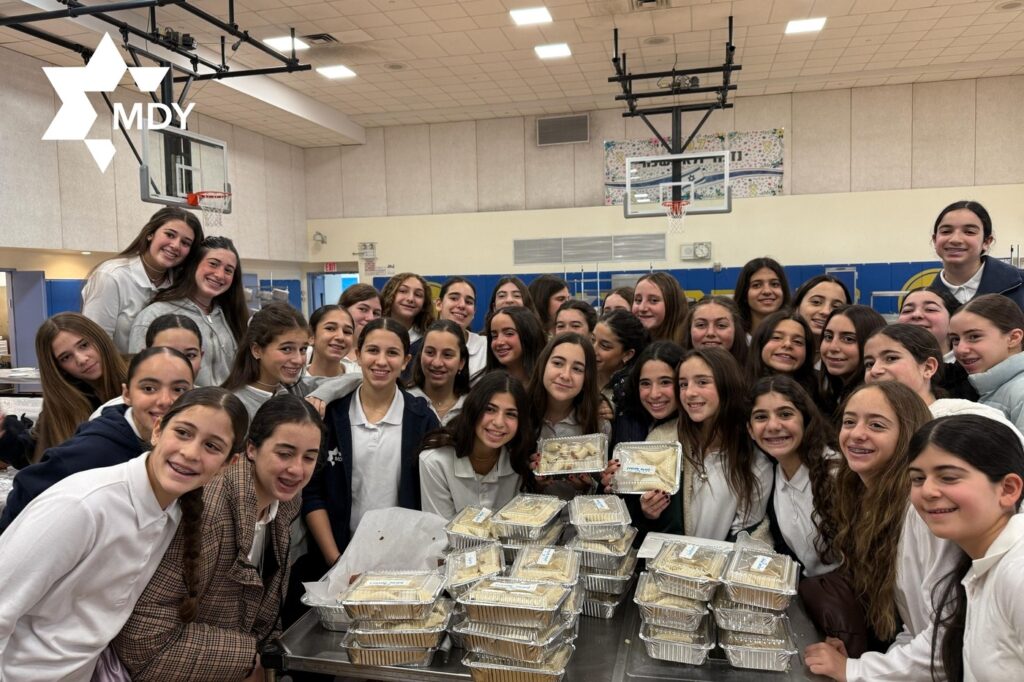
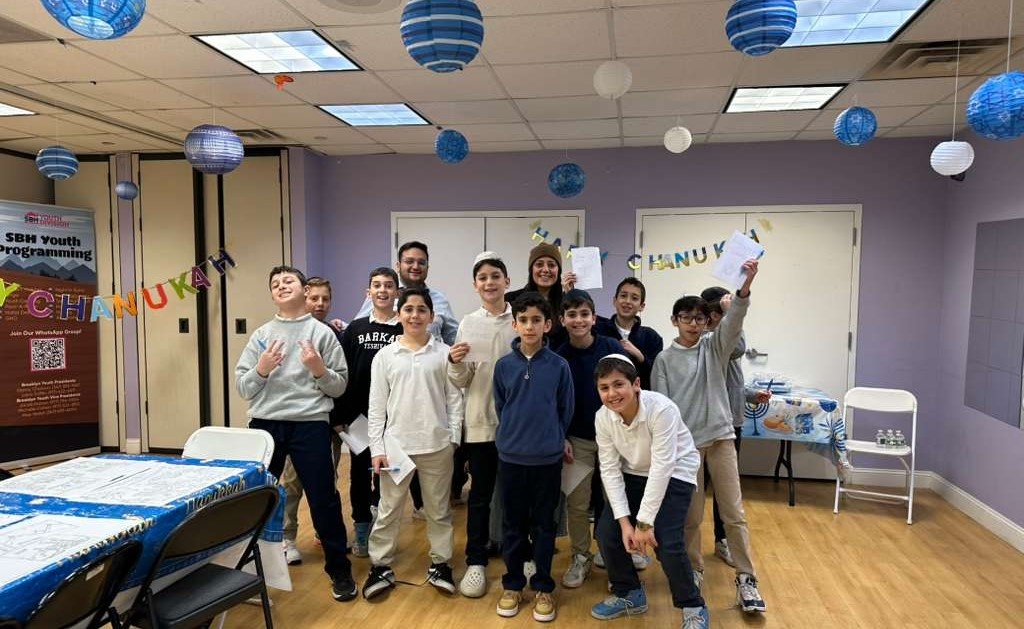
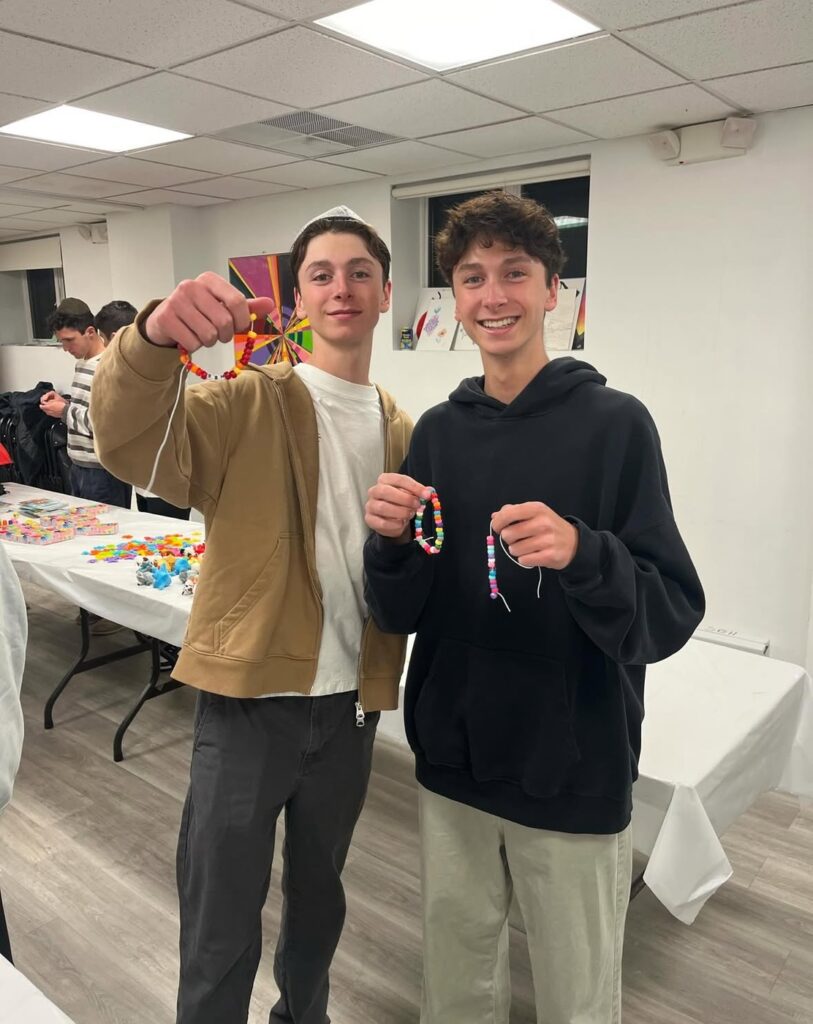
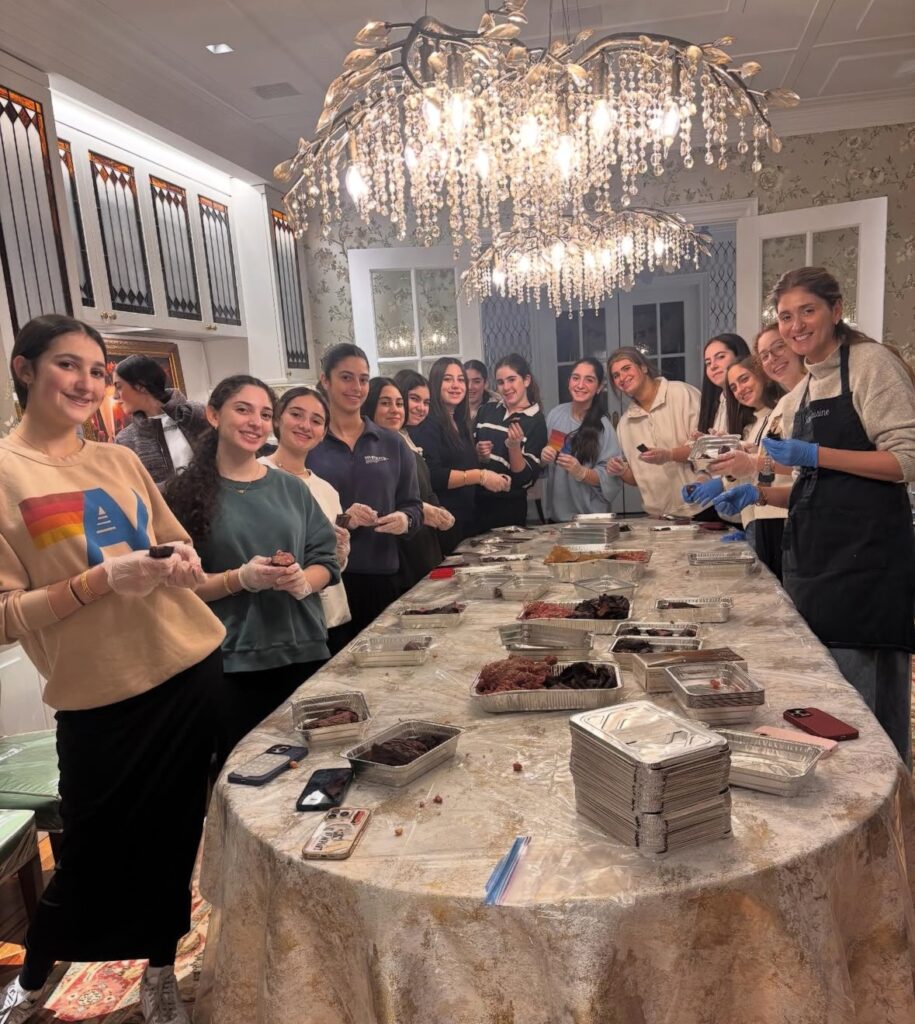
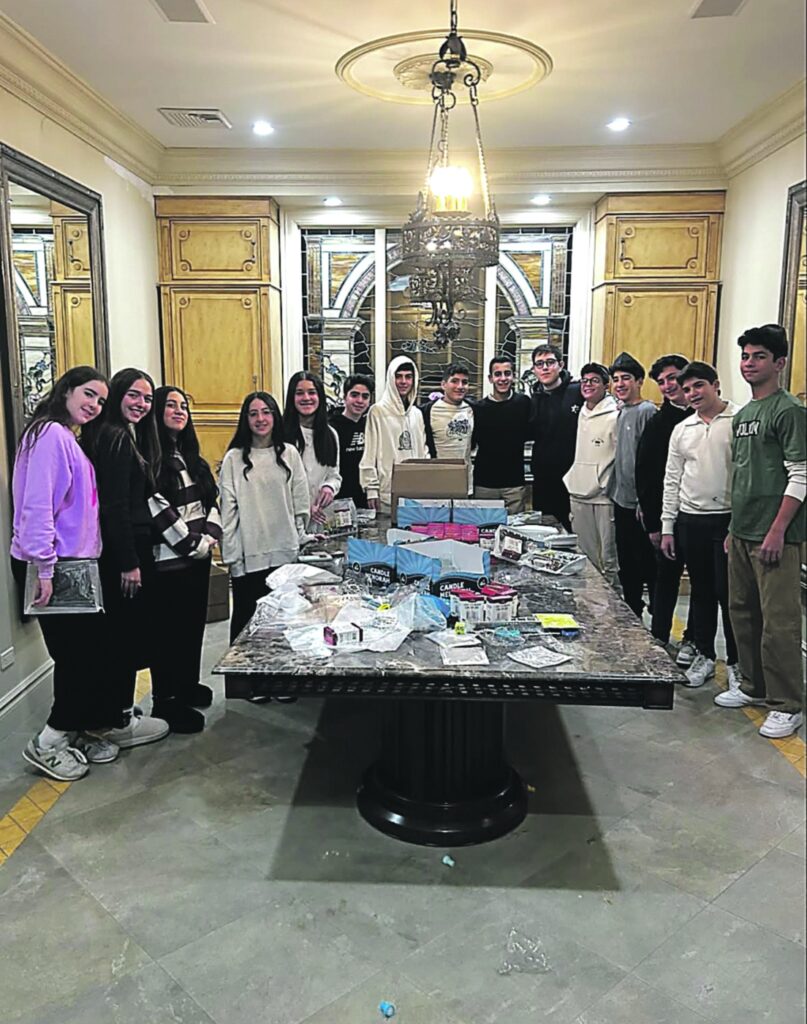
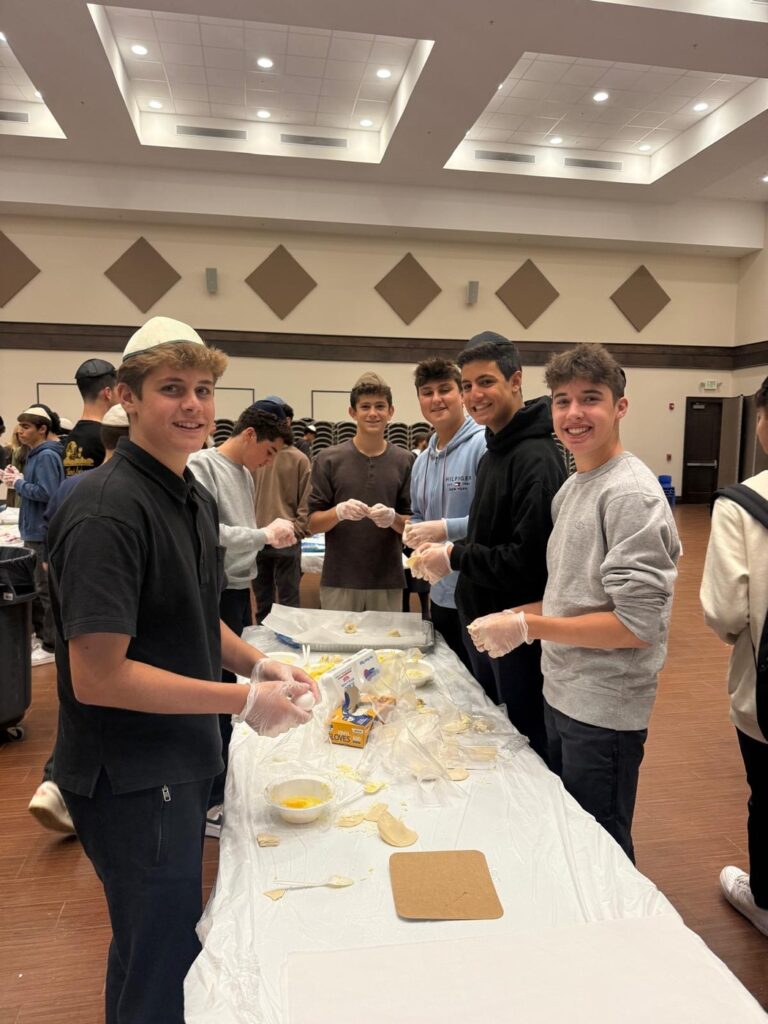
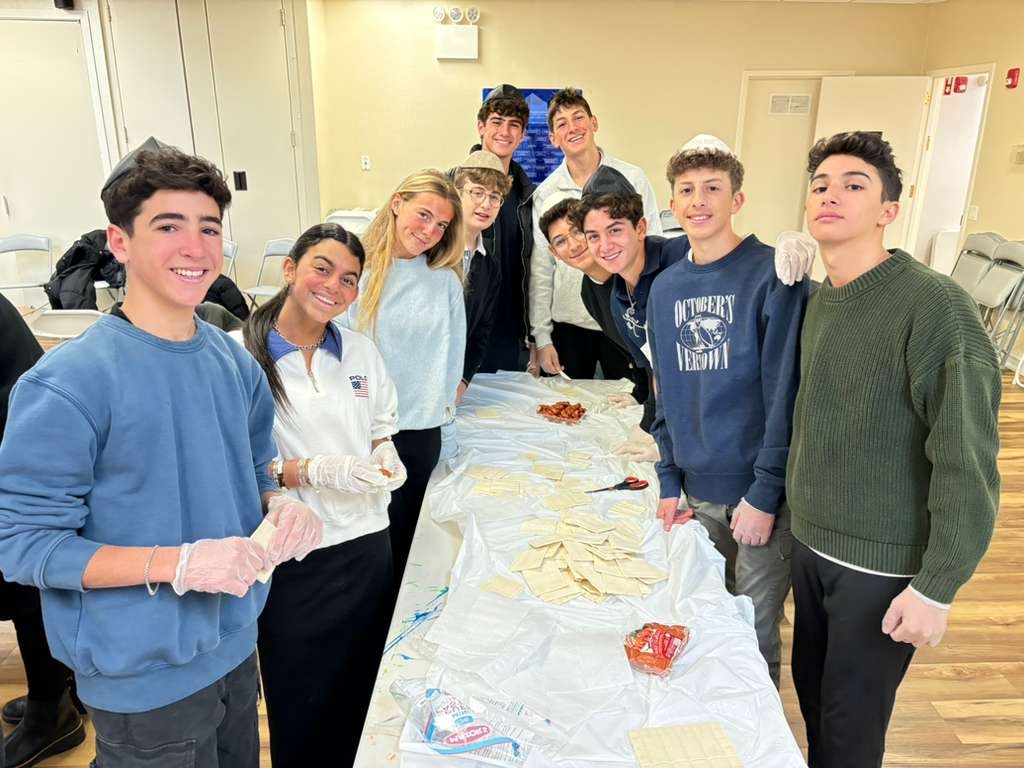
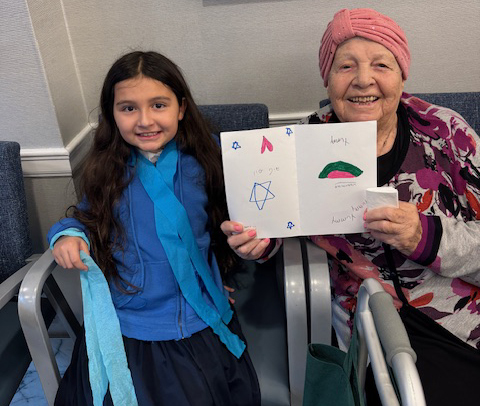
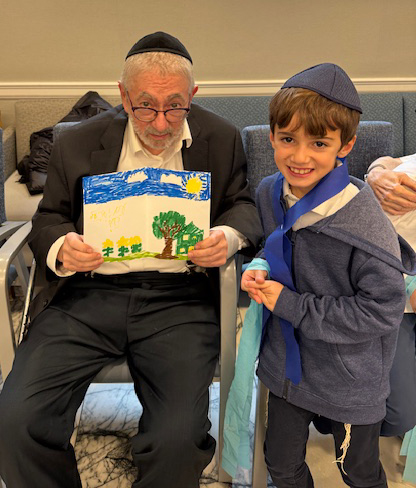
This month’s Community Photo Album highlights Hesed in Action. Our community is filled with so many organizations and volunteers willing to step up and do hesed. From food drives and hospital visits to volunteer efforts and community support initiatives, these moments reflect the quiet strength of caring for one another. The photos capture individuals and groups giving their time, offering help, and showing up where they are needed most, whether spending time with the elderly, supporting special needs children, or organizing help for families. Each image reflects the heart of our community, where acts of kindness are lived, not just spoken about.
















Practical wisdom for handling emotions and moods without escalating tension
Sarah Pachter
Learning to navigate the moods of others, especially in families, is one of life’s hardest jobs. And yet, it’s learnable. Below are five key principles for becoming a master of moods, based on Jewish wisdom and real life experience from Rabbi Aryeh Nivin.


Emuna Braverman
It is possible not only to enjoy Passover cleaning, but to find it to be the most meaningful aspect of holiday preparation.
Everywhere I turn I hear: “I got the Here-Comes-Pesach blues,” sings Moshe Yess. “Have you started cleaning yet?” “I’m so stressed.” “We’re going away to a hotel this year. I just can’t face the cleaning.”
I’m beginning to feel like an endangered species, because I like Passover. It’s actually my favorite holiday. I enjoy the cleaning. I love throwing things out (if my husband hasn’t worn it in a year, make that a week, watch out!) and getting organized. And I like the cooking. I like the creative challenge inherent in the limited ingredients. I like the constant phone calls between friends, sharing new recipes and old stand-bys.
I like the community of Jewish women scrubbing our homes, grocery shopping, cooking, grocery shopping, making menus, grocery shopping… and just when you think you have everything you need… grocery shopping.
And I like the exhaustion. Not out of some masochism, but because it’s also a link. When I look in the eyes of my friends and other Jewish women in the neighborhood I see the same weary expression. It’s a look that says, “I can’t do one more thing.” And it’s a look that says, “I’m proud of what I’ve accomplished.” And it’s a look that says, “We’re in this together. We’re a community.”
I’ve had four children who were due to be born Erev Pesach, the day before Pesach (the Almighty’s sense of humor). Finally with number 3, I admitted to some physical stress and fatigue and suggested we try going away for the holiday.
There was an event at a rustic wood-studded location near here. I thought, “This is my chance. Every other year I’m so busy cleaning and cooking (and grocery shopping) that I have little time to apply myself intellectually, but this is my chance to really delve into all the ideas and commentaries in the Haggadah. This year I can do it. This year I’ll be prepared.”

THE LEARNING IS IN THE DOING
And I learned an important lesson. Studying the ideas underlying Passover was not the true preparation. It was the hours of cleaning, the hours in the kitchen and the hours at the grocery store(s). It was the physical effort that led to the emotional and intellectual preparation. I felt less prepared when I didn’t take out my special dishes, when I didn’t clean my children’s bedrooms (after all, it’s been a year!), when I didn’t make my chicken soup and cabbage soup and famous (doesn’t taste like Passover) brownies.
And I felt more alone. That crucial link to other Jewish women was not being forged. I had no war stories or battle wounds to share. I hadn’t planned any creative menus and my Passover cookbooks were neatly packed away.
I had more energy, but I was disappointed. I missed the exhaustion borne of accomplishment. I missed the weariness shared across the globe.
And I missed involving my children in an important and meaningful mitzvah. (I also missed yelling at them about dropping crumbs all over the house!)
So, much as I would like a vacation, as tempting as some events sound, I’ve returned to what I enjoy.
I can’t wait to start cleaning. (I force myself to hold out until after Purim, putting some limits on my compulsivity.) I can’t wait to start planning menus and discovering new treasures. I’m excited to bring out my Passover dishes. (When I read that you should use your most beautiful tableware for this holiday I decided this was a mitzvah I wanted to be very strict about!) I can’t wait to start cooking huge quantities in anticipation of many guests.
And I can’t wait to sit down at the Seder prepared for the event, feeling the pride of being a Jewish woman linked to other Jewish women, and taking pleasure in being part of a nation redeemed by the Almighty from slavery (all jokes about the connection between Pesach cleaning and slavery are prohibited!) A happy and healthy Passover to all.
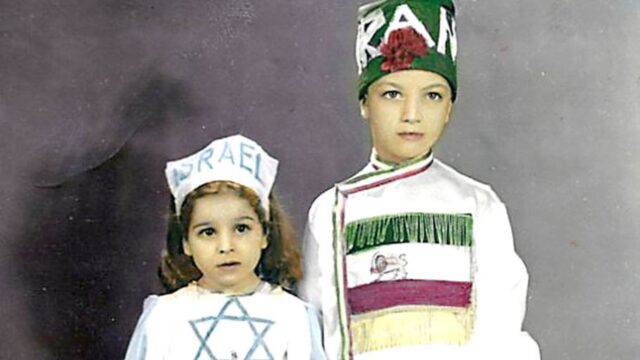
Like Esther, growing up in Iran I was encouraged to keep my Jewish identity private
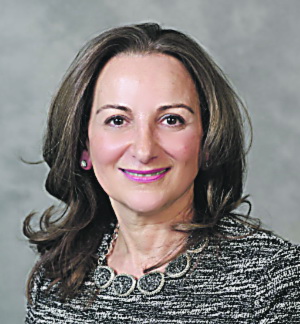
Jacqueline Saper
For me, the Purim story has a deep historical connection to my heritage and homeland where the story took place. During the Iranian monarchy in the 1960s and 1970s, the joyous holiday of Purim of my childhood was celebrated at the grand Yousefabad synagogue in Tehran with Persian sweets, such as halvah, the flour-based, rose water infused dessert. Some Persian Jews took the opportunity to make a pilgrimage to the city of Hamedan, located 200 miles west of Tehran and believed to be among the oldest Iranian cities, where the Tomb of Esther and Mordechai is located.
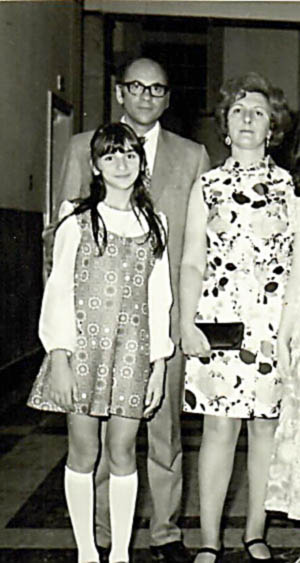
Purim is the one holiday where my two distinct worlds of the East and the West intersect. In the late 1940s, my parents met at a school dance when they were students at the University of Birmingham in England.
My British Ashkenazi mother was confused about my Sephardi/Mizrahi Iranian father’s homeland. She had never heard of Iran (Persia was renamed in 1935) and had no idea that Persia still existed. Coincidentally, my mother Stella’s Hebrew name is “Esther” which has the same definition of star or Setareh, which is Queen Esther’s moniker in Persian. After a courtship of almost a year, my father had to return to his homeland and then they continued their romance by international post for two years. My parents were married in Tehran, Iran on January 4, 1951, and remained married for 63 years.
Mordechai advised Esther to hide her Hebrew name Hadassah and thus her Jewish identity. To this, I can relate. My dual Jewish identity as a person living in modern-day Persia while visiting relatives in England depended on which side of the ocean I happened to be. In England, I was encouraged to be proud and to vocalize my ideas about democracy, Israel, and Judaism. In Iran, I was encouraged to keep my Jewish identity private and, especially after the Islamic revolution, be mindful that Israel was the enemy whose destruction was based upon one of the new regime’s principles.
Celebrating Purim in Iran, I was more aware of the fact that its story occurred in the pre-Islamic Zoroastrian era of the Persian Empire, a millennium before the rise of Islam in Persia. Therefore, it is not surprising that non-Islamic Persian and Jewish holidays have been influenced by each other. Purim and Nowruz, the Persian New Year, both occur at the beginning of spring. The scroll of Esther celebrates the courage of a Persian queen and the survival of a people.
Following the Iranian revolution and the establishment of the Islamic Republic of Iran in 1979 and the subsequent eight-year Iran-Iraq war that began in 1980, the Persian Jewish community faced increased antisemitism and animosity toward Israel. Unlike their ancestors who relied on fasting and the courage of their heroine Queen Esther, the majority of contemporary Persian Jews lacked a royal advocate and had to leave their ancient homeland for good. Today, by some estimates, the Persian Jewish community is one-tenth of its size 40 years ago.
Nevertheless, in Iran Jews are considered the “People of the Book,” and they are free to practice their religion in private, as are Christians. I left the Islamic Republic of Iran in 1987 and moved to the United States. But during the eight years I lived under the new regime, Purim was celebrated with less fanfare. Persian Jews were mindful about drinking wine during Purim in a country where consuming alcoholic beverages is prohibited and punishable by law and placed more emphasis on the Fast of Esther.
In the fifth century B.C.E, Haman was vizier to the Persian Empire under King Ahasuerus, also known as Khashayar Shah to Iranians and Xerxes to the rest of the world. He sought to annihilate the Jewish people. In modern-day times, the Jewish Iranians are once again confronted with a Persian ruler who desires to destroy the state of Israel, the land of the Jewish people. Iran’s current government labels Purim as an anti-Iranian holiday. On December 10, 2010, when tensions between Iran and Israel were particularly high, hundreds of Iranians protested in front of the Tomb of Esther and Mordecai on a small street, fittingly called “Esther Lane.”
Like other displaced Jewish Iranians, I will reminisce about Purim in Iran. Before the Islamic revolution, Iran and Israel had amicable relations and we were proud Iranian citizens who didn’t have to conceal our joy for the holiday or our affiliation to the land of Israel. I will remain hopeful that one day the remaining Jews in Iran will be able to celebrate Purim with full joy once more.

10 Ways to Increase Happiness In the Chaos
Devora Levy
When the month of Adar enters, increase joy. But how?
Practical steps for choosing happiness when life feels overwhelming.
Let’s be honest. You probably don’t wake up glowing. You wake up to alarms, news alerts, and carpools. You wake up to deadlines and WhatsApp messages that already feel like a bit too much before your day has even started. And then Judaism tells you: When Adar enters, increase joy.
How? Jewish thought teaches that joy is a decision, not a mood you wait for. It’s about where you place your attention and how you interpret the chaos around you.
You can’t control the headlines. You can’t control other people. You definitely can’t control every outcome. But you can choose what story you’re living inside. Joy builds resilience. It protects your relationships from the friction stress creates. It gives you energy instead of draining what little you have.
Purim teaches this in such a dramatic way. The Scroll of Esther reads like a total political mess, hidden motives, power plays, and strange coincidences. G-D’s name doesn’t even appear once. And yet, everything turns around.
Haman’s plot to destroy the Jewish people becomes the very thing that elevates them. The gallows he builds for Mordechai becomes his own execution site. The decree meant to authorize genocide transforms into permission for Jewish self-defense and triumph. Esther, who hid her identity out of fear, becomes the hero precisely because of that hidden identity. What looked like the end of the story was actually just the middle, and the reversal was total. Joy is the refusal to believe that the surface story is the final one. So, how do you actually choose it?
Decide That Joy Is Not Optional
If you treat joy like a nice extra, it’s the first thing to go when life gets hard. Try to see joy as part of your emotional responsibility. The Jewish month of Adar shows you not to wait for joy to show up, it tells you to increase it. That implies effort.
Catch One Hidden Good Each Day
Purim is built on things being masked. Start looking for small reversals, the meeting that got canceled right when you needed to breathe, or a tough conversation that finally cleared the air. Train your eyes to notice what might be quietly working in your favor.
Loosen Your Grip
Costumes on Purim remind you that your identity isn’t as rigid as you think. If you’re holding on too tightly to one specific outcome or one version of how things should go, try to soften a little. Joy enters more easily when your need for control relaxes.
Strengthen One Connection
Make that call you’ve been putting off. Text a friend you haven’t spoken to in months just to say you’re thinking of them. Joy expands when you’re in relationship with others; isolation shrinks it.
Move Your Body
Joy is physical. We dance on Purim for a reason. Put on music while you’re cooking, or walk a little faster than usual. Sometimes your body leads and the mood follows.
Interrupt the Negative Narratives
Notice the broken record in your head. “This always happens” or “Nothing works out.” Stop and ask: Is that actually 100% true? The Scroll of Esther teaches that there are hidden layers. Leave room for the story to unfold differently.
Give Generously
Whether it’s money, time, or encouragement. Purim centers on giving because generosity shifts you out of your own head. When you contribute to someone else’s joy, something inside you expands.
Allow Real Emotion
Choosing joy isn’t about suppressing frustration. Adar doesn’t erase reality, it adds dimension to it. Let yourself feel what’s real, and then gently point yourself back toward what’s possible.
Mark the Small Wins
You finished a project, kept your patience, or made it through a rough week. Light a candle or share dessert. Say, “That mattered.” Celebrating the small things builds momentum.
Create One Daily Habit of Gratitude
It doesn’t need to be a long list. Just one acknowledgment, said out loud or written down. Gratitude trains your attention. What you look for, you start to see.
Adar isn’t about pretending life is easy. It’s about remembering that reversals are possible, that hidden good exists, and that joy can be built, even before your circumstances change. You don’t have to transform your whole personality this month. Just increase. A little more warmth. A little more generosity. A little more lightness. Sometimes that small increase is what begins the reversal. q

Freezer-friendly recipes that simplify Passover prep
Passover desserts are often treated as an afterthought, pushed to the end of long prep lists and late nights. Yet dessert is also the easiest place to plan ahead and reduce pressure. When it is already made and waiting, the holiday meals feel steadier and less rushed.
Many classic Passover desserts freeze well when they are built on eggs, oil, nut flours, and potato starch. These ingredients hold moisture and structure even after thawing. With a little foresight, dessert can be finished days or even weeks before the first Seder.
Advance preparation for Passover is allowed when done properly. Food should be prepared with Passover-designated utensils and cookware, using ingredients that are kosher for Passover, and stored carefully to avoid contact with chametz. Because Passover cooking halachot are detailed, it is wise to review them before you begin cooking or consult your rabbi with any questions you may have.
The recipes below are designed for advance preparation and freezing. They are practical, reliable, and easy to portion for guests.

Chocolate Chip Passover Loaf Cake
Dairy or Pareve
Yields: 2 loaves, 20 slices
Serves 16 to 20
Ingredients
Instructions

Baked Passover Cheesecake
with Almond Crust
Dairy
Yields: 2 nine-inch cakes, 24 slices
Serves 20 to 24
Ingredients
Crust
Instructions

Lemon Almond Sponge Cake
Pareve
Yields: 1 ten-inch cake, 12 slices
Serves 10 to 12
Ingredients
Instructions

Chocolate Walnut Passover Squares
Dairy or Pareve
Yields: 1 nine by thirteen pan, 24 squares
Serves 20 to 30
Ingredients
Instructions
Growing Up During the Iranian Revolution
Sarina Roffé
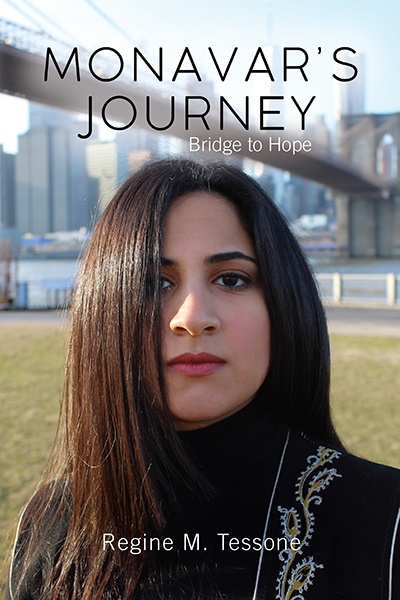
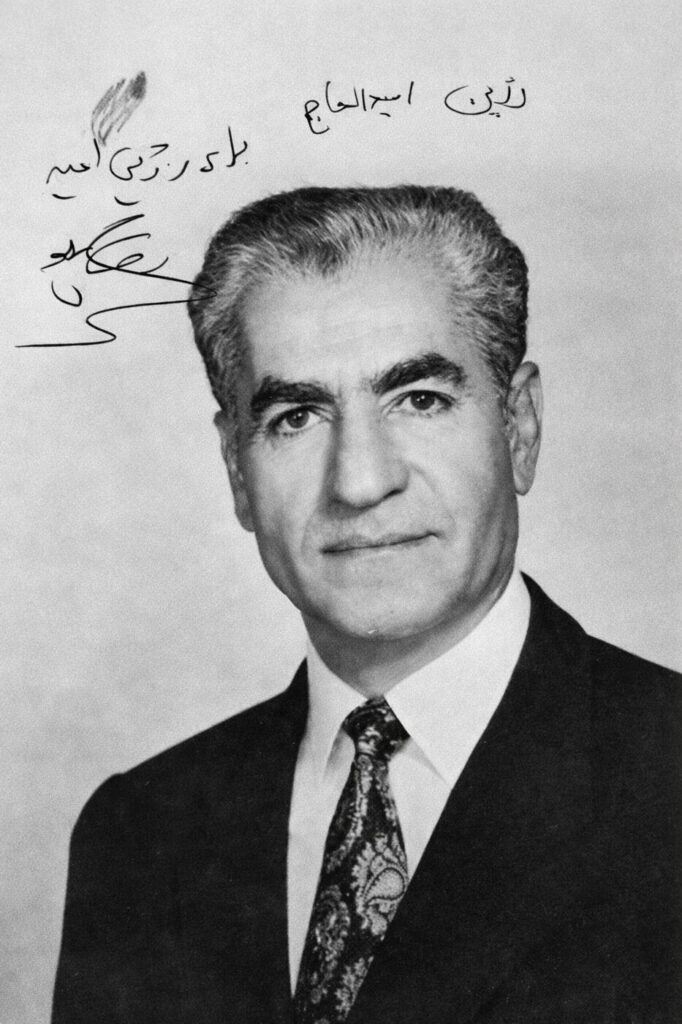
Regine Tessone was born in Tehran, Iran, in January 1970 to a wealthy family. It was a decade of tremendous prosperity for Jews. The decade ended with the Iranian Revolution, which was years in the making, the overthrow of the Shah of Iran, Mohammad Reza Shah Pahlavi, in 1979, and the beginning of an Islamic republic ruled by the Ayatollah Khomeini.
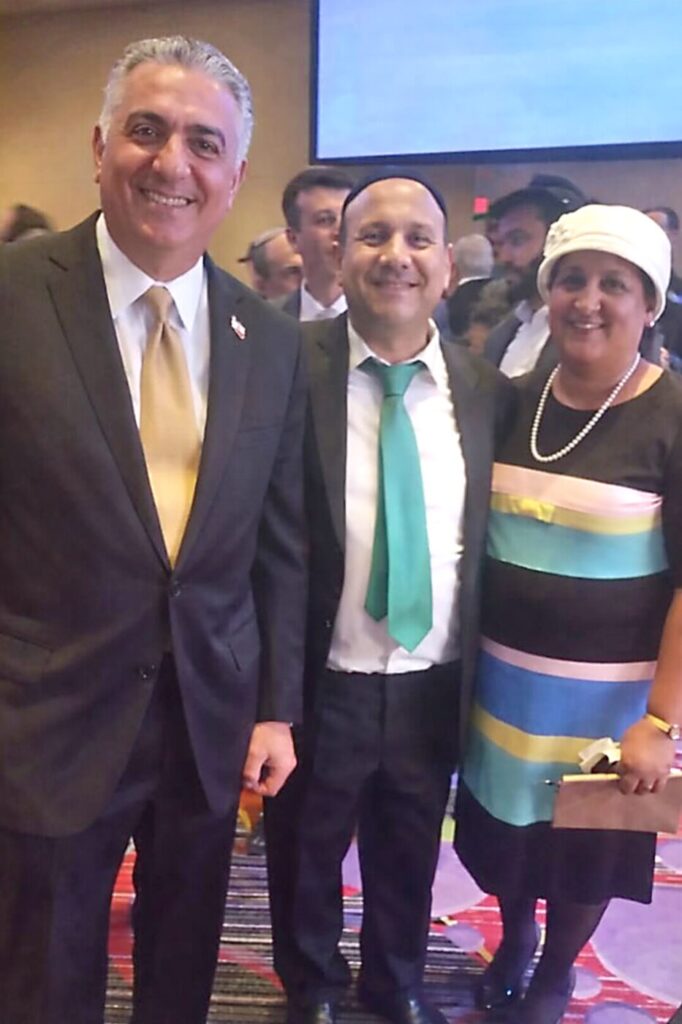


Regine’s maiden name is Omid Olhadj, which means, “I hope to make the hajj (pilgrimage).” Regine’s mother is Sonia Yedid Lawi, who was born in Beirut and is very educated. She speaks many languages fluently. Her brother, Max Yedid Lawi a’h, helped Syrian Jews escape from Syria to Beirut and then to Israel. He later settled in Brooklyn, New York.
Regine’s father was a dentist, Dr. Eshagh Omid a’h. He studied dentistry and international law in various schools in France. Of their four children, Regine is the only girl. Her paternal family’s ancestry hails back to Jerusalem, having been exiled with the Jews to Babylon since the destruction of the Temple in Israel. Her paternal great-grandfather, Agha Mordehai, changed their surname from Gohar Sinai during a period of severe persecution against Jews.
From the age of five, Regine, whose Farsi name is Monavar, meaning Aura, attended the Lycée Razi.
“My father spoke many languages, German, Yiddish, French, English, Farsi, and some Hebrew. He knew many people in government and he got me into that school. We were raised to believe that the Shah loved everyone, all Iranians. He was like a father figure. His photo was on the first page of all our schoolbooks,” said Regine.
The Lycée went from preschool to high school. It was a magnificent school with a large cinema, lake, and numerous pools. It was fun to go there, even in the summer. Regine learned varied arts, including weaving small Persian rugs.
“I met the Shah in my school in 1978. It was quite emotional for me to see him because we were taught he loved us all. They told all the children to stand in line and when the Shah came, we were to bow and not look him in the eye, as it was considered disrespectful. I was curious and I looked up. The Shah looked at the principal, who said she is Jewish, she doesn’t bow. The Shah was a very handsome man.”
At school, Regine learned fluent French and Farsi. She also learned respect. Regine said, “In kindergarten, I didn’t like my French teacher. If she asked me to bring her scissors, I would bring her paper. After doing this a few times, the principal called my father. When he addressed my father, I responded in fluent French, so he knew I understood. To teach me a lesson in life, the principal made me stay in kindergarten another year. The principal explained that no matter how much I like the teacher or not, I must do what is asked of me. From a very young age, I learned discipline and to be respectful of my teachers.”
Jews were considered integral to Iranian society. Jews owned and operated stores in the bazaar, owned factories, had professions such as lawyers, doctors, and accountants, and were members of the Majlis, the Iranian parliament. Most Jews in Tehran were wealthy. The Shah allowed Jewish men and women to attend universities in Iran, where they excelled in their studies.
“My father lived in poverty as a child; he had to share shoes with his brothers. He went from poverty to extreme wealth. His credo was education and diligent, honest work will lead to success.
“We lived in a very large flat with numerous rooms, porches, and verandas. My mother never cooked. We had a chef, a chauffeur, and a maid nanny. Ornate Persian rugs decorated our walls and floors. We attended Yousef Abad Synagogue. The synagogue was located on a street named after Yosef from the Tanach. My mother worked as a secretary in a French company that sold construction machinery to the government of Iran, and that’s how my father received contracts,” she said.
The family spent their summers in Israel with both her maternal and paternal families, as there were direct flights from Tehran.
The revolution was developing for many months. Dr. Omid saw the signs and began preparations for travel to America. Post-revolution, among the items he sent were Regine’s schoolbooks, including the one with the Shah’s photo in it, at risk of his life, as he wanted Regine to retain her Farsi language.
In the summer of 1978, Regine and her brothers vacationed in Israel for three months. Her parents traveled to Europe and at the end of August arrived in Israel to accompany them back to Iran.
In Iran, taxi drivers know the pulse of the city. On the cab ride back from the airport, her father asked the driver what was new in Tehran. The driver said they burned a library, nightclub, and local cinema, and described what was happening with the revolution.
It was then that Dr. Omid knew they had to get out of the country and he began to prepare. He instructed everyone to pack a suitcase and put it under their bed. They didn’t know when they would need to leave, but it could be any day.
From September 1978 to February 1979, safety and quality of life in Iran deteriorated rapidly. The children went to school and there was a bomb threat, so Sonia took them out of school. Having grown up in Beirut, she knew about political dissention. Regine noted that her mother was a quiet, reserved person and she never saw that side of her. “She said, if teachers or anyone call, give me the phone.” She did not allow Regine to converse on the phone with anyone she deemed suspicious.
During this period in Iran, everyone was deemed suspicious, as many Iranians switched sides from being pro-Shah to pro-Khomeini.
Esfahan was the first city in Iran to witness tanks rolling in, as early as spring 1978. Many Jews left at that time to places like Europe, Israel, and America.
Those who had children learning in American universities told them to remain there, as it was clear the country was headed toward a revolution.
Mashhadi Jews were repeatedly persecuted by their Islamic neighbors throughout the years. Often, Jews were framed for crimes they never committed. If a Muslim boy was killed, neighbors would bury him in a Jewish person’s backyard and blame them for it. The Jewish community would have to pay exorbitant fees to release the accused from jail. This time, the persecutions proved more severe, as the Islamic regime empowered extremist neighbors further. Many migrated to Italy, Austria, and America.
“During those few months, we saw graffiti in our Jewish neighborhood that read ‘Death to the Shah,’ ‘Death to the Jews.’ I couldn’t see my friends from shul,” said Regine. “The shul remained closed on most days. My Muslim neighbor threw a rock at my back. I didn’t understand why. Everything was one big no. No school, no after-school activities, no playdates, no parties, no shul. Nightly curfews were placed in Tehran, accompanied by sounds of gunfire and Khomeini’s Islamic sermons played on car loudspeakers throughout the city. There were frequent blackouts and long lines for food at grocery stores.
“People saw my mother with a small child and let her go ahead of them. My mother stocked massive quantities of food, afraid of shortages. One time she sent my brother to get milk. He was gone for four hours and was out past curfew. He was stopped and showed them the milk. They took him for interrogation. Khoda-ro shokr (Baruch Hashem in Farsi), they let him go once he proved his innocence.”
Iranian militants seized the U.S. Embassy in Tehran on November 4, 1979, taking 66 hostages. Fourteen were later released, while 52 were held for 444 days. The Shah had come to the United States for medical treatment, and Islamic militants demanded his return to Iran.
In synagogues, “The heads of our Jewish community in Tehran pleaded with utmost urgency to send the women and children out. There were midnight rescue flights to Israel every Saturday night. In late fall 1978, the Israeli shlichim who served in the congregation and schools left Iran,” she said.
“After tremendous delays en route to the airport amid total upheaval in Tehran, our family boarded the last flight out of Iran on Air France, the same flight that brought Ayatollah Khomeini to Iran. We left February 1, 1979. We stayed in Paris for one month. My mother did all the paperwork for us to come to America. Her brother David sponsored us, and we had to show we could support ourselves. We moved in with our maternal grandparents in Brooklyn.
“We left at the peak of the hostage situation. Upon arrival at the airport in New York, there were long lines and we were not allowed to get a drink of water until we passed customs. A guard asked my mother and me to go to a room for a private search. She asked me to undress and my mother scolded her and said absolutely not, that she could check me fully dressed. They were not kind and it left a miserable dent in my memory. It was a bitter pill. My mother had to prove we had money to live on. We were not refugees. We lived off my parents’ money for three years.
“My father left us at the Paris airport as we boarded the plane for New York and went back to Iran for a year. I didn’t understand why until years later, after he passed away. It was a difficult year. My mother and I cried often, as we did not know if my father would survive. He had previously been placed on a government blacklist. I vowed to become observant if my father survived. And I did.
“Years later, my husband and I were invited to Great Neck to lead holiday services, as my husband is both a rabbi and hazan. That Rosh Hashanah, Rabbi Z, name withheld, whom we knew for years, invited us for the first night seder of Rosh Hashanah. He revealed that he was a former Mossad agent placed in Tehran in the early 1970s. He told us my father helped many people get out of Iran by giving much needed information to the Mossad so they could expedite the departures of those families first.”
While Sonia and her children settled in New York, they still worried about getting Dr. Omid out of Iran safely. Many people left using the land route to Turkey, as the airport was mostly closed. They needed a note from a school principal, backed by a doctor, stating Regine was sick and needed urgent surgery and that Dr. Omid needed to go to the United States. Many doctors refused to write this falsehood, fearing license revocation. One angelic doctor agreed. The notes were not used, and Dr. Omid was extracted to Turkey, then made his way to Paris. He became sick and was hospitalized. It was Passover when the family flew to Paris to be with him. They were elated to see him, albeit gaunt. He had lost tremendous weight.
In America, the freedom to speak and live as you wish empowered Regine. “In Brooklyn, my mother enrolled us in Magen David Yeshiva,” she said. “Some teachers understood what we went through, but the children didn’t. By Persian standards, they were very immature. I never acclimated to the mindset, the way you look at life. My son said I don’t think like a Westerner. I never take no for an answer. No means perhaps to me. G-D is big and anything is possible.
“In Magen David, they placed me in first grade and every month moved me up. After five months, I was in fourth grade. I learned Hebrew and English fluently. I finished eighth grade, spent two years at Flatbush High School, and then my parents couldn’t afford it anymore. I continued at Lincoln High School. The Jewish principal saw I didn’t belong there and told me I could come to his office anytime. I completed two years in one year and graduated. Subsequently, I attended the Fashion Institute of Technology to study fashion design.”
“The United States has never felt like home to me. It’s like a beautiful hotel that took care of me and pampered us with freedom. I feel tremendous gratitude to G-D and the United States for the blessings I received here. In Iran, no one dared speak badly in public. They could be held for sedition. Here, freedom is empowering. Now, after forty-seven years, the Iranian regime may topple. I await the day this evil regime collapses and a brighter future rises for us all. Israel remains my home in my soul.”
After graduating FIT, Regine married Rabbi Moshe Tessone. They have three sons and a daughter. Years ago, she founded and pioneered a business selling modest swimwear and activewear named Aqua Modesta.
“My husband and I traveled to numerous states over the years as part of his Sephardic outreach work. On one trip, we stopped at a farm in Maryland to purchase vegetables and fruit. As my skin is dark olive, particularly in the summer, the farmer offered me the items for free. He seemed anxious to get rid of me and told me to take everything. I left disappointed without taking anything. It is sad that people look at me, think I’m Spanish, and feel afraid. They can’t differentiate between Spanish, Persian, or people from the Middle East. You’re just the other. The foreigner. It never makes you feel at home.
“When I go to Israel and get into a cab, they immediately play Persian music. I ask how they know I am Persian, and they say, ‘You look Persian.’ I’m always impressed. They just know. And they don’t look at you as the enemy. It’s different. It’s endearing.”
Read more about her inspiring journey and exodus from Iran in Monavar’s Journey: Bridge to Hope, a memoir by Regine M. Tessone.
Empowering Members Through Fitness, Education, and Support
Linda J. Eber, LCSW
“Parkinson’s can be very frightening, and joining [the Center’s classes] has eased the fear. The class improved my mobility, increased my energy, and made me part of a group where we all understood each other. We all feel like a family and the class lifts our spirits. We network and share the knowledge we have gained.”

Seven years ago, a community member asked a staff person, “Can we offer programs at the Center for people like me with Parkinson’s?” That question led us to develop programs that promote awareness about Parkinson’s disease (PD) symptoms and ways to manage its progression. Funding from the Parkinson’s Foundation and the American Parkinson’s Disease Association enabled the Center to provide resources to individuals and families. Our various free programs address physical and emotional aspects of the condition.
Teaming up with Evolve Physical Therapy, Rock Steady Boxing (RSB) has become one of the cornerstones of the Center’s classes for people with PD. Available in-person and virtually on Zoom, this non-contact boxing program helps reduce the progression of symptoms by incorporating stretching, strength training, core work, and reaction time to enhance mobility and flexibility, as well as improve gait and balance.
“RSB provides good coordination and response training. This class is vitally important to me because it’s the only time of my week that I’m with other people with Parkinson’s. The camaraderie is supportive.”
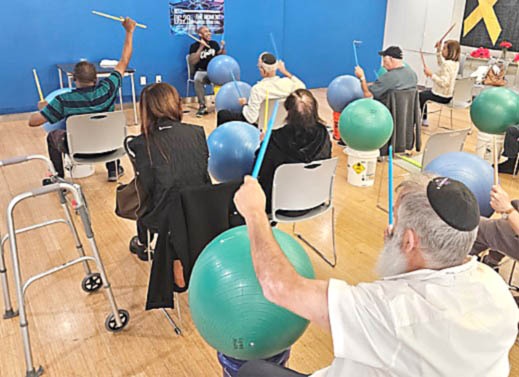
Recently, the Center began offering several new PD fitness classes. In Drum Exercise, participants use drumsticks and a large exercise ball to beat rhythms to dynamic, upbeat music. Whether seated or standing, this aerobic activity seems almost secondary to participants’ exuberance and enjoyment. Information about body structure and benefits of each movement is also included. “The teacher encourages us and puts everyone in a good mood. That makes my dopamine levels go up. I didn’t have tremors during the class. That’s not forever, but it stopped during the class.”
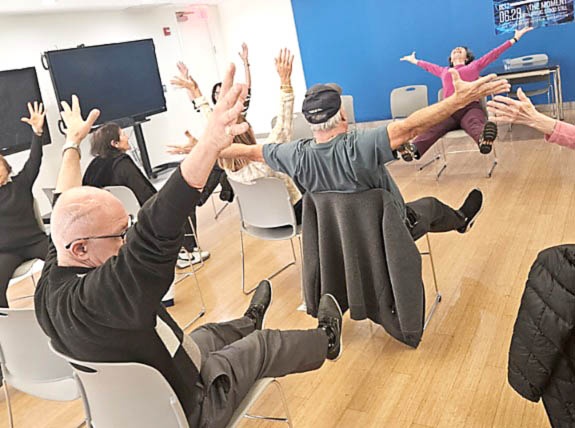
Seated Yoga, for individuals with PD and family members, aids or friends, teaches movements to help combat stiffness and a reduced range of motion. Having a shared experience encourages physical and emotional support.
“It’s hard to find a class for people with PD. Luckily, I found the classes at the Center. I feel significantly better both mentally and physically after taking the class.”
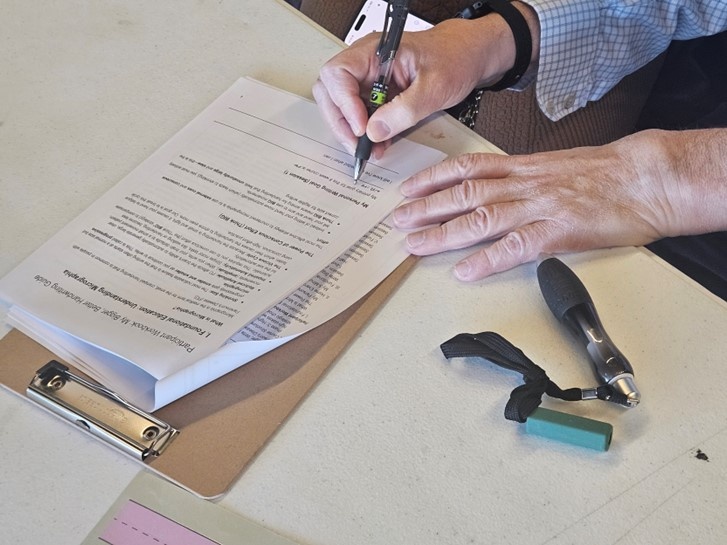
Write On! Improving Handwriting, is taught by a certified Occupational Therapist. Step-by-step guidance and adaptive tools help increase hand strength and fine motor skills to help mitigate the illegible handwriting often experienced by people with PD.
An evening Support Group for Care Partners is facilitated on Zoom by a Licensed Clinical Social Worker for participants to share experiences and obtain resources for managing their own health while managing their loved one’s care.
“Being with others who are coping with this disease is so important. There are so many challenges in caring for my husband. I often forget about taking time for myself. This group reminds me how important that is.”
This spring, the Center will offer Lunch & Learn Educational Seminars: Practical Tips for Managing PD for people with PD and their care partners. Interactive demonstrations will teach techniques to reduce fear of falling, enhance awareness of body mechanics, and promote more independent movement.
Through the Center’s free interactive PD programs, participants gain confidence to “fight back against Parkinson’s.” Recognizing challenges faced by those living with PD, the Center’s services aim to improve their overall quality of life and foster a supportive network. Through these programs, the Center ensures that every member can face Parkinson’s with resilience and hope.
For more information and class schedules, please contact Aimee Mishaan, Director of Community Services, at Aimee@scclive.org, or 718-954-3157.