

Home Blog Page 11

The Manna Problem

Why we still complain even when we have everything, and how to reset the way we see things

Jeff Sitt

You ever notice how easy it is to focus on what’s missing, even when things are actually going pretty well? A deal falls through, and suddenly everything feels off. One tough conversation at home, and the whole day is shot. A rough patch in business, and it’s like nothing is working. Nothing catastrophic happened. But your experience shifts instantly.

It’s not new. In Parashat Beshalach, in the Book of Exodus, shortly after leaving Egypt, the Israelites are in the desert, sustained daily by manna, exactly what they need, exactly when they need it. No farming, no supply chain or logistics issues, no uncertainty about the next meal. And yet, they complain. Not because they had nothing, but because they lost sight of what they had.
That’s easy-to-read past. But it should hit close. The manna wasn’t just food, it was a daily reset on how to see what was already there. And maybe that’s the point. Not just what they were given, but how they were meant to see it. Because most of us aren’t lacking, we’re just not resetting how we see things.
Today, most of us have more access, more opportunity, and more comfort than ever before. We have businesses, jobs, families, friends, homes, food, technology, our health, and options our grandparents couldn’t have imagined. And still, we can feel like something is lacking. The issue isn’t the situation. It’s the way we’re seeing it.
We’re wired to look for problems. That’s useful. It helps us survive and solve. But when it runs unchecked, it becomes the default. The mind filters everything through what’s wrong, what’s missing, what’s not enough. So even when things are steady, it doesn’t feel that way. That’s the manna problem. Having what you need, but not experiencing it.
And when you live from that place, you don’t just feel worse, you react differently. You tighten up. You rush. You speak before thinking. It’s like someone thrashing in the ocean, convinced they’re drowning, when in reality, they’re standing in 12 inches of water. The reaction is real. The danger isn’t.
This isn’t about ignoring problems. Business is hard. Life is demanding. People are complicated. But when your focus is locked on what’s missing, you lose clarity, energy, and perspective, the very tools you need to handle those problems well. Instead of operating from solutions, you get hijacked by survival mode.
You perform better when you see things clearly. Get this right, even a little, and you start to respond instead of react. Try this. Take three minutes. When things feel off, pause and ask: What’s actually working right now? What do I already have that I’m not noticing? What am I overlooking?
That’s it. Most of the time, you’ll realize things aren’t as bad as they feel. There’s movement. There’s support. There are pieces in place. That doesn’t remove problems, but it puts them in perspective and proportion. And that changes everything.
When you operate from a clear head instead of lack, you think better. You react less. You make better decisions. You show up better at work and at home. Same situation, different experience. That’s the shift.
The Israelites didn’t need more manna. They needed a different way of seeing what was already there. And it’s just as true now. If you change the way you look at things, the things you look at change. Sometimes the difference between stuck and steady isn’t a new opportunity. It’s seeing what’s already in front of you, clearly.
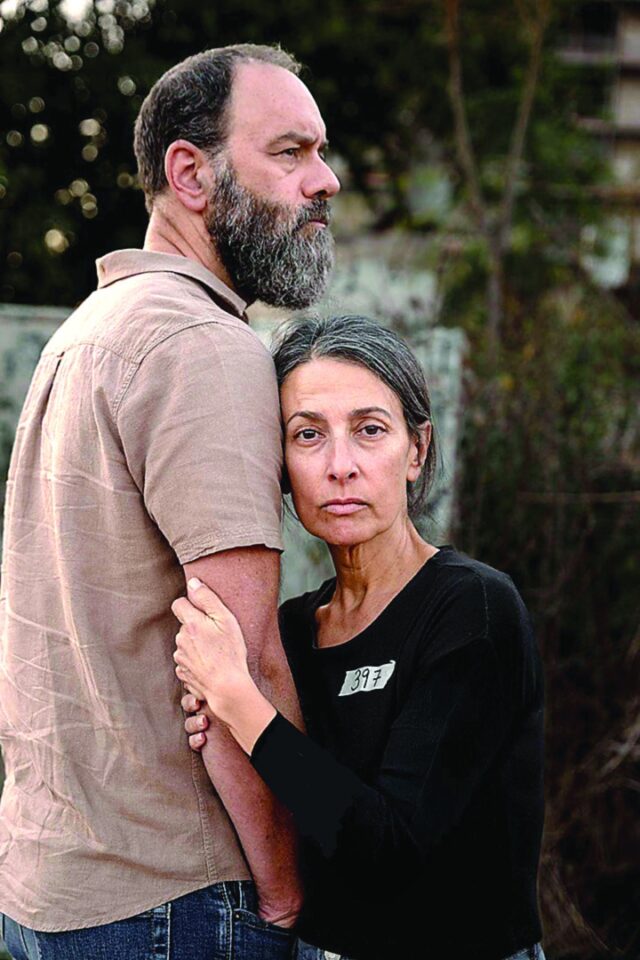

WHEN WE SEEYOU AGAIN

Rachel Goldberg-Polin’s Powerful Story of a Mother’s Fight to Bring Her Son Home

On the morning of October 7th, 2023, Rachel Goldberg-Polin’s beloved twenty-three-year-old son, Hersh, was stolen from a music festival billed as a celebration of unity and love and, in that moment, her life was forever separated into The Before and The After.

Over the next eleven months, she and her husband, Jon, would work tirelessly, in public and behind the scenes, to secure the hostages’ release, to breathe some humanity into the situation while they were experiencing relentless emotional and psychological torment. The power of her raw and fervent pleas soon made her the face of the hostage crisis. And when Hersh and five other captives were executed after surviving 328 days of violence and cruelty, she would also become the face of its ultimate cost.
Goldberg-Polin pours her pain, love, and longing onto paper. WHEN WE SEE YOU AGAIN is a vital historical document and an unflinching chronicle of maternal heartbreak. “Now my prayer, my pursuit and quest, more than any other, is still Hope,” says Goldberg-Polin. “Hope to succeed on the protracted, forever-road ahead.” WHEN WE SEE YOU AGAIN offers the most complete account to date of Goldberg-Polin’s saga, as she worked to secure the release of her son and all of the hostages. Most powerfully, Goldberg-Polin brings readers alongside her as she processes her own grief. Reading it is an act of bearing witness. It gives voice to the broken among us, and reminds us that even when the world feels choked with darkness, light exists in a different way. How do we find it?
“There are days when I break completely,” she writes. “I have cried for an entire day straight. I didn’t think it was physically possible, but the weeping never let up. That is a very long time to cry. I kept hoping I would run out of tears. And then there are days when there is a whisper of sun. Not out there in the sky. In me. In us.”

BOWL NIGHT

Where Strikes, Stories, and Brotherhood Collide

Joey Baghdadi

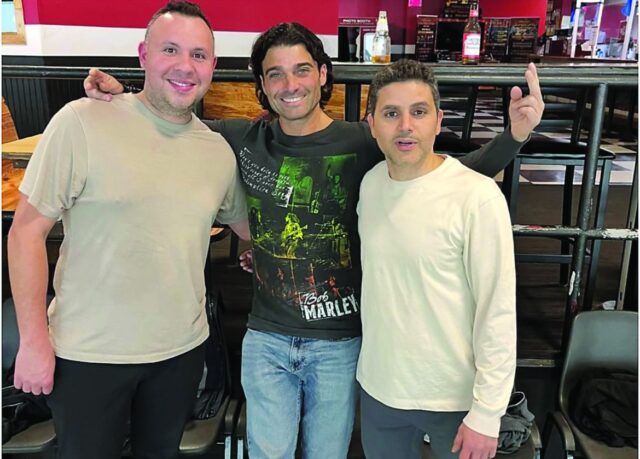
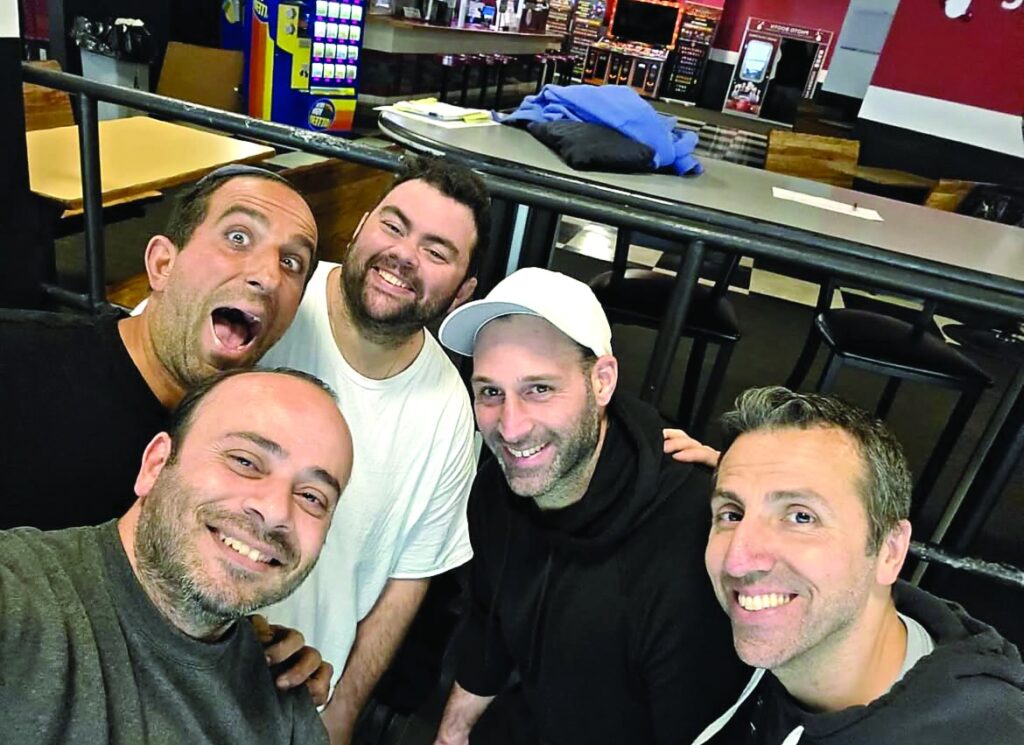
Every Tuesday night at Fun Fest, something special is happening, and it’s not just the sound of pins crashing. It’s BOWL NIGHT.

What began as a simple bowling league has quickly grown into one of the most energetic, competitive, and enjoyable weekly meetups in the SY community. Thirty-six players strong (and growing), ranging from ages 13 to over 60, lace up each week not just to bowl, but to compete, connect, and be part of something bigger than the game itself.
The spring 2026 season has perfectly captured what makes BOWL NIGHT unique. Twelve three-man teams battle through a 10-week regular season, bowling three games each Tuesday night, with only the top eight teams advancing to the playoffs. As the season entered its final weeks, each player truly realized how every frame mattered.
What truly separates the league, however, is its 85% handicap system, the great equalizer. A bowler averaging in the 80s can compete directly with someone rolling 180s and legitimately win. That structure creates rare, meaningful competition across generations and skill levels. Everyone has a chance. Everyone stays engaged. And that’s where the magic happens.
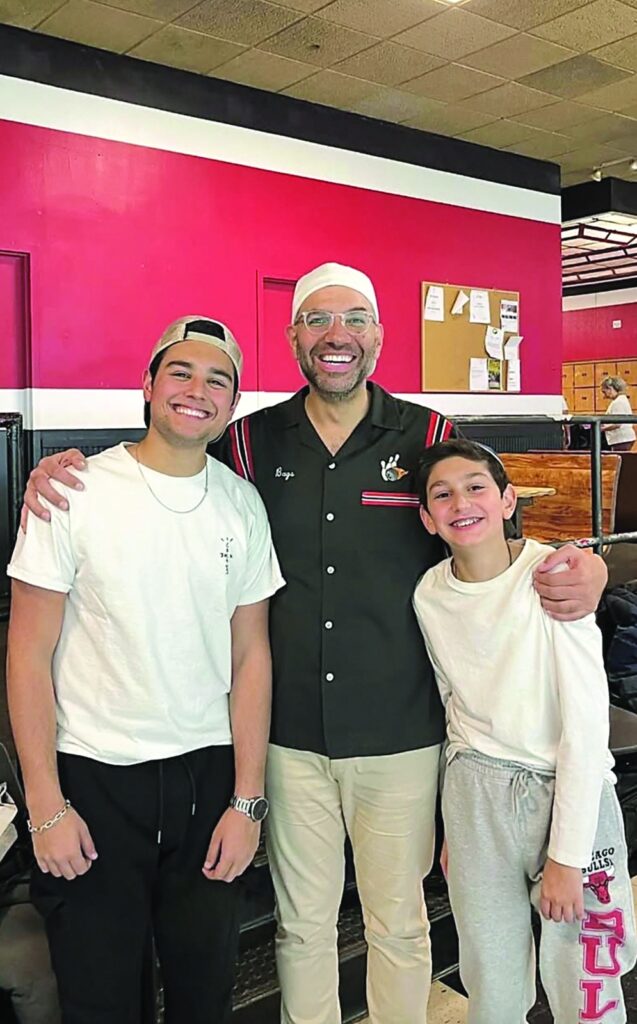
Because BOWL NIGHT isn’t really just about bowling. It’s about people. It’s fathers and sons sharing a lane, something I personally cherish each week while bowling alongside my two sons. It’s lifelong friends reconnecting, new friendships forming, and personalities colliding in the best possible way. There’s laughter after gutter balls, celebrations after strikes, and just enough friendly trash talk to keep things entertaining. Add in our three weekly prize winners, awarded to those who bowl highest above their average, and the excitement only grows.
Off the lanes, the league has developed its own pulse. Our WhatsApp chat is active daily with recaps, reactions, standings talk, and endless banter. Our Instagram page, Instagram (@BowlNightSY), showcases weekly photos and videos from the alley, while detailed stats keep everyone updated on standings, averages, and schedules.
For me, this league is especially meaningful. Years ago, I ran another community league called the SBL, which lasted over a decade and was even featured in IMAGE Magazine back in 2008. When it ended in the early 2010s, I always hoped something like it would return.
In fall 2025, it did. The response has been incredible, and now we’re looking ahead toward expanding from 12 teams to 16+ for the fall 2026 season beginning this September.

Whether you’re a seasoned bowler or haven’t touched a bowling ball in years, there’s a place for you here. Because at its core, BOWL NIGHT is about community, camaraderie, competition, and showing up for something positive every single week. Grab a ball. Bring your game. Join the movement.

The Power of Asking Questions

How MDY Teaches Students to Think for Themselves

In the bustling classrooms of MDY, a quiet revolution is taking place, one that replaces the traditional “sit and listen” lecture with a dynamic, ancient practice known as the Socratic method.

Named after the Greek philosopher Socrates, this approach is essentially the art of asking instead of telling. Rather than feeding students facts to be memorized, our teachers act as guides, using a series of targeted questions to peel back the layers of a concept like an onion. This cooperative dialogue challenges students to examine their own assumptions and move past the surface of a topic.
The benefits of this method are profound. By training students not to take information at face value, we help them develop sharp critical thinking skills. They learn to poke holes in arguments, including their own, which fosters a sense of intellectual humility. In a Socratic lesson, the goal shifts from “winning” an argument to a collective search for the truth. Furthermore, because students reach their own “aha!” moments through logic rather than being told what to think, they retain the information much longer. It even helps uncover “unconscious biases,” proving that many of our beliefs are based more on habit than on sound reasoning.
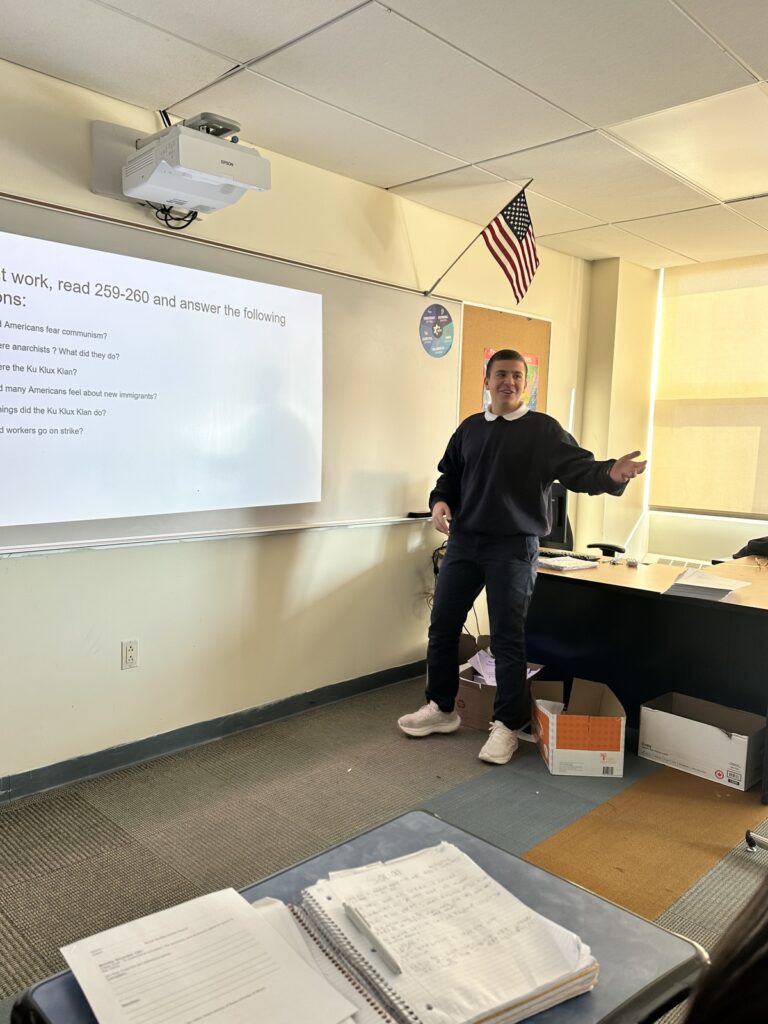
We see this in action across all middle school grade levels. In sixth grade, students didn’t just study Alexander the Great; they put him on trial, debating whether he was truly “Great” or simply a power-hungry tyrant. Meanwhile, seventh graders became historical investigators, analyzing document-based questions (DBQs) to see how factory owners and families viewed the Temperance Movement differently. Even the most difficult topics are tackled head-on, such as when our eighth graders engaged in a heated debate over the heinous crimes of the communist regime and the KKK. By defending different positions, these students aren’t just learning history. They are learning how to think for themselves. At MDY, we aren’t just teaching kids what to learn; we’re teaching them how to wonder.

A New Future for Imagine Academy

For twenty years, Imagine Academy has transformed the lives of children with autism and developmental disabilities while supporting the families who love them. What began in 2005 as a small school created by determined parents has grown into one of the most respected neurodiverse education programs in New York City. Now, the school is preparing for its next and most important chapter yet: a new building designed to meet the growing needs of the community.

Imagine Academy currently operates out of an outdated facility in Brooklyn. Every inch of space is utilized, yet the school continues to face a growing waiting list of families seeking services for their children. Leaders say the need for a larger facility has become urgent.
“Our community has outgrown the current location,” explained founder David Jemal. “A new facility would allow us to expand our programs, serve more children, and continue providing the highest level of professional care and education.”
The new building would dramatically enhance the student experience. School leaders envision a future campus featuring a full-sized gymnasium, outdoor recreation areas, expanded therapy suites, larger classrooms, dedicated sensory spaces, and a cafeteria with a teaching kitchen, all of which would allow Imagine to serve even more students and families. Plans also include expanded after-school services, vocational training opportunities, and programs for students over age 21.
Assistant Principal Raquel Savdie emphasized how important the environment is to education. “We are bursting at the seams,” she said. “A larger, purpose-built space would allow our students to thrive socially, emotionally, and academically in ways we simply cannot accommodate right now.”
What started as a dream among a small group of parents has become a lifeline for countless families. With a new building, Imagine Academy hopes to continue creating happy minds and bright futures for generations to come.
For more information about our new building or available naming opportunities, please contact Elisa Chrem at echrem@imagineacademy.com or 718-376-8882, ext. 127.

How to Get Along With Extended Family This Summer

Summer has a way of bringing families closer, sometimes much closer

Parents, adult children, grandchildren, siblings, cousins, and in-laws may share a summer home, a bungalow, a hotel suite, or a vacation rental. The hope is simple. More time together, more memories, more connection. But when different routines, budgets, parenting styles, and personalities meet under one roof or on one trip, tension can build quickly.

Family time works best when people understand the setting. Moving in together for the summer is one kind of challenge. Traveling together is another. Both can be meaningful, but each requires planning, patience, and a little humility from everyone involved.
When extended family moves in together, the pressure usually comes from daily life. A house that feels relaxed to one person may feel crowded to another. One family wakes early. Another sleeps late. One parent wants children outside all day. Another needs quiet time for a baby to nap. One person expects shared meals every night. Someone else thought the arrangement would be more casual.

The best time to avoid resentment is before everyone settles in. Families should talk about the basics early. Who is paying for groceries? Who is cooking? Is there cleaning help, and who is covering it? Are guests allowed to come for meals, Shabbat, or overnight stays? Which rooms are private? These conversations may feel uncomfortable, but unclear expectations usually create more discomfort later.
A summer home may feel informal, but it is still someone’s home. Adult children should not assume every cabinet, closet, refrigerator shelf, or bedroom is open. They should ask before inviting guests, replace supplies they use, and offer to contribute toward food, cleaning, or household costs. Even when the host refuses the money, the offer shows respect.
Hosts also need to make space for the adults their children have become. Married children and young families may have routines of their own. They may parent differently, keep different hours, or need time alone. Advice may come from love, but too much advice can feel like criticism. A safety issue should be addressed. A different snack choice or bedtime routine may not need a comment.
The kitchen is often where summer tension shows up first. Food touches everything. Children’s schedules, budgets, diets, cleanliness, and family habits all meet there. A practical plan helps. Families can assign meals, divide shelf space, label food when needed, and agree that everyone cleans up after themselves. No one should feel like the unpaid housekeeper while everyone else is on vacation.
Children add joy to a shared summer home, but they also add noise, mess, and conflict. Cousins may love being together and still fight over toys, snacks, rooms, and attention. Adults should avoid comparing children. Comments about who behaves better, eats better, listens faster, or helps more can sting. Children hear those remarks, and so do their parents.
Space is not a sign of distance. It is often what allows closeness to continue. Not every meal, errand, swim, walk, or outing needs to include the whole family. Some people recharge by talking. Others need quiet. Children need rest. Adults need privacy. A few hours apart can make the next few hours together much warmer.


Traveling together brings a different kind of pressure. A family trip can sound simple while everyone is planning from home. Once flights, hotels, rental cars, restaurant reservations, tickets, tired children, and weather delays enter the picture, small differences can become big frustrations.
Before booking, families should be honest about the kind of trip they want. Some people want a quiet vacation with late mornings and slow meals. Others want a full schedule and every major attraction covered. Neither approach is wrong, but mixing the two without discussion can create tension. A person who wants to rest may feel pushed. A person who wants activities may feel held back.
Budget should be handled clearly and respectfully. Extended families do not always have the same comfort level with spending. One family may want a nicer hotel, private transportation, and restaurant dinners. Another may need to keep costs down. The goal is not to make anyone embarrassed. The goal is to plan in a way that people can join without pressure. When one person wants an upgrade, that person can pay the difference or make a separate arrangement.
Food, transportation, and timing matter even more when children are involved. A long day may look fine on paper, but not with toddlers, strollers, car seats, skipped naps, and hungry children. Families traveling together should plan with the least flexible person in mind, often the baby, the elderly grandparent, or the child who needs structure. When the most vulnerable person is considered, the whole group usually does better.
One of the healthiest rules for family travel is permission to skip. Not everyone has to join every dinner, tour, beach day, shopping trip, or late-night outing. Skipping an activity should not be treated as an insult. A family trip becomes easier when people can say, “That does not work for us today,” without creating drama.
In-laws may feel the pressure most. They are often entering a family system with its own jokes, habits, rules, and history. A little kindness can make a major difference. Include them in plans, but do not force closeness. Give them room to participate without feeling watched. When people feel accepted, they usually relax.
When conflict happens, it helps to keep the conversation small. One disagreement should not become a trial about every old family issue. “Can we make a plan for tomorrow morning before everyone goes to sleep?” will usually work better than a broad complaint about how the family never plans. Specific problems can be solved. Big accusations usually leave a mark.
Extended family time will rarely be perfect. It may be loud, crowded, delayed, and full of opinions. It can also become one of the memories children carry for life. They may not remember every meal or every outing, but they will remember cousins, shared rooms, late nights, grandparents, and the feeling of being part of something larger.
Getting along does not mean everyone agrees. It means people choose respect before pride, patience before reaction, and family before being right. That choice can turn a crowded summer home or a complicated family trip into something worth repeating. q

Linda Ebani Recognized for a Legacy of Community Service

Senator Sutton Honors Her as a Woman of Distinction in the New York State Senate

Eddie Esses and Sari Setton

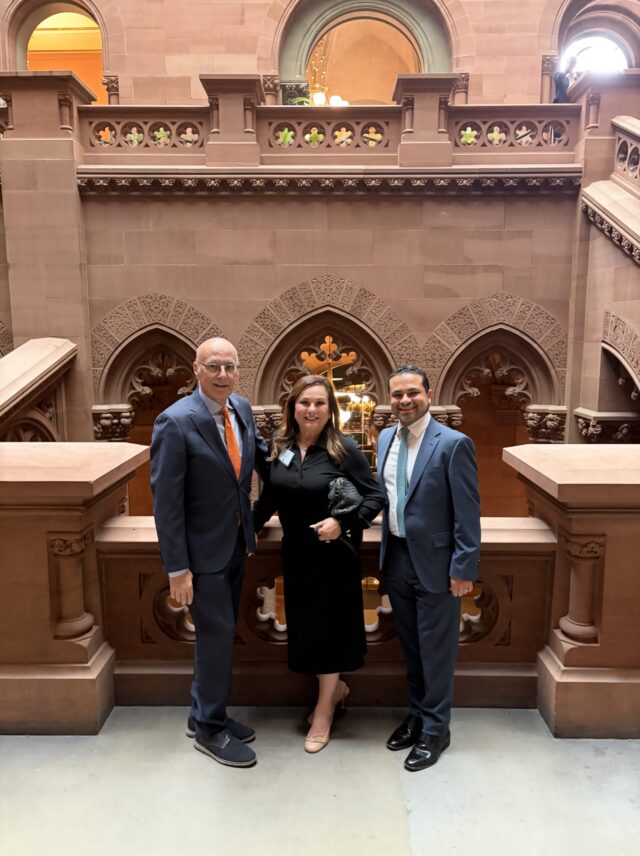
For decades, Linda Ebani has quietly but powerfully helped shape the civic fabric of South Brooklyn. A lifelong Brooklyn resident, Linda has become synonymous with grassroots leadership, neighborhood revitalization, and civic engagement, a trusted community advocate whose work has touched thousands of lives across the community.

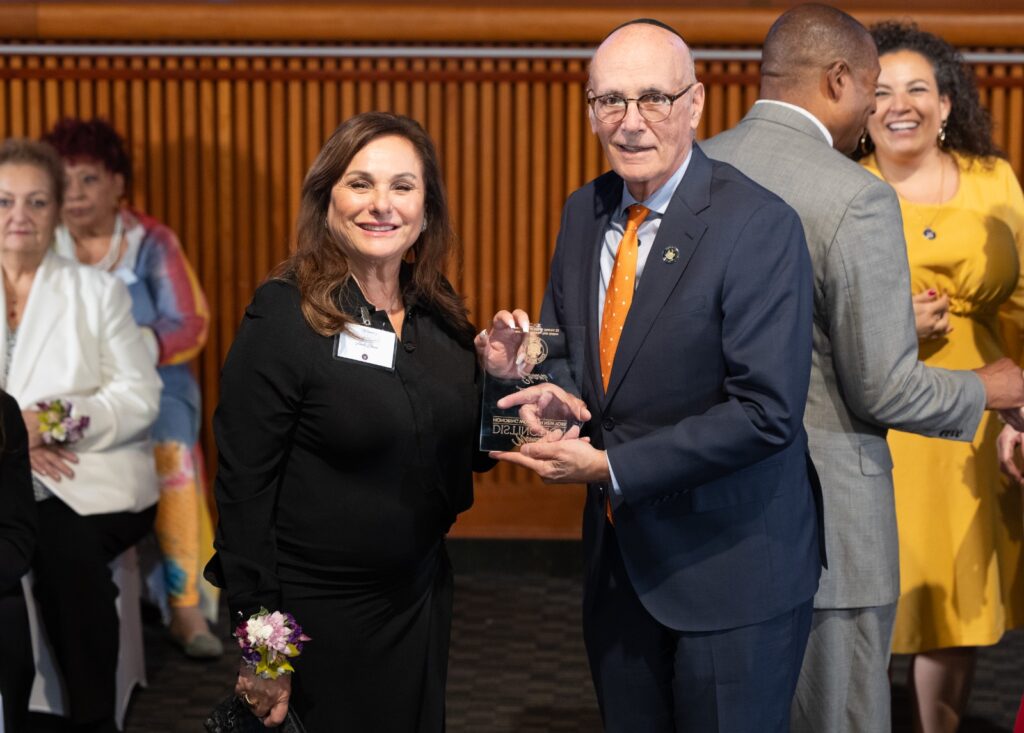
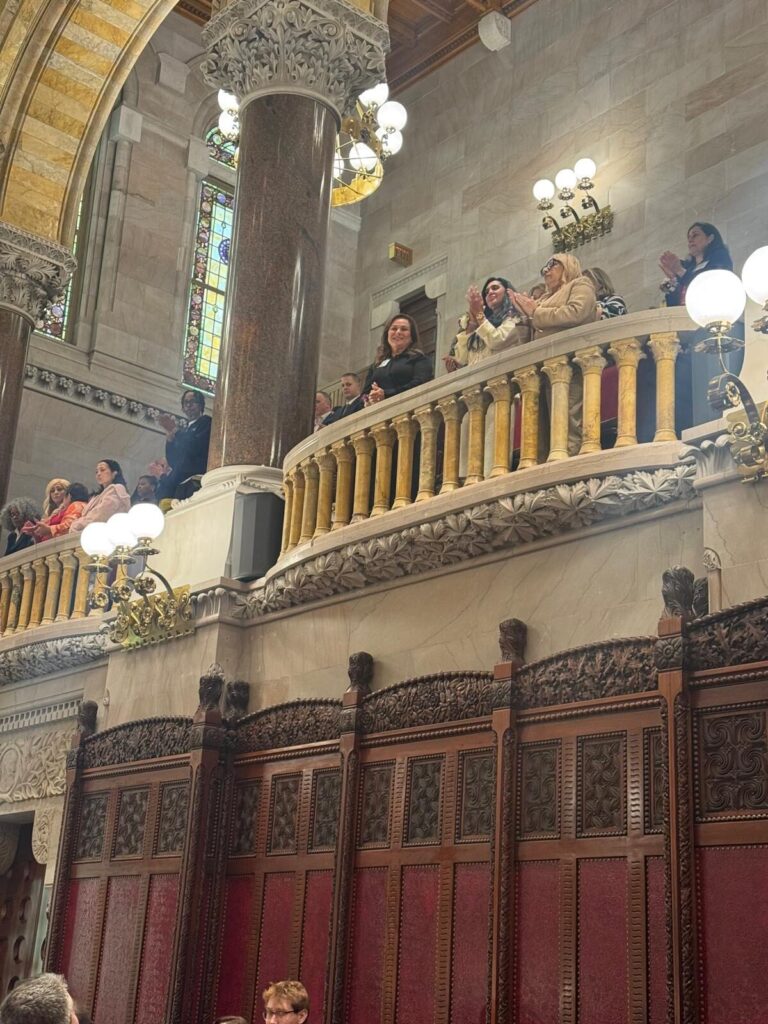
That dedication was recognized in a major way recently when New York State Senator Sam Sutton honored Linda as a Woman of Distinction on the floor of the New York State Senate in Albany. Surrounded by supporters, community leaders, and members of the Senator’s team, Linda received one of the state’s most meaningful recognitions for community leadership and public service.
“Today, I had the immense pleasure to recognize and honor our very own Linda Ebani as a Woman of Distinction on the floor of the New York State Senate,” the Senator said in a statement. “Linda’s nomination as a Woman of Distinction is a fitting tribute to her decades of visionary leadership, tireless service, and unwavering dedication to the people of Brooklyn. Her legacy of empowerment, civic engagement, and community stewardship continues to inspire others and exemplifies the profound impact of committed grassroots leadership.”
The honor reflected not only years of visible accomplishments, but a lifetime commitment to improving the neighborhoods Linda proudly calls home.

A Driving Force Behind Community Revitalization
As a founder and leading force behind the Kings Highway Beautification Association, Linda helped create an organization that transformed the appearance and vitality of one of Brooklyn’s most important commercial corridors.
What began as a focused effort to improve Kings Highway evolved into a broader movement that is now working to revitalize retail corridors throughout the surrounding community. Through collaboration with local businesses, residents, and elected officials, the organization successfully secured millions of dollars in funding for beautification projects, infrastructure improvements, parks, and public spaces.
Under Linda’s leadership, Kings Highway has also seen dramatic improvements in cleanliness, landscaping, lighting, and overall neighborhood appearance, helping restore civic pride and strengthen local commerce. The organization’s impact eventually expanded well beyond Kings Highway itself, bringing similar enhancements to additional major shopping and retail corridors across our community. One of the most significant achievements connected to Linda’s advocacy was securing critical funding for the McDonald Avenue Playground, transforming it into a modern, welcoming recreational space for local children and families. The project became a symbol of her belief that strong communities are built around safe, vibrant public spaces and the impact that engaging civically with our elected officials can have.

Championing Civic Engagement
While Linda’s work on beautification projects has reshaped the physical landscape of Brooklyn neighborhoods, her civic engagement efforts have reshaped the community politically as well.
A steadfast believer in democratic participation, Linda spent years organizing and leading large-scale voter registration initiatives designed to empower underrepresented residents and encourage civic involvement. As Chair and organizer of a volunteer committee of more than 40 women, she helped build a grassroots network that registered many thousands of new voters throughout the community.
Those efforts did not stop at registration drives. Linda and her teams also worked tirelessly on voter outreach and turnout operations during election seasons, helping mobilize residents and ensuring community voices were heard at the ballot box.
Her ability to bring together volunteers, community groups, and civic leaders has earned her widespread respect throughout South Brooklyn and established her as one of the most effective grassroots organizers.

A Well-Deserved Honor
The Women of Distinction recognition in Albany served as a fitting tribute to Linda’s decades of service and leadership.
Senator Sutton was honored to formally recognize Linda’s contributions in the State Senate and highlighted her impact on South Brooklyn communities. Joey Saban, the Senator’s Chief of Staff, helped arrange and coordinate the recognition, helping ensure that Linda’s years of dedication received the statewide acknowledgment they deserved.
For many in our community who know Linda, the honor came as no surprise. Her legacy is visible across the community: in revitalized streets and parks, in stronger civic participation, and in the thousands of residents she inspired to become more engaged in their community.
More than anything, Linda Ebani’s story is one of grassroots leadership at its finest: neighbors helping neighbors, block by block, voter by voter, and community by community.

DSN AND the Jersey Shore Community Comes Together forYom Hazikaron and Yom Ha’atzmaut

DSN marked two deeply meaningful occasions with heartfelt community-wide events honoring both Yom Hazikaron and Yom Ha’atzmaut. Through remembrance, unity, celebration, and prayers for Israel, community members gathered to commemorate these important days.

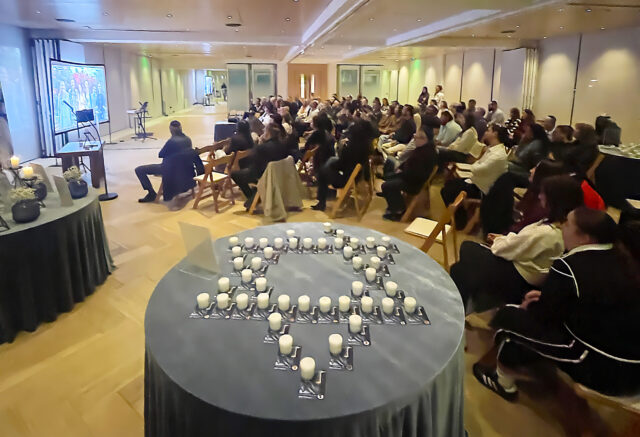
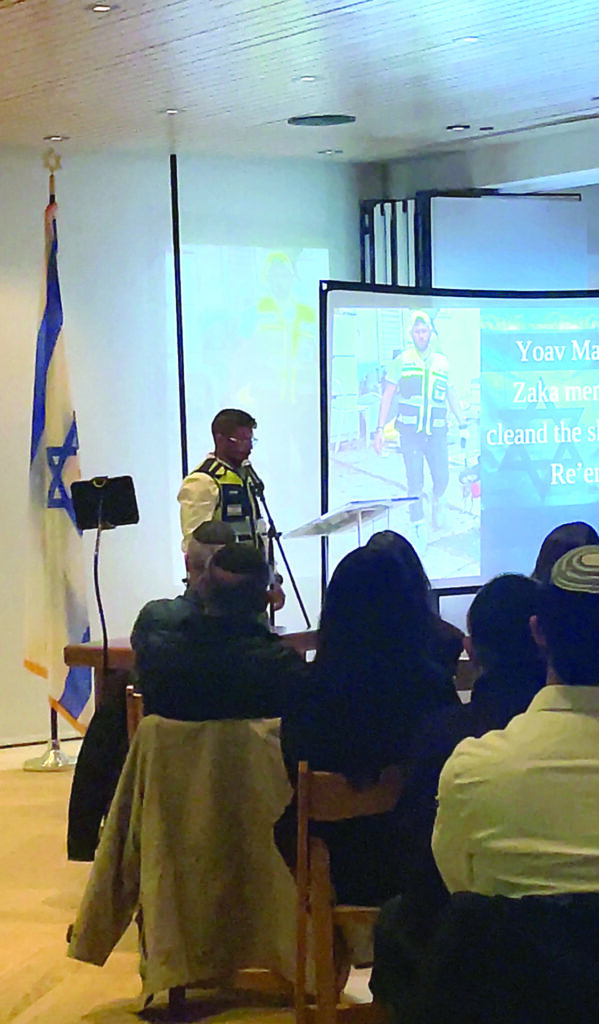
Yom Hazikaron was observed on Monday, April 20 at the DSN Beach Club, where nearly 200 attendees came together for a powerful and emotional evening dedicated to remembering Israel’s fallen soldiers and victims of terrorist attacks. The event was organized with the help of dedicated volunteers including Ayelet Maman, Yoav Maman, Ilay Maman, Yael and Tomer Ohayon, Daniella Benun, Adi Bersano, and injured IDF soldier Tamir Dudi.
Guests heard moving remarks from a ZAKA volunteer on October 7th, sharing firsthand experiences from the tragic scenes he witnessed and spoke candidly about the emotional journey of healing. IDF soldier Tamir Dudi also addressed the audience, reflecting on the many friends and fellow soldiers he lost during his service. He reminded attendees that every fallen soldier was more than a name, they were fathers, mothers, sons, daughters, brothers, sisters, and heroes deeply loved by those around them.
Rabbi Joseph Dana and Rabbi David Tawil led heartfelt prayers for Israel’s soldiers and recited Yizkor memorial prayers. The evening concluded with attendees lighting memorial candles and singing an especially emotional rendition of Hatikva, Israel’s national anthem. Each participant was given a memorial candle bearing the name of a fallen soldier to light again at home, continuing the remembrance beyond the evening itself.
DSN Event Coordinator Jennifer Sasson reflected on the significance of the gathering, saying, “Yom Hazikaron was a night filled with such meaning for our community. Everyone came together to remember those who have fallen. It was a night filled with incredible depth, unity, and meaning.”
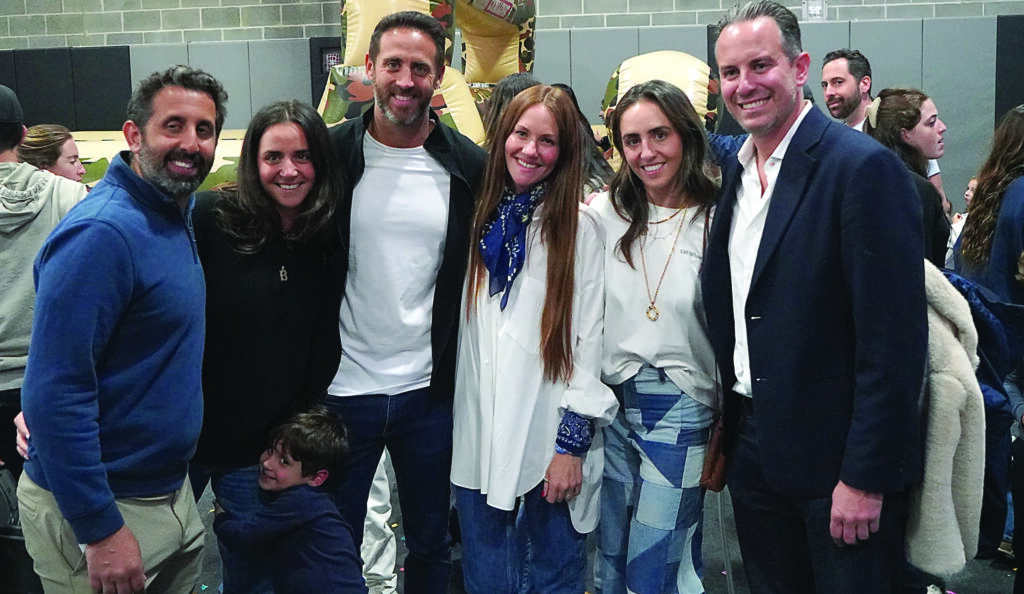
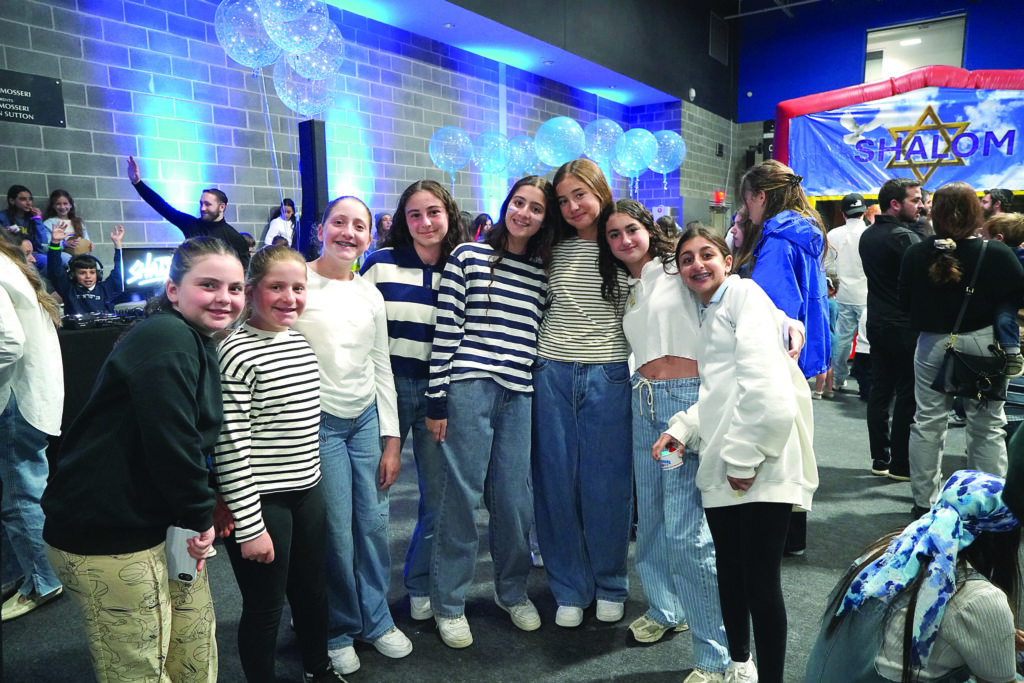
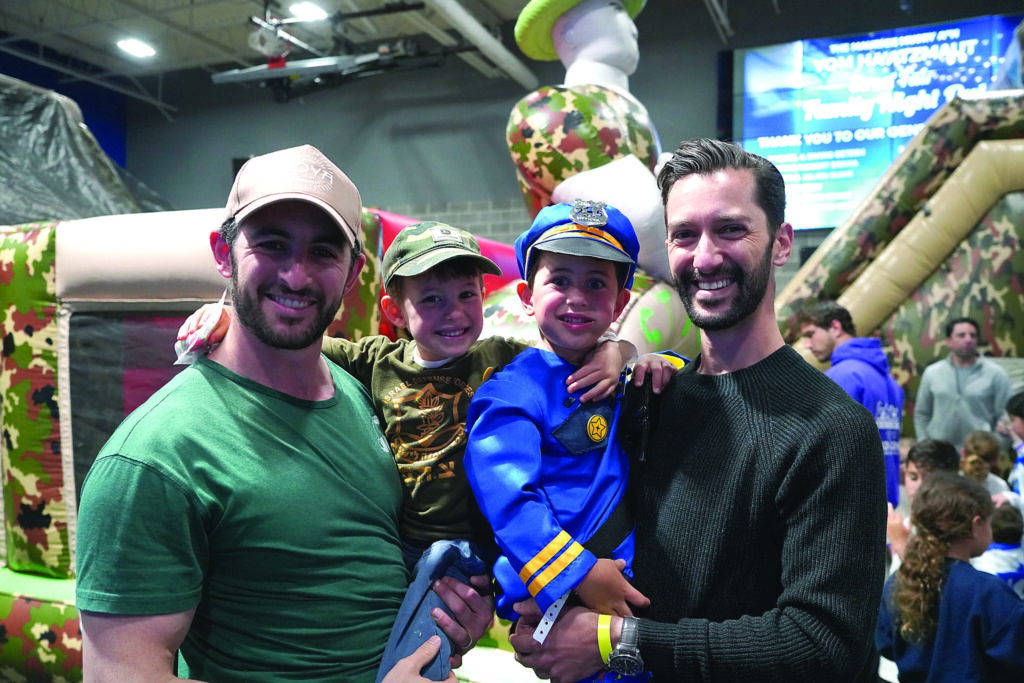
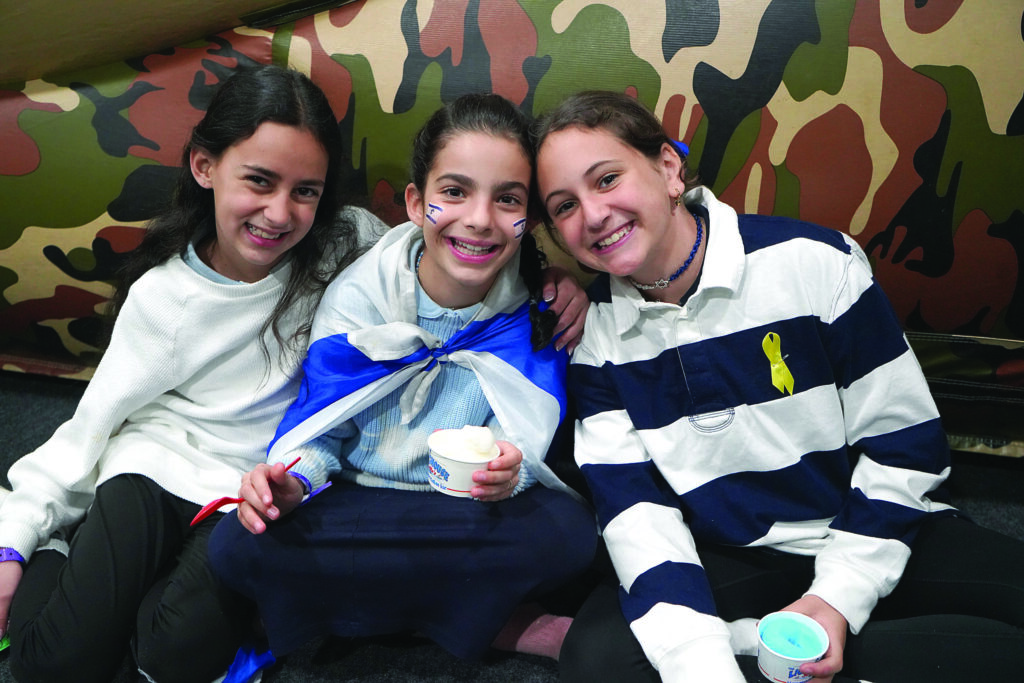
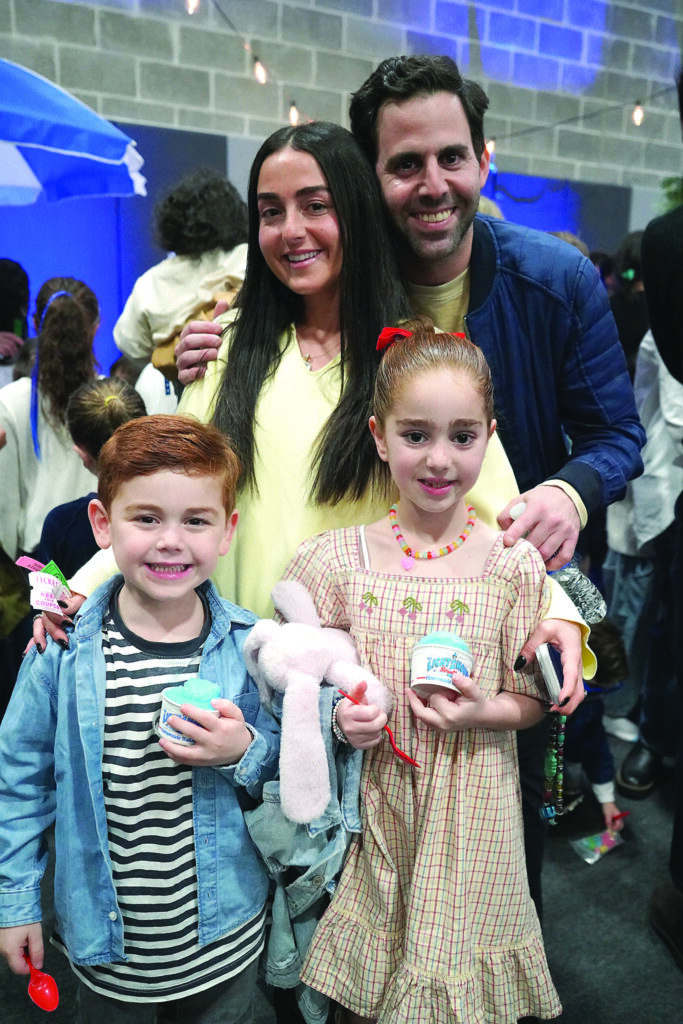
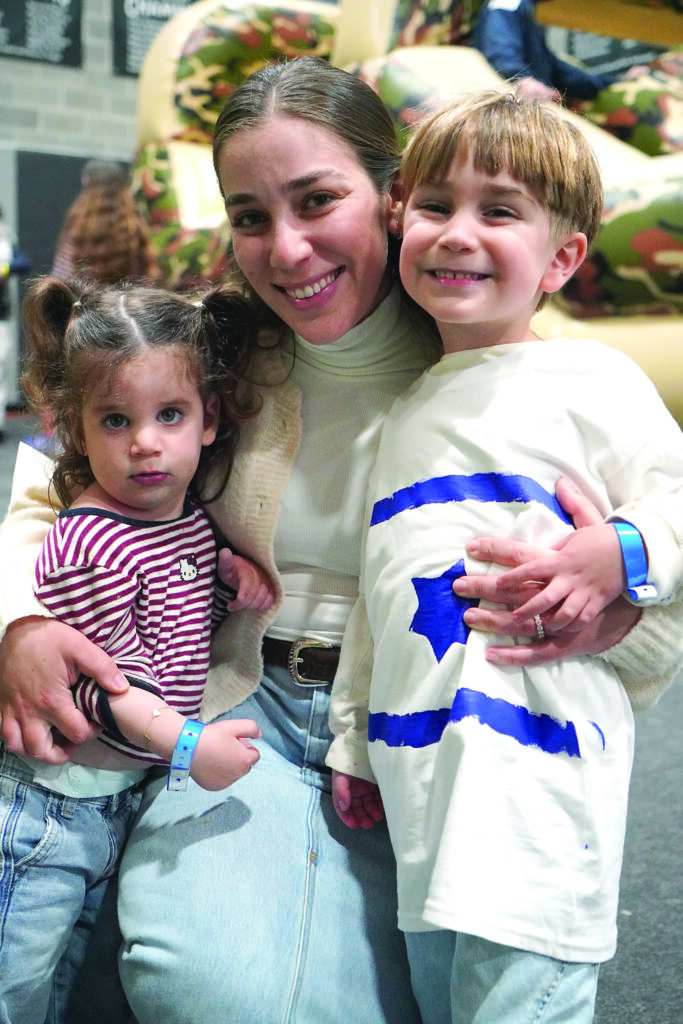
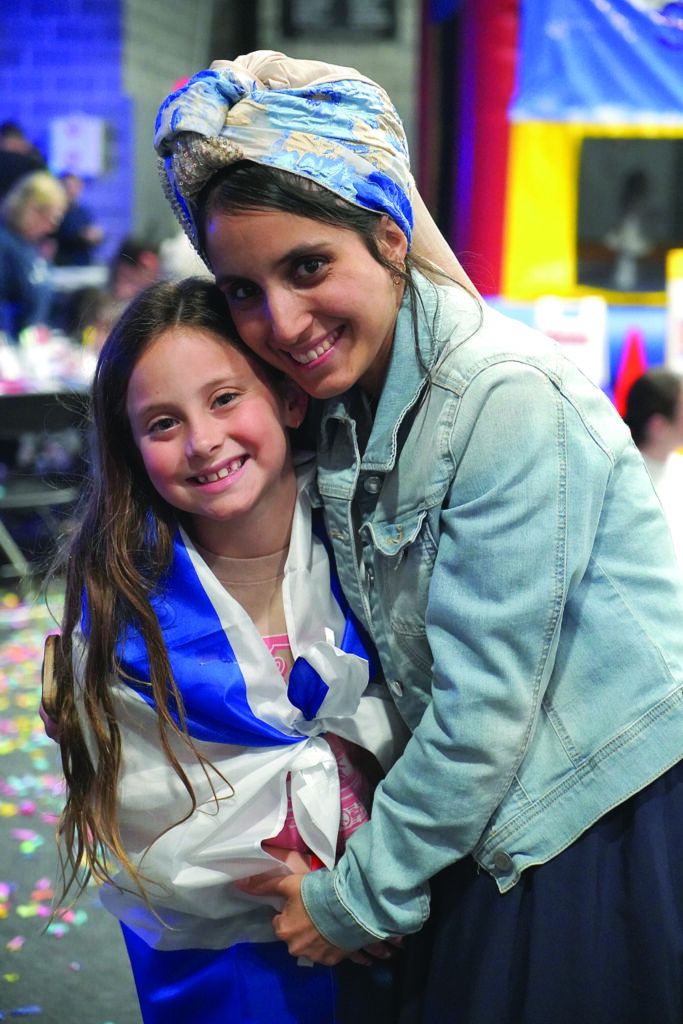
Just two days later, on Wednesday, April 22, the community shifted from solemn remembrance to joyful celebration as the DSN Community Center hosted a vibrant Yom Ha’atzmaut family event attended by over 1,000 people. The gymnasium was transformed into a lively Israeli-inspired street fair, complete with a mock shuk, marketplace, festive music, food attractions, and interactive activities for children and families.
The event was made possible through the hard work and dedication of volunteers, including Honey Dayan and Jacqueline Musry. The celebration was held in memory of Jacqueline’s father-in-law, Maurice Musry a”h, whose life was deeply dedicated to Israel and whose love and passion for Israel left a lasting impact on all who knew him.
Guests enjoyed dinner by Nicole’s Kitchen, along with favorite treats from Lighthouse and Sylvia’s Candy. DJ Shatz kept the energy high as attendees danced proudly with Israeli flags waving in the air. Children enjoyed army-themed inflatable attractions and participated in a meaningful activity by writing letters to IDF soldiers.
Frieda Shamah, DSN Youth Director, shared, “Seeing our community come together to celebrate Israel with such incredible energy, pride, and unity was beyond anything we imagined. The overwhelming love and support for Israel could be felt throughout the entire event, making the night truly unforgettable.”
Jacqueline Musry reflected on the evening, saying, “Yom Ha’atzmaut this year was one of our best yet. Seeing everyone coming together to celebrate the State of Israel brought me to tears. It was true achdut, unity! Different schools, shuls, and area codes didn’t matter, we were all there together, united in happiness and pride, celebrating the Land of Israel and Am Yisrael, the people of Israel. It was an event I will never forget.”
DSN’s Executive Director Sammy Sitt summarized the impact of the two events. “These events beautifully reflected our community’s deep connection to Israel, first by honoring those who made the ultimate sacrifice, and then by celebrating the miracle of a Jewish state. I am proud that DSN continues to stand at the forefront of Israel-related programming, which remains an integral part of our mission.”

Celebrating Excellence, Character, and the Power to Go All In

Honoring student achievement and leadership at Magen David Yeshivah High School

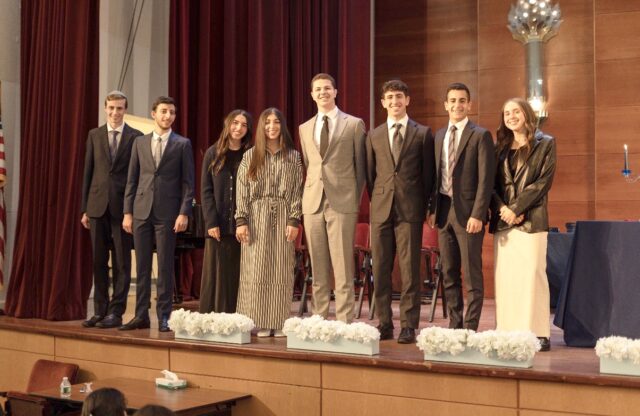
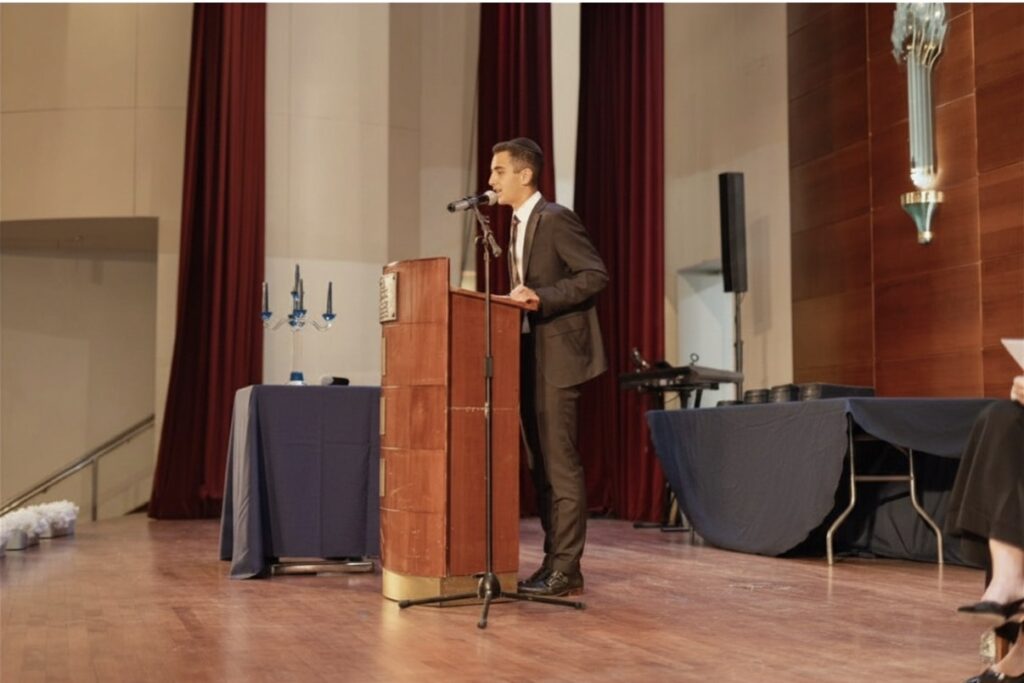
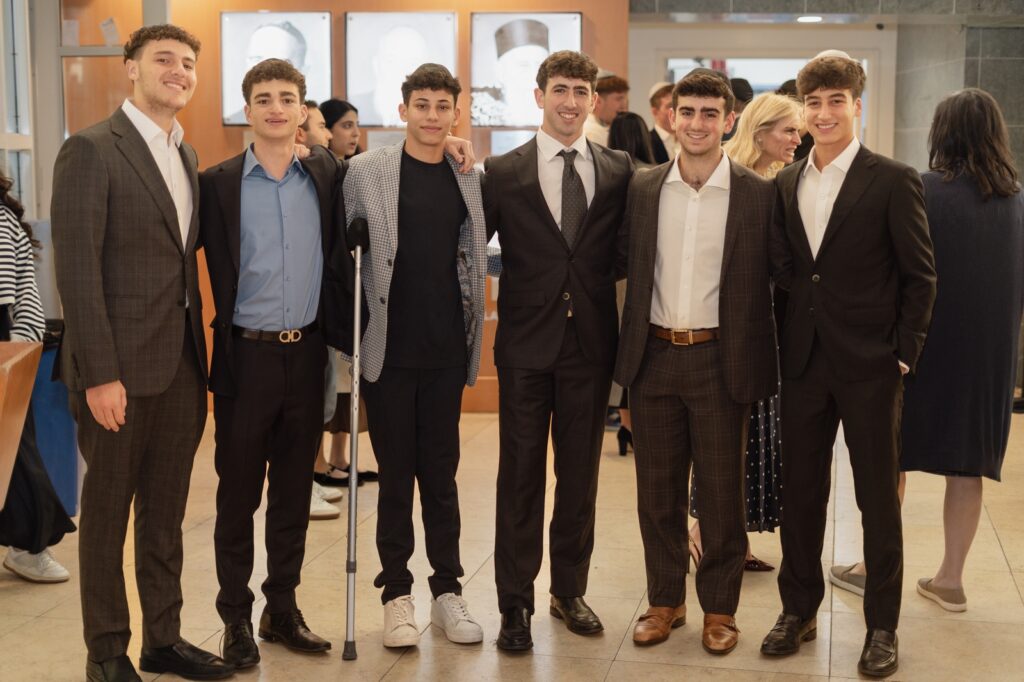
Magen David Yeshivah High School celebrated its annual Celebration of Excellence, an evening dedicated to honoring the achievements, character, and leadership of our students. The program featured inspiring words from junior class student leaders, beginning with Max Yedid, who was recognized as Student of the Year, followed by Joyce Ashkenazi, who delivered a powerful Presidential Address centered on the pursuit of excellence.

In a speech that resonated deeply with all in attendance, Max reflected not on the title he received, but on the environment that shaped him. “Standing here tonight feels surreal… not because of the title ‘Student of the Year,’ but because I’ve had the privilege of growing up in a place that shaped who I am,” he shared. Describing MDYHS as more than just a school, he added, “MDY didn’t just educate me. It raised me.”
Max spoke about the opportunities that pushed him beyond his comfort zone, highlighting a transformative experience representing MDYHS at the World Zionist Jewish Youth Congress in Budapest. There, he witnessed firsthand how one individual can impact others, recalling how encouraging peers to put on tefillin led to a ripple effect across the world.“ The confidence to step forward, the pride in misvot, the comfort in my identity, that was planted in me here, in these walls,” he said.
His message to his peers was clear: growth requires effort and intention. Challenging students to reach beyond what feels comfortable, he reminded them that “most people don’t fail… they just don’t go all the way,” urging everyone not to settle for “almost,” but instead to “go all in.”
Building on that message, Joyce Ashkenazi challenged the audience to reflect on what truly drives success. “Excellence is not only about achieving perfection, but about pushing ourselves to do more, to dream bigger, and to strive beyond what’s expected of us,” she said. Emphasizing that real growth happens outside of one’s comfort zone, she explained that while perfection may be unattainable, “the pursuit pushes us forward,” developing the inner drive that fuels continuous improvement.
Joyce highlighted that excellence is not something we are simply born with, but something we build through effort, grit, and perseverance. Using the metaphor that each person has “a pile of firewood within them,” she challenged students to decide whether they are willing to “strike the match and ignite the fire.” Reflecting on her own journey, she shared that this spark was ignited at MDYHS, where the support and belief of teachers and peers empowered her to grow beyond what she once thought possible.
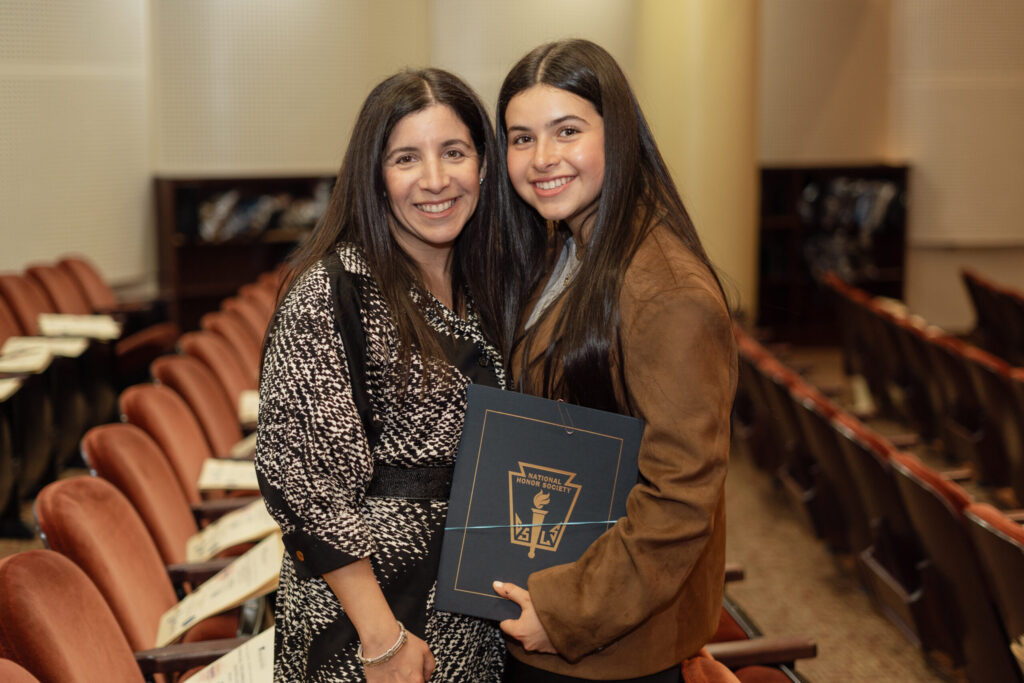
A signature moment of the evening was the candle-lighting ceremony, led by Vice President David Abadi, with students representing the core tenets of the National Honor Society: Torah (Aaron Farhi), Scholarship (David Tawil), Character (Jack Franco), Service (Estelle Schemo), and Leadership (Sarah Hasbani), each bringing these values to life in a meaningful way.

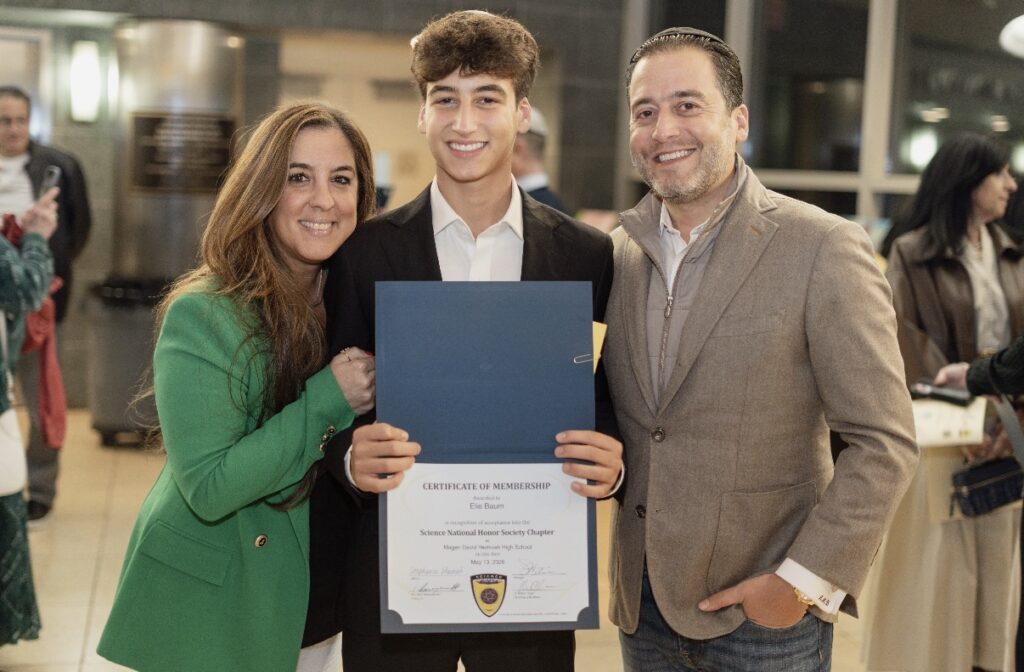
The evening culminated in the induction of our newest members into the National Honor Society, Kavod Chapter, presented by Dr. Daniel Vitow, and led by Rabbi David Elnadav and Mrs. Stephanie Shamah, followed by the administration of the pledge by Mrs. Audrey Abade.
Throughout the evening, student artwork from the MDYHS art program, under the guidance of Mrs. Jennifer Cabasso, was proudly displayed, showcasing the creativity and talent of our students.
The program was a powerful reflection of what defines an MDYHS education, not only academic achievement, but the cultivation of drive, identity, and purpose. As both Max and Joyce so clearly expressed, excellence is not a destination, but a pursuit, one that challenges our students to stretch higher, push further, and become the very best versions of themselves.

ESTATE PLANNINGISN’T ONE DOCUMENTIT’S A SYSTEM

Ari Baum, CFP®

Most families don’t lose wealth because they failed to work hard, save diligently, or invest wisely. They lose it quietly, through outdated documents, overlooked details, and decisions that seemed harmless at the time.

Estate planning is often treated like a one-time task: sign the paperwork, put it in a drawer, and move on. But life changes. Families evolve. Tax laws shift. And strategies that once made perfect sense can slowly become expensive mistakes. The truth is, some of the biggest financial problems families face happen long before anyone realizes there’s an issue. The challenge is that estate planning rarely fails all at once. It usually unravels piece by piece, one beneficiary form here, one deed change there, one forgotten account left untouched for years. By the time families discover the problem, the opportunity to fix it may already be gone.

The “Simple” Deed Change That Can
Trigger a Large Tax Bill
One of the most common estate planning mistakes starts with good intentions. Parents want to make things easier for their children, so they add them to the deed of a home or property. On paper, it sounds logical. The thinking is often: “This will help avoid probate later.” But what many families do not realize is that avoiding probate is only one piece of the equation.
When someone inherits property after death, they generally receive what is called a stepped-up basis. In simple terms, the property’s tax basis resets to the market value at the time of death. That reset can save heirs tens or even hundreds of thousands of dollars in capital gains taxes.
For example, imagine parents purchased a home decades ago for $40,000, and today the property is worth $450,000. If the children inherit the home properly through the estate, the basis may reset close to the current value. If the property is sold shortly afterward, there may be little to no taxable gain.
But if the child was added to the deed years earlier, the IRS may treat that transfer as a gift instead. That means the child could inherit the original $40,000 basis instead of the updated value. Suddenly, a future sale may create taxes on more than $400,000 of appreciation. And the tax issue is only part of the risk. Adding a child to a deed can also expose the property to that child’s creditors, lawsuits, or divorce proceedings. It may even reduce the parents’ control over the property itself. What looked like a shortcut can quietly become a financial liability.

The Beneficiary Form That Overrides Everything Else
Another costly mistake often hides in plain sight. Many people assume their will controls where all their assets go after death. Unfortunately, that is not always true. Retirement accounts, IRAs, annuities, and life insurance policies typically pass according to the beneficiary forms on file, not according to the will.
That creates a dangerous problem when beneficiary forms are never updated. An ex-spouse may still be listed years after a divorce. A deceased relative might remain on the paperwork. In some cases, no beneficiary is listed at all, causing the account to default to the estate.
Families are often shocked to learn that a single outdated form can completely override the intentions written elsewhere in the estate plan. The reason this happens is simple: life moves faster than paperwork. People get married. Families grow. Relationships change. Accounts move between firms. Yet beneficiary forms often sit untouched for decades. What makes this especially painful is that these mistakes are usually discovered during moments of grief, when families are already overwhelmed emotionally. A fifteen minute review every few years can prevent years of legal complications later.

The Trust That Exists Only on Paper
Perhaps the most misunderstood part of estate planning is the trust itself. Families spend time creating revocable trusts. Attorneys prepare documents. The binder gets organized. Everyone feels relieved knowing the plan is “done.” Except sometimes the trust never actually receives ownership of the assets.
The house remains titled individually. Brokerage accounts stay outside the trust. Bank accounts never get updated. So when the trust is finally needed, it technically owns nothing. This process is known as trust funding, and it is one of the most overlooked steps in estate planning. The documents alone are not the strategy. The implementation is the strategy.
A beautifully drafted trust that was never funded may still leave assets exposed to probate, delays, unnecessary legal costs, and confusion among heirs.

Estate Planning Is Not a Document.
It’s a System.
The biggest misconception in estate planning is believing each decision exists independently. It doesn’t. The deed affects the tax strategy. The beneficiary forms affect asset distribution. The trust affects probate. The account titling affects all of it.
That is why estate planning should not be viewed as a one-time event. It should be reviewed periodically as part of an overall financial system. The families who tend to avoid major estate planning mistakes are usually not the families with the most complex legal documents. They are the families who periodically pause and ask a simple question: “Does all of this still work together?” Because protecting wealth is not only about growing assets. It is about making sure the people you love are not left dealing with preventable problems later.

This article is for informational and educational purposes only and should not be considered legal, tax, or investment advice. Estate planning strategies should be reviewed with qualified legal, tax, and financial professionals based on your individual circumstances.

How the White House Put Shabbat Back at the Center of Jewish Continuity

Linda Sadacka

At a moment when much of organized Jewish life seems preoccupied with finding ever newer ways to make Judaism more relevant, an unexpected voice reminded Jews of a far older truth. In a White House proclamation marking Jewish American Heritage Month and America’s 250th anniversary, President Donald Trump called on Americans to celebrate faith and freedom, “especially on Shabbat.” In a single sentence, the president did what many Jewish institutions have hesitated to do. He placed the most enduring institution in Jewish life back at the center of the conversation.

That formulation was striking not merely because it came from the White House, but because it touched a central question confronting Jewish communities throughout the Diaspora. How does a people that has survived exile, persecution, and assimilation preserve its distinct identity in an age of unprecedented comfort and freedom? The answer has never been complicated. Long before there were federations, advocacy groups, and continuity conferences, there was Shabbat.
Ahad Ha’am famously observed that “more than the Jews have kept Shabbat, Shabbat has kept the Jews.” The aphorism has endured because it captures a historical reality. For thousands of years, Shabbat has served as the Jewish people’s weekly declaration that their lives are ordered by something greater than commerce, politics, and the relentless pressures of the surrounding culture. It sanctifies time, strengthens family, and creates a recurring encounter with faith and community. In every generation, it has functioned as Judaism’s most effective and democratic institution.
Yet in recent years, even this cornerstone has at times been treated as negotiable. In some circles, traditional observance is portrayed as burdensome or antiquated, while institutional energy is directed toward making Jewish identity less demanding and more easily assimilated into prevailing cultural norms. The assumption underlying many of these efforts is that continuity depends on reducing the distinct obligations that have historically sustained Jewish life.
The White House proclamation suggested the opposite. By singling out Shabbat in the context of America’s 250th anniversary, the president linked Jewish tradition to the broader American ideals of faith, family, and liberty. Whether intentional or not, the message was unmistakable. The practices that preserved Jewish identity for millennia are not obstacles to modern life. They are among its greatest civilizational assets.
That insight prompted me to launch a simple grassroots initiative called 250Shabbat, encouraging Jews to honor America’s semiquincentennial by strengthening their observance of Shabbat. What began as a modest effort quickly spread far beyond anything I anticipated. Communities across the United States, South Africa, Panama, and elsewhere joined organically. Rabbis, educators, and community leaders began translating materials, creating their own graphics, and sharing the initiative through WhatsApp groups and social media. Discussions are now underway to involve senior figures, including the Prime Minister of Israel.
The rapid response revealed something important. Beneath the noise of modern Jewish life lies a deep and often unspoken hunger for authentic connection. Many Jews are not searching for a diluted identity tailored to contemporary sensibilities. They are searching for rootedness. They want a practice that imposes meaning, creates sacred boundaries, and links them to generations past and future.
That is why the growth of this initiative matters. Its significance lies not in the mechanics of a WhatsApp group or an Instagram account, but in what ordinary Jews recognized almost instinctively. The surest answer to Jewish continuity is not another branding campaign or institutional reinvention. It is the weekly return to a covenant that has already proven its power across centuries.
The lesson extends beyond the Jewish community. In an era marked by fragmentation, loneliness, and cultural exhaustion, Shabbat offers a countercultural model grounded in rest, family, faith, and gratitude. It reminds both Jews and non-Jews that freedom is not merely the absence of restraint, but the ability to sanctify time and order life around enduring values.
The most striking aspect of this story is that it did not begin in a synagogue or a boardroom. It began with one sentence in a presidential proclamation. That sentence resonated because it articulated a truth many had forgotten but were ready to hear. The institutions that preserve civilizations are often ancient, demanding, and profoundly simple.

For the Jewish people, no institution has done more to ensure survival than Shabbat. At a time when so many are searching for new formulas to secure the future, the overwhelming response to 250Shabbat offers a more sobering and hopeful conclusion. The strongest path forward may not require inventing something new. It may require returning, with renewed seriousness and gratitude, to the gift that sustained us all along.

Who Is Master Over Us?

Lashon Hara and the Temptation to Play G-d

Rabbi Meyer Laniado

Most of us have been in conversations that start as an expression of pain and then turn into something more troubling. A person is frustrated, wounded, and trying to make sense of what happened. But sometimes the language becomes sharper as reputations are dissected and old grievances are revisited.

At a certain point, it no longer sounds like an attempt at finding a resolution. It sounds like a claim of authority to define another person’s life, choices, and failures. What is most unsettling to me in conversations such as these is the sense that the speaker feels entitled to stand above another person and pronounce judgment.
We often think lashon hara begins with what someone else did wrong. But often it begins somewhere else: in the desire to stand above another person and look down on them in judgment.
King David captures this posture when he gives voice to the lashon hara speaker’s inner thoughts: “With our tongues we will prevail. Our lips are with us. Who is master over us?” (Tehillim 12:5). In the phrase lilshonenu nagbir, the tongue becomes a kind of gibor, a weapon used to overpower. And in sefatenu itanu, “our lips are with us,” speech becomes something we imagine belongs entirely to us: to define, diminish, and control others. Beneath it all lies the deeper assumption: mi adon lanu, who can tell us what we may or may not say?
That is why the Gemara states that one who speaks lashon hara is as if he denies the fundamental principle of faith, ke’ilu kafar ba’ikar (Arakhin 15b). Not because he stands up and says, “I do not believe in G-D.” But because he acts as if no one, not even G-D, has a claim over how he utilizes his gift of speech.
This is also one of the oldest temptations, one we find in the Garden of Eden. The serpent lures Adam and Eve with a single phrase: vihyitem k’Elokim yod’ei tov vara, “you will be like Elokim, knowing good and evil.” As Maimonides explains, Elokim here means judges or rulers: those who decide. The temptation was not simply to know more, but to become the one who determines good and bad, proper and improper (Moreh Nevukhim 1:2). Lashon hara is that same temptation: a person reaching for the authority to declare this action good, that one shameful, as though that judgment were theirs to render.
This helps explain one of the strangest appearances of tzara’at in Tanakh. We are used to associating tzara’at with lashon hara, as the Torah in Devarim connects tzara’at with the story of Miriam (Devarim 24:8-9). Yet one of the most striking cases in Tanakh involves King Uzziah, where no lashon hara appears at all. King Uzziah brazenly entered the Beit HaMikdash to perform a service that was prescribed exclusively for the kohanim. And so, the Kohen Azariah approached him with eighty brave kohanim, and stood before the king and said: lo lekha Uzziah, “this is not for you, Uzziah” (Divrei HaYamim 2 26:18).
King Uzziah immediately becomes visibly enraged, and from that rage, vehaTzara’at zarha bemitzho, the tzara’at arose on his forehead. His self-perception and entitlement, the assumption that no boundary applied to him, burst forth for all to see (Divrei HaYamim 2 26:19).
One can almost hear Uzziah’s inner voice saying: the mi adon lanu of Tehillim, who is master over me? Who are these kohanim to stop me? I defeated enemies, fortified our city, and built an army of hundreds of thousands. Who are they to tell me no?
The Uzziah case is not a sole outlier. In discussing the cause of Tzara’at, the Gemara in Arakhin lists several reasons for this affliction, including arrogance (as we saw with Uzziah), murder, and theft (Arakhin 16a). At their root, these share a common posture: a person sees himself as the decider over another person’s life, property, or dignity. With murder, a person sees it as their prerogative to decide when to end another’s life, and with theft, a person decides that what belongs to another belongs to them. Similarly, lashon hara is when a person assumes the right to define someone else, to shape how they are seen, and to decide what their actions mean.

The affliction of Tzara’at and its healing process address this directly. The person stricken by tzara’at must stand before the kohen and be seen. The one who decided how everyone else should be viewed must now wait for the kohen to determine how he will be viewed. He cannot declare himself pure or impure; his status must be determined by someone else. And then, he must announce to others who pass by, out loud: “I am impure, I am impure.” And when he calls out “I am impure,” he is not merely warning others to keep their distance. Whether his tzara’at came from arrogance, from lashon hara, from theft, or from any of the other causes the Gemara lists, the declaration is the same. There is a Master above me. My status is His to determine, not mine. Before Him, I stand.
Lashon hara is often, at its core, not about the person being spoken about. It is about the speaker and where they imagined themself standing: above another person, above their choices, above their story. Speech becomes a mirror of that inner posture. It reveals not only what I think of someone else, but where I think I stand in relation to them.
That is why the healing is done with cedar and hyssop. As Rashi explains: “let him abandon his pride, and regard himself lowly… as a hyssop” (Rashi to Vayikra 14:4). Tzara’at came from arrogance, and thus the remedy is to lower oneself from the cedar, the tall tree standing above everyone else, and to recognize where they actually stand, like the hyssop plant, low to the ground, not above others, and not entitled to pass judgment over them.
It is not only a question about harm done to another person. It is also a question of self-understanding: “Who do I think I am when I say it?” The posture of mi adon lanu is the posture of a person who has forgotten that both he and his speech have a Master.
Before we speak, we need to hear the words Uzziah could not bear: lo lekha, this is not for you. It is not your story to author or judge. The antidote to mi adon lanu is remembering who the real Adon is. We are not Elokim yode’ei tov vera, judges appointed to stand above another person’s life and pronounce what it means. Only G-D is, and before Him, we all stand.

A Crisis Hiding in Plain Sight

The Mindful Eating Project Opens Brooklyn’s First Dedicated Eating Disorder Clinic

Across Brooklyn’s Jewish communities, struggles with food, body image, and self-worth are reaching into more homes than most people realize, and reaching them earlier. Eating disorders do not discriminate by age. They show up in children, teenagers, young adults, and parents alike. And when one person is suffering, the entire family feels it: the worry at the dinner table, the strain on siblings, the spouse who doesn’t know what to say. This is a family issue, and it demands a family-centered response.

The Mindful Eating Project (MEP), a division of The Safe Foundation, began as a pilot in 2022 to meet a community need that was outpacing available care. Since then, MEP has sponsored thousands of individual therapy and nutrition sessions, fielded hundreds of hotline calls, and built a network of clinicians serving families across Brooklyn. That pre-launch work proved the model. This fall, MEP takes the next step: opening a fully licensed New York State outpatient clinic dedicated entirely to eating disorder treatment. The fall 2026 opening will bring therapy, nutrition, family support, and medical oversight together under one roof, built for this community, located in this community.

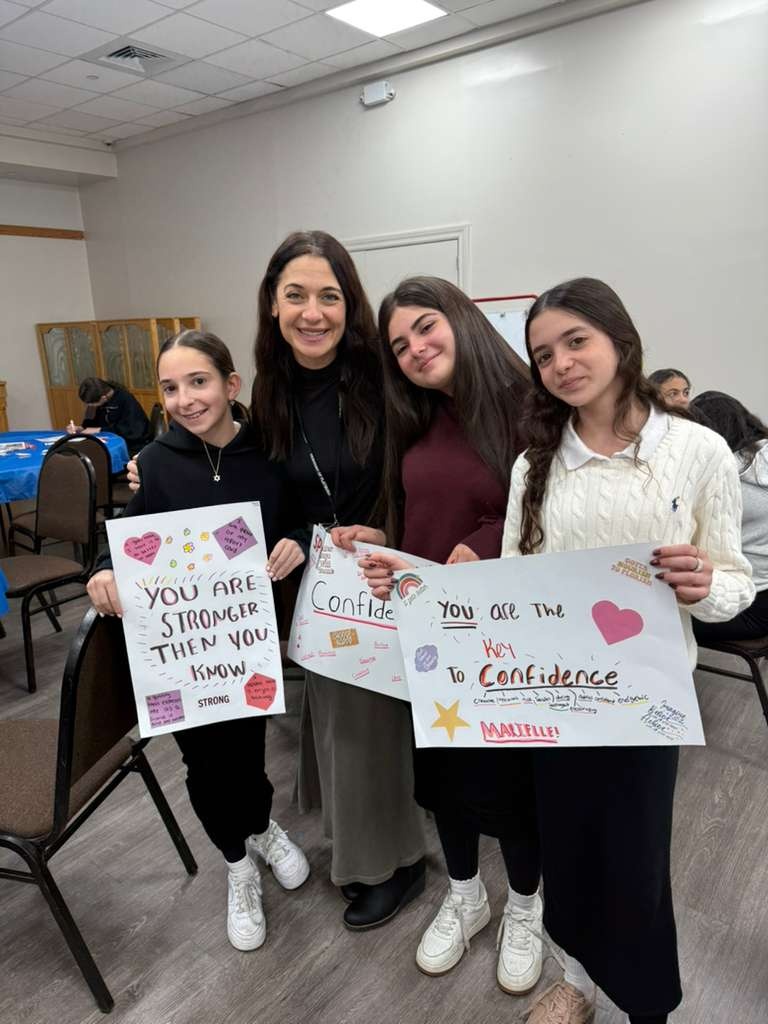
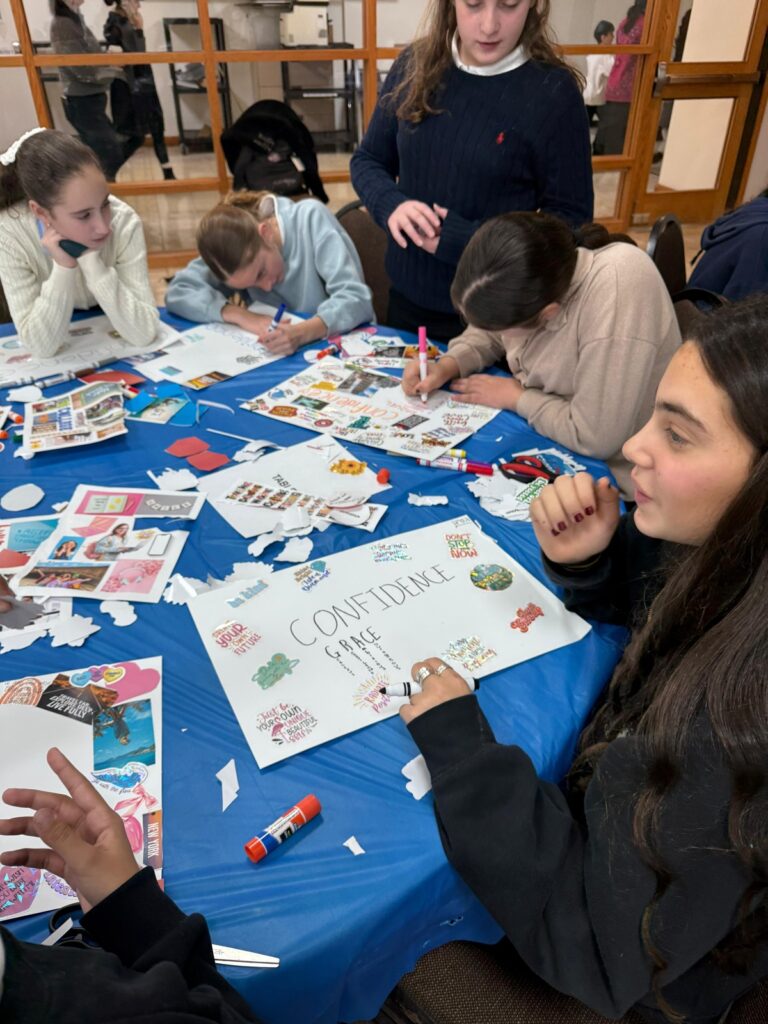
Sally Franco, CPC ELI-MP, Project SAFE Curriculum Planner, second from left, with Yeshivah of Flatbush students at a Project SAFE self-confidence event.

What MEP Does
MEP offers an integrated continuum of care designed to meet patients and families wherever they are in the process, and to give them tools that last a lifetime.

Confidential Hotline
One phone call is all it takes to start. MEP’s hotline is staffed by people who understand what you’re going through and can guide you to the right next step.
Case Management
Every patient is paired with a case manager who coordinates care, removes obstacles, and stays with the family through the entire journey.

Therapy
Individual and family therapy with clinicians who specialize in eating disorders. Treatment addresses the underlying drivers, not just the surface behaviors, and is tailored to the patient’s age and stage.

Nutrition Counseling
Registered dietitians work alongside the therapy team to rebuild a healthy, sustainable relationship with food, at a pace that respects what the patient is ready for.

Higher Level of Care Coordination
When outpatient treatment isn’t enough, we help families access and navigate higher levels of care, and MEP stays involved throughout, so no one falls through the cracks during transitions.
The goal is bigger than any single appointment: to equip the patient and the people who love them with the tools, language, and support they need to navigate this for the rest of their lives. Recovery is not a single moment. It’s a long road, and MEP’s mission is to make sure no family walks it alone.

Confidentiality and Safety
Everything is 100% confidential. You can call MEP at any time, and your information will be handled with the highest degree of discretion. Many of the people who reach out to MEP have not yet told a parent or a spouse. MEP takes great care to provide its clients with an environment that is a safe space where someone can begin to navigate treatment with full autonomy, privacy, and respect.

Prevention, Education, and Community
Treatment is only part of the picture. MEP also invests heavily in prevention and education, bringing the conversation into schools, homes, and community spaces where it used to be off-limits. Recent programming has included an Instagram Live with endocrinologist Maurice Mosseri and therapist Roberta Saban, LCSW, on body image and the cultural impact of weight loss medications, and an in-person panel with Laura Shammah, MS, RDN, and Rachelle Heinemann, LMHC, LPC, CEDS, on what these medications mean for growing bodies.
In schools, MEP’s partnership with Project SAFE continues to expand. In April 2026, MEP launched the Sari Dana Body Positive Online Program, giving students participating in Project SAFE schools free access to resources on body image, self-confidence, and self-acceptance. Other partnerships include Magen David Yeshivah on “Strong Together: Building Healthy Body Image,” a mother-daughter event, and Hillel Yeshiva on a community program focused on body image and parenting. Looking ahead, a summer 2026 community awareness event, expanded school programming, parent education, and digital campaigns will all tie into the new clinic.
The cultural shift this work represents is real. Where there was once stigma, there is openness. Where there was once isolation, there is connection. And where there was once silence, there is now a number to call.
If you’re concerned that you or a loved one may be struggling with an eating disorder, call The Mindful Eating Project at (718) 336-6363. Every call is confidential.

When In Despair,Think of Your Set Task

Rabbi Lord Jonathan Sacks zt”l

One question, asked in faith, has the power to change a life. I know because it changed mine. It happens when you ask: what is G-D calling on me to do in these circumstances at this time? To believe in Divine Providence is to trust that G-D is interwoven in our lives. This does not make suffering less painful. But it opens a door that leads us to the light. It helps us live a life that is an answer to G-D’s call.

I learned this from the biblical story of Joseph. Envied and hated by his brothers, he was sold into slavery by them, lucky not to be killed. Eventually he became viceroy of Egypt, second only to Pharaoh. The brothers, arriving in Egypt to buy food during a famine, do not realize that the man in royal robes is their brother. After putting them through a series of trials to show that they had repented of what they did, Joseph revealed his identity and forgave them, the first act of forgiveness in literature. The book of Genesis, a set of variations on the theme of sibling rivalry, ends on this sublime note of reconciliation.
How was Joseph able to forgive? The Bible tells us. He says to his brothers: “Do not be distressed and do not be angry with yourselves for selling me here, because it was to save lives that G-D sent me ahead of you … So then, it was not you who sent me here, but G-D.” This is one of the most transformative passages in the Bible. It explains how Joseph was able to free himself from the hurt and humiliation he surely felt at being betrayed by his own family. Nowadays this is called cognitive behavioral therapy. Joseph changed the way he felt by changing the way he thought.
Evidently he had asked himself, “Why has G-D put me through this suffering?” But there are two ways of asking it, and it makes all the difference which way we do. One is oriented to the past: “What did I do to deserve this? For what sin am I being punished?” The other is directed to the future: “What is it that G-D wants me to do, that I can only do here, now and in these circumstances?”
Joseph must have asked this second question often during the long years he spent, first as a slave, then as a prisoner. The answer eventually came. The moment he was taken from prison to interpret Pharaoh’s dreams, seven years of plenty followed by seven years of famine, he realized that all the seemingly random events of his life were a preparation for this moment when he was able to devise a plan that would save a whole region from starvation. As soon as he had these thoughts, he was able to forgive his brothers. His fate, he now knew, was not about them at all. “It was not you who sent me here but G-D.” That one thought has the power to cure resentment and banish pain.
Whenever we come close to despair, the strongest lifeline is to think like Joseph. That is how psychotherapist Viktor Frankl saved the lives of several of his fellow prisoners in Auschwitz, by helping them realize that they had a task to perform or a mission to fulfil that they could only do by surviving. This gave them the will to live. People who have suffered tragedy have often found meaning by alleviating the suffering of others. The grief may not disappear but it is redeemed. The adagio, with its intense sadness, is not the last movement of the symphony. Seen through the eyes of faith, life is not what Joseph Heller called it: “a trashbag of random coincidences blown open in a wind.” Each of us is here for a reason, to do something only we can do, and all the pain and heartbreak are bearable if we can discern G-D’s purpose or hear, however muffled, His call. As Nietzsche used to say, “He who has a strong enough Why, can bear almost any How.”
In crisis, the wrong question to ask is, “What have I done to deserve this?” The right one is, “What am I now being summoned to do?” Each of us has a task. Every life has a purpose. We can bear the pain of the past when we discover the future we are called on to make.