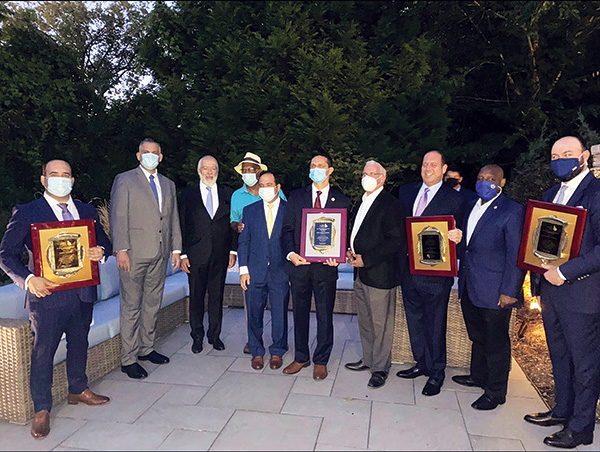
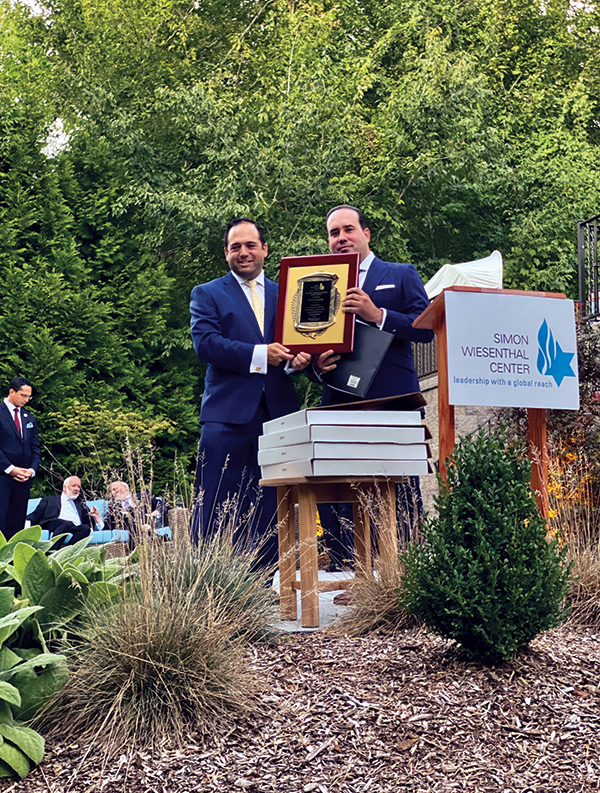
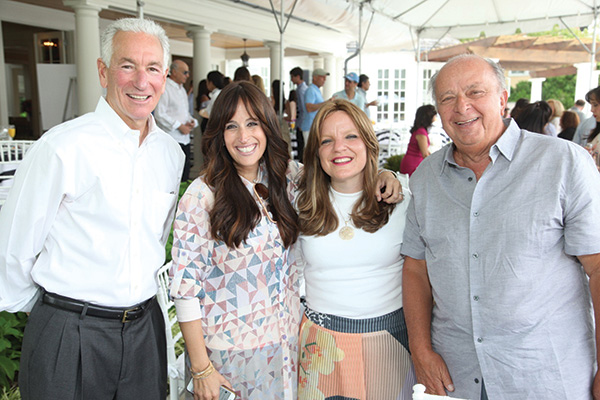
THE SIMON WIESENTHAL CENTER (SWC) HELD ITS FIFTH ANNUAL EVENT HONORING “HEROES FOR TOLERANCE” WITH OVERWHELMING SUPPORT AND SUCCESS. WHILE THIS EVENT IS USUALLY HELD IN CONJUNCTION WITH THE NEW YORK YANKEES AT YANKEE STADIUM, DUE TO COVID-19 CONCERNS THIS YEAR’S EVENT WAS RELOCATED TO A SITE THAT SWC WAS ABLE TO MAKE SAFE FOR ALL PARTICIPANTS.
SWC would like to thank all involved for helping ensure that this event produced the resources necessary to continue forwarding the institution’s critical programs and fulfilling the mission at a time that is both more challenging and critical than any time in recent memory,” said Michael Cohen, SWC’s Eastern Director. “The SWC family is truly humbled at the generosity of the Northeast region and are immensely grateful.”
The Simon Wiesenthal Center’s distinguished honorees were Matthew Dikovics and Michael Pock of Nassau Consulting Group; David Heskiel, police chaplain, community advocate; and Hon. Joseph Lagana, New Jersey State Senator and partner at Cleary, Giacobbe, Alfieri and Jacobs.
Each of these individuals continues to be a tremendous leader during these most challenging of times in the fight against hate, anti-Semitism and discrimination, looking to make our world and our local communities a better place for our children, our families and our collective future.
“At a time when the mission, programs and advocacy of the Simon Wiesenthal Center are needed more than ever, we are humbled by the outpouring of support and generosity during these most challenging of times,” Cohen continued. “This important event exceeded all expectations and we will continue in our unwavering commitment to serving on the front lines in the battles against anti-Semitism and hate.”
Sheriff Anthony Cureton, Bergen County Sheriff spoke at the event as well. “I would like to commend the Simon Wiesenthal Center and Director Michael Cohen for their Fifth Annual Heroes Tolerance Award Ceremony. It was a great program, highlighted by the honorees who advocate for programs that assist in eradicating anti-Semitism. I would also like to thank Director Michael Cohen for never-ending commitment to fighting for equality for all people.”
Rabbi Aaron Kotler, president of the Beth Medrash Govoha (BMG), was thanked for supporting SWC and being a featured speaker. Rabbi Kotler told the story of Simon Wiesenthal himself, in how losing 89 members of his family during the Holocaust he did not give up, he did not walk away, but instead rose up to lead the world in the fight against injustice everywhere, giving us all a model to follow for all time.
Israel Nitzan, acting Israeli Consul General of Israel, also attended the event and spoke. He thanked SWC for its continued efforts in combating anti-Semitism while highlighting the continued work of the Center through the pandemic, both in having almost 30 local municipalities pass anti-BDS resolutions and in making sure the Wiesenthal Government Advocacy Internship Program continued this summer, training our next generation so they can one day lead their communities, while so many other programs had to unfortunately take a year hiatus.
The Simon Wiesenthal Center thanks the hosts of the event, Polly and Gabriel Bousbib, for graciously opening up their backyard. SWC also thanked the members of the event’s host committee for their tireless efforts: Dr. Paul Ackerman, Ann Arnold, Warren Cohn, Gil Cygler, Ira Goldstein, Victor Herlinsky, Hon. John Hogan, Shira Jacobs, Nina Nanasi, Jodi and Allen Rapaport, Lori and Dr. Marty Schlakman, Todd Sherer, Debra Tantleff and Bishop Mitchell Taylor.
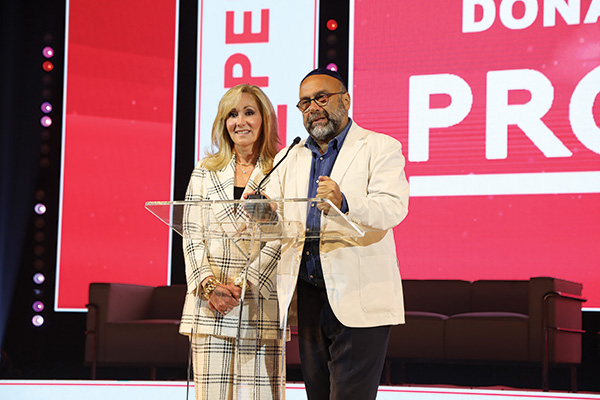
An event dedicated to community women whose families were impacted by Covid-19 and a tribute to the founders, donors, ambassadors and clients of PROPEL.
Given the unprecedented pandemic, PROPEL’s calling to support our community women and families was never more prevalent. A quick response to aid while given the country’s new imposed restrictions was quickly needed. Over the last six months, PROPEL has reached more women than ever utilizing a virtual platform. Whether providing career coaching to PROPEL clients virtually, organizing Zoom get-togethers and training classes, hosting weekly IG Lives, showcasing incredible working women on Instagram, PROPEL has pivoted like no other organization.
Our annual fundraiser reflected that same ingenuity, and on a recent Monday evening, PROPELETHON, a virtual community-wide telethon was aired to hundreds of viewers. A generous donation made by Sharyn and Ezra S. Ashkenazi, cofounder and supporter of PROPEL, in honor of their mothers Mrs. Sally Ashkenazi and Mrs. Gladys Kassin A”H, allowed for this event to take place.
Under the direction of Co-presidents Haim Dabah and Jacqueline Harary, and Project Manager Vicky Amzalag, and with the hard work of the PROPEL leadership and professional staff, PROPELETHON celebrated the fantastic achievements of working women, and shared testimonials from community supporters and board members.
The evening was beautifully emceed by community spokesperson and philanthropist Harry Adjmi and Vice President Dr. Gayle Krost, each a longtime supporter of PROPEL. The evening included heart-warming stories from PROPEL clients and inspirational messages from many community rabbis, including Rabbi Joey Haber, Rabbi Shlomo Farhi of the Edmond J. Safra Synagogue in Manhattan, Rabbi Eli Mansour of the Edmond J. Safra Synagogue in Brooklyn, Rabbi Shimon and Mrs. Alouf, Rabbi Saul Kassin of the West Deal Synagogue and Rabbi Haim Shaul and Rabbi Mendy Weitman of The Ohel Moshe Synagogue at the Moise Safra Center.
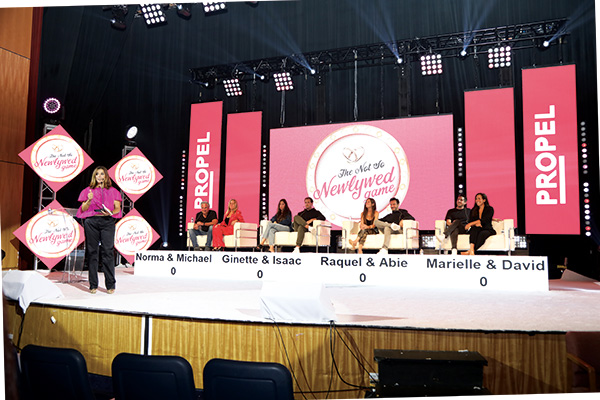
The audience was entertained by community comic David Levy in character as Solly, and extremely talented community singers Janet Chrem, Isaac Ashkenazi, Abraham Franco and Michael Tebele. One highlight of the evening was the entertaining and hilarious game show—the Not the Newlywed Game—hosted by Joyce Silverman—with four incredible couples, Norma and Michael Cohen, Raquel and Abie Feldman, Ginette and Isaac Gammal, and Marielle and David Dror. A special thank you to PROPEL board member and supporter, Marcy Feldman, and Caroll Dweck for all their hard work in making the game show a reality.
Some other exciting segments included a salute to our community healthcare heroes and a presentation of an award to Renee Steinberg Tawil, a nurse manager at Jersey Shore University Medical Center, on behalf of all community members who put their lives on the line and were first responders during the pandemic. Another segment included Gitta Kaplan, general counsel at Mamiye Brothers, which kicked off a “I’m Listed” tribute to all those women included in the PROPEL List. In addition, we are thankful to the presentation from the Founder Elliott Dweck featuring the inspirational story of Lynda Levy.
PROPELETHON helped to raise much needed funds for an organization that has tripled its volume since Covid-19. Now, more than ever, families are in need of additional income and PROPEL has responded by training women to become professionals and earners. PROPEL is proud to invoke the Rambam and reference his famous statement that teaching a person a trade is the highest form of charity.
Thank you to all who support PROPEL and understand the mission of the non-profit organization. PROPEL still needs help reaching its goal and appreciates that every donation in any amount counts. Please consider making a donation: Venmo @Propel-Network or visit www.thepropelnetwork.org/donate
In The First Decade Of The Last Century, A Group Of Women Banded Together To Form A Bikur Holim Known As The New Utrecht Aid Society. Their Goal Was To Provide The Needy With Access To Qualified Medical Care, And Educate The Poor Immigrant Communities Of Southern Brooklyn On Modern Health And Sanitary Guidelines.
Fast forward 109 years and the spirit of their endeavor is still vital. The small dispensary they founded long ago has grown into the borough’s largest, most advanced medical center, serving as the hub for the most critical emergency and medical needs. Recognized among the top ten health systems in the country, it continues to offer leading-edge clinical services to the people of our community. We know it today as Maimonides.
Maimonides has a long track record of innovative medical breakthroughs and technological advances, yet remains deeply rooted in the fundamental ethics of charity, compassion and commitment to the sanctity of life. It is the only hospital we know of that has in its board-approved mission statement an explicit reference to “serving the special health care needs of the Orthodox Jewish community, whose religious and cultural traditions help to guide the provision of our services.”
It was this set of core values that prompted Rabbi Heshy Augenbaum to sign on as the Hospital’s Chief Development Officer. For someone with a long and eminent career in the Torah institutional world, it seemed a rather abrupt change of pace, but from Heshy’s perspective, it was a logical next step. “In Ozar Hatorah, I was privileged to build an international network of day schools,” he reflected. “In Lakewood, I was privileged to build batei medrash. In Ahi Ezer, I was privileged to expand community services, and in numerous other projects over the years I devoted my time to hesed and nurturing the spiritual life of our people. But at Maimonides, I am blessed and humbled by a truly awesome opportunity—that of helping to literally save lives. I am excited to reach out daily and engage with leaders and influencers who can support the Hospital’s incredible work, and ensure its future for the sake of our community and all those it serves.”
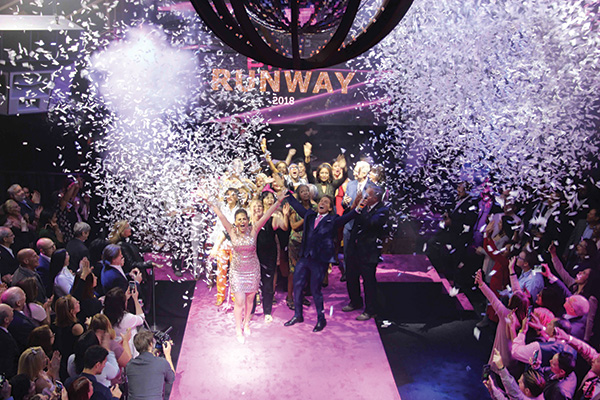
When Heshy joined Maimonides in 2016, he was immediately handed the reigns of Pink Runway, an annual fundraiser for the award-winning Maimonides Breast Center—Brooklyn’s first fully accredited, full-service program to make breast cancer screenings, diagnosis, treatment, counseling, and a full array of support services, all available under one roof. Until it opened back in 2006, women in Brooklyn coping with a breast cancer diagnosis were obliged to travel from provider to provider, with many leaving the borough for treatment.
Led by Maimonides Chair of Surgery, Dr. Patrick Borgen, and a team of exceptionally skilled and dedicated physicians and staff, the Breast Center saves lives every day with a level of care and empathy that has become legendary. Numerous patients of all backgrounds eloquently attest to this—it is their courage and resilience that is honored at Pink Runway, the fashion show where breast cancer survivors triumph. In the past four years, Heshy and his team have turned Pink Runway from a small gathering of patients with their doctors into a must-attend signature event for the greater Hospital community, hosted in a trendy club venue with corporate and philanthropic sponsors, celebrity guests and media star emcees.
“Each model who walks the Pink Runway is a patient of our Breast Center,” Heshy explained. “Their stories of survival are profound and powerful, they make us cry. But the reason they walk is to encourage others that there is hope. Every single step on the Pink Runway is a vibrant celebration of life that uplifts and inspires us all.” Maimonides President Ken Gibbs and Heshy Augenbaum with Real Housewives Dolores Catania (R) and Margaret Josephs (L) at the filming of Pink Runway.
This year, due to the COVID-19 pandemic, there will be no live event—instead, Pink Runway 2020 will be broadcast online. Filming took place in August at the iconic 1Oak, courtesy of owners Richie and Jackie Akiva; honorees accepted their awards at home; and sponsors will be recognized during the broadcast and in an online playbill. The broadcast will stream on Wednesday, October 21st at 8:00 pm on the event website, GoPinkRunway.org, and on the Maimonides Facebook, LinkedIn and YouTube pages. Please mark your calendar and tune in for a spectacular experience.
“The fight against breast cancer is a cause that resonates with many in our community,” said Heshy, “particularly in our Sephardic community, because we are so close-knit. Whoever we are, we all know someone.” Among the Chairs raising funds and awareness for this year’s virtual event are Ike S. Sutton, Esther Hidary, Odette Rishty, and Alice Adjmi, who together with husband Harry is one of the event sponsors. They’re joining a special effort to get the word out to all women not to let fear of the pandemic keep them from going to the doctor and getting the routine mammograms and check-ups so crucial to life-saving early detection. While praying with all his heart that this New Year sees an end to the global health crisis, Heshy nevertheless looks to the future with faith and optimism.
In 2021, Maimonides will mark its 110th birthday and make history again with a Master Facilities Expansion to refresh, upgrade and increase the size of key clinical areas. Plans include modernizing and enlarging the Adult ER by an additional 47,000 SF of space; relocating the Pediatric ER to a separate building; modernizing and expanding the Neonatal ICU; renovating the Post-Anesthesia Care Unit (Recovery Room); modernizing the Cardiac Catheterization laboratories; and completing a renovation of the Cardiothoracic Intensive Care Unit (CTICU) spearheaded by a group of Orthodox business leaders.
By the end of this year, Maimonides will also proudly cut the ribbon on a new 150,000 sq. ft. multispecialty Doctors Pavilion, an outpatient center that will bring together more than twenty specialty practices under one roof—a project led by board member Jack A. Hidary, Chairman of the Facilities Committee. With on-site testing, an on-site blood lab, underground parking, and numerous other resources and amenities, this beautiful new facility will greatly enhance the patient experience and make physician specialists who are recognized among the best in New York more accessible than ever. “B’ezrat Hashem,” said Heshy, “Maimonides will continue to stand strong on Brooklyn’s front line and be there for our community with outstanding clinical excellence and the highest standard of care.”
TO SUPPORT PINK RUNWAY AND LEARN MORE, PLEASE VISIT GOPINKRUNWAY.ORG.
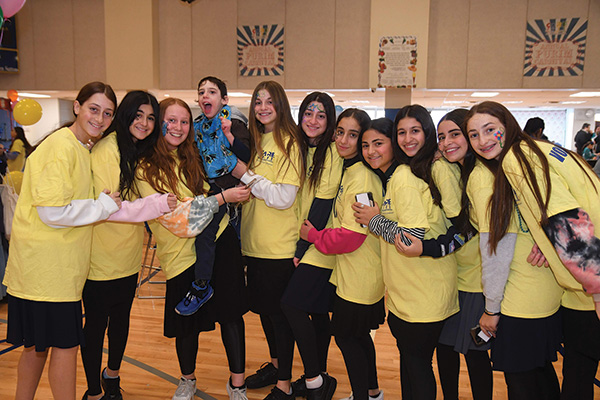
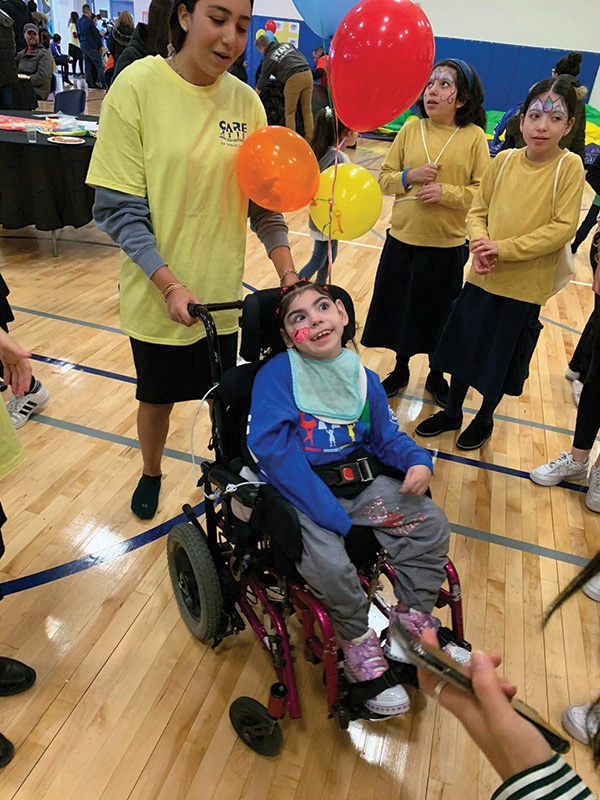
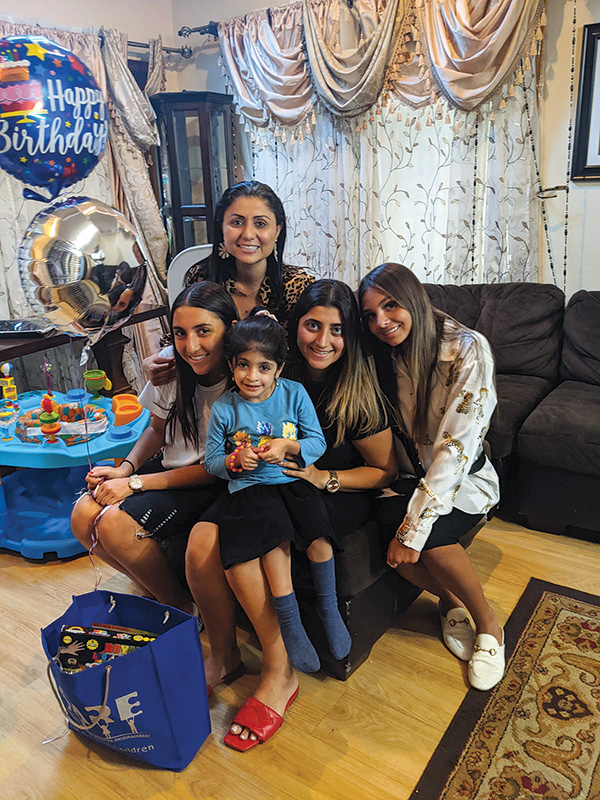
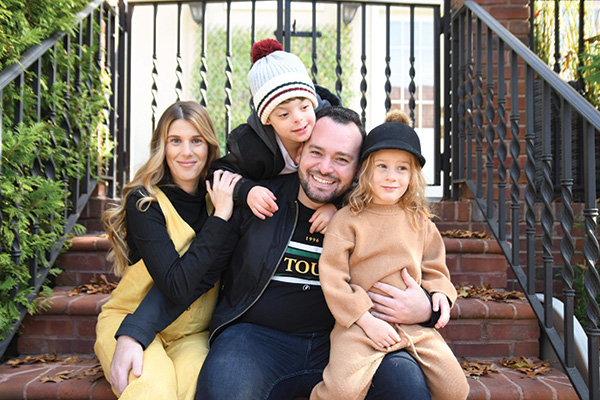
By now, many of you have heard of the organization that has made a powerful impact on the world of special needs children in the Sephardic community. “Caring for a Special needs child and dealing with the impact that the child has on the entire family is CARE’s mission statement,“ says Michael Wahba cofounder of CARE. CARE has programs and events run for the parents—featuring dinners, lectures, support groups and entertainment—bringing together parents and connecting those that would otherwise feel so alone. CARE also has events that are geared to siblings, and wonderful events for the special needs children, themselves. CARE provides overall support for the entire family who share in this difficult struggle.
Founded by parents of special needs children, CARE is sensitive and understanding to the overall, complex needs of the family,” says Sarah Horowitz Director of CARE. Unfortunately with the prevalence of special needs today, CARE has been a vital community resource. “The world of special needs can be a confusing maze and we are here to hold parents hands for every step of the way,” says Sarah. Since CARE’s inception, more than 300 community families have reached out and are now part of the “CARE family.”
“CARE is more than just an organization—it’s family,” is what CARE parents say over and over. The overall community impact of this relatively new organization has stunned many community members who proudly stand behind CARE.
“I don’t know where these community families would be without the shoulder of CARE to lean on,” says Harry Adjmi, CARE board member and advisor. Whether it’s guiding parents to the proper school for the child’s unique special need or helping families obtain state funded assistance and therapies at no cost to them, CARE has become the first phone call community parents make when faced with this daunting challenge.
THE REVOLUTIONIZED PERCEPTION OF SPECIAL NEEDS
Perhaps an unexpected impact that CARE has had on the community is how it has revolutionized the way special needs families are perceived by the community and how parents feel about themselves. No longer feeling alone and isolated, parents are now feeling emboldened and strengthened about their challenges and are more vocal about their struggles, coming forward and motivating others. CARE is breaking the so called stigma of having a child with special needs.
This was displayed during this past summer as parents began doing Instagram live shows hosted by Barbara Azrack, Lillian Monopola, and Ruth Hamway, opening up community members eyes to the challenges these families face and encouraging other families with similar challenges to come forward for help and join the “CARE family.”
“The experience of sharing our story not only helped inspire other families to reach out to CARE, but helped ourselves in the process, as well,” say Eli and Addy Yadid, CARE parents.
“For so long we kept our sons diagnosis a secret, which did nothing but stunt our spiritual growth. By speaking up, it allowed us to free ourselves from the shackles of fear and begin the process of acceptance,” adds Eli. “Doing the live show was scary because I did not know how people were going to respond, but to my surprise, I did not stop getting calls asking me questions. It was amazing to see the response!“ says Hannah Sutton, a CARE parent. With the recent pandemic and all the challenges people have been through lately, there has been an increased sensitivity to the plight of families that are struggling in dealing with these special children. CARE has been serving as a lifeline to these parents while helping bridge the gap, creating a strong awareness to the community at large.
If you would like to volunteer or get involved with CARE please contact them at 718.975.7171 or email info@careforspecial.org.
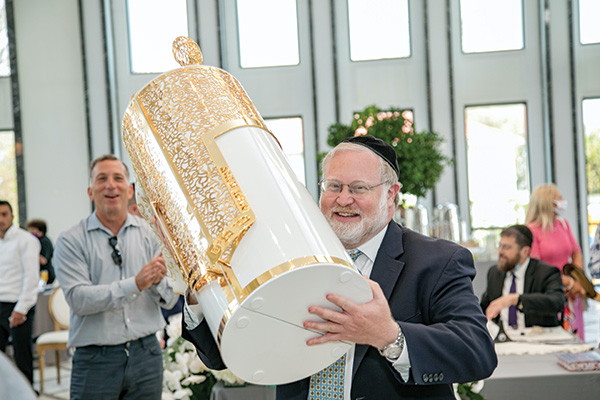
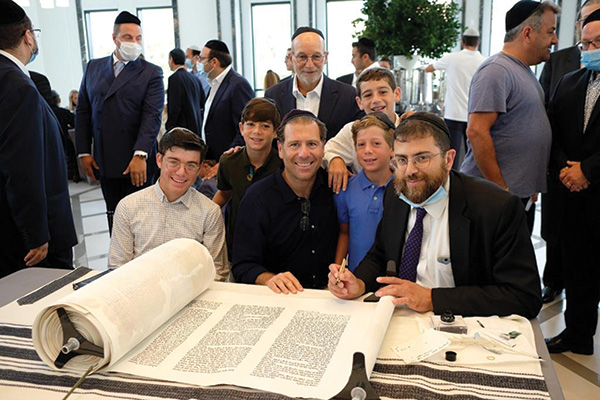
ON A RECENT FRIDAY MORNING IN DEAL, NJ, A BEAUTIFUL CELEBRATION TOOK PLACE AT OHEL YAACOB SYNAGOGUE, A TORAH DEDICATION IN MEMORY OF CHIEF RABBI SHAUL J. KASSIN A”H, AND IN HONOR OF HIS WIFE RAABANIT FRIEDA KASSIN, TWO LEGENDS IN OUR COMMUNITY.
The Torah was the idea of Steven Sorscher, Rabbi Kassin’s grandson, who gave a moving speech, which brought many to tears. He related that whenever he and his grandfather would go to a Torah Dedication, Rabbi Kassin would lift the Torah. If it was unwieldy, he would say, ‘This Torah is too heavy.’ But if it was light, he loved it, because it was easy to carry. That’s why Steven wanted to create a one-of-a-kind, extra light Torah. He knew his grandfather would definitely approve.
The Torah was a gift from all of Rabbi Kassin’s grandchildren, great-grandchildren, and the children of Eli and Rita Esses A”H—Victor, Adam and David.
Adam Esses gave a speech, in which he said, “Chacham Shaul always made me feel like one of his grandchildren. He taught us that as you grow older, you discover that you have two hands, one for helping yourself and one for helping others. We learned to give our all, do good deeds, and soon it came naturally.”
It was a lovely event and some very special people helped make it a success. Abie Sorscher did a fabulous job as emcee. Chief Rabbi Shaul J. Kassin, Rabbi Shaul M. Kassin, Rabbi David Maslaton, Rabbi Eli Mansour, and Rabbi Joey Srour made emotional speeches, as did Jacob S. Kassin.
Many talented men were responsible for making the Torah. Rabbi Mordechai Shayo from Israel chose the parchment and wrote the Torah, Rabbi Arking our famous NJ soffer and Rabbi Teherani filled in the last letters, to complete it. Mr. Avi Luviton crafted the exquisite Torah case in Italy, assembled it in Israel and made sure that the front of the case resembled the robe that Chacham Shaul wore. Rabbi Joey Srour chose the passuk to write on the outside of the Torah, Rabbi Victor Harrari helped with communications in Israel and brought the Torah from Israel to Brooklyn. Abe Sorscher handled logistics with Susan Sorscher, Charles from Zami Caterers provided the delicious food that was served, and DJ Stan, Rabbi Kassin’s great-grandson, provided the music.
Steven Sorscher told the crowd that the Torah will reside in the midrash in Shaare Zion, were his grandfather loved to pray, and concluded the event with these beautiful words, “Finally, I’d like to thank our Nani, Raabanit Frieda Kassin for building this wonderful family, and keeping us strong and together. Our family would not be what it is today without all the hard work you and Papa did.
As the High Holy Days approach, theme of forgiveness is surfacing. Perhaps, it is forgiveness from those we have wronged, those who harmed us, or forgiveness of self that are forming. As these thoughts arise, some of us feel overwhelmed, and others recognize that they have lost the drive to strive or do right. Yet, in this season, we all stand together at the opportune time to get back on track.
Why Forgiveness?
Forgiveness is a healing process with profound ripple effects on ourselves, relationships, and the world. Without forgiveness, we are stuck, unable to move forward. The forgiveness process can be simple, but it must be consistent. Here is a 3 step process to help navigate forgiveness.
Step 1
Leave Our Old Identity in the Past How many of us have truly left our old identity behind? Many of us are locked in our past, spending time, money, and energy to avoid the emotional pain of our regrets. We hold onto guilt and shame instead of saying, “I’m sorry for what I’ve done. That was the old me, and I’m turning a new leaf,” or “I regret I did that. I choose to move forward and leave it in the past,” or, “I’m replacing this old behavior with a healthier one.” When we linger in regret, we continue to mess up, because we create an ongoing connection with our negative past. The way out of this toxic cycle is cutting ties with our previous behavior, ensuring we don’t fall back. The Almighty has a propensity for forgiving. If we believe we are unforgivable, we let our ego and evil inclination have control. The Nesivas Shalom teaches, the evil inclination doesn’t care about causing us to sin. His main goal is for us to give up on ourselves and think there is no way back to connecting with Hashem after sin. On Yom Kippur, we repeat the 13 attributes of mercy over and over. G-d Almighty is a merciful, loving G-d who wants us to stay connected and close. Even when we sin and create distance, he waits patiently, like a loving parent, for us to repent and return. Let’s not give in to the evil inclination and place our opinion over G-d’s. What we must do is shift from the old to our new selves. We need to acknowledge what we did was wrong and leave the past behind. When done properly, regret empowers us, serving as a motivator to avoid falling back to old habits because we no longer desire being our old selves.
Step 2
The Parent Forgiveness Model
Parenting is one of our most challenging yet rewarding roles. We are entrusted with raising healthy human beings. There’s lots of space for potential guilt. We can question why or how our children make their decisions, or take on the responsibility and guilt when our children mess up. It’s key to remember that Hashem entrusted us with raising our children to be functioning humans that will contribute good to the world. It’s also important to remember that no one is perfect except for G-d. We must pray for our children’s successes. We also must model healthy behaviors for them. Here are seven practical tools to model and bolster our forgiveness of self and children.
Forgiveness of Self as a Parent
Model Hashem. He is the ultimate parent. If we follow His lead, we can handle all parenting challenges.
Create a reminder system to check in with how you are regularly feeling. This combats living for too long in a state of guilt, shame, or grief. Reminders can be as simple as post-it-notes on your bathroom mirror or alarms in your phone, reminding you to acknowledge yourself and your commitments.
Write yourself a letter or card reminding you that you are worthy of forgiveness and capable of forgiving.
Look in the mirror daily, make eye contact while saying, “I forgive you. I love you.”
These tools and techniques can also be applied to forgiving our children.
Forgiveness of Our Children
If you hurt your child or are feeling bad about an interaction, it’s okay and advisable to say, “I’m sorry,” and ask forgiveness.
If you want to forgive your children, communicate, and work with them to understand the impact of negative behavior and importance of forgiveness. When you feel they understand, tell them, “I forgive you, I love you, and I will always love you.”
Be a role model. Children learn a lot from what they witness in their parents.
Step 3
Additional Forgiveness Tools & Techniques
Now, in Elul, it’s especially important to make a Chesbon Hanefesh ()a soulful personal accounting. Be vigilant by checking internally (regularly), who you would like forgiveness from, and who you owe forgiveness to. In the example of parent/child, this can be a weekly or monthly scheduled event; a face-to-face sit down where you both discuss if forgiveness is needed.
Clear-up communication and awareness through writing notes, letters, or giving your child a heart-felt card. This will continue to reinforce that your child is seen, heard, and understood while strengthening their foundation for living.• Encourage a strong relationship with Hashem, Torah, and Mitzvot.
Net-Results
If we model the Almighty’s attributes of compassion and forgiveness, it is easier for us to be free of negative emotions and held back by grudges. Forgiving yourself as a parent creates space to forgive your children. Forgiving your children empowers them to grow within themselves, spiritually, and in relationships. May we all be inscribed in the Book of Life for a Sweet and Blessed New Year!
When you’re planning your holiday menus, you need to find a balance between serving the favorite dishes everyone looks forward to and introducing foods that are healthy, tasty and a new treat. I am always looking in magazines for new cooking ideas, new ways to prepare the chicken or roast, or a vegetable or rice dish.
I begin with a menu for each of the four meals, and establish a shopping list and time line for cooking. I try and make the food ahead and freeze, if possible. I divide the cooking into two days before, day before and same day tasks. I assign tasks to the children, my housekeeper and anyone else who comes by. Guests generally know it is a lot of work, and are appreciative of a way to contribute to the home cooked meal.
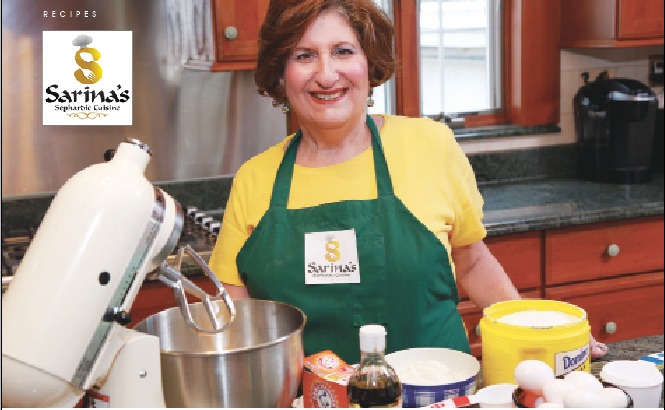
Each year, for the holidays, I contribute recipes to IMAGE Magazine, and I generally include the recipes for the brachot said prior to the evening meal. These dishes are Lubya (black eyed peas), Krafseeya (Swiss Chard), leeks, Hilu (candied spaghetti squash), tongue (some people use a cow’s head or a whole fish), pomegranate seeds, dates, and apples dipped in honey. My typical evening menu will include a roast, some type of chicken, a vegetable, rice, potatoes, meche (either stuffed squash or eggplant). If I am ambitious, I will make stuffed veal. Of course, we begin the meal with mouth-watering round sweet challah, representing the circle of life with sweetness for the upcoming year.
This year, I am providing new recipes, some of which are in the Sarina’s Sephardic Cuisine app, and a salad, which is in my new book Backyard Kitchen: Mediterranean Salads. The book honors my mother and grandmother, both of whom were models to me in cooking and entertaining.
The new recipes include items from each course of a meal. Most are not typical Sephardic meals, but add variety to each course. My mushroom bourekas are an easy, make ahead appetizer and can be cooked in 15 minutes and placed out for guests as they arrive, so they can have something to nibble on. The parsley potato frittata is an easy way to serve a potato dish that is tasty. A frittata is basically a vegetable baked with eggs. I like this dish because it allows me to portion the potatoes and serve them in wedges. Seasonal items must be incorporated into the meal. Corn, tomatoes, mint and basil are in plentiful supply this time of year. My minted corn and heirloom tomato salad uses totally delicious corn that comes off the grill.
The garlic infused veal roast creatively infuses the roast with luscious and smooth garlic flavor in every slice. For fish lovers, and those who are watching their waistlines, my salmon with pomegranate glaze makes use of the pomegranates and gives it an awesome flavor. My fruity rice pilaf is a recipe I attribute to my Aunt Lorraine Shamie, one of the ultimate cooks. She gave me this recipe early in my marriage and I only use it for guests. It is elegant and simple, and always gets rave reviews.
A typical Syrian meal is followed by tea or coffee, platters of fresh and dried fruit and homemade pastries. This is the time to break out the baklava and that sweet honey cake. To add diversity to the expected desserts, my chocolate cranberry brittle tart is rich and sweet.
Mushroom Bourekas
Mushroom bourekas are an easy appetizer to make ahead. Just pull them out of the freezer and bake as needed!
Ingredients: • 1 pint mushrooms, cleaned and sliced • 3 cloves garlic, minced • 2 tablespoons oil • 1 teaspoons kosher salt • ¼ teaspoon pepper • 2 tablespoons parsley, chopped • 3-4 tablespoons bread crumbs • 24 mini puffed pastry squares • Egg wash (1 egg beaten with 2 tablespoons water) Directions: Heat oil in skillet. Add mushrooms and garlic and saute 5-10 minutes. Add salt, pepper and parsley. Mix well and cook. Strain and put in food processor with bread crumbs. Mixture should be dry. Prepare cookie sheet lined with wax paper. Preheat oven to 350˚. Take 1 teaspoon mushroom mixture and place in center of puff pastry. Wet edges with water. Fold over into triangle and seal edges. Place on cookie sheet. Repeat until all of the mushroom filling is finished. May be frozen at this point. Store in airtight bags.
To Cook: Preheat oven to 375˚. Spray cookie sheet with cooking spray. Place bourekas on tray and brush with egg wash. Bake 20-30 minutes until pastry puffs and is golden brown.
Parsley Potato Frittata
Ingredients: • 2 lbs. red potatoes, diced • 1 tablespoon kosher salt • 6 tablespoons oil • 1 onion finely chopped • 3 cloves diced garlic • 1 green pepper, diced • 1 teaspoon kosher salt • ½ teaspoon white pepper •½ teaspoon thyme • 3 tablespoons parsley finely chopped • 6 egg
Directions: Place potatoes in a 3 quart saucepan and cover with water. Bring to a boil with 1 tablespoon kosher salt and simmer 10 minutes. Drain and set aside. In oven proof skillet, heat oil and saute onion and garlic until translucent. Lower heat and add potatoes, pepper, salt, pepper, thyme and parsley. Mix slightly and simmer, covered 10 minutes. These breakfast potatoes can be served as is. To make a frittata, whisk 6 eggs and pour over the potatoes. Simmer until set on low heat, about 10 minutes until edges look set. Place in 400˚ oven for 15 minutes to finish cooking. Remove from oven. To serve, loosen sides. Place a dish on top of the skillet and turn over. Serve in wedges. Garnish with parsley.
Minted Corn and Heirloom Tomato Salad
Ingredients: • 2-3 ears of cooked corn • ½ chopped red onion • 2 cloves of garlic, minced • 2-3 heirloom tomatoes, cut in wedges • 3 tablespoons olive oil • 1 lemon, freshly squeezed • ½ teaspoon kosher salt • ¼ teaspoon white pepper • 10 basil leaves, rolled and sliced • 20 mint leaves, chopped • 6-10 mint leaves, whole
Directions: Using a sharp knife, slice corn off of husks. The corn will come off in pieces. Place in bowl with tomatoes, red onion, and garlic. Gently toss. Mix the oil, lemon, salt and pepper. Add basil leaves and chopped mint leaves to salad. Pour dressing on top and gently toss. Sprinkle remaining mint leaves on top.
Garlic Infused Veal Roast
Ingredients • 4 lb. veal roast • 1 teaspoon kosher salt • 1 teaspoon white pepper • ½ teaspoon paprika • ½ teaspoon oregano • ½ teaspoon parsley flakes • ½ teaspoon thyme • 4 tablespoons olive oil • 6 cloves garlic • ½ cup broth • 1 teaspoon corn starch
Directions: Preheat oven to 350˚. Cover veal roast with rub made from all of the spices and 2 tablespoons olive oil. Using a sharp knife, make slits in the roast and insert garlic cloves whole. Heat remaining 2 tablespoons oil in skillet. Place veal roast in skillet to brown the outside. Turn every 6-7 minutes until completely brown. Place veal roast in covered roaster in oven for 1 hour. Pour 1 cup water on roast and cook another 45 minutes. Remove from oven and let cool. Cut thick slices and place on platter. To make gravy, deglaze roaster with ½ cup beef broth. Strain into saucepan. Add 1 teaspoon cornstarch to ½ cup water and mix well. Add to gravy and cook on low heat for 5 minutes to thicken. Serve with roast.
Ingredients: • Four 6-oz salmon fillets • 2 tablespoons olive oil • 1 teaspoon salt • ½ teaspoon pepper • 3 tablespoons pomegranate juice • 1 tablespoons mustard • 3 teaspoons fresh parsley, chopped • 1 teaspoon fresh dill, chopped • 1 teaspoon lemon zest • Juice of 1 lemon • 1 cup pomegranate seeds
Directions: Preheat oven to 400˚ degrees. Line cookie sheet with parchment paper. Place salmon on tray. Brush with olive oil and sprinkle with salt and pepper. Mix pomegranate juice with mustard and spread on fish. Bake fillets for 10-12 minutes or until flaky when tested. Mix parsley, dill and lemon zest. Top fish with spice mixture, dividing equally. Sprinkle with lemon juice and pomegranate seeds.
Fruity Rice Pilaf
Ingredients: • 3 teaspoons oil • 2 cups long grain or basmati rice • 2 teaspoons orzo • 2 cups water • 2 teaspoons kosher salt • 2 cups vegetable stock • 1 cup chopped dry fruit (apricots, prunes or dates)
Directions: Wash rice in cold water and drain. Repeat three times to remove all starch. Heat oil in bottom of 4 quart saucepan. Add orzo. When orzo begins to turn pink, add water, stock and salt. Mix well. Allow water to return to a boil. After 5 minutes, lower heat and cover. Wait 10 minutes and turn off. Add dried fruit, mix and cover. Allow to sit. Mix well when plating.
Chocolate Cranberry Brittle Tart
Ingredients: • 1 pie crust • 8 oz. dark chocolate, chopped • ½ cup sugar • ½ cup brown sugar • ¼ cup light Karo syrup • 1 cup parve heavy cream • 1 teaspoon vanilla • 1 cup cranberries • ½ cup chopped cashews • ½ cup brittle bits • Caramel sauce
Directions: Spread pie crust to edges of removable tart pan. Bake at 400˚ for 9 minutes until it looks slightly dry. Remove from oven and spread chocolate on top of the hot crust. It will begin to melt. Reduce oven to 350˚. In saucepan, combine the sugars, Karo syrup and cream. On medium heat, mix well and allow to come to a slow boil. Keep mixing until it thickens. Remove from heat and add the vanilla, brittle, cashews and cranberries. Pour on top of chocolate. Bake 20 minutes. When cool, drizzle caramel sauce on top.
Wishing you and your families a happy and healthy New Year!
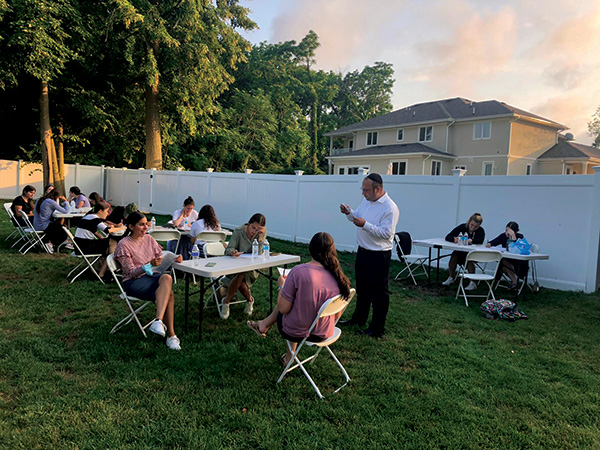
On any given Monday or Wednesday this summer, you’ll find me riding up to Larchwood Synagogue on my bike (or in a car on a lazy day). I walk down the path behind the building, and duck beneath the rows of canopies to sit down at ONE of the tables and chairs provided. I take out my humash, open to Sefer Bemidbar, and rub my hands together in anticipation for today’s packet of sources, painstakingly and generously put together by Rabbi Albert Setton. When I skim through the subject matter, my heart flutters with anticipation. I have not studied Parashat Korah since high school, and I can’t wait to see what I’ll discover today about myself, my religion, and my fellow students.
The two hours fly by quickly, and somehow we’ve touched upon crowd psychology, the purpose of a “good” or productive rebellion vs. a “bad” or nefarious one, the prominence of roles and boundaries in Judaism, and why Ramban’s argument here might hold more water than Ibn Ezra’s on the timing of this event. The thing is—we haven’t even gotten through half of today’s sources. I leave with my brain tingling. I leave feeling invested in the words, the story, the lessons. I leave feeling closer to the Torah than I have felt in years.
When I tell my family and friends that I am participating in Allegra Franco’s first ever Bet Midrash for women in the community, they raise their eyebrows in surprise. Let’s just say I’m usually the one questioning how the stories and laws in the Torah apply to my life as it is now. Growing up, I attended a yeshivah that tried its very hardest to impart the lessons of the Torah through the words of the Tanach and the Mikraot Gedolot. From Bereshit to Debarim to Melachim 2 and on, I watched the realization of one G-d dawn onto one man and then flourish into a nation that defeated its enemies and then, ultimately, defeated itself. I learned how that tradition was preserved throughout thousands of years, with discussion and self-imposed boundaries between us and other nations.
Yet, I never felt like part of that story. I always felt like the story was being told to me by someone else. I might have been projecting my own feelings of insecurity, but I felt that my interpretations of the text didn’t matter in the face of these untouchable Gedolim who had already laid the path out for me.
That was until I saw the introductory video about the Bet Midrash during a women’s Zoom learning session the night before Ereb Shabuot. That night, the participants were provided with a source sheet on the subject of women learning Torah. I believe the content was meant to light a fire under the participating women. We all came back from our Breakout Sessions ready to defend our capability in the face of what Rambam had to say on whether women could take the Torah seriously or not! Once we were mollified by Rabbi Setton’s explanation that we now live in a time when women are more scholarly and therefore able to handle the study of Torah, we watched the video on a new Bet Midrash initiative. My heart was pounding as the Rabbi fielded questions, and as I began to understand that this is the kind of Torah-learning I had been waiting for my entire life.
“Is this only for people who want to be teachers?” No. “So it’s open to anyone who wants to study?” Yes. “Does this have a typical class format, with a teacher teaching and students listening?” No.
This is two women sitting down and discussing the text together, much like the Habruta format used in a common Bet Midrash. I signed up immediately to study Sefer Bemidbar. I had always seen Sefer Bemidbar as a strange collection of numbers and names, with several extremely dramatic occurrences strewn throughout that would change the trajectory of an entire generation of desert-dwellers. Under Rabbi Setton’s watchful eye, it has become so much more than that. I still have chills when I think about the day we were given our source sheet on Sotah. From what I vaguely recalled learning back in high school (over fifteen years ago!), this was some crazy law that allowed a man to put his wife through public humiliation because he suspected she was cheating on him. If it got to the point when the woman was brought before the Kohen, her guilt or innocence would be determined when she drank bitter waters prepared for this very purpose. If she was guilty, her belly would swell and explode. If she was innocent, nothing would happen. And after all that, her reward for being innocent was to have a child with the very man who put her through this whole thing! I almost dared anyone there to convince me this wasn’t some example of how women were treated unfairly. My partner Aimee and I began to dig into the text. First we went through the peshat. We went a little deeper, and learned about all of the pieces that would have to be in place for a couple to even get to the point where the drinking of the bitter waters would be necessary—how many warnings, or witnesses, or opportunities both parties had to back out of this ordeal! We learned that the woman had the ability to back out and demand a divorce. We learned that the waters wouldn’t work if the man had any sin on his conscience. We learned when witnesses were needed and what words needed to be spoken.
At first, all of these steps and conditions seemed tedious, but Rabbi Setton asked in his amused, quiet manner, for us to carry on to the end.
We came to the end with an astounding realization. At the end of the day, after very specific conditions were met that allowed for a couple to make it this far into the process, the only reason a woman would stand before her husband, the Kohen, and the gathered, and take a chance in drinking those waters, was to prove her innocence to her husband so that they may start a new life together free from the suspicion and guilt.
We suddenly understood why pregnancy would be a natural reward with that intent. I was floored! I went out with friends that night and, still thrilled with my realization, explained to everyone what I had learned that day. That week at shabbat dinner, I described to my family the moment I understood that sotah was more marriage counseling than public humiliation. Why was it different to have learned about sotah this way? Wouldn’t it have been the same if I had asked a rabbi this question, on why a woman should be treated this way, and he came back to me with this explanation? I would argue that, no, it would not have been the same.
I went into that day’s session with my own prejudices. When that happens, no amount of explaining, even by a rabbi I greatly admire, could completely erase that uneasy feeling. But through our study and discussion, Aimee and I were able to grasp the deeper meanings of the text. Our dialogue was at times fiery, at times confused, at times in sync. Yet always, we felt like we were forging our own connections with the text. Rabbi Setton may have given us the pile of cobblestones, but we laid down the rocky pathway to understanding through our own struggle with the words of the parasha.
The Allegra Franco Women’s Bet Midrash and Teaching Fellowship Program stemmed from the idea that in order to turn out solid Judaic Studies teachers, teachers need to own the material they are teaching, not just relay to their students what they themselves had learned. Imagine how much more passionate a teacher would be about making sure her students understand the lessons of sotah when she herself had grappled with the content herself! Imagine how much more receptive to questions she would be when she herself had learned in an atmosphere that didn’t just tolerate questions, but welcomed them!
I feel so grateful that the Bet Midrash opened its doors to all women, not just those seeking to become teachers. I am so excited to delve into Sefer Tehillim this fall. I am so excited that this Bet Midrash opened up a part of my brain that was beginning to grow dusty from years out of practice. I am excited about everything I’ve learned, and everything I have yet to learn.
The year 2020 has opened our eyes to the world’s truest heroes—our dedicated doctors, nurses and healthcare workers. I am writing to express my utmost gratitude to the staff at Maimonides Medical Center for helping to save my life. It is ultimately G-d who heals, but the messengers he sent to heal me deserve a huge thank you. Hashem has given me a second lease on life and I now appreciate every second. Every breath we take is a gift from Above and we should never take anything for granted.
On April 24th, I woke up with extreme shortness of breath and was rushed to a hospital. On arrival, I was diagnosed with COVID, despite the fact that repeated tests came back negative. After two weeks, I was sent home with oxygen to “recover.” One night later I had another attack and woke up with even worse shortness of breath.
Selfless Hatzolah volunteers from our community arrived and did an EKG, fearing that I was having a preliminary heart attack. They decided to rush me to Maimonides. The decision to take me to Maimonides is what saved my life.
At Maimonides, they figured out exactly what my issue was. It was not COVID-19 at all—I had a faulty heart valve that was in need of repair. All the symptoms I had were pointing to that diagnosis, and the Maimonides team was able to look beyond the raging pandemic to find the true cause of my distress. Once open heart surgery was scheduled, the nurses and doctors saw to it that I was comfortable and cared for. No visitors were allowed because of the pandemic, which was scary for me and my family, but Maimonides was sensitive to that issue and made sure to update my family throughout the whole process.
The nurses and doctors were like my surrogate family. They walked me through every step and held my hand as I recovered. Dr. Israel Jacobowitz, my heart surgeon, did an amazing job. He was there to answer all my questions. Replacing my faulty heart valve would have been easier and taken less time; nevertheless, he put his full effort into repairing the valve. Thank you, Dr. Jacobowitz, for fully repairing my heart.
Maimonides is ranked one of the top hospitals for cardiac-related issues and I can personally attest to this. I would love to single out all the doctors, nurses, and especially the Sephardic patient reps, who helped me recover and get home, but there are too many to name. Thank you to the entire staff at Maimonides for putting aside your personal needs and risking yourselves to help others. You are truly heroes.
To say that COVID-19 devastated all areas of life is an understatement. With New York hit the hardest, real estate transactions ground to a halt, as social distancing and business closures became the norm for slowing the spread. With restrictions slowly lifted, many home buyers and sellers are wondering what the real estate industry will be like post COVID-19. Let’s take a look.
Rebound
New York is already seeing a significant rebound in real estate activity and is expected to continue on this path, with major restrictions lifted. Those sellers who pulled their homes when the pandemic hit are slowly putting them back on the market. So, expect to see an uptick in inventory and buyers. From here, several scenarios may take place in the coming months to a year.
Possible Bargains
There may be bargains to be had out there, particularly with sellers who found themselves stuck with two properties when COVID-19 shut things down. After several months of paying two mortgages, sellers may simply be looking to get the added mortgage out of their hands as soon as possible. As a result, there is the possibility of negotiation and price drops to sell quickly.
Possible Exodus
While the city hasn’t announced its plan for schools in the fall, the eventual announcement could cause a shift in the real estate market. For concerned parents, opening schools may be the impetus to move from the city, and buyers should anticipate a flood of properties on the market around the time of the announcement. Again, this is a possibility, not a probability.
High-End Properties Lull
The mass evacuation of the city by those with second homes will likely cause a continued lull in the high-end real estate market. As many of those buyers haven’t yet returned, and likely won’t until the end of summer, the luxury market is expected to continue on its slow trajectory. Expect this market to pick up in the fall.
Differing List of Must-Haves
For those buyers who didn’t retreat to the suburbs when COVID-19 hit, the list of must-haves is different from pre-COVID-19 times. With many companies seeing remote and telework options as viable and productive, they’re allowing employees to continue to work at home. As a result, buyers want more living area to work comfortably from home, in addition to specific amenities and perks such as in-unit washers and dryers and soundproofing.
Suburbs Are Hot
While there are many die-hard city dwellers, there will be an exodus to the suburbs as a result of COVID-19. Many New Yorkers are opting to head to the suburbs for larger living spaces and outdoor areas after experiencing remote work. While many won’t have the option to work 100% remotely, commuting into the city one or two days a week is much better than five.
Home Prices Remain Steady
While there is the possibility of finding a bargain on the market, many homes will have prices that are equal, if not a little higher, than pre-COVID-19 rates. There will always be a demand for housing in Brooklyn, so buyers should expect to pay the asking price.
Best Time To Sell
For sellers, now is the best time to sell before the recession hits, and uncertainty wreaks havoc on home prices. If you’re a seller considering selling in the next two years, this is the year to do it, when pricing is predictable, and you get fair market value for your property.
The COVID-19 pandemic has shaken up nearly every aspect of American life. To say it’s been a difficult time would be an understatement.
However, difficult times may open doors to new possibilities. Businesses are changing their ways of operating, and individuals are exploring new avenues for investment. It may be time for you to consider some opportunities, as well. One consideration is a Roth conversion.
What Is A Roth Conversion? A Roth conversion refers to the transfer of an Individual Retirement Account (IRA), either Traditional, SIMPLE, or SEP-IRA, into a Roth IRA. With Roth IRAs, you pay tax on the money before it transfers into the account. One benefit to having your money in the Roth IRA is that, unlike a Traditional IRA, you currently are not obligated to take Required Minimum Distributions (RMDs) after you reach age 72 (RMDs would be required to any non-spousal beneficiaries, however).
Another benefit is that since the money was taxed before going into the Roth IRA, any distributions are tax-free. Keep in mind that tax rules are constantly changing, and there is no guarantee that Roth IRA distributions will remain tax-free.
Why Go Roth In 2020? In the face of the market downturn after the COVID-19 outbreak, you may be in a unique financial situation. For example, suppose you have an IRA account that was worth $1 million before the downturn, but it’s currently worth $800,000.
Perhaps your income has also decreased, potentially putting you in a lower tax bracket. Maybe you own one or more businesses, such as restaurants, that have been closed. You may not yet know if these businesses will be opening again in 2020. Your income could hypothetically be considerably lower this year than last year. But, this may present an opportunity. Less earned income may mean lower total taxes due on a Roth conversion, especially if the overall account value has dropped. Keep in mind, this article is for information purposes only and is making an assumption on an IRA account’s value and applying a hypothetical drop in earned income. We recommend you contact your tax or legal professional before modifying your retirement investment strategy.
No Turning Back. While this may be a good time for you to consider converting to a Roth IRA, remember that there’s no turning back once you do. The Tax Cuts and Jobs Act of 2017 decreed that Roth conversions could no longer be undone. A Roth IRA conversion is a complicated process, and it’s wise to involve your trusted financial professional.q
So many stories have been told about Stanley Chera A”H. His passion. His business acumen. His vision. His wit. His moral compass. But above all, it is his tenderness and full heart that stand head and shoulders above it all. With unmitigated strength and determination, Stanley Chera loved and lived and shared. He truly enjoyed this world and the people in it, and his joie-de-vivre created a bridge for all of us to be a part of the electrified atmosphere he and his beautiful wife Cookie created. His approachability, rock-solid integrity, and generosity are the standard to which we all aspire. Stanley had a love for all children, but he had a special love for special children. He rooted them on, encouraged them, and fought for them. Maybe he saw the potential and the possibilities ahead of them. Maybe he saw the pure love in their souls. Maybe he even saw a bit of himself in them, battling every day for a better life.
The History
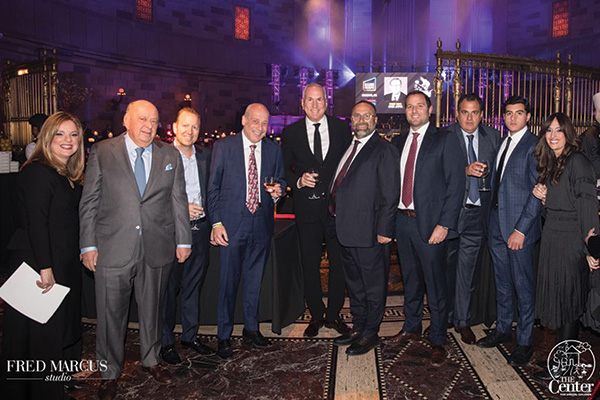
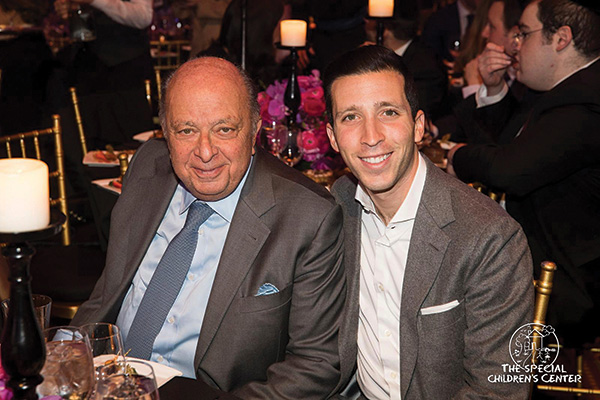
Built with the love, sweat and tears of a few devoted individuals and a cast of hundreds who support them, The Special Children’s Center started with two kids in Jenine Shwekey’s basement after school; then four, and then six. When she and Chaya Bender found themselves taking care of 16 kids they expanded into a bright and cheery apartment and began to ask for help. The year was 1996, and they were just teenagers at the time. As they began to ask for donations of furniture, services and money to bring joy to these kids, many friends and acquaintances discouraged them, but it only made them work harder. One by one, people joined their cause, as they formed the alliance that would become the Special Children’s Center; Richie Dweck, Elliot Tawil, Harry Adjmi, Dr. Gayle Krost, Michael Cayre, Norma Cohen, Jeff Sutton, Steve Rosenberg, and of course, Yaakov Shwekey, the Center’s most vocal supporter. They pushed for every dollar, every expansion, every square inch of play space, and every tool needed to make each special child’s life the most it could be. Today, Jenine and Chaya’s dream is thriving. The Center hosts more than 450 special children daily across three locations. Every year, the number of families needing the Center’s services grows. Every year the Center needs to grow with it. The day that Stanley Chera first met the founders of Special Children’s Center, it was at an event that took place in his own home. It was July, 2013. His daughter-in-law, Carol had been doing arts and crafts with the Center kids together with a few of her girlfriends. Later on, her daughters began visiting the Center on their own, once a week. They became attached, finding something beautiful in these kids, and when Jenine and Chaya were searching for an event venue, she suggested the Chera home in New Jersey.
Stanley said ‘yes’ without asking too many questions. That year they had created a “make a wish fashion show” for the children. Norma Cohen held the microphone while wishes came to life in every form, from front row tickets to Selena Gomez and Justin Bieber, to princess dreams, basketball star introductions, and so many other joys, large and small. When Stanley arrived home on the day of the event, he found a helicopter on the lawn, a forty-foot runway in place, and a white horse complete with Cinderella carriage in tow. He was in awe. This was his kind of show, and he could not believe his eyes. He looked at the two young women in charge and said incredulously, “Who are you, and how did you make this happen?” Jenine recalls, “I think he saw a lot of himself in us. The crazy lengths we went to achieve our goals, the constant push and the sheer love for these children. He was on board immediately, and when we took him to Lakewood to see the building and meet the kids, he was as in love as we were.
The Businessman
Stanley Chera was and will always be a legend. He was known to be smart, savvy, and unbelievably creative. His enthusiasm was contagious, allowing him to appreciate the value in things many others could not fathom. Born to Isaac and Florence Chera A”H, Stanley was raised in Brooklyn with two sisters, Helene and Louise, and a younger brother, Morris. The family grew up simply, without much money or fanfare, and Stanley worked after school delivering newspapers on his bicycle. When his dad took over a small hat store to open a discount children’s wear shop, he could not even afford to buy a new sign for the storefront, so Suzette’s Hats became Suzette Kiddie Togs overnight, and the seeds were planted for a future in the children’s wear business for the Chera family.
Isaac Chera fell ill at a young age, and so Stanley began working when he was just 13 years old. He was so young. He took the train to Fulton street alone, while his mother constantly worried where he was. By the time he was 15, he quit school to work full time, helping to support his family and running the store on his own. It wasn’t an easy road, but that only gave him the incentive to want more, and the motivation to work harder for it. He was surrounded by successful people. He had smarts and wits and drive. As his business grew from a 500 square foot store to a 10,000 square foot store, and then to a chain of stores called Young World, Stanley fought to make a name for himself and his family. As retail began to decline, he realized there was greater potential in the land itself than in operating the business. He started to buy the real estate on which his stores stood, and kept going. He was not afraid to go big, and then bigger still.
Stanley was a powerhouse and a miracle maker. His passion, creativity and fortitude would help change the face of retail, both in Brooklyn and on 5th Avenue. His attention to detail and smart business sense not only made him one of the most respected men in business today, but a force to be reckoned with worldwide. They called him “The Shark,” fittingly. Powerful, efficient and dynamic, Stanley was never afraid to swim with the big boys. He moved mountains every day, and his foresight and prudence created the foundation for the future of the family’s real estate business, Crown Acquisitions. The fact that his heart was made of pure gold was the cherry on the sundae.
The Philanthropist
For so many years, Stanley and Cookie stood at the forefront of the charity that this community thrives on. Stanley loved to plan parties and it was with joy and pleasure that the Chera’s gave back, elegantly and impeccably, hosting gala after gala at their home, lending their name and services to so many organizations. As founders of the Sephardic Community Alliance, they set the example. They are key donors, if not founders of almost every charity our community depends on, including SAFE, UJA, Sephardic Community Center, Bikur Holim, Food Fund, American Friends of Rabin Medical Center (Israel), Exceed, and United Hatzolah, among so many others. Stanley also arbitrated countless dilemmas in both personal and business situations. Stanley supported so many causes, from youth to health issues, both within our community and worldwide, but amongst all this giving, The Special Children’s Center stands out.
Jenine recalls the planning of the first Cipriani event. “When Stanley was working with us it was still ‘work’ for him; his mind reeled the same way it would for any business deal. ‘We need to raise big money. What’s hot now,’ he asked out loud. ‘Real Estate,’ he said, answering his own question. ‘And what’s the hottest place in NYC?’ Cipriani. And so, we began plans for a Real Estate event in Cipriani for the Special Children’s Center. We had no idea what we were doing, but Stanley guided us through every step of the process. He challenged us, and it only pushed us to excel.
“We held the Cipriani event to tremendous success three years in a row. At the last one, we invited Lloyd Goldman to speak in Stanley’s honor. It was a surprise, and when he walked onto the stage, Stanley was floored. I remember him smiling, and looking at us in that way he had, ‘You girls don’t stop,’ he said. He was always so proud of us.”
Stanley believed in the power of these kids, and in a speech that he made in 2016 he said, “When a parent has a special child, it is not what they bargained or hoped for, but it can still be a blessing…We have so much to gain from the purity and innocence of these kids; from the sheer joy they get through the simplest of activities… You have to understand what this Center is for these kids. Go and visit, see for yourself. It is truly jaw dropping.” Richie Dweck, the Center’s very first supporter, explains, “Stanley had real rachmanut (empathy) for the children, and for the mothers who roll up their sleeves and give so much daily. He understood that for them this Center is a necessity. The kids gravitated towards him, too, like a big teddy bear. They saw the sunshine in him, and when Stanley called on donors it was his sincerity and true love for these kids that inspired them to join him in this cause. From the day he stepped foot in the Center the dynamics changed dramatically. He really brought these incredible children into the limelight.”
Stanley’s Girls
Jenine and Chaya became Stanley’s girls. They had a standing date with him every Friday. Chaya would bring his favorite, homemade chopped liver and Jenine would bring her energy and excitement for a cause that never stopped breathing. Stanley was often heard proclaiming, “These are the forgotten children. And as long as I am alive, they will not be forgotten.”
Jenine explains, “We lost a prince the day Stanley passed. I remember the first day he came to the Center. He was wearing a bright orange sweater. When he came inside to meet the children he just burst out crying. He fell in love with the kids and the place, but did not understand why we had several trailers attached to our state-of-the-art building. We explained that unfortunately the demand is just too high, and we didn’t want to refuse any children. We had to create more space, we could not say no. He wiped his tears, and immediately began going through his personal phone book, making calls and matching each donation as they came in. Chaya and I and Richie were all there. He looked at us and said, “You are going to get this building built and you will not be in debt. I am going to help you raise the money, and it will happen, I promise you.”
Norma Cohen, world renowned event planner and dear friend to the Chera’s remembers, “I believe that Stanley was the single person to give these girls the confidence and courage to raise money to numbers they never dreamt about. He was as excited about Center events as his own black-tie parties. He was involved in every step, and couldn’t wait to see the success. I remember when we were in Cipriani he would come check on the setup in the middle of the day. He’d make sure the model of the new building was set up just so, and that the seating arrangements were perfect. He did this selflessly, with nothing to gain. He just had pure love for these children.”
It’s Not What You Know…
Chaya Bender remembers, “We’d walk into Stanley’s office, sometimes with an appointment, and sometimes without, but no matter what he was doing, he made the time for us. One time, Stanley excused himself because the Oval Office was on the phone. Moments later he was right back there with us. Another time, Yaakov got us a last-minute meeting with a big fan of his, Brazilian businessman and tremendous philanthropist, Mr. Elie Horn. We called Stanley and told him we were 20 minutes away. He replied, ‘I’ll meet you there in 10.’ That was his way.”
We all know that Stanley was unafraid of people, and nobody was too big or powerful for him to approach. He had known Donald Trump from the real estate world and met him when he was one of 16 candidates running for President. He liked him and believed in his platform, and so they became fast friends. What people may not know is that Stanley did not ask much from the President, not for himself or the community. Except for one time.
Jenine recalls, “Charlie Kushner invited us to a Hanukkah party at the White House. We were so excited! We were allowed to bring just one guest. We decided it would be a special child, Bo. It was not an easy task. Bo had a ventilator and a wheelchair, but he also had a real dream to meet the President of the United States. When we arrived, we were part of a large crowd at the party. We tried to get close to Trump, but everyone was ignoring us. Bo was so disappointed. We called Stanley, and of course, within moments, the President made his way past security and towards this incredibly special boy. It was crazy. I am told it is the only favor he ever asked of the President. A special favor for a special child.”
Family
Stanley was the ultimate optimist who lived every day to the fullest. While his business dealings took much of his time, his crown jewels were truly the wife he adored, his three sons and daughters-in- law, and his many grandchildren and great grandchildren. He loved life, and when he passed at 77 years old, on April 10, 2020 due to complications from COVID-19, a light went out in this community and around the world. He was a force on more fronts than anyone can imagine.
Stanley marveled as his dynasty continued to grow. His children refer to him as the glue that kept them all intact, and insist that he always put their needs before his own. As far as he was concerned every problem could be solved, and every pinnacle could be reached and surpassed. No decision was ever made without him, and it’s no wonder, because Papa always knew best. He did everything with a smile, and without stress. He was not afraid to be who he was, and by example, he gave his family the impetus and direction to live lives of honesty, philanthropy and industry. He was their greatest protector, and his sons Isaac, Haim and Richard follow his lead.
Renee Chera, Haim’s daughter recalls, “His dedication to the Special Children’s Center was unexpected, but as we watched how he connected with the children, we realized that it wasn’t about the money or the building. It was truly about the kids. He just always felt that these kids were his responsibility.”
Stanley H. Chera agrees, “My grandfather’s life was not linear. It was full of ups and downs, and I think these kids resonated with him because they’re the underdogs, like he was, once upon a time. He had a personal investment in them to succeed, and he wanted to provide the best for them as he would for any one of us. He always reminded us that money had no inherent value. He only used it as a tool, a conduit to do the things he wanted to do and to better the lives of those around him. ‘It is not about how much you have,’ he would say, ‘but what you do with it that is important.’ He gave us more than we could imagine, not trying to impress us, but because it was his way. Even when he got others to match his donations it was him sharing in the mitzvah of giving. It was always out of love.”
Stanley never took ‘no’ for an answer. He didn’t ask for money for the Center, he demanded it. Harry Adjmi recalls, “Stanley was so sensitive to the kids. He’d say, ‘we have to do everything we can because they can’t help themselves.’ He wanted all the children to be taken care of, and wanted to be sure that we’d have enough space to handle any child that needed the Center’s services. He believed fully in the new building and was determined to see it built within the year. He had a unique power with people because he was genuine and they knew it.”
Christine Lompado, executive assistant to the Chera family, planned thousands of appointments for Jenine and Chaya and Stanley over the years. She adds, “All I can say is how dear the Center project became to him as the years went by. He loved the kids and wanted to make sure they had the best. The energy of Chaya, Jenine and Gayle propelled him to want to do more.” In 2020, almost 25 years since its inception, so many more have joined the Center bandwagon, Elliot Aizer, Jack Scaba, David Hillel, Jack Klugman, Sam Zeldes and so many new young minds. Center care is 24/7. Every weekend. Every legal holiday. It’s a place of music and dancing and art—dinner and bath time. They take the children on vacation and provide work skills and homes when the kids become adults. This is not a school, but a respite for families with special children—a place where the kids can play and relax and learn, and be free of labels and stares. This Center is unlike anything else in the world.
On June 15, 2020 The Special Children’s Center made history with the live fundraising event of the summer, Singing in the Rain. Between the virus, the quarantine, the looting of our beloved city, and most devastating, the illness and death of far too many of our loved ones, G-d knows we have seen plenty of rain. And yet, today, while sadness fills our hearts, we find ourselves taking a page from the Special Children’s playbook, pushing through to the sunlight, singing and smiling. I say to myself, Hashem has a plan. He is forming an army up there, and without question, our beloved Papa, Stanley Chera A”H, must be the general.
Jenine concludes, “Stanley’s children would tell me that when he was with our kids he would have his best day ever. It felt like he was the captain of our ship; he’d lift everyone up, like it was his responsibility. He was always thinking of us and taking care of us; we never had to remind him. He had big dreams for these children, and I hope that his dreams carry on now that he is gone. We are so grateful. Our hearts are broken.”
Thank you to all who shared their stories with me, we have lost a diamond this year. To share in Stanley’s mitzvah and donate to Special Children’s Center please contact chayab@thecenternj.org.