Home Blog Page 59

RETIREMENT DURING PERIODS OF HIGH INFLATION

DAVID HOORY CLF, LUTCF

THOSE WHO REMEMBER THE SKY-HIGH INFLATION IN THE 1970S AND 1980S HAVE BEEN HAVING AN UNSETTLING FEELING OF DEJA-VU. INFLATION, WHICH HAD AVERAGED UNDER 2% FROM 2010 TO 2020, SPIKED TO 7% IN 2021. IT WAS 6.5% IN 2022 AND 4.9% IN THE FIRST QUARTER OF 2023.

Will we again have to deal with years of hyper-inflation? Probably not. In the 1980s, the Federal Reserve learned (painfully) that even the most firmly entrenched inflation could be tamed if the Fed aggressively raised its benchmark rate. The Fed has been raising it, but has been trying not to raise it so quickly that it tips us into recession.

And because inflationary expectations can get baked in, it often takes time to bring them down. So those who are currently retired or are close to retirement will need to adjust their plans to make sure they can manage during inflationary periods.

The first step is to go over your bank and credit card statements for the past few months to see where you are spending the bulk of your money. (The top expenses for retirees tend to be housing, healthcare, transportation, and food.) Also list any major expenses you are thinking of taking on (like a new car, a European vacation, or renovating your kitchen). The second step is to start thinking of ways, large and small, to save or to delay spending.

Retirees are often advised to move to a smaller house or apartment. Remember, though, that moving can be expensive, so before you commit to a move make sure you will have lower mortgage payments (or a lower rent), lower taxes, and less maintenance. On the smaller but still significant level, see if you can continue to drive your current car for a few more years. If you cannot, consider buying a secondhand car rather than a new one. If you live in an area with good public transportation, try getting along without a car for a while. Put off that kitchen renovation if you don’t have a reasonable bid from a reputable contractor. Before you commit to a long-distance vacation, compare airfares over an extended time period, and don’t purchase the ticket until you can get an unusually good deal.

Seek out small ways to save. Combine as many errands as possible to save on gas. Carpool with a neighbor if there are gatherings you both attend. Cut back on the number of times you eat out, and do the bulk of your grocery shopping at the store with the lowest prices. Pay particular attention to food you throw away, and see if you can shop more wisely. Wait for sales before you buy clothes. And check out local thrift shops.

Keep a close eye on your income as well as your expenses. Social Security has cost-of-living adjustments, but they don’t always keep up with the inflationary challenges of individual retirees. Private pension plans often make no adjustments at all for inflation. Whether a 401(k) or IRA can keep up with inflation depends on how the money within it is invested. Stocks are far more likely than bonds or cash investments to keep up with inflation and taxes. So, make sure your retirement portfolio is diversified and that a significant amount is invested in stocks (preferably mutual funds or exchange-traded stock funds), assuming that you are comfortable with the fluctuations in these investments.

A diversified portfolio also means making sure you have some guaranteed income—no matter what. If you’re not covered by a pension plan, consider using a percentage of your retirement savings (perhaps 10% or 20%) to purchase an immediate lifetime annuity. That way, no matter what happens to the rest of your retirement portfolio, you will have some income that is guaranteed for life. An inflationary period, paradoxically, can be a good time to purchase an annuity. Interest rates will be up, and you’ll be able to lock in a payout rate that is a bit higher. Note that the annuitization period of an annuity involves payments partly representing a return of your principal, and annuities have limited liquidity.

To learn more about the information or topics discussed, please contact David Hoory at dhoory@newyorklife.com, or call him at (718)307-3400. This educational, third-party article is provided as a courtesy by David Hoory CLF, LUTCF, Managing Partner New York Life Insurance Company.

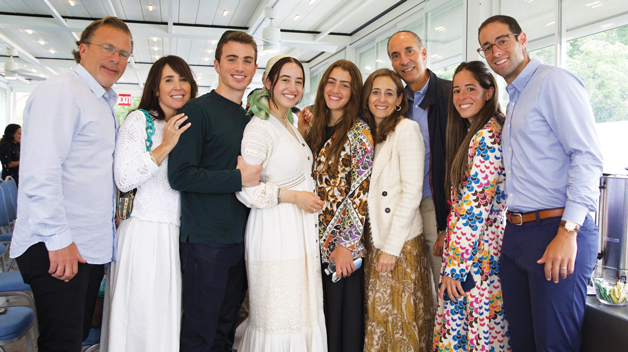
MELEMEDET CELEBRATES ITS FIRST COMMENCEMENT CEREMONY

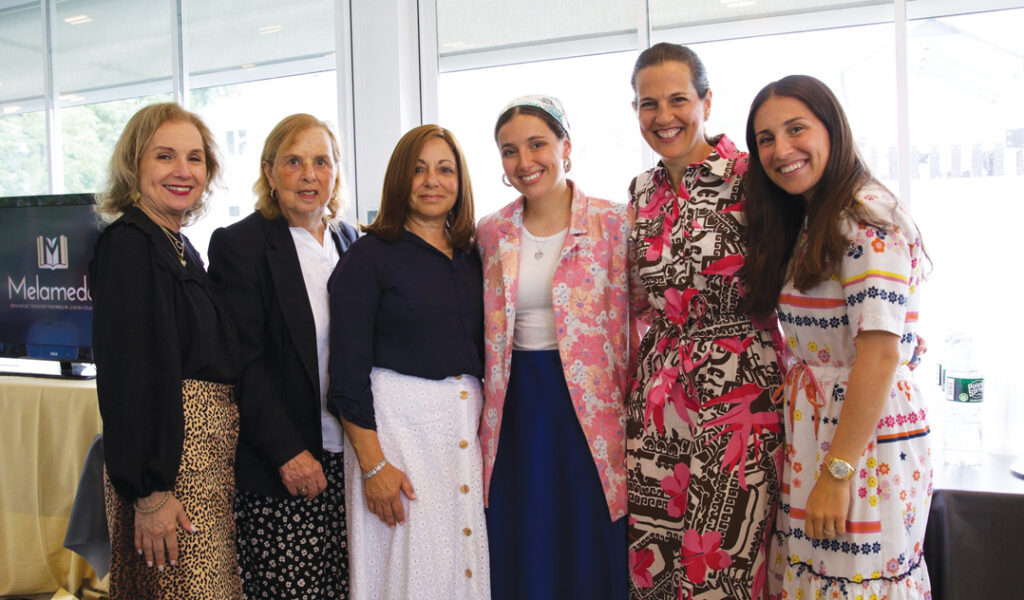
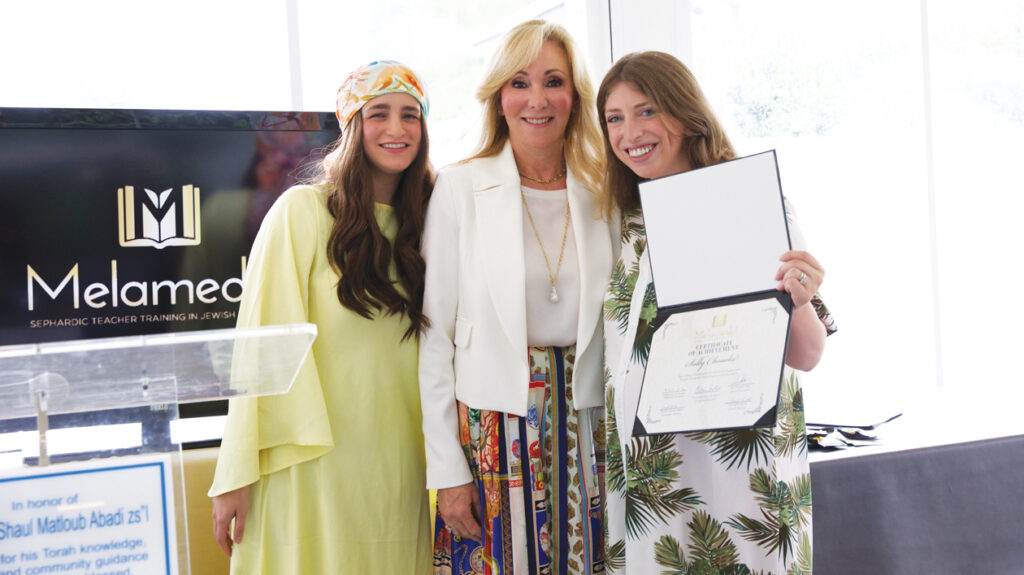
ON THE MORNING OF JULY 16TH, MELAMEDET WAS BLESSED TO CELEBRATE A BEAUTIFUL MILESTONE. THE MELAMEDET TEACHERS-IN-TRAINING HAD FINALLY COMPLETED THEIR THREE YEARS OF COURSEWORK AND WERE ABOUT TO MOVE FORWARD ON THEIR JOURNEYS TO BECOME QUALITY JUDAIC STUDIES TEACHERS THROUGH OBSERVATIONS AND MODEL LESSONS IN THE CLASSROOM AND BEYOND.

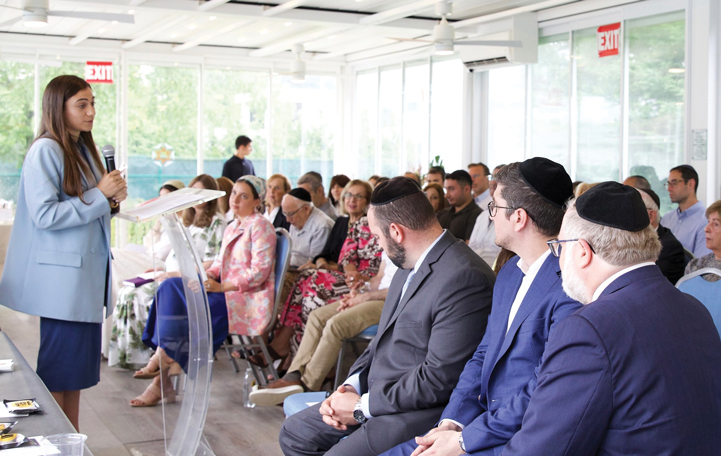
The students were celebrated with a beautiful commencement ceremony with meaningful and impactful speeches and words of wisdom from Rabbi Saul Kassin, Dr. Esther (Leventer) Betesh, Mr. Sammy Saka, Dr. Gayle Krost and the students themselves: Sally (Mizrachi) Choueka, Eileen (Franco) Dweck, Judy (Sitt) Elmann, and Mary (Jajati) Swed.

Friends and family came together to celebrate the momentous occasion and to support the young women who will Be’H be the conduits for the next generation of Jewish education.

Melamedet began four years ago with the goal of bringing more quality community Jewish educators into our community schools and after school programs.

The program aspired to bring women who would be role models inside and outside the classroom and make Torah not just another subject, but a genuine way of life. Looking at the four amazing women celebrated at the commencement ceremony — with Hashem’s help and the incredible support of teachers, board members, family and friends — Melamedet is set to accomplish just that.

As the students were working on steps to become Judaic studies educators, Dr. Esther (Leventer) Betesh, program director, was working on her dissertation in the field of Jewish education. One significant finding that she learned throughout her research journey was that many Judaic studies teachers have the capacity to play one of the greatest roles in the religious observance and spirituality of students- Just think of the sheer amount of time students spend with teachers. The impact that teachers have on our lives is tremendous and boundless — they are always worth investing in.

The Melamedet family all shared so much together and bonded in ways that will be cherished forever, through weddings and baby celebrations to late night conversations and meaningful events. Mary even got engaged thinking she was giving a Melamedet class that night — that’s how much this program has become a part of everyone’s lives.

Thank you to Rabbi Saul Kassin, Rabbi Joseph Dana, Rabbi Ovadia Alouf and Dr. Gayle Krost for their guidance throughout this journey. Thank you to the amazing Melamedet teachers Rabbi David Tawil, Rabbi Joseph Dana, Mrs. Tamar Braun, Rabbi David Massry, Mrs. Benjamin, and Mrs. Lisa Didia A”H whose neshama should have an aliyah. Thank you to Bet Rachel (Larchwood Shul) for graciously hosting.

A huge thank you to Mr. Sammy Saka who believed in Melamedet and is the true representation of what it means to do things leshem shamayim. Sammy always said that even if only one Judaic studies teacher came out of Melamedet, it would be worthwhile for the generations of students they would inspire. Melamedet can proudly say that Mary, Sally, Eileen, and Judy have already inspired countless students and Be”H” many more to come.

REFLECTIONS FROM STUDENTS

Sally (Mizrachi) Choueka:
Surrounded by teachers, family, and peers, the Melamedet graduation was just the beginning of a lifelong commitment to Judaic studies. Receiving our diplomas was a first step to passing on what we’ve learned, and what we are yet to learn. I am so grateful for the spaces, encouragement, and finally the launch into Judaic teaching that the program has provided. Sending out a warm thank you to all who made that possible, I am looking forward to teaching with confidence.

Judy (Sitt) Elmann:
Melamedet’s commencement ceremony was truly inspiring and a culmination of my incredible journey with the program. The support and mentorship I received throughout my time at Melamedet have been invaluable, shaping me into a confident and skilled teacher. The experience has not only enriched my knowledge but also fostered a strong sense of community and camaraderie among students. I’m grateful for the transformative learning opportunities, and I believe future students will find Melamedet to be a nurturing and empowering environment that propels them towards success.

Mary (Jajati) Swed:
Being a part of the Melamedet program for the last 4 years has been absolutely incredible. I learned so much, taught even more, and researched the true foundations of what it takes to be a sterling educator. The commencement ceremony was a beautiful celebration of the culmination of this chapter. Special thank you to all who played a part, as I eagerly anticipate the opportunity to teach with a renewed sense of passion and purpose.

Eileen (Franco) Dweck:
I’m so appreciative to Melamedet for the opportunity to pursue teaching Torah. The commencement reminded me of the imperative to teach Torah, enhancing the meaning of my goal and charging me up to achieve it. I’m so excited to see my fellow graduates continue teaching and growing. From them I learned so many different ideas and perspectives that I actively include in my teaching and I’m so thankful that they made me think about teaching in a whole new way.

Eileen (Franco) Dweck:
I’m so appreciative to Melamedet for the opportunity to pursue teaching Torah. The commencement reminded me of the imperative to teach Torah, enhancing the meaning of my goal and charging me up to achieve it. I’m so excited to see my fellow graduates continue teaching and growing. From them I learned so many different ideas and perspectives that I actively include in my teaching and I’m so thankful that they made me think about teaching in a whole new way.

To learn more about Melamedet please visit Melamedet.org and follow us on instagram @melamedet_.

CHESED 24/7 24 HOSPITALITY ROOMS & COUNTING

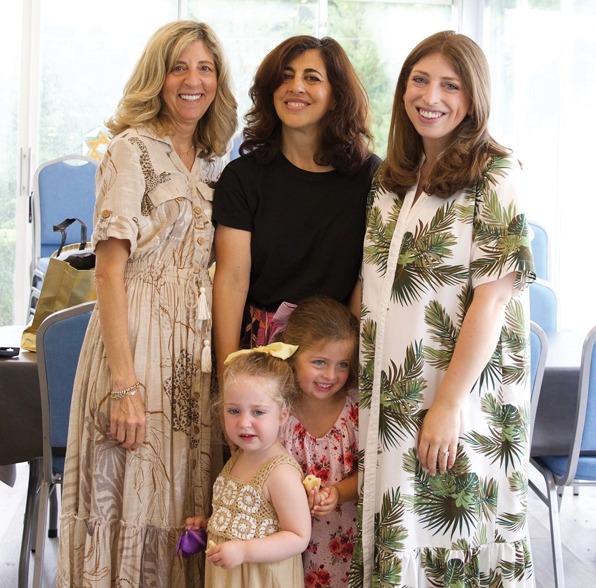
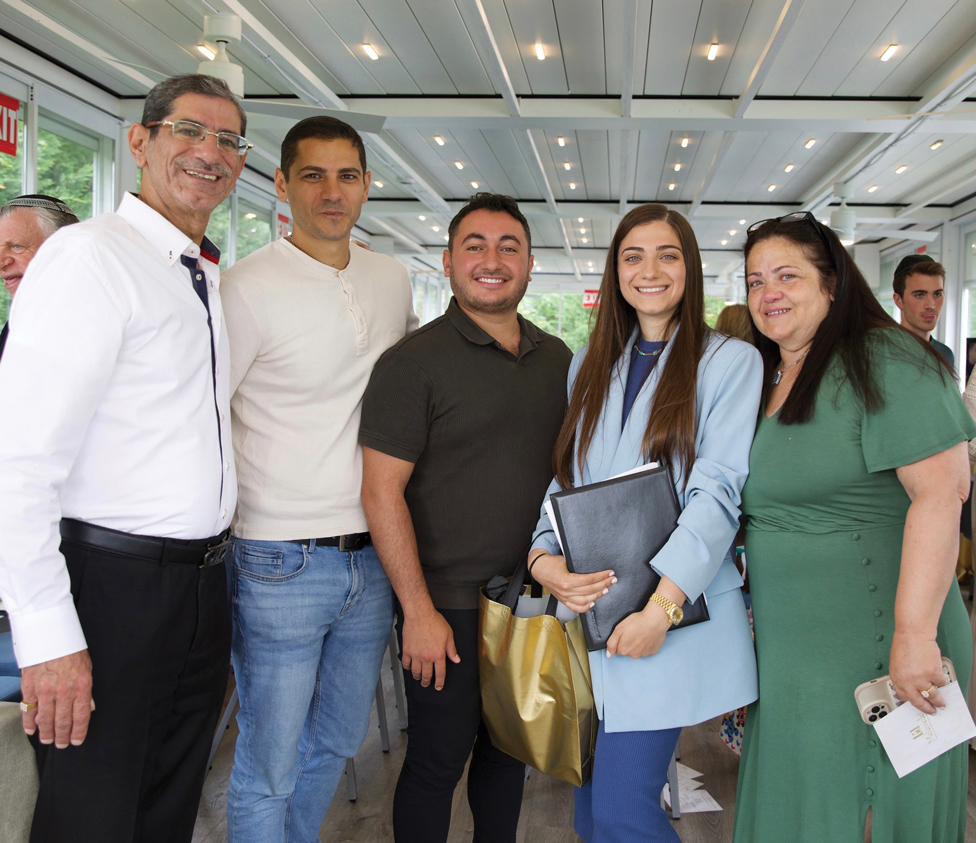
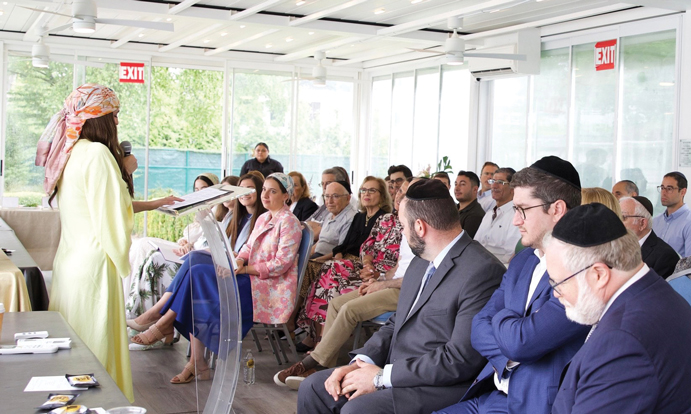
AN EMERGENCY. A LOVED ONE IS IN THE HOSPITAL. THE CHALLENGES ARE ENORMOUS. FINDING THE RIGHT MEDICAL CARE, COPING WITH A NEW REALITY. THE FAMILY NEEDS TO BE THERE. WHERE WILL THEY SLEEP? WHAT ABOUT FOOD? THAT’S WHERE CHESED 24/7 STEPS IN.

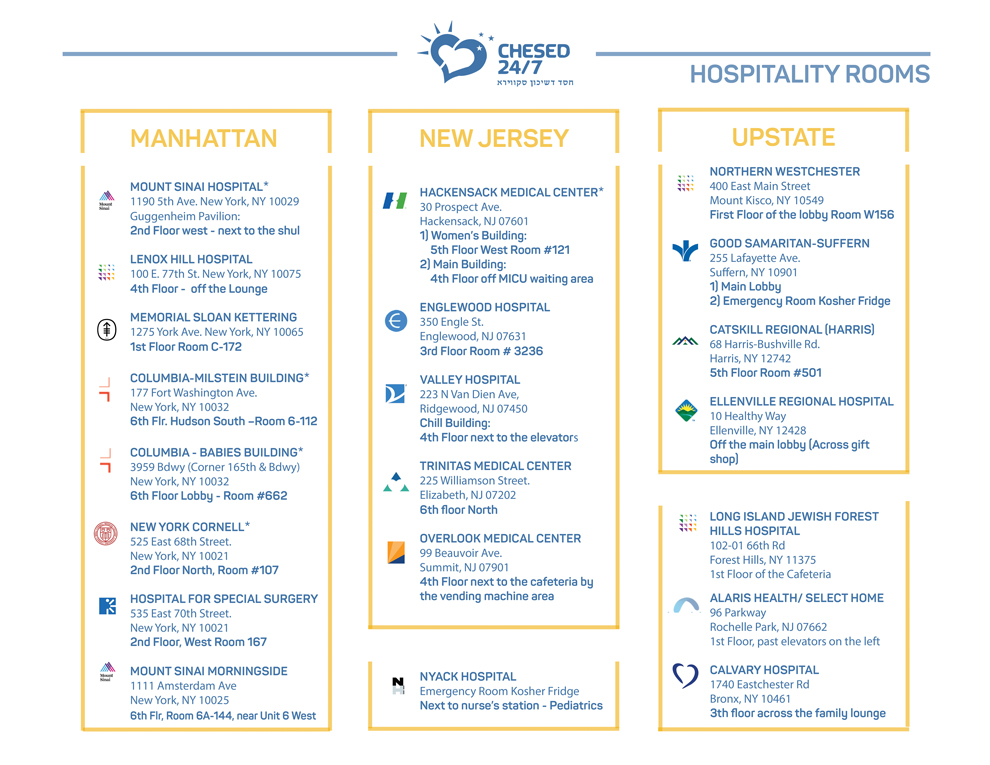
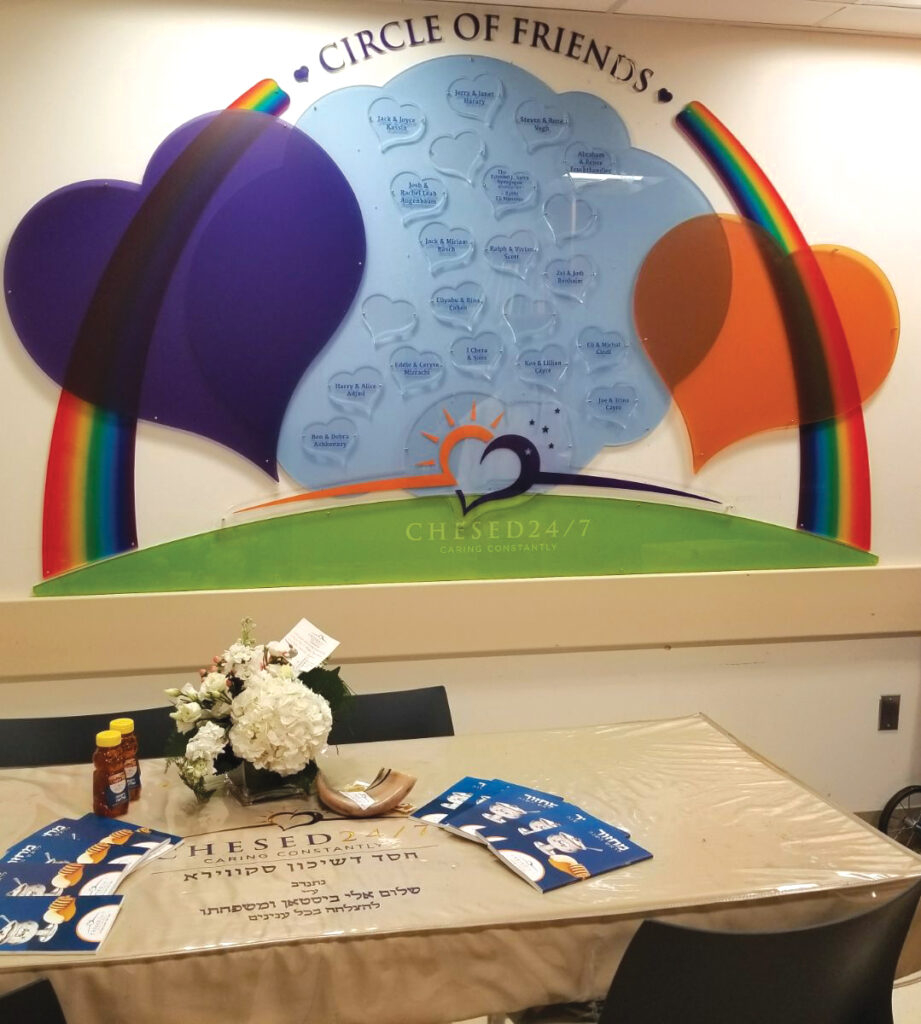
Ayour home in the hospital.” That’s Chesed 24/7’s motto — to make sure family and caregivers don’t have to worry about anything except making sure their loved one gets better. As Nathan Hoffman of Chaim Medical put it so well, “When someone is going through a medical challenge part of the struggle is feeling alone. Chested 24/7 eliminates that feeling which allows you to focus on what’s most important, you or your loved one’s health.” So sleeping accommodations are provided.There’s a Chesed 24/7 hospitality room, plus daily and Shabbat/Yom Tov meal deliveries. There’s shofars, a sukkah (we built 25 last year), lulav and etrog, Pesach Seder plates, Shabbat in a Box with electric Shabbat candles, Kiddush, and more. These rooms are visited literally hundreds of thousands of times a year. There are over half a million visits annually.

Starting from humble beginnings at Good Samaritan Hospital in Rockland County, moving on to NYP-Columbia in upper Manhattan, Chesed 24/7 now operates 25 hospitality rooms throughout the Metro area and beyond. These rooms never close. They’re open 24 hours a day, every single day of the year. And each hospitality room was and is a milestone event. It takes a lot for a hospital to be willing to give up space. But with perseverance and dedication, all of the major hospitals in Manhattan now have a resource that has proven to be a lifesaver for so many.

Of course each room represents a financial investment as the hospital needs funding to convert the room into a patient oasis. The Syrian community has been instrumental in the growth of this important community service, partnering with Chesed 24/7 to dedicate three hospitality rooms so far. In 2015, Debbi Gindi dedicated the Chesed 24/7 hospitality room at Weill-Cornell in memory of her beloved husband Jack M. Gindi A”H. In 2016, the Pauline and Maurice R. Cohen Hospitality Suite was dedicated by Esther and Neil Saada, Sarah and Albert Maleh, Debbi Gindi, and Rachelle and Mark Harari.

Also in 2016, at the inaugural annual Chesed 24/7 Breakfast event hosted by Ken and Lillian Cayre, the community dedicated the Chesed 24/7 Hospitality Center at Columbia Children’s Hospital as the Circle of Friends. Major Donors included Harry and Alice Adjmi, Ben and Debra Ashkenazy, Josh and Rochel Leah Augenbaum, Jack and Joyce Kassin, Joe and Trina Cayre, Ken and Lillian Cayre, Abraham and Renee Fruchthandler, Eli and Michal Gindi, I. Chera and Sons, Zvi and Jodi Ben Haim, Jack and Miriam Basch, Eliyahu and Rina Cohen, Ralph and Vivian Sitt, Steven and Rina Vegh, Eddie and Ceryse Mizrachi, Jerry and Janet Harary, The Edmund J. Safra Synagogue, Brooklyn Rabbi Eli Mansour, Isaac and Sharon Hazan, and Saul and Brenda Hazan.

Then, most recently the Chesed 24/7 Hospitality Room at Mount Sinai Hospital, was due for an upgrade. Jeff and Rachel Sutton graciously dedicated the entrance to the room, in memory of their brother-in-law Jack Gindi A”H. Despite the Covid pandemic intervening and delaying the project, it was completed just a few months ago. It has a modern, clean new look with more improvements on the way.

Chesed 24/7 and the Syrian community have tirelessly worked together to constantly add and upgrade services. In this past year alone three new rooms were opened. More are on the way. As Rosh Hashana approaches, we pray for Hashem to grant a happy and healthy New Year for all, in the great merit of our care and support for hospital patients and their families.

ROSH HASHANAH BOOKKEEPING RESOLUTION

SANDRA LAZAR

WITH ROSH HASHANAH FAST APPROACHING, WE START TO THINK OF PERSONAL AND BUSINESS RESOLUTIONS THAT WILL IMPROVE OUR QUALITY OF LIFE AND FINANCES.

Now is a great time to ponder and reflect, both on our personal and business resolutions.The bookkeeping resolution for improving the financial awareness and profitability of your business is an excellent goal for the upcoming new year. These 7 bookkeeping resolutions will serve as year-round best practices.

GET YOUR BUSINESS ORGANIZED
Keep complete records of bills, receipts, and invoices to maintain accurate income and expenses for the year to come.

For businesses with significant cash inflows and outflows, accounting software can be very beneficial. Software such as QuickBooks can automatically log and categorize transactions to enable better financial organization. These programs integrate with banks and include invoicing and payment options that can be configured to your individual business needs.

CREATE A FUNCTIONAL CHART OF ACCOUNTS
A clear chart of accounts is crucial for financial reporting. Compile a list of all income, expenses, assets and liability accounts that are used in your business’ financial transactions. Determine which items you’d like to measure when reviewing your business’ performance. Having the chart of accounts set up properly is the basis of all your financial reports.

CLEAN UP ACCOUNTS RECEIVABLES
Another great bookkeeping resolution is to review and stay on top of your business account receivables. Reviewing outstanding receivables will help you determine what can reasonably be collected and what may need to be written off. Having such information at the click of a button will help in the decision of whether you should be extending or denying credit on future transactions.

TRACK INVENTORY
Having an accurate record of your inventory should be an ongoing effort to optimize business operations. Tracking inventory has the following benefits:

  • Determine which products sell best.
  • Being able to analyze seasonal patterns and trends to enable better decision-making.
  • Mitigate loss from fraud (you can’t know what’s missing if you don’t know what you have)
  • Eliminate old or obsolete inventory

PERFORM REGULAR BANK RECONCILIATIONS
Ideally, bank reconciliations should be performed monthly or at least every quarter. A busy holiday season and staffing limitations can thwart even the best financial intentions. If scheduled bank reconciliations have been missed, now is the best time to catch up, perform a much-needed reconciliation of cash and credit account balances, and once completed, you can maintain healthy and accurate financial records going forward.

During the reconciliation process, look for errors and account for cash in-transit. Clean up any identified issues immediately to avoid further issues later with reporting.

CONDUCT AN INTERNAL FINANCIAL REVIEW
With accurate financial bookkeeping in place, you can easily review financial reports such as the business’ income statement, balance sheet and statement of cash flows. The reporting will give you the critical information you need to understand where to better focus and how to increase the business’ profit margin.

DEDUCT EXPENSES CORRECTLY
Before filing taxes, it is important to ensure that all expenses incurred in the process of running your business get deducted appropriately.

Keep track of items like cell phone usage, automobile expenses and home office allocations to determine what percentage was for business verses personal purposes.

Exceeding allowable deductions, whether intentionally or unintentionally, can increase the risk of a tax audit. It is recommended that you consult a professional financial expert on what deductions are permitted.

Wishing all the IMAGE readers, a Shanah Tovah, a happy and healthy personal and business new year to come.

Sandra Lazar graduated Brooklyn college in 1995. She has served as a CFO in a variety of businesses for the past 25 years.

DSN SUMMER BASEBALL LEAGUE

A DECADE OF EXCELENCE ON THE DIAMOND

IN A WORLD FILLED WITH TECHNOLOGICAL DISTRACTIONS AND FAST-PACED LIFESTYLES, THE EDWARD M. DWECK SUMMER BASEBALL LEAGUE STANDS AS A TESTAMENT TO THE ENDURING APPEAL OF OUR COMMUNITY’S DESIRE TO PLAY TOGETHER AND STAY TOGETHER.

Since its inception 10 years ago, this remarkable league, headed by Sports Directors Jon Entel, has been bringing excitement to young players from kindergarten through ninth grade every Sunday, celebrating baseball, sportsmanship and camaraderie. As it embarks on its tenth year, the league continues to flourish, welcoming 540 players across 54 teams.

A dedicated group of parent coaches and DSN staff have tirelessly worked to elevate the league’s standards year after year. Entel acknowledges the rarity of an endeavor that consistently improves with time. “It is rare in any industry or profession for a product to continue to get better year after year, and that’s what we have with the DSN Baseball League.” In a world where attention to detail often makes the difference, the league stands as a shining example of how dedication, passion and commitment can create the greatest summer experience.

The League’s mission extends beyond mere competition; it’s about fostering growth both as athletes and individuals. Each week, 14 different fields become competitive battlegrounds where young athletes learn not only the intricacies of the game, but also the values of sportsmanship. It’s not just about swinging bats and throwing pitches; it’s about building character and forming lasting friendships.

The culmination of this summer-long journey is the highly anticipated World Series, which was held on August 20th. Teams vied for the championship title and the energy and enthusiasm on the field were palpable. As the curtain fell on another successful baseball season, the memories and friendships forged within the league endure. It’s not just about the scores earned; it is about the laughter and growth that happened on and off the field.

DSN’s Executive Director Sammy Sitt reminisces, “Jeffrey Ashear reached out to me in 2013 asking if DSN could put together a small league in the summer. I told him if he could recruit 40 players, consider it done. Within 24 hours he had all the players! Now, we have over 540 players from all parts of our community — different schools, different shuls — yet 1 baseball league. Bringing families together in a happy and exciting environment is what we do best. Thank you to Jon and our entire passionate staff for everything they do for DSN. Nobody does it better!”

HIGH HEAT & HOT SHOT

TOURNAMENT UNITES THE COMMUNITY

MARVIN AZRAK

AS THE SUN ROSE SUNDAY MORNING, JULY 23RD, 20 TEAMS CONSISTING OF THE COMMUNITY’S 100 BEST BASKETBALL PLAYERS, PLUS ATHLETES IN A MULTITUDE OF OTHER SPORTS, WOKE UP WITH DREAMS OF REACHING THE TOP OF THE SUMMIT. THEY WERE READY TO TAKE PART IN THE MOST COMPETITIVE DAY OF THE YEAR, THE LEGENDARY MDY HIGH HEAT AND HOT SHOT TOURNAMENTS, IN MEMORY OF JOSEPH SUTTON A”H.

This yearly event takes place at Jeff and Rachel Sutton’s home, bringing together the best players from the community, regardless of age or background, to battle it out in a multitude of sporting events, for the title of the best team/best player in the community. It requires both mental strength and physical fortitude.

Joe Sutton is the Hot Shot architect who worked hard to create balanced rosters for the tournament. Instead of simply having a dynamic duo take over, he wanted a team of togetherness to win the championship. After 18 years of organizing this annual basketball tournament, Sutton felt satisfied as he looked at how far it had come since its inception in 2005. “I started this tournament in eighth grade, and look what it became,” he said. Sutton is humbled that his childhood court is the venue for this annual coronation. However, he also recognizes that this day is more significant than sports. It’s a day when everyone comes together to honor the greatest dynasty in the world.

“I like to root for dynasties,” Rabbinical Leader of Magen David Yeshivah, Rabbi Eli Mansour, said in his speech honoring the day. “The New York Yankees had a dynasty in the ‘50s. They had a dynasty in the ‘60s. They had a dynasty in the ‘70s and 90’s. The Los Angeles Lakers had a dynasty in the ‘80s and 2000s. The Dallas Cowboys had a dynasty in the 90’s. The Montreal Canadiens constantly won the Stanley Cup in the ‘70s,” the Rabbi said, “But the most successful dynasty in the world isn’t the Yankees, Lakers, or Canadiens.” The greatest dynasty in the world is Magen David Yeshivah.”

Rachel and Jeff Sutton stood nearby, watching the events unfold in their backyard. The success of Magen David Yeshivah has always been a priority for them, and events like this help them raise funds for the institution. The school’s freshman enrollment is at a record high, and their senior internship rate is 100%. The Sutton family has played a crucial role in this success. Yet despite the aftermath of repair to their backyard, the annual gathering at their house has become a cherished tradition involving the entire community.

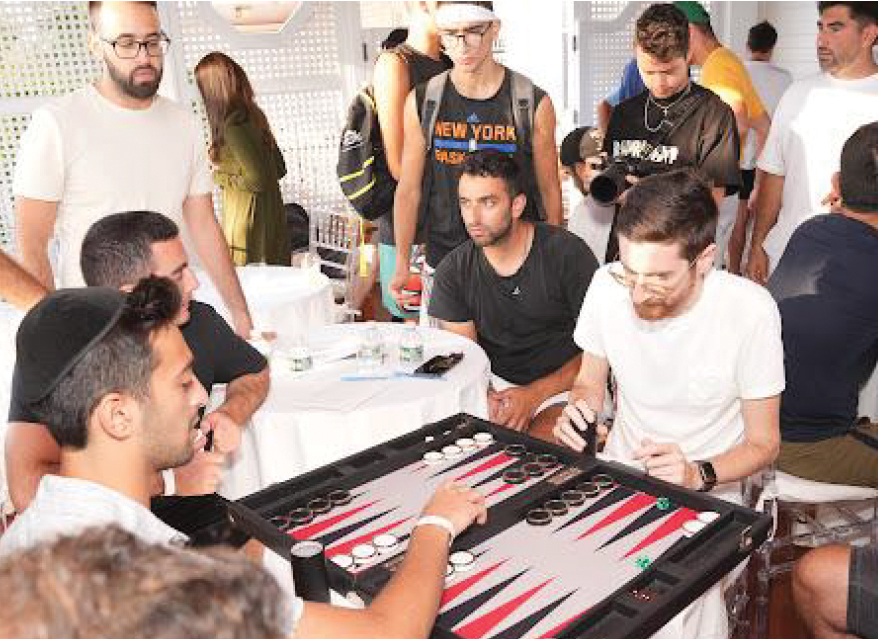
Every summer sport was represented in fierce competitions. Spikeball, beach volleyball, backgammon, dodgeball, tennis, pickleball, and of course, basketball.

By midday, only 12 teams of five remained. As the sun set, the question remained: who would win Hot Shot?

School, warmed up on Center Court Sunday morning, he couldn’t help but think of the two words his Warrior Coaches, Benny Mann and Joey Dayon, instilled in him: “Dream Big.” This same mantra inspired the two men to launch Dream Basketball Camp in the summer of 2020, starting on a backyard court in Fort Hoops, in New Jersey. The program has significantly expanded, helping to shape the community’s next wave of Yeshiva League and basketball stars. Parents have praised the coaching of Mann and Dayon, saying that their children feel like they get the most out of themselves when training with them. Next to Haber were four fellow high school ballers ready to embark on a momentous journey on center court.

One of those ballers was fellow MDYHS Senior, Captain Mark Sardar, known for his workmanlike play and intense focus. His mental strength allowed him to stay present, taking deep breaths to calm himself down when needed. He’s a leader on and off the court, even creating an Instagram account, “Dream_Dahaks,” to highlight the fun bloopers of Dream Basketball Camp. As the Hot Shot team captain, he understands that leadership goes beyond on-court prowess.

Next to Sardar and Haber were Beni Keyda, Zack Hassoun, and Moses Smeke. Keda and Hassoun are Flatbush Falcons Varsity stars, while Smeke is the newest offseason addition to the Warriors, transferring from Hillel for his senior season. Together they represented the next generation of community players by putting on a show. They weren’t satisfied with just being there. They came to win. Team Sardar went 2-1 in round-robin play, securing a playoff spot.

They defeated Marc Braha and Steven Levian’s teams but needed to beat Gabe Leifer’s team for a first-round bye (for those who are not familiar with sports terms, a bye means a team that is automatically advanced to the next round of a tournament, without having to play an opponent in an early round). Although Isaac Tawil’s game-winner sent them to the wild card round, they were confident. They beat Levian’s team again and faced them in the quarterfinals, which lived up to the hype.

In an intense clash, Sardar and Leifer fought to a tie, leading to overtime. Sardar’s three-pointer and Haber’s free throw helped them win and advance to the final four. They faced a team led by Eitan Gettenberg and Elliot Dweck, who dominated in group play and beat team Dayon in the quarterfinals.

Against Gettenberg, Beni Keda led Team Sardar to victory with impressive defense and accurate long-range shooting. He tied the game late in regulation, earning “MVP” chants, an award he would later share with Zack Hassoun. Team Sardar then rode the wave of momentum. A three-pointer from Moses Smeke gave them a 16 to 15 lead, but a free throw from Dweck sent the game into overtime. That was where Mark Sardar’s free throws sent his team, the “Slippers,” as dubbed by longtime Hotshot commentator Dee Simmons, to the championship. Joe Sutton’s prediction came true: Sardar and Sharifian were the last two teams standing.

Both Sardar and Sharifian were exhausted at this point in the day, making it a survival of the fittest. Sharifian took an early lead with a three-pointer from Buddy Setton, hoping to maintain their perfect tournament record. However, the young guns were a resilient team, and Sharfian had never faced such a challenge. Team Sardar rallied and won the game 21 to 14 on a mid-range jumper by Hassoun, changing the perception of community basketball.

The boys made history by becoming the youngest team to win Hot Shot in community basketball. Fans marveled at their teamwork and dedication. “They’re so young they can win every year,” a fan said. Maybe they can repeat this feat in 2024. However, the boys’ next focus is their senior seasons in Yeshiva League basketball, where Magen David is poised to dominate.

They’ll be anchored by their new “Big 3” of Mark Sardar, Jack Haber, and Moses Smeke. Throw in Joshua Chabbott, the crown jewel of community hoops. Throw in Philip Sherr, who led his team on a deep run in the High Heat tournament. Throw in Jacob and Alfonse Shiloach, among many others. It’s a powerhouse that’ll be a must-watch each time they take the court. With hard work and big dreams, these boys have what it takes to bring Warriors fans a championship. It’s all right there in front of them.

Amid the MDY High Heat and Hot Shot Tournament’s excitement, the day highlighted the unity of a community as one. Beyond competition, it symbolized a space where diversity faded, and a collective passion for sports and togetherness thrived, reminding everyone that this event was more than just a tournament. It was a celebration of harmony and shared purpose.

MDY would like to express their deepest gratitude for the incredible efforts of the High Heat team, including Michael Chattah, Adina Cohen, Eric Setton, Solly Spigel, and Joe Sutton, along with Gladys Ancona and Sheila Rubin.

Marvin Azrack is a community sportswriter.

PROPEL’S SUMMER EVENTS

THIS PAST SUMMER, PROPEL HAD THE PRIVILEGE OF HOSTING SOME INCREDIBLY IMPACTFUL EVENTS.

PROPEL kicked off the summer with an up-close conversation with Corie Adjmi, author of The Marriage Box. With women of all ages attending the event, interesting discussions ensued about Corie’s journey to become an author and aspects of her book. A special thanks to Adele and Eli Yedid for generously hosting the event.

PROPEL’s next event this summer was the annual boutique show, PROPEL MARKETPLACE, a 32-vendor supported marketplace of community women entrepreneurs selling jewelry, athletic wear, household products, clothing for children and adults, beauty products and so much more at the beautiful DSN Beach.

The Victoria Aronow PROPEL List is a free, digitized marketplace of women who sell food and other products, provide services or have a profession, including the vendors at the Marketplace. Please sign up and create a profile in order to be included in the digital directory. Get Listed! www.thepropellist.org/register/.

The next event brought us back to DSN Beach for the LET’S TALK DESIGN event under the PROPEL Entrepreneurs division, generously supported by Sharyn and Ezra S. Ashkenazi. A special thank you to Danielle Dabah for opening the program and discussing her career journey as an interior designer, and to our panelists — Jack Ovadia of Ovadia Design Group, Sarit Ovadia of The Finishing Touch, Jeanie Schrem of Kravet Textile Design, and Renee Mizrahi of RM Architecture Design — who each shared their professional journeys. The panel discussion was beautifully moderated by PROPEL’s Board President, Dr. Gayle Krost, and Board Member, Heleyne Mishan Tamir, to a standing room only group of participants. It was an inspiring evening!

Next on the summer calendar was TALK ABOUT IT TUESDAY for parents, educators and mental health practitioners under PROPEL’s Paulette Bailey/UJA Mentorship Program. The lessons explored there were invaluable as Dr. Jeff Lichtman, PROPEL’s collaborative partner at Touro University (Touro University Director of Graduate Jewish Special Education), and Minna Hanon Samra, school psychologist at Yeshivah of Flatbush, shared their views on the well-adjusted child, and the school/home partnership. Dr. Lichtman emphasized the importance of teaching children so they can become whatever they want to be; a child can grow and make a difference in this world. A special thanks to Ami and Ralph Sasson for generously hosting the event.

PROPEL greatly appreciates the support of the community members! It is donations from generous community members that help PROPEL fulfill its mission of providing women in our community the opportunity to improve their lives and the lives of their families through education, leading to greater financial stability. In the words of the Rambam, teaching a person a trade is the highest level of charity. It is these donations that continue to give, as community women continue to earn for many years to come.

PROPEL
646-494-0822 | info@thepropelnetwork.org | Instagram @PropelNetwork | www.thepropelnetwork.org

IS MONEY COMING YOUR WAY?

2 CRIPPLING RISKS & 3 THINGS YOU MUST KNOW

Most people might think it’s exciting, but you may have some mixed feelings about it. It’s common to be happy and relieved that you now have more money, and to be stressed out or worried about how you’re going to handle it, too.

You’ve got choices that you probably didn’t have before to make positive changes to your finances. If you’re like many Americans, you’ve got debt of some kind. Should you pay off all or a portion of it? If you have kids, should all or a portion be set aside for college?

Or instead, maybe this is the time to buy the larger house you’ve always wanted, launch your own business and stop working for “the man,” or travel the world and take a work break for a little while.

Money that comes in suddenly is often spent, seemingly, just as suddenly. But you don’t want to lose all the money you’ve just come into. Fortunately, you can plan how to work with your windfall without spending it all right away. By avoiding the mistakes that others make and choosing the right options, you have the chance to make dreams come true.

While there is plenty of DIY money management advice available, protecting and preserving sudden wealth is often more complex. The challenge you’re now struggling with is that you don’t know what you don’t know.

One size does not fit all when it comes to managing a windfall! Asking people who don’t have experience with this kind of money management could lead to disaster. In addition to money management, you need to manage expectations, including your own.

CRIPPLING RISK #1
Unexpectedly High Taxes
To paraphrase George Carlin, Uncle Sam loves you, and he needs money! Taxes are often confusing enough, never mind adding a significant amount of money into the mix. You’re probably already aware that you’ll need to pay taxes, but how much should you plan for?

Not only do your taxes depend on what type of windfall you’re benefiting from, they may also depend on when you take the distribution. The tax ramifications of your sudden wealth can be more complex than you might originally have thought.

Think objectively about what the personal results are of taking a lump sum versus a structured payout. If you have a spendthrift in your family, will the lump sum be too tempting to spend? Do you have a financial professional who can guide you on navigating the effects of your decisions?

CRIPPLING RISK #2
Damaging Family Relationships
Sometimes when a family member comes into money, other members of the family start lining up with their hands out, or they resent the newly wealthy person. You may even know someone whose money caused a big rift in their relationships, and you don’t want the same thing to happen to you and your loved ones.

People who suddenly receive significant amounts of money don’t always know where and when the ground will shift under their feet when it comes to family. You may believe that everyone will be happy for you, and later find out that’s not the case. There may be fault lines in your relationships that could crack under the pressure of your newfound wealth if you don’t handle them in the right way.

MUST-KNOW #1
Money Can Be A Double-Edged Sword
A significant amount of money has the power to allow you to live your dreams. It could be the seed money you need to leave your corporate job and ride out on your own. Or you may finally have the money you need to enjoy an interest that you couldn’t indulge in while you worked full-time.

By creating a wise strategy and making smart choices, a future that you’ve always wanted — but never thought you could live — could be within your reach.

On the other hand, you could very well end up worse off than before. So many sudden money lottery winners go bankrupt after receiving their windfall. It’s easy to think the money will last forever, but if you don’t take care of it, it won’t. You’ll need to learn how to manage it. Otherwise, it could slip through your fingers.

MUST-KNOW #2
A Lasting Legacy Can Be Yours…
If The Strategy Is Right
You may prefer to make a positive impact on the world with a portion (or all) of your newfound wealth. Charities, successive generations, educational institutions, and other groups can benefit from significant donations. You may also feel compelled to be a good steward of the money for a variety of reasons, and that’s another way to leave your mark.

Most importantly, you want to use the funds as tax-efficiently as possible. That way there’s more left for your legacy. The right techniques depend on several factors, including how you want to be remembered and whether you’ll want to have access to the money during your lifetime.

MUST-KNOW #3
New-To-You Asset Protection Strategies
Your sudden windfall can potentially help you protect your other assets and your family as well. There are a number of asset protection strategies for the wealthy that you may not have had access to before. They require a certain level of investment that you may now have.

Simply having your assets in your own name may no longer be a good solution. Smart estate planning is critical, and just like investments, cookie-cutter solutions will not work. Estate plans and other asset preservation techniques are very specific to your circumstances and desires.

You Don’t Have To Make These Critical Choices Alone
Suddenly coming into a sizable amount of money has the potential to change your life. Whether the impact is positive or negative is mostly the result of the choices you make. However, there is a way to use this money to help you build a lasting and solid financial foundation for you and your family.

You may be able to fund dreams or goals that you previously thought were too far away to reach. The options you choose in taking the payout and planning your investment strategies determine whether you make your dreams come true. Poor choices can deplete your funds before you even have a chance to enjoy them.

Understanding the risks and effects of all the moves you make with your newfound money is critical. Not only does this money have the potential to change your life, but potentially that of your family and later generations, too. That’s why it’s so important to develop a strategy and understand all the possible outcomes of your plan.

The sooner you shore up your strategy, the better. Some aspects of implementing your choices are time-sensitive, and taking action can help prevent the money from being squandered. Unfortunately, these things aren’t taught in high school or college!

This information is not intended to be a substitute for specific individualized tax advice. The content is developed from sources believed to be providing accurate information. Investing involves risk including the potential loss of principal. No investment strategy can guarantee a profit or protect against loss in periods of declining values. Past performance does not guarantee future results. Consult with your financial professional before making any investment decision.

Ari Baum, CFP® is the founder and CEO of Endurance Wealth Partners, with over 25 years of experience in the Financial Services industry. He brings his in-depth experience to Conceive. Believe. Achieve. for his clients.
Securities and Advisory services offered through Prospera Financial Services Inc. Member FINRA/SIPC.
Brokerage and Advisory accounts carried by Wells Fargo Clearing Services, LLC.

COUNCILWOMAN INNA VERNIKOV

A LEADER WHO CHANGED THE NARRATIVE

COVER PHOTO: VICTOR BRACA – TOP NOTCH VISUALS

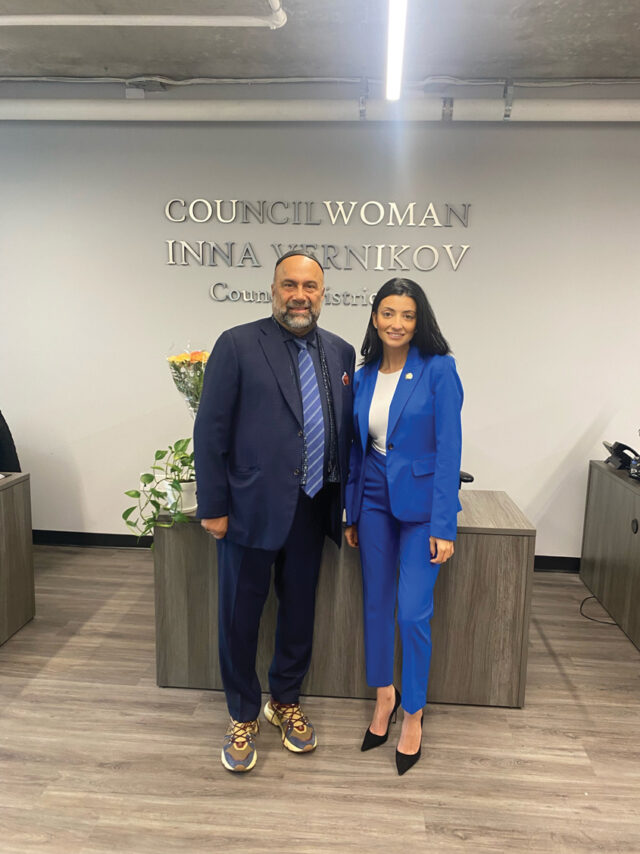
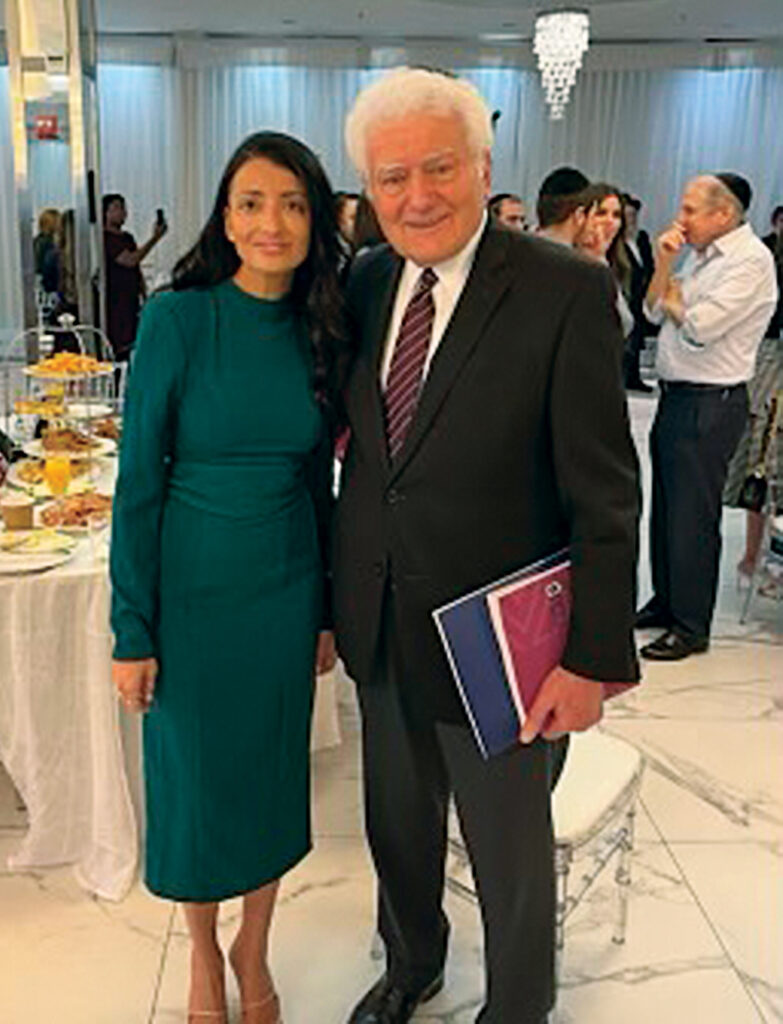
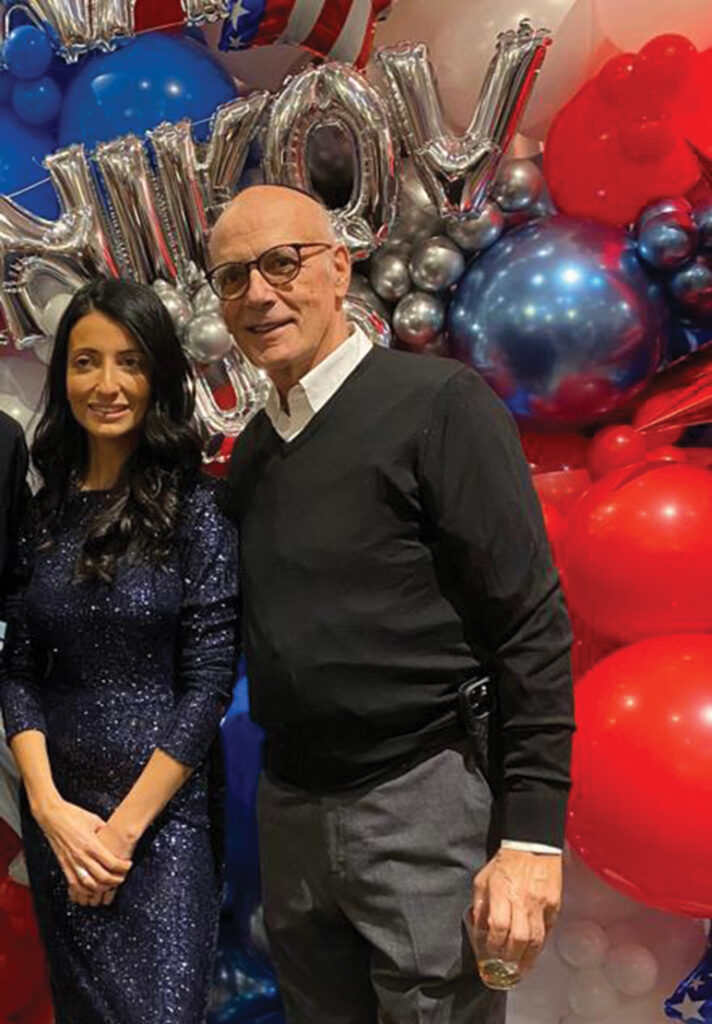
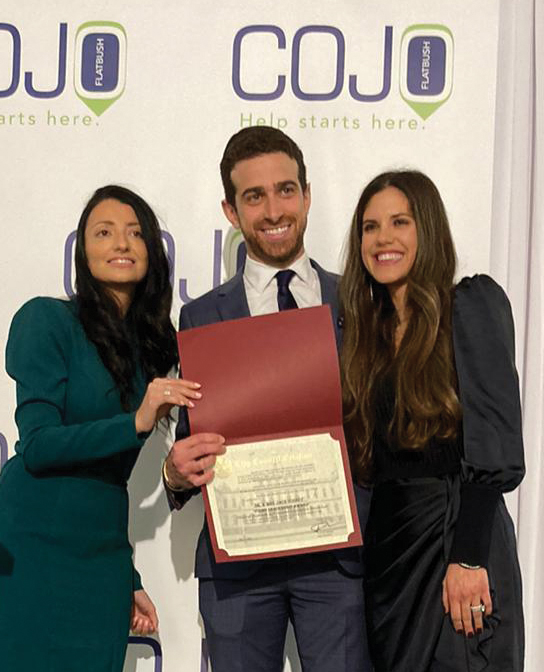
THIS NOVEMBER OUR COMMUNITY HAS AN OPPORTUNITY IT HAS NOT HAD IN A LONG TIME, IF EVER — TO RE-ELECT A REPUBLICAN ELECTED OFFICIAL IN RECORD NUMBERS — TO RE-ELECT INNA VERNIKOV, OUR FEARLESS COUNCILWOMAN, TO THE NEW YORK CITY COUNCIL.

For a long time, our community has been told by many that it must register, and vote for Democrats — even though the Democratic Party stands against many of our beliefs and values. The Democrats over-tax us, allow criminals to roam free, and our streets to become increasingly dangerous. We are told that Republicans cannot, by their mere existence, help the constituents navigate the overly progressive government institutions, get us the funding we need for our community’s infrastructure, and help the faith-based charities that our community is known for.

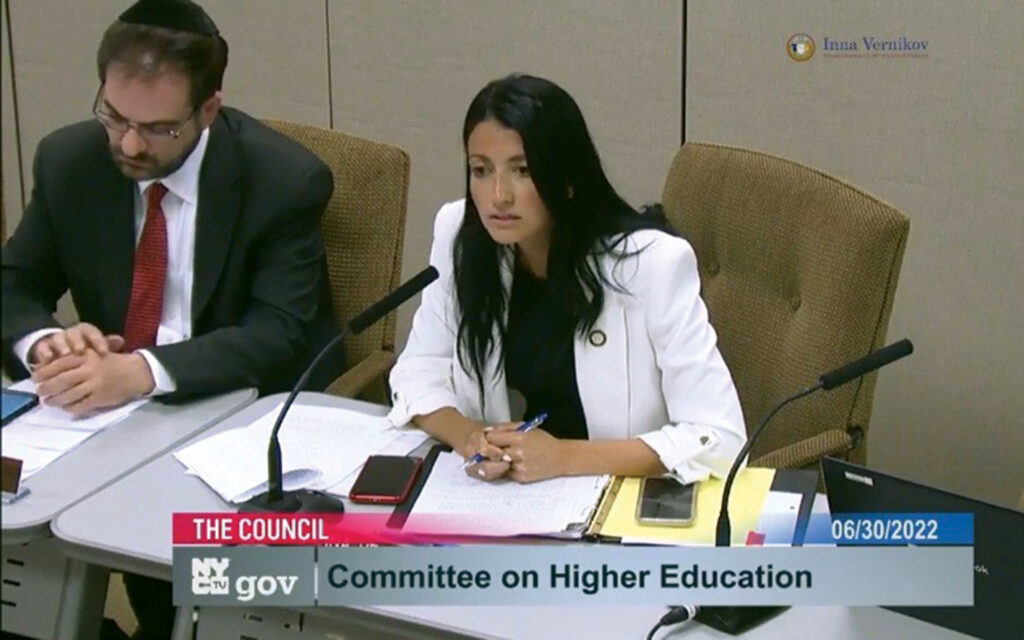
Well, Inna Vernikov clearly dispelled the myth and changed that narrative. She has been effectively leading the fight against antisemitism in the city, especially at CUNY (yes, the same CUNY that just hired the antisemitic Marc Lamont Hill). From sponsoring legislation, to helping with court cases, Inna has been a leader — getting her Democrat colleagues to cross the aisle and vote for her legislation.

But that is not all, Inna has also brought record amounts of funding back into our community. Remember, this money is from our taxes. Anyone that lives in New York City knows that the streets have gone back to the days before Mayor Giuliani cleaned them up, literally and figuratively. The streets are filthy — with garbage and litter becoming a real issue. Inna hit this issue head-on, sending $280,000 in extra funding to our local DSNY district to help combat this issue, and slowly, the streets are getting cleaner. More work needs to be done, and Inna is clearly in this for the long haul.

Crime is heading back to the bad old days, when NYC was known as the “Ungovernable City”. There are a few councilmembers that stand tall for their support of our finest, the NYPD. Inna Vernikov is one of them, and she is a leader in this issue, especially when it comes to antisemitic attacks. Inna is at the forefront of making sure the city no longer ignores attacks on our community. Inna also funded three auxiliary vans for all precincts within her council district. We need a fighter like her to continue being our representative, because few have the temerity to fight the anti-citizen machine that is the NYC government like Inna Vernikov.

As for the funding for our faith-based organizations that our community is known for, and that we are proud to spotlight to those outside our community as beacons of what good citizenship looks like, Inna has brought record funding into our community.

Flatbush Hatzolah, Shomrim, Shmira, Amudim, United Task Force, Ohel, Chasdei Lev, HASC, Chai Lifeline, and of course the Sephardic Bikur Holim, are but a few of our communitiy’s organizations that have received funding. Again, funding that is actually our money that Inna, using her abilities to cross over the aisle and bring sensible minds to agreement, was able to bring back into the community.

And let’s not forget, a major component of local officeholders is helping their constituents with regular day-to-day issues. This is something we have been told for a long time no Republican would be able to do for us. As a Republican, Inna has put together a staff in her office that, in their first year, closed over 4,000 constituent service cases, making her office #1 in Brooklyn and #2 in the entire city! That means that by her first “half term” she will have helped thousands — either you or someone you know, with an issue they have with government.

This is all why we must go out, and not only re-elect Inna Vernikov to the NYC council, but we must come out in droves, giving her a win with numbers larger than her historic win in 2021, when she won in a landslide. We must send a message that our community is not for sale, that we will not take the attacks, both in rhetoric and physically, by holding those responsible in government for allowing it to fester, that we will send a true fighter to represent us back to City Hall and let our voices be heard.

So, on Tuesday, November 7th (or early starting October 28th), regardless of whichever party you are registered in, let your voice be heard by voting to re-elect Councilwoman Inna Vernikov.

Paid for by Friends of Inna Vernikov

YES I CAN

ENHANCING THE WAY STUDENTS RECEIVE EDUCATIONAL SUPPORT

RUCHI ITA FELLER’S PASSION FOR WORKING WITH SPECIAL NEEDS CHILDREN WAS IGNITED WHILE VOLUNTEERING AT A SUMMER CAMP FOR YOUNGSTERS WITH SEVERE DISABILITIES. WITNESSING THE IMPACT SHE COULD MAKE, SHE FOUND HER CALLING AND PURSUED A CAREER IN EDUCATION.

As a graduate of Damen College, Ruchi earned a master’s degree in Special Education and post graduate training in Applied Behavior Analysis (ABA).

Her professional journey began as a school educational specialist, where she saw an overwhelming demand for additional services and the lack of available educational specialists. Motivated by the need for a more comprehensive approach, Ruchi Feller co-founded Yes I Can — a groundbreaking organization offering comprehensive special education assistance.

Today, Ruchi serves as Yes I Can Program Director, while Simcha Feller, co-founder and her husband, directs executive organization development.

Simcha’s own academic challenges helped him understand first-hand what children with learning disabilities experience. Simcha was fortunate because his parents sought an individualized learning plan during and after school to support him.

His childhood friend Yisorel L. faced similar difficulties in school. Yisorel required individualized support to keep up with his classmates and progress to the next grade. However, unlike Simcha, Yisorel’s parents did not pursue the additional help, perhaps not realizing its significance. Sadly, Yisroel became increasingly unable to function effectively in society.

Yes I Can provides educational support to children whose parents are struggling to keep them in mainstream schools. Currently, serving over 145 schools and more than 1,500 students, Yes I Can methodology pairs individualized services with specialized techniques. Using expert external consults, Yes I Can helps restore parents’ faith.

YES I CAN SERVICES INCLUDE
P3/SETSS (Special Education Teacher Support Services): Legally mandated educational aid for children with disabilities. Children are assessed, and appropriate goals with proper treatment plans are set ensuring progress in mainstream environments.

SEIT (Special Education Itinerant Teacher): New York State Certified special education professionals assisting students with academic, emotional, and social skill disabilities. SEIT professionals interface with teachers, meet with students’ parents, and assess students in classrooms to develop individualized strategies for each child.

Paraprofessional Services: Paras offer instructional and behavioral assistance, catering to special education needs or those under a federal 504 plan. Our paras work with students to ensure health and learning needs are met. Health paras are trained to monitor children and to administer medication.

Oral Transliteration Services: Communication support is provided for students with hearing impairments.

Social Groups: Interaction skills are taught under the guidance of skilled facilitators. In these settings, active listening, empathy, and respect are practiced, and reviewed.

Consulting Services: As part of our enrichment program, consultants provide no cost screenings. Our enrichment program connects students with top NYC professionals, ensuring access to high-quality third-party support.

More recently, Yes I Can established Yes I Care, a Home and Community Based Service (HCBS) program.

YES I CAN SERVICES INCLUDE
Caregiver/Family Advocacy and Support Services: Caregivers and families are trained to make informed and empowered choices for children struggling with developmental, medical, mental health, and/or substance abuse issues.

TESTIMONIALS

“I was worried sick that my child would grow up illiterate — since he was struggling so much with his reading. YIC helped teach him to read using the “LIPS” (Lindamood Phoneme Sequencing) program. My child now stays up late to finish the novels he loves reading! Thank you YIC for this incredible impact in our lives.”
Alex F.

“Note taking and essay writing were very difficult for my eighth grade child. YIC intervention taught him to improve his writing, sentence structure, and grammar skills, giving him confidence. Seven years later, my son is now in college getting his degree in special education to help other children!”
Sondra B.

“Sammy was diagnosed with ASD (Autism Spectrum Disorder) and was suffering socially. He couldn’t pick up the nuances of social cues or nonverbal skills, and he was a very black and white thinker. His supplemental educational specialist used the social thinking program techniques. They worked! Thank You YIC for caring and helping him succeed.”
Emily W.

Acclaimed nationwide, Yes I Can is steadfast in its mission to uplift students facing learning disabilities. The organization champions comprehensive solutions, promotes collaboration, and regularly upgrades its training modules. With ambitious plans for growth, Yes I Can remains steadfast in its dedication to ensure every child’s academic success.

The combination of Ruchi’s professional training and Simcha’s personal experiences have made Yes I Can one of the nation’s premiere providers of educational support for children with learning disabilities and related issues. For more information, visit the official Yes I Can website: Yesicanservices.com.

Read Jewish Image Magazine Online – September 2023

To View Jewish Image Magazine In PDF

Click Here

MAGNESIUM DEFICIENCY

SIGNS & SYMPTOMS

LAURA SHAMMAH MS, RDN

MAGNESIUM IS ONE OF THE MOST ABUNDANT AND IMPORTANT MINERALS IN YOUR BODY, RESPONSIBLE FOR OVER 300 BIOCHEMICAL REACTIONS, SO IT’S NOT HARD TO BELIEVE THAT HAVING A DEFICIENCY CAN GREATLY IMPACT YOUR OVERALL HEALTH. THE SIGNS AND SYMPTOMS OF A DEFICIENCY ARE VAST. SOME ARE SUBTLE, WHILE OTHERS CAN CAUSE SERIOUS HEALTH PROBLEMS.

You can have a magnesium deficiency if you don’t consume enough of the nutrient or if your body doesn’t absorb enough. Consuming too much alcohol and certain medications can deplete your body’s magnesium, as well. Magnesium plays an integral role in your body’s ability to keep your heart, kidneys, and muscles healthy. It also regulates nutrient levels, and keeps bones strong. Many people have a deficiency and aren’t aware of it. If you’re suffering from the following symptoms, you may be one of them.

WARNING SIGNS OF MAGNESIUM DEFICIENCY
Fatigue
Feeling tired with a lack of energy is not uncommon, and it can be easy to blame it on several factors — from stress at work or a busy schedule to not sleeping well or running around with your kids. But one of the most common and early symptoms of a magnesium deficiency is fatigue. Because just about everyone feels tired at some point and the cause could be so many different things, it’s difficult to come to the correct diagnosis based on this symptom alone. Unfortunately, the fatigue won’t go away until your body gets the right amount of magnesium in its system.

Muscle Spasms & Cramps
Muscle spasms and cramping can not only be uncomfortable, but also quite painful. They’re uncontrollable and unpredictable, and they’re not something you can simply ignore and get on with your day. While athletes often suffer from muscle cramps due to inadequate stretching, dehydration, overexertion, and lack of proper diet, many other people suffer from them and it can be hard to figure out why. When a magnesium deficiency worsens, muscle spasms and cramping can be a sign. So if you suffer from regular cramping and spasms, this could be a warning sign of low magnesium levels.

While getting your magnesium levels to where they should be will likely ease your symptoms, you can try to get short-term relief by stretching and massaging the affected muscles. Vitamins D, E and B complex also play a role in preventing muscle cramps, so make sure you get your daily recommended dose of these vitamins.

Arrhythmia
Magnesium plays a vital role in overall heart health. It’s vital for proper muscle contraction. Arrhythmia is an irregular heartbeat, and magnesium directly helps you maintain a normal heart rhythm. Some studies have shown that maintaining a regular level of magnesium may even prevent some heart problems and diseases. In fact, magnesium is often used in medical settings when managing patients with arrhythmia. Some doctors prescribe magnesium for patients who are at risk of cardiac arrhythmia.

Dizziness
Sometimes dizziness hits you when you stand up too fast and then it quickly goes away. But when you have a magnesium deficiency and you experience dizziness because of it, it can last all day without relief, and it can be hard for your doctor to diagnose properly because so many things can cause dizziness. As a result, magnesium deficiency is often overlooked when trying to diagnose and fix the problem. Low magnesium levels can give you similar feelings as vertigo, making you feel not only dizzy, but completely off balance. If you’re experiencing dizziness, it could be a warning sign of magnesium deficiency.

As the deficiency worsens, so do the symptoms. If your levels continue to decline vertigo can make you unable to do regular day-to-day activities and miss work. If you’re experiencing dizziness, see your doctor.

Nausea & Vomiting
Similar to vertigo, if you have a low magnesium level, you may experience nausea and even vomiting. Though these symptoms are considered an early, but not necessarily severe symptom of magnesium deficiency, feeling nauseous is very unpleasant, and can greatly impact your routine. Those who suffer from regular nausea and/or vomiting, should ask their doctor if he/she thinks you may a magnesium deficiency.

Numbness
Magnesium impacts your nervous system, thus tingling and numbness can be a warning sign of a deficiency, particularly as it worsens. An insufficient amount of magnesium in the body, can prevent nerve and muscle functions from acting and reacting properly resulting in numbness in your face, feet and hands.

Although severe symptoms like numbness are rare, experiencing them can be quite scary. Numbness is not something to take lightly. See your doctor to figure out the cause.

Personality Changes
It might seem bizarre — and definitely not the first cause you’d jump to — but personality changes are a warning sign of magnesium deficiency. They may seem to come out of nowhere. Simple things can seem overwhelming, you may feel out of sorts, and you’re likely to notice the change but will most likely be unsure how to fix it or what’s causing it. And since many things can cause symptoms like this, a magnesium deficiency is often not considered when trying to diagnose the change.

Your change in personality can be cause by another symptom of magnesium deficiency — difficulty sleeping. Since sleep is vital for your mental, physical and emotional health, if a magnesium deficiency is what’s keeping you up at night it’s important you get your magnesium up to a sufficient and healthy level.

Anxiety & Panic Attacks
Everyone experiences a bout of anxiety or panic once in a while, but if you’re experiencing it regularly, it could be due to a magnesium deficiency. You may be quick to blame anxiety on the everyday stress of balancing your personal and professional life and schedule, but you could consider the role a magnesium deficiency has in causing anxiety and panic attacks, especially if you aren’t typically prone to these feelings. Unfortunately, if you’re suffering from anxiety, the stress can cause your magnesium levels to drop further, making it a vicious cycle.

If you suffer from any of these symptoms, see your doctor. It may be nothing, but it may also be magnesium deficiency.

FOODS THAT ARE RICH IN MAGNESIUM
Eating foods rich in magnesium may not cure your problem, but they may help.

Spinach
Pumpkin seeds
Chia seeds
Almonds
Cashews
Peanuts
Soy milk
Rolled oats
Whole wheat bread
Avocado
Brown rice
Milk

Laura Shammah MS, RDN has a masters degree in health and nutrition and is a registered dietitian. She has been operating her own private practice in both New York and NJ for over 20 years. She is happily married and has four children.

EXERCISE ADDICTION

MARY ANNE COHEN, LCSW

A NEIGHBOR OF MINE CHALLENGED HER OVERWEIGHT HUSBAND TO LOSE WEIGHT, AND SO SHE BOUGHT HIM AN EXERCISE TAPE. HE RESPONDED CHEERFULLY, “GREAT! I’LL LISTEN TO IT IN THE CAR AS I DRIVE TO WORK!” WE ALL HAD A GOOD LAUGH AT THE LENGTHS HE WENT TO AVOID EXERCISE.

Americans have a complicated relationship with exercise. Mark Twain once declared, “Whenever I feel the urge to exercise come on, I lie down until it passes.” This comment is echoed by Lucy, from the comic strip Peanuts, “Exercise is a dirty word — every time I hear it, I wash my mouth out with chocolate.”

We are amused by these remarks because we all recognize that avoiding exercise is not healthy and that daily exercise benefits us greatly. We burn calories, discharge stress, improve our circulation, and lower our blood pressure; we sleep better and feel a sense of wellbeing from challenging our bodies.

So we then ask ourselves: If exercise is good, shouldn’t more exercise be better?

Not necessarily! Sometimes exercise becomes too much of a good thing. Instead of being a supportive friend, it becomes our worst enemy. Ellen represents the opposite side of the coin from healthy exercise. Ellen sets her alarm for 5:30 A.M. to go out running before school, she plays tennis five days a week, and works out on her treadmill most nights. Ellen cannot stop exercising even when she is tired or sick.

She is one of a growing number of women and men who has developed an exercise addiction. Because we hold exercise in such high esteem, we admire and envy those who devote great amounts of time to working out. Keeping fit has become a national pastime, and we often don’t realize when we, or someone we care about, is out of control with exercise.

Many terms have been put forth to describe behavior like Ellen’s: compulsive exercise, exercise bulimia, or exercise abuse.

Exercise is considered excessive:

  1. When it significantly interferes with important activities. Marie often skipped family parties because she had to go to the gym. Sometimes she also cancelled going out with friends in order to finish her workout routine.
  1. When it occurs at inappropriate times. In the throes of her addiction, Suzanne exercised late into the night with her bedroom light turned off. While her family slept, she was doing crunches.
  1. When it occurs in inappropriate settings. Jessica, another exercise addict, ran in Prospect Park before sunrise — while it was still dark — despite the potential danger.
  1. When the person exercises despite injury or other medical complications. Jeff had developed a stress fracture from jogging but continued despite increasing pain. Stacey developed a painful “tennis elbow” but felt compelled to keep playing.
  1. When guilt, anxiety, or depression occur if a workout is missed. Exercise addicts use workouts to cope with depression or anxiety, and they experience guilt and distress if unable to perform their exercise ritual.
  1. When the person does not take any days to rest or recover between workouts. The driving compulsion to keep exercising prevents the person from moderating their routine to allow the body a chance to recuperate.

Compulsive exercise has little to do with the pleasure of movement and health. Its roots lie in struggles around self-esteem, perfectionism, and control. Marsha described an inner pressure to continue her strenuous jogging regime despite having injured her knee. She had created a punishing routine for herself that was wearing her out but she couldn’t stop. Unlike most exercise bulimics who just want to be left alone to practice their compulsion, Marsha was exhausted and came to therapy to figure out how to help herself.

During the course of her therapy, Marsha expressed deep anxiety about her aging father’s impending death. She felt powerless and out of control to rescue him from his illness but, while jogging, she would find temporary relief from her worry about him. “I feel on top of the world when I’m jogging. But afterwards my body aches and I feel empty inside.” As a teenager, Marsha worried about being fat and had gone on fasts and liquid diets with a brief period of anorexia. We discovered this occurred around the time her grandmother was dying. It was very helpful for Marsha to see her pattern — the loss of someone she loved made her reach for something to take away her pain. Focusing on dieting or fat or calories or weight or exercise presents a temporary sense of control over painful feelings.

As Marsha moderated her workouts, she lost the escape from her fears that jogging provided. She became more depressed as she no longer could hide from her emotional stress. Often patients will leave therapy at this point in an attempt to avoid facing their pain. But Marsha did not “run away.” We helped her through “anticipatory grief” about her father’s looming death and also to resolve some buried guilt about her grandmother’s death that she had never faced. Although Marsha felt sadder before she felt better, she concluded, “Having the courage to face my inner demons actually made me feel stronger. My never-ending need to develop strong muscles ebbed when I felt stronger emotionally.”

If you would like support on your eating, weight, body and/or image journey, please feel free to reach out to the Mindful Eating Project. We will work with you to:

  • Custom tailor an individual approach for your unique needs.
  • Help you get the control for your eating back inside yourself.
  • Develop and maintain healthy eating patterns.
  • Regain body confidence.
  • Unlock what may be keeping you stuck in your eating problems.

Schedule an initial assessment with The Mindful Eating Project, and we’ll help you determine if you can benefit from treatment. To start a confidential conversation about your eating, please contact us. Feel free to call (718) 336-MEND.

The Mindful Eating Project is a division of The Safe Foundation.

Mary Anne Cohen, LCSW, BCD is Director of The New York Center for Eating Disorders since 1982. She is also author of French Toast for Breakfast, Declaring Peace with Emotional Eating and Lasagna for Lunch. Mary Anne is a professional book reviewer for the largest international resource for eating disorders.

MY FAMILY’S EXODUS FROM EGYPT

CLEM BRINGS HIS FAMILY TO THE UNITED STATES

CLEMENT SOFFER

THIS IS THE SIXTH AND FINAL INSTALLMENT OF MY FAMILY’S EXODUS FROM EGYPT, CLEMENT SOFFER’S LIFE STORY. IN THE LAST INSTALLMENT, CLEM LEFT NY. HE TOOK A BUS TO MYRTLE BEACH, WHERE HE IMMEDIATELY SEARCHED FOR A JOB. IN A VERY SHORT TIME HE WAS THE MANAGER OF A STORE. SOON HE WAS MAKING ENOUGH MONEY TO BRING HIS FAMILY TO AMERICA. HERE ARE CLEM’S WORDS.

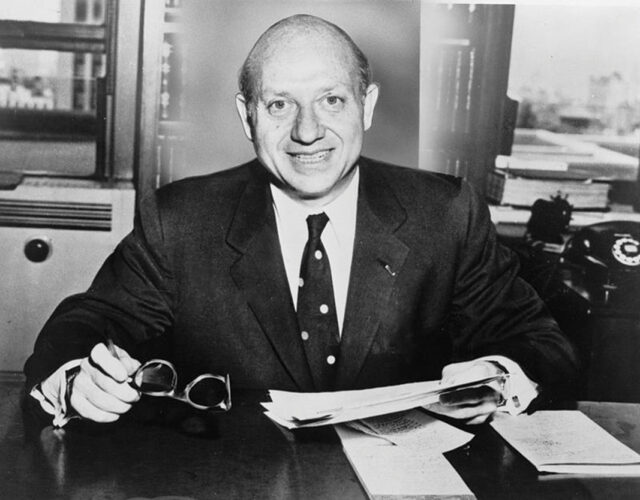
One day I found out that one of my benefactors, Senator Jacob Javits, had passed a law to accept 5,000 Jewish Egyptian refugees and provide them with a green card allowing them to stay in this blessed country. That same week a man came into the store and asked me a lot of questions. When he left, I forgot about him.

I was eager to take advantage of the new law, so I arranged to leave for New York the following day. I flew to NY and went to the government office where I completed all my documents. Finally after several lines and interviews, I received my green card and my new social security card.

I was told that I would receive a work permit which would allow me to work legally for the first time. I was even looking forward to paying my fair taxes so I would be a contributing member of this wonderful country at last.

The best part of the trip was that I was able to place the names of all my family members on the list to be assigned visas as Egyptian Jewish refugees. I signed an affidavit that I would provide support for my family if the US government would allow them to come. I certified that I had saved in the bank $40,000, which at that time was like $200,000 today.

I guaranteed that I would have an apartment for them, and that I had a good job earning enough money that they would not be a burden on the US government. At last I received approval to bring my family to the US. My spine tingled with happiness.

I praised the Almighty for this enormous gift. I could not believe that I finally would be reunited with my family after being separated for such a long time. Plus, I would be bringing them to a fabulous country of freedom and comfort.

After corresponding with my family, I was not far from the bench I had slept on in the dead of winter with no food or money. I went to that wooden bench, and I carved my name on it. I promised myself that whenever I felt arrogant and very proud of myself, I would come back to remember my tough beginnings in the greatest country in the world. I thought about all the wonderful people who had helped me along the way. Then I returned to Myrtle Beach.

Shortly after my return, the same man who had asked me a lot of questions before I left, returned. This time he was accompanied by a sheriff and two police officers. He was an immigration officer and he was sure I was in the US illegally. He asked for my green card, which I happily handed to him along with my new social security card. Once again, Hashem saved me. Had the man asked me for those documents the first time he came into the store, I would not have had them, and I probably would have been arrested or deported. Egypt would not have taken me back. I would have been a man without a country. Instead, I showed the shocked immigration officer my documents and he welcomed me to the US.

Sometime in August I received notification that my family was approved to immigrate to the US. I cannot describe in words the happiness I felt. Tears rushed down my cheeks. My dream was becoming a reality. I read that notice maybe 100 times. I missed them so much. I could not wait to hug them and kiss them. It seemed like an eternity since I left them, but only three years had passed.

I continued to work as hard as I could, but I have to admit — I heard people my age at the beach and on the streets laughing and having fun — and part of me really wanted to join them. I missed the fun I used to have with my friends in Egypt, but I had to wipe from my mind all these frivolous thoughts and follow my father’s example — be dependable and shoulder my responsibility.

My family finally arrived in 1958. I rented a large three bedroom apartment in a two family house on 71st Street in Brooklyn, down the block from Ahi Ezer Congregation. I introduced my family to the wonderful people that had made me feel at home and were there for me in a foreign country.

The summer was coming to an end, and since Myrtle Beach was a summer resort, I decided to return to NYC and build a great future for myself and my family. On the flight back to NY I vowed to myself that one day I would pay back Rabbi Abraham Kalmanowitz zt’l for the great miracle of bringing me to my dream country. I vowed also to pay back all the good people who helped me, starting with the good hearted Mrs. Sophie Maslaton, Mr. Noury Dayan, and my wonderful adopted parents, Ruben and Esther Bibi, and Mr. Edward Massry zt’l.

I wondered how I could pay back people who had everything. Hashem rewarded me again, later in my life I was actually able to pay back my benefactors.

The grandson of Rabbi Abraham Kalmanowitz, Rabbi Chizkiya Kalmanowitz President of Asra Kadisha organization, asked me to help him and his organization save Jewish cemeteries all over the world that were being slated for destruction. I have been working with him, as a volunteer, saving Jewish cemeteries for the last 33 years. We have saved Jewish cemeteries in Egypt, Ukraine, India, Portugal, Germany, Belarus, Yemen and Lebanon.
Thank you Rabbi Abraham Kalmanowitz zt’l.

I didn’t know how to respect the memories of Mrs. Sophie Maslaton, Noury Dayan and his family, Reuben and Esther Bibi, Edward Massry and his family and the many other wonderful people who helped me. Then Hashem rewarded me by bringing to my attention the Council for the Rescue of the Syrian Jews, and I worked tirelessly for many years as their Executive Vice President along with their President, Alice Sardell, Marcos Zalta and Jack Mann, all great caring dedicated volunteers. With the tremendous help of Mr. Edmond Safra and his wife Lily and the power of Hashem, we were able to save the lives of 4,500 Syrian Jews. We brought them to safety in the USA from 1992 to 1995.

During that same time, Hashem gave me the opportunity to save the life of a Yemenite Rabbi, Rabbi Moshe Harrir of Chasdey Moshe. He was condemned to death in Yemen after being accused of being a spy for Israel. Thank you Hashem for always protecting and caring for me, for giving me the opportunity to fulfill my wishes to honor some of the greatest people in our community, may they rest in peace.

Thank you Mrs. Sophie Maslaton, thank you Mr. Noury Dayan and family! Thank You Mr. Rubin and Esther Bibi and family. Thank you Mr. Edward Massry and his entire family for your Hakarat Halev towards me.

And thank you, Clem Soffer for sharing your family’s history with our readers.

After his family’s expulsion from Egypt when he was 16, Clement Soffer came to the US and went to Mirrer Yeshiva. He founded Ahava ve Ahva Congregation and Chabad of Port Washington. He helped rescue Syrian Jews and saved hundreds of Jewish cemeteries. He received a congressional award in 1993 and was honored by Yeshiva University. He founded Beit Edmond Safra Synagogue of Aventura and Chabad of West Boynton Beach.