YU Global, is where your ambition meets a sea of opportunity. In a world where the job market is rapidly evolving, YU Global stands at the forefront, offering a pathway to success for those seeking to either enter the job market for the first time or find a new career path. Our mission is simple yet profound: to provide high-quality, competency-based education and training that equips you with the skills employers are actively seeking.
The landscape of employment is changing. According to a recent study titled “The Emerging Degree Reset,” there is a significant shift in hiring practices. Employers are increasingly prioritizing skills over traditional degrees. The study reveals a notable trend: between 2017 and 2019, 46% of middle-skill and 31% of high-skill occupations experienced significant resets in degree requirements. This change is more than a short- term response to the pandemic; it represents a structural shift in the job market, opening up 1.4 million jobs to individuals without college degrees over the next five years.
At YU Global, we understand that the key to unlocking these opportunities lies in skills-based training. Our certificates and trainings are meticulously designed to align with the demands of today’s job market. Regardless of your educational background our programs are tailored to empower you with the skills you need.
Our courses are not just online making them convenient for your schedule; they are alive with interaction and engagement. We include activities, videos, readings, and opportunities to apply what you have learned. Each week, you will have the opportunity to connect with your peers and instructors in live online meetups, fostering a learning environment that is both collaborative and supportive. Our cohort-based, teacher-led approach ensures that you are not just a number in a system, but a valued and active member of a community of learners.
The programs at YU Global are more than just educational courses; they are a journey towards a brighter future. By focusing on practical, employment-focused skills, we prepare you to not only enter the job market but to excel in it. Whether it’s improving your communication skills, mastering the art of problem-solving, or developing technical expertise in your chosen field, YU Global is here to guide you every step of the way. And when you finish your course—come to your cyber career center for free. We’ll help you find that job.
In these challenging times, hope and opportunity are more important than ever. YU Global is committed to being a source of both. We are not just an education provider; we are a partner in your journey to success. With the shift towards skills-based hiring, there has never been a better time to invest in yourself and your future. Join us at YU Global, and let’s unlock your potential together. Visit global.yu.edu for more information.
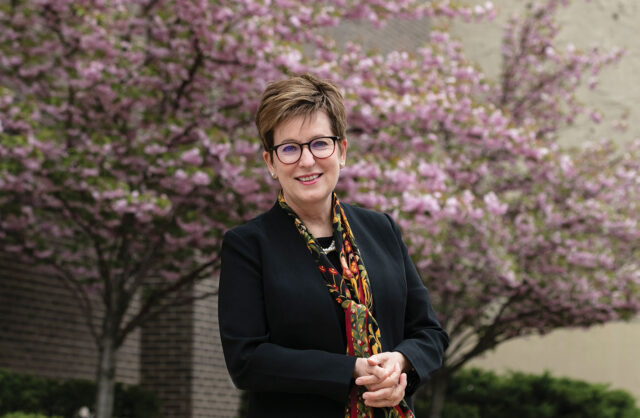
Danielle Wozniak has served as dean of the Wurzweiler School of Social Work since 2016. Wozniak, who has a PhD in anthropology, a sixth-year degree in education administration and supervision and an MSW, has more than 20 years’ expertise in the field of higher education.
DSN BEACH CLUB HAS EMERGED AS THE HEARTBEAT OF THE COMMUNITY, PULSATING WITH VIBRANT ENERGY, AND FOSTERING A SENSE OF TOGETHERNESS. BEYOND ITS RENOWNED RESTAURANTS AND SPECIAL EVENTS, DSN BEACH CLUB THRIVES WITH WEEKLY OCCURRENCES THAT AMPLIFY THE EXCITING JERSEY SHORE LIFE DURING THE WINTER MONTHS.
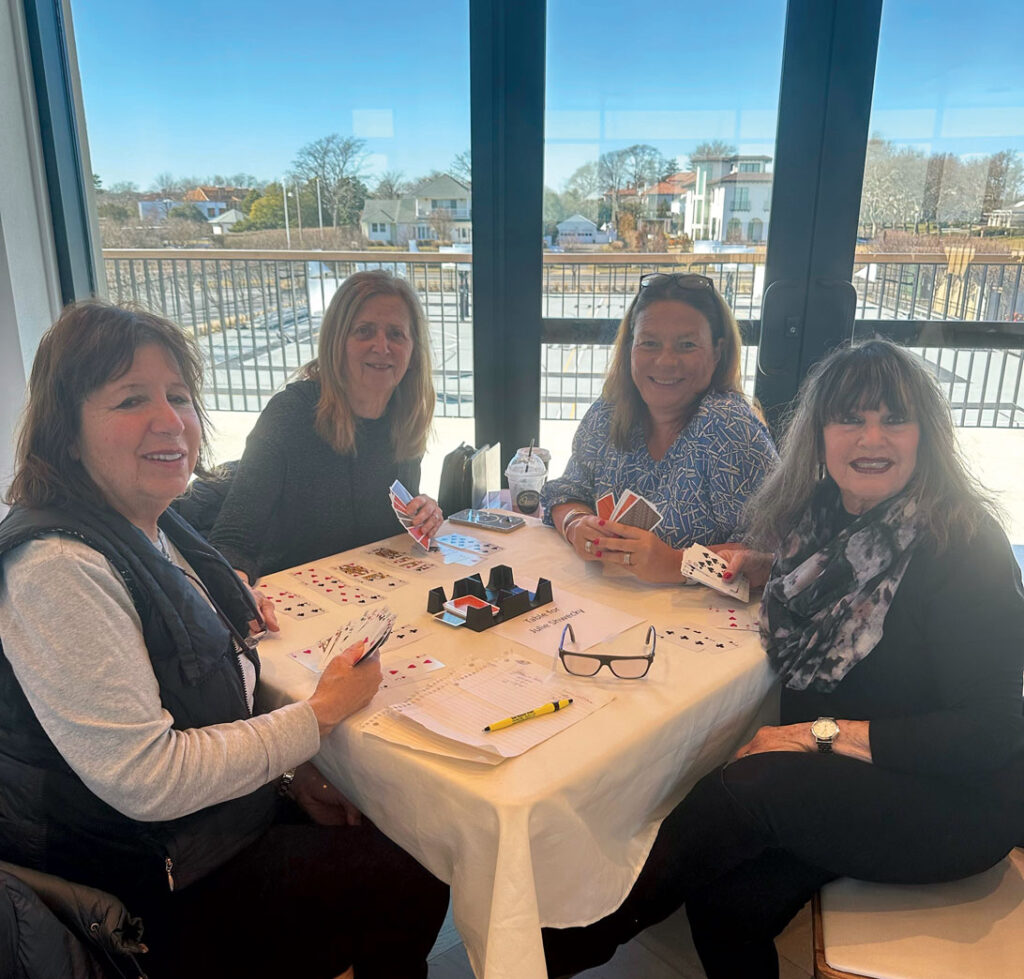
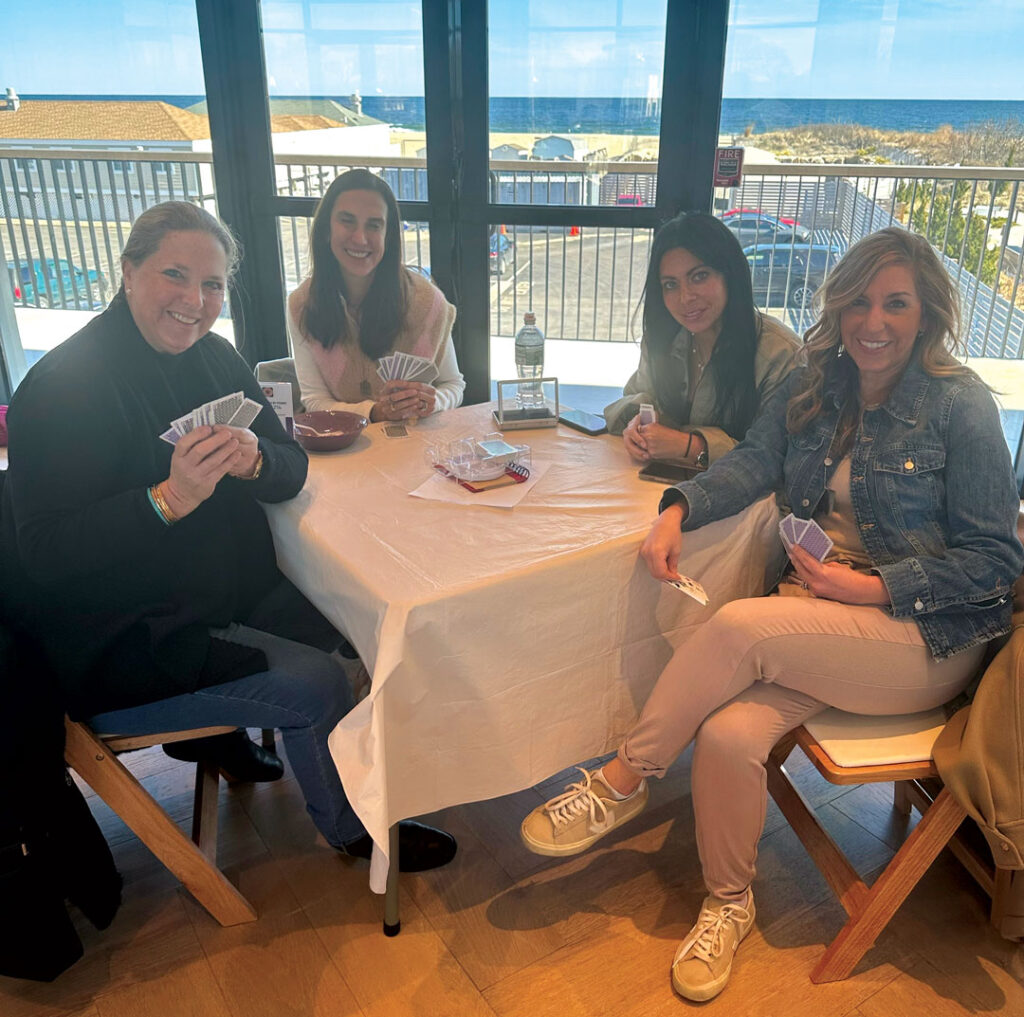
Every Tuesday, the second floor of the DSN Beach Club becomes a lively hub where women of all ages gather for spirited games of Canasta and Mahjong. 10 to 20 tables are occupied each week, as friends reserve their spots in advance. Accompanied by delectable fare from Jeli’s or Outpost, the women spend the day immersed in their games, all while savoring the breathtaking oceanview from the second floor. These Tuesdays have become a winter gathering tradition. One member, Joy Assoulin notes, “I love coming and eating lunch and sitting in a beautiful, bustling room. I forget I am in New Jersey as I feel transported and immersed in my playing.”
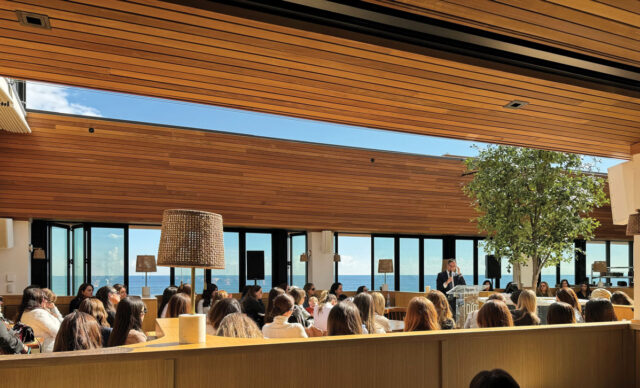
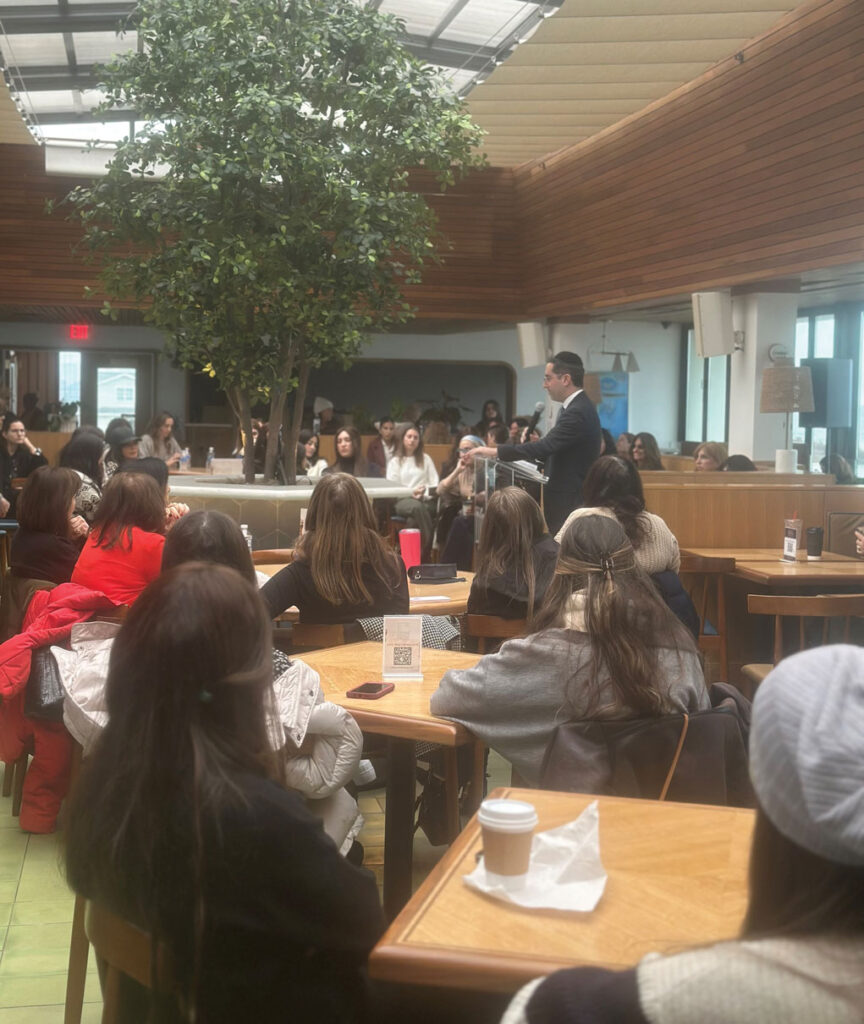
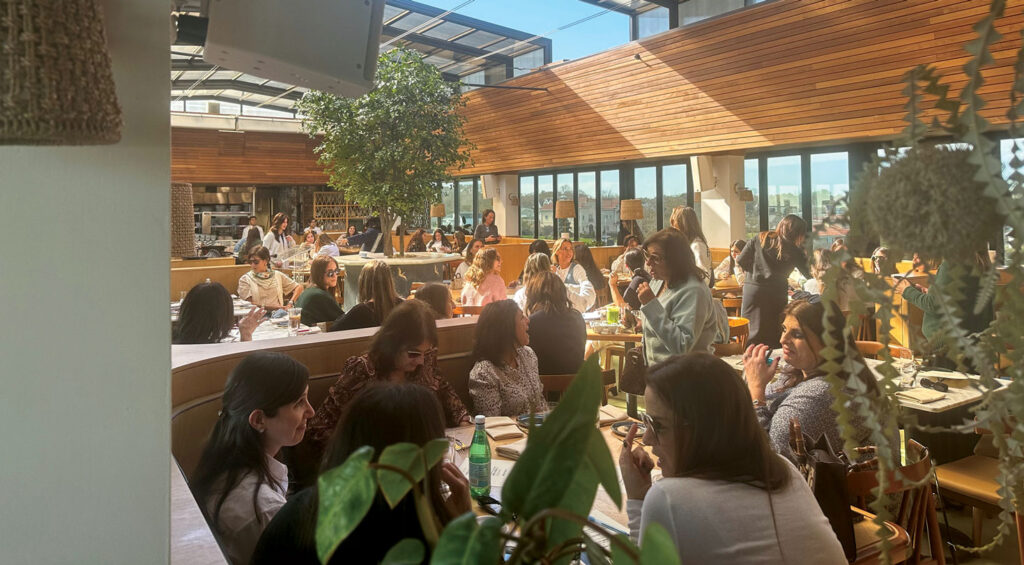
Wednesdays at 12:20 P.M. you can witness a spiritual feast as Rabbi Joey Dayon graces TEVA restaurant with his presence. Drawing an average of 100 women each week, the Torah class has been a consistent success for four months. Rabbi Dayon, humbled by the turnout, acknowledges the uniqueness of the community, emphasizing the significance of coming together to study. Millie Abadi, a regular attendee, expresses her gratitude for the inspiring messages, making Wednesdays a part of her “feel good” routine. Raquel Sasson, another member, attends with her daughters, finding the sessions a profound infusion of inspiration and meaning into their lives. Rabbi Dayon skillfully combines Torah teachings with real-life lessons, creating a meaningful bridge to everyday experiences. Guest rabbis who have given women classes at the Beach Club over the past months have been Rabbi Eli Mansour, Rabbi Meyer Yedid, and Rabbi Moshe Malka.
The concept of Torah at the Beach Club has gained popularity, further emphasizing the unique and blended sense of community that thrives at DSN. It fosters connection and meaning. Participants connect virtually through Zoom, broadening the reach and impact of these weekly gatherings. Grace Shalom, an integral volunteer for the Rabbi’s classes, describes Wednesdays as “a blend of social, emotional, cultural and educational experiences.” Gathering with family and friends, learning, and enjoying lunch afterwards creates an unparalleled sense of fulfillment and one-stop-shop for the participants.
These weekly happenings at DSN Beach Club have injected new life into the Jersey community, creating a vibrant atmosphere that reverberates with the joys of togetherness. The blessing of having DSN Beach Club as the epicenter of these enriching and lively community gatherings is a testament to the strength and unity that defines this coastal haven.
HOW ARE YOU FEELING ABOUT THIS YEAR’S ELECTIONS? IF THE THOUGHT OF IT MAKES YOUR HEART BEAT FASTER –– YOU’RE NOT ALONE. MOST UNITED STATES RESIDENTS ACROSS PARTY LINES EXPERIENCE MAJOR STRESS AROUND PRESIDENTIAL ELECTIONS. AND RECENTLY, THAT STRESS HAS SKYROCKETED.
In 2016, about 1 in 2 people said they were stressed out and anxious about the presidential election. And by 2020, more than 2 in 3 people were feeling election stress.
Why?
Political hostilities and increasing divides on party lines are partly to blame. So is the uncertainty of it all.
It can be overwhelming and really exhausting not knowing how an election will shake out or if things will go the way we want. That uncertainty can invite worst-case thinking that stokes our deepest fears.
And, unfortunately, all of that isn’t limited to who wins the White House. An election year can raise real concerns about market trends and our finances.
In fact, about half of us are worried about how the 2024 elections will affect our portfolios. Are those fears valid?
Does a presidential election year cause market instability? And is that instability based on a Democratic or Republican win?
Here are a handful of facts about the markets in and around presidential election years.
THE STOCK MARKET & PRESIDENTIAL ELECTIONS: FASCINATING TRENDS FROM THE LAST 100 YEARS
Trend 1: Most election years see positive returns in the stock market.
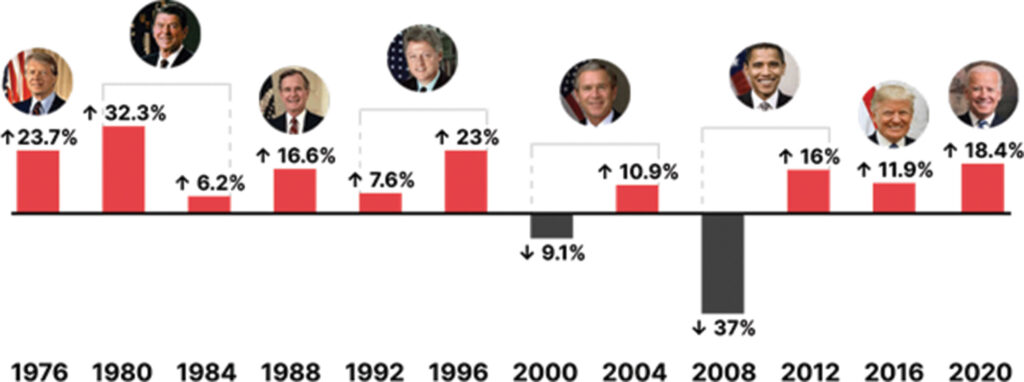
Over the last century, we’ve had 24 presidential elections. In 82% of those elections, the stock market has seen positive returns. That means only 18% have had negative results.
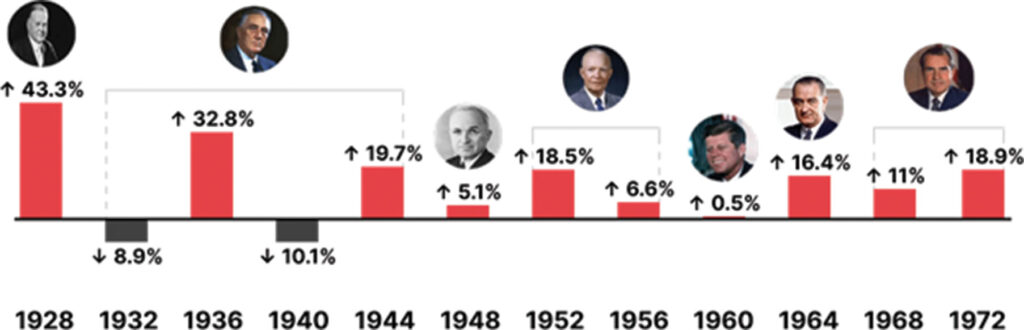
The following graphs show the average stock market returns for each of the 24 different presidential years over the last century.
AVERAGE S&P RETURNS FOR THE ELECTION YEAR
Part 1: Election Years 1928-1972
Part 2: Election Years 1976-2020
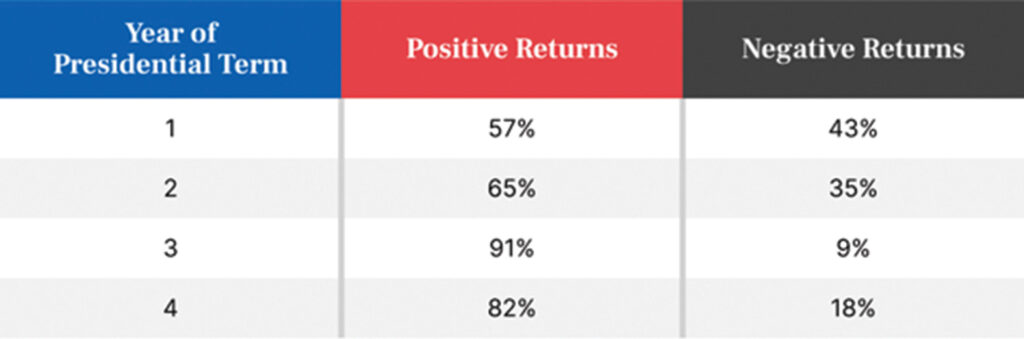
Trend 2: Most positive market returns tend to appear in the 3rd year of a presidential term.
Year three after a presidential election tends to be associated with the strongest market performance. In fact, about 91% of the time, year 3 in a presidency has positive market returns.
That may be tied to the fact that year 3 is when early years’ work, like newly written legislation, is finally passed. It can also be when a president starts thinking about reelection and setting the stage for campaign strategy.
Here’s how market returns have generally fared in each year of a presidency over the last century or so.
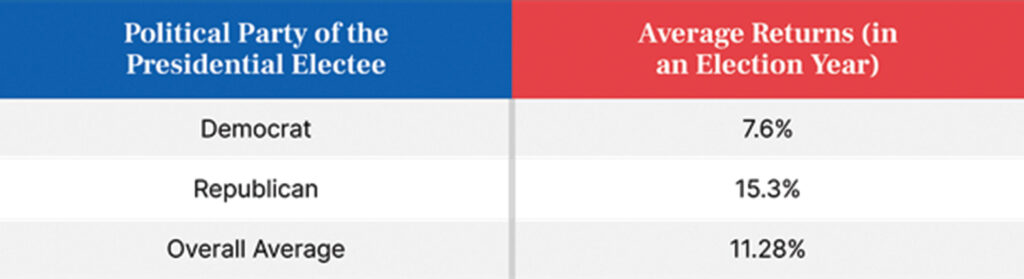
Trend 3: Average returns tend to be higher with Republican electees.
S&P returns tend to be lower with a Democrat elected to the Presidency versus a Republican. In fact, as the following table shows, positive returns tend to double when Republicans are elected as president.
Notably, positive returns tend to occur regardless of party affiliation — and it does matter who controls Congress.
That’s because the markets don’t typically like one party to sweep the Presidency and Congress, with either Republicans or Democrats controlling it all. That tends to cause short-term volatility. Instead, the markets usually prefer checks and balances and the stability of divided government.
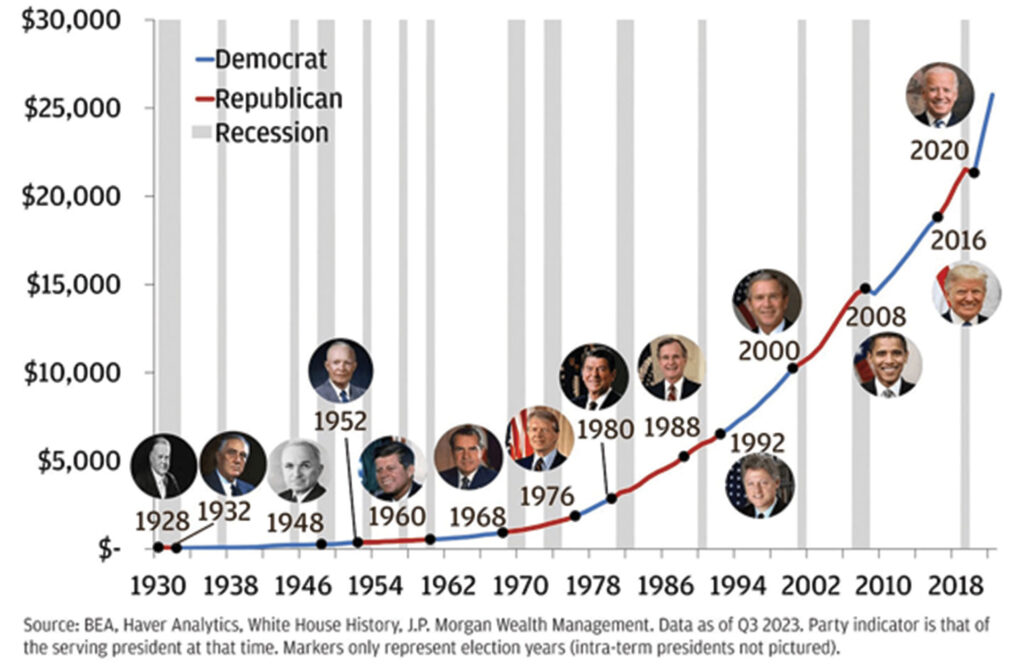
Trend 4: Republican or Democratic President, the economy continues to grow.
Political passions and parties aside, the U.S. economy has grown over the last century, regardless of whether a Republican or Democrat is sitting in the White House. That’s meant trillions in economic growth, making the U.S. economy the largest in the world — despite party affiliations and political divides.
The U.S. economy has continued to grow regardless of who is in the White House.
U.S. Nominal Gross Domestic Product (GDP), USD Billions.
Trend 5: Nothing’s 100% certain.
In elections and the markets, there are no absolutes or certainties. Several diverse and highly complex factors from inflation and recessions to conflict abroad, unrest at home, and more can affect market activity and how elections unfold.
As helpful as trends and forecasting may be, remember, nothing’s set in stone until it actually happens. So, when it comes to both elections and the markets –– your choices matter.
FINANCIAL LESSON How To Make Better Financial Choices During An Election Year.
The truth is both elections and the markets can come with some built-in uncertainty. And that’s fine. Still, both elections and the markets run on cycles. And no two cycles in either area ever look exactly the same.
Why?
Because countless factors affect elections and the markets. It’s not just about political parties and who wins the Presidency. Current events, foreign policy, and so much more can come into play. Trying to account for it all can be dizzying.
It can also get in the way of prudent choices, especially if we end up trying to time the markets or make money moves based on political preferences or predictions.
That’s why it’s important to focus on the facts — and have some simple strategies for dealing with election stress and market turbulence.
To do that, you can start as simple as limiting your media intake and time on social media around elections. You can also steer clear of political talk or debates, even with those who are “on the same side” as you.
With that, it also helps to keep your eyes on the big picture and check in with the people you trust. When you do, you can get a fresh perspective and invaluable advice for weathering the next political storm or any volatility in the markets.
Investing involves risk including the potential loss of principal. Past performance does not guarantee future results. This material is for information purposes only and is not intended as an offer or solicitation with respect to the purchase or sale of any security. The content is developed from sources believed to be providing accurate information. Consult your financial professional before making any investment decision. For illustrative use only.
Ari Baum, CFP® is the founder and CEO of Endurance Wealth Partners, with over 26 years of experience in the Financial Services industry. He brings his in-depth experience to Conceive. Believe. Achieve. for his clients. Securities and Advisory services offered through Prospera Financial Services Inc. Member FINRA/SIPC. Brokerage and Advisory accounts carried by Wells Fargo Clearing Services, LLC.
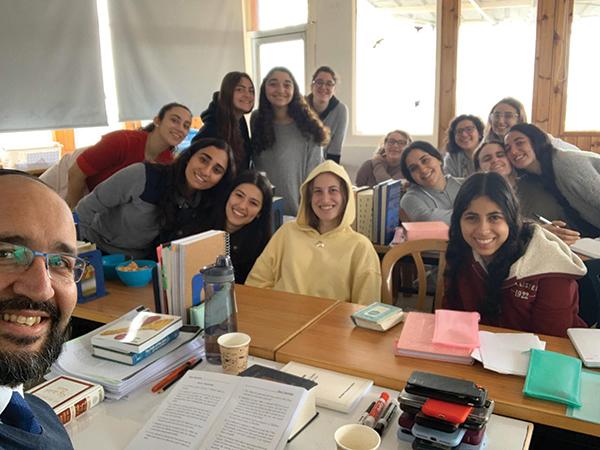
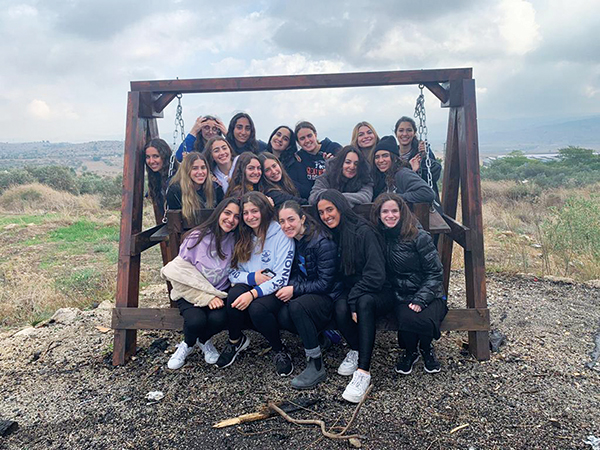
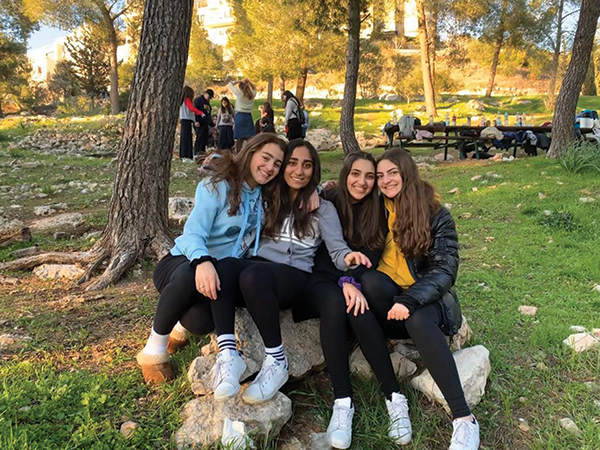
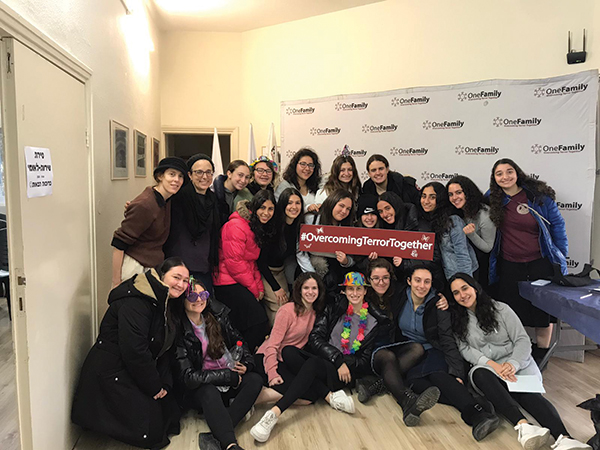
Forty young ladies attended Midreshet Eshel this year. “Midreshet Eshel has truly changed my life. Being here for the past six months really impacted how I see the world around me. My speech is more positive than ever! My actions toward hesed and involvement in helping the community and people around me have grown so much,” said Teera Ades, a Hillel graduate and currently a student at the Midrasha.
She continued, “The learning has built my character up to a new level and made me think in ways I had never thought. Everything here has made me the happiest person—the friends, the sights, being in the best location, the Shabbatons! I can’t express enough how happy I truly am here!”
For the past 11 years, students from Magen David, Flatbush, Hillel and Ilan have increasingly chosen to spend a year (or half year) in Midreshet Eshel. As the only post high school program dedicated to Sephardic students, Midreshet Eshel attracts young Sephardic women from as far away as England, Gibraltar, Brazil and Mexico.
“We have seen a substantial change in the community’s attitude toward girls’ study in Israel,” explained Miriam Tawil, Founder and Director of Midreshet Eshel. “It’s a win-win for everyone.”
The schedule is packed with students engaged in intensive learning, volunteering, and touring both ancient and modern Israel. Advanced and regular level classes on Tanach, Jewish Philosophy, Sephardic Halacha and Eres Yisrael are complemented by courses on character development, communication skills and creating a Jewish home.
“As em bayit (housemother), I see firsthand how these wonderful young women enter our doors filled with excitement about discovering more of their rich Sephardic traditions and the depth of Torah,” explained Dr. Hila (Alouf) Aboody. “It is so gratifying to see how much they mature throughout the year and transform into young women who want to do hesed, think about others and want to impact positively on their communities by building beautiful homes with solid foundations.” Being away from home and living together with many other students comes with its challenges, as well as opportunities to learn lessons for life.
“I don’t know where my life would be without Eshel,” said Flatbush graduate Vicky Zeitounie. “This year has changed my life for the better and has given me a family I’ve never imagined having.”
Rabbi Yirmiyahu Cohen, teacher of Sephardic halacha at the Midrasha stated, “It’s a pleasure teaching students who are eager to learn.” Due to the vision and generosity of community leaders Ezra Ashkenazi, Harry Adjmi, Ricky Cohen and Harold Shamah, the school was able to purchase its historic building in the heart of the Jewish Quarter overlooking Har Habayit, the Temple Mount and Har Hazeitim, Mount of Olives. In addition to the school’s unbeatable location just steps away from the Kotel, one of the hallmarks of the school is the warm and supportive environment it provides for the students. The individualized attention allows students to actualize their personal and spiritual potential.
“Eshel’s supportive and positive atmosphere taught me how to find the best in every situation” observed Fortune Azrak, graduate of Magen David.
“I didn’t know I could feel as spiritually connected as I feel in Eshel, in Israel. I feel so fulfilled and so complete,” concluded Judy Sitt, salutatorian of Ilan. The teaching staff at the Midrasha, some of whom have authored books, is comprised of professionals with decades of teaching experience behind them.
“Their commitment and dedication to the students is remarkable,” stated Miriam Tawil. “Through their sincere desire to share the ideals of the Torah, they succeed year in and year out in engaging the hearts, minds and souls of the students. It’s Jewish education at its best.”
Registration for September 2020 is coming to a close. For more information please contact office@midresheteshel.org. To make donations and dedications email nyoffice@midresheteshel.org.
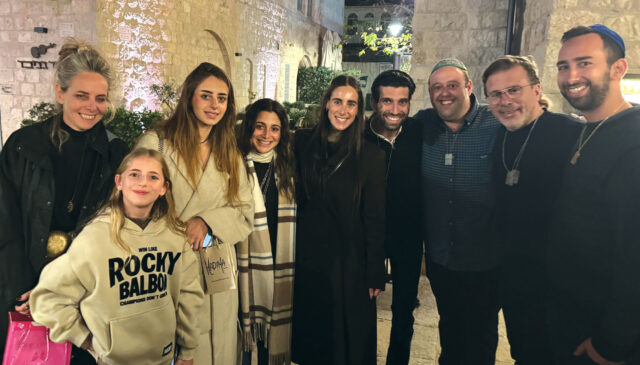
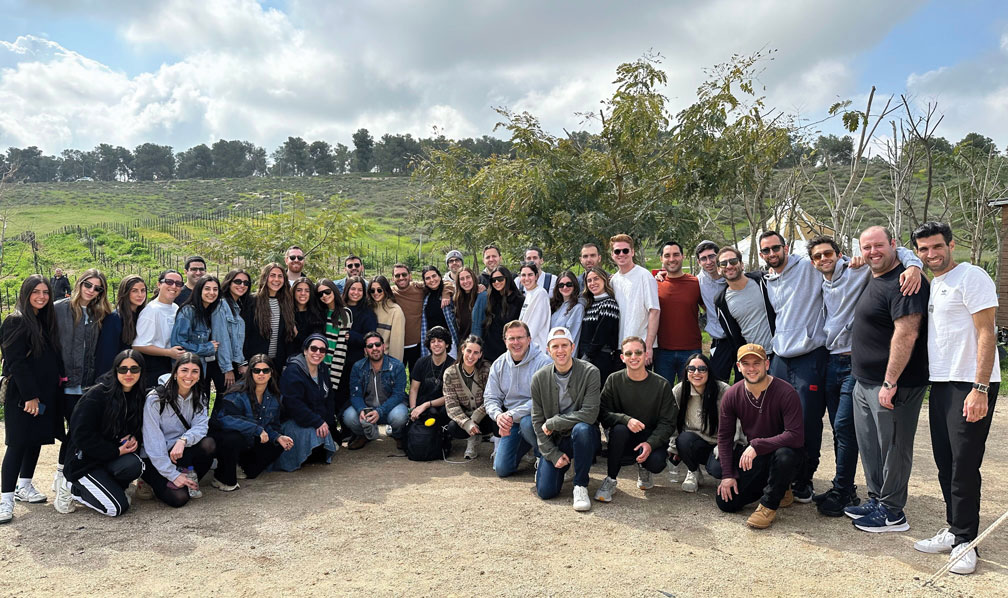
38 YOUNG ADULTS SHARE HOW THEIR TRIP TO ISRAEL CHANGED THEIR LIVES
MARLENE LEVY
IT’S ALMOST IMPOSSIBLE TO DESCRIBE THE EMOTIONS THAT ARE DRAWN OUT AFTER SPENDING A WEEK IN ISRAEL. IN EVERY PLACE WE VISITED WE HAD SUCH MIXED EMOTIONS; SADNESS FOR THE LIVES LOST, JOY FOR THE ONES WHO SURVIVED, HATRED FOR THE DESPICABLE PEOPLE WHO COMMITTED THESE CRIMES, AND LOVE FOR OUR SOLDIERS WHO RISKED THEIR LIVES TO PROTECT US.
We felt terror for the potential of hearing a siren sound while we were there, and awe and resilience from our brothers and sisters in Am Yisrael who continue to choose growth and life in a time of irreparable pain.
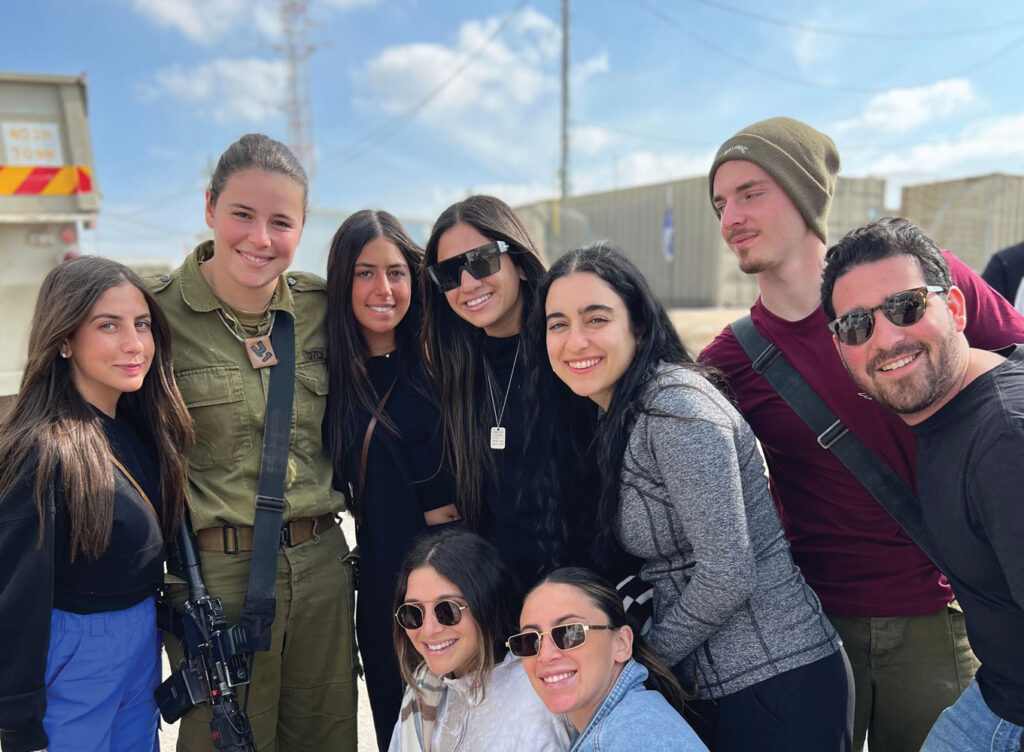
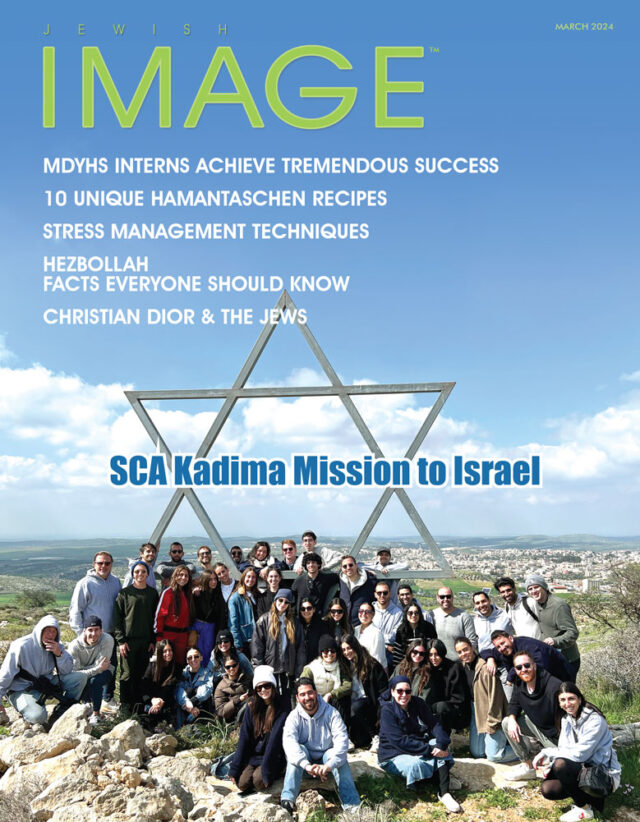
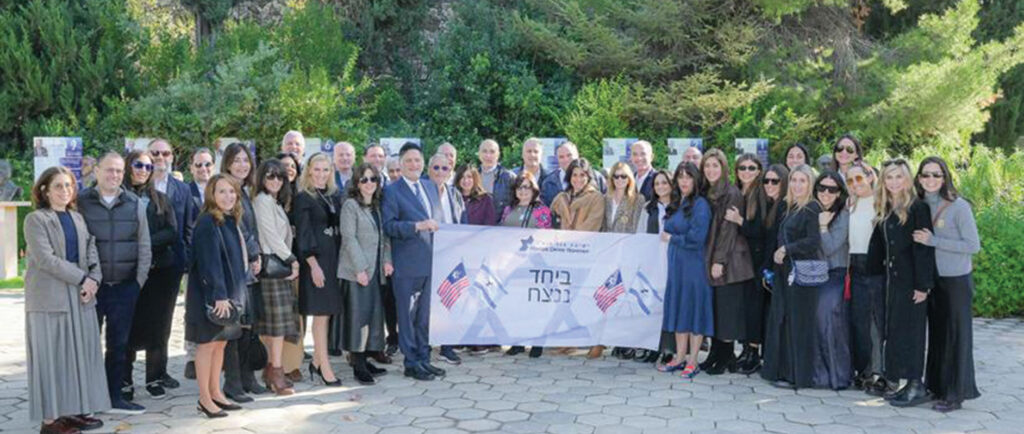
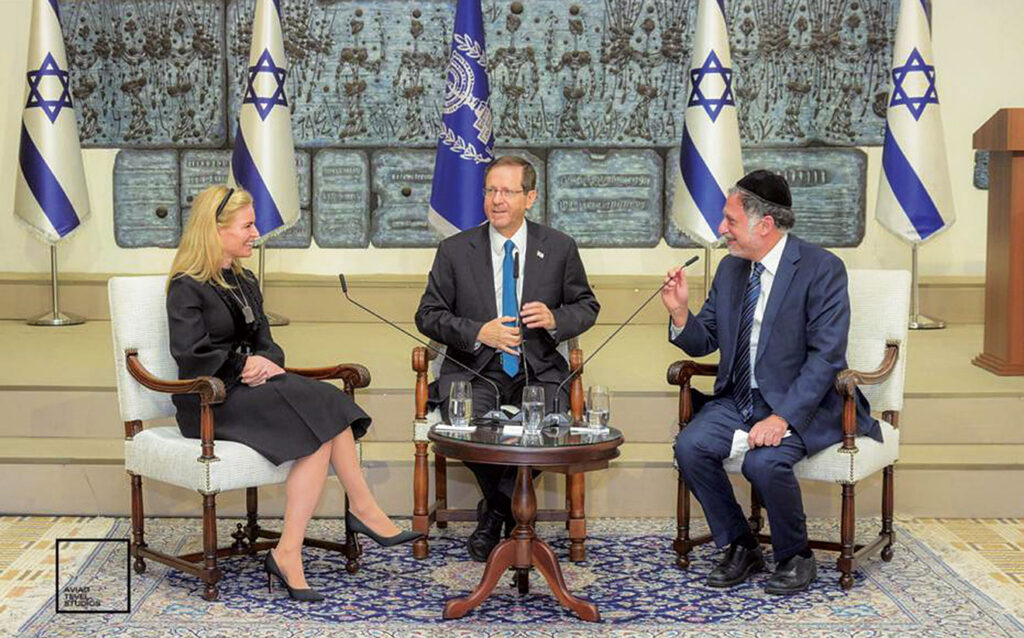
Our delegation of young adults, spearheaded by The SCA, who have been at the forefront of the mission trips, was aptly named “The Kadima Trip.”
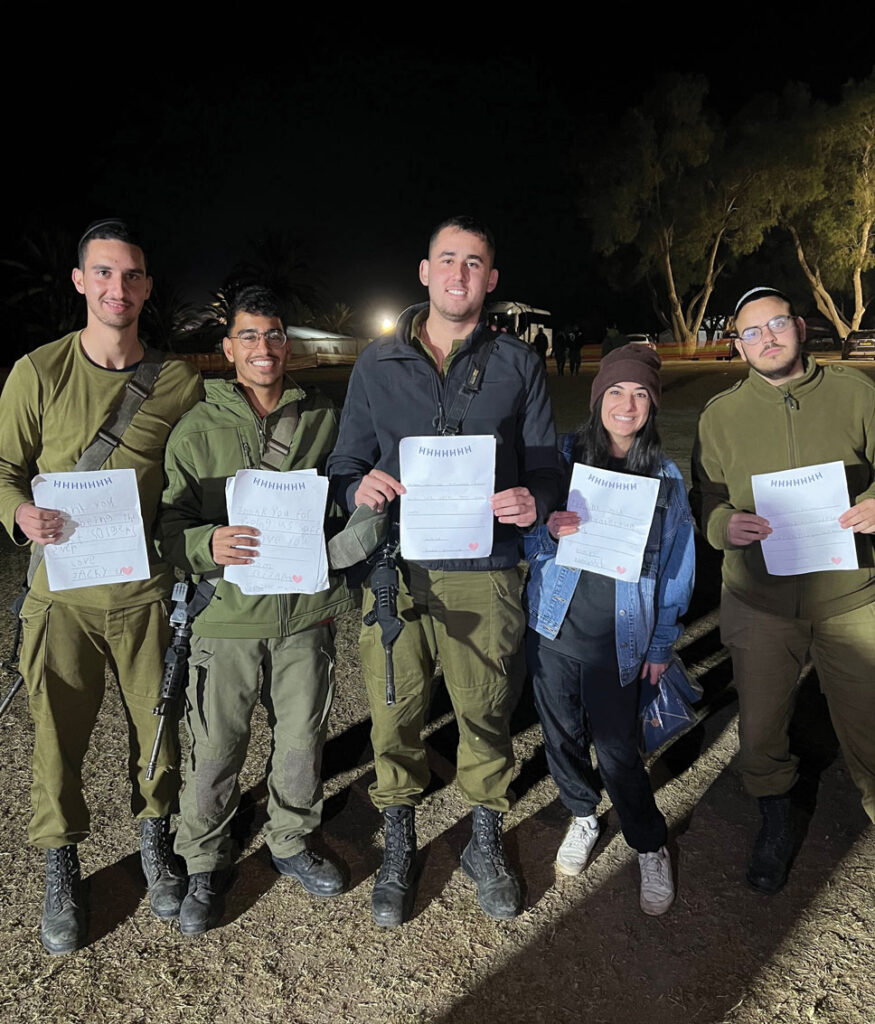
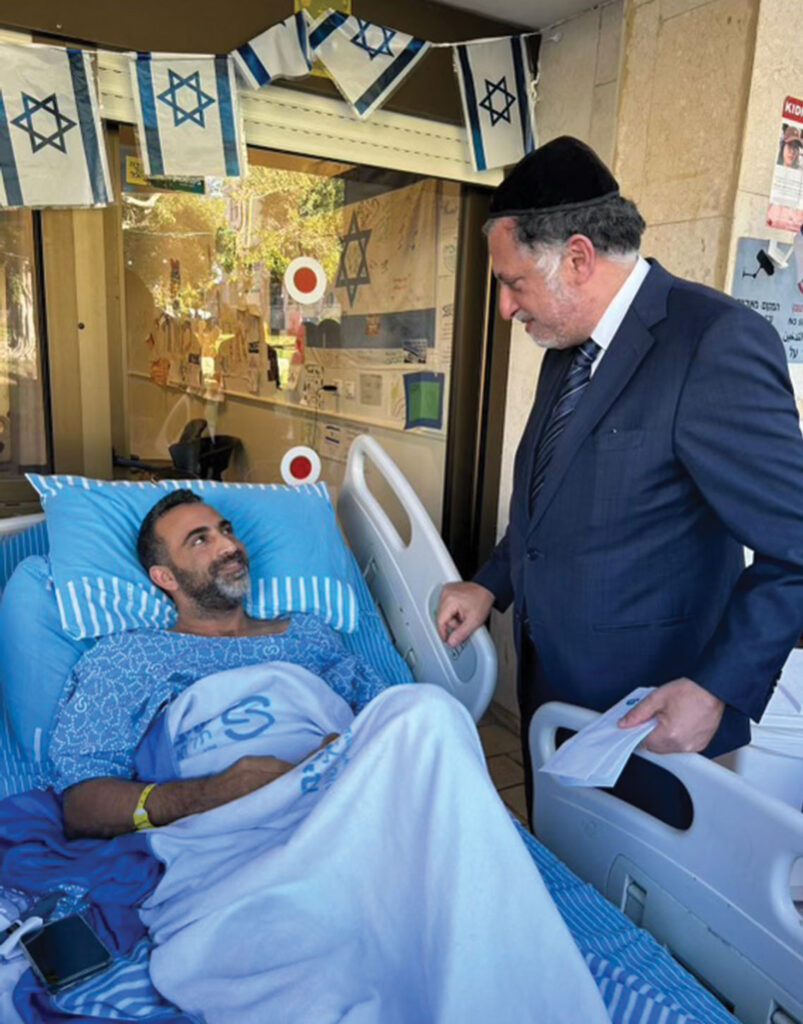
After SCA’s previous trip “Hineni” focused on sending the message of showing up for Israel in her time of need, our group was centered on the mission of helping Israel move forward. We had many opportunities to speak to injured soldiers as well as active soldiers, and it was almost laughable how they were so vehement in their thanks to us that you would have thought we saved their lives instead of the reverse. In reality, we learned through our visits how important it was to show them how the rest of the Jews in the world are extremely grateful for their sacrifices, and how we commend them for the strength it takes to leave their families to protect Am Yisrael as a whole.
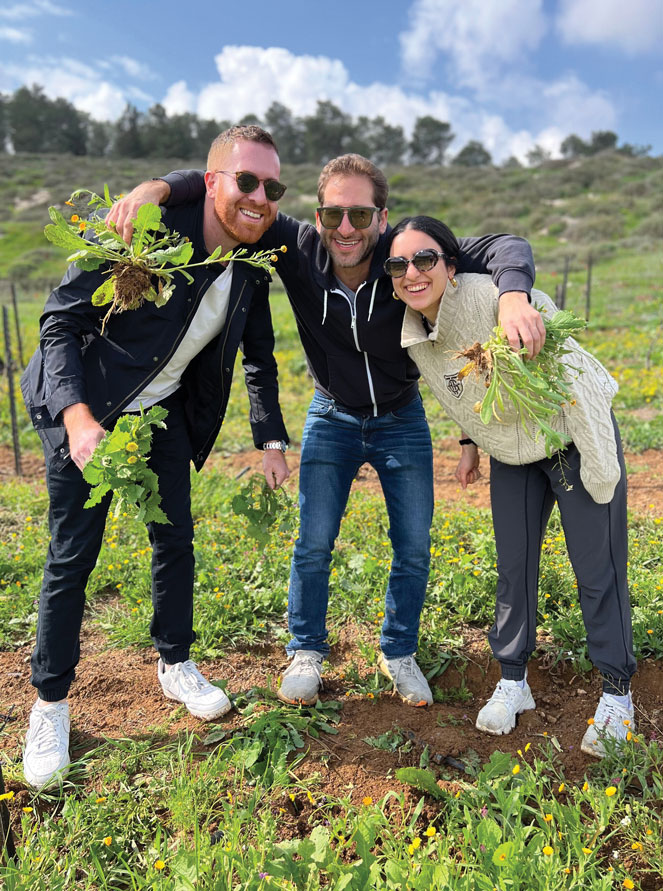
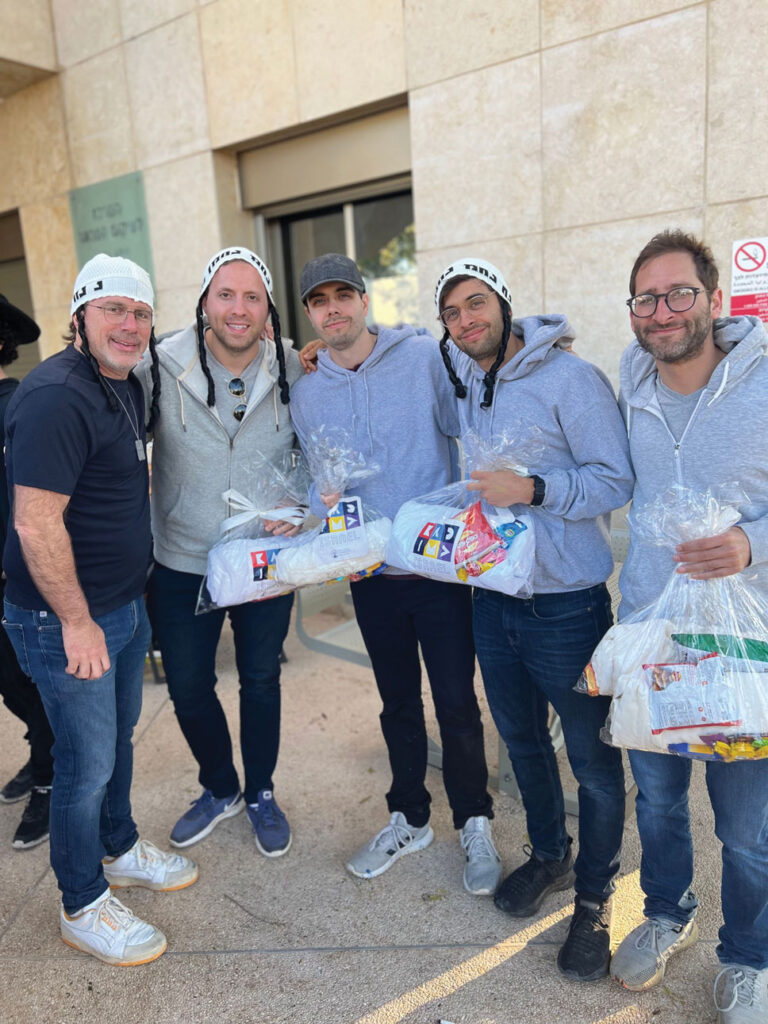
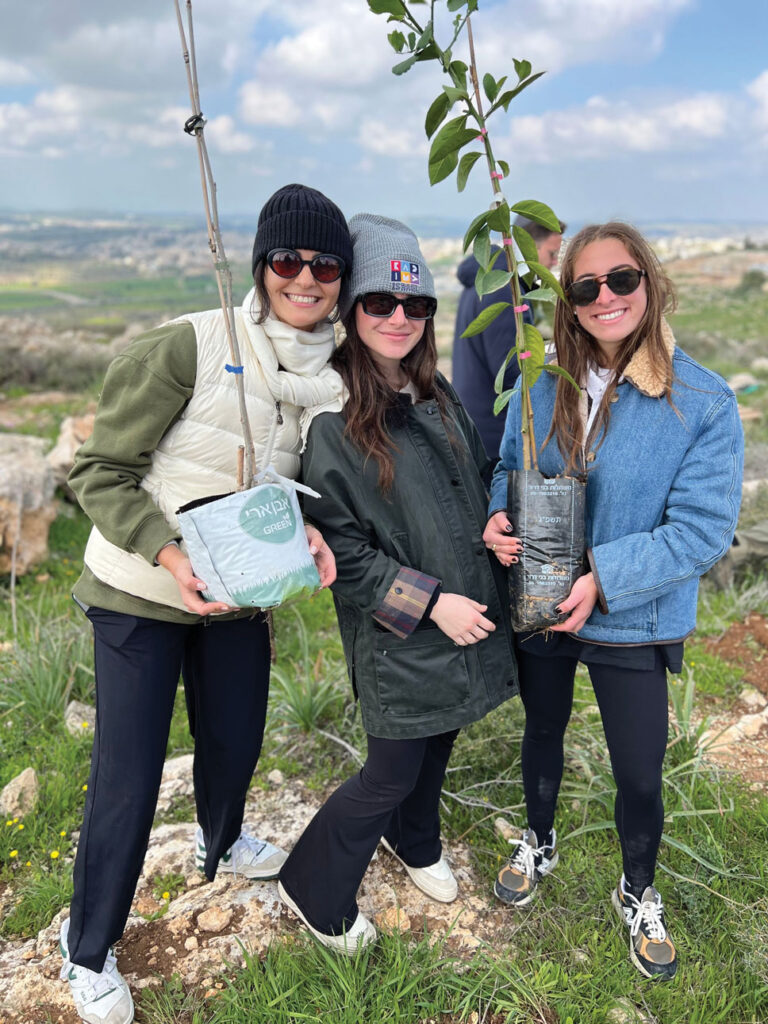
On our trip we saw a lot of light in the darkness, which you don’t see from the videos that are shared on social media. We heard from two separate hostages’ siblings, and though it is incredibly difficult to hear about what the families of hostages are going through, it was imperative to hear every story of pain and suffering so we could confidently return home and advocate correctly for our nation. Being around people of such resilience reminded us how strong our nation is. The world has been trying to destroy us since the beginning of time, yet we’re still here. We plant flowers and trees in memory of the lives lost and the blood spilled. We build new homes and swings for children when entire kibbutzim have been destroyed and displaced. We visit injured soldiers and dance and laugh with them to bring them joy. We provide barbeques for soldiers who were called for reserve duty, to give them a nice home cooked meal and show our appreciation for their service. We build where they tear down, and our trip really experienced this time and time again.
It’s easy to think of what’s happening in Israel as something that is removed from our everyday life; we don’t hear siren rockets and we sleep comfortably in our beds at night, confident that our bed will still be there in the morning. After hearing Israeli news reporter Sivan Rahav Meir talk, I spoke with her personally and she mentioned something that really stuck out to me, and that was how the rest of the world is confused. They are confused about what the truth is, and they don’t know how to differentiate between the very loud noise that the wrong side is making, and the very clear truth that somehow isn’t entering their intellectual spaces. It is important that we remain “unconfused!” We should never allow ourselves or our children to be confused by the lies that the rest of the world lean into. It is so disheartening to see, especially after all The Kadima Trip has seen. But, if our trip can leave anyone with any message, it would be that you should not be afraid. We have seen, we have experienced, we have cried, we have rejoiced. The people of Am Yisrael will dance again whether the world likes it or not. We will not forget what they did to us, and we will continue to bring light into a world of darkness. We will move mountains for our brothers and sisters in Israel, and we will emerge from this stronger than ever before. Am Yisrael Hai.
QUOTES FROM PARTICIPANTS
Cookie Cohen: I came to Israel because I thought I needed to grieve with my people. Instead, I laughed with displaced kids, flirted with soldiers, celebrated a homecoming at a community next to Kibbutz Be’eri, cried on the grounds of the Nova Festival, welcomed former hostage Mia Schem home, prayed with those whose loved ones were still in Gaza, sang with Ishay Ribo, danced in Mahane Yehuda, planted a lemon tree, bonded with wounded soldiers, and saw the sunrise at the Kotel. I came back prouder, lighter, stronger, and happier. I am thrilled that I came and witnessed our strength. I love Israel. Thank you SCA for giving us the opportunity to be a part of something so special, we’ll never forget it.
Albert A: The Kadima trip was the most special, memorable, uplifting, and emotional trip I’ve ever been on in my life! These people are our family, they have been severely hurt in torturous ways, they love us, they are fighting for us, putting their life before ours, they are strong and they appreciate anything we can do to show our support! This trip was a life changer and I believe a life saver.
Kim Chetrit: I have never had a better week in my life — although at times it felt as if my heart was bleeding, and at other times my smile was from ear to ear. Reflecting on our people, who are selflessly willing to fight for Israel, and for us, I see the love they give is like no other. They’re always smiling, showing simplicity through all the gruesome atrocities they’ve been through all these years. They are true heroes with an immense amount of emunah — people who I admire and want to be like. If you are contemplating going, do it. If you haven’t thought about it yet, hopefully now you have.
Liz Tawil: After October 7th, it was extremely challenging being in New York and not being able to help or be with our family in Israel. SCA provided us with the opportunity to fulfill this task. We visited numerous displaced families, and the appreciation and feedback we received will resonate with us for a lifetime. If you have the chance to go to Israel, don’t hesitate — they need our support!
Jack Ashkenazi: This trip has been incredible. SCA could not have planned a better week, each day, outing, and activity was better than the last and I wouldn’t change one thing. Each person involved and each activity we did was so important and special.
Eddie Ancona: For seven days straight, early morning until late at night, we went from one hesed project to the next. The pace would normally knock anyone out, but with each encounter, the faces of all the people that we met, seeing them up front and center somehow gave us strength that spiritually filled our physical energy to keep going! I’m thankful for the amazing group of people I met through this experience and would like to give special thanks to all involved in making this amazing trip possible! It was a long impactful week,and a life changing decision that I’ll never forget. This week may be over, but the mission isn’t. To be continued until we win this and all hostages are back home. Amen!
Lilly Franco: It’s definitely hard to put into words how transformative the SCA Kadima Trip was for us. From the very first moment we stepped off the plane until the very last minute on holy ground, we were immersed in hesed. I think Jacob, who’s brother, Elkana Bohbot, is still held hostage, phrased it perfectly, “A piece of every single one of us was kidnapped on October 7th.” Before coming to Israel, I felt a void that was inconsolable. I felt useless in all my efforts in New York and I needed to get there to see our brothers and sisters, to hug them, cry with them and help bring some happiness into their lives. After returning from Israel, seeing with my own eyes how our nation is healing together, how our soldiers are stronger than ever and are willing to fight to their deaths for any Jewish life, and seeing how a lot of unobservant Jews are returning to Hashem, has helped me feel an enormous sense of pride to call myself a Jew. If you are thinking of going to Israel, go! Go to Israel, experience how special our nation is, and with Hashem’s help may we only continue to heal and move forward or as they say in Israel — kadima!
Gabe Saff: This trip to Israel has definitely been my best one yet, and it only enhanced my love for the country. Just by visiting the soldiers in the hospital you can feel how much the State of Israel means to its people. A few of the wounded soldiers said they can’t wait to get back into combat with their brothers and sisters — and to me, that’s where we get our source of life.
Ikey Cabasso: I’ve had the privilege of participating in both SCA Young Adult trips. Witnessing the incredible drive and passion of our community’s young adults to make a difference has been nothing short of inspiring. Despite the physical distance, Medinat Yisrael feels like home. This sentiment was deeply ingrained in us throughout these missions. It’s evident that while our brothers and sisters in Israel are tasked with protecting and nurturing the land, our role, no matter where we are, is to support, empathize, and stand with them through every challenge.
I am profoundly grateful to the SCA for leading the charge in organizing these pivotal trips for young adults and for their unwavering commitment to Israel. Their dedication not only fosters a tangible connection between our community and Israel but also empowers a new generation to contribute meaningfully to our homeland’s future.
Lydia Cohen There isn’t a waking moment I am not thinking about my brothers and sisters in Israel and now I can say that we made an impact on them.
Diane Catton: On the trip, I met this young girl, Shirah, who was saved from the city, Sderot, where sadly a lot of people were murdered. At such a young age, she already experienced so much. The feeling of not knowing when it is safe enough to go back home is a feeling we cannot even imagine. That day, Shirah was the one who uplifted my spirit. She was so excited to play games and dance together to Israeli music. She went through so much trauma and still has the strength to put a big smile on her face. To see Shirah and all the other kids look and feel so happy, we all realized why we needed to come to Israel. It was to make an impact, and to make our brothers and sisters smile, through it all.
Bobby Tawil: I wanted to go on the SCA Kadima Mission trip because it meant taking some action instead of “doom scrolling” social media. We saw firsthand the strength of the Israeli people.
Sonia Dweck: After visiting army bases and injured soldiers, I noticed how strong they are physically and mentally. It was so important to be there for them and to see first hand the smiles we were able to put on their faces
I AM STARTING TO SEE THE SUN RISING IN ISRAEL A FIRSTHAND ACCOUNT OF MY 3 VISITS TO ISRAEL SINCE OCTOBER 7TH BY BOBBY DWECK
I want to share some reflections after my third solidarity trip to Israel. On my first group trip to Israel, which was only 12 days after the massacre on October 7th, I saw a nation in shock. The people had genuine fear for the future of the State of Israel. At the time, the nation was mourning their loved ones. There was a lot of sadness all around, as there were non-stop funerals.
As I visited soldiers’ bases all around Israel, it seemed they were very anxious, yet determined to fight. The future seemed uncertain and it was unclear when the IDF would invade Gaza. Hospitals around Israel were full of injured soldiers and civilians. In addition, there was the challenge of 300,000 people who were suddenly displaced from the North and South of Israel. Many of the hotels across Israel were housing these displaced people. These families needed to stay in a safe location until it was safe to return home.
On the second solidarity trip to Israel, I observed so many new things around the country. The war had started and was progressing. There were over 90 hostages that were released. Many of the displaced families were starting to feel the stress of not living in their homes. They missed their daily routines and having their children going to school. Soldiers were starting to fall in battle and there were many more injured soldiers filling up the hospitals. Many soldiers hadn’t seen their families since Oct. 7th. The stress of the economy was starting to take its toll along with the antisemitism campaigns all over the world. The daily stress of rockets and sirens around Israel was starting to impact many families around Israel.
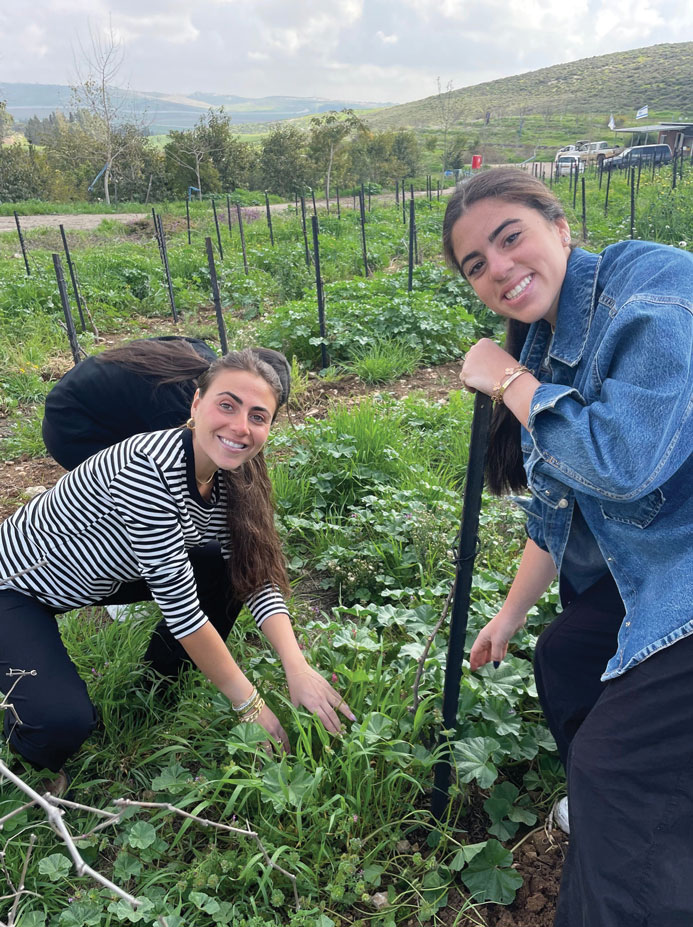
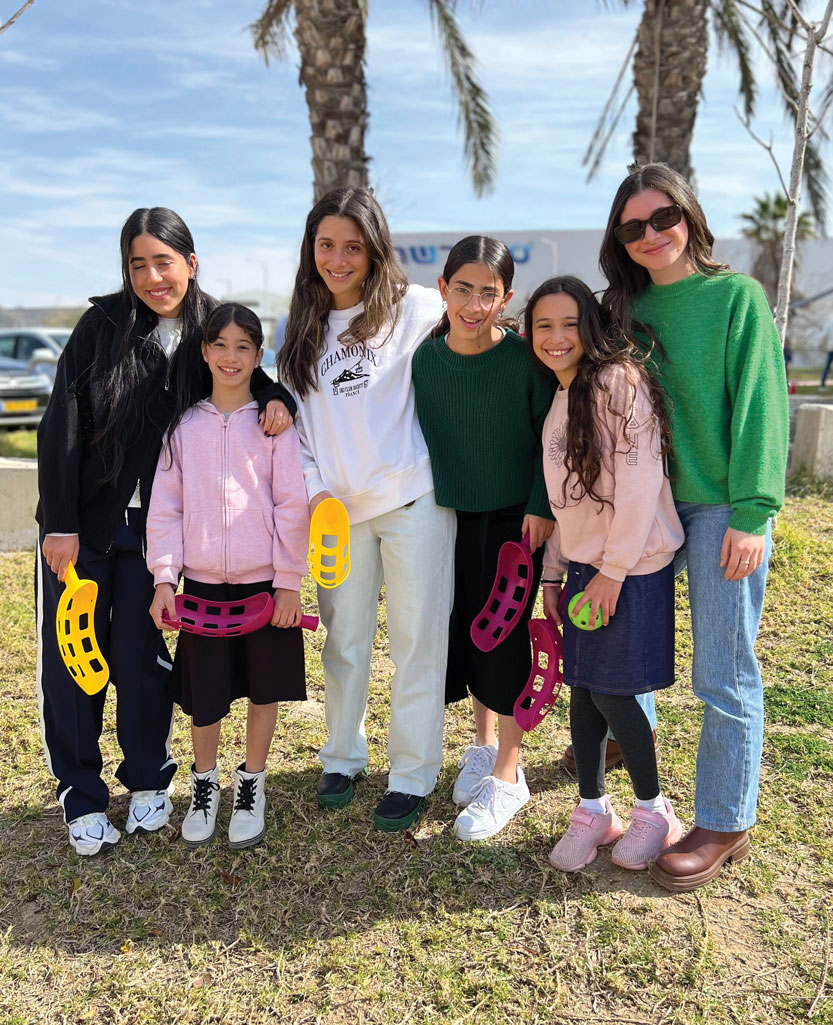
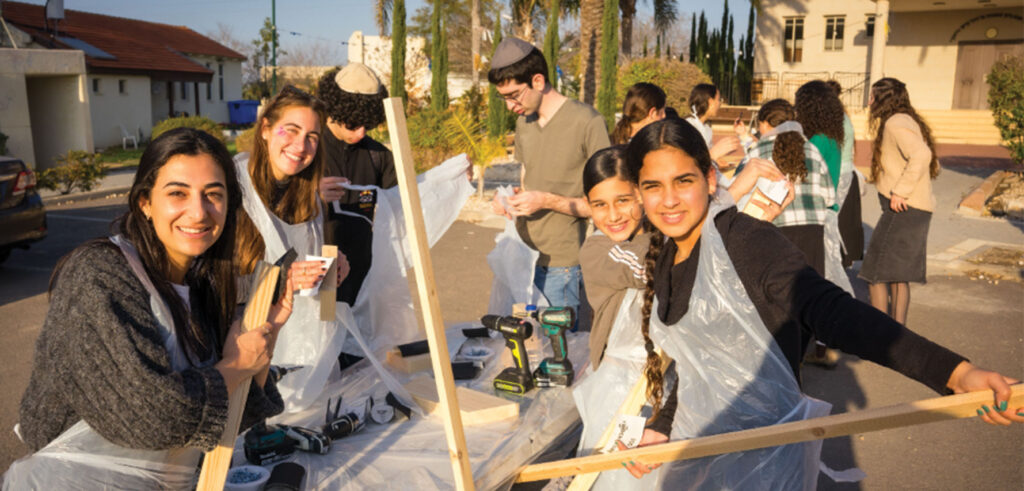
On my third trip, you could start to see the sun rising in Israel. I was part of The SCA Mission Kadima Group of Young Adults. The group name was all about helping Israel move forward to start the healing process. The group helped coordinate many programs to help the people of Israel get back on their feet. There were many initiatives the group facilitated in order to help the people of Israel heal. We spent the beginning of the trip helping to expand a PTSD Center at Lahav farms to help anyone affected since October 7th. The group was told that there is a waitlist of 40 groups that want to use the facility to start the healing process. In addition, we helped families return to their homes in the South of Israel by organizing carnivals, bbqs and by making swing sets for their communities, so they could feel more at home.
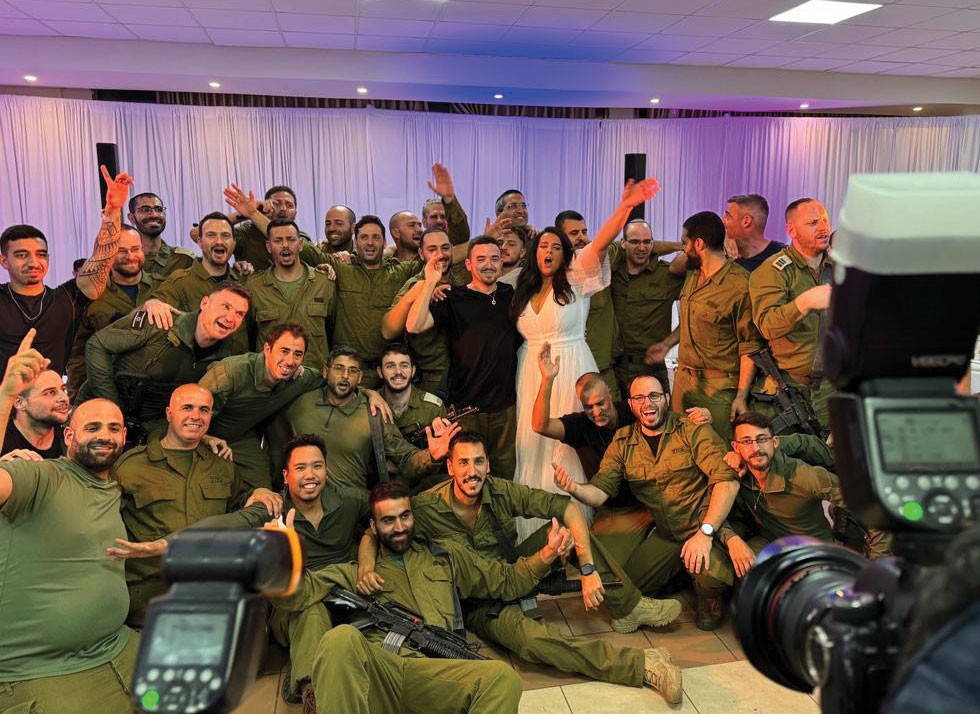
The group helped displaced families who were still unable to return home, by organizing recreational activities such as bowling and sports activities. This helped give the parents a break, and it was a fun night out for the displaced children. We visited army bases and made bbqs for them. We provided soldiers with strength and inspiration and was our way of thanking the soldiers for all their sacrifice to keep the State of Israel safe.
One night, we sat with a special unit of the army on the Gaza border. They were involved in the rescuing of two hostages on February 11th. They shared their experiences of that special evening. Their units were mainly responsible to drive into Gaza and rescue injured soldiers and take them to the hospital right away. That evening, they were responsible for taking the rescued hostages to the hospital so they could be given the proper care. We had a bbq and sang around the fire pit with them. Finally, the group capped off the trip by inviting former hostage Mia Shem for dinner and surprising her with a special concert by Ishay Ribo. This was really special because Mia shared that when she was in captivity, she heard a few of his songs in the background of the house she was being held in. She shared that one specific song he sang “Returning Home,” was a signal that she would be freed from captivity very soon.
As I reflect on the plane back to America about the last four and half months, and what Israel has been through, I feel like there’s still so much more that needs to be done to help the people heal. It’s time to start rebuilding our country. We have to help people return home and get back to starting life again. I believe this last trip, with our young adults made me realize that we must connect the next generation to the State of Israel now more than ever! We have to thank G-d for the miracle of having our own country. We must realize that having our own country has responsibilities. We must not take it for granted. I noticed that there is still much suffering and trauma around the country but I am starting see the sun rising! I believe we must redouble our efforts in order to help the Israeli people heal. We must provide emotional and financial assistance until the State of Israel gets back on its feet. Everyone has a role to play. We are all one family! If you want to see what faith and trust in G-d is, then hop on a plane and meet the people who are the living examples of these amazing qualities. I will keep going back until we have complete victory!
Marlene Levy is a graduate of Yeshiva University and Yeshivah of Flatbush. She is currently studying school psychology at Adelphi University and is committed to continuing her involvement in Israel advocacy during these times.
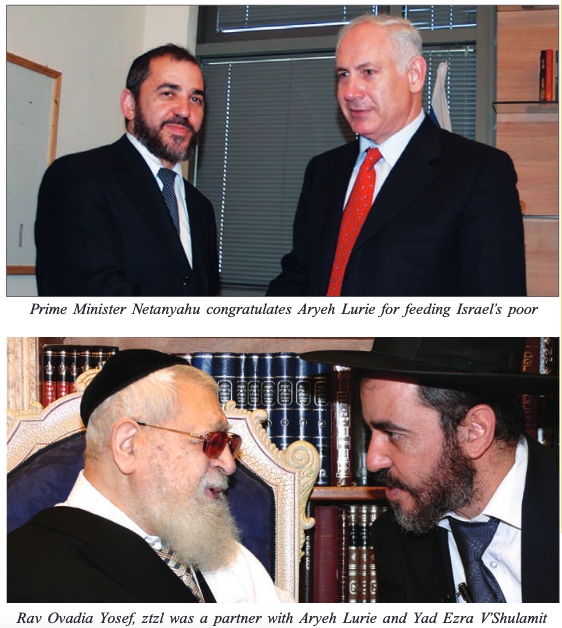
Aryeh Lurie was only eight years old when he learned how angrily and loudly empty stomachs growl. When his mother sent him to school without any lunch, he watched his friends bite into their sandwiches, and something stirred within him— an indelible pain—that led him to build the largest food distribution network in Israel which feeds 180,000 people every year.
“I’m not the Prime Minister, or a millionaire, I’m just a regular person,” said Aryeh. “When I started, I had no idea that the few baskets I gave out would skyrocket. I just knew I had to act. I’ve been there; I grew up poor. You can’t ignore a hungry child. I couldn’t sleep knowing Jewish children are going to sleep on empty stomachs, especially when so many are Sephardim.” Born to a Persian mother and an Iraqi father, Aryeh inherited the Sephardic community’s strong values of supporting the needy, and loving every Jew.
You Should Always Care for Other People
“As a child, after kiddush, my mother would hand me a bowl of hamin, saying, ‘Go give this to our neighbor,’” began Aryeh, “There was no meat in the pot and we barely ate, ourselves, yet when you’re poor you develop a sensitivity to others.”
He continued, “Growing up poor isn’t all bad. The problem begins when it damages a child’s self-esteem. People mean well, but end up causing damage. I once stood in a line for a free bag of potatoes, when someone handed me an old, dirty toy. I felt humiliated. That person thought he was doing a huge mitzvah, but I went home crying. A poor person’s dignity is more important than anything you can give him.”
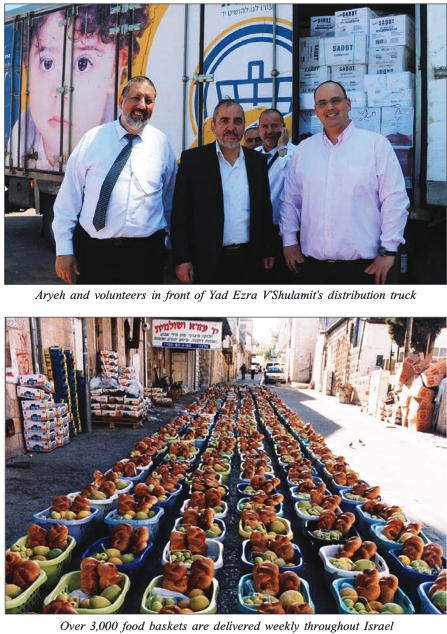
Yad Ezra V’Shulamit, which started as a humble non-profit in 1998, with two employees, one truck, and a driver, has since grown into a national enterprise providing comprehensive services to the needy. It now distributes 3,000 food baskets a week, and close to 40,000 before the festivals—feeding over 180,000 people during Pesach alone.
To date, Yad Ezra V’Shulamit has distributed over 1,000,000 baskets, and serves a daily hot lunch to more than 500 children. It also gives a monthly stipend to over 500 widows, and provides baby formula for mothers who can’t afford to feed their babies.
“As a student, I saw many kids who didn’t finish their food. I collected their leftovers and distributed them to hungry students for whom that food was a lifesaver,” Lurie said.
Today, 30 years later, YES distributes roughly 40 tons of food on a weekly basis. Visit the YES warehouse on a Thursday afternoon, and you’ll see volunteers packing chickens, challahs, fresh produce, canned goods, grape juice and other groceries, into hundreds of individual baskets.
Unfortunately, the myth that everyone is wealthy because Israel is known as the Start-Up Nation, clouds the fact that 21% of Israelis live below the poverty level. The rich in Israel get richer, while the billions in proceeds from high tech buyouts, do nothing to help those truly in need. In Israel today, 1% of the population makes more money than the entire bottom fifth of people who live under the poverty line.
Aryeh—whose grandfather and great-uncle smuggled food into Jerusalem via the Burma Road during the siege of 1948—admits, “The power to help others is born of feeling their pain. I promised myself that when I grew up, I’d take care of hungry children.”
Driven by the vision of an after-school center that would provide meals, counseling, school supplies and homework help to poverty stricken families, Aryeh moved his entire family into a rental apartment, to make room for the center. “How could I stay, with children going hungry?” he asked.
Before Pesach, Prime Minister Netanyahu addressed donors, saying, “There are still families needing assistance, which is why I support Yad Ezra V’Shulamit. I know you’re doing your best, but I want you to do more—give from your heart to the heart of a young child”.
The Biggest Joy of All
At this time of year, with Pesach around the corner, poverty is most acutely felt.
The Passover food stipend granted by the Welfare and Finance Ministries amounts to a meager 13 shekels (under $4) per family. It doesn’t even buy a single box of matzah. But, Yad Ezra V’Shulamit is committed to making Pesach a time of joy. “This Pesach, when I sit at my Seder table, after distributing 35,000 food baskets throughout Israel,” Lurie began, “I’ll know I did all I could. That gives me the greatest joy”. “I’d love to close down Yad Ezra V’Shulamit. We wish children would eat without our support; that every widow and orphan could be proudly independent… But until Mashiach comes, our doors will be open to anyone in need.”
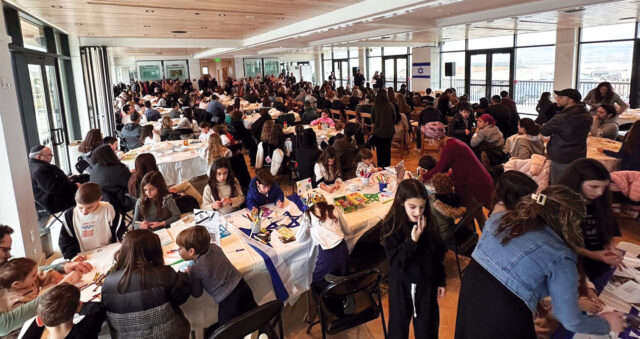
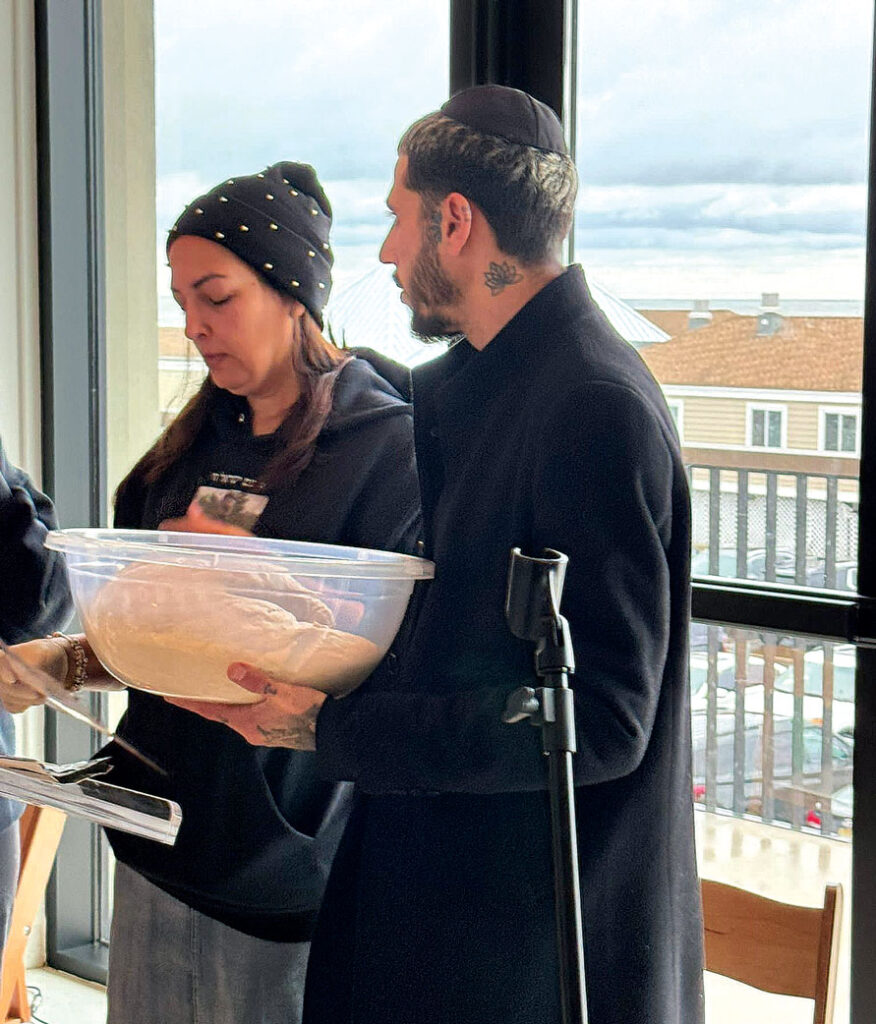
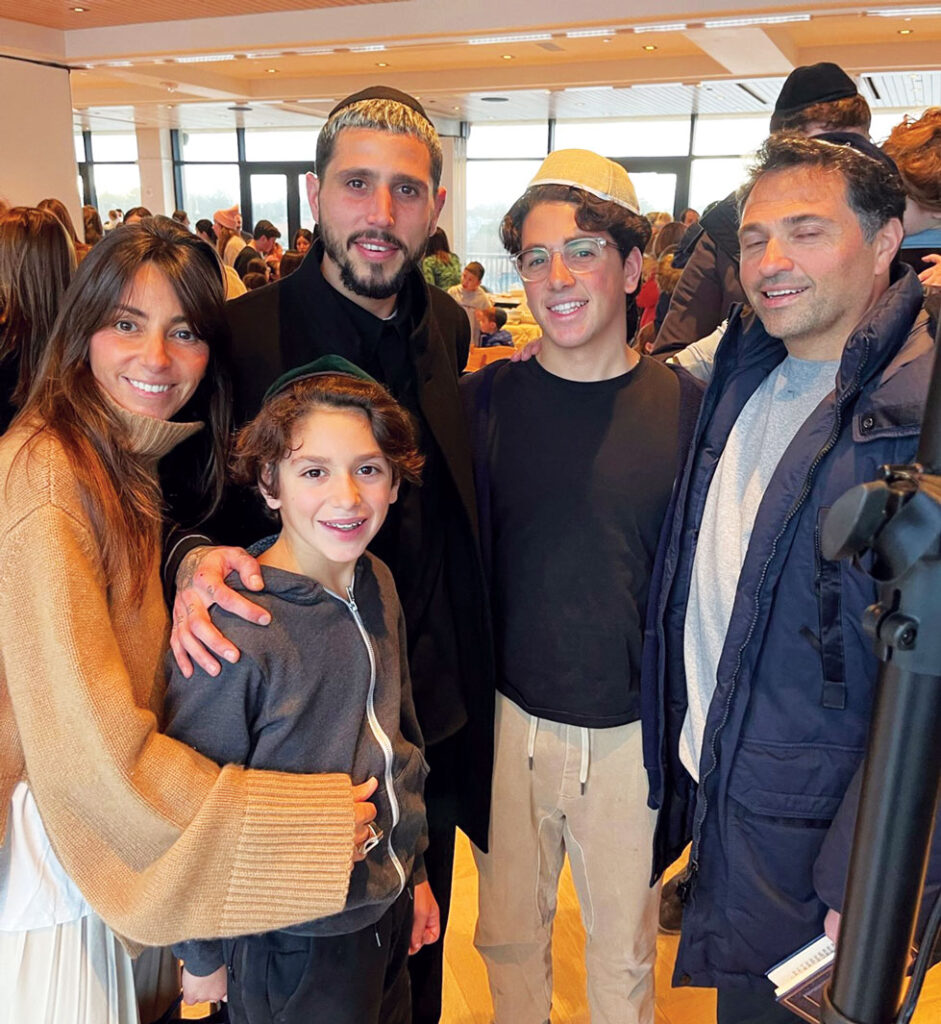
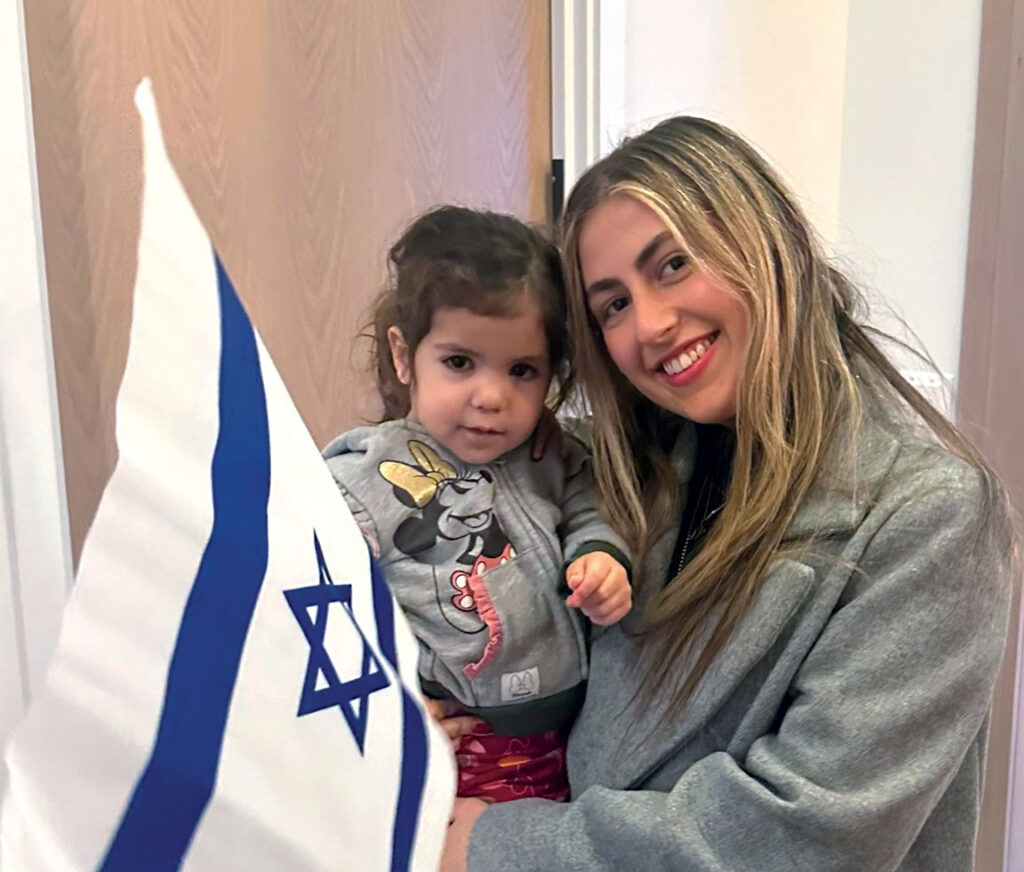
ON SUNDAY, JANUARY 7, DSN BEACH CLUB HOSTED A HEARTFELT EVENT THAT BROUGHT TOGETHER COMMUNITY MEMBERS FOR A DAY FILLED WITH COMPASSION, SUPPORT AND UNITY- THE FAMILY DAY OF HESED.
Exactly three months from october 7, the community recognized the 136 hostages still in captivity. The event aimed to give chizuk to our guest speakers from Israel and uplift spirits to make a positive impact.
Survivor’s Story: A special guest at the event was Roi Assaraf. He and his wife miraculously survived the Nova Festival in Israel on October 7. DSN Beach Club offered Roi the perfect forum for him to share his story. Hundreds of community members along with rabbis attended the event. The emotional atmosphere in the room was palpable, with many in the audience moved to tears by Roi’s account of his harrowing experience.
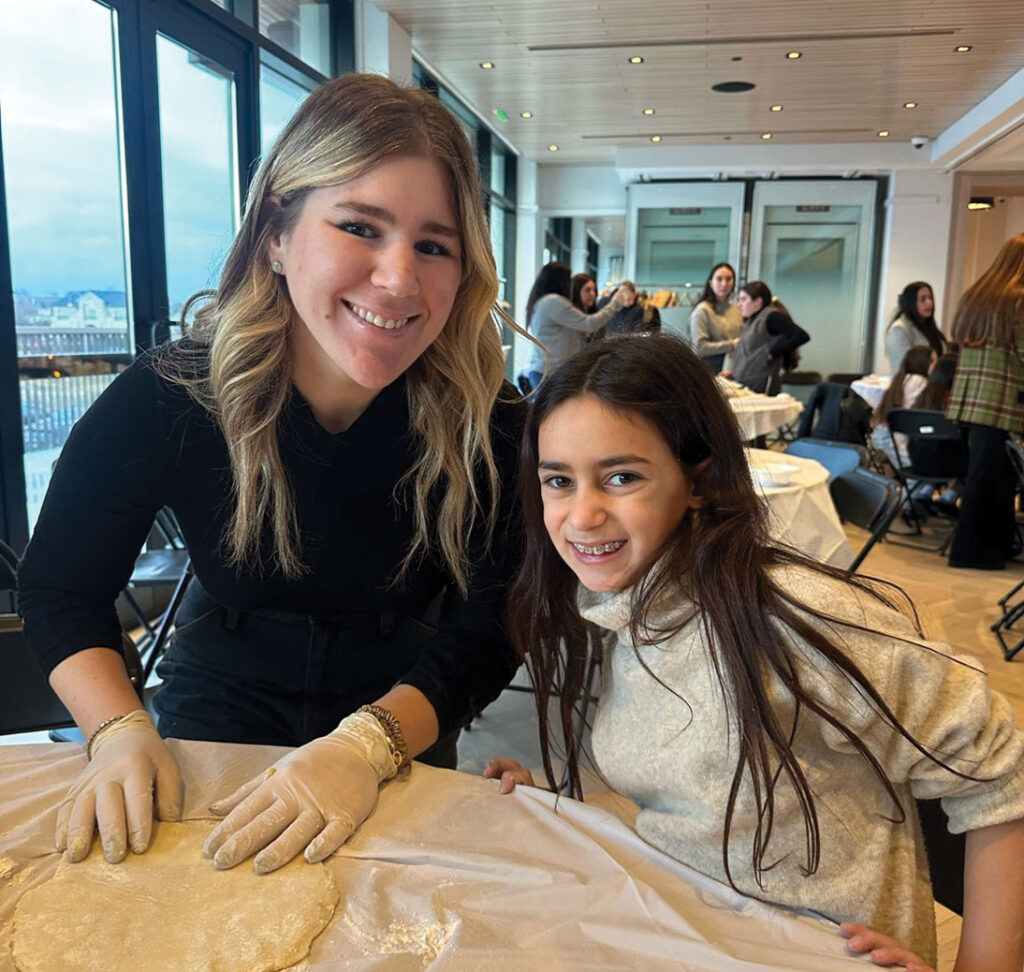
Family of a Hostage and Hafrashat Challah: The event also hosted the family of Ori Danino, who is currently a hostage in Gaza. The family spoke and prayed for Ori’s safe return, accompanied by a heartfelt Hafrashat Challah ceremony led by Ori’s mother, Einav Danino. The emotional plea from Ori’s sister left the room in devastation, emphasizing the injustice and harsh reality faced by families with loved ones in captivity. Karen Tawil helped lead challah-making after the speakers. Karen said, “This was such an uplifting day. Hearing Roi and the Danino mother speak was moving and inspirational. My kids had a beautiful day. They enjoyed it tremendously. Thank you for including us!”
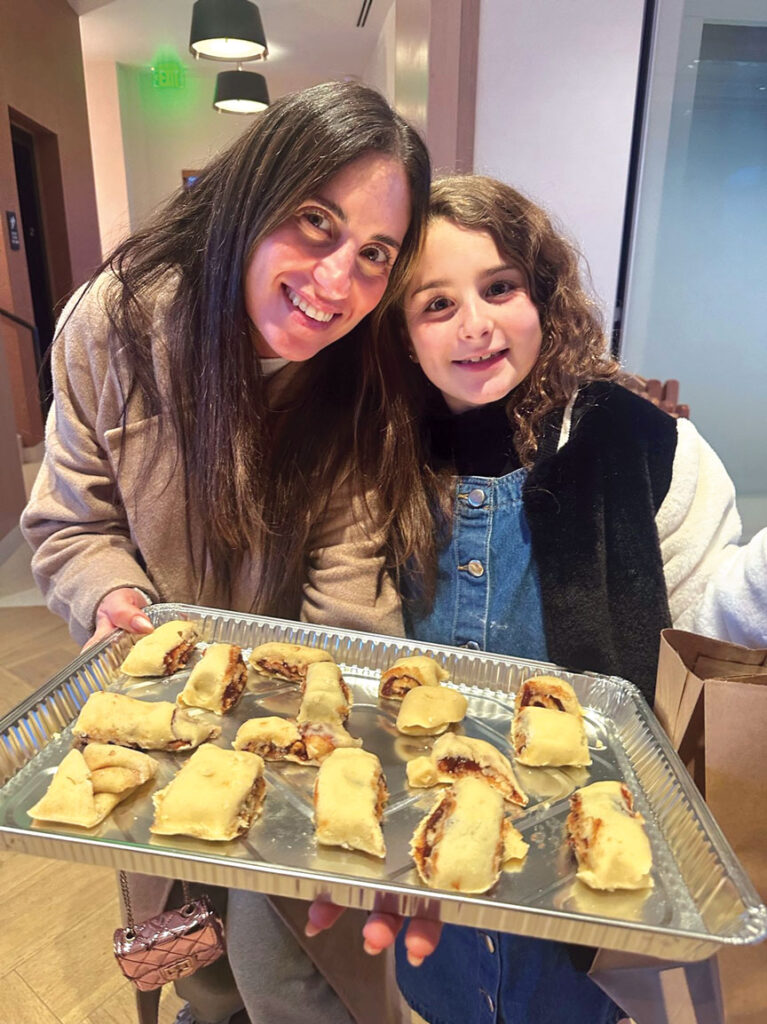
Israeli Date Cookies: Renowned community chef and Kardio Kale’s Eileen Missry shared the art of making Israeli date cookies, a special treat with a meaningful history. Participants had the opportunity to make and take these cookies or contribute to a later bake sale at DSN, with proceeds benefiting Israel.
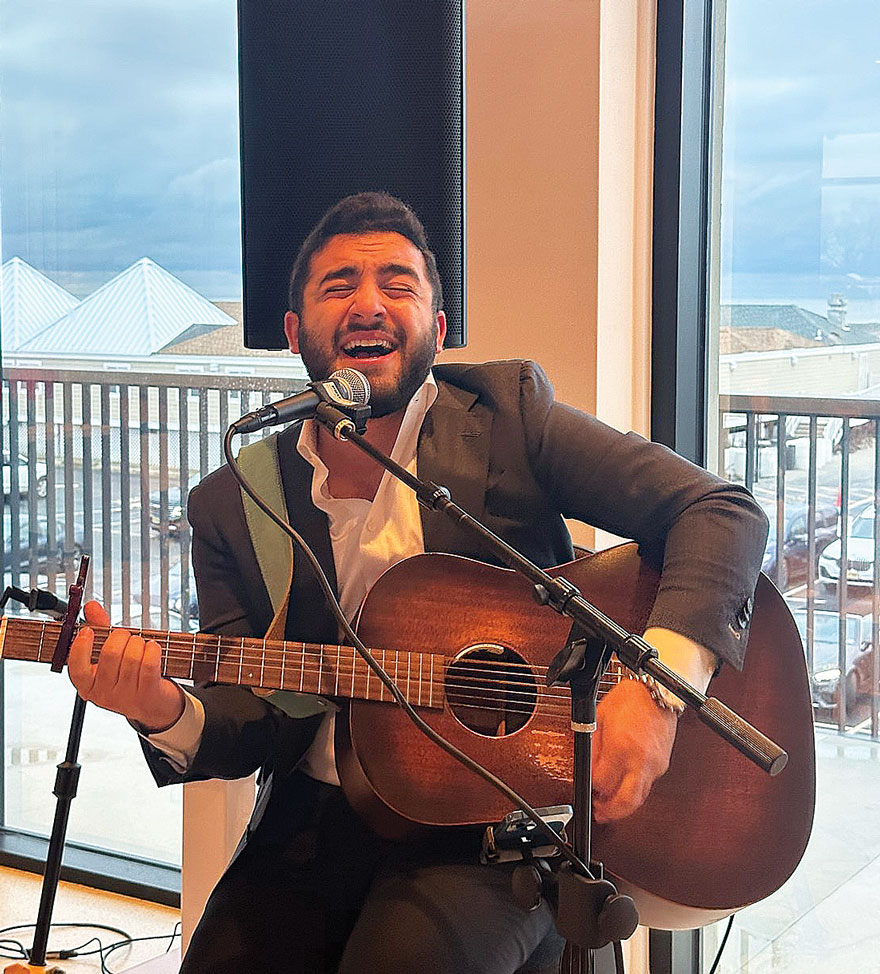
Kumzitz: The musical talent of Irving Kairey added a soulful touch to the day, as he graced DSN with his beautiful melodies. The gathering sang Hatikvah, and women later joined arm in arm with the Danino family to dance and uplift one another, creating an atmosphere of solidarity and support.
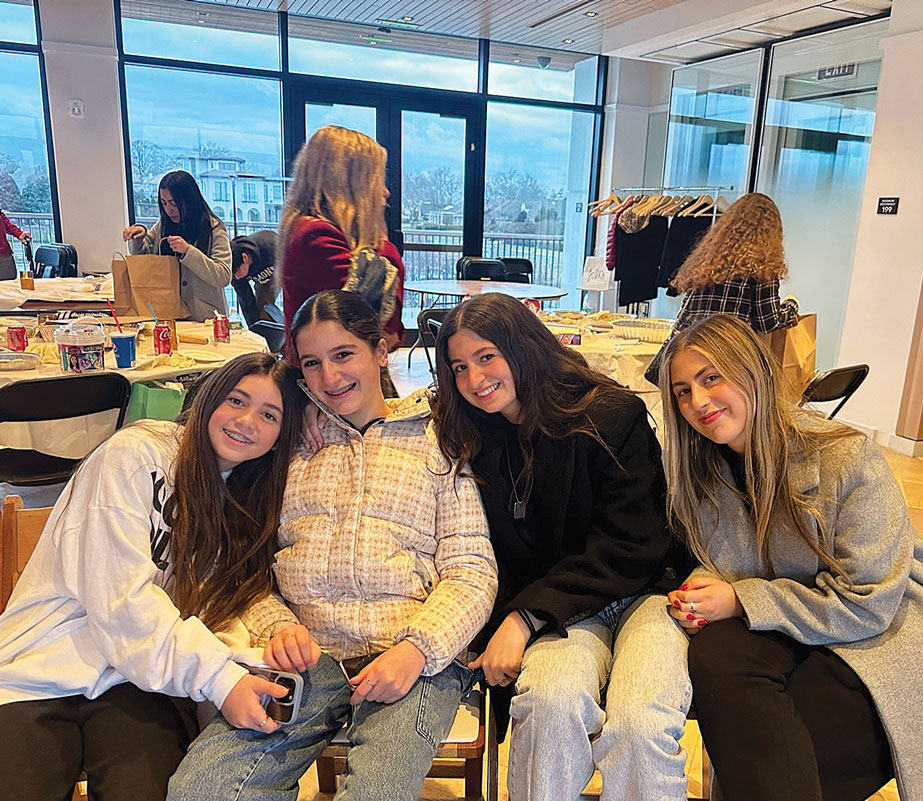
High School Hesed: DSN’s Hesed 365 committee organized 20 high school schoolgirls to participate in hesed in their own special way. They began with a class led by Rabbi Hidary. Then these girls devoted their time to create prayer cards for DSN’s seniors to pray for soldiers in Israel. Following this, they visited the Special Children’s Center, engaging in collaborative projects, such as clay molding. The girls danced with the young children, creating an uplifting and heartwarming experience. Youth Director Frieda Shamah expressed her admiration for the high school girls. “I was very impressed and inspired by our girls coming to give their time to make the world a better place, especially during these times. Dancing with the special kids at the Center was hands down a highlight- their smiles lit up the day as everyone was filled with pure joy. It was an unforgettable moment.”
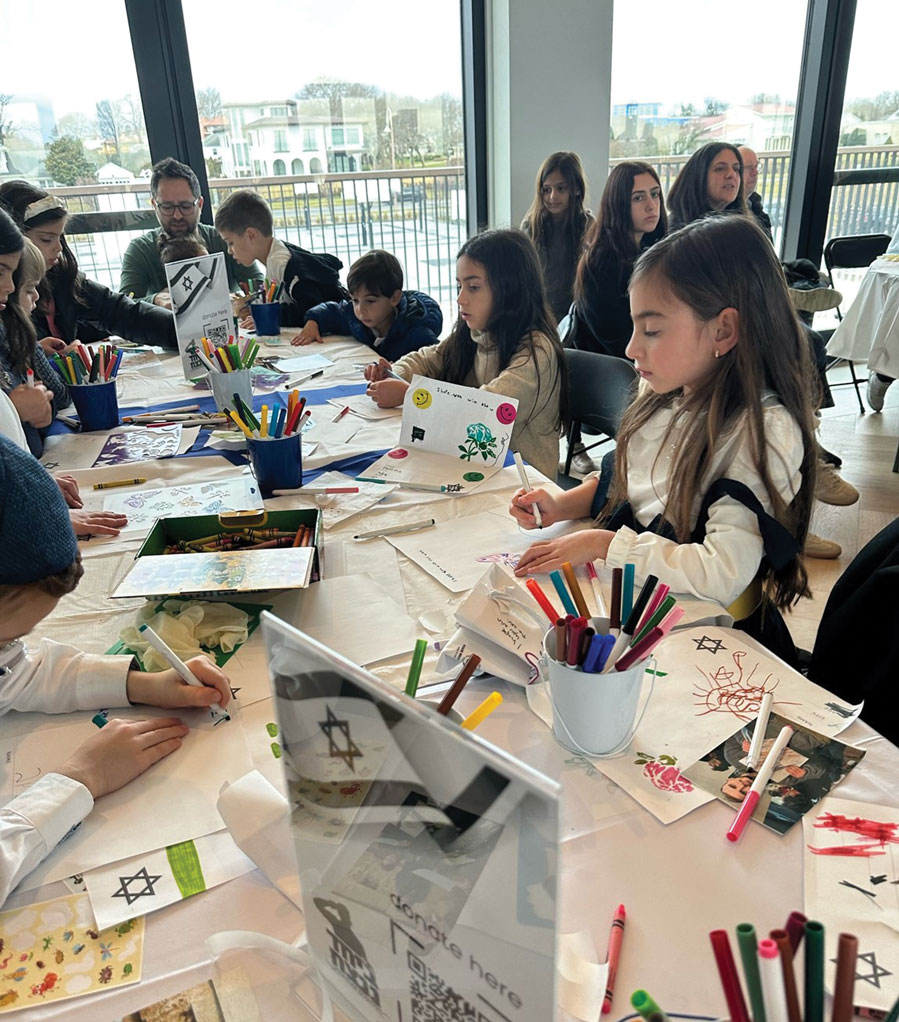
Letters to Soldiers: Nechama Wiesenfeld facilitated a meaningful activity where young children crafted letters to be delivered to IDF soldiers in Israel. These letters aimed to boost the spirits of the soldiers, showing them that they are supported and appreciated. Nechama stated that “experiencing the community’s unity in supporting our brothers and sisters in Israel was deeply moving. Despite it being over three months since October 7, Sunday’s event underscores its constant presence in our collective hearts and minds. It was truly an honor to be a part of.”
Rabbi David Tawil reflected, “Acts of loving-kindness are the bedrock of Jewish life. In times of need, we step up to help ease the pain of others. The DSN Family Hesed Day was a true display of family kindness towards those whose families have been decimated. It reminded us all that we are all one family.”
All ages and generations of our community came together at the DSN Beach Club, to show compassion, unity, and support, with a shared hope for the safe and swift return of hostages. As DSN’s Board Director Victoria Sutton noted, “Baruch Hashem, Hesed was forefront the entire day. The Family Day of Hesed at DSN Beach Club, was certainly that. It was an inspiring event. Our community and the people of Israel are unified, and strong.” When the day concluded, the resounding message was clear — Am Israel Chai!
WHEN MAGEN DAVID FIRST ANNOUNCED A SOLIDARITY TRIP TO ISRAEL WOULD BE COORDINATED I FELT AN OBLIGATION TO GO AND BE A PART OF GIVING BACK. AS A MOTHER WITH FOUR CHILDREN AND A FULL TIME JOB IT WASN’T EASY TO MAKE IT HAPPEN, BUT I AM GRATEFUL THAT I DID, THE TRIP CHANGED ME IN SO MANY WAYS, AND I HAVE THE PRIVILEGE OF SHARING MY EXPERIENCE.
Immediately upon landing in Israel, I felt that indescribable feeling that only Israel can bring, a feeling of home and safety. Naturally our first stop was the Kotel, and on our way there we began what would be a trip filled with hesed. A message was sent to our group that there was a community boy, a lone soldier, who was based at the Kotel and did not have a safety vest. So, our group secured a vest and were able to hand deliver it to him and see first hand how we were able to help. It’s hard to put into words the feeling of being at the Kotel that night. I’ve prayed there many times, but this time had a different meaning.
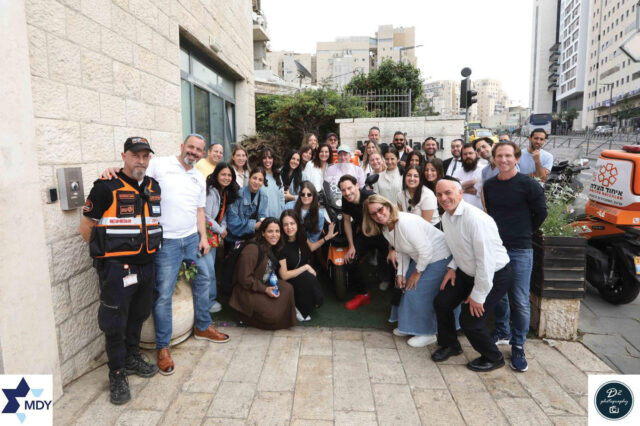
Over the course of the week we visited a lot of locations. We began the week visiting the United Hatzolah of Israel. We learned about the essential role United Hatzalah plays in Israel each and every day and had the honor of hearing Aryeh Learner’s heart wrenching experience on October 7th. With a superhuman effort he managed to save countless lives that day, and despite that he still wished he was able to go back and save more. In honor of his heroes efforts, the Magen David Solidarity mission donated an Ambucycle in his name. His story left us speechless as we headed to the Sderot police station, except it wasn’t the police station because where it once was, stood a pile of dust and rubble, and a single Israeli flag to mark the lives lost. An officer shared his story of survival from that dark day, how he lost many of his friends and colleagues, as terrorists took over the police station. Everyone from Sderot had to be relocated. A television was donated for the new police station being rebuilt and Tehillim books and Tefillin were given to a resident who refused to leave his home.
We had the privilege of meeting with Zaka members who traveled with us to the heart of the destruction, Kfar Aza, and the Nova Festival site. Members of Zaka have spent numerous hours to ensure every Jew has a proper burial, their work is selfless. A donation to Zaka was made so their efforts can be continued. Kfar Aza is literally right at the border, simply separated from Gaza by a metal gate. En route to the kibbutz and the festival we made stops along the way to bear witness to the destruction that occurred. Burnt cars piled high on the side of the road, the roads leading us there were still streaked with the remnants from those trying to escape. As we entered Kfar Aza and the festival with Zaka we saw the grounds that had been infiltrated by terrorists and felt the pain of our brothers and sisters who once lived happily in their homes. Nova took place in an empty field, and the participants had nowhere to hide or go. At the site, we met with many officers and gave out tehillim and tzizits. We planned on going to Kfar Beeri but at the time we couldn’t because the area was not safe. Instead, we went to an army base, gave out letters, and fed our beautiful soldiers. They were returning from Gaza, starved. Our feeling of seeing our soldiers hopeful and happy as they returned from Gaza served to counteract all the devastation we had experienced that morning. The emunah of those standing on the front lines was greater than one can imagine.
After witnessing the destruction, the aim of the rest of the week was to help and aid as much as we could. We visited Barzilay Hospital where we held a challah bake with doctors, nurses, and moms who lost their children. All through the event we witnessed moms crying for the safe return of their boys in Gaza, and moms praying for all of Am Yisrael. We visited more army bases to go and support our soldiers. We spoke with them, listened to them, hosted BBQ’s for them, sang with them, and gave them tzitzit and tehillim, whatever we could do to provide them with simcha and hope in this difficult time. We had the opportunity to sponsor a wedding near the West Bank. With the area being dangerous the bride’s family was not going to be able to make it to the wedding. We secured them a bulletproof van and helped them arrive and return safely to the wedding and surprised the bride with her family. We gifted the groom with a Jewish star necklace and brand new pair of tefillin. It was an experience none of us will ever forget. The simcha of this wedding, filled us with an inner sense of courage, witnessing the start of a new life, a new family, a Jewish home, was the perfect way to show that Am Yisrael will always prevail.
We visited the orphans, Gai and Roi, and their adopted family. We gave the babies gifts and had the honor of hearing their survival stories from the dreadful day. We visited Ariel Zohar at the arayat of his family. We were able to sponsor Sefer Bereshit for the Sefer Torah being written in his family’s memory. The Magen David 7th grade boys sponsored tefillin for him and gifts in honor of his bar mitzvah.
“Words cannot express how much I love you all. I feel so blessed and honored to be given the opportunity to be part of such an amazing group. I learned so much from all of you incredible people. This was the truest form of hesed. I admire every single one of you! Thank you is not enough. My heart will always be connected to all of yours. We have shared the horrors together, and also saw true resilience of our nation. Am Israel Chai!” Mrs. Rochelle Mansour
On our last day of the mission we hosted a carnival for the displaced families from Kfar Aza. We gifted backpacks, water bottles, bracelets, etc. to the children of Kfar Aza. We really had an amazing opportunity to sit with them and connect with them. They sat with us and shared their personal experiences from that day, and we really were able to feel and bond with them.
This trip has changed all of us in ways that are difficult to describe. At times, it was unbearable to witness the destruction but at the center of this heartbreaking tragedy are the families who lost so much. It was a necessity for all of us to come to Israel and be with the soldiers, the survivors, our Jewish family in Israel, to grieve with them and to help them in the best way that we possibly could. The Magen David Solidarity mission and many members of the trip donated vehicles, televisions, tzizit, tehilim books, gifts and toys for children, etc. Being in Israel has shown all of us that in the face of tragedy and in the aftermath of such a brutal attack on our people, we will always come out stronger, and more united than ever. Am Yisrael Chai!
As I begin to reflect and process all that we saw and felt this past week, I’m just so grateful to have had this amazing opportunity. Thank you all! It was an honor and a privilege to have shared this life changing experience with all of you, my Israel family! We cried, we laughed, we sang, we danced, we listened, we embraced, we loved, we cared and together we made a difference. We heard the most horrific testimonies, painful stories but through all the devastation we found so much inspiration. There was a common thread amongst all those we met from the released hostages, to the wounded warriors, active fighters, volunteers and first responders. They all shared a sense of strength, resilience, bravery, humility, emunah and a sense of responsibility and care for one another. I’ve never been more proud to be a part of Am Yisrael! There’s a long road ahead and still so much more to be done but I know that together with Hashem’s help “the flowers will bloom gain.” Wishing you a Shabbat shalom! Am yisrael Chai! Norma Chehebar
Our Mission Isn’t Over…
As I sit on the plane trying to take it all in. How to convey what we saw; what we heard It is hard to describe and to put into words.
I cried cries I have never cried before, As we saw the horrors and destruction the world chooses to ignore. Walking through the kibbutzim that once looked like a dream, with flowers and sunsets and pots filled with greens. Bullet holes everywhere as we walked through the door Death and destruction, everything thrown to the floor. We can still see the beautiful lives they once lived, Full pantries, siddurim, and games for the kids. And now what’s left are homes burned to the ground, All we see are shreds of a family once safe and sound.
We met Maya and Itay who told us about their time in captivity; There were no tears, just love and positivity. Bones were broken; but faith was strong, These are the people to whom we belong. Badly wounded, starving and threatened with knives Secret letters to each other helped keep them alive. Hamas made them believe their people didnt care, Imagine their surprise when they saw their pictures plastered everywhere. As Itay was freed, cousin Omer is left alone. Together we prayed for them all to come home!
We met Mia Shem, a true symbol of hope, Overwhelmed by emotion I could barely cope We cried and we hugged, not believing she was real With mom by her side, and strength made of steel. We told her we prayed for her. Every day, Everywhere. So touched, she said “I really felt it when I was there” For her safe return, We Thank you Hashem! Mia assured us not to worry, for “We will all dance again!”
The soldiers told us their heroic tales, Proving that our nation will always prevail. Taking bullets for us, each and every day, Bullet wounds and missing limbs is the price they are willing to pay. There was Gaya, the young medic who jumped into the fire, To save her fellow soldiers with such strong desire. Israel, a soldier who was ready to accept his death, But instead was saved by his friend with incredible strength. Their bodies were injured but they held their heads high, As we sang all together “Am yisrael Chai.”
The next day for me was the hardest of all, As we met the policemen who saved the little girls. The cries of a grandmother were so hard to bear, Her tears filled with so much loss and despair. We listened as he recounted what happened, On that dreadful day — October 7. Leaving his own family, he did not know what was in store Was it a lone terrorist or a few more? To his horror, he saw all the cars with bullets right through; The worst nightmare was coming true. Amongst all the bullets, bombs and grenades, He heard the cries of a young girl he knew he had to save. He got to the car on his own two feet, Found the little girl with her baby sister hiding under the seat. He picked up the girls and he ran and ran, Taking cover wherever he can. He got them to safety and continued to fight, A story of heroism and incredible might!
Despite all the pain and the sorrow, spirits run high, Grateful to be Jewish; Our hearts bursting with pride. In the past, we have come to Israel to see the land, But this time we came for the people; to connect, and stand hand in hand. From the wedding to bar mitzvahs and everything in between, The week was filled with happiness and joy that could not be foreseen We sang, oh we sang and we danced, how we danced! We hugged and we loved and our lives have been enhanced. Our smiles are wide, our bonds are strong So blessed that to Am Yisrael we belong!
But our mission isn’t over, it will never be. We owe it to our people, for it is why we live free. We will strengthen our prayers, we will not live in fear, To give strength to our brothers and sisters we hold dear. We must retell the stories. We must honor and share. We will make sure their voices are heard everywhere! For the people of Israel who continue to fight, We will love one and other and spread love and light.
By Reggie Tawil
Thank you all for including Hymie and me on this memorable trip. It’s an amazing thing of course to feel a sense of identity as we are all part of a truly great community, but it’s even a greater feeling to feel the pull towards fellow Jews within an even greater Jewish nation. Religious — not religious — I felt inspired by so many new individuals in my life who carry the Jewish trait of loyalty, pride and resilience. I told Rimon’s sister-in-law Yael (the one from Berkeley College) that her kindness and loyalty towards Rimon shone through, and I felt as if I’d known her for a lifetime. There was also the police lady who fought like a Macabee, the soldiers who anticipate a new leg so they can go back on the front lines, the tough love of a single mother living on the border of Gaza who listened to her ‘intuition’ and forbade her daughter to go to the Nova Festival and the respect that her daughter had to actually stay home and not beg or sneak out. I was inspired by the mother of the bat mitzvah girl who gave her little daughters knives to fight till the end. Yossi’s haunted look as he sacrifices his sanity to do the work of Zaka — work that most of us would never, ever do will stay with me forever. Post October 7, friends and strangers are continually drawn even closer together daily. These are boundary shattering times. Praying that this all leads to an end to suffering and the arrival of mashiach, G-d willing soon. Am Yisrael Chai. Marlene Mamiye
Kelly Elo is an amazing mom of 4 kids and the director of related services at MDY.
The key to healthy eating is balance, variety and moderation. In short, that means eating a wide variety of foods without getting too many calories or too much of any one nutrient. These 10 tips can help you follow that advice while still enjoying the foods you eat.
1. Eat a variety of nutrient-rich foods. You need more than 40 different nutrients for good health, and no single food supplies them all. Your daily food selection should include bread and other whole-grain products; fruits; vegetables; dairy products; and meat, poultry, fish and other protein foods. How much you should eat depends on your calorie needs. Use the Food Guide Pyramid and the Nutrition Facts panel on food labels as handy references.
CONGRESSMAN BRIAN MAST VISITS ISREAL IN SUPPORT OF THE NEXT STEP
A s war rages on, many people have taken trips to Israel to show their support for our brothers and sisters in Israel, for the wounded, for the families of the hostages, and for those grieving their loved ones.
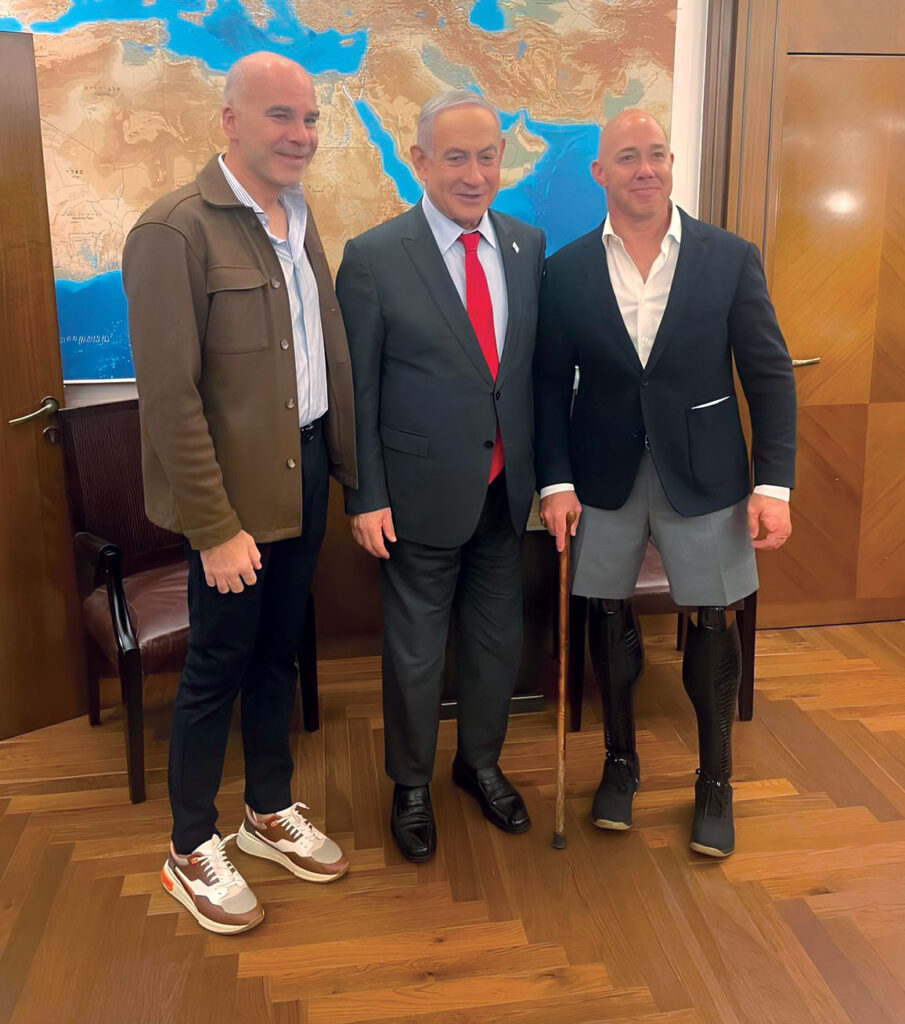
Recently, U.S. Congressman Brian Mast, who is both a combat veteran and a bilateral amputee, went on a four-day trip to Israel, collaborating with The Next Step. This organization is unique in Israel for its dedication to offering full-scale care to amputees, whether they are affected by acts of terror or combat in the Israeli Defense Forces (IDF).
As someone who deeply understands the challenges faced by amputees due to his own experiences as a soldier in Afghanistan, Congressman Mast spent his time in Israel visiting hospitals and interacting with amputee patients. His trip included a notable visit to Tel Hashomer Hospital, where he engaged in a physical therapy session alongside other amputees, underscoring the critical role of rehabilitation and the journey towards recovery.
A cornerstone of the trip was Mast’s visit to Hadassah Hospital alongside Israeli Prime Minister Benjamin Netanyahu and Stephen Shamosh, Chairman of the Board of The Next Step. There, they met with wounded soldiers, offering them comfort and support, in a heartwarming display of international solidarity with our brothers and sisters in Israel.
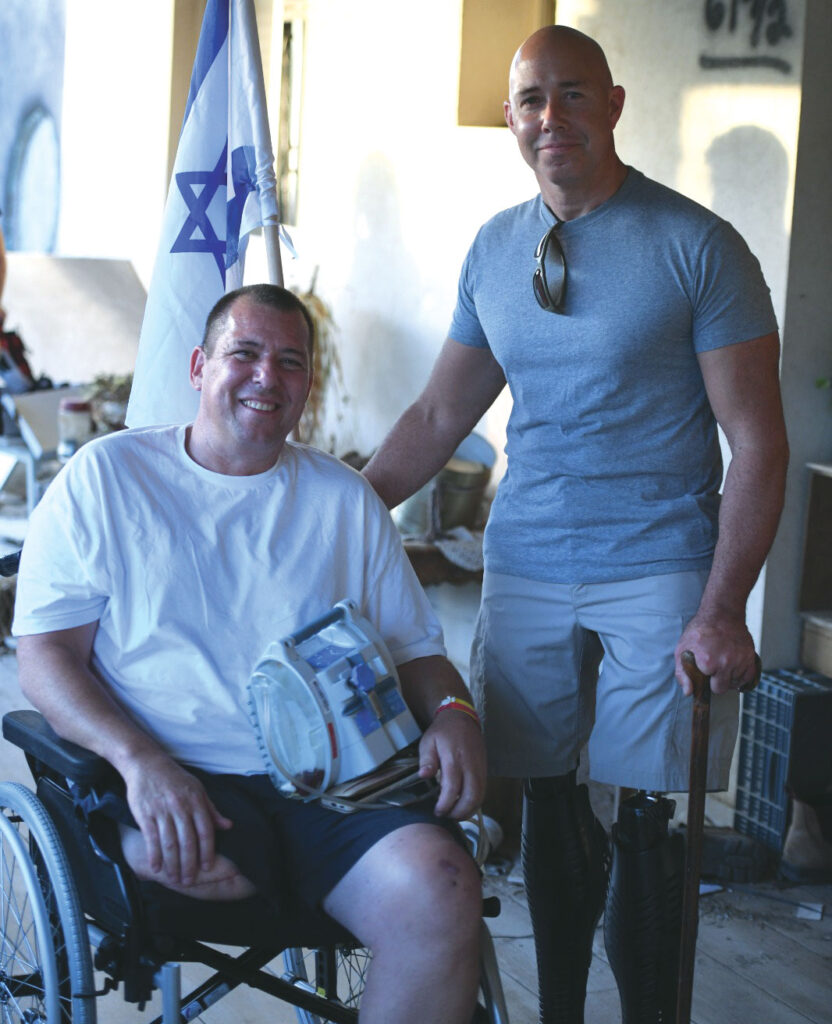
The mission also included a visit to Kibbutz Beeri, a community that was significantly impacted on October 7. The group, which included The Next Step supporters, met Avida Bachar Avida, a 59-year-old amputee who lost his leg during the Hamas attack, shared his harrowing tale, from the confines of his wheelchair amidst the remnants of his burnt home in Beeri. He bore witness to the unspeakable horrors he experienced — the murder of his wife and son before his eyes. Avida’s story was a testament to the human spirit’s capacity for hope and resilience in the darkest times.
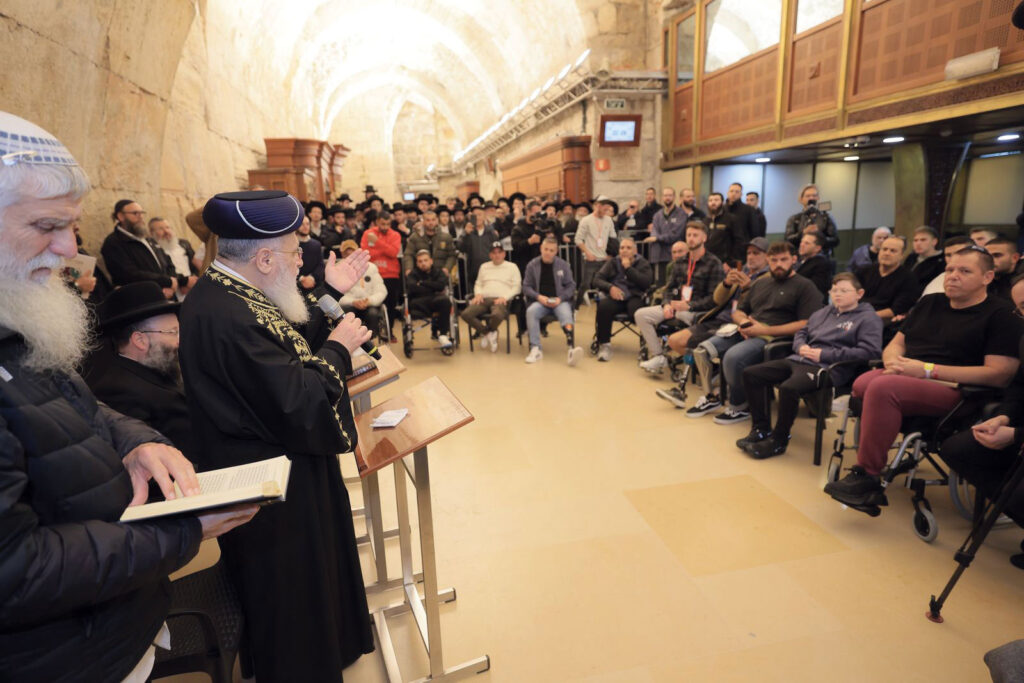
The visit to the Kotel was particularly moving. The group stood before the ancient representation of endurance alongside 20 recent amputees. Sephardic Chief Rabbi Yitzchak Yosef prayed with the group and blessed them all. It was a powerful reminder of the perseverance and pride inherent in Jewish identity, especially during challenging times.
The average age of Israeli amputees since October 7 is just 22 years old. These are young people who stepped up to safeguard our people, our country — and their lives will never be the same. Each individual has been cut from their prime and now faces the daunting reality of physical and emotional challenges that come with limb-loss.
Mr. Stephen Shamosh expressed the need perfectly. “Having spent a week in Israel with Congressman Mast and Prime Minister Netanyahu, and witnessing firsthand the critical needs of numerous injured soldiers and civilians, one thing is crystal clear: The responsibility falls on us — the Jewish community, the Syrian community, and The Next Step Organization — to nurture and support our brothers and sisters in Israel. We are committed to securing their health and mobility for the long term. There simply is no alternative.”
As the mission came to a close, recent amputees enjoyed a retreat in Jerusalem organized by The Next Step. Amputees left hospitals and rehabs to experience an unforgettable weekend forging bonds with fellow amputees and their families. Participants enjoyed enlightening lectures and workshops about life with limb-loss. In the group therapy sessions, individuals engaged in heartfelt conversations about finding ways to reclaim a sense of normalcy in the aftermath of their traumatic losses.
The solidarity mission, though brief, instilled renewed hope in the hearts of many individuals impacted by October 7th and the fighting that ensued. Amputees expressed gratitude, sharing that they found immense comfort meeting a group that journeyed thousands of miles to support them as they navigate their new reality.
As conflict ensues, we pray for the return of the hostages, healing for the wounded, and comfort for the grieving.
The road ahead for Israel’s wounded is long and difficult. And they are turning to The Next Step for life-changing care. They need psychological support to heal from their abrupt, transformative life changes. They are depending on us to assist them in their physical recoveries, with advanced bionic prosthetics and state-of-the-art rehabilitation.
Partner with The Next Step today to provide life changing support to Israel’s wounded: https://www.thenextstep.org/donate-now.
INDUSTRY RESEARCH INDICATES THAT 82% OF SMALL BUSINESSES FAIL DUE TO POOR CASH FLOW MANAGEMENT. WE’VE ALL HEARD THE TERM “CASH IS KING. SO HOW DO WE WORK ON ENSURING THAT WE HAVE THE PROPER CASH FLOW THAT’S NEEDED IN OUR BUSINESS?
What is Cash Flow? Cash flow measures the company’s sources and uses of cash. When a customer pays for goods and services, the money received is a source of cash, also called “cash in.” When a business pays its bills or its employees, that is considered a use of cash, or “cash out.”
When the amount of cash coming into the business is larger than the amount of cash leaving the business, there is a positive cash flow. That is a good sign.
On the other hand, if a business has more cash leaving the business than coming into the business, it has a negative cash flow. This is problematic for a business. One way to avoid having a negative cash flow is by doing a cash flow forecast.
What is Cash Flow Forecasting? A cash flow forecast is similar to a budget. However, rather than summarizing prior activity, the forecast looks ahead to predict and plan future cash flow. Cash flow forecasting is important whether a business is doing well or struggling. Regularly preparing cash flow forecasts is considered good financial hygiene. Knowing what’s likely ahead can help businesses plan accordingly. For example, companies with a cash-positive forecast might look to make some investments, expand their operations or make additional distributions to its owners. Cash-negative companies will need to keep close tabs on their cash flow to keep operations running smoothly by paying suppliers, employees, taxes and lenders on time.
How do I manage my business’ cash flow? Stay on top of your bookkeeping regularly. This means having your accounts reconciled monthly and keeping information up to date. Having an experienced bookkeeper to handle this is crucial to your business.
Generate cash flow statements to be analyzed monthly. Analyzing your cash flow will give a deep level of visibility for your business. The statement will help you determine whether you need to increase your cash flow. It will also help you see what areas of the business to focus on.
Look to see where you can streamline your spending. Overspending can result from covering unnecessary expenses or paying for expenses at times that are not strategic.
Rinse & Repeat: The more you analyze your financial statements, the better you will become at spotting opportunities to increase cash flow and nip shortages in the bud before they become larger issues.
There is a famous saying: “Revenue is vanity, profit is sanity and cash flow is reality.”
This article is to be used for informational purposes only and does not constitute legal, business, or tax advice. Each person should consult his or her own attorney, business advisor, or tax advisor with respect to matters referenced in this post. Lazar Accounting assumes no liability for actions taken in reliance upon the information contained herein.
Sandra Lazar graduated Brooklyn college in 1995. She has served as a CFO in a variety of businesses for the past 25 years.
If illness strikes within a family, options often seem bleak. Major illness has a devastating effect on the victim and every member of the family. No one is sure of where to turn for the appropriate medical help. Questions regarding medical technology, procedures, therapies, and medications rapidly pile up, and all seem so overwhelming to the uninformed patient. Consolation, however, can be found in knowing that there is an organization in our community geared toward helping you and your loved ones. Not only are they willing to help—they are trained to do so. Their staff members are especially suited to lend a helping hand during such a critical and upsetting time.
$100 IS ON THE TABLE, AND YOU ARE GIVEN A CHOICE. YOU CAN EITHER OPT TO RECEIVE A GUARANTEED $50 OR TAKE A RISK BY FLIPPING A COIN. IF THE COIN LANDS ON HEADS, YOU GAIN $100, BUT IF IT LANDS ON TAILS, YOU RECEIVE NOTHING. GIVEN THIS CHOICE, MOST INDIVIDUALS WOULD LIKELY CHOOSE THE ASSURED $50. HOW ABOUT YOU?
Now, consider a scenario where the focus shifts to potential losses. Imagine you are at risk of losing $50 right from the start. Furthermore, envision that in the coin toss, landing heads would result in a loss of $100, while landing tails would mean no loss at all. Here, most folks choose to flip the coin. What would you do?
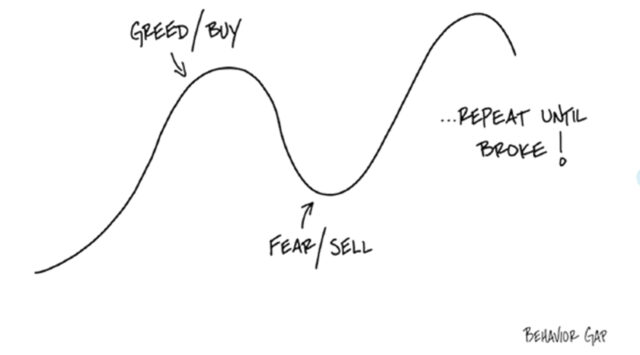
In the realm of financial choices, fear and greed often play pivotal roles, influencing decisions that may not be in one’s best interest. The inherent fear of losses and the allure of gains can lead individuals to make emotional decisions that disrupt our ability to make sound, long-term decisions.
How $25 Trillion+ Has Been Lost To Greed & Fear In 35 Years 1987 Stock Market Crash (Black Monday) When: Monday, October 19, 1987 Why: Panic! Wall Street melted down, giving into fear in response to major world events. A U.S. attack on an Iranian oil platform caused a massive panic, with fear driving many to sell ASAP. Markets crashed soon after.
The Losses: The Dow dropped 22.6%, falling 508 points. That’s roughly the same as a 7,000-point freefall in today’s markets.
Dotcom Bubble When: 1995 to 2002, with a peak on March 10, 2000, and a crash on October 4, 2002 Why: Extreme optimism in the early internet age sparked overconfidence, widespread speculation, and overvaluations. Folks gave into greed, rushing to invest in companies and concepts before they had proven models or even a business plan. That lasted for years until the bubble burst in late 2002, as investment dollars dried up and many tech companies went under. When the bubble burst, greed turned into FEAR as investors rushed to get out.
The Losses: The Nasdaq fell nearly 77%, dropping from roughly 5,132.52 (in March 2000) to 1,139.90 by October 2002. Tech companies that didn’t go under saw their values decline by as much as 80%. All said and done, the burst of the dotcom bubble resulted in losses of around $5 trillion.
Cryptocurrency Bubble & Bust When: 2020 to 2022 Why: Crypto has been through a couple of bubbles and busts. The most recent one happened during the pandemic, with greed gripping many folks out of work and bored at home. That’s when optimism and crypto greed was high, with many rushing to buy the newest blockchain assets available, including nonfungible tokens (NFTs). Some of these assets appreciated by 20 to 40 times their original value, stoking investor greed. But it didn’t last. Rising interest rates, inflation, and world events, like the war in Ukraine, soon turned that greed into fear. That fear led to a crypto crash in late 2022, with incredible losses to follow.
The Losses: An estimated $2 trillion was lost so far in the most recent crypto crash. Most of that disappeared in about 6 months. What if you ignored the cycle of fear and greed?
The Lump Sum Investment Let’s look at a simple example: Someone invests a lump sum of $100,000 in the S&P 500 in January 1987. Assuming an average annual return of 10.11% over the next 35 years, that 100k would have grown to about $3,206,940 by the end of 2022.
Takeaway: This shows the significant compound growth possible from a lump sum investment left untouched for decades. Of course, staying invested through many ups and downs requires patience and discipline. But the long-term rewards can be substantial with a buy-and-hold approach.
The Power of Consistency Consider the following investment approach: Investing $500 per month in the S&P 500 from 1987 through 2022. That’s a total investment of $210,000 over 35 years. Assuming an average annual return of 10.11%, those monthly $500 contributions would have grown to around $1.7 million by the end of 2022.
Takeaway: This example illustrates the power of consistent investing over long time periods. By sticking to a regular contribution plan, one can potentially build substantial wealth through compounding growth, even if investing relatively small amounts. The key is to stay disciplined and keep investing through ups and downs.
FINANCIAL LESSON Were you surprised to see the losses caused by greed and fear? If you could go back in time and handle any of them differently, would you?
No one can predict what’s going to happen next, and that can be a tipping point for fear and greed, especially in turbulent times. With that fear and greed, we tend to be more impulsive. We may even panic and rush to act because we’re afraid of missing out (FOMO, anyone?). That’s when we can be more vulnerable to poor choices and the losses that we’re so desperate to avoid, like selling low and buying high. The more we know about fear, greed, loss, and our financial choices, the better. That’s how we can get our emotions and instincts in check to make better financial decisions, regardless of what the markets are doing. Of course, that’s not always easy to remember in the moment. That’s why we shouldn’t jump on any bandwagons or dive into big financial choices without thinking them through.
Instead, we can take some simple steps to avoid the fear/greed cycle and do the following:
Set some long-term financial goals.
Get some distance and avoid checking your portfolio day to day.
Take your time and think things through.
It’s prudent to check in with the folks you trust, especially when it’s time to make major money moves.
Risk Disclosure: Investing involves risk including the potential loss of principal. Past performance does not guarantee future results. This material is for information purposes only and is not intended as an offer or solicitation with respect to the purchase or sale of any security. The content is developed from sources believed to be providing accurate information. Consult your financial professional before making any investment decision. For illustrative use only.
Ari Baum, CFP® is the founder and CEO of Endurance Wealth Partners, with over 26 years of experience in the Financial Services industry. He brings his in-depth experience to Conceive. Believe. Achieve. for his clients. Securities and Advisory services offered through Prospera Financial Services Inc. Member FINRA/SIPC. Brokerage and Advisory accounts carried by Wells Fargo Clearing Services, LLC.




 The key to healthy eating is balance, variety and moderation. In short, that means eating a wide variety of foods without getting too many calories or too much of any one nutrient. These 10 tips can help you follow that advice while still enjoying the foods you eat.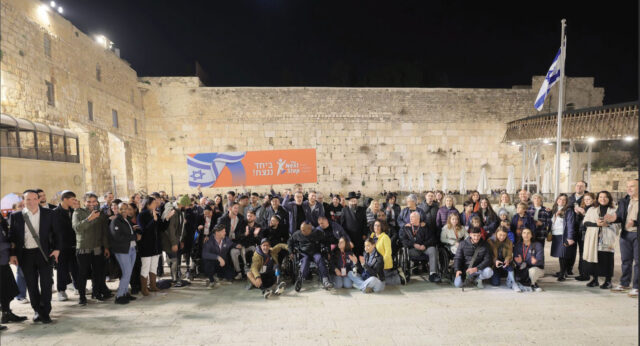

 If illness strikes within a family, options often seem bleak. Major illness has a devastating effect on the victim and every member of the family. No one is sure of where to turn for the appropriate medical help. Questions regarding medical technology, procedures, therapies, and medications rapidly pile up, and all seem so overwhelming to the uninformed patient. Consolation, however, can be found in knowing that there is an organization in our community geared toward helping you and your loved ones. Not only are they willing to help—they are trained to do so. Their staff members are especially suited to lend a helping hand during such a critical and upsetting time.