Washington, D.C. – President Donald Trump has announced the revocation of Chevron’s license to operate in Venezuela, a move set to take effect on March 1, 2025. This decision comes as part of his administration’s renewed hardline stance against Nicolás Maduro’s government, citing electoral failures and insufficient cooperation in migrant repatriation.
Chevron’s Role in Venezuela’s Oil Industry
Chevron, the last remaining major U.S. oil company operating in Venezuela, has been a key player in the country’s fragile economic recovery. Under a license granted by the Biden administration, the company was permitted to produce and export Venezuelan crude oil, despite longstanding U.S. sanctions aimed at isolating Maduro’s regime.
Currently, Chevron exports 294,000 barrels of oil per day, playing a vital role in sustaining Venezuela’s total daily output of just over 1 million barrels. Since 2023, its operations have contributed over $4 billion in taxes to the Venezuelan government, helping stabilize an economy that has been crippled by years of hyperinflation and international sanctions.
Trump’s Justification for the Revocation
Trump justified the move by stating that Maduro failed to implement electoral reforms and had not repatriated Venezuelan migrants from the U.S. at a satisfactory pace.
“The Maduro regime has not honored its commitments. There will be no more deals until real changes are made,” Trump said in a statement.
The decision is expected to further strain relations between the U.S. and Venezuela, potentially leading to an energy supply disruption. With Chevron’s six-month exit window, experts warn that Venezuela may struggle to maintain its current oil production levels, putting additional pressure on the already volatile global oil market.
What’s Next?
With the Chevron deadline approaching, the Venezuelan government may seek new partnerships with China, Russia, or Iran to replace lost U.S. investment. Meanwhile, U.S. refiners that rely on Venezuelan crude could face price hikes and supply constraints.
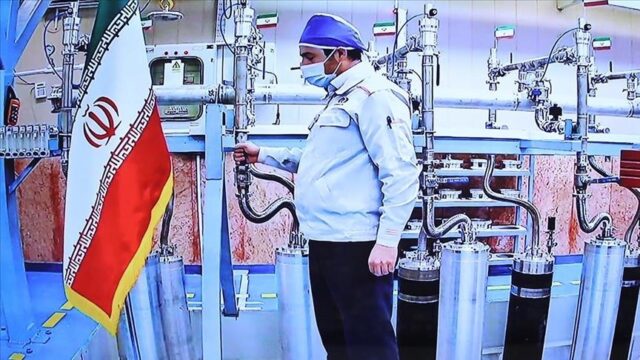
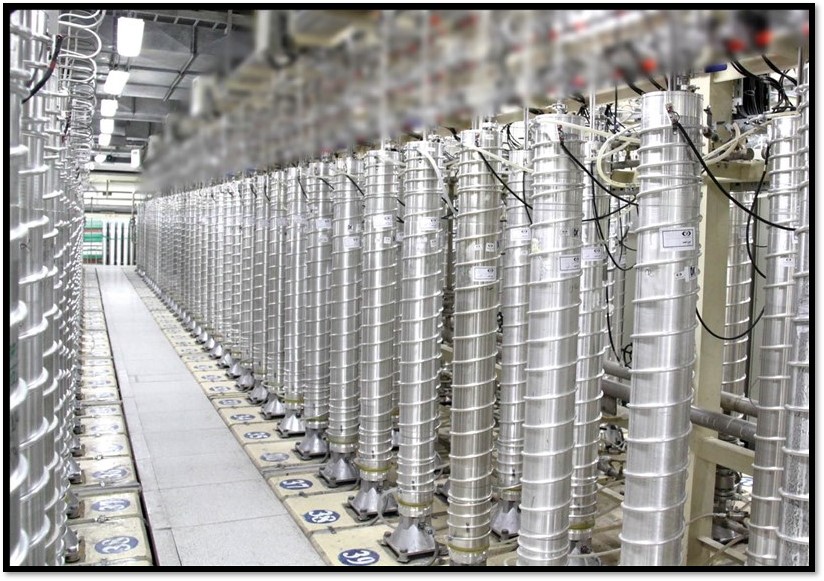
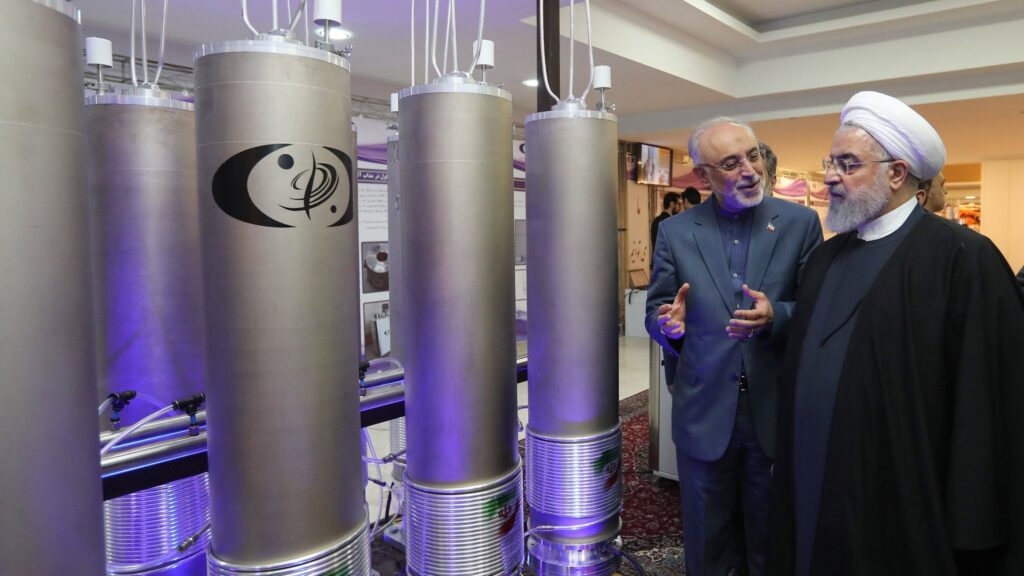
Tehran, Iran – The International Atomic Energy Agency (IAEA) has reported a significant increase in Iran’s uranium enrichment efforts, with the country now possessing 274.8 kilograms (606 pounds) of uranium enriched up to 60% purity. This marks a 92.5-kilogram (204-pound) jump since the last assessment in November, intensifying concerns among global powers over Tehran’s nuclear ambitions.
A Step Away from Weapons-Grade Uranium
Uranium enriched to 60% purity is just one technical step away from weapons-grade material (90% purity), a threshold necessary for nuclear weapons production. Iran continues to produce between 35 to 40 kilograms (77 to 88 pounds) of highly enriched uranium per month, fueling fears that the country is edging closer to developing nuclear capabilities.
Overall, Iran’s total enriched uranium stockpile has now surged to 8,294.4 kilograms (18,286 pounds)—an increase of 1,690 kilograms (3,726 pounds) from the previous IAEA report. Nuclear experts estimate that only 42 kilograms (93 pounds) of 90%-enriched uranium is needed to produce a single nuclear bomb, meaning Iran’s current stockpile could theoretically be converted into multiple warheads if further enriched.
Unexplained Uranium at Undeclared Sites
Adding to global concerns, the IAEA has raised alarms over the unexplained presence of uranium at undeclared sites in Iran. This discovery raises questions about Iran’s transparency and whether it is concealing nuclear activities beyond what is being officially reported.
Despite Tehran’s insistence that its nuclear program is for peaceful purposes, the rapid accumulation of high-purity uranium has drawn sharp criticism from Western nations, particularly the United States and European allies. Diplomatic efforts to revive the 2015 Iran Nuclear Deal (JCPOA) have largely stalled, leaving tensions at an all-time high.
International Reactions and Potential Consequences
The Biden administration and European allies have warned that Iran’s actions violate international agreements and risk escalating tensions in the Middle East. Israel, a vocal opponent of Iran’s nuclear program, has repeatedly stated that it will not allow Tehran to develop nuclear weapons, raising fears of possible military confrontations.
The IAEA is now calling for greater cooperation and transparency from Iran to ensure compliance with international nuclear regulations. With diplomatic talks at a standstill and Iran’s nuclear stockpile continuing to grow, the coming months could be critical in determining how the global community responds to this escalating crisis.
What’s Next?
The IAEA is expected to hold urgent discussions with Iranian officials, while Western nations debate new sanctions or potential diplomatic measures. Meanwhile, the risk of further escalation remains high, as Iran’s growing nuclear capabilities place mounting pressure on the fragile geopolitical balance in the region.
Santa Clara, CA – NVIDIA (NASDAQ: NVDA) has shattered expectations with its Q4 earnings report, posting $39.3 billion in revenue, a staggering 78% increase from the same period last year. The surge was driven largely by the company’s dominance in artificial intelligence (AI) and the overwhelming success of its new Blackwell AI chip family, which alone accounted for $11 billion in sales—far exceeding initial estimates of $3.5 billion.
Unprecedented Annual Growth
For the full fiscal year, NVIDIA reported:
$130 billion in total revenue (up 114% YoY)
$72.9 billion in net profit (up 145% YoY)
These numbers solidify NVIDIA’s status as the world’s leading AI chipmaker, with its products powering everything from machine learning models to data centers and autonomous vehicles.
AI Demand Fuels Future Optimism
CEO Jensen Huang expressed confidence in NVIDIA’s continued success, emphasizing that AI demand is still in its early stages. “The next wave of computing is AI-driven, and NVIDIA is at the forefront of this revolution,” Huang stated, reassuring investors that the company is well-positioned to capitalize on rapid advancements in machine learning and generative AI.
For Q1 of the new fiscal year, NVIDIA forecasts $43 billion in revenue, reflecting a 65% year-over-year growth.
Challenges on the Horizon
Despite its record performance, NVIDIA faces potential geopolitical headwinds due to U.S. export controls on AI chips. Restrictions on high-end GPU shipments to China could impact future sales, as China remains a major market for NVIDIA’s hardware. The company is actively working on alternative chip models to navigate these regulatory hurdles.
Market Reaction & Future Outlook
Investors responded positively to the earnings report, with NVIDIA’s stock surging in after-hours trading. Analysts predict that as AI adoption accelerates across industries, NVIDIA will continue to be a dominant force in the semiconductor sector.
With record-breaking earnings, surging demand, and an ambitious outlook, NVIDIA is proving once again why it is the undisputed leader in AI computing. 🚀
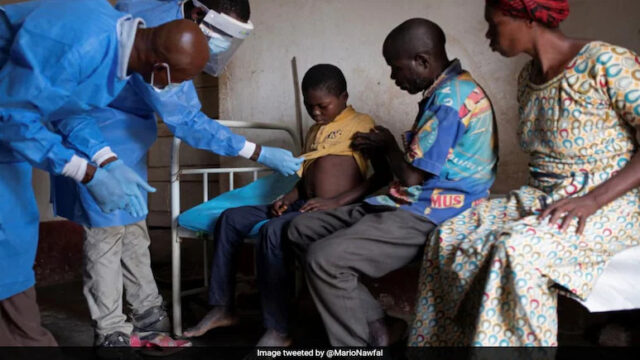
Boloko, Democratic Republic of Congo (DRC) — A deadly outbreak of a mysterious illness has swept through the DRC, claiming at least 53 lives and infecting 431 people since January 21, 2025. Health officials are scrambling to identify the cause of the disease, which has a fatality rate of 12.3% and is spreading rapidly across rural communities.
Origins of the Outbreak
The illness is believed to be linked to the consumption of bats, a known reservoir for zoonotic diseases. The outbreak reportedly began after three children ate a bat and died within 48 hours. Soon after, others in the village of Boloko began exhibiting similar symptoms, leading to a wave of infections that has now reached the nearby village of Bomate, where over 400 cases have been confirmed.
Symptoms and Rapid Fatalities
Infected individuals experience severe fever, vomiting, diarrhea, and internal bleeding. Alarmingly, half of the deaths occurred within just 48 hours of symptom onset, suggesting a highly aggressive and potentially hemorrhagic nature of the disease.
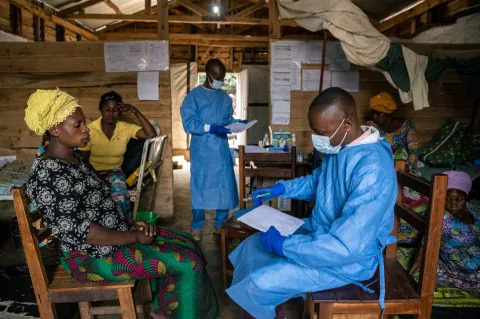
Local hospitals are overwhelmed, with healthcare workers struggling to manage the influx of patients. Many fear the illness could be a new or mutated virus, possibly related to past outbreaks of Ebola or Marburg virus, both of which have historically devastated parts of Central Africa.
Government and WHO Response
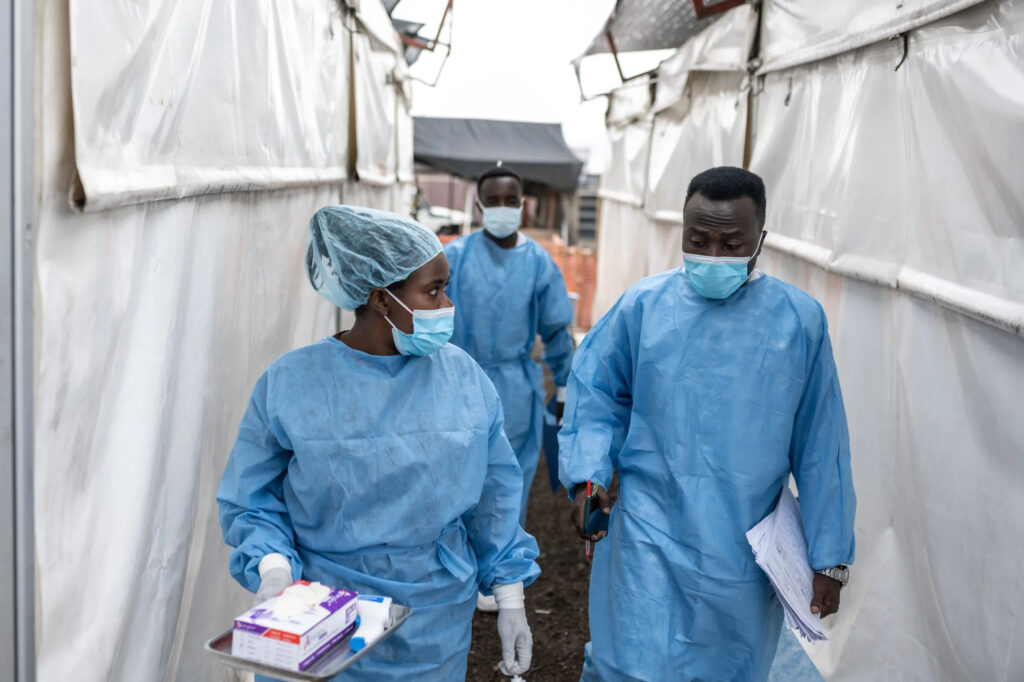
Authorities have restricted movement in affected areas, urging residents to avoid contact with wild animals and seek medical attention immediately if symptoms appear. The World Health Organization (WHO) has deployed a rapid response team to collect samples, test for known viruses, and track the spread of infections.
“This outbreak is deeply concerning due to its high fatality rate and rapid spread,” said Dr. Jean-Baptiste Mumbere, a health official overseeing the response. “We are treating it as a public health emergency until we determine its exact nature.”
Fears of a Wider Spread
Experts warn that if the illness reaches urban centers, the consequences could be catastrophic. The lack of healthcare infrastructure in rural Congo makes containment efforts more challenging, raising fears that the outbreak could spiral into a regional crisis.
Authorities are now focusing on tracing contacts, isolating cases, and educating communities about the dangers of consuming bushmeat—especially bats, which have been implicated in past deadly viral outbreaks.
What’s Next?
While medical teams work to identify the pathogen, the DRC government and international health organizations are considering emergency measures, including quarantines, travel restrictions, and possible experimental treatments.
With no cure or confirmed cause yet, the race is on to prevent a full-scale epidemic. Health officials are urging global support to help contain the outbreak before it spreads beyond control.
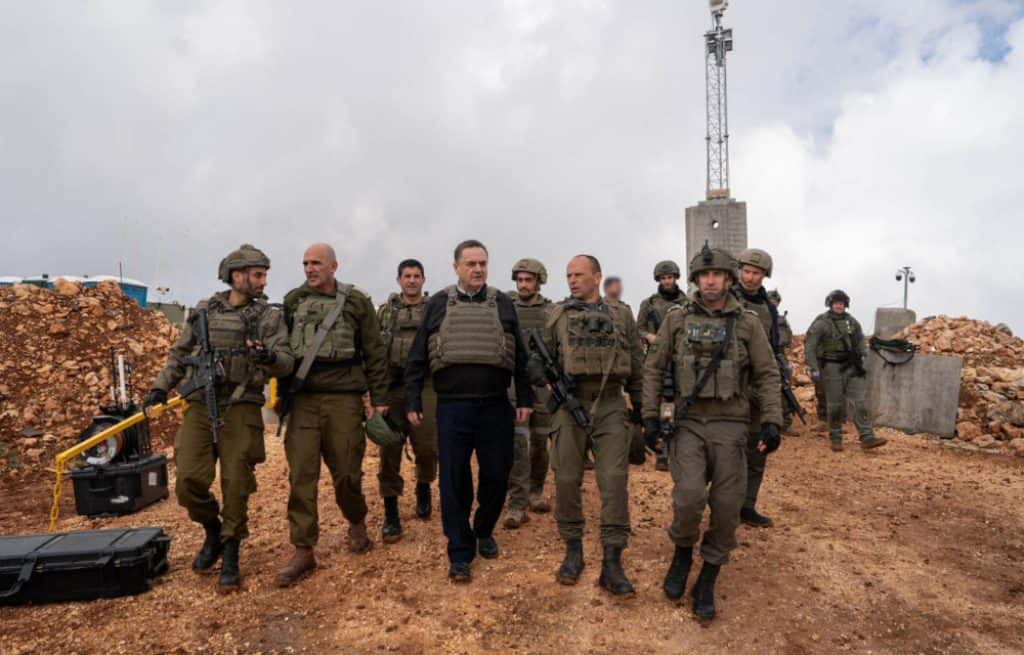
Israel’s Air Force launched a series of airstrikes in southern Syria, targeting key military sites and weapons storage facilities. The strikes, which took place in the towns of Kisweh and Daraa, aimed to prevent the expansion of Syrian military and militia activities near Israel’s borders.
Strategic Intent Behind the Strikes
Israeli Defense Minister Israel Katz justified the operation, stating, “We will not allow southern Syria to become southern Lebanon.” The remark underscores Israel’s concerns over the increasing military presence of hostile forces in the region, particularly Iran-backed militias.
The airstrikes specifically hit command centers and military infrastructure that Israel believes could pose a future threat. While Syrian state media has yet to provide a full account of the damage, reports indicate significant explosions and secondary blasts, suggesting that weapons depots may have been destroyed.
Rising Tensions and Israel’s Firm Stance
Israeli Prime Minister Benjamin Netanyahu has previously called for the demilitarization of southern Syria, fearing the establishment of military strongholds by hostile forces. Israel has repeatedly stated that it will not tolerate military buildups near its borders, particularly those linked to Iran or Hezbollah.
Katz reaffirmed Israel’s position, stating, “We will not endanger the security of our citizens.” This latest action signals that Israel is willing to take preemptive measures to prevent any perceived threats from taking root in Syria.
Regional Implications
The airstrikes add to the ongoing volatility in the Middle East, where Israel has conducted numerous operations to counteract what it sees as Iranian influence. The attacks in Syria come amid heightened regional tensions, raising concerns about further escalation between Israel and Iranian-backed forces.
While Israel has not officially confirmed all details of the strikes, the message is clear: it will not hesitate to take military action to secure its borders and prevent adversaries from gaining a foothold in Syria.
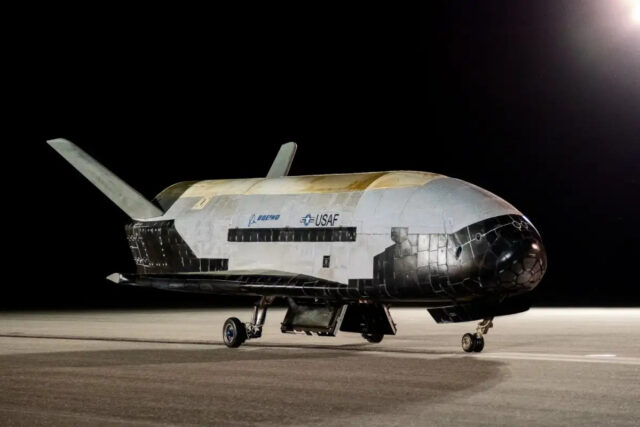
The X-37B landed at NASA’s Kennedy Space Center in Florida on 12 November after 908 days in orbit
Boeing/U.S. Space Force
The United States Space Force’s secretive X-37B space plane has returned to Earth after completing a record-breaking 908 days in orbit, surpassing its previous longest mission of 780 days. The autonomous spacecraft, which remains classified in many aspects, has been the subject of widespread speculation due to its extended operational periods and undisclosed objectives.
A Legacy of Long-Duration Missions
The X-37 Orbital Test Vehicle (OTV) was originally developed under NASA’s guidance before being transferred to the U.S. military, leading to the creation of the X-37B variant. Since its first mission in 2010, the Boeing-built space plane has progressively extended its time in orbit, demonstrating advanced technological capabilities. The recent mission, designated OTV-6, launched in May 2020 and successfully concluded with a smooth landing at NASA’s Kennedy Space Center on November 12, 2024.
The spacecraft, which resembles a miniaturized version of the retired space shuttle, operates without a human crew. It is launched vertically aboard an Atlas V or SpaceX Falcon 9 rocket and maintains an orbital altitude of approximately 400 kilometers. Unlike traditional satellites, the X-37B has the unique capability to return to Earth, allowing for the retrieval and analysis of onboard experiments.
Scientific and Technological Experiments
Although much of the X-37B’s mission details remain classified, officials have confirmed that the latest flight included a series of scientific experiments and technological tests. One key experiment, conducted by the U.S. Naval Research Laboratory, focused on harvesting solar energy in space and transmitting it to Earth as microwaves—a potential breakthrough for space-based energy solutions. Additionally, the mission deployed a satellite designed by cadets at the United States Air Force Academy, featuring an experimental electromagnetic propulsion system.
NASA also contributed several experiments to the mission, including tests assessing the long-term effects of space exposure on various materials and plant seeds. These findings could inform future deep-space missions and human exploration beyond Earth’s orbit.
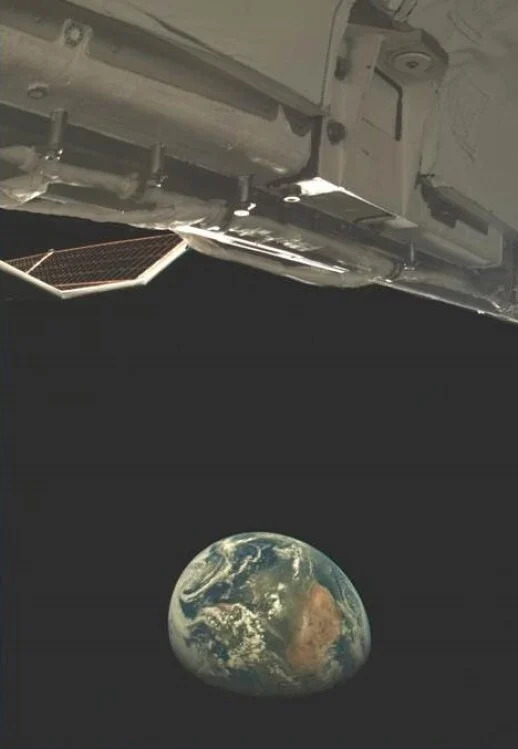
An image of Earth captured by the U.S. Space Force’s X-37B spaceplane.
Military Speculation and Strategic Implications
While officially described as a platform for scientific research and technological development, the X-37B has long been the subject of speculation regarding its potential military applications. Dmitry Rogozin, the former head of Russia’s space agency Roscosmos, has suggested that the vehicle could serve reconnaissance purposes or even carry weapons payloads. However, U.S. officials have consistently denied such claims, maintaining that the spacecraft’s purpose is solely experimental.
Joseph Fritschen, a program director at the U.S. Space Force, emphasized the significance of the mission, stating: “The X-37B continues to push the boundaries of experimentation, enabled by an elite government and industry team behind the scenes. The ability to conduct on-orbit experiments and bring them home safely for in-depth analysis on the ground has proven valuable for the Department of the Air Force and scientific community.”
Despite repeated inquiries, the U.S. Space Force has remained tight-lipped on the full scope of the X-37B’s objectives, further fueling curiosity about its true capabilities.
Future Missions and Advancements
With each successive mission, the X-37B has demonstrated increased endurance and versatility. The recent addition of a service module to expand its payload capacity hints at the program’s continued evolution. While no official timeline has been released for the next launch, the growing role of autonomous spacecraft in both military and civilian applications suggests that the X-37B program will remain a critical component of U.S. space operations.
As space becomes an increasingly contested domain, the X-37B’s extended missions raise questions about the future of orbital technology and national security. Whether its primary purpose is scientific advancement, military reconnaissance, or a combination of both, the X-37B remains one of the most enigmatic spacecraft in operation today.
In a narrow 217-215 vote, House Republicans have advanced a sweeping budget resolution that aligns with former President Donald Trump’s economic agenda. The budget plan, which proposes $4.5 trillion in tax cuts alongside $2 trillion in spending reductions over the next decade, has ignited debate over its impact on federal programs and the national debt.
Key Provisions of the Budget Plan
The proposed budget includes significant tax reductions aimed at stimulating economic growth, but it also outlines cuts to Medicaid and food assistance programs. These proposed cuts have raised concerns among lawmakers, particularly those in swing districts, who worry about their potential impact on vulnerable populations. Republicans argue that these measures are necessary to curb federal spending and address the national debt, which now stands at approximately $36 trillion.
Opposition and Concerns
Rep. Thomas Massie (R-KY), a prominent fiscal conservative, broke ranks with his party and voted against the measure, citing concerns that the tax cuts might not be offset sufficiently by spending reductions. He warned that the budget could ultimately exacerbate the national debt rather than reduce it.
Democrats, meanwhile, have strongly opposed the resolution, criticizing it as a giveaway to the wealthy at the expense of essential social programs. They argue that cuts to Medicaid and food assistance could disproportionately impact lower-income families and senior citizens.
Senate and the Path Forward
While the House has approved this resolution, Senate Republicans are working on a separate $340 billion budget proposal focused on border security and military funding. The differences between the two plans will need to be reconciled before a final budget can be enacted.
The budget debate comes at a crucial time, as lawmakers face a March 14 deadline to pass a new spending bill and avert a government shutdown. Negotiations between the House and Senate will be key in determining the final shape of the budget and whether bipartisan support can be secured.
Looking Ahead
With the budget process now moving to the Senate, intense negotiations are expected in the coming weeks. Republicans remain focused on advancing tax cuts and reducing government spending, while Democrats seek to protect social programs and limit the scope of reductions. The final outcome of these negotiations will have significant implications for the nation’s fiscal policy and economic trajectory in the years to come.
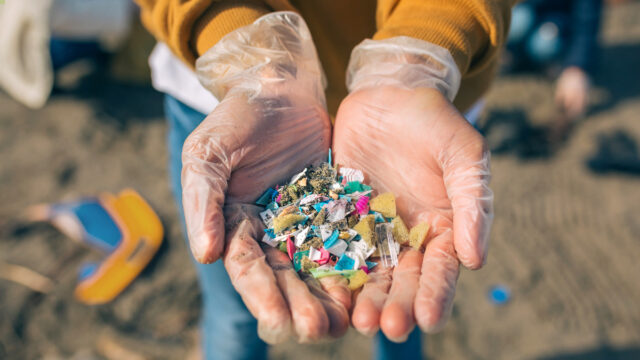
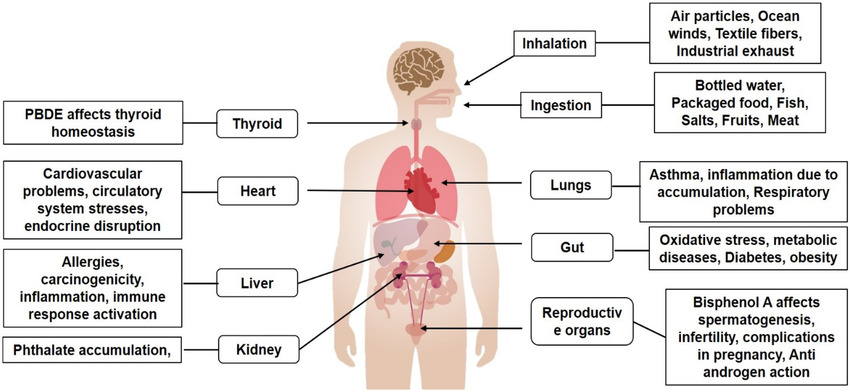
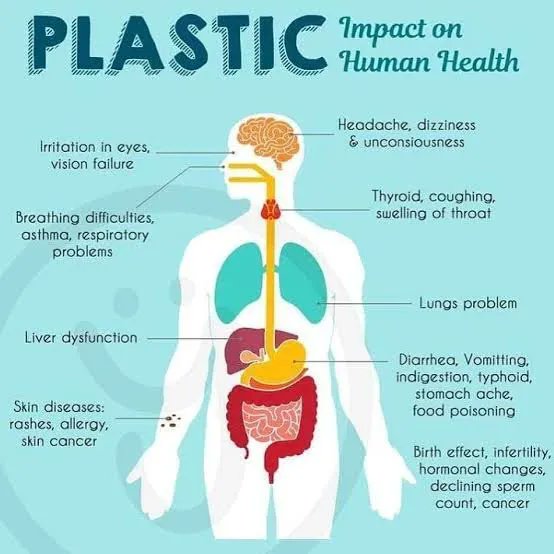
The growing prevalence of microplastics in the environment is raising significant concerns about their impact on human health. Recent studies indicate that microplastic levels in human tissues have surged by approximately 50% from 2016 to 2024. Scientists have detected microplastics in various organs, including the brain, liver, and kidneys, raising urgent questions about their long-term effects on bodily functions.
Microplastics in the Human Body
Microplastics—tiny plastic particles less than five millimeters in size—originate from industrial waste, synthetic textiles, cosmetics, and the degradation of larger plastic debris. They enter the human body primarily through ingestion and inhalation.
Recent research has found that brain samples contain microplastic concentrations that are 7 to 30 times higher than those found in liver and kidney tissues. Polyethylene, a common plastic used in packaging and consumer products, accounts for 75% of detected microplastics. Scientists speculate that microplastics may cross the blood-brain barrier, potentially leading to neurological issues, inflammation, and cognitive impairment.
Regional Impact and Disability Correlation
Studies suggest that coastal regions with high levels of microplastic pollution show a concerning correlation with increased rates of disability. In these areas, the average rate of memory and cognitive disabilities was 15.2%, compared to 13.9% in regions with lower microplastic exposure. Although direct causation has not yet been established, the data suggests a potential link between chronic exposure to microplastics and neurological decline.
Health Risks and Scientific Concerns
While researchers continue to explore the full impact of microplastics on human health, several potential risks have emerged:
Inflammation and Organ Damage: Microplastics may cause oxidative stress, leading to inflammation and cellular damage in organs.
Endocrine Disruption: Certain plastic compounds mimic hormones, potentially interfering with the body’s endocrine system and affecting metabolic and reproductive health.
Neurological Effects: The presence of microplastics in the brain raises concerns about their impact on memory, cognition, and neurodegenerative diseases such as Alzheimer’s.
Despite these concerns, some experts question the methodologies used in studies on microplastics and human health. Variability in sample collection, analysis techniques, and potential contamination during testing remain challenges in confirming definitive health risks. However, the increasing presence of microplastics in human tissues is an undeniable reality that demands further research and precautionary measures.
The Need for Action
Addressing the microplastic crisis requires global cooperation to reduce plastic production, improve waste management, and develop biodegradable alternatives. Increased regulations on single-use plastics and enhanced filtration systems for water and air may help mitigate human exposure.
As evidence continues to mount, the urgency to understand and combat the health risks of microplastics grows. While much remains unknown, the confirmed presence of microplastics in vital human organs underscores the need for immediate attention to this pressing environmental and health issue.
IN MORE THAN 20 SYNAGOGUES IN BROOKLYN’S SYRIAN JEWISH COMMUNITY, AS WELL AS HUNDREDS OF SEPHARDIC COMMUNITIES AROUND THE WORLD, CONGREGANTS PRAY ACCORDING TO THE TRADITIONS OF ARAM SOBA WITH BOOKS PRINTED BY THE SEPHARDIC HERITAGE FOUNDATION, FOUNDED BY SAM CATTON IN 1970.
Millions of pizmonim, prayer, holiday and kiddush books are in every home, every synagogue and every Sephardic community. Based on the impact that Sam had on Sephardic Jewry worldwide with his publications, Chief Rabbi Mordechai Eliyahu called him Ba’al Hasefarimor (Master of the Books), a title that he cherished and stuck with him since. This is considered the most lasting and significant contribution of Sam Catton, an early community leader and visionary, who always did everything he could to promote the traditions of Sephardim. Although the community had been founded decades earlier, when he went to synagogue, Sam saw that people prayed with different books. In people’s homes, old pizmonim books were frayed and tattered. There were many different versions.
In the days before the Internet, when communication was with letters, Sam began collecting the pizmonin of the community. He consulted with rabbis and hazzanim from communities all over the world to produce the first pizmonim books, now the cornerstone of our community. From there, the High Holiday books were developed. And then each holiday, the Kiddush book and so on. All of the books were published by the Sephardic Heritage Foundation. “These books are the mainstay of our community and they framed community traditions,” said his grandson David Catton, who has continued his legacy as the current President of Sephardic Heritage Foundation. “When there was a need for Mahazorim and Siddurim, Sam Catton developed high quality and universally accepted books, which reinvigorated the prayers and kavanot (feelings) of the community.”
One of five children, Sam was born in 1910 and raised in Atlantic City, NJ, where there was an offshoot Syrian community. He came from humble beginnings and knew early the value of money and hard work. As a child peddler, his father gave him a bag of items to sell each day. He once knocked on the door of an aristocratic woman. “Why aren’t you on the beach playing?” she said.
“I have to sell these to bring money home to my family,” Sam answered. The woman bought all his goods for $25 on the condition that he go to the beach and play. Sam went home and his father gave him another bag of items to peddle, telling him to go to a different neighborhood so the woman wouldn’t see him. Sam’s Jewish education was from the small Talmud Torah in Atlantic City. In the 1920s Rabbi Aboud Kilsi A”H arrived from Turkey and had a very profound effect on Sam’s Jewish learning. Sam went from almost no knowledge at all, to learning Gemara, Torah and Mishnah. Rabbi Kilsi’s influence would follow Sam for his whole life.
It was about 1925, when the family moved to Brooklyn. A natural leader, Sam became president of the youth program at Congregation Magen David and was a strong disciple of Rabbi Matloub Abadi. This began a student-teacher relationship that lasted for the next 40 years. Rabbi Abadi instilled a love for Torah that lit an eternal flame within Sam. Sam met and married Rae Safdeye in 1937. In the late 1930s, before World War II, Sam was working in the children’s clothing business in the Philippines. In 1939, his son Harry was born. Due to slow communication, it took three months for Sam to find out about the birth of his firstborn son.
While in the Philippines, Sam became close with a number of people, including (my father-in-law) Simon D. Roffé, who was in the Philippines working at Equitable Infants Wear with his brother-in-law, Ralph Tawil. “Both worked in children’s wear,” said Harry Catton. “When World War II was beginning, the Japanese starting to boast about taking over.” Sam and others heeded the warning and left Manila, but Simon was a French citizen and thought he was safe. Simon ended up spending 39 months in the Los Banos POW camp, losing everything during the war. Years later, Simon returned to New York, married and had children of his own. Sam had several businesses in the interim, eventually opening Catton Brothers, also a children’s clothing importer. He hired his lifelong friend Simon as the Catton Brothers warehouse manager.
“Simon watched our money like it was his. He tried to save money for us to keep expenses down and was very forward thinking. When computers came out, he learned to work them, he spent time on computers. Everyone marveled that in his 1970s, he worked on a computer,” said Harry. The friendships Sam had, went to the values of family, hard-work, and loyalty that he learned as a child. “My parents (Rae and Sam Catton) sacrificed for us (Harry and Eddie A”H). We received a yeshivah education at Yeshiva of Flatbush (YOF), which was a financial hardship for them. They wanted us to have a good Jewish education,” said Harry, the first Syrian child to attend YOF.
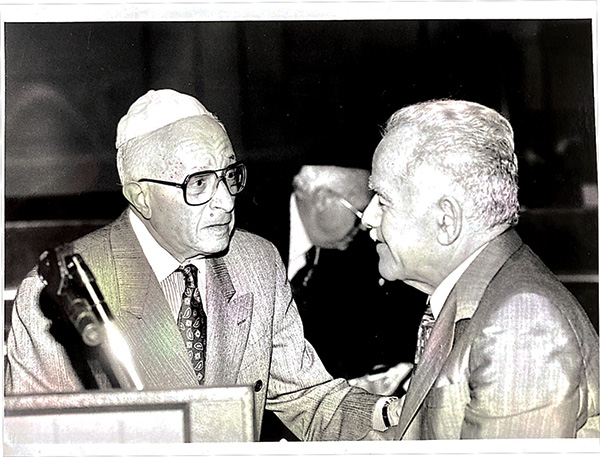
“My parents were in their 40s before they owned a car. All four of us lived in a one-bedroom apartment across from Seth Low Park. Their pleasures took a back seat. They took care of us to make us grow up in the mold they wanted, to follow our traditions.” As a community leader, Sam had many other accomplishments of note. A strong supporter of Israel, during the War of Independence in 1948, he raised funds to buy arms for Israel. The guns and ammunition were taken in unmarked trucks to piers in crates marked farm equipment and sent by boat. He was the first to head the Sephardic Division of UJA. On a trip to Israel, he met and encouraged Hakham Ovadia Yosef to begin the Shas Party to represent Sephardic Jews.
When Sam Catton was concerned that the next generation had forgotten their roots, he wrote the trilogy, Men of Faith and Vision, documenting the community and its origins. He was involved in many community organizations and was a founder of Magen David Yeshivah and Congregation B’nei Yitzhak (with the Gindi family). “Family always came first. He believed in uniting people, because it gives us strength to be united,” said Diane Catton. “We must focus on the things that unite us, and not the things that divide us.” a quote by Sam Catton.
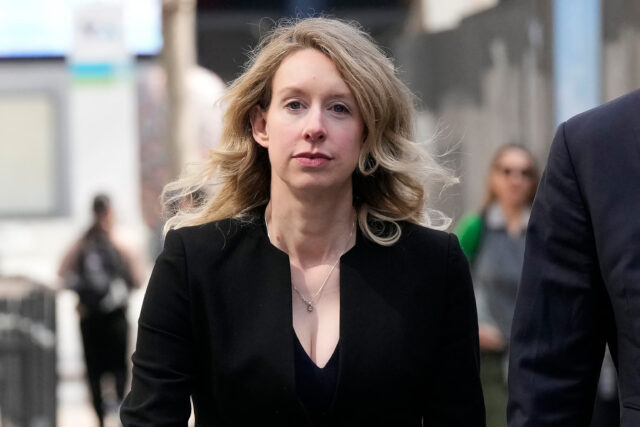
A U.S. appeals court has upheld the fraud convictions of Elizabeth Holmes and Ramesh “Sunny” Balwani, reaffirming their prison sentences and a $452 million restitution order to investors defrauded by their failed biotech company, Theranos.
The 9th U.S. Circuit Court of Appeals in San Francisco rejected Holmes and Balwani’s claims that legal errors and constitutional violations tainted their trials. The court determined that any potential errors were harmless and did not affect the verdict or sentencing.
Holmes’ and Balwani’s Legal Challenges Rejected
Holmes, 41, was convicted in January 2022 on four counts of investor fraud and conspiracy, leading to a 135-month prison sentence (11 years and 3 months). Despite multiple legal efforts to delay her incarceration, she began serving her sentence in May 2023.
Balwani, 59, was convicted separately in July 2022 and sentenced to 155 months (nearly 13 years) in prison. The court upheld their sentencing enhancements, citing at least 10 victims who suffered significant financial losses.
Theranos’ Investors and the $452 Million Restitution
The court also upheld the $452 million restitution order, rejecting Holmes and Balwani’s argument that it should be based on the diminished value of Theranos shares rather than the full amount invested. The ruling emphasized that victims were unable to recover any residual value from their investments.
Notable investors defrauded by Theranos include:
Rupert Murdoch ($125 million)
Betsy DeVos’ family
The Walton family (Walmart heirs)
Walgreens and Safeway, which had struck multimillion-dollar deals with Theranos
The Rise and Fall of Theranos
Holmes, once hailed as a visionary entrepreneur, dropped out of Stanford in 2003 and launched Theranos, claiming its blood-testing technology could deliver accurate results using just a few drops of blood. Her rise to fame landed her on the cover of Fortune magazine, but investigations in 2015 revealed the technology was deeply flawed.
Despite legal appeals, this latest ruling cements the final chapter of the Theranos scandal, ensuring Holmes and Balwani serve their full sentences while repaying defrauded investors.
The Trump administration is ramping up efforts to limit China’s access to advanced semiconductor technology, expanding upon policies initiated under President Biden. The latest measures target key international players in the semiconductor industry, including Japan’s Tokyo Electron and the Netherlands’ ASML, restricting their ability to maintain semiconductor equipment in China.
Aligning Global Allies
U.S. officials are working to bring allies in line with its semiconductor restrictions, similar to those already imposed on American companies like Lam Research, KLA, and Applied Materials. The goal is to cut off China’s ability to acquire and maintain cutting-edge chip technology that could bolster its artificial intelligence (AI) capabilities.
Revising AI Export Rules
A key focus is tightening AI chip export rules, particularly reducing the current limit of 1,700 GPUs that can be exported without a license. This revision aims to slow China’s AI advancements, particularly in sectors where high-performance computing is crucial.
Despite the restrictions, Chinese companies are increasing orders for Nvidia’s H20 chip, the only model that complies with U.S. export controls. DeepSeek, a Chinese AI company, is leading efforts to develop cost-effective AI models, reinforcing demand for available AI hardware.
As the global semiconductor war intensifies, the U.S. remains determined to maintain its technological edge while limiting China’s AI growth. The coming months will reveal how China and its semiconductor partners navigate these evolving restrictions.
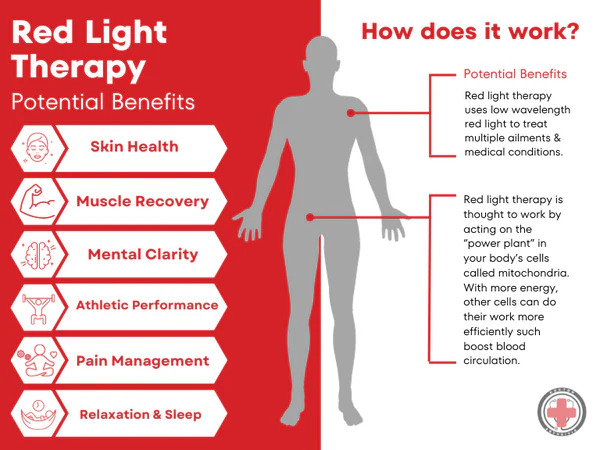
Red light therapy (RLT), also known as photobiomodulation, is gaining attention for its potential to treat a variety of conditions using low-level red and near-infrared light. This non-invasive treatment is being explored for its impact on skin health, mood disorders, and even metabolic function.
Potential Benefits of Red Light Therapy
🔴 Skin Healing & Inflammation Reduction Researchers have observed that cancer patients undergoing radiation therapy experienced reduced skin damage and inflammation when treated with red light.
🔴 Mood Disorder Support A study at Massachusetts General Hospital found that applying red light therapy to the forehead improved symptoms of mood disorders, suggesting potential mental health benefits.
🔴 Blood Sugar Stabilization Emerging research indicates that red light therapy may help regulate blood sugar levels, pointing to possible applications for diabetes management.
Proceed with Caution
While promising, many of these studies are small-scale or based on animal research. Experts emphasize that RLT should not replace traditional treatments but rather serve as a complementary therapy.
As research continues, red light therapy could become a valuable tool in skincare, mental health, and metabolic health—but for now, consulting a healthcare professional before use is key.
Apple has announced a monumental $500 billion investment in the United States over the next four years, marking one of the largest financial commitments by a private company in American history. The investment will focus on job creation, artificial intelligence (AI) infrastructure, and expanding Apple’s footprint in the entertainment and manufacturing sectors.
Boosting Jobs and AI Development
As part of the initiative, Apple plans to hire 20,000 new employees, primarily in research and development roles. A significant portion of these jobs will support advancements in AI technology, an area where Apple is increasingly focusing its efforts.
To support its AI expansion, the company will build a new server factory in Houston, Texas, scheduled to open in 2026. This facility will manufacture high-performance servers essential for powering AI-driven features across Apple’s ecosystem.
Expanding Apple TV+ and U.S. Manufacturing
Apple’s investment extends beyond technology and into entertainment. The company plans to expand Apple TV+ productions across 20 states, reinforcing its commitment to original content creation and job growth in the film and television industry.
Additionally, Apple will double its Advanced Manufacturing Fund from $5 billion to $10 billion to strengthen domestic production efforts. This fund, originally designed to support U.S.-based suppliers and innovation in manufacturing, will further enhance Apple’s ability to develop and produce critical components within the country.
Avoiding Tariffs and Strengthening Ties with Washington
The announcement comes shortly after a meeting between Apple CEO Tim Cook and President Donald Trump. Reports indicate that Trump emphasized the importance of Apple’s investment in keeping production within the U.S., potentially shielding the company from future tariffs on its products.
With this massive commitment, Apple is positioning itself as a leader in both technological innovation and American economic development, ensuring a stronger domestic supply chain while expanding its influence across multiple industries.
RABBI SAM KASSIN, DEAN OF SHEHEBAR SEPHARDIC CENTER IN JERUSALEM, IS PROUD TO ANNOUNCE THE PLACEMENT OF EIGHT RABBIS IN COMMUNITIES AROUND THE WORLD. THESE RABBIS WILL REPORT TO THEIR NEW POSITIONS BEFORE THE FALL HOLIDAYS.
After nearly two years of being confined due to the global Corona virus pandemic, the event was celebrated with tremendous spirit during a Shabbaton on July 3, in Ashdod. The rabbis are taking positions in the following communities.
Rabbi Ralph Tawil (Tel Aviv) became the rabbi of one of the largest and influential Sephardic synagogues in Tel Aviv.
Rabbi James Benman Amar (Lima, Peru) will be the rabbi of the Sephardic Synagogue in Lima, Peru. The senior rabbi has served over six decades and at 90 years old is retiring. Rabbi Benman will inspire youth and bring the synagogue into the 21st century.
Rabbi Akiva Ben Ezra (Guam) is going to start a new kehillah in Guam. He had previously been going there only for holidays like Pesach and Hanukkah, but now he is going to set up a permanent shul. Guam has 100 assimilated Jews who are really happy to have a rabbi to give some spirituality to them as well as the Jewish soldiers.
Rabbi Yitzhak Hazzan (Dallas, Texas) will be the rabbi for the large Israeli community as part of the Dallas Kollel and will inspire them to be more involved in Judaism and be part of a community.
Rabbi Aharon Ben Zadon (Madrid, Spain) is working for the Outreach Kollel which is involved with Jewish French medical students and young Jewish students from all over Spain.
Rabbi David Mizrachi (Lisbon, Portugal) is going to be assistant rabbi to Rabbi Reuben Suissa who came from South America.
Rabbi Yair Oz (Cooper City, Florida) established the synagogue in Cooper City, Florida over 10 years ago and is coming back to be the rabbi again and to open up a rehab center there.
Rabbi Gil Amoyal (Montpellier, France) is returning to France to work with community youth and kashrut supervision.
Rabbi Yair Oz
At the Friday night meal, Rabbi Sam Kassin related his experiences in Russia after the fall of the Iron Curtain when people were completely oblivious to anything Jewish. He told stories of how the rabbis he sent were brought closer to Judaism through simple gestures like putting up a mezuzah or having a Hanukkah celebration and learning to light candles. Teaching these simple acts in Russia and Uzbekistan brought the guests to tears.
During the dinner, CPT David Gingold related amazing, exciting stories about his community in Kobe, Japan and exciting adventures as a chaplain in the United States Army. For example, Kobe experienced an earthquake when he was there in 1995. Under his leadership, the Jews threw themselves into relief mode for three weeks helping victims of the crippling earthquake that devastated Japan.
“Only days after the earthquake, we received dozens of phone calls from people affected by the event,” said Rabbi Gingold. “I spoke to the board and insisted on a policy of doing all that is needed, for all that we have in our possession is Hashem’s blessing. How can we enjoy His blessing and not open our hands to those who are in need? As it says ‘thou shalt surely open thy hand unto him.’ (Deut.15:8)”
In the aftermath of the earthquake, Rabbi Gingold led a heroic 24 hour a day relief effort, providing food, housing, water, clothing and other critical relief to earthquake victims, both Jews and gentiles, who were given a haven in Synagogue Ohel Shelomoh. This is but one example of the efforts of SSC rabbis who work in remote parts of the world.
During Saturday morning prayers, two of the graduates spoke about the excitement of the opportunity to do something for the Jewish people. After the prayers, there was an unbelievable kiddush setup by the wives of the eight new rabbis who felt gratitude and honor about the opportunity to spread Torah. After the kiddush, they broke up into groups to discuss how to deal with the everyday issues and challenges they might face in their new communities.
There was a panel discussion with Rabbi Yaakov Benizri, Rabbi Sam Kassin and Rabbi Ezra Kassin. Often a rabbi may be criticized if he is stricter than a previous rabbi, or the congregants may be upset about a ruling or decision. There may also be internal congregation politics which need to be handled with diplomacy.
Rabbi James Benman Amar
Led by Rebbetzin Malka Kassin, Rebbetzin Michal Kassin, Rebbetzin Gingold and Rebbetzin Shekalim, the women discussed the importance of inspiring community women to become involved, to plan events to bring people together, as well as organize hesed programs like Bikur Holim, gemachs, and food for the poor.
After minha, Rabbi Ezra Kassin, Rabbi Benizri and CPT David Gingold discussed important issues that arise when living in the Disaspora, such as education where there is no Jewish school and how to handle couples not married in the traditional way by a rabbi. They discussed logistical issues such as how to deal with two synagogues and one kehillah, strategies to attract people to come to a class or minyan. These issues are especially important in less established communities.
The event ended with all of the people thanking Rabbi Sam Kassin for what he has done for them and the wives thanked Rebbetzin Malka Kassin for supporting his lifetime commitment to enlightening Jews around the world by training and placing rabbis where they are needed.
A genealogist and historian, Sarina Roffé is the author of Branching Out from Sepharad (Sephardic Heritage Project,2017), Backyard Kitchen: The Main Course, Backyard Kitchen: Mediterranean Salads, and the cooking app, Sarina’s Sephardic Cuisine. She is the editor of Dorot, and holds a BA in Journalism, and MA in Jewish Studies and an MBA. Sarina is President of the Sephardic Heritage Project, Co-Chair of the Brooklyn Jewish Historical Initiative and Chair of the Sephardic Research Division of JewishGen.