Home Blog Page 28

Israel BeckonedLouise and Dr. Solomon Suede
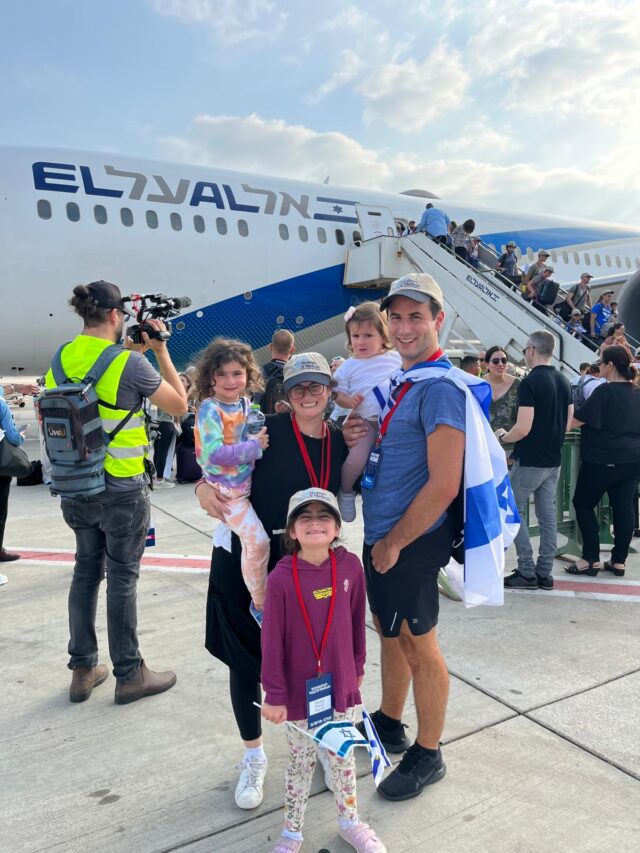
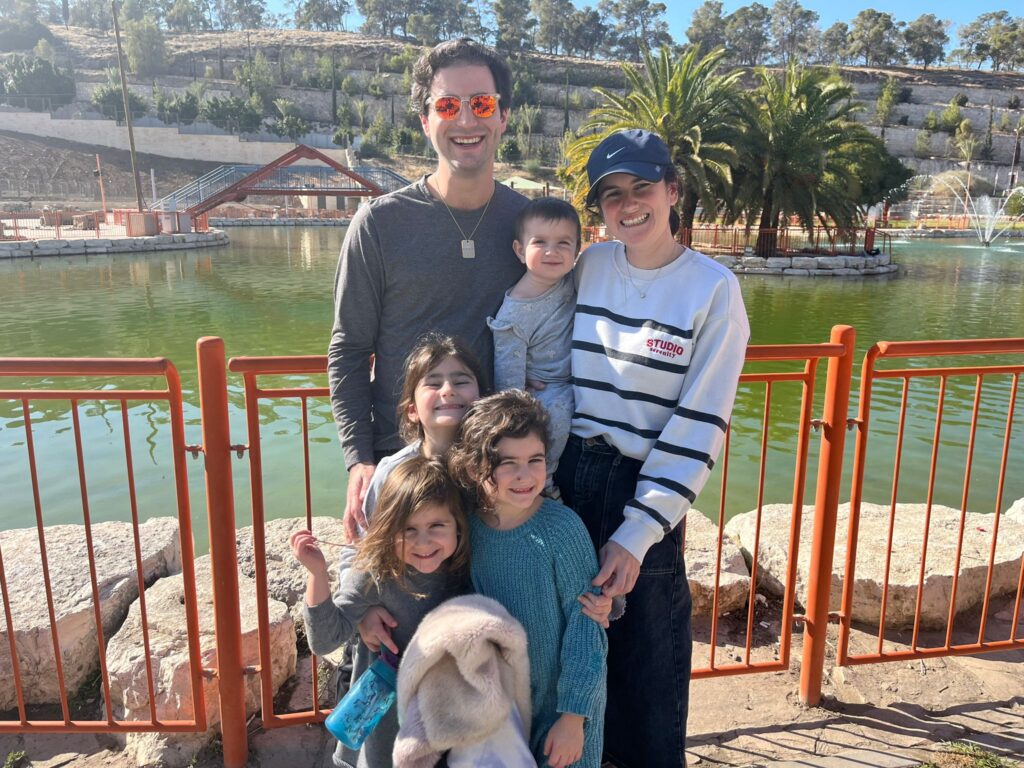
Louise and Dr. Solomon Suede with their three daughters celebrate as they arrived in Israel.

Sarina Roffé

Each year we pray at Passover and say “next year in Jerusalem.” It seems these words echo in our hearts and for those who have been to Israel, the land beckons us. We feel the earth when we plant a tree. We feel connected when we pray at the Western Wall. We see the views of the hills of Jerusalem and wish we were there. The freedom to be Jewish in today’s world is liberty in unimaginable ways.

Israel called to Dr. Solomon and Louise Suede and in their hearts, they knew they wanted to live in Israel and raise their family there. After Solomon completed his medical training, the couple made Aliyah to Israel in August 2023 with their first three children, thinking they would take the first year to move around and decide where they wanted to settle and live. Then the October 7 invasion by Hamas happened and the world changed, especially for Israelis. While the initial plan had to be modified, Louise and Solomon love Israel, adapted and love the child friendly lifestyle.
Louise Sutton and Solomon Suede grew up in the community, went to yeshiva and had a great life in Brooklyn with loving families. High school sweethearts who met at Yeshiva of Flatbush, they each pursued higher education and careers.
The third of six children of Ike and Celia Sutton, Louise pursued a degree in psychology. For Solomon, one of four children of Charles and Diane Suede, it was a medical career as a pediatrician. Louise and Solomon married a year before he started medical school, so they lived upstate as he filled some of the requirements needed to be licensed.
Back in Brooklyn, Solomon completed his residency at Maimonides Hospital and became a Board Certified Pediatrician. Louise loved having playgroups in her home for preschoolers as she grew her family of four daughters. But their hearts tugged at them to go to Israel.
“I felt I belonged in Israel. Every prayer is about Jerusalem and I felt I belonged in the home of the Jewish people,” said Louise. “So after Solomon completed his residency, it was the perfect time to try and move. We went first to Ranana where there was a Syrian community. Our plan was to try different places until we decided where to settle. The Ranana community was helpful with all aspects of our lives and helped us make a smooth transition. There are many Syrian families here and we have amazing friends.”
Then October 7 attacks changed their plan. Louise was expecting their fourth daughter and both sets of parents were worried so the couple returned to the United States. After three months and no end to the war in sight, they returned to Israel. Solomon was working on his license to practice medicine in Israel. He works at Schneider Hospital and in a private practice pediatric office as well.
Louise describes how different the values and lifestyle are in Israel. “In Israel, husbands and wives share all responsibilities. In most homes, both work. But they share in shopping, cleaning, cooking, parent-teacher conferences, doing laundry, and caring for their children. It’s a very different philosophy of raising a family.”
Louise loves how the small nation is so child friendly. “You go to the mall and there is a play area for kids. And everything is at the mall. The supermarket, pharmacy, dentist, doctor’s offices, and clothing stores. At night, you see children out with their parents in the souk or in a park, and maybe a baby is sleeping in a stroller, but they are out.”
The couple is still deciding where they will settle. “We want to be in a place where we have views, so we are up in the air, and in transition, as we are figuring out where we want to settle.”
Louise shared some experiences she thought were incredible. One time when she was in the supermarket, Louise saw a father holding an infant in his arms, groceries in stroller and two other kids in tow. Another time, she saw a woman holding an infant in a baby carrier and under the baby carrier was a gun wrapped around her waist. Jugglers are at the traffic lights, entertaining you and asking for money.
The couple loves the schools in Israel. Her older two children are in the public school system which begins at age three. Her third child is in a Gan, or preschool operated by Chabad. Their one-year-old is home with Louise. Named Lyelle Eden, after two people who lost their lives due to the October 7 invasion, Louise paid her respects to the family and brought her daughter. The father was touched that Lyelle Eden was named for his daughter.
“We have a center here called Mercaz Ketantanim, for babies and every day they have Mommy and Me and other activities for babies. We love living here,” she said. Louise noted that children are adaptable and they adjusted easily to life in Israel. While they didn’t know any Hebrew, now they play in Hebrew and her three-year-old even thinks in Hebrew.
Louise says her Hebrew is coming along but she is not yet fluent. While both Solomon and Louise received a good base of Hebrew from their yeshiva education, each had a lot to learn about dialect and speaking everyday Hebrew.
“My Hebrew is not great. My grocery store Hebrew is pretty good now. You learn. School Hebrew, butcher Hebrew, not immersion, so I use Google translate. I needed to learn the local dialect. Solomon had to learn medical Hebrew on the job.”
Louise and Solomon keep connected with their families in Brooklyn through frequent FaceTime sessions. They love everything from the Amazon delivery man who comes with a big smile and throws them blessings. “It’s such a difference from America. The same Jewish Amazon delivery guy always and he is a character who shows us what it is to be in Israel.”
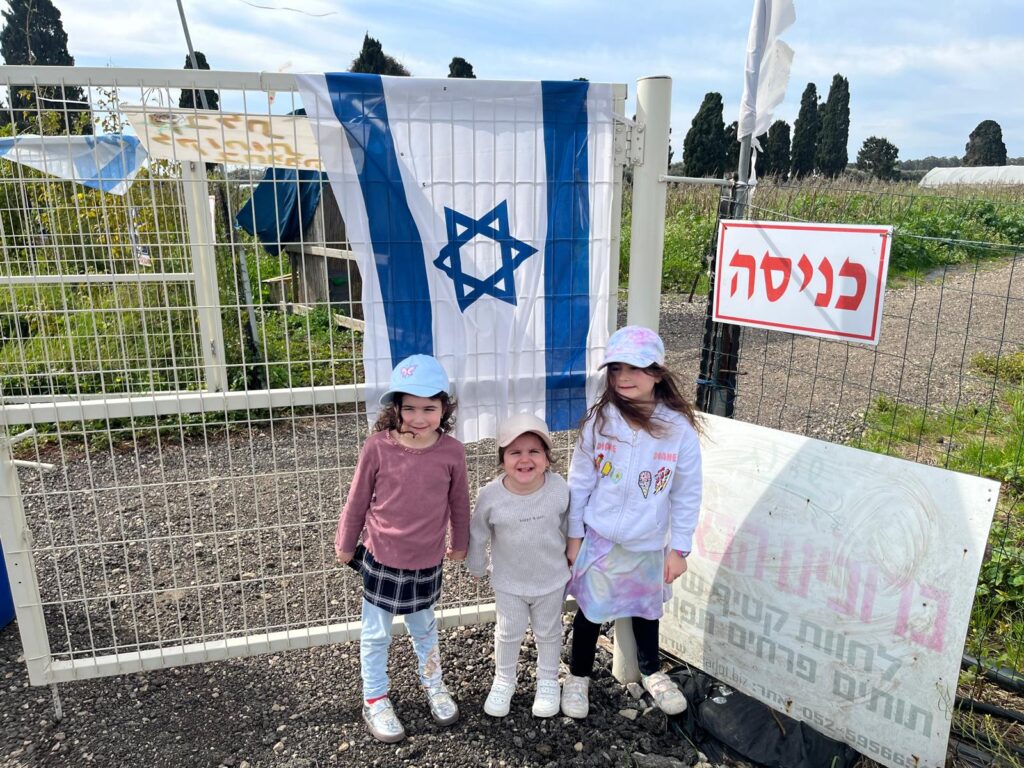
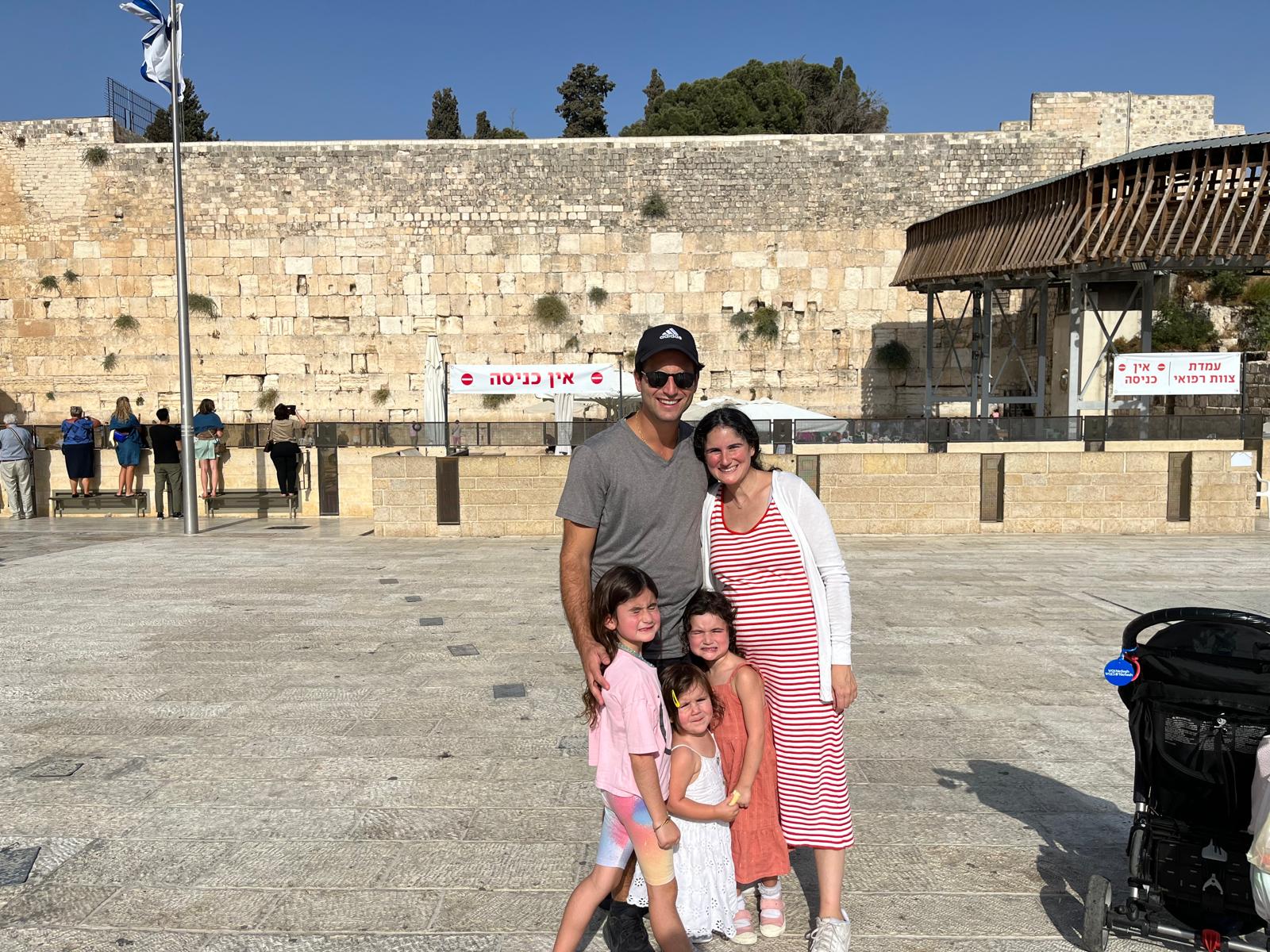
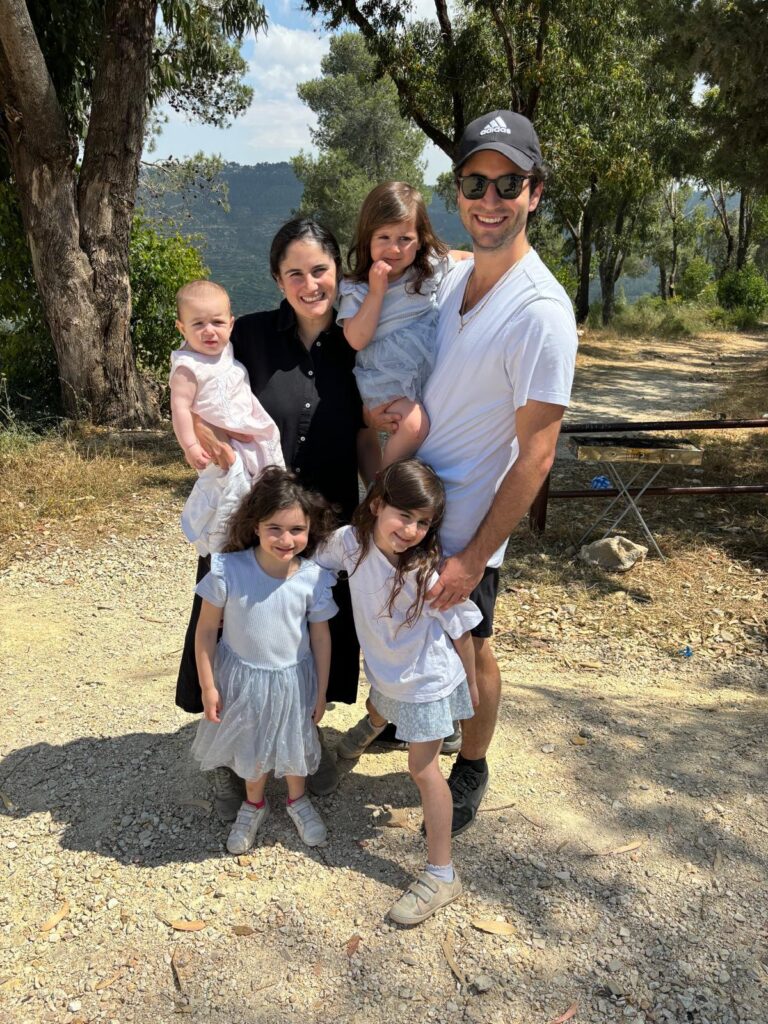
Louise and Dr. Solomon Suede with all four of their children.

Returning to Damascus

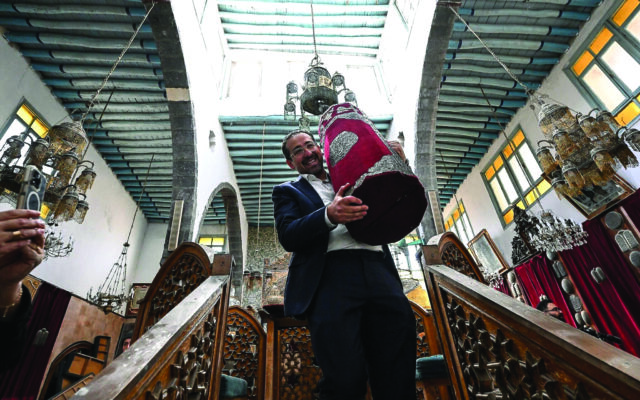
Henry Hamra dances with the same Torah he read from at his Bar Mitzvah before leaving Damascus, inside the Al-Faranj Synagogue

A Lost Community Walks Through Its History

In February 2025, a remarkable event unfolded in Damascus: members of Syria’s Jewish diaspora returned to their ancestral homeland after decades in exile. Led by Rabbi Yosef Hamra and his son Henry, this delegation sought to reconnect with their roots and assess the state of Jewish heritage sites in the Syrian capital.

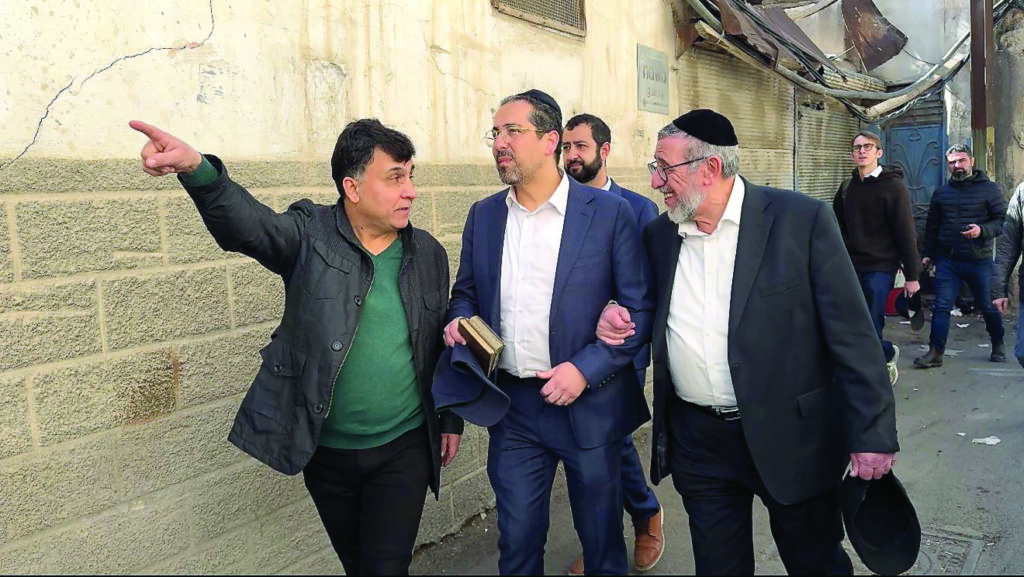
The Delegation Walks Through the Historic Jewish Quarter
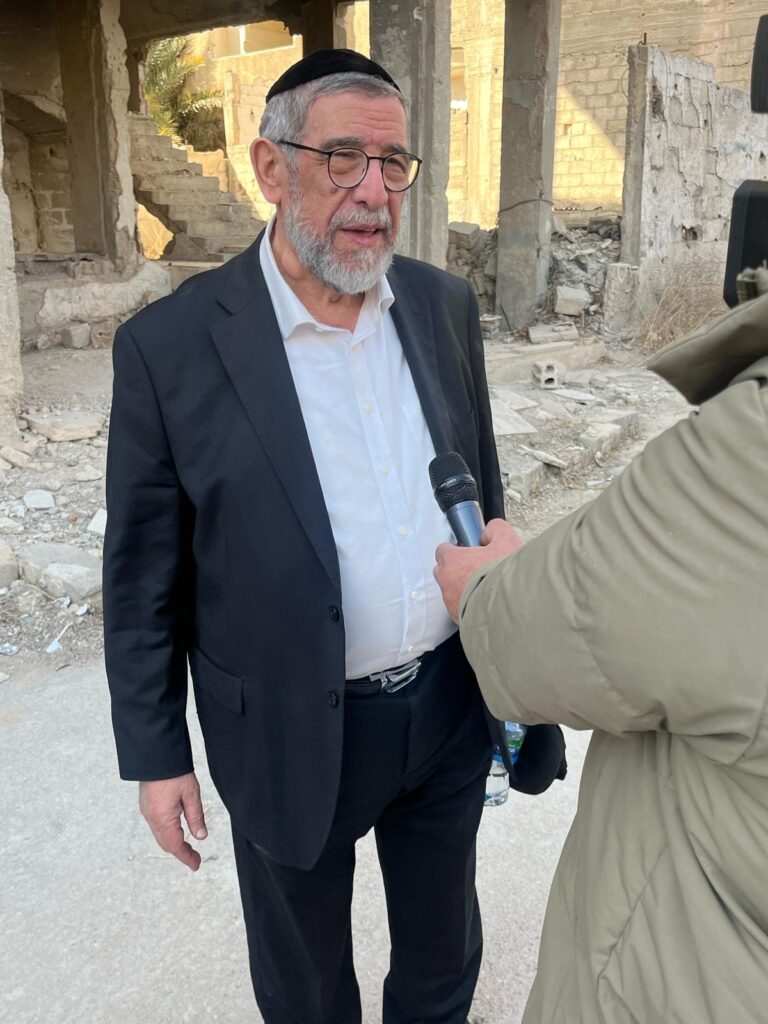
Rabbi Yosef Hamra speaks to Syrian media at the ruins of the historic Jobar Synagogue

The Jewish presence in Syria dates back over 2,500 years, beginning with the Assyrian exile in 722 BCE, when Jews from the Kingdom of Israel were deported to various parts of the Assyrian Empire, including Syria. Another significant wave of Jewish settlement followed the Babylonian exile in 586 BCE, when Nebuchadnezzar II destroyed the First Temple, leading many Jews to settle in cities such as Damascus and Aleppo. By the Hellenistic and Roman periods, Syria had thriving Jewish communities, as noted by the historian Josephus, who described large Jewish populations in Damascus, Antioch, and other cities. In 1170, the Jewish traveler and scholar Benjamin of Tudela visited Damascus and recorded the presence of 10,000 Jews, highlighting their organized community and economic influence. The 1492 Spanish Expulsion brought Sephardic Jews to Syria, particularly Aleppo and Damascus, further enriching Jewish life and establishing these cities as key centers of Jewish scholarship and trade in the Middle East.
For the Hamra family, returning to Damascus was deeply personal. Rabbi Yosef Hamra dedicated over 40 years of his life to serving the Jewish community of Damascus in multiple roles—as a rabbi, hazan, mohel, shochet, sofer, schoolteacher, and principal—until the day they left Syria. Even after leaving, he has continued to serve the community to this day. In 1992, after years of restrictive policies under President Hafez al-Assad, the Chief Rabbi of the Syrian Community, Rabbi Abraham Hamra A”H, met with Assad and secured permission for the Jewish community to leave the country without restrictions. This marked the beginning of a mass exodus of Syrian Jews, reducing the once-thriving community in Damascus to fewer than ten individuals. The fall of Bashar al-Assad’s regime in December 2024 created a rare window of opportunity, prompting the Hamras to return and reconnect with their roots.
Stepping onto Syrian soil after so many years was both emotional and bittersweet for the delegation. They walked through the familiar yet changed streets of the Old City, greeted by the sights and sounds of a Damascus that had endured years of conflict. Though much had transformed, remnants of Jewish history still stood—some preserved, others in ruins. The Jobar Synagogue, once a central place of worship and a symbol of Jewish presence in Syria, had been reduced to rubble, a casualty of war. The Al-Faranj Synagogue, though still standing, bore the scars of neglect. Even more heartbreaking was the state of the Jewish cemetery, which had been overtaken by garbage and debris, with crumbling tombstones and displaced grave markers scattered among the rubble. The sacred resting place of generations had become an unkempt wasteland, its sanctity eroded by years of disregard. The delegation also learned that decades earlier, a highway had been built through the cemetery, relocating graves and damaging many tombstones. For the visitors, seeing such desecration was a painful reminder of how history can be forgotten when there are no caretakers left to protect it.
As they arrived at the Al-Faranj Synagogue, stepping through its doors for the first time in over 30 years—where Rabbi Yosef Hamra and his late brother, Rabbi Abraham Hamra A”H, had once served as hazanim—he simply whispered, ‘Wow, wow, wow.’ The moment was overwhelming. Dust-covered pews lined the walls beneath peeling paint. Ancient prayer books, hundreds of years old, lay untouched under a discarded prayer shawl. Henry Hamra, now a cantor, stood in the same space where his father had once led prayers. His voice trembled as he recalled, “I remember my father, the last day that we—before we left here, he was praying, crying when he was praying the last prayer over here.”
The delegation had hoped to hold a formal Jewish prayer service at the synagogue—the first in decades. But Jewish law requires ten adult Jewish males for a minyan, and even with some of the few remaining Syrian Jews, there were not enough. Instead, Rabbi Yosef and his son stood together and recited personal prayers, filling the silent sanctuary with the echoes of their voices, just as they had decades before.
Despite the destruction and loss, the returning Jews were met with warmth. Many locals, both Muslim and Christian, remembered their Jewish neighbors and shared stories of coexistence. Walking through the Jewish quarter, they ran into former neighbors from 30 years ago who greeted them with open arms. The Syrian government also signaled its willingness to welcome back members of the Jewish diaspora, with one official telling the delegation, “This is their home, and the government will help restore property and citizenship.”
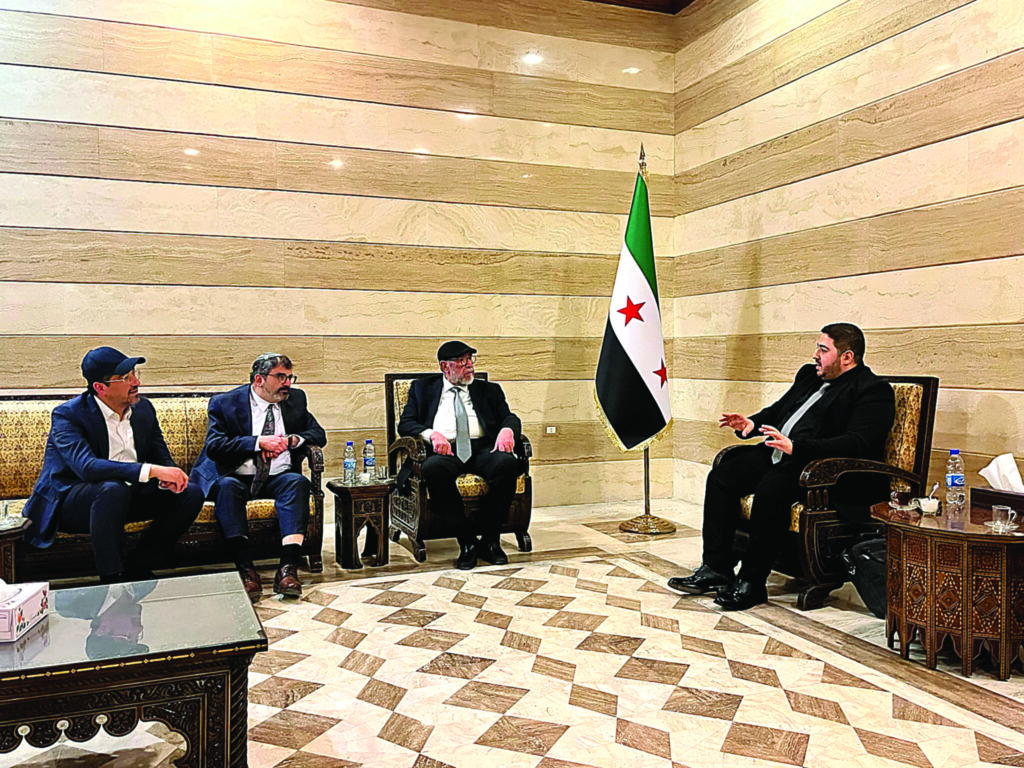
During their visit, the delegation met with Syrian officials to discuss the preservation of Jewish heritage. With the country in the early stages of rebuilding, the fate of religious and cultural sites remained uncertain. The government expressed its commitment to protecting these landmarks, but the challenges were immense. Years of war had not only destroyed buildings but had also displaced entire communities, making large-scale restoration difficult. Some of the visiting Jews expressed interest in supporting these efforts, believing that even if the Jewish community in Syria would not return in significant numbers, its 2,500-year-old legacy must be preserved.
For Rabbi Yosef and Henry, this visit was about more than history—it was about the future. Would there ever be a Jewish revival in Syria? Could young Jews, raised in countries like the U.S. and Israel, find a way to stay connected to their Syrian roots? These were difficult questions with no immediate answers. As Henry reflected on their visit, he remarked, “This city is still part of who we are, no matter where we live. We may not return permanently, but we can never forget where we came from.”
Upon returning to New York, Henry was frequently asked what he hoped to achieve from the trip. His response was clear: “My goal is to preserve history. I want Jews from around the world to come visit these holy places. I want people to be able to visit the family plots of their parents, grandparents, and past generations. Just as people visit the graves of great rabbis in Israel, Uman, and Morocco, so too should they visit the ancient synagogues and the holy graves of revered Syrian rabbis. Most notably, the great Kabbalist Rabbi Chaim Vital is buried here.”
The next trip to Damascus is already being planned for the end of April 2025. Rabbi Chaim Vital’s yahrzeit falls on the 30th of Nisan, which this year corresponds to April 28, 2025, and there are plans to visit his grave on that day. If you are interested in joining this trip or getting involved in the restoration and preservation of Jewish sites in Damascus, please email Henry Hamra at HenryHamra@gmail.com.

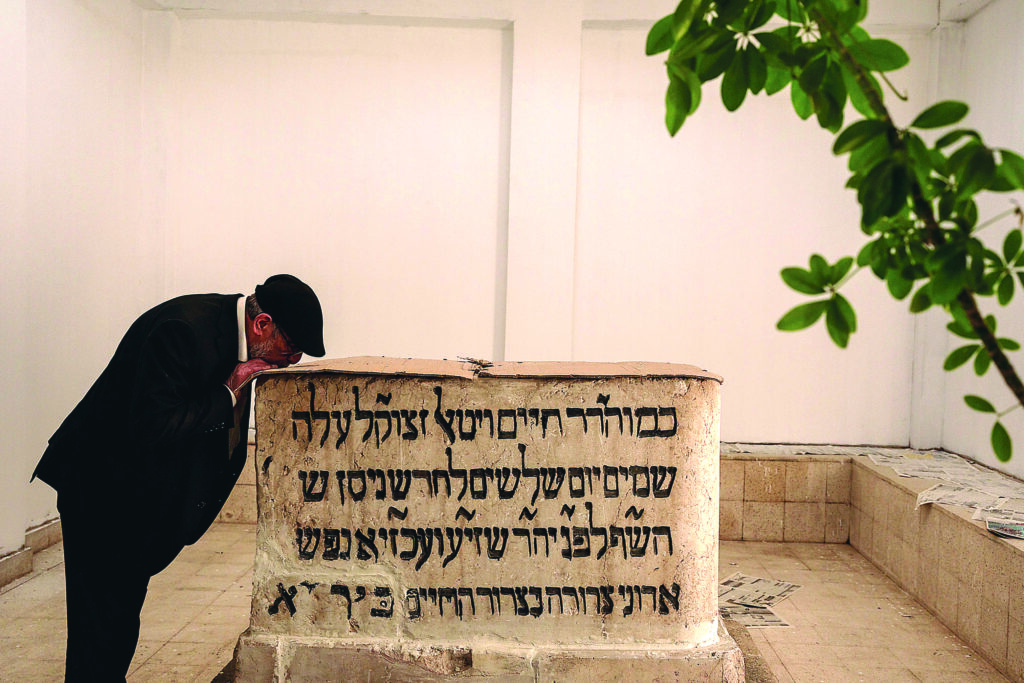
Honoring a Kabbalistic giant: Rabbi Yosef Hamra at Rabbi Chaim Vital’s grave
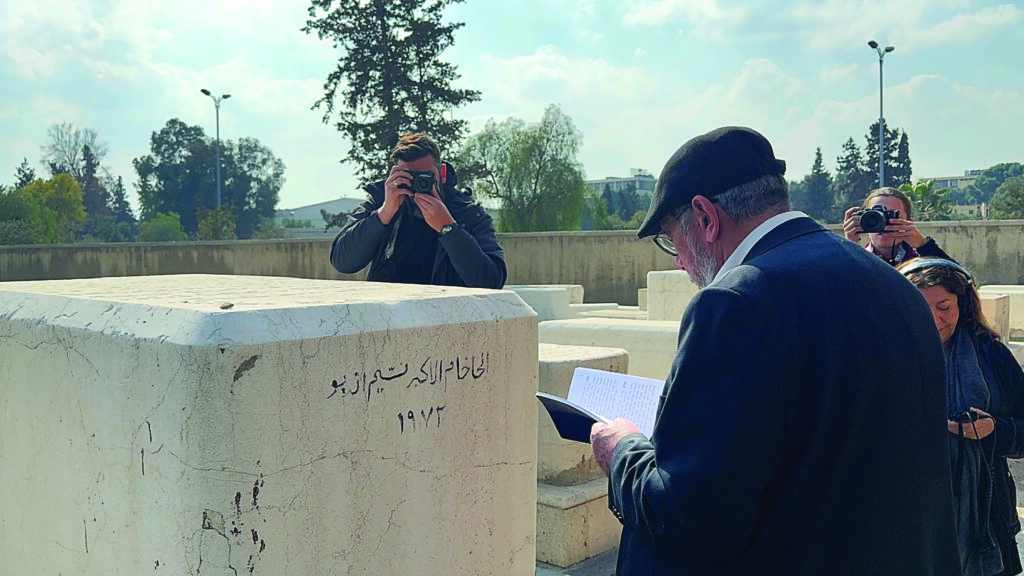
Rabbi Yosef Hamra prays at the grave of former Chief Rabbi of Damascus, Rabbi Nissim Indibo A”H
The delegation meets with Syrian officials to discuss efforts to preserve Jewish holy sites
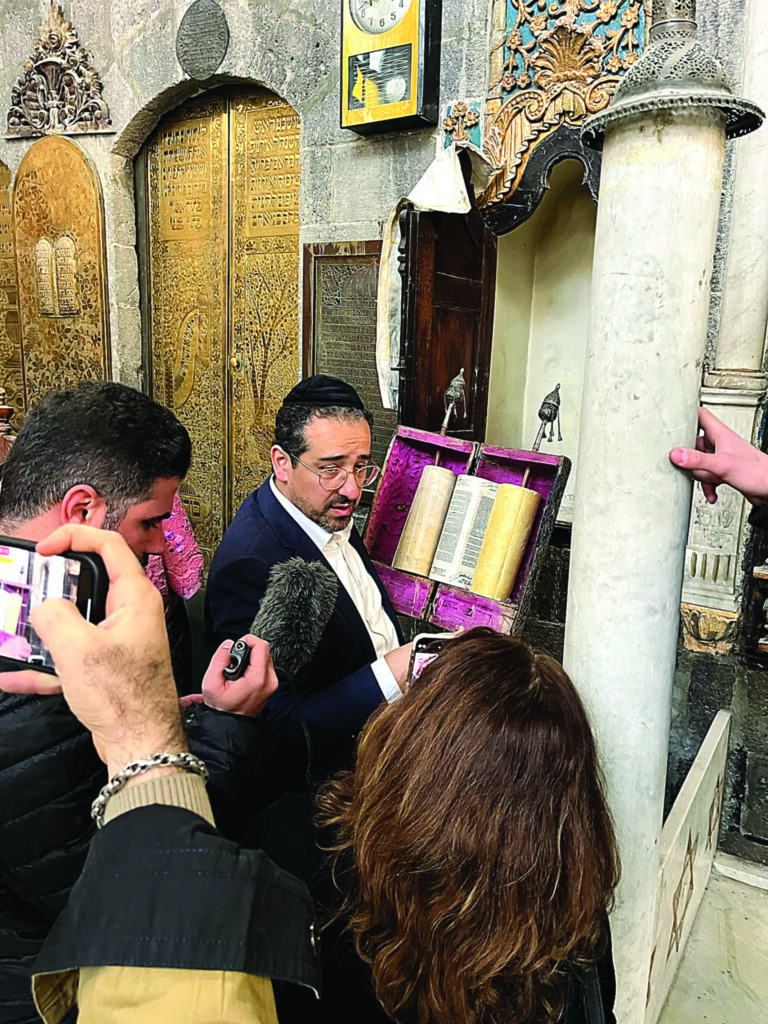
Henry Hamra opens the Ark at the Al-Faranj Synagogue,
revealing Torah scrolls that were left behind when the Jewish community fled Syria in the 1990s, as the government forbade them from taking them

Reserve Cut Hosts Unforgettable Evening Honoring Orphans and Fallen IDF Soldiers’ Families

Linda Argalgi Sadacka

Some moments in life are simply meant to be—doors open, paths cross, and suddenly, what was once just an idea becomes a mission. That’s exactly how this event came to life.
It all started in Miami, at a restaurant where, by sheer chance—or, more accurately, divine intervention—I met David Gopin, the president of Hagiborim. A mutual friend, with a conviction that made us listen, said, “You two have to meet.” And she was right. That conversation sparked something bigger than either of us could have imagined. When I arrived in New York, I understood why.
As the founder and president of Chasdei David, formerly known as Moms on a Mitzvah, I have always believed in the power of community action. This chance meeting led to a collaboration that culminated in an extraordinary event.

A Mission in Action
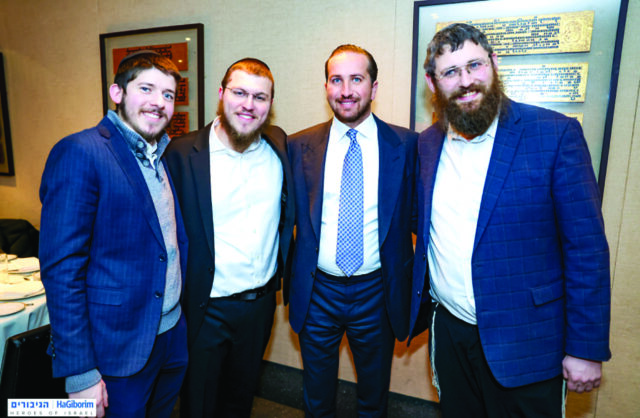
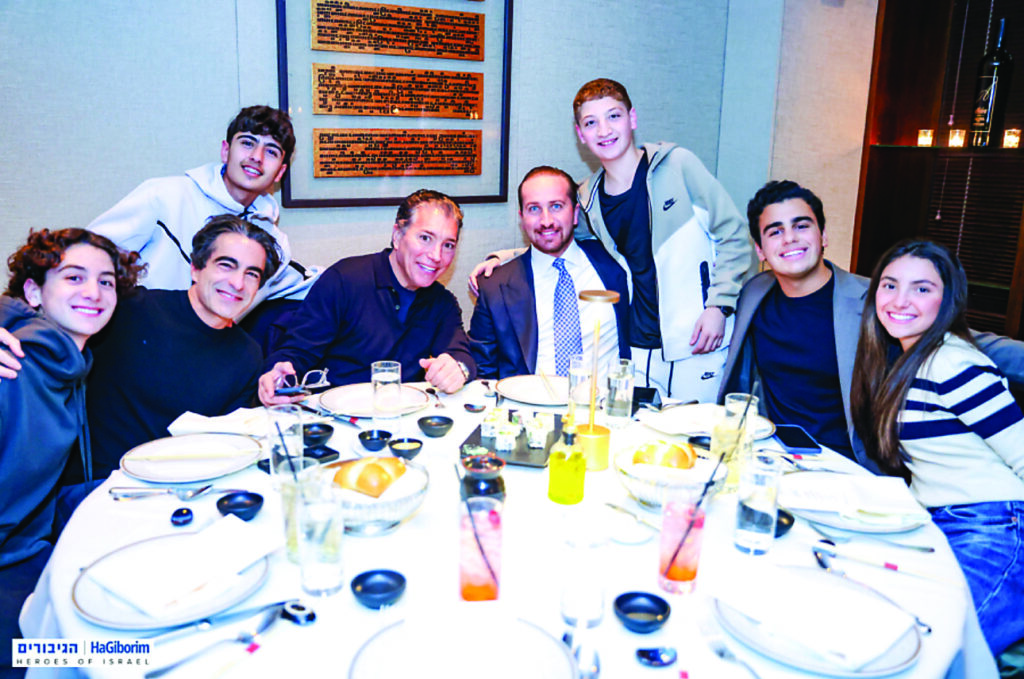
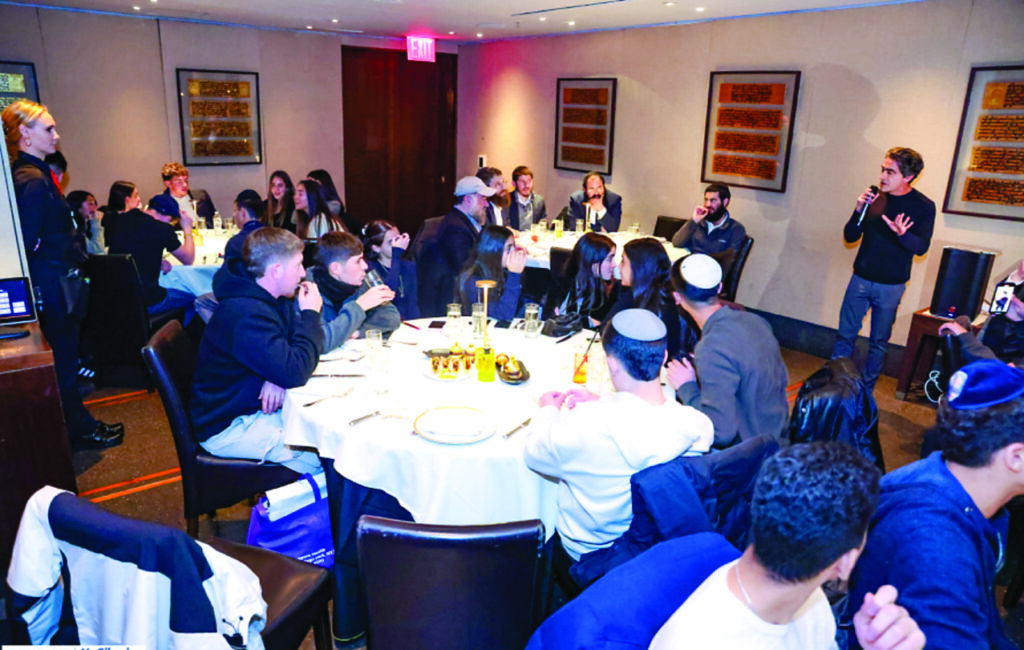
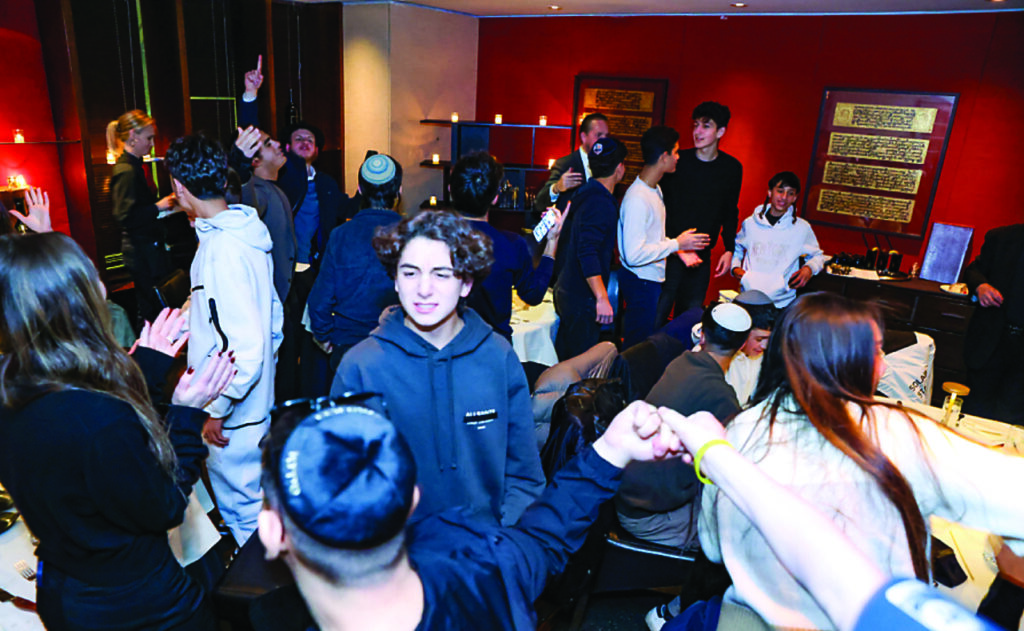
On February 18, 2025, Hagiborim – Heroes of Israel, in collaboration with Chasdei David, our very own homegrown community organization, hosted an extraordinary gathering in New York City. Generously and fully sponsored by Albert Allaham, the evening was dedicated to honoring the orphans of October 7, 2023, and the families of fallen IDF soldiers. More than just a dinner, this event was a powerful statement of solidarity—an embrace from a community determined to remind these young heroes that they are not alone.

A Night of Warmth and Connection
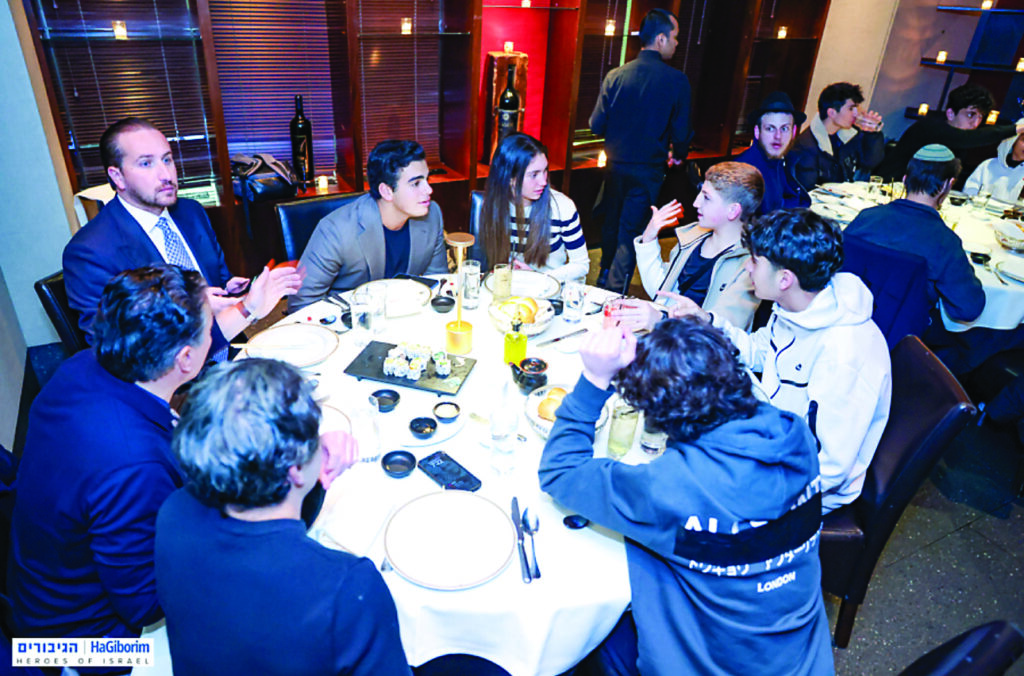
Guests were welcomed into Reserve Cut’s largest private dining room, where round tables adorned with crisp white tablecloths set an elegant yet intimate tone. A stunning display of sushi and refreshments awaited them, carefully prepared to perfection. Each guest found their seat marked with a personalized menu, acknowledging them by name and reinforcing their importance as true ‘Hagiborim’—heroes.
Reflecting on the evening’s impact, one of the young attendees expressed heartfelt gratitude: “Thank you so much, everyone. It was truly amazing. The gifts you brought us were timeless, and we really enjoyed the restaurant—it was top-notch.”
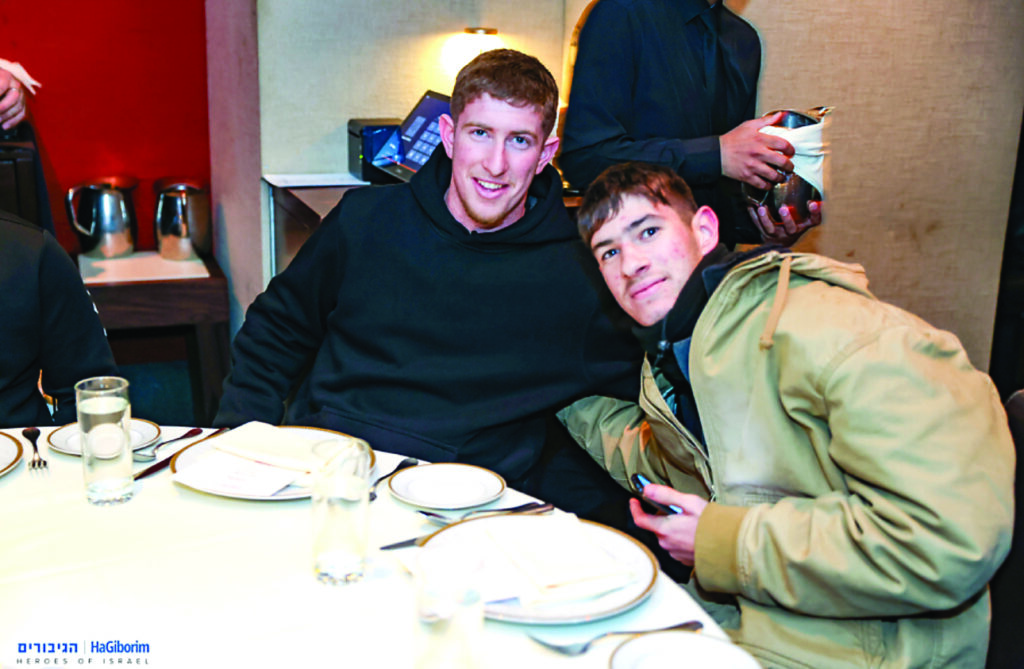
The gathering fostered deep and meaningful connections. Israeli children bonded naturally with members of the local community, particularly among boys of similar ages, forming friendships that would last long after the evening had ended.
Albert Allaham, known for his generosity and dedication to the Jewish people, spoke about the significance of the event: “Tonight was about making these children feel loved, appreciated, and truly special. It was my honor and privilege to host these remarkable children. Their strength inspires all of us.”

A Celebration of Resilience
Throughout the evening, moving speeches were delivered by community leaders and participants, including Isaac Ash, Roy Murad, Joey Betesh, and Albert Allaham himself. The atmosphere was a blend of solemn reflection and hopeful optimism, with moments of deep emotion as children bravely shared their stories of loss and resilience.
One guest shared the profound impact of the night: “I have no words to describe how much I enjoyed it, really. I’m still so happy about it, even days later. The restaurant was incredible, the food was of the highest quality, and the company was just perfect. Everything you arranged was wonderful. I’m truly grateful that the good people helping us are you. Thank you so much—I wouldn’t have found anything like this with anyone else. Really, I have no words to express how much I appreciate you. I love you all, and thank you so much for everything.”
A highlight of the evening was a FaceTime session with world-renowned Jewish singer Yaakov Shwekey, filling the room with music, joy, and an overwhelming sense of togetherness.

A Lasting Impact
As the evening drew to a close, Albert Allaham, Isaac Ash, and Joey Betesh led a special moment of generosity, presenting each orphan with a custom Puma bag filled with clothing and other meaningful gifts. These tokens of care, handed over personally by community children, symbolized the bonds of friendship and ongoing support.
One attendee recounted the unforgettable experience: “I want to express my deepest gratitude to the hosts in New York. We started at the restaurant with out-of-this-world food—truly delicious steaks, and all the dishes were excellent. The people welcomed us warmly, honoring our presence as we did theirs. They showed us great respect, and I genuinely felt the love among everyone. The gifts were absolutely amazing; you truly brought us joy. After dinner, we had the unforgettable experience of riding in the Maybach with Albert. It was such a delight, joking around together in the Maybach. Wow, what an incredible evening.”
However, the generosity did not end there. Inspired by the evening, Albert Allaham personally accompanied the group to The Ohel (Lubavitcher Rebbes’ resting place), ensuring their visit concluded with a spiritually uplifting experience before their departure to Washington, D.C., the following day.
A Community That Cares
The evening at Reserve Cut was more than just a gathering—it was a powerful declaration of unwavering support, resilience, and unity. In a world that too often moves on from tragedy, forgetting the faces behind the headlines, this community stood firm, refusing to let these children and families face their pain alone.
The events of October 7, 2023, were not just an attack on Israel but an assault on civilization itself. The children and families honored that night are not just victims—they are living testaments to the strength of the Jewish people. They are the future, and they are not forgotten.
Albert Allaham’s generosity in fully sponsoring this evening was more than just an act of charity—it was a bold statement. It said, “We stand with you. Your pain is our pain. Your fight is our fight. And no matter what, you will never be abandoned.”
As global anti-Semitism rises and Israel continues to battle for its survival, this night was a reminder of something far greater: The Jewish people do not bend, do not break, and do not back down. When the world turns its back, the Jewish community steps forward, hand in hand, committed to ensuring that these young heroes are not just honored for one night—but uplifted, protected, and supported for a lifetime.
This is what true leadership looks like. This is what real strength is. And this is how we win.

Linda Argalgi Sadacka is a writer, political strategist, community organizer, and Jewish activist dedicated to combating antisemitism. A delegate for the ZOA in the WZO elections, she works to protect Jewish interests worldwide. Known for her impactful advocacy, media presence, and writing, she actively mobilizes communities and fights for Israel.

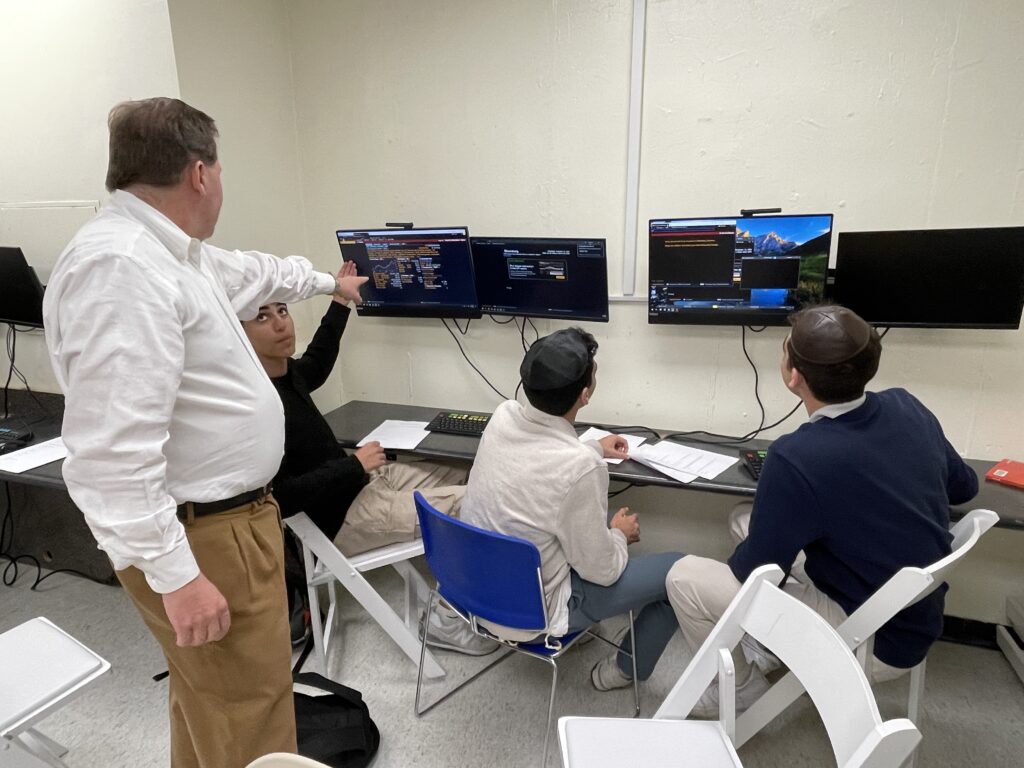
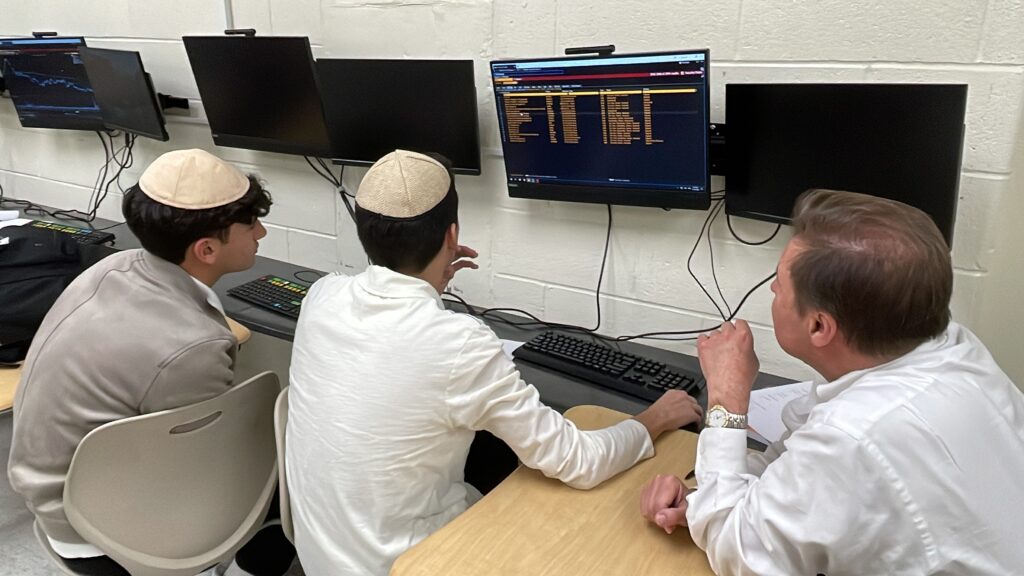
Magen David Yeshivah High School Launches Innovative Bloomberg Program

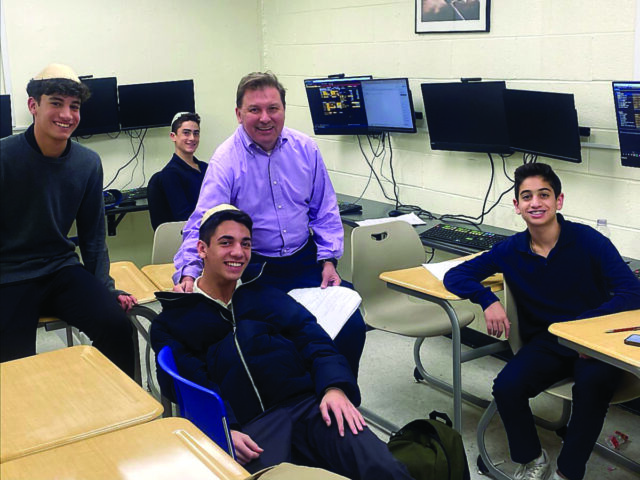
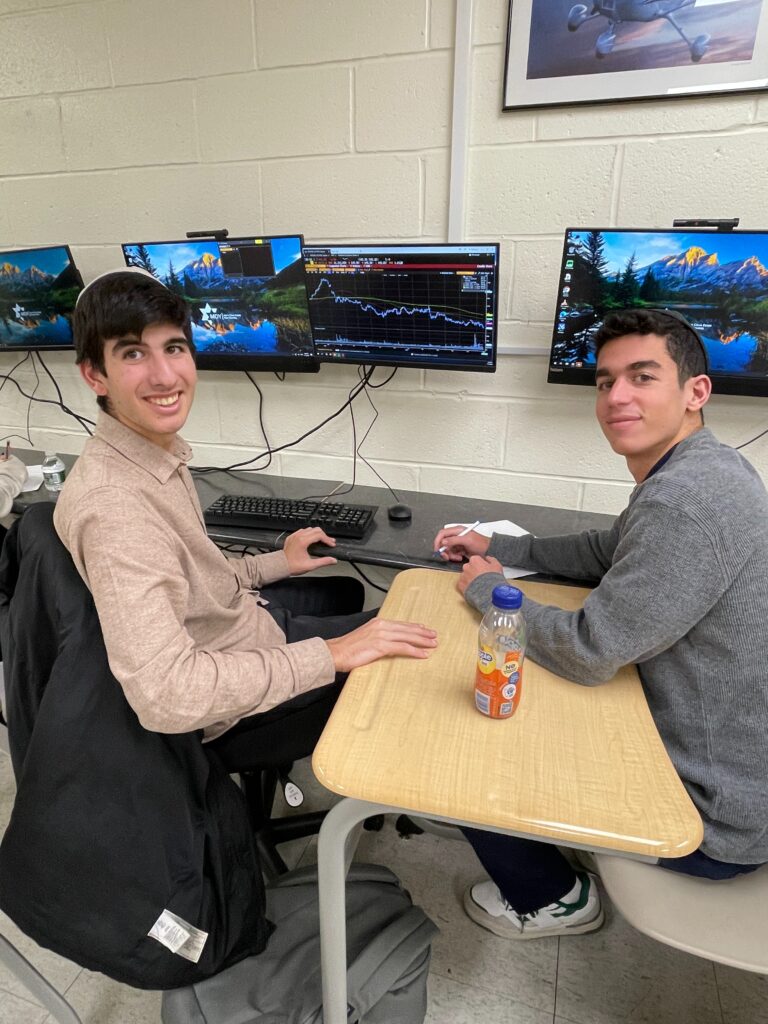
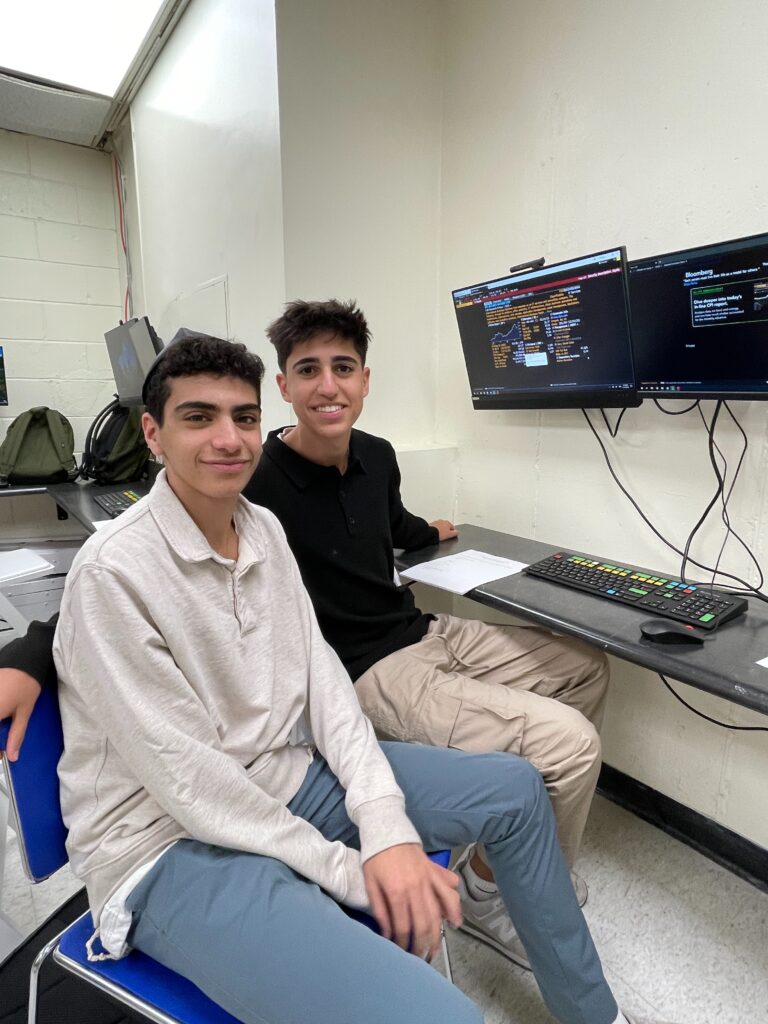
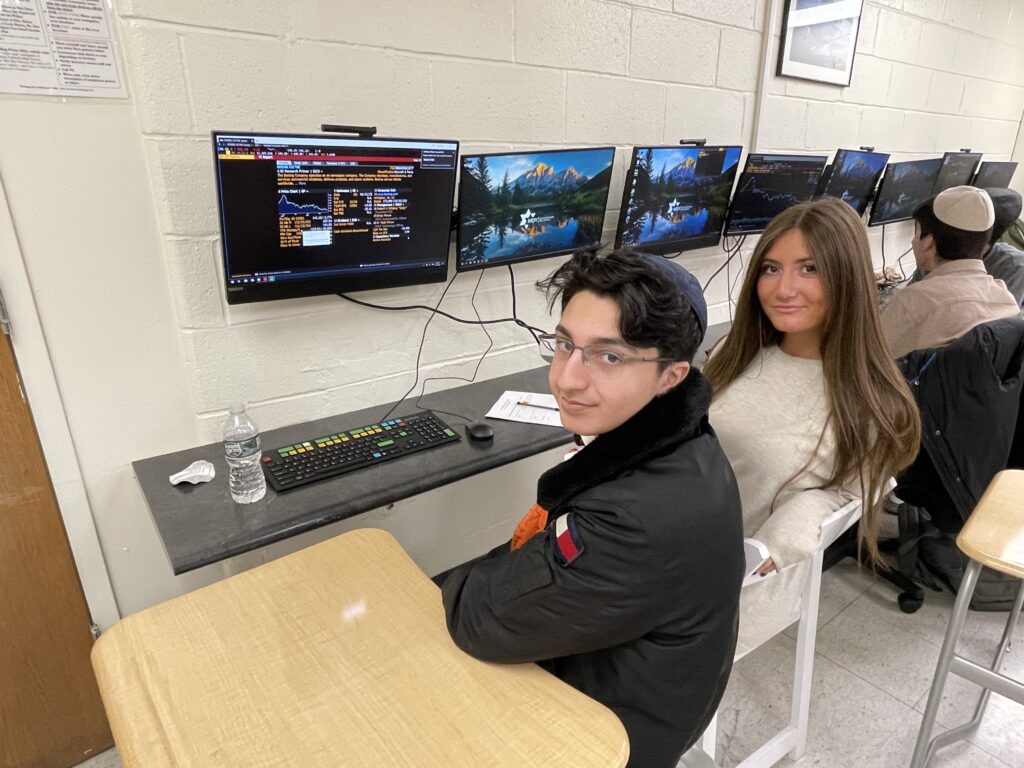
Magen David Yeshivah High School is proud to announce the introduction of the Haber/Freilich Bloomberg Program, a pioneering initiative designed to provide students with hands-on training on the Bloomberg terminal. This unique program equips students with a valuable skill set, setting them apart in the competitive global finance industry.

The Bloomberg terminal is a critical component of the daily functioning of professionals in the finance industry. Over 350,000 professionals working in front-office roles in hedge funds, private equity funds, investment banks, and investment management firms use Bloomberg, which provides an enormous amount of detailed, immediately available financial markets and company-specific information that helps professionals make investment decisions.
By mastering the Bloomberg terminal, students acquire a highly sought-after skill, which is rarely found at the high school level. This expertise gives them a significant advantage in the job market, enabling them to stand out in the competitive global finance industry.
This exclusive Bloomberg Program, led by Mr. Stan Antas, is a testament to Magen David Yeshivah High School’s commitment to providing students with innovative and relevant educational experiences. By empowering students with cutting-edge financial skills, the school is preparing the next generation of financial leaders to succeed in an increasingly complex and competitive global economy.

DSN’s Purim Celebrations

Something for Everyone

Purim at DSN consisted of extraordinary celebrations that brought fun, laughter, and meaningful connections to community members of all ages. The holiday festivities spanned multiple events, each tailored to a different age group, ensuring that everyone had a chance to partake in the joyous spirit of Purim.

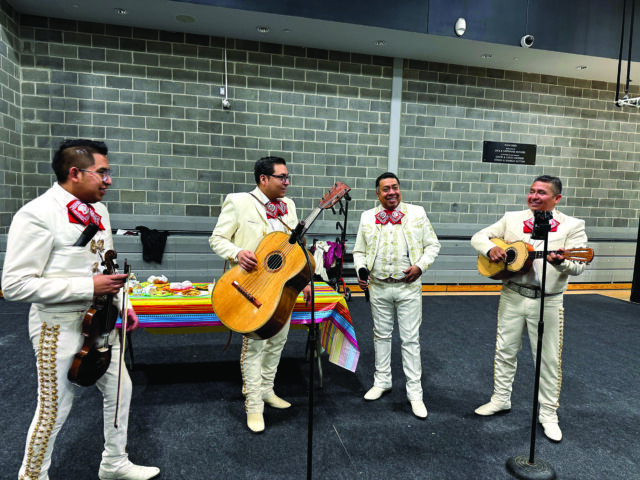
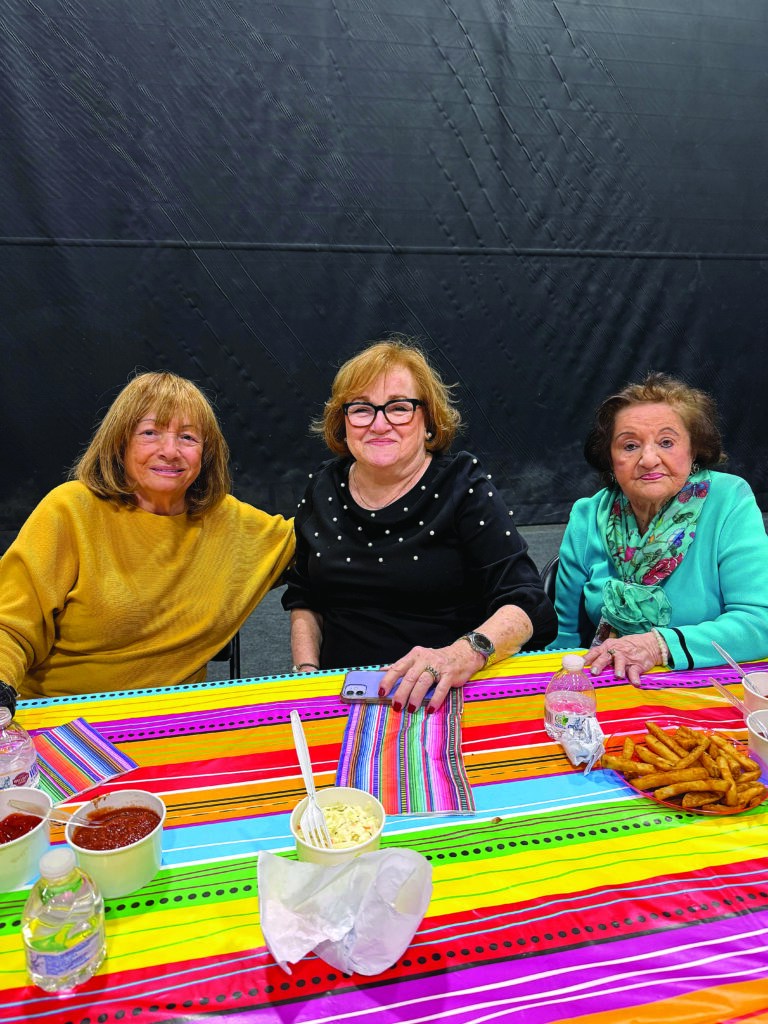
On Wednesday, March 12th, DSN, in collaboration with SBH, hosted an unforgettable Purim celebration for the seniors. This year’s theme was a vibrant Mexican fiesta, complete with an energetic Mariachi band and an authentic Mexican feast catered by PKS. The event was filled with warmth and happiness as seniors enjoyed lively music, delicious food, and heartfelt connections. To make the celebration even more special, each senior received a beautifully curated Mishloach Manot, generously provided by the DSN High School Hesed Program and SBH Youth.
DSN’s Senior Program Directors Vicky Schreiber and Stephanie Massry shared their enthusiasm for leading the Senior program year-round. “Days like this are heartwarming. It is our profound privilege to work alongside seniors, learning from their wisdom and experiences and supporting them as they age, thrive, and continue to make meaningful connections and contributions to our community.”
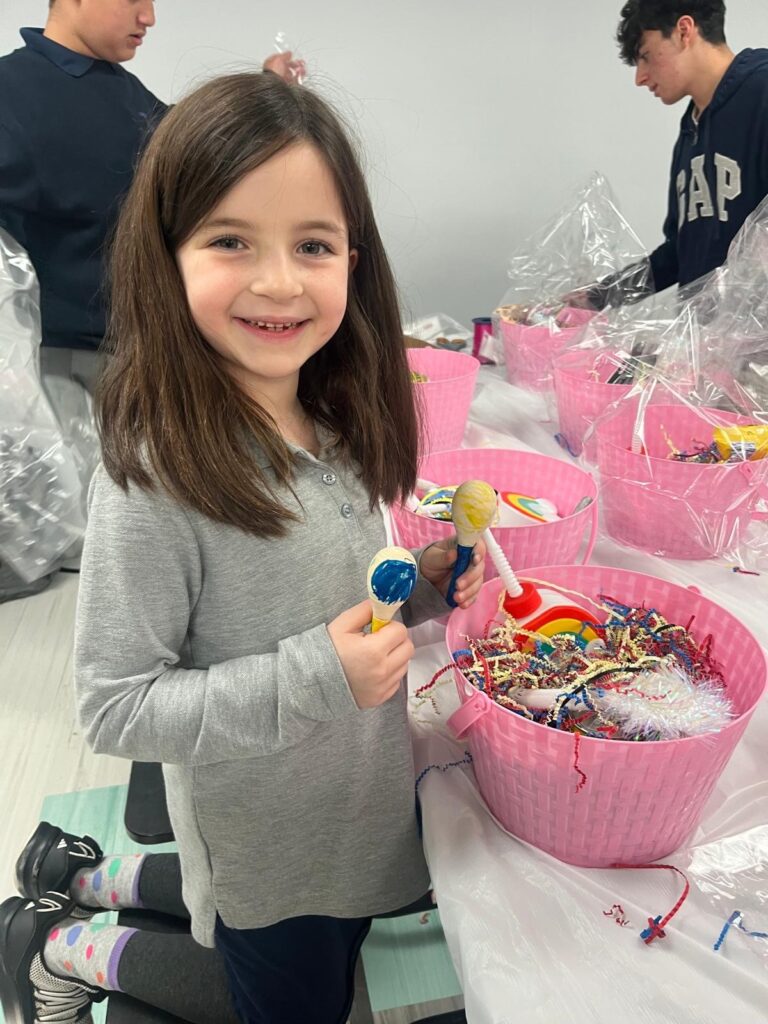
Purim’s festivities extended to DSN’s youngest participants through engaging and age-appropriate programs. At DSN’s Sunday program, nursery and kindergarten children were treated to a day of fun with face painting and creative crafts. Meanwhile, students in grades 1-4 participated in a special Hesed Day, engaging in acts of kindness including baking Hamantaschen for seniors, preparing Mishloach Manot, and crafting heartfelt cards for soldiers in Israel. The 5th grade girls enjoyed a beracha party with Ellen Sutton, where they organized Mishloah Manot packages for Seniors. These activities instilled a deep sense of compassion and connection within the younger generation.
On Sunday March, 9, over 1000 people attended the SBH Purim Carnival at DSN. There were inflatables, tables of hesed and a mad science show. Additionally, there was an unbelievable auction that raffled off many great things, one of them being a kitchen. The carnival and auction was put together by Marsha Tobias, who volunteers her time every year to make this dream a reality. DSN’s Youth Program Director Frieda Shamah was overwhelmed. “There’s nothing like the community coming together for an amazing event like the SBH Purim Carnival at DSN! The spirit of Purim comes alive as we see the kids dressed up and full of excitement, making it a truly special celebration.”
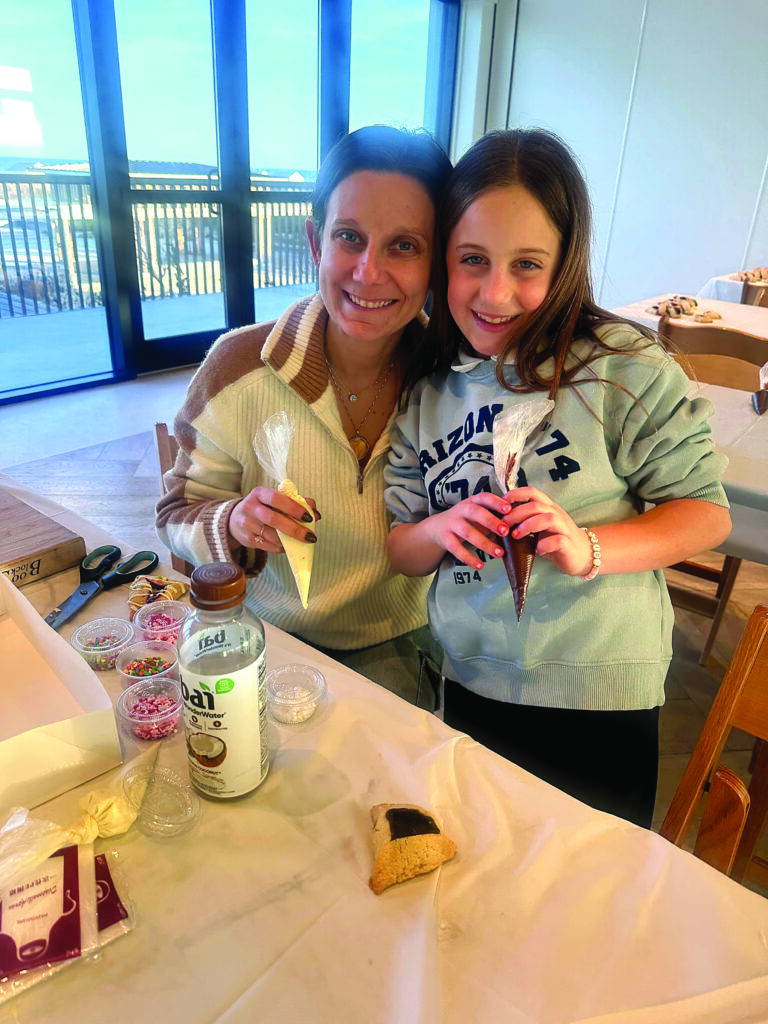
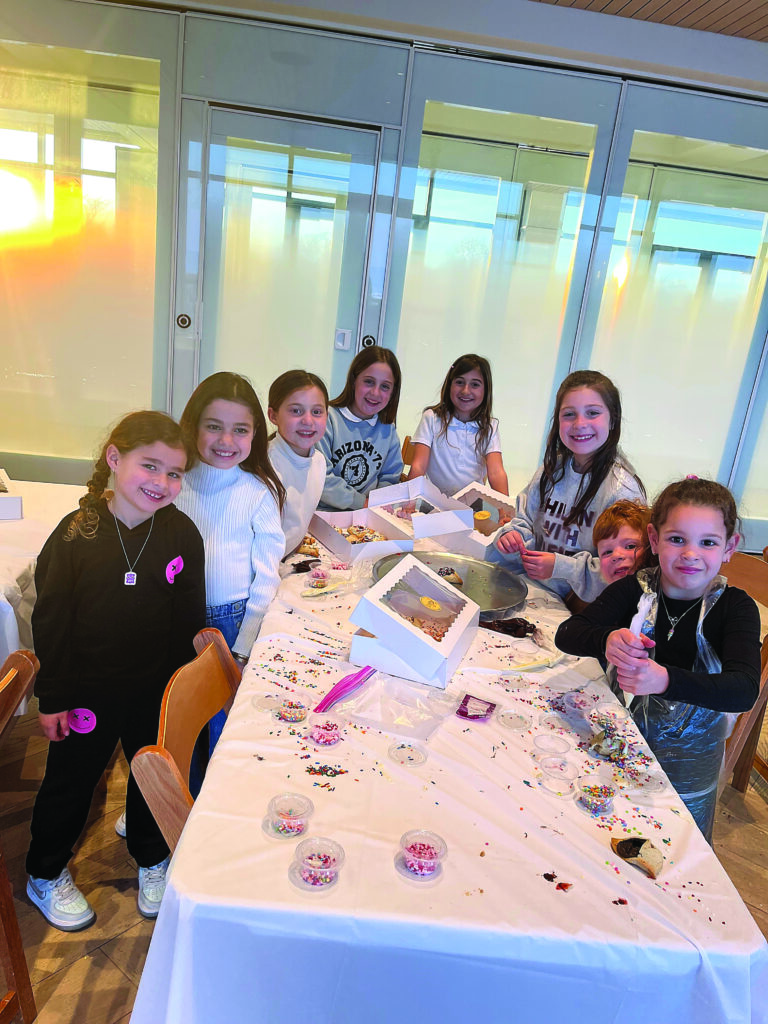
A delightful and heartwarming event, the Mother-Child Hamantaschen Decorating at the DSN Beach Club, was a highlight of the Purim celebrations. Jeli’s Cafe supplied fresh Hamantaschen, which children excitedly dipped and decorated with an assortment of sprinkles and toppings, all while enjoying lively music. The event fostered beautiful multi-generational bonding as mothers, grandmothers, and children came together to celebrate the holiday. DSN member and mother Gila Sutton was ecstatic. “This was our favorite DSN event!” Program Director Caleigh Silvera was overjoyed to see so many families enjoying the experience, emphasizing that the event was a resounding success.
Purim is a holiday filled with joy, fun, and the celebration of Queen Esther’s bravery and Mordechai’s steadfastness in saving the Jewish people, while Hashem guided the events through hidden miracles. DSN ensured that the Jersey Shore community had ample opportunities to celebrate, create lasting memories, and participate in elevated experiences that honored the true spirit of the holiday. Through music, food, creativity, and acts of kindness, this Purim was truly one to remember.
DSN’s Executive Director, Sammy Sitt, was thankful. “Our staff and volunteers did it again! They pulled off multiple events in the same week for Purim. It’s a credit to their passion and relentless efforts, which as they keep raising the bar on what DSN provides our community. May Hashem continue to bless DSN to keep growing and growing!”

SCF Announces Major Improvements for Zoning Regulations in Brooklyn

The SCF is happy to report that after an almost 9-year lobbying campaign, meaningful sections of the recently enacted City of Yes rezoning program included many special considerations for new and remodeled houses in our neighborhoods.
As a founding member of the Flatbush Neighborhood Improvement Coalition (FNIC), the SCF worked together with the FJCC and others to bring this major accomplishment to fruition.
The new regulations provide (among others):
(In our neighborhoods only – Southern Brooklyn–not City-wide)

  • Enhanced Floor Area Ratio (FAR) of 1.0
  • Rear Yard depths reduced from 30 feet to 20 feet.
  • Increases in Lot Coverage
  • Reduction of certain Side Yard requirements
  • Increase in the perimeter side wall height that allows for a 3-4 step-up front porch/entry level vs.
    the previous 1-2 step-up front porch/entry level.
    These enhancements were designed to eliminate the long paperwork delays of a year or more and expenditures of up to $100,000 for legal and filing fees for Special Permits and Variances.
    The SCF wishes to extend its deep gratitude to Mayor Eric Adams, his administration, and the Dept. of City Planning Commissioner, Dan Garodnik.
    Their combined efforts via more than a dozen meetings, whether they were at City Hall, at the Dept. of City Planning or on Zoom or by phone went way above and beyond our expectations.
    We are also grateful to Joey Shamie for his untiring efforts re: this initiative and for his involvement in so many other Community-wide initiatives.
    This historic accomplishment is but one of many successes that the SCF has achieved in its 15-plus years of advocating for the needs of our Community. q

Money Talks, Wealth Whispers

Ari Baum, CFP®

IN A WORLD WHERE SOCIAL MEDIA FLAUNTS EXTRAVAGANT LIFESTYLES, FLASHY CARS, DESIGNER CLOTHES, AND OPULENT VACATIONS, IT’S EASY TO MISTAKE NOISE FOR SUBSTANCE. THE LOUDEST DISPLAYS OF WEALTH OFTEN DON’T BELONG TO THE TRULY WEALTHY BUT TO THOSE SEEKING VALIDATION. THE AGE-OLD SAYING, “MONEY TALKS, WEALTH WHISPERS,” HIGHLIGHTS A FUNDAMENTAL TRUTH: REAL WEALTH IS QUIET, COMPOSED, AND INTENTIONAL.

Money and wealth are not the same. Money is a tool—liquid and transactional. It enables purchases, fuels lifestyles, and often dictates immediate decisions. Wealth, on the other hand, is the long-term accumulation of assets, investments, and financial security. It’s not just about having a high income but about sustaining and growing financial stability over time.
Those who are truly wealthy don’t feel the need to prove it. They understand that wealth is not measured by outward appearances but by financial independence, legacy building, and peace of mind. Instead of broadcasting their status, they quietly make moves that ensure long-term prosperity.

The Psychology of Money and Wealth
People who focus on showing off their money often operate with a scarcity mindset. They may feel an internal pressure to demonstrate success, fearing that without visible symbols of affluence, their status will be questioned. This mindset often leads to excessive spending, debt accumulation, and financial instability.
Conversely, those who embody true wealth operate with an abundance mindset. They recognize that financial security is not about temporary gratification but about sustainable financial health. They prioritize investments over expenses, focus on long-term goals, and make financial decisions that provide stability for generations.

How True Wealth Manifests
Wealthy individuals often lead modest, disciplined financial lives. Consider Warren Buffett, one of the world’s richest men, who still lives in the same house he purchased in 1958. Instead of indulging in extravagant displays of wealth, he prioritizes investments, philanthropy, and financial wisdom.
Here are some characteristics of true wealth:

  1. Financial Independence – The ability to live life on one’s own terms without dependence on a paycheck.
  2. Discipline in Spending – Living below one’s means and making thoughtful financial choices.
  3. Strategic Investments – Allocating money into appreciating assets such as stocks, real estate, and businesses.
  4. Minimal Debt – Avoiding unnecessary liabilities and maintaining strong financial health.
  5. Generational Planning – Creating a legacy through estate planning, trusts, and financial education for future generations.
  6. Philanthropy – Using wealth to give back and create meaningful impact rather than to seek validation.

Why Quiet Wealth Is Powerful
The quiet nature of true wealth provides freedom—freedom from financial stress, external validation, and unnecessary risks. Those who accumulate wealth understand that security and opportunity outweigh momentary indulgences.
Wealth whispers because it doesn’t need to shout. It’s found in the business owner who reinvests profits into long-term growth rather than splurging on luxuries. It’s in the investor who patiently builds a diversified portfolio instead of chasing short-term market trends. It’s in the financially independent individual who enjoys a comfortable lifestyle without concern for economic downturns.

How to Build Quiet Wealth
If you want to transition from making money to building wealth, consider these key principles:

  1. Live Below Your Means – Avoid lifestyle inflation and keep your expenses in check.
  2. Prioritize Investing – Allocate a portion of your income to investments that grow over time.
  3. Create Multiple Income Streams – Diversify your income through stocks, real estate, businesses, and passive income sources.
  4. Be Mindful of Debt – Only take on debt that serves a strategic purpose, such as buying property or funding education.
  5. Stay Educated – Continuously learn about financial strategies, market trends, and wealth management.
  6. Plan for the Future – Establish retirement accounts, insurance policies, and estate plans to secure long-term stability.

Final Thoughts
The true measure of financial success is not in how much you spend but in how much you keep and grow. Wealth doesn’t seek attention—it provides security, freedom, and peace of mind. In a world where money talks loudly, let your wealth whisper with quiet confidence, built on strong financial principles and a legacy that lasts. q

The content is developed from sources believed to provide accurate information. Investing involves risk including the potential loss of principal. No investment strategy can guarantee a profit or protect against loss in periods of declining values. Past performance does not guarantee future results. Consult with a financial professional regarding your specific situation.

Money, invest and save diagram on blackboard

Ari Baum, CFP® is the Founder and CEO of Endurance Wealth Partners, with over 25 years of experience in the Financial Services industry. He brings his in-depth experience to Conceive. Believe. Achieve. for his clients. Securities and Advisory services offered through Prospera Financial Services Inc. Member FINRA/SIPC. Brokerage and Advisory accounts carried by Wells Fargo Clearing Services, LLC.

No Child Should Go Hungryat School

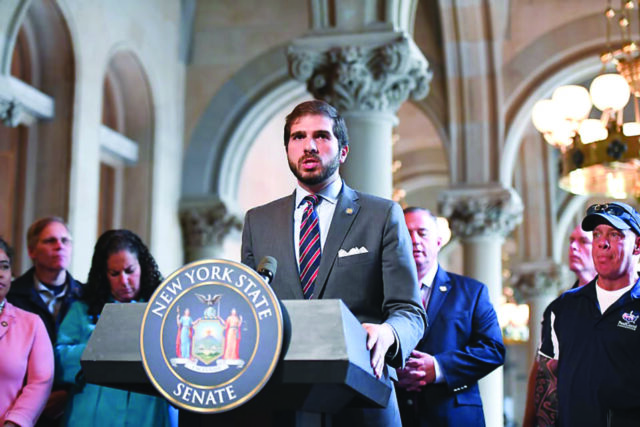
State Senator Andrew Gounardes

With the start of a new legislative session, my colleagues in the New York State legislature and I have begun negotiating the annual state budget—a document outlining roughly $252 billion in spending priorities that reflect our values and needs. This year, we’ve scored an important win on behalf of children across the state: a commitment to universal free school meals in the Governor’s executive budget proposal. This commitment is for every student, in every school setting.

Hunger is a daily problem for nearly a million students across New York. We know students experiencing hunger struggle to focus, have lower attendance rates, and are at significantly higher risk of developing mental and physical health problems. In New York City alone, statistics have shown that providing free school meals to all students improved math and reading test scores. And by making free school meals universal, we remove the stigma of receiving them; that means less bullying, and an improvement in students’ relationships and self-esteem, both crucial factors in childhood development.
There are millions of families across New York whose lives would be changed by knowing their children can eat a healthy, nutritious breakfast and lunch at school each day for free. I know because I’ve spoken with them at length about how they feel the pinch in their pockets each day as they struggle to make ends meet. This is a big fight, and one that I am glad to be fighting alongside The Sephardic Community Federation, and community leaders like Sam Sutton.
More New York children are struggling with unpaid lunch debt than ever before. Our proposal would save families an average of $165 on groceries per child every month; that’s nearly $4,000 in savings per year for a family with two school-aged children. That’s game-changing money that could go towards essentials like school supplies, healthcare, rent, transportation, and clothing.
With just a tiny fraction of the state budget, we could transform the lives of millions of working families: $340 million—0.1% of the proposed state budget—would fully fund free school meals for all students across New York State. Many states have already taken similar steps, and it’s time for New York to follow their lead.
Up in Albany, it’s one of a number of measures to ease families’ financial burdens that I’m fighting hard to include in the state budget. From Healthy School Meals for All program to my Working Families Tax Credit— which would give families across the state up to $1,600 per child to help make ends meet—fighting to make life more affordable on an everyday basis is my top priority, and I’m committed to seeing it through.
I’m committed to doing everything I can to fully fund the Healthy School Meals For All program in this year’s budget. Together with SCF Leadership, we’ll change the daily reality for children across New York, because no matter how engaging the lesson or how experienced the teacher, students can’t learn if they’re hungry. It’s as simple as that.

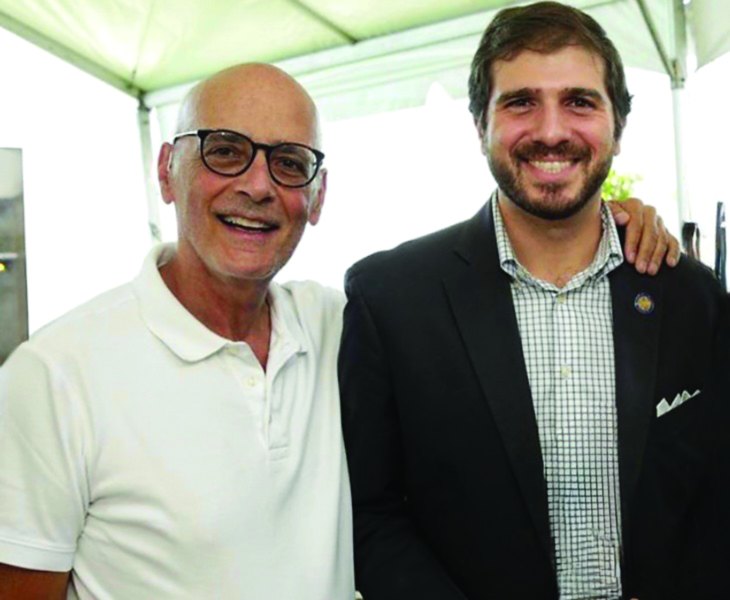
L to R: Sam Sutton, President of the Sephardic Community Federation, and NY State Senator Andrew Gounardes

Andrew Gounardes serves as the New York State Senator for Brooklyn’s 26th District. A lifelong Brooklynite, he is a strong advocate for transit safety, quality education, and supporting working families.

CARE and Beyond

Discover CARE’s Expanding Impact on the Community

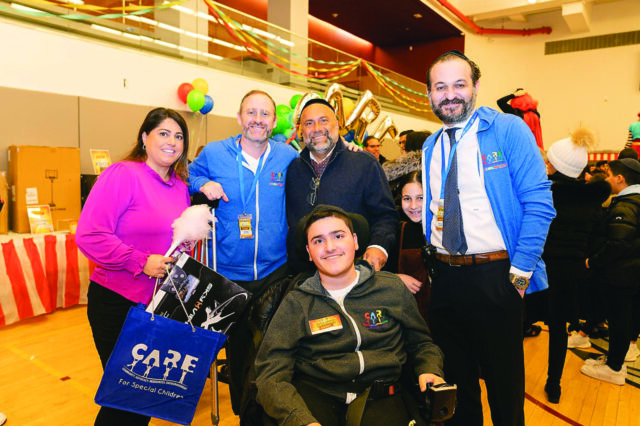
A family from the community discovered the vastness of CARE’s mission when their child was hospitalized for three months due to a severe medical condition. As the child was ready to come home, they were unprepared and felt utterly lost. They had no idea how to manage the transition, what equipment they needed, or that insurance could cover an at-home nurse. When the CARE team heard about their situation, they immediately sprang into action. Within a few hours they arrived at the hospital, assessed the family’s needs, warmly spoke to the parents and guided them from A-Z step by step on how to care for their child at home. A CARE advisor explained that they need a professional nurse to care for the child so the issue does not arise again. Thanks to CARE’s swift intervention, the family secured a skilled nurse and gained the confidence they needed to care for their child. The mother later shared, “I always thought CARE only helped children with disabilities. I never imagined they could help us too. What would we have done without CARE?” That is the CARE difference.
During a time of medical uncertainty, even the smallest gestures can provide immense comfort. Parents of a child with a medical challenge had to travel out of state for four weeks while their child underwent a serious surgery. Away from home, the mother worried about how her other children would be cared for. CARE stepped in and arranged for warm, nutritious meals to be delivered to the family back home, ensuring they had one less thing to worry about. The mother, deeply touched, expressed her gratitude, saying, “Knowing that my children had a proper meal each night brought me peace of mind during one of the hardest times of our lives.”

CARE made Chol Hamoed extra special by taking families on fun-filled trips!
CARE partnered with patient and understanding photographers to give families who have children with special needs a professional photoshoot experience.


Another family faced an ongoing challenge with their child who required a G-tube for nutrition and round-the-clock care. The mother was frustrated by the constant turnover of nurses, making it difficult to establish a stable routine. She ultimately decided to forgo a nurse altogether unless she could find one who would commit to a full week of care. CARE’s dedicated advisors that are experienced in this area, stepped in and negotiated on the family’s behalf, spending countless hours advocating for consistent, quality care. Thanks to their persistence, the child now has a reliable, compassionate nurse who provides essential care every day giving the mother much-needed relief and confidence in her child’s well-being.
For another family, a groundbreaking medical trial offered a glimmer of hope for their one-year-old child’s rare condition. However, before they could participate, they needed to purchase an expensive machine—one they simply could not afford. Knowing what was at stake, CARE raised the necessary funds in record time. Today, months into the trial, the child is showing remarkable progress, giving her parents renewed hope for her future.
CARE believes no family should navigate a medical challenge alone. CARE has built an extensive network of connections with specialists, doctors, and hospitals, ensuring families receive the best possible medical referrals. Whether it’s finding the right doctor for a complex condition, navigating hospital systems, or helping a family understand their options, CARE has the connections and helps families access top-tier medical expertise. Additionally, we offer in-house genetic testing for families seeking answers about their child’s medical challenges or for couples looking to get tested before dating. By providing these vital services, CARE continues to empower families with the knowledge and resources they need to make informed and educated medical decisions that can shape a family’s future.
Stories like these highlight the extraordinary ways CARE goes beyond what many expect and opens doors for those with medical challenges. Yes, CARE continues to provide unwavering support for children with special needs and also stands ready to assist any child facing medical challenges. Whether it’s securing the right doctor, navigating hospital stays, advocating for services, or ensuring that no family walks alone during a medical crisis, CARE is there.
If you or someone you know can benefit from CARE’s services, please call us at 718.975.7171 and let us make a difference in your journey.

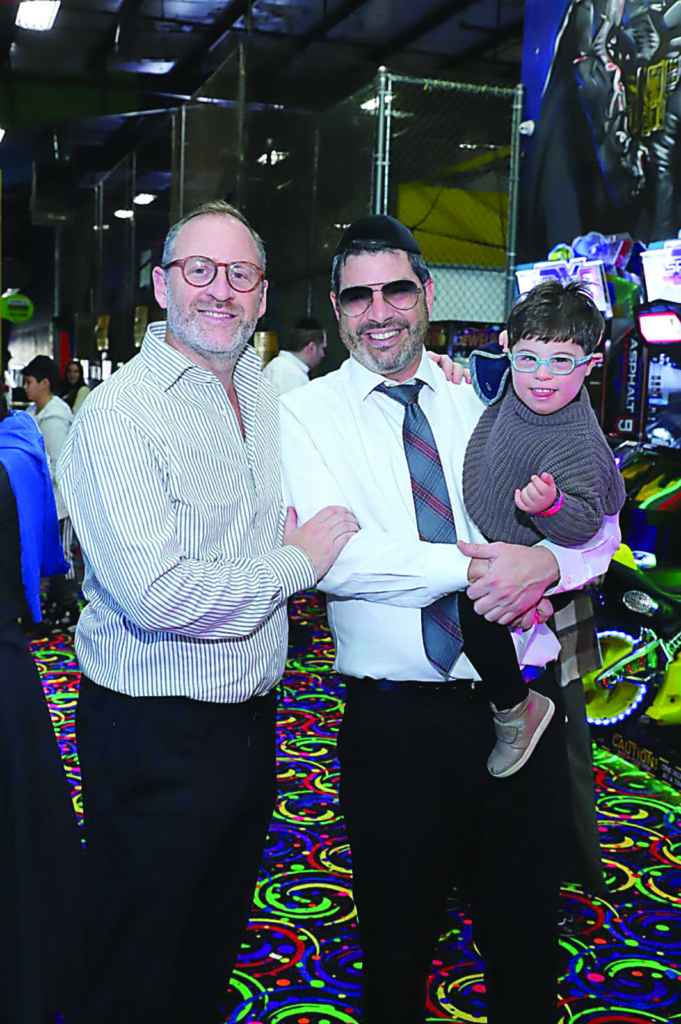
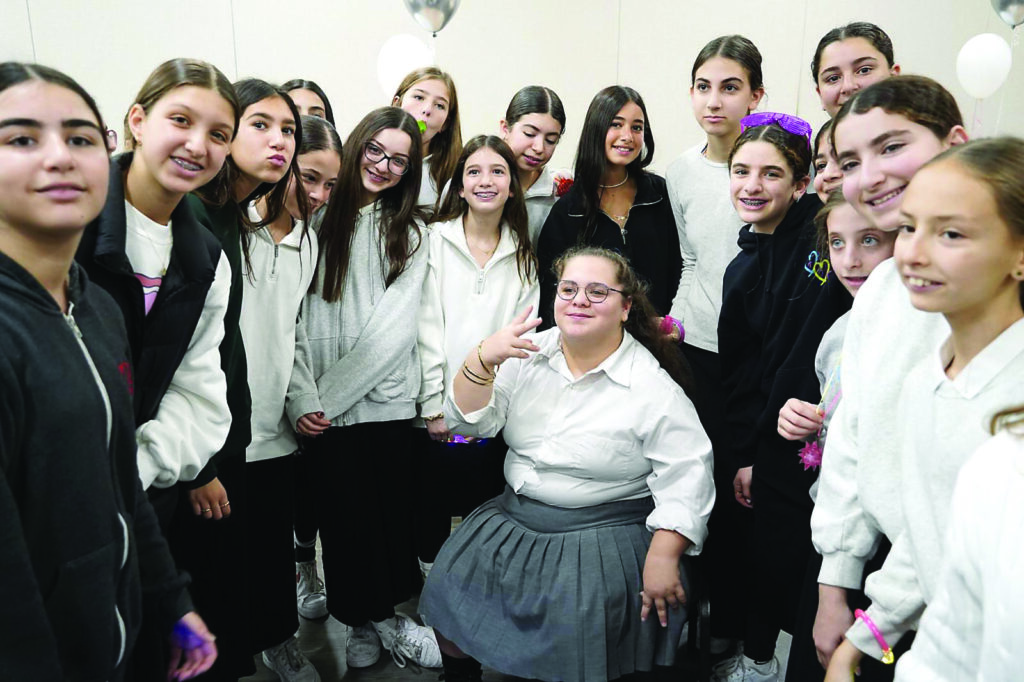
Flatbush elementary teamed up with CARE to create a fun and meaningful Bat Mitzvah celebration for CARE girls!
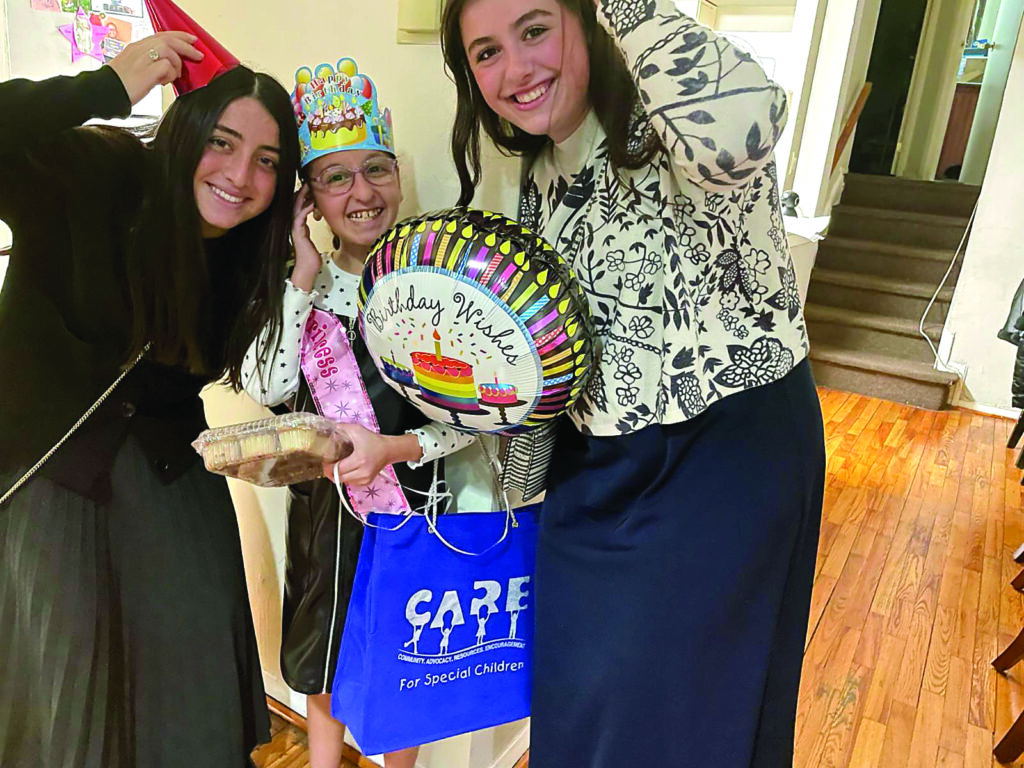
CARE volunteers come to the home of a child with special needs to throw unforgettable birthday parties!
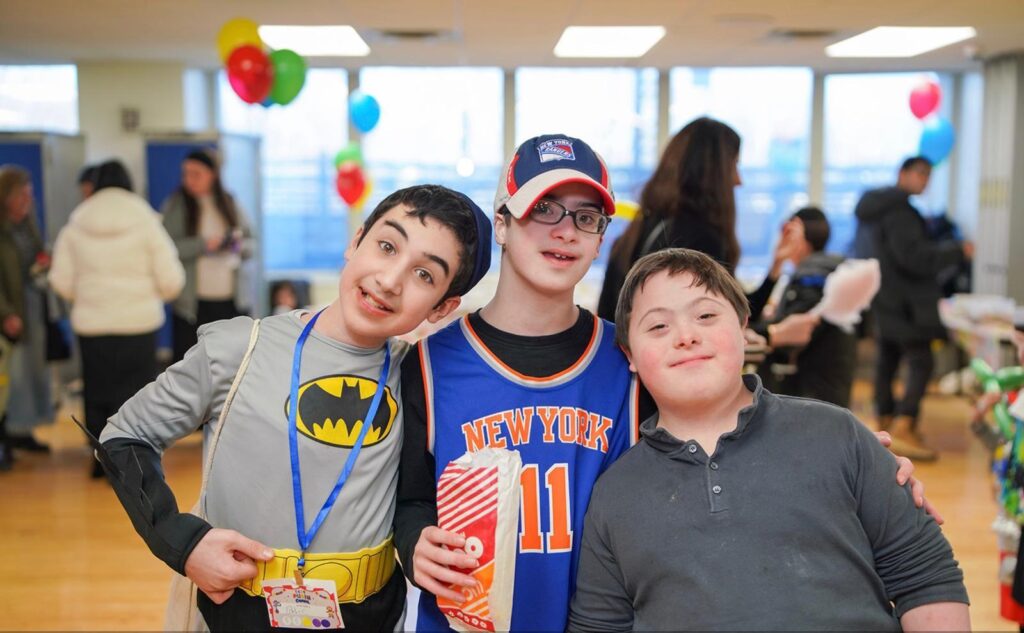
CARE hosted a Purim carnival, bringing families together for a day of entertainment and fun!

Turning Curses into Blessings

Rabbi Lord Jonathan Sacks ZT”L

Genesis ends on an almost serene note. Jacob has found his long lost son. The family has been reunited. Joseph has forgiven his brothers. Under his protection and influence the family has settled in Goshen, one of the most prosperous regions of Egypt. They now have homes, property, food, the protection of Joseph and the favor of Pharaoh. It must have seemed one of the golden moments of Abraham’s family’s history.
Then, as has happened so often since, “There arose a new Pharaoh who did not know Joseph.” There was a political climate change. The family fell out of favor. Pharaoh told his advisers: “Look, the Israelite people are becoming too numerous and strong for us”– the first time the word “people” is used in the Torah with reference to the children of Israel. “Let us deal shrewdly with them, so that they may not increase.” And so the whole mechanism of oppression moves into operation: forced labor that turns into slavery that becomes attempted genocide.
The story is engraved in our memory. We tell it every year, and in summary-form in our prayers, every day. It is part of what it is to be a Jew. Yet there is one phrase that shines out from the narrative: “But the more they were oppressed, the more they increased and the more they spread.” That, no less than oppression itself, is part of what it means to be a Jew.
The worse things get, the stronger we become. Jews are the people who not only survive but thrive in adversity.
Jewish history is not merely a story of Jews enduring catastrophes that might have spelled the end to less tenacious groups. It is that after every disaster, Jews renewed themselves. They discovered some hitherto hidden reservoir of spirit that fueled new forms of collective self-expression as the carriers of G-d’s message to the world.
Every tragedy begat new creativity. After the division of the kingdom following the death of Solomon came the great literary prophets, Amos and Hosea, Isaiah and Jeremiah. Out of the destruction of the First Temple and the Babylonian exile came the renewal of Torah in the life of the nation, beginning with Ezekiel and culminating in the vast educational program brought back to Israel by Ezra and Nehemiah. From the destruction of the Second Temple came the immense literature of rabbinic Judaism, until then preserved mostly in the form of an oral tradition: Mishnah, Midrash and Gemarah.
From the Crusades came the Hassidei Ashkenaz, the North European school of piety and spirituality. Following the Spanish expulsion came the mystic circle of Tzefat: Lurianic Kabbalah and all it inspired by way of poetry and prayer. From East European persecution and poverty came the Hassidic movement and its revival of grass-roots Judaism through a seemingly endless flow of story and song. And from the worst tragedy of all in human terms, the Holocaust, came the rebirth of the state of Israel, the greatest collective Jewish affirmation of life in more than two thousand years.
It is well known that the Chinese ideogram for “crisis” also means “opportunity”. Any civilization that can see the blessing within the curse, the fragment of light within the heart of darkness, has within it the capacity to endure. Hebrew goes one better. The word for crisis, mashber, also means “a child-birth chair.” Written into the semantics of Jewish consciousness is the idea that the pain of hard times is a collective form of the contractions of a woman giving birth. Something new is being born. That is the mindset of a people of whom it can be said that “the more they were oppressed, the more they increased and the more they spread.”


Where did it come from, this Jewish ability to turn weakness into strength, adversity into advantage, darkness into light? It goes back to the moment in which our people received its name, Israel. It was then, as Jacob wrestled alone at night with an angel, that as dawn broke his adversary begged him to let him go. “I will not let you go until you bless me”, said Jacob. (Bereishit 32:27) That is the source of our peculiar, distinctive obstinacy. We may have fought all night. We may be tired and on the brink of exhaustion. We may find ourselves limping, as did Jacob. Yet we will not let our adversary go until we have extracted a blessing from the encounter. This turned out to be not a minor and temporary concession. It became the basis of his new name and our identity. Israel, the people who “wrestled with G-d and man and prevailed”, is the nation that grows stronger with each conflict and catastrophe.
I was reminded of this unusual national characteristic by an article that appeared in the British press in October 2015. Israel at the time was suffering from a wave of terrorist attacks that saw Palestinians murdering innocent civilians in streets and bus stations throughout the country. It began with these words: “Israel is an astonishing country, buzzing with energy and confidence, a magnet for talent and investment – a cauldron of innovation.” It spoke of its world-class excellence in aerospace, clean-tech, irrigation systems, software, cyber-security, pharmaceuticals and defense systems.
“All this”, the writer went on to say, “derives from brainpower, for Israel has no natural resources and is surrounded by hostile neighbors.” The country is living proof of “the power of technical education, immigration and the benefits of the right sort of military service.” Yet this cannot be all, since Jews have consistently overachieved, wherever they were and whenever they were given the chance. He goes through the various suggested explanations: the strength of Jewish families, their passion for education, a desire for self-employment, risk-taking as a way of life, and even ancient history. The Levant was home to the world’s first agricultural societies and earliest traders. Perhaps, then, the disposition to enterprise was written, thousands of years ago, into Jewish DNA. Ultimately, though, he concludes that it has to do with “culture and communities”.
A key element of that culture has to do with the Jewish response to crisis. To every adverse circumstance, those who have inherited Jacob’s sensibilities insist: “I will not let you go until you bless me.” (Bereishit 32:27) That is how Jews, encountering the Negev, found ways of making the desert bloom. Seeing a barren, neglected landscape elsewhere, they planted trees and forests. Faced with hostile armies on all their borders, they developed military technologies they then turned to peaceful use. War and terror forced them to develop medical expertise and world-leading skills in dealing with the aftermath of trauma. They found ways of turning every curse into a blessing. The historian Paul Johnson, as always, put it eloquently: “Over 4,000 years the Jews proved themselves not only great survivors but extraordinarily skillful in adapting to the societies among which fate had thrust them, and in gathering whatever human comforts they had to offer. No people has been more fertile in enriching poverty or humanizing wealth, or in turning misfortune to creative account.”
There is something profoundly spiritual as well as robustly practical about this ability to transform the bad moments of life into a spur to creativity. It is as if, deep within us were a voice saying, “You are in this situation, bad though it is, because there is a task to perform, a skill to acquire, a strength to develop, a lesson to learn, an evil to redeem, a shard of light to be rescued, a blessing to be uncovered, for I have chosen you to give testimony to humankind that out of suffering can come great blessings if you wrestle with it for long enough and with unshakeable faith.”
In an age in which people of violence are committing acts of brutality in the name of the G-d of compassion, the people of Israel are proving daily that this is not the way of the G-d of Abraham, the G-d of life and the sanctity of life. And whenever we who are a part of that people lose heart, and wonder when it will ever end, we should recall the words: “The more they were oppressed, the more they increased and the more they spread.” A people of whom that can be said can be injured, but can never be defeated. G-d’s way is the way of life.

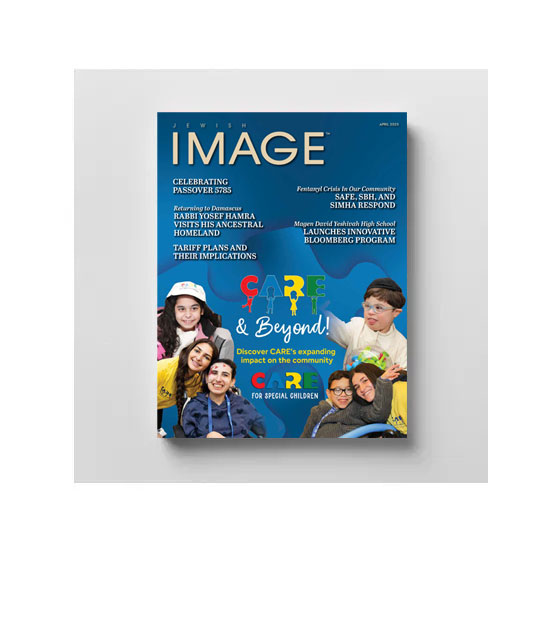
Read Jewish Image Magazine Online – April 2025

April 2025 Jewish Image Magazine

Trump’s Pissed at Putin: A New Threat of Tariffs on Russian Oil

U.S. President Donald Trump has voiced his frustration with Russian President Vladimir Putin, threatening to impose heavy tariffs on Russian oil buyers if a ceasefire in Ukraine is not reached. This latest statement underscores Trump’s aggressive stance on foreign policy and his willingness to leverage economic pressure to influence global affairs.

Trump’s Warning to Putin

In a phone interview, Trump expressed anger over Putin’s recent remarks, which questioned Ukrainian President Volodymyr Zelensky’s legitimacy and suggested that Ukraine should be placed under external governance. Trump, who has previously maintained a complicated relationship with Putin, signaled that he is prepared to take direct economic action should Russia continue its aggression in Ukraine.

“If Putin refuses to negotiate peace, we will hit Russian oil where it hurts,” Trump warned. “A 25% to 50% tariff on Russian crude is on the table.”

The Impact of Russian Oil Exports

Russia remains a major global oil supplier, and in 2024, India emerged as the largest importer of Russian crude, accounting for approximately 35% of its total imports. Moscow has relied on this trade to bypass Western sanctions and maintain economic stability amid the ongoing war in Ukraine.

A secondary tariff targeting nations that purchase Russian oil, such as India and China, could significantly disrupt these trade flows. Such a move would place additional financial pressure on these countries while limiting Russia’s ability to finance its military operations. However, such tariffs could also escalate tensions with India and other nations dependent on Russian energy.

A Shift in U.S. Foreign Policy?

Trump’s hardline stance represents a potential shift from President Biden’s existing strategy, which has relied on direct sanctions and military aid to Ukraine rather than economic penalties on third-party nations. If Trump returns to office, his proposed tariff strategy could redefine the global approach to the Russia-Ukraine conflict, pressuring allies and adversaries alike to take a stronger stance against Moscow.

Putin’s Response and Global Reactions

Thus far, Putin has not directly responded to Trump’s comments, but the Kremlin has repeatedly dismissed external attempts to influence its policies. India and China, two of Russia’s largest oil buyers, may also resist any U.S. intervention in their trade agreements.

Global markets are closely watching the situation, as any disruption to Russian oil exports could impact global energy prices. If tariffs are imposed, they could lead to a shift in oil supply chains, forcing importers to seek alternative sources or negotiate exemptions.

Conclusion

Trump’s latest warning to Putin showcases his willingness to use economic leverage to achieve foreign policy goals. Whether this strategy will be effective—or even implemented—remains uncertain. However, one thing is clear: if Trump follows through on his threats, the global energy market and diplomatic landscape could face significant changes.

Myanmar Earthquake: Devastation, Rising Death Toll, and International Response

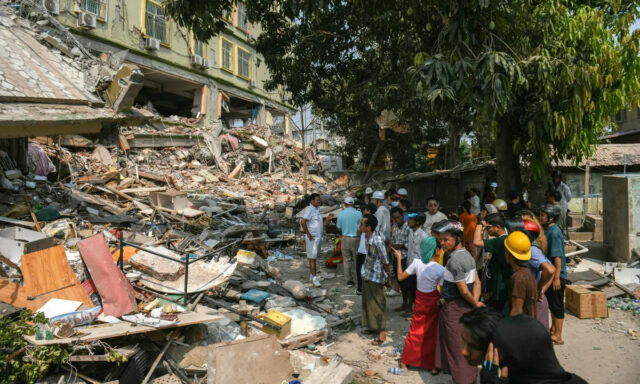
A catastrophic magnitude 7.7 earthquake struck Myanmar, leaving widespread devastation and a rising death toll. At least 2,000 people have been confirmed dead, while over 3,408 others have suffered injuries. The powerful quake, the largest to hit the country in over a century, severely damaged Mandalay and surrounding areas.

Widespread Destruction and Rising Casualties

As rescue operations continue, authorities fear the true death toll may exceed 10,000, with thousands still trapped beneath collapsed buildings. More than 2,300 structures, including homes, temples, and critical infrastructure, have been reduced to rubble. Roads have been torn apart, and communication networks have been heavily disrupted, complicating rescue efforts.

Eyewitness reports describe entire neighborhoods leveled, with aftershocks further hampering rescue missions. Hospitals in affected regions are overwhelmed, with doctors struggling to treat the injured amid a shortage of medical supplies.

International Aid and Response

In a rare move, Myanmar’s military junta has accepted international assistance, allowing foreign rescuers and relief supplies into the country. Hundreds of aid workers and emergency response teams from China, India, Russia, and neighboring ASEAN nations have arrived to support local efforts.

Despite political tensions, the United Nations, Red Cross, and multiple NGOs have pledged humanitarian aid, providing essential supplies such as food, water, and medical kits to survivors.

Challenges in the Aftermath

  • Displaced Populations: Thousands are now homeless, with temporary shelters being set up in makeshift camps.
  • Infrastructure Collapse: Power outages and water shortages have worsened conditions, increasing the risk of disease outbreaks.
  • Government and Military Response: The junta’s slow response has led to criticism, with locals demanding faster relief efforts and more transparency regarding aid distribution.

The Road to Recovery

Rebuilding efforts will take years, and Myanmar faces a long road to recovery. The disaster underscores the urgent need for better seismic preparedness in the region, as Myanmar lies along the seismically active Sagaing Fault Line.

As search-and-rescue teams race against time, the world watches—hoping for more survivors to be found amidst the rubble.

Musk’s xAI Acquires X: A Bold Move in AI and Social Media Integration

Elon Musk’s artificial intelligence company, xAI, has officially acquired the social media platform X, formerly known as Twitter, in a groundbreaking deal that merges AI development with a vast real-time user network. This all-stock acquisition values X at $33 billion, a figure that accounts for its $12 billion in debt. With this move, Musk claims xAI has now reached a staggering $80 billion valuation.

A Vision for AI-Powered Social Media

Musk has long suggested that xAI and X’s futures are deeply interconnected. With this acquisition, xAI is poised to revolutionize AI-powered interactions on the platform, primarily through its AI chatbot, Grok. By leveraging X’s massive user base of over 600 million, xAI gains an unparalleled stream of real-time human interactions, a valuable asset for training its AI models.

Grok: A Smarter, More Engaging AI

Musk envisions Grok evolving into a more advanced, human-like AI, capable of understanding and responding to real-time global conversations. Unlike traditional chatbots trained on static datasets, Grok will have direct access to live social media discussions, enabling it to stay updated on trending topics, emerging sentiments, and public discourse.

Financial and Strategic Implications

The deal further cements Musk’s expanding influence in AI and social media, allowing him to control a powerful AI research firm while maintaining his grip on one of the world’s most influential social platforms.

Some key takeaways from the acquisition:

  • AI and Social Media Integration: xAI will use X as a testing ground for AI-powered enhancements.
  • Data Advantage: Access to millions of daily conversations will fuel xAI’s machine learning algorithms.
  • Market Disruption: The merger challenges OpenAI, Google DeepMind, and other AI competitors by combining AI with a large-scale social network.

The Future of xAI and X

With this acquisition, Musk is positioning X as more than just a social media platform—it’s becoming a real-time AI-driven ecosystem. Expect to see more AI-powered content recommendations, automated moderation, and AI-enhanced user experiences in the near future.

While the move raises questions about data privacy, AI ethics, and platform regulation, Musk’s ambition to merge AI with everyday interactions is now one step closer to reality.

What’s next? A fully AI-powered social media experience might just be on the horizon.