Home Blog Page 16

Boosting Immunity Naturally

Nutrition and Habits for a Healthy School Year

As the school year begins and kids head back to classrooms, cafeterias, and carpools, staying healthy becomes a top priority. With increased exposure to germs, stress, and busy schedules, children are more vulnerable to getting sick—especially during the fall and winter months. But with a few smart habits and some expert-approved nutrition tips, you can help support your child’s immune system all year long.

While there’s no magic food or supplement that can guarantee perfect health, pediatricians and dietitians agree that a strong immune system begins with a healthy foundation. That means plenty of sleep, physical activity, good hygiene, and most importantly—proper nutrition. Children who eat a variety of whole foods, especially fruits and vegetables, tend to get sick less often and recover faster.
One of the most important building blocks of immunity is vitamin C, which helps the body fight infection. Fortunately, it’s found in many kid-friendly foods like oranges, strawberries, kiwi, bell peppers, and broccoli. Including at least one vitamin C–rich food in each day’s lunchbox can make a big difference. Another key player is zinc, a mineral that supports white blood cell function. Pumpkin seeds, beans, eggs, and whole grains are excellent sources of zinc and easy to add to everyday meals.
Probiotics also play a vital role in keeping the gut healthy—and since much of the immune system resides in the gut, this matters more than many people realize. Yogurt with live cultures, kefir, miso soup, and even fermented pickles or sauerkraut (for adventurous eaters) can help nourish beneficial bacteria in the digestive system. For picky eaters, a high-quality probiotic supplement made specifically for children may be worth considering, but it’s always best to check with a healthcare provider first.
Hydration is another often-overlooked factor. When kids are even mildly dehydrated, their bodies can struggle to flush out toxins and maintain healthy mucous membranes—both essential for fighting off viruses. Encouraging regular water breaks, especially during and after physical activity, helps support overall wellness. Herbal teas like chamomile or rooibos can also be a comforting, immune-friendly option for older kids, especially when served warm in the evening.
While nutrition is essential, habits matter too. Quality sleep allows the body to rest, repair, and regulate immune responses. According to the American Academy of Pediatrics, school-age children need 9 to 12 hours of sleep per night, depending on age. That means establishing a consistent bedtime—even on weekends—and creating a wind-down routine that limits screen time and promotes calm, such as reading, stretching, or listening to quiet music.
Regular exercise is another crucial element. It doesn’t have to mean organized sports or structured workouts—bike rides, playground time, family walks, and after-school dance parties all count. Movement helps circulate immune cells throughout the body, making them more efficient at spotting and eliminating threats. Physical activity isn’t just good for the heart and muscles—it actually boosts immune surveillance.
Of course, teaching kids the basics of hygiene can’t be overlooked. Proper handwashing—with soap and water for at least 20 seconds—before eating, after using the restroom, and when coming home from school is one of the simplest and most effective ways to prevent illness. Keeping tissues and hand sanitizer in backpacks can help reinforce these habits, especially for younger children.
When it comes to supplements, parents should proceed with care. While a daily children’s multivitamin can help fill nutritional gaps, it shouldn’t replace a balanced diet. Vitamin D is especially worth paying attention to, particularly during the colder months when sun exposure drops. Studies suggest that vitamin D plays a critical role in immune regulation, and deficiencies are common in children who spend most of their day indoors. A pediatrician can help determine whether a supplement is necessary and what dosage is appropriate.
As the seasons shift and schedules pick up, the best protection we can offer our children is a well-rounded approach to wellness. That means nourishing their bodies, encouraging healthy routines, and modeling good habits ourselves. A strong immune system isn’t built overnight, but with steady, thoughtful effort, families can set the stage for a healthier, happier school year—one meal, one bedtime, and one handwash at a time.


How to Support Your Child’s Mental Health During School Transitions

Tips to ease anxiety, manage stress, and build emotional strength at any age

The back-to-school season brings more than new backpacks and sharpened pencils. It often comes with a heavy mix of emotions—excitement, nervousness, even fear. Whether your child is starting kindergarten, switching schools, or heading into middle or high school, these transitions can stir up a whirlwind of feelings. Supporting their mental well-being during these moments is one of the most important things you can do as a parent.

Each stage of childhood presents unique challenges, but transitions are often when anxiety spikes. Experts say the key is to create a sense of safety and routine while giving your child the tools to face change with confidence.
Begin by opening a dialogue well before the first day. Ask open-ended questions such as, “How are you feeling about the new school year?” or “What are you excited—or nervous—about?” Listen without jumping to fix the problem. Often, just being heard can help a child feel more in control. Child psychologists suggest that naming emotions gives children a sense of power over them. It helps to validate your child’s feelings, even if they seem small. Rather than dismissing worries with “It’ll be fine,” try saying, “I understand why that might feel scary. Let’s talk about it together.”
Establishing routines early also helps reduce uncertainty. Start waking up and going to bed on a school schedule a week or two before school starts. For younger children, practicing the walk to school or doing a “pretend drop-off” can ease first-day jitters. For older kids, helping them organize supplies, set up a workspace, and map out their class schedule can bring a sense of preparedness that lessens anxiety. Children of all ages feel safer when they know what to expect.
Some kids worry about social dynamics, especially if they’re entering a new school or grade level. Encourage them to reconnect with old friends before school starts or attend school-sponsored meet-and-greets. If socializing is difficult, role-play possible scenarios and responses. Practicing how to introduce oneself or ask to join a group at lunch can make a big difference.
For children dealing with perfectionism or academic pressure, it’s especially important to focus on effort rather than outcomes. Celebrate hard work, resilience, and learning from mistakes. Remind them that one test or grade does not define their worth. Mental health professionals point out that stress around achievement often starts earlier than many parents realize. You can protect your child’s emotional well-being by making sure your home remains a safe place where love is unconditional.
Watch for signs that your child may be struggling more than expected. Changes in appetite, sleep habits, or mood, excessive clinginess in younger kids, or withdrawal in teens can be red flags. If your child refuses to go to school or shows signs of panic, don’t hesitate to reach out to a school counselor or mental health professional. Early support can prevent bigger problems later on.
Teaching kids how to cope with stress is just as important as helping them avoid it. Introduce simple tools like deep breathing, journaling, or mindfulness apps made for children. Encourage physical activity, which is known to reduce anxiety and improve mood. Even a short walk after school can help children process the day’s events and reset emotionally.
Transitions are also an opportunity to build emotional resilience. Praise your child when they show bravery, even in small ways—like walking into class with a smile or speaking up when something feels wrong. Share your own stories of school transitions and how you handled nerves or challenges. Children feel stronger when they know others have struggled and grown from it.
The most powerful thing you can do is be present. Your consistent support, patience, and calm will send a clear message: “Whatever happens at school, I’m here for you.” Life doesn’t stop throwing changes at us—but with the right foundation, our kids can learn to face them with strength, confidence, and hope.

Best Educational Apps for Students and Parents in 2025

Tools that boost learning in math, literacy, language, and time management

In today’s fast-moving world, students need more than just textbooks and pencils to succeed—they need smart, engaging tools that support how they learn best. Fortunately, educational apps have come a long way, offering interactive lessons, real-time feedback, and personalized study tools that work for learners of all ages. And the best part? Parents can join in, too—whether to monitor progress, support homework, or learn something new themselves.

From helping kindergartners learn to read to coaching high schoolers through algebra or AP exams, this year’s top educational apps are designed to be intuitive, effective, and even fun. With the right app, screen time can become learning time, and daily routines—like bedtime, car rides, or afterschool downtime—can turn into brain-building opportunities. Whether your child struggles with focus or just needs a little academic boost, there’s an app that can make a real difference.
One of the biggest standouts this year is Khan Academy Kids, a free app that blends storybooks, phonics games, math practice, and creative activities for children ages 2 to 8. It’s backed by early childhood experts and feels more like a colorful adventure than a curriculum. Parents can track progress and download offline lessons for screen-free practice. For older students, the main Khan Academy platform remains one of the best all-around apps for math, science, and test prep—complete with video lessons and self-paced quizzes that feel more like tutoring than traditional homework.
For students who need extra help in math, Photomath is a top pick. Kids (and parents) can snap a photo of a tricky equation and instantly see a step-by-step breakdown of how to solve it. While some worry this might be used as a shortcut, many educators now encourage it as a tool for learning the process, not just the answer. The premium version offers explanations in multiple ways so students can find the approach that clicks for them.
Language learning has also gotten a big upgrade in 2025. Duolingo, already popular for its game-like lessons, now offers deeper progress tracking and customized feedback for school-aged learners. Kids can learn French, Hebrew, Spanish, or even Japanese in just a few minutes a day. Meanwhile, Lingokids provides a more playful approach for preschool and early elementary kids, focusing on basic vocabulary and conversational skills through songs and stories. Parents love the gentle, no-pressure design that turns language learning into a daily habit without it feeling like a chore.
When it comes to building stronger reading skills, Epic! remains a favorite. With thousands of age-appropriate eBooks, audiobooks, and learning videos, it’s like a library in your pocket. Teachers often assign reading through Epic, but parents can use it at home to encourage independent reading—especially on weekends or during school breaks. Kids can browse topics they love, from animals and adventure to biographies and science fiction, which helps build not only literacy but also curiosity and self-confidence.
Organization is another key area where educational apps can help students and parents alike. MyHomework Student Planner is ideal for middle and high schoolers juggling multiple assignments, deadlines, and test dates. It syncs across devices, sends reminders, and keeps everything in one digital space. For students who struggle with executive function or time management, tools like this can be a lifesaver. Parents can even use it to check in and support their child’s planning without hovering or nagging.
Another emerging trend in 2025 is mindfulness and emotional wellness in education. Apps like Smiling Mind or Headspace for Kids are designed to help children regulate emotions, improve focus, and build healthy study habits. A few minutes of guided breathing or a short meditation before homework can make a noticeable difference in how kids handle frustration and stay engaged with their learning. Parents can try these exercises, too—it’s a great way to model calm and create a more peaceful home routine.
Finally, for students preparing for standardized tests, Quizlet has become even more powerful. In addition to digital flashcards, it now includes adaptive quizzes, AI-generated practice questions, and games that reinforce memory. Teachers can create class sets, but students can also build their own decks and study on the go. Whether it’s SAT vocab or chemistry formulas, Quizlet brings repetition and recall into the palm of your hand.
As technology evolves, so do the ways we learn—and 2025 is shaping up to be a year where education and innovation meet in exciting ways. Whether your child is just starting their learning journey or gearing up for graduation, the right apps can turn their phone or tablet into a powerful tool for growth. And with so many parent-friendly features, these apps can help families learn—and succeed—together.

AI and the Classroom. What Parents Need to Know

As technology moves faster than ever, artificial intelligence (AI) has started making its way into schools—and into your child’s learning experience. From smart tutoring tools to writing assistants, AI is changing how students study, how teachers teach, and how parents stay involved. But with all the excitement comes some confusion, especially for parents trying to keep up.

Let’s take a closer look at what AI really means in an educational setting, what it can and can’t do, and how you can guide your child to use it wisely.
First, it’s important to understand that AI in education isn’t about robots replacing teachers or machines grading every test. At its core, AI is a computer program that can learn from data and make predictions or offer suggestions. In school, this might look like a math app that adjusts to your child’s skill level in real time, or a reading program that helps improve vocabulary by tailoring content to a student’s interests. It can also help teachers by grading quizzes, identifying students who need extra help, or even suggesting ways to improve lesson plans.
Some schools are using AI-powered learning platforms like Khanmigo (from Khan Academy), Sora for audiobooks, or adaptive testing programs that provide instant feedback. Students might also encounter writing tools that check for grammar, spelling, or even tone—tools that were once only available to professional writers. These programs don’t just correct mistakes; they can explain why something is wrong and help students get better over time. However, they don’t always understand the full context or deeper meaning of a student’s work, which is why human teachers are still essential.
For parents, the challenge is making sure AI tools help rather than harm. One common concern is cheating. With apps that can generate essays or solve complex problems instantly, it’s tempting for students to use AI to do the work instead of learning the material. That’s why it’s important to have regular conversations with your child about honesty and effort. Explain that these tools are meant to be used like a calculator—not to replace thinking, but to support it.
Another important issue is privacy. AI tools often collect data to improve performance. Parents should ask questions like: What kind of data is being collected? How is it stored? Who has access to it? It’s okay to reach out to your child’s school and ask what AI platforms are being used and how they protect student information. Schools should be transparent, and parents should be informed partners in the process.
It also helps to model healthy tech habits at home. Encourage your child to explore educational tools but set limits on screen time and monitor their use. When they use an AI-powered app, sit with them and ask questions about what they’re learning. This not only builds trust but also helps you understand what these tools can and can’t do. Not every app is a good one, and not every suggestion made by AI is correct.
Experts recommend focusing on AI tools that promote thinking and creativity, rather than shortcuts. For example, apps that encourage students to write multiple drafts or explain their reasoning can boost learning. Some tools ask follow-up questions, guiding students to explore topics more deeply instead of just giving answers. These types of AI programs can be valuable allies for both struggling and advanced learners.
Parents should also be aware that AI is changing the skills students will need in the future. Critical thinking, problem-solving, and understanding how to use technology responsibly are quickly becoming just as important as reading and math. Helping your child grow in these areas now will prepare them for the careers and challenges of tomorrow.
It’s okay if you don’t have all the answers. You don’t need to be a tech expert to support your child’s learning. Ask teachers how they’re using AI in the classroom. Talk to other parents. Look for family-friendly guides and videos that explain how different tools work. And most importantly, stay involved. The more connected you are to your child’s schoolwork, the more prepared you’ll be to help guide their use of new technology.
AI in the classroom is here to stay. Used wisely, it can be a powerful tool to support education. But like any tool, it’s only as helpful as the person using it. With your guidance and support, your child can learn to use AI in smart, safe, and meaningful ways—giving them the edge they’ll need to succeed in school and beyond.

The Underdogs Rise

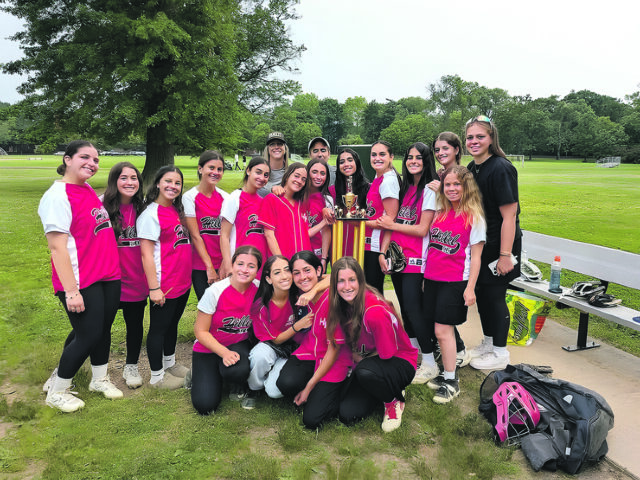
Arlyne Stein, Norma Shamah, Jacqueline Ades, Ruby Shalom, Rowena Kassin, Grace Bijou, Marcelle Torkieh, Dalia Sigoura, Leah Rishty, Charlotte Saka, Brenda Cohen, Joy Zalta, Esther Safdieh, Rachel Saada, Viviane Dweck, Cookie Seruya, Shelley Massry

Fifth-Seeded Hillel Girls’ Softball Team
Claims Championship

In an electrifying season filled with grit, determination, and teamwork, the fifth-seeded Hillel Heat Girls’ softball team defied the odds to capture the championship title under the new leadership of Jen Ruland and JT Truhan. This remarkable victory was powered by a balanced blend of experience and youthful energy, featuring six seniors: Norma Shamah, Arlyne Stein, Esther Safdieh, Shelley Massry, Rachel Saada, and Grace Bijou. They were joined by a talented group of underclassmen, including junior pitcher Marcelle Torkieh and standout sophomore shortstop Ruby Shalom, who all played crucial roles in the team’s success. Shalom was named the World Series MVP not only for her grand slam, which gave the team a comfortable lead, but also for her outstanding defensive efforts.
From the start, the team faced tough competition. They lost early on to Maayonot—undefeated going into the playoffs—and to Naaleh, who kept them scoreless in their first matchup. However, their resilience and unity kept them moving forward. The seniors brought leadership and poise, guiding the younger players through intense moments on and off the field. Meanwhile, the underclassmen contributed impressive performances, with Torkieh consistently dominating on the mound and freshman Jacqueline Ades delivering a key hit in the semifinals, helping them move past Maayonot. This was a moral victory for the entire team, who had lost to Maayonot not only earlier in the season but also in last year’s semifinals.
Throughout the playoffs, the team’s chemistry shone as they executed smart plays, strong defense, and clutch hitting. The infield, consisting of Dalia Sigoura (third base), Shalom (shortstop), Shamah (second base), and Saada, who stepped up to play first for the injured sophomore Charlotte Saka, was errorless in the postseason. The outfield, featuring Massry, Bijou, Stein, and Leah Rishty, held big hits to singles through strong communication and smart fielding.
As they approached the field for the championship game, the girls noticed that the trophies had been placed on Naaleh’s bench. They entered the game determined to make sure those trophies ended up where they belonged—on Hillel’s bench—and they did exactly that. This championship win was not just a triumph for the current roster, as they avenged an early-season loss, but also a foundation for continued success.
This year’s senior players are truly irreplaceable, but with such a talented mix of underclassmen, the team’s future looks incredibly promising. With star pitcher Torkieh returning, along with junior Rowena Kassin, as well as three starters—Rishty, Sigoura, and Shalom—and underclassmen Saka, Joy Zalta, Cookie Seruya, and Brenda Cohen, the Heat are already poised to chase another championship title.
This season would not have been as successful without the guidance and support of Rabbi Beitler, Rabbi Sadigh, Rabbi Kassin, and Sammy Saka. The girls also drew strength from the encouragement of their families and friends, who showed up and brought energy to the championship game. The coaches are truly thankful for the opportunity to lead such a wonderful group of girls and honored to be a small part of this amazing accomplishment.
Go Heat!

A Year at Midreshet Eshel. Steps from the Kotel, Miles of Growth

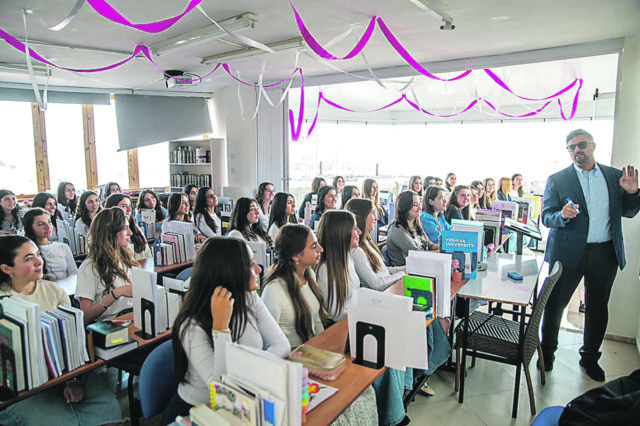
Rabbi Haim Levy teaching at Midreshet Eshel in Jerusalem.

“Powerful.” “Unforgettable.” “Inspiring.” “Home Away from Home.” “Life-Changing.” These are just a few of the words Eshel graduates use to describe their experience. This past June, 40 young women from across the community and around the world completed an extraordinary year of growth—living, learning, and discovering just steps from the Kotel. As Joyce Zeitounie of Flatbush High School put it, “This year at Midreshet Eshel I learned how much life and this world has to offer. Opportunities and new starts are endless—and never forget the beauty of the journey itself!”

Mrs. Ilana Alouf has helped build the Midrasha since its inception 16 years ago. As both a therapist and a teacher of popular courses such as Group Dynamics and Growth Through Art, Mrs. Alouf observes: “During this critical developmental stage when students are forming their identity, the Midrasha helps them grow into mature, healthy individuals—as they develop deep connections to Torat Yisrael, Am Yisrael, and Eres Yisrael.”
The environment at Midreshet Eshel encourages students to develop themselves spiritually and personally. “They become confident, self-assured, and deeply connected to who they are—all while developing a real, loving relationship with Hashem,” says Alicia Dweck, a former student who now serves as a teacher and Student Activities Coordinator. Yola Matalon of Flatbush High School enthused: “At Eshel I felt I received the support, guidance, and confidence I needed to introspect and establish the compass of my life.”
One of the key components of the program at Eshel is chesed, which takes place once a week through volunteering with various organizations such as Shalva, OneFamily, and Friendship Circle. This year, the Midrasha’s chesed projects also included visiting wounded soldiers in hospitals and helping wives whose husbands had been called to serve in the army. “Eshel gave me the tools I needed to be able to look outside of myself and notice others in need,” said Danielle Kraeim of Flatbush High School. “The more I gave, the more I wanted to keep giving.”
Students come from community schools such as Flatbush, Magen David, Hillel, and Ilan, as well as from cities across the globe—Los Angeles, Seattle, Florida, Boston, Montreal, London, Gibraltar, Argentina, Mexico, Brazil, and Panama. Vicky Antebi was part of a group of ten students who came from Panama to study at Eshel.“My experience at Midreshet Eshel was truly life-changing. The classes were inspiring and full of depth, and the location couldn’t have been better—being just minutes from the Kotel allowed me to connect spiritually every single day. It was an unforgettable journey that shaped who I am, and I wouldn’t trade it for anything in the world.” “The year is filled with such a beautiful variety of students who have come together to learn more about their heritage and history,” explains Dr. Hilla Aboody, teacher and em bayit. In particular, following the devastation of October 7th, “being part of the Jewish people’s rebuilding from tragedy gave the year an extra depth and meaning for the students.”
Dynamic courses in Limudei Kodesh and personal development are taught by a talented and dedicated staff of rabbis and teachers at both advanced and regular levels. Younger educators from the community—including Victoria Chabot Berman, Alicia Matsas Dweck, and Merle Cohen Idy—have joined veteran staff members such as Rabbanit Ilana Alouf, Rabbi Haim Levy, and Dr. Hilla Aboody. “The professionalism of our staff is matched by their passion and commitment to give each student what she needs to develop her true potential,” observes Miriam Tawil, Founder and Director. “We are blessed to work together as a team truly unified in vision and driven to great achievements.”
This coming year, expansion is underway as Midreshet Eshel is expecting an even larger group of 57 students in September. A women’s trip is also in the works, offering mothers and grandmothers the opportunity to experience some of the magic that is Eshel.
As the campus grows to welcome more students, opportunities remain for both internal and external dedications. For more information, please contact: office@midresheteshel.org

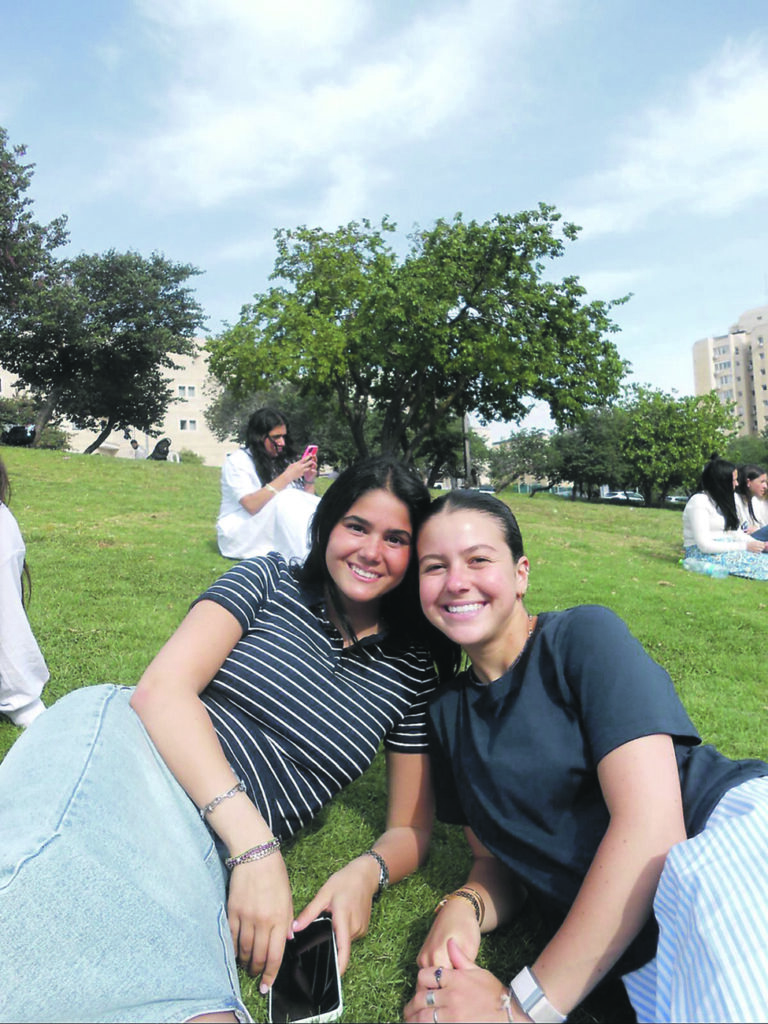
L. to R.: Sara Moreno, Gabrielle Greenstein, Merle Kassab, Bella Shasho, Yola Matalon, Debra Mizrahi, Grace Esses, Danielle Kraeim, Samantha Sutton, Joyce Zeitounie, and Karen Shabot

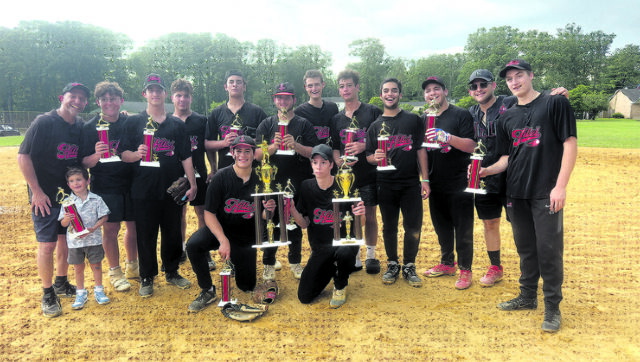
Hillel Heat Varsity Softball Champions Again!

Hillel Heat 2025 Roster: Eli Braha, Maurice Chehebar, Jonathan Cohen, Elliot Dweck, Joe Dweck, Bruce Epstein, David Hakim, Joe Kassin, Max Rishty, Bobby Salem, Momo Solomon, James Tawil, Abraham Tobias

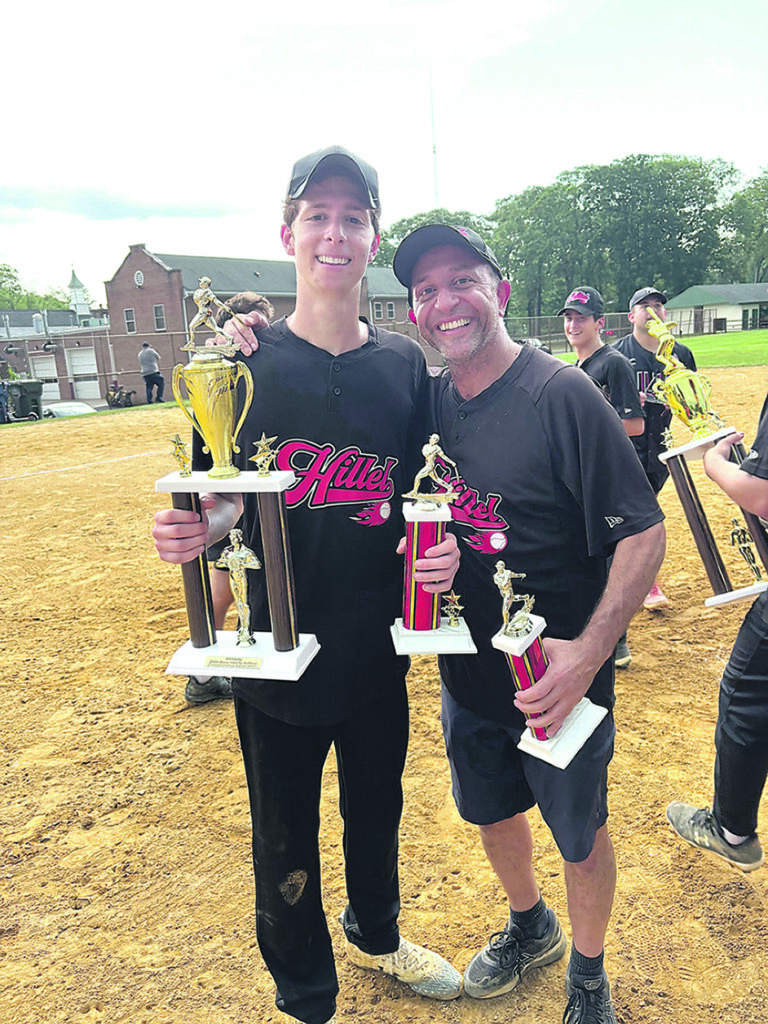
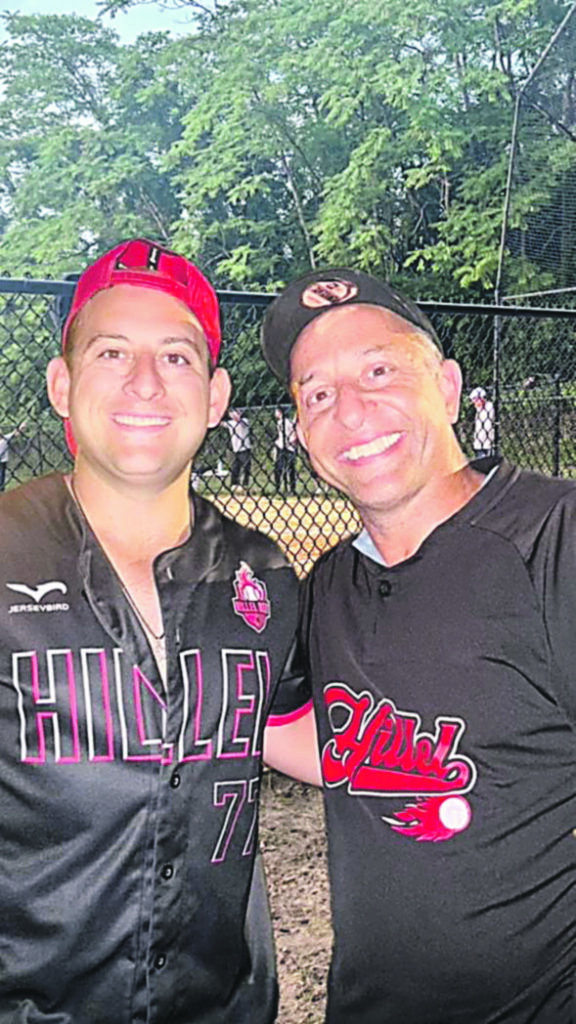
The Hillel Heat have reclaimed the title with a 3–1 victory over the Netzach Knights! Hillel has enjoyed an impressive run at the varsity level, winning five of the last ten MYHSAL softball championships. With Coaches Jackie Ashkenazi and Elliot Saka at the helm, this year’s young and talented team carried the torch of excellence established by retired Hillel legend, Coach Jackie Picciotto.

On June 19, 2015, Robert Tobias led Hillel to a championship victory over MAY, 1–0. Exactly ten years later, on June 19, 2025, his brother Abraham Tobias delivered another title, adding a new chapter to the family legacy.
Hillel closed out the regular season strong with a 9–4 win over a solid YDE team to secure the #1 seed for the playoffs. In the first round, they faced the gritty MAY Eagles and eked out a thrilling 2–1 win. Trailing 1–0 in the bottom of the sixth, Eli Braha came through with a clutch single to tie the game. In extra innings, Abraham Tobias delivered a walk-off triple that brought home Joe Kassin and sealed the victory.
In the semifinals, Hillel squared off against the DRS Wildcats, with Yeshiva League basketball MVP Joe Aaron taking the mound. Hillel struck early with a triple from Elliot Dweck that sparked the scoring. Key hits by Bobby Salem, Maurice Chehebar, and David Hakim built momentum and secured an 11–4 win, punching Hillel’s ticket to the championship against the defending 2024 champs, the Netzach Knights.
The championship game was played under cloudy skies with the threat of thunderstorms, but Hillel came out swinging. Bruce Epstein opened the scoring with a triple to give the Heat a 1–0 lead. Netzach threatened with the bases loaded in the fourth inning, but Eli Braha turned the tide with a perfect throw to Max Rishty at home plate to preserve the tie. In the fifth, Abraham Tobias struck again with a go-ahead triple to make it 2–1, and Momo Solomon added an insurance run for a 3–1 lead. In the seventh, Tobias shut the door with a strong finish on the mound, securing the victory and earning well-deserved MVP honors.
Hillel thanks Commissioner Seth Gordon for his leadership in running the league, Coach Yossi Davidson and the Netzach team for a competitive and respectful championship matchup, and our devoted supporters: Rabbi Saul Kassin, Rabbi Beitler, Norman Jemal, Sammy Saka, and all the fans who came out to cheer us on.
GO HEAT!!!

A Time for Chesed.A Time for Chesed. Saving the Life of a Monsey Man Stricken With ALSA Time for Chesed.

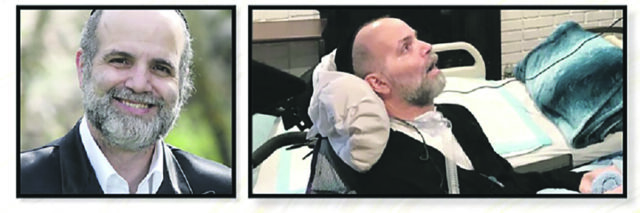
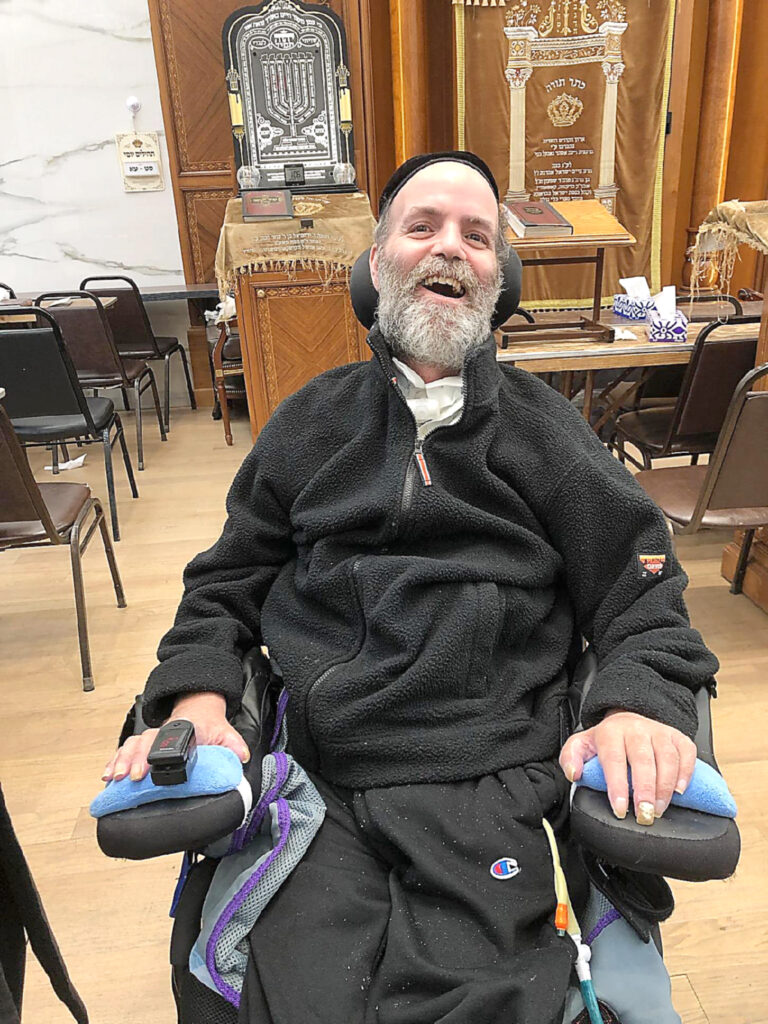
Zelig before and after he was stricken with ALS

Rabbi Joshua E. Fruchter, Esq.

Readers may recall the Ice Bucket Challenge, a stunt that went viral on social media in 2014. The Challenge involved pouring a bucket of ice water over your head after being dared to do so by a family member, friend, or colleague. The goal was to raise funds for researching treatments for the disease known as Amyotrophic Lateral Sclerosis, or ALS (also known as Lou Gehrig’s disease). And it was wildly successful—according to the ALS Association, the Challenge raised $115 million in 2014 alone, thereby enabling the organization to increase its annual funding for ALS research around the world by 187 percent.

Since then, people have moved on to the next viral sensation. But for families with a spouse, parent, or other relative afflicted with ALS, the challenges remain—attending 24/7 to a loved one who can no longer care for their own needs, as well as consulting with medical professionals, evaluating treatment options, and making end-of-life decisions.
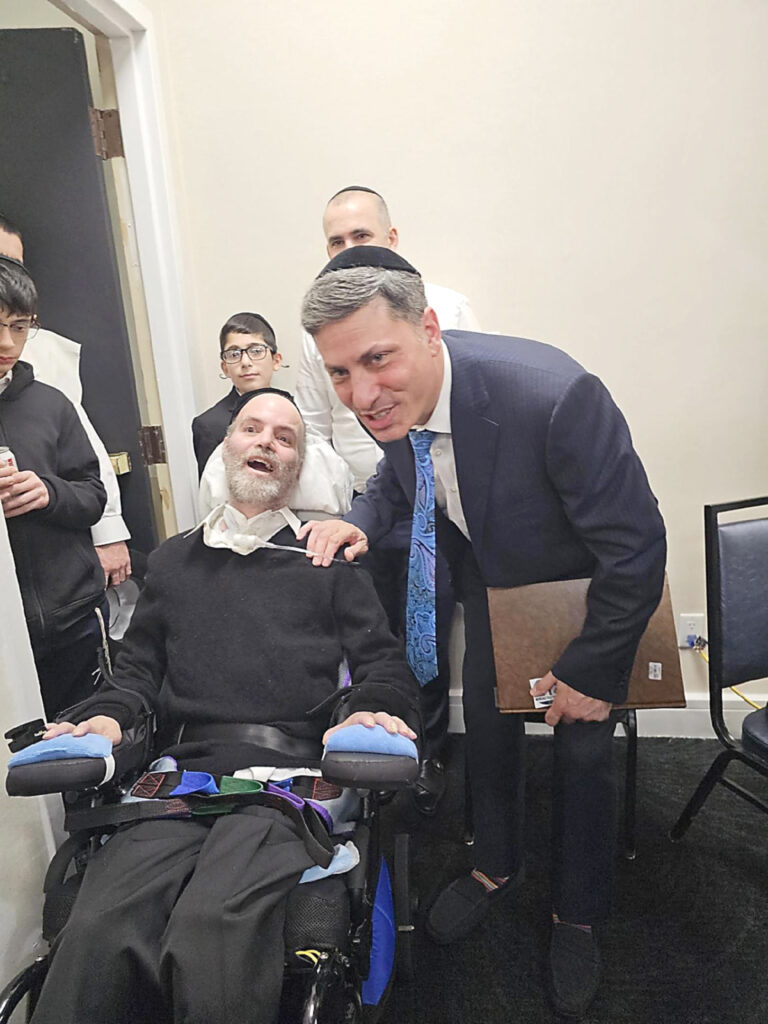
The tragedy of ALS is difficult to fathom—until it hits close to home. For the Airmont community in Monsey, New York, that moment came in 2022 when our dear friend and neighbor, Zelig Nirenberg, was suddenly afflicted with ALS and quickly lost the use of virtually all of his muscles. This article shares Zelig’s story—it is heartbreaking, but also an opportunity for the broader Jewish community to share in the ultimate chesed: saving the life of a fellow Jew.
Forty-six years ago, Zelig received a computer as a Bar Mitzvah gift. From that point onward, his enthusiasm for technology only grew. At the same time, his religious commitment intensified, and he embarked on a journey of spiritual growth alongside the development of his IT skills.
After Zelig met his wife, Aviva, they made aliyah together with their three children. With his computer expertise, Zelig worked for several startup companies in Israel while still managing to devote many waking hours to studying Torah.
In Israel, Zelig encountered the emerging field of cybersecurity. He became a specialist and, after returning to the United States with his family, Zelig (known as Curt professionally) worked as a private contractor for the Department of Defense and other government agencies.
But studying Torah remained Zelig’s priority—despite his heavy workload, he took the Dirshu exams every month and scored in the 90s each time. He also kept fit and trim by maintaining a daily routine of jogging and other exercises. A true Renaissance man, he eventually became fluent in seven languages.

By all counts, Zelig was blessed with extraordinary talents and was in the prime of his life and in the best of health. But then tragedy struck in March 2022, when Zelig was shockingly diagnosed with ALS (precipitated by a tick-borne infection, as the family later learned). Aviva and their children—and their friends in the Airmont community of Monsey—were devastated.
For the first nine months after his diagnosis, Zelig was confined to a nursing home, which was ill-equipped to provide the specialized level of care that he needed and to address the emergencies that arose with increasing and alarming frequency. Moreover, the facility was situated a considerable distance from Zelig’s neighborhood and offered limited visiting hours, which posed a challenge for Zelig’s friends who wanted to visit; stopping by on Shabbat was certainly not a possibility.
Deprived of the social interaction that was so vital for his recovery, Zelig’s health and spirits rapidly declined and his condition deteriorated. The situation also became unbearable for his wife, Aviva. A therapist with 20 years of experience, Aviva’s passion is helping individuals and families cope with life’s many challenges. But now she had her own. With their children living in Israel, Baltimore, and San Diego—and no relatives living nearby—Aviva rushed back to the nursing home every day after finishing work. A decision was made: to save his life, Zelig had to return home.
Fortunately, Aviva was not alone. Spurred to action, the couple’s friends and neighbors rose to the challenge, and in January 2023, Zelig returned home to a virtual hospital that had been painstakingly equipped by Aviva with help from local donors.
Zelig’s prognosis remained bleak, but then Aviva learned of a study comparing Lyme disease symptoms to those of ALS. Zelig was tested, and the results came back positive for several tick-borne infections. Such infections can mimic the neurological symptoms of ALS, such as muscle weakness and fatigue. But unlike ALS, Lyme disease is usually treatable with antibiotics.
Zelig commenced treatment with massive doses of antibiotics against his tick-borne infections. Boruch Hashem (thank G-d), the result was what Aviva, their children, and the Airmont community had prayed for: Zelig began showing increased movement in his hands and legs.
Only time will tell how effective the current antibiotic protocol will be. In the meantime, caring for Zelig at home remains the only option. Rabbi Chaim Shabbes, a renowned posek and rav of Congregation Knesses Yisroel in Monsey, has ruled that keeping Zelig at home is a matter of pikuach nefesh (preserving human life), and that sending him back to a facility would mean certain death.
The basis for that pesak is simple. At home, Zelig’s dedicated nursing team attends to his medical needs 24/7 (such as regular suctioning, because Zelig is unable to clear his throat—something every healthy person takes for granted).
Zelig’s home environment is also completely tailored to provide him with opportunities for intellectual stimulation. For example, a large TV screen enables Zelig to participate in Rabbi Stefansky’s daily daf yomi shiur broadcast from Israel. Another device playing music can be activated by Zelig’s gaze.
Finally, Zelig’s friends and neighbors can stop by at any time during the day—whether on weekday mornings to put tefillin on Zelig and pray with him, on Friday nights to form a minyan and recite Kabbalat Shabbat, or on Shabbat afternoons to sing zemirot and share divrei Torah. Were Zelig forced to leave his home and return to a facility because of cost considerations, all of these opportunities for social interaction would evaporate.
“With Hashem’s help,” shares Aviva, “it’s possible that the antibiotic treatment will enable Zelig to experience a full recovery. But we are not an affluent family, and thus need monthly support to keep Zelig at home and alive, since the unreimbursed costs of medical care—including doctors, nurses, therapists, tests, medicines, and other expenses not covered by government assistance—are astronomical. We are reaching out to individuals who are able to commit to contributing on a monthly basis, or even to make a one-time contribution, in whatever amount they are comfortable with. Such contributions will relieve the fundraising burden that constantly threatens the viability of the homecare arrangement necessary for Zelig to remain alive and hopefully improve.”
Please consider becoming a monthly partner in facilitating a refuah sheleimah for Zelig Nirenberg (Zelig Refael ben Sara). For further information and to contribute, please visit http://www.keepzelighome.org. You may also contact keepzelighome@gmail.com or call 845-200-3362 with any questions. Checks can be made payable to “Rockland Chesed Network” and mailed to: 335 Spook Rock Road, Building E, Unit 303, Suffern, NY 10901 (memo: Family15 Zelig).
Thank you, and tizku l’mitzvot (may you be rewarded with mitzvot).

Summer Shines at DSN Beach Club. A Season of Connection, Creativity & Community

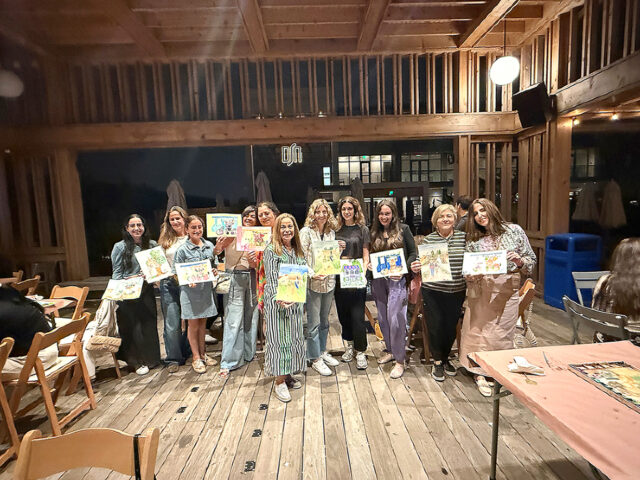
Paint Night kickoff with Jill Levy.

Summer is calling—and DSN Beach Club has answered with its most dynamic season yet! As the Beach Club’s General Manager Keith Acker states, “We continue to rise to the occasion, surpassing expectations and delivering an unforgettable summer filled with meaning, fun, and heart.”

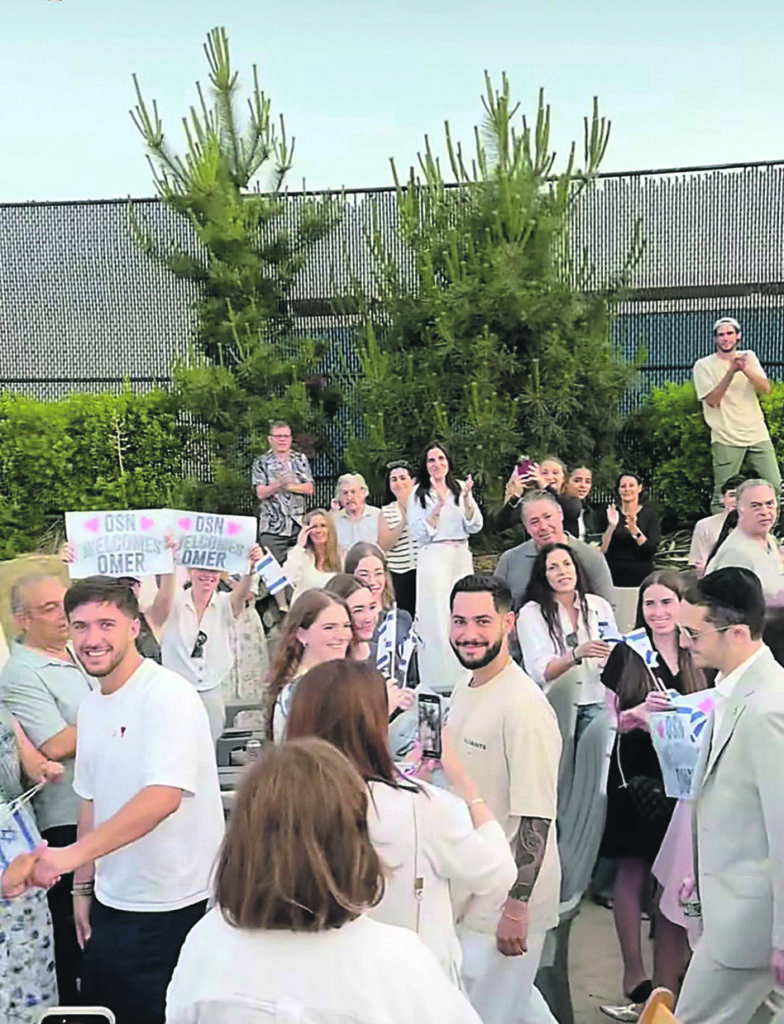
A warm DSN welcome for released hostage Omer Shem Tov.

As school wrapped and families from Brooklyn and Manhattan made their way to the Jersey Shore, DSN officially kicked off its summer programming in full force. From the start, it was clear this would be the most memorable season to date. On Sunday, June 22, DSN launched its summer season by hosting an impactful event by the Michael Kameo Foundation. That night, a powerful and emotional program unfolded with released hostages Omer Shem Tov and Eliya Cohen, drawing nearly 700 community members to hear their incredible stories, with an introduction by Isaac J. Kassin. These moments set the tone for a season that blends inspiration with celebration.
Family programming has brought smiles across generations, from the magical movie night screening of Wicked to the first-ever Marielody Live event featuring beloved children’s performer Mariel Dweck. Laughter, music, and memories filled the air—and the season was just getting started.
DSN continues to proudly open its doors to non-profit partnerships, welcoming organizations like Levi Avi, SBH Hoops 4 Hesed, and a moving evening of art appreciation with Israeli Art in the Heart, in collaboration with King David Galleries. Jennifer Sasson, DSN’s Non-Profit Events Coordinator, has been the liaison to the community. “It’s an honor to work with community organizations and to host them at our beautiful Beach Club.”
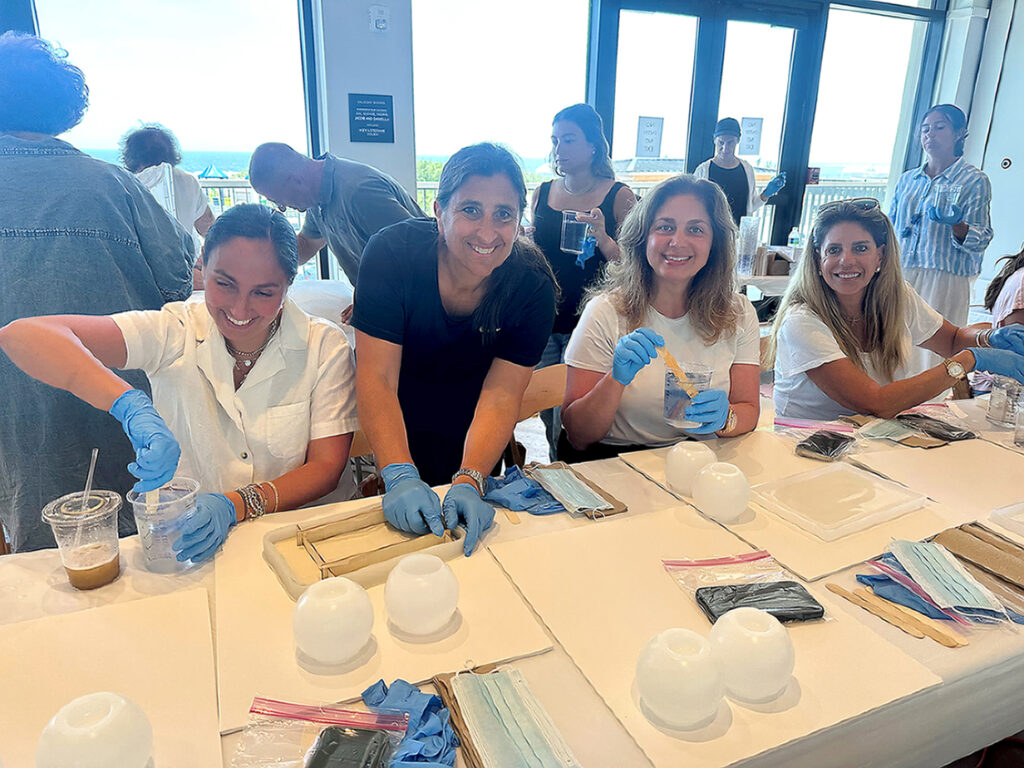
For the women of DSN, arts and creativity have taken center stage. The season began with a vibrant Ladies’ Night Kickoff featuring watercolor painting with Jill Levy, followed by a unique resin art class with Effie Harary, where participants created stunning Shabbat trays and candlestick holders. These artistic gatherings have sparked joy and connection throughout the community.
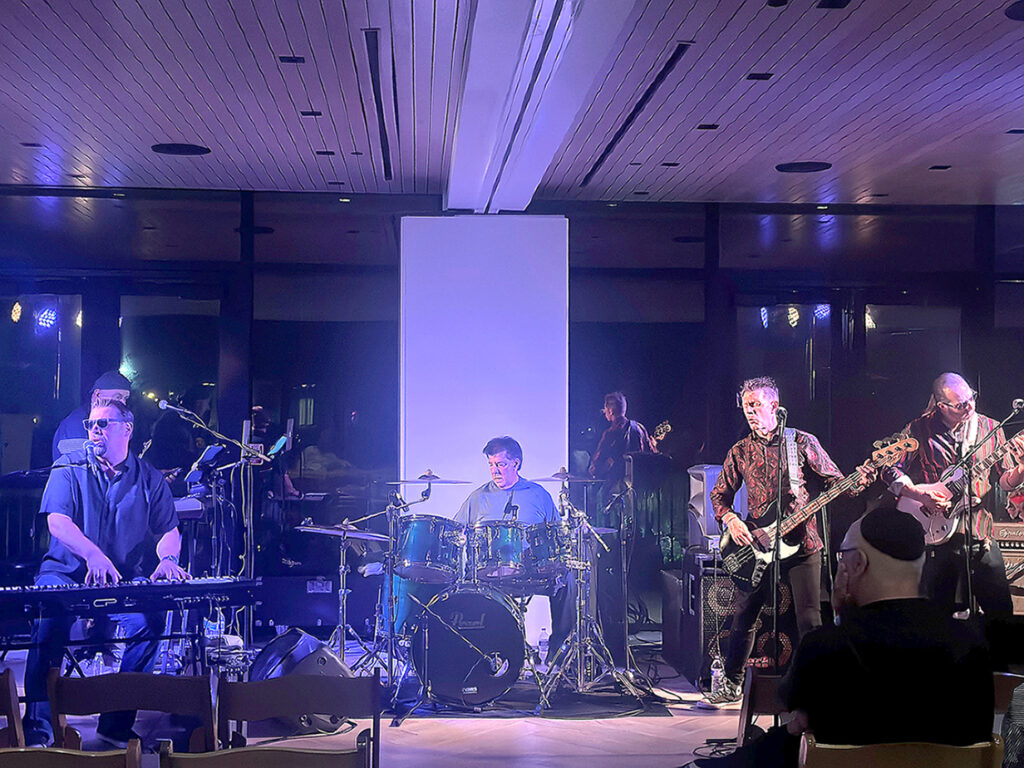
Music and entertainment continue to be a major highlight. The crowd enjoyed Captain Jack, a Billy Joel tribute band that had everyone excited. Then just one week later, a wonderful audience came together for the unforgettable Nobeh night featuring Jack Hamra, Victor Esses, and ensemble—a DSN summer tradition that never fails to delight. DSN’s Nobeh Chairperson Abie Shiloach was excited to see the Beach Club come alive with the celebration of our heritage, culture, and community. “Arabic music has always been a part of who we are. It reminds us of where we come from and brings us together like nothing else. It was more than a night—it was a reminder of who we are.”
One of the most buzzed-about evenings was DSN’s first-ever Ladies’ Night Boutique Show in the breathtaking DSN Beach Park. Over 50 community vendors participated in an evening market, with local musician Quincy Mumford setting the perfect tone and ambiance. Vendor KK Vintage already asked when the next show will be. Amanda Zeitoune of the Mini Mister Shop said, “The show was so much fun and my business did great!” The event was a true celebration of local talent, community spirit, and summer magic.
DSN’s Beach Club Chairperson Victoria Sutton has been elated watching her vision become reality. “It never gets old. Every time I walk into our beautiful Beach Club building, I still can’t believe my eyes. G-d bless our community. From the incredible concerts, events, and programs, to members dining at Teva, Jeli’s, and Outpost, to the amazing beach service run by our dedicated community beach boys, from singles and newlyweds lighting up Teva on Saturday nights, to our impactful non-profits and Sunday tournaments—it’s all truly incredible! B”H, seeing it all come together and watching everyone enjoy it makes all the planning and hard work of the Executive Board and our talented staff so worth it.”
With so many more events on the summer horizon, DSN Beach Club continues to shoot for the stars. Program Director Caleigh Silvera emphasizes that “DSN is the heartbeat of summer at the Jersey Shore—bringing people together, elevating experiences, and creating memories that will last long after the season ends. The message is simple—summer is here. DSN is ready. And the best is yet to come.”

How Tariffs Flow from Policyto Portfolios. A Crash Course for Investors

Chess made from USA, EU and China flags on a world map. China, Europe Union and United States of America trade, duty and tariffs war

Ari Baum, CFP®

When you hear the word “tariffs,” you might think of political debates, trade wars, or headlines that don’t really seem to apply to your everyday life. But make no mistake: tariffs can quietly show up in places you might not expect. From the price of a car to the cost of a new pair of sneakers, these taxes on imported goods can have a lasting effect on how much you spend—and how much your investments grow.

So, how exactly do tariffs work? And why should investors keep them on their radar? Let’s follow the ripple effect from the moment a tariff is announced all the way to your wallet and your portfolio.

Tariffs 101
What They Are—and Why They Matter
At their core, tariffs are taxes placed on products coming into the country. Governments use them for a variety of reasons: to protect local industries, raise revenue, or put pressure on foreign trading partners.
When a tariff is set—say, 50% on imported aluminum—companies bringing that material into the U.S. have to pay more at the border. That added cost doesn’t just stay on paper. It travels down the supply chain and usually ends up in the price tag you see in stores or the costs companies pass on to consumers. This can create both problems and possibilities for investors.
Supply Chains
Where Tariffs First Leave a Mark
Once tariffs go into effect, supply chains often feel the pressure first. Imagine a U.S. manufacturer that depends on Chinese aluminum. Overnight, the price of that material jumps because of a new tariff. Now the company has to make a choice: pay the higher cost and absorb the hit to profits, pass the cost on to customers, or look for new suppliers—maybe closer to home.
None of these options are simple, and all can lead to delays, increased spending, and production slowdowns. In some industries, businesses might even have to redesign their products or rethink entire workflows to stay competitive.
For investors, this means keeping a close eye on companies in vulnerable industries—especially those with global supply chains and thin profit margins.
Winners and Losers
How Industries React
Tariffs don’t hit all sectors the same way. Some benefit—at least temporarily. U.S. companies that produce goods similar to those being taxed may suddenly look more attractive. They can raise prices slightly without losing customers and enjoy a boost in demand.
Others aren’t so lucky. Industries that rely on global parts or materials may see production costs soar. Agriculture, construction, and retail often find themselves squeezed in these moments.
Take the recent 50% tariffs on steel and aluminum. Domestic metal producers saw a modest bump in business. But automakers and construction firms? Many faced higher costs and shrinking profits. For investors, that kind of shift can mean one sector surges while another stumbles.

Your Portfolio
Where the Ripples Land
All these changes—from shifting suppliers to rising prices—eventually make their way to your investments. If you own stocks in a company struggling with tariffs, you could see those shares dip. If you’re invested in a sector that benefits, you might see a short-term gain.
But here’s the tricky part: markets don’t just respond to reality—they respond to expectations. Even the rumor of a new tariff can send shockwaves through Wall Street. That’s why volatility often spikes when tariffs are in the news.
This is where a diversified portfolio shines. If you’ve spread your investments across industries and regions, you’re less likely to feel every bump in the road.
The Bigger Picture
What Tariffs Teach Us About Planning
Understanding tariffs isn’t about predicting every government move. It’s about being prepared for change and understanding how global policies can affect your day-to-day life and your long-term financial plans.
If a single policy can ripple from a port in China to a factory in Michigan to your 401(k), then it makes sense to pay attention—not to panic, but to plan. That might mean reviewing your portfolio with a professional, being aware of how your favorite brands source materials, or simply staying informed about economic trends.
Tariffs remind us that no investment exists in a vacuum. Everything is connected. The more you understand those connections, the better prepared you’ll be to make smart, timely decisions.
When the next round of trade headlines hits, don’t just skim and scroll. Consider what they could mean for your financial goals. Being curious today might help you stay confident tomorrow. q
The content is developed from sources believed to provide accurate information. Investing involves risk including the potential loss of principal. No investment strategy can guarantee a profit or protect against loss in periods of declining values. Past performance does not guarantee future results. Consult with a financial professional regarding your specific situation.

Ari Baum, CFP® is the Founder and CEO of Endurance Wealth Partners, with over 25 years of experience in the Financial Services industry. He brings his in-depth experience to Conceive. Believe. Achieve. for his clients. Securities and Advisory services offered through Prospera Financial Services Inc. Member FINRA/SIPC. Brokerage and Advisory accounts carried by Wells Fargo Clearing Services LLC.

The Mossad Spy in an Apron. The Double Life of Shulamit Cohen-Kishik

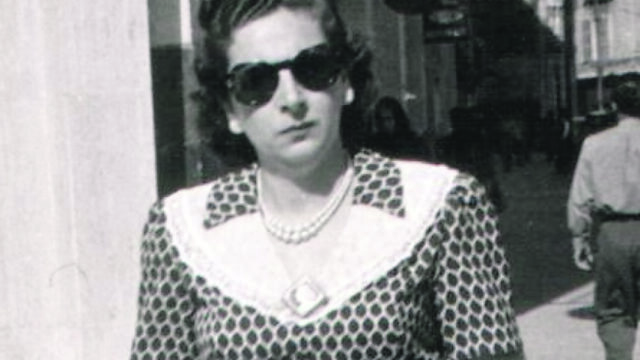
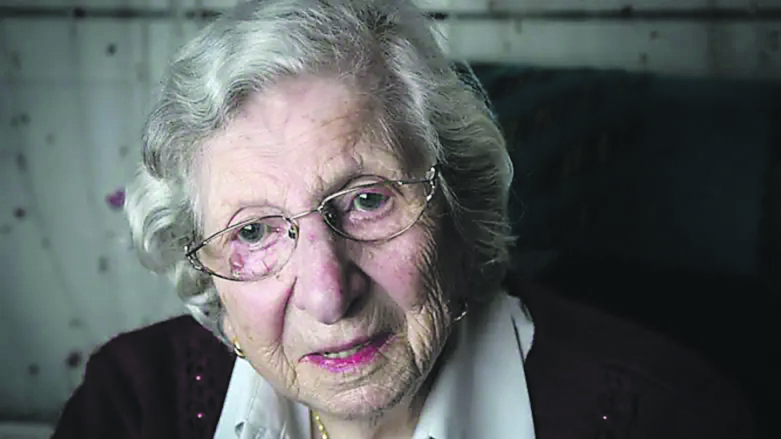
In the heart of Beirut, behind the quiet face of a homemaker and mother of seven, lived one of Israel’s most daring spies. Shulamit Cohen-Kishik led a double life that blended domestic grace with astonishing courage. Known simply as “The Pearl,” her actions saved thousands of lives, shaped the course of Jewish history, and stood as a testament to the quiet heroism often hidden in plain sight.

Shulamit was born in 1917 in Buenos Aires, Argentina, and immigrated with her family to Jerusalem in 1924 when their business began to fail. At just 16, she married Yosef Cohen-Kishik, a fabric merchant from a respected Lebanese Jewish family who had come to Israel searching for a bride from the Holy City. The couple moved to Beirut in 1936, where Shulamit quickly became part of both the Jewish elite and Christian Phalangist social circles. Her life seemed to follow a traditional path—she was described as a model housewife who knitted, embroidered, cooked, and lovingly raised seven children: Yaffa, Avraham (Berti), Meir, Arlette, Itzhak, Carmela, and David.
But behind her calm and capable exterior, Shulamit was leading a second, secret life. As tension grew in the region, she overheard a conversation at a social event between Arab leaders discussing a coordinated attack on the soon-to-be-established Jewish state. Shulamit felt an immediate and powerful need to act. Unable to send mail or messages openly, she crafted a letter using invisible ink and managed to smuggle it across the border to Haganah headquarters in Metula. Her bravery caught the attention of Shai, the pre-state Jewish intelligence agency, and in 1947—before Israel’s founding—she began her journey as a spy.
For the next fourteen years, Shulamit carried out covert operations, feeding Israel with high-level political and military intelligence. Her fluent Arabic, graceful demeanor, and strong relationships with Lebanese officials made her an ideal operative. She helped thousands of Jews escape hostile Arab nations through a vast smuggling network, using cover stories and complicated travel routes. Her home became a haven for frightened families fleeing from Syria, Iraq, and other countries. She coordinated their transfers through Tyre, Sidon, or Metula, depending on border conditions. Every time one group made it to safety, another would arrive, and she would spring back into action with barely a moment to rest.


Her ingenuity and boldness were legendary. During one operation, Shulamit was helping dozens of Jewish children prepare to escape when she noticed Russian and Arab agents monitoring the area. Thinking quickly, she dashed to a nearby shop and bought every candle in stock. Handing them out to the children, she led them through the streets in a fake Hanukkah parade—singing traditional songs and waving candles. The agents, convinced it was merely a holiday celebration, lost interest and left. The moment they were gone, she loaded the children onto waiting buses and smuggled them safely to Israel. It was this type of quick thinking that made her one of Israel’s most valuable operatives.
Shulamit’s devotion wasn’t just professional—it was deeply personal. She sent her two eldest sons to Israel for safety in 1949, and later her daughter, Yaffa, during Lebanon’s civil unrest. Eventually, only four of her children remained with her in Beirut. Even then, her work continued undeterred. Each time she crossed into Israel for a mission, she stopped in Tiberias to pray at the grave of Rabbi Meir Baal HaNes, placing coins in a tzedakah box and whispering prayers for protection.
In 1961, a critical mistake nearly cost her everything. While returning from Israel through Turkey, her passport was accidentally stamped with an Israeli seal—something that could not be explained away. After a brief delay in Europe, she returned to Beirut and was immediately arrested. With irrefutable proof of her espionage, the authorities sentenced her to death. On appeal, her sentence was reduced to twenty years, but her time in prison was nightmarish. She endured six years of torture, including the pulling of fingernails, beatings, electrocution, and the loss of sight in one eye. Guards mocked her by comparing her to Eli Cohen, another famous spy who had been executed.
Despite this, Shulamit never gave up hope. She prayed constantly, fasted twice a week, and recited Psalms from memory. She told herself that if she had been captured while saving thousands of Jewish lives, then her suffering had meaning. She believed that her fate rested in G-d’s hands—and that one day she would be reunited with her children.
That day came in 1967, following Israel’s victory in the Six-Day War. In a sudden and dramatic prisoner exchange, she and her family were airlifted to Israel via Cyprus. At last, she was free. Though her body had been broken, her spirit remained strong. She lived the rest of her life quietly, volunteering, speaking, and inspiring generations with her story. She never sought fame, yet her bravery and humility earned her the deep respect of the nation.
Shulamit Cohen-Kishik passed away in 2017 at the age of 100. She left behind a large family, including grandchildren and great-grandchildren who carry forward her legacy. Through every moment of fear and courage, she stayed true to her mission. She wasn’t just a spy—she was a mother, a protector, and a fierce believer in the power of one person to make a difference.

A Magical Summer on the Farm

Joy, Growth, and Giving at The Special Children’s Center

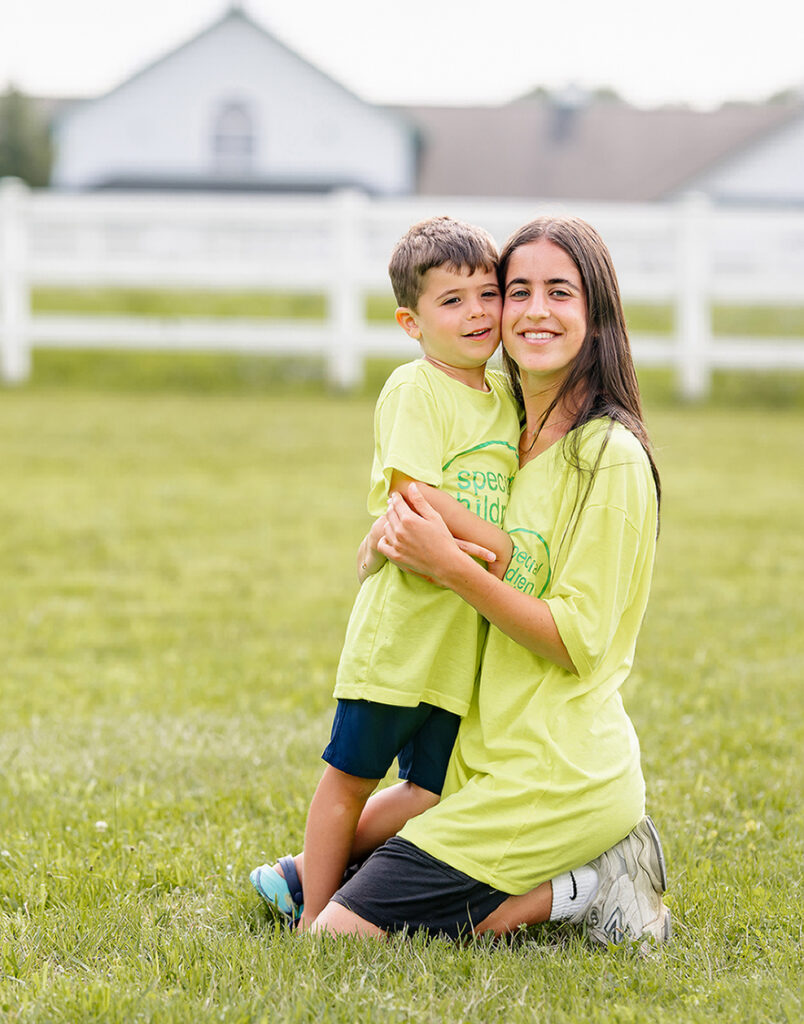
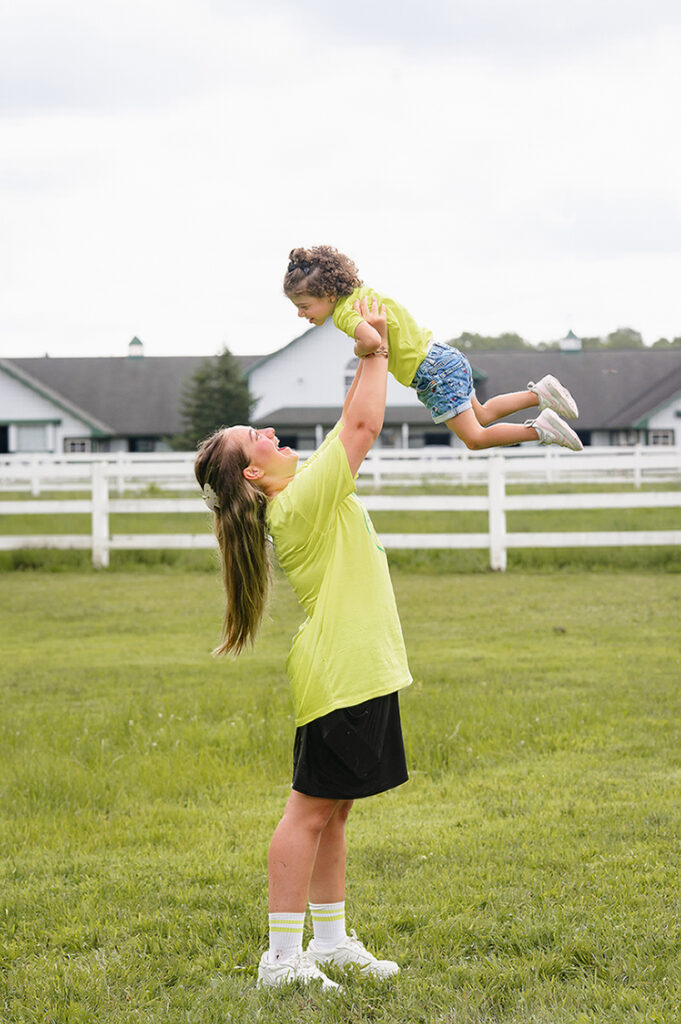
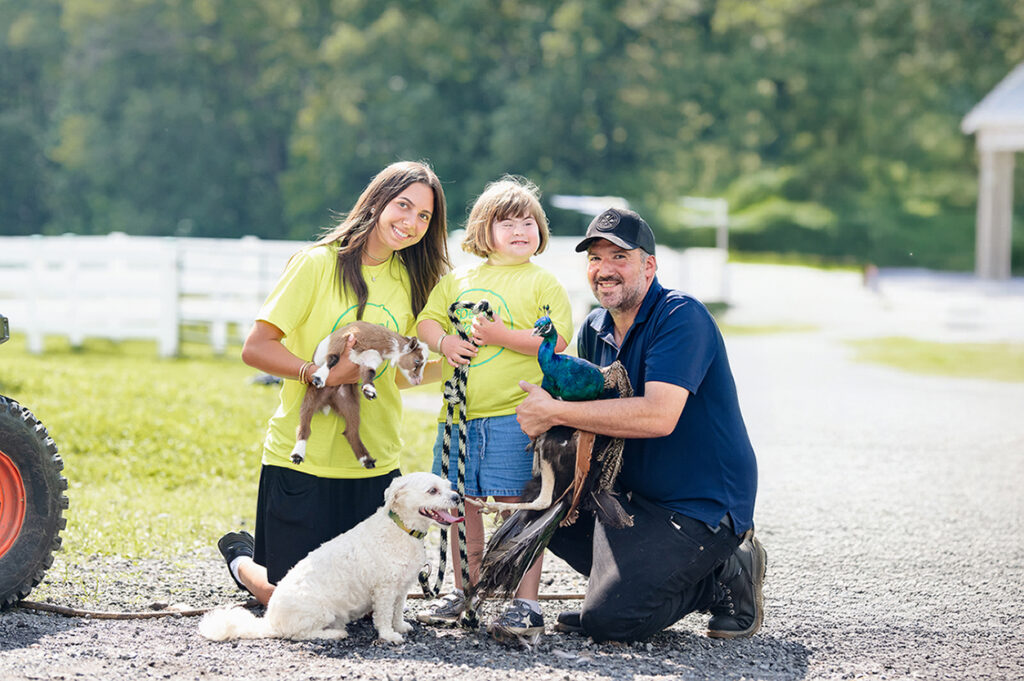
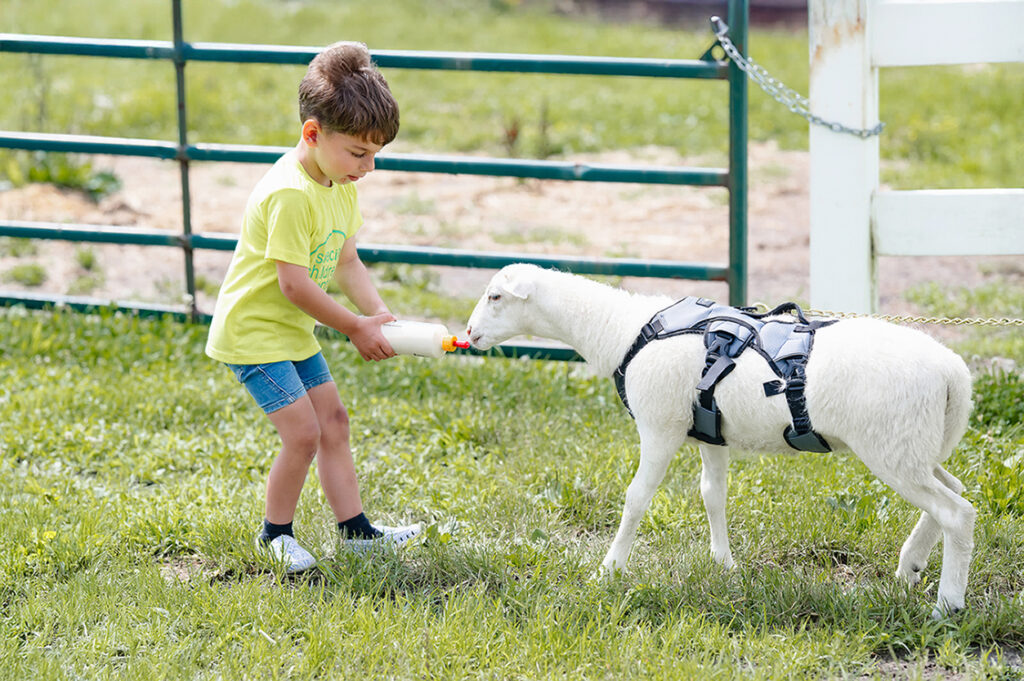
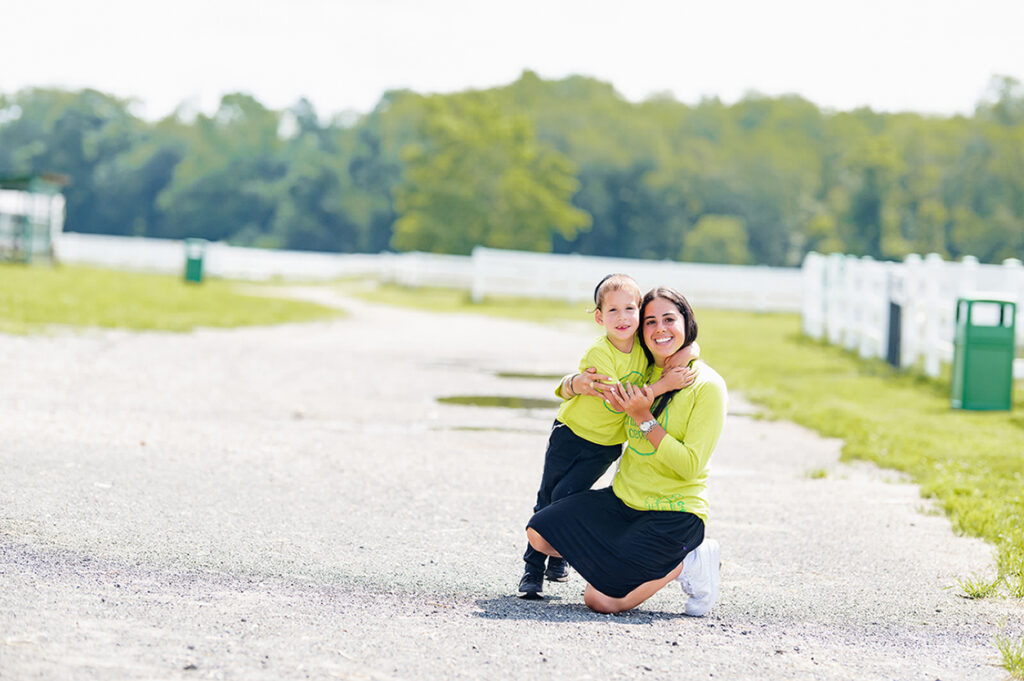
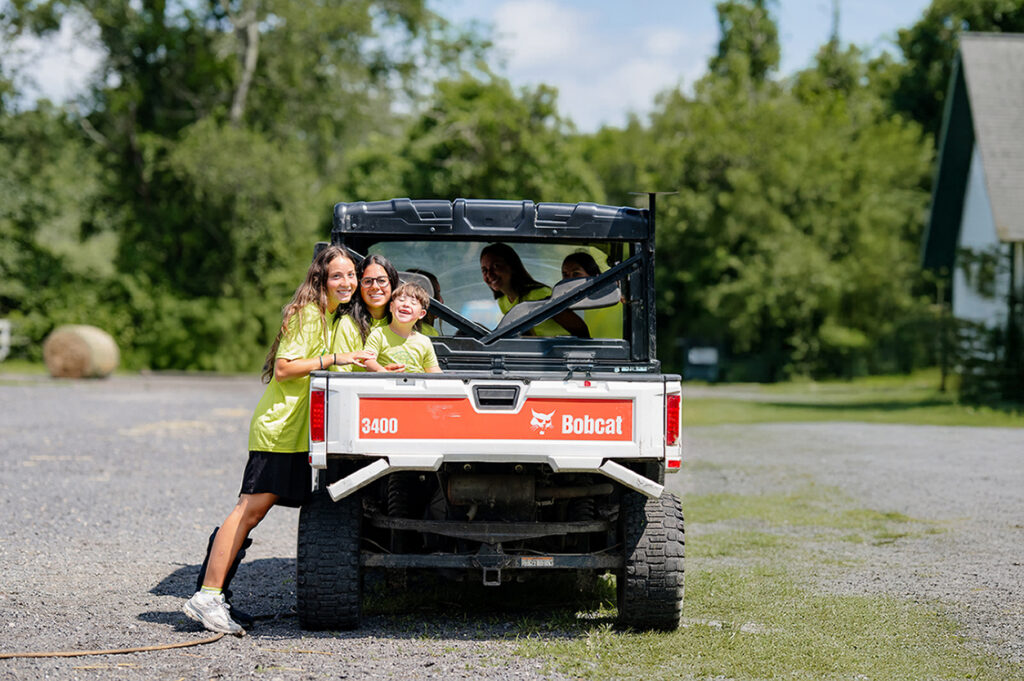
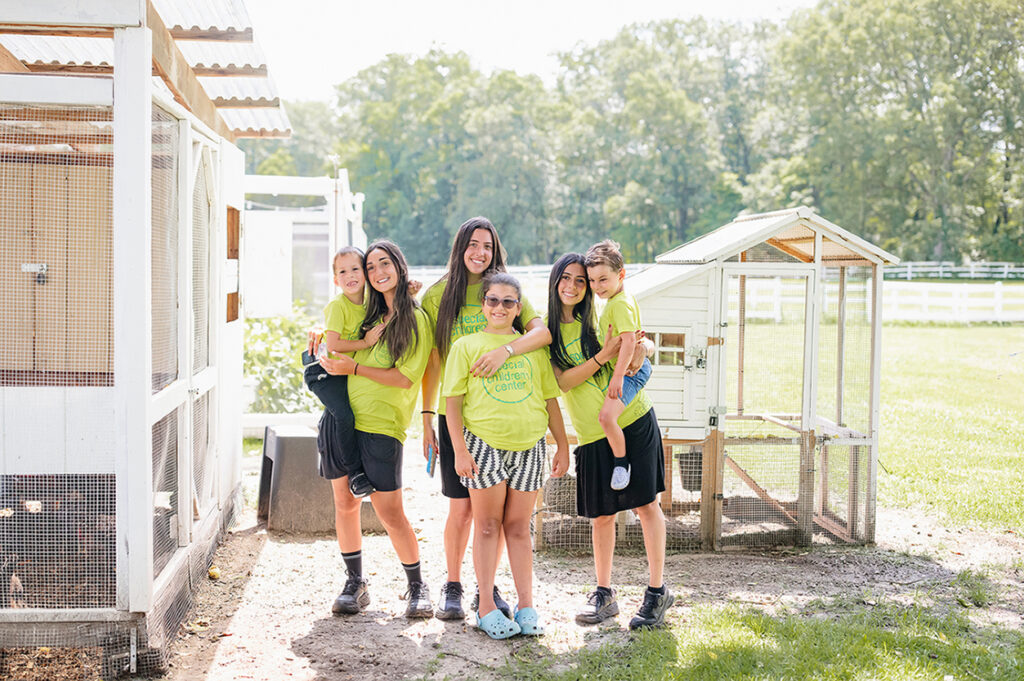
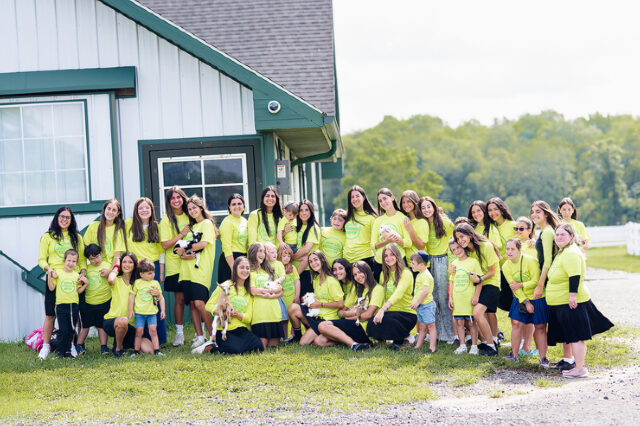
This summer, something extraordinary is unfolding at The Special Children’s Center Deal Camp, and it’s all happening at our breathtaking new Center Farm. Just 20 minutes from Deal, this 30-acre oasis has become a place of healing, discovery, and joy.

At the Center, we’ve always believed in going above and beyond for our children. This summer, with the help of our devoted hosts and an unbelievably supportive community, we’ve taken that dream to a whole new level.

A Place to Grow, A Place to Shine
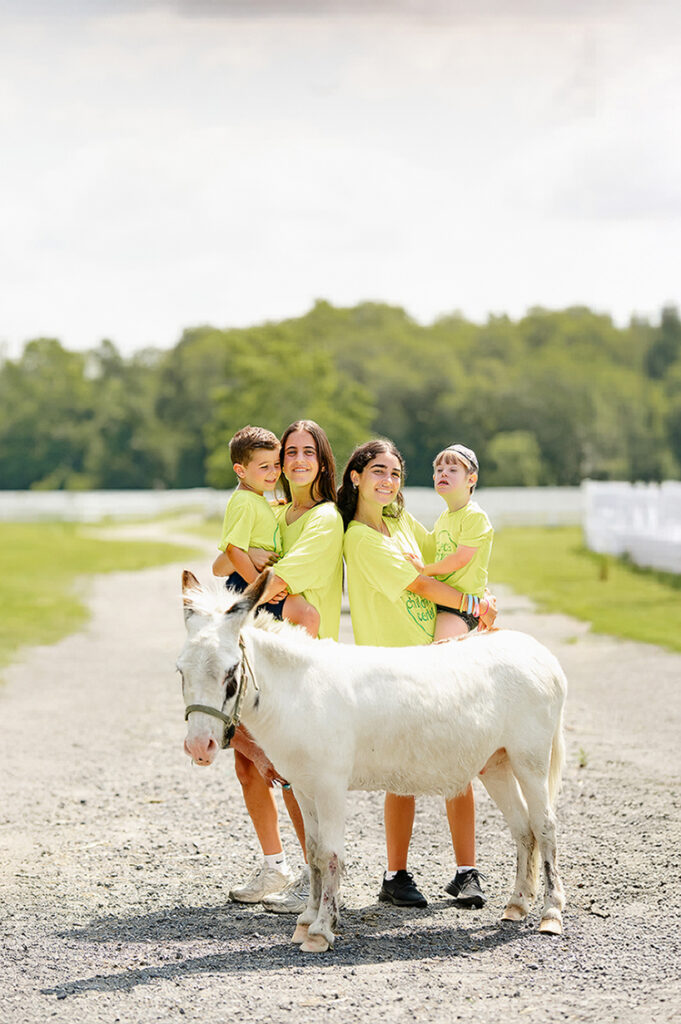
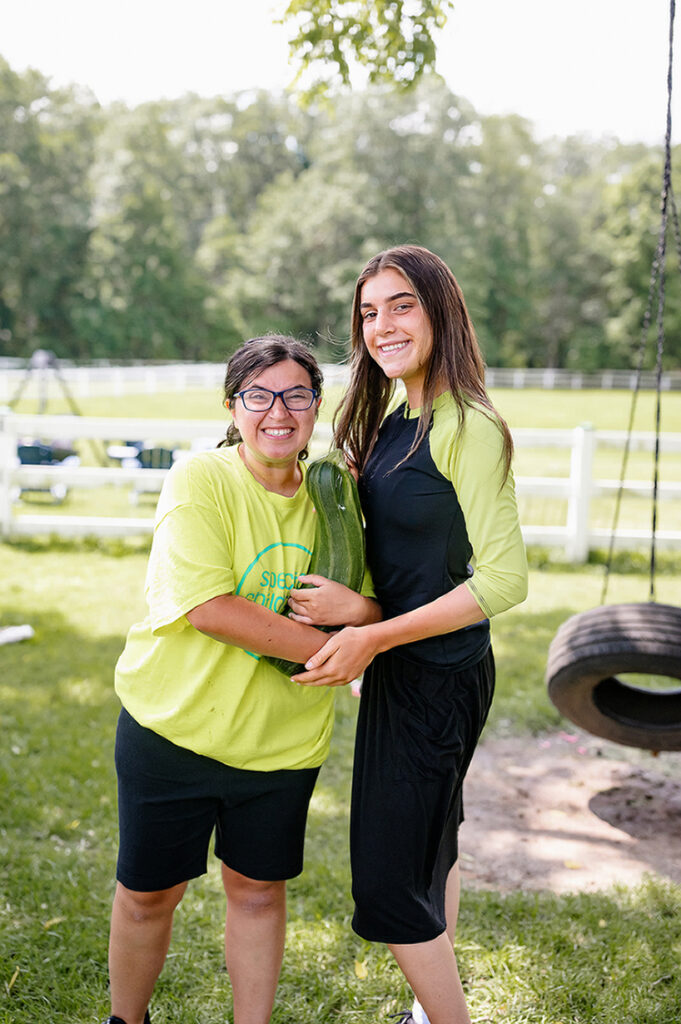
The Center Farm is simply transformational. From the moment you arrive, you can feel the calm in the air and the excitement on the kids’ faces. With wide open spaces and animal friends at every turn, it’s the kind of place where kids can be free to explore, to express themselves, and to just be.
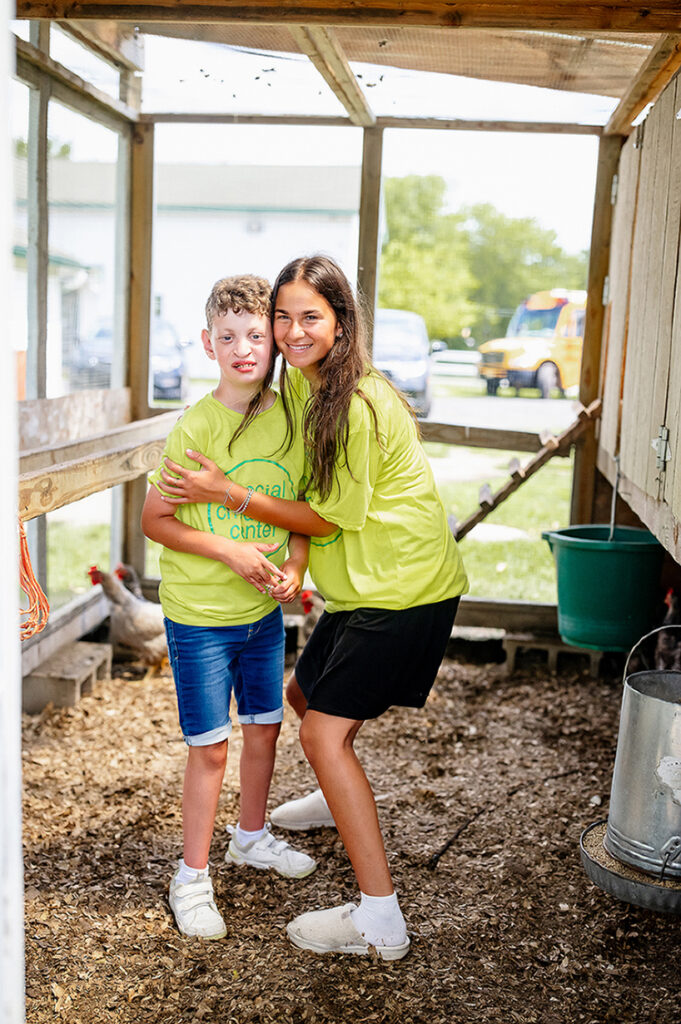
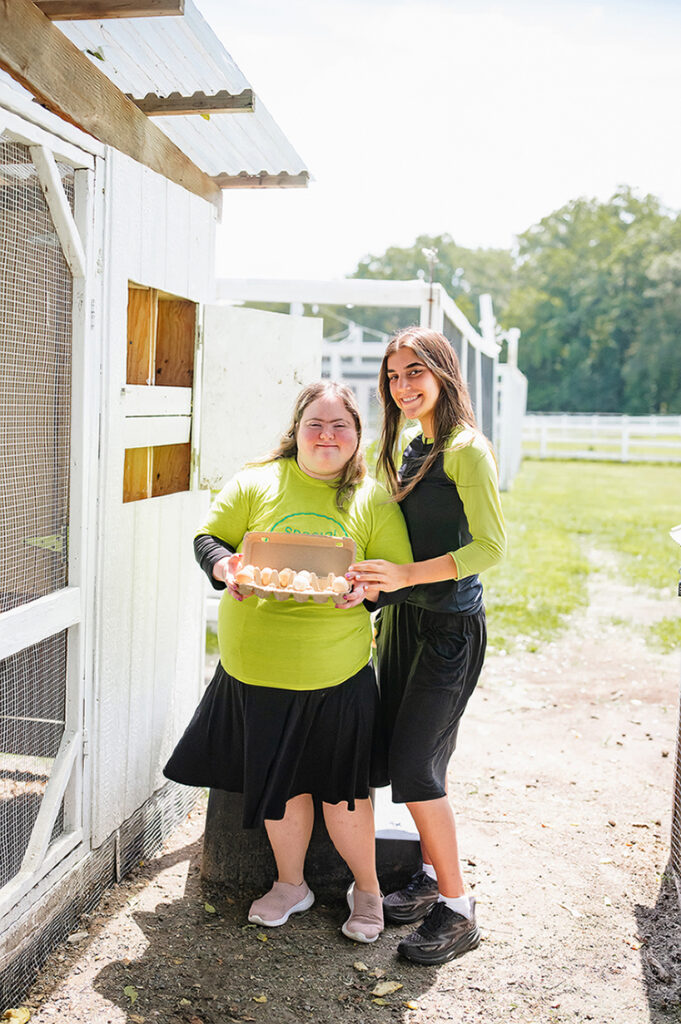
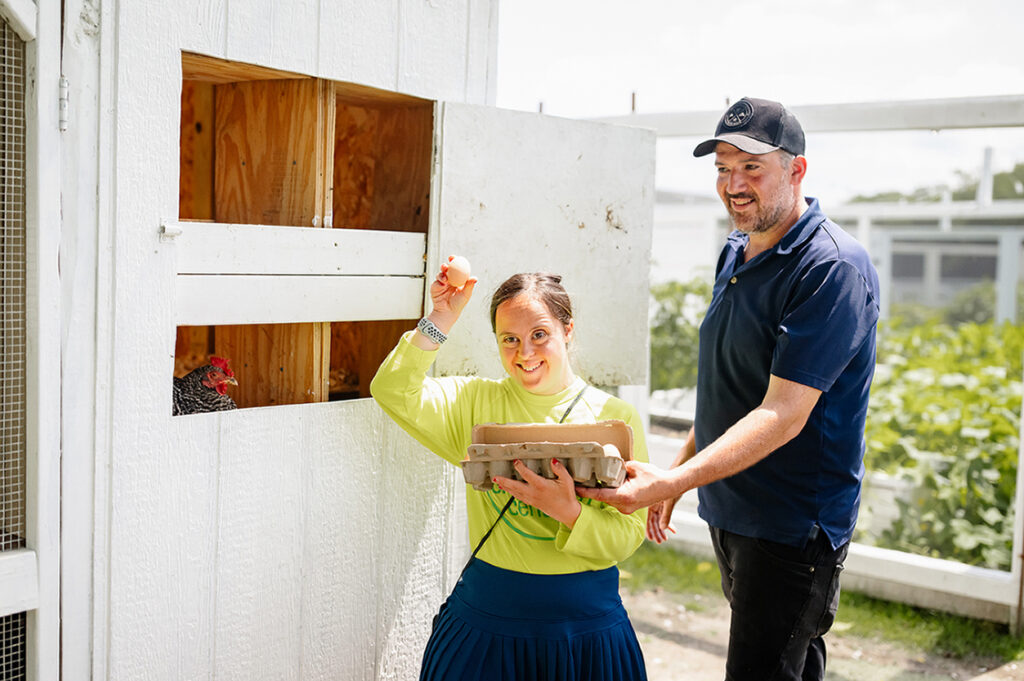
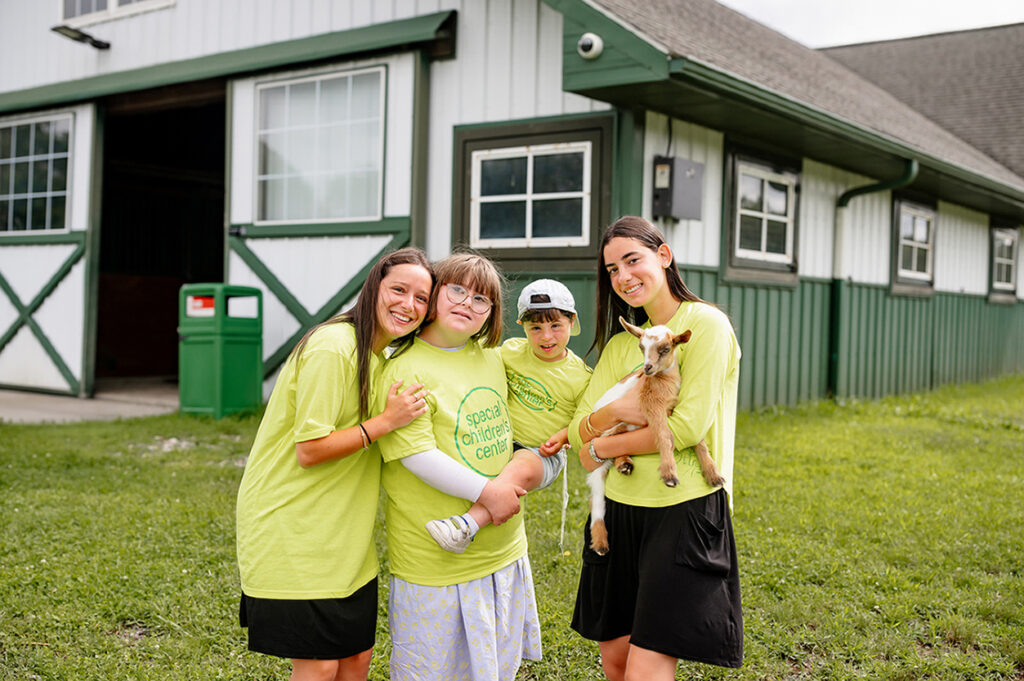
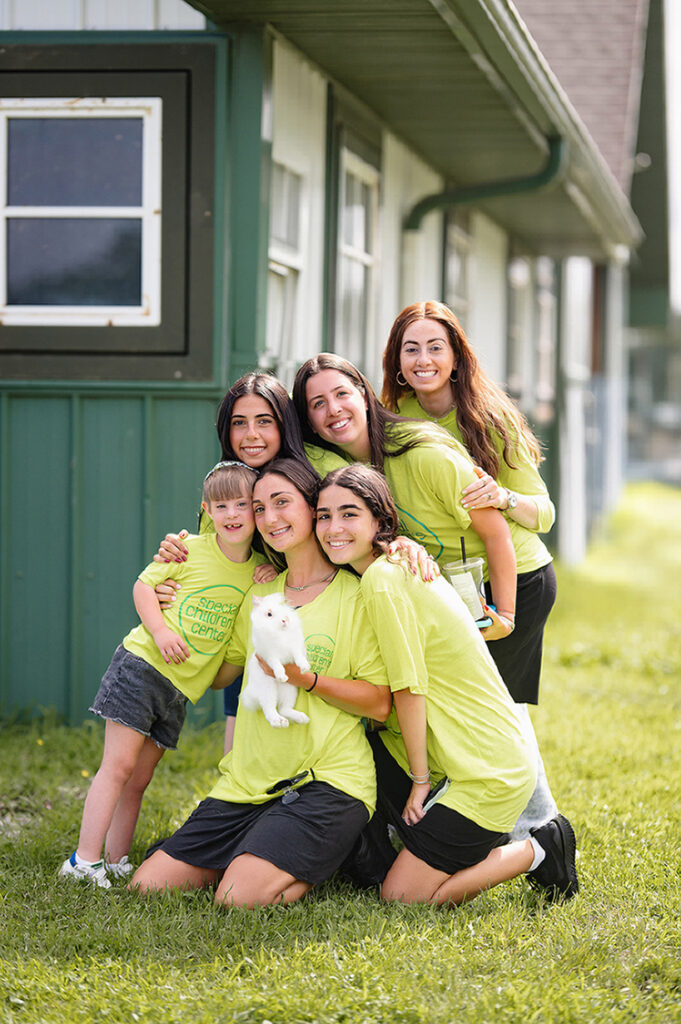
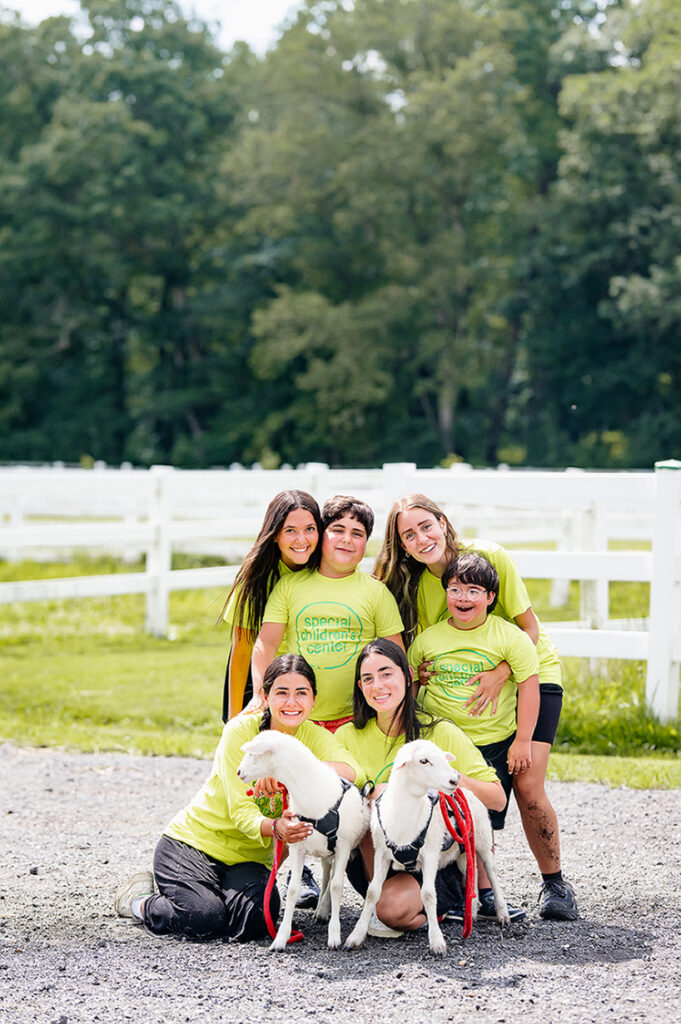
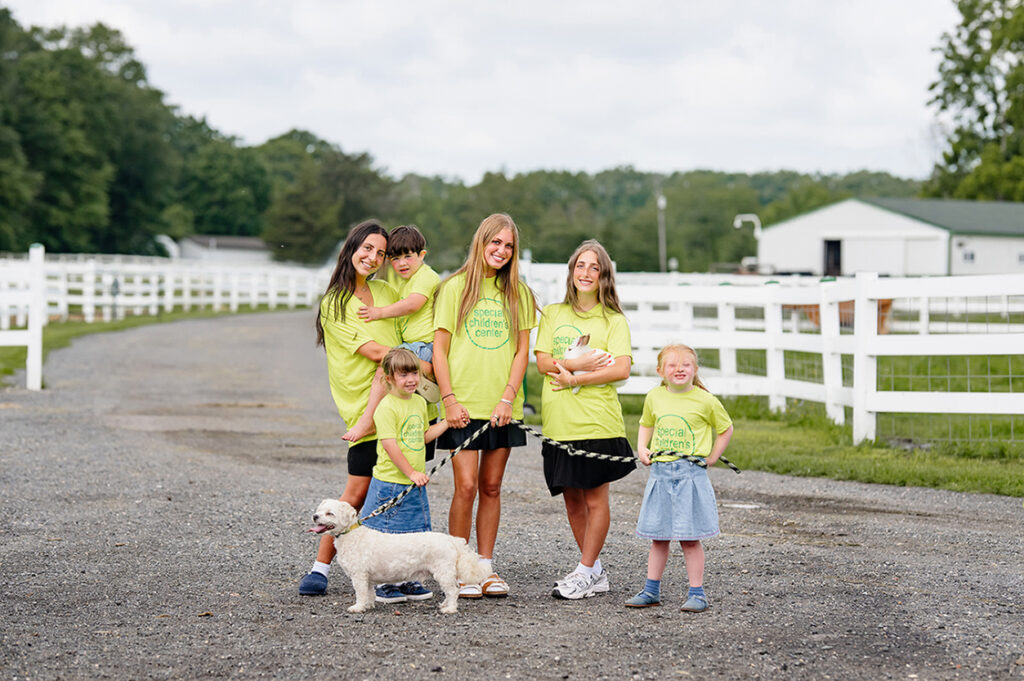
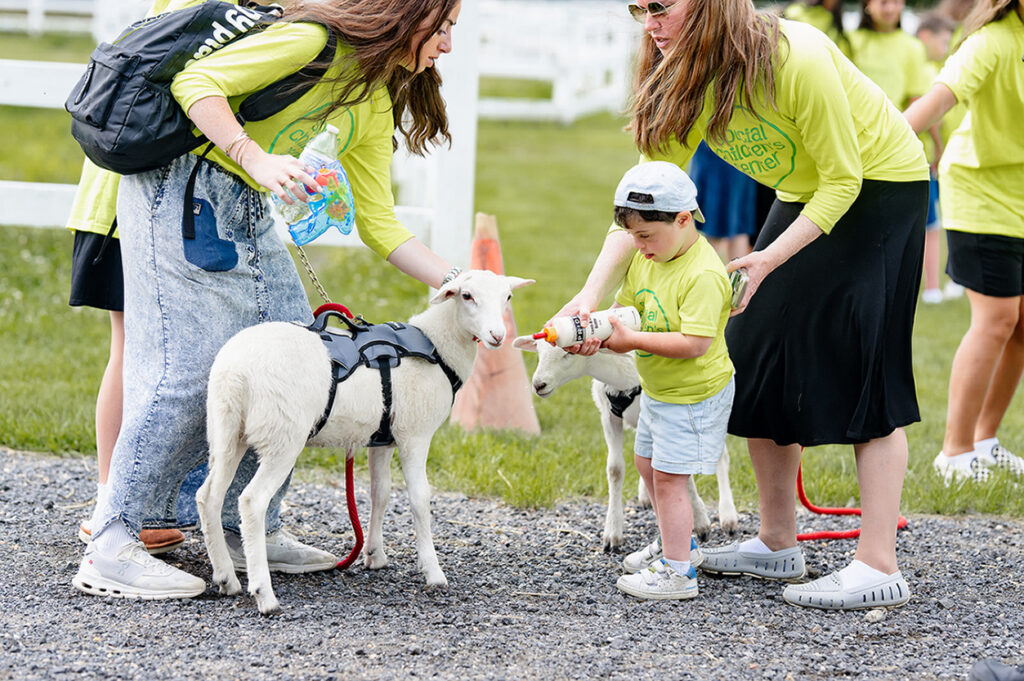
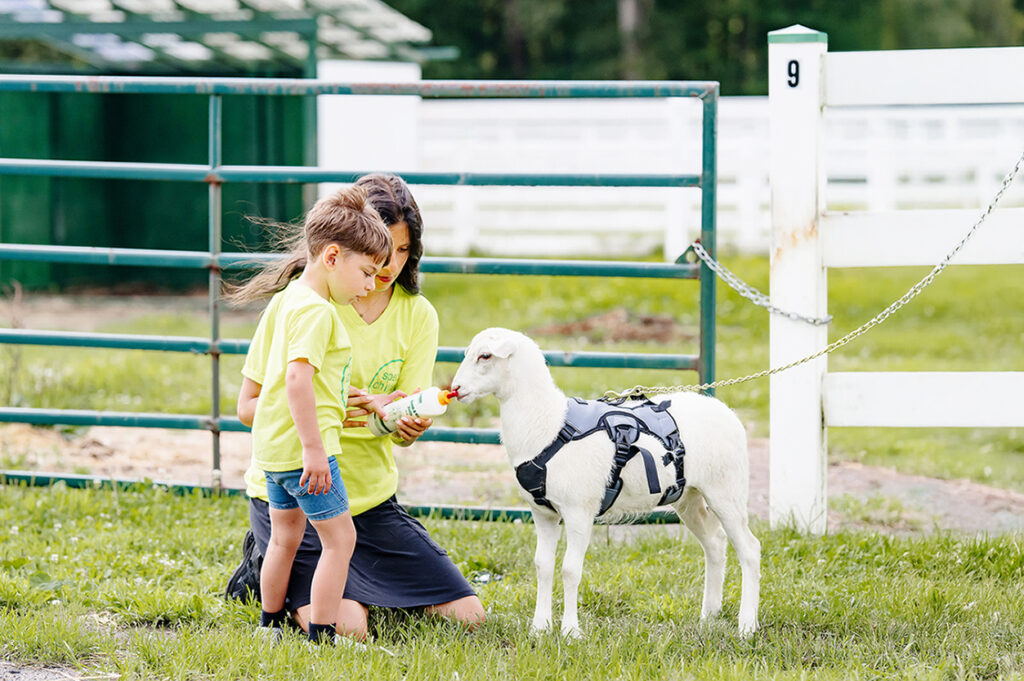
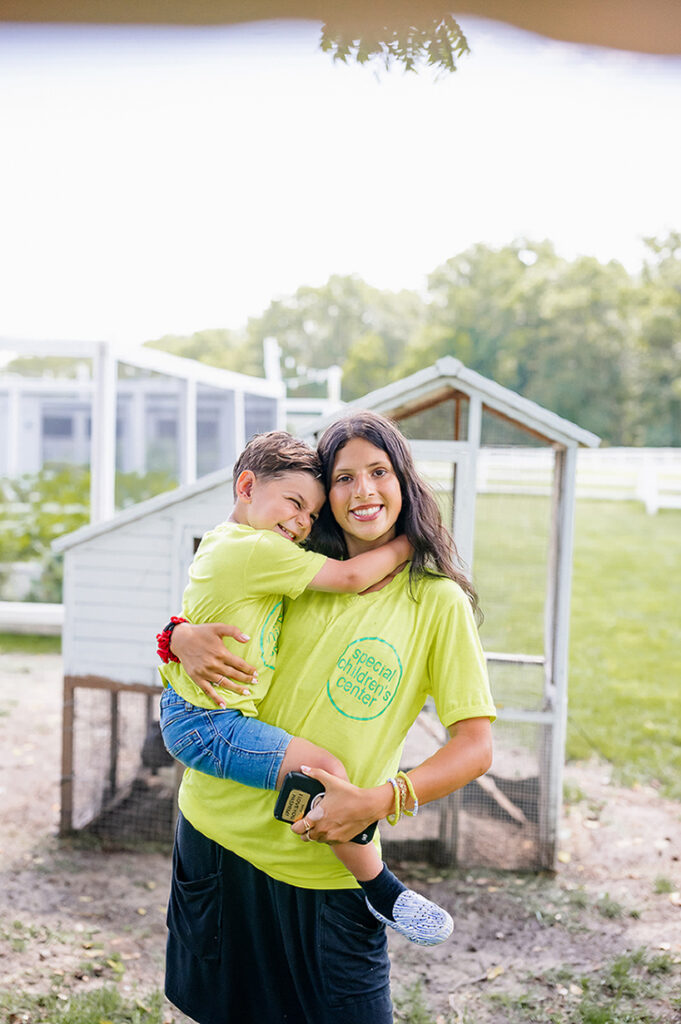
Animal care has become a daily delight. Whether it’s brushing ponies, feeding chickens, or cuddling soft, snuggly bunnies, these gentle, hands-on moments have sparked something special in our campers. And of course, there’s horseback riding. Each ride is a moment of confidence and connection, where kids feel strong, steady, and in control.
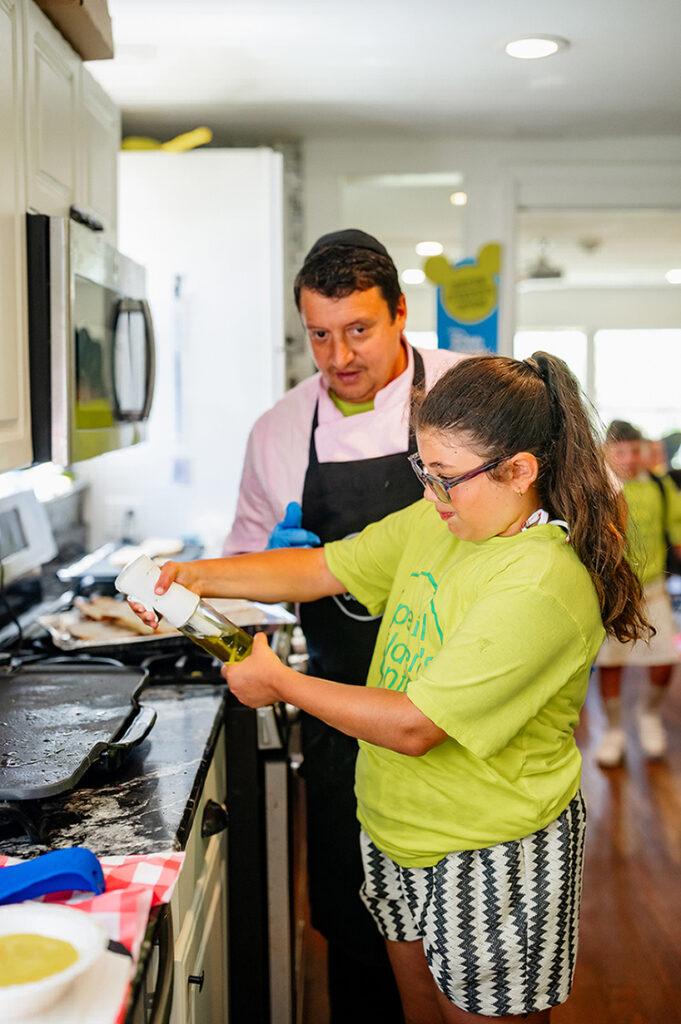
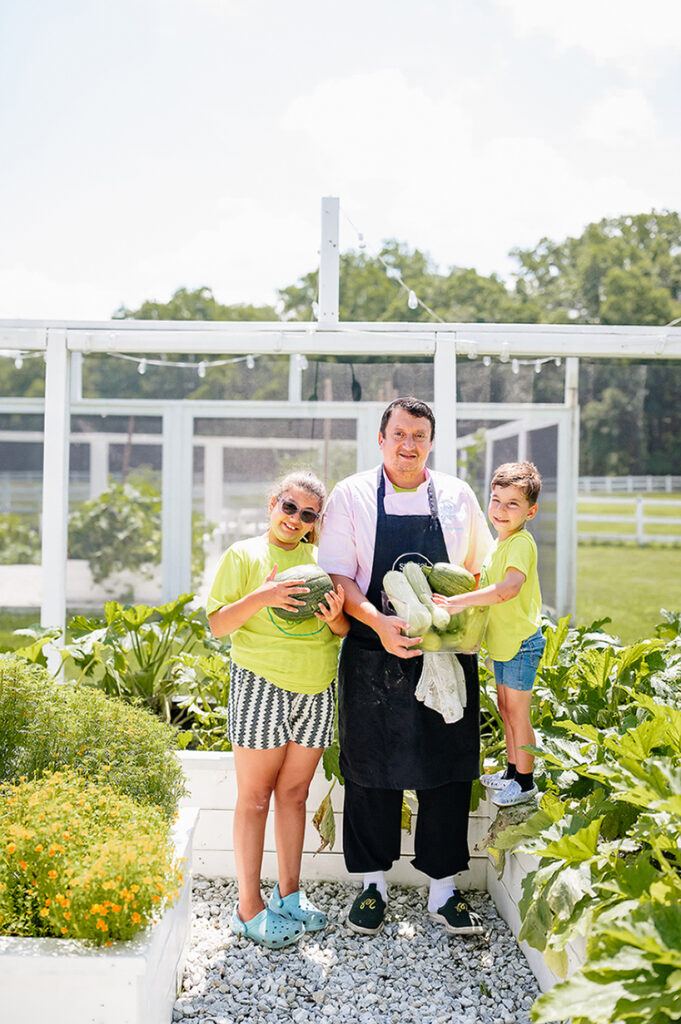
An extra special highlight is the gourmet breakfast prepared daily by our very own Chef David. It’s a truly delicious start to each incredible day.

The Power of People
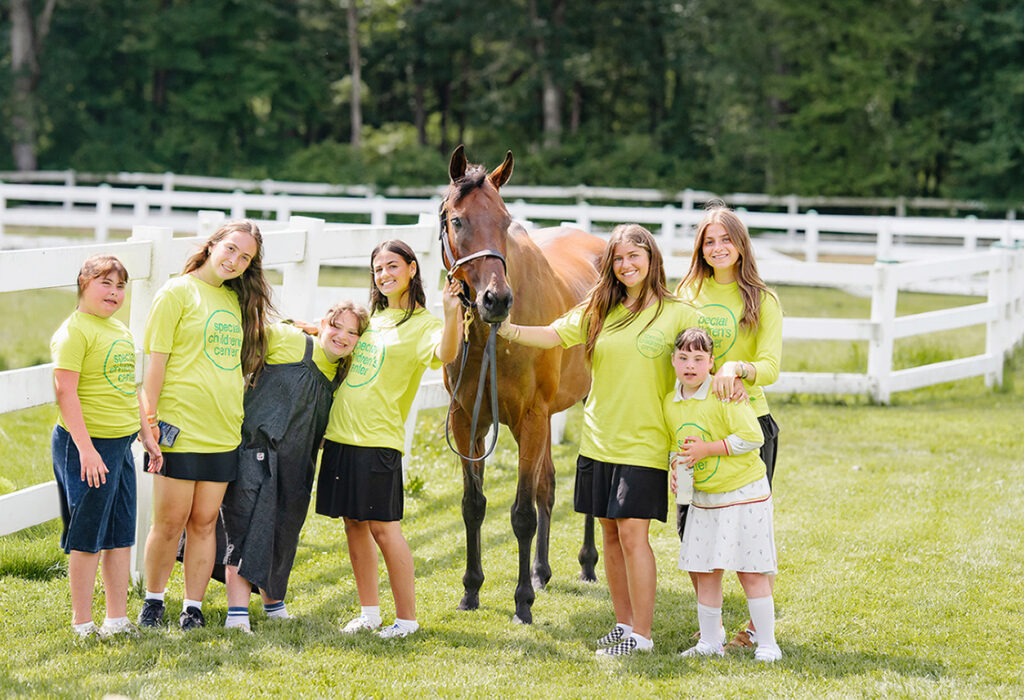
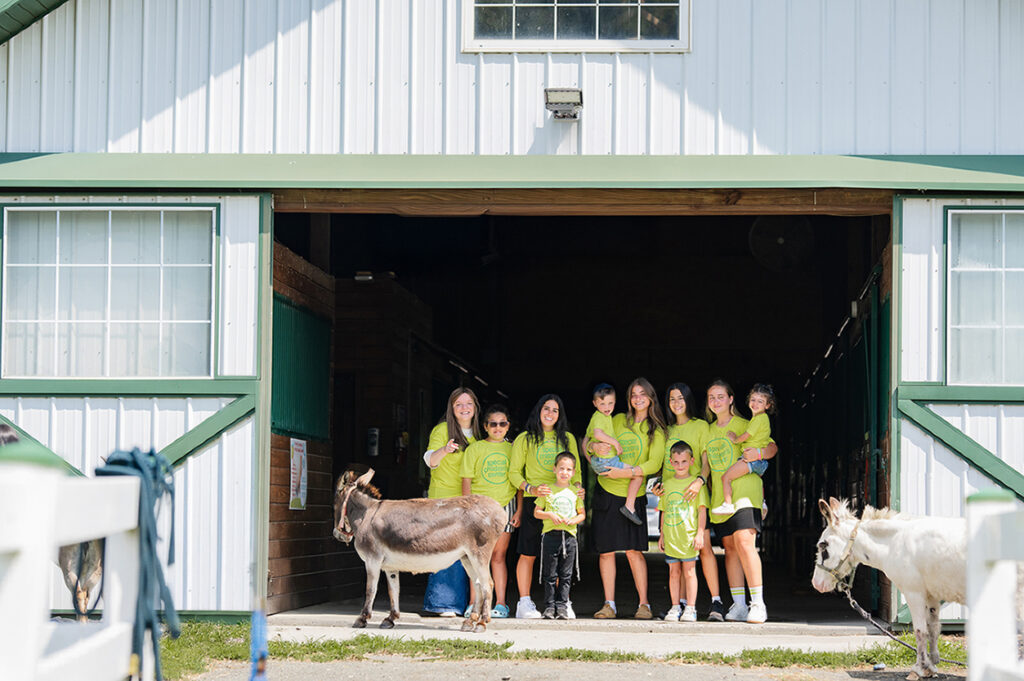
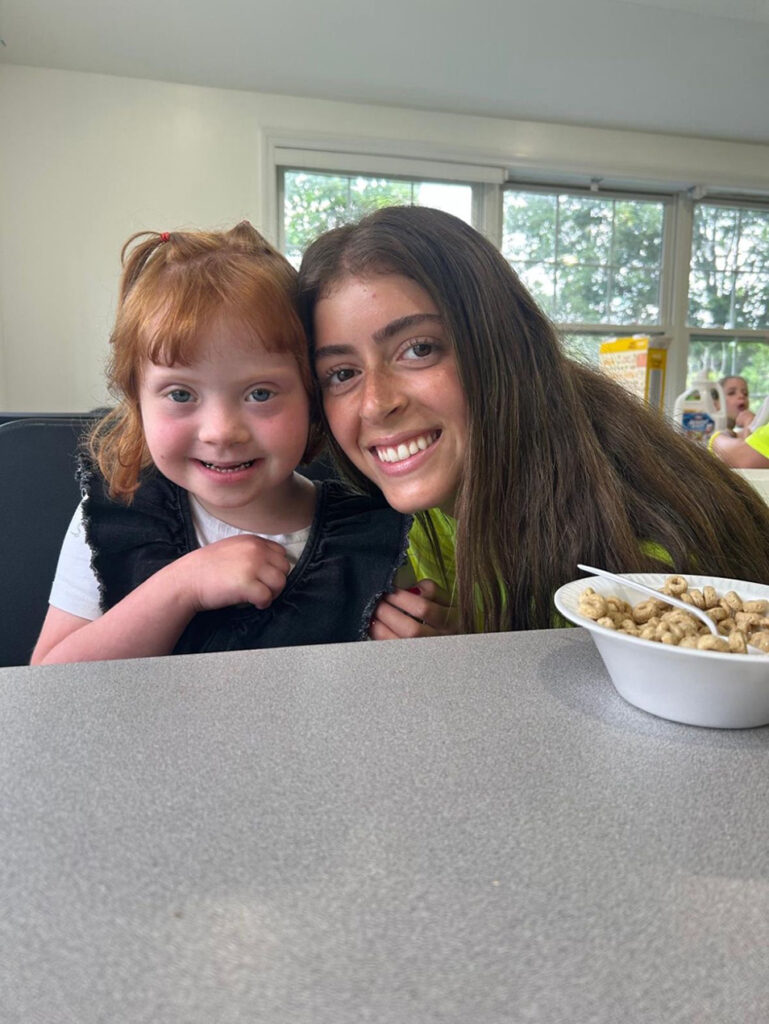
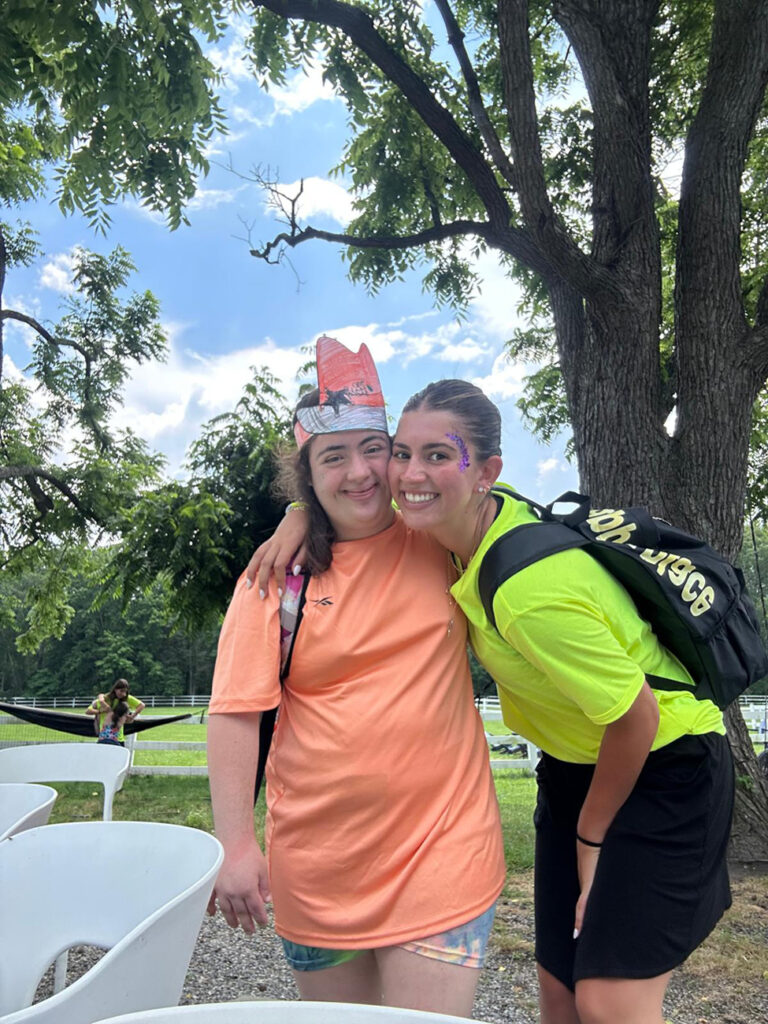
But what truly makes the magic happen? Our unbelievable counselors. These incredible young women show up every day with energy, warmth, and love that knows no limits. They’re all in. Whether they’re helping a child navigate a new experience or bursting into spontaneous dance parties, they bring joy and security to every corner of the farm.
They’re not just staff, they’re family. And our campers feel it.

A Community That Cares
None of this would be possible without the amazing community that surrounds us. Our devoted hosts have opened their hearts and homes to our children, welcoming them with warm smiles, fun, and love. Their kindness overwhelms us every single day.
From the families who give us their daughters to be our devoted counselors, to the donors who go above and beyond to make dreams come true, you are all part of this mission. This community doesn’t just support us, it walks with us every single day. You believe in our kids, and together we create the magic they deserve.

Summer Smiles, Center Style

Sunshine, Support, And So Much Love

Annual Breakfast

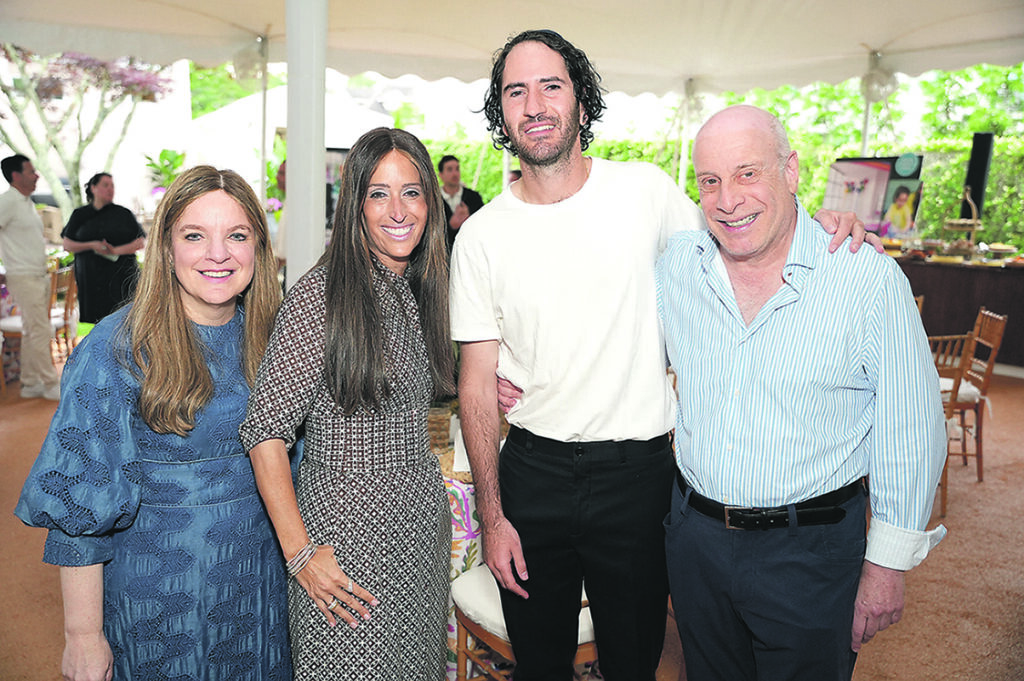
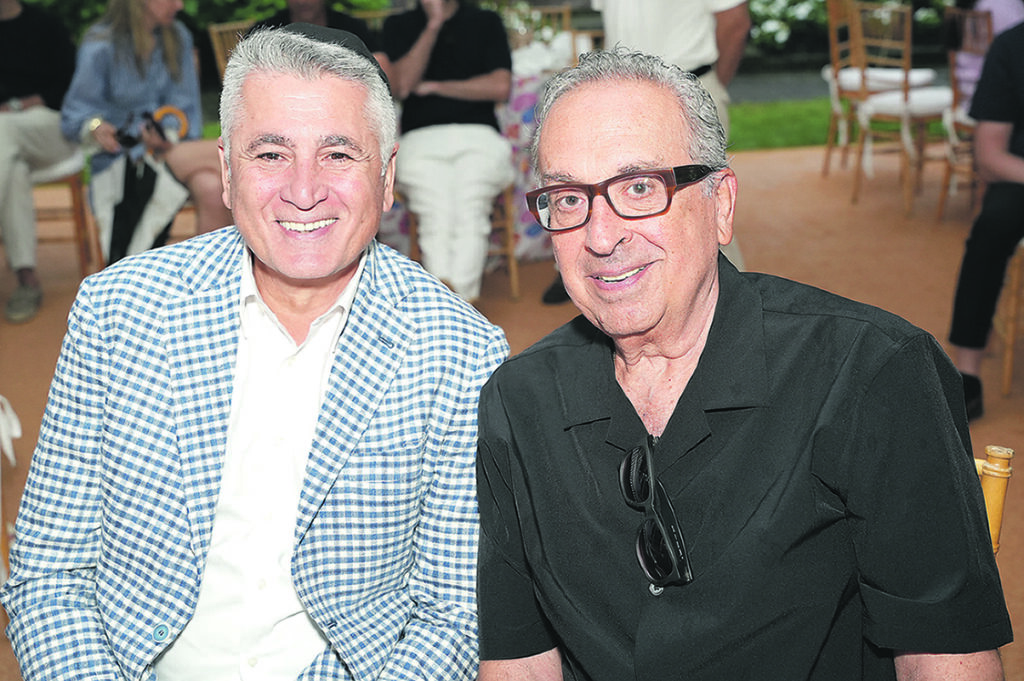
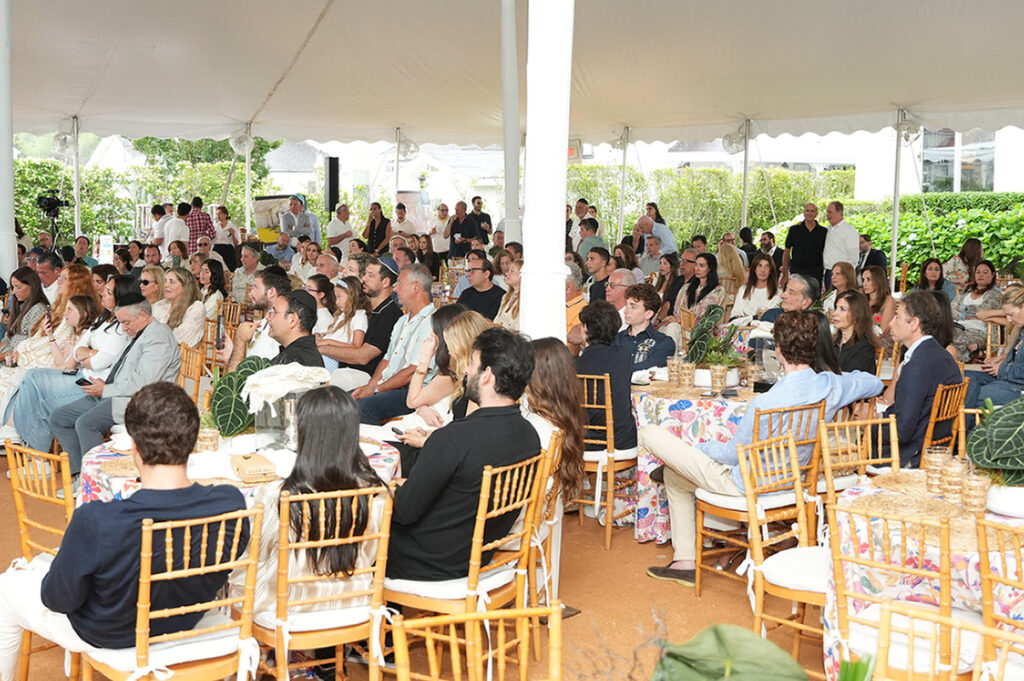
Our annual breakfast, hosted by Kim and Amin Cayre, was a day to experience. It was a morning of togetherness, support, and shared purpose. We have no words to thank our hosts who went above and beyond to make our breakfast the wonderful experience that it was. Richie Dweck opened the morning as always with his words, “There’s no place that does what the Center does, for the kids and for the parents.” He then welcomed Harry Adjmi, whose heart and soul have been behind the Center day in and day out, helping make it the extraordinary place it is.
A special Tallit was presented to Richie, Harry, Elliot Tawil, Elliot Tamir, and Amin, embroidered with the names of all the hostages. Then Yaakov took the stage and sang his moving song, dedicated to those who lost their lives al kiddush Hashem. As Yaakov’s voice filled the air, everyone stood united, coming together to make dreams come true. To everyone who invested so much effort to make the breakfast happen, especially Harry Adjjmi, Richie Dweck, and Elliot Tawil, and Lydia Cohen who together with her amazing mom Norma makes the breakfast the incredible experience it is. And to every single person who came, participated, and gave from the heart, it means so much to have you with us.

The Special Ride

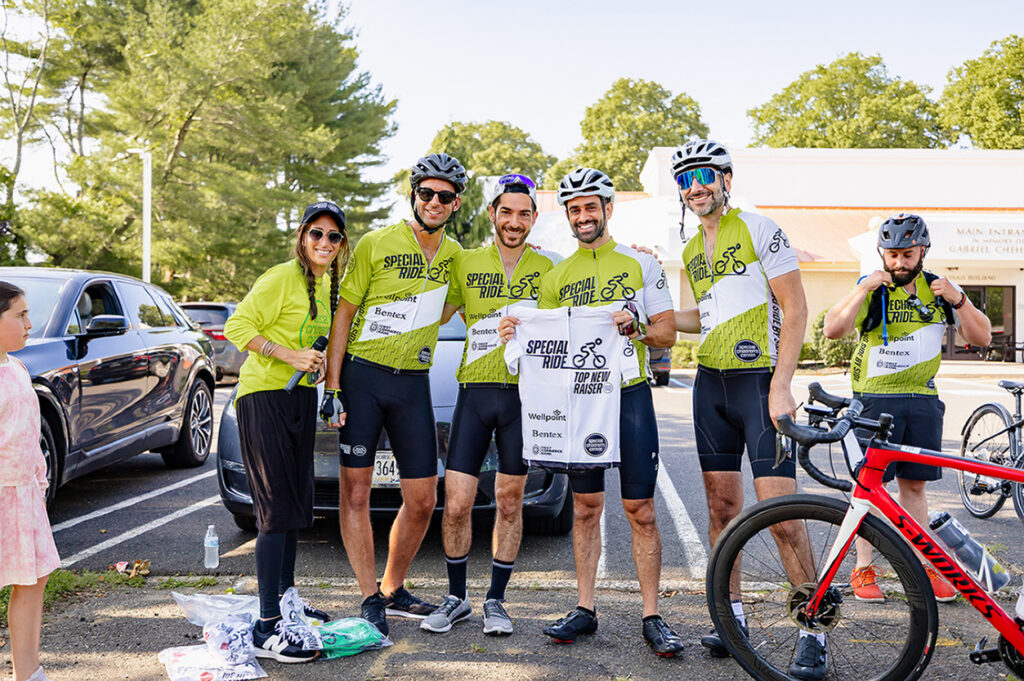
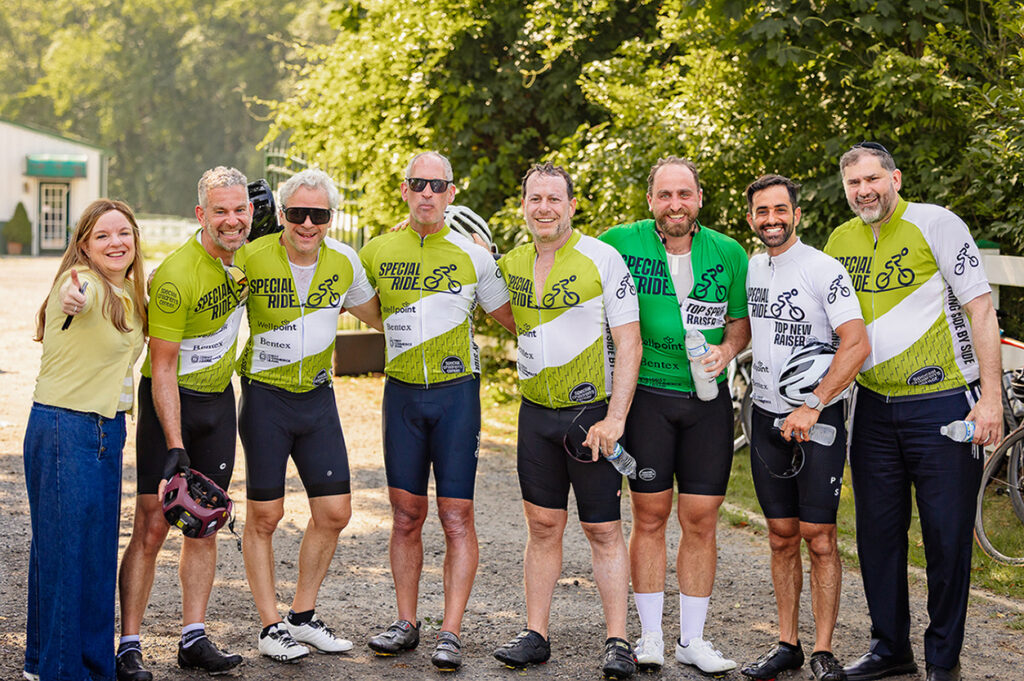
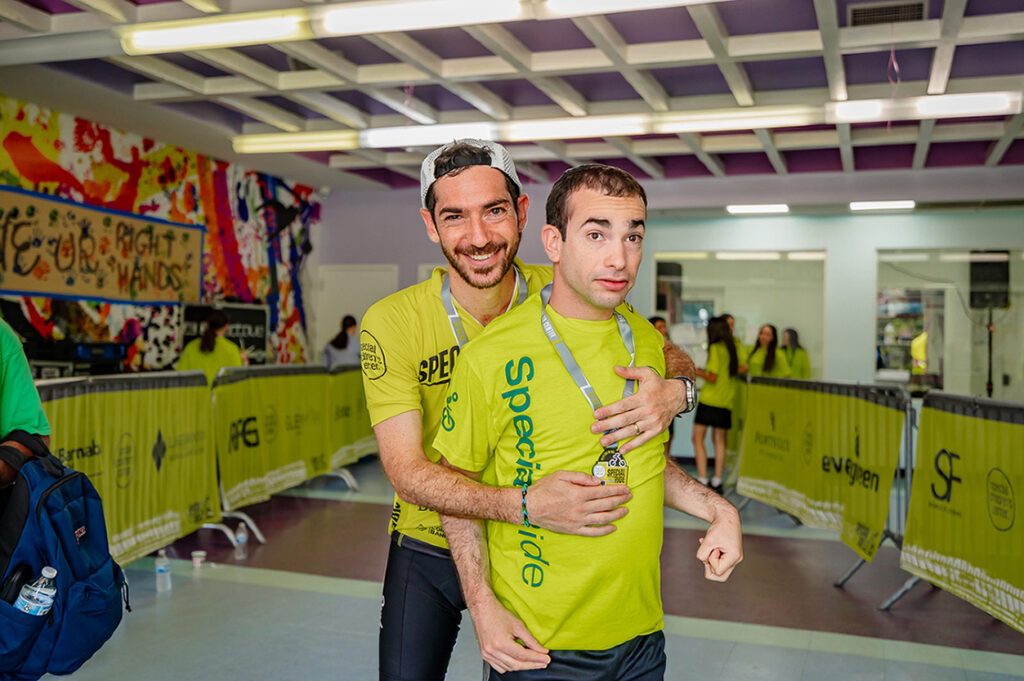
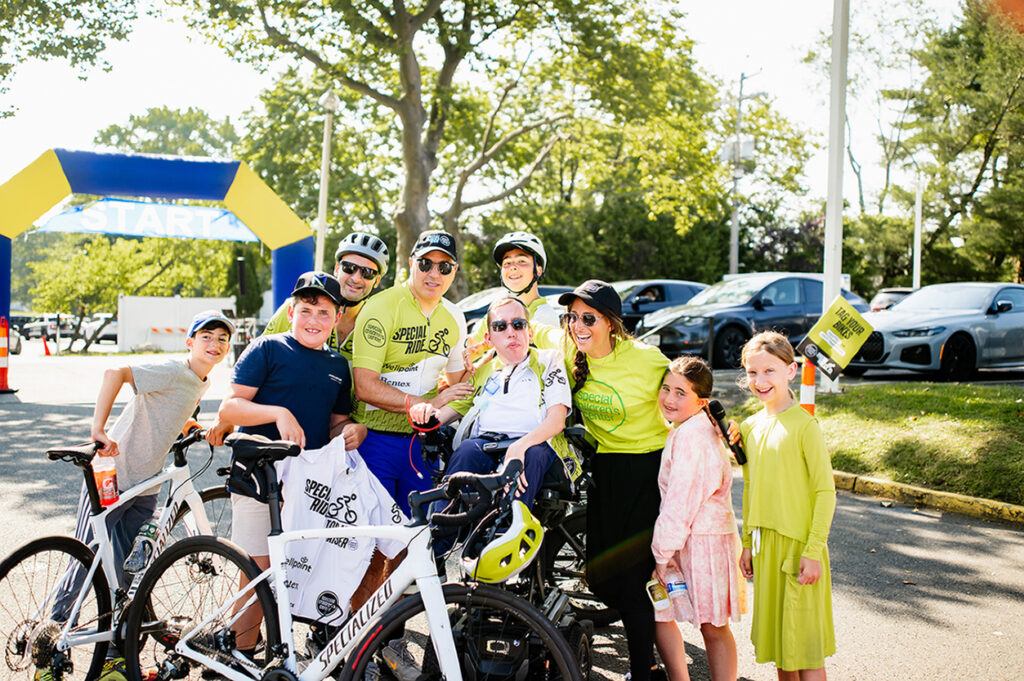
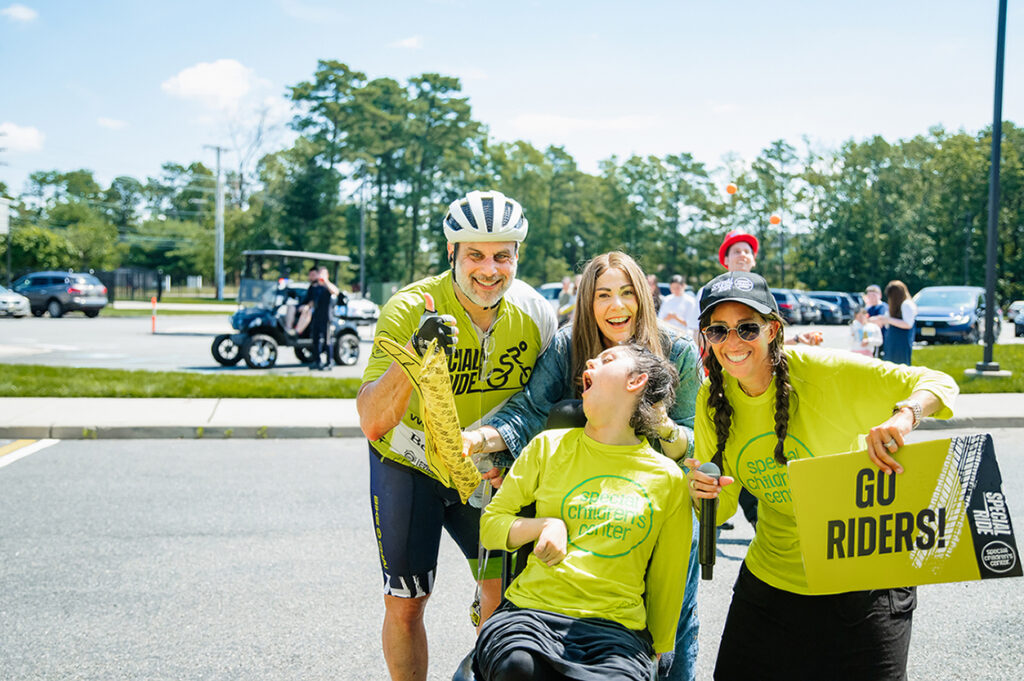
The Special Ride was a real highlight this year! The Ride is the stunning brainchild of Sam Sutton and his beautiful family, created in honor of their very special son and brother, Robbie. With endless dedication, Mike Sutton, Elliot Tawil, Dan Rusinowitz, and Lawrence Pahuskin worked hand-in-hand all year long to make this year’s Ride the incredible success it was. Over 100 riders came together to raise vital funds, and to have an amazing time doing it. Huge thanks to our amazing riders for making the ride such a special success, and a special thank you to CO Dessler for making the logistics and safety look effortless.

Giving Children Wings

Everything we do, every acre of the farm, every moment of programming, every smile from a counselor, is about giving our children wings. At the Center Deal Camp Farm, they are not defined by their challenges; they are lifted by love, laughter, and limitless potential.
And it doesn’t stop at summer. The Center provides services to over 1,000 children all year long, offering a full range of programming designed to meet every need we can think of. From our after-school program, to Center Respite House, to Between Camp, legal holiday programs, and more, we’re here to make life with a special needs child not only manageable, but beautiful.
Each day at the Special Children Center, whether it’s at camp on the farm or in our building, reminds us again and again: when children are given the right environment, the right support, and unconditional love, they soar.
This summer, they are flying high at Center Deal Camp. And we are all better for it.
Reach out today to find out how you can get involved. Email chaya@thecenternj.org or call (732) 367-0099.

Tila Falic Levi. Holocaust Memorial, Jewish Survival, and One Woman’s War for Truth

Linda Argalgi Sadacka

We met twice: once at a rally for Prime Minister Benjamin Netanyahu—before the world was set on fire on October 7—and again more recently for drinks, the sound of war in the background, and history unfolding in real time.
Between those two meetings, something major happened: President Donald J. Trump appointed Tila Falic Levi to his Holocaust Education Board. It didn’t happen by default: it happened deliberately. At a time when Jewish memory is under assault, and Jewish survival is being questioned in public squares across the globe, Trump chose a woman who isn’t reading from a script—he chose one who’s living the mission. “I didn’t come here for war,” Tila told me. “But I’m not running from it either.”
She flew to Israel this summer with her three younger children. Her three older ones were planning to join—but before they could, the skies shut and the missiles came. Friends messaged: “You got stuck.” Her answer? “I’m not stuck. I’m exactly where I’m supposed to be.”
Tila’s Zionism isn’t Instagram-deep. It’s multigenerational. Her family—the Falics—are pillars of Jewish education, Holocaust remembrance, and philanthropic muscle that spans continents. But Tila doesn’t coast on legacy. She builds on it. “I carry the torch,” she told me. “But I use it to light new fires.”
She’s raising six Jewish children in a world where being Jewish is suddenly political again. Her older children are already outspoken Zionist leaders. “Now I’m shaping the younger ones,” she said. “That’s the real mission.”
Her appointment to the Trump Holocaust Education Board came recently—after the October 7 massacre, and in the wake of a global surge in antisemitism. She’s not there for optics. She’s there to speak plain truth. “There’s no comparison to the Holocaust. But when the hatred that fueled it starts resurfacing—cheered on by mobs and ignored by elites—it’s time to stop making excuses and start taking action.”
Her work on the board won’t be passive. She’s not interested in panel discussions. She’s interested in powerfully educating a generation that’s being taught lies—about Jews, about Israel, and about the very meaning of Never Again.
Tila’s life in Israel right now isn’t curated. It’s real. She’s spent nights in bomb shelters, comforting her children under the sound of sirens and airstrikes. Yet each day begins with Modeh Ani—the Jewish prayer of gratitude. “When you say Modeh Ani in Israel, it lands in your bones,” she said. “You don’t just say thank you. You say, ‘I made it. Again.’”
She’s watched Israelis weep and celebrate in the same breath, bury friends in the morning and dance at weddings by night. “This is the only place in the world where death and joy sit at the same table. That’s Israel. That’s what makes us unbreakable.”
“October 7 didn’t change me,” Tila said. “It revealed everything. It showed us who we are—and who our enemies always were.” She sees it clearly now: a dividing line between those who hide behind nuance and those who stand without flinching. “We now know who’s on the right side of history—and who never was.”
To young Jews afraid to speak out, her message is simple and sharp: “Know who you are. Own your history. Speak with strength. And stop apologizing for being a Jew.”
Her loyalty to President Trump is just as firm. “He understands antisemitism. He understands history. And he never backed down from defending Israel—not when it was hard, not when it was unpopular. I’m proud to serve under his leadership.”
Tila Falic Levi is not a pundit. She’s not a performance piece. She’s a mother of six raising Zionist children under rocket fire. She’s a Trump-appointed board member shaping how the world remembers the Holocaust. She’s a woman with legacy in her blood, and leadership in her bones. She doesn’t whisper. She doesn’t wait. And she sure as hell doesn’t ask for permission to be proud.
In a time of moral fog and cowardice disguised as diplomacy, Tila stands as a lighthouse—unapologetically Jewish, defiantly free, and fully awake. And I’m proud—deeply proud—to call her a friend, a sister-in-arms, and one of the fiercest Zionists of our time.

Linda Argalgi Sadacka is a writer, political strategist, community organizer, and Jewish activist dedicated to combating antisemitism. A delegate for the ZOA in the WZO elections, she works to protect Jewish interests worldwide. Known for her impactful advocacy, media presence, and writing, she actively mobilizes communities and fights for Israel.

The Power of Hope. A Thought for Tisha b’Av

The Israeli National Flag against the Kotel Wailing Western Wall empty at night in Jerusalem, Israel.

Rabbi Lord Jonathan Sacks ZT”L

The month of Av is the saddest in the Jewish year, and Tisha b’Av is the saddest day. On it the two Temples were destroyed, the first in 586 BCE by the Babylonians, the second in 70 CE by the Romans. It is also the day on which Betar – the last stronghold of the Bar Kochba rebellion – fell in 135 CE, and on which, one year later, the Roman emperor Hadrian rebuilt Jerusalem as a pagan city, Aelia Capitolina. In 1492, Tisha b’Av was the day on which Jews were finally exiled from Spain.

How did Jews survive these tragedies? That is one of the most enthralling questions about Judaism. It is an iron law of history that civilizations rise, achieve greatness and appear indestructible, but in the end they fail and fall. Only Jews and Judaism have experienced catastrophe after catastrophe, exile after exile, but have endured. Each new defeat inspired resilience. Jews wept, but then rebuilt their lives, often in new and strange places. More remarkably still, each tragedy inspired a new burst of creativity.
After the destruction of the first Temple came the renewal of Torah under Ezra and the returning exiles. After the loss of the second Temple came the great literature of the sages: Midrash, Mishnah and the two Talmuds. The Crusades gave birth to the spirituality of the Hassidei Ashkenaz; the Spanish expulsion to the mysticism of Sfat. The greatest tragedy of all in human terms, the Holocaust, was followed a mere three years later by the single greatest collective affirmation of life in 2000 years – the rebirth of the State of Israel. There is something remarkable about this story, unparalleled in the history of any other nation.
I remember the moment when I first stood on Mount Scopus – today the site of the Hebrew University – looking down on the old city of Jerusalem, and realized that it was here that Rabbi Akiva and his colleagues stood, contemplating the ruins of what had been Judaism’s holiest place. While the others wept, Rabbi Akiva smiled.
“Why do you weep?” asked Rabbi Akiva. They replied “How can we not weep, when we see a fox walking through the ruins where our Holy of Holies once stood. The question is, how can you smile?” Rabbi Akiva replied: “The prophets foresaw Jerusalem’s destruction and they also foresaw its rebuilding. I have seen the first prophecy come true. Now I know the second will also come true.”
Rabbi Akiva shared with the prophets the courage to hope. Hope is not a mere instinct. It is born in faith – the faith that G-d exists, that He keeps His promises and that He forgives. That hope is contained in the very name tradition gave to this month: Menachem Av, the month of consolation as well as tragedy. A people that never loses hope cannot be defeated. The Jewish people kept hope alive. Hope kept the Jewish people alive.

Rabbi Lord Jonathan Sacks ZT”L was an international religious leader, and philosopher. The author of over 30 books, Rabbi Sacks received multiple awards in recognition of his work. Sadly, he passed away in November 2020.