Walk through Tel Aviv on a weekday morning and you’ll see a city buzzing with ideas. Cafés double as office spaces, rooftop terraces host meetings, and co-working hubs brim with young founders and engineers. Israel has earned the nickname “Startup Nation” for good reason. With one of the highest numbers of startups per capita in the world, the country has built a reputation for innovation that stretches far beyond its borders.
What many people don’t realize is how often these ideas end up on Wall Street. Over the past two decades, more than 100 Israeli companies have gone public on U.S. exchanges. They span industries ranging from cybersecurity and biotech to artificial intelligence and communications, highlighting how Israeli innovation doesn’t just stay local but plays out on the global stage. Israel now ranks fourth in the number of Nasdaq-listed companies by country, behind only the United States, Canada, and China. There is no single type of company that defines Israel’s presence on the market. Instead, the variety is striking. Cybersecurity firms, biotech researchers, software providers, mobility innovators, and financial technology platforms all call Israel home. Each represents a piece of the country’s wider story: a small nation that punches far above its weight in science and technology. Some of these names may already be familiar. Mobileye, founded in Jerusalem, pioneered the vision systems used in advanced driver-assistance and autonomous vehicles. The company’s technology is inside cars around the world, even if drivers don’t realize it. monday.com, with its colorful and easy-to-use project management tools, has become a fixture in offices globally. CyberArk is another standout, recognized as one of the world’s leading cybersecurity firms. Behind each of these tickers, MBLY, MNDY, and CYBR, is a story rooted in Israel’s culture of innovation. Beyond the big names are dozens of smaller, specialized firms. Israeli biotech startups have listed on U.S. exchanges with research ranging from oral insulin capsules to new cancer therapies. Satellite technology companies have raised capital to expand communications infrastructure far beyond Israel’s borders. Software firms that began in modest offices in Herzliya or Haifa are now shaping how international businesses operate. For every well-known giant, there are five lesser-known innovators quietly pushing their fields forward. This variety is not accidental. Israel invests more in research and development as a share of GDP than any other country in the world, about 4.3 percent compared to the U.S. at around 2.8 percent. That level of investment helps explain the breadth and pace of innovation that fuels new public offerings and global impact. Just as important, venture capital firms around the world see the opportunity and continue to pour money into Israeli startups. Billions of dollars in VC funding flow into the country each year, giving entrepreneurs the backing they need to grow from small labs and offices into global players ready for Wall Street. The sectors where Israel excels also reflect broader global trends. Cybersecurity remains a constant focus as companies and governments around the world look for ways to protect their data. Health and biotech draw on Israel’s strong medical research institutions, producing therapies and devices that have the potential to improve lives worldwide. Artificial intelligence and mobility solutions connect Israel’s engineering talent with industries that are rapidly reshaping everyday experiences. For market watchers, this mix of innovation ensures that Israeli companies appear across a wide spectrum of sectors. One of the most exciting traits of Israel’s tech ecosystem is its velocity. Startups can rise quickly, attract international attention, and reach the stock market faster than many of their global peers. Some companies go public, while others are acquired by larger firms eager to capture their talent and intellectual property. The result is a steady stream of fresh names for those who keep an eye on market listings. It is important to remember that following these developments does not require being a professional investor. The stock market is simply another lens through which to watch Israel’s impact on global innovation. Spotting an Israeli name in financial headlines can be a reminder that the technology shaping our work, health, and transportation often began in a small office or lab across the Mediterranean. Looking ahead, a number of Israeli companies are set to expand their reach and capture worldwide attention. Navan is reinventing corporate travel and expense management with a sleek software suite. Claroty and Cato Networks are cybersecurity firms protecting everything from Fortune 100 companies to national infrastructure. Gauzy is pushing the boundaries of smart-glass and vision-control technology now used by automakers and aircraft manufacturers. eToro, a retail trading platform, recently made its Nasdaq debut, opening global access to new kinds of investing. Israel Aerospace Industries (IAI), the country’s largest defense and aerospace company, is preparing to go public with a massive valuation. And StoreDot, still privately held, is drawing attention for its ultra-fast electric vehicle batteries that promise to charge a car in minutes. For investors there is an added dimension. Buying shares of Israeli companies not only offers the potential for profit, but also supports the country’s thriving culture of innovation. Many Israeli firms on U.S. exchanges have delivered strong results, especially in sectors where Israel has a global edge. Even carving out a small slice of a portfolio for Israeli companies can be a meaningful way to align financial goals with confidence in the Startup Nation’s future. So the next time you skim the financial pages or hear about a tech company making headlines, take a closer look at its origins. If it started in Tel Aviv, Jerusalem, or Haifa, you are seeing the Startup Nation’s story unfold in real time, not just in research labs or office parks, but on the global stage of the stock market where performance and pride often go hand in hand.
How Jews helped to create the quintessential American holiday
Dr. Yvette Alt Miller
Modeling the first Thanksgiving on Sukkot America’s first Thanksgiving holiday took place in 1621, just a few months after the first Pilgrim settlers first landed on the shores of Cape Cod in Massachusetts. They arrived in the New World just as winter was approaching, and spent their first few months in Massachusetts huddled on the Mayflower boat that had brought them from England, subsisting on the ship’s stores of food. Fully half of the Pilgrims perished over the winter. When the weather began to improve, they ventured onto land. March 21 was the day the Pilgrims officially left the Mayflower and began to farm and build homesteads. The Pilgrims were aided by members of the local Abenaki, Pawtuxet and Wampanoag tribes, particularly by a Pawtuxet man named Squanto who had an amazing history. He had been kidnapped some years previously by an English ship captain, had learned English, and eventually returned to his tribe in Massachusetts. With Squanto’s aid, the Pilgrims succeeded in cultivating native crops. At harvest time, the Pilgrims declared a three-day long feast of Thanksgiving to thank G-d for their harvest. Deeply religious Christians, the Pilgrims were well acquainted with the Hebrew Bible and Jewish holidays, including the autumn festival of Sukkot, when Jewish pilgrims brought offerings from their harvests to the Temple in Jerusalem. Some see the first American Thanksgiving was an attempt to thank G-d for His beneficence in a new place, and to a new set of Pilgrims, a conscious imitation of Sukkot. Pilgrim leader William Bradford had another Jewish custom in mind when he declared a service of thanksgiving soon after the Pilgrims made landfall in 1620. He opened his Bible and led the Pilgrims in reciting Psalm 107. Incredibly, the annotations in Bradford’s Bible, written by the English clergyman Henry Ainsworth, quoted the Medieval Jewish Sage Rabbi Moshe Ben Maimon (Rambam), whose legal work the Mishnah Torah directs Jews to recite a prayer based on Psalm 107 after making a dangerous journey and overcoming other obstacles. It seems that the very first American act of Thanksgiving had Jewish roots as William Bradford incorporated Jewish traditions into his first thanksgiving prayers in the New World.
Ensuring Jews Can Celebrate Thanksgiving During Colonial times, it was common for colonies to declare special days of thanksgiving at times of prosperity and good fortune. Shearith Israel, the oldest synagogue in America, eagerly took part. Established in 1654 by Sephardi Jews seeking refuge from the Portuguese Inquisition in Brazil, Shearith Israel (also known as the Spanish and Portuguese Synagogue) took part in various thanksgiving celebrations that were declared by New York’s colonial governor. Shearith Israel wrote new prayers and included prayers of thanksgiving during these colonial thanksgiving days. There were times, however, when New York’s Colonial Governor insisted that special days of thanksgiving have a specifically Christian character. (This was true of other colonies as well, which sometimes insisted that days of thanksgiving be celebrated with Christian prayers.) At these times, Shearith Israel had no choice but to refrain from taking part. The synagogue’s predicament became known to George Washington, thanks to the synagogue’s leader, Gershom Mendes Seixas, the congregation’s cantor who was devoted to the cause of American Independence, and his family. Many of Shearith Israel’s members joined the Continental Army and fought with George Washington; approximately 20 members of the synagogue died in America’s revolutionary war. After the war, Seixas was selected to be one of the small number of clergy people present at George Washington’s presidential inauguration. When the new President declared a national day of Thanksgiving for the new United States in 1789, he specifically made his day of thanks non-denominational, ensuring that his Jewish supporters could fully take part in America’s first national thanksgiving festival. Gershom Mendes’ Seixas brother Moses was active in his own synagogue in Rhode Island, Kahal Kadosh Yeshuat Yisrael (later called the Touro Synagogue). In 1790, seven years after the conclusion of America’s War of Independence, President George Washington visited that synagogue and Moses Seixas delivered him a warm letter of affection on behalf of his congregation. President Washington responded with a letter of his own, in which he famously reiterated his strong belief that America was not to be a Christian nation, but one to which all peoples could equally contribute and call home. “All possess alike liberty of conscience and immunities of citizenship,” Washington wrote. “For happily the government of the United States, which gives to bigotry no sanction, to persecution no assistance, requires only that they who live under its protection should demean themselves as good citizens, in giving it all on occasions their effectual support…” It was a strong reminder that America’s national character must include all its citizens, no matter what their religious persuasion.
The Shavuot Connection Thanksgiving only became a regular, annual holiday in 1863. That was thanks in large part to one woman: Sarah Josepha Hale, editor of America’s most popular journal, Godey’s Ladies Journal. Hale was a progressive idealist. Each year, starting in 1846, she published a public appeal in Godey’s, asking the government to establish a national day of Thanksgiving across the entire country. Notably, she called for a day of Thanksgiving in which all Americans, including Jews, could take part. Hale made specific reference to a key Jewish holiday in her annual appeal, “Pentecost,” which is a Greek name for the Jewish holiday of Shavuot, the day G-d gave the Torah to the Jewish people at Mount Sinai. Hale saw this Jewish holiday as a time for family gatherings and giving charity so that no poor household would be left out of the national celebration. (Hale lived in New Hampshire, which had a small Jewish population, it’s possible she observed the ways that Jews support their communities with charity, ensuring that all members have the resources to celebrate festivals such as Shavuot and other Jewish holidays.) “The noble annual feast day of our Thanksgiving resembles, in some respects, the Feast of Pentecost, which was, in fact, the yearly season of Thanksgiving with the Jews,” Hale insisted in the pages of her magazine, year after year. Fixing a regular Thanksgiving day “would then have a national character…. It is a festival which will never become obsolete, for it cherishes the best affections of the heart – the social and domestic ties. It calls together the dispersed members of the family circle, and brings plenty, joy and gladness to the dwellings of the poor and lowly.” President Lincoln finally listened to Hale’s entreaties – and those of her many readers and admirers – and proclaimed the final Thursday in November to be an annual holiday of Thanksgiving across the United States. Deep in the Civil War, it was the hope of many that a national day of Thanksgiving could help heal the country’s wounds.
The Jew Who Changed the Date of Thanksgiving For years, Thanksgiving was celebrated on the last Thursday in November: until a Jewish businessman helped alter the date – and provoked a firestorm across America. In 1939, there were five Thursdays in November and Thanksgiving fell on November 30. With the economy in depression, merchants were worried that a late Thanksgiving would mean an unusually short Christmas shopping season, as in the 1930s it was customary to start decorating stores and promoting Christmas merchandise only after the Thanksgiving holiday. American retailers lobbied President Franklin Delano Roosevelt to bring Thanksgiving forward a week, to November 23, to help America’s embattled retailers. The leader of the push was Fred Lazarus, Jr., the Jewish chairman of the Federated Department Stores, a national retailing grouping he’d organized in 1930 to link stores in different communities by sharing a financial base. (Federated Department Stores eventually became Macy’s.) Lazarus’ logic appealed to President Roosevelt, who changed Thanksgiving from the final Thursday of November to the third Thursday of the month in order to help the nation’s merchants. This provoked a swift backlash from conservative states and politicians, some of whom seized on the change to promote antisemitic tinged criticisms of President Roosevelt’s New Deal policies. Critics called the “new” Thanksgiving “Franksgiving” and many states refused to celebrate it. The backlash fell along party lines. As the New England Historical Society notes, “Republicans called Roosevelt’s declaration an affront to the memory of Lincoln. People began referring to the ‘Republican Thanksgiving (last Thursday) and the ‘Democratic Thanksgiving’ (fourth Thursday) as ‘Franksgiving’.” President Roosevelt changed Thanksgiving back to its original date in 1941. Fred Lazarus Jr. went on to contribute to the American war effort, serving as vice-chairman of the Retail Advisory Council of the National Council of Defense. He also served on the Office of Price Administration and the War Production Board during World War II. After the war, President Eisenhower appointed Lazarus to the President’s Committee on Government Contracts, where Lazarus was a voice for fair labor practices. He passed away in 1973.
Inventing Thanksgiving Day Parade No Thanksgiving would be complete without watching a Thanksgiving Day Parade, a tradition started by the descendants and business partners of a Jewish immigrant named Adam Gimbel. Born in 1817 in Bavaria, Gimbel moved to America where he worked as a dock hand and then a travelling peddler. He soon gained a sterling reputation as a scrupulously honest businessman who treated all people fairly, no matter what their background. Gimbel founded Gimbels Department Store in Milwaukee. He later expanded to Philadelphia; after his death, he sons expanded Gimbel’s further, opening a store in New York City. In 1920, Bernard Gimbel, Adam’s grandson, held the first Thanksgiving Day Parade, sponsoring a huge spectacle that marched from the Philadelphia Museum of Art to Gimbel’s Department Store at 8th and Market Streets. Each year, until the last Gimbels’ Parade in 1986, the department store sponsored Philadelphia’s annual Thanksgiving Day Parade. Macy’s in New York started their own Thanksgiving Day Parade in 1924, in a clear imitation of Gimbels’.
Creating America’s Green Bean Casserole The iconic green bean casserole topped with crunchy fried onions that many Americans enjoy on Thanksgiving has a remarkable story, and was popularized in the 1950s by the Jewish food writer Cecily Brownstone. In 1955, Ms. Brownstone wrote a story about a journalists’ dinner she’d attended at the home of John Snively Jr., a pioneering citrus grower in Florida. At the dinner, Mrs. Snively served a delicious green bean casserole – and shared a remarkable story about that signature dish. The Snivelys had recently hosted the Shah of Iran and his wife, and Mrs. Snively made her delicious green bean casserole. The Iranian Queen was so taken with the dish that she kept asking about its ingredients. The Snivelys’ butler answered each question, until he finally lost his patience and told the royal, “Listen, lady, it’s just beans and stuff.”
Sing a New Song: The Psalms in Medieval Art and Life
Natalie Senior Greenberg
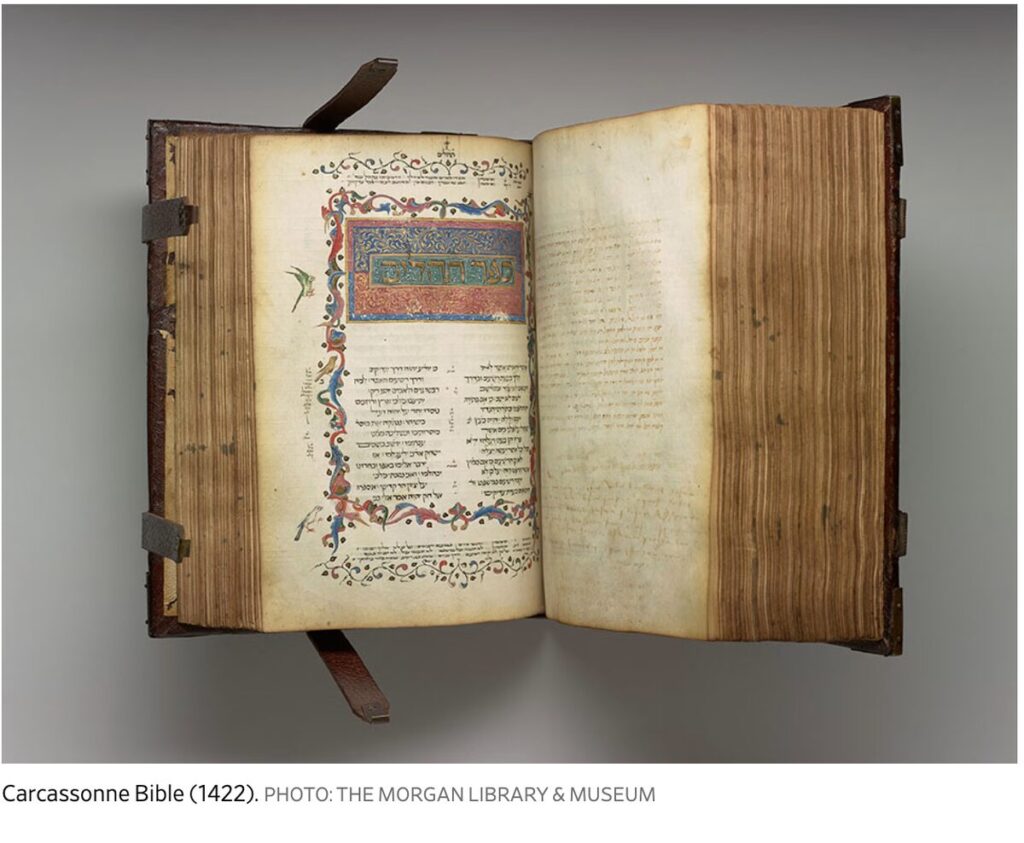
Carcassonne Bible (1422). Photo: The Morgan Library & Museum
The Morgan Library & Museum in New York City has unveiled a fascinating new exhibit dedicated to the Book of Psalms and the art of illuminated manuscripts. This exhibition offers visitors a rare opportunity to explore the intricate beauty, religious significance, and historical context of some of the world’s most remarkable medieval artworks. The exhibit underscores the enduring power of Tehillim and the creative genius of the scribes and artists who brought these sacred texts to life.
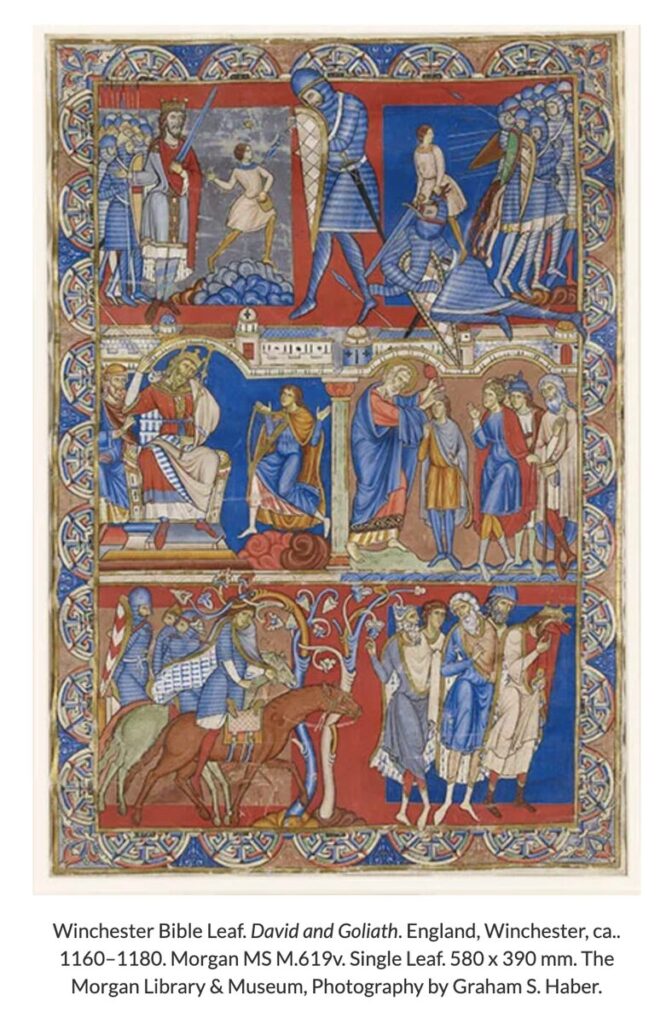
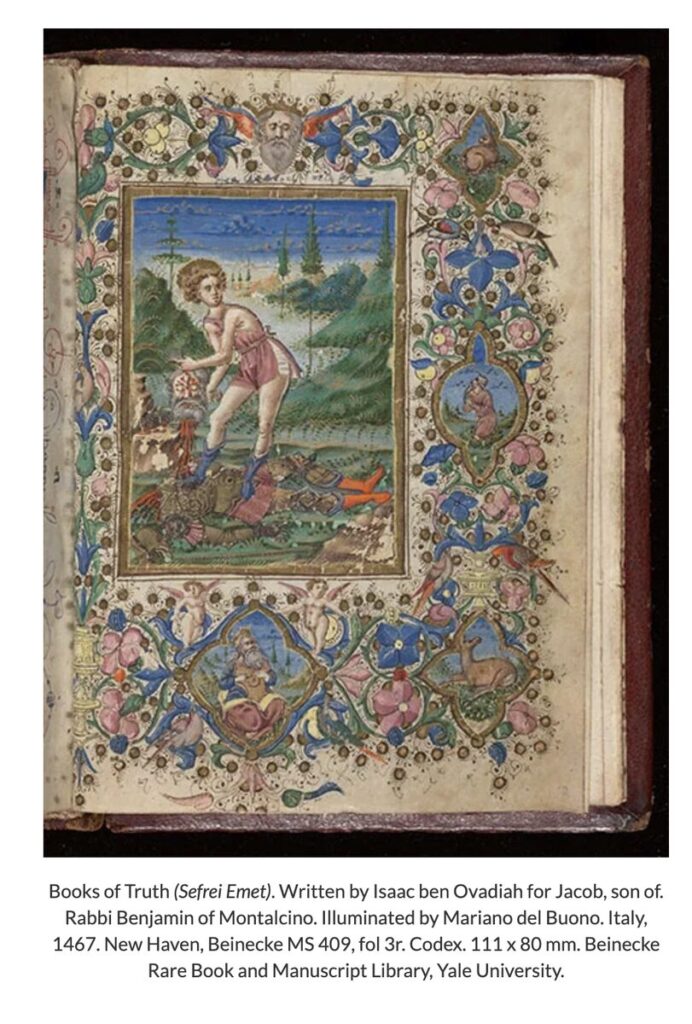
Winchester Bible Leaf. David and Goliath. England, Winchester, ca. 1160–1180. Morgan MS M.619v. Single Leaf. 580 x 390 mm. The Morgan Library & Museum, Photography by Graham S. Haber.Books of Truth (Sefrei Emet). Written by Isaac ben Ovadiah for Jacob, son of Rabbi Benjamin of Montalcino. Illuminated by Mariano del Buono. Italy, 1467. New Haven, Beinecke MS 409, fol 3r. Codex. 111 x 80 mm. Beinecke Rare Book and Manuscript Library, Yale University.
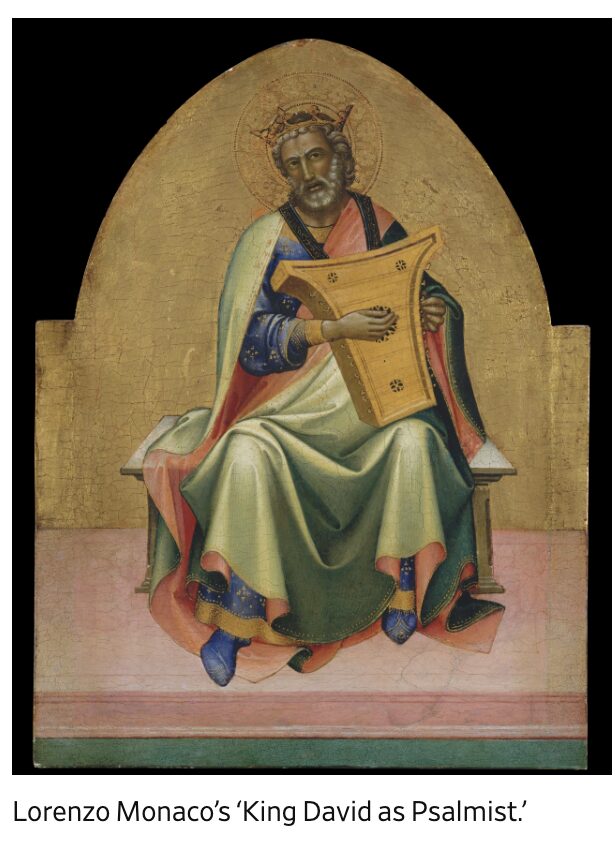
Tehillim is the Hebrew name for the Book of Psalms, which translates to “praises.” It consists of 150 poems or chapters. These psalms are songs of praise, lament, gratitude, and supplication to Hashem, used in both joyous and desperate times. In medieval Europe, during the 12th to 14th centuries, these texts were not only read and recited but were also lavishly decorated, forming part of personal prayer books. The Morgan Library’s exhibit centers around illuminated manuscripts, the handwritten books adorned with gold leaf, vibrant pigments, and intricate illustrations. These manuscripts were created by skilled artisans working in scriptoria, or writing rooms, set aside for the writing, copying, and illumination of manuscripts. Each page is a testament to painstaking labor and artistic vision, featuring elaborate initial letters, border decorations, and miniature paintings that interpret the Psalms’ themes. The illumination of Psalms served both aesthetic and devotional purposes. Gold and rich colors reflected the heavenly realm, while images of biblical figures and scenes helped readers visualize the stories and prayers. The show begins with the exquisite Carcassonne Bible made in Avignon in 1422 for a Jewish physician. On display is the introductory page to the Book of Psalms. “Tehillim” is embellished in gold letters and surrounded by decorative stripes of green, blue, and red. The borders are highly decorated with ribbons, flowers, and birds. Due to religious persecution and censorship, few Hebrew manuscripts from this era have survived, but fortunately we are able to view another rare example from Bologna, Italy. King David, who composed and compiled the Book of Psalms, is frequently depicted in the manuscripts as a wise elder, wearing a gold crown and holding a harp. Visitors can also view medieval Psalters from the Morgan’s renowned collection, some dating back to the 12th century. Not all are Hebrew or Jewish, as non-Jews also used books of Psalms or Psalters. These books feature extraordinary examples of calligraphy and illuminated initials. Many of these Psalters include pages depicting scenes from the life of King David, as well as religious figures and scenes from other faiths and traditions, rendered in stunning detail. There are also interactive displays allowing guests to “turn” virtual pages and examine details up close, revealing techniques and materials used by medieval craftsmen. The new exhibit at the Morgan Library & Museum is on display through January 4, 2026. Whether you are an art lover, a student of history, or simply curious about the spiritual and artistic heritage of the Psalms, this show offers a window into a world where beauty and devotion intertwine. Through its extraordinary collection and innovative displays, the exhibit honors the legacy of medieval scribes and illuminators, reminding us that art and faith have long been partners in the human quest for meaning.
A raw and unflinching firsthand account of 491 days in Hamas captivity
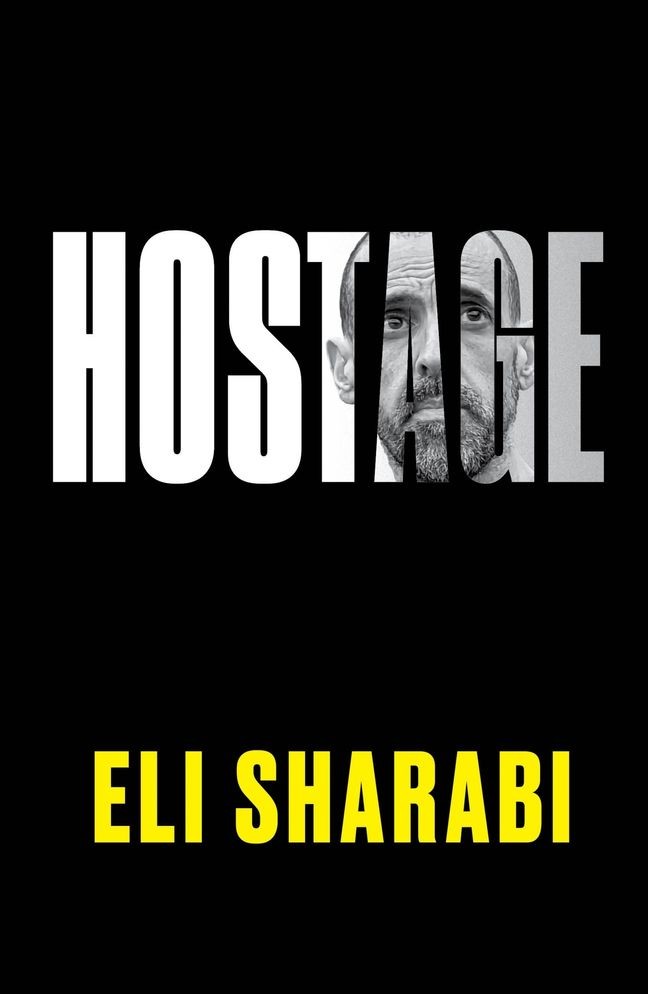
HOSTAGE by Eli Sharabi is a raw and unflinching firsthand account of his experience in Hamas captivity. In this first memoir by a released hostage (and the fastest-selling book in Israel’s history), Sharabi recounts the starvation, isolation, physical beatings, and psychological abuse he suffered at the hands of his captors.
On October 7, 2023, Hamas terrorists stormed Kibbutz Be’eri, shattering the peaceful life Eli Sharabi had built with his British wife, Lianne, and their teenage daughters, Noiya and Yahel. Dragged barefoot out his front door while his family watched in horror, Sharabi didn’t know it would be the last time he would see them. In heart-pounding prose, Sharabi brings readers along as he is kidnapped into Gaza, first into the private homes of his captors and then into the suffocating darkness of Gaza’s tunnels where he and his fellow hostages endured the unimaginable. Then, on February 8, 2025, after 491 days in captivity, the world watched as Sharabi emerged—a shadow of his former self. Weighing just 95 pounds, he was paraded in front of a rabid crowd in a macabre ceremony orchestrated by Hamas. Despite the horrors he endured, Sharabi held onto his unyielding resolve to survive and be reunited with his loved ones. But when he finally made his way home to Israel, Sharabi was devastated to learn that his wife and daughters were killed on October 7.
In HOSTAGE, Sharabi reveals: • Details of where he was kept before being transported into the tunnels of Gaza • How his fluency in Arabic allowed him to understand everything his captors were saying, revealing insight into their motivations, belief system, and the hierarchy inside Hamas • The complicated relationships he and his fellow hostages developed with their various captors • How his life experience as a father and manager gave him the tools to navigate complex human dynamics and allowed him to be a source of comfort to his fellow hostages • The rituals he and his fellow hostages adopted to survive, including: a gratitude practice, the tools and routines they employed to stay as fit as possible, in mind and body and more • The hunger and gruesome sanitary conditions within the tunnels • How his Hamas captors were stockpiling boxes of UN aid, brimming with food. Meanwhile, Sharabi and his fellow captives subsisted on as little as one pita a day, at some points. • The sophisticated and elaborate propaganda tools the terrorists employed: including choreographed video productions they forced the hostages to partake in, containing propaganda messaging • The psychological torture, including calls to renounce their Judaism for Islam; misinformation about what was happening to their families and the war raging outside • The agonizing lead-up to their release, including threats from the terrorists about what would happen if they went off script; the fears of being lynched by the frenzied and ecstatic crowds, and more • What Sharabi said to the Red Cross representative when they were finally face to face, 491 days after his kidnapping • How he was stunned by the number of people involved with the release process on Israel’s side, the level of planning, attention to detail and sensitivity • His road to recovery Eli Sharabi’s story is one of hunger and heartache, of physical pain, longing, loneliness and a helplessness that threatens to destroy the soul. But it is also a story of strength, of resilience, and of the human spirit’s refusal to surrender. It is about the camaraderie forged in captivity, the quiet power of faith, and one man’s unrelenting decision to choose life, time and time again. In the months since his release, Sharabi’s road to recovery has included the urgent mission to share his story and how he advocated for the release of the remaining hostages. As Sharabi writes, “hope is never something that comes easily. It’s always something you’ve got to fight for, to work on.”
Now celebrating its 15th year serving community organizations, Sarina Roffé Consulting Group continues to expand its reach and reputation for excellence in nonprofit management.
Abraham RofféSarina Roffé
What began in Sarina Roffé’s home office as a way to help “Friends of” organizations supporting Jewish causes in Israel has grown into a trusted institution offering comprehensive services to nonprofits worldwide. Drawing on her experience as a journalist, a national nonprofit president, and former National Director of Communications at Jewish National Fund, Sarina Roffé built a firm rooted in ethics, professionalism, transparency, and a deep understanding of her community. Operating from her centrally located Marine Park office, Sarina and her team provide a full-service, turnkey operation for nonprofits with annual budgets ranging from $10,000 to $5 million. Her office provides nonprofits with an address and a reputation. “Her QuickBooks service always provides clean ledgers for 990 filings and audits,” said Jacques Erdos, CPA. “Sarina Roffé is also an expert at handling nonprofit applications with the Internal Revenue Service, with 100 percent of applications approved. Sarina’s high ethical standards and expertise make her the community’s go-to expert for nonprofit management.” Services include bookkeeping, donation processing, donor management, payroll, invoicing, collections, and coordination with CPAs on annual filings. The firm also supports organizations with fundraising, event management, grant administration, and collateral materials such as brochures, newsletters, email blasts, annual reports, videos, and pledge cards. She works closely with graphic artists to produce and print materials within the organization’s budget. “Sarina and her team are personable, professional, and always ready to help,” said Elliot Horowitz, CEO of H Equities. “Her full turnkey operation for small nonprofits fills a vital niche. Sarina helped launch a nonprofit organization of which I am treasurer. She provided invaluable advice, managed all our finances, attended every board meeting (even on weekends), managed fundraising events, spoke to donors, and supervised all marketing efforts.” Roffé’s writing and editing expertise extends to crafting bylaws, policies, procedures, and employee manuals. Clients consistently praise her reliability, integrity, and commitment. “Sarina has been honest, organized, and dedicated for more than 15 years,” said Rabbi Ronnie Kassin. “Her knowledge of our community and expertise in nonprofit management make her an invaluable asset.” The firm’s clients include organizations supporting Jewish communities in China, Argentina, France, and Israel, as well as numerous local synagogues and charities. “Beyond her professional skills, Sarina’s warmth and integrity have left a lasting impression,” said Rabbi Netanel Meoded, Chief Rabbi of Kehilat Zion of Kowloon. “She takes professionalism to an unheard-of level,” added Alan Kishk, President of Roofing Repair Team. “Working with her is like forming a true partnership. Sarina is one of the most efficient professionals I know. She is organized, effective, and intelligent.” Notably, all of Sarina Roffé Group’s clients have come through referrals, a testament to the firm’s stellar reputation and results-driven approach. Sarina holds degrees in Journalism, Jewish Studies, and an MBA in Nonprofit Management—a rare combination that blends communication skills, cultural understanding, and business acumen. Her team includes her son, Abraham Roffé, who also holds an MBA, along with two additional staff members dedicated to delivering exceptional service.
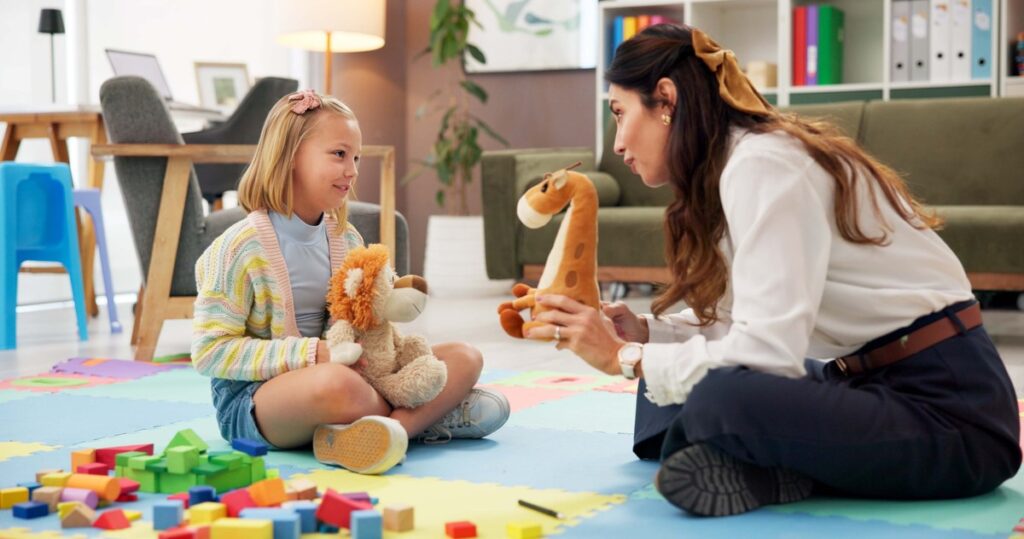
Parenting a child with special needs comes with unique challenges. Choosing the right therapy can feel overwhelming with so many options available. At our Brooklyn DIR/Floortime Clinic, we focus on what truly matters — helping your child build meaningful connections, emotional regulation, and confidence through play and relationships.
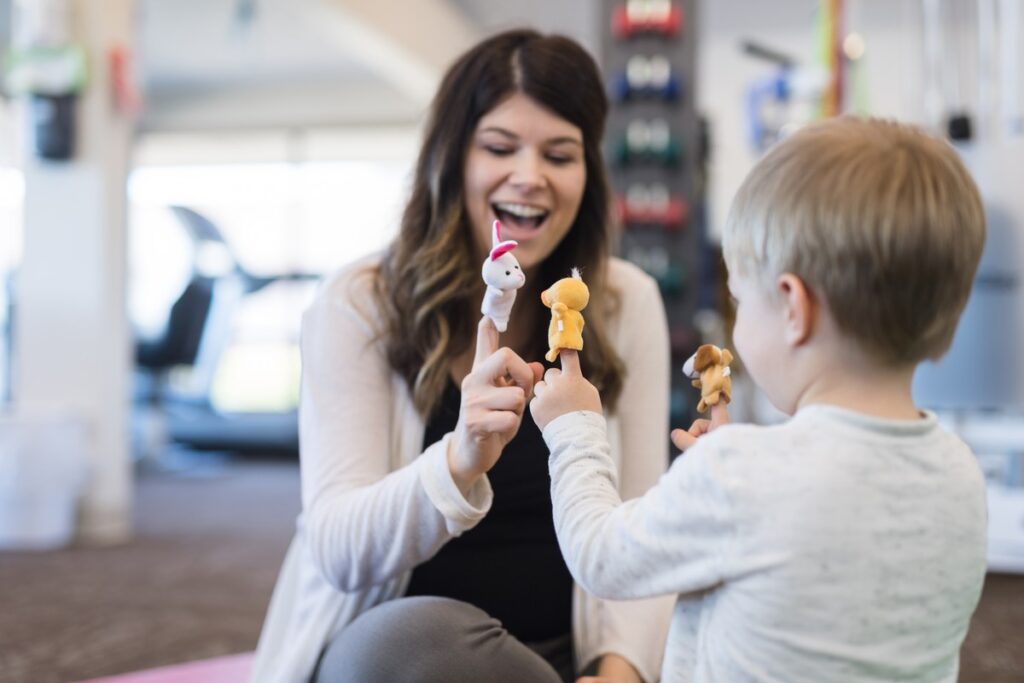
What is DIR/Floortime? DIR, or Developmental Individualized Relationship Based Therapy, also known as the Floortime approach, was developed by Dr. Stanley Greenspan and Dr. Serena Wieder. This evidence-based model builds on your child’s natural interests and motivations to strengthen emotional development, thinking, and problem solving. Rather than relying on external rewards, Floortime invites children to engage joyfully through play, conversation, and imagination — at their own pace and from a foundation of trust and connection.
How Our Approach Works • Child-Led, Relationship-Based: We meet each child where they are emotionally and developmentally. Sessions use toys, games, and symbolic play to help children express themselves, connect, and think more flexibly. • Parent Involvement: Parents play an essential role. Our therapists support and collaborate with families so that the strategies learned in sessions become part of everyday life. • Skill Building Through Joy: From regulation and attention to communication and social confidence, every moment of play is an opportunity to strengthen core developmental skills. • Confidence Through Independence: We support children to discover their own problem-solving abilities rather than imitating others. The goal is a confident, self-directed thinker ready to thrive in the real world.
Why Families Choose Our Clinic Our therapists have decades of experience helping children with developmental, social, emotional, and behavioral needs. DIR/Floortime is a proven model that transforms not only how children relate to others but also how families connect and grow together. Even one to two sessions per week can translate into meaningful gains for the entire family.
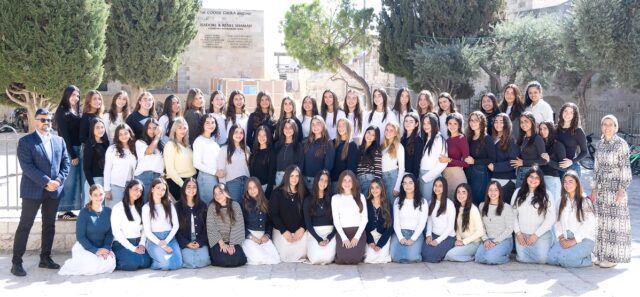
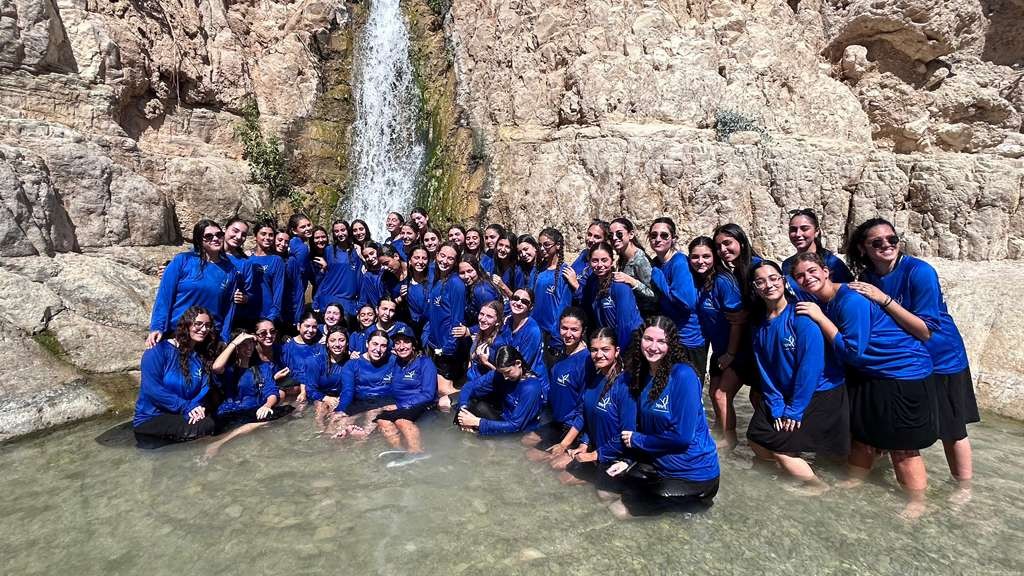
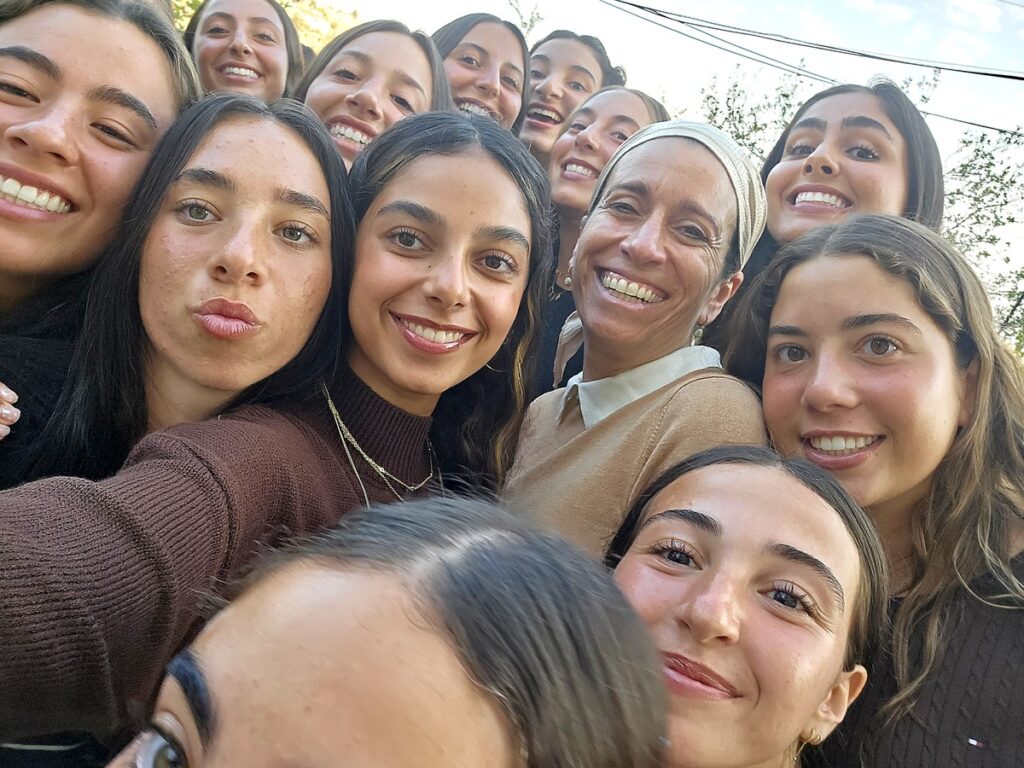
The excitement was palpable as 56 new students found their new home away from home at Midreshet Eshel last month. Living just a five-minute walk from the Kotel, students quickly began to adjust and make new friends from New York, New Jersey, Florida, Los Angeles, Seattle, Montreal, Brazil, and Belgium. Though they come from different Sephardic communities across the world, these young Sephardic students eagerly came together for a similar purpose, to learn, grow, and develop themselves spiritually and personally. “Eshel was definitely the right choice,” explains Caroline Palacci, graduate of Flatbush and current student at the Midrasha. “I’ve met so many great friends, and I’m able to really dive into my spirituality surrounded by a supportive Sephardic community.” “My experience at Eshel has been incredible,” enthuses Emma Kamagi, graduate of Flatbush High School. “I’m growing and learning more than I ever imagined. It’s empowering me to become more independent and confident in everything I do.”
IMG-20250929-WA0077.jpg
R to L: Corrie Beyda, June Rahmey, Esther Watren, Norma Shamah, Tunie Terzi, Charlotte Daniel, Janet Sasdon, Grace Weiss, Rachel Moghrabi, Maya Bendayan, Paulina Gamel.
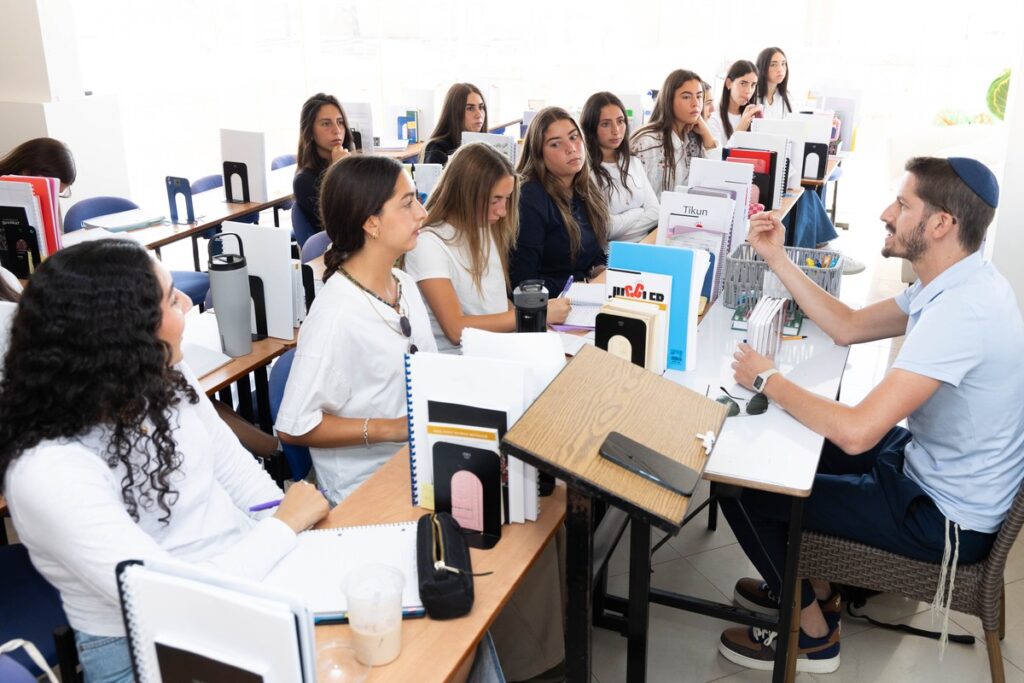
Students are immersed in a warm learning environment that promotes their intellectual and emotional growth. Classes on both advanced and regular levels challenge students to expand their thinking and deepen their understanding of G-D, Torah and Misvot (commandments), their relationships with others, as well as their relationship with themselves. As Sofia Choueke of Brazil explains, “I feel the classes provided at Eshel are changing me as a person.” Sarah Tawil, graduate of Flatbush, agrees. “Being at Eshel has been such an inspiring experience. I feel like I’m constantly growing through everything I’m learning.” Sarah continues, “The classes motivate me to think independently and push me in new ways every day.” Outside the classroom, students continue learning and connecting to the people and the land of Israel. Frequent walking tours, hikes, activities, and guest speakers keep students engaged and inspired. “It’s been an amazing experience so far,” says Janet Sasson from Magen David. “I love how much I’m learning inside and outside of the classroom.” Lydia Mohadeb from Flatbush concurs: “My experience at Eshel so far has been eye-opening. I’ve learned so much about myself through the lens of Torah. I’m excited to continue growing and learning even more.”
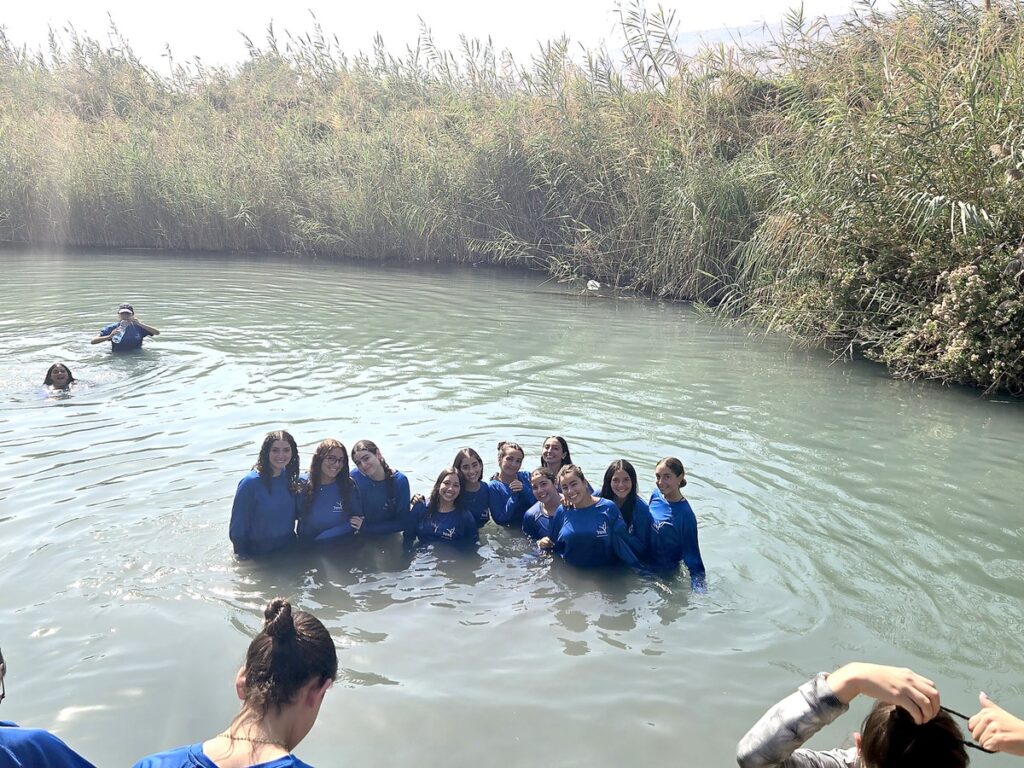
Monthly Shabbatonim (group Shabbat retreats) with different teachers are a highlight as students have just returned from a water hike at Nachal Hakibbutsim and a spiritually uplifting Shabbat in the holy city of Sefat. Norma Shamah of Hillel reflects, “It was such a spiritual place, and learning about its deep holiness made the experience even more special.” Underlying the success of the Midrasha is the modest, talented, and highly committed teaching staff comprised of rabbis and female teachers who have been with the Midrasha for many years. “We don’t hire teachers easily,” explains Miriam Tawil, Founder and Director. “While each one has been chosen specifically for the unique role they play at the Midrasha, taken together the synergy between them is incredible.”
One of the newest additions to the staff is Victoria Chabot Berman, who teaches Halacha (Jewish law) and Rambam (Maimonides) and serves as a Rakezet or Supervisor to the students. “Not only do the students get to live in the Old City and learn Torah in the Old City every single day, the students are set up for a year of growth that will serve as a basis for their future growth for many years to come.” With G-D’s help, the combination of its unparalleled location, international student body, and professional and highly dedicated staff produces an experience like no other. As Stacey Gelber of Flatbush summarizes, “Eshel is truly the best seminary. I’ve never felt more alive, happy, and connected than I do in this incredible place.” Recruitment for September 2026 is underway. For more information please visit us at www.sephardicseminary.org
Nobody wakes up one morning and becomes a great athlete. Even the most talented basketball players don’t just roll out of bed and sink every shot. They train consistently, practice the basics, and build their skills one day at a time.
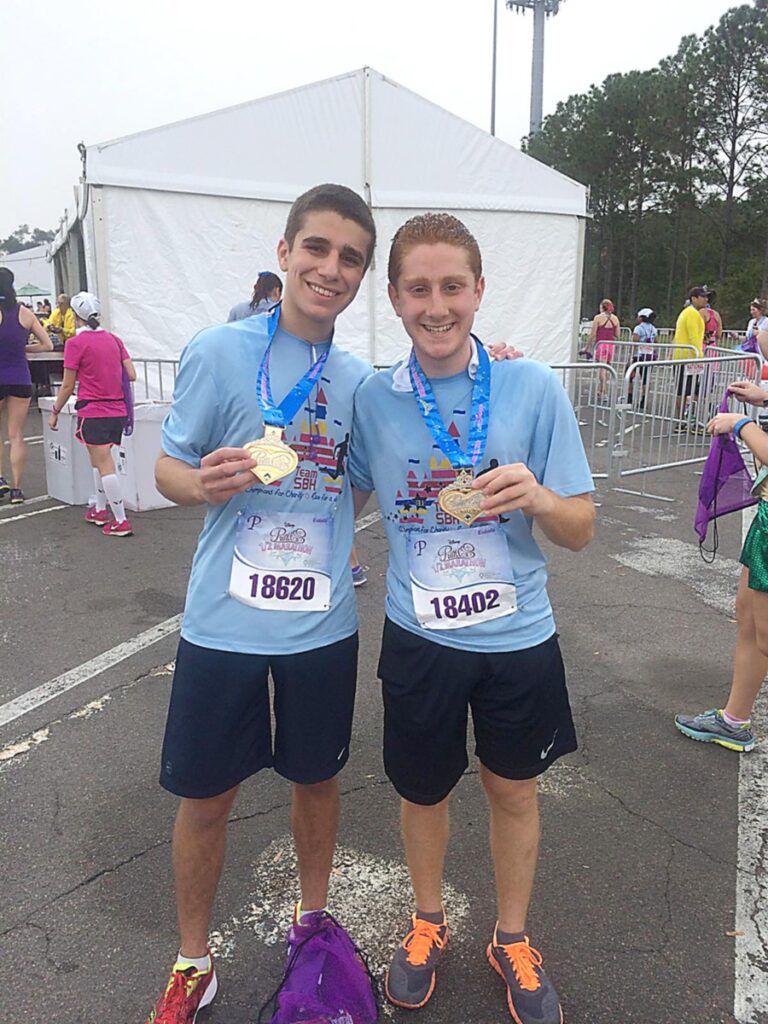
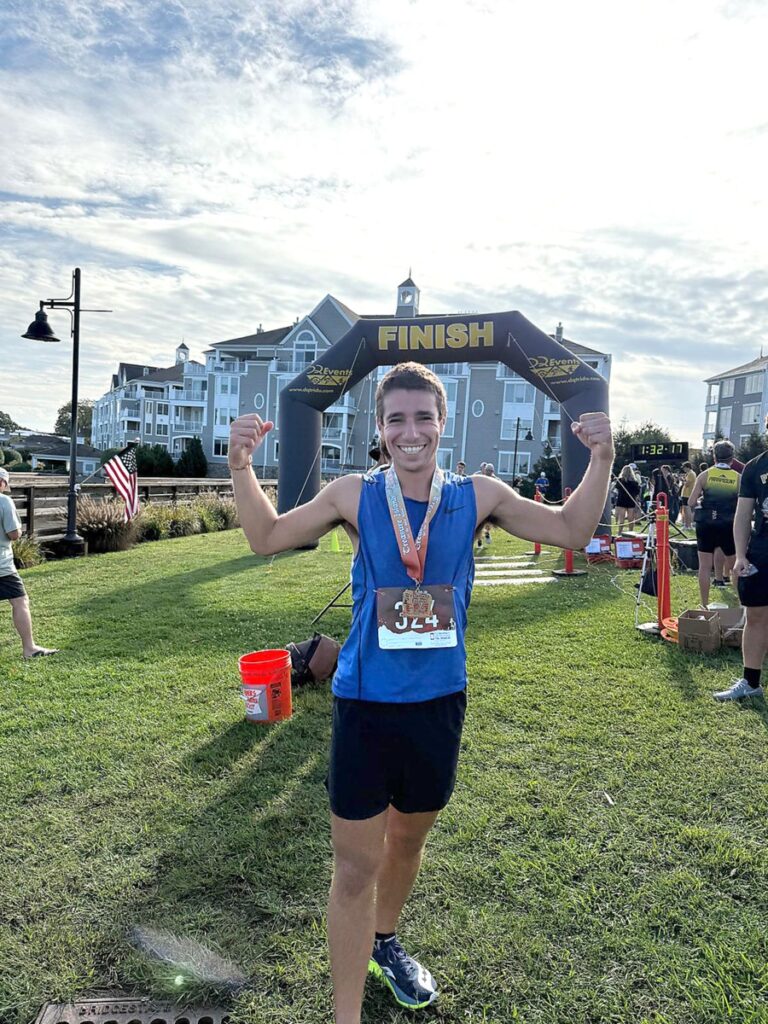
I know this because I am a runner. I ran my first half marathon in 2014, the Disney SBH Half Marathon. I barely trained and just pushed through to the finish line. I didn’t think this event would start my journey to become a runner; I just thought it would be fun to hang out with my friends. It wasn’t until Covid that I started taking running seriously. At first, I couldn’t run a mile without stopping. I wasn’t fast, and long distances felt impossible. But over time, I improved. I got faster, became more consistent, and today I consider myself a solid runner. A few months ago, one of my colleagues suggested I try a triathlon. I knew I had the running part down, but I didn’t swim or bike much. He pointed out that the season was almost over, and if I skipped it, I would have to wait a full year for the next one. So I decided to go for it. I wasn’t going to be the fastest or the most prepared, but I wanted to do it. If I waited, something else would always come up, and I might never start. That same mindset applies to investing. Nobody wakes up with millions to invest. Success is built the same way athletic ability is built—through consistent habits and small steps over time. At some point, you must stop waiting for the perfect moment and just start. I see a few clear similarities between investing and training.
Training Schedule and Dollar-Cost Averaging When I first started getting serious about running, I needed a routine, otherwise I would always find an excuse not to run. I got a training manual and stuck to it, planning which days to run long, which days to run short, and which days to focus on speed. The same applies to investing. There is always a reason not to invest, but that is where dollar-cost averaging comes in. Pick an amount and invest the same every month, whether the market is up or down or whatever else is happening in the world. Consistency is the most important factor.
Patience and the Power of Compounding In the beginning, it doesn’t feel like much is happening. From one week to the next, my speed stayed about the same, and my distance may only increase a little. Over time, though, it really makes a difference. Back in 2020, I was probably running a 9-minute mile. Today, I can run between 7- and 8-minute miles. That’s almost 20 percent faster, not to mention the distance I can now cover. This didn’t happen overnight. The more I trained, the stronger my muscles became and the more my endurance improved. The same applies to investing. When you start out, it may feel like you are barely making progress. One down year can even feel like going backward. But over time, consistent effort adds up, and growth begins to compound.
Training With Others and Working With a Financial Advisor One of the things I love most about running is doing it with others. Earlier this year, I planned to run only 4 or 5 miles. About three miles in, I ran into another runner I know. He said he was planning to run three miles, so I joined him. We kept going, both feeling strong, and ended up running much farther. He ran six miles, and I ended up running 13. I left my house with no intention of running a half marathon on a random Sunday, but running with someone else pushed me beyond what I thought I could do. The same is true in investing. Having someone to help monitor your goals, keep you on track, and hold you accountable is what a financial advisor does. They cannot make you invest, but they can help you stay consistent, disciplined, and focused on reaching the goals you set for yourself. I ended up doing the triathlon. My swim was weak, my biking was okay, and my run was great. But I am very happy I did it. I learned a lot and now I know exactly how to train for next year. Investing works the same way. You don’t have to be perfect when you start, and you don’t need everything figured out. What matters is that you begin, stay consistent, and learn as you go. Over time, effort compounds, and results grow in ways you might not even notice at first. As Wayne Gretzky said, “You miss 100% of the shots you don’t take.” The only real mistake is never taking one. Start today, stay consistent, and let time and discipline work in your favor.
Joseph Shalom is a financial advisor with the Power Forward Group and loves helping his clients ‘run’ their financial lives. Some goals are like marathons that require more long-term thinking to get there, other goals are like the 100-meter dash that are closer in sight. Each requires your training to start now. What’s stopping you?
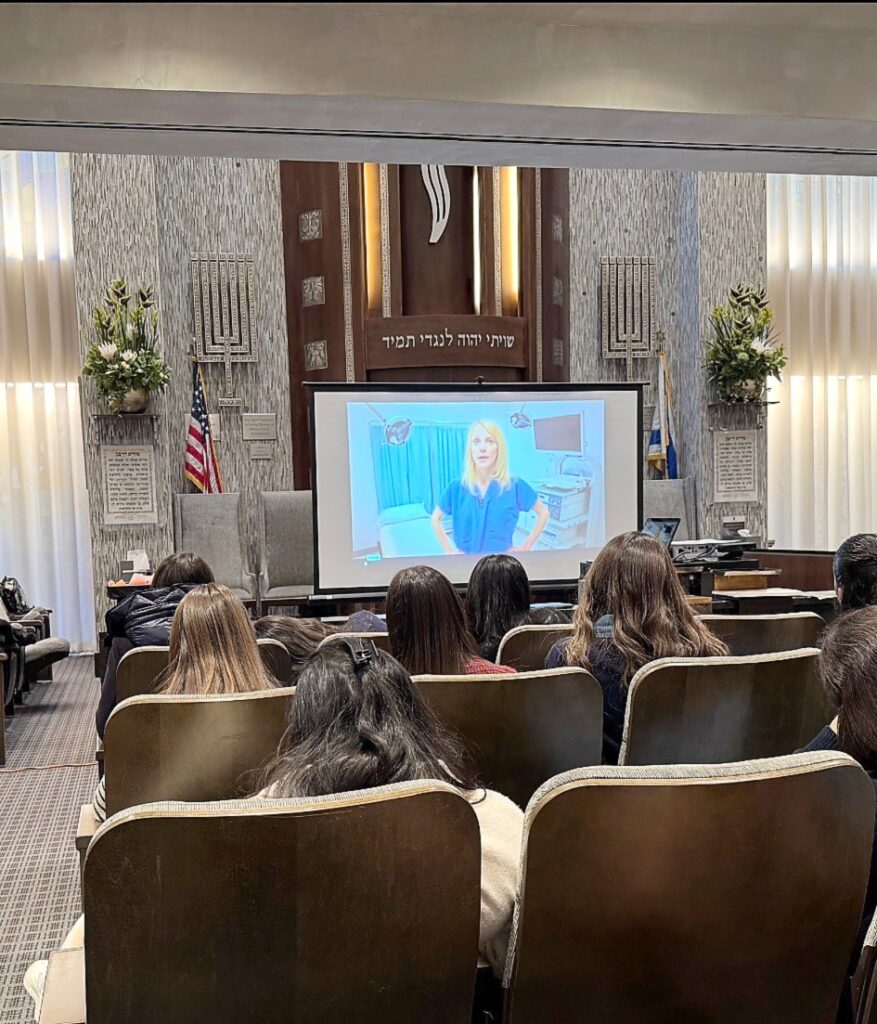
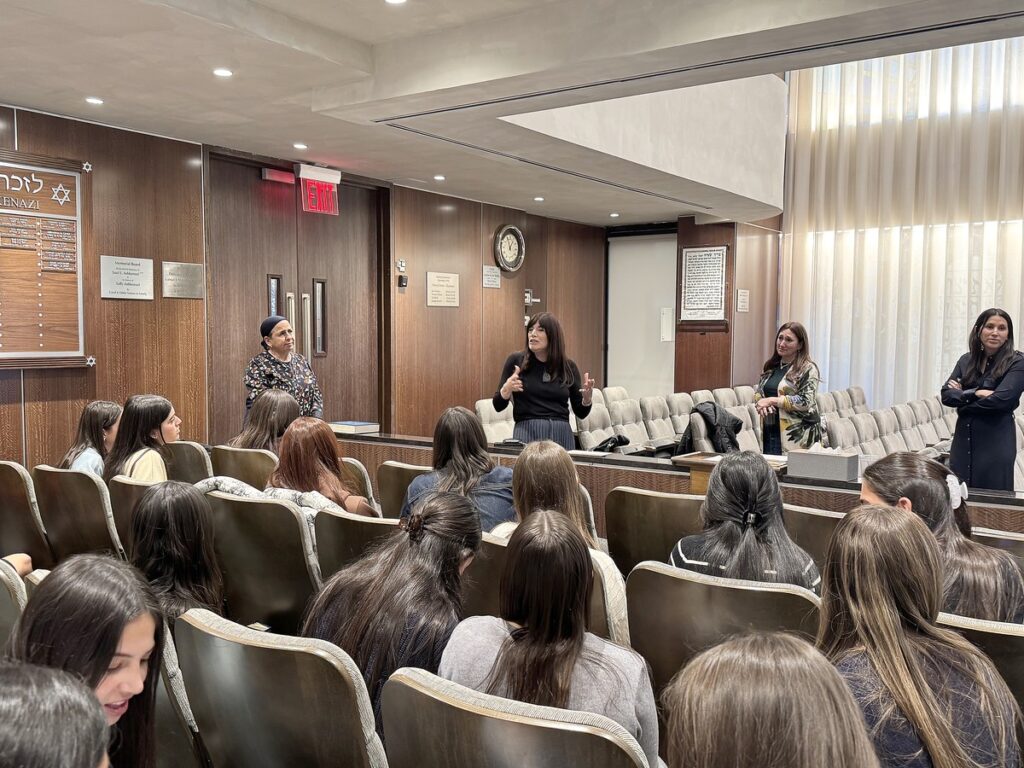
The Morris I. Franco Cancer Center recently visited several community high schools as part of its ongoing mission to raise breast health awareness among young people. The outreach initiative aimed to educate students about the importance of early detection and proactive health habits. “Education is power. We want to reach these girls before they go out into the world, and make sure they feel informed, prepared and confident of their health,” said Nancy Sutton, President and Founder of the Morris I. Franco Cancer Center. During the visits, students were shown an informative video on how and when to perform breast self-checks, emphasizing the importance of regular self-examinations as a key step in early detection. Guest speakers from the center and community nurses shared vital information about understanding one’s family medical history and the value of being in tune with your own body to recognize any unusual changes.
“If you know what your body feels like now, you’re more likely to notice a change and that is a powerful step in protecting your health,” said Alaina Dweck, breast cancer survivor and volunteer. Students were encouraged to be their own health advocates and to have open conversations with family and healthcare providers. The initiative highlights the Cancer Center’s commitment to empowering the next generation with the knowledge and tools they need to take charge of their breast health. If any high schools or organizations would like to collaborate with the Morris I. Franco Cancer Center, call 718-787-1800 #2.
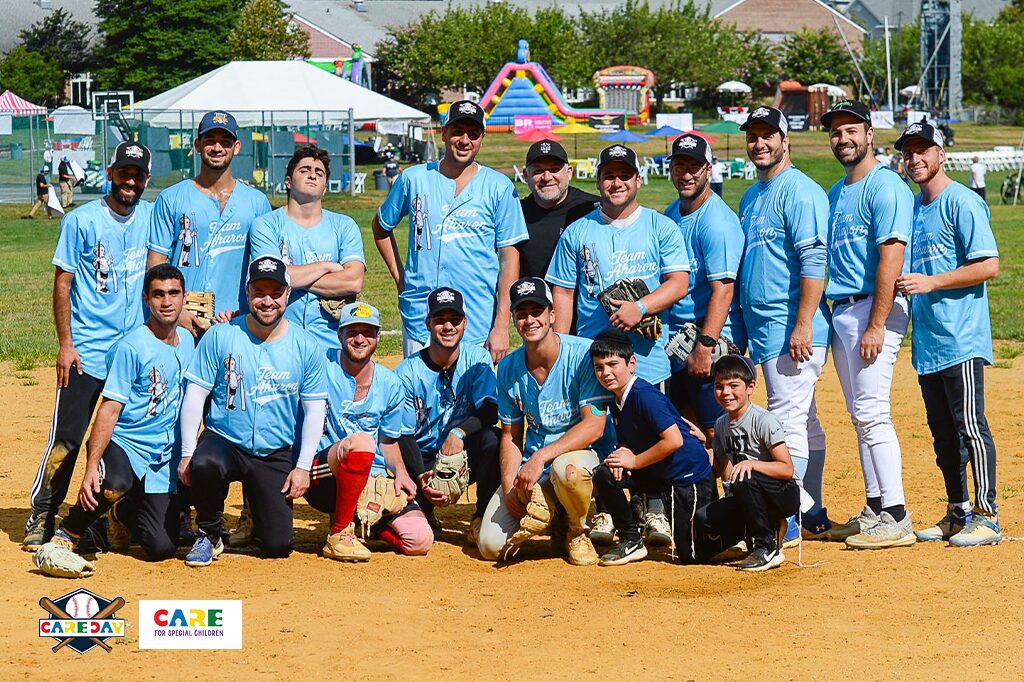
It was truly inspiring to see thousands of community members come together in support of CARE! The incredible turnout was a powerful reminder of how deeply our community understands the importance of CARE’s mission. From grandparents to toddlers, everyone came out to celebrate and had a blast!
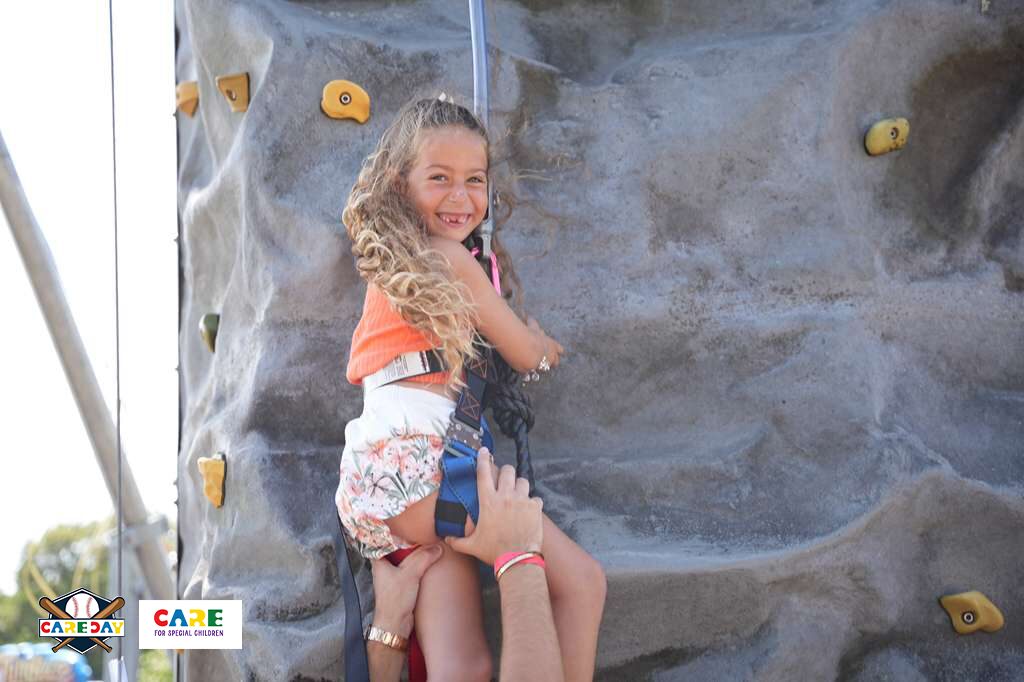
Sports fans cheered through more than eight softball tournaments that ran all day, while kids bounced from inflatables to rides, scaled the rock-climbing wall, and played endless arcade games, winning prize after prize! The excitement continued with an incredible auction featuring amazing prizes generously donated by local businesses across the community. The food was another highlight, featuring tables piled high with popcorn, cotton candy, cookies, and hot pretzels, plus an ice cream stand and a sizzling barbecue spread, perfect for a summer day. This year was also the first time we launched an exclusive VIP lounge for our players. Our softball players enjoyed the full VIP experience, with a private space to relax between games, enjoy delicious food, and even unwind with massages. It quickly became the favorite hangout spot of the day! The event was organized by Abe Saka, Morris Kassis, and Ray Esses, who worked tirelessly for months to make this day so special. A huge thank you goes to event planner Jessica Esses for coordinating every detail so beautifully, Ricky Esses for providing amazing music all day long, and to the many sponsors and volunteers who gave their time, energy, and heart. Over 85 community businesses contributed generously to the event, another testament to how strongly the community stands behind CARE. Seeing everyone come together on CARE Day meant so much. It wasn’t just a day of fun, it was a beautiful show of support for the families CARE stands behind all year long. We’re so grateful to everyone who came out to celebrate, volunteer, and share in our mission. It truly was a day filled with joy and the kind of community spirit that makes everything CARE does possible.
Sukkot 2025 was nothing short of extraordinary at DSN, as the community came together to celebrate with joy, gratitude, and a full calendar of unforgettable programs. With record-breaking attendance, exciting trips, and top-notch entertainment, DSN once again proved why it’s the heartbeat of the Deal community.
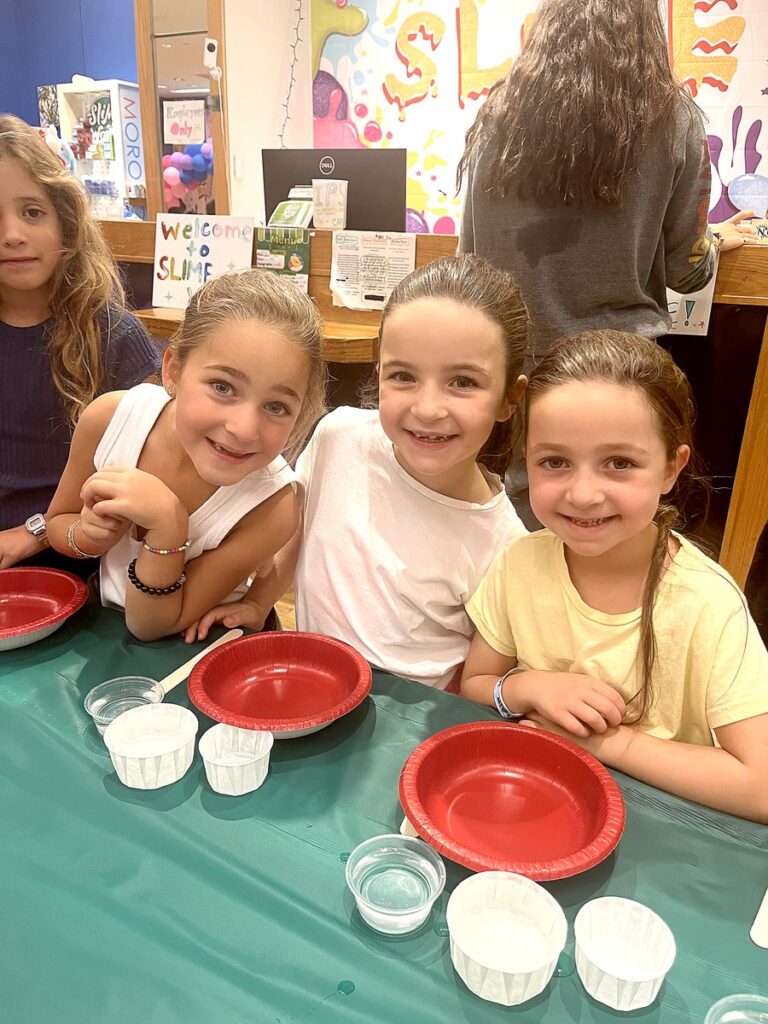
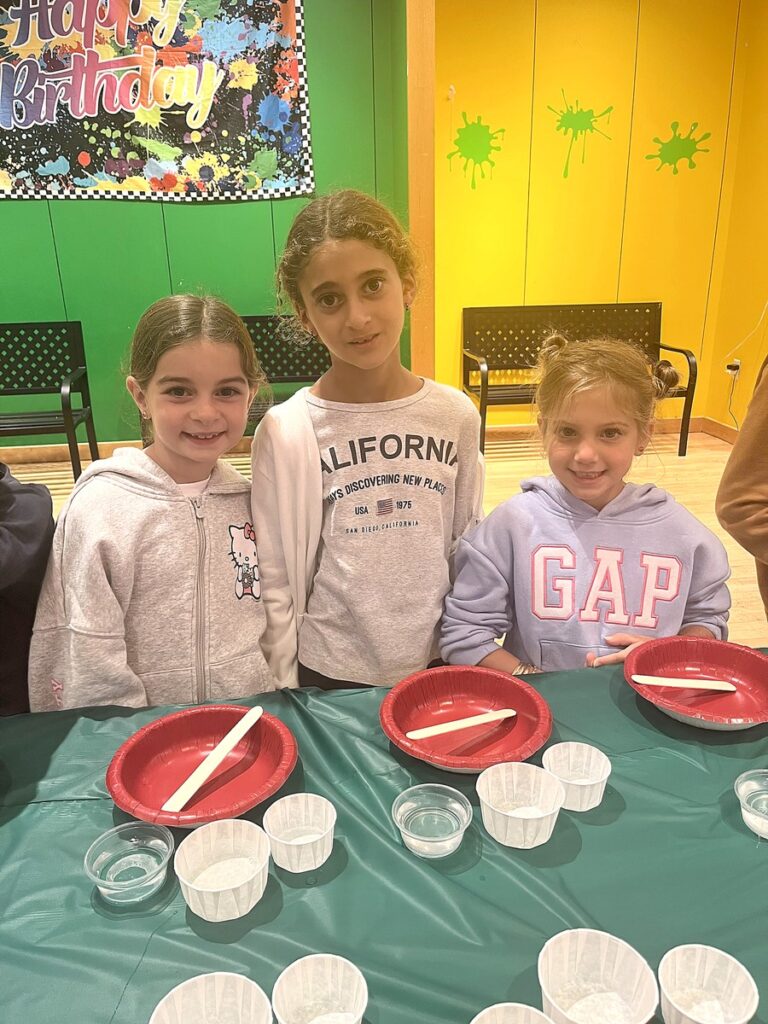
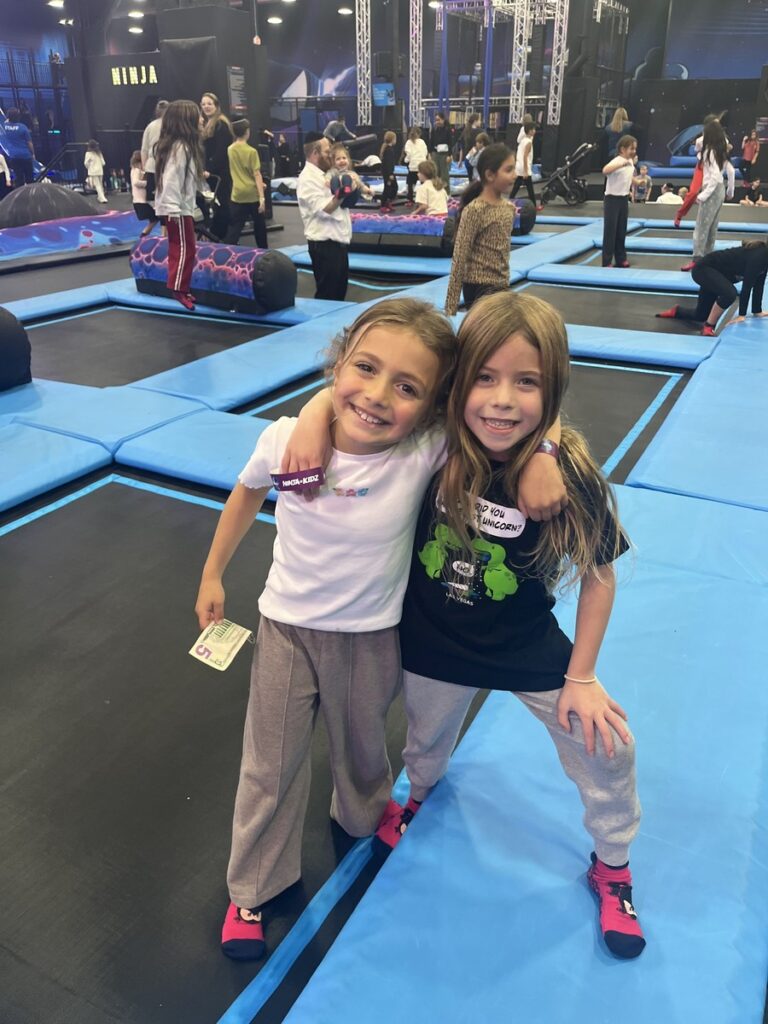
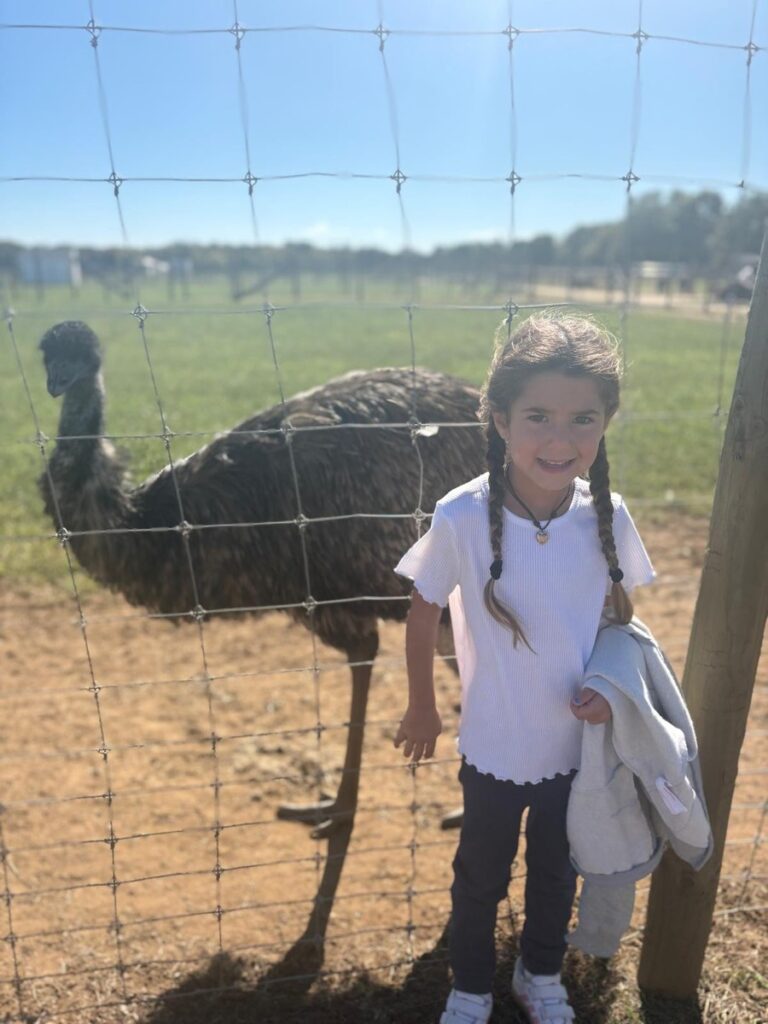
This Sukkot, the energy was electric. Over 650 children participated in a wide range of trips and in-house programs designed to make Sukkot Hol Hamoed fun. Families enjoyed adventures to Big Snow, Carm’s Farm, Ninja Kidz Action Park at American Dream (a brand-new favorite), Urban Air, and Slime World. Back at DSN Community Center, children experienced an in-house circus day featuring a full circus show, face painting, bounce houses, and even a Dinosaurs Rock exhibit complete with an interactive dino show for the younger children that had everyone roaring with excitement.
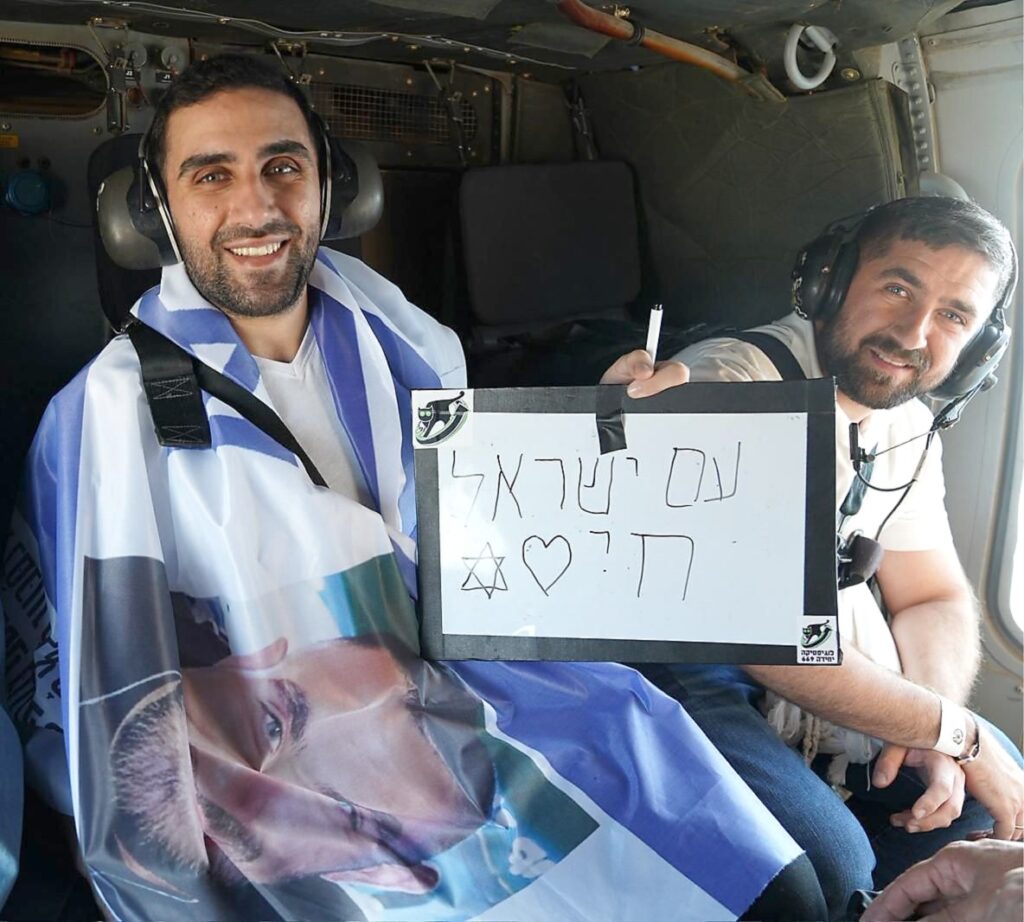
The programming wasn’t just about fun, it was also a blessing for parents. With so many engaging options for children from nursery through 8th grade, including participants from both Brooklyn, Manhattan and the Deal area, moms were able to prepare for the holiday while knowing their kids were having a blast in a safe, vibrant environment. DSN also hosted a spirited basketball tournament for 6th–7th grade boys, giving them the chance to show off their skills and teamwork. Meanwhile, over at the DSN Beach Club, adults enjoyed a sophisticated and festive Sukkot lineup. On Thursday, October 9th, the atmosphere was alive with the smooth sounds of Reggie Woods and a jazz quintet, wowing members with soulful, uplifting tunes. The next morning, members joined a pickleball tournament filled with friendly competition and laughter. The celebrations continued after Shabbat on Saturday night, when strolling magician Ari Paul brought back his magic, this time to the first-floor lobby and Sukkah, delighting diners with close-up tricks and entertainment. Monday showcased a “Bring Your Own Game”, a relaxed afternoon of mahjong, canasta, and Toleh (backgammon), offering community and connection in a cozy holiday setting. Reflecting on the week, DSN’s Youth Program Director Frieda Shamah shared, “Sukkot at DSN was incredible! We loved seeing so many kids come through our doors. We had the best time keeping everyone engaged, smiling, and having fun all Hol Hamoed.” Indeed, Sukkot 2025 was unforgettable, filled with family, friendship, and, to the joy of the entire community, a sense of deep relief and unity as all the living hostages were finally released, allowing everyone to rejoice and celebrate together. DSN hopes everyone had a joyful Sukkot and thanks the community for celebrating together, making the holiday brighter, easier, and more meaningful. Am Yisrael Chai!
After two years of heartbreak, the hostages are back. Their return isn’t only a miracle—it’s a mandate for how we live moving forward.
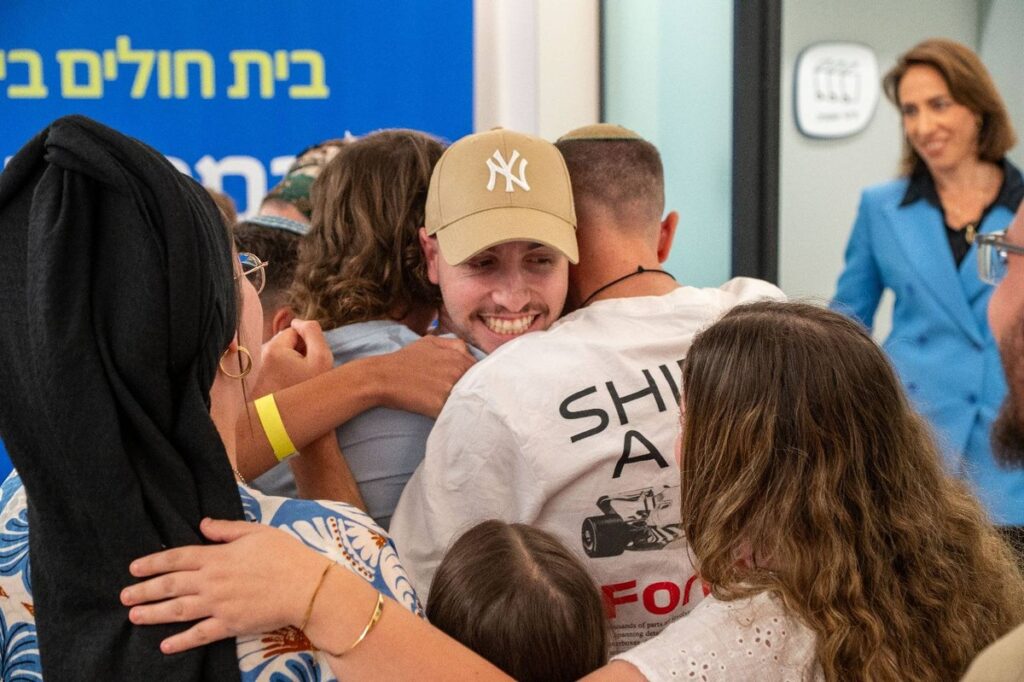
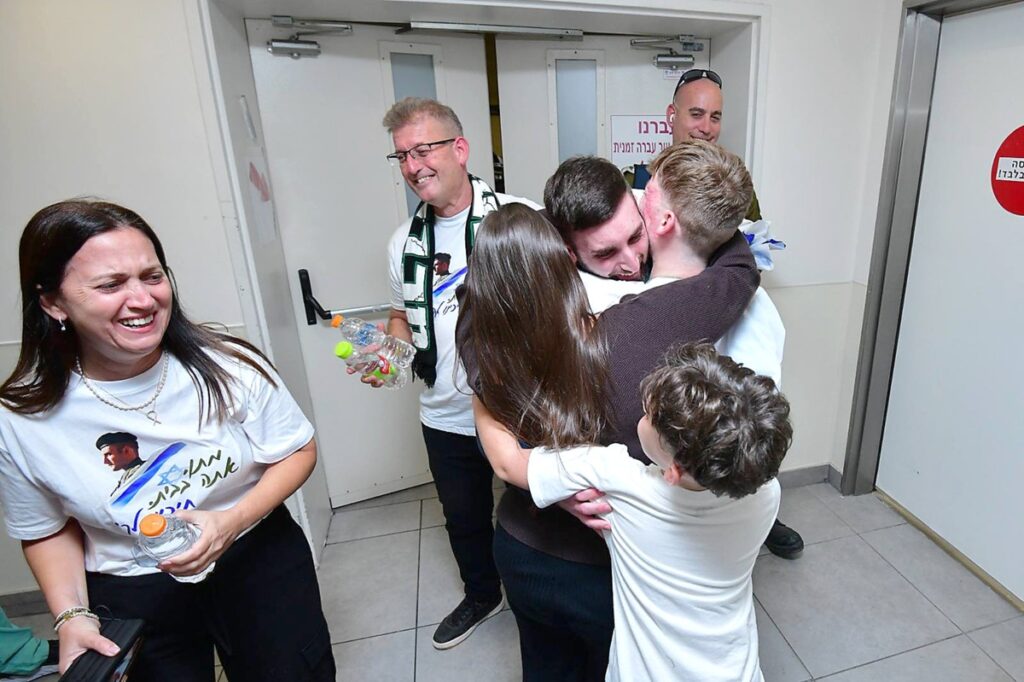
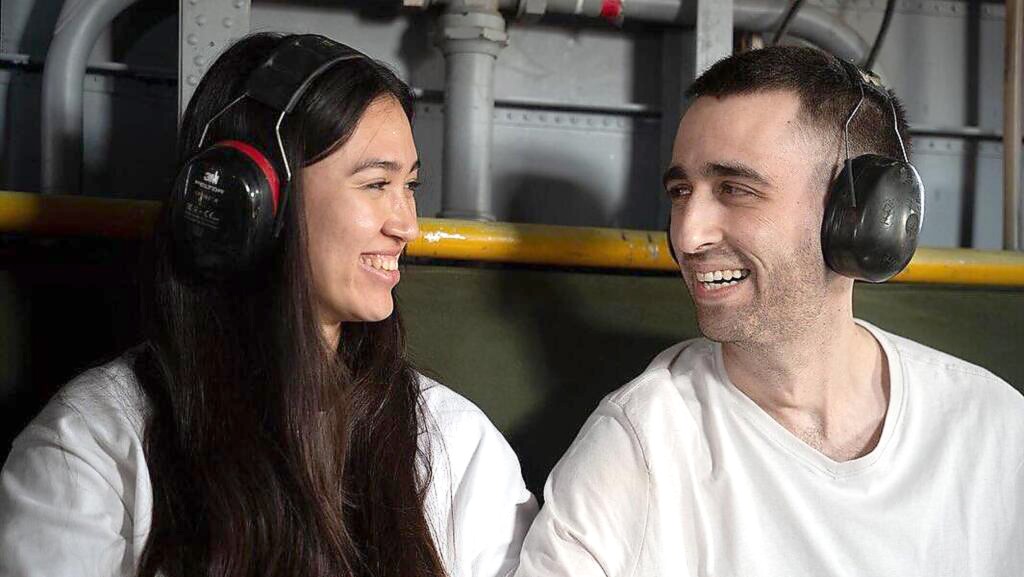
After two years of praying, hoping, and holding our breath, all the living hostages are finally home. The emotions have been overwhelming. I’ve watched the videos of families reuniting with their loved ones, and the tears have flowed freely. Mothers embracing children. Spouses holding each other as if they might never let go. The sheer relief and joy radiating from their faces—it’s almost too much to take in. But we are quick to forget. Life has a way of pulling us back into routine, of dulling even the sharpest feelings. Moments of profound emotion carry profound responsibility. I cannot simply return to life as normal after witnessing this miracle. None of us can. Here the lessons I’m striving to take with me.
Be Empathetic to Those Around You You never know what someone is going through. For two years, families walked among us carrying unbearable pain. Some wore it openly; others masked it with forced smiles and brave faces. But behind closed doors, they were breaking. Every holiday that passed without their loved ones. Every empty chair at the Shabbat table. Every night wondering if they would ever see them again. How many people in our own lives are carrying similar burdens we know nothing about? A friend struggling with infertility. A neighbor battling illness. A colleague dealing with a family crisis. We pass each other in shul, at the grocery store, in our daily routines, and we have no idea. The return of the hostages reminds us: everyone has a story. Everyone is fighting battles we cannot see. A little kindness, a listening ear, a genuine “How are you?”—these small acts can mean everything to someone who is suffering in silence.
Cherish Your Loved Ones We don’t need to experience pain to learn to cherish one another. The families of the hostages didn’t know if they would ever get this moment—the moment of embrace, of reunion, of having their loved one home. They would have given anything just to sit together at the table again, to hear their voice, to hold their hand. We have that now. Today. Our loved ones are with us. Don’t wait for a crisis to truly appreciate them. Don’t let petty frustrations cloud your gratitude for simply having each other. The hostages’ return teaches us that life is fragile and precious. Look at your spouse, your children, your parents, your siblings and friends, and truly see the blessing they are.
Never Give Up Hope For nearly two years, it would have been easy to give up and let despair win. But the Jewish people never stopped praying. Never stopped advocating. Never stopped hoping. We prayed at the Kotel, we wore the dog tags, we kept their names and faces before us. We refused to forget and to accept that this was the end of their story. And now, they are home. This is the power of hope. Not naive optimism, but the deep, stubborn Jewish faith that even in the darkest night, redemption can come. That miracles still happen. That no situation is beyond the reach of the Almighty.
Moving Forward The hostages are home but their ordeal is not over. They will need time to heal, to rebuild, to find their footing in a world that continued without them. And we, as a community, must be there for them throughout the long, difficult months and years ahead. And let’s support each other. Let us be more empathetic. Let us cherish what we have. Let us never give up hope. This is how we transform collective trauma and joy into lasting growth.
Rabbi Dr. Yosef Lynn is an executive coach who focuses on helping individuals thrive in their professional lives and beyond, giving them the tools to achieve their goals in all of their personal endeavors, especially in their relationships and serves as the Dean of Students at Machon Yaakov, the Dr. David Robinson Institute for Jewish Heritage, Jerusalem. He holds a Doctorate in Human and Organizational Psychology (PsyD) from Touro, and a Master in Applied Positive Psychology (MAPP) from the University of Pennsylvania.
The day your child turns 18 is more than just another birthday. It is a major legal milestone. Overnight, your son or daughter becomes an adult in the eyes of the law, with new rights and responsibilities. While this independence is exciting, it also comes with challenges that many families are not prepared for. Parents are often surprised to learn that once their child is legally an adult, they lose automatic access to medical information, financial accounts, and even school records.
Preparing ahead of time can make the transition smoother, safer, and less stressful. A thoughtful checklist not only protects your child but also gives you peace of mind as they head into adulthood.
Why Preparation Matters At 18, young adults may still rely on their parents for support, but the law does not recognize that dependence in the same way. In emergencies—medical, financial, or academic—you could suddenly find yourself on the sidelines without the right legal documents. Setting aside time to organize, discuss, and document key aspects of your child’s new adult life is essential.
Medical and Health: Protecting Your Child in Emergencies Health care is one of the most immediate concerns once a child becomes an adult. Without certain forms, parents may not be able to speak with doctors or make decisions on their child’s behalf.
HIPAA Authorization: Grants parents’ permission to access medical records and communicate with providers.
Medical Power of Attorney/Healthcare Proxy: Ensures you can step in to make decisions if your child cannot.
Health Insurance: Verify coverage, especially if your child will stay on your plan until age 26.
Emergency Contacts: Update information with schools, employers, and insurance providers. These steps allow you to act quickly and confidently in a health emergency when every second counts.
Education: Staying Connected While Respecting Privacy College brings independence but also new rules around communication.
FERPA Waiver: Allows parents access to transcripts, grades, and school records, which universities otherwise keep private.
School Emergency Authorizations: Ensure the institution can contact you during urgent situations. These forms do not reduce your child’s independence. They simply keep you informed when needed.
Legal and Financial: Building a Strong Foundation Turning 18 also brings adult financial responsibilities. Preparing early helps avoid costly mistakes.
Durable Power of Attorney: Allows parents to assist with financial or legal matters if necessary.
Bank Accounts: Consider joint access or set up a safety net account for emergencies.
Credit Check: Begin monitoring credit early to protect against fraud or errors. These tools strike a balance between independence and security.
Essential Documents: Store and Safeguard Some documents become even more important at 18 and should be kept secure but accessible:
Birth certificate (original)
Social Security card
Passport (if applicable)
Insurance cards (health, auto, etc.)
Copies of signed legal forms Keep these in a fireproof lockbox or secure digital vault to avoid delays when proof of identity or authorization is needed.
Conversations to Have: Building Financial Literacy Beyond paperwork, this milestone is a good time to begin important discussions. Many 18-year-olds have not yet learned the basics of managing money or protecting themselves from financial risks. Topics include:
Budgeting and money management
Credit responsibility and the long-term impact of borrowing
Online security and fraud awareness
Emergency preparedness and knowing where to turn for help These conversations give your child the tools to make confident, responsible decisions.
A Milestone Worth Preparing For When your child becomes an adult, the legal and financial landscape shifts overnight. By organizing documents, updating authorizations, and having essential conversations, you protect their well-being while empowering them to step into independence. With the right preparation, turning 18 is not just about growing up, it is about building a strong foundation for the future.
The content is developed from sources believed to provide accurate information. Investing involves risk including the potential loss of principal. No investment strategy can guarantee a profit or protect against loss in periods of declining values. Past performance does not guarantee future results. Consult with a financial professional regarding your specific situation.
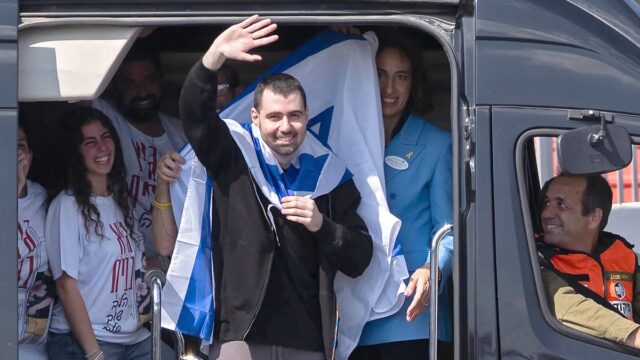
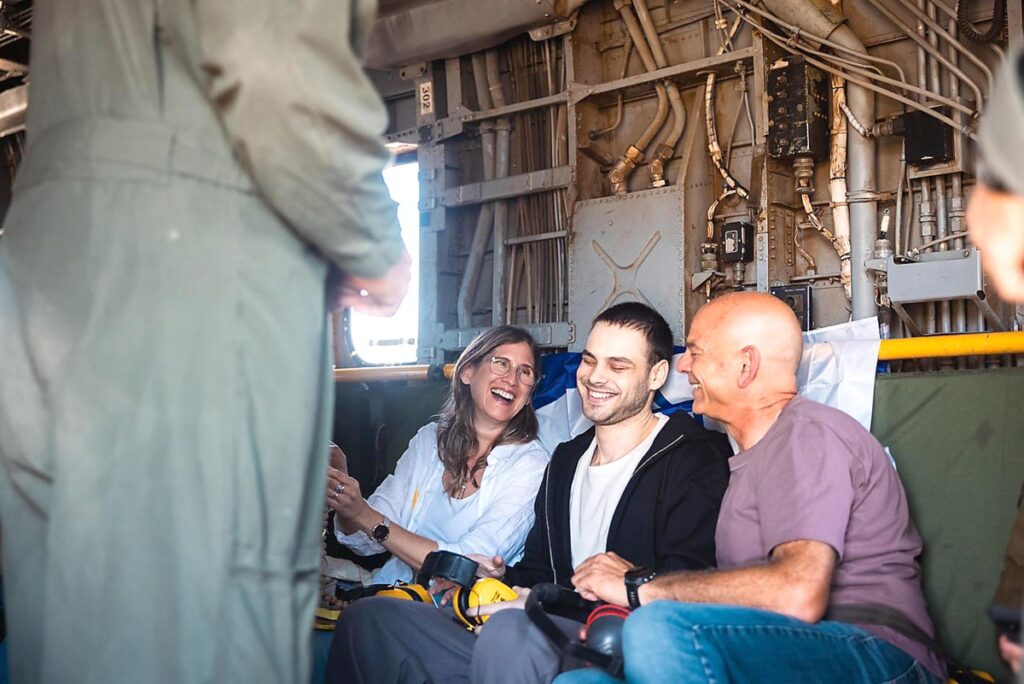
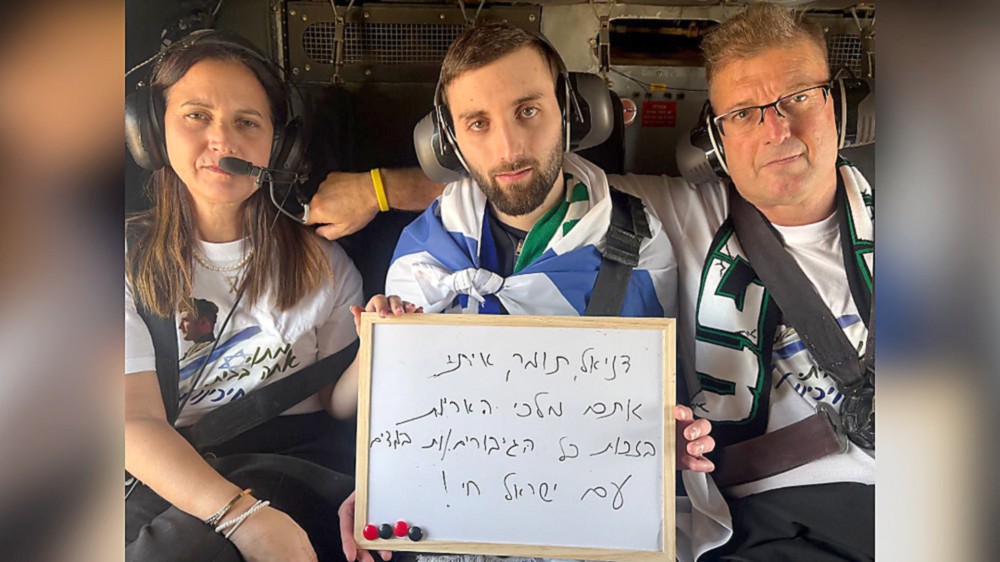
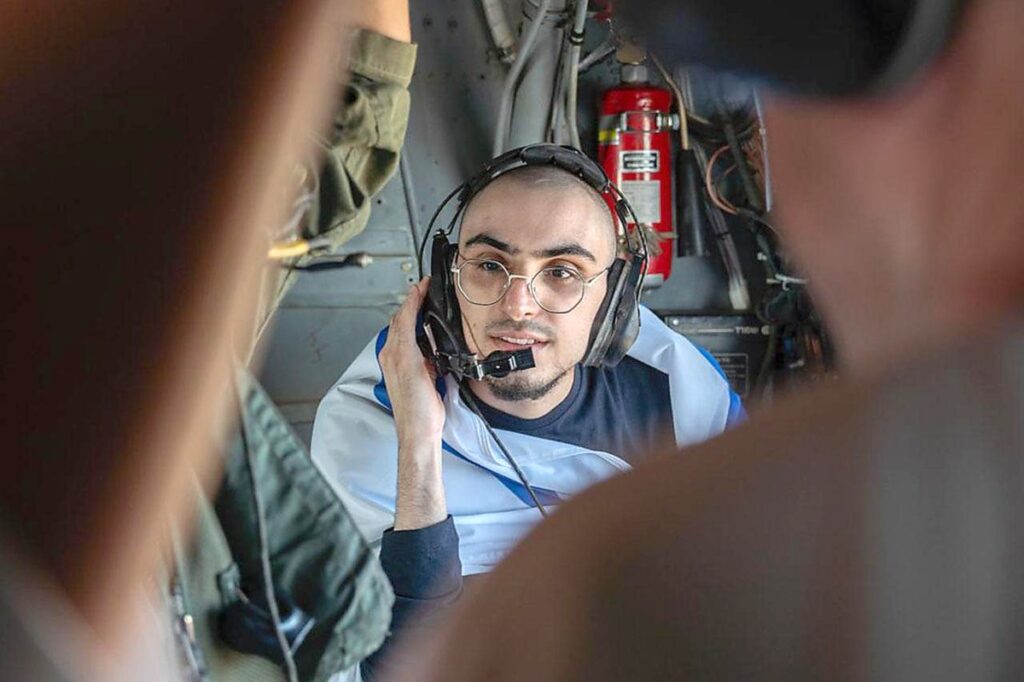
After 736 days in captivity, the last 20 Israeli hostages are home, frail, scarred, but free. These are their stories of survival, loss, and return.
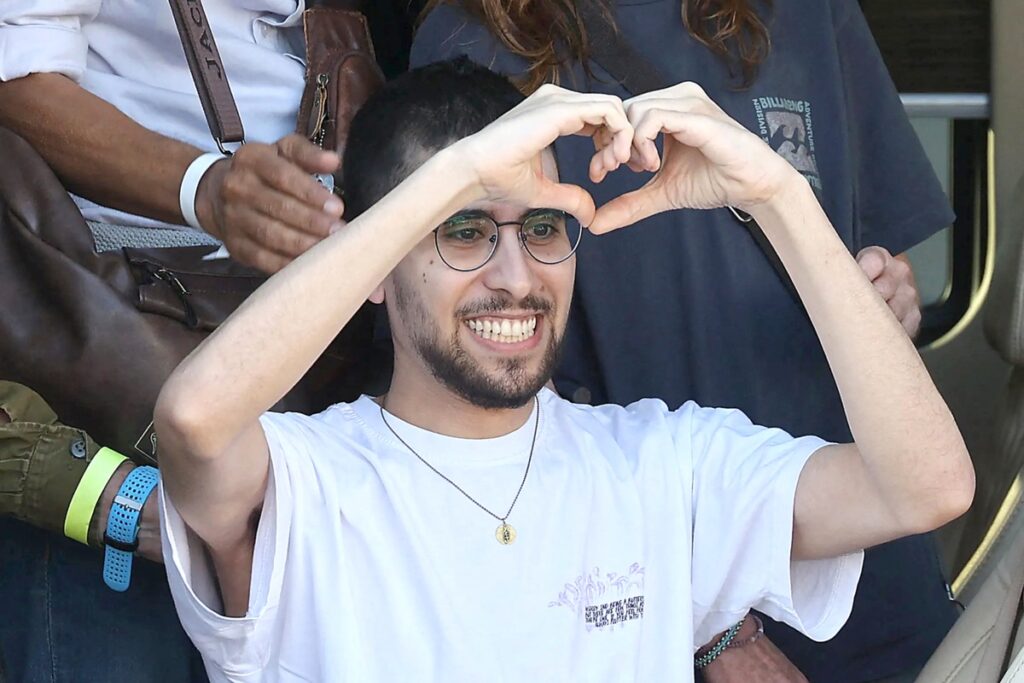
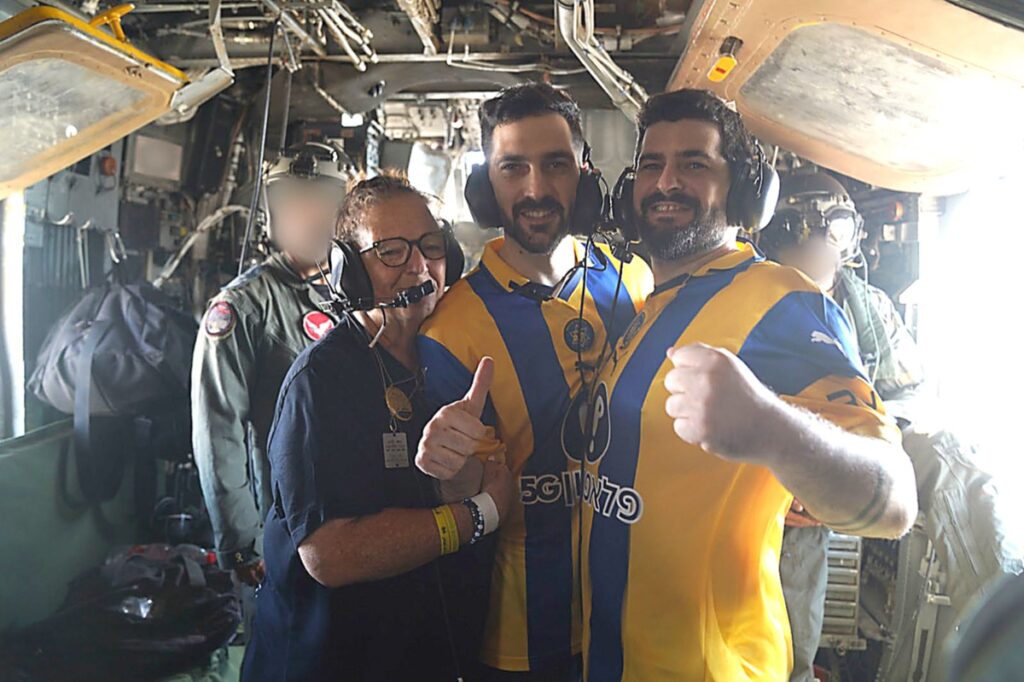
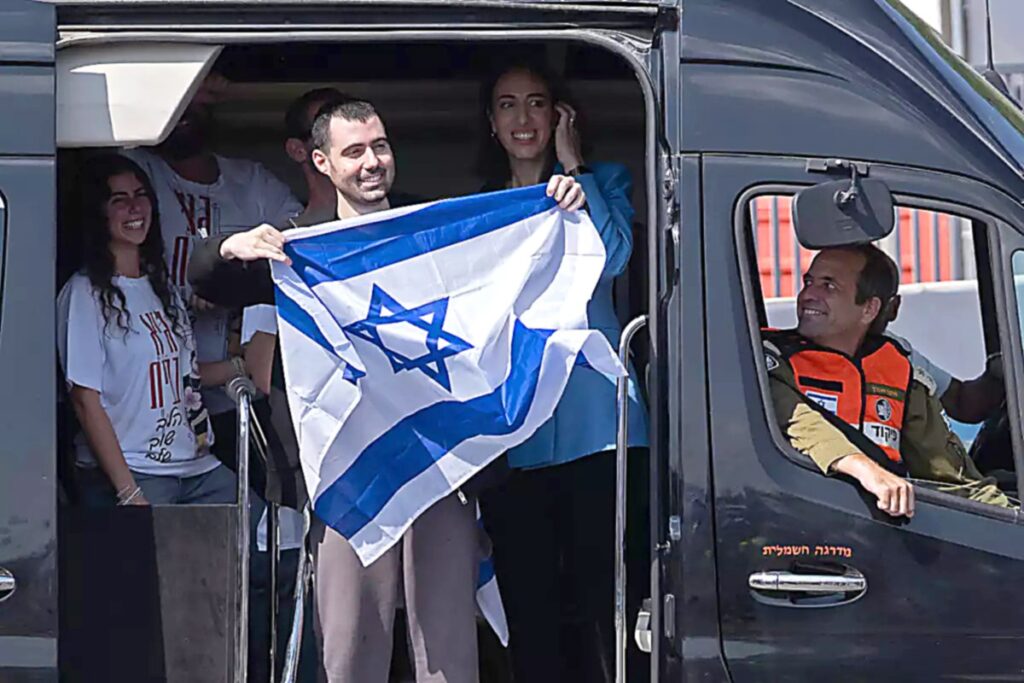
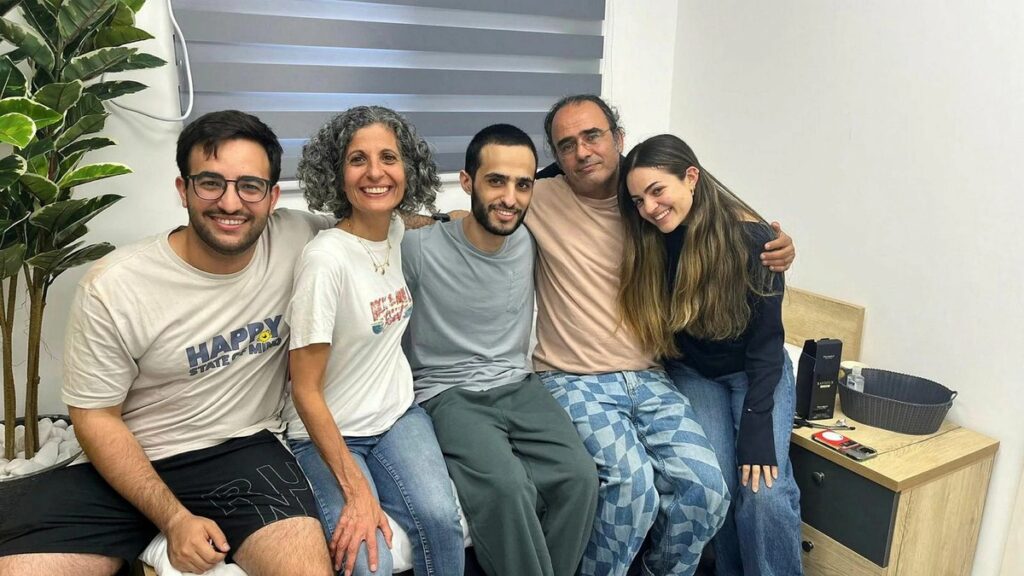
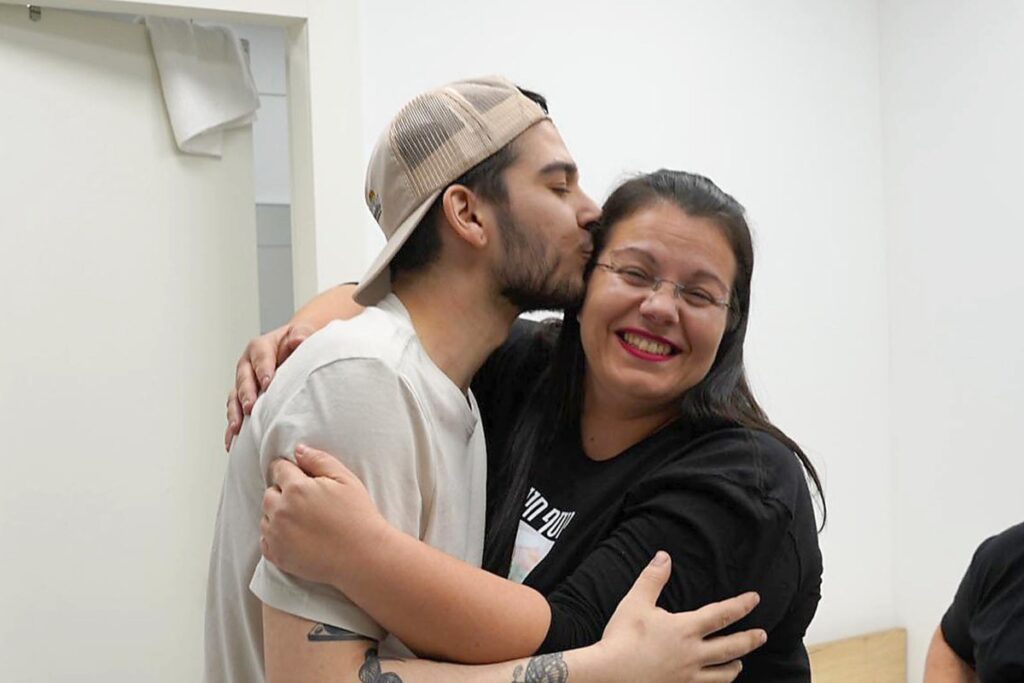
For two long years the entire Jewish people prayed for them. We demonstrated for them, lit extra Shabbat candles for them, reminded others of their plight, wore hostage pins, yellow ribbons, and counted the long days of their captivity. At long last, the 20 remaining living hostages were freed by Hamas on Monday, October 13. Here are portraits of these final prisoners we’ve prayed for over 736 terrible days.
Avinatan Or Avinatan Or, 32, grew up with six brothers in the town of Shilo and studied electrical engineering at Bar-Ilan University. Before his kidnapping he lived in Tel Aviv, worked for Nvidia, and was seriously dating his girlfriend, Noa Argamani. On October 7, he and Noa attended the Nova music festival together. When Hamas terrorists overran the festival, Avinatan and Noa hid in a ditch for hours. After massacring hundreds of festival-goers, terrorists found them and filmed themselves abducting the terrified couple. Footage of Noa being carried into Gaza on the back of a motorcycle, her arms outstretched toward Avinatan, became one of the iconic images of that terrible day. Israeli soldiers rescued Noa and three other hostages on June 8, 2024—245 days after their kidnapping. She and other released hostages described seeing Avinatan in captivity, held in a dungeon and denied food and water. When Avinatan was released—wearing a military-style “uniform” forced on him by Hamas—he appeared emaciated. Ariel and David Cunio Brothers Ariel and David Cunio grew up in Nir Oz, where they still lived as adults. Their parents and grandparents were born in Argentina and moved to Israel forty years ago to fulfill their dreams of living in the Jewish state. (On October 7, 2023, Ariel’s and David’s great-great-grandmother Esther gained fame by averting her own kidnapping by bonding with her Hamas captors over Argentinian soccer.)
David Cunio David Cunio, 33, is an acclaimed actor. On October 7 he huddled in his family’s safe room with his wife Sharon and their twin daughters (now four years old) Julie and Emma, and with Sharon’s sister and niece. For hours, David fortified the safe room door with his own body as Hamas terrorists roamed through Nir Oz, killing 47 of the town’s civilians and destroying nearly every building. Eventually, Hamas terrorists set the Cunios’ home on fire. David and his daughter Julie escaped first through a window and were immediately captured. Terrorists dragged the other family members out through a window. David, Sharon, and Julie were brought as captives into Gaza together; two-year-old Emma was kidnapped separately. Sharon, Julie, and Emma were freed in a truce six weeks later; for the past two years, the family has waited for David. The only news they received in that time was that David was being held underground. Sharon reports that Julie and Emma are traumatized and have been longing to see their dad.
Ariel Ariel, 28, is a computer scientist. He lived in Nir Oz with his partner Arbel Yehoud, who recalled that before Hamas’ attack, the small town of Nir Oz felt like “our private paradise.” Ariel had just returned from a trip to South America, where his extended family is from. He and Arbel had just adopted a puppy. Before they were taken hostage on October 7, Ariel texted his three older brothers that he felt like he was in a “horror movie.”
Eitan Horn Born in Argentina, Eitan (“Eitu”) Horn, 39, made aliyah at age 16 and devoted his life to helping other people navigate the transition to living in Israel. “One of the most notable things about him was his happiness,” notes Leila Banchik, who moved from Argentina to Israel and was helped by Eitan. “A cheerful man who was always making jokes, bringing laughs, and spreading good vibes.” After Russia’s invasion of Ukraine, Eitan immediately volunteered to work with Ukrainian children who were being airlifted to Israel. “We told him, ‘But you don’t know the language!’” recalled Dalia Cusnir-Horn, Eitan’s sister-in-law, “and he said, ‘These children are scared and coming here for safety. This is what the nation of Israel was founded on, and I will be that safe place for them.’” Eitan lived in Israel’s north, but had made a surprise visit to see his brother in Kibbutz Nir Oz over the holiday weekend. He was kidnapped along with his brother Yair, who was released during a ceasefire last February. Eitan’s father Izik said, “I will hug him tight. I guess I will cry. I will remind him how much I love him,” once Eitan was released. A rotund man before his kidnapping, photos of Eitan’s release show him frail-looking and thin.
Alon Ohel Alon Ohel, 24, is a gifted musician who began playing piano when he was nine years old. He’d been accepted into the Rimon School of Music in Jerusalem and was planning to start in October 2023. Alon went to the Nova music festival with friends: Eliya Cohen, Or Levy, and Hersh Goldberg-Polin. When Hamas terrorists attacked the festival, Alon, Eliya, Or, Hersh, and about thirty other Jews crammed into a roadside bomb shelter. Hamas terrorists hurled grenades into the shelter, killing those near the front of the tiny structure, then shot inside. Those who remained alive hid under the corpses of their friends. Finally, after hours of attacks, Hamas terrorists kidnapped Alon, along with his friends. They were held in Gaza in a cramped, pitch-black tunnel. Eliya Cohen, who was released after six months, described the conditions he, Alon, and other Jews were held in: their legs were chained together with motorcycle chains. They weren’t allowed to shower or brush their teeth; four hostages shared a small piece of pita bread and one can of beans each day. Before Eliya was released, he hugged Alon Ohel and cried, knowing that Alon was remaining in such terrible conditions. Alon is in poor physical condition since his release and appears to be blind or nearly blind in his right eye. His family had a piano placed in his hospital room in Beilinson Hospital in Tel Aviv. His mother Idit Ohal described how just a few hours after being released from captivity, “he sat down at the piano in his room, and played a bit, after two years without touching a piano.”
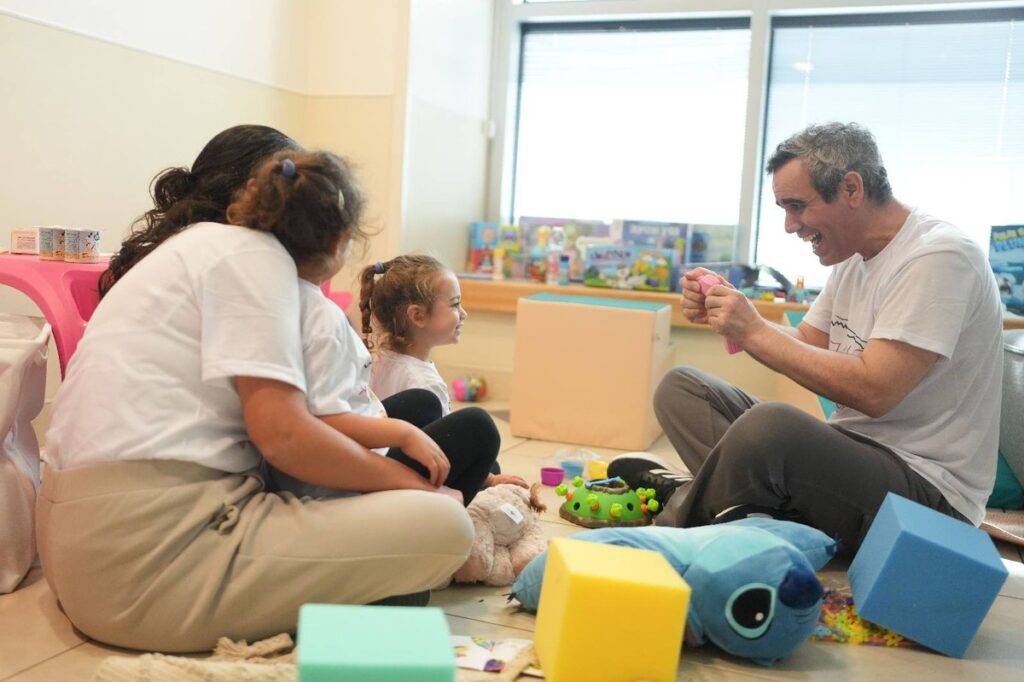
Omri Miran On October 7, 2023, Omri Miran, now 47, a shiatsu therapist and gardener, huddled in his home’s safe room with his wife Lishay Miran-Lavi and their two daughters: Roni, who was 2 at the time, and Alma, who was six months old. Hamas terrorists grabbed one of the Mirans’ neighbors, held him at gunpoint, and told him they would shoot him unless he asked the Mirans to open the door. They did so, and the entire family was kidnapped. The terrorists livestreamed three hours of the ordeal on Facebook, during which they pointed guns at and threatened to kill the terrified family. Later on, Omri was transferred to Gaza while Lishay and the children were released. In Gaza, Omri was held in a combination of private apartments and in underground tunnels. His family have tirelessly campaigned for his release. Lishay recounted having to teach their younger daughter Alma how to say Abba (father in Hebrew) alone, and tried to draw attention to Omri’s dual status as an Israeli and a Hungarian national to stir up additional interest in her husband’s kidnapping. Omri’s father Dani, who’s nearly 80, has devoted his entire life for the past two years to helping other families of hostages. He moved to a rental apartment in Tel Aviv near Hostage Square, the informal memorial across the street from the Tel Aviv Museum of Art which has become a center of information and vigils for the hostages, and volunteered there every day. Since his release, Omri has been getting to know his two daughters again, who barely remember him, playing with them and spending time with his family in his hospital room in Tel Aviv.
Bar Kupershtein Twenty-two-year-old Bar Kupershtein, from the Israeli city of Holon, is the oldest of five children, and had to shoulder a great deal of responsibility while he was still in his teens. His father, Tal Kupershtein, is a paramedic, but was seriously injured while helping at a car accident three years ago and is disabled and confined to a wheelchair. Bar also became a paramedic and became his family’s primary breadwinner, supporting his mother Julie, his father, and four younger siblings. On October 7, 2023, Bar was working at the Nova festival in order to earn extra money. Instead of fleeing and saving himself, Bar remained at the festival site, caring for the wounded, until he was taken hostage. Late that day, his family saw photos and a gruesome video on Telegram, posted by Hamas operatives, of Bar lying on the ground and being tied up before he was transported to Gaza. When he was released, Bar’s overjoyed family greeted him—his father insisting on standing for a moment, getting up out of his wheelchair with help from his other sons—to welcome Bar home.
Eitan Mor Eitan Mor, 25, grew up in the town of Kiryat Arba with his parents and seven younger siblings. As an adult, he lived in the Nahlaot neighborhood of Jerusalem and worked as a barista. He was known for his friendliness and for always opening his home to others and going for runs with his dog. On October 7, 2023, he was working as a security guard at the Nova music festival. Instead of fleeing, he remained at his post helping evacuate revelers as Hamas’ onslaught began. His father, Avika Mor, has explained that Eitan has a strong sense of duty: “In our home, we educated our kids to risk their lives for the people of Israel, for the State of Israel.” Before he was kidnapped, Eitan and his family had a conversation around their Shabbat dinner table about the hypothetical situation of being kidnapped by Hamas. Eitan said that he wouldn’t want to be exchanged for convicted terrorists (which the October 13 agreement mandated). After his release, Eitan’s mother Efrat told reporters, “He looks thin and pale, but he is smiling.”
Elkana Bohbot Elkana Bohbot, 36, lived in the Jerusalem suburb of Mevasseret Zion with his wife, Rivka Gonzalez, and their three-year-old son Reem. Elkana worked as a music producer, though he was also planning to open an ice cream store in Tel Aviv. He was one of the producers of the Nova music festival, along with his childhood friends Michael and Osher Waknin. (Michael and Osher were murdered, along with over 370 festival-goers.) As Hamas terrorists overran the Nova festival, Elkana refused to flee and stayed behind, helping wounded revelers. Rivka only received proof that Elkana was alive last February, when Hamas released a propaganda video showing Elkana looking clearly weak and ill.
Evyatar David Evyatar David, 24, grew up in the Israeli city of Kfar Saba. An avid musician, he was attending the Nova music festival with friends when he was shot. He was trying to drive away when Hamas operatives overcame his vehicle and kidnapped him and others. Evyatar’s older brother, Ilay David, recalls watching a Hamas-posted video on October 7, 2023 showing Evyatar “lying handcuffed on the ground with other festival-goers, terror in his eyes.” He was kidnapped with his close friend Guy Gilboa-Dalal. Evyatar was held in horrific conditions underground. In February 22, 2025, Evyatar and Guy were forced to watch as Hamas released three Israeli hostages, Omer Shem Tov, Omer Wenkert, and Eliya Cohen. Millions around the world watched Hamas’s video of their pained, tearful faces as they viewed the handover ceremony from a car, then were forced back into captivity. Evyatar featured in another Hamas video in August 2025, when the terror group filmed an emaciated Evyatar in an underground dungeon, being forced to dig his own grave. “I haven’t eaten for days… I barely got drinking water,” he says in the video. (In a bizarre twist, anti-Israel activist Greta Thunberg claimed he was an Arab prisoner being tortured and held by Israel.) “He’s a human skeleton,” Evyatar’s brother Ilay said after watching the video. “He was being starved to the point where he can be dead at any moment, and he suffers a great deal. He can barely speak or move.” Held most of the time with Guy Gilboa-Dalal, Evyatar and Guy were separated during the last two months of their captivity. Hours after being released, the two friends were reunited in the hospital in Israel, emaciated and ill, but finally freed.
Gali Berman and Ziv Berman Gali Berman and Ziv Berman, 28-year-old twins, lived together in an area of Kfar Aza popular with young adults. Close friends as well as brothers, Gali and Ziv worked together as light technicians and both played on Kfar Aza’s soccer team, the “Foxes.” They enjoyed travelling together for concerts and soccer matches. As Hamas gunmen flooded Kibbutz Kfar Aza on October 7, 2023, Gali left Ziv in their safe room and ran a few doors down to stay with his close friend, Emily Damari, who was afraid to be alone, in her safe room. Gali’s and Ziv’s parents and two other brothers were also hiding in their own homes at the time. Their older brother Liran later described that the area of the kibbutz where Gali and Ziv lived was totally overrun: “Complete destruction. Houses burned to the ground. The neighborhood where my brothers lived is completely demolished. Completely. Trees were (torn) up from the roots. Roads were completely destroyed—remnants of destroyed cars, remnants of missiles that Hamas shot at the kibbutz. It’s a complete destruction.” Gali and Ziv were taken prisoner and were separated in Gaza. After their release, they were finally reunited with their families—and each other—for the first time in two years.
Guy Gilboa-Dalal Guy Gilboa-Dalal, 22, grew up in the Israeli town of Kfar Saba. From a young age Guy was fascinated by Japanese art and culture and had even taught himself rudimentary Japanese. On October 7, 2023, he was attending his first-ever music festival, Nova, with his older brother Gal. Gal later described the chaos as Hamas terrorists overran the Nova music festival. “People started to run in my direction covered with blood, screaming that the terrorists were closing in on us.” He and Guy got separated: Gal kept trying to phone Guy, who never answered his phone. Later that day, Guy’s family learned he’d been kidnapped when Hamas posted videos of them kidnapping him along with hundreds of other Jews. Hamas tortured Guy in captivity. In February 2025, he appeared, looking emaciated, along with Evyatar David watching as three Israeli hostages were released. In September 2025, Hamas released another video of Guy. Sitting in the back seat of a car, with shorn hair and looking gaunt, Guy’s appearance recalled that of Holocaust victims. In the propaganda video, he recited from a script calling for an end to fighting. Fellow hostages report that Hamas tortured Guy, depriving him of water. He became so ill he was unable to speak for a time and lost hearing in one ear.
Maxim Herkin Maxim Herkin, 37, moved to Israel from Ukraine with his mother Tala and his eleven-year-old brother Peter, and lived in the northern Israeli town of Tirat Carmel. He supported the family and was working on completing a degree in Computer Science from Israel’s Open University so that he could find a better job. Maxim also has a daughter named Monica, who’s now five years old, who lives with her mother in Russia. The week before Hamas’s October 7 attack, Maxim was in Russia, visiting his daughter. Shy and quiet, Maxim had never been to a rave like the Nova festival before. Two friends urged him to go, and he decided at the last minute to attend. Maxim was taken captive from the festival; his friends were found later on, burned to death in their car as they tried to escape. In July 2025, Hamas released a video of Maxim with captive Bar Kuperstein. In it, the two men look thin and haggard and say: “We are dying here with a pulse. We don’t feel human. We are again 30 meters underground.” “Maxim is our back, our anchor,” his mother Tala told journalists. “His brother and I live in his house and he helps us make a living. He is my whole world. He had many dreams, he studied and worked while taking care of me and his brother.”
Matan Angrest Matan Angrest, 22, grew up in the town of Kiryat Bialik, and loves sports, particularly soccer. On October 7, 2023, he was serving as a tank soldier; Hamas terrorists firebombed his tank, killing several of his comrades and severely wounding Matan. Fellow hostage Ron Krivoi was held in the same tunnel as Matan and described Hamas operatives torturing Matan relentlessly, including electrocuting him with car batteries and asking him about his military service. “The interrogations he went through happened while still in Israeli territory—that’s where it started. They already connected him to a car battery on the way (to Gaza) and tried to revive him. Using car batteries, they electrocuted him. They weren’t able to interrogate him. He probably wasn’t even in a condition to speak because he was badly injured. His injuries were very severe.” Krivoi also described the tunnels and conditions in which he and Matan were held: “These aren’t tunnels you see in pictures. We were in something really small, deep underground. There wasn’t even a floor—we were on sand, and the mattresses were all moldy. We were inside a very, very small cage. Honestly, about a meter and a half by a meter and a half, and we had to lie down and rest in it—you couldn’t stand. No height, no toilets, no food. We were five people, we ate one small dish with some canned food and a pita that we divided among us. I was there for 51 days and lost nine kilograms (20 pounds) of body weight….” One of the first actions Matan took after his release was to phone another former hostage, Keith Siegel, with whom he was held for a time in Gaza, and who has campaigned for the release of Matan and other hostages ever since he was let go in February 2025. Keith told Matan: “We’ll reunite… soon… You’re a hero, Matan, how you were able to survive.” Matan replied that emotionally, he feels “completely normal, like anyone else,” and that it was a privilege for him to live in Israel, “to live in this nation.”
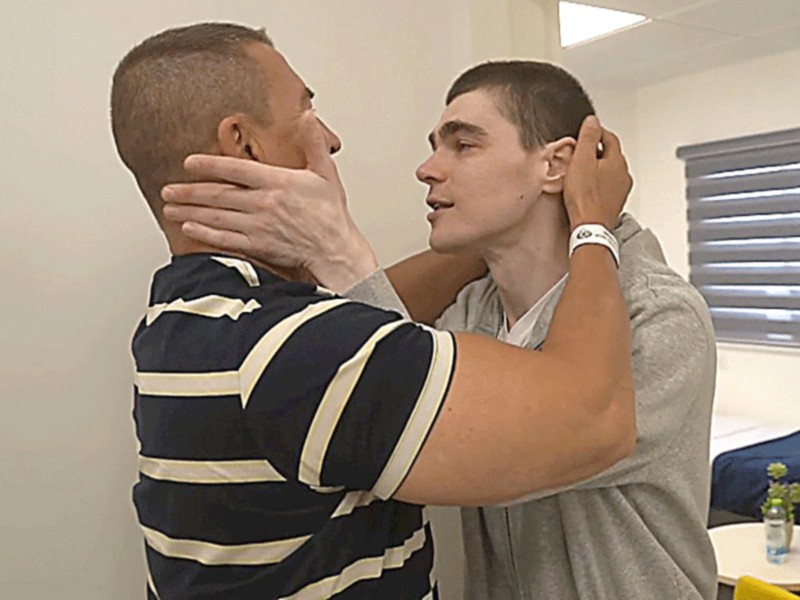
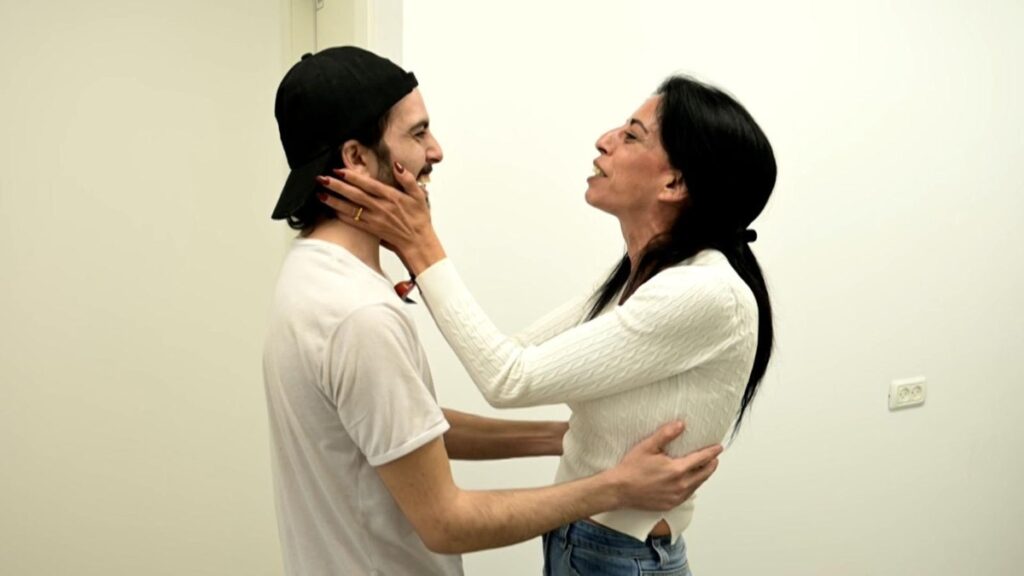
Matan Zanguaker Matan Zanguaker, 24, has always taken care of others. His parents divorced when he was young, and he helped take care of his two younger sisters from an early age. Two years ago he was living in Kibbutz Nir Oz with his girlfriend Ilana Gritzewsky. On the morning of October 7, 2023, Matan texted his mother, Einav Zanguaker, who lived nearby. He wrote, “I love you, don’t cry,” then later on texted, “Here. Here. Here.” Soon, to her horror, contact was cut off: Matan and Ilana were kidnapped by Hamas terrorists and brought to Gaza. Ilana was released in February 2025. She and Matan’s family received almost no news of Matan’s condition, beyond confirmation that he was still alive. “Matan, as you were robbed of life, you will return to life,” his mother declared during his captivity. “We’re fighting for you.” After Matan’s release, his family released a video of him—looking thin but happy—embracing his mom.
Rom Braslavski Rom Braslavski, now 21, was a teenage Jerusalemite who took a job as a security guard at the Nova music festival. Instead of keeping order at an outdoor concert, he found himself helping terrified people hide from Hamas terrorists and tending to the dead and dying. Refusing to flee and try to save himself, Rom remained at the Nova site, helping others, until he was kidnapped—not by Hamas, but by terrorists from Islamic Jihad, another group which joined in the attacks. Rom has been kept in horrific conditions. Former hostage Sasha Troufanov was briefly held with Rom. After Sasha was released from captivity in February 2025, he spoke of Rom’s grave condition: “The faith and strength I saw in his eyes back then have been replaced by sadness, depression and helplessness.” In July 2025, Islamic Jihad released a propaganda video of Rom. He appears emaciated and ill, and explains that he has an injury to his foot which makes it impossible for him to stand up. He spends all day long lying down, Rom said in the video, and was mistreated by his captors. Rom’s mother, Tami Braslavski, said, “I have never seen my son like this. Rom is not shouting or angry—he speaks quietly, in a weak voice like a person who has accepted the fact that there’s nothing left to fight for and may not come out of there alive. They say that when words run out, tears speak. Rom, my life, I am crying with you.”
Segev Kalfon Segev Kalfon, 27, grew up in the southern Israeli town of Dimona along with his two siblings and worked at his family’s bakery in the nearby city of Arad. He was also interested in financial markets. His sister-in-law described: “Segev, when you meet him, first of all he’s handsome, you can’t help but notice his presence. He has an unusual beauty that you don’t see often. Then he’ll probably make you fall over laughing—that’s perhaps the thing we miss the most, the joy of life that he would bring to the family, and lighten every situation, and get a laugh out of every situation—that’s really a significant part of his character.” Segev had already completed his army duty and was suffering from PTSD and orthopedic injuries. He agreed to go to the Nova music festival with a friend when he was kidnapped by Hamas terrorists. After Hamas’ attacks, his father went to hospitals all over Israel’s south, looking for his son. Finally, Segev’s friend broke the awful news: he’d personally witnessed Segev being dragged away. His family had no news at all until February 2025 when former hostage Ohad Ben Ami was released and told Segev’s family he’d been imprisoned with Segev in Gaza. Ohad delivered terrible news: Segev was subject to terrible abuse, was being starved and beaten, and had begun to display symptoms of psychological trauma. He was experiencing panic attacks, dissociative episodes, and periods of rage. “His mind is breaking,” Segev’s mother Galit Kalfon explained.
Nimrod Cohen Nimrod Cohen, 21, grew up in the Israeli city of Rehovot with his parents, Yehuda and Vicki, his older brother Yotam, and his twin sister Romi. Yotam has said, “Nimrod is a very shy boy, and he’s a very simple man. Before October 7, his main concerns were playing Fortnite with his friends, streaming it on Discord and going to parties. He was like every other regular 19-year-old guy.” His mother described: “From a young age, he was in scouting groups, always wanting to contribute meaningfully.” On October 7, 2023, Nimrod was a Corporal, doing his national military service in an armored corps in a tank near Kibbutz Nirim. As Hamas terrorists flooded the area, Nimrod’s tank malfunctioned and was surrounded by Hamas fighters. Nimrod was the only member of his tank crew to survive and he was kidnapped and taken to Gaza, along with the bodies of his fellow soldiers. In Gaza, Nimrod was tortured mercilessly: kept in a small cage meant for animals with his hands tied together, interrogated about his military service over and over, and denied food and water. Hamas terrorists showed him videos over and over of them murdering Nimrod’s friends. Fellow prisoners who saw Nimrod in Gaza described him as sick. He was covered in a rash, appeared to be deaf in one ear, and had become increasingly withdrawn. Despite his pain and anguish, Nimrod managed to smuggle out a message to his family with fellow hostages who were released in February 2025: “I am okay. Don’t worry. I love you.” When he was released on October 13, Nimrod—looking pale and gaunt—embraced his family in his hospital room in Tel Aviv, crying and laughing at the same time.
Yosef-Chaim Ohana Yosef-Chaim, 24, grew up in a religious family in the southern Israeli town of Kiryat Malachi, the oldest of three brothers. He loved hiking, bicycling, and camping in different parts of Israel. Two years ago he’d recently moved to Tel Aviv and was forging his own path. When a friend invited him to attend the Nova music festival, Yosef-Chaim agreed. As terrorists attacked in the early hours of October 7, 2023, instead of fleeing, Yosef-Chaim remained at the festival site, helping emergency personnel load wounded people into ambulances. When terrorists overran the area, Yosef-Chaim tried to hide beside a parked car. He was discovered, kidnapped, and brought into Gaza. After Yosef-Chaim was released on October 13, his father took a page from the Bible when he greeted his son, loudly reciting Shema Yisrael Adonoi Eloheinu Adonoi Echad—just as our patriarch Jacob did when he was finally reunited with his long-lost son Yosef (Joseph)—before embracing his son. Our joy is not complete. Too many Israelis have been killed. Hamas is still holding the bodies of many hostages. These twenty last hostages who’ve been released face a long road to recover physically and psychologically. Let’s continue our prayers—this time for their recovery, and for healing for the entire nation of Israel.