Home Blog Page 13

What’s Your Verse? The One That Expresses Who You Are &How You Hope To Impact The World
Rabbi Meyer Laniado

On September 7th, 2025, at 6:00 am, I received a call from my father telling me that my grandfather had passed. While I knew this moment would come one day, and had even thought of writing a funeral speech for him over the years, I was at a loss for words.

What could I say that would encapsulate my grandfather’s life, who he was, how he lived, how he impacted me and others?

On my way to the funeral, while crossing the George Washington Bridge, I remembered that, while in high school, I had interviewed my grandfather for a paper on his life. With only ten minutes to spare before the funeral, I stopped by my parents’ house. I went to my old room and, in my frantic search, found the filing cabinet with my old papers, including a drawer labeled ‘Writings.’ In that drawer, there it was! ‘The Life of Irwin Leventer.’ At the very end of that essay, to my surprise, was a section entitled: “Advice for Future Generations.” There, in my hands, were my grandfather’s words, to me, and to my family, from more than twenty years ago:

“Stay close to good, learned, and religious people, who stay with Torah. You will be influenced by them and learn how to be a good person. Money is not the most important thing in the world. Don’t let money corrupt your soul.” (Irwin Leventer, March 2002).

These words don’t capture the totality of his life, but they do capture a part of what mattered most to him, and what he wanted to pass to the generations that would come after him. I shared this with those who came to honor my grandfather, and I keep coming back to these words.

We often think of inheritance in terms of physical possessions, but more enduring than heirlooms is an ethical inheritance. What I have recorded in that paper is my grandfather’s ethical will; not his estate, but his real legacy: what he lived for, and the guidance he left his children, grandchildren and great-grandchildren.

Sometimes, when a person passes, suddenly or not, we are left wondering: What would they have said if they had one more chance? What would their parting message be?

But what if we didn’t wait? What if we took the time to ask those whom we love what their message is? In turn, what if we asked ourselves the same question, to crystallize and pass on what really matters to us?

Imagine your children, one day, opening a drawer with your writings. What would you want them to discover? What is the idea, the value, the teaching you most want to carry forward? That’s what an ethical will, a sava’a, is. It is a genre that originates with the Jewish people, with G-d saying about Abraham: Lema`an asher yesavve et banav ve’et beto aharav, veshameru derekh Hashem la`asot sedaqa umishpa` — “So that he [Abraham] will instruct his children and his household after him to keep the way of G-d, by doing righteousness and justice” (Bereshit 18:19; Hebrew Ethical Wills by Israel Abrahams).
We are familiar with this type of literature from Pirqe Abot. Literally “The Chapters of Our Fathers”, a book filled with, one-line aphorisms of our greatest sages: the solitary idea and message they each thought was the most important to preserve for the next generation. We also have models of longer, more elaborate ethical wills. The most well-known are those of Yehudah Ibn Tibbon and The Ramban (12th–13th Centuries).

The Ramban, after winning the debate against Pablo Christiani in Spain, had to flee for his life. While in Israel, far from his son, he wrote a letter to guide his son through life. He emphasized the importance of humility, distancing oneself from anger, and speaking calmly as core traits for his son to cultivate for a successful life. This letter is still read regularly, included in siddurim, and published as a stand-alone book by major Jewish publishers.

Another example that I find so powerful is from Rabban Yohanan ben Zakkai, one of the greatest rabbis of the Mishna. At great personal risk, he secured Judaism’s survival after the Second Temple was destroyed by his request to the Romans to save the city of Yavneh and its scholars.

On his deathbed, with his students requesting a final blessing, Rabban Yohanan ben Zakkai left them one piercing line: “May the fear of Heaven be upon you like the fear of flesh and blood.” His students protested: Ad kan? Is that it? And he answered: Halevai. If only we could live at that level (Babylonian Talmud, Berakhot 28b).

These messages were said by our greatest scholars during their lifetimes, some directly to their children, and others to their students. This is how we should think of ethical wills. Not as documents to be read after we pass, but even while we are living, to make clear to our loved ones what is most important to us. This will also serve us well ourselves, to remind us the way we think is most important to live, maybe even to frame on our wall or place on our desk as our guiding message: as a living ethical will.

Two challenges often arise when discussing the writing of these documents: feeling our message isn’t unique, and finding just a few values that truly define us.

Firstly, to address the matter of uniqueness. The impact of a living ethical will is not that it is a hiddush, a new insight that was never said before. It is that it is your message. It powerfully encapsulates how you genuinely live, what is most important to you, describing what guides your life, and your message to your loved ones about how they should live theirs. That is why it is so impactful on those closest to you, your family, and your students.

Secondly, to address the challenge of choosing a few main points. Even regarding Avraham, our forefather, whom we describe as ish hesed, our model for hakhnasat orhim, how we invite in and host guests in our home. He is also described by G-d as a man of sedaqa u-mishpat, righteousness and justice. Both of those are true, and speak to aspects of who Avraham was, yet our prayers highlight one trait, that of his hesed. We also all live by multiple values that animate our lives, but when we distill them to one or two, we bring to the forefront, in clear articulation, part of the core of who we are.

The process demands honesty, and is not about trying to sound noble and virtuous. It is about clarifying what truly matters to us, what we strive for in our choices, and how we want to be remembered, through verbalizing it succinctly and sharing it with others, either orally or in writing.

This idea began to take shape for me when I invited a group of rabbis and mentors to share the single verse from Tanakh that most captures how they try to live and what they hope to pass on. I shared their responses over the High Holidays with my congregation, and the reaction was overwhelming. Many people told me how much the verses resonated with them, and how they were inspired to search for a verse or a teaching of their own. Not everyone is comfortable or familiar with Tanakh, and choosing a single verse that crystallizes your message may not come easily, but you may find yourself drawn to a line or teaching that feels true to you, one that captures the through-line of your life and the conviction that guides it.

For me, this question, “What’s my verse?”, my message, began in a very real moment, when I read my grandfather’s words, his living ethical will, and later, when, as a family, we searched for a verse that could capture the essence of his life. In that moment, I realized he had left us a gift, and with that gift came a responsibility: to begin writing my own. To ask myself: What is my message? What will I leave for my children, grandchildren, students, and congregation?
So the question for us is: What is your one message? Your key value? Your lesson for future generations? What are the words that will be your life, your legacy, your ethical will, your gift to the generations who come after you?

Rabbi Meyer Laniado is an associate rabbi at Congregation Kehilath Jeshurun and leads its Sephardic community on New York City’s Upper East Side. He teaches at Ramaz and is a growing voice in the broader conversation on Sephardic history, ideas, and culture, having shared perspectives at UJA, the Maimonides Fund, and the Bronfman Fellowship.


Turning 65 The Smart Money and Lifestyle Checklist for Your Next Chapter

Ari Baum, CFP®

For many, turning 65 feels like a line in the sand, a milestone that carries both celebration and responsibility. You may still be working, planning your next adventure, or easing into retirement, but this birthday brings new choices that can shape your financial health and lifestyle for decades to come. From enrolling in Medicare to refining your investment and estate plans, the key is to approach this transition thoughtfully, not reactively.

It’s easy to feel overwhelmed by the paperwork, decisions, and fine print that come with this age. But with a clear plan, turning 65 becomes less about deadlines and more about opportunities to protect your income, simplify your finances, and design the next stage of your life with confidence.

Get Ahead on Medicare and
Health Coverage

Medicare is one of the first major items to address when you hit 65. Your Initial Enrollment Period begins three months before your birthday month and ends three months after. Missing this window can mean lifelong penalties, so it pays to plan early.

Start by choosing between Original Medicare (Parts A and B) or Medicare Advantage (Part C), which bundles hospital, medical, and often drug coverage under one plan. If you need prescription coverage, Part D can be added separately or through a Medicare Advantage plan that includes it.

For those still employed, compare your employer’s health plan with Medicare. Sometimes it makes sense to delay Part B to avoid paying duplicate premiums. Also, consider a Medigap supplemental policy to cover expenses that Medicare doesn’t, such as copayments or overseas emergencies.

Make a Thoughtful Social Security Decision

While many people assume 65 is the time to start drawing Social Security, your full retirement age may actually be 66 or 67, depending on your birth year. Claiming early means a permanent reduction in benefits, while waiting until age 70 can boost your monthly payment by roughly 8% per year.

Couples can coordinate their claiming strategies to maximize household income, especially when one partner has a higher earnings record. And if you’re still working, delaying benefits can also reduce the tax impact of your Social Security income later on.

Fine-Tune Your Retirement Income Strategy

This is the perfect time to look holistically at your 401(k), IRA, and pension balances. Consolidating accounts can simplify management and make it easier to coordinate withdrawals.

Even though Required Minimum Distributions (RMDs) don’t begin until age 73, planning ahead can help avoid large taxable distributions later. A smart withdrawal strategy balances tax-deferred, taxable, and tax-free accounts to manage both cash flow and taxes efficiently.

If you have a Health Savings Account (HSA), stop making contributions once you enroll in Medicare, but remember those funds can still be used tax-free for qualified medical expenses.

Revisit Insurance and Protection Plans

Insurance needs evolve as your lifestyle and financial goals shift. For many, long-term care insurance becomes more relevant at this stage, helping protect your assets from the high cost of extended care. If you already have a policy, review the benefits and inflation riders to ensure coverage keeps pace with rising costs.

Evaluate your life insurance as well. Some retirees may choose to reduce coverage if their children are grown and debts are paid off, while others may keep policies for estate or charitable purposes.

Refresh Your Estate and Legal Documents

Aging doesn’t just change your financial life, it reshapes your legacy planning too. Take time to update your will, trusts, and beneficiary designations to reflect current wishes. Outdated documents can create complications later, even if your intentions are clear.

You’ll also want to review your power of attorney and health care proxy so someone you trust can act on your behalf if needed. Keep these documents, along with insurance information, account lists, and passwords, organized and accessible to a loved one or advisor.

Redefine Lifestyle and Personal Goals

Turning 65 isn’t just a financial checkpoint, it’s an invitation to design how you want to live the next phase of your life. Start by reviewing your retirement budget to include healthcare, travel, hobbies, and giving back.

Many people consider downsizing or relocating to match their retirement lifestyle, whether that means moving closer to family, trading city life for quieter surroundings, or joining a vibrant 55-plus community. Equally important is prioritizing your well-being. Staying physically active, socially connected, and mentally engaged keeps both body and mind strong.

A New Beginning at 65

Rather than viewing this birthday as a countdown, think of it as a reset button, a chance to align your finances, health, and purpose for the years ahead. With preparation and perspective, turning 65 can feel less like an ending and more like the start of something meaningful. It’s the freedom to live life on your own terms, supported by a plan that’s as resilient as you are. q

The content is developed from sources believed to provide accurate information. Investing involves risk including the potential loss of principal. No investment strategy can guarantee a profit or protect against loss in periods of declining values. Past performance does not guarantee future results. Consult with a financial professional regarding your specific situation.

Ari Baum, CFP® is the Founder and CEO of Endurance Wealth Partners, with over 25 years of experience in the Financial Services industry. He brings his in-depth experience to Conceive. Believe. Achieve. for his clients. Securities and Advisory services offered through Prospera Financial Services Inc. Member FINRA/SIPC. Brokerage and Advisory accounts carried by Wells Fargo Clearing Services LLC.

After the Storm Why New York’s Election Isn’t the End,It’s the Beginning

Linda Argalgi Sadacka

Let’s be honest, this past election hit hard. Zohran Mamdani’s mayoral win left many New Yorkers, especially within our community, feeling frustrated, disillusioned, and wondering how this could happen in the greatest city in the world. But before we sink into despair, let’s look a little closer. Beneath the headlines lies something extraordinary, a community that finally woke up, organized, and showed up.

For years, I’ve been rallying our community to move from talk to action and creating spaces, conversations, and networks that now count tens of thousands of engaged voices. The results we’re seeing today didn’t happen overnight. The numbers don’t lie, registration drives broke records, volunteers worked around the clock, and people who never thought their vote mattered stood in line for hours. That’s not defeat. That’s groundwork.

A New Chapter

Enter the announcement, Congresswoman Elise Stefanik, one of President Trump’s strongest allies, is stepping into the race for governor. It couldn’t come at a better time. Her candidacy breathes new life into a weary electorate. If we channel our energy, learn from the last race, and mobilize again, New York could be back in steady hands sooner than anyone thinks.

Momentum is everything in politics, and right now we have it. The infrastructure is there, from registration networks and community organizers to motivated first-time voters, and this moment is our chance to build on it. Because if Mamdani’s victory taught us anything, it’s that complacency is not an option.

Congresswoman Elise Stefanik, who announced her 2026 run for New York governor.

Proof That It’s Possible

Need proof that New York can flip? Look at 2022. Congressman Lee Zeldin came within roughly six points of unseating Governor Kathy Hochul, the closest gubernatorial race in decades. That margin wasn’t luck, it was organization. It was communities like ours stepping up, registering voters, educating neighbors, and realizing that sitting out elections has consequences. That gap is what dedicated civic engagement can close. It’s doable if we start now.

The Foundation Was Laid

Efforts by community members like Linda Ebani and Rebecca Harary, among others, helped lay the groundwork for what comes next. Real leadership means recognizing those who work beside you, even when the path wasn’t always smooth. Together, this community proved what’s possible when determination overrides division.

Where We Go From Here

The next phase can’t wait until the next race. Over the coming months, we need to institutionalize what worked, voter databases, volunteer coordination, synagogue and school outreach, and social-media targeting that speaks the language of everyday New Yorkers. It’s not glamorous work. It’s infrastructure. Campaigns that win are built long before ballots are printed. If we treat civic engagement as a year-round mission instead of a seasonal reaction, we’ll never again be caught flat-footed. That’s how real movements, not just campaigns, are built. Yes, challenges may lie ahead under this new mayor. But challenges make for strong builders. And right now, we’re building something that lasts, a civic awakening rooted in pride, participation, and purpose. Because if this election proved anything, it’s that the people of New York haven’t given up. They’re just getting started. In politics as in life, those who keep their composure after the storm end up designing the skyline.

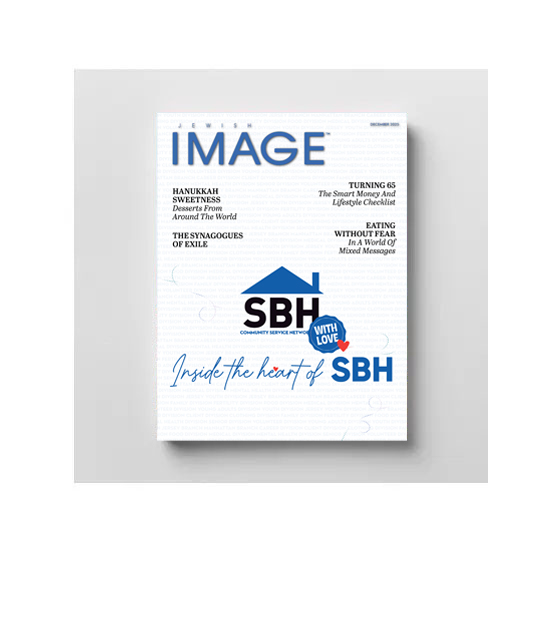
Inside the heart of SBH Community Service Network, Inc.

HANNAH LAZEROWITZ

Every family has its own story, its own journey worthy of care and attention. In this case, Dad was a sales executive earning $350,000 a year, until he abruptly got sick and landed in the hospital. He could no longer work, forsaking the joy and pride of providing for his family. Mom was a fitness instructor who made roughly $60,000 a year. Typically, she’d teach three sessions a week, but due to Dad’s health concerns, she had to take a work hiatus in order to take care of her husband. Mom and Dad have three children: a thirteen-year-old daughter and two sons, ages fifteen and eighteen. Mom had her hands full—whipping up delicious dinners every night, helping with homework, and imparting essential life lessons. However, the home structure suddenly flipped from comfort to chaos. Mom and Dad had too much on their plates to be present for their kids and shower them with the love they deserved. The youngest child wasn’t doing well in school, the middle child didn’t want to attend at all (and protested by misbehaving), and the oldest child was worried because high school graduation was looming and he needed life guidance. Putting her pride aside, Mom knew exactly whom she needed to turn to; she needed the full-package assistance that SBH provides. Knowing when to reach out for help is the first step, and being strong enough to make the call is just as important. Mom demonstrated bravery by following a community volunteer’s advice and contacting the SBH Client Services Division.

SBH’s mission statement is threaded with hope, assurance, and a guarantee that they will do their absolute best to mitigate family crises and act as a complete support network. Mom was vulnerable with SBH’s intake coordinator and opened up about her family’s recent struggles. The coordinator conducted an initial assessment of the case and ensured the situation fit the criteria.

“Here’s how the client service structure works,” the intake coordinator explained. “Each family is assigned a case worker and a community volunteer—referred to as a ‘captain.’ That is the team that walks families through crises, collaboratively creating both short-term and long-term goals. We employ a holistic approach for the entirety of this process. The holistic model enables us to cater to both the individual and the family as a whole. We work as a collective, as a team.”

Mom nodded with appreciation and was grateful for SBH’s dedication to help.

The intake representative continued to detail the confidentiality aspect. SBH would never disclose the names of its clients. Before someone is officially assigned a team consisting of a social worker and a captain, SBH verifies their names with the individual to ensure they are comfortable having them on the case. Assigning the right team to the right client is vital. SBH wants to cater to every family’s needs and find them the perfect match. The entire process is laced with compassion and understanding.

Later on, the team was confirmed with Mom, and they began their services by conducting a house visit. The social worker noticed disarray. Mom and Dad were behind on their bills and drowning in their mortgage. There was significant financial stress. The team agreed that it would be important to attend to the family’s physical needs as well as their mental health.

The goals were as follows: working toward providing Mom with more daily structure, facilitating Dad’s eventual return to his job, and ensuring that each child reaches a state of homeostasis and returns to a healthy lifestyle.

The dominoes were then set into motion, and SBH began to enlist their many incredible departments.

  • The SBH Food Division sent over meals for dinner.
  • The SBH Medical Division aided Dad with his recuperation process, making sure he was recovering properly and seeing the best doctors.
  • The SBH Volunteer Division tutored and helped the kids with their homework and drove Dad to and from his appointments.
  • The SBH Young Adult Division assigned mentors to both sons to guide them through crucial formative years.
  • Mom and Dad were referred to the SBH Counseling Center, addressing anxiety and circumstantial uncertainty.
  • SBH assisted with pressing bills, provided aid toward grocery shopping, and aimed to get the family back to their normal routines.
  • The SBH Clothing Division bought Dad a new suit.
  • SBH Career Services helped polish his job résumé, aiming to get him job-ready.
  • The SBH SEARCH Program assigned a coach to guide Mom and Dad on how to deal with a teenager who acts out.

Not only does SBH excel at collaborative problem-solving, but they highlight the importance of maintenance through weekly check-ins:

“Mom, how is everything progressing?”
“Hey Dad, what skills can we accentuate to prepare you for a job interview?”
“Are things running smoothly?”

As portrayed, there are numerous moving parts to the SBH client services process—a harmonious intermingling of divisions and a strong army of people eager to help alleviate families from crises. SBH provides an unparalleled level of care and guidance to those in need.

Your family may look different than the one depicted—every member undergoing their own journeys and overcoming their own obstacles—but the message remains: SBH is a pillar of support every step of the way. Help yourself by letting us help you. With a case manager and captain guiding the process with love, care, and comfort, we can get through some of the toughest treks.

Hannah Lazerowitz has published several articles and essays about her life and how writing has shaped her. She is working toward publishing a novel and a poetry chapbook. Hannah is deeply passionate about her craft and hopes to continue wielding her writing as a powerful tool of connection.

Hanukkah Ancient Challenges

Rabbi Steven Pruzansky, Esq.

It is not widely known but Jerusalem is at the center of each of the Jewish holidays. In addition to the three pilgrimage festivals, a second day was added to Rosh Hashana to facilitate the Temple service in case the precise appearance of the New Moon perplexed the authorities. The Temple service was at the heart of Yom Kippur and Jerusalem celebrates Purim on the same day it was celebrated in Shushan, one day after most of the Jewish world rejoices.

But on no holiday does Jerusalem feature as prominently in its history and observance as it does on Hanukkah. The miracle of Hanukkah – the burning of the Temple Menorah for eight days – occurred in Jerusalem and the liberation of Jerusalem was considered the apex of the military victory even though the war itself continued for another two decades. And there is much that happened on Hanukkah that can guide us today as the challenges that bedeviled the Jewish people then are prevalent, not to mention, exasperating, in modern times.

The story of Hanukkah almost 2200 years ago took place against the backdrop of three major crises. The Jewish world then had to wrestle with a foreign enemy, internal strife, and a spiritual malaise that threatened the continuity of Jewish life.

The Syrian Greeks led by a descendant of one of the generals of Alexander the Great captured the land of Israel and the Temple itself and embarked on a campaign of coerced Hellenization of the Jewish population. The Temple was defiled with a statue of Zeus, service in the Temple was summarily halted, and the Syrians attempted to force the Jews to abandon Torah study, circumcision, and other fundamental commandments in the hope that Jews would assimilate into the Greek culture as all other conquered nations had done. Additionally, the Syrians exercised hegemony over the land of Israel and the Jews were subjugated in their own land.

Most Jews succumbed to the allures of Hellenism, embraced their conquerors, and fiercely opposed the rebellion of the Hasmoneans. In a real yet frightening sense, the war of Hanukkah was as much a civil war among Jews as it was a rebellion against the foreign enemy. Jews were quite willing to lend support to the enemy and too many did not hesitate to abandon the particulars of Jewish observance and identity in order to integrate into the Hellenist culture that had swept the world.

None of these predicaments are unknown to us today. The Jewish state, and Jerusalem itself, hosts a large Arab population that does not necessarily perceive its destiny as identical to that of Israeli Jews. There are hostile foreign elements within Jerusalem – chapters of Hamas, Turkish anti-Israel organizations, Qatar money funding a variety of nefarious activities, and European consulates that operate in Jerusalem as embassies to the Palestinians in defiance of Israeli law and thus threatening Israeli sovereignty in the Holy City, including that of Greece, of all countries, our ancient tormentor.

The internal disharmony in Israel over the last few years, which itself precipitated the Hamas attack of October 7, 2023, was mostly papered over by the war but has now slowly re-emerged. It mostly centers on starkly different, even diametrically opposed, visions of Jewish destiny, the meaning, importance, and even continued relevance of a Jewish state, and competing notions of Israeli and Jewish identity.

To be sure, the good news is that the state of affairs when the rebellion of Hanukkah began was far more precarious than it is today. We have endured much as a people, weathered conquests, expulsions, exiles, pogroms, and Holocausts, only to return to our land – as promised in the Bible – and reestablish thereon the third Jewish commonwealth. Jews for the last two millennia could only dream of an independent Jewish state in which Torah study is abundant, the observance of mitzvot is woven into the societal structure, a Jewish army can rise up against our foes in righteous self-defense, and Hanukkah is a national celebration. Indeed, despite all our differences and the superficial discord, somehow, we have created and maintained a thriving society, prosperous and caring, boisterous but determined, tolerant and broadminded, embattled but audacious, and in many respects, the envy of the world.

We should never ignore the gifts we have been given nor trivialize the opportunities with which we have been blessed. The Jewish population of Jerusalem has not been as sizable as it is today since the destruction of the Temple over nineteen centuries ago. The challenges that we face today – both domestic and foreign – pale before the challenges we overcame throughout history.

That is because the great light of Hanukkah still illuminates our way forward and reminds us of the great days of faith, unity, and redemption ahead.

Happy Hanukkah to all!

Rabbi Steven Pruzansky is Senior Research Associate at the Jerusalem Center for Applied Policy  (JCAP.ngo)

Hanukkah in Hindsight

Rabbi Lord Jonathan Sacks ZT”L

History itself has a history. Our perspectives shift over time, and some moments may only seem meaningful in retrospect. We don’t always understand the real significance of an event until many decades later or sometimes even centuries. A classic example of this is the history of Hanukkah.

At one level, the Hanukkah story is very simple. From the days of Alexander the Great of Macedon, Israel was under the dominion of the Alexandrian Empire of the Greeks. This meant that in the third century BCE, it was under the control of the Ptolemies who were based in Egypt and Alexandria. Then, during the second century BCE, Israel came under the domain of the Seleucids who were based in Syria.

The Seleucid leader, Antiochus IV, who modestly called himself Epiphanes, meaning “G-d made manifest”, decided to force the pace of Hellenisation on the Jews of the land of Israel. Among other things, he forbade the public practice of Judaism, erected a statue of Zeus in the Temple, and offered swine before it as a sacrifice, in a desecration of Jewish values that Jews of the time called the Abomination of Desolation.

An elderly Priest called Mattityahu, and his sons and their supporters known to history as the Maccabees, rose in revolt. Over the next three years they scored a momentous victory over the Seleucids, reconquering Jerusalem and bringing it back under Jewish sovereignty. They cleansed the Temple and rededicated it, lighting the great Menorah, the candelabrum that stood in the Temple, for a celebration lasting eight days.

That is the story of Hanukkah as captured in history in the first and second books of Maccabees. But that is not how the story was ultimately told within the Jewish tradition, as it was ruled that the two books of Maccabees, and others under the same title, should be called Sefarim Chitzoni’im, apocryphal works, and kept out of the Bible. The Hanukkah story that is told instead is a very different one, with a powerful message.

The Talmud tells us that in the first century, in the last days of the Second Temple, a Rabbi called Yehoshua Ben Gamla established a network of schools throughout Israel. The result of this was that from the age of six, every child in the country received a publicly-funded universal education. This was the first education system of its kind anywhere in the world, and also a clear indication of the now familiarly Jewish commitment to education and to ensuring our children are literate in their heritage. According to the Talmud, Rabbi Yehoshua ben Gamla’s memory is blessed, because without his intervention the Torah would have been forgotten in Israel. Without him, there would have been no survival of Judaism and ultimately no Jews.

What Rabbi Yehoshua Ben Gamla and the other Sages understood, and what was not understood at the time of Hanukkah itself, was that the real battle against the Greeks was not a military one, but a cultural one. At the time, the Greeks were the world’s greatest in many fields. They were unparalleled in their advances in art, in architecture, in literature, in drama, in philosophy. Even today, their achievements have never been surpassed. But Jews nonetheless believed, and surely history has borne this out, that there is within Judaism, within ancient Israel and still within its heritage to today, something special. Something worth fighting for. Judaism, with its emphasis on the sanctification of life, and the belief that every human being was created in G-d’s image, held eternal truths that we could not abandon. This was the unique distinction between the culture of the Greeks and the world of Torah and Judaism. As a result, Jews have always known that the real battle is not necessarily fought on the physical battlefield with physical weapons, but rather in the hearts and minds of future generations.

So Judaism, and the Jewish people, became a faith and a nation no longer focusing on its military heroes, but on its spiritual ones. It became a civilization rooted in texts, and in teachers, and in houses of study. We became the people whose heroes were teachers, whose citadels were schools, and whose passion was learning and the life of the mind. The end result was that Judaism did survive and thrive throughout the centuries, whereas Ancient Greece, the Greece of Athens, the Greece of Alexander the Great, declined. In fact, it was only a short time after the events of the Hanukkah story that Greece began its decline, and Rome rose to take its place.

That is the message of Hanukkah, and to articulate our story, we focus in a rather beautiful and symbolic way on just one tiny detail of the original chain of events: That one cruse of pure, undefiled oil was found by the Maccabees among the wreckage and defilements of the Temple, just enough to light the Menorah until more oil could be sourced.

One of the most interesting aspects of this shifting perspective from the original way of telling the story to the current way is reflected in the name of the festival itself. Hanukkah, from the word chanuch, means re-dedication. That is what the Maccabees did to the Temple. They rededicated it, as described in the books of Maccabees. Yet over time, Hanukkah became connected to the word chinuch, a word meaning education. What we re-dedicated was not a physical building–the Temple–but living embodiments of Judaism, namely our children, our students, the people to whom we teach and hand on our heritage and values.

From being the festival of a military victory, Hanukkah became the festival of a spiritual and civilizational one.

I believe this history of our history has a message for us all. It teaches us this fundamental truth, as relevant to our lives today as ever before: To defend a country physically you need an army, but to defend a civilization you need education, you need educators, and you need schools. Those are the things that kept the Jewish spirit alive and the Menorah of Jewish values burning throughout the centuries in an everlasting light. Often what seems at the time to be the headline news, the military victory, is, in the hindsight of history, secondary to the cultural victory of handing your values on to the next generation.

If we do that, we will ensure that our children, and theirs, light up the world.

Rabbi Lord Jonathan Sacks ZT”L was an international religious leader, and philosopher. The author of over 30 books, Rabbi Sacks received multiple awards in recognition of his work. Sadly, he passed away in November 2020.

Read Jewish Image Magazine Online – December 2025

Miami Real Estate Marketon the Move

The housing market is showing new signs of life

Roberta Gordon Esquenazi

This fall, Miami and South Florida’s real estate market is entering one of the most active stretches of the year. After a quieter summer, we’re seeing more movement across multiple segments of the market, with both buyers and sellers positioning themselves before the winter season begins and 2025 closes out.
Interest rates are expected to trend lower in the coming months, giving buyers increased purchasing power while inventory begins to build. Combined, these factors are creating the early signs of a more balanced market, where motivated sellers and well-prepared buyers can align for strategic opportunities.
The condo sector rebounded slightly but still continues to struggle, with sales down and pricing sliding. Inventory surged, giving buyers a clear advantage and strong leverage. This combination suggests that well-priced, newer, or renovated units continue to draw interest, even as older inventory lingers.
With its unmatched mix of beaches, tropical lifestyle, and no income tax environment, combined with global connectivity, South Florida has firmly established itself as one of the most desirable places to live, work, and invest.

Roberta Gordon Esquenazi, is a Realtor with over 40 years of experience specializing in luxury condos, home sales and rentals. Originally from Brooklyn, she’s passionate about South Florida living since 1982. Her goal is pairing people with the right property.

One-Pot Wonders for BusyFall Weeknights

When the air turns crisp and the days grow shorter, few things feel as comforting as a warm, hearty meal at the end of the day. The challenge is finding time to cook something satisfying when weeknights are already full. That is where one-pot recipes shine. With a single pot or Dutch oven, you can bring together flavors that taste like they simmered all day, without leaving a sink full of dishes behind.

These dishes are practical, cozy, and deeply rooted in the idea that cooking for your family should nourish body and soul without adding stress. The following four recipes highlight two classic soups and two filling main courses. They are designed to be simple enough for a weeknight, yet warm and rich enough to become seasonal favorites.

Hearty Lentil Soup (Serves 6)
This soup is earthy, filling, and perfect for when you want something nutritious without fuss.

Ingredients

  • 2 tbsps olive oil
  • 1 large onion, diced
  • 3 carrots, peeled and chopped
  • 3 celery stalks, chopped
  • 3 garlic cloves, minced
  • 2 cups dried green or brown lentils, rinsed
  • 1 can (14 oz) diced tomatoes
  • 8 cups vegetable broth or water
  • 1 tsp cumin
  • 1 tsp paprika
  • Salt and pepper to taste
  • 2 tbsps fresh parsley, chopped

Instructions

  1. Heat the olive oil in a large soup pot over medium heat. Add onion, carrots, celery, and garlic. Cook for 6–8 minutes until softened.
  2. Stir in lentils, tomatoes, broth, cumin, paprika, salt, and pepper. Bring to a boil.
  3. Lower heat and simmer, partially covered, for 35–40 minutes until lentils are tender.
  4. Taste and adjust seasoning. Stir in parsley before serving.
    This soup keeps well for several days and thickens as it sits, making it even more flavorful the next night.

Butternut Squash and Apple Soup (Serves 6)
A sweeter option that balances autumn produce with warming spices. It is smooth and elegant enough for Shabbat dinner but easy enough for a weeknight.
Ingredients

  • 2 tbsps olive oil
  • 1 medium onion, diced
  • 2 pounds butternut squash, peeled and cubed
  • 2 medium apples, peeled and chopped
  • 4 cups vegetable broth
  • 1 tsp ground cinnamon
  • ½ tsp ground nutmeg
  • Salt and pepper to taste

Instructions

  1. Heat oil in a large pot. Add onion and cook until golden, about 5 minutes.
  2. Add squash and apples. Stir to coat with oil.
  3. Pour in broth and bring to a boil. Reduce heat and simmer for 25–30 minutes until squash is tender.
  4. Use an immersion blender to puree until smooth. Stir in cinnamon, nutmeg, salt, and pepper.

This soup can be prepared in advance and reheated gently. It pairs beautifully with a slice of challah.

Chicken and Barley Stew (Serves 6–8)
This dish is a hearty one-pot meal that has the comfort of a long-simmered stew but cooks in a fraction of the time.
Ingredients

  • 2 tbsps olive oil
  • 1 large onion, chopped
  • 3 carrots, chopped
  • 2 parsnips, chopped
  • 3 garlic cloves, minced
  • 2 pounds bone-in chicken thighs, skin removed
  • 1 cup pearl barley, rinsed
  • 8 cups chicken broth
  • 1 bay leaf
  • 1 tsp thyme
  • Salt and pepper to taste
  • Fresh dill for garnish

Instructions

  1. Heat oil in a Dutch oven over medium-high heat. Add onion, carrots, parsnips, and garlic. Cook until softened, about 6 minutes.
  2. Push vegetables to the side and add chicken thighs. Brown lightly on both sides.
  3. Add barley, broth, bay leaf, thyme, salt, and pepper. Bring to a boil, then reduce heat.
  4. Cover and simmer for 50–60 minutes, until chicken is cooked through and barley is tender.
  5. Remove bay leaf. Serve hot, garnished with dill.
    The barley adds a nutty texture that makes this dish filling on its own, no side dish required.

Beef and Root Vegetable Braise (Serves 6)
This recipe delivers rich, comforting flavors with minimal effort. A slow simmer allows the beef and vegetables to melt together into a satisfying fall supper.

Ingredients

  • 2 tbsps vegetable oil
  • 2 pounds stewing beef, cut into large cubes
  • 2 onions, sliced
  • 3 carrots, peeled and cut into chunks
  • 2 parsnips, peeled and cut into chunks
  • 1 small turnip, peeled and cubed
  • 4 garlic cloves, minced
  • 2 tbsps tomato paste
  • 4 cups beef broth
  • 1 tsp rosemary
  • 1 tsp thyme
  • Salt and pepper to taste

Instructions

  1. Heat oil in a large heavy pot over medium-high heat. Brown the beef on all sides, working in batches if needed. Remove beef and set aside.
  2. Add onions and garlic to the pot. Cook until fragrant, about 5 minutes.
  3. Stir in tomato paste and cook another 2 minutes.
  4. Return beef to the pot along with carrots, parsnips, and turnip. Pour in broth, rosemary, thyme, salt, and pepper.

  5. Bring to a simmer. Cover and cook on low heat for 2–2½ hours, until beef is fork-tender.
    This braise tastes even better the next day, making it an excellent choice for preparing ahead.
    Fall weeknights rarely leave us with time to linger in the kitchen, but with the right recipes, you do not need hours to create something memorable. These one-pot wonders save time and dishes, while still offering the depth of flavor that makes a meal feel special. With a little chopping and one pot, you can have soup simmering on the stove or a stew gently bubbling away while you tend to everything else. When it is time to sit down together, you will have a warm, nourishing dinner that celebrates the best of the season.

Protein More Than a Buzzword

Finding Balance for Your Mind and Body

Laura Shammah, MS, RDN

Everywhere we turn, it’s protein this, protein that. Smoothies boast extra protein, bars scream “20 grams!”, and even cereals are fortified with it. Yet beneath all the hype, real questions remain. How much do we actually need? Is there such a thing as too much? And what if you don’t even like protein foods?

As a dietitian specializing in eating disorders, I believe protein shouldn’t become another food rule to obsess over. It should instead be understood as one part of a balanced picture, one that supports not just your body, but also your mood, appetite, and relationship with food.

What Protein Actually Does
Protein is far more than a muscle builder. It repairs and maintains every cell in the body, from skin and hair to hormones and enzymes. It supports immunity, helps regulate appetite and blood sugar, and prevents sharp highs and lows. It also supports mental health by providing amino acids that become neurotransmitters like serotonin and dopamine.

How Much Protein Do We Really Need?
For most adults, about 0.8–1 gram per kilogram of body weight, or roughly 0.36–0.45 grams per pound, is enough. Active adults, older adults, or those on weight loss medications (like GLP-1s) may benefit from 1.2–1.6 g/kg to help preserve muscle mass and manage satiety. The body can handle moderate extra protein, but chronic excess, such as multiple scoops of powders on top of a high-protein diet, is not magic. It will not double your strength and can crowd out other important foods like fruits, veggies, and whole grains.

Choosing the Right Protein
Animal sources such as chicken, turkey, fish, eggs, and dairy are complete and easily absorbed. Plant based options like beans, lentils, tofu, tempeh, edamame, nuts, and seeds bring fiber, minerals, and variety. They do not have to be combined in one perfect dish, since your body balances them across the day. What matters most is how these foods make you feel, whether they give steady energy, help with focus, or leave you sluggish. Your experience matters as much as the nutrition facts.
What If You Don’t Like Protein Foods?
Not everyone loves eggs or steak, and that’s okay. Cottage cheese or Greek yogurt can blend into smoothies. Lentils can disappear into soups or sauces. Roasted chickpeas or edamame make satisfying crunchy snacks.

Protein Through the Lens
of Exercise and Age
Exercise increases demand, and protein helps muscles recover and adapt. Spreading intake throughout the day is better than loading up at dinner. Age shifts the picture. Muscle naturally declines, so after 30 years old, protein becomes more protective against weakness and frailty.

Protein’s Influence on Mood,
Appetite, and Binges
Adequate protein provides building blocks for healthy brain chemistry. Skipping it often leads to irritability or fatigue. Consistent protein helps stabilize blood sugar and reduces the roller coaster of hunger and cravings. Balanced protein can also decrease the extremes of hunger that often drive overeating.

Pairing Protein for Balance
Protein works best in combination. Pair it with fiber rich carbs like fruits, vegetables, and whole grains for lasting fullness and energy, and add healthy fats such as avocado, nuts, or olive oil to support hormones and brain health. This trio: protein, carbs, and fat, is the true recipe for satiety and balance.
But What If You Only Like Carbs?
This is common, especially if protein is not naturally appealing or if carbs have always been your comfort zone. Try adding protein alongside your favorite carb, like toast with eggs, pasta with chicken, or crackers with cheese. Just as coffee or dark chocolate are acquired tastes, many protein rich foods can be too. Over time, your body connects them with steady energy and fewer crashes, and you may even start to crave them.
Building these pairings step by step helps your body and brain relearn trust in food without restriction, just gentle experimentation.

Balance Over Perfection
Protein is essential, but it is not a magic bullet. Too little leaves you tired, too much can crowd out balance, but the sweet spot supports energy, mood, and stability. The real goal is not chasing a number, but creating meals that nourish your body and mind. Pair protein with foods you enjoy, listen to your body’s signals, and remember that balance always wins over extremes.

Laura Shammah, MS, RDN, specializes in eating disorders and works with a wide range of clients, including those managing PCOS, infertility, hypertension, high cholesterol, Crohn’s disease, diabetes, and cancer. She also supports clients training for marathons, women who are pregnant, and individuals seeking to lose or gain weight in a healthy way.

The Energy of Life

What You Should Know About NAD and Longevity

Think of your body as a high-powered device. Just like your phone needs a charger, your cells rely on something to keep them going. That “charger” is a molecule called NAD, and without it, the body’s energy supply quickly falters. Researchers are fascinated by NAD because its levels decline as we get older, and that drop may play a role in fatigue, slower metabolism, and the body’s ability to repair itself.

This is where the conversation about longevity comes in. While no one has discovered the secret to living forever, scientists are exploring how supporting NAD could help us live healthier for longer. The buzz around it can feel overwhelming, but the science, while still young, is pointing toward some promising ideas.
NAD, short for nicotinamide adenine dinucleotide, is found in every cell of your body. It helps turn food into usable energy and acts as a kind of traffic director for countless reactions that keep you alive. It plays a key role in metabolism, DNA repair, and communication between cells. If you picture your body as a city, NAD is the power grid and the maintenance crew rolled into one. Without enough of it, the system begins to slow down, and that’s part of why scientists suspect it may influence how we age.
Animal studies have shown that higher NAD levels are linked to improved energy, stronger endurance, and even better repair of DNA damage, which is one of the drivers of aging. Some early human research is also encouraging. Small trials suggest that boosting NAD might improve insulin sensitivity, reduce inflammation, and support healthier blood sugar levels. Still, it is important to keep perspective. Much of this work is in its earliest stages, and we don’t yet know if NAD therapies can actually extend human lifespan. What we do know is that it plays a central role in health, which makes it a promising area of study.
With so much attention, it’s no surprise that supplements aimed at raising NAD have become popular. The two main ones are NMN (nicotinamide mononucleotide) and NR (nicotinamide riboside), both of which are forms of vitamin B3. They are sold in capsules or powders, marketed as ways to “boost NAD naturally.” So far, they appear safe in short-term studies, but questions remain about long-term effects. Supplements are not strictly regulated, which means quality can vary, and prices can be high. For anyone considering them, it’s wise to consult a doctor, especially if you already take other medications or have health concerns.
The good news is that you don’t need to buy a pill to support your NAD levels. Your everyday choices have a big impact, and they come with no side effects and almost no cost. Regular exercise is one of the most powerful ways to keep NAD pathways active. Even brisk walking or cycling a few times a week makes a difference. Sleep is another critical factor, since the body replenishes and repairs itself at night. Eating patterns matter too. Intermittent fasting and balanced diets rich in whole foods appear to encourage healthier NAD activity. Foods that contain natural sources of B vitamins, such as leafy greens, fish, eggs, and whole grains, also provide the building blocks your body uses to make NAD. Taken together, these habits not only support this molecule but also strengthen nearly every part of your health.
Longevity is about more than how many years we get. It’s about the quality of those years, what scientists call healthspan. While the idea of boosting NAD with supplements is intriguing, it should not distract from the fundamentals of living well. Moving your body, resting deeply, and eating thoughtfully will always matter more than any capsule. In Jewish tradition, there is a concept called shmirat haguf, caring for the body as a sacred responsibility. It’s a reminder that each day of life is valuable, and maintaining our health allows us to live fully in the time we are given.
The science of NAD is still unfolding, and it may one day offer tools that transform how we age. For now, what’s within reach are the choices we make every day. Think of them as simple ways to keep your body’s battery charged: walk more, sleep better, eat real food, and embrace the rhythm of caring for yourself. The promise of longevity may not lie in a bottle, but in how we choose to live right now.

Beyond Ego. The Radical Strength of Humility

Rabbi Meir Bier and David H. Rosmarin, PhD

In our age of self-promotion and personal branding, humility can appear outdated—almost a weakness. We expect modern leaders to be confident, decisive, even forceful. Yet we also sense that these traits often hide insecurity rather than reveal true strength. Judaism and modern psychology both show why humility is the real key to confidence, leadership, and happiness.

The Torah presents a strikingly different model. It praises Moses—the greatest and most brilliant of Jewish leaders—not for his power, but for his humility. The Talmud describes his humility as total, so much so that he saw himself as “nothing.” But how can this be? How can a leader embody immense authority and still view himself as nothing? Doesn’t humility mean self-doubt that undermines leadership? Conversely, doesn’t power negate humility altogether?
Judaism offers a deeper understanding: humility is not weakness or self-negation, but strength rooted in self-awareness and clarity.
This article, co-written by a rabbi and a psychologist, was itself an exercise in humility. Rabbis focus on sources and tradition; psychologists on lived experience and data. Only by combining perspectives—dialogue instead of dominance—could we begin to understand humility in its fullness.
What follows blends classical Jewish teachings with modern psychology, showing how both converge on the same truth: humility is not the opposite of strength. It is the foundation of emotional health, effective leadership, and lasting happiness.

Arrogance Masks Insecurity
Rabeinu Yona of Girona (c. 1200–1264), a leading medieval Spanish rabbi, ethicist, and Talmudist, best known for his classic work Gates of Repentance, taught that arrogance does not flow from greatness, but from deficiency. The human spirit is lofty; when it senses something missing, it strains under the weight of that gap. To cover the emptiness, a person asserts dominance over others who possess what he lacks.
Arrogance, then, is not strength but fragility. The egomaniac does not mistreat others because he truly feels superior but because he fears he is inadequate. Wealth, beauty, influence, or intellect become shields to hide a gnawing void. But these shields never work.
This insight explains why those who project the most dominance are often deeply insecure. Their arrogance is a desperate strategy to mask fear of being unloved or unworthy. Yet the mask cracks: external superiority cannot replace inner security.
Modern psychology echoes this. Narcissists often appear supremely confident, demanding admiration and bristling with indignation. Yet research shows narcissism is tied to low self-esteem and vulnerability. The appearance of strength is often only a fragile defense.
One CEO Dr. Rosmarin treated, seemed the epitome of toughness: decisive voice, commanding posture, uncompromising authority. But at home, his arrogance alienated his family until they gave him an ultimatum—therapy or separation. In therapy, his facade collapsed. For the first time, he admitted his lifelong fear of inadequacy. His arrogance, he realized, was not confidence but a coping mechanism.
Centuries earlier, Rabeinu Yona captured this truth: arrogance is an attempt to cover insecurity. True humility, by contrast, grows out of emotional wholeness. The humble person does not need to dominate, because their worth is already secure.

Humility as Self-Assurance
Without Entitlement
Rabbi Naftali Tzvi Yehuda Berlin, (1816–1893), known as the Netziv, the Rosh Yeshiva of the famed a theological dimension Volozhin Yeshiva and a leading Torah commentator and halakhic authority of his time, defined humility in a counterintuitive way. A humble person does not belittle themselves or deny their gifts. They may recognize their greatness clearly. The difference is that they do not demand honor or privilege because of it.
The Talmud offers proof. Rabbi Yosse once called himself humble, and the Talmud confirmed it. If humility meant a lack of self-awareness, such a statement would be contradictory; no one, let alone a great sage, could not accurately describe themselves as “humble” if humility means blindness to one’s own worth. Instead, humility means knowing one’s value without insisting on special treatment.
Rabbi Berlin extended this idea further into the theological realm, noting that even G-d is described as humble. Obviously, this cannot mean a lack of self-awareness. It means that true greatness does not require recognition. Humility, therefore, is greatness without entitlement.
This redefinition reframes humility as strength. The arrogant person asserts superiority to hide insecurity; the humble person leads forcefully without needing external validation. Moses could be both decisive and “the humblest of all people” because his self-assurance was rooted in wholeness.
Psychology supports this. Research on authentic self-esteem shows that those whose self-worth is secure—not dependent on others’ approval—are more resilient, less defensive, and more open. Confidence rooted in stability makes humility possible.
One of Dr. Rosmarin’s patients, a gifted young physician, feared being labeled arrogant. She downplayed her achievements and exhausted herself proving her humility. Over time, she learned that acknowledging her gifts was not arrogance but freedom. By accepting recognition without demanding it, she led with grace instead of fear.
This is Rabbi Berlin’s insight: humility is not erasing oneself, but standing in greatness without entitlement.

Humility as the Source of
Honor and Happiness
Rabbi Avraham Yeshaya Karelitz (1878–1953), known as the Chazon Ish, a preeminent Torah scholar in Israel, took humility in another direction. He taught that character growth does not require erasing self-love. Human beings must love themselves, seek honor, and desire happiness. The real question is: what kind?
True honor, Rabbi Karelitz said, lies in humility—the refusal to chase external accolades. True happiness lies in freeing oneself from the endless pursuit of status.
This reframes humility not as self-denial but as redirection. Instead of building identity on wealth, beauty, or power, the humble person builds on goodness, kindness, and sensitivity. Unlike status, intrinsic goodness cannot be outdone. It lifts others instead of competing with them.
Psychology confirms this. Self-determination theory shows that people who live by intrinsic values—growth, kindness, deep human connection—experience greater well-being than those chasing validation. Studies of self-transcendence also reveal that meaning beyond the self brings higher life satisfaction and resilience.
One entrepreneur Dr. Rosmarin treated spent years chasing luxury and acclaim, yet felt perpetually empty. When he shifted toward mentoring and philanthropy, the emptiness faded. His honor came not from others’ applause, but from a life of substance.
Rabbi Karelitz’s wisdom shines through: humility does not erase self-love, it refines it. By rooting worth in intrinsic goodness, a person gains honor that cannot be taken and happiness that cannot be shaken.

Moses
A Paragon of Humility
We can now understand how Moses embodied both greatness and humility. The teachings of Rabeinu Yona, Rabbi Berlin, and Rabbi Karelitz form a unified vision:

  • Arrogance is a mask for insecurity.
  • Humility is self-assurance without entitlement.
  • True honor and happiness come from rooting worth in goodness.
    Moses embodied this vision. He led decisively yet never demanded honor. That paradox made him history’s most enduring teacher—and remains a challenge for us today.
    In a world obsessed with image, promotion, and competition, Judaism’s vision of humility is countercultural. Real strength is not in domination but in the quiet confidence of knowing one’s worth. Arrogance hides insecurity; humility reveals true self-worth.
    Humility allows individuals to thrive without fear of comparison, families to grow without rivalry, and leaders to guide with conviction and compassion. In a society that prizes appearance over substance, humility is the most radical and transformative form of greatness.

Rabbi Meir Bier is an educator with Meor at the University of Pennsylvania. He studied at the Philadelphia Yeshiva, Brisker Kollel, and Beth Medrash Govoha. He was a member of the Boston Kollel and served as a synagogue rabbi in Newton, Massachusetts.
David H. Rosmarin, PhD, is an associate professor at Harvard Medical School, a program director at McLean Hospital, and the founder of the Center for Anxiety. He is an international expert on spirituality and mental health, and his work has been featured in The Boston Globe, The Wall Street Journal, The New York Times, and on Good Morning America.

Our Community Celebrates Sukkot

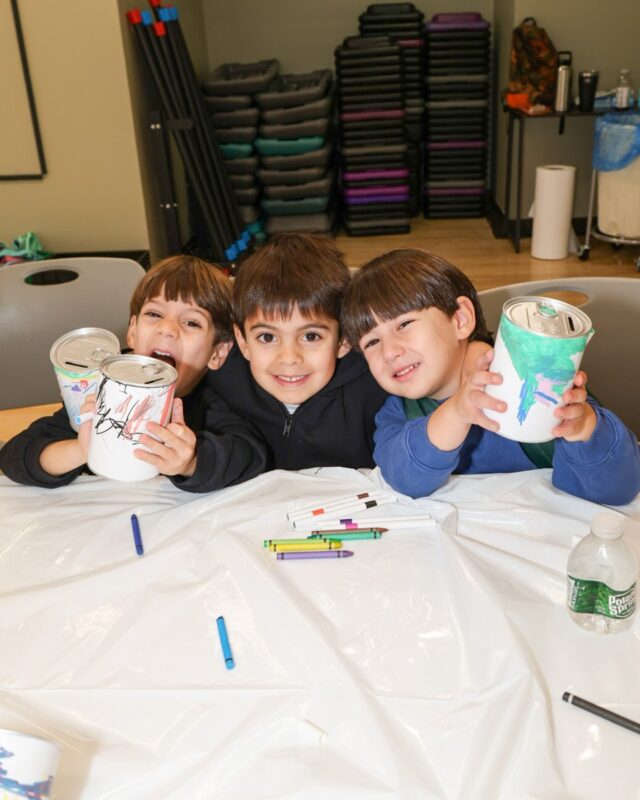
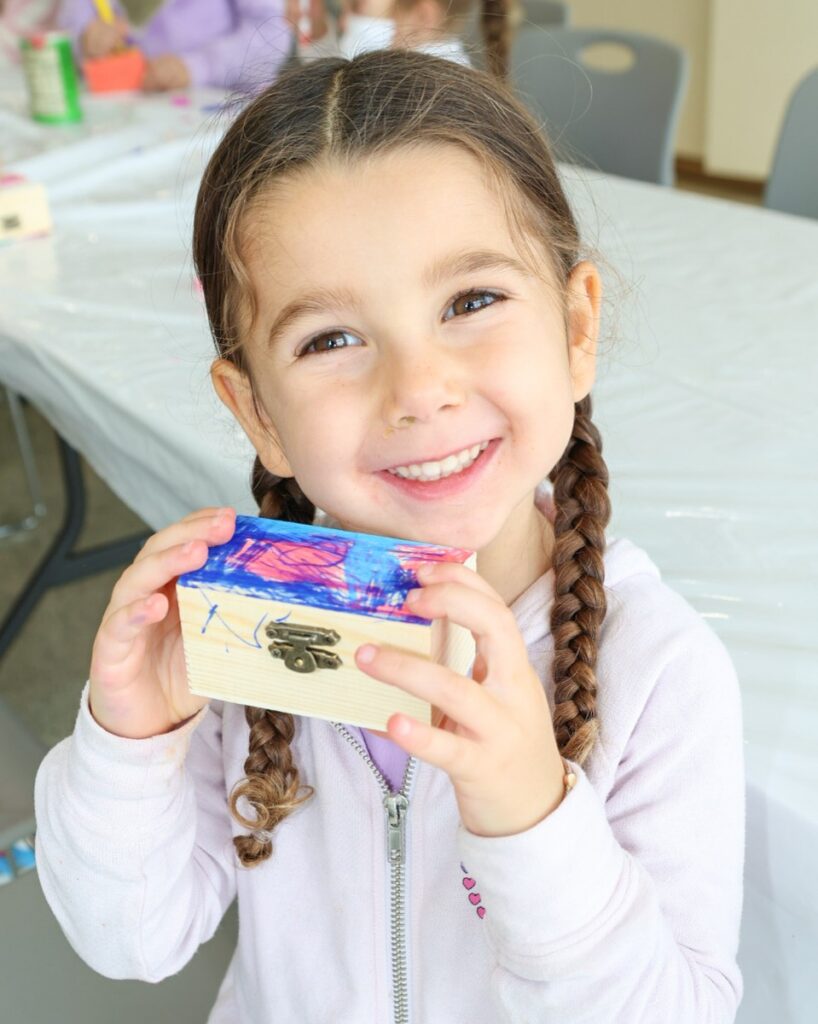
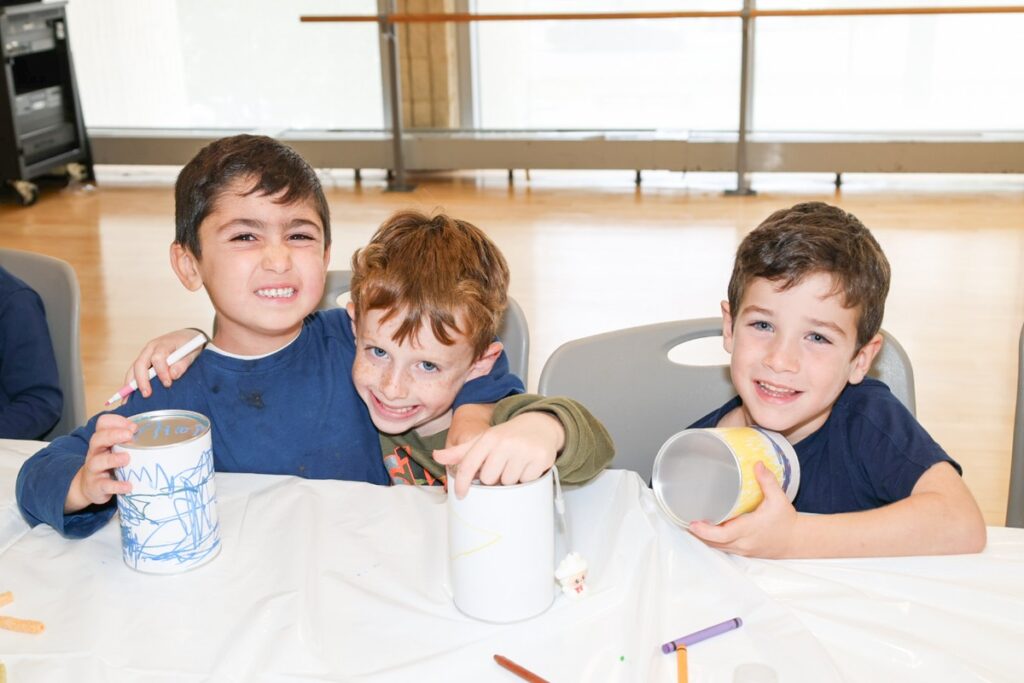
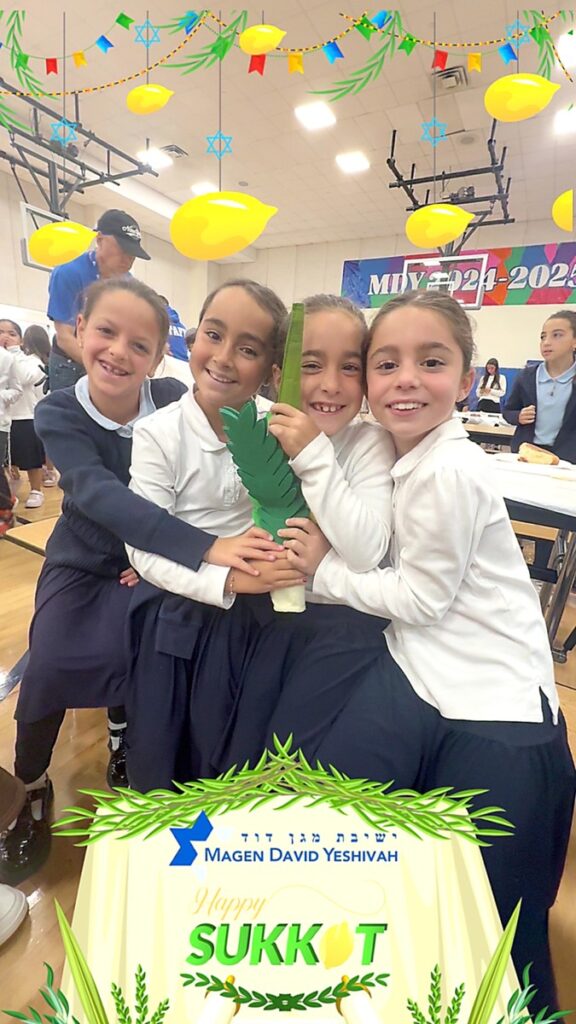
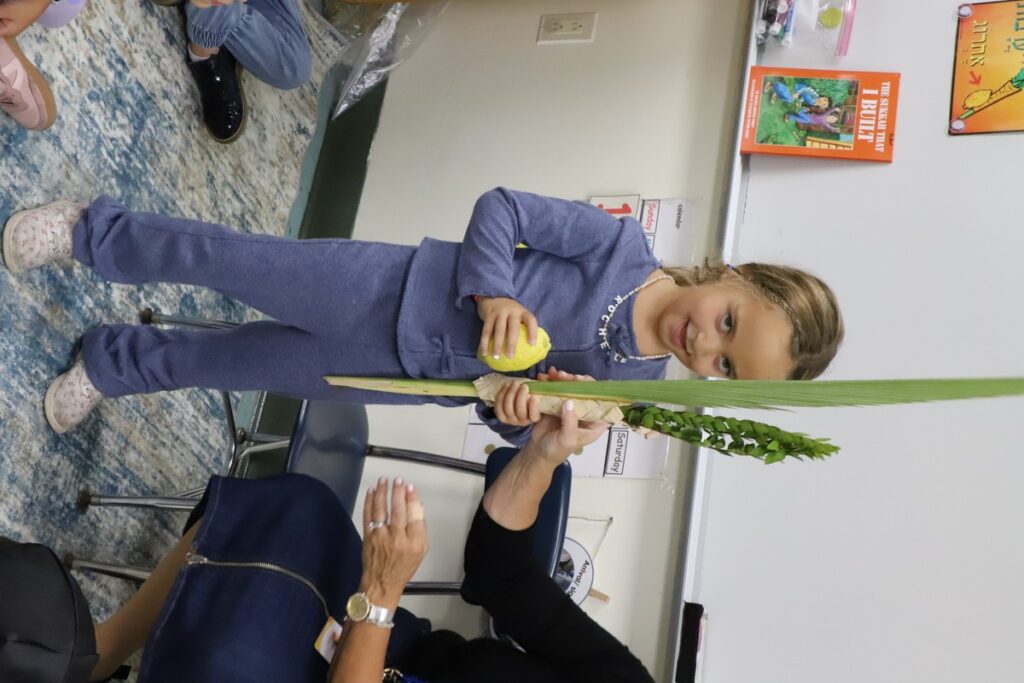
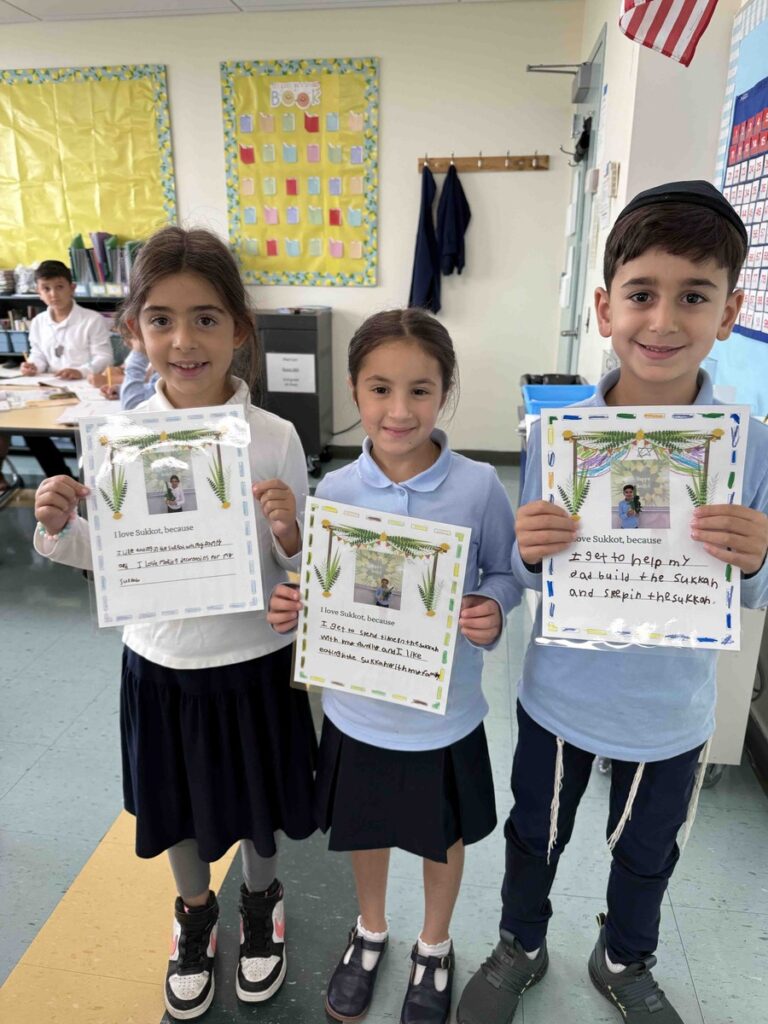
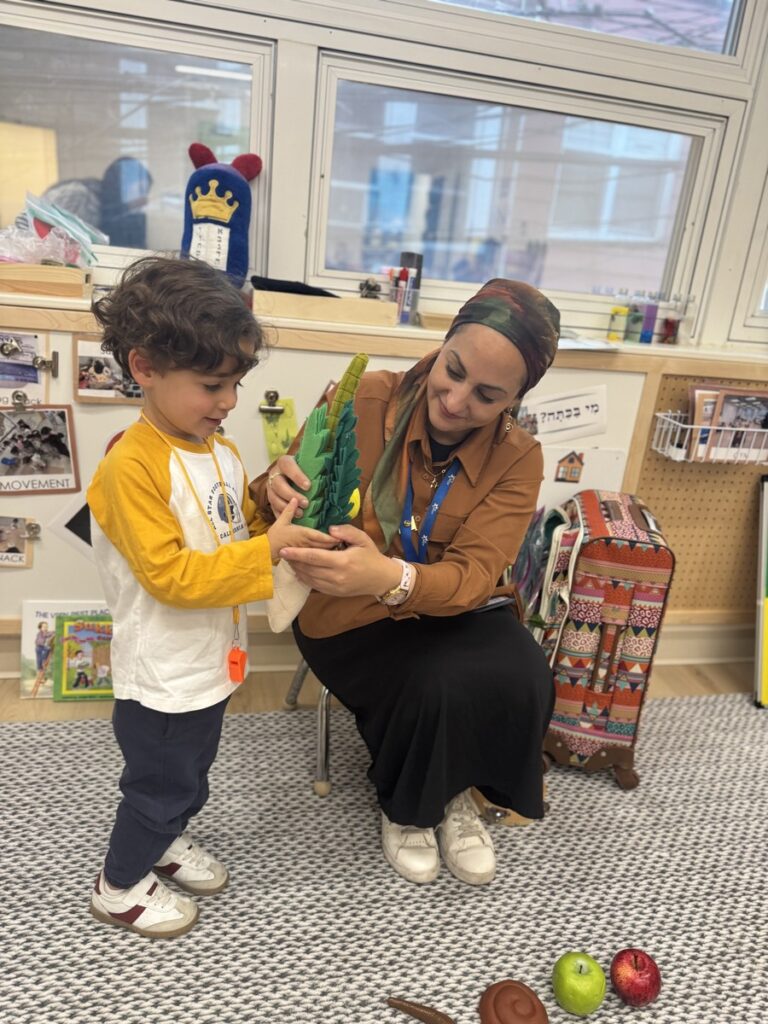
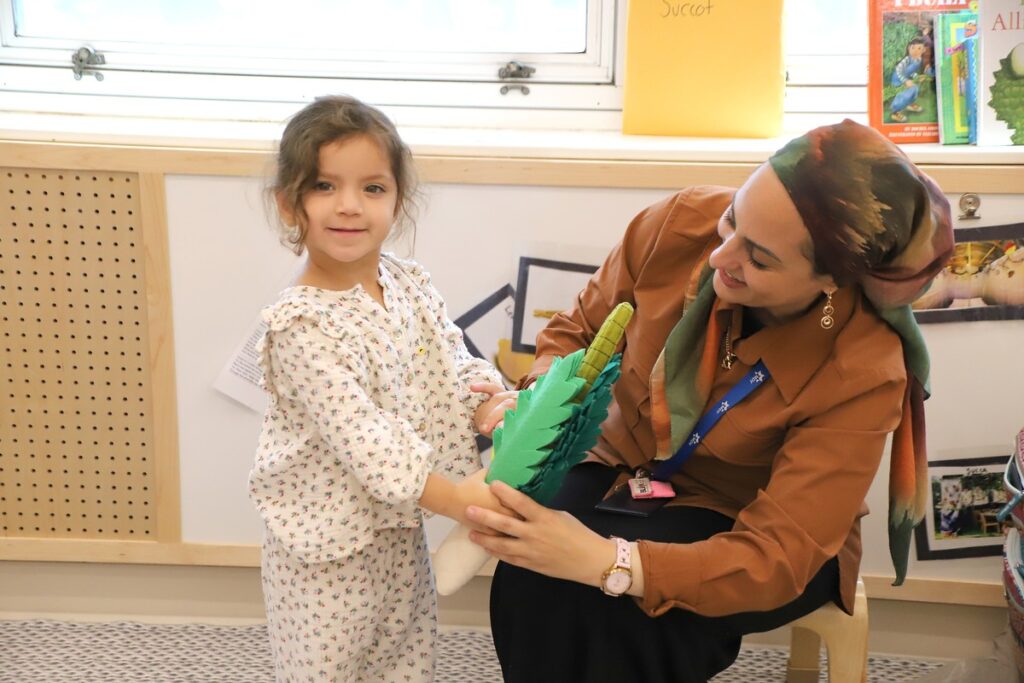
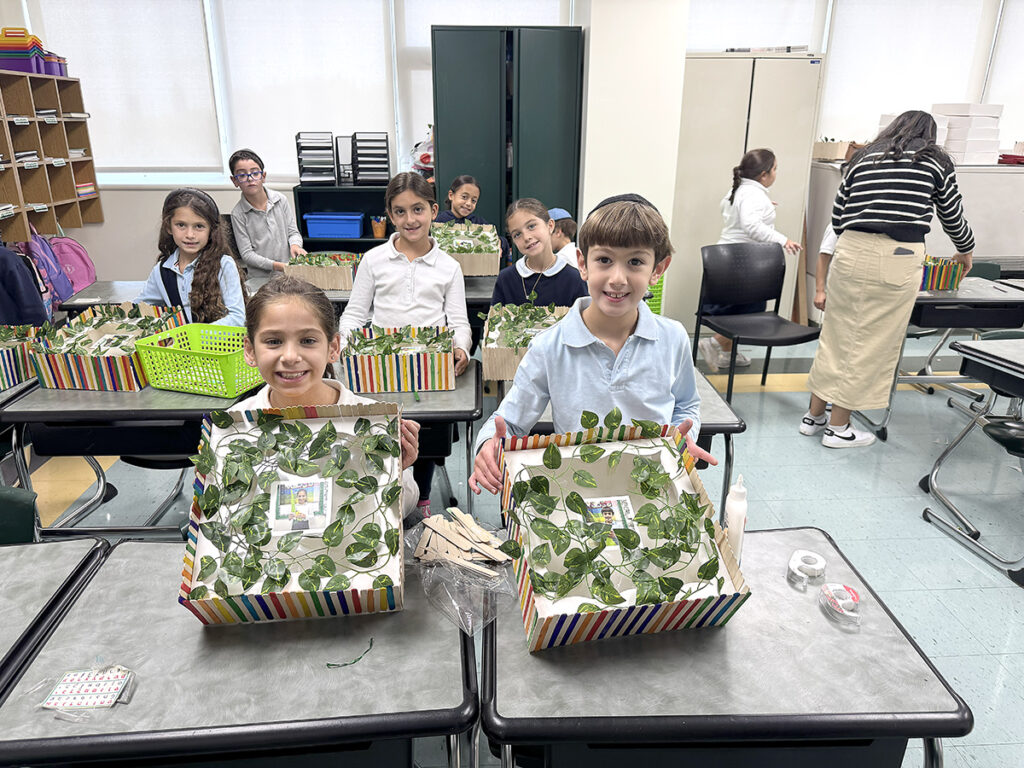
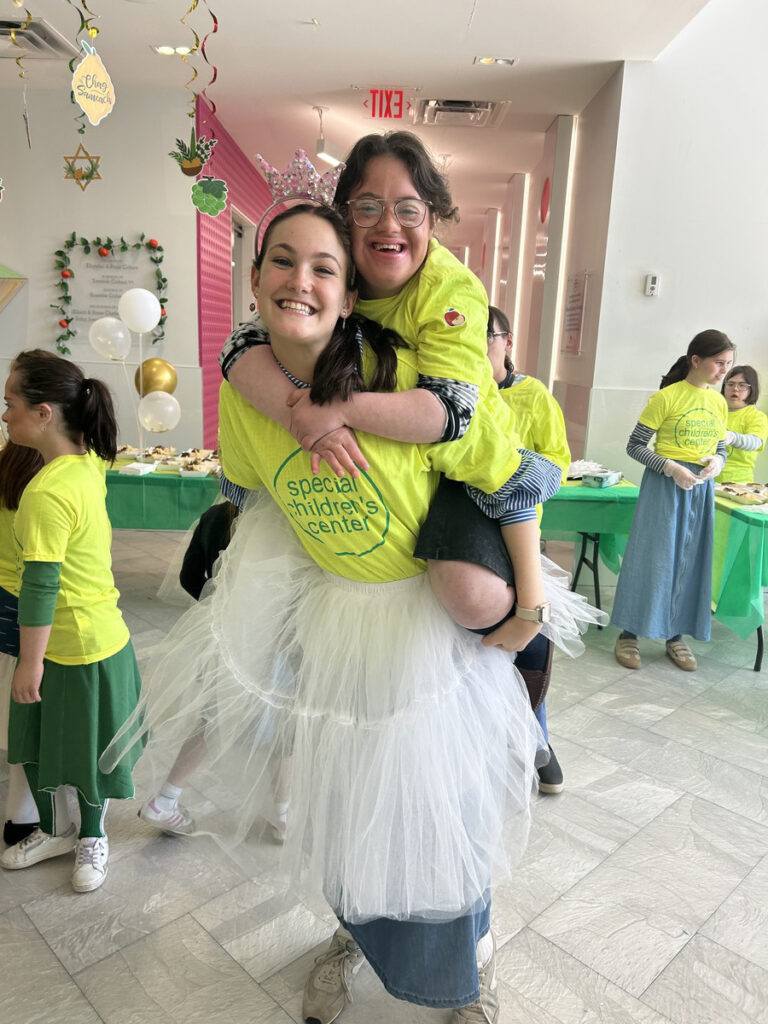
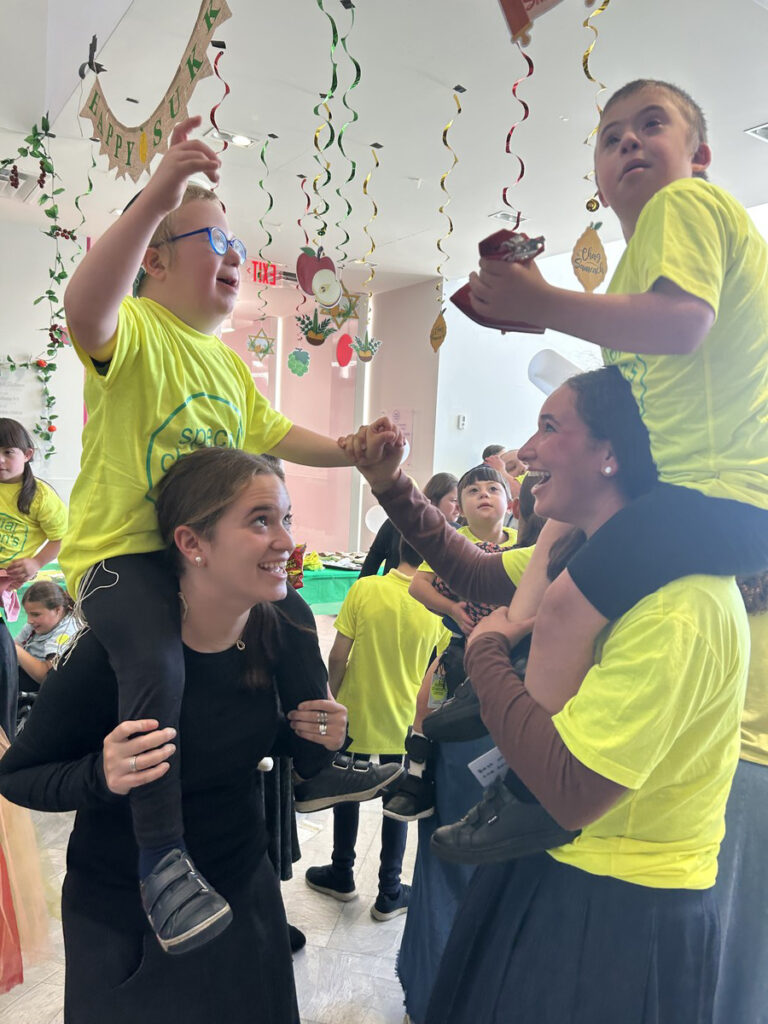
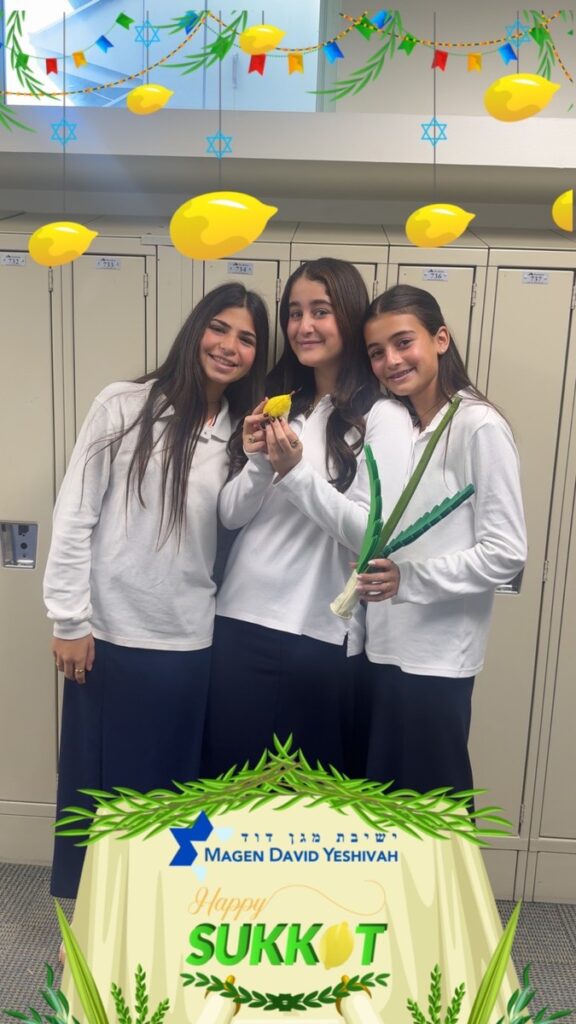
This month’s Community Photo Album celebrates the joy and togetherness of Sukkot. From children creating colorful decorations and learning about the lulav and etrog to families gathering for meals in the sukkah, these moments capture the beauty and meaning of the holiday.
Our community came alive during Chol Hamoed with trips, outdoor events, and classes held beneath the schach. Each photo tells a story of connection, celebration, and gratitude. It reminds us how special it is to share these festive days with family and friends.

You’ve Been Using AI for Years

And It’s Shaped Your Life More Than You Realize

If you’ve ever wondered how your favorite platforms always seem to know what you want to watch, how your phone finds the fastest way around traffic, or how shopping tools predict your next purchase, the answer is artificial intelligence. AI may sound futuristic, but it has already become part of daily life in ways most people don’t notice. It isn’t only driving research labs or robotics, it’s quietly shaping everyday choices, habits, and routines.

That makes AI both exciting and a little unsettling. On one hand, it saves time and makes life more convenient. On the other, it raises questions about how much data we share and how it’s used. To understand this balance, it helps to look at the ordinary places where AI is already at work.
Think about the last time you opened a streaming service or music app. Behind every recommendation is an algorithm that studies what you’ve watched or listened to, how long you stayed with it, and what people with similar habits enjoyed. The goal is to keep you engaged by predicting your next interest. This can be useful when you’re looking for a new series or playlist, but it can also trap you in a bubble, serving more of the same instead of encouraging variety. Experts suggest mixing in your own searches from time to time so you don’t miss out on something new.
Navigation apps are another quiet showcase of AI. They don’t just map routes, they constantly process live traffic updates, accident reports, and even how fast other drivers are moving. Directions adjust on the fly, shaving minutes off commutes or steering you around a jam. It’s a simple example of machine learning, but it shows how much we already rely on AI to guide us without a second thought. At the same time, these apps know where you go, when you travel, and how often. That information isn’t only used for navigation, it can also feed into advertising profiles, making it worth reviewing your privacy settings.
Shopping tools highlight AI in a different way. When a site suggests products based on what you browsed, or when a grocery app remembers your weekly order, that’s AI predicting behavior. Some retailers use it to keep popular items in stock, while others rely on it to run customer service chatbots. If you’ve ever called a toll-free number and spoken to an automated system that directs you to the right department, or clicked on a website chat box only to find a program answering, you’ve interacted with AI support. It often speeds up simple requests, though it can feel impersonal when you want a human touch.
Advertising is perhaps the most visible sign of AI in daily life. Targeted ads appear in your email, on your social feeds, and across the web. They’re not random, they reflect the messages you open, the posts you like, and the searches you make. AI can even draw on voice commands or your location. Walk past a store, step inside a mall, or type about a product, and you may see an ad for it within hours. Many of the free services we rely on every day stay free by collecting and selling this data to advertisers or third-party companies. The trade-off is personalization at the cost of privacy, with our information treated as a commodity.
Social media takes this influence even further. AI decides which posts rise to the top of your feed, learning quickly from every like, comment, and share. That’s why it often feels like the app “knows” you. The upside is that it connects you with content and communities that match your interests. The downside is that it can trap you in cycles of distraction or feed misinformation. Digital wellness experts recommend setting time limits or clearing your history now and then to help reset the algorithm.
Even the devices in your pocket and home are full of AI. Voice assistants interpret natural language to carry out commands. Smart thermostats learn your patterns and adjust temperatures automatically. Fitness trackers record heart rates and sleeping habits, then suggest routines to improve your health. These tools act like personal helpers, but they also collect sensitive details that can reveal more than you may want shared.
So what can you do if you’d rather limit how much AI follows you? The first step is to explore your phone or app settings. Many services automatically turn data sharing on, so you need to look for options labeled “privacy,” “ad preferences,” or “do not share.” Turning off ad personalization, disabling location tracking when it isn’t needed, and choosing not to share activity history are small but powerful steps. On websites, you can often click “manage cookies” or “opt out” instead of accepting defaults. These tools don’t shut AI off completely, but they give you more say in how your data is used.
The larger point is that AI is not separate from daily life, it’s woven into it. Recognizing that fact helps you make smarter choices, balancing convenience with caution. And you don’t need to be a tech expert to take control. A few quick checks in your settings can limit what is collected without losing the benefits that AI brings.
Artificial intelligence is here to stay, and most of its uses aim to make life more comfortable. But comfort should not come at the cost of control. By noticing how AI shapes your day, from the shows you stream to the ads that follow you, you can enjoy the benefits without giving away too much. The key is not to fear AI, but to approach it with awareness and deliberate choices.