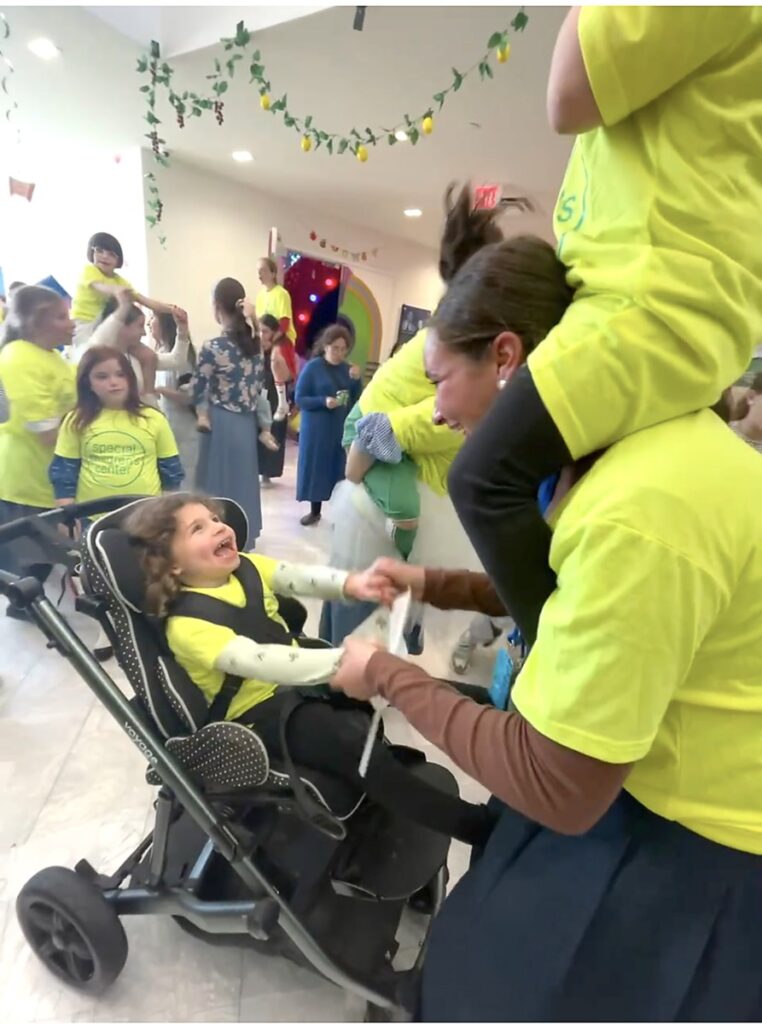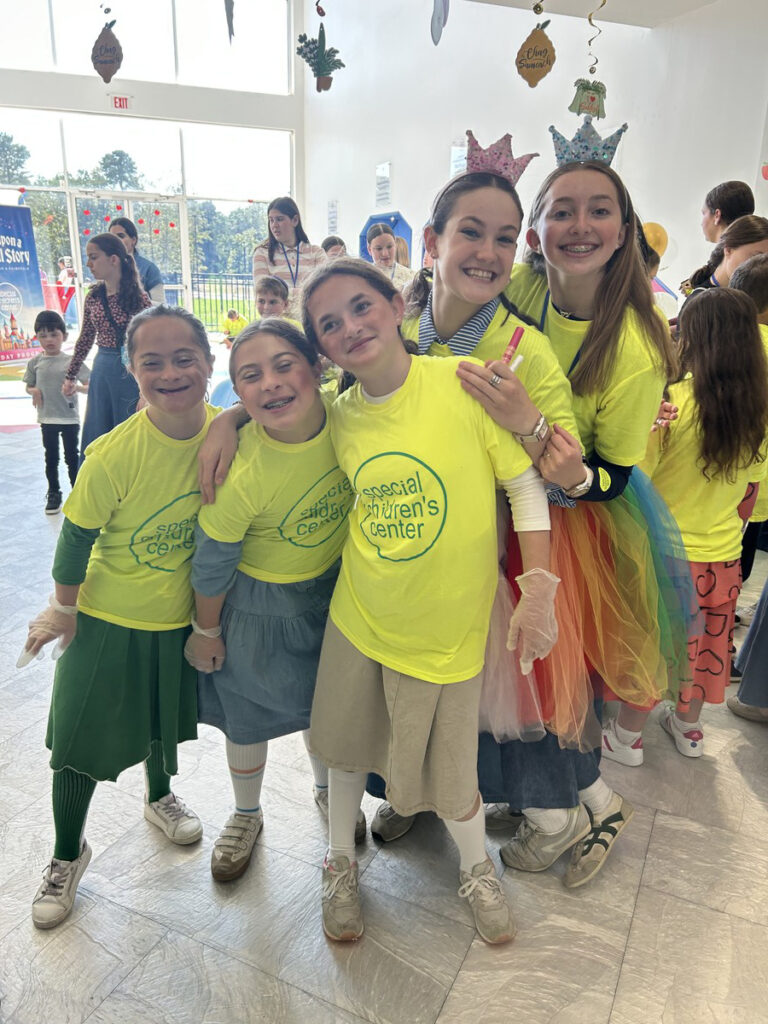
This summer, DSN proudly returned for the second time to the Maccabi Games, the Olympic-style sporting and cultural event for Jewish teens held annually across North America. What began just two years ago as an opportunity to expand DSN’s basketball program has already blossomed into something extraordinary for our community’s youth.
DSN brought 24 community athletes to Tucson, Arizona, in July, competing in two sports: basketball and tennis. DSN’s basketball team of 17-year-olds made history, becoming the first NY/NJ team to ever win a GOLD championship. In addition, its basketball team of 15-year-olds secured a BRONZE medal. In tennis, Jack Massry represented DSN in the 15-year-old division. He delivered a remarkable performance and brought home the GOLD medal. He also received a middot award for helping other players. DSN’s 17-year-olds faced crushing adversity early on. Starter Jack Dweck tore a ligament and broke his thumb, leaving the team short-handed. After dropping three straight games, many teams might have folded, but DSN’s coach David Simhon reminded the boys of their true strength, saying, “Teams may be more skilled than us, but the one thing they don’t have that we do, we are family.” Inspired, the team rallied. Jack kept playing through his injury and the squad went on to upset the number 3 and number 2 seeds, defeating every team they had previously lost to. In a dramatic finale, with the score tied, Bruce Epstein drained a clutch three-pointer to seal the GOLD medal victory. The celebration was electric. What started as heartbreak became a monumental triumph, showing the grit, brotherhood, and heart that defines DSN athletics. Reflecting on the experience, DSN Sports Director Jon Entel shared, “The Maccabi Games are a marathon and a rollercoaster of emotions. Being there with these boys who have been in the DSN program for eight years now and seeing how far they’ve each come in their journey is super special. Seeing them push through adversity in an unfamiliar city and rally around one another, becoming a family that motivated each other toward greatness. This is why I love what I do.” It was a whirlwind five days of competition, camaraderie, and unforgettable memories. From Tucson to triumph, DSN athletes showed what it means to compete with heart and pride. Next year, the journey continues as DSN heads to Kansas City, ready for new challenges and undeniably new victories.

A golden scale delicately balances stacks of coins against vintage clocks, symbolizing the eternal struggle between wealth accumulation and the value of time.
Ari Baum, CFP®
When it comes to money, most conversations begin with one question: How much do you make? Salary, bonuses, business revenue, investment gains — all are used as yardsticks for success. But if we measure financial health by income alone, we’re missing the bigger picture. The fact is, wealth isn’t defined by what you earn. It’s defined by what you keep.
I’ve seen business owners with millions in revenue who constantly feel broke, and I’ve seen teachers and mid-level professionals quietly retire comfortably because they made smart decisions along the way. What separates them isn’t hustle, luck, or market timing. It’s discipline around preserving wealth.
The Illusion of High Income High income can be deceptive. A $500,000 salary might sound impressive, but when you factor in federal, state, and local taxes, mortgage payments, private school tuition, and lifestyle upgrades, the take-home wealth may look very different. Many professionals fall into the trap of “lifestyle inflation.” The bigger the paycheck, the bigger the house, the nicer the car, the more expensive the vacations. Suddenly, despite earning more, they’re living paycheck to paycheck — only with better scenery. On the flip side, I’ve met clients with modest salaries who quietly built seven-figure portfolios by keeping their expenses in check and prioritizing long-term goals. It’s not about how much money flows in, but how much stays and compounds. Taxes: Your Largest Expense One of the biggest obstacles to keeping wealth is taxes. For many high earners, taxes dwarf every other line item in the budget. The IRS doesn’t care how hard you worked for that bonus or whether your investments had a good year. If you don’t plan strategically, taxes will quietly erode your ability to build wealth. Smart planning makes a huge difference. Strategies like maximizing retirement plan contributions, Roth conversions, charitable giving, and capital-gains harvesting can help you keep more. For business owners, entity structure and timing of income recognition can save hundreds of thousands of dollars over a career. It’s not about avoiding taxes — it’s about being efficient, so you’re not giving away more than you need to.
The Power of Smart Spending Keeping wealth doesn’t mean being cheap. It means aligning spending with your values and your goals. Ask yourself: Does this expense support the life I truly want? For example, a family may choose to invest more in education or experiences, while trimming down on material purchases that don’t add lasting value. Another might prioritize owning a vacation home because it’s central to family traditions, while choosing to drive their cars longer instead of upgrading every three years. The point isn’t to cut spending for the sake of it — it’s to ensure money is flowing into what matters most, instead of leaking into areas that don’t.
Investing with Discipline Building wealth also depends on how you invest what you keep. Markets rise and fall, and it’s easy to get caught up in headlines. But wealth grows when you stick to a disciplined strategy — one that matches your goals, time horizon, and risk tolerance. Too often, people chase the “next big thing” or pull back in fear during downturns. Both erode long-term wealth. By contrast, consistent investing, rebalancing, and staying the course through volatility are what create compounding — the quiet force that turns today’s savings into tomorrow’s legacy.
Protection and Preservation Finally, keeping wealth means protecting it. Unexpected events — an illness, a lawsuit, a sudden loss — can wipe away years of progress. Insurance, estate planning, and proper legal structures are not exciting dinner-table topics, but they are crucial tools for ensuring your wealth isn’t vulnerable to one bad twist of fate. Estate planning is particularly powerful. Without it, taxes and legal complications can significantly reduce what your family inherits. With the right structures in place — trusts, beneficiary designations, gifting strategies — you can make sure your wealth is preserved and passed on according to your wishes. A Marathon, Not a Sprint Think of building wealth like training for a marathon or an Ironman. It’s not one heroic workout that makes the difference — it’s the thousands of disciplined, consistent efforts over time. Similarly, wealth is built not through one bonus or investment win, but through the daily, weekly, and yearly decisions to keep more of what you make. You don’t need to sprint to the finish line. You need to pace yourself, avoid costly mistakes, and let time do its work.
The Bottom Line At Endurance Wealth Partners, we remind our clients that income opens doors — but it’s stewardship that builds legacies. You can’t control every twist and turn of the economy, but you can control how much you keep, how intentionally you spend, and how strategically you plan. It’s not what you make that defines your financial success. It’s what you keep. And what you keep — if cared for — can create freedom, security, and opportunities that last for generations. q The content is developed from sources believed to provide accurate information. Investing involves risk including the potential loss of principal. No investment strategy can guarantee a profit or protect against loss in periods of declining values. Past performance does not guarantee future results. Consult with a financial professional regarding your specific situation.
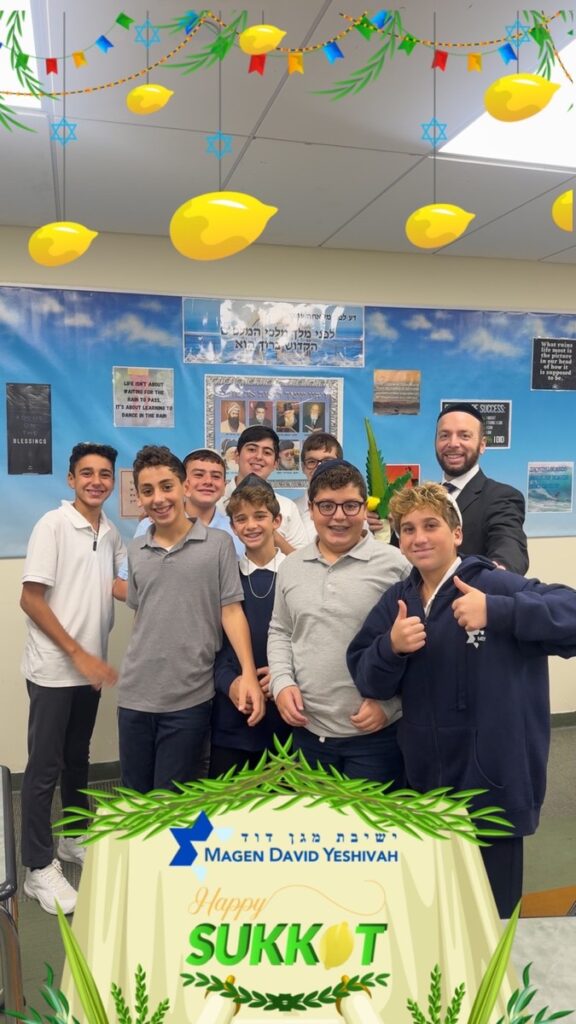
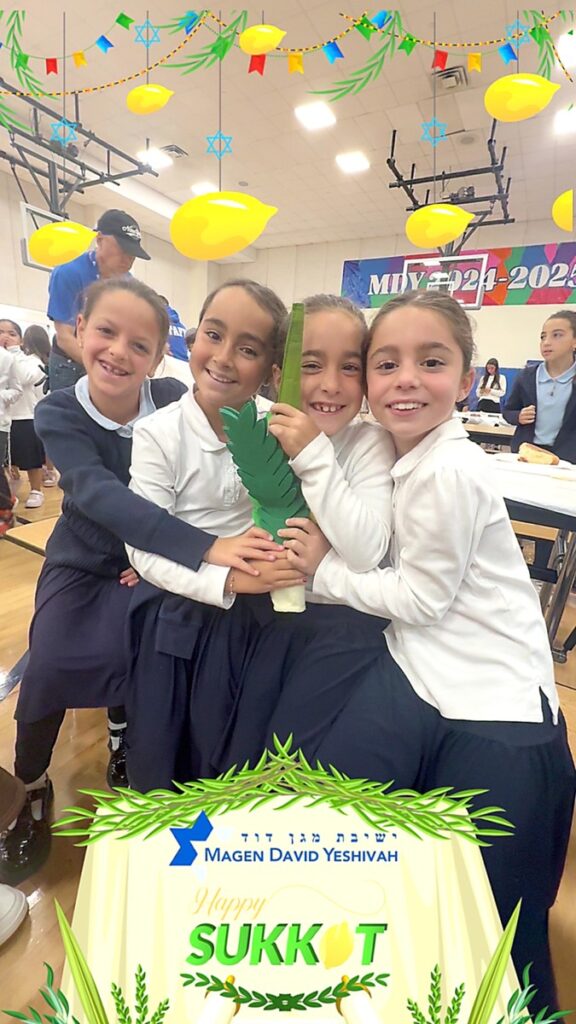
The holiday of Sukkot brings us to a place of joy, celebrating our newfound connection to the spiritual energy we’ve plugged into during the High Holidays. Here are 5 life lessons to reflect upon as we sit within the wall of our sukkah.
A Jewish man blesses on the four species in a Sukkah for the jewish holiday of Sukkoth.
Look Up When sitting in the sukkah one must be able to see the sky through the covering of the roof made out of leaves. It’s as if a mystical voice is calling out to us and whispering, “Look up.” Know that you will go through moments in life that will be terrifying. Your forefathers left Egypt and came into the desert wilderness not knowing how they would survive. No food. No water. The sun was scorching hot. There were snakes and scorpions. But G-d enveloped His children with Clouds of Glory that served as protection that continues to serve as a lesson until today. The sukkah is our reminder that faith and trust in G-d is the greatest weapon to combat fear. These past few years we’ve realized how much is out of our control. The world is spinning. It may feel difficult to hold on. Lift your eyes and see the Source of life. Don’t crumble. The sukkah is here for every single one of us to experience. Bask within the shelter of faith.
We Don’t Need All the Stuff The sukkah is a temporary dwelling. We leave our homes and for 7 days we live in the sukkah. All the comforts of home are inside. Somehow we are content, even tasting joy, as we join those we love in celebration. What happened to all the stuff we thought we needed to be happy? The 7 days represent the seven decades of a person’s life. What really counts in the end? Life is temporary. No one wishes that they had amassed more ‘stuff’. Rather we wish we would’ve spent more time with those we cherish. We regret moments lost, words not said, and opportunities for love that never return. Sukkot liberates us. We are given time to take a spiritual time out and think about what really matters.
We Come from Greatness Each night we are given a beautiful prayer to say as we invite a holy guest into our sukkah. All together there are 7 ushpizin (guests), who grace our sukkah with their spiritual presence: Abraham, Isaac, Jacob, Josef, Moses, Aaron and David. These 7 transformed a morally desolate world into a place of kindness, compassion and awareness of G-d. Each of us are given an ability to draw upon the blessings of those who came before us. Their every struggle and challenge become a stepping stone for our personal life journey. When we realize the greatness we come from, we are given the strength to pick ourselves up and keep walking. We, too, can bring light into a world of darkness. We must only invite greatness into our lives.
Discover the Gift of Humility A sukkah taller than 20 amot (around three stories) cannot be used. The lesson is deep. If there is one character trait that pushes G-dliness out of our lives, it is arrogance. When you are so full of yourself, there is no space for anyone else, even G-d. If you want your life to be filled with love and meaning, discover the gift of humility. Know how to put others first. Don’t live a ‘selfie life’, where the lens is only turned on yourself. Feel the pain of another. Each day ask yourself: how is this world better because I exist? Make space for others. Be a giver. When my child was once crying, my 6-foot 2 father bent down to hear him. He picked my little boy up, cuddled him on his shoulders and said, “No one should ever be too high to hear the cries of a child.” We are all that child. And none of us can ever feel too high to hear the cries of another.
Feel G-d’s Hug A sukkah requires at least two complete walls plus a third wall that can even be one handbreadth. The image is that of a hug. The sukkah is G-d’s embrace of us. Each and every one of us is precious. When you give someone a hug, you wrap your hands around their back and pull them close. Their face is not seen. So too, we are being embraced. It does not matter what we think we look like, spiritually, or mistakes we made that we believe may create obstacles as we try to plug into our souls. Enter the sukkah and know that you are loved. Every person who wants to come close is hugged. Unconditionally. The sukkah is speaking to us. We just need to open our hearts to hear its whisper.
CONEY ISLAND, USA - OCT 25, 2015: people visit famous old promenade at Coney Island, the amusement beach zone of New York.
Eddie M. Esses and Sari J. Setton
In a decisive victory for community advocacy, the proposal to bring a casino to Coney Island has effectively been defeated, thanks in large part to the tireless efforts of the Sephardic Community Federation (SCF).
After five years of dedicated opposition, including an especially intense campaign over the last 10 months, SCF’s leadership and grassroots mobilization helped secure commitments from four key local officials whose decision determined the project’s fate. Brooklyn Borough President Antonio Reynoso, State Senator Jessica Scarcella-Spanton, Councilman Justin Brannan, and Assembly Member Alec Brook-Krasny have each formally announced they will vote NO on the casino plan. These four “NO” votes effectively end the Coney Island casino proposal, with the decision set to be made official on September 29. This outcome is a testament to the perseverance of SCF and its leaders, most notably Sam Sutton and Ronnie Tawil, who guided the effort with vision and determination. Through sustained advocacy, coalition-building, and community outreach, SCF ensured that the concerns of our community, which almost unanimously opposed the project, were not only heard but prioritized. The campaign drew strength from years of hard work: countless meetings with elected officials, mobilization of community members, and consistent messaging about the potential risks a casino would bring to our neighborhoods and families. By focusing on protecting community values and preserving the character of our neighborhoods, SCF successfully framed the debate and persuaded key decision-makers. “We extend our deepest gratitude to everyone who worked tirelessly, through advocacy, outreach, and collaboration, to make this outcome possible,” SCF said in a statement. “Your voices were heard, and together we made a difference.” The defeat of the Coney Island casino is more than just a policy win. It is a powerful example of what sustained, organized community activism can achieve. For SCF and its partners, this victory reaffirms the importance of persistence, unity, and a commitment to safeguarding the future of our community.
As the sun beat down relentlessly this past summer, a dedicated group of individuals emerged as shining examples of commitment and community spirit. Throughout the season and in the sweltering heat, these champions of civic engagement tirelessly worked to mobilize voter registration in the Sephardic Community. Their readiness to lend their talent and time, engage with community members, and encourage voter registration was a testament to their unwavering belief in the power of democracy.
With the most significant local race in recent history looming this November, the Sephardic Community Federation developed a multi-pronged plan to ensure that we not only protect our way of life and values, but that we are heard loud and clear in government. One integral facet was to get every eligible voter in the community registered. The SCF reached out to a well-known community leader, a true powerhouse in all she endeavors, Linda Ebani. Linda graciously accepted the role to lead, alongside Rebecca (Salame) Harary. They curated a think tank of critical thinkers, and brainstormed not only an idea, but a trending movement, decrying “If you want a SAY SO in your future, you must VOTE”. Thus, the SAYSO campaign emerged. Linda Ebani has led voter initiatives in the Sephardic Community for over 7 years, co-founded the KHBA, and served on the SCC Board for 22 years. She is a true community leader and organizer with an innate talent for motivating and unifying the community. She remarked, “This summer we registered over 1,500 people. This will have far-reaching impact on local elections for decades to come. Our community will be a real force in local politics. I believe, along with our dedicated volunteers, we spearheaded the movement to get the community registered.” Rebecca Harary is a founding board member of Imagine Academy, Yeshiva Prep HS, The Propel Network, and Safra Community Center, and has lent her expertise and guidance to countless community organizations and is an active community leader. Says Rebecca, “This summer our beloved community woke up to the news that the upcoming mayoral election could potentially lead to very difficult and dangerous times for all of us. By registering to vote, each and every person will now have a ‘SaySo.’ The more people we register, the louder our voice will become. Let’s keep it going!” With the dynamic leadership of these women, volunteers felt empowered and driven. Many shared personal stories, emphasizing how their own experiences shaped their commitment to ensure that every member of the Sephardic Community has the opportunity to register and vote. They relayed that this is not just about filling out forms; it is about empowering individuals and fostering a sense of belonging. It is about fulfilling an obligation that we have as Jews and community members to practice due diligence. Each conversation they had, every question they answered, and every person they encountered was a step toward building a more engaged and informed electorate. The impact of their work extends beyond the immediate goal of increasing voter registration. By participating in community events and fostering connections, these volunteers helped create a culture of civic responsibility within the community. Their passion and dedication are an inspiration to others to join the cause, turning a collective effort into a movement that resonates with the values of our heritage. To those who braved the elements, who dedicated their weekends and evenings, and who poured their hearts into this vital mission, we offer our deepest thanks. Your commitment is not just appreciated; it is celebrated. You have shown that when we come together as a community, we can achieve remarkable things. Linda Ebani, Rebecca Harary, Madelyn Abady, Alice Adjmi, Aileen Ades, Lisa Bailey, Bridget Ben-Dayan, Mijal Bitton, Trina Cayre, Arlene Chera, Suzie Chera, Rina Dweck, Sarise Dweck, Eddie Esses, Cindy Gindi, Robert Harary, Joelle Hedaya, Sharon Kattan, Sarah Maleh, Sadie Meyers, Esther Paskie, Joey Saban, Allison Safdieh, Gail Setton, Sari Setton, Adrianne Shamie, Victoria Sutton, Jennifer Tawil, Michele Tawil, and Stefanie Zeitounie, and to any we have inadvertently missed, thank YOU. As we look ahead to future elections, let us carry forward the momentum you have created. Let us continue to engage, educate, and empower one another. Your hard work has laid the foundation for a brighter future, and for that, we are eternally grateful. Thank you for your time, your energy, and your unwavering belief in the power of every single vote. Together, we can ensure that our voices are heard, our stories are told, and our community thrives. You are the heart of our democracy, and we are proud to stand alongside you as we move forward together. “Let’s keep it going”, indeed.
The Sephardic Community Federation (SCF) has launched one of the most ambitious voter registration drives in the history of our community. Led by Haim Dabah and Marshall Aronow, in partnership with SCF’s executive team—Ronnie Tawil, Sari Setton, Eddie Esses, Joey Saban, Joe Mansour, and Charles Chakkalo. This unprecedented initiative is already reshaping civic engagement across our community, having registered thousands of new voters with the goal of adding many thousands more before the November mayoral election.
The campaign was launched this past August at a meeting hosted by Haim Dabah at his home in Deal, NJ. Leaders from schools, synagogues, and community institutions gathered for a powerful morning of strategy and planning. Presentations by Haim Dabah, Marshall Aronow, and Ronnie Tawil set the tone for the weeks ahead, followed by a lively discussion among the assembled leadership. In addition to uniting our institutions around this mission, the meeting also raised enough money to fund the campaign’s rollout. From that moment, the SCF team, guided daily by Haim and Marshall, set in motion a wide-ranging and highly coordinated effort:
Rabbinical Proclamation: A landmark statement, signed by the majority of our community Rabbis, declared that registering to vote is both an obligation and a mitzvah, energizing the effort with moral clarity.
School-Based Registration: Magen David Yeshivah, under the leadership of Gladys Haddad, mandated voter registration among its parent body in order to receive class cards. The result was extraordinary: a 99% registration rate in just three days. Yeshivot nationwide have since reached out, seeking to replicate this model.
Synagogue Engagement: Congregation Shaare Zion instituted a policy requiring voter registration to reserve High Holiday seats, demonstrating the alignment of our institutions behind this effort.
Community Registration Tables: Under the leadership of Linda Ebani, along with Rebecca Harary, volunteers have been running registration drives at summer events, synagogues, and local stores across Brooklyn, engaging our community at every level.
Door-to-Door Canvassing: Joey Saban led a professional door-to-door campaign that has registered significant numbers of voters directly at their doorsteps.
Direct Texting Campaign: Most recently, the group launched a major texting initiative targeting unregistered voters. In just a few days, the effort has registered hundreds, and it is rapidly expanding to registering thousands.
Together, these initiatives have already registered thousands of voters in just weeks. The goal is to register many thousands more before November, ensuring that our community’s voice is heard loud and clear in this critical mayoral election and all future elections. This campaign is a testament to what can be achieved when vision, leadership, and unity come together. The extraordinary dedication of Haim Dabah and Marshall Aronow, combined with the tireless efforts of the SCF team, has inspired a wave of civic engagement unlike anything our community has seen before. With the upcoming mayoral election, we are living through uncertain times that call for decisive efforts, and community leadership is stepping up to the plate. With the continued energy and unity behind this campaign, the Sephardic Community is poised to play a significant role in shaping the future of our city and state.
Time management is more than management and larger than time. It is about life itself. G-d gives us one thing above all: life itself. And He gives it to us all on equal terms. However rich we are, there are still only 24 hours in a day, 7 days in a week, and a span of years that, however long, is still all too short. Whoever we are, whatever we do, whatever gifts we have, the single most important fact about our life, on which all else depends, is how we spend our time.
“The span of our life is seventy years, or if we are strong, eighty years,” says Psalm 90, and despite the massive reduction of premature deaths in the past century, the average life expectancy around the world, according to the most recent United Nations figures (2010-2015) is 71.5 years. So, concludes the Psalm, “Teach us to number our days that we may get a heart of wisdom,” reminding us that time management is not simply a productivity tool. It is, in fact, a spiritual exercise.
Hence the following life-changing idea, which sounds simple, but isn’t. Do not rely exclusively on To Do lists. Use a diary. The most successful people schedule their most important tasks in their diary. They know that if it isn’t in there, it won’t get done. To Do lists are useful, but not sufficient. They remind us of what we have to do but not when. They fail to distinguish between what is important and what is merely urgent. They clutter the mind with trivia and distract us when we ought to be focusing on the things that matter most in the long run. Only a diary connects what with when. And what applies to individuals applies to communities and cultures as a whole.
That is what the Jewish calendar is about. It is why chapter 23 parsha Emor, is so fundamental to the continued vitality of the Jewish people. It sets out a weekly, monthly and yearly schedule of sacred times. This is continued and extended in Parshat Behar to seven- and fifty-year schedules. The Torah forces us to remember what contemporary culture regularly forgets: that our lives must have dedicated times when we focus on the things that give life a meaning. And because we are social animals, the most important times are the ones we share. The Jewish calendar is precisely that: a structure of shared time.
We all need an identity, and every identity comes with a story. So we need a time when we remind ourselves of the story of where we came from and why we are who we are. That happens on Pesach, when we re-enact the founding moment of our people as they began their long walk to freedom.
We need a moral code, an internalized satellite navigation system to guide us through the wilderness of time. That is what we celebrate on Shavuot when we relive the moment when our ancestors stood at Sinai, made their covenant with G-d, and heard Heaven declare the Ten Commandments.
We need a regular reminder of the brevity of life itself, and hence the need to use time wisely. That is what we do on Rosh Hashanah as we stand before G-d in judgment and pray to be written in the Book of Life.
We need a time when we confront our faults, apologize for the wrong we have done, make amends, resolve to change, and ask for forgiveness. That is the work of Yom Kippur.
We need to remind ourselves that we are on a journey, that we are “strangers and sojourners” on earth, and that where we live is only a temporary dwelling. That is what we experience on Succot.
And we need, from time to time, to step back from the ceaseless pressures of work and find the rest in which we can celebrate our blessings, renew our relationships, and recover the full vigor of body and mind. That is Shabbat.
Doubtless, most people – at least, most reflective people – know that these things are important. But knowing is not enough. These are elements of a life that become real when we live them, not just when we know them. That is why they have to be in the diary, not just on a To Do list.
As Alain de Botton points out in his Religion for Atheists, we all know that it is important to mend broken relationships. But without Yom Kippur, there are psychological pressures that can make us endlessly delay such mending. If we are the offended party, we may not want to show other people our hurt. It makes us look fragile, vulnerable. And if we are the offending party, it can be hard to admit our guilt, not least because we feel so guilty. As he puts it: “We can be so sorry that we find ourselves incapable of saying sorry.” The fact that Yom Kippur exists means that there is a day in the diary on which we have to do the mending – and this is made easier by the knowledge that everyone else is doing so likewise. In his words:
“It is the day itself that is making us sit here and talk about the peculiar incident six months ago when you lied and I blustered and you accused me of insincerity and I made you cry, an incident that neither of us can quite forget but that we can’t quite mention either and which has been slowly corroding the trust and love we once had for one another. It is the day that has given us the opportunity, indeed the responsibility, to stop talking of our usual business and to reopen a case we pretended to have put out of our minds. We are not satisfying ourselves, we are obeying the rules.”
Exactly so: we are obeying the rules. We are following the Jewish calendar, which takes many of the most important truths about our lives and, instead of putting them on a To Do list, writes them in the diary.
What happens when you do not have that kind of diary? Contemporary Western secular society is a case-study in the consequences. People no longer tell the story of the nation. Hence national identities, especially in Europe, are almost a thing of the past –one reason for the return of the Far Right in countries like Austria, Holland and France.
People no longer share a moral code, which is why students in universities seek to ban speakers with whose views they disagree. When there is no shared code, there can be no reasoned argument, only the use of force.
As for remembering the brevity of life, Roman Krznaric reminds us that modern society is “geared to distract us from death. Advertising creates a world where everyone is forever young. We shunt the elderly away in care homes, out of sight and mind.” Death has become “a topic as taboo as sex was during the Victorian era.”
Atonement and forgiveness have been driven out of public life, to be replaced by public shaming, courtesy of the social media. As for Shabbat, almost everywhere in the West the day of rest has been replaced by the sacred day of shopping, and rest itself replaced by the relentless tyranny of smartphones.
Fifty years ago, the most widespread prediction was that by now almost everything would have been automated. The work week would be down to 20 hours and our biggest problem would be what to do with all our leisure. Instead, most people today find themselves working harder than ever with less and less time to pursue the things that make life meaningful. As Leon Kass recently put it, people “still hope to find meaning in their lives,” but they are increasingly confused about “what a worthy life might look like, and about how they might be able to live one.”
Hence the life-changing magic of the Jewish calendar. Philosophy seeks timeless truths. Judaism, by contrast, takes truths and translates them into time in the form of sacred, shared moments when we experience the great truths by living them. So: whatever you want to achieve, write it in the diary or it will not happen. And live by the Jewish calendar if you want to experience, not just occasionally think about, the things that give life a meaning.
Once seen as primarily a destination for retirees, South Florida has evolved. From outstanding schools and thriving synagogues to a robust economy and unbeatable weather, South Florida is no longer just a winter escape—it’s where Jewish life is flourishing all year round.
The growing uncertainty in NY political leadership makes Florida a compelling alternative. Florida offers optimism and a commitment to public safety, especially in the Jewish community. Business is championed, not punished. Government is a partner in growth, not a barrier—rooted in the idea that private sector success strengthens entire communities, not punishes them. Florida is growing, especially in fields like technology, finance, law, healthcare, and real estate, with major corporations, start-ups, and remote work options expanding. South Florida provides a more affordable lifestyle with zero state income tax. Families can often afford larger homes, more space, and higher quality of life for the same cost as what they’d pay in the Northeast. Property taxes tend to be lower, and private school tuition is often more manageable. LET’S NOT FORGET THE SUNSHINE. South Florida’s year-round warm weather promotes a healthy, active outdoor lifestyle—think beach days, boating, bike rides, and BBQ. What’s happening in South Florida isn’t a trend—it’s a shift. More young families are choosing to put down roots here, drawn by community, culture, opportunity, and values. With excellent schools and meaningful Jewish life, financial benefits, and unmatched lifestyle amenities, South Florida stands out as one of the best places in America to build a Jewish future. Some welcoming communities where Jewish life is supported include Aventura, Hollywood, Surfside/Bal Harbour, Boca Raton, and North Miami Beach—home to dozens of synagogues, kosher markets, and Jewish day schools. You’re never far from a Jewish preschool or a meaningful place to pray. The new Magen David coming up in Bal Harbour will be an amazing and vibrant part of our community. For families, education is often the deciding factor in a move—and South Florida delivers. With renowned Jewish day schools like Hebrew Academy in Miami Beach, Hillel near Aventura, Brauser Maimonides in Hollywood, and Katz Yeshiva High School, parents have access to outstanding education options that combine academics with strong Jewish values. If you’re dreaming about raising your family in a place that honors tradition while embracing modern life, South Florida may be just what you’ve been looking for.
The issue of childhood vaccinations is critical for parents to understand fully and not be influenced by parties that frankly will take no responsibility should a child be harmed by a serious and preventable infection.
During my early career and training, I witnessed the horror parents faced in the pre-vaccine era. I trained in the 1980s at Kings County Hospital, which was an epicenter of care for many poor families and many new immigrant families. Many came from countries that had very poor conditions, poor nutrition, and limited vaccination availability as public health systems in Third World countries were very scarce. We treated many cases of bacterial meningitis (typically Haemophilus influenzae type b, or Hib), whooping cough (pertussis), and measles. Babies with whooping cough have sporadic but severe episodes of coughing spells to the point of turning blue (cyanosis). The drooling and secretions would not allow the child to even take a complete breath. All we could do was provide oxygen by mask and hold the child until the coughing fit and choking resolved. Many suffered seizures as a result, causing significant damage to their young brain. In the case of bacterial meningitis, which we saw frequently, there was not yet any vaccine (Hib vaccine). Babies were brought to the hospital with fever and often poorly responsive, as these infections act quickly and invade the spinal fluid surrounding the brain. Spinal taps were a daily event in order to determine the extent and specific type of the infection. Virtually none of these babies left the hospital intact. Many died over days. Those that survived were often left with deafness, blindness, or were severely mentally retarded and impaired. Pediatricians of that era understand very well the value of the Hib vaccine. Since the vaccine’s introduction in the early 1990s, the number of cases of invasive Hib infection in the United States has gone from 20,000 cases a year to less than 50 currently. This accounts for more than a 99% reduction. I have not seen a case of Hib meningitis or invasive disease since 1991. Measles victims were often admitted with classical rashes followed by high fevers, coughs, and in many cases invasion of the lungs and involvement of the developing brain (encephalitis). Many affected babies who were admitted died or were left with lifelong neurological impairment, as measles can destroy young brain tissue, often liquefying the damaged brain cells. Let’s take one more example that hit our community in the most catastrophic manner. The names have been changed for anonymity purposes. Years ago, Sara, A’H, was a young mother of a four-year-old child. Sara was a patient in my practice in her later teen years when I was newly in practice. At the age of 26 years old, she developed rapid-onset meningococcal disease (bacterial blood and brain infection). Despite dramatic efforts to save her, she succumbed to the infection within 36 hours. This was not uncommon in the pre-meningococcal vaccine era. The meningococcal vaccine was approved several years later, too late to save Sara.
Drug vial with label – Vaccines Save Lives
Several years later, when her mother Rebecca A’H was suffering from end-stage cancer, I had the privilege of spending many hours with her. I asked if I could encourage parents to vaccinate by using her name and discussing the tragedy. Shari looked at me and said, “Of course! Why should any parent ever suffer the loss of a beautiful child as we did when it is preventable? Please tell them what I said.” I have not seen a single meningococcal infection since the vaccine has been implemented in my practice. The anti-vaccine movement has exploded in recent years for a variety of reasons, all false and misinformation. They would have you believe that doctors are being paid and influenced by “big pharma” or make false claims that vaccines cause autism. This issue has been studied repetitively over the last forty years with absolutely no evidence of that claim. They will also tell you that vaccines are not monitored for safety, also false. Vaccines go through years (on average, 11 years) of study before approval and implementation. I have participated in both successful and unsuccessful FDA-monitored vaccine trials, and I can attest that the oversight is absolutely intense and multi-layered. Parents should not confuse the emergency implementation of the COVID vaccine with childhood vaccinations. That vaccine was critically needed during the peak of the pandemic when we were seeing many thousands of deaths a week during the spring and fall of 2020. At the time, the vaccine saved millions of lives worldwide. The mandates that followed were certainly politically influenced on both sides of the aisle. The mandates had nothing to do with childhood vaccinations for the diseases discussed. At this point, there is very little need for COVID vaccination except in the highest-risk groups. Our practice has not immunized a single person since late 2021, when the crisis was under control and the virus became a much less dangerous infection to most people. Just to give one final example of how serious an issue vaccine safety is to physicians: In 1998, the initial rotavirus vaccine was being implemented nationally. As is the case with all childhood vaccinations, many agencies and organizations monitor for variations in safety signals and reporting. In 1999, a variety of reporting and monitoring agencies noticed a possible safety signal in infants receiving the vaccination. The question was raised whether a very small number of babies who received the vaccine had developed a complication of the intestine called intussusception. The CDC, FDA, and American Academy of Pediatrics acted very quickly. Within 24 hours, ALL pediatricians in the United States received a series of faxes instructing doctors to immediately cease vaccination with rotavirus vaccine and to return all existing doses to the manufacturer. The vaccine was put on hold, reformulated, tested, studied, and reintroduced in 2006 with none of the complications seen initially. That is how vaccine surveillance worked in the 1990s, and it has improved dramatically since then with better computer modeling. Pediatricians take vaccine safety very seriously, as we should do with all therapies and interventions. Currently, parents are being inundated with false information from anti-vaccine activists on WhatsApp and other messaging on social media. These are individuals who frankly feel that if they can create fear in young parents who will then refuse or delay vaccination, it will somehow validate their own dangerous actions. The measles crisis in Texas (January 2025) was very serious, with three deaths and many hospitalizations, including ICU admissions. Almost all cases were proven to be unimmunized. Israel is currently experiencing a serious outbreak with over 500 cases in the past three months reported and growing. There have been many hospitalizations, and currently there are several toddlers on ECMO (extracorporeal membrane oxygenation) who are critically ill, both with lung involvement. Unfortunately, a two-year-old passed away in Jerusalem in mid-August. ECMO is used when the heart or lungs are no longer capable of providing oxygen when severely damaged. The child is sedated and invasive access lines are placed in the child as a life-saving last effort. The ECMO machine then functions essentially as an artificial heart and lung by removing blood from the body and oxygenating the blood externally. The blood is then returned to the body. This is a very high-risk situation that can result in strokes, blood clots, bleeding, and infection complications—all avoidable if the children would have been immunized. These are preventable tragedies. Currently, the Israel Health Ministry, in cooperation with the Badatz of Eida Hachareidim, is desperately trying to immunize all who are eligible and currently not protected. They have correctly described the need to vaccinate as pikuach nefesh. If the crisis hits our community, which is likely to occur, it could lead to many cases of measles in children and pregnant women, who have impaired immunity during pregnancy. Unfortunately, there are now many in the community who are avoiding vaccination, some by very nefarious means apparently. For those who have falsified vaccination records, they will be at very high risk when we are faced with new infections, as the unimmunized account for more than 98% of new infections. What is especially dangerous to the public is that many with falsified records who come down with measles will claim that they became infected despite immunization. This false claim will further erode trust in vaccinations, which serves the anti-vaccine movement well. Proper vaccination at 12 months and four years of age provides 98% immunity to children. During the 2019 outbreak in New York, babies as young as six months had to get an additional dose of measles vaccine. This strategy was carried out successfully in certain zip code areas in New York in 2019, as well as for those traveling to Israel that year with babies. Therefore, during an outbreak, babies will have to get an additional dose of measles vaccine due to those who didn’t vaccinate and opened up our communities to new outbreaks. Those most at risk are babies less than one year old. Measles is a highly contagious infection that can remain in air particles in closed spaces such as rooms or elevators for several hours. The 2019 outbreak in the New York area had several terrible outcomes, including children with encephalitis. Once the health department changed policy on religious and falsified medical exemptions, the crisis ended, as schools were no longer allowed to accept unimmunized children unless there were specific indications such as those who are recovering from cancer treatments with very impaired immune systems. One final note, as I am often asked why babies need to be immunized under a year of age. Some parents are attempting to tailor their own vaccine schedule starting late. This is a dangerous approach for a variety of reasons, most importantly the susceptibility of the young brain to infection. Babies need to be protected at very young ages because they have limited ability to fight infections naturally. In addition, their immature blood-brain barrier allows infection to invade from the blood to the young brain and damage the developing neurological system. Delaying vaccination until children are older makes absolutely no sense, as it leaves the most susceptible—babies under a year of age—open to terrible outcomes should they get infected with one of these vaccine-preventable infections. In my practice, I have never and will never allow modifications in the recommended vaccine schedules. The timing of vaccination was not created in a vacuum. It required many years of testing and research to know which vaccines need to be given and at what timing. Vaccines in 2025 are the safest vaccines and continue to be monitored as always. Seeing reemergence of these vaccine-preventable diseases is devastating, knowing historically how life was before many vaccines were available. My prayer is that our communities will take these warnings seriously. Having a child is a gift and a privilege. It is not an experiment when being educated by those who, quite frankly, will take no responsibility when a child is stricken. q This article reflects the shared concerns and professional opinions of many community physicians. While Image Magazine supports providing a platform for these views, the responsibility for the medical content rests with the author. Readers should always consult a qualified healthcare provider before making any health or medical decisions.
Raising Confident Teens & Young Adults in a Status Obsessed World
Henry Barnathan, LMHC
Ah, the teens and young adults of today, they get such a bad RAP. Adults often view them negatively, citing mental health struggles, social media addiction, and low motivation. How often have you heard: Good luck to this generation? How many teens feel that their parents just don’t get them? After working closely with teens and young adults for many years, what I have found is this: Our youth aren’t just misunderstood, they’re being shaped by forces they don’t even see. Yet despite the challenges, there are many ways for parents to connect with, help, and guide our new digitally immersed generation.
Teens and young adults today live under intense, often invisible pressure, as if driven by a motor they can’t turn off. Many experience shame and doubt, not feeling quite sure of themselves and lacking confidence. There wasn’t always this much pressure. The CDC reports more than 1 in 3 high school students experienced poor mental health during the last three years and almost half of students felt “persistently sad or hopeless.” That’s a 40% increase since 2009. Before TikTok and Instagram, kids could feel successful in their own circles. There was more room for imperfection and less fixation on how others perceived them. Cameras weren’t everywhere. Success wasn’t always on display. Today, teens scroll through endless images of people who appear more attractive, more talented, more admired, and it leaves them feeling like they’re always behind. One study found that 46% of American teens say social media makes them feel worse about themselves. Only 14% said it made them feel better.
Social Media Addiction & The Comparison Trap Comparison isn’t new, but social media intensifies it in ways we’ve never seen. As soon as your child starts scrolling, the measuring begins. Recent neuroscience research confirms what many parents suspect: social media “likes” can act like digital dopamine hits. Studies using brain scans have shown that when teens receive likes on Instagram, it activates the same reward centers in the brain, specifically the nucleus accumbens and ventral tegmental area, that respond to pleasurable stimuli like food or cocaine. That dopamine surge creates a feedback loop: the more likes, the more they crave them. This makes teens want to check their phones constantly. And because likes arrive unpredictably, it mimics the psychology of slot machines, keeping kids hooked. Imagine sending your child to a casino every day but instead of playing with cash they’re playing with likes. As this cycle deepens, teens begin to attach their value to external approval. An addiction to other people’s opinions starts to form. They may start thinking, I have to succeed, I must be skinny, I need to be invited. If they don’t meet those expectations: I’m not enough, I’m a loser. Our reputations can either increase or decrease within milliseconds. We can suddenly appear more competent than we are, and it feels good, for a moment. But as time goes on, with every post and with every social rung successfully climbed, teens may reject and lose a part of their real selves. These devices are powerful, and when misused, can erode our character and trap our teens. This isn’t just online. It leaks into real life. Teens may start to care more about being seen than being real. They might fear being judged more than being lost. And ultimately, they may start tying their worth to an ever-shifting metric of social approval. But it doesn’t have to be this way.
Real Confidence In nearly every session I’ve had with teens or young adults who’ve felt outcasted, betrayed, or pressured to fit in, I ask them one question: “What would it mean for you if you didn’t achieve what you’re trying to achieve?” Most answer with some form of: “Then I’d be a failure.” That’s where the work begins, rebuilding a sense of self that isn’t dependent on achievement or applause. Because here’s the truth: our children need confidence. Not ego. Not bravado. Real, rock-bottom confidence, the kind that says: I’m worthy enough to the point where I know I don’t need to prove myself. Your child won’t have to compensate, they’ll naturally be respected and admired for their strength. That’s powerful. Teens and young adults need to know who they are, regardless of how others see them. And to do that, they need to anchor their worth in something deeper than likes or approval. They need to be aligned with their truth. Few lessons illustrate this better than the contrast between King Saul and King David.
A Tale of Two Kings Saul looked the part: tall, strong, and chosen. But his concern for public opinion is what ultimately led to his downfall. In Shmuel Aleph Chapter 13, Saul sees his soldiers scattering and panics. Instead of waiting for the prophet Shmuel, as instructed by G-D, he unlawfully offers the sacrifice himself and states: “When I saw that the people were scattering from me… I forced myself and offered the burnt offering.” (Shmuel Aleph 13:11–12). In Chapter 15, after disobeying G-D’s command to destroy Amalek completely, he states: “I feared the people and obeyed their voice.” (Shmuel Aleph 15:24). David also faced intense public pressure but handled it in a different way. In Shmuel Bet Chapter 6, David dances before the Ark. His wife Michal mocks him for looking foolish, unbecoming of a king. But David says: “I will become even more undignified than this… I will be humbled in my own eyes.” (Shmuel Bet 6:22). That reaction right there is what made him a true king. He was tested and tempted by the public, yet held onto his character.
Stop Eating Bugs External pressure isn’t the only force that pulls teens away from their truth. Consuming endless amounts of content when scrolling, binge-watching, or gaming can act like a medicant, dulling uncomfortable emotions instead of addressing them. It feels harmless, even comforting, but when extreme can quietly erode a teen’s sense of self. Just like alcohol can numb pain without healing it, constant consumption can mute the very voice they most need to hear: their own. What happened to Simba in The Lion King is a great example. When Simba ran away from his past, he filled his days with Hakuna Matata and eating bugs, the animal kingdom’s version of low-class dopamine. The bugs were easy to get, instantly satisfying, and required no courage or growth to obtain. As parents you must ask yourself: what are my kids consuming? Are they settling, eating bugs, not knowing who they are? Do they know that they’re capable of so much more? Simba was a prince, a lion, yet he was acting like a mouse. When his father’s voice called to him, “Remember who you are,” he stopped running. He stopped eating bugs. He remembered his mission and purpose, and returned to face his fears, living in alignment with his true identity. This is the message our youth need to hear. They don’t need to settle for the bugs constantly being offered in life as a way of avoiding purpose. That’s what happened to Jonah. When we avoid our destiny, the call of G-D, we end up at the bottom of the ocean. They are meant for more than numbing out. They are meant to live fully with courage, aim, and purpose.
Stand Up Straight with Your Shoulders Back So how do we help our teens and young adults? By teaching them to stand up straight with their shoulders back. For them to take on the world with all of its opinions, tension, and ferocity. For them to know that they’re more capable than they think, that they have inner strength that can withstand any form of social pressure or distraction as long as they align with their truth. Albert Einstein was originally rejected as a teacher. The Beatles were once told they had “no place in show business.” Michael Jordan was cut from his own basketball team in high school. Public opinion is often wrong, and if these individuals took what others had said to heart we would never have known their names. Instead of listening to public opinion or drowning in distraction they listened and acted on their truths. Psychoanalysts such as Freud, Adler, Jung, Frankl, and Rogers have all stated in one form or another that finding, expressing, and aligning with our authentic truth is curative, and that the more we live in a lie the more mental health issues will arise. Our teens must learn to take authentic action, even when it’s hard. You can help them do this by being curious, not corrective. Ask questions before you advise. Show them you’re not just trying to enforce, you’re trying to understand. And after all that, you can remind them of their potential.
Long-Term Change Helping your teen become aware of these dynamics is half the battle. The other half is helping them act from their values, not from fear or approval-seeking. Sometimes though, deeper emotional work is needed. If your child continues to struggle with self-worth or confidence, I highly recommend looking into Internal Family Systems (IFS), a therapy model that helps people reconnect with disowned parts of themselves and build self-worth from the inside out. It’s a modality I specialize in, and I’ve seen it change lives. But regardless of whether therapy is needed or not, here’s the bottom line: Teach your children to act like King David, to value truth over image. To stand tall, even when mocked. To stop eating the bugs that are offered by the world. To answer the call of destiny like Abraham and Jonah did. Show them how to resist the trap of trading authenticity for validation. Public approval is fleeting, but integrity? That lasts. Your children will become more attractive and respected. And when your children anchor themselves in that, they become unstoppable.
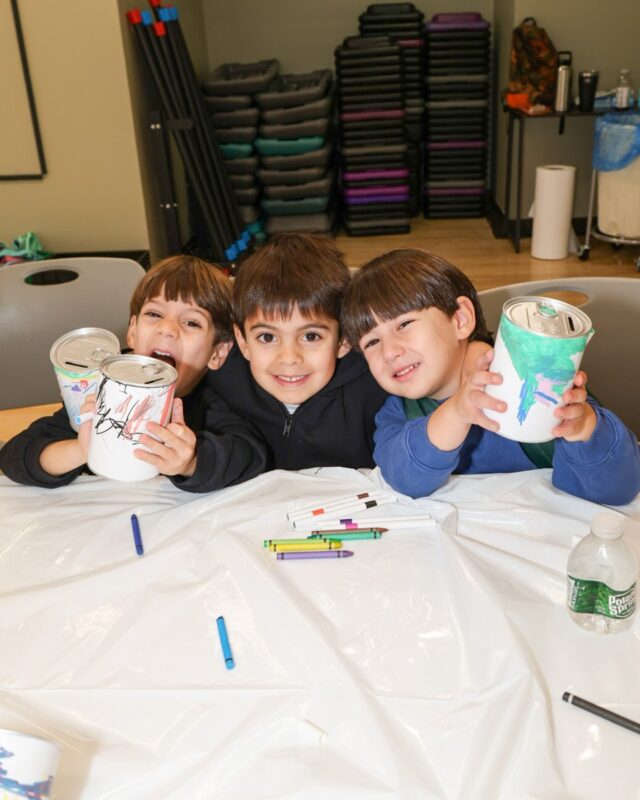
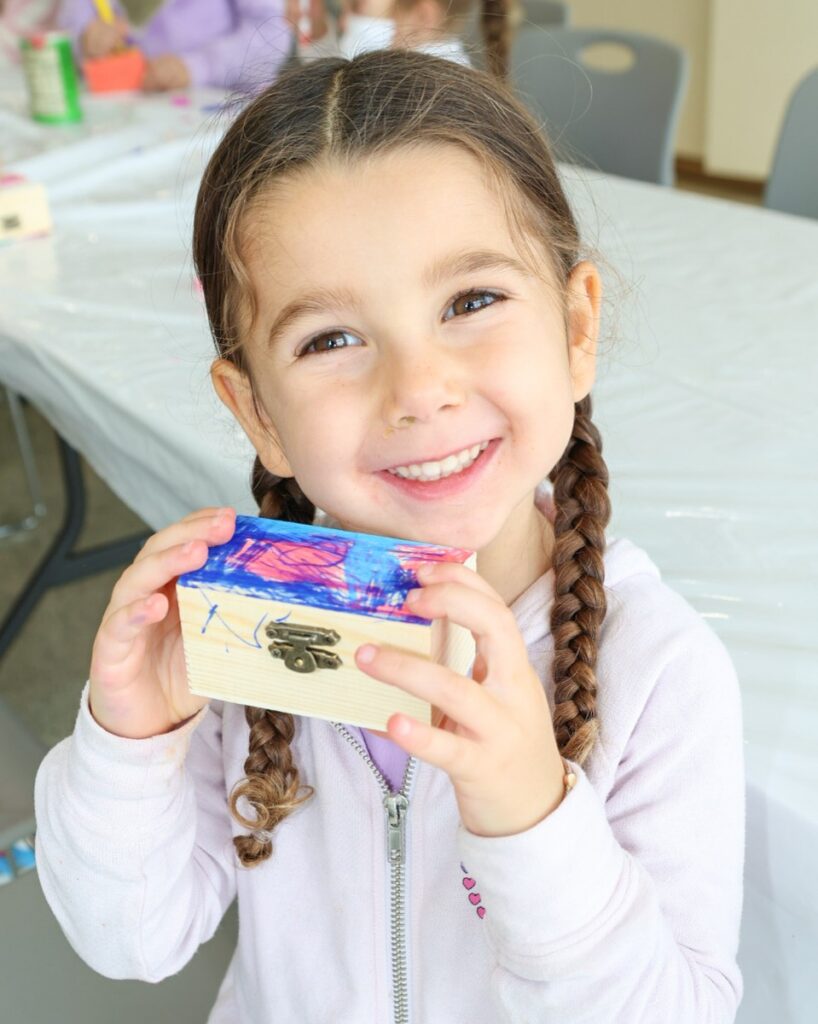
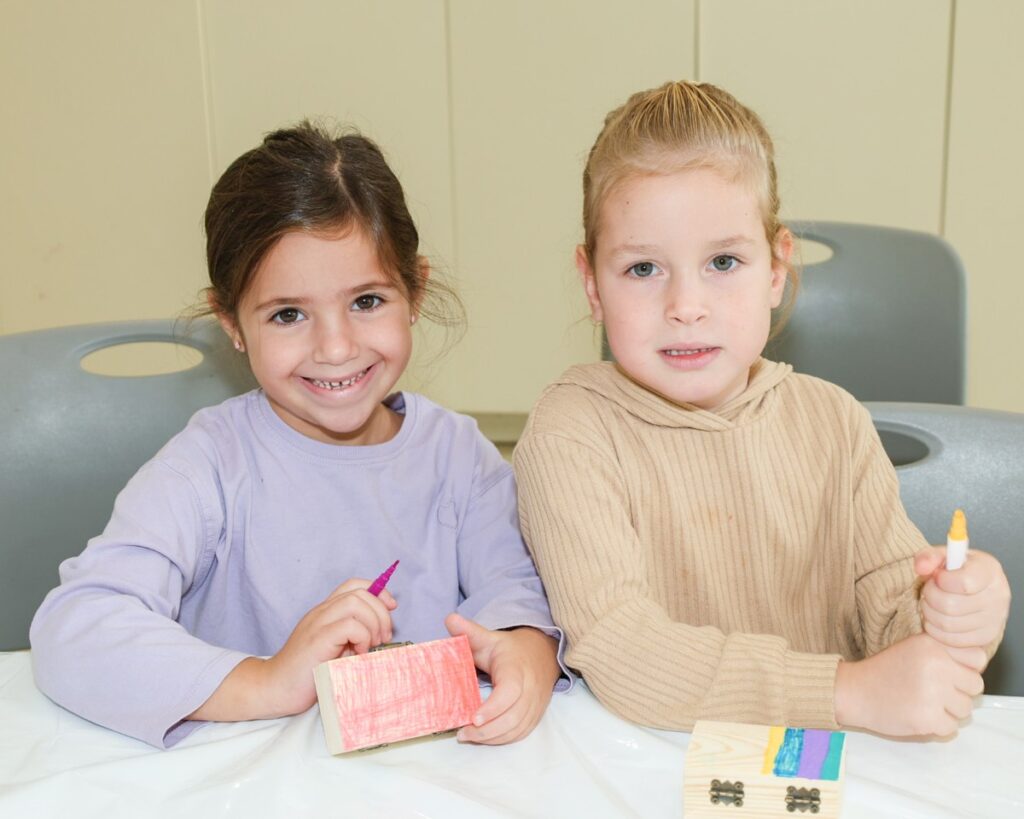
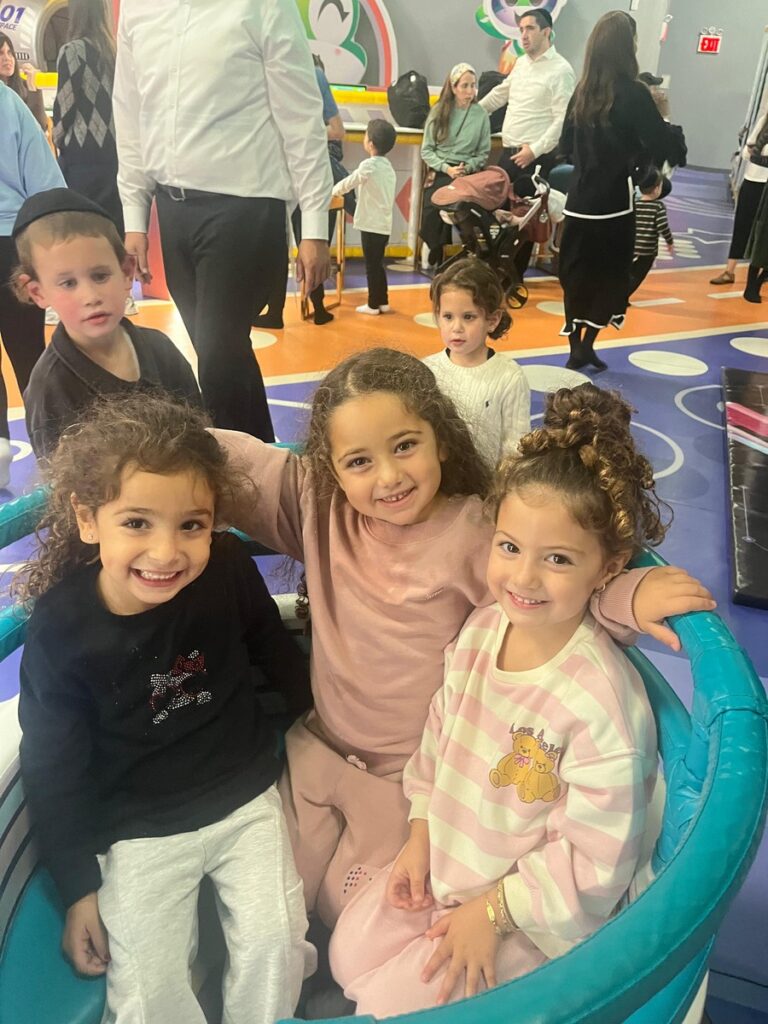
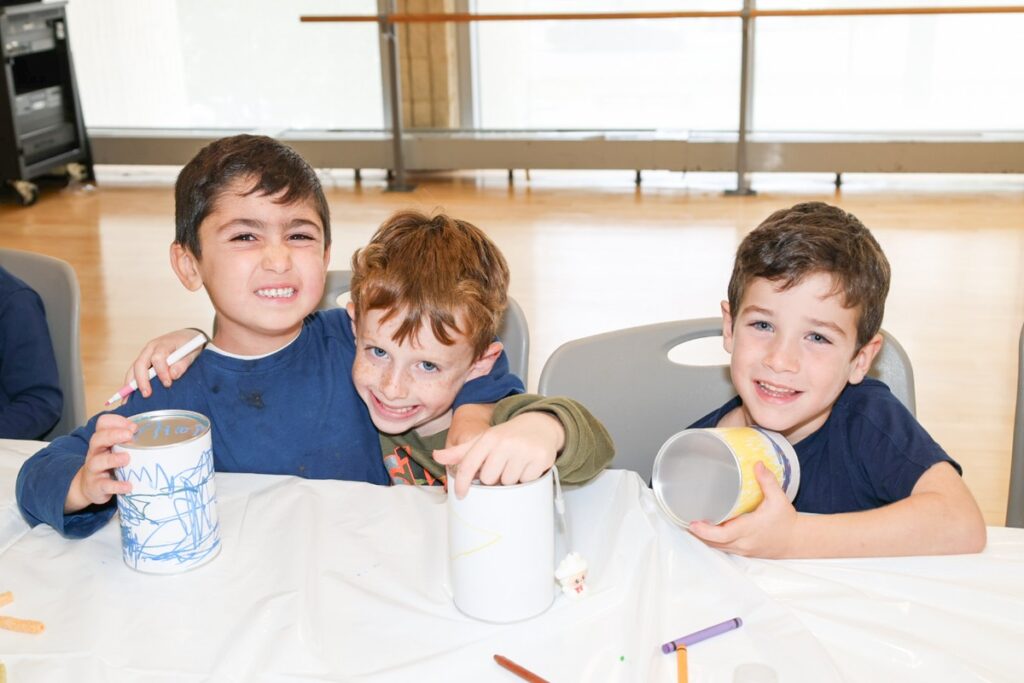
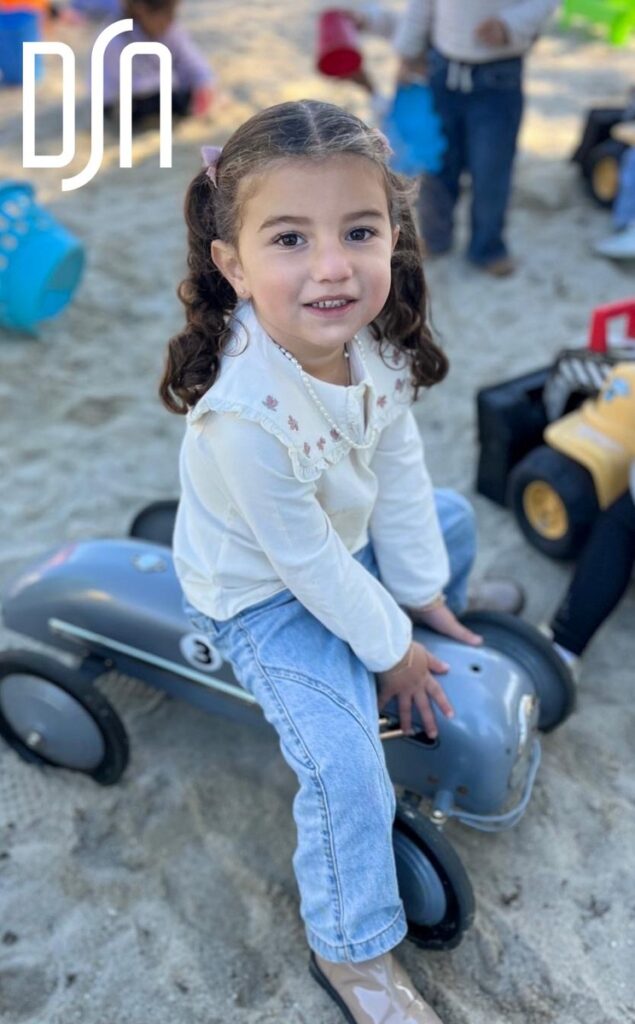
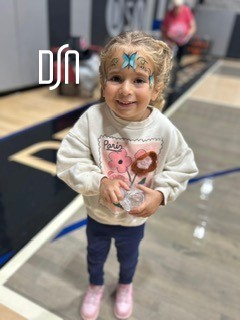
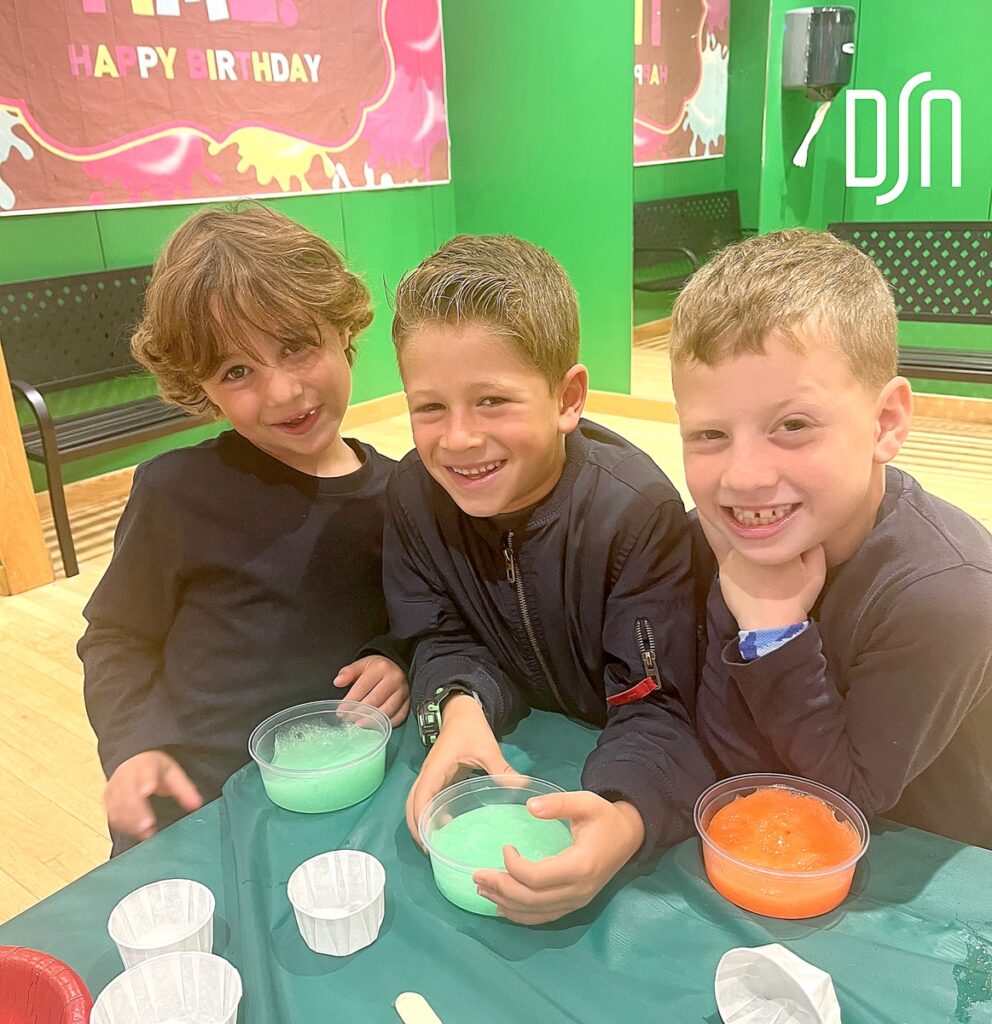
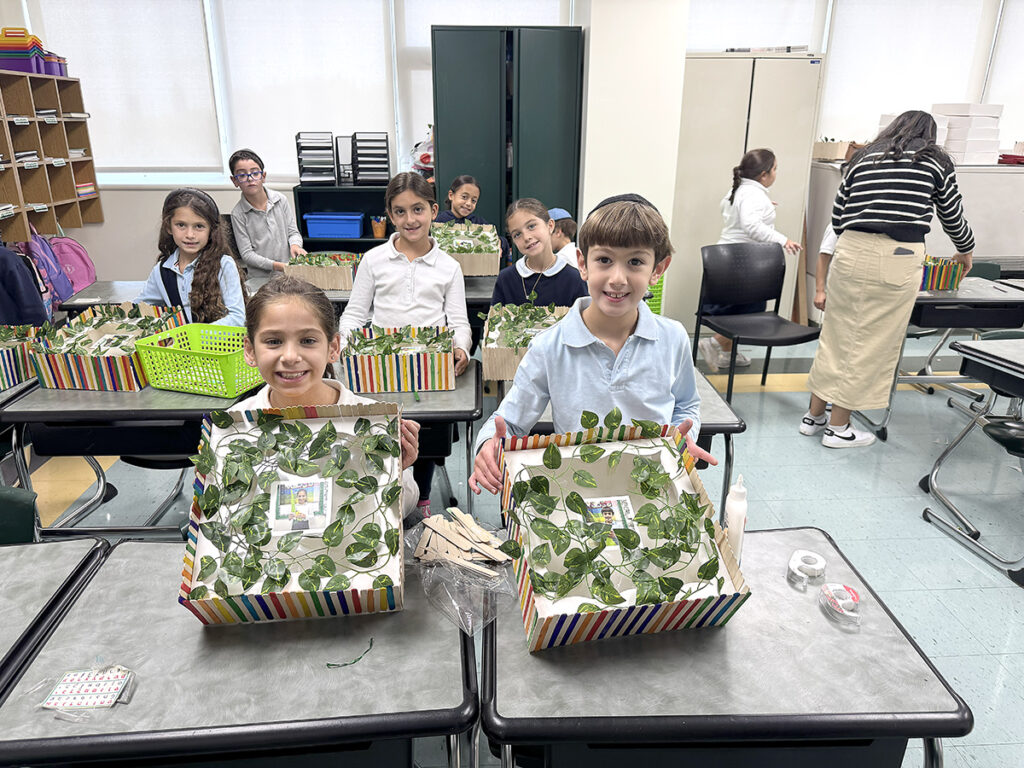
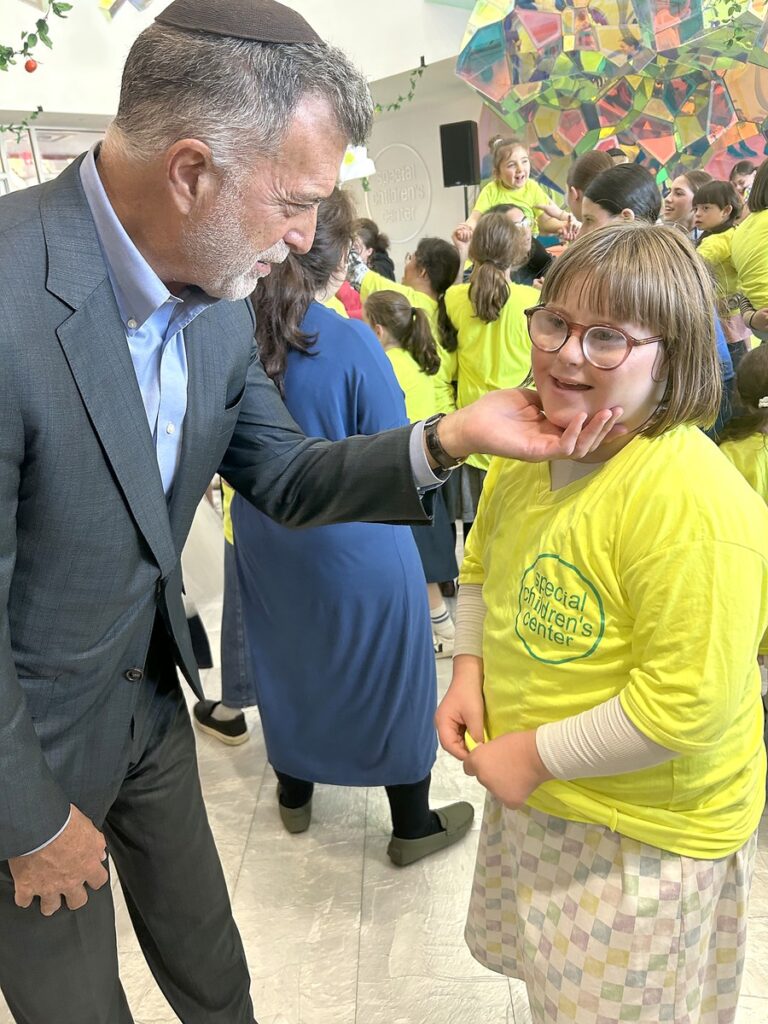
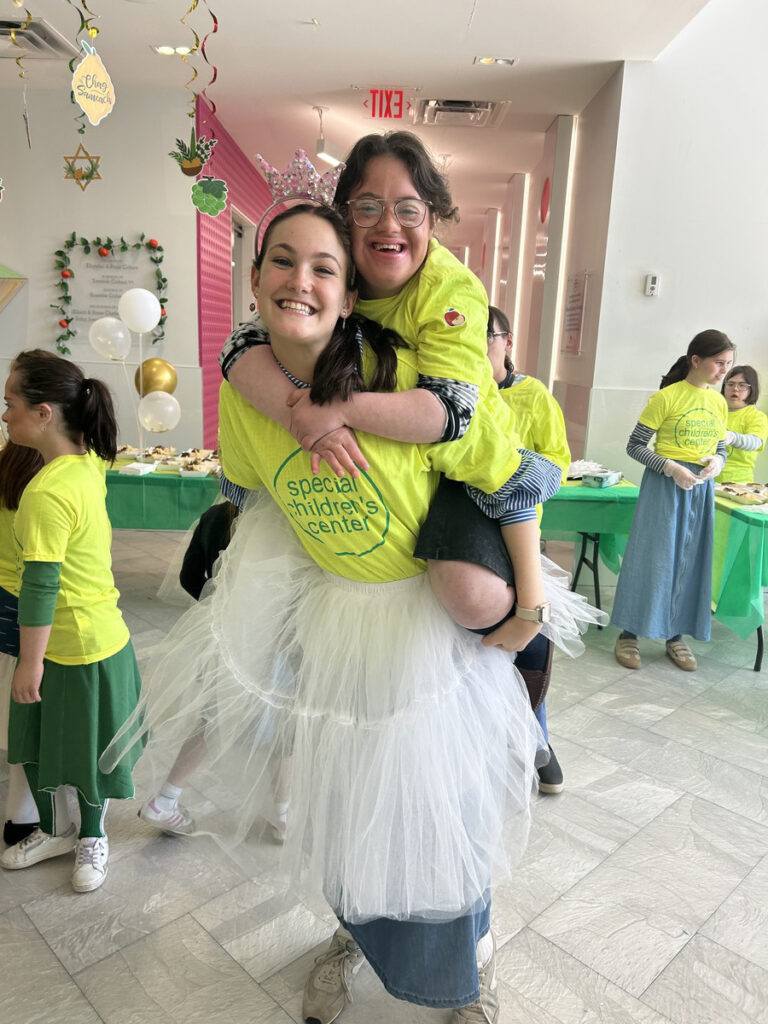
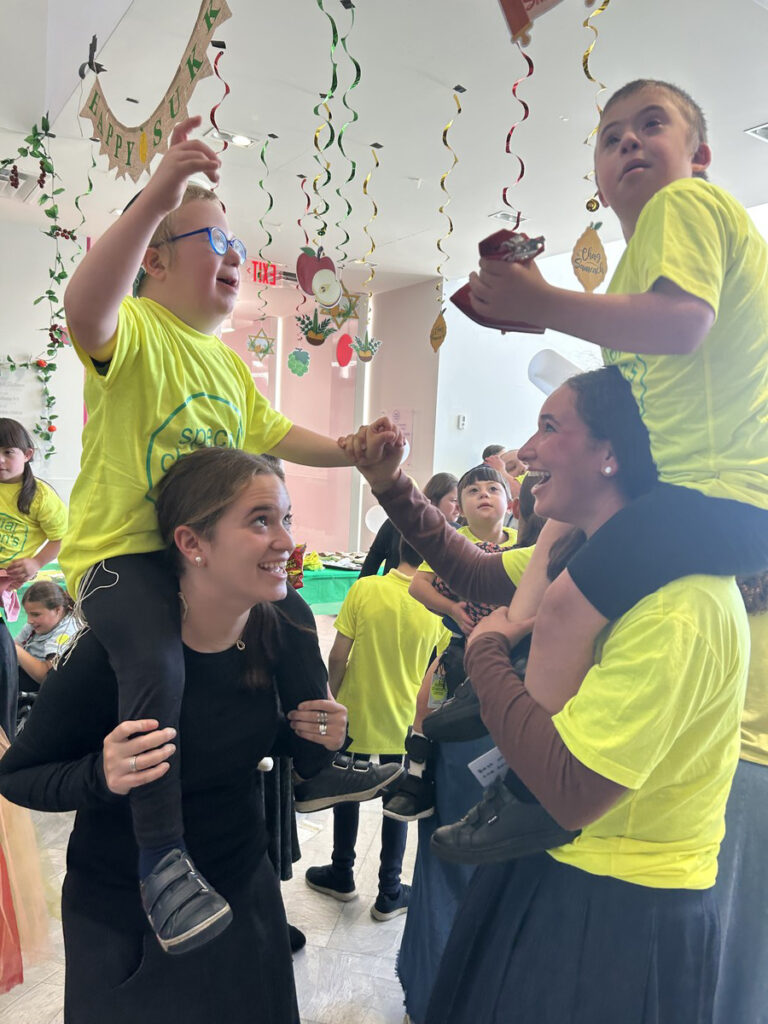
This month’s Community Photo Album celebrates the joy of our children making the most of summer. From camp activities and beach days to friendly games and creative projects, our kids filled the season with laughter, learning, and friendship. These photos capture more than just fun moments. They show the bonds that grow stronger in shared experiences and the happiness that shines when children come together. Whether at a carnival, a hesed project, or a sunny afternoon outdoors, every snapshot reflects the energy and spirit of our community’s youth.

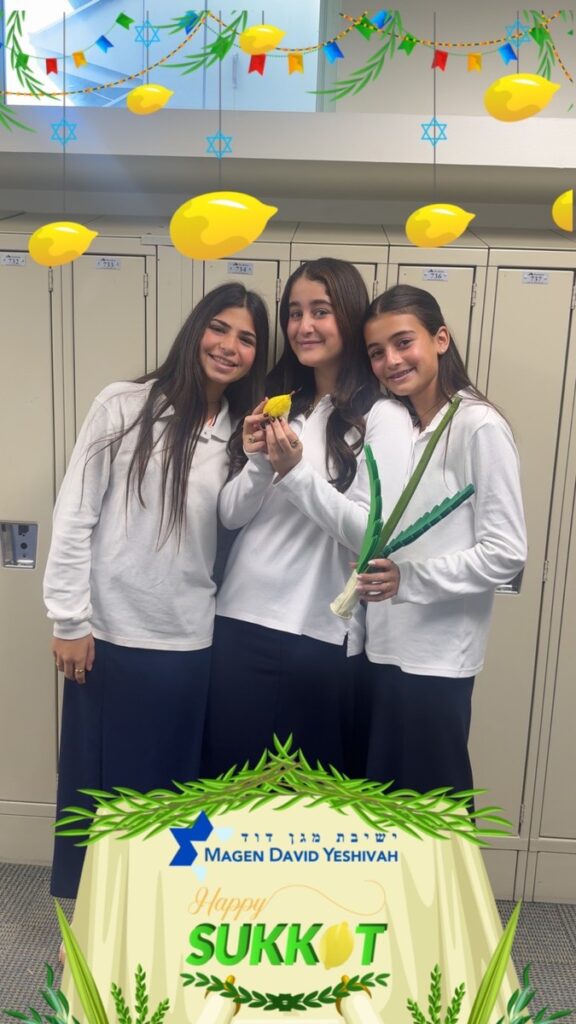
As reserve commander of the Operational Support Battalion of the 460th Armor School Brigade, Itai Naamat is responsible for transporting crucial supplies to the combat forces fighting inside Gaza. “It’s our responsibility to supply them with much-needed weapons, gas, water, and food,” Itai said in an interview with Aish. “Not only is this necessary for their survival but it also boosts their morale.” Itai retired from active duty more than 20 years ago and serves as a reservist. After October 7, he felt he had to fight again. “On October 7, no one understood what was happening. I had to bring 350 soldiers to the base in the South. All my soldiers were looking to me for answers and I didn’t have any.” On Friday, Oct. 27, 2023, Itai led his 350 soldiers into battle. They sang Hatikvah, made Kiddush, and entered Gaza. Even though Itai is not required to serve at his age, he feels a responsibility to his country. “This is my country. If I won’t do it, no one will do it. Consider this: If I had told my great-grandfather from Afghanistan 80 years ago that I would be an officer in the Israeli Army, he would have said, ‘You are out of your mind!’ It is incredible that today the Jewish people have an army and can protect themselves. I am one in the chain of the Jewish people. If I don’t do it, then in 20 or 30 years, the Jews will be forced to go back to where they came from – Afghanistan, Morocco, Lebanon… They won’t take us, and we won’t have a place to live. The Jewish people do not have any country. We have no choice but to fight.”
Fear in Battle While Itai puts on a brave face, it hasn’t always been easy. “My scariest moment was when I lost three soldiers during a Hamas ambush. They put explosives near the road we were traveling on and they were shooting at us. I lost one officer and two soldiers, Uri Moshe Bornstein, Netanel Hershowitz, and Zvi Matitiyahu Maranz. It was devastating.” After that tragedy, Itai needed to go back to the same area to bring supplies to the troops that were inside. “You know you need to be the first Hummer on the road. You have about 20 soldiers behind you, and a lot of trucks with food and fuel and supplies. As I was in the car approaching, I had a sinking feeling in the pit of my stomach when I thought about what happened just earlier that day in the same spot. This was my most frightening moment.” Itai describes the gamut of emotions he experiences when fighting. “We have high hopes, devastation, and fear. I know that if I don’t arrive, my brigade won’t complete their mission. You can literally feel the eyes of your soldiers on your back. All of us are afraid, some more and some less. We all have to get over it and perform our mission. As a Commander, I have a lot of people trusting that I will do the job in the best way possible.”
My Wife Is the Brave One Itai maintains that the real hero of his story is his wife, Shimrit. “I’m a reservist, it’s my job. But my wife is the brave one. She works crazy hours as an attorney in a large Israeli law firm. She also takes care of our young kids. In the recent 17 months, she does it all alone. She is the bravest woman ever.” On Wednesday, October 4, a few days before the massacre, Shimrit was diagnosed with thyroid cancer. “On October 7, the day of the horrible attack, I was called to fight,” Itai explained. “It was such a huge surprise and shock that I almost forgot about my wife’s cancer. I knew she would eventually need to have surgery, but we didn’t know when it would be.” Itai had to handle the imminent danger in front of him first. “I have a lot of soldiers. I have to take care of them, and keep them safe.” Two weeks after the war began, when Itai went back to his jeep, the driver told him to call his wife. When Itai spoke to her, he heard that something was not right in her voice. Shimrit told him, “I wanted to let you know that ten hours ago I had my surgery.” Itai couldn’t believe it. He had no idea that she had undergone the operation, all by herself. He gained permission to go to the hospital and see her. “I arrived at midnight to give her a hug and comfort her.” Shimrit insisted that Itai immediately go back to his soldiers, despite his concern for her health. “This is my wife. She is the brave one between the two of us.”
Focus on the War, Not Me Shimrit explained that after Itai left on October 7, she didn’t inform him of anything regarding her illness. She wanted him to be focused on the battle and the safety of his soldiers. Shimrit’s friend, Anat, was a top surgeon at the same hospital where she was receiving her cancer treatments. Anat arranged an appointment for Shimrit to meet with a cancer surgeon. The doctor was supposed to fly to Poland the week after October 7 but because of the war, his flight was canceled, leaving him a last-minute slot for Shimrit’s surgery. He asked her if she wanted to take it. Shimrit hesitated because she knew her husband would probably be in Gaza at that time. She thought it over and realized, I have to do it, and I have to do it now. Otherwise, the surgeon won’t be available later, and my health could decline. “I wanted Itai to focus on the war and the soldiers. After all, he is not the one undergoing the surgery. He won’t be a big help to the Jewish People if he’s sitting next to me.” Shimrit wasn’t afraid about going into surgery. “I didn’t have the time to be afraid. Plus, the doctor told me it was a relatively mild type of cancer.” She also made the difficult choice to hold off telling her children about the cancer. She didn’t want to worry them since they already had a father fighting in Gaza. On October 17, Shimrit went into the hospital with her sister and had the surgery. “I was saying my usual morning prayers and hoping for the best. My sister and I were joking to keep our morale high.” The surgery was successful, and she called her husband’s driver afterward to inform him. “I told him, ‘Tell Itai I’m looking for him, but it’s not that urgent.’ That same night when Itai came to visit me at the hospital, he was crying. Don’t tell anyone—commanders don’t usually cry.” Shimrit’s journey to recovery did not end with the surgery. “The real fear came when I had to do the CT scan afterward. The surgery wasn’t scary to me, it was the aftermath.” She and Itai recently found out that she has been completely healed. Before learning she was in remission, Shimrit didn’t have time to dwell on her health status. She and her girls were busy volunteering, preparing and packing food for soldiers as well as packages for the families of the battalion. Shimrit organized a special day for the families of Itai’s soldiers. There was food and activities for both the mothers and their children. Itai proudly shared, “It was a great day for my soldiers and their families. There was a Moon bounce, air hockey table, video games, cotton candy, and popcorn. While the kids were entertained, the women were able to enjoy a concert. All the children and mothers were given prizes and gifts. Shimrit arranged everything.” The wives graciously told Itai, “This event gives us the assurance that you are taking care of our husbands, because if you remember the kids and us, and remember there is a family behind each soldier, we know our husbands are in good hands.” There are many Israeli women who are carrying a huge burden at home while their husbands are fighting. Itai believes they are the real heroines of Israel and the beacons of light for the Jewish people at this challenging time. “We have to remind ourselves why we are here, and how the State of Israel is a miracle.” Shimrit and Itai are among the quiet heroes that are holding up the Israeli Army and the Jewish People today.
From safeguarding privacy to syncing with smart-home technology, today’s motorized window treatments bring elegance, convenience, and energy savings into perfect alignment. “In today’s time, luxury is no longer about just owning beautiful things. It’s about creating a home that lives with your lifestyle, offers sanctuary from the outside world, and embraces technology in the most discreet and elegant way,” says Elliot Laniado, Owner of Window Treats in Red Bank, NJ.
Motorized window treatments are the perfect embodiment of this philosophy, marrying timeless style with state-of-the-art innovation. They are an investment in peace of mind and in the value of your home.
A Shield for Your Privacy In a close-knit community, privacy is precious. Our homes are where we gather for Shabbat dinners, celebrate life’s milestones, and share moments that belong only to family and friends. Yet large windows, especially those with a street view can inadvertently invite the outside world in. Adding motorization to your shades, blinds, or draperies puts control firmly in your hands—literally. With the touch of a button, you can lower your window coverings instantly, ensuring that your personal life remains exactly that. Private. Even better, it allows you to pre-set your treatments to adjust automatically at certain times of day. As dusk falls, your shades can glide close in unison, creating a warm, cocoon-like environment without you having to leave the dinner table or interrupt a conversation. This not only safeguards privacy, but also makes it effortless to maintain a consistent, polished appearance from the street, a hallmark of tasteful living.
Set It and Forget It: Smart-Home Integration True luxury is convenience without compromise. Today’s motorized window treatments integrate seamlessly with most leading smart-home systems, allowing you to control them with an app from your smartphone or tablet, a wall-mounted panel, or even with simple voice commands. The beauty of it lies in the automation. You can “set and forget,” programming your shades to follow a schedule that matches your life. For example, they can lower during the brightest afternoon hours to protect fine furnishings from sun damage and rise again in the evening for a glowing view of the sunset. Whether you’re at home or traveling abroad, you’ll enjoy the peace of mind of knowing your home always appears cared for and occupied.
Energy Efficiency with a Return on Investment Motorized window treatments are not only about comfort and elegance, but they are also a strategic choice for energy efficiency. By automatically adjusting based on the time of day or the temperature outside, they help keep your interiors cooler in summer and warmer in winter. In warmer months, shades can close during peak sun hours, dramatically reducing the load on your air conditioning system. In winter, they can open to capture sunlight’s warmth and close at night to insulate against heat loss. Over time, these small daily adjustments translate into measurable energy savings. The financial benefits don’t end there. Protecting upholstery, rugs, and artwork from UV damage preserves your investments in fine décor. And when the time comes to sell, homes equipped with sophisticated smart-home features, especially those that combine beauty and function—command higher interest and value in the luxury market.
Elevating the Aesthetic One of the common misconceptions about motorized window treatments is that they might compromise style for function. The truth is: they enhance it. The technology is discreet, motors are hidden, mechanisms are whisper-quiet, and control options are elegantly minimal. These systems are available in an endless array of fabrics, finishes, and opacities—from sheer linen weaves that diffuse light to opulent velvets that add drama and richness. Whether your home leans modern and architectural or warm and traditional, your designer can help select a look that feels tailor-made.
Luxury That Works for You Motorized window treatments aren’t just for those who love technology, they’re for anyone who values privacy, ease, and the beauty of a well-run home. They quietly manage light, climate, and security, all while complementing the elegance you’ve cultivated in every room. After all, true luxury is not about having more to manage, it’s about having more time to enjoy what matters most.