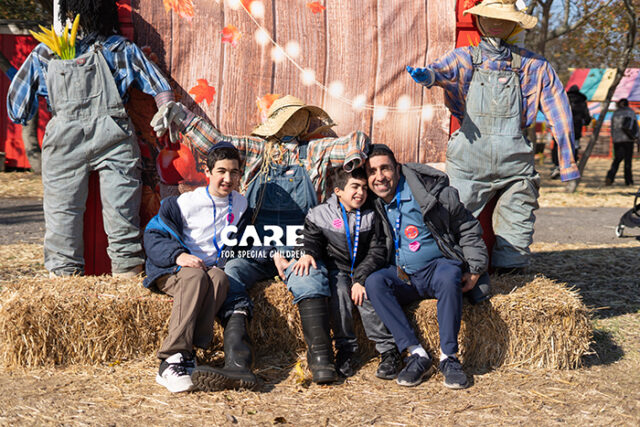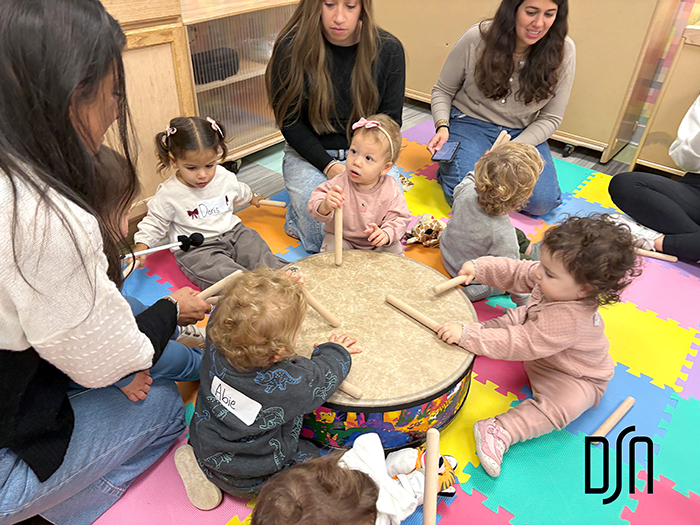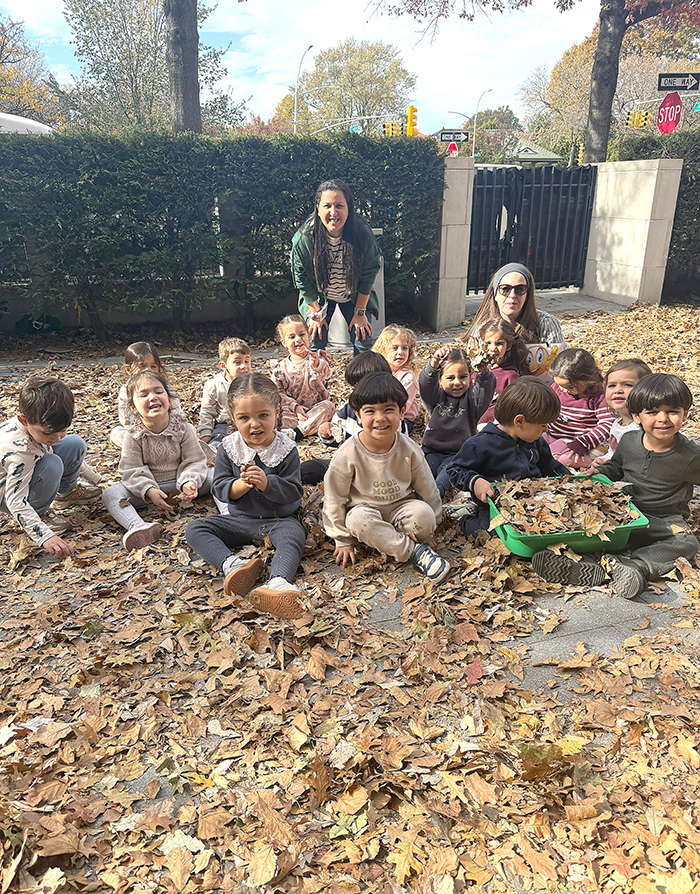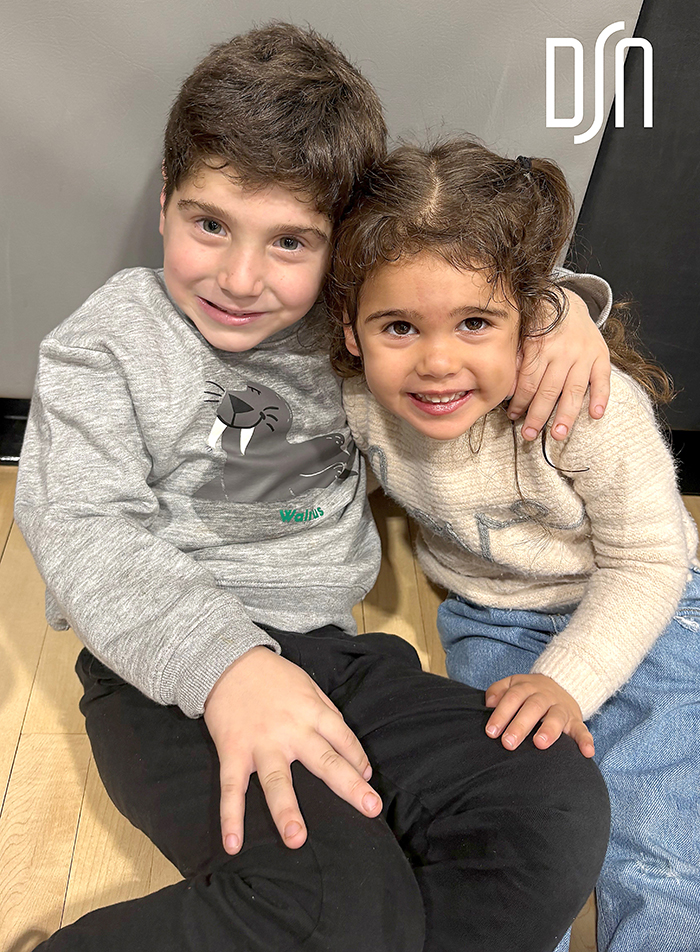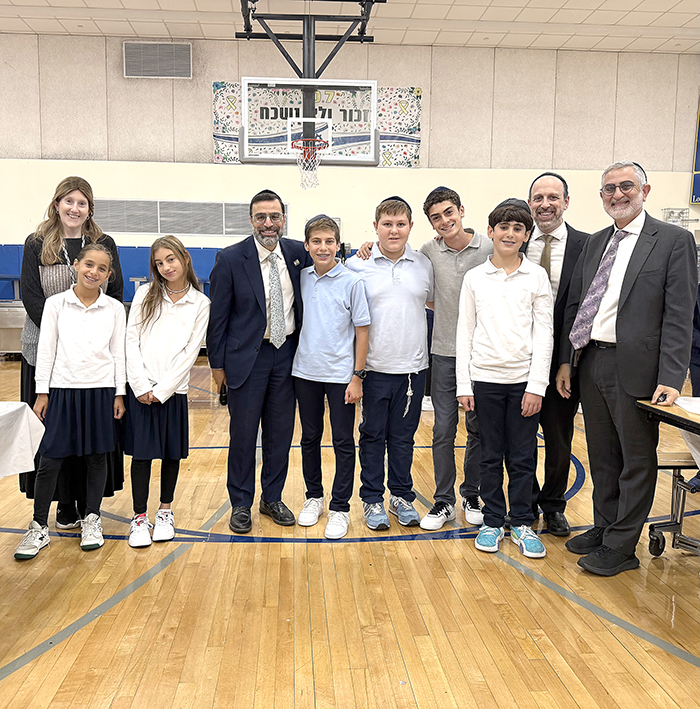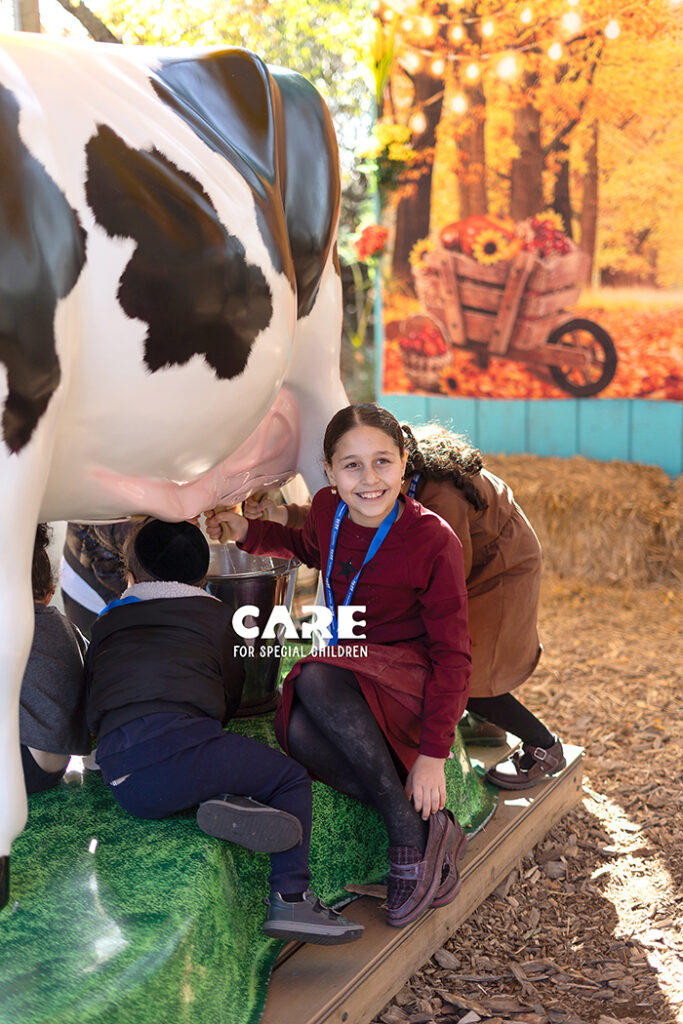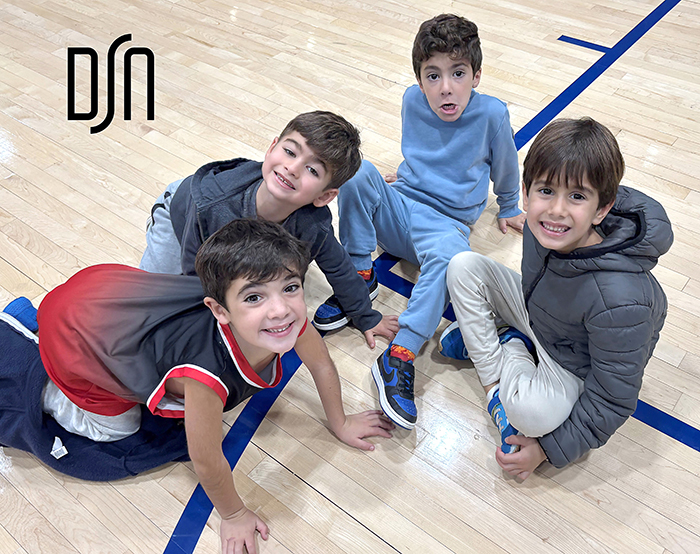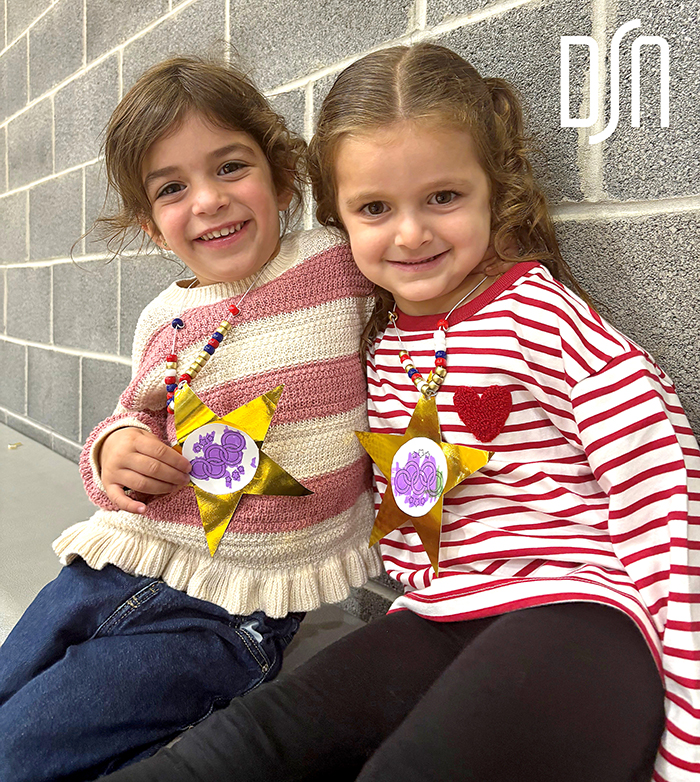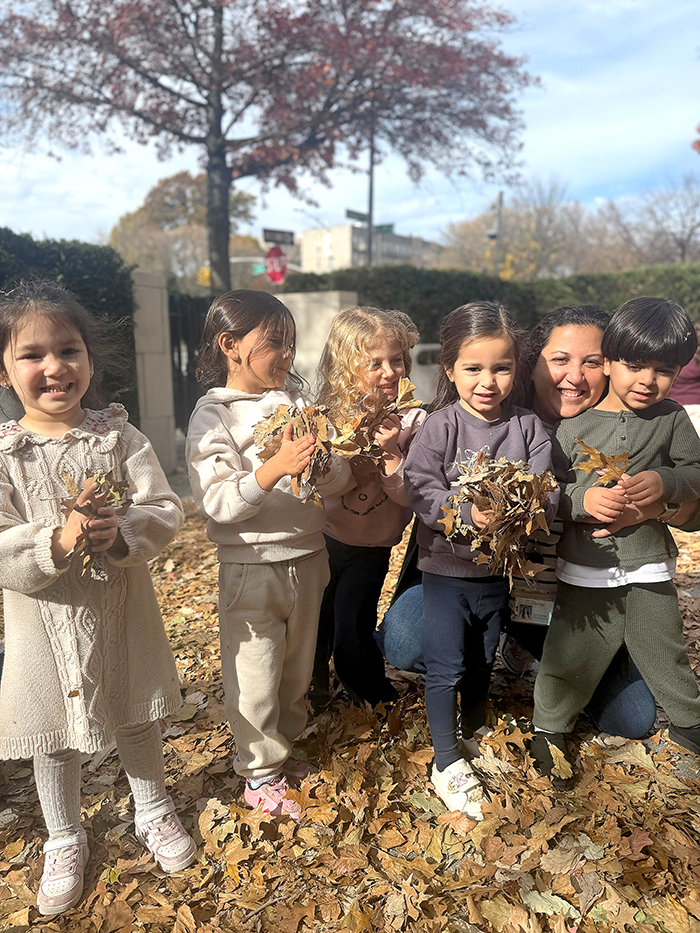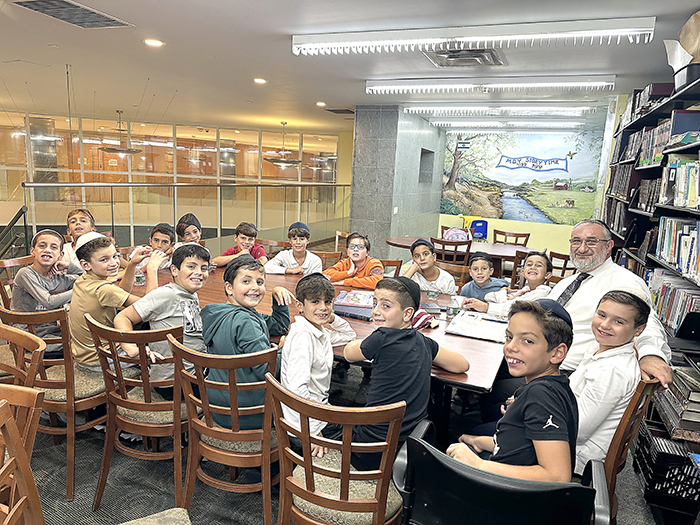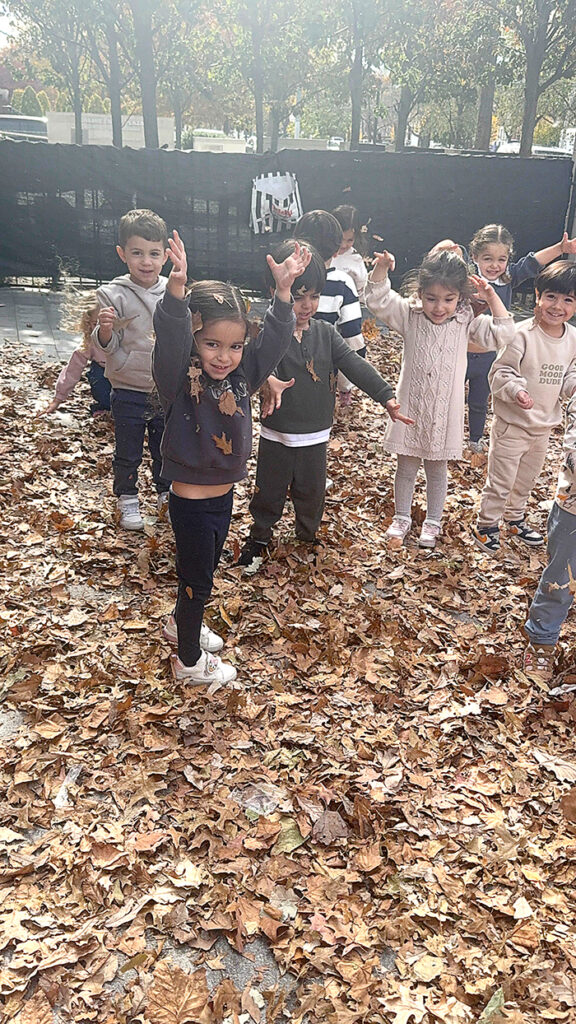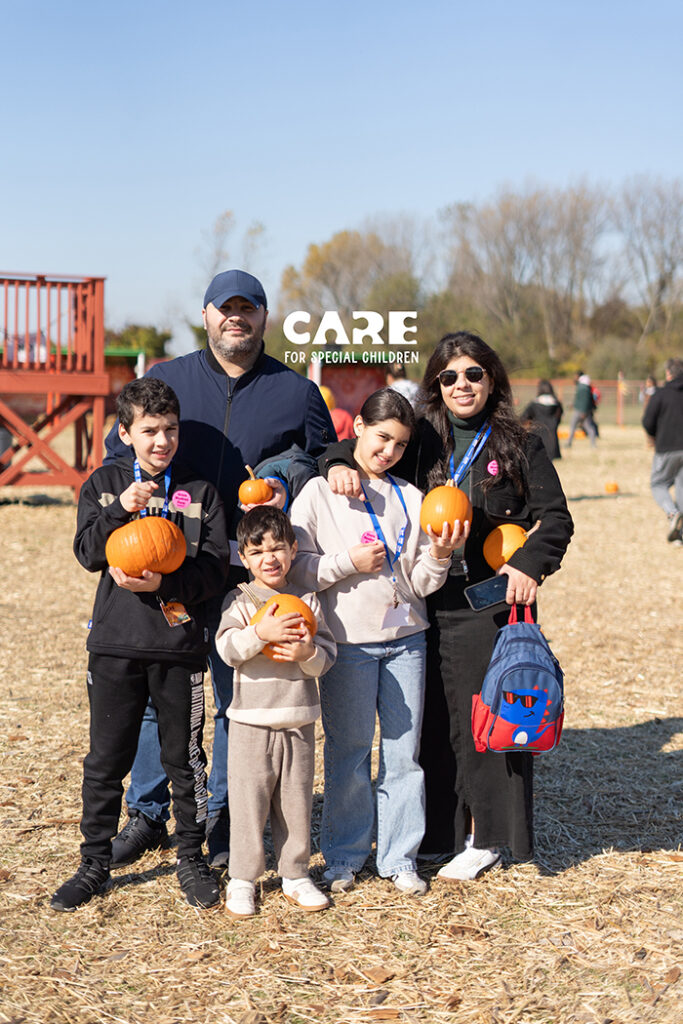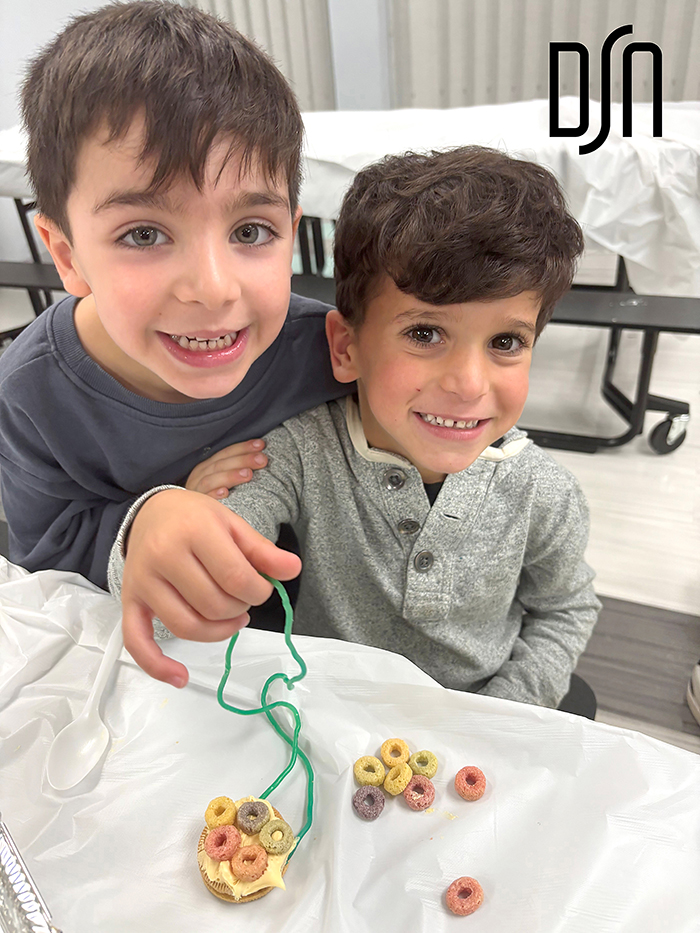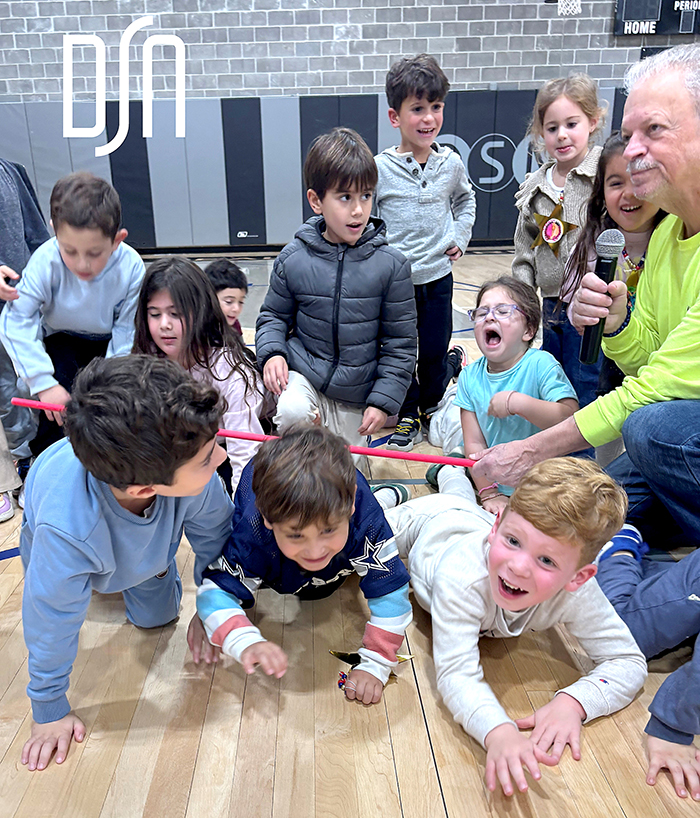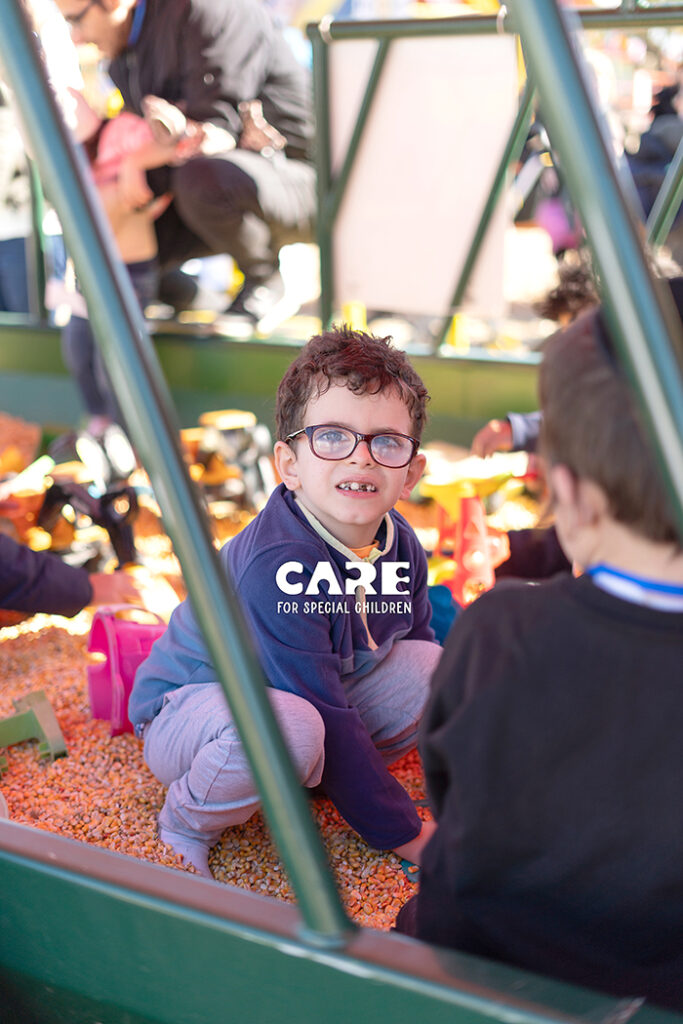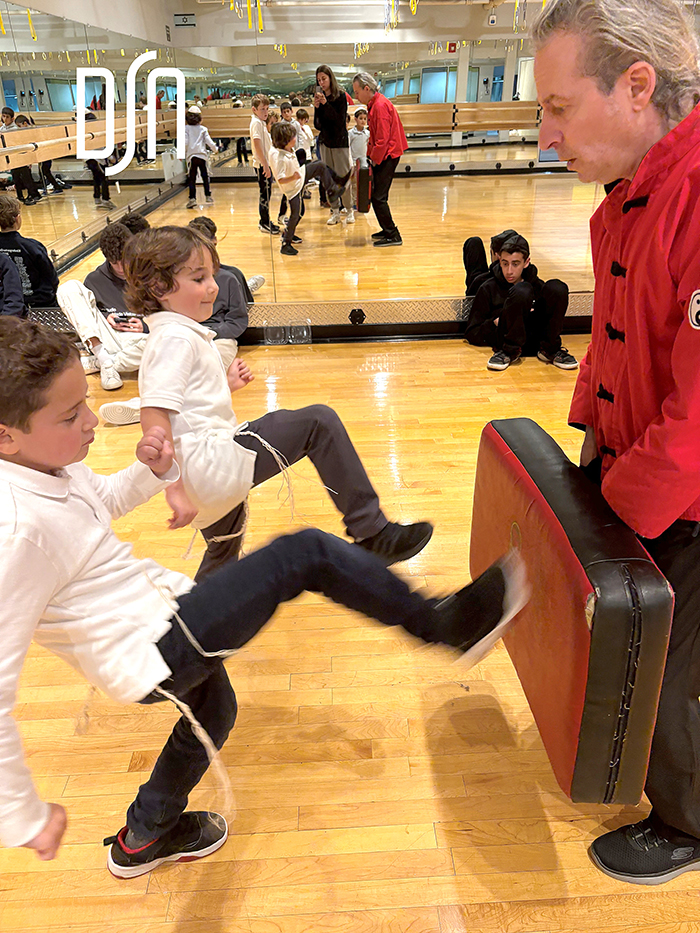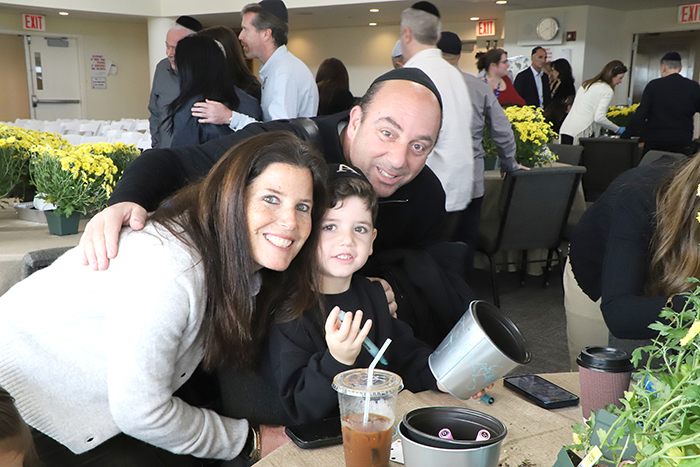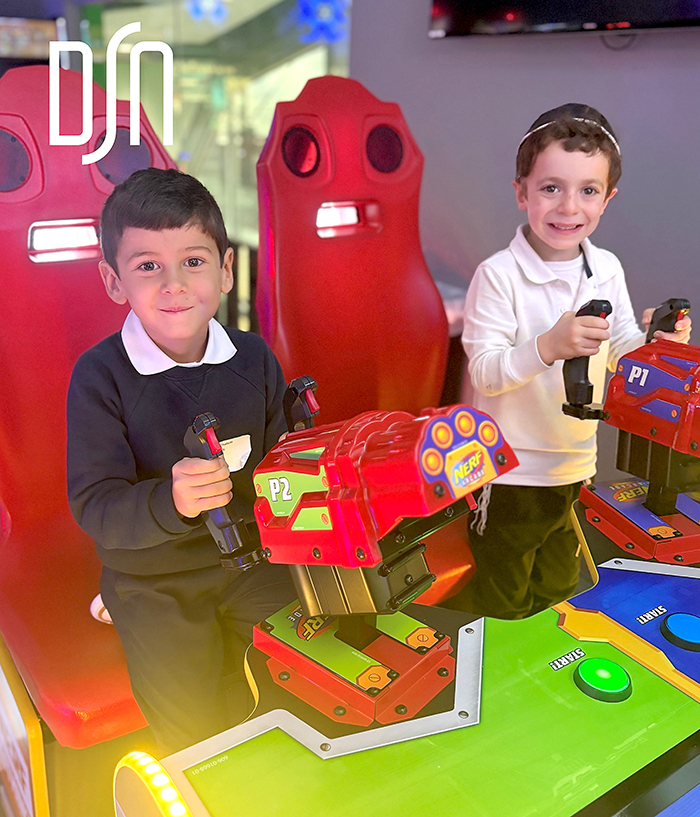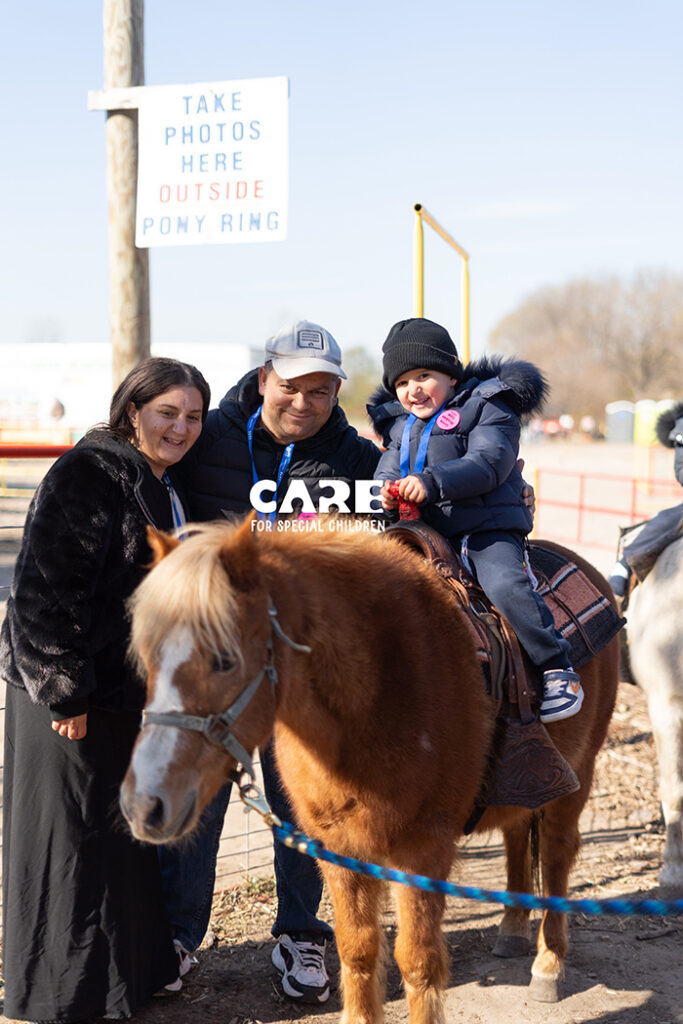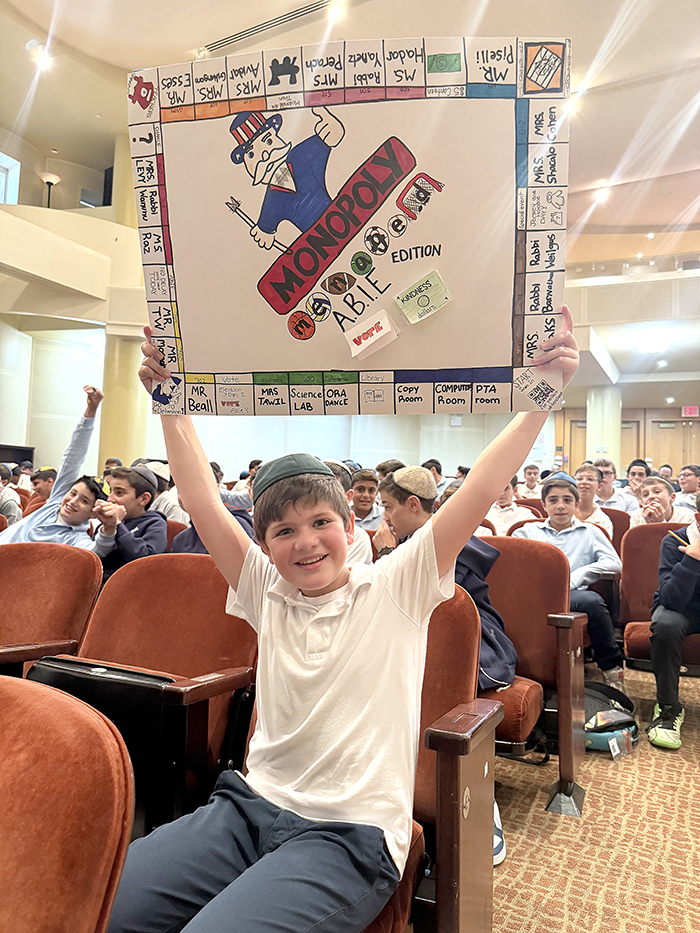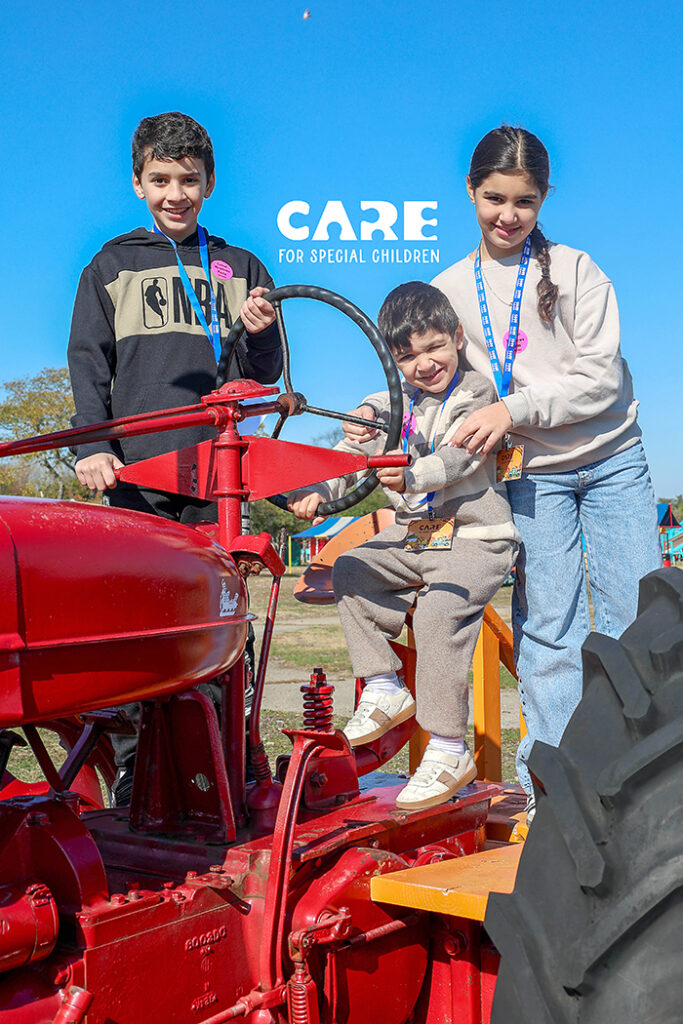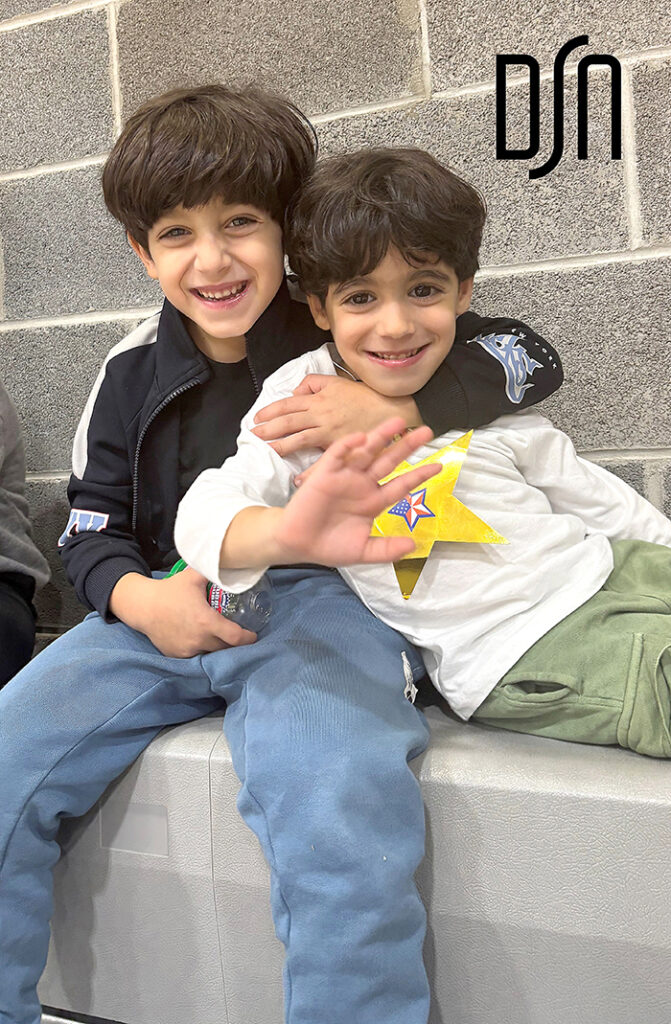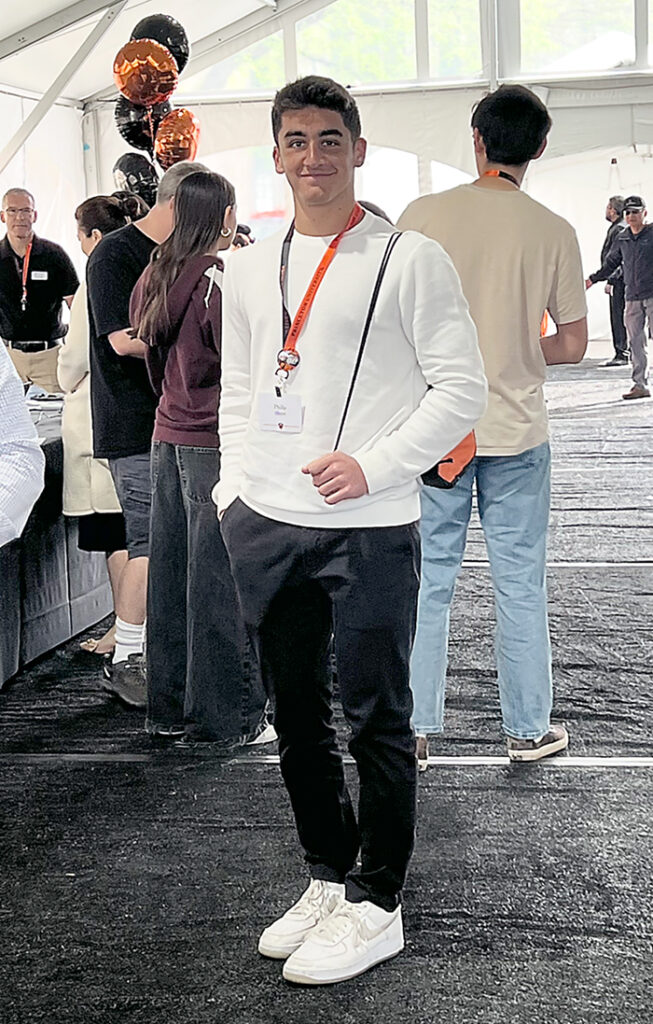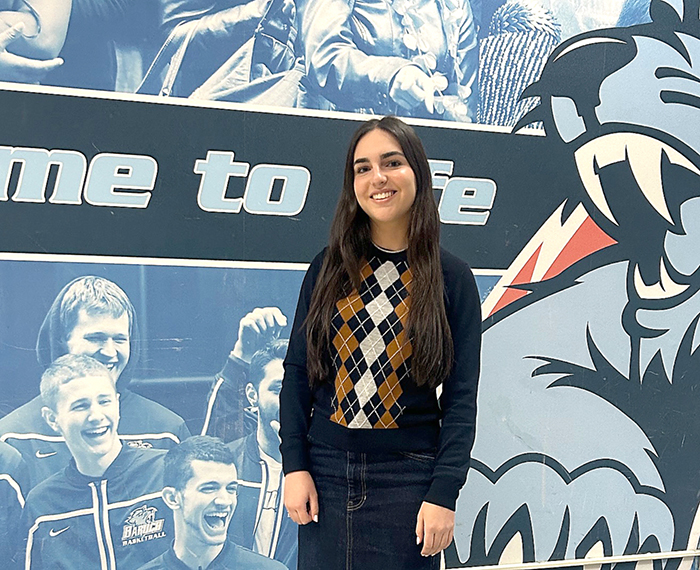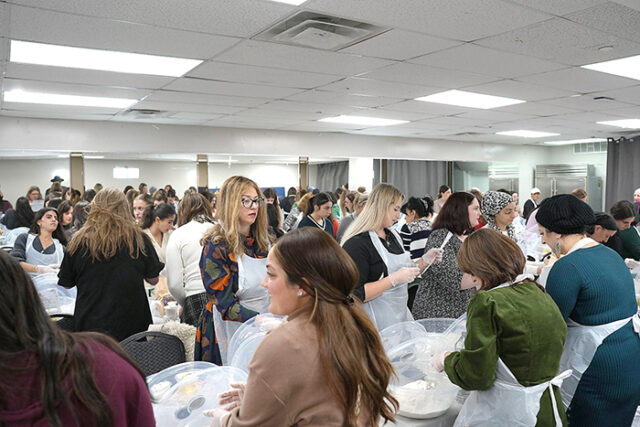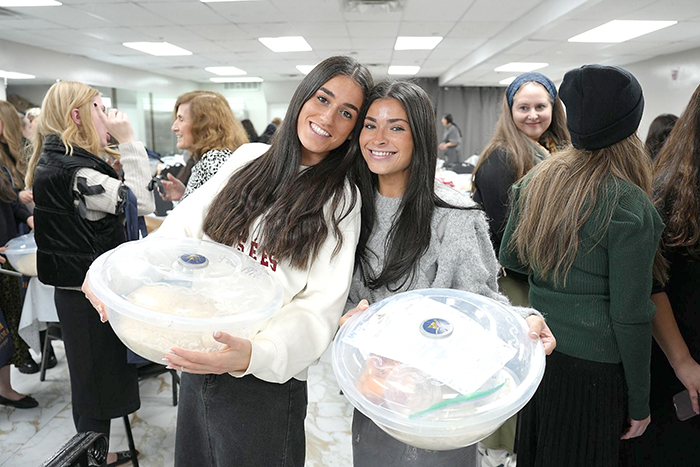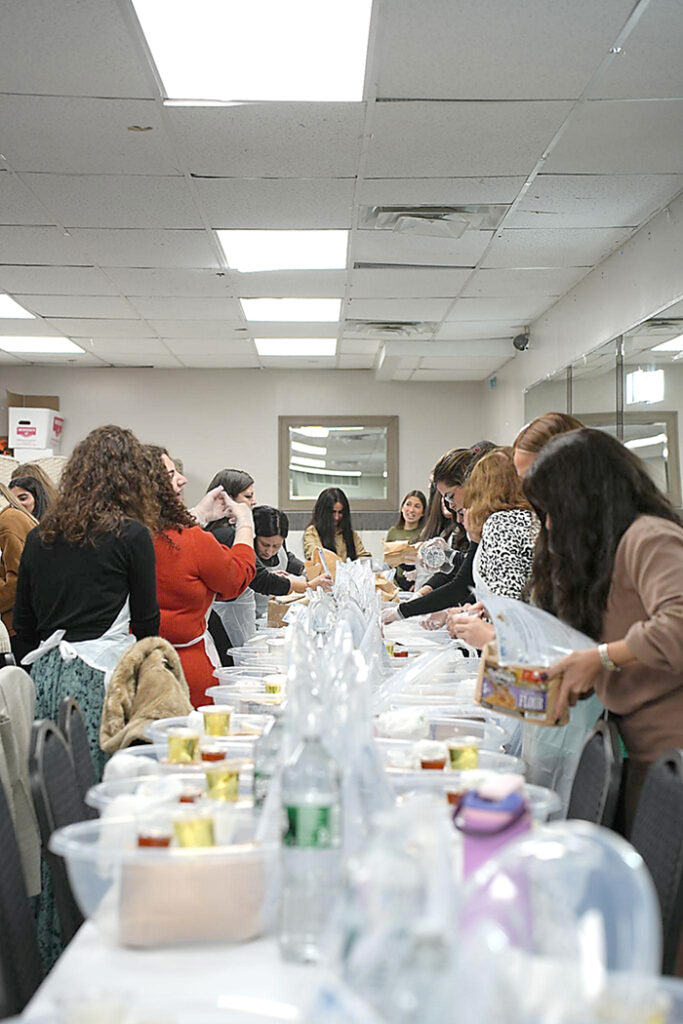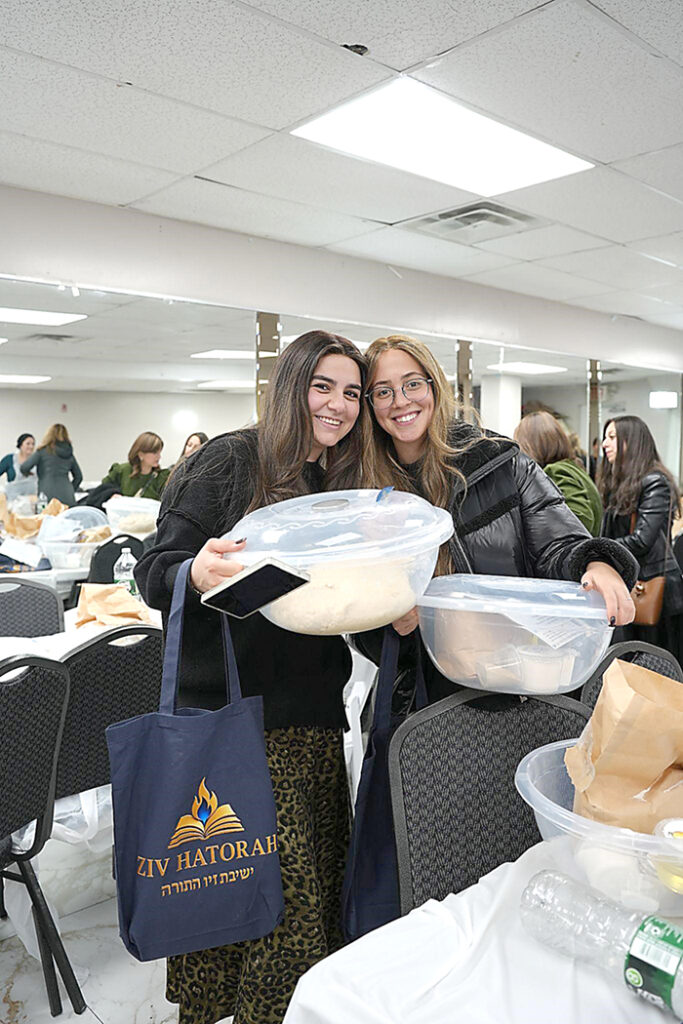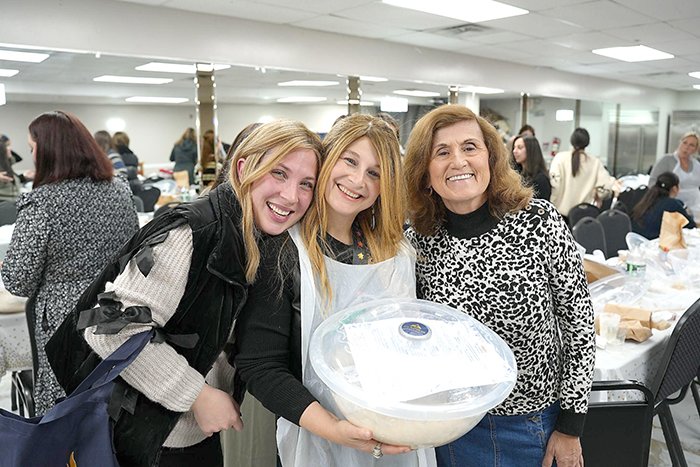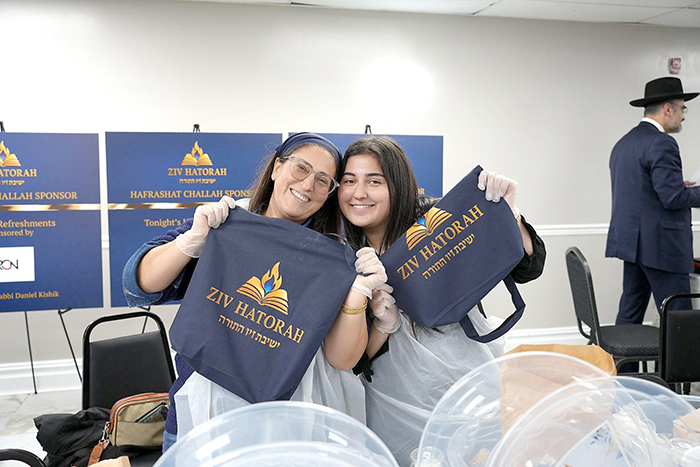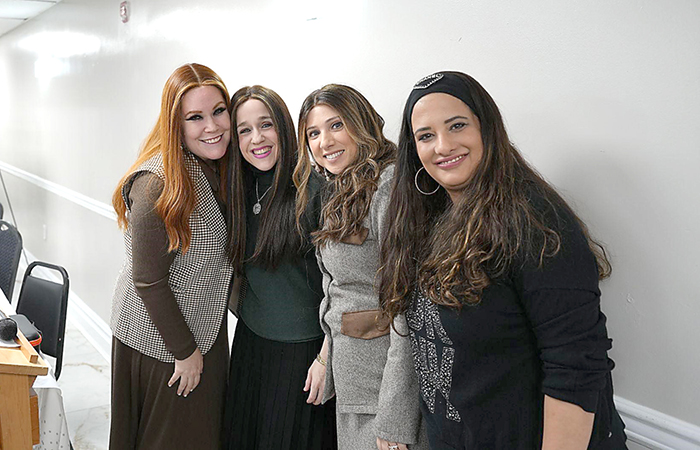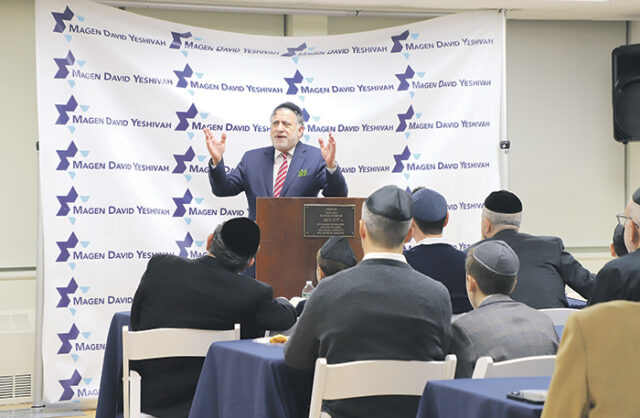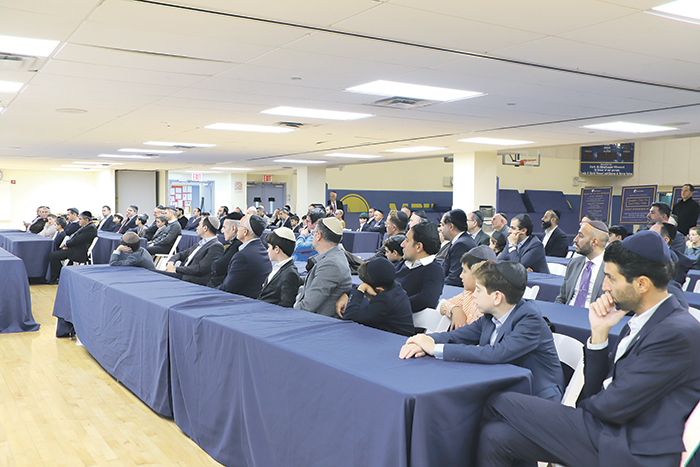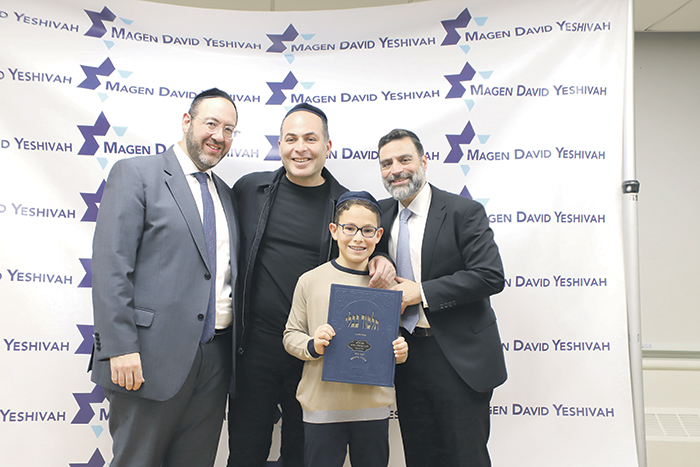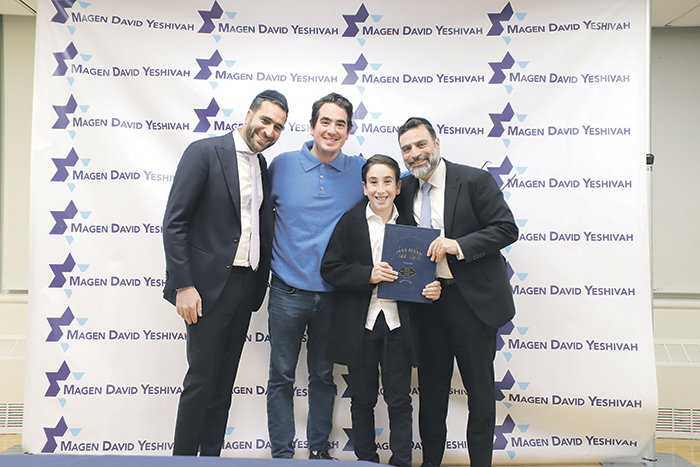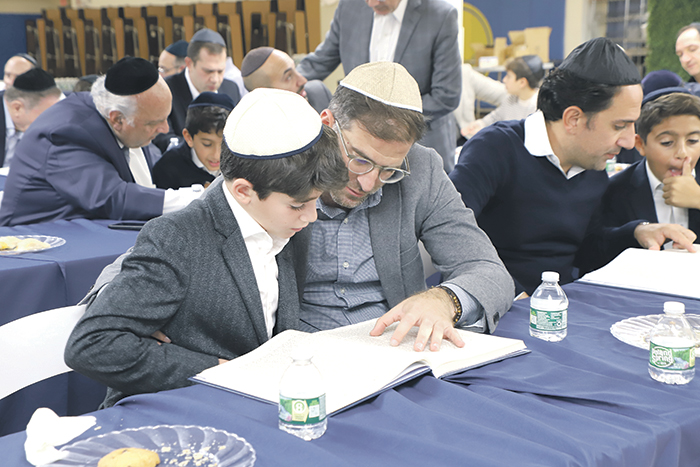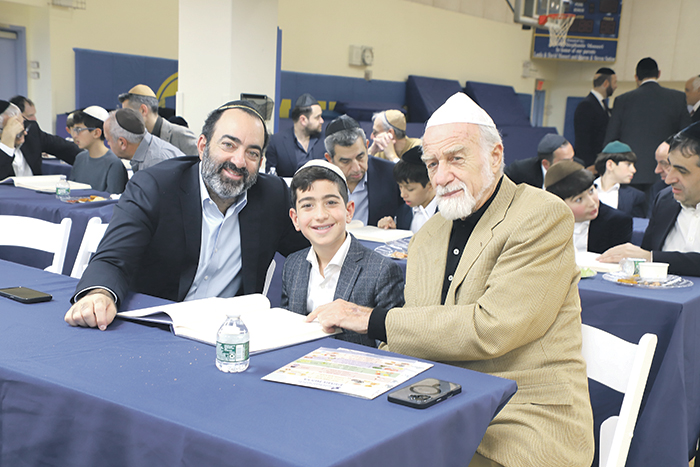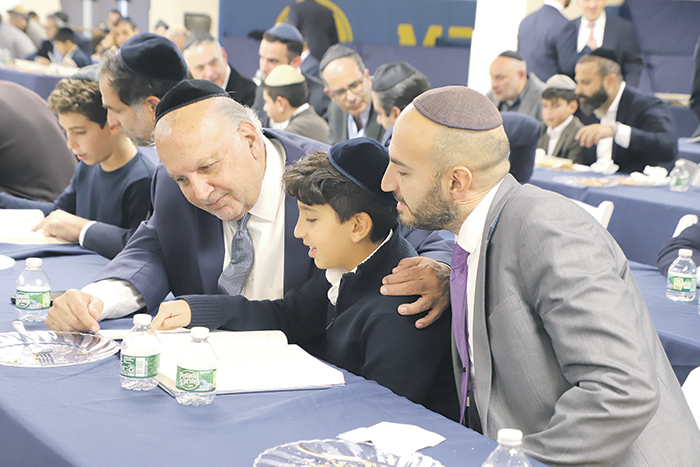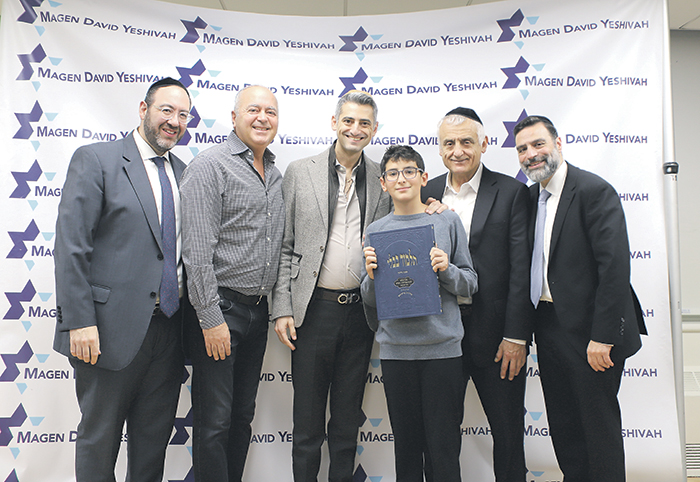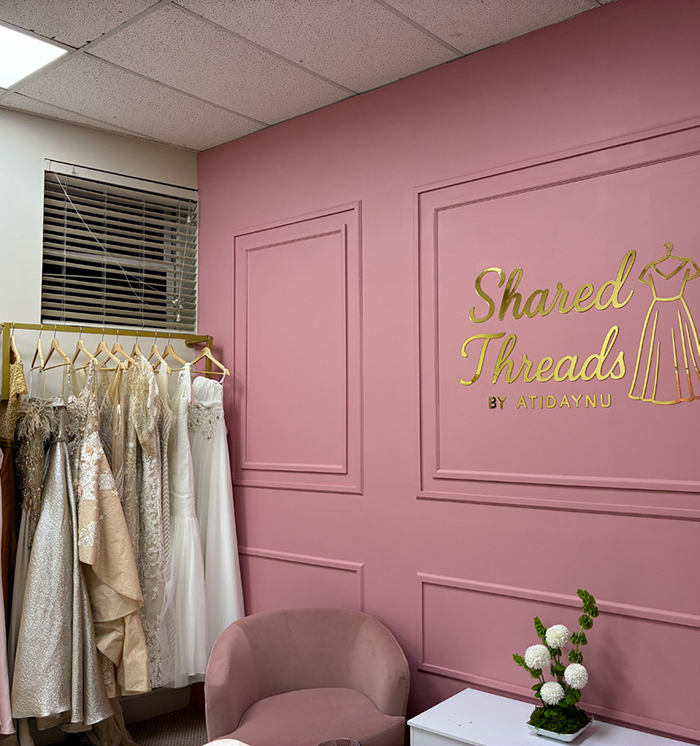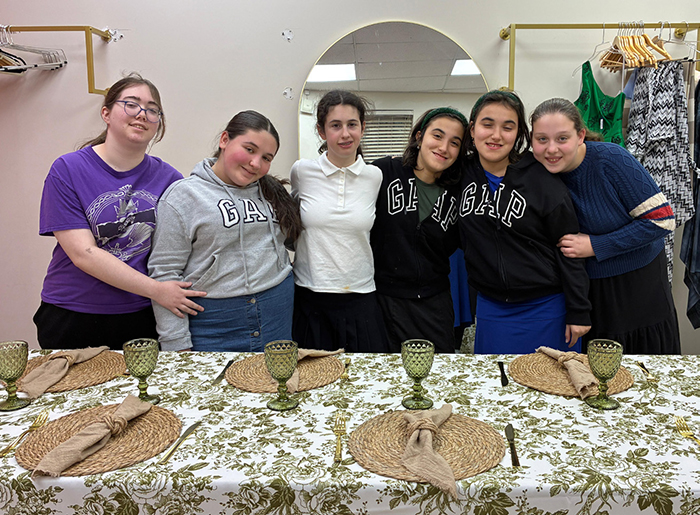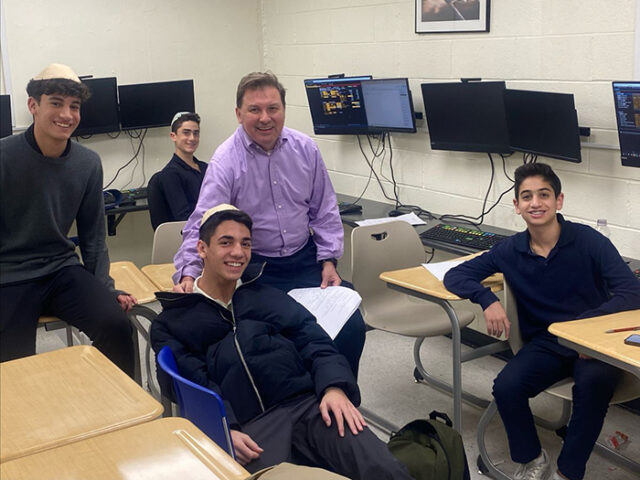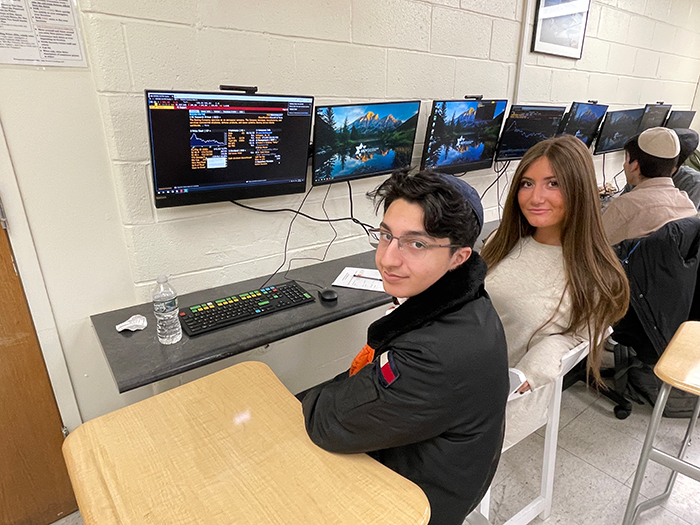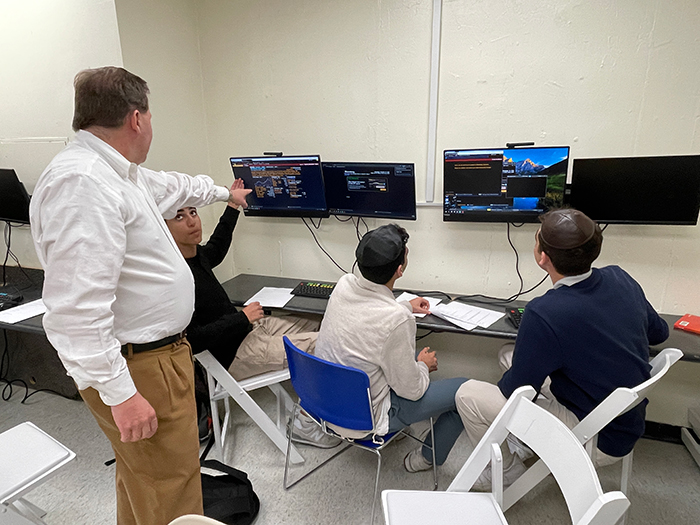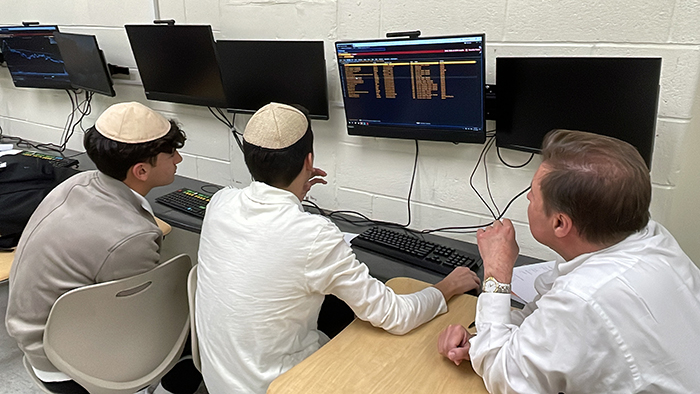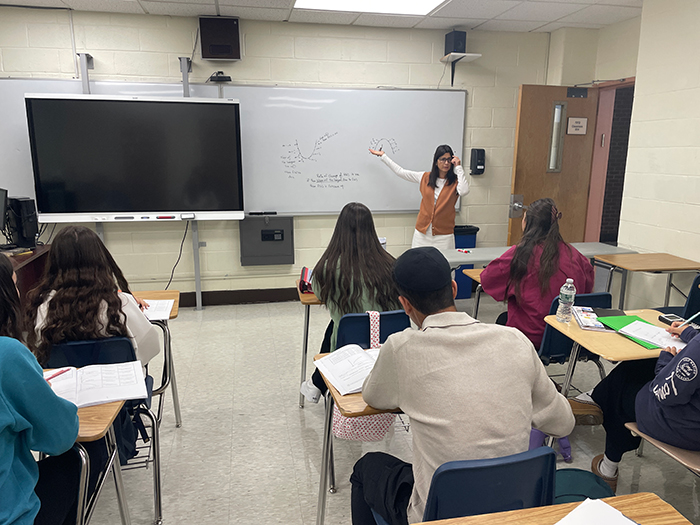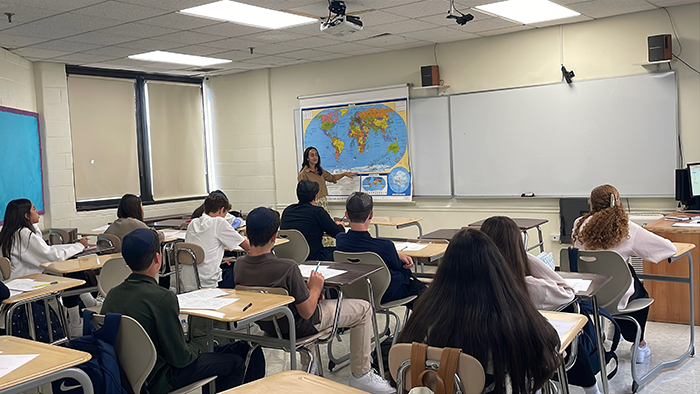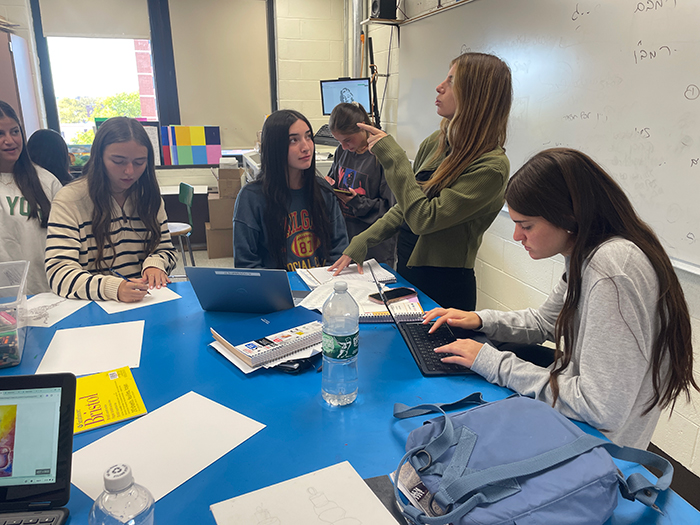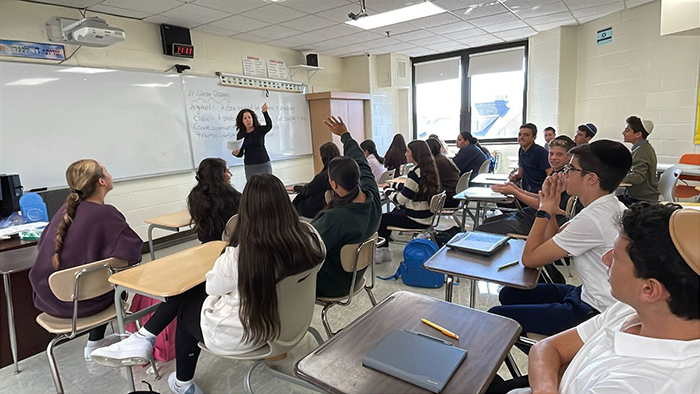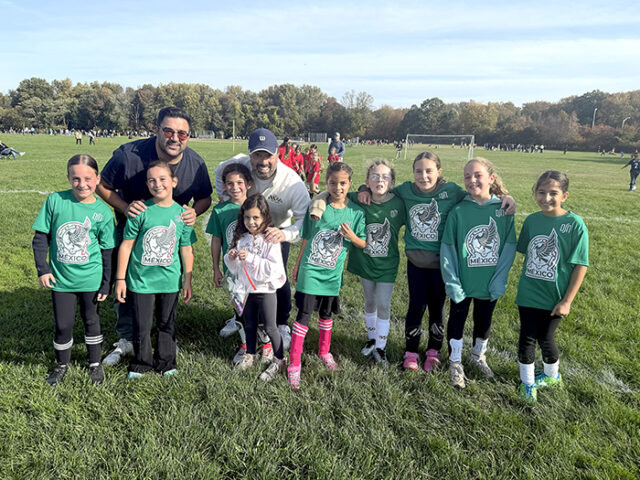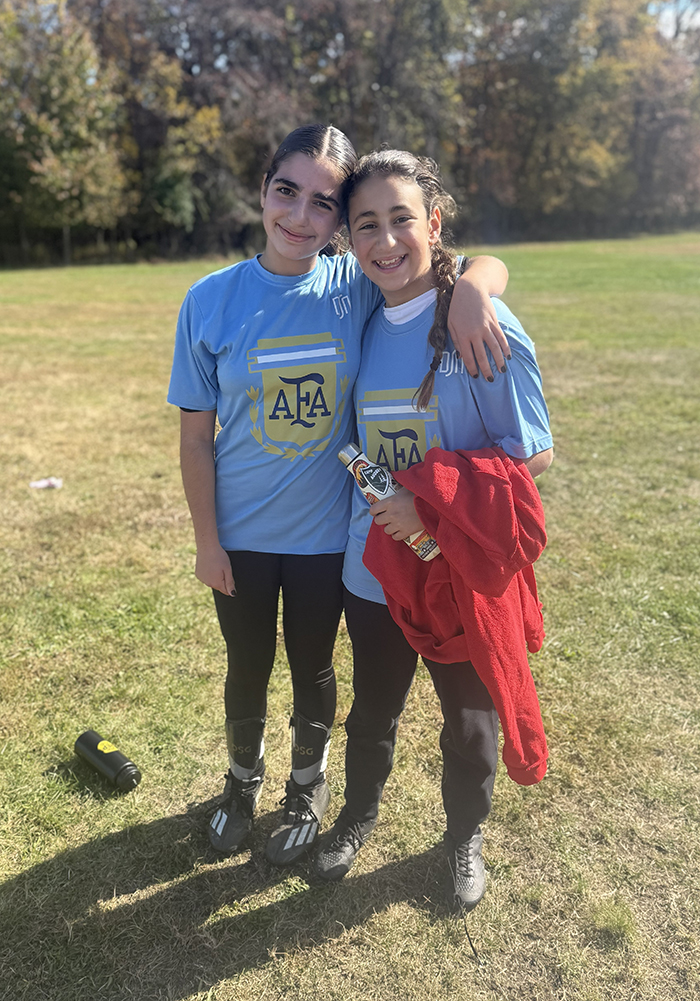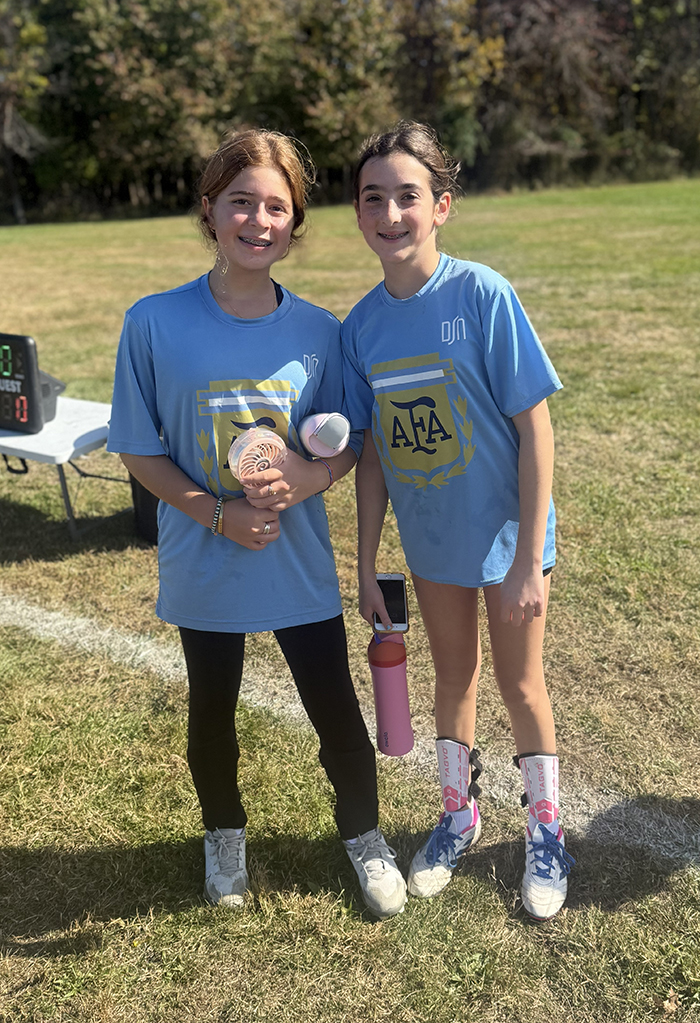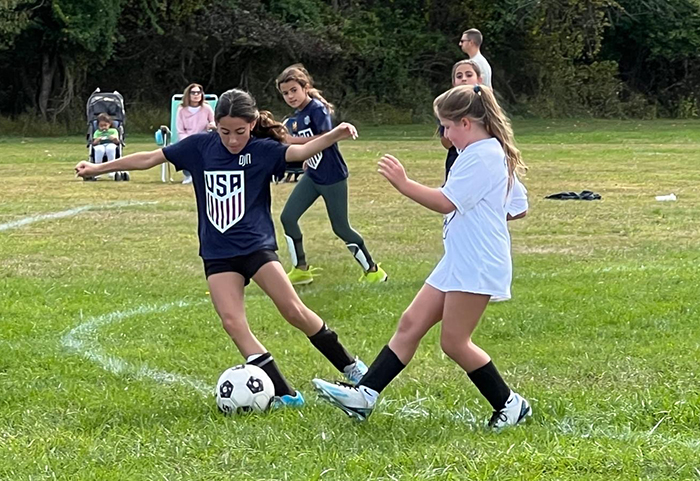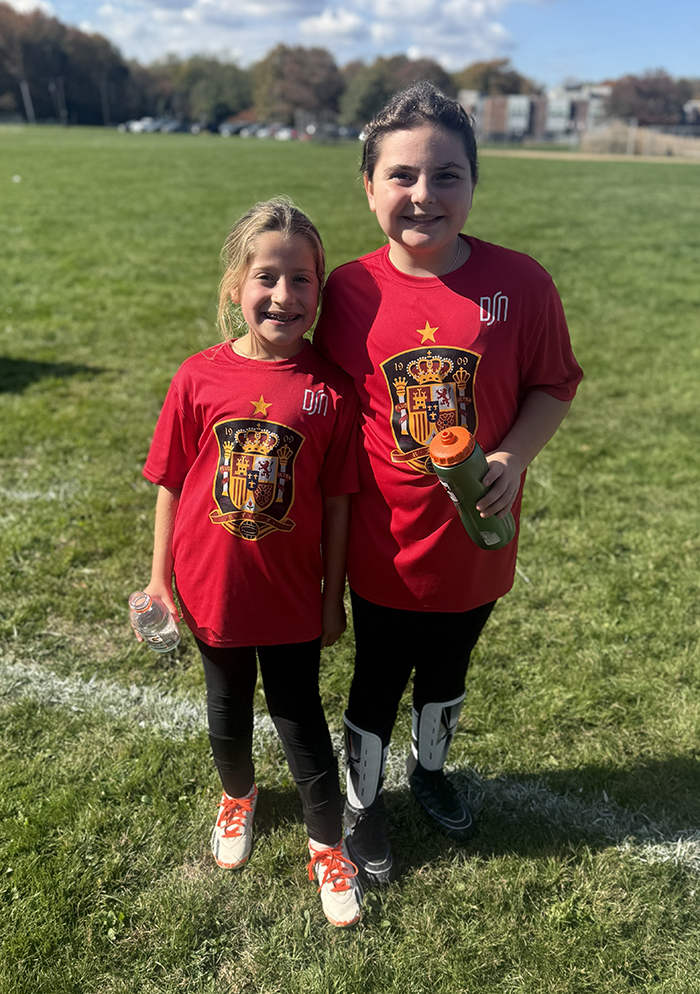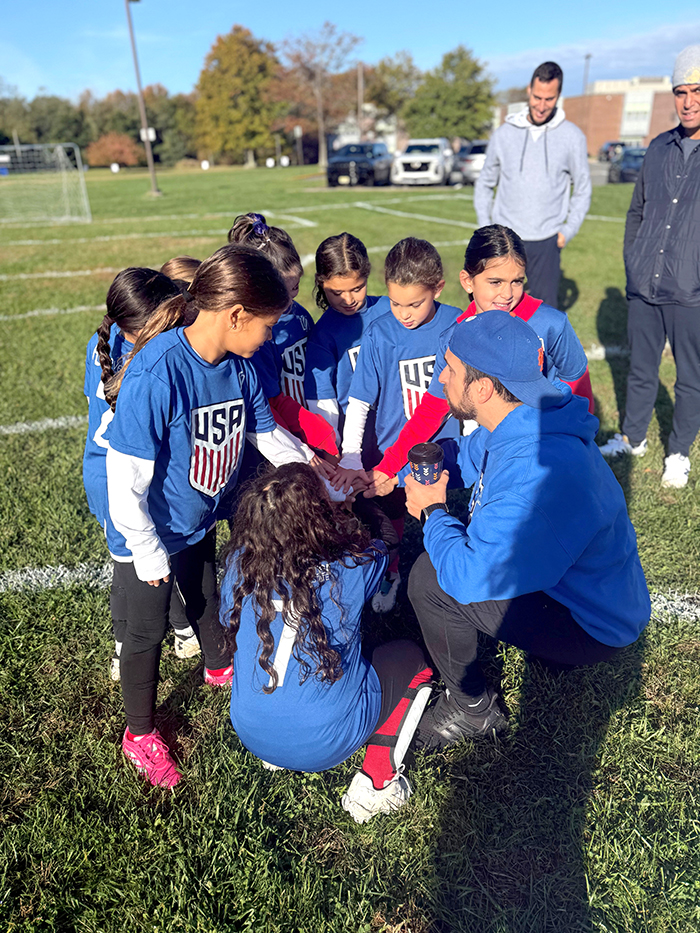
This month’s Community Photo Album highlights the excitement of a new school year. From first-day smiles and classroom activities to after-school clubs and team spirit, our children are stepping into learning with energy and enthusiasm. These photos capture more than just the start of another academic year. They reflect the friendships that continue to grow, the dedication of our teachers, and the pride of families cheering on their students. Whether it’s a group project, a school event, or a quiet moment at a desk, each picture tells the story of a community coming together to support and celebrate education.
Jerusalem Israel June 19, 2019 View of unknown people praying at the Western wall in the Old city of Jerusalem in the afternoon
A Lesson I Learned From My Son
Rabbi Meyer Laniado
While my wife was in labor, I prepared myself for a powerful and uplifting spiritual experience. I stood by her side with only the doctor and nurse in the softly lit room, and began reciting Tehillim. After a few short minutes, I noticed hospital staff entering the room very quickly: two, three, four, then what seemed like ten. Lights brighter, movements quicker, frenzy where just before was calm. Without knowing how I got there, I found myself backed into a corner of the room. My heart was racing, my stomach in knots, everything uncertain. I could no longer focus on Tehillim. I put my head against the wall and began to cry. I felt, as we recite in our mahzor, Pahad veEma: fear and trepidation. I felt helpless, a passive observer with no control of the situation. As I prepared myself for the worst, I heard a small cry, looked up, and there he was. Overcome with relief, joy, and gratitude, I walked over to tell our son how much I loved him and I enthusiastically thanked G-d. As hard as I tried to express myself, I could not manage any more than sobs. Those eight minutes of uncertainty were terrifying — not the calm, uplifting moment of prayer I had imagined, but a plunge into feelings of fear, helplessness, and vulnerability. We often expect spiritual highs to come when we experience awe, gratitude, or joy, such as when we behold a natural wonder or a momentous lifecycle event. Though, as we know, life does not solely consist of these grand moments. We often experience challenges and struggles, feeling low, fearful, and helpless. These moments of feeling helpless can also be a source of connection, inspiration, and spirituality. In these moments, when we acknowledge our vulnerability, we run, as Banim atem laDonai Eloheikhem (Debarim 14:1), as children into our Father’s embrace. There are many biblical models of prayer in times of desperation and need. One of the most famous that serves as the model for our modern prayer is that of Hannah who, after so many years, remained childless. Yet, the shofar’s cry on Rosh Hashanah is modeled after an enemy of the Jewish people! (Tbavli Rosh Hashanah 33). The mother of the Canaanite general Sisera confidently waited by her window year after year, expecting her son to return victorious. When her son did not return, she cried out in desperation, recognizing her vulnerability (Shofetim 5:28-30). That is the cry of the shofar on Rosh Hashanah. While many of our Yamim Tobim and other holidays are about gratitude, our Yamim Noraim, Rosh Hashanah and Yom Kippur, are about relying on G-d, and acknowledging that some elements of our lives are not in our control. Note how we plead with G-d on Yom Kippur. We do not say “thank you for all you have given me,” but instead, we recite phrases like: anshei Emunah abadu, “those whom we used to rely on are gone” and tamahnu meraot, tashash kohenu missarot, “I plead with you G-d because I have found my troubles bewildering, and they have sapped my strength.” Sephardic communities open the first night of Rosh Hashanah with the prayer Ahot Qetana, written by Abraham Hazan Girondi (13th Century, Spain). It features the refrain tikhle Shana veqileloteha, let this year and its troubles end. This phrase closes each paragraph which details our need for G-d’s help. The song concludes with leSur hohilu, look hopefully to the Rock [G-d] and tahel Shana uBirkhoteha, begin this year with its blessings. Ibn Ezra (12th Century, Spain), too, expresses this message of turning towards G-d in distress in his famous poem, Lekha Eli, You are My G-d, with which we open Yom Kippur in Sephardic synagogues. There, referring to G-d, he writes leKha Ezra beEt Sara, heye Ezri beSarati… You are a helper in times of trouble; please be my help in my distress. Turning towards God for His support is also portrayed in one of the key phrases frequently repeated on our Yamim Noraim, lifnei Adonai Titharu, before G-d, we will be purified. Emphasis is often on the word Titharu, our purification, but maybe it belongs on the phrase lifnei Adonai, before G-d. Only when we shift our focus and turn our hearts toward Him, lifnei Adonai, relying on Him for His support, can we become tahor. Unfortunately, many view expressing vulnerability, and acknowledging that we indeed need help, as a show of weakness, so they try to save face by projecting that everything is under control. But the truth, as University of Houston professor Brene Brown suggests, is more likely that: “Vulnerability is the birthplace of love, belonging, joy, courage, empathy… If we want… deeper, meaningful spiritual lives, vulnerability is the path (Daring Greatly pg. 32).” It is counterintuitive, but, in my view, she is right. When we are open and honest, we let other people in, connecting more meaningfully and creating a deeper relationship. This is true both in our relationships with other people as well as with G-d. Challenging times when we feel afraid, uncertain, or distraught are not the moments we would choose to experience, but they are inevitable parts of every single one of our lives. They can lead to more enriching relationships when we are open and honest with ourselves and others. When I put my book of Tehillim down on the bedside table in my wife’s hospital room, unable to recite, overwhelmed with fear and uncertainty, I began to reach out to G-d and plead. That moment is certainly one I would have chosen to skip over, but it helped me understand how asking G-d for help can deepen my relationship with Him. The prayers and Torah portions of Rosh Hashanah and Yom Kippur acknowledge our vulnerability and need for help. We are asked to recognize that we are not in total control and to shift our paradigm from a world centered around the individual to one centered around G-d. As we chant the prayers and verbalize our transgressions in each other’s presence, we acknowledge our humanity, become aware of our individual and collective vulnerability, and unearth a unique opportunity to connect with our Creator and one another.
Jon Krakauer describes reaching the top of Mount Everest in his book, Into Thin Air: “Straddling the top of the world, one foot in China and the other in Nepal, I cleared the ice from my oxygen mask, hunched a shoulder against the wind and stared absently down at the vastness of Tibet. I understood on some dim, detached level that the sweep of earth beneath my feet was a spectacular sight. I’d been fantasizing about this moment, and the release of emotion that would accompany it, for many months. But now that I was finally here, actually standing on the summit of Mount Everest, I just couldn’t summon the energy to care.” (Jon Krakauer, Into Thin Air, p.5)
Haifa, Israel, April 5, 2025, Interior view of an Aram Tzova Synagogue. Close-up inside a wooden cabinet reveals several Sefer Torah scrolls with ornate silver decorations and a dark blue embroidered Parochet (Torah ark curtain) partially visible.
I was so startled by his description I had to read the paragraph a few times. It shook me up that a person could work for years training for a climb like this, dreaming about standing on the top of that mountain, looking out at the thousands and thousands of feet that he had found a way to rise above and be too tired to care. But this happens often in life. We imagine that once we reach our destination, we will be ecstatic. We fantasize about that moment of happiness, but it is elusive, falling so easily out of our grasps, disappointing us just at the moment when we are straddling the top of the world. How can we find and hold onto joy in this world without it slipping out of our hands? The holiday of Simchat Torah provides an answer. As we dance with the Torah, we bask in the unique, eternal happiness that only Torah can bring into our lives. “It is a tree of life for those who grasp it” (Proverbs 3:18). Here are five ways that Torah brings us this lasting joy and life.
It gives us higher goals. The highest predictor of a person’s lasting happiness is a goal that transcends himself. All of our personal goals, however important they may be, are part of a greater mission that all Jews share – to bring light to the world, to honor G-d’s Name, to pass on our sacred traditions. The Torah gives us higher goals to strive for.
It shows us how to be grateful. Most people understand why gratitude increases our happiness levels, but we don’t necessarily know how to feel grateful on a daily basis. The Torah shows us how to be grateful several times each day. With prayer three times a day, with blessings over food and mitzvot. It imbues within us a constant awareness that we are receiving goodness and kindness from the Source of all life from the moment we open our eyes in the morning.
It teaches us hope. Life is hard and often unpredictable. Many of us have different challenges that make it difficult to see a way forward. But the Torah teaches us that nothing is impossible. That G-d never gives us circumstances that we can’t handle. That tomorrow will be brighter. That redemption is in our future. That we are not struggling in vain.
It connects us. In a world where so many are lonely and dependent upon virtual company, the Torah pulls us each out of our isolation. It shows us how to set up communities and bring people together. It teaches us that we need each other. It helps us give even when we’re not sure how. It connects grandparents to their grandchildren. It bridges the cultural gaps that so often divide us. It gives us a common language and a shared truth. It connects us to each other.
It gives us flow. Our happiest moments occur when we are in the “flow,” completely engaged and absorbed by an activity we are doing. We transcend our physical and emotional limitations by immersing ourselves in the energy of the moment. Torah gives us this sense of flow when we are doing a mitzvah that is challenging for us but within our grasps. We visit the sick even when hospitals make us nervous. We invite the widow from across the street to Shabbos dinner even though we aren’t in the mood for guests. We give tzedakah even though we are anxious about our finances. We choose to overcome a limitation inside of us and move forward even when we have to push ourselves to do so. But the Torah also gives us this sense of flow through song and dance. This is the flow of Simchat Torah, celebrating the Torah that teaches us how to transcend our limits, how to be happy, how to be connected. How to sing songs that weave circles into circles that climb beyond the dancers themselves. The words that we sing bring us back to the core of who we are. The higher goals, the gratitude, the hope, the sheer joy of connecting to our Creator. For this moment He created us. For this joy He created the world. It is a happiness that won’t slip away whether we are straddling the top of the world or just beginning our climb. It is in fact right there in our arms – the gift of the Torah that He gives to us. A happiness, a joy, that dances beyond itself. q
Think about this. You’re being given an award at your child’s school for all your help this past year, but there’s one catch—they want you to give a speech. Suddenly your palms are sweaty and it feels like you’re about to pass out. You’d rather have a root canal than speak in public.
What if I told you there was a place to hone these skills that will build your confidence so that speaking at any public engagement (personal or business) will be a piece of cake? I’d like to introduce you to Brooklyn Best Toastmasters, a part of Toastmasters International, right here in the heart of our community. Think of Toastmasters as your way to build the muscles of confidence. People fear speaking in public more than going to their dentist. So much so, that glossophobia, or the fear of public speaking, affects millions of people worldwide. I joined Brooklyn Best Toastmasters two years ago to help me gain back my voice. I work in a predominantly male industry and felt I was lacking the confidence to speak among my peers. Now I feel more confident to not only give speeches but also to lead our meetings, and I recently became a club officer. When you join our club, you learn to give speeches that have objectives. We don’t tell you what subject to speak on, but the program gives you tasks to accomplish so members build up a toolbox of public speaking skills. Our meetings usually include three speeches. Toastmasters also helps you learn to think on your feet and give impromptu speeches by giving evaluations or answering table topic questions that require some thought. Evaluations by fellow club members are also mini speeches and help provide positive feedback to your speech in a friendly environment. Until recently I had no idea the accomplishments of some members of Brooklyn Best Toastmasters. Here are some examples to highlight where some of our Toastmasters have been. Does the name Ari Siegel ring a bell? Not only was Ari on the famous show Shark Tank, where he ultimately struck a deal with multiple members of the show, but Ari was also a member of Brooklyn Best Toastmasters. Ever heard of Old Jewish Men of New York? It’s a popular tag on social media, and our very own David Roffé is the face of Old Jewish Men, which has millions of followers. If you’re lucky you may even catch David at one of our meetings. Not to be outdone by his amazing wife, the extraordinary Sarina Roffé. I wouldn’t even know where to start with the many accomplishments of Sarina. And then there are community members like Ronnie Tawil and Alan Kishk, among others—all terrific speakers. These are men and women just like you and me who decided to take control. It’s not a miracle drug, but if you do the work that Toastmasters has to offer, you’ll see a world of difference. So, what are you waiting for? Meetings are held twice a month from 8:00–9:30 PM on Monday evenings at Sephardic Synagogue on Avenue R. Email bbtm1234@gmail.com to get on our list.
Through the eyes of the woman who knew him best, his wife Lillian Setton
Who could truly know the essence of a man? The answer is HIS WIFE! My husband Jack and I were married for 64 years before he passed away at the age of 101.
Screenshot
Even before our marriage, I saw his essence, his good heart, good nature, loving kindness, devotion, as well as his ever-welcoming smile. Indeed, those virtues remained steady throughout those years. Not only did he share them with me and our children, he also shared them with people he met. In 1948, Jack and his family fled Syria due to the Arab uprising against the Jews. They settled in Jamaica, West Indies. There he and his brother Isaac became business partners and were very successful. Before our marriage, he asked me if I would live in Jamaica. I declined, explaining that I wanted to raise our children and not have to ship them off to Brooklyn in order to procure a yeshiva education. He understood, and we agreed to stay in Jamaica for one year so as to allow him to close his business. Actually, we stayed there for 3 years. However, all of my children were born in the USA. Upon our arrival in New York, he found it very difficult, as he now went from being an employer to becoming an employee. There is so much that I loved and admired about my husband. However, there was one particular time that my admiration for him became overwhelming. I would like to share it with you: He held various managerial positions in retail stores. He was working on Shabbat (the Sabbath). He was not happy about it, nor was I. We had many conversations about it, as I kept encouraging him to stop working on Shabbat. Then one day he came home and announced: “I informed my bosses that, ‘I will no longer work on Shabbat (the Sabbath) as well as the Jewish holidays. If it is not agreeable to you, then I quit.’” When he did that, he did not have any job lined up. His bosses refused to let him go, and so they agreed on his terms. I cannot express the joy I felt thanking Hashem for this gift and how proud I was of my husband! He had complete bitachon (trust) in Hashem. Soon after, he became the much-loved mesader (prayer organizer) in the Sitt shul. The last job he took was as a manager working for David Nissim at Gizelle Ladies Wear on the Lower East Side. He was there for many years before he retired at the age of 92. His relationship with David was like father and son. David loved him, and he loved David. The workers loved him, the customers loved him, as he was known for his warm smile. Besides his being a wonderful loving husband, he was a terrific loving father. When our children were asleep at night, he always placed a candy bar or gum or some other treat on their windowsills. The children would awake with such glee as they retrieved the items. I am so thankful to Hashem for allowing me to be at my husband’s bedside towards the end, where I was able to thank him for 64 wonderful years. My dear Jack, I know that you are praying for all of us, and I look forward to our reuniting again with the coming of Mashiach.
Old books on wooden planks with blur shimmer background
Timeless teachings on self-mastery and personal growth
Rabbi Dovid Campbell
Long before the modern self-help genre, rabbis of 19th-century Europe forged a systematic path of character development. Rooted in classic Jewish ethical texts but attuned to the challenges of the modern era, Mussar (Jewish ethics) emphasized self-reflection, worldly wisdom and ethical action.
The movement spread rapidly across the Jewish world and its teachings remain as relevant today as ever—pointing us toward practical ways of living with mindfulness and integrity. Here are a few gems that speak across boundaries of culture and time.
Change Begins Within “At first, I would get angry at the world but not at myself. Later, I would get angry also at myself. Finally, I got angry at myself alone.” — Rabbi Yisrael Salanter Rabbi Yisrael Salanter (1809–1883), the founder of the Mussar movement, was a brilliant Talmudic scholar who recognized the urgent need for a renewed emphasis on character refinement. His journey began with a bold self-assessment—he saw that it is far easier to rail against the faults of the world than to confront our own shortcomings. His insight points to a fundamental truth of growth: meaningful change begins with personal responsibility. We cannot hope to fix what is broken outside if we ignore what is broken within.
Spiritual Responsibility “Someone else’s material needs are my spiritual responsibility.” — Rabbi Yisrael Salanter We often divide life into “spiritual” versus “material,” as if feeding the hungry is less holy than meditating or studying. Rabbi Salanter turns that dichotomy on its head. True spirituality is lived in acts of generosity and kindness. Meeting another’s physical needs is itself a sacred duty.
The Gift of Peace of Mind “A person who has mastered peace of mind has gained everything.” — Rabbi Simcha Zissel Ziv of Kelm Rabbi Simcha Zissel Ziv (1824–1898), known as the Alter (“Elder”) of Kelm, was one of the foremost disciples of Rabbi Salanter. His Mussar school was famous for its emphasis on clarity of mind and meticulous order, even in the smallest details. To him, a student’s messy wardrobe was no trivial matter—it signaled a lack of inner tranquility, the very foundation of self-mastery. When our minds are turbulent, we struggle against ourselves. But peace of mind calms the waves, allowing us to reflect, choose, and grow. In today’s overstimulated world, cultivating stillness may be the most radical practice of all.
Redefining Success and Failure “If you see that someone came to the station after the train he wanted had already left, do not say that the man was late and missed his train, but that he came early for the next train. For everything is in the hands of Heaven.” — Rabbi Yosef Yozel Hurwitz of Novardok Rabbi Yosef Yozel Hurwitz (1847–1919), known as the Alter of Novardok, was a younger disciple of Rabbi Salanter who charted his own radical course in Mussar. His school emphasized uncompromising self-criticism and absolute trust in the Creator. He rejected society’s obsession with success, status, and control—warning that such pursuits distort our values. Life is not just about missing or catching trains; it is about recognizing that even mundane events are part of a larger design. Instead of despairing when our plans falter, we can step back and reframe: perhaps we are simply arriving early for what comes next.
Guarding the Mind “Some people allow their minds to be a free hotel open to all. Anyone who wishes can dump his trash there.” — Rabbi Yosef Yozel Hurwitz Decades before the digital deluge, Rabbi Hurwitz warned of the danger of mental clutter. Being open to ideas is vital, but discernment is just as important. Wisdom requires filtering—carefully curating what we allow into our mental and emotional space.
Living in the Present “A person should give up his whole future for today, so that he will not waste all his todays for one tomorrow.” — Rabbi Yosef Yozel Hurwitz How often do we sacrifice today’s opportunities for an imagined tomorrow that may never come? Rabbi Hurwitz reminds us of a simple but radical truth: life is lived only in the present. Planning is important but not at the cost of neglecting today’s irreplaceable moments.
The Litmus Test of Hope “When you have a true ambition for something, you will not give up hope. Giving up hope is a sign that you are lacking ambition to achieve that goal.” — Rabbi Eliyahu Eliezer Dessler Rabbi Eliyahu Eliezer Dessler (1892–1953), a disciple of the Kelm school, brought its Mussar teachings first to England and later to Israel, where his work Michtav Me’Eliyahu (Strive for Truth in English) became a classic of modern Jewish thought. For Rabbi Dessler, hope is not just a feeling but a barometer of commitment. If we truly yearn for a goal, we will keep hope alive even in difficulty. Losing hope, then, is not only discouragement—it is a sign that perhaps the goal no longer stirs our deepest will. Hope tells us what we truly want.
The Miracle of Change “To change a person’s nature—to reverse their character traits—requires a miracle.” — Rabbi Yerucham Levovitz of Mir. Rabbi Yerucham Levovitz (1875–1936), a leading student of the Kelm school and spiritual guide of the Mir Yeshiva, was renowned for his eloquent sermons and penetrating insight into the human soul. His famous teaching about change highlights one of Mussar’s central truths: transformation is no small task. Rather than minimize the challenge, Rabbi Levovitz actually magnifies it—calling real character change nothing less than miraculous. But the point is not to discourage us. On the contrary, he means to inspire awe at our capacity for growth. Each small victory over anger, pride, or laziness is nothing less than a wonder—evidence that human beings are capable of transcending themselves. Taken together, these Mussar teachings offer a powerful framework for self-development. They call us to begin within oneself, to merge the spiritual and the practical, to guard our inner lives, to live in the present, to persist with hope, and to marvel at the miracle of growth. In an age hungry for wisdom, the voices of these masters remind us that the tools for transformation are already in our hands.
The tragic murder of Charlie Kirk has generated sorrow across America. What has followed is a disgrace: a torrent of slanderous accusations tying Israel to his death. In only a few days, more than ten thousand social media posts have claimed without evidence that Israel orchestrated the killing. These accusations are not only false, they are dangerous, and they must be exposed for what they are: modern blood libels.
The first question any rational observer should ask is simple. Where is the evidence? There is none. Not one law enforcement agency, not one credible journalist, not one piece of verifiable information has implicated Israel. The accusers began with their conclusion that Israel was guilty and then tried to construct a conspiracy around it. That is the inversion of truth. In a court of law, such claims would be thrown out before arguments even began. The second question is, what possible motive would Israel have? Charlie Kirk was not an enemy of the Jewish state. He was a friend. He praised Chabad. He honored Shabbat (Sabbath). He recognized the role of Jewish tradition in sustaining Western civilization. For Israel to kill Kirk would mean striking at an ally. No rational democracy murders its allies. The very suggestion defies logic. The third question is why Israel is being singled out. The answer lies in history. For centuries, antisemites have blamed Jews for every calamity. When the plague swept Europe, they said the Jews had caused it. When economies collapsed, they said the Jews were behind it. After the September 11 attacks the same lie spread, that Israel orchestrated it. Now Kirk’s murder has become the newest excuse for the oldest hatred. These accusations are not based on fact. They are rooted in prejudice and scapegoating. A fourth point is practical. Every moment wasted on this nonsense is a moment stolen from the pursuit of justice. Conspiracy theories do not honor Kirk’s life. They dishonor it. They distract from the real perpetrators. They delay accountability. They embolden the very forces of hate Kirk opposed. Instead of mourning a man of conviction and seeking truth, they weaponize his death against the one democracy in the Middle East. Finally, there is the moral dimension. To blame Israel for Charlie Kirk’s death is not merely wrong. It is obscene. It is the twenty-first century’s version of the blood libel, the most pernicious of antisemitic lies. These conspiracies are not aimed at solving a crime but at scapegoating a people. That is why they must be rejected with clarity, with reason, and with moral courage. Charlie Kirk deserves the truth. His family deserves justice. Israel deserves not to be defamed with baseless slanders. Let us be clear: Israel did not kill Charlie Kirk. To claim otherwise is a lie, a blood libel for our time, and history will judge those who spread it accordingly.
I had been to Istanbul about 10 years ago when my husband and I did a tour of Turkey. During that time, I met with Rabbi IZAK Peres and we became friends. I loved touring Turkey and visiting the seat of modern Turkey, since it became a sovereign nation after the fall of the Ottoman Empire. I met with Rabbi IZAK Peres again during this visit, but it was under different circumstances. He visited me in the hospital and made sure I had food for Shabbat.
Sarina and Miryam inside the Yanbol Synagogue museum, surrounded by Torah ornaments and ark covers.Sarina Roffé and Miryam Sulam inside the Ahrida Synagogue, seated at the historic tebah.Ornate Torah ark covers on display at the Yanbol Synagogue museum.Ahrida Synagogue ark.
Istanbul has become a popular destination for high-quality plastic surgery and I was no exception. The price and the first-class treatment made it an amazing experience. If you ever want to go for plastic surgery, this is the place to go and I can definitely find you a connection. In fact, my connection was someone from the community who hooked me up with her sister, Miryam Sulam. She was my go-between, coordinating with the doctor and the hospital and making sure that I was taken care of when I came. Rabbi Peres was also there. He got his semicha (Rabbinic ordination) from Shehebar Sephardic Center and Rabbi Sam Kassin. In Istanbul, Rabbi Peres is not only a congregation rabbi, he is also a dayan (rabbinical judge), a teacher in the Jewish day school, and a shochet (kosher ritual slaughterer). He told me he was going the next day to Bulgaria to slaughter meat to send to Greece, since they are not allowed to slaughter in Greece. He is a busy guy. During my visit, Miryam also took the time to take me around a little bit. The first day after my pre-op exam was finished, we went to Neve Shalom Synagogue in Galata, which is a neighborhood on the European side of Istanbul. Istanbul has a European side and an Asian side. As a little background, Jews came to what was then the Ottoman Empire in 1492 when Sultan Bayezid II invited them after the expulsion from Spain by Queen Isabella and King Ferdinand. The sultan sent ships to bring Jews to the Ottoman Empire. Jewish communities all over the Ottoman Empire took root from Istanbul to Antakya for over 530 years. A century after the creation of the nation of Turkey, there are still several Jewish communities, primarily in Izmir and Istanbul. The communities are 96 percent Sephardic and a few Ashkenazim. The presence of Jews in Eastern Turkey—in places like Iskenderun, Gazi Anteb, Kilis, Antakya, and cities that border Syria—has decreased to minuscule numbers. The Neve Shalom Synagogue is located near the Galata Tower, a famous site. People were lined up for hours to go to the top of the tower. Neve Shalom is not only Istanbul’s central Sephardic synagogue and the seat of the Istanbul Chief Rabbinate, it is also the largest house of worship of the Jewish community in Turkey. Weddings, funerals, and bar mitzvahs, as well as the inauguration of the Chief Rabbi, are regularly held there. It is the only synagogue on the Golden Horn that has an intact mikveh. There are important traditions I learned about the Jews of Turkey. Their lahamagene is the size of a personal pan pizza. Each year, they have a day dedicated to Limmud. Limmud was originally a conference in the United Kingdom for Jewish educators. It evolved over the years into a community gathering of Jewish learning and has grown into a large international organization based in over 40 countries and almost 100 communities worldwide. In Turkey, there are over 1,000 participants each year. During the second week of May each year, a concert is held in the Great Edirne Synagogue to celebrate the Week of Foundations. The synagogue in Edirne was rebuilt and reopened in 2015. While many Americans hold baby showers for a pregnant mother, it is seen as bad luck in American Jewish families. Not so in Istanbul. Fashadura is a time-honored ceremony held in the fifth or seventh month of pregnancy, always on a Monday or Thursday, the day the Torah is read. Family and friends gather and a garment of cotton or linen is sewn for the unborn child to be worn when born, and it is believed to give the child long life. The first cutting is by someone who has no children.
Interior of Neve Shalom Synagogue, the city’s central Sephardic synagogue and seat of the Chief Rabbinate.Traditional Jewish bridal attire and groom’s suit on display at the Jewish Museum of Turkey.Ancient Torah scrolls and silver ornaments on display at the Jewish Museum of Turkey inside Neve Shalom Synagogue.
Before leaving New York, many people asked how I felt going to Turkey when, due to the Gaza War, the nation had broken off relations with Israel. I am a staunch Zionist and supporter of Israel. However, I did not see any reason not to go to Turkey for this purpose, especially since I knew Jewish people and a prominent rabbi. Turkey is not a place to advertise you are Jewish. Miryam is encouraging her two children to find jobs outside Turkey. The community is decreasing in numbers. Thousands have gone to Israel or gotten Portuguese or Spanish citizenships. Neve Shalom means “Oasis of Peace,” but the peace came to a sudden end in 1986 and 2003 when the house of prayer became a target of vicious terrorist attacks, both on Shabbat. The Jewish Museum of Turkey is also in Neve Shalom. The inside of the synagogue is truly magnificent, and you can see how the community once thrived here. The museum shows the rich 700-year history of Jews in Turkey. Part of the museum shows the history of the Jews in Anatolia dating back to the 4th century BCE and continues with the arrival of Sephardic Jews expelled from Spain in 1492 and later from Portugal. I spent two days in the hospital for the procedure and then was moved to the Sheraton to recuperate. I noticed the hotel had tight security, with every vehicle being scanned. Packages, bags, and purses had to go through a scanner and people through a metal detector. A few days after my procedure, I returned to the hospital for a post-op check-up and clearance to fly home. After I was cleared by the doctor, I felt like I needed to get some fresh air and the weather was perfect for a little walk.
Traditional dress of a Turkish Jewish mother, shown in a museum display.Sarina standing beside the hechal (ark) of the Yanbol Synagogue.Ornately painted ceiling of the Yanbol Synagogue.
So before I came back to New York, I suggested to Miryam that I wanted to visit the Yanbol Synagogue in Balat. I had read that it had been renovated and it was one of the four surviving ancient synagogues in Balat, a district once densely populated by Jews. Miryam called the synagogue and arranged for us to visit. We would see the synagogue and get lunch. The two-year renovation of Yanbol was financed by the German Consulate. The sanctuary was just breathtaking as you will see from the photos in this article. It is a fully functioning synagogue with regular services. There is a small museum there as well, featuring rimonim (Torah finials), Torah crowns, and other religious articles discovered in a hidden storeroom. All of the artifacts were restored and turned into an exhibition in cooperation with the Quincentennial Foundation Museum of Turkish Jews. It contains elements dating from Byzantine times in its courtyard, and its ceiling is decorated with oil paintings of nature. The sanctuary hall features a mixed stone and wood structure. Special care was taken to conserve and restore the synagogue’s original artwork, decorative elements, and wall paintings. Just a few feet from the Yanbol Synagogue was Ahrida Synagogue. The caretaker walked us down the street and opened its doors, taking my breath away. It was built by Romaniotes (Greek Jews), dating back to the 1430s, from the city of Ohrid in what was then the Ottoman Empire and is now North Macedonia. Ahrida Synagogue is known for its boat-shaped tebah (reader’s platform). Ahrida Synagogue is also the only synagogue in Istanbul at which Sabbatai Zevi, founder of the Jewish Sabbatean movement, prayed. Despite the decreasing numbers, Istanbul and its suburbs still have a community large enough to support at least 19 synagogues, youth and family clubs, social support, and a 500-student Jewish day school. The curriculum is taught in Turkish, Hebrew, and English. There is also a Talmud Torah, clubs, and ways for families and youth to be together and make friends on both the Asian and European side of Istanbul. Young adults have many opportunities to socialize, meet, and marry within the community. There are also summer synagogues that open as people leave the city for the beach communities. The community has a full agenda of social services: pocket money, scholarships for higher education, ambulance services, caregivers, counseling, a weekly and monthly Ladino newspaper, senior citizen housing, and programs. Would I come back to Istanbul in the future? Probably, but I would need to consider the current state of affairs. Turkey is one of the few nations with a primarily Muslim population I felt safe in.
The average cost of tuition in our community is $30,000 per child, per year. For a family with five children, that’s a bill of $150,000. How can families live like this? The burden is enormous, affecting nearly every household. But our community has proven that when we face a challenge, we come together. We’ve always supported each other, whether it’s families, businesses, or health needs. Tuition should be no different. This is our moment to work side by side and solve this challenge through unity, creativity, and commitment.
UCEF has spent the last 8 years working with community companies and individuals to generate funds for tuition relief. To date, UCEF distributed nearly $6 million directly to families in all 14 Brooklyn community schools. The system is in place. Parents, schools, and businesses are connected. The structure works. Now we need more people to use and maximize these programs so we can generate millions more for our community families.
How You Can Help, At No Cost UCEF connects your company to vetted vendors. You talk to them like any new partner, review pricing, services, and quality. If it works for your business, the vendor pays UCEF a royalty that goes directly to tuition relief. One example: “A company initially told us not to bother, they thought they already had the best rates. After a review, UCEF was able to save them $150,000, and now their business generates royalties for UCEF, connecting their business to Beracha.” If it doesn’t make sense, nothing changes. No risk, only potential benefit. UCEF partners with top professionals across all types of insurance, Business, Home, Life, Group Health, Estate Planning, and more. Connect with one of the UCEF partners to see if they can get you better rates or better coverage. If they can, make the change, otherwise stick with what you have.
Eli Cohen Insurance Agency Partnership The Eli Cohen Insurance Agency has been a flagship partnership for UCEF. They have been successful in helping save our community business owners hundreds of thousands of dollars and have been able to contribute to the UCEF fund. The Eli Cohen Insurance Agency specializes in:
Property Insurance for Real Estate including Residential, Commercial, Warehouse/Industrial
Product Liability & Ocean Marine for wholesale companies
Business Insurance and Workers Comp for retail stores, restaurants, and more
Homeowners/Landlord insurance for homes in NY and NJ
UCEF Debit Card Program Everyday purchases can generate tuition dollars. Shopping locally, for example buying groceries at Jerusalem Glatt, clothing at 2020, a treat from Urban Pops, or dinner at Subnational, generates rewards to your own tuition bill. Rewards can be 2–5x higher than most credit cards. Keep your cards, but when rewards are better, use the UCEF Tab card. The card is also perfect for kids. Instead of cash allowance, load the UCEF card. You control the funds, guide their shopping, and every purchase racks up tuition credits that come directly off your bill.
How UCEF Distributes the Money UCEF’s program is inclusive and fair. Each year, UCEF has sent schools a list of approved families and the per-child amount, then issues a lump-sum check. Schools apply the funds directly to each parent’s tuition bills. Families see immediate savings.
New Programs on the Horizon UCEF is positioned to lead with the upcoming tax credit bill. Starting January 1, 2027, every taxpayer can send a $1700 donation to UCEF which will generate a dollar-for-dollar tax credit. It doesn’t cost you anything, and since UCEF has running programs every donation dollar goes directly to tuition relief. UCEF also has 3–4 major initiatives in development that can generate millions more. The systems are ready. What they need now is people to get involved and help put them into action.
Your Role Matters This isn’t about a few leaders doing all the work. Every person has a role. Work with a vendor, review your insurance, shop with the debit card, or share your skills and connections. Let’s stop saying, “There’s nothing we can do,” and start saying, “I’m ready to do something.” Together we can turn this challenge into our greatest accomplishment. The more people that participate, the more successful we can be. If you’re ready to take the next step, reach out to a UCEF board member or contact our Executive Director, Sammy Esses, at 917-647-9276 or email him at sammy@ucef.com. You can call, text, or email him anytime.
This summer at SBH was packed with moments that brought our community together in the best ways. We kicked things off with our favorite Saturday night of the year, Midnight Festival, where over 3,000 young adults gathered to play games and scream on rides with their friends. Soon after came Jaclyn’s Lemonade Stand, our sweetest event of the summer in memory of Jaclyn Ashear A”H. Ten families hosted stands that included snacks and activities like a bouncy house, face painting, pony rides, even a train ride, and of course, lemonade. That same day, our youth and young adults joined forces at Hoops4Hesed, competing in volleyball, basketball, and soccer tournaments. Parents had some opportunities to check in too, from SEARCH’s free screenings for children ages 0 to 4, to Recipe for Success, where families learned practical strategies for the upcoming school year. Shortly after, hundreds of women attended our Medical Day of Health at DSN Beach Club, which focused on bone health. Over 400 parents and grandparents showed up for our Courage to Heal event, where our expert panelists discussed body safety, boundaries, and prevention for children. Our Fertility Division hosted one of our most successful events of the summer with Together We Grow, an evening of speakers, connection, and a beautiful auction. Our speakers shared their own fertility journeys, bringing awareness and attention to such an important topic. We can’t forget about our Young Professionals, who impressed this summer with their Stoop Talks in collaboration with The Center, where over 400 young adults gathered on a Friday to hear from community leaders in real estate, including Jeff Sutton, and in hospitality. Our seniors also had a jam where they danced at the annual Senior Nobeh and sang as loud as they could with Stevie Chera at Young at Heart. Some even ran in our Diane Azrak A”H Team SBH 5K. Our Candy Land–themed marathon was a complete sugar rush, with community members running, strolling, skipping, and of course, crawling. We slowed things down with a day of golf at our 12th Annual Golf Outing, where we honored Michael G. Hudgens and Jason M. Goldberg with the Partners in Kindness Award. Back again with our youth, they planned an incredible program during the Nine Days. They packed their nights with hallah baking, hesed fairs, meal packing, hanging out with the Special Children’s Center, and an auction. A few weeks later, we held our Charles J. Anteby Youth Awards, where we honored our past presidents and welcomed our new youth presidents and vice presidents of Brooklyn and Jersey. We also celebrated our captains at Captain Appreciation Night, where we recognized volunteers who give so much to SBH.
From June to August, summer at SBH was filled with energy, excitement, inspiration, and education, just because it’s summer doesn’t mean we can’t learn new things! It reminded us once again that when our community comes together, we create something truly special.
College Boys Class and BBQ with Rabbi Faur and Rabbi Setton
Anchoring the Sephardic Soul of Downtown NYC, entering a new era with Rabbi Joey Faur and Rabbi Sion Setton
In 2001, a small Friday-night minyan on West 16th Street drew Syrians, Israelis, and French Jews to pray in one crowded room. That spark has become Congregation Magen David of Manhattan (CMDM), now anchored on Sullivan Street.
Left to Right David Dweck, Max Setton, Michael Abetan, Stephen Eliau, Rabbi Faur, Yossi Abraham, Rabbi SettonLeft to Right Norman Dwek, Harry Tawil, Eli Dweck, Martin Nussbaum, Ray ChalmeLeft to Right Mary Sultan, Sophie Sultan, Abie Sultan, Adele Yedid and Eli YedidLeft to Right Rabbi Joey Faur and Rabbi Sion SettonWeekly Women’s Class with Eileen Franco
Today CMDM offers daily services, Torah study, holiday meals, and soon a Downtown Sephardic Student Center. More than a synagogue, it is a movement, a home for families and young professionals building their lives downtown.
Left to Right Steve Chera, Charlie Mamiye,
Saul Tawil, Isaac Gindi
Welcoming Rabbi Joey Faur: A Rabbi for This Generation This year marks a turning point with Rabbi Joey Faur’s appointment as CMDM’s new spiritual guide. At just 27, Rabbi Faur brings a rare blend of Torah mastery, youthful vigor, and genuine warmth. His journey, which includes immersive Torah study, academic and business pursuits, and defending Am Yisrael in the IDF uniform, resonates deeply with young adults seeking identity, purpose, and faith. At the same time, his erudition, maturity, and experience allow him to connect with community members, young and old alike. Rabbi Faur’s impact was immediate. His lessons, rooted in Sephardic halacha and tradition, address contemporary challenges with both approachability and rigor. Reflecting on CMDM’s atmosphere, Rabbi Faur explains: “Our community is, above all, a home for students, young professionals, couples, families, and visitors from near and far. The moment you step into Magen David’s Sullivan Street building, you are greeted with warmth and invited into tefillot, shared meals, and engaging Torah classes. That all of this exists outside the traditional community hub is nothing short of remarkable.”

Rabbi Sion Setton and the Downtown Sephardic Student Center: A New Era of Leadership and Learning Alongside Rabbi Joey Faur, Rabbi Sion Setton, a long-time friend, teacher, and beloved rabbinic presence at CMDM, is serving full-time as Principal of Yeshivah Prep High School. Over the next few years, he will lead an exciting initiative: the creation of the Downtown Sephardic Student Center, which will serve the spiritual and communal needs of hundreds of Sephardic college students and young professionals who live, dorm, or study in downtown New York. Located in Greenwich Village/SoHo, and serving students from NYU, Baruch, Pace, Cooper Union, Cardozo, and beyond, the Center is both a sanctuary and a home. The Downtown Sephardic Student Center, housed in CMDM’s newly renovated Sullivan Street facility, offers:
Weekly Shabbat services and warm communal dinners.
Daily minyanim and hot breakfast for students.
Ongoing Torah classes and havrutot (study partnerships).
Holiday programming and social events.
Personal mentorship and halachic (Jewish law) guidance for young adults.
Internship and job placement opportunities.
Summer BBQs and get-togethers in Deal to strengthen community bonds.
“Jewish students today are facing a world of intense pressure socially, academically, and spiritually,” says Rabbi Setton. “Our job is to make sure they know they are not alone. That there is a community that sees them, supports them, and helps them stay connected to who they are.” Each weekday morning, as the city awakens, Hazzan Michael Gammal leads Shaharit melodically and efficiently, setting a grounded tone for the day. Soon after, Yossi Abraham hosts engaging Torah classes over coffee, fresh breakfast, and warm conversation, exploring everything from halachic insights to classical commentaries. These gatherings provide students and professionals with a meaningful spiritual anchor before they head off to work or school. On Shabbat and Jewish holidays, the local community gathers for spirited prayers led by Hazzan Leor Alkadda. After services, everyone enjoys Kiddush and festive meals lovingly catered by Events Director Erica Rolo. Throughout Shabbat, meaningful Torah classes taught by Rabbi Faur, Rabbi Setton, and guest speakers, along with engaging social programs, offer both spiritual nourishment and deep communal connection.
Magen David in Motion: A Community for Every Life Stage CMDM is more than a synagogue. It is a spiritual home, a vibrant social hub, and a center for Jewish life that serves all ages and stages. Our regular programming includes:
Lavish monthly Friday-night dinners for young professionals.
Purim celebrations that have become downtown’s most anticipated parties.
Rooftop gatherings, guest speakers, exclusive film screenings, panel discussions, and more. Events Director and chef extraordinaire Erica Rolo ensures that every gathering is thoughtfully prepared and beautifully executed. The result is a warm, joyful, and welcoming environment that fosters lasting relationships. In fact, over forty couples have met and married through connections made at CMDM, a testament to the depth and vitality of this community. Our newly renovated event space and modern kitchen on Sullivan Street, just steps from SoHo and Washington Square, now also hosts life cycle events, including:
Brit milot
Bar and Bat Mitzvahs
Sheba berachot
Engagement parties and memorials
Why Now: A Home for the Next Generation In an era when many young Jews are disconnecting from faith and tradition following high school, Magen David of Manhattan offers something powerful: a model for staying rooted without standing still. It is a place where young people do not have to choose between downtown life and Sephardic values. It is a synagogue where you can attend a morning minyan, learn Torah with your rabbi over coffee, celebrate your engagement, and find your community, all under one roof. It is where kids from Brooklyn or Deal who dorm in the city feel safe and grounded. It is where young professionals meet their future spouses. It is where downtown families bring their children for their first aliyah to the Torah. It is not just a synagogue. It is home. As Rabbi Elie Abadie once said in a dedication: “May this synagogue be a sanctuary, where prayers of all people will be heard and answered. Not only a place of worship but a place to touch eternity.” Magen David of Manhattan is that place. And the time to invest in it is now. Congregation Magen David of Manhattan is located at 177 Sullivan St. NYC. To host your simcha, learn more about our growing programs, or get the minyan schedule, visit www.MagenDavidNY.org. For direct inquiries, contact Erica Rolo at 212-673-0333 or email info@magendavidny.org.
An Interview with Shimmy Braun, Senior Director Community Relations and Physician Alignment
Mount Sinai Brooklyn, formerly known as Kings Highway Hospital, has for years been part of the Mount Sinai Health System while continuing to serve as a true community hospital. The facility has expanded its services, upgraded its standards of care, and deepened its ties to the neighborhoods it serves. To learn more about these developments, we sat down with Shimmy Braun, Senior Director of Community Relations and Physician Alignment, who shared how Mount Sinai Brooklyn is working to combine world-class resources with the warmth of a local hospital.
Q It has been four years since you joined Mount Sinai Brooklyn, and there have been many changes during that time. Can you share some of them with us? A Sure. When I joined the Mount Sinai Health System and Mount Sinai Brooklyn, I was given two areas of responsibility. I am responsible for recruiting physicians and surgeons to help expand the range of services offered to both in-patients and out-patients. My second area of responsibility is to serve as Senior Director of Community Relations. This responsibility includes representing Mount Sinai Brooklyn at assorted community events, and setting up Medical Education Presentations for the communities we serve. I also act as the liaison for the hospital to organizations such as Hatzalah, Sephardic Bikur Holim, Morris Franco Cancer Center (Medstar), Chaim Aruchim, Vaad Harefuah and RCCS, to name a few. I am in contact with many of the medical referral agencies, assisting with recommendations for specialists, and helping to expedite appointments for patients. Additionally, I work on some of the unique requests I receive on behalf of the religious community. Q That sounds like a lot of coordination on your part. Does a major hospital such as Mount Sinai concern itself with community requests? A Absolutely. The senior leadership has been extremely supportive of many of the requests that have been posed by community Rabbis and other community leaders. Q Can you give me some examples? A Of course. When I joined Mount Sinai Brooklyn, I discovered that although there was a Kosher certification on the food, it was dependent on leniencies (Kulot) that would apply for only sick patients (Holim) and not completely acceptable for employees and visitors. With the full support of the senior administration here at Mount Sinai Brooklyn, even with an increase in cost for the “upgraded” Kashrut certification, we are proud to tell everyone that as of December 1, 2022, the Kitchen and Cafeteria at Mount Sinai Brooklyn are under the hashgacha of Tarnopol Kashrus with the presence of Mashgiach Temidi (full-time kosher supervisor), and filters have been installed on the water supply. This certification can be relied upon by everyone and is not utilizing any of the leniencies used in the past. Q What other accommodations have been made for our community? A We gave our Bikur Cholim room a facelift and arranged with Yad Ephraim to keep it stocked with microwavable meals, salads, soups, drinks, and snacks. They also installed a warmer for individually wrapped Shabbos meals for those who require them. In response to a request by one of the community Rabbis, we customized a private restroom to be designated as a “Sabbath Restroom,” with all manual fixtures. It is situated across from the Bikur Cholim room. We also have a Sabbath elevator for those who require it. Q You mentioned that you recruit physicians and work on expanding the services offered at Mount Sinai Brooklyn. Please share with the community your accomplishments in that area. A As part of the Mount Sinai Health System, we provide our patients access to subspecialty services, groundbreaking research, and clinical trials available across all our hospitals. During my interview for the position, I was informed of the goal we were working towards: “No matter which hospital in the Mount Sinai Health System a patient comes to, there should be no difference, clinically and aesthetically, from one to the next.” With that in mind, Dr. Scott Lorin, President and Chief Operating Officer of Mount Sinai Brooklyn, laid out a plan of action. There was to be a concentration on raising the quality of care from that which previously existed for both in-patient and out-patient services and procedures. One of the first things accomplished was that all physicians are now Board Certified in their specialty, meeting the Mount Sinai Health System’s level of quality. Equipment at the Mount Sinai Brooklyn hospital was upgraded to the same level of quality as the rest of the system. One of my first recruits was Betzalel “Bitz” Bree to serve as an Emergency Room Patient Navigator. As an active Hatzalah member, the ER was not a change of pace for Bitz. His responsibilities include assisting patients and their families while in the ER, as well as follow-through should the patient be admitted. In the three-and-a-half years that he’s been here, the patients and staff have nothing but praise for him for helping to manage the needs of the patients, their families, and the ambulance personnel who brought them in. My next recruit was Dr. Danny Sherwinter, an accomplished and respected surgeon in General Surgery, Colorectal Surgery, and Bariatric Surgery. We now added Chief of Surgery, Mount Sinai Brooklyn, to his title. He has taken over the Department of Surgery, and in the three years since he started, Mount Sinai Brooklyn is recognized as an excellent facility to consider for surgery. The hospital has two DaVinci Robotic Surgical Systems, which offer a minimally invasive surgical solution that accomplishes surgeries with less pain and shorter hospital stays.
The surgeries performed at Mount Sinai Brooklyn include:
Bariatric Surgery
Breast Surgery
Colorectal Surgery
ENT Surgery
Advanced Gastroenterology Endoscopies and Surgeries
Gynecology Surgeries
Orthopedic Surgery and Joint Replacements
Pain Management treatment and procedures
Thoracic Surgery
Urological and Kidney Surgery
Vascular Surgery
Two Interventional Radiology Suites
Q You mentioned earlier expanding services for out-patients as well. Can you elaborate on that? A We have done extensive renovations to our professional building located at 3131 Kings Highway, and have added several medical specialties to offer to the community. Many of our physicians and surgeons treat patients both at The Mount Sinai Hospital in Manhattan and at Mount Sinai Brooklyn. Patients can see a “Manhattan Doctor” in Manhattan, or right here in Brooklyn. In essence, we’ve successfully brought Manhattan to Brooklyn. We also have another site a few minutes away dedicated to our out-patient cardiology team. This state-of-the-art facility is located at 1977 Flatbush Avenue (right off Flatlands Avenue). It offers nuclear and non-nuclear cardiac testing on site. There are diagnostic cardiologists on staff full time, as well as assorted subspecialty cardiologists from The Mount Sinai Hospital in Manhattan seeing patients on select days of the week. This facility has free parking in the rear of the building for our patients’ convenience. Q The Mount Sinai Brooklyn Cancer Center at 3131 Kings Highway is an impressive addition to the hospital. Can you elaborate on that facility? A Sure. This facility occupies the first floor at 3131 Kings Highway. It is an extension of the Mount Sinai Tisch Cancer Center, including The Tisch Cancer Institute, a National Cancer Institute-designated cancer center, our Cancer Centers of Excellence, and our Cancer Network. Our cancer specialists participate in active clinical trials and treat a variety of cancers. If a patient has been seen by a physician in a Mount Sinai Hospital in Manhattan, they can have their infusions performed locally at the Mount Sinai Brooklyn Cancer Center. Adjacent to the Infusion Center at 3131 Kings Highway is our state-of-the-art Mammography Center, led by Dr. Frimmet Forman. The level of quality and sensitivity is excellent. Q With all the expansion of services that you mentioned, are there any plans for adding a maternity department? A That is an important question. While the size limitations of Mount Sinai Brooklyn won’t allow for a labor and delivery department to operate safely and effectively, we’ve done the next best thing. The Mount Sinai OB-GYN group, which performs baby deliveries at The Mount Sinai Hospital in Manhattan and is headed by Dr. Alan Adler, now has office hours two days a week to see patients at 3131 Kings Highway. This allows all the pre- and post-delivery visits to take place locally, while the actual deliveries happen in The Mount Sinai Hospital in Manhattan. The entire group rotates through here, so the patients get to meet all the doctors in the group. They are also seeing standard gynecology patients as well. Q What else can you tell us about Mount Sinai Brooklyn? A Mount Sinai Brooklyn is an accredited Stroke Center that is led by Dr. Steven Rudolph. Accreditation entails having multidisciplinary teams to provide the appropriate therapy within the clinical guidelines for the acute treatment of stroke. The Mount Sinai Brooklyn Stroke Center has been recognized by the American Heart Association and American Stroke Association, which granted Mount Sinai Brooklyn the “Get With the Guidelines” Stroke GOLD PLUS with Honor Roll Elite award in 2021. In 2022, we achieved the Gold Seal of Approval from The Joint Commission, which awarded Mount Sinai Brooklyn advanced certification as a Primary Stroke Center. In addition to all the specialists that are here, we are proud to offer the community a choice of two excellent primary care physicians in our PCP suite at 3131 Kings Highway. Drs. Diane Kantor and Milton Grunzweig bring years of experience in the field of primary care. We are also very pleased that our Pain Management Practice, led by Dr. Gary Esses, has gained tremendous popularity by helping patients who struggle with chronic headaches, neck pain, back pain, and joint pain. Q The public is always concerned regarding the nursing care in a hospital. What can you share with our readers about the nurses at Mount Sinai Brooklyn? A I’m very proud to say that my response is based on what patients have told me and have written to me. I am so inspired by the praise given to our nurses by the patients and their families. We strive to keep our nurse-to-patient ratio within our guidelines, offering safe and expert care delivered with a smile. Mount Sinai Brooklyn proudly boasts an impressive rating within the Mount Sinai Health System, proportionately having the lowest hospital-acquired infection rate. Q How would you summarize Mount Sinai Brooklyn? A Mount Sinai Brooklyn offers the best of both worlds. We retain the warm feeling that the staff has both with patients and fellow staff members, usually experienced in a community-style hospital, with the resources of the Mount Sinai Health System fully available to our patients. If we feel that a patient will benefit in any way at one of Mount Sinai’s hospitals, we’ll internally transfer the patient to the facility that will offer the best expected outcome. As we are all part of the same system, all patient records are available across the entire network, residing in the Electronic Medical Records system that we all operate on. This allows for a seamless continuity of care. Q Is there anything else you’d like to share? A I truly hope that our services remain not needed, but should they be, we are here to help. Patients can contact us using the phone numbers below. Primary Care Practice and Orthopedic Practice 718-758-7022 OB-GYN Group 212-731-3232 Surgery Department 718-677-0109 Flatbush Ave Cardiology Practice 718-758-7070 Mammography Department 718-951-2717 Infusion Center or Hematology/Oncology Physicians 718-758-7050 Urology Practice 212-844-8900 Stroke Department 718-677-2089 Chaplain, Rabbi Yaakov Hoenig 718-951-9323 Patient Representatives 718-951-3005
Exhausted young Caucasian mom sit on couch suffer from ill-behaved loud daughter, have headache, tired mother struggle with depression, annoyed by naughty preschooler girl child, parenting concept
Victoria Safdieh
Parenting a child with special needs can feel like running a marathon you didn’t sign up for. The days are long, the hurdles keep coming, and there’s barely a chance to catch your breath. We give so much of ourselves that it’s easy to forget one simple truth: you can’t keep going without rest.
Take time for yourself
Modern life doesn’t make it easier. Work deadlines, household demands, and social pressures pile on top of the unique challenges you already carry. Over time, stress becomes the background music of daily life, so constant you almost stop hearing it. But our bodies and hearts always notice. They send quiet signals: irritability where there used to be patience, tension in places that once felt relaxed, a heavy sigh before walking through the front door. Those “yellow lights” aren’t signs you’re failing. They’re your body’s way of saying, “Hey, I need a break.” Sometimes we’re so busy powering through that we miss the signals. That’s why it helps to leave yourself gentle reminders, like a sticky note on the fridge or even a reminder on your phone. Think of them as nudges to check in with yourself before burnout hits.
Rest is not selfish! Many parents hesitate to step back. We tell ourselves: No one else can do it like I can. I should be able to handle this. My child needs me all the time. But caring for yourself isn’t about stepping away from your child, it’s about ensuring you have the energy to keep showing up. Yes, you are the absolute ideal person to take care of your child, but taking a break from caregiving, or craving adult time instead of watching the same kid video for the 100th time, has nothing at all to do with your capability. Although many people feel they do not have the time or money to vacation or go out for dinner with their spouse, the truth is, you can’t afford not to. Taking a break or vacation is as important as charging your phone. Taking short breaks is like charging your phone for a half hour. Going out for dinner once a week, or even just for ice cream for an hour, is very helpful and important. No matter what, at some point, you will have to plug in your phone long enough for a full charge if you want it to work effectively for a long period of time. Similarly, you have to recharge yourself for a solid few days or a week so you can be the best spouse and parent. A vacation doesn’t need to be costly or long to have benefits. An affordable weekend getaway is far better than none at all. The key is to fully unplug from work and your regular routine. The Benefits of Recharging:
Health and energy. Rest lowers stress, protects your body, and restores emotional balance.
Clarity. Distance gives perspective. Stepping back can reveal solutions that were hidden in the fog of exhaustion.
Stronger relationships. Time alone with your spouse builds connection, joy, and trust. It reminds both of you that you are partners in life, not just co-managers of responsibilities.
We already know that breaks are good for us. The challenge is giving ourselves permission to take them. So, consider this your gentle reminder: rest is part of the job. It keeps your love sustainable. It gives your children the best version of you. The question isn’t whether you need to recharge. The question is: how will you choose to do it today, this week, or this month?
At Magen David Yeshivah High School, education doesn’t stop at the classroom door. Our faculty members are lifelong learners, continuing their studies, publishing, and presenting, proving that learning is a lifelong commitment, not confined to a school building or a grade level.
Rabbi Eli Mansour, our renowned rabbinical leader, speaker, and author, teaches a daily Gemara class to our freshmen and inspires the entire school each Friday with his Shabbat siha. Dr. Daniel Vitow, Head of School, is teaching an engaging elective titled Foundations of Education, modeling the very principles he teaches. From pursuing advanced degrees and publishing research to presenting at conferences and authoring books, our educators exemplify what it means to be lifelong learners, setting an inspiring example for our students every day.
Associate Principal Mrs. Audrey Abade is pursuing her doctorate through the Fanya Gottesfeld Heller Doctoral Program at Yeshiva University. This prestigious program offers an Executive EdD in Jewish Educational Leadership & Innovation, designed for professionals ready to lead in Jewish education. Coursework covers leadership across curriculum, administration, governance, student support, social-emotional learning, and community building. Students culminate their experience with a scholarly dissertation.
This year, Director of the Scholars Program Dr. Stephen Hequembourg will present at two major academic conferences: the British Milton Symposium in October and the Renaissance Society of America’s annual conference in San Francisco this February. In addition, Dr. Hequembourg has been invited to speak at Harvard University on November 10th, sharing his groundbreaking research on Galileo, Dante, and John Milton. Several of Dr. Hequembourg’s scholarly articles are also slated for publication in academic journals next year, further contributing to the field.
Over the summer, Mrs. Stephanie Shamah, Mrs. Helene Dwek, Mrs. Katie Btesh, and Mrs. Kimberly Djouejati proudly completed their M.S.Ed. in Educational Leadership: School Building and School District Leader at Brooklyn College. Over the course of this rigorous two-year program, they developed essential skills to strengthen their impact as leaders. In addition to six semesters of coursework, ranging from School-Community Relations and Education Law and Ethics to Management of Resources, they engaged in meaningful fieldwork, designing curriculum, leading professional development, and spearheading leadership initiatives across a variety of areas. Their colleague Ms. Susan Cohen is currently enrolled in the same program.
Mr. Mauricio Tawil is pursuing his B.A. in Psychology, Health Science Track, at Sara Schenirer in an accelerated, online undergraduate program offered through the University of Mount Saint Vincent.
Mrs. Maryana Sigalova is advancing her expertise by pursuing a Doctor of Education at the University of Illinois at Urbana-Champaign, College of Education. Her studies focus on Education Policy, Organization, and Leadership with a concentration in Learning Design and Leadership, equipping her with the skills to bring innovative approaches to teaching and leadership into our school community.
Ms. Stacey Wagoner is pursuing an M.Ed. in Curriculum and Instruction with an Advanced Certificate in STEM Education and Emerging Technologies, focusing on artificial intelligence in education. This summer, Ms. Wagoner completed two intensive AI courses through ISTE & ASCD, AI Exploration and Next-Level Skills, gaining cutting-edge knowledge of AI tools and teaching methods. With technology evolving rapidly, Ms. Wagoner is committed to preparing students to navigate AI responsibly and effectively, equipping them with the skills they’ll need to succeed in a workforce where AI literacy is essential. By exploring both the practical applications and ethical considerations of AI, Ms. Wagoner is helping students learn not just to use AI, but to think critically about when and how to use it wisely.
Our faculty are also published authors! Mr. Matthew Di Paoli, is the author of two acclaimed novels: Killstanbul and Holliday, both published by Sunbury Press, and Rabbi Moshe Baredes’s book, Unveiling the Dynamics Behind the Holocaust in Hungary: A New Perspective on Unfolding Events and Enduring Debates, was released on August 4 by De Gruyter. It has also been selected as one of ten Open Access history titles for 2025.
At Magen David Yeshivah High School, our faculty’s commitment to continued learning is more than personal achievement, it is a living lesson for our students. By modeling curiosity, discipline, and growth at every stage of their own careers, our educators show that learning is truly a lifelong journey. Their accomplishments not only enrich our school community today, but also inspire the next generation to pursue knowledge with passion, purpose, and perseverance.