How Dieting Habits Can Damage Your Teeth Without You Realizing It
By Dr. Jacques Doueck
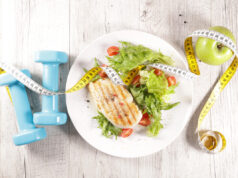
SINCE 1977, I HAVE OBSERVED SOME STARTLING PATTERNS IN THE EFFECT DIETING HAS ON OUR TEETH. TODAY, BECAUSE WE ARE MORE HEALTH-MINDED THAN EVER, MORE PEOPLE ARE TAKING STEPS TO CONTROL WEIGHT AND KEEP HEALTHY, MEASURES WHICH COULD HAVE A DEVASTATING IMPACT ON OUR TEETH.
The connection between dieting and dental health is not always obvious. Some habits that seem healthy, or are meant to support weight control and overall wellness, can create unexpected problems for your teeth. Here are several common examples I have seen over the years.
FOSOMAX AND TUMS
Osteoporosis, weak bones, and calcium deficiency have women supplementing their diets. Although calcium is essential for healthy bones, women may want to choose supplements that are low in sugar, like sugar-free Tums. But even with sugarless tablets it is best to brush after chewing them.
THE FREQUENT NIBBLER
This is the most common and, from a dental standpoint, most damaging style of dieting that I encounter. In an effort to control appetite, the frequent nibbler replaces large portions of high-fat foods with many portions of high-carb foods, like small crackers or even fruits throughout the day. Pregnant women who get nauseous when they eat large meals are also forced to eat many small meals. On Weight Watchers, six Melba toast or Saltines equal one bread serving.
Many of our patients find it very satisfying to keep a pack of crackers or pretzels or other starchy snacks in their pocketbook. This allows them to eat the crackers one at a time over a period of several hours. As far as their calorie count, they only had one bread serving. But as far as their teeth, they have had six separate meals. Each time they have one of these mini meals, bacteria produce tooth-destroying acid and bone-destroying toxins.
COFFEE, TEA, SODA OR WATER WITH LEMON
Another famous diet habit, especially for men, is the continuous consumption of coffee or tea with sugar. Realizing that regular soda is loaded with sugar, some of our patients drink diet soda all day! They don’t realize that diet soda is high in tooth-decaying acid. A favorite aid for the serious dieter is hot or cold water with lemon. I have seen many patients with severe tooth erosion as a result. These acids are strong enough to melt away the hard enamel covering of your teeth forever. This erosion is not reversible. Once you’ve lost the enamel, it’s gone.
THE CANDY MAN AND THE CANDY LADY
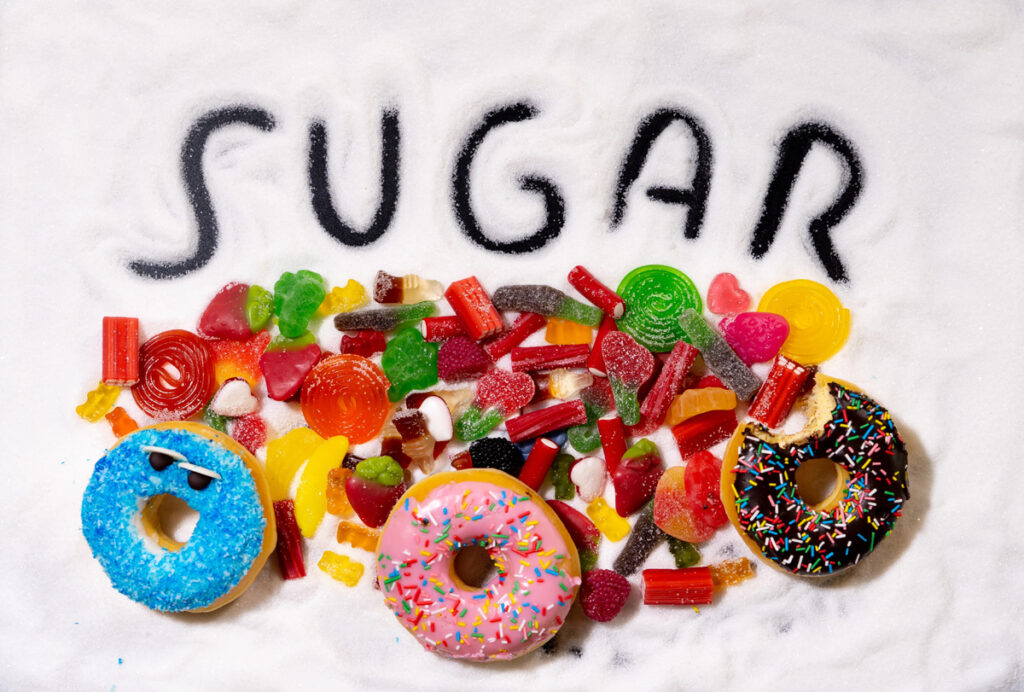
Every three-year-old that comes to our office will tell you that if you eat too much candy, you get cavities. Unfortunately, many of our adult patients forget that important rule. Many of our patients use sucking candies similar to the way that others use pretzels or crackers. They will keep a pack or handful in their purse or sports jacket. The candy companies are notorious for misleading you right into a root canal. Many candies are promoted as “lowcalorie,” even though they are all sugar. It’s only because sugar is relatively low in calories that they can fool you.
What about Ricola cough drops, Luden’s, Smith Brothers and all the other “medicated” cough drops and breath mints? Sugar and more sugar!
IT’S NOT ONLY GUMMY BEARS THAT STICK TO YOUR TEETH
Things that stick to your teeth have more time to do damage. Many health-conscious mothers send their children to school with raisins, dried fruit or “all-natural” fruit leather. These snacks really stick. But you may not realize that starchy foods are also sticky, in a different way. Because they are pasty, foods such as crackers or dry breakfast cereal will stick to the biting surface and between the teeth. Don’t fool yourself. Follow the advice in this article, get regular checkups, brush, floss and take your teeth seriously.
DIET PLAN IDEAS THAT DENTISTS LIKE
Stop eating by 7 p.m. or as early as possible in the evening, since many adults spend their entire evening nibbling. Eat breakfast like a king, lunch like a queen and dinner like a pauper, and drink at least eight glasses of water a day.
In New York City, the tap water is fluoridated, and fluoride is one of the main reasons that so many of the children I see are growing up without any cavities at all. In New Jersey, where most of our patients drink only bottled water, it is a good idea to supplement your fluoride intake. Ask your dentist about this.
DIET GUIDELINES TO SAVE YOUR TEETH
Control the frequency of snacking. Carbohydrates are okay. It’s the frequency of nibbling that does the damage. If you must nibble, be sure to brush and floss afterwards. Try to clean your mouth after eating sticky foods. Foods that are sticky or pasty, such as raisins, candies, crackers, pretzels, dry cereal, etc., have more time to do damage.
Never go to bed without brushing and flossing, or using Rota-Points. The bacteria and the food stuck to your teeth cause much damage. Don’t give your teeth a “sugar bath.” Sucking on hard candies is essentially bathing your teeth in sugar. For a candy treat, I like Dr. John’s Healthy Sweets lollipops and candies or Zollipops because they taste good and really don’t promote tooth decay. Plus they have no aspartame or sorbitol.
Sugarless gum really does work to reduce the acidity after you eat. It doesn’t have to be any particular brand. Any sugarless gum will effectively reduce the acidity after eating, but a gum with xylitol will provide extra cavity-reducing benefits.
Dr. Jacques Doueck has practiced restorative dentistry in the community since 1977 and has taken thousands of hours of advanced training. He is a clinical consultant for the Dental Advisor, a monthly publication.