

By Sarina Roffé
Over the years, I have collected many family history stories as I researched a particular family tree. One of the untold stories, a story most people would rather forget, is that of Syrian Jewish parents who placed their children in foster homes or orphanages because they were too poor to feed their children or because one parent had died and the surviving parent could not work and care for the children. Sometimes, the family had so many children, they simply couldn’t afford to feed them all and resorted to orphanages so their children had a roof over their heads and food in their tummies.
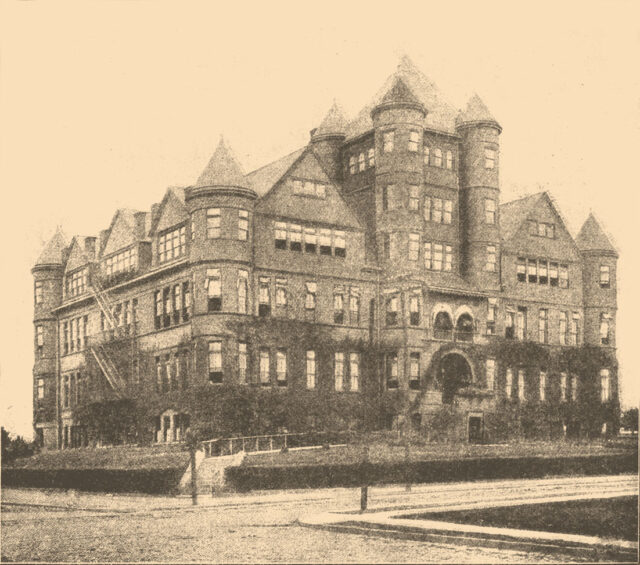
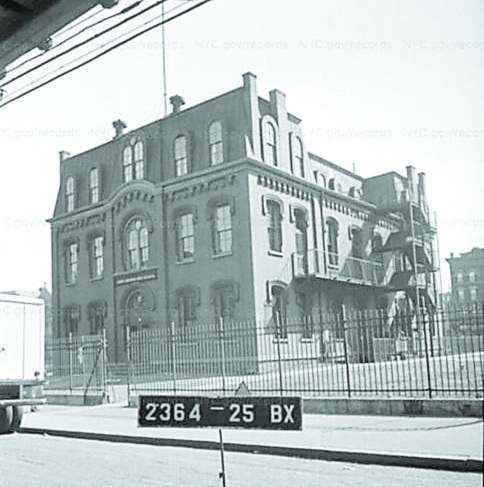
Hebrew National Orphan Home was an organization of orphanages set up for Jewish children in the late 19th century. Twenty-three states with 49 cities had Jewish orphanages. In 1893, the Hebrew Benevolent and Orphan Asylum Society (BHOA) reported that it sheltered almost 650 indigent children, with more than 2,500 individuals donating funds towards their support.
The height of enrollment in these orphanages was during the Great Depression, when poor families were begging for food on the street. Significant numbers of American Jews spent major portions of their childhoods in Jewish orphanages or foster care. There just wasn’t enough money for food and shelter. By 1933, BHOA estimated that 65 percent of their children had one or both parents, but the parents were too poor to take care of them. In many cases, they were orphans as both parents had passed on.
There was worry by many women’s organizations that if Jewish children were placed in non-Jewish orphanages they would be lost to Judaism. These institutions provided elementary education, religious instruction and vocational training. Despite their notable successes in some areas, including education, many Jewish orphanages in the 19th century were highly regimented. They isolated children from the outside world and from their foreign-born parents, their culture, language, religion and ethnic food.
By 1940, Jewish orphanages were absorbed into the Jewish Child Care Association. The orphanages were inundated with new waves of immigrants. The stories I collected were from the Depression and World War II era. I am highlighting several families in this article, but I am sure there were many more from the Syrian Jewish community.
RENEE AND MAX COHEN
My granduncle, Sam Cohen, was left with two children under the age of two when his wife Becky died in childbirth with twins in Macon, GA. It was 1941. Max was the surviving twin and Renee was the elder daughter. Uncle Sam placed the children in an orphanage in New York because he had to work and was often out of town and could not care for the babies. Other family members pitched in to help. Sam’s sister, my grandmother, Esther Salem, and Becky’s sisters tried to care for the children, but full-time care could not be provided. The children could be ‘checked out’ by a family member and returned home at the end of the visit. My grandmother had eight of her own children to care for while also working in the family business. Becky’s sister Pauline Grazi took the children each summer to Bradley Beach.
When Sam married Tessie, Renee and Max were placed in foster care. The two children were placed in multiple foster homes. Renee’s clearest memory was of the last home she was in with an Ashkenazic couple. The apartment was above a fruit store in Bensonhurst. Foster care was a traumatic experience for Renee and Max and had a lifelong psychological effect. Eventually, the two children moved in with Sam and Tessie, who had four more children. It took until Renee and Max were adults for them to share with each other how foster care had shaped their lives.
THE FOUR COHEN BROTHERS
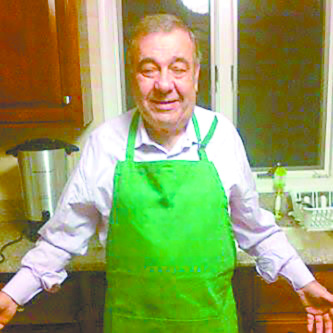
Judd, Sam, Jack and Abe were in an orphanage. The four boys lost their mother, Nazira, née Churba, in 1944. Their father, David Shreety Cohen, was the sole breadwinner for his parents (Aslan and Hana Cohen), two sisters and his six children. Cohen kept his two oldest children, both girls, at home. Judd and Sam were placed in what was known then as Israel Orphan Asylum (later known as the Gustave Hartman Home), an orphanage for boys in Far Rockaway. Abe and Jack were placed in a different orphanage for babies on New Utrecht Avenue and then moved to the same orphanage as their older brothers when they were about three.
Sam Cohen says the experience of being raised in an orphanage shapes your personality. He remembers that all the children had bunk beds. They had a place to do their homework and a communal eating area. There was a park and a swimming pool. The children went to public school and the orphanage had outings. He remembers going to see the movie Superman. He and his brothers went home on Sundays. David Cohen remarried Sarah Chrem, and the boys moved home, one at a time, starting with Judd. Sam said that when he moved back home, his father placed them in Magen David Yeshiva, which at the time was next to the synagogue.
“It is very difficult for a child to not have their mother in those early years,” said Sam. “But I have to give my stepmother credit. It is unusual and rewarding to marry a man with six children and raise them. And then she had two more girls. So, we were eight children altogether.”
HARRY AND RALPH TAWIL
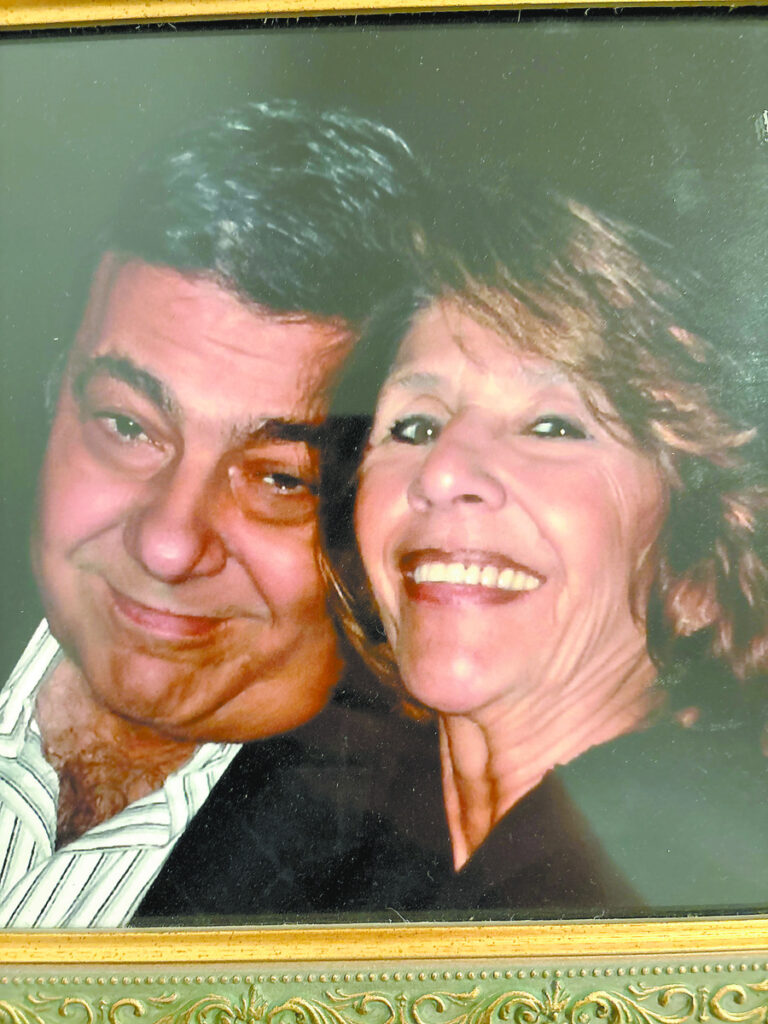
Shaya and Miriam Tawil had five children – Harry, Ralph (born in 1918), Peggy, Sylvia and Meyer. Shaul had been married before and had four older children from a previous marriage, so there were nine children in total.
The stock market bottomed out in 1921, creating a recession and Shaul lost all his money. He went to Mexico with Harry and Ralph, when he was four. Peggy, Silvia and Meyer were born in Mexico. The stock crashed in 1929, creating a worldwide Depression. Miriam passed away in 1929 at age 42, so Shaul brought the five children back to New York. The crash caused Shaul tremendous economic hardship. He was penniless and very religious. It was a time when you walked the streets and saw furniture on the sidewalk of evicted families who could not pay their rent and peddlers on the street begging for food. Unable to care for his children, Shaul placed Harry, 12, and Ralph, 11, in the Brooklyn Hebrew Orphan Asylum. Peggy, Silvia and Meyer were younger and went to live with a Jewish family in foster care.
The Brooklyn Hebrew Orphan Asylum was a full city block in Crown Heights and housed about 1,000 children. Ralph and Harry did not want to be there, so every night for five nights, they ran away and took the subway, riding it all night. In the morning, the police would find them and return them to the home. The boys only spoke Spanish, not English, and couldn’t understand how the police knew where to take them. Ironically, the boys were wearing pajamas with the name of the orphanage on their backs.
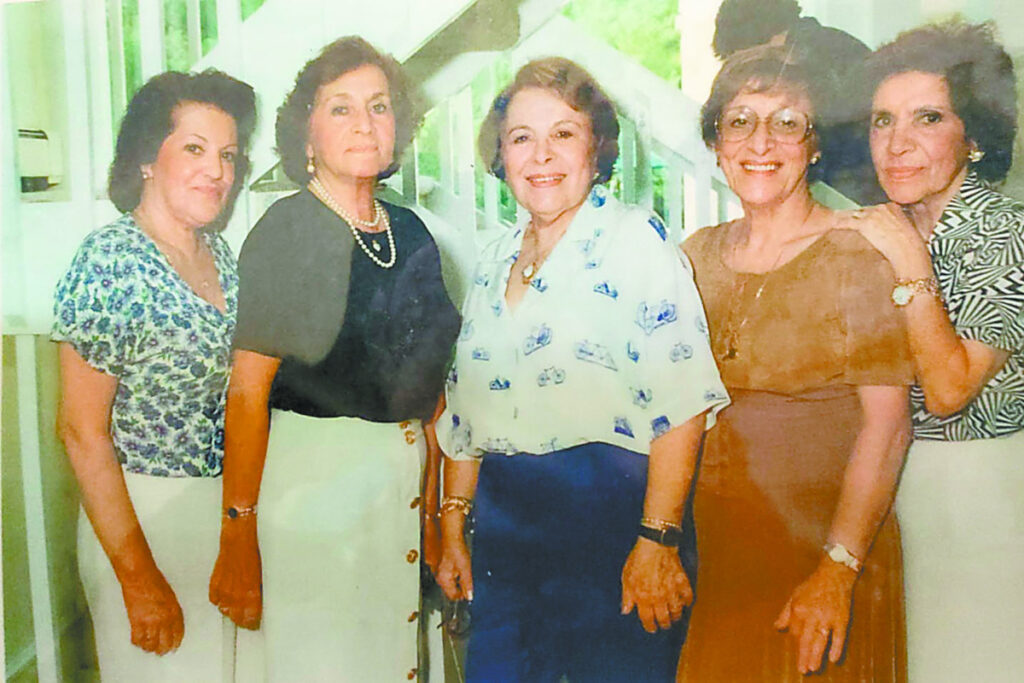
The orphanage told Shaul that if the boys continued to run away, there was nothing they could do. During the next month, Shaul found the Aaronbergs, an Ashkenazi family in Bensonhurst, to take them in. The boys attended P.S. 205 on 67th Street in Bensonhurst. After a few months, the family took all five children so the siblings could be together.
Foster care was a traumatic experience for children. When Ralph graduated Seth Low Junior High School, he received tickets for the graduation but Shaul did not understand what they were for, so he gave them back. During the graduation, the principal called each child’s name and the family would cheer for the child. Ralph realized why they were clapping. He was embarrassed and left, because he felt humiliated that there was no one there to clap for him. His best friend was Leo Shamah, who found him and comforted him. Ralph learned you only need one friend in life. From that very emotional and difficult moment, he knew what it was to be needy and Ralph lived the rest of his life dedicated to helping others.
THREE TEBELE FAMILIES LEFT THEIR
CHILDREN IN ORPHANAGES
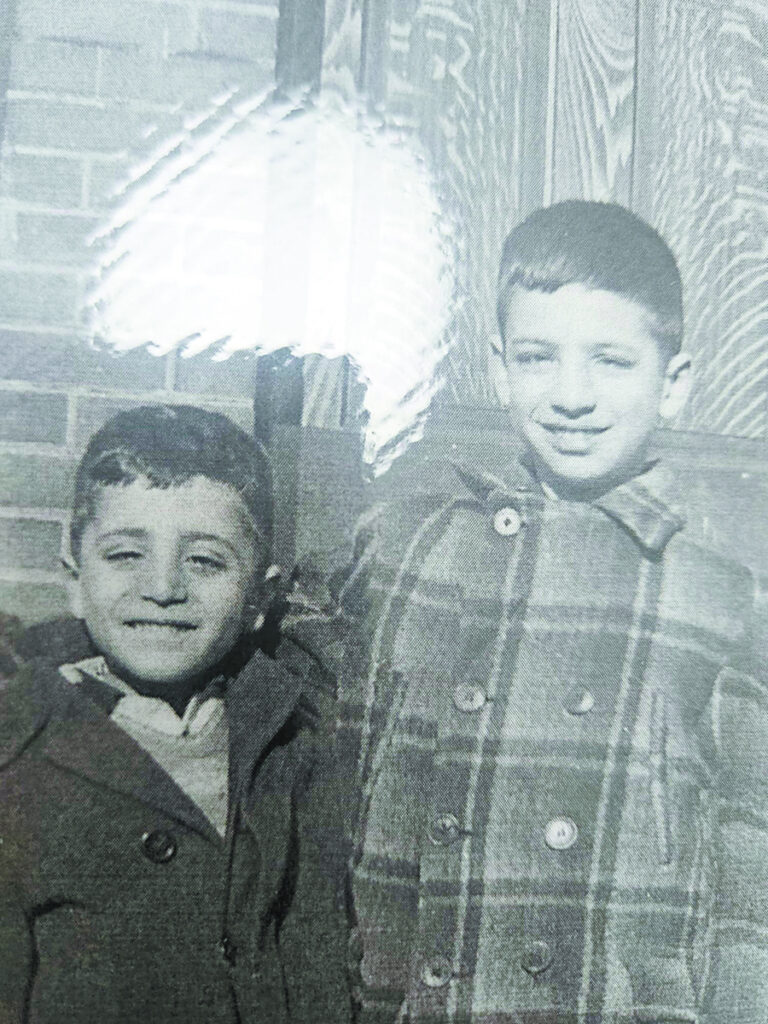
Three Tebele brothers, Shaya, Abraham and Isaac, each placed their sons in separate orphanages. Each had his own reasons. The brothers came to New York with their father Ezra in 1913 from Syria, married and had children.
SHAYA TEBELE
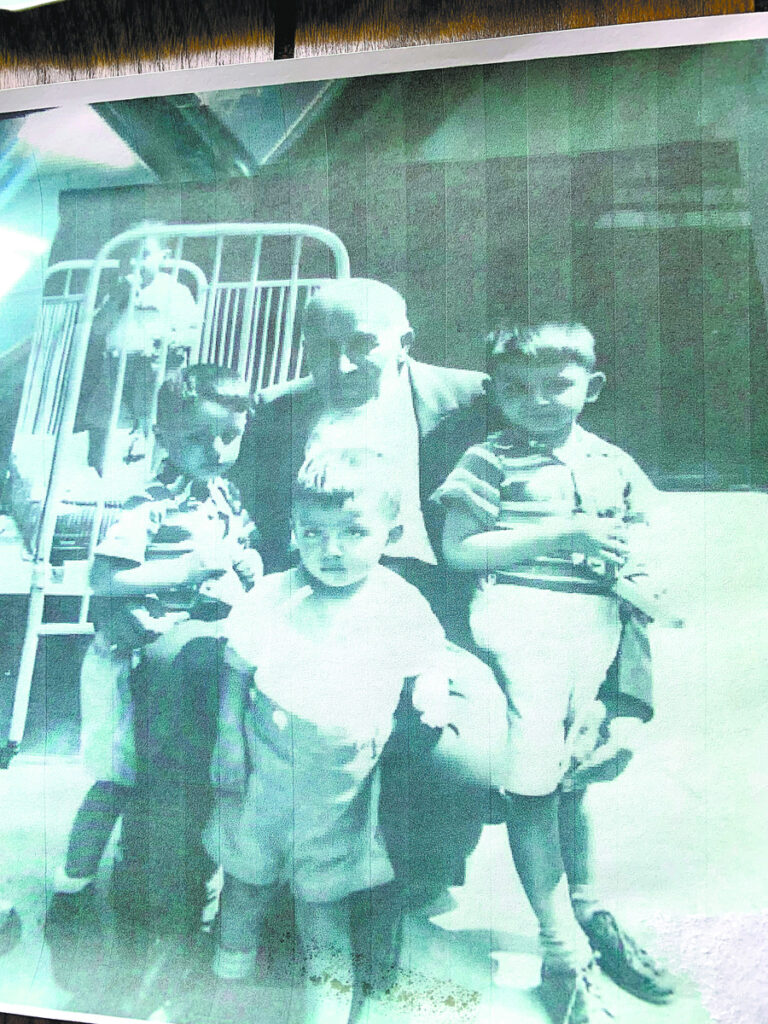
Shaya Tebele’s wife got sick and was institutionalized for an extended period of time. It was the Depression and he couldn’t care for his sons, so Shaya put them in an orphanage and/or foster care. Shaya was often ill himself. Ezra, Isaac, and Murray were placed about 1932. The youngest brother Leo was placed in the Brooklyn Hebrew Orphan Asylum as he was just nine months old in 1932. At some point, Leo was old enough to be moved to the same orphanage as his older brothers and they found each other.
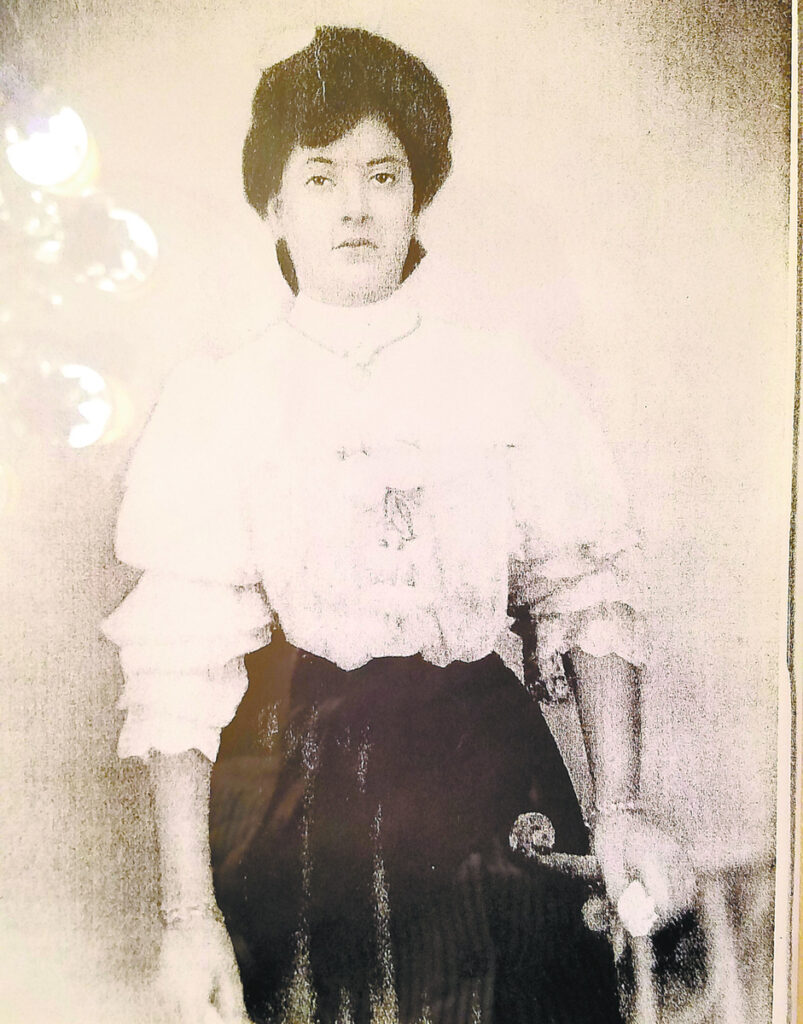
The circumstances of how they found each other vary by family member. One story is that two of the brothers heard a boy crying uncontrollably and when they went to soothe him, they learned it was Leo, their younger brother. Another said a person in the orphanage figured out they were brothers.
The boys had a very traumatic experience and often ran away. They were bounced around over the years from 10 to 12 foster homes. The treatment they received varied, with some caretakers being very kind and caring, while others totally neglected them and they felt abused due to food shortages and physical abuse. Shaya Tebele eventually remarried but his second wife also had children, so the boys did not move out of the homes until they were adults.
ABRAHAM TEBELE
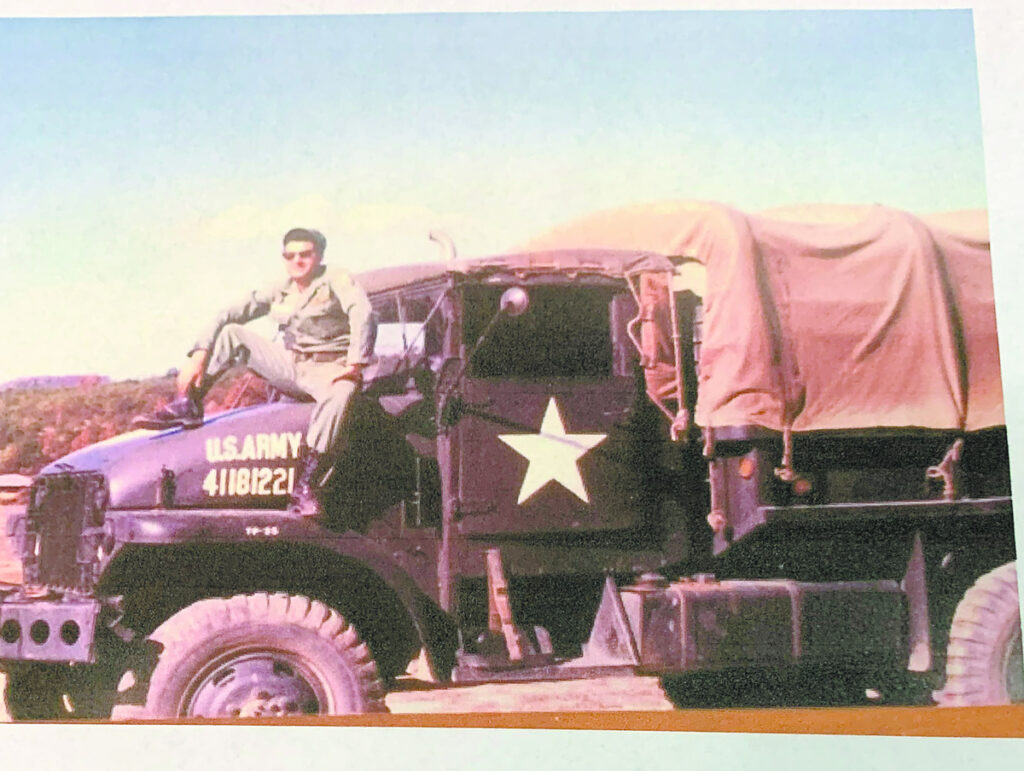
Abraham and Alice Tebele placed their two youngest children, David and Ruth Tebele, in a foster home in the 1940s because they didn’t have the funds to feed their children. Their parents told them they were dropping them off at a farm to see animals but left them there. They often ran away as they were subject to traumatic experiences. The two older children, Norman and Jeannette, stayed home. Their son Eddie went to live with his grandmother. According to the U.S. Census in 1950, all five children were living at home with their parents again in Miami, Florida.
ISAAC TEBELE
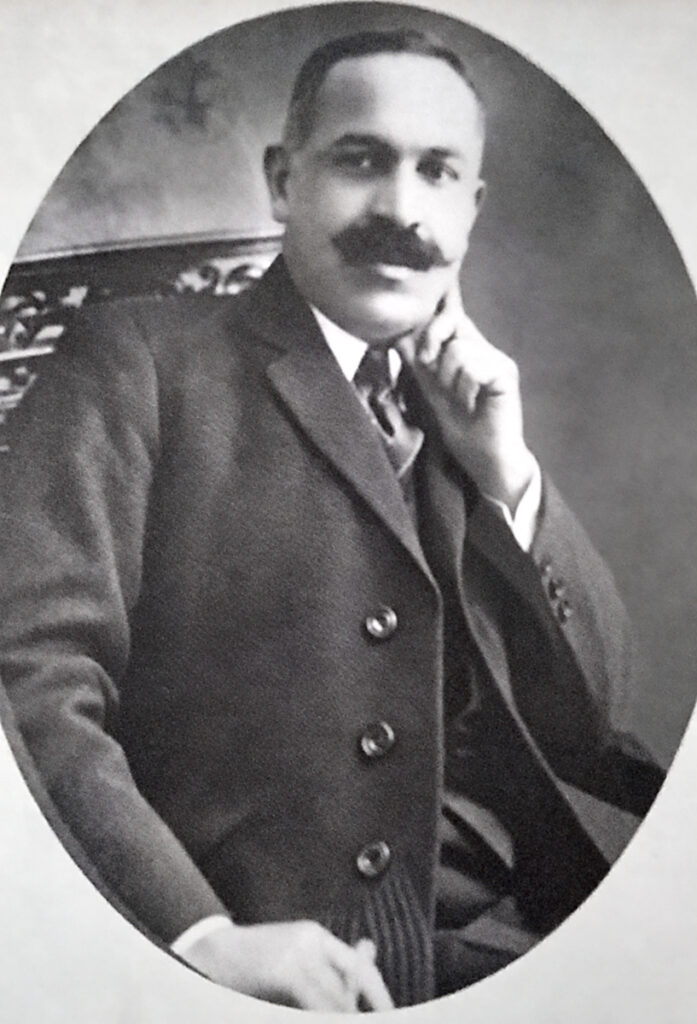
Isaac Tebele’s wife, Sulha, died in childbirth. Jack, the infant, was unwell and placed in an orphanage. Isaac had a great deal of trouble dealing with the fact that his wife died and his son was born unwell. Isaac also had a daughter, Lorna, and two sons, Irving and Eli, who were bounced around in foster care for years. Irving became a physicist. Lorna was raised by an Ashkenazic family.
Fred and Mazal Esses (Sulha’s sister) and Isaac went to visit Jack often. One day Isaac went to see his son at the Hebrew orphanage and he was no longer there. Due to a language misunderstanding, Isaac thought Jack had died.
Decades passed and in 2010, Linda Tebele got a phone call asking if she was related to Jack Tebele. She thought it was a scam and hung up. Then her son Albert was called and heard the story. Jack was living in a Christian group home in a Rochester suburb called Wayland. Jack was the son of Isaac Tebele and had lived in an orphanage until he turned 18 and later lived in a group home.
Family members drove to Rochester to meet him and bring him home. Sadly, Jack didn’t even know he was Jewish. The family brought him to Deal to the synagogue and he got an Aliyah. Jack died a year later and received a Jewish funeral and was buried in the community cemetery in 2011.

THE MARCUS SISTERS
Of all the families researched for this article, the Marcus children were the only true orphans. They became orphans after both parents died, leaving eight children, seven girls and a boy. Syrian-born Ezra and Sarah Marcus (nee Gindi) came to New York in September 1923 from Egypt with six children – Renee, Molly, Isaac, Frida, Margie and Janet. They were to join Sarah’s family. When they got to Ellis Island, nine-year-old Molly was quarantined for an eye infection and deported. Ezra went with her back to France. Sarah was left to fend for herself and the five children in New York. In France, nine-year-old Molly was placed in a convent where she could get room and board while Ezra worked. Luckily, she was able to resist all the nuns’ efforts to convert her. It took 18 months for them to get back to New York. Soon after Alice was born and Renee married.

Ezra Marcus died of a heart attack in 1927. Sarah was pregnant and gave birth to Liza, naming her daughter for her spouse. Sarah died four years later of cancer. It was 1931, and Molly and Isaac were old enough to remain with relatives.
The five younger girls, three of whom were born in Cairo, were placed in Shield of David Home for Orphan Girls until they turned 18. The Gindis each had very large families and could not take in the children. As each sister turned 18, they went to live with an older sibling until they married. According to the U.S. Census for the Shield of David, three of the girls were still there in 1940. The girls were nurtured and had all their needs taken care of. Each of them married in the community.
CONCLUSION
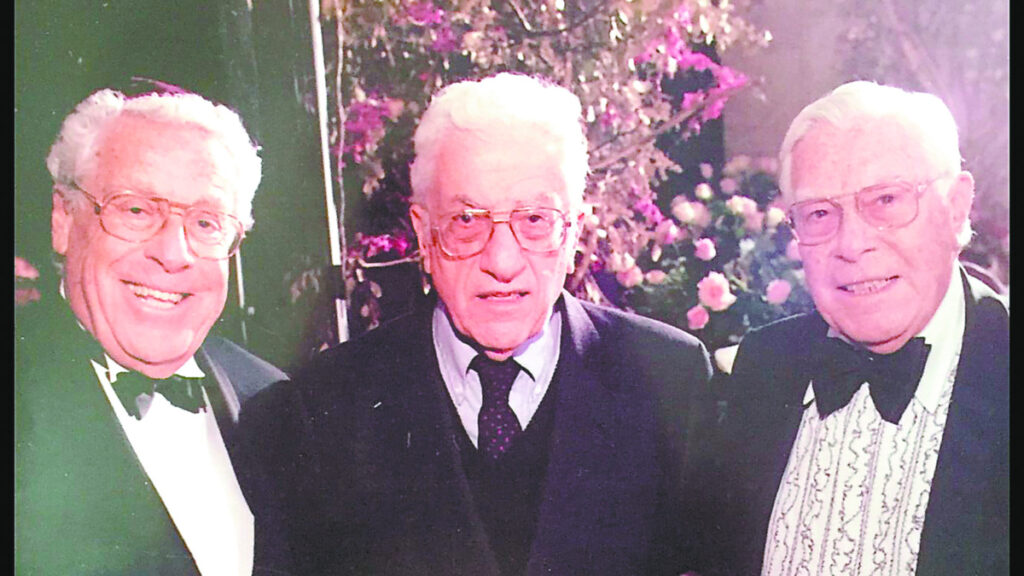
Life for the children was not easy, but it was not awful, either. They missed their families. The children lived very regimented and disciplined lives, but they were all fed, clothed and educated. Many would never have received those things living with their parents, or out on their own. They were taught Jewish traditions, languages and customs.
As an example of the impact the orphanage had on his life, Ralph Tawil gave a monthly donation to the orphanage for the rest of his life, increasing the amount as his circumstances allowed it. He lived simply, did not own a home and always rented. He knew what it was not to have food in the house and was deeply appreciative of the fact that others cared for him. Ralph was a generous philanthropist, honoring and respecting his parents, but it all started from his life in the orphanage.
Sarina Roffé, a genealogist and historian, is the author of Branching Out from Sepharad (Sephardic Heritage Project, 2017). She is researching a new book, Syrian Jewish Paths to Freedom. Sarina holds a BA in Journalism, an MA in Jewish Studies and an MBA.