
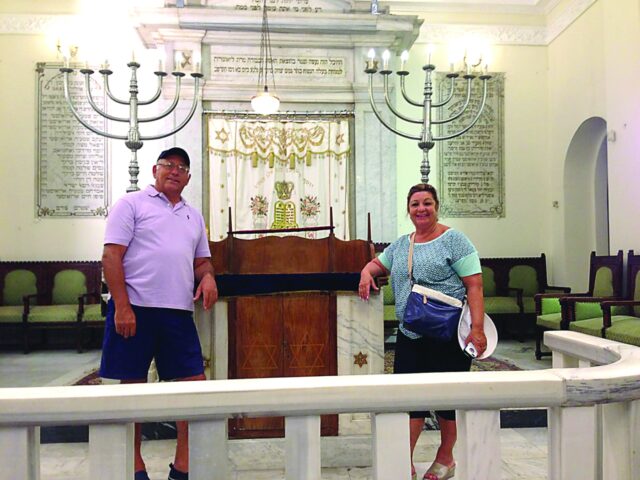
A family journey through Greece and the enduring legacy of Greek Jewry
Ben-Gurion Matsas
This summer when I returned to Greece with my wife, Rachelle, my son Steven, and my grandson Ben, I was not simply visiting the country where I was born. I was bringing three generations of my family back to the streets, homes, and communities where MY story began. Together, we visited places we had previously known only through family stories and memories.
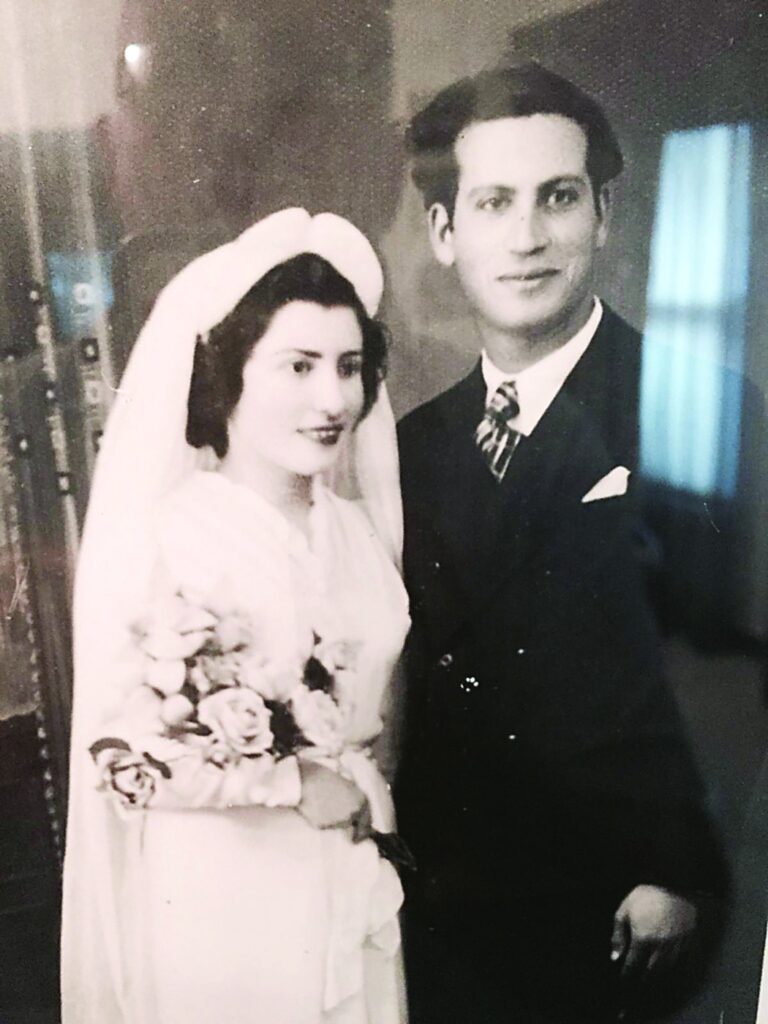
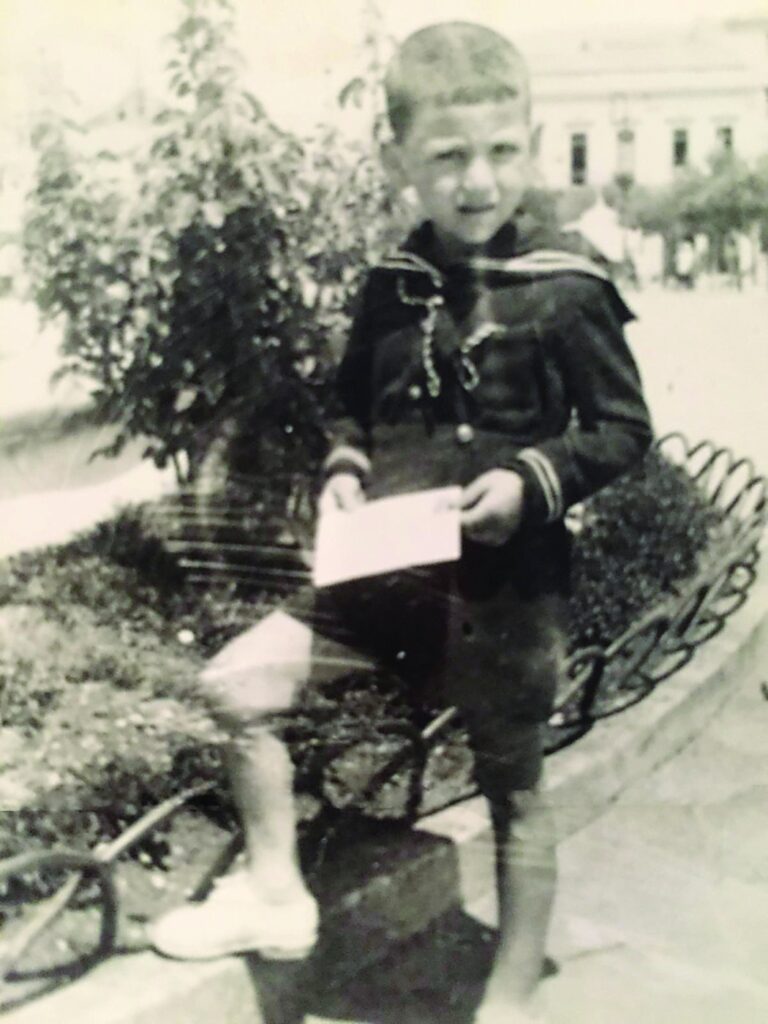
I was born in Patras, a port city with deep ties to the Mediterranean. Although my life later took me to Israel and the United States, my connection to Greece never disappeared. Its food, music, language, traditions, and landscapes remained a part of me. I carried those memories quietly for many years.
We began our trip in Athens, where we met cousins and other relatives who still live in Greece. Spending time with family in the present gave us a natural starting point before we began exploring the past. From Athens, we traveled through Salonika, Ioannina, Arta, Preveza, and finally Patras, following both our family’s history and the broader story of Greek Jewry.
The Jewish presence in Greece is among the oldest in the world outside of Israel, reaching back more than two thousand years. Romaniote Jews developed distinct customs and religious traditions through centuries of life in Greece. After the Jews were expelled from Spain in 1492, many Sephardic Jews settled in Salonika, bringing Ladino and their own cultural and religious traditions.
In Salonika, we encountered traces of what had once been one of the great centers of Jewish life in Europe. Before World War II, the city was known as the Jerusalem of the Balkans and was home to the largest Jewish community in Greece.
We visited Liberty Square, where thousands of Jewish men were forced to gather in July 1942. They were publicly humiliated, beaten, registered, and assigned to forced labor. Standing in that square made the history feel immediate. It was no longer simply an event described in a book. We were standing where it had happened.
We also visited the port, which was largely run by the Jewish community and closed on Shabbat, reflecting how central Jewish life was to the commerce of Salonika. We then visited the Holocaust memorial honoring the city’s murdered Jews.
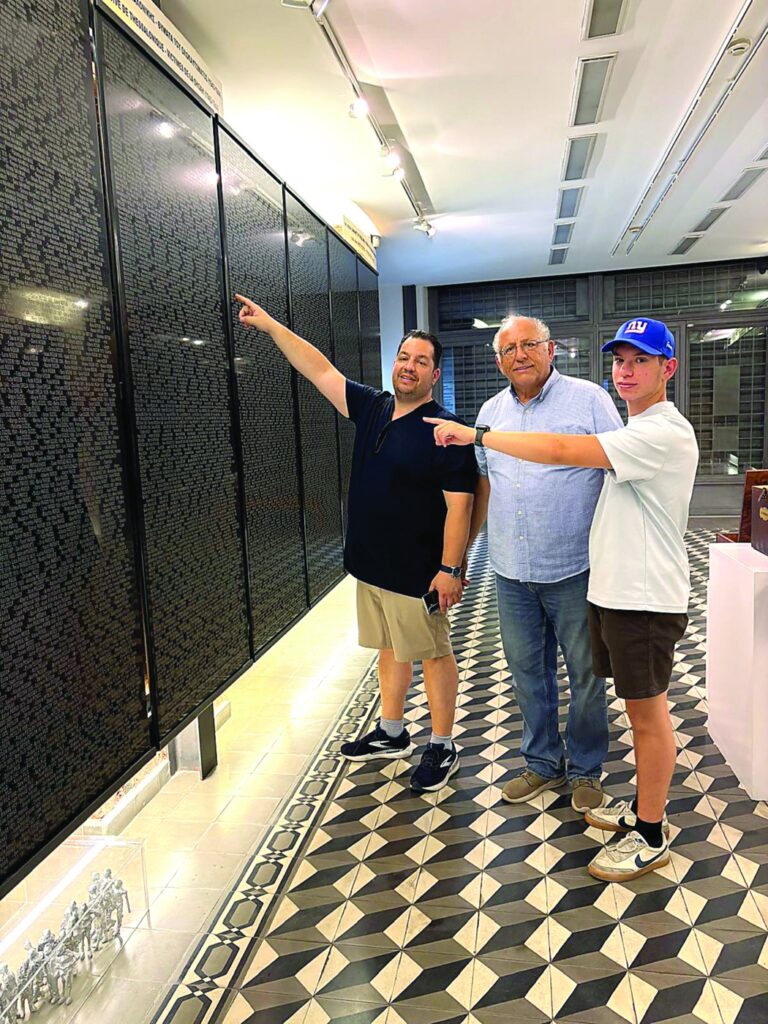
At the Jewish Museum of Thessaloniki (Salonika), we saw the names of members of the community who were taken away and murdered. Among them were members of the Matsas family, distant relatives of mine. Seeing the names of my own family on that list made the loss deeply personal. Each name represented a person, a family, and a part of a thriving community that was almost completely erased.
At the time of the German occupation, about 50,000 Jews lived in Salonika. Between March and August 1943, the Germans deported more than 45,000 of them to Auschwitz-Birkenau, where most were murdered shortly after arrival. Approximately 96 percent of Salonika’s Jewish community was murdered during the Holocaust, one of the highest rates of destruction suffered by any major Jewish community in Europe. Fewer than 2,000 Jews lived in the city after the war.
The destruction was not limited to Salonika. Jewish communities across Greece, including Ioannina, Arta, Preveza, Athens, Patras, and many other cities and islands, faced arrest, deportation, and death. Some Jews escaped to the mountains or survived in hiding. Members of my own family hid in attics and basements in Athens, in barns in the countryside, and in forests, while others were deported and never returned. Traveling through these places made the history deeply personal. We were walking through communities where our relatives had lived, hidden, fled, and been lost.
From Salonika, we traveled to Ioannina, where the Romaniote tradition felt especially close. The Jewish community there preserved customs reaching back nearly two thousand years, connecting it to one of the earliest Jewish communities in Greece.
That heritage continues in New York through Kehila Kedosha Janina on Broome Street. Descendants of Greek Jews still gather there and preserve the Romaniote traditions their families carried to America. The synagogue remains a bridge between the historic community of Ioannina and the Jewish life its descendants built in New York.
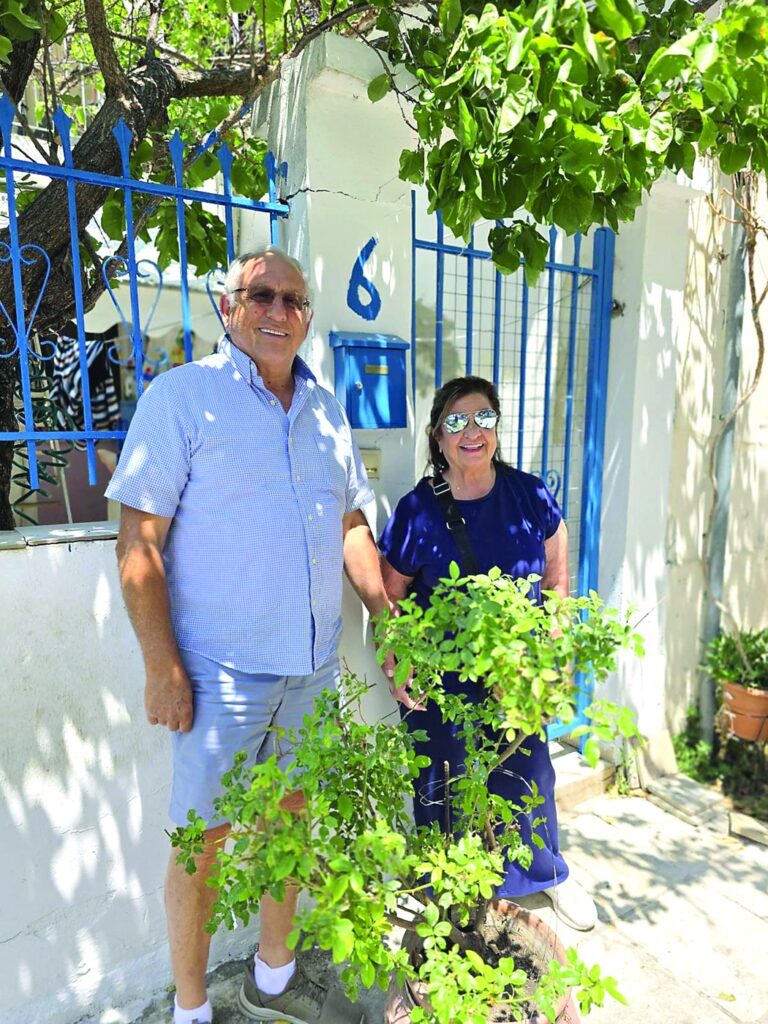
We continued to Arta, where my mother, Rachel Iohanas, was born, and then to Preveza, the birthplace of my father, Isaac Matsas. These towns were no longer only names mentioned in family conversations. Standing in the places where my parents began their lives gave new meaning to the stories I had heard about them and their families.
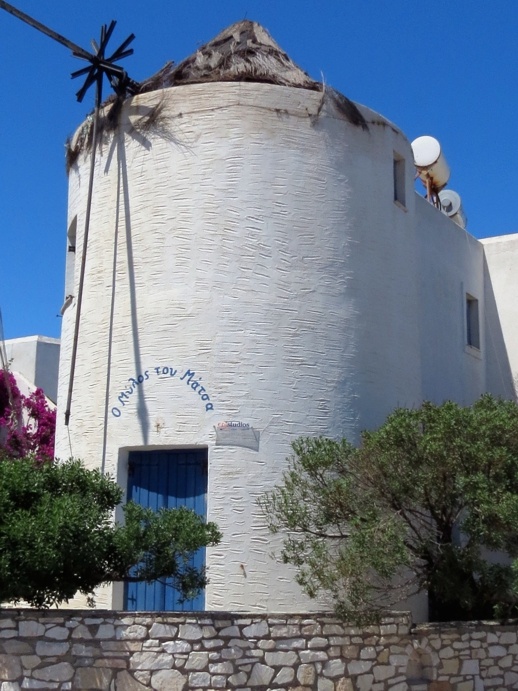
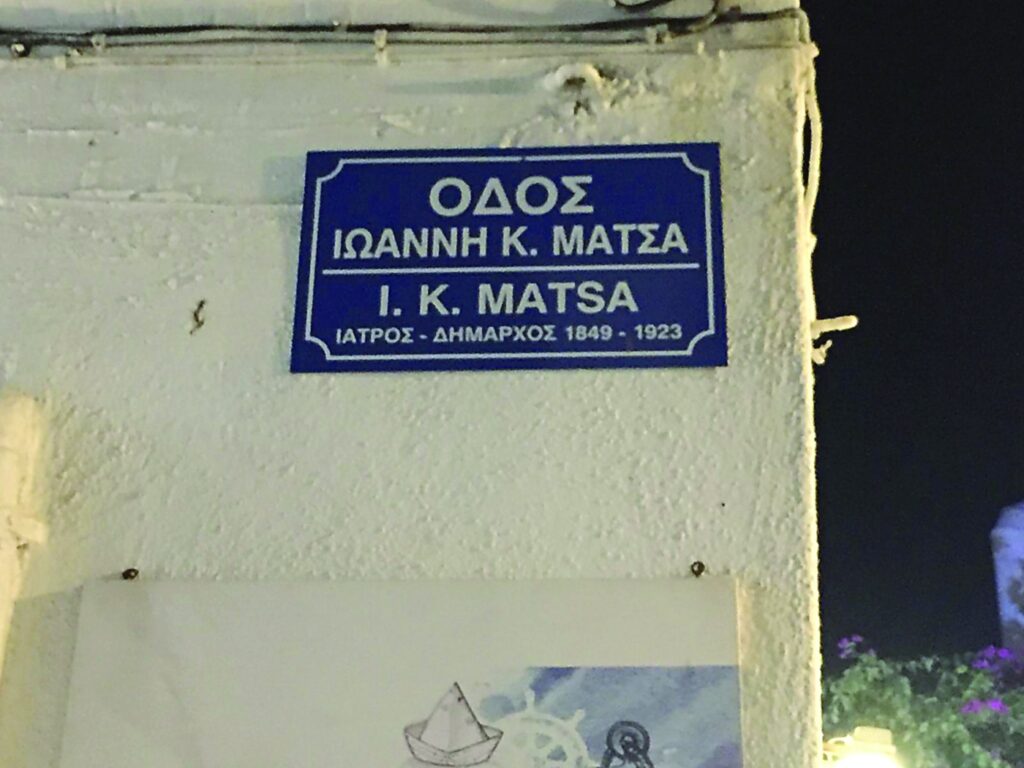
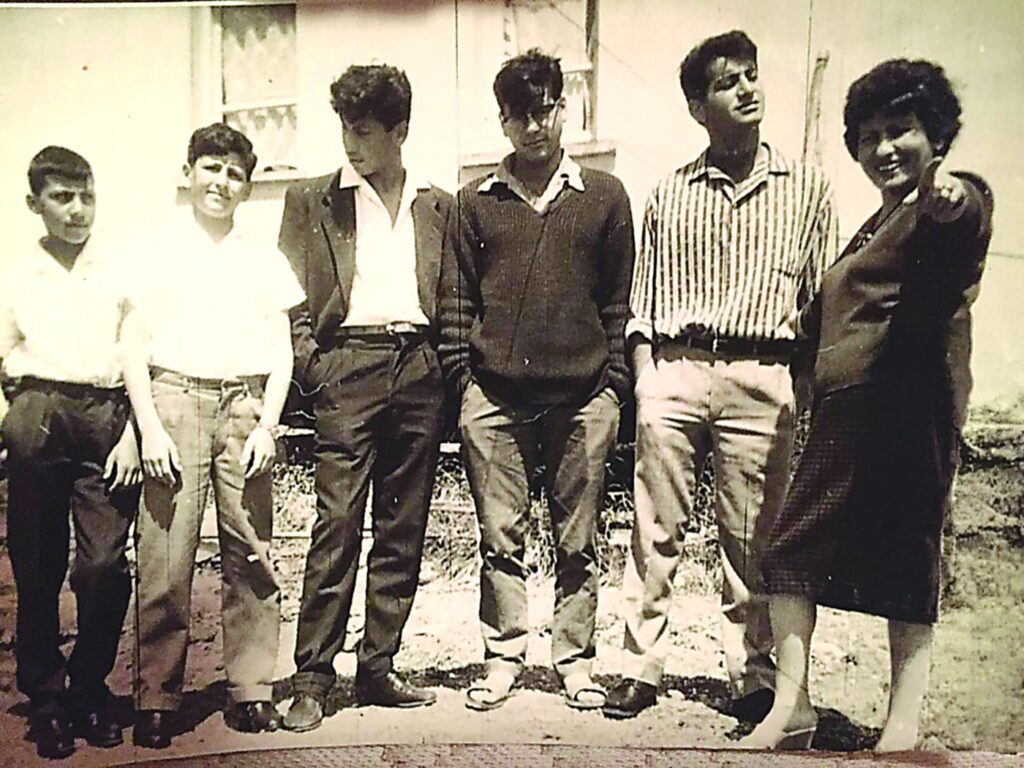
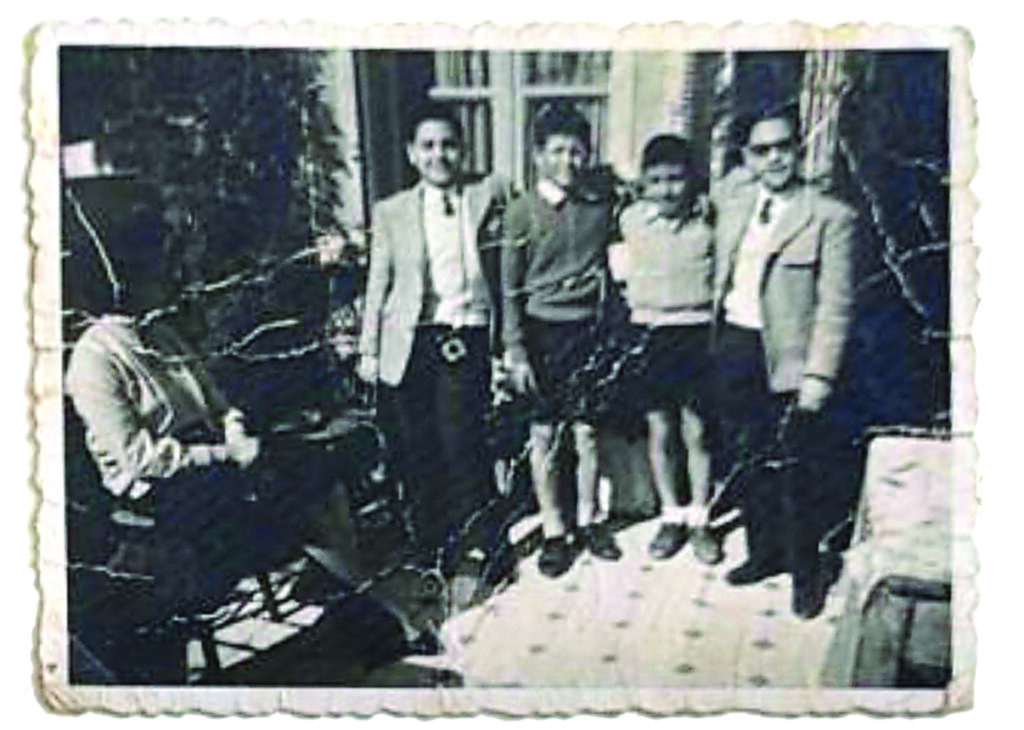
shortly after arriving in Israel in 1960.
Along the way, we spoke with residents and community members who shared stories about Jewish families, merchants, synagogues, and neighborhoods. Some reflected the richness of Jewish life before the war. Others carried the sadness of communities that were lost.
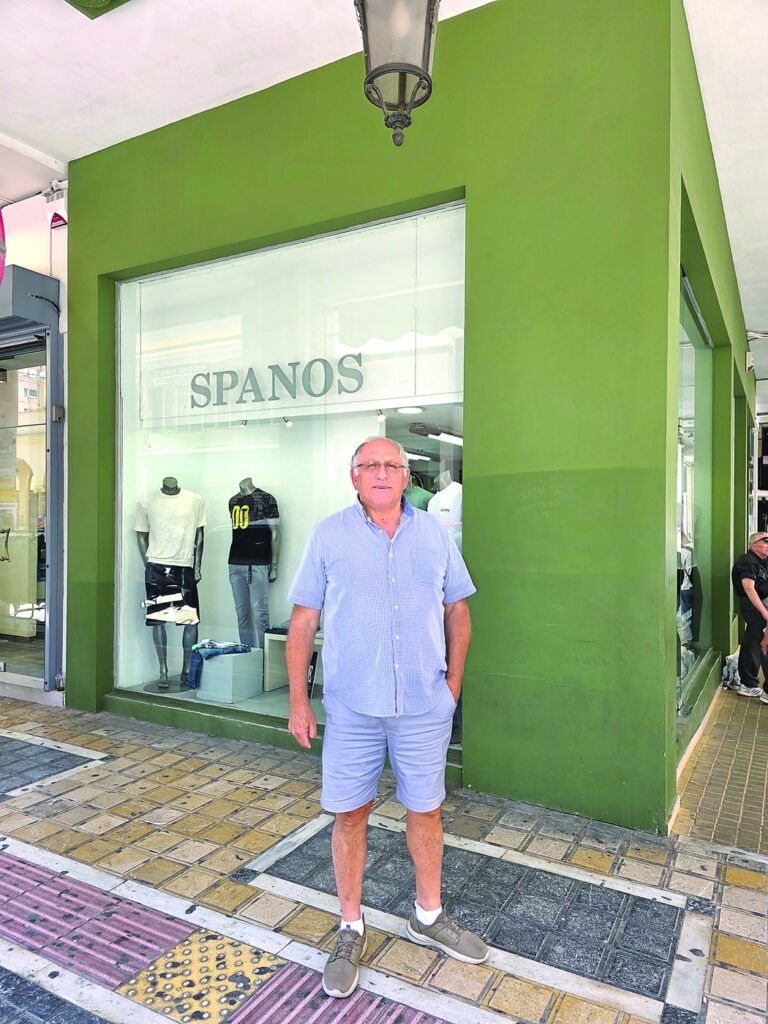
Our final stop was Patras, the city where my own life began. It was the most emotional part of the journey. I stood in front of the home where I was born and walked through the neighborhoods where my family once lived. We visited the sites of the stores where my father, grandfather, and uncles sold textiles and fabrics. We also spoke with people who knew the area and remembered how it had changed.
The streets seemed smaller than I remembered. Buildings had changed, businesses had come and gone, and many years had passed. Still, something felt familiar. Looking toward the Mediterranean Sea, where I once swam as a child, I imagined my parents and grandparents walking through those same streets, visiting neighbors, gathering in cafés, and going about their daily lives.
For a brief time, the distance between past and present seemed to disappear. I was no longer visiting Patras only as a traveler. I was showing my wife, son, and grandson where our family’s journey began.
Patras was also the setting for some of the most difficult chapters in my parents’ lives. Rachel gave birth to their first son, Joseph, at the beginning of World War II while German forces were bombing the city. As the war progressed, news reached Patras about what was happening to the Jews of Salonika. My parents understood that they were in danger and needed to flee.
They hid in mountain villages where partisan forces were active and the Nazis were less likely to find them. While the family was in hiding, Rachel gave birth to their second son, Daniel, alone in a barn. Daniel’s brit milah was delayed until after the war, when he was three years old.
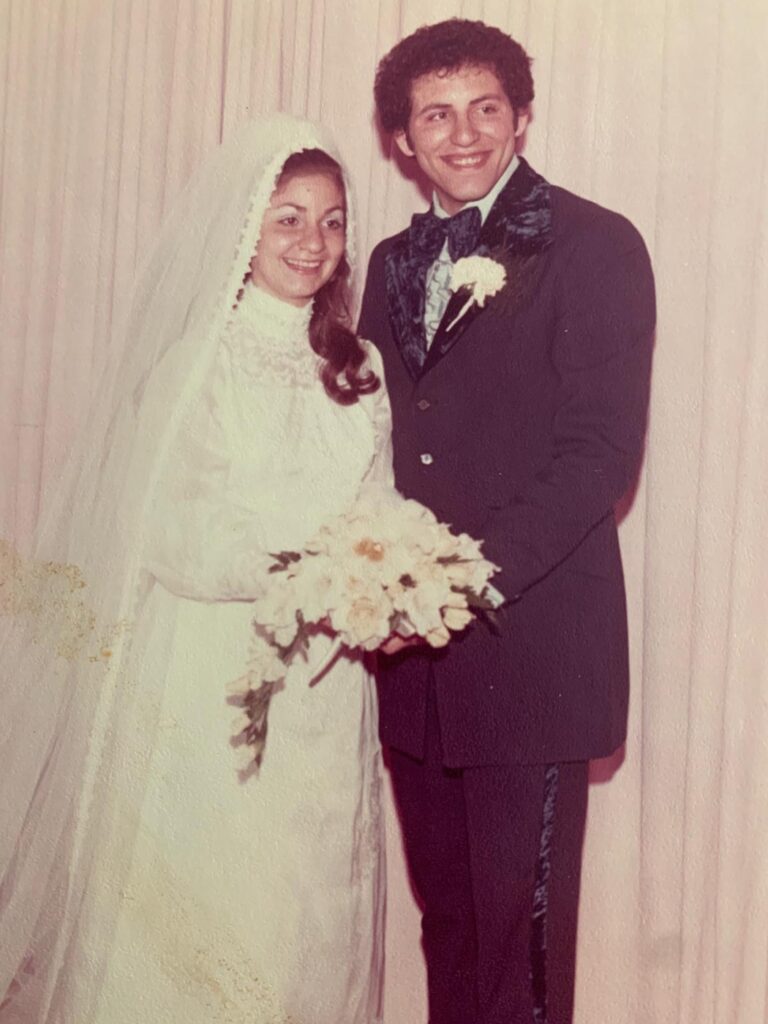
My parents eventually had five sons, Joseph, Daniel, Yochanan, me, and Abraham. I was born in 1948, only a few months after the establishment of the State of Israel. My father was a committed Zionist and named me Ben-Gurion in honor of David Ben-Gurion, Israel’s first prime minister.
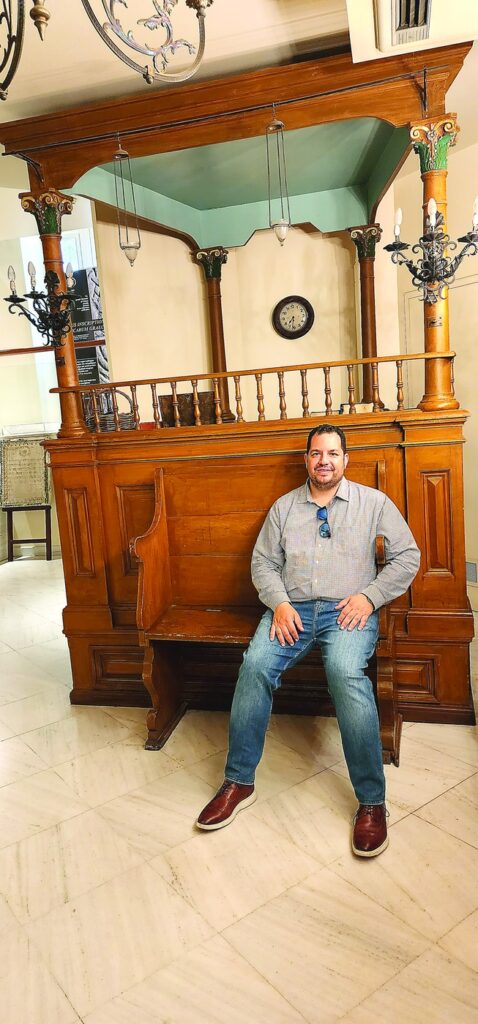
The Jewish life of Patras also remains connected to Athens. As the Jewish population declined after the war and community members moved away, the Jewish Community of Patras was eventually dissolved. In 1984, the interior furnishings, textiles, and ritual objects from the former Patras synagogue, where I prayed as a child, were transferred to the Jewish Museum of Athens and incorporated into a permanent exhibit.
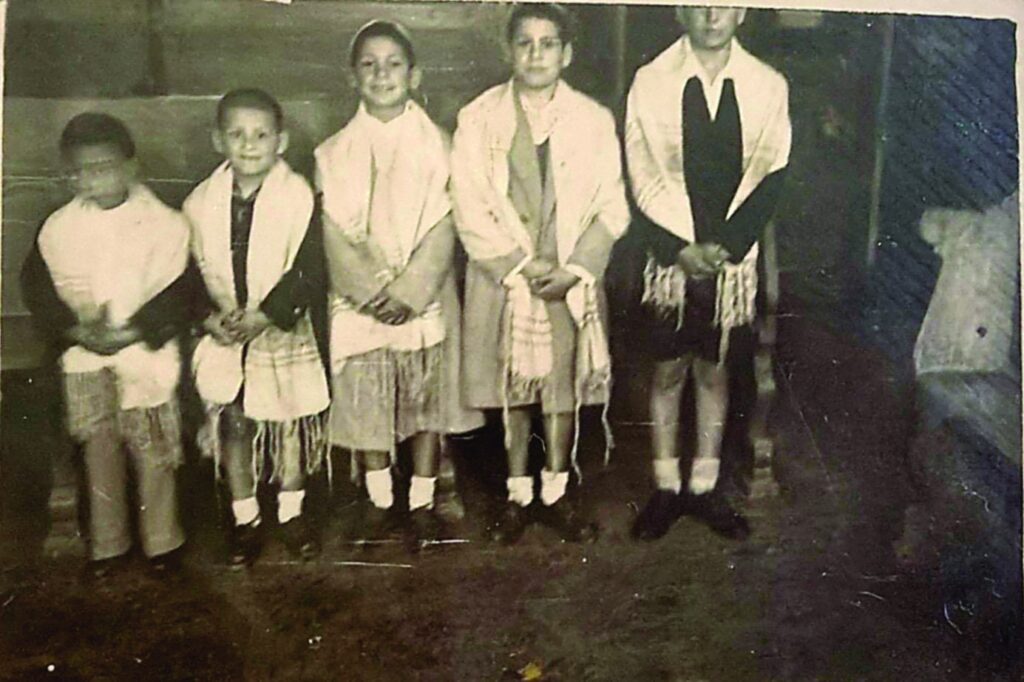
Among the items on display are the bench where I sat with my brothers each Shabbat and on holidays, and the oil chandeliers and wall sconces my father and I filled with oil and lit before each Shabbat. The exhibit also includes the synagogue’s bimah, the ark, and the Torah scrolls. I remember my brothers reading their bar mitzvah portions from those Torah scrolls, and as a child, I danced with them on Simchat Torah.
Seeing these objects preserved in Athens is deeply personal. They are more than artifacts. They are part of my childhood and a physical link to the Jewish community of Patras that once prayed, celebrated, and gathered together.
When I was 12, my father’s dream was fulfilled when our family made aliyah to Israel. There, I matured, became independent, began my university studies, and experienced the growth of the Jewish homeland.
I later moved to New York to continue my education. There, I met my wife, Rachelle Fallas, who came from the Syrian Sephardic community. Together, we built a life, raised four children, and were blessed with ten grandchildren.
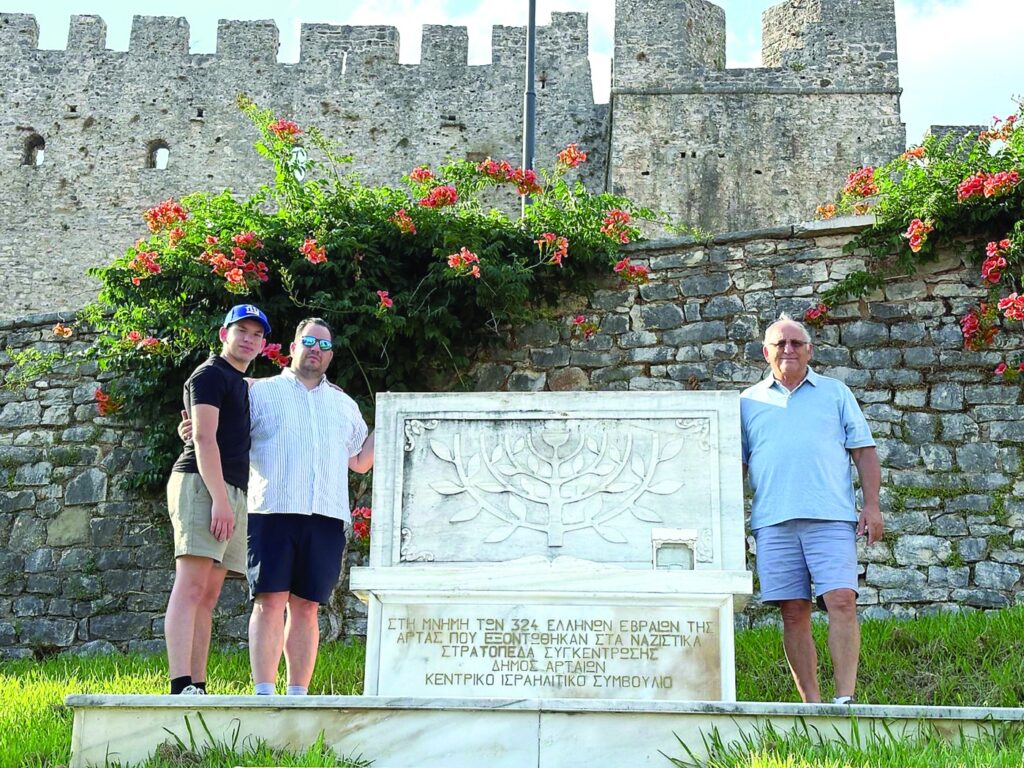
and grandson Ben, left, at the Holocaust memorial
in Arta, Greece.
Each country shaped a different part of me. Greece gave me my roots. Israel gave me independence, responsibility, and a deeper connection to the Jewish people. America gave Rachelle and me the opportunity to build a business, raise our family, and become part of the Sephardic community.
These parts of my identity belong together. I am a Greek Jew by birth, connected to Israel through the years I lived there and the experiences that shaped me, and an American through the life Rachelle and I built in New York.
The most meaningful moments of the trip were not always found at famous landmarks. They came in quiet streets, family conversations, and the knowledge that we were standing where our ancestors once stood. Watching my grandson Ben walk through the same towns where earlier generations of our family lived gave the journey its deepest meaning.
We returned to New York with more than photographs. We brought home a clearer understanding of where we came from and a renewed responsibility to pass that history to our children and grandchildren. The trip began as a return to Greece, my birthplace. It became a way to ensure that our family’s past remains part of its future.