
Read Jewish Image Magazine Online – March 2026

Dr. Yvette Alt Miller
At 92, Orthodox Judge Alvin Hellerstein, guided by faith and decades of jurisprudence, presides over the trial of Venezuelan President Nicolás Maduro.

The trial of Venezuelan President Nicolas Maduro is gripping the world. Maduro’s arraignment was heard in a New York City courtroom, presided over by Judge Alvin Hellerstein, a 92-year-old judge who’s overseen some of the United States most famous cases over the past half century.
An Orthodox Jew, Judge Hellerstein has said that his faith has helped him forge his singular legal career.
Facing Anti-Jewish Discrimination
Judge Hellerstein was born in the Bronx to immigrant parents in 1933 and raised in an observant Jewish household. Always a prodigy, he attended the prestigious Bronx Science High School, then Columbia University and Columbia Law School, graduating from law school in just two years. In law school he served on the Columbia Law Review and graduated sixth in his class.
“I thought that I was in pretty good shape. But I found that the gentile law firms were totally uninterested” in hiring a Jewish lawyer, he later recalled. “As a Jewish boy coming to interview at law firms, you met up with very strong discrimination, some of it overt, most of it implied.”
Instead, he clerked for the progressive non-Jewish Federal Judge Edward L. Palmieri. In his first ten years of being a judge, Palmieri hired three Jewish women and four Jewish men to be his law clerks, an unheard-of practice for a non-Jewish judge at the time. One of his clerks, an Orthodox Jewish woman, recalled telling Judge Palmieri that as she was religious, she wouldn’t be able to work on Friday nights or Saturdays until after nightfall. Judge Palmieri replied that would be fine and even volunteered to come in on Sundays so she wouldn’t be alone in the office.
After his clerkship, Judge Hellerstein became a Lieutenant in the US Army, working in the JAG (Judge Advocate General) Corps. He joined the firm Strook & Strook & Lavan where he made his mark handling extremely complex cases. One involved 11,000 pages of transcripts, 600 exhibits, and 60 meetings before arbitrators. At the time, he was one of the only Orthodox Jewish lawyers working for a major law firm in New York City.
In 1998 President Bill Clinton appointed him district judge for the prestigious District Court for the Southern District of New York. As one of the first religiously observant Jewish judges in the US, Judge Hellerstein realized he was paving the way for other Orthodox Jews. “I was pleased to say that after me, that there were others, and some credit me with having broken the precedent. When I became a judge, it didn’t make any difference if I was Orthodox or not. It made no difference if I was religious or not. My capabilities as a lawyer were measured, as well as my character and other characteristics, but there was no discrimination.”
Guided By Faith
Judge Hellerstein has spoken often about the important role his Jewish faith has played in his life and his work. He has also been clear that as a federal judge, his first duty is to uphold the laws of the United States. “I would argue that my Judaism is not a predictable influence on my judgments. Nor would I want it to be the case,” he wrote in a 2013 article for the Law Review at Touro University. He notes that the US Constitution prevents the “unlawful establishment of religion” and that judges must rule according to the laws of the United States, not their own religious feelings if they come into conflict with them. He wrote that “above all (the) influences (on his life), there is one category that stands pre-eminent–the Constitution, statutes and cases that I swore as a judge to follow and uphold.”
“Yet,” he continued, “it cannot be denied that judges are influenced by who they are and how they were brought up…. I am accountable for all my rulings, orders, and judgments to the litigants, to the courts of appeal, and ultimately to G-D. For as the Psalmist said, and as we read every Tuesday morning (in the Jewish morning service), G-D sits in the congregation of the judged, rendering judgment on the judge. My rulings…are my record.”
For years, Judge Hellerstein has been known for his empathy. “He, more than anyone, understands deeply the pain” his clients feel, recalled Norman Siegel, a lawyer for families seeking to recover the remains of loved ones who died on September 11, 2001. One of Judge Hellerstein’s former colleagues, Charles G. Moerdler, describes Judge Hellerstein as motivated by “a very high standard of morality and decency,” willing to turn down cases if he didn’t believe they were fair.
Outside the courtroom, Judge Hellerstein has been active in Jewish causes. He worked to free Jewish refuseniks from the Soviet Union and served as President and Chairman of the Board of Jewish Education. He was devoted to his wife Mildred, who died in 2017. The couple had three children; today, Judge Hellerstein is blessed with many grandchildren and a proud legacy both professionally and personally.
“Justice, Justice Shall You Pursue.”
On the wall of Judge Hellerstein’s chambers hangs a Hebrew language quote: Tzedek, tzedek tirdof–Justice, justice, shall you pursue (Deuteronomy 16:20). He has credited these timeless words from the Torah with helping crystallize his legal philosophy.
Judge Hellerstein often tells the story of how these words affected a case he tried in which a Mexican national with American residency, Alejandro Orozco, was tricked into driving a truck from Mexico into the United States that contained narcotics. Orozco believed he was transporting groceries. Orozco had a wife and daughter who were American citizens; if he pleaded guilty, Orozco would lose his legal immigration status and be deported to Mexico and separated from them. Judge Hellerstein asked a friend of his to represent Orozco in US Immigration Court. Orozco gained citizenship and tearfully thanked Judge Hellerstein for all his work to allow him to remain in the USA.
“Orozco, weeping, fell to his knees,” Judge Hellerstein described, “thanked me profusely and wanted to kiss my hands, if the Marshals would only let him. I stopped him. ‘All in the courtroom,’ I told him, ‘were engaged in the pursuit of justice–his lawyers, the prosecutor, and the judge.’ I told him the wisdom of Deuteronomy: ‘Justice, justice shalt thou pursue. ‘‘Justice has to be pursued,’ I told him, ‘because it is hard to find and hard to apply. And since you, Mr. Orozco, enabled us to find justice, we should be thanking you; you should not be thanking us.’”
Be a Good Person
After a lifetime seeking justice, Judge Hellerstein says that trying to be a good person requires constantly questioning oneself, learning Jewish sources, and asking if one is living according to one’s ideals. In 2020, Rabbi Philip Moskowitz of Boca Raton Synagogue in Florida asked Judge Hellerstein what advice he would like to share before Yom Kippur.
Judge Hellerstein responded with his usual compassion and humility. “I do feel that I have to account for what I do,” he answered. “Part of my accountability is to the Court of Appeals, where I can be reversed, and I often am. Another is my account to the individuals involved directly in the process. And third, I have to account to G-D. My purpose in life is to be as good a judge as I can be, and I have to ask for strength and wisdom in performing that job.”
Dr. Yvette Alt Miller holds a Ph.D. in International Relations from the London School of Economics and has taught at Northwestern University, London Business School, and lectured around the world. She is the author of “Angels at the Table: A Practical Guide to Celebrating Shabbat,” which had been praised as “life changing” and compared to having a friend guide the reader through a typical Shabbat, and of “Portraits of Valor: Heroic Jewish Women You Should Know”, which describes the lives of 40 remarkable women who inhabited different eras and lands, giving readers a sense of the vast diversity of Jewish history and experience.
A Spiritual and Historical Perspective
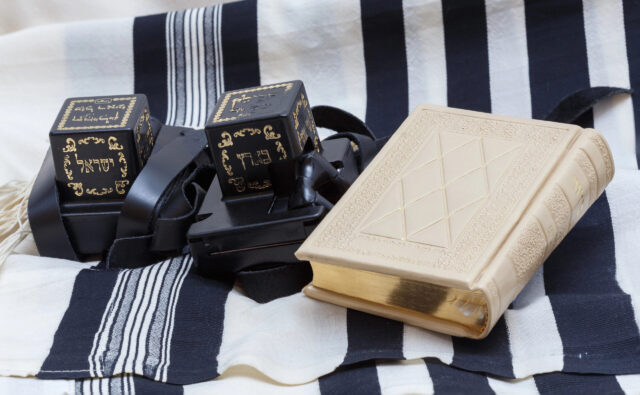
A Bar Mitzvah is more than just a milestone; it is a defining moment in a young boy’s life, marking his transition from childhood into Jewish adulthood. While today’s celebrations often focus on grand parties and elaborate festivities, the true essence of a Bar Mitzvah lies in the spiritual transformation that takes place. Rooted in centuries of tradition, this sacred rite of passage connects a young man to generations of Jewish history, responsibility, and commitment to mitzvot.
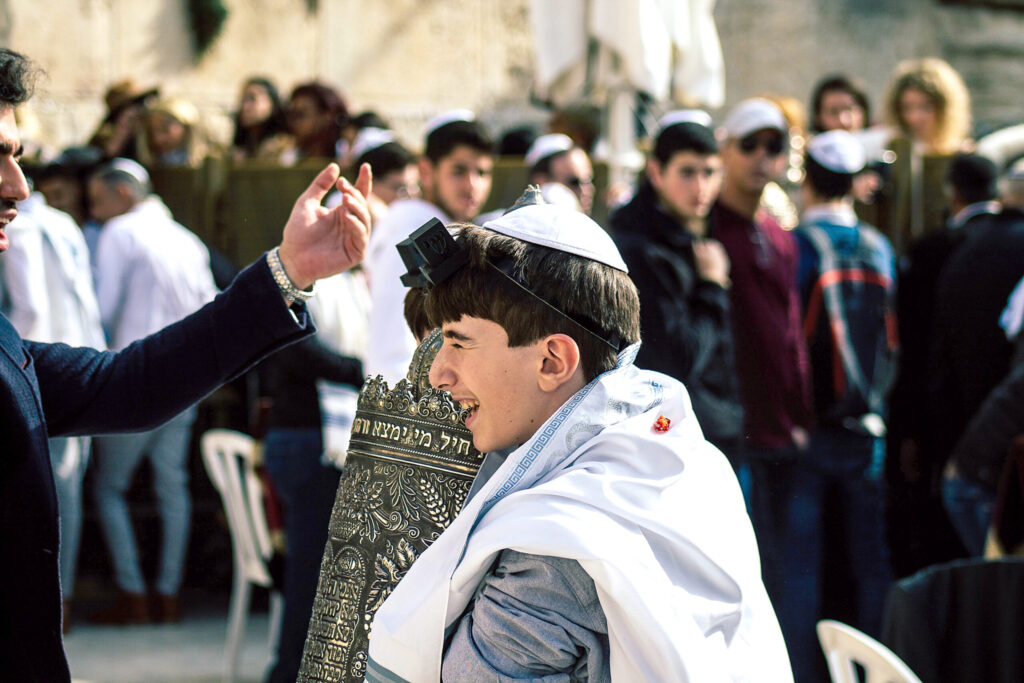

The origins of the Bar Mitzvah date back to ancient times, though the concept has evolved over the centuries. The Torah does not explicitly mention the age of thirteen as the defining moment of adulthood, but the Mishnah in Pirkei Avot (Ethics of the Fathers) states, “At thirteen for mitzvot,” signifying that at this age, a boy becomes obligated in the commandments. Before this time, his parents bear the responsibility for his actions, but once he turns thirteen, he is accountable for observing mitzvot on his own. This transition is not merely symbolic; it represents a fundamental shift in a boy’s spiritual standing. He is now counted in a minyan, can be called to the Torah, and is expected to take his place as a full-fledged member of the Jewish community.
Throughout Jewish history, the ways in which a Bar Mitzvah was marked varied across different communities. In some Sephardic traditions, a young boy would take on the responsibility of fasting on Yom Kippur for the first time, while in Ashkenazi communities, the primary focus was on the boy receiving his first aliyah to the Torah. In medieval France, Rabbi Shlomo ben Aderet (the Rashba) described the custom of a father reciting the blessing Baruch she’patrani (“Blessed is He who has freed me from the responsibility for this child”) upon his son’s Bar Mitzvah, acknowledging the shift in religious obligation. While the formal celebrations may have varied, the essence remained the same—the moment when a boy publicly assumed his role as a responsible Jew, bound by Torah and mitzvot.
Over time, the celebration of a Bar Mitzvah expanded. In Eastern European shtetls, families would host a modest meal after the young man’s first aliyah, often with Torah learning and words of Torah from the boy himself. In the Sephardic world, grand feasts with communal participation were common, emphasizing the collective joy in welcoming another young man into the covenant of Torah and mitzvot. However, it was not until the modern era, particularly in the 20th century, that Bar Mitzvah celebrations took on a more extravagant nature. Today, it is not uncommon to see lavish parties, live entertainment, and elaborate themes, sometimes overshadowing the spiritual weight of the occasion.
While there is certainly nothing wrong with celebrating this joyous moment, it is important to remember the deeper significance of the Bar Mitzvah. It is not about the size of the event or the grandeur of the party, but about a young man stepping into his spiritual heritage with purpose and commitment. The heart of the Bar Mitzvah is found in his first mitzvah observances as an adult—donning tefillin, leading prayers, or delivering a Devar Torah. These actions reinforce the idea that becoming a Bar Mitzvah is not a culmination but a beginning, the start of a lifelong journey of Torah learning and mitzvah observance.
For many, the experience of preparing for a Bar Mitzvah becomes a transformative period of growth. Learning to lay tefillin each morning instills discipline and a connection to Hashem. Studying a Torah portion, whether through traditional chanting or an in-depth explanation, builds confidence and pride in one’s heritage. Engaging in a mitzvah project, such as helping those in need or dedicating time to a meaningful cause, teaches responsibility beyond oneself. These experiences shape not only the Bar Mitzvah boy but also his family and community, who rally around him to support his journey into Jewish adulthood.
Even as times change and customs adapt, the core of the Bar Mitzvah remains unchanged. It is a reaffirmation of our commitment to Torah, a celebration of continuity, and a moment of profound spiritual elevation. When a thirteen-year-old boy stands before the congregation, wrapped in his tefillin, reading from the Torah with conviction, he carries with him the hopes and prayers of generations past. His voice joins the echoes of history, uniting him with the countless young men who came before him and those who will follow in his footsteps. It is this unbroken chain of Jewish faith and responsibility that defines the Bar Mitzvah—not just the moment, but the mission it represents for a lifetime.

How to Stop Letting Food, Mirrors, and Other People’s Opinions Ruin Your Joy
Laura Shammah, MS, RDN
In our community, a wedding is not a once-in-a-while event. It’s a season. Sometimes it’s three nights in a row. Sometimes it’s every week for months. And while weddings are meant to be beautiful, joyful, and uplifting, for many women, and men, they quietly become a source of dread. Not because of the dancing or the simcha. But because of the mirror, the dress, the buffet, and the fear of being judged.

Before a wedding, many people are not thinking, “I’m excited to celebrate this couple.” Instead, they are wondering if the dress will still fit, whether they should eat less that day so they don’t look bloated, if all these weddings will lead to weight gain, what it will feel like to run into people they haven’t seen in years, whether they look older, heavier, or less put-together, or if they will end up standing alone with no one to talk to.
So they skip lunch. They drink coffee instead of eating. They stand in front of the mirror pulling at their dress. They arrive already anxious, and then expect themselves to relax.
That’s not a celebration. That’s survival mode.
Why Weddings Trigger So Much Anxiety
Weddings hit three vulnerable places at once. Your body, because you are wearing something fitted and surrounded by mirrors, photos, and other women in dresses, which makes comparison hard to avoid. Your relationship with food, because buffet-style eating can feel exposing. Everyone can see what you take, how much you eat, and whether you go back for more. For someone with food anxiety, that can feel overwhelming. And your social worth, with questions running quietly in the background. Will anyone talk to me? Will I be sitting alone? Do I look awkward? Do I belong here?
All of that gets wrapped into one night, again and again.
The Biggest Mistake, Not Eating All Day
One of the most common wedding habits I see is skipping food during the day to fit into a dress or “save calories” for the wedding. That almost always backfires.
When you don’t eat, blood sugar drops and anxiety rises. You feel shaky, irritable, and out of control, and you are far more likely to overeat later, not from weakness, but from your body trying to survive. That “out of control” feeling at the buffet is not a character flaw. It is a nervous system that never got fed.
A Calmer Way to Do Wedding Nights
You don’t need perfect eating to enjoy a wedding. You need a regulated body, and that starts before you leave the house.
Eat a real meal earlier in the day. Include protein, carbohydrates, and something grounding. Not just coffee and not just a snack. When your body feels fed, your brain feels safer.
At the buffet, don’t try to perform or scan the room. Make a plate you will enjoy, sit down, and eat it. No one is monitoring your plate the way you think they are.
What People Are Really Thinking
Most people are not studying you. They are worrying about themselves. They are wondering if they look okay, why they feel awkward, whether they know enough people there, and what they should say next. You are not under a spotlight. You are just another human in a room full of humans trying to get through the night.
If You’re Single and It Hurts
In our community, weddings can be especially painful when you’re single, not because someone will or won’t ask you to dance, but because of the quiet moments. Will anyone talk to me? Will I feel invisible? Will people wonder why I’m still single?
It’s easy to turn a wedding into a story about what’s wrong with you. That story is not true.
Your worth is not defined by who speaks to you, who notices you, or what your relationship status is. You are not behind and you are not broken. You are a whole person walking into a room that is loud, crowded, and emotionally charged.
Let Weddings Be What They Are Meant to Be
A wedding is not an audition. It is not a body check. It is not a performance. It is two people celebrating love and inviting you to be part of it.
You are allowed to eat. You are allowed to be seen. You are allowed to take up space.
In my work, I see so many women who are accomplished, thoughtful, and deeply capable, yet feel small when they walk into a wedding hall. We don’t work on perfect eating or perfect bodies. We work on helping their nervous systems feel safe around food, around mirrors, and around other people again.
Because when you stop fighting your body and your plate, something beautiful happens. You actually get to be present for your life.
And weddings, at their best, are not about how you look or what you eat. They’re about being there, fully, for someone else’s joy. And you deserve that too.

Why relationships get harder before they get deeper
Devora Levy
A long-term relationship isn’t a straight line. It’s a series of messy, uncomfortable evolutions. Here are the common emotional stages that tend to show up in serious relationships, from long-term dating to marriage.

Understanding these stages matters because without a framework, you can misread growth as failure. What feels like distance can actually be development. What feels like loss can be the shedding of illusion. Jewish tradition views love as something you build over time, and building things involves dust, friction, and a lot of heavy lifting.
Stage One: Easy Closeness
This one is easy. You’re both on your best behavior, you’re finishing each other’s sentences, and everything feels like a movie. But be honest, you don’t actually know each other yet. You’re in love with a “trailer” for the person, not the whole film. It’s a beautiful stage, but it’s thin and incomplete. There’s generosity and optimism here, but you haven’t yet seen how the other person shows up under pressure.
Stage Two: The Arrival of Difference
Differences eventually surface. Suddenly, you’re noticing the real stuff. It’s not just the big issues, but the friction of daily life, how you handle money, how long they pout after an argument, or the way they never quite shut the cabinet doors. Conversations that once felt simple now feel loaded.
This is often the moment couples begin to worry. Why does this feel harder than it used to?
This is where Judaism introduces a surprisingly honest idea about relationships. In the book of Genesis (2:18), when the first human relationship is created, the Torah describes the partner as ezer k’negdo, meaning a helper opposite him, or even a helper against him.
At first glance, that sounds strange. How is opposition helpful? But Judaism’s insight is profound. A true partner isn’t meant to be your twin or your echo. They help you because they are different. They stand across from you, see what you can’t see, and challenge the parts of you that would otherwise remain undeveloped.
In this light, difference is not a design flaw. It’s the design itself. The tension that shows up in daily life isn’t a sign that something went wrong. It’s often the very mechanism through which growth happens. Your partner becomes your counterweight, balancing your blind spots and stretching you beyond your comfort zone.
That friction is not a mistake. It’s the point.
Stage Three: Protection and Power
When those differences stop feeling interesting and start feeling personal, the ego steps in. This is the stage when you begin to protect yourself. The disagreement itself starts to matter less than what it stirs up underneath. You start watching your words more carefully, or throwing them more sharply. You keep score.
Instead of asking, “What’s happening between us?” the question quietly becomes, “How do I make sure I don’t lose here?” The focus shifts from solving to protecting your position.
Being right, or creating a bit of distance, can start to feel safer than being open.
This stage is fueled by fear. Fear that if you soften, you’ll be overlooked. Fear that if you give in, you’ll disappear. Fear that your needs won’t matter unless you fight for them.
Many couples misinterpret this stage as a sign that love is fading. But that’s a mistake. It often shows up precisely because the relationship now matters enough to feel threatening. The attachment is real, and so is the risk.
Now comes the time to muster the courage to become vulnerable and forge a greater closeness through genuine respect and communication.
Stage Four: Letting Go of the Fantasy
This is the part no one tells you about. At some point, a quieter realization sets in. Your partner will not become the imagined version you hoped for. They won’t read your mind. They won’t respond exactly the way you would. They won’t fill every gap or soften every hard edge in your life. And neither will you.
To reach a deeper place, you have to let the “imaginary” version of your partner die, the version who was supposed to make everything feel easier.
Letting go of that fantasy can feel like grief. There’s a sense of loss in realizing that love doesn’t rescue you from being human.
But there’s also relief. You stop negotiating with a version of the relationship that never actually existed. You stop waiting for someone to turn into who you hoped they’d be. You finally meet the person in front of you, and allow yourself to be seen as you are, too.
Stage Five: Chosen Love
By this stage, something has settled. Love is being carried by a clearer understanding of who you’re with. You now see your partner with more accuracy, their limits, their habits, the ways they struggle, and you see your own more clearly as well. The relationship becomes less about filling gaps and more about learning how to move through life together. Expectations are more realistic.
Chosen love grows out of a clear-eyed decision to care for the relationship, even when effort is required. You speak more thoughtfully because you understand the cost of careless words. You repair sooner because distance no longer feels dramatic or necessary. You stop keeping score because you’re invested in what you’re building over time.
Kindness here takes intention. Forgiveness becomes part of how the relationship functions, shaped through repetition and repair. Trust deepens through experience, through seeing what the relationship can hold.
This is the kind of love that can absorb real life, illness, fatigue, boredom, pressure, and change. It doesn’t depend on constant emotional intensity to feel alive. It holds steady through ordinary days that ask for patience rather than passion.
From the outside, it may not look impressive. From the inside, it feels stable enough to build a life on.
Devora Levy grew up in South Africa and made Aliya 24 years ago. She is a life coach and educator who works with women, teens, and couples—both virtually and in person. She also gives workshops on relationships, resilience, and personal growth. Trained through the Refuah Institute in Jerusalem, recognized by the American Association of Coaches, and certified in Reality Therapy, Devora lives in Israel with her husband and seven children.
LENDING ITEMS TO THOSE IN NEED
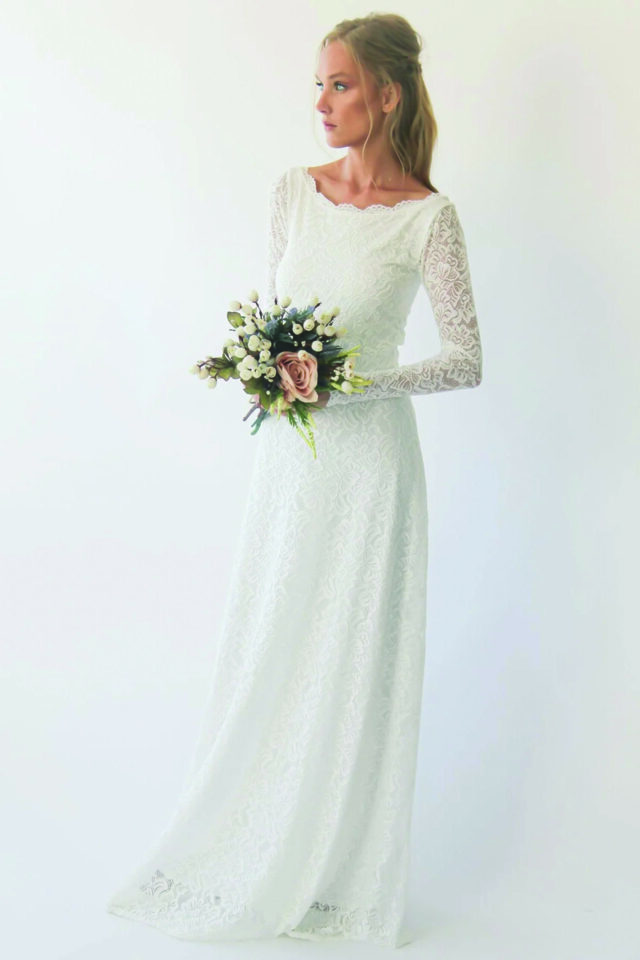
THE WORD GEMACH IS AN ACRONYM FOR THE JEWISH TERM GEMILUT CHASIDIM (ACTS OF LOVING KINDNESS). THE MODERN IDEA OF A GEMACH IS SAID TO HAVE ORIGINATED IN ISRAEL, WHERE PEOPLE WOULD NEED THINGS LIKE MEDICINE OR EVEN A PACIFIER FOR THEIR BABY ON THE SABBATH BUT COULD NOT PURCHASE ONE BECAUSE OF SABBATH LAW. THE IDEA QUICKLY SPREAD TO OTHER TEMPORARY NEEDS. OUR COMMUNITY HAS WONDERFUL GEMACHS THAT HAVE ITEMS LIKE BABY PRODUCTS, MEDICAL SUPPLIES, WEDDING DRESSES, COATS AND MORE.


Kylie Ora Lobell
The phrase has entered the pop culture lexicon, but what does “mazel tov” really mean?
You’ve heard the phrase at a bar or bat mitzvah. You yelled it when the Black Eyed Peas’ “I Gotta Feeling” came on at a friend’s wedding. “Mazel tov!” is widely used throughout the Jewish world and the phrase has entered the pop culture lexicon as well. But what does “mazel tov” really mean? Where does it come from? And when should it be used?
The Meaning of “Mazel Tov”
In Hebrew, mazel tov means “good luck” but it is used as a way to say “congratulations!” Some people – usually Ashkenazi Jews – will say MA-zel tov, while Israeli or Sephardic Jews will say ma-ZAL tov, emphasizing the last few letters when pronouncing it.
The Hebrew word mazel means “a drip from above” or “an alignment of stars,” referring to the fact that everyone is born under an astrological field. In fact, the Zodiac signs in Hebrew are called “mazalot.”
Our mazel, our luck, is determined when we are born. However, when G-D changes Abram’s name to Abraham, He shows the first patriarch of monotheism the night sky and says, “See if you can count the stars.” G-D uplifted him above the stars, out of the sway of the astrological signs, and changed his identity. This was because Abraham lifted himself out of the system of false idolatry and chose to believe in G-D, the singular source of existence. G-D thereby lifted the Jewish People, the progeny of Abraham, out of the natural system, putting them above “mazel.” By following the commandments, doing good in this world, and praying, you have the power to transcend your “mazel.”
When we tell someone “mazel tov,” we are acknowledging that the stars have aligned for them and something wonderful is happening in their life.
When We Say “Mazel Tov”
We say “mazel tov” when we are celebrating a special occasion, like:
• A wedding
• A birth
• A brit
• An engagement
• A bar or bat mitzvah
• A graduation
You may have heard the song “Siman Tov u-Mazal Tov” play at Jewish celebrations. Or you might have seen it in pop culture, like when Adam Sandler sang it in “The Wedding Singer” or when they sang it in “Legally Blonde: the Musical.” Bravo TV host Andy Cohen is a huge fan of the word “mazel,” using it on his show “Watch What Happens Live.”
“Mazel tov” is written in Hebrew like this: מזל טוב .” When responding to wishes of “mazel tov,” you could say “thank you” or “toda rabah,” which is “thank you very much” in Hebrew.
You may hear someone say a person has good or bad “mazel.” In this context, it does mean luck. If you want to wish someone good luck on a future endeavor, you could say, “b’hatzlachah,” which means it should be with success.
Jews do not typically say “mazel tov” when finding out a woman is pregnant. Instead, say, “b’sha’ah tovah”, “it should be at a good time”, as a way to avoid the ayin hara, the evil eye. “Mazel tov” is said when the baby is actually born. Interestingly, many Jewish women will not hold a baby shower because of the ayin hara, and instead will choose to celebrate once the baby is born.

Feeling the Mazel in Our Own Lives
You feel happy and fulfilled when you celebrate a milestone or a special occasion. If you’re married, how did you feel on your wedding day? How was it to become a bar or bat mitzvah? Wasn’t it amazing to have a child or graduate from school or get a great new job?
Jewish mysticism teaches that only a ray of our soul is in our body. The main part of our soul, our mazel, is shining down on us from above. When we have a special occasion, our soul from above shines extra bright, making us feel more fulfilled and connected to G-D. We are able to see the deeper meaning of our life and what our purpose truly is.
By wishing someone “mazel tov,” we are instilling them with a blessing and hoping that they receive only more and more blessings for the rest of their life.
Kylie Ora Lobell is a Los Angeles-based writer as well as president of KOL Digital Marketing, where she does publicity and marketing and helps clients share their unique stories with the world.
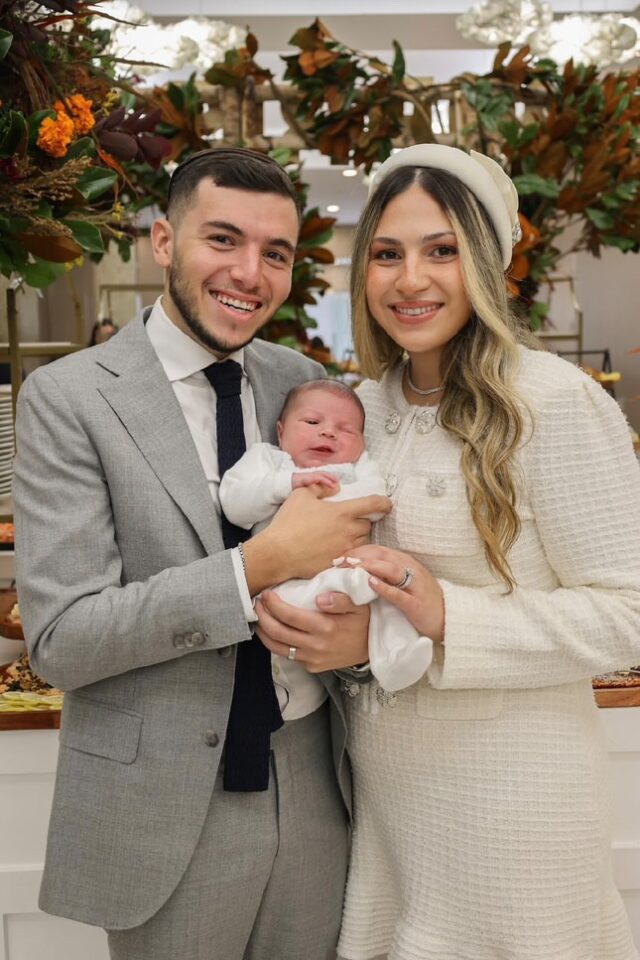
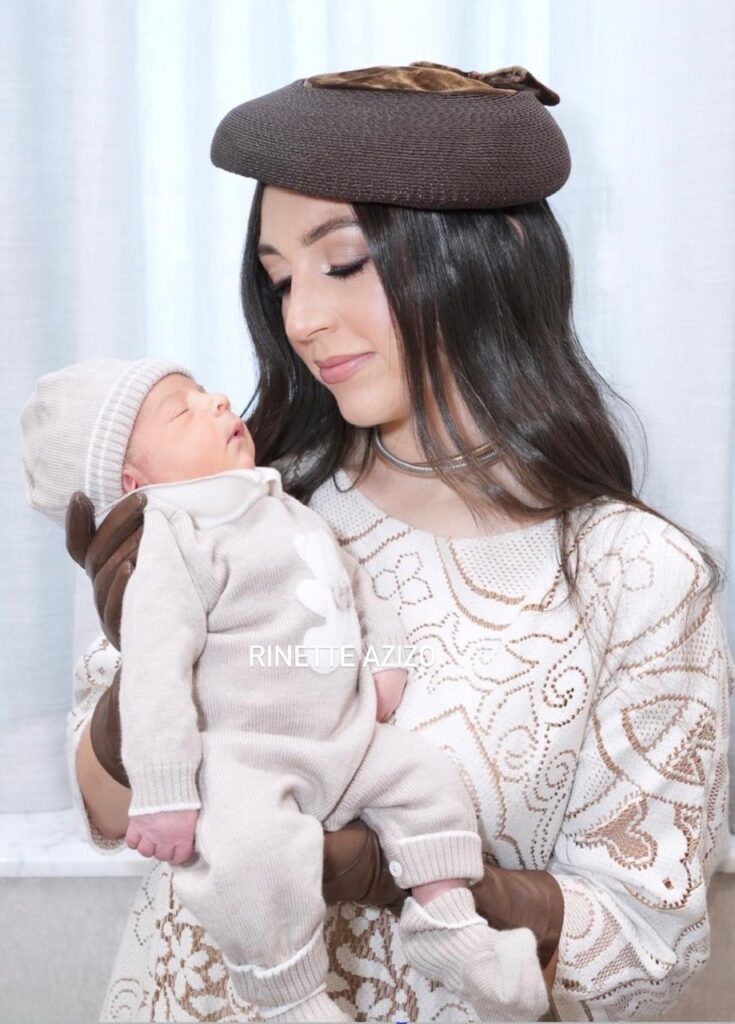
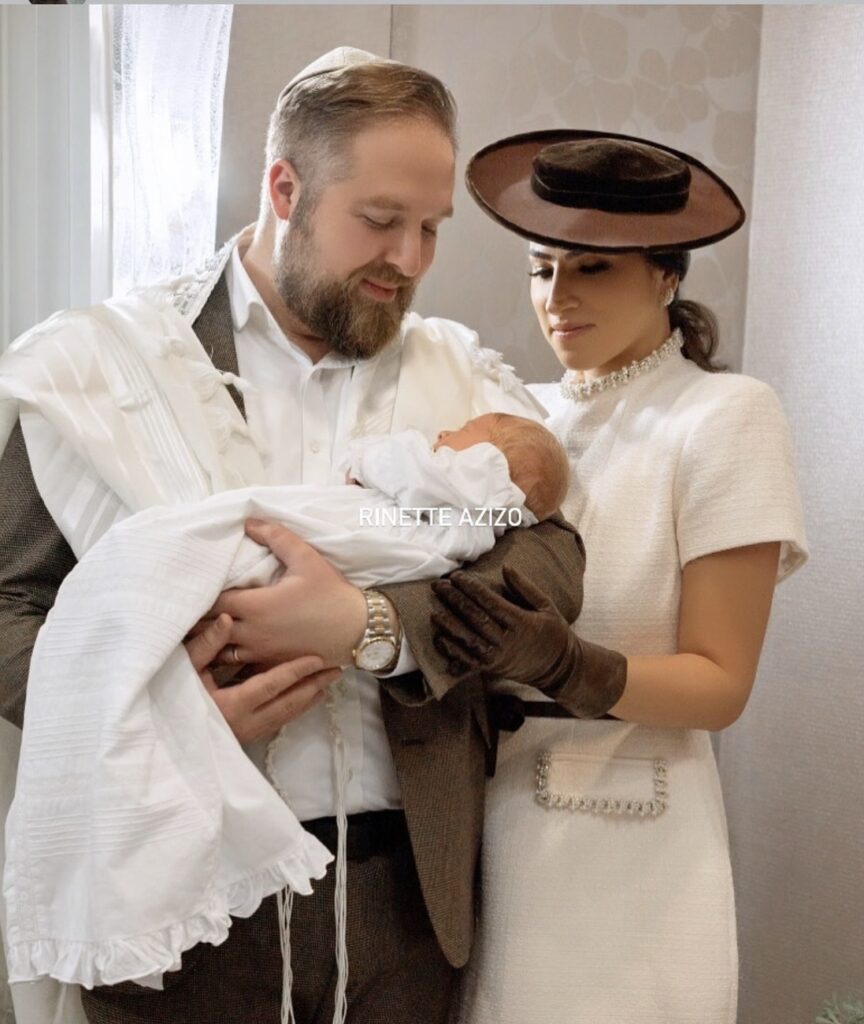
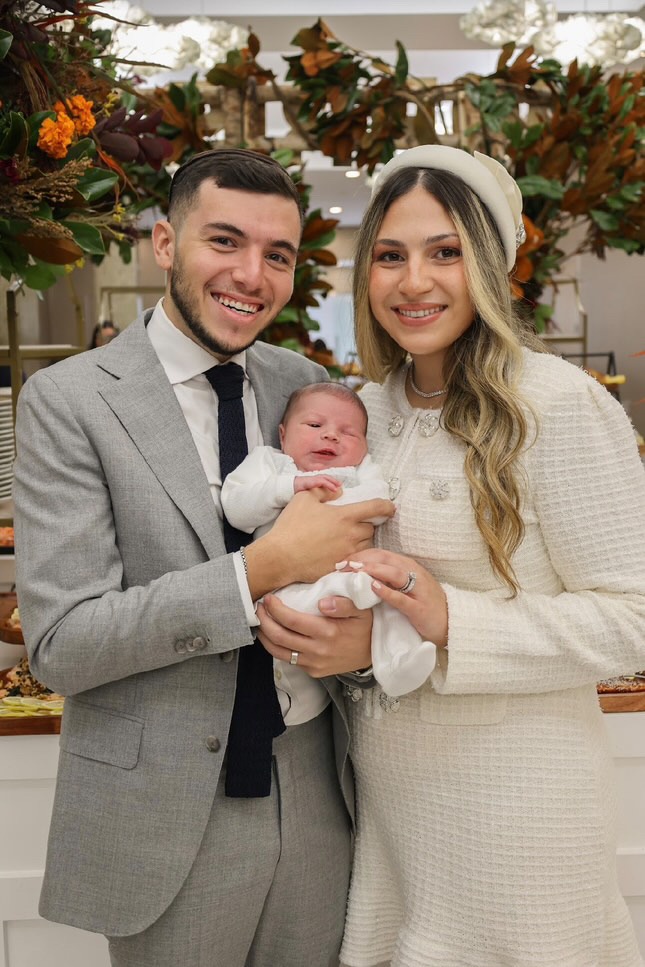
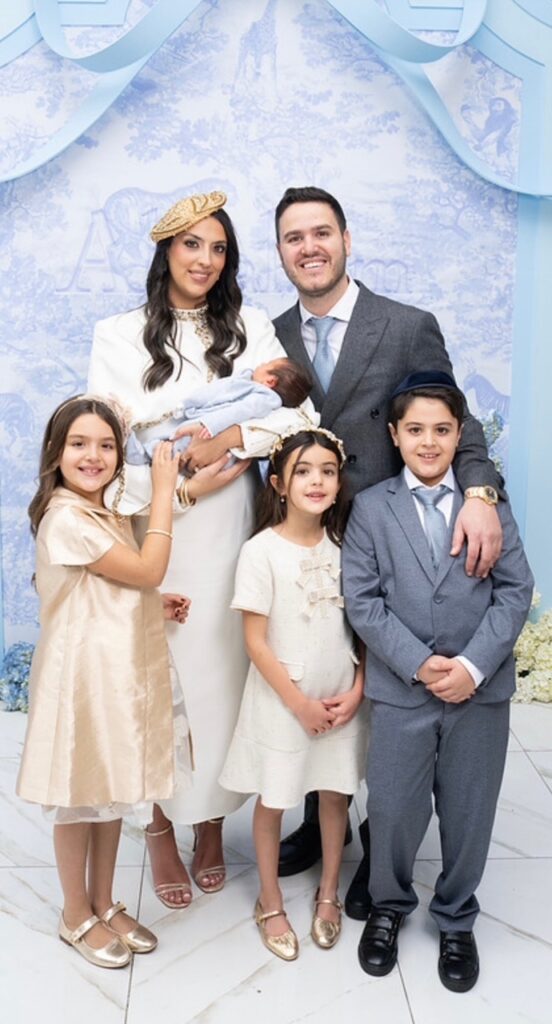
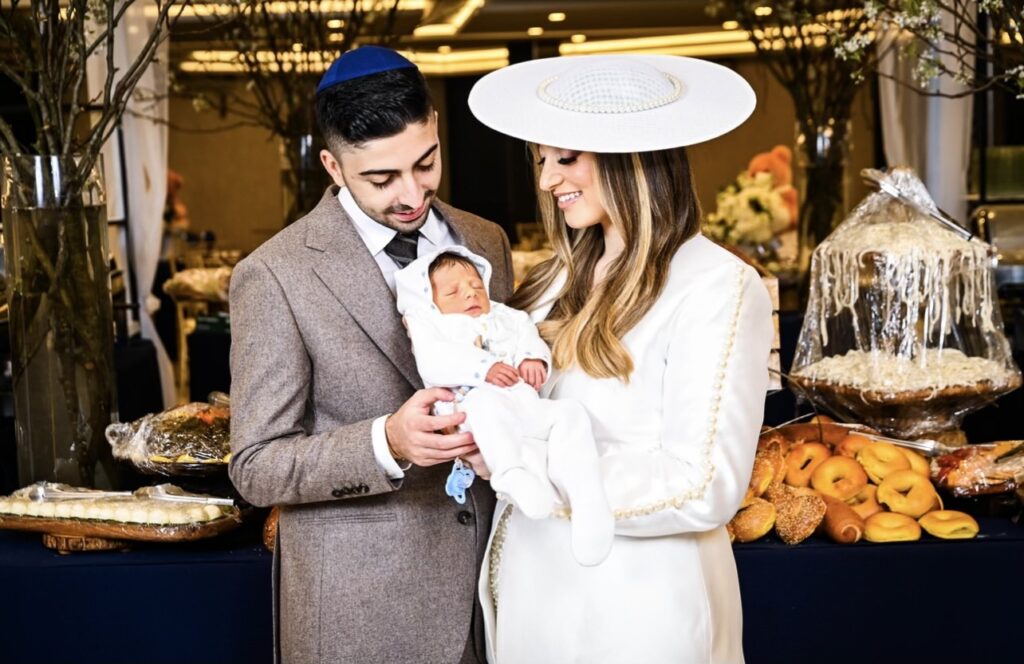
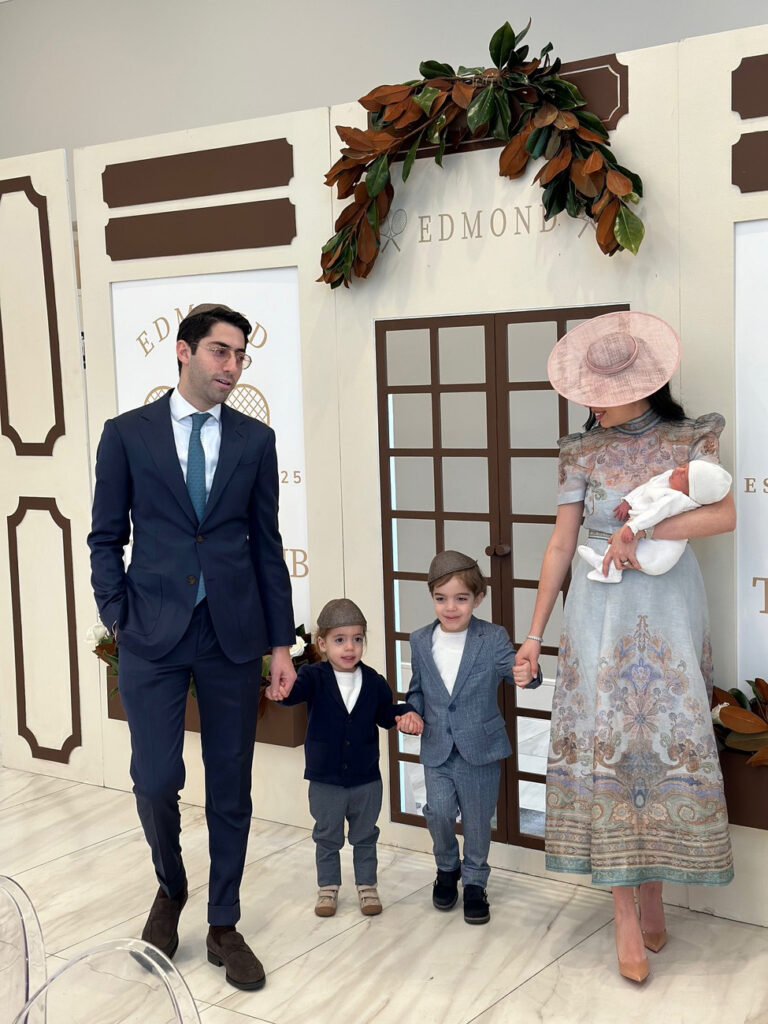
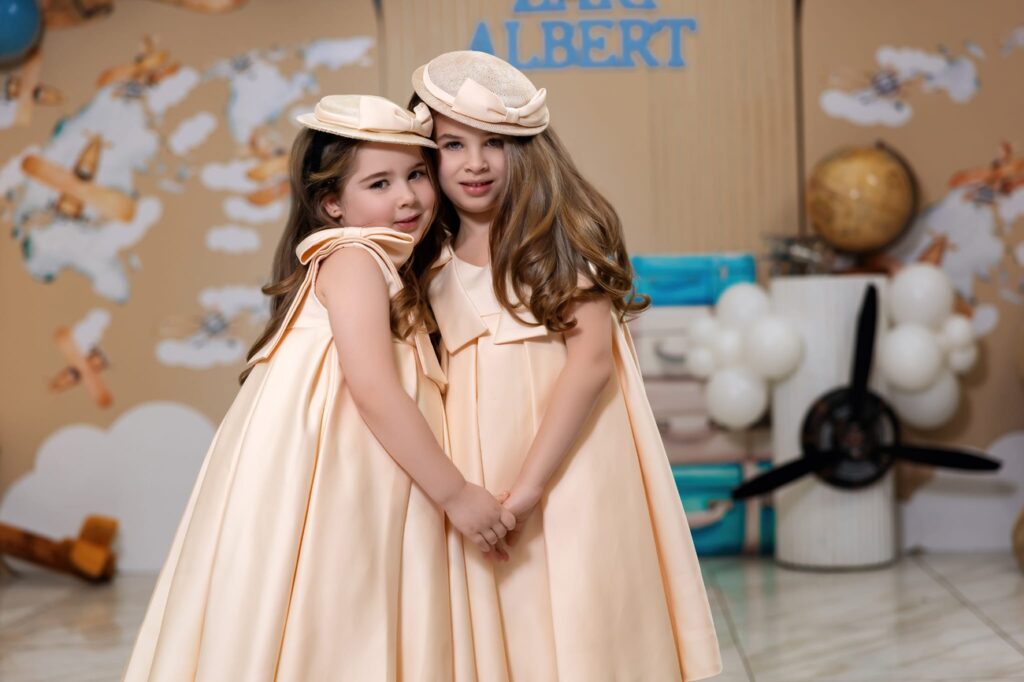
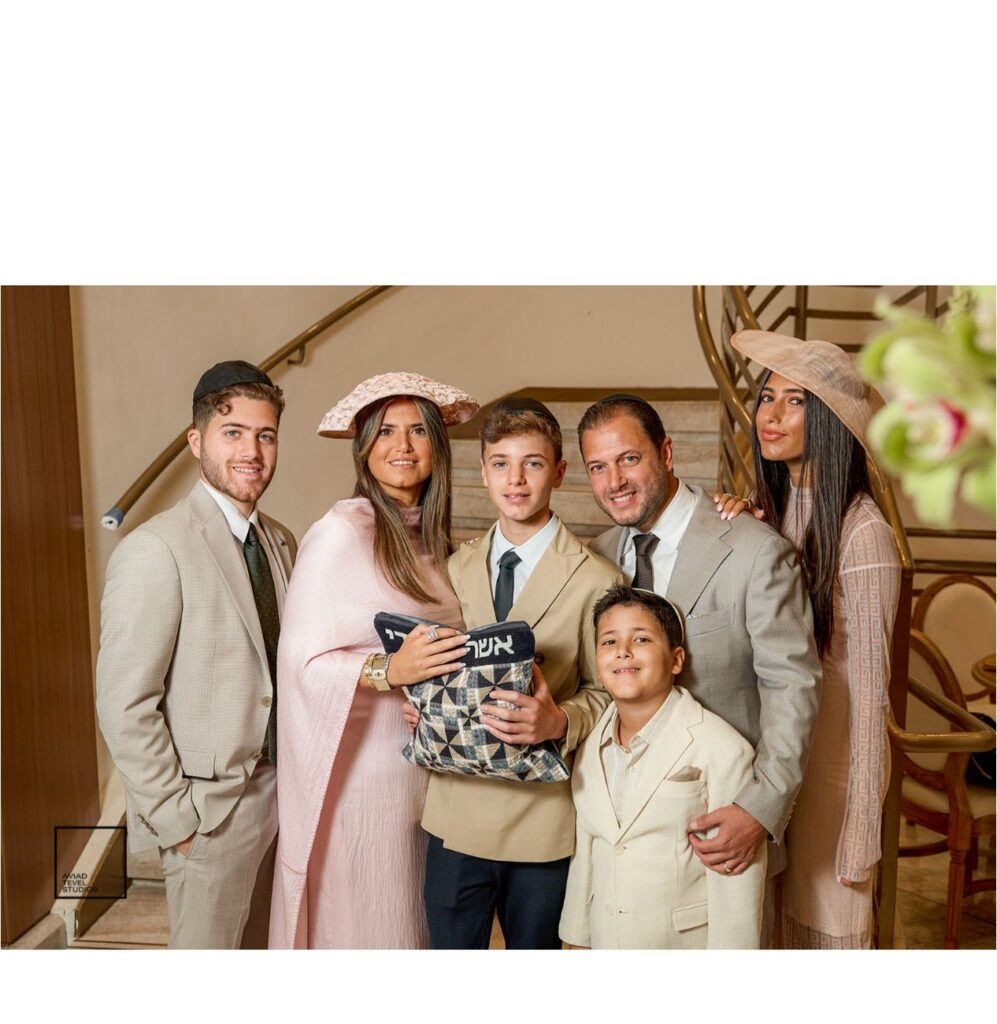
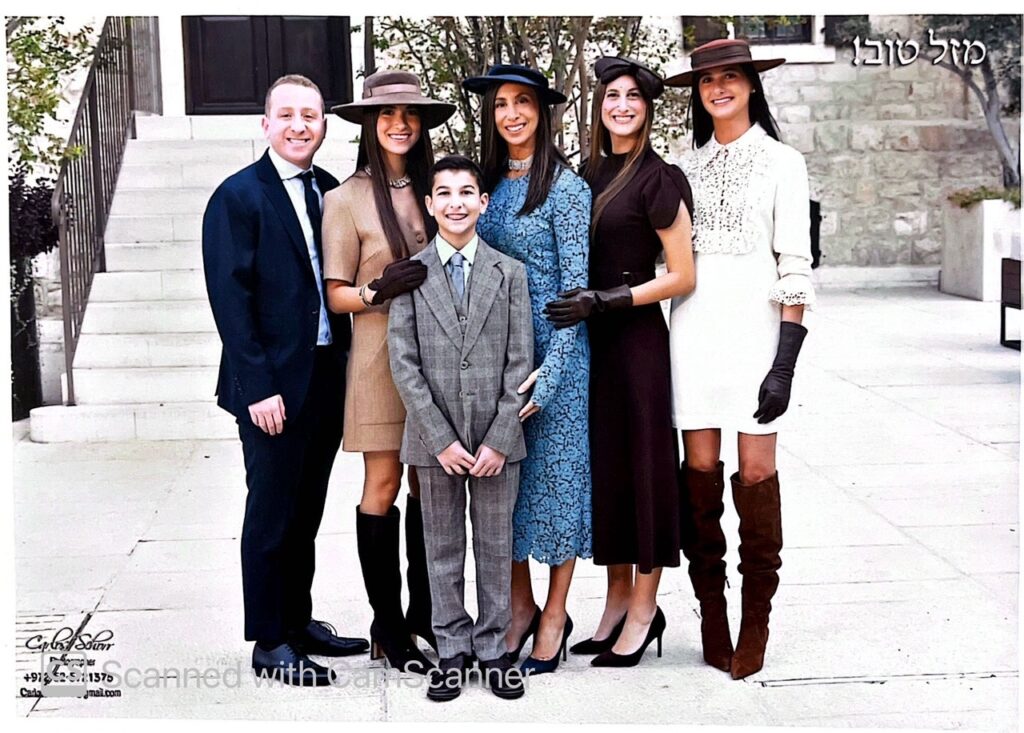
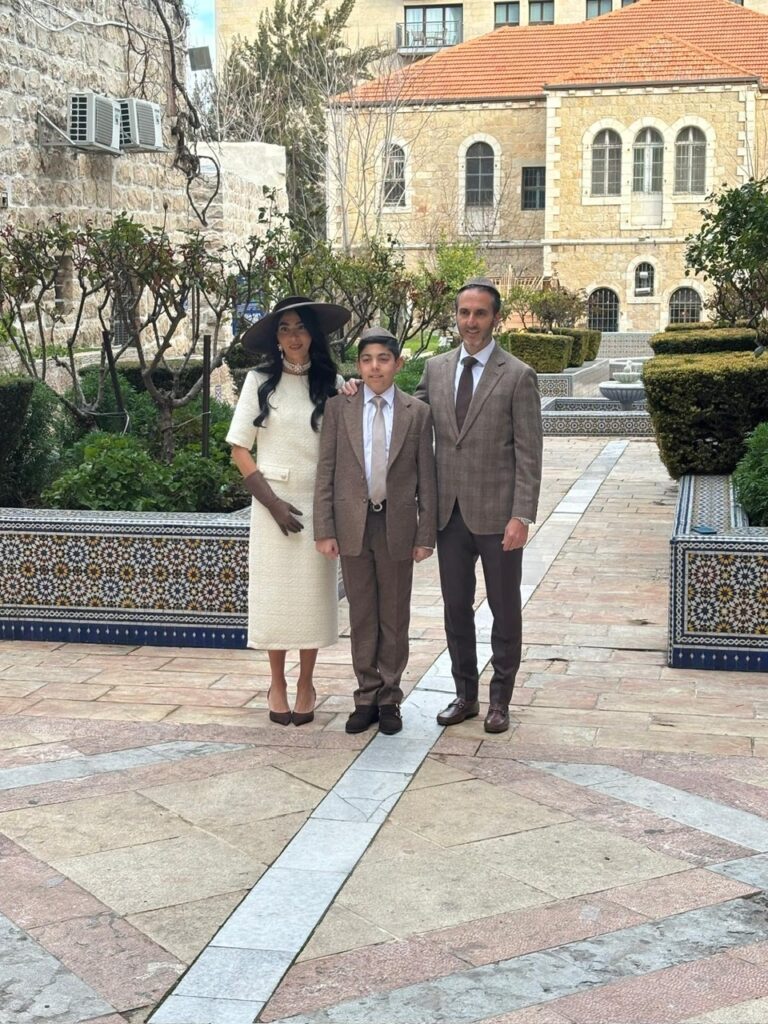
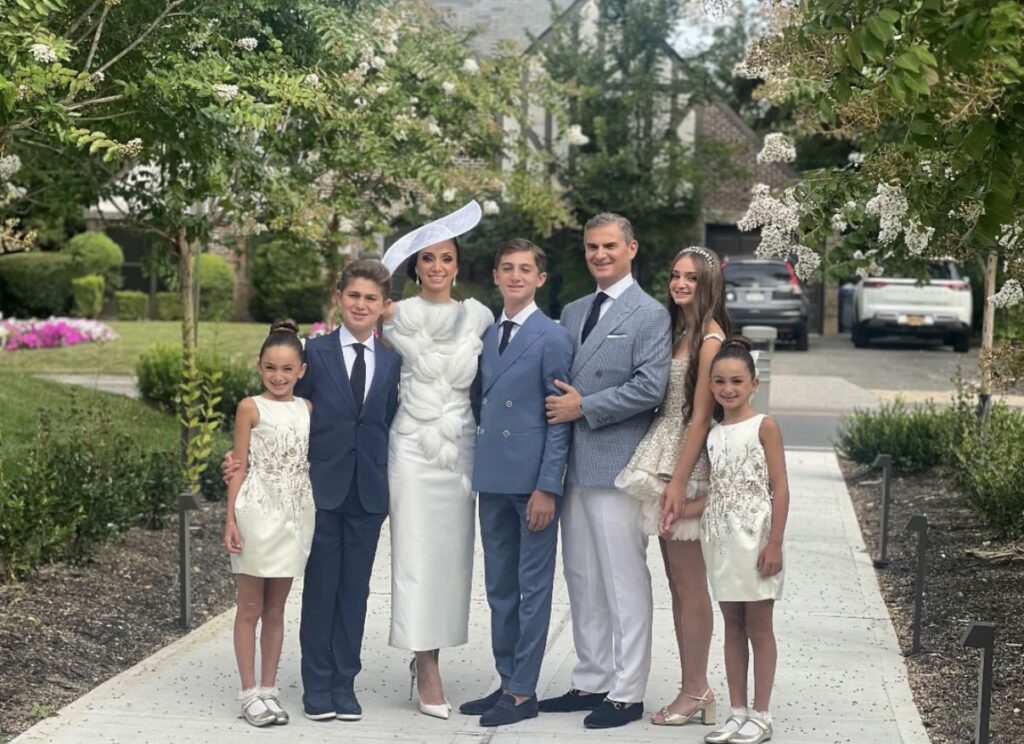
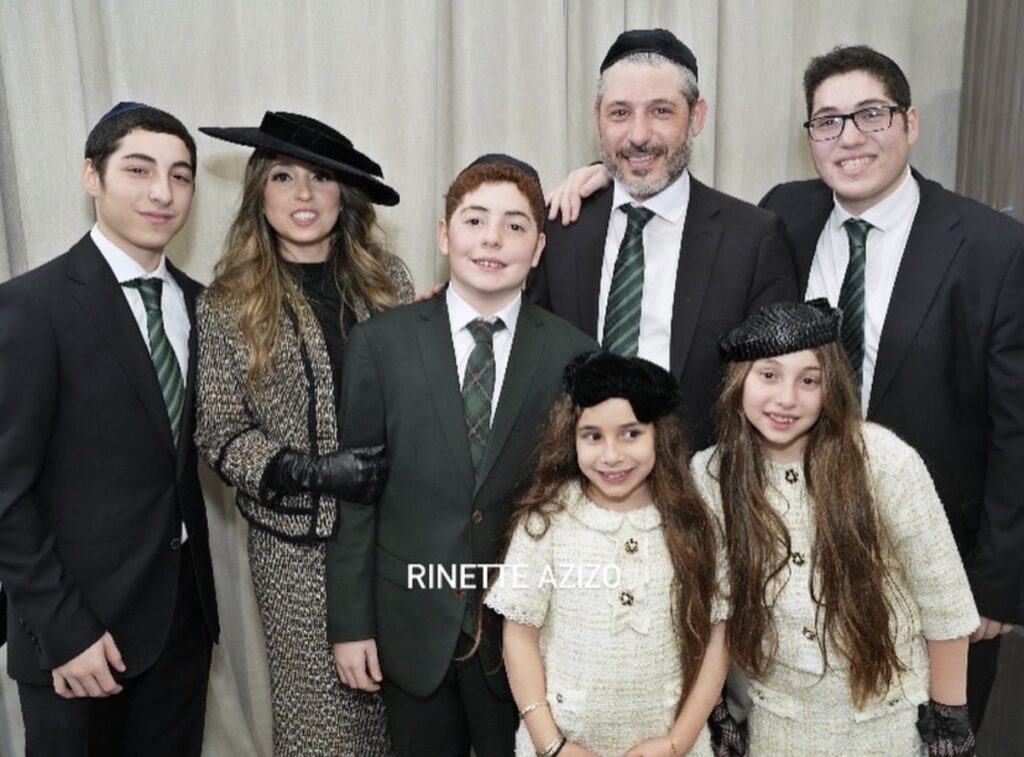
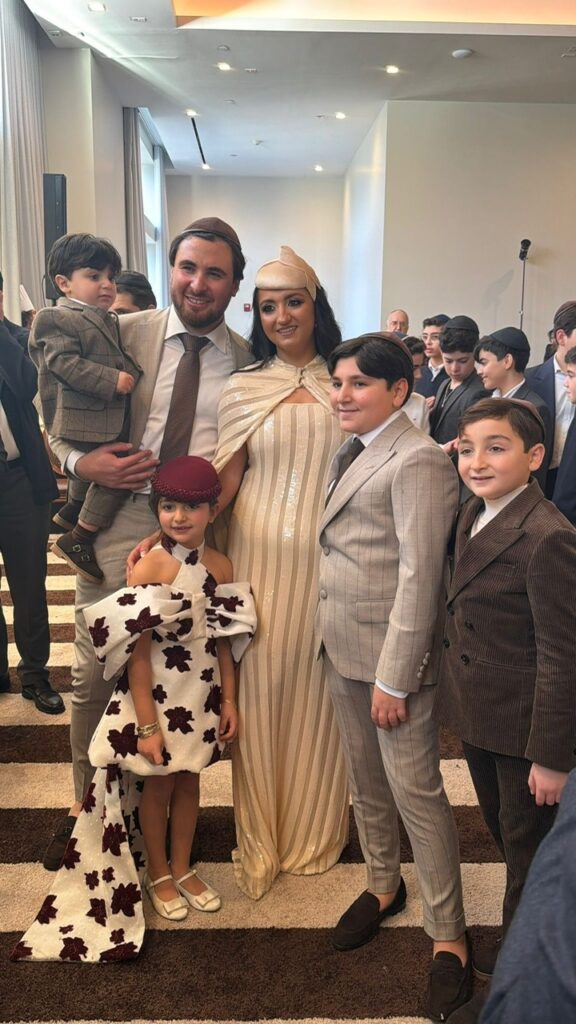
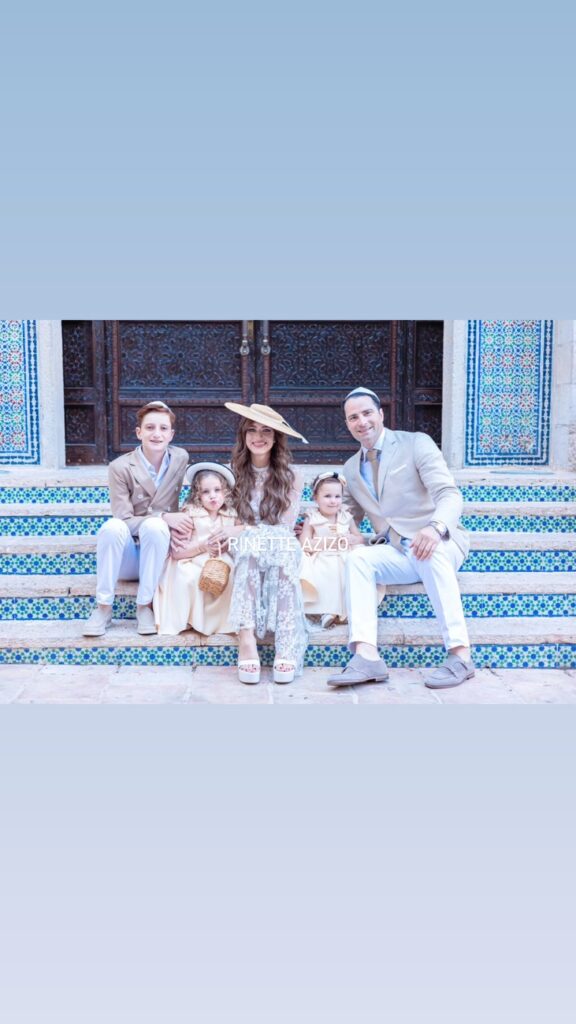
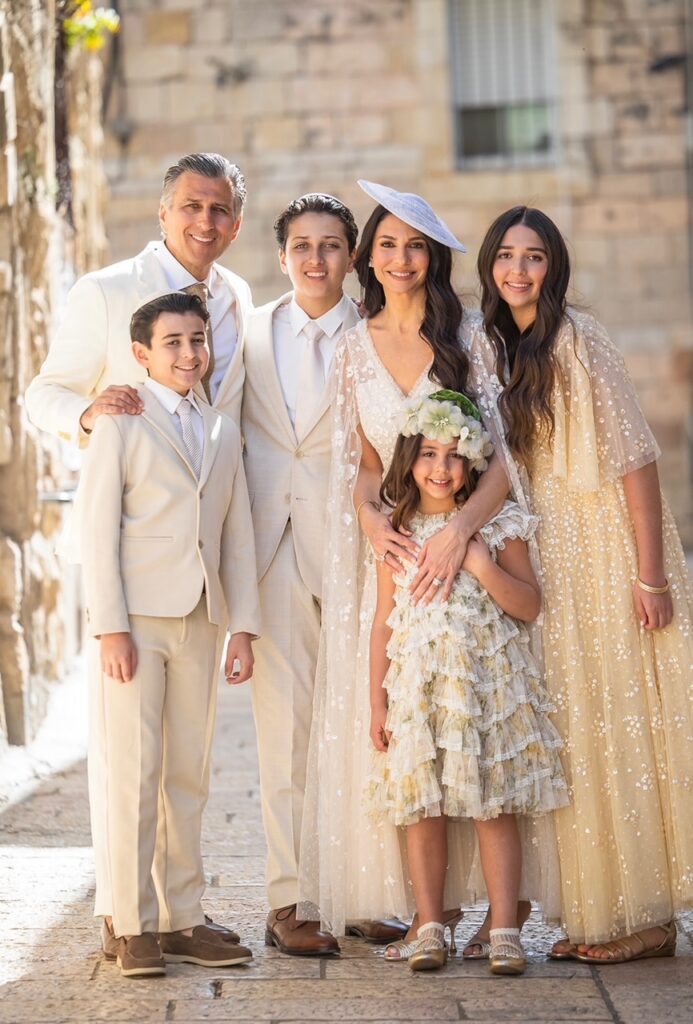
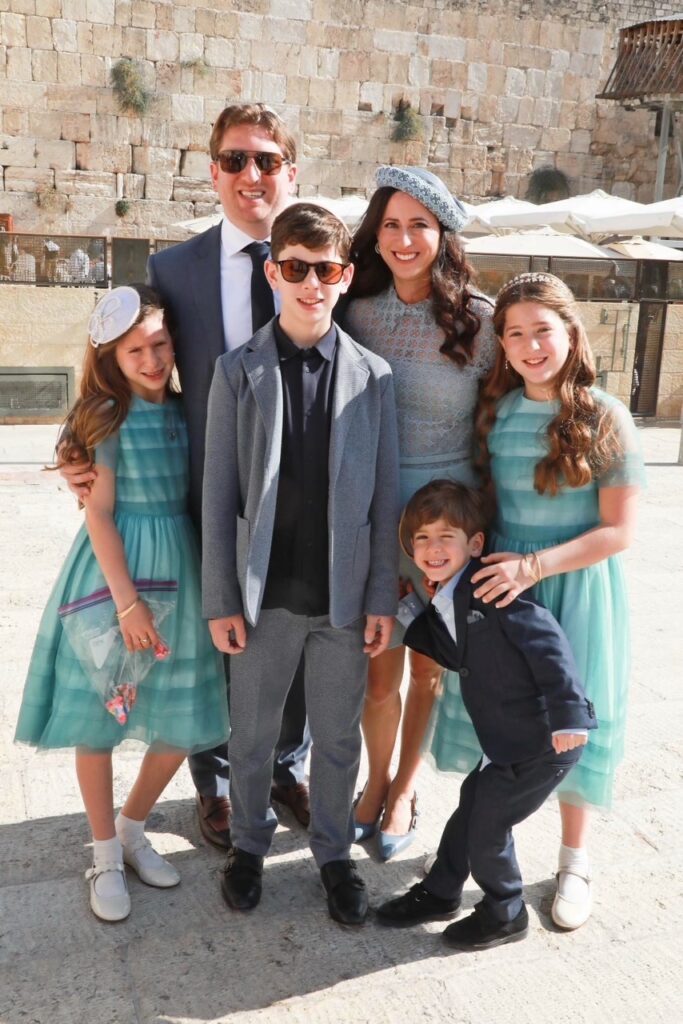
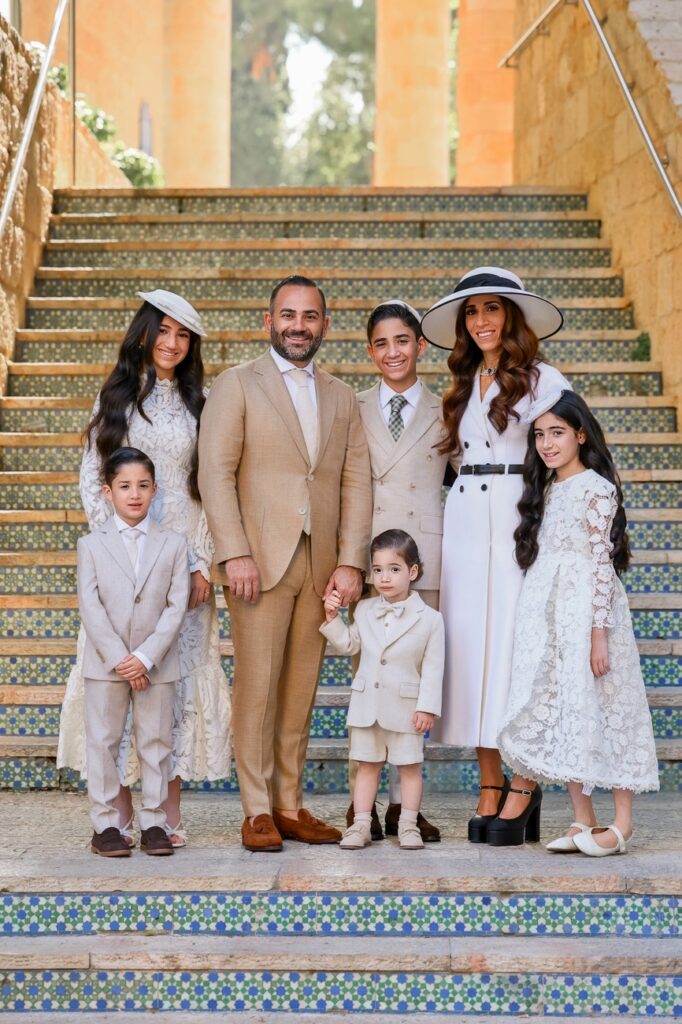
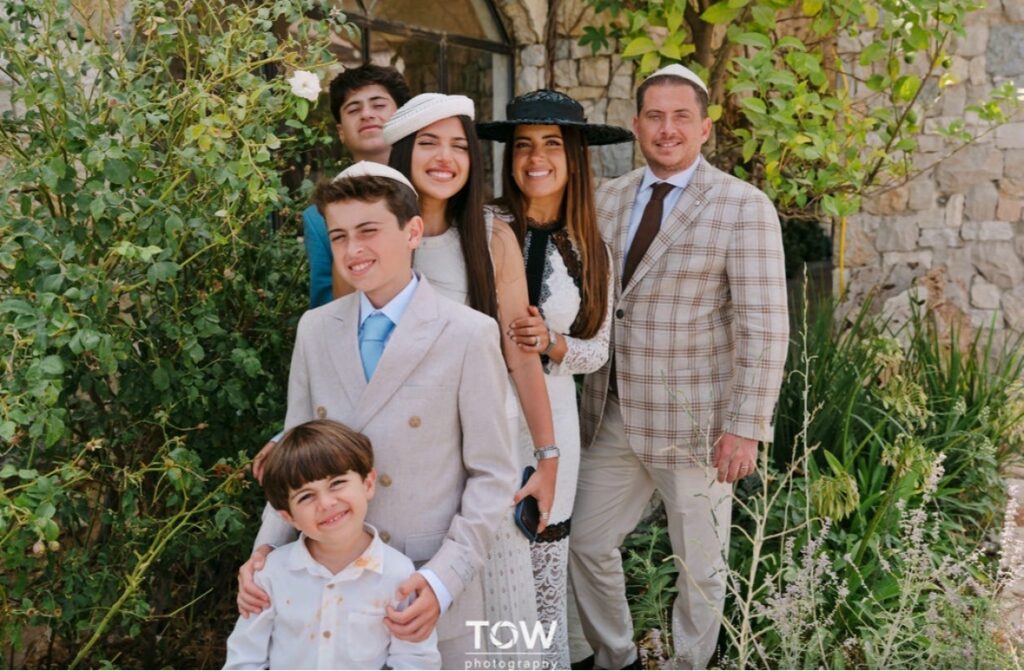
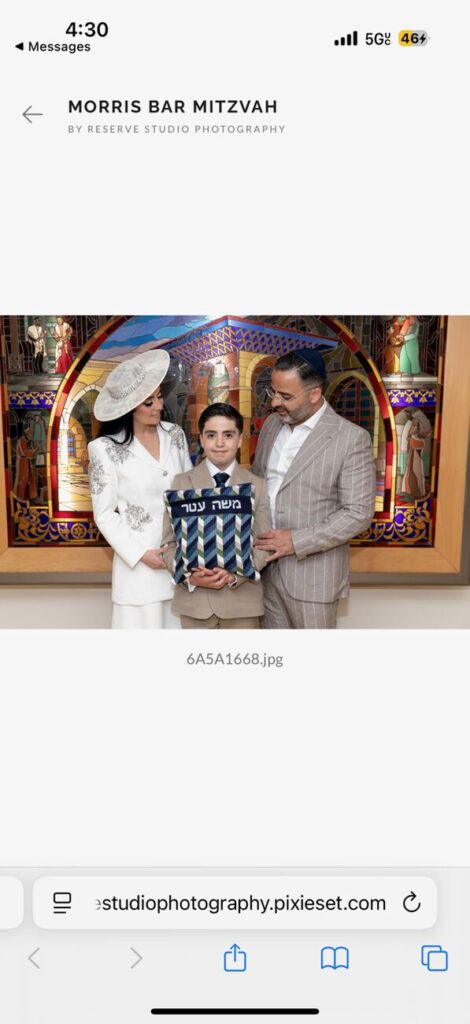
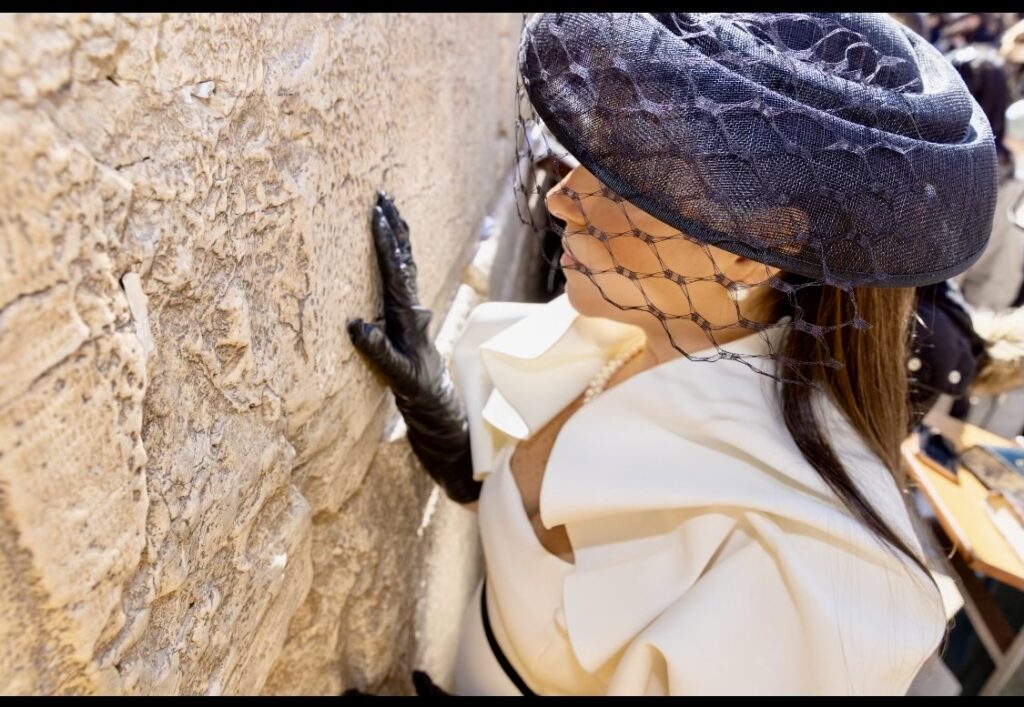
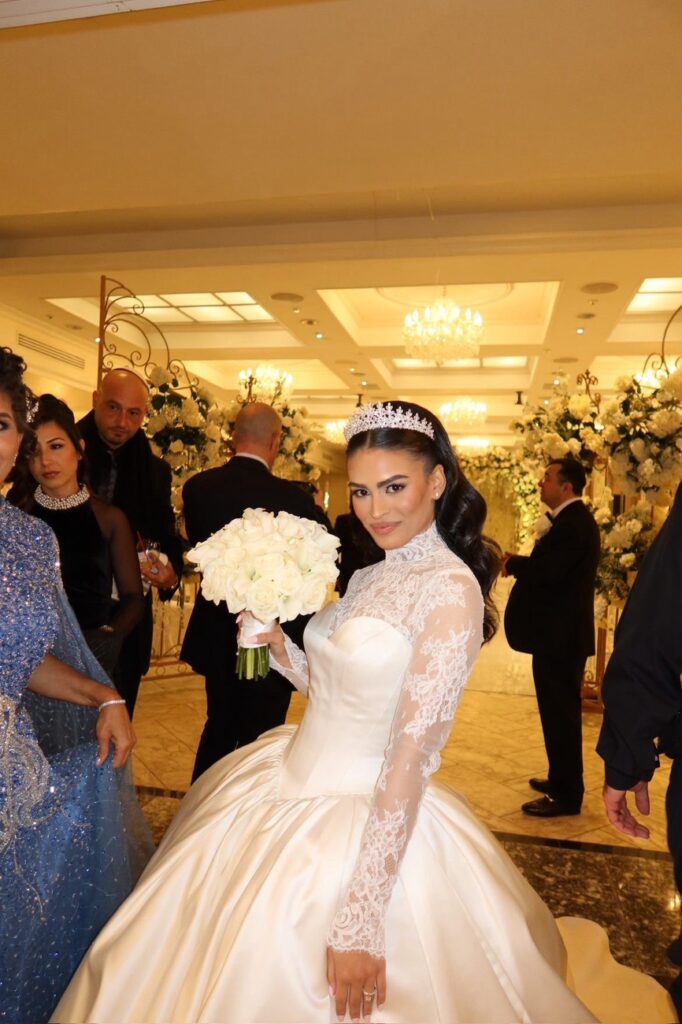
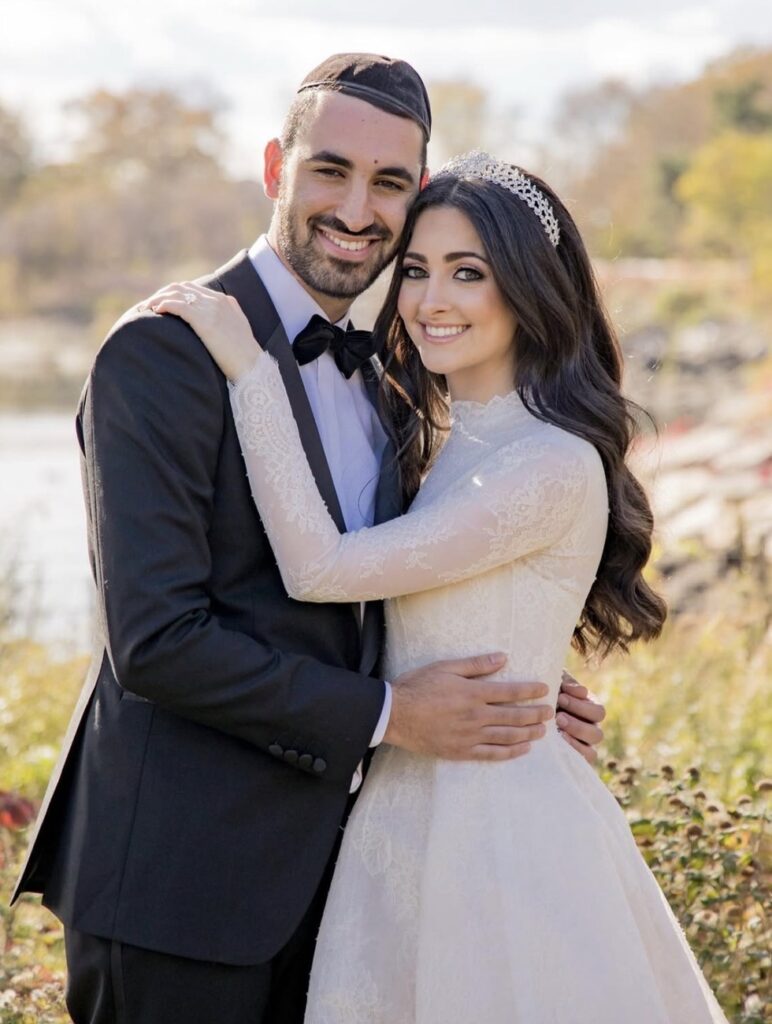
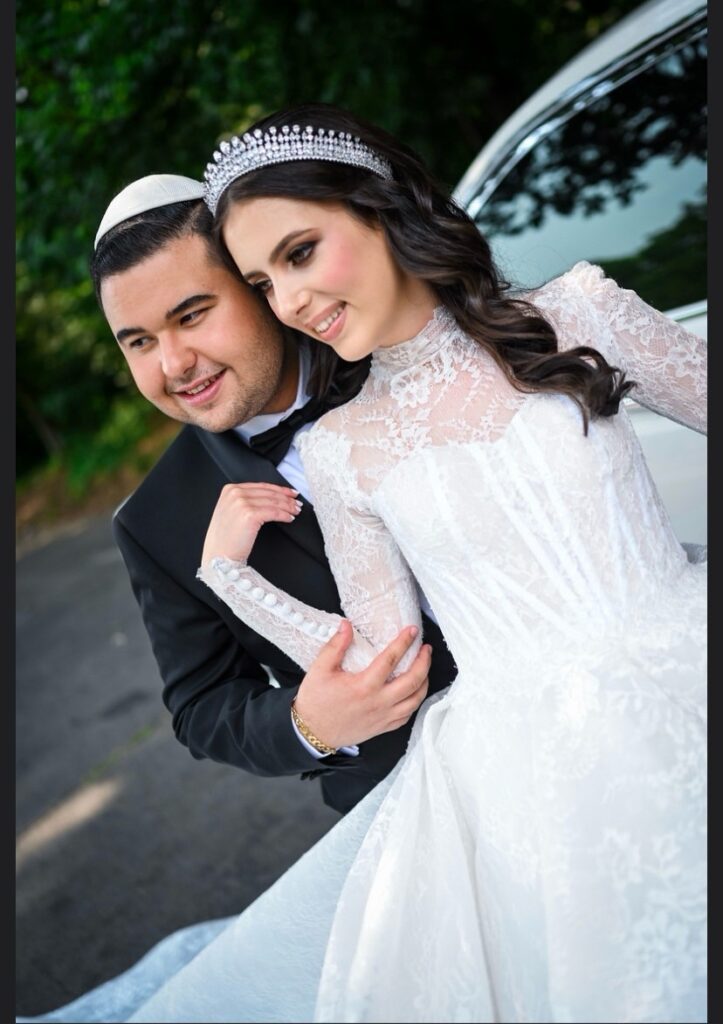
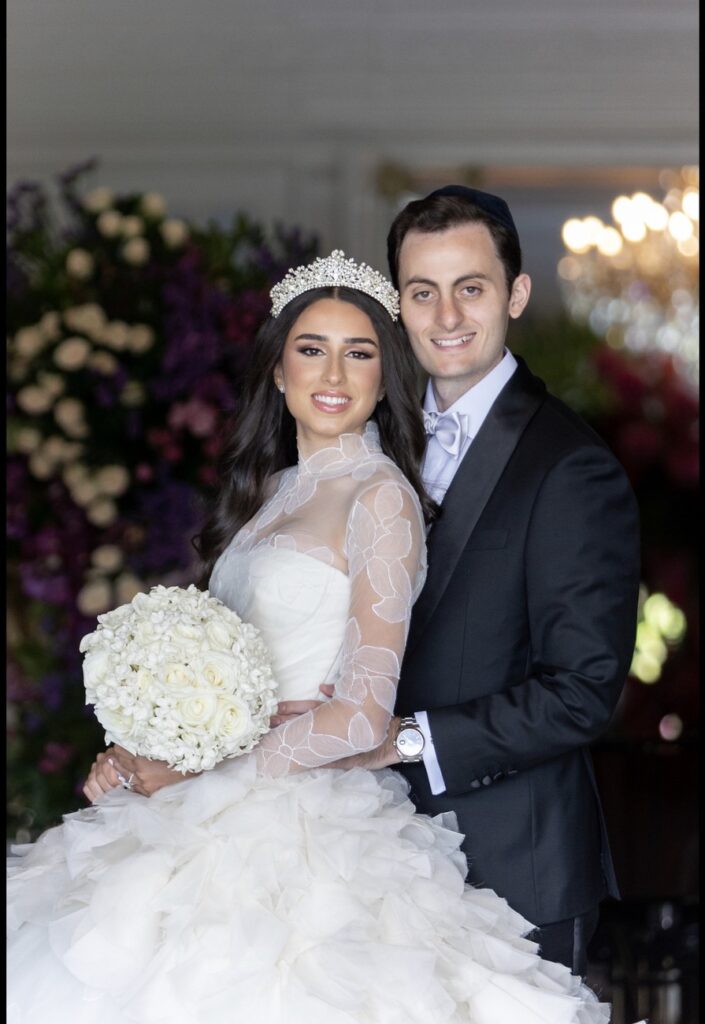
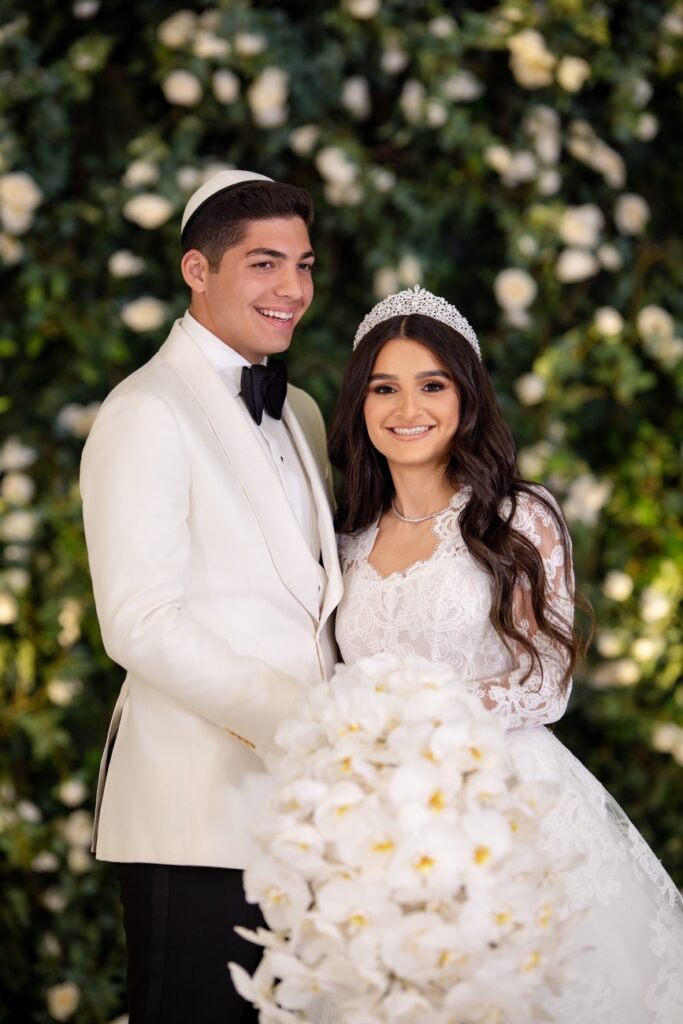
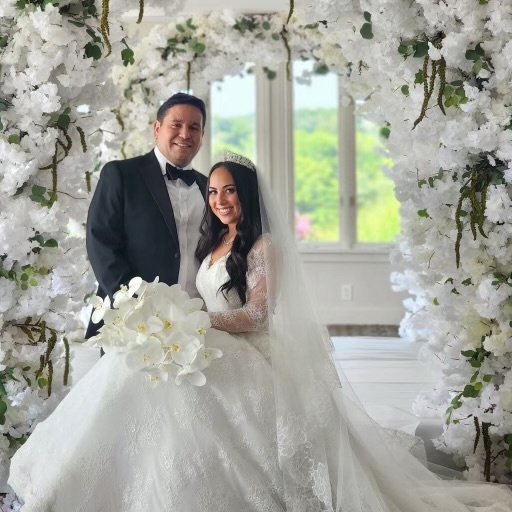
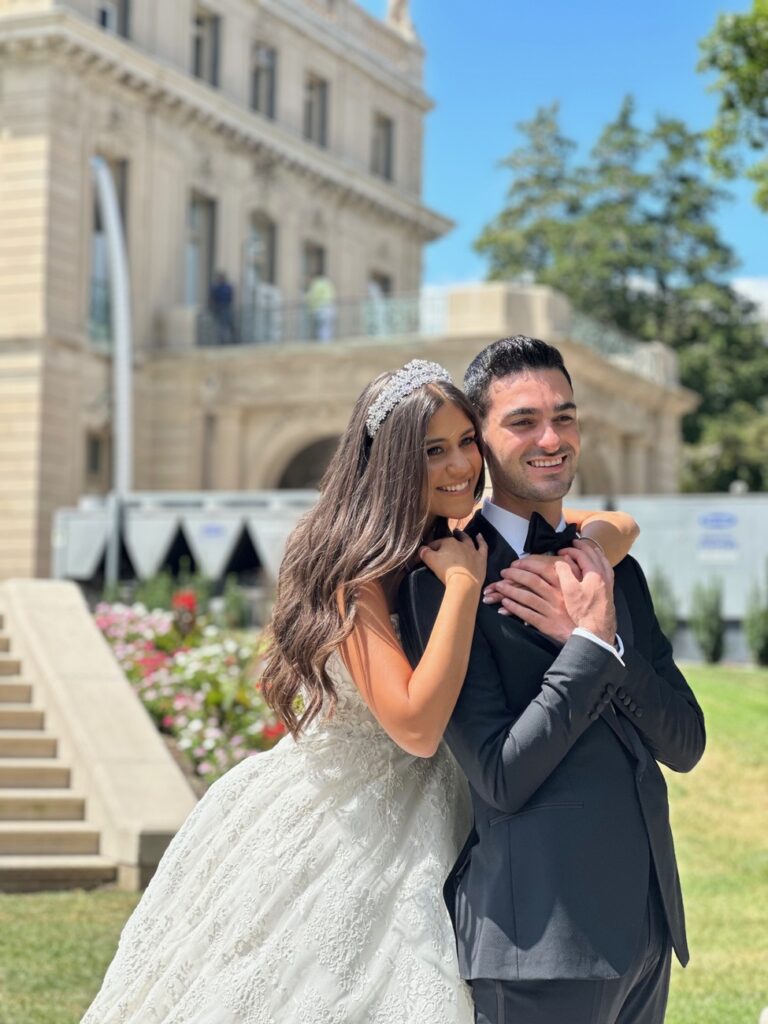
This month’s Community Photo Album focuses on celebrations centered on family, love, and tradition. From joyful engagement parties and wedding celebrations to bar mitzvah gatherings and bris ceremonies, these moments reflect the milestones that bring families together. The photos highlight brides and grooms, intimate family moments, and the shared joy that fills each gathering. Whether captured during a quiet bris ceremony or a lively celebration, each image reflects the heart of community life, where meaningful moments are honored and shared.
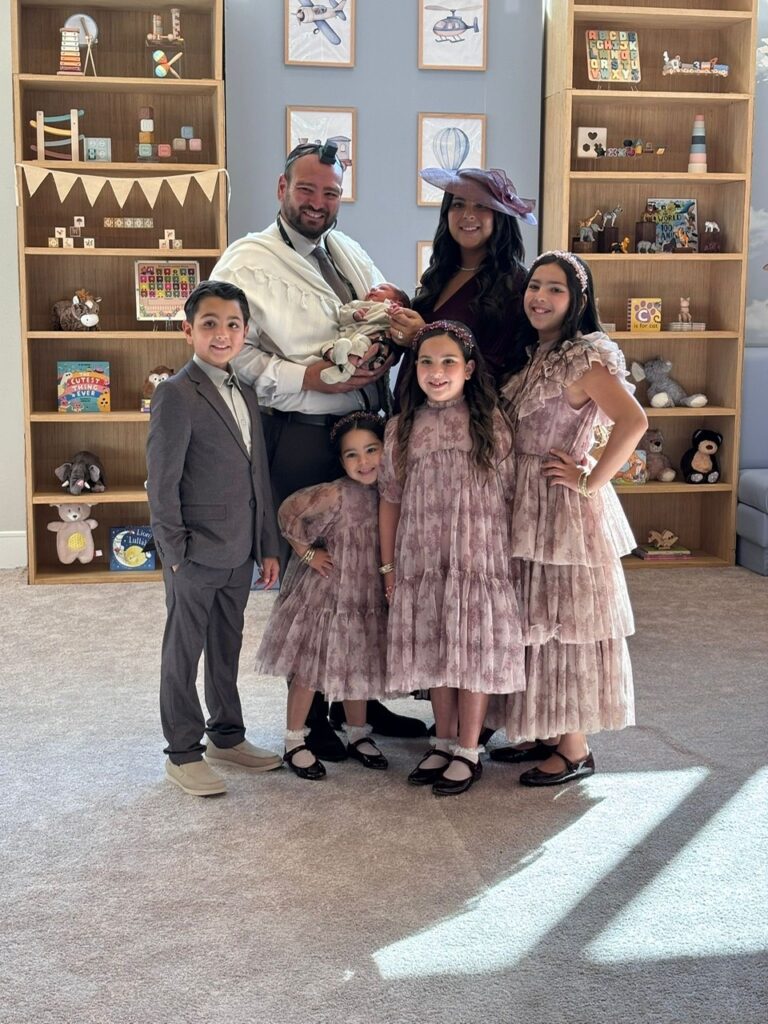
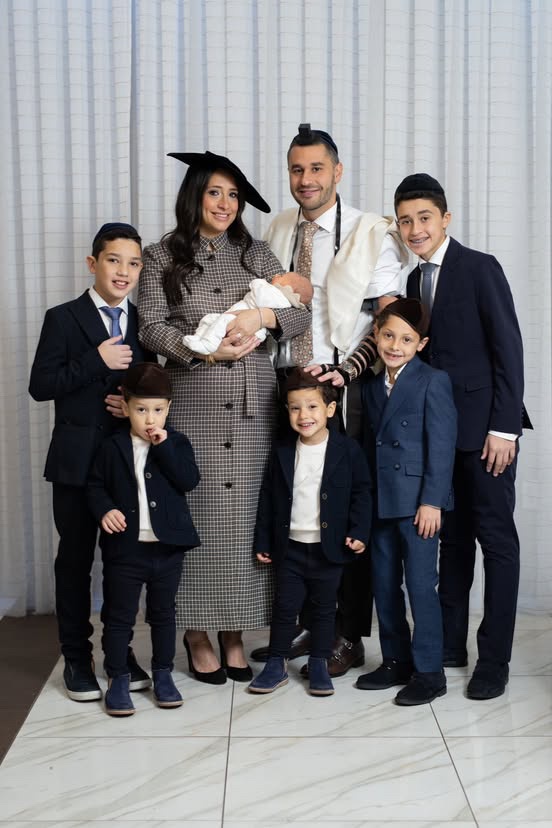
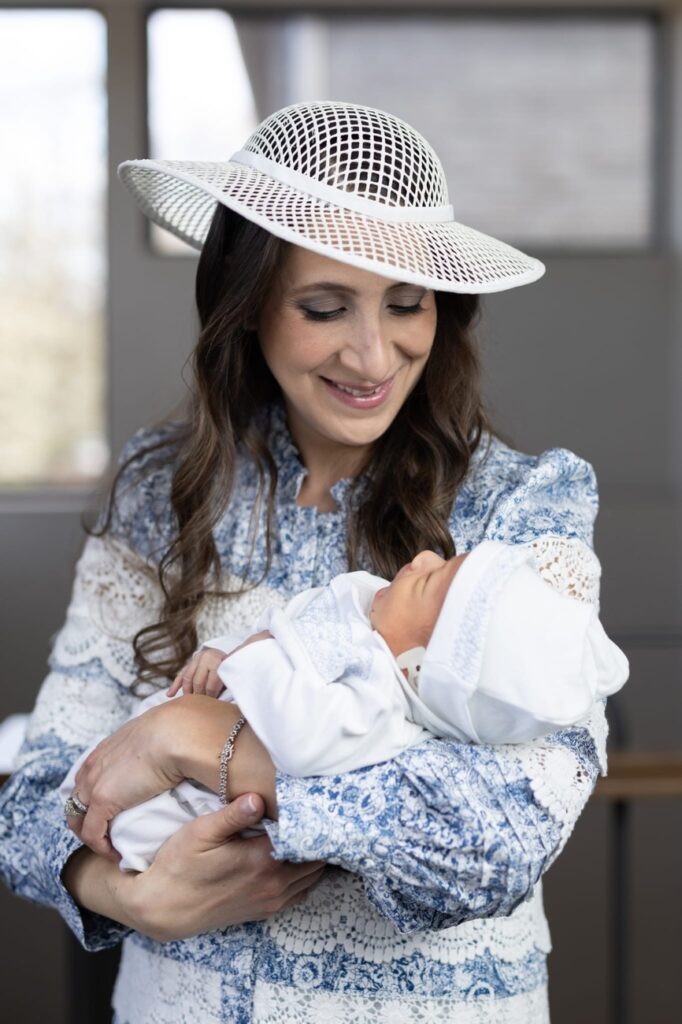
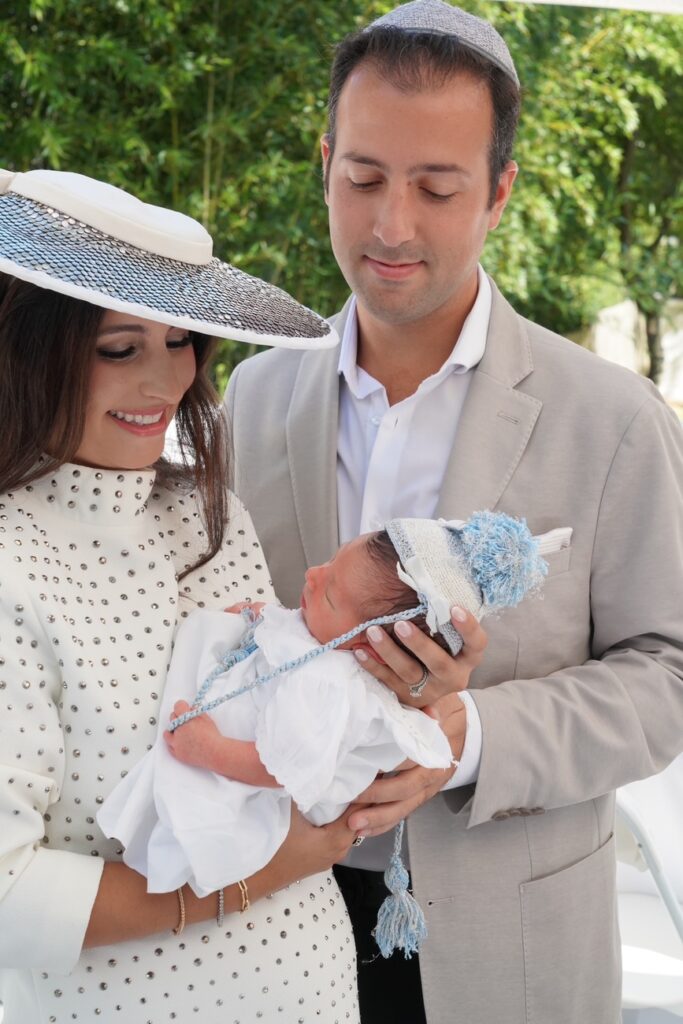
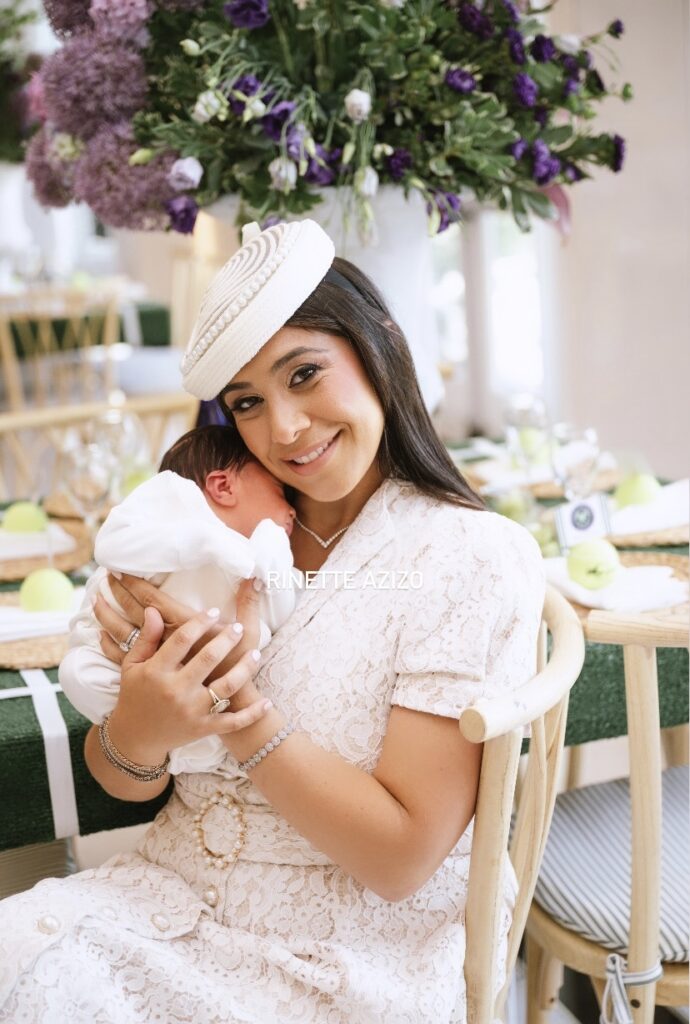
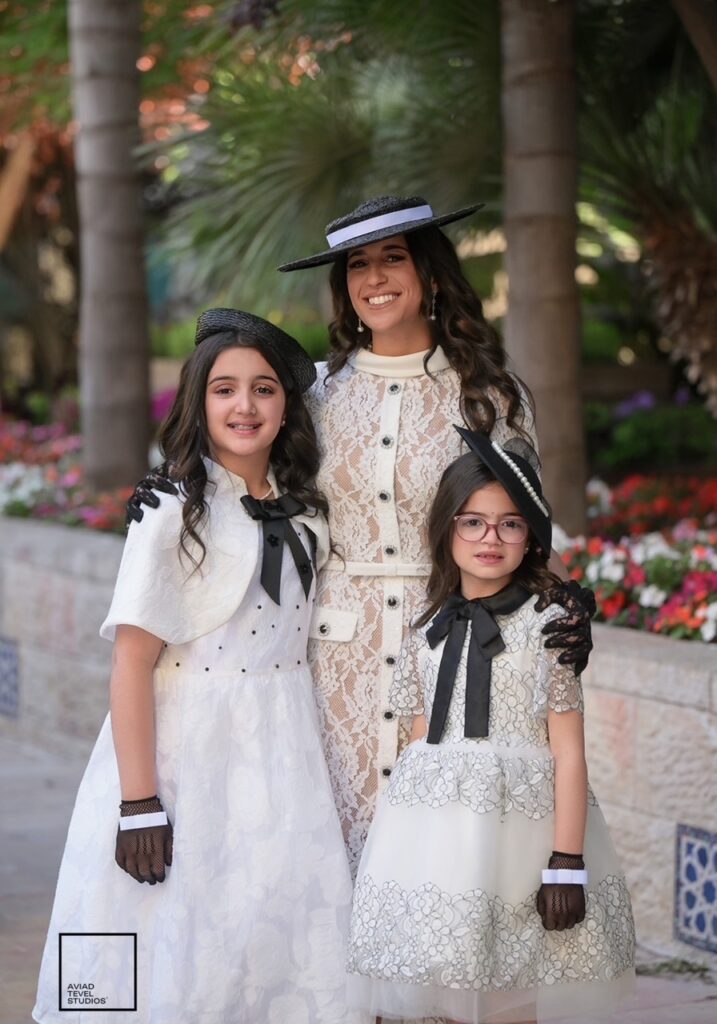
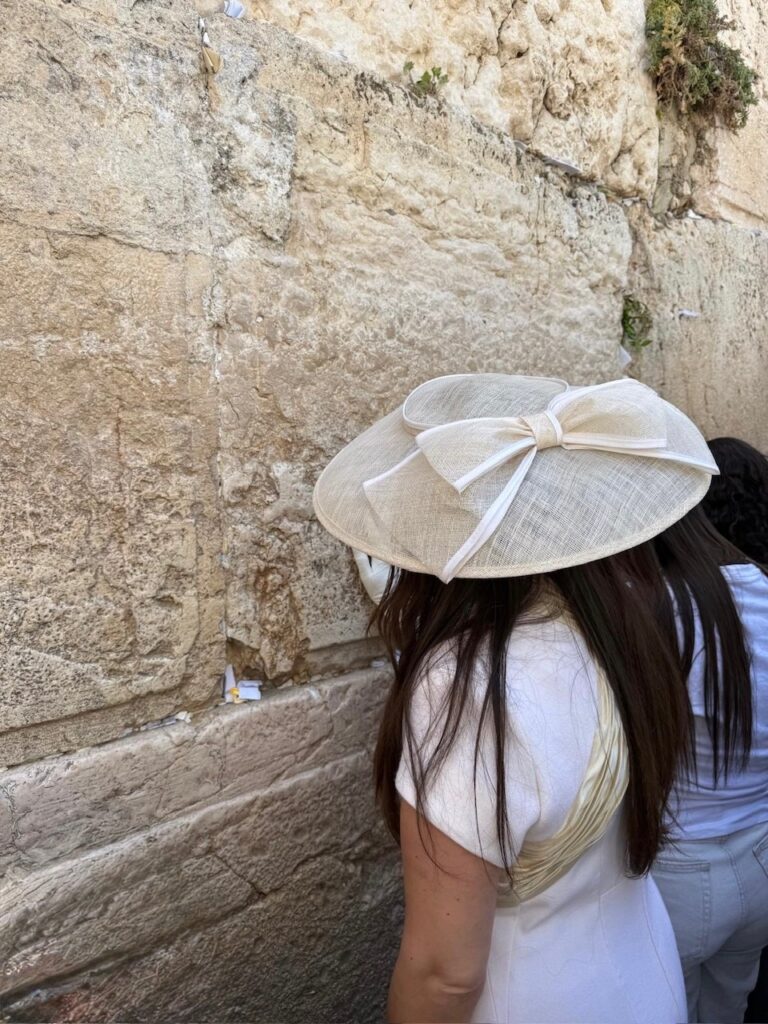
Photo credit: Never Go EmptyHEADED by Sarah Rinette Azizo


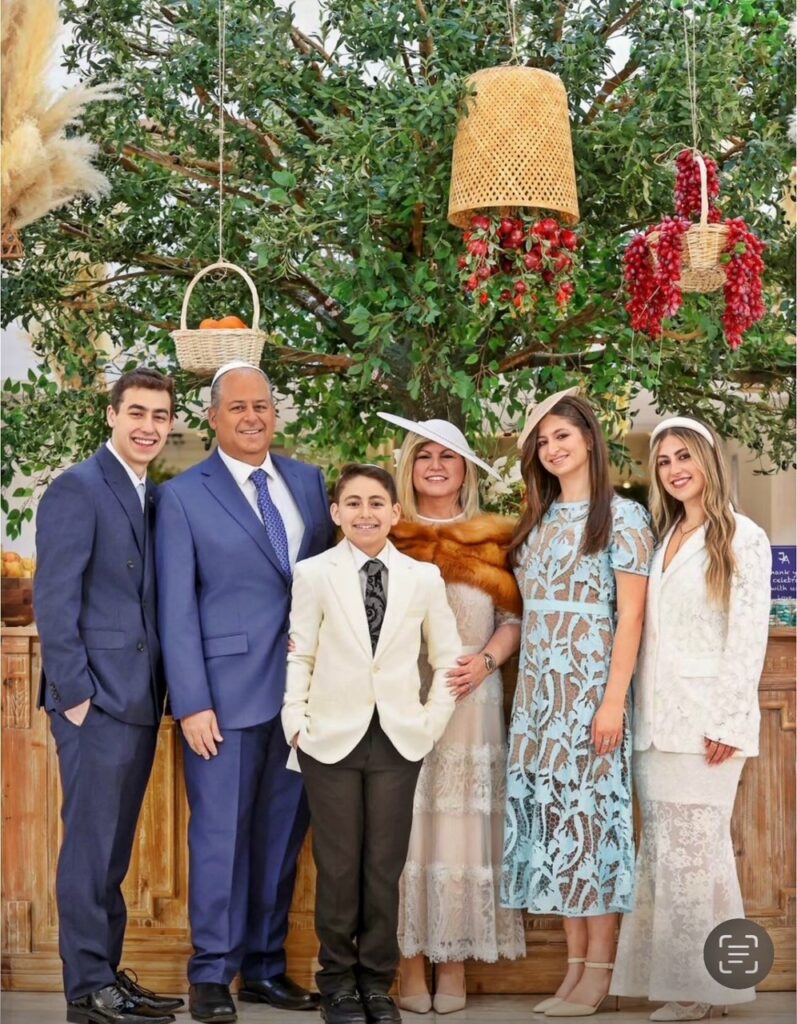
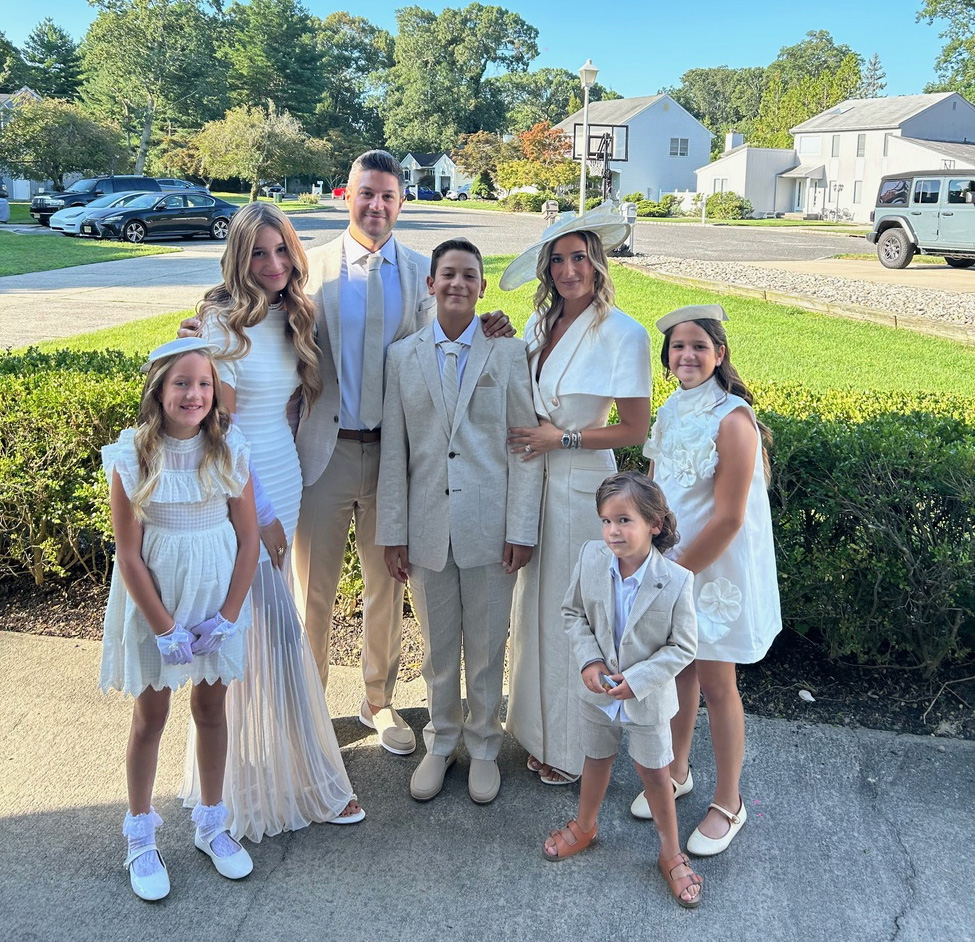
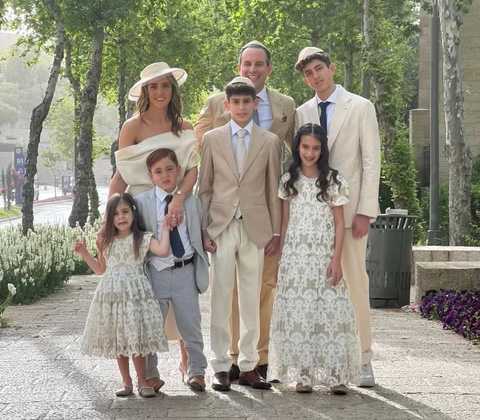
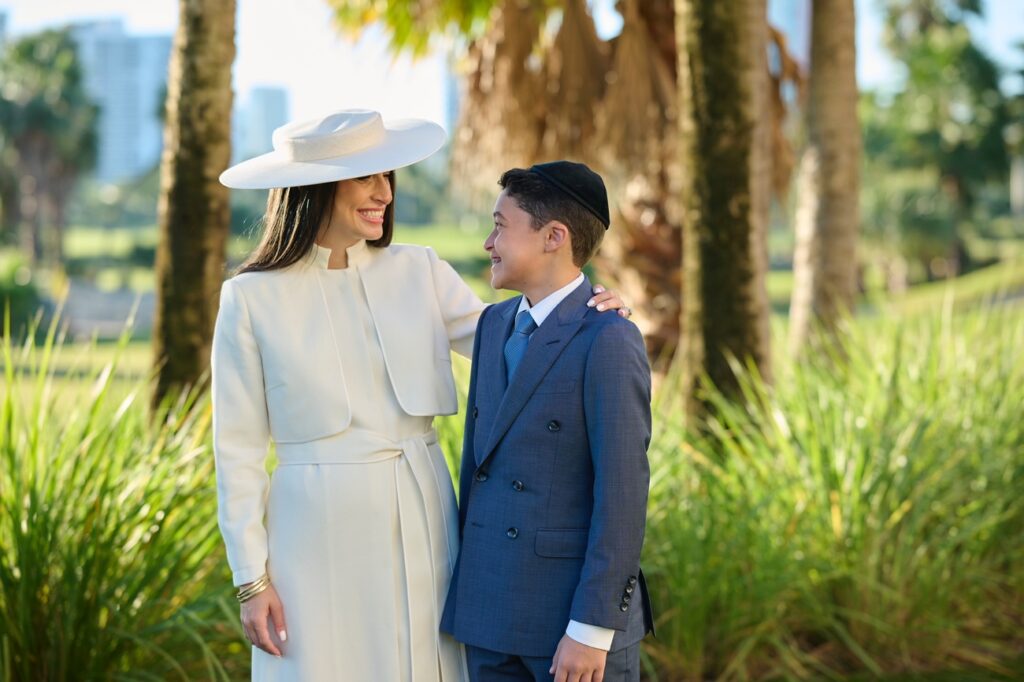
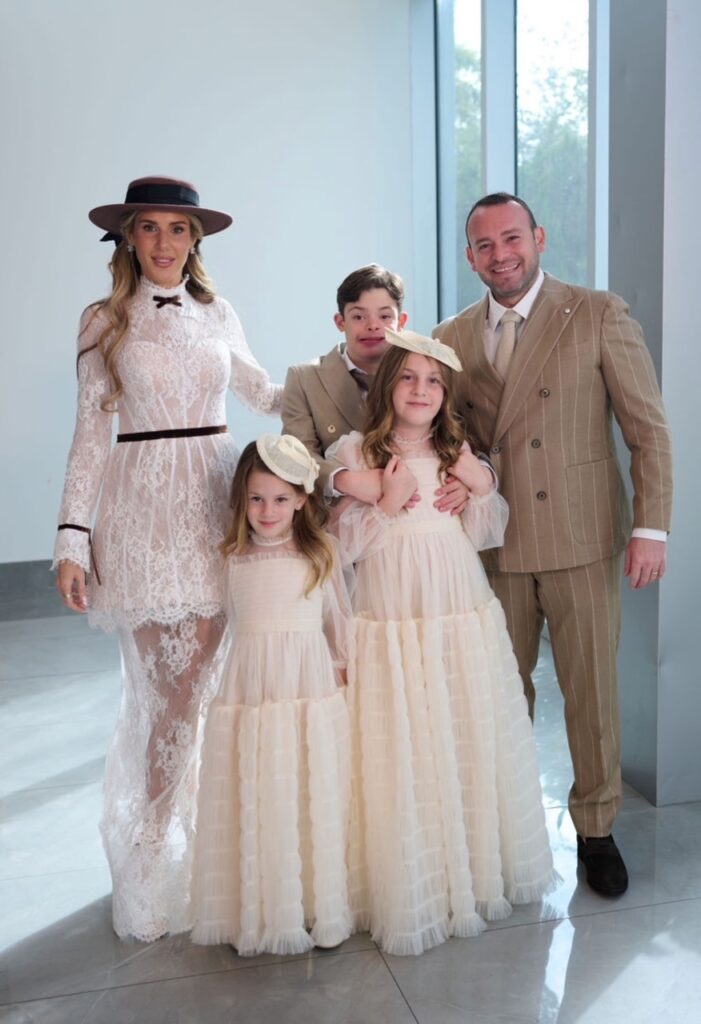
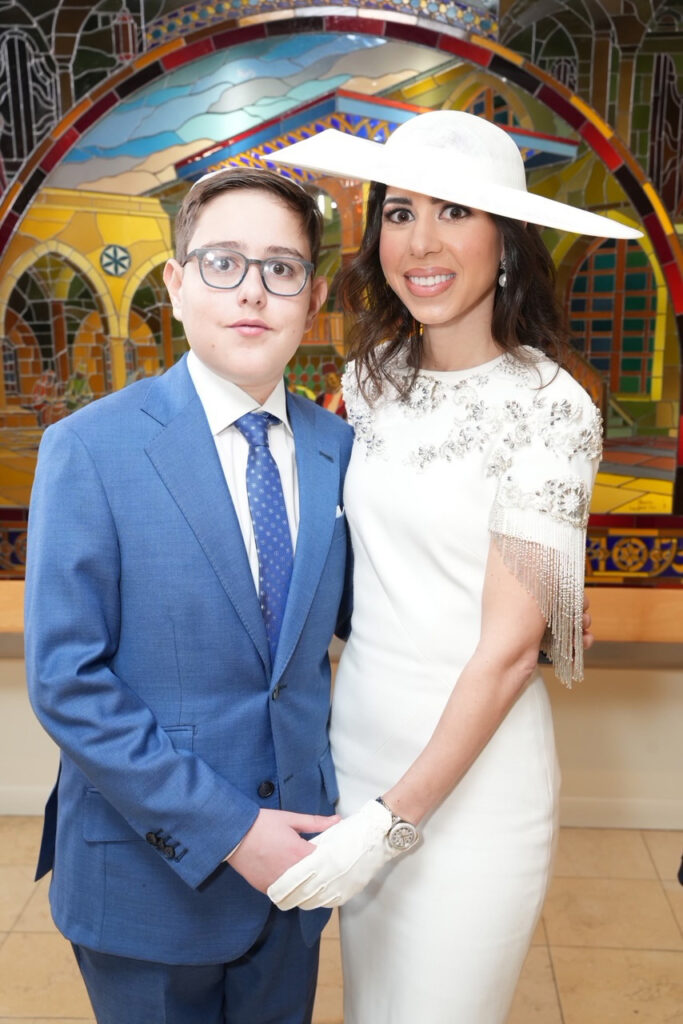
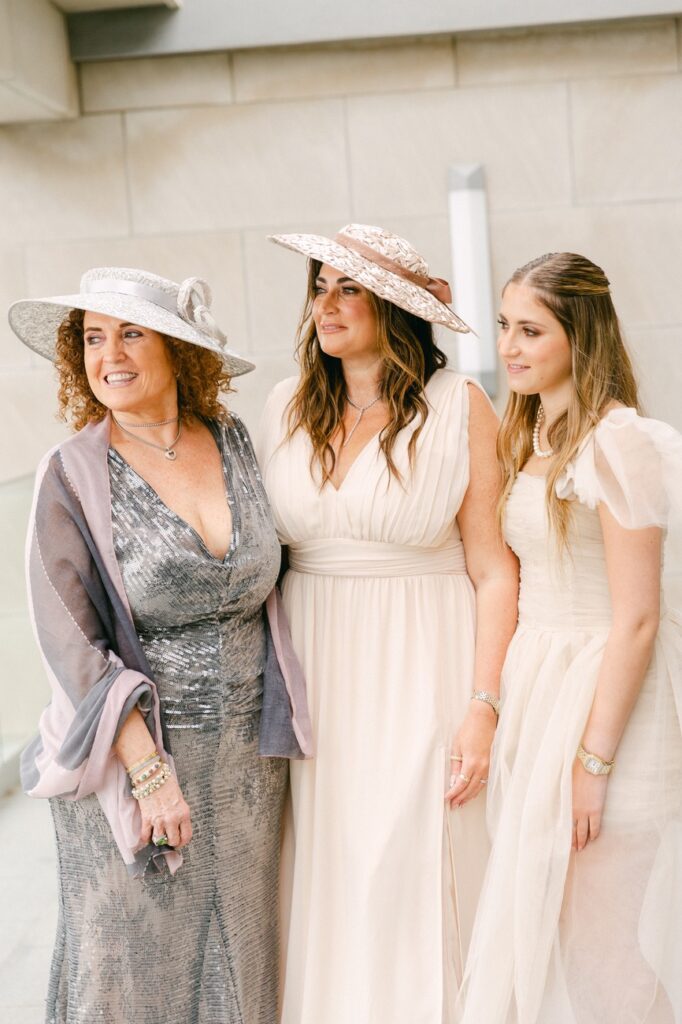
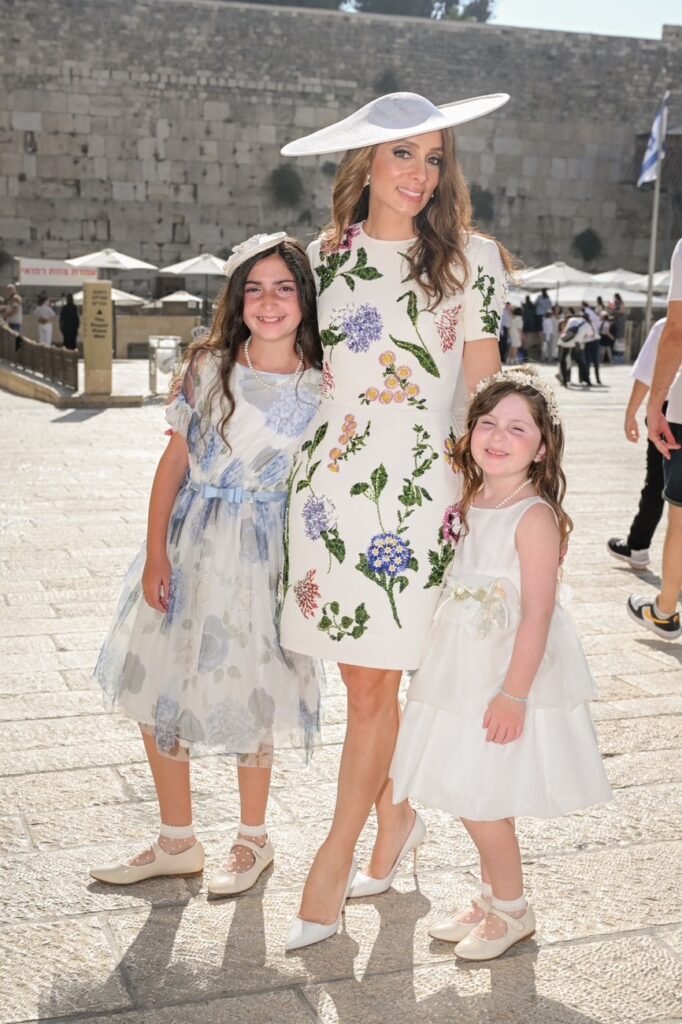




A party feels special when the food looks inviting and tastes like it was planned with care. Guests walk in, spot the platters, and suddenly the room feels warmer. Beautiful appetizers do more than feed people. They create conversation, help guests relax, and set the tone for the rest of the evening. When each bite has good flavor and a clean presentation, the table becomes part of the celebration.
Once you think of appetizers as the stars of the event, choosing and preparing them becomes enjoyable. You can balance rich and light dishes, sweet and savory flavors, and a mix of textures. The recipes below are simple to prepare, easy to serve, and perfect for passing or setting out on trays. They look polished, but they are practical enough for real life.

MINI PULLED BBQ BRISKET SLIDERS
Serves: about 10–12 people
20–24 sliders
Ingredients
• 2 to 3 pounds slow-cooked brisket, shredded
• 1 to 1½ cups BBQ sauce, kosher
• 20–24 small slider buns or mini challah rolls, pareve
• 1 cup pickled onions, sliced thin
How to Prepare

CHICKEN SATAY SKEWERS WITH TAHINI “SATAY” SAUCE
Serves: 6–8 people
Ingredients
• 1½ pounds chicken breast, cut into strips
• 3 tbsp olive oil
• 2 cloves garlic, minced
• 3 tblsps soy sauce or coconut aminos, kosher
Tahini Sauce
• ½ cup tahini
• Juice of 1 lemon
• 1 to 2 tbsp honey
• Pinch of salt
• Water, as needed
How to Prepare

MINI MEATBALLS WITH POMEGRANATE GLAZE
Serves: 8–10 people
Ingredients
• 1-pound ground beef
• 1 egg
• ½ cup pareve breadcrumbs
• ½ small onion, finely minced
• 1 clove garlic, minced
• 2 tbsp chopped parsley
• Salt and pepper
Glaze
• 1½ cups pomegranate juice
• ¼ cup brown sugar
• 1 tbsp vinegar
How to Prepare

SHAWARMA CHICKEN CUPS
Serves: 10–12 people
Ingredients
• 2 pounds chicken thighs, cut small
• 2 to 3 tbsp shawarma seasoning
• 2 tbsp olive oil
• Mini lettuce cups or small pareve tortilla-style shells
• 1 cup finely chopped Israeli pickles
• Techina for drizzling
How to Prepare
Put these recipes together on one buffet and you get balance, variety, and flavor without stress. Each dish can be prepared ahead in stages, then heated or assembled before serving. With thoughtful portions and simple garnishes, your guests will feel cared for from the very first bite.
How Mothers and Grandmothers Thoughtfully Coordinate a Modern Brit Milah
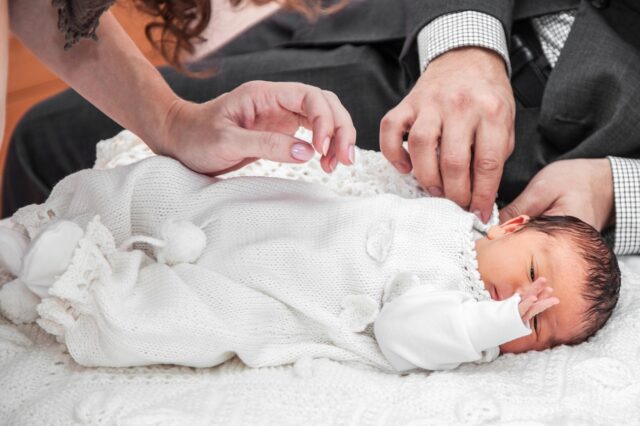
A brit milah is one of the most meaningful moments in a family’s life, and for many households, the planning is guided by mothers and grandmothers. They are the ones selecting the pillow, assembling the ceremony set, choosing the baby’s gown and kippah, and coordinating what will be worn by those entrusted with carrying the baby. In recent years, these decisions have become more deliberate. Families are thinking carefully about how each element works together, creating a setting that feels dignified, calm, and beautifully prepared.
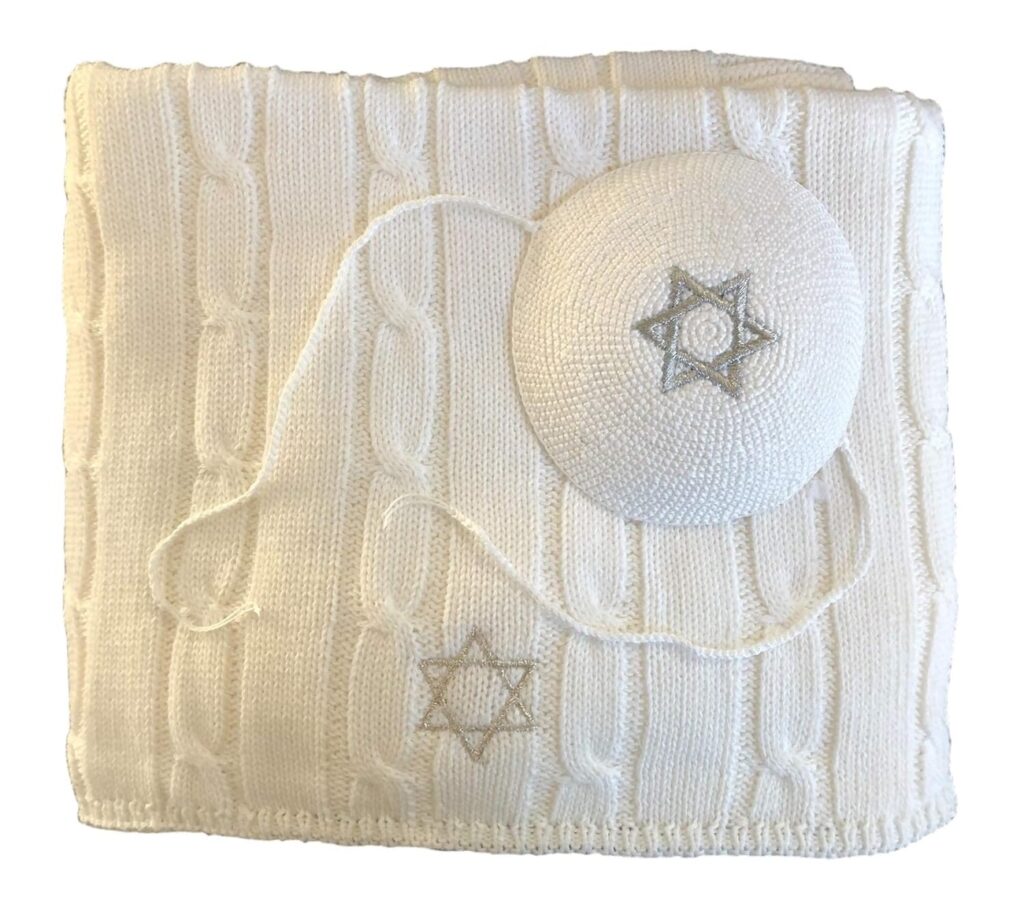
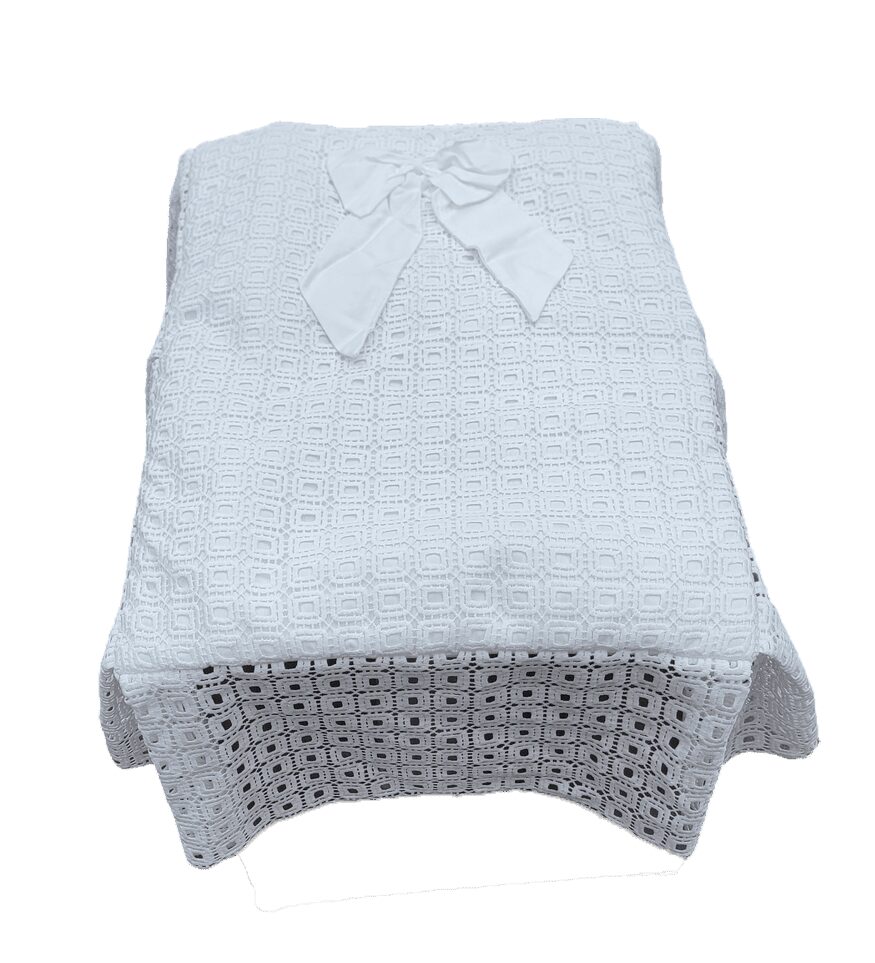
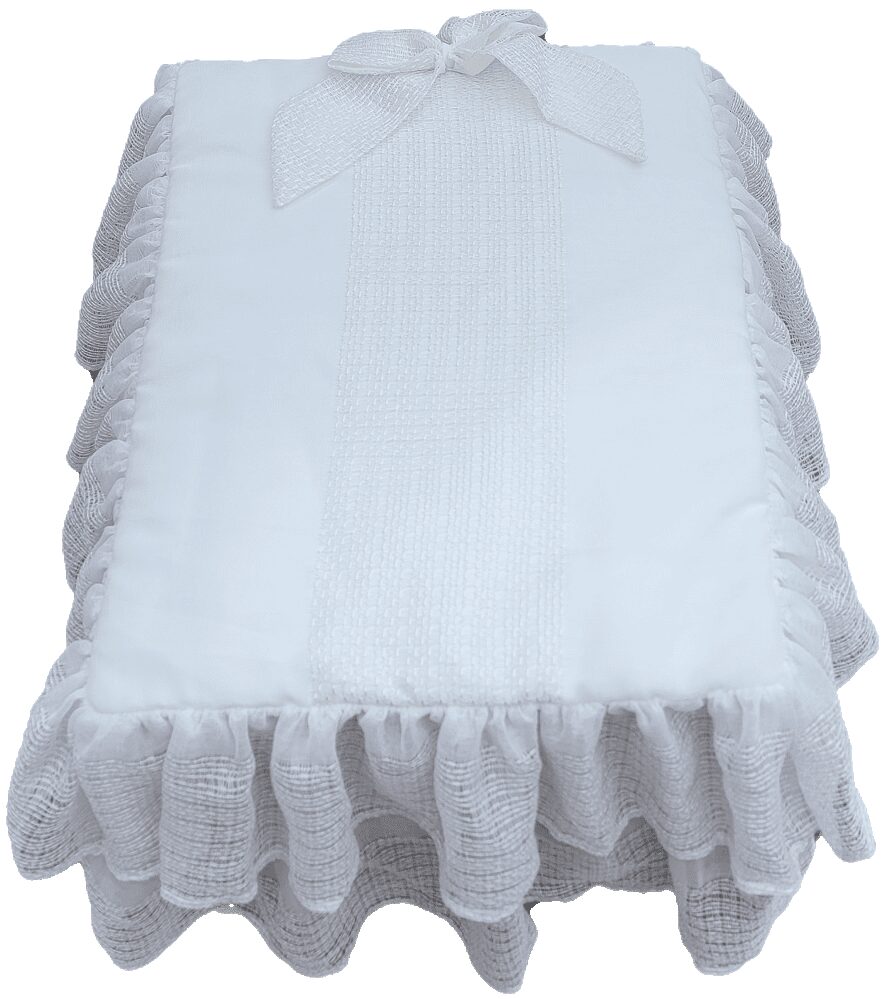
The process often begins with the brit milah pillow. While white remains timeless, many families are drawn to softer neutral tones that add warmth and depth. Ivory, cream, champagne, and pale stone are especially popular choices. These shades feel refined without drawing attention to themselves and work seamlessly in both synagogue and home settings. Beyond color, quality matters. A well-made pillow should feel substantial and balanced, offering secure support while maintaining a clean, elegant appearance. Fine stitching, thoughtful proportions, and restrained Hebrew embroidery signal craftsmanship that will stand the test of time.
Once the pillow is chosen, the rest of the ceremony pieces naturally follow. Mothers and grandmothers often coordinate the chair of Eliyahu HaNavi cover and wine cover to complement the pillow rather than mirror it exactly. Consistency in tone creates a cohesive look, while subtle variations in texture keep the overall effect layered and interesting. When the ceremony is held at home, many families also consider how these items will sit within the space, choosing pieces that feel aligned with the surrounding decor.
The baby’s gown is another detail receiving careful attention. Traditionally white or ivory, gowns today are chosen for their fabric, drape, and balance. Soft cottons and lightweight blends that move gently and feel comfortable are favored, especially since the baby may be held by several people throughout the ceremony. Length and weight matter. A gown that falls cleanly without excess fabric feels polished and well proportioned. Many families look for a gown that quietly echoes the tones and textures of the pillow and ceremony set.
The baby’s kippah, once an afterthought, is now part of the overall vision. Families are selecting soft fabric kippot designed to stay in place and feel proportionate to the baby. Neutral shades, subtle embroidery, or a refined metallic accent add just enough detail to feel special without overpowering the look.
Deciding between ready-made and custom pieces is often a turning point. Ready-made brit milah sets offer ease and confidence. They provide a coordinated foundation and eliminate much of the guesswork, making them an appealing choice for families who value simplicity and reliability. These sets are also practical for reuse and can be shared among family members, allowing items to be passed from sibling to sibling or kept within the extended family for future britot.
Custom pieces offer a more hands-on option and are often chosen for their personal significance. Many mothers and grandmothers work with local needlepoint or embroidery shops to design a custom brit milah pillow or chair cover. Others take on the project themselves, creating something by hand that reflects care and intention. This approach allows for creativity while still keeping the design restrained and appropriate for repeated use. When done thoughtfully, these pieces carry a quiet uniqueness that comes from knowing a family member invested time and effort into making them.
Even with custom work, restraint remains important. Families often avoid overly specific colors or details so the items can be used again and shared across generations. In many homes, brit milah pieces become heirlooms, brought out for each new baby and associated with years of family memories. Choosing durable fabrics and timeless designs helps ensure these items age gracefully.
Head coverings remain an essential part of the overall look. Mothers often select a scarf or shawl ahead of time, choosing something that feels comfortable, secure, and refined, and that can later be worn for Shabbat or other simchas. Grandmothers, particularly those bringing the baby in and out, are increasingly included in the coordination. Related head coverings acknowledge their roles and create visual balance, adding to the sense that every detail has been considered.
A layered approach helps keep planning manageable. Starting with the pillow and ceremony set provides a foundation. Adding the baby’s gown and kippah builds the look. Finishing with head coverings for the mother and grandmothers completes the picture. This method keeps decisions focused and ensures each piece has purpose.
Long after the day itself, families often proudly display images from the brit milah in their homes, alongside other meaningful milestones. Choosing pieces with care and restraint allows them to serve not just one celebration, but many families and many years to come.
Where Style, Spirit, and Simcha Meet
For Sarah Rinette Azizo, fashion is both an art form and a form of devotion. An FIT graduate with a lifelong passion for style, Sarah’s journey began in childhood, when her mother would lovingly custom-make headpieces to match her outfits. What started as a personal expression of beauty has since evolved into a refined calling, one that places Sarah Rinette at the heart of the Jewish community’s most sacred and joyous moments.
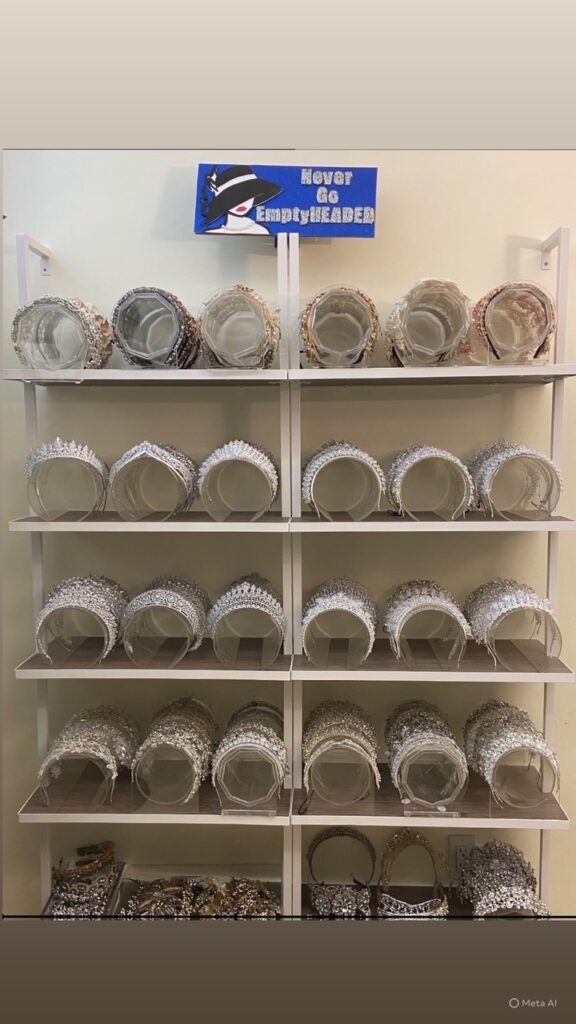

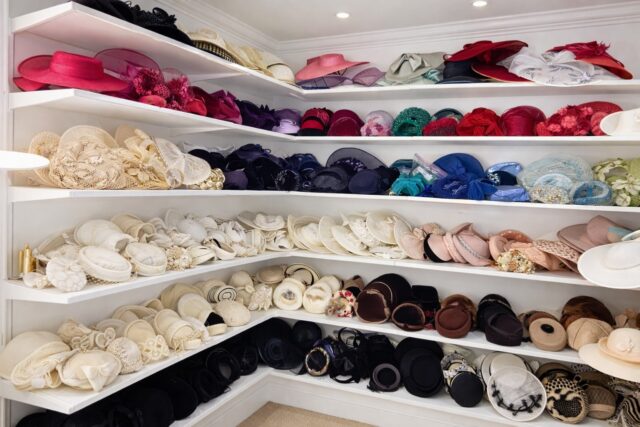
Today, Sarah Rinette is known not simply for her designs, but for the experience she creates. From the moment a client enters her showroom, they are enveloped in a calm, intentional atmosphere. Soft music, a signature scent, and a carefully curated collection of hats and headpieces in every imaginable color, shape, and texture set the tone. The space feels almost meditative, a quiet pause before life’s most meaningful celebrations.
Sarah’s styling philosophy is holistic and deeply personal. She gives each woman her undivided attention, thoughtfully coordinating every element of the look, from shoes and dresses to gloves, accessories, and, of course, the headpiece. Her keen eye ensures that nothing is overlooked, resulting in ensembles that feel polished, elevated, and effortlessly cohesive. Clients don’t simply leave styled. They leave transformed, confident, radiant, and runway-ready.
Yet beyond fashion lies purpose. In religious settings such as Shabbat, bar mitzvahs, weddings, brissim, and pidyons, particularly in communities where women do not cover their hair daily, the hat becomes an expression of kavod (honor), honor to the Torah and reverence for the occasion. Sarah Rinette understands this nuance intimately. Through her designs, she helps women embrace these moments with dignity while still feeling beautiful, modern, and true to themselves.
Her mantra, boldly stated, “Never go EmptyHEADED,” is more than a play on words. It reflects a philosophy rooted in intention, that what we wear on our heads can elevate not only our appearance, but our mindset, our presence, and our connection to G-D.
Each of Sarah Rinette’s pieces is one of a kind, crafted with soul, elegance, and meaning. Above all, Sarah considers it her greatest privilege to be part of people’s happiest occasions, enhancing moments of holiness and joy while helping women feel seen, honored, and truly beautiful.
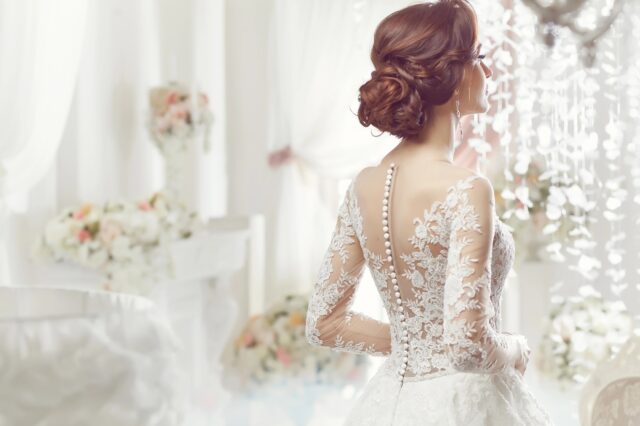
The wedding dress has always reflected its moment, and 2026 is shaping up to be a year of quiet confidence and thoughtful design. Brides are choosing gowns that feel personal rather than performative, polished without being precious. The mood is modern, but grounded in tradition, with a strong focus on comfort and craft.
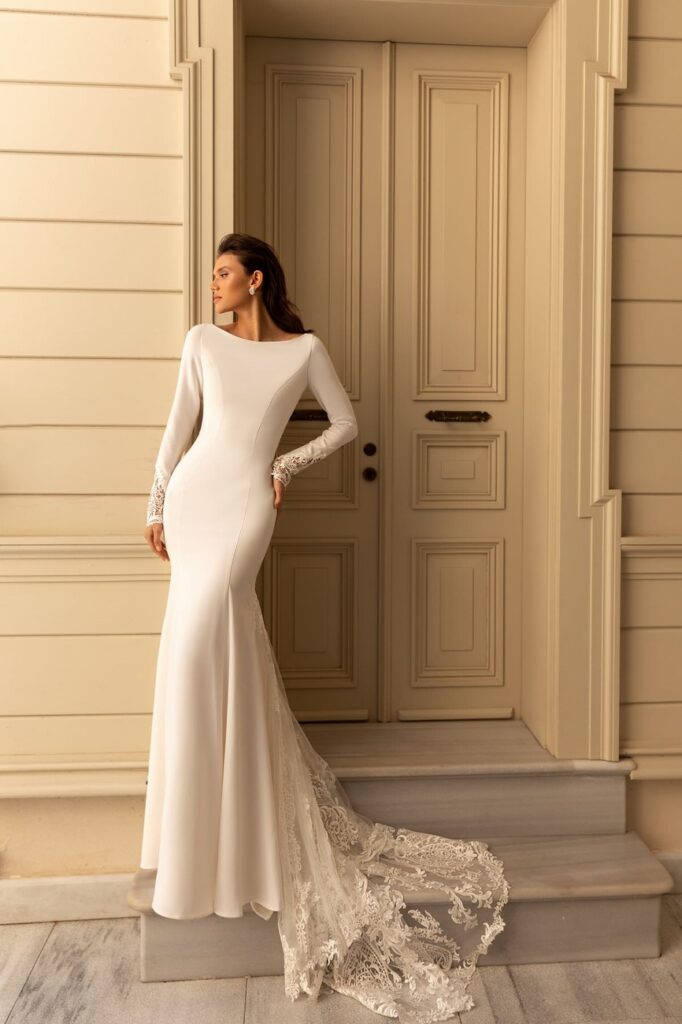
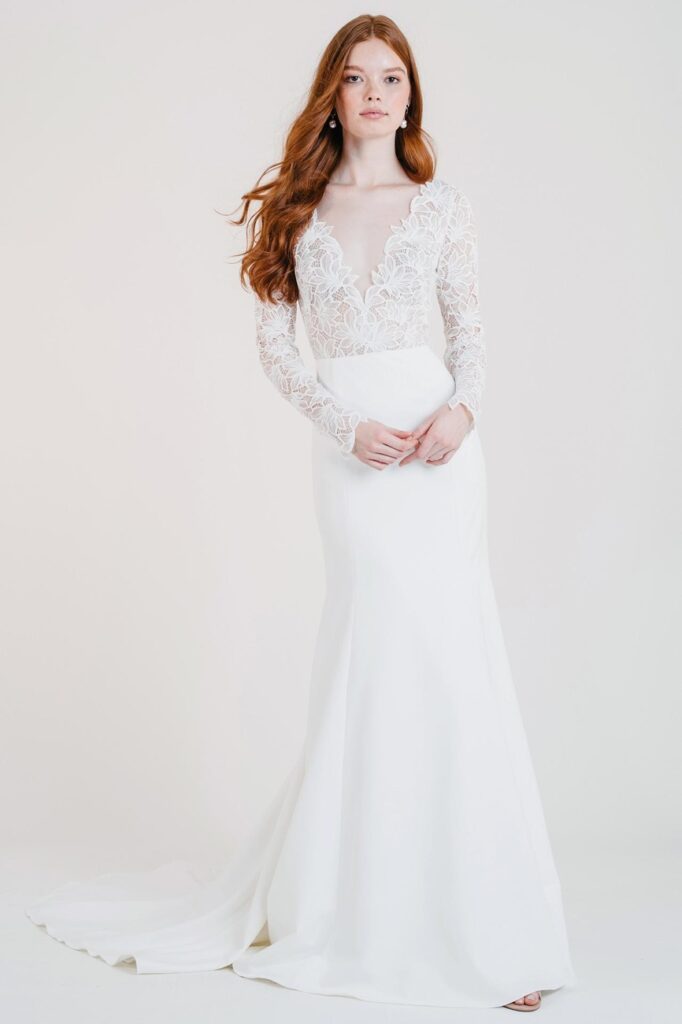
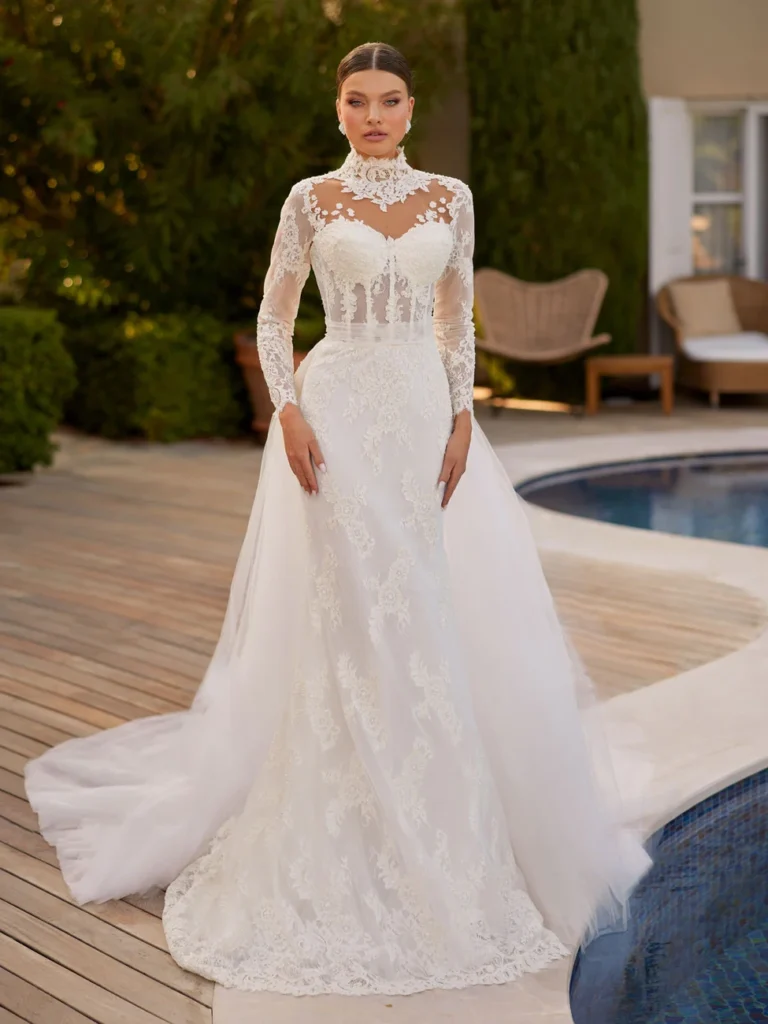
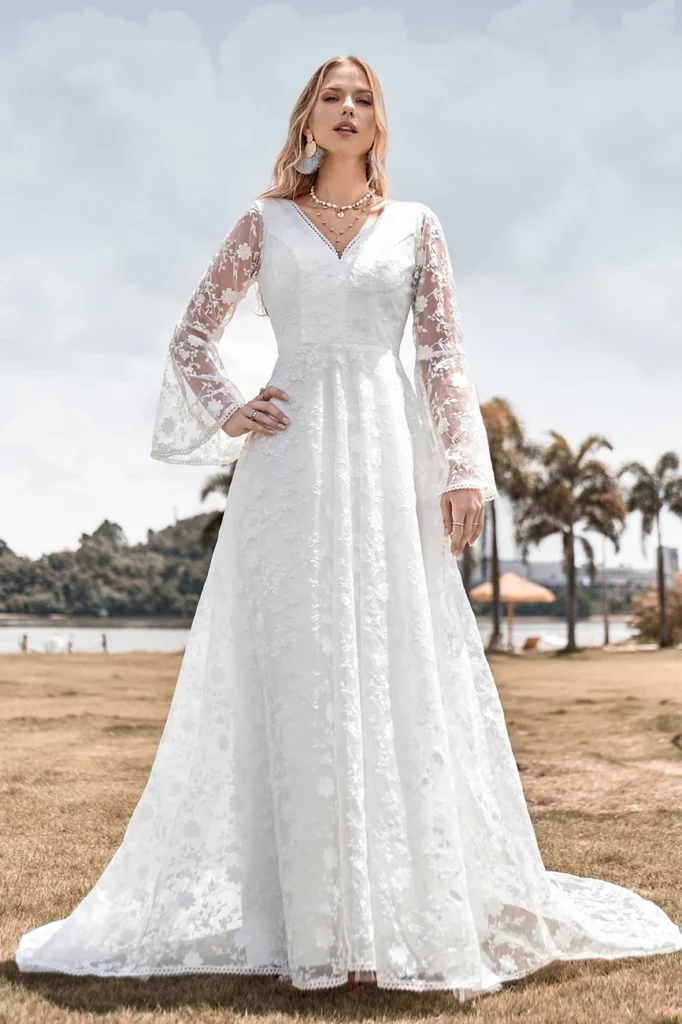
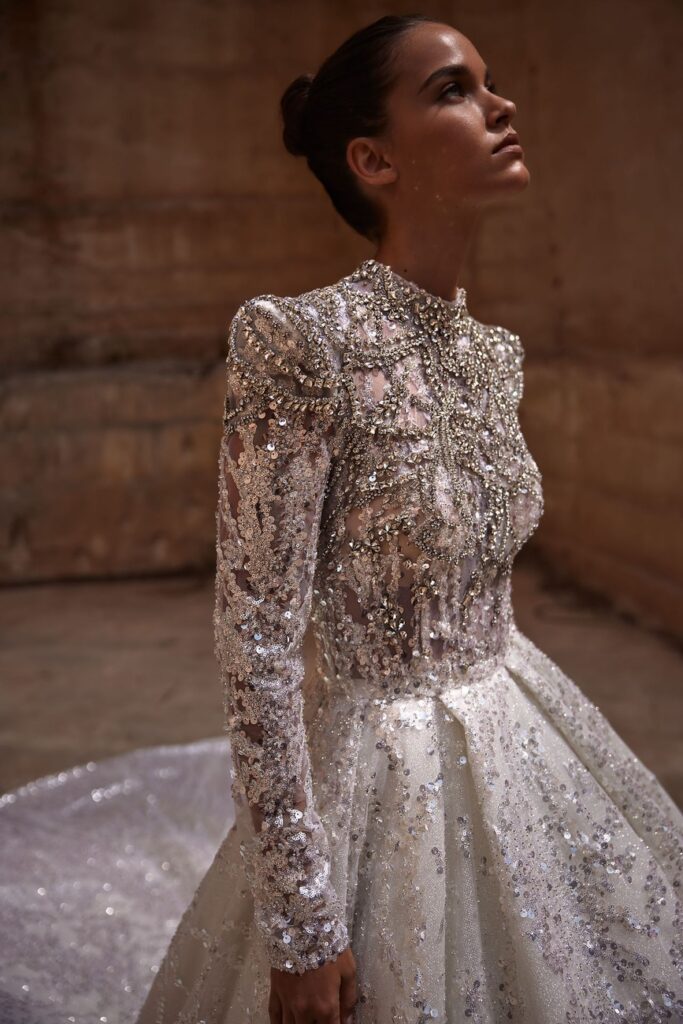
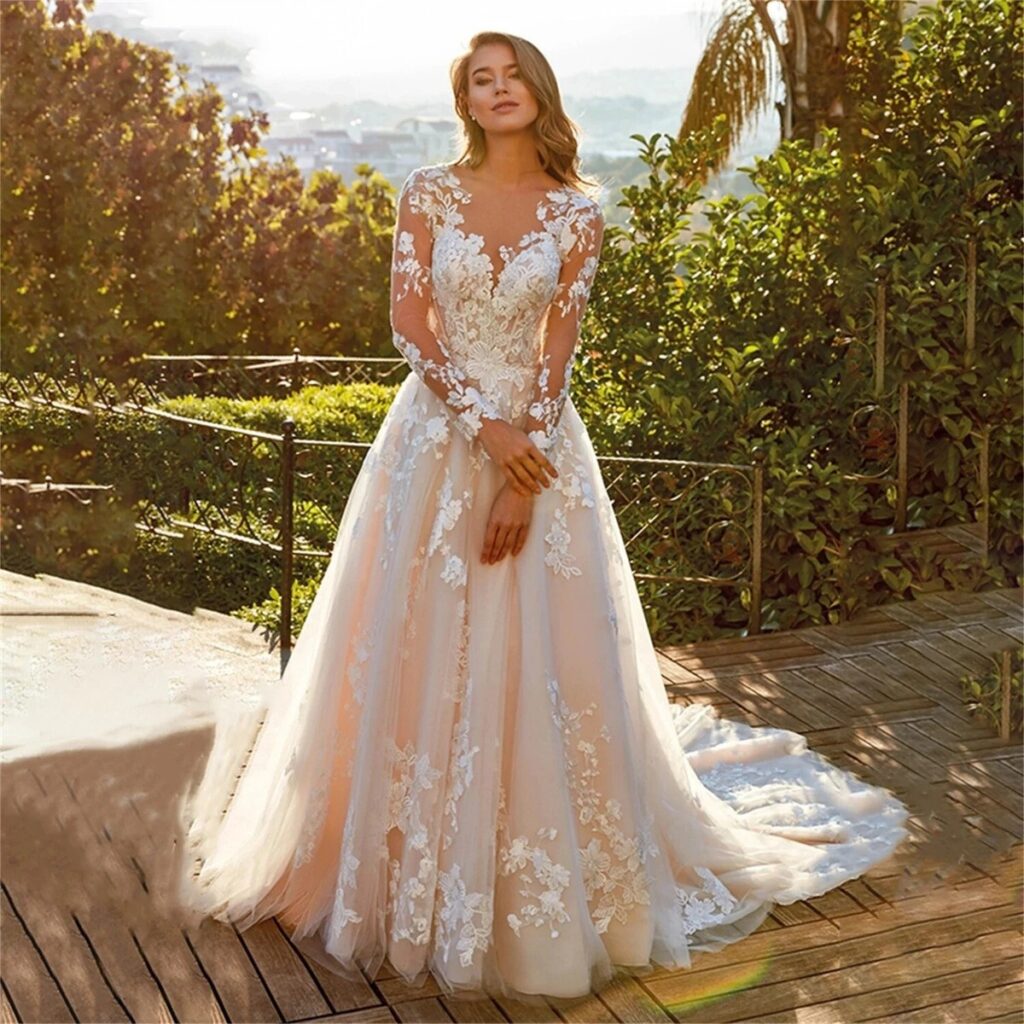
This shift is not about abandoning romance. It is about redefining it in ways that feel honest and wearable. Designers are responding with silhouettes and details that invite movement, personality, and ease, all while keeping that unmistakable bridal magic intact.
One of the most noticeable trends for 2026 is a softer approach to structure. Heavy corsetry is giving way to flexible bodices that still shape the figure but allow a bride to breathe, sit, and dance without feeling restricted. Built in support has improved, thanks to better pattern making and fabric technology, so gowns hold their form without stiffness. For brides, this means fewer outfit changes and more time enjoying the day without tugging or adjusting.
Fabric choices are also evolving. Matte finishes are taking center stage, replacing the high shine satins that dominated recent years. Silk crepe, soft mikado, and textured organza offer depth without glare, especially in natural light. These fabrics photograph beautifully and feel timeless, which appeals to brides thinking beyond the wedding album and toward how the dress will age in memory. Designers are also layering fabrics in subtle ways, creating movement that feels natural rather than dramatic.
Sleeves remain popular, but they are becoming lighter and more intentional. Detachable sleeves are everywhere for 2026, giving brides flexibility from ceremony to reception. Sheer long sleeves with minimal embellishment, soft flutter sleeves, and delicate cap sleeves offer coverage without heaviness. This trend speaks to a larger desire for adaptability, allowing one dress to carry multiple moods throughout the day.
Color is another area where 2026 stands apart. While ivory and white remain staples, designers are expanding the palette with soft champagne, warm almond, barely there blush tones and silver. These hues add warmth to the complexion and pair beautifully with outdoor venues and evening lighting. Brides who once felt boxed into a single shade now have options that still read as bridal but feel more personal.
Detail work in 2026 is refined and meaningful. Lace is still present, but it is more architectural than ornate. Instead of heavy floral patterns, designers are using lace as texture, placing it thoughtfully to highlight shape and movement. Hand sewn elements, like subtle embroidery or fabric covered buttons, add interest without overwhelming the gown. This trend reflects a broader appreciation for craftsmanship and the hands behind the dress.
For brides who value versatility, two piece looks and overskirts are gaining ground. A simple fitted dress paired with a removable skirt creates drama for the ceremony and ease for the celebration that follows. This approach allows brides to invest in one well-made base gown while still achieving a layered look that feels special and intentional.
Expert bridal stylists are also advising brides to think about their venue and season more carefully than ever. A 2026 trend is choosing a dress that works with the environment rather than competing with it. Lightweight fabrics for summer weddings, sleeves or higher necklines for cooler months, and trains that suit the space are all part of a smarter, more thoughtful approach to gown selection.
The final takeaway for 2026 is confidence through simplicity. These dresses are not about excess. They are about clarity, comfort, and personal style. Brides are choosing gowns that reflect who they are and how they want to feel, not just how they want to look. That sense of ease and intention is what will define the most memorable wedding dresses of the year ahead.
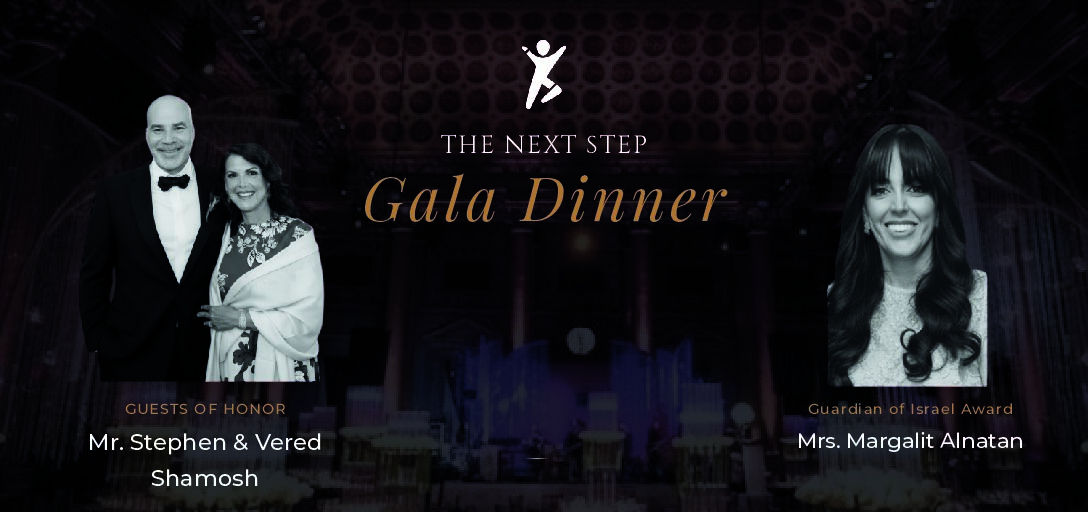
10 Years of Possibility
For ten years, The Next Step has stood beside amputees in Israel at the most difficult moments of their lives, helping them move from trauma to strength, from loss to independence.
As the organization celebrates “10 Years of Possibility” this February, we are looking back not just at the 4,800 lives we have empowered, but at the people who made it all possible.
Since the very beginning, the Sephardic Community has stood as a pillar of strength for The Next Step. When this organization was just a dream, it was members of this community who stepped forward with open hearts and unwavering support, understanding deeply the need to empower individuals who have experienced limb loss to regain independence, confidence, and a sense of purpose.
Some notable members of the Community include Joe Aini, Jack and Vicki Aini, Evet Balas, Ari and Sima Baum, Daniel Benun, Ezra and Korine Castro, David and Allison Chemtob, Abie and Rebecca Cohen, Marc Dwek, Yoel and Ruth Dweck, Edmund and Terri Harary, David and Adele Khaski, Aura Lagnado, Joey and Ronette Mansour, Steven and Randi Matsas, Joey and Leat Romano, Zaki and Freida Salame, Elliott and Olga Schweky, Ovadia and Stella Setti, Iris Shalam, and Elliot and Grace Simhon. You have all been our partners in turning trauma into strength and loss into independence.
It is fitting, then, that as we mark this massive ten year milestone, the spotlight falls on three incredible individuals from the Sephardic Community who exemplify this dedication.
At our upcoming gala, we are privileged to have as Guests of Honor, Mr. Stephen and Vered Shamosh. Their involvement for the past nine years represents the very best of our community’s values, hessed, leadership, and a steadfast commitment to ensuring that no amputee ever walks alone. We are also proud to present the Guardian of Israel Award to Mrs. Margalit Alnatan, another member of the Sephardic Community who has a longstanding commitment to ensuring that Am Yisrael is protected and taken care of.
This year’s Gala is more than a celebration. It is a launchpad for the future. The Gala will directly fund Israel’s first comprehensive Empowerment Center, a space dedicated to physical therapy, fitness, and community building for amputees.
We invite you to join us on Monday, February 23, 2026, at Capitale NYC. Come celebrate a decade of miracles, honor our cherished community leaders, and help us take the next step forward.
When you join us, you are not just attending an event. You are laying the foundation for a future where every amputee in Israel has a place to rebuild their strength and their life.
For more information, visit thenextstepgala.com. q
Yvonne Orfali
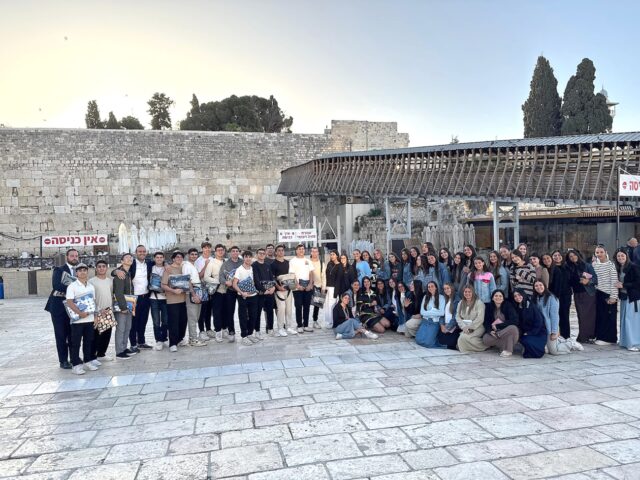
How realistic does it sound to wake up one HUNDRED AND TWO high school seniors at 4:00 a.m.? Take it one step further and imagine them seated on the bus by 4:30 a.m., waiting for their excursion to the Kotel.


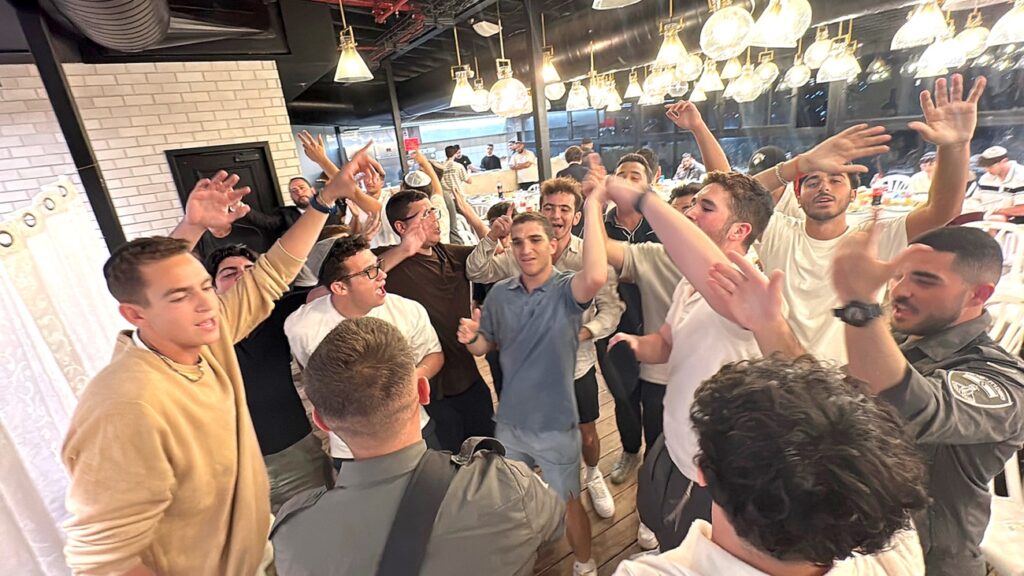
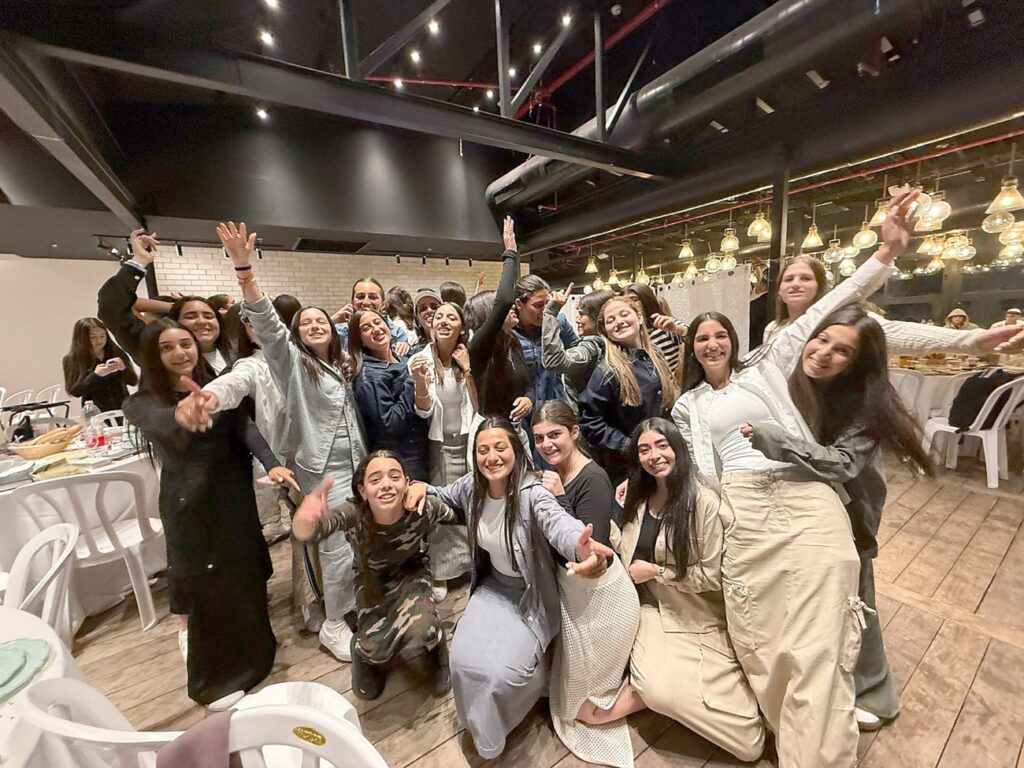
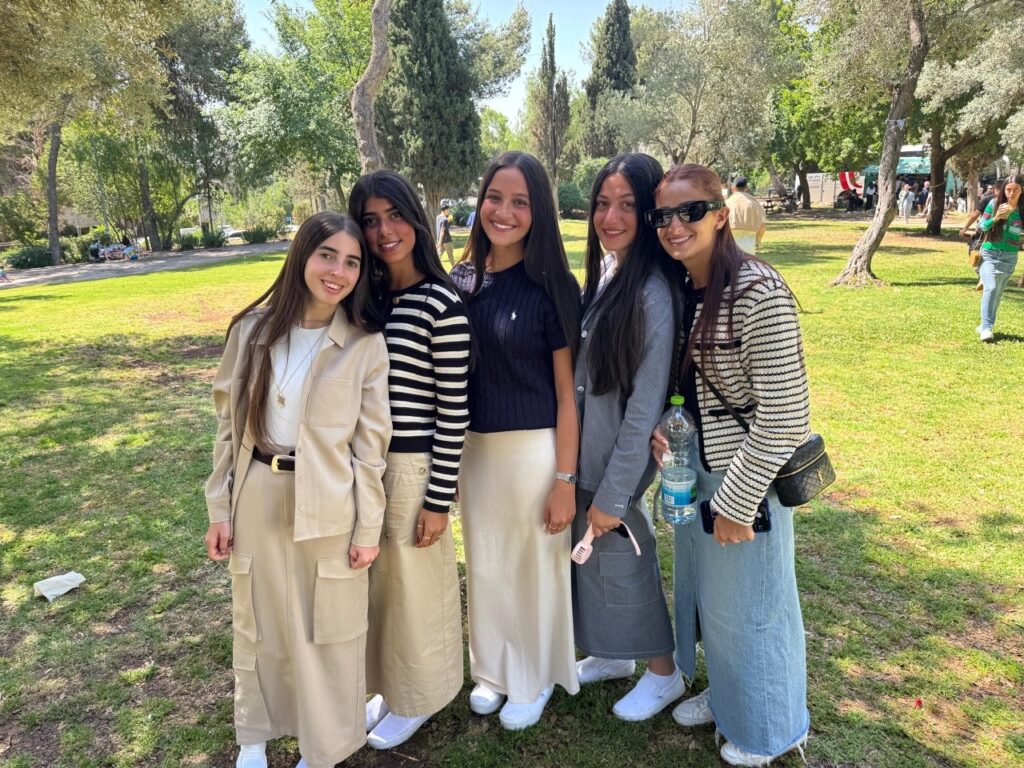
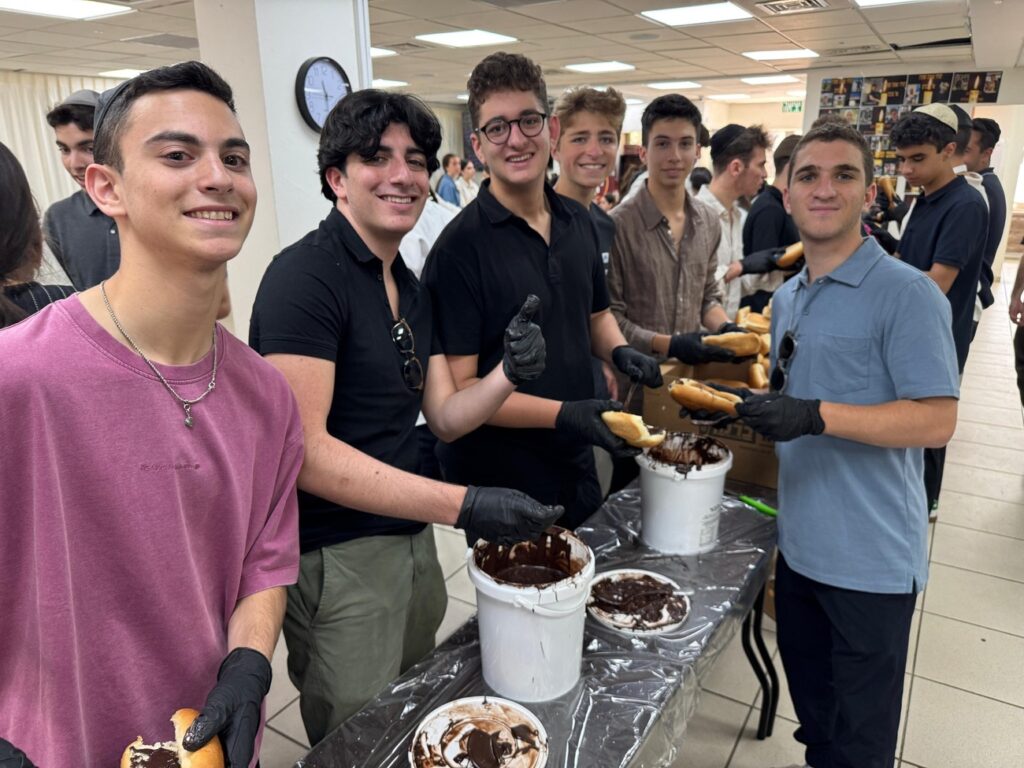
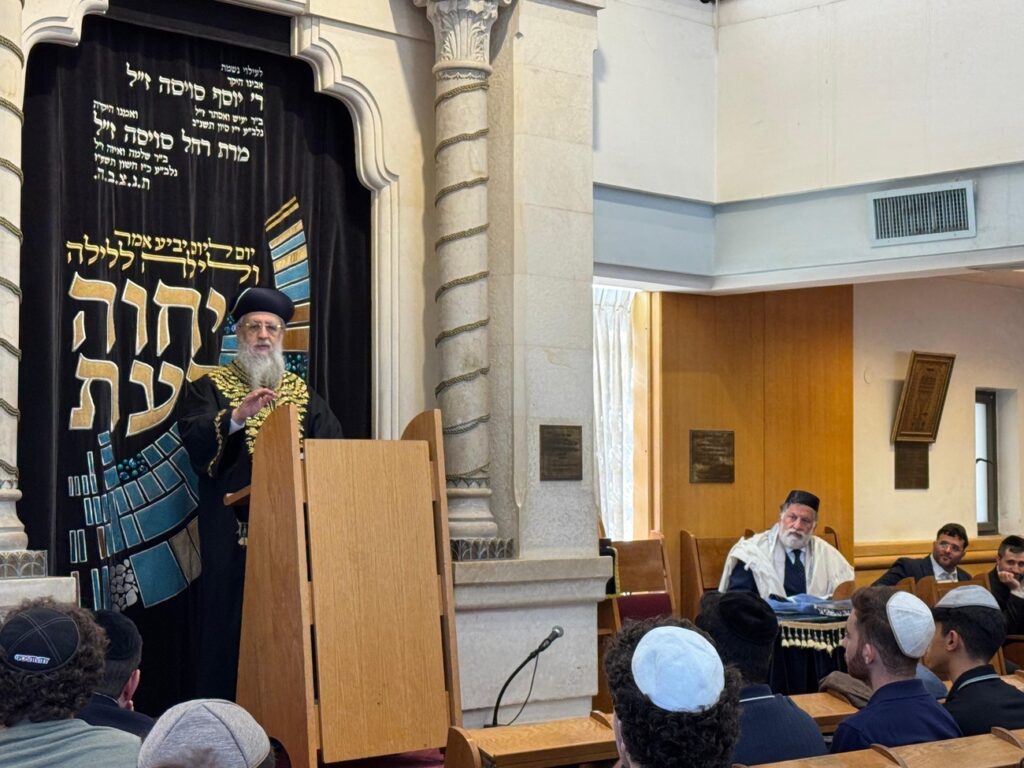
That scene greeted Rabbi David Elnadav, Dean of Students at Magen David Yeshivah High School, on May 26, 2025. “At 4:40 a.m. I exited the hotel and boarded the bus not knowing what to expect,” said Rabbi Elnadav, senior trip organizer and spiritual leader. “I was so proud to see a large amount of our senior grade ready and waiting to pray Netz (sunrise prayer) at the Kotel.” The day was extra special as it was Yom Yerushalayim. The seniors joined hundreds of fellow Jews there and left feeling uplifted as they continued their jam-packed day.
“We’re proudly connected to Medinat Yisrael (the State of Israel),” said Rabbi Elnadav in regard to MDYHS’ new initiative to host the senior trip in Israel, as opposed to Orlando or prior destinations. “It’s much more impactful marching down that graduation aisle after a trip to Israel.”
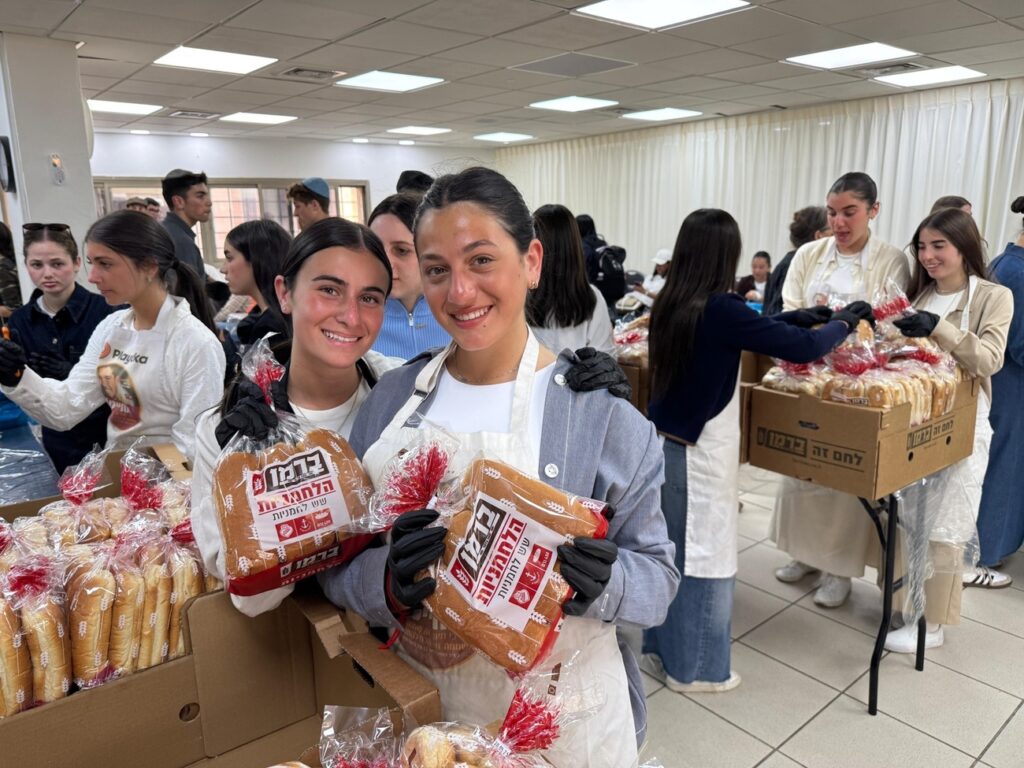
Last year, fifty-seven MDYHS seniors traveled first to Poland for four days and then met their remaining forty-five peers in Israel for an incredible six days. “Whether you started your journey in Poland or not, you will feel this trip is memorable,” said Rabbi Elnadav. Poland is focused on Holocaust remembrance, and the Israel trip thereafter displays the rebirth and growth of our Jewish nation. Carefully designed to be different from a bar mitsvah trip, students had the opportunity to experience a robust itinerary, from mimicking “Chopped” on a kibbutz, to bringing supplies to soldiers, packing sandwiches in Katamon for needy families, and even praying with Hacham David Yosef, Chief Rabbi of Israel. How fortunate the students felt to embark on this trip side by side with their peers.
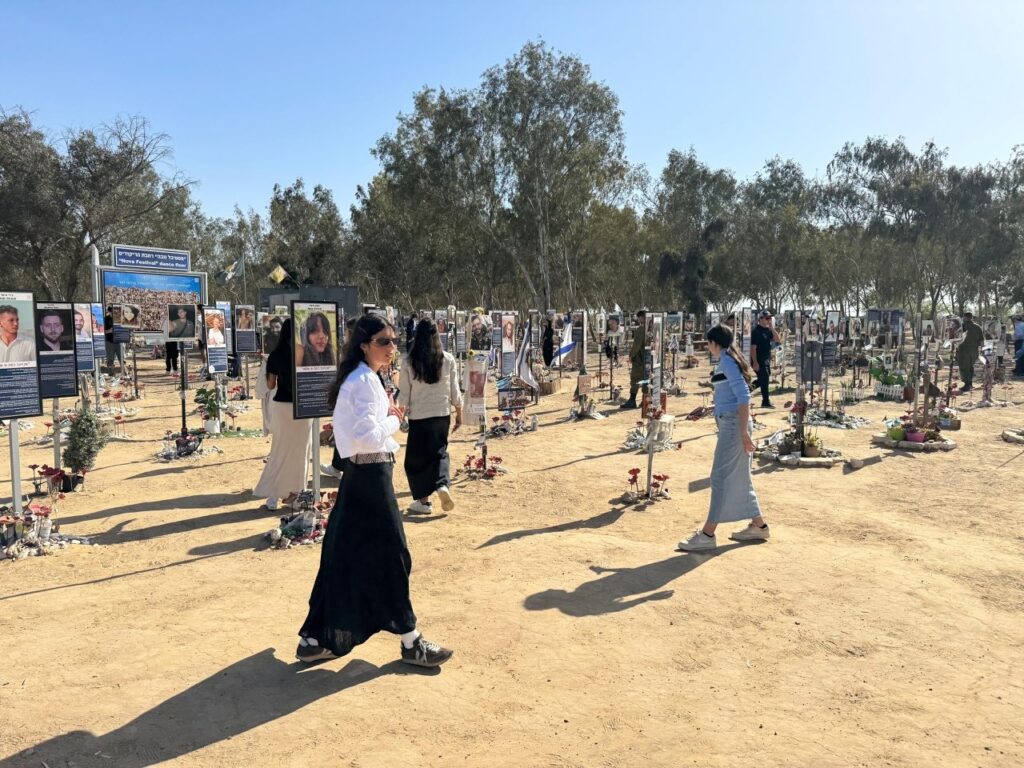
“We are connecting to our roots and who we are all about,” said Rabbi Elnadav. “That is Am Yisrael (the Jewish people) in Erets Yisrael (the Land of Israel).” There is a time to pray, a time to learn, and a time to dance. Whether the seniors were praying in the cave at the famous pilgrimage site of Rabbi Shimon Bar Yohai, bearing witness to the atrocities of October 7 and visiting the memorial plaza in S’derot, or whitewater rafting in Kfar Bloom, they received a well-rounded exploration of our country alongside their classmates, developing a unique sense of camaraderie. Perhaps even more significant was a vital connection to their Jewish identity and nation.
Envision the emotion of singing with our hayalim (soldiers) in the IDF on Yom Yerushalayim. That special evening was preceded by visiting Ma’arat HaMachpela, where students had the privilege of reciting personal prayers and feeling the kedushat makom (sanctity of the place). These were two impactful highlights in a day filled with even more activities that will no doubt leave lasting impressions on MDYHS students. Rabbi Elnadav sent daily emails to parents outlining what transpired throughout the day. Parents eagerly awaited updates and were fortunate to be “in the loop” for the duration of the trip.
“Chaperoning our seniors in Israel wasn’t just a trip,” said Ms. Michelle Antar, MDYHS administrative assistant. “It was a return to our roots, a breath of fresh air, and a reminder of who we are and where we belong.” And that is exactly the message Magen David wants its graduates to leave with. “This trip might sound like the culmination of a twelve-year-long journey at MDY, but it’s actually their imprint on their forever connection and bond to our yeshivah, their friendships, teachers, rabbis, and Magen David legacy,” said MDY President Gladys Haddad. “In essence, we’ve only just begun!”
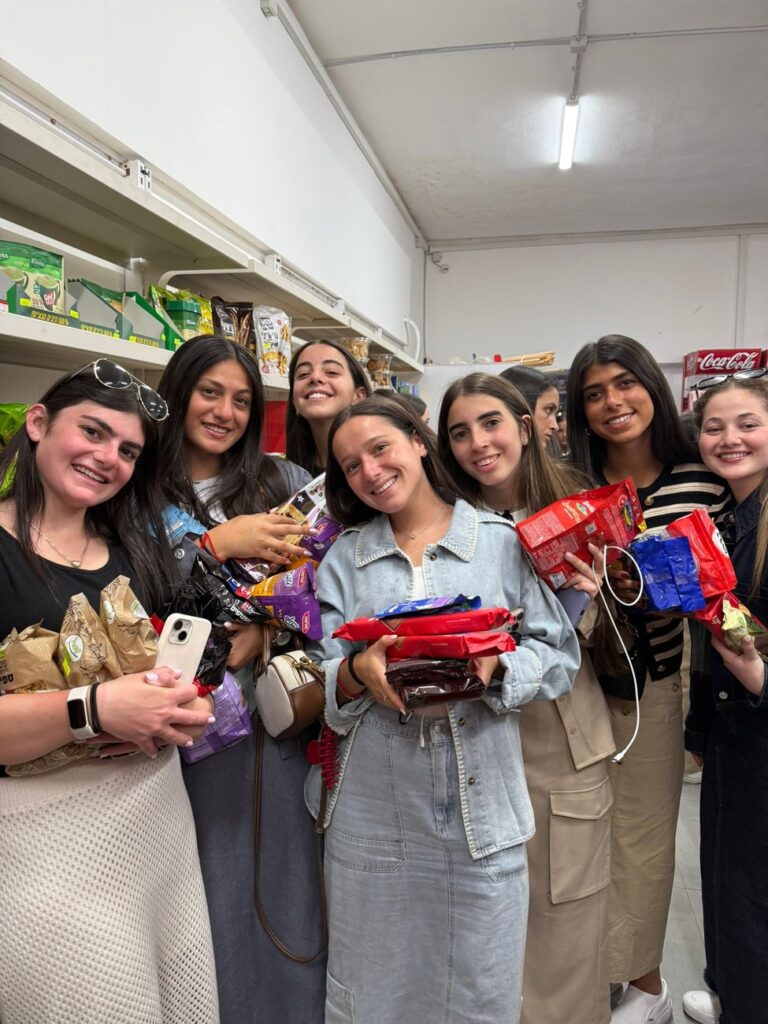
One might think high schoolers would be overwhelmed with such an intense itinerary, having an early start to the day and hopping from place to place across the country well into the evening. Instead, the MDYHS seniors were prone to adding more hesed (acts of kindness) opportunities and squeezing in supermarket runs for our fellow soldiers to show hakarat hatov (gratitude). “I run a tight ship,” said Rabbi Elnadav. “But when we go to Israel, these kids just want more.”
Yvonne Orfali is a member of the board as well as a parent of MDYHS.