Home Blog Page 60

PROJECT SAFE

EMPOWERING OUR COMMUNITY

THE SAFE FOUNDATION LEADS THE CHARGE AGAINST SUBSTANCE ABUSE & GAMBLING ADDICTION PREVENTION

DIANE MISHAN

IN THE HEART OF OUR COMMUNITY LIES A BEACON OF HOPE: THE SAFE FOUNDATION. THIS LICENSED OUTPATIENT DRUG, ALCOHOL, AND GAMBLING TREATMENT CENTER STANDS AS A PILLAR OF SUPPORT FOR INDIVIDUALS GRAPPLING WITH ADDICTION. YET, WHAT TRULY SETS THE SAFE FOUNDATION APART IS ITS PIONEERING APPROACH TO PREVENTIVE EDUCATION.

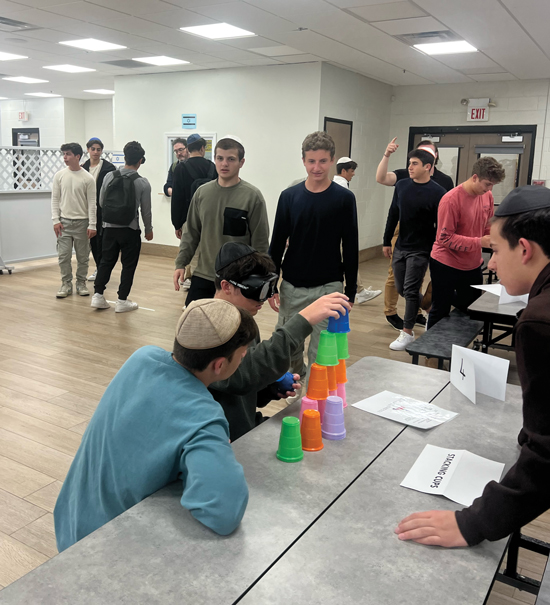
Through our groundbreaking school curriculum, Project SAFE, taught in over 10 community schools to a total of 3,109 students, is reshaping the narrative surrounding tough topics such as bullying, substance abuse, and body image. This transformative impact extends not only to our youths’ education but also to our overarching community wellness.

At the core of The Safe Foundation’s mission is a commitment to holistic well-being. Recognizing that addiction often stems from underlying issues, the organization provides comprehensive outpatient treatment for substance abuse and gambling addiction. From individual counseling to group therapy sessions, The Safe Foundation offers a safe and supportive environment for individuals on their journey to recovery. Moreover, it goes beyond traditional treatment methods by embracing a multifaceted approach to community wellness.

One of the most innovative aspects of The Safe Foundation’s work is its focus on foundational skills. This initiative, spearheaded by Project SAFE, aims to equip students with the knowledge and skills necessary to navigate life’s challenges. By addressing these issues head-on and providing life skill tools, The Safe Foundation empowers students to make informed choices and develop healthy coping mechanisms for any future challenges they may face.

Project SAFE, led by our Director of Community Education, Liat Dahan, has implemented a new curriculum with the help of co-curriculum writer Sally Franco, called Project SELF. This program, consisting of 20 lessons includes topics such as Who am I, foundational tools, relationship building, emotional intelligence and sense of self. Our SAFE teachers are trained and continuously supported to effectively deliver these crucial messages.

Throughout the 2023-2024 school year, alongside our weekly SAFE classes, Project SAFE coordinated 52 special programs tailored to suit the unique requirements of every school, student body, and parent community. Notable among these were workshops on body positivity at Magen David High School where female students participated in a three-part workshop series on body positivity led by Sari Dana. Throughout these sessions, they delved into the concepts of body positivity and its intersection with social media, while also addressing the importance of shedding the diet mentality and embracing positive affirmations. Students not only gained insights into the detrimental effects of diets but also learned to trust their body’s natural wisdom when it comes to food choices. Additionally, they developed a keen awareness of the harmful messages propagated by social media regarding unrealistic beauty standards. Utilizing Sari Dana’s book, “The Journey to Body Positivity,” served as a valuable resource throughout the workshops.

At Hillel Yeshiva Elementary, fourth-grade students and their parents took part in an interactive program crafted and led by Debbie Nehmad. “Stronger Together: Nurturing Values, Fostering Upstanders – A Family-Centered Program,” this initiative encouraged parents and students to collaborate in identifying their family values. Together, they explored instances where living out these values might be challenging and discovered strategies for prioritizing values and intervening when necessary. Witnessing the genuine engagement between parents and children during these significant discussions was truly heartening. A sincere thank you goes out to the fourth-grade parents of Hillel Yeshiva; their active involvement played a pivotal role in the success of this program.
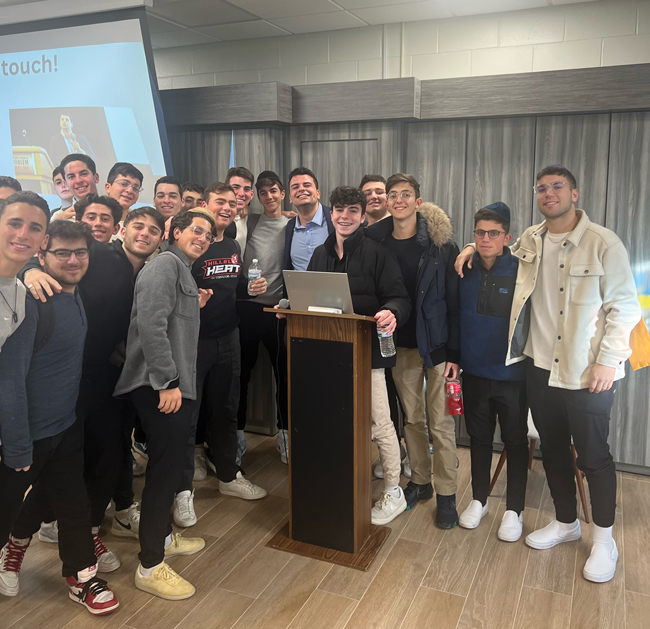
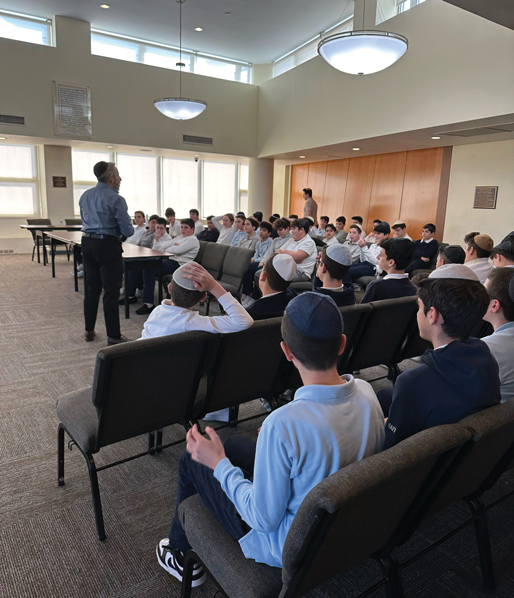
In collaboration with CCSA, Project SAFE organized a program at Yeshivah of Flatbush Elementary School aimed at addressing the critical issue of drugs and alcohol among eighth-grade parents and their children. This session emphasized safety strategies and effective approaches to initiating open conversations about substance abuse. The session kicked off with a poignant video that shed light on the harsh realities of teenage substance abuse, paving the way for collaborative discussions between parents and children. Together, they brainstormed safety strategies and explored effective approaches to initiating open conversations about this sensitive topic. Children engaged in role-playing exercises to hone refusal and peer pressure management skills, while parents received additional education on recognizing addiction signs, identifying various substances, and learning how to broach the subject with their children in a non-judgmental manner. The program provided a platform for children to express their preferences regarding their parents’ responses, and vice versa, thereby fostering deeper understanding and communication within families.

We’ve introduced an emotional intelligence program through art, developed by Steven Franco, to expand traditional learning methods. Under the leadership of the Director of Education, Liat Dahan, and co-curriculum writer Sally Franco, a program was conducted at Yeshivah Prep, focusing on teaching students about their emotions. This initiative aims to lay a foundation for their lifelong emotional well-being and social development, helping them recognize, understand, and express their feelings in a healthy manner.

After piloting the program across various grades in multiple schools, our goal is to train teachers and integrate it into the school’s art curriculum next year. Barkai Yeshivah has already taken the lead by training their teachers and implementing the program into their 4th-grade classrooms!

Beyond the classroom, The Safe Foundation’s work extends to the broader community, fostering empathy, understanding, and a culture of support. As the Foundation continues to expand its reach and impact, it relies on the generosity of donors and volunteers to sustain its programs. Together, we can build a brighter future for our community — one rooted in compassion, understanding, and perseverance. The Safe Foundation stands as a shining example of the transformative power of education and community support, empowering tomorrow’s leaders and building a more resilient community.
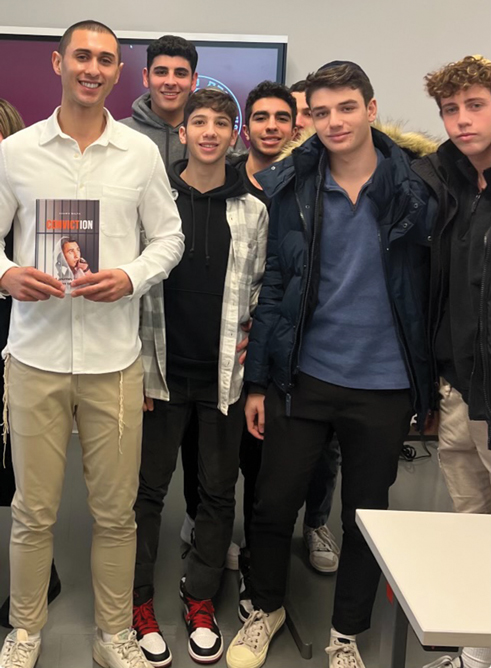
We rely heavily on the generosity of our community to continue this crucial mission. With 80% of our budget coming from your donations, your support is vital in ensuring that we can continue to educate and empower our youth against substance abuse and gambling addiction. As we strive to make a difference in the lives of our youth, we urge you to contribute to our cause and help us reach our goals.

Please Join us Friday morning, June 28th, at 9 A.M. at the Jersey Shore for our 21st Annual Summer Breakfast Fundraiser, where every donation brings us one step closer to safeguarding our community’s future. Let’s make a lasting impact and create a safer, healthier environment for generations to come.

To donate Venmo @safe-foundation, or visit our website www.thesafefoundation.org/donate.

If you or your loved one is struggling with alcohol, drugs, or gambling don’t wait, call 718-GET-SAFE. Our team of licensed professionals are here to help you! We have offices is Brooklyn, NY and Eatontown, NJ and offer remote services when appropriate.

Diane Mishan is the Director of Marketing and Events at The SAFE Foundation.
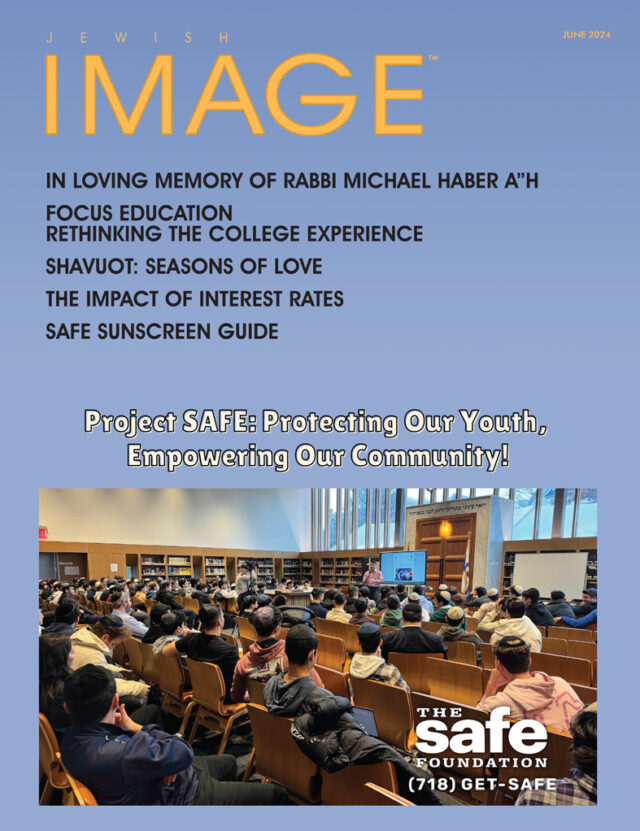
Read Jewish Image Magazine Online – June 2024

To View Jewish Image Magazine In PDF

Click Here

NOSTALGIA

MY OLD FRIEND

FREDDY ZALTA

THE OTHER MORNING, I HEARD A SONG BY HARRY CHAPIN, “REMEMBER WHEN THE MUSIC,” AND IT BROUGHT BACK A SENSE OF NOSTALGIA TO ME. NOT THAT IT TAKES MUCH TO MAKE ME FEEL NOSTALGIC. I THOUGHT ABOUT THOSE OLD TRANSISTOR RADIOS I USED TO HAVE AND LISTENING TO THE AM BAND AND SINGING ALONG TO THE SONGS THAT CAME FROM THAT SMALL SPEAKER.

I thought about my father, who as a kid had an aluminum radio kit he would set up on a roof and listen to whatever it would pick up.

For years I would schlep vinyl albums with me in boxes, then cassettes, CDs, and miraculously my iPad. These days I listen to any song I want to hear, and it only takes a moment at most to find it.

It’s amazing to this 57 year old man that, to this day, when I hear a song which I played on my record player that had a scratch on the vinyl, I still expect to hear that skip.

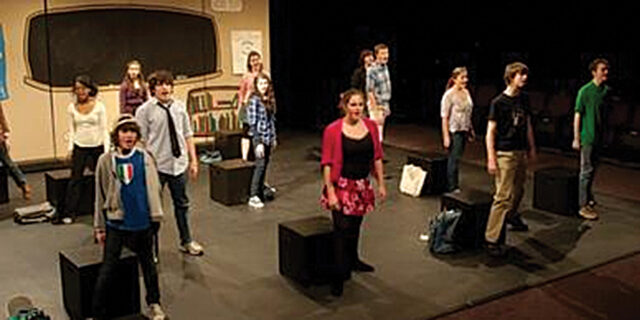
From thinking about the music I loved, my mind moved on to the plays we used to put on when a group of us were teenagers.

Bye Bye Birdie, was the first show I was in. I played Mr McAfee, the father of a teenage girl who falls in love with a Justin Bieber (circa 2000 something) like star. My “daughter” wins a lottery and this star, Conrad Birdie sleeps at the McAfee house. There begins all the hysteria.

At one point, the father, me, gets so fed up that he screams, “this is my house!”

I got so much applause from that one line that it caused a sort of rush which I would try to relive, I guess, for the rest of my life.

However, it wasn’t the performances which kept me coming back to perform many more shows. It was the bond that the cast forged. We would sit backstage in the stairwell and together sing songs — Bruce Springsteen, the Beatles, Billy Joel, and Elton John.

It’s strange and it sounds kind of foreign to me at this point in my life, but a love grew between each of us. Waiting in the stairwell for our turn to rehearse, we’d talk and we would reveal our dreams, fears, and fall in love over and over again. We would simply just hang out and talk, not in a rush to get anywhere. There were no distractions other than having to memorize our lines.

Our director, most of the time, was Steve Doueck. Somehow he would always be patient with us and despite our inability to stop performing, even off the stage, teach us about acting, life, and the importance of being team players. Later on we were blessed to have Hank Menahem, Max Anteby and Yishai Gross as our directors, among others.

The rehearsals were fun, if you ever watched a reel of bloopers, you can imagine what sort of craziness went on with teenagers blessed with undiagnosed ADHD. We definitely tested the patience of the directors and at least one of them almost blew up in front of us. We knew it was our fault, but we were kids and we tested the limits.

We didn’t want the nights to end, as if we had some intuitive sense or defense mechanisms in place to avoid this part of our lives ending.

We never went straight home after the rehearsals. Usually we would end up in a diner, Carvel or Del Rio. Filled with a false bravado only a teenager can have, we were respectful to everyone, yet we felt empowered by each other’s presence.

I would drive my friends home sometimes and occasionally we would sit in the car, outside their homes for hours, laughing and talking about our lives off stage. We would laugh. We would laugh, did I say that already? We would be cracking up all the time.

We would sing the songs in the show we were rehearsing or one of us would start singing a random tune and the rest would join in. I remember one night I was sitting alone on the stairs and I started singing a Bob Dylan song. A castmate walked in and joined me. Then another and another. Soon, we were all there and the stage manager had to pry us away to join the rehearsals.

Years later, I was in a show with some older people. I became very close to each of these ladies and gentlemen. We all shared a common sense of wanting to be heard and seen. I didn’t realize it at the time but now I do, as an adult we are subconsciously selling ourselves. We flirt, we speak nicely and we wear the masks of the faces the people want to see. We become salespeople, teachers, advisors, mothers and fathers. We will be there for whoever needs us to be. It’s in our nature, or perhaps it was passed on to us by the directors throughout the hundreds of hours of rehearsals. We want to be acknowledged, no, our actions demand we be acknowledged. Parents are the best actors or we try to be. With mountains of pressure and constant weights upon our psyches, we manage to smile and try to act as if we have it all figured out.

We learn, eventually, to admit to our shortcomings. First, unwillingly to ourselves and then to the ones who matter. So, those ladies and gentlemen and myself, we stood for each other. We each listened.

My father used to watch Al Jolson movies at home. I used to love seeing his smile and watch as his tears fell. I learned so many of those songs that I was able to sing them with the older folks in the stairwell, always with smiles and a sense of nostalgia on the faces of my friends. It was something I knew at the time, I would remember forever.

I am not talking about my championship seasons, Lord knows we played shows with only the four mothers who would show up as our full audience each evening. Our seasons, like most people’s and even sports teams, end too soon.

These days, nostalgia has taken on new meaning. I had forgotten about that fleeting time since October 7. My mind has been overwhelmed with pain and confusion.

When I am speaking about my past, I’m talking about the years when our spirits were alive and pouncing on each moment. We were young, too young to realize that those times, and our days on this earth, would be numbered.

Success and failure would never be as intense as it was then. Later on, those emotions would be lessened by life’s responsibilities and the truth in failure and success.

Falling in love would never end, only the faces and the names would change. I will never forget that sense of love, that sense of community, that sense of being seen, and being heard.

Even if the words were not our own and were rehearsed, it was us up there, all eyes and ears focused on us — and there was that gnawing feeling that we were more than what people perceived us to be and more than what we perceived ourselves to be. We were singers, actors and dancers. As artists, we reveal ourselves through our art. We have the temerity to stand naked (metaphorically) on stage revealing all of our scrapes and scars.

We get older and it’s ok. You cannot paint or inject yourself with the fountain of youth. Our lives and the lives who touched us and the lives we touched become beautiful memories.

Nostalgia can captivate us, but in truth it’s the future that revives us. Let us pray, let us join together in song, in love, friendship and faith in each other that we won’t forget our lines or miss our marks. If one of us does, we will catch him with some improvisation and an adlib or two.

Freddy has published 4 novels available at Amazon.

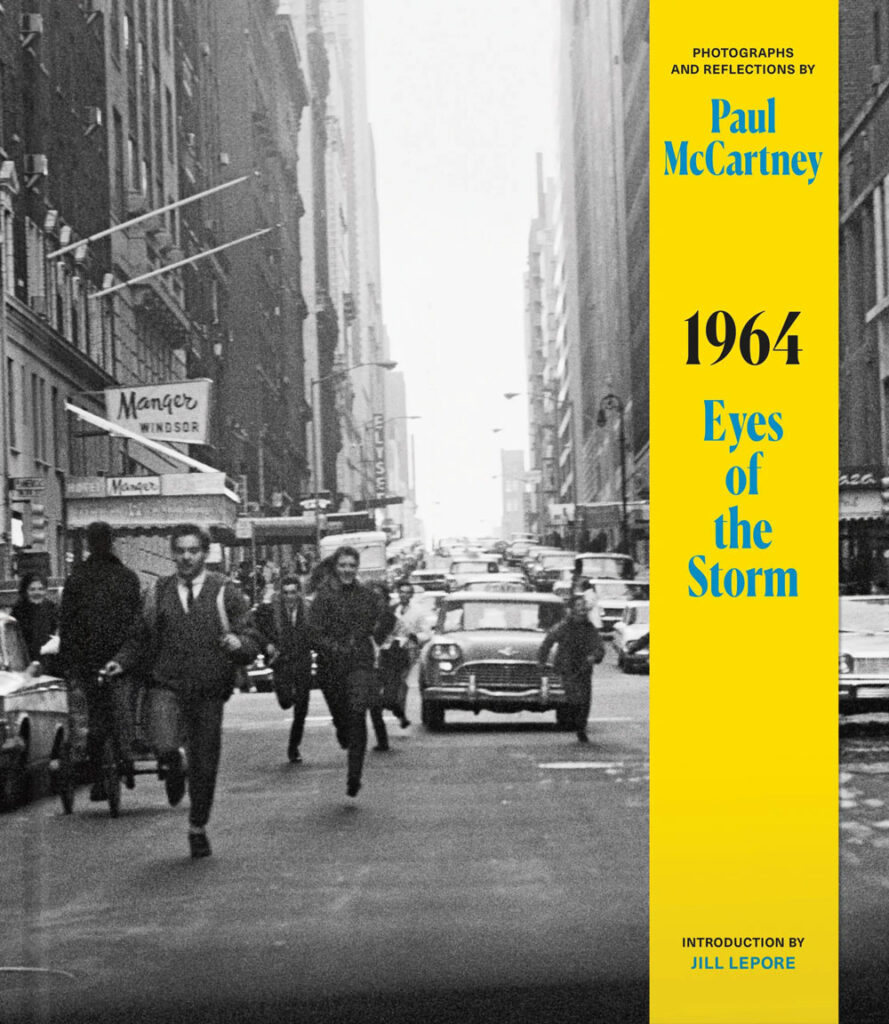
PAUL MCCARTNEY PHOTOGRAPHS 1963 – 64 EYES OF THE STORM

AT THE BROOKLYN MUSEUM

NATALIE SENIOR GREENBERG

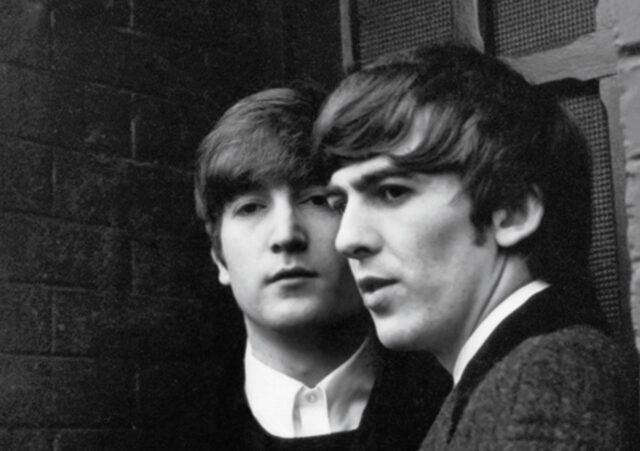
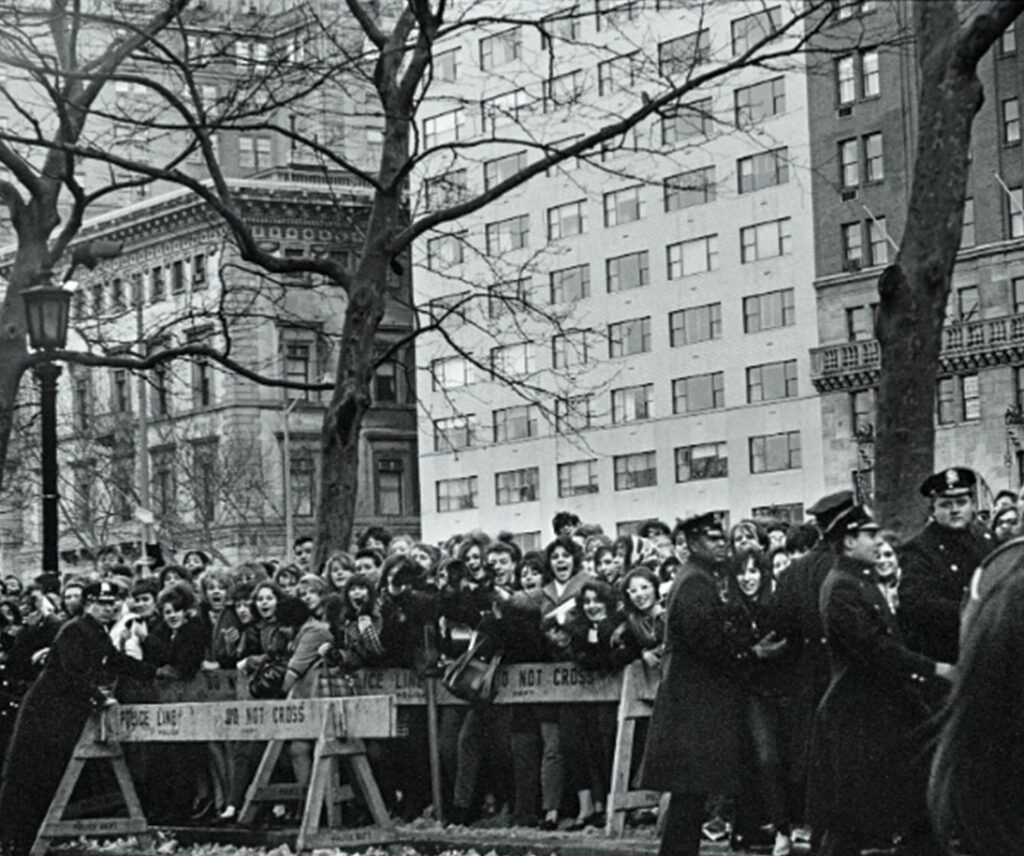
The band had just wrapped up their tour through the UK, and already had a hit single, but they had no idea that their arrival would be met at the airport by over 4,000 screaming fans. When they arrived at the television studio for the “Ed Sullivan Show,” they could not believe that they would be playing to an audience of over 73 million! The photographs show us what it was like to look through McCartney’s eyes while the Beatles were growing to be the world’s most famous band.

Paul McCartney Photographs 1963-64: Eyes of the Storm, now at the Brooklyn Museum, showcases more than 250 of McCartney’s photos, which were recently rediscovered in his archives. Alongside the photographs are video clips and archival materials that serve as a personal and historical record of this period of time in the band’s history. The photos reveal Paul McCartney’s unique perspective from behind the camera lens, while at the same time paparazzi and fans took their own photos of the band members.

Paul McCartney’s archivist, Sarah Brown found the photographs in his library. McCartney thought the photos has been lost or stolen, but always remembered that he had taken them in the early years. There were over 1,000 photographs that the musician had taken from December 7, 1963 to February 21, 1964.

The Brooklyn Museum show, which began in London at the National Portrait Gallery, takes us through The Beatles tour of the United States and Canada from August 19 to September 20, 1964. They held 32 concerts, which included venues in Hollywood, Colorado, Chicago, New Orleans, Boston, and Jacksonville and ended in Miami. McCartney used color film for the Miami photos, perhaps because the city was so filled with color and he wanted his photos to reflect the vibrancy of Miami. We need to remember that the Beatles grew up in post-war England, and the country was just getting back to feeling joyful. The Beatles music allowed the Brits to feel happiness after so much wartime misery.

The photographs are nostalgic in the way that a family album might be. The 4 members of the group were so young, and only had each other to lean on during a time when their lives were changing so quickly and so dramatically.

If you are a photography fan, you will enjoy this show because McCartney was skilled with the camera. He had studied photography in art school before joining the band. And if you are a Beatles fan, this show is a must!

Paul McCartney Photographs 1963-64: Eyes of the Storm will be on display at the Brooklyn Museum from May 3, 2024 to August 18, 2024. Advanced tickets are recommended.

Natalie Senior Greenberg is a former Brooklyn College Art History professor. She currently volunteers to teach Art History at the SBH Senior Division.

FUELING ANTISEMITISM WHILE PREACHING INCLUSIVITY!

LINDA SADACKA

AS SOMEONE DEEPLY COMMITTED TO THE PRINCIPLES OF JUSTICE AND ACADEMIC FREEDOM, I FIND THE CURRENT WAVE OF ANTISEMITISM ON COLLEGE CAMPUSES BOTH ALARMING AND DISTRESSINGLY FAMILIAR. DESPITE PUBLIC ASSERTIONS OF COMMITMENT TO DIVERSITY AND INCLUSIVITY, MANY PRESTIGIOUS INSTITUTIONS APPEAR TO BE MORE CONCERNED WITH PUBLIC RELATIONS AND POLITICAL APPEASEMENT THAN WITH CONFRONTING THE GENUINE THREATS FACED BY JEWISH STUDENTS.

lt’s time to confront an uncomfortable truth: universities’ responses to the rising tide of antisemitism are often superficial and ineffective. While these institutions might launch public awareness campaigns or host interfaith dialogues, these actions frequently serve as little more than window dressing. They do little to address the underlying attitudes or to change the campus culture that makes such hatred permissible in the first place. This is not a call to silence free speech but to challenge hateful speech with better, more persuasive speech based on truth and justice.

Legally, universities have an obligation under federal and state anti-discrimination laws to protect all students from harassment and discrimination. Ethically, they are supposed to be bastions of learning and understanding, committed to fostering an environment where ideas can be exchanged freely and safely. However, when it comes to protecting Jewish students, their actions — or lack thereof — speak louder than their policies. There is often a hesitancy to take robust action against antisemitic incidents, perhaps for fear of political backlash or accusations of stifling criticism against Israeli policies. This is a gross misapplication of the principles of academic freedom and a moral failure to protect vulnerable students.

The influence of geopolitical biases on university policies cannot be overstated. There is a troubling tendency within some academic circles to conflate legitimate criticism of Israeli government policies with outright antisemitic statements and actions. This conflation is dangerous, blurring the lines between political critique and racial hatred. Universities must be vigilant in maintaining this distinction, ensuring that their campuses do not become grounds for spreading misinformation and fostering hostility towards Jewish students.

Case in point, the recent campus visit by Representative Ilhan Omar, funded by taxpayers, raises several contentious issues, particularly when considering the presence of her daughter — who was reportedly suspended — and the exclusion of a Jewish professor from the same campus. The use of public funds for such a visit, especially under these circumstances, might be seen as a problematic endorsement of one side of a divisive debate. This situation exemplifies potential double standards in campus policies; Omar’s daughter was allowed on campus despite her suspension, whereas a Jewish professor faced restrictions, presumably for safety reasons in a hostile environment. This disparity in treatment raises serious concerns about fairness, bias, and the undermining of academic freedom and freedom of speech. Such incidents call for a need for transparency and equality in enforcing campus policies, ensuring that educational institutions remain places for balanced discourse and learning, free from political bias.

What is needed now is not more lip service to the ideals of inclusivity but a real, concrete commitment to action. Universities must enforce their anti-discrimination policies rigorously and without prejudice. They should ensure that educational programs about antisemitism and its historical and contemporary manifestations are accurate and profound, not just tick-box exercises.

Linda Sadacka is a dedicated community activist, deeply motivated by personal tragedy following the murder of a close family friend by Hamas. This pivotal event galvanized her commitment to advocacy and community leadership. As the CEO of the New York Jewish Council, Linda plays a crucial role in addressing issues that impact the Jewish community both locally and beyond.

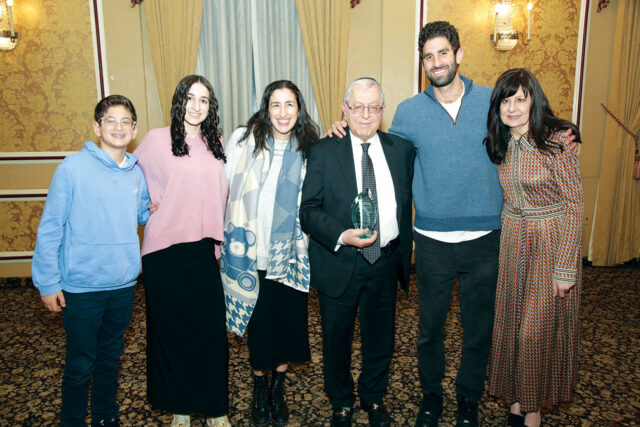
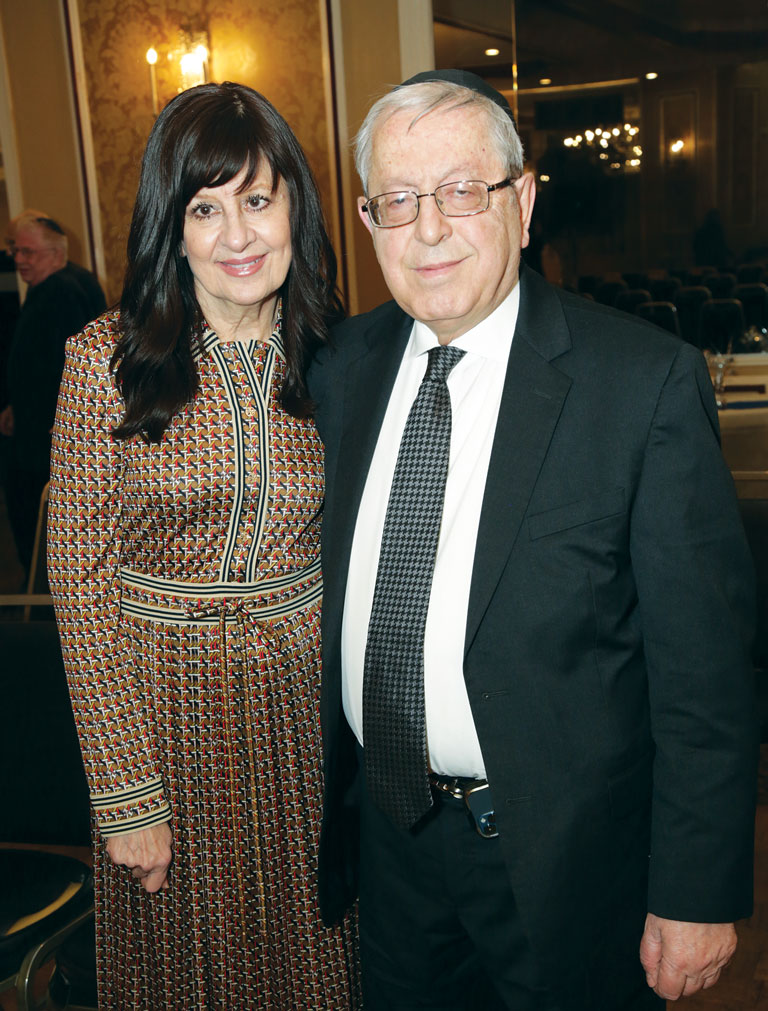
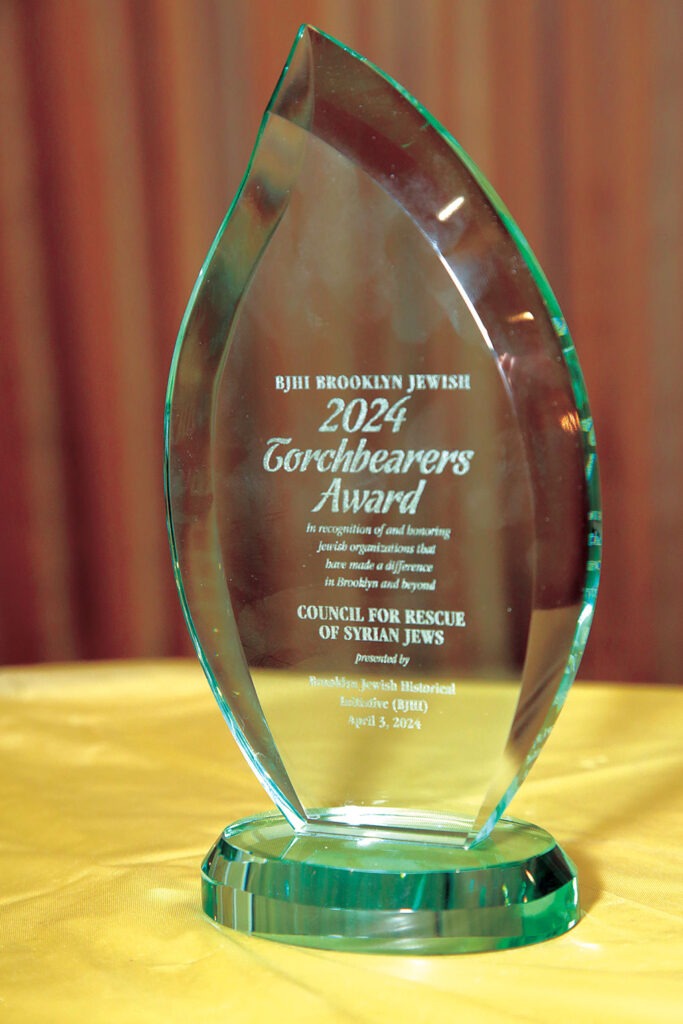
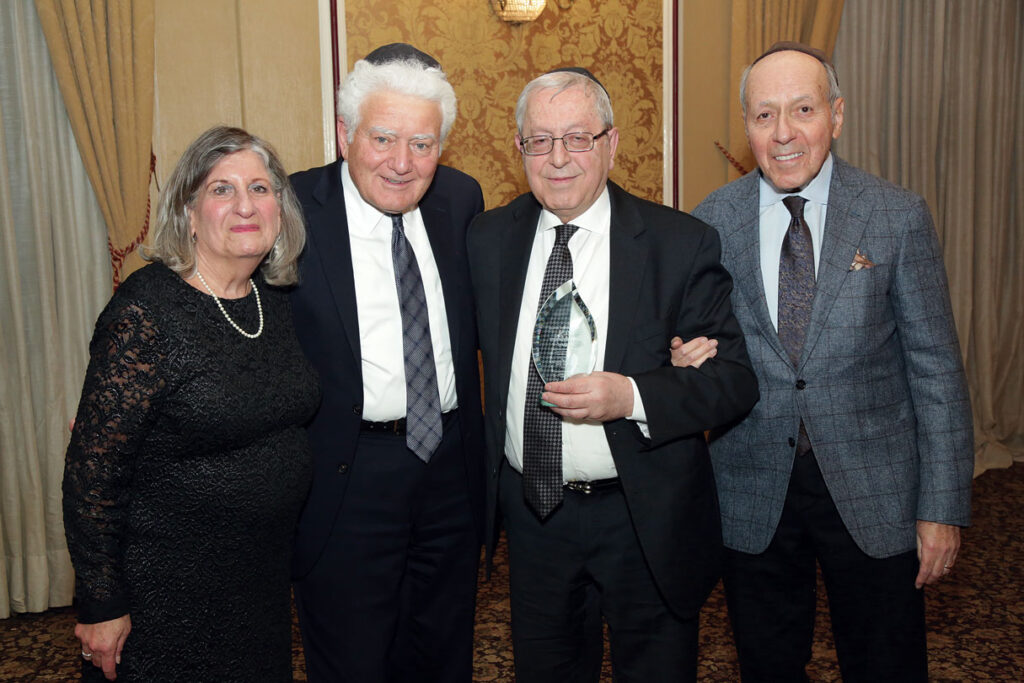
DR. MAYER BALLAS RECEIVES BJHI 2024 TORCHBEARERS AWARD

ON BEHALF OF COUNCIL FOR THE RESCUE OF SYRIAN JEWS

SARINA ROFFÉ

Dr. Mayer Ballas was lucky enough to leave Syria legally in 1978. He wanted to leave to escape oppression and because he wanted to get into a specialty medical program. It took two years for him to get permission to leave with the help of Congressman Steve Solarz and community member Steven Shalom.

When he arrived in New York he was alone. He realized that not many people in our community knew what his fellow Syrians were living through, so he started by giving speeches in Shaare Zion and other synagogues.

Background
Even before the creation of Israel, Syrian Jews began suffering persecution. It began with pogroms in 1947. They were virtually prisoners, unable to hold government jobs, or travel more than a few kilometers from their homes without permission. Their businesses were boycotted, and they became easy targets for Muslims. Their identification cards were stamped Musawi — Jew — and they could not travel as a family on vacation. If one person were to travel, they had to provide bond. If they didn’t return, the bond was forfeited and the rest of the family jailed and tortured.
They were not allowed to teach their children Torah; a Muslim principal was assigned to their schools. Women were raped. In 1965, Eli Cohen, the Israeli spy who infiltrated the Syrian government, was caught and hung. Over the course of several decades, many Syrian Jews escaped using smugglers and people outside of Syria to get them across the border into Turkey or Lebanon and from there, they went to Israel, New York, or Mexico.

During a time when the world was focused on the issue of Soviet Jewry, little attention was paid to the plight of Syrian Jews. But virtually every Jewish agency knew and had reports in its archives about the terrible difficulties of Syrian Jews.

In Brooklyn, Isaac Shalom raised money annually for the Near East Jewish Aid Society and worked with the Joint Distribution Committee (JDC) to send funds to Syria.

In the 1970s, there was the Committee for the Rescue of Syrian Jews, operated by Abe Dwek, another Syrian emigree. Dwek had letter writing campaigns, organized demonstrations and did lobbying. At every rally for Soviet Jews, Dwek and yeshivah students held banners to Free Syrian Jews, documented on the front page of the New York Times on April 29, 1974.

Over the course of some 40-plus years, the JDC sent more than $10 million to help the communities in Aleppo, Damascus and Qamishli. There were also people outside of Syria who helped get escapees to safety — Shula Cohen aka the Pearl, Albert Elia and the Jewish community of Beirut, the Shamosh family in Iskenderun, and Judy Feld-Carr in Toronto, aka the Rescuer.

Council for the Rescue of Syrian Jews
After hearing talks from Dr. Ballas and other Syrian Jews, such as Abe Dwek, Maurice Hedaya A”H encouraged Ezra Ashkenazi and Ricky Cohen to start a committee. There was a meeting during a Guindi wedding at Shaare Zion. Judy Feld-Carr was there. Ezra and Ricky were young adults at the time, but they were energized to help and started Save Our Syrian Jews.

In 1989, the name was changed to The Council for The Rescue of Syrian Jews and Dr. Ballas became the first president. He was so dedicated to the mission of freeing his fellow Syrian Jews that he took years away from his practice to work with the Council. The Council was organized to work on getting the remaining 4,500 Jews out of Syria through legal means. There were lobbying efforts and heavy pressure put on consulates around the world.

Janet Zalta and Albert Harary were involved. Jack Mann, Albert Ayal and Clement Soffer were vice presidents. Marcos Zalta was the second president and Alice Sardell was the third president. Gil Kahn, their executive director, had strong ties on Capitol Hill. All of them made herculean efforts to free the Jews remaining in Syria. Dr. Ballas personally met with President George Bush to put the issue of Jews from Arab lands on the table.

During that point in history, the issue of Soviet Jews was at the forefront. The Soviet Union fell apart and no longer was backing Syria. President Assad needed funds and turned to the Americans. It became a political game. During every conversation Assad had with the United States, the issue of freeing the Syrian Jews came up.

The Council brought up the issue of Syrian Jews to every congressman and senator. They met with consuls from many countries. They held rallies. They appealed on humanitarian grounds. They explained that families were separated and should be reunited. They got a resolution passed in Congress.

The Final Exodus
In April 1992, just before Passover, Syrian President Hafez Assad agreed to let the Jews legally leave as families. This was the work of the Council. Assad met with leaders of the community in Damascus and announced he would allow the Jews to leave — an Exodus if you will. About 3,000 people got out during the next five months. The Safra Foundation provided funds for airplane tickets for those who couldn’t afford them. Syria required round trip ticket purchases. When people got to New York, the Council returned the return ticket and got refunds to buy tickets for other new arrivals.

Then, in November 1992, Assad slammed the doors shut again because there was a presidential election. It took until 1994 for the doors of emigration to open again and allow the remaining 1,500 Jews to leave.

Settlement
Scores of people were coming on planes from Syria each week. Each of them needed a place to live, close to the community where they could find kosher food and be within walking distance from a synagogue. Plus, over 900 children needed to be placed in Jewish schools. Sephardic Bikur Holim became the hub for all activities. The United Jewish Appeal raised $30 million to help with resettlement of the new arrivals.

Scores of volunteers helped them find apartments, shop for bedding and kitchen supplies, and obtain furniture. Many of the children arrived in the late spring and summer, so they were given English classes taught by volunteer teachers from Ahi Ezer Yeshiva during summer camp to prepare them for school in September.

The New York Association for New Americans (NYANA) organized English classes. They also helped identify jobs for the new arrivals. The Hebrew Immigrant Aid Society (HIAS) helped with visas and the massive paperwork to get the new arrivals benefits.

The children needed medical exams and vaccines to get into school. Community doctors volunteered to examine the children and do the paperwork for them to go to school. In one day over 400 children were examined.

There were many cultural issues to overcome. For example, the adolescents did not understand why they had to go to school as it was not required to go to school in Syria after age 13. They wanted to work, but American law required them to attend school, and parents were unaccustomed to paying tuition for yeshivah.

Dr. Ballas made a herculean effort to get over 900 children into yeshivot. He called it the sprinkling system. He found a few seats in each classroom, and placed children in those classes. A temporary school was set up on Ocean Parkway for two years. Girls were placed in Ashkenazi yeshivot that opened their doors to the new arrivals.

The Sephardic Education Fund was set up to raise funds for tuition. It was headed by David Hidary and raised $1.6 million dollars from community donors, the Safra Foundation and other financial institutions. Judy Feld-Carr sent funds for some children from the Feld Fund in Toronto.

It has been 30 years since the work of The Council for The Rescue of Syrian Jews. Countless families were freed from persecution and the tyranny of the Assad regime. BJHI (Brooklyn Jewish Historical Initiative) was honored to recognize its work with the 2024 BJHI Torchbearers Award and give Dr. Ballas and the Council much deserved credit.

A genealogist and historian, Sarina Roffé is the author of Branching Out from Sepharad (Sephardic Heritage Project, 2017). She is researching a new book: Syria – Paths to Freedom. Sarina holds a BA in Journalism, and MA in Jewish Studies and an MBA.

FORGE YOUR OWN PATH TO SUCCESS

DAVID HOORY

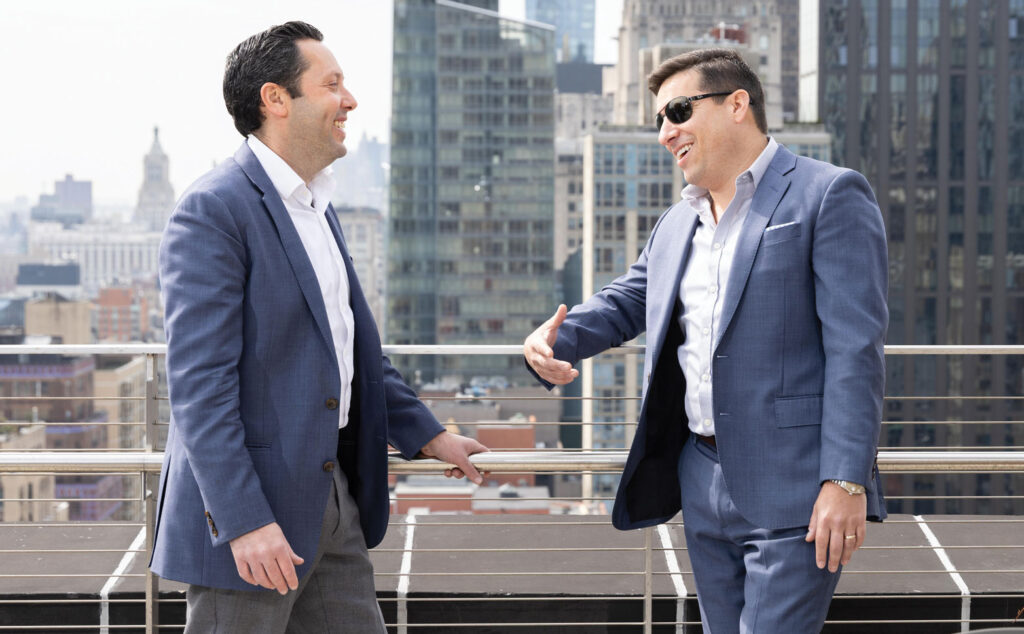
MANAGING PARTNER DAVID HOORY SHARES HOW HE TURNED HIS ENTREPRENEURIAL DREAMS INTO A CAREER HELPING OTHERS ACHIEVE FINANCIAL SECURITY.

At 12, igniting my entrepreneurial spark with a small trading card booth unknowingly shaped my future, fueled my passion for business, and led me to become a life insurance agent. It’s been 20 years since I made that decision to pursue a career in financial services, and it’s led to a whirlwind journey of growth, challenges, and triumphs. Today, as Managing Partner of the New York Life Brooklyn General Office, I stand as a testament to the power of daring to bet on myself and New York Life. The Brooklyn General Office is made up of an award-winning team and proud to have some of the highest producing agents per capita across the company.

However success isn’t just measured by these achievements — it’s about the impact we make on the lives of others. One of the most rewarding aspects of my position is seeing the impact a New York Life career can have on someone and their family. The career offers opportunities for both professional and personal growth. I get a great sense of fulfillment from my involvement with Sephardic Bikur Holim (SBH), assisting with the food pantry and offering career coaching.

Working at the Brooklyn General Office gives you the opportunity to serve our local Jewish communities in Monsey, Williamsburg, and Flatbush. This spirit of unity and community extends beyond the work we do. In our office, we have a lot of mentor and mentee relationships, which helps us build unwavering support, collaboration, and shared motivation among the team.

I also take pride in the inclusive and accommodating nature of this vibrant workplace. We provide kosher meals at meetings, and there are nearby prayer services for our Jewish agents. Here, you don’t have to compromise your values or sacrifice what’s dear to you. While we proudly boast a large Jewish population in our office, it’s a melting pot of individuals from all walks of life. The rich diversity of backgrounds, experiences, and perspectives is what strengthens our team.

What’s most important to us is that we give you the opportunity to pursue your passions and chart your own path to success. You can choose to be an agent, reveling in the autonomy to create your own schedule after completing all required trainings, while unlocking a world of significant income potential. Or you can progress into a managerial position, recruit and develop your own team of agents after you have met specified sales production, licensing and other internal requirements. The choice is yours, and the possibilities are endless.

If you’re an aspiring entrepreneur or interested in making a positive impact in your community, I’m here to tell you that you can build your own practice, make a difference, and achieve personal and professional success.

Through the comprehensive training and development programs, ongoing support from the company, and your unwavering commitment, you can cultivate a rewarding career centered around protecting what matters most to individuals and families in our community. If you would like to learn more about what a career as a financial professional (agent) can offer you, then let’s talk.

David Hoory, CLF®, LUTCF®
Managing Partner, New York Life Insurance Company
dhoory@newyorklife.com
718-307-3400

New York Life is an equal opportunity employer M/F/disability veteran/sexual orientation/gender identity.

POWERING FORWARD

DAVID CHABBOTT

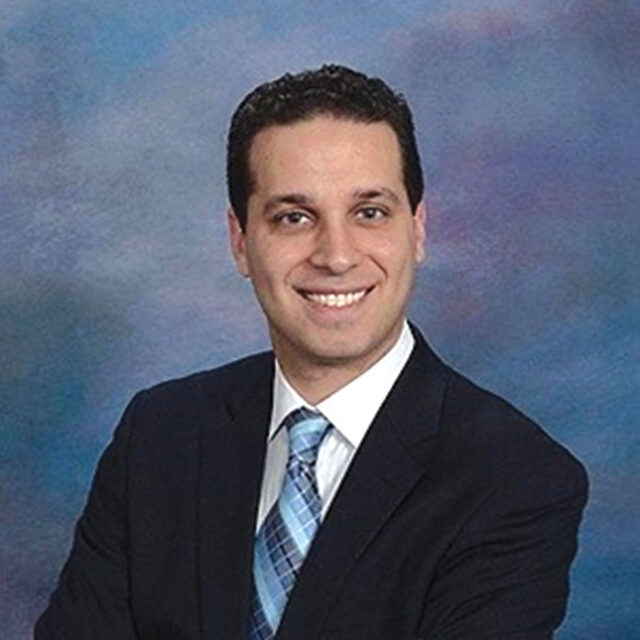
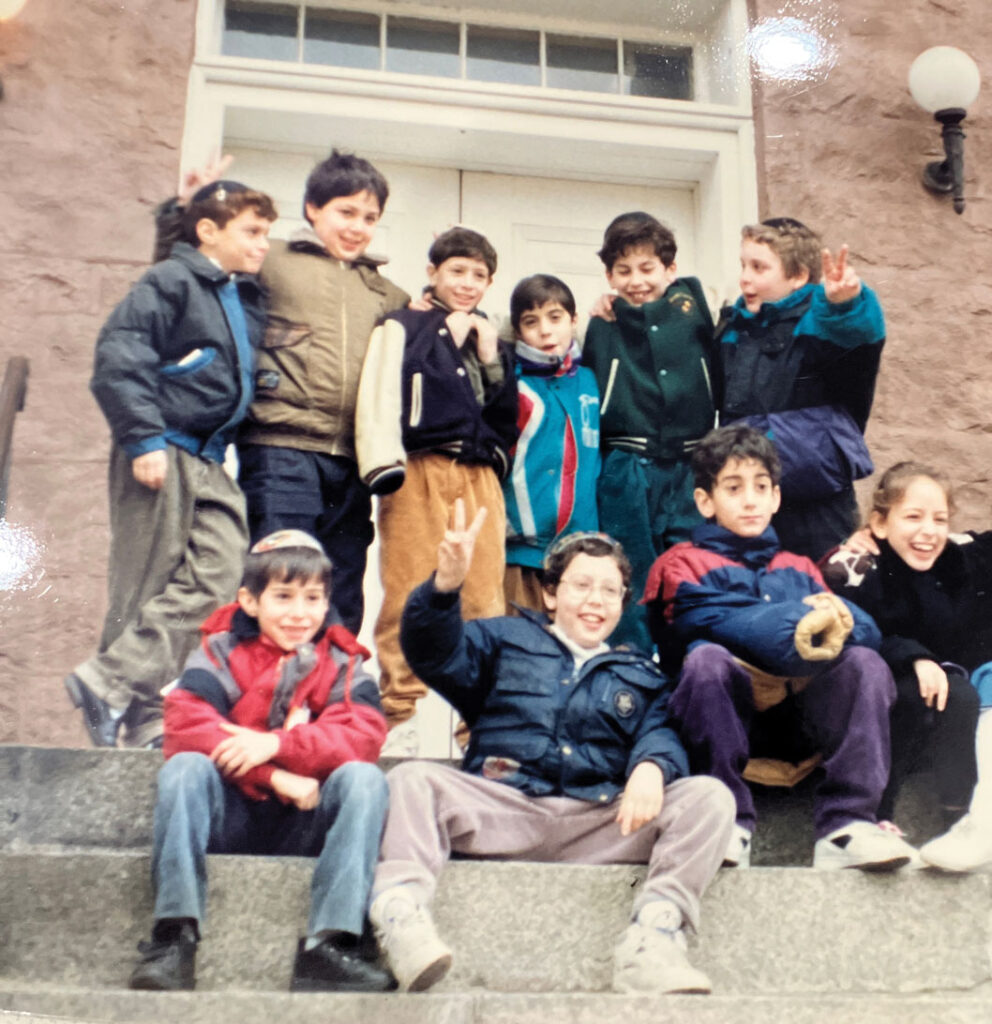
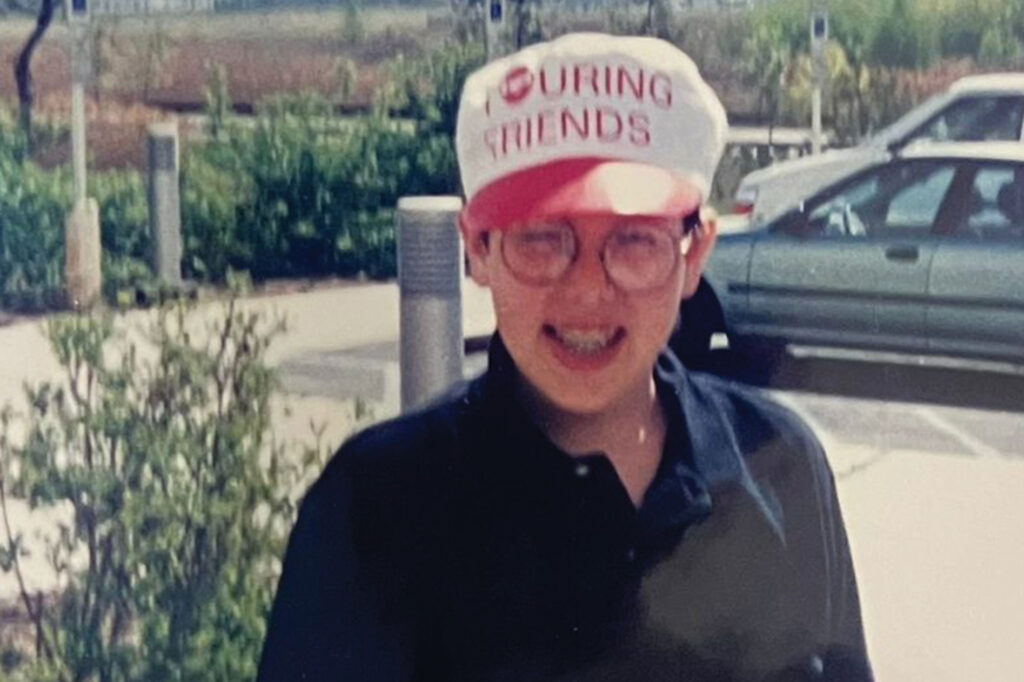
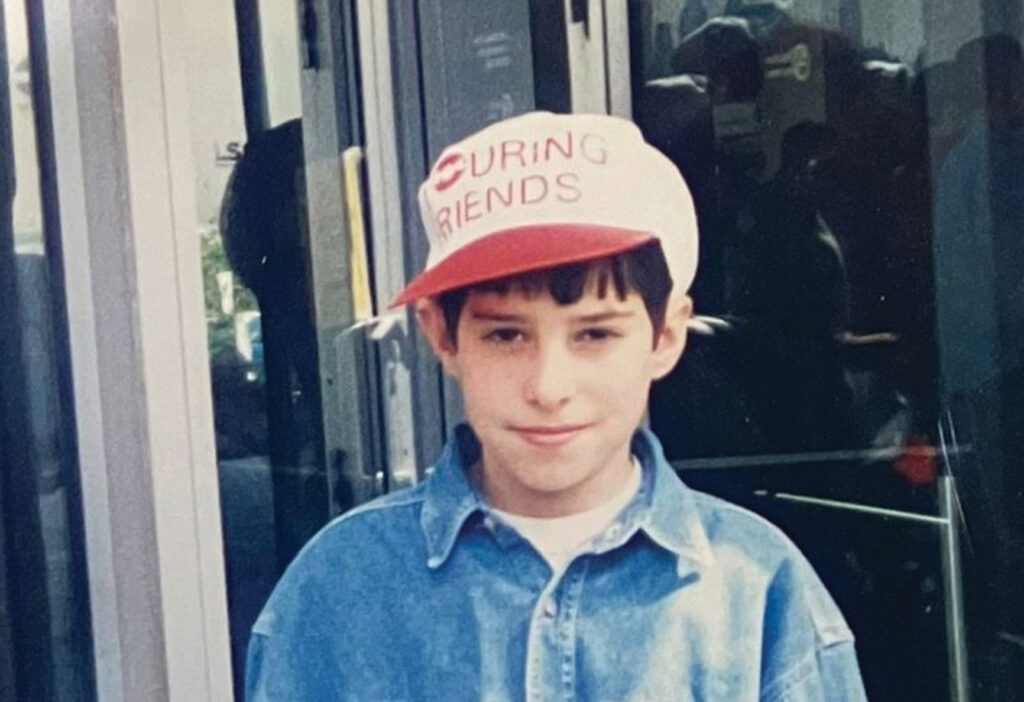
NOT MANY 10 YEAR OLDS DREAM ABOUT ROASTING COFFEE (LET ALONE DRINKING COFFEE), BUT FROM A VERY YOUNG AGE, I KNEW THAT WOULD BE MY FUTURE. AS IS VERY TYPICAL IN OUR COMMUNITY, I ENVISIONED A FUTURE OF WORKING ALONGSIDE MY FATHER, HYMIE CHABBOTT A”H, IN OUR SMALL FAMILY BUSINESS.

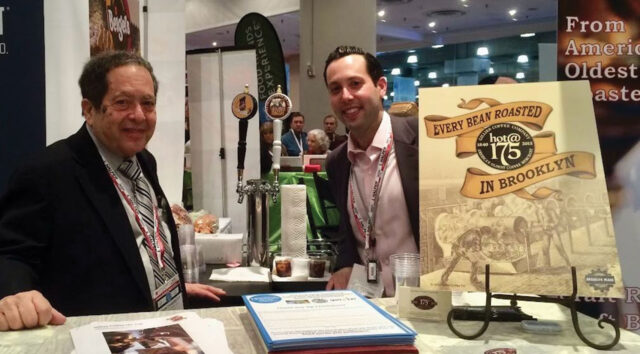
Before Gillies Coffee Company moved primarily into wholesale, my dad, on occasion, used to take me to one of his stores on Bleecker Street. I would return home, with the aromas of mocha and java embedded on my clothes, and the taste of our freshly ground peanut butter still lasting on my tongue. What did operating “America’s Oldest Coffee Merchant” entail? That’s a question that didn’t mean very much to me, but the concept of working alongside my dad, was all I could ever imagine.

Fast forward thirty years, and it’s very hard to comprehend the path that has brought me to being a financial advisor for Power Forward Group. In December of 2023, Gillies Coffee sold its assets to a larger, New York based coffee roasting company. This was a culmination of many, both identifiable and unidentifiable turning points in my life, on the road to helping other community members better prepare themselves for planning their financial future.

I think my story is a common one. My father, at least to me, was always the smartest guy in the room. He provided for his family, was hands-on when it came to parenting, and was an active member in the community. When he passed in late 2019, I would be remiss to say we were all in shock; it didn’t take us completely by surprise. Anyone who knew my father, knew he had many health battles throughout his life. He beat cancer, lived with diabetes (insulin injections and a cocktail of pills in his pocket), and survived heart surgery. After his death, when the shiva ended, my mother faced a lot of questions about what she did or didn’t have. Baruch Hashem, my father left my mother an estate that she could safely feel would take care of her in this next chapter of her life. This realization, though, did not immediately become clear to her, until her first meeting with my friend since Nursery at the Yeshivah of Flatbush, Ruvin Levavi.

I remember sitting in the kitchen with my mom, trying to get a grasp of her finances. “How many retirement accounts did you and dad have jointly?” “Did you have a pension from when you used to work?” “What kind of life insurance did dad have?” “How much Social Security do you collect?” While basic in theory, answering these questions after one of the most life-altering events for a family, is never easy.

My mother was scared for her financial future, but our first meeting with Ruvin and his team changed all of her and my preconceived notions about navigating this next phase. While the void left by my father’s death will never be filled, the concept that she can continue living a certain lifestyle, visit her grandchildren in Israel, do all the things that make her happy, and not be constantly worried about her finances, immediately gave her a sense of ease. Running out of money, was something she did not have to be fearful of.

I also walked out of that meeting feeling something. Firstly, Baruch Hashem, that my father had the wherewithal to properly prepare for when he would no longer be with us. Secondly, regardless of the fact that I was only thirty-five, it is never too early to start putting together a plan, and implementing it, to ensure that when the unexpected (or even partially expected) occurs, the ones you love are taken care of.

With my father no longer sitting a few feet away from me in his office chair, the small family business didn’t feel the same. As COVID stopped the world for some time, my conversations with Ruvin evolved into something more than our usual banter. His business relationship with my mother, which also felt so personal, stuck with me. This was a business that could literally change a person’s life, and I saw it with my own eyes. My mom never felt like a client. It felt like he was a partner in mapping out the future that best suited her needs. Well before the Gillies business sold, I had a feeling that joining Power Forward Group could be a potential destination for me. It is incredibly exciting and fulfilling to be taking this next step in my life, and in my career. The idea that I have the opportunity to share the peace of mind afforded to my family as a career, is very special. And who knows? Maybe right now, my own 10 year old is thinking, “I can’t wait to help someone plan for their retirement!”

David Chabbott is a community member and financial advisor at Power Forward Group. He graduated Brooklyn College in 2001, and has spent the last 20+ years operating his small family business. David and his wife Aimee love getting involved in their children’s yeshivah, watching their 4 sons play basketball, and playing Barbie with their daughter.

What are special needs?

Victoria Safdieh

What do we mean when we say a child with special needs? Isn’t every child special? We all think so! Special needs can mean many different things. The term “special needs” encompasses various conditions that impact a person’s daily functions. A person might be born with special needs, or they may develop THEM later in life. You may be able to spot an individual with special needs, but you probably won’t notice all of them. The individual could have a diagnosis that isn’t noticeable unless you know the person well.

Life can be extra challenging for an individual with special needs. It might be hard to do everyday things, like learning or reading. If a person has a physical handicap, just getting around can be difficult. The term special needs can mean many different things to different people. The definition in the dictionary for “special needs” is an individual that may require accommodations, specialized services to participate in everyday activities.

When someone refers to people with special needs, they could be referring to someone who has a medical issue, someone who has sensory impairments, someone with a mobility impairment. It could mean a developmental delay, an impairment in communication, self-care, social interactions and cognition. It can refer to a wide variety of conditions and disabilities. The following are some ways to categorize special needs. Physical disabilities can include but are not limited to:

Multiple Sclerosis: Where the immune system eats away at the protective covering of the nerves disrupting communication between the brain and the body, symptoms can include vision loss, pain, fatigue, and impaired coordination.

Cerebral Palsy: Results from a brain injury that occurred during fetal development, birth or shortly thereafter. Symptoms can sometimes include seizures, paralysis, and disruption of motor skills. Gait and posture could also be compromised.

Epilepsy-Seizure Disorder: Recurring seizures. Seizures are caused by a sudden burst of electrical brain activity, that cause a temporary disruption of the messages passing between brain cells. It can be managed with medication.

Limb Differences: Someone can be born with a differently developed limb, or may lose a limb later in life. Both require adapting to the world around them.

Genetic Disorders: Range from physical disorders to neurological disorders which have many different prognoses and symptoms. A saliva test or blood work can diagnose an individual with a genetic disorder.

Down Syndrome: A genetic condition caused by the presence of an extra chromosome in a person’s DNA and occurs by chance at conception. It is a random mutation and is not proven to be passed down from the parents. There are distinct physical characteristics accompanying Down syndrome. It can sometimes come along with complications like visual and auditory problems, thyroid disease, decreased muscle tone or cardiac conditions.

Autism Spectrum Disorder (ASD): Verbal and nonverbal communication can be affected by autism. This is sometimes evident before age three. It can affect educational performance and social interactions. Common characteristics can include but are not limited to repetitive activities and resistance to change in routines.

Sight Impairment: Blindness or loss of sight can be managed and diagnosed by an eye doctor.

Hearing Impairment: Loss of hearing and total deafness are considered special needs.

Tourette’s Syndrome: A condition of the nervous system, which causes tics — sudden twitches, movements or sounds that are done repetitively. The individual cannot stop or control their body from doing these things over and over.

Sensory Processing Disorder: The senses might be heightened or lowered to stimuli, like being touched, loud noises, tolerating light, and maintaining eye contact. The feeling of certain textures rubbing against the skin can be irritating. This can be a disorder all on its own or it may be a characteristic of another special need like autism, M.S., or Tourette’s syndrome.

Some individuals with a diagnosis can also come along with a secondary diagnosis. Such as obsessive compulsive disorder (OCD) — obsessions or excessive thoughts that lead to repetitive compulsive behavior; oppositional defiance disorder (ODD) — a type of behavior disorder. Children with ODD are uncooperative, defiant, and hostile toward peers, parents, teachers, and other authority figures. Developmental problems may cause ODD or the behaviors may be learned. ADD is a term used to describe people who have excessive difficulties with concentration without the presence of other ADHD symptoms, such as excessive impulsiveness or hyperactivity. This can also come along with a more significant diagnosis.

Loving someone with special needs or going through life with a special need yourself, can come with unexpected gifts. Families and children with Down syndrome know the boundless love and affection these children can bring to the family. They enjoy life in the moment. People with autism experience life from a different perspective and often times have more intense honesty and curiosity with the world around them. People living with a sensory processing disorder may find their bodies naturally enhance other senses to make everything more pronounced. It’s all about understanding these needs and knowing that you can get through it.

Victoria Safdieh, founder of CARE and mom to children with special needs.

DSN BEACH CLUB & COMMUNITY RABBIS HONOR RESCUED HOSTAGE LUIS HAR

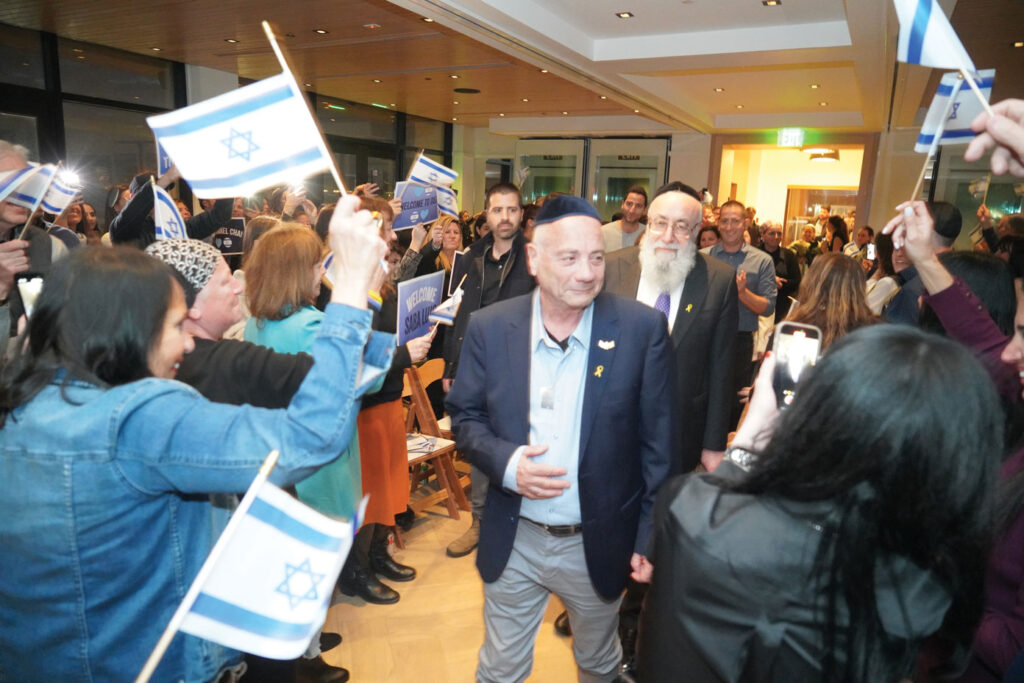
ON THE EVENING OF MONDAY, APRIL 8, THE DSN BEACH CLUB PLAYED HOST TO A DEEPLY MOVING AND INSPIRATIONAL OCCASION, MARKING THE EXTRAORDINARY RESCUE OF FORMER HOSTAGE LUIS HAR AND HIS FAMILY. THE EVENT, FILLED WITH PALPABLE ENERGY AND UNITY, STOOD AS A TESTAMENT TO THE UNWAVERING SUPPORT AND RESILIENCE OF THE JERSEY SHORE COMMUNITY AND THE JEWISH NATION.

The journey to this celebratory moment traces back to October 7, a date that reshaped the world stage for Jews around the globe. In response to the challenges faced by Israel and its people, DSN swiftly activated Israel programming, channeling efforts into fundraising, raising awareness, and providing aid to various affected groups, including the IDF, families of hostages, survivors of the NOVA Festival, as well as impacted artists and businesses.

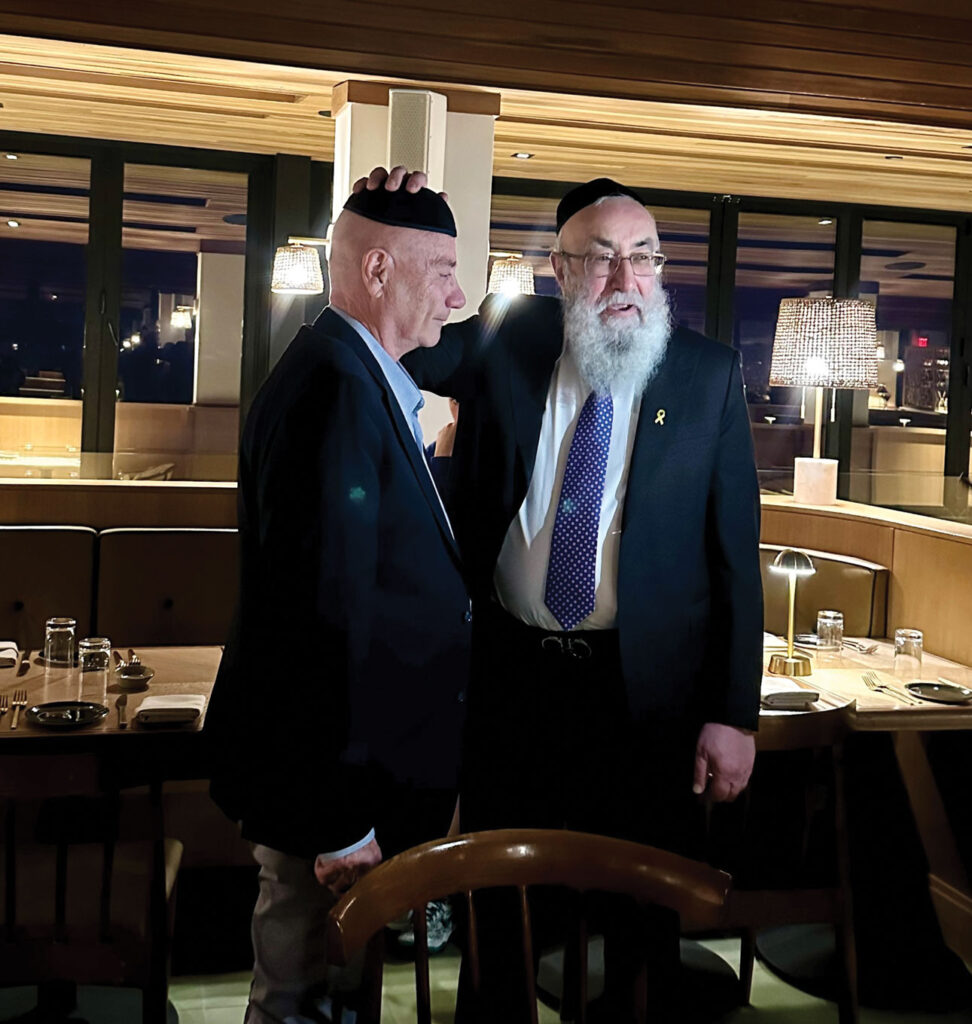
In November, DSN and the Jersey community had the privilege of hosting two daughters of hostage Luis Har, Rinat and Natalie, who left their families in Israel to visit America to share their heartfelt stories. They were brought to see Rabbi Edmund Nahum, who blessed them that Hashem should bring Luis back safely. With his inspiration and encouragement, they would hope and pray during the following weeks and months. The sisters had explained that Luis was more than just a hostage; he was the beloved grandfather, the Saba of the kibbutz, renowned for making pizza for everyone. Moved by their story, DSN made a promise: if Luis were to ever be released, DSN would honor him with a siyum Hoda’ah and pizza party at the Beach Club.

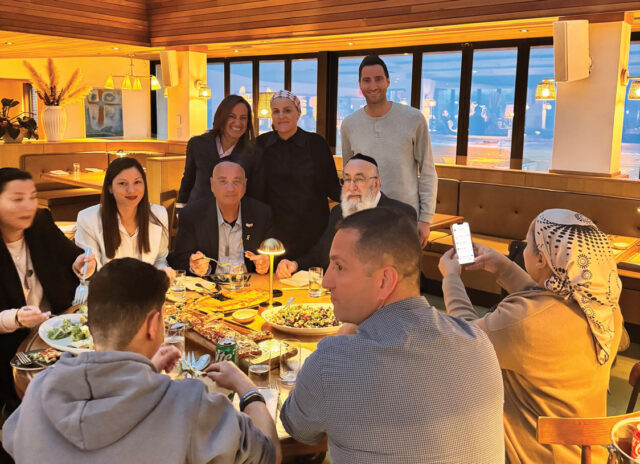
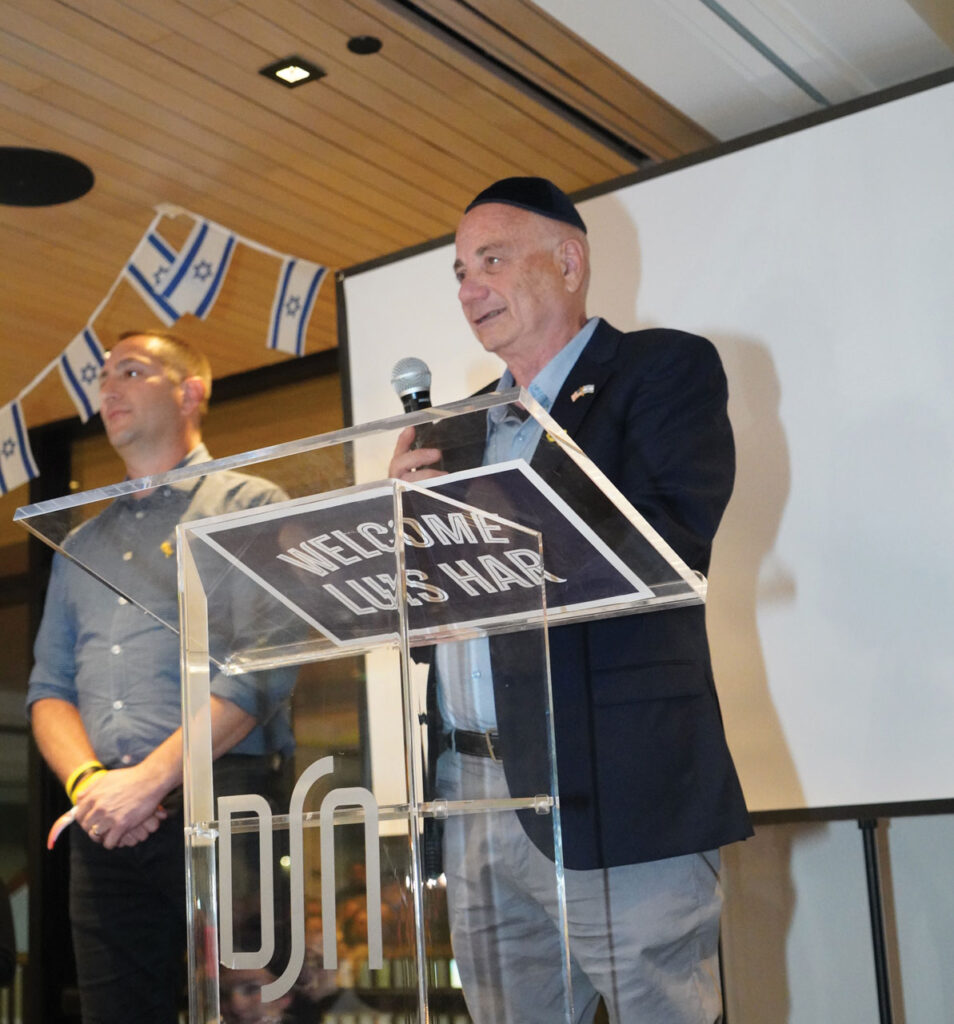
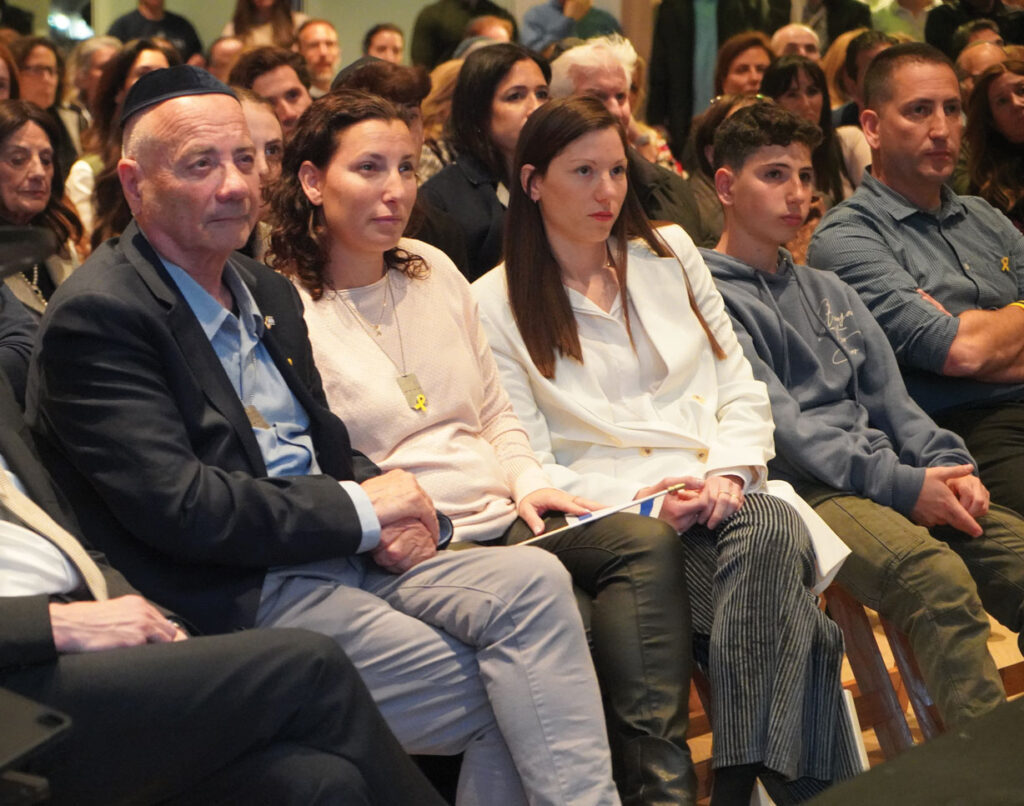
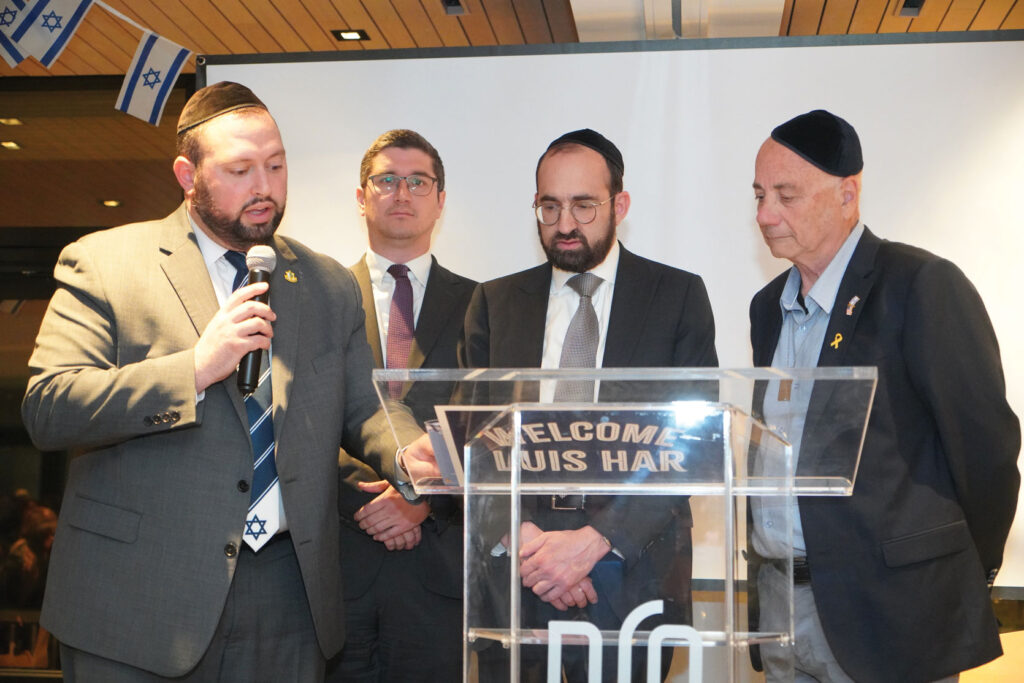
The promise became reality in April, as DSN fulfilled its pledge with a gathering brimming with love and gratitude. The evening was filled with heartfelt performances and speeches. The atmosphere was adorned with Israeli flags, a symbol of solidarity and support. Irving Kairey’s rendition of Hatikvah began the evening, eliciting stirred emotions, while Rabbi Edmond Nahum and Rabbi Joey Haber shared stories of resilience and faith. Then, the guest of honor, Luis Har, took the stage, his spirit undiminished by his ordeal. Moved by the outpouring of support from several hundred attendees, whom he regarded as family, Luis expressed his gratitude. He explained his months of captivity starting from how he was taken captive on October 7th and forced to walk for hours through Gaza’s deep tunnels. The crowd was mesmerized by every word. A poignant moment came with the screening of a video depicting the soldiers who rescued Luis, capturing the emotional weight of his journey to freedom. Witnessing Luis embraced by his daughters in the audience was a testament to the power of hope and the resilience of the human spirit.

Rabbi David Tawil and Rabbi Joey Dana led the prayers for the State of Israel and for the soldiers of the IDF. Rabbi Tawil remarked, “Seeing the Har sisters in their time of pain was unbearable, but helping them carry that weight during their time of despair, no doubt, prepared us for the light of joy destined to arrive. This is the power of supporting the weight of another’s sorrows.

Community member Honey Dayan was overwhelmed by the evening. She said, “This was a night we will never forget. We all felt like one big family coming together.”

As the evening drew to a close, the DSN community stood unified in strength and embrace, reaffirming the timeless motto: Am Israel Chai – the people of Israel live on. Yet, their prayers extend beyond their own, as they hope for the safe return of all hostages, echoing the sentiment that guided them through adversity: unity, faith, and unwavering support.

DSN President Lee Zekaria was moved. “Our community witnessed a walking miracle tonight — someone saved against all odds from captivity by Hashem. It was a very emotional and special experience.”

DSN Executive Board Member Victoria Sutton put the event into perspective. “The night was a culmination of the journey that started in November with the Har family and the DSN community. Like Rabbi Nahum described, we witnessed a miracle above nature. As we continue to pray for Israel and the remaining hostages, like Rabbi Joey Haber said, a night like this one gives us hope. With Hashem’s help, we pray to do the same for all the hostages. The Har family, as Luis’s son-in-law Edan said, will forever be part of the Deal and DSN family.”

BUNNY ESCAVA. A MAN WITH A GIANT HEART

“GUYS, GUYS! WHAT ARE WE DOING HERE? LET’S FINISH THIS AND DO WHAT IS BEST TO HELP THE PEOPLE!” THAT’S THE MANTRA OF BUNNY ESCAVA AS HE BRINGS DIFFERING OPINIONS AROUND THE TABLE TO A MEETING OF THE MINDS THAT FOCUSES ON THE GOAL OF HELPING PEOPLE.

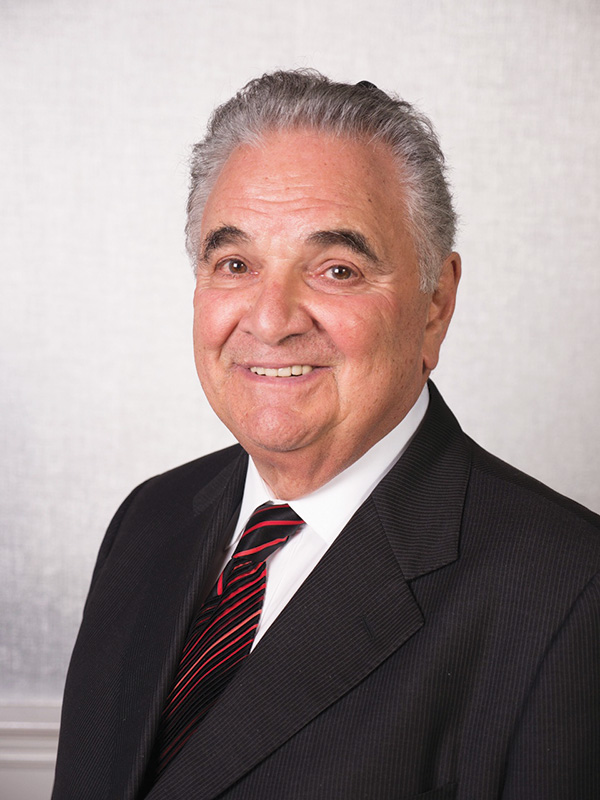
Bunny has been president of the Ahi Ezer organization since the passing of Nouri Dayan A”H, a promise he made to both his father Isaac and Nouri on his deathbed. Isaac Escava A”H had been the organization’s treasurer for many years.
The job is not easy, as Ahi Ezer is not just a synagogue. It’s a complex of buildings that include the synagogue, services, senior citizen housing and programs, two yeshivot, a men’s mikveh, a kollel, and library, built by Nouri Dayan A”H and David Bibi A”H.

As president, Bunny takes into account different personalities and philosophies, varied needs, and many different ethnicities among the people who use their services. The central theme is always Shalom, doing hesed, doing what the people need. From that, Bunny says he gets great personal satisfaction, knowing that his efforts have helped so many people.

“Every time I go to Bunny with an issue, when I don’t know how to resolve something, he says to me ‘Do what your heart tells you to do. That’s how he leads,’” said Ahi Ezer’s Executive Director Eliot Harary.
Bunny Escava walked the streets of Bensonhurst as a young child, holding his father Isaac’s hand as they attended Ahi Ezer Synagogue on 71st Street off Bay Parkway. Isaac Escava was dedicated to Ahi Ezer and close friends with David Bibi and Nouri Dayan.

The impact of his father’s volunteer work and his commitment to the Ahi Ezer complex and community needs stayed with Bunny for his entire life. Although his family moved to East 4th Street in 1946, they continued to attend the Bensonhurst synagogue until the new building was completed on Ocean Parkway and Avenue S.
Dubbed Bunny (his real name is Hymie) as a baby because he was born on Easter Sunday and his aunt thought he was “as cute as a bunny,” Isaac Escava told Bunny more than 50 years ago that he had to stay committed and involved with Ahi Ezer.

“My father took me to meet Nouri Dayan and David Bibi, and we walked around the buildings. I will never forget what Nouri told me. “’Keep making Ahi Ezer bigger; the money will come.’ They had foresight to open the yeshivah and saw it as a tremendous need.

“They had the motivation to take everyone in, wealthy or poor. Nouri said, ‘Don’t worry about the money, G-d will help you and it will all work out.’ Over the years, he was right. Every time we were in a crunch, somehow, we made payroll or got a donation to tide us over.

“I will never forget one day I had a meeting with Nouri about money for the yeshivah. We had to pay the employees and didn’t have the payroll. I was worried. Nouri said ‘G-d will help us; we have never failed in anything we have done. I left the meeting feeling better. Believe it or not, we made things happen. Just as Nouri said, G-d will make sure we never fail.”
Now, president of the entire Ahi Ezer organization and complex, Bunny said he made a promise to Nouri Dayan to stay president indefinitely.

There are three senior citizen buildings (one on Kings Highway and two buildings on East 7th Street and Avenue S) with 140 units and about 200 residents, according to executive director Eliot Harary. Overall, Ahi Ezer employs 60 people, not including the yeshivot staff. The elementary school has about 200 students and the girls’ high school has about 80 students.
The senior citizen buildings are funded through the US Department of Housing and Urban Development, with program funding from city and state grants. Residents pay about 30% of the market rent, a maximum of $600 a month. Donations by residents are used for building enhancements and updates, such as air conditioning in the hallways and the second elevator recently installed in the Kings Highway building. Ahi Ezer runs a robust program, daily meals in a partnership with the JCC of Greater Coney Island, Shabbat meals, holiday parties and weekly programs for the seniors.
While programs have minimized during the past year due to Covid 19 restrictions, things are beginning to loosen now that all residents have been vaccinated.

Even a death does not stop the celebrations as it is critical to the moral of the residents. “One day I got a call from the program director at the Kings Highway building. It was right before Hanukkah, someone died, and she wanted to cancel the party. I left my office in the city to speak to her directly,” said Bunny. “If you ever stop a party, there will never be a party again, life has to go on,” he told her. “The party went on and while only half the people attended, they hugged me and thanked me for having the party. We don’t cancel any parties because these people are old, and they need them.”
One of the most significant aspects of Ahi Ezer—a mission driven by the vision of Nouri Dayan and David Bibi—and carried out by Bunny Escava, is the total and complete commitment to help people, no matter what their means.

While the synagogue and senior buildings are stable financially, the yeshivot need significant fundraising because parents struggle financially, and the schools grant tuition assistance to a majority of families. Fundraisers and drives are held in Deal and Brooklyn each year to help the schools meet payroll and pay expenses. Sam Domb, a Holocaust survivor, has been a supporter of the yeshivah for more than a decade.

To illustrate how the belief that G-d will provide drives the mission of Ahi Ezer, Bunny gave this example. “We were having a drive in the Deal shul and I arrived at 5:30 am for the Vatikan minyan. Usually during a drive, I have helpers who know the people, give out pledge cards and collect them, but on this particular Shabbat I had no one to help me. How was I to remember all those pledges? Of course, I couldn’t write them down. It was scary. I made four speeches. I was so upset when I left the synagogue I was crying. Tears were streaming down my face. I couldn’t go home and let my wife see me like that, so I stopped at my neighbor Joe Cayre’s house.

“I just wanted to vent and calm down before I went home. He asked me how much I lost. I told him. He looked me in the eyes and said come after Shabbat and pick up the check. I said I am not asking for the money. But when someone gives to the organization you have to take it, you are the messenger. I did not want to take the money and he said don’t worry. When I left, I thought about what Mr. Dayan told me, that G-d will provide.”

Bunny does not take credit for all of the accomplishments of Ahi Ezer. He believes he is there as a messenger, an extension of Nouri Dayan and David Bibi. In fact, he is humbled by the great people who are committed to Ahi Ezer—the staff who work at lower than market salaries, the donors, the people who work in the offices with Eliot Harary, such as Victor Bibi, Eddie Mizrahi and Joey Cohen. And of course, the committee of dedicated board members, among them Aslan Bawabeh, Albert Ayal and Seymour Escava—who are just as committed as he is.

“We believe G-d will help us and we take families in at the yeshivah, even if they have nothing. Recently, a donor called and asked if the yeshivah needed money and I told him we are always behind. He sent me a large check ten minutes later. I almost fell off my chair.”
Of the most significant impact was the creation of the Sephardic Community Center, a dream for the community driven by the leadership of Morris Bailey, among others. At the time, Ahi Ezer owned the building on the property and intended to use the space for senior citizen housing. At the request of Morris Bailey, Bunny was sent to ask if they would sell the building for use as the Center. The answer was a quick yes because the community needed a community center. A plaque inside The Center recognizes Ahi Ezer.

“When we built The Center no one knew how to run it. We relied on the UJA Federation to help us and the JCH on Bay Parkway. They directed us. UJA got us a director, who till today is my good friend, Mike Witkes.” Bunny worked for several years as a board member and was the third Center president.

“My brother Seymour always pushed me to make sure we did the right thing for the community. Now there is a huge demand for senior apartments; it’s staggering. People can’t afford to pay rent.
“I can’t even attempt to tell you how much personal satisfaction I get from giving my time for the community. I am pretty successful in my work and I believe that it is because of the volunteer work I do for the community. G-d rewards me because of the hesed I do. I believe that in a big way,” concluded Bunny.

SARINA ROFFÉ

PLANTING FRESH FINANCIAL HABITS THIS SPRING

ARI BAUM, CFP®

ON A DAILY BASIS, HOW MUCH TIME DO YOU SPEND MANAGING YOUR MONEY? IF YOU’RE LIKE MOST OF US –– PROBABLY LESS THAN 2 MINUTES, OR NO TIME AT ALL. IT’S UNDERSTANDABLE. YOU’RE BUSY, DISTRACTED. OR, MAYBE THERE’S SOME INTENTIONAL AVOIDANCE DUE TO FEELING OVERWHELMED AND ANXIOUS.

When trying to navigate retirement, budgeting, or debt management, it’s natural for analysis paralysis to flare. “I’ll do it next weekend,” starts to play on a loop.

Though sweeping money matters under the proverbial rug may feel like the safest option, there are better (even painless) solutions that could help you experience both short- and long-term abundance.

It starts with a few simple steps. From there, you just might watch successes grow.

1: Create a strong foundation

Always assess your “soil.” If your finances aren’t rooted in solid ground, growth could be stunted from the start. And any “seeds” you try to plant (such as savings) may never sprout into the healthy and sustainable resources you want.
Check in:

  • What is my monthly spending?
    Don’t forget about your “set-it-and-forget-it” items, like automated payments, subscriptions, and deposits.
  • What am I investing in my retirement and savings accounts? Exact numbers and dates can help –– be specific.
  • What type of insurance coverage and other financial safety nets do I have (and need) right now?

2: Remember what inspires you

Re-energize your “wilted” goals by allowing yourself a moment to reflect on your values. Do you dream about living in a certain house or city? What makes you happy? (Or what could make you happy?) Reviving your vision can encourage smarter money moves today and tomorrow.
Check in:

  • Are my current financial strategies and habits aligned with my vision?
  • What is my financial trajectory? Do I notice any
    patterns or seasonal ups and downs?
    Whether it’s positive or negative, explore why (i.e. money is tight, but I haven’t asked for a raise).
  • What’s my success plan for: next month, 1 year,
    5 years, 10 years?

3: Learn new skills

As individuals, we are constantly evolving –– as is the economy, technology, and the ways we build wealth. Boosting your financial knowledge can give you the confidence and energy to expand your perspective and try novel strategies. It’s time to continue your personal development and shake off financial fatigue by planting fresh seeds.

Check in:

  • Listen to podcasts? There are endless financial options, whether you enjoy market updates, tips and trade secrets, even humor and “what not to do” stories.
  • How about financial webinars? There are several to choose from and many of them are free.
  • Ask a financial professional for recommendations for both of these!

4: Maintain your momentum

Your finances are like any garden –– you can sow the right seeds, but without the consistent care of rain and sun, your green may wither or droop. The great news is, once you have a well-informed strategy that is planted and in place, it’s much easier to regularly tend to your goals.
Check in:

  • Have I asked my advisor to arrange a monthly chat?
  • Do I have a set schedule for monitoring my portfolio or financial tasks?
  • What healthy financial habits can I start now
    to prevent stagnancy?

FINANCIAL LESSON

Don’t Let Abundance Be Out of Reach
Whether you found those steps new and surprising or they’re part of your routine, it’s clear that our financial vision may not flourish without daily care.
If we don’t pull the weeds of uncertainty and inaction, we feel less control over our wallets and our lives. However, with the right guidance to inspire, and some decisive proactivity, it could be possible to strengthen your money roots to watch them thrive. And you never have to wait for spring.

The content is developed from sources believed to be providing accurate information. Investing involves risk including the potential loss of principal. This information is not intended to be a substitute for specific individualized tax or legal advice. Consult with a licensed professional regarding your specific situation.

Ari Baum, CFP® is the founder and CEO of Endurance Wealth Partners, with over 26 years of experience in the Financial Services industry. He brings his in-depth experience to Conceive. Believe. Achieve. for his clients.
Securities and Advisory services offered through Prospera Financial Services Inc. Member FINRA/SIPC. Brokerage and Advisory accounts carried by Wells Fargo Clearing Services, LLC.

EMPOWERING COMMUNITY

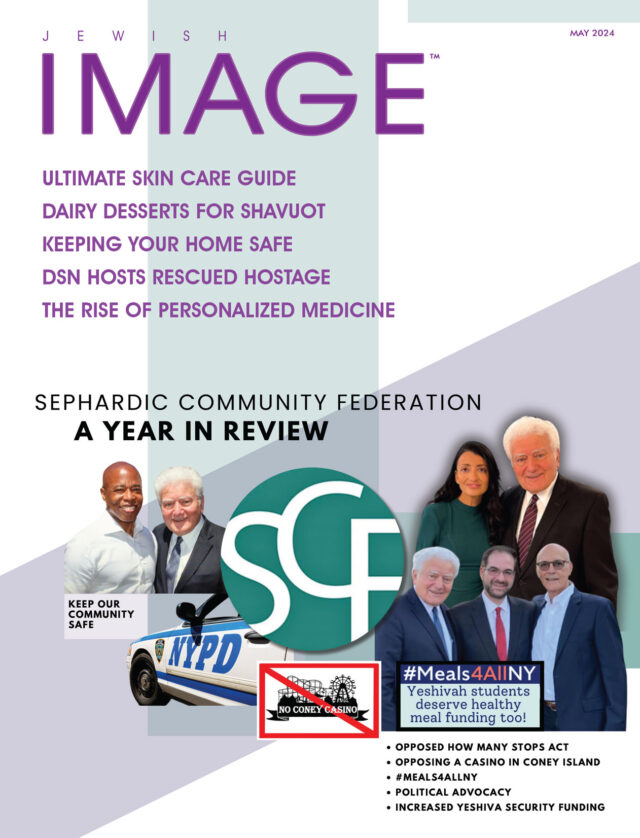
A YEAR OF ADVOCACY AND ACTION BY THE SEPHARDIC COMMUNITY FEDERATION

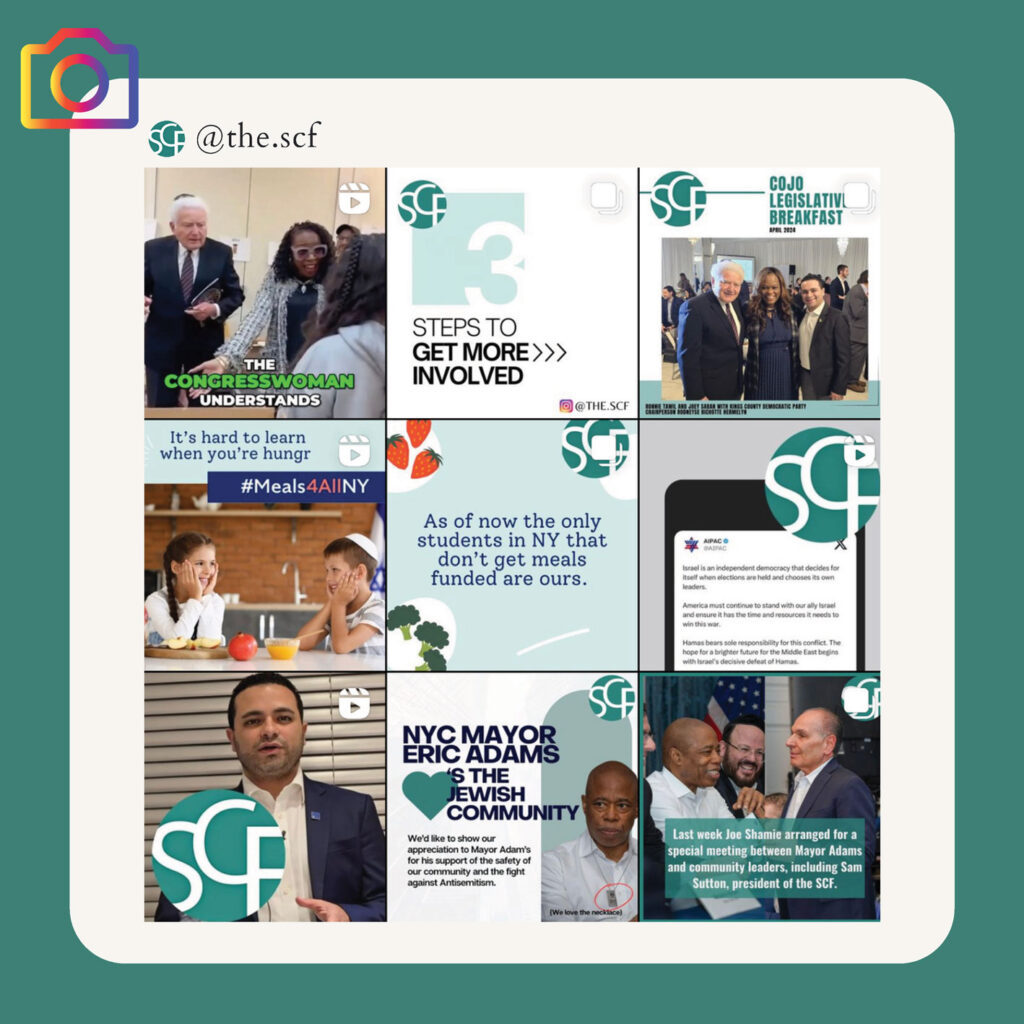
In the vibrant tapestry of New York City, the Sephardic Community Federation (SCF) stands as a beacon of unity, resilience, and advocacy for the Sephardic Community. This past year, the Federation’s accomplishments are marked by steadfast dedication to our community’s well-being, spearheading initiatives that have left a lasting impact on the lives of our members.

Mayor’s Jewish Heritage Event at Gracie Mansion
The year kicked off with a momentous occasion as the Sephardic Community Federation proudly sponsored the Mayor’s Jewish Heritage event at Gracie Mansion. Against the backdrop of this historic landmark, community members from all walks of life gathered to celebrate and honor the rich cultural heritage of the Jewish community across all five boroughs of New York City. Mayor Adams spoke of his unwavering support, gratitude, and appreciation for the entire Jewish community, declaring us his “brothers and sisters.” The event served as a vibrant testament to the enduring spirit of the Sephardic community, and the broader Jewish community.

Legislative Engagement and Support
for Candidates
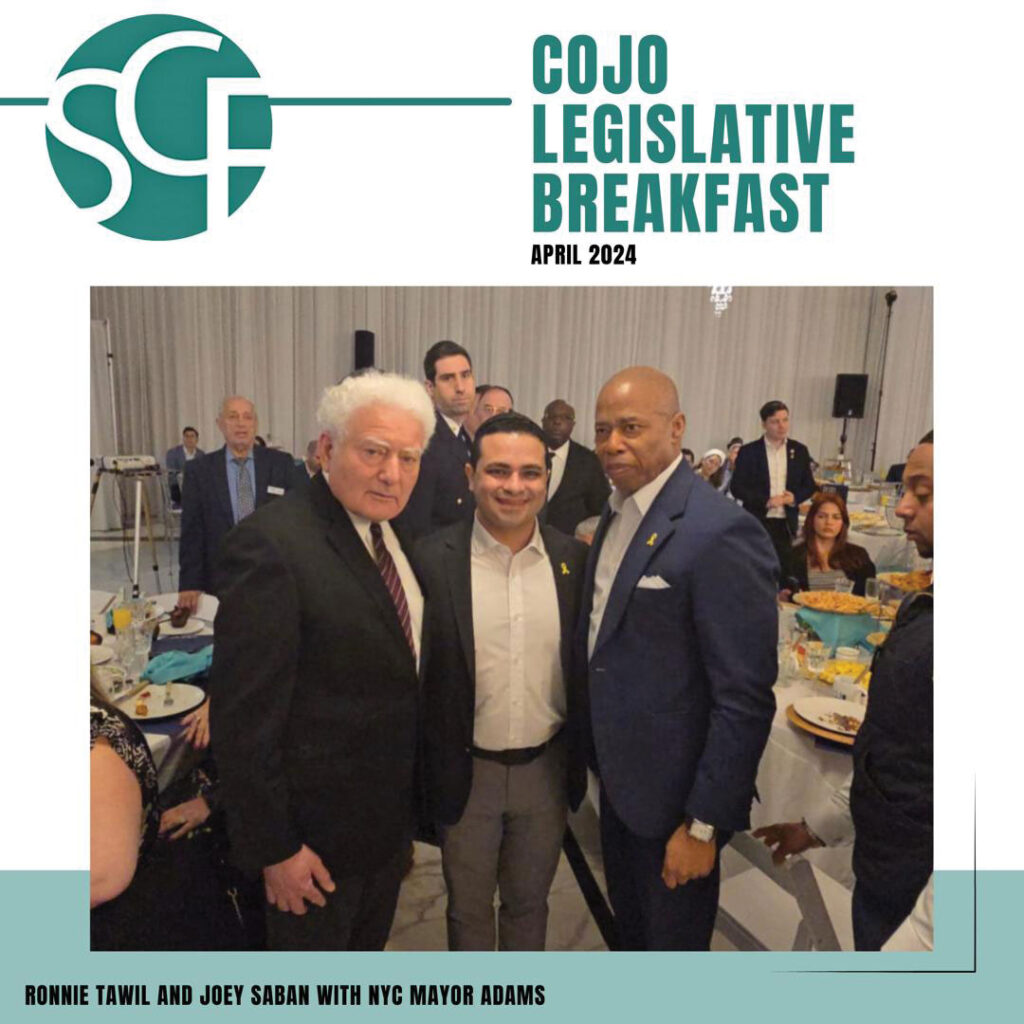
Throughout the year, the Sephardic Community Federation actively participated in legislative breakfasts and events, providing a crucial platform for community members to engage directly with elected officials. These gatherings fostered meaningful dialogue and collaboration, allowing community leaders to advocate for issues of importance to the Sephardic community. Notable attendees included Councilmember Inna Vernikov and Assemblymember Helene Weinstein, whose unwavering support and dedication to our community have been instrumental in advancing our collective interests.

Politically, the SCF played a pivotal role in supporting candidates who championed our community’s interests and held our values. Including Councilmember Kalman Yeger, and Councilmember Inna Vernikov, we rallied behind candidates who demonstrated a deep commitment in representing the needs and concerns of the Sephardic community. Through targeted outreach and mobilization efforts, we ensured that our voices were heard and our interests represented at all levels of government.

No Coney Casino Initiative:
Protecting Our Community’s Future
One of the most significant undertakings of the past year was the SCF’s steadfast opposition to the proposed casino development in Coney Island. Under the banner of the “No Coney Casino” initiative, community members mobilized to voice their concerns and advocate for the preservation of our neighborhood’s integrity and well-being. Through community board engagement, government outreach, and grassroots organizing efforts, we amplified our collective voice, securing support, and assurance of being kept abreast within the decision-making process.

Social Media Initiative:
Amplifying Outreach and Engagement
Recognizing the importance of digital communication in today’s interconnected world, the Sephardic Community Federation underwent a significant social media revamp over the past year. Featuring new branding and a revitalized Instagram page, our digital presence was transformed into a dynamic platform for outreach and engagement. Through compelling content and interactive features, we expanded our reach and connected with a broader audience, fostering a sense of community and unity online.

Click-to-Action and Email System:
Mobilizing Community Support
In a groundbreaking move towards grassroots advocacy, the Sephardic Community Federation adopted a Click-to-Action system to empower community members to directly engage with elected representatives. With the press of a button, individuals are able to mobilize support for our initiatives, amplifying our collective voice in delivering messages to drive meaningful change. This innovative approach to advocacy has proven instrumental in galvanizing community support and garnering attention for our causes.

Recognizing the importance of effective communication in driving advocacy efforts, the Sephardic Community Federation additionally revitalized its email marketing strategy. Through targeted messaging and strategic outreach, we disseminated calls to action and kept community members informed and engaged in our initiatives. By leveraging email as a communication tool, we concentrated advocacy efforts and empowered community members to take action on issues of importance to all.

Collaborations and Advocacy Initiatives: Building Partnerships for Change
Beyond traditional advocacy channels, the SCF forged partnerships with local organizations to address pressing issues facing our community. Collaborating with organizations such as “Enough is Enough,” we took a stand against antisemitism and worked to ensure the safety and well-being of our community members, particularly those attending City University of New York campuses. Through joint advocacy initiatives and collaborative efforts, we leveraged our collective strength to effect positive change.

State Budget Advocacy: Fighting for Educational Equity
On the education front, the Sephardic Community Federation heavily engaged in advocacy efforts to ensure equitable resources for all students throughout New York. Within the state budget process, we fought to extend funding for school meals to all NYS students, regardless of their background or where they attend school. By echoing the community’s voice and advocating for educational equity, we alleviated some of the financial burden that community parents carry while sending their children to private schools.

Fostering and Maintaining Relationships with Elected Representatives:
Advocating for Community Needs
In addition to advocacy, the SCF initiated, fostered, and strengthened meaningful relationships with elected representatives who support(ed) our community’s interests. Our partnerships yielded vital support for our community charities and institutions. Through ongoing dialogue and collaboration, we advocated for resources and assistance to address the needs of our community members and the Jewish community as a whole.

As we reflect on the past year, the Sephardic Community Federation stands as a testament to the power of community-driven unity and action. From cultural celebrations to political engagement to grassroots initiatives, our efforts have left an indelible mark on the fabric of our community. Looking ahead, we remain committed to empowering and strengthening our collective voice. Together, we will continue to champion our interests, advocate for meaningful change, and hold our values steadfast while building a stronger community for generations to come.

Read Jewish Image Magazine Online – May 2024

To View Jewish Image Magazine In PDF

Click Here