Home Blog Page 47

Bitcoin Rebounds to $98,000 as U.S. Delays Mexico Tariffs

U.S. President-elect Donald Trump and Bitcoin. Cheney Orr | Dado Ruvic | Reuters

Market Volatility Continues Amid Trade War Uncertainty

Bitcoin reversed earlier losses on Monday, surging back toward the $100,000 mark after the U.S. announced a one-month delay on tariffs targeting Mexican imports. The move provided some relief to markets, which had been rattled by President Donald Trump’s sweeping import tariffs imposed over the weekend.

The world’s largest cryptocurrency traded at $98,461.83, up less than 1% on the day, according to Coin Metrics. Earlier, it had dipped as low as $91,212.63 in response to the tariff announcement but remained resilient compared to other risk assets. Bitcoin had previously topped $102,000 on Friday before the latest market turbulence.

Bitcoin Holds Firm as Risk Assets Struggle

Shares of crypto-related companies like Coinbase and MicroStrategy pared losses after the tariff pause, down 1% and 0.5%, respectively.

Bitcoin holding up better than the rest of the market reinforces its position as the safest bet in crypto,” said Ben Kurland, CEO of crypto research platform DYOR. “When panic sets in, liquidity flows to bitcoin over riskier assets, proving once again that it’s the industry’s reserve asset.”

Over the weekend, cryptocurrencies tumbled after Trump signed an order imposing 25% tariffs on imports from Mexico and Canada, as well as a 10% duty on China. The U.S. conducts approximately $1.6 trillion in trade with the three countries, making the tariffs a significant market disruptor.

Crypto Liquidations Surge Amid Market Uncertainty

Bitcoin saw $377.6 million in long liquidations in the past 24 hours, according to CoinGlass. Ether (ETH) faced even steeper losses, with $479 million in liquidations.

Other major cryptocurrencies also suffered declines before bouncing off session lows:
🔹 Ether (ETH) fell 7% to $2,711.05, after trading above $3,300 on Friday.
🔹 The CoinDesk 20 Index, which tracks the broader crypto market, dropped more than 1%.
🔹 Meme coins saw some of the biggest losses in the downturn.

Trade War Could Boost Bitcoin in the Long Run

Despite short-term volatility, some analysts believe a prolonged trade war could ultimately strengthen Bitcoin by weakening the U.S. dollar and interest rates.

“A sustained tariff war would be amazing for Bitcoin in the long run, as it would contribute to dollar devaluation and lower U.S. rates,” said Jeff Park, head of alpha strategies at Bitwise Asset Management.

For now, however, Bitcoin continues to behave like a risk asset, meaning it could face further downside pressure as economic uncertainty persists.

Key Levels to Watch: Will Bitcoin Hold $90,000?

Analysts are closely monitoring $90,000 as a critical support level for Bitcoin. A meaningful break below this level could lead to a deeper correction toward $80,000.

“Digital assets will eventually benefit from today’s Treasury yield mix, but for now, we could see a choppy few days,” Geoff Kendrick, an analyst at Standard Chartered, wrote in a note Monday. “Until broader economic fears ease, Bitcoin remains at risk of testing the $90,000 level again.”

With market uncertainty at elevated levels, Bitcoin’s path forward remains uncertain—but its resilience in the face of recent turmoil continues to highlight its role as a key asset in global finance. 🚀


Apple, SpaceX, and T-Mobile Unveil Starlink Satellite Connectivity for iPhones

A New Era in Mobile Communication Begins with iOS 18.3

In a groundbreaking collaboration, Apple, SpaceX, and T-Mobile have joined forces to bring Starlink satellite connectivity to iPhones, marking a major leap forward in mobile communication. Announced alongside the release of iOS 18.3 on January 27, 2025, this initiative aims to eliminate connectivity gaps, particularly in rural and remote areas.

A Leap Forward in Mobile Connectivity

Seamless Satellite Messaging

With Starlink integration, iPhones—starting from the iPhone 14—can now send text messages via satellite when traditional cellular networks are unavailable. This breakthrough ensures that users remain connected even in the most isolated locations, providing a critical lifeline during emergencies or outdoor adventures.

Effortless User Experience

Unlike previous satellite services, which required users to manually align their devices with satellites, Starlink connectivity operates automatically. iPhone users don’t need to point their device at the sky—messages are sent seamlessly, making satellite texting as intuitive as standard SMS.

Beta Testing Underway

T-Mobile has launched a limited beta program, allowing a select group of users to test Starlink-powered messaging before a wider rollout. The testing phase will fine-tune performance and ensure a smooth experience ahead of full-scale deployment.

The Future of Satellite-Enabled Mobile Communication

Expanding Capabilities

For now, Starlink on iPhones supports only text messaging, but T-Mobile and SpaceX have ambitious plans to expand its functionality. Future updates could include:
Voice calls over satellite
Data services for web browsing and messaging apps
Support for media sharing, including images and music
Potential video streaming, as hinted by Elon Musk

Global Reach on the Horizon

Initially available only in the U.S., Apple and SpaceX plan to expand Starlink connectivity worldwide, partnering with more international carriers as the satellite network evolves.

A Paradigm Shift in Mobile Communication

The integration of Starlink satellite connectivity into iPhones marks a historic milestone in mobile technology. By ensuring that users can stay connected no matter where they are, Apple is reinforcing its commitment to innovation and user experience.

As the technology continues to evolve, this initiative paves the way for a future where satellite connectivity becomes a standard feature in smartphones, ensuring that no user is ever truly off the grid. 🚀📡

Bird Flu Crisis Escalates as New Strain Detected in U.S., Raising Alarms for Farmers and Public Health

ILLUSTRATION: ELENA SCOTTI/THE WALL STREET JOURNAL, GETTY IMAGES (6)

The bird flu crisis in the United States appears to be entering a new and troubling phase, with a surge in avian influenza cases among wild birds and poultry, and the first confirmed U.S. case of a new strain, H5N9, on a California duck farm.

While experts stress that these developments do not necessarily increase the risk of a human pandemic, they could cause further economic damage to farmers, worsen egg shortages, and expose weaknesses in government disease surveillance efforts.

Rising Cases and Growing Concerns

The U.S. Department of Agriculture (USDA) confirmed 81 cases of highly pathogenic avian influenza in wild birds across 24 states between December 29 and January 17. These cases highlight how wild birds can carry and spread the virus without showing symptoms, potentially transmitting it to commercial poultry flocks.

In response, thousands of wild geese and commercial poultry flocks have been culled in states like Pennsylvania and New York to prevent further spread.

“If you look at what’s happened in the last eight weeks, the number of poultry operations that have gone down—and more recently, the duck operations—is absolutely stunning,” said Michael Osterholm, director of the Center for Infectious Disease Research and Policy at the University of Minnesota.

The outbreak is further complicated by changing migratory patterns. Warmer winters in northern states mean that certain wild birds are staying put rather than migrating south, increasing exposure to domestic poultry.

New H5N9 Strain Raises Questions

A particularly concerning development is the detection of H5N9, a new strain of bird flu, on a California duck farm that had previously battled the H5N1 virus last fall.

The discovery of this new strain suggests “reassortment”—a process where two or more flu viruses infect the same animal and swap genetic material. Ducks, which often carry flu viruses without becoming seriously ill, serve as ideal hosts for this process.

While H5N9 is not currently believed to be more dangerous to humans than H5N1, its emergence underscores concerns about the potential evolution of the virus into a strain that could more easily infect people.

Richard Webby, director of the World Health Organization’s Collaborating Center for Studies on the Ecology of Influenza, warned that a reassortment between bird flu and human flu could create a virus capable of spreading more easily among humans.

So far, 113 poultry flocks have been infected in the past month, impacting 19 million birds, according to the USDA. The virus has also been detected in 943 dairy herds, mostly in California.

Government Response and Concerns Over Communication Freeze

The Biden administration has yet to publicly outline its strategy for addressing the worsening outbreak. Compounding concerns is a pause on most federal health agency communications, including the CDC’s Morbidity and Mortality Weekly Report (MMWR), a key public health resource.

The Department of Health and Human Services (HHS) has not responded to inquiries about the government’s next steps. Meanwhile, HHS Secretary-designate Robert F. Kennedy Jr. pledged during confirmation hearings to “devote appropriate resources to preventing pandemics”, but past statements suggesting a need to “give infectious disease research a break” have drawn scrutiny from lawmakers.

The freeze on public health communications has already delayed the publication of two important studies on bird flu—one examining whether veterinarians treating cattle may have unknowingly been infected, and another investigating possible transmission between infected humans and domestic cats.

The lack of transparency has alarmed public health experts, who argue that timely information is critical for monitoring and containing the virus.

“This idea that science cannot continue until there’s a political lens over it is unprecedented,” said Anne Schuchat, former principal deputy director at the CDC.

Others have warned that slowing the flow of information could hinder the response to the outbreak.

“Getting CDC up and running at full speed is going to be essential to keep track of avian influenza,” said Patrick Jackson, an infectious diseases expert at UVA Health.

What Comes Next?

The bird flu crisis is likely to intensify in the coming weeks, with the virus continuing to spread among wild birds, poultry, and possibly livestock. The emergence of the H5N9 strain adds a new layer of uncertainty, as scientists monitor its behavior and potential risks to human health.

With millions of birds already affected, farmers face significant economic losses, and consumers may see egg and poultry shortages worsen. Public health officials are urging the federal government to act quickly, as delays in communication and policy decisions could make containment efforts more challenging.

For now, the world is watching closely as the avian flu crisis unfolds, hoping to prevent a larger outbreak that could have even more devastating consequences.

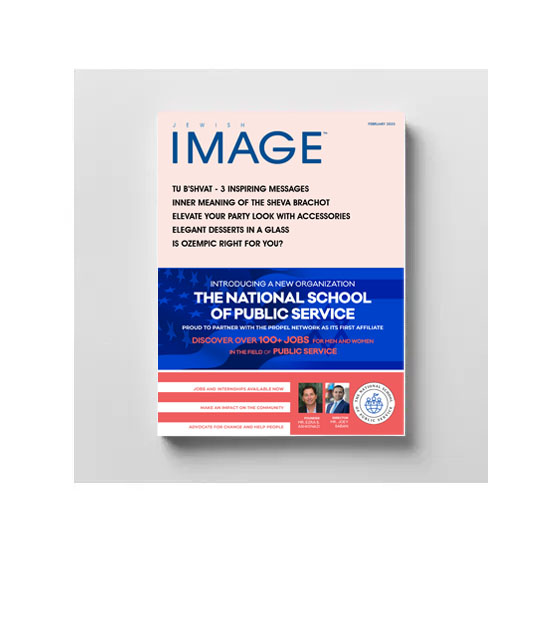
Read Jewish Image Magazine Online – February 2025

February 2025 Jewish Image Magazine

_________________________________________________________________

_________________________________________________________________

FDA Approves First New Pain Medication in 25 Years

A Breakthrough in Non-Opioid Pain Relief

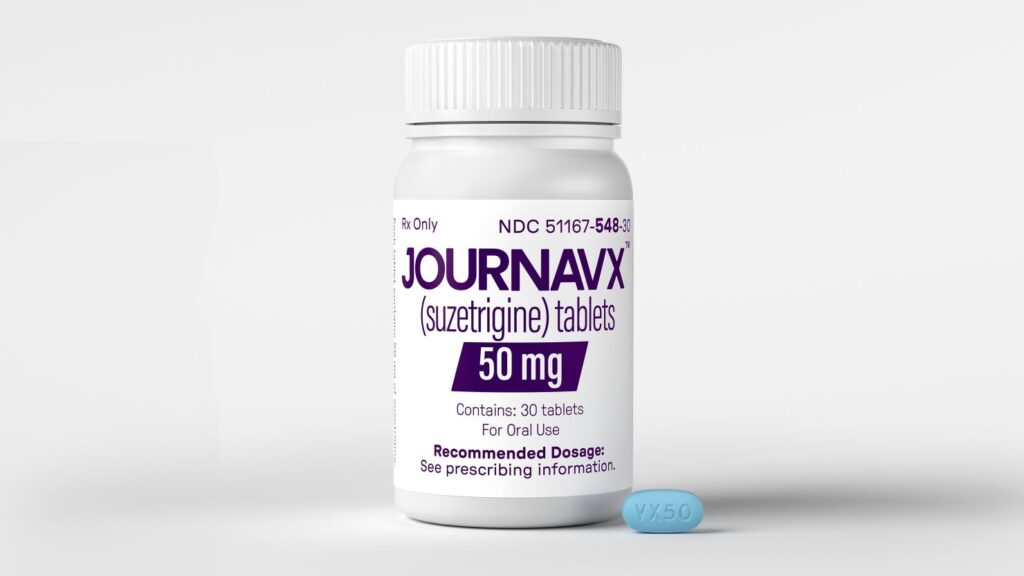
The U.S. Food and Drug Administration (FDA) has approved Suzetrigine, the first new type of pain medication in over two decades, marking a significant advancement in pain management. The 50-milligram prescription pill, which will be sold under the brand name Journavx, offers an alternative to opioid-based treatments, providing relief without the risks of addiction and dependence.

A New Era in Pain Management

The FDA’s decision underscores the agency’s commitment to expanding pain treatment options while reducing reliance on opioids, which have fueled a national crisis of addiction and overdose deaths.

“A new non-opioid analgesic therapeutic class for acute pain offers an opportunity to mitigate certain risks associated with using an opioid for pain and provides patients with another treatment option,” said Dr. Jacqueline Corrigan-Curay, acting director of the FDA’s Center for Drug Evaluation and Research.

Each year, approximately 80 million Americans fill prescriptions for moderate to severe pain relief, with opioids making up about half of those prescriptions. Suzetrigine represents a long-awaited alternative—offering relief without the euphoric effects that contribute to opioid addiction.

How Suzetrigine Works

Pain perception involves multiple signals sent from nerve cells to the brain. Unlike opioids, which dull pain perception in the brain, Suzetrigine blocks pain signals at the source, preventing them from reaching the brain in the first place.

The drug works by blocking a specific sodium channel (Nav1.7) responsible for conducting pain signals, a mechanism first identified in a Pakistani family known for their ability to walk across hot coals without experiencing pain. Scientists discovered that a rare genetic mutation prevented their pain nerves from firing, leading to the development of Suzetrigine.

“They knew they were on something hot; they could feel the coals, but they didn’t experience pain,” explained Stuart Arbuckle, Chief Operating Officer of Vertex Pharmaceuticals, the company that developed the drug.

Clinical Trial Results: How Effective Is Suzetrigine?

Suzetrigine has undergone multiple clinical trials, including studies on patients recovering from abdominal and foot surgeries.

  • Patients taking Suzetrigine reported a 50% reduction in pain, comparable to those taking Vicodin (hydrocodone/acetaminophen).
  • On a 0-to-10 pain scale, patients’ pain levels dropped from 7 to about 3.5 after taking the drug.
  • A study on sciatica-related pain did not show significant improvement over a placebo, raising questions about its effectiveness for chronic pain conditions.

Despite the mixed results for chronic pain, Vertex Pharmaceuticals is continuing to test Suzetrigine for long-term conditions, including diabetic neuropathy.

Implications for Pain Treatment and the Future of Non-Opioid Medications

Suzetrigine’s approval is a significant breakthrough in pain management and could pave the way for future sodium-channel-blocking drugs.

“This provides proof of concept that a sodium-channel blocker can reduce pain in humans,” said Dr. Stephen Waxman, a neuroscience expert at Yale University. “That opens the door to second-generation painkillers that could be even more effective.”

However, cost and insurance coverage could impact the drug’s accessibility. Vertex has set a wholesale price of $15.50 per pill, and insurance companies have yet to determine coverage policies.

Dr. Kimberley Mauer, an anesthesiologist at Oregon Health & Science University, emphasized the importance of having new pain treatment options but cautioned that affordability may be an issue.

“It might limit some patients from getting it, so we just have to wait and see,” she said.

Conclusion

The approval of Suzetrigine (Journavx) is a historic milestone in pain management, providing a non-opioid alternative for millions of Americans suffering from acute pain. While its full potential remains to be seen, this breakthrough offers hope for safer, more effective pain relief in the future.

Elon Musk’s X Launches Digital Wallet and Peer-to-Peer Payments in Partnership with Visa

X Expands into Fintech with the Introduction of “X Money Account”

Elon Musk’s social media platform, X, formerly known as Twitter, has taken a major step into the financial technology sector by launching its own digital wallet and peer-to-peer payment services. The initiative, announced on Tuesday, is made possible through a partnership with Visa, the world’s largest credit card network.

The new service, named the “X Money Account,” will allow users to transfer funds between traditional bank accounts and their digital wallets, as well as make instant transactions—similar to existing services like Zelle and Venmo.

A Major Leap Toward Musk’s Vision for X

Elon Musk has long expressed his ambition to transform X into an “everything app”, integrating social networking with financial services, shopping, and even artificial intelligence tools. The launch of X Money Account is a significant step in this direction, positioning the platform as a major player in social commerce and digital payments.

X CEO Linda Yaccarino confirmed the partnership with Visa in a post on the platform, emphasizing that the service would provide users with a seamless way to manage their finances and send money directly within X’s ecosystem.

How X Money Account Works

  • Users can link their traditional bank accounts to their X Money Account.
  • Funds can be transferred to and from the digital wallet, allowing for secure transactions.
  • Peer-to-peer payments will be instant, making it easy for users to send and receive money, similar to apps like PayPal, Zelle, and Venmo.
  • Visa’s involvement ensures global accessibility, as users may eventually be able to spend directly using Visa’s payment network.

The Growing Role of Digital Payments in Social Media

X’s move into financial services aligns with a broader trend of social media platforms integrating payment solutions. Apps like Meta’s WhatsApp Pay and Snapchat’s Snapcash have previously introduced similar features, but X’s partnership with Visa could provide it with a competitive edge.

By allowing users to conduct financial transactions without leaving the app, X is enhancing user engagement while potentially generating new revenue streams beyond advertising.

Future Implications and Expansion

Industry experts predict that the X Money Account could evolve beyond peer-to-peer payments, eventually supporting cryptocurrency transactions, business payments, and even stock trading—aligning with Musk’s vision of a “financial super app”.

With Visa on board, X is well-positioned to compete in the digital payments space, and if the feature gains widespread adoption, it could redefine how financial transactions occur within social media platforms.

For now, X users can look forward to a more integrated, finance-friendly experience, signaling the platform’s rapid transformation from a microblogging site into a multi-functional digital ecosystem.

Humans vs. Robots: 12,000 Runners to Compete Alongside AI-Powered Machines in Historic China Marathon

Beijing to Host First-Ever Human-Robot Half-Marathon

In a groundbreaking event that blurs the lines between human athleticism and cutting-edge artificial intelligence, Beijing’s Daxing district will host the world’s first human-robot half-marathon in April 2025. The race will see 12,000 human participants competing alongside humanoid robots from 20 different companies, marking a historic moment for robotics and sports innovation.

The Rise of AI in Sports

This unique marathon is not just a test of endurance but also a showcase of technological advancements in the field of robotics. Among the participating robots, the spotlight is on “Tiangong”, an advanced humanoid machine engineered to complete the entire half-marathon alongside human runners. Unlike typical robotic demonstrations in controlled environments, these AI-powered athletes will navigate real-world racing conditions, testing their ability to adapt to unpredictable variables such as terrain, weather, and fatigue simulation.

What Makes This Marathon Historic?

This event marks a pivotal moment in human-robot collaboration, as it offers a real-time assessment of robotic endurance, agility, and AI-driven adaptability. The participating machines will not only be running but will also analyze race conditions, adjust their movements, and potentially even strategize their pacing—just like human runners.

China, a global leader in AI and robotics, is using this marathon as a platform to demonstrate the growing capabilities of humanoid robots. With increasing advancements in machine learning and biomechanics, experts believe that robots could one day compete at elite athletic levels, challenging the very definition of sports.

How Will the Competition Work?

  • Human and robotic participants will run side by side in a half-marathon format (21.1 km).
  • Robots will be tested on speed, endurance, and adaptability, with many relying on AI algorithms for real-time decision-making.
  • Top finishers—both human and robotic—will receive prizes, highlighting the significance of AI performance in a real-world sporting event.

The Future of AI in Competitive Sports

This marathon is expected to be a precursor to future AI-integrated competitions, where robots could participate in various sporting disciplines—from sprinting to obstacle courses. If successful, this event could revolutionize the sports industry, leading to robot-assisted training programs, AI coaching, and even dedicated AI sports leagues.

While humans remain the dominant force in athletics, the inclusion of robots in competitive settings raises important questions about the future of human performance, the ethics of AI in sports, and the potential for AI-enhanced athletes.

As the world watches this unprecedented marathon unfold, one thing is clear—the future of sports is evolving, and AI is running right alongside us.

Three Israeli hostages who will be released on Saturday have been named by Hamas.

Israeli hostages slated to be freed from Gaza on February 1, 2025: (L-R) Yarden Bibas, Keith Siegel, and Ofer Calderon. (Courtesy)

January 31, 2025 – Israeli officials have confirmed that three hostages—Ofer Calderon, Keith Siegel, and Yarden Bibas—are set to be released from Gaza tomorrow. The announcement brings a glimmer of hope amid months of ongoing negotiations and uncertainty surrounding the fate of captives still held by Hamas.

The three men were among the hundreds kidnapped on October 7, when Hamas militants launched a deadly attack on Israel. While some hostages have been released in previous ceasefires, others remain in captivity, with their families desperately awaiting their return.

Who Are the Hostages?

  • Keith Siegel, 65, is a U.S. citizen originally from North Carolina. He was kidnapped alongside his wife, Aviva, from their home in Kibbutz Kfar Aza. Aviva was among the hostages freed in November 2023, but Keith remained in Hamas captivity. His release now marks the end of his nearly four-month ordeal.
  • Ofer Calderon, 54, was taken from Kibbutz Nir Oz along with his two children, Erez and Sahar. The children were released during a previous ceasefire, but their father remained a hostage. His family has been anxiously awaiting news of his fate, and his imminent return is a major relief to his loved ones.
  • Yarden Bibas, 35, endured an especially heartbreaking ordeal. He was kidnapped separately from his wife, Shiri, and their two young sons, Ariel and Kfir, who were also taken from Kibbutz Nir Oz. Hamas has claimed that Shiri and the two boys were killed while in captivity, though Israel has not officially confirmed their deaths. The Israeli government has only expressed grave concern over their fate. Yarden was reportedly wounded during his abduction, and his condition upon release remains uncertain.

Israel Accepts Hamas Release List, Families Notified

Israeli authorities have confirmed that they accept the list of names provided by Hamas and have notified the families of the hostages. The exact conditions of the release, including whether they are part of a broader negotiation effort, have not been disclosed.

The news of their impending release has sparked a wave of emotional reactions in Israel, where families of remaining hostages continue to push for diplomatic efforts to bring everyone home. While previous hostage releases have been tied to temporary ceasefires, it is unclear if this release signals broader progress in ongoing negotiations.

Growing Pressure for Further Releases

The Israeli government has faced intense pressure from families of hostages and international mediators to secure more releases. While Hamas has released captives in phases, dozens remain in captivity, with some still unaccounted for.

This latest development comes amid renewed ceasefire discussions, with mediators working to broker further exchanges. However, tensions remain high, as Israel continues its military operations in Gaza, insisting that pressure must remain on Hamas to secure the return of all remaining captives.

For now, the focus remains on the safe return of Calderon, Siegel, and Bibas, whose ordeal in captivity is finally coming to an end. Their families, along with the Israeli public, eagerly await their arrival home, hoping that their release signals a step closer to the return of all hostages still held in Gaza.

Passenger Jet and Army Helicopter Collide. Tesla, Microsoft, and Meta Earnings. Norovirus Cases Surge Nationwide. China’s “Artificial Sun”

Good Morning, News Buddy! Dive into the stories defining today and shaping tomorrow. 📰✨

Passenger Jet and Army Helicopter Collide.

CRUSHING SCENE Emergency response units assess the wreckage of an aircraft in the Potomac River, near Ronald Reagan Washington Airport, in Arlington, Virginia, on Jan. 30, 2025. GETTY IMAGES PHOTO VIA AFP

A tragic collision near Reagan National Airport between an American Airlines CRJ700 and a U.S. Army Blackhawk helicopter has left at least 18 dead, with more bodies expected from the Potomac River.

The crash occurred around 9 p.m. Wednesday as the jet, carrying 64 people, approached the airport, while the helicopter was on a routine mission. Both aircraft fell into the river after impact. Rescue operations are ongoing, with authorities searching for survivors and identifying victims.

The FAA and NTSB are investigating the cause, and all flights were temporarily halted. This incident, one of the deadliest near the airport, has shocked the community, raising concerns over air traffic safety.

Tesla, Microsoft, and Meta Earnings.

Tesla, Microsoft, and Meta’s latest earnings reports reveal mixed outcomes. Tesla faced a disappointing Q4, with EPS of 73 cents below the expected 76 cents and revenue falling to $25.71 billion, an 8% drop in automotive revenue.

Net income plunged by 71%, and deliveries declined by 1.8% year-over-year. Microsoft reported $69.63 billion in revenue, a 12.3% increase, with EPS of $3.23 beating estimates.

However, Azure growth slowed to 31%, and its Q1 revenue forecast fell below expectations. Meta saw robust growth, posting $48.39 billion in revenue (+21% YoY) and $8.02 EPS, surpassing forecasts. Yet its Q1 guidance missed estimates, signaling concerns about ad market challenges.

Norovirus Cases Surge Nationwide.

Norovirus cases have surges across the U.S. in recent months. Moyo Studio Getty Images

Norovirus, a highly contagious virus causing stomach infections, is surging across the U.S., leading to a spike in gastrointestinal illnesses this winter. The CDC reports a rise in outbreaks, affecting millions annually.

Symptoms, including nausea, vomiting, diarrhea, and cramps, appear within 12 to 48 hours of exposure. The virus spreads through contaminated food, close contact, and surfaces, thriving in communal spaces like schools and hospitals.

Health experts urge frequent handwashing, disinfecting surfaces, and staying home when sick to prevent transmission. With hospitals seeing more cases, dehydration remains a major concern, especially for vulnerable populations.

China’s “Artificial Sun”

China’s Experimental Advanced Superconducting Tokamak (EAST), dubbed the “artificial sun,” maintained high-confinement plasma for 1,066 seconds, nearly 18 minutes, surpassing its 2023 record of 403 seconds.

During the experiment, temperatures soared beyond 180 million degrees Fahrenheit (about 100 million degrees Celsius), with heating systems operating at the power equivalent of 140,000 microwave ovens.

Nuclear fusion, which replicates the sun’s energy generation, holds promise for limitless clean energy but currently consumes more energy than it generates.

Data from EAST will support the International Thermonuclear Experimental Reactor (ITER) project in France, which aims to develop a sustainable fusion reaction.

Earnings Roundup: Tesla, Microsoft, and Meta Report Mixed Results

The latest earnings reports for Tesla, Microsoft, and Meta have shown a mix of challenges and successes, with some results falling short of market expectations while others exceeded forecasts.

Tesla: Earnings Miss Expectations, Decline in Automotive Revenue

Tesla’s Q4 earnings report revealed a weaker-than-expected performance. The electric vehicle giant posted earnings per share (EPS) of 73 cents, falling short of the 76 cents analysts had anticipated. Revenue for the quarter came in at $25.71 billion, also missing the $27.26 billion forecast. This marks a significant disappointment for investors, particularly as the automotive sector saw a drop in revenue.

Automotive revenue declined by 8% to $19.8 billion, contributing to a 71% decrease in net income, which fell to $2.32 billion. Additionally, Tesla’s deliveries for Q4 totaled 495,570 vehicles, marking the company’s first annual decline with total deliveries for the year falling by 1.8% to 1.8 million. Despite Tesla’s continued leadership in the electric vehicle market, the drop in deliveries and revenue signals challenges as the company faces increasing competition in the EV sector.

Microsoft: Strong Revenue, Slower Cloud Growth

Microsoft reported a solid earnings report, with revenue reaching $69.63 billion for the quarter, a 12.3% year-over-year increase. Earnings per share (EPS) came in at $3.23, beating the $3.11 estimate. However, the company experienced slower growth in its key cloud computing segment, with Azure’s growth rate dropping to 31%, falling short of the expected 32%. While the overall revenue growth was strong, the slowdown in Azure growth raised concerns about the sustainability of cloud business expansion in the coming quarters.

For the next quarter, Microsoft provided a revenue forecast of $67.7 billion to $68.7 billion, which falls short of consensus estimates. This cautious outlook highlights potential challenges ahead, as demand for cloud services may be facing pressure from broader macroeconomic factors.

Meta: Robust Revenue Growth but First-Quarter Projection Falls Short

Meta (formerly Facebook) reported strong growth in its latest earnings report, with revenue of $48.39 billion for the quarter, a 21% increase year-over-year. Earnings per share (EPS) reached $8.02, surpassing analysts’ expectations of $6.75. Despite the impressive results, Meta’s first-quarter revenue guidance of $39.5 billion to $41.8 billion fell short of Wall Street’s forecasts, which ranged higher.

The tech giant’s growth was driven by continued demand for its advertising products and the expansion of its virtual reality and metaverse initiatives. However, the lower-than-expected revenue projection for the upcoming quarter raised concerns about Meta’s ability to maintain its growth trajectory, particularly as the company navigates an evolving digital advertising landscape.

Looking Ahead: Challenges and Opportunities for Big Tech

While each of these major tech companies demonstrated solid achievements, their results underscore the challenges faced by the industry in navigating a complex macroeconomic environment. Tesla’s struggles with automotive revenue and declining deliveries highlight intensifying competition in the electric vehicle market. Microsoft’s slowing cloud growth and cautious outlook suggest that the cloud computing sector may face headwinds in the near future. Meanwhile, Meta’s strong growth is tempered by uncertainty over its first-quarter revenue, reflecting ongoing challenges in its advertising business.

Despite these challenges, all three companies continue to show resilience and innovation, with opportunities for growth in areas such as EV technology, cloud computing, and virtual reality. As we head into 2025, the tech industry will need to balance its expansion with the evolving demands of global markets and consumers.

Summary of Earnings:

  • Tesla: Q4 EPS of 73 cents (vs. 76 cents expected), revenue of $25.71 billion (vs. $27.26 billion forecast), automotive revenue down 8%, net income down 71%, deliveries fell by 1.8% year-over-year.
  • Microsoft: Revenue of $69.63 billion (+12.3% YoY), EPS of $3.23 (vs. $3.11 estimate), Azure growth slowed to 31%, Q1 revenue forecast of $67.7B to $68.7B.
  • Meta: Revenue of $48.39 billion (+21% YoY), EPS of $8.02 (vs. $6.75 forecast), Q1 revenue guidance of $39.5B to $41.8B.

The mixed results from Tesla, Microsoft, and Meta highlight both the opportunities and obstacles facing major tech players in 2025, leaving investors to weigh future growth potential amid a shifting economic landscape.

China’s “Artificial Sun” Achieves Breakthrough in Nuclear Fusion Research

In a groundbreaking achievement, China’s Experimental Advanced Superconducting Tokamak (EAST), commonly referred to as the “artificial sun,” has successfully sustained high-confinement plasma for an astounding 1,066 seconds, or nearly 18 minutes. This marks a major leap forward in nuclear fusion research, surpassing the previous record of 403 seconds set by the same reactor just a year ago in 2023.

During this remarkable experiment, EAST reached temperatures exceeding 180 million degrees Fahrenheit (approximately 100 million degrees Celsius), far hotter than the core of the sun itself. To achieve these extreme conditions, the reactor’s heating systems operated at the equivalent power of 140,000 microwave ovens, effectively creating an environment where nuclear fusion—mimicking the process by which the sun produces energy—could occur.

The Promise of Nuclear Fusion

Nuclear fusion has long been hailed as a potential game-changer in the field of energy production. If successfully harnessed, it could provide a virtually limitless and clean source of energy, free from the harmful emissions associated with traditional fossil fuels. Fusion works by fusing atomic nuclei together to release vast amounts of energy, a process that powers the sun and other stars. However, despite its promise, the process currently consumes more energy than it produces, making it a challenging endeavor for scientists and engineers.

China’s EAST project, which has made significant strides in improving plasma confinement, represents a crucial step toward solving the energy production challenges of nuclear fusion. By maintaining plasma at such extreme temperatures for extended periods, researchers are able to better understand the complex dynamics of fusion reactions, which could help pave the way for a sustainable and efficient fusion energy system in the future.

Global Collaboration in Fusion Energy

The data collected from this successful experiment at EAST will contribute to the broader international effort to develop fusion energy. In particular, the research will aid the International Thermonuclear Experimental Reactor (ITER) project, based in France. ITER is an ambitious international collaboration involving multiple countries, including the European Union, India, Japan, Russia, South Korea, and the United States, with the goal of demonstrating the feasibility of nuclear fusion as a large-scale energy source.

ITER aims to create a sustainable fusion reaction that produces more energy than it consumes, a critical milestone in the quest for clean energy. The progress made by China’s EAST reactor could significantly support ITER’s efforts, especially in the areas of plasma confinement and the optimization of fusion reactors.

The Road Ahead

While the EAST reactor’s latest success is a major step forward, challenges remain. Researchers are still working to achieve net-positive energy output—where the energy generated from the fusion process exceeds the energy required to sustain it. Overcoming this barrier will require significant advancements in technology, particularly in terms of plasma stability, energy extraction, and reactor design.

However, the progress demonstrated by EAST and the ongoing work at ITER have brought the dream of nuclear fusion closer to reality. With countries around the world working together to harness the power of fusion, the future of clean and virtually limitless energy looks more promising than ever before.

As the field of nuclear fusion continues to evolve, the success of EAST provides a hopeful glimpse into what could one day become a cornerstone of global energy solutions. The road ahead may be long, but the advancements made thus far are a testament to the incredible potential of fusion energy.

Norovirus Cases Surge Nationwide: What to Know About Symptoms and Prevention

Norovirus cases have surges across the U.S. in recent months. Moyo Studio Getty Images

Norovirus, a highly contagious virus known for causing stomach infections, is surging across the United States, leading to a sharp increase in gastrointestinal illnesses this winter. Health experts have raised alarms over the recent spike, as the virus continues to spread quickly in communities, schools, hospitals, and nursing homes. The Centers for Disease Control and Prevention (CDC) has reported a rise in outbreaks, with millions of people affected annually.

What is Norovirus?

Norovirus is one of the leading causes of stomach flu in the U.S., responsible for an estimated 20 million illnesses each year. The virus is known for its rapid onset of symptoms, which can be severe and cause widespread disruptions, especially during the colder months when people are confined indoors and in closer proximity.

Symptoms of Norovirus

Norovirus typically causes the following symptoms:

  • Nausea
  • Vomiting
  • Diarrhea
  • Stomach cramps

The symptoms usually appear suddenly within 12 to 48 hours of exposure to the virus, with vomiting being particularly intense. Dehydration is a common concern, especially among vulnerable populations, such as the elderly, young children, and individuals with weakened immune systems. Dehydration can lead to severe complications if not addressed promptly.

How Norovirus Spreads

Norovirus is incredibly contagious and can be transmitted in a variety of ways:

  • Contaminated food or water: Consuming food or beverages that have been contaminated by an infected person.
  • Close contact: Direct physical contact with an infected individual, including shaking hands or touching surfaces they have contaminated.
  • Touching contaminated surfaces: The virus can survive on surfaces for extended periods, which increases the risk of transmission.

Because of its highly contagious nature, outbreaks often occur in close-quarters environments like cruise ships, nursing homes, hospitals, schools, and daycare centers.

Current Situation and Surge in Cases

This winter, norovirus cases are at an all-time high, with health officials expressing concern over the rapid spread. Reports from hospitals and urgent care centers across the country indicate a significant uptick in cases of gastrointestinal illnesses that match the symptoms of norovirus.

Health experts have noted that colder weather tends to increase the risk of outbreaks, as people gather indoors in more confined spaces, making it easier for the virus to spread. In particular, schools, childcare centers, and other communal spaces are seeing larger numbers of sick individuals, contributing to widespread outbreaks.

How to Prevent Norovirus Infection

While there is no vaccine for norovirus, there are several preventive measures that can help reduce the risk of infection:

  • Wash hands frequently: Thorough handwashing with soap and water for at least 20 seconds is one of the most effective ways to prevent the spread of the virus. Be sure to wash your hands after using the bathroom and before preparing or eating food.
  • Clean and disinfect surfaces: Regularly clean and disinfect high-touch surfaces, especially in shared or communal spaces like kitchens, bathrooms, and schools. Use disinfectants that are effective against norovirus.
  • Avoid food preparation: If you’re feeling ill or have symptoms of norovirus, avoid preparing food for others to prevent contaminating food and beverages.
  • Stay home if you’re sick: If you are experiencing symptoms of norovirus, stay home from work, school, or public places to prevent spreading the virus to others. People infected with norovirus should remain at home for at least 48 hours after symptoms subside.

The Impact of the Outbreak

As the virus spreads, hospitals are seeing more patients coming in with symptoms related to norovirus infection. Emergency rooms and urgent care centers are particularly busy, and healthcare providers are urging the public to seek medical attention if they experience signs of severe dehydration, especially in vulnerable groups.

The CDC continues to monitor outbreaks and provide guidance on how communities can protect themselves. Local health departments are working closely with schools, daycare centers, and healthcare facilities to implement preventive measures and contain the spread.

Conclusion

With norovirus outbreaks on the rise this winter, it’s crucial for individuals and communities to remain vigilant in their hygiene practices. While norovirus is typically self-limiting and resolves within a few days, the rapid spread and potential for dehydration make it a significant public health concern. Following preventive guidelines, such as frequent handwashing and avoiding food preparation when ill, can help minimize the spread and protect public health.

Stay informed and safe as we navigate through this surge in cases. If you’re feeling unwell, don’t hesitate to reach out to your healthcare provider, especially if symptoms become severe.

Passenger Jet and Army Helicopter Collide Near Reagan National Airport, At Least 18 Bodies Recovered

Washington D.C., January 31, 2025 — A tragic midair collision between a passenger jet and a U.S. Army helicopter near Reagan National Airport has left at least 18 people dead, with more bodies expected to be recovered from the Potomac River. The crash occurred at approximately 9 p.m. EST on Wednesday as the American Airlines regional jet was making its final approach to the airport’s Runway 33.

The American Airlines Bombardier CRJ700, carrying 64 people including 60 passengers and four crew members, collided with a UH-60 Blackhawk helicopter, which was carrying three soldiers. After the collision, both aircraft plunged into the Potomac River. Rescue crews were immediately dispatched to the scene, and search operations are still ongoing to locate any potential survivors.

The Federal Aviation Administration (FAA) confirmed that the jet crash-landed into the river following the collision. The FAA, along with the National Transportation Safety Board (NTSB), has launched an investigation to determine the exact cause of the crash. All flights at Reagan National were halted immediately, creating a temporary air traffic shutdown as authorities scrambled to respond to the devastating incident.

The Blackhawk helicopter was based at Fort Belvoir, Virginia, and was reportedly in the area on a routine training mission. Local authorities, alongside federal agencies, are working to identify the victims and coordinate recovery efforts.

At the moment, the focus remains on recovering any additional bodies from the river and determining if there are any survivors from the wreckage. Emergency services continue to comb the area near the Arlington Memorial Bridge and the surrounding parts of the Potomac.

The crash has sent shockwaves through the local community and has left many families anxiously waiting for information. Authorities have not yet confirmed the identities of the victims, but local residents have already begun expressing their grief and concern.

As the investigation unfolds, the public is urged to avoid the area to allow emergency responders to do their work. Officials are asking for patience as recovery efforts continue and are committed to providing updates as more information becomes available.

This tragic collision is one of the deadliest incidents near Reagan National Airport in recent years, drawing attention to the need for enhanced air traffic control systems and collision avoidance measures in busy airspaces.

More details will be released as the investigation progresses.

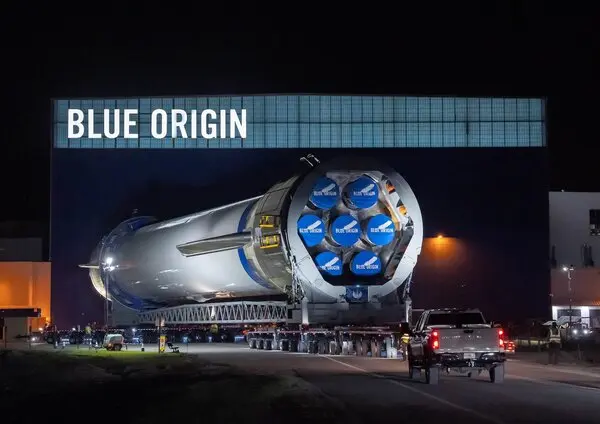
Blue Origin’s New Glenn Rocket Soars on First Test Flight

See the Blue Origin New Glenn rocket’s flight profile and first stage landing in this new animation. Credit: Blue Origin

Blue Origin has made a significant leap in its space exploration ambitions with the successful test flight of its New Glenn rocket. The 320-foot (98-meter) behemoth lifted off from Cape Canaveral, Florida, marking a milestone in the company’s journey to expand access to space. This inaugural flight carried a prototype satellite into orbit, demonstrating the rocket’s ability to deliver payloads into space with precision.

A Groundbreaking Test Flight

The mission, which unfolded in the early days of 2025, saw the New Glenn rocket’s second stage successfully carry an experimental satellite into orbit. Over the course of six hours, the satellite remained within the second stage, orbiting the Earth while providing valuable data for future missions. This test flight, though focused on technology validation, proved pivotal for Blue Origin’s long-term plans in space transportation.

While the main mission objective was achieved with the satellite’s successful entry into orbit, not everything went according to plan. The rocket’s first-stage booster, which is designed for reusability, missed its target landing in the Atlantic Ocean. Despite this, Blue Origin hailed the test flight as a success, underscoring that the company’s ultimate goal was to demonstrate the rocket’s core capabilities—specifically its ability to carry payloads to orbit.

New Glenn, with its ability to launch both spacecraft and astronauts, represents a critical component of Blue Origin’s larger space exploration ambitions, including the goal of facilitating missions to the Moon. This launch further solidifies Blue Origin’s place in the competitive space industry, joining the ranks of companies striving to develop reusable, cost-effective rockets.

Looking ahead, Blue Origin has set ambitious goals for New Glenn. The company plans for six to eight New Glenn flights in 2025, with the next launch slated for the spring. These upcoming missions will provide additional opportunities to test and refine the rocket’s capabilities, with the goal of advancing both commercial and governmental space ventures.

New Glenn is designed to be a versatile vehicle capable of carrying a wide range of payloads, from small satellites to large-scale spacecraft, making it a key player in Blue Origin’s vision for the future of space travel. With plans to expand its fleet and refine its technology, Blue Origin is clearly positioning itself as a major contender in the new space race.

Blue Origin’s first successful test flight of the New Glenn rocket is a major achievement for the company and the aerospace industry as a whole. While there were minor setbacks, the mission demonstrated the rocket’s potential and marked a key step toward Blue Origin’s future goals of advancing space transportation and lunar exploration. With more flights scheduled in the coming year, the New Glenn rocket promises to play a pivotal role in humanity’s journey into space.