Home Blog Page 46

Is Ozempic Right for You?

Montreal, CA - 25 November 2023: Ozempic semaglutide injection pens and box. Ozempic is a medication for obesity

How to Harness Psychology for Your Success

Weight loss drugs have burst on the scene with a frenzy. Take your injection of Ozempic, Wegovy, Monjauro, or Zepbound each week, and your weight will come off. It’s that simple.

But what if you’re my patient Janice?

Janice, who has struggled with binge eating in the past, had a flare up since her fourth child was born. Yes, Ozempic can help Janice lose weight. But it cannot help her deal with her underlying stress and disappointment at her husband’s lack of help. Will Janice’s weight loss with Ozempic solve her issues of loneliness and anger in her marriage? Unless Janice can confront these troubles directly with Mark, all the weight loss and injections in the world will not help her unhappiness with Mark. Unresolved sadness and anger eventually leads to the compelling urge to return to comfort eating and break-through bingeing.

Or what if you’re Melanie?

Melanie wants to get married like all her girlfriends. She believes losing weight will make her more “marriage eligible.” But, after losing some weight on Wegovy, Melanie became depressed. Not the reaction she was expecting! In her therapy, we discussed that, although she was feeling more attractive with the weight loss, she also realized how fearful she is of meeting a man and developing a committed relationship. “My parents had the worst marriage on the planet. I didn’t realize how frightened I am of repeating that history with a future husband. When I dropped some pounds and felt more hopeful to start dating, I also got in touch with a lot of worry about ever finding a loving relationship.” Fortunately, for Melanie, she has now brought these inner fears out to the light of day and can work to resolve them in her therapy.

Ozempic may be a step forward in resolving weight issues, but it’s only part of the picture of what healing looks like. If you’re an emotional eater who has depended on food to reduce your stress, numb your feelings, cope with depression, what will you do without the comfort and distraction of food once Ozempic has reduced your capacity to eat? Food, after all, is a “drug” that can help you detour, divert, and deny the undigested emotions that are gnawing at you.

To create your Comprehensive Personal Strategy and maintain your progress with weight loss, the psychological dimension of emotions that have fueled your overeating or bingeing in the first place needs to be addressed. Or you may be back “looking for love in all the wrong places.”

While on these drugs, it’s a perfect window of opportunity to address the psychological reasons and triggers that may have lead you to bingeing, eating compulsively, or finding yourself on a diet/weight gain cycle.

Key To Success: The Willingness To Feel

Sharon’s story is complex. Food, body image, and throwing up is woven into her history.

Sharon has been to many inpatient treatment centers, been prescribed a variety of medications, consulted psychiatrists, and has had multiple outpatient therapies. She came to therapy with me since going through another relapse. Nothing has sustained her recovery. Until now.

Sharon asks for my help to try Ozempic. Sharon began semaglutide injections two months ago, and twelve hours after the first injection, her urge to binge and purge lifted, she began eating normally, identifying when she was hungry and stopping when full. She began eating a variety of foods. She announces that she is now cured and has never felt better! The bulimia monster seems to have been driven away. Sharon is relieved and delighted. I am relieved and delighted. And yet…

And yet, I know that this relapse of Sharon’s bulimia was provoked largely because of her fear, anxiety, and denial that her mother is imminently about to die. She cannot face losing her mother which also means coming to terms with never having gotten what she needed from her. Changing her behaviors around food and losing weight is only part of the solution. But all the Ozempic injections in the world and all the weight loss she hopes for is not going to help Sharon with the emotional storm about to crash which she has pushed to the back burner with her consuming bulimia.

Anticipating the grief of her mother’s death is a deep hole within her that needs to be faced and spoken about, and Sharon needs to have the courage to feel and express her pain. People often “freeze” their grief by bingeing, purging, or starving. When there’s no excess food to keep numbing, the sorrow of grief will assert itself.

Now with Ozempic dialing down your hunger and your craving to emotionally eat, those unbidden feelings, previously numbed by food, will emerge to the surface. Emotions that are not “digested” will keep returning until they are dealt with. And we are not only talking about serious issues like grief and depression but also anger, loneliness, disappointment, frustration boredom, procrastination, – any uncomfortable feeling – can send emotional eaters to unwanted food.

The key to achieving success with the new weight loss drugs is to face the feelings that have been submerged behind your eating and to have the willingness and courage to feel your uncomfortable emotions.

Psychotherapy can be a vital component in the resolution of emotional eating, a place to work out anger, anxiety, depression, trauma, guilt, and grief. This can be a key ingredient for long-term and lasting recovery.

One crucial question a therapist may ask is, “After you lose weight with the semaglutide injections and are no longer obsessing about eating, what is the next issue that will come up for you?” This is a crucial question because you may have used food to push this “next issue” to the back burner. When asked this question, Emma offers, “Next up is thinking about divorcing my husband, but I’m really scared.” Jerry says, “Leaving my awful job, but I’m scared.”

Ozempic plus emotional exploration of your inner self can be the key to success. You can then learn to sink your teeth into life, not into your obsession with food!

Join Mary Anne and Bracha Banayan on February. 23 at 7:30 to discuss “Semaglutide and Emotional Eating” https://shorturl.at/ez3ey

Mary Anne Cohen is Director of The New York Center for Eating Disorder. www.EmotionalEating.Org.

Trump’s China Tariffs Expected to Increase Drug Prices and Cause Shortages

US President Donald Trump speaks to the press after signing an executive order in the Oval Office of the White House in Washington, DC on January 31, 2025. Mandel Ngan, AFP

Washington, D.C. — President Donald Trump’s recent executive order imposing a 10% tariff on Chinese imports is expected to have significant consequences for the pharmaceutical industry, leading to higher drug prices and potential shortages, according to experts.

The tariffs directly impact the supply of generic drugs, which account for approximately 90% of all prescriptions filled in the United States. Many of these drugs, including critical medications such as cancer treatments, antibiotics, and blood thinners, are manufactured overseas, where production costs are lower.

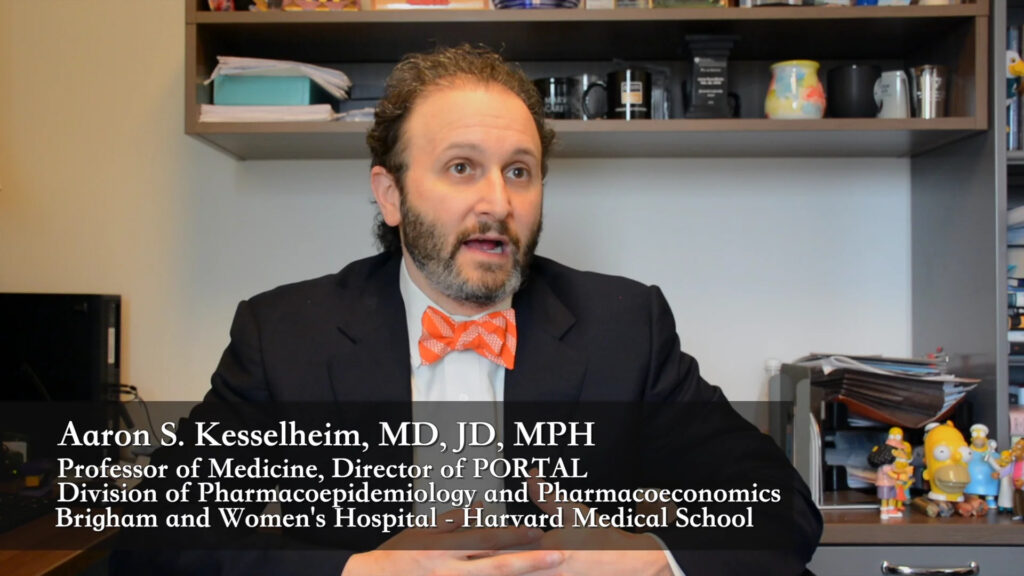
Dr. Aaron Kesselheim, a professor of medicine at Harvard Medical School who specializes in prescription drug research, highlighted the heavy reliance on foreign manufacturing.

“Around half of the generic drugs used in the U.S. are made entirely overseas,” he said. “Even more concerning, about 80% of the active pharmaceutical ingredients (APIs) come from abroad.”

China’s Growing Role in Drug Production

Data from the United States Pharmacopeia, a nonprofit organization focused on drug safety, shows that China’s role in API production is steadily increasing. The number of API manufacturing facilities in China rose from 134 in 2021 to 219 in 2023. While India remains the largest global producer, China’s expanding presence makes the country a critical player in the global pharmaceutical supply chain.

Vimala Raghavendran, vice president of informatics product development at the U.S. Pharmacopeia, noted that companies typically hold several months of API inventory. However, she warned that policy changes like tariffs could still disrupt the supply chain. “The effects may take a while to trickle through, but shortages are a real risk,” she said.

Consumer Impact and Price Increases

Dr. Kesselheim warned that shortages may develop quickly, with price increases becoming apparent in the coming months. “When generic drugs are sold through distributors and supply chains, there are usually contracts in place,” he explained. “It might take a few months for these contracts to turn over, but eventually, we’ll see higher prices.”

Because generic drugs are sold at prices close to their production costs, any disruption to the supply chain forces manufacturers to pass additional expenses onto consumers.

Industry Response and Calls for Exemption

John Murphy III, president and CEO of the Association for Accessible Medicines, a trade group representing generic drugmakers, has called on the Trump administration to reconsider the tariffs or provide exemptions for pharmaceutical imports.

“The healthcare of millions of Americans depends on a stable supply of affordable medications,” Murphy said. “These tariffs jeopardize that stability and could lead to increased costs for both consumers and healthcare providers.”

A Developing Situation

As pharmaceutical companies navigate the new tariff landscape, concerns are mounting over the potential impact on patients who rely on affordable generic medications. Policymakers and industry leaders continue to urge the administration to mitigate these effects before the full consequences are felt.

The next few months will be crucial in determining whether these tariffs will be adjusted to protect the pharmaceutical supply chain or if Americans will face a prolonged period of higher drug prices and medication shortages.

Source: NBC News

Abraham Hamra

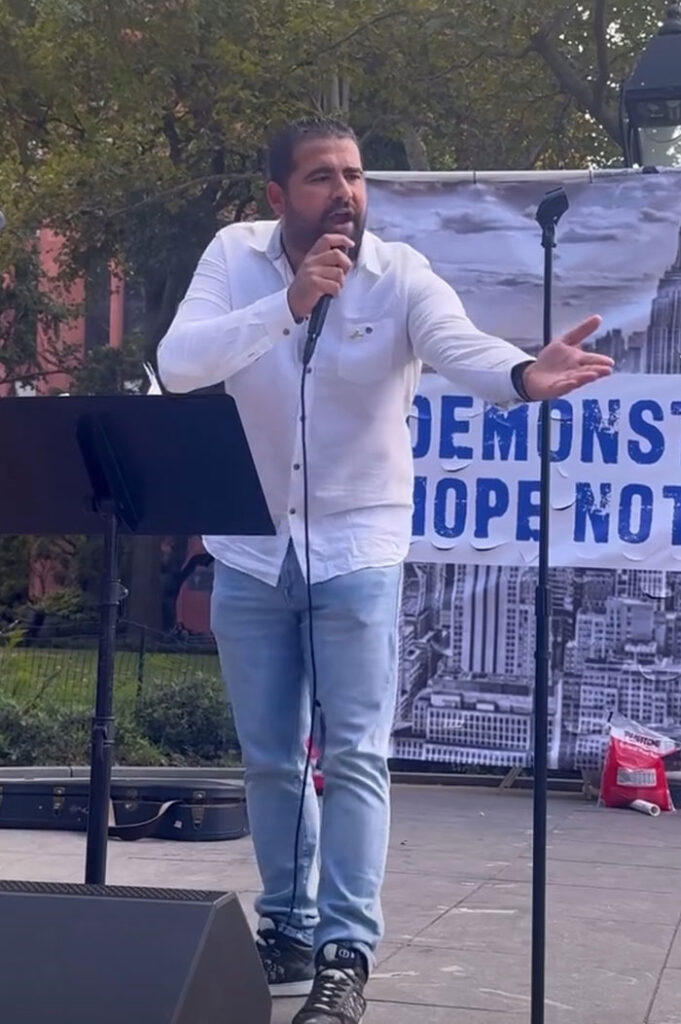
Hamra speaks out at rally encouraging US. Representative Nadler to sponsor a bill.

Viral Influencer and Activist for Israel

Sarina Roffé

Damascus-born Abraham Hamra, an attorney and managing Partner at Cohen, Tucker, & Ades, PC, has become a widely known influencer, advocating for Jews in the face of growing antisemitism, misinformation about Israel and the Palestinian cause. His videos on the subject have gone viral as he argues in both Arabic and English, attracting a wide audience and millions of views.

Hamra was seven in 1994 when he arrived at JFK Airport with his parents, Rafoul Hamra and Shella Fatiha Hamra, and two younger siblings from Syria. In New York, their family grew, with two more children. After graduating from Magen David High School, Hamra attended Hofstra University, graduating with a bachelor’s degree in business administration, graduating Magna Cum Lade and then attended Pace Law School.

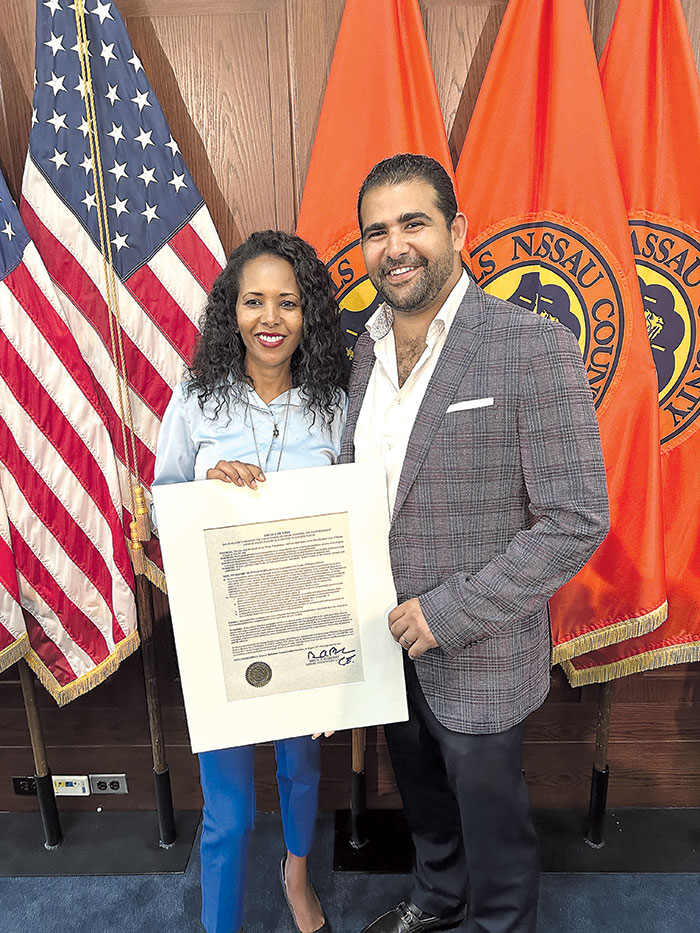
Hamra helps Nassau County pass a law prohibiting the use of masks in 2024.

Anyone on any social media platform will see his pro-Israel videos pop up. He posts in both English and Arabic, but it is his Arabic posts that get the most attention. With millions of views, he has become an important influencer, and an activist for Israel in ways we cannot imagine. Using the logic of an attorney, his arguments bring the Israel Palestinian issue to the fore, creating a dynamic argument. Muslims are surprised to see posts in Arabic from a Jew. Many Muslims did not even know Jews had ever lived in Syria, much less for thousands of years. This confusion wasn’t exclusive for Muslims, some Jews and others in America were surprised to learn of this fact as well, that Jews had lived and were displaced from Syria in the 20th century.

For Hamra, the catalyst for speaking out, was when a Palestinian gang beat up a Jewish kid in broad daylight in Times Square in 2021. They were released with no bail and hailed as heroes. Hamra organized an online petition, getting 20,000 signatures, and helped lead a pressure campaign that led to the case being elevated to a federal crime, the plea deal rescinded and the assailants sentenced to prison.

A staunch advocate of Jewish justice, Hamra refers to DEI (diversity, equity and inclusion), as being weaponized and misused to attack the Jewish community. He is staunchly opposed to a two-state solution or even the offer of a two-state solution for Israel and the Palestinians. He notes that every Palestinian argument establishes itself as the minority and the Jews as the white majority when the reverse is the truth.

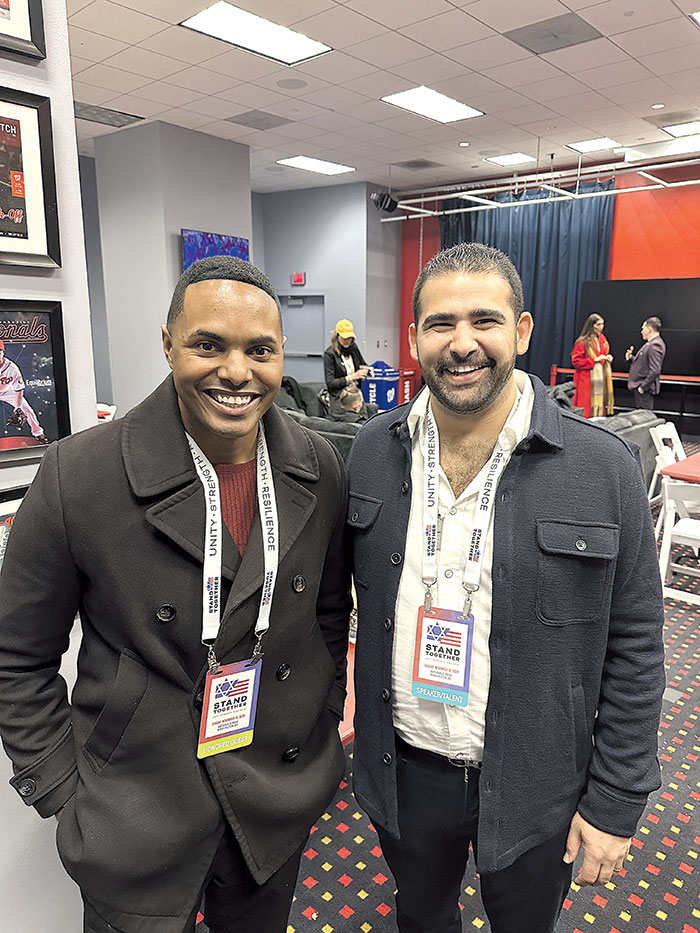
US Representative Richie Torres and Abraham Hamra at the Stand Together Rally in Washington, DC.

“I realized the game that they’re trying to play,” said Hamra. “So if I come into the picture, as a darker-skinned Jew, if I start speaking as a Jew from Syria, it is an easier way to get the message across and to completely punch a hole in the what they have been spinning. My very existence (as a Jew born in Syria) stands in direct contradiction to everything they’ve been stating.

“My argument is very clear. I’m from the Middle East. The Jews were in the Middle East from before Islam. If you believe the Palestinians – who never had a sovereign country–deserve a piece of land, then you must also believe that Jews deserve a piece of Syria, Iraq, Lebanon and Saudi Arabia, because all of these countries were all created during the same time Israel was created, and all these countries are proof of my Jewish life. If you’re stating that every popular minority population in an area deserves their own section of land, then the Jews should have gotten their own land in these areas.

Rachel and Abraham Hamra with their four children.

“Jews are that minority that have been historically oppressed by the Arab majority. Right now, what you’re telling me is that standing in the way of peace is that the minority (Jews) giving more of its land to the majority that used to oppress it after they colonized their lands? There is no defense to that. When they’re talking to someone like me someone with an Israeli or Sephardic or Syrian culture their arguments falter. We should not give back one inch of our land.

Hamra argues that it is critical for the Jewish people to be strong, demand respect and not be taken advantage of. Hamra is often a speaker at conferences on antisemitism and Israel. He protested U.S. Senator Chuck Schumer and U.S. Representative Jerry Nadler for ignoring the Campus Antisemtisim Awareness Act, which currently needs to be re-introduced because Schumer failed to move it in for a vote.

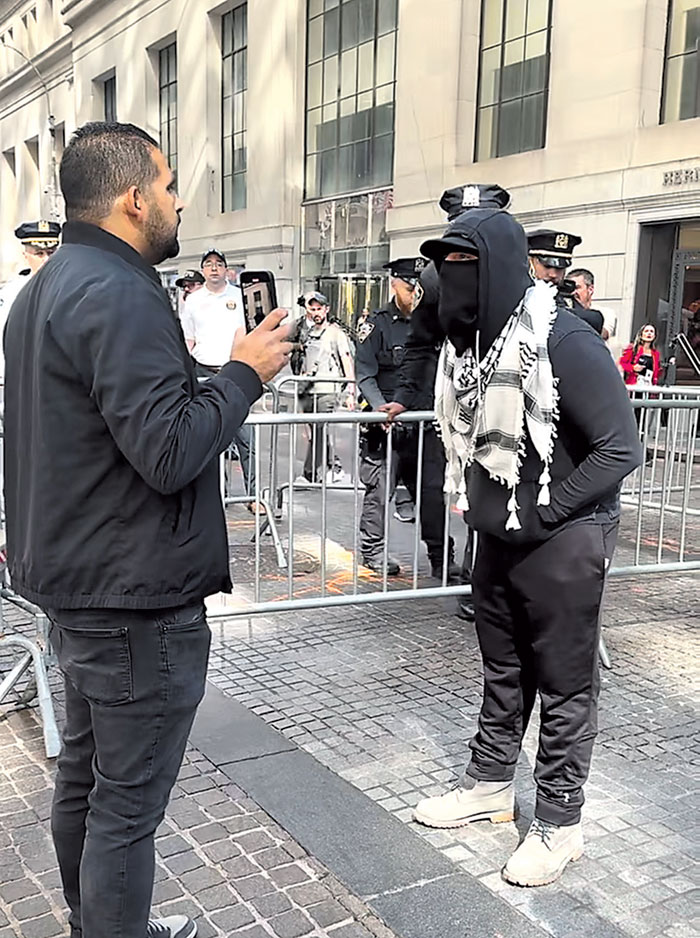
Abraham Hamra confronts a Palestinian protester on streets of New York.

So what does the future hold for Israel?

“Saudi Arabia, the United Arab Emirates and other Arab countries are starting to wake up to the fact that this war against the Jewish state is no longer a priority. I really do believe that tides are shifting the Palestinian cause is being abandoned by the Arab world because they no longer have the desire to fight Israel,” he said.

A genealogist and historian, Sarina Roffé is the author of Branching Out from Sepharad (Sephardic Heritage Project, 2017). She is researching a new book: Syria – Paths to Freedom. Sarina holds a BA in Journalism, and MA in Jewish Studies and an MBA.

Hamra speaking passionately at a protest.

Trump Agrees to Pause Tariffs on Canada in Exchange for Enhanced Border Enforcement

President Donald Trump announced on Monday that additional tariffs on Canadian imports would be paused for 30 days following a critical phone conversation with Canadian Prime Minister Justin Trudeau. The move comes just hours before a 25% tariff on Canadian goods was set to take effect.

In a post on X, formerly known as Twitter, Trudeau revealed that Canada has agreed to implement a $1.3 billion border security plan aimed at addressing U.S. concerns about the flow of illegal drugs and migrants. As part of this plan, Canada will appoint a “fentanyl czar” to spearhead efforts against the drug crisis.

Key Border Enhancements

Canada’s reinforced border strategy includes deploying new helicopters, advanced surveillance technology, and additional personnel. Nearly 10,000 Canadian officials will be involved in border security operations. Trudeau also emphasized increased cooperation with U.S. authorities to combat organized crime, money laundering, and the fentanyl crisis.

“We will list cartels as terrorists, ensure 24/7 eyes on the border, and launch a Canada-U.S. Joint Strike Force to combat organized crime, fentanyl, and money laundering,” Trudeau stated. He further noted that the initiative would be backed by $200 million in new funding.

Temporary Tariff Relief

Trump confirmed the tariff pause, stating, “Proposed tariffs will be paused for at least 30 days while we work together.” The president has long criticized Canada and Mexico for not doing enough to curb illegal immigration and drug trafficking, particularly fentanyl, which has fueled a devastating opioid crisis in the U.S.

“We need to protect Americans, and it is my duty as President to ensure the safety of all,” Trump said in a statement over the weekend. “I made a promise on my campaign to stop the flood of illegal aliens and drugs from pouring across our borders, and Americans overwhelmingly voted in favor of it.”

Broader Tariff Threats

The tariff threats are part of Trump’s broader trade strategy, which also includes a planned 25% tariff on Mexican goods and a 10% tariff on Canadian energy products. Goods imported from China face a similar 10% tariff, all of which were scheduled to take effect at midnight on Tuesday.

In response to the looming trade restrictions, Mexican President Claudia Sheinbaum announced the deployment of 10,000 troops to the U.S.-Mexico border as a preemptive measure to address tariff concerns.

Ongoing Negotiations

While the tariff pause offers temporary relief, the future of U.S.-Canada trade relations remains uncertain. Analysts warn that failure to meet security objectives could reignite tariff threats, further straining economic ties between the two nations.

As the U.S. and Canada work to implement these security measures, businesses on both sides of the border are bracing for potential economic impacts. The coming weeks will be crucial in determining whether the partnership can yield lasting solutions or if tensions will once again flare.

Source: Fox News

Windows Reimagined

Where Style Meets Functionality

Devin Frey

Window treatments have come a LONG way from being a basic and unrefined utility to the central design elements that enhance both form and function. Here at Window Treats in Red Bank, NJ, we focus on staying ahead of the curve by helping clients and businesses navigate emerging trends in styling exceptional window treatments. With an emphasis on both functionality and aesthetics, our expertise lies in tailoring solutions to meet diverse styles and specific needs, ensuring every space reflects a thoughtful, personalized approach.

As we look into 2025, window treatments are about more than just blocking light—they’re a statement of style, sustainability, and smart innovation. From layered textures to bold prints and patterns, window treatments are now tailored to reflect personal style while integrating advanced technology like motorized systems. These modern options not only elevate the aesthetics of a space but also improve energy efficiency and convenience, making them an essential component of contemporary home design. Let’s explore how you can transform your home with the latest trends and advancements in window treatments.

Safeguard with Performance Fabrics

Performance fabrics are redefining the industry, offering unparalleled durability, UV protection, stain resistance, and easy maintenance. Originally popular in outdoor furniture and marine upholstery, these materials now bring their practical benefits indoors with an array of textures, patterns, and colors. From soft chenille drapes to bumpy bouclé Roman shades, the tactile possibilities are endless. For example, Sunbrella Indoor Living fabrics are a seamless blend of luxury and durability. With their Color to the Core™ technology, Sunbrella ensures vibrant, fade-resistant hues that endure for years. Proudly made in America, their custom window treatments showcase exceptional quality and craftsmanship. Plus, their UV protection safeguards interiors from harmful rays, all while maintaining impeccable style.

Earthy tones and natural textures are dominating 2025 trends. Think terracotta drapery or woven bamboo blinds that bring that incredible calm and serenity into a space. Layer these with sheer fabrics for a breezy, relaxed look or opt for bold patterns like oversized florals to make a statement.

Technology Meets Style

Smart homes demand smart window treatments. Motorized shades and drapes integrate seamlessly with platforms like Alexa, Google Assistant, and Apple HomeKit, offering convenience at the touch of a button or via voice command. Use automated schedules to manage natural light, enhance privacy, and improve energy efficiency throughout the day.

Eco-Friendly Elegance

Sustainability is more than a trend—it’s a lifestyle. Modern performance fabrics prioritize eco-friendly manufacturing with recycled fibers and water-saving dye techniques. For example, solution-dyed fibers from brands like Sunbrella ensure minimal environmental impact while maintaining vibrant, fade-resistant colors.

The Power of Layers

Layering window treatments is a standout trend for many design styles, seamlessly blending functionality with style to create a sophisticated, multi-dimensional look. By combining textured Roman shades with sheer curtains or drapery, you can achieve a layered aesthetic that brings both visual interest and practical benefits to a room. This method not only enhances light control—allowing for bright, diffused light during the day and increased privacy at night—but also introduces contrasting materials and colors, adding depth and richness to your space.

For example, pairing a soft linen Roman shade in a neutral tone with elegant sheer curtains in a complementary hue can soften the room’s overall look, making it more inviting. Alternatively, a bolder combination—like patterned drapes layered over sleek bamboo shades—can create a statement while maintaining the balance between elegance and practicality. This versatile approach works in nearly any space, from cozy bedrooms to bright, airy living rooms, offering endless opportunities for personalization while achieving a polished, designer-quality finish.

Your 2025 Window Treatment Must-Haves

Cordless Shades Sleek and safe, perfect for modern families.

Artisan Touches Decorative trims, pleats, and fringe are bringing vintage charm back into contemporary homes.

Natural Wovens Bamboo and grasscloth shades deliver both texture and eco-conscious appeal.

Bold Prints Oversized florals and geometric patterns are redefining statement windows.

Blackout Solutions Essential for bedrooms and media rooms, ensuring restful sleep and immersive entertainment.

Personalize Your Space

If you’re dreaming of creating a cozy woodland retreat or a breezy neutral getaway, today’s window treatments make it simple to bring those visions to life. Imagine the grounding effect of lush green drapery, instantly transforming your room into a serene forest-inspired haven. Or stunning pines and earth tones for a focused and cohesive work space. The beauty of modern options is their flexibility — whether you lean toward rustic textures or airy, sunlit vibes, you can mix materials, colors, and styles to craft a space that feels uniquely like home. With so many possibilities, it’s never been easier to let your windows tell your personal story.

Devin Frey  has over 20 years of experience in Marketing and Design spanning industries such as Interior Design, Fashion, and B2C Marketing. With a passion for building brand identity, she currently serves as the Marketing Manager at Window Treats in Red Bank, NJ.

The Man Behind the Music

Samuel Torjman Thomas, Ph.D.

Moshe Elmakias

As students finished their second grade chumash performance, drumming excitedly with a big finale for parents and grandparents, in the audience sat Dr. Samuel Torjman Thomas, sharing in this milestone for so many families in our community. For many years now, he has directed the music program in several of our community schools. “To see music education valued in our community schools gives me gratification. Music has a special place in the Jewish tradition, but especially in Sephardi-MizraHi cultures. It goes way beyond parties, to something much deeper.”

Dr. Torjman Thomas is the Director of Musical Arts at the Sephardic Community Center, where he has been rebuilding the Encore music program into a community music school, while also elevating public programming by bringing NYC talent to our local community. In addition to private lessons and group classes at the Center, the Encore Outreach program embeds music programs in private, public, and charter schools and community centers citywide. “We’re in three boroughs already!”

His vision for music education is driven by an intense philosophical focus on what he calls Sephardi Humanism. “I believe that the power of music to bring betterment in the human condition, insinuated in Sephardi Mahshavah (Jewish Thought), expands our sensitivities in so many aspects of how we exist in the world.”

Anyone who knows Dr. Torjman Thomas can tell that he is a fan of stylish hats. His role as the director of Encore is just one of the many hats he wears. A multi-instrumentalist who studied at Berklee College of Music in Boston, he performs professionally on saxophone, oud, and vocals (Hebrew, Arabic, and Ladino), and is a composer and bandleader. His ensemble, Asefa (gathering; collective), has been traversing a wide world of Jewish musics for 25 years, with recordings and concerts worldwide. “I grew up as a jazz musician, playing professionally at a young age in the San Francisco area. But I also had maqam in my ears and this Andalusi-style music from North Africa that my parents would expose me to all the time.” Amidst this, Dr. Torjman Thomas earned a Ph.D. in Ethnomusicology, with a special emphasis on Sephardic Jewish Studies.

For nearly two decades, he has been a professor of Music and Sephardi Studies at CUNY (Hunter and John Jay Colleges). He has also worked closely with the American Sephardi Federation as a research fellow for many years. His book Redefining Diaspora Consciousness (CUNY, 2014) tells the significant story of the Moroccan community in Brooklyn from an anthropological and musical perspective, contextualizing the musical practices in Brooklyn synagogues in relation to the more locally prominent Syrian-influenced musical practices. In 2007, he and his wife Hayley relocated to the Madison-Homecrest neighborhood. “As someone who grew up as a proud Sephardic Jew, listening to all kinds of Arabic music and knowing my roots, in a sense I needed to come home!”

He mentioned several close confidantes in the community, rabbis and cantors that helped guide his understanding and led to a production years ago for WNYC radio called Performing Piyyutim. For this, Asefa was joined by Rabbi Joseph Dweck and Rabbi Gad Bouskila. “This program showed how rich Jewish musical culture is in this city, with an emphasis on learning and discovery.” It seems that no matter what is happening in his concertizing, the educational impetus is never too far afield.

In 2014 he founded the New York Andalus Ensemble, a communal choir made up of people from different ethnic backgrounds singing together in Hebrew, Arabic, Spanish, and Ladino. He calls it a kind of educational activism, threading a tight needle in today’s charged political climate in his public performance and academic work. “In my Sephardic Literature class at CUNY, at one point we read a passage from Saadia Gaon’s Book of Beliefs and Opinions where he echoes a chapter from the Ikhwan al-Safa on the power of music – on rhythm in particular – to expound on the nature of blending, of balance, as a means for strengthening one’s middot. What inspires me is the light that goes on in students, Jewish, Muslim, and otherwise – after all, its CUNY and CUNY is super diverse – who find something deeply human to connect with around a tidbit of music. They see themselves in each other. That’s what continues to drive me: the possibility of music to bring different people together!”

His multifaceted background informs his work, in our community and beyond. “I am committed to seeing the next generation of our children add to their capabilities in a Torah life by appreciating the power of music.” As he works to grow the Encore Community Music School, he says, “our schools and parents have been so supportive, and a growing number of students are taking note. I’ve been particularly proud, especially in the past year, to have a music faculty that includes several teaching artists from Israel. I hope we have created a home for these folks, that will pay dividends for generations. Not everyone will be a professional player or performer, but all of us should be discerning.”

Moshe Elmakias, Pianist and DMA Candidate at Stony Brook University, Encore Music Faculty at the Center and Yeshivah of Flatbush

SpreadingLight and Joy

A Month of Chessed and Celebration in the Chai Lifeline Sephardic Division

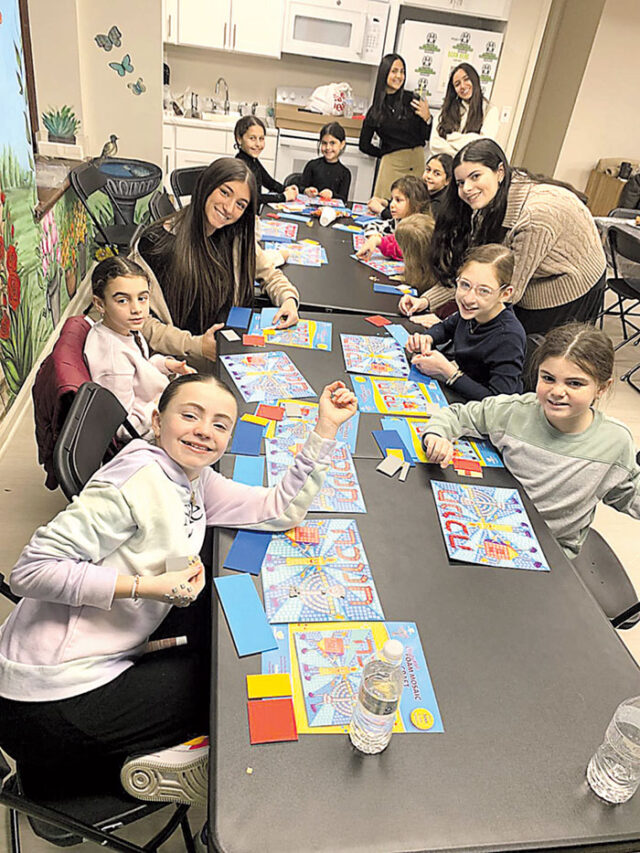
The Chai Lifeline Sephardic Division had an inspiring Hanukkah season, filled with incredible programs, meaningful acts of kindness, and heartfelt moments that brought light to children and families facing illness. From school initiatives to volunteer-driven miracles, our community has shown the true spirit of giving.

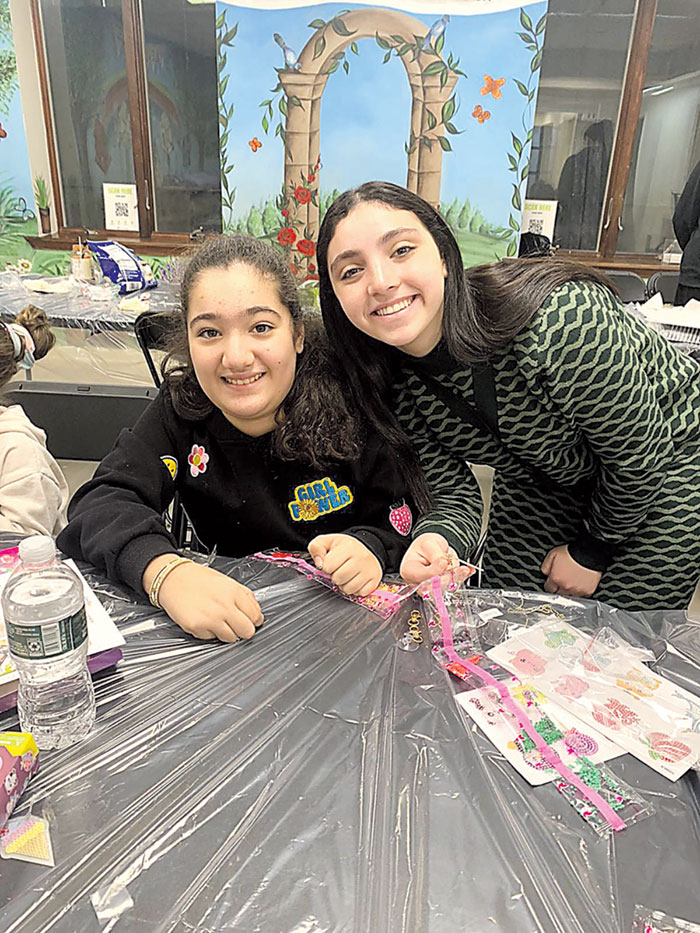
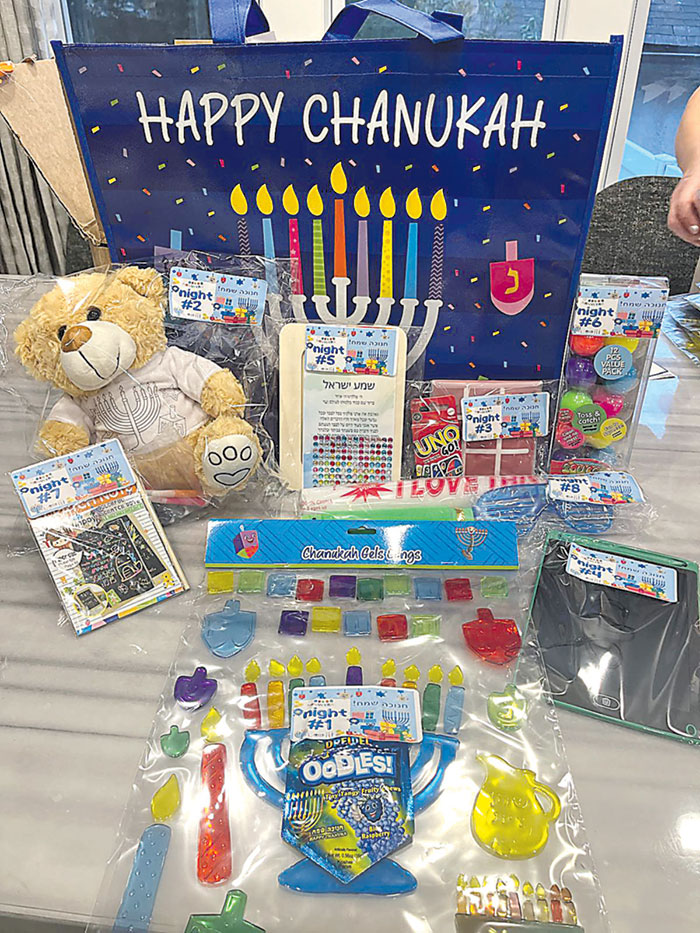
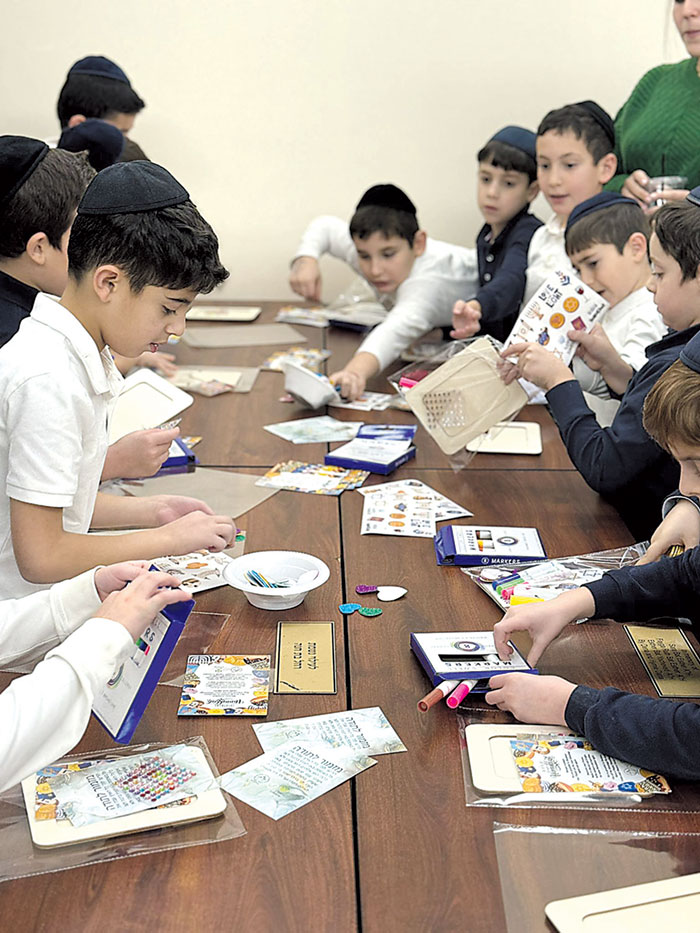
Our local schools played a vital role in supporting Chai Lifeline’s mission during this season of giving. At Yeshiva Shaare Torah Boys and Girls Schools, students took part in learning about Chai Lifeline’s work, expressing their creativity through crafts, and enjoying a special treat of donuts. The YDE Boys PTA spread kindness throughout the community with their “8 Nights of Hanukkah Chessed Project Bags,” bringing light to families in need.

The sixth-grade Chessed Club at Yeshivah of Flatbush shopped for toys and delivered them to the Sephardic Family Center, ensuring that many families experienced a joyous Hanukkah. Meanwhile, the YDE High School girls prepared festive donut kits for Chai Lifeline families and baked challah to distribute with love and care. At Barkai Yeshivah Elementary School, students created thoughtful care packages for hospital-based clients, demonstrating compassion and kindness. Generous toy drives hosted by Magen David Yeshivah, YDE, and Yeshivah of Flatbush brought smiles to children’s faces with gifts tailored to brighten their Hanukkah celebrations.

Chai Lifeline’s Family Services team worked tirelessly to create memorable and meaningful experiences for families this Hanukkah season. Families were treated to an unforgettable evening at the Yishai Ribo concert, where music and inspiration came together in a celebration of hope. Sunday Clubs at the Family Center offered festive activities, including donut-making, Pass the Hanukkah Present, pizza-making, and crafting ice cream sandwiches, providing opportunities for families to connect and enjoy the holiday spirit.

Thanks to the generosity of donors, the Family Center launched exciting new additions, including a Board Game Café, an Art Station, and a Library. Premium gaming tables, such as foosball, pool, and basketball, also added to the fun, making the Family Center a vibrant and welcoming space. Families received boxes of toys during the Hanukkah Toy Distribution, fulfilling their holiday wishes and bringing joy to children of all ages.

Volunteers continue to play a vital role in the success of Chai Lifeline, going above and beyond to support families in need. During the Boys Volunteer Appreciation Night, volunteers gathered at the Family Center for an evening of camaraderie and gratitude. Rabbi Marc Sultan shared inspiring words of Chizuk, emphasizing the profound impact of their efforts and their ability to bring hope and joy to Chai Lifeline families. In one remarkable story, just hours before Shabbat, an urgent call came in from a case manager. A young warrior undergoing surgery had been promised a specific doll and twin stroller as a post-surgery surprise. Within minutes, volunteers stepped up to make it happen, ensuring the gifts were delivered just in time for Shabbat. Their quick action and dedication brought a smile to the child’s face and comfort to her family.

The tireless efforts of case managers and volunteers part of Chai Lifeline’s Sephardic Division, combined with the generosity of supporters, have made this Hanukkah season unforgettable. “We couldn’t have done it without our volunteers and the community’s support,” said Jack Tabbush, Director of Chai Lifeline Sephardic Division. “Their unwavering dedication and generosity have made this Hanukkah season truly unforgettable for the children and families we serve.” Together, we have brought light, joy, and hope to countless children and families, demonstrating that they are never alone in their challenges. We are deeply grateful to the schools, volunteers, donors, and supporters who have partnered with us to make this season impactful.

For more information about the Sephardic Division or to learn how you can support this vital initiative, please visit www.chailifeline.org/sephardic or call 718-475-0002.

Daddy’s Day at Magen David Yeshivah

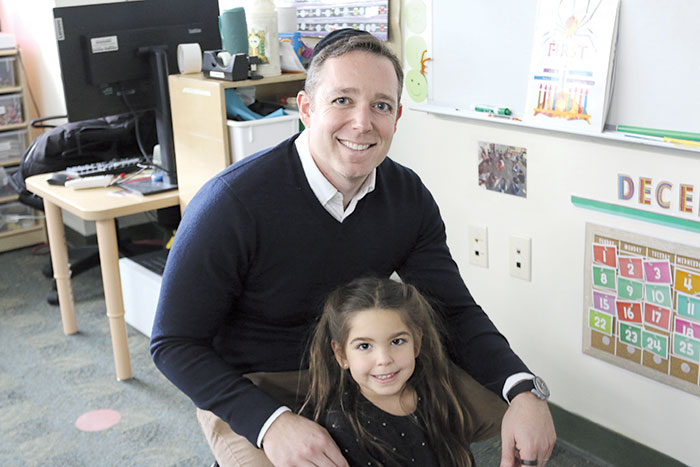
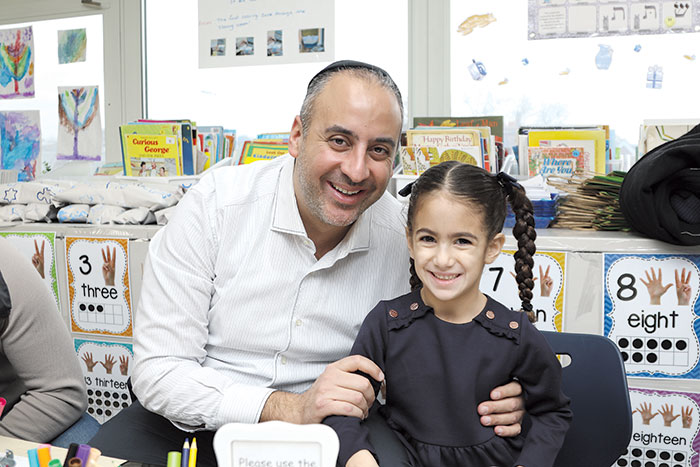
At the start of a beautiful day, the halls of Magen David Yeshivah came alive with joy and excitement as hundreds of fathers joined us for a special occasion: Daddy’s Day. This annual event provides an opportunity for our students to share the beauty of their education and for their fathers to feel the warmth and pride of seeing their children’s growth firsthand.

The day began with the fathers of our early childhood students engaging in a creative and interactive activity, building blocks, reading stories, matching the letters of the aleph bet, and so much more! This activity wasn’t just a chance for students to showcase their new skills but an excellent opportunity for fathers and children to bond over creativity and play. The joy and laughter that filled the room reminded us of the importance of family connections and the unique role fathers play in our students’ lives.

The students gathered in a circle for tefillah, and fathers were invited to join them in prayer. Our students proudly demonstrated what they’ve learned, from Modeh Ani to Shema and everything in between. The fathers watched with pride as their children showcased these cherished prayers, giving them a glimpse into their day-to-day spiritual learning and practice.

We are so grateful to have hosted this heartwarming event, which allowed our students and their fathers to create memories they’ll cherish for years. The children beamed with excitement, and the experience left both students and fathers with smiles that will last long after the day ends.

We look forward to celebrating Daddy’s Day again next year and continuing to honor the invaluable connection between our students and their beloved fathers!

Midreshet Eshel

Midreshet Eshel Class of 2024

Shaping the Future of Sephardic Women with Torah, Growth, and Leadership

Now in it’s sixteenth year, Midreshet Eshel continues to grow and thrive, educating today’s young women into tomorrow’s communal leaders.   As the only post high school seminary dedicated to Sephardic students, Midreshet Eshel serves the Syrian community as well as a variety of Sephardic communities worldwide.  The current cohort of 51 students hail from Flatbush, Magen David, Hillel and Ilan as well as Long Island, Florida, Boston, LA, Seattle, Montreal, London, Gibraltar, Brazil, Mexico, Argentina & Panama. 

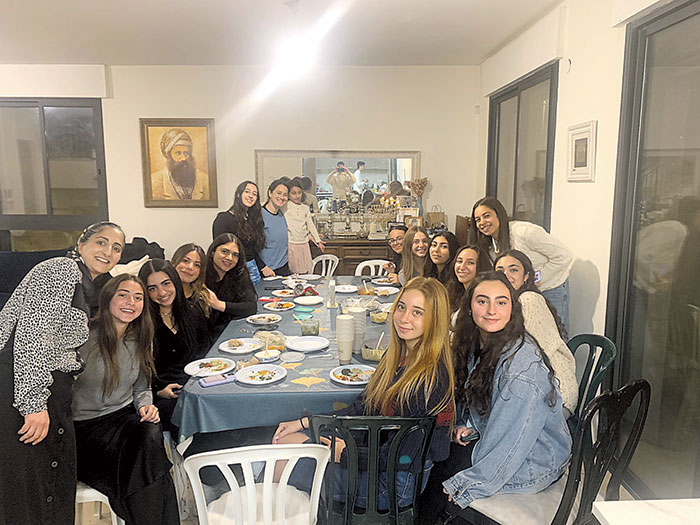
At the home of Em Bayit Dr. Hilla Aboody

Located just a 5 minute walk from the Kotel, Midreshet Eshel offers students a once in a lifetime opportunity to build a solid foundation for life as they examine, expand and develop their commitment to Judaism, Sephardic Halacha, relationship to others and to themselves. Beginning the year as freshly graduated seniors, somewhat unsure of themselves, they emerge from the year with a strong sense of identity, connection, purpose and motivation to become the best Jews and people they can be.”Eshel is a place where learning and growth are prioritized” says Debra Mizrahi who graduated Flatbush. “The environment is very supportive and made for the students to thrive. Eshel is truly a family which fosters personal development and new relationships.” Another Flatbush graduate Joyce Zeitouni whose sister Florence also attended comments: “My experience at Eshel is going unbelievable. I thought I knew how important this year would be before, but being here I can’t imagine what my life would be like without this precious year.” Norma Kattan from Brazil adds: Eshel challenged me to step outside of my comfort zone, to see the world through new perspectives and to embrace growth in every sense.”

A student in prayer.

Though not always easy to leave family and friends, the experience is a unique privilege with short and long term benefits. As Marsha Kairy from Flatbush explains: “I love being here at Eshel because even though I go through challenging days I know I’m coming out a stronger person and learning more about myself to help prepare me to live a religious life in a modern world and have healthy relationships with others.” Esther Mizrahi, graduate of SKA adds: “Being at Eshel is everything I ever dreamed of and more. I thank Hasem every day for helping me make the decision to be in the holiest place on earth in the best seminary.”

Rabbi Joey Beyda addresses students.

Under the expert care of its highly professional and handpicked staff, students combine intense learning with volunteering and touring, with monthly Shabbatonim a highlight. Dr. Hilla Aboody serves as both Em Bayit and teacher of Sephardic Halacha among other topics. Dr. Aboody’s class on marriage is a particular favorite as it affords students the opportunity to delve deeply into this ever important topic to help ensure students build healthy, peaceful and productive homes. Reflecting on the current year Dr. Aboody observes: “Such a beautiful variety of students have come together to learn more about their heritage and history and to be part of the Jewish people’s rebuilding from tragedy lending extra depth and meaning to the students.” Alicia Dweck, once a student and now a teacher and Coordinator of Student Life at Eshel comments: Eshel is the place that helped me develop into the person I am today personally, religiously and professionally. The impact of this place can’t be overstated.”

Rabbi Ricky Cohen presentation.

On a practical level, the year helps students become more responsible and independent as they navigate life away from home. “Eshel has been an incredible experience, helping me learn to be more independent with skills like cooking and laundry, while also providing the support and meaningful experiences I need to grow both personally and spiritually” observes Gabrielle Greenstein, graduate of Magen David.

Learning Torah on a daily basis from the masterful teachers at Eshel helps students internalize and see the Torah as their guide for life. According to Miriam Tawil Founder & Director of the Midrasha: “The learning coupled with the unparalleled individualized attention students receive from the teachers allows for a highly personal and customized experience at the Midrasha.” Tawil continues: “Within the nurturing supportive environment of the Midrasha, each student is seen and related to as the unique individual she is, thereby promoting a deep sense of connection and actualization of personal goals.”

L to R: Danielle Kraeim, Dalia Serfaty, Merle Kassab, Joyce Zeitounie, Debra Mizrahi

Summing up her experience to date , Danielle Kraeim graduate of Flatbush states:

“My experience at Eshel has been better than I could have ever imagined. Eshel provides the perfect environment that allows for inner growth, connection with teachers and students and overall a lot of fun! I will never forget my experience at Eshel.”

Recruitment is currently underway. Visit us at www.sephardicseminary.org

Just wanna celebratefor all 8 nights …

A Magen David Celebration of Light,
Music, and Unity

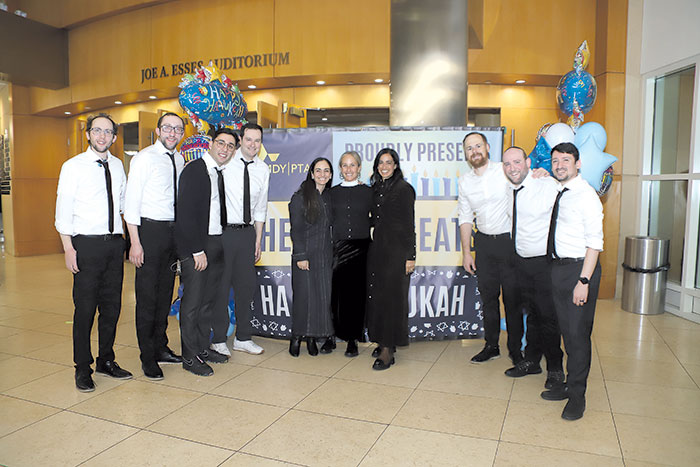
The Magen David PTA proudly welcomed famed accapella group The Maccabeats to their auditorium on the eve of the first night of Hanukkah to usher in the holiday of lights in the most celebratory fashion! The Maccabeats had come to perform their Hanukkah songs for all students, grade K-8. Their lively songs and most catchy tunes have become synonymous with Hanukkah.

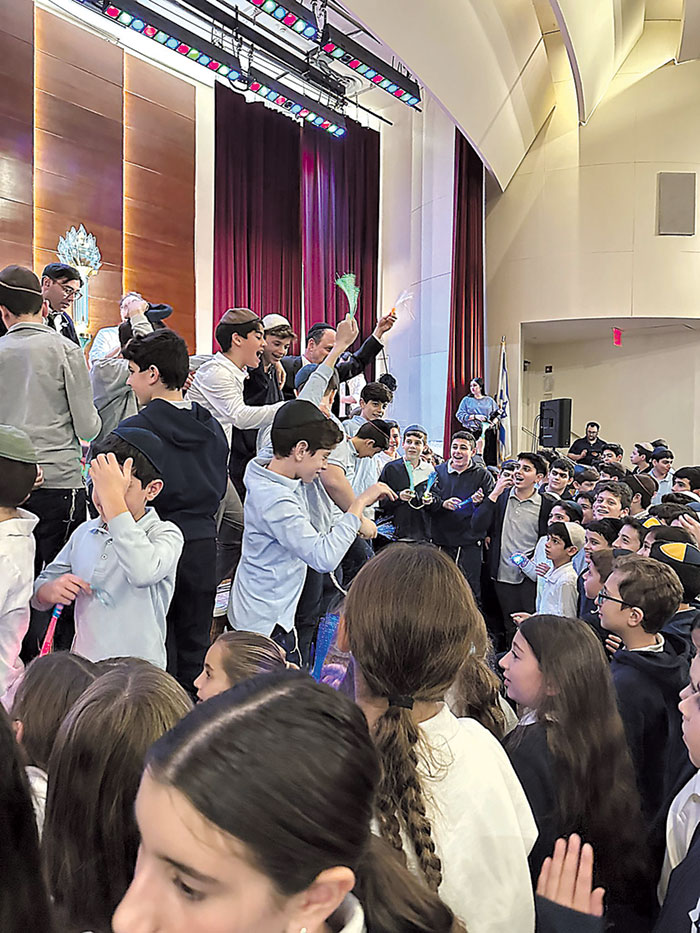
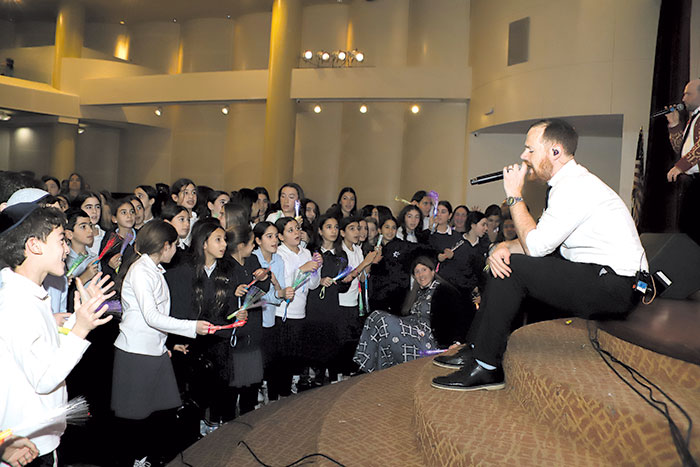
The students piled in to the auditorium very excitedly shaking their light up wands and buzzing with anticipation. A concert in the middle of the school day! What can be more fun!! The 7 members of the Maccabeats took the stage, and the energy level exploded. The auditorium was pumping, the children and teachers were singing their hearts out, dancing and celebrating along with one another. What a beautiful sight. Masters of their craft, the Maccabeats inspire a feeling of awe as you wonder how there are no instruments but still feel surrounded by music.

They fully engaged with our students, going down into the crowd to sing alongside them. Some of the MDY favorites were Candelight, the Latke Recipe, Am Yisrael Chai and Tamid Ohev Iti. When the first notes of Candelight were sung, the crowd erupted into song and dance, this one was extra special.

The Maccabeats spoke with the audience throughout the show, and even offered a super cool beat boxing presentation. The children could not believe the sounds one could make with their mouth and even attempted to duplicate it themselves!

The concert was a big hit, bringing joy, unity, love and light to the children, rabbis, teachers and staff. The first night of Hanukkah was approaching and MDY was electric with celebration and the hope of miracles. The dancing and singing bonded everyone together leaving behind an aura of warmth and love in the air. Much thanks to Lizzy Mizrahi, who conducted and produced our MDY Rabbis, in their own music video of Candlelight, which played in the halls and lunch room of our school in days leading up to the event! Thank you to The Maccabeats for their incredible 2 performances, making this day a reality, and for bringing such joy and happiness to our school!!

DSN Hosts UnforgettableHanukkah Bingo Night!

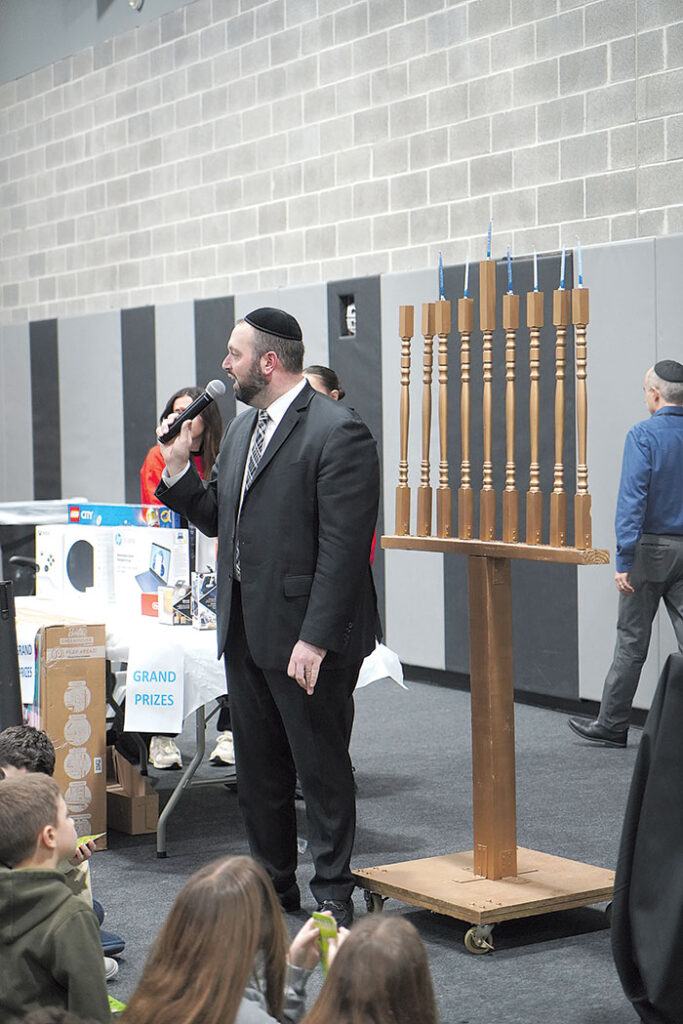
Every year, DSN makes sure to light up the Festival of Lights with an event that brings fun, togetherness, and plenty of prizes—and this year was no exception. The DSN Community Center transformed its gymnasium into a dazzling Hanukkah wonderland for its annual family and community-wide Bingo Night.

On Monday, December 30th, the 6th night of Hanukkah, 600 people began a fun-filled evening with an inspiring Menorah lighting ceremony, led by Rabbi David Tawil. After his words of Divrei Torah, the crowd broke out in song, with the singing of Ma’O’tzur. It was a beautiful moment of unity and strength.

Attendees were treated to a delicious dairy meal catered by Rina Zimmerman, featuring traditional Hanukkah favorites like crispy latkes and sweet sufganiyot. The holiday dishes filled the air, adding to the festive atmosphere.

The gymnasium was decked out in bright, cheerful Hanukkah-themed decorations, complete with a massive balloon arch, fun photo booth and interactive games like “Guess How Many Dreidels?” Families and friends eagerly posed for photos, creating lasting memories while enjoying the upbeat vibe.

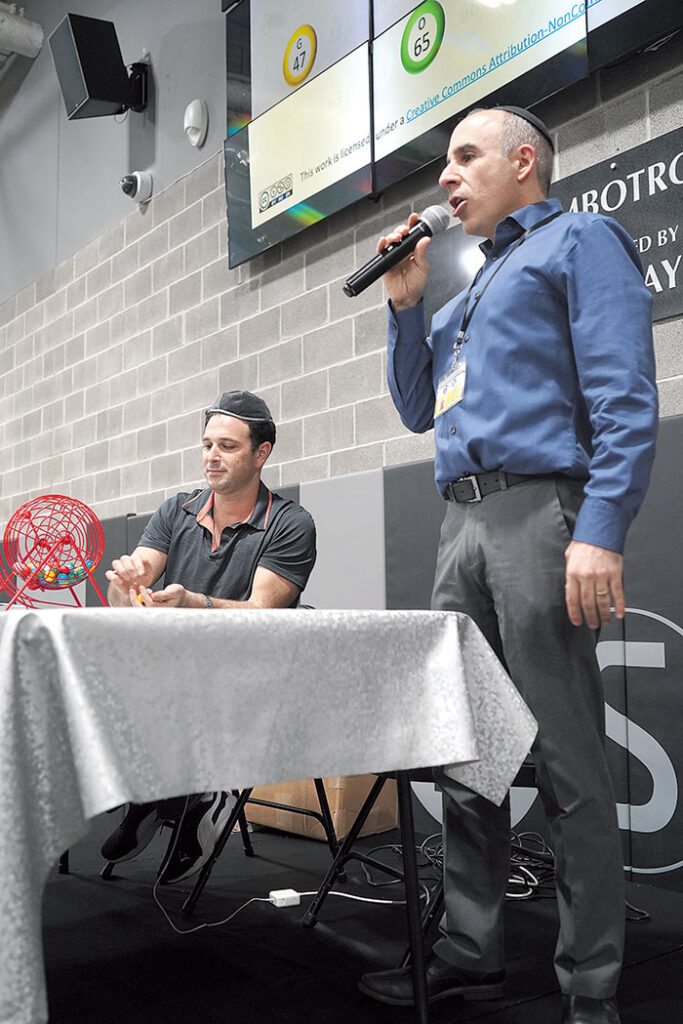
The highlight of the night was, of course, the much-anticipated Bingo game, led once again by DSN Executive Director Sammy Sitt. As Sammy called out the numbers, the cheers and excitement could be heard reverberating through the entire building. Community members, young and old, joined in the fun, eager to claim one of the night’s coveted prizes.

DSN member Sasha Saloman was thrilled. “My kids had the best time. My son Maurice was a winner! We were all so happy!” Winners walked away with incredible items such as headphones, laptops, bikes, cameras, and so much more. Another member, Marcelle Bendayan, was seen walking around carrying her kids’ prizes. She was all smiles. “My kids have a great time year after year. They never want to leave”. The thrill of victory and the joy on the winners’ faces were a sight to behold, creating a sense of camaraderie and holiday cheer that permeated the entire event.

What made the night truly special was the overwhelming sense of togetherness. Parents and children played side by side, sharing laughs and creating memories. DSN member Keren Kameo loved it. “My kids are all different ages but there is something for everyone. It’s truly incredible.” It was heartwarming to see the community come together for an evening of lighthearted fun, celebrating the spirit of Hanukkah in a way that only DSN can.

Sammy summarized the night. “Hanukkah Bingo Night at DSN was a resounding success, reminding us of the power of community and the importance of celebrating together. DSN continues to shine as a beacon of connection, bringing families closer through events like this one. May Hashem bless DSN with the ability to keep uniting us all, through more events like this!” Here’s to many more nights of light, laughter, and love at DSN!

Ready. Set. Go! Your Guide to Making Your First Million

Ari Baum, CFP®

Making your first million may seem like an unattainable dream, but it is a goal within reach for those who approach it with strategy, patience, and a clear mindset. Whether you’re starting with little to no savings or are already on the path to financial success, the journey to seven figures requires focus, discipline, and the right habits. Here’s how you can set yourself up for success.

Develop a Millionaire Mindset

The foundation of any significant financial achievement lies in your mindset. Millionaires think differently about money; they view it as a tool to grow and invest rather than just a means to spend. To cultivate this mindset:

•  Set clear financial goals: Decide why you want to achieve a million dollars. Is it for financial freedom, early retirement, or to fund a passion project?

•  Educate yourself: Read books on wealth-building, follow experts in personal finance, and stay informed about market trends.

•  Embrace delayed gratification: Avoid the trap of spending every extra dollar you earn. Instead, prioritize saving and investing for long-term growth.

Build High-Income Skills

One of the quickest ways to accelerate your wealth-building journey is by increasing your earning potential. Developing high-income skills that are in demand can significantly boost your income. Examples of such skills include:

•  Sales and negotiation: These are universal skills that can help you succeed in almost any industry.

•  Digital marketing and coding: In the age of technology, these skills command premium pay.

•  Leadership and communication: Strong leadership abilities often lead to higher positions and compensation.

Investing in certifications, online courses, or mentorship can sharpen these skills and make you more competitive in the job market.

Start a Side Hustle or Business

While a traditional 9-to-5 job provides stability, relying solely on it might limit your earning potential. Starting a side hustle or your own business can provide additional income streams and scalability. Here are some ideas:

•  Freelancing or consulting: Use your expertise to offer services in your spare time.

•  E-commerce: Launch an online store selling products you’re passionate about.

•  Real estate: Buy and rent properties or engage in house flipping.

Businesses and side hustles also allow for significant income growth without the income ceiling often found in salaried jobs.

Live Below Your Means

Earning more money won’t help you build wealth unless you manage your expenses effectively. Living below your means ensures that you have more capital to save and invest. To do this:

•  Create a budget: Track your income and expenses to ensure you’re saving a significant portion of your earnings.

•  Avoid lifestyle inflation: Resist the urge to upgrade your lifestyle with every raise or windfall.

•  Cut unnecessary expenses: Focus on spending on things that truly add value to your life.

Invest Wisely

Once you’ve accumulated some savings, it’s time to put your money to work. Investing is crucial to growing your wealth and achieving your first million. Start by:

•  Maximizing retirement accounts: Contribute to tax-advantaged accounts like 401(k)s or IRAs.

•  Diversifying your portfolio: Invest in a mix of stocks, bonds, real estate, and other assets.

•  Learning about compound interest: The earlier you start investing, the more time your money has to grow exponentially.

If you’re new to investing, consider seeking advice from a financial advisor or starting with low-cost index funds.

Network Strategically

Surround yourself with people who inspire and challenge you to grow. Networking isn’t just about making connections; it’s about building relationships that can open doors to opportunities. To do this:

•  Attend industry events: Meet people who are successful in your field.

•  Find mentors: Learn from those who have already achieved what you aspire to.

•  Join mastermind groups: Collaborate with like-minded individuals to share ideas and resources.

Stay Consistent and Persistent

Building wealth is a marathon, not a sprint. You’ll face challenges and setbacks along the way, but persistence is key. To stay on track:

•  Celebrate small wins: Acknowledge progress, even if it’s incremental.

•  Stay disciplined: Stick to your savings and investment plan, regardless of market fluctuations.

•  Reassess your goals: Periodically review your financial plan to ensure it aligns with your evolving priorities.

Give Back

Once you start accumulating wealth, giving back to your community or causes you care about can provide a sense of purpose. Many millionaires find that sharing their wealth not only creates a positive impact but also strengthens their own motivation to succeed.

Final Thoughts

Making your first million requires a combination of mindset, strategy, and action. By cultivating high-income skills, managing your money wisely, and staying committed to your goals, you can turn your financial aspirations into reality. Remember, the journey to wealth isn’t just about the money; it’s about building a life of meaning, freedom, and opportunities for yourself and others. q

The content is developed from sources believed to provide accurate information. Investing involves risk including the potential loss of principal. No investment strategy can guarantee a profit or protect against loss in periods of declining values. Past performance does not guarantee future results. Consult with a financial professional regarding your specific situation.

Ari Baum, CFP® is the Founder and CEO of Endurance Wealth Partners, with over 25 years of experience in the Financial Services industry. He brings his in-depth experience to Conceive. Believe. Achieve. for his clients. Securities and Advisory services offered through Prospera Financial Services Inc. Member FINRA/SIPC. Brokerage and Advisory accounts carried by Wells Fargo Clearing Services, LLC.

Introducingthe National Schoolof Public Service

Students studying together in classroom

In the last national election, our community did what no politician, candidate or political pundit thought the Sephardic community would ever do – we showed up – and we did so in mass numbers! For reference, in the last two PRESIDENTIAL ELECTIONS (2016 AND 2020), the Sephardic community had between 3,000-4,000 members show up to vote. However, in the most recent election, we saw voter turnout triple to over 10,000 community members, largely due to an historic and unprecedented initiative directed by the Sephardic Community Federation (SCF). The excitement to vote was something we had never seen before, and together, the community sent shockwaves through New York State’s political landscape, with a clear message: We are here!

The benefits that our community has seen in just the last 3 months since the November election are extraordinary. From elected officials visiting our institutions, to increased funding, to renewed calls for our community to have our own elected officials, the response has been overwhelming, and we are only getting started.

Considering both the rise in Anti-Semitism and the recent serious and significant challenges that Israel has faced, including threats from extremist factions in Congress that want to condition military aid to Israel, or rhetoric from members of Congress questioning US support for life saving defensive technologies like Iron Dome, the question became: what can we do and what comes next?

Over four years ago, Ezra S. Ashkenazi conceived a bold concept to create the National School of Public Service (“NSPS”) whose primary mission and focus is to educate and empower Jewish communities across the country to seek careers in public service. Despite the limitless opportunities and benefits that could come with a career in public service, our community has historically not taken advantage of the diverse career paths and professional progress that is available.

After years of working through details, solidifying a curriculum, and identifying an advisory board, the recent threats to the U.S.-Israel relationship as well as to Jewish communities around the United States made one thing undoubtedly clear: It was time to launch the National School of Public Service to inspire and recruit the next generation of Jewish leaders.

The NSPS is proud to launch our first affiliate program in partnership with Propel, a community career mentoring organization for women that is celebrating its 10th anniversary. In the past two years alone, Propel graduates have generated over $30 Million “per year” in salaries – a tremendous accomplishment for our community. With the inclusion of careers in public service, we hope, G-d willing, to significantly increase the earning potential of families within our community. We would like to take the opportunity to thank the President of Propel, Dr. Gayle Krost, who has been a staunch advocate and supporter of our initiative.

Ezra S. Ashkenazi, Founder/Founding President of The New National School of Public Service.

The NSPS will utilize relationships with organizations, universities and national groups to forgo the need for a dedicated physical space and will expand far beyond our community.

The goal of the NSPS is two-fold:

First, we would like to introduce, enable and assist community members with their eligibility for the over 100 available career paths in government, all of which come with extraordinary benefits. Regardless of your educational background, degree or interest, there are countless positions available that community members can take advantage of.

Joey Saban, Executive Director of The National School of Public Service, thensps.org.

Second, our goal is to identify and empower community members to participate in the political process, and position as many of our community members as we can to run for office. The financial benefits of having our own community members elected to office is in the tens of millions of dollars annually. In addition, the importance of having our values and interests represented in a drastically changing political landscape is imperative.

NSPS Founder and Founding President Ezra S. Ashkenazi explained succinctly: “We can no longer afford to sit on the sidelines. We have a responsibility to enter the arena playing the game, and the NSPS will be the avenue by which we achieve these goals.”

The NSPS will be a game changer for Jewish communities across the United States eager to get involved but lacking the means or know-how to do so. Starting with Propel as our first affiliate, the NSPS will continue to cultivate our partnerships with colleges, universities and institutions around the United States with a goal of having tens of thousands of Jewish activists around the country working in public service.

Joey Saban, the NSPS’ Executive Director, emphasized the potential long lasting significance of the organization’s mission: “As a community, we have an opportunity to not only spearhead the growth of the NSPS, but to create a foundation for change that will last generations. Now is our moment, now is our time and now is our turn – join us today!”

Q&A:

1. What career paths are available in public service and how can I get involved?

There are over 100 available career opportunities ranging from social media experts to graphic designers, to election lawyers, and of course to the possibility of running for office. In order to get involved: Women please email info@thepropelnetwork.org and men email joey@thensps.org.

Joe F. Abadi, ESQ, Joey Saban, Director & Ezra S. Ashkenazi, Founder/President.

2. What kind of benefits are offered for some of the career opportunities?

Government jobs tend to have great benefits, from health care to retirement funds, to flexible schedules and competitive pay. The health care benefits alone can save community families thousands of dollars a year.

3. What long term benefits could the NSPS provide for our community?

Our community is lacking in adequate representation and that affects our taxes, our schools, the funding for our organizations and our quality of life. Being able to educate and empower community members to seek careers in public service will provide our community with the political capital that is necessary to ensure that our community is well served.

Gitta Kaplan, Councilwoman. Propel’s Gitta Kaplan School of Public Service. Coming April 1st, 2025.

4. Do I need any specific experience to apply for a job?

There are hundreds of jobs available. Some of them have experience requirements, but many do not. I recommend speaking to a career specialist at Propel who can help find a position that works for different experience levels.

Dr. Gayle Krost, President of Propel and Gitta Kaplan, Propel’s Executive Board Member.

5. What are some of the positions that are available?

Application Developers                 Social Media Experts

Graphic Designers                          Analysts

Campaign Managers                      Field Directors

Senior Advisors                              Assistant Design Directors

Communications Interns               Accountants

Election Lawyers                            Press Interns

Web Designers                                Photographers

Community Liaisons                     Bookkeepers

Project Coordinators                      Inspectors

Nurses        School Liaisons          

The National School of Public Service is in the process of being formed as a 501C3.

Joey Saban is a member of the New York State Committee and District Leader for New York’s 45th Assembly District.

Panama to End Key Canal Deal with China, Strengthen Ties with U.S. After Rubio Visit

US Secretary of State Marco Rubio with Panama President José Raúl Mulino. X / @SecRubio

Panama Shifts Course Amid U.S. Pressure

Panama has announced it will terminate a key development agreement with China and move toward a closer partnership with the United States, following a visit from U.S. Secretary of State Marco Rubio. The decision comes amid rising tensions over China’s growing influence in the region and renewed efforts by the Trump administration to reassert American leadership over the Panama Canal.

Panamanian President José Raúl Mulino confirmed that his administration will not renew the 2017 memorandum of understanding with China’s Belt and Road Initiative, a global infrastructure strategy that has expanded Beijing’s reach across Latin America. Instead, Mulino signaled a shift toward greater economic collaboration with the United States.

“I think this visit opens the door to build new relations … and try to increase as much as possible U.S. investments in Panama,” Mulino said after his meeting with Rubio, who was recently confirmed as Secretary of State under President Donald Trump.

U.S. Concerns Over Chinese Influence in the Panama Canal

The Panama Canal, a 51-mile waterway connecting the Pacific Ocean and the Caribbean Sea, is one of the world’s most critical shipping routes. The U.S. Department of State estimates that 72% of all vessels passing through the canal are either coming from or headed to a U.S. port.

Rubio, a longtime critic of China’s influence in Latin America, echoed growing concerns in Washington that Beijing exerts control over key operations near the canal.

“The United States cannot, and will not, allow the Chinese Communist Party to continue with its effective and growing control over the Panama Canal area,” Rubio wrote on X (formerly Twitter) during his visit.

China has invested heavily in Panamanian infrastructure over the past several years, raising alarms in Washington that Beijing could use its economic leverage to restrict access or impose higher costs on American trade. President Trump has repeatedly criticized China’s role, claiming that U.S. ships are forced to pay six-figure premiums to cross the canal.

Trump Administration Pushes for U.S. Control of Canal

Trump has made reclaiming control over the Panama Canal a priority for his second term. The canal was originally built and operated by the U.S. before being handed over to Panama in 1999 as part of an agreement brokered by President Jimmy Carter.

Republican lawmakers are now introducing legislation to explore repurchasing the canal. Rep. Dusty Johnson (R-S.D.) has put forward the Panama Canal Repurchase Act, which would allow the U.S. to buy back ownership of the waterway.

“President Trump is right to consider repurchasing the Panama Canal,” Johnson said in a statement. “China’s interest in and presence around the canal is a cause for concern. America must project strength abroad—owning and operating the Panama Canal might be an important step toward a stronger America and a more secure globe.”

The bill highlights the strategic importance of the canal for U.S. trade and military operations, with U.S. Navy and Coast Guard vessels relying on the passage to avoid an 8,000-mile detour around South America.

China’s Response and Future Outlook

Beijing has not yet issued an official response to Panama’s decision, but it is expected to push back against what it sees as U.S. interference in Latin American affairs. China has significantly expanded its footprint in Panama since 2017, financing major ports, logistics hubs, and energy projects.

For Panama, aligning with the U.S. could bring increased American investment but also risks straining relations with China, its second-largest trading partner. As tensions between the U.S. and China continue to escalate, the fate of the Panama Canal is now at the center of a high-stakes geopolitical battle.