Jewish man blowing the Shofar (horn) of Rosh Hashanah (New Year). Religious symbol
Debbie Gutfreund
Rosh Hashanah gives you the gift of a sacred pause in your life. It’s a time when you can step back and examine not only the past year but also the year to come. It is a time for reflecting on your values and beliefs. The quality of the questions you ask yourself impacts the quality of your life. Asking yourself these five questions before Rosh Hashanah will help you use the gift of this sacred time.
Ask Yourself text on paper card with alarm clock and magnifying glass on wooden background
What have I learned in the past year? What can you learn from your successes? And perhaps more importantly, what can you learn from your mistakes? So much happens over the course of the year; it can seem like a blur. Make a list of some of the highlights and transitions that you experienced and some crucial lessons will emerge. You can see patterns that helped you succeed and habits that led to mistakes.
What are my goals for the coming year? What would you like to do more of? What would you like to decrease? This pause that the Jewish new year gives you can help you extricate yourself from just living in “survival mode” and step back to reflect on which goals you’d like to accomplish in the coming year. Which areas would you like to grow in? What are your priorities? What would you like to take out of your schedule? What would you like to add that would enhance your life and align with your values?
Where is G-d in my life? In the Hebrew month of Elul that precedes Rosh Hashanah, G-d is closer, even if you aren’t sure how to pray or connect with Him. There is a sacred closeness available now that you can access. Ask yourself if there is space for G-d in your life. Are you appreciating the awe-filled world around you and the myriad ways in which G-d orchestrates miracles in your own life? You can start with the short “Modeh Ani” prayer recited when you first open your eyes in the morning to thank G-d for the gift of a new day (after all, it’s Gal Gadot’s favorite prayer). Or you can try saying the Shema, Judaism’s central declaration that G-d is One, before you go to sleep to express not only gratitude for what happened that day but to express a desire for a connection with G-d and an acknowledgement of His importance in your life.
What am I most grateful for? Gratitude can change how you see the world. When you focus on the blessings you have, you see abundance in your life. Try keeping a simple gratitude journal each day, listing both the small and big things for which you are grateful. Don’t forget the ever-present ones that are easy to forget: your health, your family, food, shelter, education. Sometimes you forget how much you have because you have so much.
Which relationships in my life need my attention? Is there someone that you need to apologize to? Is there someone that you need to forgive? Maybe there is a friendship that you have let go that you would like to begin again? Perhaps there is a child, a parent or a spouse who needs your attention or your time. These days leading up to Rosh Hashanah are opportunities to reconnect, to your deeper, authentic self, to the people you love, and to G-d. Recognize the gift of the sacred pause of these days. Put aside some time to ask yourself these questions to reflect and grow.
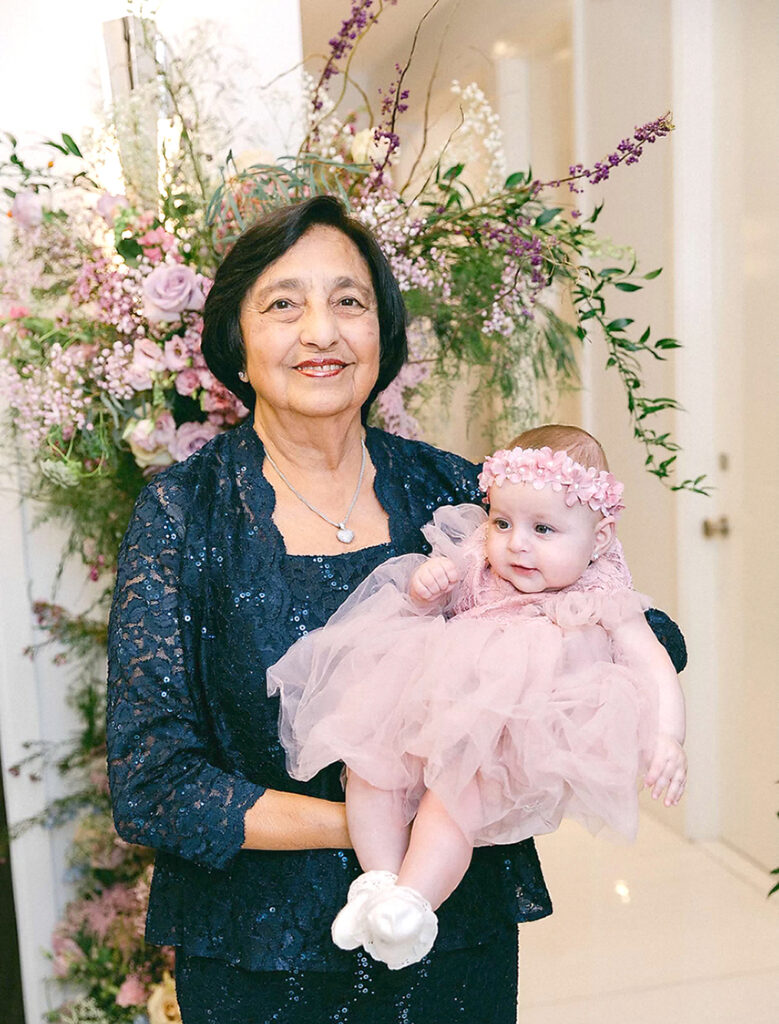
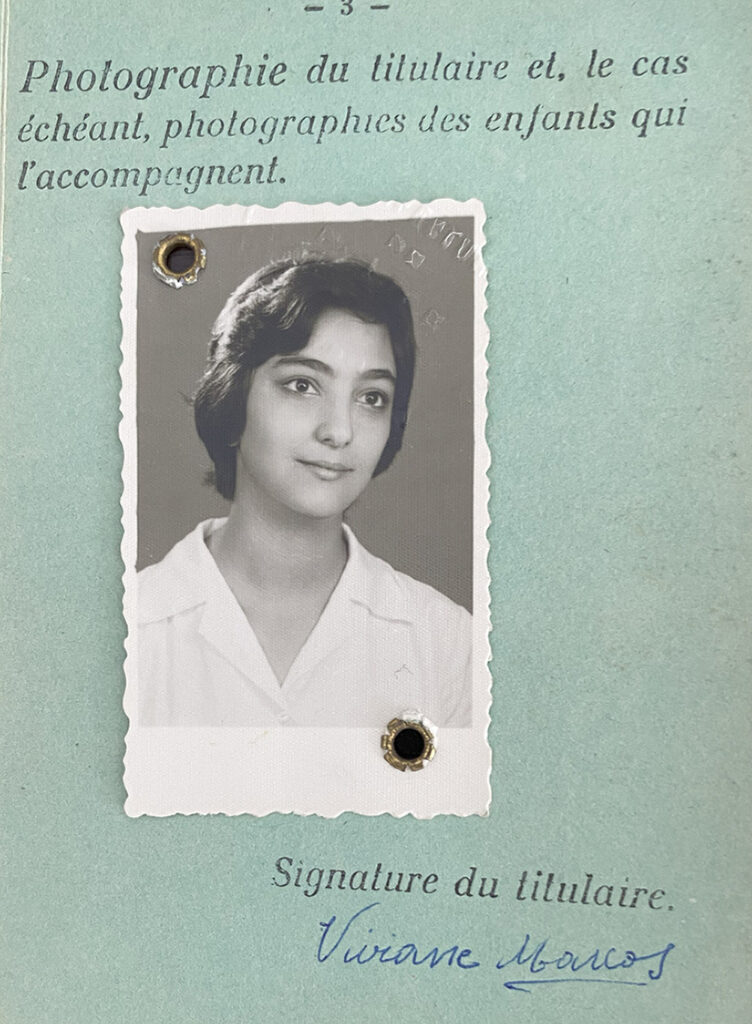
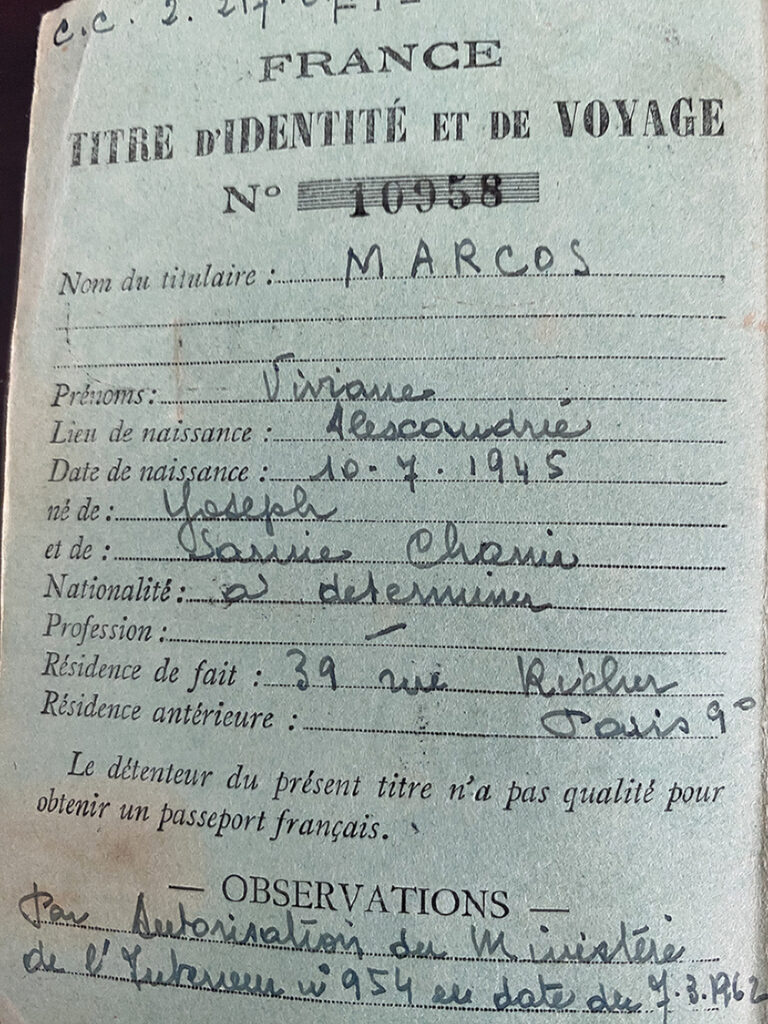
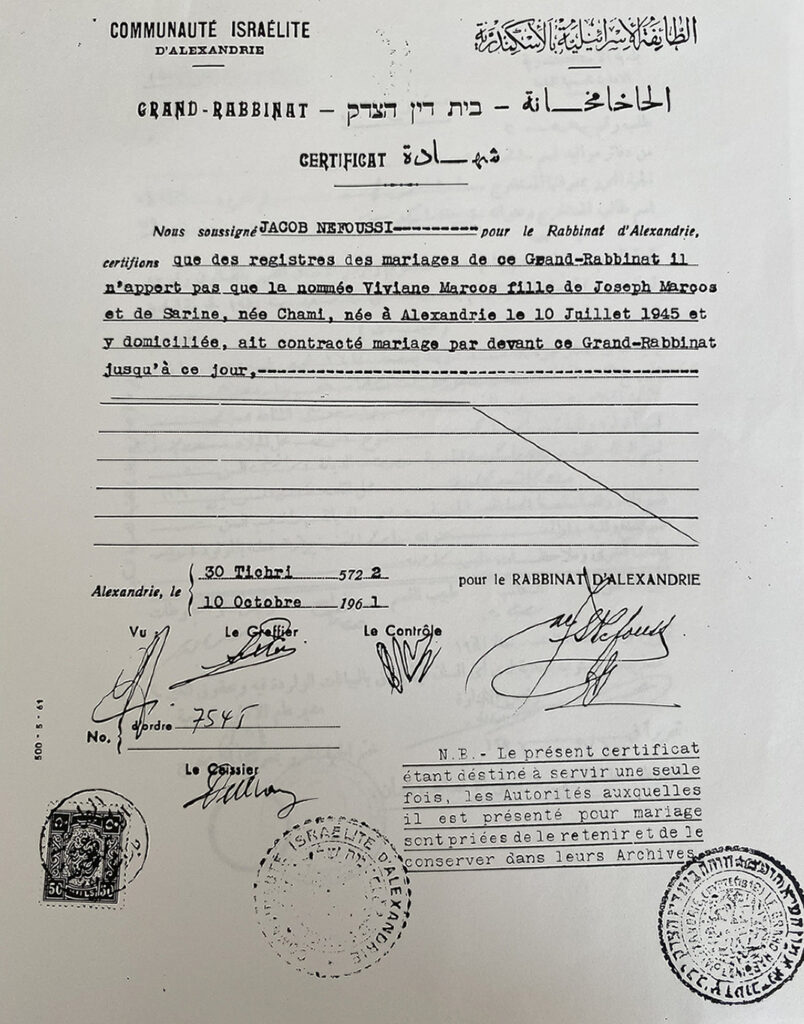
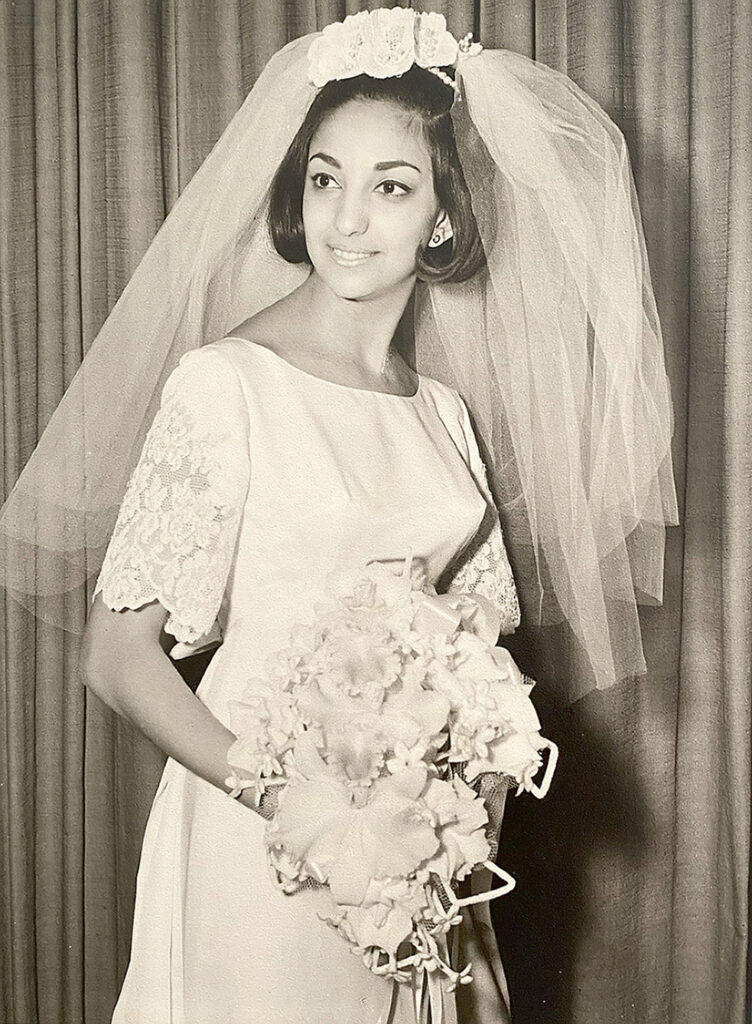
My Uncle Joe Salem was an eligible bachelor until he met Viviane Marcos. She took his breath away. The youngest of six children of Joseph and Sarine Marcos, Viviane was born in Alexandria, Egypt. Beautiful, exotic, with her olive-colored skin, and very smart, she was shy, religious, and traditional. Educated and with the patience of Job, she was a perfect match for my uncle. They met in Bradley Beach, where she went on weekends and stayed with her cousin Frieda Tessone.
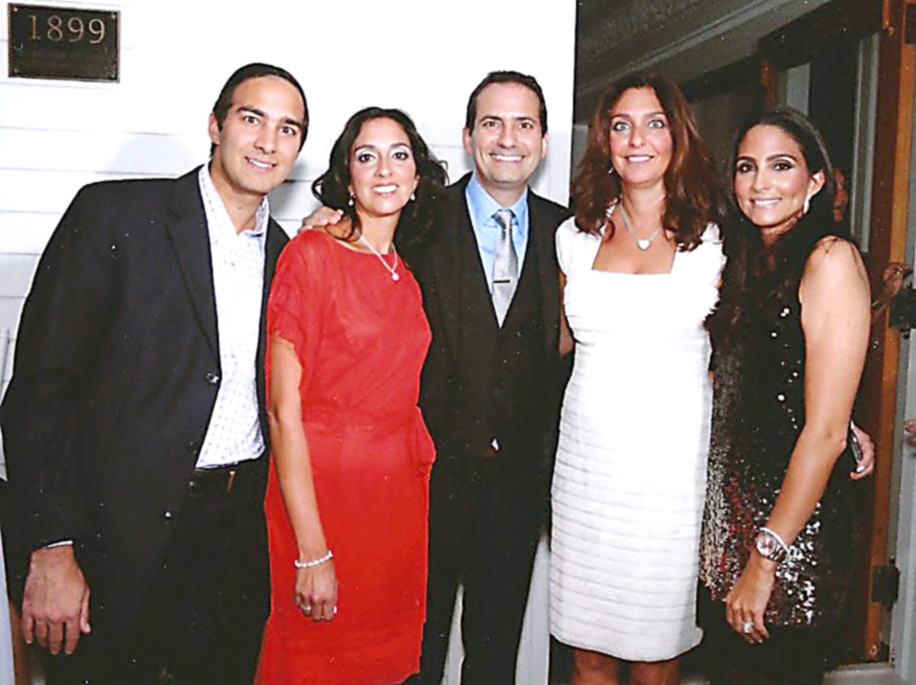
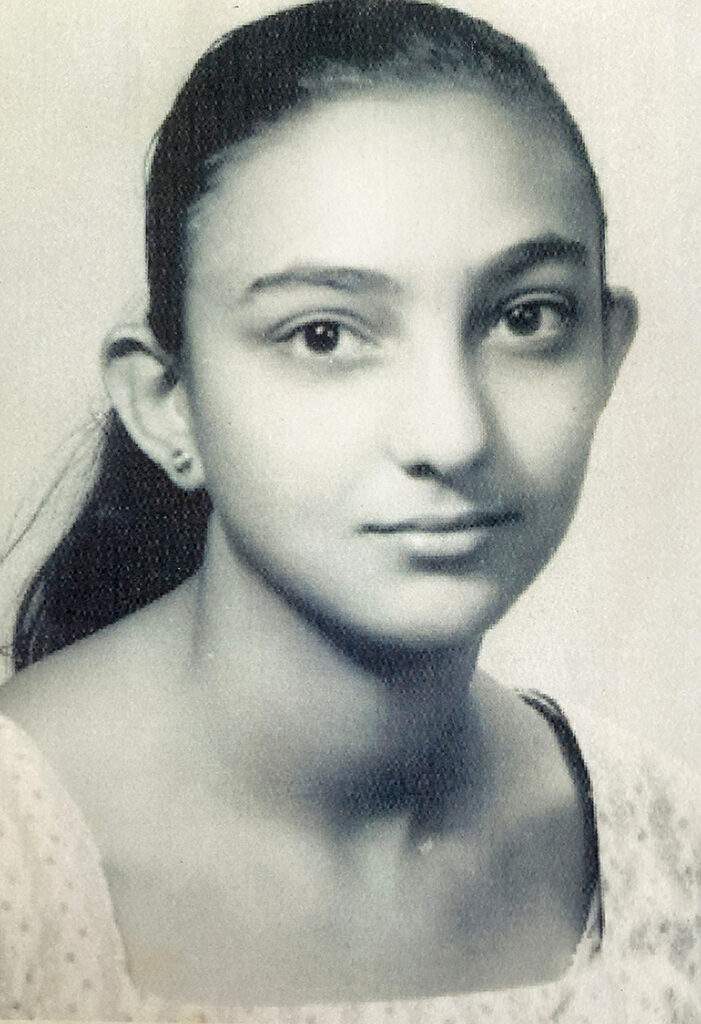
Viviane with her great granddaughter Sharon FrancoViviane Marcos in 1961Identity Card of Viviane MarcosLetter from Chief Rabbi of Viviane’s family backgroundVisa to come to America
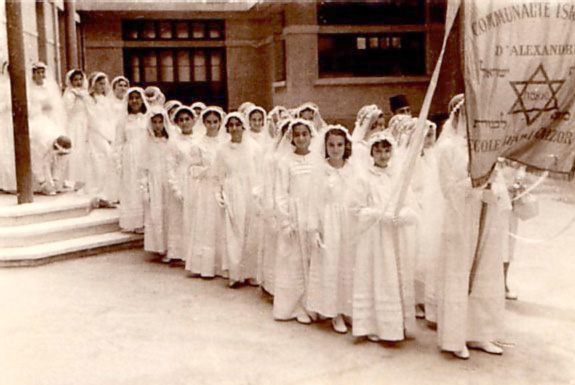
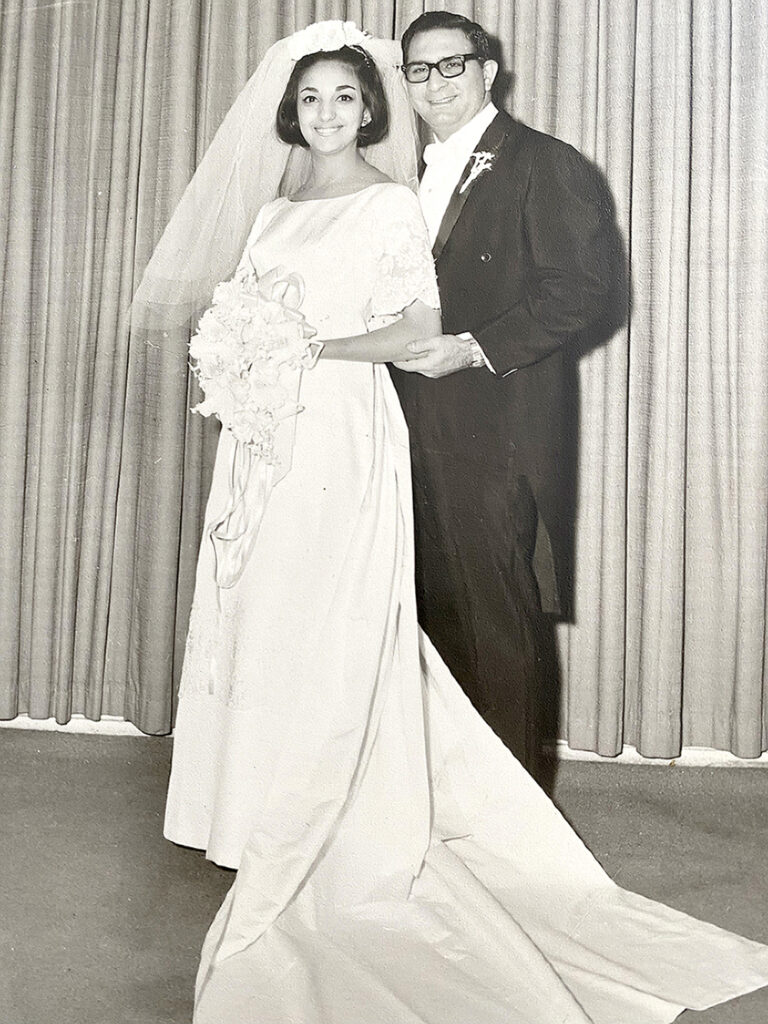
The only one of her siblings to be born in a hospital, Viviane grew up in Alexandria, Egypt, attending a Catholic preschool and then La Communité Israelite d’Alexandrie for elementary school. There she learned French, Arabic, and Hebrew. Abdul Nasser became president of Egypt in 1956. He immediately nationalized the Suez Canal. The nationalization led to a military intervention by Britain, France, and Israel, who feared losing control over the canal and its strategic importance to the region. Viviane remembers they had to keep their windows closed and lights off so they wouldn’t be bombed. There were two types of sirens—one warning of the bombs and another announcing all clear. Nasser created the United Arab Republic with Syria from 1958–1961, effectively ruling Syria as well. The UAR continued after Syria withdrew. Viviane’s father Joseph Marcos was born in Aleppo and came to Egypt when he was four years old. Sarine her mother was born in Palestine (now Israel). They met and married in Egypt. Following the 1956 Suez Canal Crisis and Nasser’s rise to power, a campaign of Arabization and increased hostility led to the expulsion and forced emigration of most Jews from Egypt. This resulted in a dramatic population decline from around 80,000 to a handful today. Viviane and her family were Egyptian, so they were not asked to leave, but the decline in the community left a strong signal. “They did not like us. But they never forced us to leave,” said Viviane. “When we did leave, they stamped our passports ‘Leaving Never to Return.’ My older sister Fortune, married to Egyptian Chief Rabbi Jacob Nefoussi, stayed with her family until 1968.” Seeing the handwriting on the wall, her father Joseph transferred Viviane to the Scottish School for Girls in 1957 when she was 11, which she attended for four years and where she learned English. She described the school as very cosmopolitan, with students from many different backgrounds and religions. The family attended a small synagogue for Aleppan Jews in Alexandria. There was also a synagogue for Moroccans. The main synagogue was Eliahu Hanavi, which was used for life cycle events such as weddings and bar mitzvahs. Viviane said it was too far from their apartment to walk there each week. Joseph Marcos supported his family as an accountant, and the family lived comfortably. They had a large apartment with five bedrooms. Servants helped with the laundry, cleaning, and serving. “We had no phone or washing machine or refrigerator,” said Viviane. “My father went shopping every morning on his way home from shul. He’d stop at the market, buy fruit and vegetables, and anything we needed for that day. Meat was bought twice a week—Monday and Thursday. We were happy and managed. “We went to the beach every Sunday. Early in the morning, I had to go to the beach club and reserve a cabana. That was my job, and the family came later. My mother brought food to eat. We also took school trips. One time they took us to Cairo to see the pyramids.” Viviane was just 15 when the family lost her mother to leukemia. Sarine died in May 1961, and in October they left for Paris en route to the United States. France was one of the few countries that would allow Egyptian Jews to come. They left Egypt by ship, but there was a strike in France, so the ship took them to Genoa, Italy. From there they took a train to Paris, where HIAS (Hebrew Immigration Aid Society) placed them in a hotel—one room for all of them. “It was me, my father, and my brother Isaac in one room. My sister Denise and her family left at the same time. Denise’s husband had Spanish citizenship. In the hotel, there was a bathroom down the hall. We had to go to Le Richer, a place where they served us lunch each day. We weren’t allowed to take any money with us when we left. I had a silver coin, and they took the coin from me,” she said. “My brother Elie left in 1957 and had been sent to Denver, Colorado. He stayed there a few years and was able to get back to New York by the time we came. Elie sponsored us, filling out all the papers so we could come to America. We were in Paris for six months in Hotel Richer. “Because I went to the Scottish school, I was one of the few girls my age from Egypt who spoke English. I was lucky to go to that school.” When the paperwork was finally approved, the family was flown to New York and met by NYANA, who helped them until Joseph Marcos found work. The family stayed a few months in Elie’s apartment on Dahill Road. Then they moved to 503 Kings Highway, above a grocery store. Joseph enrolled Viviane in Lincoln High School, where she graduated ahead of her class. “I remember the school principal was Italian, and she was impressed that my father spoke to her in Italian,” said Viviane. Viviane went to work for Manufacturers Hanover Bank in an office on Wall Street until she married Joseph Salem. Joseph’s parents were Selim and Esther Salem, of Salem Catering, the first caterer in the community. Viviane loved Joe’s convertible, but he sold it when they married in March 1966. They have been happily married for 59 years. Their three daughters and two sons are pillars of the community. I was 11 years old when Aunt Viviane came to our family. I saw her serenity and patience for my Uncle Joe. Her cup is always half full, with nice things to say about everyone. She brought up her family with tremendous love and kindness and was an example of the traditions and values inherent in the Syrian and Egyptian communities. She is a terrific cook and decorates magnificent cakes. We often share cooking tips. Her son Abraham is a hazan in Kol Yaacov (Lawrence Avenue Shul) and reads the Torah weekly. Her son Steven reads in Magen David Synagogue and Sephardic Synagogue. She is very proud of all her children and is always there to support them and our family in whatever way we need. Viviane loves Arabic music, knitting, and the theater. Although Uncle Joe has taken Aunt Viviane many places, she has never been back to Egypt, and would love to visit her childhood home again someday. I would love to take her.
The children of Joe and Viviane Salem (L-R): Abraham, Sharon Wahba a’h, Steven, Esther Shweky, and Gail Farca in 2012.A bat mitzvah celebration for 12-year-old girls. They learned the 10 Commandments, and all the girls wore the same dress. Viviane is the third girl from the front.Viviane Marcos school photoViviane and Joe Salem Wedding, March 1966
Ohel Tora is a new and exciting yeshiva with over 300 current students and 200 more beginning in September. This kollel came under the wing of Midrash Sephardi (Shehebar Sephardic Center) five years ago in the Old City. Headed by Rabbi Shimon Moalem, a gaon known for his theoretical and innovative lessons, he raises the spiritual level of each student. So many students came that the school was moved to a much larger building in Ramat Shlomo. Ohel Tora was founded in 5700 by Gaon Rabbi Chaim Kanievsky and Rabbi Moshe Tzedaka, Shlit’a. Five years ago, Rabbi Moalem came to Rabbi Shlomo Kassin, Dean of Shehebar Sephardic Center, and they agreed to work on opening this yeshiva and expanding it. The yeshiva boasts a large hall and spacious building where hundreds of students flock for in-depth scholarly study. The yeshiva has a strong academic atmosphere and is perfect for young men who want to study Torah at a high level. Once they pass the entrance exam, students are treated with respect and embrace the challenging curriculum. The school has a warm ambiance and offers quality conditions conducive to learning. The school provides a low-stress environment for learning. In September, Ohel Tora will add 20 staff members to accommodate the growing student body. Classes will be divided into four parts so there will be room for everybody. This is a resounding success, and even more so since the yeshiva has been under SSC leadership for only five years. No Sephardic yeshiva has been able to accomplish such incredible growth and learning. Ohel Tora is special in its style and among the best in the world. The reputation of its scholars is amazing.
The Community Celebrates Another Successful Deal Day with Chai Lifeline Sephardic Division
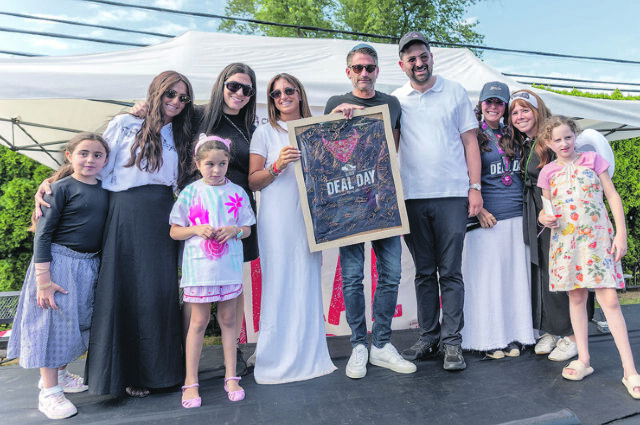
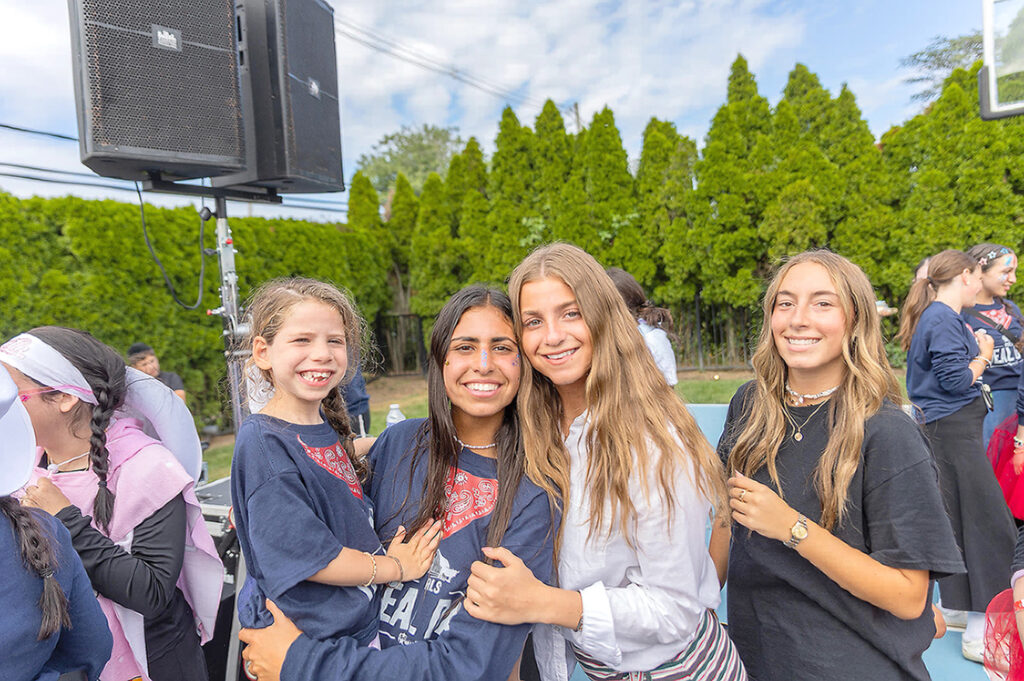
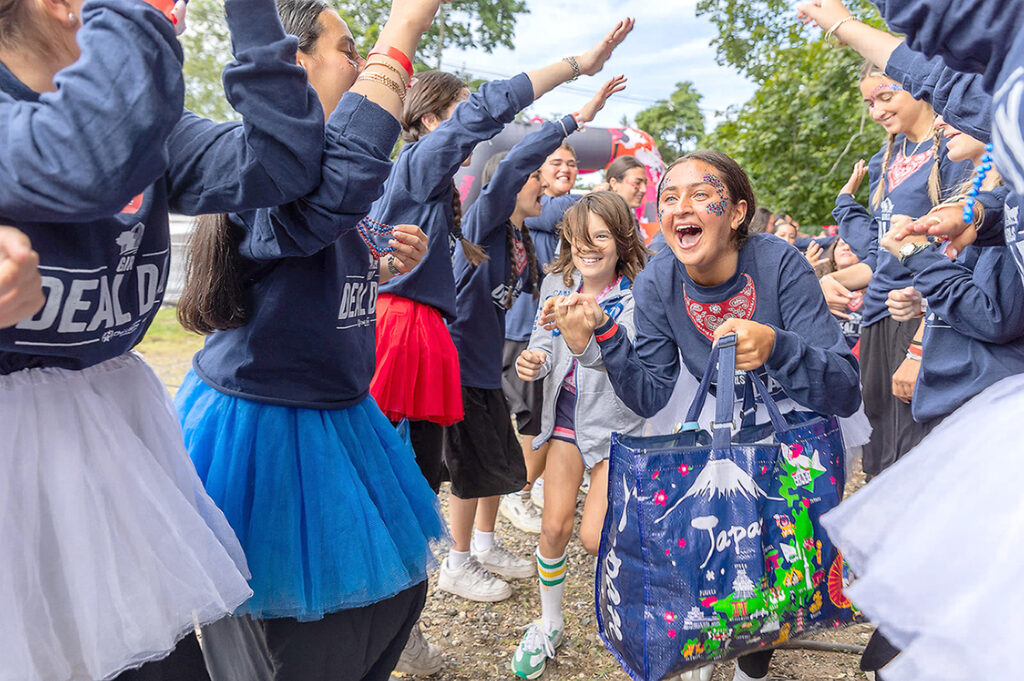
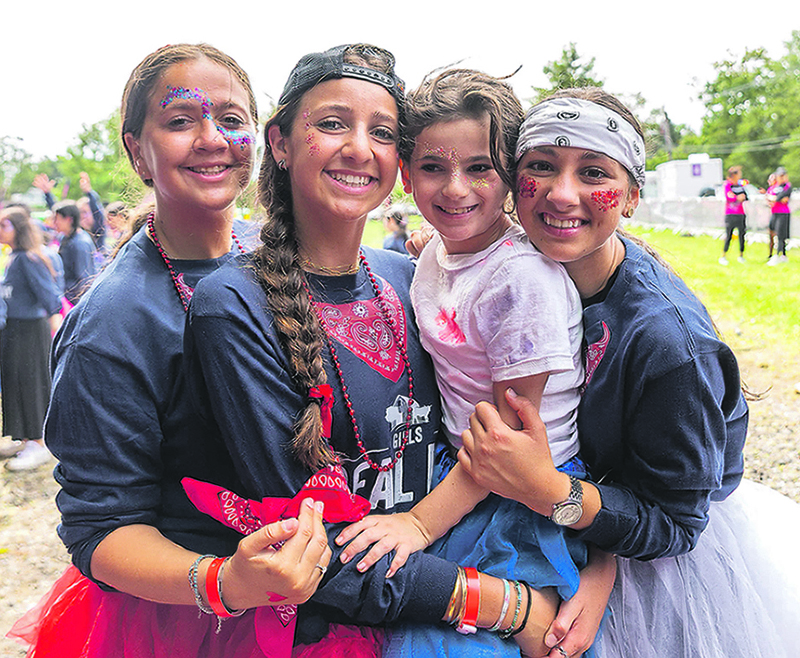
Every summer, the community extends the same heartfelt invitation to Chai Lifeline children: forget everything else and just be a kid for a day. When over 100 children and hundreds of volunteers and community members took them up on that offer, the result was everything Deal Day was meant to be.
Camp Simcha Without Borders brings the magic of Chai Lifeline’s renowned summer camp experience directly to communities across the country through special day programs. For children facing serious illness, it means accessing Camp Simcha’s joy and support without leaving home. For the community, it means continuing their longtime partnership with Chai Lifeline in the most meaningful way possible. Deal Day represents the very best of community spirit. The community has been a steadfast supporter of Chai Lifeline for years, and with the recent formal launch of Chai Lifeline’s Sephardic Division, this year’s Deal Day marked a significant milestone for the organization. “Chai Lifeline has carried our families through their hardest moments, and our community has always stood right there with them, ” shared Jack Tabbush, Director of Chai Lifeline’s Sephardic Division. “Supporting those in need is the heart of who we are, and this is a partnership we’re proud to keep building together.” This year’s festivities blended adventure, creativity, and connection on the Massry Farm. Campers enjoyed a hands-on petting zoo, tried axe throwing and archery, navigated the corn maze, explored spray-paint art, and relaxed by the pool. The day culminated in an unforgettable surprise concert by Zusha, leaving everyone dancing and singing all the way home. Each activity became a backdrop for moments when illness and crisis took a backseat to pure fun. Adding to the day’s energy were the TourDeSimcha riders, participants in Chai Lifeline’s annual women’s cycling event that raises funds and awareness for the organization’s vital work. These dedicated participants spend months training and fundraising, and their arrival in Deal represents the culmination of their efforts. The pure joy of campers greeting the riders made their efforts even more meaningful. “TourDeSimcha is the best day of the summer, and we wouldn’t miss it for the world,” shared longtime riders Sharon Dayan and Raquel Cohen. “Being part of this ride and seeing the impact at the finish line is incredible. It’s a true reminder that it’s the smiles, not the miles, that make all the difference. Each year, the kids inspire us just as much as we hope to inspire them, and we can’t wait to do it again!” Deal Day works because the community understands something fundamental: children facing serious illness don’t need pity. They need joy, normalcy, and the chance to just be kids. The day was graciously hosted by Iris and Mark Massry. For Iris, her connection with Chai Lifeline began years ago when she was a counselor in Camp Simcha at age 19, and ever since the organization has had a special place in her heart. “When Jack asked if I knew of a house for Deal Day, the first thought in my head was our home. I asked Mark, and right away he said ‘Of course, let them use ours and the farm!’ From there, the planning began with the greatest team of people, and in just 10 days we pulled it all together. Seeing each child thank us at the end of the day, so full of appreciation, was incredible. Mark and I could not have been happier to open our home and give these children a reason to smile.” On behalf of the children and families supported, Chai Lifeline extends heartfelt gratitude to hosts Mark and Iris Massry, TourDeSimcha riders, and the entire Community whose dedication makes Deal Day possible year after year. Learn more about Chai Lifeline’s Sephardic Division at chailifeline.org/sephardic.
Sephardic Community Comes Together for Israeli Amputees
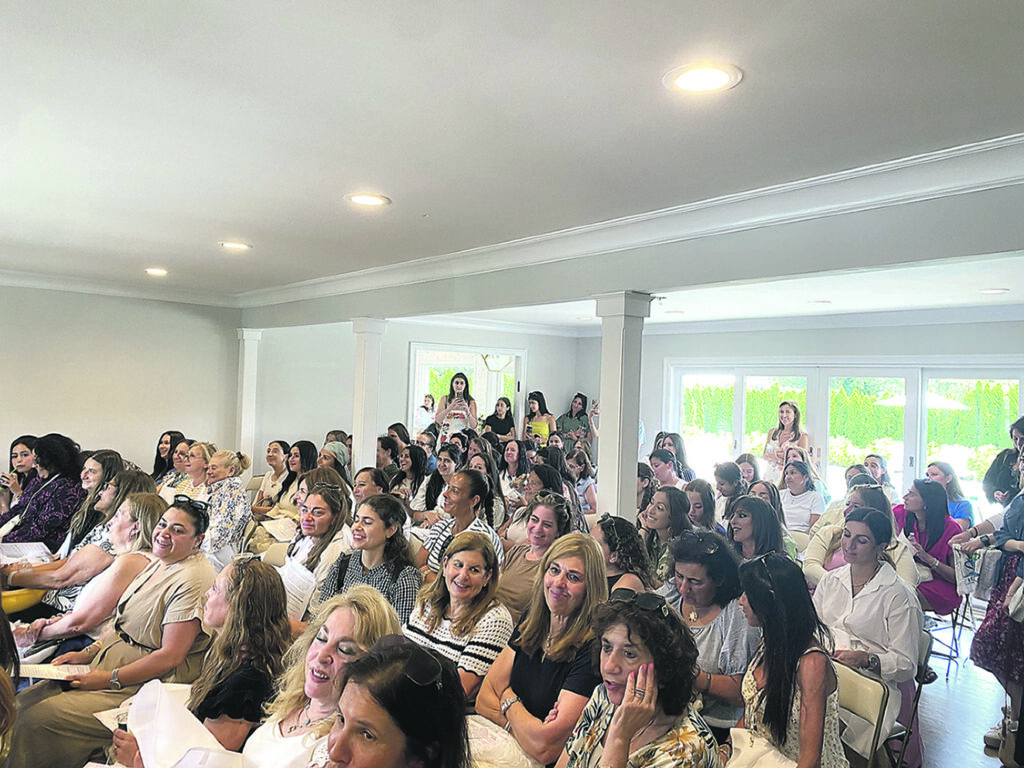
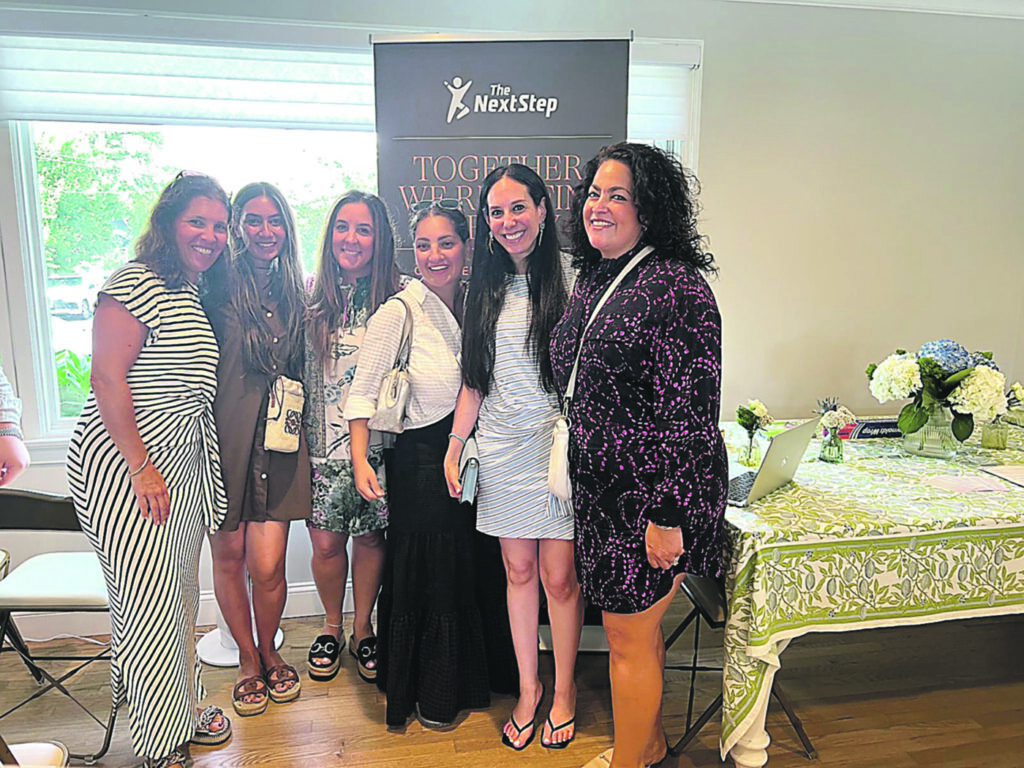
This summer, the Sephardic community came together in Deal, NJ, in a big way to support The Next Step, a nonprofit dedicated to making sure no Israeli amputee ever walks alone. Since 2012, The Next Step has been a lifeline for more than 4,600 amputees in Israel, providing access to advanced prosthetics, as well as emotional and financial support, and advocating for better care. Through this work, the organization has become the voice of Israel’s amputee and limb-loss community.
Ride in Solidarity with Israeli Amputees
And this summer, our community showed just how much we care, through two powerful and inspiring events that celebrated unity, resilience, and compassion.
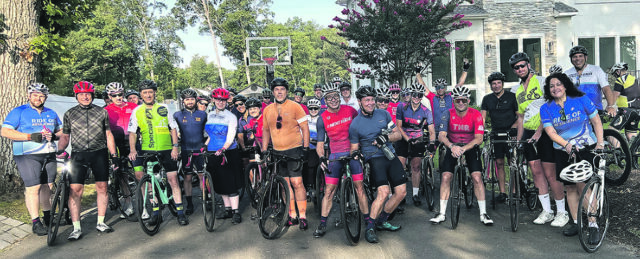
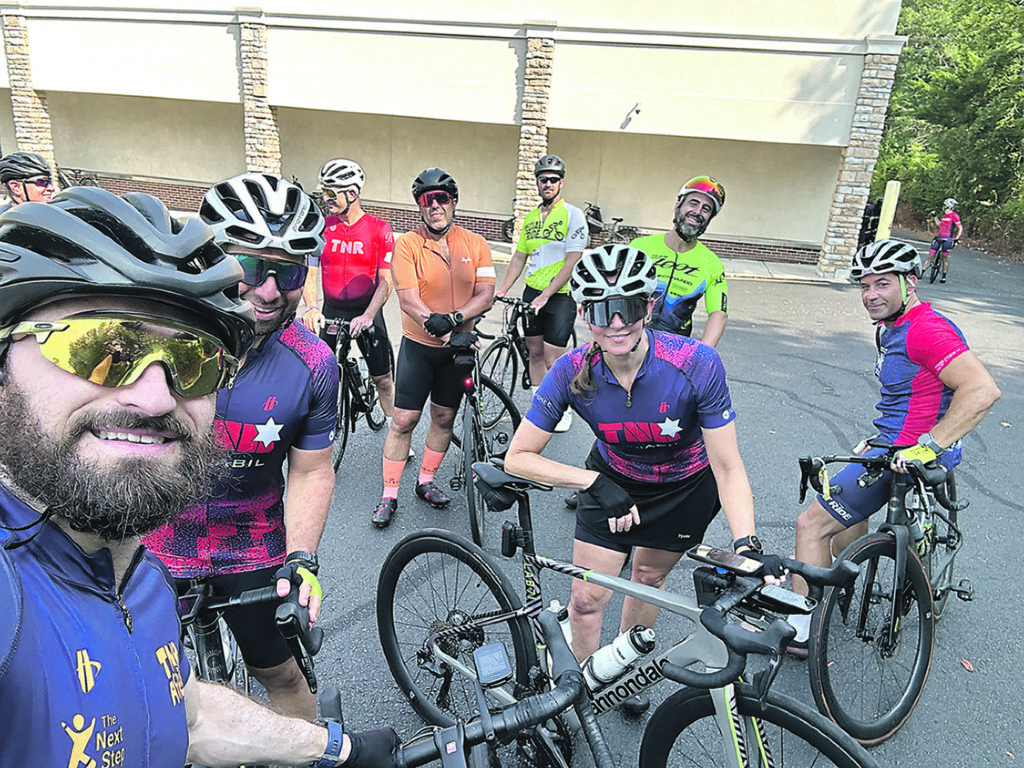
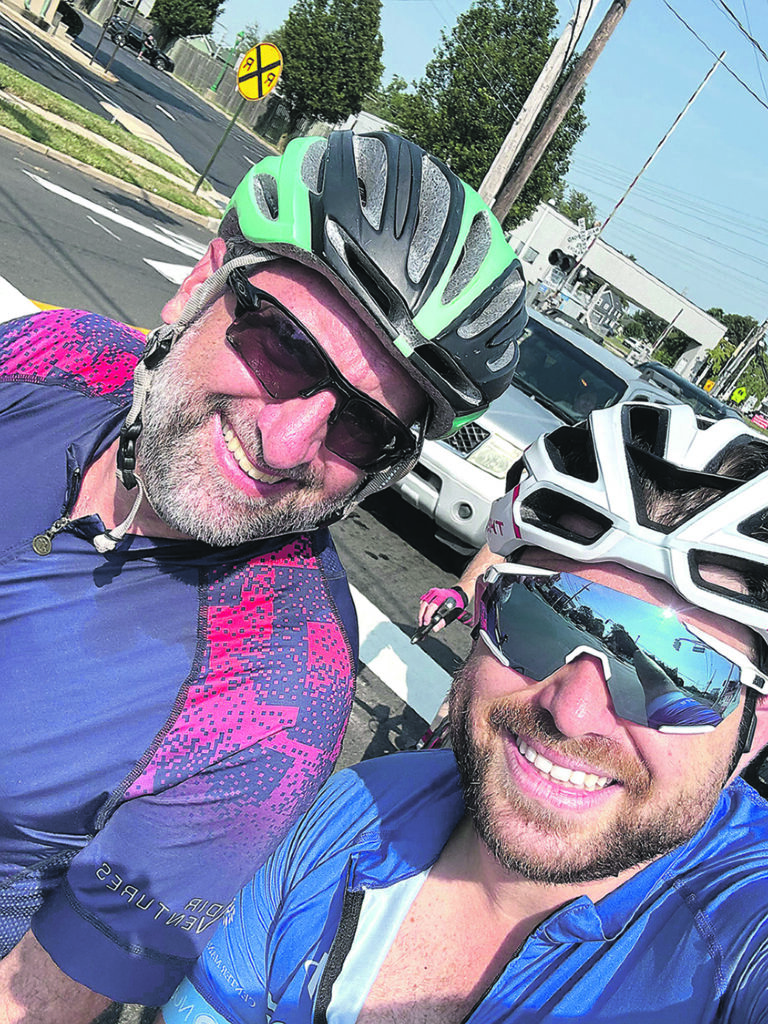
Ride in Solidarity with Israeli Amputees The Second Annual Deal Ride was nothing short of inspiring. Riders of all levels filled the streets with energy and determination, joining together to raise awareness and stand in solidarity. The presence of community leaders and families, like Jack & Victoria Aini, Stephen & Vered Shamosh, Lee & Freida Abramson, Ari & Sima Baum, Abe & Rebecca Cohen, Yoel Dweck, David & Adele Khaski, Steven & Randi Matsas, Zaki & Freida Salame, Elliot & Grace Simhon, and Elliot & Olga Schweky, underscored the unity behind the cause. Cyclists chose between 30 and 50 mile routes, showcasing Deal’s scenic oceanfront, bridges, and winding roads. For many, the ride was about so much more than distance. “Every mile reminded us of the resilience of those we were riding for,” one participant shared. At the finish line, there was a shared sense of accomplishment and purpose. As another rider put it: “We rode together, and in doing so, we reminded each other that no one should ever walk—or ride—alone.”
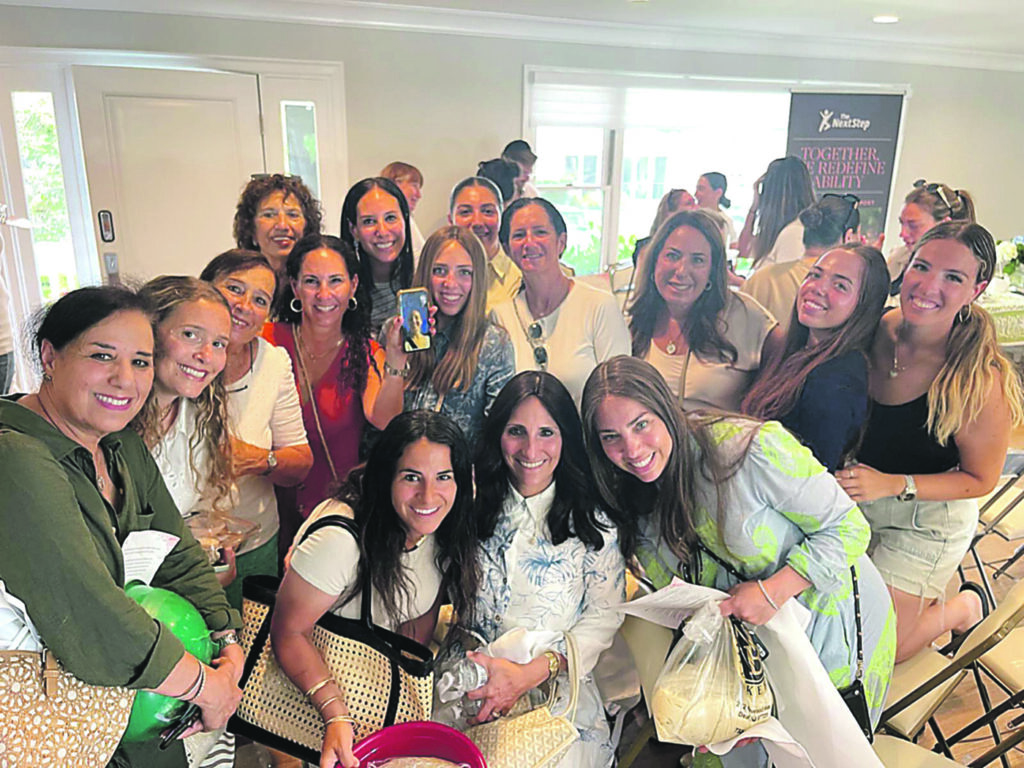
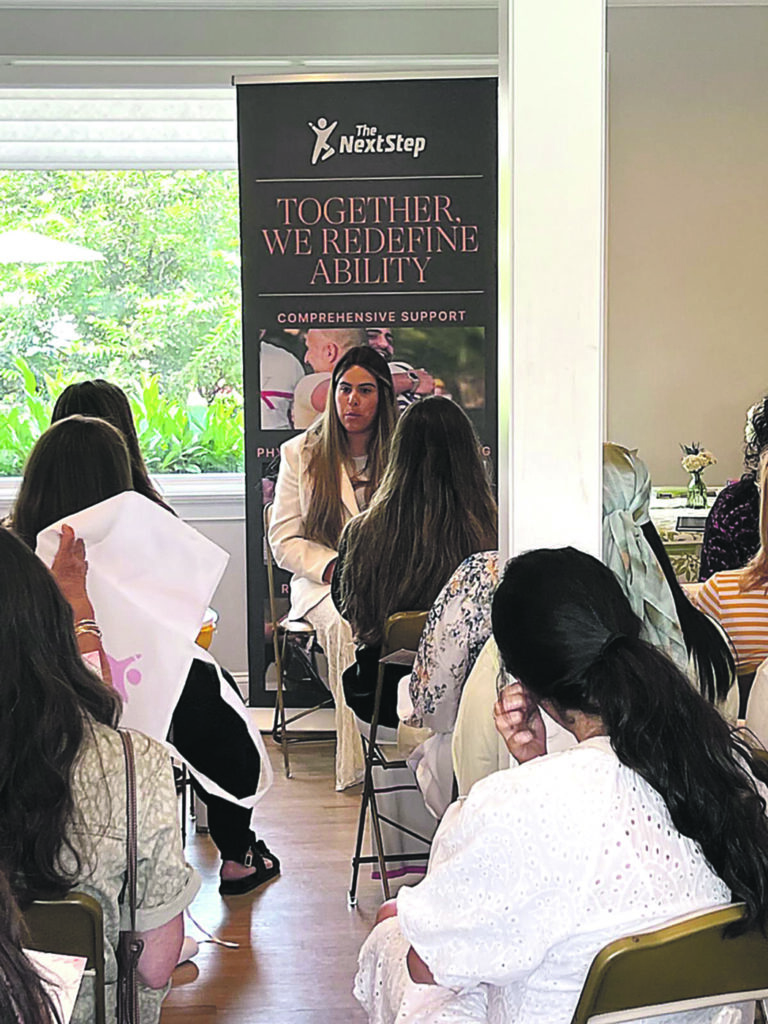
Mother Daughter Challah Bake Another highlight of the summer was a moving morning of connection, prayer, and inspiration at the Mother Daughter Challah Bake. The event featured Racheli and Tzofia, an inspiring duo from Israel whose lives were forever changed by limb difference. Their story of strength, healing, and hope made possible through The Next Step set the tone for the day. Led by community hosts, the morning included the mitzvah of hafrashat challah (separating a portion of dough as an offering), heartfelt tefillot (prayers), and an uplifting class by speaker Bianca Benisti Kaffash. Women of all ages came together to bake, learn, and strengthen their connection to the mission of The Next Step. The day didn’t end there. With generosity in full force, the host committee also organized a diamond earring raffle, which was a tremendous success and a beautiful example of the Deal community’s giving spirit.
Looking Ahead This summer reminded us of the power of coming together, not just to support a cause, but to uplift lives. Both events celebrated resilience and community while reinforcing the mission of The Next Step, to ensure that no amputee or individual with limb difference walks alone. And the journey continues. This November, The Next Step will host The Next Ride’s 10th trip, a seven-day luxury cycling experience in Cannes, France. The trip combines world-class cycling along the French Riviera with curated cultural excursions and meaningful community experiences. Want to be part of it? Learn more at www.thenextride.org.
Toys for Hospitalized Children opens the Bibas Family Playroom at Schneider Children’s Medical Center of Israel
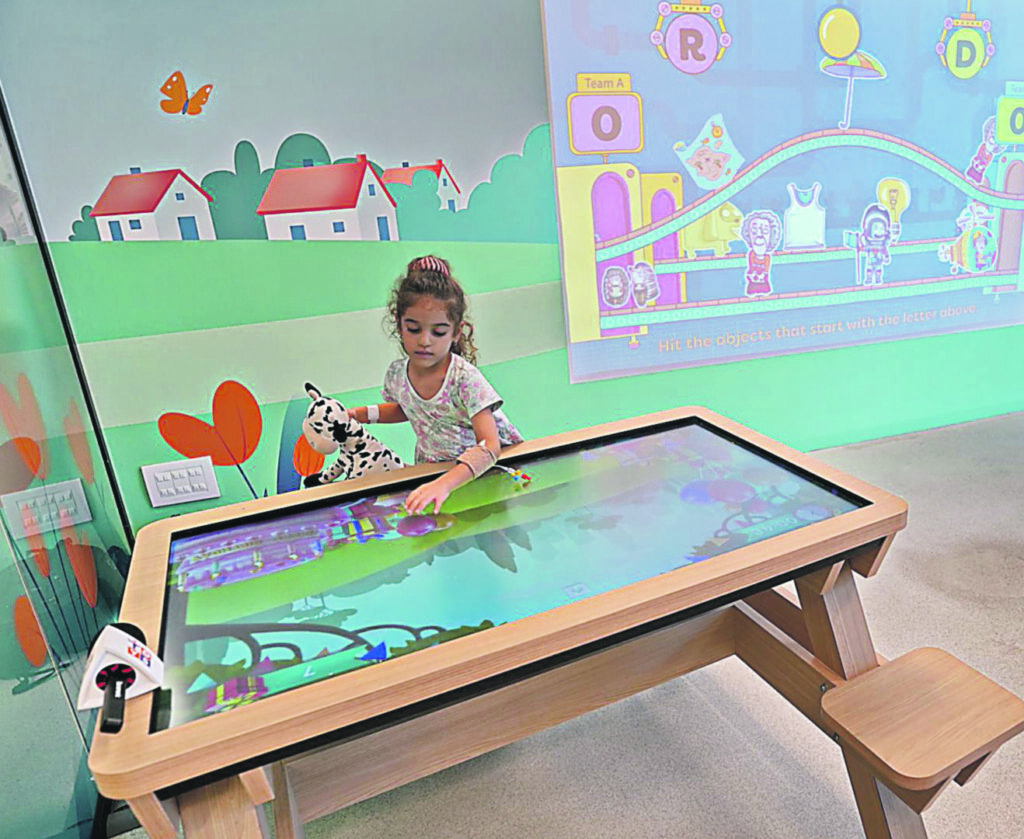
The story of the Bibas Family Playroom began in late February. Toys for Hospitalized Children Board member Michelle Domb visited Schneider Children’s Medical Center to bring happiness and healing to children hospitalized there. During her visit, Michelle saw the room designated for a future playroom. Afterward, she and Rabbi JJ Hecht II went to pray at Kever Rachel. As they left, they passed a sea of orange balloons, a tribute marking the funeral of Shiri, Kfir, and Ariel Bibas—the redheaded children whom all of Israel had been praying for.
Moved beyond words, Michelle turned to Rabbi Hecht and said, “JJ, I want to sponsor the playroom at Schneider, and I want to name it ‘The Bibas Family Playroom’ in memory of these children.” Rabbi Hecht responded, “Michelle, if you want to do that, let’s do it.” He immediately reached out to Sruli Anatian, who generously agreed to partner with Michelle, pledging to cover 50% of the project. Together, their partnership ignited a vision, and they got to work to bring this idea to life.
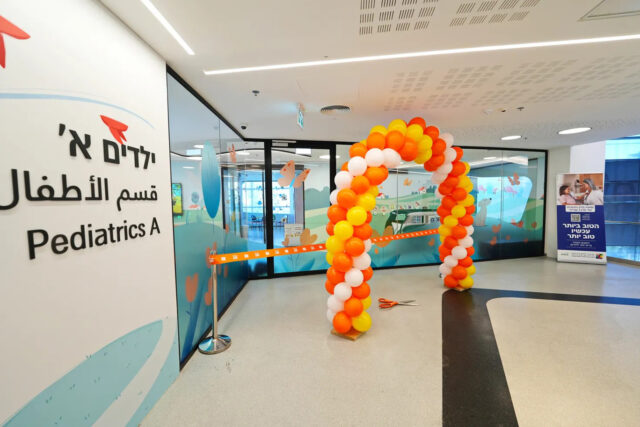
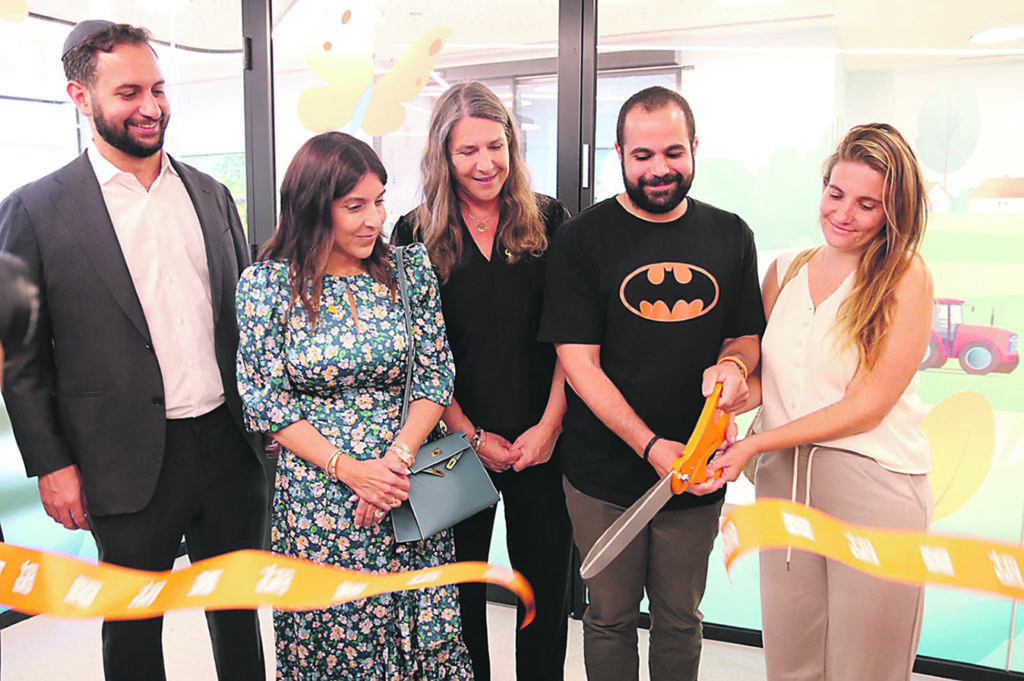
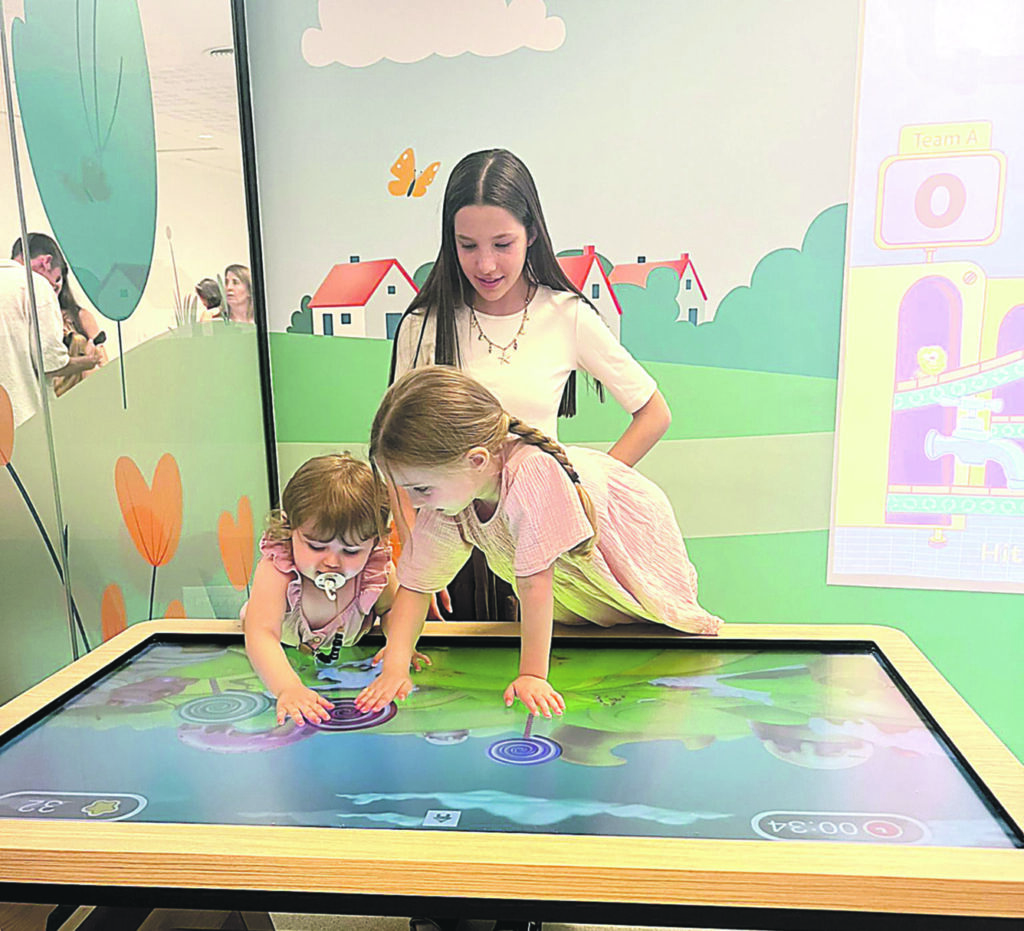
A Vision of Healing Through Play On August 6, The Bibas Family Playroom opened with an emotional ribbon-cutting ceremony attended by members of the Bibas and Silberman families, hospital leaders, the playroom donors, and many friends of Toys for Hospitalized Children. The ribbon was cut by Yarden Bibas and Dana Silberman, sister of Shiri Bibas. This playroom is far more than just a room filled with toys; it is a therapeutic sanctuary where children can heal through play. “This playroom aims to bring light during life’s darkest times,” said Board Member Michelle Domb, who dedicated the space in honor of her children and grandchildren. “It will be a place where sick children can play, smile, and heal. It serves as a reminder that joy is a crucial part of recovery. Happy kids heal faster. Together, we can make a difference.” Partnering in this project was Sruli Anatian, who contributed in honor of his beloved mother. “My Ima taught me that kindness knows no bounds,” he shared. “Supporting this room was my way of spreading her values in the world—bringing joy where it’s needed most.” Mindy Schneider, whose family has long been a major benefactor of the hospital, spoke warmly at the event: “Shiri, Ariel, and Kfir will live on through this playroom forever.”
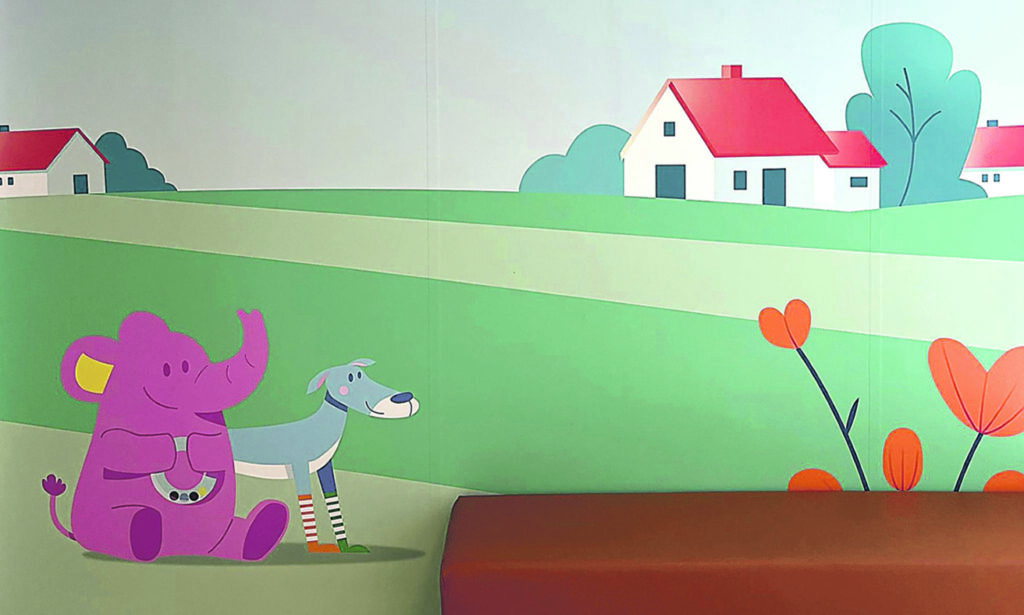
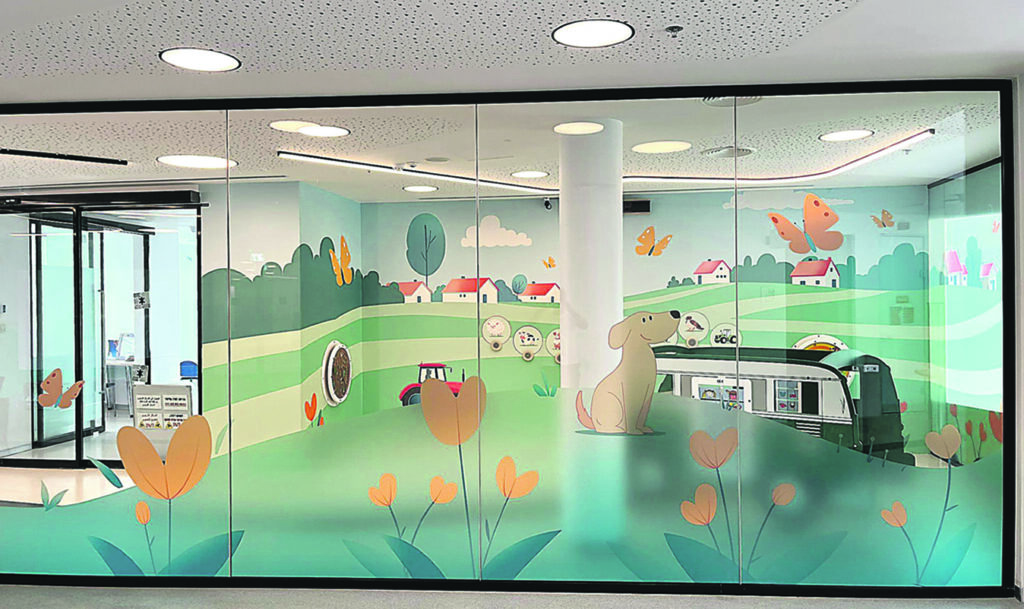
Designed with Heart and Meaning The playroom was thoughtfully designed to reflect the warmth and spirit of the Bibas family’s kibbutz. Butterflies flutter across bright orange flowers, and cherished symbols like Tonto, the family dog, and the purple elephant—the last toy the children played with—are lovingly incorporated throughout the space. Built in memory of Shiri, Ariel, and Kfir Bibas A”H, this state-of-the-art room is transforming grief into purpose and tragedy into hope. Maurice Shnaider, uncle to Shiri Bibas, reflected on the playroom’s comforting presence following the heartbreaking events of October 7: “When Rabbi JJ Hecht told me about the playroom to honor Ariel and Kfir, I was overwhelmed with gratitude. After all our family endured, this space brings comfort and healing. Seeing it bring joy to sick children is the greatest tribute we could imagine.”
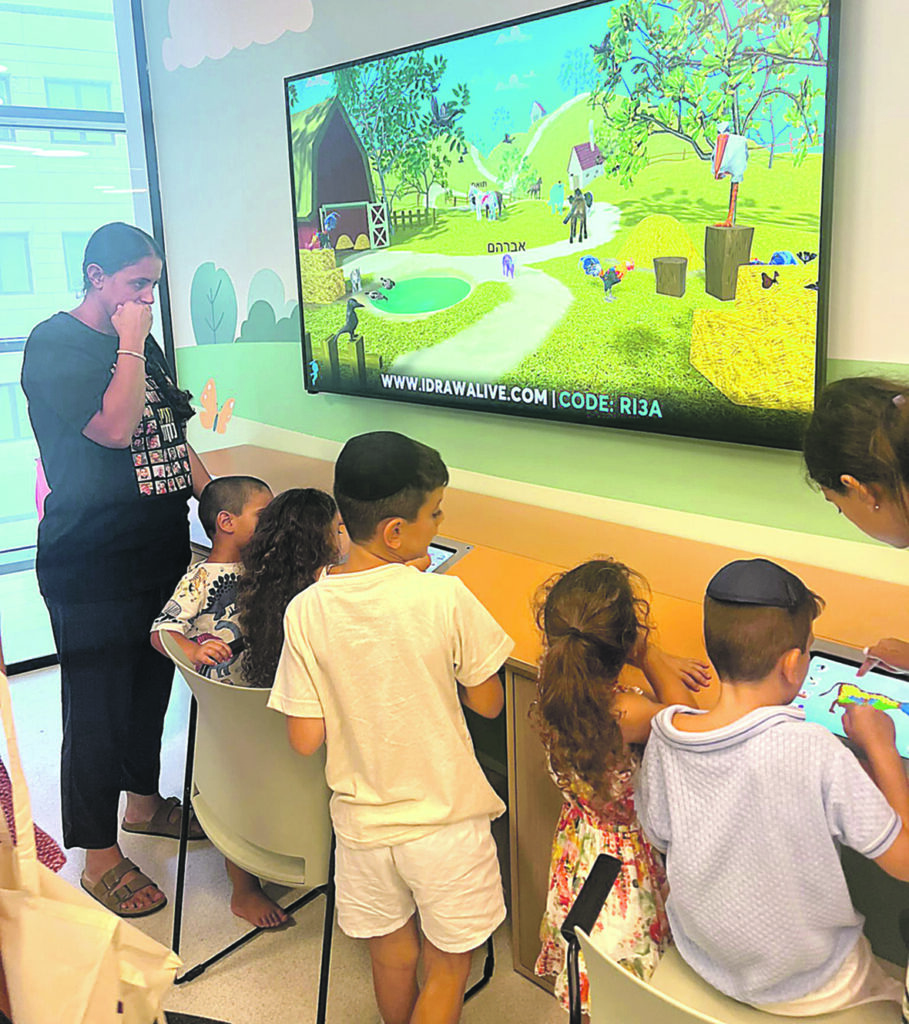
Part of a Bigger Vision The Bibas Family Playroom is just the first of four engaging, therapeutic spaces being built by Toys for Hospitalized Children and Toys for Simcha at Schneider Children’s Medical Center. Each playroom will have a unique theme. These will include: • The Toys for Simcha Playroom: With its ocean theme. • The Michael M. Kameo Playroom: With its jungle theme. • The Ruth Peres Music Playroom: With the theme of the sky and a twist of music. The creative inspiration for these spaces was provided by Ovadia Design Group, led by Jack Ovadia, who donated their expertise. The tech and design were created by Breeze Creative, an Israeli award-winning company that brought its touchless interactive technology into the space. They created beautiful, safe environments that encourage children to explore and play. “Our chairman of the board, Mr. Eli Cohen from Eli Cohen Insurance Agency, has been a tireless leader in our mission,” noted Rabbi Hecht. “His dedication ensures that every project is undertaken with the utmost care and impact.”
Healing Beyond Medicine Toys for Hospitalized Children is transforming pediatric care through immersive playrooms. “This isn’t just a room with toys,” said Rabbi Hecht. “It’s a place where joy becomes part of the cure. We believe that when a child plays, they heal a little faster.” Dr. Efrat Bron-Harlev, CEO of Schneider Children’s Medical Center of Israel, expressed her support: “At Schneider Children’s, we believe that recovery is not only physical. Children are whole beings—filled with thoughts, emotions, creativity, and spirit. Healing happens through medicine, but also through music, play, beauty, and love. This room brings that belief to life.” The Bibas Family Playroom stands as a living reminder that even amid unimaginable tragedy, love, generosity, and the spirit of giving can create spaces where children not only recover, but thrive. If you would like to be part of this mission to bring happiness and healing to hospitalized children, please follow us on Instagram @toysforhospitalizedchildren, together, we can make a difference!
How Our Students Embraced Torah, Kindness, and Curiosity All Summer Long
When summer arrives, we look forward to the sunshine, the sounds of the waves, and the excitement of the season. Yet even after the school year concluded, many Magen David students were eager to continue their learning experiences.
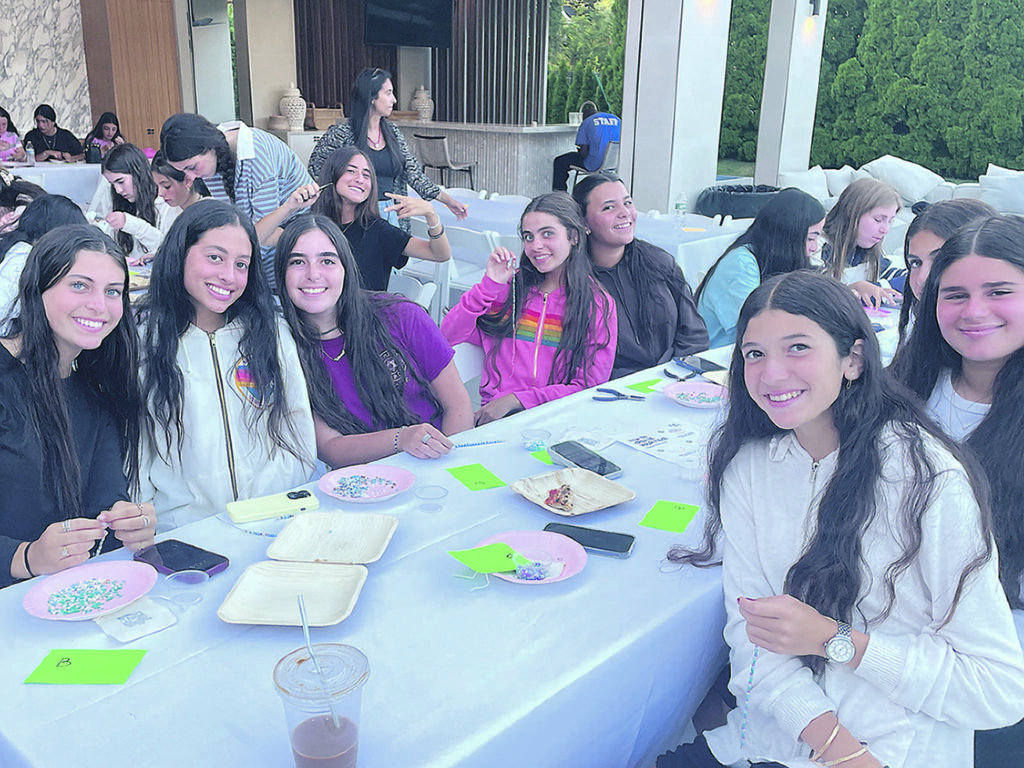
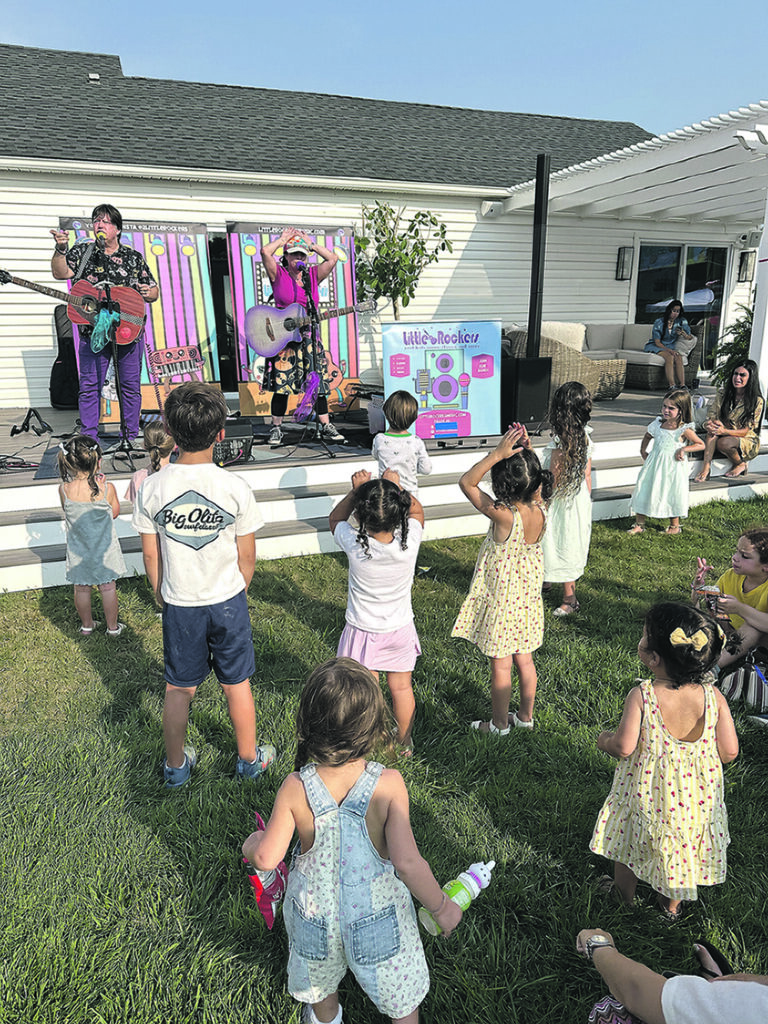
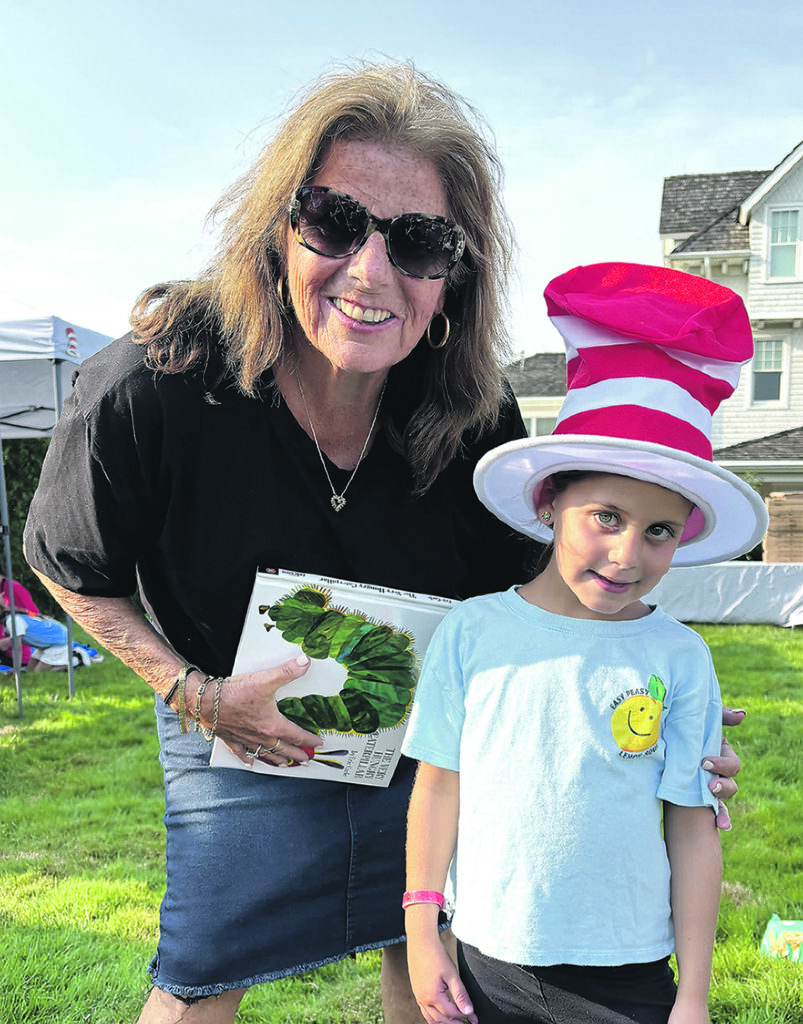
Throughout the summer months, students came together for a series of meaningful educational programs that strengthened both minds and hearts, proving that Torah learning and academic excellence thrive in every season. Perhaps most inspiring of all was our 9 Days of Hesed initiative, where students from every grade level participated in meaningful acts of kindness while deepening their understanding of the fundamental Jewish value of Hesed. Each day brought new opportunities for the students to showcase their unique ways of giving back to our community. From filling the SBH Food Pantry and writing letters to IDF soldiers, to sharing in a shiur from our distinguished Rabbis, students felt the power of giving back and the significance of Torah learning, especially during The Nine Days. They experienced the importance of Hesed, the satisfaction of Tzedaka, and discovered that the most profound learning often happens when we extend ourselves for others through everyday community service projects. Thank you to our PTA Hesed Committee for their time and effort coordinating all the events, Rabbi David Shelby and Rabbi Butchie Cohen for their shiurim (Torah classes), Rosow Elite for their tournaments, and our gracious parent hosts for opening their homes. The 9 Days culminated on Tisha B’Ab, when Ohel Yaacob Congregation transformed into a vibrant Bet Midrash as our distinguished rabbis and teachers led meaningful classes throughout the day. Students engaged in learning sessions that deepened their understanding of Jewish history, mourning practices, and the enduring hope that defines the Jewish people. These classes provided both spiritual enrichment and mindful growth, demonstrating how traditional observance and academic learning beautifully intertwine. Students had the opportunity to ask their own questions, fueling their love of Torah learning and connection to our tradition. In the early days of August, the magic of storytelling filled the yard during our special Early Childhood Literacy Night, where our amazing teachers became storytellers for our youngest learners. Our early childhood students gathered with wide eyes and eager minds as their teachers brought favorite stories to life through animated readings and interactive presentations. The evening reinforced the fundamental joy of reading and music with a live show from The Little Rockers. The children were so excited to read with their teachers, making everyone eager for back to school. Thank you to our gracious hosts, Lillian and Albert Manopla, and to our wonderful PTA committee for organizing an event that highlighted the special bonds the students create with their teachers, bonds that make our school community so special. On August 11th, the girls of the high school got together for Girls’ Night Out, where they made cool jewelry with Bead Hut and ate delicious pizza from Dough Krazy. We look forward to every GNO event, as it gives us the opportunity to connect and bond with girls from every grade. Thank you to our generous student host, Camille Sakkal, and a big thanks to the GNO committee for an awesome night! Adventure also awaited one of our first-grade classes, who spent the year researching countries “Around the World.” Each student selected a country, conducted research, and created a published book. Over the summer, they gathered for a special Authors’ Tea, where students received their published books and writing awards. Surrounded by friends, delicious treats, and proud smiles, they celebrated their hard work and the joy of learning something new. These summer programs exemplify Magen David Yeshivah’s commitment to education that nurtures both intellectual curiosity and character development, while also showing deep appreciation for community and connection to Torah and mitzvoth. By maintaining our focus on learning throughout the summer months, we reinforce Magen David values while creating meaningful memories that students will treasure. As we prepare for the new academic year, we carry forward the enthusiasm, connections, and insights gained during these special initiatives. They remind us that at Magen David Yeshivah, every moment is an opportunity for growth, discovery, and meaningful connection to our history and community. The success of these experiences reflects the dedication of our exceptional faculty, the enthusiasm of our wonderful students, and the support of our committed families. Together, we continue building a learning community where Torah values and academic excellence illuminate every endeavor, creating bright futures for all our students.
Community leaders and supporters gather in Deal, NJ
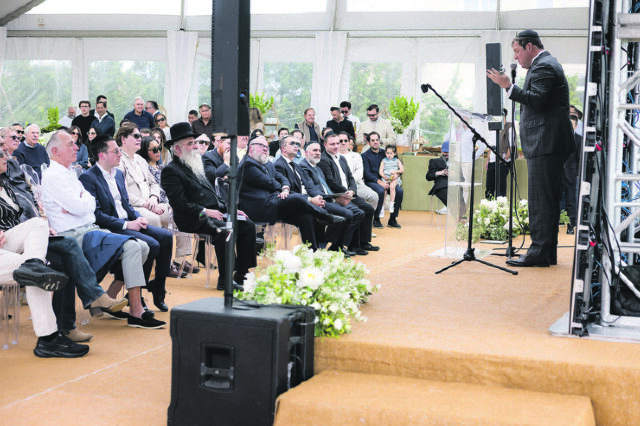
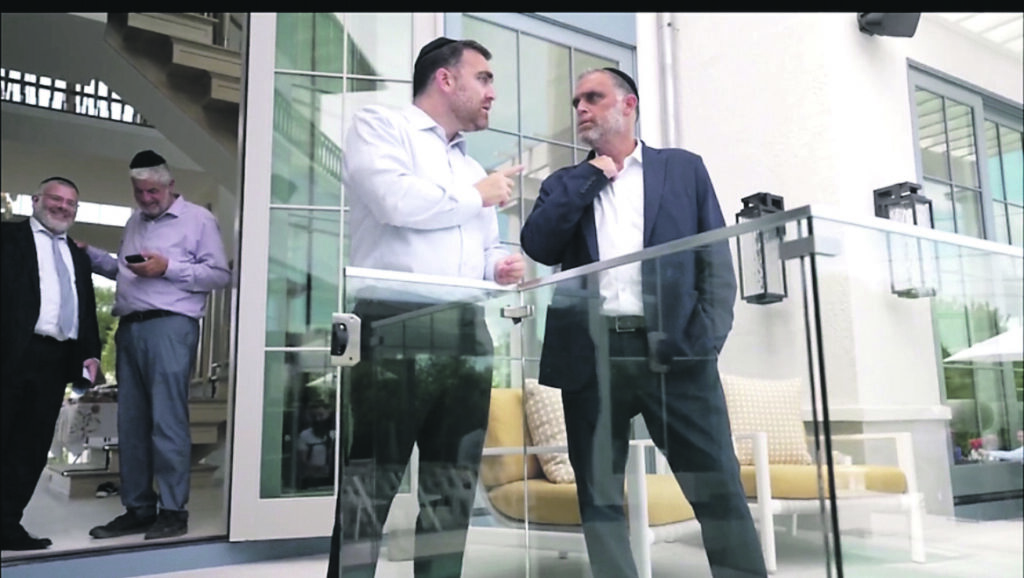
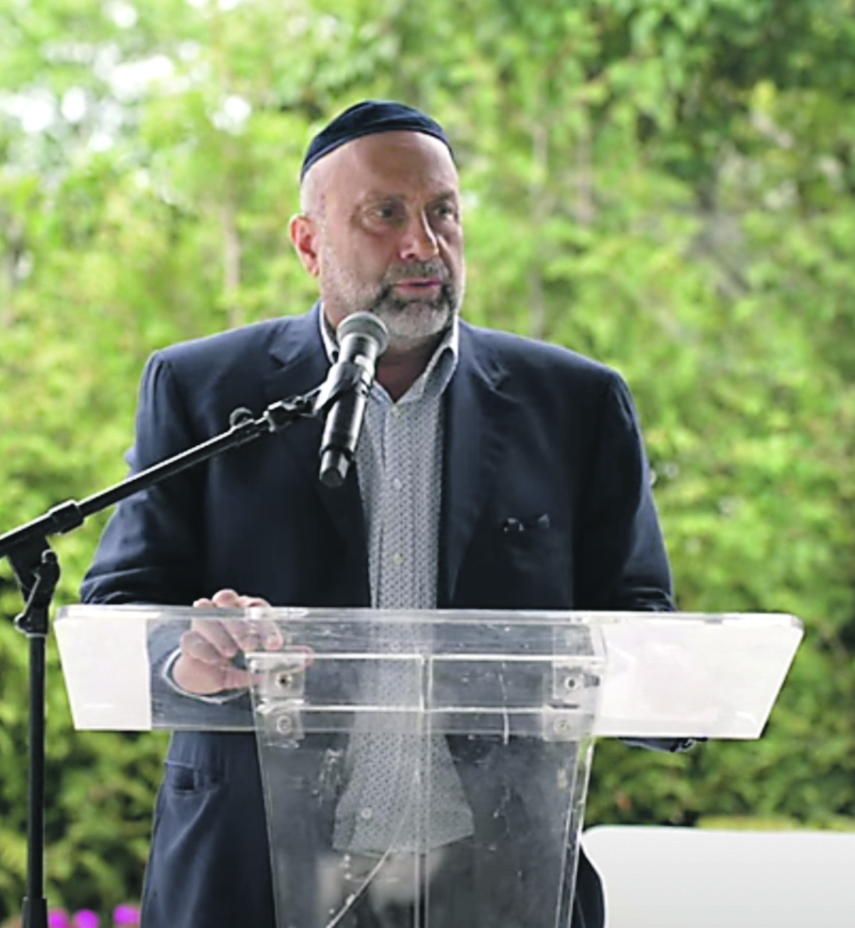
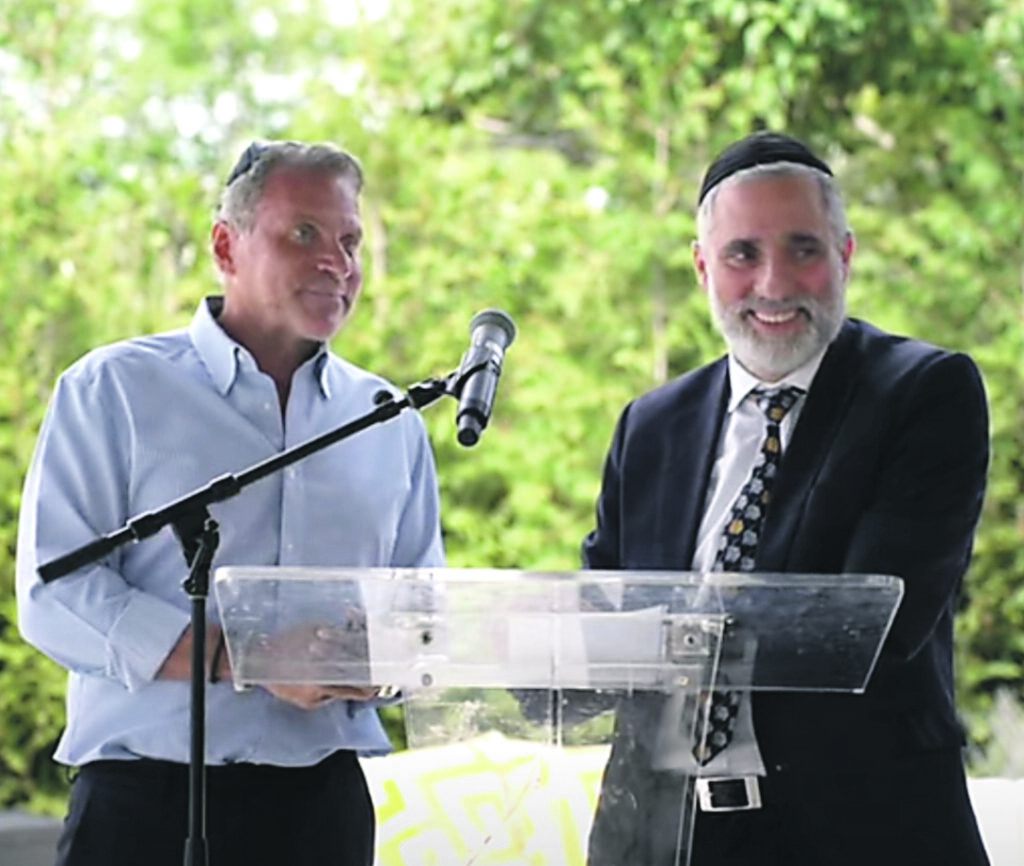
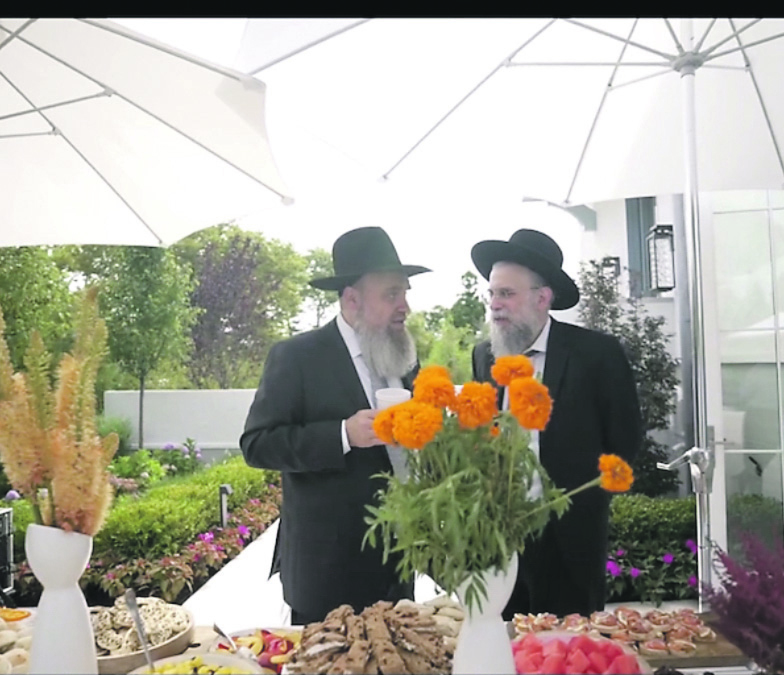
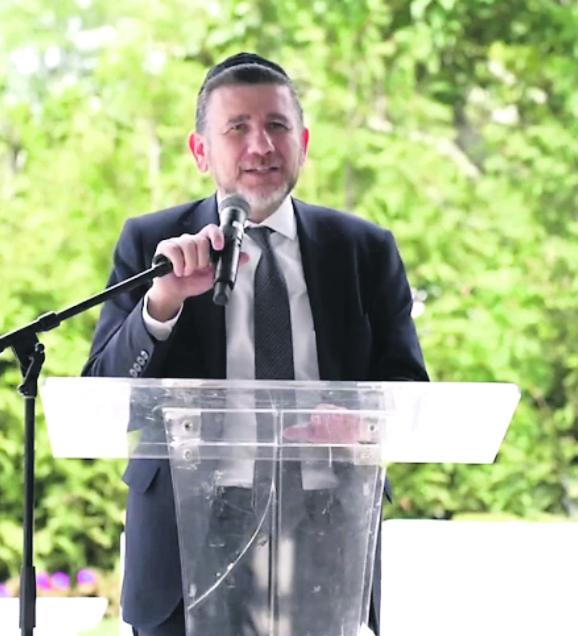
On Sunday, May 25, Chai Lifeline marked a significant milestone with the formal launch of its Sephardic Division, celebrated at the beautiful home of Abe and Vivian Dushey in Deal, NJ. The event brought together over 350 community members, leaders, and supporters to recognize the impact Chai Lifeline has made and continues to make, within the Sephardic community.
The morning featured heartfelt addresses from community leaders, including Joey Dushey chair and co-founder of the Sephardic Division, as well as fellow co-founder Jack Braha, and Rabbi Simcha Scholar, CEO of Chai Lifeline. Special honors were presented to Albert and Renee Laboz, recipients of the Community Pillar Award, in recognition of their unwavering dedication to Chai Lifeline’s mission and the families it serves. “We’ve always been here for Sephardic families, but now we’re doing it with a team and structure that truly reflect the community’s values, culture, and voice,” said Jack Tabbush, Director of the Sephardic Division. “This division was created by the community, for the community, and will continue to grow through its strength, passion, and achdut.” The event also featured powerful words of chizuk from Rabbi Shlomo Farhi, Rabbi of the Edmond J. Safra Synagogue, and longtime community leader Harry Adjmi, who spoke about the importance of rallying around families facing medical crises. “Chai Lifeline has always believed that the most effective care is rooted in the community itself,” said Rabbi Simcha Scholar, CEO of Chai Lifeline. “By empowering local leaders, professionals, and volunteers, we’re able to deliver support that is not only compassionate but deeply personal and culturally attuned. The Sephardic Division is a shining example of how we build programs with the community, for the community, ensuring that every family feels seen, supported, and never alone.” The Sephardic Division, under the leadership of Jack Tabbush, provides a full range of Chai Lifeline services, including case management, hospital and home support, crisis intervention, family programming, and Camp Simcha experiences custom-tailored to the specific needs of the Sephardic community. The division’s lay leadership includes Joey Dushey, Jack Braha, Aviran Nachum, and David Tawil. To learn more about Chai Lifeline’s Sephardic Division, or to get involved, visit www.chailifeline.org/sephardic or call 718-475-0002.
Over the past few decades, B”H, our community has been very fortunate. Our institutions grew, our stores have expanded, our schools and synagogues have been renovated. We go on Pesach trips, throw extravagant weddings, engagement parties, hold large-scale sebets for our families, life, generally speaking, has improved. That is not the case across the board, however. There are families in our community who struggle to put food on the table. There are those who, just barely getting by, cannot afford a Shabbat meal or something extra for our many Jewish holidays, and must, heart-wrenchingly, find ways to explain to their children why they cannot do so.
Meyer Safdie & Steven DafdieHarry AdjamiRabbi Malka (r) with Morris BeydaRabbi Kaye and Rabbi Yossi Zvi Schrieber, Executive Director of TS of LakewoodRabbi YedidHacham David Yosef and Abie TawilShmuel Kairey
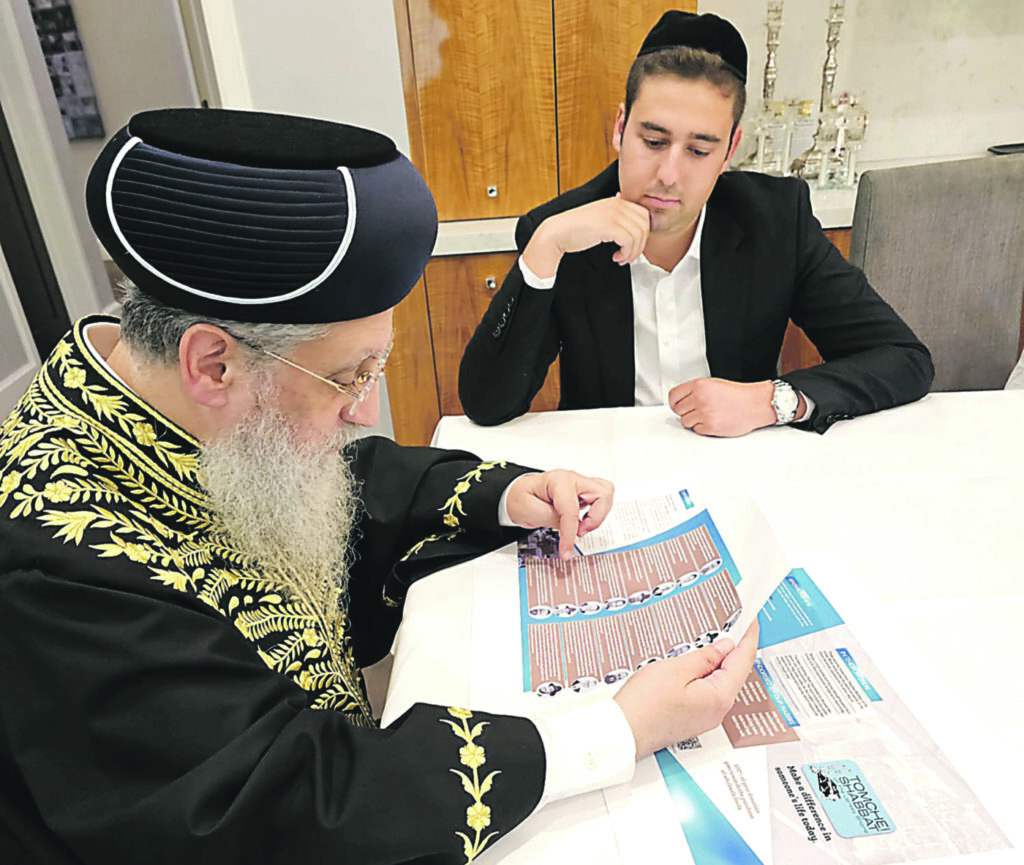
In a world such as ours, this seems impossible. In our community, which has been the beneficiary of prosperity, how are people struggling to fulfill their most basic needs? Thankfully, organizations exist to help support those who need it. For this issue specifically, that of supporting the dignity of families, helping them put Shabbat meals on the table and setting up for our holidays, Tomchei Shabbat has been a crucial organization in helping families maintain their dignity for the past 25 years, doing so behind the scenes, silently helping many families in our community. Now, Tomchei Shabbat needs the community’s help to continue doing the good that it does.
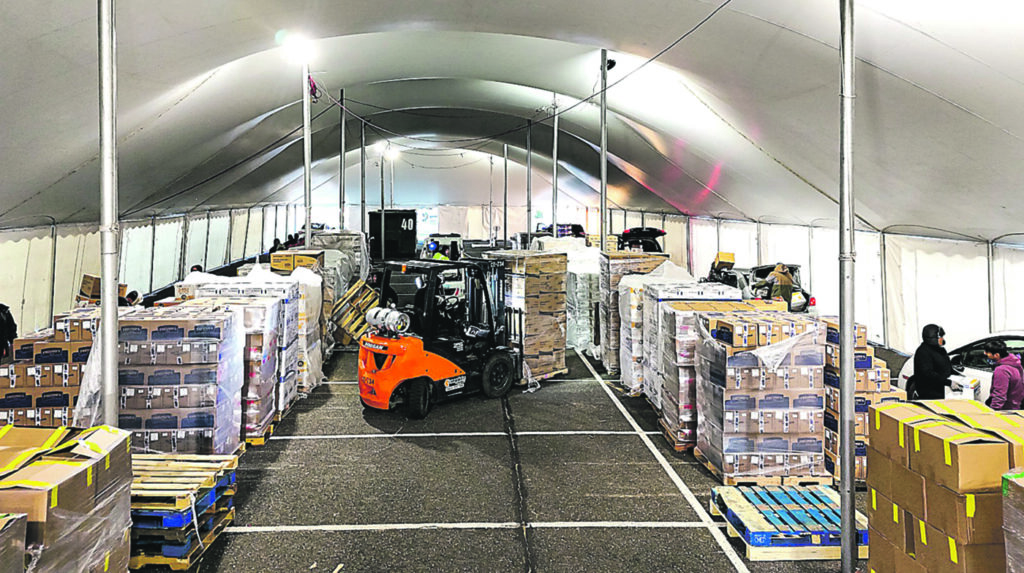
What is Tomchei Shabbat? Tomchei Shabbat, like we just mentioned, is a quiet organization. They care about the dignity of those who use their services, so they do not advertise too much. That being said, the work that they do is highly meaningful, bringing comfort and hope to many families across the Jewish world. Based out of Lakewood, Tomchei Shabbos is a $14 million organization, supporting over 2,400 families at different tiers, depending on each family’s specific financial needs. The level with the most assistance is the “weekly section,” meaning that the family comes in once a week for help with Shabbat. One level above that is the “monthly section,” where families who need less help making ends meet receive assistance. Finally, there is the “holiday-only section,” where those who need support to bring the holidays together get the help that they need. They have a warehouse for the weekly/monthly sections. Lines extend out into the highway for food from them, including people from our community who need the support as well. What sets Tomchei Shabbat apart from other organizations is that they directly provide food. While other organizations may give spending power to families in need, Tomchei Shabbat leverages both their infrastructure and location to provide the most food that they can at minimal cost to them. Being based out of Lakewood, and having access to cheaper food, Tomchei Shabbat provides more food for those who need it and to more people. They work efficiently and keep everything quiet, preserving the dignity of their families. Our community has gone to Tomchei Shabbat for 25 years, with the assistance of Rabbi Ben Sion Kaye. Rabbi Kaye did these deliveries himself for 25 years. Behind the scenes, he helped sustain members of our community through holidays, Shabbatot, and other occasions, ensuring that nobody is embarrassed and everyone is well-fed.
Tomchei Shabbat Jersey Shore As time went on, unfortunately, more and more people from our community needed Tomchei Shabbat’s help and support. Rabbi Bension Kaye started out by delivering Pesach meals to 35 families, and sadly, the number ended up tripling as time went on. And for 25 years, Tomchei Shabbat out of Lakewood handled it all themselves. Around Pesach time of this year, however, Tomchei Shabbat spoke with Rabbi Kaye and explained that in order to continue providing food to members of our community, they needed our help and support. Rabbi Kaye quickly convened a meeting with all of the Rabbis of the Jersey Shore to discuss this new development. They quickly reached a decision to move forward and open up a new Sephardic Division of Tomchei Shabbat. It would be led by Abie Tawil as the director of development, who resides with his wife Susan in Deal. This would become Tomchei Shabbat of the Jersey Shore. Immediately, they hit the ground running. They were in the community’s synagogues with drives every single week. They held many conversations with donors and raised significant amounts of money to go to families in need. “When we help others welcome the Shabbat, we’re welcoming blessing and peace into our homes,” Hymie Dana, who is heavily involved with Tomchei Shabbat, said. “Supporting Tomchei Shabbat is definitely a source of beracha (blessing) for our homes.” “Helping to feed those in need is one of the biggest mitzvot,” Ricky Esses, who is also involved, added, “but giving a sense of joy and hope to these families on Shabbat and holidays is the greatest mitzvah. We must continue taking care of our community, and we must first start with those most in need. Tomchei Shabbat of the Jersey Shore does that.” Many Rabbis quickly got involved as well, speaking positively about the organization’s work and what it does. “Tomchei Shabbat gives a tremendous amount of relief to these families who cannot imagine what they are going to do for Shabbat,” Rabbi Shaul Kassin said. “It is unimaginable in our eyes,” Rabbi David Ozeri said, “but it really exists. We know for a fact that there are people in our community who cannot put food on the table for Shabbat.” “There are families in our community that live down the block from you and me who can’t look forward to Friday night,” Rabbi Joey Haber said. “Tomchei Shabbat will ensure that every family in Deal is able to have the gift that all of us have.” “We have an organization in our community called Tomchei Shabbat of the Jersey Shore that actually gives food to families throughout the year,” Rabbi Shlomo Diamond said. “I personally know many people that once they receive the boxes from Tomchei Shabbat, how relieved they are, like a huge stress is taken off their head,” Rabbi Douek said. “It is very integral for us to support Tomchei Shabbat because they support our community,” Rabbi Eli Mansour said. “This amazing organization gives people basic necessities,” Rabbi Joey Mizrahi added. “Not luxuries, but basic needs that they need for weekdays, Shabbat, and just to live life with dignity.” “Tomchei Shabbat embodies the highest form of tzedakah, giving with such discretion and dignity that families can rebuild their lives without shame, knowing their community stands behind them in their time of need,” Rabbi Avi Harari said. “Tomchei Shabbat is an organization that provides vital assistance to the families in need in our Jersey Shore community. Especially helpful are their food distributions during holiday times when expenses are high,” Rabbi Reuven Semah said. “Please donate generously.” “It is an honor to recommend Tomchei Shabbat, an organization which beautifully exemplifies the Torah values of caring for those in need,” Rabbi Aviad Bar Hen said. “With dignity and compassion, they ensure that every family has access to Shabbat meals, fulfilling the sacred mitzvah of ma’achil re’evim (feeding the hungry).” “When food comes straight to the table it gets eaten. This is the most powerful and direct mitzvah you can do!” Rabbi Arking “It’s a tremendous organization- the community needs to rally behind it. This organization needs money from our community to keep it going.” Ralph Shalom “Tomchei Shabbat is a lifeline for families in our Jersey Shore community, ensuring that no home goes without the joy and dignity of Shabbat and holiday meals.” Rabbi David Tawil “A great rabbi in the Gemara provided for the poor, as did his wife. They were saved from danger through his wife’s merit. He asked why her zechut saved them, and she answered: “You give money, but I give food that is immediately beneficial.” That is Tomchei Shabbat—they provide food to those in need, the greatest mitzvah possible!” Rabbi Choueka “By donating food, we emulate the kindness of Hakadosh Baruch Hu. May we all merit to participate in Tomchei Shabbat of the Jersey Shore to assist our fellow community members.” Rabbi Isaac Farhi “Let us open our hands and hearts to support both the physical and emotional needs of our community, giving Tomchei Shabbat the resources to continue this holy work.” Rabbi Joey Sultan Many other Rabbis voiced their strong support for the organization, including Rabbi Shmuel Choueka, Rabbi David Tawil, Rabbi David Sutton, Rabbi David Nakash, Rabbi David Ashear, Rabbi Raymond Beyda, Rabbi David Serouyah, and Rabbi Meyer Yedid. Last month, to help cap off the momentum, they held their inaugural event at the home of Franny and Morris Beyda. This was a beautiful event with many inspirational speakers from all areas of the community, coming together unified for a common cause.
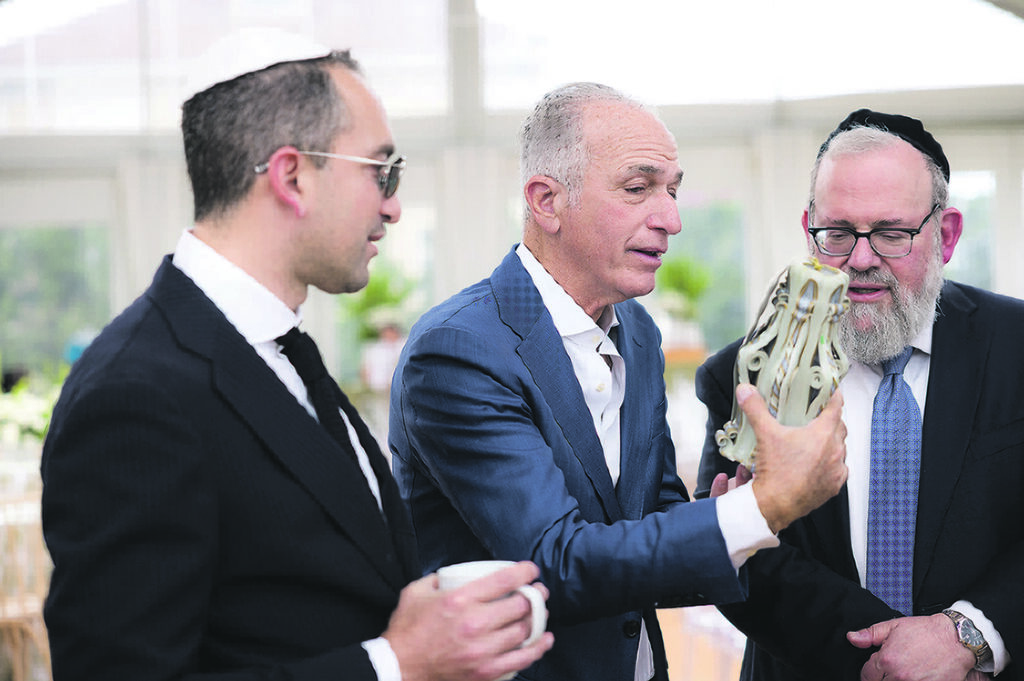
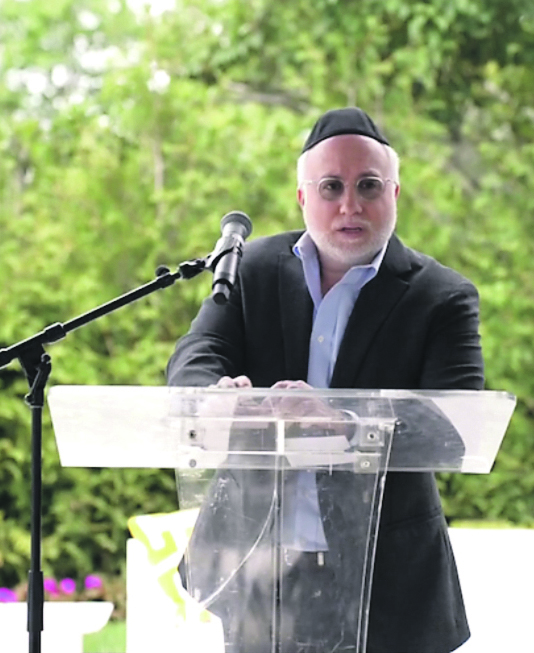
Recap of Tomchei Shabbat’s Kickoff Event At this fundraising event, Rabbi Moshe Malka opened by discussing how important it is to avoid the things which avoid blessing from Hashem (G-D), such as excessive anxiety, worrying, and ingratitude. If you receive a blessing from Hashem, you must share it. The work that Tomchei Shabbat does, by easing the worries and neediness of families and sharing the berachot (blessings) of our community with those who could use our help, is an organization which, B”H, will be highly successful. Abie Tawil spoke next. “Through these few weeks,” he explained, “I realized that we had to create this as a community. There are over 100 families who need our help. We have the sources, the distribution, and the mechanics to continue it. So we have to, and we have to save the ones who call the Rabbis saying ‘we can’t afford to live without it.’ It’s so special that we have our community to step up and help our people.” Shmuel Kairey spoke after Abie, telling a story about a man looking for Eliyahu Hanavi (the Prophet Elijah). The man asked the Baal Shem Tov (founder of the Chassidic movement), “I’d like to meet Eliyahu Hanavi. Where can I find him?” The Baal Shem Tov replied that if he bought food on Thursday, went to a certain town with the food on Friday, and asked around for somebody to host him for Shabbat, then he would find Eliyahu Hanavi. So, the man went to the town with food, and like the Baal Shem Tov said, he asked around for a place to stay for Shabbat, and ended up in a house with an orphan and a widow. It was a beautiful Shabbat. However, by the end of Shabbat, the man could not find Eliyahu Hanavi. He went back to the Baal Shem Tov, and the Baal Shem Tov told him to do the same thing that he did last week. The man bought food again, and went back to the town. This time, already knowing the orphan and widow, he stayed by them once again for an amazing Shabbat. However, once again, he did not meet Eliyahu Hanavi! The Baal Shem Tov told him to go back once more, and so he made his way back to the town with more food. This time, the window to the orphan’s house was open. Listening in, he could hear the orphan, lying weakly in bed, say to the widow, “I’m very sick, I don’t know what to do.” The widow replied: “Hashem will send Eliyahu Hanavi again this Shabbat. He sent him the past two weeks, Hashem will send him again!” This time, the man did not look for Eliyahu Hanavi, as he understood what the Baal Shem Tov was trying to teach him. If you want to meet Eliyahu Hanavi, you should be like him. Take care of the orphan, take care of the widow, help those who cannot help themselves. With the work of Tomchei Shabbat, “we are emulating Eliyahu Hanavi,” and with the help of Hashem they will continue to help others. Harry Adjmi, afterwards, led the fundraising rounds, speaking on his relationship with Rabbi Kaye, saying, “I don’t believe there is a single Jew in the world who Rabbi Kaye does not have empathy for.” “You couldn’t have heard more,” he emphasized. “Every Rabbi in the community, whether they were on Joe Mansour’s video, or they came this morning, they showed up to support Tomchei Shabbat.” Rabbi Yedid also spoke at the event, emphasizing the important role that Jews have in the world: What makes Jews different from every other nation? Is it because they can do big things? “I did not choose you for your ability for big things. Everywhere you go you do big things. In Torah, in chochma (wisdom), financially, but that’s not why Hashem chose us. Hashem chose us because even when we are so big, when we get bigger, we ask more of ourselves.” Jews say “I have a lot, I have so much, I’m not doing enough!” According to Rabbi Yedid, one of the most special qualities of a Jew is their ability to continue doing more. Tomchei Shabbat continues to do more, for now and the future. The demand for it has not gone away, but has increased instead. “Since I started raising we’ve gotten dozens of calls from people you’d never think of. The father’s trying to work and trying to make it work, even the mother is working, or a lot of them are almanot (widows) or divorcees.” People come to Tomchei Shabbat at their lowest, and it’s up to Tomchei Shabbat to help give these families the support that they need to get back on their feet. Whatever it is, whether a parent passes away or the father loses his job, Tomchei Shabbat is there to pick people up and help them rise once again, granting them much-needed dignity and discretion while doing so. It is a beautiful organization, and B”H, Tomchei Shabbat of the Jersey Shore will have the means to aid anybody who calls on them for help.
Light, buzz, creativity, love, impact, and powerful inspiration, all packed into one beautiful day. Some may call it the “Event of the Year”! Each year, it comes and goes in the blink of an eye, each one somehow topping the last. It’s Table…Set…Go!
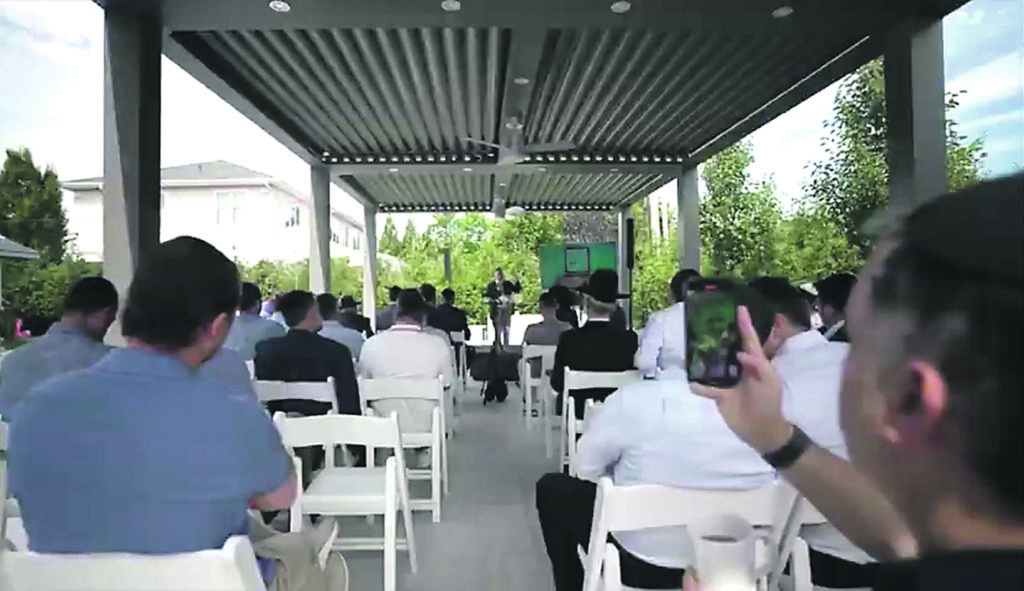
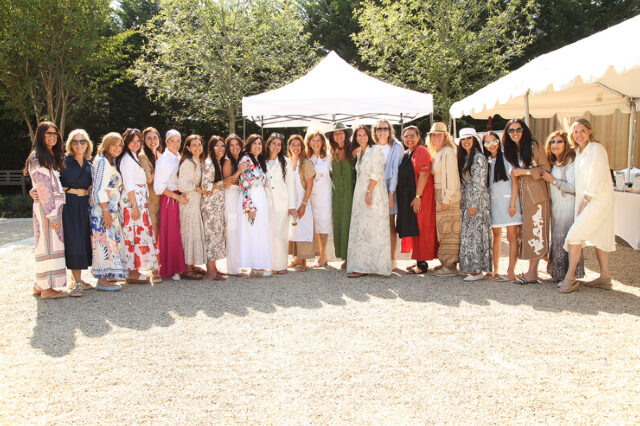
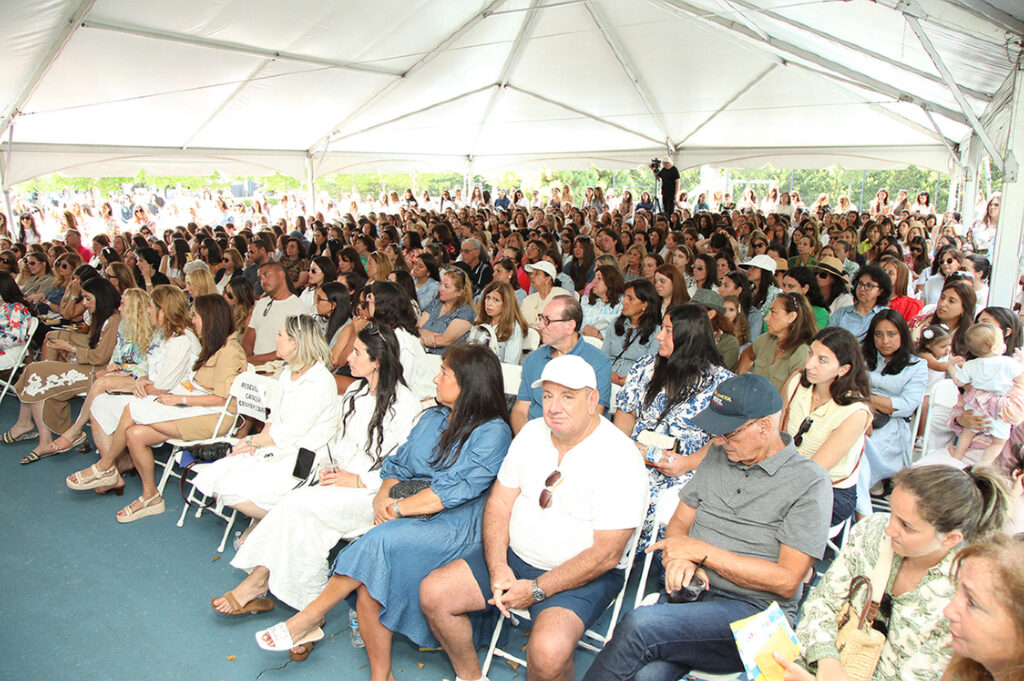
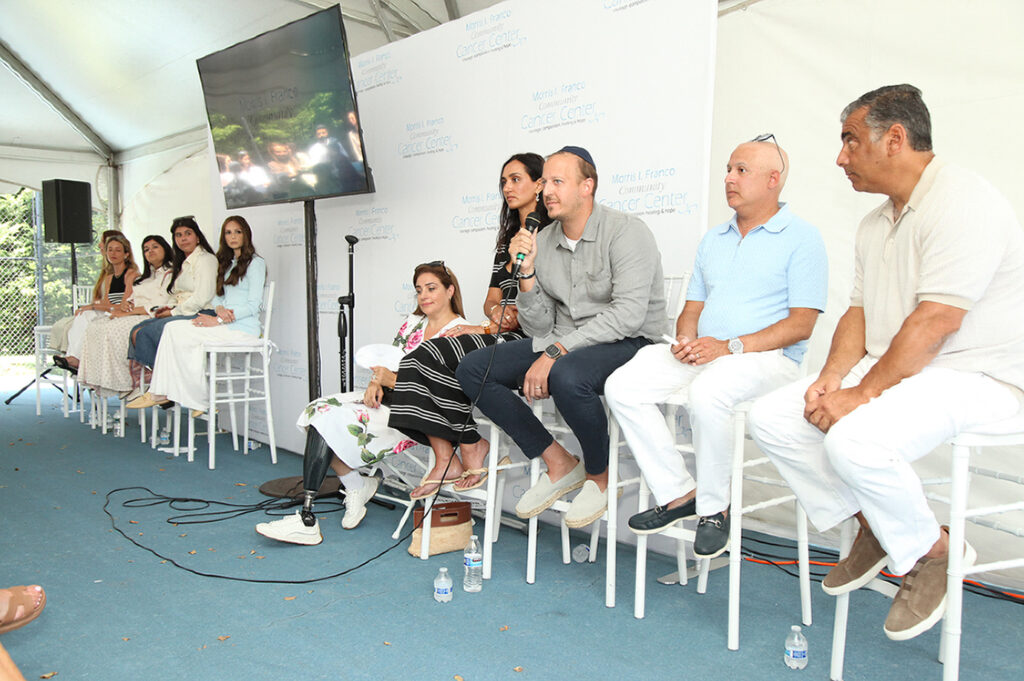
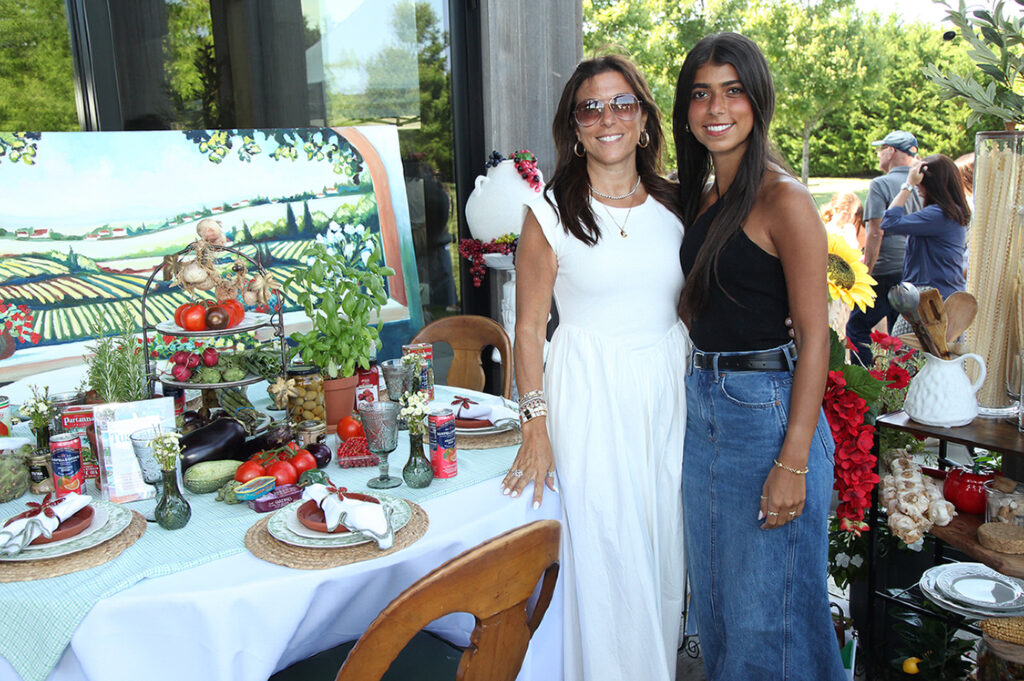
For those unfamiliar, Table…Set…Go! is The Morris I. Franco Cancer Center’s annual fundraiser. But it’s not your typical Chinese auction; it’s a stunning celebration of creativity, featuring unique tablescapes tailored to a yearly theme, a heartfelt panel where cancer warriors share their journeys, and much more. This year’s Table…Set…Go! took place at the magnificent home of Kim and Jon Kushner, who graciously opened their doors and welcomed everyone with warmth. The weather was absolutely perfect, and with such a beautiful crowd, the day was more successful than ever. This summer’s tablescape theme was Travel Destinations. The many beautiful tables included Celia & Gabby Azizian’s Tuscany tablescape, Rachel Hedaya’s Paris-themed table, Barbara Chehebar & Lori Sutton’s Washington, D.C., tablescape, Vera Derzi’s Moroccan table, Robin Moyal, Simmy Moyal & Alyce Adjmi’s African safari table, Orly Seton’s Peruvian table, and Colette & Esther Chehova’s Costa Rican–themed table. The range of destinations made the Kushner residence feel like an even more deluxe version of Disney’s Epcot! Celia Azizian, one of the talented annual tablesetters, shared why she keeps coming back: “For me, Table…Set…Go! is more than a beautiful event. It’s a chance to celebrate artistry, honor tradition, and strengthen the bonds of a community that never stops caring. And as long as my creativity can serve that purpose, I’ll be here, year after year, setting the table with love.” The most impactful part of the day is always the panel. No brochure or program can match the power of hearing directly from our clients about what the Cancer Center has meant to them. Emceed by the one and only Morris Kassab, the panel blends humor with deeply moving stories of resilience, often leaving the audience in tears. “When they told me I had sarcoma, I was very confused because I had never heard of it before,” shared Natalie Zadok, a Cancer Center client. “I learned that only 1% of the population has sarcoma. It’s extremely aggressive with very limited treatment, which is why I’m here today with a prosthesis. My doctors had to amputate my leg on March 10.” Four months later, with the help of the Cancer Center and its incredible volunteers, she continued, “I don’t think I would be sitting here without them. At first, I didn’t want to fight. I told myself I’d let Hashem take me; I didn’t want to live without a leg. But with everyone’s support, I’m here, learning to walk again.” Natalie reminded us that strength isn’t what you hold onto. It’s what you build when you lose everything you thought you had. That is at the heart of the Cancer Center’s mission: turning anxiety into hope, and pain into comfort, with compassion at every step. “It’s a support system I didn’t even know I needed,” shared Nomi Simhon, who battled breast cancer. Roxanne Maleh added, “To me, part of healing is the balance between the medical journey and personal connection, and the Cancer Center fulfilled that emotional piece for me.” The panel shed light on all the Cancer Center offers: care packages, therapy for loved ones, art therapy, transportation, meals, reiki, acupuncture, weekly activities, trips, and direct access to doctors. But the most poignant theme echoed by every panelist was the family they found there. The Cancer Center thrives on empathy rooted in connection, whether to Hashem, to oneself, to volunteers, or to others who truly understand the journey. Each volunteer is a pillar of the Cancer Center. Beyond bringing Table…Set…Go! to life each summer, they work daily to touch lives in ways both big and small. Volunteers become like sisters, and that’s what makes the Cancer Center so genuine: relationships built on authentic love. “The people at the Cancer Center have really become my family, and I feel so blessed to have them,” says Alaina Dweck. Esteemed volunteer Candy Gabbay encourages others to get involved: “It changed my life for the better, and I’m sure it will do the same for you.” If there’s one thing Table…Set…Go! 2025 reminded us, it’s that beauty is not only in the tablescapes, the décor, or even the perfect weather. It’s in the hearts of the people who gather for this cause. Every story shared, every table set, every hug exchanged creates ripples of hope far beyond the event itself. And just like the tables we so carefully set, our community continues to set the stage for kindness, resilience, and love, year after year.
For many of our community seniors, life at home is lonely and depressing. Many of our seniors are no longer able to join community activities, leaving them homebound and spending much of their days alone and socially isolated. Even with an occasional and quick visit from a loved one, the days are long and very lonely.
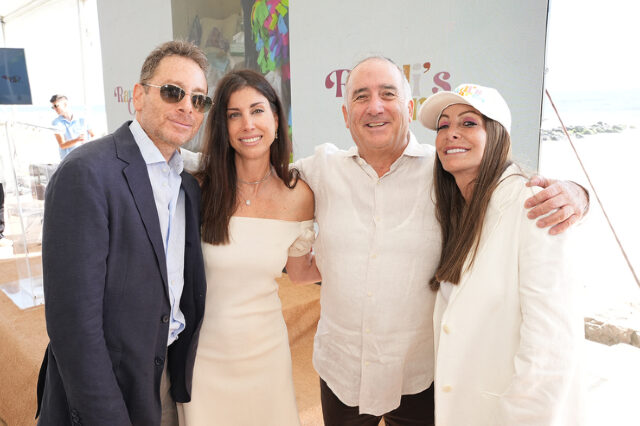
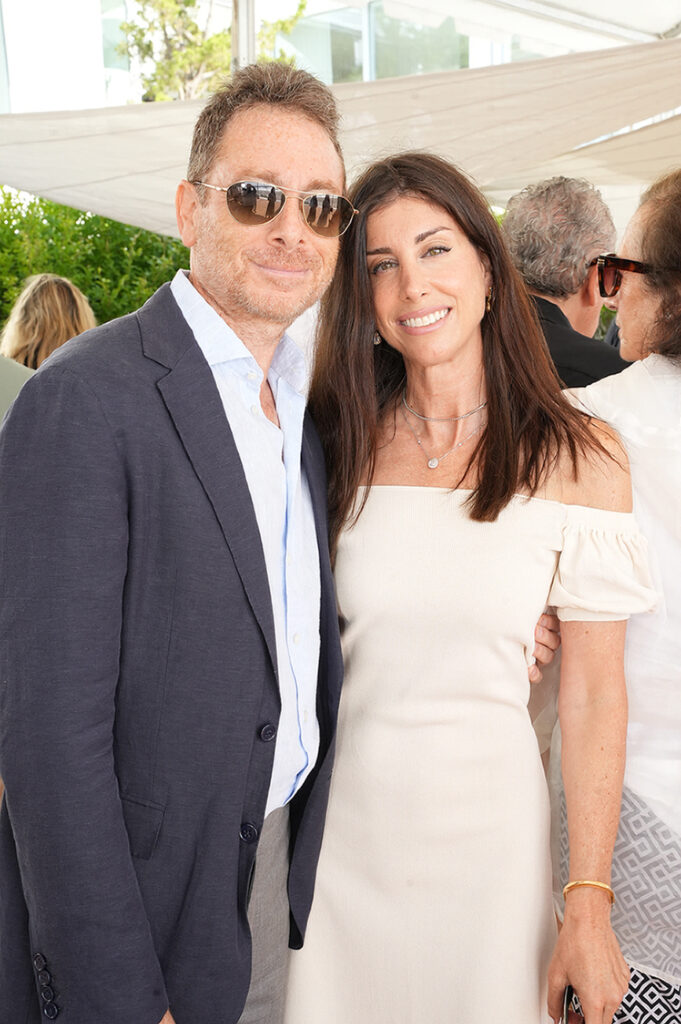
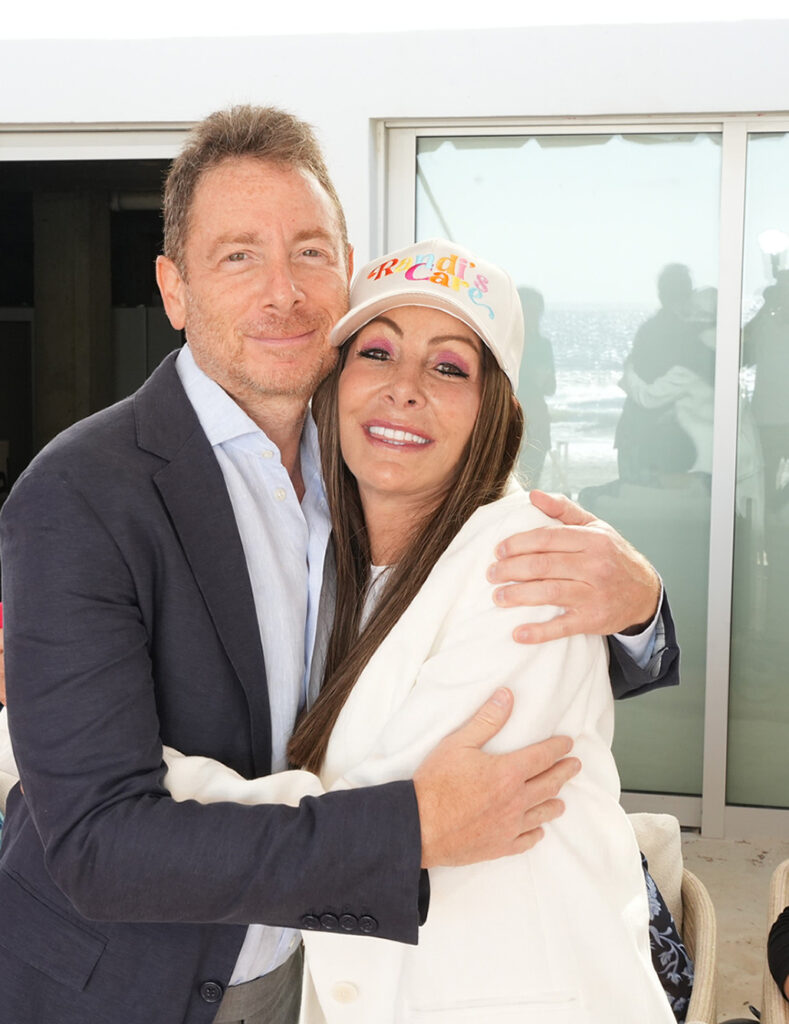
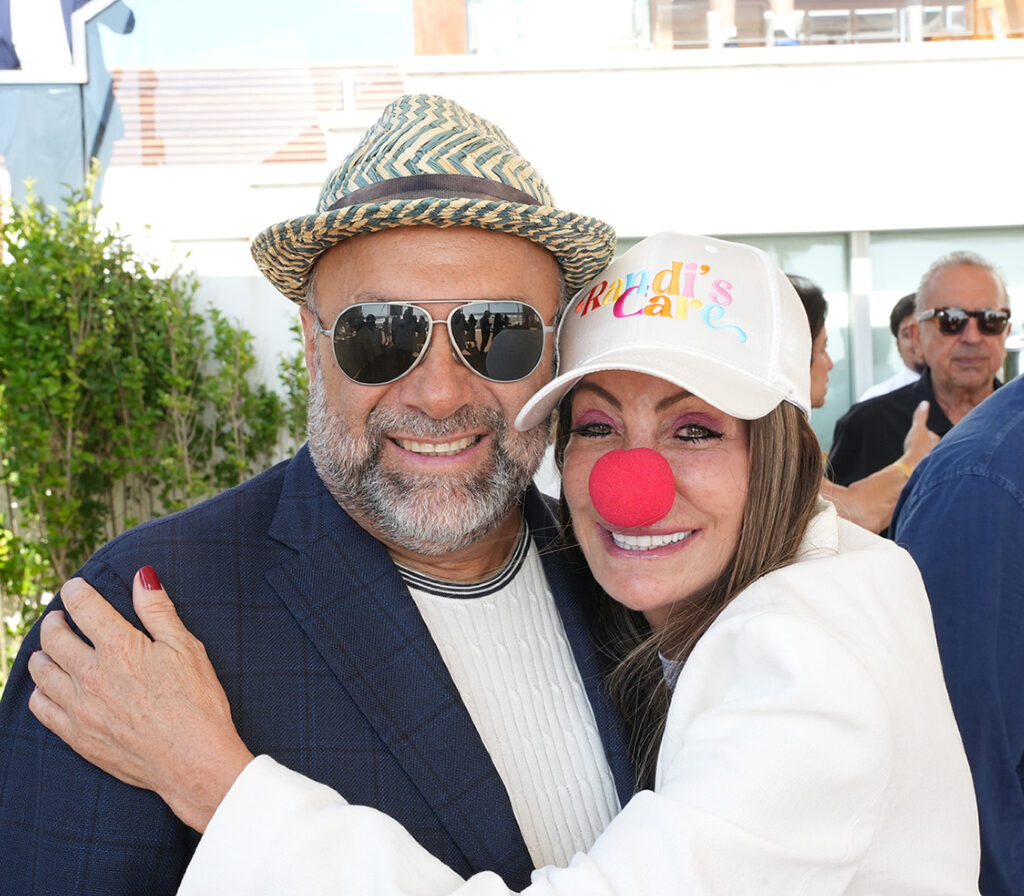
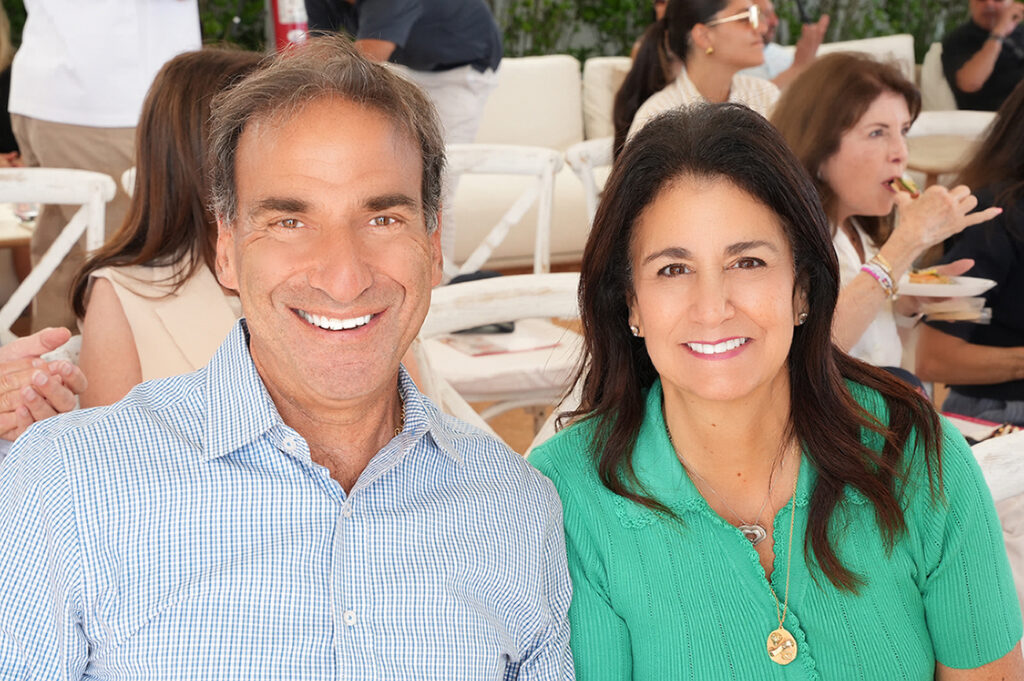
Elliot and Sarah Tamir, Hosts for Randi’s CareElliot Tamir and Randi TamirHarry Adjmi and Randi Tamir, with her clown nose!Randi’s Care Client Ilene Shelby
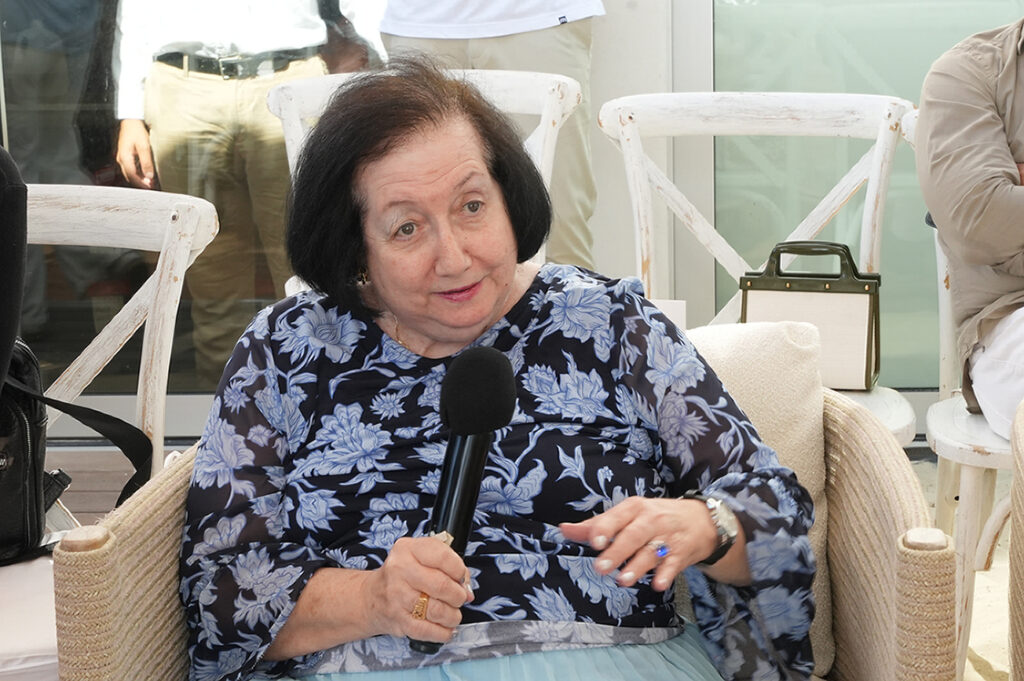
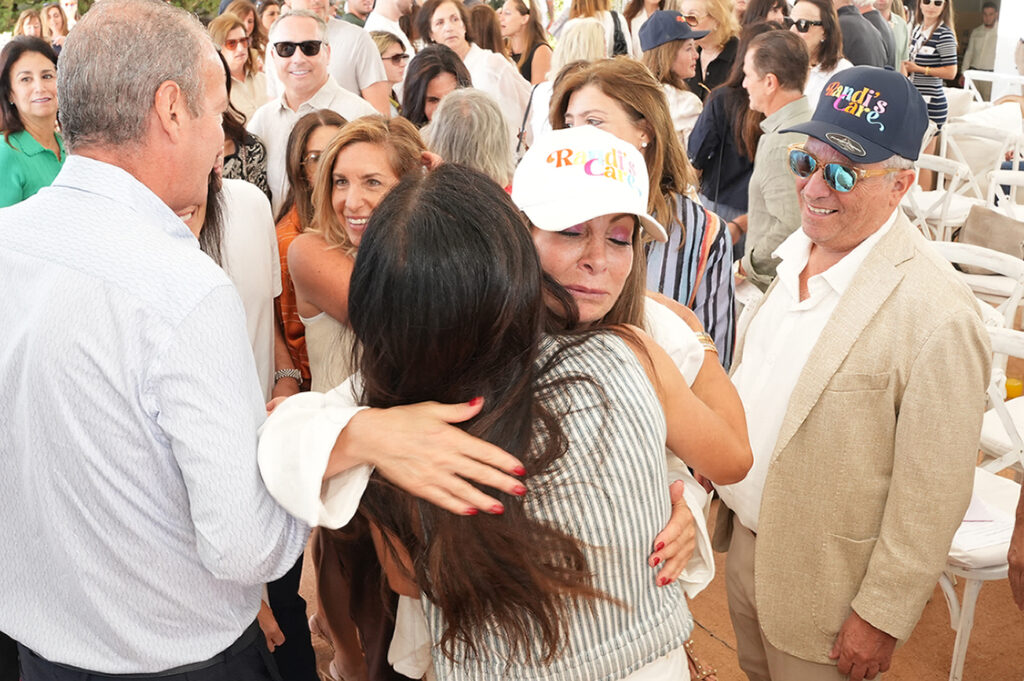
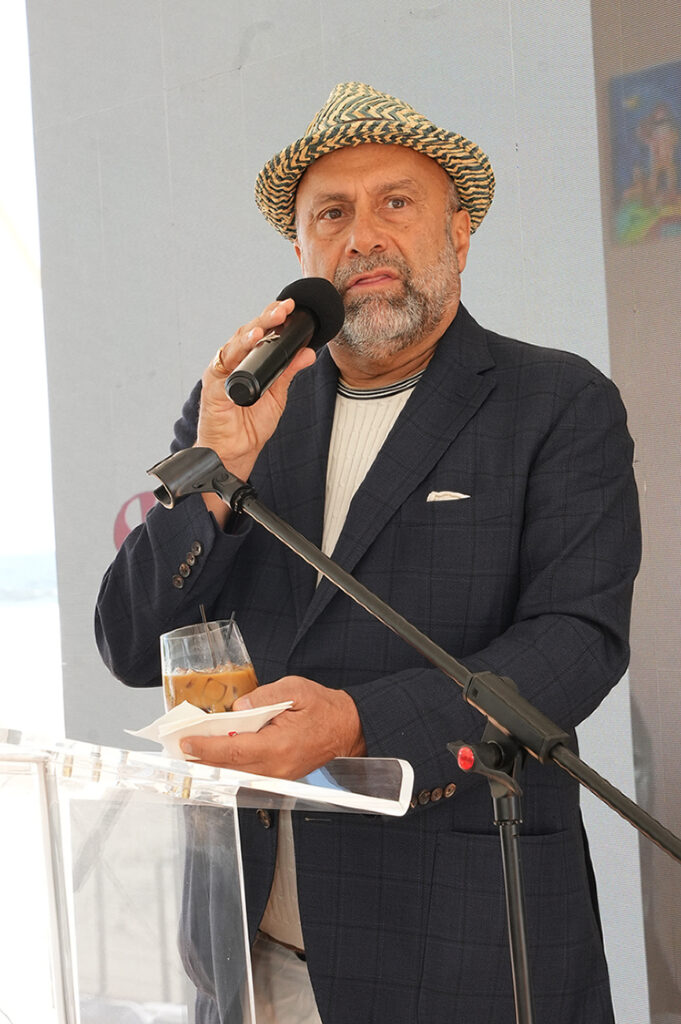
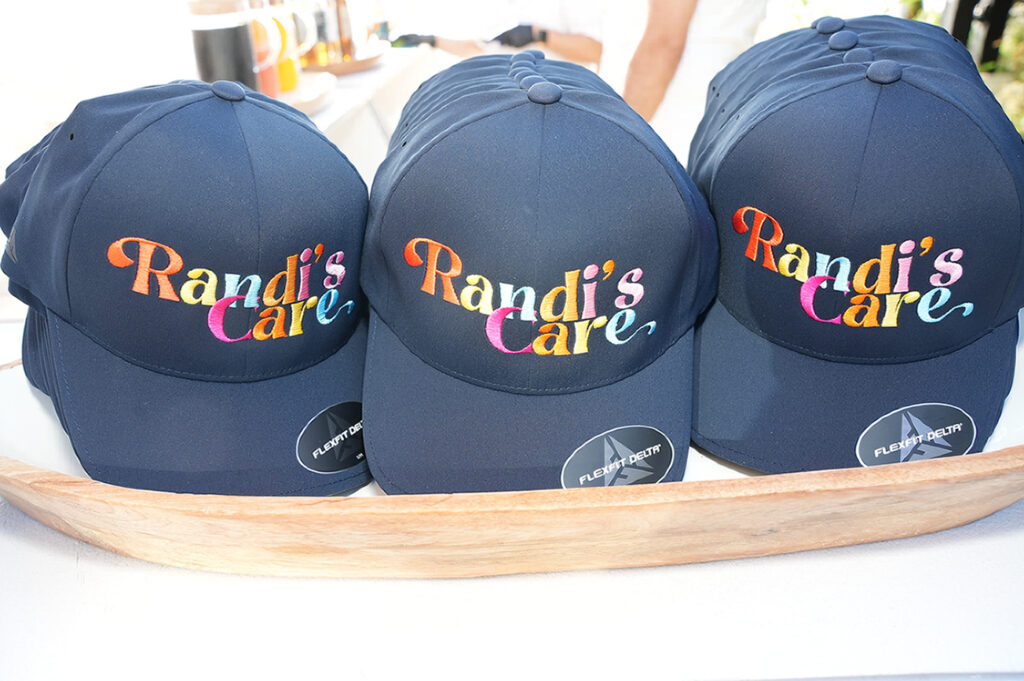
That’s where Randi’s Care steps in and is in such high demand. Randi and her team bring light, energy, and joy into the lives of homebound seniors through love, attention, music, dancing, art, games, and small touches that spark both memory and happiness. With her warmth and creativity, Randi transforms what might otherwise be monotonous days into moments of laughter, connection, and dignity. In August, Randi’s Care began activities specifically to help homebound seniors in our community so that their final years are filled with joy, with respect and dignity. Randi is certified in CPR, First Aid, and as a Personal Care Aide. On the morning of Friday, August 8th, Randi’s Care held its inaugural breakfast at the home of Sarah and Elliot Tamir with Harry Adjmi as the emcee. Elliot Tamir, the Founder of Randi’s Care, spoke to a house packed with supporters, all of whom saw the tremendous need to fulfill the dreams of the elderly in our community. He thanked Norma Cohen, who managed the event, and Rebecca Harary, Founding Board Member/Treasurer, for her role in launching the organization, and Jack Mann for his fundraising efforts. “An issue plaguing our community seniors is a silent killer that is very real, but is seldom discussed,” said Elliot Tamir, Founder of Randi’s Care. “We don’t like to think about our seniors being alone. We assume our seniors are okay because they have an aide or family. But I’m telling you, they are not OK. So many of our seniors are sitting in silence, alone, depressed and forgotten. Many are physically wasting away, dying before their time from social isolation.” Elliot likened Randi to Patch Adams, a character played by Robin Williams, who walks into a children’s hospital ward and makes the sad children smile and come alive with joy and laughter through his magical ways. Randi is her own version of Patch Adams. Guests were each given a red clown nose to wear along with Randi’s Care hats. Here are some eye-opening statistics:
Over 1,000 seniors in our community are living completely alone.
About 70% of them are no longer independent. They can’t just get up and take a walk, go to the doctor, or even use the bathroom without help.
Around 50% of them have no aides or caretakers.
Social isolation among the elderly is directly linked to a 30% increased risk of heart attack and a 40% increased risk of stroke.
Hundreds of guests gather at the Tamir home to congratulate Randi Tamir for her work in the community and support Randi’s Care.Harry Adjmi, EmceeJoe and Rebecca Harary, founding board membersRandi’s Care hats
No one is really watching them. Family visits are not as frequent as they need to be. These are our parents, grandparents, and our great-grandparents. “This is why Randi’s Care exists. This isn’t just an organization. It’s a lifeline. It’s a mission. It’s a fight for the lives and dignity of our seniors,” said Elliot. “Randi steps into the lives of our seniors with warmth, joy, love, and a personal touch that transforms their days. Like Patch Adams, Randi brings life back into the room. She dances with them, brings musicians to their homes to play their favorite songs, plays puzzles and brain games with them to keep their minds sharp, and keeps them laughing, engaged, and constantly entertained. Randi brings them delicious meals and their favorite food. And when they’re able to, she actually takes them out on the town, for lunch, for a spa day, and even to a Broadway show. These aren’t just outings, they’re moments of joy and dignity and solid proof that life isn’t over just because they are old.” More than just providing basic care, Randi’s mission is to make dreams come true. She goes beyond traditional caregiving, understanding each individual’s unique needs and infusing their days with joy, purpose, and excitement. A superhero, Randi challenges them to dream again, taking them on outings to Broadway shows, shopping malls, and movie theaters. She doesn’t just care for seniors, she revives them, bringing light and laughter back into their lives. Her impact extends beyond the seniors, she revitalizes entire households, inspiring caregivers and aides to bring renewed enthusiasm to their roles. Randi’s Care fills a tremendous need in the community. The organization hopes to train staff in the image of Randi, to spread her joy to many needy seniors in our community. Randi cared for Claudie Aizer for several years. Sarina Roffé, Executive Director of Randi’s Care, read their comments: “There are no words big enough to hold the gratitude we feel. The love you gave our mother deserves to be spoken aloud, felt deeply, and remembered forever. In the final chapter of her life, when her world had grown small and her days grew quickly quieter, you arrived not just as a helper, but as a bright, beautiful spark that relit her spirit. You didn’t just care for her, you saw past the frailty, the slow steps, and the medical charts. You saw her as we always did—radiant, witty, full of stories and sass, still hungry for connection, eager to laugh, to love, and to live. And you treated her that way every single day. “You danced with her in the living room to her favorite oldies, her face lighting up with every beat. You cooked her favorite dishes, not just meals, but memories. You solved puzzles with her, painted by her side, and challenged her mind so gently, so kindly, that she didn’t even realize it was therapy. Mother used to say, ‘Randi brings so much sunshine into my life.’ To her it was friendship, fun, love. You didn’t just create activities, you created a sacred space where generations connected and where our mother felt central, loved, and alive. Randi, you were one of the greatest blessings in our mother’s life and in ours.” Randi’s essence is carnival fun; she brings a carnival to someone’s house. It’s all wrapped up in a whirlwind of excitement: painting projects, card games, hysterical fun, and multiple activities tailored for each person. She sets up games and fun stations: golf, spike ball, basketball, oversized LEGOs, bowling matches, and more. Even those who struggle to move find themselves standing with support, laughing and playing. She creates whimsical playhouses, brings the joy of outdoor fun, and organizes lively bingo matches. Randi’s Care is a movement, a call to ensure that our seniors are never forgotten. They are the pillars of our families and communities, and they deserve to be cherished. “For so many, Randi is a lifeline, an advocate, and a trusted friend. Her mission is simple yet profound: to bring love, life, compassion, and dignity to every senior she touches. What we are doing at Randi’s Care is transformational work. It literally extends lives. And this kind of magic does not exist anywhere else.” Thanks to this fundraiser, Randi’s Care can obtain a “Randi’s Care Van,” rent a storage space for all of Randi’s toys and equipment, and improve the quality of life for our seniors. To support Randi’s Care, please go to randiscare.org. If you or someone you love is in need of Randi’s Care services, please call 718-880-7035.
Sarina Roffé, a genealogist and historian, is the author of Branching Out from Sepharad (Sephardic Heritage Project, 2017). She is researching a new book, Syrian Jewish Paths to Freedom. Sarina holds a BA in Journalism, an MA in Jewish Studies, and an MBA.
Magen David Yeshivah High School Student Shares Summer Internship Experience
David Alfaks
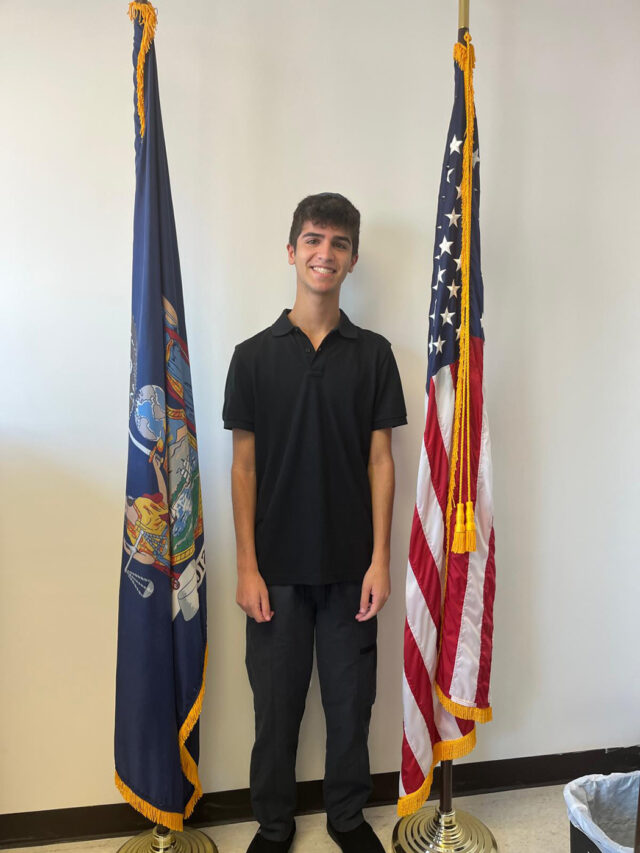
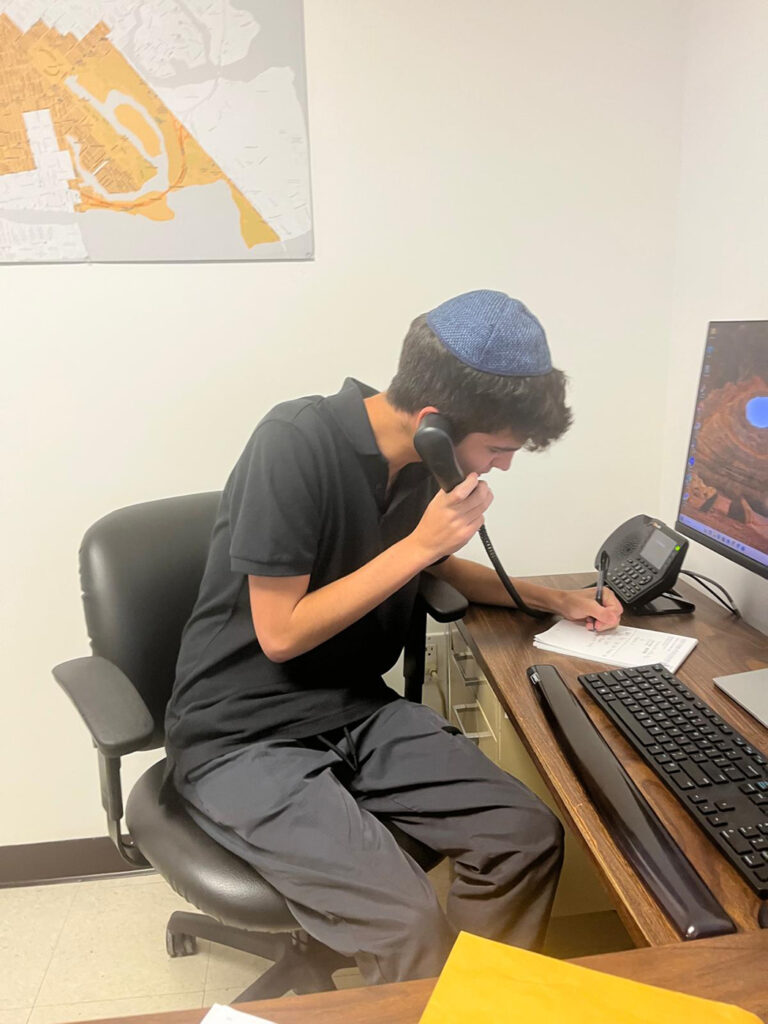
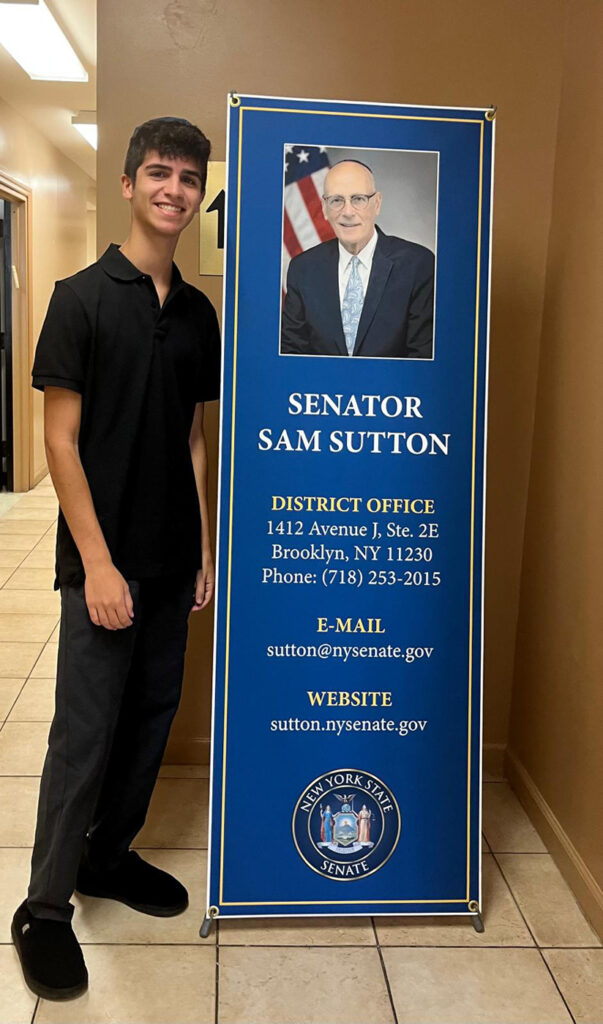
This summer, I have been working in Senator Sam Sutton’s office, and it has been a truly enriching experience. At first, I was nervous about meeting the Senator, but he was friendly and funny, and I am trying to learn as much as I can from him. When I am in the office, I do work that makes a difference, whether that is fielding phone calls and problem-solving within the district, or trying to come up with ideas of legislation to propose to the Senator. Each day that I am in the office, my fellow interns and I answer calls from constituents in the district, and these calls range from figuring out how to attain a half-fare MetroCard to mediating on behalf of community members and companies like Con Edison. This part of the job is definitely exhilarating but also makes me nervous because with each call, the problems vary, so I never know what to expect and might be asked about a term I’ve never heard of before, but luckily, my supervisor is always in the office helping us if we need it. Answering calls might not seem like a big job, but in fact, answering calls will prove to be beneficial to my future self since I am practicing my communication, quick thinking, and problem-solving skills. One of my favorite parts of the job is networking. The Senator’s team has been taking us to meetings and introducing us to people in the field of politics and law. I have met so many interesting people, like Jason Koppel and Judge Gina Abadi. Throughout these meetings, they both have told me their journey to achieving the role they have today. For example, before Jason Koppel was the Northeastern Political Director of AIPAC, he had worked in the State Senator’s office for quite some time (like me), but then he decided that even though he enjoyed his job at the Senator’s office, it was time to move on. Judge Abadi spoke to my fellow interns and me about her job and let us observe in her courtroom. It was fascinating seeing her remember every court case and be privy to her thought process on every decision she has made in her cases. The most notable part of my visit to the judge was hearing about her journey of perseverance and resilience. She spoke to us about her reluctance to become a judge, thinking she didn’t know enough, but her mentor encouraged her to try and she listened. Now she is an awesome judge, inspiring countless others in this community. The people I have met are giving me such valuable advice and information for my future, and I am soaking up every word. My time in the Senator’s office is one I will never forget, and I will continue to use the lessons I have learned in the future. It has proved to be a great experience, and if you are a student interested in politics or law, I highly recommend it. I am grateful for this opportunity and for Magen David Yeshivah High School for setting me up for success.
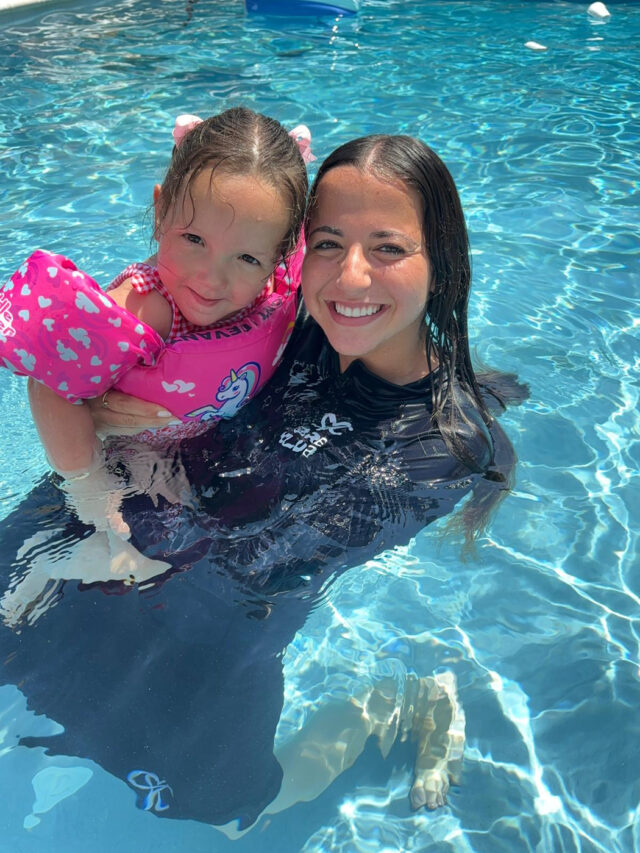
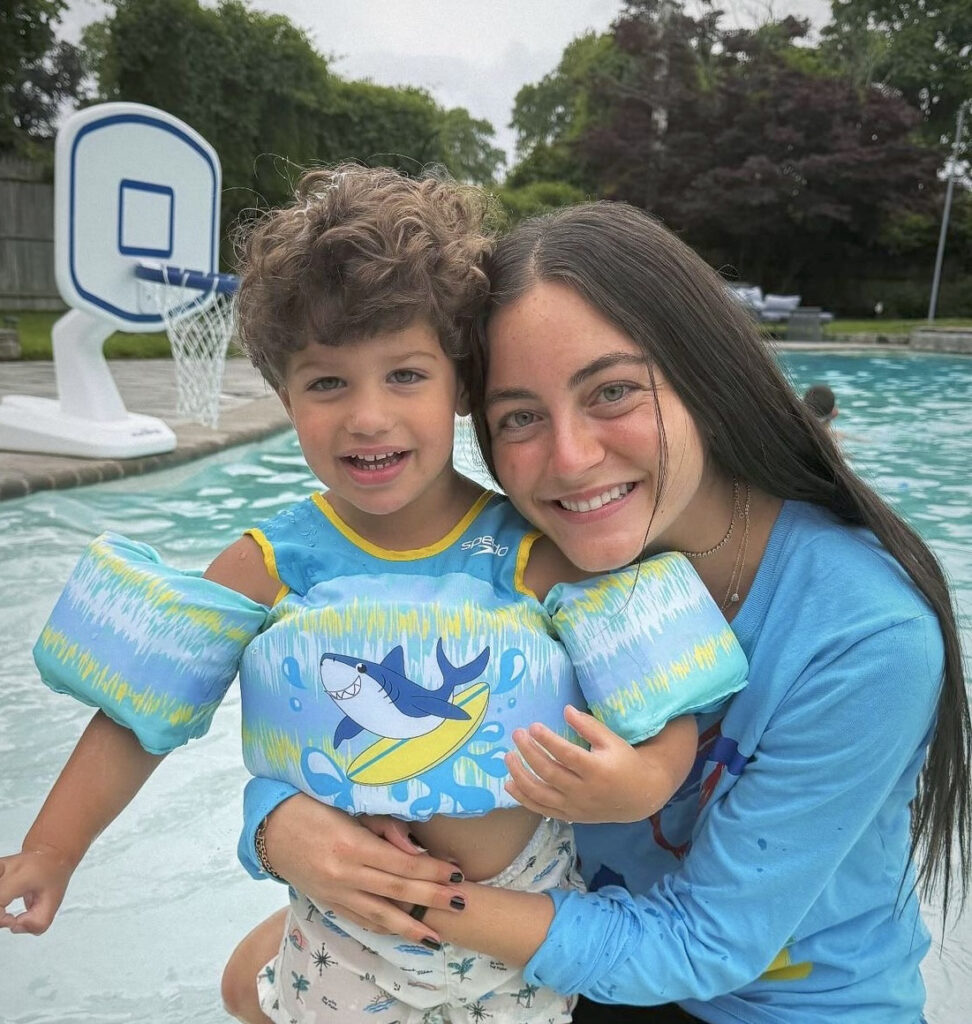
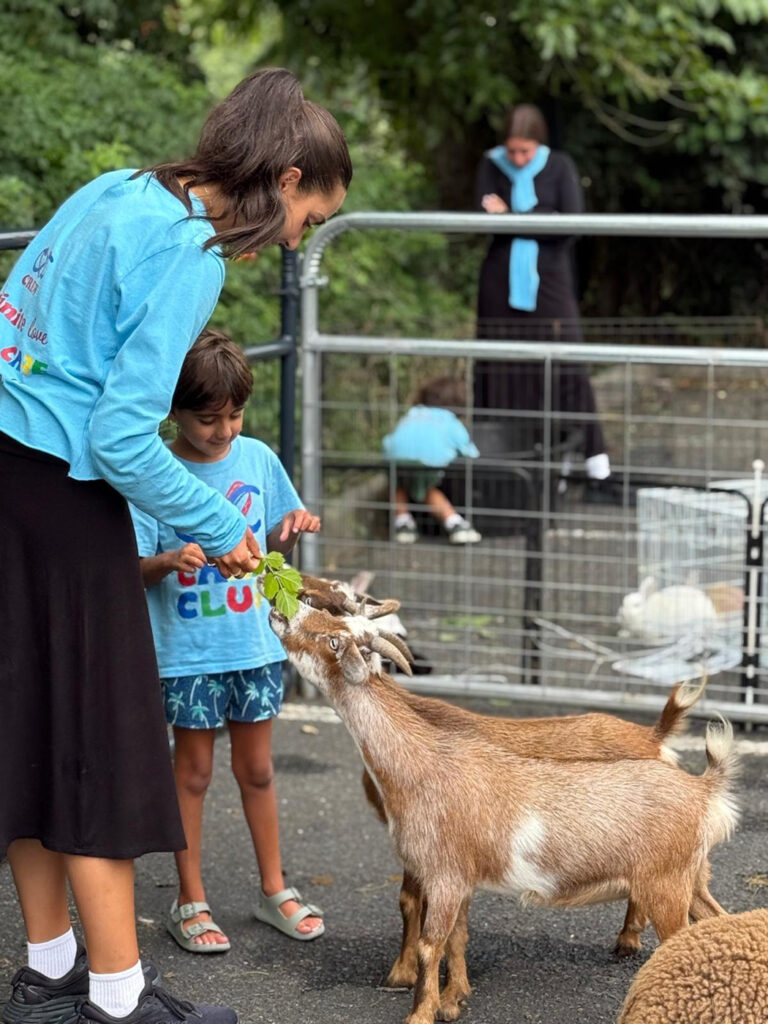
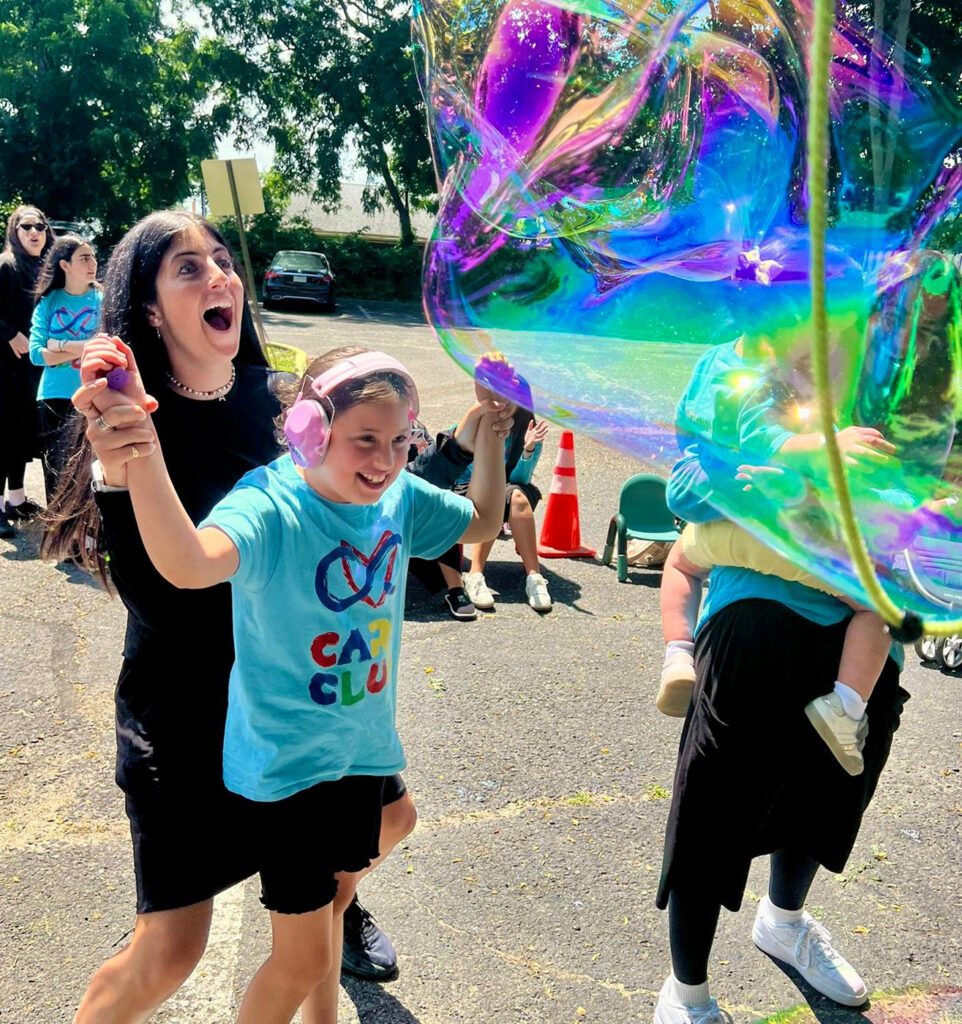
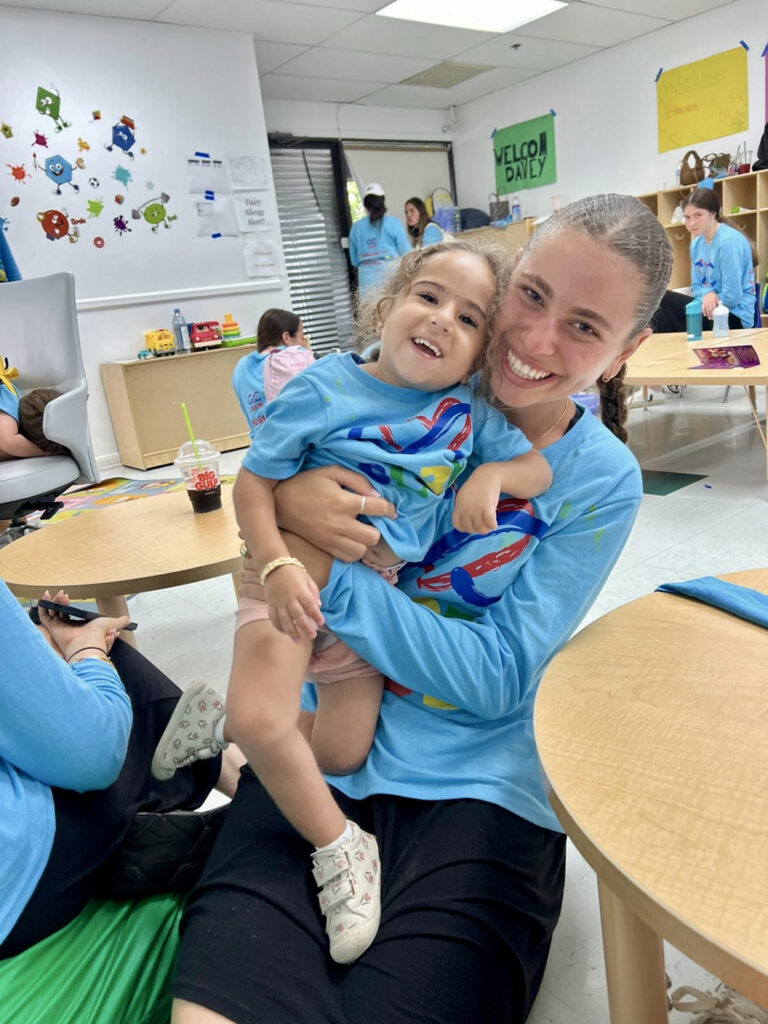
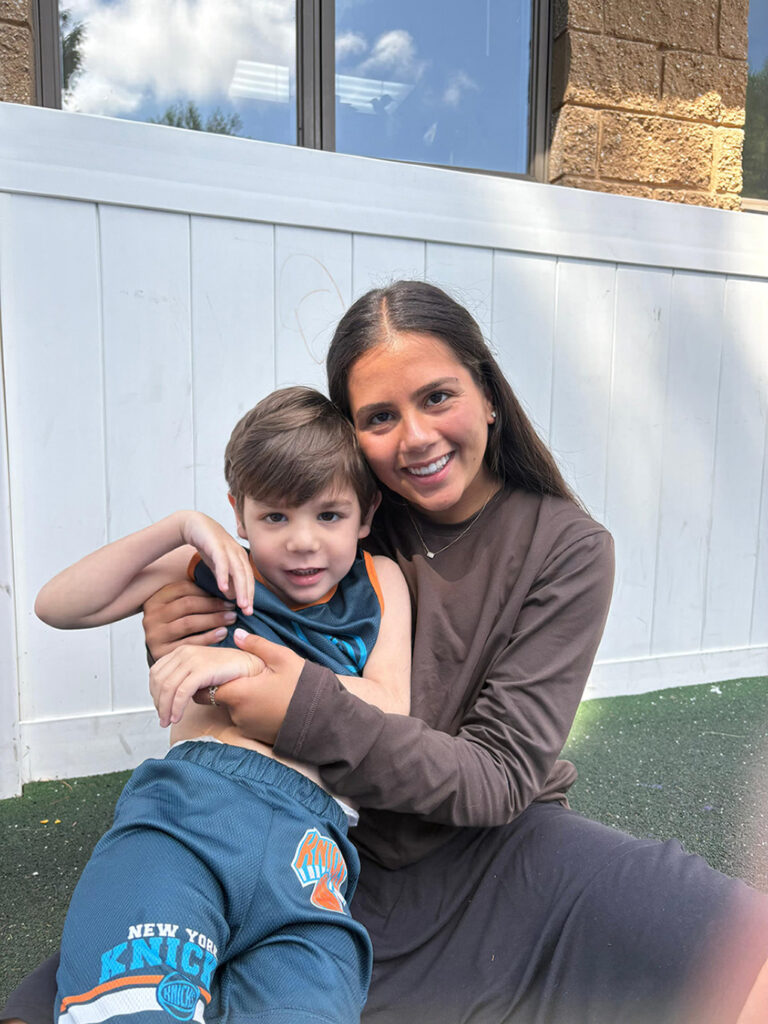
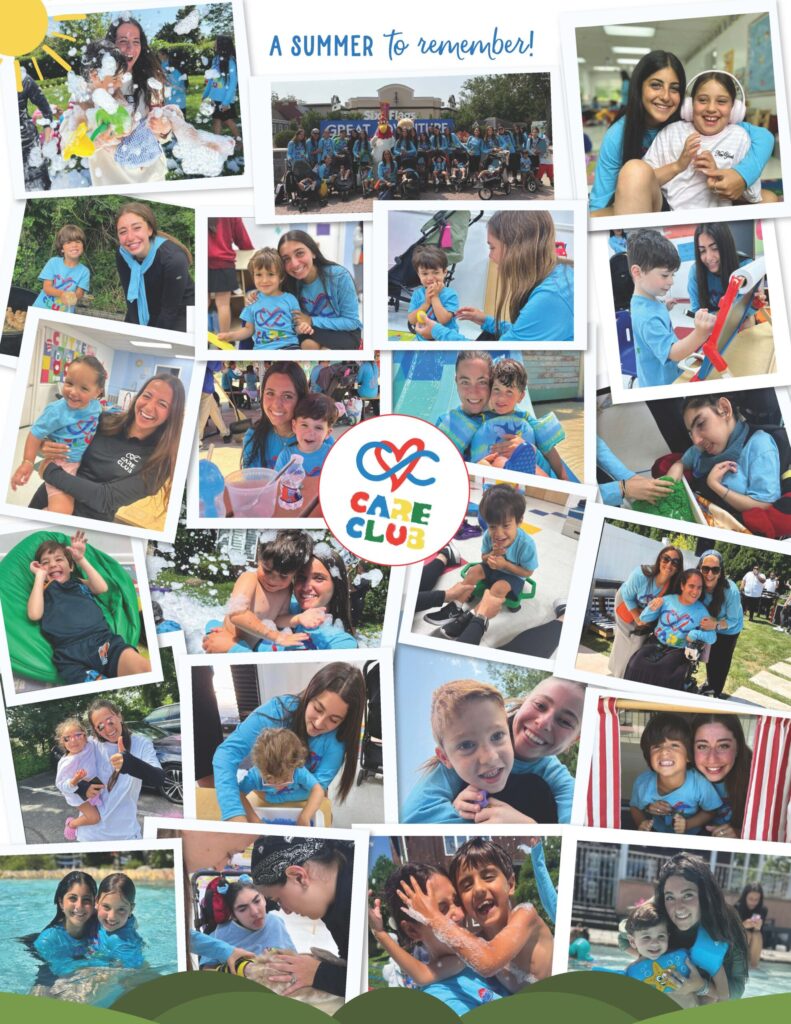
This summer at CARE was nothing short of magical. For the very first time, we opened the doors to CARE CLUB, our very own summer camp for children with special needs. It was a huge asset to our community, and the impact was profound. Sixteen children with special needs joined us for a summer filled with joy, growth, and infinite love. More than just camp activities, every part of CARE CLUB was designed to ensure our campers continued growing and thriving, without losing the progress they had worked so hard to achieve throughout the year.
At the heart of the program was a therapy-based approach carefully created by our founder, Victoria Safdieh, together with our full-time BCBA, Adele Massry, and our camp director, Miriam Kaplowitz. The three of them didn’t just design the program. They were present every single day, working closely with the counselors to make sure each child’s therapeutic needs were met. Our BCBA, Adele, was on-site every day, supporting campers with any behavioral challenges and guiding counselors on the best ways to meet each child’s unique needs. Every activity blended camp-like fun with an academic approach, turning each moment into a chance to learn through play. From sensory bins and fine-motor crafts to carefully chosen toys and games, every detail had a purpose and was designed to ensure our campers had the most fun possible while progressing. One of the most unique parts of CARE CLUB was our on-site therapy clinic, where campers received daily one-on-one sessions in OT, PT, speech, and even aqua therapy. These sessions weren’t just scheduled. They were carefully tailored to each child, ensuring every activity supported their unique goals and growth. Our therapists made every session feel like play while still giving campers the tools they needed to grow. Children who usually found therapy “hard” were suddenly running toward it with smiles. Even before camp started, our directors reached out to each camper’s school to get a full picture of where they were in their learning and development so we could align therapeutic activities with that progress. Our therapists also connected with the children’s year-round therapists, making sure that everything we did at camp built on their ongoing growth. This careful coordination meant that every session was personalized, and it helped campers continue growing without missing a beat. The impact was incredible. Parents were amazed by the progress their children made. One mom shared, “My child learned more in the first week of camp than he did in 6 months at school.” Many others told us their kids didn’t just maintain their skills, they flourished, exceeding expectations in ways that families could never have imagined. Taking every precaution, we had a lifeguard, medic, security guard, and EMT on staff at all times. Every counselor came to camp CPR and ABA-trained, completing multiple training sessions to be fully prepared for any situation that could arise when working with children with special needs. Beyond safety, counselors were actively involved in every therapy session with their campers, learning and applying the strategies therapists used throughout the day. This hands-on approach meant that children continued to grow, learn, and build skills even while having the time of their lives. And of course, no summer is complete without adventures, and our campers had plenty. From the Wild Safari to Hurricane Harbor and Six Flags Great Adventure, each trip was planned with extra thought and care. Every child received personalized shirts for safety, two-to-one counselor support, and access to whatever they needed. Many people think that children with special needs can’t handle large outings like amusement parks or water parks, and some families had never imagined it would be possible for their own children. Yet, with the right support, our campers not only participated, they thrived. From the moment the buses rolled out, our campers were beaming. They had the time of their lives on every trip, lighting up with excitement and smiles that lasted from start to finish. Another unforgettable moment this summer was the community’s outpouring of support at the Deal Sidewalk Sale. Our campers ran an iced tea and lemonade stand, and it was moving to see them take pride in serving drinks, greeting visitors, and soaking in the encouragement of the community. Parents stopped by to share how much their children were growing at camp, and many couldn’t hold back their gratitude. One mom came up to us at the Sidewalk Sale, tears in her eyes, and said, “I’ve never seen my son so happy to go anywhere in the morning as he is for CARE CLUB.” Comments like that remind us why this camp was created, and why it’s so needed. The love and pride in the air were truly palpable. Best of all, every dollar raised went directly into CARE’s programs, making the day even more meaningful. We were also thrilled to have CloudBrew at the sale, serving their delicious coffee and generously donating all proceeds to CARE. We are so grateful for the incredible generosity of our community. Looking back, this summer was a dream come true, not only for our campers but for everyone who had the privilege of being part of it. With the community’s love and support, CARE CLUB will continue to be a place where children with special needs shine their brightest.
Building Trust, Clients, and Confidence in My First Year as a Financial Professional
David Chabbott
The day after selling my family coffee roasting business, I made a phone call that would change my life. Five years earlier, my childhood friend and founder of Power Forward Group, Ruvin, had told me, “When you sell the business, there’s a job here for you.” I wasn’t sure if he was joking at the time, but as soon as the ink dried on the sale, I picked up the phone and asked if he’d meant it. His answer? A resounding yes.
Within minutes, I had a list of the exams I’d need to pass before joining the team: the Life Insurance exam, SIE, Series 7, and Series 63. He knew, because we’d grown up together at Yeshivah of Flatbush, that standardized tests were never my favorite thing. But this was different. I dove in headfirst, determined to make the most of this new chapter. A few intense months later, I’d passed them all, setting the stage for my transition from coffee roaster to financial professional. From Coffee Beans to Clients It’s not every day you go from managing roasting schedules and sourcing beans to advising high-net-worth individuals on estate preservation. But in my first year at Power Forward Group, I’ve placed over $60,000,000 in permanent insurance, helping clients secure future estate plans, preserve wealth, and protect their families’ legacies. This wasn’t just luck. It was the result of a firm structure designed for success. At Power Forward Group, every client has two advisors. This approach allows us to combine complementary strengths, ensuring clients benefit from diverse perspectives and expertise. For me, it also meant learning from seasoned professionals right from the start, absorbing not only technical knowledge but also the nuances of building lasting client relationships.
Learning From the Best One of the greatest advantages of joining Power Forward Group was the culture that Ruvin built from the ground up. He didn’t start the firm by leaning solely on friends, family, or our community. Instead, he began by working with AM100 lawyers nationwide, some of the most sophisticated clients in the financial space. This early focus forced the firm to develop advanced strategies, sharpen our competitive edge, and operate at the highest level of professionalism. The success we achieved through this organic growth has become the foundation of our reputation. When you’ve earned trust in such a competitive arena, you bring that same level of excellence to every client, no matter their background.
The Power of Trust Looking back, I realize my personal success has been shaped as much by my past as by my new role. In the coffee business, relationships were everything. If your customers didn’t trust your word, your product, or your reliability, you were done. That same principle applies in wealth management. Only here, the stakes are even higher. I’ve always believed that you can never fully recover professionally from a damaged reputation. Over decades of working in business, I’ve focused on being someone people trust and appreciate, someone whose name carries respect. When clients know they can count on your integrity, they’re far more open to having the conversations that matter most.
A Different Approach to Wealth Planning In our community, there’s still plenty of room for Power Forward Group to grow. Many people don’t yet realize how differently we operate compared to traditional firms. Our approach to estate and business tax mitigation, for example, goes beyond the standard playbook. We use a wide range of creative strategies and sophisticated tools to help clients not only reduce tax burdens but also enhance liquidity. We also design unique life insurance structures that can be tailored to individual circumstances, whether that’s providing business continuity, funding a buy-sell agreement, or ensuring heirs have the resources they need without having to sell off assets at the wrong time. Planning for Tomorrow, Today One of my goals moving forward is to help people in our community start thinking about wealth transfer and retirement earlier. It’s not always an easy topic. Talking about what happens to your assets after you’re gone can feel uncomfortable, especially for people in their 30s, 40s, and 50s, who may still be focused on raising families and building careers. But the reality is that the earlier you start, the more options you have. Early planning allows you to take advantage of long-term strategies, reduce stress later in life, and ensure you can actually enjoy your golden years instead of worrying about what will happen to your wealth. I want to normalize these conversations, not as a morbid necessity, but as a proactive step toward financial security and family harmony. By addressing these topics sooner rather than later, we can help ensure that wealth transitions smoothly, taxes are minimized, and the next generation is positioned for success.
Looking Ahead My first year at Power Forward Group has been a whirlwind, filled with learning, relationship-building, and the satisfaction of seeing real impact in clients’ lives. Transitioning from running a family business to joining one of the most dynamic financial advisory firms in the space hasn’t just been a career move. It’s been a personal evolution. I’ve learned that success as a “rookie” isn’t about knowing everything from day one. It’s about having the humility to learn, the work ethic to deliver, and the integrity to build trust. When you combine those traits with a firm that values collaboration and innovation, the results can be extraordinary. As I look ahead to my second year and beyond, my mission is clear:
Continue expanding our firm’s presence in the community.
Help more families preserve generational wealth.
Ensure that conversations about legacy and planning happen early enough to make a difference. The rookie year may be behind me, but the rookie advantage: the drive, the curiosity, and the hunger to prove myself, is something I intend to keep for years to come.