Home Blog Page 115

70th Anniversary of the Liberation of Auschwitz – January 27, 2015

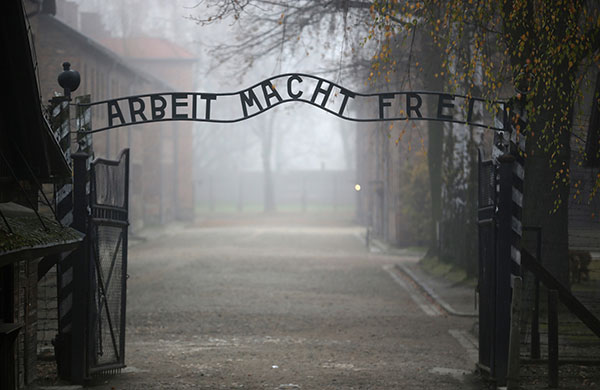
On January 27, 2015 we will commemorate the 70th anniversary of the liberation of Nazi German concentraction and extermination camp Auschwitz. On this day the whole world will be listening to the voices of Auschwitz. On this day we will meet at the authentic site of the former camp as the sign of our remembrance.

The whole commemoration event will be streamed on-line on January 27, 2015. More information: http://70.auschwitz.org

Auschwitz Survivor Gena Turgel Walked Out of Gas Chamber Alive

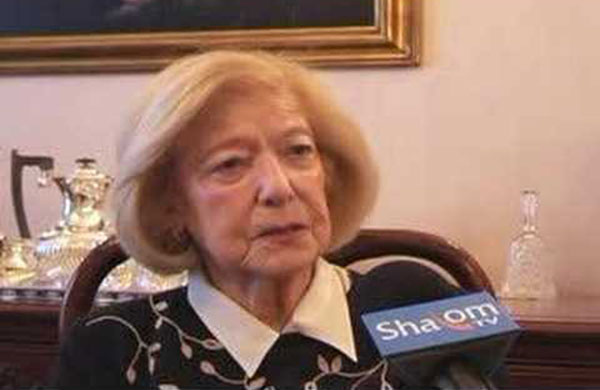
LONDON — Of all the stories of survival from the Auschwitz concentration camp, Gena Turgel’s is one of the most astonishing.

“When I think back, I have to pinch myself sometimes to see if I’m really alive,” the 90-year-old told NBC News.

Turgel, an elegant woman with more than a hint of mischief in her blue eyes, survived not one or two, but three Nazi concentration camps.

In the most notorious of all, Auschwitz-Birkeanau, she was herded naked into a gas chamber with hundreds of others.

Yet Turgel, who was 21 at the time, walked out alive.

Classic Sephardic Judaism

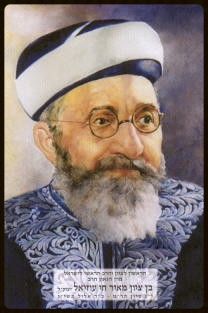
by Rabbi Uziel, Israel’s first Sephardic Chief Rabbi the State of Israel.

Rav Uziel

On the State of Israel as a fulfillment of Biblical Prophecy


The first stage to redemption is removing the Jewish people’s subservience to the nations of the world. This messianic stage is taking place before our eyes, as we well know that our past subservience to the nations has caused us great harm, but now, with the return of the Jewish people to their land and the building of our own state, we are no longer subservient to the nations. Despite all of the dangers we are encountering in realizing this messianic stage, we nevertheless see an awakening of God’s will for the Jewish people to settle in their own homeland. This Divine awakening is what inspired us towards the Declaration of Independence of our own Jewish state. We live in an era where we are witness to the fulfillment and realization of the vision of our prophets.

Michael Douglas Wins $1 Million Jewish Award

Israel Awards Michael Douglas $1 Million Prize Dubbed 'Jewish Nobel'

Actor awarded Genesis Prize for his commitment to Judaism and Israel

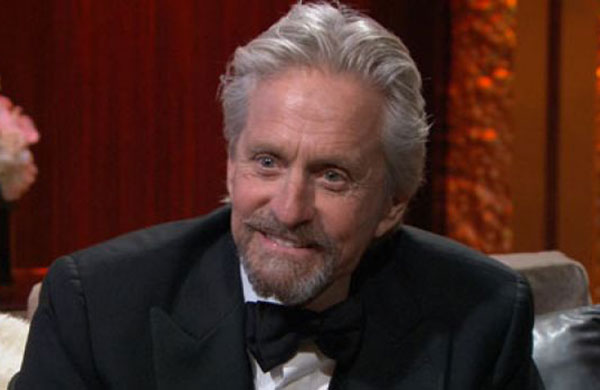
Michael Douglas on December 2, 2014 in New York City. ( Alex Goodlett/Getty Images)

Michael Douglas, the actor who last year suffered a hora-related injury at his son’s bar mitzvah then bravely continued the coming-of-age celebrations with a trip to Israel, has been awarded the second-ever $1 million Genesis Prize for his commitment to Judaism and the State of Israel.

This Day, January 21st, In Jewish History

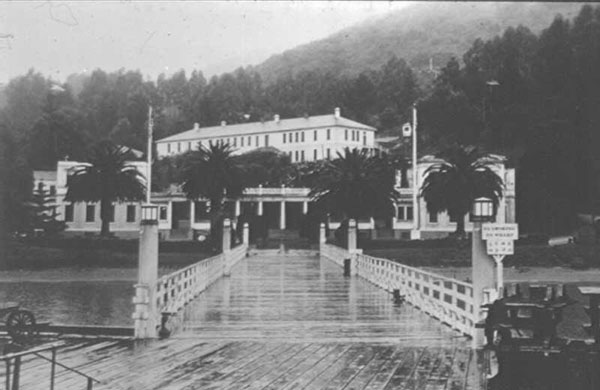
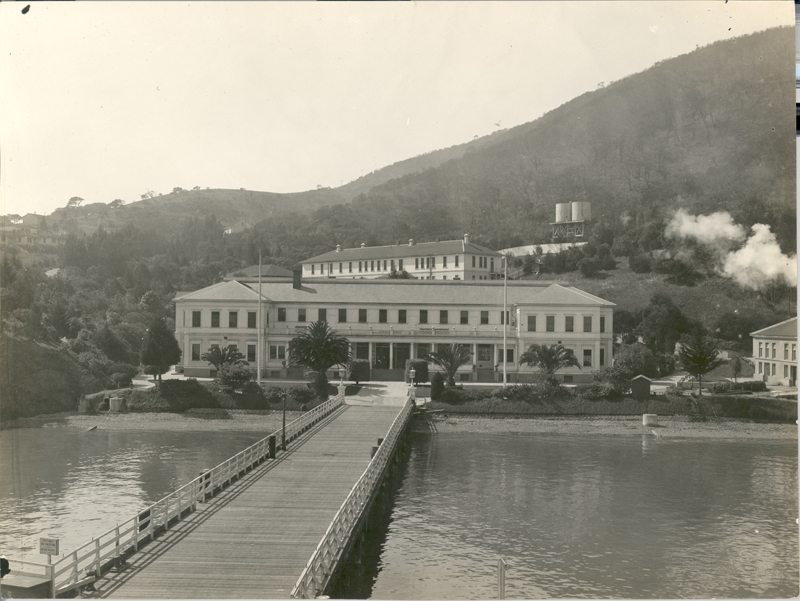
1910: The Angel Island Immigration Station opened today.
Prior to the opening of the Immigration Station, immigrants landed directly in San Francisco.

Jews immigrated through Angel Island primarily in two waves:
in the 1920s from Russia to escape the Bolshevik revolution,
and between 1938 and 1940, when German and Austrian Jews crossed Asia to flee the Nazis.

Sakovich-angel-island-immigration-station

In some ways, Angel Island was the Ellis Island of the West.
But because of the politics and laws of its time, unlike Ellis Island,
many immigrants were detained on Angel Island for weeks or months at a time,
particularly Chinese and other Asian immigrants.

Jewish cemetery in Ioannina, Greece damaged by storm

The historic Jewish cemetery in Ioannina, Greece
suffered serious damage in a severe storm that struck Saturday, Jan. 3.

According to local media reports and representatives of the local Jewish community,
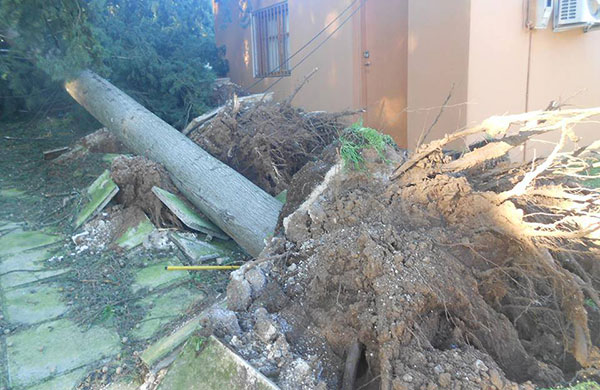
gale force winds uprooted a number of trees, including a tall cypress tree that toppled onto the tahara house
and also damaged the surrounding pavement.

A number of graves, particularly in the oldest section of the cemetery, were also reported to be damaged.

We publish here photos sent by Moses Eliasaf, President of the Jewish Community in Ioannina,
to Marcia Haddad Ikonomopoulos, museum director at the  Kehila Kedosha Janina Synagogue in New York,
which is spearheading a drive to raise money for repairs (estimated, Marcia says, at more than $50,000).

Kehila Kedosha Janina had already been working to fund-raise to restore the cemetery,
which in 2012 was designated an historical landmark.

The cemetery has suffered several vandal attacks over the years.

Damage in the Jewish cemetery in Ioannina, Greece. Photo courtesy Jewish community of Ioannina

Damage in the Jewish cemetery in Ioannina, Greece. Photo courtesy Jewish community of Ioannina

As many of you know, a severe storm in the beginning of January severely damaged the Jewish Cemetery of Ioannina.
Trees were uprooted, pathways demolished and many tombstones severely damaged.

Needless to say, the small Jewish community in Ioannina cannot possibly repair the cemetery on their own.

Kehila Kedosha Janina Synagogue will spearhead a drive to raise money
for repairs(estimated at over $50,000).

This is not the first time we have done this.

For those of you living in the United States, send your checks to
Kehila Kedosha Janina Synagogue, 280 Broome Street, New York NY 10002.

The Association of Friends of Greek Jewry will absorb the costs of bank transfers
so that every dollar raised will go directly to the Jewish Community of Ioannina.

For those of you outside the United States
who wish to make bank transfers directly to the Jewish Community of Ioannina,
contact us atkehila_kedosha_janina@netzero.net
and we will send you the bank information for the community in Ioannina.

We sincerely thank those who have already given.

Please encourage your family and friends who have not yet given to do so.

Marcia Haddad Ikonomopoulos
Museum Director

Kehila Kedosha Janina
280 Broome Street
NYC, NY 10002

Paris shooting victim, just home from Birthright, dreamed of being Israeli

Friends of Yoav Hattab, the son of the Tunis chief rabbi who was killed in the attack on the Hyper Cacher market, describe his love of Israel.

Most friends who meet on Birthright Israel trips get to look forward to lifelong connections with their fellow participants.

Yoav Hattab never got that chance. The son of the Chief Rabbi of Tunis, who traveled to Israel on Birthright last month, had only been back in Paris for a few weeks when he was gunned down by the terrorist who laid siege to the Hyper Cacher supermarket on Friday.

The 21-year-old, Hattab was a student when he signed up for one of the free Birthright tours to Israel offered to young Diaspora Jews around the world. Hattab grew up in La Goulette, a coastal town in the suburbs of Tunis, the Daily Mail reported, but had moved to Paris to study marketing and international trade.

But one of his Birthright companions said his ultimate aim was to move to Israel, even though the Birthright trip was his first time in the country.

February is IMAGE’s Wedding/Party Issue

February is IMAGE’s Wedding/Party Issue.

We would like to put together a collage of community parties.

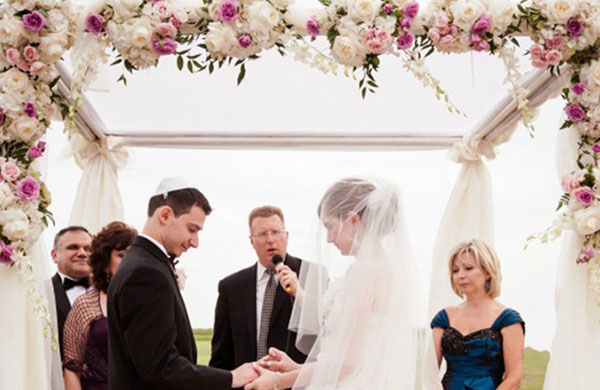
Send us your Bar/Bat Mitzvah, Wedding and Brit Milah photos
from years ago and see them in next month’s issue.

Please tell your family and friends.
Let’s make this a community issue.

Email photos to editor@imageusa.com by January 19th.

Retired School Principal Is $326M Mega Millions Winner, New York’s Biggest Jackpot Winner

MIDDLETOWN, N.Y. (CBSNewYork) — A retired elementary school principal is New York’s biggest jackpot winner.

Harold Diamond, 80, of Wurtsboro is the sole winner of the $326 million Mega Millions jackpot drawn on Nov. 4, lottery officials revealed Monday.

Diamond picked up his ceremonial check at the Valero gas station on Route 302 in Middletown, where he bought the winning ticket.

Manufacturing Palestine and the Palestinians

We are called settlers, occupiers and much worse. While the Palestinian Authority incites violence against Israelis, the media brings legitimacy to the terror.

The world is divided between people who believe Israel is the home of the Jewish people and people who believe Jews have invaded the land and forcibly expelled the true Palestinian people. Who is correct?

Media outlets such as CNN, BBC, CBS and many others have been telling a tragic story about Palestinians who were forced out of their homeland and into a harsh life in which they are refugees living under brutal oppression. The oppressors are the vicious Zionists, the many thousands of Jews who manufactured a story about a Holocaust in order to inhabit Palestinian land. The claim is that the Zionists have no claim to the land, having abandoned it over 2000 years ago. Bear in mind, there are those who say the Jewish people have no link to “Palestine” at all. These same people often refer to the Holocaust as the “holohaux” and who portray Hitler as a hero. When confronted by archaeological proof about the Jewish connection to Israel, they say that the Jews of today are not the same as the Jewish people who lived over 2000 years ago. Where are those Jews? Dead. Assimilated. The answers vary.

Jewish School Tuition Crisis: Parents Feeling ‘Priced Out’ of Their Religion

She did not intend to become the heretic of the checkout line. But as she watches her food bill skyrocket, Deborah feels compelled to make snarky remarks. “Why bother eating kosher?” she asks those behind her. The patrons tut-tut in agreement and discuss how expensive kosher food has become, and on top of the “tuition crisis” — the exorbitant expense of Jewish day schools — how can anyone afford to shop in Glatt markets? But the reality is: the price of kosher is the least of it.

“For the record, most items with a kosher certification are not more expensive,” says Menachem Lubinsky, an authority on the kosher food industry, CEO of Lubicom Consulting and Founder of Kosherfest, “What are more costly are the specifically produced kosher foods that require extra kosher certification, particularly in meat and dairy. Prices may be 10 percent to 20 percent higher than non-kosher items.” He adds that despite higher fuel and commodity prices in recent times, costs of most kosher ethnic foods have either stayed the same or gone up by no more than 3 percent to 5 percent.

Lubinsky’s information confirms that the cost of kosher food is nothing when compared to the exorbitance of Jewish day school tuition.

This Day In History – 01/05/1933 The Golden Gate Bridge is Born

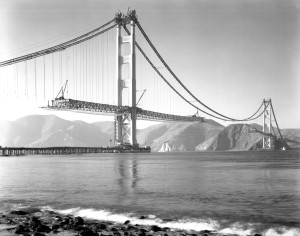
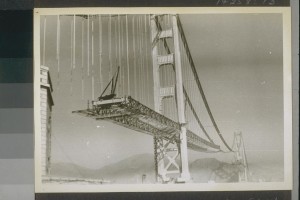
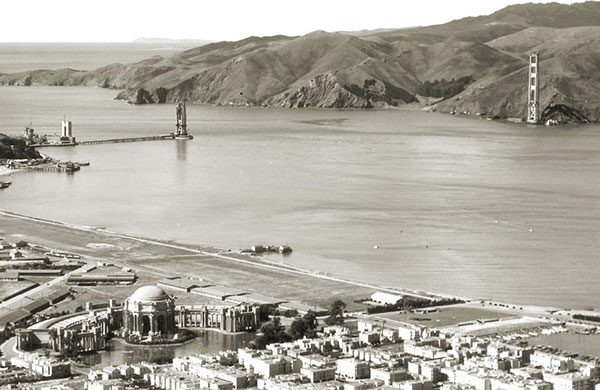
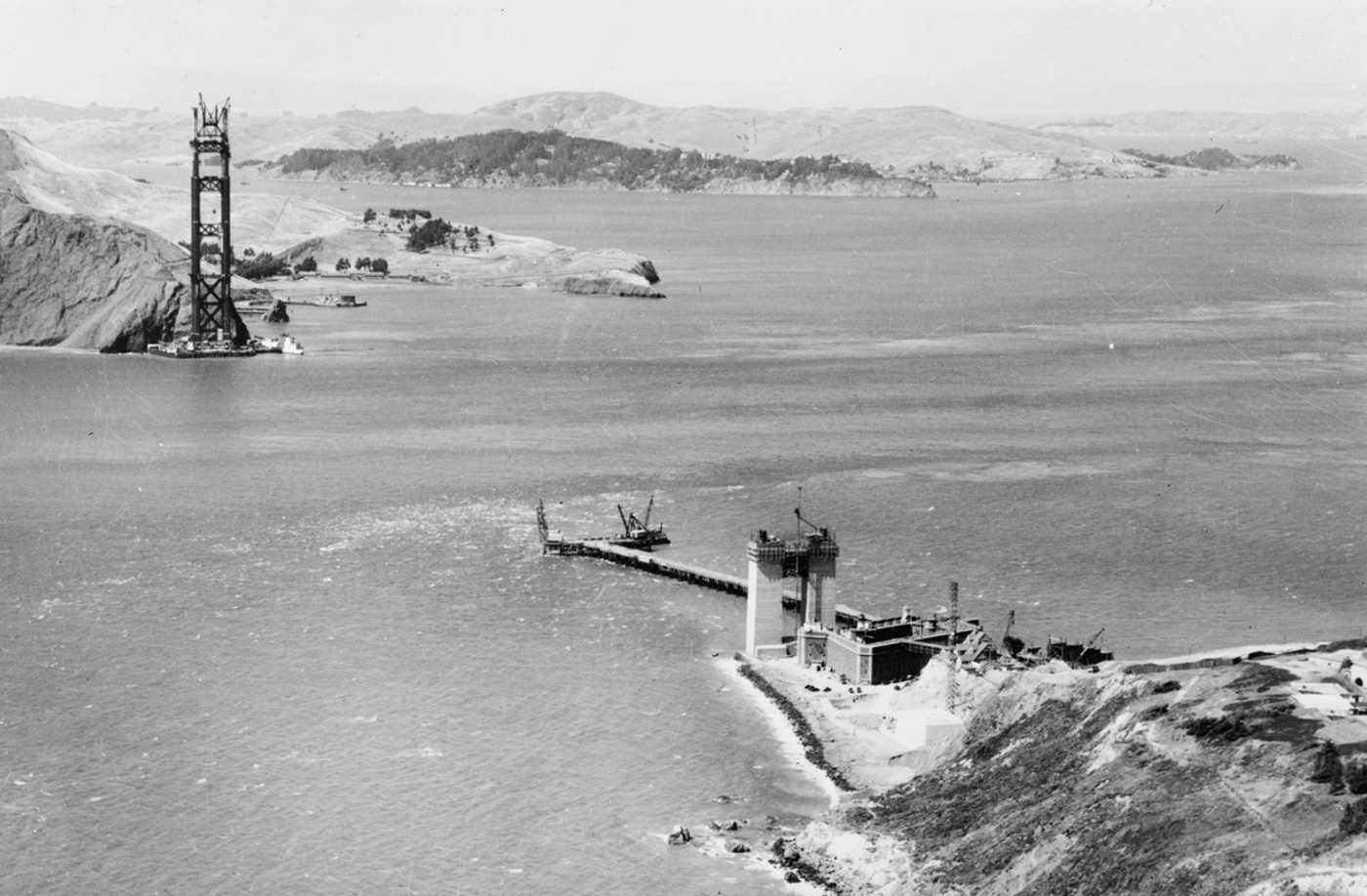
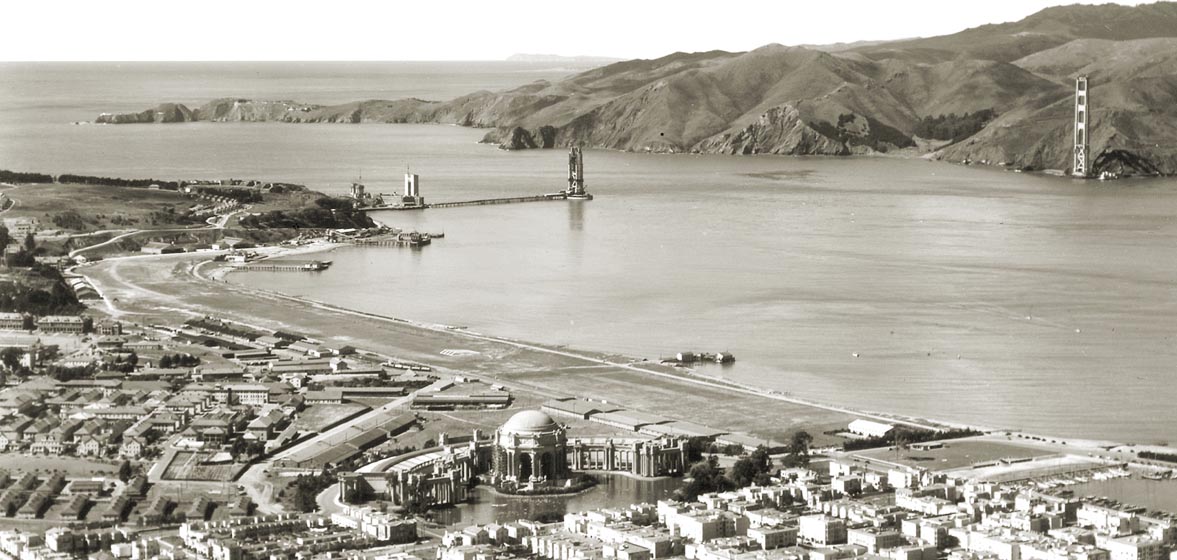
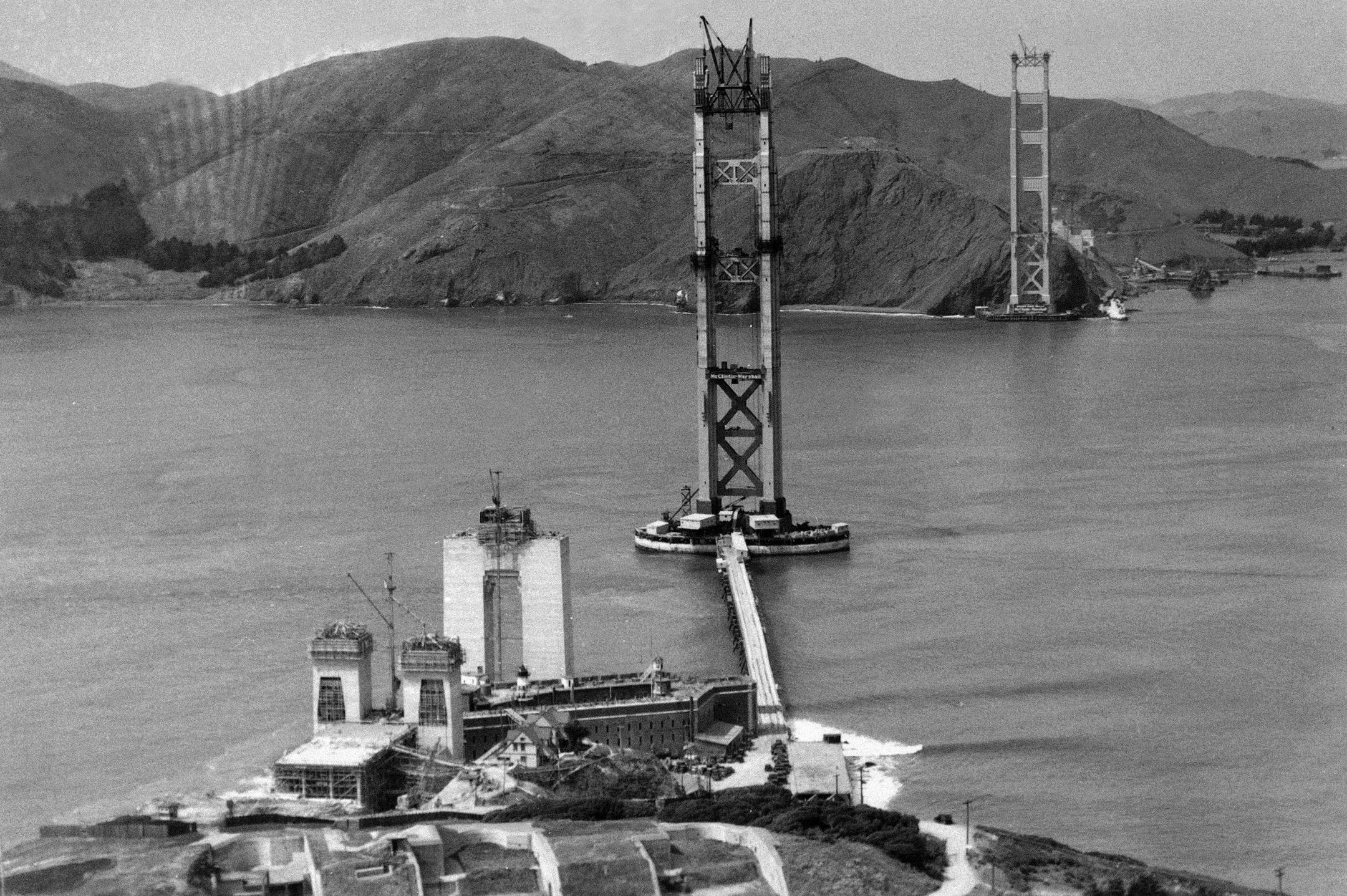
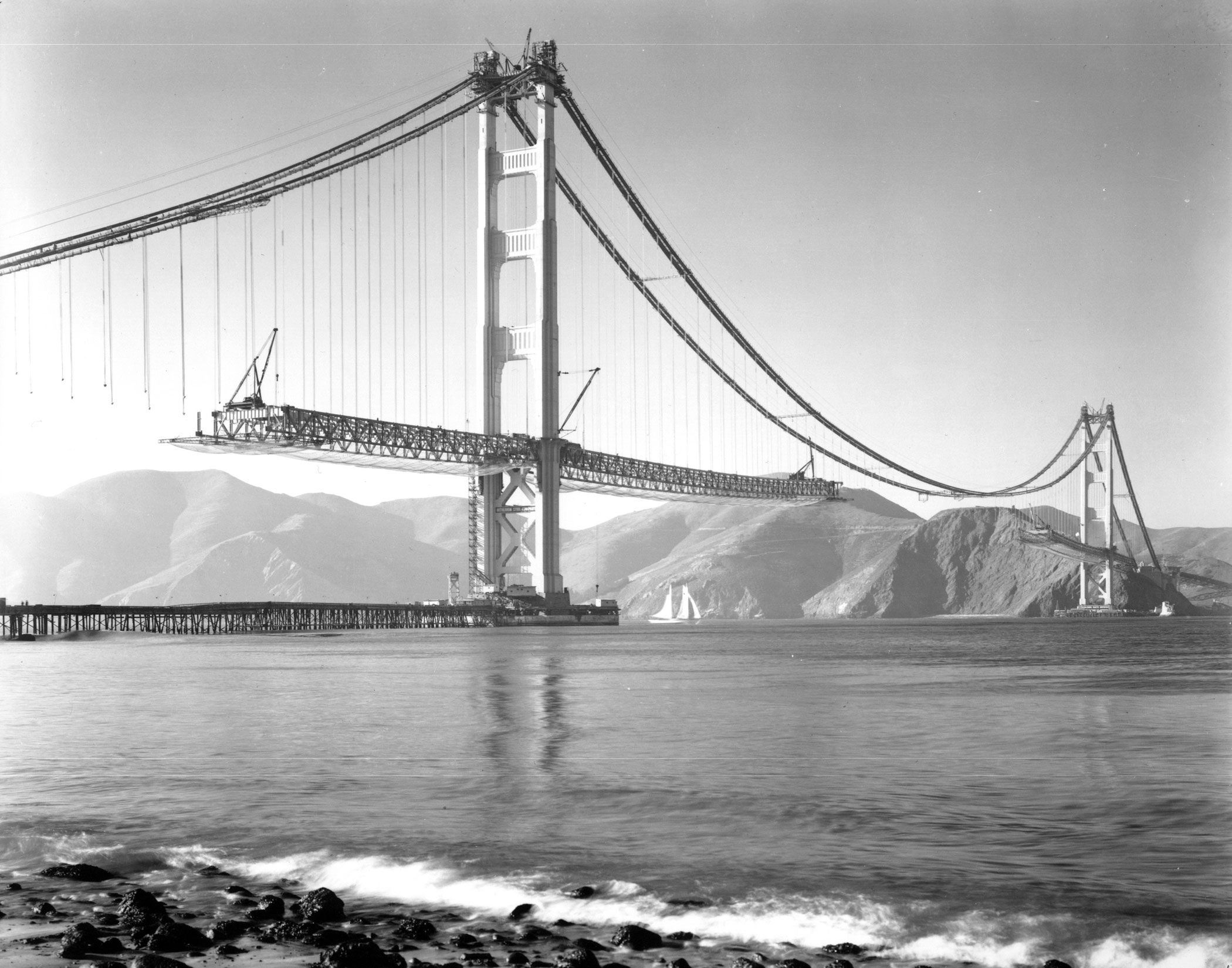
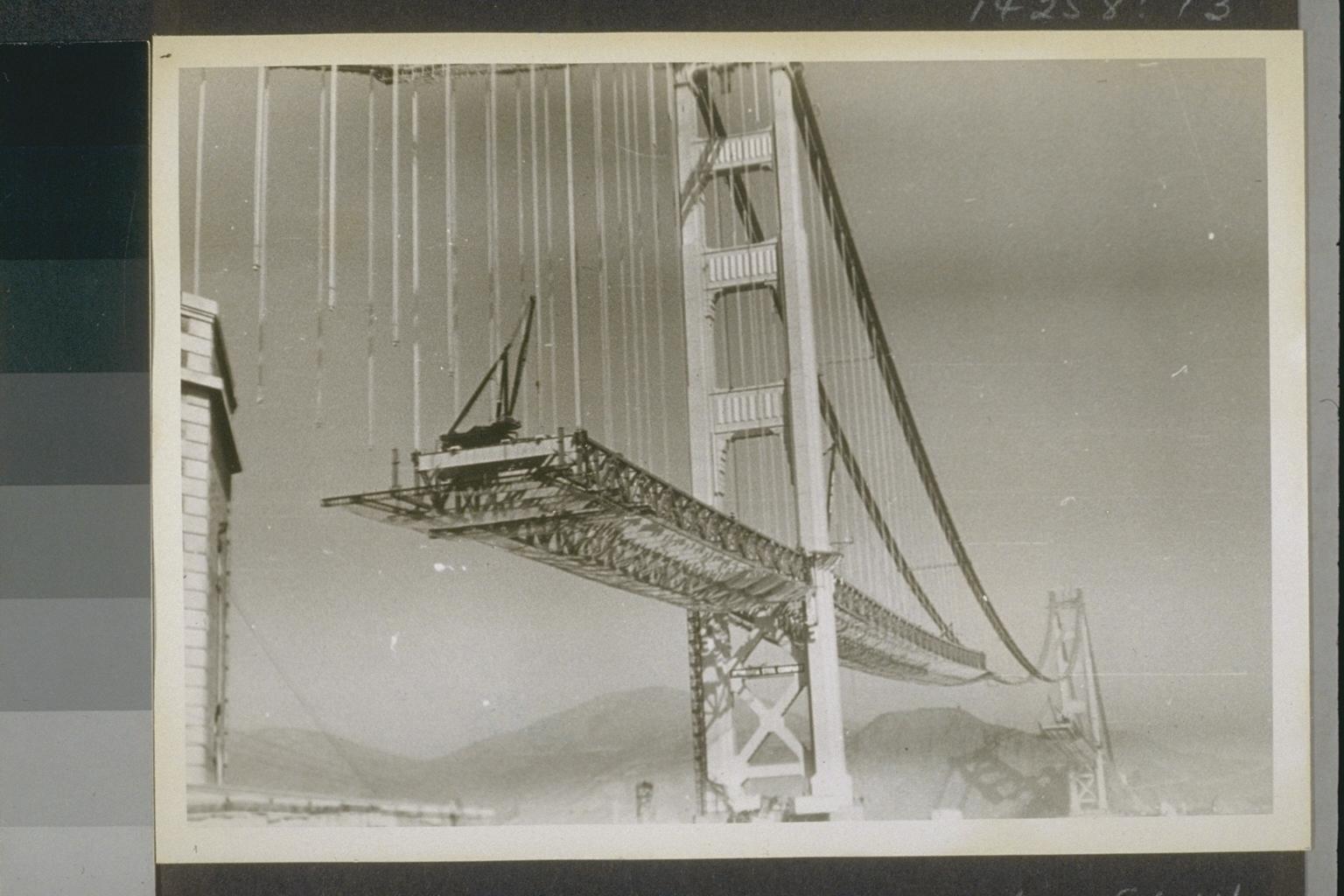
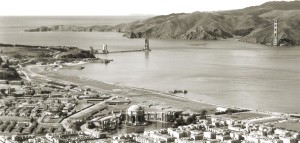
On January 5, 1933, construction begins on the Golden Gate Bridge, as workers began excavating 3.25 million cubic feet of dirt for the structure’s huge anchorages.

golden-gate-bridge-construction-begins-01-05-1933

Following the Gold Rush boom that began in 1849, speculators realized the land north of San Francisco Bay would increase in value in direct proportion to its accessibility to the city. Soon, a plan was hatched to build a bridge that would span the Golden Gate, a narrow, 400-foot deep strait that serves as the mouth of the San Francisco Bay, connecting the San Francisco Peninsula with the southern end of Marin County.

Although the idea went back as far as 1869, the proposal took root in 1916. A former engineering student, James Wilkins, working as a journalist with the San Francisco Bulletin, called for a suspension bridge with a center span of 3,000 feet, nearly twice the length of any in existence. Wilkins’ idea was estimated to cost an astounding $100 million. So, San Francisco’s city engineer, Michael M. O’Shaughnessy (he’s also credited with coming up with the name Golden Gate Bridge), began asking bridge engineers whether they could do it for less.

Engineer and poet Joseph Strauss, a 5-foot tall Cincinnati-born Chicagoan, said he could.

Eventually, O’Shaughnessy and Strauss concluded they could build a pure suspension bridge within a practical range of $25-30 million with a main span at least 4,000 feet. The construction plan still faced opposition, including litigation, from many sources. By the time most of the obstacles were cleared, the Great Depression of 1929 had begun, limiting financing options, so officials convinced voters to support $35 million in bonded indebtedness, citing the jobs that would be created for the project. However, the bonds couldn’t be sold until 1932, when San-Francisco based Bank of America agreed to buy the entire project in order to help the local economy.

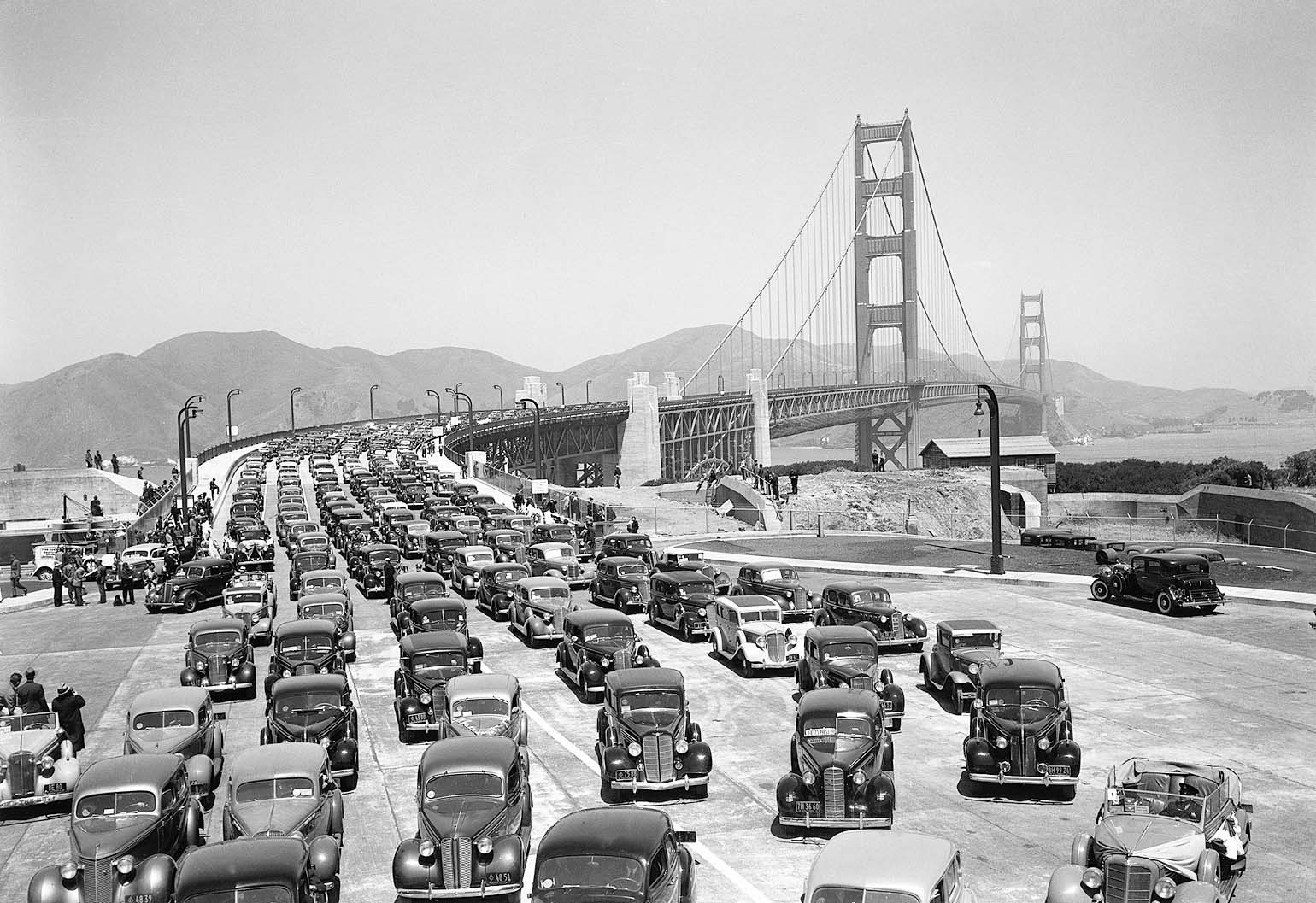
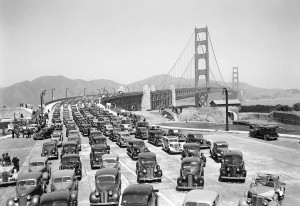
The Golden Gate Bridge officially opened on May 27, 1937, the longest bridge span in the world at the time. The first public crossing had taken place the day before, when 200,000 people walked, ran and even roller skated over the new bridge.

With its tall towers and famous red paint job, the bridge quickly became a famous American landmark, and a symbol of San Francisco.
 GGB-exhibit3-1

0sjBQ

bridgehanging

I0036916A

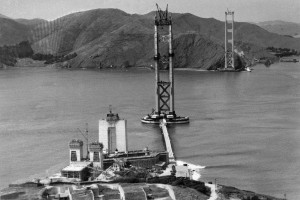
Construction Timeline Golden Gate Bridge

December 1932 to April 1937

Additional KEY DATES in the History of the Golden Gate Bridge

December 22, 1932: Extending from Fort Baker pier, the construction of a 1,700 foot-long access road began to access the construction sites for the Marin anchorage, pier and tower.

January 5, 1933: Construction officially started.

January 1933 to February 1936: Marin and San Francisco anchorages and associated pylons.

January 1933 to May 1935: San Francisco anchorage.

January 1933 to June 1933: Marin pier.

January 1933 to June 1935: Marin anchorage.

February 1933: Work began on the east approach road from San Francisco that extended through the Presidio to the south end of the Golden Gate Bridge.

March 1933: Steel for the San Francisco and Marin towers that was prefabricated in Bethlehem steel foundries in Pottstown and Steelton, PA was brought by flatcar to Philadelphia and transferred to barges and shipped through the Panama Canal to Alameda, CA where it was stored until the Marin pier was completed and ready for tower erection.

March 1933 to March 1934: San Francisco tower access trestle was constructed extending 1100 feet offshore. Just as the trestle was completed, it was significantly damaged for the first time on August 14, 1933, when the McCormick Steamship Line’s Sidney M. Hauptman plowed through the thick fog and crashed into the access trestle, damaging about 400 feet. After repairs were made, on December 13, 1933, as a southwest gale battered the Golden Gate Strait for two days, the access trestle was again battered and this time there was 800 feet of wreckage. Trestle repairs began shortly thereafter and completed March 8, 1934.

November 7, 1933: Marin tower construction started. Depending on the source referenced, it was completed either on June 28, 1934 or sometime in November 1934.

October 24, 1934: San Francisco fender wall completed.

November 27, 1934: San Francisco pier area within the fender wall was un-watered.

January 3, 1935: San Francisco pier reached its final height of 44 feet above the water.

January 1935 to June 28, 1935: San Francisco tower construction.

August 2, 1935 to September 27, 1935: Harbor Tug and Barge Company strung the first wire cables to support the footwalks (aka catwalks) constructed across the Golden Gate Strait in preparation for main cable spinning.

October 1935 to May 1936: Main cable spinning and compression.

April 1936: Start of the Sausalito lateral approach road which was constructed as a W.P.A. project.

July 1936 to December 14, 1936: Suspended structure.

July 21, 1936: Start of San Francisco approach viaduct structures and Fort Point arch construction.

November 18, 1936: Two sections of the Bridge’s main span were joined in the middle. A brief ceremony marked the occasion when groups from San Francisco and Marin met and exchanged remarks at the center of the span. Major Thomas L. McKenna, Catholic Chaplin of Fort Scott, blessed the span while sprinkling holy water.

January 19, 1937 to April 19, 1937: Roadway.
GGBridge_web_06_23_12

This Day In History – 12/24/1979 – Soviet tanks roll into Afghanistan

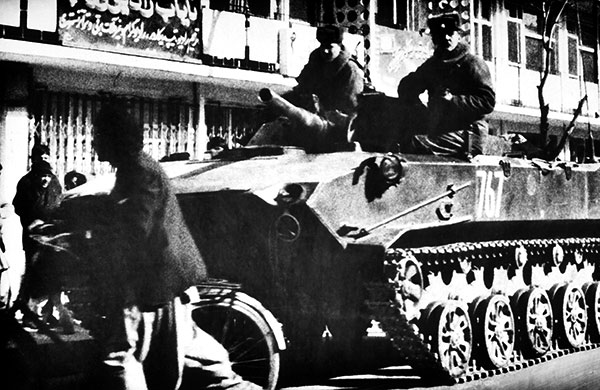
Soviet paratroopers aboard a BMD-1 in Kabul

On December 24, 1979, the Soviet Union invades Afghanistan, under the pretext of upholding the Soviet-Afghan Friendship Treaty of 1978.

As midnight approached, the Soviets organized a massive military airlift into Kabul, involving an estimated 280 transport aircraft and three divisions of almost 8,500 men each. Within a few days, the Soviets had secured Kabul, deploying a special assault unit against Tajberg Palace. Elements of the Afghan army loyal to Hafizullah Amin put up a fierce, but brief resistance.

On December 27, Babrak Karmal, exiled leader of the Parcham faction of the Marxist People’s Democratic Party of Afghanistan (PDPA), was installed as Afghanistan’s new head of government. And Soviet ground forces entered Afghanistan from the north.

The Soviets, however, were met with fierce resistance when they ventured out of their strongholds into the countryside. Resistance fighters, called mujahidin, saw the Christian or atheist Soviets controlling Afghanistan as a defilement of Islam as well as of their traditional culture. Proclaiming a “jihad”(holy war), they gained the support of the Islamic world.

The mujahidin employed guerrilla tactics against the Soviets. They would attack or raid quickly, then disappear into the mountains, causing great destruction without pitched battles. The fighters used whatever weapons they could grab from the Soviets or were given by the United States.

The tide of the war turned with the 1987 introduction of U.S. shoulder-launched anti-aircraft missiles. The Stingers allowed the mujahidin to shoot down Soviet planes and helicopters on a regular basis.

New Soviet leader Mikhail Gorbachev decided it was time to get out. Demoralized and with no victory in sight, Soviet forces started withdrawing in 1988. The last Soviet soldier crossed back across the border on February 15, 1989.

It was the first Soviet military expedition beyond the Eastern bloc since World War II and marked the end of a period of improving relations (known as détente) in the Cold War. Subsequently, the SALT II arms treaty was shelved and the U.S. began to re-arm.

Fifteen thousand Soviet soldiers were killed.

The long-term impact of the invasion and subsequent war was profound. First, the Soviets never recovered from the public relations and financial losses, which significantly contributed to the fall of the Soviet empire in 1991. Secondly, the war created a breeding ground for terrorism and the rise of Osama bin Laden.

Hanukkah Alegre!

Washington-area Sephardic Jews share traditional foods and converse in the disappearing language of their ancestors

[Podcast audio below.] It all started back in 2001, when Sarajevo-born folk singer Flory Jagoda invited roughly a dozen other Sephardim in the Washington area to join her for conversation over burekas and bumuelos (fritters, or doughnuts). More specifically, she invited them for conversation in Judeo-Spanish, also known as Ladino, the language spoken by Jews in medieval Spain and later in the far-flung lands to which they fled after the expulsion in 1492.

Today, the language is all but forgotten, except by those like Jagoda who spoke it growing up. The group has grown to include more than 20 participants. At their monthly meetings—which members call vijitas de al’had, or “Sunday visits,” after a centuries-old tradition from the Old Country—the men and women eat Sephardic treats, sing songs, and study a Judeo-Spanish reading exercise, complete with vocabulary lists. Vox Tablet’s Julie Subrin visited their annual Hanukkah gathering in 2008 for this audio postcard from our archives.