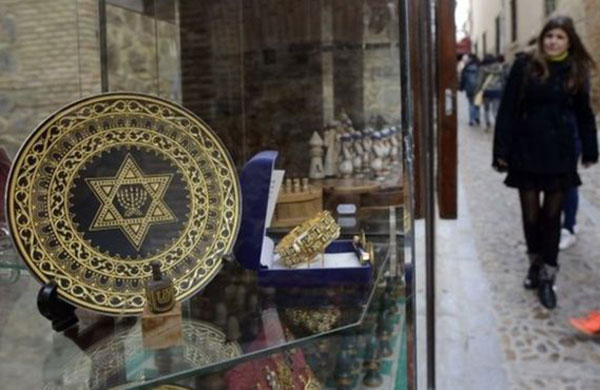
Spain’s parliament has approved a law that will ease the path to citizenship for descendants of Jews who fled the country five centuries ago.
It will allow those who can trace their roots to the expelled Jewish community, also known as Sephardic Jews, to apply for a Spanish passport from October.
The aim is to correct what Spain’s government has called a “historic mistake”.
Tens of thousands of Jews were expelled in 1492 during the Spanish Inquisition.
Those who remained had to convert to Catholicism or risked being burnt at the stake.
The halls and classrooms of Barkai Yeshivah were filled with a variety of activities, which kept attendees busy for hours during their 2nd Annual Art Fair.
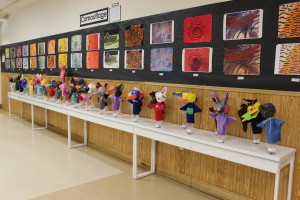
Art Educators, Barbara Sakkal and Sara Weinstock Aranov, took great pride in showcasing the creative talents of the students, as works of art by every child in the school, from kindergarten through the 8th grade, were exhibited. The lower level was magically transformed into a sophisticated art gallery, where paintings and sculptures, prints and puppets came to life through the imagination of the children.
In addition to the gallery exhibit, there were many activities for both children and parents to enjoy throughout the day.
Interactive art workshops in hat making, wire sculpture, and drawing to music were led by graduates of the Brooklyn College Masters Program in Art Education. The Community Mural had artists, young and old—children, parents, grandparents and staff—lined up to offer their contribution to a wall of patterned circles. Another community project, a group sculpture, grew and took form over the course of four hours, with children and adults cooperating with each other to build a construction out of cardboard.
Alex Aranov, wood carver and Judaica artist demonstrated his craft while chiseling mezuzot from various types of wood. Completed mezuzot were on display and available for purchase.
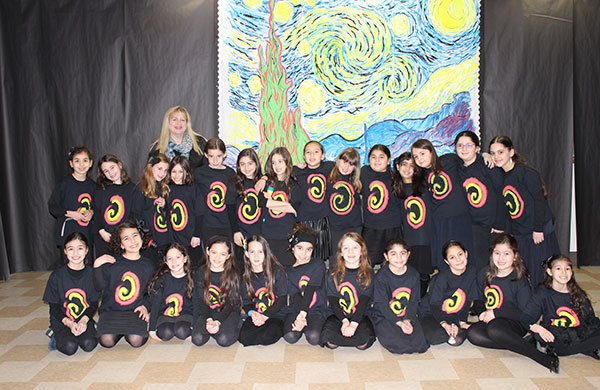
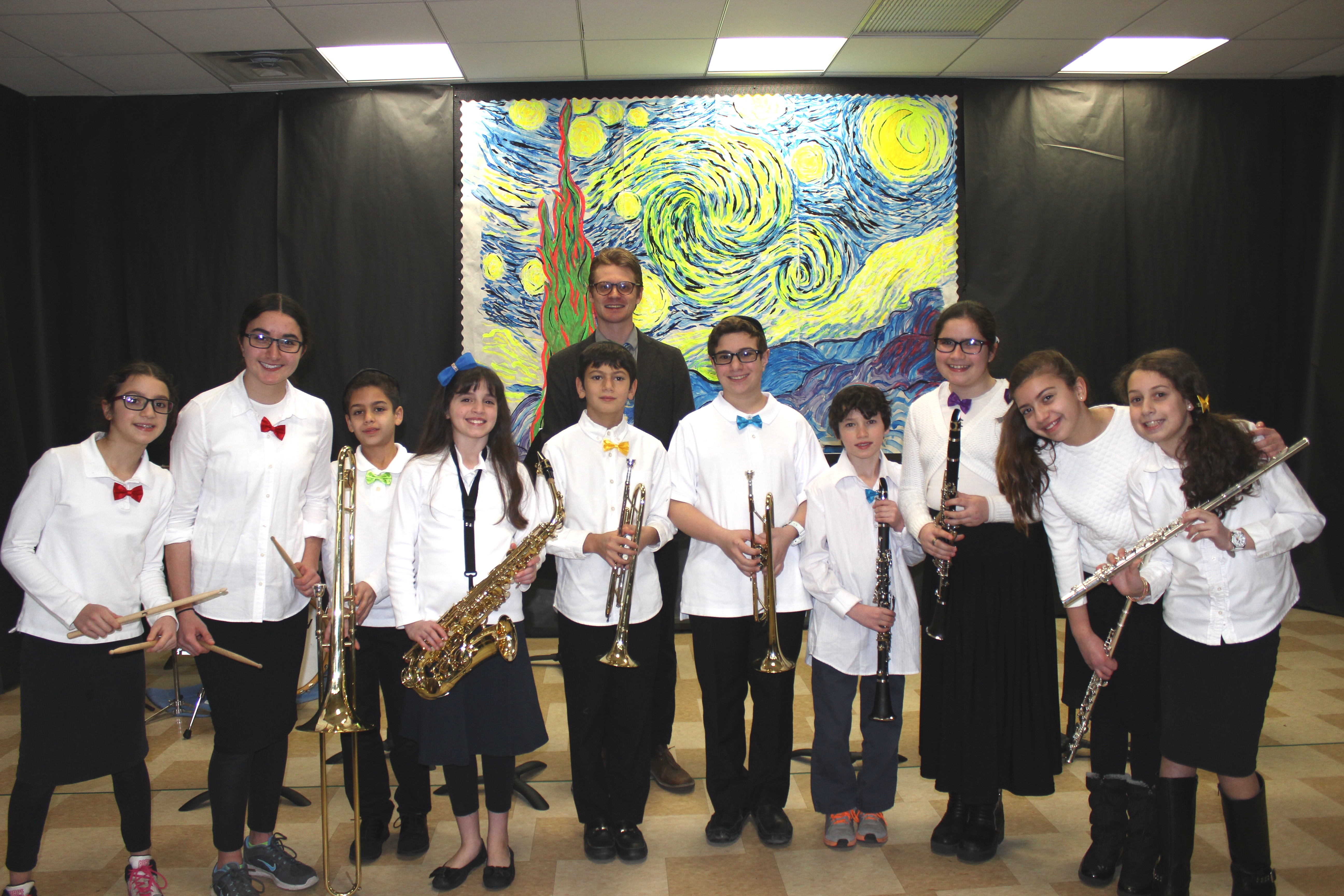
In addition to displaying work from the art program, the Art Fair featured performing arts, both dramatic and musical. A theater was set up with stadium seating for the audience to enjoy the performances. The first one, “Tableau Vivant,” which means “living picture,” brought to life The Starry Night by Vincent
Van Gogh. The 3rd grade girls performed in glowing costumes against a glow-in-the-dark reproduction of the popular painting. The girls sang lyrics about the stars while performing a ribbon dance which mimicked the movement of the artist’s energetic night sky. Barkai teachers, Deborah Schecter and Rachelle Sitt, wrote and directed the presentation.
The second performance was presented by the Barkai Concert Band, under the direction of Middle School Music Teacher Peter Hanson. The band which formed this year, was supported by the Barkai PTA which provided the program with professional wind and percussion instruments.
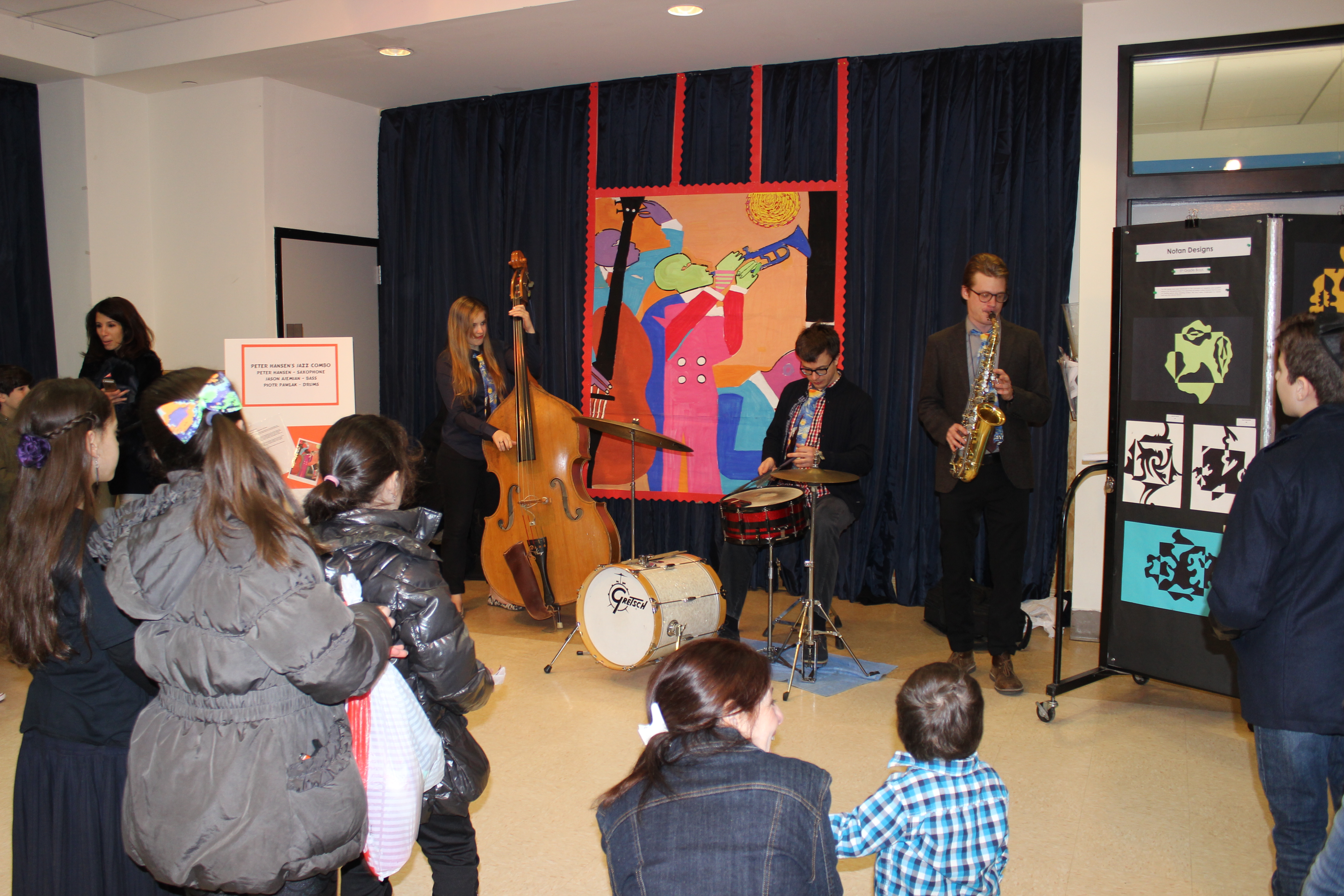
Peter Hanson made a second appearance with his jazz combo, which played smooth jazz in the gallery throughout the day.
A new attraction, the Shuka Truck was parked at the entrance to the school, serving Israeli style shakshuka. The food was so delicious and popular that it sold out before the end of the day.
The Art Fair, which requires a full year of planning, is a collaboration between the Art Program and the Barkai PTA. Co-chairs of the Event were Barbara Azizo, Director of the Arts Program, Aimee Bailey, President Elect of the PTA, and Susan Sorscher, Curator of the Art Gallery. The Fair reflects Barkai Yeshivah’s strong commitment to the arts.
A festive trip to Congregation Kehila Kedosha Janina, the only Romaniote synagogue in the Western Hemisphere
This past Sunday, strings of Greek, Israeli and American flags danced in the breeze over a Lower East Side block. The air smelled of honey. Long lines of people waited to nosh on baklava and biscochos, a traditional Sephardic cookie. Under a big banner reading YASOU! a diverse crowd of Jews, Latinos, Chinese-Americans—along with the typical mix of white-sneaker-wearing fanny-pack-sporting tourists and local hipsters with expensive haircuts—listened to live bands rocking out with ouds and daoulis. (I especially enjoyed the awesomely-named Pontic Firebird, which plays dance music from the western Pontic zone of the Black Sea.)
The Greek Jewish festival was sponsored by Kehila Kedosha Janina, a tiny synagogue on Broome Street between Eldridge and Allen Streets. I’d passed it many times—it’s only a few blocks from my apartment—assuming that it was one of the many small shuls in the neighborhood that had become fancy condos. But no: Kehila Kedosha Janina is the only Romaniote synagogue in the Western Hemisphere.
The Romaniotes are a people who view themselves as neither Ashkenazi nor Sephardi. According to their oral tradition, they’re descended from Jews who were put on a slave ship to Rome after the destruction of the Second Temple in Jerusalem in 70 CE; a storm grounded the ship in Greece, and there they stayed for 2000 years. Their unique culture flowered. They didn’t speak Ladino, the Spanish-Hebrew hybrid language of Sephardic Jewry; they spoke their own Judeo-Greek language, sometimes called Yevanic—a mix of Greek, Hebrew and Turkish with a few Spanish words thrown in.
(CNN)The Supreme Court struck down part of a federal statute Monday that allowed Americans born in Jerusalem to record in their passport “Israel” as the place of birth.
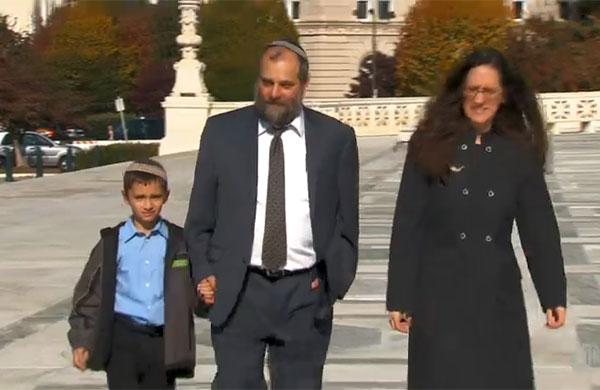
The 6-3 decision is a victory for the Executive, and a loss for Congress and the 12-year-old boy caught in the middle of a separation of powers dispute.
For the last 60 years, the United States policy has been to recognize no state as having sovereignty over Jerusalem.
Justice Anthony Kennedy, who wrote the opinion, held that “over the last 100 years, there has been scarcely any debate over the President’s power to recognize foreign states.” Kennedy said that it was “clear” that in the statute at issue in the case, “Congress wanted to express its displeasure with the President’s policy, by among other things, commanding the Executive to contradict his own, early stated position on Jerusalem. This Congress cannot do.”
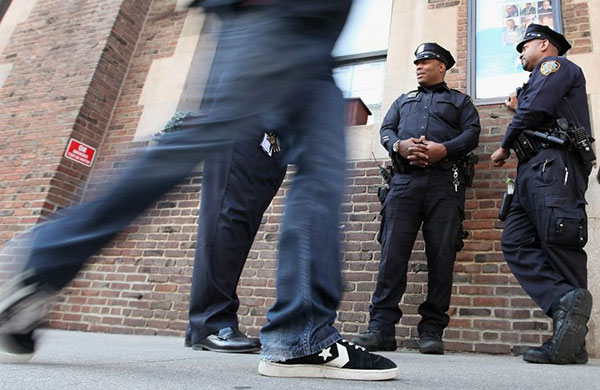
Standing on the steps of City Hall in downtown Manhattan, Letitia James, the New York City public advocate, turned to the private school students arrayed like a backdrop behind her and ended the speech she gave in mid-May with a shout: “We want school safety agents!”
The children — Muslim girls with their heads covered, Catholic school students in vests, a few Jewish kids in yarmulkes — cheered back.
The rally was part of an increasingly high-pitched effort to ensure the passage of a bill, favored by city religious schools, that would assign a city-funded security guard to each New York City private school. Long a priority of the Orthodox Union’s Advocacy Center, the bill has attracted major backing in the New York City Council but has yet to draw support from the mayor’s office.
The bill would provide at least one guard from the New York City Police Department’s school safety division to every nonpublic elementary or high school in New York City that requested one, and would cost the city up to $50 million a year, according to a City Council estimate. It’s been a long-term goal for its sponsor, Councilman David Greenfield.
“This is an issue of public safety,” Greenfield said. “Religious bias attacks have gone up in New York City.”
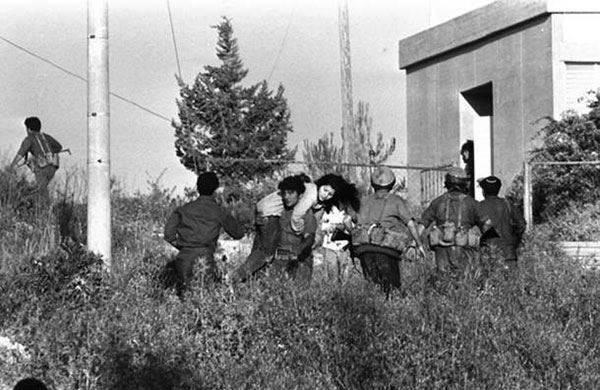
The Ma’alot massacre occurred in May 1974 and involved a two-day hostage-taking of 115 people which ended in the deaths of over 25 hostages. It began when three armed members of the Democratic Front for the Liberation of Palestine (DFLP) entered Israel from Lebanon. Soon afterwards they attacked a van, killing two Israeli Arab women while injuring a third and entered an apartment building in the town of Ma’alot, where they killed a couple and their four-year-old son. From there, they headed for the Netiv Meir Elementary School, where they took more than 115 people (including 105 children) hostage on 15 May 1974, in Ma’alot. Most of the hostages were teenagers from a high school in Safad on a Gadna field trip spending the night in Ma’alot. The hostage-takers soon issued demands for the release of 23 Palestinian militants from Israeli prisons, or else they would kill the students. On the second day of the standoff, a unit of the Golani Brigade stormed the building. During the takeover, the hostage-takers killed children with grenades and automatic weapons. Ultimately, 25 hostages, including 22 children, were killed and 68 more were injured.
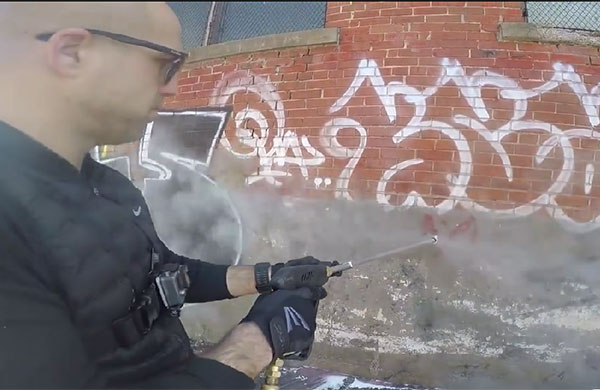
He’s made it his mission to remove hate graffiti wherever it’s found. Now Corey Fleischer has launched a crowdfunding campaign to help implement his model of hate-reduction elsewhere.
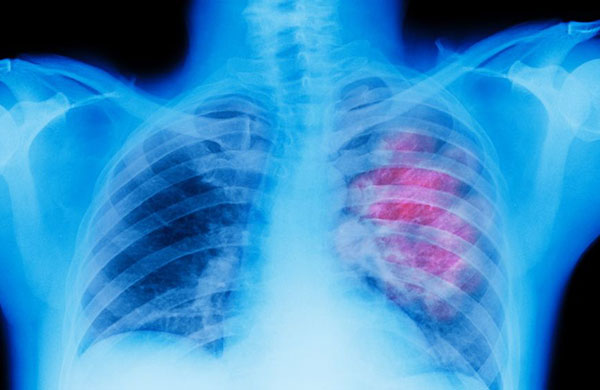
As U.S. relations with Cuba thaw, one unexpected byproduct could be the introduction of a Cuban-developed lung cancer vaccine in the U.S. Called Cimavax, an innovative vaccine that was developed to help treat lung cancer patients in Cuba, where lung cancer is one of the leading causes of death.
The immunotherapy treatment could be coming to the U.S. thanks in part to the Roswell Park Cancer Institute in Buffalo, New York, which is working with Cuba’s Center for Molecular Immunology to bring the treatment to the U.S.
ABC News spoke to Dr. Kelvin Lee, the chairman of the Department of Immunology at the Roswell Park Cancer Institute, to learn more about the new medication.
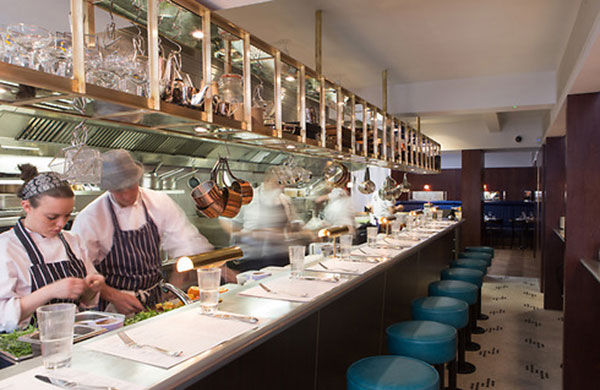
The Palomar in London, which belongs to owners of Jerusalem’s famous Machneyuda restaurant, described by British GQ magazine as having ‘the most chutzpah of any food and drink establishment operating in the country right now.’
The Palomar restaurant in London, which belongs to the owners of Jerusalem’s famous Machneyuda restaurant, has won the Best Restaurant prize in the inaugural GQ Food and Drink Awards, handed out by the British GQ men’s fashion and style magazine.
“This shortlist highlights the richness and variety of the UK’s restaurant and bar scene, from classic dining experiences, rooms to be seen in, country pubs and hipster hangouts,” British GQ editor Dylan Jones announced in February. But the big winner in the April 28 award ceremony at the Bulgari Hotel in London was a restaurant without any Michelin stars, with a lot of Israeli chutzpah and with much cheaper prices than the other candidates.
Ahmed Zayat, who lives in New Jersey, once named a yearling ‘Maimonides’ to promote peace among Arabs and Jews.
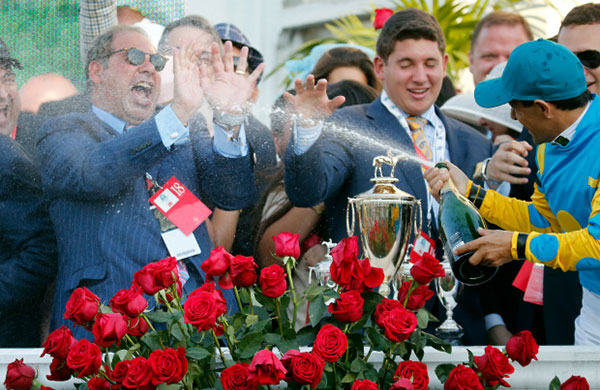
On Saturday, like a tremendous machine, three-year-old bay colt American Pharaoh pushed ahead in the final furlong to take the 141st running of the Kentucky Derby. In a close second was Firing Line, followed by Dortmund.
American Pharaoh is owned by Ahmed Zayat, head of Zayat Stables, a 200-plus horse operation that competes at racetracks around the country. Zayat lives in Teaneck with his wife, two daughters, and two sons; 23-year-old, Justin, a student at NYU, currently manages the stables.
Zayat, 52, moved to the U.S. at the age of 18. He earned a graduate degree in Public Health at Boston University and founded Al Ahram Beverage Company, a distributor in Egypt, which he sold to Heineken in 2002 for $280 million. According to his bio, Zayat is also the largest shareholder in Misr Glass Manufacturing, a manufacturer of glass containers in Egypt. In 2010, the New York Times profiled Zayat and wrote about the businessman’s entry into the world of horse racing:
Zayat bought his first horses in 2005. In 2006, he paid $4.6 million for a yearling he named Maimonides, after the medieval Jewish philosopher Moses Maimonides, with the hope of promoting peace among Arabs and Jews, he said.
It’s that time of year again! A stunning trail of burning debris from Halley’s Comet will illuminate the night sky tonight.
This time around, the shower is best viewed from the Southern Hemisphere, where up to 60 meteors will be visible each hour. The Northern Hemisphere could see up to 10 meteors per hour. The shower will peak between late evening on Tuesday and dawn on Wednesday.
Can’t make it outside? Online observatory Slooh will offer a live broadcast the shower from Spain’s Canary Islands, starting at 8:00 P.M. EDT.
This event is officially known as the Eta Aquarid Meteor Shower, and it occurs annually between April 21 and May 20. Halley’s Comet itself will not be visible; it can only be seen from Earth once ever 75 years.
These common aches could very well be nothing. Or something far, far worse
Most of the time, it’s good that the little Vince Lombardi sitting on our shoulder tells us to shut up and play through the pain, otherwise we’d never get anything done. On the other hand, there are a few instances in which we can actually talk ourselves out of existence.
That’s what happened to NBC reporter David Bloom. While covering the war in Iraq from his specially outfitted armored vehicle, he began to feel pain behind his knee. He reportedly sought out medical advice by satellite phone, decided not to follow the advice — “Go to a doctor”—popped a few aspirin, and kept right on going. Three days later, Bloom died of a pulmonary embolism caused by deep-vein thrombosis. He was 39.
The ache that Bloom blew off is one of seven pains that no man should ever ignore. And no, this isn’t negotiable.