Kosher Delight shutting after 35 years in business
Kosher Delight shutting down after 35 years in business.
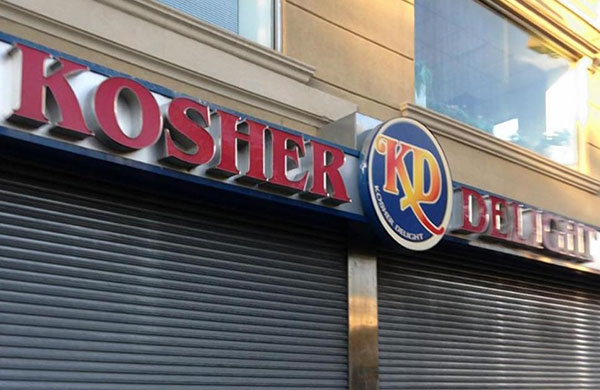
Kosher diners in Brooklyn’s Midwood neighborhood may need to start thinking broccoli instead of brisket. Kosher Delight, the borough’s oldest kosher fast food restaurant, closed its doors yesterday, the New York Daily News reports. The store had been a landmark on Avenue J since it opened in 1979.
The Huberfield family, which owns the restaurant, is reportedly looking at alternative venues for a new kosher venture, which will contain vegan and vegetarian options–a dramatic change from Kosher Delight, an establishment described by one Yelp reviewer as “like McDonalds for the Kosher Crowd. Greasy and Fast.”
The new new store will embrace the general dietary trend of healthier dining. “We want to keep our customers healthier so they come back for longer,” a Kosher Delight employee told the Daily News. The closure of the joint was long in the making. The franchise had been struggling for years, first closing its Borough Park restaurant in 2011 and then its Manhattan location in 2012.
Last October another Yelp reviewer wrote: “KD has a mesorah, and it’d be nice to pass that on to my kids someday.” Sadly, it looks like he won’t have that opportunity.
The Dinner Party: A Whodunnit Cabaret!; Galapagos Art Space, DUMBO, 8pm. $20.
Somebody “dun” it, and you’re going to find out who at this Clue-esque dinner-party performance where the show won’t be confined to just a stage.
Force Majeureopens in theaters
It doesn’t sound funny—a family man on a ski vacation suffers a meltdown after an avalanche shakes his poise—but Ruben Östlund’s psychological drama builds, subtly, to a hilarious takedown of masculinity.
First Aid Kit + Samantha Crain; Hammerstein Ballroom (at the Manhattan Center), 7pm. $28.50–$65.
First Aid Kit, the effortlessly affecting folk-pop duo of sweet-voiced Swedish sisters Klara and Johanna Söderberg, hits town in support of its latest LP, Stay Gold (the follow-up to 2012’s lovely The Lion’s Roar).
Oct 25
Tompkins Square Park Halloween Dog Parade; Tompkins Square Park, East Village. 12pm. free.
If only there were a parade that showcased the awesomeness of an adorable dog in a well made costume…Oh wait! There is. Bring along your lovable fur ball, or consider adopting a new friend from one of the many animal shelters that will have booths there.
Electoral Dysfunction; The PIT, Gramercy, $8. 7pm.
There’s less than two weeks till Election Day, and these comedians plan to give you a far better (mock) debate than any real politician can.
Dean Moss; the Kitchen, Chelsea, 8pm. $15
Moss explores the complicated legacy of white abolitionist John Brown in a production that includes video performances of a script commissioned from playwright Thomas Bradshaw.
Thrill the World; various locations, 2:30pm. free.
Michael Jackson’s musical and social impact was such an inspiration he’s got people everywhere turning into zombies to support charity years after he passed.
“Henri Matisse: The Cut-Outs”; Museum of Modern Art (MoMA), Midtown East, various times. $25.
It was rather late in life that Henri Matisse (1869–1954) began to create one of his most extraordinary bodies of work. At this exhibit you’ll get to see some of his best pieces, including the pure abstraction work he’s known for.
Oct 26
Punk Rock and Heavy Metal Flea; Sage, Williamsburg, 12pm. free.
Dream of going to CBGB? Ya can’t. But you can head to this flea market that totally captured the vibe of that era, with djs that’ll play actual vinyl. None of that millennial, laptop nonsense.
The Poetry Brothel’s 7th Annual Masquerade Ball; The Back Room, Lower East Side, 8pm. $30.
Don your feathered mask and indulge in a night of tarot and palm readings, burlesque queens, music, live painters and performances by the resident “poetry whores.”
Bob Saget; St. George Theatre, New Brighton, 7pm. $38–$58
The veteran comedian—who’s known, mostly, from family-oriented ’90s television shows like Full House and America’s Funniest Home Videos—displays his true comedic range as he is one of the bluest acts around.
A Brief History of Beer; East Village, Under St. Marks, 6pm. $18
Down your complimentary Sixpoint while watching the “drinkerative” show about the history of ale.
The Last Ship;Neil Simon Theatre, Midtown West, various times, $60–$150
Will rock icon Sting’s semi-autobiographical Broadway musical sail the high seas or spring a leak? We can’t wait to find out.
Exit Berlin: How One Woman Saved Her Family from Nazi Germany; Museum of Jewish Heritage—A Living Memorial to the Holocaust, Financial District, 2:30pm. $15
Here, you’ll learn about the life of Kristallnacht survivor Luzie Hatch and how her taking refuge in New York City helped to reveal new facts about the Holocaust.
The Twilight Zone Marathon; Habana Outpost, Fort Greene, 8pm. free.
It’s the 1960’s classic that mastered the art of suspense, at the restaurant that’s mastered the art of margaritas.
Halloween: The Curious Story of America’s Most Horrible Holiday; Morbid Anatomy Museum, Gowanus, 8pm. $8.
Believe it or not, Halloween scholars exist, and one of them—Lesley Bannatyne, Guinness World Record winner for largest Halloween gathering—will spin the true tale of the ghoulish holiday according to her recent book Halloween Nation.
Obsolete Cinema presents Satanic Panic!; Freddy’s Bar, Sunset Park, 2pm. free.
It’s a spooky twofer at Freddy’s Bar, with screenings of both metal-horror flick Trick or Treat featuring Gene Simmons and the made-for-TV Mazes and Monsters where Tom Hanks got his first big role.
To pick up your free tree, you must agree to:
• plant in one of the five boroughs.
• keep trees properly watered and maintained.
• plant your tree in the ground of your yard and NOT along streets, in city parks, in containers, terraces, balconies or on roofs.
Registration will be posted no earlier than three weeks before a giveaway date.
If registration is closed, a limited quantity of trees will be available on a first come, first served basis.
New York City Council Speaker Melissa Mark-Viverito visited the Borough Park neighborhood of Brooklyn on Sunday to attend a special sukkoth gathering hosted by Councilman David Greenfield at the home of Renewal Chairman Mendy Reiner.
The Sukkah gathering in honor of the Speaker was attended by several elected officials and some 50 Jewish leaders, including heads of many community non-profit organizations.
Upon her arrival, Councilman Greenfield introduced the Speaker to the many community leaders in attendance, highlighting the important and diverse work they do in the communities of Borough Park and Midwood. Some of the organizations represented included the Boro Park, Flatbush and Bensonhurst Jewish Community Councils, Masbia Soup Kitchen, Mekimi, Reach for the Stars Learning Center, and Guardians of the Sick.
A half-dozen Council Members also joined in the festivities including Council Members Mark Treyger, Helen Rosenthal, Alan Maisel, Vincent Gentile, Rafael Espinal, and the City Council’s Jewish Caucus chair Mark Levine. Several national Jewish leaders were also in attendance including Malcolm Hoenlein, Executive Vice Chairman of the Conference of Presidents, Rabbi David Zweibel, Executive Vice President of Agudath Israel of America, Mrs. Ruth Lichtenstein, Publisher of Hamodia, and Jeff Leb, Political Director of the Orthodox Union.
Brooklyn Democratic Chairman Frank Seddio wished the crowd “A Gut Yom Tov,” (in a Yiddish accent) and thanked the Speaker for adopting the Borough of Brooklyn as her own. Seddio also praised Councilman Greenfield’s leadership role in the City and the Jewish community.
Introducing the Speaker, Greenfield spoke of her close relationship with the Jewish community, including her unwavering support for the restoration of $10 million in funding for after school Priority 5 vouchers, the City Council’s newly expanded Autism Initiative and her support against the nearly 40% increase in anti-Semitic crimes in New York City. Greenfield also spoke of multiple visits that the Speaker made to the community including a meeting with community leaders in April and several visits with Masbia and the Metropolitan Council on Jewish Poverty to prepare and distribute food for the needy before Pesach and Rosh Hashanah.
The Speaker, for her part, thanked those in attendance for their support and friendship. She also reiterated her advocacy for the neediest in New York City and happily wished everyone at the Sukkah event a “Chag Sameach” in perfect Hebrew.
“Sukkos is the most joyous holiday on the Jewish calendar. It’s the time to gather with friends and family and celebrate. My thanks to Speaker Melissa Mark-Viverito for joining us in Borough Park yesterday and sharing in the holiday with so many of the Jewish community’s leaders,” Councilman Greenfield said in a statesment. “I know the Speaker was impressed by the amount of chesed that was on full display and represented by so many people who attended the Sukkah event in her honor.”
“I’m very grateful to Council Member Greenfield for hosting this wonderful sukkah gathering,” Speaker Melissa Mark-Viverito remarked. “Celebrating the joyous holiday of Sukkot with so many important community leaders was a great privilege. Council Member Greenfield has displayed tremendous leadership as an elected official and last night’s event was another example of his work to bring all of New York City’s communities together.”
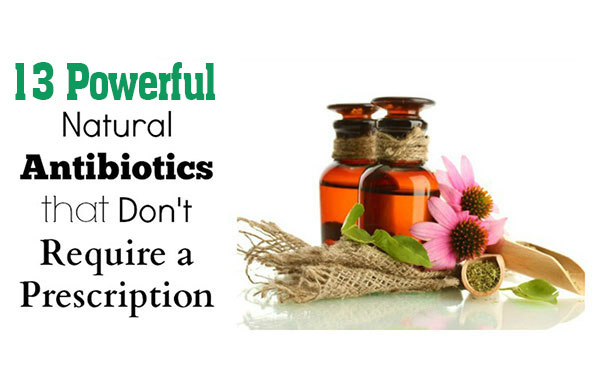
13 Powerful Antibiotics That Don’t Require a Prescription
Antibiotics are a group of medicines that are used to treat infections caused by bacteria and certain parasites and they are among the most commonly prescribed medications in the US.
Antibiotics are used to kill bacteria and they don’t differentiate between good or bed bacteria. As a result every time you swallow antibiotics, you kill the beneficial bacteria within your intestines. Good bacteria in the gut help people in many ways, including helping make vitamins and boosting immunity. Some researchers think that killing them off with antibiotics may be contributing to an increase in chronic health conditions such as obesity, asthma and cancer. If you do need to take antibiotics you should also take probiotics which will help to restore the good bacteria in your gut.
Nature has several other highly effective substances with antibacterial, antifungal and antiviral properties, all able to protect the human body safely and with deep healing powers.
Here are 13 natural antibiotics still in use around the world. I would like to note that this article is not intended to replace medicine, a doctor’s care or in place of medical treatment.
1. Goldenseal
Goldenseal is easily grown in the United States and has become a popular natural method of killing bacteria. Uses include treating digestive problems, UTIs, eye infection and canker sores. It’s also sometimes mixed with echinacea to alleviate cold symptoms. The berberine found in it can destroy bacteria, parasites, and even strengthen white blood cells.
Use – There are several forms of Goldenseal including pills, extracted liquid and glycerites. The most popular method of ingestion is mixing liquid extract to wash over your skin since it doesn’t absorb effectively when taken orally. Precautions
Ask your doctor before taking goldenseal if you’re currently on any other type of medication. It may cause irritation of the skin and heighten it’s sensitivity to sunlight in some users. Avoid use if you have high blood pressure.
2. Oregon Grape
This antibiotic functions a lot like its close relative goldenseal. Medical practitioners are beginning to shift toward this herb because it’s less difficult to produce. The alkaloid berberine is the most effective ingredient in the root. It aides in digestion and can kill a variety of harmful microbes that cause viral sickness.
Use – People tend to use this supplement in tincture or tea form. The root can be chopped into hot water and actually tastes pretty good thanks to the alkaloids. Precautions
The dried root shouldn’t be exposed to much light or heat and should be thrown away after a year of storage. Some people experience nausea after the first few doses.
3. Andrographis Paniculata
The root and leaf of this South Asian plant has a commonplace in relieving cold symptoms. It’s also been used to treat insect bites, hemorrhoids and a wide variety of infections. The active ingredient in most andrographis supplements is called andrographolide.
Use – The best bet for this supplement is to search for capsules and tablets containing no less than 20% andrographolide. Look at the recommended dosage on the label. Precautions
Don’t use the product for longer than three months. If you experience diarrhea, upset stomach, or a headache stop taking immediately.
4. Manuka Honey
Interestingly enough this natural antibiotic comes from New Zealand bees that pollinate the manuka bush. It can be used to repair infected tissue, reduce cholesterol and treat diabetes. Methylglyoxal is the compound identified as the active ingredient primarily responsible for the antibacterial action of Manuka honey. The UMF (Unique Manuka Factor) level in manuka products measures the concentration of methylglyoxal and should be no lower than 10 UMF for medical benefit.
Use – You can apply manuka honey directly to a wound or burn for optimal results. Precautions
Manuka honey may elevate blood sugar or cause an allergic reaction. It also interacts negatively with chemotherapy medication.
5. Tea Tree Essential Oil
Tea tree oil extracted from the Melaleuca Alternifolia tree is now becoming a widely-used natural health remedy thanks to its versatility. The most recurrent use is treating cuts, acne, toenail fungus, infections and lung issues. It works effectively in both infection preventing and healing bacterial issues. Read my article about the top 5 medicinal uses for tea tree oil.
Use – You can find tea tree oil in in many products such as toothpastes, hair products, lip balms, lotions, soaps, and pure essential oil. It shouldn’t ever be taken by mouth. If you are interested to learn more about essential oils you can find useful information in my e-book Magical Aromatherapy. This book will help you to discover the power of essential oils and the most effective ways to use them. Precautions
Test the oil on a small area of your skin to check for allergies prior to use.
6. Garlic
While it may not actually ward off vampires, garlic still has much more use than simply adding flavor to your meals. It fights heart disease, cold symptoms, boosts your immune system, and has effective antibacterial properties. Research found that some sulfuric compounds in garlic contribute to heart health but the main medical component is allicin, a chemical that also contributes to its trademark smell. Garlic is one of the superfoods mentioned in my e-book about superfoods which is part of the Natural Health Revolution Program. This program will help you to achieve your health, nutrition or weight loss goals.
Use – The most popular way to use garlic is by cooking it into your meals, eating it raw or in powdered form. There are also garlic oils, extracts, and freeze-dried tablets available. Find more information in my article how to use garlic as a medicine. Precautions
Some people that take too much garlic may experience a burning sensation in the mouth or stomach, heartburn, gas, nausea, vomiting, body odor and diarrhea. These side effects are often worse with raw garlic. Also garlic might prolong bleeding, so stop taking garlic at least two weeks before a scheduled surgery. It can also interfere with certain medications.
7. Echinacea
Native Americans have used echinacea as a way to fight off infections and treat injury for over 400 years. Studies have revealed its ability to lessen pain, diminish inflammation, and act as an antiviral as well as an antioxidant. The glycoproteins, volatile oils, flavonoids, and alkamides in the root all help treat athletes foot, UTIs, ear infections, and injuries that heal slowly.
Use – Echinacea is available in tinctures, pills, extracts, and ointments. It’s commonly found in capsules and tablets mixed in with other natural health supplements. The root can also be put into hot tea. See here the recipe for echinacea tea to boost your immune system. Precautions
Some supplement companies use misleading labels with products that contain very little echinacea so read carefully. Avoid taking if you have diabetes, HIV, liver troubles or multiple sclerosis. Echinacea can also cause a rare allergic reaction in some people.
8. Pau D’Arco
This supplement is extracted from the wood and bark of the Pau D’Arco tree. Evidence suggests that it can help treat intestinal worms, ulcers, yeast infection, and sexually transmitted diseases (STDs). The main chemical extracted from the tree for medical purposes is called lapachol.
Use – Pau d’arco is sold as tablets, dried bark tea and tincture. The chemicals that give pau d’arco its medicinal effects don’t dissolve well in water, so a tea is not recommended. Precautions
Exercise extra caution when using this natural antibiotic. High doses can result in serious diarrhea, nausea and internal bleeding. It interferes with medications that slow blood clotting, so talk to your physician before using a Pau D’Arco product.
9. Ginger
Ginger is a common staple in the culinary world that has a prevalent presence in holistic medicine. It’s considered an effective way to ward off nausea brought on by motion sickness or pregnancy. The phenol compounds like shogaols and gingerols are the main medicinal component in the root that contribute to the anti-inflammatory benefits as well as lowering cholesterol.
Use – Ginger is best known for use as a spice in the kitchen. You can also find ginger extracts, tinctures, capsules and oils. A popular method is brewing hot ginger tea and you can find here how to make anti-inflammatory and pain relief ginger turmeric tea, and find more information in my previous post how to use ginger as a medicine. Precautions
Pregnant women should consult with a doctor before taking a concentrated amount of ginger as in ginger supplement (ginger is considered safe when used in amounts found in food), and ginger should not be given to children under 2. Ginger may also interact with certain prescription medications. For example it may not be safe if you have a bleeding disorder or take blood-thinning drugs. Therefore talk with your doctor before taking it.
10. Olive Leaf Extract
The fruit, leaves, and seeds of the olive tree are packed with natural health benefits. It can treat infections, both viral and bacterial, and also increases healthy purifying bacteria in the stomach. The polyphenol called oleuropein and fatty acids found in the plant are the main components in medical use. Find more information in my article about the health benefits of olive leaf including how to make your own olive leaf extract.
Use – Olive leaf extract is most effective as a pill, topical cream, and liquid extract. It can be applied directly to the skin or consumed with a suggested maximum of 60g per day. Precautions
Generally one of the safest options on this list. The pollen created by the plant will sometimes irritate people with seasonal allergies.
11. Oil of Oregano
The leaf of the oregano plant has been used for a variety of medical purposes. The main use lies within respiratory health by treating symptoms of coughing, asthma and bronchitis. When the carvacrol is extracted from oregano it has the potential to fight off parasites, eliminate bacteria and alleviate acne.
Use – Oregano oil can be mixed with hand sanitizer, vaporized into the air, rubbed onto the skin, or taken in pill form. 600 mg a day is sufficient for stomach parasites. Precautions
Oregano is relatively harmless when found in recipes for cooking. In medical amounts it can cause upset stomach if too much is taken and can interfere with medications containing lithium. Also pregnant women should avoid taking it. There’s also potential for allergic reactions.
12. Turmeric
A relative to ginger, turmeric has a lineage of antibiotic use. It’s been suggested to help with stomach ulcers, indigestion, heart disease, and viral as well as bacterial infections. The curcumin found in the root of the plant is the main source of antioxidant and antibiotic benefits.
Use – Turmeric root can be consumed raw but is most commonly dried and powdered. The powder can either be ingested in a drink, sprinkled onto food, or simply found in a capsule. There are also tinctures dissolved in alcohol and liquid extracts of turmeric. Find more informetion in the article about the health benefits of turmeric, including a recipe for a golden milk. Precautions
Turmeric is considered a generally food safe herb but when used too much it can cause an upset stomach and even ulcers. If you have surgery scheduled within two weeks turmeric should be avoided because of the blood thinning properties. Also taking turmeric by mouth in medicinal amounts is likely unsafe in pregnancy.
13. Coconut oil
The saturated fats found in coconut oil contain antibacterial, anti-viral, anti-fungal and anti-parasitic properties which strengthen your immune system. Coconut oil can further benefit the skin by treating and preventing skin infections and also helps in treating various skin problems such as eczema, psoriasis, dermatitis and many more. Coconut oil has anti-microbial properties which help to fight indigestion-causing bacteria, fungi and parasites and has been effectively used to prevent and cure candida. Some of the most promising research in recent years has been in the area of using lauric acid or monolaurin, both derived from coconut oil, in treatments for antibiotic resistant super germs. One study was conducted at Georgetown University in 2005 and found the these substances can inhibit the growth of many pathogenic microorganisms. Lauric acid in coconut oil in combination with oregano oil, has even been found more effective in fighting the staph bacteria than antibiotics. Find more information in the article about the many health benefits of coconut oil.
Use – Coconut oil can be added to smoothies, hot drinks, stir fries or as a spread on a toast.
Precautions
Always opt for organic, virgin coconut oil and avoid all the refined stuff. Coconut oil is safe for most people if used in amounts commonly found in foods, and despite the many health benefits of coconut oil, like many things in life, moderation is the key. This means that up to 3 tbsp. daily per adult is an appropriate dose.
Mother Nature gives us great natural alternative to antibiotics – next time the you feel unwell try these natural alternatives to antibiotics. if you are pregnant or breastfeeding please consult with your doctor before using any of these herbal antibiotics.
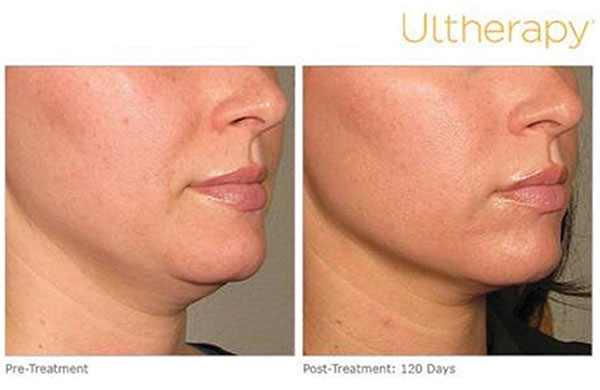
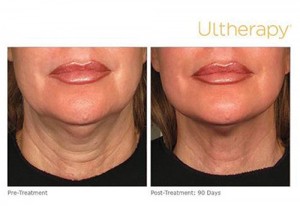
Are you tired of looking in the mirror and seeing sagging skin on your face, neck, decolletage (upper chest), even under your chin? Then you need to check out Ultherapy, the only FDA-cleared, non-surgical lift for the decolletage, neck, chin and brow! There’s no downtime either! One single in-office Ultherapy treatment uses ultrasound to stimulate the growth of new collagen to achieve a lift!
Laxity commonly first occurs on the forehead, which leads to brow descent, excess skin/hooding on the lids, a less open-eyed appearance. Cheek and neck tissue laxity can lead to flattening of the cheek, nasolabial folds, “marionette” lines; down-turned mouth, loss of jaw line angular “jowls,” and sagging skin under the chin.
Ultherapy uses tried-and-true ultrasound to see, and then treat, the skin’s foundational layers—including what’s typically addressed in cosmetic surgery, but is not a face lift. It deposits focused energy that bypasses the surface of the skin to stimulate the body’s natural production of collagen and elastin. As a result, skin will actually begin to lift and tighten over time. Because Ultherapy is the only cosmetic procedure to use ultrasound imaging, practitioners can actually see—for the first time ever—the layers of tissue deep beneath the skin as they are treating.
Key Benefits of Ultherapy
• There’s no downtime
• It takes approximately 60 minutes
• It’s non-surgical
• Most people only need one treatment
Following are the answers to the most common and frequently asked questions about Ultherapy.
How Does Ultherapy Work?
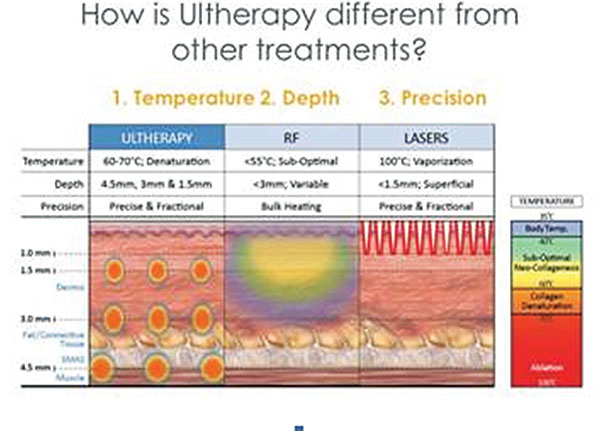
Like other ultrasound procedures, a smooth applicator is placed on top of your skin—in this case to heat the tissue below the surface to naturally and gradually create new collagen. Natural-looking results build gradually over 2 to 3 months, and the collagen-building process can continue for up to 6 months (no one will know you had any work done; they will just notice that you look better with each passing day!). (See diagram)
How Is Ultherapy Different from Other Cosmetic Procedures?
Ultherapy is the only non-surgical treatment that uses ultrasound to actually see below the surface of the skin and then target the same deep tissue that doctors address in surgical face lifts. (See diagram)
How Much Does It Cost?
Many doctors offer a consultation, to do an evaluation, and then will give you an idea as to the price. In general, it can range between $750 and $5,000 depending on the treatment area.
How Many Treatments
Will I Need?
There have been good clinical results based upon just one treatment. Some people who have a fair amount of laxity may benefit from more than one treatment, but that can be discussed during your consult.
Does It Hurt?
A recent upgrade called “Ultherapy Amplify” now affords a more comfortable procedure. While comfort thresholds vary from patient to patient, most people now report that the procedure is quite tolerable. If and when any discomfort does occur, it happens while the ultrasound energy is being delivered. This is temporary and a positive signal that the collagen-building process has been initiated.
How Long Does
the Treatment Take?
Treatment time is based on your individual treatment protocol (e.g. partial vs. full face treatment), which will be discussed at your consultation.
How Soon Will I See Results?
There can be some lifting and tightening immediately following the treatment, but the full effect will build gradually over the course of two to three months. Most patients have seen results continue to build for up to six months.
Do I Have To Do Anything Special Afterwards?
You are able to return to your normal activities right away, and there are no special measures you need to take. Your skin may be a little red, but this disappears within a few hours.
How Long Do the Results Last?
You still have fresher, younger collagen after a year’s time, but your skin continues to age. We recommend that you see your doctor a year or so after the procedure to assess whether a ‘touch-up’ treatment may be helpful.
Can Anyone Have the Treatment?
A good candidate is someone with skin that has some laxity, to the point of looking, and often feeling, less firm. Both men and women can benefit from an Ultherapy treatment, and because Ultherapy bypasses the surface of the skin, patients of all skin colors can experience the treatment!
Is Ultherapy Safe?
Ultherapy has an excellent safety profile. Over 210,000 procedures have been conducted worldwide with no complaints
What Age Can a Person Start?
Most people opt for Ultherapy at the first signs of aging. This helps to slow the aging process down.
Dr. Edward J. Gindi, the owner and director of Laser Light MD, is a noted and esteemed pediatrician and allergist in the community,
who has been in practice for over 25 years. Both he and his well trained staff are certified Ultherapy and laser technicians.
I anticipated my ILEAD trip to Israel for months—finally the day came. Upon our arrival, we immediately attended the funeral of the three Israeli teenagers that were found a day earlier—a very unexpected way to begin our trip. Two weeks into the trip, our head advisor, Shiloh Plesser, gathered the 40 members of my group together to emphasize the dangers that the country was facing. He explained that over 100 rockets were already fired in the South, and luckily for us, we were high up in the North, therefore clear from the danger.
A few nights later, while we were based at Rosh Hanikra, which borders Lebanon and the Mediterranean, a group of us gathered together to watch Germany play Argentina in the World Cup championship. Enthralled by the game, we were startled when we heard a knock at the door at 2 am, and then the piercing sound of a siren. The adrenaline rush that came over me was a sensation I had never experienced before. We hurried down the stairs, leaving everything behind, because in that moment, the only concern we had was for our lives. As I ran to the shelter, the siren grew even louder. I felt as if the rocket was coming straight toward me. We all arrived safely in the shelter, many of us disheveled and in disbelief. Typically unaffected, I had a flood of feelings come over me. Suddenly, the war became a shocking reality.
The next night, the siren went off around 11 pm. This time, we were all prepared for it, so the scramble for the shelters was a little more under control. We were all safe and sound, but had a clear understanding of what the Israelis go through every day.
This experience incited within us an idea—to bring families that were in bomb shelters all day—up North for a few days of relief and relaxation. Four groups were created. We named ourselves Kipat Tikvah (Dome of Hope). The first group handled raising money to fund our project. They did a phenomenal job—raising around forty-thousand dollars. The second group had to figure out who to bring, and how to get in contact with them. Being a part of that group, and being able to speak Hebrew fluently, I spoke to the municipals of Sderot, Ashkelon, Eshkol and Sde Avraham.
Each municipal linked me with the proper resources, and within the hour, families from Sde Abraham and Ashkelon were calling to speak with me. Eventually almost 50 families came up North and spent the weekend with us.
The third group was involved with the logistics. They rented buses to bring the families to us, scheduled activities that would help us create relationships with the families, and made sure that everyone was always fed and had somewhere to stay. The fourth group tried to show, the generous people who funded us, how every one of their pennies was put toward good use.
During the five days of the program, we went for lunch in Aco with the families, made a carnival for the kids, danced with them, and forged relationships with everyone. Each family greatly appreciated what we did for therm, and two families even gave me their contact information in order to keep in touch with them. These are brave, incredible families that face unthinkable dangers on a daily basis.
Our trip revolved around the war, and doing what we were able to do to help. We visited the family of an Ethiopian Jewish soldier who fell during the war, and went to the funeral of a soldier named Yuval. The unity of the Jewish people was something that I had never seen before. Families, who didn’t even know the fallen soldier, were not just tearing up, but crying, as if it were their own child.
The most difficult part of my trip was not our eight hour hikes, or the little sleep we received, but it was on Har Hertzel. As we listened to a lecture about the famous heroes that were buried there, like Yoni Netanyahu and Roi Klein, I witnessed grave diggers preparing a fresh grave. They knew a soldier would be killed, and started working in advance. At that moment, I prayed to Hashem that these men would find no need for that empty grave.
Our trip reached its end a few days early because our counselors were called up as reservists to protect their country—our country, a country with limitless strength, faith in Hashem and solidarity—that I was blessed to experience during the trip of a lifetime.
According to the National Eating Disorders Association, approximately a half million teenagers struggle with eating disorders or unhealthy eating patterns. The Archives of General Psychiatry states that nearly one in 60 adolescents qualifies for a diagnosis of anorexia, bulimia or binge eating disorder. Ninety percent of young women who develop an eating disorder are between 12 and 15 years old and one-half of 4th grade girls are on a diet.
Clearly, many young girls are in trouble with their eating, bodies, and self-esteem. Let’s explore: Why do girls develop eating disorders? What can parents do? When can professional help be beneficial?
Why Girls Develop Eating Disorders
Although many people believe that our culture’s worship of skinny models and actresses is responsible for causing eating disorders, this only has a limited influence. Comparing themselves to skinny models may contribute somewhat to girls feeling inadequate, but the truth is that girls are prone to eating problems when their basic self confidence is shaky and they feel insecure.
Adolescents—both girls and boys—face weighty emotional and social challenges at this stage of development: separating from their parents; finding a supportive group of friends; figuring out who they really are and what they want to do with their lives. These are critical and anxiety provoking transitions.
The New York Times article, “Why Teenagers Act Crazy,” explains that teens are uniquely vulnerable to anxiety because of the way their brains develop during adolescence. The part of the brain that will eventually help them develop calm reasoning matures only later, after a biological upsurge of anxiety and fear. Therefore, although teens are grown-up in some ways, they are still dependent on the comforting of their parents. Here is an example of how Mrs. H. helped her worried and upset daughter: “Yes, you do have a pimple on your nose, but I will put on a little makeup for you, and we will make it fade away. You believe that pimple is the only thing that people will see but it is so small compared to what a wonderful, lovely girl you are.” The girl with good self-esteem—let’s call her Rosie—will be comforted by her mother and will feel reassured (even if she huffs off to her room and slams the door).
A girl who is insecure, like Sharon, will not feel reassured but, instead, will continue to obsess about the pimple or another body part that doesn’t measure up to her standards.
How come Rosie can calm down and Sharon cannot? How come Rosie eats normally and Sharon is a binge eater? (All names are changed for confidentiality). The key is self-confidence.
Help build your child’s self-confidence
What Parents Can Do To Build Self-Esteem
Teens turn to eating disorders as coping mechanisms, as “solutions” to deal with what makes them anxious. The key ingredient to prevent eating disorders is by building a child’s self-esteem. Parents and kids need to talk openly about feelings, problems, emotions, disagreements, and have everyone listen respectfully to the opinions of the other family members. In psychotherapy we call this type of supportive talking and listening “empathic attunement.”
Which Is an Example of Empathic Attunement?
Mrs. C: “You shouldn’t feel disappointed. When I was growing up, my parents never gave me half of what we give you.
Mrs. D: “I understand that you are feeling deprived and mad that we can’t afford to send you on that trip. I’m sorry. I know this is tough.”
Mr. A: “If your sister can lose weight, so can you. Just try harder.”
Mr. B: “I know you feel bad that your sister is losing weight, but everyone’s different. Why don’t we do something special on Shabbat and go for a walk together? Then we can have time to chat about how things are going for you.”
Mrs. E: “So your father and I yell and fight sometimes? I had it much worse than you with my parents. You’ll get over it. Don’t be so sensitive.”
Mrs. F: “I know it’s scary when Daddy and I fight. I wish we could talk about things more calmly. We are trying to work things out. Just know that we always love you even when we are having a hard time with each other.”
(Of course, the second example in each case is the right response.)
There are a host of reasons for childhood and adolescent eating disorders ranging from biological issues to psychological vulnerability to anxiety and depression. But parents can play a strong role in preventing eating disorders by “inoculating” their children’s self-esteem. When parents empathize with their children, kids feel understood. Talking and listening to a child’s feelings encourages her to express herself directly without the need for the soothing—but temporary—comfort of an eating disorder.
If you are like me, the weeks before the holiday are a hustle and bustle. Kids are back in school, and we have to shop for holiday and school clothes, Shabbat shoes and more. Like any cook, in the weeks before a holiday, I look for new ideas, something to breathe fresh air into the holiday and create new interest in the foods I prepare for family and guests.
Here are some new—and some old—recipes for Rosh Hashanah, that I would like to share with you. To honor the tradition of eating pomegranate on the holiday, try my Pomegranate Balsamic Glazed Chicken. It’s a delicious, healthy chicken dish. Honey Cake is a classic on this holiday. Honey is traditionally used to create sweet dishes in the hopes of a sweet year ahead. My Honey Cake is light and airy, while still very sweet.
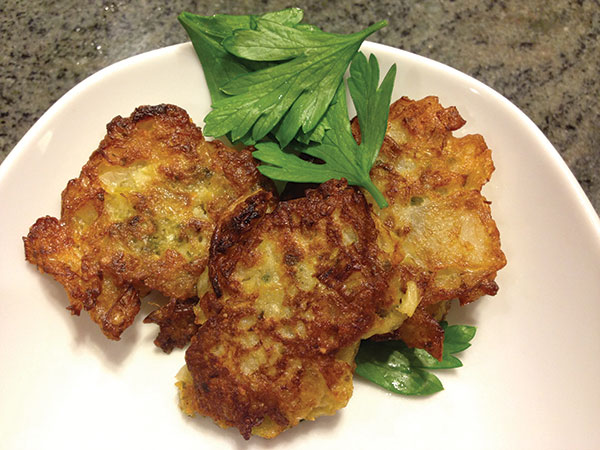
I am also sharing two recipes for the brachot said by Sephardic Jews on this holiday. My leek patties are a take on egeh, and a different way to meet the brachot for leek. My grandmother’s Hilu, or candied squash, uses spaghetti squash for the bracha.
All of these recipes are included in my upcoming cookbook, which will be out at the end of the year and will include cooking tips, hundreds of new and many traditional recipes, entertaining tips, food preparation and several other sections.
The Sarina’s Sephardic Cuisine cooking app is available for iPhones and iPads and is receiving an update. It has over 200 recipes. Understanding that today’s cooks look for recipes with technology, and do not cook from cookbooks, the app is embedded with over 50 videos to help young cooks learn traditional recipes, in which we demonstrate how to make difficult recipes and provide viewers with important cooking tips. There are tricks to preparing many recipes and we share those in the videos.
Proudly, I am my mother’s daughter and the granddaughter of Esther Salem, the first caterer in the Syrian Jewish community in Bensonhurst. Esther’s older sister was the Egyptian Rose (Rose Misrie), who ran a restaurant of the same name on the Lower East Side, for new immigrants from the Middle East in the early 20th century. So the recipes in the app—as well as the cookbook—were handed down from mother to daughter for generations.
There are many ways to prepare the recipes we need for the brachot on Rosh Hashanah. You can prepare Lubya as vegetarian, with no meat. There is no right or wrong way to cook. There are Syrian, Moroccan, Persian and Lebanese varieties of the same or similar foods. Cooking is an adventure and with these ancient recipes, I hope you will renew the traditions of our Sephardic past.
Pomegranate Balsamic
Glazed Chicken
This chicken recipe is easy and seasonal, and especially elegant and delicious. It’s a very different holiday main course, plus it incorporates pomegranate, typically eaten on Rosh Hashanah.
Ingredients
• 4 tablespoons oil
• 6 chicken cutlets, seasoned with salt, pepper and oregano
• 1 package baby carrots
• 2 small onions, peeled and sliced
• 1 cup chicken broth
• ¾ cup pomegranate juice
• ¼ cup balsamic vinegar
• 2 teaspoons cornstarch
• 2 teaspoons brown sugar
• ½ teaspoon salt
• ¹/³ cup pomegranate seeds
• 1 teaspoon basil
• ¼ teaspoon oregano
Directions
Heat oil in skillet. Add cutlets, onions and carrots. Brown cutlets 5-6 minutes on each side until tender and cooked through. Remove chicken from pan.
Add chicken broth to deglaze skillet. Add chicken back to skillet and simmer 15 minutes, covered. Remove chicken and vegetables and place on serving platter. Reserve ¹/³ cup cooking liquid.
Add cooking liquid to skillet and stir in pomegranate juice, vinegar, brown sugar, salt, oregano, basil and cornstarch. Reserve a few pomegranate seeds for garnish and add the rest to the skillet. Bring to a boil over medium heat and simmer 3-4 minutes. Drizzle the sauce over the chicken. Garnish with seeds.
Classic Honey Cake
Ingredients
• 3 eggs
• 1 ¹/³ cup honey
• 1½ cup sugar
• 1 cup strong black coffee
• 2 teaspoons baking powder
• 3 tablespoons margarine
• 1 teaspoon baking soda
• 4 cups flour
• 1 teaspoon cinnamon
• 2 cups confectioners sugar
• 2 teaspoons orange juice
• 2 teaspoons orange zest
Directions
Preheat oven to 350˚. Grease 9 x 13 inch cake pan or bundt pan by spraying with cooking spray and coating with flour.
In mixing bowl of mixer, beat eggs and honey together. Add sugar and mix again. Mix coffee with baking powder. Add to egg mixture with margarine and mix again.
Sift baking soda, flour and cinnamon together. The sifting lightens the cake. Add slowly to egg mixture, beating well after each addition.
Pour into baking pan and bake one hour or until toothpick comes out clean. Cool completely and turn onto serving plate.
Mix orange juice with confectioners’ sugar and zest. You may need to add a few drops more orange juice. Do not add too much. You want a smooth consistency, not too loose. Pour onto honey cake and allow to drizzle over sides.
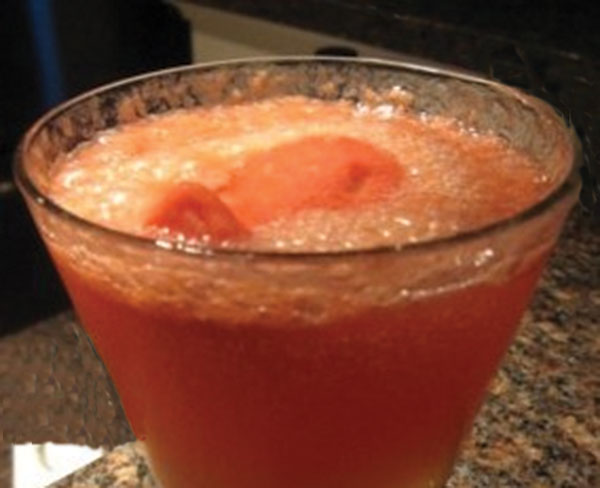
Pomegranate Strawberry Cocktail with Sorbet (Virgin)
Ingredients
• 2 cups pomegranate juice
• 2 cups strawberries
• 2 peaches
• 5 tablespoons honey
• 30 large mint leaves, plus more for garnish
• 1 cup ice
• Sorbet of your choice
• Seltzer
Directions
Pour juice, strawberries, peaches, ice, honey and mint into food processor. Puree and refrigerate until ready to serve.
Pour into wine glasses and fill half way. Add a scoop of sorbet. Fill glass with seltzer. This adds fizz. Garnish with mint leaf.
Candied Spaghetti Squash or Halu
Ingredients
1 spaghetti squash
Syrup
3 cups sugar
1 cup water
1 small lemon, squeezed
Dash of salt
Directions
Spray cookie sheet with cooking spray. Cut spaghetti squash in half. Scoop out seeds and place open side down on baking sheet. Bake one hour in preheated 350˚oven.
Mix the sugar, water, lemon and salt in saucepan and simmer on low flame until thick.
Scoop out the squash with a fork tine, so that it is like spaghetti. Squeeze out all the liquid. Add squash and mix. Store in a jar in refrigerator.
Leek Patties
We eat leeks at Rosh Hashanah to protect us from our enemies. These mini patties are perfect for the brachot before the meal.
Ingredients
Directions
Cut off ends of leek and peel off hard outer shell. Slice the long way to quarter the leek and then slice. Soak and clean leek in cold water. Drain.
Heat oil in saucepan and sauté onion and chopped leek for 5 minutes. Cover with water. Bring to a boil and simmer 30 minutes. Pour into colander to drain and cool. Squeeze out all excess water (by taking handfuls at a time).
In bowl, mix leeks, eggs, matzo meal, salt and pepper.
In skillet, heat oil and drop by spoonfuls into oil. Brown on both sides. Drain on paper towels. Can be frozen at this point. Serve warm.
When you Google the word porn, guess how many websites are found. The answer, not hundreds of thousands, not a million, but 520 million. That’s a ridiculously huge amount of websites, considering there are under 320 million people in the United States!
Therefore, it’s important to make sure your kids are visiting child-friendly websites, only. Thus, we’ve scoured the Internet to find the most popular, fun, educational and safe websites for kids.
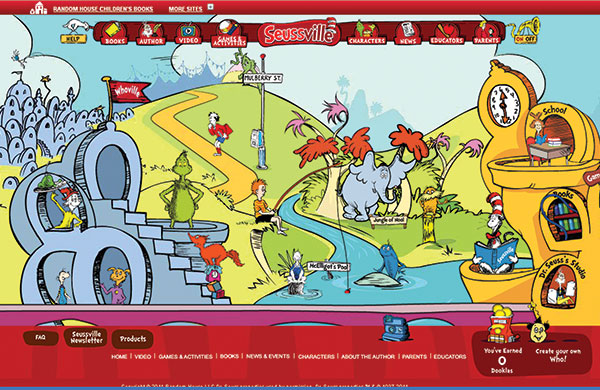
Seussville.com Enter the highly interactive world of Dr. Seuss, for games, books, activities, videos, and much more. Seussville s the place for children of all ages to play and learn with Dr. Seuss’ wonderfully whimsical books and classic characters. All of the Dr. Seuss books leap to life through interactive games and activities that will enrich each child’s reading experience. Dr. Seuss believed that books and learning to read should be fun and exciting for children. The site maintains this spirit of fun and honors the tenets of his work: discovery, imagination, and creativity. Visitors will explore the lush animated environments as they uncover a wealth of games and information.
ABCYa.com This website is the leader in free educational kids computer games and activities for elementary students to learn on the web. All children’s educational computer activities were created or approved by certified school teachers. All educational games are free and are modeled from primary grade lessons and enhanced to provide an interactive way for children to learn.
Grade level lessons incorporate areas such as math and language arts while introducing basic computer skills. Many of the kindergarten and first grade activities are equipped with sound to enhance understanding.
Funbrain.com This website was created for kids from preschool through 8th grade and offers more than 100 fun, interactive games that develop skills in math, reading, and literacy. Funbrain’s games help students build on what they have learned in class and helps them acquire new skills. Parents can trust Funbrain to deliver a fun and safe experience for even the youngest children. The Playground introduces preschoolers to the Internet and teaches them how to manipulate the mouse and keyboard.
Nationaleographic.com/kids There is so much to do on this website. It will keep kids entertained for hours with stunning photography, games, articles and videos. There’s also a special Little Kids page that makes learning fun for kids 3 to 8. It’s the next-best thing to taking a trip around the world.
If you type coloring book into the National Geographic search engine, you can download pdfs of great animal pictures for kids to color, featuring everything from owls to elephants and octopuses, to cheetahs and chimps!
Doodle.ly This one’s for your little artist or any creative kid. It is an ultra-simple virtual sketch pad. You can sign in or just click on a white background and doodle. Once your little Picasso’s picture is complete, you can publish it on the site or older kids can share their pictures on Facebook or Twitter.
Drawingwithhapes.com This will be another favorite website for artistic children. Easy-to-follow lessons teach kids how to draw animals, cartoons, monsters and more, using circles, squares, and other simple shapes. Also included are coloring pages, an online drawing app, and games.
Sesamestreet.org This website is especially good for keeping preschool and kindergarten kids entertained. They can explore the alphabet, do crafts (with your help, of course), and they can play games with all their favorite Sesame Street characters and learn while they’re having fun.
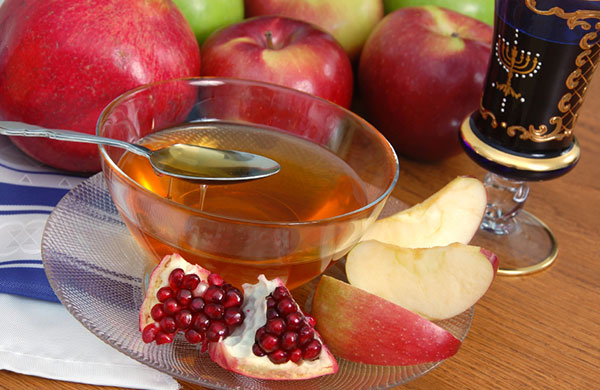
On Rosh Hashanah it is traditional to eat symbolic foods that either taste sweet or have names that sound similar to our hopes and prayers for the new year. On Rosh Hashanah, everything we do is imbued with extreme significance. The foods are not magical. Eating these foods is just a little reminder to G-d of our desire and hopes for a happy and blessed new year.
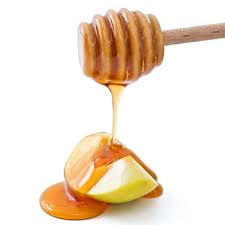
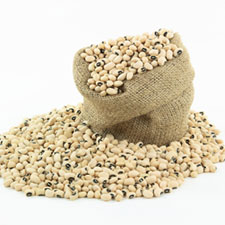
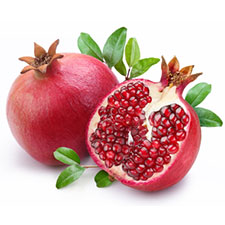
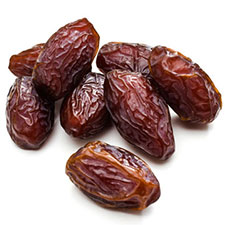
The foods are: apples dipped in honey, leek, black-eyed peas, dates, gourds, pomegranate, head or tongue of cow or fish head and swiss chard.
Circular challahs represent the unending cycle of life and the round bread looks like a royal crown, a reminder of the coronation of G-d as king.
These round challahs are customary on Rosh Hashanah and often raisins are added to sweeten the taste.
Apples Dipped in Honey
One of the primary reasons why we use an apple is because of its sweetness. Coupled with the added sweetness of the honey, it is symbolic of the ultra-sweet year we hope G‑d will grant us.
There are many other sweet fruits, like peaches and mangos. The apple was specifically chosen because it symbolizes the Garden of Eden, which according to the Midrash has the scent of an apple orchard.
Swiss Chard
The Arabic word silleq means to remove or throw out. Syrian Jews usually eat Swiss chard in hope that G-d will remove enemies from their midst.
Black-Eyed Peas
Sephardim eat black-eyed peas for good luck in the new year.
Head, Fish Head or Tongue
Rosh Hashanah literally means “head of the year” in Hebrew. For this reason in some communities it is traditional to eat the head of a fish, head of cow or tongue during the Rosh Hashanah holiday meal. Fish is also eaten because it is an ancient symbol of fertility and abundance, they never sleep and they swim in water. We hope the year will be one of plenty, just as fish are extremely fruitful. Just as fish never sleep, we hope to maintain a constant awareness of our mission in life and to remain cognizant of G-d’s expectations at all times.
Gourds
The Hebrew word for gourd is k’rah, which means proclaim, as in “May our merits be proclaimed before G-d.” K’rah also means “rip up” as in “May harsh decrees be torn up.”
Pomegranates
Pomegranates often serve as the “new fruit,” a fruit not yet eaten this season. There are two reasons why the pomegranate is used as the new fruit. The Land of Israel is praised for its pomegranates in the Bible and because pomegranates supposedly contain 613 seeds. Thus, we display the desire to fulfill G-d’s 613 mitzvot by eating the pomegranate.
Leeks
These vegetables are known as karsi, related to the word karet, to cut off or destroy. By eating leeks we are asking, “May it be your will Eternal G-d that our enemies will be cut off.”
Dates
Dates are known as tamri, meaning consume or finish. This food is similar to the leeks in that it is eaten with the intent that all enemies will end their wrath.