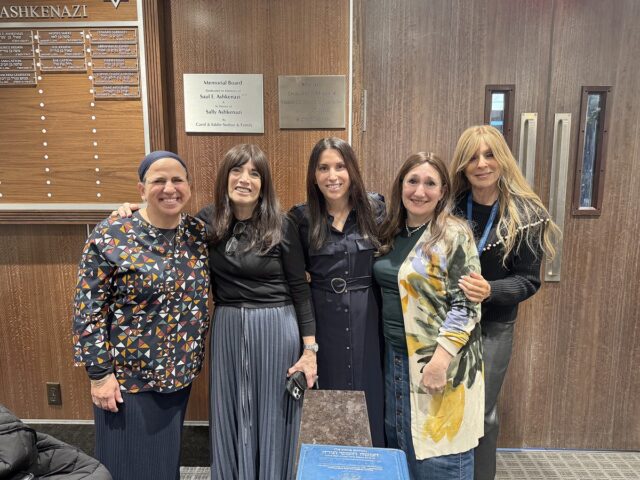
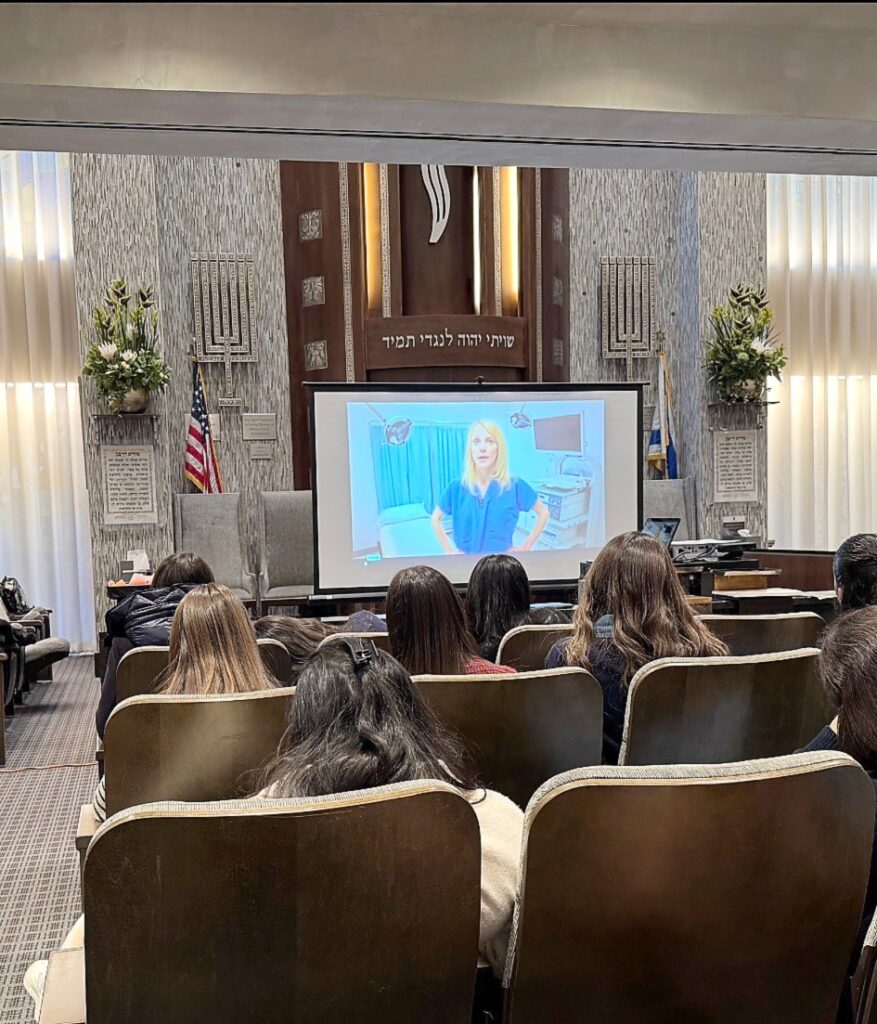
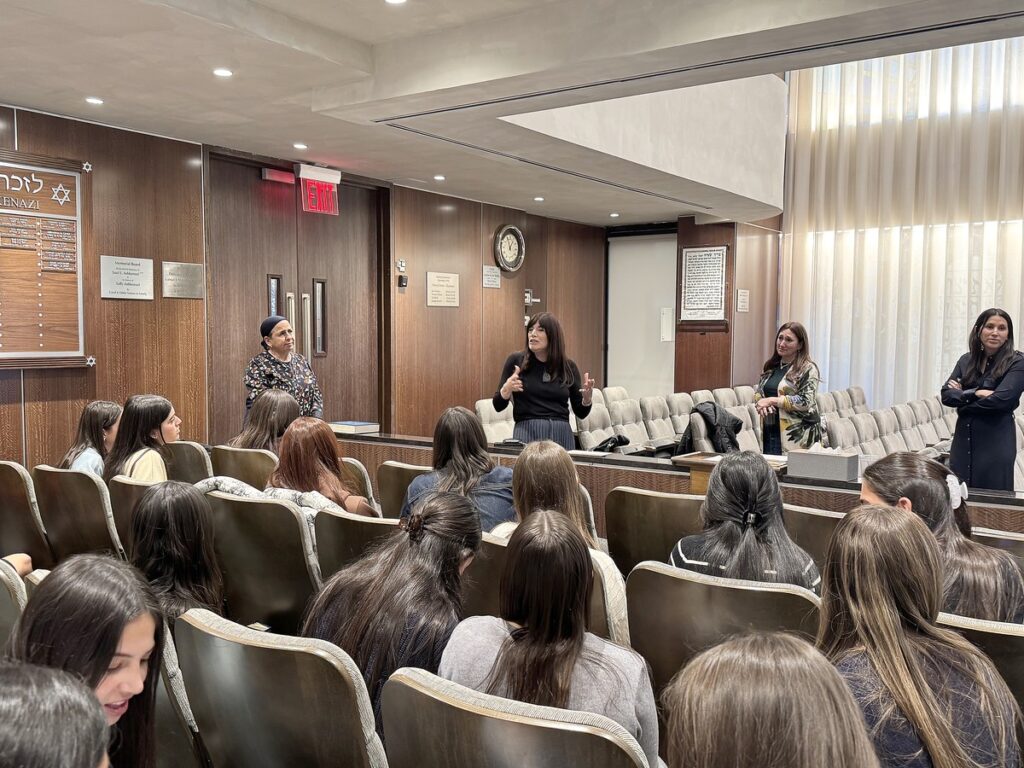
The Morris I. Franco Cancer Center recently visited several community high schools as part of its ongoing mission to raise breast health awareness among young people. The outreach initiative aimed to educate students about the importance of early detection and proactive health habits. “Education is power. We want to reach these girls before they go out into the world, and make sure they feel informed, prepared and confident of their health,” said Nancy Sutton, President and Founder of the Morris I. Franco Cancer Center. During the visits, students were shown an informative video on how and when to perform breast self-checks, emphasizing the importance of regular self-examinations as a key step in early detection. Guest speakers from the center and community nurses shared vital information about understanding one’s family medical history and the value of being in tune with your own body to recognize any unusual changes.
“If you know what your body feels like now, you’re more likely to notice a change and that is a powerful step in protecting your health,” said Alaina Dweck, breast cancer survivor and volunteer. Students were encouraged to be their own health advocates and to have open conversations with family and healthcare providers. The initiative highlights the Cancer Center’s commitment to empowering the next generation with the knowledge and tools they need to take charge of their breast health. If any high schools or organizations would like to collaborate with the Morris I. Franco Cancer Center, call 718-787-1800 #2.
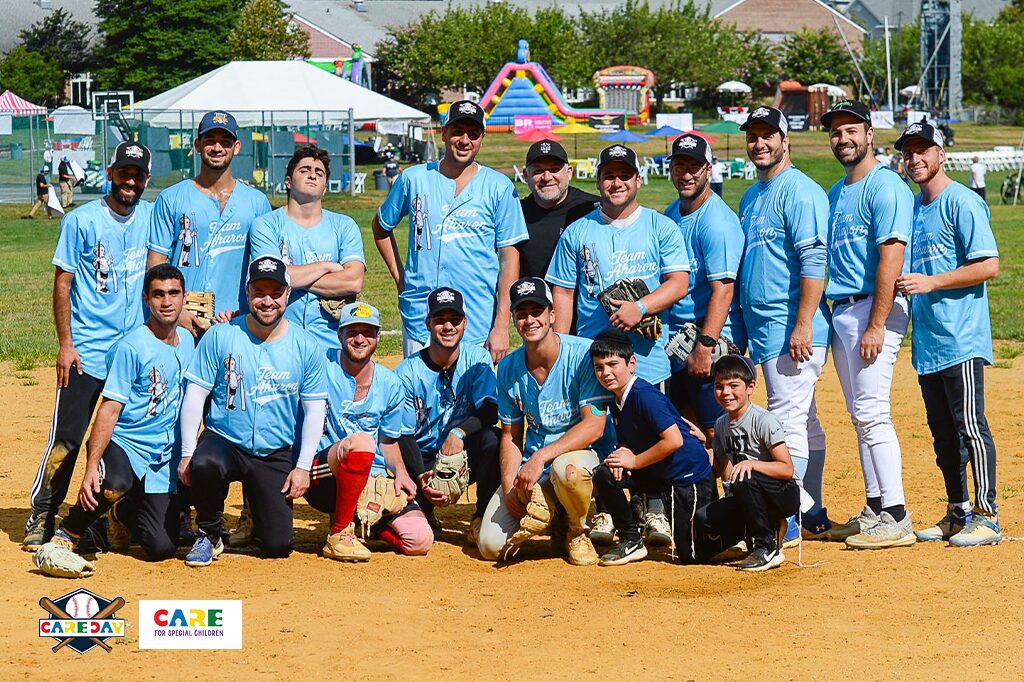
It was truly inspiring to see thousands of community members come together in support of CARE! The incredible turnout was a powerful reminder of how deeply our community understands the importance of CARE’s mission. From grandparents to toddlers, everyone came out to celebrate and had a blast!
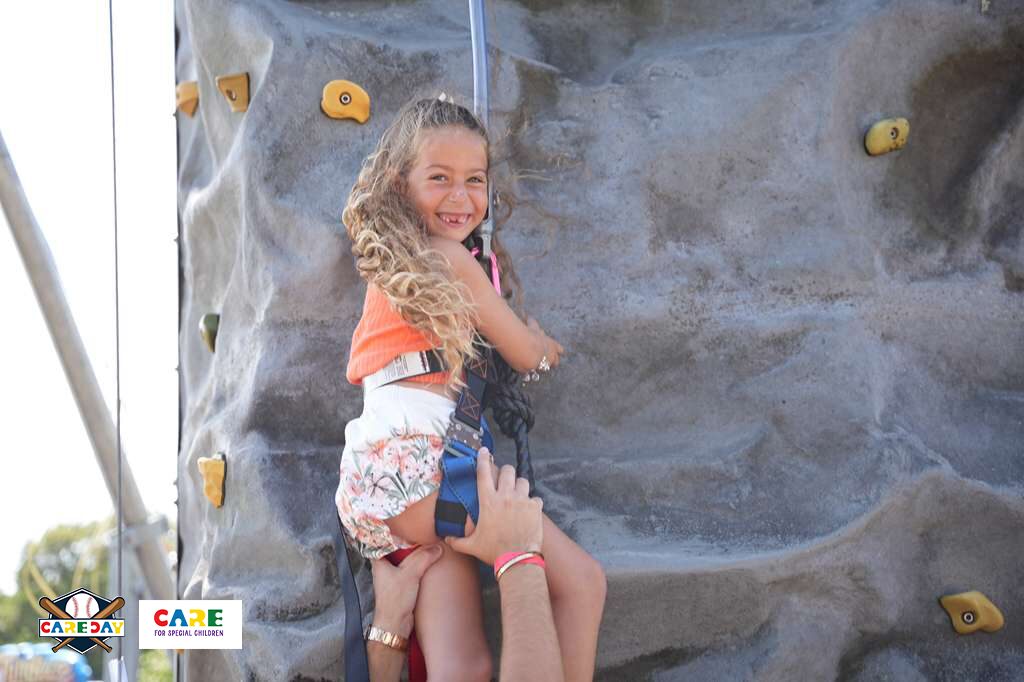
Sports fans cheered through more than eight softball tournaments that ran all day, while kids bounced from inflatables to rides, scaled the rock-climbing wall, and played endless arcade games, winning prize after prize! The excitement continued with an incredible auction featuring amazing prizes generously donated by local businesses across the community. The food was another highlight, featuring tables piled high with popcorn, cotton candy, cookies, and hot pretzels, plus an ice cream stand and a sizzling barbecue spread, perfect for a summer day. This year was also the first time we launched an exclusive VIP lounge for our players. Our softball players enjoyed the full VIP experience, with a private space to relax between games, enjoy delicious food, and even unwind with massages. It quickly became the favorite hangout spot of the day! The event was organized by Abe Saka, Morris Kassis, and Ray Esses, who worked tirelessly for months to make this day so special. A huge thank you goes to event planner Jessica Esses for coordinating every detail so beautifully, Ricky Esses for providing amazing music all day long, and to the many sponsors and volunteers who gave their time, energy, and heart. Over 85 community businesses contributed generously to the event, another testament to how strongly the community stands behind CARE. Seeing everyone come together on CARE Day meant so much. It wasn’t just a day of fun, it was a beautiful show of support for the families CARE stands behind all year long. We’re so grateful to everyone who came out to celebrate, volunteer, and share in our mission. It truly was a day filled with joy and the kind of community spirit that makes everything CARE does possible.
Sukkot 2025 was nothing short of extraordinary at DSN, as the community came together to celebrate with joy, gratitude, and a full calendar of unforgettable programs. With record-breaking attendance, exciting trips, and top-notch entertainment, DSN once again proved why it’s the heartbeat of the Deal community.
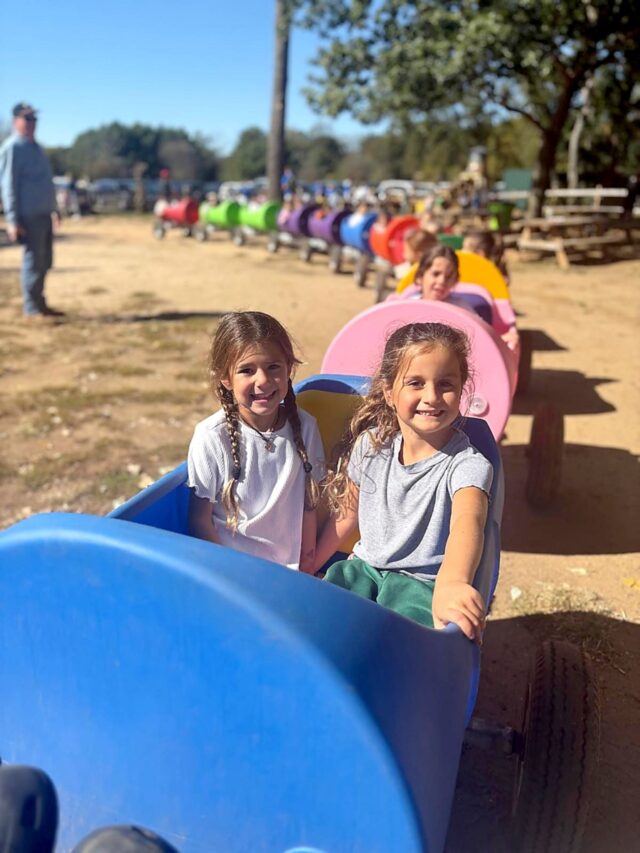
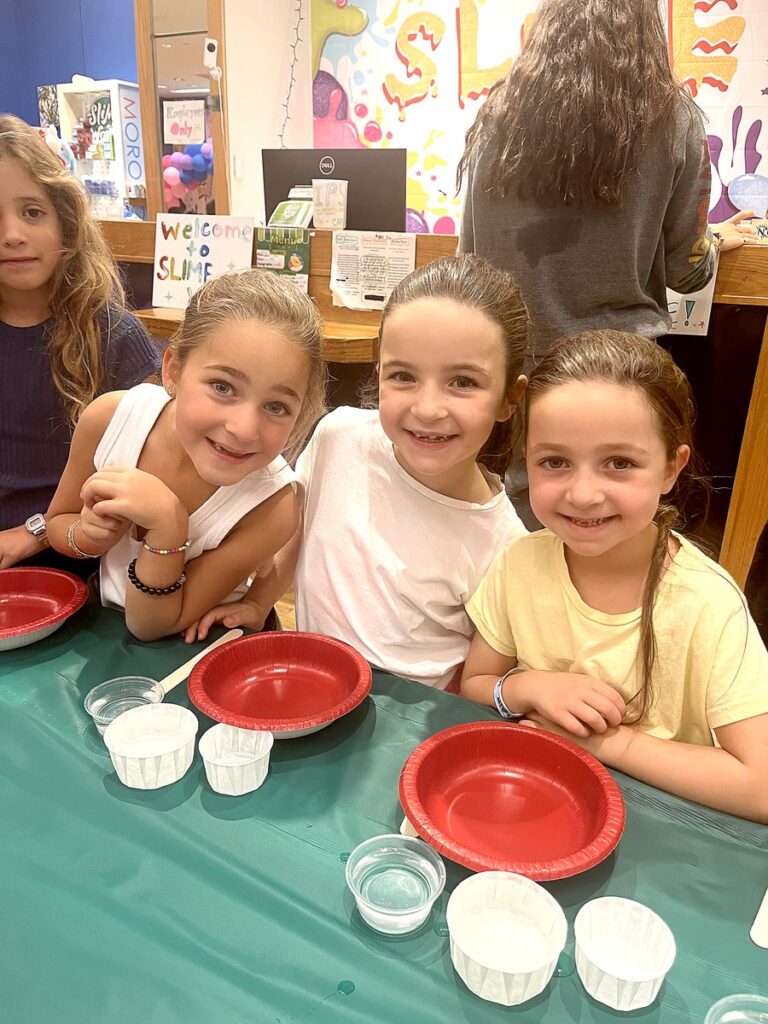
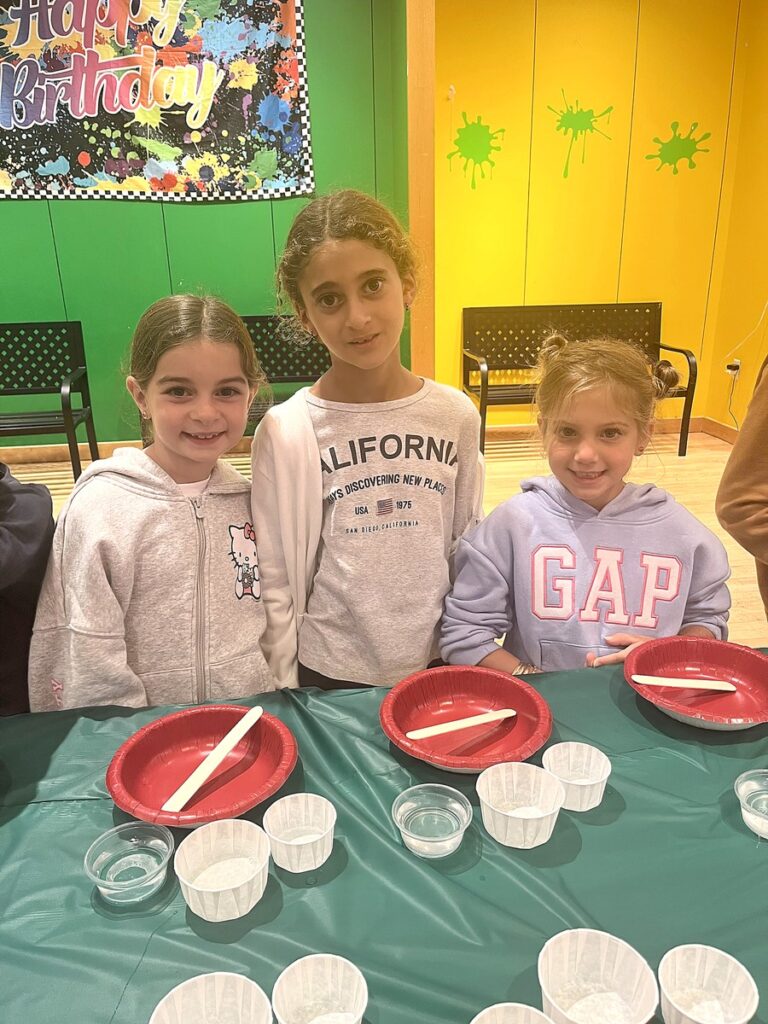
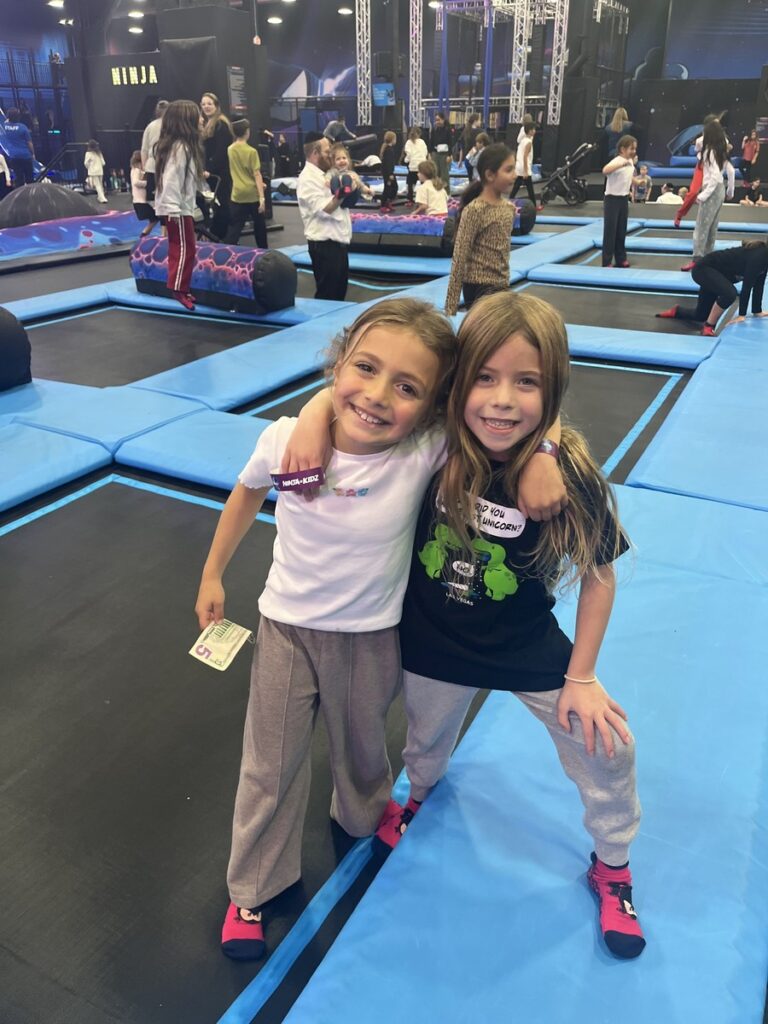
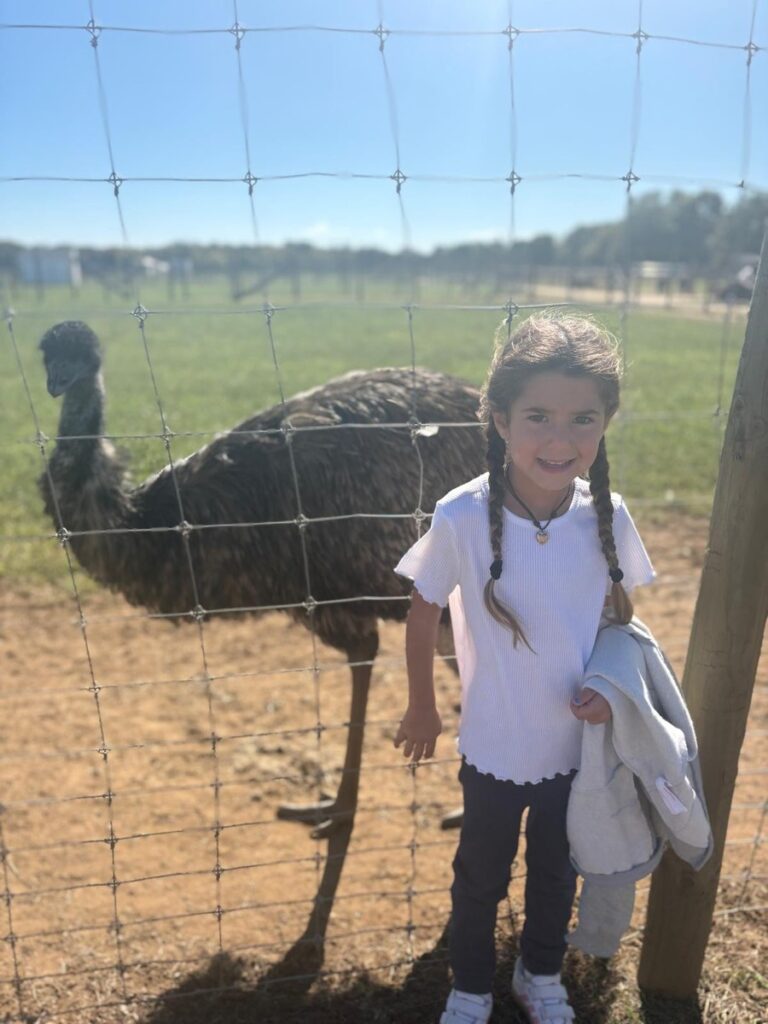
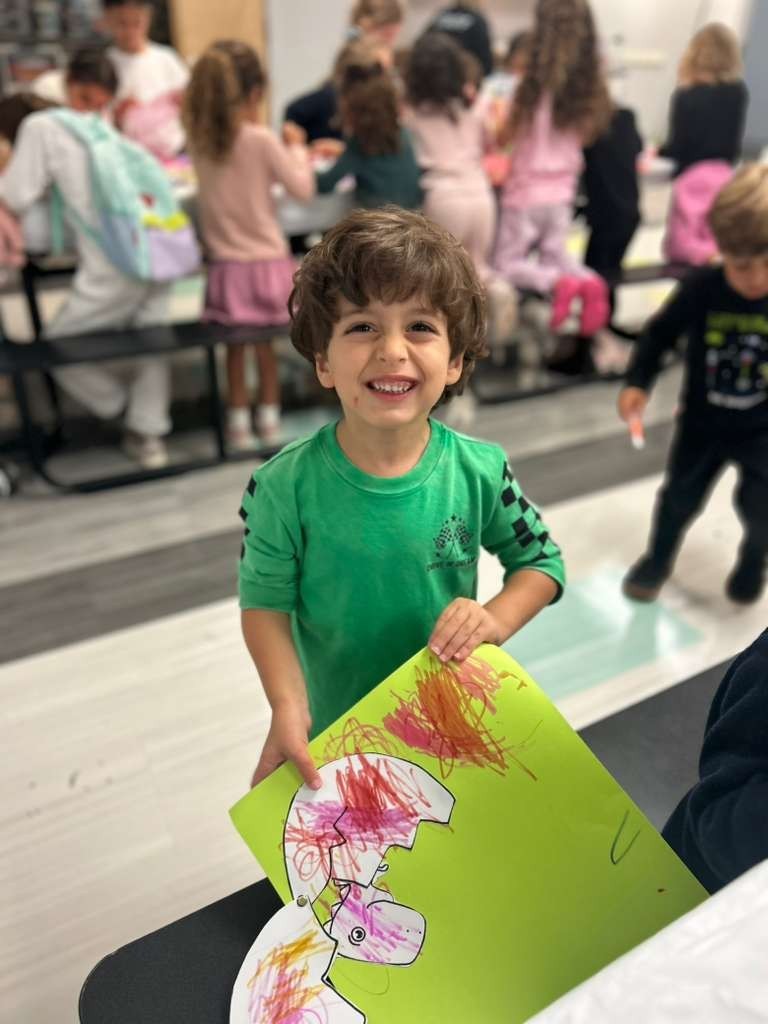
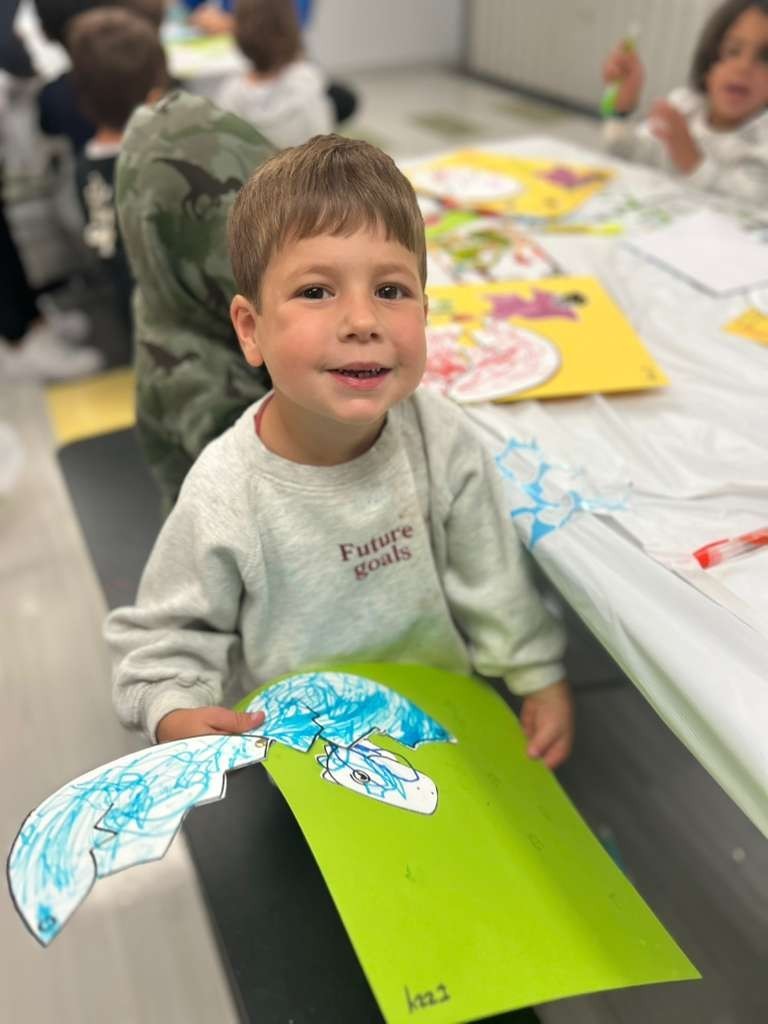
This Sukkot, the energy was electric. Over 650 children participated in a wide range of trips and in-house programs designed to make Sukkot Hol Hamoed fun. Families enjoyed adventures to Big Snow, Carm’s Farm, Ninja Kidz Action Park at American Dream (a brand-new favorite), Urban Air, and Slime World. Back at DSN Community Center, children experienced an in-house circus day featuring a full circus show, face painting, bounce houses, and even a Dinosaurs Rock exhibit complete with an interactive dino show for the younger children that had everyone roaring with excitement.
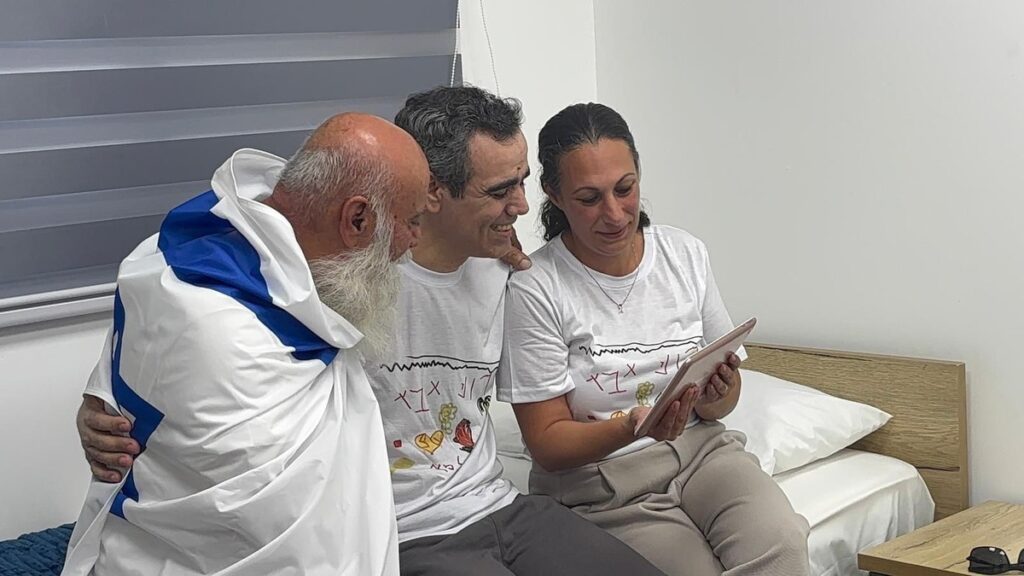
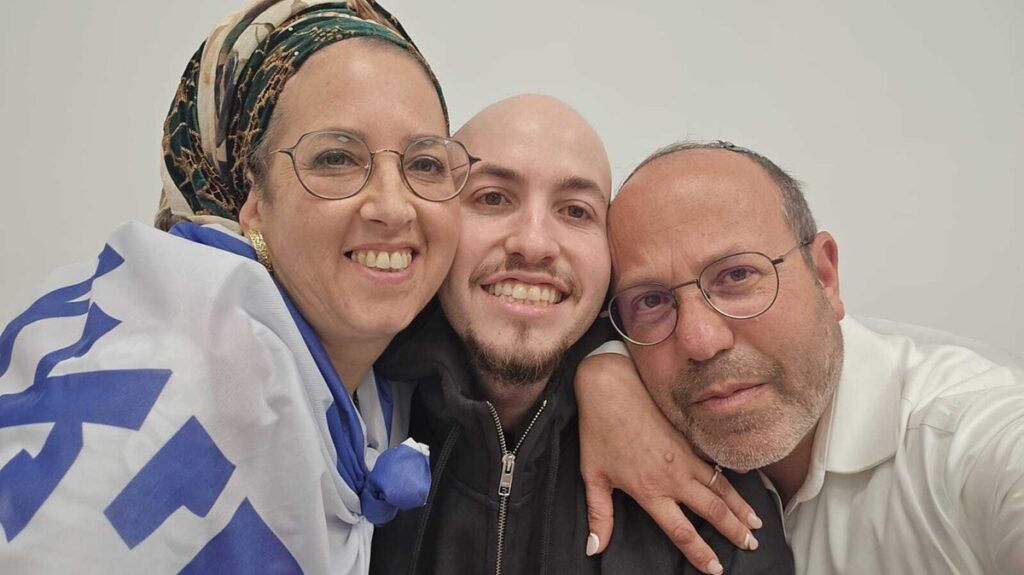
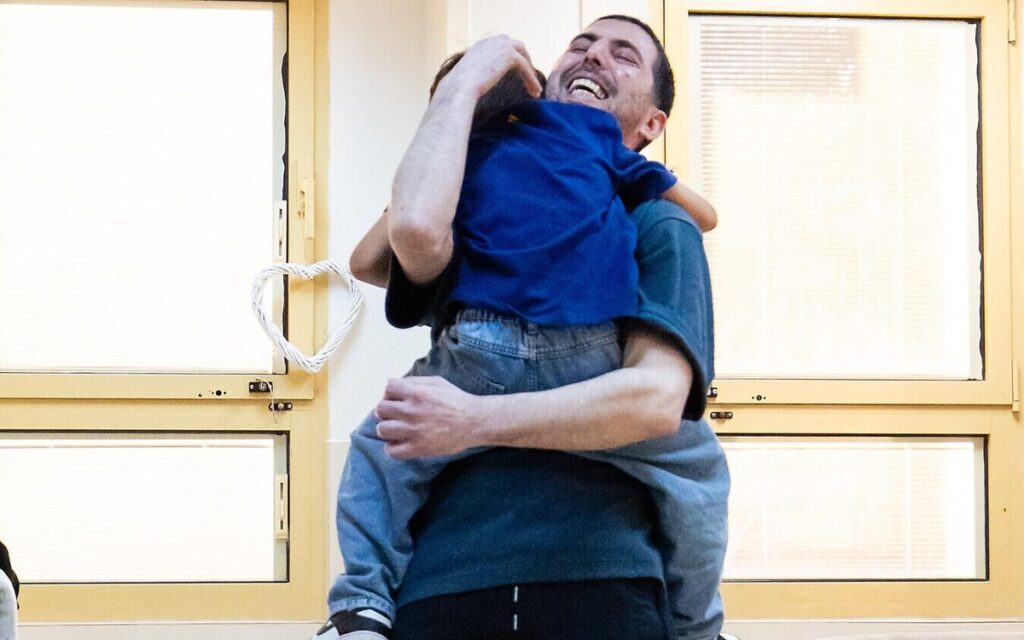
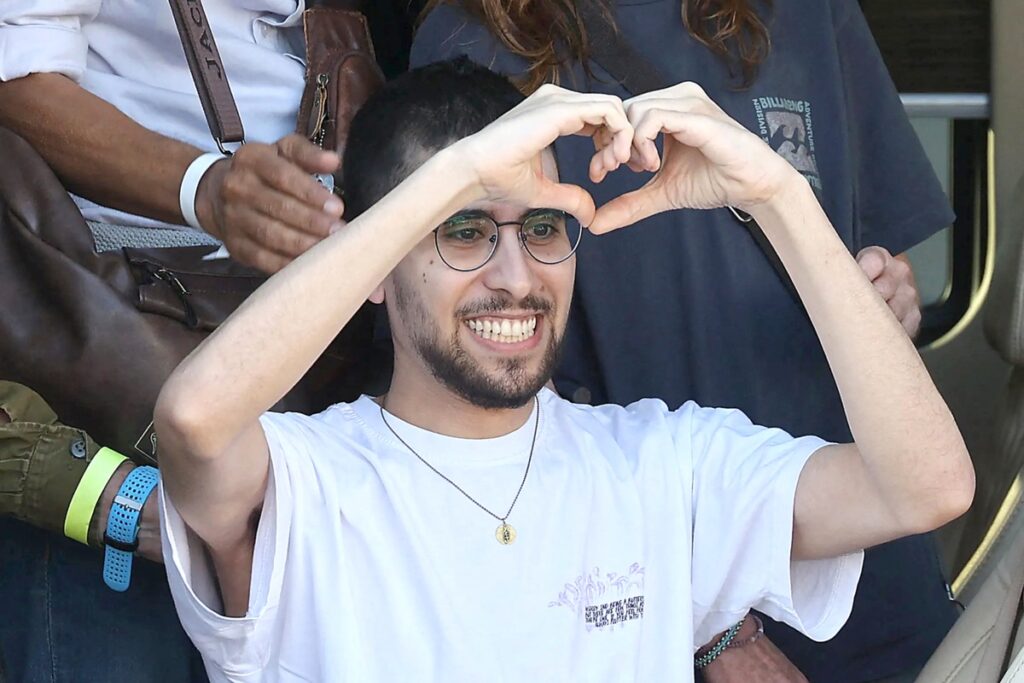
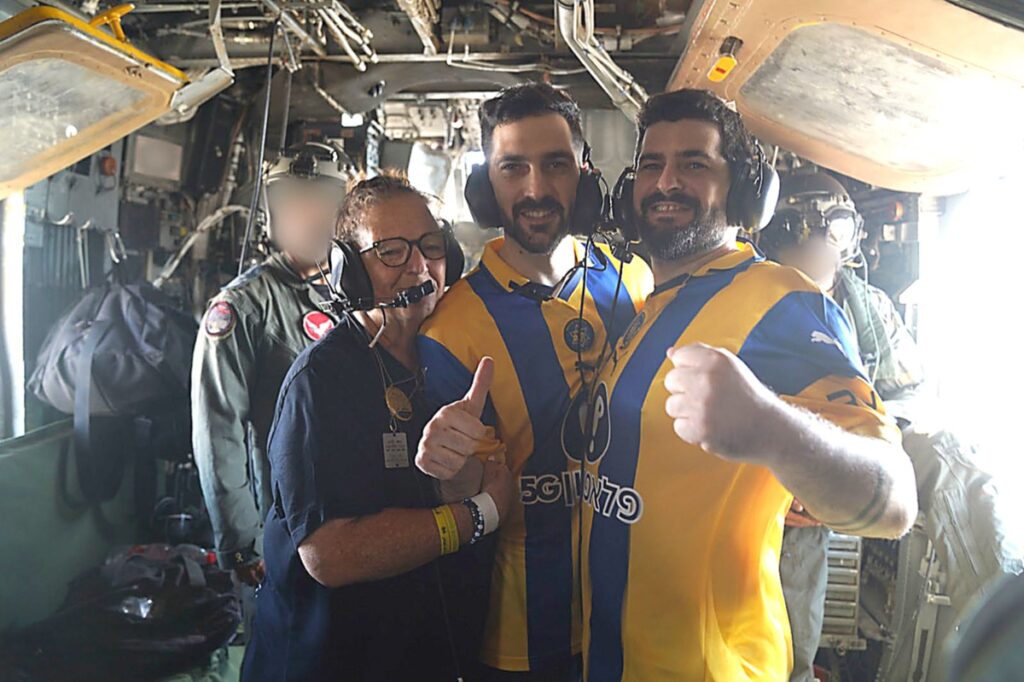
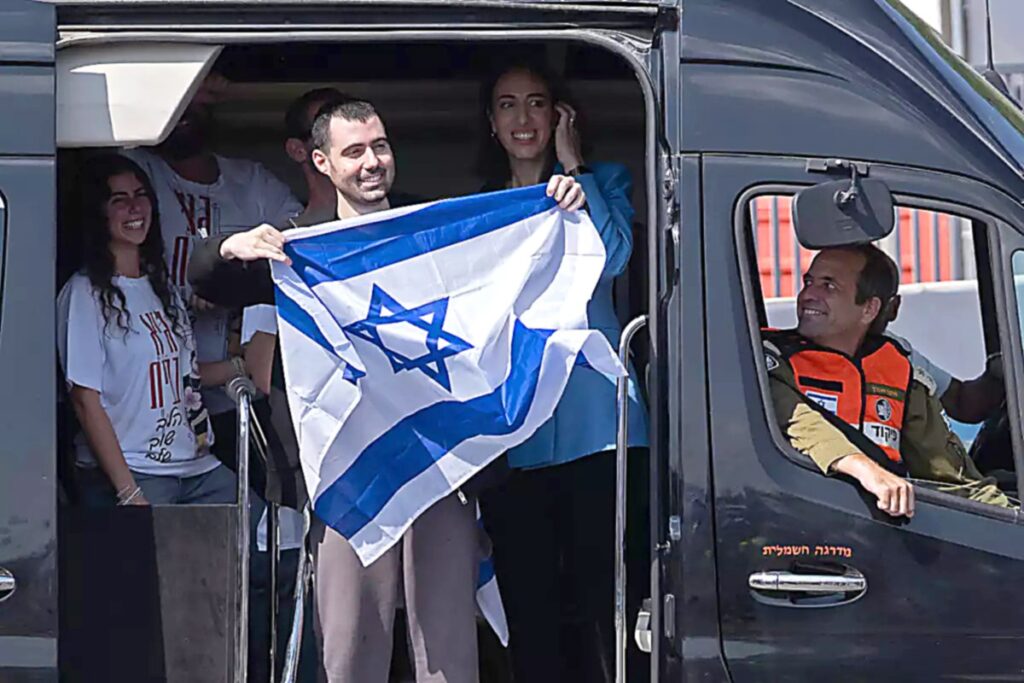
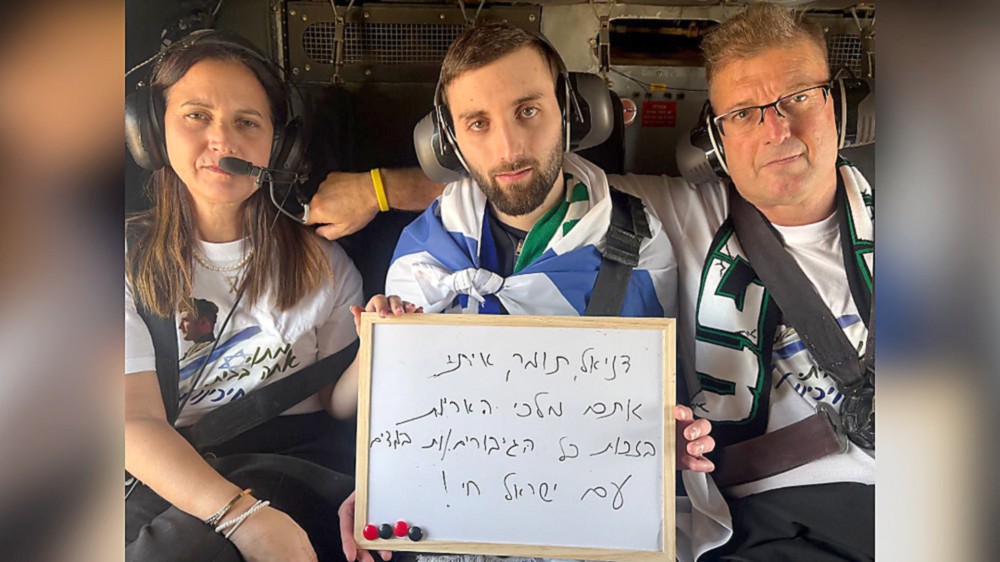
The programming wasn’t just about fun, it was also a blessing for parents. With so many engaging options for children from nursery through 8th grade, including participants from both Brooklyn, Manhattan and the Deal area, moms were able to prepare for the holiday while knowing their kids were having a blast in a safe, vibrant environment. DSN also hosted a spirited basketball tournament for 6th–7th grade boys, giving them the chance to show off their skills and teamwork. Meanwhile, over at the DSN Beach Club, adults enjoyed a sophisticated and festive Sukkot lineup. On Thursday, October 9th, the atmosphere was alive with the smooth sounds of Reggie Woods and a jazz quintet, wowing members with soulful, uplifting tunes. The next morning, members joined a pickleball tournament filled with friendly competition and laughter. The celebrations continued after Shabbat on Saturday night, when strolling magician Ari Paul brought back his magic, this time to the first-floor lobby and Sukkah, delighting diners with close-up tricks and entertainment. Monday showcased a “Bring Your Own Game”, a relaxed afternoon of mahjong, canasta, and Toleh (backgammon), offering community and connection in a cozy holiday setting. Reflecting on the week, DSN’s Youth Program Director Frieda Shamah shared, “Sukkot at DSN was incredible! We loved seeing so many kids come through our doors. We had the best time keeping everyone engaged, smiling, and having fun all Hol Hamoed.” Indeed, Sukkot 2025 was unforgettable, filled with family, friendship, and, to the joy of the entire community, a sense of deep relief and unity as all the living hostages were finally released, allowing everyone to rejoice and celebrate together. DSN hopes everyone had a joyful Sukkot and thanks the community for celebrating together, making the holiday brighter, easier, and more meaningful. Am Yisrael Chai!
After two years of heartbreak, the hostages are back. Their return isn’t only a miracle—it’s a mandate for how we live moving forward.
After two years of praying, hoping, and holding our breath, all the living hostages are finally home. The emotions have been overwhelming. I’ve watched the videos of families reuniting with their loved ones, and the tears have flowed freely. Mothers embracing children. Spouses holding each other as if they might never let go. The sheer relief and joy radiating from their faces—it’s almost too much to take in. But we are quick to forget. Life has a way of pulling us back into routine, of dulling even the sharpest feelings. Moments of profound emotion carry profound responsibility. I cannot simply return to life as normal after witnessing this miracle. None of us can. Here the lessons I’m striving to take with me.
Be Empathetic to Those Around You You never know what someone is going through. For two years, families walked among us carrying unbearable pain. Some wore it openly; others masked it with forced smiles and brave faces. But behind closed doors, they were breaking. Every holiday that passed without their loved ones. Every empty chair at the Shabbat table. Every night wondering if they would ever see them again. How many people in our own lives are carrying similar burdens we know nothing about? A friend struggling with infertility. A neighbor battling illness. A colleague dealing with a family crisis. We pass each other in shul, at the grocery store, in our daily routines, and we have no idea. The return of the hostages reminds us: everyone has a story. Everyone is fighting battles we cannot see. A little kindness, a listening ear, a genuine “How are you?”—these small acts can mean everything to someone who is suffering in silence.
Cherish Your Loved Ones We don’t need to experience pain to learn to cherish one another. The families of the hostages didn’t know if they would ever get this moment—the moment of embrace, of reunion, of having their loved one home. They would have given anything just to sit together at the table again, to hear their voice, to hold their hand. We have that now. Today. Our loved ones are with us. Don’t wait for a crisis to truly appreciate them. Don’t let petty frustrations cloud your gratitude for simply having each other. The hostages’ return teaches us that life is fragile and precious. Look at your spouse, your children, your parents, your siblings and friends, and truly see the blessing they are.
Never Give Up Hope For nearly two years, it would have been easy to give up and let despair win. But the Jewish people never stopped praying. Never stopped advocating. Never stopped hoping. We prayed at the Kotel, we wore the dog tags, we kept their names and faces before us. We refused to forget and to accept that this was the end of their story. And now, they are home. This is the power of hope. Not naive optimism, but the deep, stubborn Jewish faith that even in the darkest night, redemption can come. That miracles still happen. That no situation is beyond the reach of the Almighty.
Moving Forward The hostages are home but their ordeal is not over. They will need time to heal, to rebuild, to find their footing in a world that continued without them. And we, as a community, must be there for them throughout the long, difficult months and years ahead. And let’s support each other. Let us be more empathetic. Let us cherish what we have. Let us never give up hope. This is how we transform collective trauma and joy into lasting growth.
Rabbi Dr. Yosef Lynn is an executive coach who focuses on helping individuals thrive in their professional lives and beyond, giving them the tools to achieve their goals in all of their personal endeavors, especially in their relationships and serves as the Dean of Students at Machon Yaakov, the Dr. David Robinson Institute for Jewish Heritage, Jerusalem. He holds a Doctorate in Human and Organizational Psychology (PsyD) from Touro, and a Master in Applied Positive Psychology (MAPP) from the University of Pennsylvania.
The day your child turns 18 is more than just another birthday. It is a major legal milestone. Overnight, your son or daughter becomes an adult in the eyes of the law, with new rights and responsibilities. While this independence is exciting, it also comes with challenges that many families are not prepared for. Parents are often surprised to learn that once their child is legally an adult, they lose automatic access to medical information, financial accounts, and even school records.
Preparing ahead of time can make the transition smoother, safer, and less stressful. A thoughtful checklist not only protects your child but also gives you peace of mind as they head into adulthood.
Why Preparation Matters At 18, young adults may still rely on their parents for support, but the law does not recognize that dependence in the same way. In emergencies—medical, financial, or academic—you could suddenly find yourself on the sidelines without the right legal documents. Setting aside time to organize, discuss, and document key aspects of your child’s new adult life is essential.
Medical and Health: Protecting Your Child in Emergencies Health care is one of the most immediate concerns once a child becomes an adult. Without certain forms, parents may not be able to speak with doctors or make decisions on their child’s behalf.
HIPAA Authorization: Grants parents’ permission to access medical records and communicate with providers.
Medical Power of Attorney/Healthcare Proxy: Ensures you can step in to make decisions if your child cannot.
Health Insurance: Verify coverage, especially if your child will stay on your plan until age 26.
Emergency Contacts: Update information with schools, employers, and insurance providers. These steps allow you to act quickly and confidently in a health emergency when every second counts.
Education: Staying Connected While Respecting Privacy College brings independence but also new rules around communication.
FERPA Waiver: Allows parents access to transcripts, grades, and school records, which universities otherwise keep private.
School Emergency Authorizations: Ensure the institution can contact you during urgent situations. These forms do not reduce your child’s independence. They simply keep you informed when needed.
Legal and Financial: Building a Strong Foundation Turning 18 also brings adult financial responsibilities. Preparing early helps avoid costly mistakes.
Durable Power of Attorney: Allows parents to assist with financial or legal matters if necessary.
Bank Accounts: Consider joint access or set up a safety net account for emergencies.
Credit Check: Begin monitoring credit early to protect against fraud or errors. These tools strike a balance between independence and security.
Essential Documents: Store and Safeguard Some documents become even more important at 18 and should be kept secure but accessible:
Birth certificate (original)
Social Security card
Passport (if applicable)
Insurance cards (health, auto, etc.)
Copies of signed legal forms Keep these in a fireproof lockbox or secure digital vault to avoid delays when proof of identity or authorization is needed.
Conversations to Have: Building Financial Literacy Beyond paperwork, this milestone is a good time to begin important discussions. Many 18-year-olds have not yet learned the basics of managing money or protecting themselves from financial risks. Topics include:
Budgeting and money management
Credit responsibility and the long-term impact of borrowing
Online security and fraud awareness
Emergency preparedness and knowing where to turn for help These conversations give your child the tools to make confident, responsible decisions.
A Milestone Worth Preparing For When your child becomes an adult, the legal and financial landscape shifts overnight. By organizing documents, updating authorizations, and having essential conversations, you protect their well-being while empowering them to step into independence. With the right preparation, turning 18 is not just about growing up, it is about building a strong foundation for the future.
The content is developed from sources believed to provide accurate information. Investing involves risk including the potential loss of principal. No investment strategy can guarantee a profit or protect against loss in periods of declining values. Past performance does not guarantee future results. Consult with a financial professional regarding your specific situation.
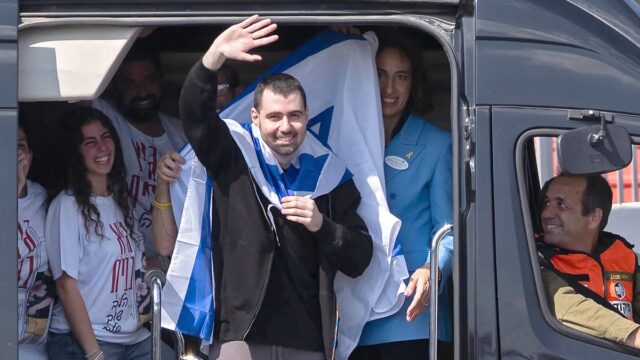
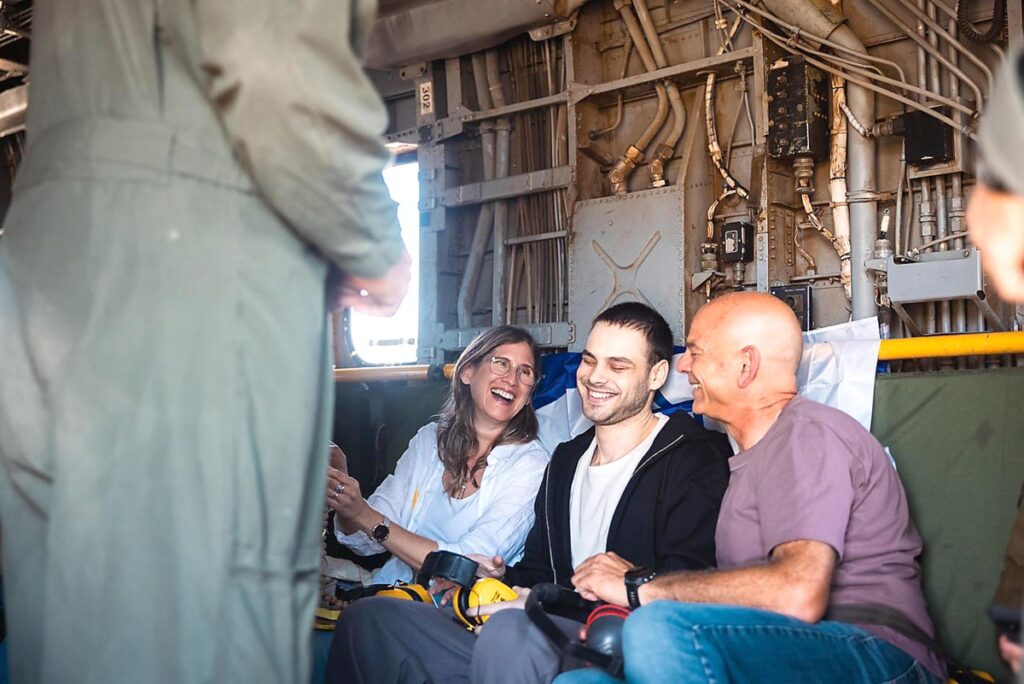
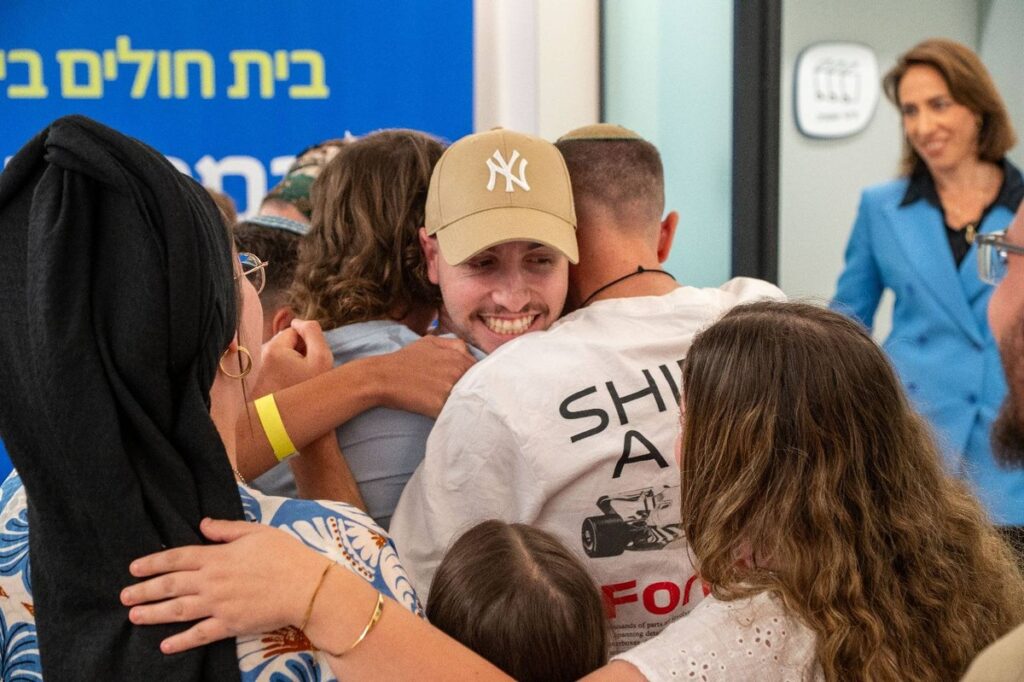
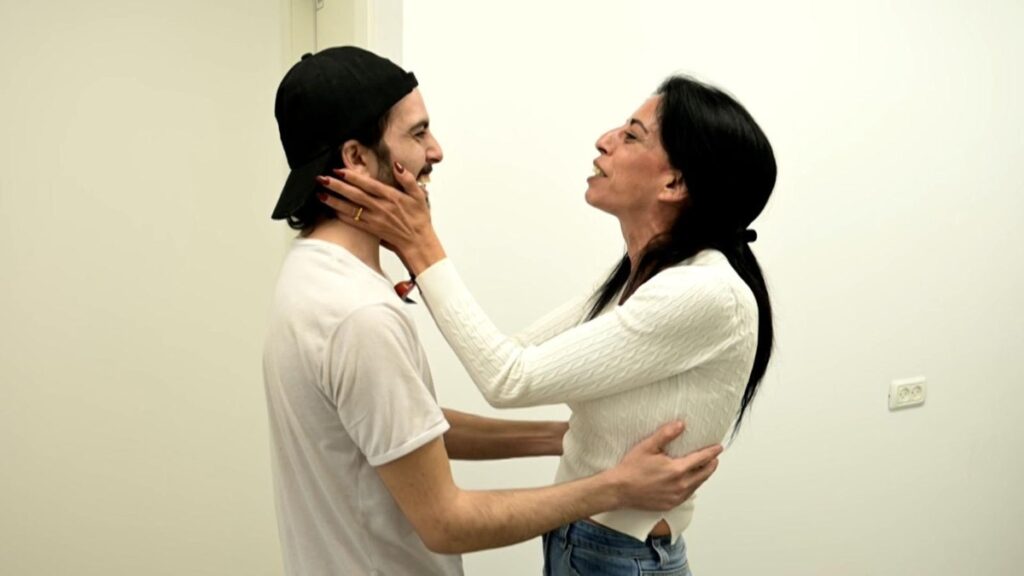
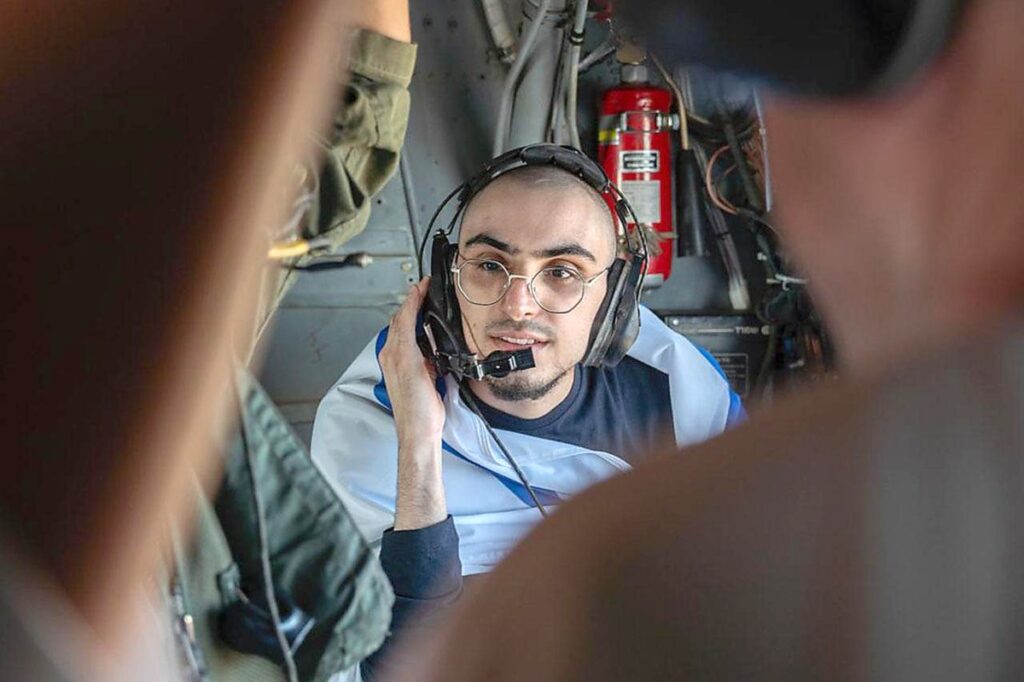
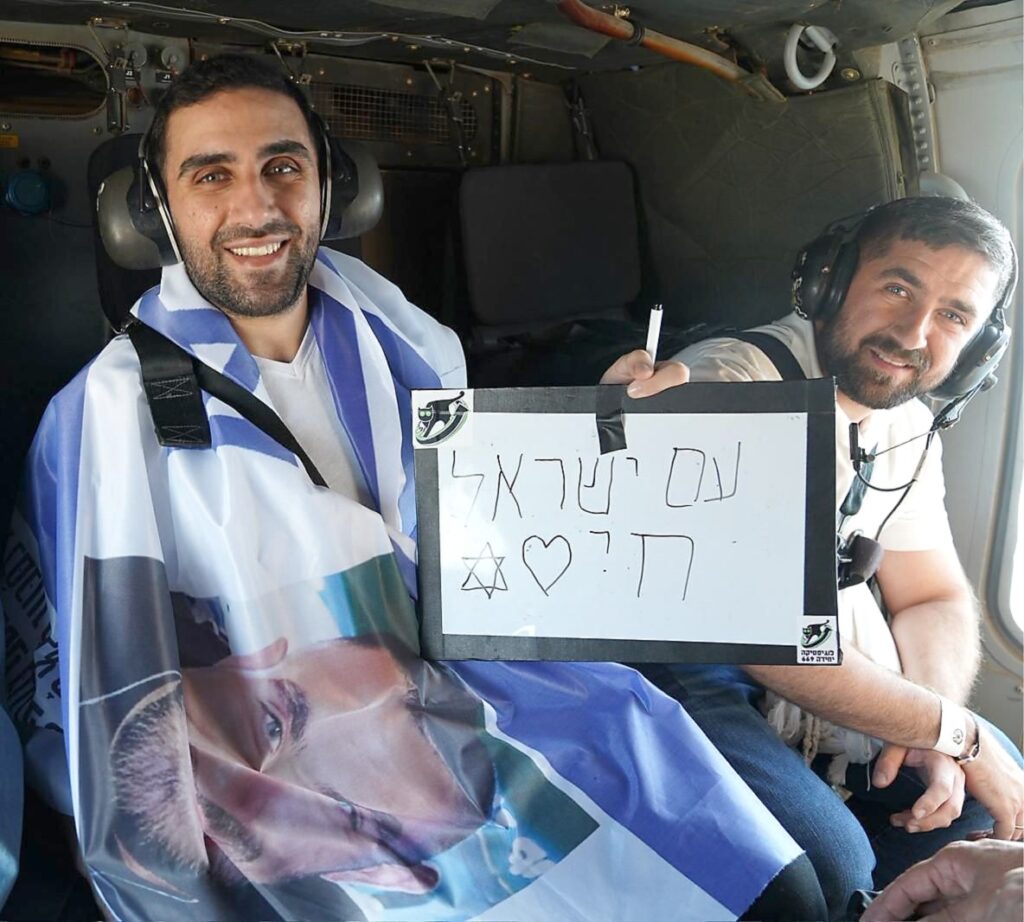
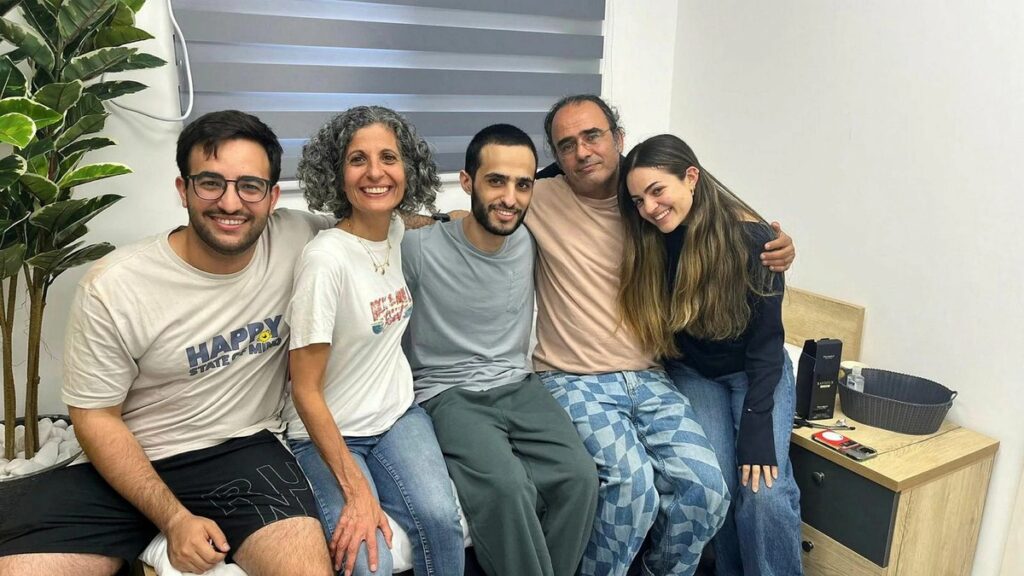
After 736 days in captivity, the last 20 Israeli hostages are home, frail, scarred, but free. These are their stories of survival, loss, and return.
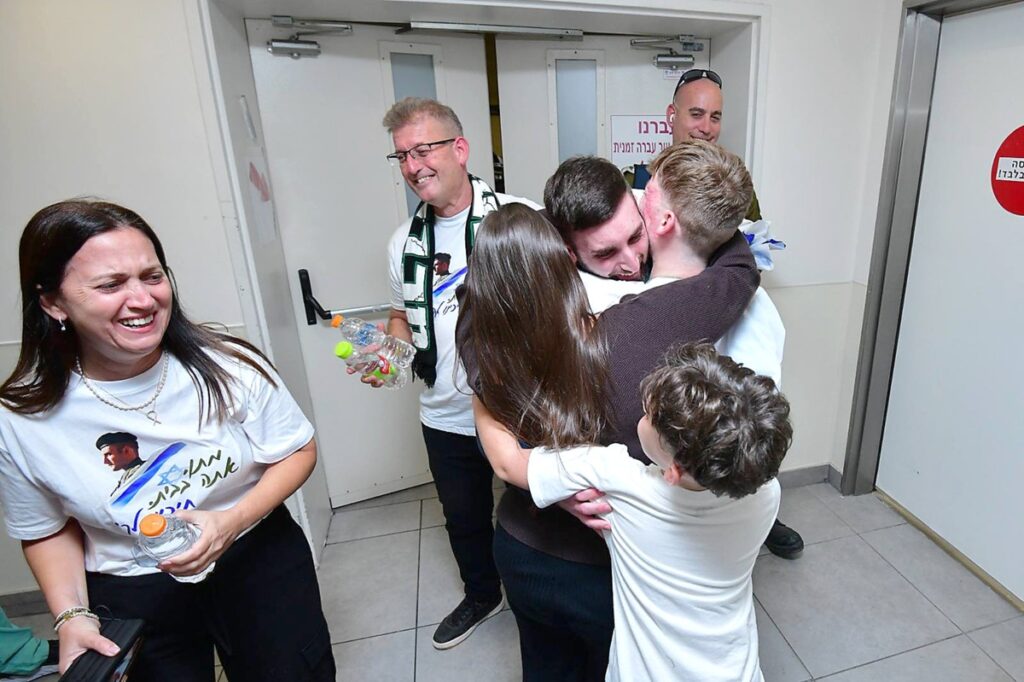
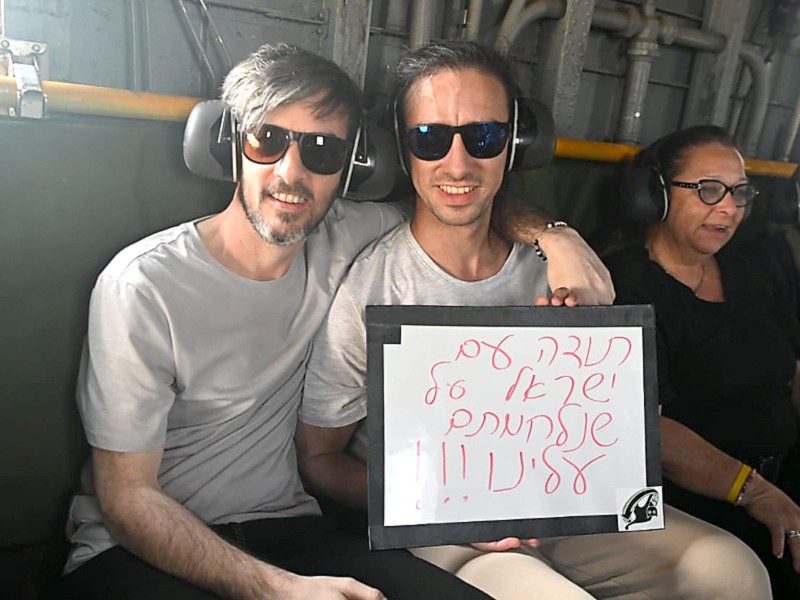
For two long years the entire Jewish people prayed for them. We demonstrated for them, lit extra Shabbat candles for them, reminded others of their plight, wore hostage pins, yellow ribbons, and counted the long days of their captivity. At long last, the 20 remaining living hostages were freed by Hamas on Monday, October 13. Here are portraits of these final prisoners we’ve prayed for over 736 terrible days.
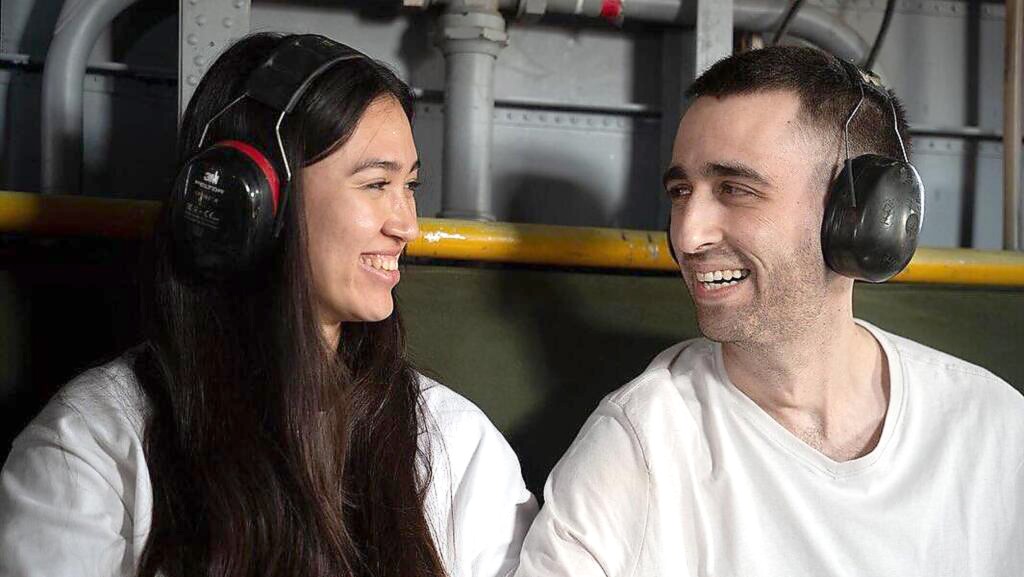
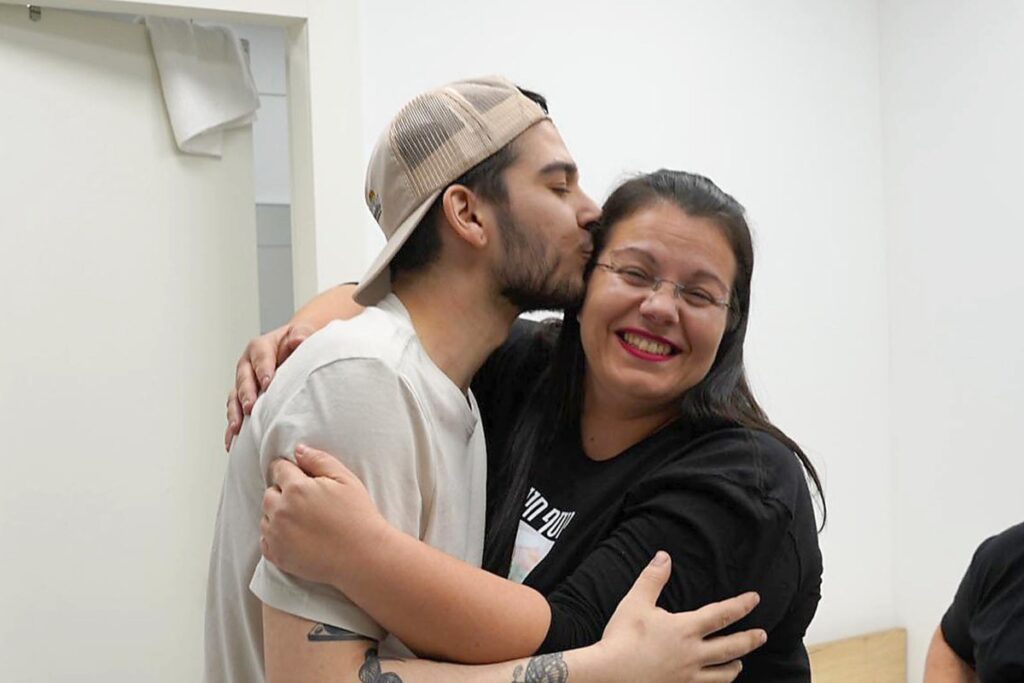
Avinatan Or Avinatan Or, 32, grew up with six brothers in the town of Shilo and studied electrical engineering at Bar-Ilan University. Before his kidnapping he lived in Tel Aviv, worked for Nvidia, and was seriously dating his girlfriend, Noa Argamani. On October 7, he and Noa attended the Nova music festival together. When Hamas terrorists overran the festival, Avinatan and Noa hid in a ditch for hours. After massacring hundreds of festival-goers, terrorists found them and filmed themselves abducting the terrified couple. Footage of Noa being carried into Gaza on the back of a motorcycle, her arms outstretched toward Avinatan, became one of the iconic images of that terrible day. Israeli soldiers rescued Noa and three other hostages on June 8, 2024—245 days after their kidnapping. She and other released hostages described seeing Avinatan in captivity, held in a dungeon and denied food and water. When Avinatan was released—wearing a military-style “uniform” forced on him by Hamas—he appeared emaciated. Ariel and David Cunio Brothers Ariel and David Cunio grew up in Nir Oz, where they still lived as adults. Their parents and grandparents were born in Argentina and moved to Israel forty years ago to fulfill their dreams of living in the Jewish state. (On October 7, 2023, Ariel’s and David’s great-great-grandmother Esther gained fame by averting her own kidnapping by bonding with her Hamas captors over Argentinian soccer.)
David Cunio David Cunio, 33, is an acclaimed actor. On October 7 he huddled in his family’s safe room with his wife Sharon and their twin daughters (now four years old) Julie and Emma, and with Sharon’s sister and niece. For hours, David fortified the safe room door with his own body as Hamas terrorists roamed through Nir Oz, killing 47 of the town’s civilians and destroying nearly every building. Eventually, Hamas terrorists set the Cunios’ home on fire. David and his daughter Julie escaped first through a window and were immediately captured. Terrorists dragged the other family members out through a window. David, Sharon, and Julie were brought as captives into Gaza together; two-year-old Emma was kidnapped separately. Sharon, Julie, and Emma were freed in a truce six weeks later; for the past two years, the family has waited for David. The only news they received in that time was that David was being held underground. Sharon reports that Julie and Emma are traumatized and have been longing to see their dad.
Ariel Ariel, 28, is a computer scientist. He lived in Nir Oz with his partner Arbel Yehoud, who recalled that before Hamas’ attack, the small town of Nir Oz felt like “our private paradise.” Ariel had just returned from a trip to South America, where his extended family is from. He and Arbel had just adopted a puppy. Before they were taken hostage on October 7, Ariel texted his three older brothers that he felt like he was in a “horror movie.”
Eitan Horn Born in Argentina, Eitan (“Eitu”) Horn, 39, made aliyah at age 16 and devoted his life to helping other people navigate the transition to living in Israel. “One of the most notable things about him was his happiness,” notes Leila Banchik, who moved from Argentina to Israel and was helped by Eitan. “A cheerful man who was always making jokes, bringing laughs, and spreading good vibes.” After Russia’s invasion of Ukraine, Eitan immediately volunteered to work with Ukrainian children who were being airlifted to Israel. “We told him, ‘But you don’t know the language!’” recalled Dalia Cusnir-Horn, Eitan’s sister-in-law, “and he said, ‘These children are scared and coming here for safety. This is what the nation of Israel was founded on, and I will be that safe place for them.’” Eitan lived in Israel’s north, but had made a surprise visit to see his brother in Kibbutz Nir Oz over the holiday weekend. He was kidnapped along with his brother Yair, who was released during a ceasefire last February. Eitan’s father Izik said, “I will hug him tight. I guess I will cry. I will remind him how much I love him,” once Eitan was released. A rotund man before his kidnapping, photos of Eitan’s release show him frail-looking and thin.
Alon Ohel Alon Ohel, 24, is a gifted musician who began playing piano when he was nine years old. He’d been accepted into the Rimon School of Music in Jerusalem and was planning to start in October 2023. Alon went to the Nova music festival with friends: Eliya Cohen, Or Levy, and Hersh Goldberg-Polin. When Hamas terrorists attacked the festival, Alon, Eliya, Or, Hersh, and about thirty other Jews crammed into a roadside bomb shelter. Hamas terrorists hurled grenades into the shelter, killing those near the front of the tiny structure, then shot inside. Those who remained alive hid under the corpses of their friends. Finally, after hours of attacks, Hamas terrorists kidnapped Alon, along with his friends. They were held in Gaza in a cramped, pitch-black tunnel. Eliya Cohen, who was released after six months, described the conditions he, Alon, and other Jews were held in: their legs were chained together with motorcycle chains. They weren’t allowed to shower or brush their teeth; four hostages shared a small piece of pita bread and one can of beans each day. Before Eliya was released, he hugged Alon Ohel and cried, knowing that Alon was remaining in such terrible conditions. Alon is in poor physical condition since his release and appears to be blind or nearly blind in his right eye. His family had a piano placed in his hospital room in Beilinson Hospital in Tel Aviv. His mother Idit Ohal described how just a few hours after being released from captivity, “he sat down at the piano in his room, and played a bit, after two years without touching a piano.”
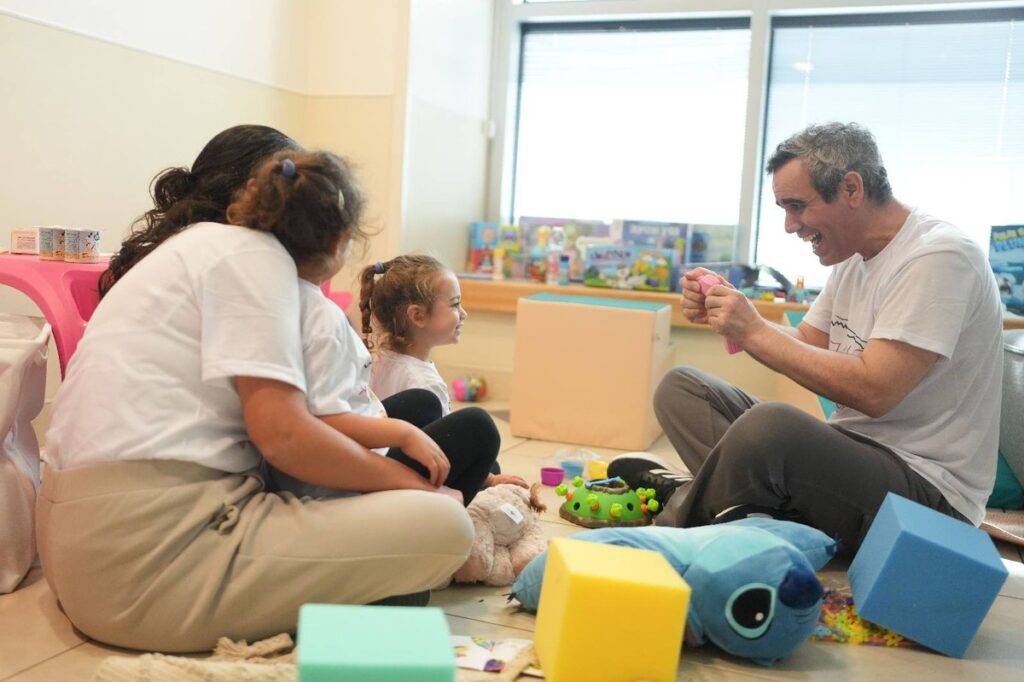
Omri Miran On October 7, 2023, Omri Miran, now 47, a shiatsu therapist and gardener, huddled in his home’s safe room with his wife Lishay Miran-Lavi and their two daughters: Roni, who was 2 at the time, and Alma, who was six months old. Hamas terrorists grabbed one of the Mirans’ neighbors, held him at gunpoint, and told him they would shoot him unless he asked the Mirans to open the door. They did so, and the entire family was kidnapped. The terrorists livestreamed three hours of the ordeal on Facebook, during which they pointed guns at and threatened to kill the terrified family. Later on, Omri was transferred to Gaza while Lishay and the children were released. In Gaza, Omri was held in a combination of private apartments and in underground tunnels. His family have tirelessly campaigned for his release. Lishay recounted having to teach their younger daughter Alma how to say Abba (father in Hebrew) alone, and tried to draw attention to Omri’s dual status as an Israeli and a Hungarian national to stir up additional interest in her husband’s kidnapping. Omri’s father Dani, who’s nearly 80, has devoted his entire life for the past two years to helping other families of hostages. He moved to a rental apartment in Tel Aviv near Hostage Square, the informal memorial across the street from the Tel Aviv Museum of Art which has become a center of information and vigils for the hostages, and volunteered there every day. Since his release, Omri has been getting to know his two daughters again, who barely remember him, playing with them and spending time with his family in his hospital room in Tel Aviv.
Bar Kupershtein Twenty-two-year-old Bar Kupershtein, from the Israeli city of Holon, is the oldest of five children, and had to shoulder a great deal of responsibility while he was still in his teens. His father, Tal Kupershtein, is a paramedic, but was seriously injured while helping at a car accident three years ago and is disabled and confined to a wheelchair. Bar also became a paramedic and became his family’s primary breadwinner, supporting his mother Julie, his father, and four younger siblings. On October 7, 2023, Bar was working at the Nova festival in order to earn extra money. Instead of fleeing and saving himself, Bar remained at the festival site, caring for the wounded, until he was taken hostage. Late that day, his family saw photos and a gruesome video on Telegram, posted by Hamas operatives, of Bar lying on the ground and being tied up before he was transported to Gaza. When he was released, Bar’s overjoyed family greeted him—his father insisting on standing for a moment, getting up out of his wheelchair with help from his other sons—to welcome Bar home.
Eitan Mor Eitan Mor, 25, grew up in the town of Kiryat Arba with his parents and seven younger siblings. As an adult, he lived in the Nahlaot neighborhood of Jerusalem and worked as a barista. He was known for his friendliness and for always opening his home to others and going for runs with his dog. On October 7, 2023, he was working as a security guard at the Nova music festival. Instead of fleeing, he remained at his post helping evacuate revelers as Hamas’ onslaught began. His father, Avika Mor, has explained that Eitan has a strong sense of duty: “In our home, we educated our kids to risk their lives for the people of Israel, for the State of Israel.” Before he was kidnapped, Eitan and his family had a conversation around their Shabbat dinner table about the hypothetical situation of being kidnapped by Hamas. Eitan said that he wouldn’t want to be exchanged for convicted terrorists (which the October 13 agreement mandated). After his release, Eitan’s mother Efrat told reporters, “He looks thin and pale, but he is smiling.”
Elkana Bohbot Elkana Bohbot, 36, lived in the Jerusalem suburb of Mevasseret Zion with his wife, Rivka Gonzalez, and their three-year-old son Reem. Elkana worked as a music producer, though he was also planning to open an ice cream store in Tel Aviv. He was one of the producers of the Nova music festival, along with his childhood friends Michael and Osher Waknin. (Michael and Osher were murdered, along with over 370 festival-goers.) As Hamas terrorists overran the Nova festival, Elkana refused to flee and stayed behind, helping wounded revelers. Rivka only received proof that Elkana was alive last February, when Hamas released a propaganda video showing Elkana looking clearly weak and ill.
Evyatar David Evyatar David, 24, grew up in the Israeli city of Kfar Saba. An avid musician, he was attending the Nova music festival with friends when he was shot. He was trying to drive away when Hamas operatives overcame his vehicle and kidnapped him and others. Evyatar’s older brother, Ilay David, recalls watching a Hamas-posted video on October 7, 2023 showing Evyatar “lying handcuffed on the ground with other festival-goers, terror in his eyes.” He was kidnapped with his close friend Guy Gilboa-Dalal. Evyatar was held in horrific conditions underground. In February 22, 2025, Evyatar and Guy were forced to watch as Hamas released three Israeli hostages, Omer Shem Tov, Omer Wenkert, and Eliya Cohen. Millions around the world watched Hamas’s video of their pained, tearful faces as they viewed the handover ceremony from a car, then were forced back into captivity. Evyatar featured in another Hamas video in August 2025, when the terror group filmed an emaciated Evyatar in an underground dungeon, being forced to dig his own grave. “I haven’t eaten for days… I barely got drinking water,” he says in the video. (In a bizarre twist, anti-Israel activist Greta Thunberg claimed he was an Arab prisoner being tortured and held by Israel.) “He’s a human skeleton,” Evyatar’s brother Ilay said after watching the video. “He was being starved to the point where he can be dead at any moment, and he suffers a great deal. He can barely speak or move.” Held most of the time with Guy Gilboa-Dalal, Evyatar and Guy were separated during the last two months of their captivity. Hours after being released, the two friends were reunited in the hospital in Israel, emaciated and ill, but finally freed.
Gali Berman and Ziv Berman Gali Berman and Ziv Berman, 28-year-old twins, lived together in an area of Kfar Aza popular with young adults. Close friends as well as brothers, Gali and Ziv worked together as light technicians and both played on Kfar Aza’s soccer team, the “Foxes.” They enjoyed travelling together for concerts and soccer matches. As Hamas gunmen flooded Kibbutz Kfar Aza on October 7, 2023, Gali left Ziv in their safe room and ran a few doors down to stay with his close friend, Emily Damari, who was afraid to be alone, in her safe room. Gali’s and Ziv’s parents and two other brothers were also hiding in their own homes at the time. Their older brother Liran later described that the area of the kibbutz where Gali and Ziv lived was totally overrun: “Complete destruction. Houses burned to the ground. The neighborhood where my brothers lived is completely demolished. Completely. Trees were (torn) up from the roots. Roads were completely destroyed—remnants of destroyed cars, remnants of missiles that Hamas shot at the kibbutz. It’s a complete destruction.” Gali and Ziv were taken prisoner and were separated in Gaza. After their release, they were finally reunited with their families—and each other—for the first time in two years.
Guy Gilboa-Dalal Guy Gilboa-Dalal, 22, grew up in the Israeli town of Kfar Saba. From a young age Guy was fascinated by Japanese art and culture and had even taught himself rudimentary Japanese. On October 7, 2023, he was attending his first-ever music festival, Nova, with his older brother Gal. Gal later described the chaos as Hamas terrorists overran the Nova music festival. “People started to run in my direction covered with blood, screaming that the terrorists were closing in on us.” He and Guy got separated: Gal kept trying to phone Guy, who never answered his phone. Later that day, Guy’s family learned he’d been kidnapped when Hamas posted videos of them kidnapping him along with hundreds of other Jews. Hamas tortured Guy in captivity. In February 2025, he appeared, looking emaciated, along with Evyatar David watching as three Israeli hostages were released. In September 2025, Hamas released another video of Guy. Sitting in the back seat of a car, with shorn hair and looking gaunt, Guy’s appearance recalled that of Holocaust victims. In the propaganda video, he recited from a script calling for an end to fighting. Fellow hostages report that Hamas tortured Guy, depriving him of water. He became so ill he was unable to speak for a time and lost hearing in one ear.
Maxim Herkin Maxim Herkin, 37, moved to Israel from Ukraine with his mother Tala and his eleven-year-old brother Peter, and lived in the northern Israeli town of Tirat Carmel. He supported the family and was working on completing a degree in Computer Science from Israel’s Open University so that he could find a better job. Maxim also has a daughter named Monica, who’s now five years old, who lives with her mother in Russia. The week before Hamas’s October 7 attack, Maxim was in Russia, visiting his daughter. Shy and quiet, Maxim had never been to a rave like the Nova festival before. Two friends urged him to go, and he decided at the last minute to attend. Maxim was taken captive from the festival; his friends were found later on, burned to death in their car as they tried to escape. In July 2025, Hamas released a video of Maxim with captive Bar Kuperstein. In it, the two men look thin and haggard and say: “We are dying here with a pulse. We don’t feel human. We are again 30 meters underground.” “Maxim is our back, our anchor,” his mother Tala told journalists. “His brother and I live in his house and he helps us make a living. He is my whole world. He had many dreams, he studied and worked while taking care of me and his brother.”
Matan Angrest Matan Angrest, 22, grew up in the town of Kiryat Bialik, and loves sports, particularly soccer. On October 7, 2023, he was serving as a tank soldier; Hamas terrorists firebombed his tank, killing several of his comrades and severely wounding Matan. Fellow hostage Ron Krivoi was held in the same tunnel as Matan and described Hamas operatives torturing Matan relentlessly, including electrocuting him with car batteries and asking him about his military service. “The interrogations he went through happened while still in Israeli territory—that’s where it started. They already connected him to a car battery on the way (to Gaza) and tried to revive him. Using car batteries, they electrocuted him. They weren’t able to interrogate him. He probably wasn’t even in a condition to speak because he was badly injured. His injuries were very severe.” Krivoi also described the tunnels and conditions in which he and Matan were held: “These aren’t tunnels you see in pictures. We were in something really small, deep underground. There wasn’t even a floor—we were on sand, and the mattresses were all moldy. We were inside a very, very small cage. Honestly, about a meter and a half by a meter and a half, and we had to lie down and rest in it—you couldn’t stand. No height, no toilets, no food. We were five people, we ate one small dish with some canned food and a pita that we divided among us. I was there for 51 days and lost nine kilograms (20 pounds) of body weight….” One of the first actions Matan took after his release was to phone another former hostage, Keith Siegel, with whom he was held for a time in Gaza, and who has campaigned for the release of Matan and other hostages ever since he was let go in February 2025. Keith told Matan: “We’ll reunite… soon… You’re a hero, Matan, how you were able to survive.” Matan replied that emotionally, he feels “completely normal, like anyone else,” and that it was a privilege for him to live in Israel, “to live in this nation.”
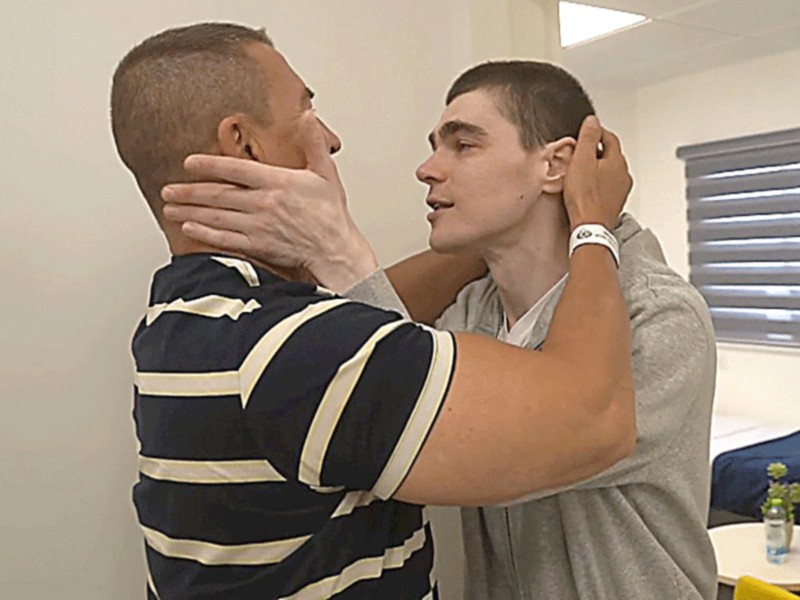
Matan Zanguaker Matan Zanguaker, 24, has always taken care of others. His parents divorced when he was young, and he helped take care of his two younger sisters from an early age. Two years ago he was living in Kibbutz Nir Oz with his girlfriend Ilana Gritzewsky. On the morning of October 7, 2023, Matan texted his mother, Einav Zanguaker, who lived nearby. He wrote, “I love you, don’t cry,” then later on texted, “Here. Here. Here.” Soon, to her horror, contact was cut off: Matan and Ilana were kidnapped by Hamas terrorists and brought to Gaza. Ilana was released in February 2025. She and Matan’s family received almost no news of Matan’s condition, beyond confirmation that he was still alive. “Matan, as you were robbed of life, you will return to life,” his mother declared during his captivity. “We’re fighting for you.” After Matan’s release, his family released a video of him—looking thin but happy—embracing his mom.
Rom Braslavski Rom Braslavski, now 21, was a teenage Jerusalemite who took a job as a security guard at the Nova music festival. Instead of keeping order at an outdoor concert, he found himself helping terrified people hide from Hamas terrorists and tending to the dead and dying. Refusing to flee and try to save himself, Rom remained at the Nova site, helping others, until he was kidnapped—not by Hamas, but by terrorists from Islamic Jihad, another group which joined in the attacks. Rom has been kept in horrific conditions. Former hostage Sasha Troufanov was briefly held with Rom. After Sasha was released from captivity in February 2025, he spoke of Rom’s grave condition: “The faith and strength I saw in his eyes back then have been replaced by sadness, depression and helplessness.” In July 2025, Islamic Jihad released a propaganda video of Rom. He appears emaciated and ill, and explains that he has an injury to his foot which makes it impossible for him to stand up. He spends all day long lying down, Rom said in the video, and was mistreated by his captors. Rom’s mother, Tami Braslavski, said, “I have never seen my son like this. Rom is not shouting or angry—he speaks quietly, in a weak voice like a person who has accepted the fact that there’s nothing left to fight for and may not come out of there alive. They say that when words run out, tears speak. Rom, my life, I am crying with you.”
Segev Kalfon Segev Kalfon, 27, grew up in the southern Israeli town of Dimona along with his two siblings and worked at his family’s bakery in the nearby city of Arad. He was also interested in financial markets. His sister-in-law described: “Segev, when you meet him, first of all he’s handsome, you can’t help but notice his presence. He has an unusual beauty that you don’t see often. Then he’ll probably make you fall over laughing—that’s perhaps the thing we miss the most, the joy of life that he would bring to the family, and lighten every situation, and get a laugh out of every situation—that’s really a significant part of his character.” Segev had already completed his army duty and was suffering from PTSD and orthopedic injuries. He agreed to go to the Nova music festival with a friend when he was kidnapped by Hamas terrorists. After Hamas’ attacks, his father went to hospitals all over Israel’s south, looking for his son. Finally, Segev’s friend broke the awful news: he’d personally witnessed Segev being dragged away. His family had no news at all until February 2025 when former hostage Ohad Ben Ami was released and told Segev’s family he’d been imprisoned with Segev in Gaza. Ohad delivered terrible news: Segev was subject to terrible abuse, was being starved and beaten, and had begun to display symptoms of psychological trauma. He was experiencing panic attacks, dissociative episodes, and periods of rage. “His mind is breaking,” Segev’s mother Galit Kalfon explained.
Nimrod Cohen Nimrod Cohen, 21, grew up in the Israeli city of Rehovot with his parents, Yehuda and Vicki, his older brother Yotam, and his twin sister Romi. Yotam has said, “Nimrod is a very shy boy, and he’s a very simple man. Before October 7, his main concerns were playing Fortnite with his friends, streaming it on Discord and going to parties. He was like every other regular 19-year-old guy.” His mother described: “From a young age, he was in scouting groups, always wanting to contribute meaningfully.” On October 7, 2023, Nimrod was a Corporal, doing his national military service in an armored corps in a tank near Kibbutz Nirim. As Hamas terrorists flooded the area, Nimrod’s tank malfunctioned and was surrounded by Hamas fighters. Nimrod was the only member of his tank crew to survive and he was kidnapped and taken to Gaza, along with the bodies of his fellow soldiers. In Gaza, Nimrod was tortured mercilessly: kept in a small cage meant for animals with his hands tied together, interrogated about his military service over and over, and denied food and water. Hamas terrorists showed him videos over and over of them murdering Nimrod’s friends. Fellow prisoners who saw Nimrod in Gaza described him as sick. He was covered in a rash, appeared to be deaf in one ear, and had become increasingly withdrawn. Despite his pain and anguish, Nimrod managed to smuggle out a message to his family with fellow hostages who were released in February 2025: “I am okay. Don’t worry. I love you.” When he was released on October 13, Nimrod—looking pale and gaunt—embraced his family in his hospital room in Tel Aviv, crying and laughing at the same time.
Yosef-Chaim Ohana Yosef-Chaim, 24, grew up in a religious family in the southern Israeli town of Kiryat Malachi, the oldest of three brothers. He loved hiking, bicycling, and camping in different parts of Israel. Two years ago he’d recently moved to Tel Aviv and was forging his own path. When a friend invited him to attend the Nova music festival, Yosef-Chaim agreed. As terrorists attacked in the early hours of October 7, 2023, instead of fleeing, Yosef-Chaim remained at the festival site, helping emergency personnel load wounded people into ambulances. When terrorists overran the area, Yosef-Chaim tried to hide beside a parked car. He was discovered, kidnapped, and brought into Gaza. After Yosef-Chaim was released on October 13, his father took a page from the Bible when he greeted his son, loudly reciting Shema Yisrael Adonoi Eloheinu Adonoi Echad—just as our patriarch Jacob did when he was finally reunited with his long-lost son Yosef (Joseph)—before embracing his son. Our joy is not complete. Too many Israelis have been killed. Hamas is still holding the bodies of many hostages. These twenty last hostages who’ve been released face a long road to recover physically and psychologically. Let’s continue our prayers—this time for their recovery, and for healing for the entire nation of Israel.
At Daniel Perez’s second funeral, I witnessed the paradox of our people: devastated yet resilient, broken yet unbroken.
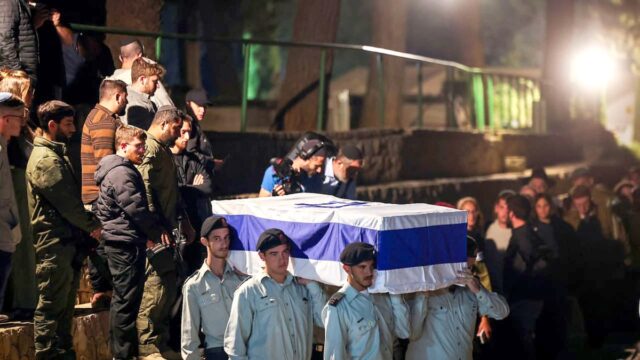
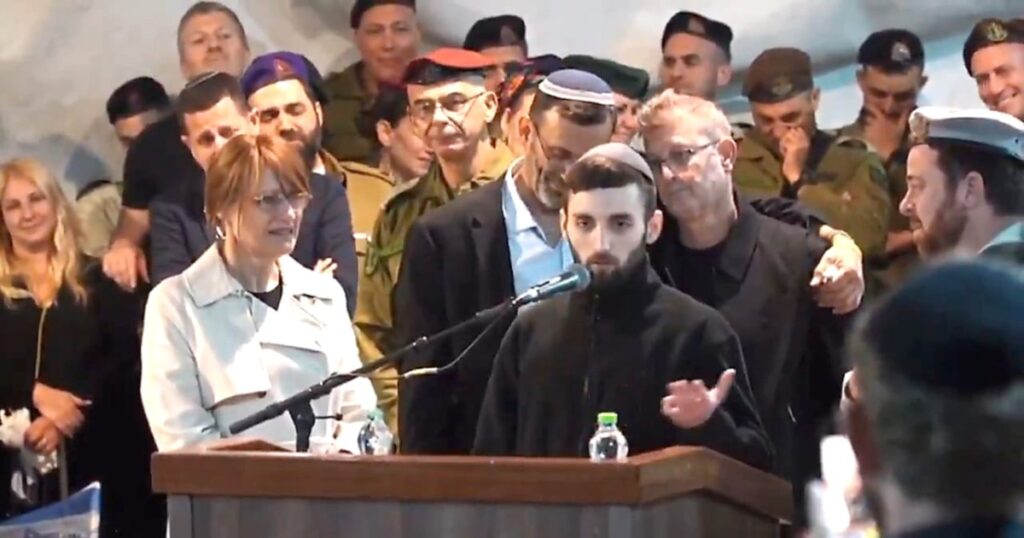
Standing at Har Herzl on a cool Jerusalem evening, I witnessed something that defies explanation—a people simultaneously shattered and unbreakable. How does the Jewish nation keep going? I stood at the funeral of Captain Daniel Perez, joined by thousands who gathered at Mount Herzl. But this wasn’t just any funeral—this was the second funeral, a reality so cruel it seems impossible to comprehend. For months after October 7th, his family clung to hope that he was alive. Then came the devastating notification of his death. Still, they waited—hoping, praying for his body to be returned so they could lay him to rest with dignity. Tonight, finally, they could say goodbye. But the moment that broke me—and everyone around me—came when Matan Angrest arrived. One of the 20 hostages just released from captivity, he stood at the graveside of his commander—frail, pale, barely able to walk after his ordeal in Gaza. Yet there he was. Standing, present, honoring the man who had led him. He spoke briefly but with bravery. He said, “I can’t believe I even made it here. This is the least I could do for Daniel and the whole crew… My commander will always be my commander, until the day I die. You will go with me until my last day and even in the world to come.” How can anyone fathom such strength? Then I looked to my left and saw something equally profound. A regular man in the crowd—except he wasn’t regular at all. It was Jon Polin, father of Hersh Goldberg-Polin, one of the hostages who never made it out of Gaza alive. There he stood, his own heart carved out by unimaginable loss, physically holding and supporting another grieving family through their pain. There wasn’t a dry eye in the crowd. In all my years of studying Positive Psychology—a science focused heavily on the study of resilience, hope, and meaning—there is no data, no research, no theoretical framework that could explain the magnitude of what I experienced tonight. The textbooks speak of post-traumatic growth, of finding meaning in suffering, of the human capacity for resilience. But they fall silent before this. What I witnessed transcends every model and metric we’ve developed to understand human strength. The dichotomy was awesome in the truest sense of the word—inspiring awe, wonder, and reverence. Here was a nation brought to its knees by grief, yet somehow standing taller than ever. Broken, but refusing to break. Mourning, but not losing hope. Burying their dead while embracing their returned living. This is the paradox of the Jewish people that has sustained us through millennia. We cry—deeply, authentically, without restraint. Yet we don’t surrender to despair. We attend second funerals for our fallen heroes. We watch emaciated hostages stumble to honor their commanders. We see bereaved fathers comfort other bereaved families. And somehow, impossibly, we keep going. Because that’s what Daniel would have wanted. That’s what Hersh would have wanted. That’s what this nation has always done—we hold each other up when standing seems impossible. We find strength not despite our brokenness, but somehow through it. As I left Har Herzl last night, I carried two feelings that shouldn’t coexist but somehow do in the Jewish heart: profound sadness and profound pride. Sadness for all we’ve lost. Pride in who we are when faced with the unthinkable. This is how this nation keeps going—together, broken but unbroken, supporting each other through the unbearable until, somehow, it becomes bearable. May Daniel’s memory be a blessing. May all our fallen be remembered.
I spend a lot of time with young people — pupils about to leave school, students at university and graduates about to start a career. Often they ask me for advice as they begin their journey into the future. Here are some of the ideas worth thinking about as we begin our journey into a new calendar year. The first idea is to dream. Seemingly the least practical activity turns out to be the most practical, and most often left undone. I know people who spend months planning a holiday but very little time planning a life. Imagine setting out on a journey without deciding where you are going to. However fast you travel, you will never reach your destination because you never decided where you want to be. In fact, the faster you travel, the more lost you will become. Dreams are where we visit the many lands and landscapes of human possibility and discover the one where we feel at home. The great religious leaders were all dreamers. Within my own tradition there was Moses, who dreamed of a land flowing with milk and honey, and Isaiah who dreamed of a world at peace. One of the greatest speeches of the 20th century was Martin Luther King’s “I have a dream”. If I were to design a curriculum for happiness, dreaming would be a compulsory course. The second idea is, follow your passion. Nothing — not wealth, success, accolades or fame — justifies spending a lifetime doing things you don’t enjoy. I have seen too many people enter careers to earn money to give their partners and children everything they want, only to lose their partners and become estranged from their children because they never had time for them. People who follow their passion tend to lead blessed lives. Happy in what they do, they tend to spread happiness to those whose lives they touch. That is a life worth living. The third idea I learned from the psychotherapist who survived Auschwitz, Viktor Frankl, whose Man’s Search for Meaning is one of the most widely read books of our time. Frankl used to say: Don’t ask what you want from life. Ask what life wants from you. The great lives are ones where people heard a call, had a sense of vocation. That is what set Abraham, grandfather of monotheism, on his journey and eventually it changed the world. Moses might have lived a life of ease as a prince of Egypt but he heard the cry of his people as they suffered under slavery, and G-d’s call to him to lead them into freedom. There is a well-known story about three men who spent their lives quarrying rocks. When asked what they were doing, one replied, “Breaking rocks.” The second said, “Earning a living.” The third said, “Building a cathedral.” We don’t need to ask which of the three had the most job satisfaction. The late Steve Jobs spent his life making technology people-friendly. The creators of Google sought to make the world of information available to all. An overarching sense of the Why preceded the How. Where what we want to do meets what is crying out to be done, that is where we should be. The fourth idea is: make space in your life for the things that matter, for family and friends, love and generosity, fun and joy. Without this, you will burn out in mid-career and wonder where your life went. In Judaism we have the Sabbath, a dedicated day of stillness each week, where we make space for all the things that are important but not urgent. Not every culture has a Sabbath, but life without dedicated time for renewal, like a life without exercise or music or a sense of humor, is a lesser life. The fifth idea is work hard, the way an athlete or concert pianist or cutting-edge scientist works hard. The American psychologist, Mihaly Csikszentmihalyi, calls this the principle of “flow”. By this he means the peak experience you have when you are working so hard at a task that you are unaware of the passing of time. No great achiever — even those who made it seem easy — ever succeeded without hard work. The Jewish word for serving G-d, avodah, also means hard work. There are many other ideas but these are some of the most important. Try them and you will be surprised by joy.
Fixed Vs Growth Mindset Puzzle Pieces 3d Illustration
A Jewish Perspective on Growth Mindset
Rabbi Dr. Yosef Lynn
You are never stuck. You are a work in progress. At the heart of Judaism is the belief that people are not static—we are works in progress, capable of teshuvah (repentance and transformation). The Hebrew word teshuvah literally means “return,” but it represents far more than simple repentance. It’s the radical idea that we can fundamentally change who we are, that our past mistakes don’t define our future potential.
Moses initially doubted himself, saying he wasn’t eloquent enough to lead. Yet he grew into the greatest prophet and leader of the Jewish people. True greatness is born not from flawless strength, but from the courage to grow. The Mishnah tells us: “According to the effort is the reward” (Ethics of the Fathers, 5:23). Not according to the outcome, not according to natural talent—according to the effort. Our Sages understood that the process of striving, even when we fall short, is where true value lies. Think of the patriarch Jacob wrestling with the angel. He emerged wounded, but transformed, earning the name Israel—“one who struggles with G-d.” His injury wasn’t a defeat; it was a badge of honor, proof of his willingness to engage in the struggle of growth. Even our greatest sages lived this truth. Rabbi Akiva didn’t begin learning Torah until the age of 40, starting as an illiterate shepherd. Through tremendous effort and dedication, he became one of our greatest teachers. His story embodies Judaism’s timeless conviction: it’s never too late to begin, and your starting point doesn’t determine your destination.
Psychology Meets Tradition This Jewish way of thinking finds a fascinating parallel in modern psychology. In her groundbreaking book Mindset: The New Psychology of Success, psychologist Carol Dweck describes two fundamental ways of seeing ourselves:
Fixed Mindset: The belief that our talents, intelligence, and character are static traits—carved in stone and unchangeable.
Growth Mindset: The understanding that our abilities can be developed through dedication, hard work, and learning from failure. Echoing something Judaism has always known, humans are works in progress, constantly capable of change and renewal. The growth mindset transforms how we define failure. Instead of seeing setbacks as proof of our limitations, we begin to view them as data points for improvement. This shift is profoundly liberating—and profoundly Jewish.
The Language of Possibility That’s part of the reason why Judaism has always been wary of permanent labels. The Talmud tells us that even someone who has committed serious transgressions can completely transform themselves. A person can change their entire spiritual trajectory in a single moment of sincere teshuvah.
This perspective invites us to add one small but powerful word to our self-talk: “yet.”
Not: “I’m not good at math.”
But: “I’m not good at math—yet.” By adding yet, we acknowledge our present reality while refusing to make it permanent.
Practical Applications How can we cultivate this growth-oriented perspective in our own lives?
Reframe challenges as opportunities: When facing a difficult situation, ask “What can this teach me?” rather than “Why is this happening to me?”
Embrace the learning process: Celebrate small improvements and view mistakes as valuable feedback, not personal failures.
Use growth language: Replace “I failed” with “I learned.” Replace “This is too hard” with “This will take time and effort.”
Find your learning partner: Surround yourself with people who challenge you to grow, not those who simply affirm your current level.
Ultimately, cultivating a growth mindset is a spiritual practice. It requires faith—faith in our capacity to change, in the value of effort over outcome, and in the possibility that tomorrow’s version of ourselves can transcend today’s limitations. This faith is deeply Jewish. Jews are the people who believe that a stuttering shepherd can become the greatest prophet and leader, that a barren woman can become the mother of nations, that slaves can become a light unto the world. As you navigate your own growth journey, remember: the path isn’t about perfection—it’s about progress. Every challenge you face is an opportunity to choose: Will you see this as evidence of your limitations, or as a chance to expand your capabilities? And the next time you catch yourself saying “I can’t,” try adding that transformational word: “yet.” In that simple addition, you’ll find not just a change in language, but a change in possibility—and perhaps, a return to one of Judaism’s most fundamental truths: we are all works in progress, beautifully and eternally unfinished.
Charlie Kirk inspired a generation with his passion and purpose. In the wake of his horrific murder, how can we draw meaning and direction from the life and example he left behind?
I first heard the name Charlie Kirk in 2013, during a meeting with a prominent California philanthropist who supported Hasbara Fellowships, Aish’s campus pro-Israel advocacy program I had founded. “Have you met Charlie Kirk?” he asked. I shook my head. His reply was instant: “He’s a powerhouse. He’s going to change college campuses for the better.” At the time, it sounded like the kind of bold prediction donors often make. But in this case, he was right—though even he couldn’t have foreseen just how far Kirk would go. A college dropout from suburban Chicago, Charlie Kirk didn’t just influence campuses; he transformed the political landscape. As founder of Turning Point USA, he built the largest grassroots conservative movement in the nation, rallying and empowering students across all 50 states. His brutal assassination has left so many reeling. The man who reshaped a generation of conservative activism—who embodied drive, conviction, and an unshakable belief in America’s future—was cut down in an act of senseless violence. The shock is still raw. Yet in the face of this horrific loss, we are left to wrestle with what his life meant, and what we can learn from the example he set. Here are my biggest takeaways I think we can learn from Charlie Kirk.
Fight for Your Cause Without Demonizing Others We can deeply believe in our own cause and fight for it vociferously—without demonizing or ostracizing those we disagree with. It is shockingly sad to see the state of political discourse in America today. Politicians, media personalities, and social media influencers compete to paint their adversaries in the darkest possible light. Each side proclaims that the other is destroying the nation. Earlier this year, liberal commentator Keith Olbermann posted on X: “Every Republican is complicit. Every one of them is a collaborator in the destruction of America.” On the other side, right-wing commentator Steve Bannon declared on his podcast: “The radical left are demons. They worship power and chaos. They hate G-d, they hate America, and they hate you.” Charlie Kirk stood for something else—conversation. He was known for setting up in the middle of college campuses and letting anyone engage him in debate. He offered the microphone to anyone who disagreed with him, though that person needed to be ready to have their ideas challenged. Charlie wasn’t a pushover and he had an agenda. But his agenda was to win the battle of ideas, not to demonize his opponents. In this way, Charlie’s tactics echoed Jewish tradition. The Talmud is filled with debate, and two of its most famous combatants, Hillel and Shammai, disagreed constantly. Yet their aim was always to arrive at truth—not to humiliate or delegitimize the other side. We can believe deeply in our own ideals while remaining committed to listening and respecting others. That’s the only way we can build our society.
Standing Up for Israel Charlie Kirk made support for Israel a central platform of his advocacy. He spoke powerfully about Israel as both a strategic ally of the United States and a moral beacon in the Middle East. In the past year, however, that position has become less popular among many outspoken conservative personalities. Bashing Israel—and even crossing the line into outright antisemitism—has sadly become increasingly normalized on right-wing podcasts and social media. Charlie would have none of it. He argued that Israel was a key ally in the fight against America’s worst enemies, which in turn made Americans safer. He believed firmly that Israel held a historic right to the Land of Israel and was acting morally in defending itself. At a time when young American conservatives are being fed hateful lies about Israel’s “bloodthirsty” intentions or its supposed attempts to drag America into unnecessary wars, Charlie Kirk offered another vision—one grounded in reason, knowledge, and passion.
Advocating That Religious Ideals Can Strengthen Society In Charlie Kirk’s early years of public advocacy, religion played little role in his message. But over time, he became increasingly outspoken about his faith and values. He argued that America was founded on G-d-given rights and responsibilities, and that the erosion of these core beliefs was fueling many of the nation’s ills and its growing sense of directionless drift. Charlie was not seeking to evangelize. In fact, he was a deep admirer of Judaism and a loyal friend of the Jewish people. Yet he was unafraid to wear his religious convictions on his sleeve, insisting that faith was not the problem but the solution. For him, religion offered timeless answers to society’s deepest challenges—anchored in ideals like self-worth, charity, personal responsibility, strong family and moral clarity.
We Can Change the World if We Have a Mission Adam Rubenstein eulogized Charlie Kirk in the Free Press, writing: “He had a mission. It filled him with meaning. And that, above all, was why he convinced countless young people to listen to him, to change their lives for the better, to stand up for things that used to be called common sense.” Judaism teaches that we are responsible for making the world a better place. We believe the values and morals of Judaism give us the tools to solve the world’s problems. And we believe deeply that if we are working to improve the Almighty’s world, He will help us succeed. Charlie Kirk lived with this clarity. He knew he was responsible for fighting for a better America and a better world. He poured relentless passion into his mission, winning over countless allies, partners, and supporters. His murder should stir us to reflect on these questions: What are we passionate about? What is our mission? How can we change the world? Charlie Kirk’s legacy—and the shocking way his life was cut short—urges us to face them with renewed seriousness and purpose. May Charlie Kirk’s memory be a blessing, and may the impact he made in all these areas continue to inspire and endure far beyond his physical life in this world.
Neon inscription of positive wise quote against brick wall .
Why Small, Steady Changes Beat Quick Fixes Every Time
Laura SHAMMAH MS, RDN
Everywhere you turn, there’s a new diet promising dramatic results: “Drop 10 pounds in 10 days,” “Cut out carbs and reset your metabolism,” “Intermittent fasting is the secret to longevity.” It’s tempting to believe that the next trend will be the one to solve all your health struggles. But while quick fixes can spark short bursts of motivation, they rarely deliver lasting results. Real health, energy, and balance come from something much less flashy: consistency.
Why Quick Fixes Don’t Last Most people who try restrictive diets or aggressive health challenges discover the same pattern: initial success followed by burnout. Here’s why:
They create an all-or-nothing mindset. If you “mess up,” it feels like failure.
They’re unsustainable. Cutting out entire food groups or living in constant hunger isn’t realistic.
They can backfire. Metabolism slows when the body senses deprivation, leading to regain once the diet ends. That cycle leaves many people feeling like the problem is them, when in reality, it’s the strategy.
The Science of Small, Steady Change Habits aren’t built on extremes, they’re built on repetition. Your brain and body thrive when behaviors become predictable. Consistency supports health in ways that quick fixes can’t:
Hormone regulation. Your body feels safer and functions better with a steady rhythm.
Sustainable progress. A 10-minute walk every day compounds into hours of movement over the month.
Consistency in Action Small doesn’t mean insignificant. Here are a few examples of consistent choices that truly move the needle:
Swapping soda for sparkling water most days.
Adding one serving of vegetables to lunch and dinner.
Taking a short walk after meals to support digestion and blood sugar.
Going to bed 20 minutes earlier each night.
Planning protein at every meal. Over time, these choices compound. One skipped workout or indulgent meal doesn’t undo progress; it’s the overall pattern that counts.
What About GLP-1 Medications? Today, many people are using GLP-1 medications like Ozempic or Mounjaro to help with appetite control and weight management. These can be powerful tools, but they’re not magic wands. Even with GLP-1s, consistency and healthy habits are non-negotiable. Why?
These medications may reduce appetite, but they don’t teach you what to eat.
Long-term success still depends on balanced meals, exercise, hydration, and sleep.
Without consistent habits, it’s difficult to find true, lasting success in both mind and body. Think of GLP-1s as training wheels—they can provide stability, but you still need to learn the skills to ride the bike.
The Power of Patience It’s natural to want results yesterday. But just like planting a seed and tending to it day after day, health requires patience. Consistency may not give you dramatic overnight change, but it offers something much more valuable: progress that lasts. Consistency is the quiet, steady force that transforms health. Quick fixes may create excitement, but it’s the daily, repeatable habits that build energy, confidence, and resilience. Whether you’re adjusting your diet, adding movement, or even taking GLP-1 medication, the real “cure” is in showing up again and again. Small steps, done consistently, will always outshine big leaps that can’t be sustained.
JERUSALEM, ISRAEL - CIRCA MAY 2018: View of the the Western Wall in Jerusalem, Israel circa May 2018 in Jerusalem.
Rabbi Steven Pruzansky, Esq.
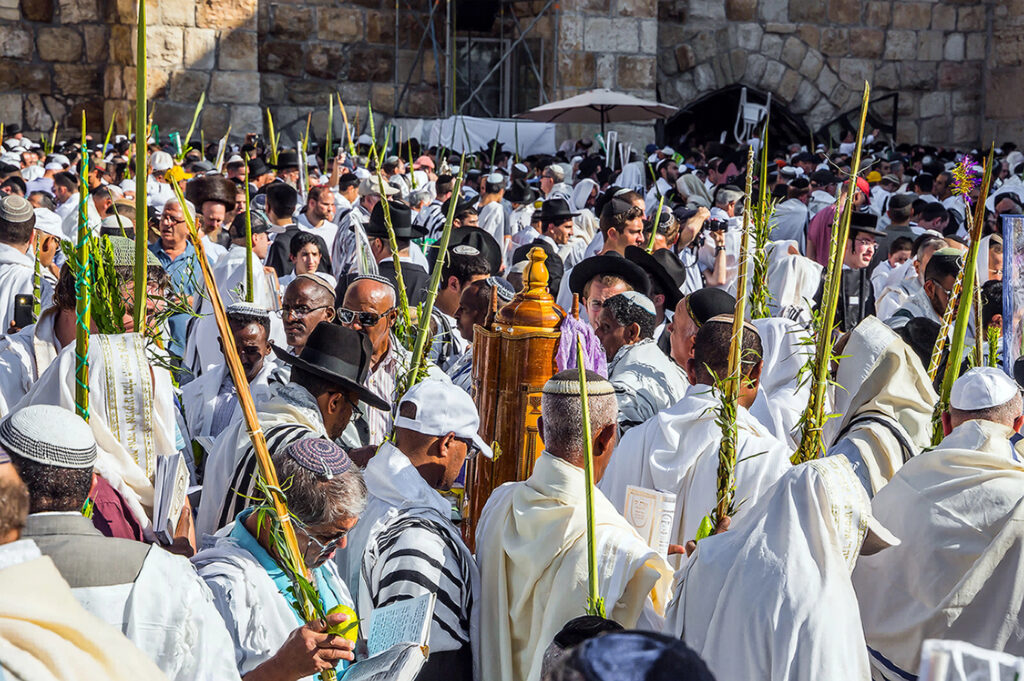
One of the most familiar and elevating of Jewish rituals in ancient Israel was the thrice-yearly pilgrimage to Jerusalem, the Aliya Laregel. Jews came with their families and offerings to Jerusalem to celebrate Pesach, Shavuot, and Sukkot, “to behold the pleasantness of the Lord and to meditate in His sanctuary” (Tehillim 27:4). It was not only a life-changing experience; it was also life-shaping, life-affirming. It placed Jerusalem and the Holy Temple at the epicenter of every Jew’s consciousness. And it did more than that.
JERUSALEM, ISRAEL – SEPTEMBER 26, 2018: Jews praying at the Western Wall wrapped in festive white Talit. The blessing of the Cohanim. Touching ceremony at the Western Wall. The concept of pilgrimage
The Aliya Laregel was a time of bonding for all Jews, as Jerusalem was celebrated as “the city that is united together” (Tehillim 122:3), the city “which confers fellowship on all of Israel. And when? Only when the tribes ascend together on the festivals” (Talmud Yerushalmi, Chagigah 3:6). All Jews assembled in Jerusalem: the young and old, the rich and poor, men and women, the various tribes from the north, center, and south of Israel. Despite the throngs of people, “no person ever said, ‘there is no room for me to lodge overnight in Jerusalem’” (Avot 5:5). The great medieval commentator Don Yitzchak Abarbanel noted that, in truth, it is a great miracle, that in an overcrowded setting, no one ever felt uncomfortable. Even diverse levels of religious observance were muted on the festivals. All Jews were presumed to heed the laws of ritual purity. Everyone could eat other’s food and drink each other’s wine. No Jew could be declared impure, such as with tzara’at, on the festivals. A nation that was divided into tribes – today, into political parties and religious factions – found its commonality on the festivals, with Aliya Laregel. Jerusalem, which we are taught was never divided among the tribes (Washington DC paralleled this practice), reached its spiritual apex on the holidays, as all Jews felt a deep, personal, and intimate connection with the Holy City, their nation’s capital and seat of government, the spiritual center of Jewish life, the place where the Divine presence was intensely experienced. Imagine if Aliya Laregel could be revived today, not in the strictly halachic sense because the Holy Temple has not yet been rebuilt, but practically. Imagine if Jews from across the world ascended to Jerusalem three times a year on the festivals. The spiritual, political, and psychological benefits would be enormous and overwhelming. We would strengthen the attachment of all Jews to each other, a connection that is often frayed for sundry reasons. Most simply, we would affirm in the eyes of the world (and Jews) the profound bond between the Jewish people and the city of Jerusalem, our capital since the time of King David – and a bond that is important to underscore in light of our enemies who seek to delegitimize and disenfranchise the Jewish people from Jerusalem and the land of Israel. Imagine if all Jews, of all backgrounds and various ethnicities, gathered in Jerusalem on Pesach to re-experience our formative moment as a nation some thirty-three centuries ago, liberated from bondage to become G-d’s chosen people; on Shavuot, to reclaim the Torah as our heritage and birthright; and on Sukkot, to acknowledge and be grateful for G-d’s protective hand that has preserved us until today, after millennia of exile, persecution, and suffering, only to return us to our land, declare independence, and reestablish the Jewish state – a feat without precedent in all of human history. Together, we would celebrate our origins (Pesach), our mission (Shavuot), and the blessings of Divine Providence (Sukkot). The Jewish people would be uplifted and transformed. The world – we can continue to imagine – would be galvanized to appreciate the extraordinary return of the Jewish people to the land of Israel and to the world stage in all our glory. Reviving Aliya Laregel – the pilgrimage dimension of the three festivals – is more feasible than we might otherwise think. Many tens of thousands of Jews already come every festival to Jerusalem. The streets are packed, the Old City is alive, the Kotel is buzzing. We already have realized the vision of Zecharia the prophet: “Old men and old women will again dwell in the streets of Jerusalem, every man with his staff in his hand because of old age. And the streets of the city will be filled with boys and girls playing in its streets” (4:4). That already is the reality – and the renaissance of Aliya Laregel will further unite all Jews and deepen our connection with Jerusalem. Start with one festival. Let’s do it!
In ancient times, Sukkot was also celebrated as Hag Ha Asifuse, the Festival of the Ingathering, when our people gathered the produce of their fields and vineyards and brought offerings to the Beit HaMikdash, the Holy Temple in Jerusalem. It marked not only the close of the agricultural year but also the recognition that all blessing comes from G-D. Although most of us no longer live as farmers, the Torah’s message remains timeless. Sukkot calls us to leave the comfort of our homes, dwell in the sukkah, and give thanks for the abundance we are given. One of the ways we can connect to that spirit today is by preparing foods that honor the harvest, especially fruits and sweets that remind us of the blessings symbolized in this season.
As with every Jewish holiday, food has always been part of how we celebrate and remember. On Sukkot, desserts that feature pomegranates, figs, pears, apples, and honey bring forward both the flavors of autumn and the themes of sweetness and gratitude. Preparing them for family and guests in the sukkah becomes not just a culinary task but an act of remembrance, linking us to generations past who celebrated the gifts of the land. The following recipes are designed to serve six to eight people, making them ideal for sharing at the holiday table. Two are parve, suitable after a meat meal, and two are dairy, perfect for a Yom Tov lunch. Each one reflects the season’s bounty and gives a beautiful close to your Sukkot meals.
Seeds from 1 pomegranate Instructions Preheat the oven to 350°F. Grease and flour a 9-inch round cake pan. In a large bowl, whisk together flour, sugar, baking soda, baking powder, and salt. In another bowl, combine olive oil, pomegranate juice, eggs, and vanilla. Mix the wet ingredients into the dry until smooth. Fold in half the pomegranate seeds. Pour batter into the pan and bake 35 to 40 minutes, until a toothpick comes out clean. Cool, then scatter the remaining seeds on top for decoration.
Honey-Roasted Pear Tart Parve Serves 6–8 Ingredients
1 sheet parve puff pastry, thawed
3 ripe pears, peeled, cored, and sliced
3 tbsps honey
2 tbsps brown sugar
1 tbsp lemon juice
½ tsp cinnamon
Pinch of salt Instructions Preheat oven to 400°F. Place puff pastry on a parchment-lined baking sheet. Arrange pear slices in rows on top. In a small bowl, combine honey, brown sugar, lemon juice, cinnamon, and salt. Drizzle over the pears. Fold pastry edges slightly inward to create a border. Bake 25 to 30 minutes until golden. Allow to cool slightly before serving.
Apple and Honey Cheesecake Bars Dairy Serves 8 Ingredients
1½ cups graham cracker crumbs
5 tbsps melted butter
16 ounces cream cheese, softened
½ cup sugar
2 eggs
1 tsp vanilla extract
2 apples, peeled and finely chopped
3 tbsps honey
½ tsp cinnamon Instructions Preheat oven to 325°F. Line an 8×8-inch baking pan with parchment. Mix graham cracker crumbs with melted butter and press into the pan. In a medium bowl, beat cream cheese, sugar, eggs, and vanilla until smooth. Pour over crust. In a skillet, cook apples with honey and cinnamon for 5 minutes. Spoon over cheesecake layer. Bake 35 minutes until set. Cool completely before slicing.
Homemade figs galette made with fresh organic figs on wooden table
Fig and Ricotta Galette Dairy-Serves 6 Ingredients
1½ cups all-purpose flour
½ tsp salt
½ cup cold unsalted butter, cubed
¼ cup ice water
1 cup ricotta cheese
2 tbsps honey
6–8 fresh figs, sliced
1 tbsp sugar Instructions In a food processor, combine flour and salt. Add butter and pulse until mixture resembles crumbs. Add ice water gradually until dough forms. Shape into a disk, wrap, and chill 30 minutes. Preheat oven to 375°F. Roll dough into a 12-inch circle and place on a baking sheet. Spread ricotta in the center, leaving a 2-inch border. Drizzle with honey and layer fig slices on top. Fold edges over filling. Sprinkle figs with sugar. Bake 35 to 40 minutes until crust is golden.
These desserts do more than satisfy a sweet tooth. They remind us of the fruits praised in the Torah and the blessings that Sukkot urges us to acknowledge. By bringing pomegranates, figs, pears, apples, and honey to the table, we recall how our ancestors gathered their harvest and gave thanks to G-D. Preparing and sharing these sweets in the sukkah allows us to connect our modern lives to the eternal message of ḥag hāʾāsif—that gratitude, joy, and blessing come when we recognize all that we receive from above.