
ALEPPO TO BROOKLYN, THE JOURNEY OF A BELOVED HAZAN
Sarina Roffé
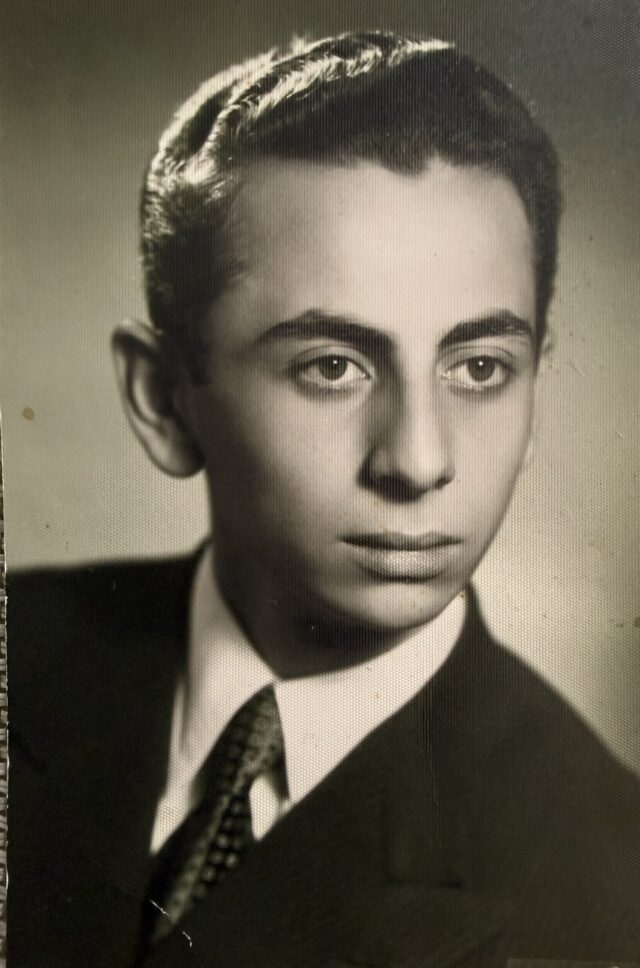
Eduardo Farhi, uncle of Rabbi Isaac Farhi, went from Syria to Beirut to Rio de Janeiro to New York. Now almost 90, he knows six languages and served as hazan (cantor) at Congregation Shaare Zion for 43 years.
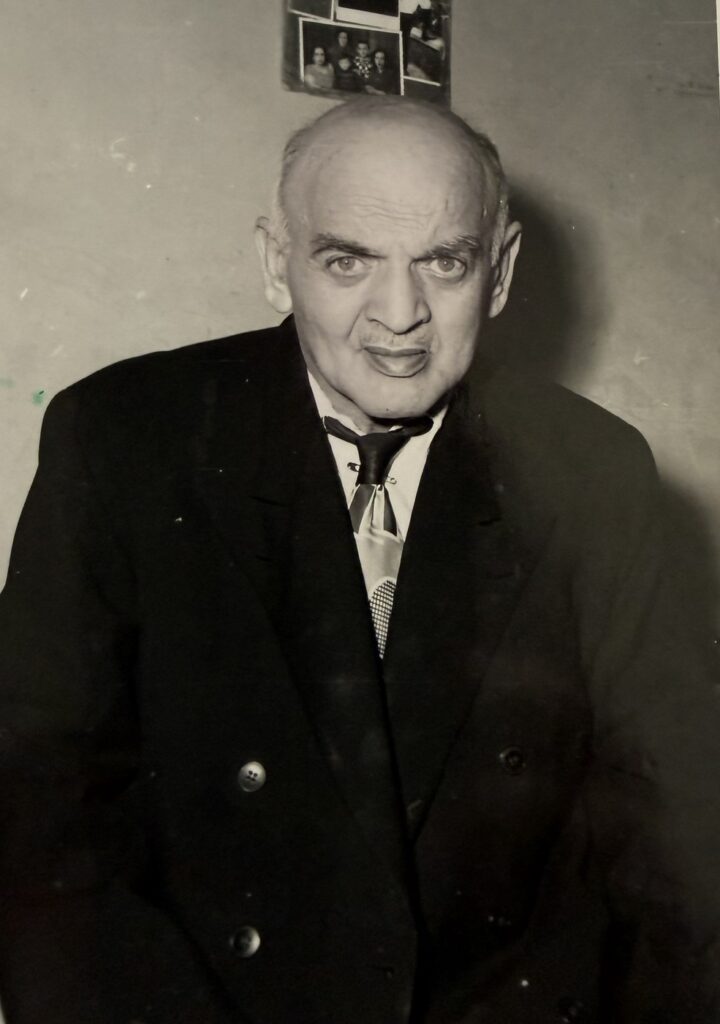
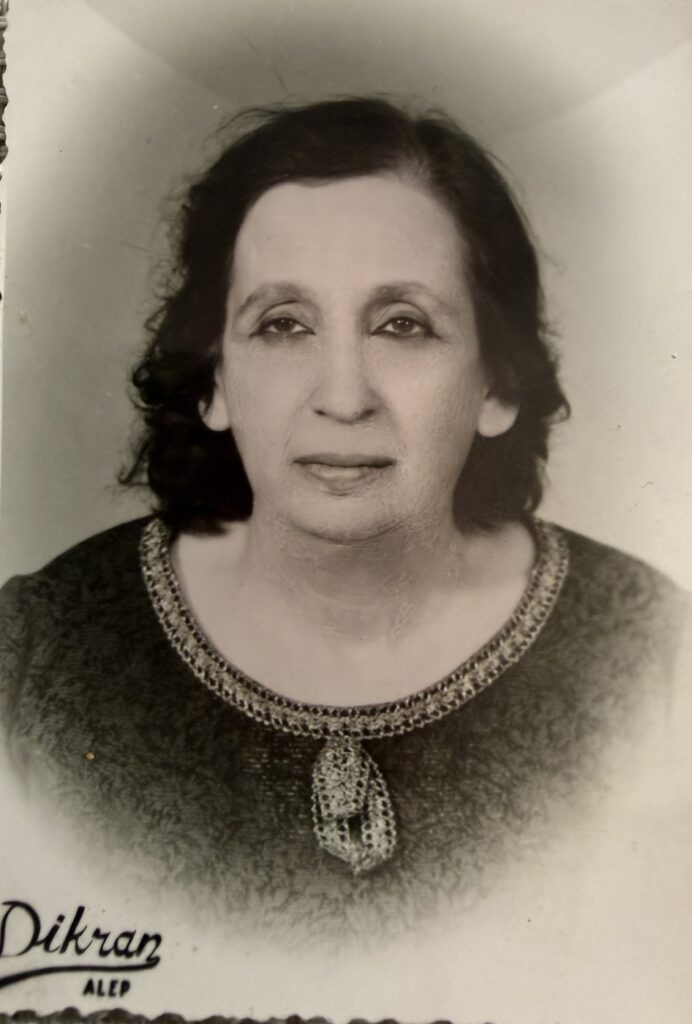
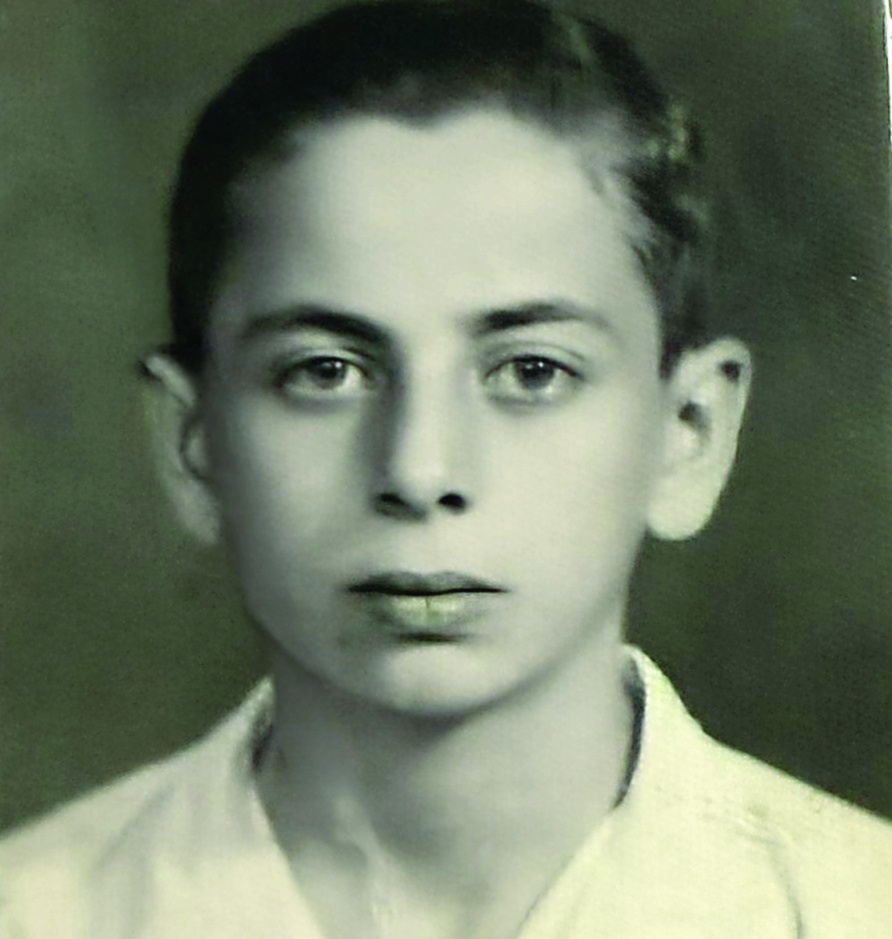
The son of David and Sarah Farhi, Eduardo was the fifth of their seven children. David Farhi was the only Jewish lawyer in Aleppo. Eduardo grew up in Aleppo attending the Talmud Torah and later the Alliance de Israelite School. In high school he attended the Lycée Franco Arab school.
Although he was never persecuted himself, he felt that conditions were not good for the Jewish community and he had no future in Syria. He managed to escape to Beirut in the summer of 1955.
Escaping SyriaEscaping Syria
Eduardo left his home at 5:30 a.m. and, with a Catholic acquaintance, took a bus to Homs. He did not tell his family he was leaving. From there they walked several hours to the border where they waded through a dirty river and crossed into northern Lebanon. After walking a few more hours, they took a taxi toward Tripoli (Treblos). The taxi driver wanted to be paid in Lebanese money but he had only Syrian lira. The driver threatened to report him and he begged the driver not to turn him in. Finally, out of desperation, when the taxi slowed down, he jumped out of the car and ran. He had to walk another hour to get to Tripoli.
There he met the Catholic friend and they walked a few hours and got tickets to go by bus to Beirut. They arrived at midnight. Eduardo knew he couldn’t go to a hotel as the authorities would catch him. He hid in the hotel attic until morning and went to Maghen Abraham Synagogue for 8 a.m. prayers. He told them his name and that he had escaped Syria. There, he met fellow Jews from Aleppo, including his friend Mark Shasho, who welcomed him into his home, gave him a place to sleep, and provided him with fresh clothing. He quickly got a job as a salesman at a bargain store and made a good salary.
Eduardo remained in Beirut for six months. He wrote to his uncle Leon Farhi in Brazil. His uncle sent money to the community for him to get a visa to go to Brazil and paid for his ship ticket from Beirut. The first leg of the trip was from Beirut to Marseille. In Marseille, he waited a week for the ship to take him to Rio de Janeiro. The hotel manager was Jewish and helped him get food. Then he bought cans of sardines and tuna to eat on the 15-day ship voyage to Brazil.
Rio de Janeiro
Eduardo arrived in Rio de Janeiro on December 24, 1955, and two of his aunts were waiting on the dock for him. He went to his uncle Leon Farhi and lived with him for two years. Leon Farhi was wealthy and president of the Aleppo Jewish community there and helped them build the Tui Synagogue (Templo União Israel) in the Tijuca neighborhood. While in Rio, Eduardo taught himself Portuguese by buying an Arabic-Portuguese dictionary.
Then he went to live with his uncle Jacobo Haber (his mother’s brother) who taught him to sell clothing door-to-door as a peddler. His uncle wanted him to marry and he was introduced to a woman. Although her mother allowed them to get engaged, she canceled the marriage as Eduardo still did not have enough income.
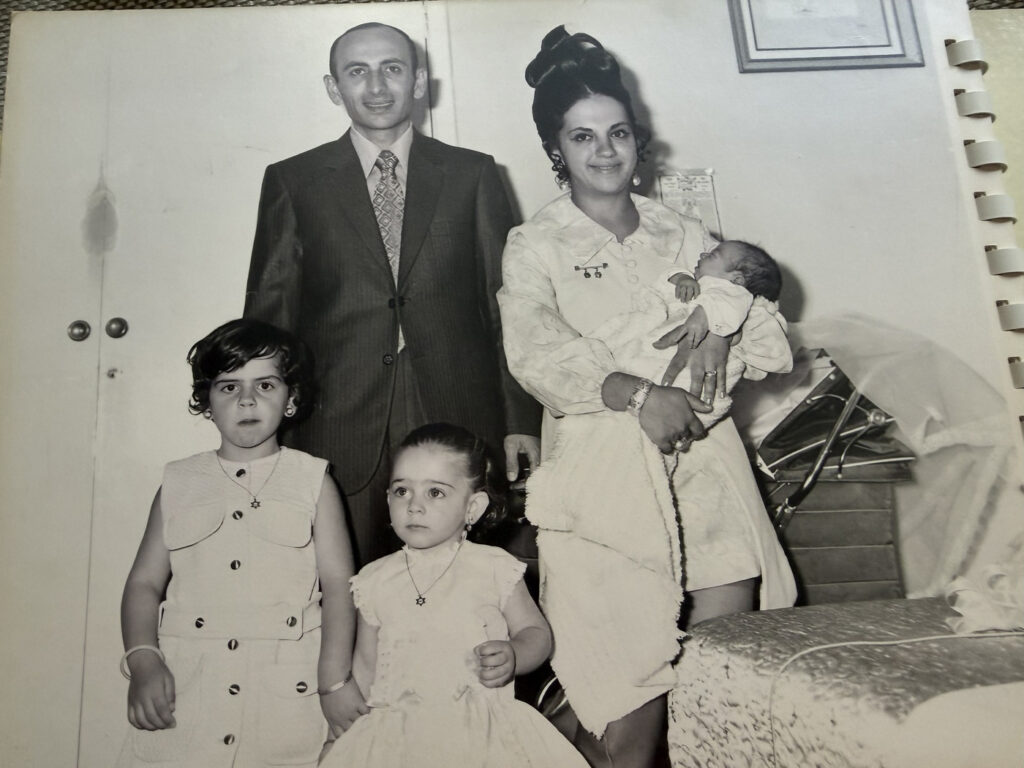
“family May 1972.jpg”
Mexico City
In July 1965, Eduardo got a visa to visit New York. He went to Congregation Shaare Zion and saw many friends from Syria. He stayed with Maurice Zafrani for six months and then rented a room for $100 a month with breakfast. He went to work for Eli Tobias on Fifth Avenue as a salesman to tourists because he knew so many languages.
He studied music and became a hazan because he had a magnificent voice. In 1966, he was hired to go to Panama to be the High Holiday hazan. From there he went to Mexico City to see his family. He had a 30-day visa and stayed with his uncle Moises Haber. While in Mexico City, he was introduced to Rose Harari and they dated for two weeks. He really liked her but in order to stay in the country he had to marry. Although her parents objected, Rose insisted on marrying him. The couple had a civil marriage, which allowed him to remain in the country past the 30 days. A few months later, a Jewish marriage was performed on January 29, 1967. Their first child Sara was born nine months later.
Eduardo remained the hazan for the Magen David community (Aleppan community) for four years. Then he was offered a job by the Monte Sinai community (Damascus Jews), where he remained for a decade. He sang at all weddings and helped bar mitzvah boys prepare for their big day. He also taught Spanish and Hebrew in the yeshiva, was a mashgiach (kosher supervisor) at the kosher supermarket, and served on the Hebra Kadisha (burial society).
In 1970, he went to Caracas and was the High Holiday hazan. Back in Mexico City, his second daughter Denisse was born and a few years later his son David was born.
For more than 20 years, he had no contact with the family left behind in Syria. Eduardo had contact with a brother and two sisters who had escaped Syria in 1958 and gone to Israel. Over the years, Eduardo acted as a conduit for letters between family members in Israel and Syria. People would send him letters and photos, and he sent them to Syria. Then people sent return letters from Syria to him, and he sent them to Israel. This continued for years.
In 1976, he was able to get a visa to go to Syria and see the remaining family. In Damascus, he asked for a visa for his mother to come to New York and she was able to come with his brother Selim. From Damascus, Eduardo went to Istanbul and then to Israel. From the airport, he was taken to the Knesset to testify about conditions in Syria and the Jewish community there.
Making a Life in New York
Eduardo stopped in New York on the way home. Shaare Zion President Abe Cohen offered him a job as hazan at Shaare Zion. His wife in Mexico City agreed, and he resigned his position in Mexico City, sold his apartment in Polanco, and moved to Brooklyn. His youngest son Raphael was born in 1984 and is the only one of his children born in the United States.
Eduardo served as cantor at Congregation Shaare Zion for 43 years. He also taught in Magen David Yeshivah and later in Yeshiva of Flatbush. He taught in the hazanut program at Yeshiva University for 16 years.
He worked with over a dozen prominent rabbis at the synagogue including Rabbi Jacob S. Kassin, Rabbi Shaul Kassin, Rabbi Abraham Hecht, Rabbi Baruch BenHaim, Rabbi Sion Maslaton, Rabbi Zevulun Lieberman, and many, many others.
Now retired, Eduardo and Rose are proud of their children and their large extended family.