
Why Experts Say the Public Risk Remains Low
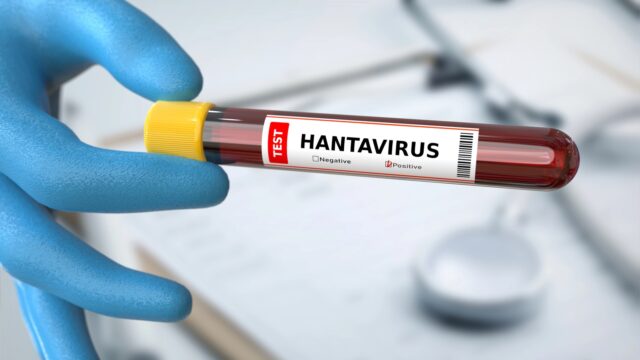
For many Americans, the phrase “hantavirus” entered the public conversation the same way unfamiliar diseases often do now, through alarming headlines and viral social media posts that quickly sparked comparisons to COVID-19. A deadly virus. A cruise ship outbreak. International quarantines. Within hours, people were asking whether another global health crisis was beginning. The concern intensified because the outbreak involved the Andes strain of hantavirus, the only known hantavirus strain capable of limited human-to-human transmission. That detail immediately drew attention from public health officials and a public still shaped by the pandemic years.
The current outbreak is linked to the MV Hondius, a Dutch expedition cruise ship that carried passengers through Antarctica and the South Atlantic. According to the World Health Organization and the Centers for Disease Control and Prevention, 11 confirmed cases and three deaths have been reported so far, while additional passengers and contacts continue being monitored by health authorities. Although the ship was carrying roughly 147 passengers and crew members, only 11 confirmed cases have been identified so far, a detail health officials say reinforces how difficult the virus is to spread through casual contact.
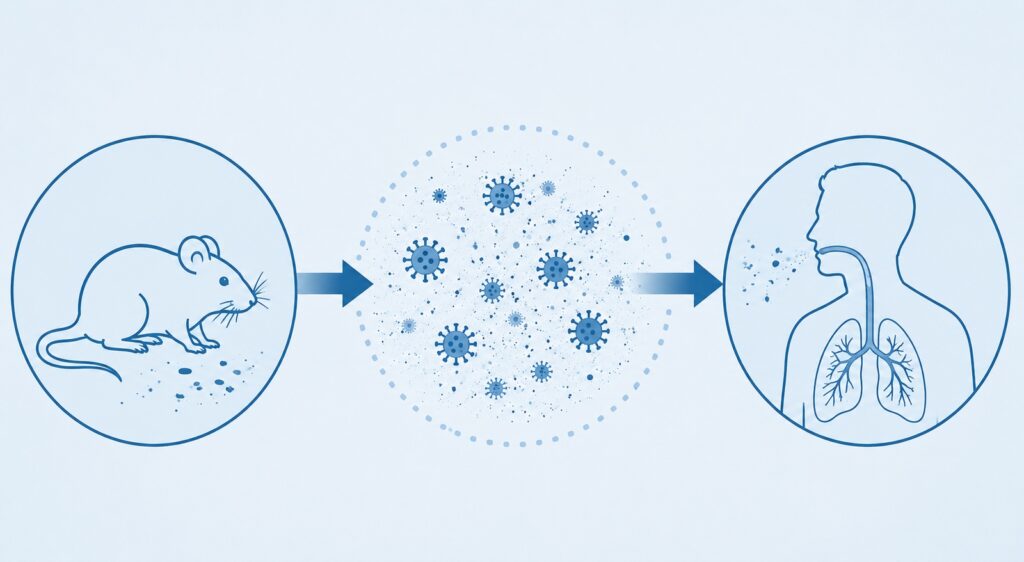
Hantavirus is a family of viruses carried mainly by rodents, with different strains found around the world. People are usually infected after breathing in airborne particles contaminated by rodent droppings, urine, or saliva, often while cleaning enclosed spaces where rodents have nested. In North and South America, infection can lead to hantavirus pulmonary syndrome, a severe respiratory illness that affects the lungs and can become life threatening. Health investigators believe the MV Hondius outbreak likely began with exposure before boarding the ship, possibly involving infected rodents in South America, where the Andes strain of hantavirus circulates naturally. What makes the Andes strain unusual is that, unlike most hantavirus strains, limited person-to-person transmission can occur through prolonged close contact. Even so, public health agencies continue to emphasize that the virus does not spread easily through casual everyday interaction, and the overall risk to the public remains very low.
Still, the outbreak triggered a major international response because passengers had already begun traveling home across multiple countries before the virus was fully identified. Passengers disembarked in Tenerife, Spain, before beginning repatriation efforts coordinated by governments and health agencies. Many passengers are now being monitored for up to 42 days, or longer depending on national health guidance, because the Andes strain of hantavirus can have a long incubation period. Several American passengers were transferred to the University of Nebraska Medical Center for quarantine and observation, while others continue being tracked and monitored in Atlanta and additional facilities abroad.
The images associated with the outbreak naturally stirred anxiety. Quarantine facilities, medical transport teams, and reports of international monitoring immediately brought back memories of the early COVID period. For many people, the emotional reaction arrived before the medical facts did. That response is understandable. COVID permanently changed the way many Americans process public health news. Before 2020, most people rarely paid attention to outbreaks occurring outside their immediate area. Today, even a relatively contained virus can dominate online discussion within hours.
Social media has amplified that shift. Headlines about a “deadly virus outbreak” spread quickly because fear and uncertainty generate attention. In many cases, the details that matter most arrive later, after public assumptions have already formed. In the case of hantavirus, the most important detail is also the least dramatic. The virus does not spread easily between people. COVID became a global crisis because it moved efficiently through ordinary daily interaction. The Andes strain behaves very differently. Health officials continue to stress that widespread community transmission is considered highly unlikely.
That distinction matters because public anxiety can distort risk perception. The average American is far more likely to encounter seasonal influenza, RSV, or common respiratory infections than hantavirus. Most people living normal daily lives in cities and suburbs face extremely low risk. Public health guidance surrounding hantavirus remains focused primarily on preventing rodent exposure inside homes, garages, sheds, and workplaces. Health officials recommend sealing holes and gaps where rodents can enter, placing traps around the home, and removing exposed food sources that may attract mice or rats. If rodent droppings are found, experts advise against sweeping or vacuuming them dry because that can push contaminated particles into the air. Instead, the area should be ventilated first and cleaned carefully using disinfectant, gloves, and paper towels. In cases of larger infestations, professional exterminators or pest control services are often recommended to reduce ongoing exposure risks safely.
The broader story surrounding the MV Hondius outbreak may reveal as much about modern public psychology as it does about the virus itself. Americans now live in a constant cycle of alerts, breaking news banners, and viral commentary. Every health story arrives with urgency attached to it. That environment makes it harder for people to separate a serious but limited outbreak from a widespread societal threat. It also creates fatigue. Many people want to stay informed without feeling trapped in permanent alarm.
The hantavirus outbreak aboard the MV Hondius is serious, especially for the families directly affected and the passengers now under monitoring. It deserves careful investigation and a coordinated public health response. At the same time, global health authorities continue to say the risk of widespread transmission remains very low. That balance between awareness and perspective is easy to lose online, but it remains the reality experts continue to emphasize.
This article is intended for general informational purposes only and is based on publicly available information and health guidance available at the time of publication. Because public health information and official guidance may change as new developments emerge, readers should consult current updates from relevant health authorities.