
THERE ARE SO MANY FUN SUMMER ACTIVITIES FOR KIDS AND ADULTS. HOWEVER, SOME OF THEM CAN BE DANGEROUS. THAT’S WHY IT’S IMPORTANT TO FOLLOW SAFETY RULES. ONE OF THE BEST WAYS YOU CAN KEEP YOUR FAMILY AND OTHERS SAFE IS TO LEARN CPR. WE WANT EVERYONE TO HAVE A WONDERFUL SUMMER, SO WE PUT TOGETHER THIS SAFETY GUIDE.
Summer Heat Safety Tips
Stay hydrated: Drink plenty of water throughout the day, and avoid alcohol and caffeine which can dehydrate you. Make sure your children are well hydrated, too.
Dress appropriately: Wear loose, lightweight clothing and a hat to protect yourself from the sun.
Stay indoors during the hottest part of the day: If possible, stay from 11 A.M. to 3 P.M. Plan activities for the late afternoon.
Use sunscreen: Apply sunscreen with an SPF of at least 30, and reapply every two hours or after swimming or sweating.
Know the signs of heat stroke: Symptoms of heat stroke include high body temperature, headache, nausea, and confusion. If you or someone else experiences these symptoms, seek medical attention immediately.
Swimming Safety Tips
Supervise children at all times: Always designate a responsible adult to keep a close eye on children in and around the water.
Never swim alone: Never let kids swim alone, even if there’s a lifeguard on duty. Always make children swim with a buddy. This is very good advice for adults as well.
Know your limits: Don’t push yourself too hard, and only swim in areas that are safe and appropriate for your skill level.
Follow pool rules: Follow all rules at public pools, beaches and water parks, and be aware of any potential hazards.
Beach Safety
Swim near lifeguard stations: Choose swimming spots with lifeguards close by and ensure your family members swim within a designated area that’s visible to both you and lifeguards.
Learn rip current awareness: Educate yourself and your family about rip currents and how to identify and escape them.
Be cautious of tides: Be mindful of rising rides, as they can change rapidly and pose a risk to swimmers.
Supervise children at all times: Always designate a responsible adult to keep a close eye on any children in or around the water, even when there are lifeguards on duty.
Pool Safety
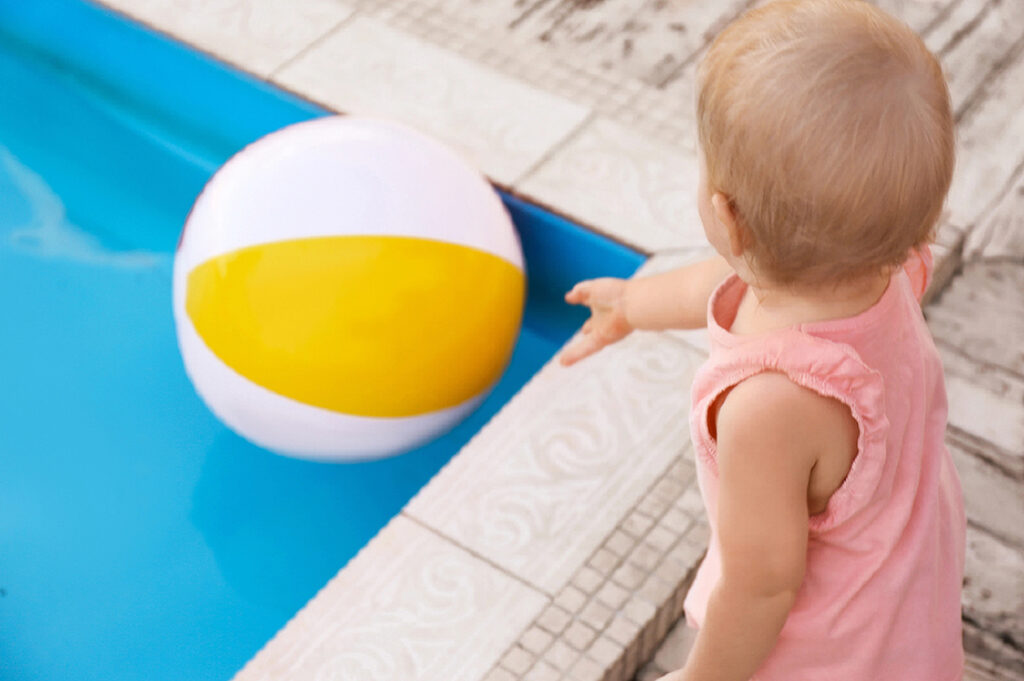
Install barriers: If you own a pool, secure it with fences or barriers to prevent unsupervised children from accessing the water.
Assign a water watcher: Designate a responsible adult to supervise children in or around the water. This adult should provide their undivided attention to this task to prevent accidents and emergencies.
Use safety equipment: Always keep life-saving equipment like a shepherd’s hook and a life preserver near the pool. Ensure that little ones wear a properly fitted flotation device if they are unable to swim on their own.
Encourage swimming lessons: Fewer accidents happen when everyone knows how to swim. It’s an essential life skill that increases pool and water safety.
Bicycle Safety
Always wear a helmet: Always wear a properly fitted helmet that meets safety standards while riding a bicycle. Helmets save lives and are essential for everyone — children and adults.
Follow traffic rules: Obey traffic laws, signals and signs. Ride with the flow of traffic and use hand signals when stopping and turning.
Use reflective gear: Ensure that you and your family are visible by wearing reflective clothing and adding reflective accessories to bicycles.
Check bike condition: Regularly inspect your bicycle to ensure proper brake function, tire pressure and reflectors.
Stay alert: Encourage family members to stay focused and avoid distractions while riding. Do not let anyone use a phone or wear headphones while riding.
Boat Safety
Wear a life jacket: Make sure everyone on your boat always wears a properly fitted and approved life jacket.
Check the weather: Monitor the forecast before embarking on any boating excursion and avoid going out during possible inclement weather conditions.
Maintain a proper speed: Follow speed limits and adjust your speed based on water and weather conditions.
Assign a designated watcher: Assign a responsible adult to keep a close eye on children to prevent accidents.
Educate your family and passengers: Familiarize everyone with basic boating safety rules like always keeping hands and feet inside the boat and avoiding all reckless behavior.
Do not consume alcohol. It is not safe or legal to operate a boat while drinking. Boating while intoxicated can impair your judgement, reaction time, coordination and ability to safely navigate the waters, which increases the risk of accidents, injuries and even death. For both drivers and passengers, alcohol intensifies the effects of sun, wind and motion on the water, leading to diminished decision-making abilities.
Theme Park Safety
Dress appropriately: Wear comfortable clothing and footwear suitable for walking and being active for many hours. Dress children in bright, easy to recognize clothes so they’ll be easy to spot should they wander off.
Follow height and age restrictions: Adhere to posted height and age restrictions for rides and attractions. These restrictions are in place for safety reasons and should be respected to prevent accidents.
Stay hydrated: Drink plenty of water throughout the day.
Establish a meeting point: Select a central meeting point in case anyone in your family gets separated. Teach children how to identify park staff or security so they can easily find help if they get lost.
Follow ride instructions: Listen attentively to ride instructions from the park staff and follow them carefully. Observe all safety guidelines including the proper use of restraints and seat belts.
Sun protection: Apply high-SPF sunscreen before entering the park and re-apply every two hours throughout the day. Use hats, sunglasses and seek shade often to protect yourself and your family from the sun.
Grilling Safety
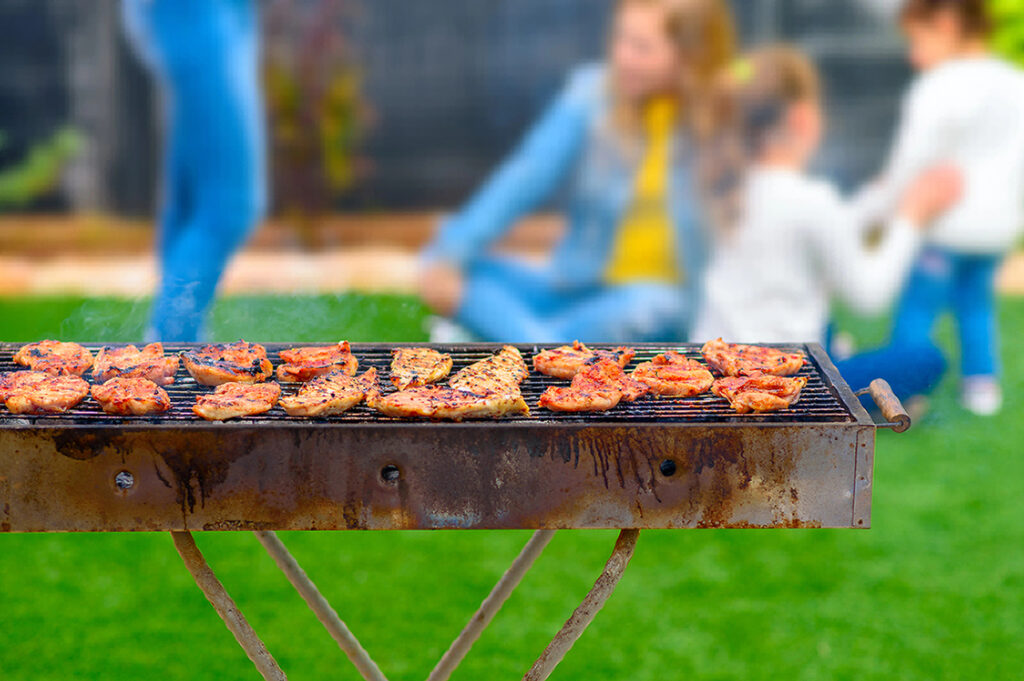
Keep children away from grill. Keep kids occupied while you grill so they won’t accidentally wander over to you and get burned.
Place your grill away from your home. Barbecue grills are often placed just outside the back door or on the back deck against a railing. You should avoid placing your grill in these areas because it can pose a potential fire hazard. Grills that are placed too close to the house or other wood structures can heat up adjacent materials and cause a fire. Be sure to keep your grill at least 10 feet from your home or other structures.
Never leave your grill unattended while in use. You should never walk away from your barbecue while it’s in use. Barbecues use high heat and open flames to cook food, and when left unattended can become a safety and fire hazard. If you must leave the grill, ask another adult to watch the grill for you.
Make sure your grill is located on a flat, level surface. Grills that are placed on slopes or other uneven surfaces can tip over easily and cause a fire.
Always clean your grill after use. Barbecuing regularly causes grease to build-up on the grill plates and collect inside the grease tray. If not cleaned, the build-up can then act as fuel and catch fire while the grill is in use. Clean your grill after each use with a grill brush and empty the grease tray when it begins to fill up.
Don’t leave food out too long. The summer heat and humidity is a breeding ground for bacteria. Never leave food out of refrigeration for over two hours.
Wear appropriate clothing. Long sleeves can catch fire easily when too close to an open flame. When grilling make sure your sleeves are far away from the fire. Use long handled tools.
Tick/Mosquito Protection
Avoid using scented soaps/lotions/products. Certain bugs are attracted to these scents.
Dress your child appropriately. When going into tall grass or areas where you know insects will be dress your child in long pants, a lightweight long-sleeved shirt, socks, and closed shoes. A broad-brimmed hat can help to keep insects away from the face. Mosquito netting may be used over baby carriers or strollers in areas where your baby may be exposed to insects.
Use kid-safe insect repellent. Do not use repellents on children younger than two months old. Insect repellents containing DEET have been tested and approved as safe for babies older than 2 months. Choose the lowest effective amount of DEET. For example, 10% DEET is effective for two hours. Apply products in a well-ventilated area to prevent breathing them in.
Do not use products that combine DEET with sunscreen. The DEET may make the sun protection factor (SPF) less effective. These products can overexpose your child to DEET because the sunscreen needs to be reapplied often.
Only apply insect repellents on the outside of your child’s clothing and on exposed skin. Use just enough repellent to cover your child’s clothing and exposed skin. Using more doesn’t make the repellent more effective. Avoid reapplying unless needed. When your children return indoors, wash their skin with soap and water to remove any repellent, and wash their clothing before they wear it again.
fireworks are illegal
In Brooklyn and New Jersey it is illegal to possess fireworks. If not handled properly, fireworks can cause burns and eye injuries in kids and adults. The best way to protect your family is not to use any fireworks at home — period. Attend public fireworks displays, instead.
driving safety tips
We drive all year round and it may seem silly to put driving safety tips on this list, however, car accidents are the leading cause of injury and death in the summer.
Watch out for distracted drivers. Whether it’s families on vacation or students heading toward the beach, summer roads are filled with drivers who are more distracted than usual. While distracted drivers are already a threat on the roads, summer can bring more distractions than usual, so watch out for drivers who aren’t watching out for you.
Have your brakes, engine and tires checked. Extreme heat takes a toll on vehicles. It can lead to tire blowouts and can affect your vehicle’s braking ability. It causes your engine to overheat more easily and places increased stress on just about every mechanical function your vehicle performs.
Paying extra attention to tire pressure and tread, checking the brakes frequently and making sure that your vehicle’s cooling system has all the proper fluids can help keep vehicles from being sidelined during the summer months.
Keep an eye on the calendar. Some days are more dangerous than others. Weekends and certain holidays are associated with an increase in drinking and driving. So, for drivers who are behind the wheel during that time, it requires more attention to the surrounding hazards.
July 4th is particularly deadly, both in terms of motorcycle fatalities and passenger vehicles. On the weekends, the highest number of fatal crashes happen between 3 and 7 P.M. so be aware of increased risk when you’re behind the wheel — and take extra safety precautions as needed.
Be aware of glare. Driving can be hard on the eyes, period, but during summer months, when the sun is out in full force, there’s also an increased amount of sun glare coming off the road and other vehicles.
This can be particularly dangerous during the early morning and when the sun is setting, so invest in a good pair of polarized sunglasses. They’ll help protect your eyes from fatigue and damage, cut down on glare and make it easier to see clearly.
Increase following distance.
Increasing your following distance can help offset the dangers brought by heavier traffic, construction zones and vacationing drivers who are traveling in unfamiliar areas.
Respect the effects of heat. Finally, it’s easy to dismiss just how much the sun can affect us, but it’s important to pay attention to how it affects both drivers and vehicles. Heat exhaustion can make drivers drowsy.
Be smart, be aware and be careful, so your entire family can have a wonderful summer.