



A World War II Story of Separation, Internment, Survival, and Reunion
Sarina Roffé
Most children don’t have memories of being interned in a Japanese camp as a small child. But that’s exactly what happened to Sally Shweky, née Franco, her parents, and three siblings. The family of six was interned in a Japanese camp for Allied citizens during World War II.
When Sally, whose legal name is Zakia, told me she was interned in a Japanese camp, I was surprised. Shanghai is a dynamic, bustling, and very large port city, the epicenter of economic activity in China. The first Jewish community in Shanghai was established by Sephardic Jews from Syria and Baghdad in the late 19th century.
Shanghai was one of the few places in the world that unconditionally offered refuge for Jews escaping from the Nazis. In 1938, 31 out of 32 countries refused to take in Jewish refugees after Kristallnacht. Shanghai was one of the few places that did not require an entry visa. The city has a rich history of a Jewish community and helped over 30,000 Jews escape the Nazis during World War II.

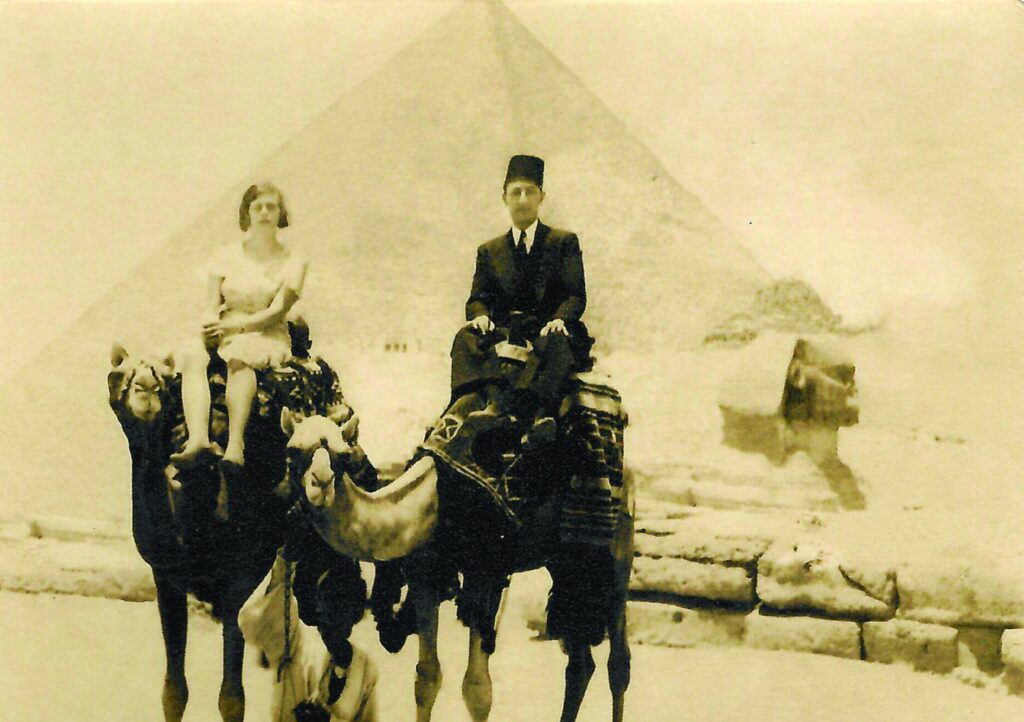

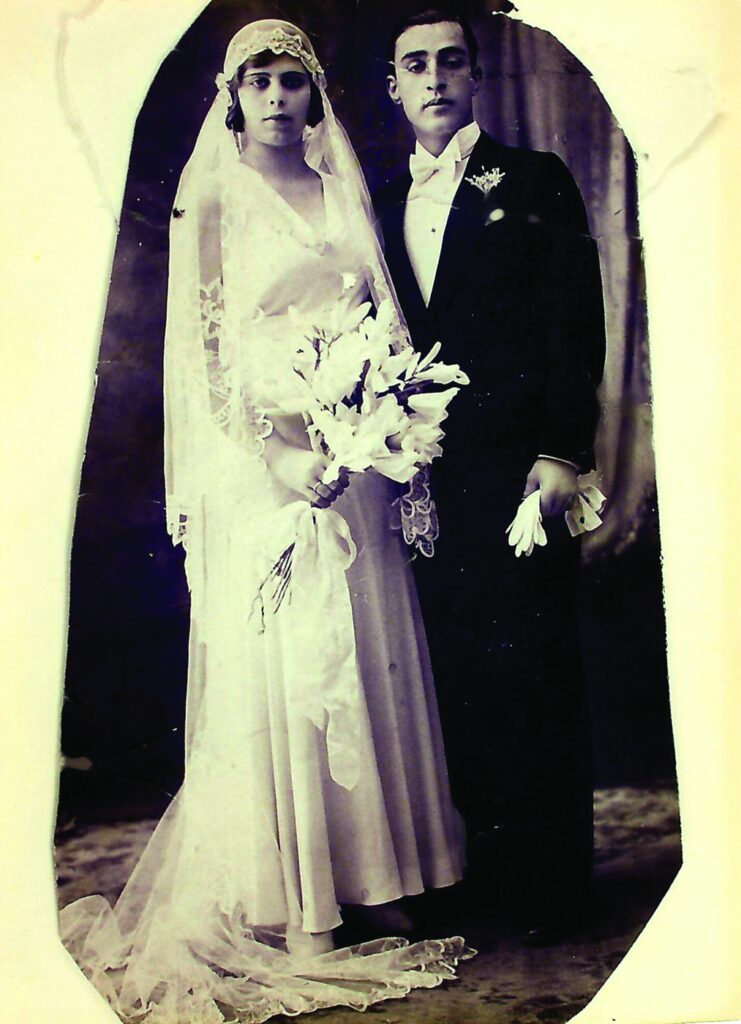

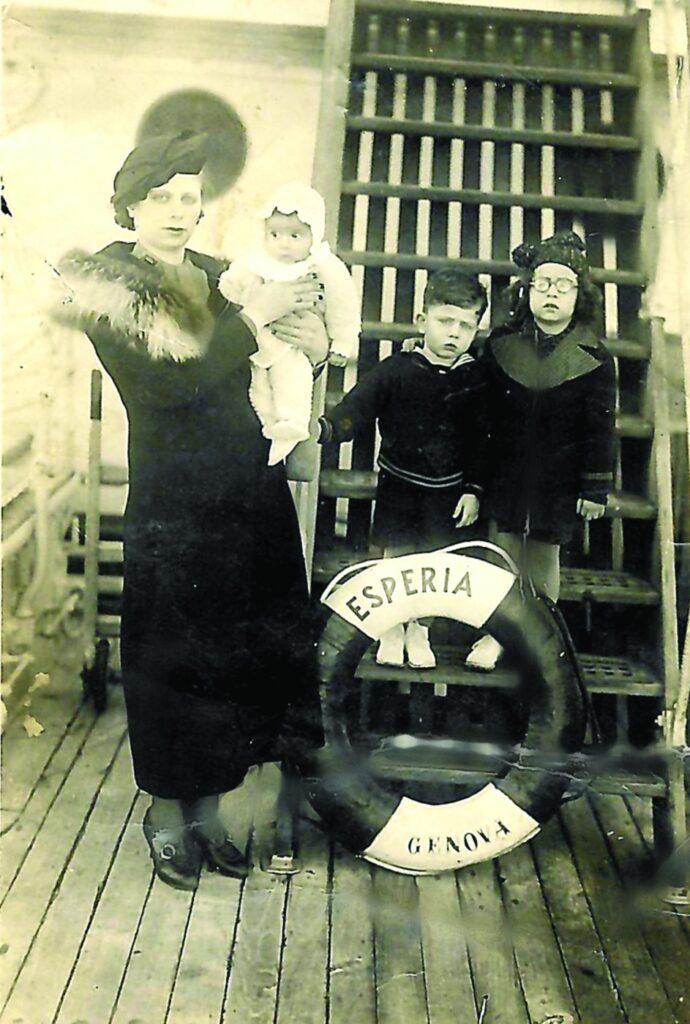
Moving to Shanghai
Sarah and David Franco were living in Shanghai when World War II broke out and the Japanese took over Shanghai. The couple and their four children, Grace, Harry, Sally, and Abie, were interned by the Japanese during World War II because David was an American citizen, not because he was Jewish, but because he had American citizenship and was from one of the Allied countries.
During World War II, Japan interned over 13,500 Allied civilians in China, with the vast majority of Shanghai’s Allied population forced into detention camps. By early 1943, the Japanese ordered the imprisonment of all Allied citizens into makeshift internment centers across Shanghai and its surrounding regions, referred to by the Japanese as “Civilian Assembly Centres.”
Background
Sarah Franco was a sweet, kind and caring teenager, born in the Ottoman Empire. She lived in Israel and was promised as a child to her cousin David Franco, who was born in Syria around 1906. He moved to New York with his family and became an American citizen in 1930. The Francos lived on 64th Street in Bensonhurst.
A charmer, David traveled from New York to Eretz Israel, the Land of Israel, in 1931 to marry her when she was just 14 years old, and she was beautiful. They lived in Bensonhurst, where Grace, Harry, and Sally were born. Sally was an infant when her family moved to Shanghai during the Depression for economic opportunity, and many Sephardic Jews lived there. Sarah and David’s son Abie was born there.
David Franco built a successful business in Shanghai, where there were many Allied citizens, including many Syrian Jews. They had a lifestyle where they went to the cabaret, played bridge, and socialized often. Sarah Franco cooked Syrian food. The children played outside in magnificent gardens and parks. They attended an English-speaking school.
The family lived in a large apartment and had a servant family that lived with them in separate quarters. The husband supervised and cooked, the wife cleaned, and the teenage daughter helped care for the children. They kept strictly kosher, as they were very religious.
So how did a Jewish family get interned by the Japanese? In 1937, Shanghai came under Japanese military occupation that lasted until the end of World War II in the summer of 1945. Japan went to war with the United States after its attack on Pearl Harbor on December 7, 1941. Citizens of Allied countries, the United States, France, and Great Britain, were considered enemies of Japan and were interned in camps. Because David was an American, he and his entire family were interned in the camp.
“As kids, we didn’t know what was happening,” said Sally. “We were so disciplined and respectful of our parents. We did what they told us without question. I remember one time, the daughter of the family who worked for us tried to throw something over the fence. But it fell into the creek. They would come to see us through the fence at the camp.”
At some point, the International Red Cross intervened and arranged for the four children to be sent to live with David’s brothers in New York. Grace was 11, Harry was nine, Sally was seven, and Abie Franco was four years old. Sarah and David cried when their children left by ship but knew it was for the best. “Every time I think about it, I wonder how my mother endured it. She didn’t know if she would ever see us again,” Sally said.
According to Sally, Harry was an entrepreneur. On the ship to America, he noticed that people put their shoes out at night to be shined with the payment in the shoe. Harry took the shoes, used something to shine the shoes, and took the money to buy and share candy.
Living Apart from Their Parents
After arriving in New York, the children were separated, and each child was sent to live with a different uncle. When the family got together for holidays and they saw all their cousins with their parents, and they saw and hugged one another, they felt the pain of separation, not only from their parents, but from each other. If they didn’t have their parents, it would have been comforting if the siblings could live together.
Upon seeing this, their grandfather, Aharon Franco, took an apartment and took in all four children to care for them himself. The children were finally together. “We didn’t know it was not normal not to have parents with us,” said Sally.
The four children were registered in school. Zakia Franco became Sally, her nickname, when she went to P.S. 205 in Bensonhurst. When the family moved to the Ocean Parkway area, Sally went to Boody JHS. Harry wanted to stay at Seth Low JHS, which was the school for Bensonhurst, so he didn’t report the change of address. Until one day, the teacher was instructing them on how to write a letter and address an envelope. He wrote the Ocean Parkway address and was caught! He had to change schools.

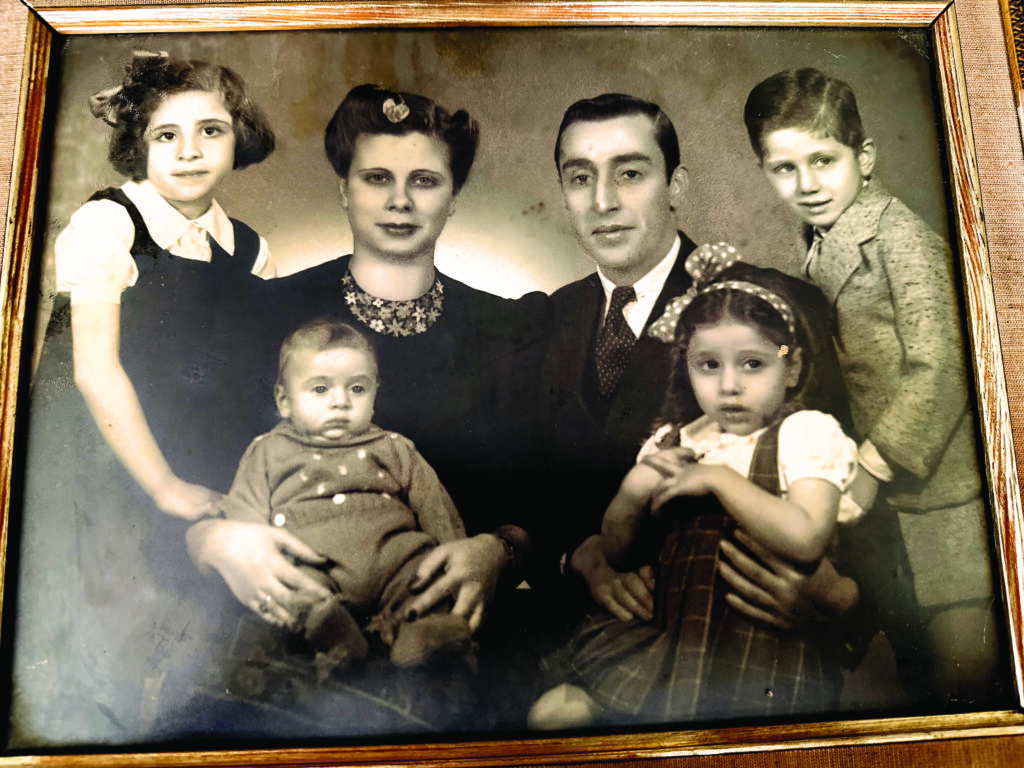

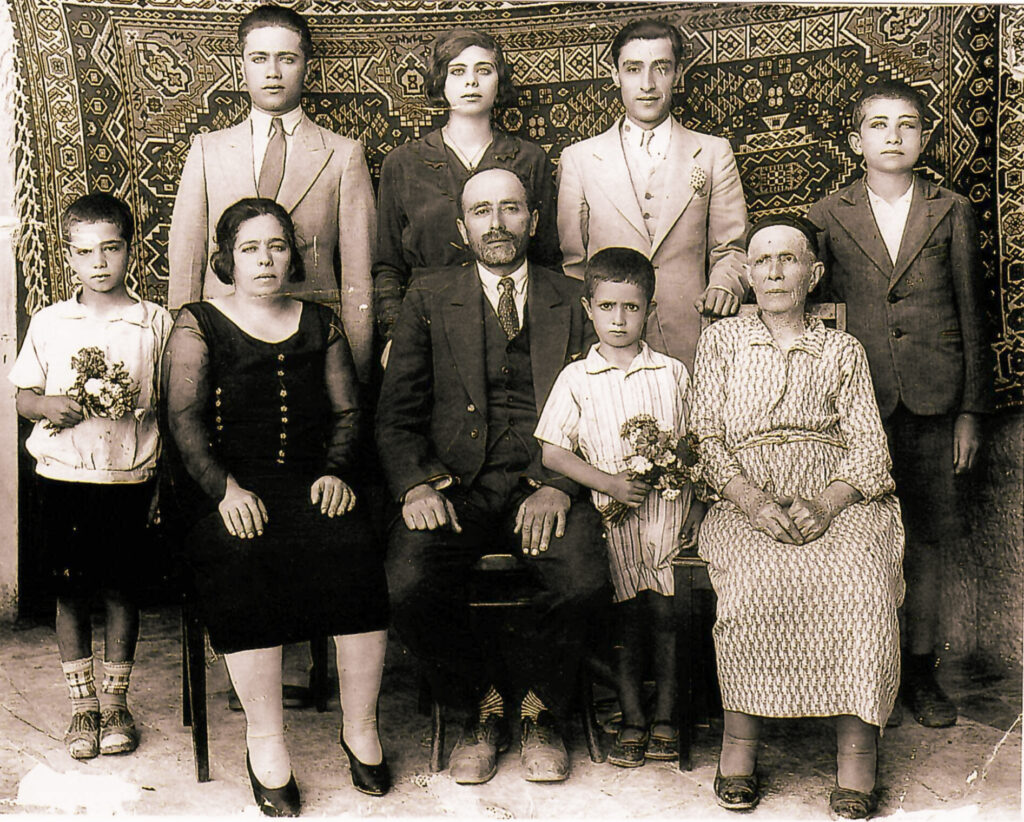
Zakia and Abhou, Yitzhak and her mother.
Reuniting with Their Parents
Harry loved to read newspapers. The children spent the summer in Bradley Beach with the Francos. On VJ Day, Victory over Japan Day, August 15, 1945, the day Japan announced its surrender, a photo was printed in the newspapers. The International Red Cross had gone into the camp and taken photos of all New Yorkers. Harry immediately recognized his parents. They were holding the youngest Franco, newly born Moshe, who was born in the camp. That’s how the family knew that Sarah and David were alive and that they had a new brother. The blond-haired, blue-eyed Moshe became Rabbi Moses Franco, and he lives in Long Branch, New Jersey.
“When my parents came to New York, my father had to start from scratch. Our mother taught us to clean house and scrub floors. Each week we had to scrub the basement floor, even though my mother eventually was able to hire household help,” she said.
David Franco returned to Shanghai via Hawaii on November 5, 1946, on Pacific Overseas Airlines. His destination was Szchuan Road, Shanghai. It is assumed he returned to Shanghai to tie up loose ends with his business.
Another son, Sam, was born in 1948, and a few years later, Gloria, the baby of the family, was born. In June of that same year, David traveled to Rio de Janeiro to buy merchandise as he returned from Argentina with five suitcases. His new business were located at 4 West 37th Street in Manhattan.
In 1950, David and Sarah, along with their six children, were living at 2029 East 3rd Street in Brooklyn, according to the U.S. Census for that year. David’s father, Aharon, lived with them, and his brother Abhou, Sarah’s father, was visiting from Israel. David was working in wholesale linen as a proprietor of his own business. Eventually, all six of the Franco children grew up, married, and became leaders in the community.
Sally finished school and married Harry Shweky in 1957. She wrote a column called Dear Sulha in a newsletter. Harry was also writing an article, and they met at a meeting for the publication. The couple has three children, including Rabbi David H. Shweky, who lives in Israel.


