

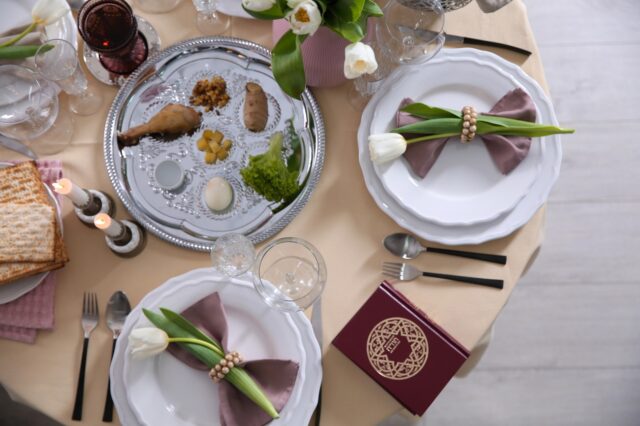
Rethinking balance, digestion, and nourishment during the holiday
Laura Shammah, MS, RDN
Passover is a holiday centered around freedom, yet for many people, food during Passover can feel anything but freeing. Between the removal of familiar foods, the abundance of rich holiday meals, and the pressure to “do it right,” Passover can become a week of digestive discomfort, food guilt, or all-or-nothing eating. But it doesn’t have to be that way. Passover offers a powerful opportunity to reconnect with nourishment, balance, and intention.
During Passover, eating patterns naturally change. Bread, grains, and many everyday staples disappear, while foods like matzah, potatoes, eggs, meat, chicken, and richer desserts often take center stage.
This sudden dietary shift can affect digestion, energy levels, and hunger cues. Many people notice constipation from increased matzah and reduced fiber, feeling overly full from heavy meals, blood sugar swings from long gaps between meals, and eating out of structure rather than hunger. None of this means you’re doing Passover “wrong.” It simply means your body is adjusting.
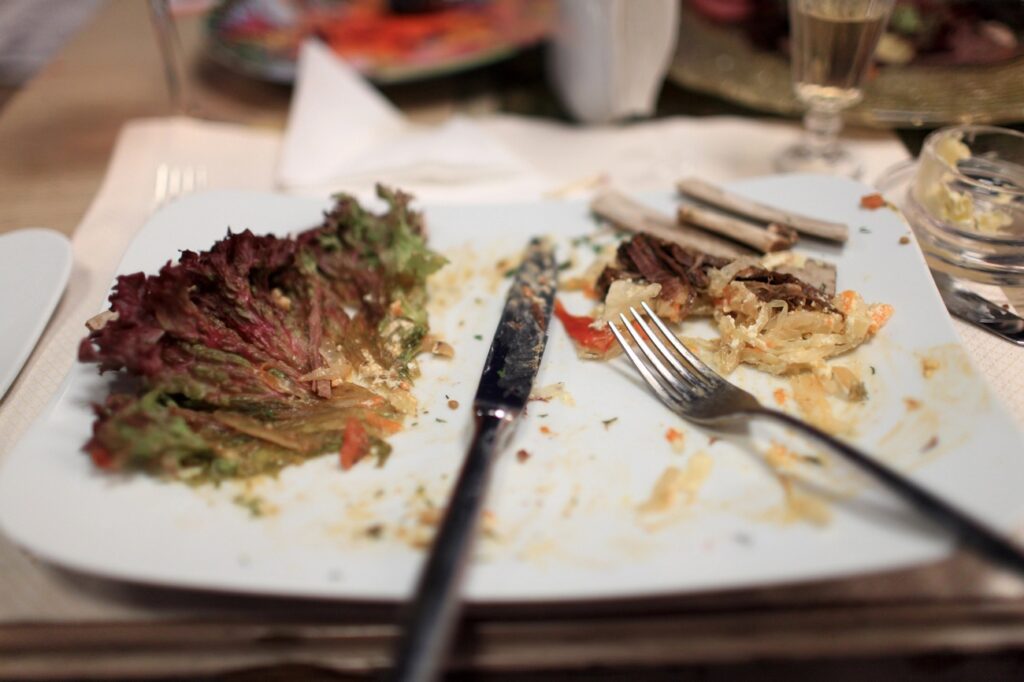
Matzah Is Not the Enemy
Matzah often gets blamed for digestive discomfort, but the issue is usually balance, not matzah itself. Matzah is essentially a refined carbohydrate without fiber or fat. When eaten alone, it digests quickly and doesn’t provide lasting satisfaction.
Instead of avoiding matzah, pair it strategically. Matzah can be eaten with egg and avocado, tuna and vegetables, or nut butter. Adding protein and fat improves satiety, digestion, and blood sugar stability.
It’s also worth noting that spelt and whole-wheat matzah are available each year, which can provide more fiber and help support digestion and fullness for those who tolerate them.
Preventing the “Passover Constipation” Problem
Constipation is one of the most common Passover complaints. The solution is gentle consistency, not extreme fiber loading.
Helpful strategies include drinking enough fluids throughout the day, including fruits and vegetables at meals, adding olive oil, avocado, or nuts daily, and incorporating light movement after meals. Cooked vegetables, soups, berries, kiwi, and stewed fruits tend to be easier on digestion than large raw salads during this week.
The Long Meal Reality
Seder meals are long. Very long. It’s easy to arrive overly hungry and eat quickly once the meal begins. A small snack before the Seder, like yogurt, vegetables, and chicken, or eggs, can help regulate hunger so you can enjoy the meal comfortably.
Eating slowly during the Seder also allows your body’s fullness signals to catch up with the pace of the meal.
Passover and Emotional Eating
Holidays can bring joy, stress, nostalgia, and family dynamics, often all at once. Food sometimes becomes the easiest way to cope with these emotions.
If this happens, it doesn’t mean you’ve failed. It means you’re human. Passover is actually a meaningful time to practice awareness by noticing hunger and fullness, eating foods you truly enjoy, sitting down while eating, and allowing meals to feel satisfying rather than rushed or restricted.
Freedom includes freedom from guilt. Passover is only eight days. Your body does not need perfection during this time. It needs consistency and nourishment. You don’t need to compensate for heavier meals. You don’t need to avoid dessert. You don’t need to “start over” after the holiday. You simply return to your normal rhythm when Passover ends. That, too, is freedom.