Home Blog Page 8

An Open Letter to US President Trump

We must not allow modern-day Trojan horses

Linda Argalgi Sadacka

Individuals have entered the United States and used its freedoms as weapons against it. But citizenship should be a covenant of loyalty, not a loophole for subversion.

America was never meant to be a social experiment. It was founded as a constitutional republic built on ordered liberty, individual sovereignty, and the belief that freedom must be rooted in responsibility. For nearly 250 years, that sacred balance has made this nation the envy of the world and the target of its enemies.
Today, those enemies no longer storm our shores. They walk through our gates, swear false allegiance, and use our democracy as a weapon to destroy it from within.

The Trojan Horse Within Our Gates
From Paris to London to Dearborn, Michigan, the pattern is the same. Those who despise Western civilization’s values are using its freedoms as tools of conquest, exploiting our tolerance, our laws, and our moral restraint. In Dearborn, an American who questioned why a street was named after a man tied to the slaughter of US Marines was mocked by his own mayor, who called him unwelcome and even promised a parade when he left town.
And now, in New York City, a self-declared socialist, Zohran Mamdani, has been elected mayor. His platform rejects every founding principle of our republic. Once, calling yourself a socialist or communist ended a political career. Today, it launches one. That is not progress; it is decay, the slow erosion of loyalty that once defined us.

The Constitutional Truth
As you have always understood, Mr. President, the constitution was never meant to be neutral in the face of disloyalty. Article I, Section 8 gives Congress the power to establish a uniform rule of naturalization because the Framers knew citizenship was not a convenience; it was a covenant. When that covenant is violated, the law provides a remedy.
In Fedorenko v. United States (1981), the Supreme Court held that naturalization obtained by fraud or concealment can be revoked, a principle reaffirmed in Kungys v. United States (1988). Fraud is not protected speech, and deceit is not dissent. The same Congress that ratified the Fourteenth Amendment also enacted measures to safeguard the Union from those who claimed loyalty while conspiring against it. The lesson endures: citizenship is a privilege anchored in allegiance to the United States of America.

A Crisis of Moral Clarity
You, Mr. President, have always had the courage to say what others feared to say: that a nation without borders is not a nation. The same truth applies to loyalty. A nation without loyalty cannot endure.
Under your leadership, America once again stood proudly for its people, its flag, and its values. You reminded the world that patriotism is not a crime but the foundation of civilization.
And just as your administration acted decisively in removing foreign visitors who glorified acts of political violence, including those who celebrated the attempted assassination of Charlie Kirk, we must continue that same moral clarity now.
We cannot allow individuals who enter or remain in this country to use its freedoms as weapons against it. These are modern-day Trojan Horses, people who exploit our democracy to dismantle it.
If we fail to confront this, we risk losing not only elections but the republic itself. Those calling themselves “progressives,” yet acting as regressives, socialists, communists, and Marxists in disguise, will continue to rise, one office at a time.
A recent poll found that Zohran Mamdani won 62 percent of the foreign-born vote in New York City, compared with just 24 percent for his opponent. This is not merely demographic; it is ideological. A movement of newcomers, often influenced by regimes hostile to our values, is being strategically mobilized to transform the character of our nation from within.

The Path Forward
Mr. President, you have proven that the constitution is only as strong as those willing to defend it. You never backed down in the face of mockery or malice because you understood America’s promise, a covenant between a free people and their creator.
I write these words not as a distant observer but as someone who chose this nation and its promise. I became an American citizen after coming from Canada, and with that oath came a lifelong commitment to protect the principles that make this country extraordinary. Since then, I have devoted myself to civic life and to ensuring that others cherish their right to vote and their duty to preserve the republic. That is what true citizenship means, gratitude expressed through action and loyalty proven through service.
That same conviction is now needed to restore moral order and constitutional integrity. The time has come to reassess citizenship granted or exercised in bad faith, and to examine those who came here under the pretense of seeking freedom but instead use their status to advance radical agendas that undermine it. Those who exploit the privileges of citizenship to aid movements that seek to destroy America from within must be held to account under existing law.
Such an effort would not be punitive; it would be protective. It would reaffirm that allegiance to the United States is not symbolic but substantive. It would ensure that citizenship remains what the Framers intended, a covenant of loyalty, not a loophole for subversion.

A Call to History
America needs the same courage that built the wall, revitalized our economy, and restored pride in our flag. The constitution does not enforce itself; it depends on leaders of conviction.
Mr. President, history already remembers you as the leader who stood firm when others faltered, who faced down chaos and never wavered in defense of the republic. The American people have never stopped believing in you because you never stopped believing in them.
May G-d bless you with continued strength, wisdom, and the unshakable conviction that freedom and loyalty will always prevail. q
This article is adapted from a piece originally published in The Jerusalem Post on November 9.

Calvinism and Capitalism

The Torah’s Perspective on Economic Growth

Rabbi Lord Jonathan Sacks ZT”L

Here is the problem. To avoid recession, we have to give the economy a boost, which means spending more, which means borrowing more, which means higher levels of debt, which is what got us into trouble in the first place.
To put it the other way: in many Western economies individuals and governments have built up unsustainable levels of debt. To reduce them they must spend less and save more, which means lower consumer demand, lower government expenditure, lower employment and lower profits, which involves more need for state support, which is where we came in. Whatever economics is, it isn’t simple.
Part of the problem is that economics is not physics. It’s not about matter in motion. It’s about human beings, and humans are not simple. They have a history. One generation is not like the next. The people who create economic growth are often not the ones who enjoy it.
The German sociologist Max Weber famously argued that it was “the Protestant ethic,” Calvinism in particular, that gave rise to “the spirit of capitalism.” It combined three attitudes essential for the emergence of a new order. First it saw work as a vocation and a way of serving G-d. Second it frowned on luxuries and celebrated thrift. Third it saw earthly success as a sign of Divine favor.
The result was a whole class of wealth creators, Benjamin Franklin was the role model, who worked hard, saved and invested, fueling a revolution in production in England and the United States. Hence the paradox: It was not consumerism that led to wealth-creation but its opposite, Puritanism.
We can go deeper. In a memorable research exercise, the 1972 Stanford Marshmallow Experiment, four-year-old children were presented with a test. They were offered a marshmallow, but told that if they waited twenty minutes before eating it, they would receive an additional one.
It was a neat and excruciating trial. Some of the children gave in to temptation immediately. Others did all they could to fight it. They closed their eyes, turned around, or even stroked the marshmallow, pretending it was a pet. Roughly a third succeeded in waiting the twenty minutes and received their reward.
Simple enough, but what made the test a classic of its kind was that a series of follow-up studies was done of the children, years later. It turned out that their behavior at age four was a highly accurate predictor of their later success in life. The children able to resist the temptation were, ten and even thirty years later, psychologically better adjusted, more dependable, scored higher grades in school and college and had more success in their careers. The differences were measurable over a lifetime. Success depends on impulse control, the ability to delay gratification, which is precisely what a consumerist culture undermines. At every stage, the emphasis is on the instant gratification of instinct, the must-have handbag, the new generation smartphone, next year’s designer trainers. In the immortal words of the pop group Queen, “I want it all and I want it now.”
Worst of all, our children are being groomed to be mini-consumers. They are being taught by every siren signal of our culture that they are entitled to the marshmallow without delay. A whole culture is being infantilized.
The best commentary on all this was given by Moses in the book of Deuteronomy. He is addressing the next generation, the children of those who had been liberated from slavery. He tells them, surprisingly, that the real trial is not poverty but affluence. Affluence dulls the senses. It makes you forget where you came from. You start taking prosperity for granted, not realizing how vulnerable it is. Bad things begin to happen. Inequalities grow. The social bond becomes weak. The nation forgets who it is and why.
Moses therefore restates a series of commands designed to teach the Israelites how to control their impulses and safeguard the future. Rest every seventh day. Cancel debts every seventh year. Place spiritual, not material, values at the heart of society. Fight poverty. Pursue justice. Treat employees decently. Care for the widow, the orphan and the stranger. Ensure that everyone has dignity. Deuteronomy is not about short term growth but about long term sustainability.
Ultimately, the wealth of nations depends on more than economics. It depends on the degree to which a culture teaches us to act today for the sake of blessings tomorrow, a hard lesson but a necessary one. q

Read Jewish Image Magazine Online – January 2026

House Hacking 101

Why Every Athlete Needs a Sports Guard

Dr Michael Slomnicki DMD, Bass Dental Group

Whether you play basketball, hockey, football, or even non-contact sports like gymnastics or pickleball, your smile is always at risk of injury. A sudden impact or accidental fall can cause chipped, broken, or even knocked out teeth. These injuries can be painful, costly, and permanent.

That’s where a sports guard comes in. Also known as an athletic guard, this small but powerful piece of equipment acts as a cushion between your teeth and the soft tissues of your mouth. It absorbs and redistributes impact forces, helping prevent damage to your teeth, gums, lips, and even your jaw.

While store-bought guards may seem convenient, they often provide limited protection and an uncomfortable fit. A custom-made sports guard is designed specifically for your mouth, ensuring superior comfort, breathability, and protection. You’ll be able to speak clearly, focus on your game, and stay confident knowing your smile is safe.

At Bass Dental Group, we care deeply about helping our patients protect their oral health, on and off the field. That’s why we’re offering free custom sports guards until December 31. It’s our way of promoting safer play for athletes of all ages in our community. Don’t wait until it’s too late, your natural teeth are irreplaceable. Call our office today at (718) 339-7400 to schedule your appointment, and get your free sports guard.

Protect Your Smile

Why Every Athlete Needs a Sports Guard

Dr Michael Slomnicki DMD, Bass Dental Group

Whether you play basketball, hockey, football, or even non-contact sports like gymnastics or pickleball, your smile is always at risk of injury. A sudden impact or accidental fall can cause chipped, broken, or even knocked out teeth. These injuries can be painful, costly, and permanent.

That’s where a sports guard comes in. Also known as an athletic guard, this small but powerful piece of equipment acts as a cushion between your teeth and the soft tissues of your mouth. It absorbs and redistributes impact forces, helping prevent damage to your teeth, gums, lips, and even your jaw.

While store-bought guards may seem convenient, they often provide limited protection and an uncomfortable fit. A custom-made sports guard is designed specifically for your mouth, ensuring superior comfort, breathability, and protection. You’ll be able to speak clearly, focus on your game, and stay confident knowing your smile is safe.

At Bass Dental Group, we care deeply about helping our patients protect their oral health, on and off the field. That’s why we’re offering free custom sports guards until December 31. It’s our way of promoting safer play for athletes of all ages in our community. Don’t wait until it’s too late, your natural teeth are irreplaceable. Call our office today at (718) 339-7400 to schedule your appointment, and get your free sports guard.

Food Freedom

Eating Without Fear in a World
of Mixed Messages

Laura SHAMMAH MS, RDN

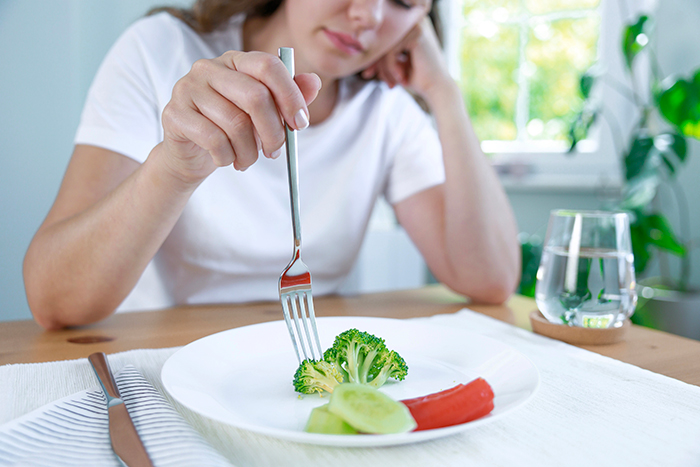
“Carbs are bad.” “Carbs are essential.” “Fasting is dangerous.” “Fasting is the secret to health.” If you’ve ever felt confused by food advice, you’re not alone. Every day we’re bombarded with conflicting messages, making it hard to know what’s “right.”

Whether you’re a student, a professional, a parent, or someone navigating later stages of life, food can feel like a minefield of rules and restrictions. But it doesn’t have to be that way. The key is food freedom, a way of eating that’s rooted in balance, trust, and joy instead of fear.

Why So Much Confusion?

Trends and fads play a major role. Nutrition culture thrives on extremes, whether it’s keto vs. plant-based or fasting vs. grazing. Social pressure adds to the mix, with social media making it easy to compare your plate to someone else’s. Many people also have a history of dieting, growing up with food “rules” passed down from family, peers, and media—beliefs that can take years to shake off.

The Problem with Food Fear

Food fear doesn’t just affect your plate, it affects your life. Maybe you feel guilty for eating dessert, anxious about eating out, or ashamed if you “give in” to cravings. But the cost is high:

•  Restriction often leads to overeating or bingeing.

•  Guilt disconnects you from enjoying meals and social experiences.

•  Anxiety around food drains energy you could be using for things that really matter.

What Food Freedom Really Means

Food freedom isn’t about ignoring health, it’s about releasing the fear and guilt that keep you stuck in cycles of restriction. It means:

•  Flexibility. Foods can fit. There’s room for salad and pizza.

•  Balance. Most meals include a mix of protein, healthy fats, and fiber.

•  Joy. Eating is about connection, culture, and pleasure, not calories.

•  Confidence. Trusting your body’s cues instead of external rules.

Practical Ways to Start

1.  Reframe your language. Swap “I can’t eat that” for “I choose what feels good for me.”

2.  Add before you subtract. Focus on adding nourishing foods, like veggies, protein, or omega-3s, rather than obsessing over what to cut out.

3.  Gentle structure. Regular meals and snacks support stable energy, mood, and focus.

4.  Practice compassion. One meal never defines your health. Progress is about patterns, not perfection.

Why Food Freedom Matters at Any Age

Food freedom matters at every stage of life. For teens and young adults, it helps prevent harmful cycles of dieting and disordered eating. For busy adults, it creates mental space and supports a healthier, more positive relationship with food. Later in life, it frees you from years of yo-yo dieting and helps support lasting health. Food freedom gives back confidence, energy, and peace of mind.

The Emotional Side

When you let go of food fear, you also let go of unnecessary stress. Meals become about nourishment and connection, not judgment. Many people describe this shift as life-changing. It’s like reclaiming parts of themselves they didn’t realize dieting had taken away.

Closing Thought

Food freedom is for everyone. It’s not about perfection or extremes, it’s about making peace with food, trusting your body, and focusing on nourishment over rules. When you stop fearing food, you create space for balance, joy, and health that lasts a lifetime.

Laura Shammah, MS, RDN, specializes in eating disorders and works with a wide range of clients, including those managing PCOS, infertility, hypertension, high cholesterol, Crohn’s disease, diabetes, and cancer. She also supports clients training for marathons, women who are pregnant, and individuals seeking to lose or gain weight in a healthy way.

The Synagogues of the Exile

David Abitbol

Journey through Europe’s most beautiful synagogues — timeless sanctuaries where art, history, and faith unite. These photographs reveal a heritage of beauty, resilience, and devotion.

Step into a world where art, history, and faith intertwine — a journey through the majestic synagogues that have graced Europe for centuries. These sacred spaces are more than architectural marvels; they are living testaments to the endurance, creativity, and spiritual depth of Jewish life across the Old Continent.

Each synagogue, whether standing proudly in a bustling capital or hidden away in a quiet town, tells its own story — of devotion and exile, of resilience and rebirth. From the monumental Great Synagogue of Budapest to the luminous Spanish Synagogue of Prague, from the ornate sanctuaries of Venice to the refined elegance of London and Amsterdam, these edifices reveal a Europe once resplendent with Jewish culture and community. Even the forgotten gems of Romania and the subtle harmonies of Italy’s hidden synagogues speak of a shared legacy that refuses to fade.

The following photographs are drawn from “The Synagogues of the Exiles”, an exquisite art volume illustrated with 180 never-before-seen images that capture the soul of 80 synagogues across 17 European countries, alongside five architectural treasures from North America that echo their European counterparts.

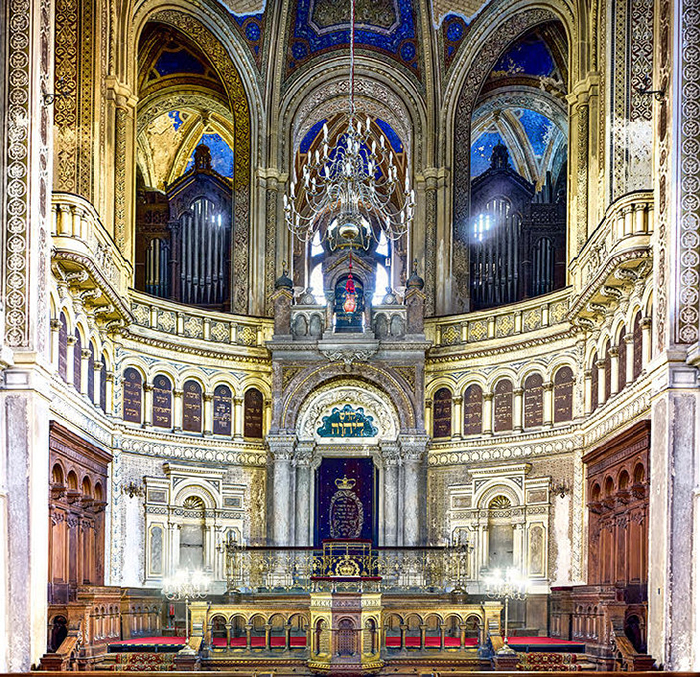
Bordeaux, France

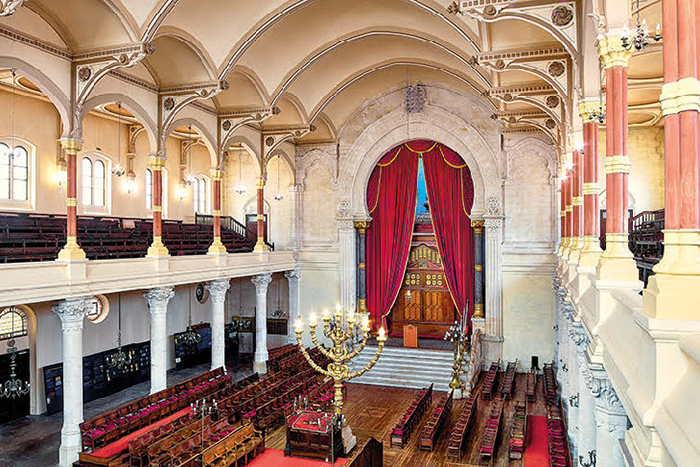
Designed by the architect Charles Durand, after nearly a decade of fundraising and negotiations, the new Grande Synagogue of Bordeaux opened its doors on September 5, 1882, offering a sanctuary for peace and prayer just before the High Holy Days.

Synagogue de la Victoire, Paris, France

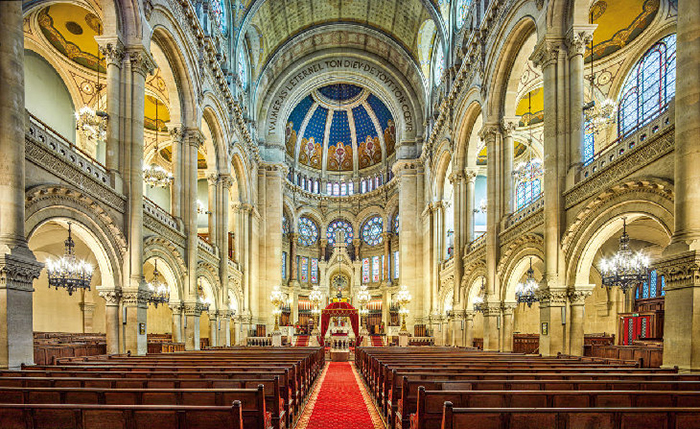
The Synagogue de la Victoire was inaugurated on September 9, 1874, just in time for Rosh Hashanah. It took a few more months to complete the interior, with the synagogue opening fully to the public in 1875. The sanctuary is the work of architect Alfred Philippe Aldrophe. A knight of the Legion of Honor and architect for the City of Paris, Aldrophe understood both the requirements of the Jewish community and their new customs. Romanesque in style, the building is adorned with Byzantine moldings and follows a basilica layout.

Casale Monferrato, Italy

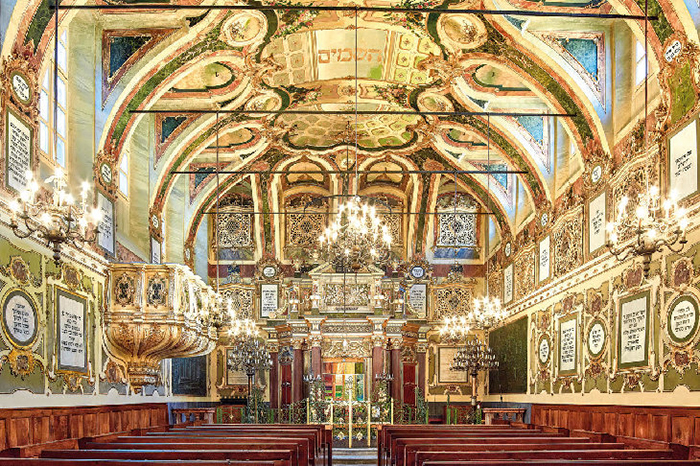
Nestled in northern Italy, between Turin and Milan, this town stood at the crossroads of countless battles from the 15th to the 18th centuries. The Jewish community, long settled here, took an active role in defending the territory — even financing the construction of its fortifications. Despite enduring many restrictions, they remained steadfast, determined never to face exile again. Their unwavering loyalty earned them rare privileges, first from Duke Gonzaga in 1560 and later from the Duke of Savoy in 1708. Yet these honors did not divert the faithful from their true source of devotion: the synagogue.

Located in an unassuming alley in the center of the Ghetto, the Synagogue of Casale Monferrato is the oldest in Piedmont. It was inaugurated in 1595 during Sukkot, as attested by the inscription: “This plaque commemorates the fact that in the year 5355-1595 this oratory was erected in honor of the G-d of Israel.”

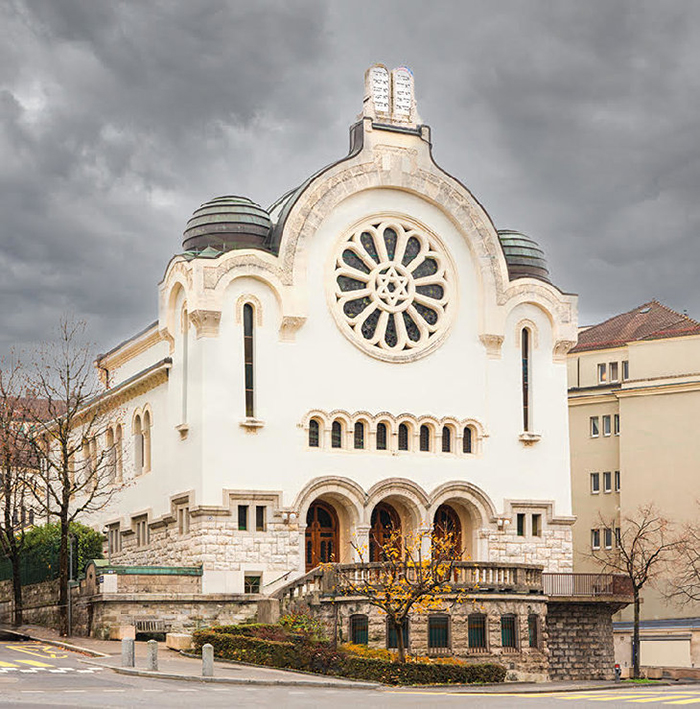
Lausanne, Switzerland

On November 7, 1910 (5 Heshvan 5671), the Synagogue of Lausanne was officially inaugurated. Situated in the prestigious Belle Fontaine district, the synagogue stands out as a beacon and a landmark, embodying both civic presence and the heart of Jewish communal life.

The synagogue was the result of collaboration between renowned architects Charles Frédéric Bonjour, Adrien Van Dorsser, and Oscar Oulevey.

Augsbourg, Germany

In 1913, the community entrusted the realization of this modern and ambitious project to the young Jewish architect Fritz Landauer. Collaborating with Dr. Heinrich Lompel, they conceived a building that embraced Art Nouveau with Moorish and Art Deco influences. During Kristallnacht in November 1938, the temple suffered significant damage but survived. During World War II, its proximity to a fuel depot spared it from the bombings. A near-miraculous survival, as countless other Jewish places of worship were utterly destroyed by the Nazi regime. Majestic, charismatic, and deeply moving, the Augsburg Synagogue stands as one of the city’s most important monuments.

Łancut, Poland

The Łancut Synagogue is one of the few surviving examples of Poland’s rich Jewish architectural heritage. It epitomizes the four-pillar synagogue style with majestic vaulted ceilings found throughout the region. While most of its original interior has been lost, a watercolor painted after 1786 by Polish landscape artist Zygmunt Vogel (under the pseudonym Ptashek) offers a rare glimpse of its past glory. The stone edifice measures 18 meters by 15 meters and stands on land that once belonged to the Lubomirski family, members of Poland’s high nobility and longtime owners of the city. Its modest exterior façade belies the stunning polychrome decorations, stucco work, and Torah scenes that adorn its interior. The synagogue’s floor, located below ground level, reflects a clever architectural workaround to comply with Church restrictions on synagogue height. Descending a few steps from the entrance, worshippers would enter a bright, airy prayer hall.

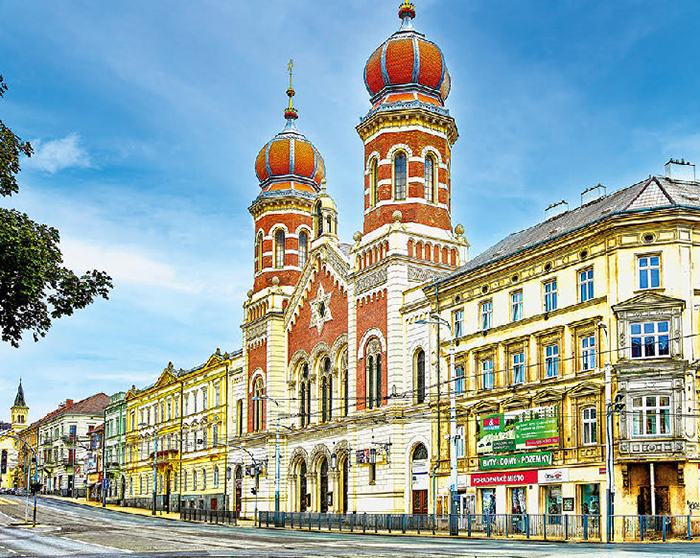
Plzen, Czech Republic

In 1867, a new constitution granted Jews political and religious equality, paving the way for the magnificent synagogue. With a population of 3,000, the Jewish community of Plzen embarked on building a sanctuary as sumptuous as it was monumental. Their ambition was first entrusted to Viennese architect Max Fleischer, who envisioned towers soaring 65 meters high, reminiscent of Budapest’s Great Synagogue. However, this grandeur exceeded both the project’s budget and the city council’s approval, as nothing was to overshadow the skyline dominated by St. Bartholomew’s Cathedral. A more measured approach was taken with architect Emanuel Klotz, who revised the plans, lowering the towers by 20 meters and optimizing the space to accommodate 1,200 seats. Construction began in 1888, with the cornerstone laid on the 40th anniversary of Emperor Franz Joseph I’s coronation. A few years later, the Velká Synagoga opened its doors on Thursday, September 7, 1893, just in time for the Jewish New Year, 5654.

David Abitbol is a resident of Jerusalem and is the author of the book “The Synagogues of the Exile.”

Fall Highlights Around Our Community

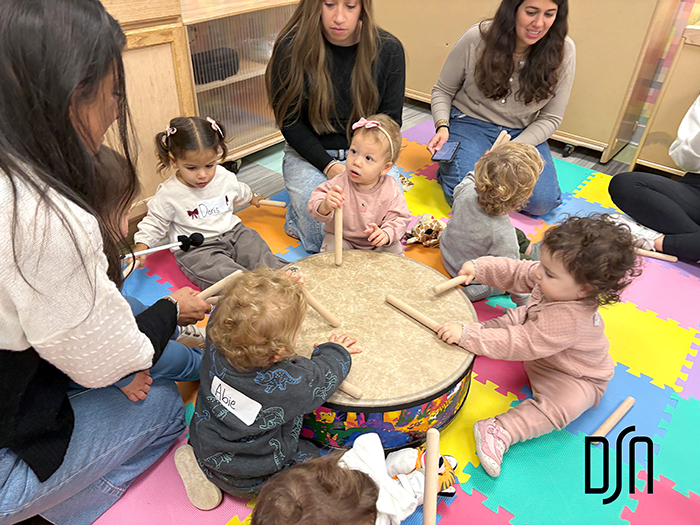
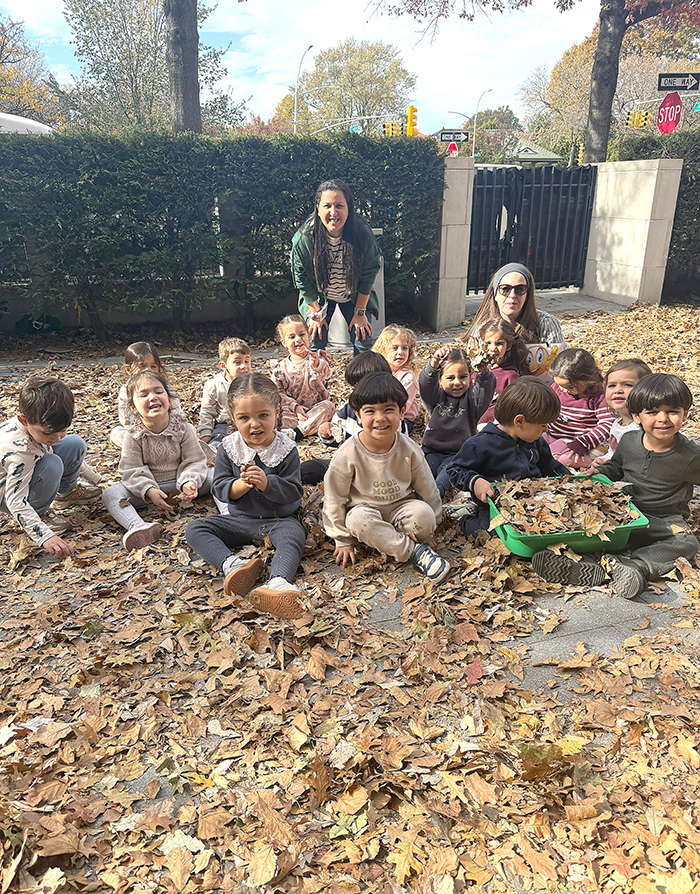
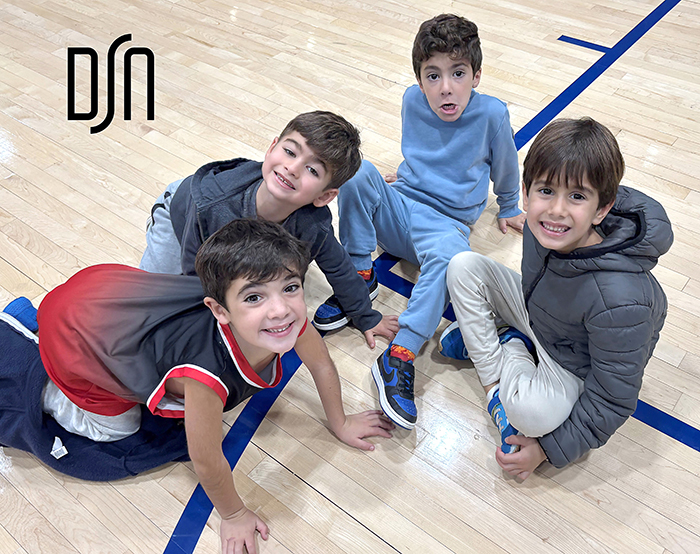
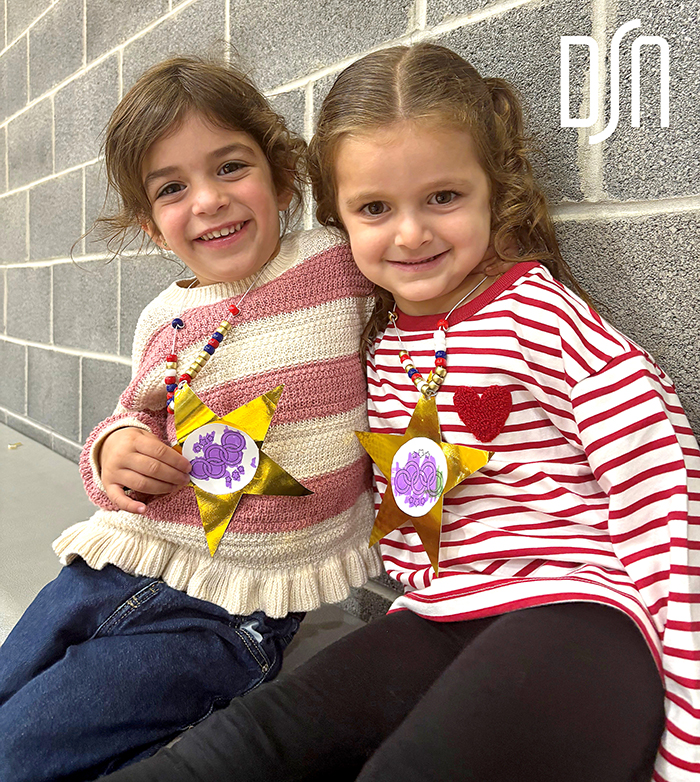
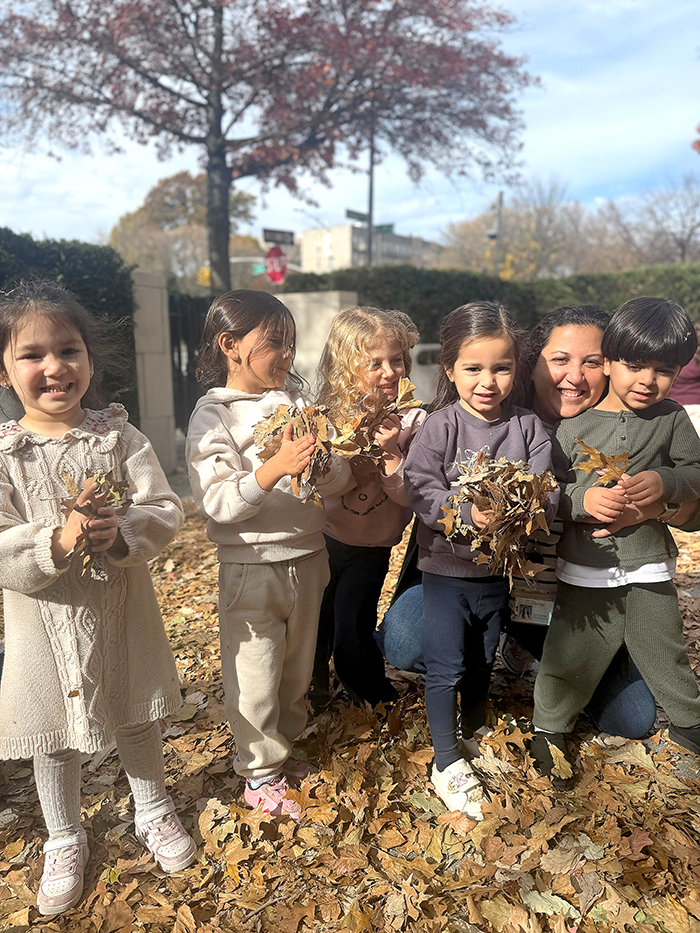
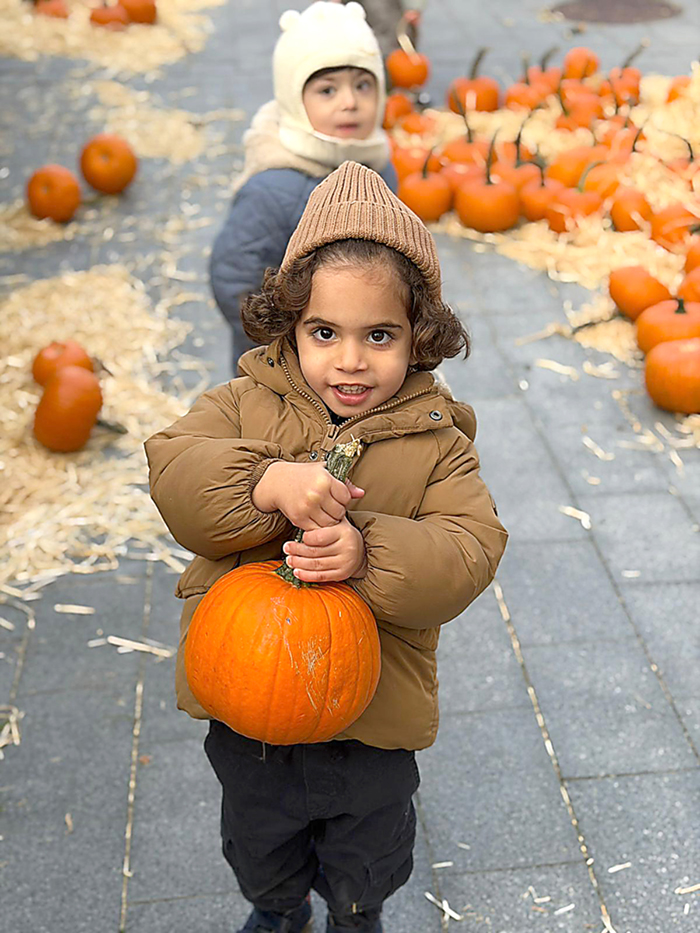
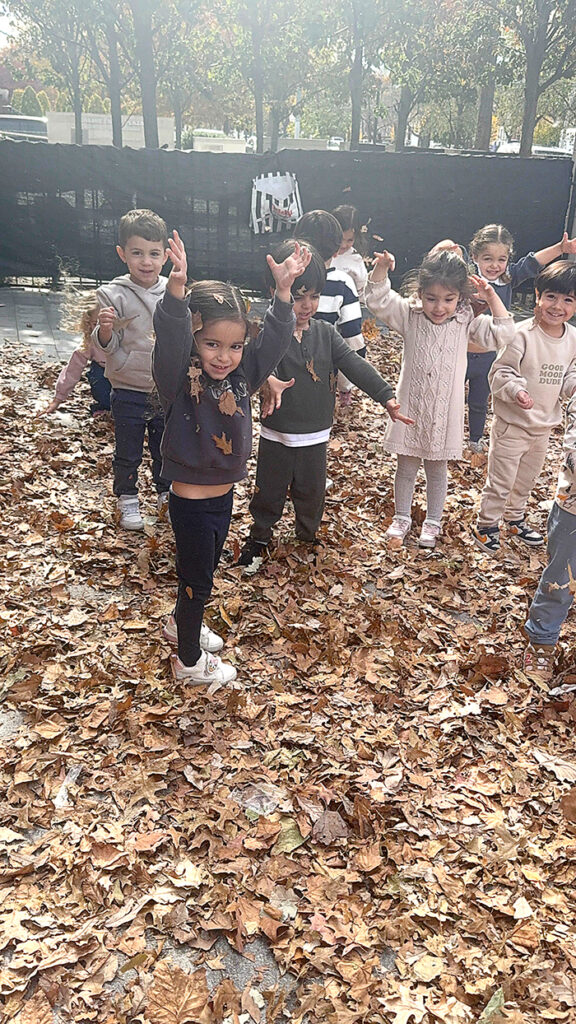
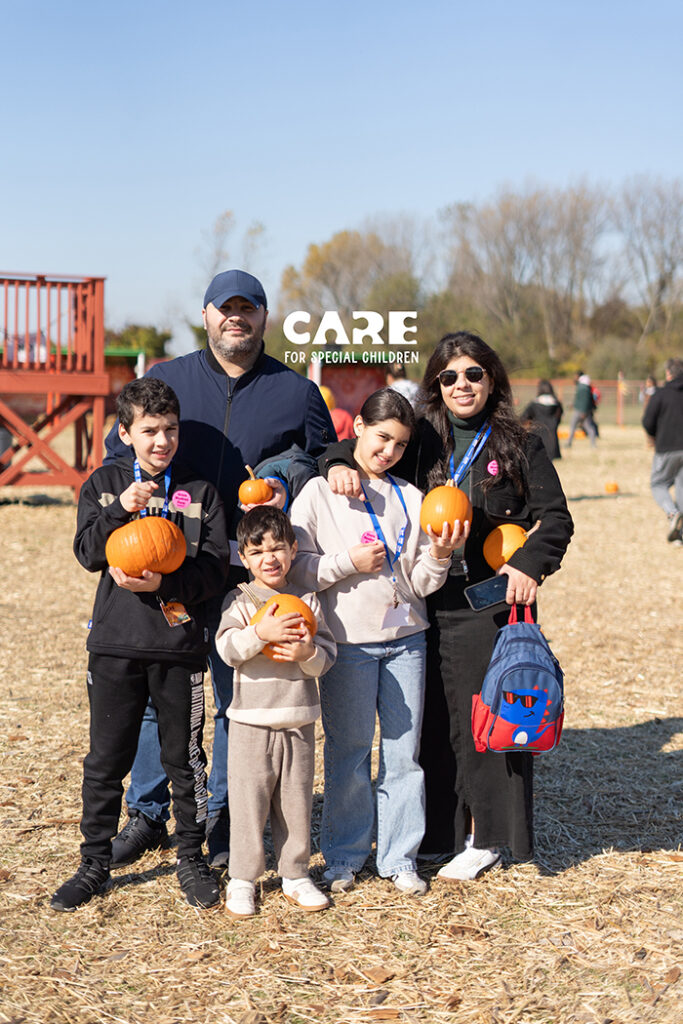
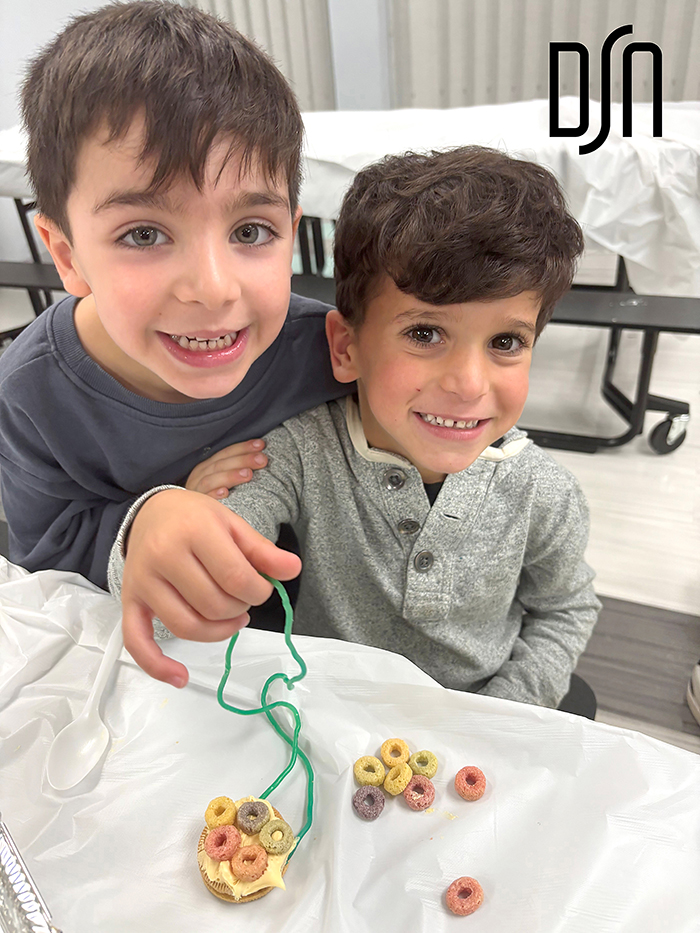
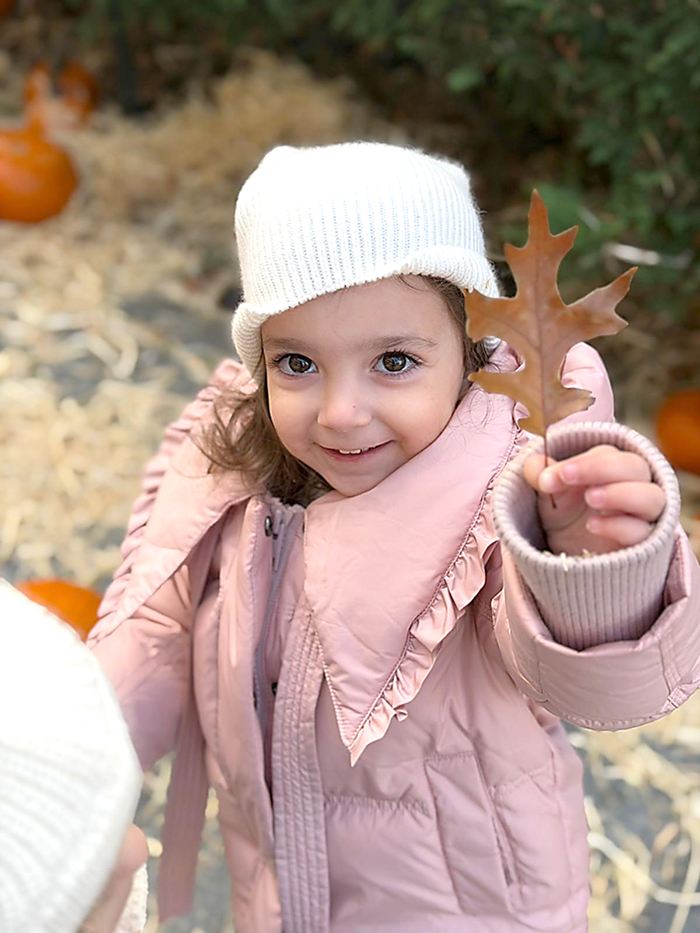
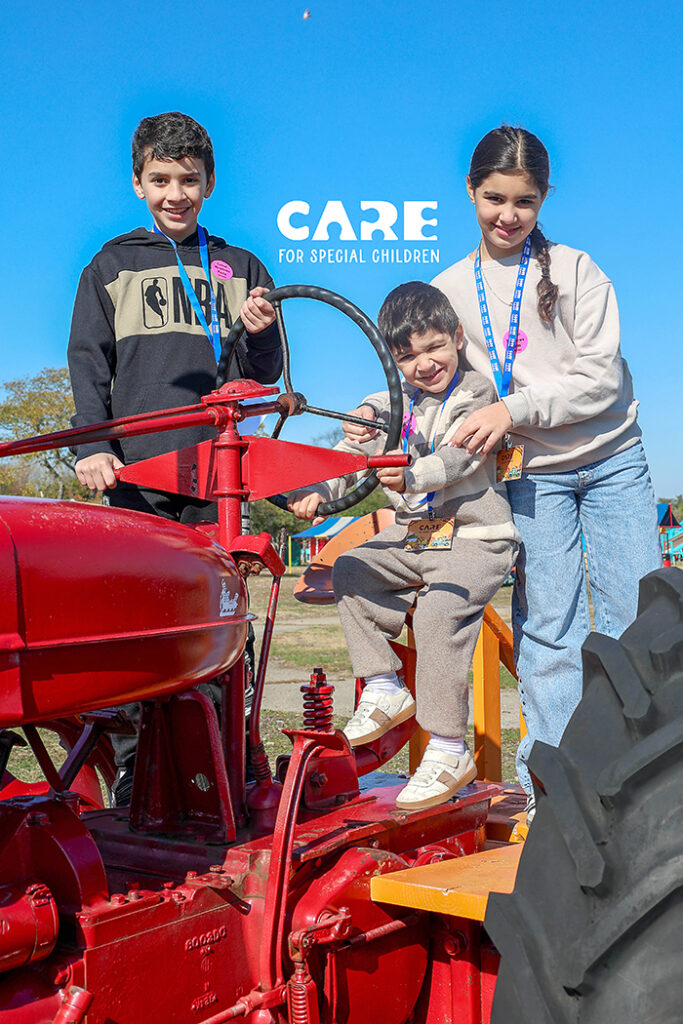
This month’s Community Photo Album celebrates the energy and color of the fall season. From classroom projects and school activities to programs at our community centers, these moments show how our students embraced the crisp weather and changing leaves. Autumn brought a mix of learning and time spent outdoors. Students explored creative art projects, joined special events, and took part in trips and seasonal programs. Each photo reflects connection, joy, and the simple beauty of fall.

Top Six Rules Every Mother-in-Law and Daughter-in-Law Should Follow

A brief guide on how to maintain mutual respect and positivity

Sarah Pachter

The mother-in-law/daughter-in-law dynamic is one of the most delicate relationships to navigate, but it’s crucial to learn to maneuver this relationship if you want to live harmoniously. Here are the top six rules that both need to follow to maintain mutual respect and positivity.

1. Play fair

Congratulations! Your son is married. Now, it’s time to play fair. As awkward as it may feel at first, you need to treat your daughter-in-law like your own child. If you buy your children jewelry or take them shopping, do the same for your daughter-in-law. If you make purchases for your son, make similar ones for your daughter-in-law.

One of my students shared that when her husband’s brother got engaged, her mother-in-law paid for all her daughters to get their makeup done—and didn’t even offer this courtesy to her daughter-in-law. She felt slighted that she wasn’t included in the family preparations.

Another student shared that her in-laws would buy all of their son’s clothing on their credit card, while her clothing was to be purchased from the couple’s joint budget.

In both of these scenarios, the solution is simple: Do for both or do for neither.

Moments like these are opportunities to create closeness and connection. If you fail to pursue them, you can create a chasm that is difficult to repair or bridge. Your daughter-in-law will remember these gestures for a long time to come—for better or for worse.

Playing fair is not exclusive to mothers-in-law. Daughters-in-law also have to follow this guideline. Treat your mother-in-law like your own mother. Call them both equally, and spend time with them equally if you live in the same city. Give your children the gift of both sets of grandparents, instead of favoring one set. Do your best to create an equal playing field, and include everyone as much as possible. Here’s the big secret: the more you include your in-laws in your life, the less they intrude. Whatever “extras” you do for your mother, do for your mother-in-law.

2. Quit Taking It Personally

A student called me to complain about her fiancé’s parents. “I know they hate me! I went to their house for the first time, and they were so quiet. They didn’t even want to talk to me!”

I reminded her that perhaps their silence had nothing to do with her. Maybe they had just received bad news, or were nervous about making their own good first impression. Sometimes the lack of conversation is not about you.

We are too quick to assume others’ behaviors are about us. Most likely, they are entirely unrelated to us!

Sometimes a neutral action can be taken the wrong way.

A student once called to complain, “You won’t believe this! My mother-in-law made dinner for me and brought it over. Does she think I don’t know how to cook? Now I have all these leftovers that I don’t even need! I can’t stand her need to control everything!”

I tried to explain that this very scenario would be someone else’s dream come true!

Stop taking everything personally and let go of the burden of judgmental thought patterns.

3. Find a way to praise and thank

Even if you find your mother-in-law overbearing, you can still find something to praise and thank her for. After all, she birthed and raised the man you found worthy of marrying.

And for mothers-in-laws, even if you think your daughter-in-law is not up to your standards, there’s always something genuine you can say to praise or compliment her. After all, your son did choose her!

Lavish genuine praise and gratitude as much as possible. Find something to sincerely compliment her with. You can always thank her for working hard to take care of your son, herself, and your family.

As much as you may dislike one another, the family unit would be incomplete if one of you was missing.

4. Help as much as you can

Most mothers-in-law and daughters-in-law view themselves as generally helpful. So why does everyone tend to complain that the other is not helping?

Sometimes your definition of help may not be very helpful to your in-law.

For the sake of clarity, ask your in-law, “I’d like to help you in any way you need. What can I do that will actually be of help to you?”

Once you define help, do that as much as you can. Generally, well-received help includes watching their children, or paying for domestic help such as a baby nurse, cleaning service, or a handyman. You can also offer to cook for them, send gifts, and provide financial assistance if you are in the position to do so. The only caveat is that real giving requires no strings being attached. Don’t use your help as a means to control the other person or to clear your own conscience.

A phrase I love is, “Zip your lips closed and zip your wallet open.”

Help goes both ways—sometimes at different life stages, and at other times, simultaneously. As a daughter-in-law, you can and should be generous with your in-laws as well. Thoughtful gifts, flowers, and other personal, well-intentioned gestures can go a long way. Helping while visiting their home is a necessity. And make sure that you and your children respect their home and make the effort to keep it clean while there.

5. Choose connection over control

Control and connection are polar opposite forces in any relationship. The more we exert control, the less connection we will have.

One of my students shared that her mother-in-law insisted that she and her husband join them every Friday night for dinner.

“I do not want to go there every single Friday night! What if we want to join my parents, see friends, or be alone?”

Even if the couple goes because they are coerced, they will not enjoy the time or feel a connection. A better method is to give space to your in-law and allow them to join you at their discretion. They may not come as often, but when they do come, you will know that they actually want to be there.

Daughters-in-law also need to remember the concept of avoiding controlling behavior. They will sometimes use their children to draw out certain behaviors from their in-laws. Purposely preventing your children from seeing their grandparents is manipulative, and must be avoided at all costs.

When we choose connection over control, we can start to move the relationship forward in a positive direction.

6. Accept and respect

It is crucial for the mother of a married man to accept and respect that the relationship you once had with your son has now changed. It is not better or worse, just different. He now has to create and nurture his own nuclear family. You will still be an important part of his life, but you also need to trust in all you have taught him along the way to adulthood, and give him the space he needs to pass those lessons along to his children. Respect him enough to show you how you will now fit into his life, rather than forcing yourself in.

You may never officially “like” your mother-in-law or daughter-in-law, and that’s okay. You just need to accept the fact that you are part of the same family, and choose to respect each other, no matter what.

Very often, mothers-in-law and daughters-in-law begin their new relationship with unrealistic expectations. They tend to seek love, appreciation, and recognition within the in-law relationship. Don’t look for that. Instead, just look for respect. If we drop expectations and choose respect over everything, then eventually even a sour relationship will turn sweet and fulfilling.

As a daughter-in-law, you don’t have to love your mother-in-law, but you do need to respect her. This is a requirement that falls under the category of honoring your parents.

As one wise woman shared, “Don’t try to change the other person. You will lose this game.” When faced with a difficult circumstance, I try to think, Stop worrying about who is right, and focus on what is right. Respect is correct.

At the end of the day, you have to look in the mirror and feel proud of who you see, and that feeling extends to one’s family. When you choose to respect your family, you simultaneously gain inward respect.

The in-law dynamic is a tough one to balance. You can use these skills to create and sustain the best possible relationship.

Sarah Pachter is a dynamic, motivational speaker who has lectured throughout the US and Israel. For the past thirteen years Sarah has passionately taught women of all ages and levels of Jewish observance. In addition to lecturing for many organizations, schools, and synagogues, she is a kallah teacher, dating coach, and mentor. Sarah runs growth groups in private homes and meets with individuals for one-on-one private sessions.

The Whatsapp Gratitude Challenge

Four lessons from one gratitude picture a day

Debbie Gutfreund

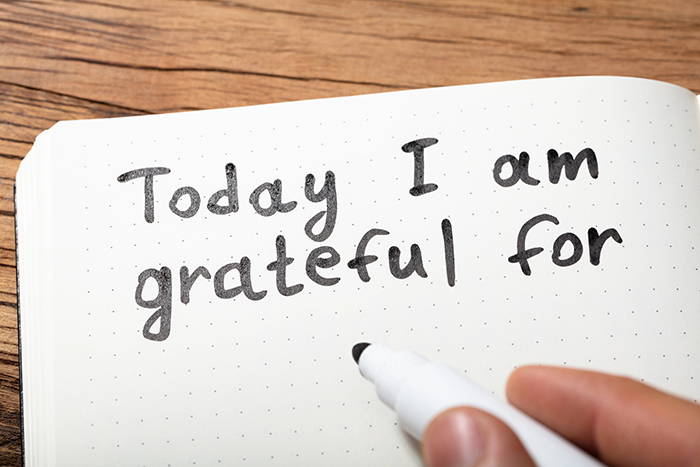
Here’s a transformational gratitude challenge to try with your friends and family. Create a small WhatsApp group and each day members post one photo of something they’re grateful for.

I am part of Whatsapp group doing this and the impact is immediate. The act of looking for one good thing sharpens your eyes to beauty and kindness you’ve been overlooking. Judaism calls this hakarat hatov (recognizing the good), and this quick daily practice trains you to do exactly that.

Here are four lessons I learned from this gratitude challenge.

1. Change what you see.

After posting a picture of something we were grateful for that day, I was pleasantly surprised to notice many more beautiful things around me. A common thread between some of our pics was suddenly noticing a beautiful tree or sunrise right outside our homes that we had seen hundreds of times before and never really noticed. Choosing to really look at the beauty around me changed what I saw. And the more I chose to see goodness around me, the more goodness I discovered.

2. Witnessing the gratitude of others
makes me feel more grateful.

It isn’t just my own moments of gratitude that help me appreciate my life, seeing other people’s gratitude does too. When friends in our chat share a picture of something they’re thankful for, it instantly expands my own sense of appreciation. Their posts prompt me to think of even more things I’m grateful for, and make me feel more connected to everyone in the group. Gratitude is contagious. The more gratitude I hear and see around me, the more blessed I feel.

3. Finding something to appreciate today changes how I think about tomorrow.

Expressing gratitude doesn’t just shift how I feel in the moment—it also changes how I look toward the future. Posting a gratitude picture each day makes me look forward to tomorrow with more hope and enthusiasm. When I train myself to find something beautiful or meaningful today, I begin to trust that I’ll be able to find something good again tomorrow. This simple daily practice becomes a self-reinforcing cycle of hope.

4. I can find something to be grateful for even on my hardest days.

I’m often surprised to find something beautiful or meaningful even on my most difficult days. Sometimes posting the picture lifts my spirits; other times my mood doesn’t change at all. But I learn that I can be grateful and frustrated at the same time. I can even be grateful and sad at the same time. I don’t need to pretend I’m happy or that everything in my life is perfect in order to express gratitude. Finding one thing to appreciate works, no matter what kind of day I’m having.

Taking a daily gratitude picture motivated me to search for and notice the goodness in my life every day. Start your Whatsapp group and try taking one gratitude picture today. You may find yourself discovering blessings in your life that you didn’t even realize were there.

Debbie Gutfreund is an OCD and trauma therapist. She holds a BA in English from the University of Pennsylvania and an MA in Family Therapy from the University of North Texas. In her free time, she is a competitive runner and skier. She lives in Parkland, Florida with her husband and children.

Eight Nights of Sweetness

Hanukkah Desserts from Around the World

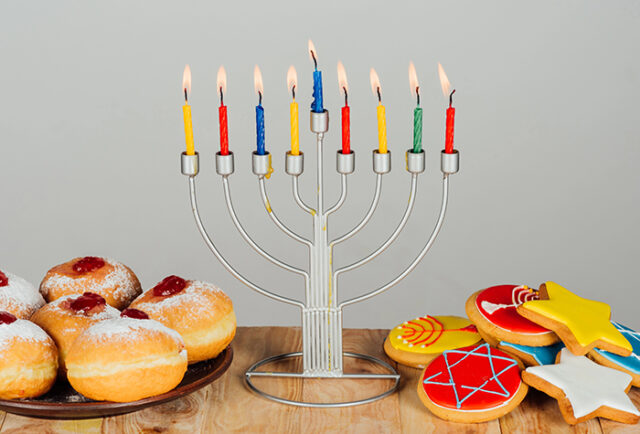
Hanukkah is more than eight nights of candles and songs. It’s the scent of frying dough filling the kitchen, the sparkle of sugar on fresh pastries, and the laughter that floats between generations gathered around the table. For centuries, Jewish families across the world have marked the miracle of oil not only with light, but with sweets that celebrate abundance, warmth, and joy.

While latkes might get most of the attention, fried desserts are an equally delicious part of the story. From the shores of Spain and Italy to the markets of Greece, Iraq, and Turkey, Jewish communities have created golden treats to honor the miracle in their own unique way. These desserts, each kissed by oil and sweetened with honey or sugar, connect us to our roots and remind us that joy can be both simple and deeply meaningful.

Here are four time-honored recipes, all kosher and ready to bring a taste of the Jewish world to your Hanukkah table.

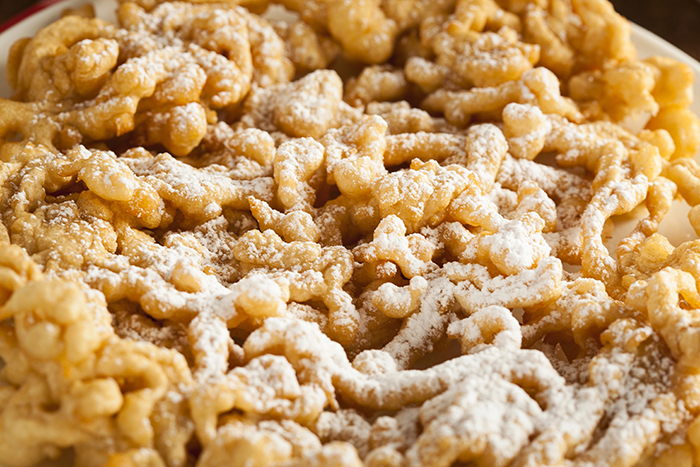
Spanish–Italian Sfinge with Powdered Sugar

Dairy or Parve

Serves 10–12

Ingredients:

• 2 cups all-purpose flour

• 1 tsp baking powder

• 1 tbsp sugar

• Pinch of salt

• 1 cup warm milk (or water or unsweetened almond milk for parve)

• 1 egg

• 1 tsp vanilla extract

• Oil for frying (sunflower or vegetable)

• Powdered sugar, for dusting

Instructions:

In a large bowl, mix flour, baking powder, sugar, and salt. Whisk together the milk (or non-dairy substitute), egg, and vanilla, then pour into the dry ingredients. Stir until a thick batter forms. Let the mixture rest for 20 minutes. Heat about two inches of oil in a deep pan over medium heat. Using a spoon, drop small rounds of batter into the oil, turning once until both sides are golden brown, about 2 minutes per side. Transfer to paper towels to drain. Dust generously with powdered sugar while still warm. Serve piled high on a platter, best eaten the same day.

Greek Honey-Dipped Loukoumades

Parve | Serves 8–10

Ingredients:

• 2 ½ cups flour

• 1 tbsp sugar

• 1 packet active dry yeast (2 ¼ tsps)

• 1 ¼ cups warm water

• Pinch of salt

• Oil for frying

• ½ cup honey

• 2 tbsps water

• 1 tsp cinnamon

• Sesame seeds for topping (optional)

Instructions:

In a large bowl, mix flour, sugar, yeast, and salt. Slowly add warm water and stir until smooth. Cover and let the batter rise for about 1 hour, until bubbly. Heat oil in a wide pot to 350°F. Drop spoonfuls of batter into the oil, frying a few at a time until golden on all sides. Drain on paper towels. In a small pot, combine honey, water, and cinnamon and heat just until blended. Drizzle the warm syrup over the fritters and sprinkle with sesame seeds if desired. Serve immediately, warm and sticky.

Iraqi Zengoula (Fried Spiral Pastries in Syrup)

Parve | Serves 10

Ingredients:

• 1 cup flour

• ¼ cup cornstarch

• 1 tsp baking powder

• 1 ¼ cups warm water

• Oil for frying

For the syrup:

• 1 cup sugar

• ½ cup water

• 1 tbsp lemon juice

• 1 tsp rosewater (optional)

Instructions:

Mix flour, cornstarch, and baking powder. Gradually whisk in the warm water to create a smooth, thick batter. Let it rest for 15 minutes. Heat oil in a wide frying pan. Spoon the batter into a plastic bag, snip off a small corner, and squeeze the batter into the hot oil in spiral shapes. Fry until golden and crisp, about 2 minutes per side. In another pan, make the syrup by simmering sugar, water, and lemon juice until slightly thickened, about 8 minutes. Remove from heat and stir in rosewater if using. Dip the hot zengoula in syrup, coat well, and let rest on a wire rack for a few minutes before serving. They’re crisp, fragrant, and perfect with mint tea.

Turkish Orange Blossom Doughnuts

Dairy or Parve | Serves 12

Ingredients:

• 2 ¼ tsps dry yeast

• ½ cup warm milk (or water or unsweetened oat milk for parve)

• 3 tbsps sugar

• 3 cups flour

• 2 eggs

• 2 tbsps butter, softened (or 2 tbsps oil for parve)

• ½ tsp salt

• Oil for frying

• 1 cup sugar

• ½ cup orange juice

• 1 tsp orange blossom water

Instructions:

In a bowl, combine yeast, warm milk (or non-dairy substitute), and a tsp of sugar. Let stand 10 minutes until foamy. Add flour, eggs, butter (or oil), remaining sugar, and salt. Mix and knead until smooth. Cover and let rise for 1 hour. Roll out the dough on a floured surface to ½-inch thickness and cut into rounds. Heat oil to 350°F and fry until golden, about 2 minutes per side. Drain on paper towels. In a small saucepan, heat sugar, orange juice, and orange blossom water until syrupy. Brush or drizzle over the warm doughnuts for a fragrant, citrusy glaze.

Across the Sephardic world, frying has always been a way to celebrate light triumphing over darkness. The oil connects us to the Hanukkah miracle, but it also speaks of comfort and joy, of family gathered in the kitchen sharing something warm and sweet. Whether it’s the airy sfinge of Spain, the sticky honeyed loukoumades of Greece, the spiraled zengoula from Iraq, or the floral doughnuts of Turkey, each bite tells the same story, one of faith, tradition, and the sweetness that binds us together.

8 Ways to Make HanukkahMore Meaningful for Your Kids

How to get your kids into the holiday spirit

Adina Soclof, MS, CCC-SLP

Hanukkah is one of my favorite holidays. Some parents complain how the holiday has become less meaningful and more materialistic. It doesn’t have to be that way!

Here are 8 ways to inject more meaning, giving and light into your Hanukkah holiday.

1. Gift giving

In the US, children on average have over 200 toys, but only play with 12 of them. That is a lot of stuff.

Think about donating some of your old toys.

Before the holiday, I ask my kids to go through their toys and see if there was anything that they would donate to the school or our shul.

2. Give an experience

Give experiences instead of gifts. Research has also shown that this is more rewarding for the one giving the gift and the one receiving.

Some ideas are:

Museum memberships

Music Event

Sports events

Large puzzles

Escape room

Treasure hunt

Craft kits

Research has shown that family time and experiences are linked to fewer behavioral problems in children, a stronger sense of identity and a sense of security for children

3. Be A Giver

To further temper the materialism, empower your children to be givers. You can help your children buy or make gifts for their siblings, grandparents, cousins etc.

And to remember those who are alone. You can deliver a simple gift or latkes and donuts to your elderly neighbor or invite them for candle lighting.

4. Give gelt and then give Tzedakah

Many families forgo the gifts and just give Hanukkah gelt. This is the perfect opportunity to teach about tithing, giving 10% of our earning/gifts to the poor. Let your child decide which organization to donate to. This can be a cause that is near and dear to their heart.

5. Volunteer

This is the perfect time of year to volunteer. Perhaps your synagogue is having a Hanukkah party and they need someone to set up or man the buffet. Children generally love to help out at these events.

Think about what your kids naturally love to do and how they can channel that drive through volunteering.

6. Be Grateful

Teach your children the rules of gift-giving, saying please and thank you- even if they don’t like the gift.

Make sure your children write thank you notes for their gifts or call to say thank you. Younger children can make pictures and dictate their messages to the gift giver. Phone calls/Facetime calls would also be appreciated by the older generation.

7. Lighting the Menorah

Make the lighting of the menorah a special time. Everyone can have their own menorah and special candles.

8. Tell Stories

Telling the story of Hanukkah is the best way to make sure that children understand the real significance of the holiday.

Focus on the commitment of the Maccabees to their faith and their refusal to assimilate into the surrounding Greek culture.

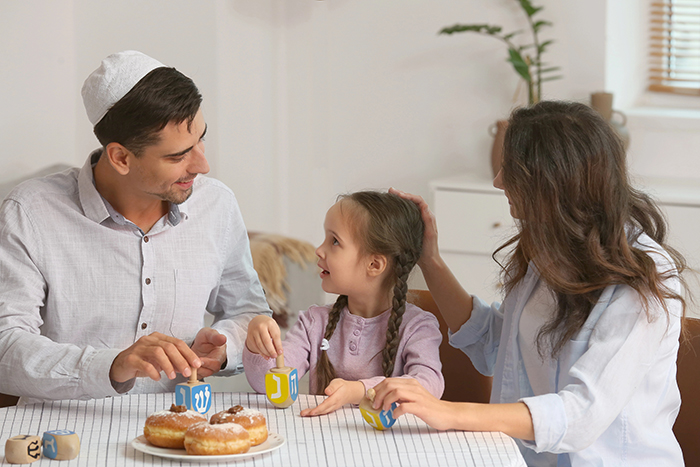
Talk about the children who refused to stop learning Torah and how they played dreidel to keep the Greeks at bay.

Wishing you and your family a Happy Hanukkah!

David Roffé Wins New York Emmy

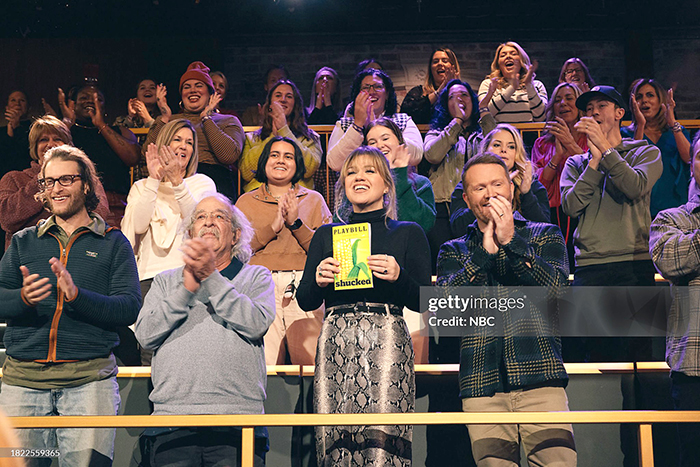
David on the Kelly Clarkson Show

Sarina Roffé

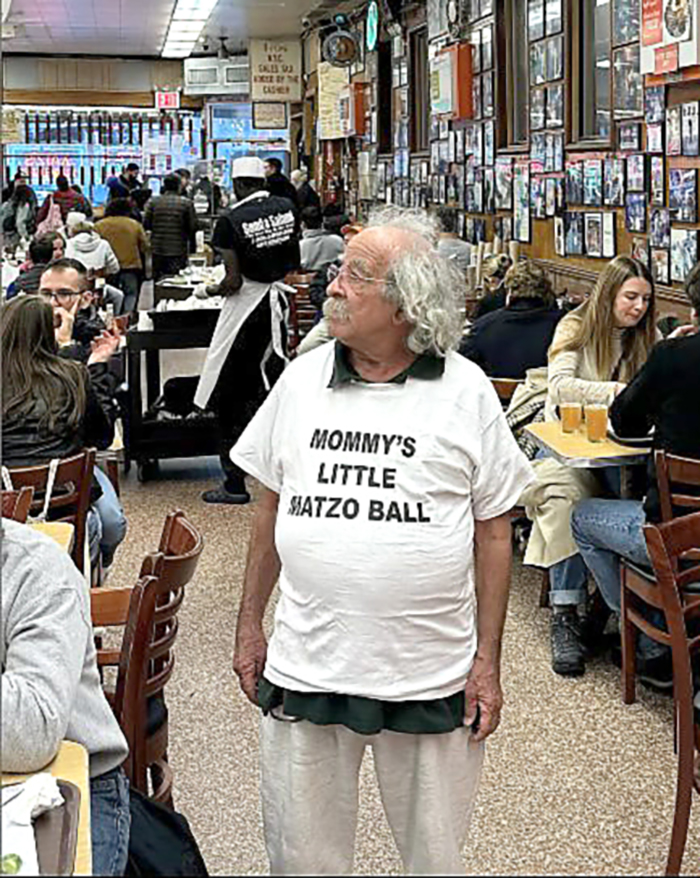
Last month my husband David Roffé won a New York Emmy for his acting in a Katz Deli commercial directed by Nicolas Heller, aka New York Nico. Our grandson played a cameo role, along with our dog Snowball. “Who knew that just having fun would make me popular,” joked David.

My husband has always been this offbeat funny character. Short, half bald, with scraggly hair, David walks around with a pink hat and backpack, which identifies him and makes him easy to find. He carries bags of candy and is always handing them out. He brings Stella D’oro cookies to Brooklyn’s Best Toastmasters meetings at Sephardic Synagogue, where he learned speaking skills.

David likes to be the fun guy in the room and as such our basement is filled with a commercial size popcorn machine, a cotton candy machine and other carnival items he takes to Purim carnivals or our grandkids’ school events, where he often volunteers. He is warmhearted and has a dry wit. He never had an Internet presence or Facebook account.

For fun, David took classes fifteen years ago at Amy Poehler’s Upright Citizens Brigade that helped him learn and polish his improvisation skills. He started with small-time acting roles in student films, and even played a rabbi in one film.

A tour guide in NYC for years, he was profiled in The New York Times in 2011. A reporter had taken the tour and loved his knowledge of the little-known facts about New York only a native would know. He shared the juicy gossip and funny stories about New York as they traveled together up and down the streets of Manhattan.

When I saw an ad in Backstage for a cranky old Jewish man, I showed David. It was perfect for him and he didn’t even have to act.

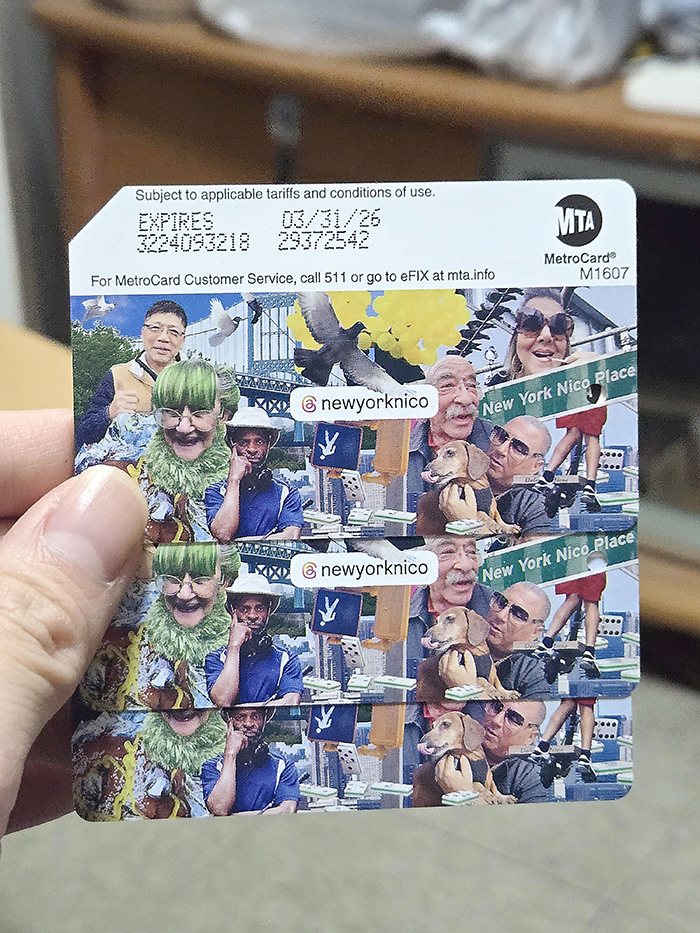
He met with Noah Rinsky, the creator of Old Jewish Men, which brings niche content about New York’s Jewish elders. David’s characteristics have brought him Internet fame as the face of Old Jewish Men. When the MTA issued its last commemorative MetroCard, David was on it with New York Nico.

With more than half a million Instagram followers and over two hundred twenty thousand on TikTok, David has become an Internet sensation, recognized everywhere we go. People stop him in the supermarket, at the grandkids’ schools, and even when we travel. He was stopped on a cruise in Denmark. We were in Montreal last year, sitting at an outdoor café when the waiter said, “You look an awful lot like a guy I follow on the Internet.” These interruptions are always followed by photos and conversations. David adores being the center of attention.

The joke in our family is that we had to take two photos on vacation, one with him and one without him because he didn’t want to be on social media. Now that he’s an Internet sensation, he’s recognized everywhere we go.

Fans recognized David from skits, including a TikTok video in which he protested rising pastrami costs at Katz’s Deli. They did a hysterical video about the lack of public restrooms in Manhattan. OJM did a number of short videos at Costco, where they talk about the price and packaging of the rotisserie chicken. He is never seen eating it, as it is not kosher. They did one skit where David wears a T-shirt with a barcode for the rotisserie chicken and he goes to the register and asks them to scan the shirt.

“Honestly, I am having a lot of fun with this,” said David of his newfound popularity.

Our daughter Harriet thought it was annoying when David joined her at Trader Joe’s and the staff followed them through the store, whispering “Is that him?” She catches her high school students watching OJM videos during class. Our grandson rolls his eyes when David volunteers at his school and the other kids want to be introduced.

David was recently selected, along with Old Jewish Men, by the New York Comedy Festival as a Creator to Watch.

David has done collaborative social media videos with MrBeast, IShowSpeed, Peter Tuchman, rapper Busta Rhymes, actress Julia Fox and many more. He did two appearances on the Kelly Clarkson Show and was a guest on Live with Andy Cohen. David has also done commercials for Ray-Ban sunglasses, GrubHub, Mike’s Amazing Mustard, Vita Coco, Adidas, Rocco Fridge, the New York Mets and more. And let’s not forget the nineteen-minute short film, Sauna Dreams, about a contest to see who can stay in a hot sauna the longest.

OJM started a podcast called the “Chicken Show” on YouTube and they have had celebrity guests like satirical pop musician Kyle Gordon, TV personality Raffi Bastos, as well as comedians Modi Rosenberg, Mark Norman and Gianmarco Soresi. Politicians seeking supporters such as Brad Lander and Anthony Weiner also appeared on the show.

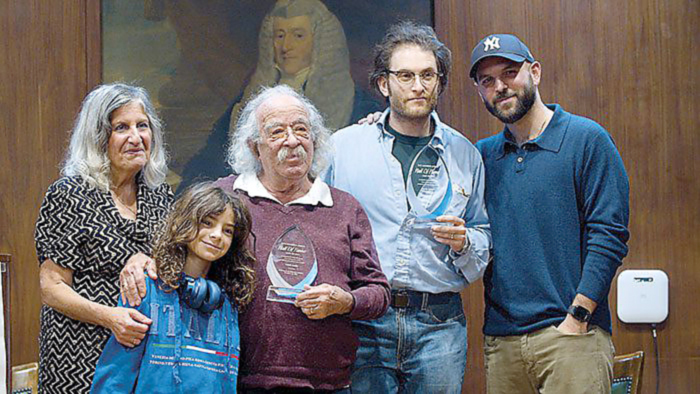
David was inducted into the Brooklyn Jewish Hall of Fame in 2024 and The New York Times wrote an article about OJM called “A Night Out With Old Jewish Men,” in 2022.

During the presentation, which can be seen on brooklynjewish.org, clips from Old Jewish Men were shared with the audience, including a favorite filmed in Crown Heights on erev (the eve of a holiday) Yom Kippur.

“I’m wearing my Tefillin, which are always worn for daily prayers, and asking Hasidic men if they have put on their Tefillin that day, which of course they had. I kept telling them I wanted the mitzvah. It was hysterical and reminiscent of an Impractical Jokers-type gag.”

David loves Brooklyn’s Best Toastmasters, and attends meetings often. The experience helps him with his OJM presentation skills.

Sarina Roffé, a genealogist and historian, is the author of Branching Out from Sepharad (Sephardic Heritage Project, 2017). She is currently researching her next book, Syrian Jewish Paths to Freedom. Sarina holds a BA in Journalism, an MA in Jewish Studies, and an MBA.

Add a Spark of Freshnessto Hanukkah with De La Rosa613 Organic Vinegars

This Hanukkah, fill your home not only with the glow of the menorah but with the brightness of flavor. De La Rosa 613 Organic Vinegars bring light and balance to the season’s beloved dishes, enhancing both classic and modern recipes with natural vibrancy.

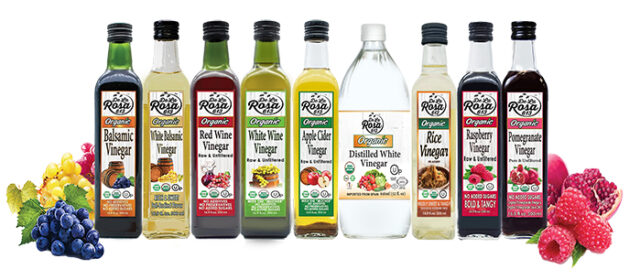
Crafted from certified organic, kosher ingredients, this extensive line of gourmet vinegars includes a full line up of Organic Vinegars:

•  Organic Balsamic Vinegar – Rich, smooth, beautifully balanced.

•  Organic White Balsamic Vinegar – Light, sweet, and elegantly versatile.

•  Organic Red Wine Vinegar – Bold and robust for savory dishes.

•  Organic White Wine Vinegar – Bold and robust for savory dishes.

•  Organic Apple Cider Vinegar with the Mother – Bright, tangy, and wonderfully aromatic.

•  Organic White Distilled Vinegar – Clean, crisp, and essential for pickling and baking. Made from Sugar Beets, not chemicals.

•  Organic Rice Vinegar – Mild, slightly sweet, perfect for dressings and delicate dishes.

•  Organic Raspberry Vinegar – Fruity, vibrant, and ideal for salads and desserts.

•  Organic Pomegranate Vinegar – Colorful, tangy, and festive for winter cooking

Each one brings its own unique character to your winter menu. They are a celebration of purity and taste — the perfect way to refresh traditional Hanukkah fare.

Bringing New Life to Traditional Favorites

•  Latkes with a Twist: Drizzle Organic White Balsamic Vinegar blended with a touch of honey or Greek yogurt over crispy latkes for a balanced, modern finish.

•  “Salt and Vinegar” Latkes: Some modern recipes provide twists on the classic potato pancake, including versions seasoned to taste like salt and vinegar chips.

•  Balsamic Caramelized Onions: This topping for latkes or other dishes uses balsamic vinegar, sugar, salt, and pepper, cooked down with onions until deeply caramelized, providing a sweet and savory contrast.

•  Balsamic Brisket: Brisket is a common Hanukkah main course. One recipe for Cranberry Beef Brisket calls for two tablespoons of balsamic vinegar and two cups of burgundy wine to create a rich sauce. Another version of sweet and tangy brisket uses red wine vinegar in its sauce.

•  Bright Salads for the Festival of Lights: Create a vibrant salad of baby greens, apples, and walnuts tossed with Organic Raspberry Vinegar for a light start to your meal.

•  Roasted Vegetable Medley: Caramelize carrots, beets, or sweet potatoes with Organic Balsamic Vinegar for a rich, glossy side dish.

•  Main Course Magic: Marinate chicken, brisket, or salmon in Organic Apple Cider or Rice Vinegar with herbs for tender, flavorful entrees.

•  Sweet Endings: Reduce Organic Balsamic Vinegar into a glaze for baked apples, pears, or even sufganiyot — adding an elegant, tangy contrast to sweetness.

Organic Goodness for
the Festival of Lights

Hanukkah is a celebration of faith, joy, and renewal — a reminder that light endures through every season. With De La Rosa 613 Organic Vinegars, you can bring that same sense of light into your cooking. Each bottle adds brightness and balance, helping you honor tradition while savoring the fresh, wholesome beauty of organic ingredients.

Why Vinegar Matters During
the Winter Season

Winter dishes tend to lean rich, warm, and comforting — think root vegetables, poultry, brisket, grains, hearty greens, and baked fruits. A high-quality organic vinegar introduces the acidity needed to brighten flavors, lift heavier dishes, balance sweetness and richness, tenderize proteins, and add a polished, professional finish.

Just a splash can make roasted vegetables more vibrant, soups more satisfying, marinades more effective, and salads more refreshing — all without added sugars or heavy sauces.

What Makes De La Rosa
613 Vinegars Exceptional

100% Certified Organic

Every vinegar in our collection is crafted from organically grown ingredients and produced without synthetic pesticides, artificial additives, or unnecessary fillers. You get honest, authentic flavor — straight from nature.

Kosher-Certified & Crafted with Care

Each bottle meets strict kosher standards and reflects our commitment to purity, quality, and tradition. Certified by the OU and by Tarnopol Kashrus. Many of our Vinegars are Kosher for Passover as well.

About De La Rosa 613

De La Rosa 613 crafts premium organic vinegars, oils, and specialty foods with a mission rooted in purity and purpose. Each product embodies the joy of creation — nourishing body and soul while adding a spark of natural flavor to every celebration, from Hanukkah to everyday family meals. “Putting Heavenly Sparks Back into Foods & Wines.”

Our full line of products is Available now at: delarosa613.com. Free shipping on orders over $65.

Here’s a Perfect Recipe for You!
Thanks to Melinda Strauss for this
wonderful recipe!

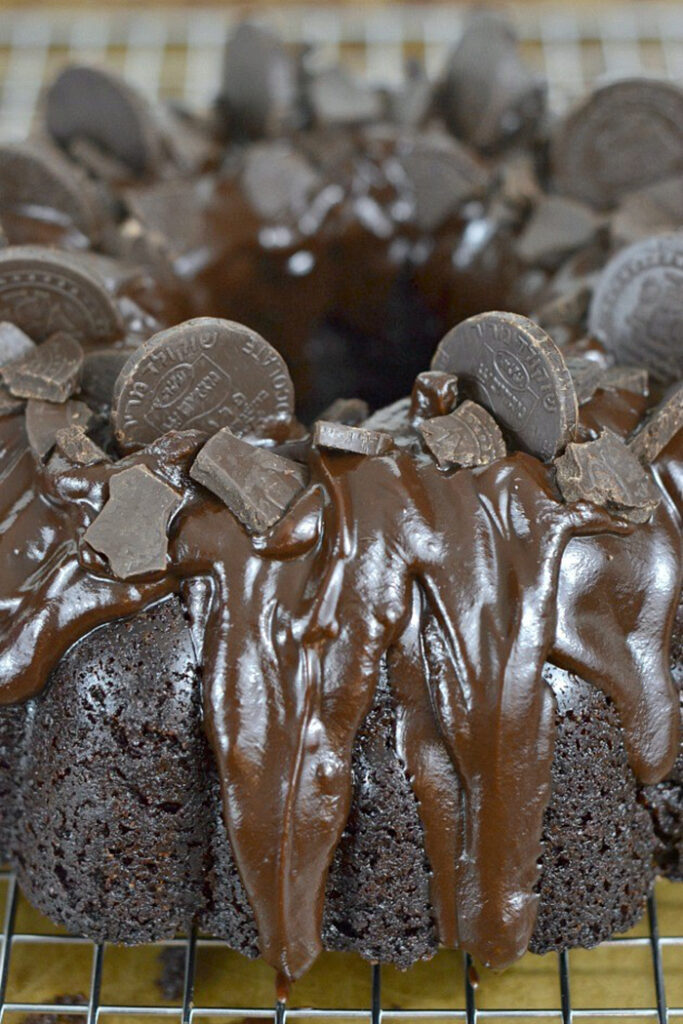
Hanukkah Gelt Cake 

Ingredients

•  1 1/2 cups all purpose flour

•  3/4 cup white sugar

•  3/4 cup brown sugar

•  1/2 cup unsweetened cocoa powder

•  1 1/2 tsp baking soda

•  1 tsp salt

•  1/2 cup De La Rosa Extra Virgin Olive Oil (We Also Sell Organic Extra Virgin Olive Oil)

•  1/2 cup water

•  1/2 cup brewed coffee (1/2 cup boiling water+1 tbsp instant coffee)

•  3 tbsp De La Rosa Organic Apple Cider Vinegar (can use white vinegar as well)

•  1 tbsp vanilla extract

•  1 cup chocolate gelt (around 36 large gelt), chopped (you can also use chocolate chips)

Ganache Topping

•  1 cup chocolate chips (or more gelt)

•  1/4 cup dairy free whipping cream (if you don’t like whipping cream, other options include coconut milk, almond milk and soy milk)

•  1/4 tsp salt

Instructions

1. Preheat the oven to 350 degrees F. and heavily grease a bundt pan.

2. In a large mixing bowl, whisk together the flour, white sugar, brown sugar, cocoa powder, baking soda and salt. In a separate bowl, combine the De La Rosa (Organic) extra virgin olive oil, water, coffee, De La Rosa Organic Apple Cider vinegar and vanilla. Combine the wet and dry ingredients and pour into the bundt pan. Top with chocolate gelt and press the gelt into the cake batter.

3. Bake the cake for 50-60 minutes, until a toothpick inserted comes out clean. Allow the cake to cool completely before flipping out of the bundt pan.

4. For the ganache, warm the whipping cream in the microwave for 1 minute then add the chocolate and salt and whisk until smooth. Pour over the cake and top with more gelt. Allow the chocolate to set before slicing.