Home Blog Page 79

HILLEL HEAT 8TH GRADE BOYS ARE 2022 CHAMPIONS − HISTORY MADE

JACKIE ASHKENAZI

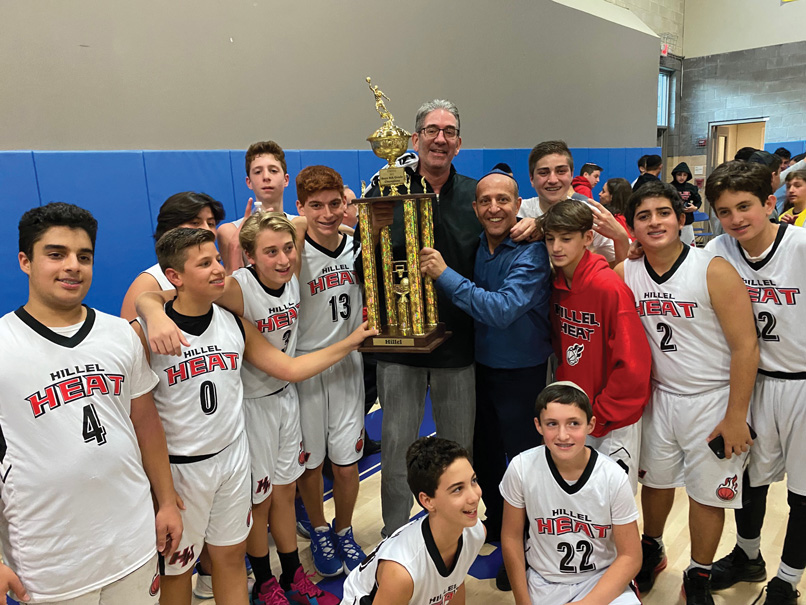
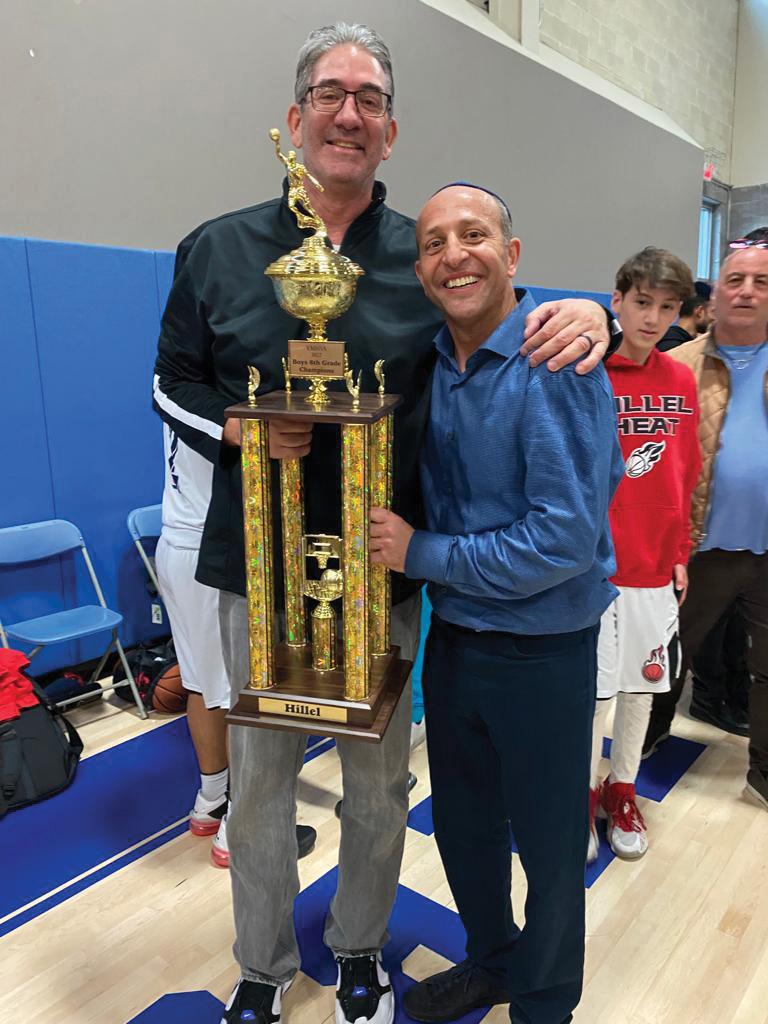
IT WAS A MAGICAL RUN FOR THE 2022 HILLEL HEAT 8TH GRADE BOYS BASKETBALL TEAM. THEY COMPLETED A PERFECT SEASON WITH A 53-50 WIN OVER SAR TO WIN THE YMSSA CHAMPIONSHIP. HILLEL COACHES JACKIE ASHKENAZI AND ED ZUCKER BUILT A FOUNDATION ON SHARING THE BASKETBALL AND PLAYING HARD NOSE DEFENSE. LED BY CAPTAINS, BRUCE EPSTEIN, LEYAD TEREN AND ABRAHAM TOBIAS, THE TEAM EXECUTED THE GAME PLAN PERFECTLY.

Going into the playoffs, Hillel sharpshooters, Jason Zekaria and Max Rishty, were firing on all cylinders. With Sam Nasar and Maurice Chehebar filling in for key minutes, the team was ready for a playoff run.

First round, Hillel faced Kushner and were victorious with a 75-36 win at home. Leading scorers were Hillel’s Max Rishty, with 20 points and Kushner’s sharpshooter Smilow, with 17 points.

The second round brought a hungry group from RYNJ into Hillel. First quarter coach, Eli Wolk, had YNJ ready to play and take a 12-11 lead after the first quarter. Hillel adjusted defense and offense and went on an amazing run the next two quarters to dominate with a score of 52-17, and went on to win the game 65-39.

Leading Hillel scorers were Leyad Teren with 17 points, Bruce Epstein with 14 points, and Jason Zekaria with 13 points.

Hillel then had the big test of playing SAR, the early season favorite to win the championship. Led by dynamic duo point guard, Ari Halpert and big man Evan Goldberg, it was going to be a battle.

Hillel had an undefeated record up to this point but most of their games were won with a 20 point advantage and the league wondered if they could handle the pressure of a close game. The team and coaches knew this game would be different and anyone’s game to win.

Hillel and SAR both came out firing and at the end of the first quarter, it was SAR with a one point lead 15-14. The second quarter was the Ari Halpert and Evan Goldberg show, as they combined for all 13 points for SAR. They took a 28-24 lead into the half. Fortunately for Hillel, Abraham Tobias was all over the court on offense and defense. Multiple blocked shots on defense and 14 points, scored by Tobias at the half, kept Hillel in the game.

At halftime, Hillel had their backs to the wall. Their defense was not containing the dynamic duo and on offense, shots were not going in. All five Hillel starters got a little pep talk to boost their morale before they came back on the court.

Both teams scored 10 points back and forth in the third quarter leading to the score of 38-34 with SAR in the lead going into the final quarter. SAR struggled to have an answer for the triangle 2 that was placed on Halpert and Goldberg. Hillel just needed to start hitting shots.

THE FULL HILLEL HEAT ROSTER OF 2022 CHAMPIONS

Bruce Epstein Captain
Leyad Teren Captain
Abraham Tobias Captain
Shai Braun
Maurice Chehebar
Matty Hackman
David Hakim
Charlie Mamiye
Michael Mizrahi
Sam Nasar
Max Rishty
Momo Salomon
Alfonse Sutton
James Tawil
Jason Zekaria
Jackie Ashkenazi Coach
Ed Zucker Coach

With 3:36 left in the fourth quarter, Hillel called timeout with SAR leading 45-39. Hillel coaches tried to rally the troops and give them the vote of confidence to open up the outside shooting.
In the next three minutes, all five starters from Hillel went on a scoring spree. Max Rishty hit two three pointers down the stretch. Abraham Tobias and Leyad Teren took two plays in a row right to the basket for layups, giving Hillel their first lead since the beginning of the first quarter. The score was 48-47, with Hillel in the lead and Hillel fans erupted in cheers.

After holding SAR on the defensive end, Hillel slowed the game down by moving the ball around. Right when defense took a breather, Bruce Epstein passed to Abraham Tobias who kicked it out to Jason Zekaria for the biggest three pointer in Hillel history to make the score 51-47.
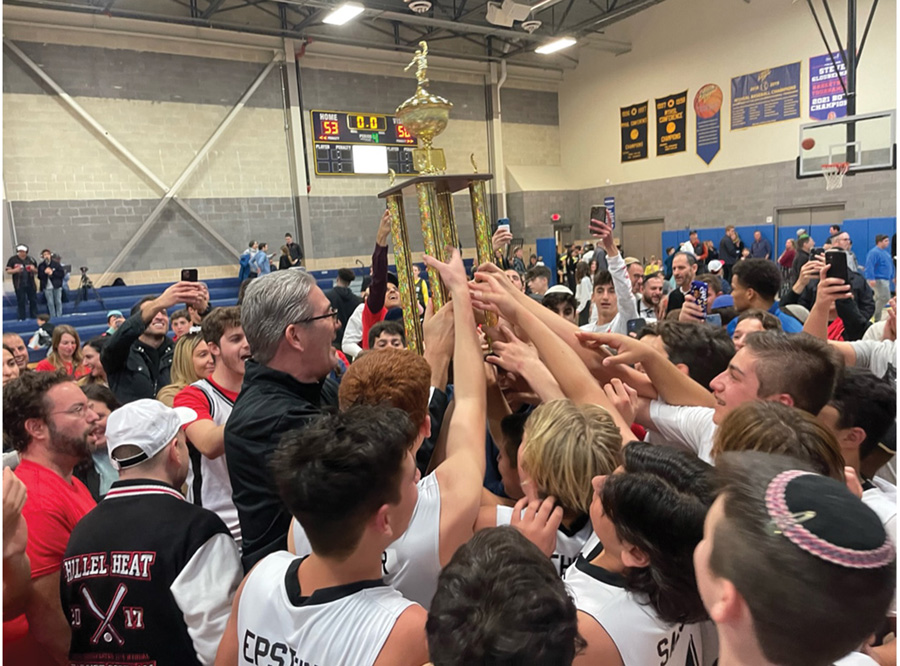

After an SAR Jonah Blechner layup and Ari Halpert free throw cut the score to 51-50, bringing SAR within one point to tie the game, Hillel leader, Bruce Epstein, calmly sank his final two free throws to increase the lead by three, and bring the score to 53-50. A long heave by SAR went wide left and Hillel fans stormed the TABC court in excitement. It was the first championship for Hillel Yeshiva 8th grade boys in the history of the school. They avenged the 33-32 finals loss to Moriah in 2013 with all Hillel player alumni in attendance.

Congratulations to coach Ken Gleason and the entire SAR team on a spectacular game and great season. For Hillel, it was a long awaited championship and a hard fought victory. High scorers were Evan Goldberg 22, Ari Halpert 20, and player of the game Abraham Tobias with 17 points. Bruce Epstein was the leader and the MVP for Hillel’s season.

Thanks to YMSSA and all the teams for a great season. Being a part of this team is about the friendships made, memories created, camaraderie, mentorship and teamwork. It is hard to win a championship but when you win, it is unforgettable.

This league should be about appreciating how lucky we are to play the game we love. We look forward to seeing this whole new crop of players dominate the High School league. GO HEAT!

Jackie Ashkenazi is a Hillel basketball coach.
AN INSIDE LOOK AT THE SBH RUN FOR A DREAM WEEKEND

BEYOND JUST INCREDIBLE

MERLE COHEN

THERE’S ONLY ONE QUESTION I’VE BEEN GETTING FROM FRIENDS AND FAMILY (AND MY MOM’S FRIENDS WHO SEE ME IN THE SUPERMARKET) OVER THE PAST FEW WEEKS: “HOW WAS THE SBH DISNEY MARATHON?” I LAUGH AND I TELL THEM, “IT WAS INCREDIBLE! IT WAS THE BEST WEEKEND EVER!”

And we’ll smile and nod at each other in that earnest way where there’s more to be said but the check-out line is moving and the ice cream in my cart is melting.

It seems like everyone is genuinely curious what the weekend is like, and my first thought was: you need to experience it for yourself, at least once. No amount of adjectives will come close to describing the magic that is the Team SBH Run for A Dream Weekend. But I’ll try. And you can keep count of the excited adjectives that I use throughout.

I’ve worked at SBH for a number of years and I’ve had a front row seat to the incredible work that we do on a daily basis—heart-warming stories that would keep your house toasty warm during the winter. But there’s something about the Disney Weekend that affirms both the vision and the work that SBH is committed to.

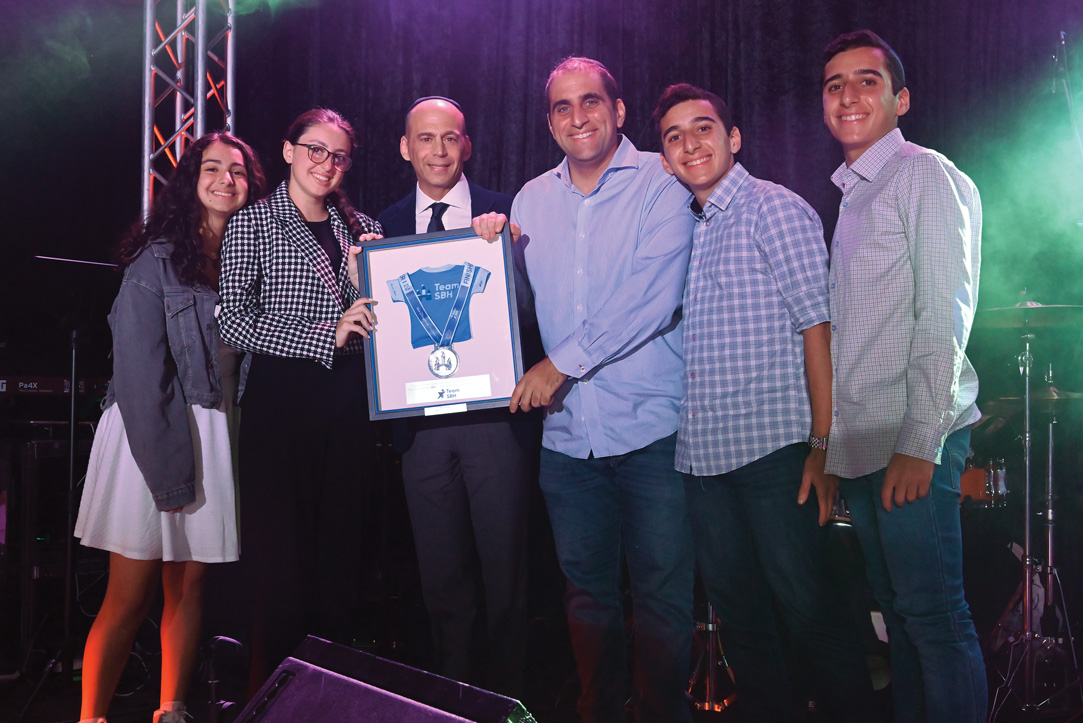
This year, SBH was joined by over 800 community members who partook in the hesed, the half-marathon, the fundraising and of course, the food. From the moment we stepped foot in the hotel, we were surrounded by the messages of hope, hesed and volunteerism with which SBH aims to inspire volunteers, young and old alike. We joked before the weekend, we wanted people to see the SBH logo in their dreams when they went home.

You might think the weekend is all about the marathon and the fundraising. And you wouldn’t be wrong, but these are simply vehicles that allow our volunteers to realize the true essence of the SBH Disney Weekend—that changing the world through hesed starts with the first step, whether that be to visit a senior, package boxes at the pantry or simple commit to delivering a meal once a week.

There were moments on this weekend, moments of depth, of realization, of inspiration. Moments in which I looked around at an awe-inspired audience listening and learning about how hesed changes lives and thought, every person here is now an ambassador of good. They’ve heard the stories, they’ve been encouraged to get involved, they’ve run a half-marathon—there’s nothing they can’t do, because taking your first step toward the finish line is no different than taking your first step toward hesed. You simply must do it.

Full disclosure, I’ve never actually run the half-marathon and there’s one main reason why I haven’t, unrelated to my lack of athleticism. It’s because there’s nothing like standing on the sidelines with the Team SBH Cheer Squad waiting for our teammates to run past us. It’s like a ripple runs through the group, “Jack is a quarter mile away!” “Get your camera, Stephanie is about to pass us!” I almost feel bad for the unassuming American guy waiting to see his wife who just happened to stand next to the most enthusiastic, sleep-deprived, lunatics on the whole course. We go wild! And it’s that split second when the runner’s face lights up as they see us cheering them on that makes it all worth it—the late nights, the brainstorming sessions, the hours I spent on hold with customer service because my banners were lost in the mail. It’s all worth it to see my community members encouraged and supported in the exact way that SBH taught us.

This is truly a weekend beyond words, even though I just spent the last 500 telling you about it. When all is said and done, and I get on the plane back to New York, I’m left with a re-affirmed sense of purpose and drive for hesed. I’m left inspired, motivated and challenged to take my own steps toward supporting both myself and those around me. Taking that first step, toward helping or being helped, is certainly a daunting one, but you have an entire network ready and excited to encourage you on the way.

Thank you to those who joined, ran, sponsored and cheered for us on this magical weekend! We look forward to taking many more steps toward hesed together.

After graduating from Brooklyn College in 2019 with a degree in Literature, Merle joined the SBH team and has been with them ever since. As the Director of Marketing, you’ve probably gotten her emails, seen her Instagram posts and possibly been coerced into attending an SBH event because “you have to come!” Merle is an active committee member of Sephardic Synagogue’s Hayil Minyan and despite what anyone else says, hasn’t gotten any taller since the last time you saw her.

DSN INTRODUCES THE HOTTEST SPORT PICKLEBALL

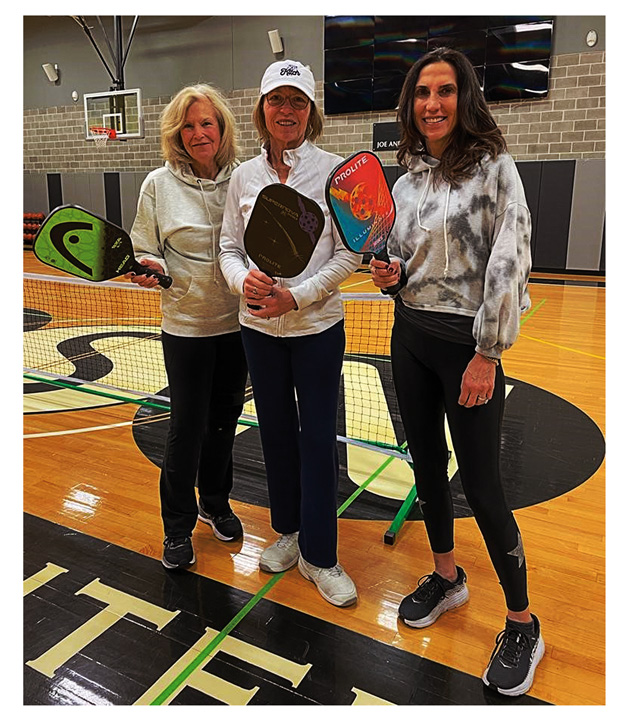
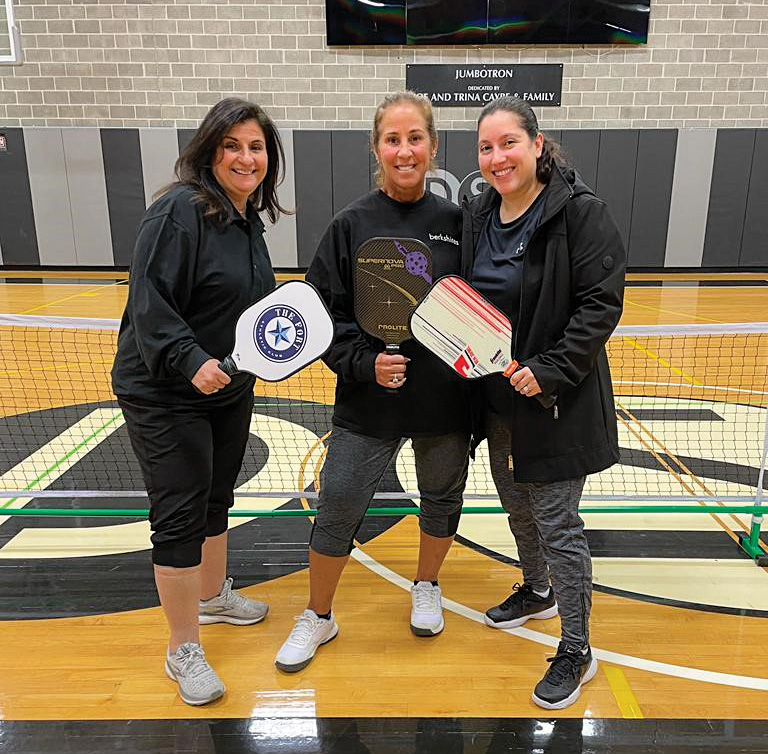
PICKLEBALL IS THE FASTEST GROWING SPORT IN THE US. IT’S KNOWN TO REDUCE STRESS AND ENHANCE ONE’S WELL-BEING—AND PICKLEBALL AT DSN IS SEEING HUGE SUCCESS. AS SOON AS DSN OFFERED A PICKLEBALL CLINIC IN ITS GYMNASIUM, WORD QUICKLY SPREAD ABOUT THE HOTTEST SPORT COMING INTO THE HEART OF THE COMMUNITY.

The four-week clinic was held from February 8 until March 1, on Tuesday mornings for 90 minutes. All spots were quickly filled! Pickleball, which looks like a small version of tennis, has an easy learning curve.

As is typical of DSN’s aim for perfection, Sharon Carlstrom, the fitness director, hired one of the best to teach the women—USA Pickleball Ambassador and Pro, Kim Smith. Kim’s six years of coaching experience includes certification from the International Pickleball Teachers Professional Association. She explained, “I’m enjoying working with all the ladies at DSN. They are improving so much. I’m happy to be part of bringing pickleball to DSN.” Rachel Franco, a pickleball participant, stated, “There’s no one better to have taught us pickleball, than Kim.”

Paulette Azar traveled from New York just to play pickleball. “I loved every minute of it,” she exclaimed. Nadine Hanan was just as thrilled. “I had a great time learning the rules and strategies with all the girls. Plus, I was able to meet people of all ages. I am so happy I had an opportunity to learn the game, especially with Kim and at DSN!”

The clinic was for all levels to help women learn and prepare them for eventual league play. What is making the game so popular is that it can be played by all ages, the physical court space needed is small and it is a social sport. The opportunity to meet other women with a similar interest is priceless. Alyza Einav, another player, explained “It’s a lot of fun and a great way to do something active. I’m a tennis player, so it was fun to do something different.”

Due to popular demand, DSN will be offering an upcoming 4 week league and then another league outdoors, as the weather continues to get nicer.

Sammy Sitt, DSN’s Executive Director, summarized. “Our community expects the best from us, including bringing the hottest trends into our building. This new pickleball clinic and league is a testament to the passion of our very own Sharon Carlstrom who organized the entire program. I can’t say it enough—we are blessed with the most passionate and professional staff.”

RENEWAL IS SAVING LIVES

AJ GINDI

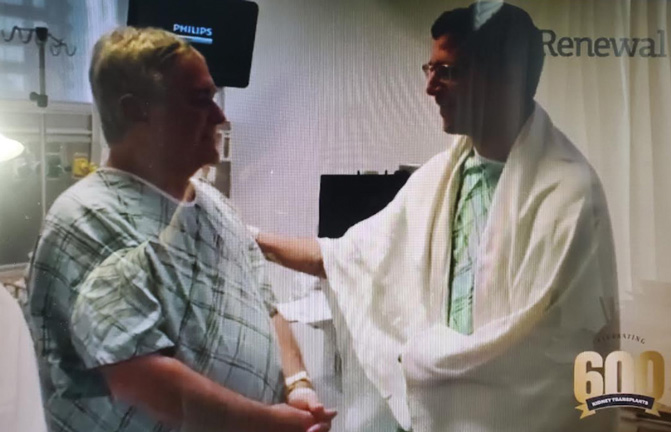
WHAT IS GOING ON? THIS IS A QUESTION I HEAR CONSTANTLY. “AJ, WHAT IS GOING ON? WHY ARE THERE SO MANY NEW CASES OF RENAL FAILURE COMING UP IN THE COMMUNITY?” THE ANSWER IS THE NEW CASES ARE COMING OUT DUE TO AWARENESS. IN THE PAST, PEOPLE THAT WERE SUFFERING FROM RENAL FAILURE SAW NO WAY OUT.

A life of dialysis was a fear that no one wanted to recognize. Everyone kept their situation discreet, not wanting the word to get out. Today that has all changed. People are taking active steps to give themselves a chance at life. They are openly discussing their situation and making events to help us find a donor. In addition, many new cases are coming in from South America due to the efforts of Rabbi Galimidi from the Safra Synagogue in Aventura. In Argentina, Panama, Mexico, and Brazil it is very difficult, if not impossible, to find a live altruistic donor so they reach out to Rabbi Galimidi to assist them in the process, and he in turn arranges a meeting with Renewal. In just over one month this year we had nine cases come through his channels.

The name Renewal and kidney transplant are one and the same.

THE STAGGERING FACTS FROM THE NATIONAL KIDNEY FOUNDATION AS OF JANUARY 1, 2022
• 106,140 people are on the national kidney registry waiting list.
• 1 person is added every 20 minutes. .
• 2,500: the approximate amount of people added each month.
• 14 people die each day from kidney disease.
• 3,381 people died last year waiting for a kidney.
• 7-9 years is the average waiting time on the national waiting list
• 70% will not make it past year 5 on dialysis.

RENEWAL BY THE NUMBERS
• 345 people are on the current waiting list.
• 1 year is the average waiting time for a normal procedure without complications.
• 20% of all altruist kidney transplants in the US are through Renewal.
• 2 years old: the age of the youngest patient transplanted.
• 77 years old: the age of the oldest donor.
• 86 years old: the age of the oldest recipient from an altruistic donor (a record).
• 6 people were told last year by their doctor that they would never get a transplant. Renewal got them transplanted.

Years ago, if a community member needed a kidney transplant he would have to go on the national list and hope that one day his name would be called. Today, with Renewal at the forefront we B”H have eliminated that process.

Dialysis is a life changer. It means being strapped to a cleansing machine for 3 to 4 days a week, for 3 to 4 hours a day. For an adult, it means, no work, no free time, constantly tired, no life at home. It is virtually impossible to maintain a normal life. For a child it means no childhood.

If you would like more information on becoming a kidney donor, or if you know of someone in need of a transplant please contact AJ Gindi at 732.996.4040 or email ajgindi@Renewal.org.

AJ Gindi is the Renewal Community Advocate, stepping to the forefront in the assistance of both kidney donors and recipients through the process of kidney transplants. Transplants are both overwhelming and extremely delicate and difficult to navigate.

MARKET CRASHES & SUDDEN SWELLS

3 WAYS TO SURF THE WAVES & NOT DROWN

ARI BAUM CFP®

DOES THE THOUGHT OF A 10% STOCK MARKET DROP MAKE YOUR STOMACH DROP? MAYBE YOU RECALL THE JITTERS AND ANXIETY WHEN THE LAST CRASH CAME THROUGH, AND YOU WATCHED THE VALUE OF YOUR INVESTMENTS FALL—AND FALL—AND KEEP FALLING. UNFORTUNATELY, YOU CAN EXPECT SHARP DROPS IN THE STOCK MARKET AT ANY TIME—TODAY, TOMORROW, NEXT WEEK. IT CAN HAPPEN SUDDENLY, AND WITHOUT WARNING.

Even within recent memory, there was the dotcom boom-and-bust, and the Great Recession of 2008-2009. Those who fared the worst were the ones who sold their stocks as the market kept falling and realized their losses.

Watching the markets ebb and flow is like being a surfer watching the waves. Surfers don’t have the opportunity to do much when the water’s smooth or barely rippling. The fun doesn’t start until the monstrous waves start crashing. To a passerby, the waves look scary and dangerous, but all a surfer sees is opportunity.

Just like surfing, in the stock market opportunity comes with fluctuations in the underlying environment. Surfers know that a big wave can mean a tremendous and awe-inspiring ride, but it can also mean a big wipeout.

In the stock market, there are typically three reactions, as there are to any kind of potential bad news: fight, flight, or freeze. Sometimes doing nothing (or freezing) is the right thing to do. Of course, the trick is knowing which one is best for your personal situation! Unfortunately, it’s all too easy to take the wrong lessons from past recessions and market pullbacks, leaving you unprepared for the next big wave.

Knowing how to take those rides through rough and smooth will help you not only potentially build more wealth, but potentially lose less when the inevitable dips, recessions, and pullbacks occur. Just as waves are crucial for surfing, volatility is a feature of the market, not a bug.

Given that no one knows when the next drawdown could occur, are you confident that you’ll be able to ride it out without losing your money—or your mind?

This sensible strategy guide is designed for people who invest in the stock market and want to make smart decisions about their money, no matter what’s happening in the financial sector. It will help you master the waves of volatility so you can take advantage of the opportunities that come your way when the ride gets rough.

TECHNIQUE #1: RIDE THE ROLLERS
Know when to hang on so you don’t drown.
Sometimes the swells and dips are barely a ripple in the water, and there’s no advantage in trying to surf them. Just hold on and wait them out. Even when the fluctuations get bigger, you don’t necessarily need to change your course and adjust your portfolio. Staying invested and riding out the fluctuations is often the right way to handle volatility in the market.

Your investment losses are only on paper—unless you actually sell the investments. That’s a mistake many investors made in the Great Recession.

As you know, the key to building wealth is to buy low and sell high. When you allow the emotions you’re experiencing to get the better of you, you can end up buying high and selling low. Preventing your emotions from overriding your logical brain is a crucial component to holding on when you need to.

TECHNIQUE #2: RIDE THE ROLLERS
Know how to balance your risk tolerance.
Some investors are naturally aggressive and don’t mind taking on paper losses as long as they do well when the market does well. Others are more concerned with protecting themselves against too much loss when there’s a slump or worse.

Risk is the flip side of the coin from reward. By overprotecting your portfolio from volatility, you won’t have enough purchasing power later on in life. While Americans spent a few years not experiencing much inflation, 2021 brought a sudden uptick in prices—the highest spike in decades.

While cash provides protection against stock volatility, it actually loses ground to inflation: your purchasing power gradually ebbs as consumer prices trend higher. And when interest rates are low, bonds don’t help fight inflation much either.

PROPEL + LAUREN TOBIAS = LT DESIGNS

ELLEN ADES

LAUREN TOBIAS WAS IN THE HANDMADE HAIR ACCESSORY BUSINESS. EVENTUALLY, SHE DECIDED TO EXPLORE HER CREATIVITY ON A LARGER SCALE AND KNEW A CHANGE WAS NEEDED. LAUREN TOOK A JOB WORKING AT A COMMUNITY ORGANIZATION AND LOVED INTERACTING WITH FAMILIAR CLIENTELE.

It was great for the mother of three youngsters, because it allowed her to be home when her children got off the bus each day. After several years, Lauren began to crave a challenge. She wanted to achieve but had no idea “what?” so she called PROPEL.

Lauren explained, “When I heard the words interior design I wanted to pursue it, but didn’t believe I could. I was intimidated. PROPEL changed my mind, gave me confidence and urged me forward.” Today, Lauren owns LT Designs (@laurentob_designs). She has two assistants and has just signed a lease for office space. When I asked how she feels about the way everything has turned out, she responded, “I like my life. I feel fulfilled. I love my work and feel proud of what I have accomplished so far.”

Many people ask, “How does PROPEL work?” Women who want to earn or begin careers contact PROPEL. Some women know what they want to do and some do not. All clients fill out preliminary paperwork before they are assigned a coach. The coach gets to know the client and is there to provide guidance as needed. Lauren’s husband, Abe Tobias said, “The most significant thing PROPEL did was give my wife the initiative to start something. She knew she had a partner when she began her business, which is the most difficult time.”

Some clients require training or education to enter a professional field. Some just need guidance. In every case, PROPEL is here to collaborate with each woman, providing her with the opportunity to be supported as needed. During Lauren’s journey, she was encouraged by her PROPEL coach to take an internship in interior design while still in school. Lauren said that was excellent advice because it gave her the opportunity to accelerate her learning. As she continued her education, someone contacted her to take on a design project. She discussed everything with her coach up until that point, and knew she could access additional guidance as each fork in the road appeared. This, together with the experience she was getting, built her confidence. Completion of her first project resulted in additional referrals and she felt it was time to leave the internship and start building her own design firm. Posting on Instagram and working to deliver value to her clientele drove business. Lauren believes if you do your job well, there are clients for everyone.

Anyone in business should remember that it’s a big world out there, and there are potential clients outside of our immediate community. Designers should keep this in mind, as Lauren does, if they want to build a broad clientele. She intimated that her ideal client is someone who communicates her likes and dislikes accurately, trusting LT Designs to deliver an inspired vision.

Lauren is surprised by how much more confident she feels now. She thinks of herself as a professional. “Getting certified, being supported by PROPEL and at home, and gaining experience made the difference,” Lauren said. She shared that every woman needs a support system at home. In Lauren’s case that is her husband. “He is my best friend, my main support and my best sounding board,” she said.

Lauren acknowledges that it is challenging to start a business. The stress of finding clients and trying to be home for the children can be taxing. “Everyday I try to be a better wife and mother because each day my business takes some of my focus away from my family. I have to prioritize what’s important. Thankfully, my husband is a ‘hands on’ Dad.” It’s difficult, but Lauren and Abe make it work.

Lauren said, other interior designers in the community have been very supportive. They offered advice when it was most needed. In that same spirit she added, “I intend to pay their generosity forward by trying to support other up-and-coming designers.”

If you are interested in a career or if you are in need of career guidance, please reach out to PROPEL to help you take the steps to fulfill your professional goals and dreams. Call PROPEL at 646-494-0822 or email info@thepropelnetwork.org. You can also find them at Instagram @PropelNetwork.

Ellen Ades is a career coach at PROPEL.

CARE’S PURIM CARNIVAL

FUN FOR THE WHOLE FAMILY

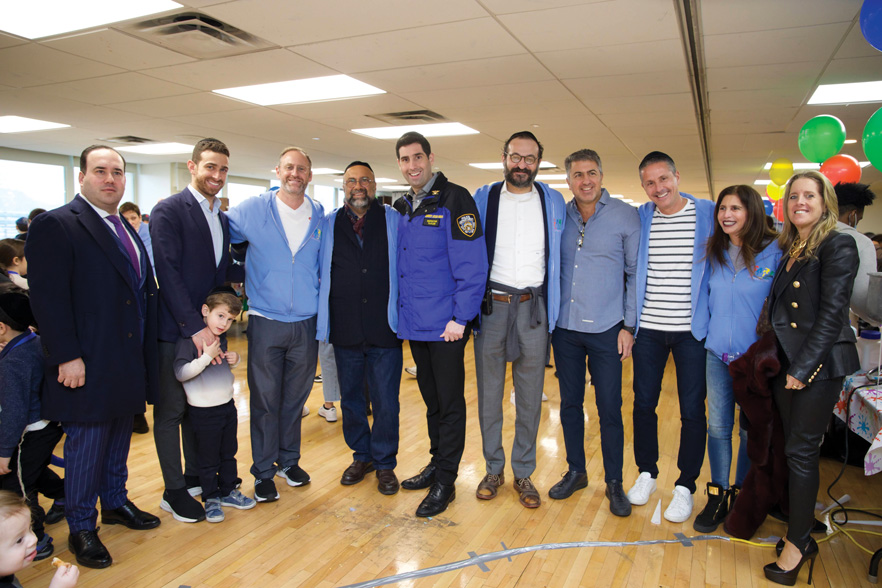
CARE’S ANNUAL PURIM CARNIVAL WAS HELD SUNDAY MARCH 6TH AT MAGEN DAVID YESHIVAH. FOR CARE FAMILIES, IT IS THE MOST ANTICIPATED, THE LARGEST, AND MOST JOYFUL EVENT OF THE YEAR. WITH GAMES, TREATS AND PRIZES, OUR SPECIAL CHILDREN AND THEIR SIBLINGS LOVE OUR ANNUAL CARNIVAL AND CAN’T WAIT TO COME BACK YEAR AFTER YEAR.

This year, over 600 people representing over 100 CARE families were in attendance. The festive vibe was felt immediately upon arrival. Smiling, happy faces were everywhere! The children with special needs and their siblings enjoyed inflatables, slime-making, face painting, carnival games, joyful music and pizza.

The CARE team was thrilled to welcome their generous donors as well as local community representatives. A wonderful time was had by all.

MDY WELCOMES RABBI ELI J. MANSOUR & DR. DANIEL J. VITOW

KELLY JEMAL MASSRY

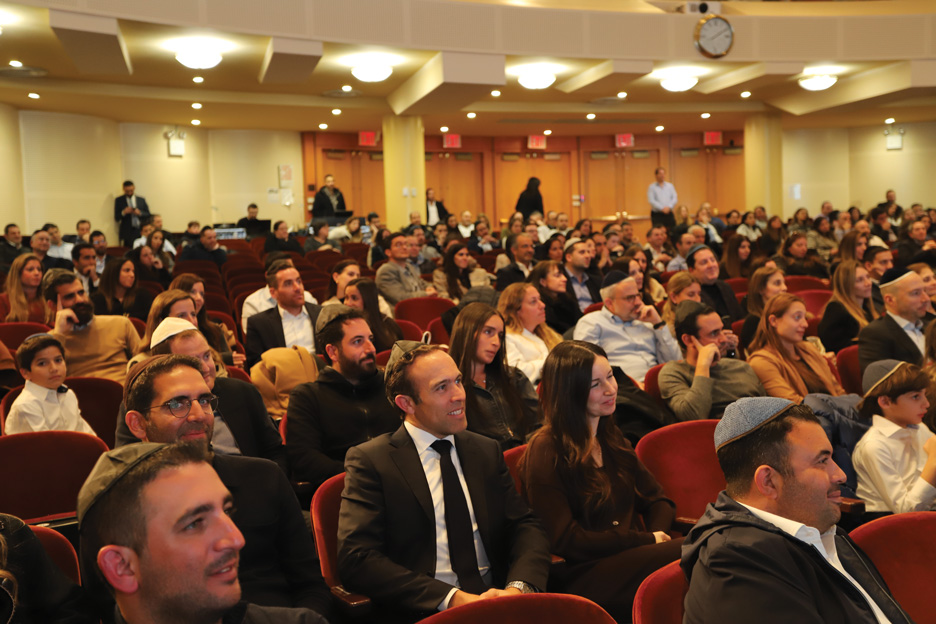
ON MARCH 2ND 2022, MEMBERS OF THE MAGEN DAVID YESHIVAH FAMILY FILLED THE ELEMENTARY SCHOOL AUDITORIUM TO HEAR FROM THE TWO RENOWNED INDIVIDUALS WHO ARE SOON GOING TO PLAY VITAL ROLES IN ITS FUTURE: RABBI ELI J. MANSOUR AND DR. DANIEL J. VITOW.

Magen David Yeshivah’s Boys Choir
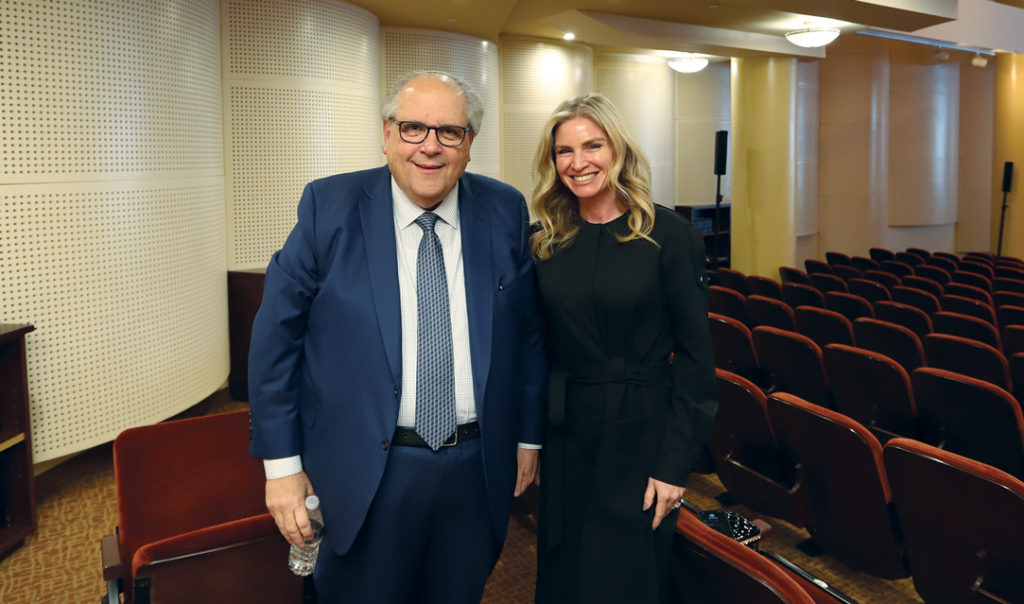
Dr. Daniel J. Vitow, Incoming Head of School for MDYHS and Mrs. Gladys Haddad, President

Rabbi Eli J. Mansour, an internationally revered speaker, and the presiding rabbi of several prominent congregations, will be taking on the role of Rabbinical Leader of Magen David Yeshivah. Dr. Daniel J. Vitow, former principal of both HAFTR and North Shore Hebrew Academy High School, will become the new Head of School for MDY High School. Parents of current sixth through twelfth grade students were invited to witness the two of them formally accept these positions, before delivering remarks that expounded on their educational goals and beliefs.

The evening began with a beautiful performance by the Magen David Yeshivah Boys Choir, who were led by Rabbi Mustacchi in affecting renditions of Hatikvah and The Star-Spangled Banner. Rabbi Ezra Cohen-Saban then took the podium to express the heartfelt hope that the appointment of these two leaders will strengthen the very foundation of the Yeshivah. To bring his point home, he used a pasuk (verse) in Tehillim which perfectly epitomizes this wish, a pasuk that states in reference to the city of Jerusalem: “For Hashem has made the bars of your gates strong, and He has blessed your children within you.” With the advent of Rabbi Mansour and Dr. Vitow, Rabbi Cohen-Saban truly feels that the same will be true for Magen David Yeshivah—that strength and blessing will permeate the institution, all for the benefit of our children.

“These two giants of education sitting to my right are the bedihim, the bars, that will solidify the gates of Magen David and ultimately bring tremendous beracha and success to the children in our midst,” he said. Counting himself as a partner in this endeavor, Rabbi Cohen-Saban promised that the three of them would work hard to uphold the standards of the Yeshivah, and keep it the community school, just as Magen David’s founders intended it to be, so many years ago.

For Rabbi Mansour, the acceptance of his new role is both monumental and sentimental. He is a distinguished alumnus of Magen David Yeshivah, having earned the Salutatorian award upon graduating from the elementary school in 1982. Though it may seem a trite thing to mention so many decades later, for Rabbi Mansour, that award symbolizes all of the reasons he holds the school so dear. As the great-nephew of founder Isaac Shalom A’’H, he grew up with the legacy of the Yeshivah in his bones. As the years passed, his uncles Joe Esses, Leo Esses, Moe Maleh, Ellis Safdeye and Eli D. Cohen of blessed memory went on to become some of the founding fathers of the Yeshivah, imbuing Rabbi Mansour with the importance of community service and religious heritage.

“I’m a man that loves history,” Rabbi Mansour said, “and I’m a man that follows precedents.” In that vein, Rabbi Mansour promised to follow the examples set for him by his illustrious relatives. “The task of a yeshivah is to truly train its students to stand up,” Rabbi Mansour said, reading from the speech he made as an eighth-grader, 40 years ago. “To give them strength and background, dignity and a sense of independence. When a yeshivah provides a student with a background in Jewish history, a love of Torah, an appreciation of the contributions that Jews and Judaism have made to the world, and a superior secular education, he is given the opportunity to stand on his own two feet.”

Rabbi Eli J. Mansour and Dr. Daniel J. Vitow

Rabbi Mansour is grateful to have been granted all of those things upon becoming an MDY graduate. Equipped with strength of character and a proud commitment to his Jewish identity, Rabbi Mansour went on to become a Talmudic scholar who contributes greatly to the breadth and depth of our community’s learning. Now, in the esteemed role of Rabbinical Leader of Magen David Yeshivah, he will do the same for thousands of children who make up the next generation. Rabbi Mansour understands that his job is to arm these students with tools they can use to face the world, and a firm foundation upon which to build their lives.

“Those were the values of Magen David 40 years ago, those are the values of Magen David today, and those will be the values of Magen David tomorrow as well!” he said emphatically. “It is these values of Sephardic pride, love of Torah, love of community, and love of our rich history, that I intend to bring to our great Yeshivah. As long as G-d gives me the strength and the ability, I will see to it that our Yeshivah continues in these founding ways and principles.”

The serendipity of finding the very speech he gave 40 years ago, thanking Magen David for all it had instilled in him, just as he was about to take on the vow of carrying those values forward, seemed to energize the Rabbi as he addressed the audience. Rabbi Mansour is nothing if not authentic. As Rabbi Cohen-Saban so eloquently stated, he teaches from the heart so that his words will enter the heart. Using his former speech as a bedrock gave Rabbi Mansour’s new mission a solemnity and purity of purpose that instilled great faith in all those in attendance. The crowd left assured that the Rabbi is not only aware of the awesome responsibility that he is now taking on, but that he will execute it with a great sense of gratitude and honor.

“My intention is to work for our children and our families,” Rabbi Mansour promised. “This is my top priority. I have no other allegiance but to the will of the parents of the mainstream of our community.” Rabbi Mansour fully appreciates the mainstream lifestyle because he came from it.

Rabbi Ezra Cohen-Saban welcomes Rabbi Mansour back home

“I lived it, I was raised in it, I understand it and I’m a rabbi of two synagogues that serve the mainstream of our community,” he declared. “Those are my people—the people that I love, that I connect to and that resonate with me.”

Dr. Daniel J. Vitow shares his vision

Rabbi Mansour concluded his remarks by giving his respect to Dr. Vitow in expressing the belief that the two of them will work well together, having already found that their personalities and leadership styles are quite similar. And with that, Rabbi Cohen-Saban returned to the stage to introduce Dr. Vitow, reading a poem written by one of his former students to enumerate his admirable qualities—foremost among them, his personal touch. As Magen David Yeshivah High School’s incoming freshmen have already begun to see, Dr. Vitow greatly values the practice of meeting with each individual student. He is of the belief that every child’s schedule should be unique, to suit his or her scholastic abilities and personal interests. Each student’s academic performance matters deeply to him, but he also encourages creative thinking, the pursuit of culture and the act of fundraising. Because he so highly values his students, they come to value themselves. That is the kind of principal that Magen David High School will soon be lucky enough to have at its helm.

Dr. Vitow showed himself to be a man of warmth and humor, as he entertained the audience with an opening story about a gift of goldfish gone awry. The story was important, he stressed, because of what it represented: just how much his former students appreciated being heard and respected by him and his administration. “That’s what it’s all about,” Dr. Vitow proclaimed, “engaging with kids, talking to them, understanding that no two kids are the same and that there’s no cookie-cutter mold.”

Rabbi Eli J. Mansour reads from his MDY salutatorian speech
Excitement filled the room of MDY parents

In his duties as principal, Dr. Vitow seeks out talent and praises character. To him, report card grades are secondary to a good reputation and a future that shows great promise. “None of us are perfect,” Dr. Vitow said of all those who join with him in the art of education, “but we are committed to building. We will take this institution to the next step. There’s always room to grow. I will come here and continue to build on the shoulders of the giants that I knew very well,” he said, specifying Rabbi Greenes, Rabbi Kahana, Rabbi Russ and Mr. Fisher.

The Rabbi has great respect for our Sephardic mores and traditions and is deeply familiar with them, having worked with Rabbi Moshe Shamah in Sephardic High School for many years. “I’m back in the Syrian community that I love,” Dr. Vitow declared. “I’m so happy to be here! I really believe I can do a lot with this particular school, and with this particular partner,” he said, referring back to Rabbi Mansour.

Dr. Vitow pledged to create robust interdisciplinary programs that showcase a synthesis between Torah and Western society and a unification of Judaic and General Studies faculty. What will emerge, he hopes, is a well-rounded child of good character who can take advantage of any opportunity he wishes to pursue—whether that be enrollment in the very best college, or a year in Israel spent learning. All of these efforts will be in service of the most important factors in the equation: our children.

“Be’ezrat Hashem we look forward to building a great future together,” said Rabbi Cohen-Saban as he took the podium one last time. Indeed, that appears to be just what is unfolding as Rabbi Mansour and Dr. Vitow unite forces to uphold the principles and longevity of MDY.

Read Jewish Image Magazine Online – April 2022

To View Jewish Image Magazine In PDF

Click Here

BINGE EATING DISORDER

6 THINGS YOU NEED TO KNOW

MARY ANNE COHEN LCSW, BCD

LINDA, A 16 YEAR-OLD TEEN, WAITS UNTIL HER FAMILY IS ASLEEP AND THEN SNEAKS DOWNSTAIRS AND STANDS IN FRONT OF THE OPEN REFRIGERATOR GORGING ON LEFTOVER CHOCOLATE CAKE. DAVE, A 45 YEAR-OLD MARRIED MAN, STOCKS UP ON FAST FOOD AND CANDY WHICH HE CONSUMES ON HIS DRIVE HOME FROM WORK, THROWING OUT THE FOOD WRAPPERS BEFORE HE GETS TO BROOKLYN.

Paula, a 38 year-old mother of three, goes to her exercise class and then comes home tearing into her kitchen cupboard while standing over her sink overeating. Sometimes Paula makes herself throw up. What each of these people have in common is binge eating disorder (BED), the most common eating disorder.

Although the media often plays up celebrities with more “exotic” anorexia and bulimia, overeating is a much more frequent eating struggle effecting three times the number of people with anorexia and bulimia. According to the Binge Eating Disorder Association, an estimated 3.5% of women, 2% of men, and 30% to 40% of those seeking weight loss treatments can be diagnosed with binge eating disorder. The disorder can impact all people regardless of education or income—including adults, children, and adolescents.

HERE’S WHAT YOU NEED TO KNOW

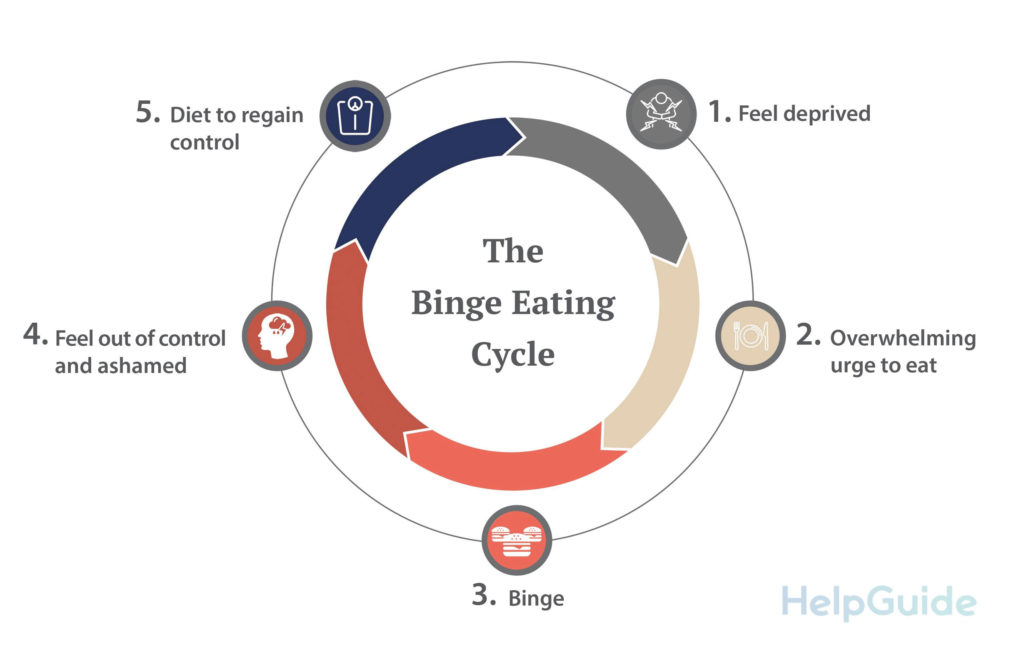
  1. Binge eating disorder (also called compulsive eating) refers to recurring episodes of overeating that are not related to hunger and cause people to feel guilty and ashamed afterwards.
  2. Although people with BED may be overweight, not all are. Some binge eaters may be normal weight and some overweight people do not binge.
  3. Binge eating is not a choice and cannot be controlled by willpower. It is a psychological response to stress and a biological response to hormones and heredity and other chemical levels in the body.
  4. BED often occurs in people with depression, anxiety, and obsessive compulsive disorders. Some binge eaters may also have alcohol, drug, or shopping addictions.
  5. Restrictive dieting is considered the “gateway” behavior to developing a binge eating disorder. People who go on restrictive diets can be “good” for a while but often the diet backfires causing them to rush back and gorge on the foods they deprived themselves of.
  6. BED is also called emotional eating or stress eating. People are helped by identifying their triggers: boredom, anger, loneliness, feeling overwhelmed, resentment, and grief.

The truth is that bingeing is an attempt to make ourselves feel better. And of course there’s nothing wrong with the goal of self-soothing—it’s a healthy intention. But, ultimately, overeating when we are hungry from the heart but not from the stomach is hurtful to our bodies and our spirits.

If you are a binge eater and want to get “ownership” of your eating, reach out to MEND (Mindful Eating New Direction). MEND is a new community initiative to help people like you. You are not alone!

WE WILL WORK WITH YOU TO
• Custom tailor an individual approach for
your unique needs.
• Help you get control of your eating back.
• Develop and maintain healthy eating patterns.
• Regain body confidence.
• Unlock what may be keeping you
from healthy eating.

Schedule an initial assessment with MEND, and we’ll help you determine if you can benefit from treatment. To start a confidential conversation about your eating, please contact us. Contact is absolutely confidential.

Please feel free to call (718) 336-MEND. MEND is a division of The SAFE Foundation.

Mary Anne Cohen, LCSW, BCD has been Director of The New York Center for Eating Disorders since 1982. She is also author of French Toast for Breakfast: Declaring Peace with Emotional Eating and Lasagna for Lunch: Declaring Peace with Emotional Eating. She has hosted her own radio show on eating disorders, appears frequently on national television, and is the professional book reviewer for EDReferral.com, the largest international resource for eating disorders.

BREAKFAST OF CHAMPIONS

LAURA SHAMMAH MS, RDN

IT IS A SAYING THAT PEOPLE THROW AROUND LIGHTLY, BUT BREAKFAST MAY VERY WELL BE THE MOST IMPORTANT MEAL OF THE DAY. A LOT OF PEOPLE SAY THEY SKIP BREAKFAST, BECAUSE THEY DON’T HAVE ENOUGH TIME TO EAT IN THE MORNING, BUT EATING A HEALTHY BREAKFAST DOESN’T HAVE TO BE TIME CONSUMING AND IT CAN HELP YOU STAY FULL FOR HOURS AND BOOST YOUR CONCENTRATION.

WHY BREAKFAST IS THE MOST IMPORTANT MEAL OF THE DAY

Skipping Breakfast Impedes Weight Loss
Some people skip breakfast to avoid eating too many calories with the intent to lose weight. However:

• People who eat breakfast each morning are less likely to eat more calories throughout the day. Not eating in the morning will keep you hungry and craving unhealthy foods. This can lead you to grab sugary and fatty snacks throughout the day.

• If you wait until lunch for your first meal of the day, that means that you are essentially fasting and depriving your body of food for at least 15 hours. This causes your metabolism to slow down, making it harder to lose weight.

• Eating a filling breakfast will keep you satiated and stop you from grabbing whatever is within your reach to fill you up—this includes sugar filled energy bars and convenient snack packs.

Eating Breakfast Boosts Concentration
Teachers always recommend a good night’s sleep and a hearty breakfast to their students before they take a big test. We should all eat like we’re going to take a test everyday. Eating breakfast helps you concentrate and keeps you focused.

The calories you eat at breakfast help fuel your brain. They also boost short-term memory. No matter what you have to accomplish, eating breakfast will keep you on track all day long.

Whether you are trying to lose weight or just maintain a healthy lifestyle, you should be eating a breakfast high in fiber, protein and calcium, with limited sugar, every day.

If you’re one of the people who says you don’t eat breakfast because you don’t have enough time in the morning, that’s not a good excuse, because breakfast does not have to be time consuming—it only takes a couple of minutes to top a Greek yogurt with nuts and fruit. It’s a healthy breakfast which will keep your energy up for hours.

Laura Shammah MS, RDN has a masters degree in health and nutrition and is a registered dietitian.
She has been operating her own private practice in both New York and NJ for over 20 years. She is happily married and has four children.

HIGHLIGHTS OF THE FRICK COLLECTION AT THE FRICK MADISON

NATALIE SENIOR GREENBERG

IMAGINE BEING FABULOUSLY RICH AND LIVING IN NEW YORK AT THE BEGINNING OF THE 20TH CENTURY. WOULD YOU BUILD A MANSION ON FIFTH AVENUE? WOULD YOU FILL IT WITH WONDERFUL ART AND OBJECTS FROM ALL OVER THE WORLD?

In 1913, millionaire industrialist Henry Clay Frick commissioned his Fifth Avenue mansion, and began collecting Western Art from Europe. He then turned it into a boutique museum in 1935. The Frick Collection is now considered one of the gems of New York’s museums. It is a place where one can encounter masterpieces from the Renaissance to the early 20th century and can easily been seen in a couple of hours.

A visit to the Frick Mansion brings the viewer back to the gilded age, when the elite of New York lived in mansions on upper Fifth Avenue. The art collection at the Frick is not arranged chronologically but in the way that many people would place artwork in their own homes—by where they wanted to view them and where they looked best. One can almost imagine Henry Clay Frick wandering through his home and looking at his treasures. The Frick Mansion is where all the art and decorative objects have been shown since Frick’s death in 1919.

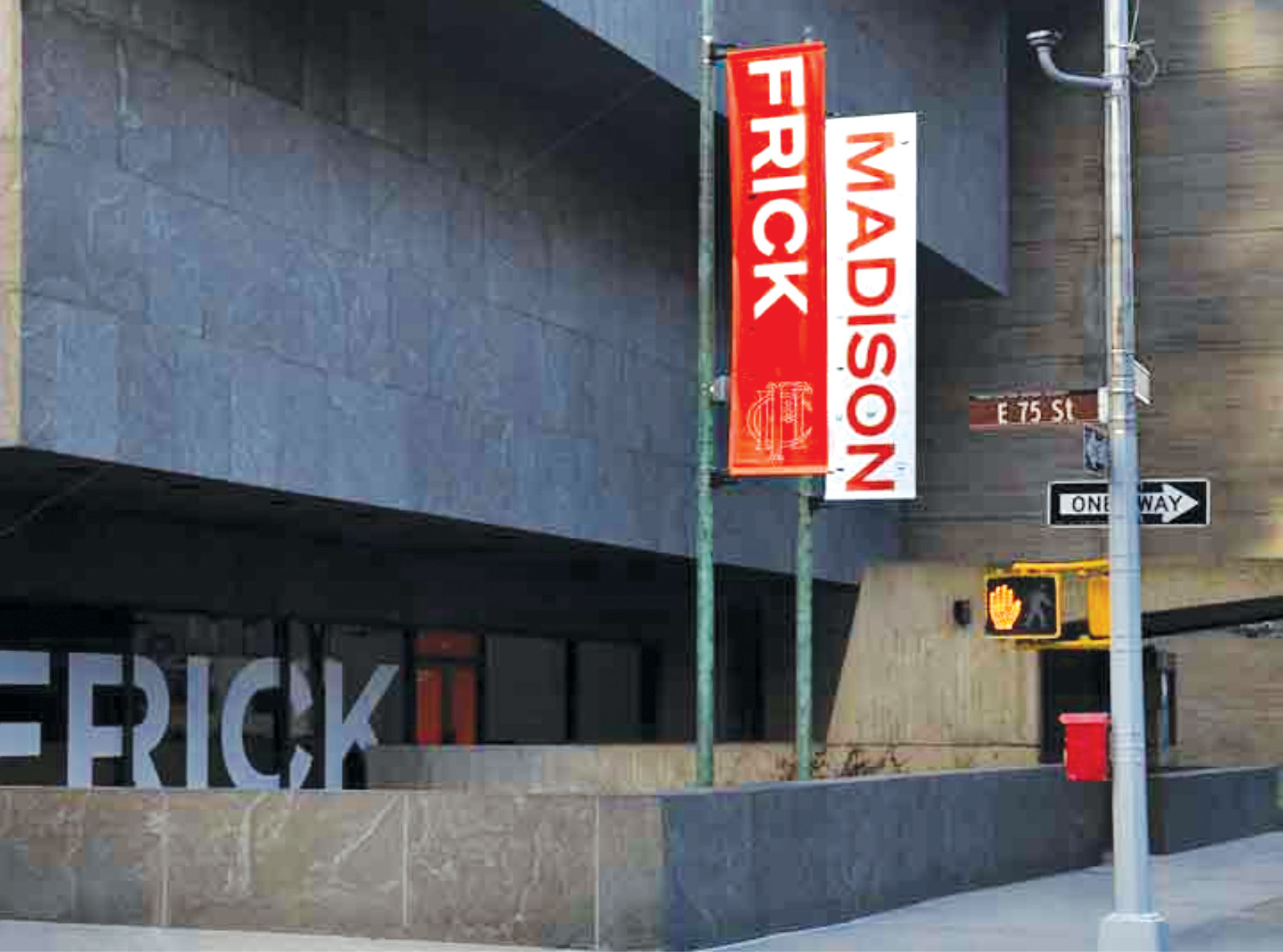
The original Frick Mansion is now closed for some much needed renovation and refurbishing, but that gives us a very unique and interesting opportunity to see all of Henry Clay Frick’s collection in a new and surprising way. The Frick Collection is now located temporarily at the Frick Madison, in a building that was designed by modernist architect Marcel Breuer. The building is a modern architectural masterpiece designed as a minimalist work. It is spare and shows off its materials and structural elements. This minimalism provides a unique backdrop for the Renaissance paintings and other art objects that were collected by Frick.

The paintings viewed in their new setting have never looked better. I have visited the original Frick Mansion many times, but the artwork surprised and delighted me in new ways at this new locale. Here are a few of my favorite artworks and in my opinion “must sees.”

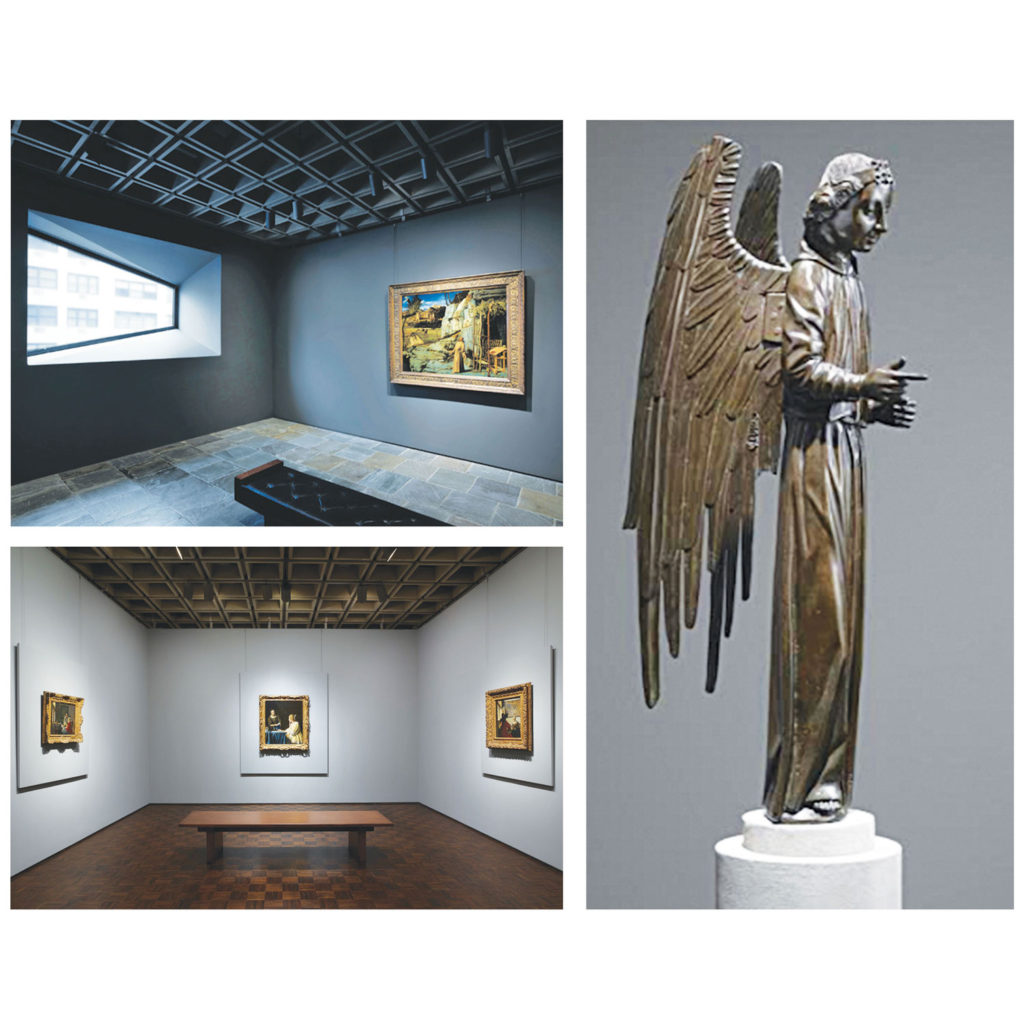
The collection begins on the second floor of the Frick Madison with the 14th century sculpture Angel by French artist Jean Barbet. This is one of the very few surviving sculptures of this time, as during the French Revolution bronze sculptures were melted down to be used as weapons. Angel stands upright, covered in flowing drapery. It is speculated that this angel was made for a chapel in Paris that held the treasures of the French kings. The placement and lighting of this sculpture literally took my breath away when I saw it in its new location.

Continuing on the second floor, look for room 6, which holds all three of the Frick’s paintings by the 17th century Dutch master Johannes Vermeer. Vermeer painted only about 60 paintings in his lifetime and of those only about 36 have survived. The Frick Madison gives us a rare and wonderful opportunity to view three together. Vermeer painted what are called “genre paintings,” or views of everyday life in Holland. Look how Vermeer treats the light coming into the room and how he uses objects that would have been a part of many a middle class Dutch households. But look at the expressions on his subject’s faces and see if you can tell a story about what is happening.

On the third floor, in room 13 is a painting by Venetian Renaissance master Giovanni Bellini. This is considered “the prize” of the Frick Collection. St. Francis in the Desert was painted in the late 1400s and is an oil painting on panel. The Venetian painters perfected the art of oil painting, which uses layering to build up colors and makes the painting seem lit from within. Bellini depicts a valley in the Venetian countryside with a small hilltop town in the background and Francis standing by his rustic dwelling. There are several animals in the composition emphasizing the natural world and nature. I found the placement of this gorgeous painting, by itself, in this particular room of the museum to be quite fascinating. The curators have placed it on the wall with the light coming in from the window on the left, mimicking the light source coming in on the left side of the painting. The painting is luminous and commands the room entirely.

On the fourth floor, is one of the most iconic of Frick’s Collections, the Fragonard Room. JP Morgan originally owned the paintings in this room and when he died they were displayed at the Metropolitan Museum in New York and then sold to Frick. They took up an entire room at the Frick Mansion, but here on Madison Avenue, they are displayed quite differently. Here, they are bathed with light, as originally intended.

Jean-Honore Fragonard painted these canvases for Madame du Barry, Louis XV’s last mistress. The theme of these paintings is love, and the paintings were hung in the music room of her chateau outside Paris. The fancy ornamentation, pastel color palette and curvilinear shapes characterize the style of the time, French Rococo. Rococo art works often depict themes of love, classical myths, youth and playfulness, so this was a very fitting style for the mistress of a king.

Also on the fourth floor (in room 26), are some Impressionist paintings, which are always crowd-pleasers. These include paintings by Degas, Manet, Renoir and Monet.

This is but a small taste of what the Frick Madison has to offer. You should wander through and find your own favorites. The museum is small enough to not be overwhelming, but the collection is comprehensive enough so you will never be bored! The museum is located at 945 Madison Avenue and is open Thursdays through Sundays. Museum tickets must be purchased online in advance. Enjoy your visit to the Frick Madison!

Natalie Senior Greenberg is a Brooklyn College Art History professor, and the founder, curator and owner of an online art gallery.

HACHAM ELIYAHU KHALIFE A”H

FAMOUS FOR STORIES OF MIRACLES

MOUSA SAAD

HACHAM ELIYAHU GREW UP AMONG GEDOLIM (GIANTS OF TORAH) AT THE TIME WHEN THE STUDY OF KABALLAH FLOURISHED IN DAMASCUS UNDER THE LEADERSHIP OF HIS GRANDFATHER HACHAM NISSIM INDIBO. HE NEVER LEFT HACHAM NISSIM’S SIDE, LEARNING FROM HIS WISDOM AND BEING DRAWN TO KEDUSHA (HOLINESS) AT A VERY YOUNG AGE.

Hacham Eliyahu would become not only a giant in halacha (jewish law) and gemara (talmud), but he also studied Torah hasod (kaballah) heavily, at a very young age. He was known for his greatness and as a young teenager, he became a talmid hacham (Torah scholar) among giants. He would learn and pray daily from midnight till early morning and continue his day as a community rabbi, mohel, shohet, teacher at the talmud torah and was the head of a synagogue.

Hacham Ellie stated that when he started learning, he realized he was changing and he could no longer behave in the manner of a regular person. He not only learned a tremendous amount of Torah, the hidden meanings revealed itself to him, which affected how he behaved, and conducted himself—the Torah embodied him.

Hacham Ellie stated that when he started learning, he realized he was changing and he could no longer behave in the manner of a regular person. He not only learned a tremendous amount of Torah, the hidden meanings revealed itself to him, which affected how he behaved, and conducted himself—the Torah embodied him.

When Hacham Nissim Indibo passed on, Hacham Ellie filled his position in the community over at synagogue Kitab El Dewer (the midrash of el Dewer family), where he would be the rabbi, hazan, baal koreh (read the Sefer Torah), blew the shofar and taught classes.

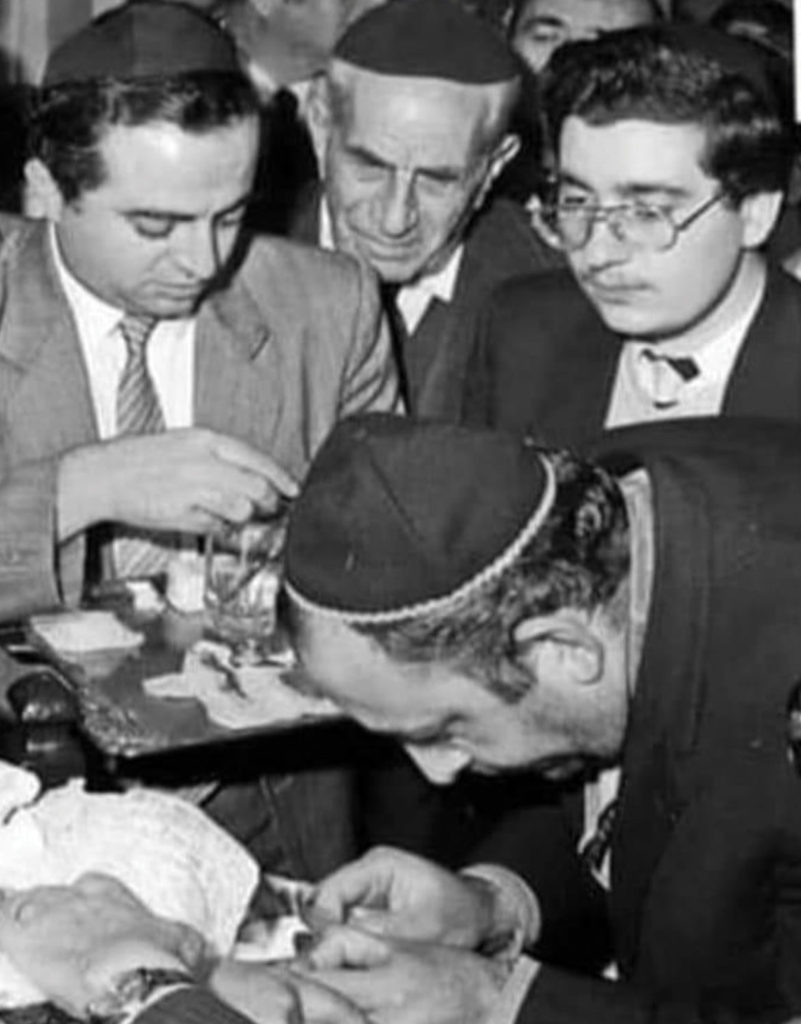
There is nothing in kedusha the Rabbi was not interested in. He learned shehitaa (kosher ritual slaughter) from Hacham Yishak Assa. He performed countless brit milot for the entire community, not only in Damascus. He would travel to Aleppo on a commercial bus for five hours, leaving his wife and children. When he arrived, he would perform the ceremony, refusing payment for his work. Then he traveled back home the same night, arriving at dawn—all for the sake of mitzvah. In Aleppo, Chief Rabbi Hacham Yom Tob Yedid valued Rabbi Eliyahu greatly and they enjoyed a warm friendship.

The Rabbi also traveled to Kamishle, a 12 hour ride, on the border of Turkey—again to serve the community there—all le shem shamayim (for the sake of Heaven).

I had the zechot (merit) to have him as my mohel and my rebbe, praying in his shul on Shabbat. He would teach all the boys for free.

Many rabbis, cantor and Torah readers watched and learned from him. He inspired them as they watched his love for performing each mitzvah, his kavana (purpose), and how he would be hazan on Shabbat, in the most joyous way. This was felt by the congregation.

Shabbat prayers would start early. The Rabbi would arrive an hour and half before to prepare for the tefilah, before the congregation arrived. I was among just a few boys who realized what an amazing opportunity we had, earning from the Rabbi. We had the zechot (worthiness) to study with the rabbi who would teach us with so much passion, asking nothing in return.

Rabbi Eliyahu became well-known, even among non-Jews, including higher ups in the government who flocked to this house for guidance and blessings. In 1992, when Rabbi Eliyahu wanted to leave Syria, the government refused to let him go, even though other Jews were allowed to leave at that time. The Syrian government knew the Rabbi’s value to the Jews and to the country.

When he came to America, his wife, who was a humble women of kindness, passed away. After that, for years, he would mention her in his prayers.

Always remaining humble; he refused to dress differently than everyone else, despite his greatness. He would ride a bicycle going place to place to serve the community. He loved the simple things in life and didn’t care about anything materialistic.

He was a big baal hesed (a man of loving kindness). He had a list of needy families, and widows, whom he would bring food, funds, and would do anything he could to help them. Wherever he went, he had a smile on his face and his energy could be felt.

He never wanted any honor. He was known for his love of the Jewish people—of all levels—he didn’t care how religious or non-religious a person was. Here, in Brooklyn, he attracted Hasidim, Israelis, Syrians, Ashkenazim, and Moroccans. They all flocked to the Rabbi’s house and the effects were positive.

He was known and loved for his blessings after shul. He would open his tallit and the entire kahal (congregation) would go under it for a blessing. People saw miracles from his blessings—and whatever he said, despite medical doctors, no matter how difficult the situation was—Rabbi Eliyahu prayed and Hashem listened. As it says, “a sadik makes a decree and Hashem makes it happen.”

When people would come to his house crying and thanking him after seeing a miracle, he would strongly raise his voice, point his finger to heaven and say, “The thanks only belongs to the Almighty. It’s Hashem who helped you.”

So many miracles happened because of Rabbi Eliyahu. The year he left Syria, he got up before everyone and said he dreamed of a decree against us and decided that if everyone fasted, they would be allowed to leave Syria. The news made its way to government officials, and he told them “This is what Hashem asked of me. If you want to stop it, go ahead.” Fearing his greatness, they allowed it to happen.

Rabbi Eliyahu made miracles for people who could not have children, and for those who were sick, or in desperate situations. He prayed for them, and Hashem listened. People from near and far would visit him asking for help and would receive life-changing benefits.

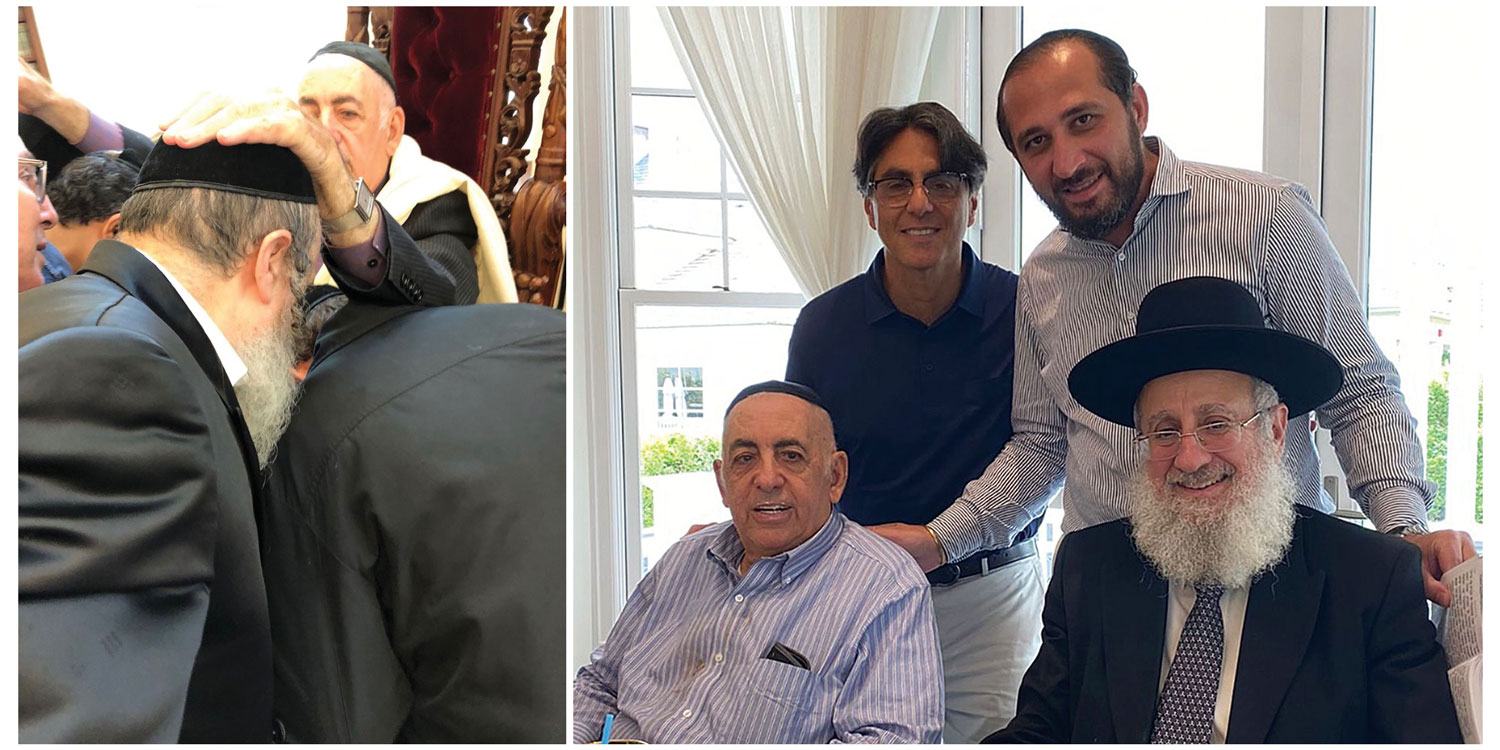
The rabbi loved all Jews, saw a spark in each of them and he made them see that spark as well. At his funeral in Brooklyn, where 3,000 people attended, Rabbi Duvi Ben Shoshan explained why while giving a blessing, the Rabbi would put his hand on your head and push it down. He said, “In order to receive the blessing, a person must be humble. So, he would lower their heads to be able to receive the beracha. This was tikunim for that person without the person knowing.”

He never took a day off, never went on vacation, and did not leave the community in the summer. His only interested was learning Torah, which made him happy.

Despite suffering with failing health and losing his wife, the Rabbi never complained. Even when he was in pain, he always said “It’s all for the best.”

He left behind talmide hachamim (Torah scholars) who, like their father, study Torah day and night with barely any sleep, following in his foot steps in abodat hakodesh (holy work).

Our community and am Israel lost a father. It’s not by accident the daf yomi of the day of his passing was the story of how Eliyahu Hanabi went up to heaven and his student Elisha Ben Shafat shouted, “My father, my father, our shepherd.”

Mousa Saad was among the Syrian Jews who were rescued in 1992. After moving to Brooklyn, he attended and graduated from Flatbush Yeshivah. Today he involves himself in many community organizations, but his passion is preserving Syrian Sephardic history and heritage.

IN LOVING MEMORY OF JACK ZEITOUNY A”H

BERTHA SABBAGH

IT WAS IN 1975. I WAS 4 OR 5 YEARS OLD WHEN MY FATHER MADE THE IMPULSIVE DECISION TO GET US OUT OF BEIRUT. HE SAID THE GUNFIRE WAS GETTING TOO CLOSE TO HOME AND THE WAR WAS TOO BIG TO IGNORE. MY MOM, MY BROTHER, SISTER AND I, DID WHAT HE SAID, WE ALWAYS DID WHAT HE SAID.

He packed us up in the car and drove us upstate to Bhamdoon. My sister remembers him stopping the car as we left home, walking right up to the soldiers, face-to-face and literally asking them to hold fire so he could get his family through. They did, and we did. Many people know how the story ends. That night a bomb fell on our house, destroying everything in it.

That was the first time that my father saved my life. We stayed in Bhamdoon for weeks, maybe months, I have no idea. During that time, the cast that I had on my arm from a playground accident weeks before, needed to be removed. My dad took a saw, and sawed it off. No doctor, no X-ray, no consultation; just his confidence to do it, and my wholehearted trust in him. He did it. Then, we played a game. He stacked coins on my elbow and asked me to try to catch them with my hand. Primitive physical therapy I assume, but to me it was a game. He’d stack coins and I would try with futility to catch them. We both laughed. My arm healed just fine.

It is literally the only memory I have of ever playing a game with my father. It’s the only memory I have of laughing with him. At that time and ever since, he was always in survival mode. Surviving the war, the challenges to build his life over again, and the obstacles of life as a refugee. His survivor instincts were always on high alert. It was how he was able to save us so many times since, including the time he convinced someone at the airport to make us a passport, on the spot, so we could board a plane to Egypt—just hours before the airport shut down in 1976.

When we finally got to America and for years and years after, my father had no time for love or fun. The game of physical therapy he played to heal my broken arm was a distant memory. He was obsessed with securing our future. The fear of losing everything again consumed him. He didn’t understand work–life balance, and made providing for us his priority—above everything else—sometimes to a fault, to his detriment and to ours. I remember when he started buying merchandise from China for his wholesale business. He did everything the hard way in an effort to save every penny. For example, he sold plastic headbands and calculated that it was cheaper to ship them to America if he bought them flat without packaging. For years, this was a weekly activity—he would boil a pot of water on the stove, and then one by one he would dip the flat plastic headbands into water to make them malleable and then shape them into headbands. The four of us waited in an assembly line. One would pack the headband into a clear poly bag, two would attach the header card with staples and the last would pack it into cartons by the dozen. I could not have been more than 10 years old. Until today, I don’t know if I am really proud to tell that story or really ashamed of it, but it was the reality of my childhood.

Ironically, his obsession with making money was never about buying fancy things. He lived a modest life and had zero interest in expensive cars or fancy homes. He never bought or wanted gifts and never indulged in anything. He was a deep rooted bargain hunter. His drive wasn’t about money ever. It was a vow to secure us financially. This was the fear that motivated him.

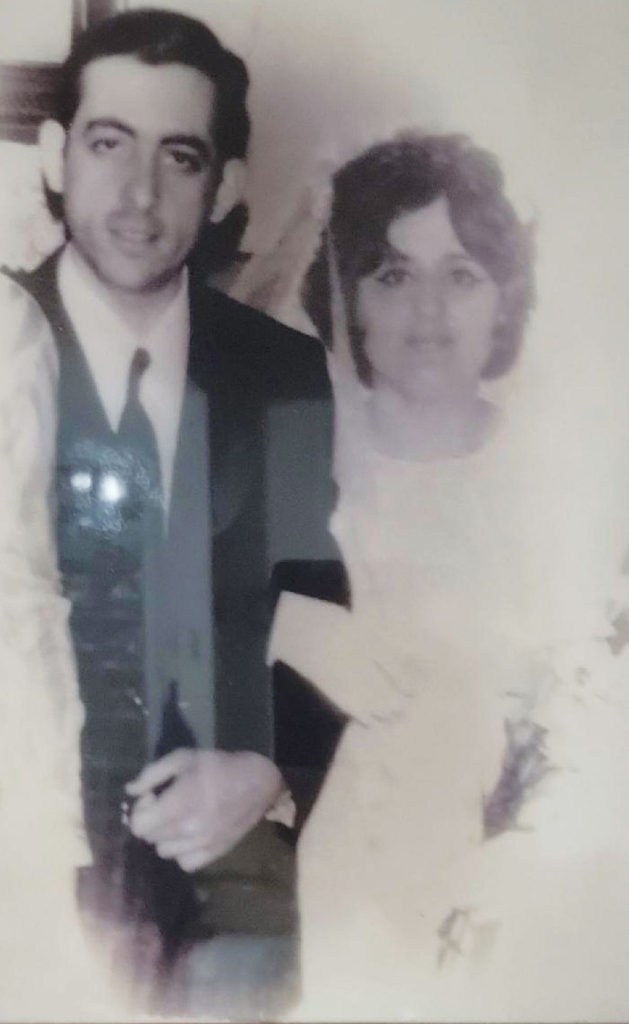
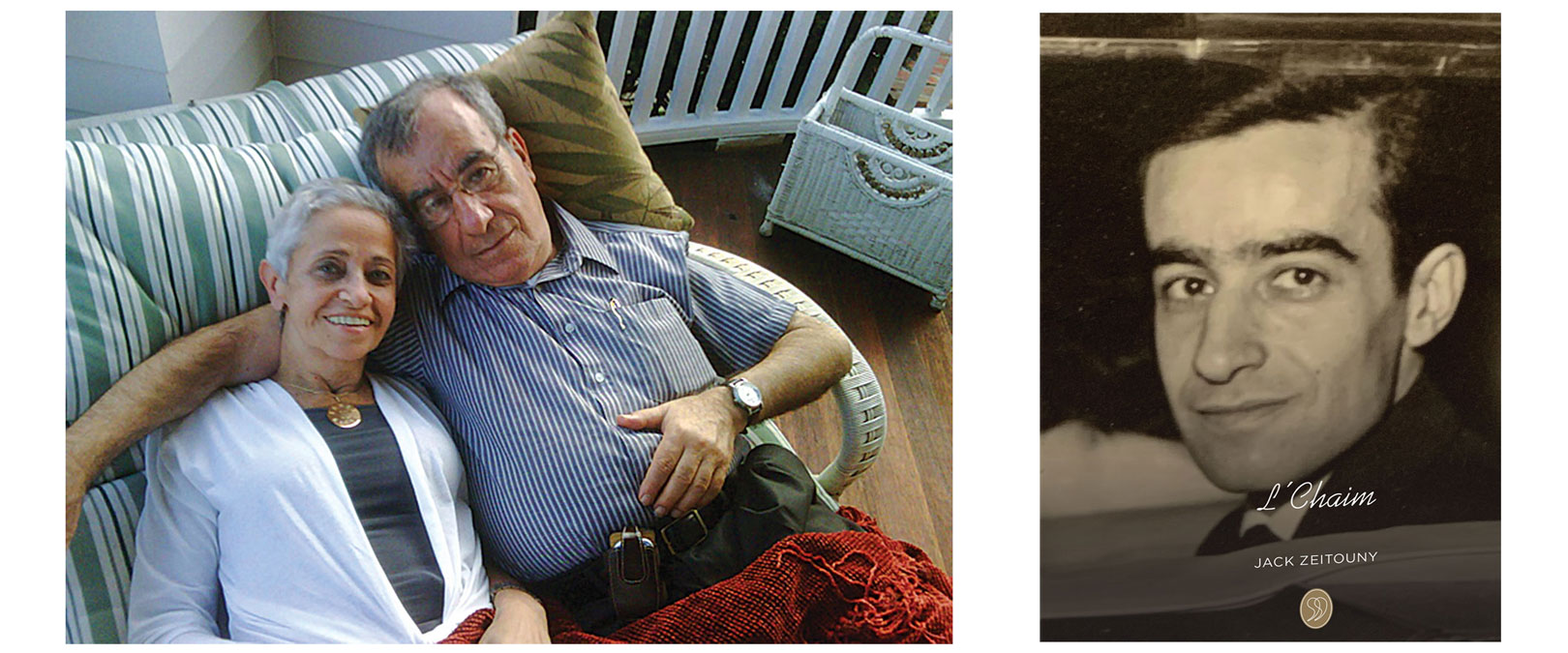
After years of hard work in America he was, in fact, able to build and provide for his children and grandchildren. When he and my mom bought their apartment in Florida, he felt he had grasped the American dream. He was so proud of it. It was everything immigrant dreams were made of. Retiring in Florida just like “real Americans” do. At that time we started to see a tiny glimpse of him putting his guard down, maybe for the first time enjoying what he had built but then, only a few years in, my mother, the love of his life died. It’s impossible to talk about my father’s death without speaking about my mother’s. Her death threw my father right back into survival mode. It was the place he was most familiar with and where he went when he was lost. Survival mode was his comfort zone. It was an ugly and stressful place, but that is where he knew how to live.

When he fulfilled his mission of putting my mother’s name on the front of the Magen David Yeshivah building, we thought for sure he’d be satisfied. It was documented proof that he made it in America. Less than 50 years before that, my mom rode her bike to Magen David, because we didn’t have a car, and begged Rabbi Greenstein to give her children a chance in this American school. Even though we didn’t speak English and couldn’t afford to pay tuition, she begged him to trust her and believe they would make him proud. Less than 50 years later, her name was on that building.

Survivor mode made my father stubborn and paranoid and difficult at times. It took wisdom to understand that who he was, was formed by his story and it took patience to not react personally. It took love and sympathy to understand where his fear came from. He needed that from all of us.

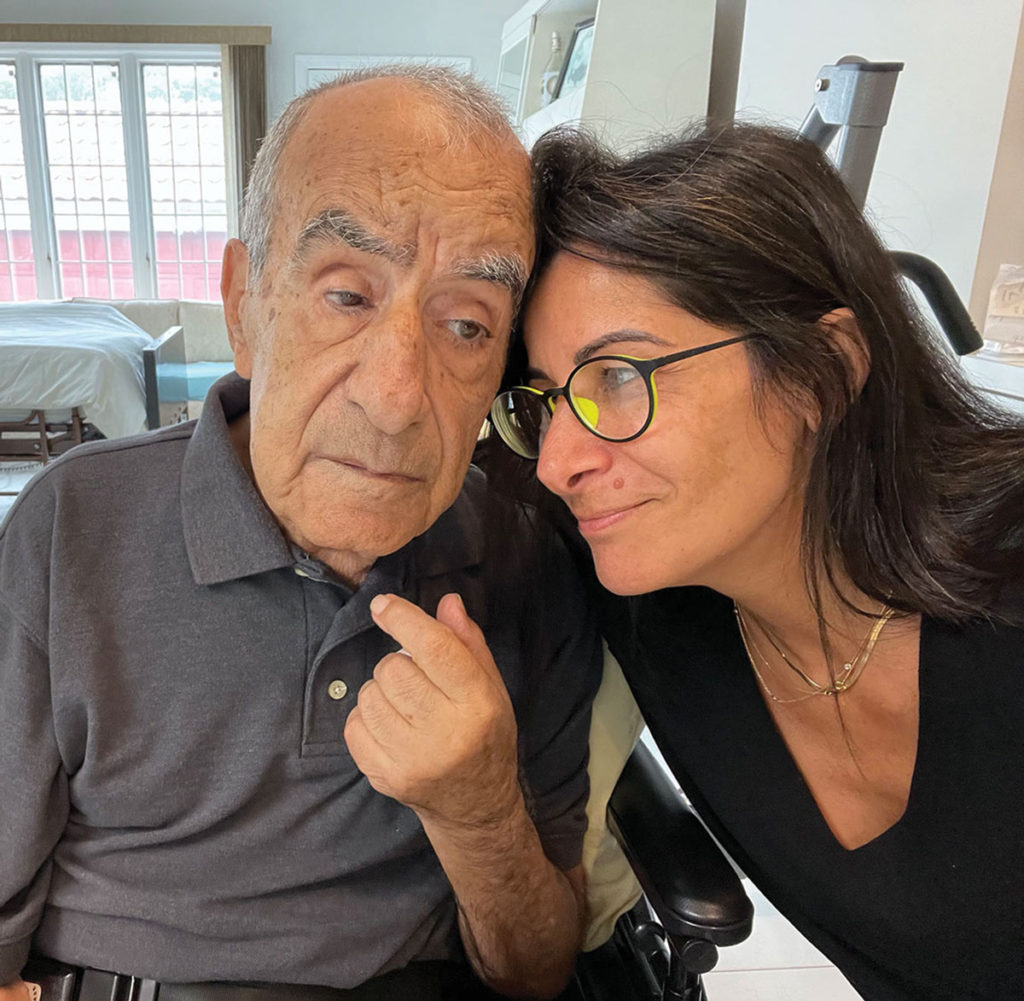
If I had another day with my father, I would ask for forgiveness. Forgiveness for the times I didn’t have enough patience and forgiveness for the moments I didn’t have the wisdom. I’m grateful for the people in his life who always had those things for him. He was shown tremendous respect by the neighbors on the block where he lived—neighbors who cooked for him, brought him flowers, and played sheshbesh with him on the porch. He received visits from men and women half his age, who felt a connection to him and tenants who called to ask about him and cried when they heard of his passing. He definitely had his people. I’m thankful to all who were able to see through his hard exterior, and have sympathy and respect for a man with a tremendous story. Rest in Peace Papi.

Bertha Sabbagh is a community member.