
Home Blog Page 6

From I Do to We Do

Building a Financial Life Together

Ari Baum, CFP®

A wedding is more than a celebration. It is the beginning of a shared financial journey. As two lives merge, so do goals, responsibilities, and resources. Combining assets does not have to mean combining everything right away. The key is clarity. Understanding what each partner brings into the marriage, how money will be managed day to day, and what values guide financial decisions.

Couples who take time early on to align around saving, spending, and long-term priorities often find that money becomes a source of confidence rather than conflict. Think of it like planning the wedding itself. When expectations are clear, the experience is far more joyful.

Starting a New Life Together
Marriage marks a powerful shift, from individual plans to shared vision. Whether it is buying a home, growing a family, traveling, or building a legacy, the strongest foundations are built with intention.
Early conversations around money help couples define what “success” looks like together. It is not about perfection. It is about partnership. Just as a wedding brings together family and friends, thoughtful financial planning brings structure and peace of mind to the life you are creating side by side.

Creating Clarity from Day One
A helpful first step is creating a shared snapshot of your financial picture. Listing accounts, balances, debts, and recurring expenses gives both partners a clear starting point. This exercise is not about judgment. It is about awareness and transparency.
Many younger couples find success with a “yours, mine, and ours” structure. Shared expenses like rent, utilities, and groceries are handled through a joint account, while individual accounts remain for personal spending. This approach supports teamwork while preserving independence.
Couples who align early around spending and saving habits often avoid unnecessary friction later. Agreeing on spending thresholds, and when to check in before making larger purchases, can reduce misunderstandings and build trust.

Protecting Your Health, Together
Health insurance is one of the most important, yet often overlooked, financial decisions newly married couples face. Marriage often opens the door to new options, from joining a spouse’s employer plan to reassessing coverage altogether, making it a natural time to review benefits side by side.
Beyond monthly cost, it is important to understand how coverage works in practice, including access to doctors, prescription benefits, and potential out-of-pocket exposure. Comparing premiums, deductibles, and out-of-pocket maximums helps couples evaluate true costs and reduce the risk of unexpected medical expenses.
Handled thoughtfully, coordinated coverage helps protect savings, stabilize cash flow, and support long-term financial goals. It allows couples to focus their energy on building a healthy life together.

Saving From Young,
A Gift to Your Future Selves

For newly married couples, time is one of the greatest financial advantages. Starting early, even with modest amounts, allows savings to grow alongside your life together.
A simple but effective strategy is prioritizing an emergency fund before aggressive investing. Having three to six months of living expenses set aside provides stability and confidence, especially early in careers or during transitions.
Once a foundation is in place, saving for the future becomes more flexible. Contributing regularly to workplace retirement plans, especially when employers offer matching contributions, is one of the most efficient ways to build long-term security. For couples with uneven incomes, coordinating savings across both partners can help balance progress.
Planning should also leave room for joy. Allocating funds specifically for travel, celebrations, or shared experiences helps ensure that saving supports life rather than limiting it. When enjoyment is planned for, it feels earned and stress-free.

Built for the Long Run
At Endurance Wealth Partners, we believe the strongest financial plans are built around real lives, shared values, and long-term purpose. Just like a marriage, a thoughtful plan evolves over time, supporting both the moments you celebrate today and the future you are building together.

The content is developed from sources believed to provide accurate information. Investing involves risk including the potential loss of principal. No investment strategy can guarantee a profit or protect against loss in periods of declining values. Past performance does not guarantee future results. Consult with a financial professional regarding your specific situation.

Ari Baum, CFP® is the Founder and CEO of Endurance Wealth Partners, with over 25 years of experience in the Financial Services industry. He brings his in-depth experience to Conceive. Believe. Achieve. for his clients. Securities and Advisory services offered through Prospera Financial Services Inc. Member FINRA/SIPC. Brokerage and Advisory accounts carried by Wells Fargo Clearing Services LLC.


What Happens After theGrand Moment

When the Fire Fades

Rabbi Meyer Laniado

Last summer, my family and I went to a secluded cabin in the forest. One night, I built a large fire pit and sat by it, alone, for nearly an hour, deep in thought. In a flash, I had an insight and called a friend to share it. He asked me, “Where are your wife and kids?” I answered, without thinking much of the question, that they were inside, and my wife was putting them to bed. He paused and said, “She is doing the real work. That is real life.”
His comment struck me, not because I believe we shouldn’t have moments of solitude and reflection, but because of the contrast between seeking grand moments and returning to the everyday rhythm once those moments subside. This is something I have struggled with, and his words brought it sharply to the forefront.
The real question is not how we are in the grand moments, when our child is born or when we stand under the huppah, but how we show up when we return to daily routine. How do we show up once the excitement fades and life settles back into routine? When the focus needs to be on the ordinary, repetitive and often uncelebrated acts of responsibility.
Benei Yisrael confronted this challenge after their huppah at Mount Sinai, when they entered into a covenant, a marriage, with G-D. The scene was one of cinematic grandeur: lightning, thunder and the sound of a booming shofar. The people prepared with awe and anticipation, and the experience was overwhelming. But in the quiet, unremarkable days that followed, sustaining that moment proved far more difficult. What gives the revelation at Mount Sinai its enduring meaning is carrying its commitment forward into ordinary time, day after day.
This idea is at the heart of the story of Hannah (I Samuel 1). Hannah was a barren woman who longed for a child. At the height of her anguish, Hannah made a vow: If G-D would bless her with a son, she would dedicate him to serve in the Mishkan all the days of his life. G-D did, at last, answer her prayers. With excitement, Hannah returned to the Mishkan, the place where she had prayed for a child, and told the Kohen Gadol, Eli, “This is the boy I prayed for! G-D gave me what I asked for and what I requested of Him.”
The story of Hannah could have concluded here with this happy ending, G-D answering her prayers. Instead, it continues to describe what takes place after, in the quiet, ordinary commitment of the life that follows. The text tells us that she would go year in and year out, miyamim yamimah, to the Mishkan with a new me’il qaton, a small, hand-sewn robe for her son. Why tell us about this detail? What was its purpose and significance?
When you hear the word me’il, robe, in the context of the Mishkan, you would expect the splendor like that of the Kohen Gadol’s: ornate with intricate embroidery, pomegranates and bells sewn along the hem, a garment of glory. But the robe Hannah made for her son was just a simple little tunic, resized each year as her boy grew. This is the image of a mother buying her son new clothes as he grows, like taking our kids school shopping year after year as they outgrow their previous year’s clothing. It’s not glamorous, not a big moment, not a new height of accomplishment. That was Hannah’s me’il, the little robe. Every year, miyamim yamimah, a new size, another trip, another robe, continued commitment in the everyday moments. The emphasis is not on the miracle itself, but on the consistency that follows, miyamim yamimah, year after year.
The simha at a wedding is not really about the wedding itself, but about what it points toward, the hope that two people will keep returning to one another day after day. We are not cheering only for the moment the hattan stands under the huppah. We are cheering for the days, weeks and years that come after. We celebrate the person who leaves in the morning and is eager to come home to his bride again each night, who is pulled in countless directions by the demands of life and yet remains drawn back, again and again, to the same relationship. That is the “real work” my friend was talking about that night in the forest. He was reminding me of the importance of the quiet, repetitive work of being a father and a husband.
The miracle of a child or a marriage is the peak, but the meaning is given weight and impact through carrying the moment forward through daily commitments. That is Hannah’s me’il, the simple, unglamorous tunic that must be resized year after year as life grows and changes. It was Hannah’s continuous showing up that gave greater meaning and purpose to the blessing of a child. And so, miyamim yamimah has become my mantra. It grounds me in the daily commitments I once experienced as interruptions to my “real” work. When I feel the urge to tell my kids I’m too busy, I pause and remind myself, miyamim yamimah, this is the real work.

Rabbi Meyer Laniado is an associate rabbi at Congregation Kehilath Jeshurun and leads its Sephardic community on New York City’s Upper East Side. He teaches at Ramaz and is a growing voice in the broader conversation on Sephardic history, ideas, and culture, having shared perspectives at UJA, the Maimonides Fund, and the Bronfman Fellowship.

Leadership, Values, and Real Balance

A Powerful Conversation with Heather Kaminetsky

As Magen David Yeshivah High School looks toward the future, the momentum and excitement throughout our community continue to flourish. Through immersive Torah learning in Torat Hayim, meaningful hesed initiatives, hands-on access to the Bloomberg Terminal, and the launch of the Magen David Business Institute, our students benefit from opportunities that are both exceptional and purposeful.

What was once a well-kept secret is now widely recognized, as interest in MDYHS has reached record-breaking levels, coinciding with the anticipation surrounding the opening of our new, state-of-the-art high school building in September 2027.
Together, these initiatives reflect the distinctive educational experience that defines MDYHS: one that integrates academic excellence, strong values, and real-world exposure. A recent program for our girls featuring Net-a-Porter CEO Heather Kaminetsky exemplifies this vision, offering students meaningful access to a global leader who embodies integrity, ambition, and purpose—and who inspires them to envision their own potential and future impact.
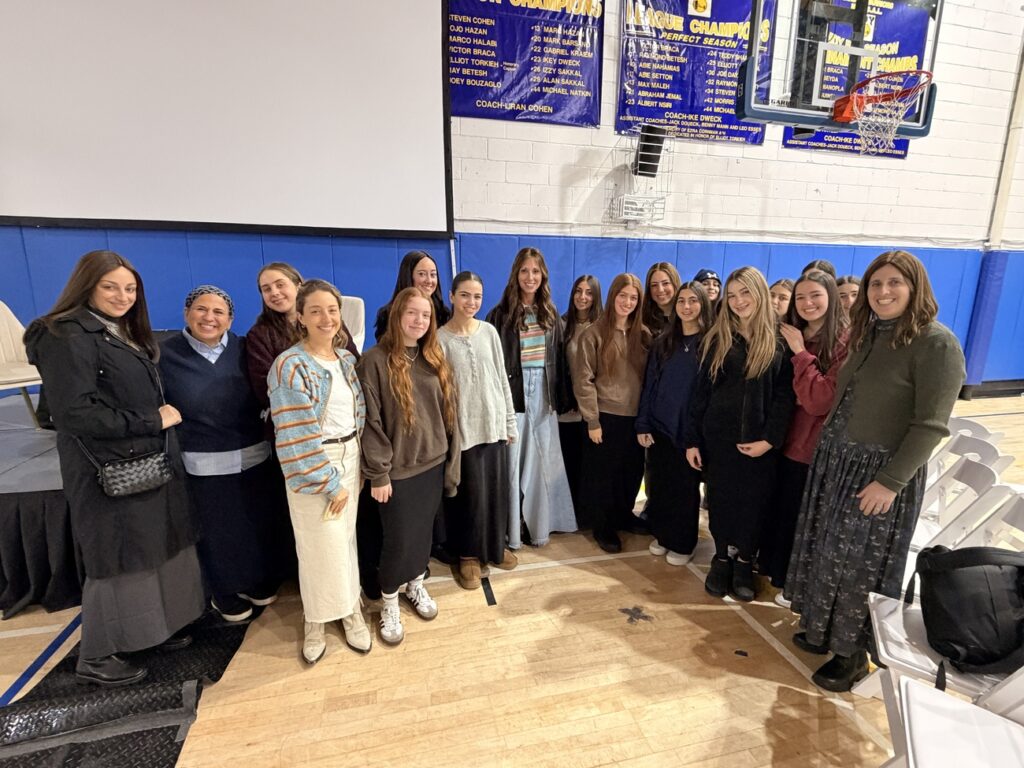
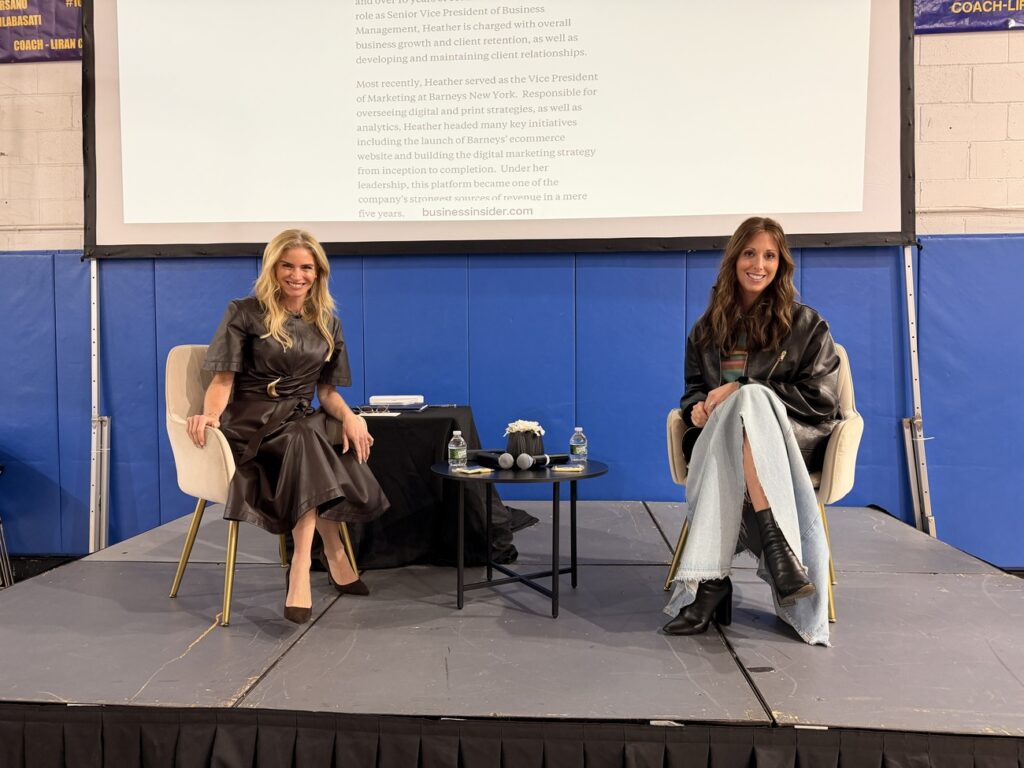
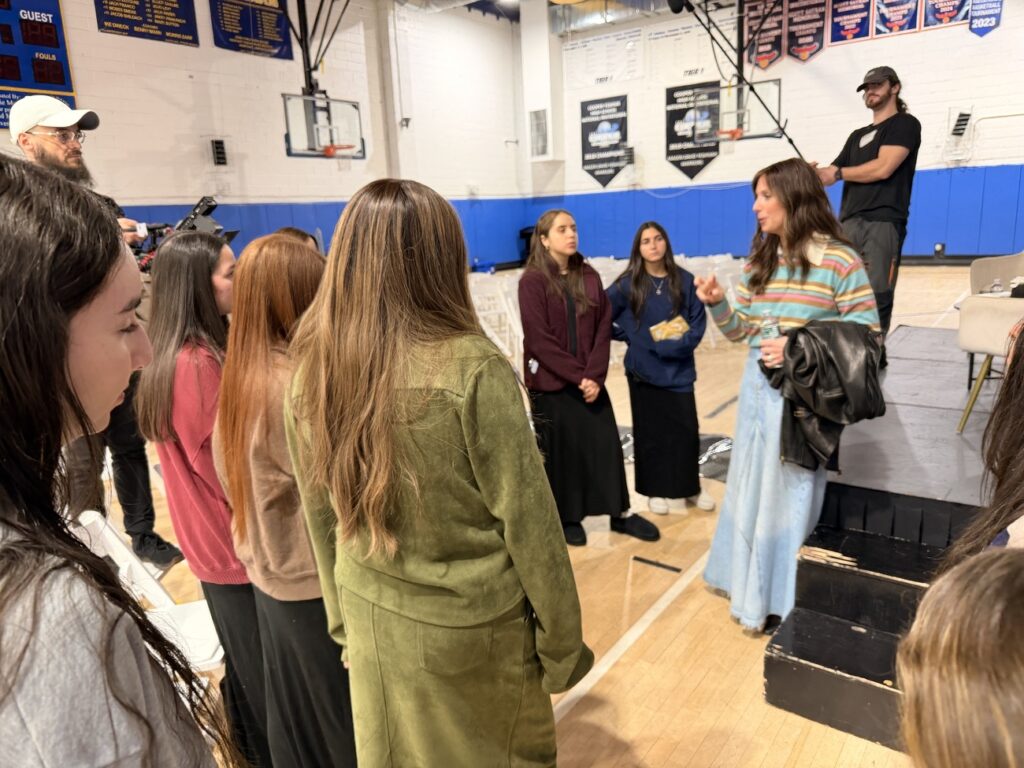
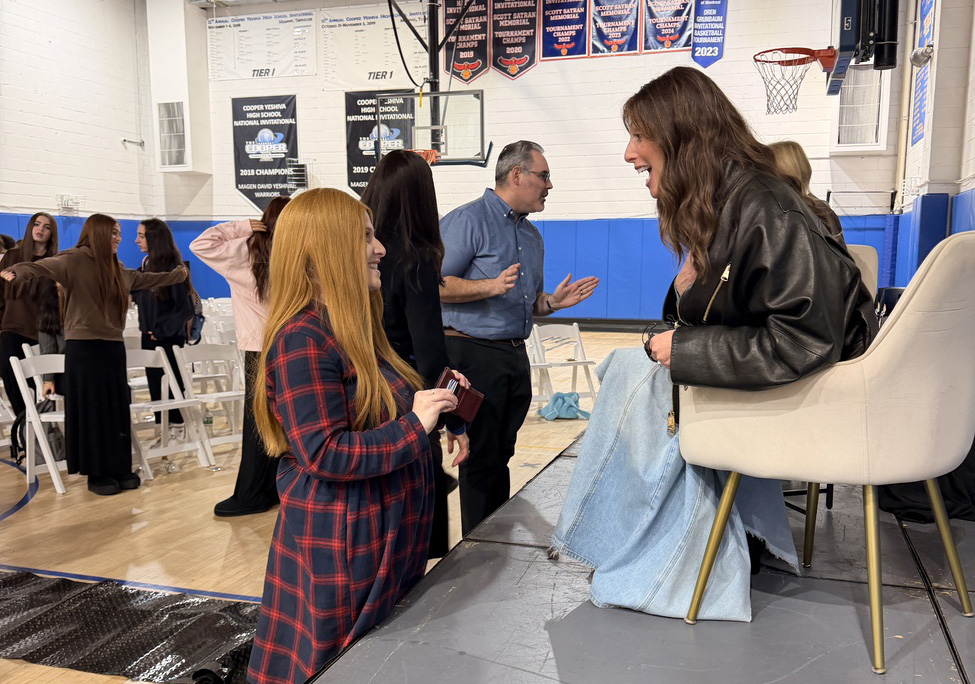
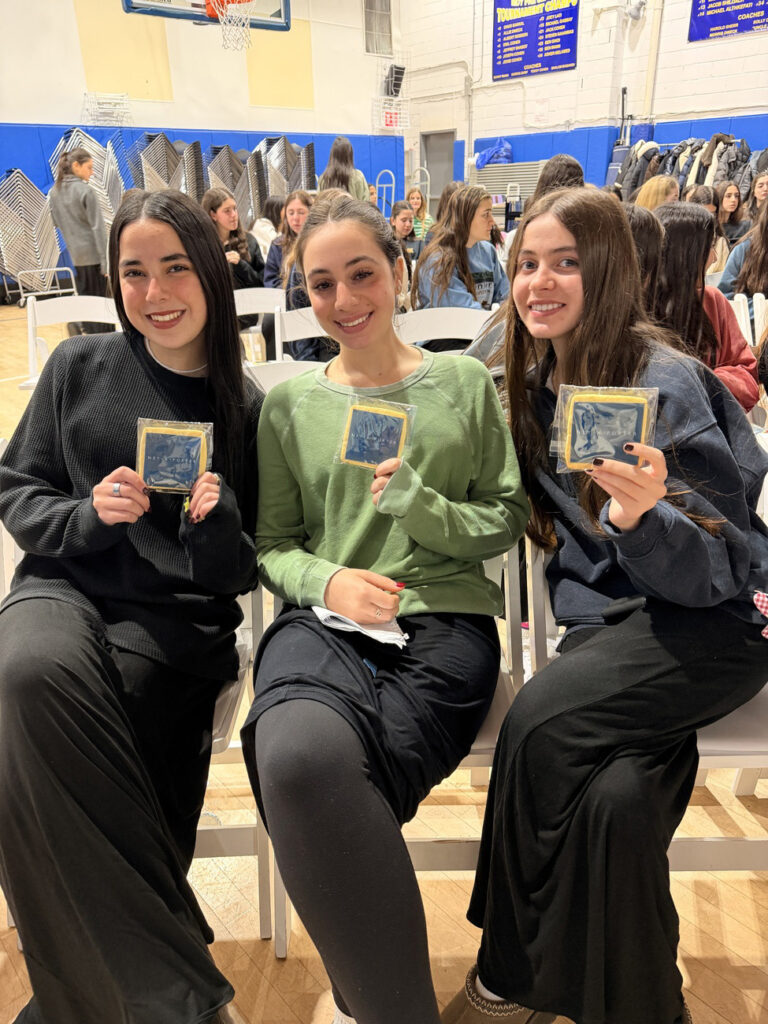
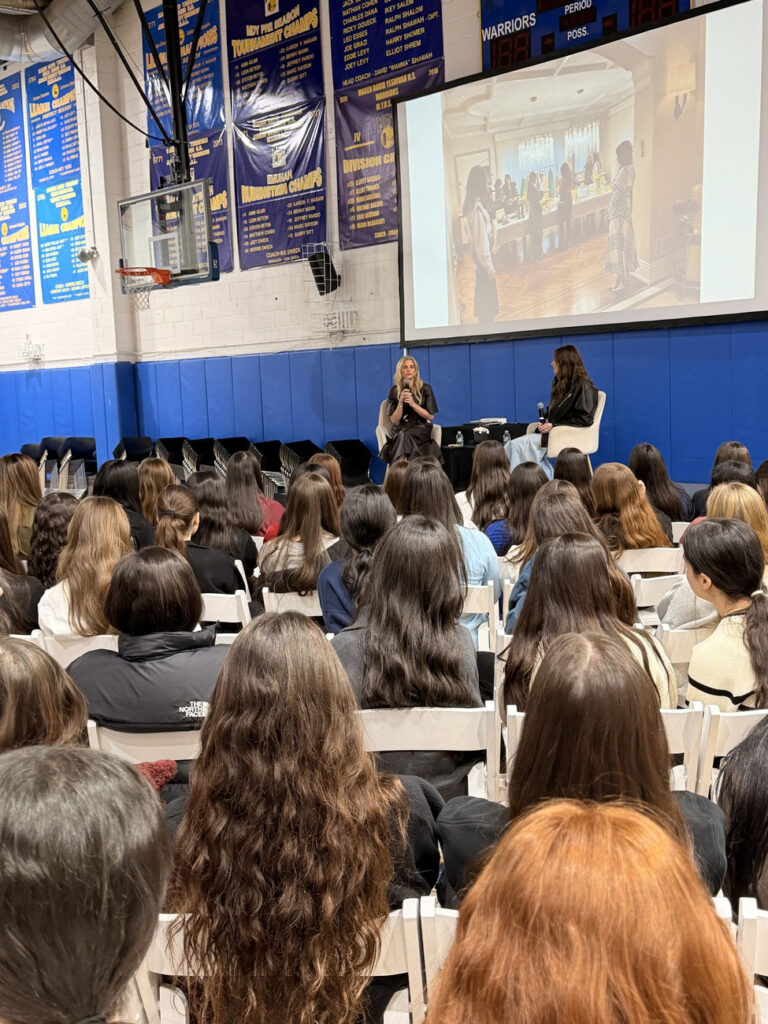
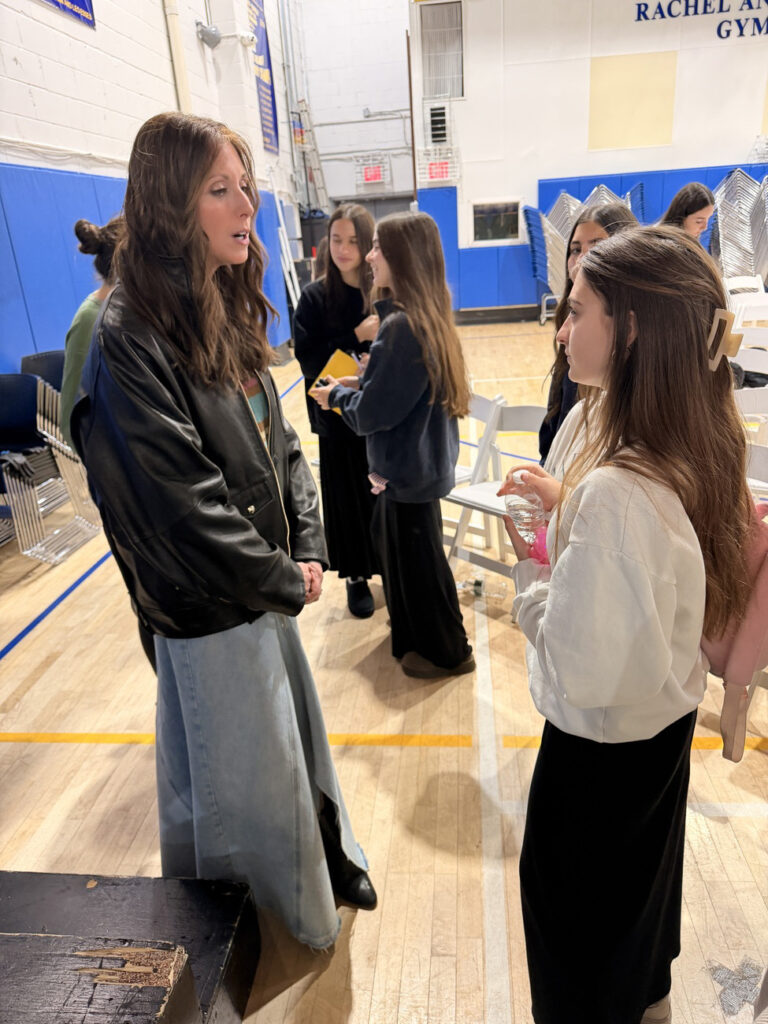
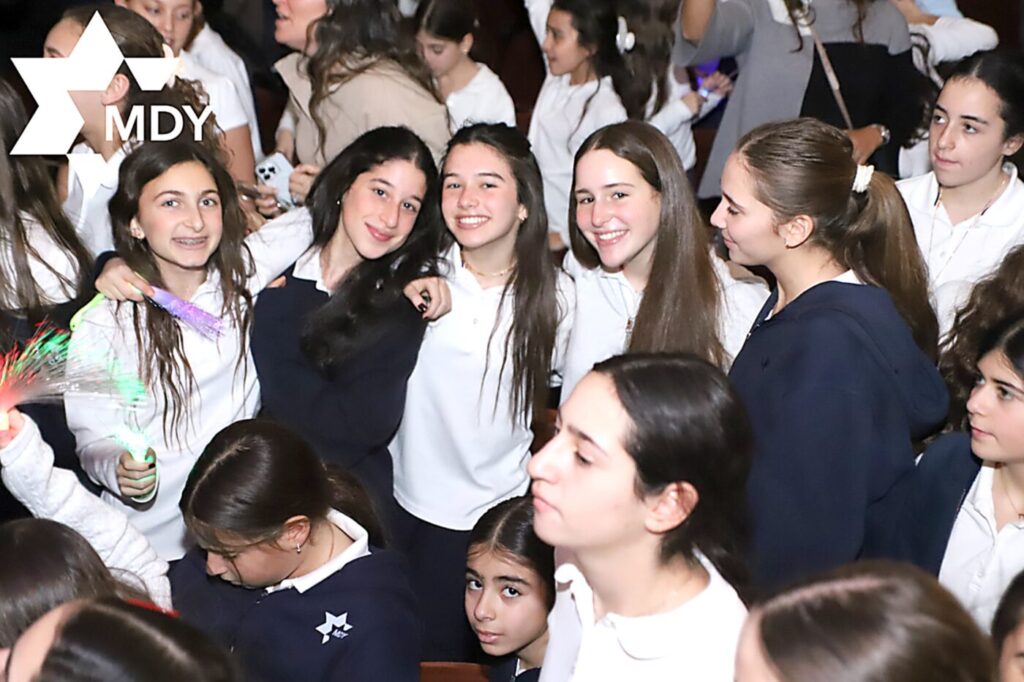
Magen David Yeshivah High School was honored to welcome Heather Kaminetsky, CEO of Net-a-Porter, for a meaningful schoolwide program for all of our girls, thoughtfully moderated by President Gladys Haddad.
Ms. Kaminetsky shared her remarkable professional journey leading a global luxury fashion company. Yet what resonated most deeply was her openness about the fullness of her life beyond the boardroom, as a mother, wife, and grandmother, and how those roles have shaped her leadership style.
She spoke candidly about the importance of asking for help and never being afraid to raise your hand when opportunity arises. She credited her husband’s unwavering belief in her, sharing how his support at home made it possible for her to step into leadership with confidence. She emphasized that parenting has strengthened her ability to manage, coach, and lead teams, teaching her patience, empathy, accountability, and the importance of developing others.
Ms. Kaminetsky reflected on how her children grew more proud of her work as they got older, and how her dedication encouraged them to work hard and take pride in their own efforts. She shared a powerful message rooted in faith and integrity, always do the right thing, and Hashem will take care of the rest.
The conversation also explored the reality of leadership and growth. Ms. Kaminetsky encouraged students to embrace risk and imperfection, sharing her belief in “leaving twenty percent room for failure,” because without failure, there can be no growth. She spoke honestly about commitment, explaining that success requires making things work even when it feels difficult.
When discussing balance, Ms. Kaminetsky offered a refreshing perspective. She shared that she does not love the word “balance,” because some days one priority must take center stage over another. What matters, she explained, is clarity and boundaries. She noted that she is “always on, always, except for Shabbos and holidays,” boundaries she set early in her career and made clear were non-negotiable.
Throughout the discussion, students and teachers alike were inspired by her authenticity, strength, and grounded sense of purpose. Ms. Kaminetsky’s message was clear, leadership, ambition, family, faith, and values are not mutually exclusive. You can build a meaningful career while staying deeply committed to who you are.
We are grateful to Ms. Kaminetsky for sharing her wisdom and lived experience, and to President Gladys Haddad for guiding such a thoughtful and impactful conversation. Programs like this empower our girls to envision futures defined by confidence, integrity, and possibility.

Tu BiShvat for Our Time

The Stewardship Paradigm
Rabbi Lord Jonathan Sacks zt”l
Few texts have had a deeper influence on Western civilization than the first chapter of Bereishit, with its momentous vision of the Universe coming into being as the work of G-D. Set against the grandeur of the narrative, what stands out is the smallness, yet uniqueness, of humans, vulnerable, but also undeniably set apart from all other beings.

The words of the Psalmist echo the wonder and humility that the primordial couple must have felt as they beheld the splendor of creation: “When I consider Your heavens, the work of Your fingers, the moon and the stars, which You have set in place, what is humanity that You are mindful of it, the children of mortals that You care for them? Yet You have made them little lower than the angels and crowned them with glory and honor.” (Tehillim 8:3-5)
The honor and glory that crowns the human race is possession of the Earth, which is granted as the culmination of G-D’s creative work: “Be fruitful and multiply, fill the earth and subdue it.” This notion is fortified in Tehillim 115: “The heavens are the Lord’s heavens, but the earth G-D has given to humanity.” While the creation narrative clearly establishes G-D as Master of the Universe, it is the human being who is appointed master of the earth.
Grappling with the challenging notion of humans as divinely ordained owners and subduers of the earth, we come face to face with the fundamental questions of our place in the Universe and our responsibility for it. A literal interpretation suggests a world in which people may cut down forests, slaughter animals, and dump waste into the seas at their leisure, much like we see in our world today.
On the other hand, as Rav Kook, first Chief Rabbi of Israel, writes, any intelligent person should know that Bereishit 1:28 “does not mean the domination of a harsh ruler, who afflicts his people and servants merely to fulfill his personal whim and desire, according to the crookedness of his heart.” Could G-D have really created such a complex and magnificent world solely for the caprice of humans?
Bereishit chapter 1 is only one side of the complex biblical equation. It is balanced by the narrative of Bereishit chapter 2, which features a second Creation narrative that focuses on humans and their place in the Garden of Eden. The first person is set in the Garden “to work it and take care of it.”
The two Hebrew verbs used here are significant. The first, le’ovdah, literally means “to serve it.” The human being is thus both master and servant of nature. The second, leshomrah, means “to guard it.” This is the verb used in later biblical legislation to describe the responsibilities of a guardian of property that belongs to someone else. This guardian must exercise vigilance while protecting, and is personally liable for losses that occur through negligence. This is perhaps the best short definition of humanity’s responsibility for nature as the Torah conceives it.
We do not own nature. “The earth is the Lord’s and the fullness thereof.” (Tehillim 24:1) We are its stewards on behalf of G-D, who created and owns everything. As guardians of the earth, we are duty-bound to respect its integrity.
The mid-19th century commentator Rabbi Samson Raphael Hirsch put this rather well in an original interpretation of Bereishit 1:26, “Let us make the human in our image after our own likeness.” The passage has always been puzzling, since the hallmark of the Torah is the singularity of G-D. Who would G-D consult in the process of creating humans?
The “us,” says Hirsch, refers to the rest of Creation. Before creating the human, a being destined to develop the capacity to alter and possibly endanger the natural world, G-D sought the approval of nature itself. This interpretation implies that we would use nature only in such a way that is faithful to the purposes of its Creator and acknowledges nature’s consenting to humanity’s existence.
The mandate in Bereishit 1 to exercise dominion is, therefore, not technical, but moral. Humanity would control, within our means, the use of nature toward the service of G-D. Further, this mandate is limited by the requirement to serve and guard as seen in Bereishit 2. The famous story of Bereishit 2 to 3, the eating of the forbidden fruit and Adam and Chavah’s subsequent exile from Eden, supports this point.
Not everything is permitted. There are limits to how we interact with Planet Earth. The Torah has commandments regarding how to sow crops, how to collect eggs, and how to preserve trees in a time of war, just to name a few. When we do not treat Creation according to G-D’s will, disaster can follow.
We see this today as more and more cities sit under a cloud of smog and as mercury advisories are issued over large sectors of our fishing waters. Deforestation of the rainforests, largely a result of humanity’s growing demand for timber and beef, has brought on irrevocable destruction of plant and animal species.
We can no longer ignore the massive negative impact that our global industrial society is having on the ecosystems of the Earth. Our unbounded use of fossil fuels to fuel our energy intensive lifestyles is causing global climate change. An international consensus of scientists predicts more intense and destructive storms, floods, and droughts resulting from these human induced changes in the atmosphere. If we do not take action now, we risk the very survival of civilization as we know it.
The Midrash says that G-D showed Adam around the Garden of Eden and said, “Look at My works! See how beautiful they are, how excellent! For your sake I created them all. See to it that you do not spoil and destroy My world, for if you do, there will be no one else to repair it.”
Creation has its own dignity as G-D’s masterpiece, and though we have the mandate to use it, we have none to destroy or despoil it. Rabbi Hirsch says that Shabbat was given to humanity “in order that he should not grow overweening in his dominion” of G-D’s creation. On the Day of Rest, “he must, as it were, return the borrowed world to its Divine Owner in order to realize that it is but lent to him.”
Ingrained in the process of creation and central to the life of every Jew is a weekly reminder that our dominion of Earth must be l’shem shamayim, in the name of Heaven.
The choice is ours. If we continue to live as though G-D had only commanded us to subdue the Earth, we must be prepared for our children to inherit a seriously degraded planet, with the future of human civilization put into question. If we see our role as masters of the Earth as a unique opportunity to truly serve and care for the planet, its creatures, and its resources, then we can reclaim our status as stewards of the world, and raise our new generations in an environment much closer to that of Eden.

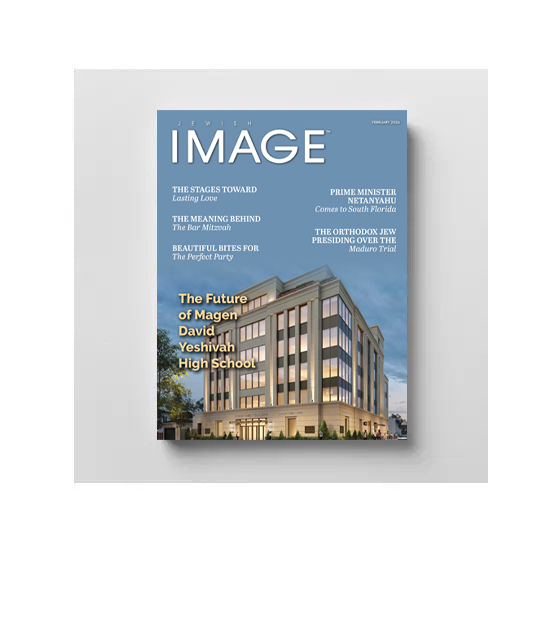
Read Jewish Image Magazine Online – February 2026

Calvinism and Capitalism

The Torah’s Perspective on Economic Growth
Rabbi Lord Jonathan Sacks ZT”L
Here is the problem. To avoid recession, we have to give the economy a boost, which means spending more, which means borrowing more, which means higher levels of debt, which is what got us into trouble in the first place.

To put it the other way: in many Western economies individuals and governments have built up unsustainable levels of debt. To reduce them they must spend less and save more, which means lower consumer demand, lower government expenditure, lower employment and lower profits, which involves more need for state support, which is where we came in. Whatever economics is, it isn’t simple.
Part of the problem is that economics is not physics. It’s not about matter in motion. It’s about human beings, and humans are not simple. They have a history. One generation is not like the next. The people who create economic growth are often not the ones who enjoy it.
The German sociologist Max Weber famously argued that it was “the Protestant ethic,” Calvinism in particular, that gave rise to “the spirit of capitalism.” It combined three attitudes essential for the emergence of a new order. First it saw work as a vocation and a way of serving G-d. Second it frowned on luxuries and celebrated thrift. Third it saw earthly success as a sign of Divine favor.
The result was a whole class of wealth creators, Benjamin Franklin was the role model, who worked hard, saved and invested, fueling a revolution in production in England and the United States. Hence the paradox: It was not consumerism that led to wealth-creation but its opposite, Puritanism.
We can go deeper. In a memorable research exercise, the 1972 Stanford Marshmallow Experiment, four-year-old children were presented with a test. They were offered a marshmallow, but told that if they waited twenty minutes before eating it, they would receive an additional one.
It was a neat and excruciating trial. Some of the children gave in to temptation immediately. Others did all they could to fight it. They closed their eyes, turned around, or even stroked the marshmallow, pretending it was a pet. Roughly a third succeeded in waiting the twenty minutes and received their reward.
Simple enough, but what made the test a classic of its kind was that a series of follow-up studies was done of the children, years later. It turned out that their behavior at age four was a highly accurate predictor of their later success in life. The children able to resist the temptation were, ten and even thirty years later, psychologically better adjusted, more dependable, scored higher grades in school and college and had more success in their careers. The differences were measurable over a lifetime. Success depends on impulse control, the ability to delay gratification, which is precisely what a consumerist culture undermines. At every stage, the emphasis is on the instant gratification of instinct, the must-have handbag, the new generation smartphone, next year’s designer trainers. In the immortal words of the pop group Queen, “I want it all and I want it now.”
Worst of all, our children are being groomed to be mini-consumers. They are being taught by every siren signal of our culture that they are entitled to the marshmallow without delay. A whole culture is being infantilized.
The best commentary on all this was given by Moses in the book of Deuteronomy. He is addressing the next generation, the children of those who had been liberated from slavery. He tells them, surprisingly, that the real trial is not poverty but affluence. Affluence dulls the senses. It makes you forget where you came from. You start taking prosperity for granted, not realizing how vulnerable it is. Bad things begin to happen. Inequalities grow. The social bond becomes weak. The nation forgets who it is and why.
Moses therefore restates a series of commands designed to teach the Israelites how to control their impulses and safeguard the future. Rest every seventh day. Cancel debts every seventh year. Place spiritual, not material, values at the heart of society. Fight poverty. Pursue justice. Treat employees decently. Care for the widow, the orphan and the stranger. Ensure that everyone has dignity. Deuteronomy is not about short term growth but about long term sustainability.
Ultimately, the wealth of nations depends on more than economics. It depends on the degree to which a culture teaches us to act today for the sake of blessings tomorrow, a hard lesson but a necessary one. q

How to Spot a Great Real Estate Deal Before Anyone Else

Great real estate deals come in all shapes and sizes. Some people are hunting for their first home. Others are searching for a multifamily building, a mixed use property, or a small storefront that can generate steady income. No matter what the goal is, the best opportunities rarely sit around waiting. They move fast because the price is right, the numbers make sense, or the location has clear potential. The people who catch these deals early are not lucky. They are paying attention to signs that others overlook.

Before you dive into listings of any kind, it helps to understand why certain properties stand out. Every home, building, or store has a story behind its price, its layout, and the seller’s timeline. When you learn how to read between the lines, you can tell when an opportunity is worth acting on quickly or when there is hidden value waiting to be uncovered.
Price history is one of the easiest places to start. A sudden drop on a one family home can signal a motivated seller, but the same is true for a vacant retail space or a six unit building that has sat for a while. Investors study these patterns closely. A building that has been reduced twice in a short period may be open to negotiation. A commercial space listed below similar properties on the same block often reflects an owner who wants to fill it without delay. Meanwhile, a property that has stayed at the same price for months in a busy market deserves a closer look, since some owners will accept a solid offer from someone ready to move forward without drama.
Reading listings carefully can reveal even more. Real estate agents often use certain phrases when discussing value without spelling everything out. A home described as “needs updating” may look tired, yet the bones might be strong and the mechanicals newer. A mixed use property that says “bring your vision” often means the seller chose not to renovate before listing, which can create a price gap large enough for a buyer to add value. Even a commercial building that mentions “tenant improvement allowance” can be a sign that the owner is eager to fill the space and is willing to negotiate.
Photos also tell a story beyond the surface. A limited number of pictures on a residential listing sometimes means the seller was in a rush, but the same situation with a warehouse or small store can indicate a fast moving deal. When you see only a few photos for a property in a prime area, reach out right away. Many investors jump on listings that appear undervalued simply because they were posted quickly without polish.
Location plays a major role when spotting opportunities in both residential and commercial markets. A house priced slightly below the block average is not always a red flag. It could be close to stronger streets or near planned development. The same applies to an older mixed use building with steady foot traffic nearby. Buyers who take the time to walk the area, talk to local owners, and visit at different hours get a much clearer picture than those who rely only on maps or online reviews. Small stores near new housing projects, expanding colleges, or busy transit stops often pick up value faster than people expect.
Activity level is another early warning sign that a property will move fast. Agents say that a spike in showing requests during the first day signals strong interest. This is true for homes being listed by young families and also for investors looking at a four family building. A commercial broker in Queens noted that if she gets more than a dozen calls for a retail space before the first weekend, she alerts her clients that they should act as soon as they feel comfortable with the numbers.
Timing helps uncover deals too. Properties that hit the market right before a holiday weekend or during a slow stretch of the year sometimes get overlooked at first. If you check new listings daily and pay attention to off peak moments, you can catch opportunities before they rise to the top of search results.
Finally, trust the details that make your instincts react. A solid inspection report on a home, clean financials on a small apartment building, or a long standing tenant in a storefront can signal a safer investment. The best deals often feel balanced. The price makes sense, the property has potential, and the seller is ready for the next step. When those pieces line up, you know it is worth moving quickly.
Spotting a great real estate deal is not about luck. It is about patience, awareness, and the willingness to look deeper than the listing. When you understand the early signs that a property is worth a closer look, you place yourself ahead of the crowd and open the door to opportunities before anyone else notices them.

Going Away Without Losing Yourself

How to Stay Healthy on Vacation and Still Truly Enjoy It

Laura SHAMMAH MS, RDN

Whether you’re boarding a plane, packing the car for a few days away, or just planning family day trips close to home, getting away is a gift. And if you’re lucky enough to travel, enjoy it. If travel isn’t in the cards right now but you’re making memories locally, that counts just as much.

Vacation doesn’t need to be an all-or-nothing experience. You don’t have to throw out every habit that makes you feel good, and you also don’t need to be rigid or “perfect.” The goal is simple. Feel good in your body while fully enjoying the experience.

Travel Days Matter More Than We Think
How you treat your body on travel days often sets the tone for the whole trip. If you can, prepare ahead. Bringing a meal with protein, like a salad with tuna or a grilled chicken wrap, can make a huge difference. Pack snacks you actually enjoy, and throw in some cut-up veggies as a backup. Hunger plus travel stress rarely leads to great choices.
No time to prep? That’s okay. Picking up a healthy meal from a restaurant the day before your flight can be a lifesaver. You’ll thank yourself when hunger hits midair.
Airports have come a long way. Even if you didn’t prepare, you can usually find solid options like oatmeal cups, Greek yogurt, nuts, fruit, or protein bars. Hydration is non-negotiable. Drink water before, during, and after your flight. A simple trick is to buy two large water bottles at the airport and aim to finish them before landing. It helps with energy, digestion, and jet lag.
Alcohol on flights may feel relaxing in the moment, but it adds to dehydration and fatigue. Skipping it often makes for a much better arrival. Don’t forget to move. Sitting upright for hours isn’t ideal for the body. Stand up, stretch, and walk the aisle every hour or so. A little movement and hydration go a long way.

Why Vacations Trigger
“All or Nothing” Thinking
For many people, vacation flips a mental switch. Suddenly it feels like a green light to overindulge, and all the reasons you wanted to eat in a way that supports your health disappear. You don’t need to choose between enjoying your vacation and feeling good in your body. You can do both.
How to Stay Grounded With Food
Without Missing Out
Start your day with breakfast. Even though vacation schedules look different, skipping the first meal often leads to feeling out of control later. At a resort, enjoy the breakfast buffet and focus on fruit, whole grains, protein, and healthy fats like whole-wheat toast, eggs, and avocado.
Give yourself permission to indulge once a day. Vacation is meant for special moments. Maybe it’s a warm croissant from a bakery in Paris, or stopping for ice cream with your kids on a road trip. Eat it slowly. Savor it. Enjoy it without guilt. One intentional indulgence feels very different than mindless grazing all day.
Walk as much as you can. Exploring a city, museum, boardwalk, or beach is movement that doesn’t feel like exercise. If something is within a mile, walk there. Pack comfortable shoes and let movement be part of the experience.
Find fun ways to move. Not every activity needs to revolve around food. Play volleyball on the beach. Go for a hike. Take a bike tour. Paddleboard. Walk through a museum. Play a round of golf. Movement keeps energy up and helps you stay connected to your body without feeling like a workout obligation.
Stay hydrated throughout the day. Traveling, heat, and busy schedules make dehydration common. Bring a water bottle with you and refill it often. Many people mistake dehydration for hunger or fatigue. If you’re shopping for food at your destination, make a simple list first. It keeps you focused and helps you buy foods that make you feel good, without overthinking it.
Plan lightly, not rigidly. Try to stick to your usual eating rhythm when possible. Packing snacks, fruit, or a simple meal for the beach or a long day out helps you stay steady and prevents extreme hunger.
And finally, relax. Truly. Between flights, jet lag, new environments, and family dynamics, travel can be exhausting. Stress and lack of sleep raise cortisol and increase cravings. Take deep breaths. Rest when you can. Be gentle with yourself.
Vacations go by quickly. Focus on connection, laughter, movement, and moments that have nothing to do with food. Every meal and every choice is simply another opportunity for self-care, not perfection. Enjoy your time away. That’s the whole point.

Patient Advocacy

The Urgent Need for Expertise With Medical Issues

Ralph Rose

Rabbi Abram was admitted to a local hospital to take care of a gallstone. The entire procedure was to be no longer than an hour, two tops. Five hours later the family was called and told that the rabbi was near death. During the procedure a stent in his heart was shredded and he was now on life support. A week later he was gone and the family was shocked and devastated.
Miriam was recommended to a “five star” rehabilitation facility after undergoing knee surgery. Every day she waited for the physical therapist to come and evaluate her so that they could get started doing the necessary exercises to strengthen her leg so she could walk well again. Days came and went and the PT did not show. First she was told that she couldn’t start because of her high pain level and that she needed to get stronger. After a week and a half she told the staff that she was in much less pain and feeling better. Still the PT did not show. When her nephew came to visit her he was told that the PT that specialized in knee recovery had left the home and that they were still looking for a replacement. It took another two weeks before Miriam started her therapy which was very disappointing. She was bitter and disheartened by the whole affair and wondered how she could have avoided all of the difficulties she encountered.
Chaim was a very independent 75 year old who had no family that lived nearby. After being hospitalized for pneumonia he was discharged back home with the understanding that a nurse would come to evaluate his physical needs and to assign whatever specialists would be appropriate to help him get back on his feet. Once home Chaim found out that the agency that was assigned his case no longer took his insurance. The hospital social worker who was handling his discharge needs said that she would find him another homecare agency but a week later he was still waiting and without help or support. He was told that the first agency had not released his case so a new one could not pick it up. In the meantime, Chaim fell in his home and badly wounded his leg. By the time a registered nurse came to check on him he was in poor condition and had a third degree wound that was in urgent need of attention.
It used to be that going to a hospital or a nursing facility meant a patient was going to be assessed for their presenting symptoms. There would also be an evaluation of any other comorbid conditions. Then the medical team would create a comprehensive plan on how to achieve the best health outcomes and the patient would be closely monitored to insure that these goals were met. This is no longer the case. For whatever the reason there are far too many cases of people going in for minor surgeries and not coming home. Patients who are getting hurt in long term care facilities with no one willing to take responsibility for the matter. There are too many people who are entitled to home care services that are receiving little to poor care.
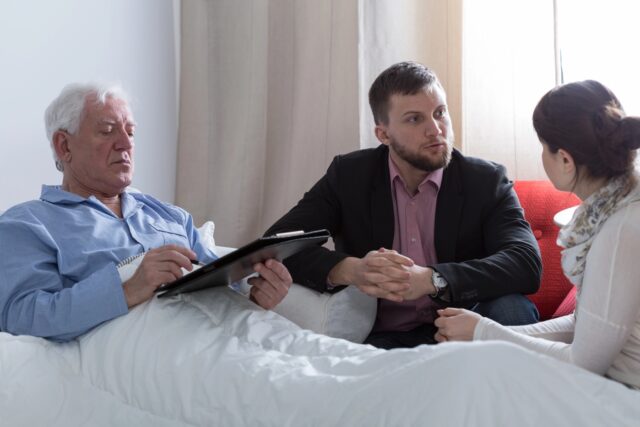
Med-Aid is an organization designed to help you and your loved ones get the best, most efficient care in your most vulnerable time.The staff has over 35 years of experience dealing with these medical bureaucracies and forging positive outcomes. Don’t delay. Call Lisa at 917 754-6278 and set up your free consult.

Energy-Boosting Breakfasts for Cold Mornings

Cold mornings have a way of slowing everything down. The alarm rings, but the bed feels warmer than usual, and stepping into the day takes a little extra effort. Winter has a rhythm of its own, and our bodies feel that shift. A warm breakfast becomes more than a meal. It becomes a small comfort that helps you wake up, gather your energy, and move forward with a clearer mind.

People often look for breakfast ideas that offer both comfort and steady fuel once the temperatures drop. Hot dishes feel especially appealing because they warm you from the inside and keep you satisfied longer. Nutrition experts often point to a simple formula for winter mornings. Combine complex carbs for slow-burning energy, protein for fullness, and healthy fats for staying power. This balance can help you avoid the mid-morning crash and stay focused through school, work, or errands.
Many winter ingredients naturally fit this approach. Sweet potatoes provide steady energy and natural sweetness. Eggs offer reliable protein and pair well with vegetables. Warm grains like quinoa become a filling base when mixed with fruit or nuts. Even classic vegetables take on a cozy feel when cooked in the morning. These ingredients hold up well in colder months, and they can be prepared in simple ways that do not require much time.
What people appreciate most during winter is ease. Mornings tend to feel busy, so practical recipes become important. A tray of roasted sweet potatoes can double as breakfast for several days. A scramble or frittata can be made in minutes and customized for different tastes in the family. A warm quinoa bowl works well for adults and teens who want something lighter but still filling. These dishes can be flavored with spices, fruit, or leftover vegetables, which makes them both flexible and appealing.
Warm breakfasts also do something calming. Studies show that hot meals help the body relax and ease into the day. There is comfort in holding a warm bowl or plate, especially when the air outside feels sharp. That small routine shifts your mood and gives you a sense of grounding. When you choose ingredients with fiber and protein, you get that comfort without feeling weighed down. You simply feel ready. To help bring this idea into your kitchen, here are four recipes that work well for cold mornings.

Sweet Potato and Cinnamon Breakfast Bake
Parve
Serves: 4

Ingredients:

  • 2 large sweet potatoes, peeled and cubed
  • 2 tbsps olive oil
  • 2 tbsps maple syrup
  • 1 tsp cinnamon
  • ½ tsp salt
  • ¼ tsp black pepper
  • ½ cup chopped pecans or walnuts (optional)

Instructions:
Preheat the oven to 400°F. Toss the sweet potato cubes with olive oil, maple syrup, cinnamon, salt, and pepper. Spread them on a baking sheet lined with parchment. Roast for about thirty minutes, stirring halfway, until the potatoes are tender and lightly browned. Sprinkle nuts on top if you want extra crunch. Serve warm as a hearty, naturally sweet winter breakfast.

Mushroom Spinach Scramble
Dairy
Serves: 2

Ingredients:

  • 4 eggs
  • 1 cup sliced mushrooms
  • 1 cup fresh spinach
  • 2 tbsps butter
  • ¼ tsp salt
  • ¼ tsp pepper
  • ¼ cup shredded mozzarella or feta

Instructions:
Melt the butter in a pan over medium heat. Add the mushrooms and cook until they soften and start to brown. Add the spinach and stir until it wilts. In a bowl whisk the eggs with salt and pepper. Pour the eggs into the pan and cook gently, stirring until they set. Sprinkle in the cheese at the end and cook just long enough for it to melt. Serve warm with toast or a whole grain side.

Warm Quinoa Breakfast Bowl with Fruit
Parve
Serves: 2

Ingredients:

  • 1 cup cooked quinoa
  • ½ cup almond milk or water
  • 1 tbsp honey
  • 1 tsp vanilla
  • ½ cup fresh berries or diced apple
  • ¼ cup chopped almonds
  • Small pinch of salt
    Instructions:
    Place the cooked quinoa in a small pot with the almond milk, honey, vanilla, and salt. Warm over low heat until heated through and slightly creamy. Divide into two bowls and top with fruit and almonds. This bowl offers steady energy without feeling heavy.

Savory Potato and Onion Frittata
Parve or Dairy (depending on whether you add cheese)
Serves: 4

Ingredients:

  • 6 eggs
  • 1 large potato, peeled and diced
  • 1 small onion, diced
  • 2 tbsps olive oil
  • ½ tsp salt
  • ¼ tsp pepper
  • Optional: ½ cup shredded cheese for dairy version

Instructions:
Preheat the oven to 375°F. Heat the olive oil in an oven-safe pan. Add the potatoes and cook until they begin to soften. Add the onions and cook until everything is golden. In a bowl whisk the eggs with salt and pepper. Add cheese if you want a dairy version. Pour the egg mixture over the potatoes and onions. Let it cook for a minute on the stove, then place the pan in the oven. Bake for about fifteen minutes until the frittata is set. Allow it to cool for a few minutes before slicing.

A warm breakfast does more than fill you up. It gives you a calm moment before the day begins and the steady energy you need to face the cold. Even small changes in your morning routine can make winter feel a little brighter and a lot more manageable.

Yom Kippur in the Hospital

Rabbi Meir Chaim ZT”L and Rivkah Brikman

A Bond Beyond Backgrounds, when a Hospital Room Became a Chabad House

It was Yom Kippur night in a New York hospital. The sterile walls, the steady beeping of monitors, and the dim fluorescent lights seemed an unlikely place for holiness. Yet for those gathered, the space slowly transformed into a sanctuary.

A week before Rosh Hashanah, Rabbi Meir Chaim and Rivkah Brikman, Chabad Shluchim in Seagate/Coney Island, found themselves in Boro Park’s Maimonides Hospital. By Yom Kippur, the Rabbi remained admitted for medical care. At his side sat his devoted Rebbetzin, his wife, who never left him for a moment.
Into this setting came Chaya and her husband Yoshi, who had traveled from South Jersey to be with them. While they stayed at a daughter’s home nearby, their true destination was the Rabbi’s bedside, where they brought warmth, companionship, and the atmosphere of the holiest day of the year into the hospital ward. Yoshi, more brother than friend, and Chaya, more sister than friend, stood at the Rabbi’s side, determined to help fill the room with strength and spirit.
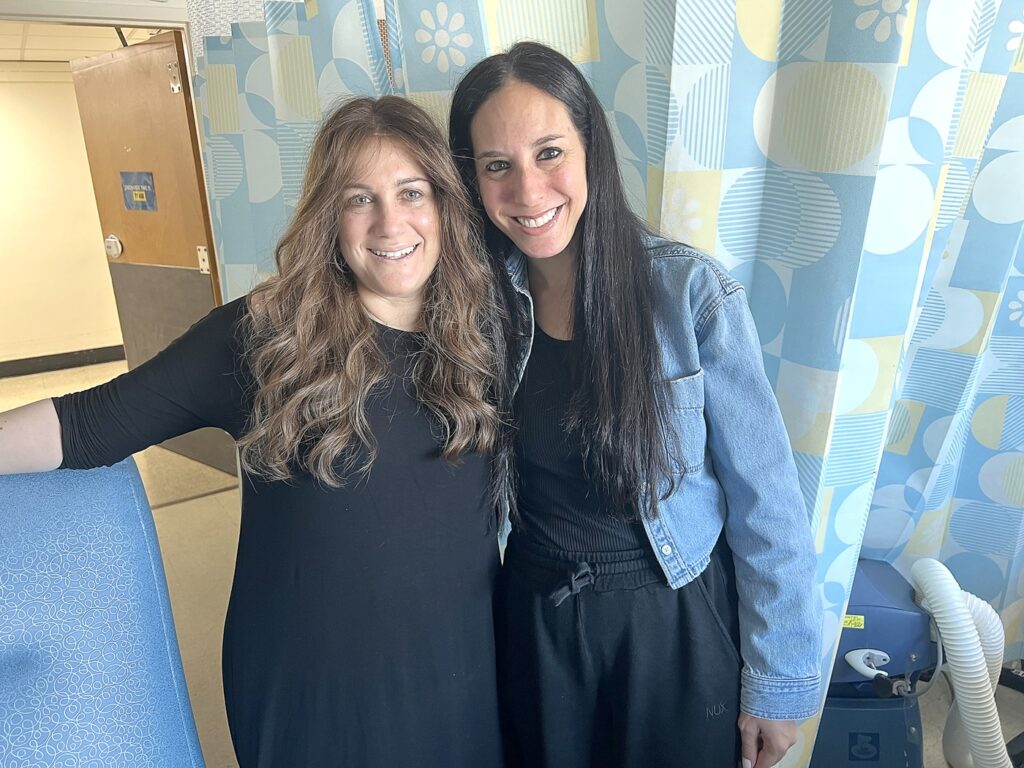
Across the hall, another family, the Yaron family, kept vigil. A Sephardic wife and mother together with her two daughters attended to their husband and father through his own medical struggle. Their accents were different, and their prayers carried Sephardic melodies. Their minhagim (customs) belonged to another tradition entirely. Yet none of that mattered. It was Yom Kippur, the day of unity, forgiveness, and shared hope that the G’zar Din (Heavenly decree) might be sweetened.
Soon, the walls of difference began to dissolve. The two families crossed the corridor, sharing whispered wishes for healing, trading stories, and offering one another comfort. The Rebbetzin’s soft words gave the mother strength, while Chaya and Yoshi brought moments of lightness that eased the daughters’ fears. The Rabbi, though weak, joined in the tefillos (prayers), showing what true perseverance in prayer looks like.
Then the Rebbetzin’s brother, Leiby, walked in from Crown Heights. He opened a Machzor (High Holiday prayer book) and began leading the Yom Kippur Mincha (afternoon prayer) with familiar Chabad songs. The sound carried down the hallway, mingling with Sephardic responses and the quiet “Amens” of those who gathered. What should have been an ordinary hospital ward became something else entirely, a sanctuary alive with prayer and song.
By the time the Neilah (closing prayer) was finished and the fast drew to a close, everyone had gathered in the room for the sounding of the shofar (ram’s horn). In that moment, the transformation was complete. Two families from two different worlds had become one. The hospital corridor had witnessed the true essence of Yom Kippur, forgiveness, unity, and the stripping away of all barriers.
That small hospital room, with IV bags, monitors, and whispered prayers, had turned into something remarkable. It had become a mini Chabad House, where Jews of different backgrounds discovered brotherhood, comfort, and the presence of the Shechinah (Divine Presence).
Meir ben Lina and Rabbi Meir Chaim ben Baruch Bentzion have now passed. They left their families with a beautiful friendship that began in the hospital and continues to blossom, together with Yoshi and Chaya Wolhendler.

Presence Over Product

The Jewish Heritage Museum. Yad and scroll of the Book of Esther. Padua. Italy.

The Value of Showing Up

Rabbi Meyer Laniado

At a Sephardic Rabbinical Conference this summer, I noticed a former congregant sitting across the room. I wondered why he was there. He wasn’t a rabbi, and he wasn’t on the panel or the program. During lunch, he approached me with a bright smile and said, “Rabbi, you won’t believe this…” I could not imagine what he was about to say.

I remembered that he once asked me if he could read the Torah, as it was his Bar Mitzvah perasha that week. His reading, while musical, was imprecise. The next time he asked to read the Torah, I told him he would first need to invest in improving his reading. I offered to work on it with him if he came early on Shabbat afternoon. He hesitated at first, but ultimately accepted the offer. Week after week, he practiced and improved. Eventually, I invited him to lead Minha, and later, he became a semi-regular reader of the Torah in our minyan, reading beautifully and accurately. Then he had a baby, and moved to the suburbs.
A few months later, I received the following message from him:
“I wanted to let you know, the minyanim are really starting to turn to me to read Torah and lead prayers. We’re not as knowledgeable, but it’s slowly getting better, and I seem to be playing a role in that. Thank you for teaching me the right way. Our rabbis keep telling me how amazed they are at my precision.”
If the story ended there, that would already be meaningful: a full-circle story that exemplifies the impact I always hope to have. But the story continued, to this very moment at the conference, where he came over to me and said: “You won’t believe this, but my community asked me to teach Qeri’at haTorah in the elementary school!” My primary intention was to help this one person learn how to read accurately. To me, that was the point.
The temptation is to evaluate human interactions using the tools we borrow from business and management: productivity, scalability, and measurable outcomes. These tools and modes of thought are effective in business, but have crept into how we think about our human interactions. And so, we tend to judge impact by volume, how many showed up. But, if someone had asked me, ‘How many people came that Shabbat afternoon?’ The answer would have been one, and it would have sounded insignificant, unimpressive, and maybe even seen as a bad investment of time and resources. But, we should not evaluate whether to engage, support, or be present with another based on return on investment. That would have been a mistake.
Each human being is not just part of the whole of humanity; they are, in and of themselves, an entire world. The Mishnah makes this point by noting that Adam was created alone, so that no single life that emerged from him could ever be dismissed as marginal or insignificant. As the Mishnah states: “Anyone who sustains a single soul is considered as though they sustained an entire world” (Mishnah Sanhedrin 4:5). Once a single life already carries the weight of a world, human encounters can no longer be evaluated by quantity or scale. When a person stands before us, there is already a whole world present, and that alone is enough to demand our attention.
Our forefather, Abraham, did not first evaluate whether to show up for another based on projected impact or effective use of resources. When three ‘men’ appeared at his tent, Abraham ran to serve them. He had no information about who these men were, what they represented, or whether anything would come from the encounter.
He even personally selected the choicest of the cows. And then, he stayed with these guests, with presence, as they ate, veHu omed alehem tahat haEs vaYokhehlu (Beresheit 18:8). Abraham had hundreds of servants that he could have sent to serve these individuals. But, for him, serving these individuals was of the utmost priority and importance, and so he ran forward to serve them himself.
With Abraham, the Torah text tells us nothing about how he influences them, nothing about what he gains from the encounter. Only presence: veHu omed alehem, he stands with them. Whatever else may later emerge is not part of the calculation. The presence, in and of itself, is the value.
I care deeply about human transformation. I often evaluate my work through stories of growth, change, and impact, and those matter. But I am also realizing that these cannot be the only lens. Presence itself has value, even when nothing measurable follows. Hearing what became of this young man was deeply moving to me. But, even if there had been no transformation beyond those Shabbat afternoons, showing up for him would still have been worthwhile. If we truly believed this, we would stop explaining ourselves when only “one person came.”

Hanukkah Moments Across Our Community

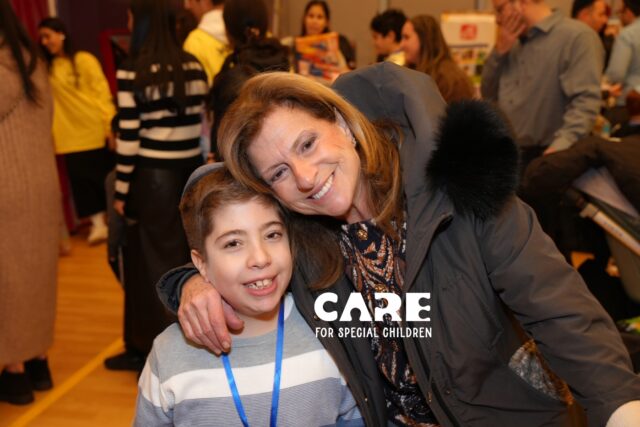
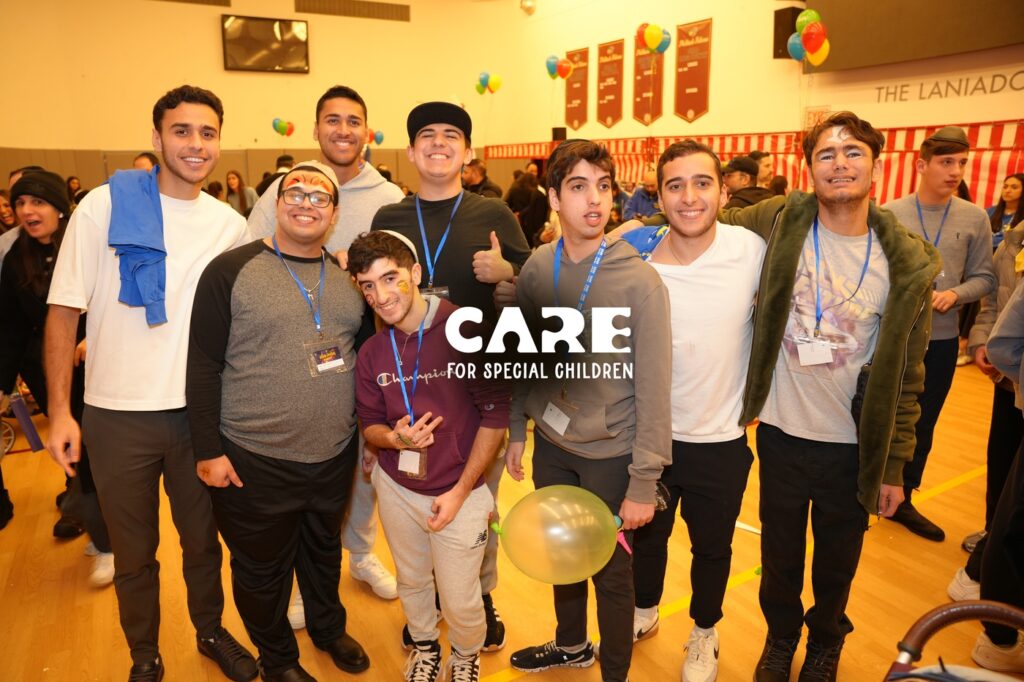
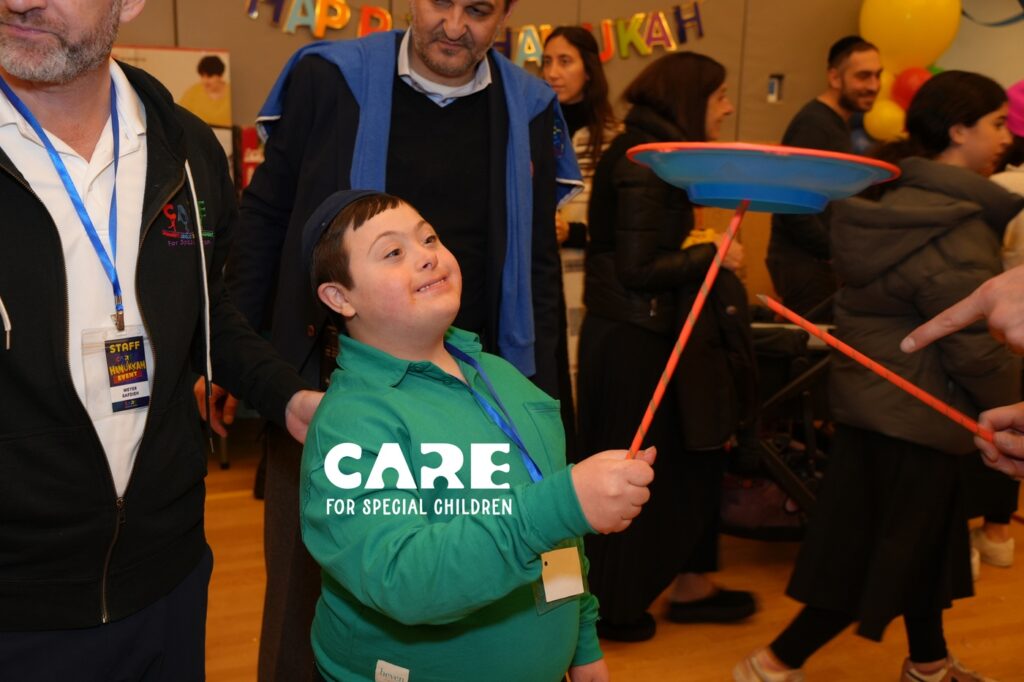
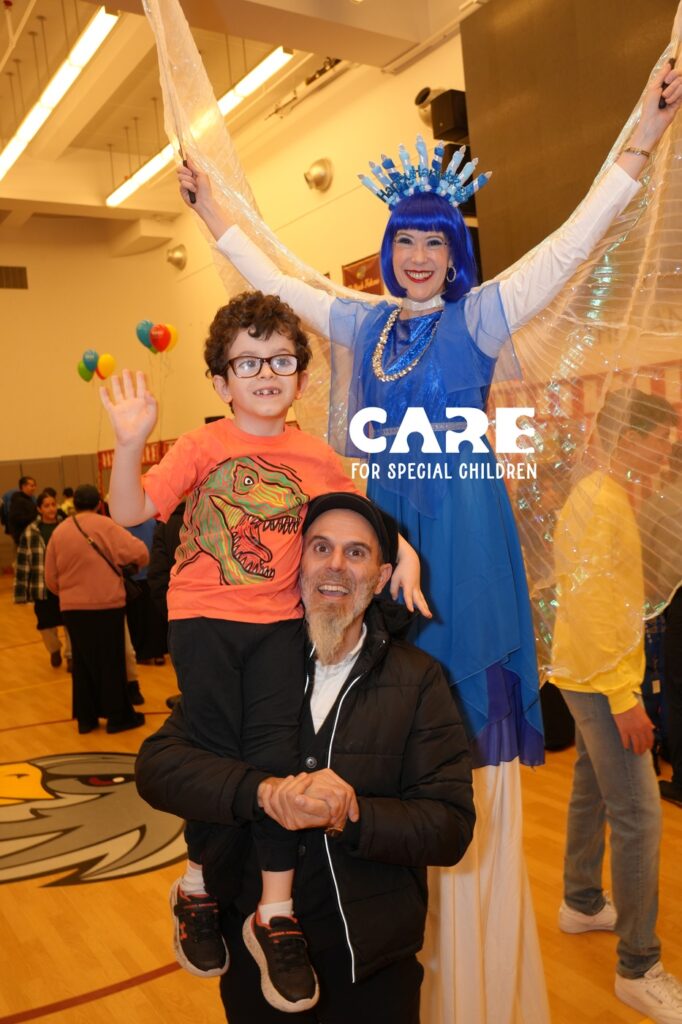
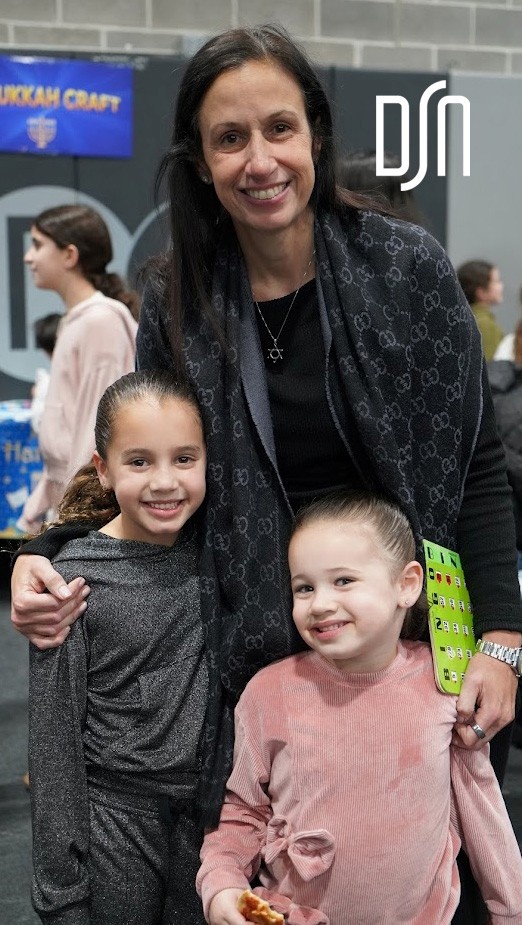
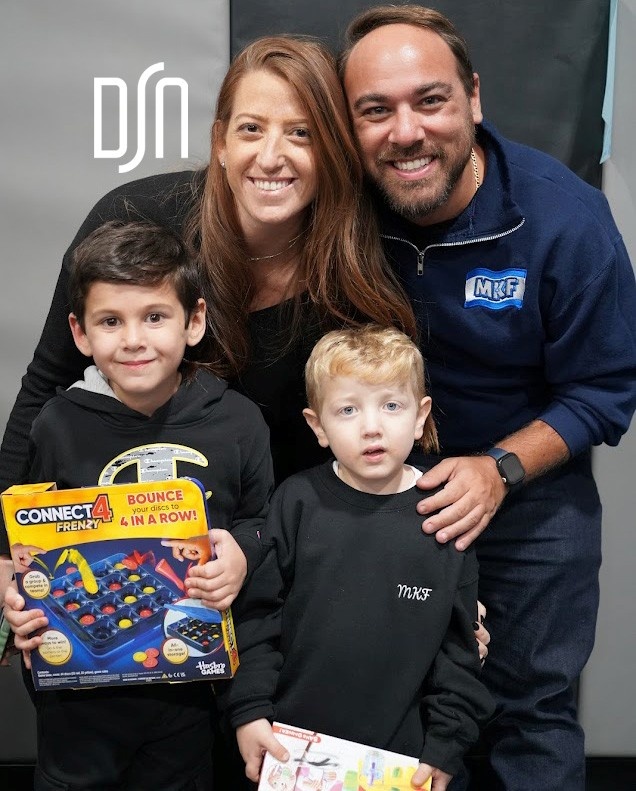
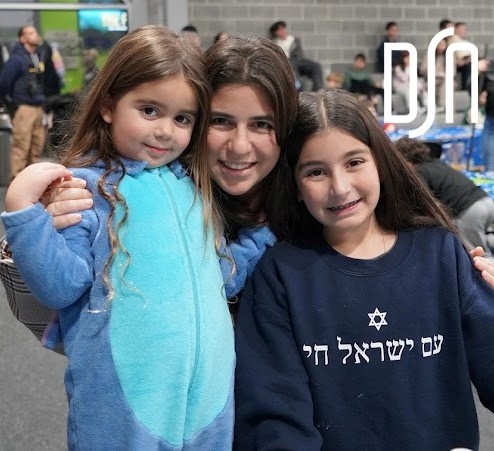
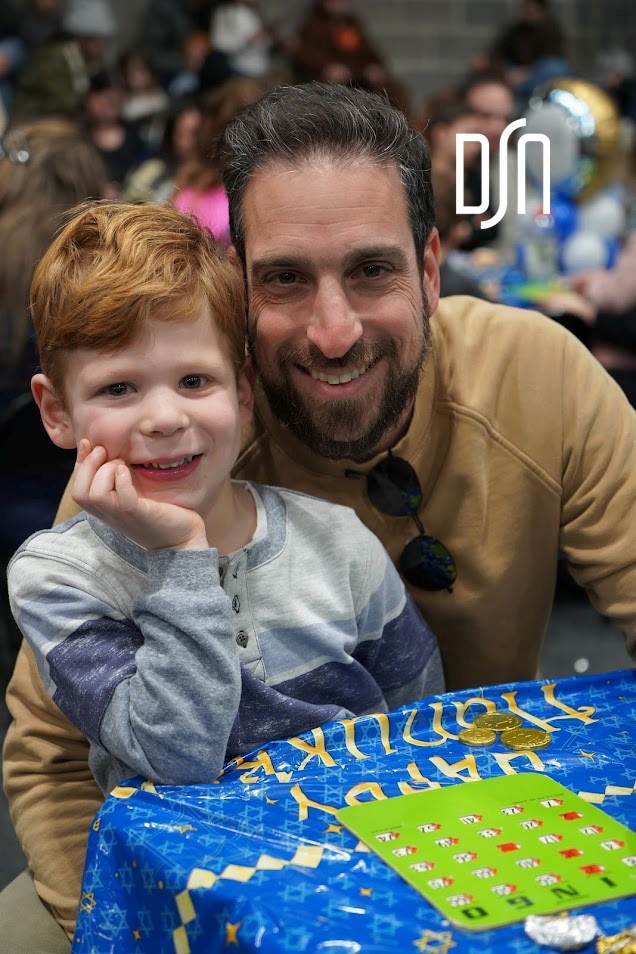
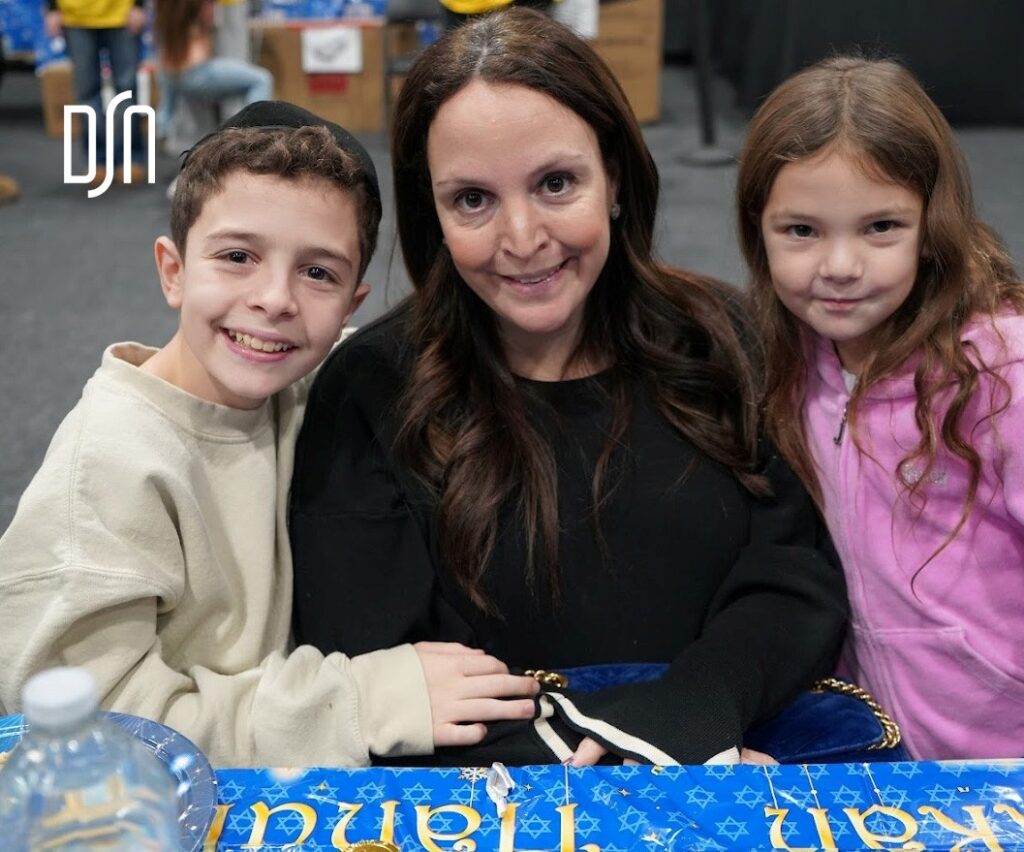
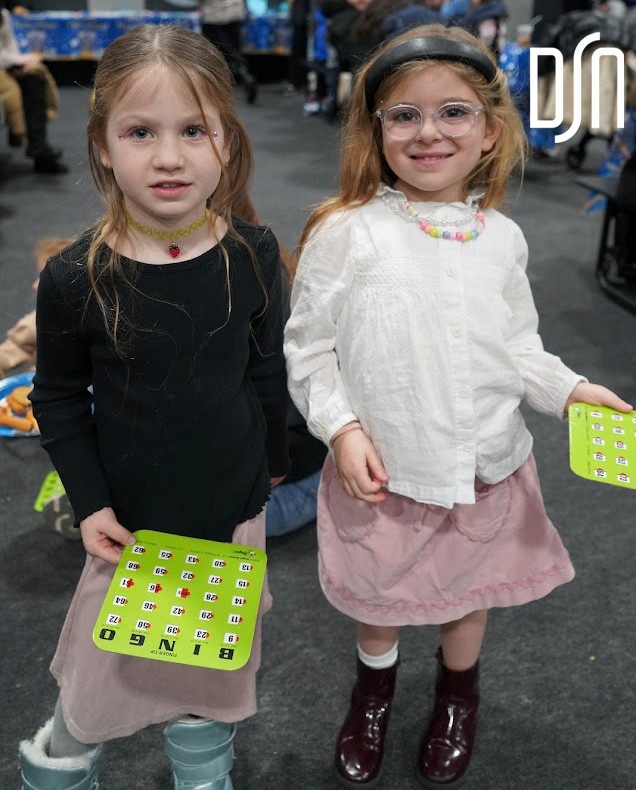
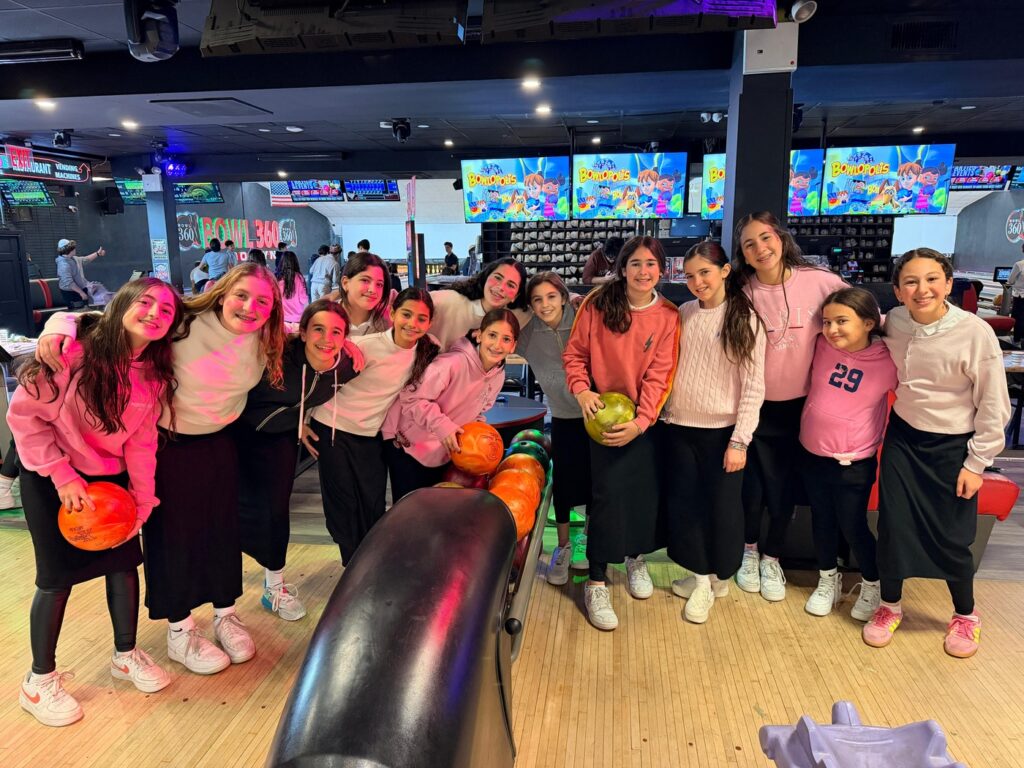
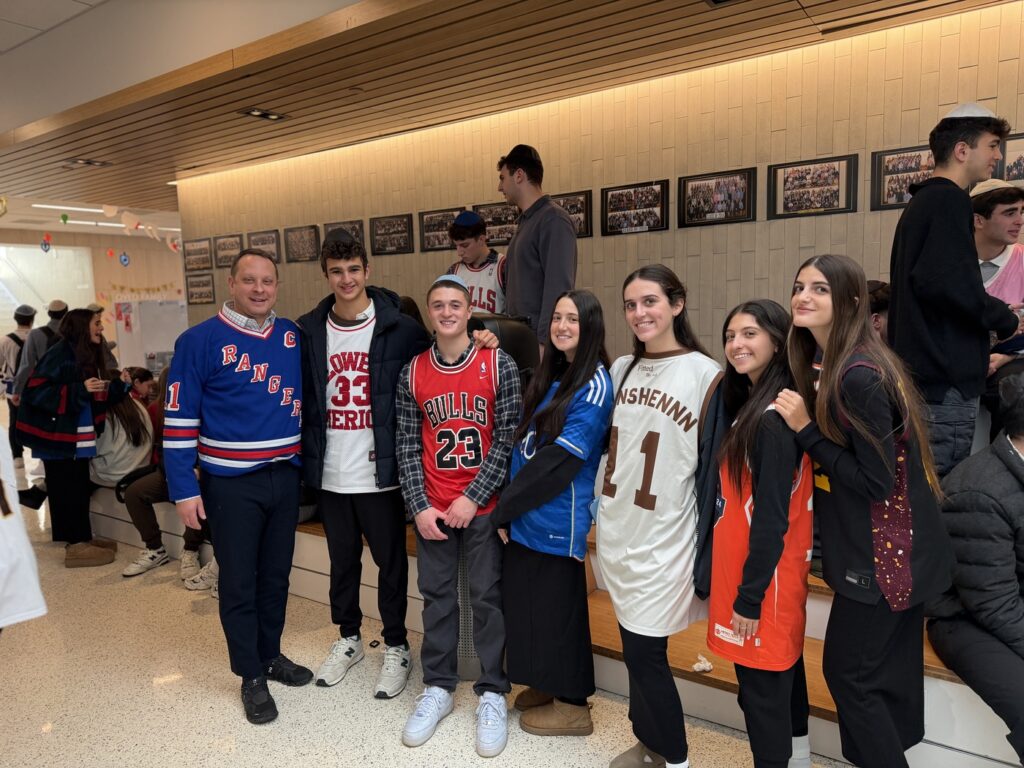
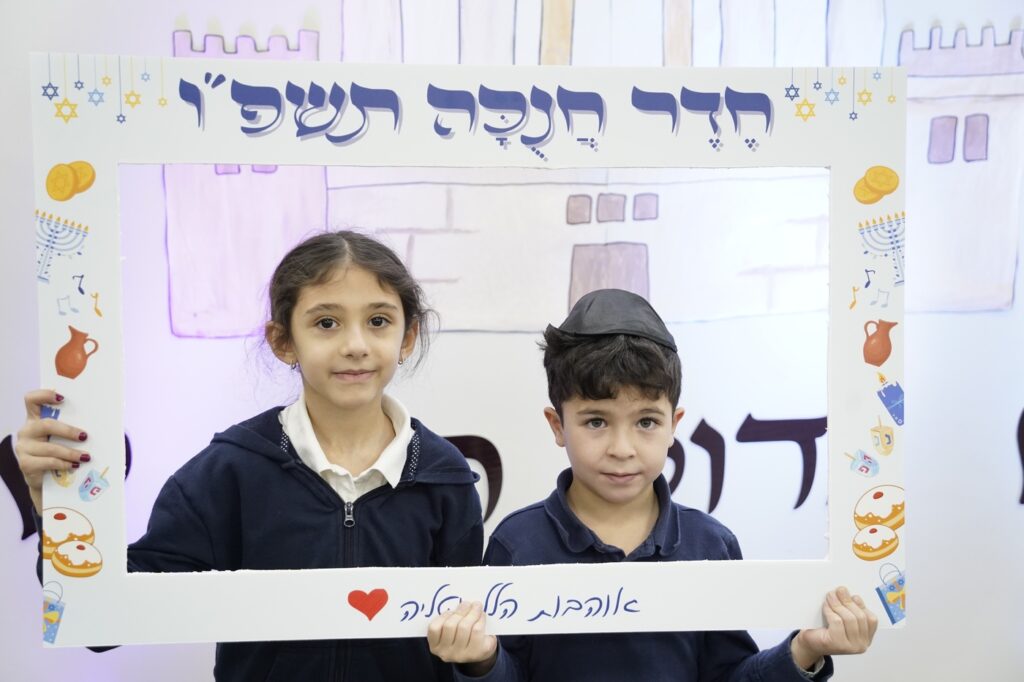
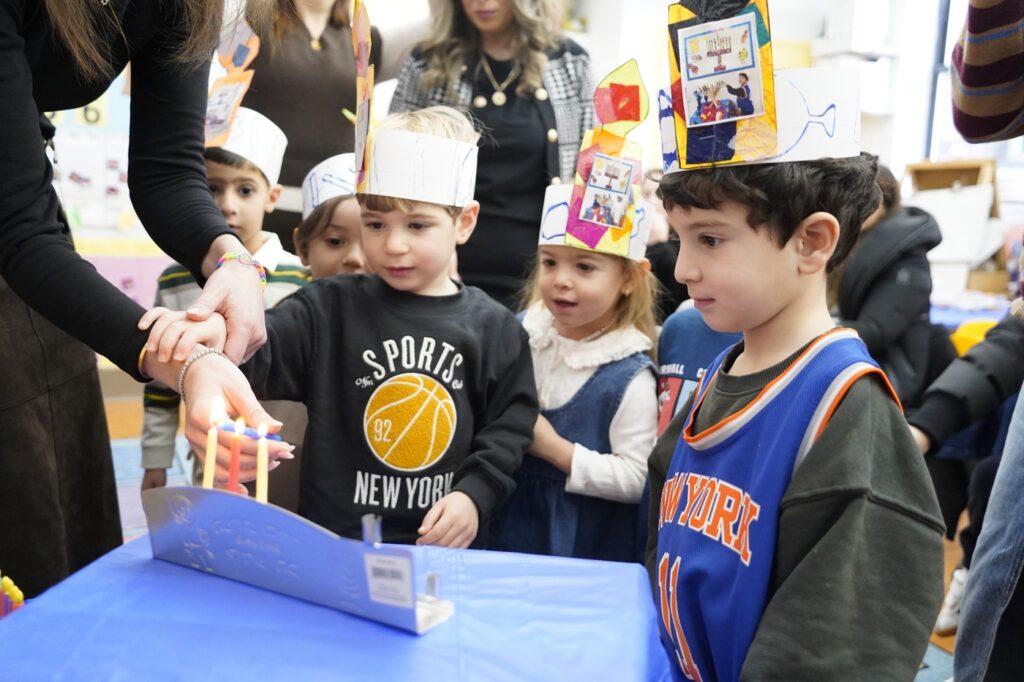
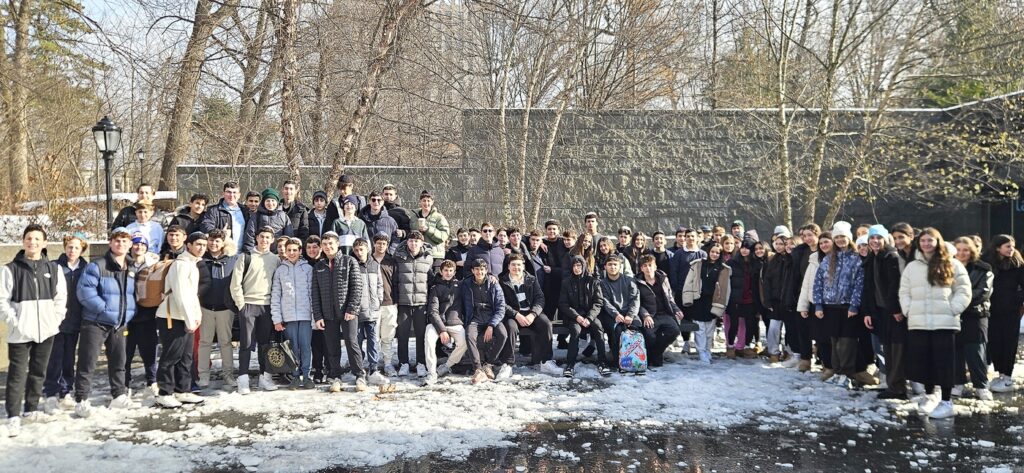
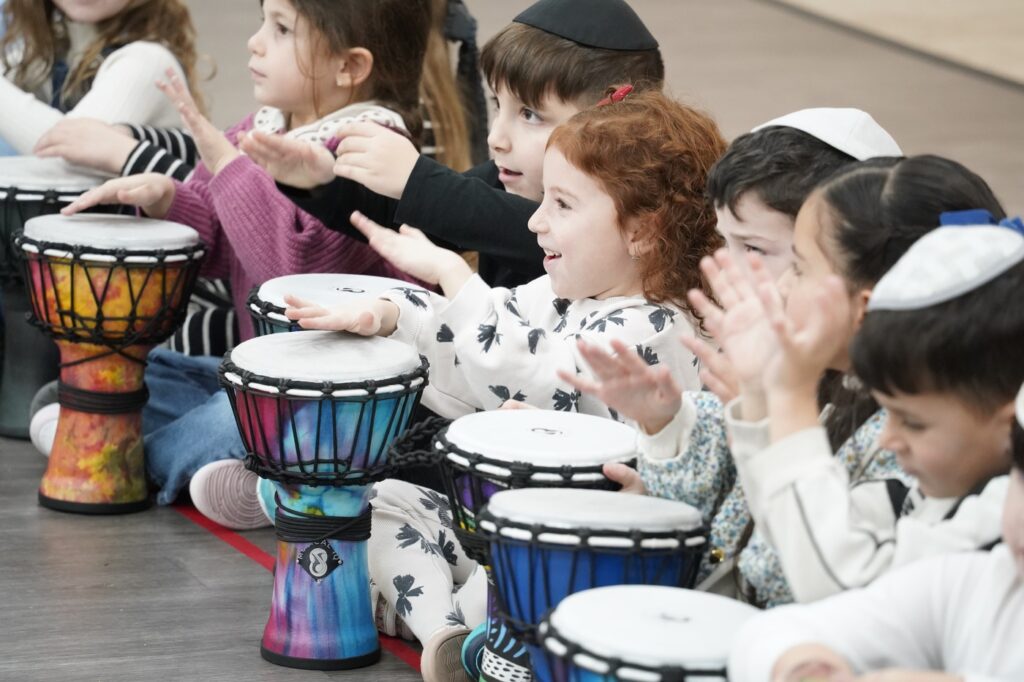
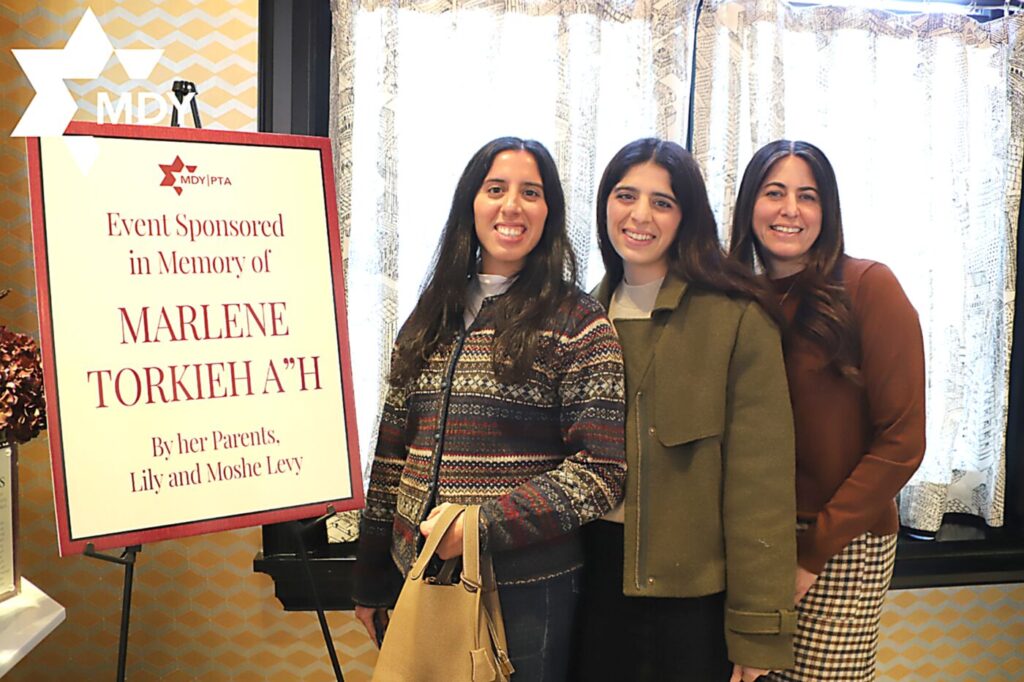
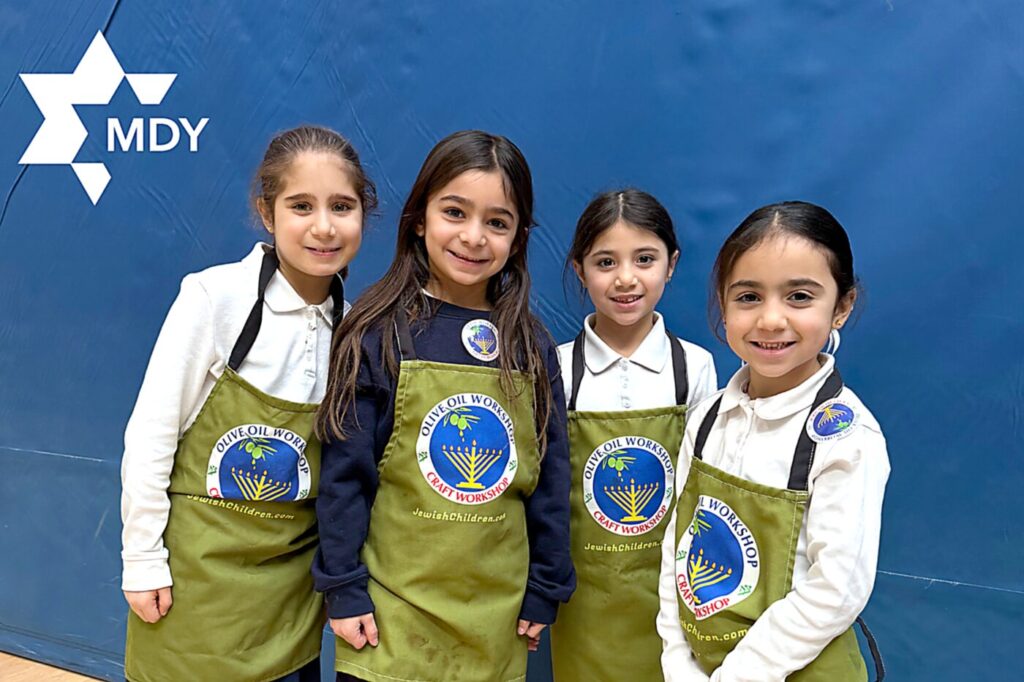
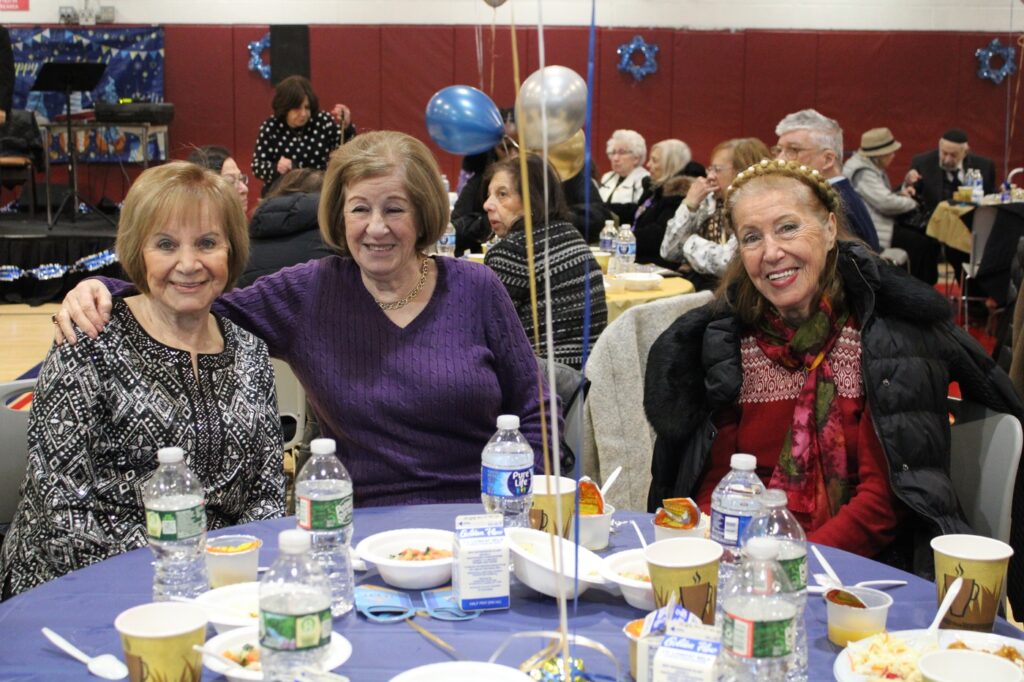
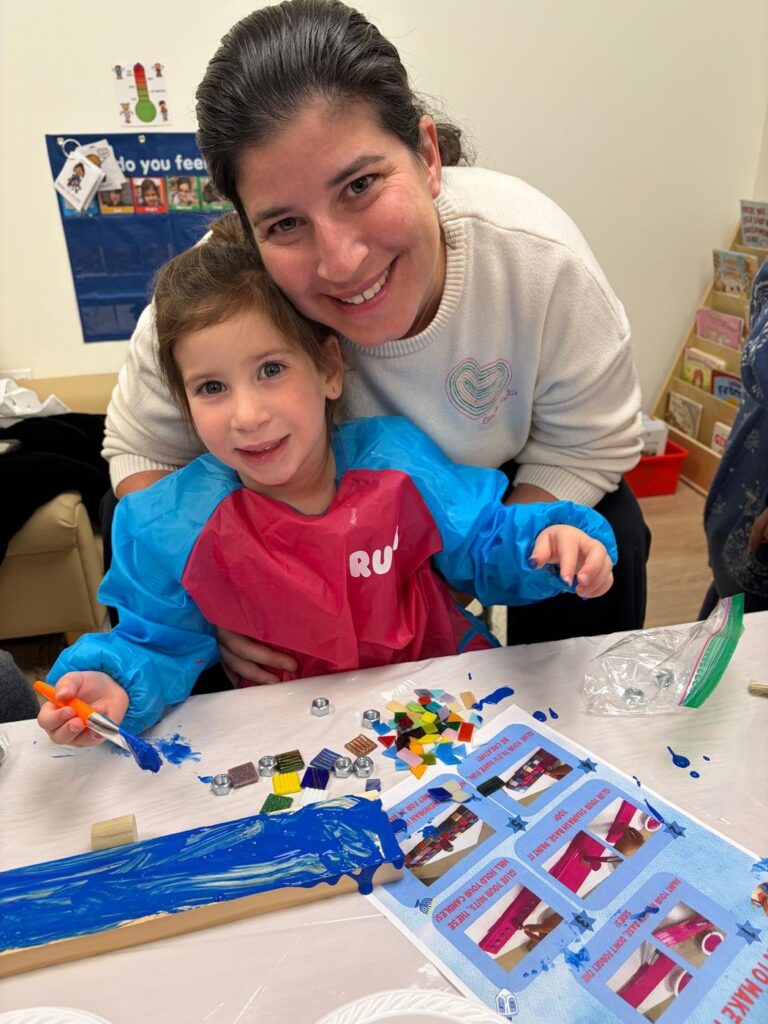
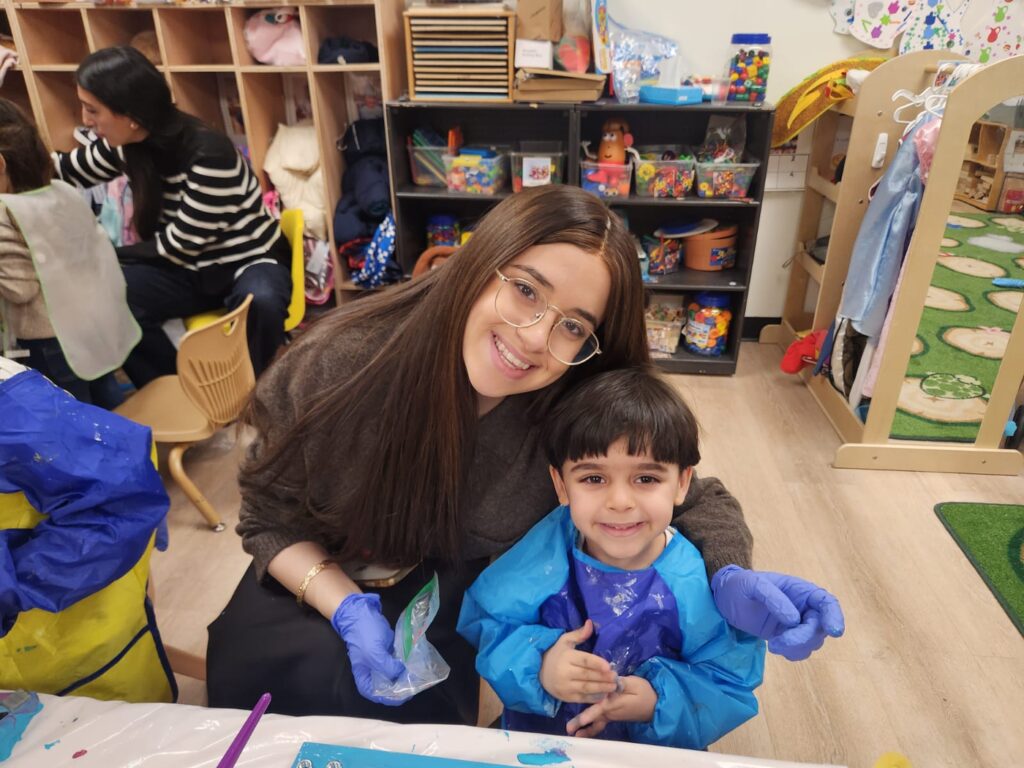
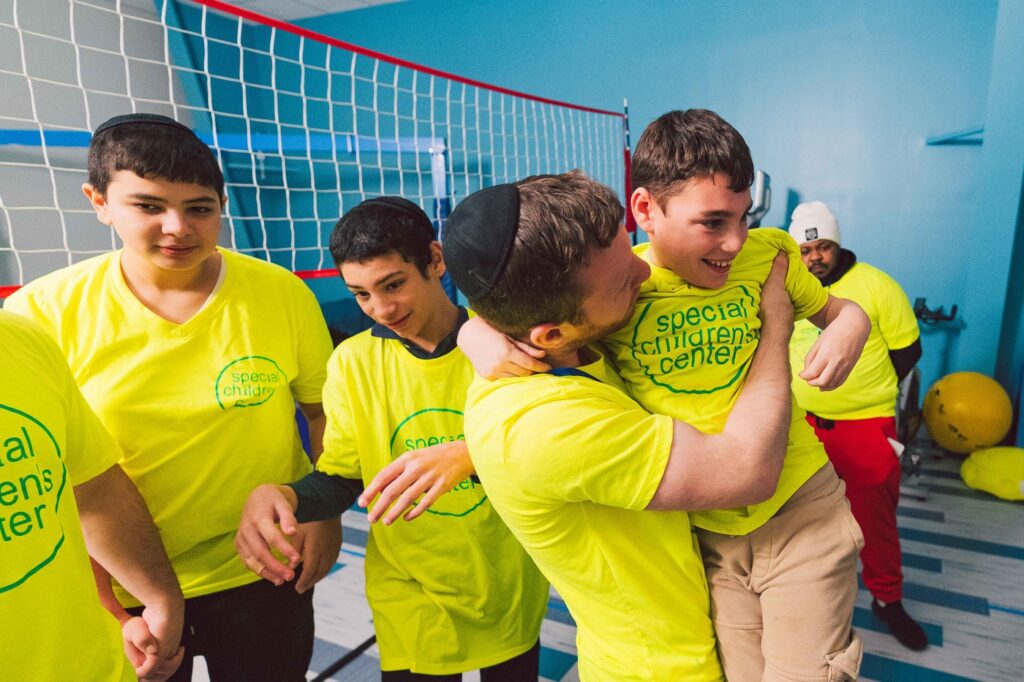
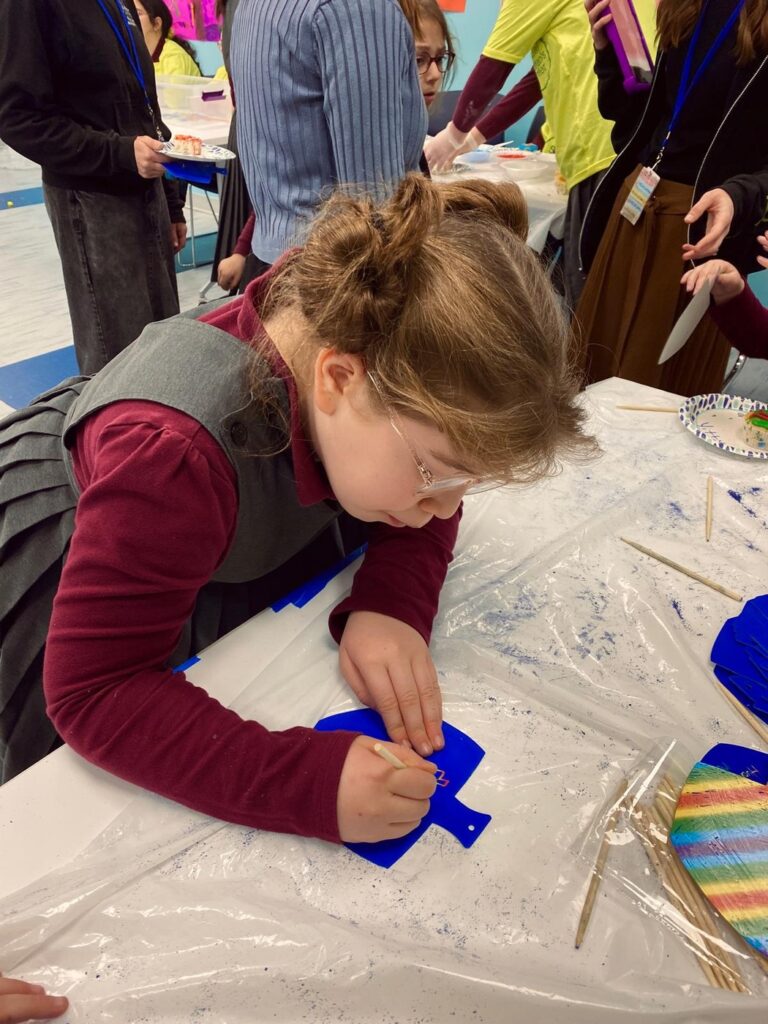
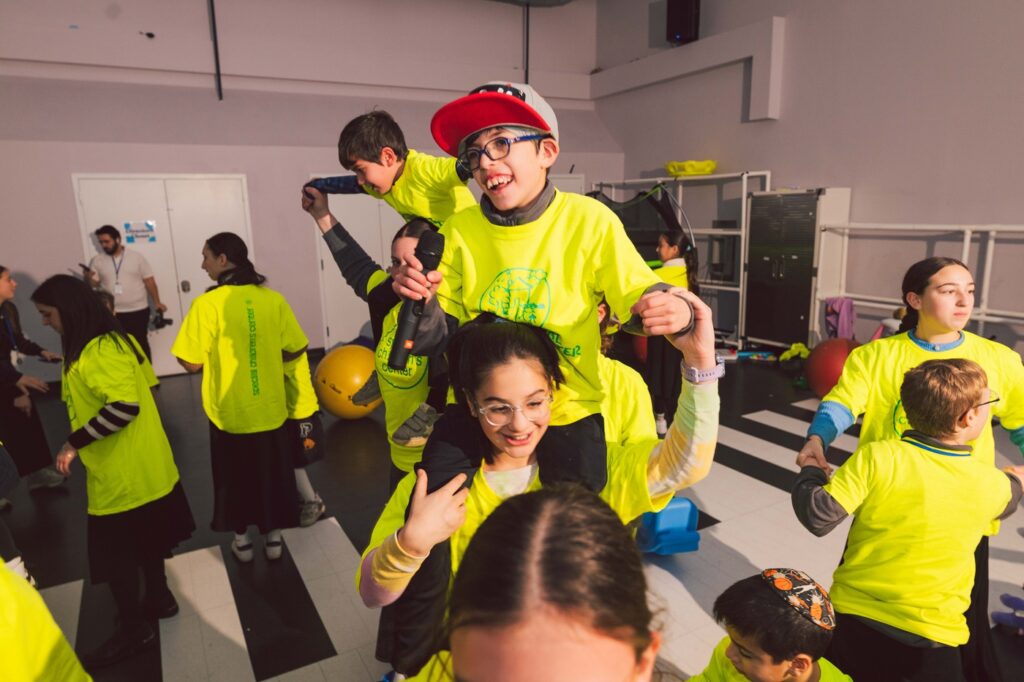
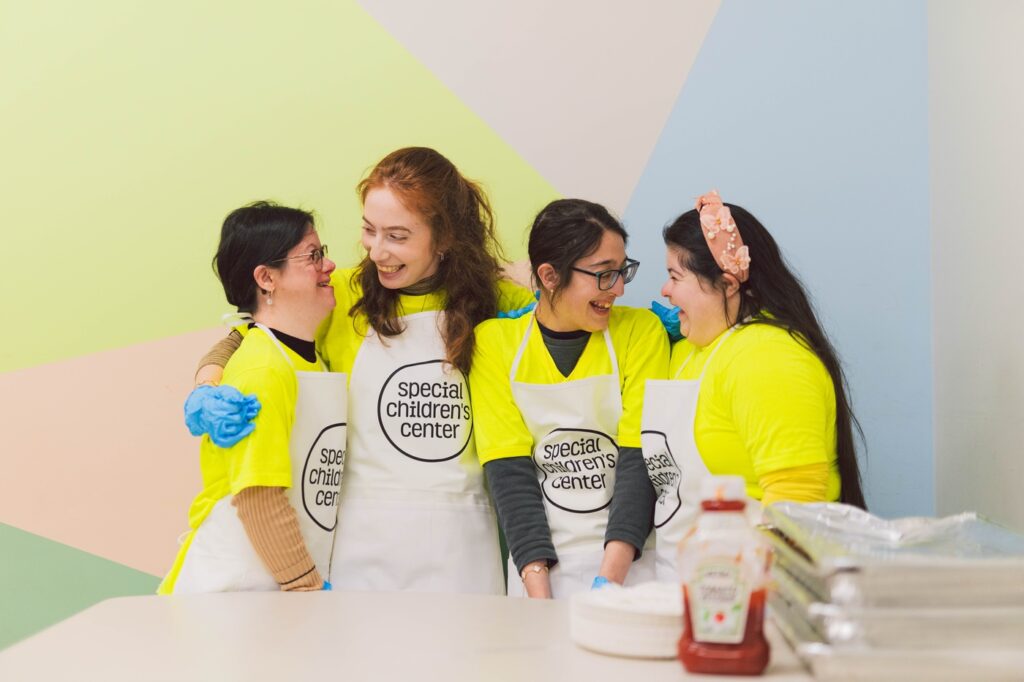
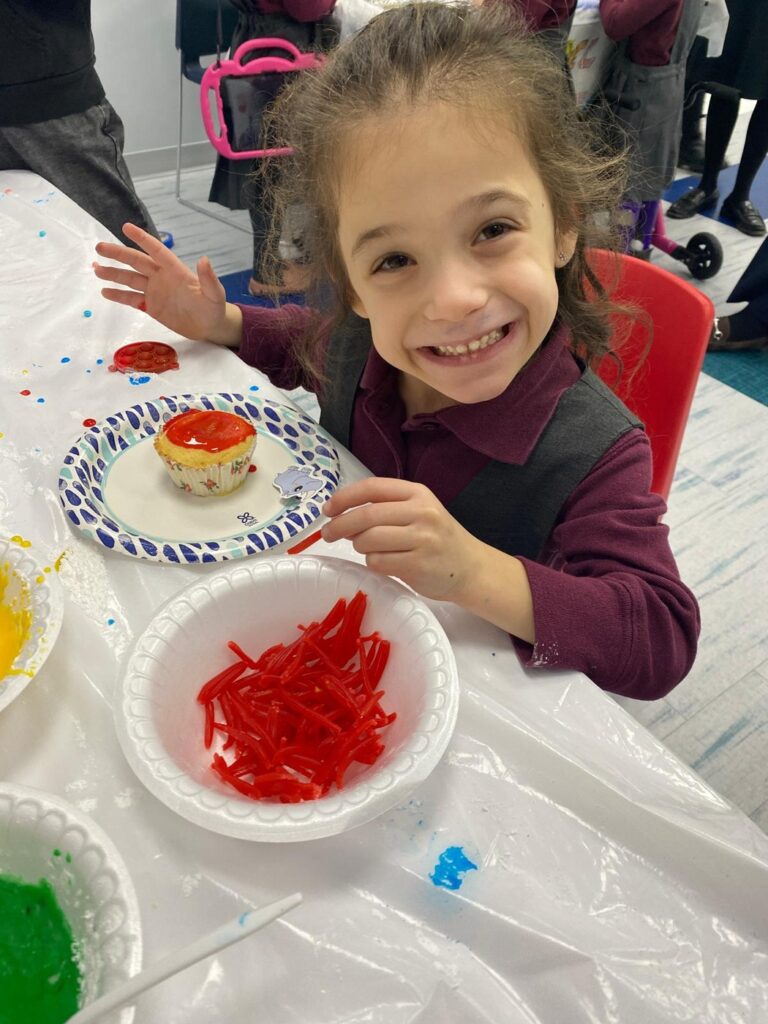
This month’s Community Photo Album shines a light on the warmth and joy of Hanukkah throughout our community. From lively classroom celebrations and school activities to meaningful gatherings at our community centers, these moments reflect the heart of the holiday. As the candles were lit each night, students joined in hands-on projects, music, and special programs that filled the holiday with meaning and fun. Each photo captures a sense of togetherness, pride, and light, reminding us that Hanukkah is not only about tradition, but about sharing those moments with one another.

Riding With Purpose

Community cyclists unite to support Israel’s amputee community

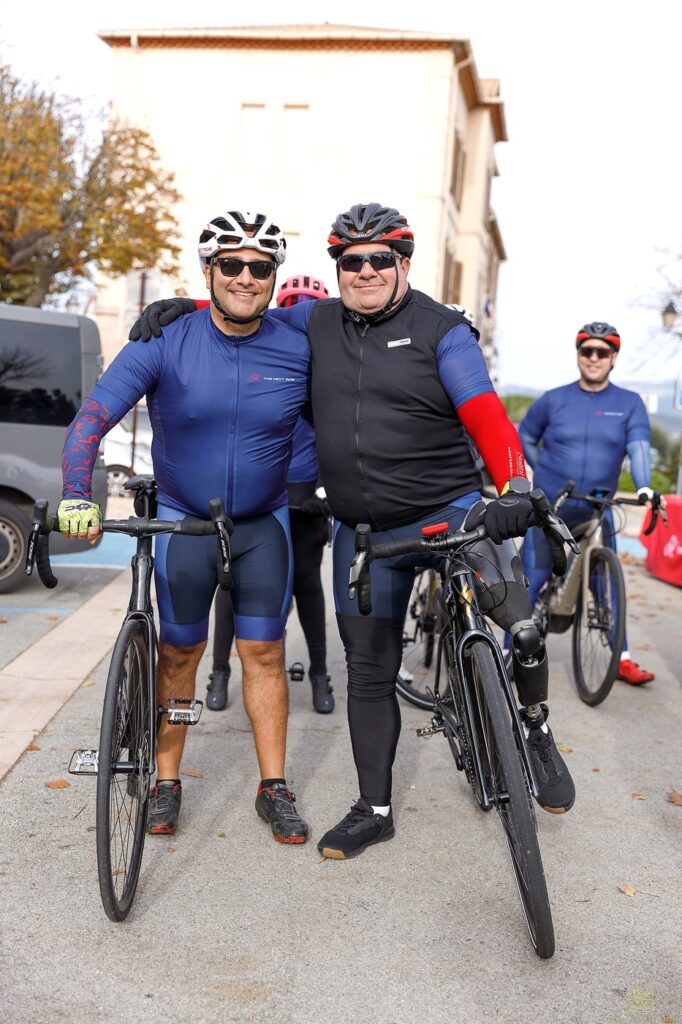
This is not a story about a vacation. And it is not a story about cycling through picturesque roads in the South of France. This is a story about how, through cycling, The Next Step and The Next Ride (TNR/TNS) raise critical funds to care for individuals who have suffered limb loss or were born with limb differences, and how they are actively building a future to serve the entire amputee community of Israel.

TNR has just wrapped up its tenth ride in the South of France, and many are calling it one of the most extraordinary experiences in the organization’s history. Not because of where the riders traveled, but because of who they rode for and what this growing movement continues to build.
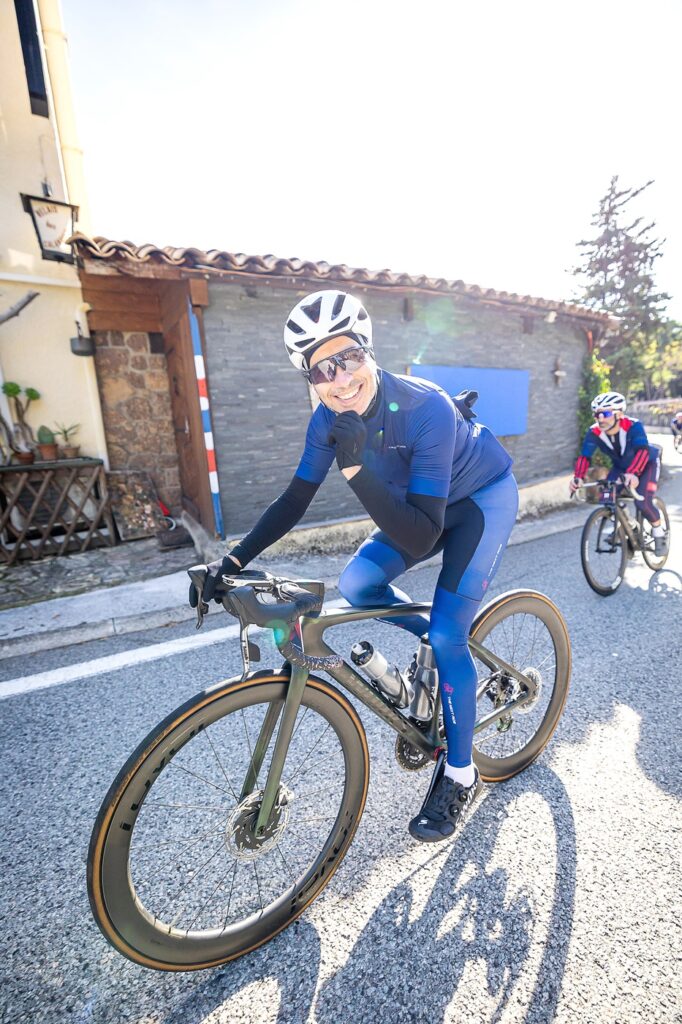
Among the nearly 150 riders and supporters were members of the Sephardic community who participated alongside cyclists from across the Jewish world. Representing the community were Vicki and Jack Aini, Sima and Ari Baum, Korine and Ezra Castro, Yoel Dweck, Adele and David Khaski, Zaki Salame, Stella and Ovadia Setti, Olga and Elliott Shwekey, and Grace and Elliot Simhon. Together, they helped raise critical funds in support of The Next Step’s life-changing work for Israel’s amputee community.
“It was an amazing trip and the programming was incredible. Hazak u’baruch!” shared community member Jack Aini. “Thank you for such a wonderful trip. We had a great time meeting new people and learning about this amazing organization and all the good it does. It’s been very uplifting knowing we are helping our brothers in Israel who need us now more than ever,” added Yoel Dweck.
The journey began as riders and staff arrived jet-lagged, energized, and united by purpose. While the group toured the historic Villa Ephrussi de Rothschild overlooking the Mediterranean and later gathered at the Hotel Martinez, these moments were not about sightseeing. They were about connection, community, and recommitting to a shared mission.
The opening ceremony, led by David Farhi, set the tone for the week ahead. This was a ride driven by responsibility to those whose lives were forever changed by injury, trauma, or birth, and who rely on organizations like The Next Step to reclaim independence and dignity. Reflecting on the organization’s growth and vision, David Farhi, U.S. Managing Director, said, “This may be our tenth ride, but we are really just getting started. Working for this organization is like a marathon, and we are still in the first few miles. The opening of the Empowerment Center is a defining moment, cementing The Next Step as the home for amputees in Israel and, with G-d’s help, a cornerstone for the Jewish world.”
Over the course of three powerful days on the road, riders took on the rugged coastline of L’Esterel–Saint-Raphaël, the demanding climbs of the Gourdon mountains, and the winding routes through Tanneron. Lined up each morning were riders like Shloimie Shachar, Kobe Gerbi, and Saar Shamir, athletes riding alongside the group not as symbols, but as equals. Each of them once faced the uncertainty of whether walking would even be possible. Through The Next Step’s support, including prosthetic care, rehabilitation, physical training, and community, they are not only walking again, but riding strong.
These moments are living proof of why this work matters. Steven Shamosh, Chairman of the Board, thanked the community riders for their efforts and for the continued support of the Sephardic community in this holy mission.
And yet, this ride is not just about what exists today. It is about what comes next.
TNR is in the process of building The Next Step Empowerment Center, a permanent home that will serve the entire amputee community of Israel. This center will be a comprehensive hub providing physical therapy and rehabilitation, mental health support, social workers and case managers, patient advocates, government and benefits advocacy, and community programming with long-term care coordination. It will be a place where no amputee, whether soldier, civilian, or child, is left to navigate recovery alone.
This is what The Next Step rides represent. Not a trip. Not a vacation. But a movement, powered by miles, fueled by purpose, and dedicated to building a stronger future for Israel’s amputee community and, with G-d’s help, the wider Jewish world.