Home Blog Page 15

A Summer of Public Service

Magen David Yeshivah High School Student Shares Summer Internship Experience

David Alfaks

This summer, I have been working in Senator Sam Sutton’s office, and it has been a truly enriching experience. At first, I was nervous about meeting the Senator, but he was friendly and funny, and I am trying to learn as much as I can from him. When I am in the office, I do work that makes a difference, whether that is fielding phone calls and problem-solving within the district, or trying to come up with ideas of legislation to propose to the Senator.
Each day that I am in the office, my fellow interns and I answer calls from constituents in the district, and these calls range from figuring out how to attain a half-fare MetroCard to mediating on behalf of community members and companies like Con Edison. This part of the job is definitely exhilarating but also makes me nervous because with each call, the problems vary, so I never know what to expect and might be asked about a term I’ve never heard of before, but luckily, my supervisor is always in the office helping us if we need it. Answering calls might not seem like a big job, but in fact, answering calls will prove to be beneficial to my future self since I am practicing my communication, quick thinking, and problem-solving skills.
One of my favorite parts of the job is networking. The Senator’s team has been taking us to meetings and introducing us to people in the field of politics and law. I have met so many interesting people, like Jason Koppel and Judge Gina Abadi. Throughout these meetings, they both have told me their journey to achieving the role they have today. For example, before Jason Koppel was the Northeastern Political Director of AIPAC, he had worked in the State Senator’s office for quite some time (like me), but then he decided that even though he enjoyed his job at the Senator’s office, it was time to move on. Judge Abadi spoke to my fellow interns and me about her job and let us observe in her courtroom. It was fascinating seeing her remember every court case and be privy to her thought process on every decision she has made in her cases. The most notable part of my visit to the judge was hearing about her journey of perseverance and resilience. She spoke to us about her reluctance to become a judge, thinking she didn’t know enough, but her mentor encouraged her to try and she listened. Now she is an awesome judge, inspiring countless others in this community. The people I have met are giving me such valuable advice and information for my future, and I am soaking up every word.
My time in the Senator’s office is one I will never forget, and I will continue to use the lessons I have learned in the future. It has proved to be a great experience, and if you are a student interested in politics or law, I highly recommend it. I am grateful for this opportunity and for Magen David Yeshivah High School for setting me up for success.

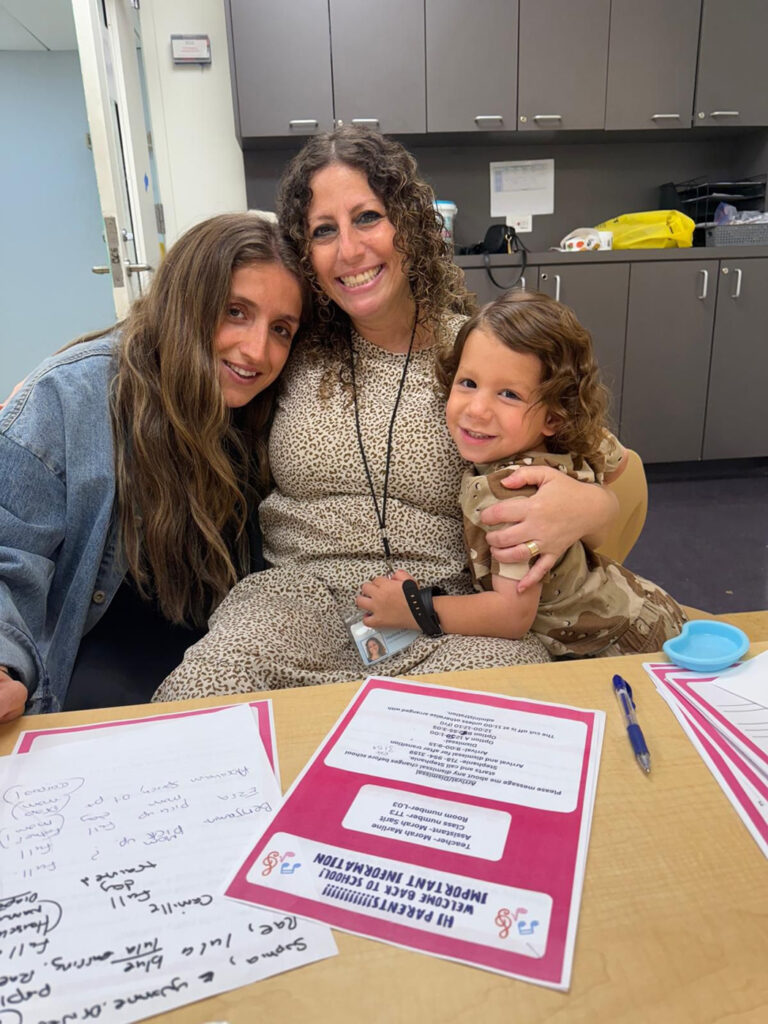
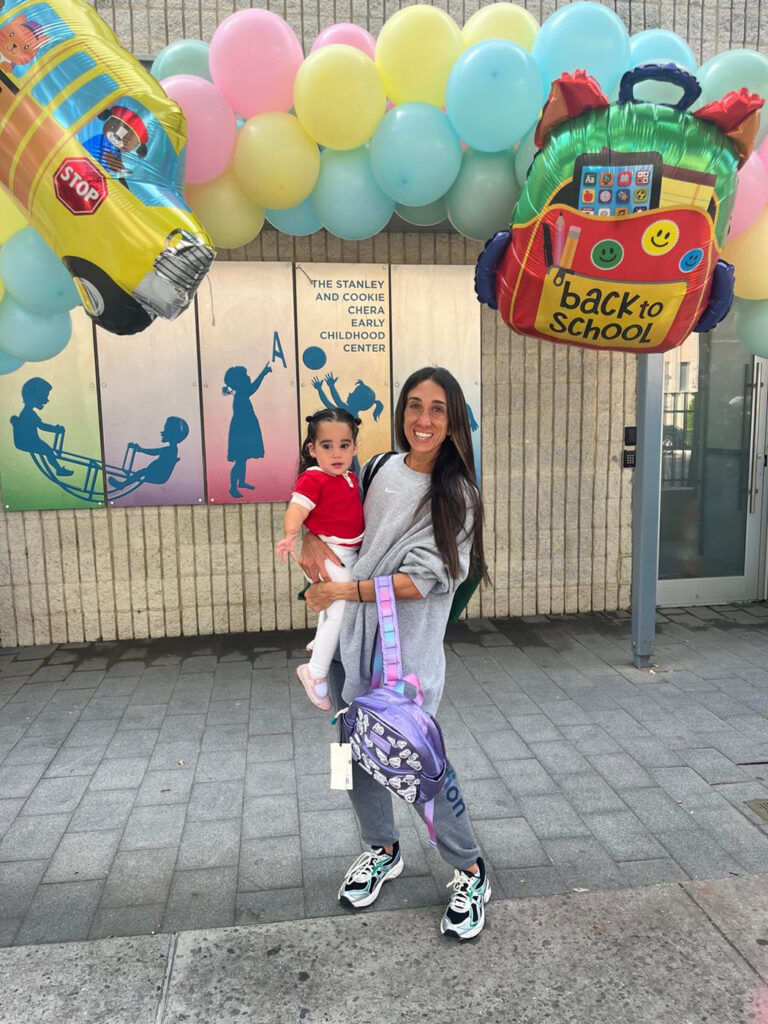
Summer at CARE

This summer at CARE was nothing short of magical. For the very first time, we opened the doors to CARE CLUB, our very own summer camp for children with special needs. It was a huge asset to our community, and the impact was profound. Sixteen children with special needs joined us for a summer filled with joy, growth, and infinite love. More than just camp activities, every part of CARE CLUB was designed to ensure our campers continued growing and thriving, without losing the progress they had worked so hard to achieve throughout the year.

At the heart of the program was a therapy-based approach carefully created by our founder, Victoria Safdieh, together with our full-time BCBA, Adele Massry, and our camp director, Miriam Kaplowitz. The three of them didn’t just design the program. They were present every single day, working closely with the counselors to make sure each child’s therapeutic needs were met.
Our BCBA, Adele, was on-site every day, supporting campers with any behavioral challenges and guiding counselors on the best ways to meet each child’s unique needs. Every activity blended camp-like fun with an academic approach, turning each moment into a chance to learn through play. From sensory bins and fine-motor crafts to carefully chosen toys and games, every detail had a purpose and was designed to ensure our campers had the most fun possible while progressing.
One of the most unique parts of CARE CLUB was our on-site therapy clinic, where campers received daily one-on-one sessions in OT, PT, speech, and even aqua therapy. These sessions weren’t just scheduled. They were carefully tailored to each child, ensuring every activity supported their unique goals and growth. Our therapists made every session feel like play while still giving campers the tools they needed to grow. Children who usually found therapy “hard” were suddenly running toward it with smiles.
Even before camp started, our directors reached out to each camper’s school to get a full picture of where they were in their learning and development so we could align therapeutic activities with that progress. Our therapists also connected with the children’s year-round therapists, making sure that everything we did at camp built on their ongoing growth. This careful coordination meant that every session was personalized, and it helped campers continue growing without missing a beat.
The impact was incredible. Parents were amazed by the progress their children made. One mom shared, “My child learned more in the first week of camp than he did in 6 months at school.” Many others told us their kids didn’t just maintain their skills, they flourished, exceeding expectations in ways that families could never have imagined.
Taking every precaution, we had a lifeguard, medic, security guard, and EMT on staff at all times. Every counselor came to camp CPR and ABA-trained, completing multiple training sessions to be fully prepared for any situation that could arise when working with children with special needs. Beyond safety, counselors were actively involved in every therapy session with their campers, learning and applying the strategies therapists used throughout the day. This hands-on approach meant that children continued to grow, learn, and build skills even while having the time of their lives.
And of course, no summer is complete without adventures, and our campers had plenty. From the Wild Safari to Hurricane Harbor and Six Flags Great Adventure, each trip was planned with extra thought and care. Every child received personalized shirts for safety, two-to-one counselor support, and access to whatever they needed.
Many people think that children with special needs can’t handle large outings like amusement parks or water parks, and some families had never imagined it would be possible for their own children. Yet, with the right support, our campers not only participated, they thrived. From the moment the buses rolled out, our campers were beaming. They had the time of their lives on every trip, lighting up with excitement and smiles that lasted from start to finish.
Another unforgettable moment this summer was the community’s outpouring of support at the Deal Sidewalk Sale. Our campers ran an iced tea and lemonade stand, and it was moving to see them take pride in serving drinks, greeting visitors, and soaking in the encouragement of the community. Parents stopped by to share how much their children were growing at camp, and many couldn’t hold back their gratitude. One mom came up to us at the Sidewalk Sale, tears in her eyes, and said, “I’ve never seen my son so happy to go anywhere in the morning as he is for CARE CLUB.” Comments like that remind us why this camp was created, and why it’s so needed. The love and pride in the air were truly palpable. Best of all, every dollar raised went directly into CARE’s programs, making the day even more meaningful. We were also thrilled to have CloudBrew at the sale, serving their delicious coffee and generously donating all proceeds to CARE. We are so grateful for the incredible generosity of our community.
Looking back, this summer was a dream come true, not only for our campers but for everyone who had the privilege of being part of it. With the community’s love and support, CARE CLUB will continue to be a place where children with special needs shine their brightest.

The Rookie Advantage

Building Trust, Clients, and Confidence in My First Year as a Financial Professional

David Chabbott

The day after selling my family coffee roasting business, I made a phone call that would change my life. Five years earlier, my childhood friend and founder of Power Forward Group, Ruvin, had told me, “When you sell the business, there’s a job here for you.” I wasn’t sure if he was joking at the time, but as soon as the ink dried on the sale, I picked up the phone and asked if he’d meant it. His answer? A resounding yes.

Within minutes, I had a list of the exams I’d need to pass before joining the team: the Life Insurance exam, SIE, Series 7, and Series 63. He knew, because we’d grown up together at Yeshivah of Flatbush, that standardized tests were never my favorite thing. But this was different. I dove in headfirst, determined to make the most of this new chapter. A few intense months later, I’d passed them all, setting the stage for my transition from coffee roaster to financial professional.
From Coffee Beans to Clients
It’s not every day you go from managing roasting schedules and sourcing beans to advising high-net-worth individuals on estate preservation. But in my first year at Power Forward Group, I’ve placed over $60,000,000 in permanent insurance, helping clients secure future estate plans, preserve wealth, and protect their families’ legacies.
This wasn’t just luck. It was the result of a firm structure designed for success. At Power Forward Group, every client has two advisors. This approach allows us to combine complementary strengths, ensuring clients benefit from diverse perspectives and expertise. For me, it also meant learning from seasoned professionals right from the start, absorbing not only technical knowledge but also the nuances of building lasting client relationships.

Learning From the Best
One of the greatest advantages of joining Power Forward Group was the culture that Ruvin built from the ground up. He didn’t start the firm by leaning solely on friends, family, or our community. Instead, he began by working with AM100 lawyers nationwide, some of the most sophisticated clients in the financial space.
This early focus forced the firm to develop advanced strategies, sharpen our competitive edge, and operate at the highest level of professionalism. The success we achieved through this organic growth has become the foundation of our reputation. When you’ve earned trust in such a competitive arena, you bring that same level of excellence to every client, no matter their background.

The Power of Trust
Looking back, I realize my personal success has been shaped as much by my past as by my new role. In the coffee business, relationships were everything. If your customers didn’t trust your word, your product, or your reliability, you were done. That same principle applies in wealth management. Only here, the stakes are even higher.
I’ve always believed that you can never fully recover professionally from a damaged reputation. Over decades of working in business, I’ve focused on being someone people trust and appreciate, someone whose name carries respect. When clients know they can count on your integrity, they’re far more open to having the conversations that matter most.

A Different Approach to Wealth Planning
In our community, there’s still plenty of room for Power Forward Group to grow. Many people don’t yet realize how differently we operate compared to traditional firms. Our approach to estate and business tax mitigation, for example, goes beyond the standard playbook. We use a wide range of creative strategies and sophisticated tools to help clients not only reduce tax burdens but also enhance liquidity.
We also design unique life insurance structures that can be tailored to individual circumstances, whether that’s providing business continuity, funding a buy-sell agreement, or ensuring heirs have the resources they need without having to sell off assets at the wrong time.
Planning for Tomorrow, Today
One of my goals moving forward is to help people in our community start thinking about wealth transfer and retirement earlier. It’s not always an easy topic. Talking about what happens to your assets after you’re gone can feel uncomfortable, especially for people in their 30s, 40s, and 50s, who may still be focused on raising families and building careers.
But the reality is that the earlier you start, the more options you have. Early planning allows you to take advantage of long-term strategies, reduce stress later in life, and ensure you can actually enjoy your golden years instead of worrying about what will happen to your wealth.
I want to normalize these conversations, not as a morbid necessity, but as a proactive step toward financial security and family harmony. By addressing these topics sooner rather than later, we can help ensure that wealth transitions smoothly, taxes are minimized, and the next generation is positioned for success.

Looking Ahead
My first year at Power Forward Group has been a whirlwind, filled with learning, relationship-building, and the satisfaction of seeing real impact in clients’ lives. Transitioning from running a family business to joining one of the most dynamic financial advisory firms in the space hasn’t just been a career move. It’s been a personal evolution.
I’ve learned that success as a “rookie” isn’t about knowing everything from day one. It’s about having the humility to learn, the work ethic to deliver, and the integrity to build trust. When you combine those traits with a firm that values collaboration and innovation, the results can be extraordinary.
As I look ahead to my second year and beyond, my mission is clear:

  • Continue expanding our firm’s presence in the community.
  • Help more families preserve generational wealth.
  • Ensure that conversations about legacy and planning happen early enough to make a difference.
    The rookie year may be behind me, but the rookie advantage: the drive, the curiosity, and the hunger to prove myself, is something I intend to keep for years to come.

DSN Beach Club

A Summer of Connection, Celebration, and Community

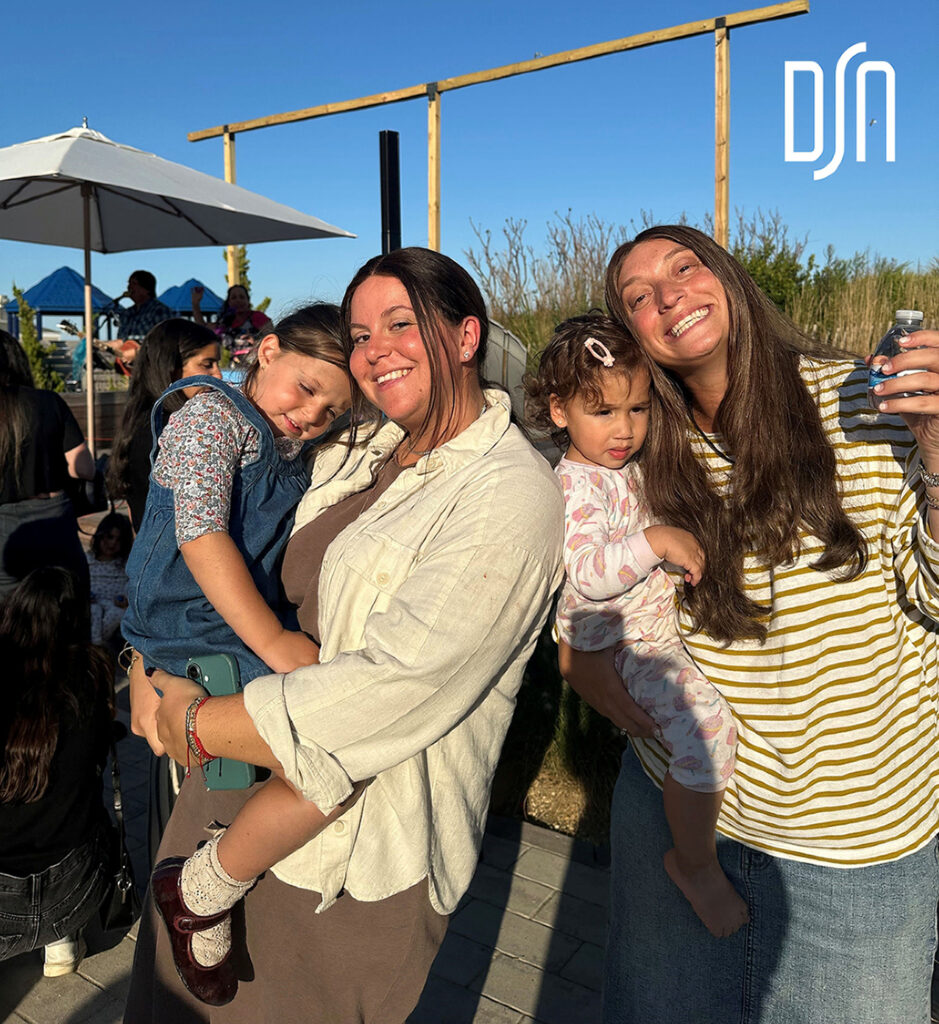
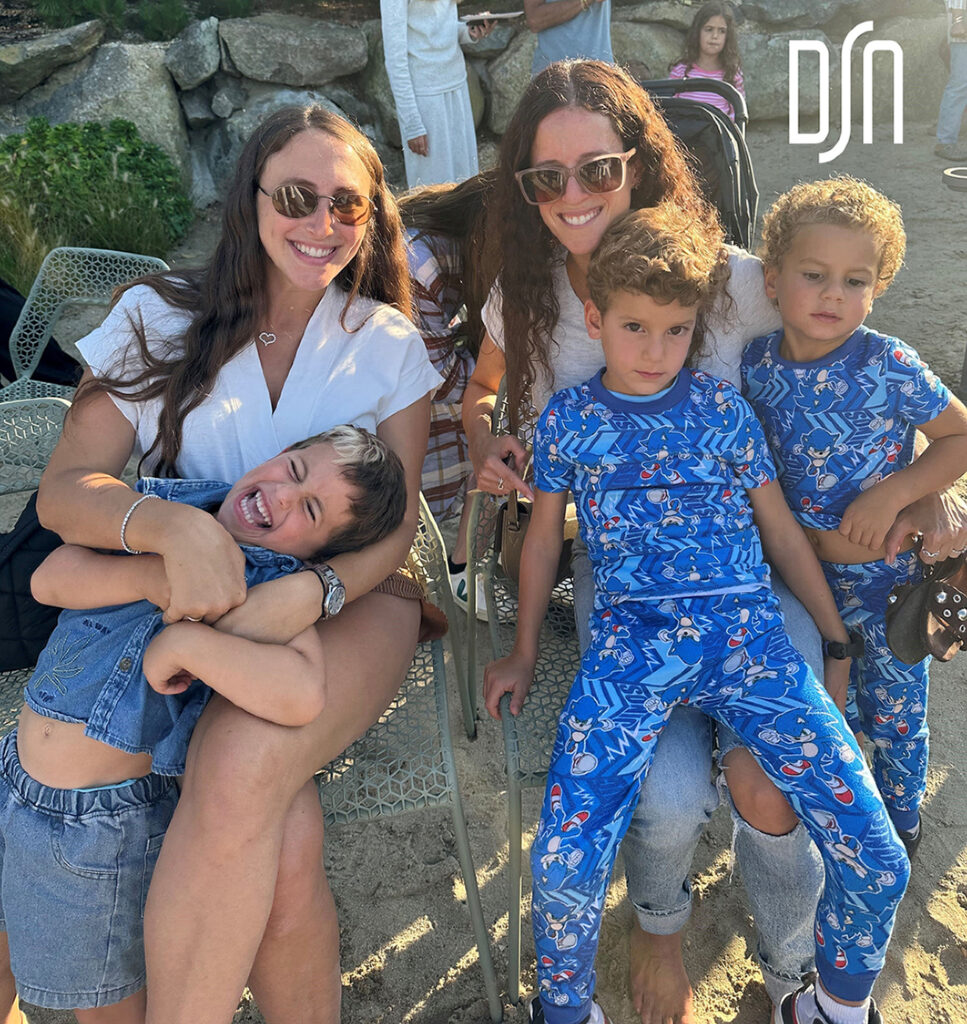
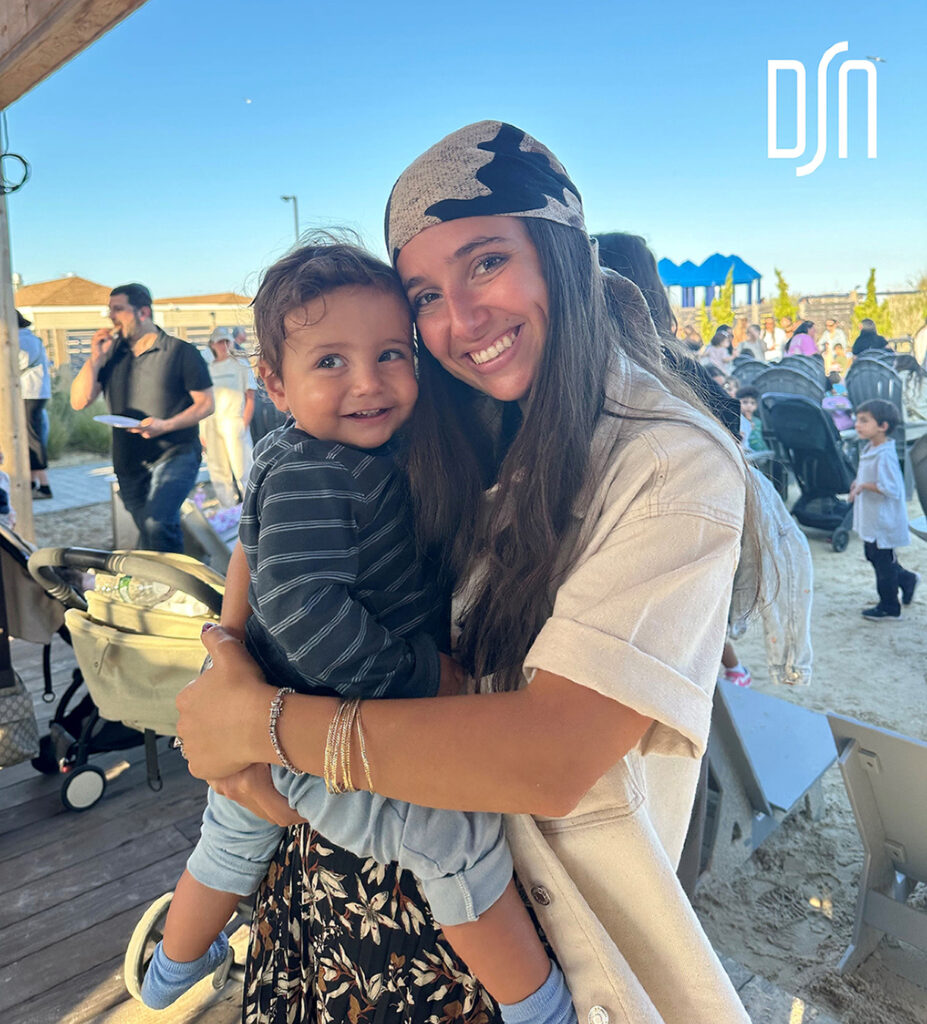
The summer at DSN Beach Club was non-stop activity. From meaningful cultural events to lively music nights, from comedy to charitable causes and educational programs- DSN did it all.

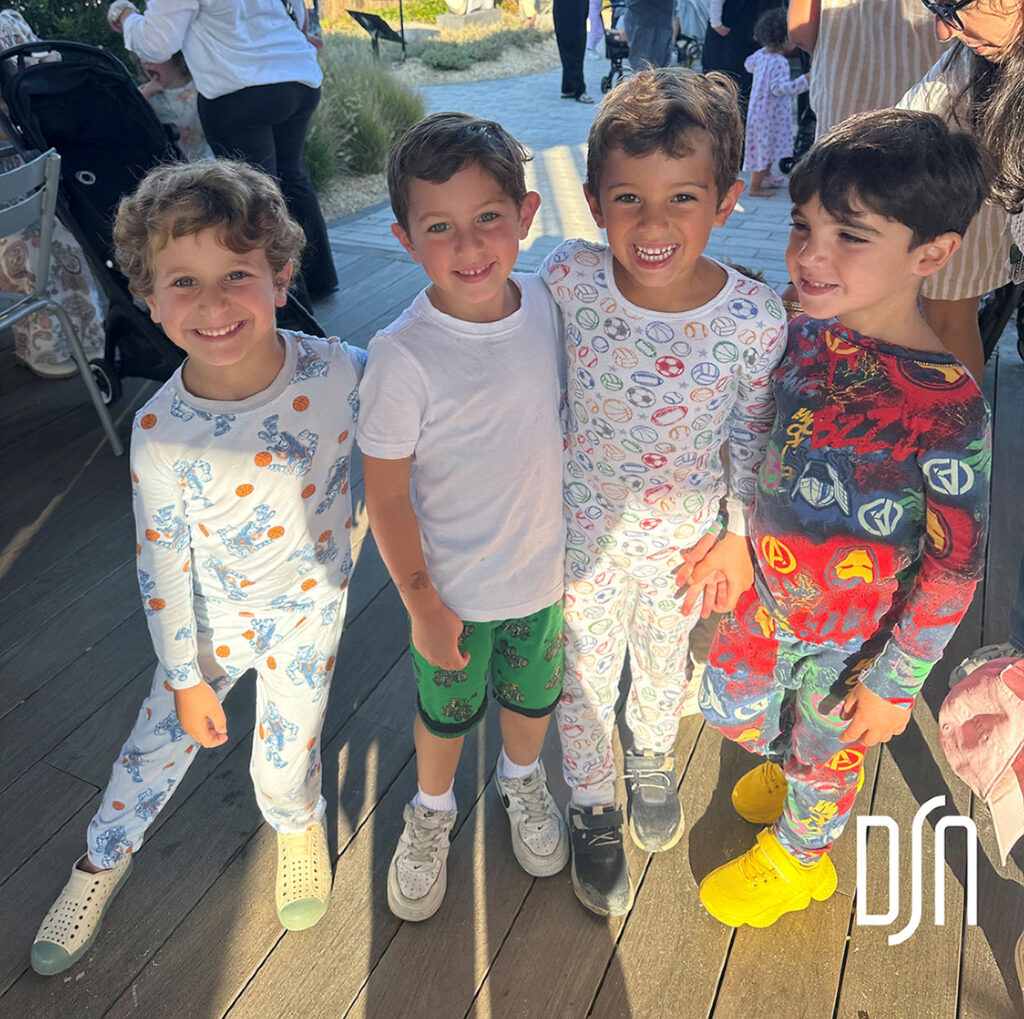
The most noteworthy highlight of the season was once again partnering with the IDF Widows and Orphans Organization (IDFWO) to host a Bar Mitzvah celebration for the children of Israel’s fallen heroes. For the second year in a row, DSN welcomed these young guests for a full weekend of love, joy, and connection.
IDFWO Executive Director David Metzler described the experience as “extraordinary,” stating, “The welcome and heartfelt embrace your incredible community extended to the children was profoundly moving. It was more than hospitality; it was love in action. Every detail was unforgettable… above all, the overwhelming turnout of people from every generation of your amazing community. It was a powerful expression of your deep connection to Israel and your commitment to passing that love from one generation to the next.”
One of the most touching moments came when children from both communities joined in a spontaneous dance, singing Hebrew songs together with pure joy, no barriers, no separations, just unity.
DSN served as a hub for non-profits and community initiatives. This summer saw collaborations with Stoop Talks, High Heat, and Ball for Israel. DSN’s Coordinator of Non-Profit Events Jen Sasson reflected, “It is wonderful to see so many crucial organizations come together and have DSN host them with the shared mission of uplifting and doing good for our community.”
DSN’s Ladies Nights became a much-anticipated weekly tradition on every Monday night, featuring mahjong, canasta, an evening with Instagram influencer Challah Mom, and bingo with the Crusty Sisters. Community member Lisa Betesh said, “We all really love the Ladies Nights. Canasta was so fun!”
Culturally and educationally, DSN hosted the Sisters of Fortune book event, Sephardic Heritage Film screenings, and rabbinic classes led by Rabbi Eli Mansour, Rabbi Raymond Beyda, and Rabbi Ariel Mizrahi. In addition, art classes brought creative expression to the forefront.
Music lovers enjoyed an eclectic lineup including Rock the Shore, a nostalgic Doo-Wop evening, cowboy-hat-wearing jazz pianist Louis Middleton, and the spirited Hebrew melodies of the Irv Safdieh Band. Meanwhile, Teva’s Saturday night DJ events gave singles in the community a fun space to connect.
A core part of the DSN Beach Club’s mission is to create meaningful opportunities for singles to meet and connect within our community. The Club hosted a variety of engaging singles events that became highlights of the season. From Friday Mazza gatherings that offered a warm space for older singles to mingle, to Stoop Talks that blended learning and connection, every program was crafted with purpose. Rabbi Ariel Mizrahi’s inspiring Zera Shimshon young ladies class and special Tu B’Av class for young adults brought depth and tradition to the experience, while Teva’s Saturday night DJ events gave singles a vibrant and exciting space to enjoy world-class music and each other’s company with an amazing all-star DJ lineup that included DJ Kassin, David Faks, DJ Redd, and DJ EL. A special singles Shabbat lunch at Teva, in collaboration with The Center, continued DSN’s commitment to building bonds and community.
And let’s not forget the posh popups that transformed the DSN lobby into a boutique-style shopping destination throughout the season.
From sunrise swims to sunset socials, there hasn’t been an idle day at DSN Beach Club. The ocean may draw people to the shore, but it’s DSN that draws the community together, making Deal a place where connection, culture, and celebration truly thrive.
DSN Executive Board Member and Beach Club Chairperson Victoria E. Sutton summarizes, “Grateful for the blessing of the Beach Club community center in our lives. B’H, as the sun sets on a beautiful summer at the DSN Beach Club, we look ahead to the Fall & Holiday season. We wish our community, our loved ones, and all of Am Israel a New Year filled with health, happiness, and blessings.”

Community Inflation

The Hidden Cost of Living in the Greatest Community on Earth

Ari Baum, CFP®

THERE’S A QUIET KIND OF INFLATION CREEPING INTO OUR LIVES. IT’S NOT THE TYPE THAT MAKES CNBC HEADLINES OR THE WALL STREET JOURNAL. I CALL IT COMMUNITY INFLATION, THE SUBTLE, SELF-IMPOSED COST OF KEEPING UP WITH ONE ANOTHER IN A PLACE WE LOVE. IT ISN’T TRACKED BY THE BUREAU OF LABOR STATISTICS, BUT IT’S QUIETLY STRAINING WALLETS, RELATIONSHIPS, AND LONG-TERM WELL-BEING.

Baruch Hashem we’re blessed to live in one of the most vibrant, connected, and supportive communities in the world. We pray together, celebrate together, and show up when someone is in need. Yet along the way, that closeness has also created pressure: the push to have the newest, wear the trendiest, host the flashiest, and live in the most updated homes.
This isn’t about blame. It’s about awareness. The good news is we can refocus on what’s always made our community strong: kindness, connection, and lifting each other up.

Core values concept. Woman with cubes at wooden table, closeup

The Premium of Perception
As a financial advisor, I often see how community inflation affects families. It shows up when home prices outpace fundamentals or when rising rents push young couples and single parents out of neighborhoods they’ve lived in for decades. It’s the $300 Shabbat outfit for a toddler, the recurring Uber Eats, or the semachot (celebrations) that feel like they need to outdo the last.
At its core, community inflation isn’t about luxury. It’s about perception, the drive to look successful, secure, and “on par.” But too much focus on appearances can leave even strong families behind.

The Real Cost
Behind polished Instagram posts and luxury vacations are families quietly feeling stressed. Some are living paycheck to paycheck. Others take on debt to fund upgrades or celebrations. Many struggle to save for their future, let alone their children’s futures. This cycle isn’t sustainable, and it doesn’t reflect who we are.

Returning to Values
We say we value family, tradition, kindness, and giving back. Yet to live those values fully, we need choices rooted in security and connection instead of comparison. Helping someone feel included, secure, and unburdened is by far a greater mitzvah than projecting wealth.
This isn’t about cutting joy. It’s about shifting the focus from competition to community.
Practical Steps Forward

  • Normalize money conversations. It’s okay to say, “That’s not in our budget,” or “We’re saving for other priorities.” Honesty lowers pressure and frees others to do the same.
  • Choose thoughtful over expensive. From semachot to school supplies, meaning outlasts flash. Simple, heartfelt gestures create lasting memories.
  • Be mindful of pricing. Business owners can balance quality with fairness to keep our community accessible.
  • Share resources. Gemachs (lending organizations), bulk buying clubs, and collaboration cut costs while building bonds.
  • Model smart spending. Teach kids that budgeting is strength, not sacrifice. Show them how discipline and values, not extravagance, define success.
  • Invest in what lasts. Education, health, charity, and long-term security create stability and wealth across generations.

The Bottom Line: From Pressure to Partnership
Community inflation grows in silence and comparison. We can choose a better story, one built on transparency instead of image, support instead of competition, and stability instead of stress.
The community we love doesn’t need to carry a premium price tag. Real success isn’t measured by what we wear or drive. It’s measured by how well we care for each other. That’s the kind of wealth worth building. Together.

The content is developed from sources believed to provide accurate information. Investing involves risk including the potential loss of principal. No investment strategy can guarantee a profit or protect against loss in periods of declining values. Past performance does not guarantee future results. Consult with a financial professional regarding your specific situation.

Ari Baum, CFP® is the Founder and CEO of Endurance Wealth Partners, with over 25 years of experience in the Financial Services industry. He brings his in-depth experience to Conceive. Believe. Achieve. for his clients.
Securities and Advisory services offered through Prospera Financial Services Inc. Member FINRA/SIPC. Brokerage and Advisory accounts carried by Wells Fargo Clearing Services LLC.

Building OurFuture Together

Voter Registration in the Sephardic Community

Senator Sam Sutton

Over the past few months, I have had the privilege of helping coordinate one of the most important initiatives our community has ever undertaken: ensuring that every eligible member of the Sephardic Community is registered to vote.
This is not just a civic project, but a mission rooted in our values, our responsibility to the future, and our unity as a community.

The Pivotal Meeting at West Deal Shul
One of the most important moments of this initiative came when we gathered at Magen David of West Deal. Spearheaded by the Sephardic Community Federation (SCF), along with Rabbis and Community leaders, we discussed a groundbreaking idea— a Rabbinical Proclamation, declaring a religious obligation to register and to vote. The commitment from our leaders was overwhelming. That meeting set the tone for what has now become a historic community-wide effort.
I am proud to share that with the help of TEACH NYS, we have launched an initiative, paving the way for our yeshivas to play a direct role in this mission. By identifying parents who are not yet registered and guiding them through the process, we are weaving voter registration into the very fabric of our educational institutions. This ensures that families who benefit from our schools also lend their voices to securing our future.
This effort has required hundreds of hours, countless phone calls, and presence at nearly every community event this summer. I want to give special recognition to Linda Ebani and her extraordinary team, who leave no stone unturned. They are on the ground day after day, registering thousands of new voters, demonstrating true dedication.
A special thank you goes to Magen David Yeshiva, which took the lead early on. Led by Gladys Haddad and Morris Missry, they were the first to step up and set an example for others. They proved once again why they are a cornerstone of our Community.
Our most recent major meeting, hosted by Haim Dabah and Marshall Aronow brought together over 40 Community leaders and Rabbis to discuss next steps of this initiative, beginning after Labor Day. With so many voices aligned, I am more confident than ever that our Community is on the right path.
We have the capacity to make a tremendous difference if we register and we vote. Considering the collective challenges that are before us, this initiative is proof that when our Community comes together with clarity and purpose, we are unstoppable.

State Senator Sam Sutton represents New York’s 22nd Senate District in South Brooklyn. A lifelong community leader, he served as president of Sephardic Bikur Holim, co-founded the Sephardic Community Federation and Teach NYS, and has been deeply involved in education, healthcare, and social services. He also served on the CUNY Board of Trustees, helped launch the New York Cancer Center, and is a founding board member of the SAFE Foundation.

A SEPHARDI AND AN ASHKENAZI UNITE TO FEED HUNDREDS OF THOUSANDS OF ISRAEL’S POOR

Yad Ezra V’Shulamit distributes over 62,000 food baskets for Rosh Hashanah

They couldn’t be more different. Joseph Gitler, a lawyer and YU graduate from New York, is a Modern Orthodox Jewish man. Aryeh Lurie, a Sephardic descendant of the Ben Ish Chai, grew up in poverty on the streets of Jerusalem, often sent to school with no food. They both heard the cry of Jewish people who didn’t have enough to eat. Each took matters into their own hands. Thirty years later, they’ve both built hessed empires in Israel, and they’ve teamed up to spread their impact even further.

When Gitler’s Leket Israel rescues fresh vegetables from farms across the country, they go straight to Lurie’s Yad Ezra V’Shulamit warehouses, where chicken, fish, bread, rice, noodles, canned goods, oil, dairy, and other staples are added—turning each basket into a lifeline for more than 72,000 needy people in Israel every week. Together, these two hessed giants are making sure Israel’s poor get full, fresh, nutritious food with dignity.

Food items in a Yad Ezra V’Shulamit weekly food basket
include chicken, challas and dry goods

JOSEPH GITLER
Founder and Chairman, Leket Israel
In 2000, Joseph Gitler moved from New York to Israel. What he saw shocked him: an abundance of food going to waste while so many went hungry. Determined to bridge that gap, he founded Leket Israel, starting with gathering surplus meals from caterers to feed the poor.
From that small beginning, Leket grew into Israel’s largest food rescue organization, collecting tens of thousands of tons of fresh fruits and vegetables every year from farms, hotels, caterers, and IDF army bases. Today, Leket partners with over 300 nonprofits to make sure good food reaches the people who need it most.
“Yad Ezra V’Shulamit is our biggest partner, distributing more food than any other of the 300 organizations we work with.” Said Joseph Gitler

ARYEH LURIE
Founder, Yad Ezra V’Shulamit
Aryeh Lurie was born and raised in Jerusalem in poverty. Many days, he went to school with nothing but a paper bag instead of a backpack and often without a sandwich for lunch. But his parents taught him that no matter how little you have, you can always help someone with less.
As a boy, Aryeh promised himself: When I grow up, I will feed the poor.
In 1988, he founded Yad Ezra V’Shulamit, named for his parents, to bring food to struggling families in Jerusalem. Today, his organization feeds hundreds of thousands of people all across Israel, with weekly grocery distributions and extra support before every holiday.
With four warehouses, twelve trucks, and 93 distribution points nationwide, Yad Ezra V’Shulamit has become the largest distributor of food baskets in Israel, and Leket’s main partner in distributing rescued produce.

More Than Just Vegetables:
Thanks to Yad Ezra V’Shulamit

It begins in the fields, where volunteers from around the world harvest fresh vegetables for Leket. From there, produce is sent to Yad Ezra V’Shulamit’s warehouses, where other essentials are added—chicken, fish, dairy, dried goods, canned food, and pantry staples like rice, beans, oil, noodles, challah, and grape juice for the holidays.
Each week, Yad Ezra V’Shulamit delivers the food baskets to its 93 distribution points, where local volunteers set up and welcome people in need, making sure they leave with the food that will sustain them for the week ahead.

Partners in Hessed
“We may be on the front lines getting food to the needy, but it is only because of Leket that we can provide so much produce. To buy the amount of fruits and vegetables Leket gives us would cost a fortune,” says Aryeh Lurie, founder of Yad Ezra V’Shulamit.
“We need our partners to get food directly to the poor in local Israeli communities. Yad Ezra V’Shulamit is our biggest partner, distributing more food than any other of the 300 organizations we work with,” says Leket founder Joseph Gitler. “Our end goal is shared: to feed the poor, to avoid waste, and to make sure everyone has their basic food needs met.”
Together, Joseph Gitler and Aryeh Lurie have fed hundreds of thousands of Israel’s poorest—and they’re not stopping. What’s better than one tzaddik in our generation? Two tzaddikim working together. Join them in feeding Israel’s poor. Join them in feeding Israel’s poor.

Who Goes First?

Forgiving When It Feels Impossible

Rabbi Meyer Laniado

I officiated a small, graveside funeral for a family that was, like many families we know, complicated and in conflict. The brother and sister had not spoken in decades, and their children—first cousins—had never even met.
As is all too common in many families, this family had complications around divorce, finances, illness, and all the issues that make life complex and challenging, and create tensions and disputes. The weight of these tribulations drove this family apart.
The tensions were not just between siblings. There were also deep, unresolved feelings towards their mother, whom we were burying that day. Standing beside the freshly dug grave, their chances for reparations with their mother gone, I hoped for them to have a second chance. For them to be able to speak to one another, despite the pain. To address their issues with their mother, as well as their predicament as siblings.
That is why I turned to the family as they stood in a semicircle, facing me with the grave to my left, and said: “I know life is complicated, and emotions are raw. This may not be the right time for you, but I want to offer you the chance to ask for forgiveness and to offer forgiveness. Not just for the other, but for yourself—to let go of the pain that you have been holding onto. You may not be ready yet, and that is okay, but I want to give you the space in case you are. And so, I am going to step back, and if you are ready, take a step forward and offer forgiveness.”
I stepped back. A full minute passed—thick, tense silence hung between us. Then, slowly, the sister-in-law stepped forward. She looked at the grave and said: “Mom, I forgive you,” and she stepped back.
As I was about to close the service, the brother stepped forward. He forgave his mother at the grave, and then, after a brief pause, he turned to his sister. Looking her in the eyes, he said: “Even with all that we have been through, I want you to know–I am here for you.” And then, he stepped back.
At the time, the sister had no reaction at all–zero–and I had no idea whether she forgave him, how she understood him, or whether there would be reconciliation. All I knew at the time was that it was not the right moment to ask.
Months later, I checked in with the brother to see how he was doing, and in that conversation, I asked, “So, how is your sister doing?” He said: “Rabbi, you wouldn’t believe this; my sister was just by us for Rosh Hashanah, and our kids are taking each other out for dinner.”
I keep coming back to this story, reflecting on it again and again. For one, the brother’s bold move. I mean, I did the easy task of putting it on the table, but this individual’s capability of stepping forward, and not only letting go of all the pain of three decades, but saying, “I am here for you,” despite everything that has happened—that to me is remarkable.
To me, that is ‘radical unilateral forgiveness’—the capacity to show up for one another despite everything. Not because we forget, not because it didn’t hurt, not because we were wrong, but because, in the end, it isn’t important to be right. What’s more important is that we have the relationship.
The ability to forgive is at the heart of Yom Kippur. It’s not only about seeking G-d’s forgiveness, it is also about realizing the profound value of forgiveness in our human relationships. You can’t truly ask for forgiveness unless you believe that forgiveness is something worthy, something transformative.
I share this story because it is not only about forgiveness in general. It is about forgiving our family. The people closest to us are often the ones we find it most difficult to forgive—and yet, they’re the ones we need to forgive the most.
That is Yeshayahu’s message in the Yom Kippur Haftarah (Yeshayahu 57:14-21, 58:1-14). After reminding us that G-d demands more than fasting alone—that He wants us moved to action, to feed the hungry, shelter the homeless, clothe the naked—Yeshayahu closes poignantly: ‘uMibesarekha lo tita’lam’, ‘And your own flesh, do not ignore (Isaiah 58:7)
Does Yeshayahu actually have to remind us not to turn away from our own family?! To take care of them, too? Yes! Because sometimes, it’s easier to show compassion to strangers than to those closest to us.
Why? Because the irony is that the closer we are to a person, the more we know their story—every mistake, every flaw, every time they hurt us. We carry grudges and the weight of years of disappointment and hurt. We hold on to pain that has built up over the years—sometimes justified, sometimes not. We tell ourselves, ‘They should have done better, made different choices, taken responsibility.’ And we may be right, but being right is not the point.
And that is why Yeshayahu emphasizes: “Do not turn away from your own flesh!” We must care for those closest to us, even though it is so much harder! And it is not just about physical help. It’s being there emotionally, too, as the brother was.
Unfortunately, our tendency is often to turn away in anger or hurt, to justify not helping because we know the other’s faults so well. But Yeshayahu reminds us: this is where our responsibility lies—to step forward, to forgive, and to work on healing those deep fractures within our families.
As we enter the High Holidays, we are not asked only to seek forgiveness from G-d. We are asked to look hard at our broken relationships—the ones that feel too painful or too complicated to face.
It takes real courage to take that first step, as the brother did, to reach out without knowing what will come next. We may tell ourselves they hurt us, that they should come to us first. But holding back is not protecting us—it’s keeping us stuck. It’s stopping us from rebuilding the relationships that could still be saved. It’s waiting until a headstone stares us in the face, a silent reminder that time waits for no one.
Maybe this High Holiday season is not about resolving everything. Maybe it’s about finding the courage to open that door—to extend your hand, to step forward, even if you don’t know what will come next. And maybe next year, you’ll smile and tell me: ‘Rabbi, you wouldn’t believe it—they came over for Rosh Hashanah dinner.”

Rabbi Meyer Laniado is an associate rabbi at Congregation Kehilath Jeshurun and leads its Sephardic community on New York City’s Upper East Side. He teaches at Ramaz and is a growing voice in the broader conversation on Sephardic history, ideas, and culture, having shared perspectives at UJA, the Maimonides Fund, and the Bronfman Fellowship.

Rosh Hashanah and the Robots

religion image of shofar (horn) on white prayer talit. Rosh hashanah (jewish New Year holiday), Shabbat and Yom kippur concept

Rabbi Lord Jonathan Sacks ZT”L

Rosh Hashanah, the Jewish New Year, begins with the sounding of the shofar, the ram’s horn. It culminates 10 days later at the end of Yom Kippur, the Day of Atonement. These are the Days of Awe, a period of intense prayer and introspection. We reflect on our lives, seek forgiveness for the wrong we have done and ask to be written in the Book of Life.

Apples, pomegranate and honey – symbols of judaic holiday Rosh Hashana (Jewish New Year). Selective focus.

Rosh Hashanah usually interests Jews. But recently I’ve begun to think its message is far broader. The day is celebrated as the anniversary of creation. Some rabbis from the Talmudic age said it is the anniversary of the day when G-d spoke the most influential sentence in history: “Let us make humans in our image according to our likeness.”
Americans understand this better than most, thanks in part to the Declaration of Independence: “We hold these truths to be self-evident, that all men are created equal, that they are endowed by their Creator with certain unalienable Rights.”
Yet these truths are anything but self-evident. They would have sounded absurd to Plato, who believed that everyone in the Republic should be taught that humans come in three kinds: gold, silver and bronze. They also would have been incomprehensible to Aristotle, because he held that some are born free and others are born to be slaves. Totalitarianism, and Soviet Communism especially, threatened the human dignity and freedom that in the U.S. always had a religious basis.
Now a new danger to humanity has appeared on the horizon: artificial intelligence. In 2013, documentary filmmaker James Barrat warned of the rise of artificial general intelligence—that is, robots that are all-around smarter than humans—in his book “Our Final Invention.” In the struggle for survival that has marked life since its inception, Mr. Barrat argues, humans will for the first time face a competitor that can outthink them at every stage. He predicts that Earth may be nearing the end of the human era.
The futurist Martin Ford wrote in “The Rise of the Robots” that humanity has hardly begun to realize how far humans will be displaced from the world of work. Robots have so far only taken over relatively mindless tasks, such as some of those in manufacturing. Soon more professions will be hit. Driverless cars and trucks will put millions out of work, while innovations like medicine without doctors will kill opportunities for even the most highly skilled workers. Fewer and fewer humans will be needed to run the world, and they will have enormous power over the rest.
Most somber is the Israeli historian Yuval Harari’s book, “Homo Deus.” He believes that while the ancients worshiped G-d and moderns were devoted to the feelings of the heart, big data will rule the future. Google, Amazon and Facebook already know us better than we know ourselves. People will eventually turn to them for advice not only on what to buy but on what to be. Humans will have become strings of genomes, little more than super-algorithms.
These writers believe that humanity faces a unique challenge. In one sense they are right: The powers being unleashed have no precedent. But the problems they diagnose are also as old as civilization. Every new technology creates new centers of power that initially benefit the few at the cost of the many. Think of the mass enslavements that went with the building of pyramids or the conquests of empires.
The Hebrew Bible was revolutionary in its understanding not only of G-d but also of humanity. Finding G-d, singular and alone, the first monotheists discovered the infinite value of the human person. It is this insight—that every human is in G-d’s image regardless of color, culture or class—that must take precedence in human economies, societies and states.
Messrs. Barrat, Ford and Harari are paraphrasing for the 21st century what the book of Psalms had to say, millennia ago, about people who worship the work of their hands: “Their idols are silver and gold, the work of human’s hands.” When technology becomes idolatry it ceases to be life-enhancing and becomes soul-destroying. The moment humans value things, however intelligent, over people, they embark on the road to ruin.
The two dangers of the 21st century could not be less alike: super-intelligent computers and highly barbaric radical Islamists. They will be defeated only by an insistence on the dignity of the human person and the sanctity of human life. That is the message of Rosh Hashanah—not only to Jews but to the world.

Rabbi Lord Jonathan Sacks ZT”L was an international religious leader, and philosopher. The author of over 30 books, Rabbi Sacks received multiple awards in recognition of his work. Sadly, he passed away in November 2020.

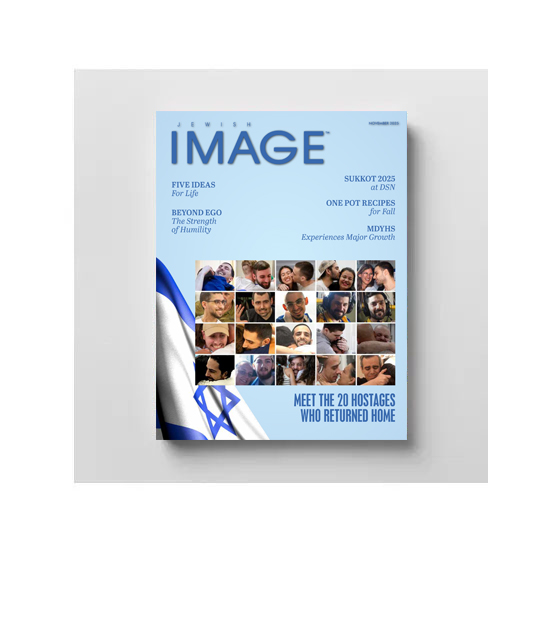
Read Jewish Image Magazine Online – September 2025

Rental Showdown.

A Vacation Rental Sign in front of a yellow one story home on the beach.

Is Short-Term or Long-Term Real Estate
More Profitable?

Choosing between short-term and long-term rental investments is one of the biggest decisions real estate investors face. While each option offers its own path to profits, understanding the risks, responsibilities, and returns can make all the difference in finding what fits best for you. Whether you’re drawn to high-turnover vacation stays or dependable monthly tenants, it’s important to weigh the benefits and challenges of each approach before investing.

In today’s real estate market, rental property remains a top choice for building wealth. But deciding how to rent—short-term or long-term—can change your experience as an investor. Short-term rentals, like those listed on Airbnb or Vrbo, have surged in popularity, especially in vacation hot spots. At the same time, long-term leases continue to offer steady income with fewer demands. Which is more profitable? The answer depends on location, lifestyle, and how involved you want to be.
Short-term rentals often deliver higher income potential. A well-located vacation property can earn in a single month what a long-term lease might bring in all season. Pricing can be adjusted for holidays or local events, and bookings can be turned on or off as needed. But this flexibility comes with added work and costs. These properties require regular cleaning, guest communication, supply restocking, and constant maintenance. If you don’t live nearby, you’ll need to hire a cleaning and maintenance team—which quickly eats into your profits.
Another issue is guest behavior. Short-term renters may not treat the home with the same respect as long-term tenants. Parties, damages, and wear-and-tear can be more frequent. Unlike someone living there full-time, a vacationer has less personal investment in the property’s condition. And while most booking platforms offer host protections, they also charge fees—usually between 3% and 15%—cutting into your bottom line.
Managing short-term rentals also requires strong computer skills. You’ll need to handle online listings, respond quickly to messages, manage calendars, set competitive pricing, and maintain top ratings. A few bad reviews can drop your visibility and reduce bookings. If you’re not tech-savvy, you may have to hire someone to help, which again lowers your net income.
Long-term rentals offer more stability and fewer surprises. You collect rent on a fixed schedule, usually with a lease agreement in place. There are fewer turnovers, no need for constant cleaning, and less time spent answering messages or updating listings. Most landlords can manage one or two long-term rentals without much help. This makes it easier for people with full-time jobs or other responsibilities to stay involved without being overwhelmed.
However, long-term rentals typically have lower income ceilings. You can’t raise rent as easily or adjust pricing week to week. Tenants may also stop paying or break the lease, leading to legal costs or vacancies. Still, the overall effort is lower, and the risks are more predictable—especially if you screen tenants well and keep the property in good shape.
Choosing between the two strategies often comes down to location. Short-term rentals perform best in vacation destinations, near hospitals, universities, or city centers. Long-term units are better suited for suburban neighborhoods, school districts, and towns with stable job markets. Before deciding, investors should research local laws—some cities are cracking down on short-term rentals—or even banning them altogether.
It’s also important to consider your personality. Are you hands-on and detail-oriented? Do you enjoy managing people and solving problems in real time? Short-term rentals demand hustle, while long-term investing is slower but steadier. Some landlords prefer to blend the two strategies—renting short-term during peak seasons and switching to long-term tenants in off months—but that approach requires strong planning and adaptability.
Upfront costs differ too. Short-term rentals need full furnishings, smart locks, guest amenities, and décor that stands out online. Long-term rentals can get by with basic appliances and may not need to be furnished at all. The start-up budget for a short-term rental is often much higher—and the return can be great, but only if managed well.
Both paths can be profitable with the right plan. Start with one property and get to know the process. Speak with local agents, research your market, and track your numbers carefully. With smart choices and realistic expectations, either rental strategy can help you build income and long-term value—on your terms.

The Frozen Treats You Didn’t Know You Could Make at Home

Move over, plain vanilla—homemade frozen treats are stepping into the spotlight. With just a few pantry staples and a little creativity, you can whip up refreshing and surprising sweets that go way beyond the ice cream truck. Whether you’re looking for healthier options or show-stopping desserts, these recipes will help you cool off and impress your guests all summer long.

Making frozen desserts at home isn’t just about saving money—it’s about fun, flavor, and knowing exactly what goes into your food. From creamy to fruity, dairy-free to indulgent, the frozen treats below are simple to prepare and perfect for all ages. Get ready to stock your freezer with these unique, crowd-pleasing creations.

Overhead view of homemade watermelon popsicles in mold on white table, horizontal, with copy space
  1. Strawberry Watermelon Popsicles
    These vibrant popsicles are naturally sweet, hydrating, and bursting with real fruit flavor—perfect for hot summer days.
    Serves: 6 popsicles
    Ingredients:
  • 2 cups seedless watermelon, cubed
  • 1 cup fresh strawberries, hulled
  • Juice of 1 lime
  • 1–2 tbsp honey or agave syrup (optional, based on sweetness of fruit)
    Instructions:
  1. Blend watermelon, strawberries, lime juice, and honey (if using) until completely smooth.
  2. Pour the mixture into popsicle molds and insert sticks.
  3. Freeze for at least 6 hours or overnight.
  4. To unmold, run under warm water for a few seconds and gently pull out the popsicles.
Healthy frozen yogurt barks with strawberry and homemade granola for healthy breakfast
  1. Frozen Yogurt Berry Bark
    This no-bake treat is a healthy snack or dessert option with a satisfying crunch and bursts of juicy berries.
    Serves: 8 pieces
    Ingredients:
  • 2 cups plain Greek yogurt (or flavored, if preferred)
  • 2 tbsp honey or agave syrup
  • 1/2 tsp vanilla extract
  • 1/2 cup sliced strawberries
  • 1/2 cup blueberries
  • 1/4 cup granola or crushed almonds
    Instructions:
  1. Line a baking sheet with parchment paper.
  2. In a bowl, stir together yogurt, honey, and vanilla until well combined.
  3. Spread the mixture evenly (about 1/2 inch thick) on the prepared baking sheet.
  4. Scatter berries and granola evenly over the top.
  5. Freeze for 3–4 hours or until solid.
  6. Break into pieces and store in a freezer-safe bag for up to 2 weeks.
Three scoops of yellow ice cream on a plate
  1. Mango Coconut Sorbet
    (No Ice Cream Maker Needed)

    Tropical, smooth, and naturally sweet, this two-step sorbet will transport you straight to the beach.
    Serves: 4
    Ingredients:
  • 4 cups frozen mango chunks
  • 1/2 cup canned coconut milk (shake well before using)
  • 1 tbsp lime juice
  • 1–2 tbsp honey or sugar (optional, based on sweetness of mango)
    Instructions:
  1. In a high-powered blender or food processor, blend all ingredients until smooth and creamy. Scrape down the sides as needed.
  2. Serve immediately for a soft-serve texture, or transfer to a container and freeze for 1–2 hours for a firmer scoop.
  3. Scoop and enjoy with toasted coconut flakes or fresh mint, if desired.
  1. Chocolate-Dipped Banana Bites with Peanut Butter
    These frozen banana bites are the perfect mix of sweet, salty, creamy, and crunchy—and fun for kids to help make.
    Serves: 12 bites
    Ingredients:
  • 2 ripe but firm bananas
  • 1/4 cup creamy peanut butter
  • 1/2 cup semi-sweet or dark chocolate chips
  • 1 tsp coconut oil (optional, for smoother melting)
  • Optional toppings: crushed peanuts, shredded coconut, or sprinkles
    Instructions:
  1. Slice bananas into 1/2-inch rounds.
  2. Spread a small amount of peanut butter on half of the slices and top with the other half to create “sandwiches.”
  3. Place on a parchment-lined tray and freeze for 30 minutes.
  4. Melt chocolate and coconut oil in a microwave-safe bowl in 30-second intervals, stirring in between until smooth.
  5. Dip each banana sandwich halfway into the chocolate, letting the excess drip off.
  6. Immediately sprinkle with toppings if using, and return to the tray.
  7. Freeze until chocolate is set, about 15–20 minutes. Store in an airtight container in the freezer.

Homemade frozen treats don’t have to be complicated. With just a few ingredients and a bit of prep, you can fill your freezer with healthier, more flavorful versions of your favorite summer snacks. Plus, the ability to customize ingredients means these recipes can suit nearly any dietary need or flavor preference. So the next time the temperature climbs, skip the store-bought options and grab a spoon—or a popsicle stick—and enjoy a treat made by you.
David Zeit. My Sons Are Heroes Protecting Our Homeland

David Zeit leads a tour in Israel.

Sarina Roffé

When the war with Hamas began on October 7, 2023, David and Tracy Zeit never once thought of moving back to New York from Efrat. They had been living in Israel, at the time, for 15 years – and David was living his dream as a tour guide – with most of his clients from the community.
“My two oldest sons are in the Israel Defense Forces (IDF) and both fought in Gaza as combat soldiers when they were called for reserve duty. Ezra is in the Multi-Dimensional Unit, a commando unit, created by the IDF Chief of Staff. Jesse is in Givati Special Forces. Joey, my third son, is in basic training with the Kfir Brigade. Michael will go into the IDF next year. Marcelle is in high school.”
“For Jewish existence to be complete, we need the Jewish People in the Jewish Homeland observing the Torah,” said David. “It is a triangle – the people, the land and the observance of Torah. All three are needed for a complete Jewish existence. I believe this is where I belong and where all the Jewish People should be.
“The war further entrenched my family and our commitment to living in Israel. We are not fighting overseas; we are fighting for our homeland. Having my sons serve in the IDF is a great privilege for me as a father. My sons are heroes, and they are protecting our homeland and fighting for our way of life.”
As a tour guide, David shares his love for Israel’s history, living the history, and loving the land our ancestors lived in. With 90 percent of his clients being visitors to Israel from the Brooklyn and Deal communities, David is thrilled to apply his talent as a teacher to the tour guide experience.
David was born in Bridgeport, Connecticut to Egyptian-born parents Marcelle Soffer and Caesar Zeit – at the time, an engineer for General Electric. The family uses the surname Zeit (Hebrew for Olive), while his paternal uncles kept the original Zeitouni. The Zeits moved their three children (David has two older sisters – Terry Franco and Rachel Safdieh) to Brooklyn in 1978. David was five years old at the time and attended Yeshiva of Flatbush graduating from high school in 1991. He fell in love with Israel as a child but further entrenched his commitment to Israel during his gap year after high school. Back in New York, he graduated from Yeshiva University with a degree in Business Management from YU’s Sy Syms School of Business.
David’s community involvement as an active volunteer kept him thriving and helped his dream career as a tour guide for Israel. As a young adult, David made friends with many people at Sephardic Bikur Holim’s youth program serving as its president. They visited the sick, had a Big Sister/Big Brother program and delivered Shabbat and holiday packages for the homebound. He made friends and connections through Young Shaare Zion, summers at Camp David, leading the Young Adult Minyan at Bnei Yitzhak, and as the director of Camp Esh for several years.
Married in June 1996 to Tracy Kopyt (daughter of Paul Kopyt and Shelly Sarway), the couple settled in Brooklyn and had four sons. David had several jobs over the years, each of them contributing to his current work as a tour guide. Along the way he received his semicha–although he prefers not to use the title–so he could work at Hillel Yeshiva High School.
David and Tracy made aliya in August 2008 with their four sons, Ezra (10), Jesse (8), Joey (4) and Michael (1), when very few families were there. Their daughter, Marcelle was born, fittingly, on Yom Ha’Atzma’ut 2010. They made a few trips to Israel to see where they wanted to live and decided on Efrat. In Brooklyn, their children attended Barkai Yeshiva, which adopted a methodology from the school their sons would now attend in Efrat. It seemed like the best fit for their family.
“We felt that the future of the Jewish people is in Israel,” said David. “There was no material reason for me to leave New York. I had a promising career. Everyone knew me and I was a ‘somebody’. In Israel, no one knew me and I went from a ‘somebody’ to a ‘nobody’.”
It took a while for David to get grounded in his current career. There were fits and starts to identify a good job.
“Since I made Aliyah, I wanted to be a tour guide,” said David. “It’s a two-year course and then you have to take a written and oral exam. I was so happy when I passed, and then Covid hit and the tourism industry dried up. Thankfully, it’s back on track now, even with the war. I had instant business with our community, largely from all those connections and friends I made while living in Brooklyn. This job is very fulfilling. I consider the job an ambassadorship to the State of Israel.
“Sometimes I go to New York to teach and make speaking appearances. This past year, I travelled to New York several times to teach the students of Magen David Yeshiva High School about the history of Israel and speak in several other schools, shuls and businesses about what it was like as a parent to send my sons off to war.
“In Israel, you live Judaism as part of your daily life without realizing it. For example, early on in our Aliyah, I was listening to the radio one day and heard the soccer scores. I don’t follow soccer. But this particular game ended in a tie. In modern Hebrew a tie game is called a teykoo. This is actually a legal term from the Gemarah, when two rabbis argue a halacha and there is no resolution to their debate. The Gemarah calls this impasse a teykoo. I love how such an ancient religious expression is used in modern parlance.”
“Another example is that a moving violation ticket in Israel is called a “doch.” That is also a term from the Talmud. The context it is used in is that after 120 years, one goes to heaven and gives an accounting of his / her life (Doch is an acronym for “Din VeHeshbon” the aforementioned “accounting”). We take ancient terms from our code of law and use them in modern slang. This is Israel. This is living Judaism.”
“Where else can you take a city bus on a Friday afternoon and the driver says “Shabbat Shalom” as you get off? Even the most secular people who don’t observe will have a Friday night meal with their family. We are living our religion. Holidays are a national celebration and you feel it in everything you do, every day.”
David has many close personal and professional relationships with friends and family from the community. The presence of Syrian Jews in Israel is growing and David is an excellent ambassador.

A genealogist and historian, Sarina Roffé is the author of Branching Out from Sepharad (Sephardic Heritage Project, 2017). She is researching a new book: Syria – Paths to Freedom. Sarina holds a BA in Journalism, an MA in Jewish Studies and an MBA.

The Truth About Menopauseand Metabolism

Beautiful business woman smiling friendly and looking in camera near the window in office. Happy woman's face close up. Selective focus.

You’re not broken—you’re evolving. Here’s how to support your body without going to war with it

Laura Shammah, MS, RDN

You hit your 40s or 50s, and suddenly your body feels like a stranger. You eat like you always have—maybe even healthier—but the weight creeps up. You’re exhausted but can’t sleep. Your favorite jeans don’t zip, and no amount of spinach or spin class seems to help.

Let’s get one thing straight: this isn’t failure. It’s not weakness. And your metabolism didn’t just pack up and leave. What you’re experiencing is real—but it’s also manageable once you understand what’s happening.

What’s Actually Going On —
Hormones in Transition
Menopause isn’t a single moment—it’s a gradual shift. Here’s what your body is navigating behind the scenes: Estrogen and progesterone begin to drop, affecting everything from mood and appetite to fat distribution and sleep. Cortisol may spike, as poor sleep, hot flashes, and midlife stress can all raise this hormone, encouraging belly fat storage. Insulin resistance can increase, making you more sensitive to carbohydrates and sugar. And muscle mass naturally declines, which slows metabolism and increases your risk of injury.

Weight Gain Isn’t Inevitable —
But It Is Understandable
On average, women gain five to ten pounds during perimenopause and menopause. But it’s not always just fat—inflammation, fluid shifts, and muscle loss play a big role too. This isn’t simply about food; it’s about hormones, stress, sleep, and aging.

Why Dieting Doesn’t Work —
and What to Do Instead
Extreme restriction or over-exercising can make things worse. Your body is already under stress—it needs nourishment and stability. Instead, focus on what works: Prioritize protein to preserve lean muscle, stabilize blood sugar, and boost satiety. Incorporate strength training to support metabolism and bone health. Balance blood sugar by including healthy fats, fiber, and slow-digesting carbohydrates like beans and lentils. And don’t neglect sleep and stress—magnesium-rich foods, evening routines, and consistent sleep schedules can help.

It’s Not Just Physical — It’s Emotional Too
Watching your body change can be emotional. You might grieve the body you used to have—and that’s okay. This is a time to soften, not criticize. Shift from chasing a number to nurturing your body. Wear the jeans that fit. Move in ways that feel good.

You Deserve Support
Menopause doesn’t need to be survived in silence. Talk to your friends. Build a support team. There’s no medal for struggling alone.
Ask Questions & Get Help
It’s wise to see a gynecologist who specializes in menopause. Ask about hormone therapy if you’re a candidate. Ensure that you’re eating enough and not skimping on key nutrients. If you’re unsure, a registered dietitian can help you tune in to what your body truly needs.

Grace Over Grit
Your body deserves compassion, nourishment, and care—not shame or blame. You’re not broken. You’re not lazy. Menopause is an invitation to listen more deeply, support more wisely, and treat yourself with the grace and patience you’ve always deserved.

Laura Shammah MS, RDN specializes in eating disorders but has clientele that run the gamut from people dealing with PCOS, infertility hypertension, high cholesterol, Crohn’s disease, diabetes and cancer. She also helps clients who run in marathons, are pregnant and those who would like to lose or gain weight in a healthy way.