

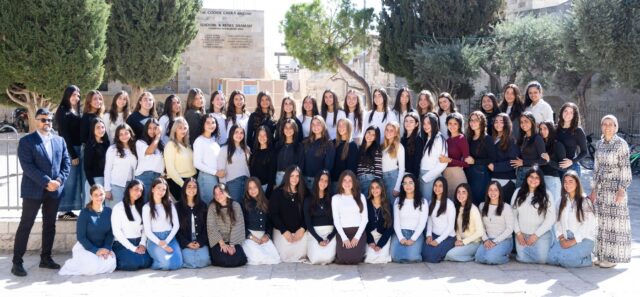
A Sephardic Midrasha in the Old City
Miriam Kairey
Every rising senior in any community high school faces the same question: spend the next year studying in Israel or not? For some students, the answer is a definitive yes or no. Others spend quite a bit of time in discussions with their parents trying to figure out what the best choice is for them.
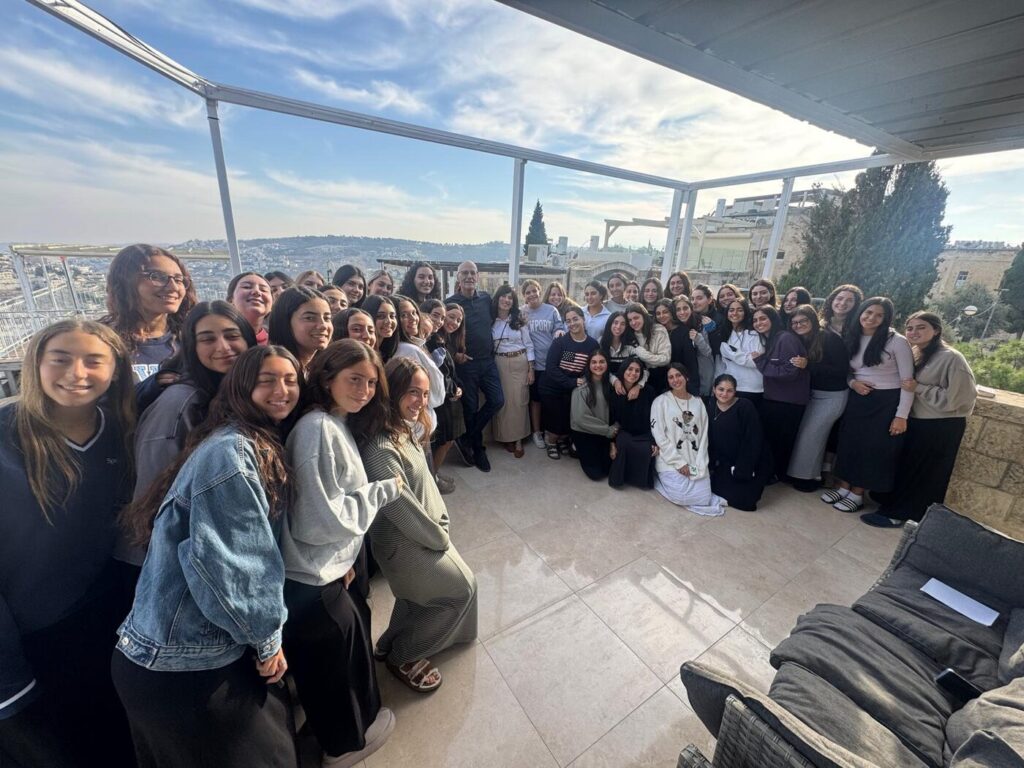
For many decades, male high school graduates have been attending yeshivot in Israel, bolstering their religious practices and spiritual strength. The number of young women who attended seminary was much lower.
Baruch Hashem, the gap is narrowing. The turning point occurred in 2007. Miriam Abott Tawil (Flatbush HS 88) had recently made Aliyah with her husband and children and was teaching in gap year programs in Yerushalayim. While these schools were terrific for young women, the Sephardic aspect of Judaism was absent. This led to a meeting with pioneering seminary students Adele Chabot, Rochelle Salem, Denise Zami, and Lenore Mizrachi. While they all loved their studies in Israel, they agreed that there was a need for a Sephardic Midrasha (a house of Torah study for women).
According to Adele Chabot Tawil, “I think Midreshet Eshel answers a big need. Girls who wouldn’t otherwise come to Israel come to Eshel. Girls like that it is small and warm. Most seminaries are huge.” She added that the six-month option made this school attractive because most places only offer a one-year program.
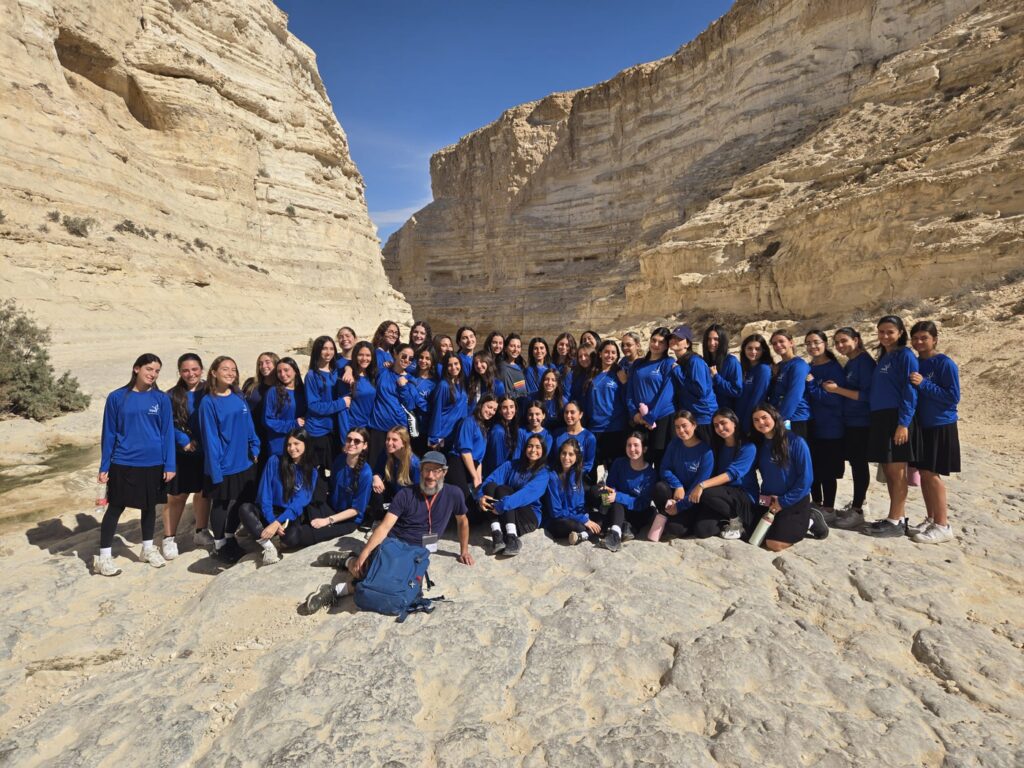
“Studying Tanach in the place where the events happened pulls all their learning together,” Miriam Tawil says about the young women who choose to study at ME. She added that they become part of the Jewish People rebuilding their Homeland and come to see Israel as their spiritual home. They learn from role models like Mrs. Ilana Alouf, her daughter Hilla Aboody, her daughter-in-law Mariyah Alouf, Victoria Chabot Berman, Alicia Matsas Dweck, Merle Cohen Idy, and Deborah Heffes Azerad, who guide the women at a developmentally appropriate time, enabling them to reach their potential.
“I find the students start the year unsure of themselves and where they are going,” Miriam explained. “It is a beautiful thing to see when it all clicks in, and the student becomes confident in who she is and where she wants to go in life. Here they learn WHY they should live a life of Torah, and why learning is a value that they want to practice moving forward.” Miriam has furthered her own education, earning a doctorate in Education from Yeshiva University.
But what about the practicality of living in Yerushalayim? “We take security very seriously,” Miriam states. “There is a system here. The rules are not negotiable. We are connected to all the community agencies charged with keeping us safe. Overwhelmingly, the girls behave responsibly.”
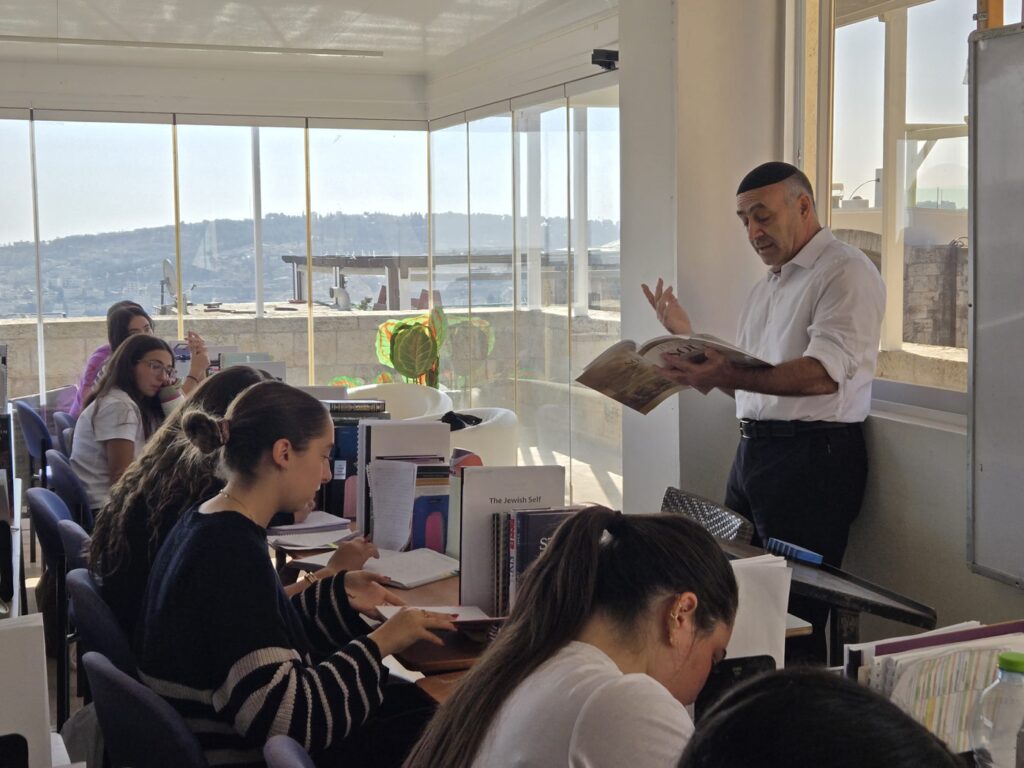
As the Midrasha grew, it became apparent that a permanent home was needed. Board members Ezra Ashkenazi, Harry Adjmi, Harold Shamah, and Rabbi Ricky Cohen came to the rescue. With their help, and the assistance of so many donors, the beautiful and unique building in the Jewish Quarter of the Old City, with views of Har Habayit (the Temple Mount), was purchased. It was the realization of a dream. With Hashem’s help, many generations of Sephardic women will be educated here.