


Beauty Breakthrough or Too Good to Be True?
The ads are hard to miss. A cream promises smoother skin, tighter pores, a lifted look, and a glow that seems to belong in a filter. The label is Korean, the packaging is elegant, and the language sounds scientific. For anyone tired of expensive treatments, the message is tempting. Is this skincare, or is it wishful thinking?

The answer is somewhere in the middle. Korean anti-aging creams are not Botox in a jar. They cannot freeze facial muscles, erase deep lines overnight, or replace a dermatologist. But some of them do contain thoughtful ingredients that can improve how your skin looks and feels when used consistently.
Korean skincare has earned a strong following because it often focuses on prevention, hydration, barrier repair, and daily routine. That approach is different from the quick-fix promise many people expect from anti-aging products. Instead of one strong cream that does everything, K-beauty often builds results through layers. A gentle cleanser. A hydrating toner. A serum. A moisturizer. Sunscreen in the morning. The goal is skin that looks healthier because it is better protected and less irritated.
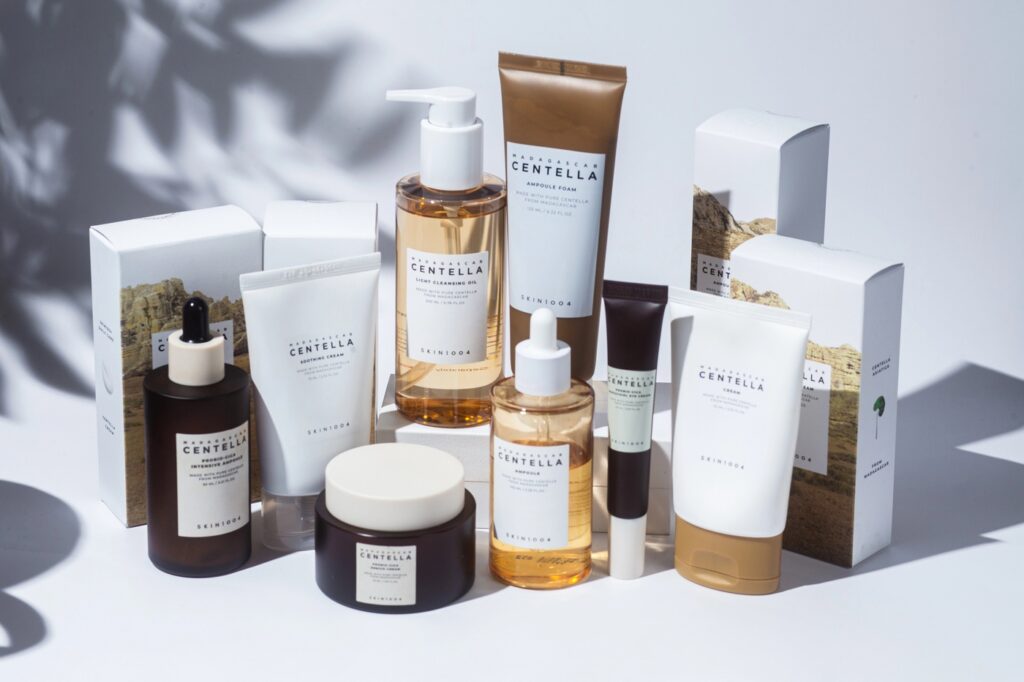
The current wave of Korean anti-aging products is built around ingredients that sound almost medical. You may see PDRN, peptides, exosomes, snail mucin, cica, fermented extracts, ginseng, niacinamide, and bakuchiol. Some of these have real value. Peptides may support the skin’s firm look over time. Niacinamide can help with uneven tone and the skin barrier. Cica, also called centella asiatica, is often used to calm redness. Snail mucin is mainly valued for hydration and repair. Bakuchiol is often described as a gentler retinol alternative, though retinoids still have the stronger research record.
Then there are the trendier ingredients. PDRN, short for polydeoxyribonucleotide, has become one of the biggest names in Korean beauty. It is often connected with skin repair, hydration, and post-treatment recovery. In clinics, related ingredients may be used with professional procedures. In a cream or serum, the effect is more modest. It may help support the skin, but it should not be treated like a medical treatment at home.
Another trend is the “Botox-like” cream. This phrase is where consumers need to slow down. Botox is a drug that is injected by a licensed professional. It works by relaxing targeted muscles. A topical cream does not work the same way. Some creams use ingredients that may soften the look of fine lines by hydrating the skin or temporarily smoothing the surface. That can be useful, especially before makeup or for dry skin. But it is not the same as changing muscle movement.
This does not mean the products are scams. It means the claims matter. A cream that says it helps skin look smoother, plumper, brighter, or more hydrated may be making a reasonable cosmetic claim. A cream that suggests it can deliver the same result as an injection should be viewed with caution. Good skincare can improve texture. It can help dull skin look fresher. It can reduce dryness that makes lines look worse. It can support the barrier so skin looks calmer. Those are real benefits. They are also different from a facelift, laser, filler, or neuromodulator.
The safest way to judge these products is to ignore the most dramatic advertising and read the ingredient list. Look for familiar, useful ingredients near the top. Hyaluronic acid, glycerin, ceramides, niacinamide, peptides, panthenol, centella, and sunscreen filters all have practical roles. If you want anti-aging results with stronger evidence, retinol or a prescription retinoid remains one of the better studied options, though it can irritate some skin. If your skin is sensitive, bakuchiol, peptides, and barrier-repair creams may be easier to tolerate.
You should also pay attention to how your skin reacts. A product can be popular and still be wrong for you. Fragrance, essential oils, strong actives, and exfoliating acids can bother sensitive skin. A glossy ad does not protect you from redness, burning, breakouts, or rash. Try one new product at a time. Use a small amount for several days before putting it all over your face. If your skin stings or peels badly, stop using it.
Buying from a reliable source matters too. Korean skincare is widely available in the United States, but the market is crowded. Choose established retailers, clear labeling, sealed packaging, and brands that list ingredients in English. Be careful with products sold through unknown marketplaces, especially if the price seems unusually low. Skincare does not need to be expensive, but it should be traceable.
The most overlooked anti-aging product is still sunscreen. No cream can do much if your skin is getting daily sun damage. A simple morning routine with sunscreen and a simple night routine with moisturizer and one active ingredient will usually serve you better than a shelf full of half-used miracle creams.
Korean anti-aging creams are worth paying attention to because they reflect where beauty is going. Consumers want products that feel gentle, look elegant, and fit into daily life. They want skin that looks healthy, not frozen. That is a good shift. The problem starts when the language gets too big for what a cream can honestly do.
The best approach is open-minded but realistic. Try the products that make sense for your skin. Give them time. Keep your expectations grounded. A good Korean cream may help your skin look smoother, calmer, and better hydrated. That is not Botox. It is skincare. And sometimes, that is exactly what your skin needs.


