

By Laura Shammah, MS, RDN
EVERYONE IS ON A GLP-1 AND GETTING SO SKINNY. I WANT TO GO ON IT TOO. I HEAR THIS SENTIMENT OFTEN IN MY PRACTICE. BEHIND IT IS MORE THAN CURIOSITY ABOUT A MEDICATION. THERE IS ALSO THE PRESSURE TO COMPARE OUR BODIES AND WORRY THAT WE ARE FALLING BEHIND. WHEN SUCCESS IS MEASURED BY A SMALLER BODY, IT CAN START TO FEEL AS IF EVERYONE SHOULD WANT A PRESCRIPTION.
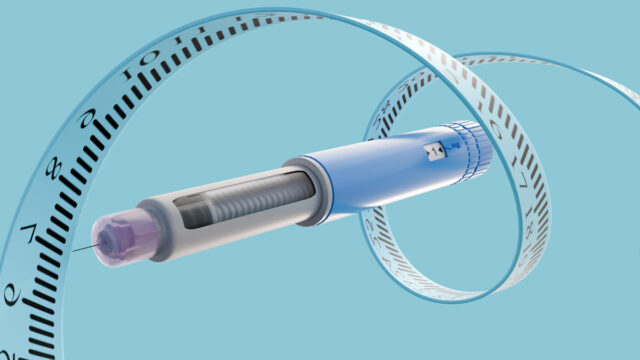
GLP-1 medications can be an important tool for people who need them. I support clients throughout treatment, helping them maintain proper nutrition and monitor how they feel and tolerate the medication. I also work with clients and their endocrinologists to discuss whether to increase a dose or stay at the current dose longer. We consider how the client is tolerating treatment, nourishing themselves, and protecting muscle, with the goal of minimizing side effects and muscle loss. Dose increases should not happen automatically just because a standard interval has passed. Each person’s response matters. Taking prescription medication is not a shortcut or a character flaw. Would we shame someone for getting glasses to help their vision? No one should be shamed for taking an appropriate medication or for not taking it when it is not right for them.
The right decision is personal. Medication decisions belong in an individualized conversation with a qualified health care provider, who can consider a person’s needs, health history, benefits, and risks. Someone else’s body or story cannot tell us whether a GLP-1 is right for us. The decision should not come from pressure to pursue one ideal body.

Whether someone takes medication or not, the same foundations support health. These include balanced meals, consistent effort, and strength training. Medication can be a helpful tool, but it does not replace the day-to-day work of nourishing the body and building strength. I help clients find routines that fit their needs and abilities. Exercise should support well-being, not become punishment or compensation for eating.
The way we talk about these medications matters, especially for anyone who has struggled with disordered eating or body image. Praising a smaller body without knowing its story can send the message that thinness proves success, health, or worth. We cannot know another person’s health, recovery, or treatment needs by looking at them.
If you find yourself wanting medication because you feel you must catch up with everyone else, pause and bring that feeling into a conversation with your health care provider. You deserve care based on your own health, not pressure to copy another person’s treatment. If a GLP-1 is not right for you, that is not a judgment about your discipline or your body.
We can recognize the benefits of GLP-1 medication for those who need it without glorifying the treatment or expecting everyone to want it. No one should have to apologize for using an appropriate medical tool or defend the choice not to use one. Your body deserves care, your decisions deserve respect, and your health plan should fit you.
Laura Shammah, MS, RDN, specializes in eating disorders and works with a wide range of clients, including those managing PCOS, infertility, hypertension, high cholesterol, Crohn’s disease, diabetes, and cancer. She also supports clients training for marathons, pregnant women, and individuals seeking to lose or gain weight in a healthy way.